


Article table of contents

Velvet is the noble material par excellence, capable of transforming an ordinary living room into a sophisticated boudoir. However, a recent study on textile furnishing reveals that cut-pile fabrics can lose up to 15% of their colour intensity after only two years of direct exposure to UV without adequate protection. Faced with this observation, the crucial question arises: how to revive the colour of a faded velvet sofa without damaging its delicate fibre? This expert guide reveals the secrets of upholsterers to give your seats new life, distinguishing myths from proven methods.
Why is my velvet sofa losing its colour and shine?
To effectively solve a problem, you must first understand its source. A faded velvet sofa is not always synonymous with a worn fabric. Often, the loss of shine is an optical illusion caused by the crushing of the fibres or the accumulation of micro-particles.
The physics of velvet: a question of light reflection
Unlike flat cotton or linen, the colour of velvet depends on how the light strikes the "pile". When the fibres are standing up, the colour appears deep and rich. When they are crushed by daily use, the light is reflected differently, creating whitish or greyish areas, often confused with chemical discolouration. This is particularly visible on a velvet sofa of quality where the pile density is high.
The silent enemy: ultraviolet rays and dust
The real fading, the one that affects the pigments, mainly comes from UV rays. Even through a window, the sun attacks the chemical bonds of dyes. This phenomenon is accentuated by dust. The micro-dusts insert themselves between the fibres and act as a grey veil, opacifying the natural vibrance of the fabric. This process is insidious: we often only notice that our vintage sofa has lost its splendour when moving a cushion that has protected an area that remained intact.
The essential steps to prepare the colour renovation
Before applying any faded velvet solution, the preparation of the support is decisive. Applying a product on dusty velvet will only fix the dirt and create halos.
1. Meticulous dusting
Vacuuming must be done with absolute gentleness. Use the soft brush attachment of your vacuum cleaner, never the direct tube which could pull out the fibres or mark the fabric. The goal is to remove the greyish veil. For a corduroy velvet sofa, always go in the direction of the ribs to dislodge the impurities nestled in the grooves.
2. The safety test
Each dye reacts differently. Before attempting to revive velvet colour, test your method on a hidden area (the back of the sofa or the reverse of a cushion). Wait for complete drying to observe the result. If the colour bleeds onto your white cloth, stop everything: you are dealing with an unstable dye that requires a professional.
The preliminary brushing
Once dusted, brush the entire sofa with a soft silk-bristle brush. This mechanical gesture allows you to separate the fibres stuck together by ambient humidity or perspiration, thus preparing the ground for the renovation treatment. This is a step that is often neglected on a large velvet corner sofa for the sake of time, but it is essential for a uniform result.
Natural methods to revive velvet colours
It is not necessary to invest in expensive chemical products to restore velvet sofa shine. Our grandmothers had already understood that the maintenance of this royal textile was based on simple and gentle chemical reactions.
The white vinegar technique: reviving the pH
White vinegar is the number one ally to revive velvet colour. Its acidity allows you to dissolve the alkaline residues (often left by unsuitable cleaners) that dull the fibre, while fixing the pigments.
- Mix in a bowl: 1 litre of lukewarm water, 4 tablespoons of white vinegar, and a drop of neutral dishwashing liquid.
- Soak a clean cloth (microfibre or chamois leather type) and wring it out as much as possible. It should be barely damp.
- Dab and rub the velvet gently in the direction of the pile, then against the pile.
- Do not rinse with plenty of water, but wipe with a damp clean washcloth to remove the excess.
Baking soda for "dry cleaning"
If your velvet fears water (like some viscose velvets), baking soda is the solution to clean discoloured velvet from greasy dirt.
Generously sprinkle the seats. Work the powder in by a light hand massage. Leave to act for 3 to 4 hours (ideally overnight). Baking soda will absorb the sebum and embedded dust that grey the colour. Then vacuum thoroughly. You will notice that the colour immediately seems more "fresh" and luminous on your cosy sofa.
Steam: the fibre lifting
This is often the most spectacular method to restore a velvet sofa that has been crushed. Hot steam relaxes the fibre and allows it to regain its volume, which restores the proper reflection of light.
| Equipment | Technique | Expected result |
|---|---|---|
| Iron (steam) | Hold 5cm from the fabric, never touch | Localised fibre straightening |
| Vertical steamer | Slow and regular sweeping | Colour uniformity on backrests |
| Steam cleaner | Low pressure, with bonnet | Deep cleaning and revived shine |
Caution: Never use steam on a boucle sofa or textured fabrics without checking the label, as the heat can sometimes modify the structure of the loop.
Specific advice according to the velvet colour
Not all shades age in the same way. The approach to revive velvet colour must be nuanced according to the pigmentation of your furniture.
Dark velvets: Midnight Blue, Emerald Green and Black
On a teal blue velvet sofa or forest green, fading often manifests as whitish marks (the "marbled" effect). For these deep colours, adding a small amount of ammonia (with precautions: gloves, ventilation) to the cleaning water can be miraculous for degreasing without altering the dark shade. The final brushing is crucial: it must always be done in the same direction to avoid the changing reflections that give a neglected appearance.
Warm velvets: Terracotta, Red and Ochre
Red pigments are the most sensitive to UV. A terracotta velvet sofa exposed full south can turn pale pink in a few seasons. For these shades, favour the vinegar method which helps fix the red pigments. If the discolouration is too advanced, a renovator's trick is to use slightly vinegared water infused with natural materials of a close shade (black tea for ochres, for example), although this requires some expertise to avoid stains.
Light velvets: Beige, Pink and Pearl Grey
The problem here is not so much discolouration as "greying". On a high-end sofa in a light colour, fuller's earth is preferable to baking soda. Finer, it absorbs grease without risking leaving white halos that are difficult to rinse. The goal is to find luminosity, not depth.
Prolonging the shine: prevention after renovation
Once you have succeeded in restoring velvet sofa shine, the challenge is to maintain this result. Velvet maintenance should not be a chore, but a preventive routine.
Protection against external aggression
If your living room is bathed in light, consider applying an anti-UV protective spray specifically designed for upholstery fabrics. It acts like an invisible sunscreen. For households with animals, where friction is more intense, initially opting for a scratch-resistant fabric is the best prevention, but using strategically placed throws on the main seat areas limits the mechanical abrasion that causes fading.
The importance of modularity
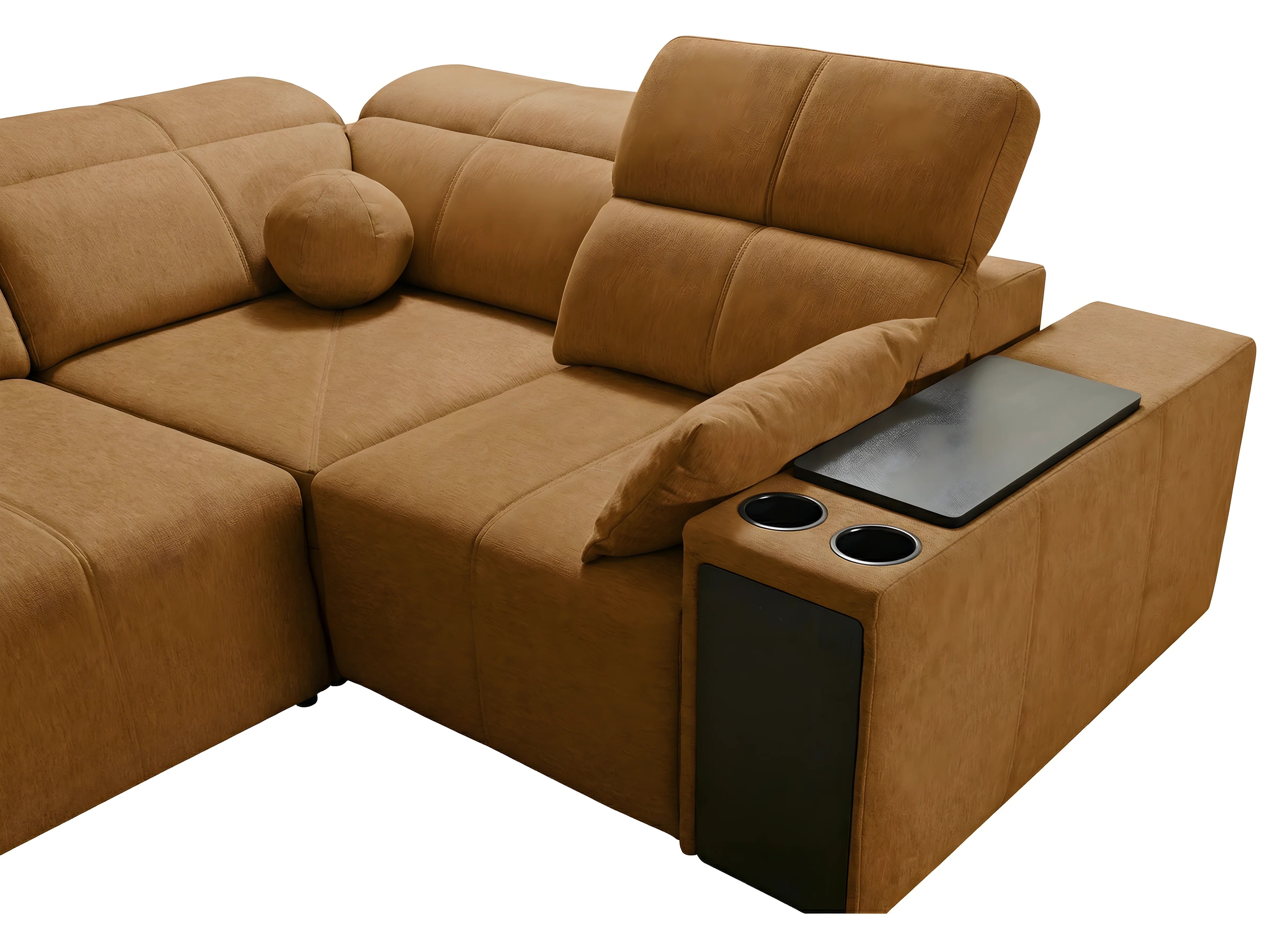
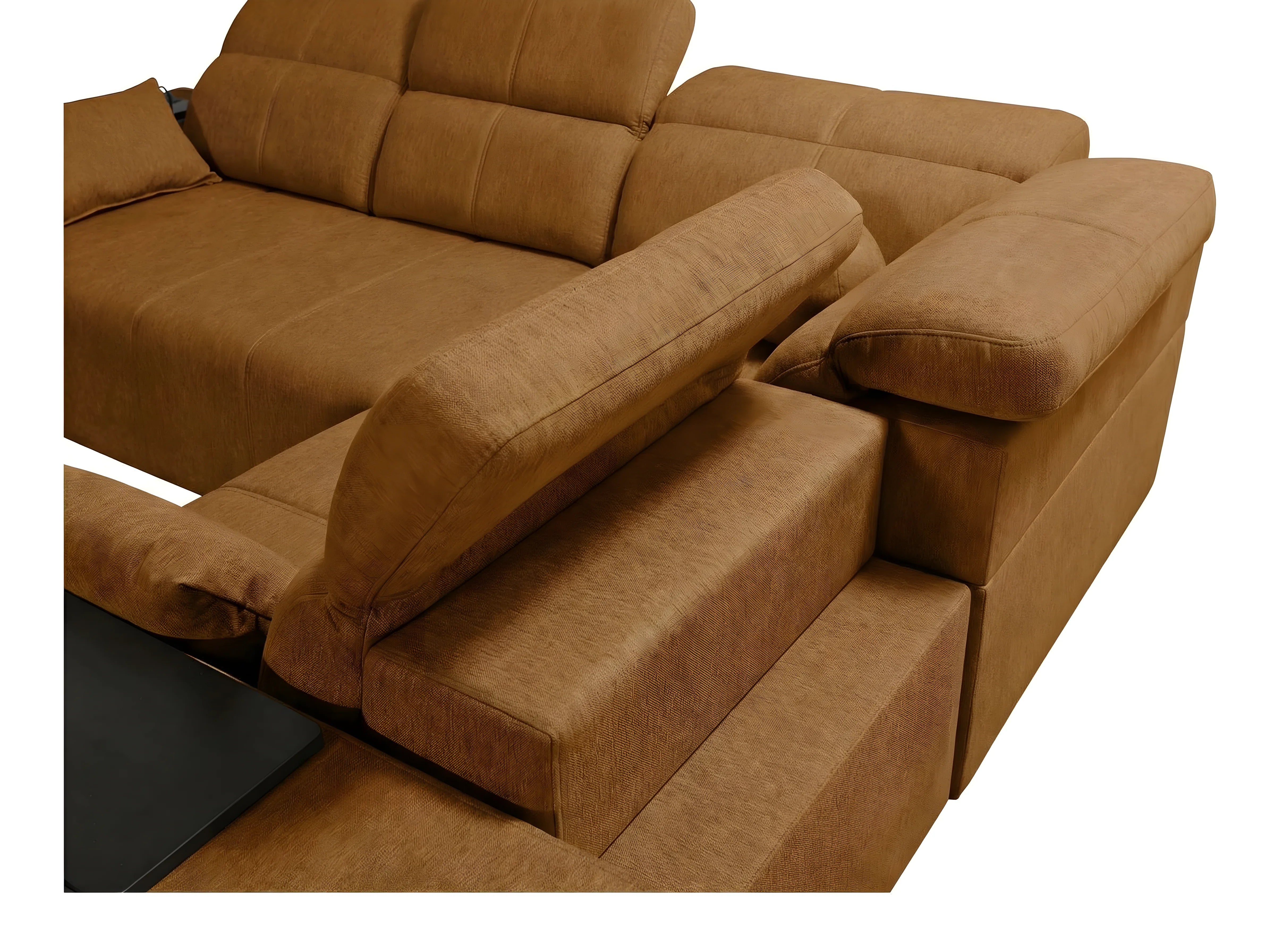
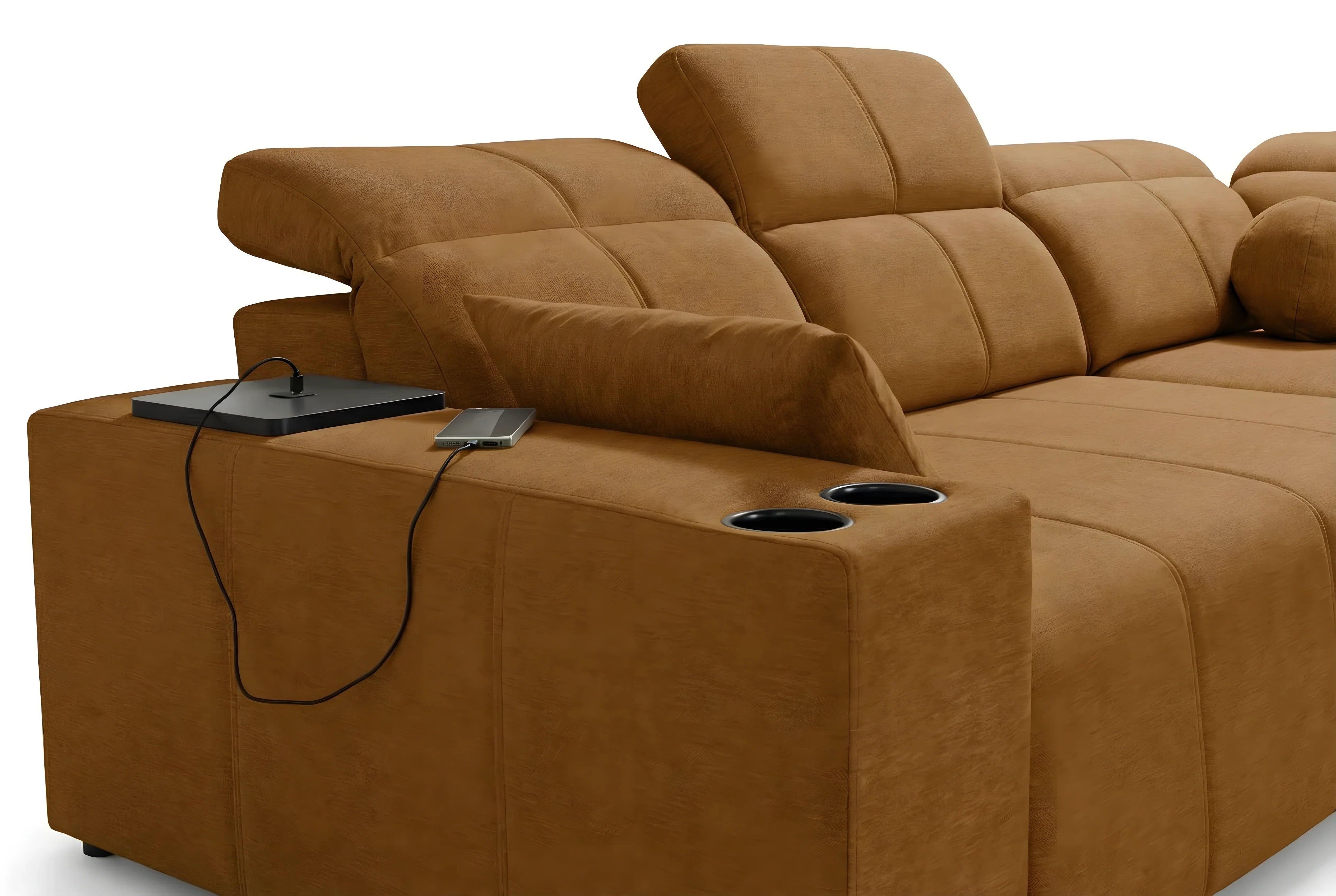
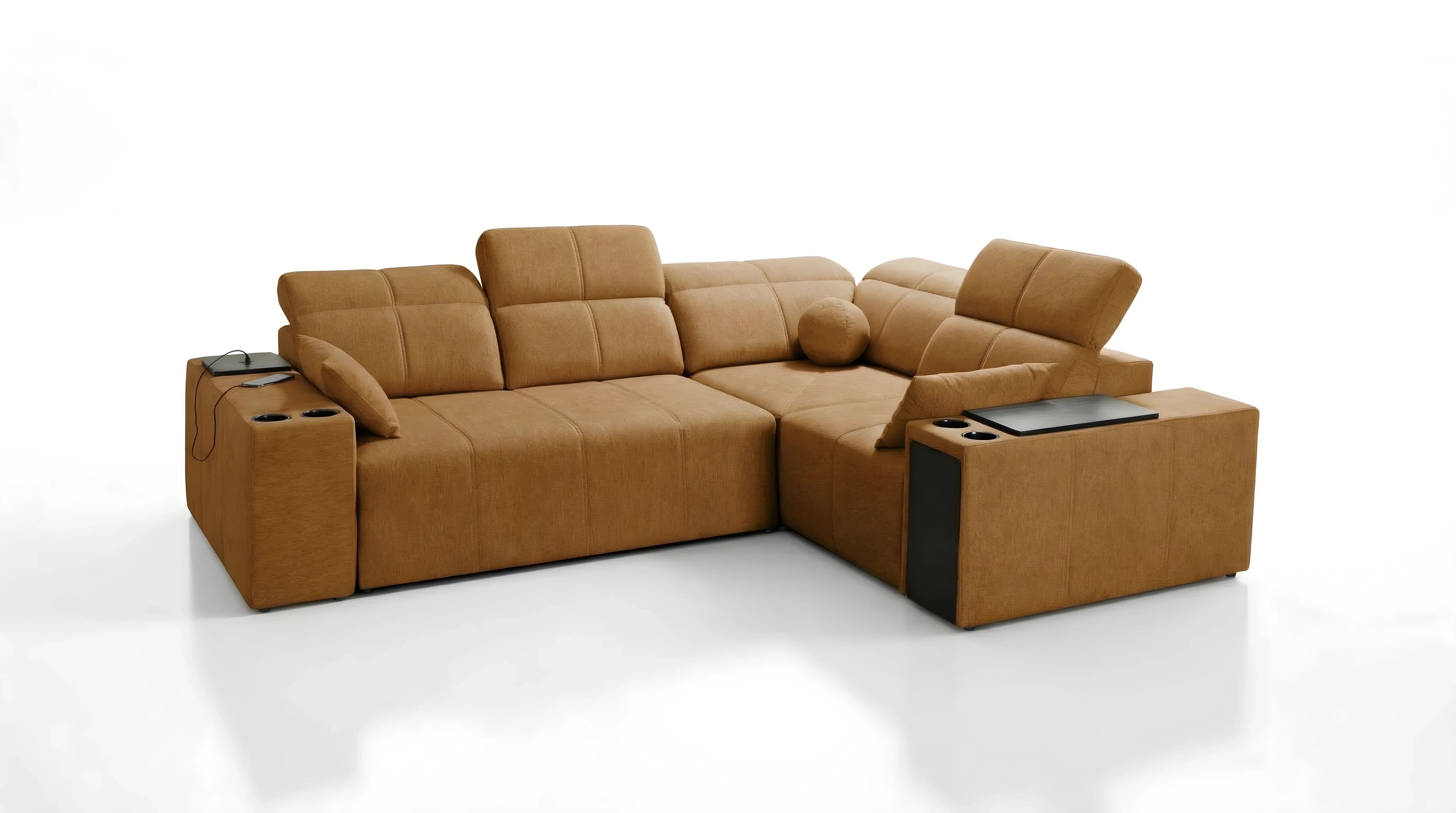
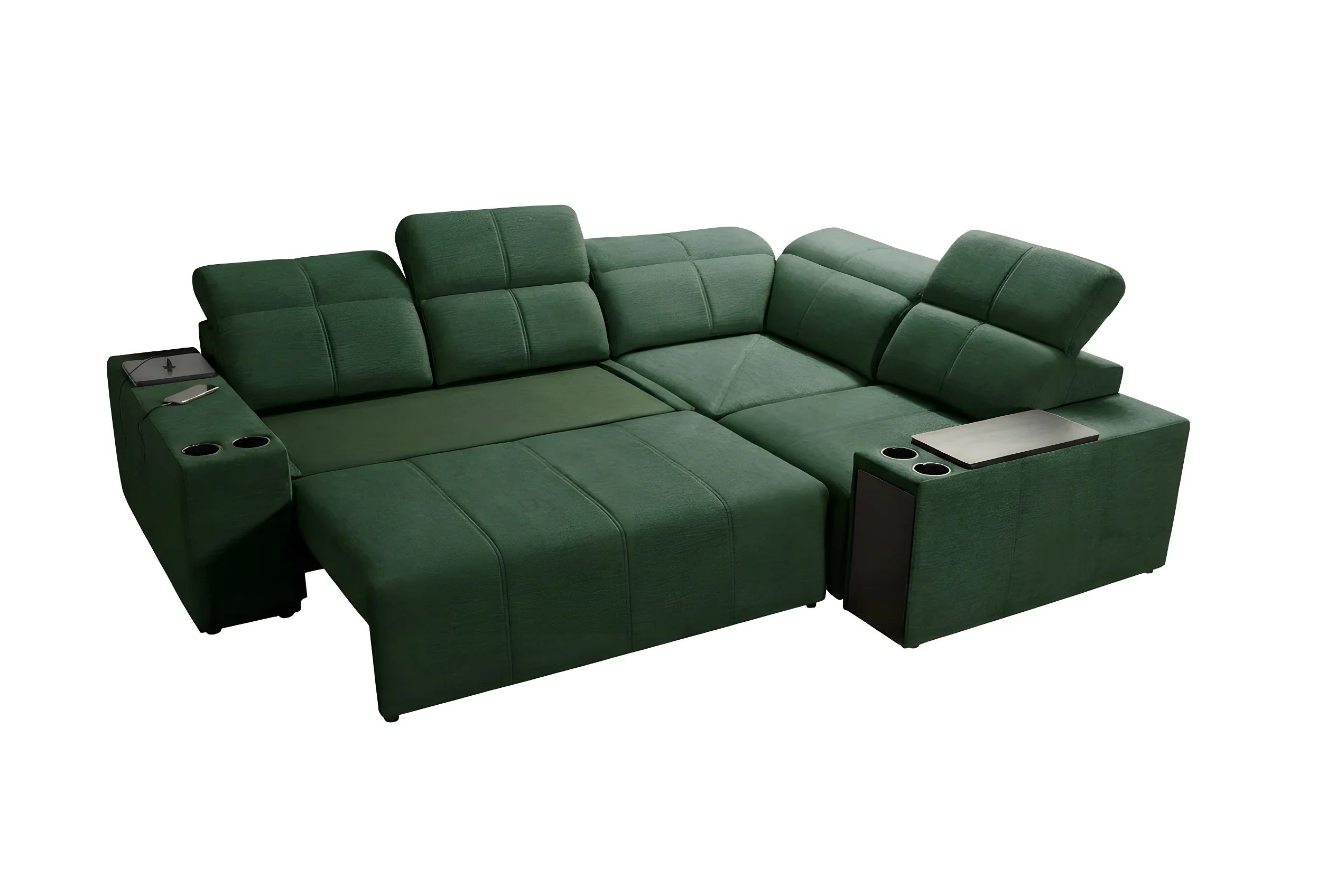
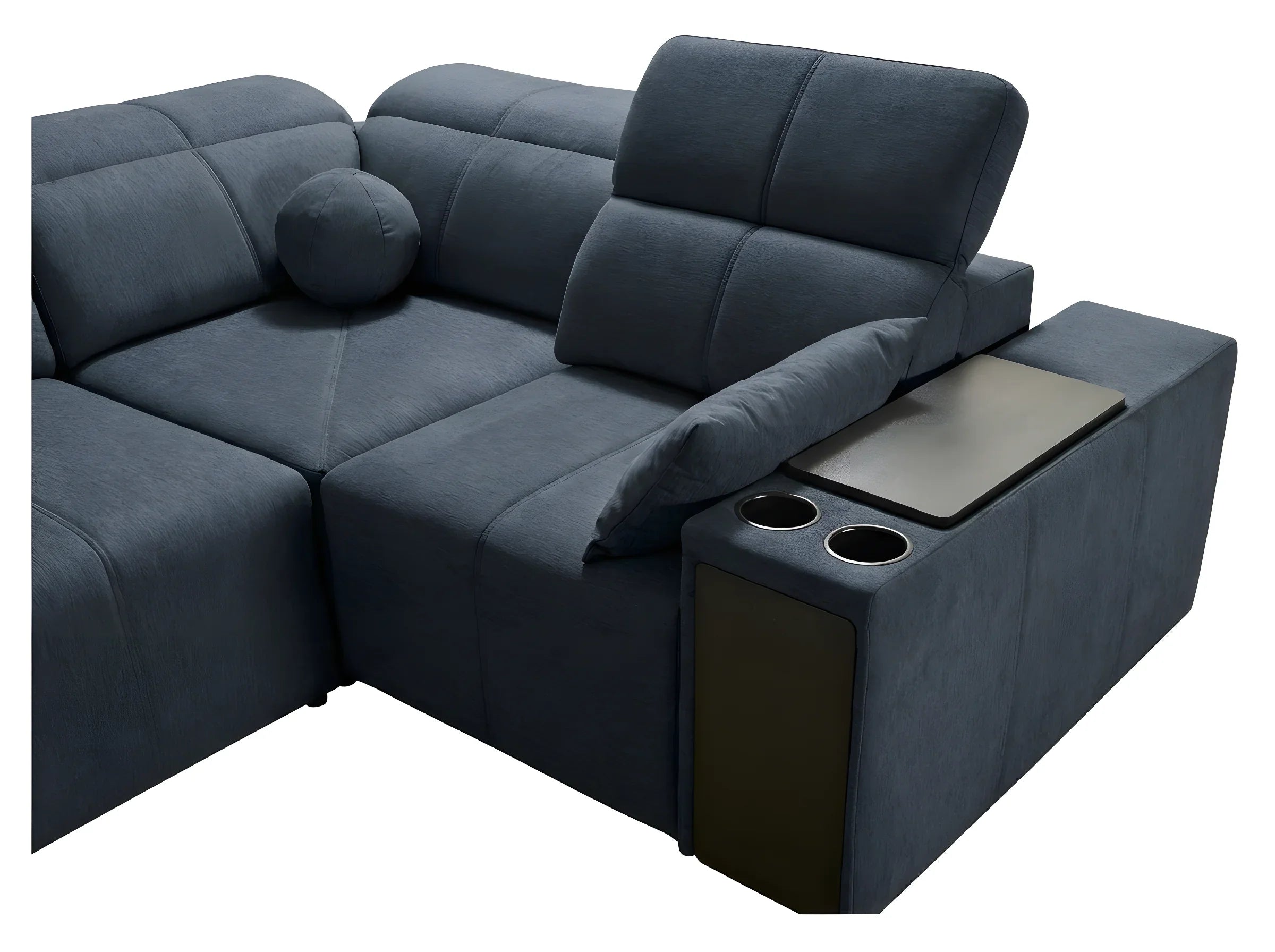
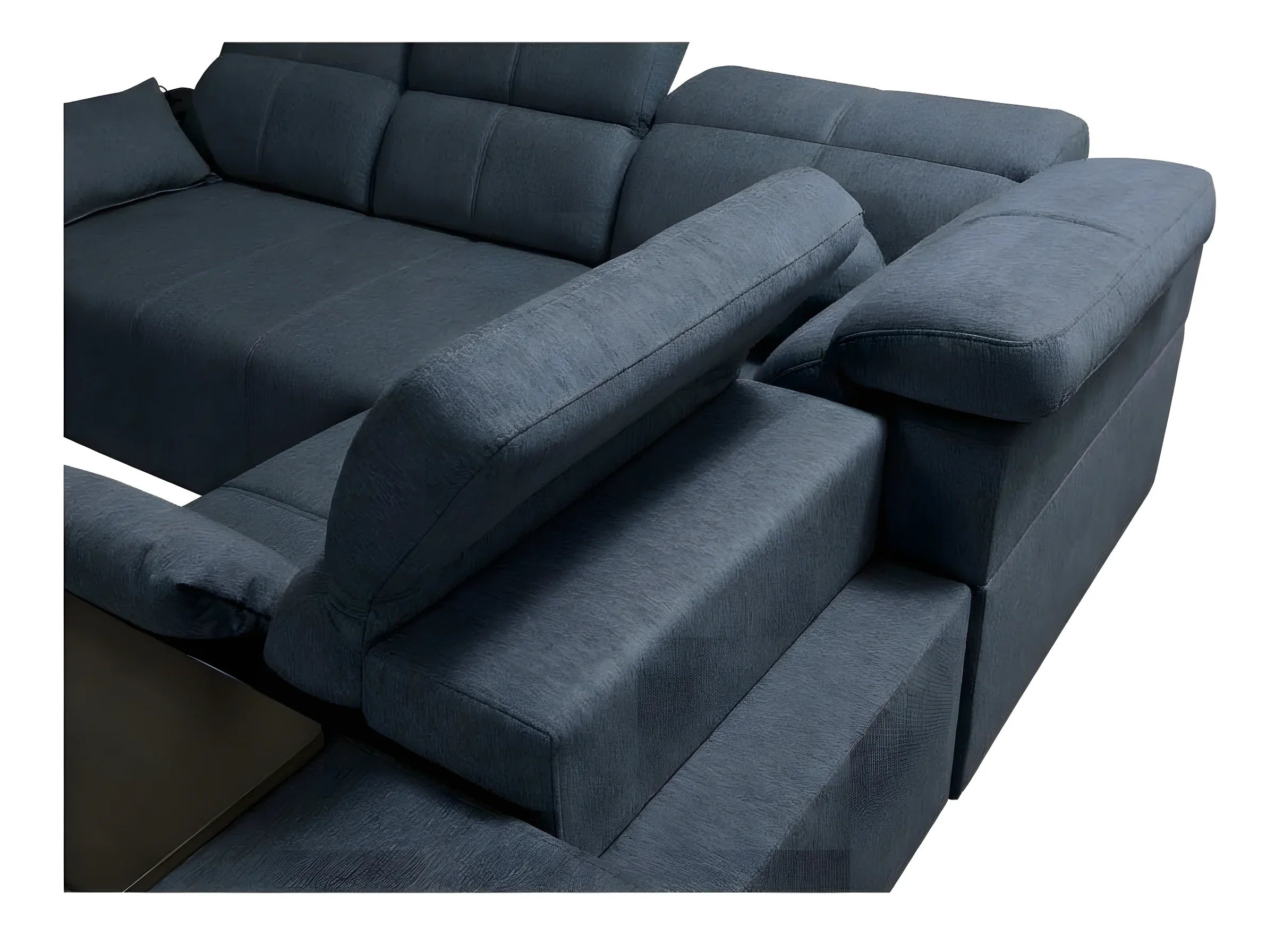
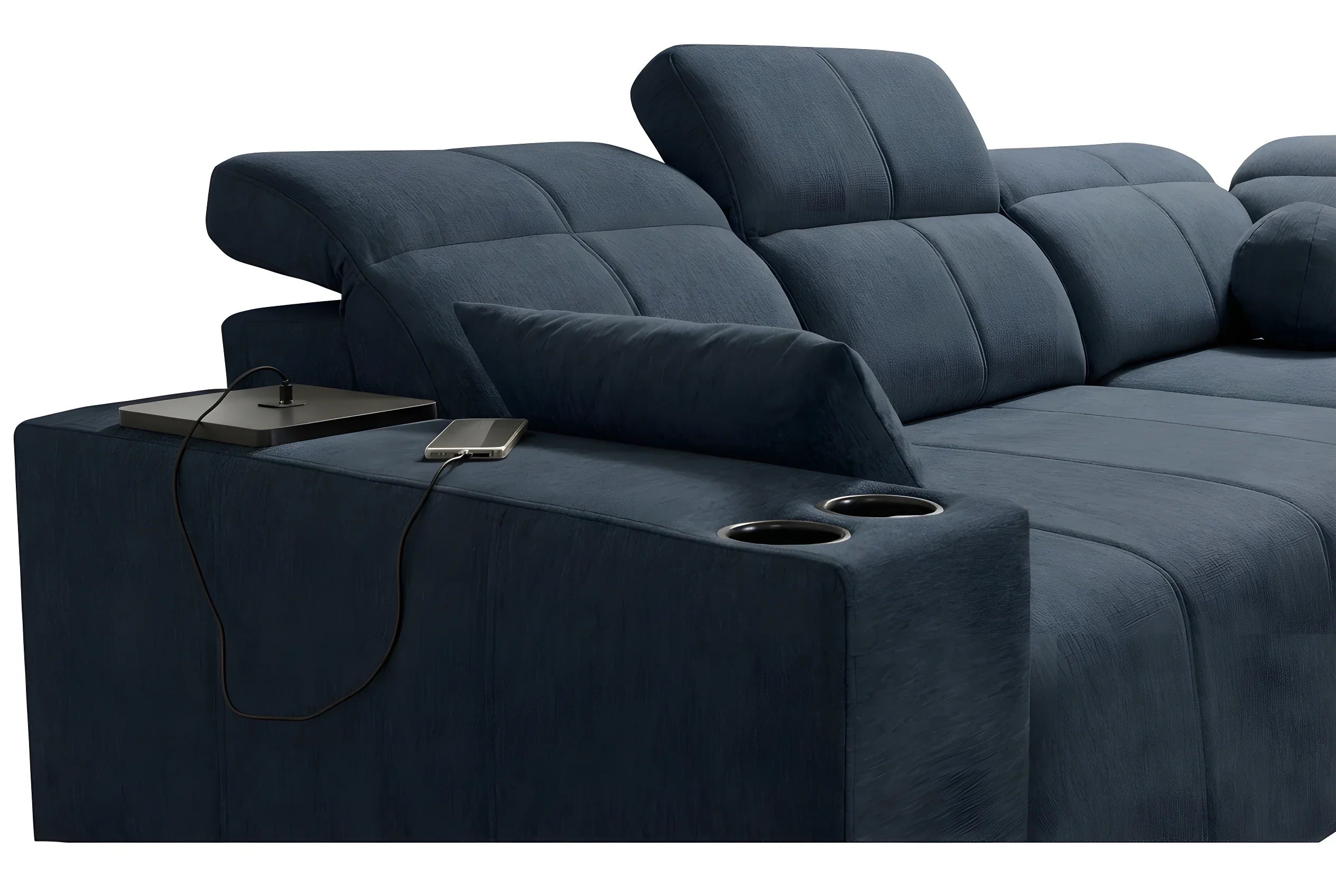
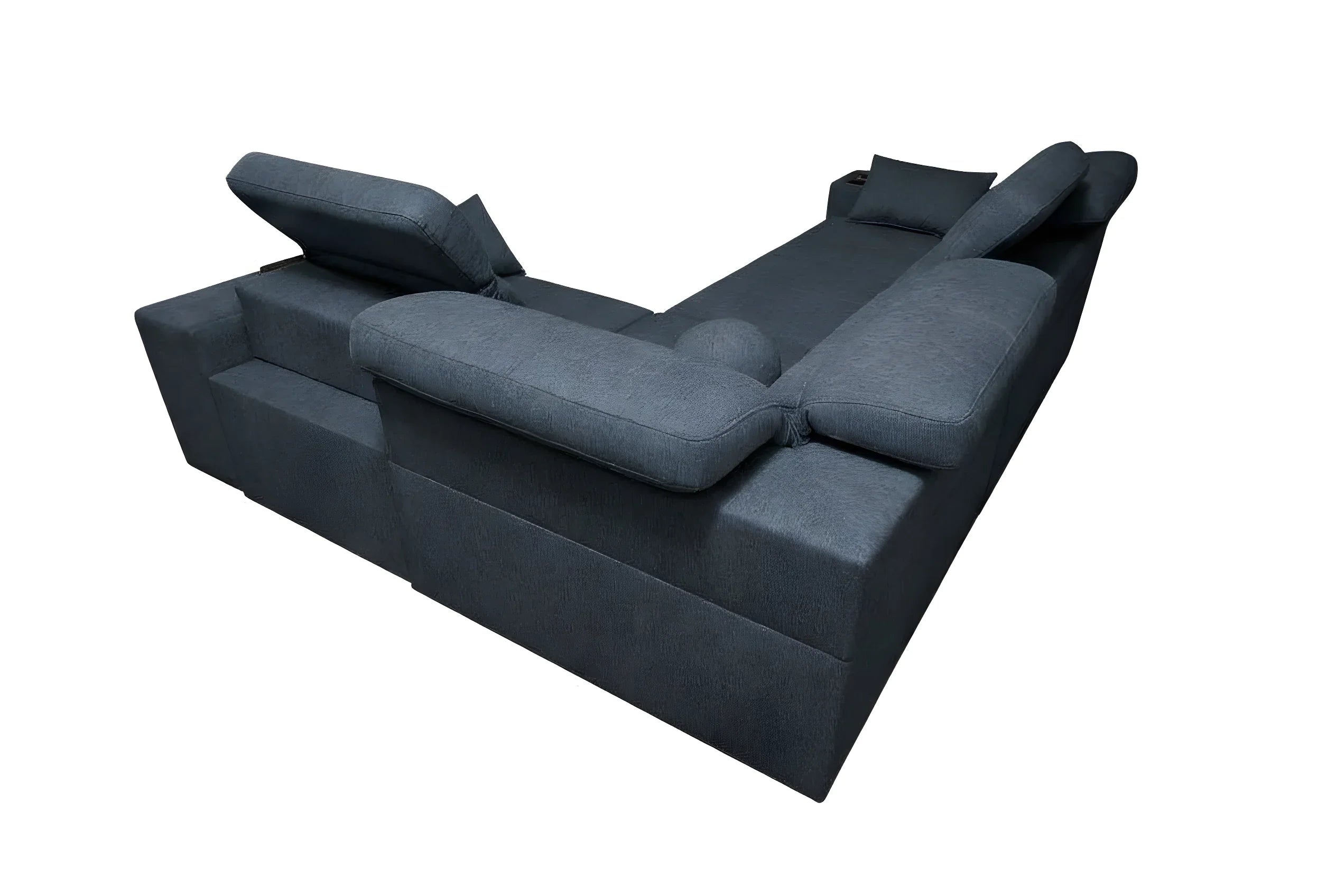
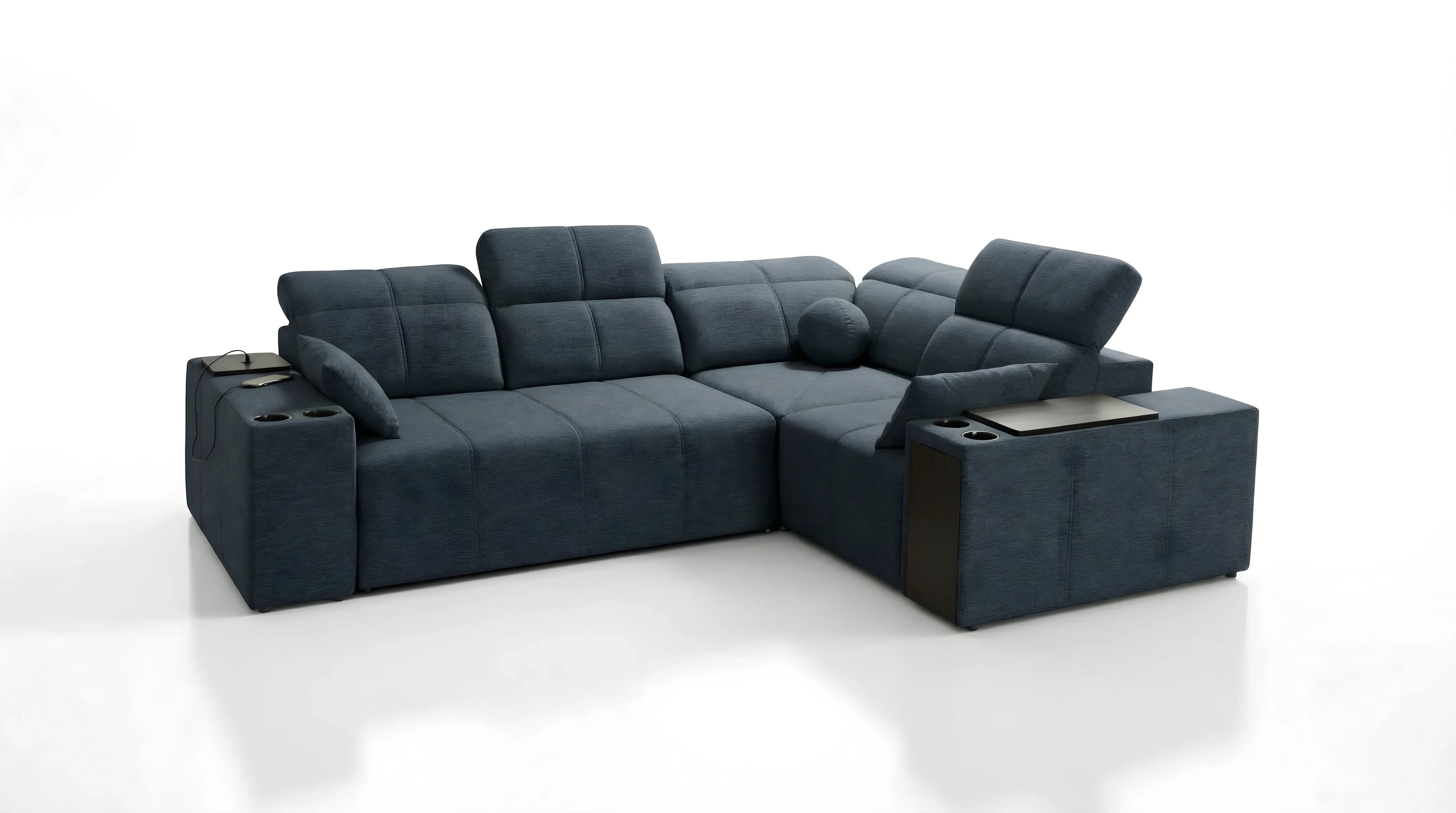
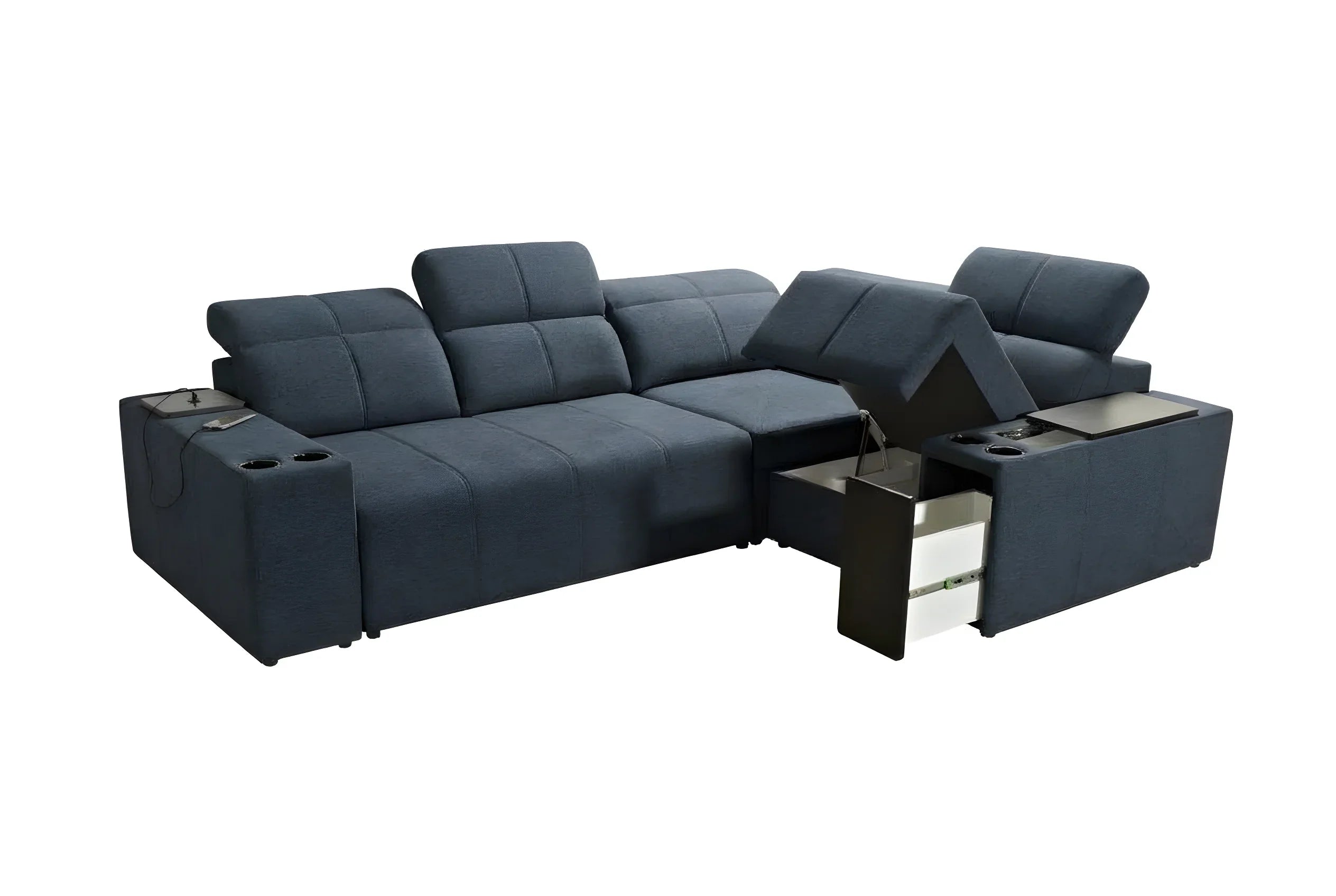
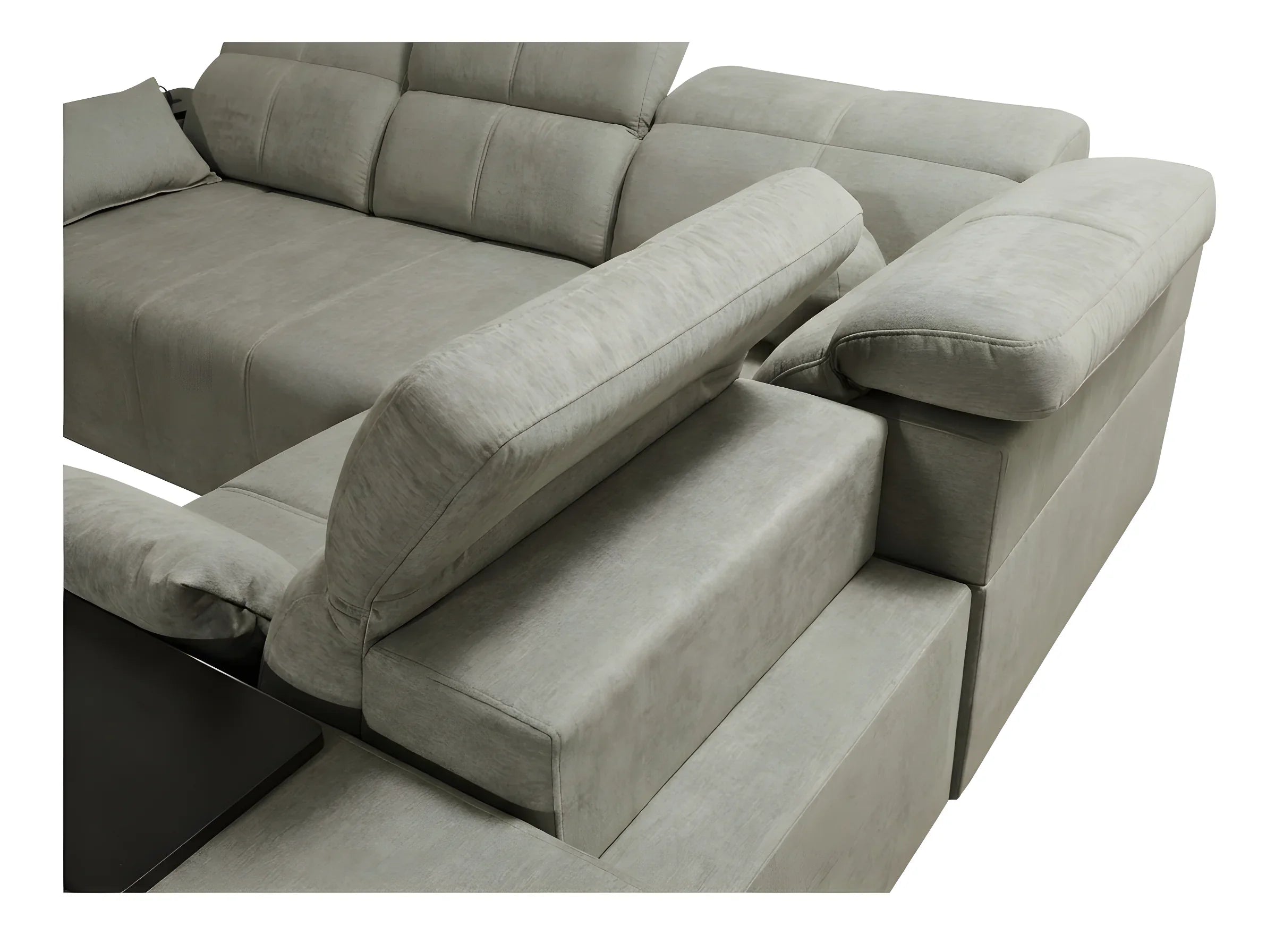
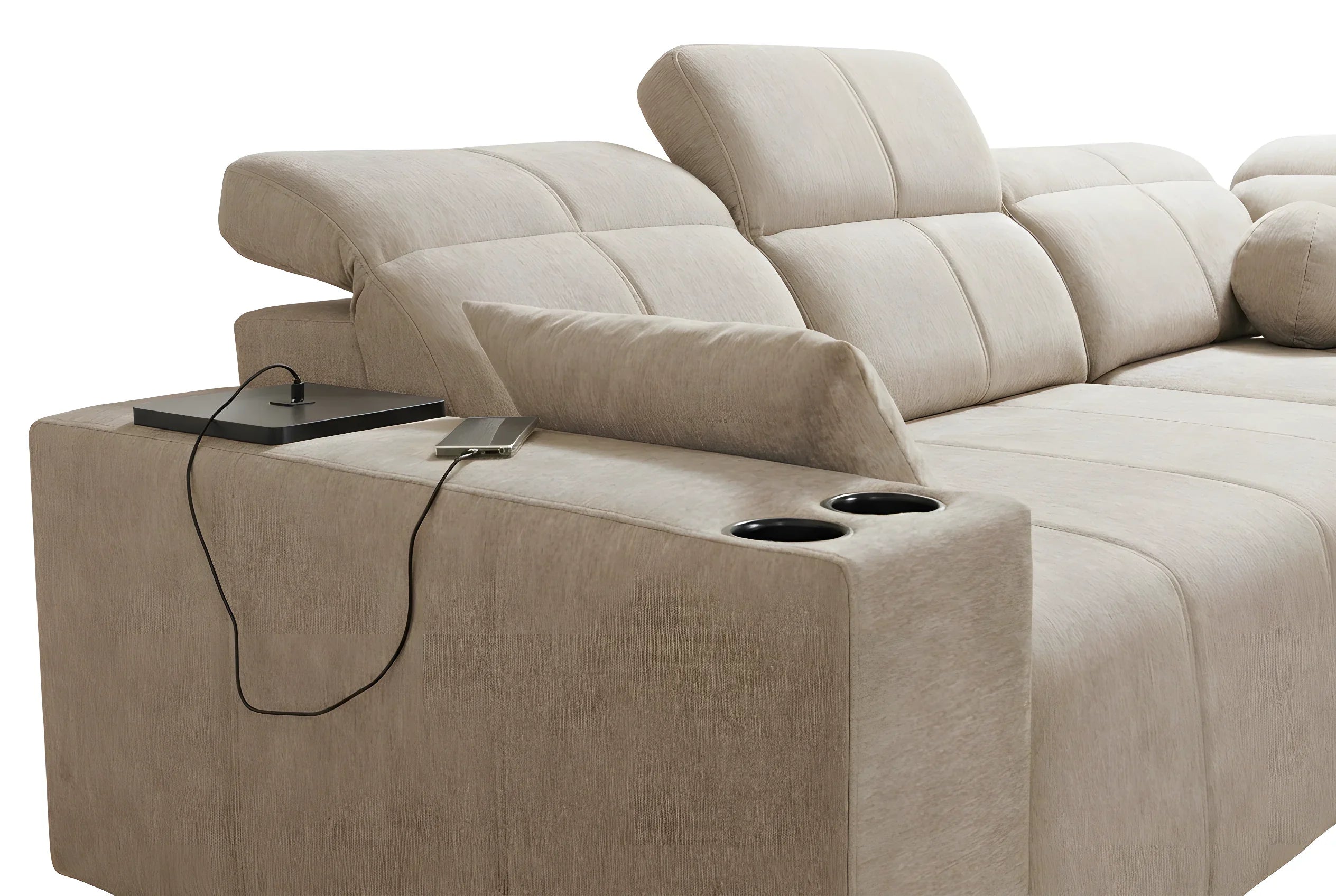
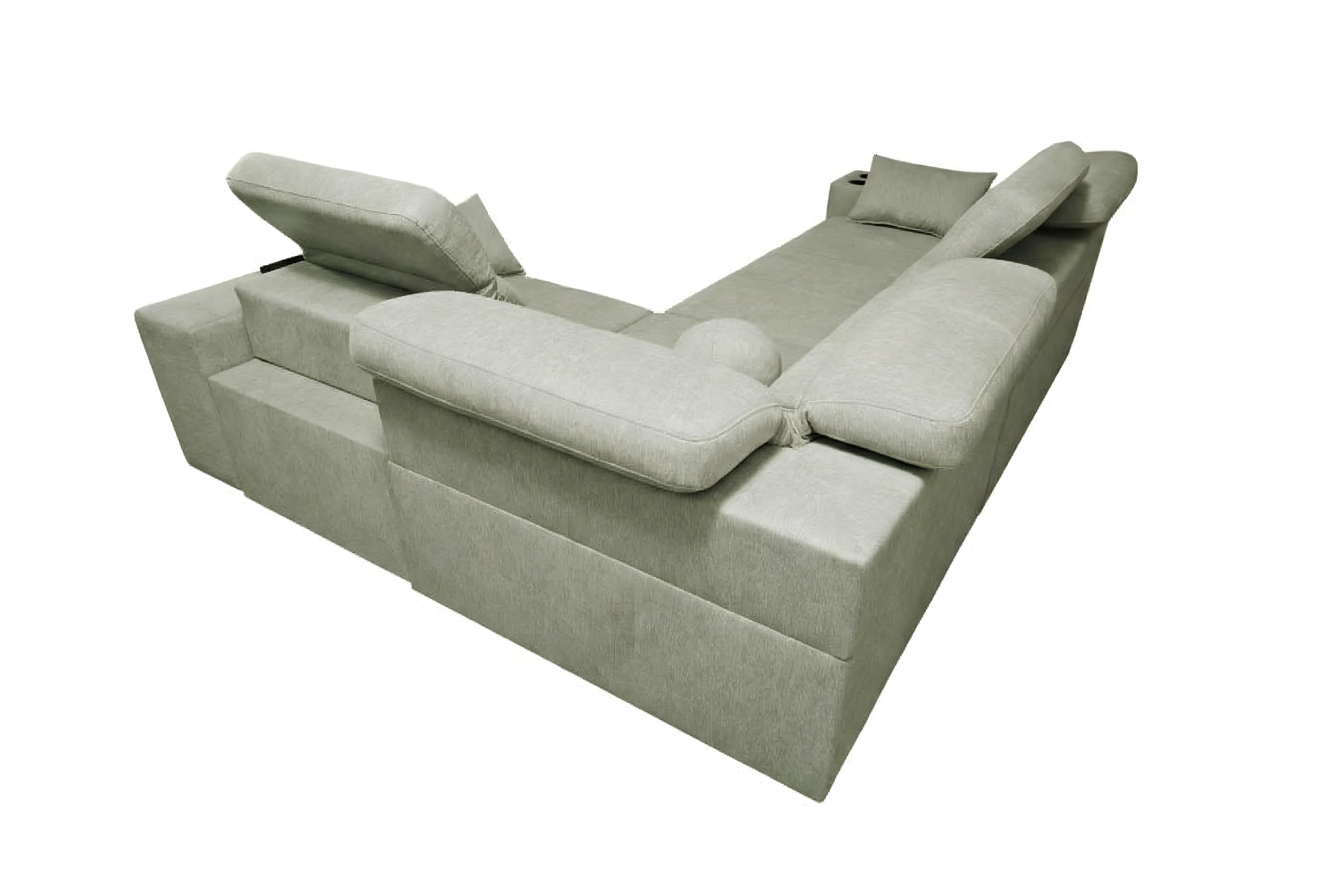
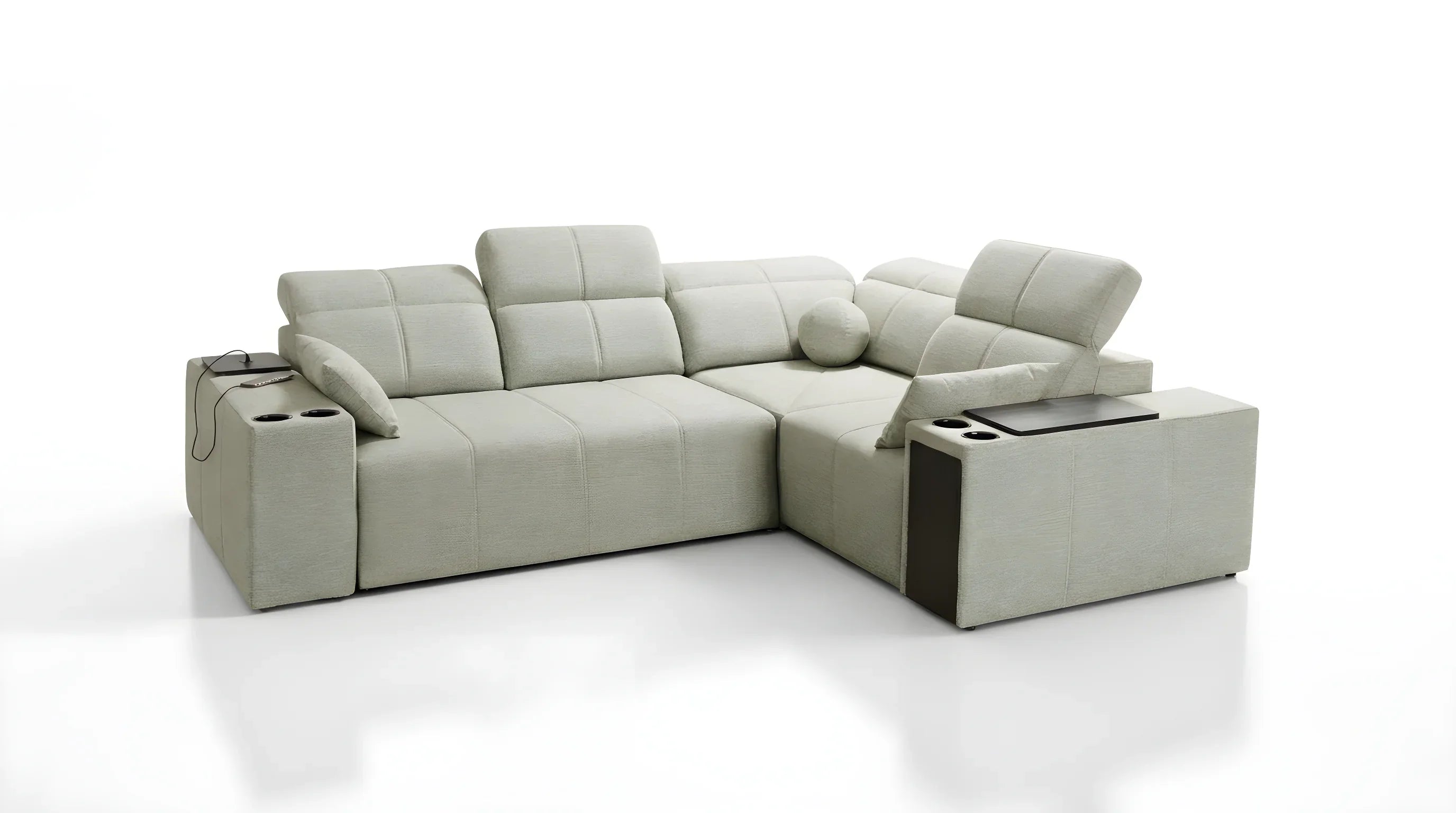
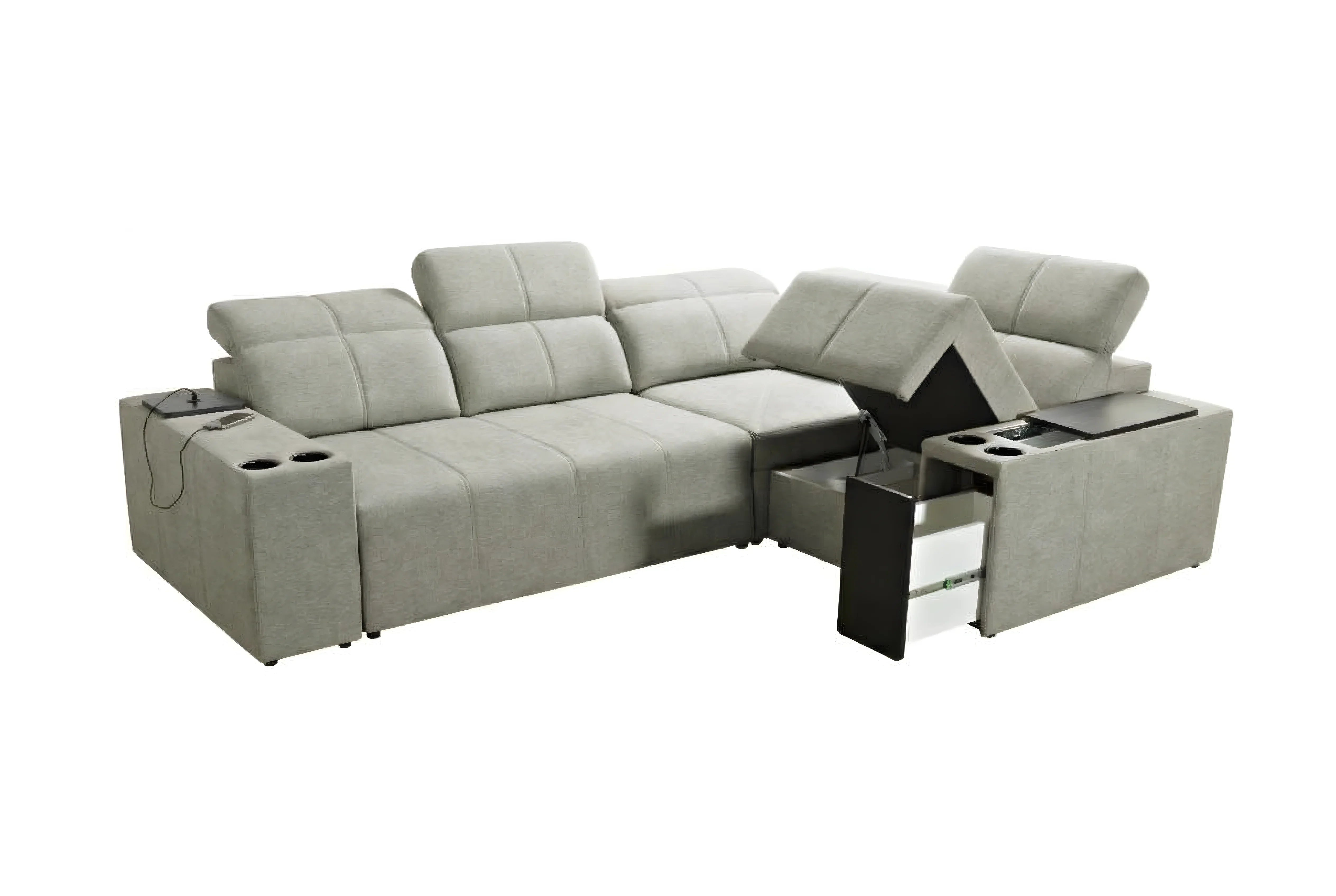
Sometimes part of the sofa is irremediably faded (often the chaise under the window) while the rest is impeccable. This is where the advantage of a modular velvet sofa takes on its full meaning. At Kings Canape, the modular design allows you to replace or move a specific module, or even interchange the modules to homogenise the sun exposure over the years.
When is it time to change?
If despite all attempts to clean discoloured velvet, the fibre remains rough and the colour is dull, it is because the fabric has reached its life limit. Velvet fibre, once worn down to the warp, cannot be regenerated. It may be time to invest in a newer model, benefiting from more resistant modern dyeing technologies, like those in our collection of lasting quality sofas.
FAQ: Your questions about velvet renovation
Can dyeing tricks be used on a very discoloured velvet?
It is risky. "Home" textile dyeing on a non-removable sofa rarely gives a uniform result and can bleed onto your clothes. It is preferable to focus on deep cleaning to revive the existing velvet colour or, for a radical change, to call in a professional redyer.
Is dry cleaning more effective for reviving colour?
Dry cleaning (via active foams or absorbent powders) is often safer for fragile velvets (silk, viscose) and very effective for de-greying light colours. However, to restore a velvet sofa in synthetic or cotton, the slightly damp vinegar method often offers a deeper reactivation of colours.
How long does it take for the velvet shine to return after treatment?
The effect is visible once the fabric is perfectly dry and brushed. After a steam or vinegar treatment, count about 24 hours of drying. Never judge the result on a damp velvet, which will always look darker and less silky than it really is.
Do velvet sofa beds wear out faster?
Not necessarily the colour, but the structure of the fabric can be stressed at the folds. A velvet sofa bed of good make is designed to resist these manipulations. Regular maintenance (brushing) at the contact zones is the key to maintaining visual uniformity.
Conclusion: The shine found, a question of care
Knowing how to revive the colour of a faded velvet sofa is not magic, it is science applied to furnishing. By eliminating the veil of dust, by straightening the fibres with steam, and by neutralising the pH of the fabric, you can extend the aesthetic life of your furniture by several years. Velvet is a living material that demands attention, but which rewards you with an unrivalled softness and visual depth. At Kings Canape, we design our models, from the classic tufted sofa to modern lines, with velvets selected for their resistance to light and abrasion, guaranteeing you lasting shine and simplified maintenance.









Leave a comment
This site is protected by hCaptcha and the hCaptcha Privacy Policy and Terms of Service apply.