


Article table of contents

Nothing breaks the harmony of a moment of relaxation more than a shrill noise coming from your furniture. According to a recent study on interior furnishing, nearly 35% of sofa replacements are motivated by premature sound wear rather than visual deterioration. If you type "My sofa squeaks when I sit down: causes and solutions" in your search engine, it is because you are trying to save your investment before considering the worst. Rest assured: a squeaky sofa is not necessarily a doomed sofa. This expert guide accompanies you step by step to diagnose the origin of the squeak and apply the appropriate fixes to find silence and comfort.
Initial diagnosis: Why does your squeaky sofa make this noise?
Before getting out the toolbox, it is imperative to understand the mechanics of the noise. A squeaky sofa is the symptom of friction. It is the physical result of two elements rubbing against each other when they should be fixed, or lacking lubrication in their movement.
The sofa noise can come from three distinct areas. To identify the cause of sofa squeaking, proceed by elimination by testing the following parts:
1. The structure (The framework)
This is the most frequent cause on an old or poorly assembled sofa. Wood works, screws loosen over time and with repeated movements. If the noise is a dull cracking ("clack" or "crack"), it often comes from the wooden frame or the legs.
2. The suspension (The support)
If the noise is metallic, sharp (a quick "squeak-squeak"), there is a strong chance that it comes from the springs (often zigzag or Nosag springs) or the metal fasteners rubbing against their attachment.
3. The mechanism (The movement)
For a sofa bed or a relaxation model, the many metal articulations are ideal culprits. The lack of grease on a rivet can create an unbearable squeak.
Source No. 1: The structure and assemblies, frequent causes of squeaking
The longevity of a piece of furniture depends on its spine. A sofa with a solid wood frame is generally less subject to parasitic noises than models in particle board, but no one is immune to the play that builds up over the years.
The problem of loosened legs and joints
The first step to repair a squeaky sofa is often the simplest, but also the most neglected. The legs, whether wooden or part of a sofa with metal legs, are subjected to lateral pressure each time you sit down or get up.
Over time, the threaded rods or fixing screws become loose. This micromovement creates friction against the frame, generating an annoying squeak.
The immediate solution:
Carefully turn your sofa over (ask for help so as not to damage the fabric). Equip yourself with a screwdriver or an adapted wrench and firmly retighten each leg and each visible screw of the external structure. If the screw hole is damaged (the thread turns in the void), insert a wooden match or a toothpick with a little wood glue into the hole before screwing back in to restore grip.
Wood-on-wood friction
If you own a vintage sofa or a model whose structure has shifted, it is possible that two wooden crossbars rub against each other. Wood is a living material that reacts to humidity and heat, expanding and contracting.
To remedy this type of noisy sofa, the goal is to lubricate the contact area without staining the fabric. Forget about cooking oil that goes rancid. Use paraffin (a white candle rubbed on the junction works wonders) or talc slipped into the gaps. These dry lubricants eliminate the friction responsible for the noise without risking damaging the noble materials of a high-end sofa.
Source No. 2: Springs and suspensions, the heart of the noisy sofa
Seating comfort relies on two elements: foam and suspension. If you have chosen a comfortable sofa with metal springs (very common for their durability), these can become noisy.
Identifying the faulty spring
The noise often comes from metal-on-metal friction (the spring against its attachment) or metal-on-wood. To precisely locate the squeaky sofa, press firmly on different areas of the seat without the cushion. Once the area is isolated, inspect the underside of the sofa.
Targeted lubrication solutions
If a spring rubs against its fixing clip:
1. Protect the surrounding fabrics with a cloth or cardboard.
2. Use a silicone or lithium lubricant (spray with a precision straw). Classic WD-40 is effective for cleaning, but a silicone lubricant is preferable for lasting action on a squeaky sofa.
3. Spray in small touches on the junction points.
4. Immediately wipe off any excess.
If a spring is broken, the repair is more complex and often requires the intervention of an upholsterer. In this case, replacement with a new quality sofa is often more economically viable.
Source No. 3: Complex mechanisms and coverings
Technical sofas bring superior comfort, but their mechanical complexity multiplies the risks of parasitic noises.
The case of sofa beds and relaxation models
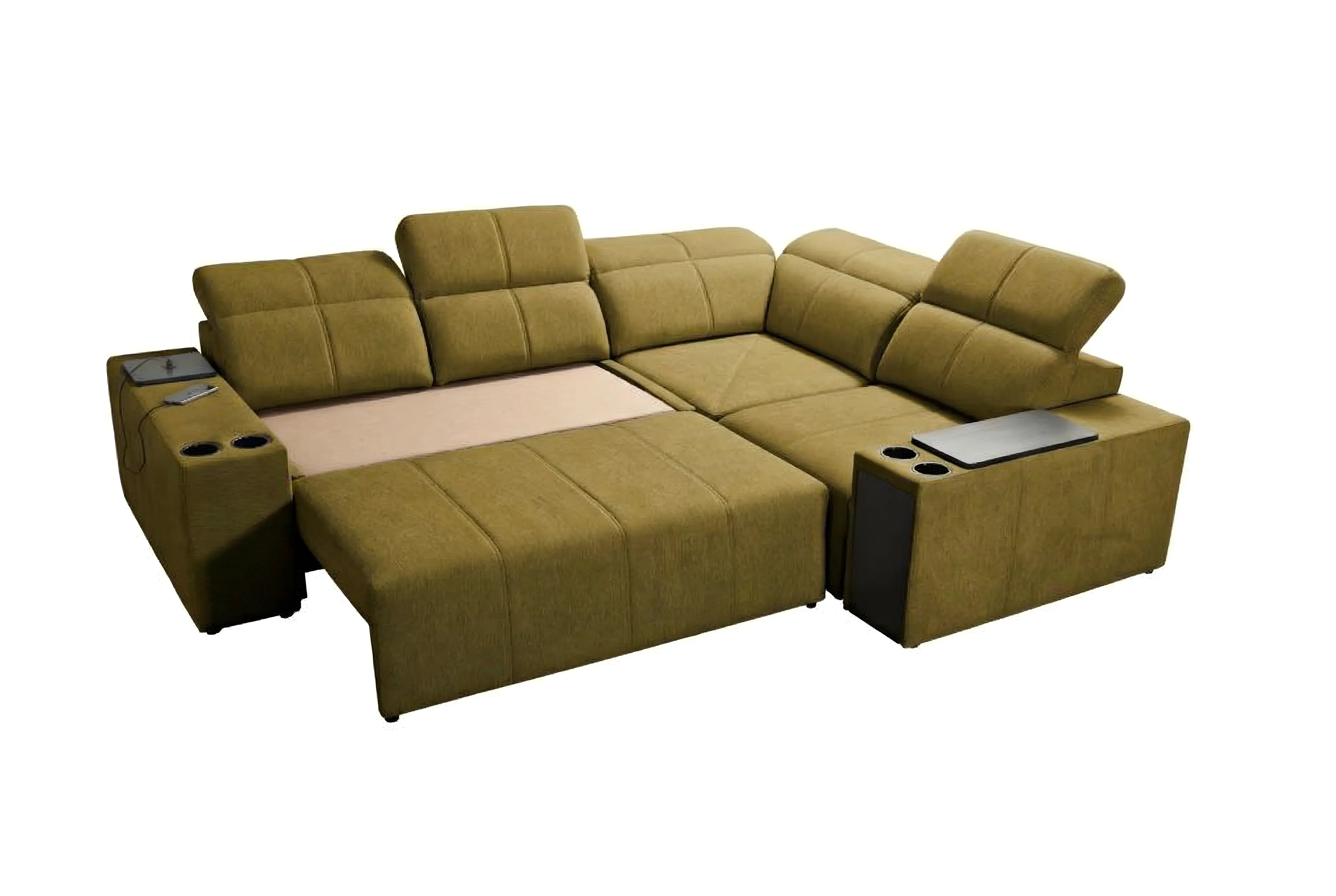
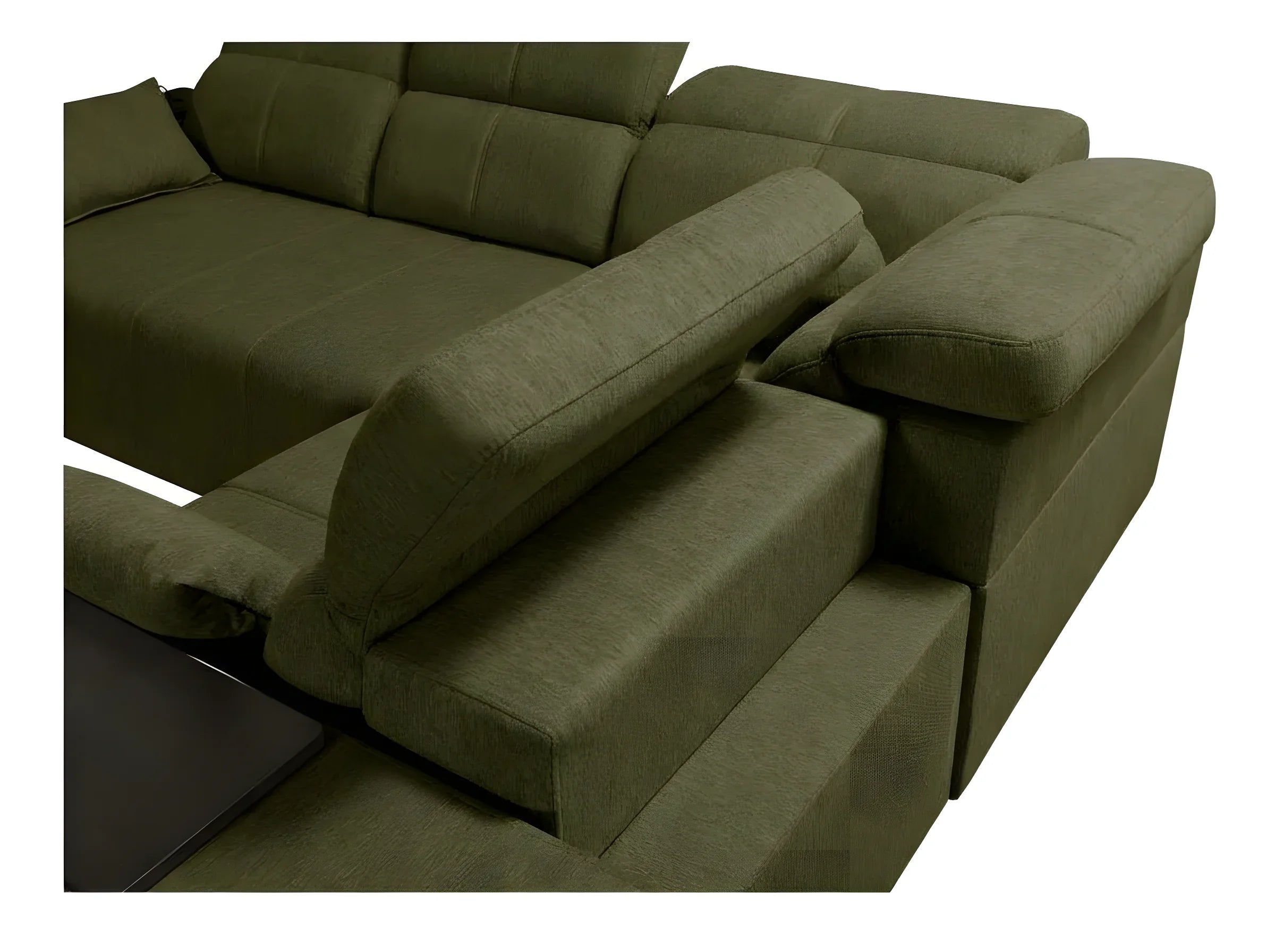
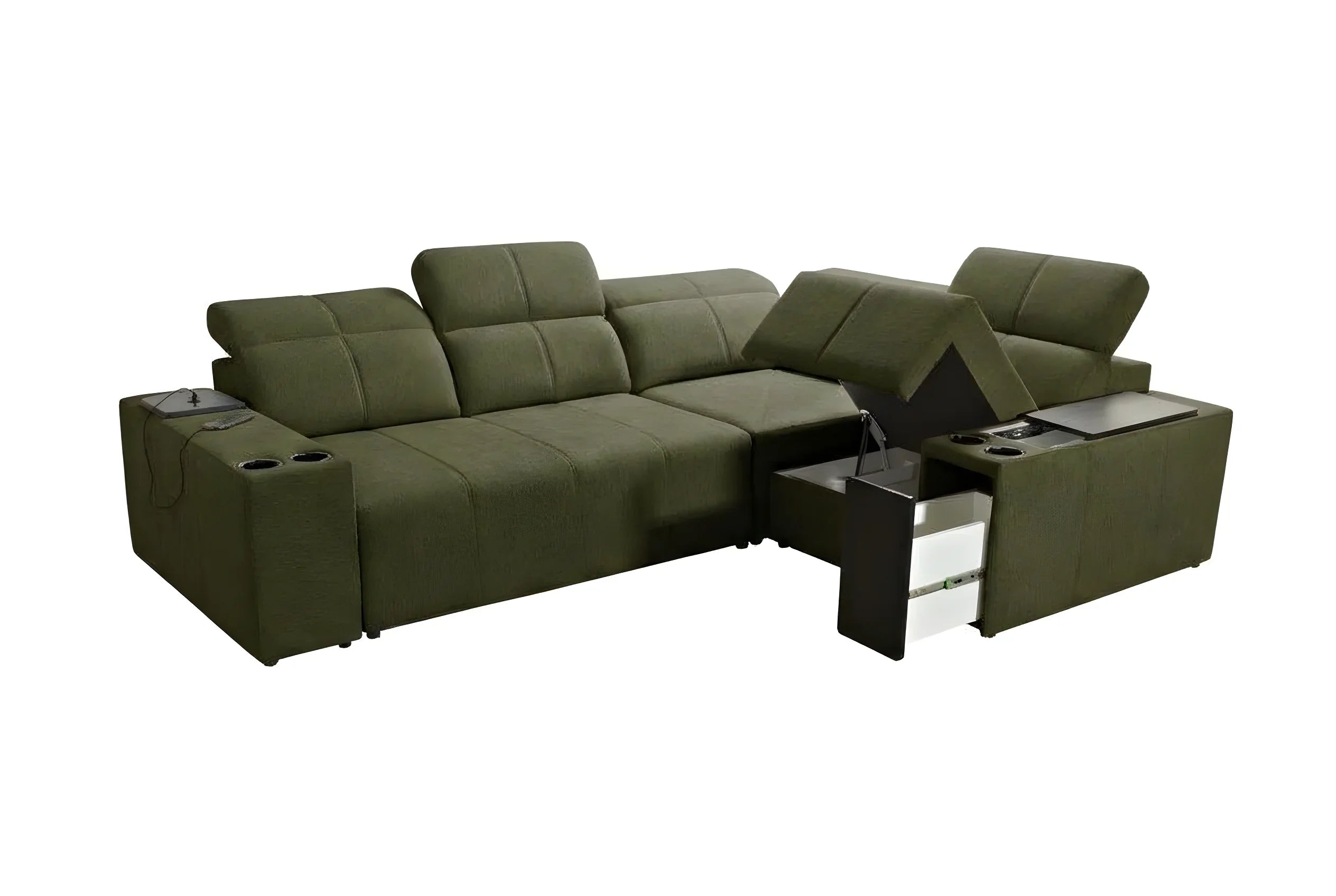
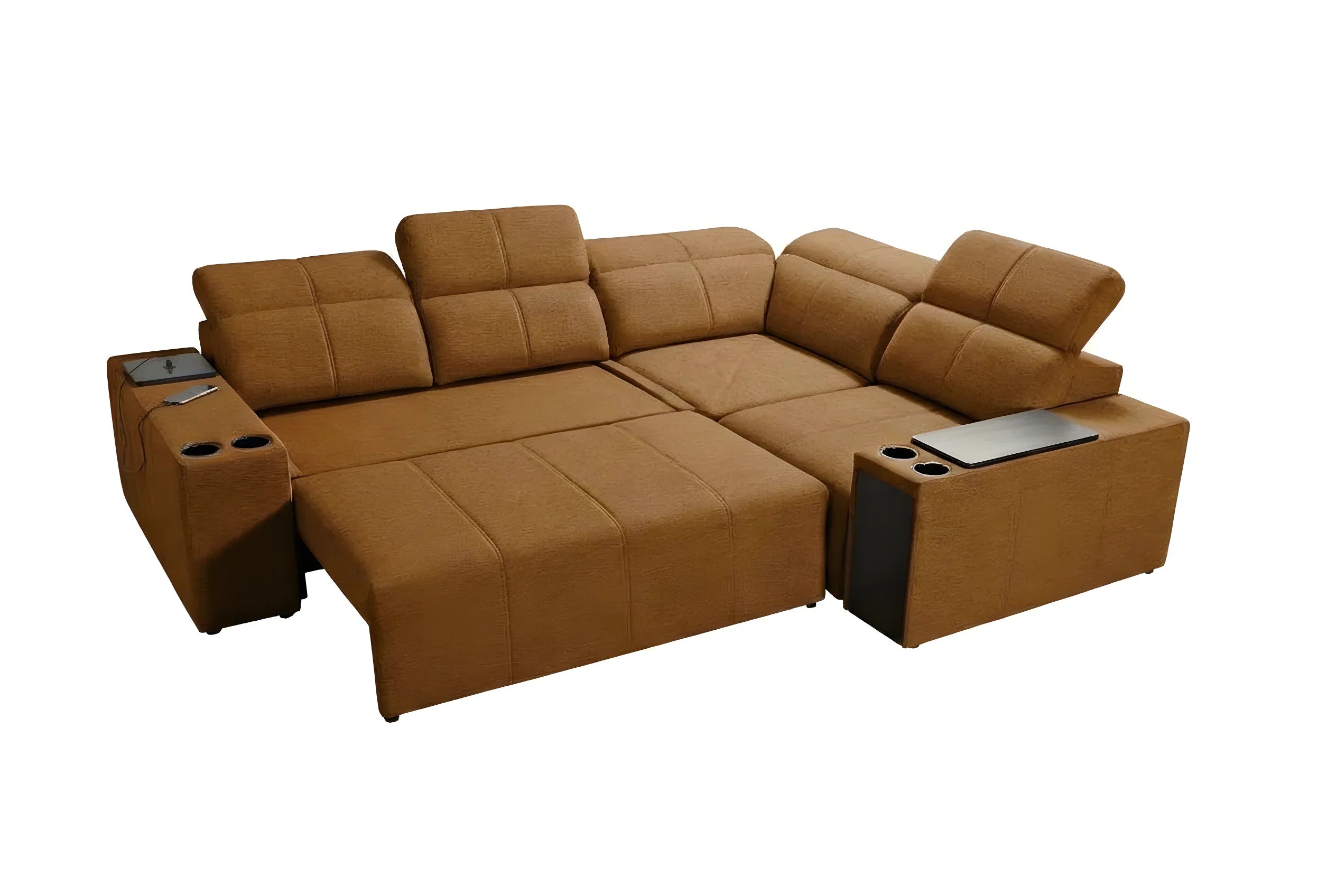
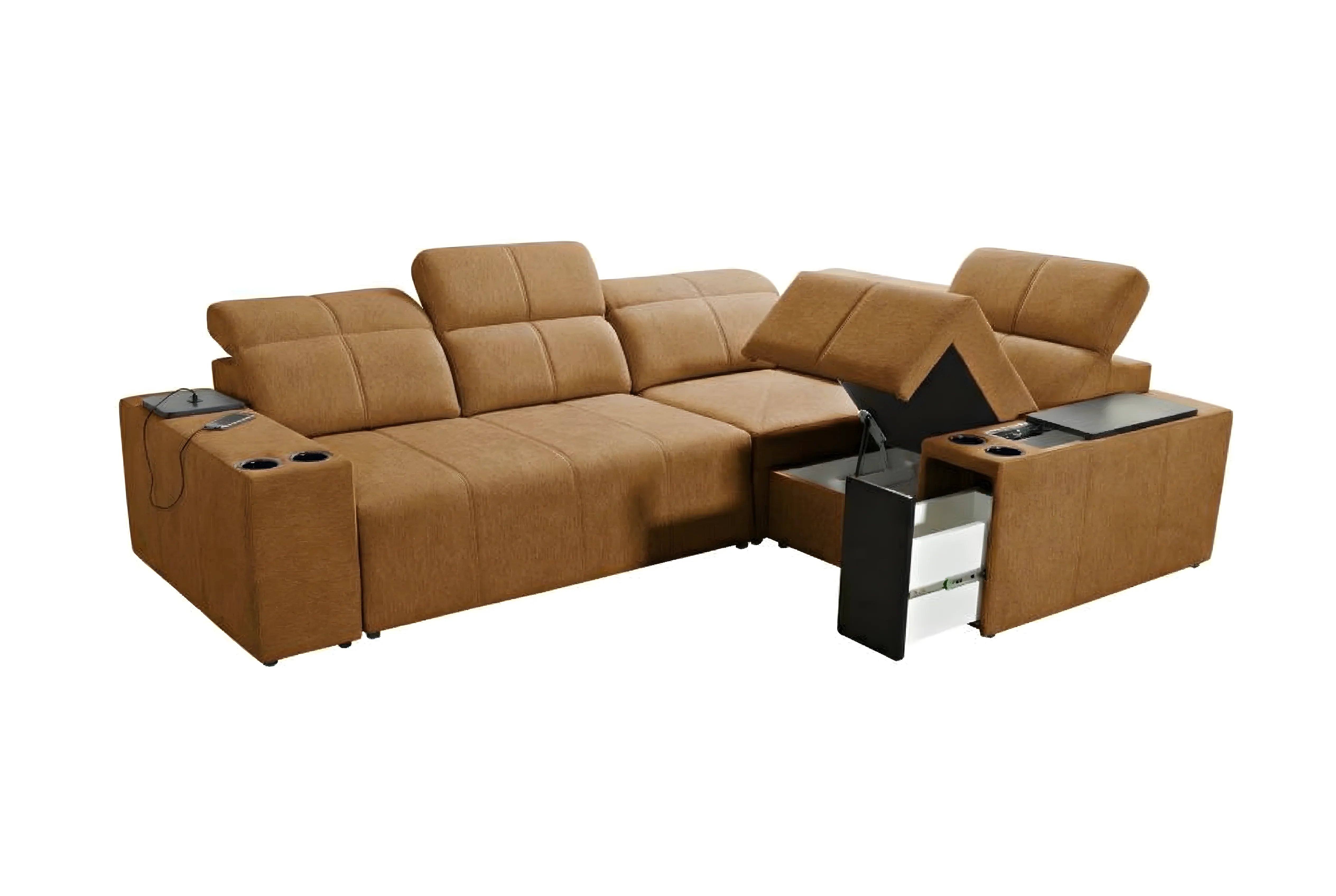
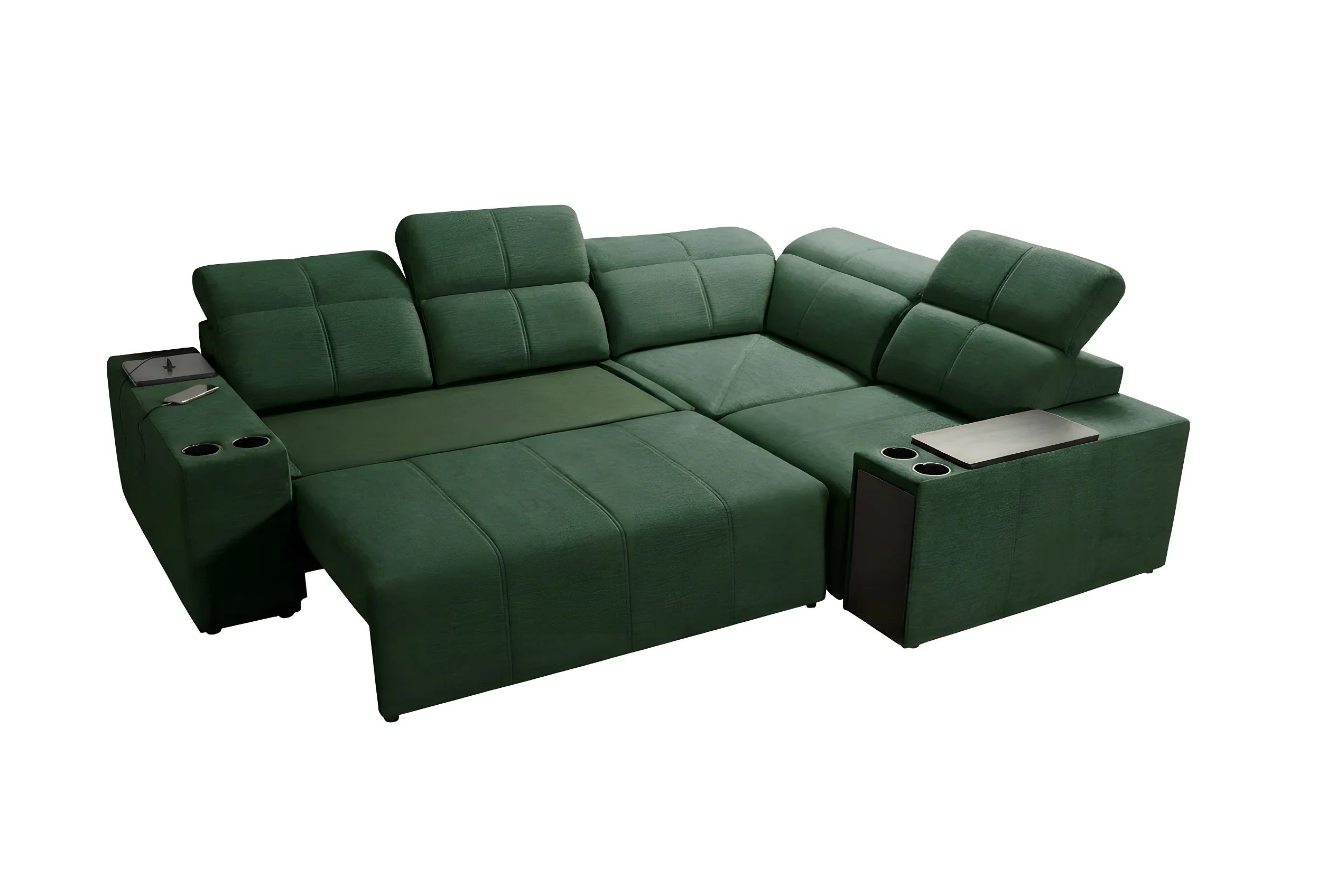
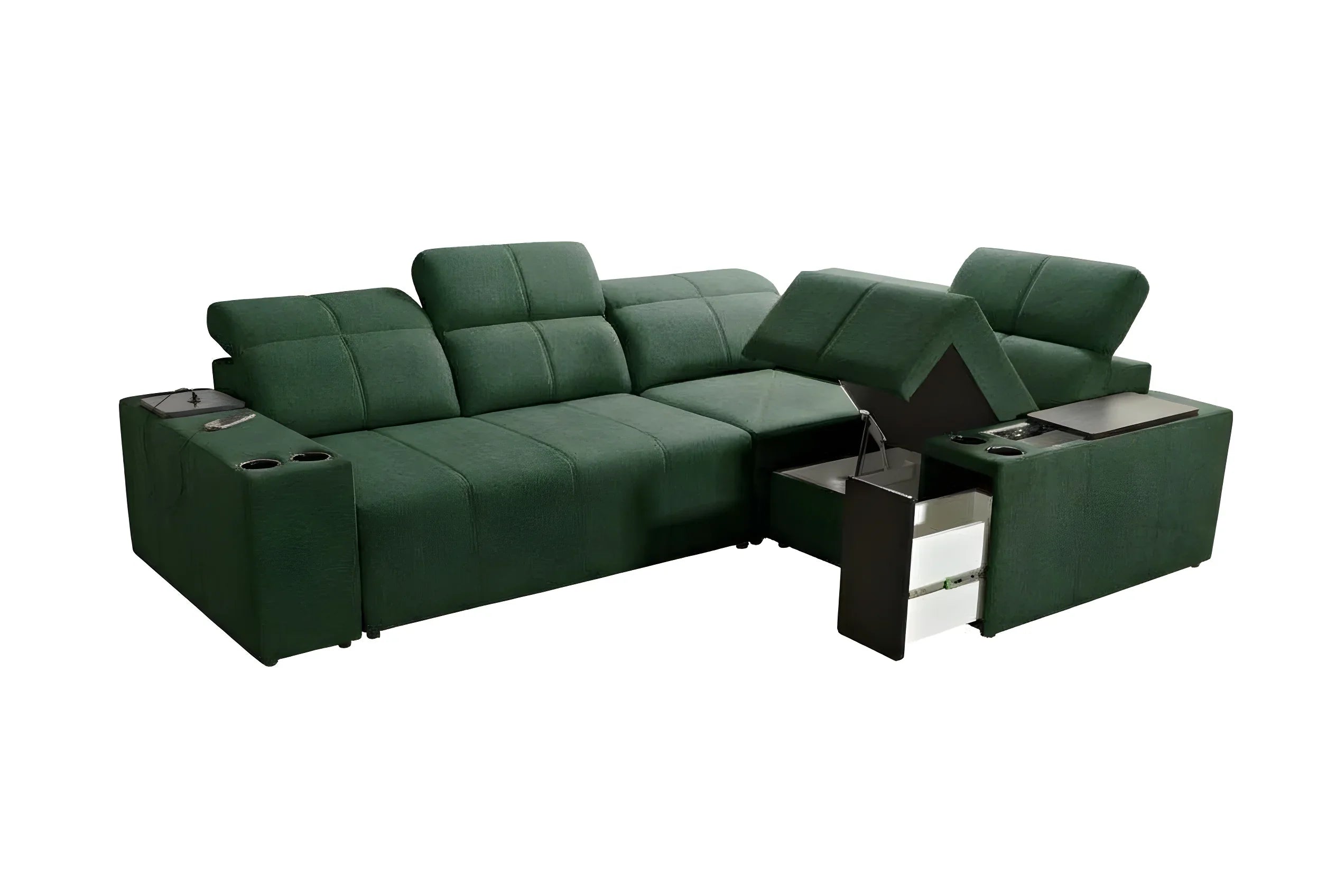
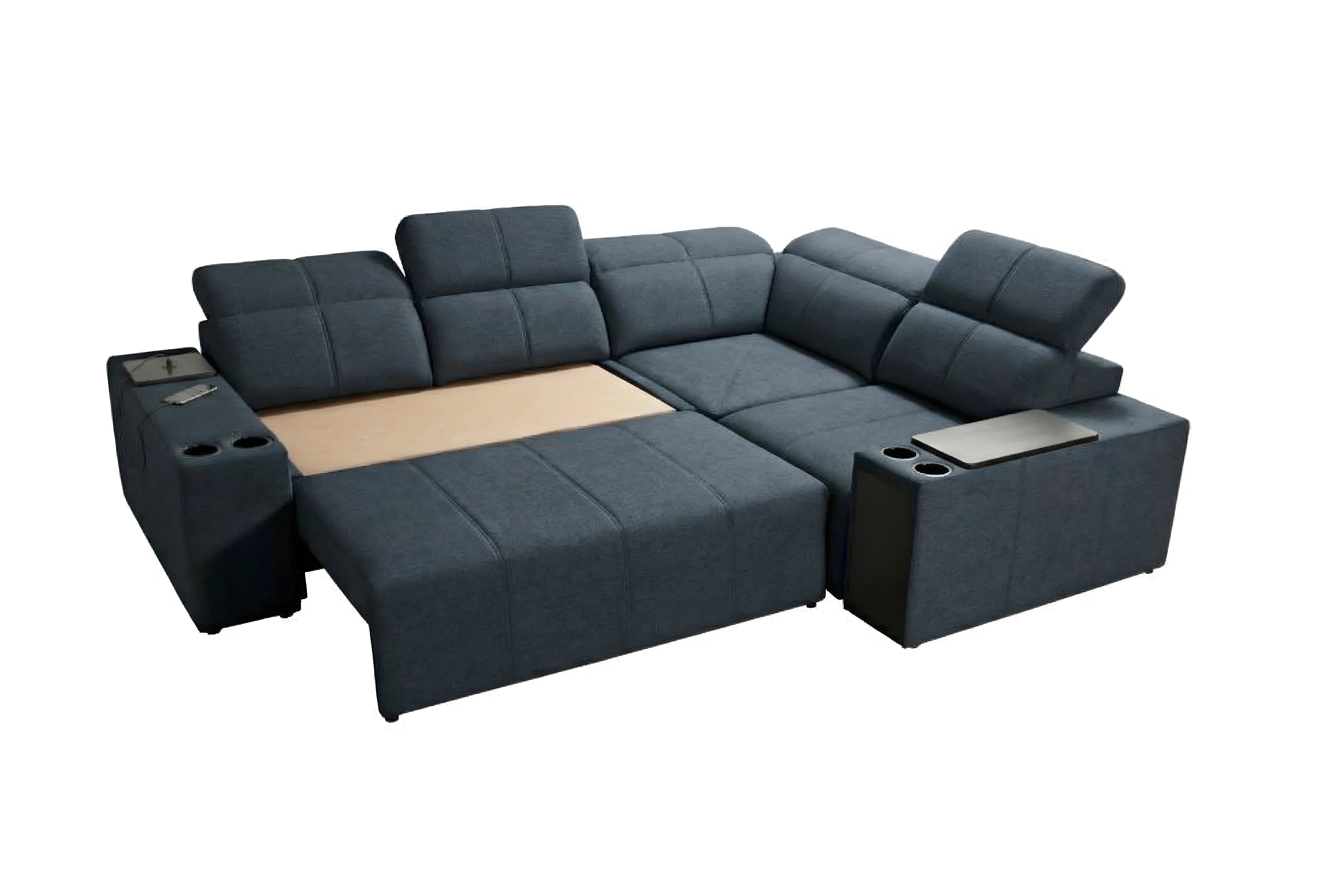
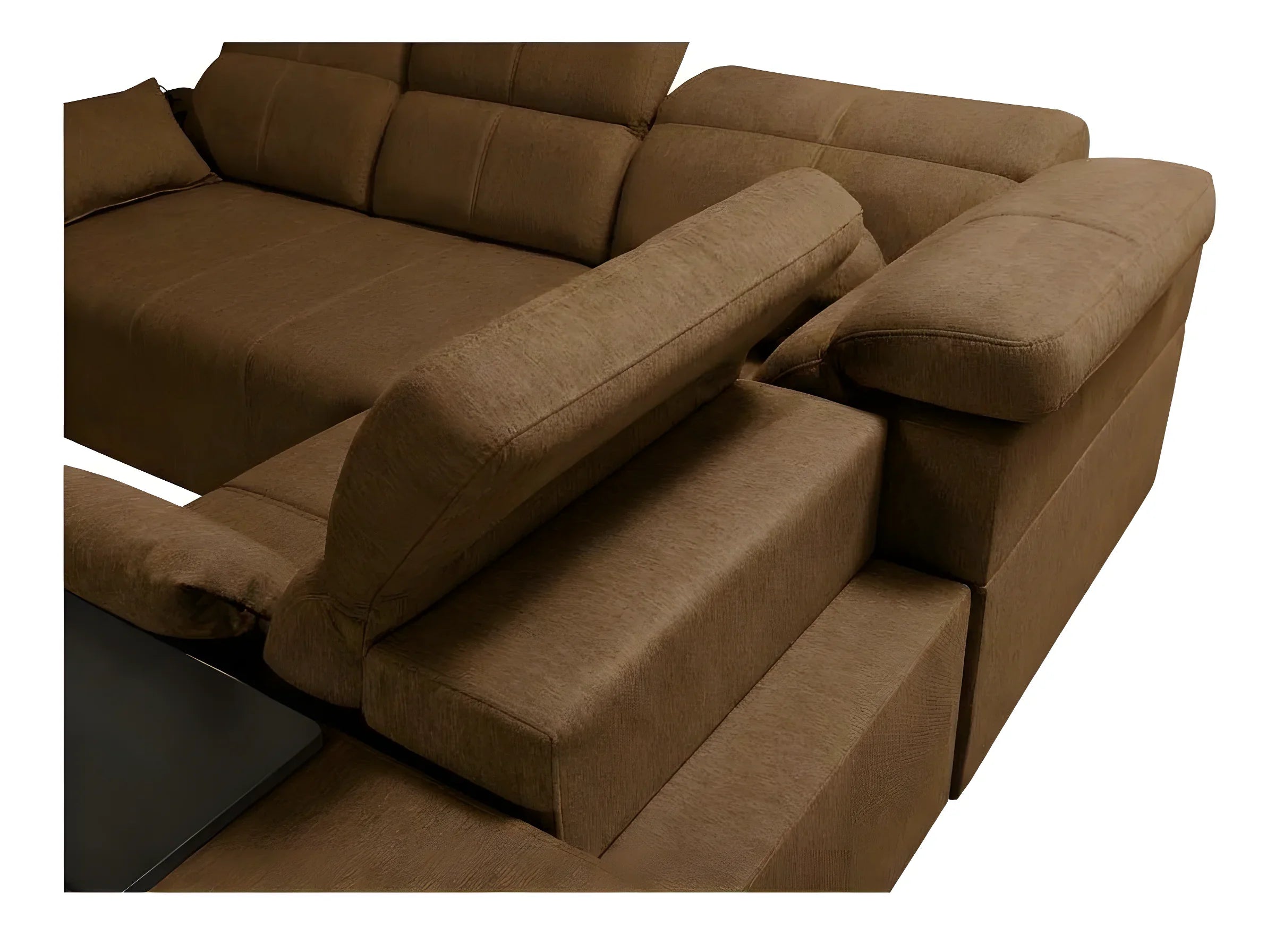
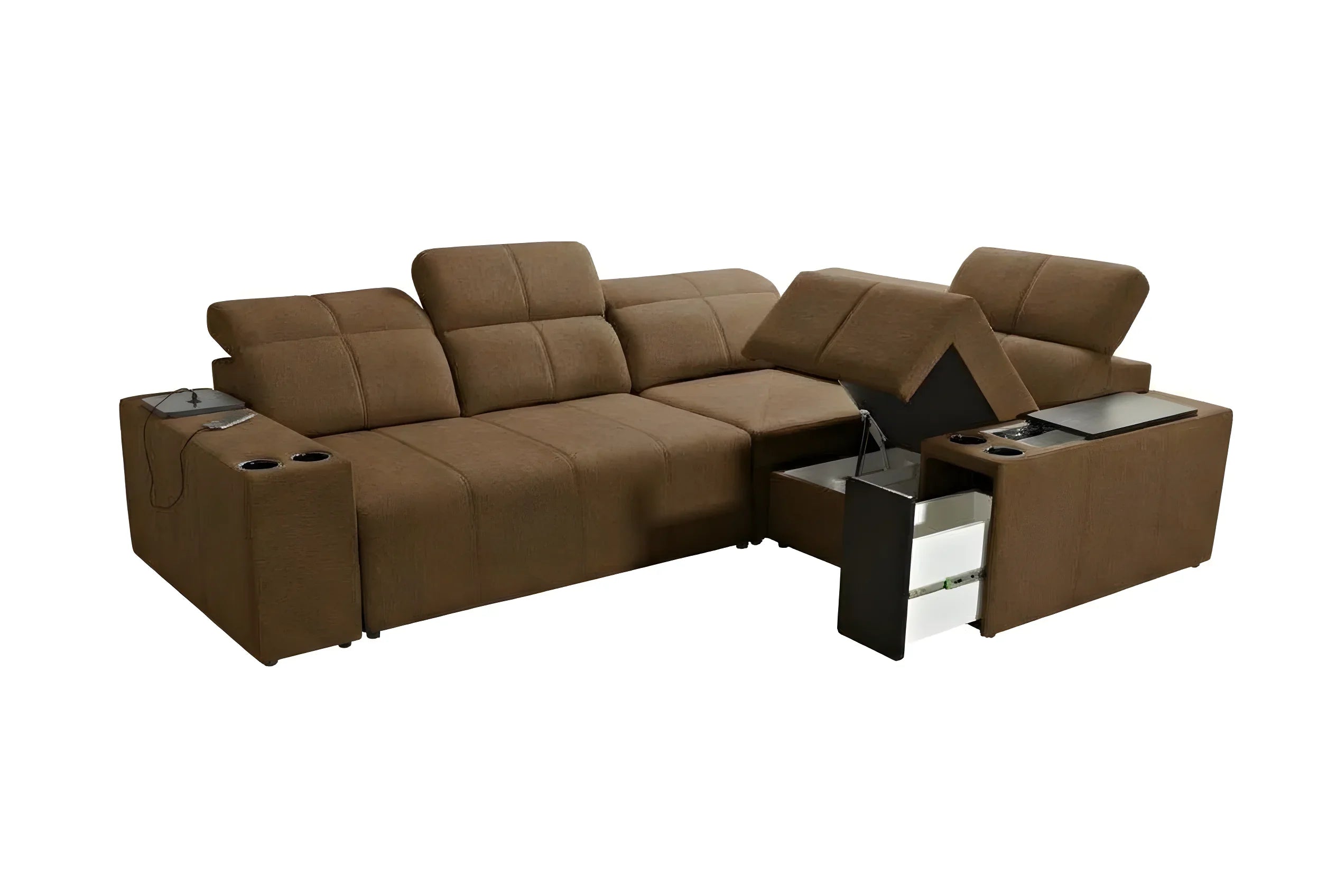
A relaxation sofa has a motor and metal articulated arms. Similarly, the opening mechanism of a bed can squeak. Here, the solution is systematically the lubrication of the rivets and rotation axes. Also check that no metal part is bent, which would force the mechanism and create significant friction.
For a squeaky sofa only in the bed position, check the tightness of the bed base nuts. Adding nylon or plastic washers between the metal parts can act as a very effective silencer.
Friction of materials (Leather and Fabrics)
Sometimes the noise does not come from the structure, but from the covering itself. This is common on a sofa for the living room in leather, where the cushions rub against each other. This is what is called "contact noise".
Applying a nourishing leather cream can soften the material and reduce this friction noise. For fabrics, make sure the covers are tight. A sofa with topper can sometimes add a layer of sound insulation while increasing sleeping comfort.
| Type of problem | Characteristic noise | Recommended solution | Product to use |
|---|---|---|---|
| Loosened screw | Dry crack | Retightening + Glue | Screwdriver, Wood glue |
| Wood/Wood friction | Dull squeak | Dry lubrication | Paraffin, Talc, Dry soap |
| Metal spring | Sharp squeak | Greasy lubrication | Silicone Spray, Lithium Grease |
| Relax Mechanism | Scraping noise | Greasing the axes | Fine mechanical oil |
When repair is no longer an option: Knowing when to turn the page
Despite all your efforts to repair a squeaky sofa, certain situations indicate that the end of life of the furniture has been reached. If the main crossbar of the structure is cracked, if several springs are detached or broken, or if the foam has sagged so much that you feel the structure (the famous "hollow" effect), DIY will only be temporary.
Investing in a new sofa on legs with a solid warranty is then more judicious. For small budgets, it is entirely possible to find an affordable sofa that respects modern construction standards limiting squeaks.
The modular alternative
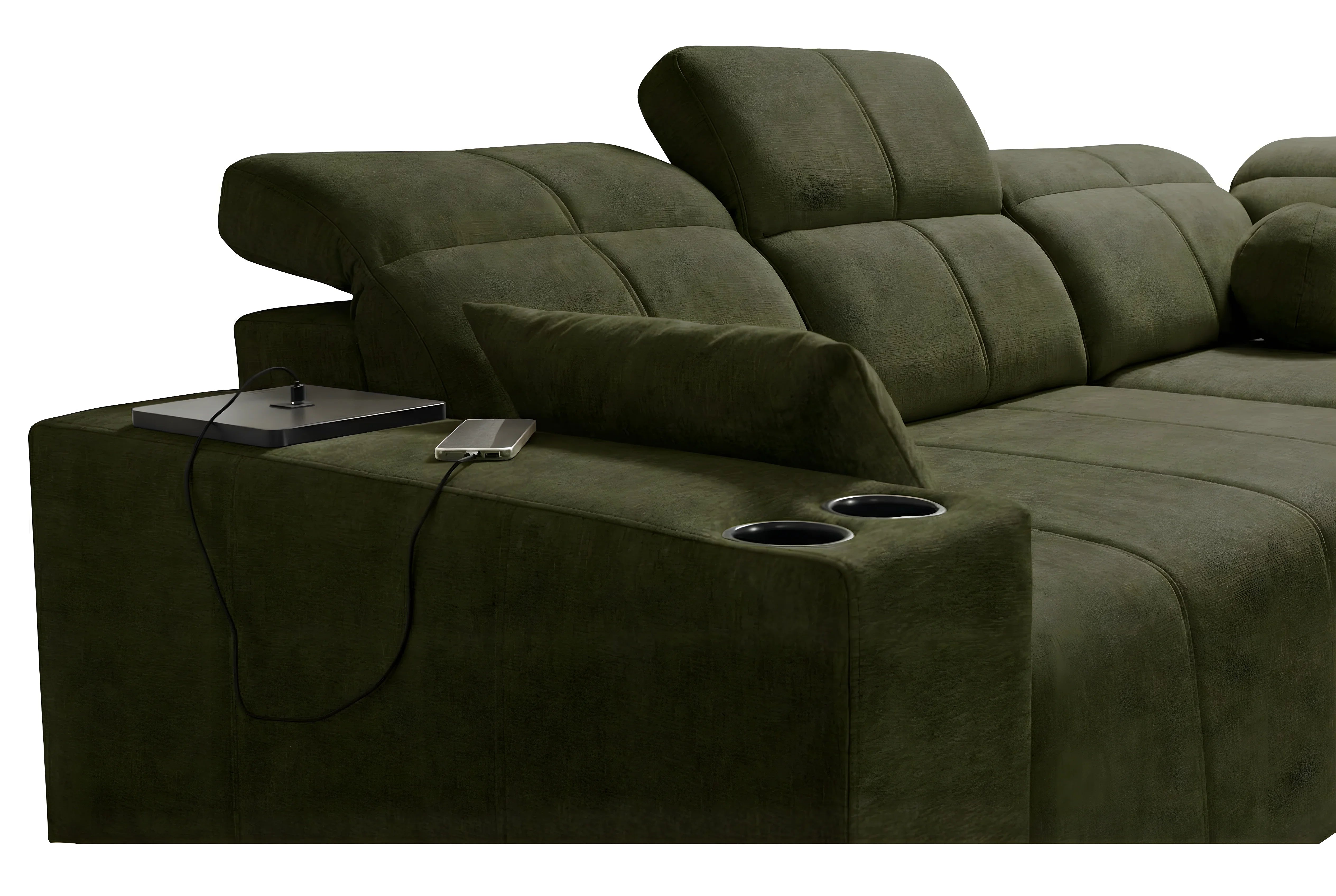
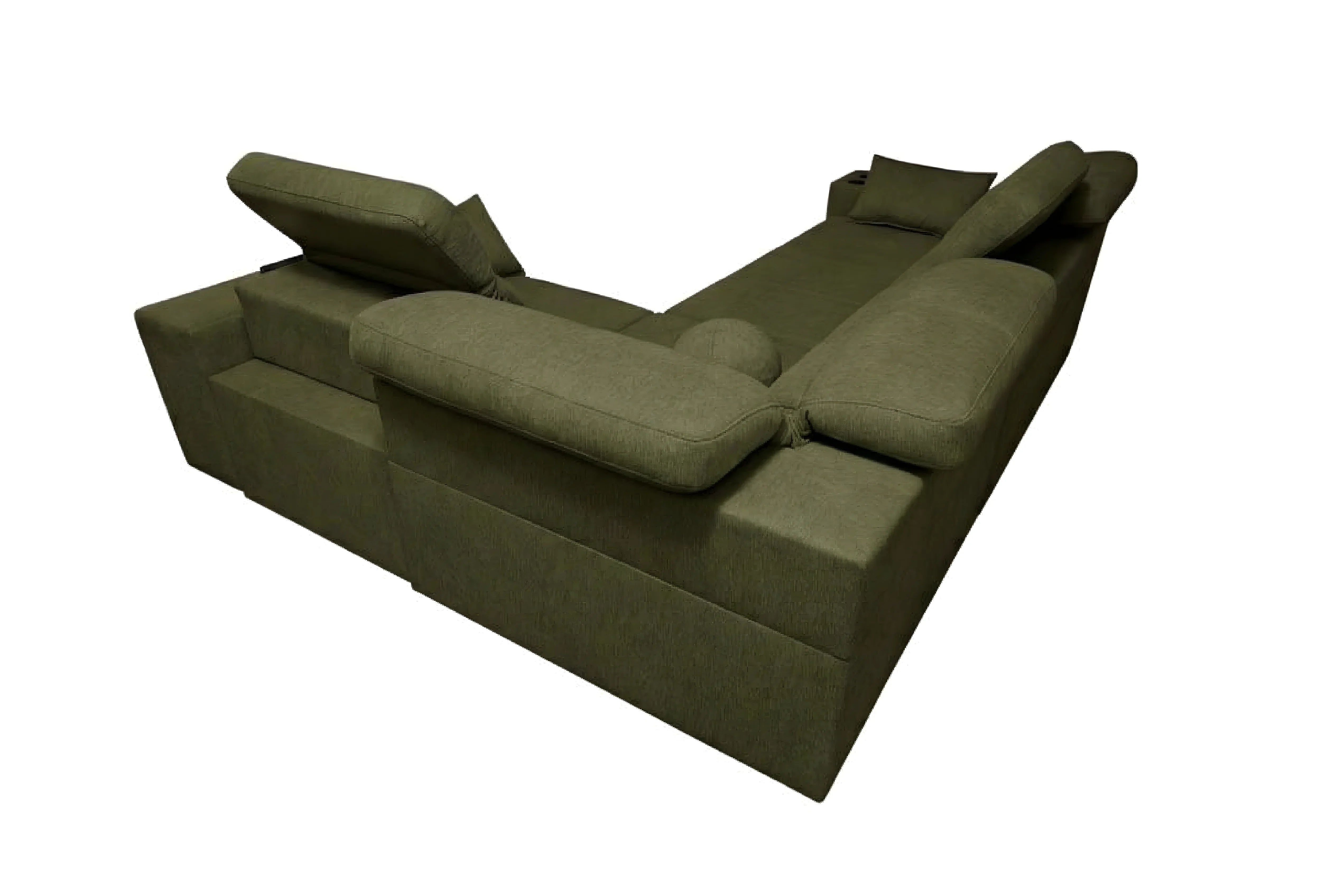
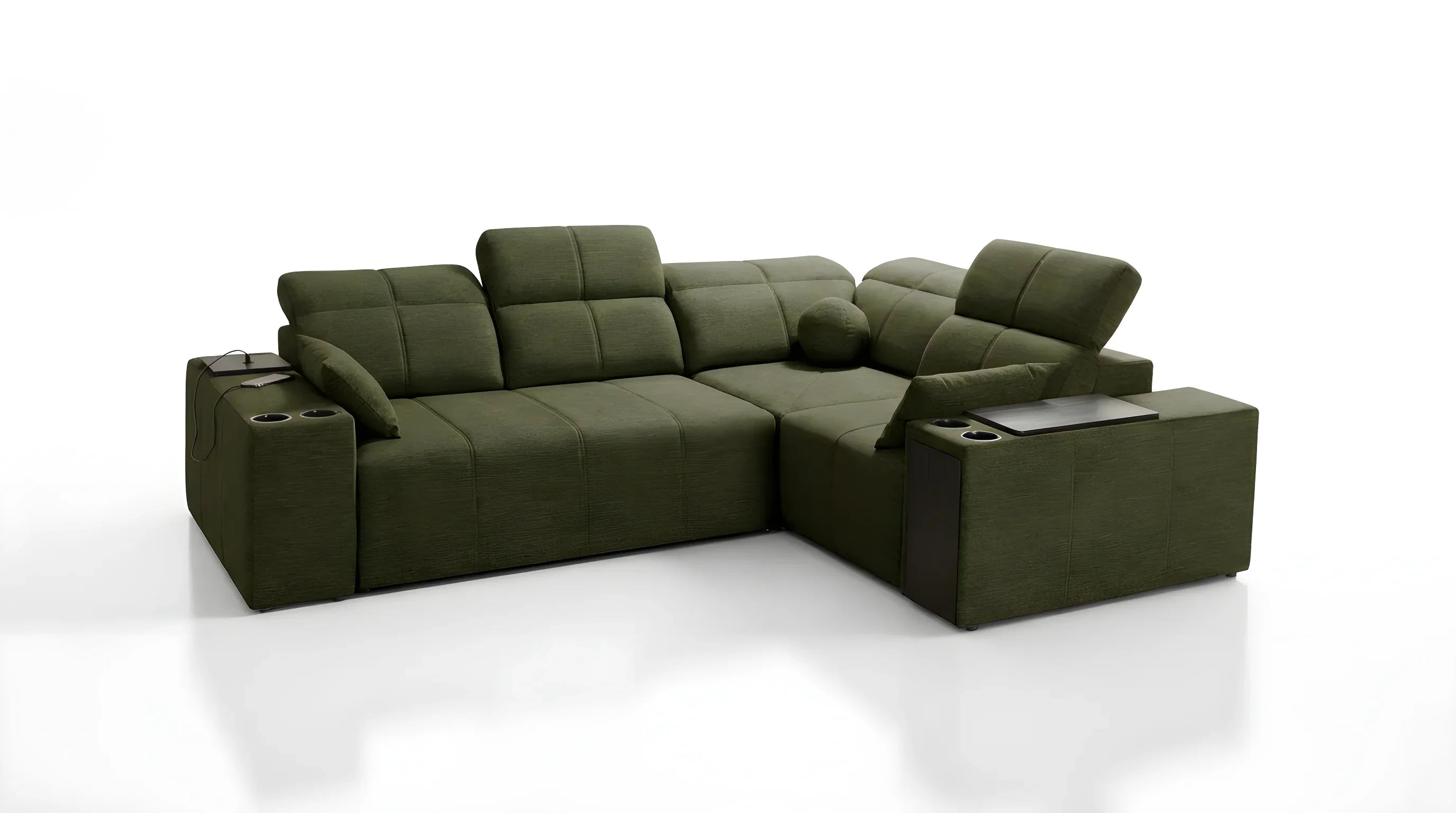
One of the best ways to prevent long-term structural problems is to opt for a modular sofa. Unlike a large monobloc sofa that undergoes significant torsions during transport and use, independent modules distribute loads better. In addition, if a module begins to show signs of weakness, it is easier to repair or replace it individually.
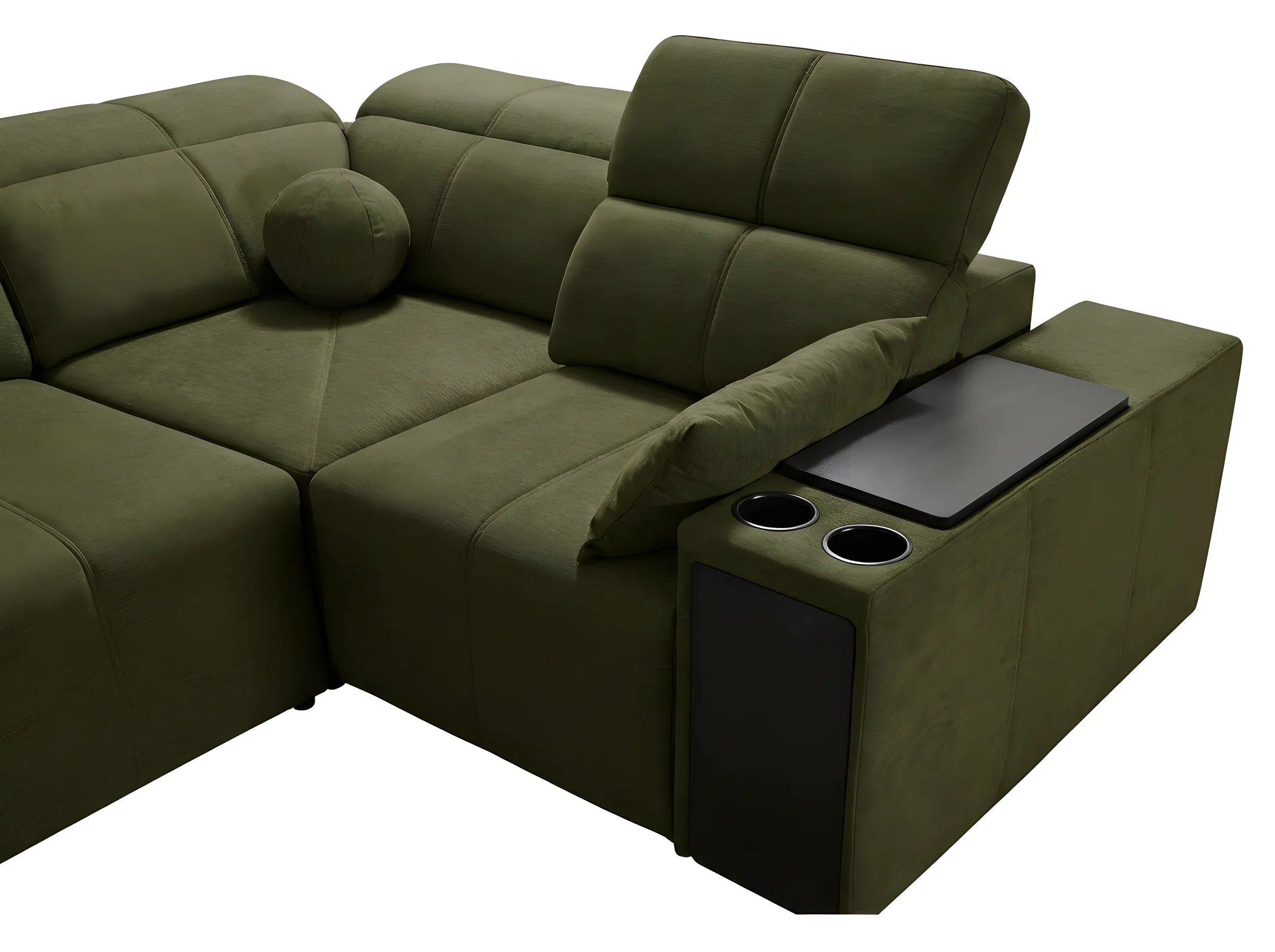
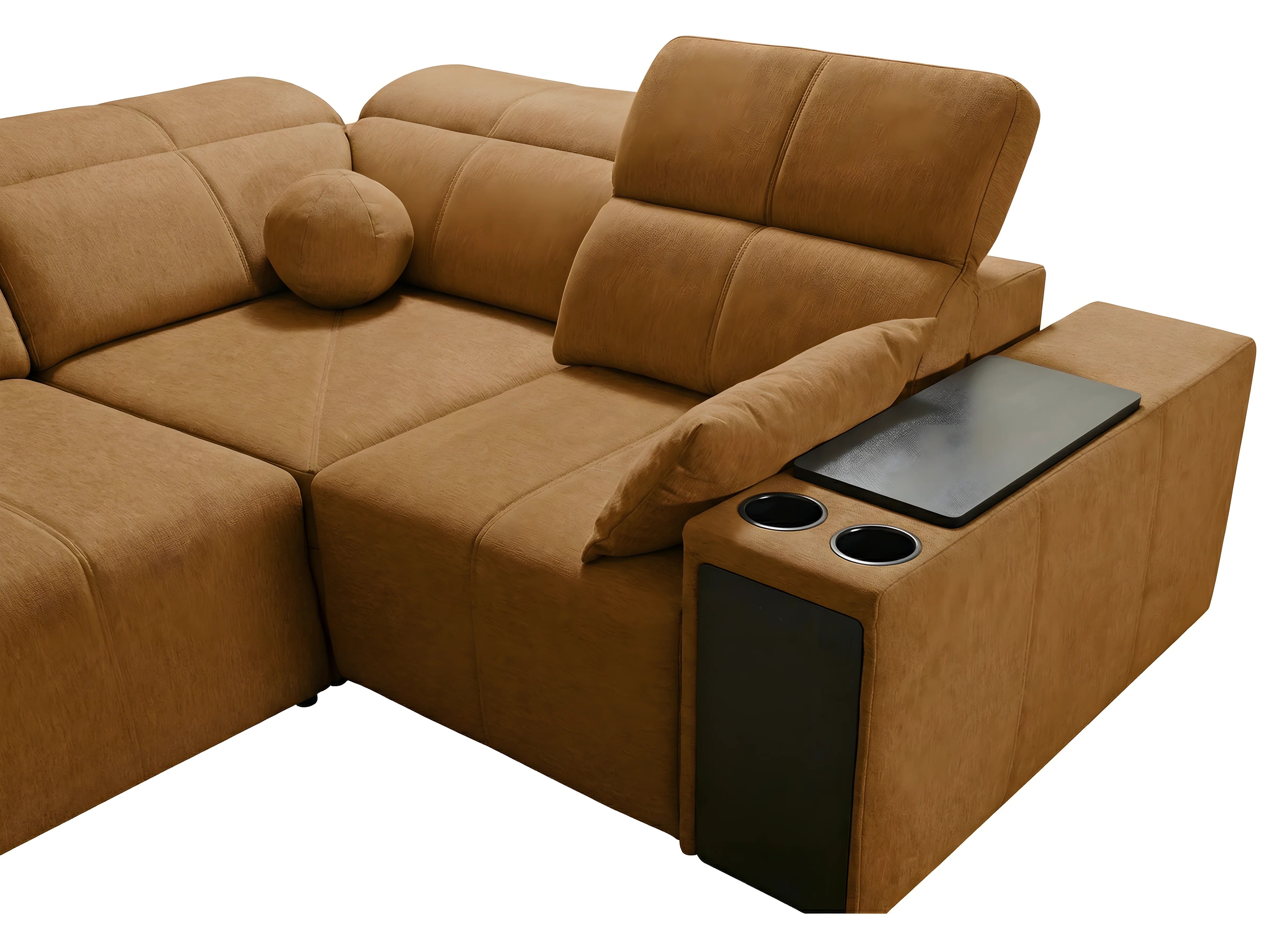
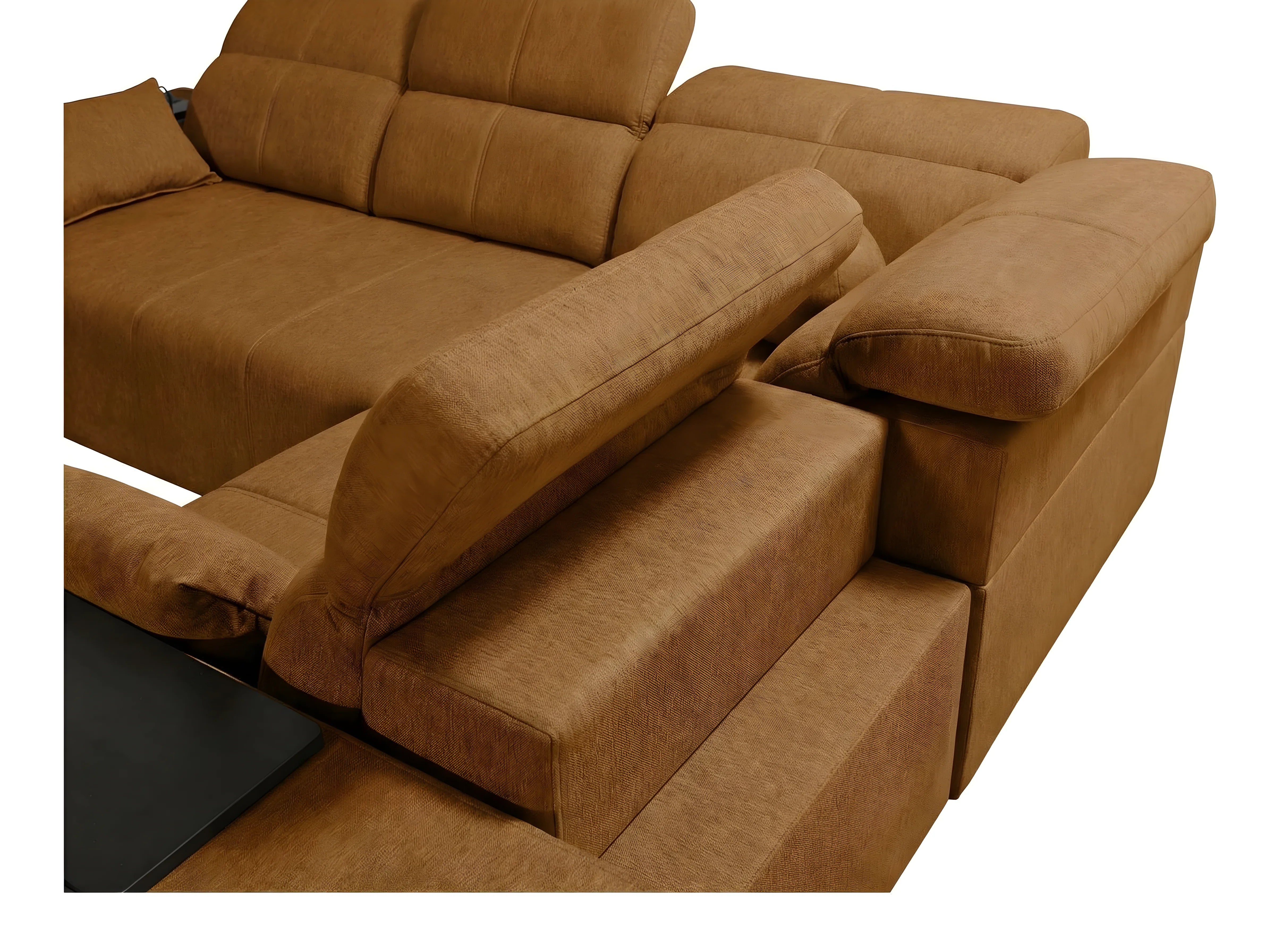
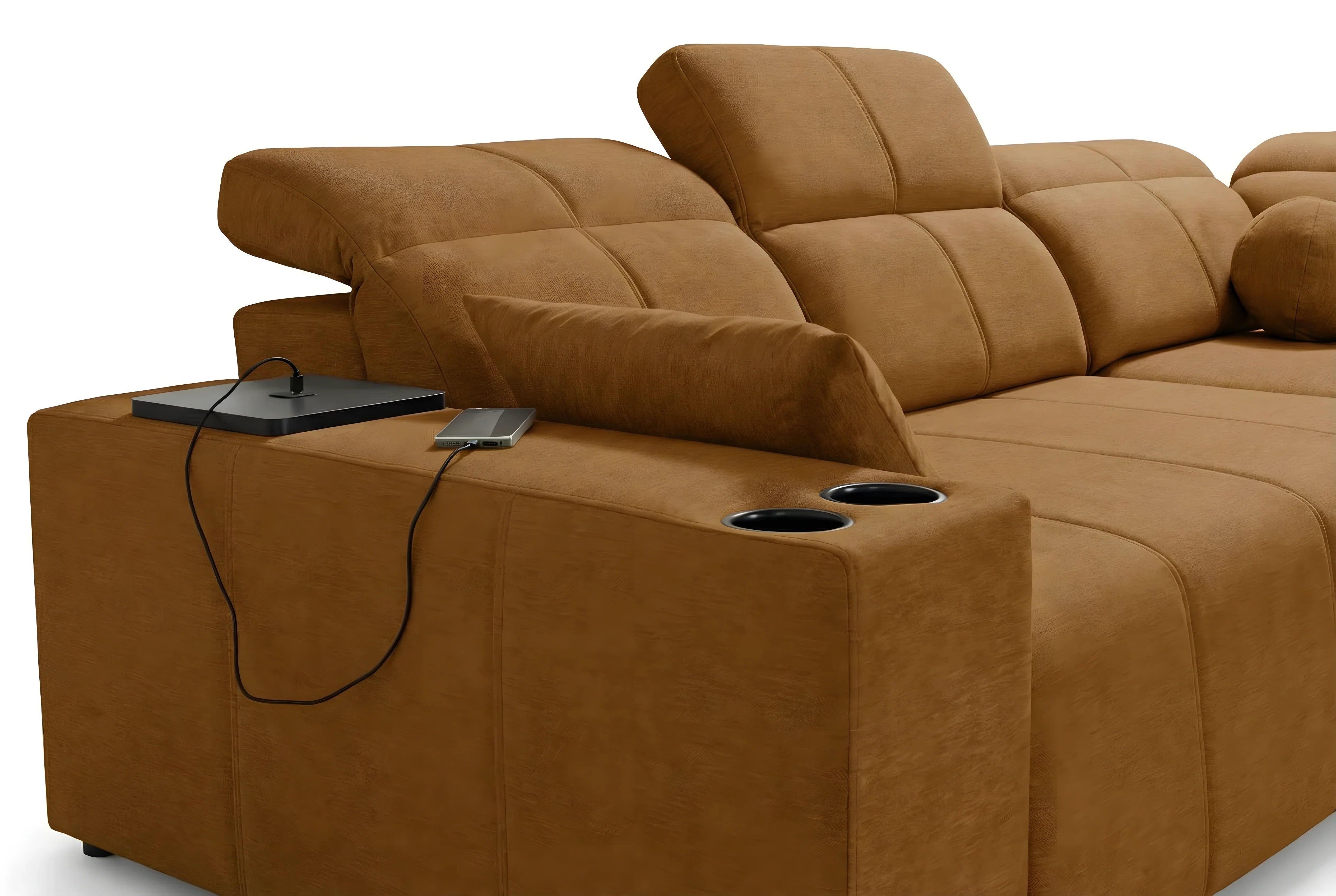
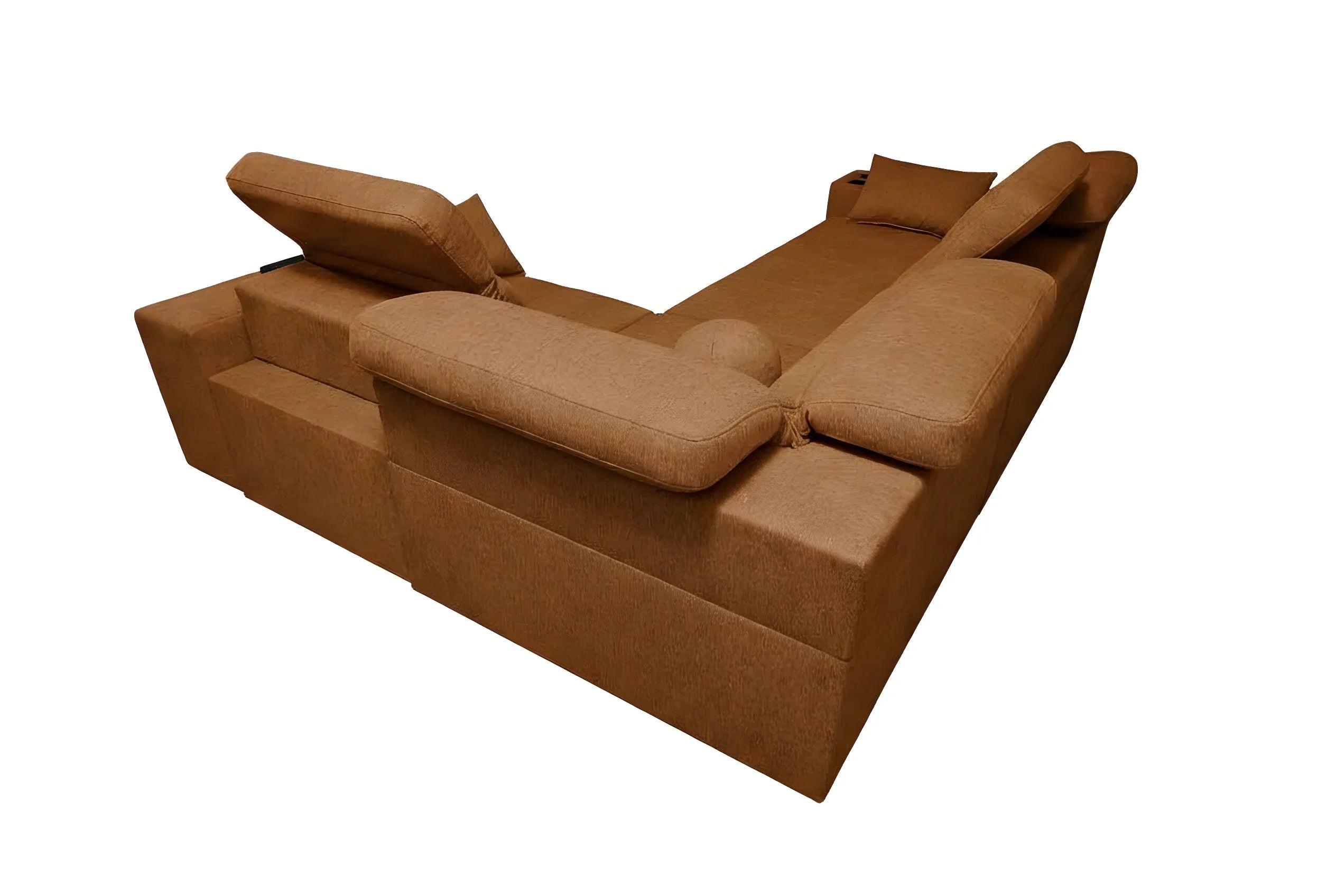
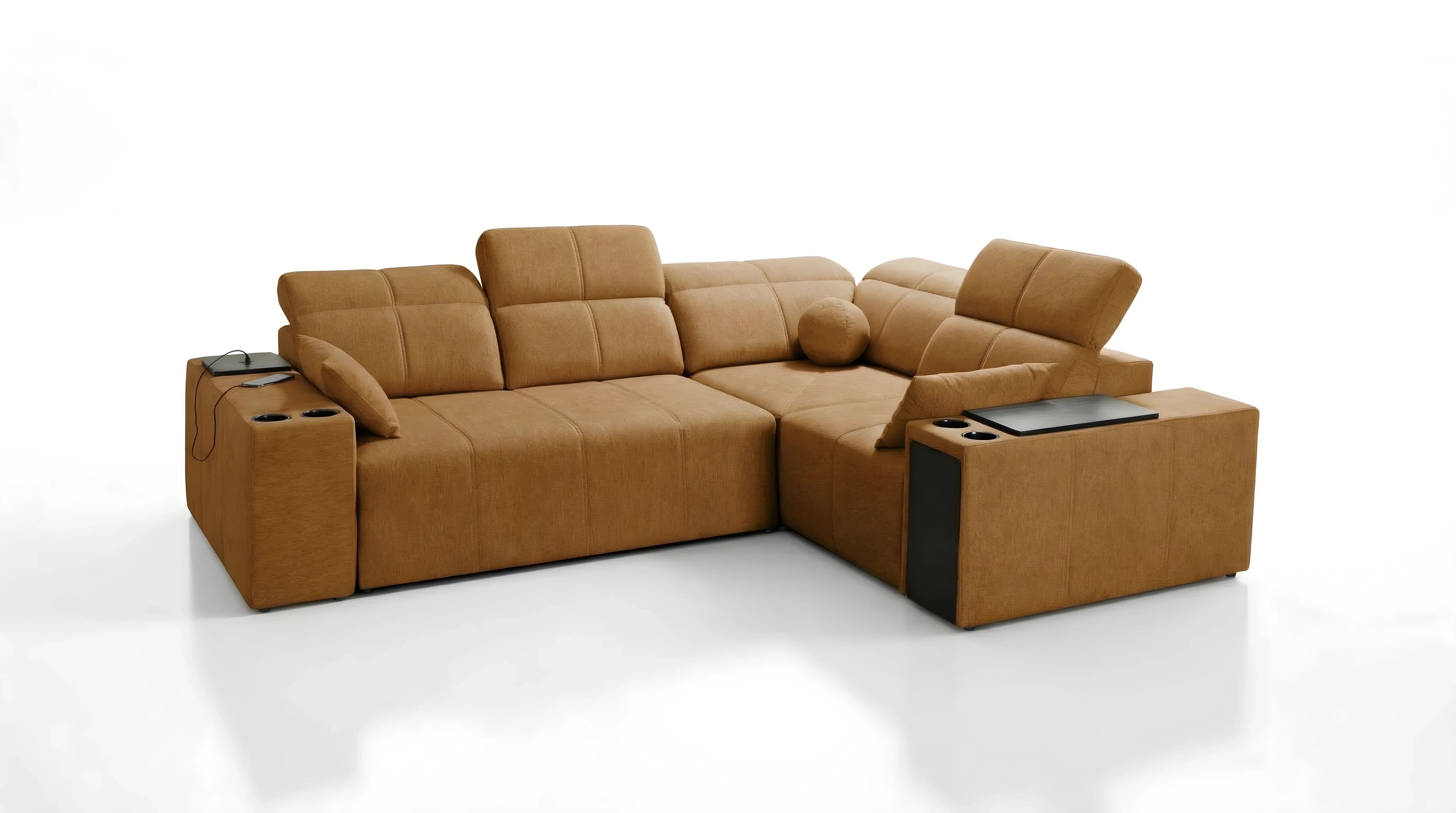
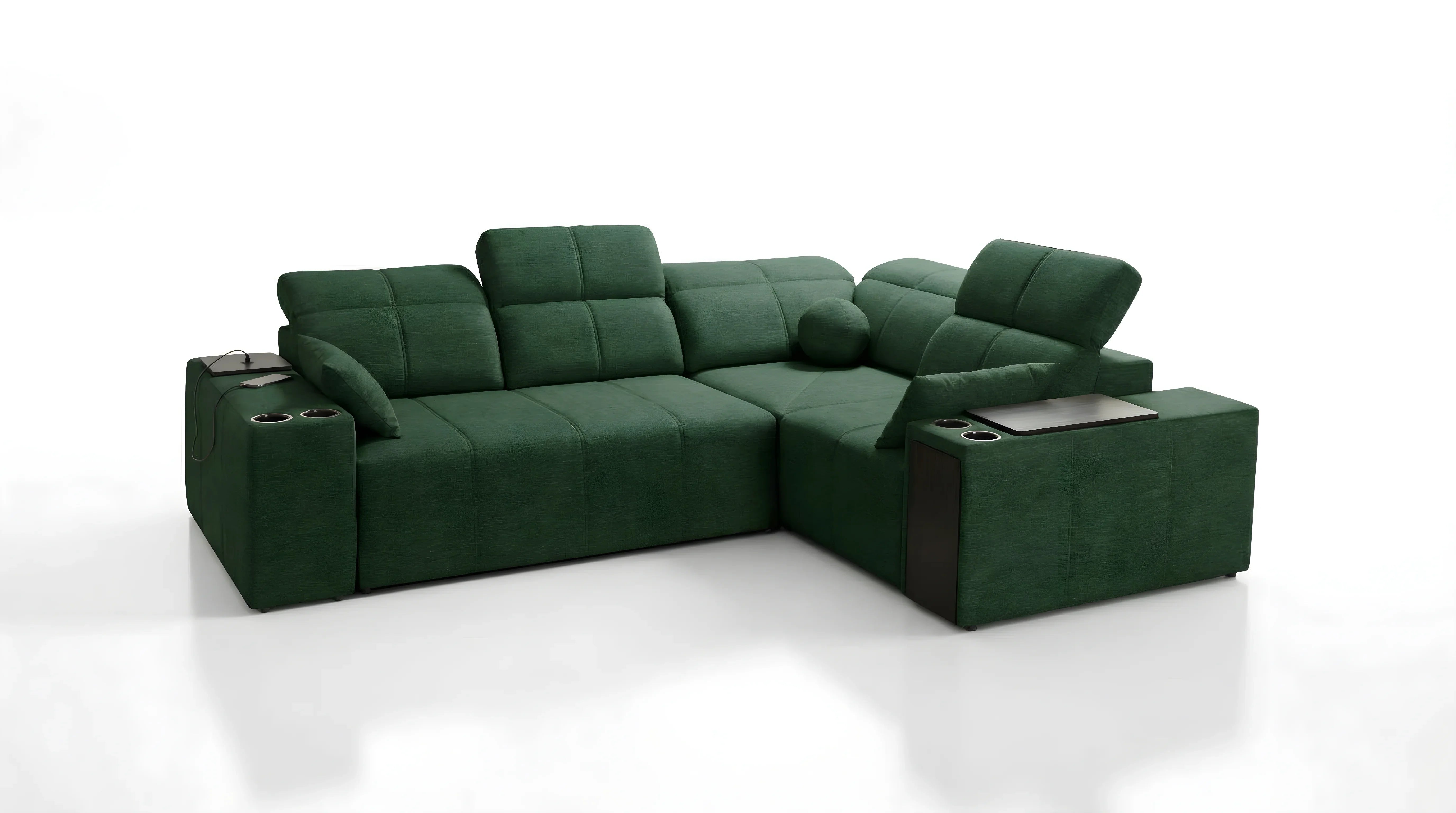
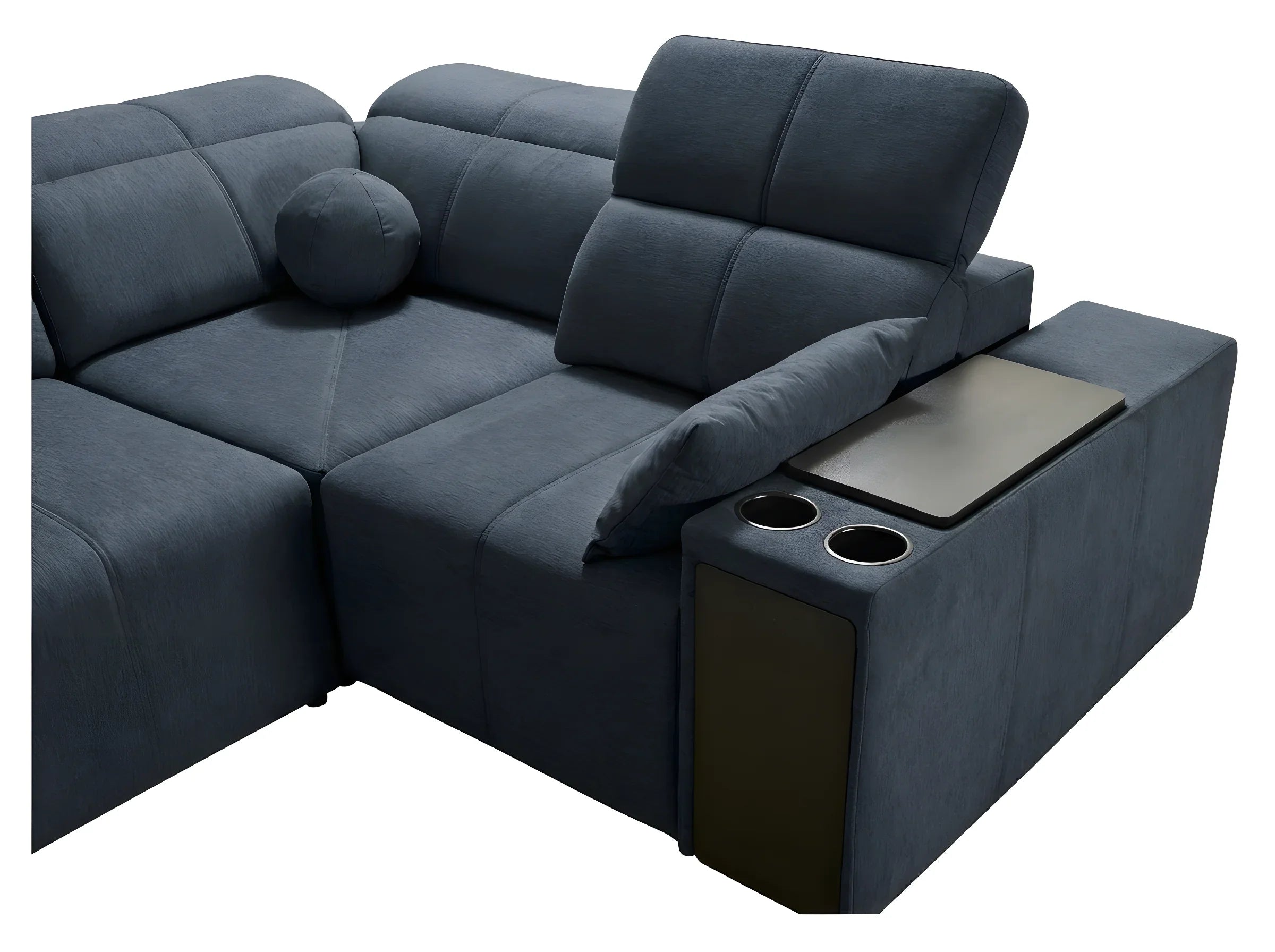
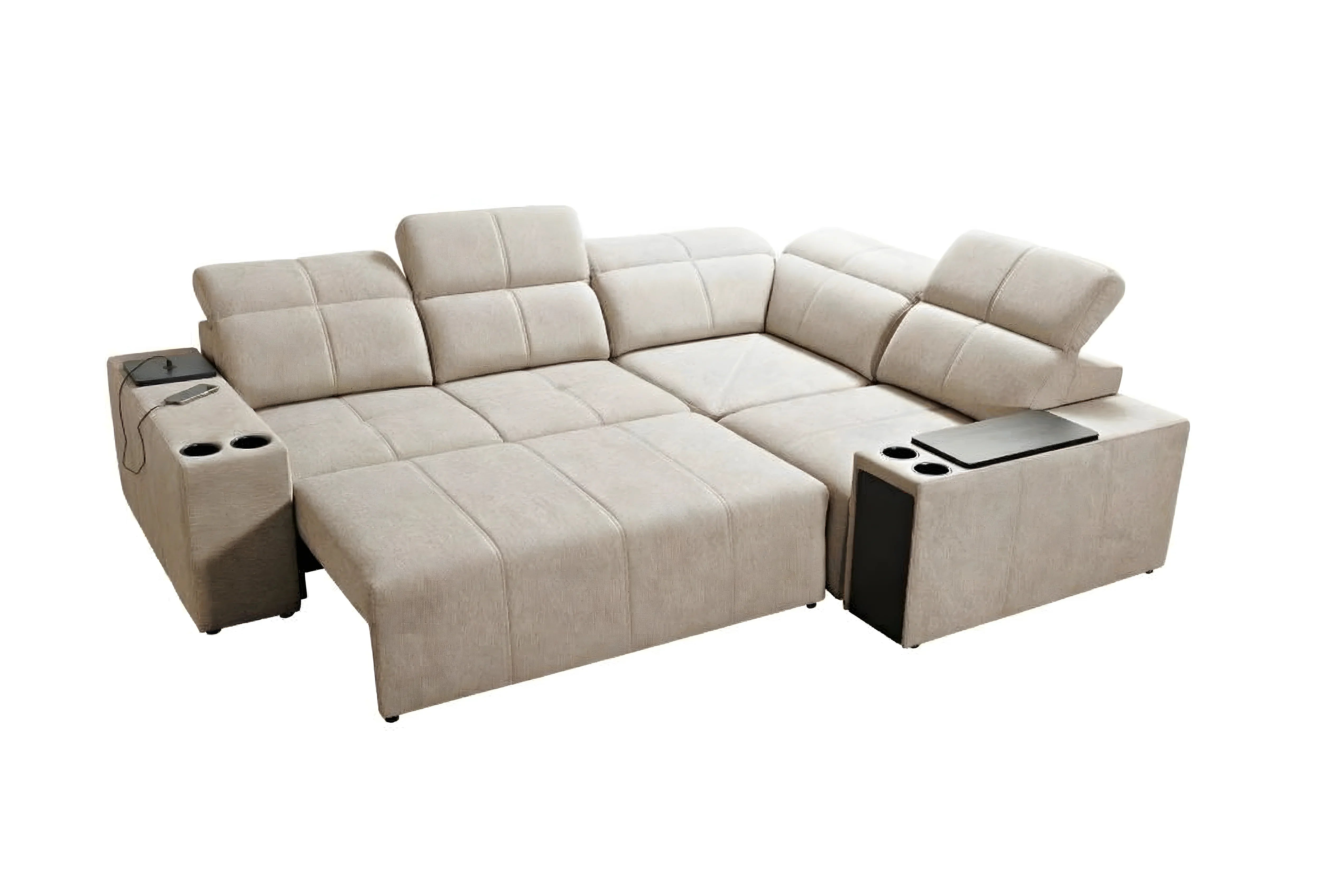
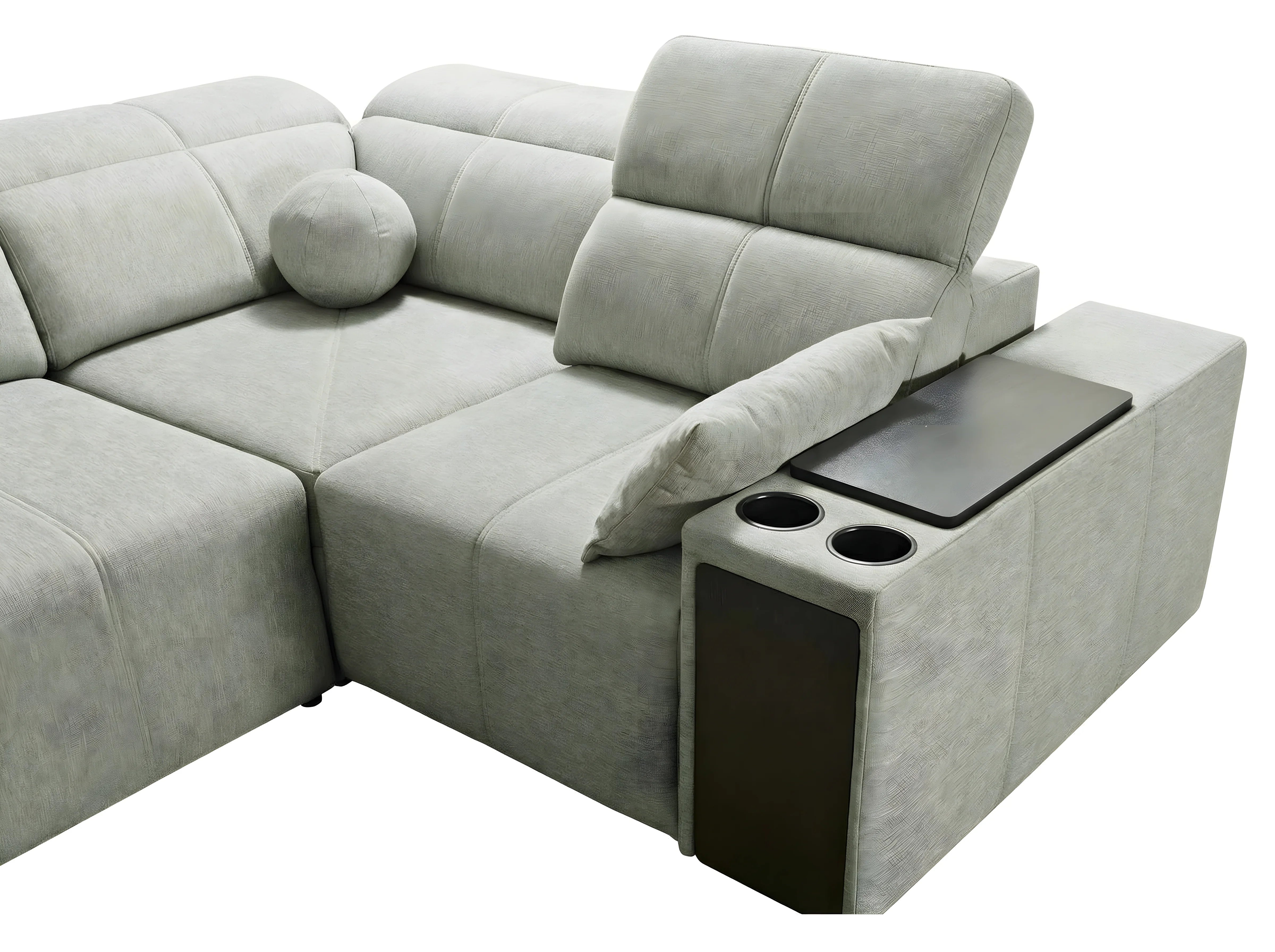
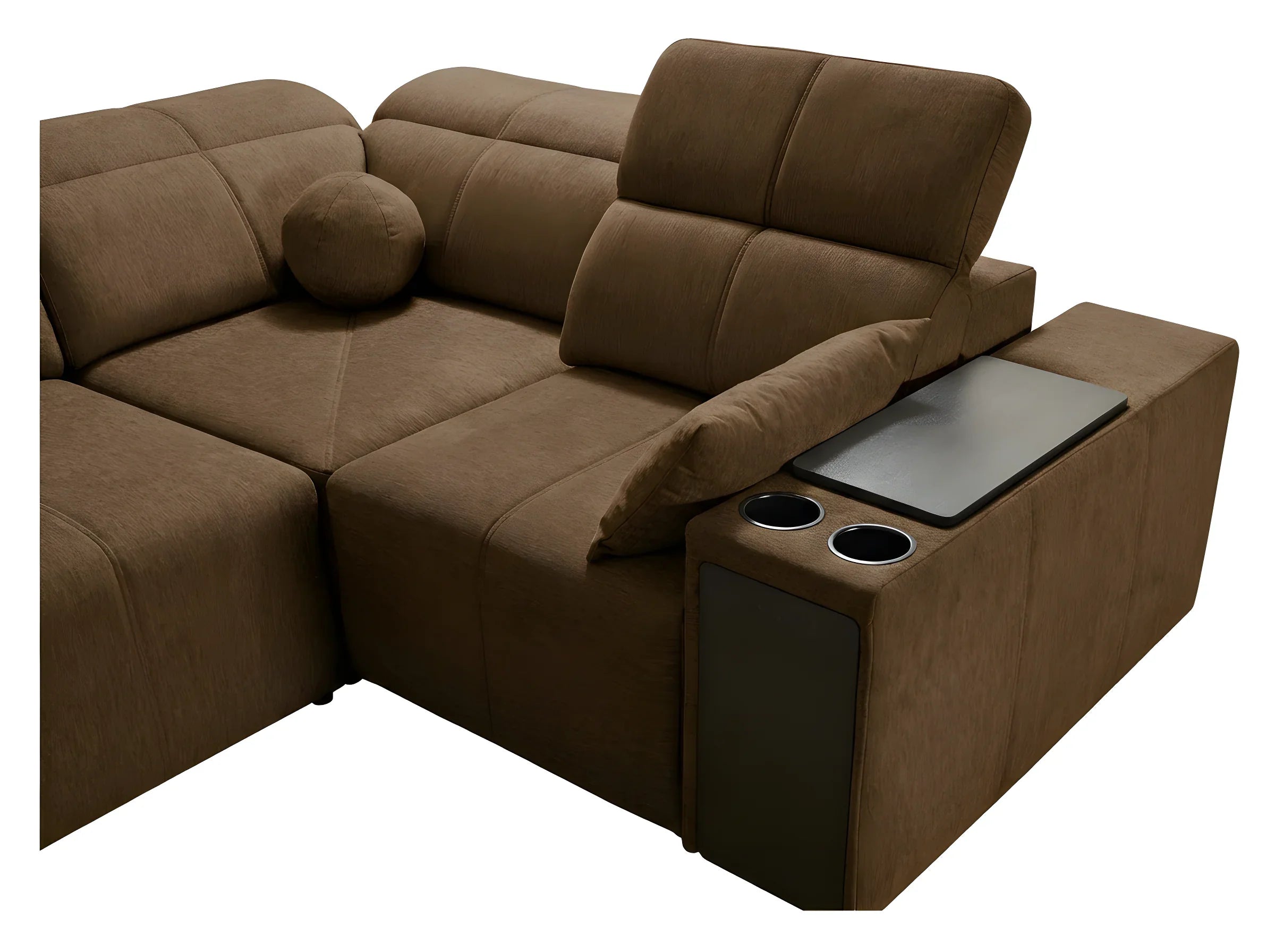
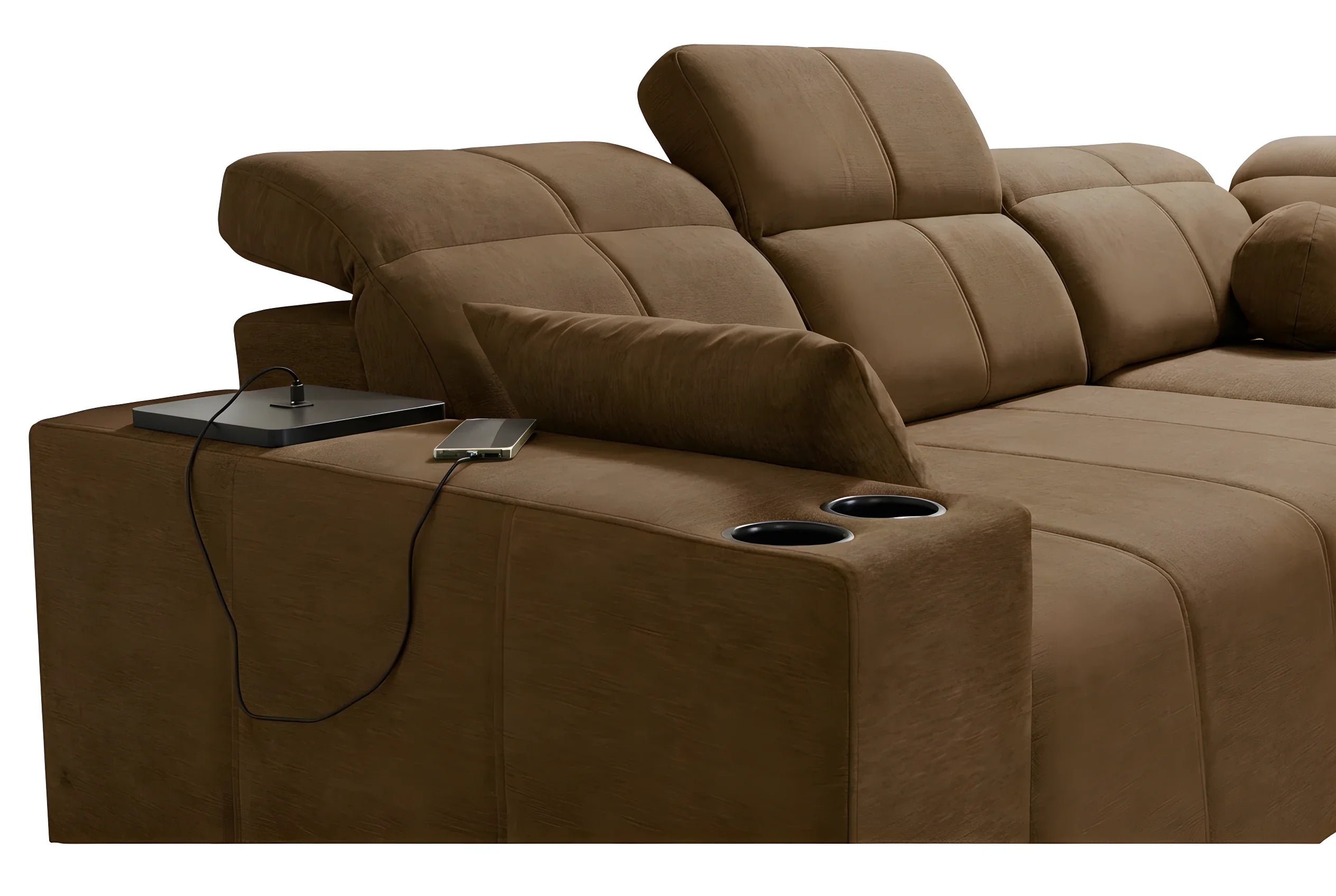
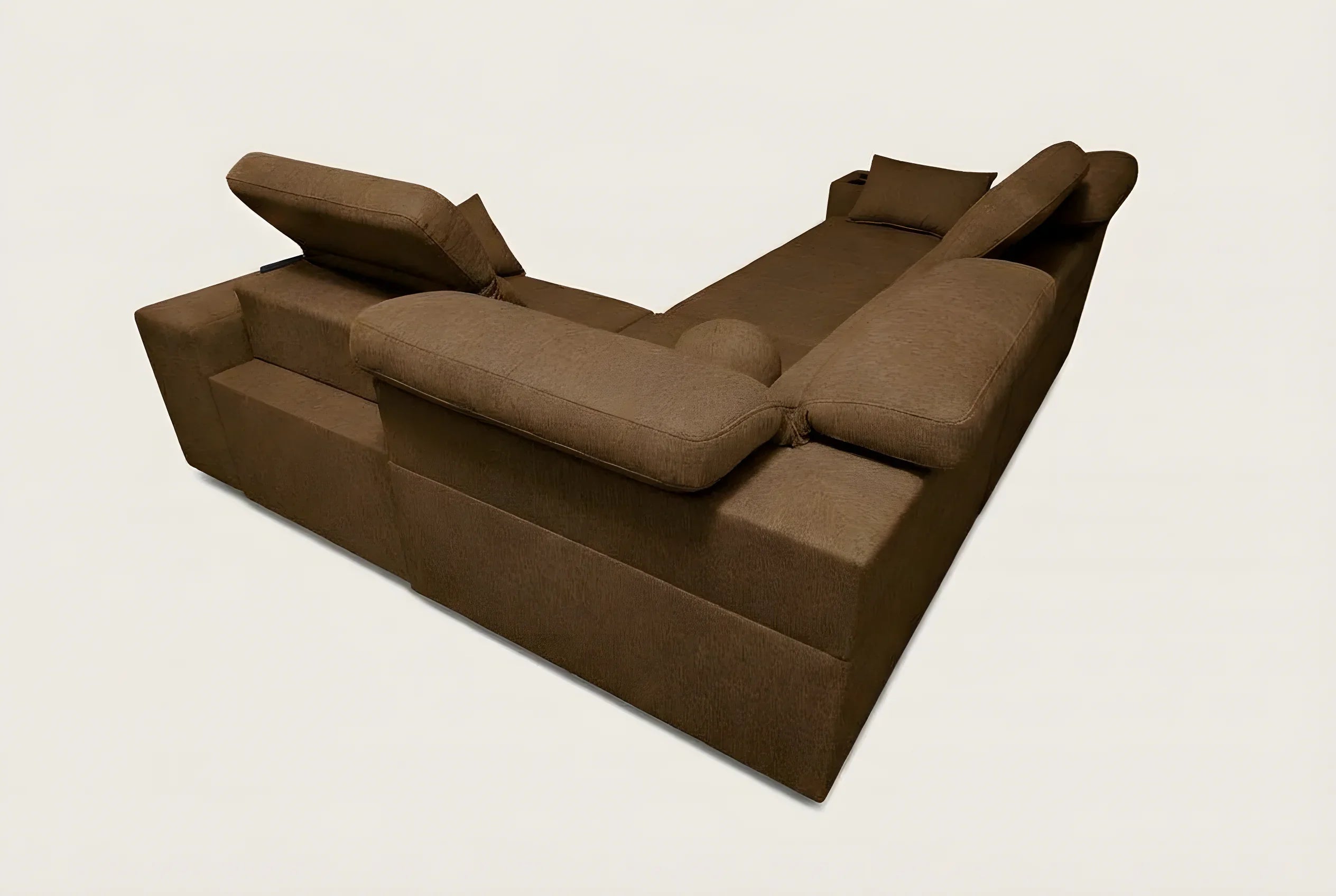
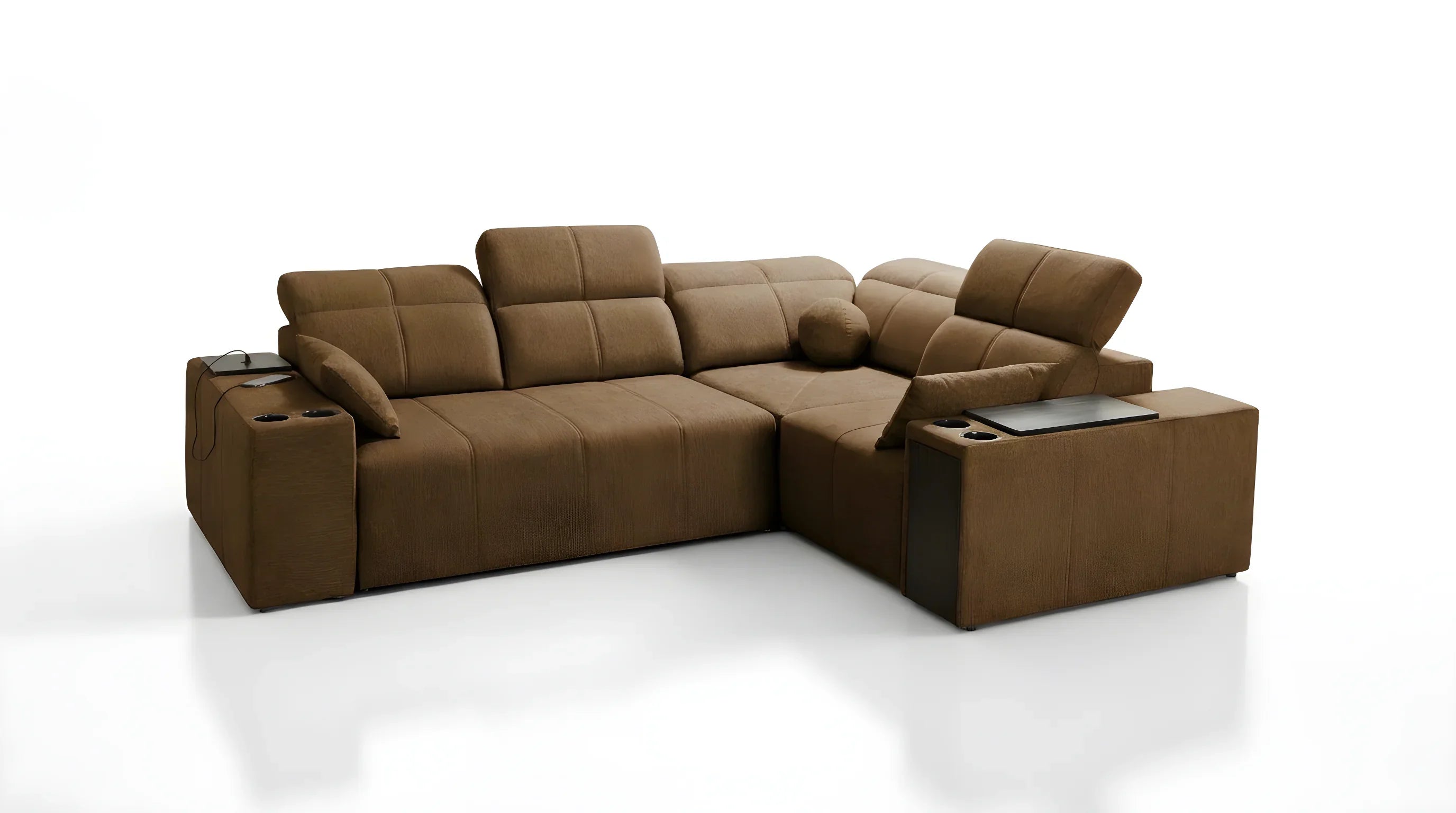
Whether you are looking for a vast corner sofa to accommodate the whole family or a made-to-measure sofa adapted to an atypical living room, the quality of the initial assembly (screwing, gluing, stapling) remains the best bulwark against future noises.
FAQ: Everything you need to know about your sofa squeaking
Can a new sofa squeak?
Yes, this can happen during the first weeks of use. New materials, especially foams and fabrics, need to "settle" and fall into place. However, a metallic squeak or a loud crack on a new sofa is not normal and should be reported to customer service.
Can cooking oil be used to stop the noise?
Absolutely not. Cooking oil (olive, sunflower) will dry, become sticky, go rancid, and give off bad smells. It can also attract pests. Always favour specific DIY lubricants such as silicone or white lithium grease.
How to know if the squeak comes from the springs or from the structure?
The test is acoustic: a sharp and resonant metallic noise ("kwing") generally indicates a spring. A dull noise, a dry crack or a friction ("crac") mostly comes from the wood of the structure or from an assembly that has play.
Can the padding influence the noise?
Indirectly, yes. A sofa with good foam for the seat absorbs shocks better and reduces the pressure exerted directly on the springs and the structure. Sagging foam transfers all the kinetic energy to the framework, accelerating the appearance of noises.
Conclusion: Rediscovering silence and serenity
The diagnosis of a squeaky sofa requires a little patience, but the solutions are often within reach. Whether it is tightening a few screws, lubricating a spring, or adjusting a leg, this small maintenance significantly prolongs the life of your furniture. However, silence is above all a question of initial design. At Kings Canape, we understand that acoustic durability is as important as aesthetics. This is why we favour robust structures, precise assemblies, and high-quality materials so that your only concern is choosing the best film to watch, comfortably seated in absolute calm.





Leave a comment
This site is protected by hCaptcha and the hCaptcha Privacy Policy and Terms of Service apply.