


Article table of contents

The scenario is classic but always terrifying: a sudden gesture, a glass tipping over, and a purple tablecloth spreading over your immaculate off-white sofa. Statistically, 68% of domestic stains on living room furniture occur during moments of conviviality, turning the party into a household emergency. Faced with a red wine stain on a light sofa, every second counts. Tannin, this tenacious plant pigment, begins to set into the fibres in less than three minutes. Do not panic: this immediate intervention guide gives you the chemical and mechanical protocols to save your furniture, without damaging it.
The 5-Minute Emergency: Anti-Panic Protocol
When the wine touches the fabric, the first reflex conditions 90% of the final result. On a white fabric sofa or in a light shade, the margin of error does not exist. The immediate goal is not to clean, but to contain the capillary haemorrhage of the liquid.
Gesture No. 1: Absorb (do not rub) - The ideal equipment at hand
The absolute golden rule to remove a red wine stain on a light sofa is to never, ever rub the stain. Rubbing crushes the textile fibres and pushes the wine pigments (anthocyanins) to the heart of the weft, making subsequent cleaning almost impossible.
Here is the immediate procedure:
- Immediately grab white absorbent paper (paper towels), or a clean, white cotton cloth. Avoid coloured towels that could bleed onto your damp beige sofa.
- Delicately place the paper on the stain. Let the capillarity act.
- Change the sheet as soon as it is soaked.
- Repeat the operation until the paper comes out almost dry.
Why salt works (and when not to use it)
The most famous grandmother's remedy to remove red wine stains is undoubtedly table salt. Chemically, sodium chloride is hydrophilic: it attracts water (and wine) out of the fibres.
However, its use on a red wine stain on a light sofa requires an important nuance:
- The advantage: If you cover the still very damp stain with a thick layer of salt, it will absorb a large part of the red pigment, turning pink in the process.
- The risk: If you let the salt dry completely on the fabric (more than a few hours), it can fix the residual tannin.
Expert verdict: Use salt only as an absolute emergency solution if you have no absorbent paper, and vacuum it up as soon as it has taken on a pinkish hue, without waiting for it to crust over on your beige fabric sofa.
Home Solutions, Light Fabrics & Light Stains
Once the excess has been absorbed, there is often a pinkish or purplish halo remaining, particularly visible on shades such as ivory, ecru, or natural linen. This is where gentle chemistry comes into play to clean red wine on a sofa without attacking the fibre.
The power of white vinegar and baking soda
This is the winning combo for most fabric sofas. White vinegar (acetic acid) attacks wine colourants, while baking soda acts as a gentle abrasive and natural whitener.
Procedure:
- Mix a paste composed of 3 tablespoons of baking soda and a little water.
- Apply to the stain.
- Gently spray white vinegar on it (it foams, this is normal, it is the effervescent reaction that lifts the dirt).
- Leave to act for 15 minutes, then rinse with clean water using a clean sponge.
Sparkling water: The first aid
If you do not have products on hand, sparkling water is an excellent ally for wine SOS on sofa. The carbon dioxide bubbles help mechanically lift the pigments from the surface of the fabric.
Pour the sparkling water gently onto the stain (without flooding the interior foam) and dab immediately. This method is particularly safe for a delicate fabric sofa that would not tolerate chemicals well.
Hydrogen peroxide or ammonia: when chemical recourse becomes necessary
If the stain persists on your Off-white sofa, you need to step up a notch. Caution, these methods require prior testing on a hidden part of the sofa (back or bottom).
| Product | Effectiveness on Red Wine | Risk for the fabric | Recommended use |
|---|---|---|---|
| Hydrogen Peroxide (10 vol) | ⭐⭐⭐⭐⭐ | Medium (can discolour) | Ideal for pure white cotton or light linen. |
| Ammonia | ⭐⭐⭐⭐ | High (strong fumes) | For stubborn stains on synthetic fibres. |
| Household alcohol 70 | ⭐⭐⭐ | Low | Mixed with water for finishing touches. |
To use ammonia, dilute a few drops in a bowl of lukewarm water with a little dishwashing liquid. Dab, do not rub. Wear gloves and ventilate the room.
How to rinse effectively to avoid the halo on white fabric
The nightmare of the owner of a White fabric sofa is not always the red stain, but the brown or yellowish halo that appears after drying. To avoid this:
- Always rinse by going well beyond the area of the initial stain.
- Gradually wet the fabric around the treated area to create a moisture gradient.
- Dry as quickly as possible with a dry terry towel, then possibly a hair dryer in "cold air" or lukewarm position, held at a distance.
What to Do if the Red Wine Stain has Dried?
You were not there at the time of the accident or you discover the disaster the next morning? Removing a red wine stain on a light sofa once dry is more complex, but not impossible. The tannin has crystallised, so it must be rehydrated to be extracted.
Stain rehydration protocol
Do not try to apply a stain remover directly to the dry stain, it will not penetrate. Dampen the area with a mixture of lukewarm water and a drop of Marseille soap. Let the fibre relax for 10 to 15 minutes.
An effective alternative is the use of hot milk. Lactic acid can help break the bonds of dried wine. Soak a cotton pad in warm milk, dab the stubborn stain on your light velvet sofa, leave to act for one hour, then rinse thoroughly.
Gentle mechanical treatment against tannin penetration
On resistant fabrics, such as those of a sturdy family sofa, you can use a soft-bristled toothbrush once the stain remover has been applied. Make small circular movements from the outside towards the inside of the stain to avoid spreading it.
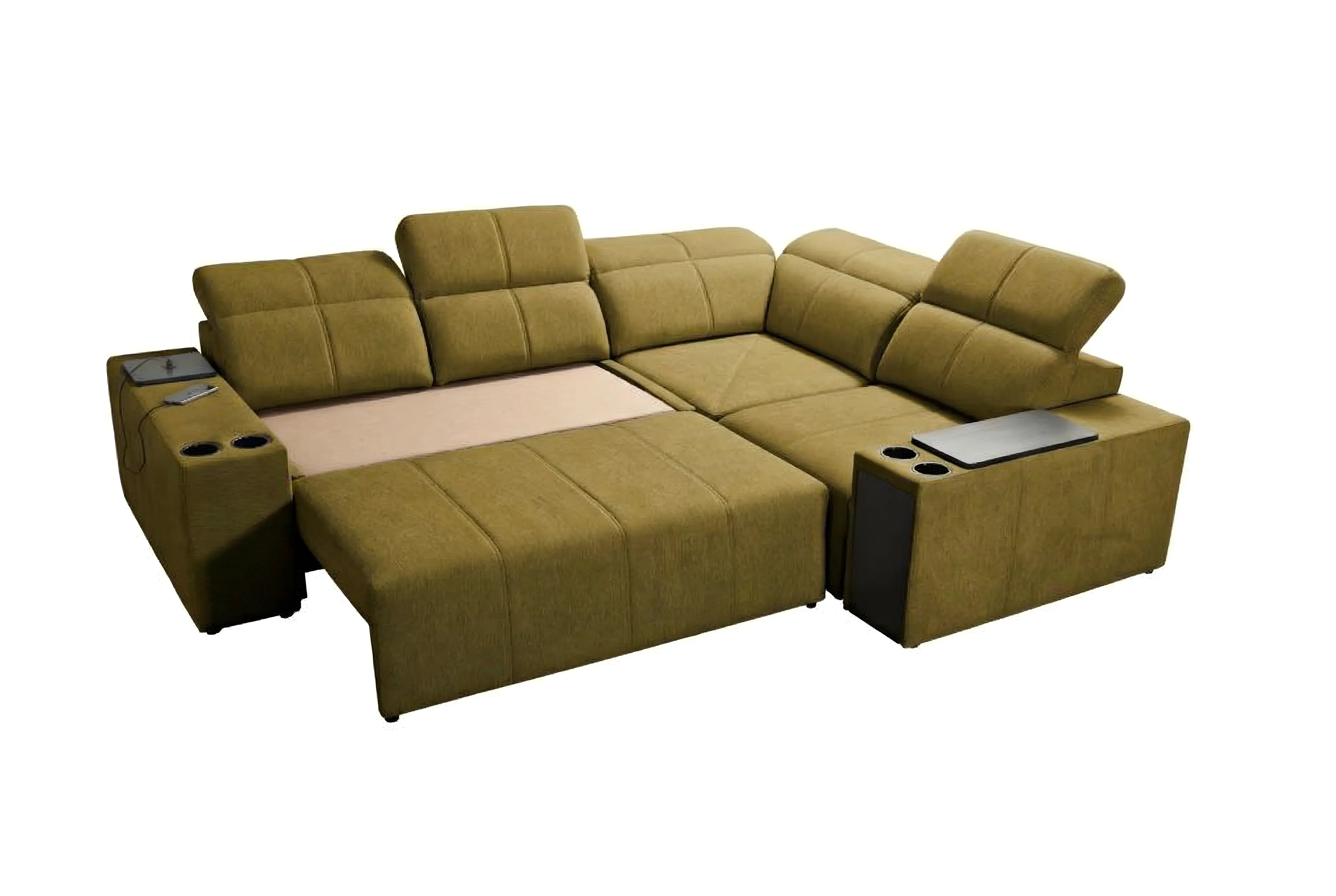
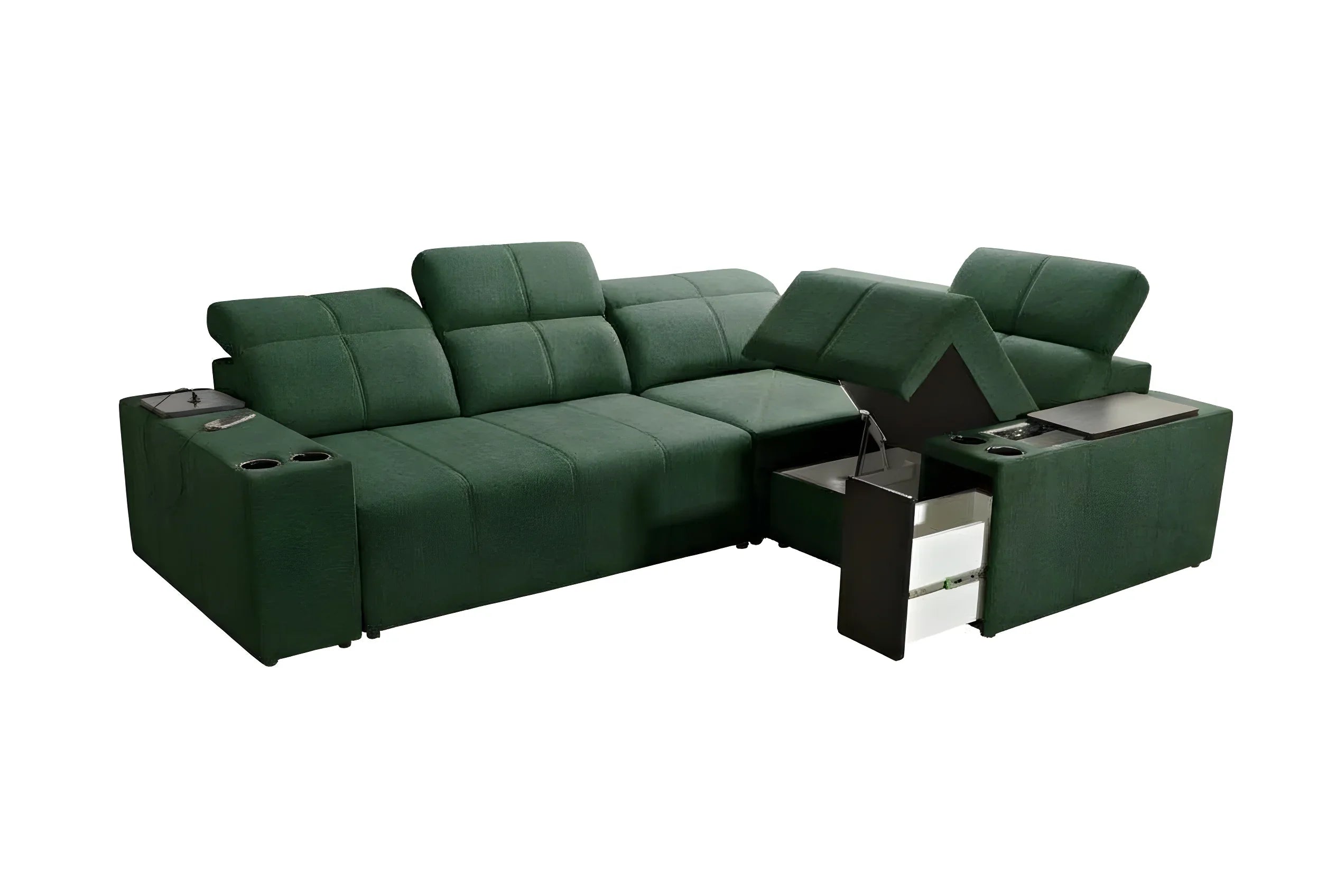
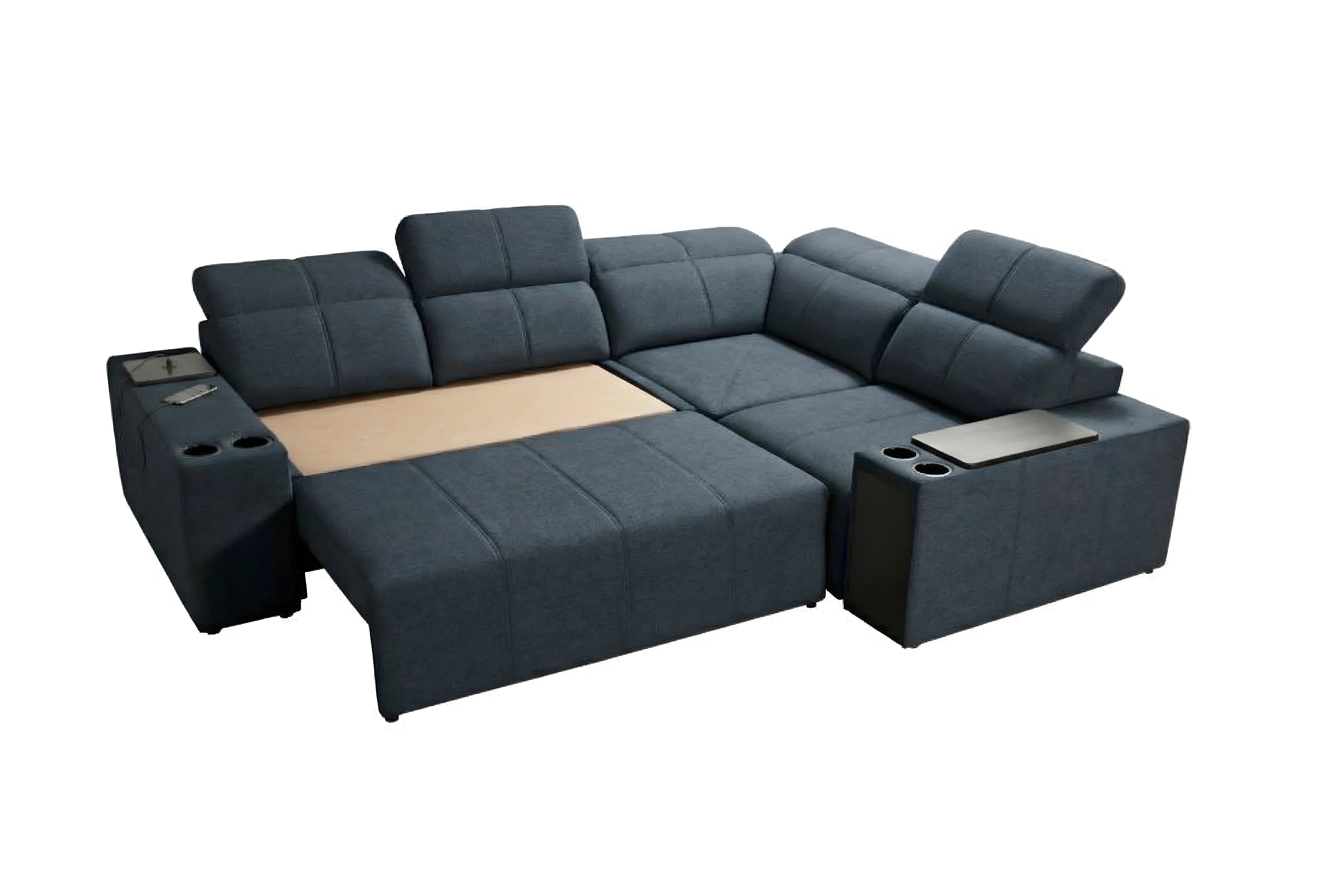
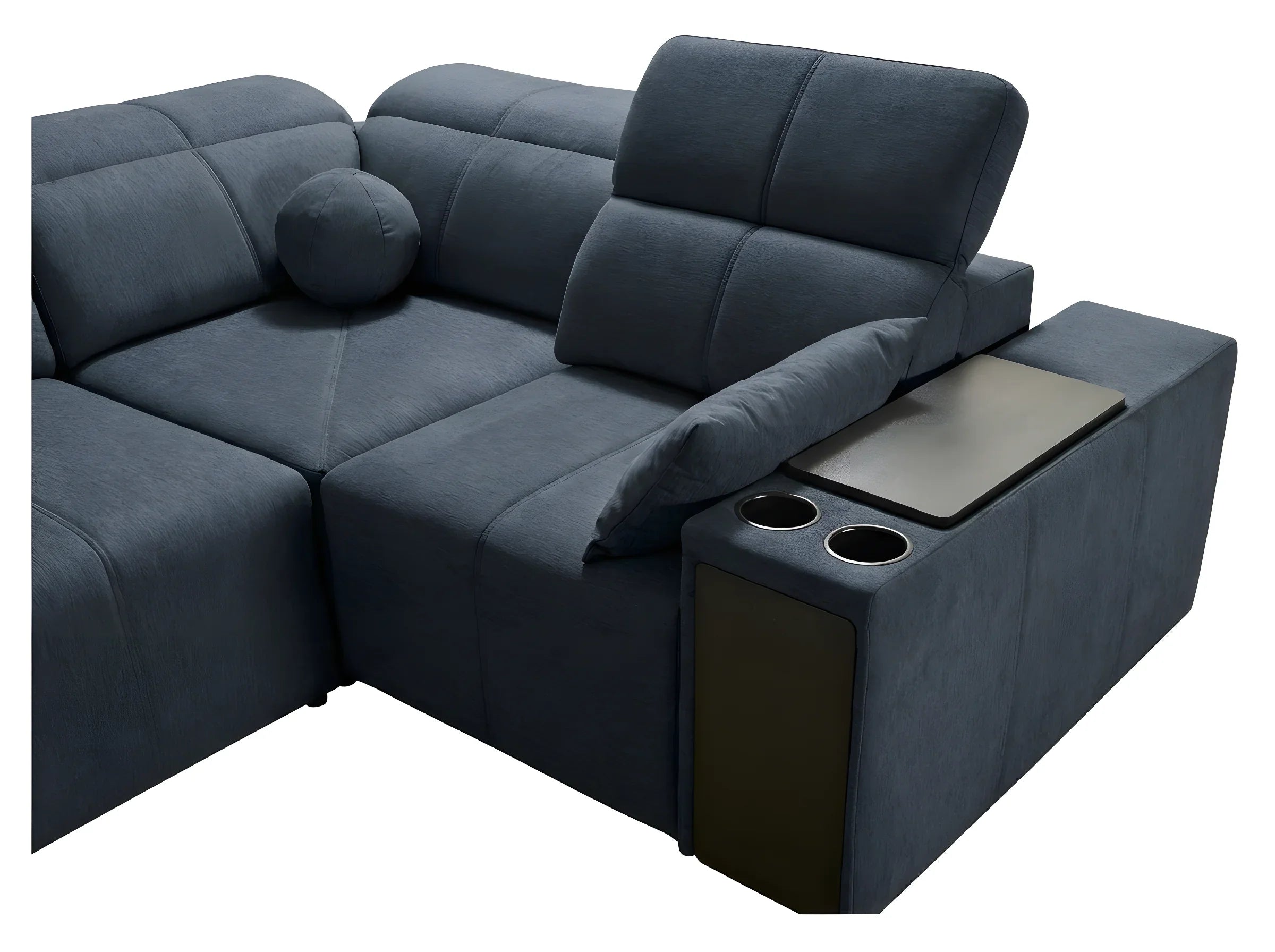
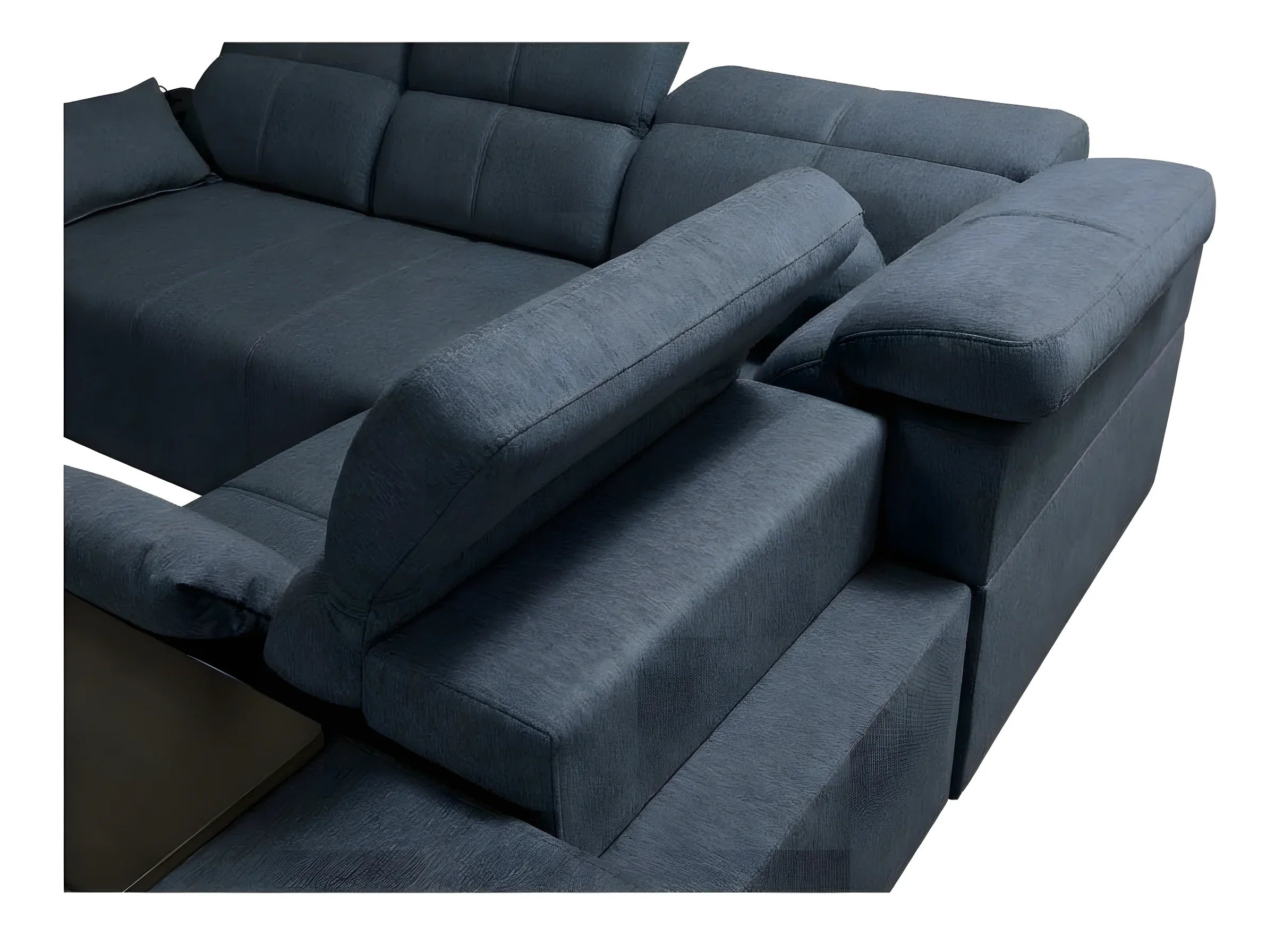
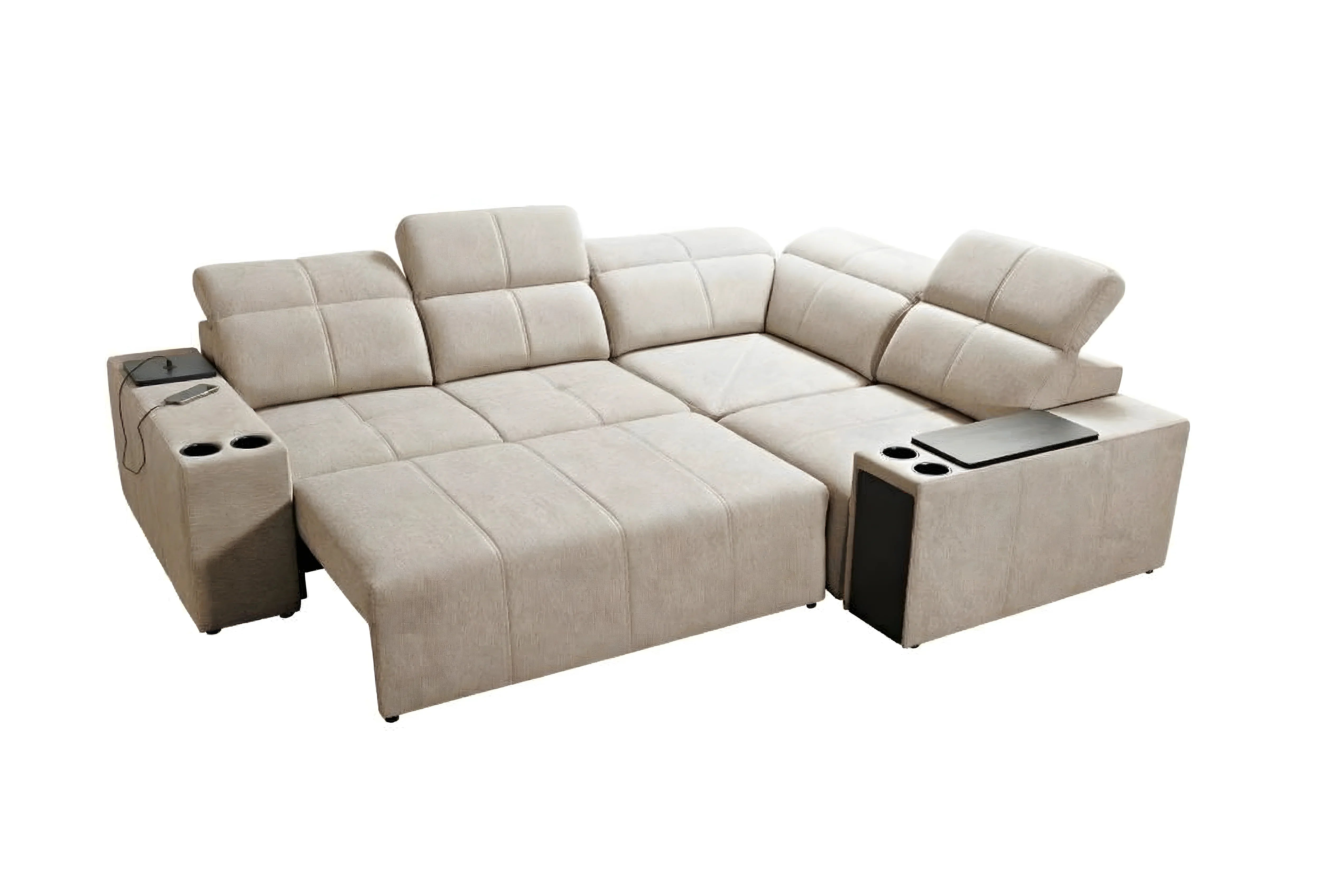
If the stain resists, the best solution is sometimes to change the soiled element if your model allows it. This is all the advantage of initially investing in a removable or modular sofa, where a single module or a single cover can be replaced without throwing away the whole furniture.
Adapt the Technique to the Fabric: Microfibre, Cotton, Linen
Not all light fabrics react the same way to liquids. Knowing the composition of your covering is crucial before applying a solution for a red wine stain on a light sofa.
The sensitivity of microfibre to acidic products
Microfibre is composed of very fine polyester and polyamide filaments. Although it is often sold as an easy-living microfibre sofa, it does not like the excess of water that can leave mineral marks.
For light microfibre:
- Prefer slightly damp Marseille soap paste rather than soaking.
- Avoid bleach which would irreparably yellow the synthetic.
- Always brush the fabric in the direction of the pile once dry to restore its velvety appearance.
Precautions with natural materials (linen and cotton)
Linen and cotton are very absorbent. On a white or beige linen sofa, wine instantly penetrates to the heart of the fibre. If you own a stain-resistant fabric sofa, the liquid will bead on the surface: simple absorption will suffice. For untreated natural fabrics:
- Lemon juice can be used for its whitening properties on white cotton, but rinse very quickly so as not to burn the fibre with the acidity.
- On a boucle fabric sofa, absolutely avoid rubbing, as this would felt the wool or textured synthetic, creating a fuzzy area visible for life.
Small note for pet owners: if you have opted for a sofa for cats with a tight weave, know that these technical fabrics generally tolerate vigorous cleaning better than delicate linens.
Internal Linking: Going further in the maintenance of your light sofa
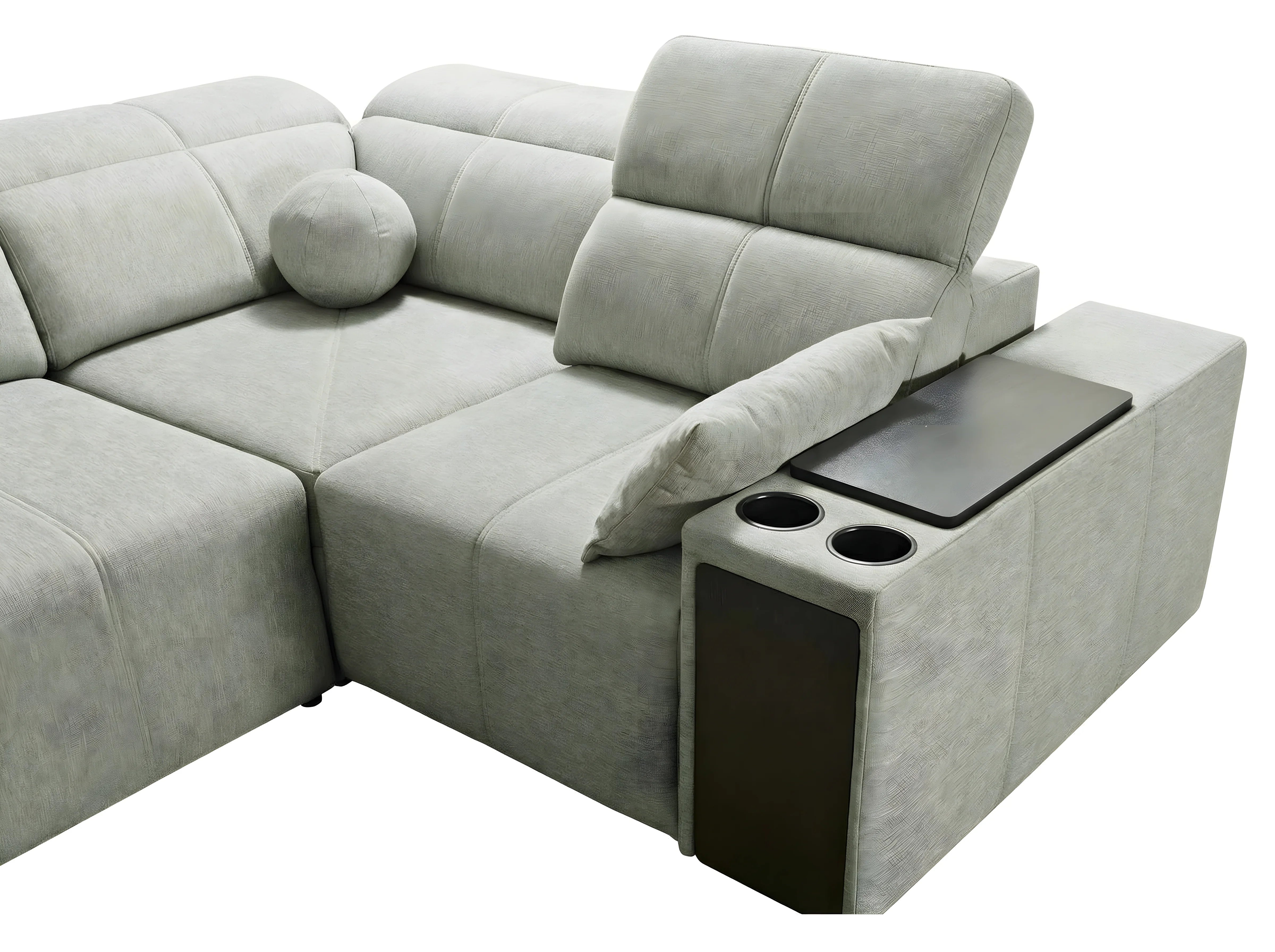
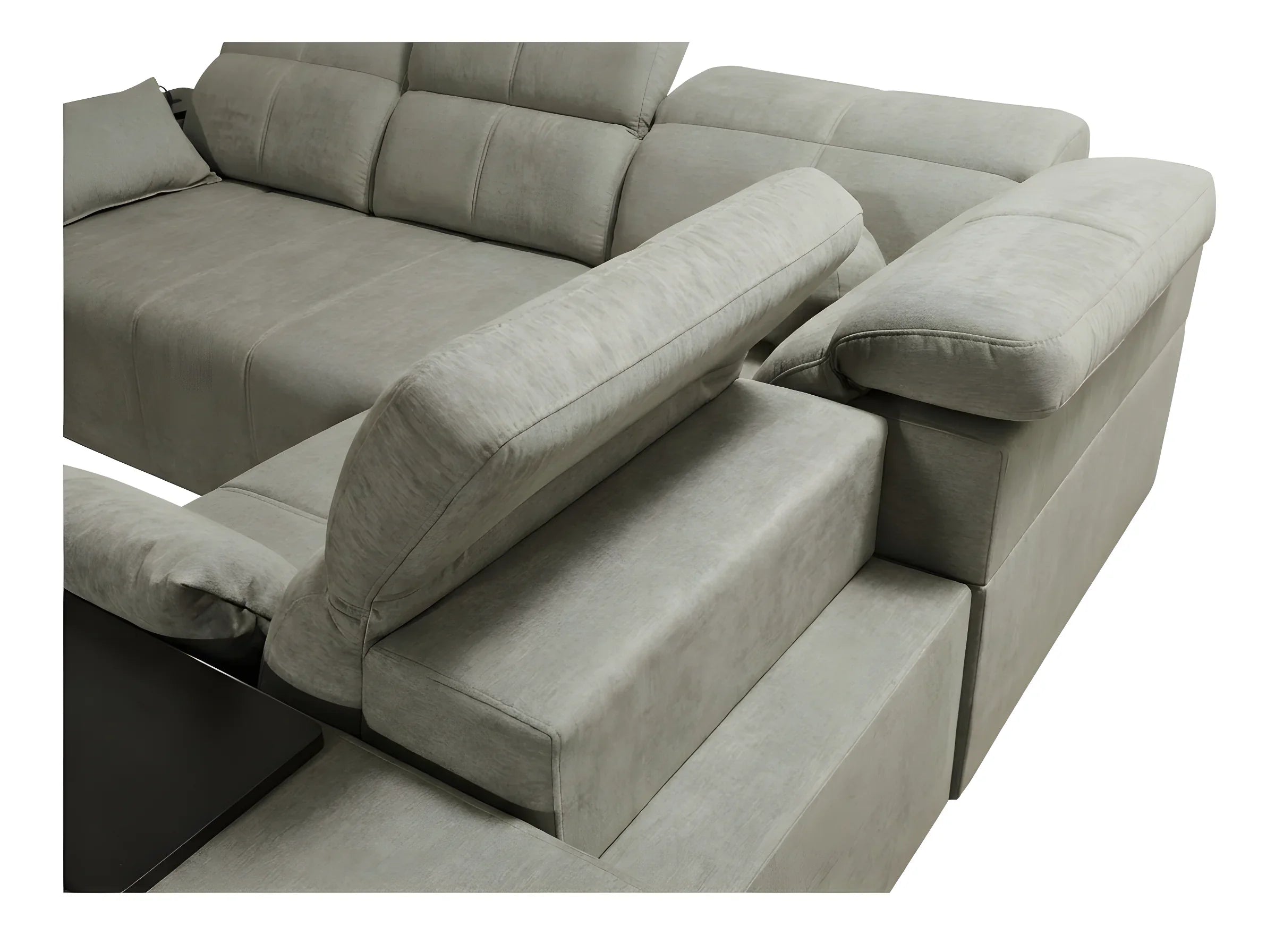
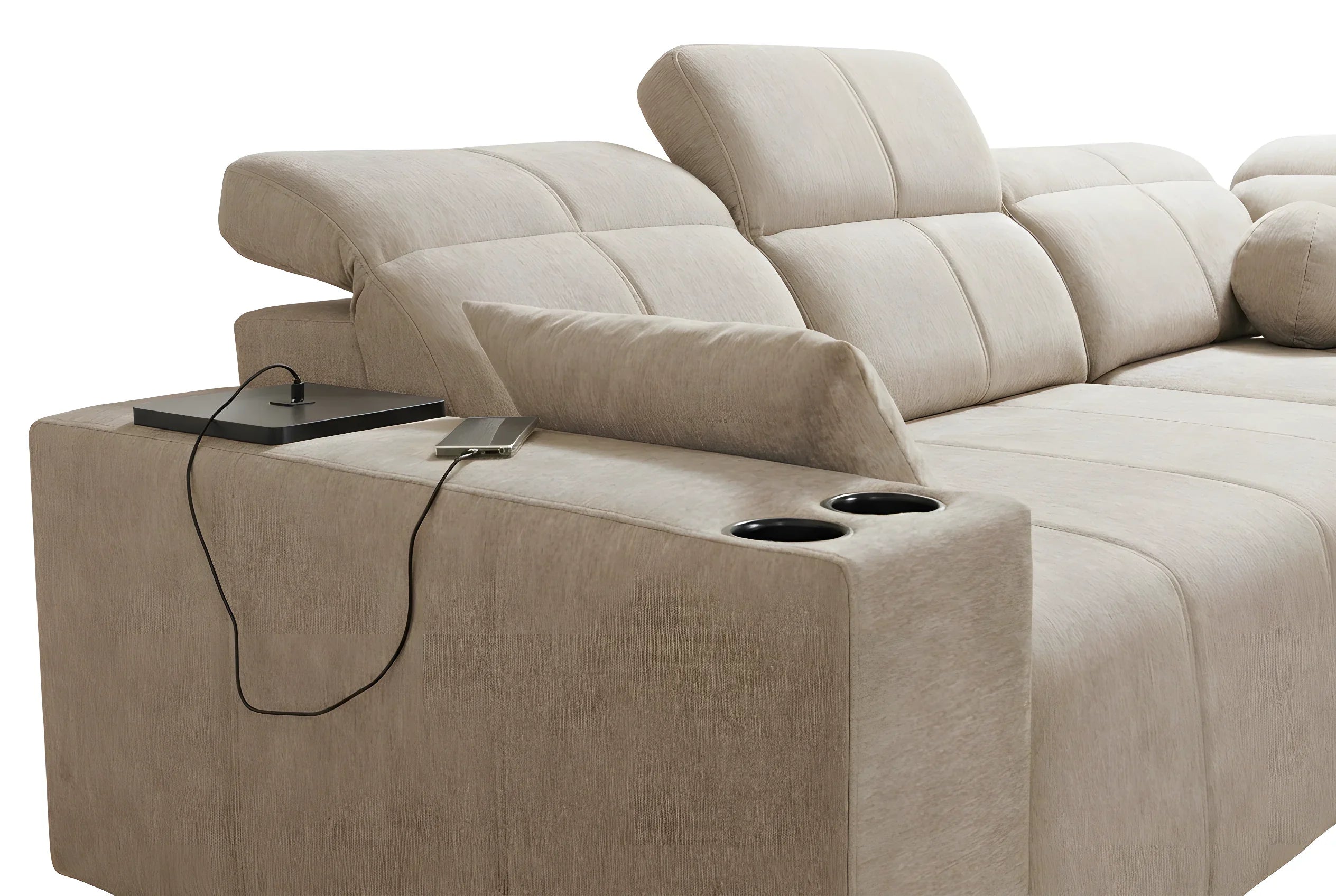
Once the crisis is managed, it is important to think about the longevity of your investment. A light sofa requires special attention. If this misadventure has put you off light colours, know that there are alternatives.
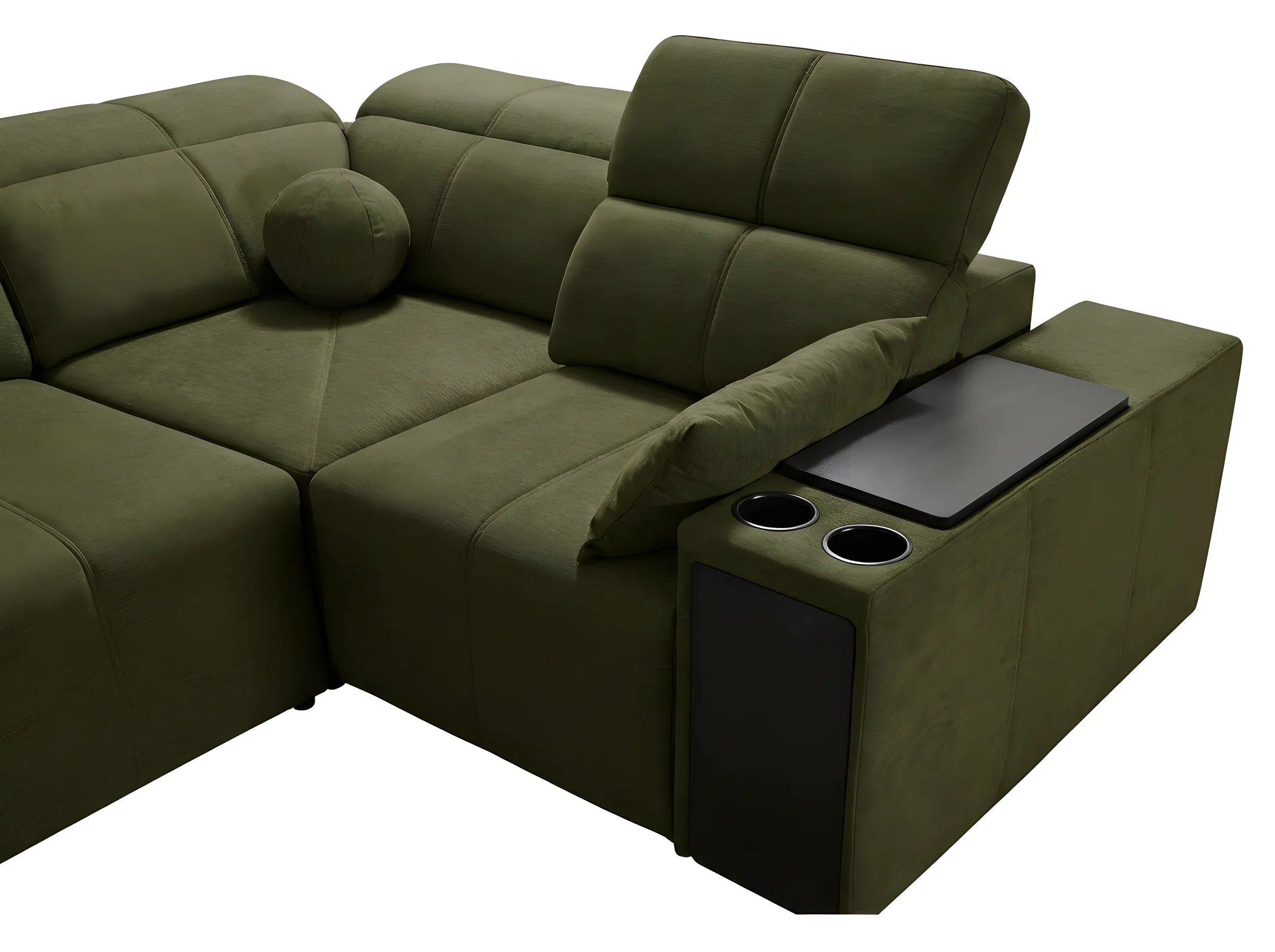
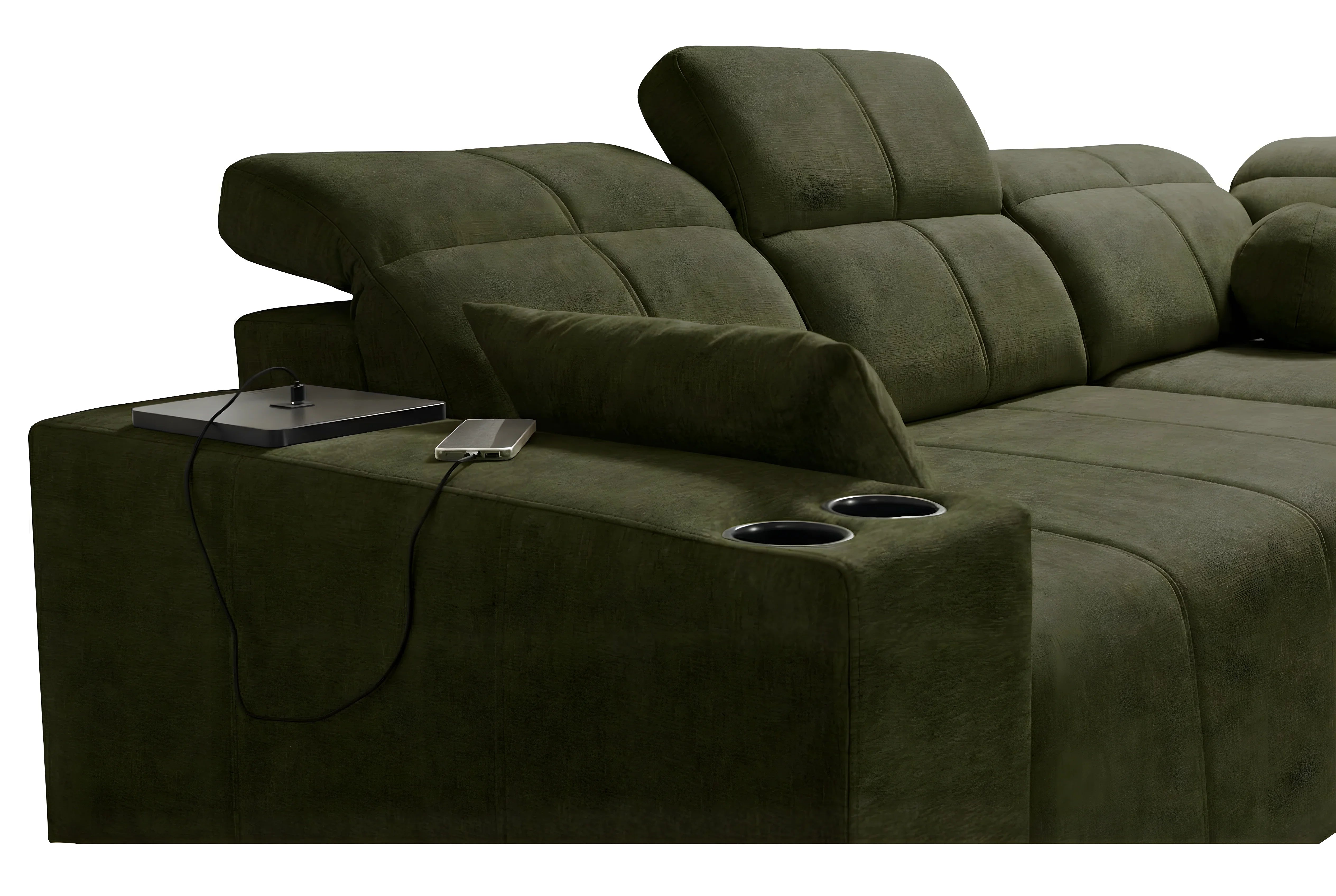
If the stain proves indelible despite all your efforts, it may be time to consider replacing or renovating it. Rather than throwing it away, look at modern solutions. Opting for a customised sofa allows you to choose a fabric specifically treated against stains from the design stage. Likewise, if you have children or often entertain, a superior quality sofa will offer a weave density that naturally slows down the penetration of liquids, unlike entry-level models.
Finally, for those who never want to relive this stress, the Faux leather sofa remains a radical waterproof option, although the feel is different from fabric.
FAQ: Answers to frequently asked questions in case of disaster
Are milk or white wine really effective against a red wine stain?
This is a stubborn myth. Pouring white wine on red wine certainly dilutes the colour, but adds sugar and alcohol to the fabric, creating a sticky cocktail conducive to bacteria. Hot milk can work on a dry stain thanks to the enzymes, but on a fresh stain, sparkling or plain water is much more effective and clean.
Can I use a steam cleaner to remove a red wine stain on a light sofa?
Caution! Heat fixes tannins. Only use a steam cleaner (injection-extraction) if you are certain to have removed the maximum of pigments beforehand with cold methods. If you heat a wine stain that is still present, it will become indelible.
How to definitively clean a red wine stain that has dried for several weeks?
For old stains on a light sofa, dab with a mixture of water and 70 household alcohol (or diluted ammonia, with precautions). Another grandmother's trick is to use vegetable glycerine to soften the tannin crust before proceeding with cleaning.
Is there a risk of discolouring beige or white fabric with vinegar?
White vinegar is generally safe for light fabrics and even helps to revive white. However, its acidity can affect certain synthetic finishes or delicate fabrics such as silk. Always do a test touch on a hidden part of the seat or backrest.
Conclusion: React quickly to save elegance
Faced with a red wine stain on a light sofa, your speed and the gentleness of your gestures are your best weapons. By avoiding fatal mistakes such as hot water or aggressive rubbing, you have every chance of recovering your furniture. Do not forget that the quality of the covering plays a major role in the ease of cleaning. At Kings Canape, we select high-end textiles designed for real life, combining the aesthetics of light shades with the technicality of modern fibres, so that your moments of conviviality remain happy memories, and not permanent marks.





Leave a comment
This site is protected by hCaptcha and the hCaptcha Privacy Policy and Terms of Service apply.