


Table of contents

Your living room is a haven of relaxation, but it can also become, without your knowledge, a real ecosystem for millions of unwanted guests. Recent hygiene studies reveal that a poorly maintained sofa can harbour up to ten times more micro-organisms than a toilet bowl. How to eliminate dust mites and fleas from your sofa effectively without resorting to harmful chemical products? Whether you are battling respiratory allergies or a parasitic infestation following the comings and goings of pets, this expert guide walks you through a complete sanitisation protocol to restore a healthy, hygienic seat.
Identifying the Threat: Dust Mites or Fleas — Which Has Settled into Your Sofa?
Before reaching for the vacuum cleaner or cleaning solutions, it is essential to identify the enemy. Although the ultimate goal is to sanitise the seat and secure your environment, the treatment differs depending on whether you are dealing with microscopic arachnids (dust mites) or blood-feeding parasites (fleas).
Dust mites are present in almost every home. Invisible to the naked eye, they do not bite but feed on our dead skin (flakes). The danger here is allergic: their droppings are responsible for rhinitis, asthma and eye irritation. Fleas, on the other hand, are often introduced by our four-legged companions, are visible, and cause red bites and intense itching, often concentrated around the ankles and legs when you are sitting down.
| Criteria | Dust mites | Fleas (Ctenocephalides) |
|---|---|---|
| Visibility | Invisible (microscopic) | Visible (rapid jumps, black specks) |
| Symptoms | Sneezing, runny nose, coughing | Bites in a line, sharp itching |
| Food source | Dead skin, organic debris | Blood (human or animal) |
| Preferred habitat | Heart of the fibres, humid environments | Fabric folds, under the cushions |
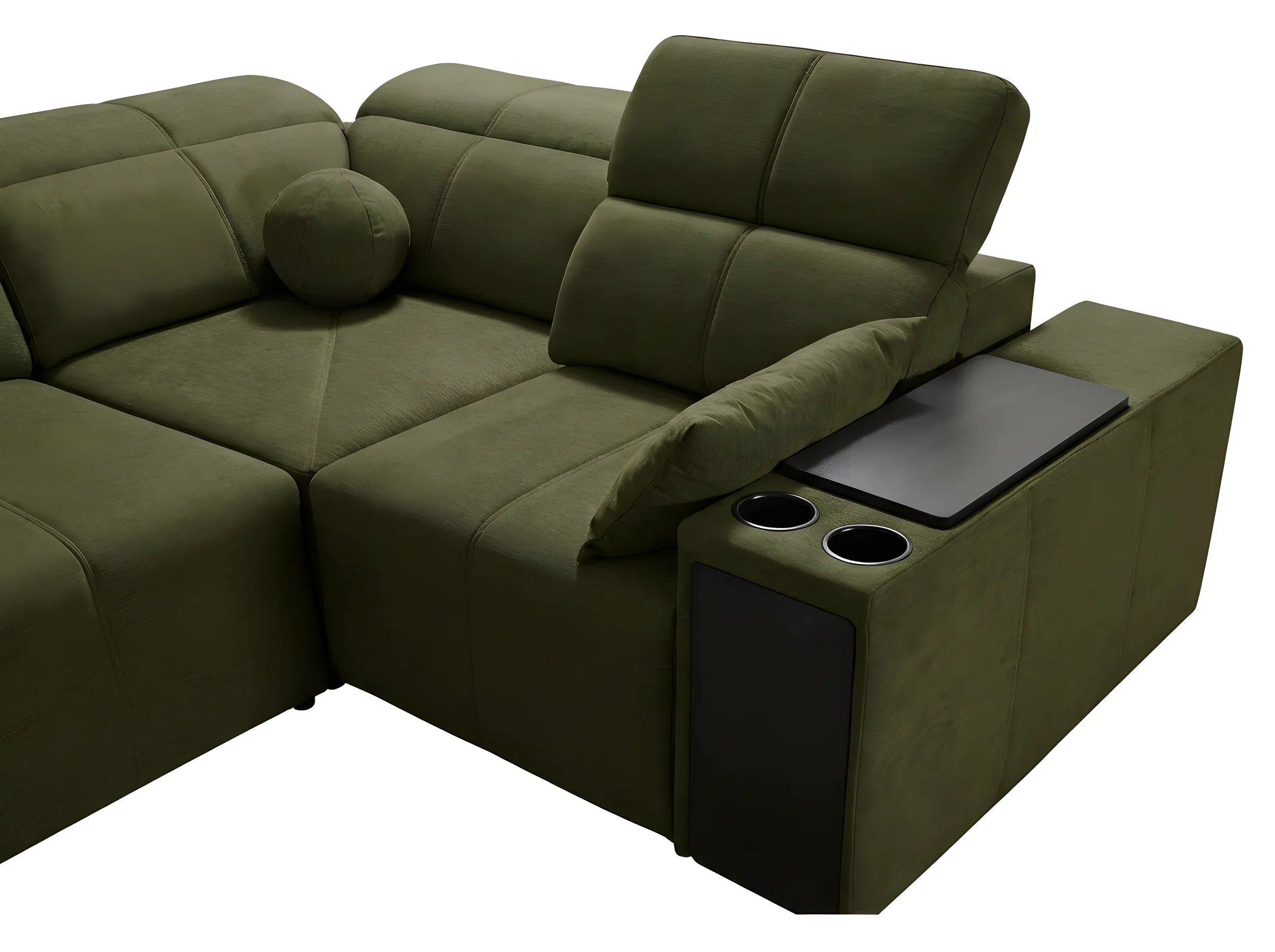
If you own pets, the risk of fleas settling in is multiplied. That is why choosing a sofa suitable for dogs and cats with a tightly woven fabric is an effective first preventive barrier. But once the infestation is there, you need to act fast to kill fleas in your sofa before they colonise your rugs and skirting boards.
The Natural Protocol: How to Eliminate Dust Mites from Your Sofa Without Harsh Chemicals
Contrary to popular belief, you do not need to spray your living room with industrial insecticides to get rid of allergens. A natural anti-mite treatment is often more effective in the long term because it does not create resistance in the organisms. The most proven method relies on the use of baking soda.
The Drying Power of Baking Soda
To eliminate dust mites from your sofa, we need to understand their biology: they are made up mostly of water. Baking soda acts as a powerful drying agent that dehydrates dust mites and their eggs, thereby halting their reproductive cycle. It also neutralises the acidity of their droppings, reducing their allergenic potential.
Here is the step-by-step method to disinfect a fabric sofa:
- Preliminary vacuuming: Vacuum meticulously to remove surface dust.
- Sprinkling: Generously sprinkle food-grade baking soda over all surfaces (seats, backrests, armrests). Allow about 2 to 3 cups for a 3-seater sofa.
- Light brushing: Use a soft brush to work the powder into the fibres, especially if you have a fabric sofa with a textured weave.
- Contact time: Leave it to act for at least 2 hours, ideally 4 hours.
- Final vacuuming: Vacuum again at maximum power to remove the powder loaded with dead dust mites and neutralised allergens.
Essential Oils: A Strategic Boost
To reinforce the action of the baking soda and eliminate dust mites from your sofa with a pleasant scent, certain essential oils (EOs) have recognised acaricidal properties.
Tea Tree
It is the antiparasitic par excellence. Mix 10 drops into your baking soda before application. Be careful, however: its scent is powerful and it can be toxic to some pets (especially cats) if ingested pure.
True Lavender
Less aggressive than Tea Tree, it has repellent properties against dust mites and living-room bugs. It leaves a soothing fragrance that is ideal for living spaces.
Note that these methods are particularly effective on a microfibre sofa, whose tight weave holds the powders on the surface, making the final vacuuming easier.
Shock Strategy: Kill Fleas and Clean an Infested Sofa
While dust mites can be managed with routine care, fleas require an immediate and total offensive. An adult flea lays up to 50 eggs a day, which slip into the crevices of your furniture. Cleaning an infested sofa therefore requires rigour and the use of heat.
Steam: The Ultimate Thermal Weapon
No insect — whether fleas, larvae or even bedbugs — survives a temperature above 60 °C. Using a steam cleaner is therefore the most thorough method to kill fleas in your sofa.
- The technique: Move the steam nozzle slowly (about 10 cm per second) over every square centimetre of fabric. The heat penetrates the fibres and instantly kills adults and eggs.
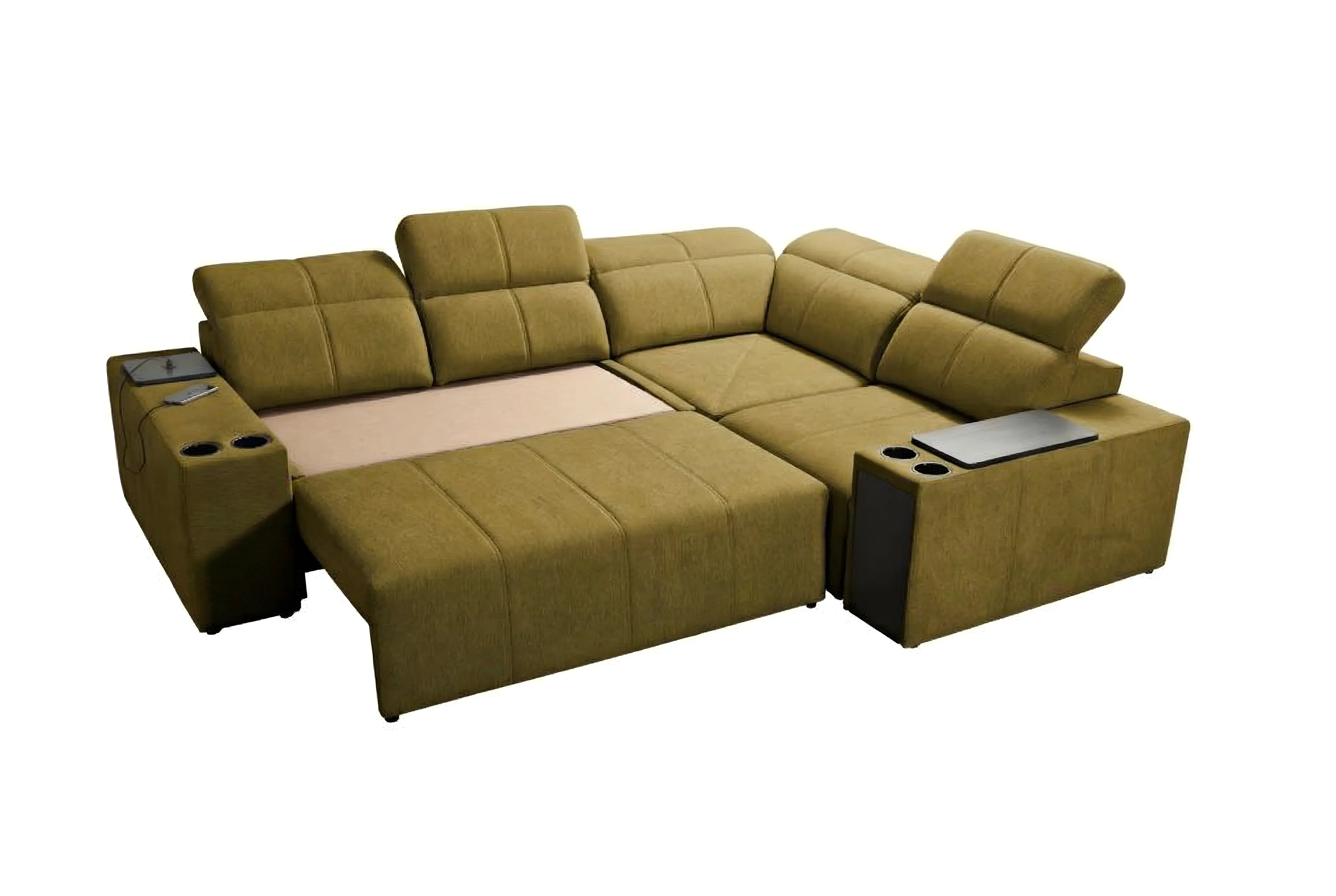
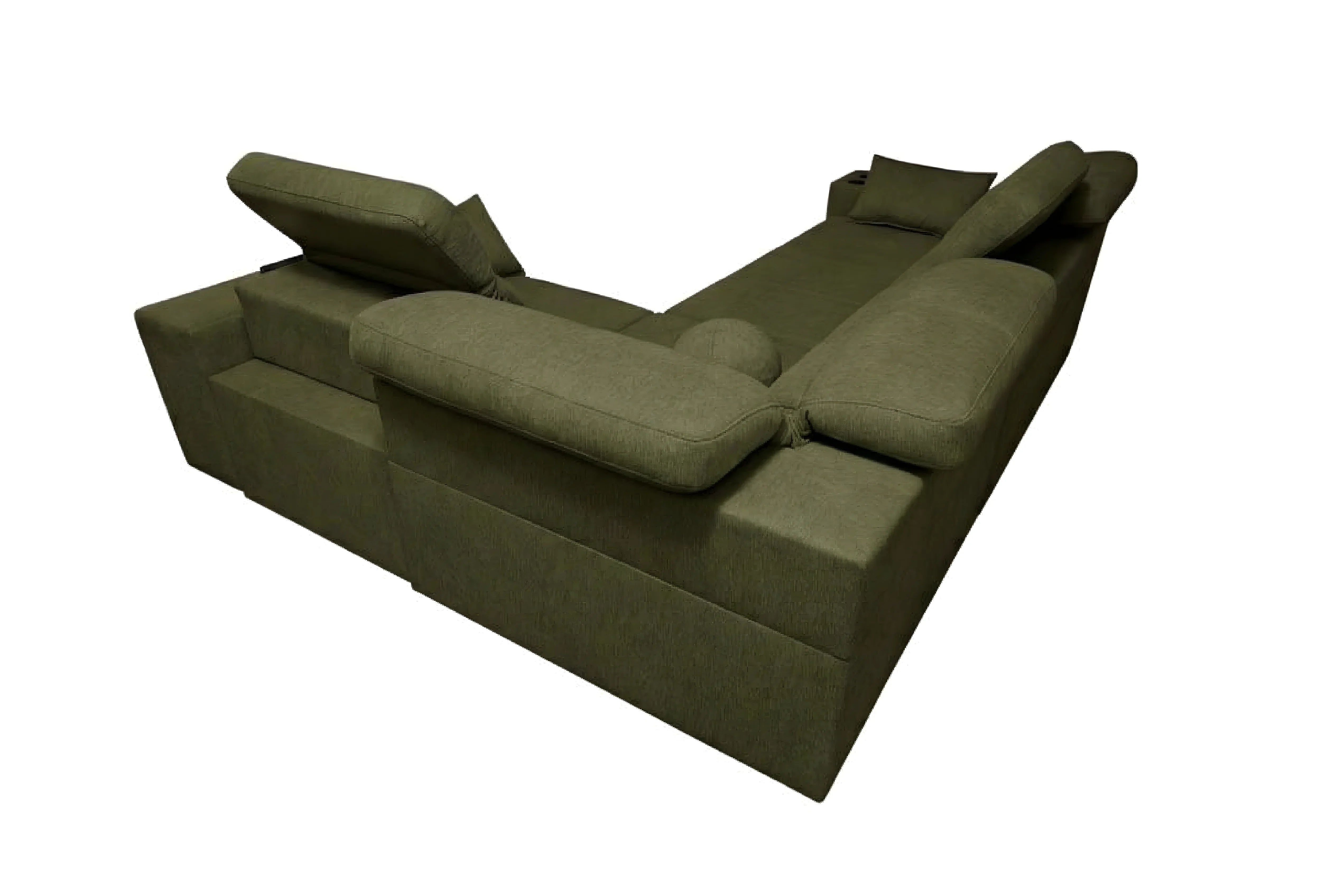
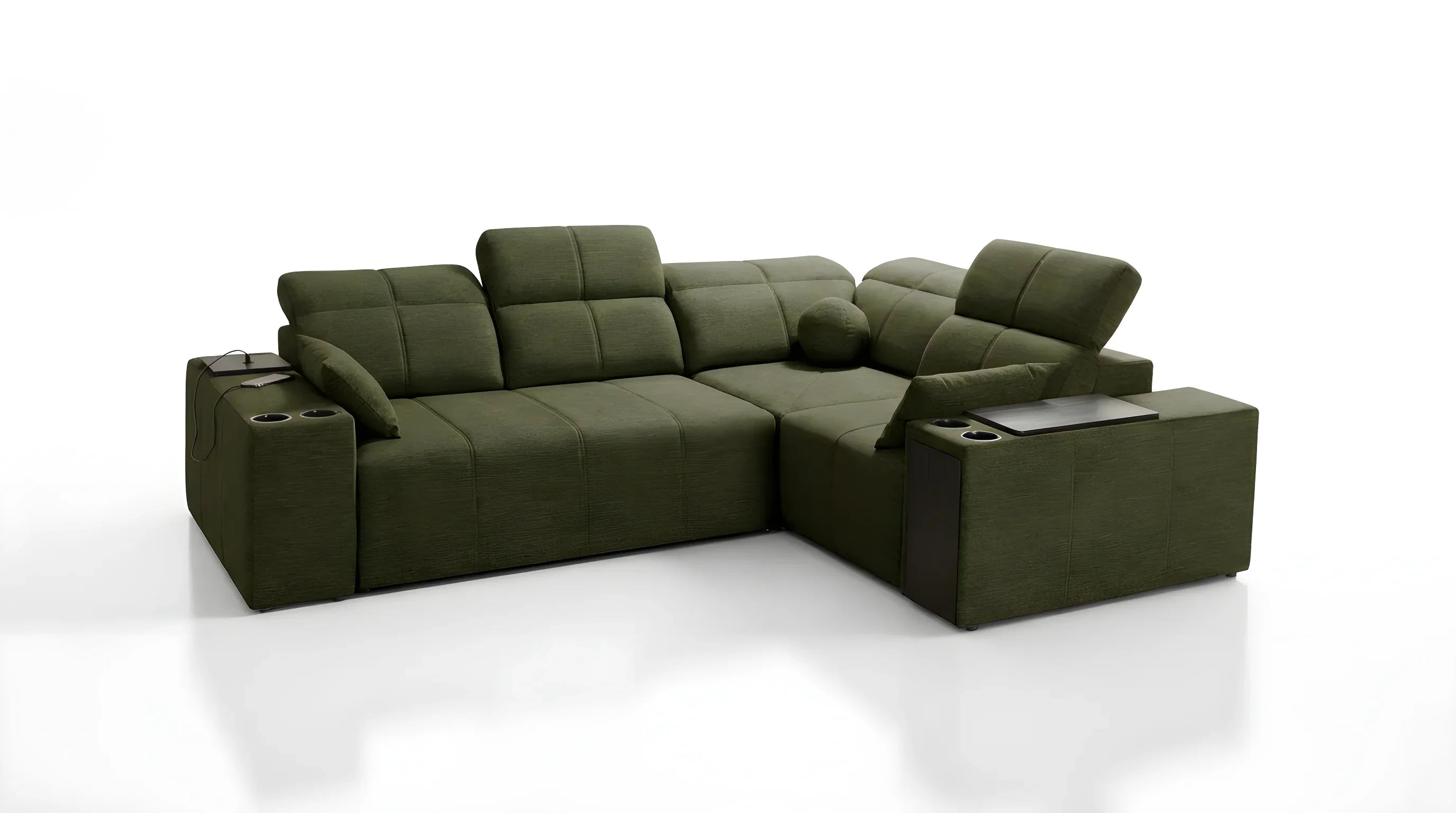
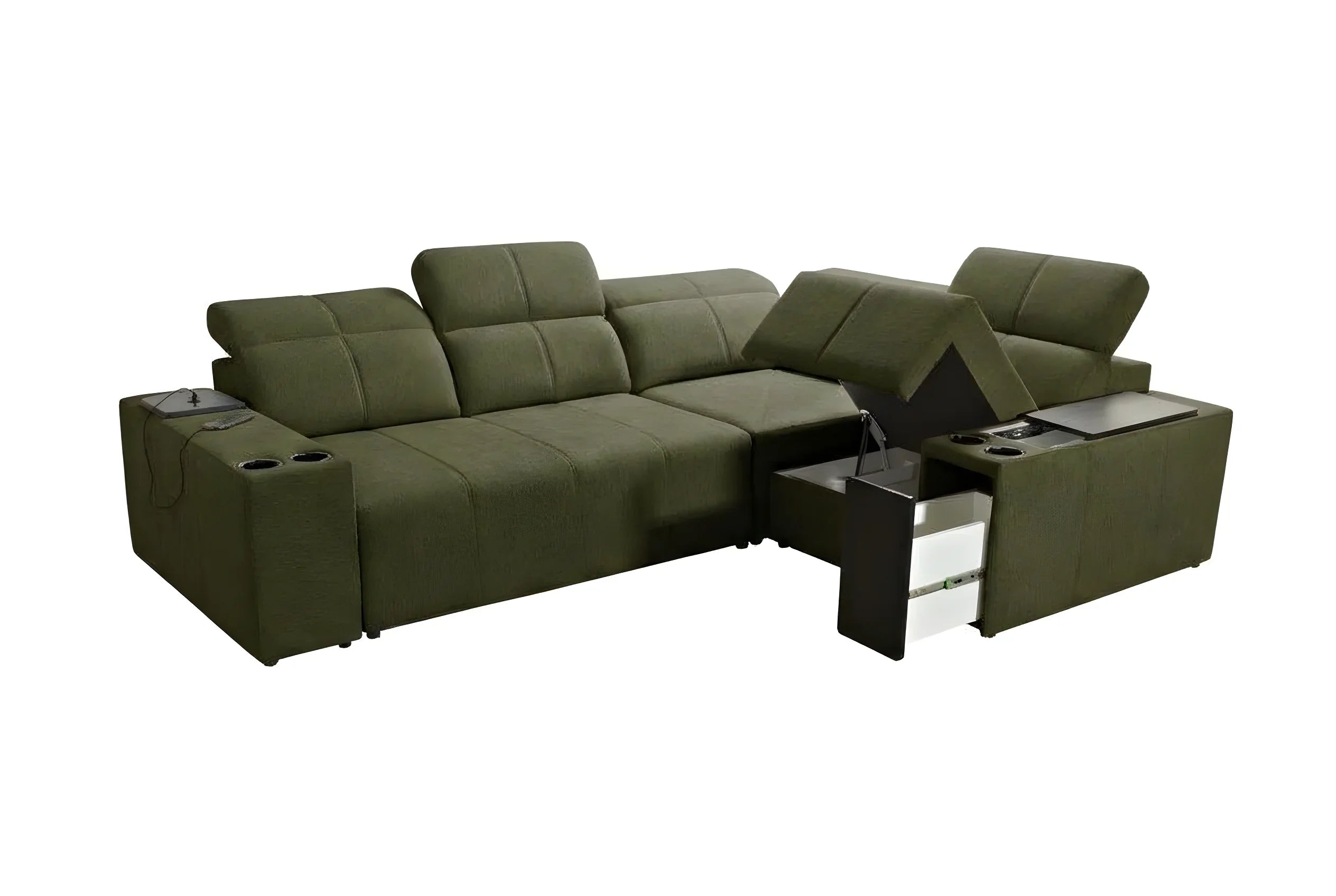
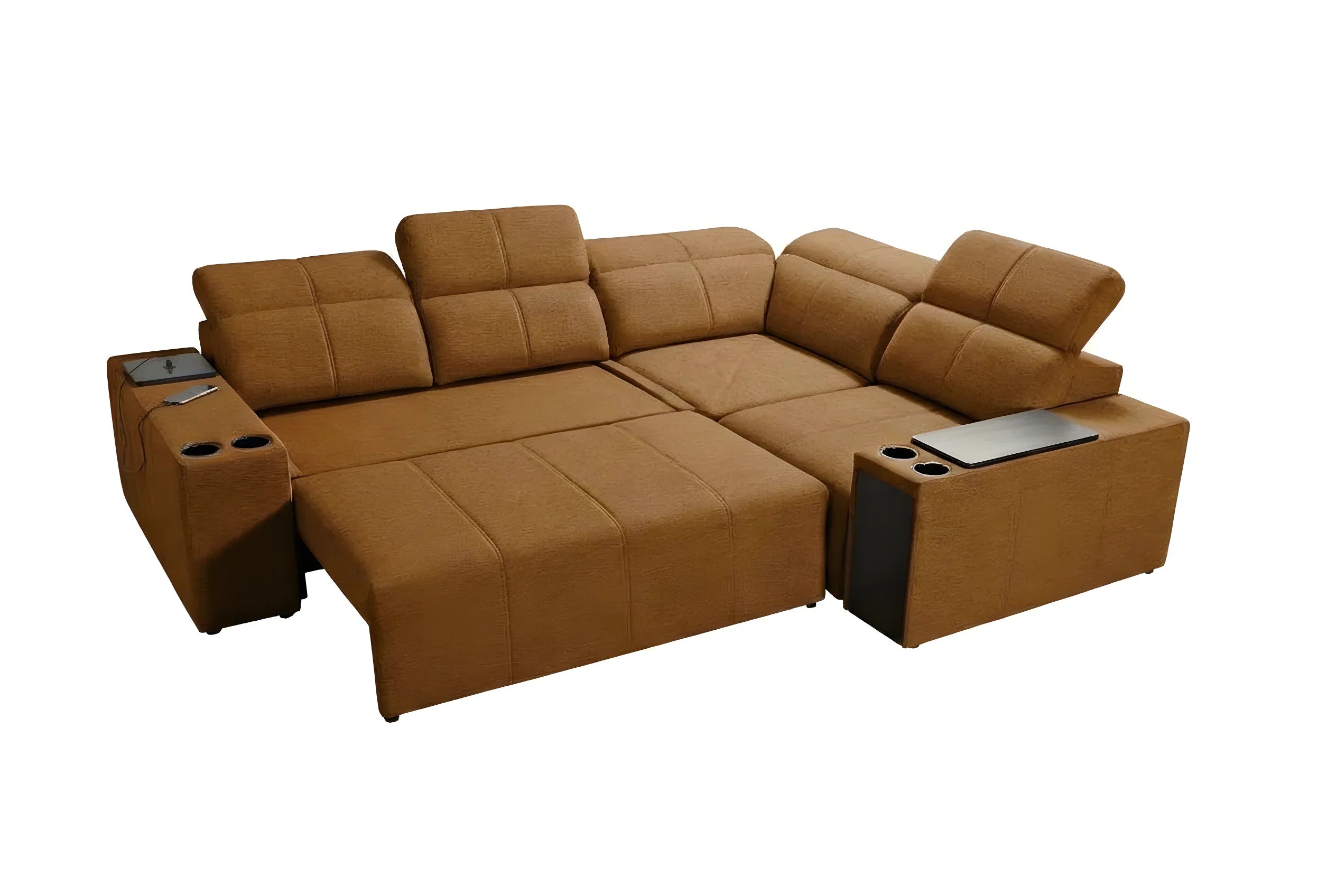
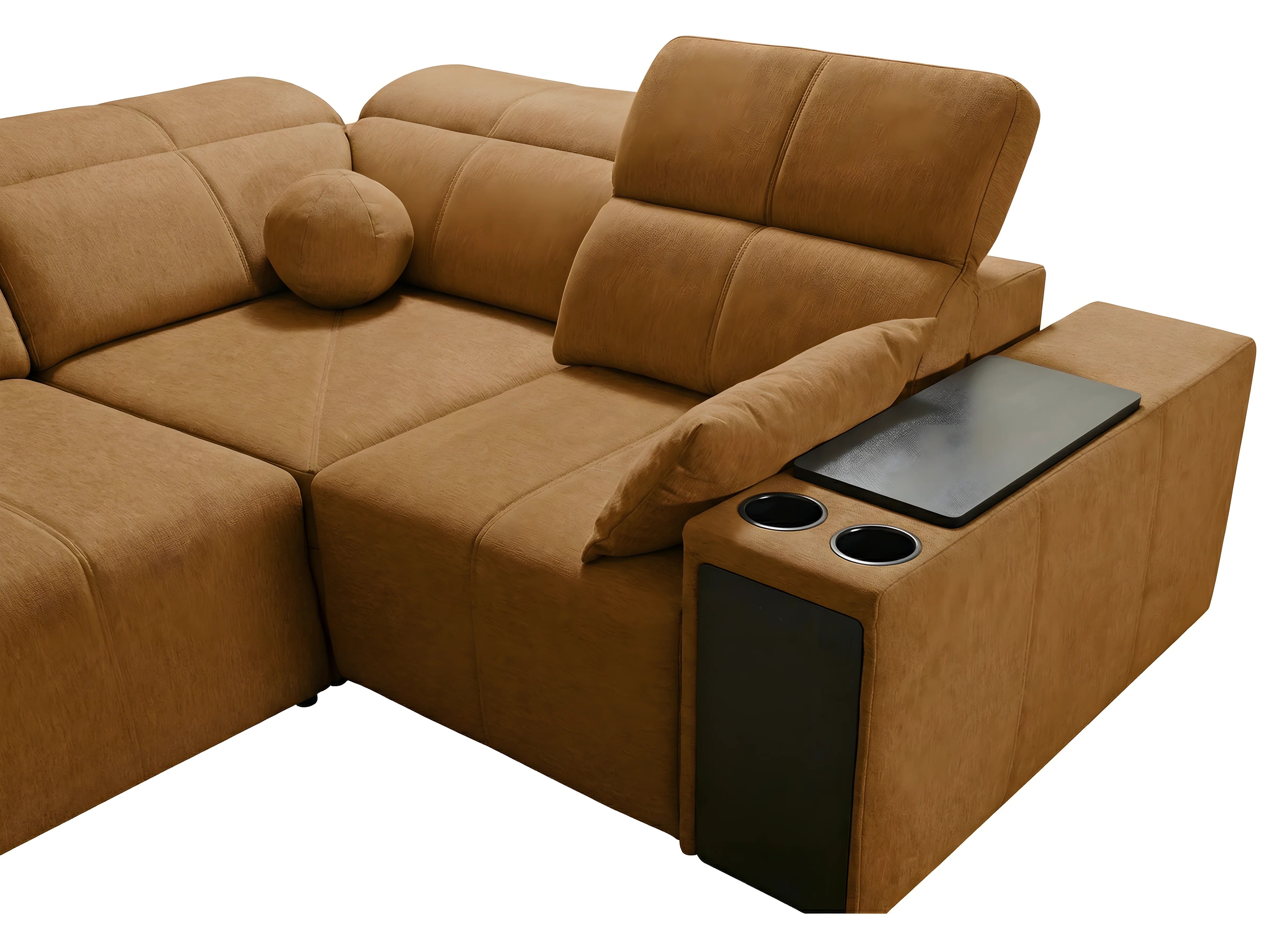
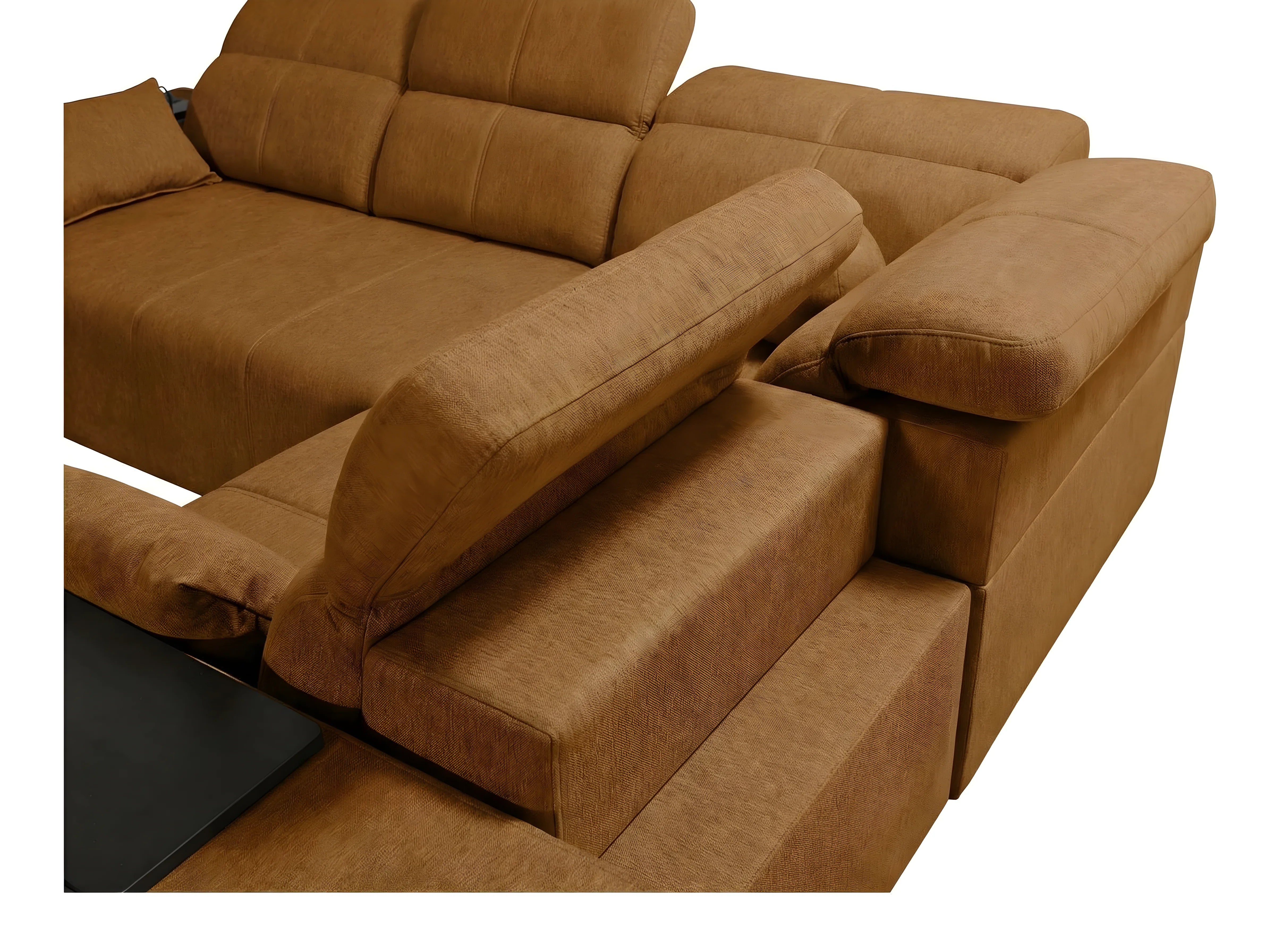
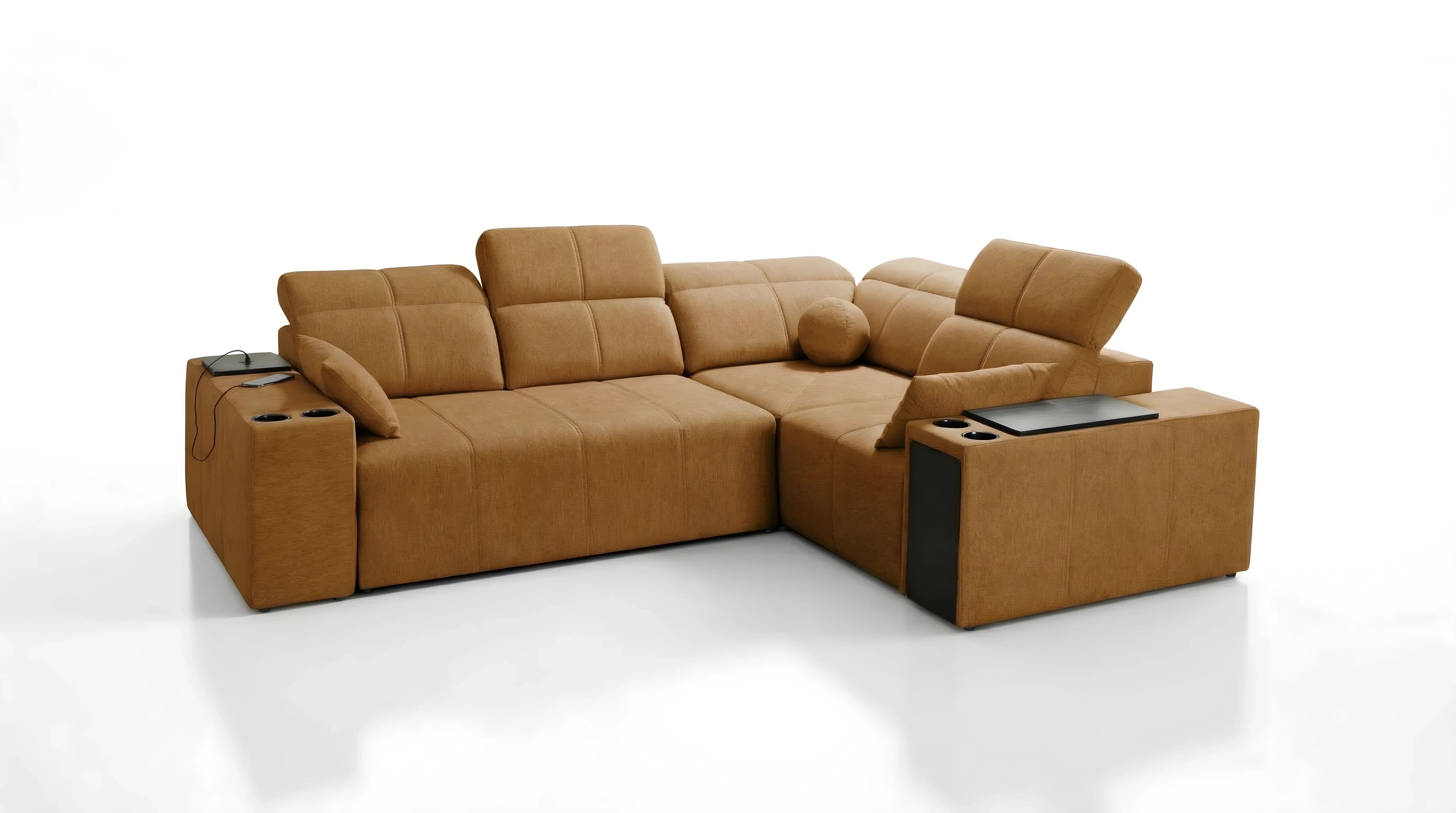
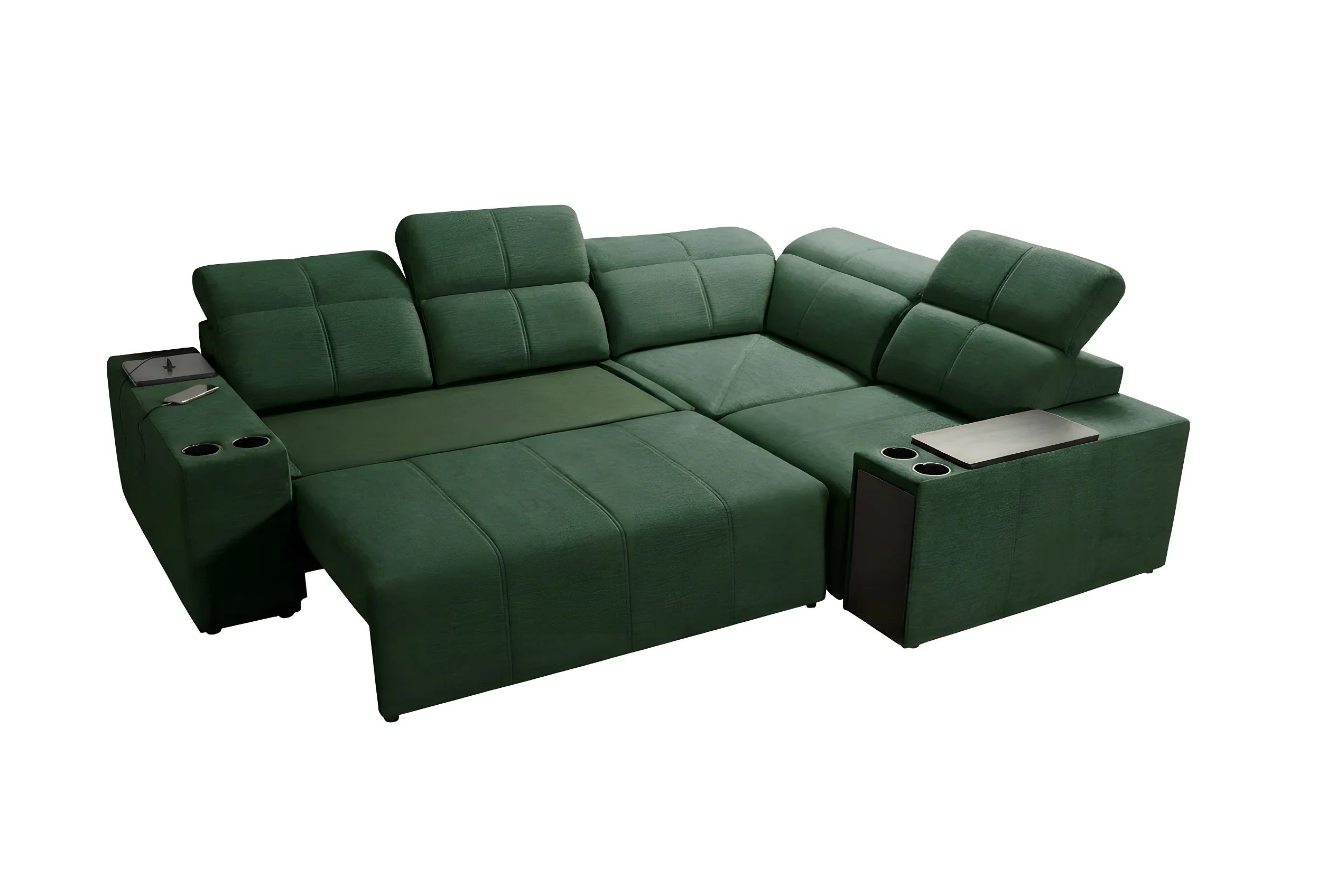
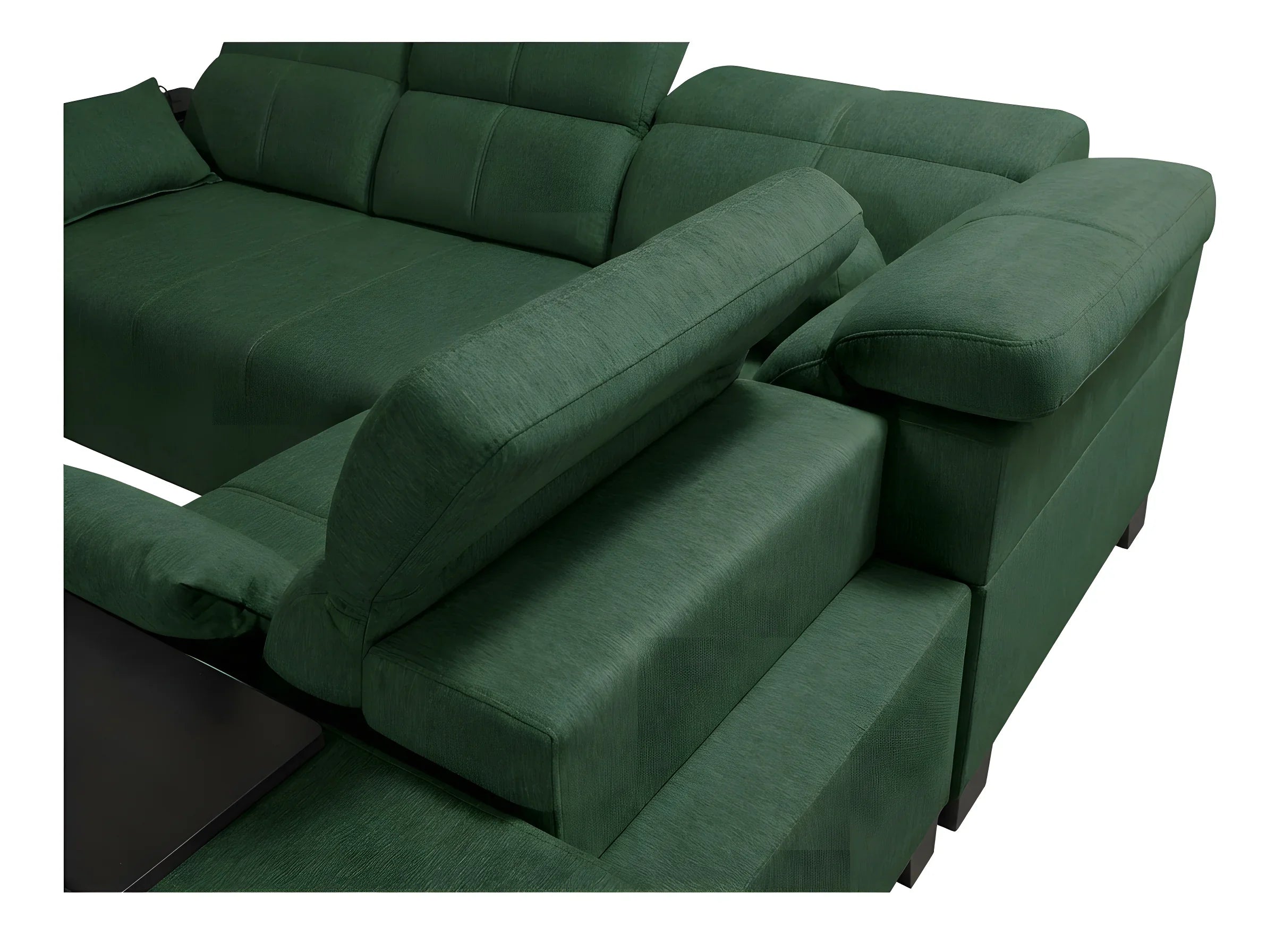
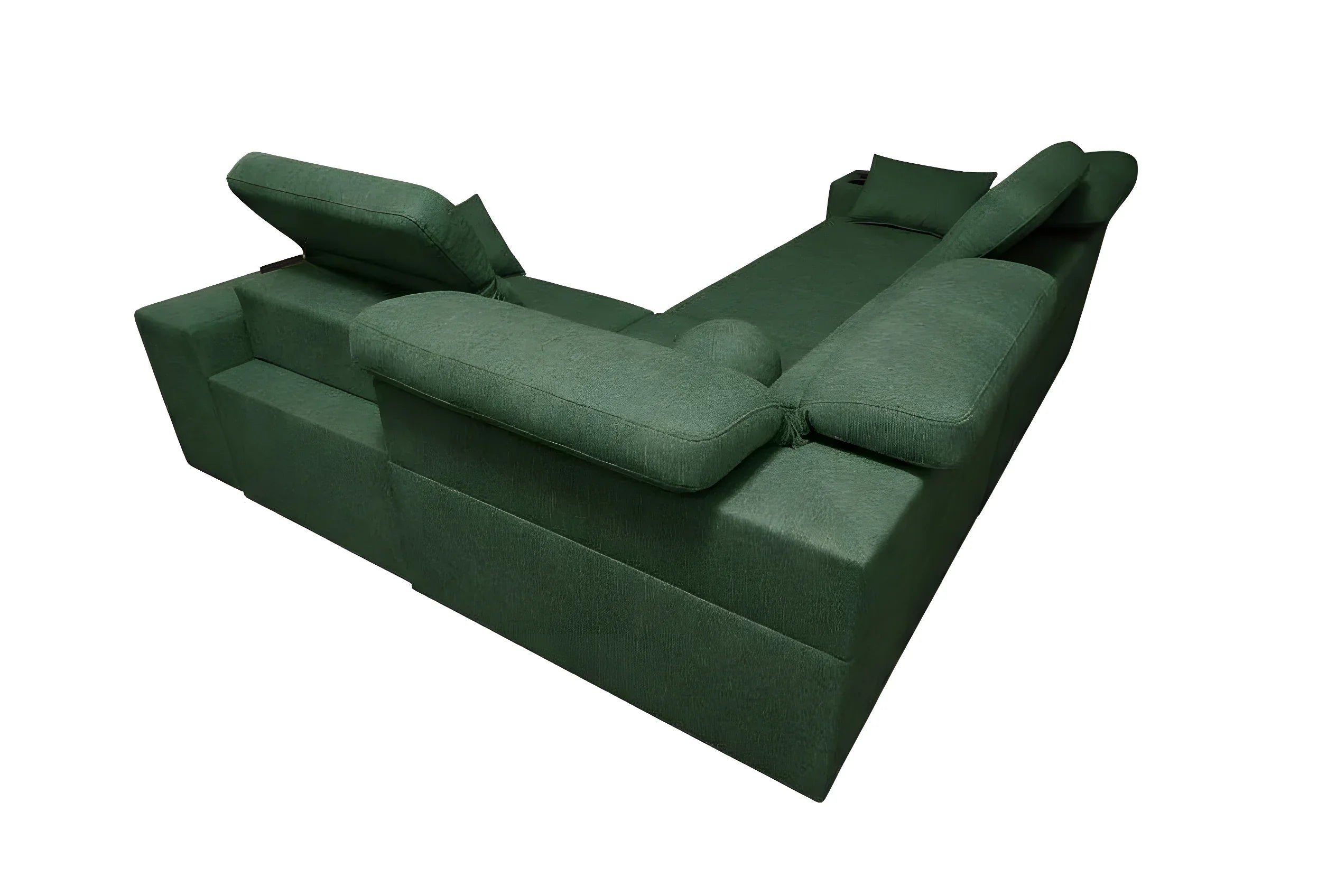
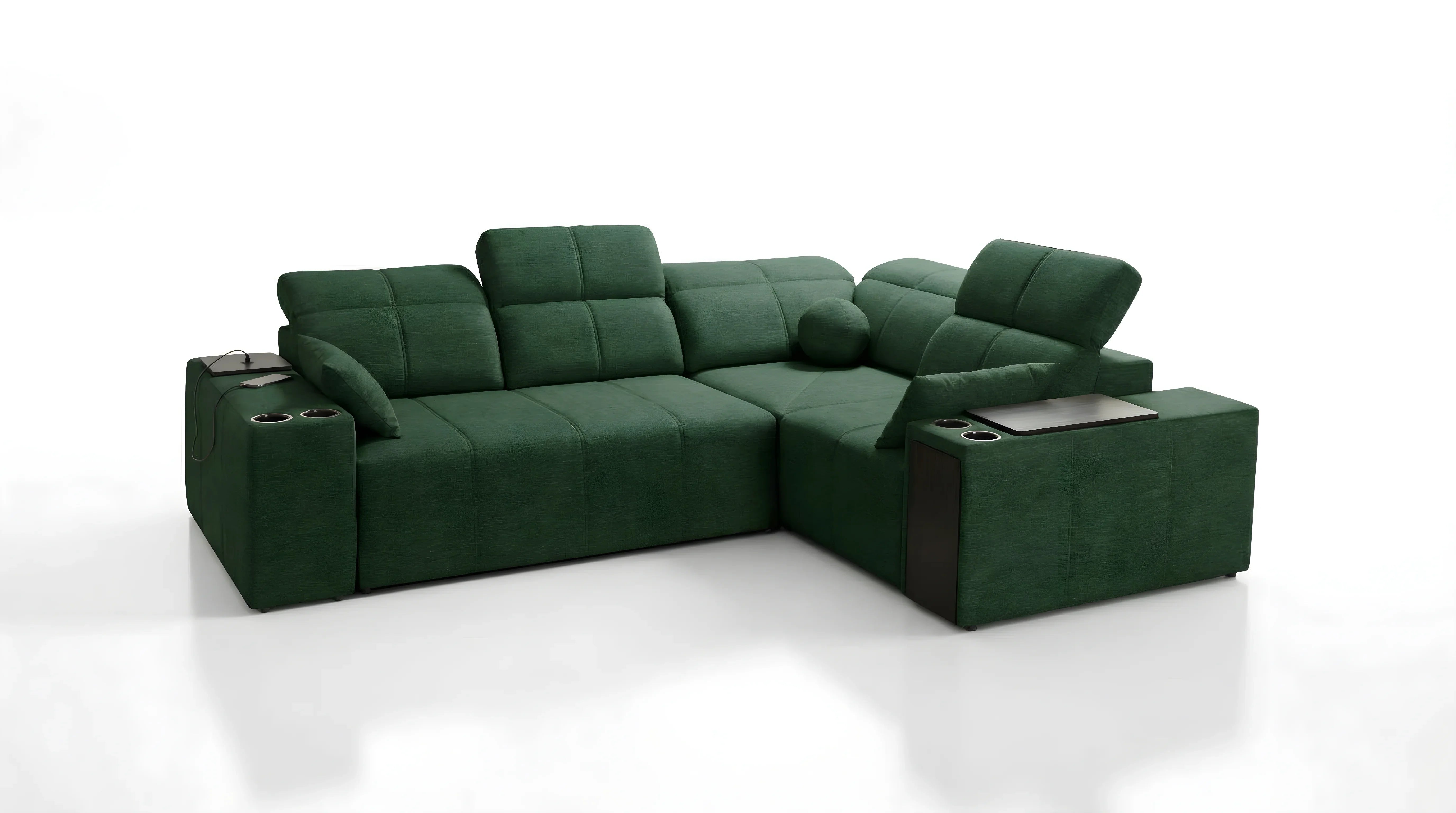
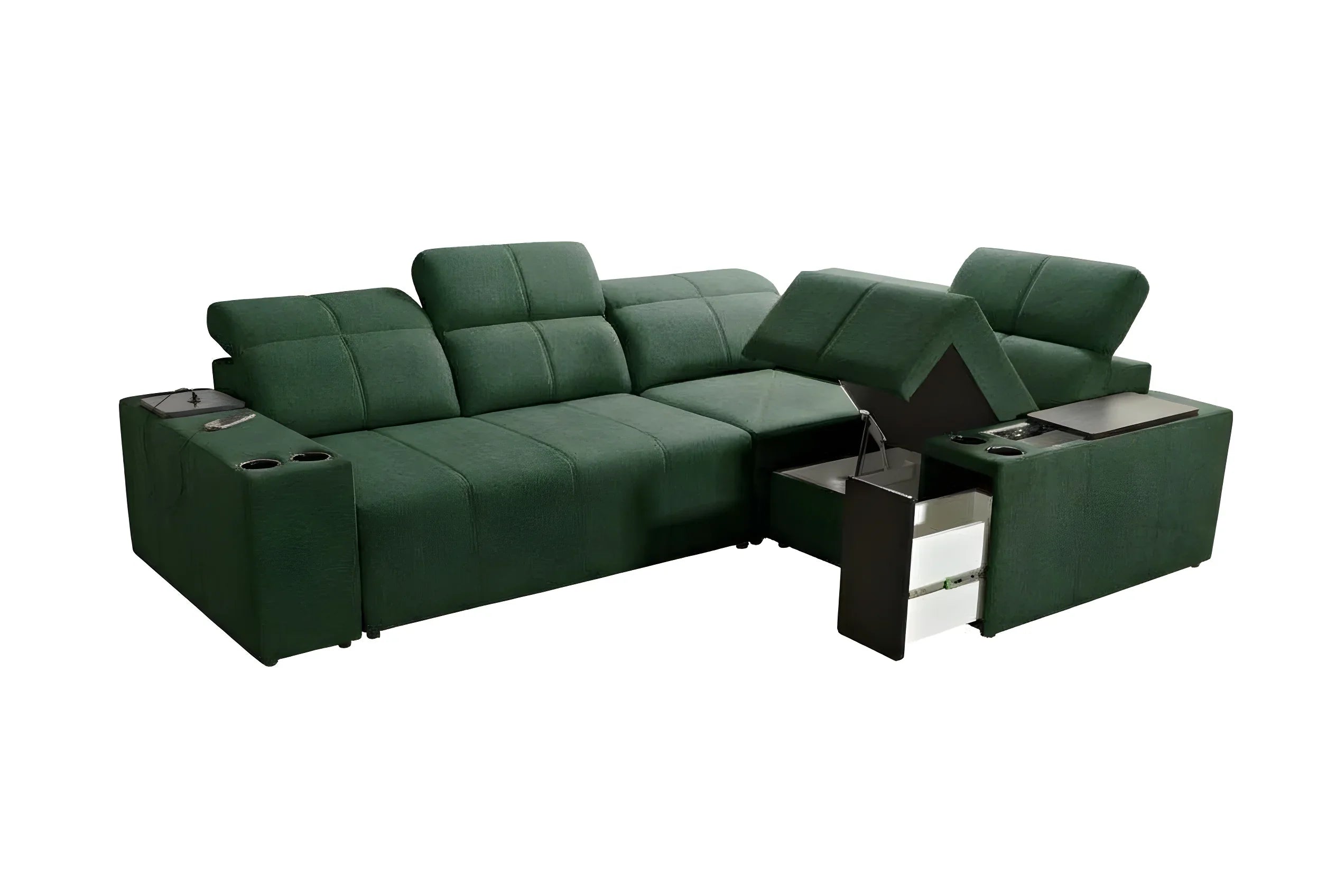
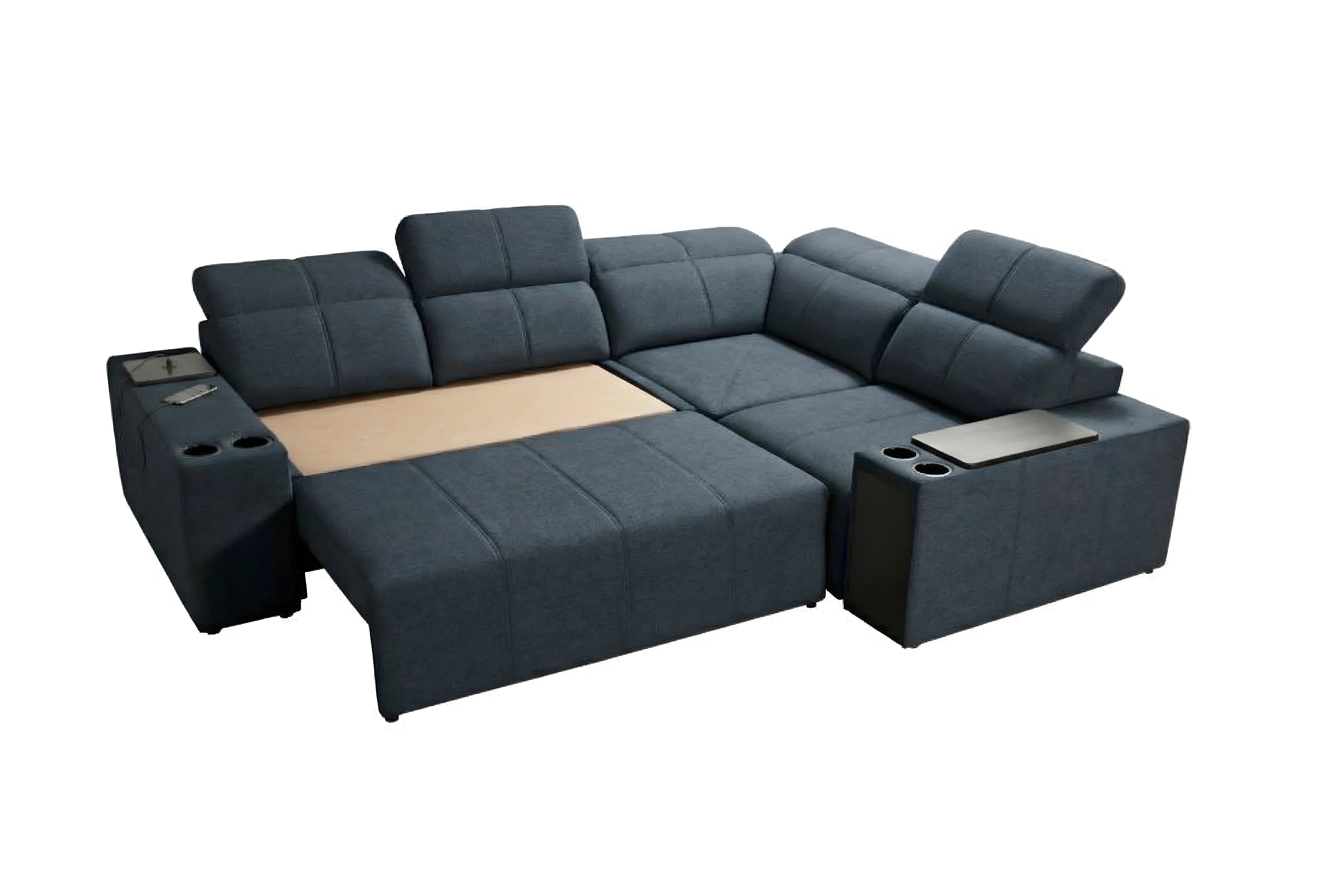
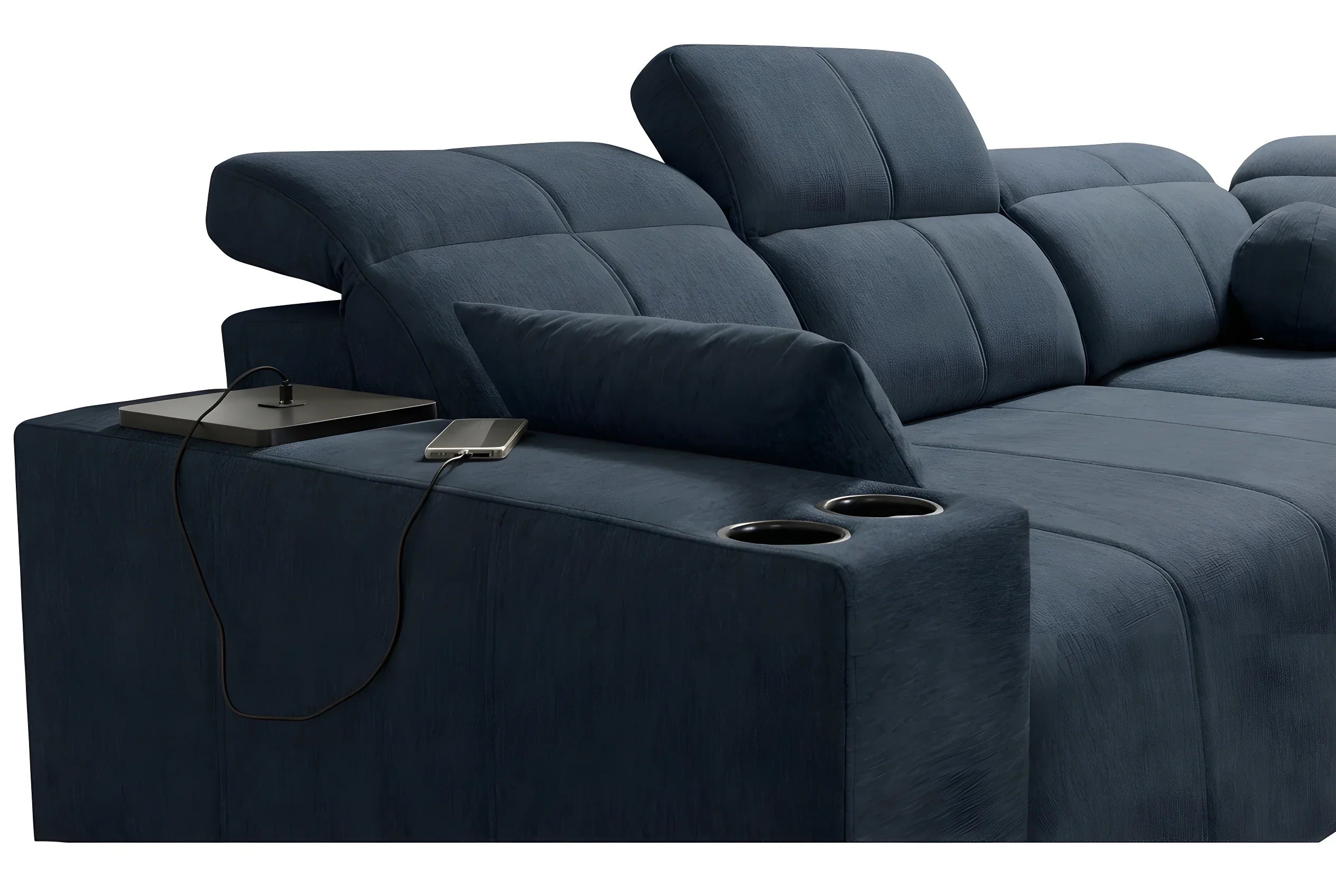
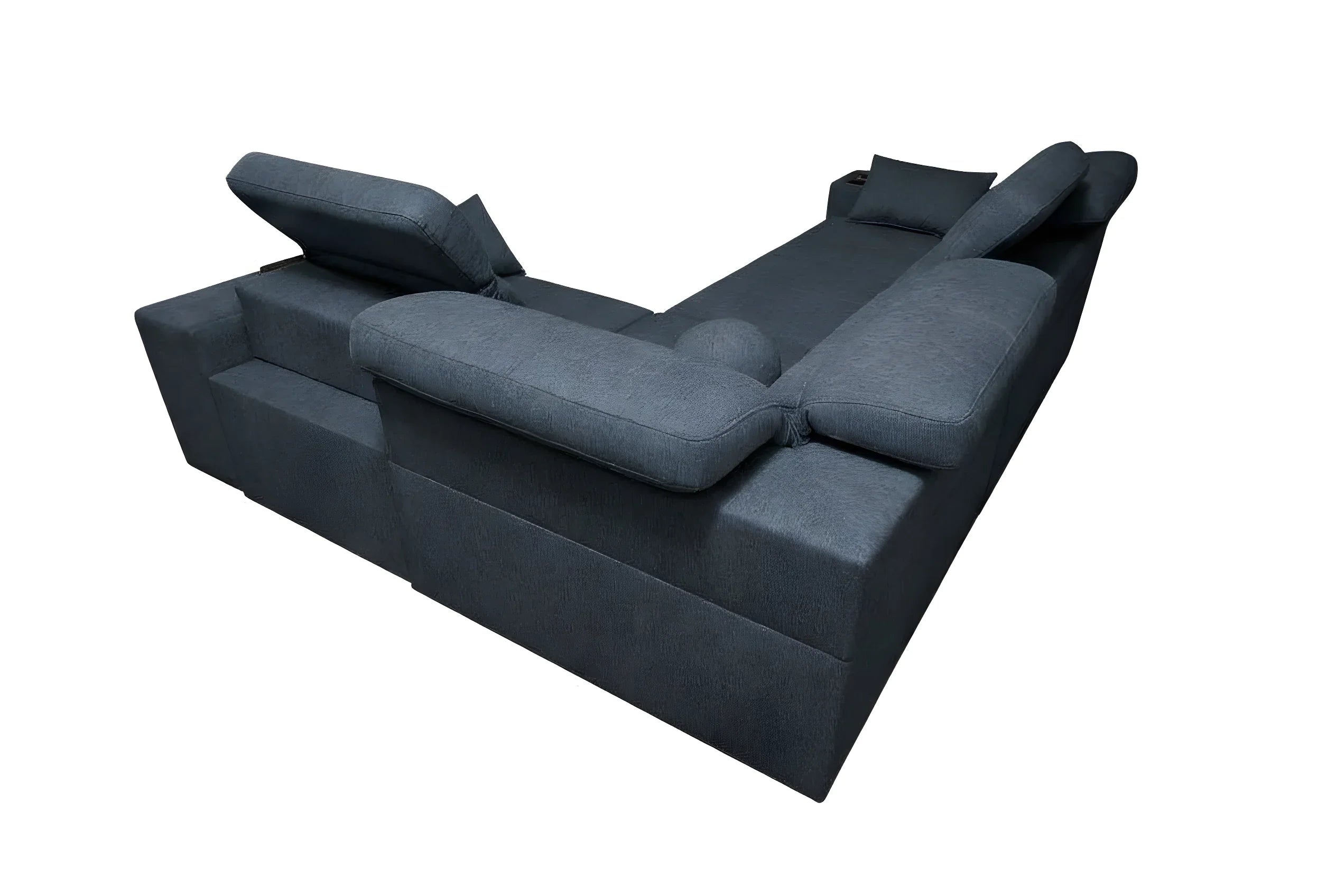
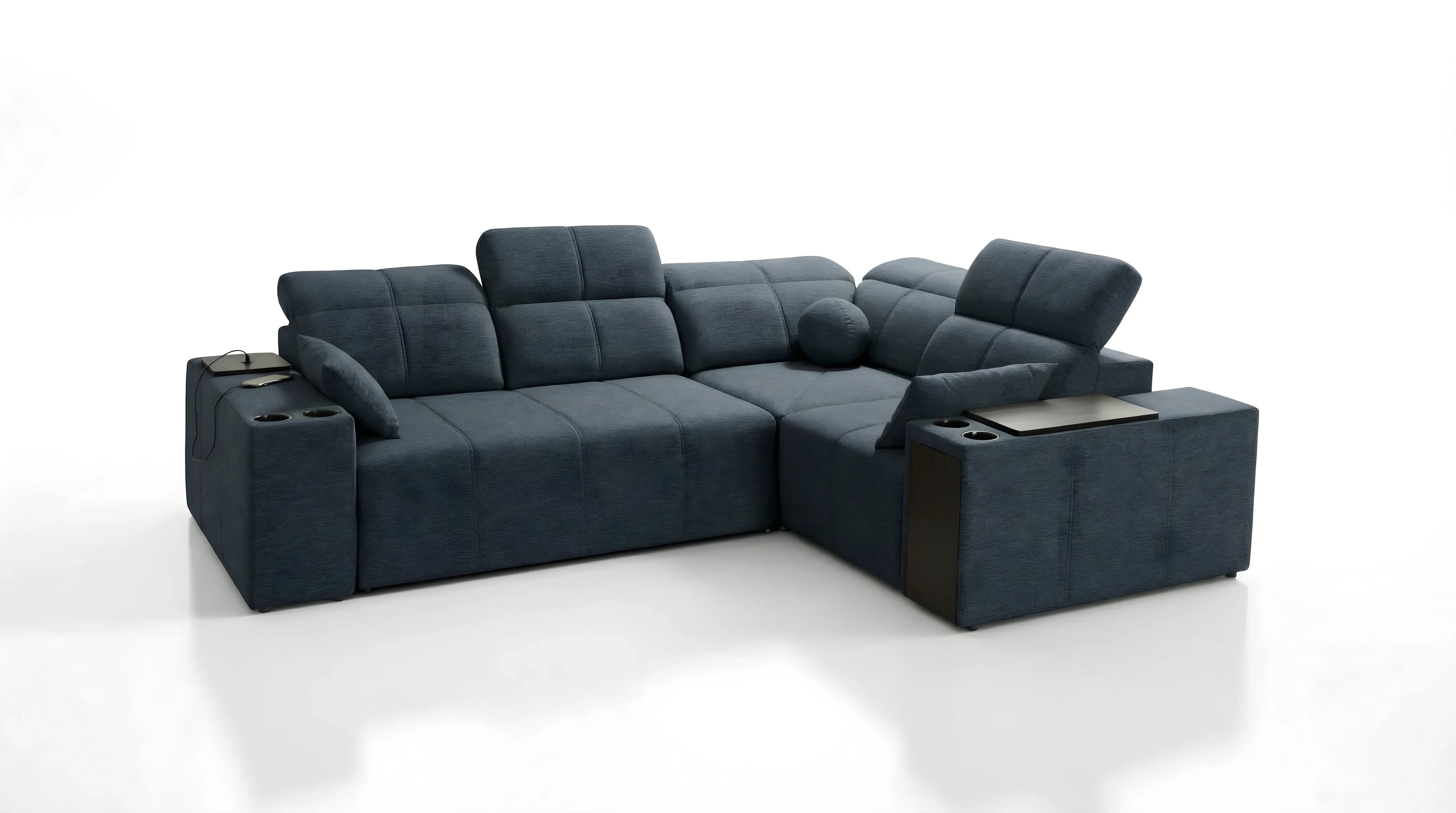
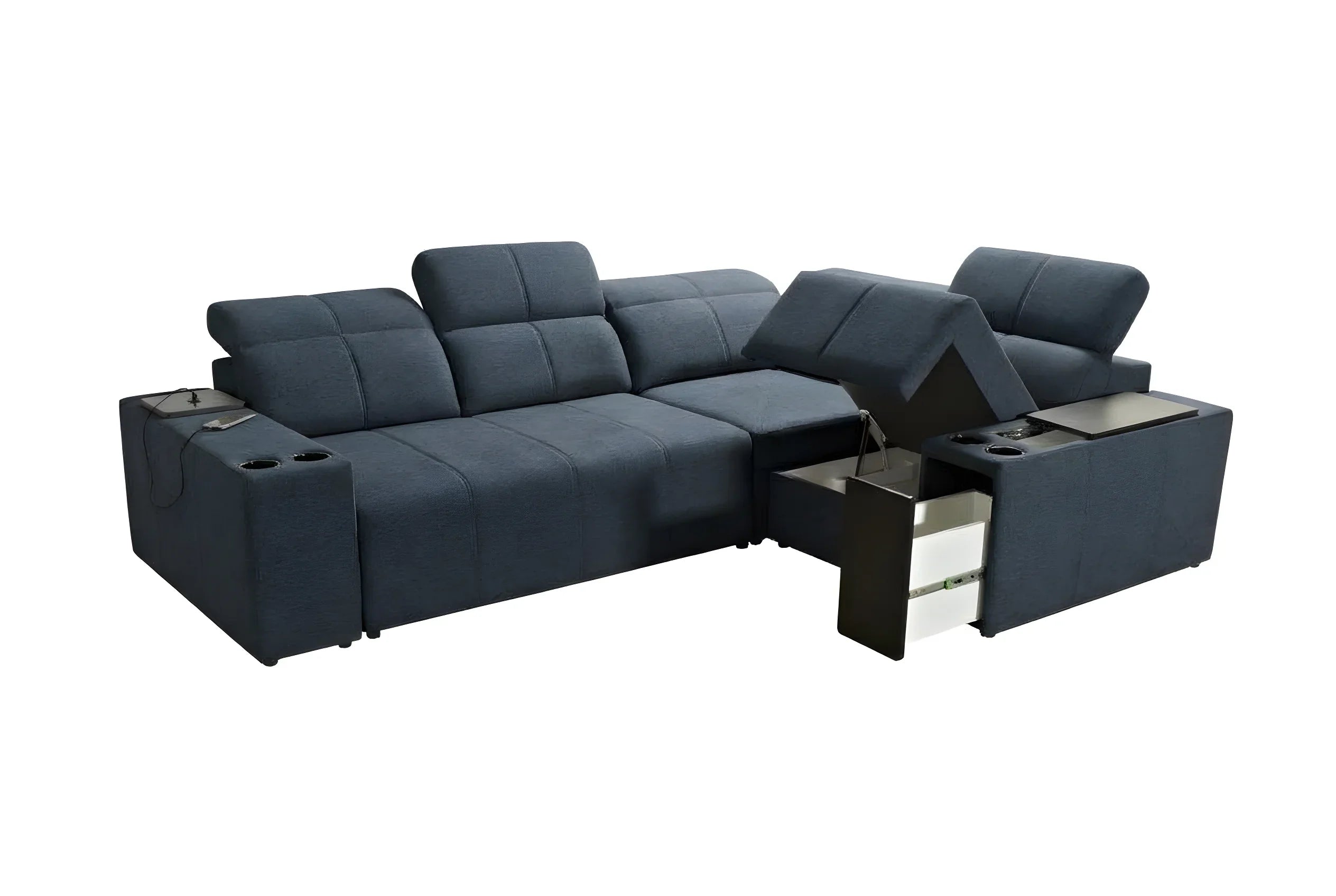
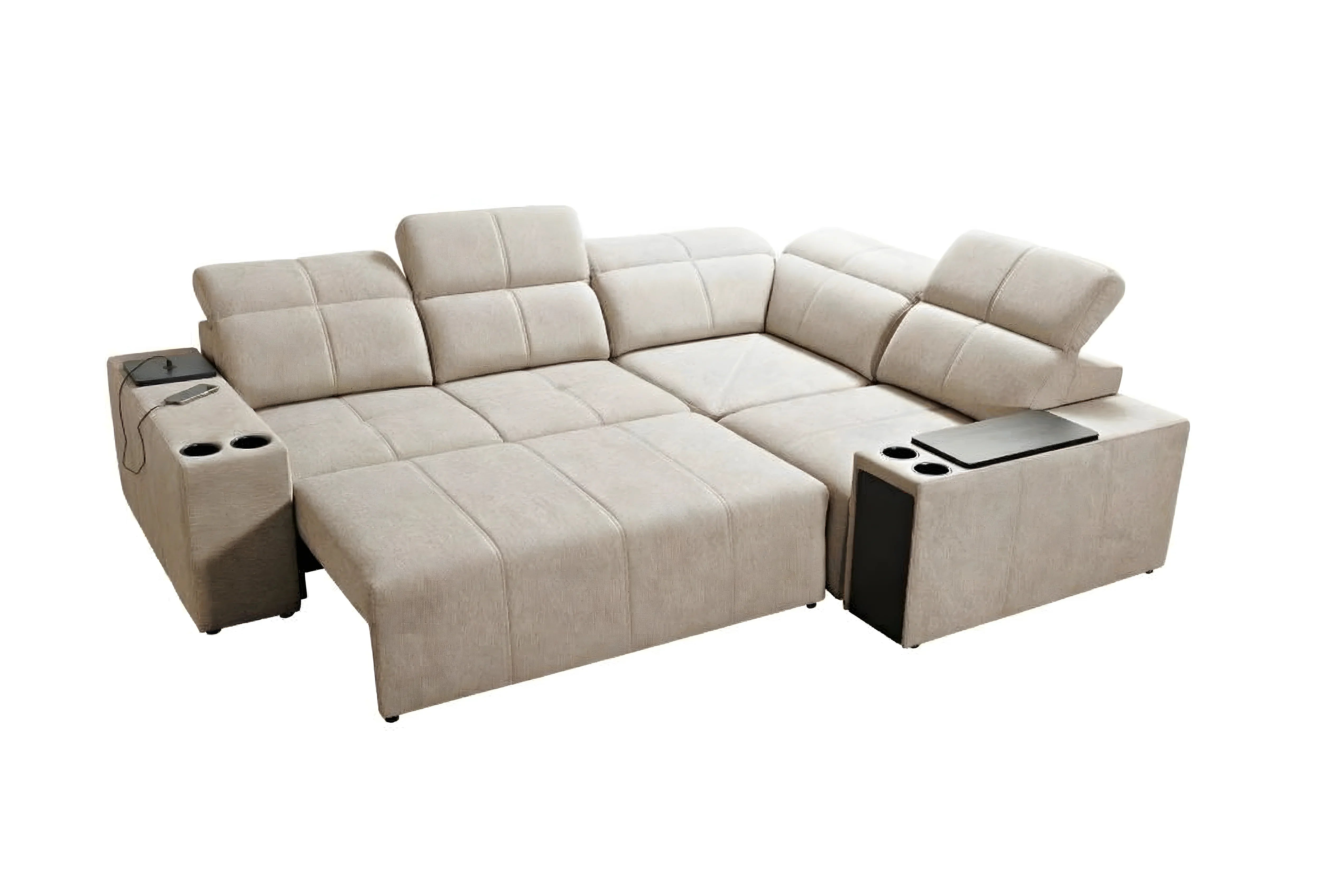
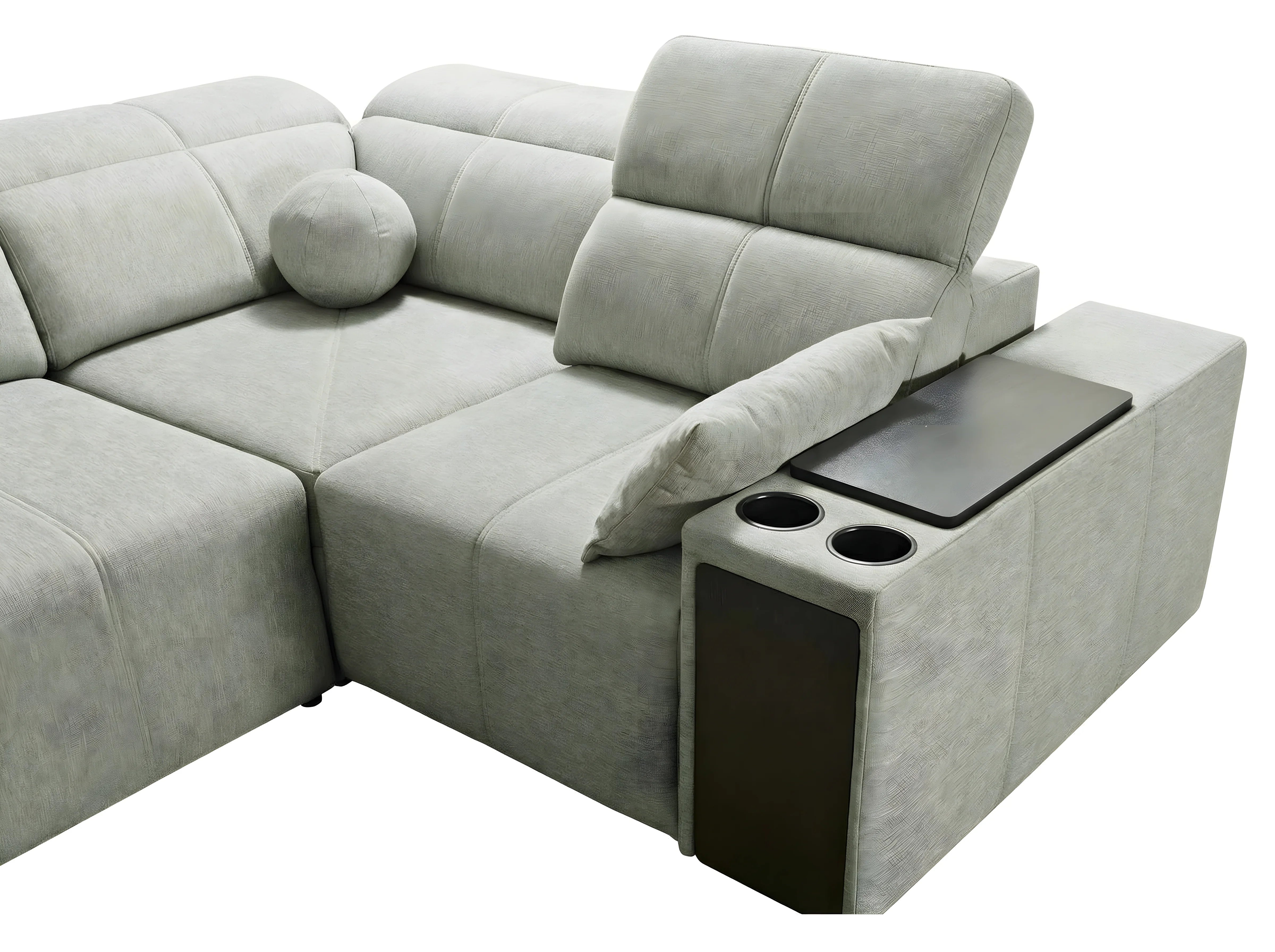
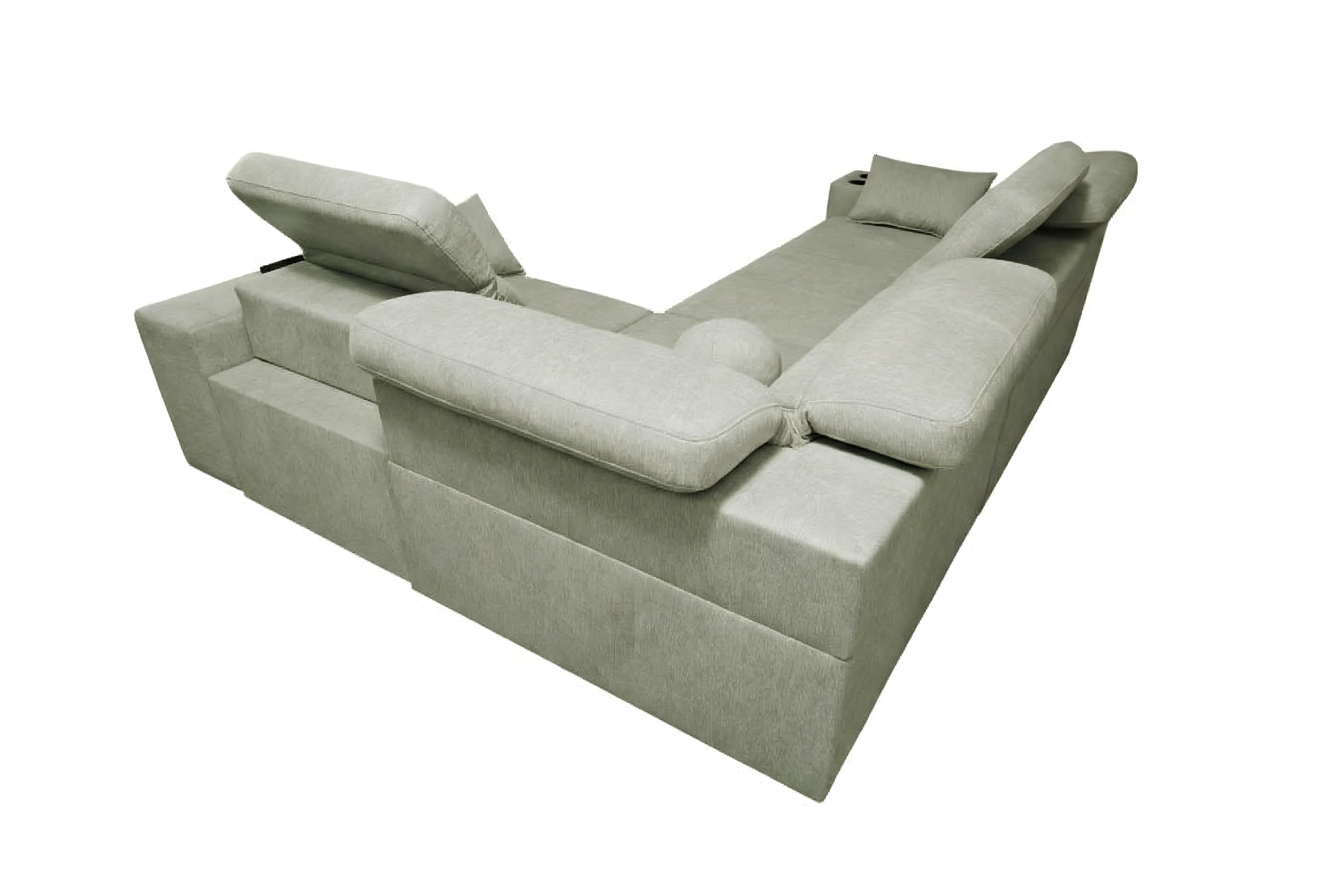
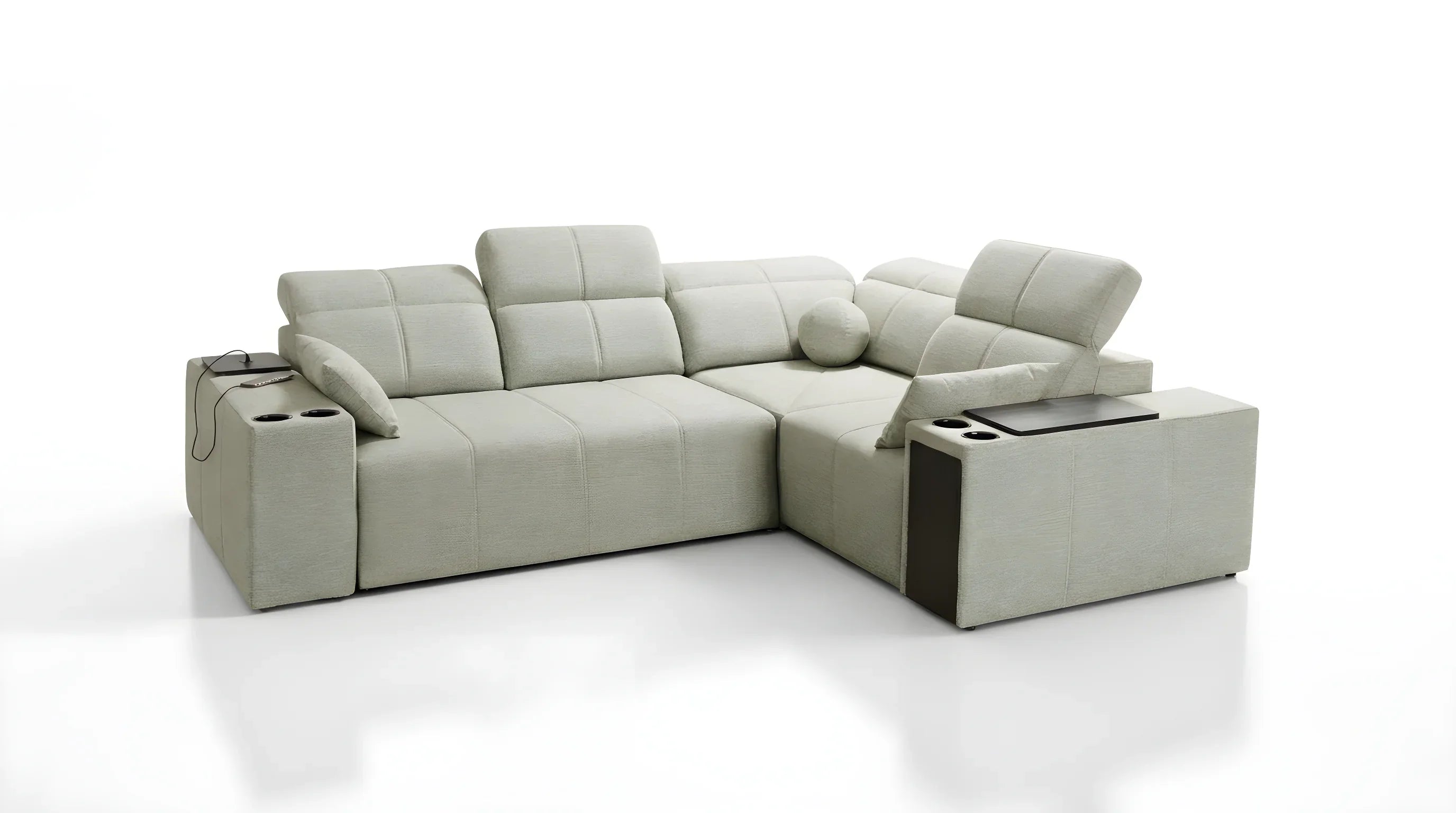
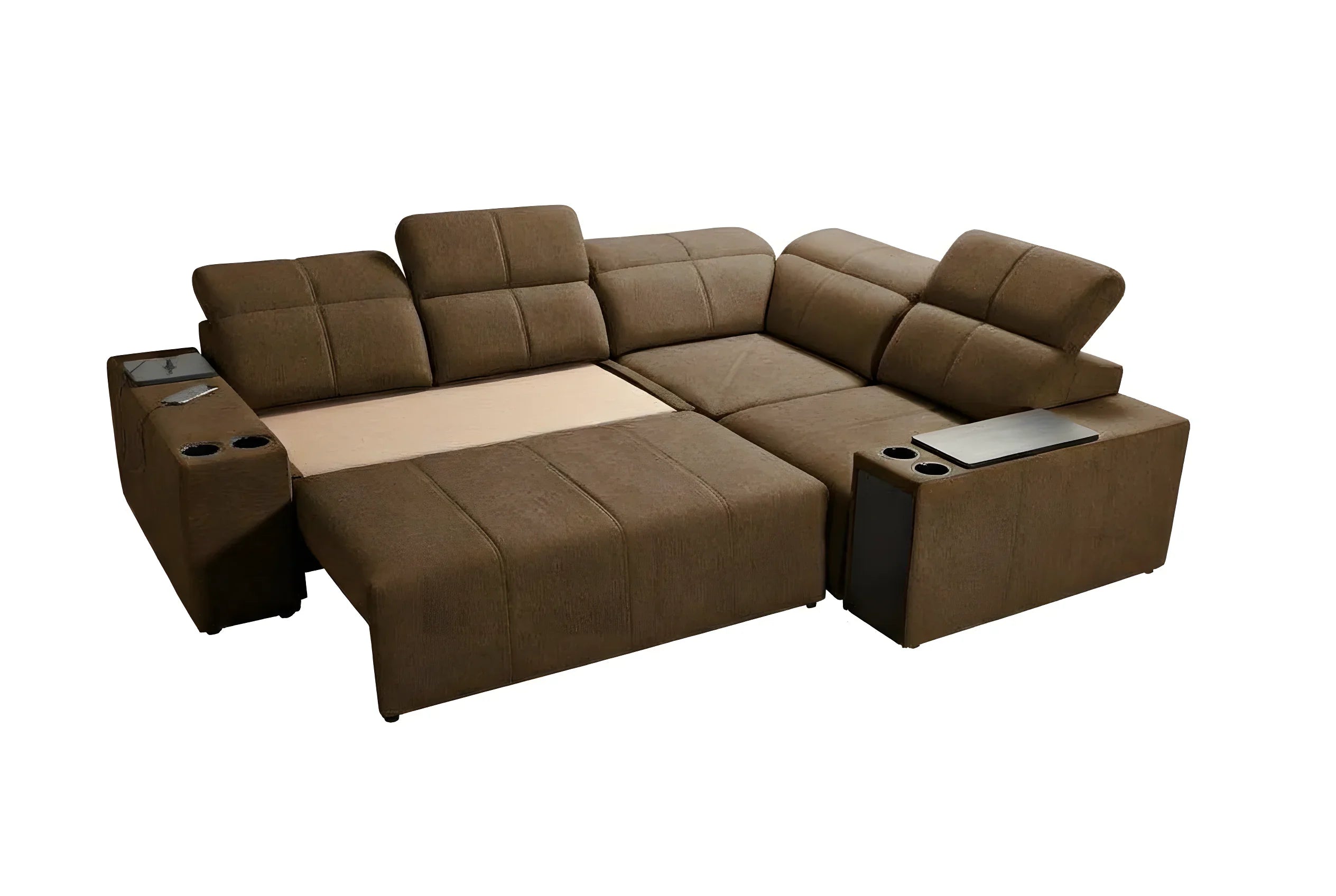
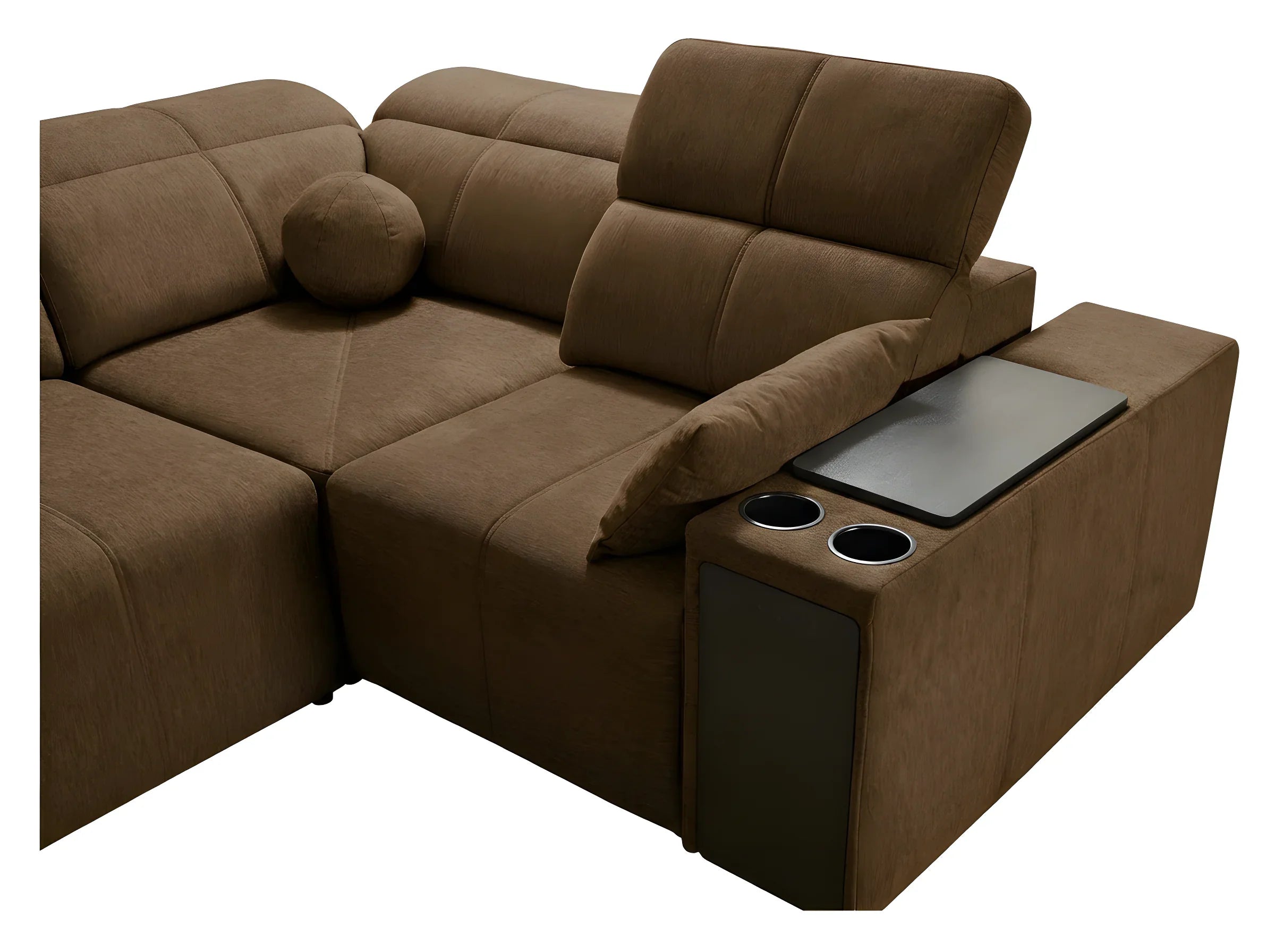
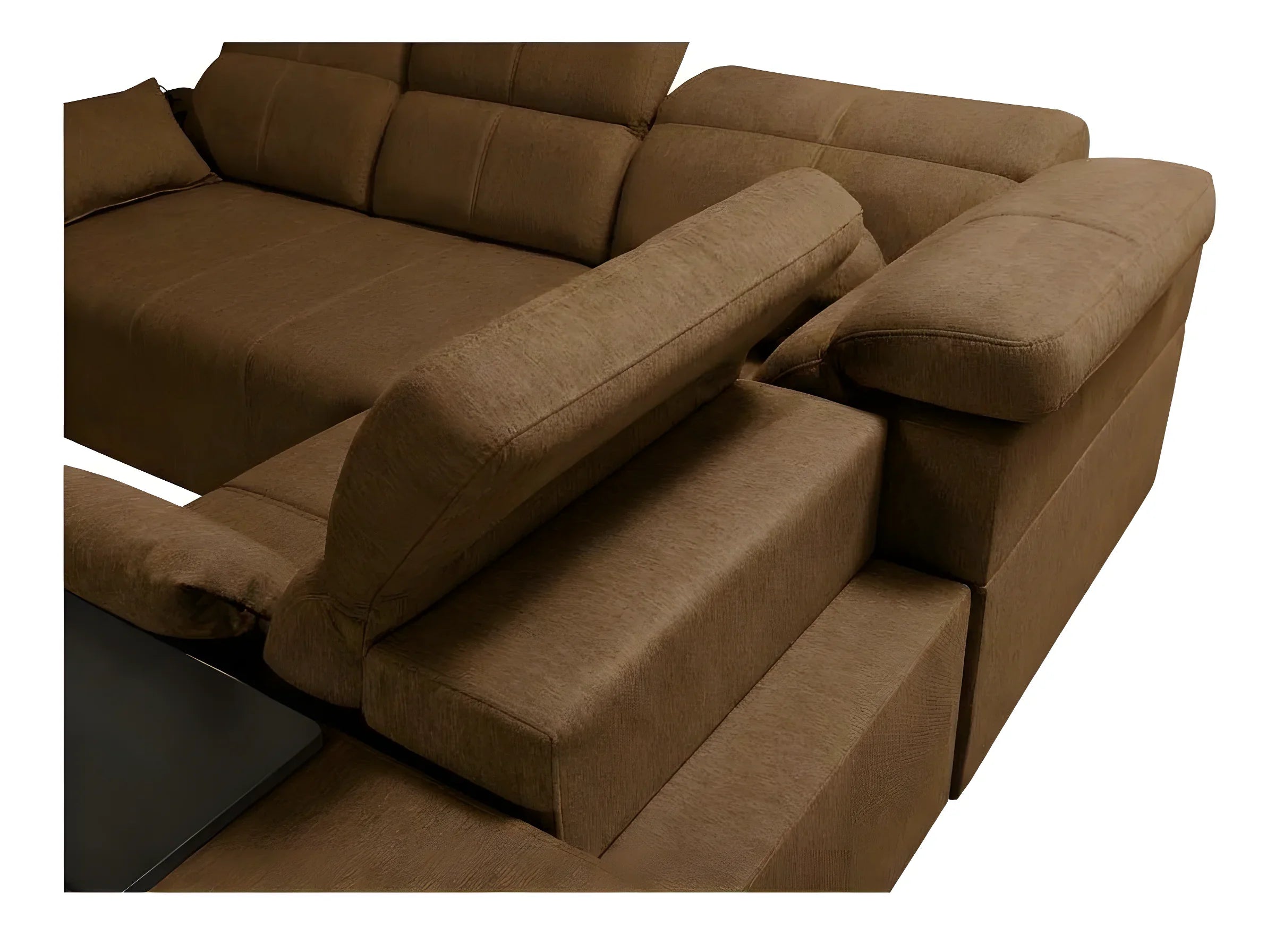
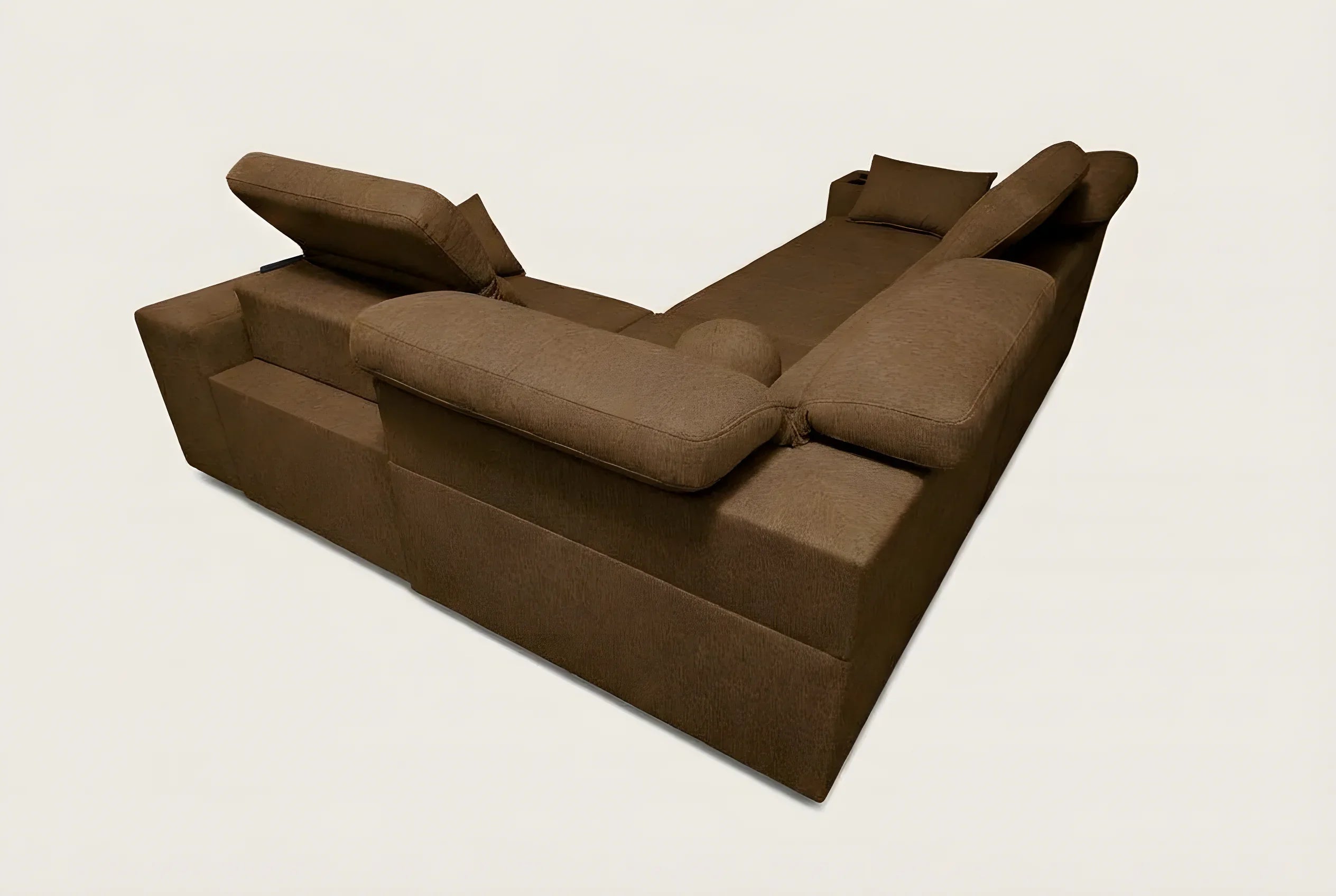
- Critical areas: Focus on the seams, piping and assembly zones. If you own a modular sofa, the advantage is huge: separate each module to treat the side panels that are usually pressed against each other, which are favourite hiding spots for parasites.
The Trap of Hidden Areas
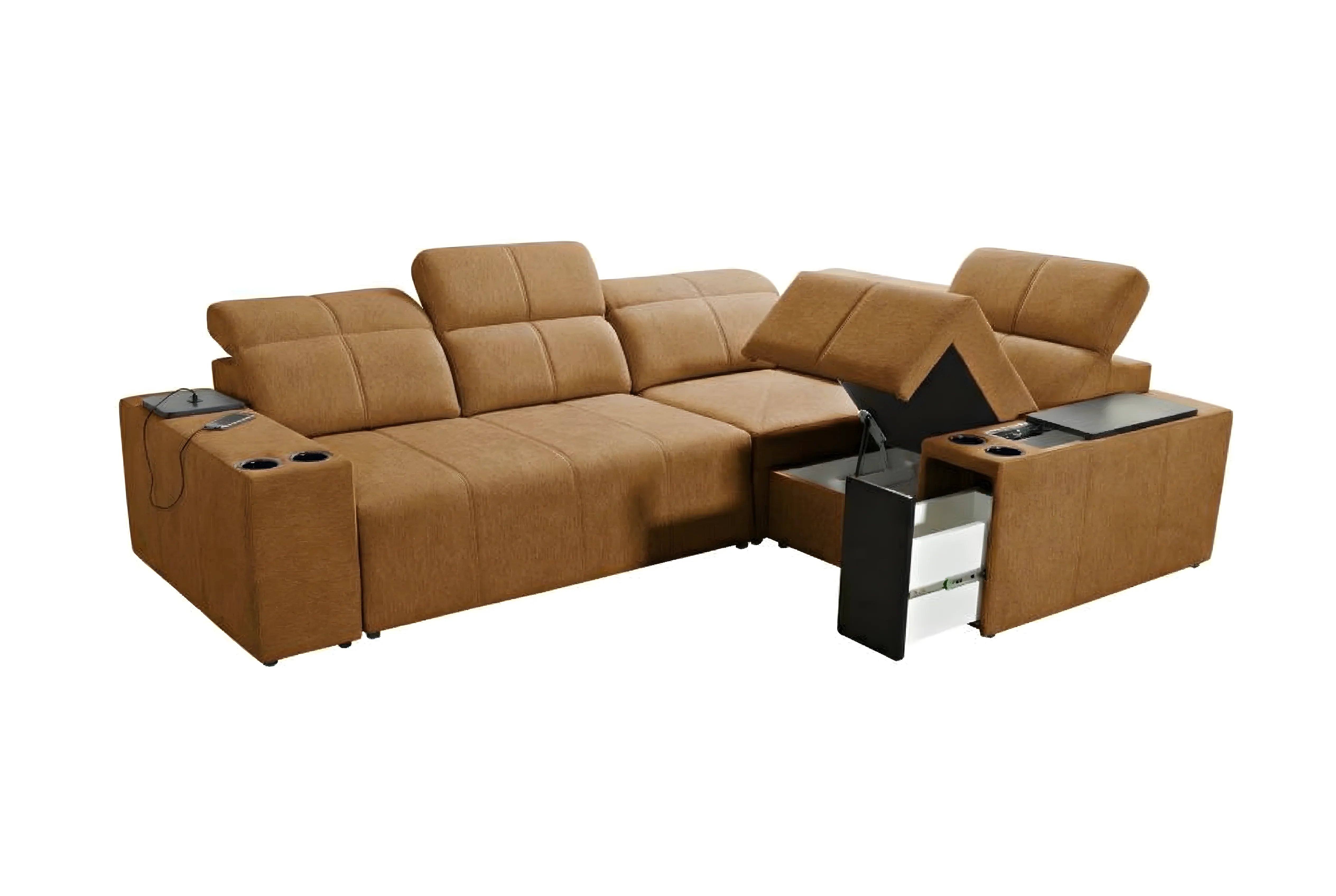
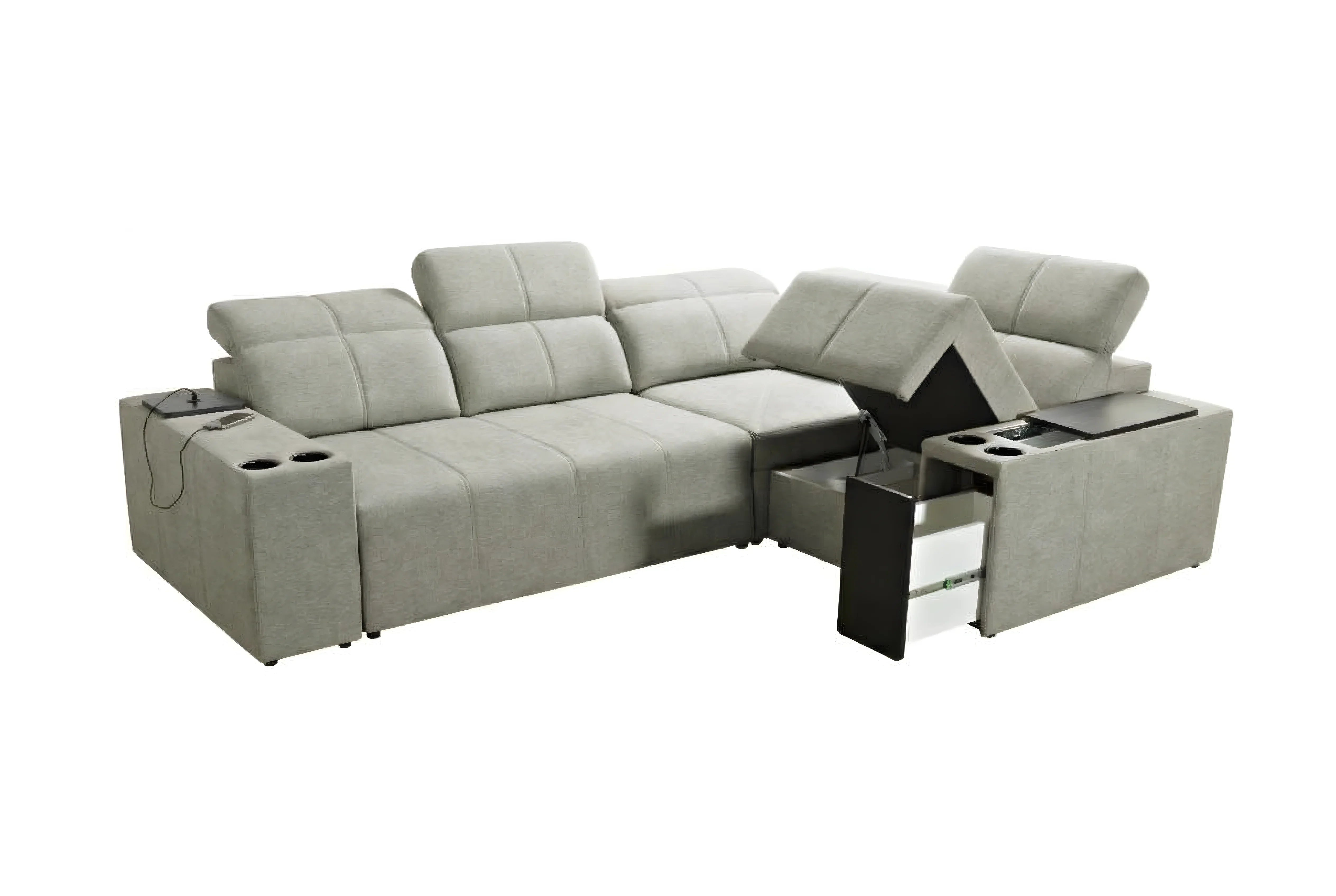
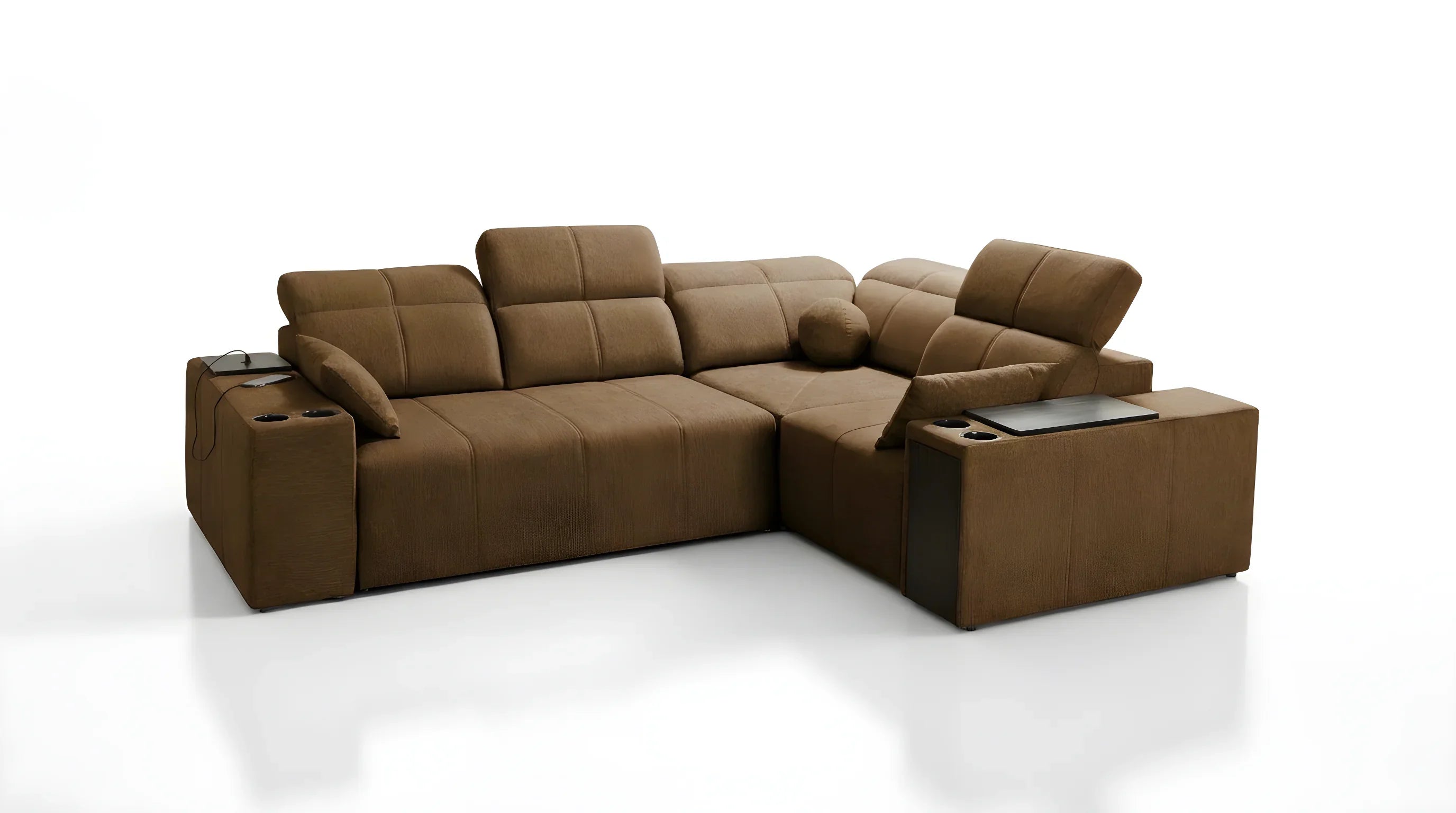
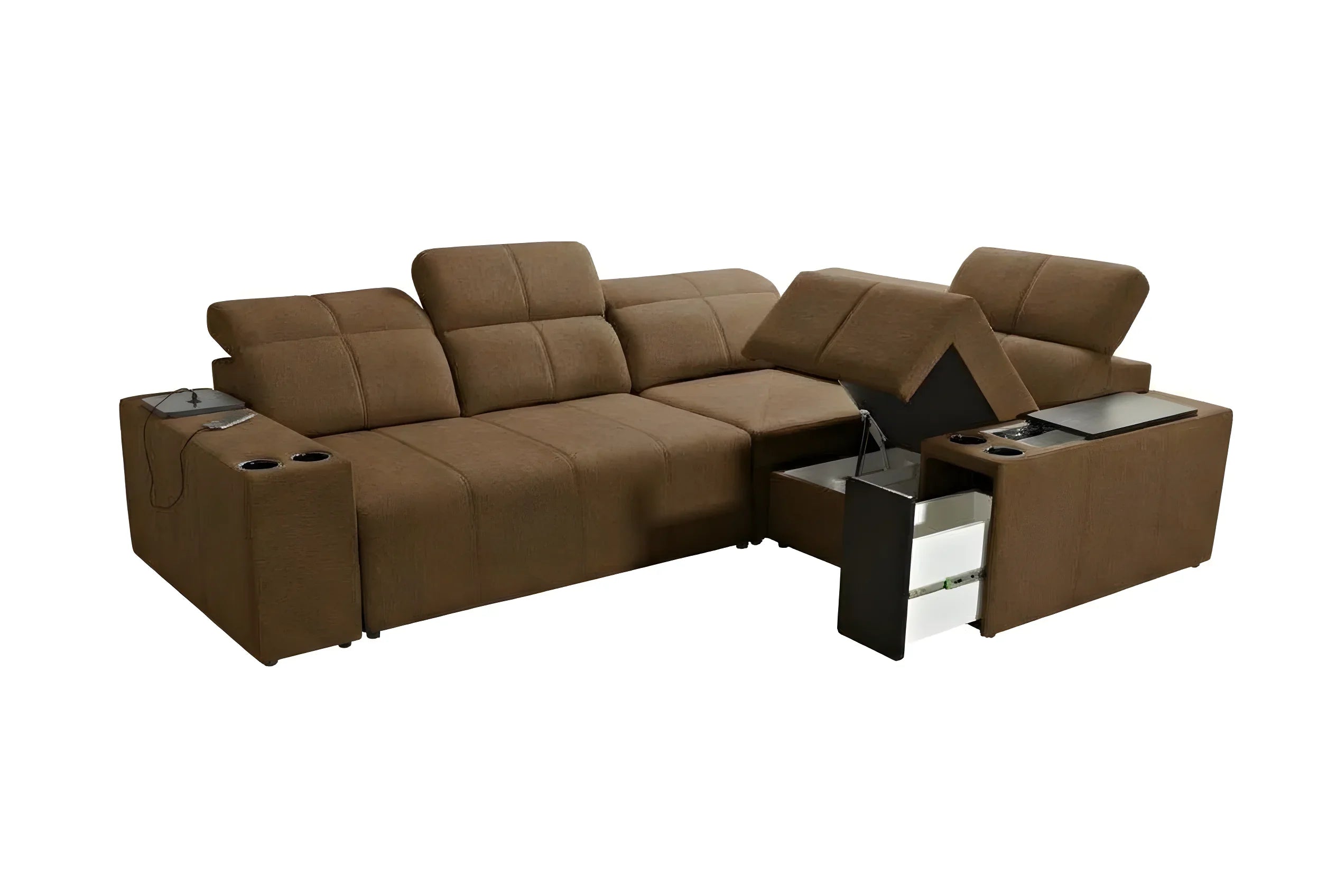
The classic mistake is to treat only the visible part. Flea larvae flee from light and burrow deep down. If you have a sofa with a storage compartment, empty it completely. Vacuum the inside of the compartment and treat it. The larvae feed on organic debris that falls through the gaps in the seat and ends up at the bottom of the compartment. That is often where the infestation restarts after a surface clean.
Maintenance and Prevention: How to Stop Pests from Coming Back
Once you have managed to eliminate dust mites from your sofa or eradicate the fleas, the goal is to maintain this level of hygiene. Prevention relies on managing the environment and choosing the right materials.
The Importance of Ventilation and Structure
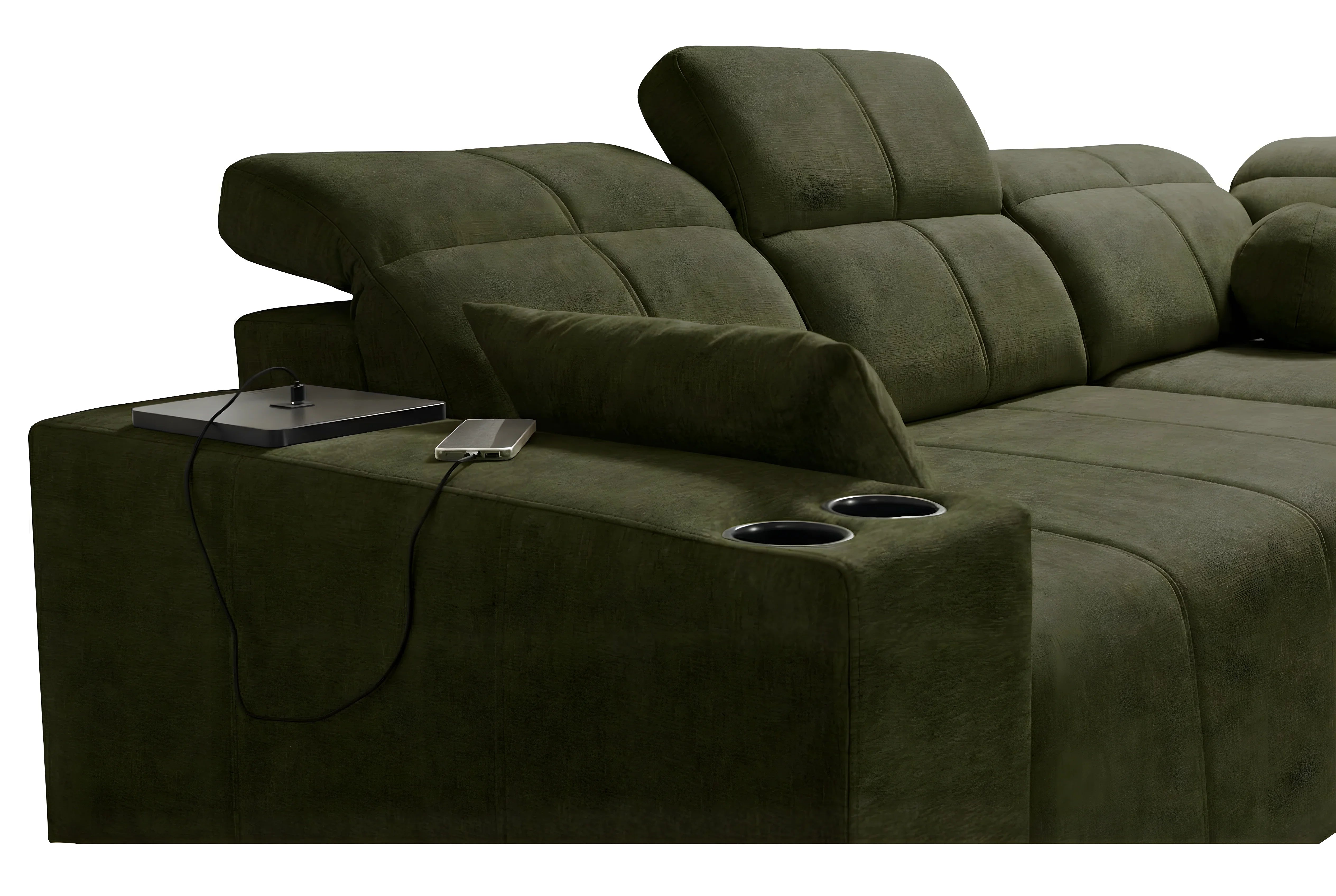
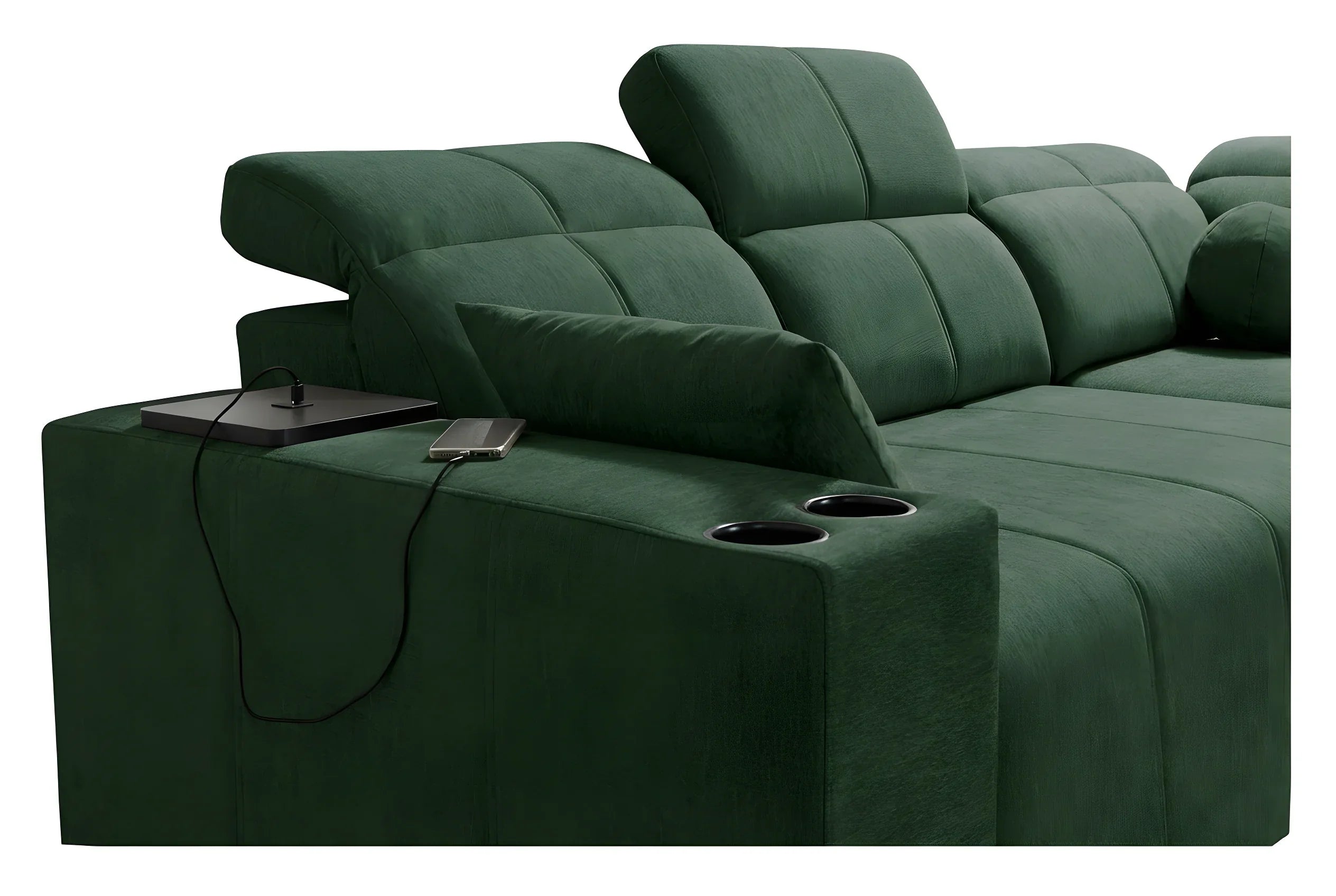
Dust mites thrive as soon as humidity rises above 50%. Airing your living room for 15 minutes a day is an essential protective habit. What is more, the very architecture of your furniture plays a role. A raised-leg sofa allows constant airflow under the seat, preventing stagnant moisture build-up and making it easier to vacuum under the piece, where dust (a breeding ground for dust mites) tends to accumulate.
Choosing Technical Coverings
If you are prone to allergies or recurring infestations, the choice of covering is strategic when renewing your furniture.
- Faux leather: It is the most hostile surface for dust mites. Waterproof and smooth, a faux-leather sofa does not let parasites penetrate into the padding. A quick wipe with a sponge is enough to sanitise it.
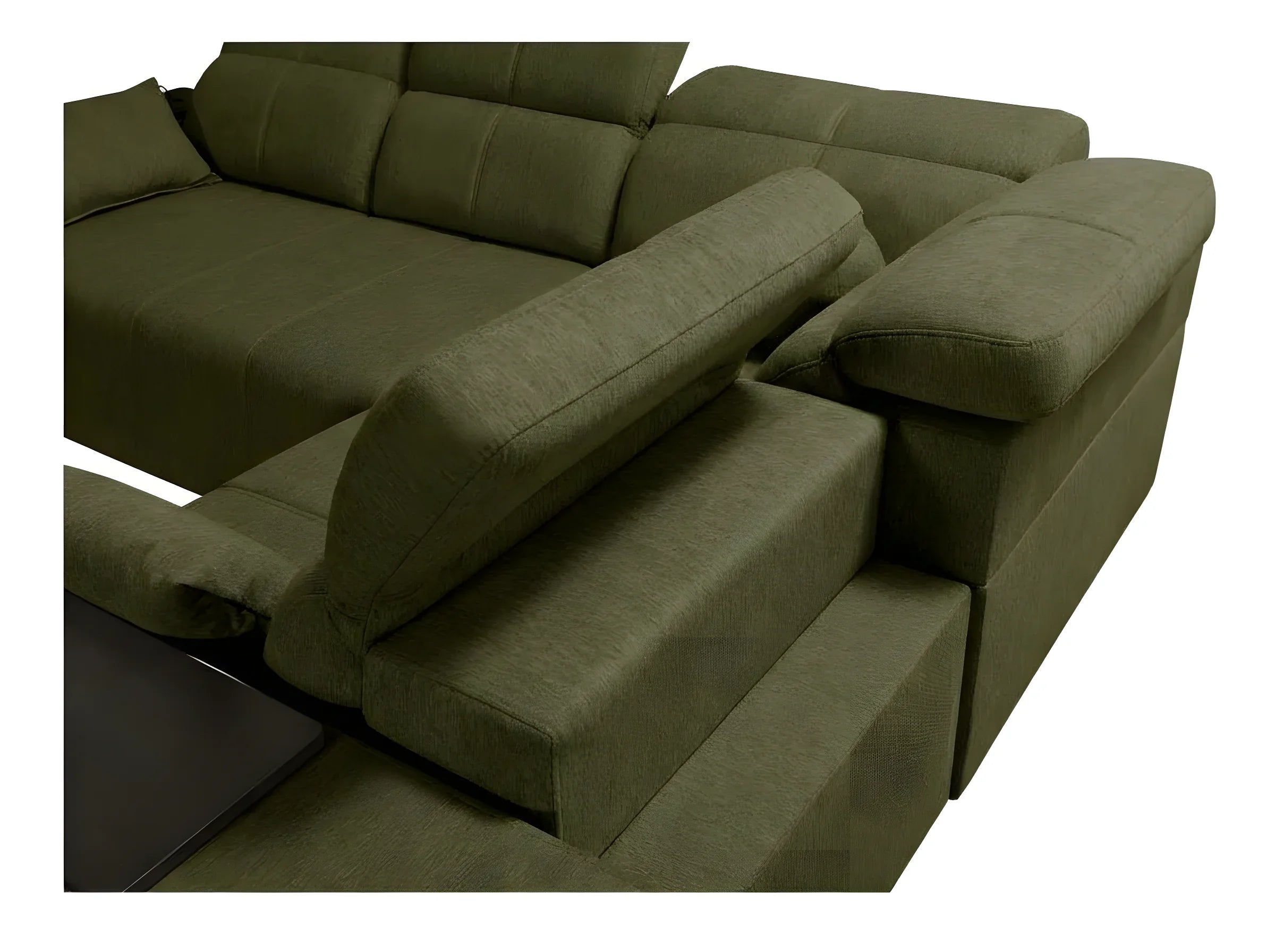
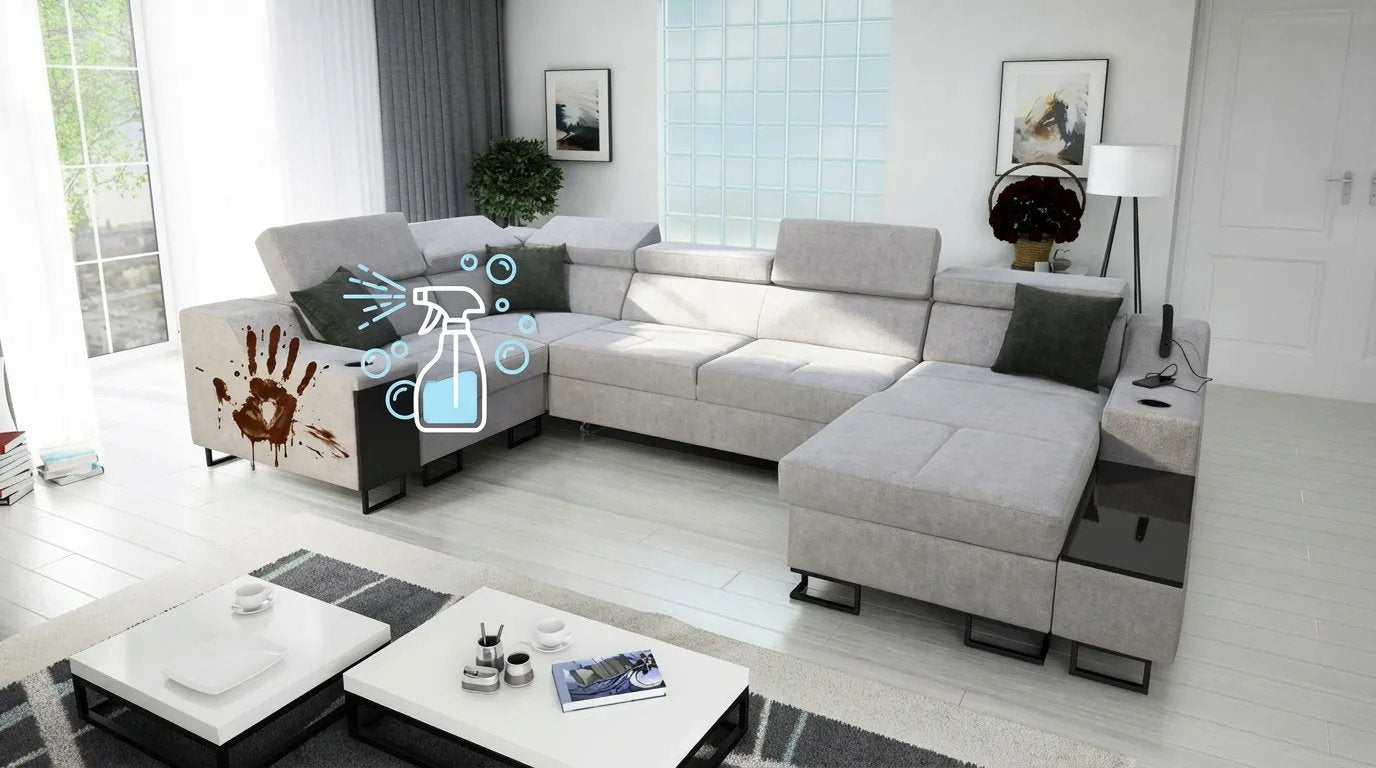
- Treated fabrics: Modern technologies offer interesting solutions. Opting for a stain-resistant fabric sofa not only helps you deal with liquid accidents, but also creates a sheath around the fibre that limits dust adhesion and the penetration of allergens.
When Should You Replace Your Sofa?
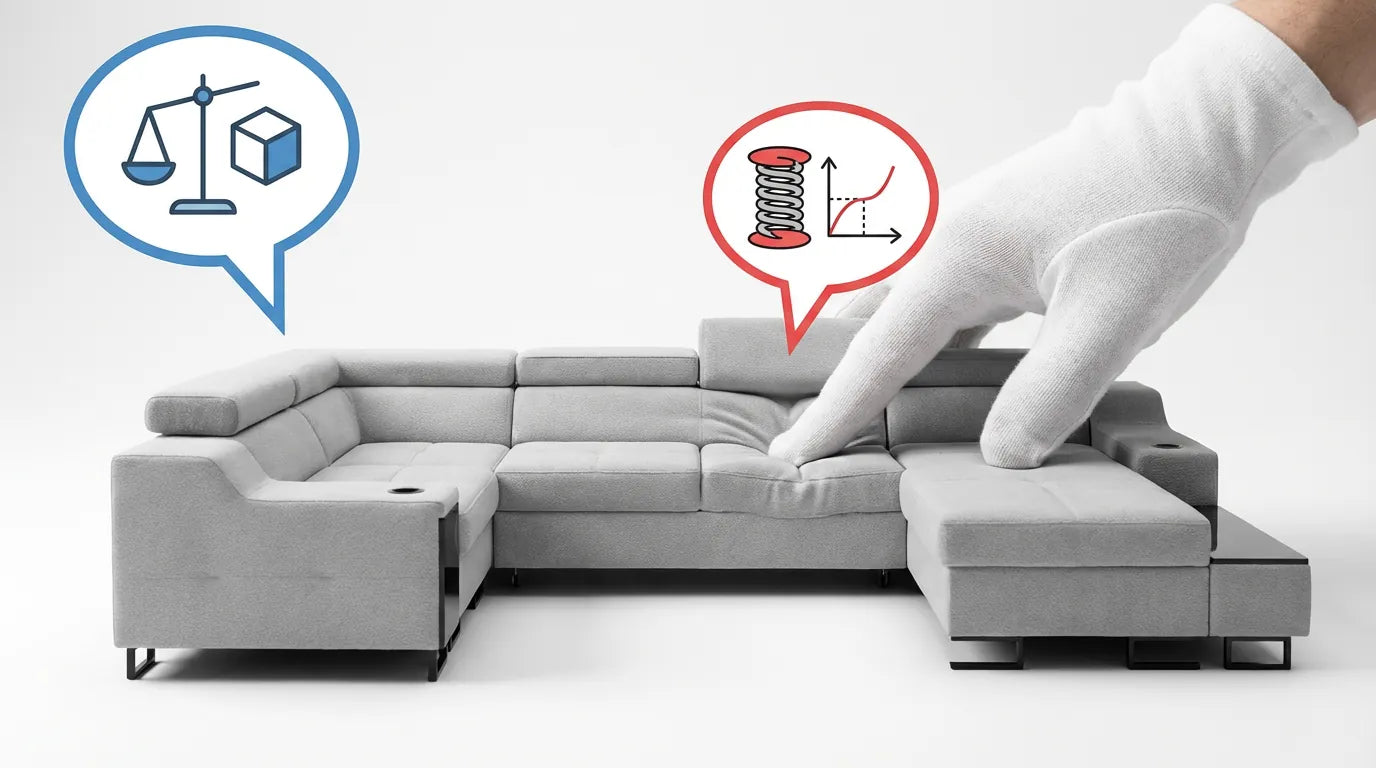
Sometimes, despite all your efforts to clean an infested sofa, the age of the padding works against you. If the foam is old and crumbling, it becomes a sponge for moisture and allergens that is impossible to sanitise thoroughly. If your sofa is more than 10 years old and your allergy symptoms persist only in the living room, it may be time to consider buying a new sofa, designed with denser, high-resilience foams that are therefore less permeable to parasitic intrusions.
FAQ: Common Questions About Sofa Hygiene
How often should I treat my sofa against dust mites?
For someone without allergies, a deep clean with baking soda every 6 months is enough to eliminate dust mites from your sofa. For people who are allergic or asthmatic, it is recommended to vacuum weekly with a HEPA filter and to apply a baking soda treatment at every change of season (every 3 months).
Does a steam cleaner damage sofa fabric?
It depends on the fabric. Steam is excellent for disinfecting a fabric sofa made of synthetic material or thick cotton. On the other hand, it is not recommended on delicate velvet (risk of marks), wool or linen, which can shrink. Always test on a hidden area (the back of the sofa) before treating the whole piece.
How do I know whether I have successfully killed the fleas in my sofa?
The most obvious sign is that new bites stop appearing. However, fleas have a complex life cycle. Eggs can hatch several weeks after being laid. It is therefore crucial to repeat the vacuuming and steam-treatment operations 10 days after the first clean to eliminate late hatchings and definitively break the cycle.
Can white vinegar be used to disinfect a sofa?
Yes, white vinegar is an excellent ally for routine care. Although it is less powerful than steam at killing eggs, its acidity creates a hostile environment for living-room bugs and dust mites. Mixed with lukewarm water, it helps clean the surface, but watch out for the smell, which can take a while to dissipate in thick foams.
Conclusion: Rigorous Hygiene for Lasting Comfort
Knowing how to eliminate dust mites and fleas from your sofa is not just a question of housekeeping — it is a public-health issue within your home. By combining the mechanical action of the vacuum cleaner, the natural chemical power of baking soda and the thermal force of steam, you can beat even the most stubborn infestations without compromising your family's safety. At Kings Canapé, we design our products with these issues in mind: from modularity that makes every nook accessible, to technical fabrics that are resistant and easy to live with. A healthy sofa is the foundation of a home where it feels good to live, and with the right methods, yours will stay that way for many years to come.




Leave a comment
This site is protected by hCaptcha and the hCaptcha Privacy Policy and Terms of Service apply.