









Table of contents

This is the scenario feared by every buyer: investing in a beautiful sofa that, after just a few months, sags irreparably, leaving an unsightly and uncomfortable imprint. A recent furniture study shows that 68% of post-purchase dissatisfaction concerns seat sagging. Yet great confusion reigns: a "firm" sofa is often thought to be synonymous with quality. This is a major technical mistake. To make an informed choice, it is essential to understand the difference between density and firmness. These two notions, although related, measure totally distinct physical realities that will determine the lifespan of your furniture. Expert decoding so you never make the wrong choice again.
Why are density and firmness often confused?
In the collective imagination, density is often associated with the hardness of a material. If I hand you a brick, it is dense and hard. If I hand you a feather, it is light and soft. However, in the complex world of polyurethane foams used for the padding of corner sofas or straight sofas, this linear logic does not apply.
This is the most common — and most costly — confusion for the consumer. You can buy a very firm sofa in store, which feels sturdy, but whose foam has a low density. The result? It will feel hard on day one, but the micro air bubbles that make up the foam will burst under your weight within a few months, creating a definitive sagging effect. Conversely, you can sit in a chair with soft, enveloping comfort, but whose foam is extremely dense, guaranteeing that comfort for the next ten years.
Density (Weight)
Density measures the amount of material present in a given volume. It is expressed in kg/m3 (kilograms per cubic meter). It is an indicator of durability and quality. The more material there is, the less air there is, and the better the foam will stand the test of time.
Firmness (Resistance)
Firmness measures the resistance to pressure. It is expressed technically in kPa (Kilopascals). It is an indicator of feel and comfort. It determines whether the seat pushes you back (firm) or welcomes you (soft).
Density (kg/m3): The secret to the longevity of your seat
When you read a technical sheet, the most critical data to check is the volumic mass of the foam, commonly called density. To put it simply: foam density is the life insurance of your sofa. It does not tell you whether you will sit comfortably, it tells you how long you will sit comfortably.
A low-density foam contains a lot of air and little polymer. Under the repeated action of your weight (and that of the whole family), the walls of the foam cells tire and eventually no longer regain their initial shape. This is called compression set. For our modular sofas, designed to be moved and used intensively, we favor high densities to guarantee flawless structural hold.
Understanding the quality thresholds
It is essential to be able to situate the numbers you see. Here is a guide to interpreting the values in kg/m3:
| Density (kg/m3) | Type of Foam | Recommended use | Estimated lifespan |
|---|---|---|---|
| 20 - 25 kg/m3 | Standard polyether | Backrests or armrests (never the seat) | 1 to 3 years (before deformation) |
| 28 - 30 kg/m3 | Classic polyurethane | Entry-level seat / occasional sleeping | 3 to 5 years |
| 35 - 45 kg/m3 | High Resilience (HR) | Quality standard seat / daily use | 7 to 10 years and more |
| 50 kg/m3 and over | High Density / Viscoelastic | Heavily used seats / ergonomic comfort | 10 years and over |
At Kings Canapé, we believe that a seat should never drop below 30 kg/m3 for daily use, especially for versatile models like our convertible sofas where the structure is doubly stressed.
Firmness (kPa): Between soft welcome and tonic support
If density reassures your wallet over the long term, firmness, measured in kPa (Kilopascals), speaks to your back. This scientific measurement defines the force needed to compress the foam to a certain percentage of its thickness (often 40% according to ISO standards). This is where the notion of support vs welcome takes on its full meaning.
The myth of "the harder, the better"
There is a stubborn belief that a very hard seat is better for the back. In reality, excessive firmness (a level of kPa too high) creates unpleasant pressure points at the ischia and cuts off blood circulation under the thighs. Conversely, too low a firmness (below 2.0 kPa for a seat) can lead to a slouched posture harmful to the spine.
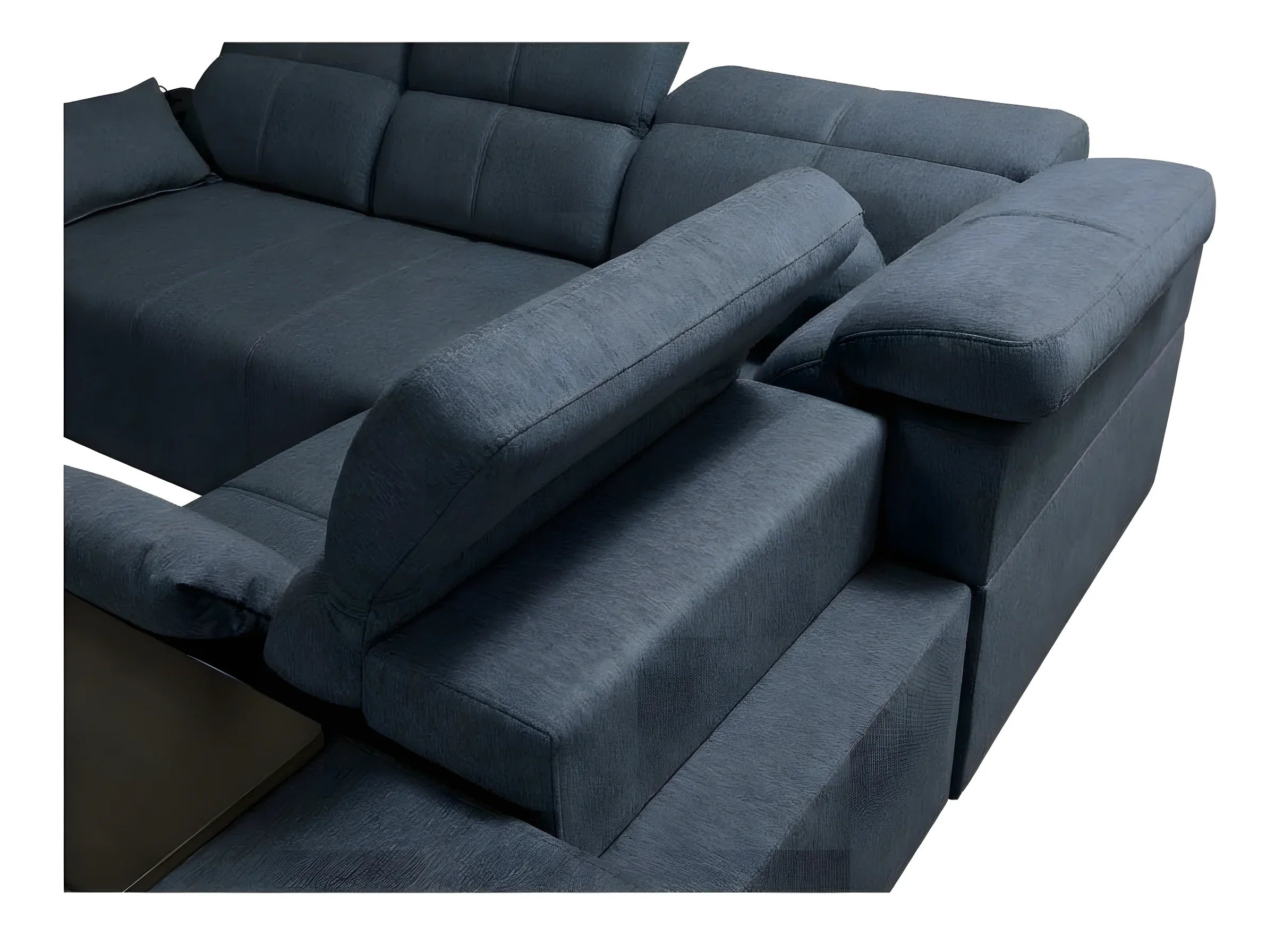
The perfect balance often lies in the combination of layers. A luxury sofa will often use a high-bearing base (high kPa) for deep support, topped with a softer welcome layer for immediate comfort. It is this engineering that allows our recliner sofas to offer optimal muscular relaxation without sacrificing support.
Can you have dense and soft foam? (The importance of bearing capacity)
We arrive here at the heart of the expertise. The answer is a great YES. It is even the signature of high-end furniture. It is entirely possible to manufacture a 45 kg/m3 foam (very dense, therefore very durable) with a low hardness (very soft).
The key role of foam resilience
To achieve this result, so-called "HR" (High Resilience) foams are used. Foam resilience designates its ability to return energy and regain its initial shape after being compressed. Unlike "dead" foams (such as basic polyether) which flatten, HR foam acts like millions of micro-springs.
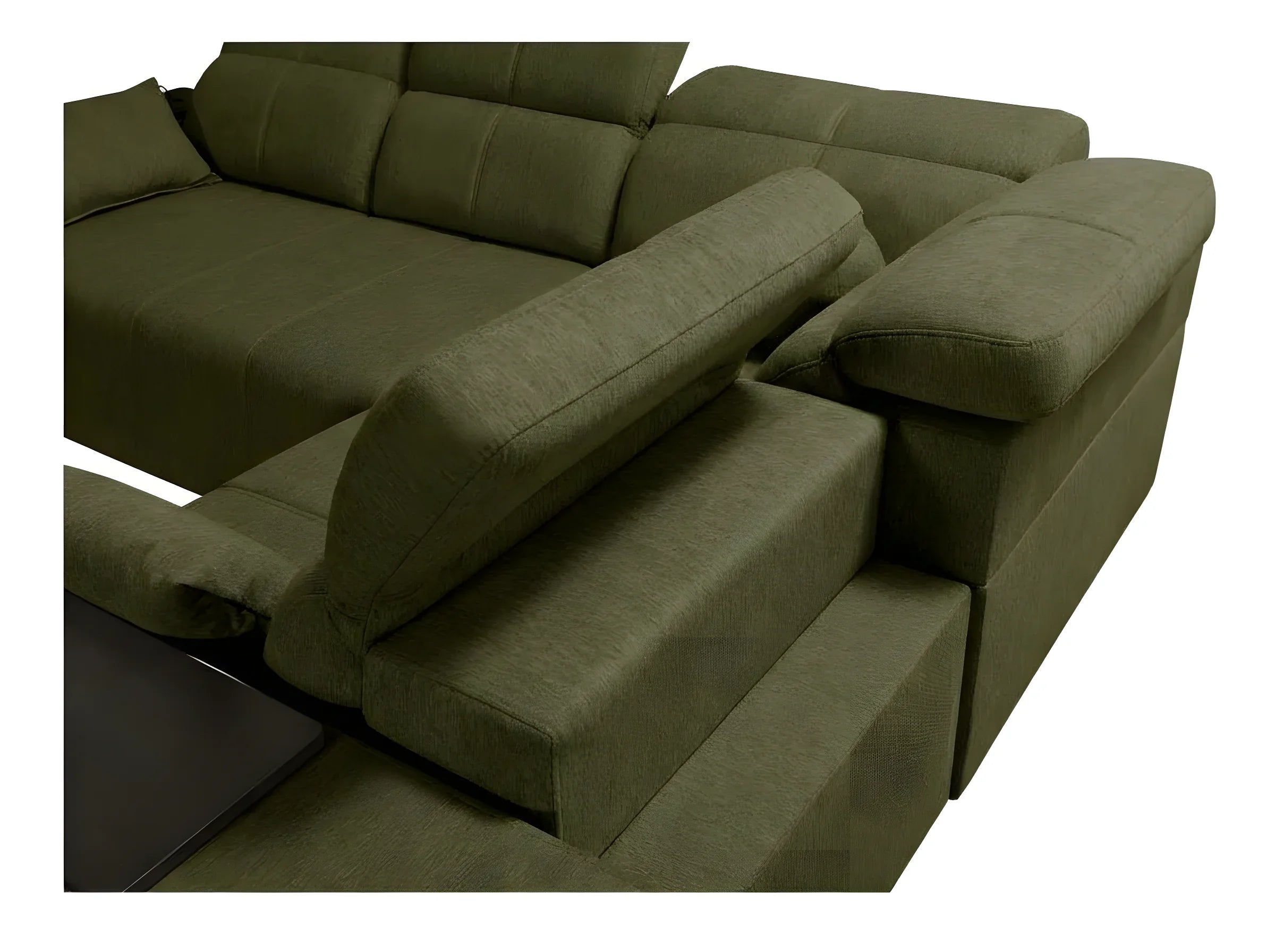
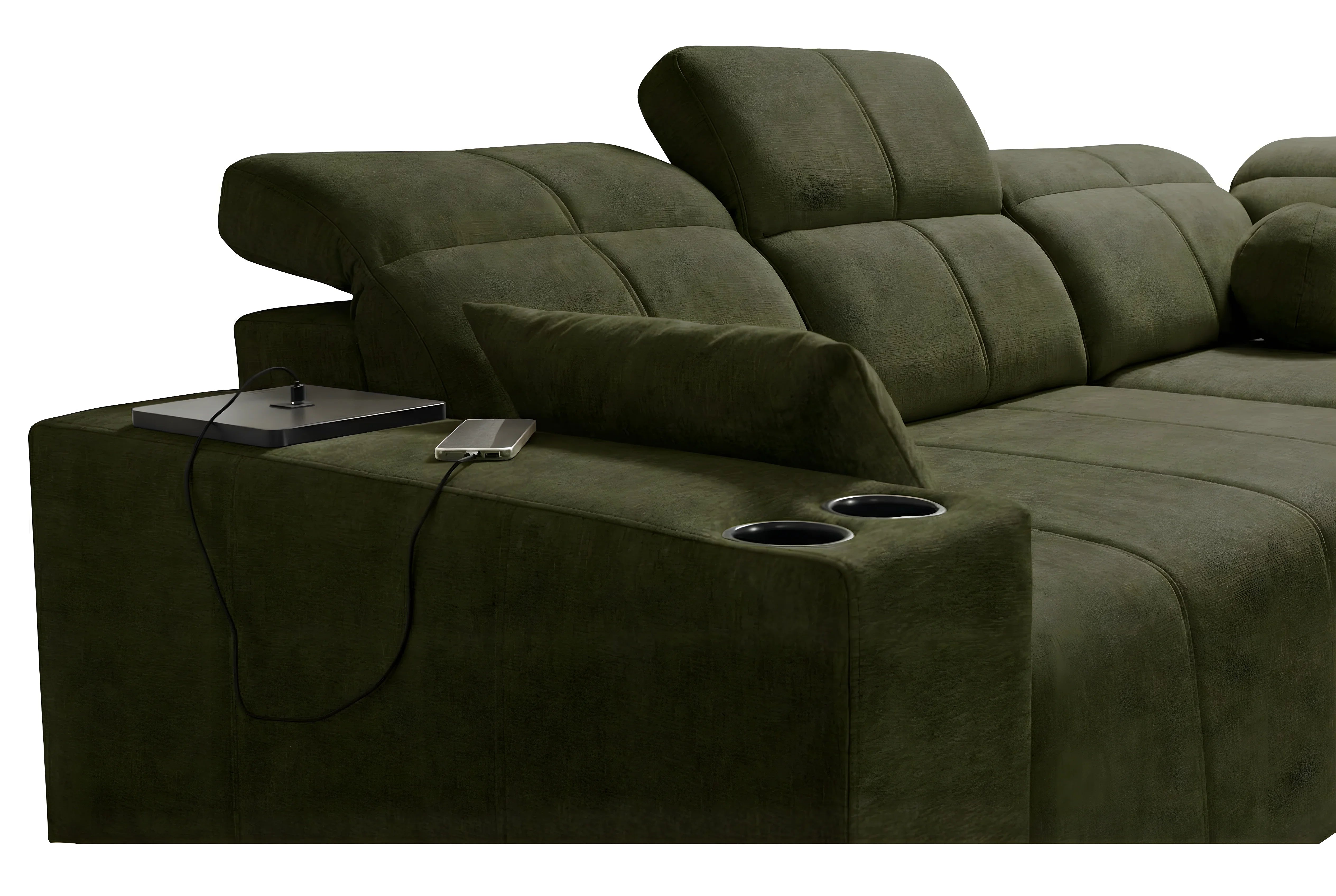
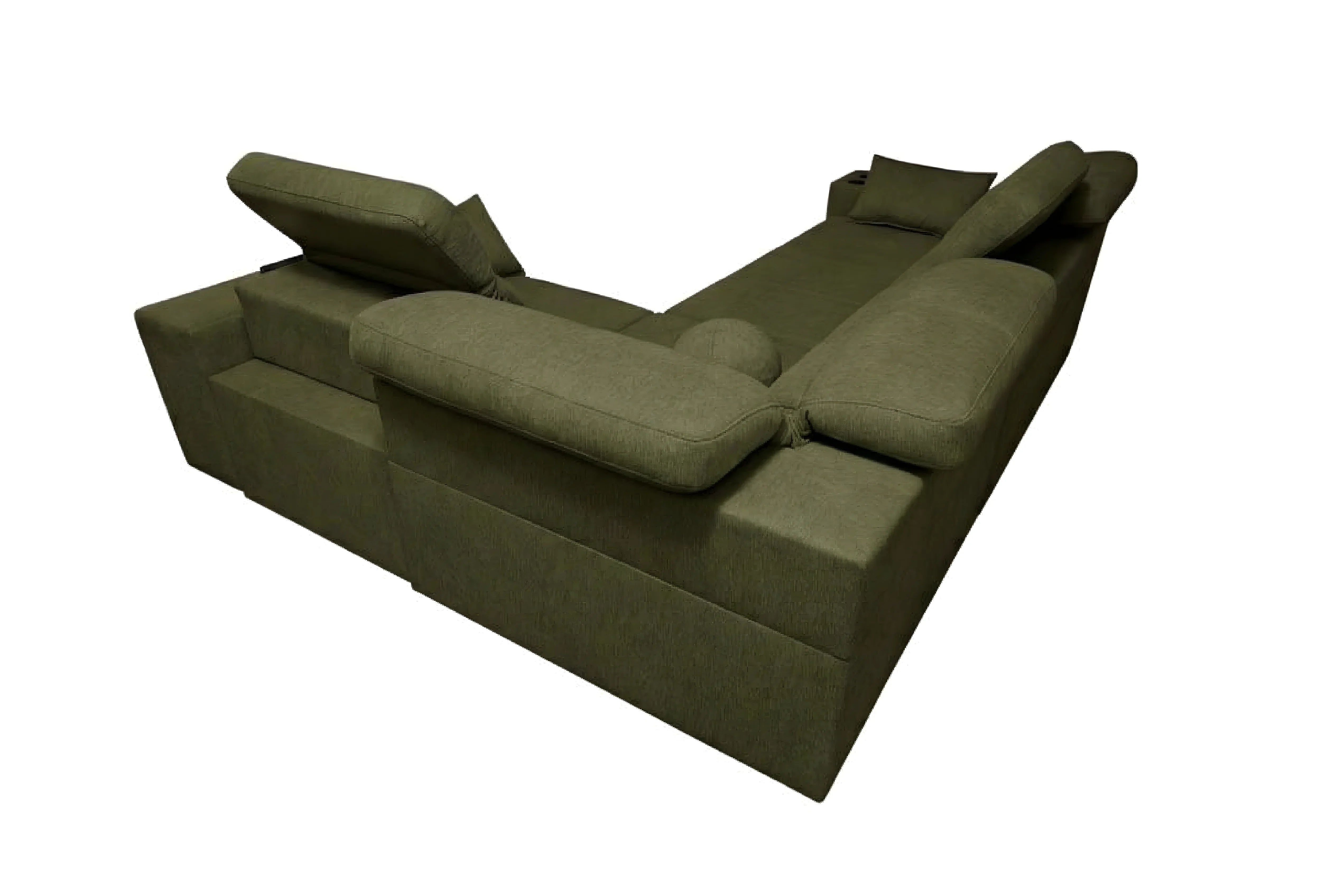
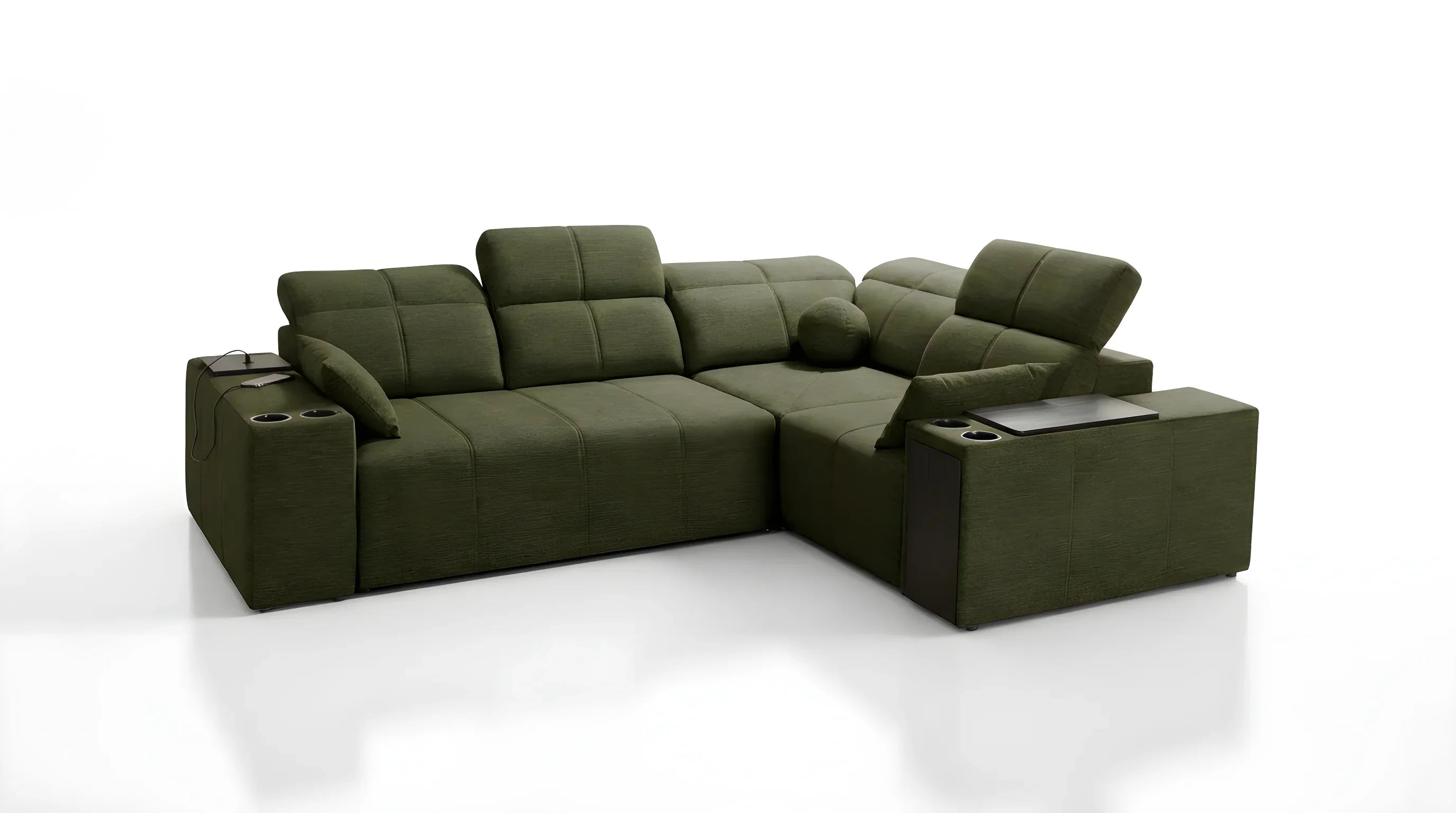
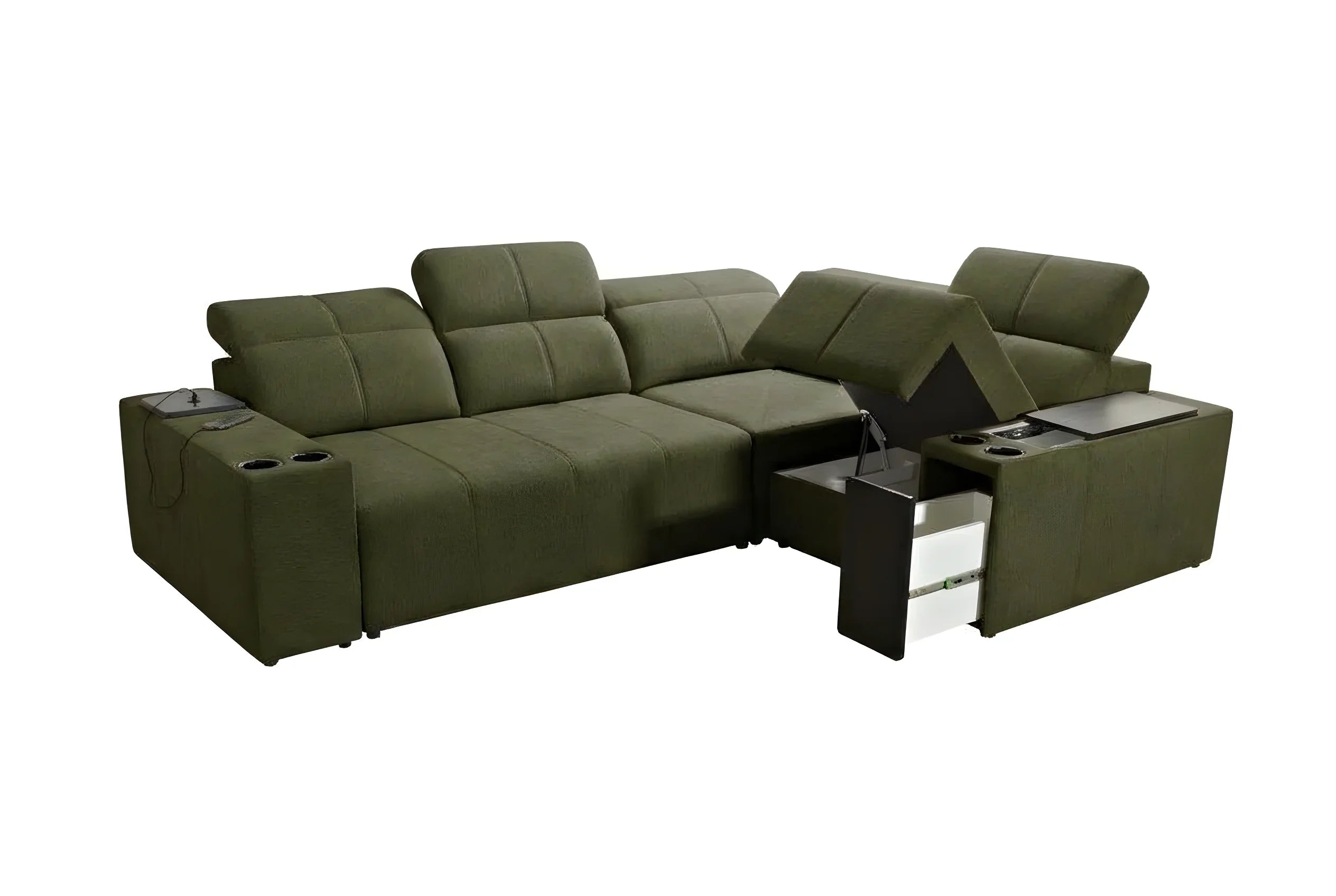
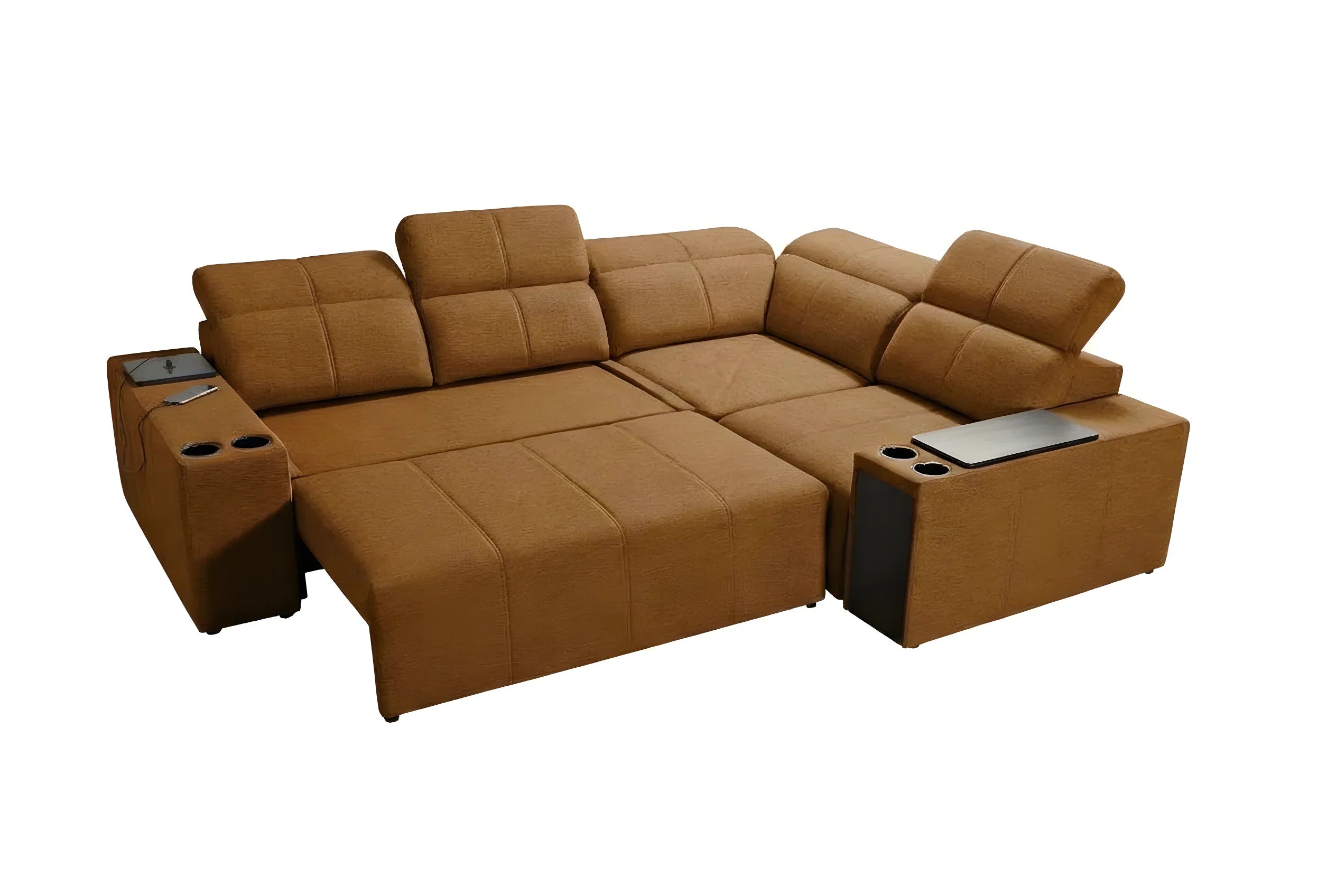
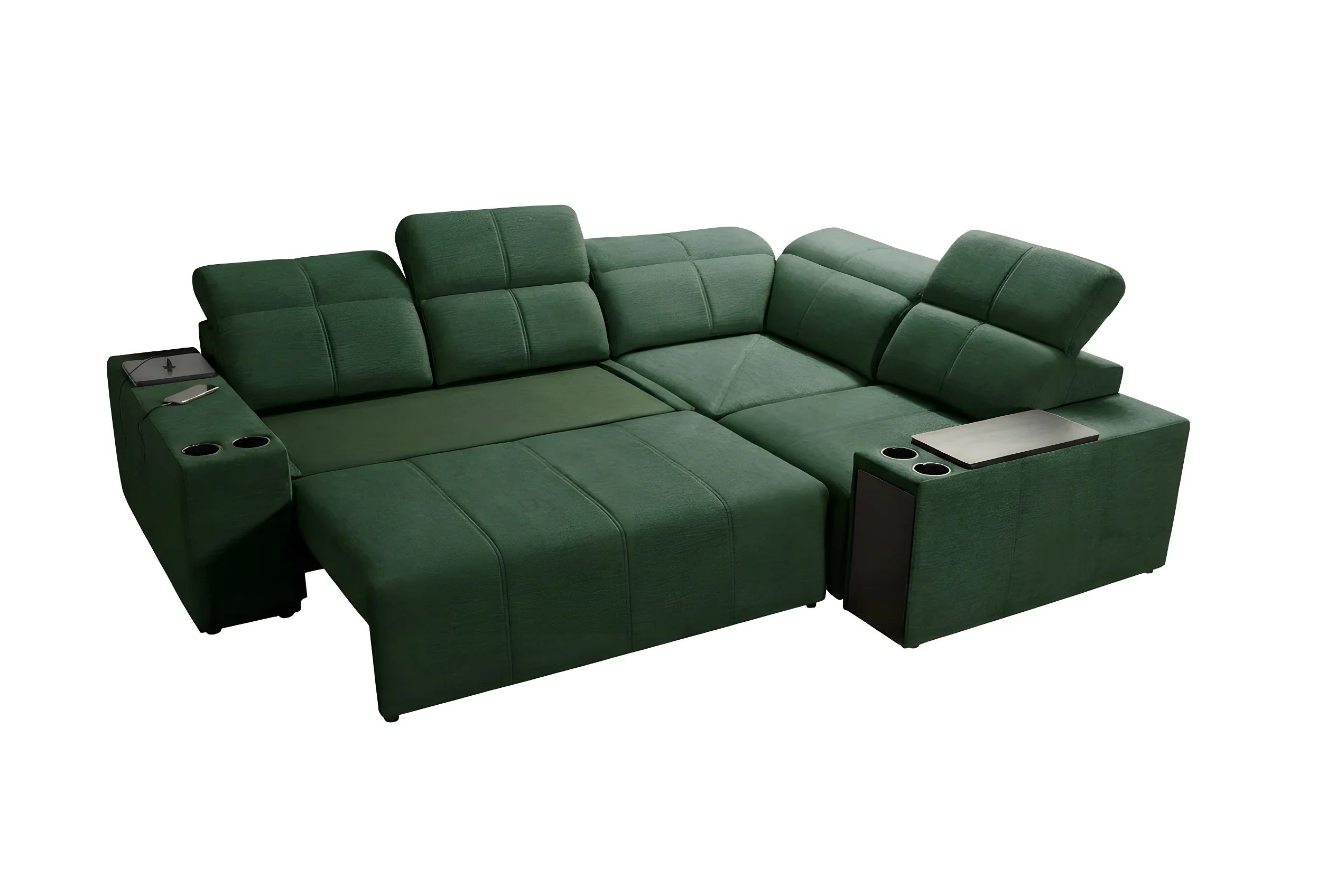
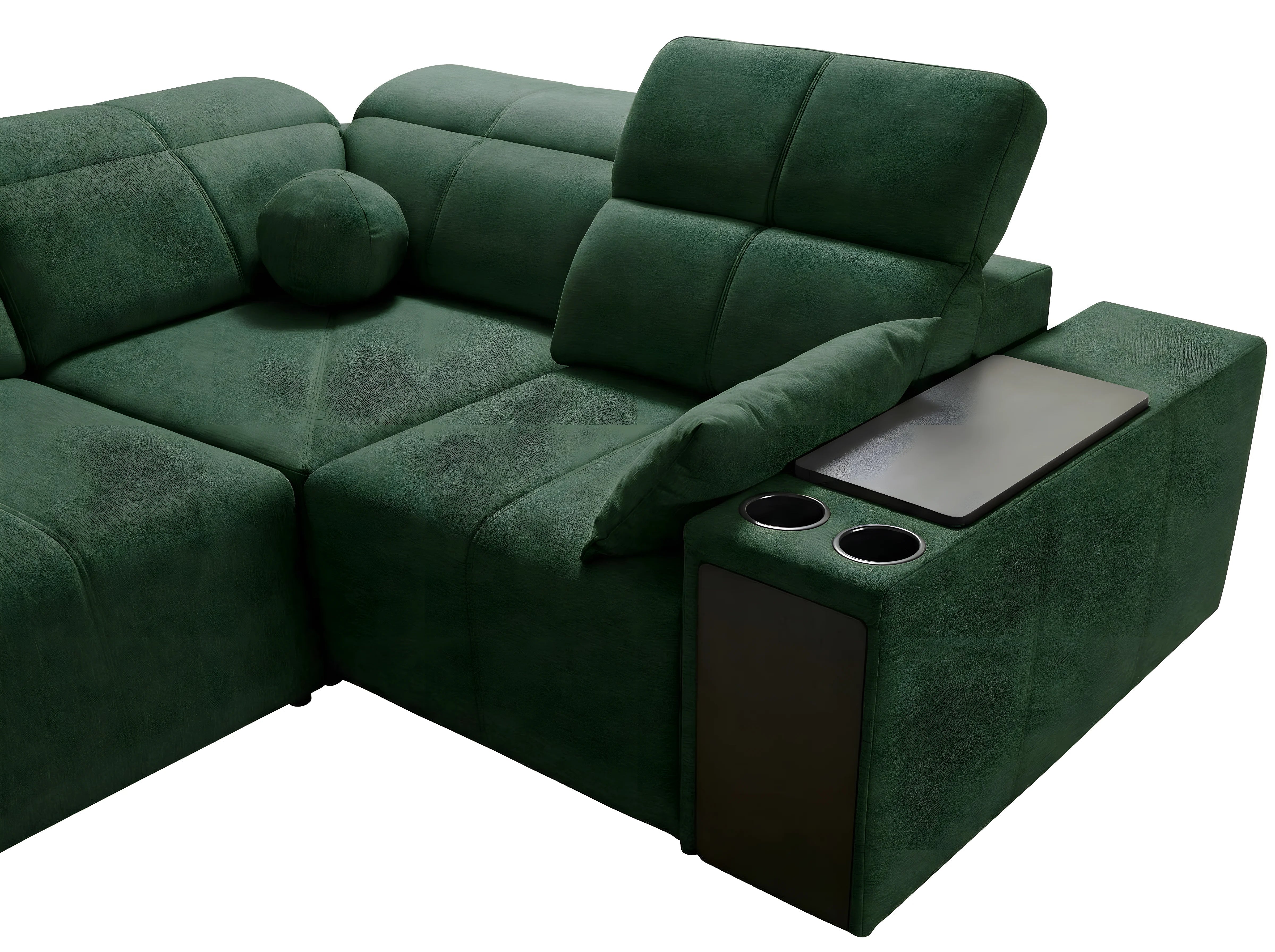
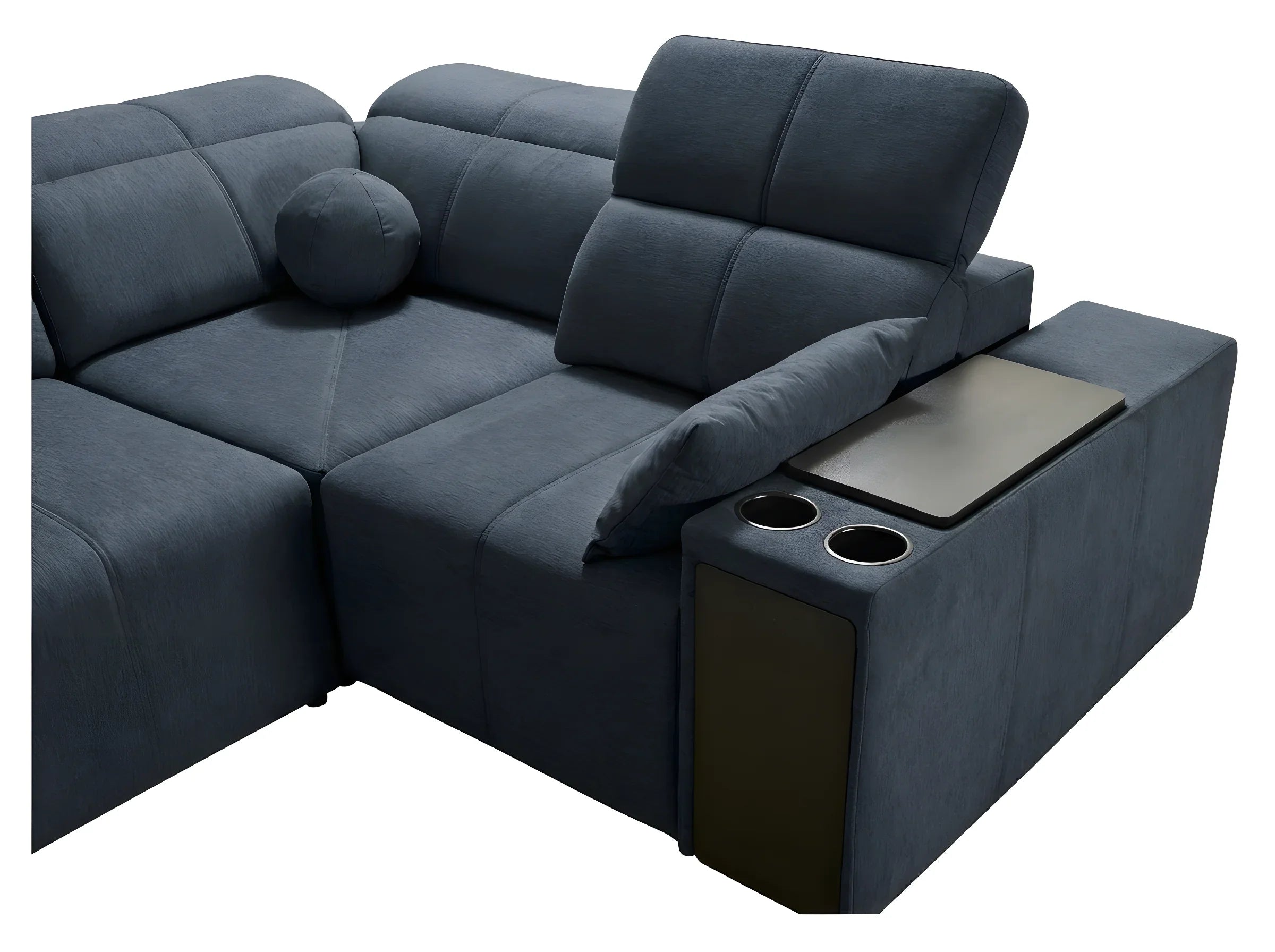
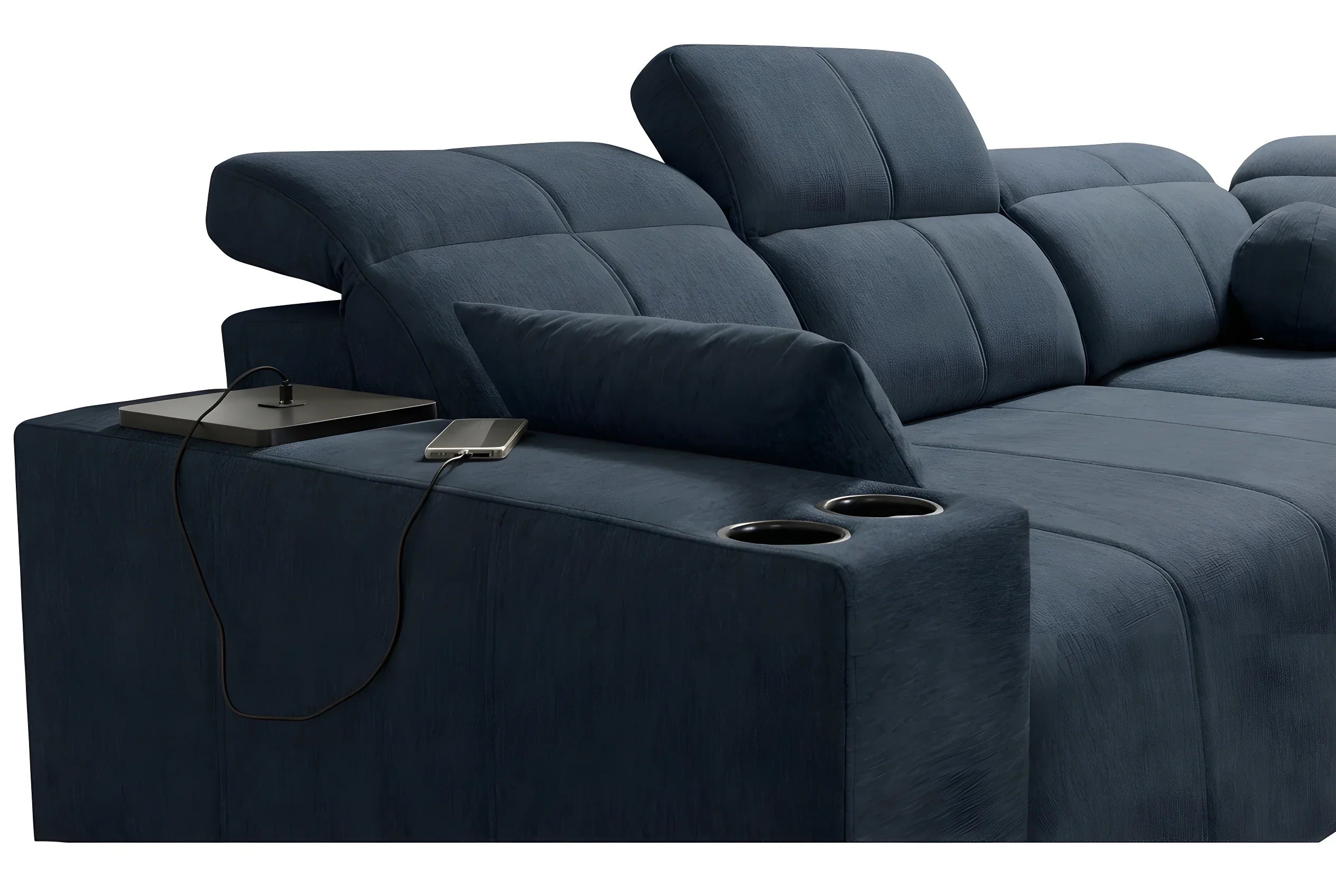
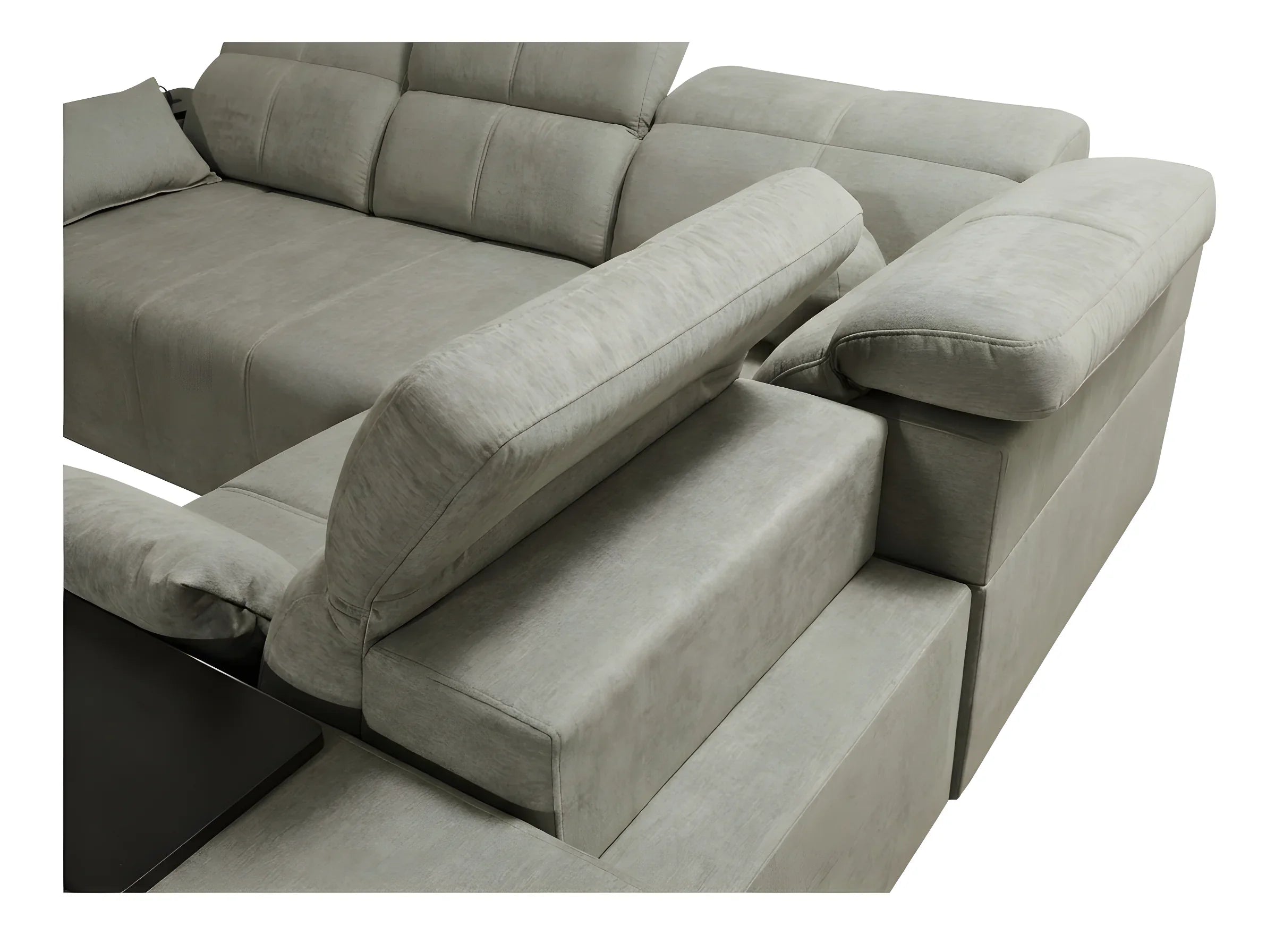
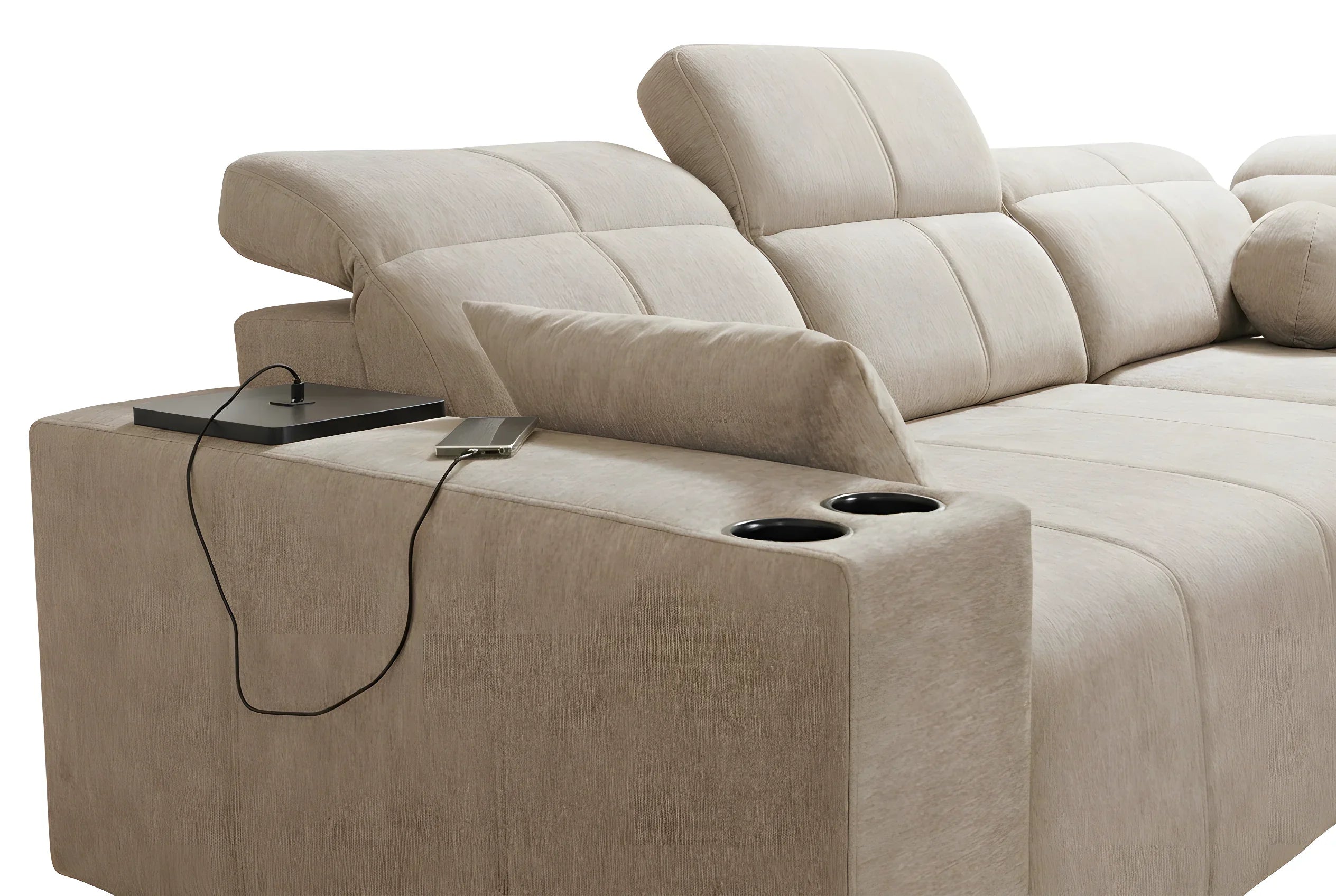
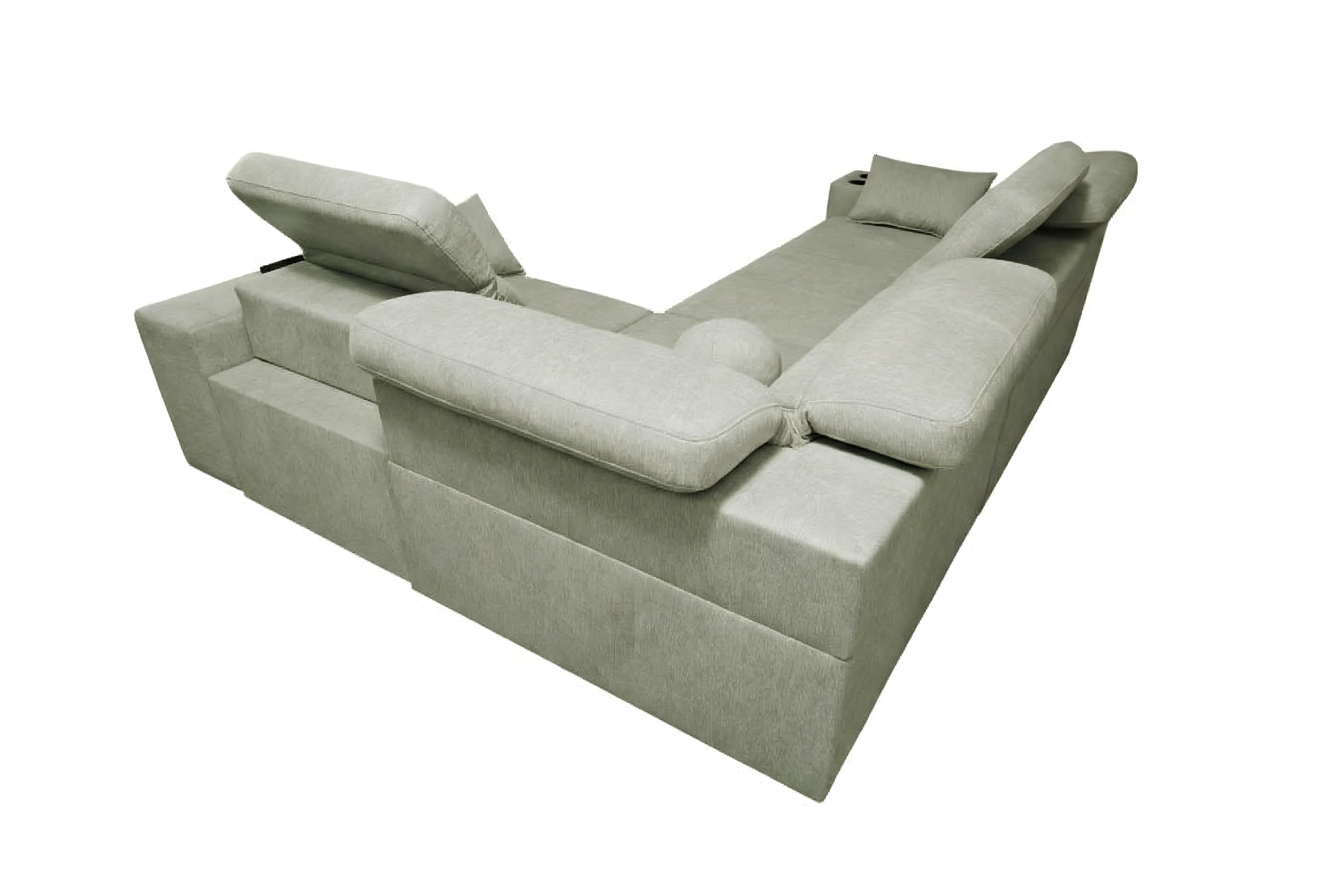
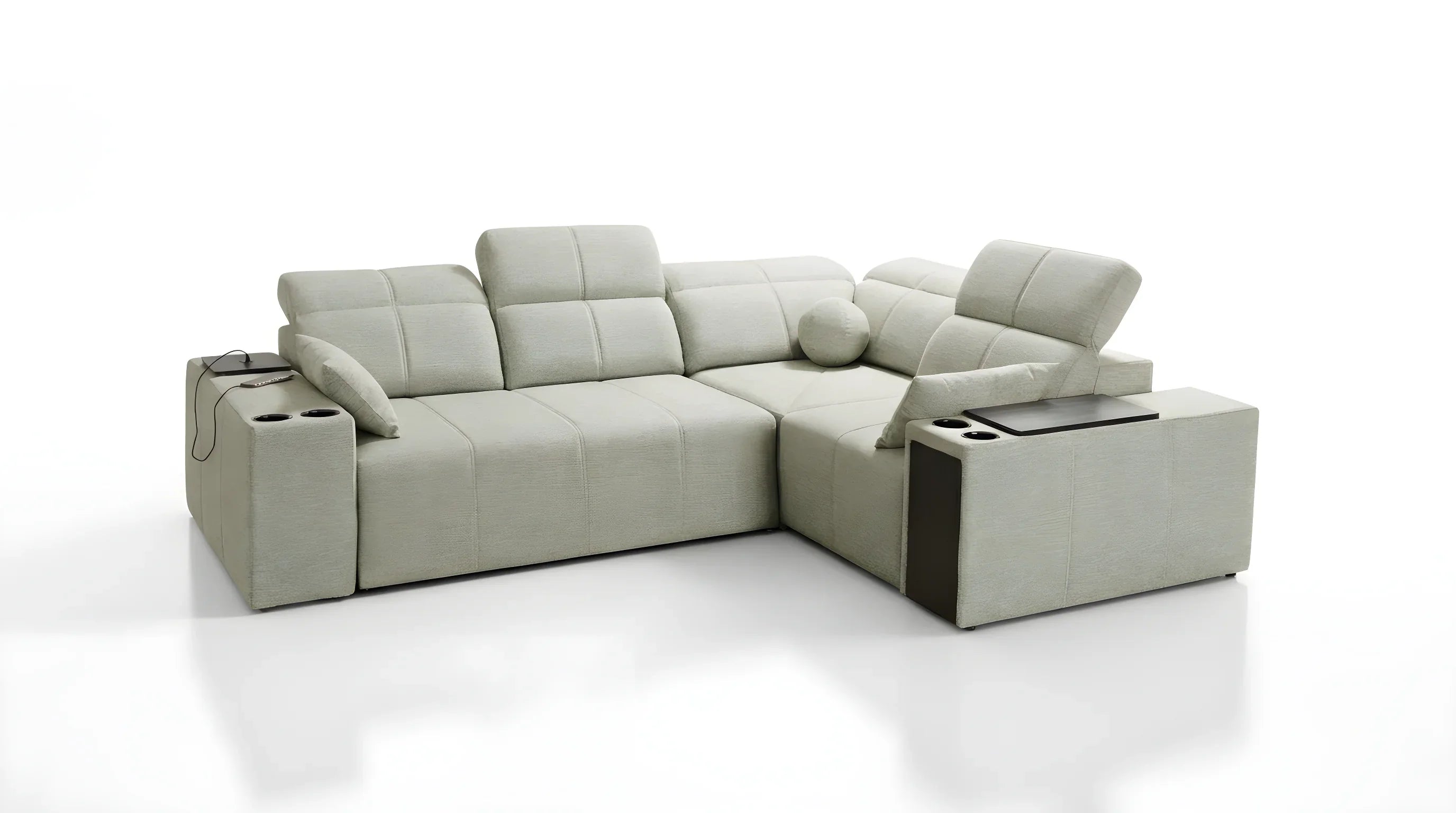
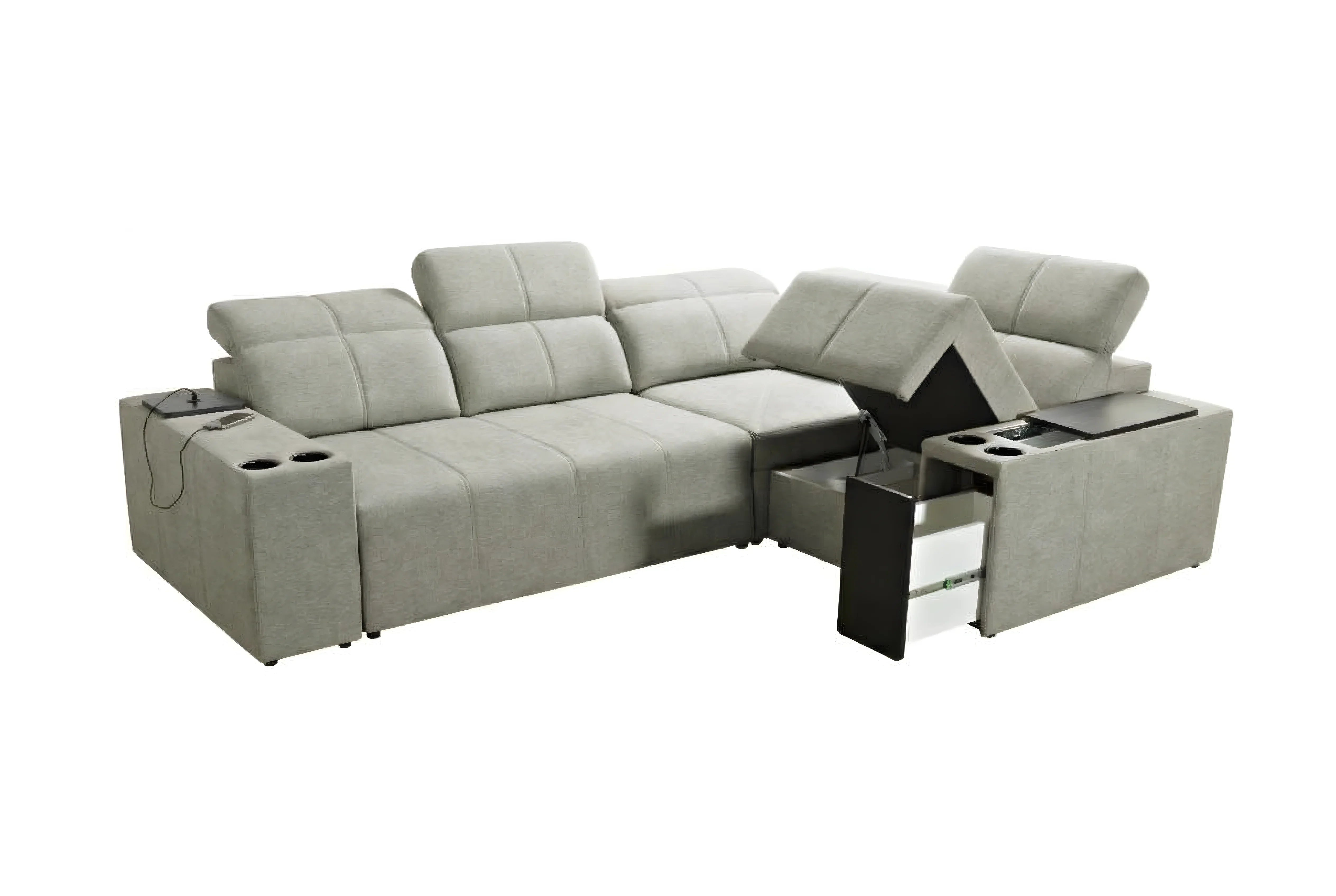
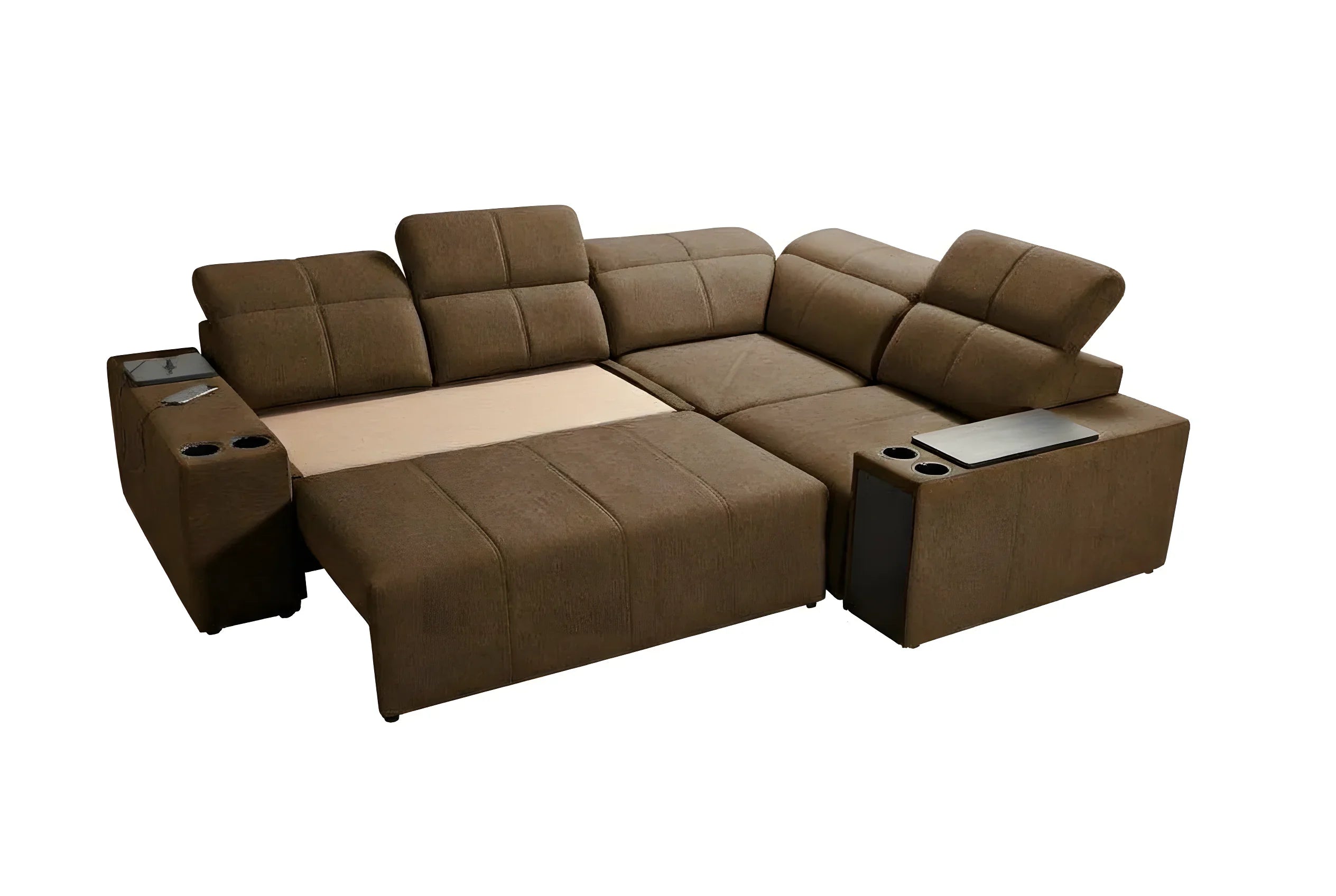
It is this technology that allows us to offer bold designs, such as those in our collection of design sofas, which combine visually soft, airy lines with unfailing structural robustness.
How to choose according to your body type and habits?
Now that you master the theory between kg/m3 and kPa, how do you apply it to your purchase? The choice of comfort is subjective, but it follows morphological rules.
The Weight / Density ratio
The heavier the user, the higher the foam density must be to avoid premature sagging.
- For a light build (under 70kg): A density of 30-35 kg/m3 is largely sufficient, with a medium firmness.
- For a medium to heavy build (over 80kg): It is recommended to aim for a minimum density of 35 kg/m3, ideally 40 kg/m3. Be careful, this does not mean that the sofa should be hard as stone, but that the material should be dense to withstand pressure.
Usage determines firmness
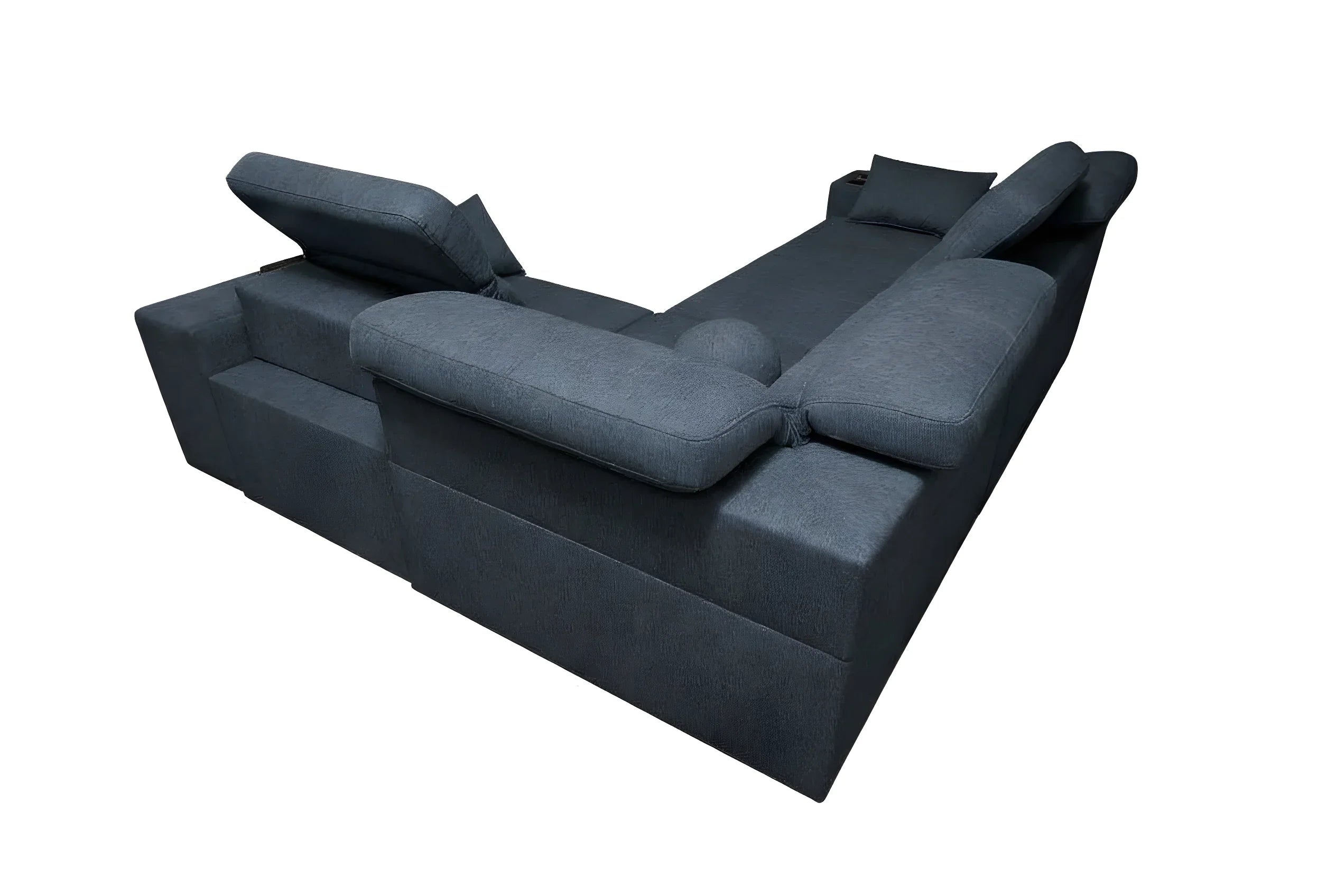
How you live in your living room dictates the need for kPa. If you use your sofa mainly for aperitifs, discussions, or teleworking, favor higher firmness (tonic support) which makes it easier to stand up and keeps the back straight. Conversely, if your living room is a "cinema" space where you spend hours lying down, lower firmness with high density (soft welcome) will be much more pleasant, reducing pressure points. Our models of panoramic sofas often offer this type of "lounge" comfort inviting relaxation.
FAQ: Expert answers on comfort
What is the ideal density for a durable sofa?
To guarantee a lifespan of more than 7 years without notable sagging, the ideal density of the seat is between 35 kg/m3 and 45 kg/m3. Below 30 kg/m3, the sofa is likely to mark quickly. For the backrest, a lower density (20-25 kg/m3) is acceptable because it supports less weight.
Is a firm sofa necessarily of better quality?
No, this is a misconception. Firmness (in kPa) is a comfort preference, not a sign of quality. A sofa can be very hard but made with a low-density foam that will collapse quickly. True quality is measured by density (kg/m3) and foam resilience, whether soft or firm.
What is the difference between Polyether and High Resilience (HR)?
Polyether is a closed-cell foam, often cheaper, with low elasticity and generally low density (less than 25 kg/m3). High Resilience (HR) foam is cold-made with an open-cell structure, offering better ventilation, higher density (often >35 kg/m3) and superior ability to regain its shape.
How do you know if the announced density is real?
The best method is to weigh the seat cushion if it is removable. A high volumic mass foam is surprisingly heavy. If the cushion feels "full of air" and very light, the density is probably low. Also rely on the detailed technical sheets of transparent manufacturers like Kings Canapé.
Conclusion: Technical excellence at the service of your well-being
As you will have understood, the secret to a sofa that crosses the years without aging lies in this subtle equation: favor high density for longevity, while choosing the firmness suited to your personal sensations. Never sacrifice kg/m3 for a low price, because the premature replacement of your furniture would cost you much more. At Kings Canapé, we have chosen transparency and excellence by systematically integrating high-resilience foams into our structures. Because we believe that design should never be at the expense of durability, we offer you the solid foundation needed to build your most comfortable moments of life.




Leave a comment
This site is protected by hCaptcha and the hCaptcha Privacy Policy and Terms of Service apply.