


How to arrange a small living room so it appears larger
A small living room is not a constraint; it's a playground. Well arranged, a 12 to 18 m² living room can appear as spacious as a poorly organized 25 m² room. The key: work on the lighting, choose the right sofa, and give up what takes up too much space. Here are the practical methods we apply for our customers to transform a compact living room into an open and breathable space.
Table of contents
- Why a small living room is a genuine layout challenge
- The 4 visual rules to enlarge the space without touching the walls
- Choosing the right sofa for a small living room (and avoiding the classic trap)
- Layout and circulation: the 70 cm rule
- Complementary furniture: multiplying functions, not pieces
- Common mistakes that shrink a small living room
- Conclusion: a well-arranged small living room is worth more than an empty large one

1. Why a small living room is a genuine layout challenge
The term "small living room" is often associated with "compromise": you would have to choose between comfort, storage, and aesthetics. In reality, a well-thought-out small living room is easier to furnish than a large one because it forces you to make choices. And when those choices are the right ones, they create an interior that is clearer, cozier, and easier to live with daily.
The classic trap is buying a sofa that is too big "because you host guests"—and ending up with a living room where you can barely move. Or conversely, buying a sofa that is too small "to save space"—and ending up with an uncomfortable seat and a mismatched look. The successful layout of a small living room lies in the balance between the two.
"A well-arranged small living room always appears larger than a poorly furnished large one." — Paola, layout advisor
2. The 4 visual rules to enlarge the space without touching the walls
Before even choosing the sofa, four visual levers transform the perception of a small living room. These are the same principles used by interior architects and interior photographers to make a space appear larger than it actually is.
Natural light first
Clear the windows as much as possible. No heavy curtains, no furniture in front, no sofas blocking the light. If you need privacy, opt for lightweight voile curtains or filtering blinds that let light through while softening the line of sight. The more natural light your living room receives, the larger it will appear.
Light tones on the walls and ceiling
Cream white, beige, pale gray, soft sky blue: all these tones reflect light and visually push the walls back. Avoid dark or saturated colors on large surfaces—they absorb light and shrink the space. You can afford a bolder color on a single wall (feature wall), but not on all four.
Mirrors, but placed smartly
A large mirror opposite a window virtually doubles the light. A mirror above the sofa enlarges the wall. But poor placement (mirror facing a blank wall, mirror hung too high) produces no effect. Our recommendation: just one large mirror (minimum 80x120 cm), placed to capture light or a visual focal point.
Verticality: exploit the walls, not the floor
Tall wall shelves, floor-to-ceiling bookshelves, low-hanging pendant lights: everything that draws the eye upward visually enlarges the room. Conversely, low and long furniture spreads the gaze horizontally and makes the space feel smaller.
3. Choosing the right sofa for a small living room (and avoiding the classic trap)
The sofa is the bulkiest piece in a living room. It is also the piece that structures everything else. For a small living room, three selection criteria, in this order of priority.
Size first: measure before buying
The simple rule: your sofa must measure a maximum of 70% of the length of the longest wall in your living room. For a 12 m² living room (3 m x 4 m), that means a maximum 210 cm sofa. For an 18 m² living room (3 m x 6 m), you can go up to 240-260 cm. Beyond that, you block circulation and the space instantly appears smaller.
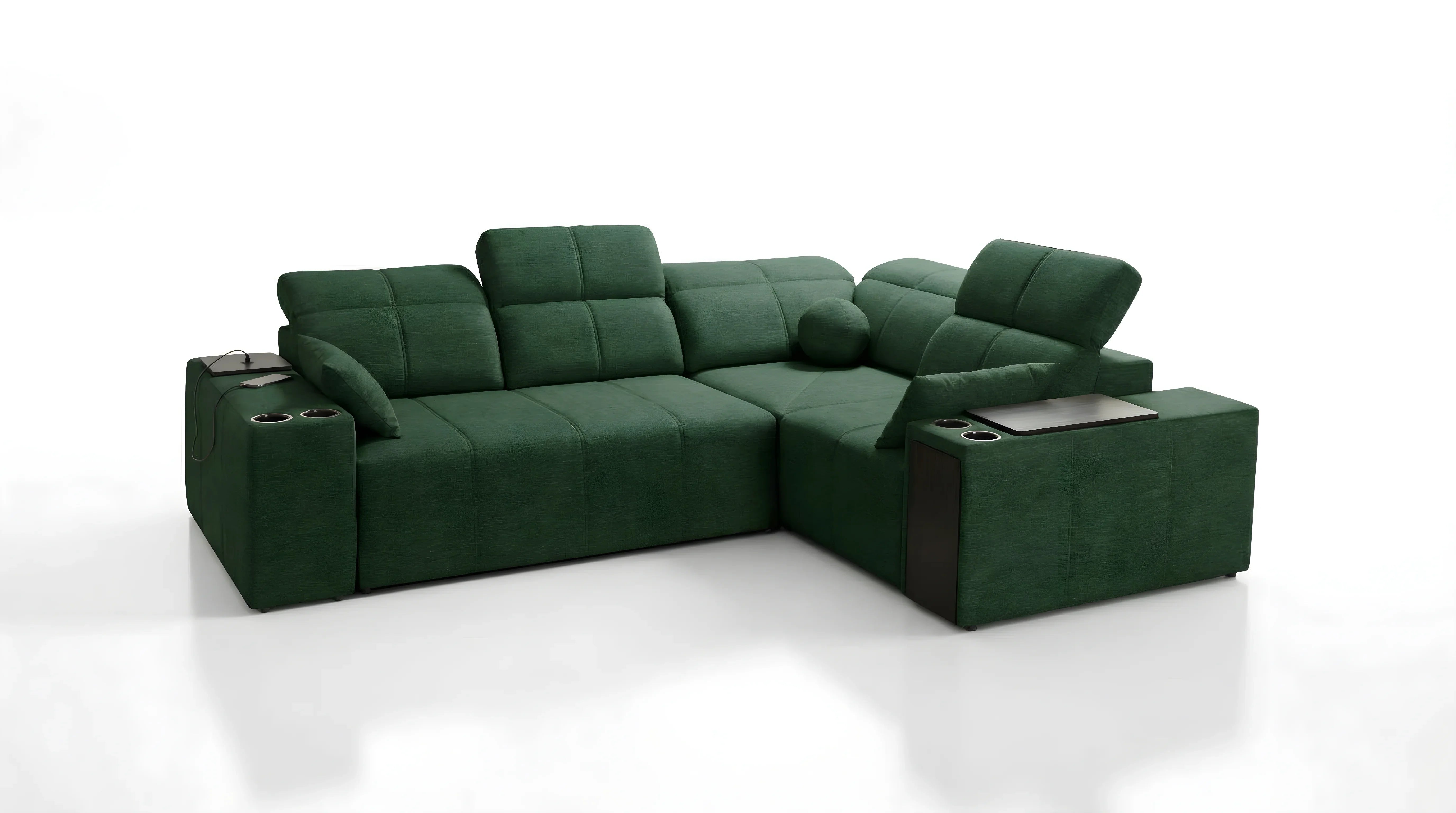
Configuration: straight rather than corner or panoramic
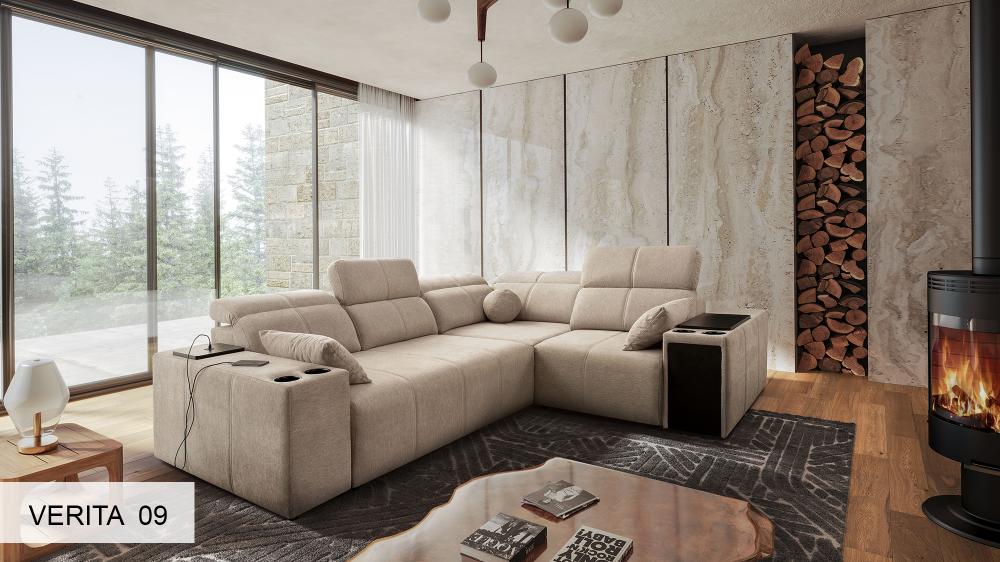
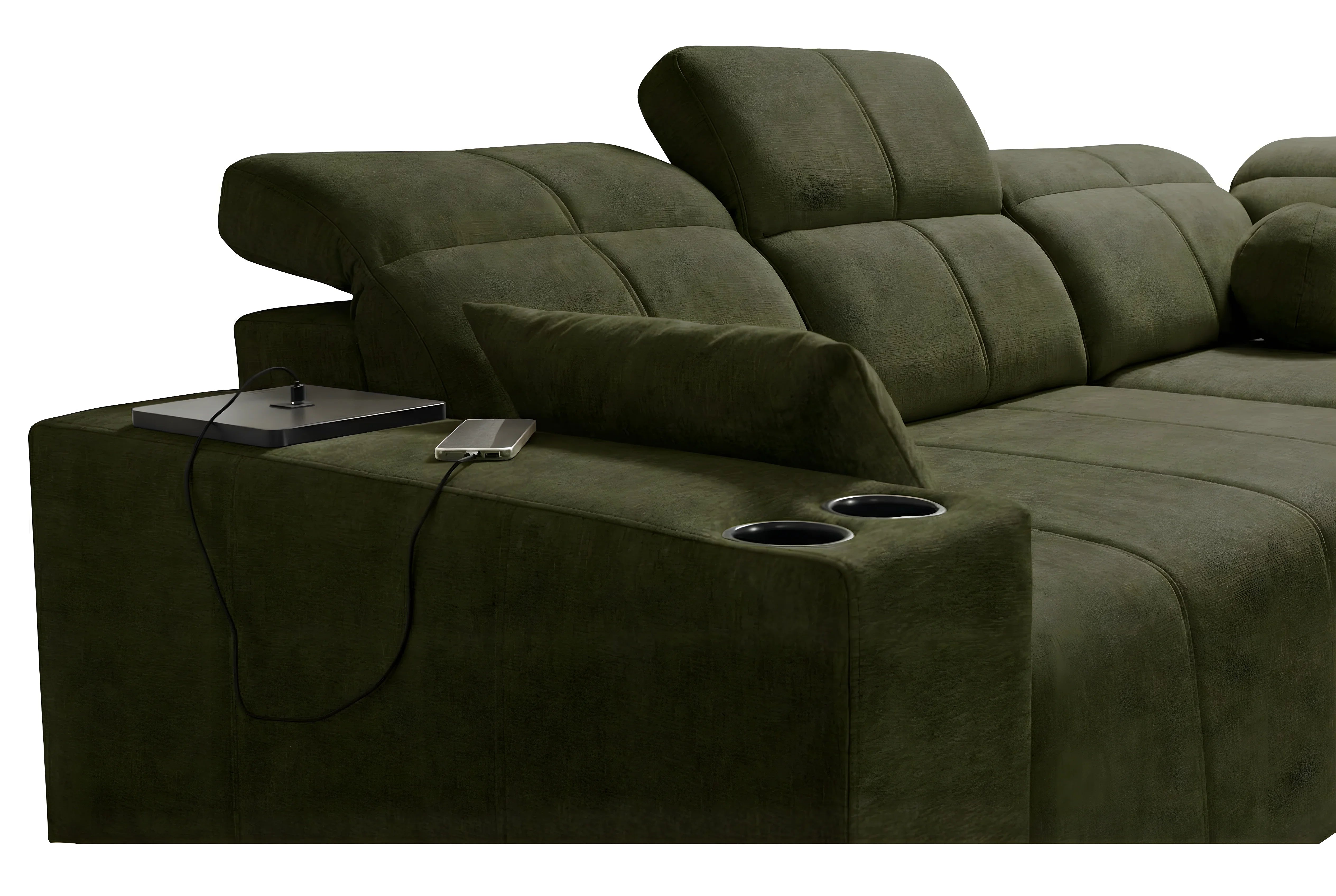
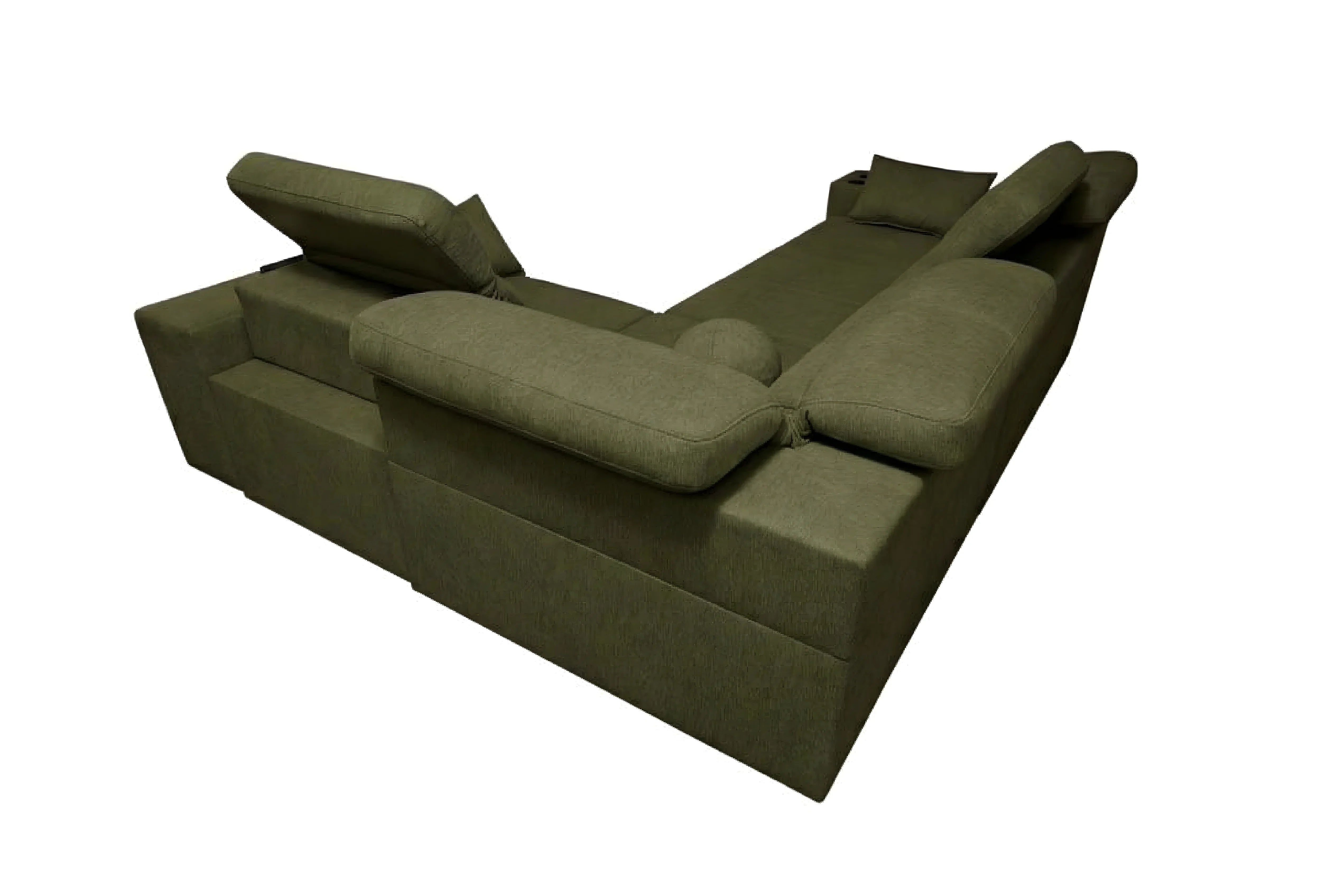
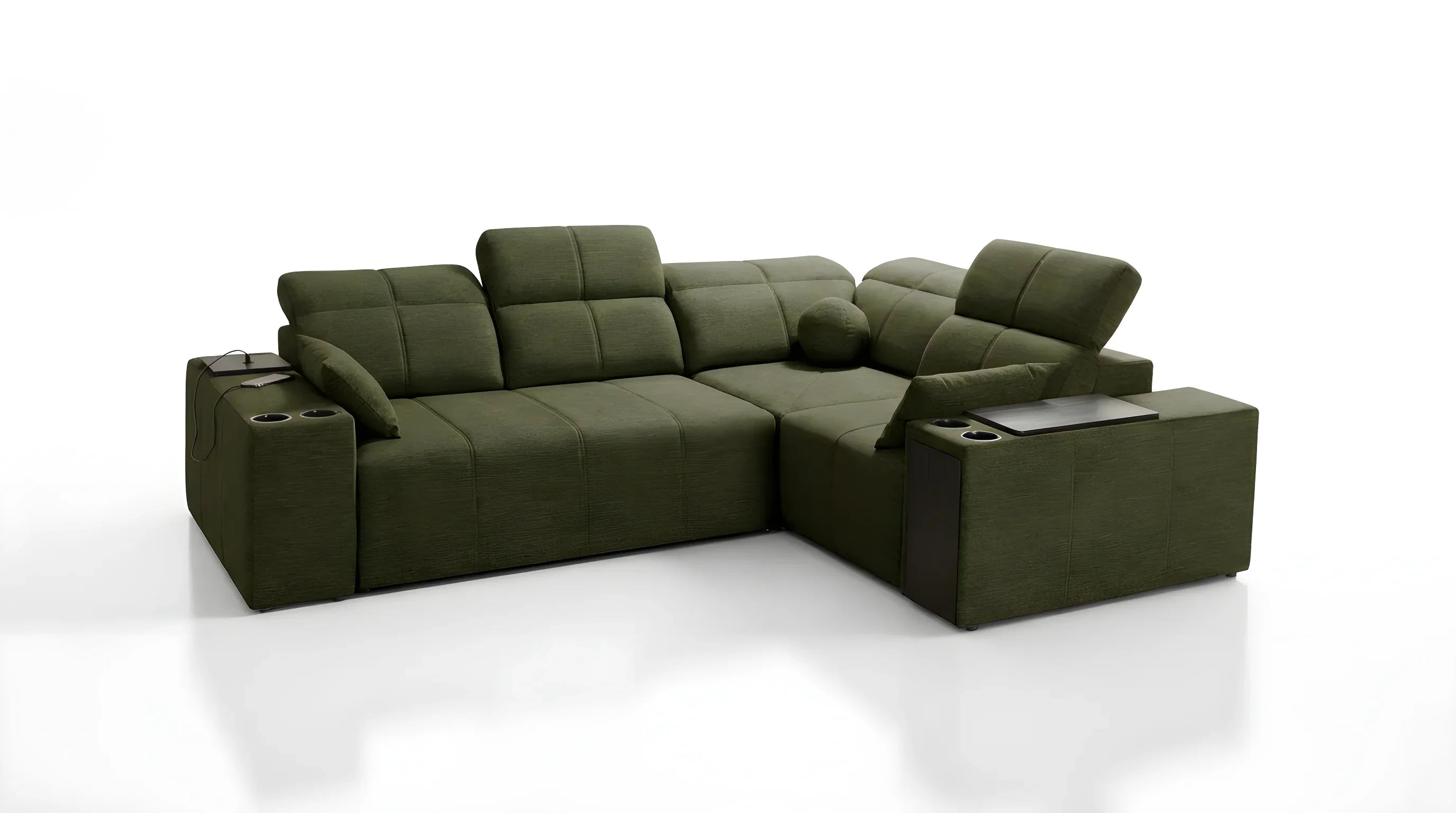
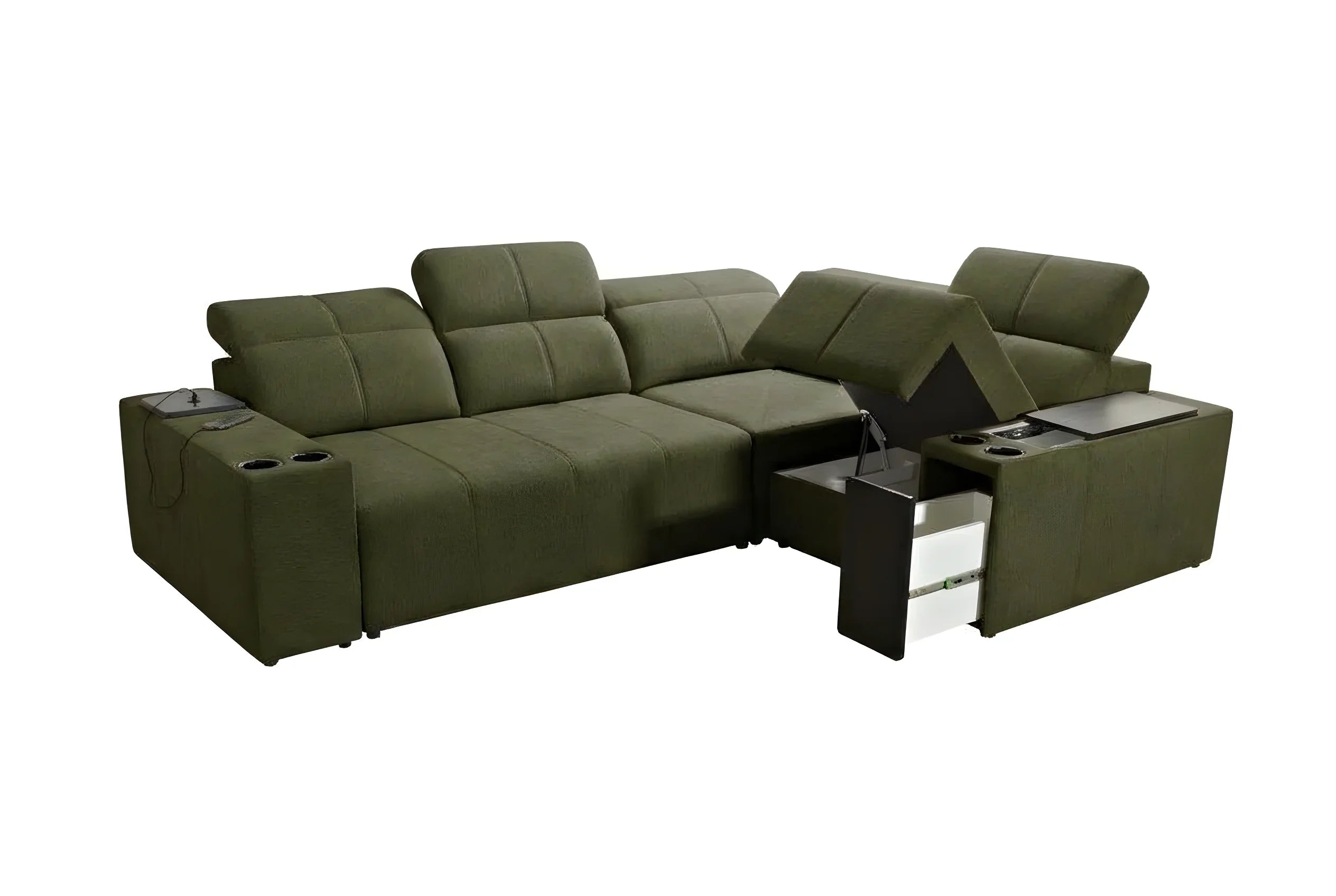
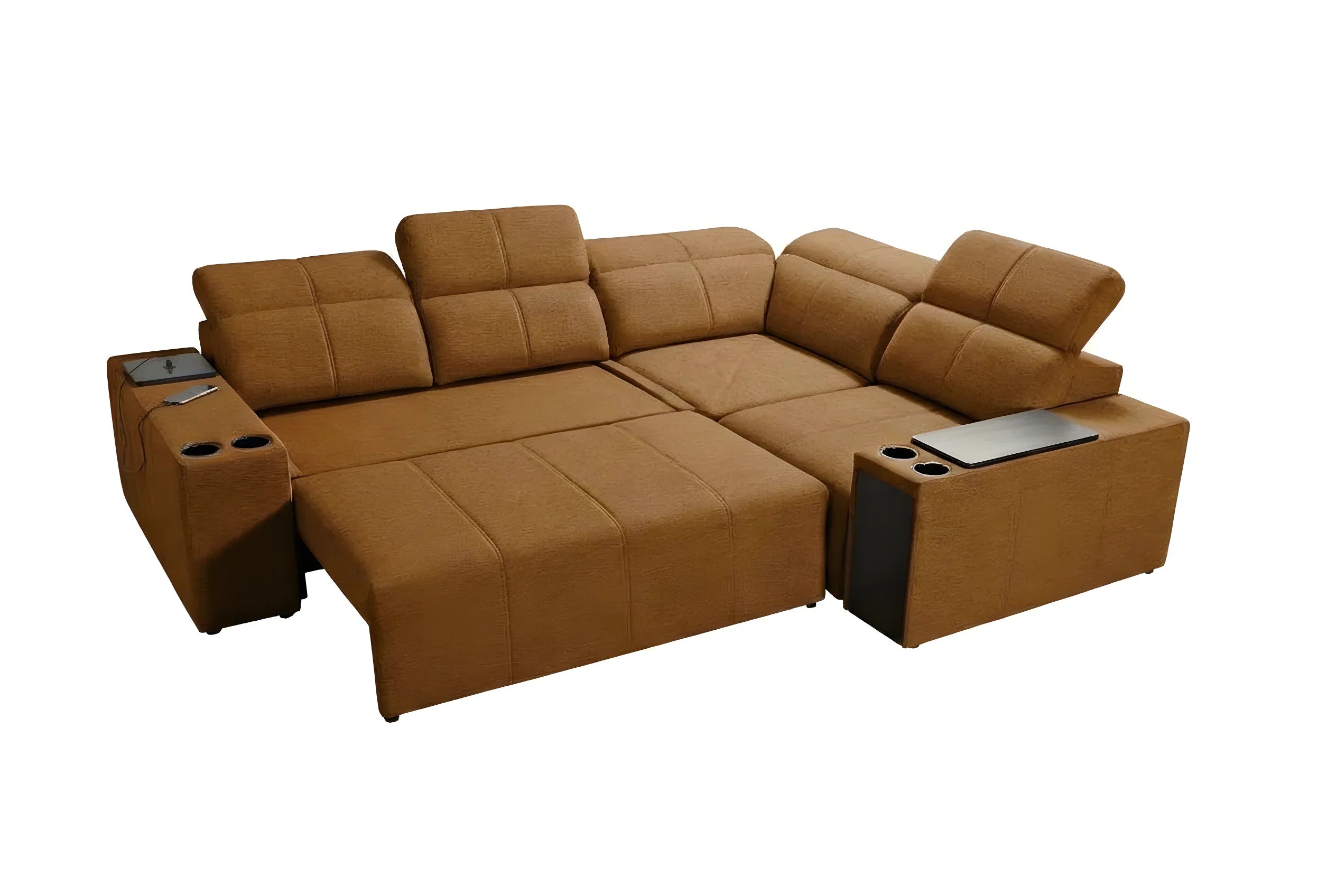
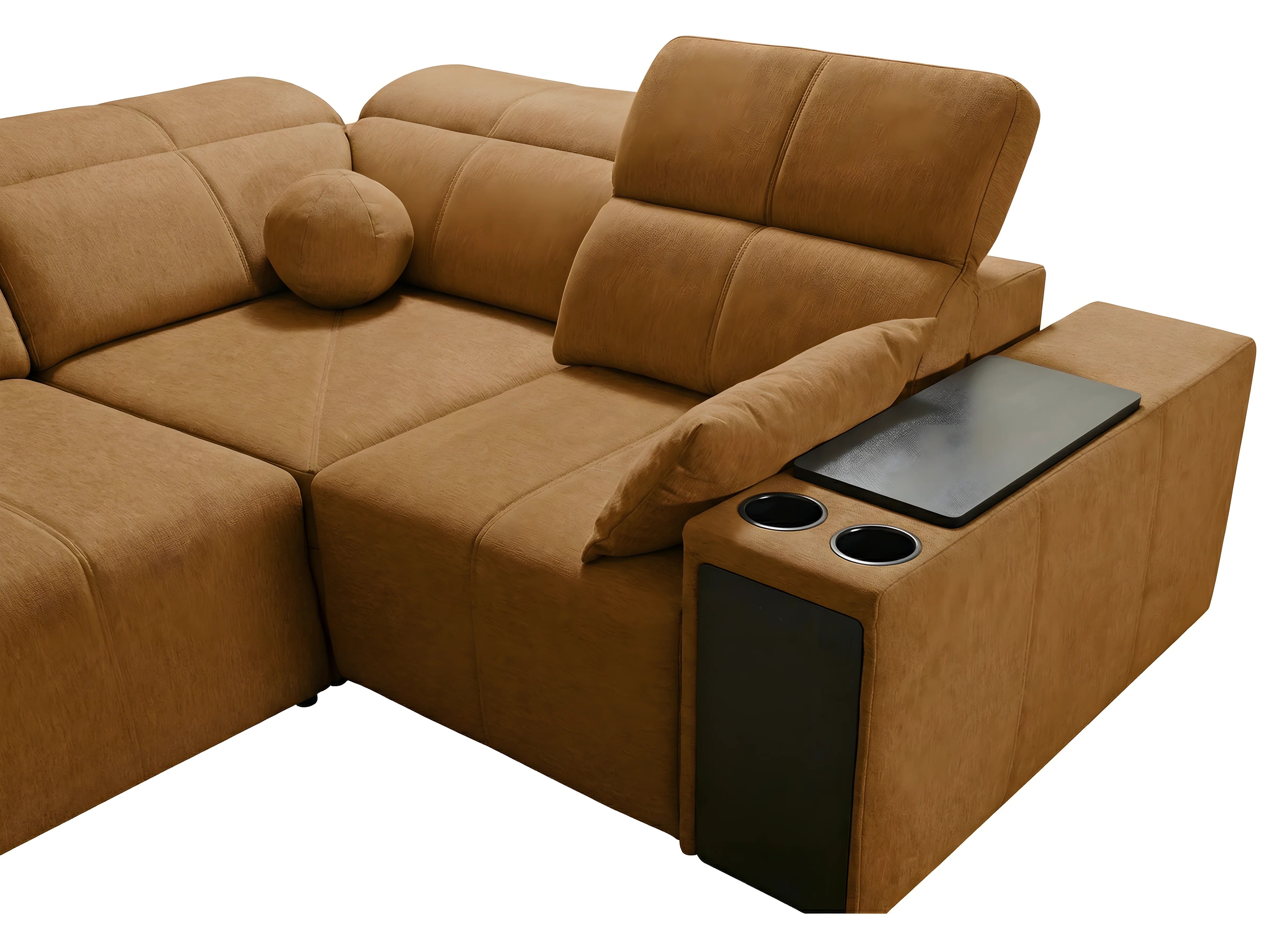
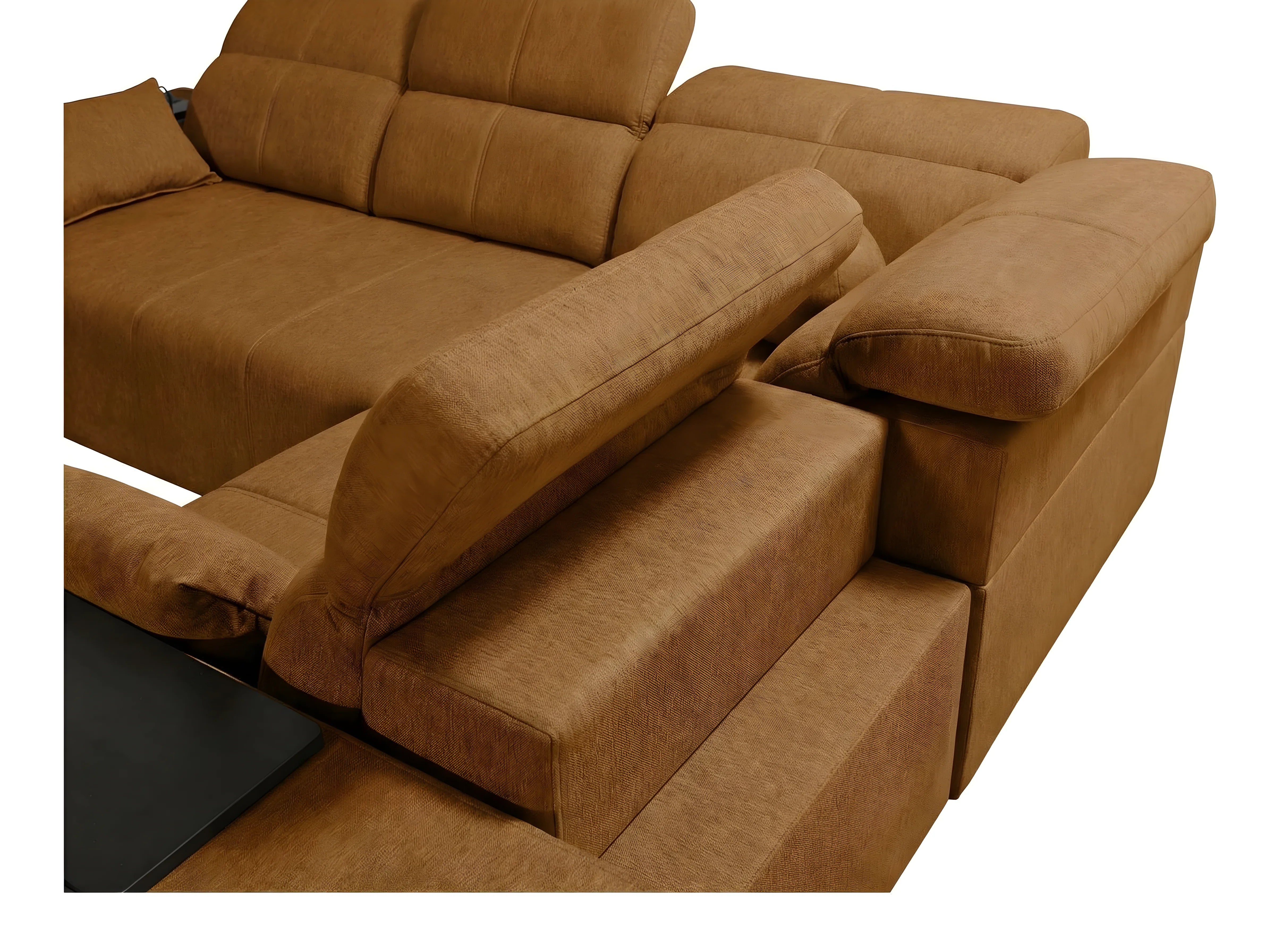
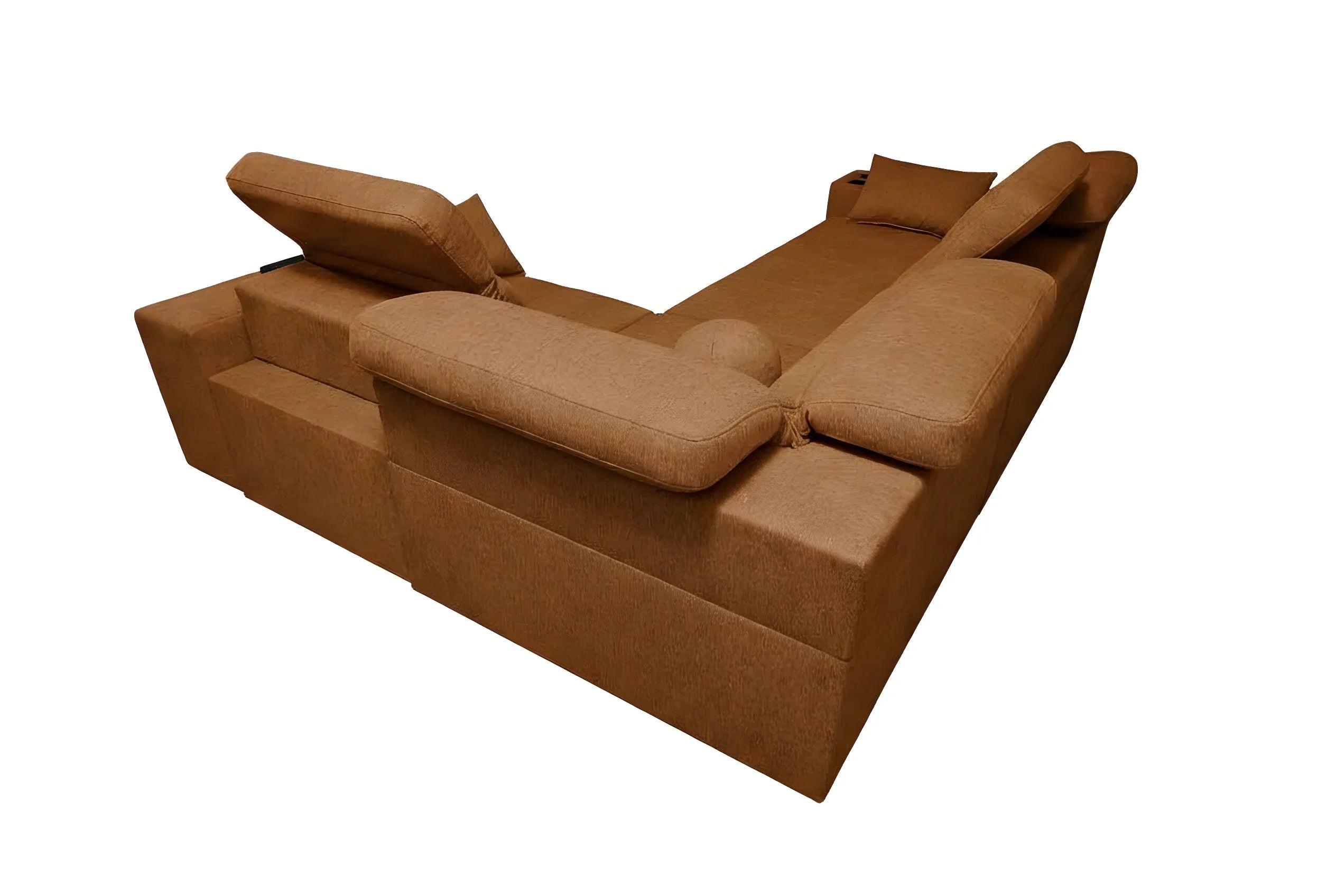
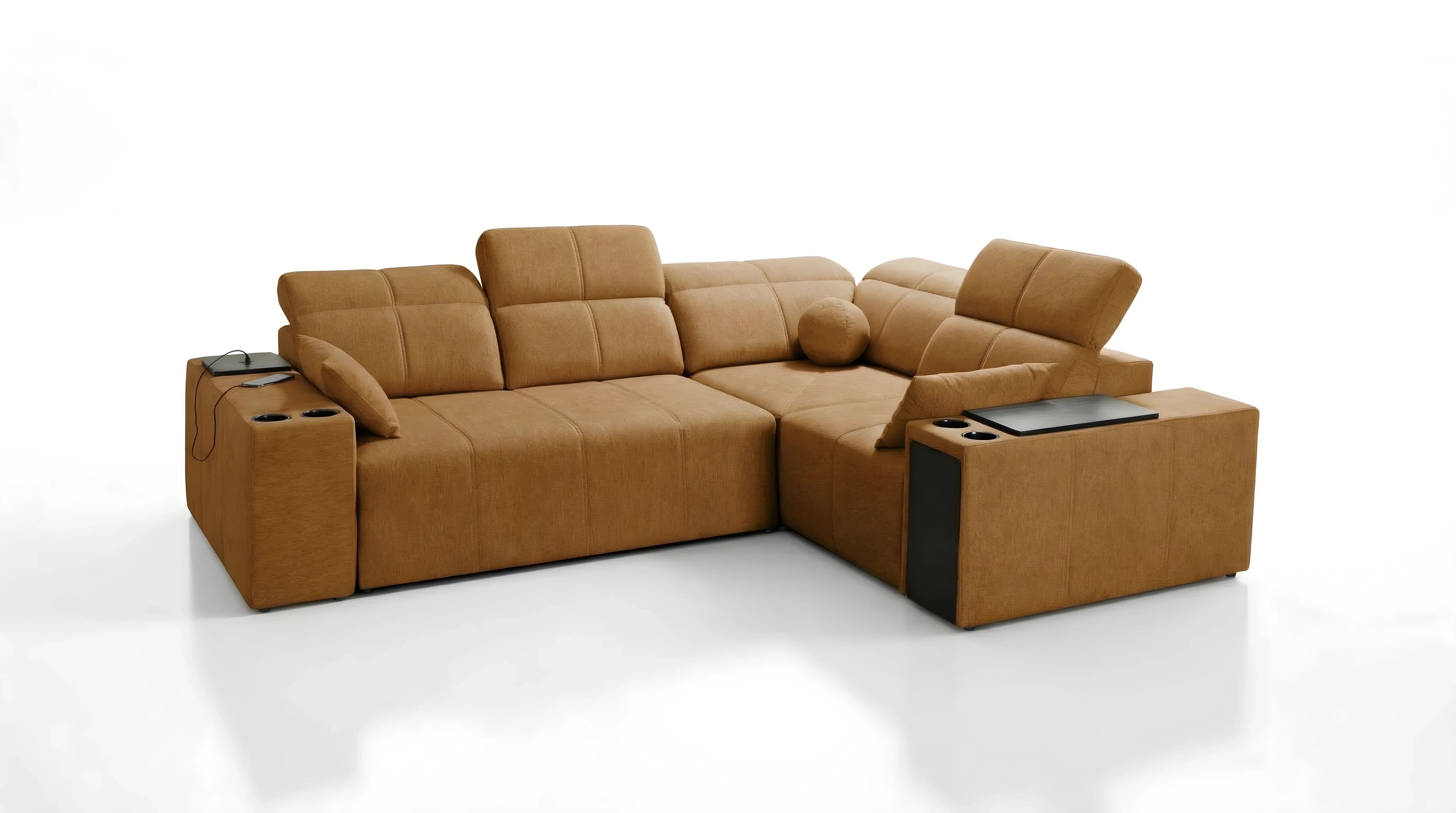
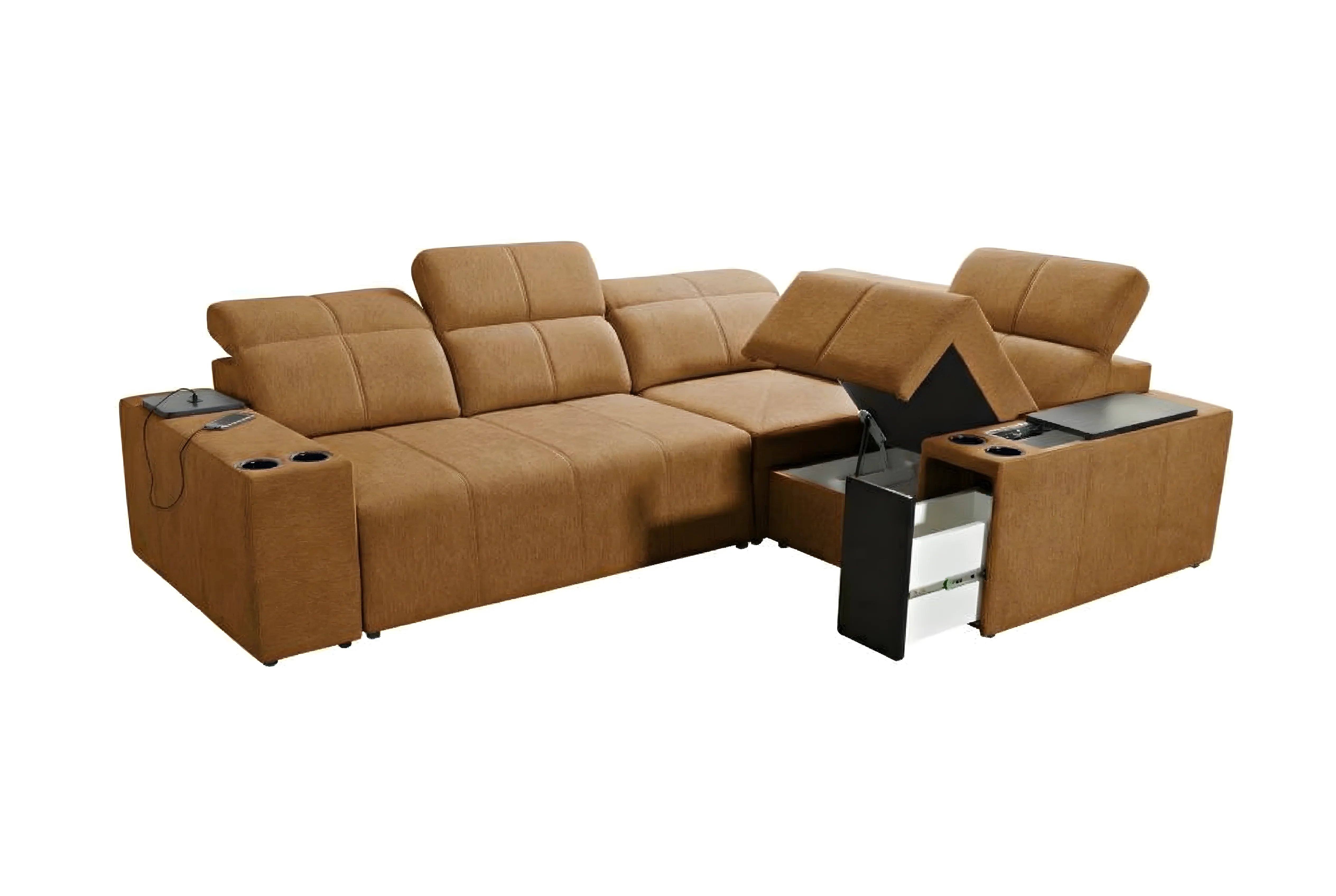
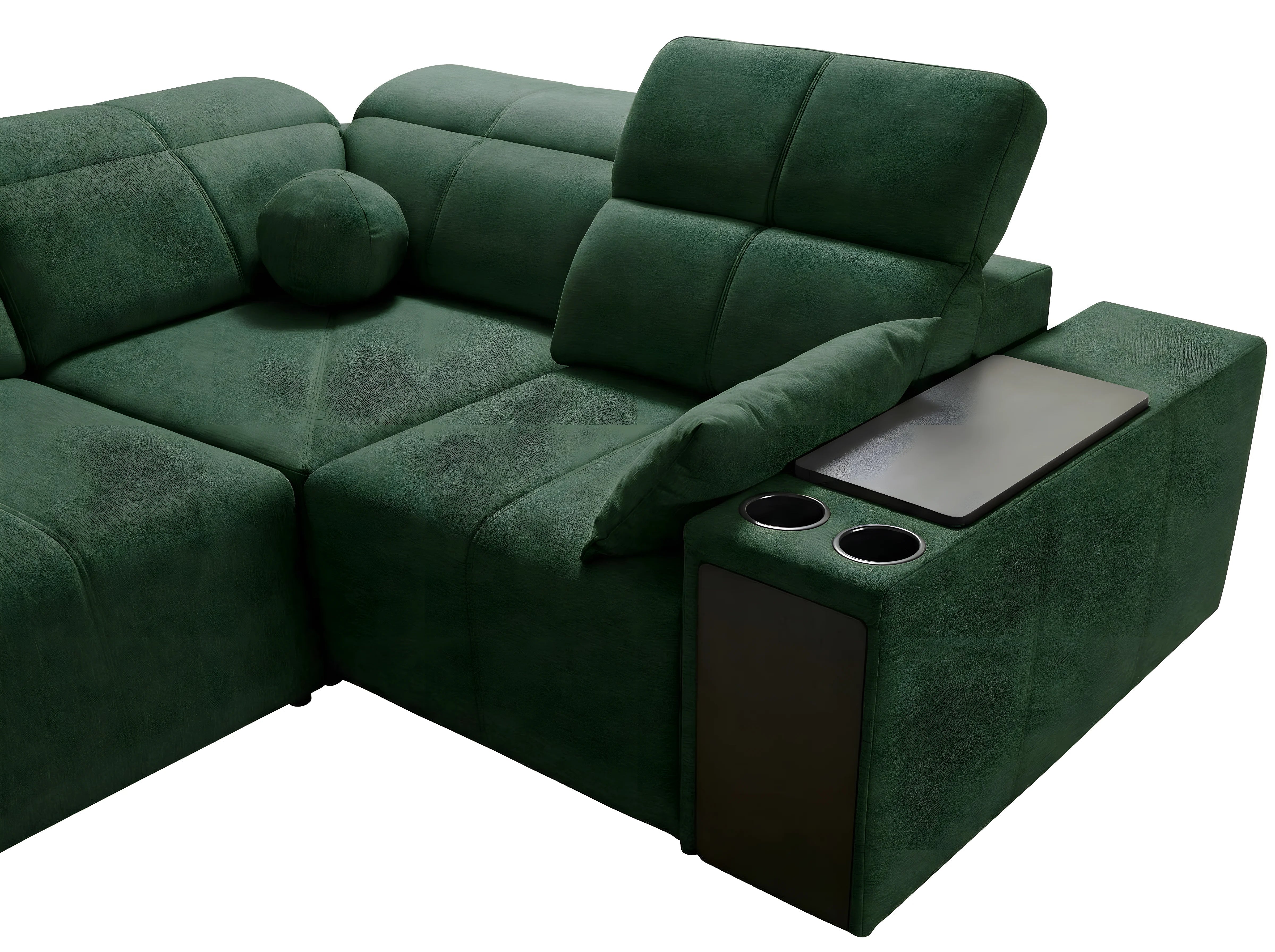
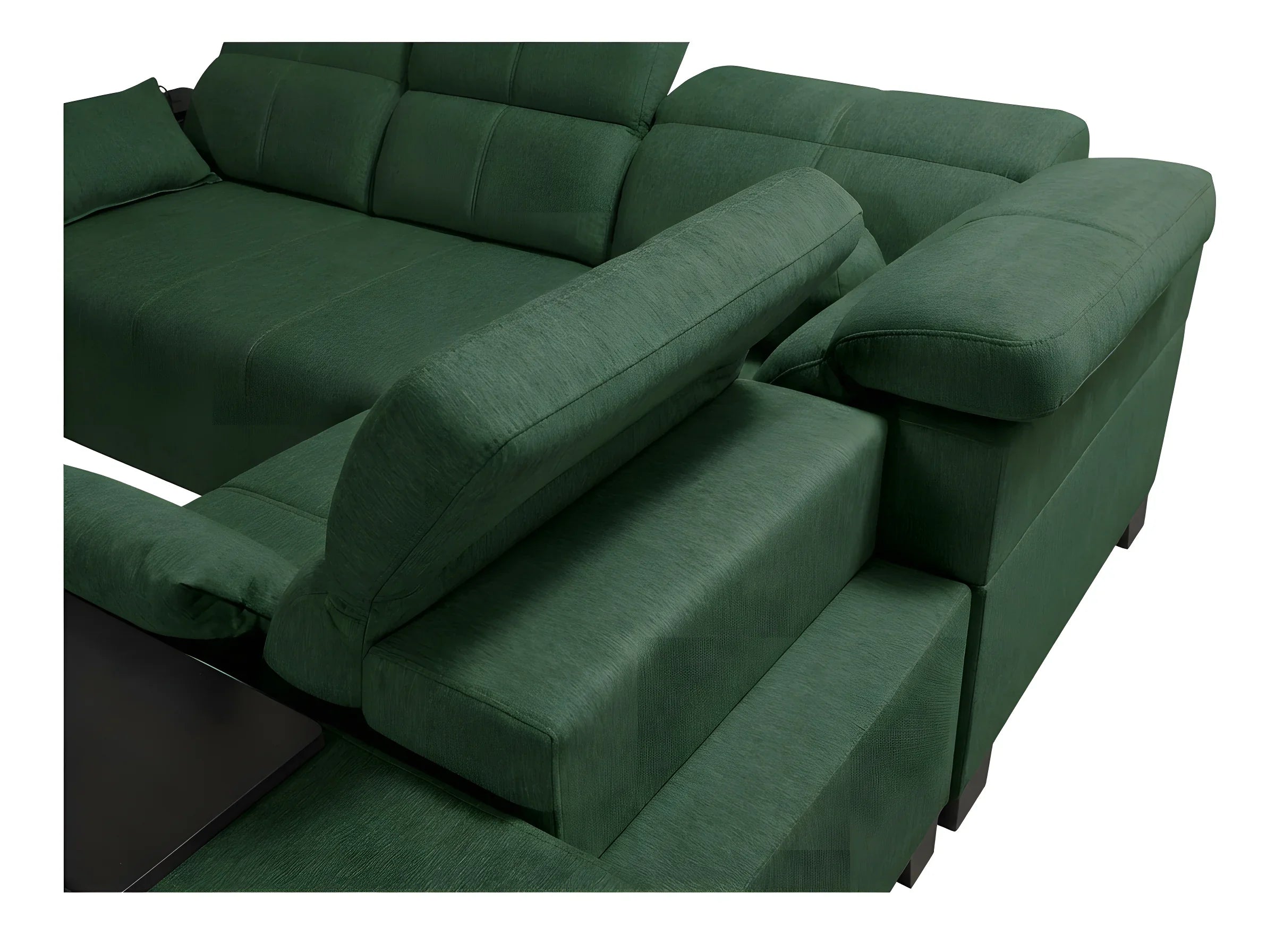
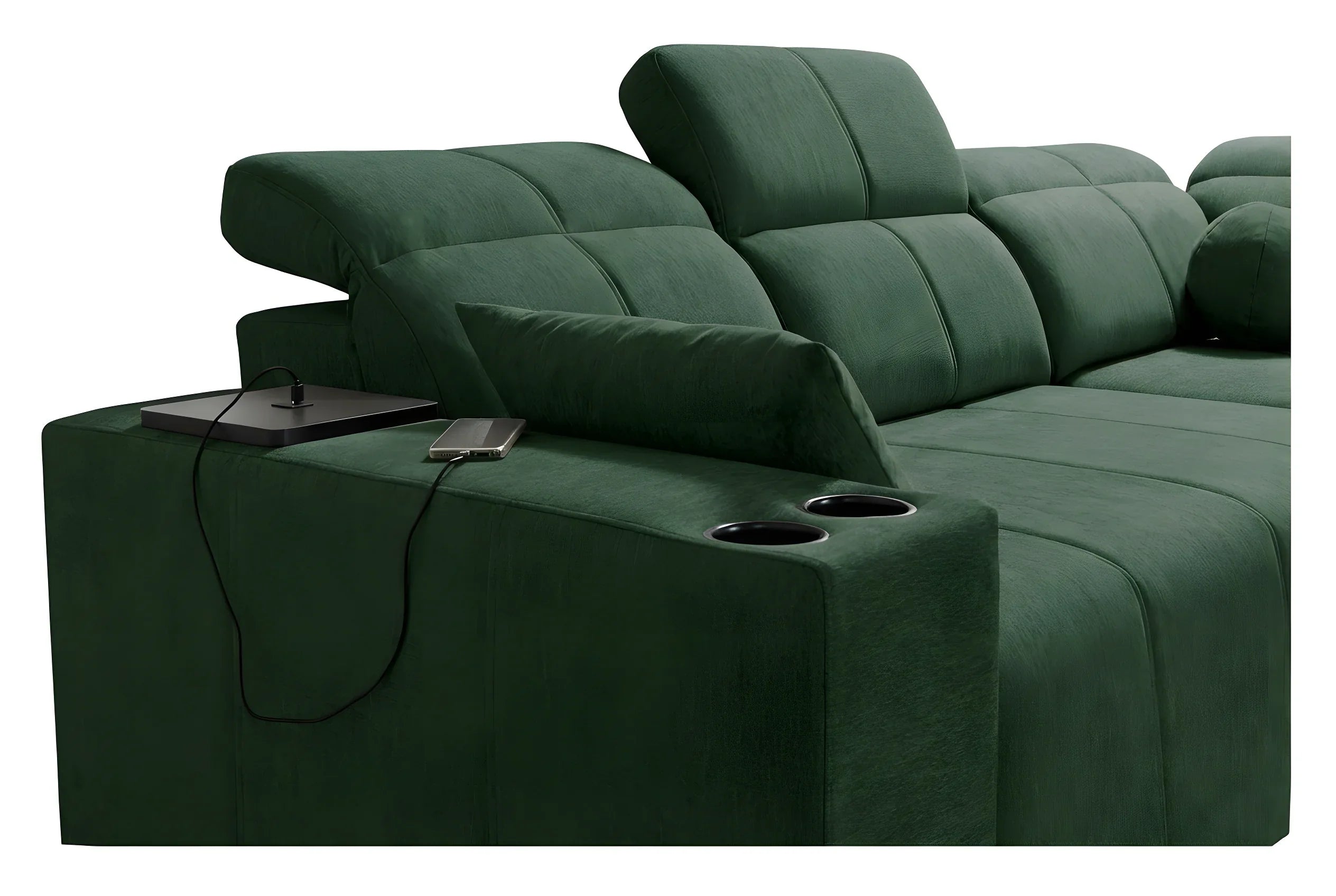
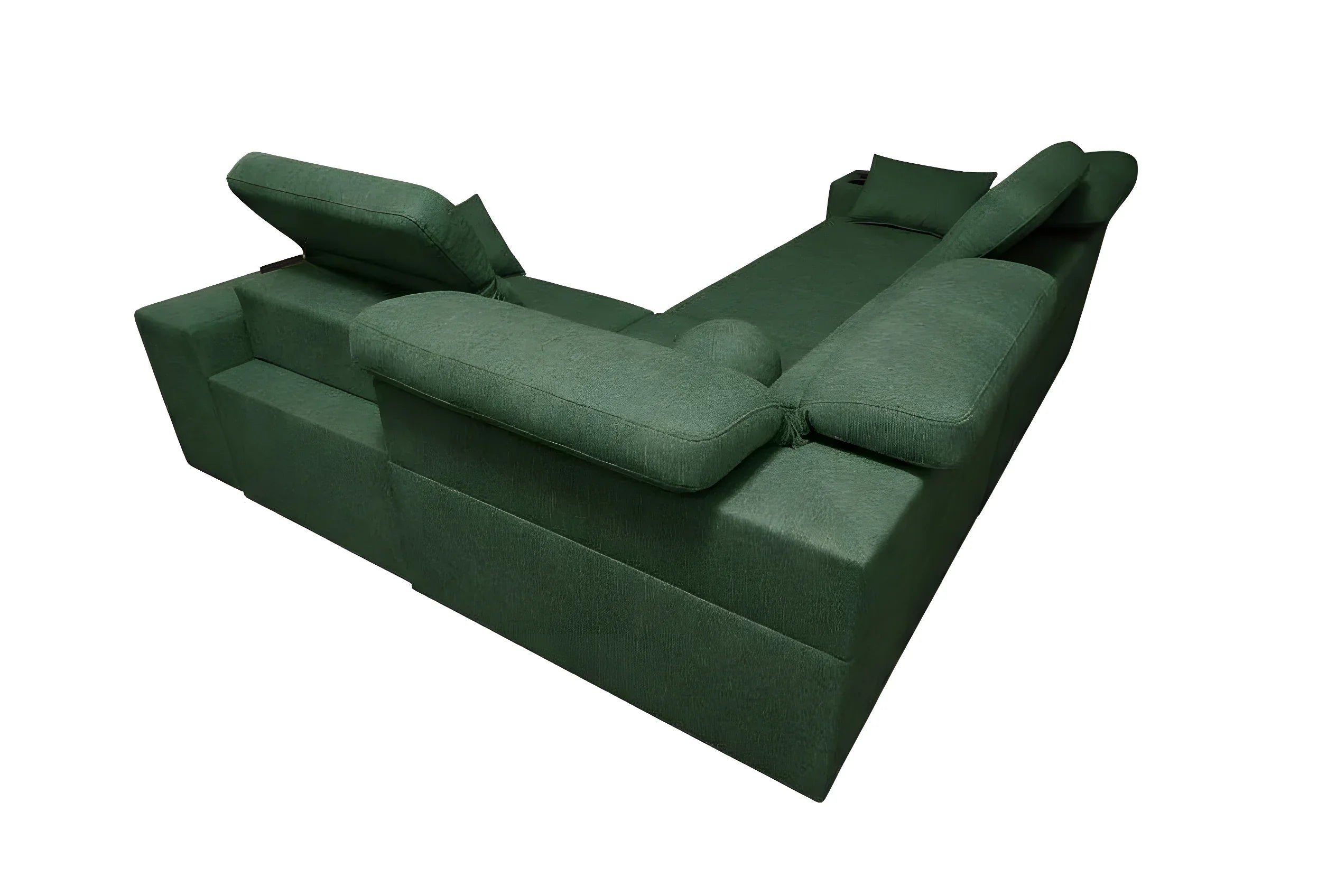
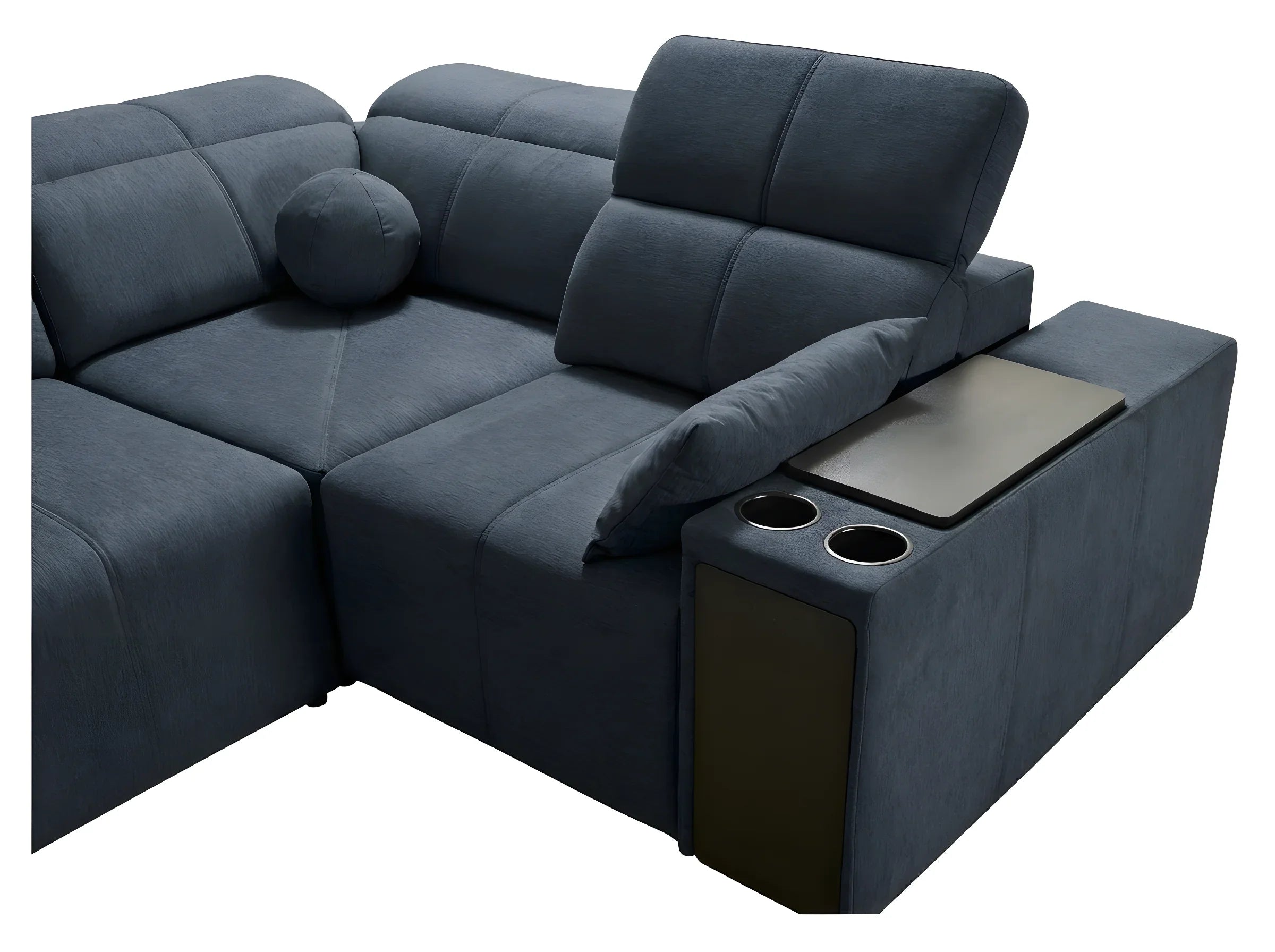
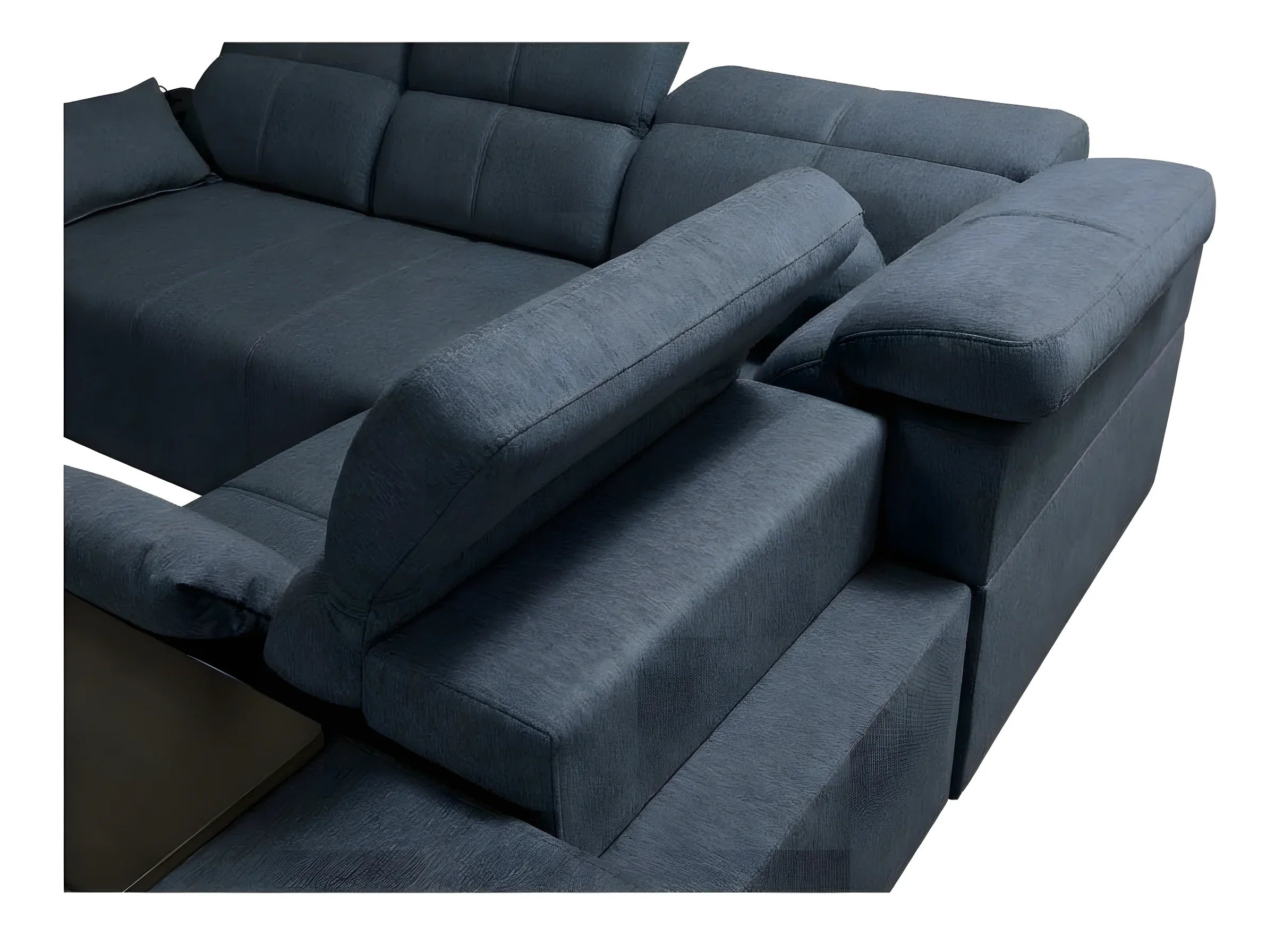
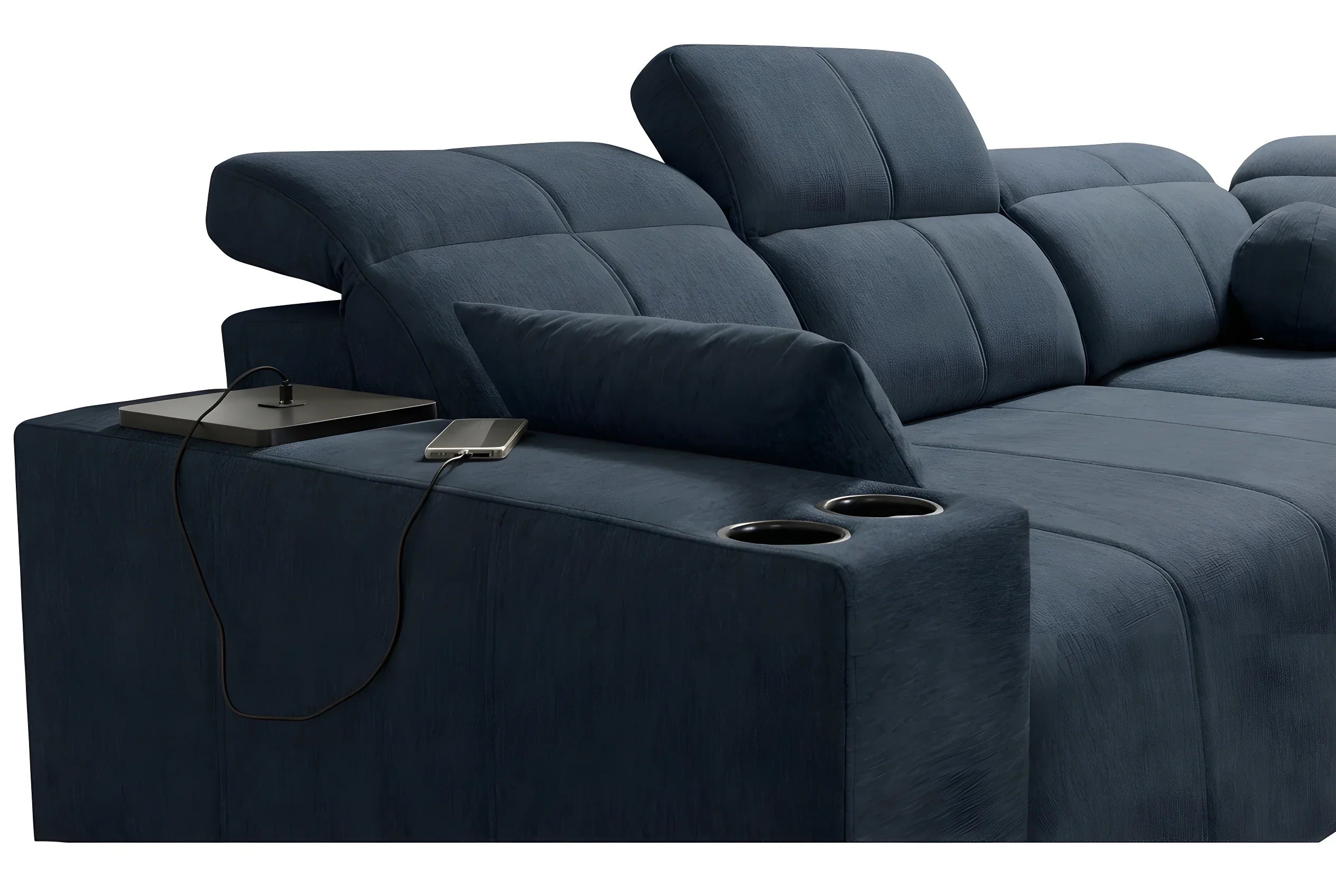
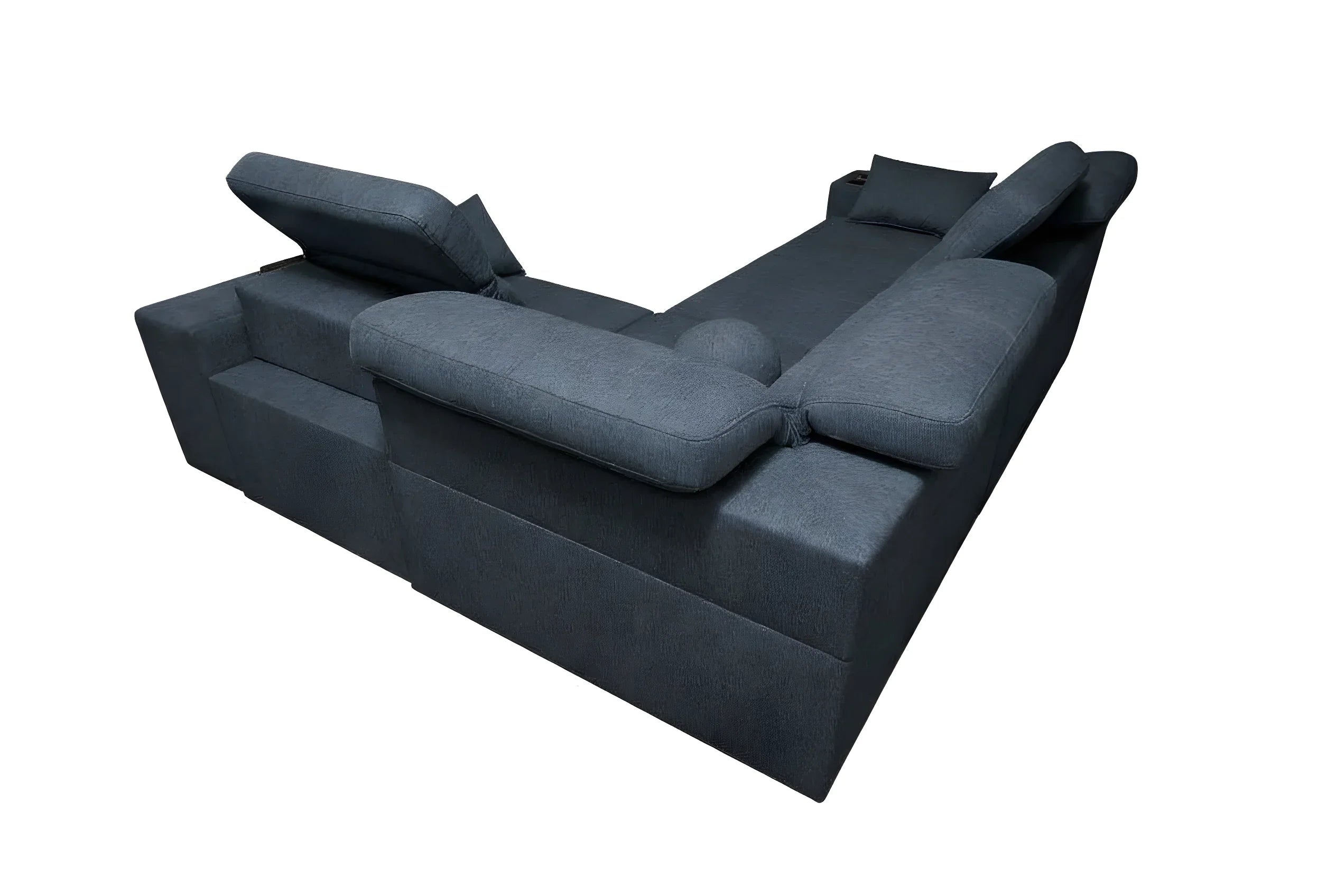
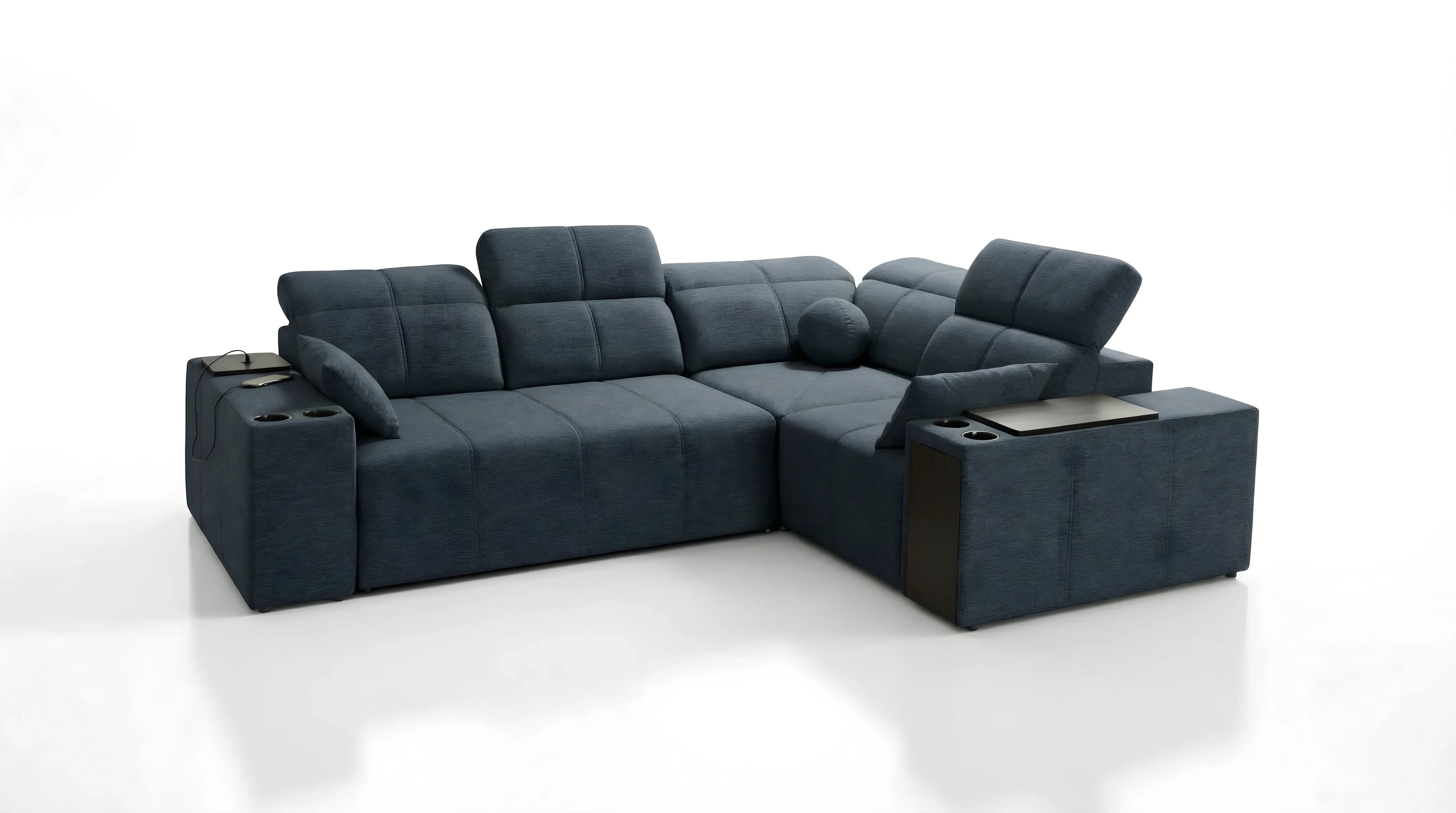
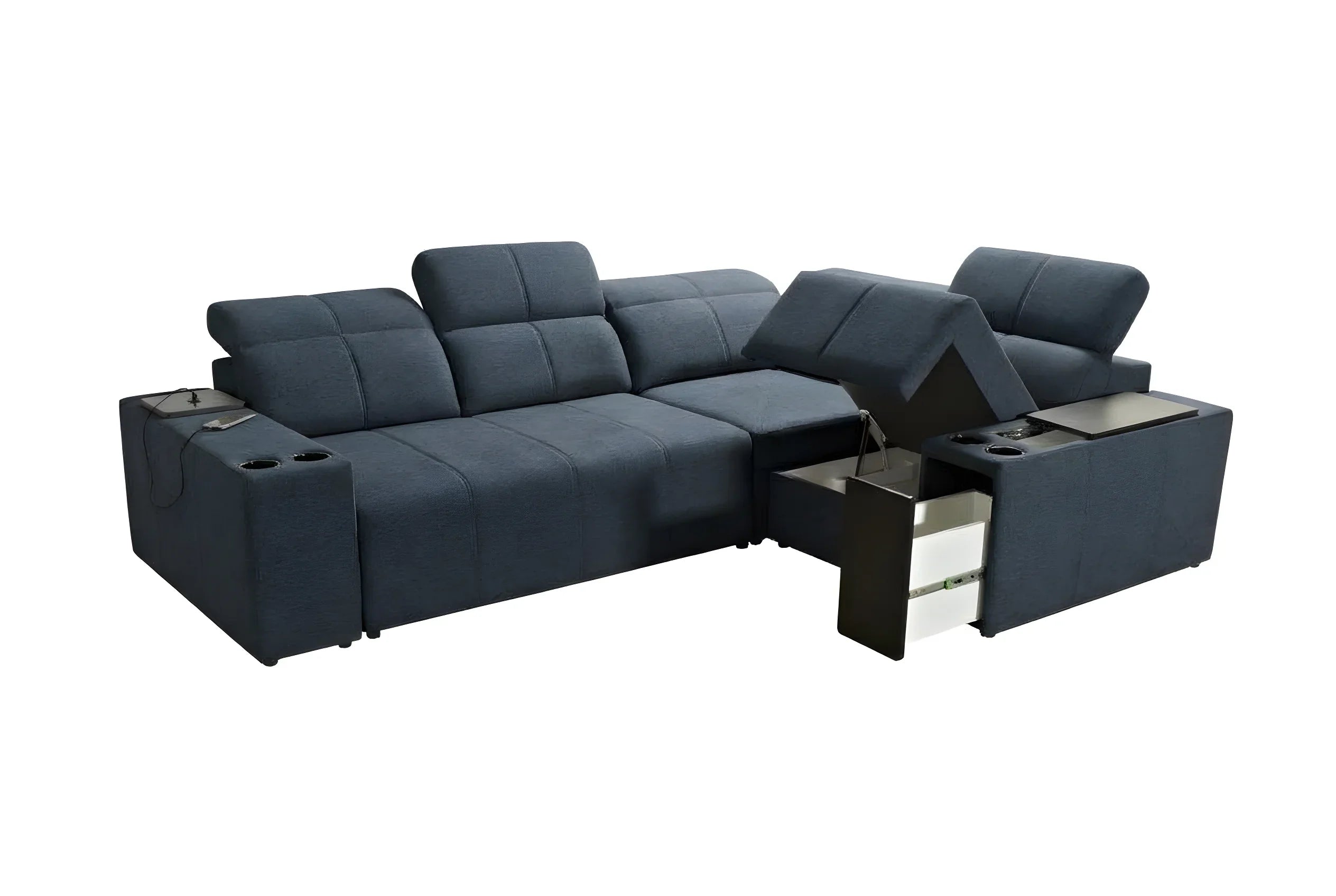
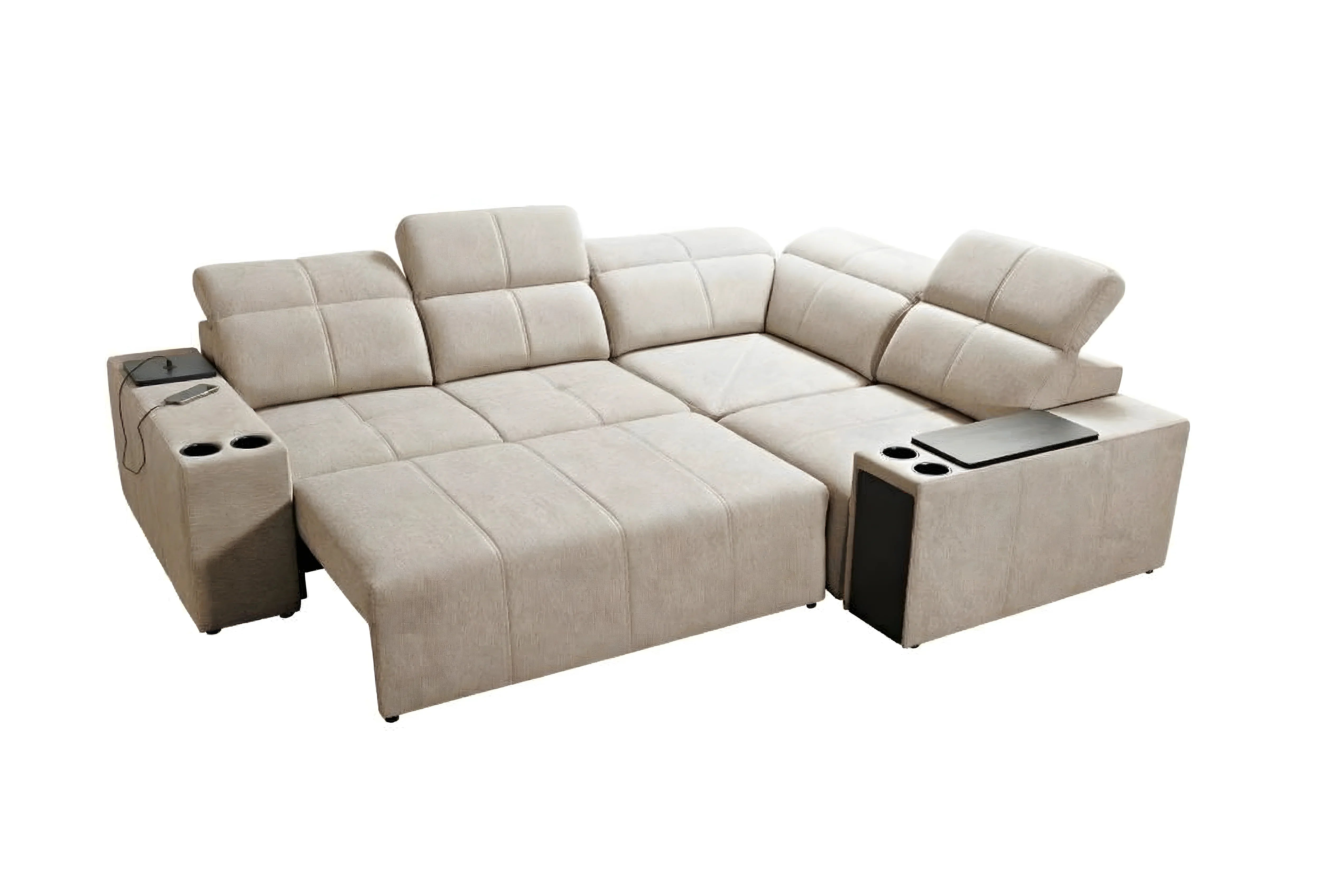
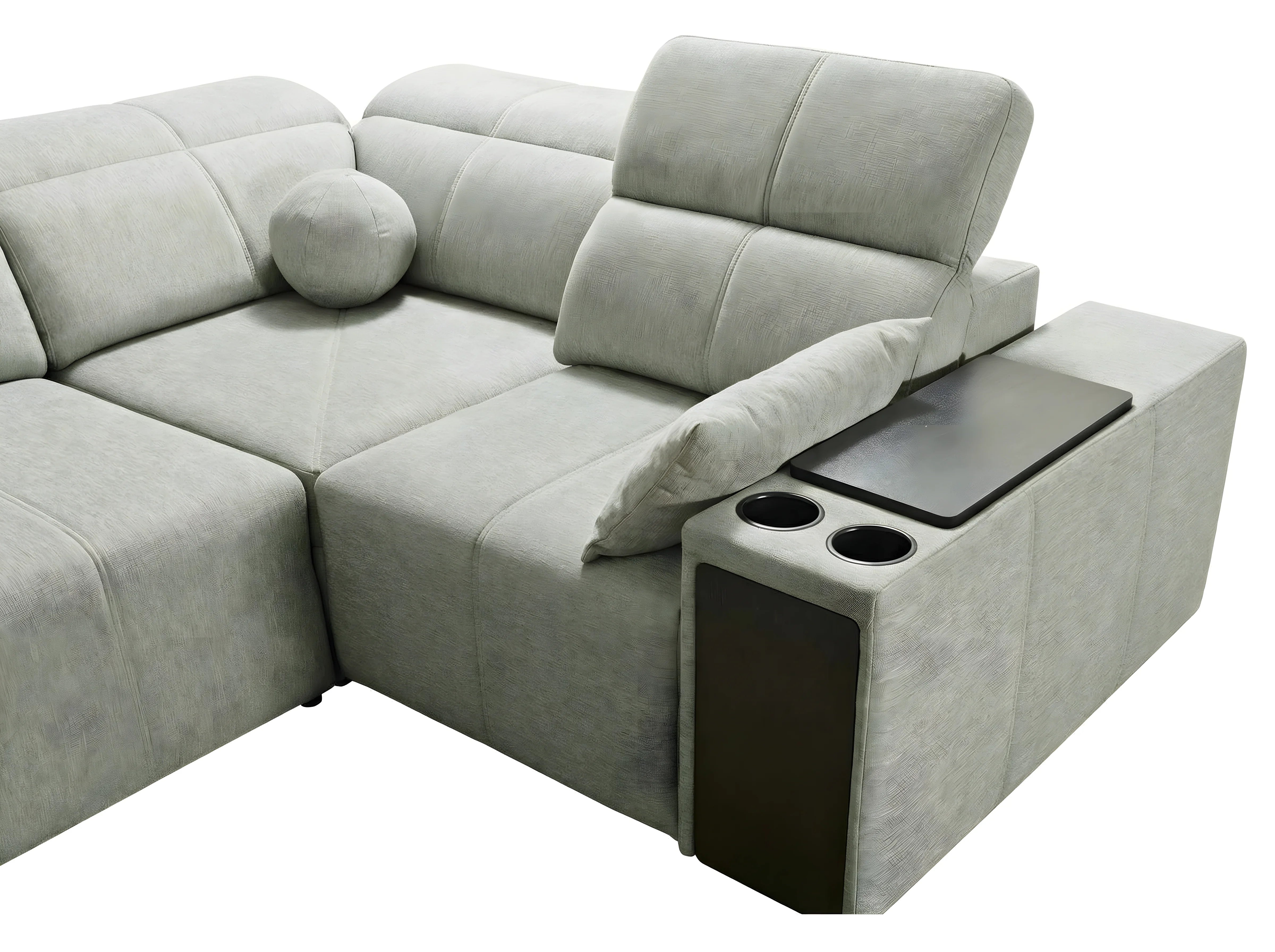
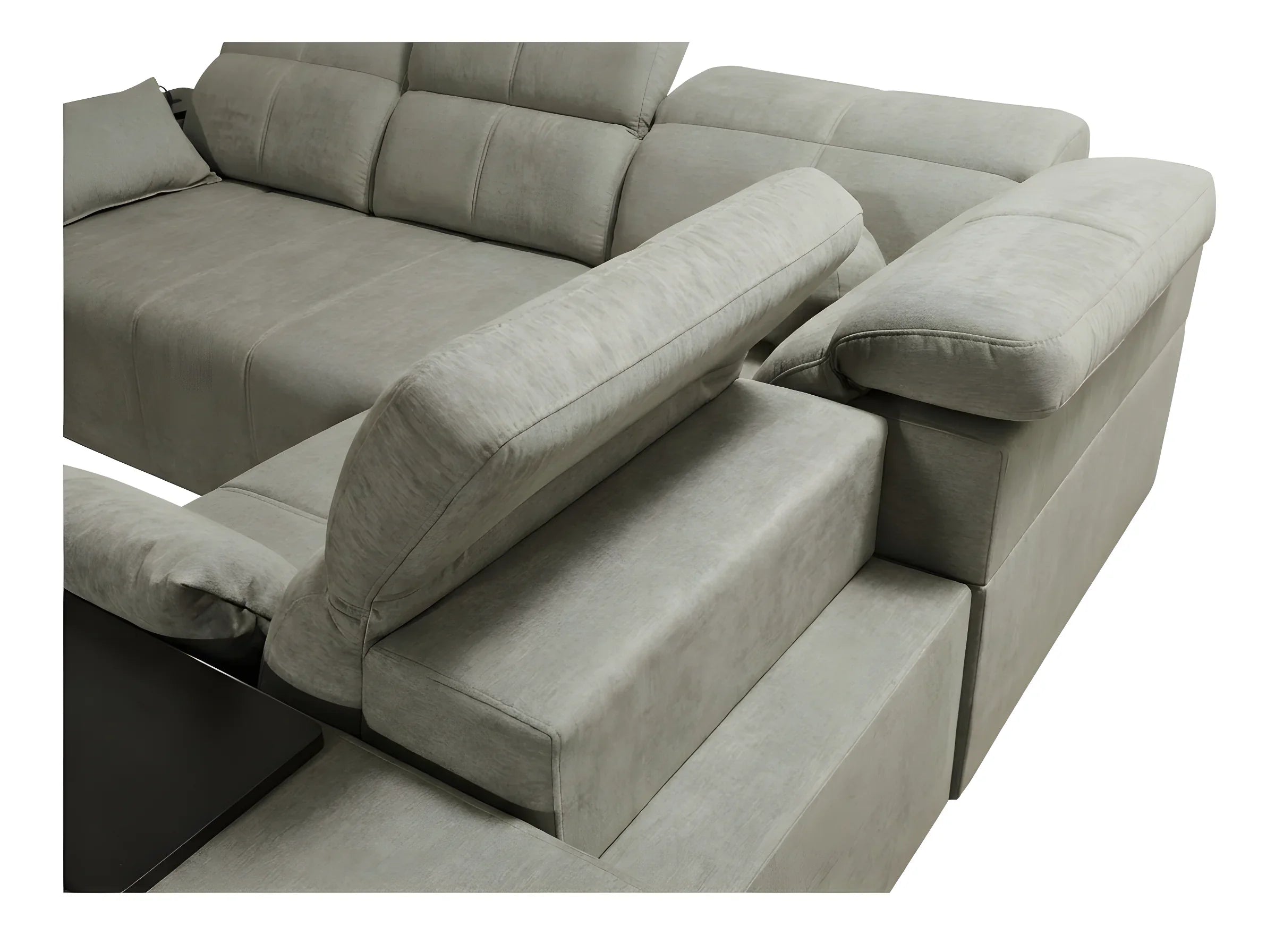
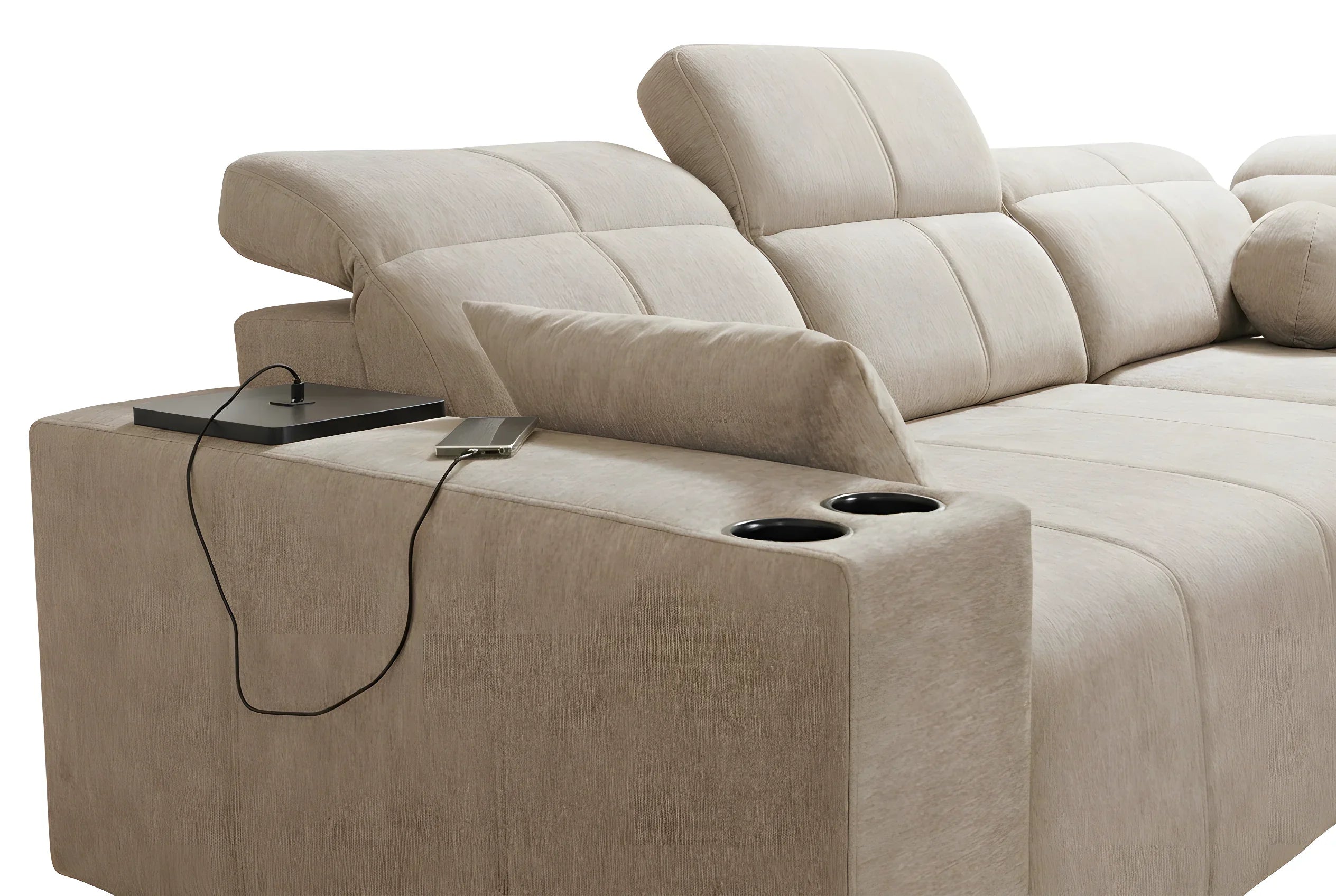
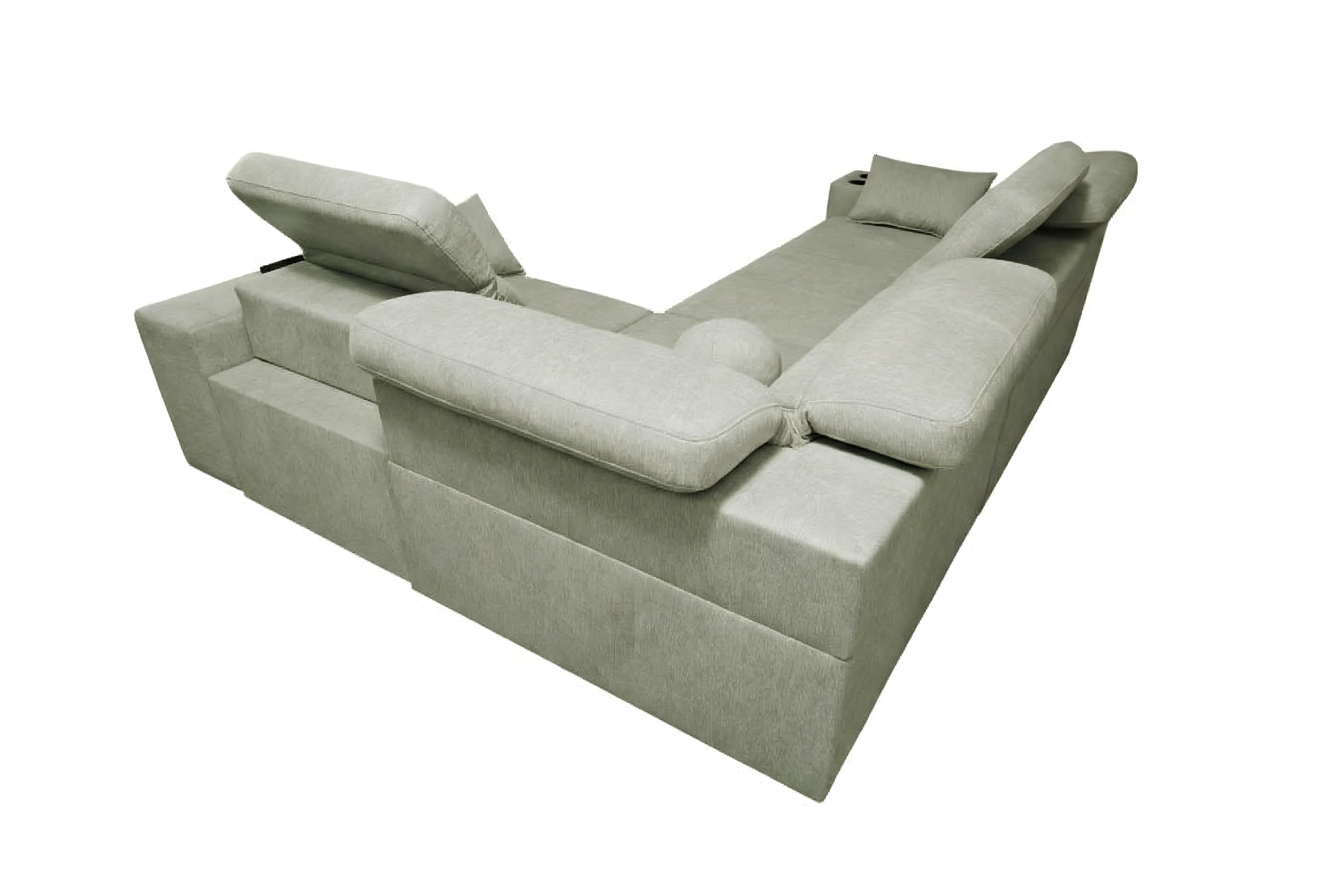
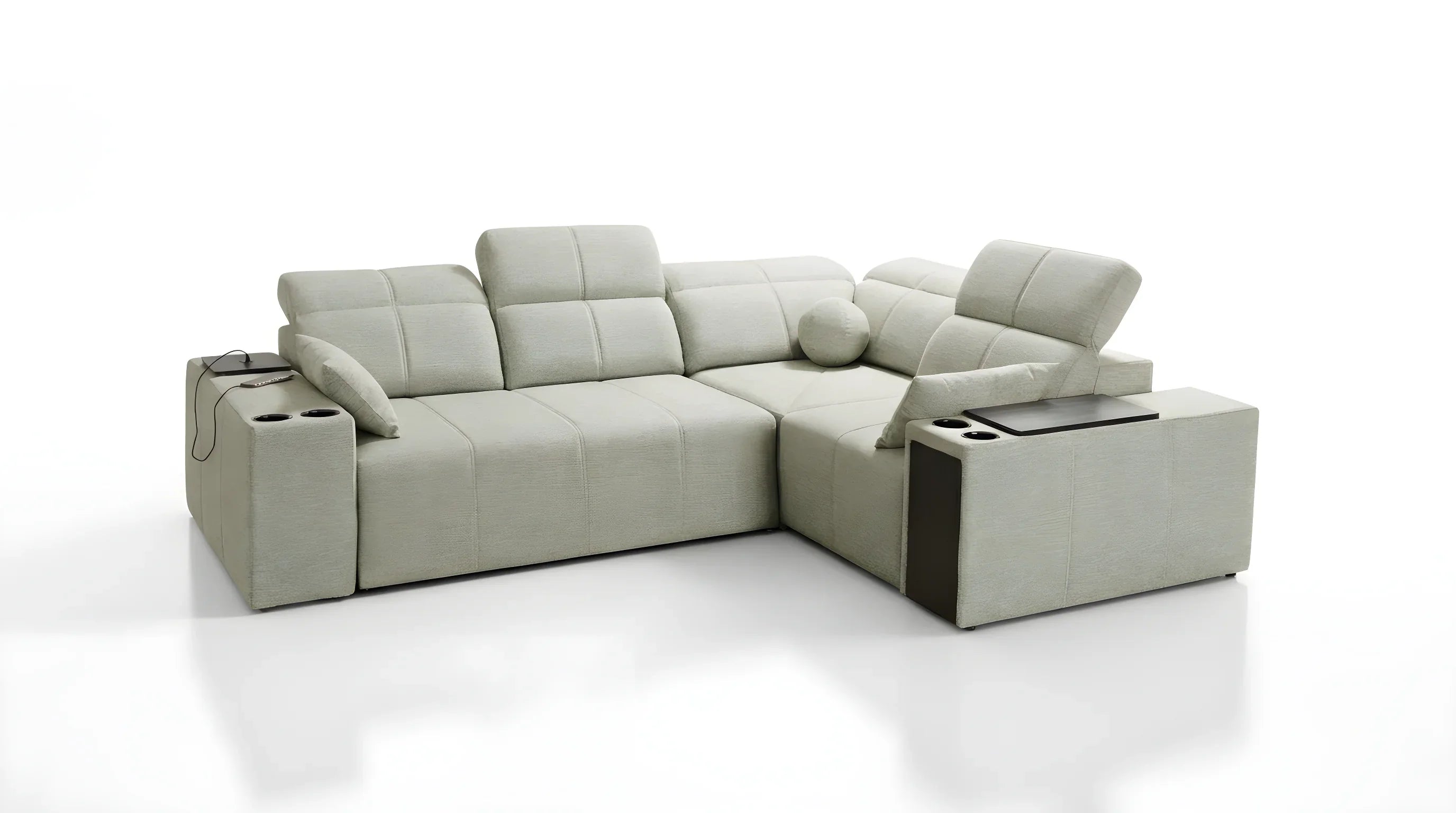
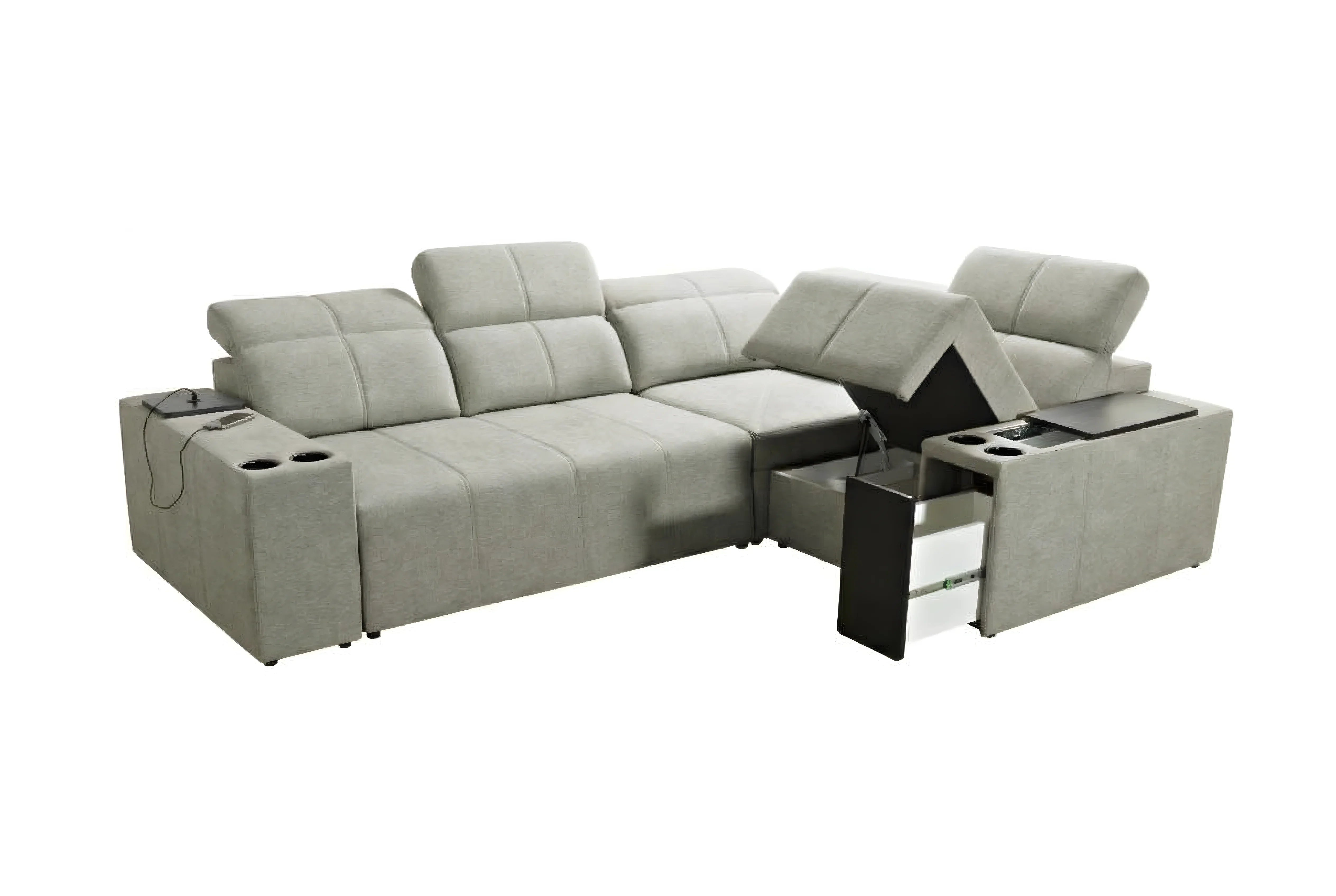
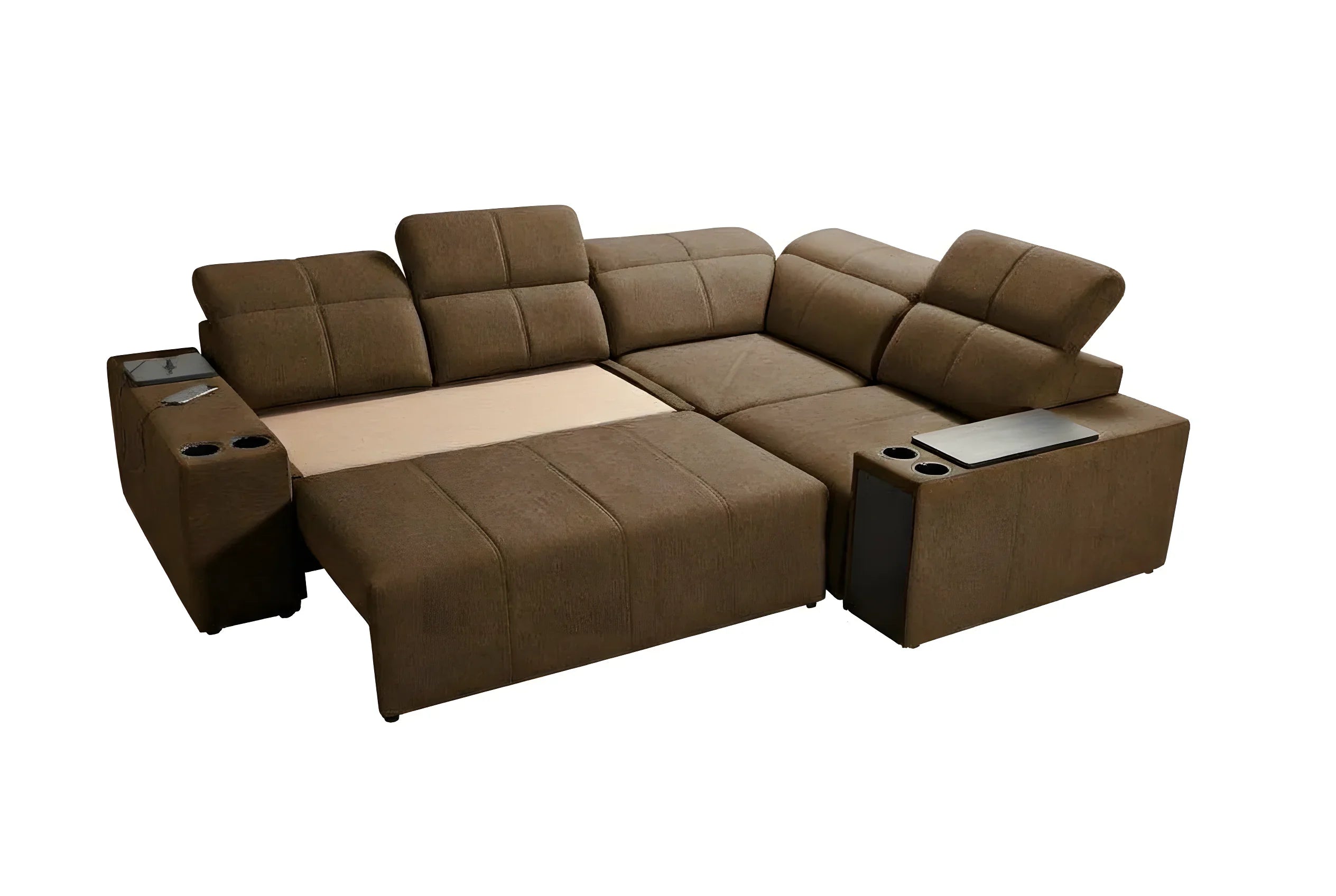
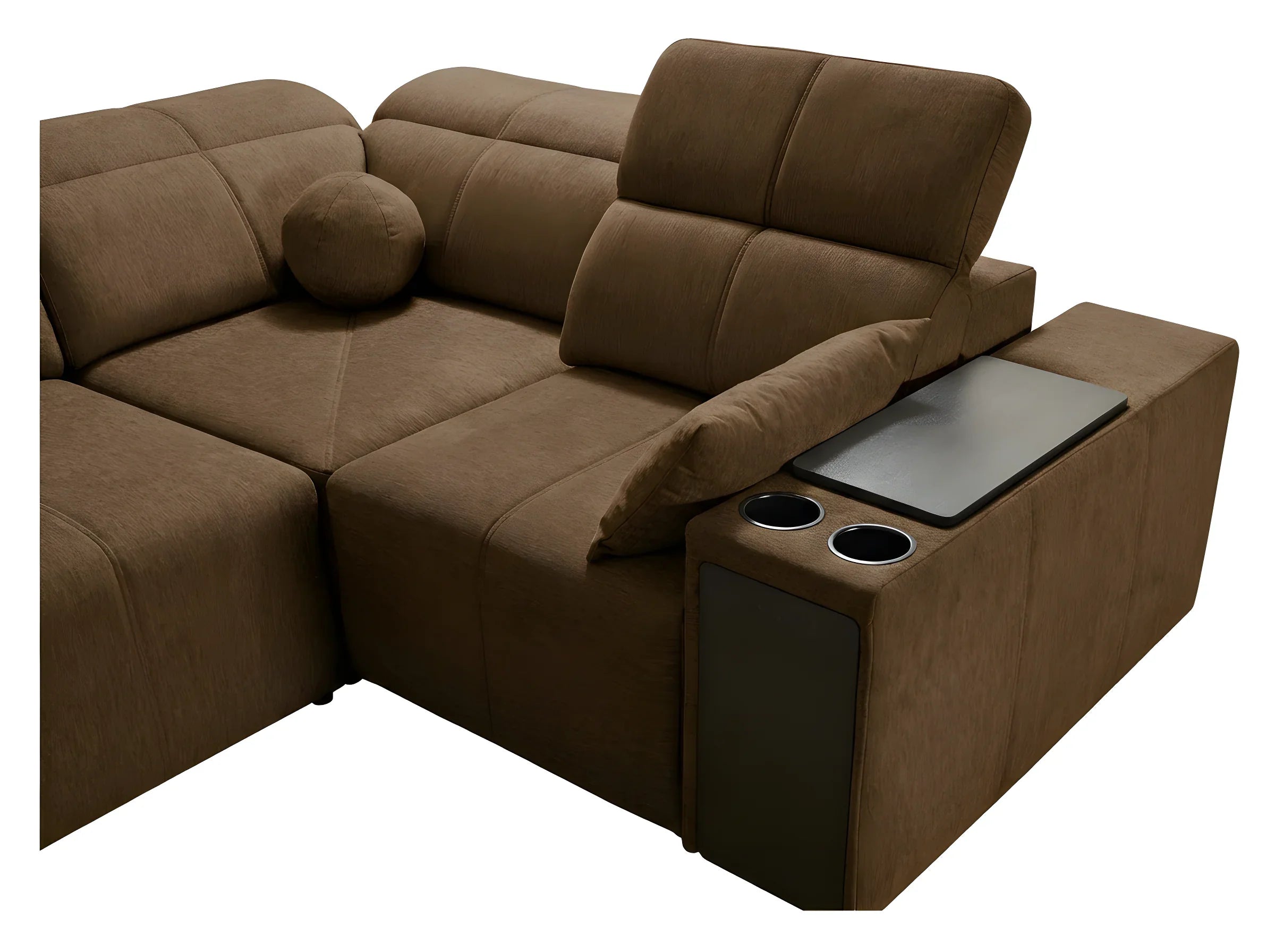
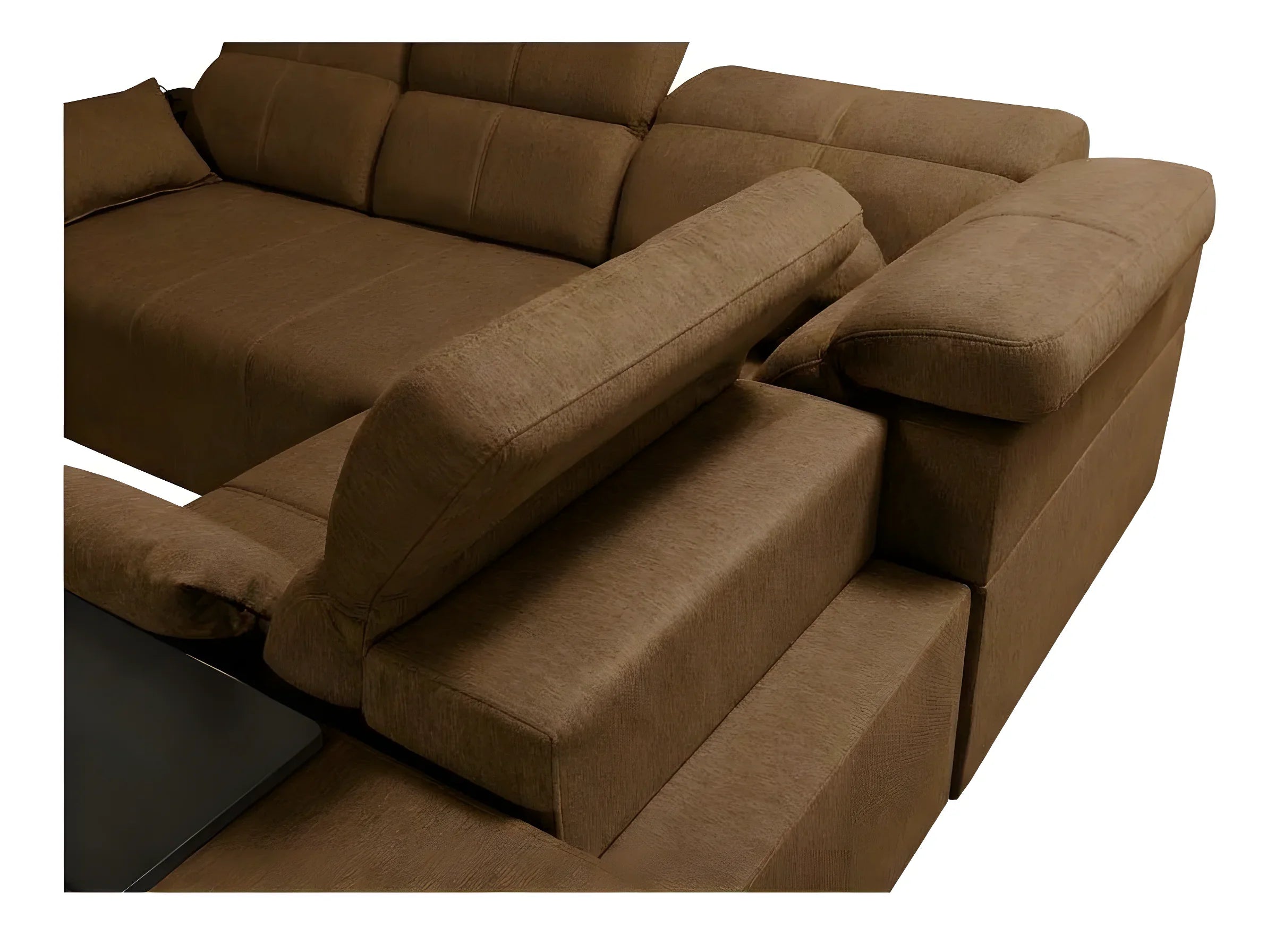
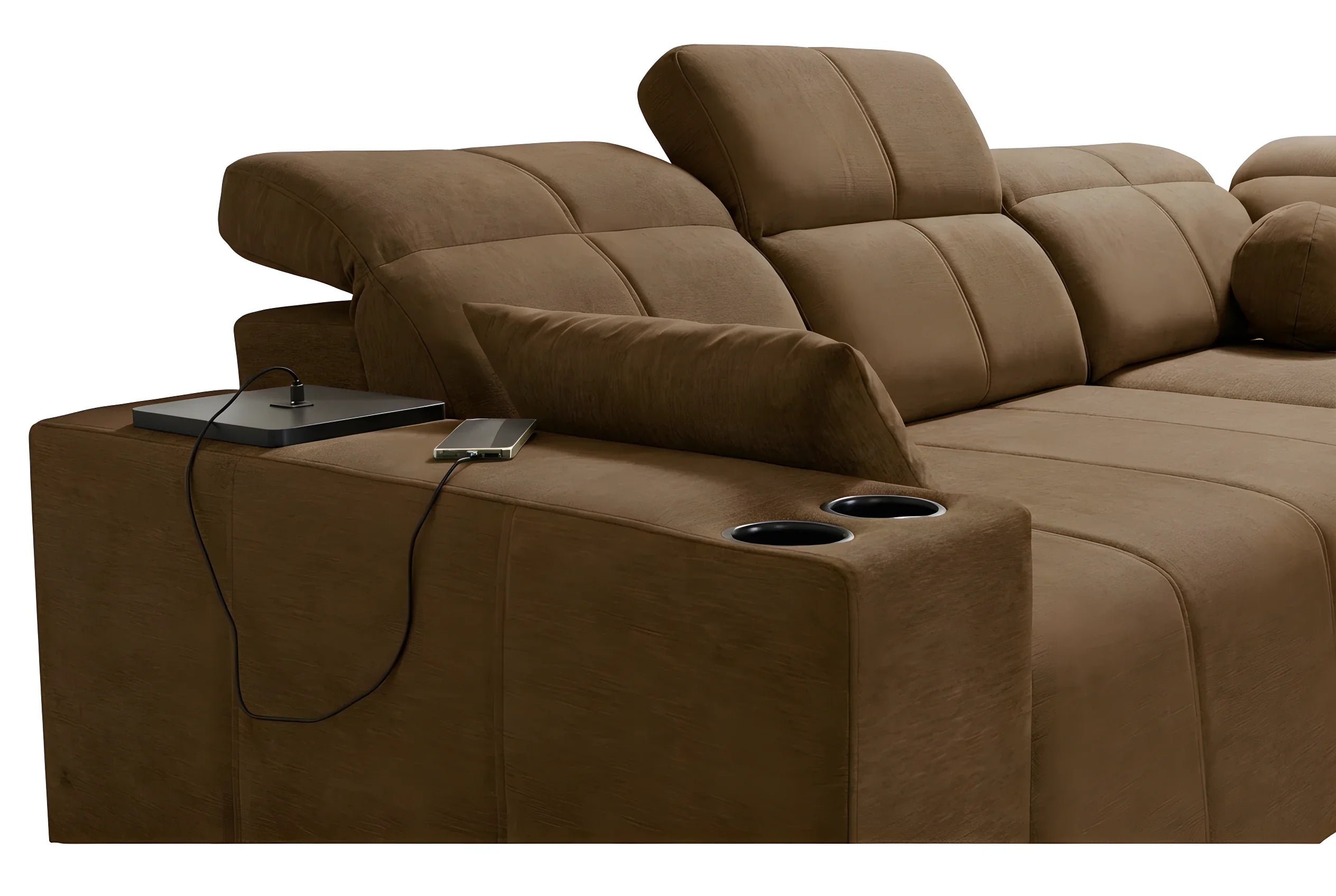
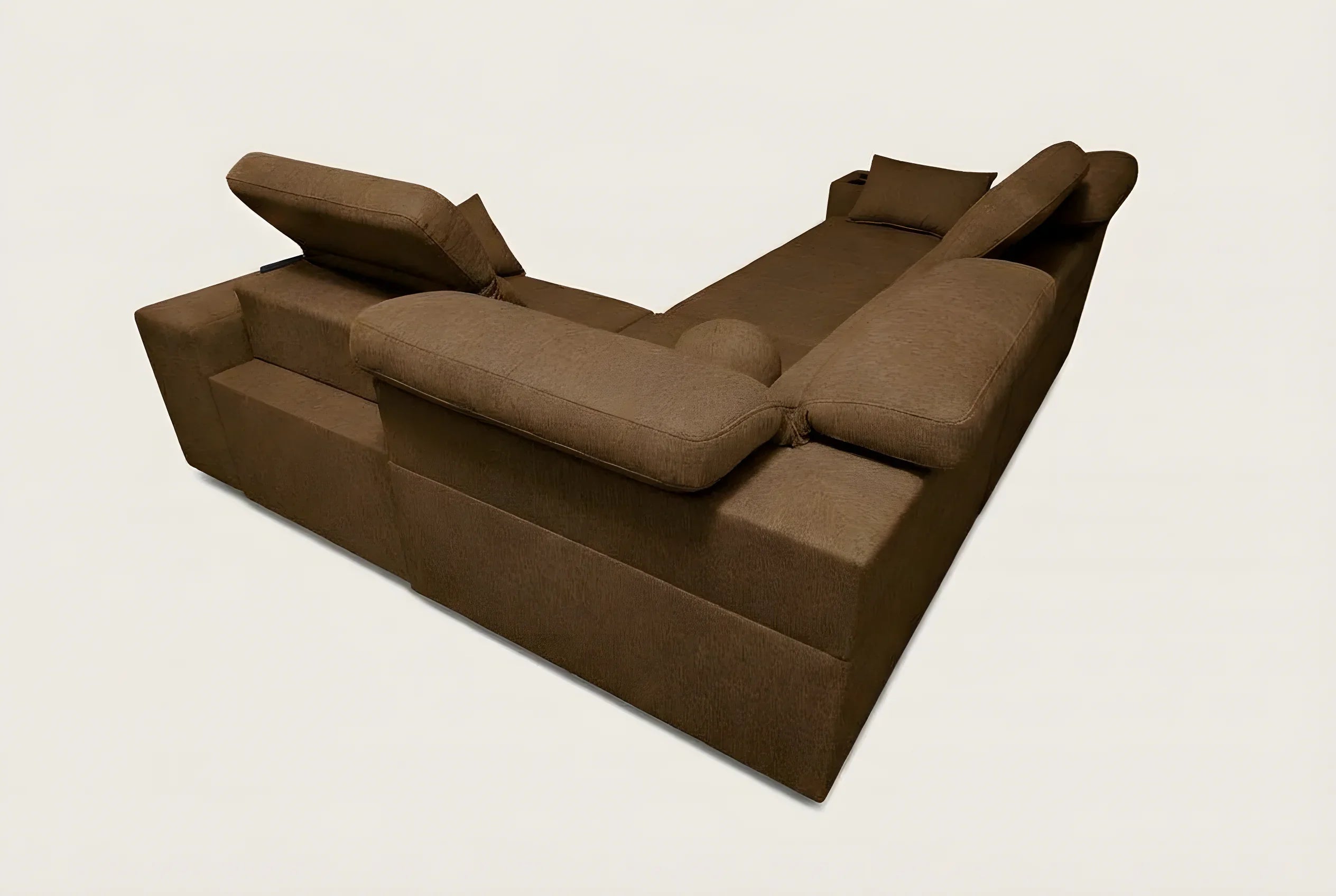
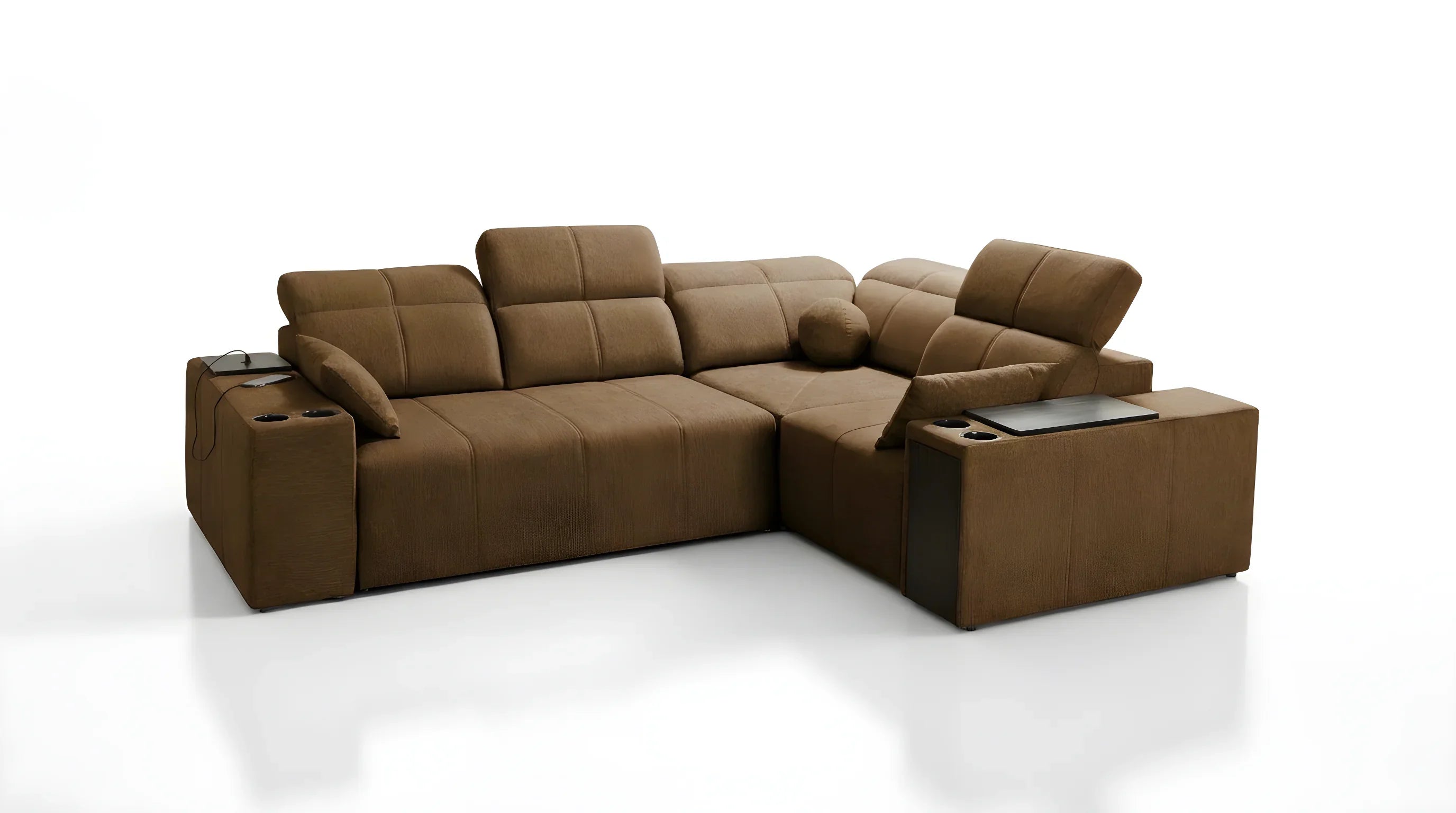
For a small living room, the straight sofa compact is almost always the best choice. It frees up floor space, lets light pass through, and structures the room in a single direction. The corner sofa may work if you have a blind corner to furnish, but it significantly reduces circulation. The panoramic sofa should be reserved for large spaces: it visually shrinks a small living room.
The seat and depth: neither too much nor too little
A sofa that is too deep (over 100 cm) takes up a disproportionate amount of floor space. A sofa that is too shallow (under 85 cm) is uncomfortable for lying down. The ideal seat depth for a small living room ranges between 90 and 95 cm—it is the compromise between seat comfort and bulkiness.
Style and color: prioritize visual lightness
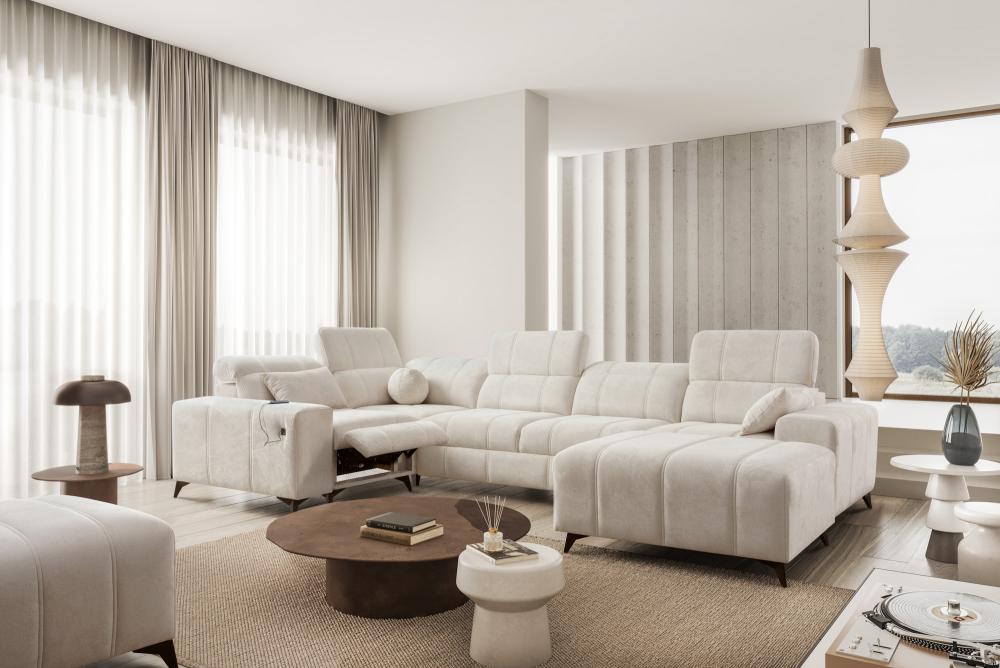
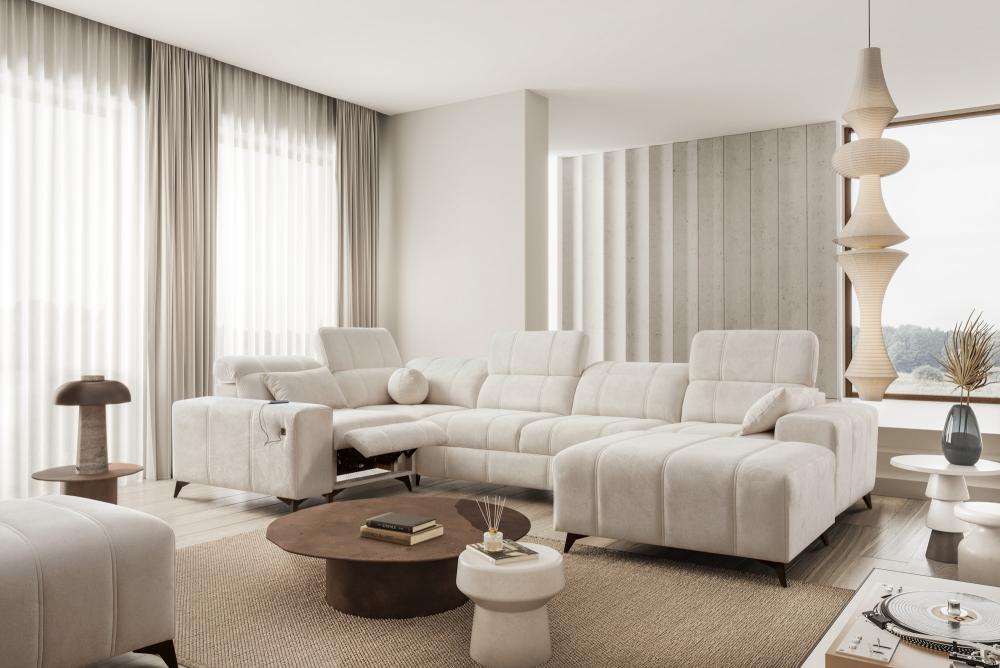
Fabric sofas in light tones (beige, pearl gray, off-white) blend into the decor and visually enlarge the room. Scandinavian sofas with tall legs leave the floor visible beneath the sofa, which lightens the silhouette. Avoid dark velvets and bulky leather sofas that weigh down the space.
| Criteria | Suitable for small living room | To avoid |
|---|---|---|
| Configuration | Straight compact (180-220 cm) | XXL Panoramic |
| Depth | 90-95 cm | Over 105 cm |
| Legs | Tall (12-15 cm) | Low or full skirt |
| Upholstery | Light fabric, microfiber | Dark velvet, solid leather |
| Style | Scandinavian, contemporary clean-lined | Turkish low-slung, bohemian heavily decorated |
4. Layout and circulation: the 70 cm rule
In a small living room, circulation is king. We often underestimate the space needed to walk through, sit down, stand up, or reach a window. A poor layout makes a living room unusable, even if well furnished.
The minimum 70 cm rule between furniture
Leave at least 70 cm (ideally 80 cm) between the sofa and the coffee table, between the sofa and the TV, and between each seat. This is the minimum space for an adult to walk comfortably without bumping into things or feeling cramped. For a person with reduced mobility or for a wheelchair passage, aim for 90 cm.
Place the sofa against the longest wall
It might be tempting to put it in the center of the room to "structure" it, but that is exactly what you should not do in a small living room. The sofa should be backed against the longest wall to free up the maximum floor space. Exception: if your living room opens onto another room (kitchen, dining room), you can position the sofa to define the space, but do not pull it completely away from the wall.
Keep a clear path toward the door and window
Check your layout by virtually sitting in each spot: from the sofa, can you easily access the door? The window? The switch? The outlets? If a path is blocked by a piece of furniture or a corner, change the layout.
5. Complementary furniture: multiplying functions, not pieces
In a small living room, every piece of furniture must earn its place. Multi-functional furniture is your best ally. Here are the pieces that bring the most value per square meter occupied.
The coffee table with storage
A classic coffee table takes up space and offers nothing more than a surface. A coffee table with a lift-top, built-in drawer, or lower shelf takes up the same footprint but stores remote controls, magazines, and throws. For a small living room, it is a must-have.
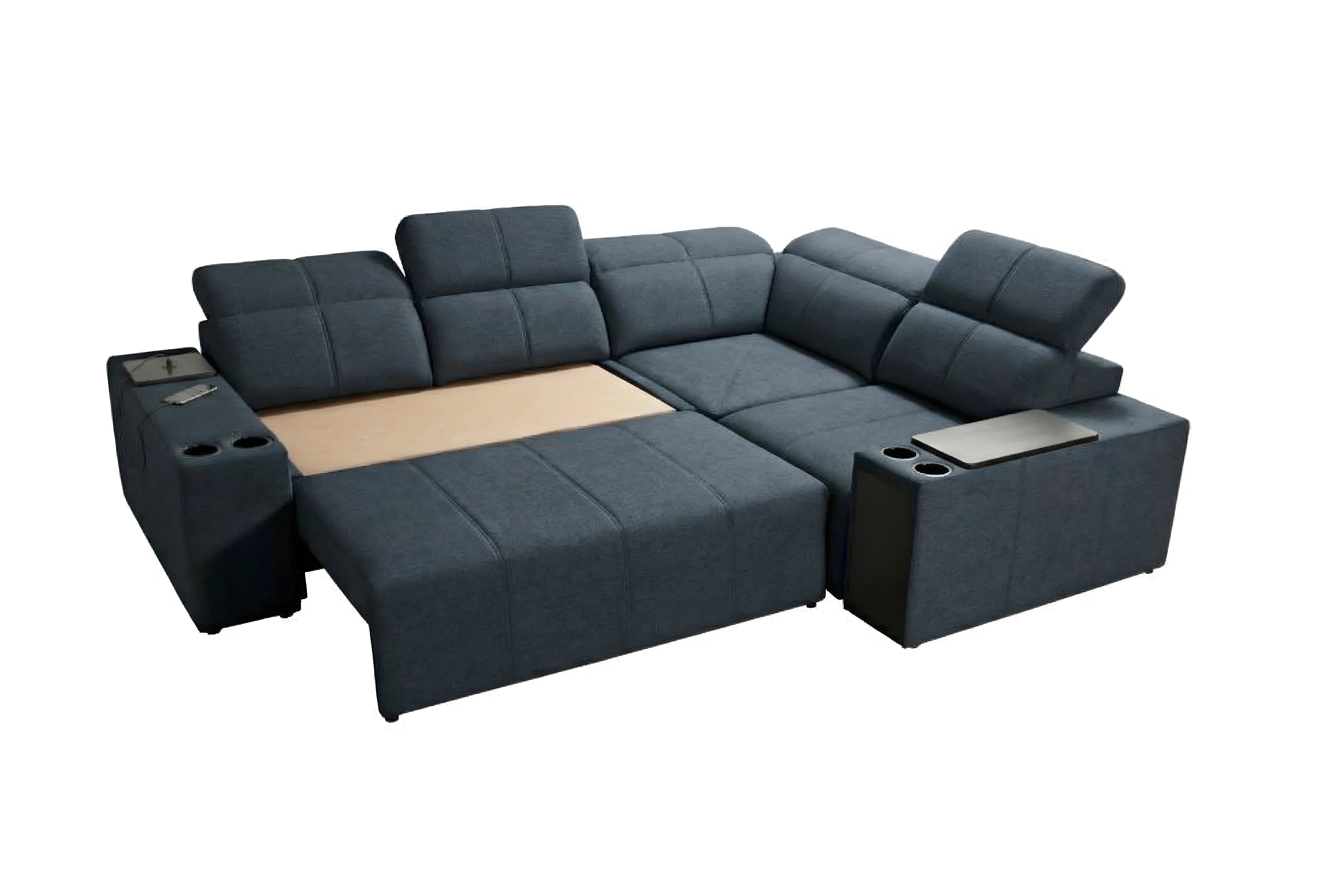
The sofa bed: a guest bed without a spare bedroom
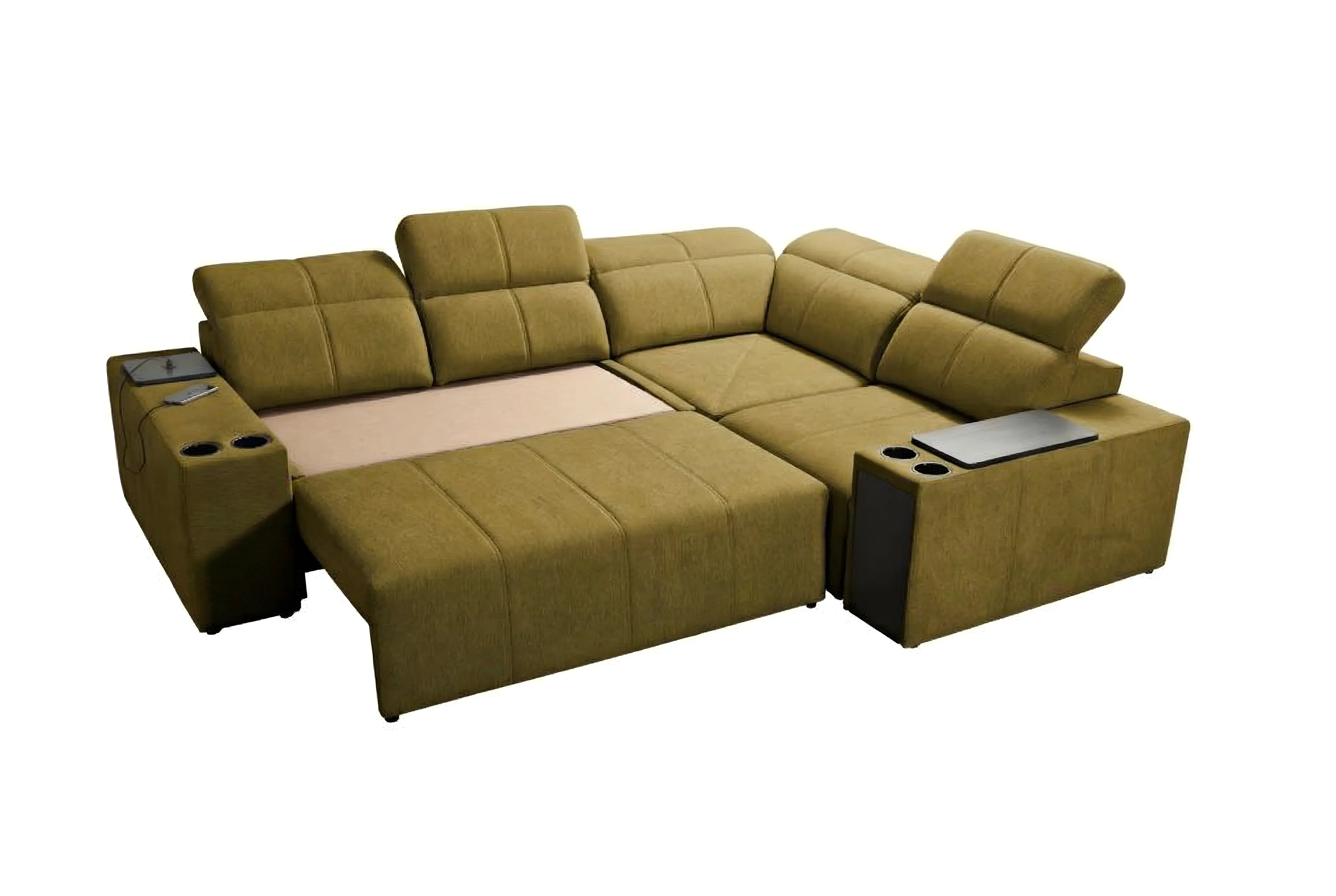
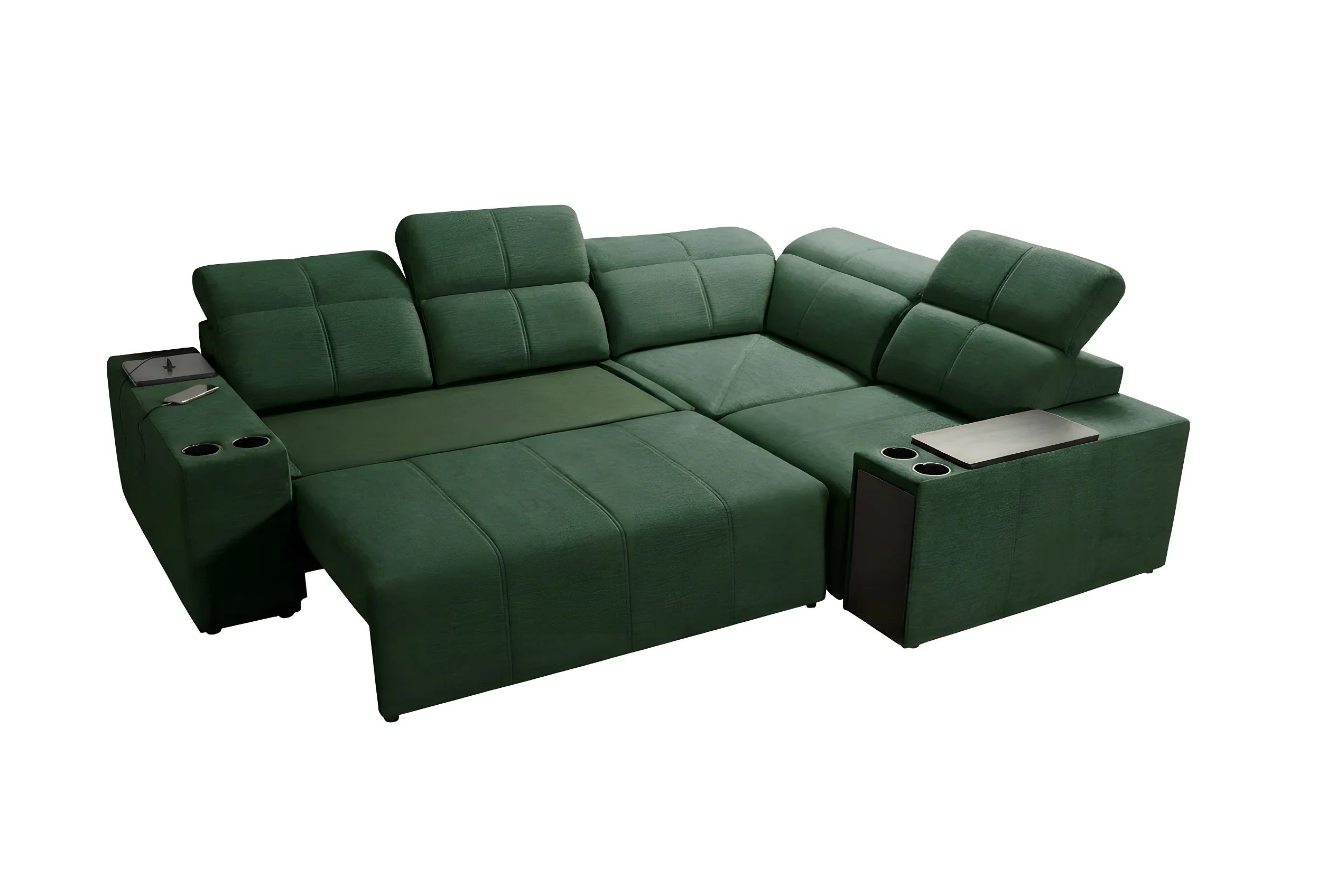
You regularly host family or friends, but you lack a dedicated guest room? A sofa bed replaces a folding cot without monopolizing a room. For occasional use, a convertible with a 12-14 cm mattress is enough. For frequent sleeping, aim for a 16-18 cm mattress.
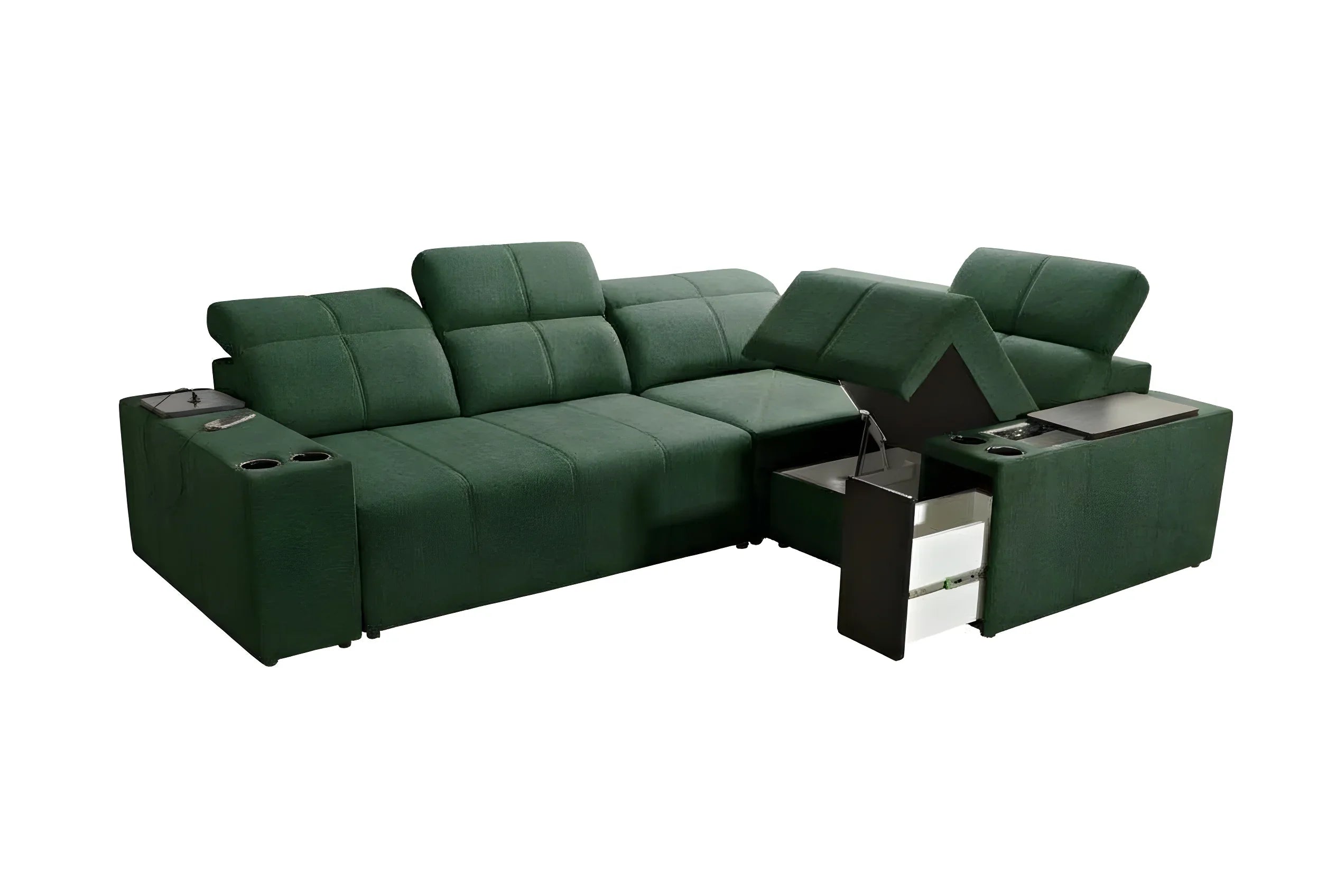
The sofa with storage compartment
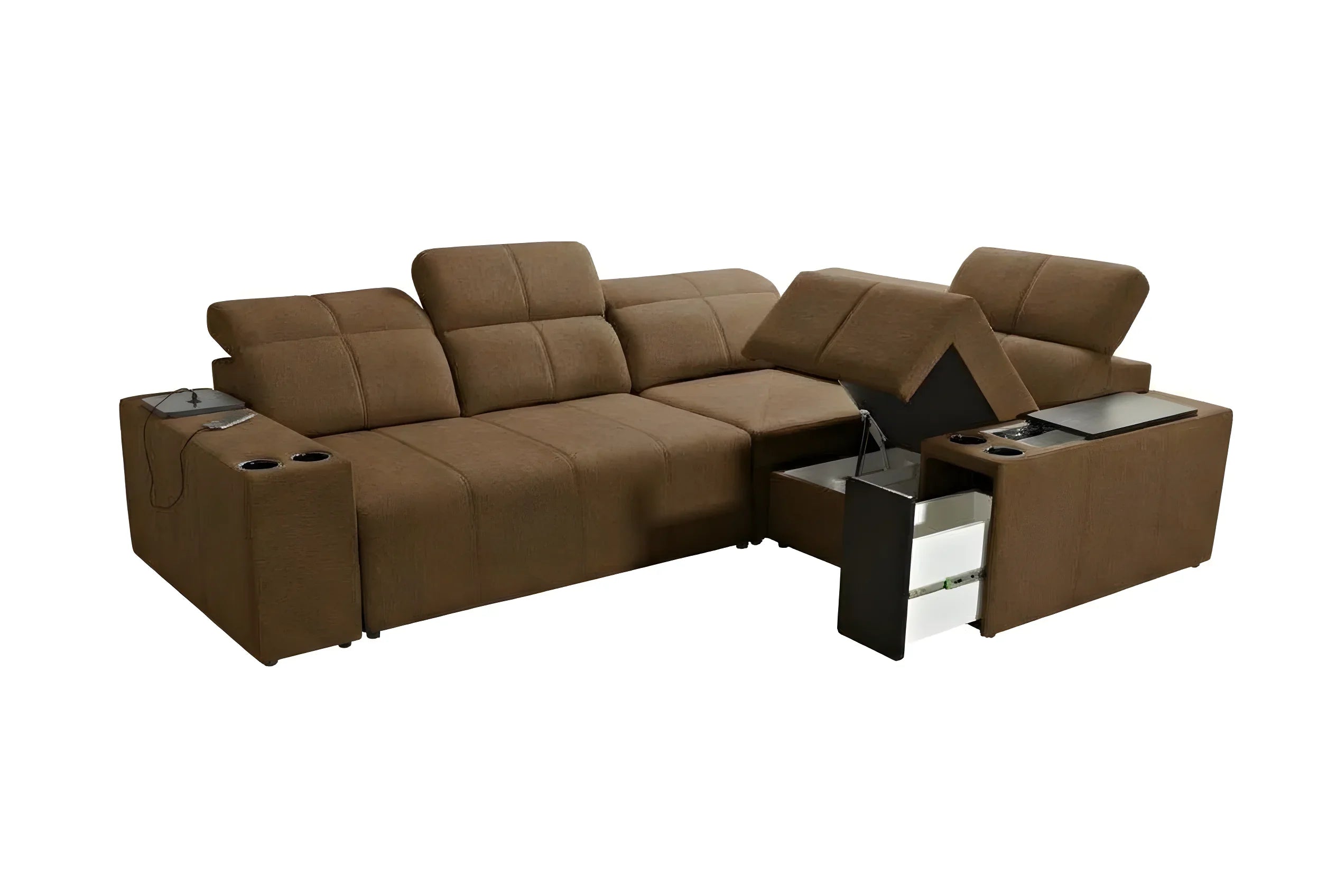
If you do not need a guest bed, the sofa with a built-in trunk in the chaise lounge is an interesting alternative. It stores duvets, seasonal cushions, board games—everything that usually clutters cupboards.
Wall-mounted or tall-legged furniture
Floor-to-ceiling wall libraries, suspended TV units, floating shelves: anything that frees up the floor visually enlarges the space. The eye flows underneath the furniture, and does not hit solid blocks.
6. Common mistakes that shrink a small living room
The same mistakes appear in the majority of poorly arranged small living rooms. Avoiding them is already half the battle won.
Mistake #1: buying a sofa that is too big "because you often host people"
If you host 4 times a year, a compact 3-seater sofa is enough. If you host 2 times a year, a 2-seater sofa + 2 movable armchairs is more practical. Size your sofa based on your daily use, not on exceptional occasions.
Mistake #2: multiplying small furniture instead of choosing few but adapted pieces
A coffee table + a side table + an occasional table + a console creates four surfaces to dust and four visual obstructions. Prefer one or two well-sized pieces that make their presence known without saturating the room.
Mistake #3: overcrowding walls with frames and decorations
A highly decorated wall visually shrinks the room. Stick to 3-5 well-chosen frames, or one large frame / poster. The empty space around the decoration is just as important as the decoration itself.
Mistake #4: choosing dark or thick curtains
Opaque and dark curtains block light and weigh down the windows. Opt for voile curtains, linen blinds, or light-toned curtains that are pulled to the sides during the day.
Mistake #5: neglecting lighting
A single central ceiling light creates harsh shadows and uniform illumination that flattens the space. Multiply the sources: a table lamp near the sofa, a floor lamp in a corner, a wall sconce, indirect LEDs. Lighting from multiple points gives depth and dimension.
7. Conclusion: a well-arranged small living room is worth more than an empty large one
A successfully arranged small living room is cozier, more functional, and often more aesthetic than a large living room filled with thoughtlessly spread-out furniture. The rules we have seen—lighting, light tones, a well-chosen compact sofa, smooth circulation, multi-functional furniture—are the exact same ones used by professional interior decorators and architects. They work for every budget and every style.
If your project involves buying a new sofa, our selection of straight sofas and our collection of compact corners are designed to adapt to constrained spaces. You can also browse our Scandinavian collection for models specifically designed for bright living rooms. For a larger project (residential program, hospitality, trade/B2B), our wholesale sofa offer provides terms tailored for volume purchases.
If you hesitate between several configurations or sizes, do not hesitate to contact us: we will help you size your sofa according to your room and your actual usage.
Frequently asked questions about small living room arrangement
What is the ideal sofa size for a small living room?
For a 12 to 18 m² living room, the ideal sofa width ranges between 180 and 220 cm. Beyond that, you block circulation and the space appears smaller. For a living room under 12 m², aim for 150-180 cm instead (XL 2-seater or compact 3-seater). Worth remembering: your sofa should never exceed 70% of the length of the longest wall in your living room.
Should you avoid a corner sofa in a small living room?
Not necessarily, but it is often the case. The corner sofa is ideal if you have a blind corner to furnish (near a window, for example) or if you want to define a TV corner in an open plan. However, in a closed living room under 18 m², a compact straight sofa leaves more floor space and appears visually lighter. If you insist on a corner, choose a short chaise lounge (140-160 cm) rather than a long one (200+ cm).
How to visually enlarge a small living room without renovation?
Three main levers, without touching the walls: (1) multiply light sources and prioritize natural light (light curtains, mirrors opposite windows); (2) bet on light tones on the walls and large furniture; (3) choose a compact sofa with tall legs, which visually frees up the floor. These three changes alone can transform the perception of the space in a day, without any renovations.
Is a sofa bed comfortable for daily use in a small living room?
For occasional use (a few times a month), a convertible with a 12-14 cm mattress is perfectly sufficient. For frequent sleeping (regular guest room, studio), aim for a 16-18 cm mattress with 35-40 kg/m³ HR density. "Rapido" mechanism types allow you to unfold the bed in less than a minute without removing the seat cushions. It is a real solution for small spaces that host guests.
What sofa color should you choose for a small living room?
Light tones visually enlarge the space: beige, pearl gray, off-white, pale blue. Fabric sofas in these shades blend into the decor and reflect light. If you want a bolder sofa (deep blue, sage green, terracotta), limit it to a single feature wall or a single piece of furniture in the room, and keep other elements neutral. For a family interior, prioritize a stain-proof treated fabric in your chosen shade.



Leave a comment
This site is protected by hCaptcha and the hCaptcha Privacy Policy and Terms of Service apply.