











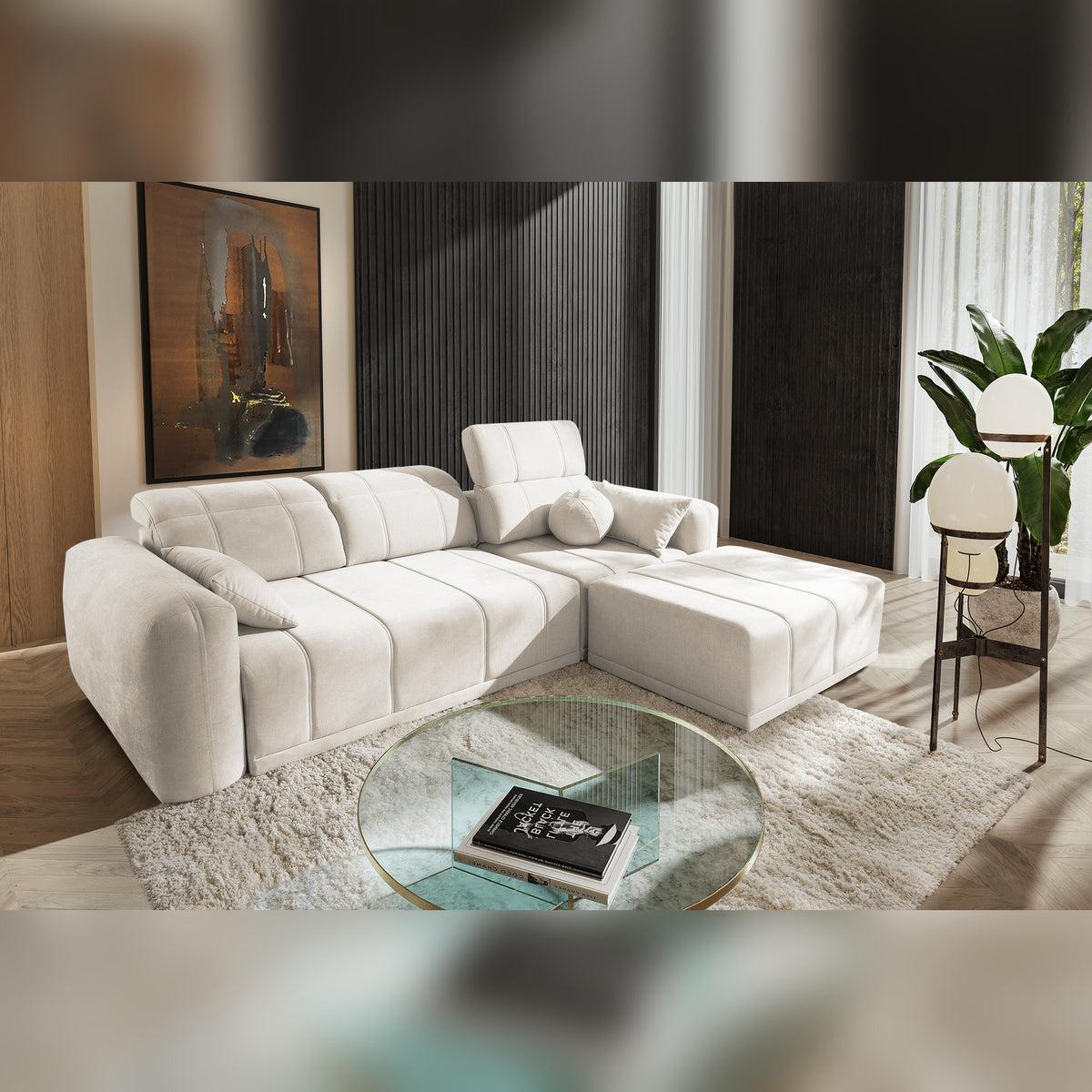
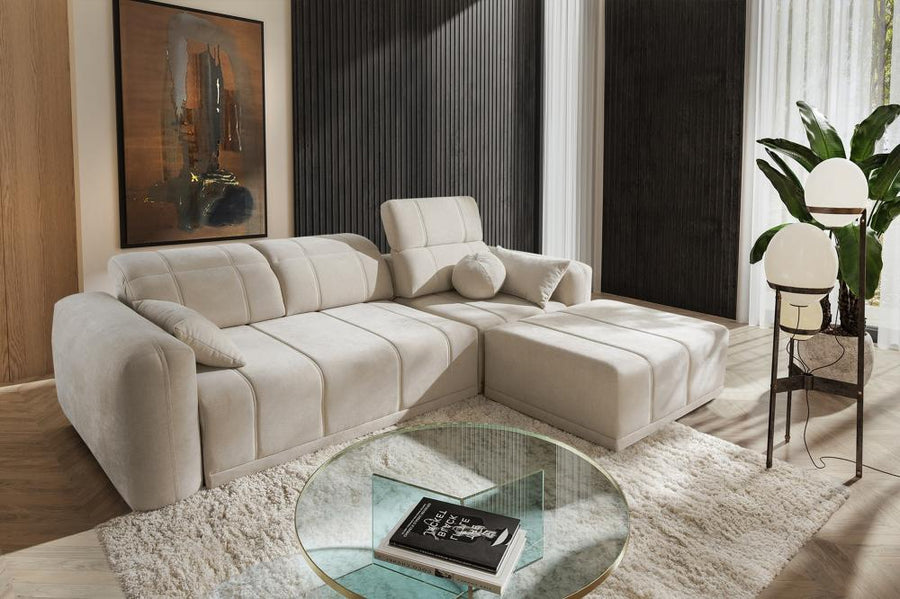
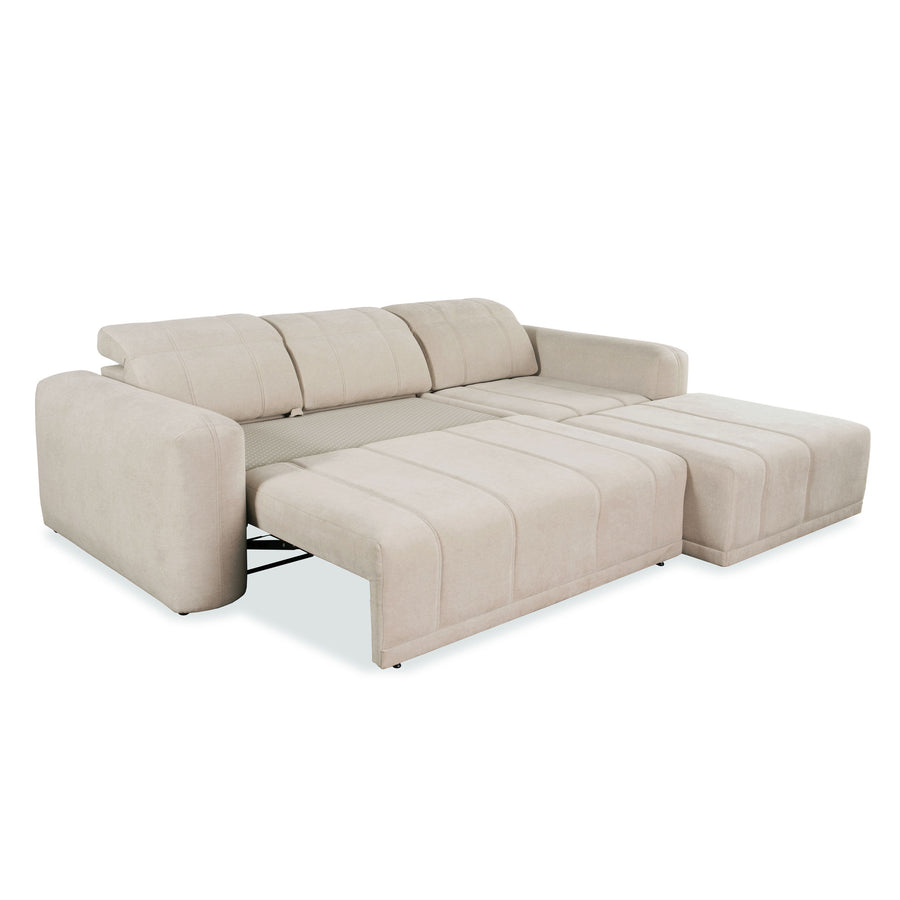
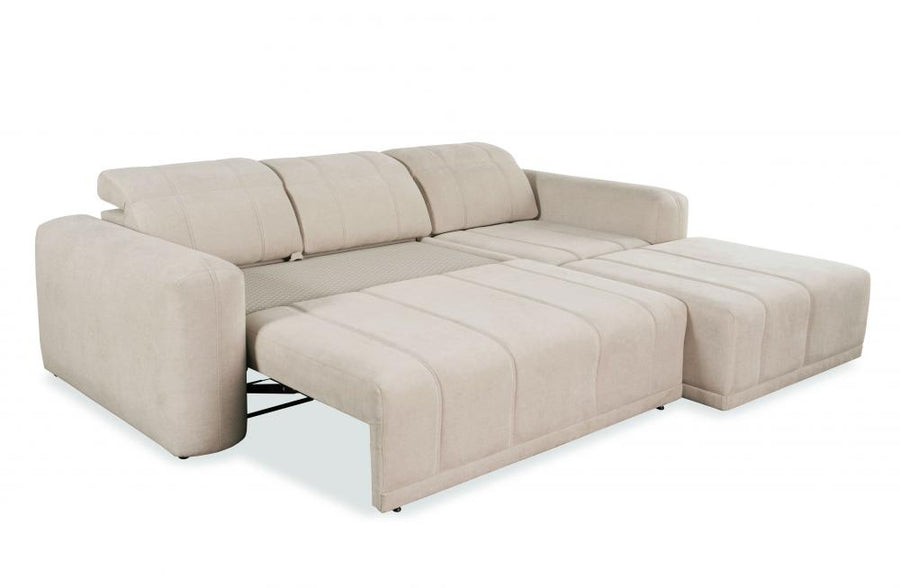
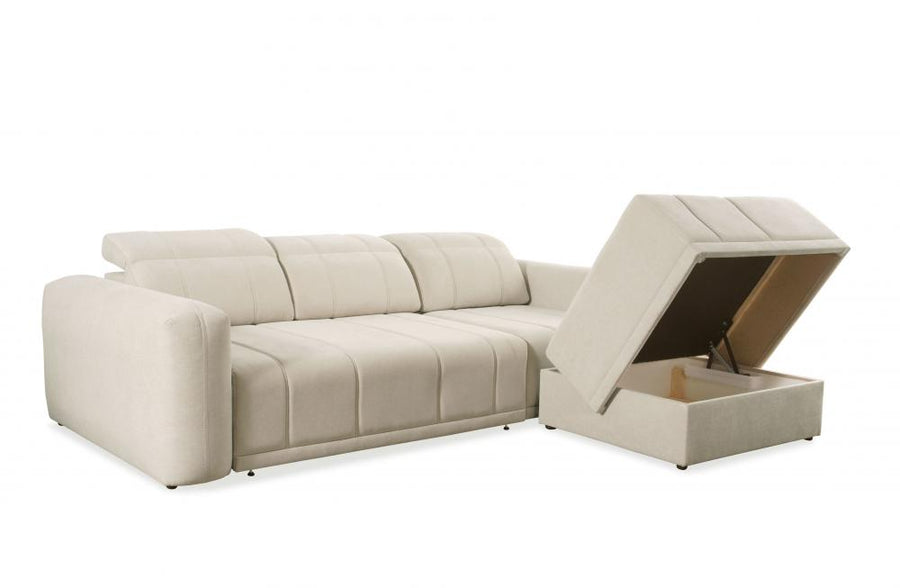
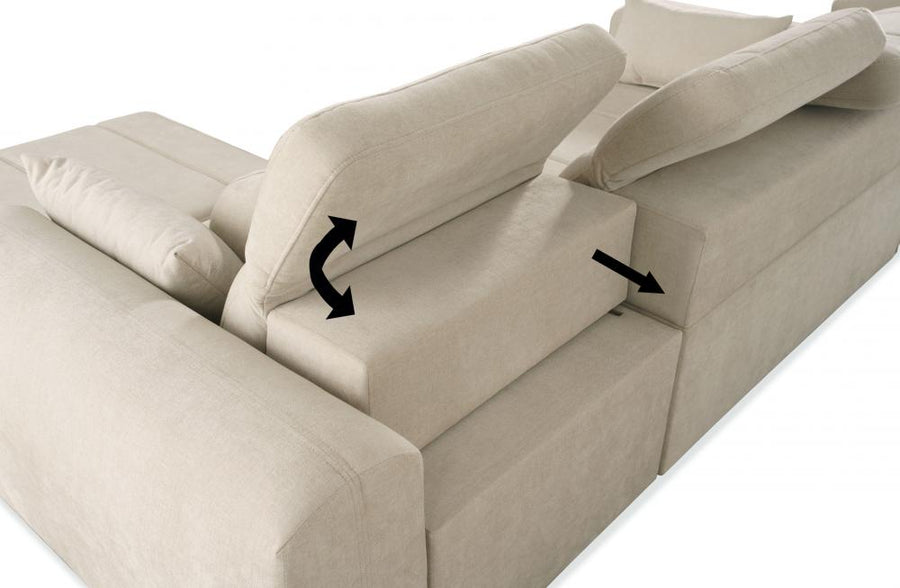
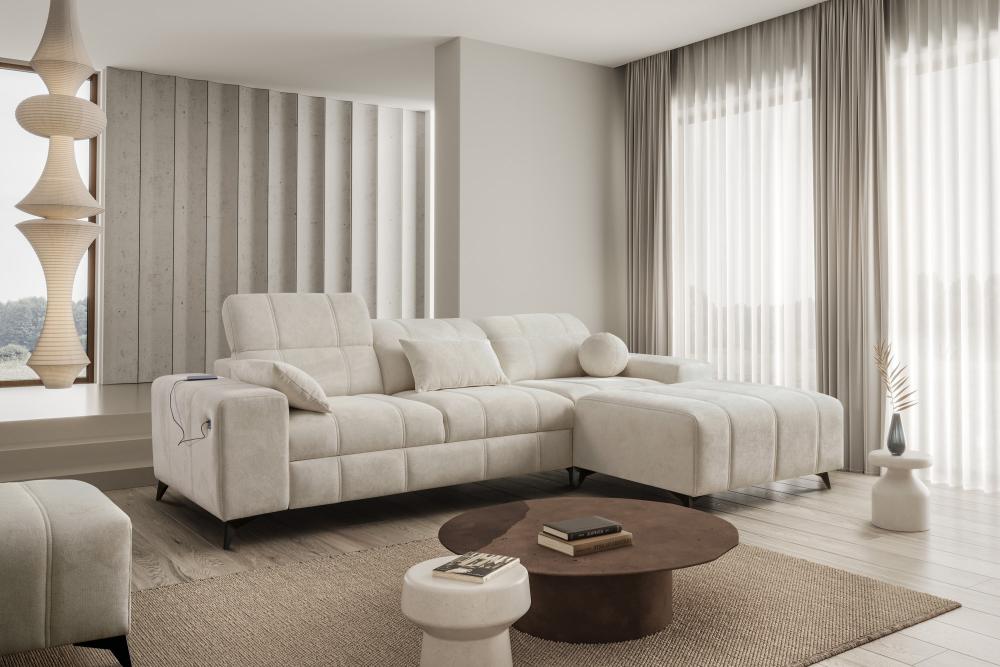
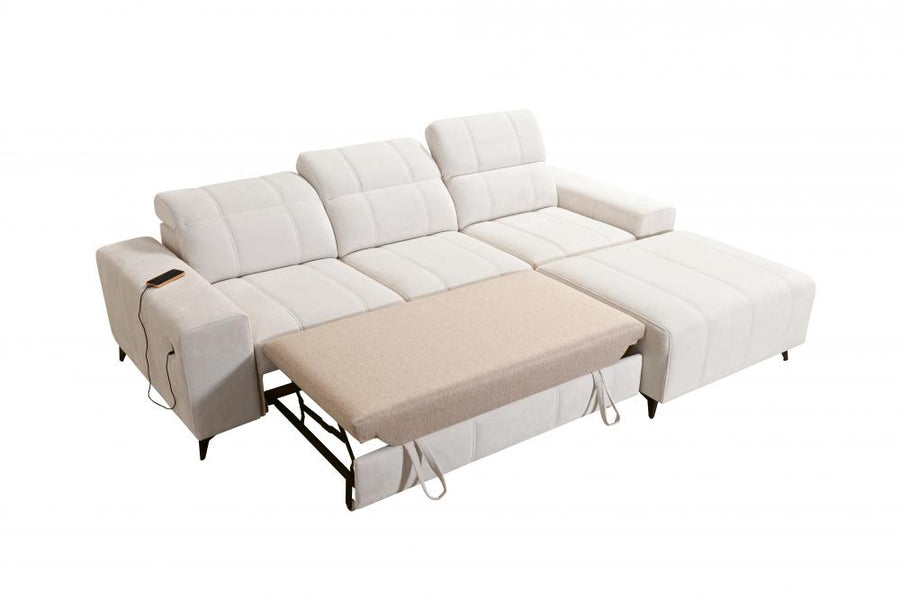
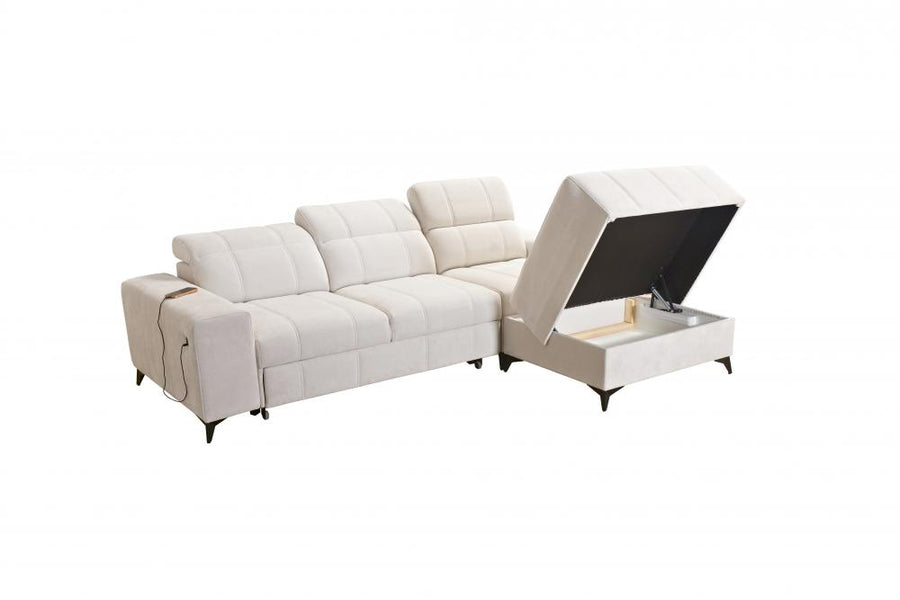
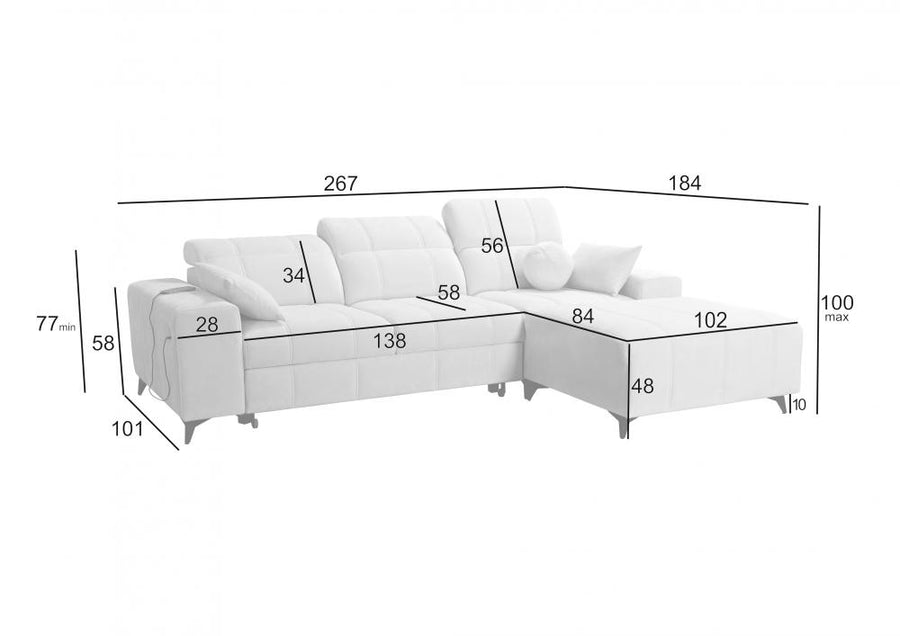
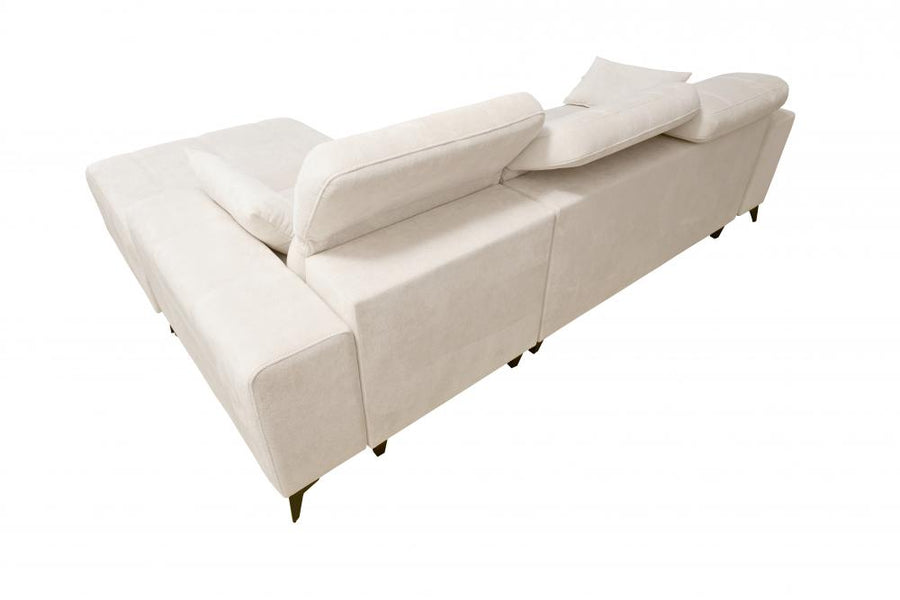
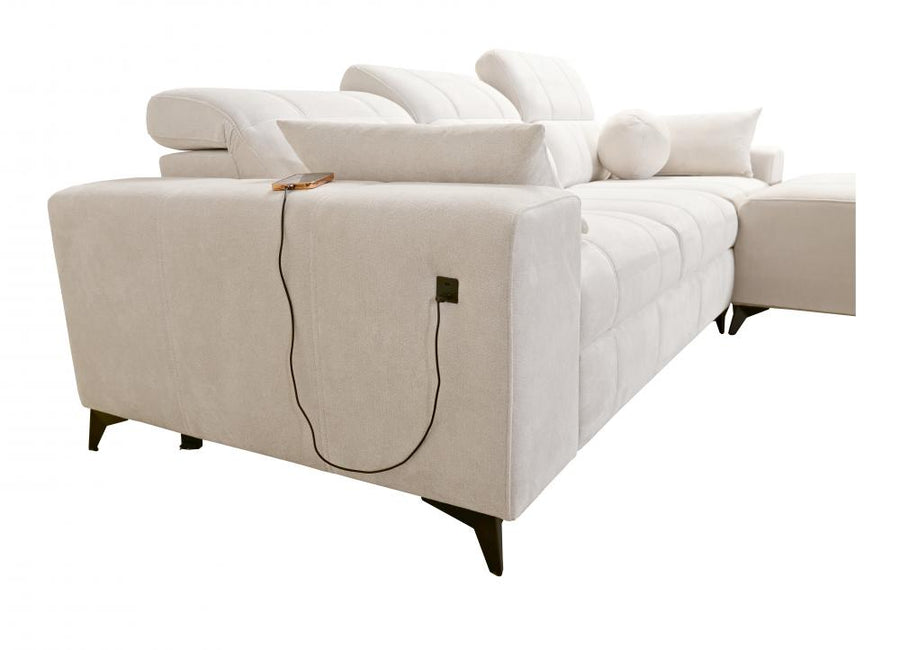

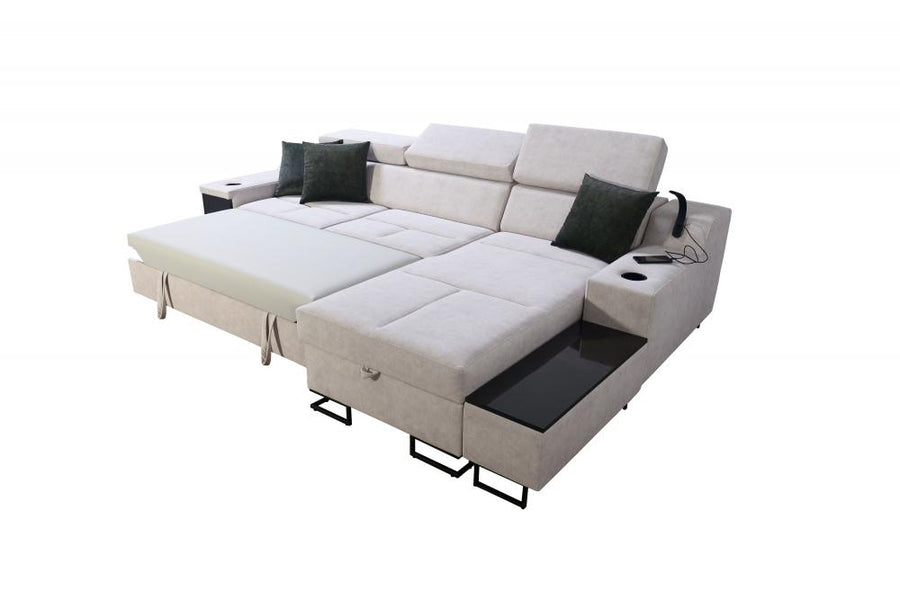
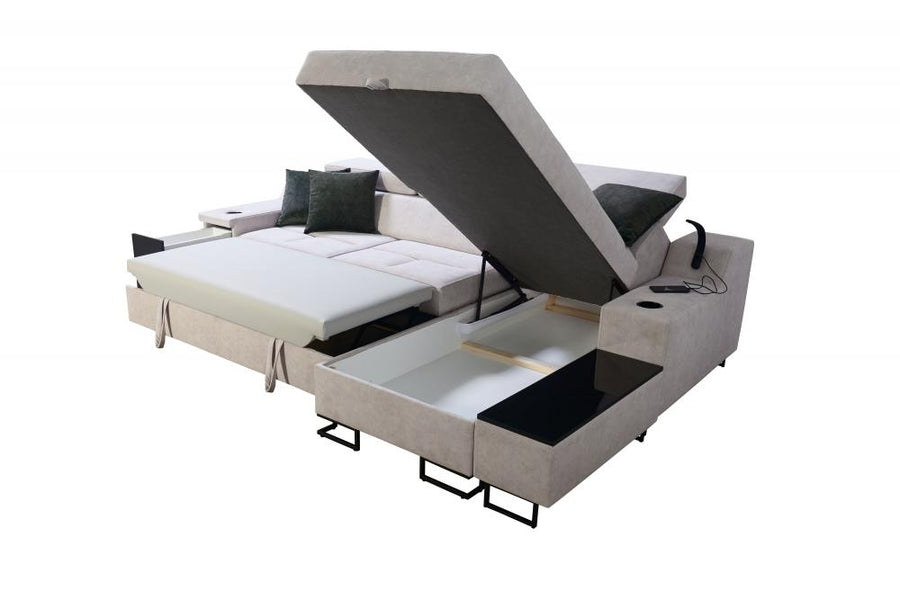
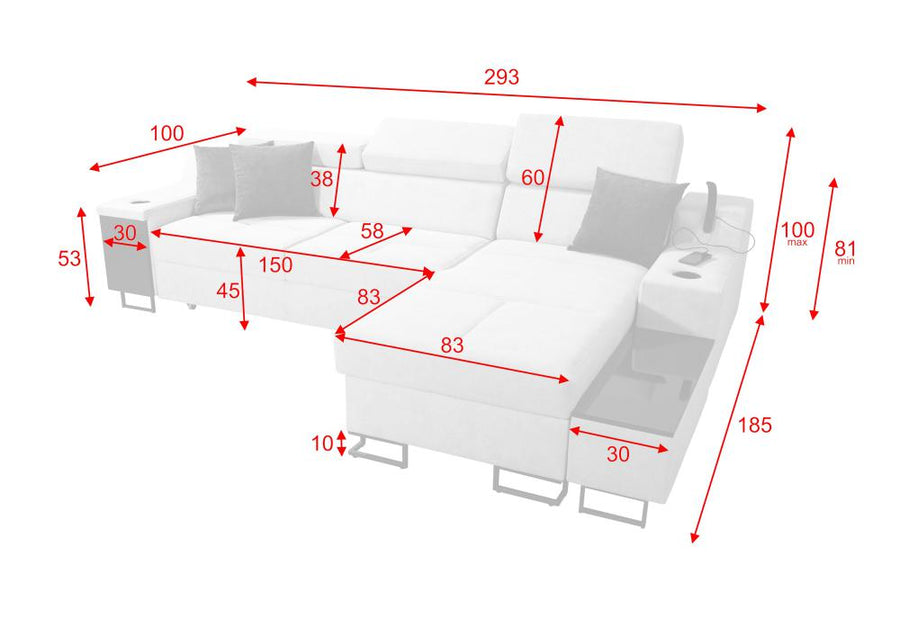
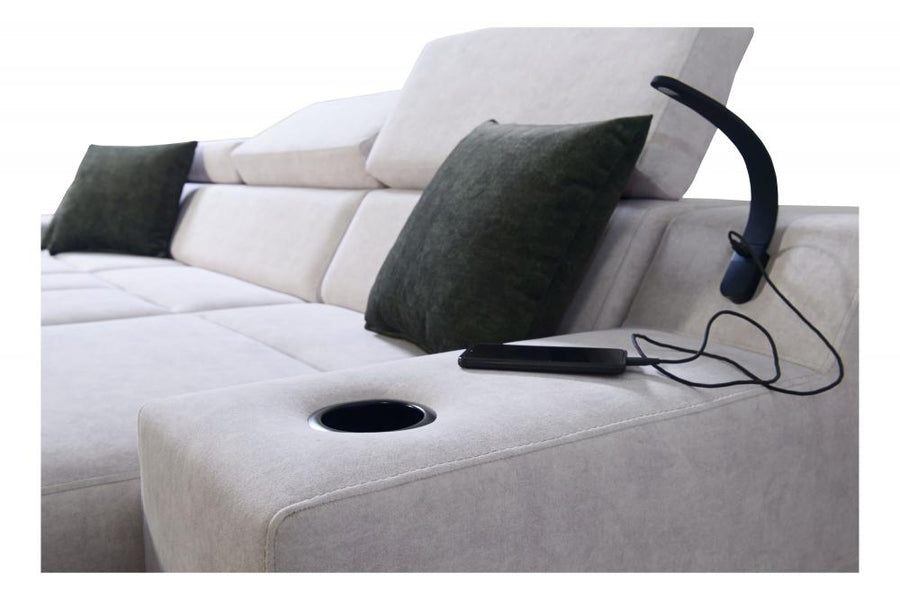
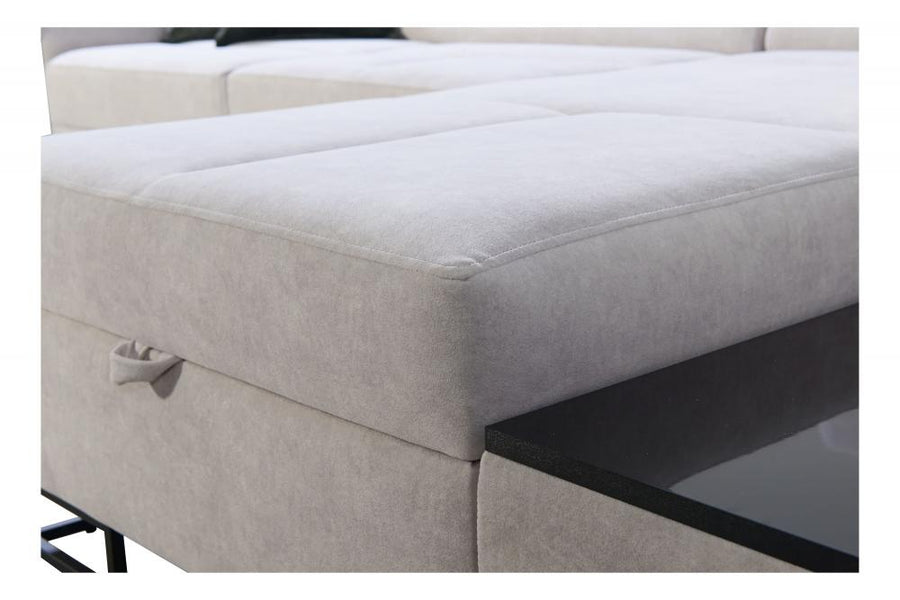

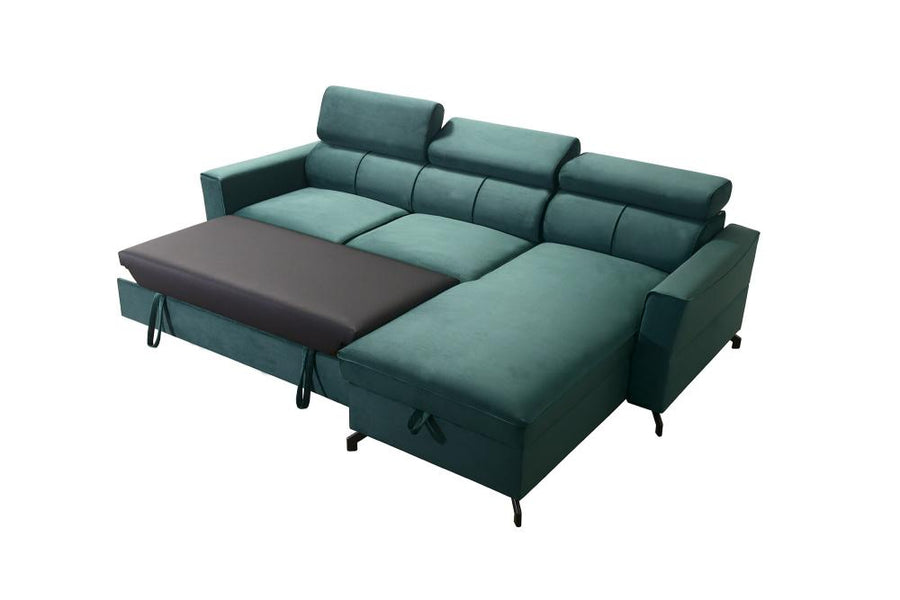
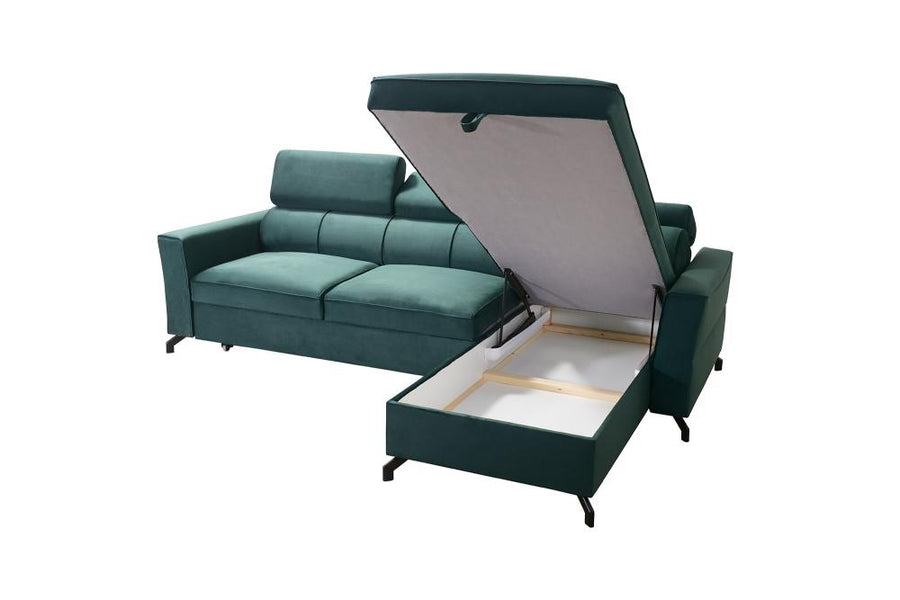
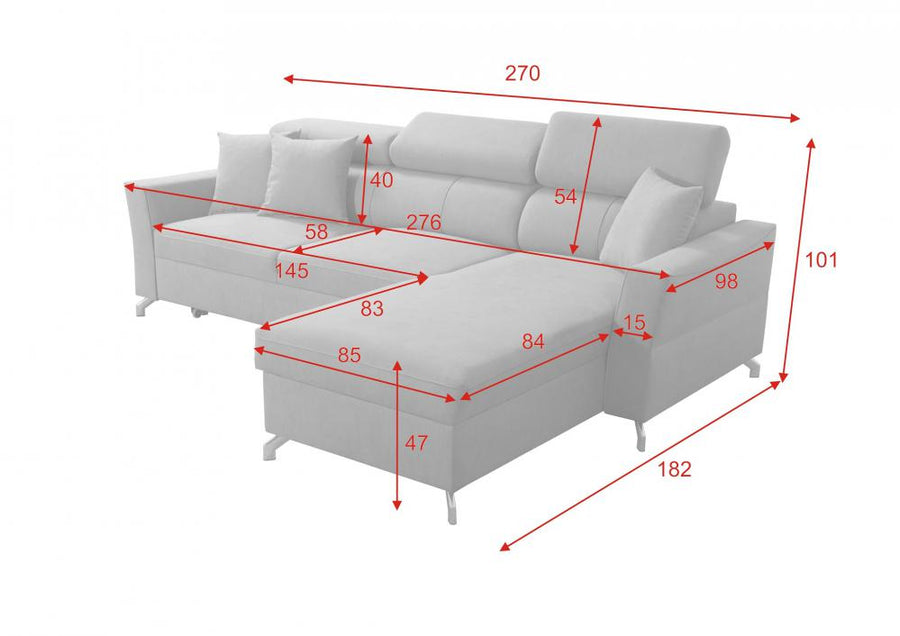
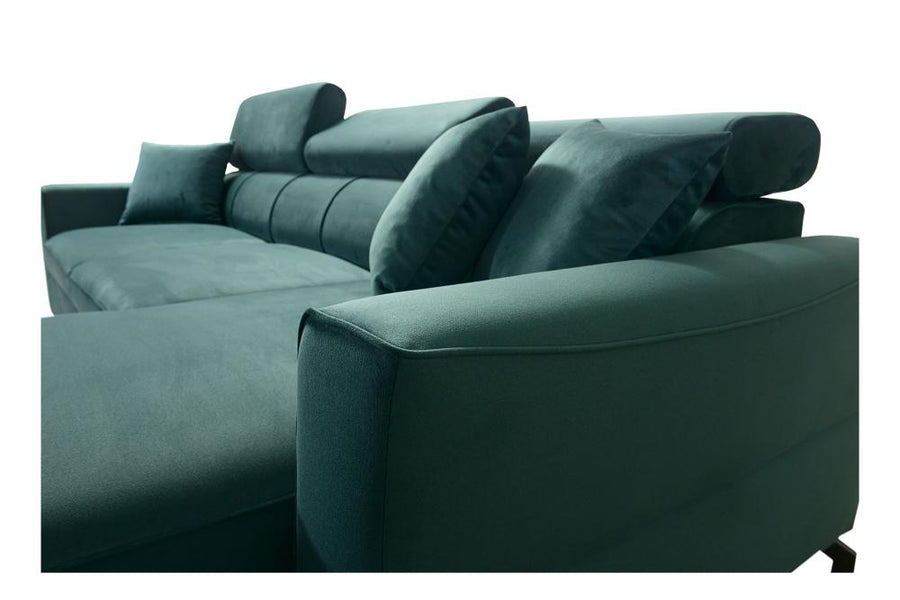
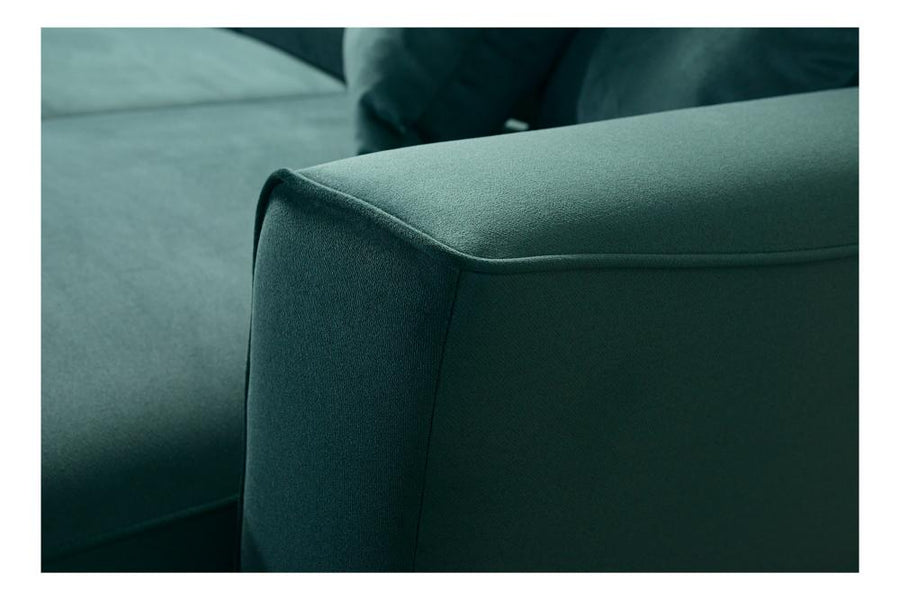

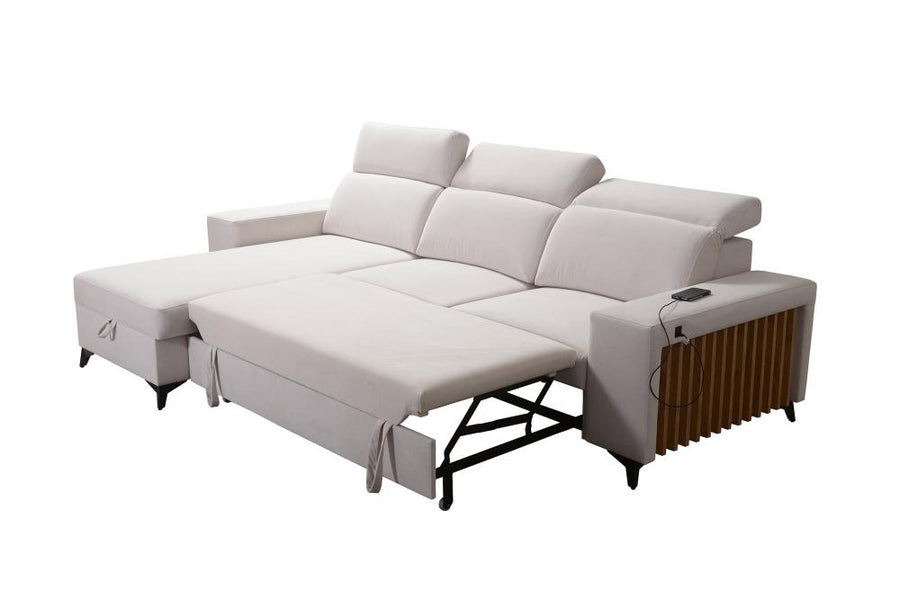
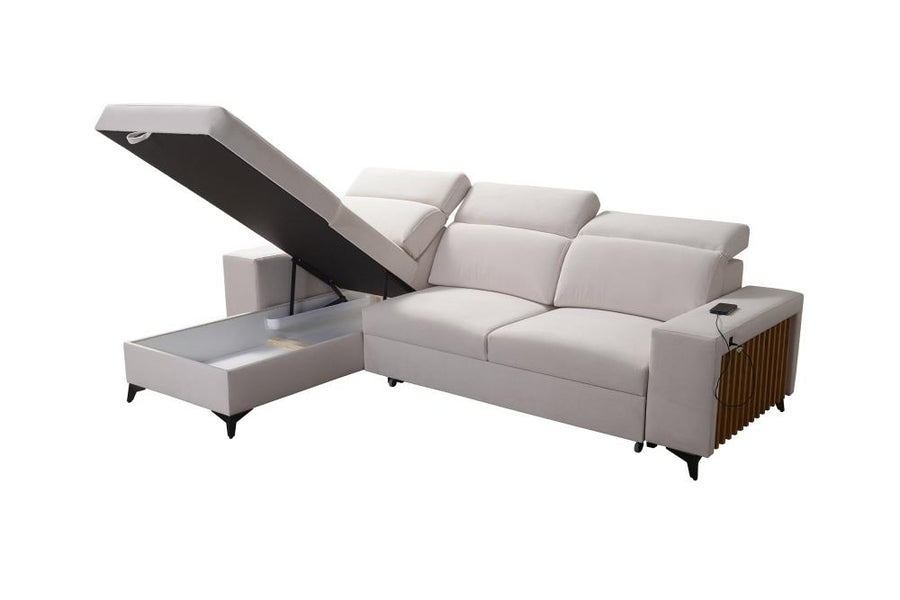
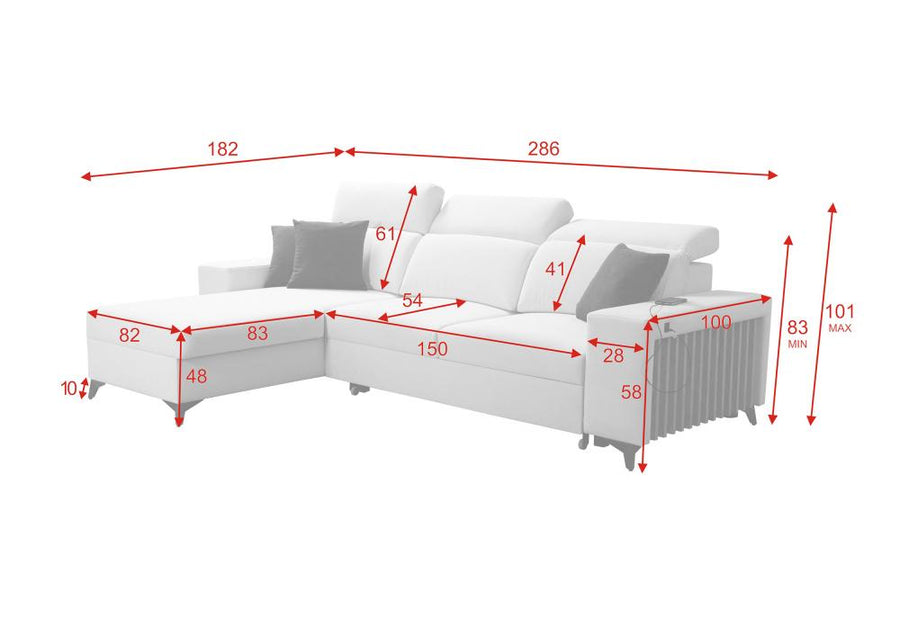
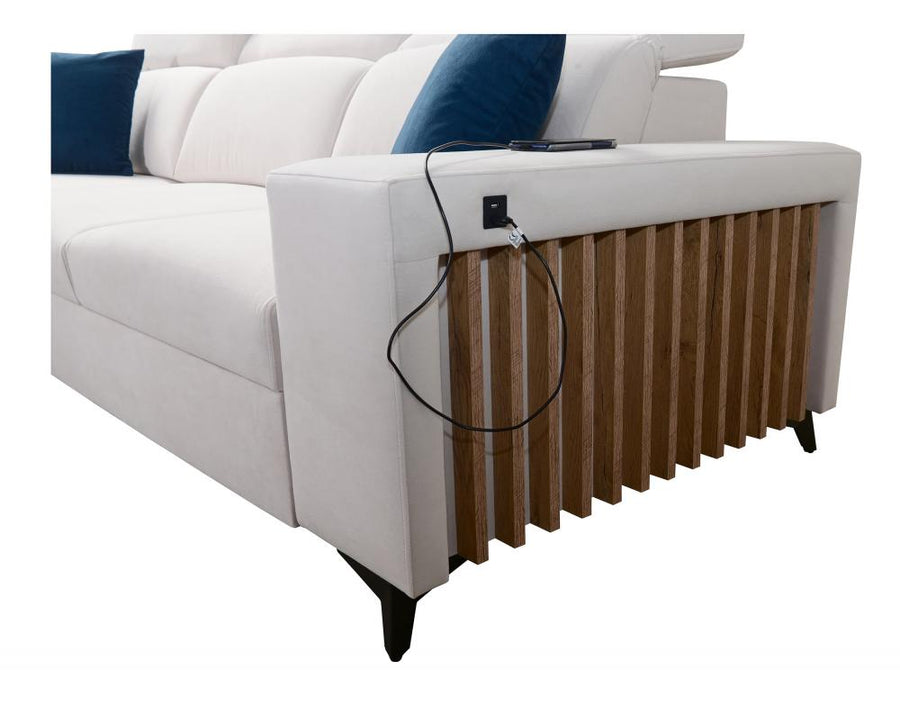
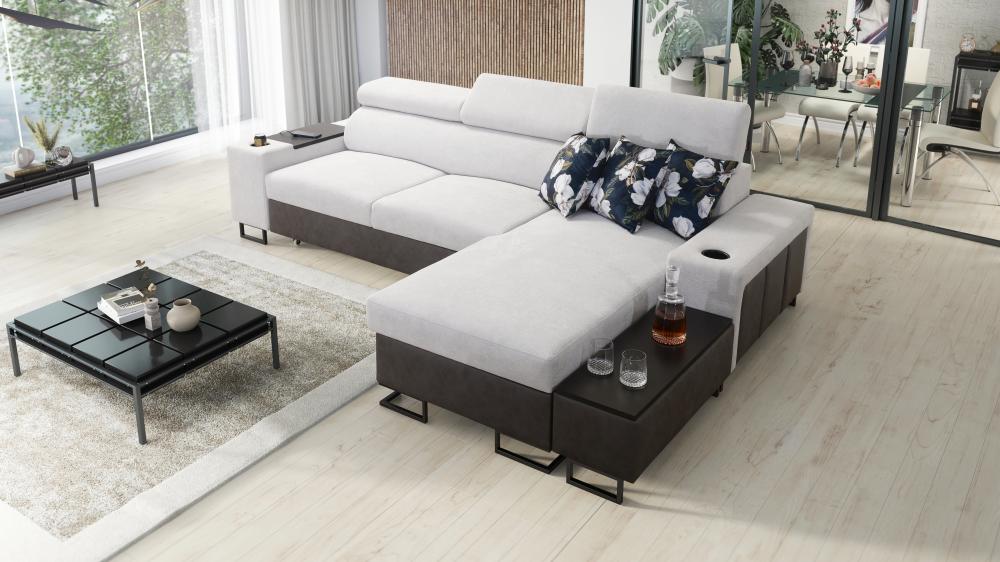
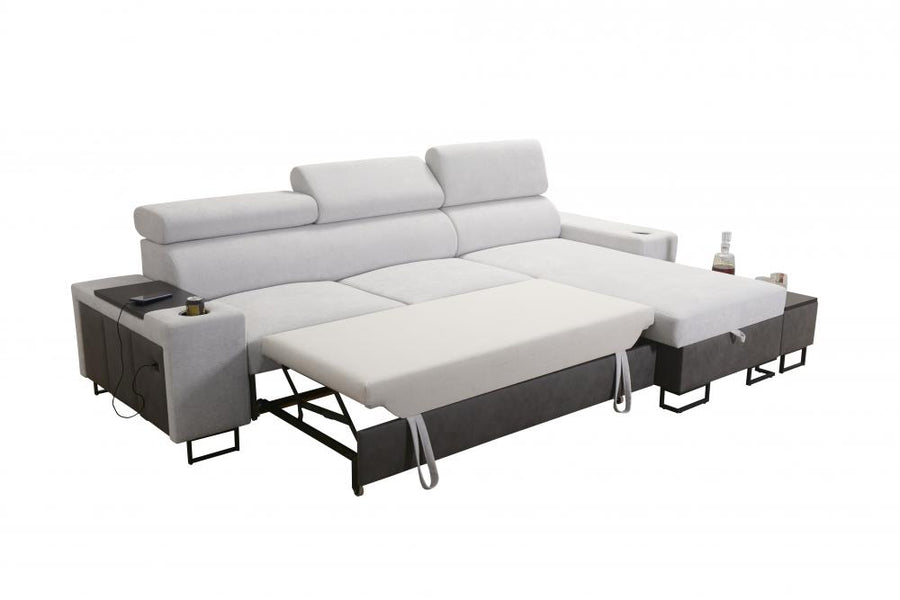
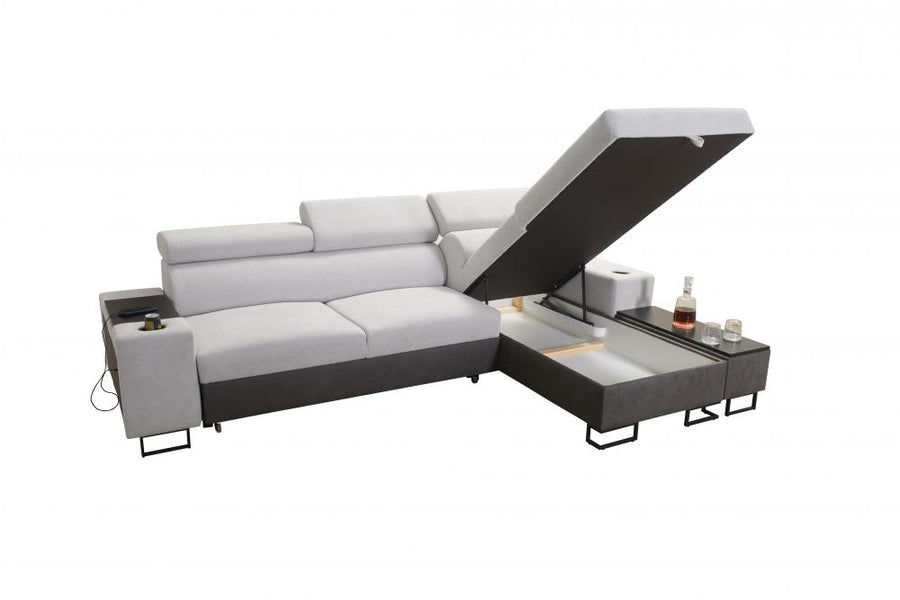
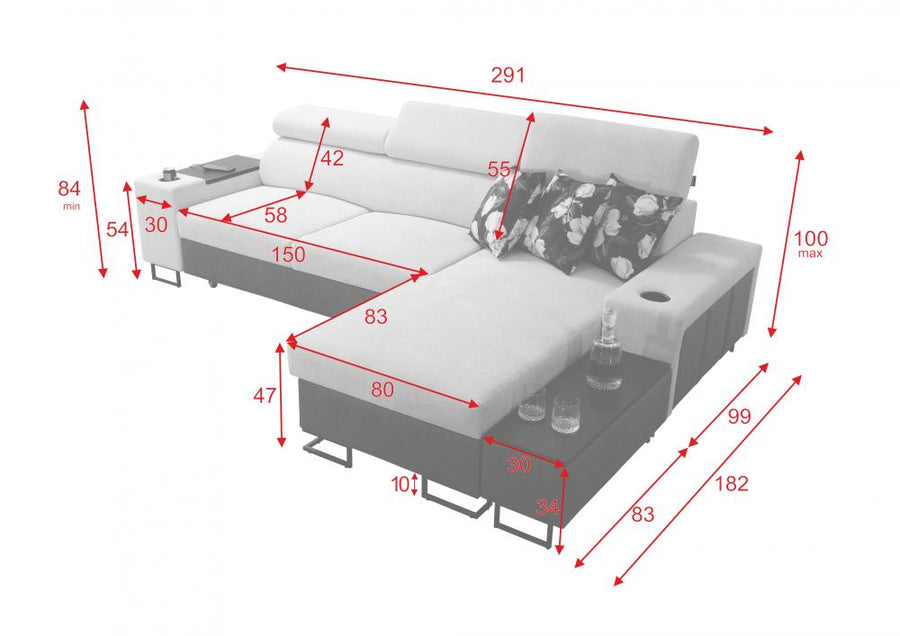
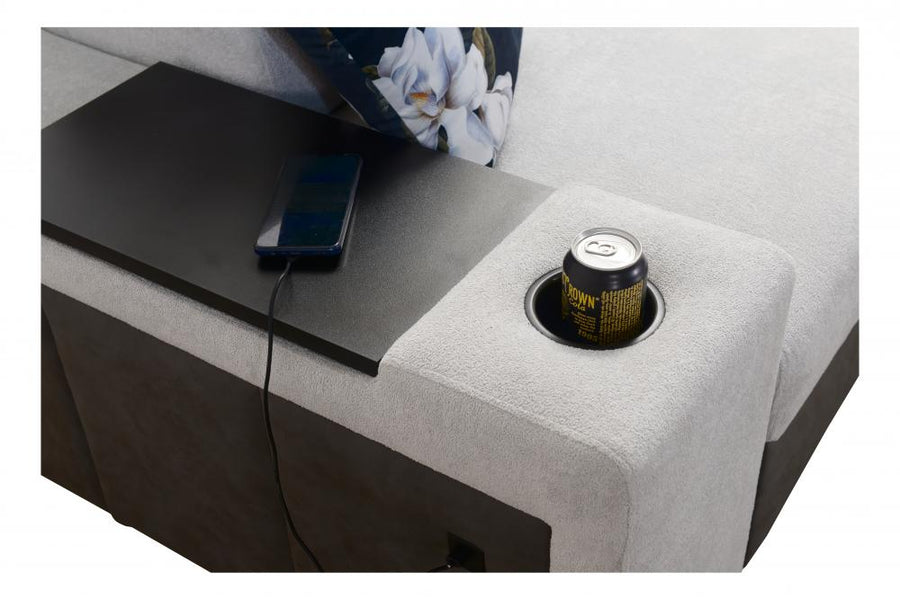
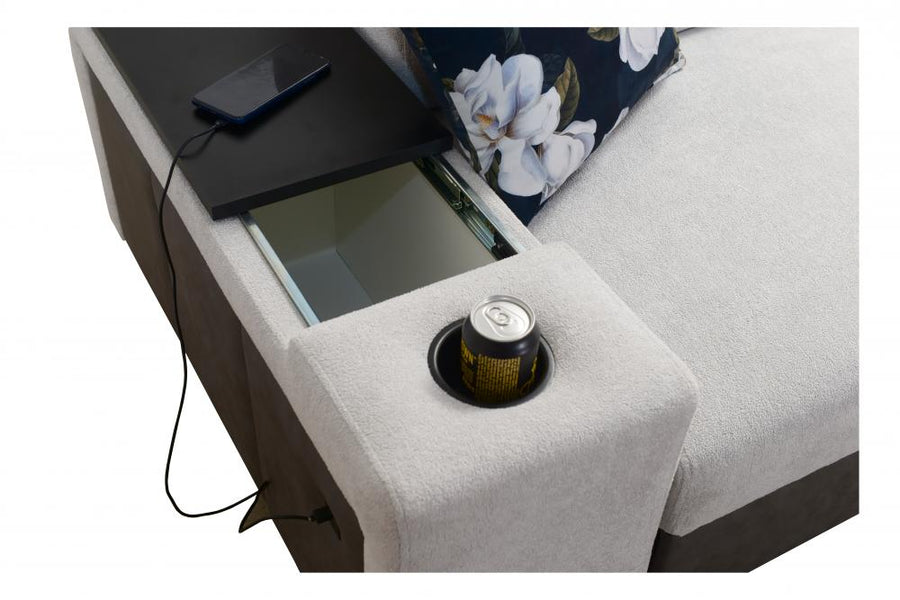

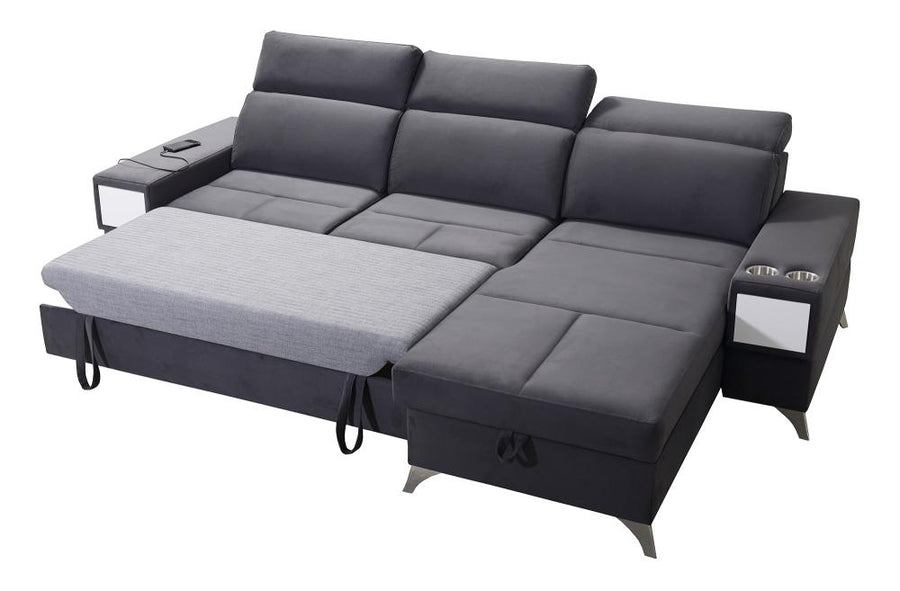
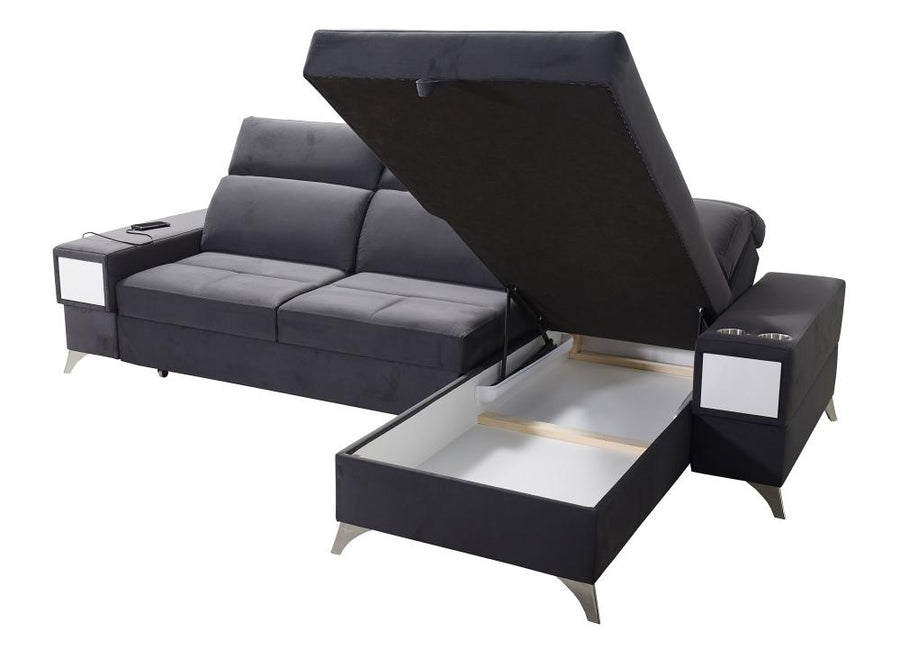
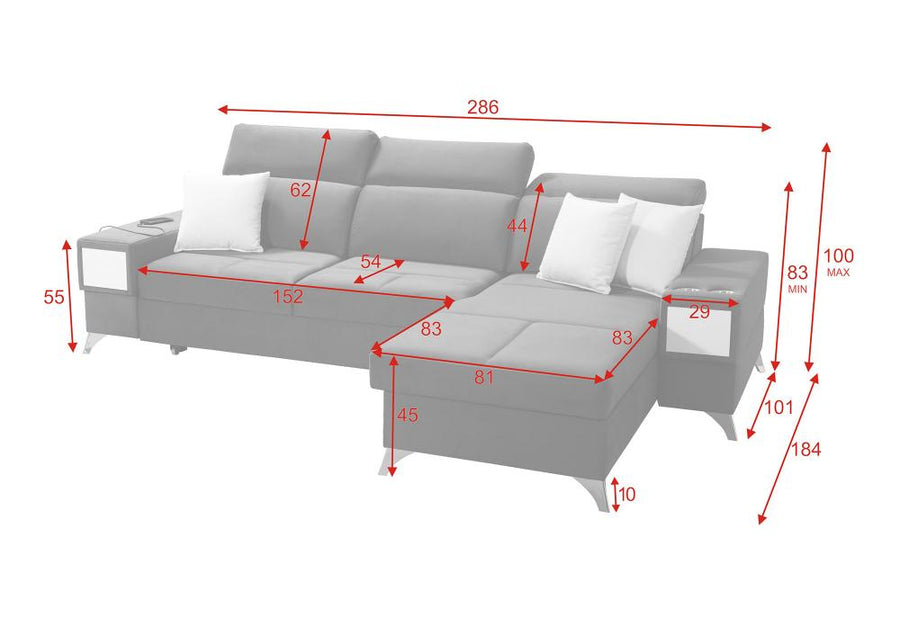
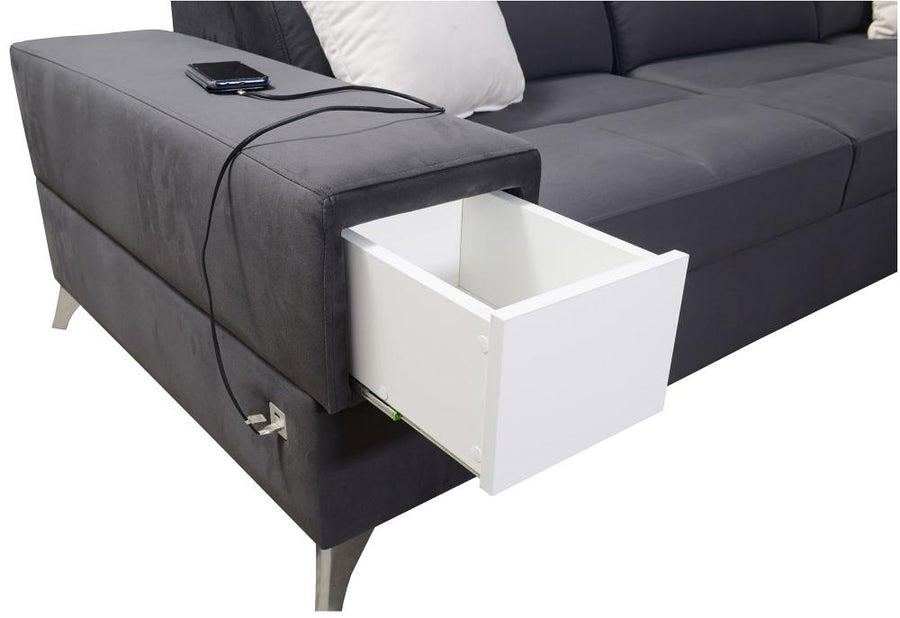
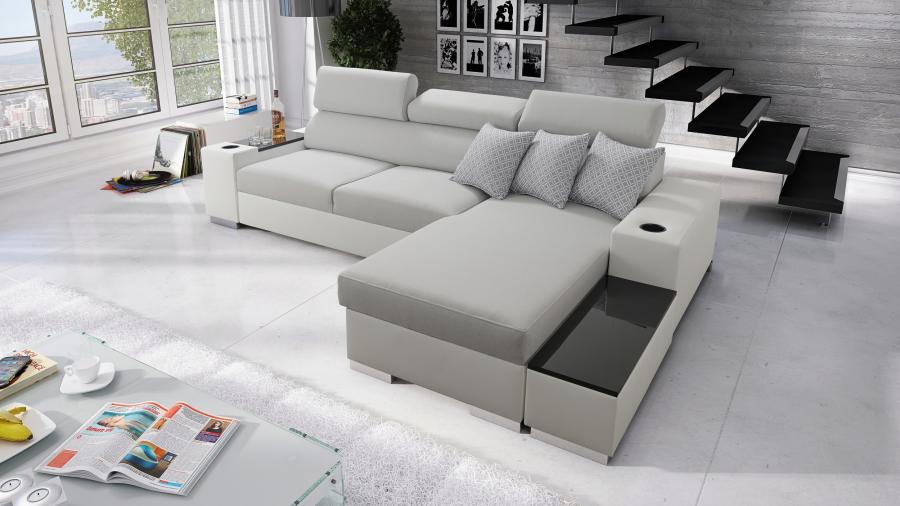

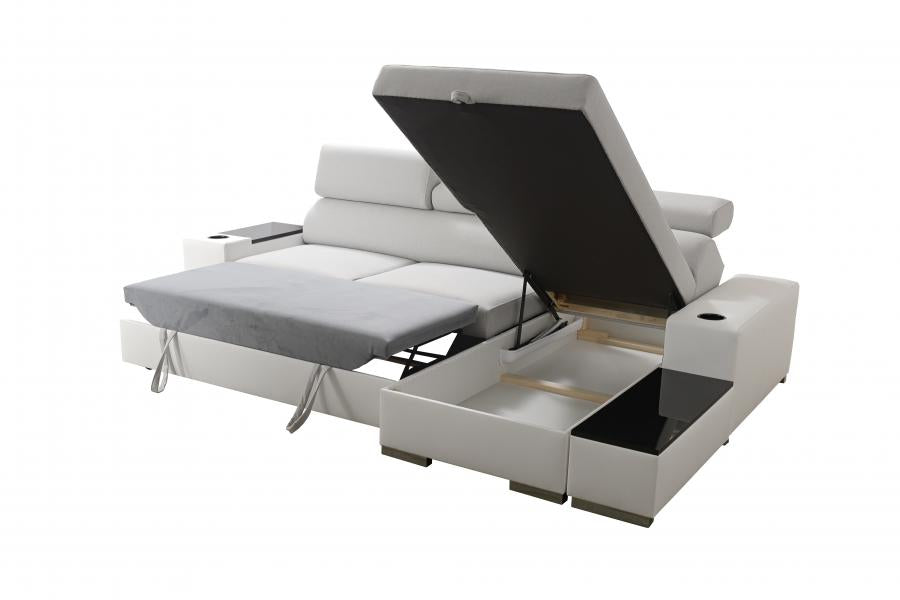
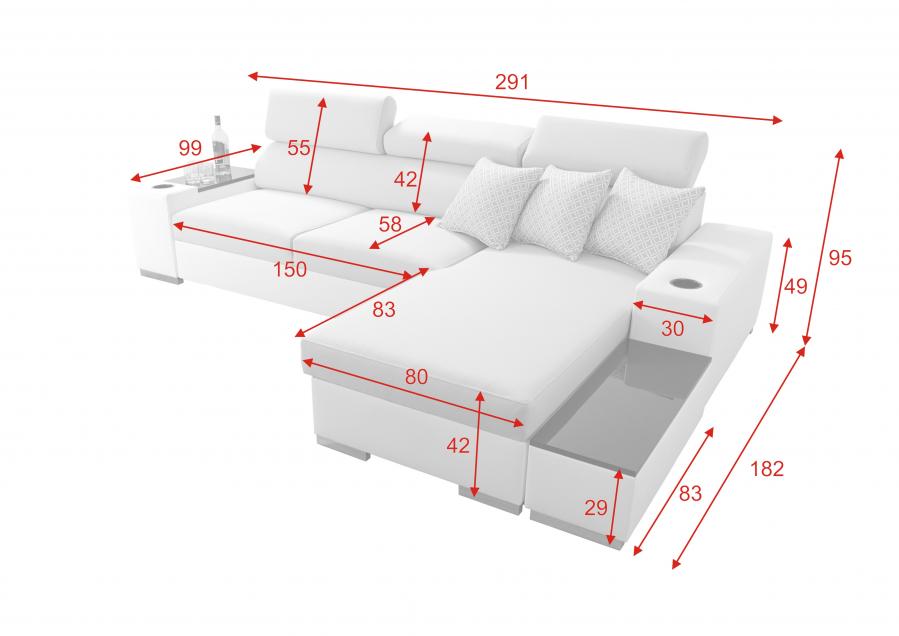
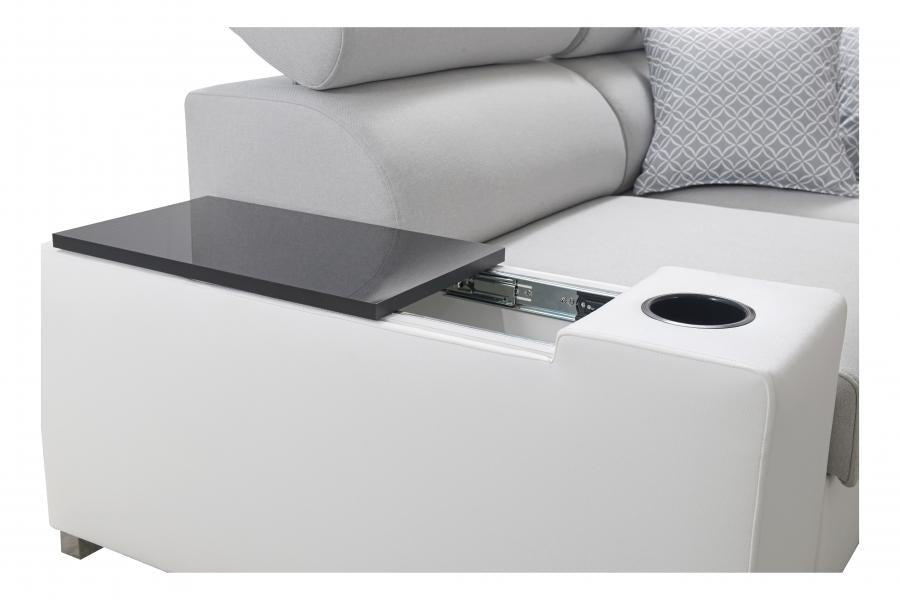

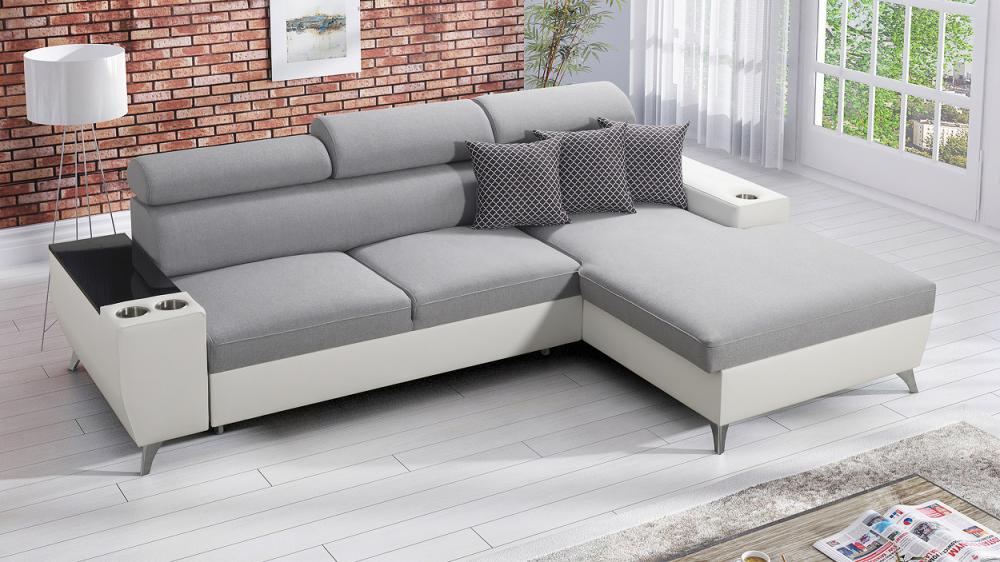
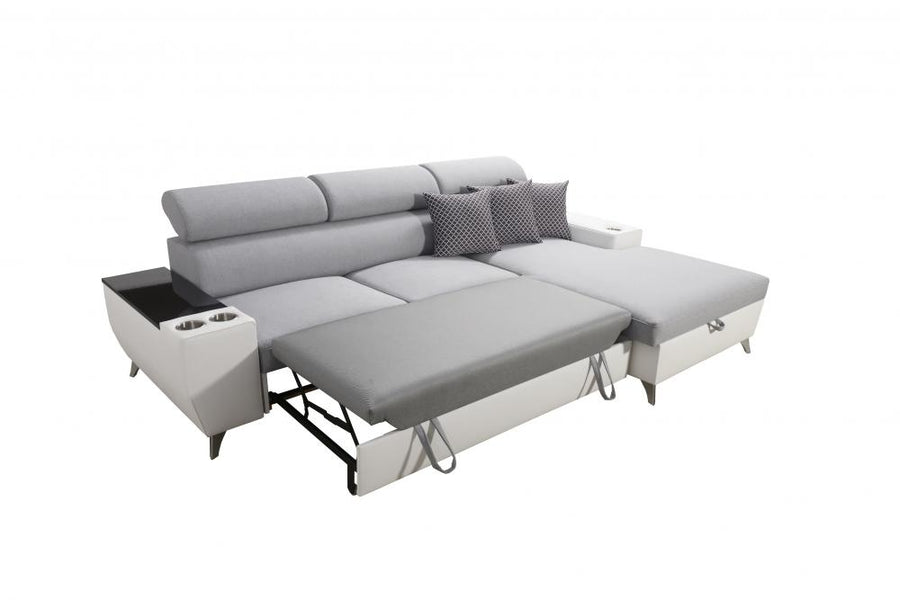
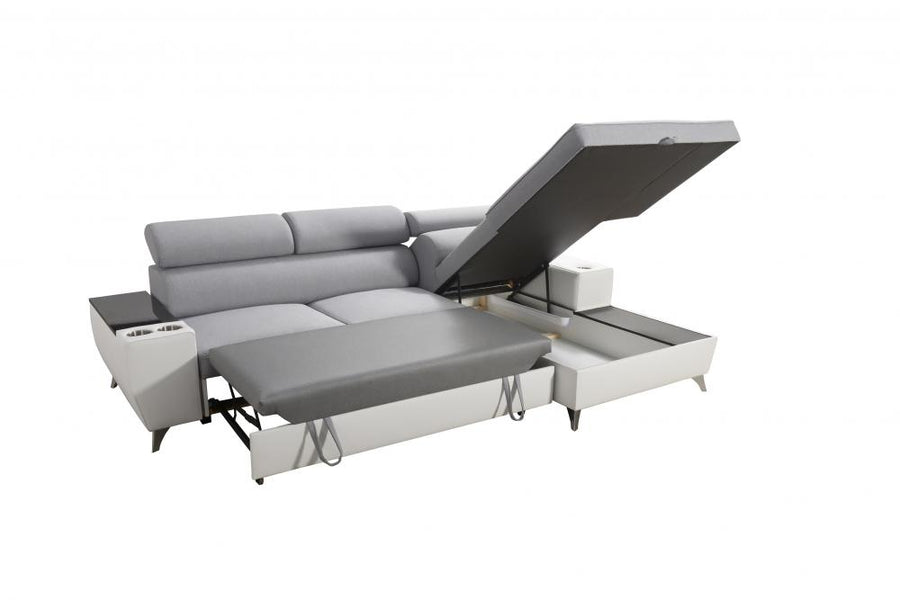
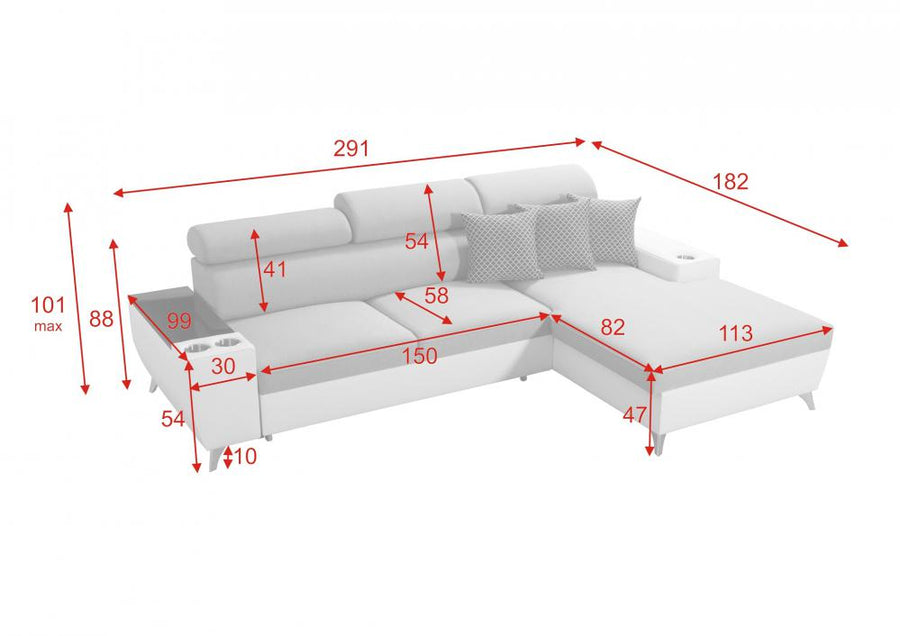
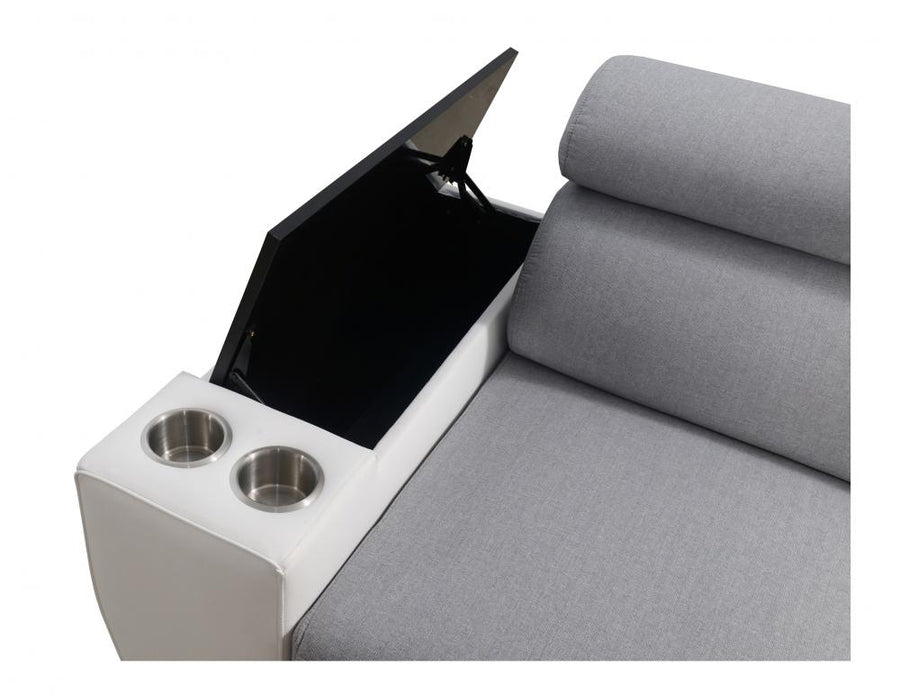
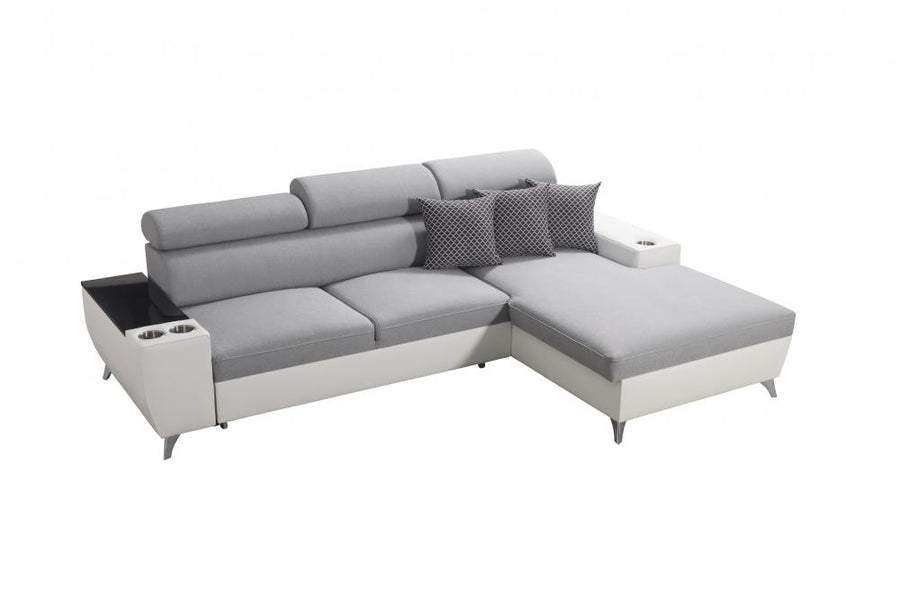

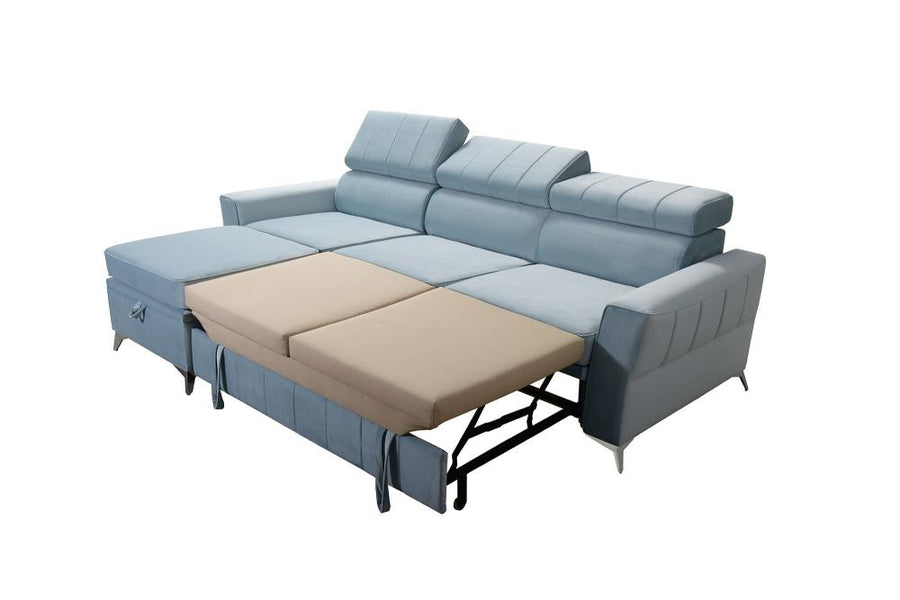
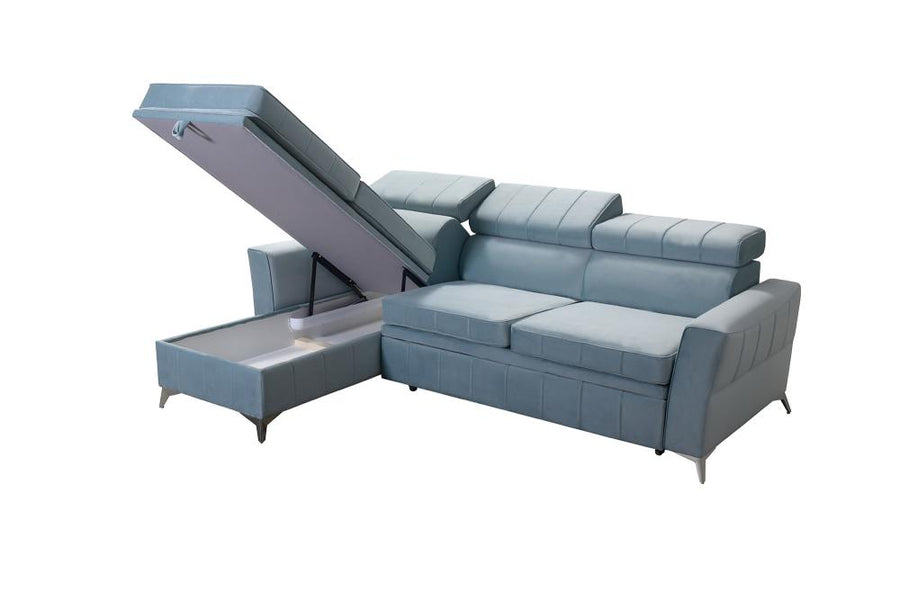
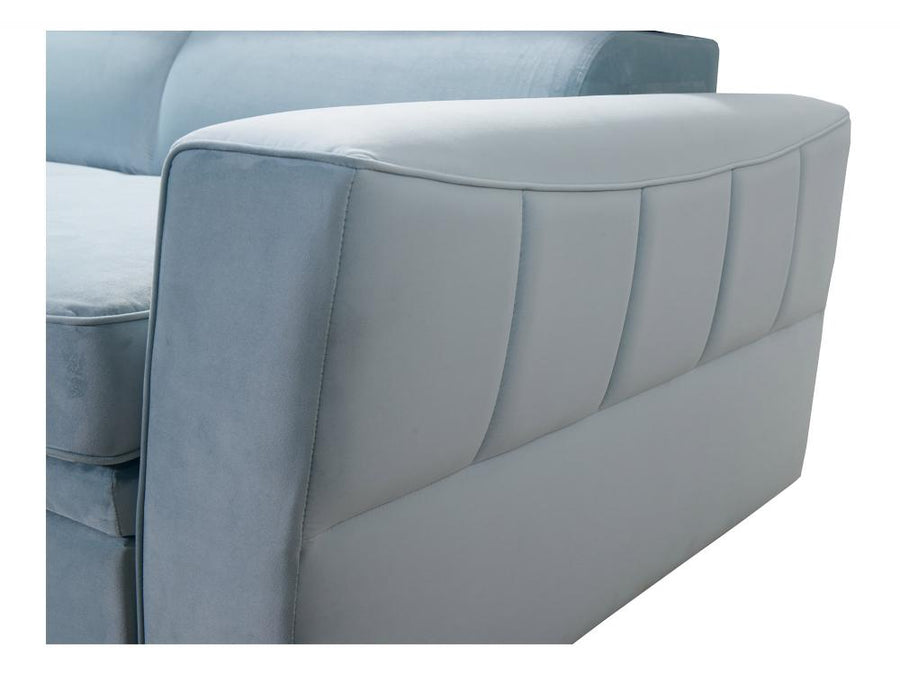
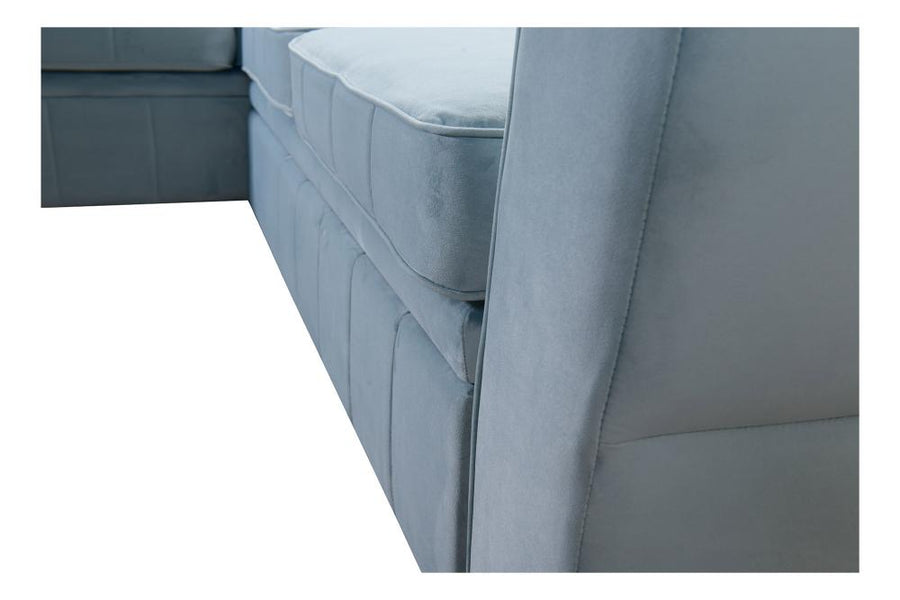
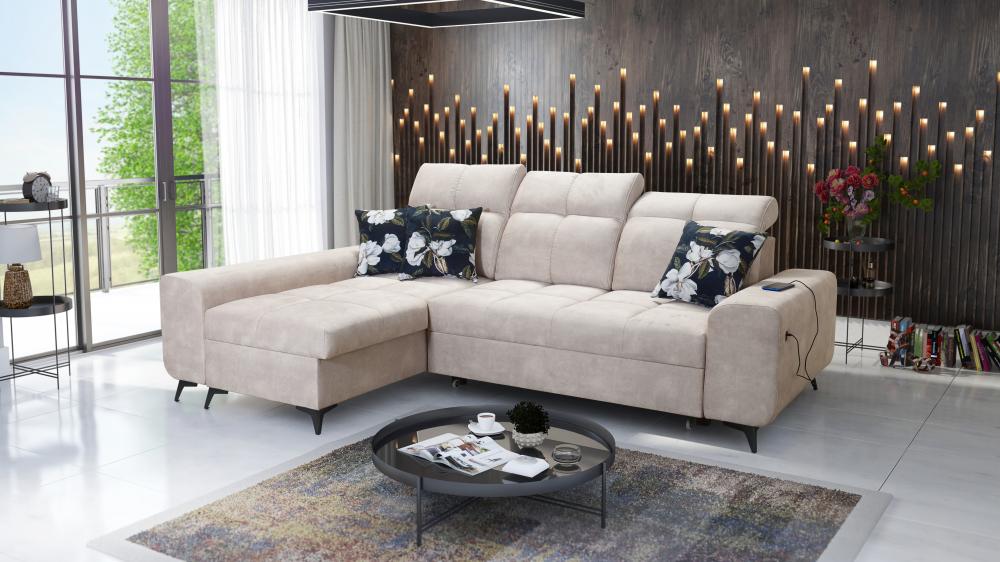

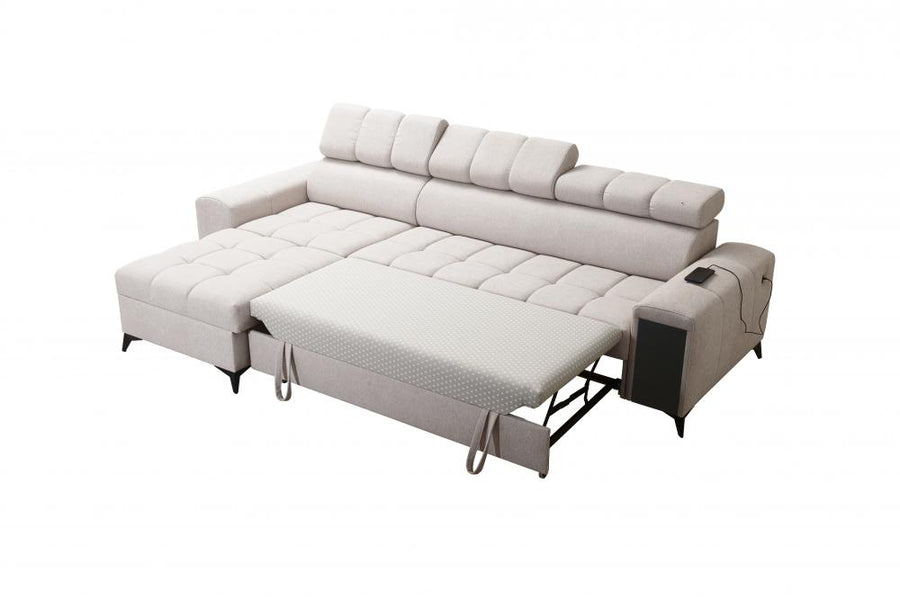
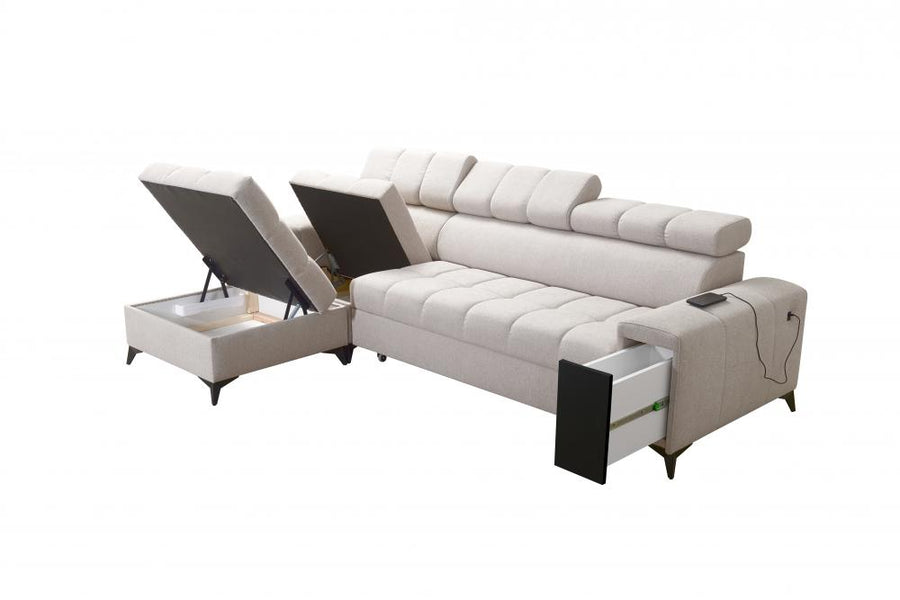
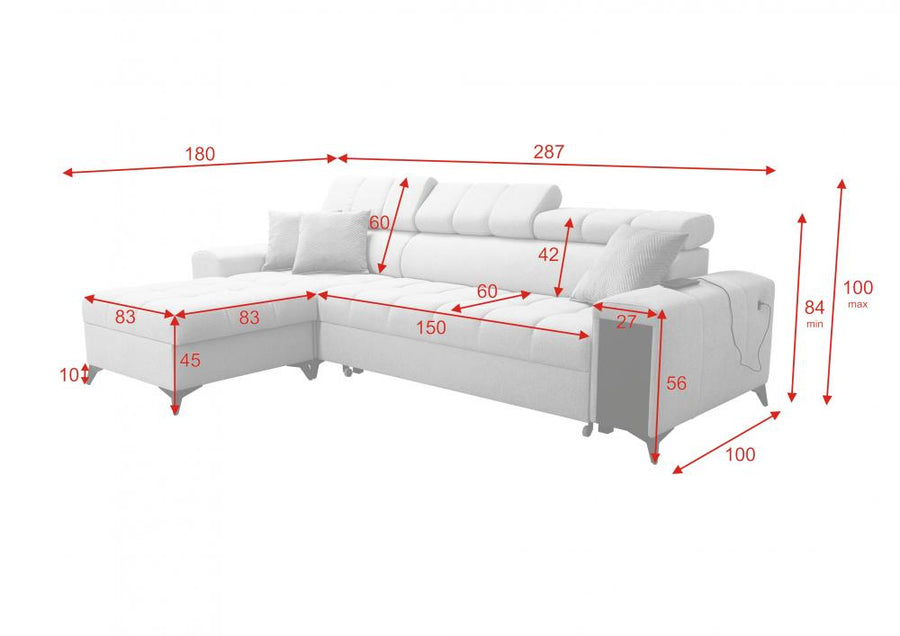
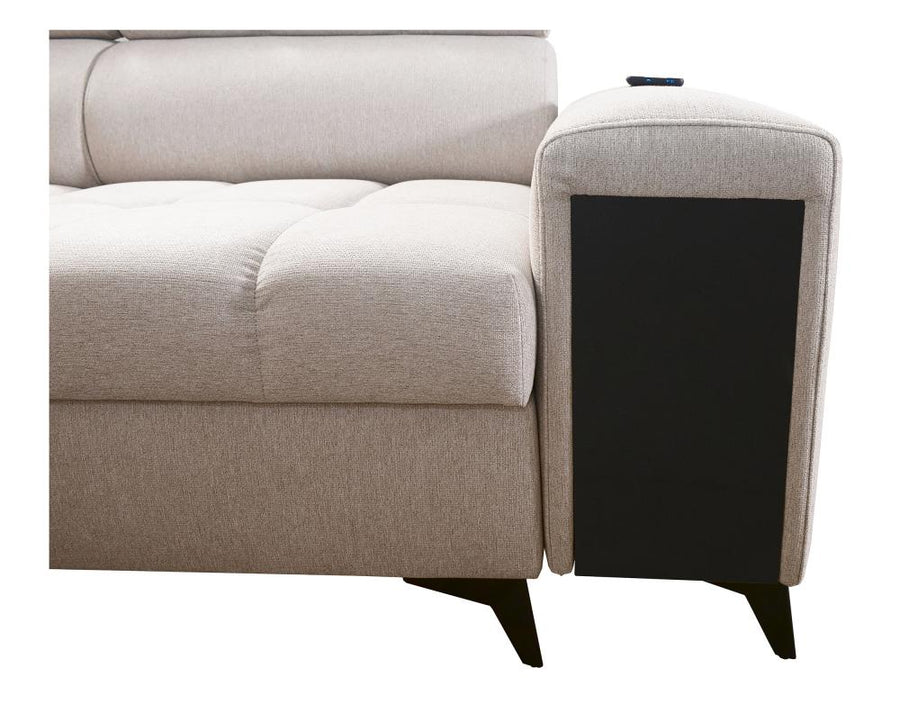

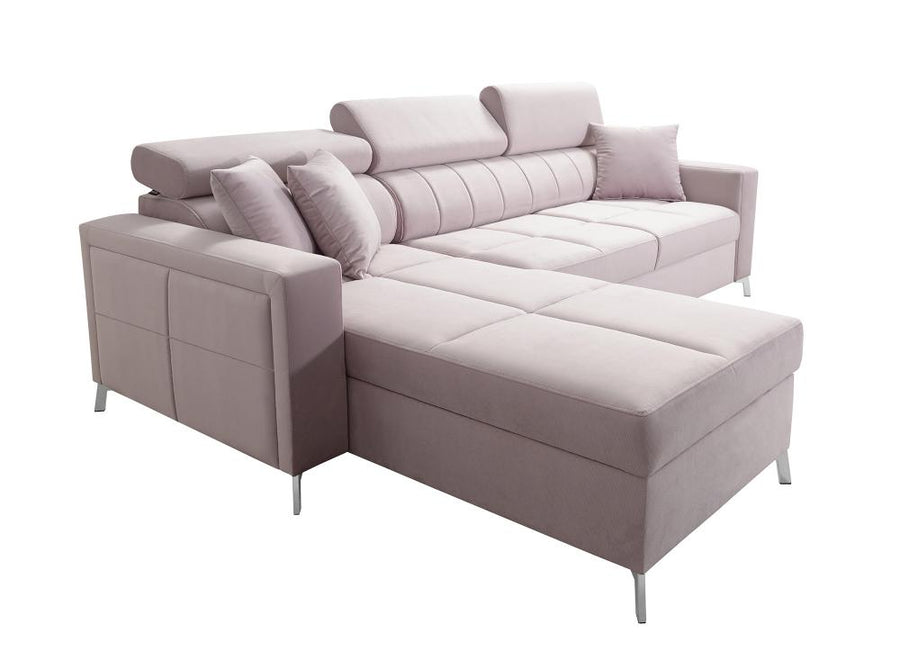
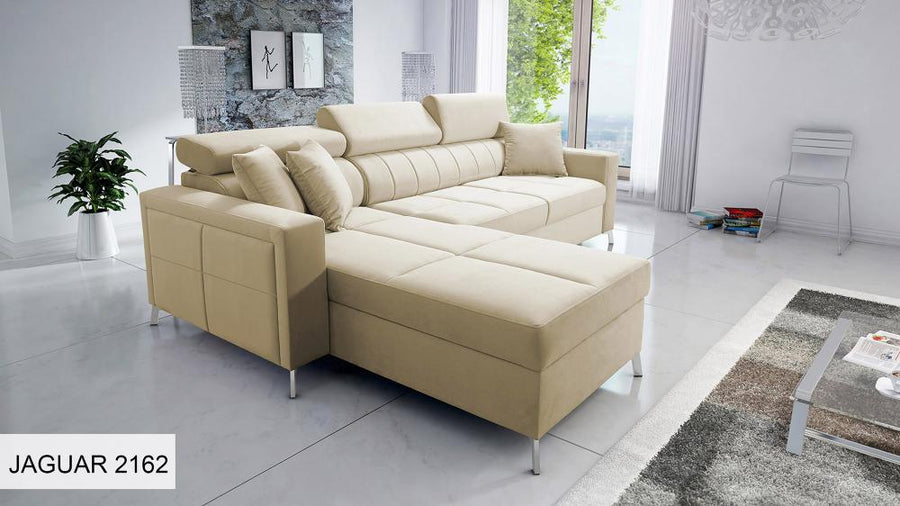
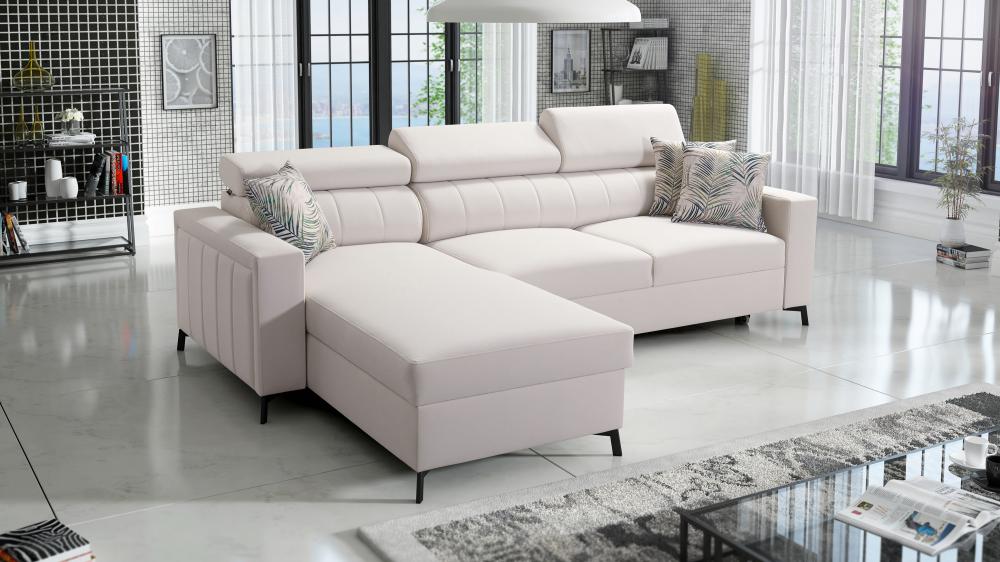
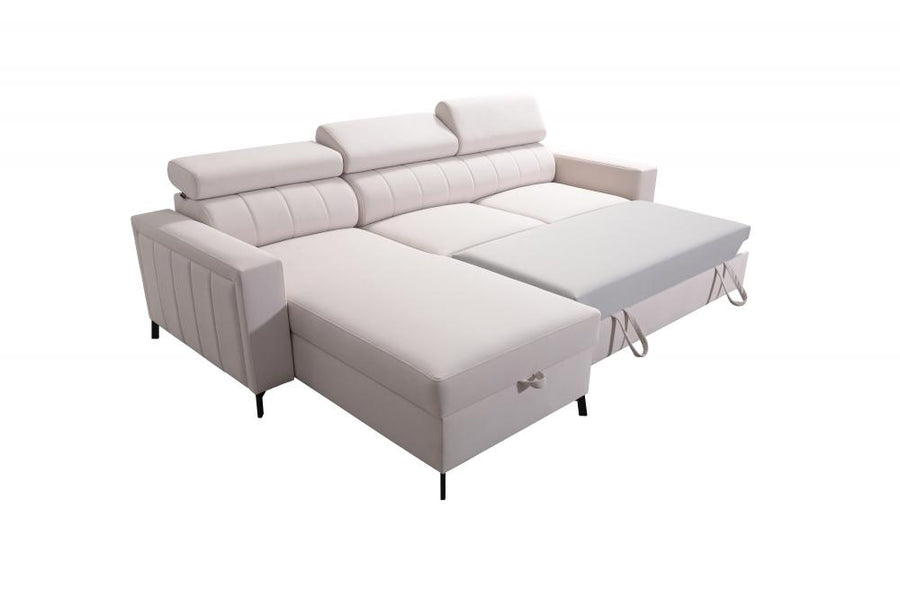
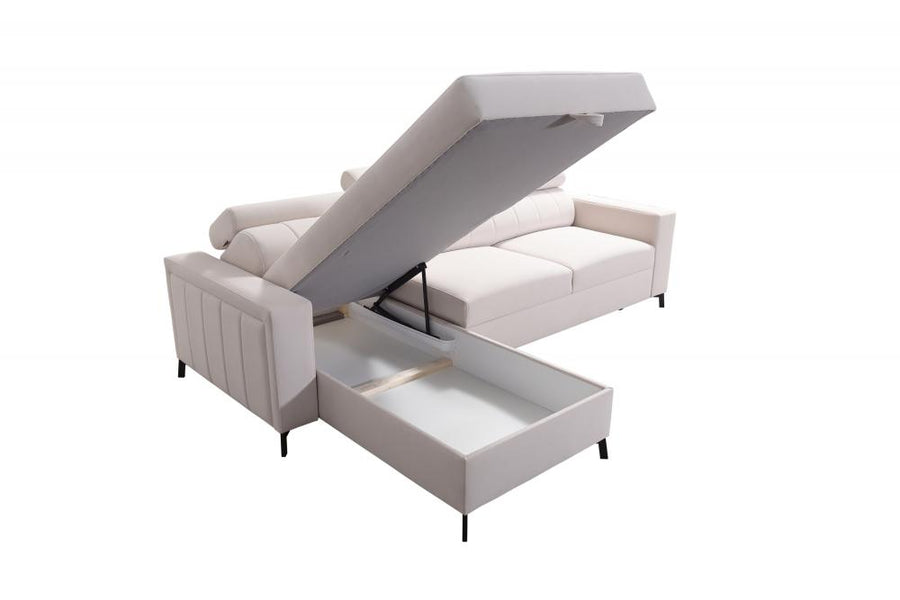
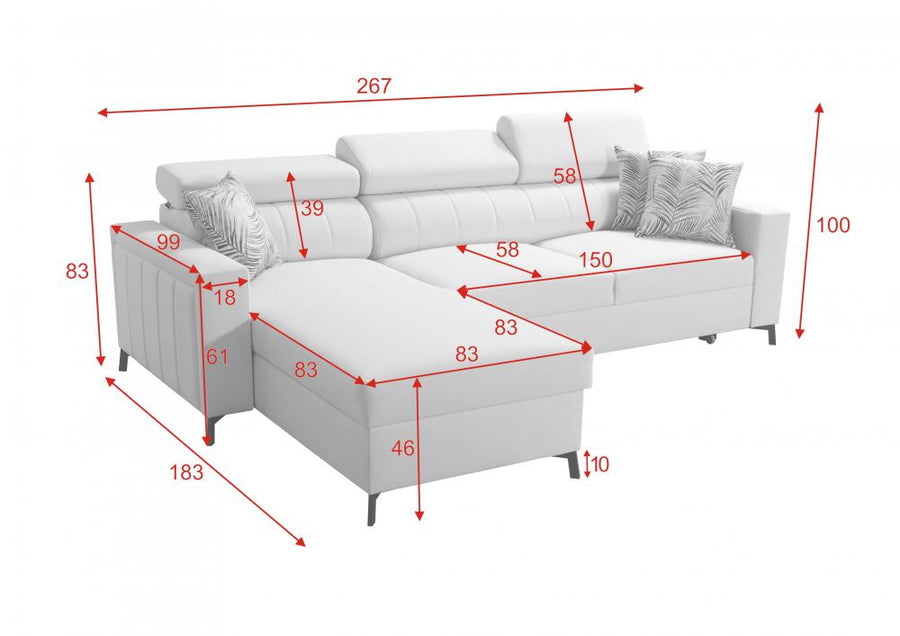
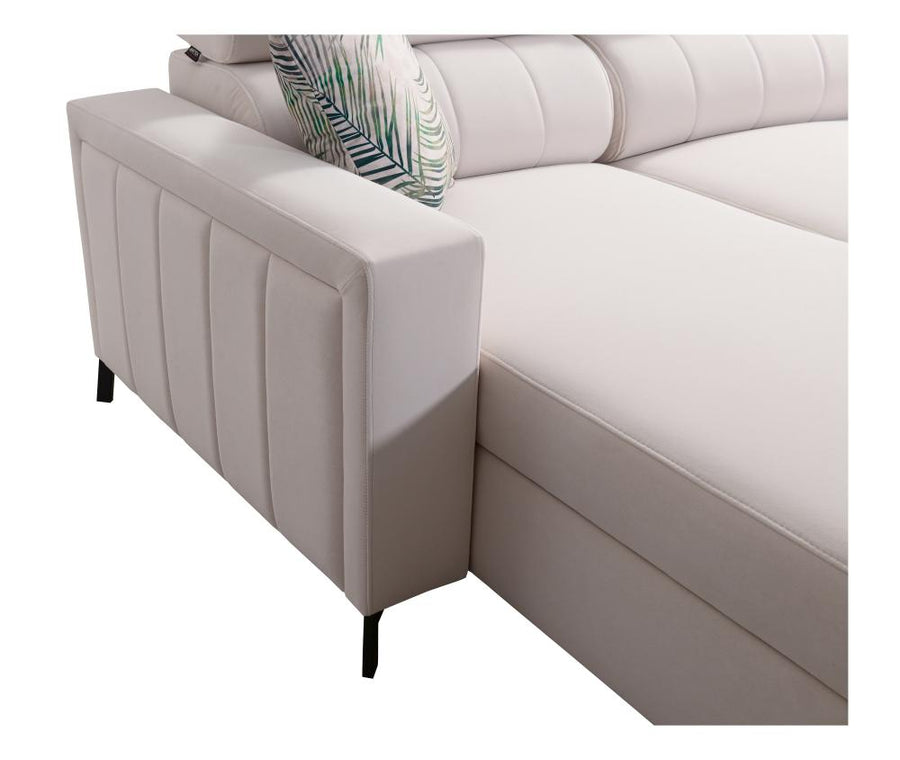
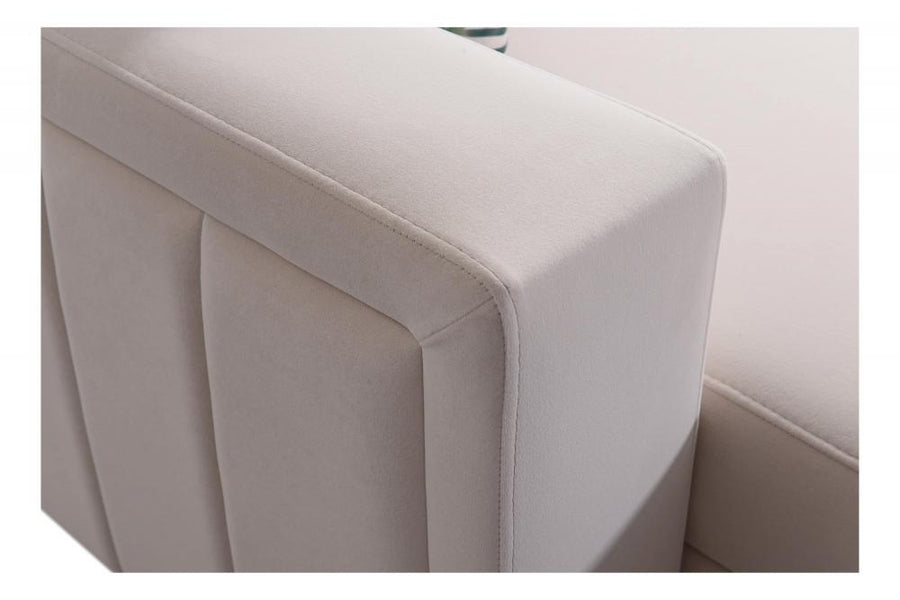

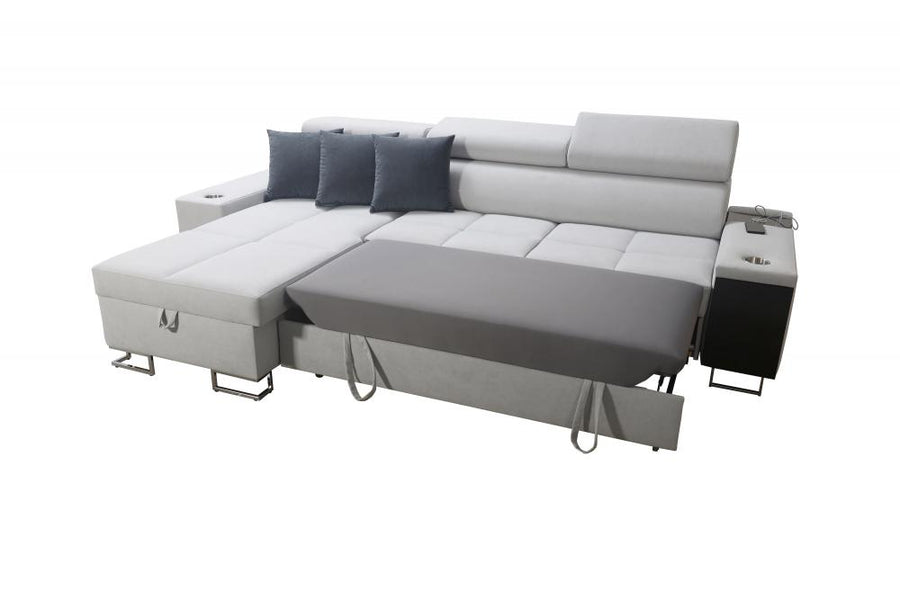
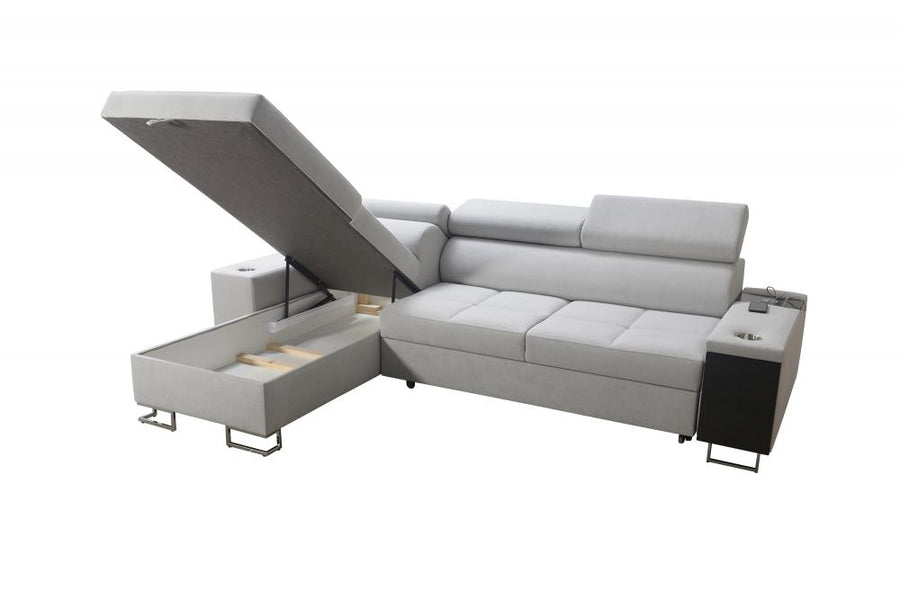
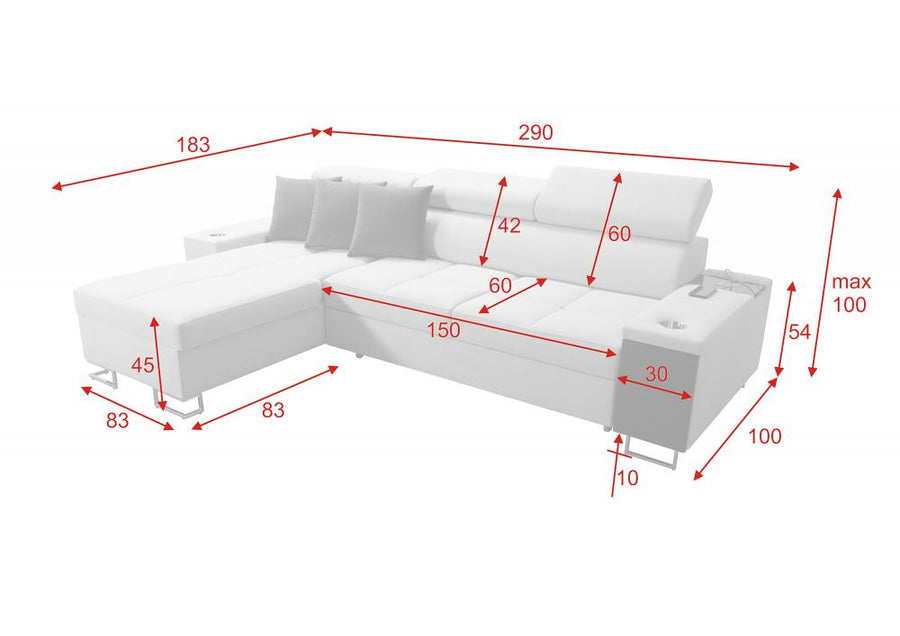
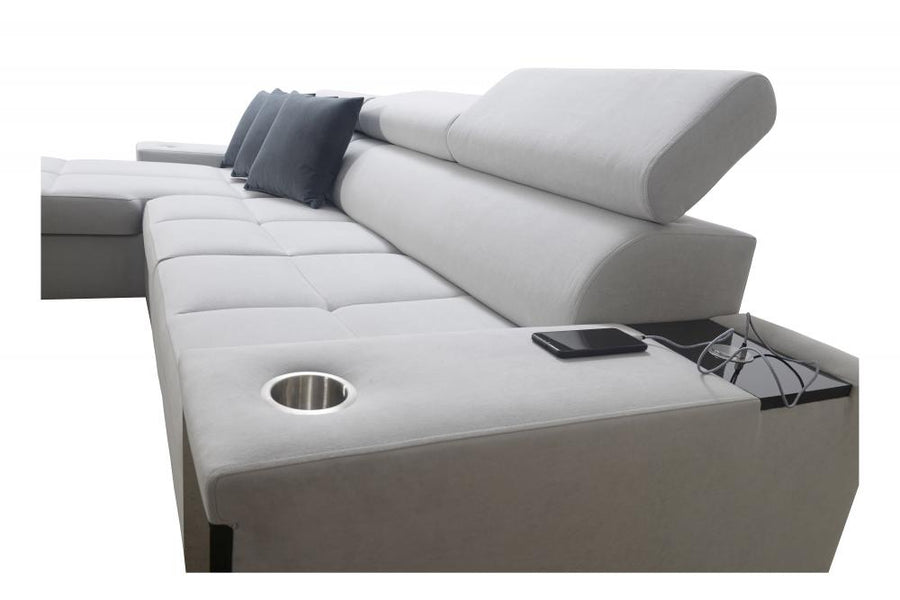
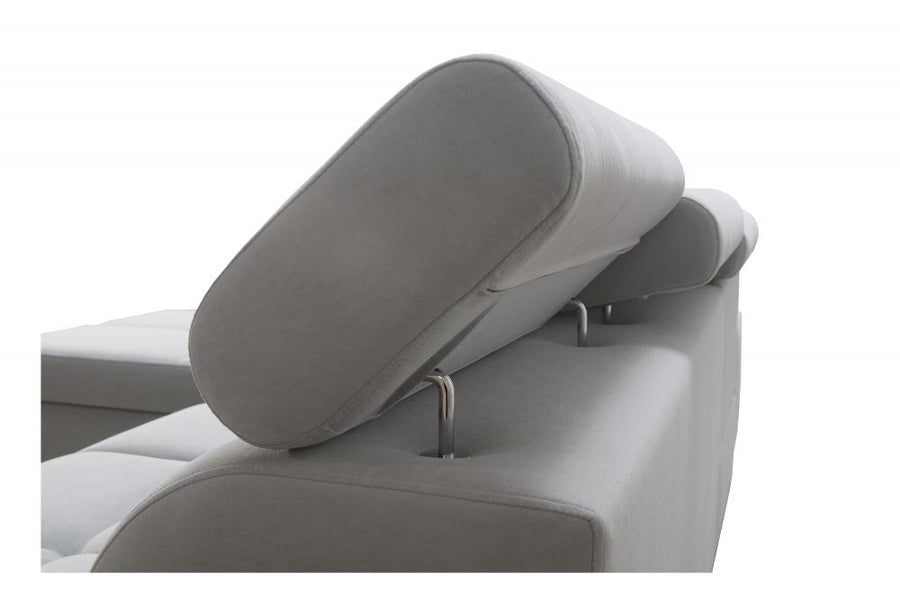

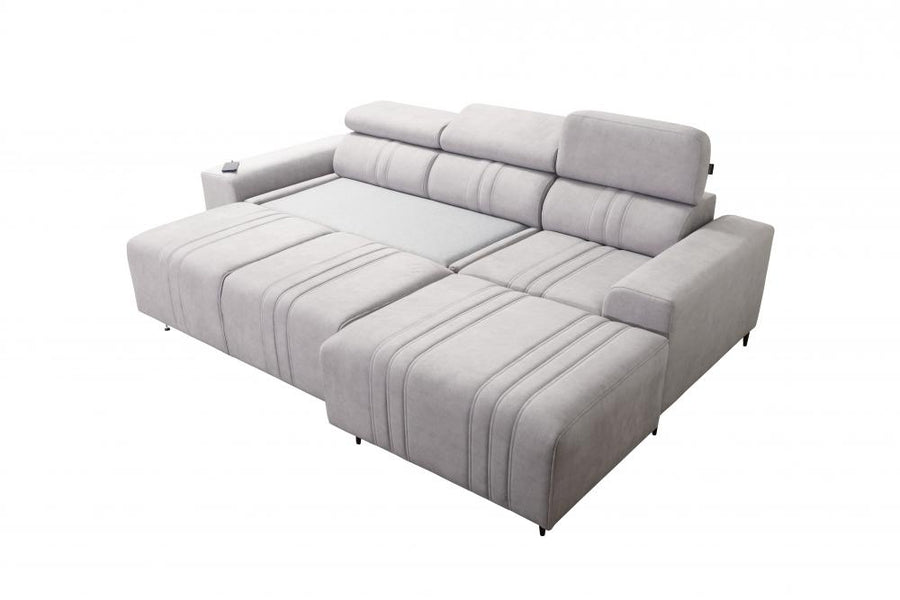
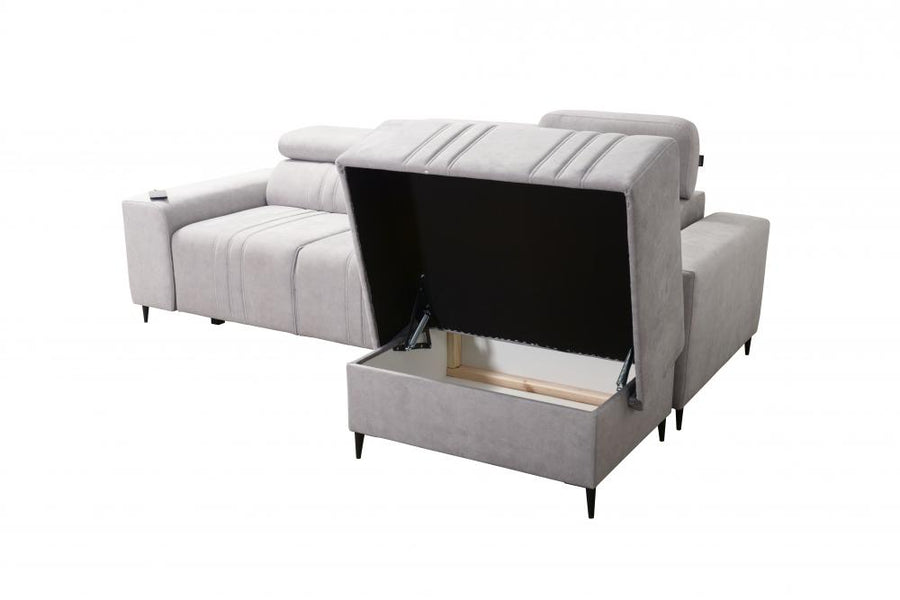
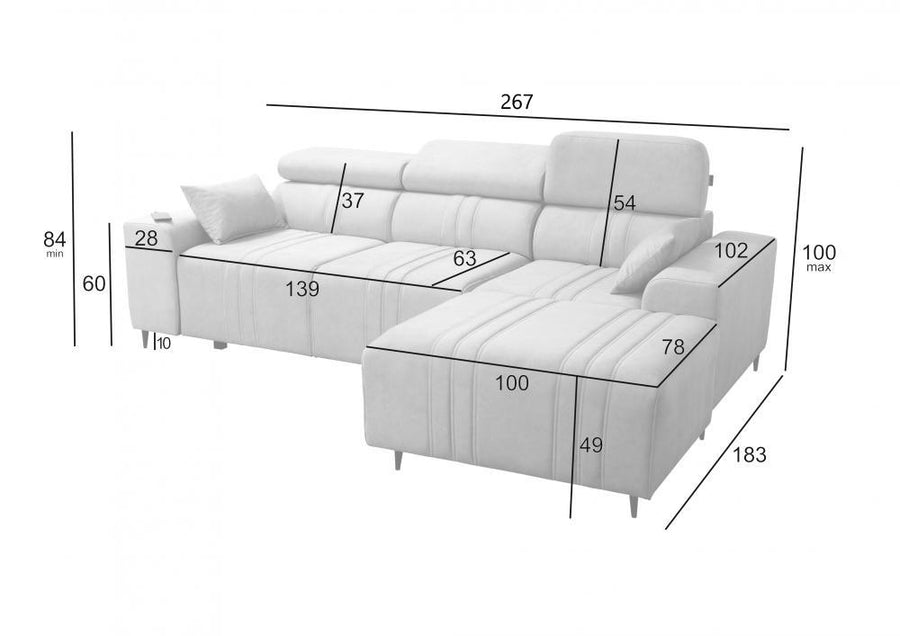
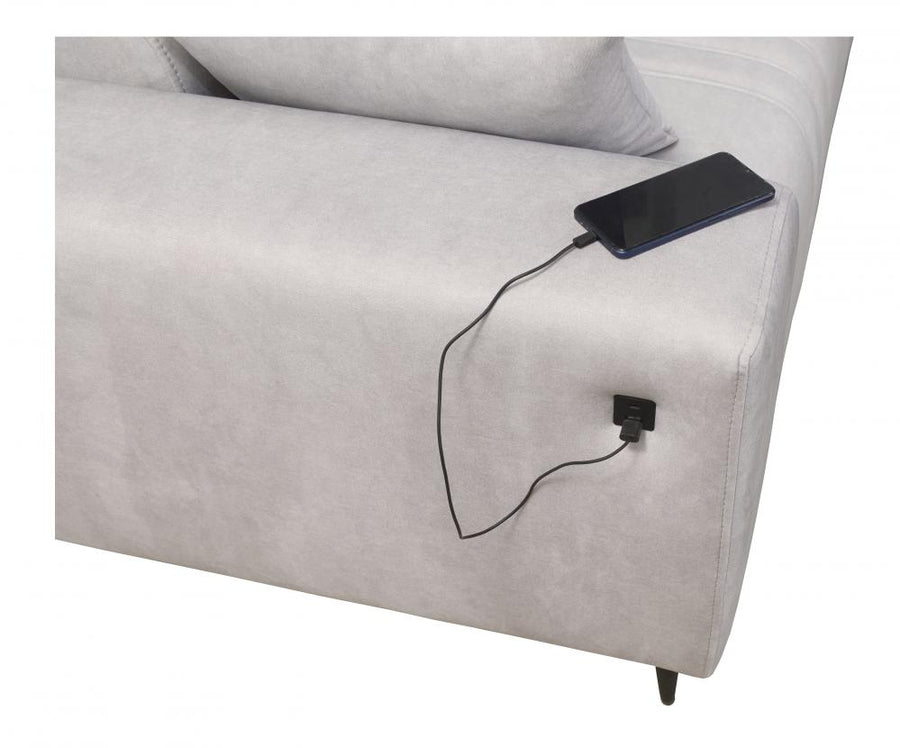
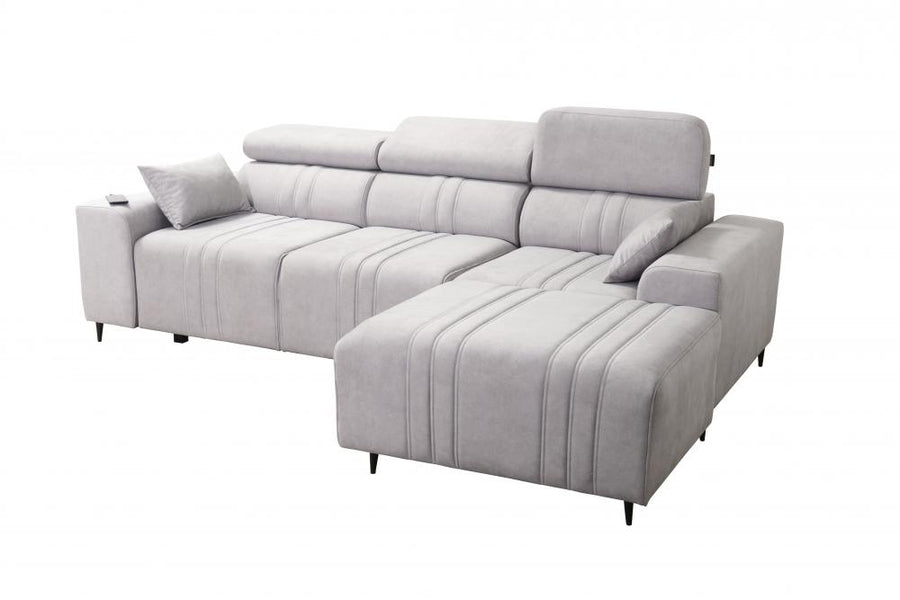
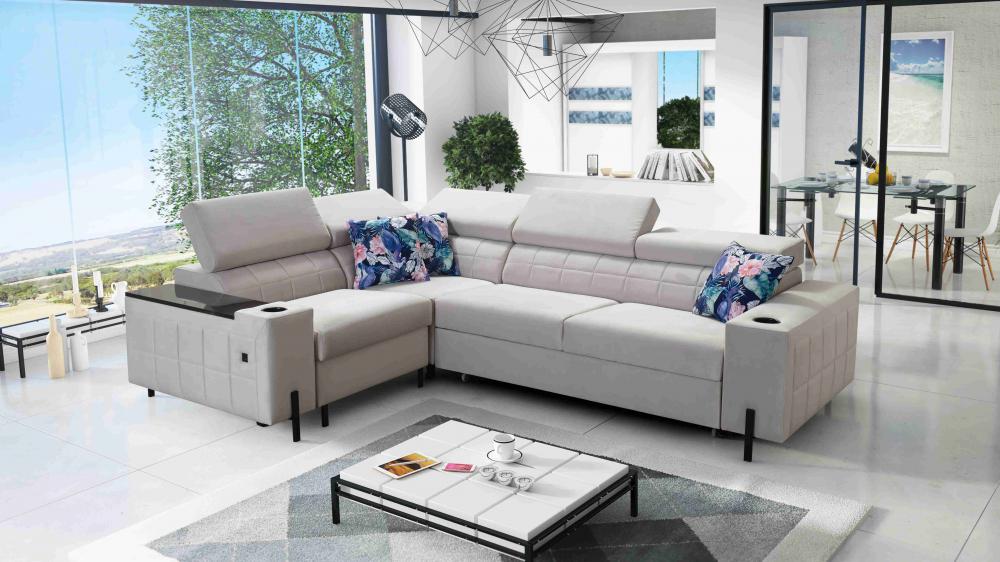
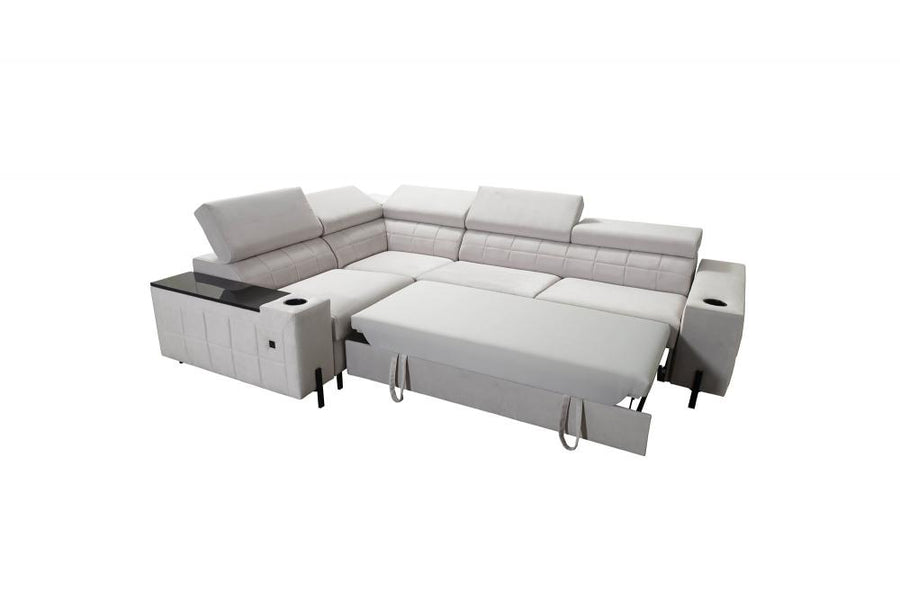
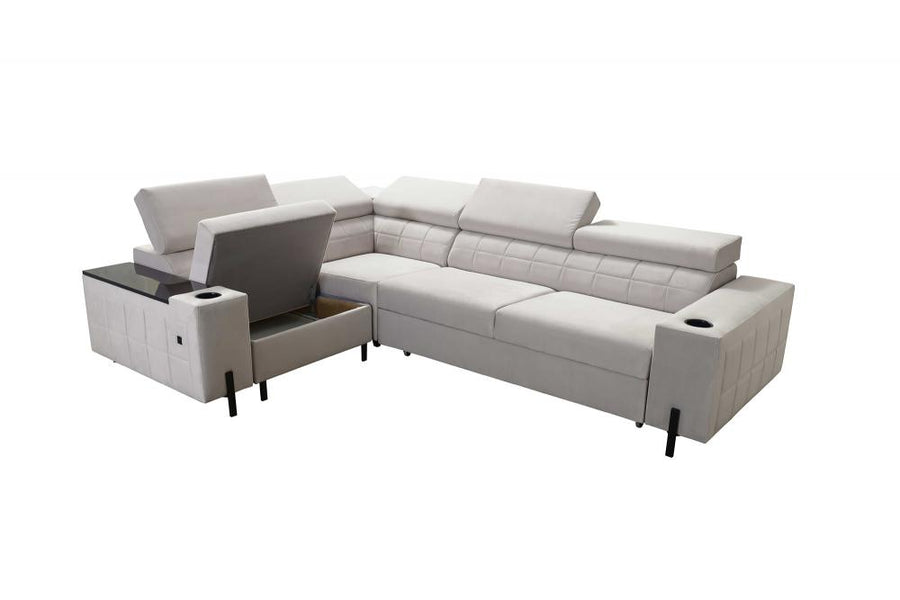
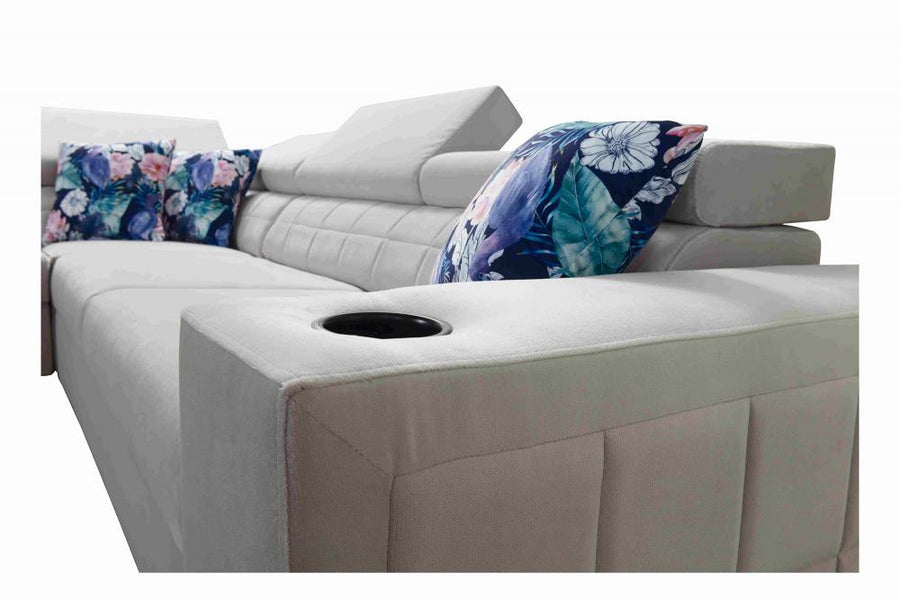
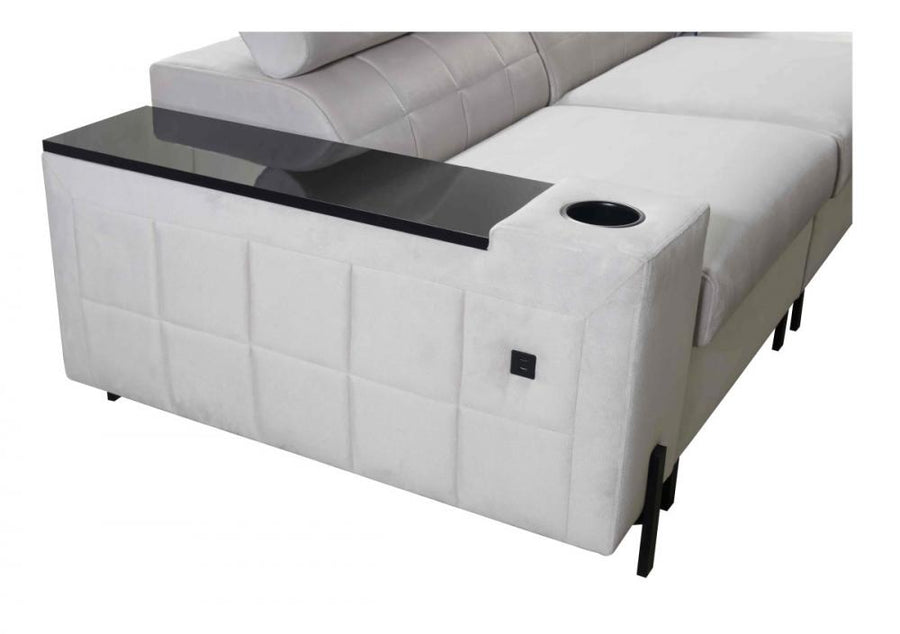

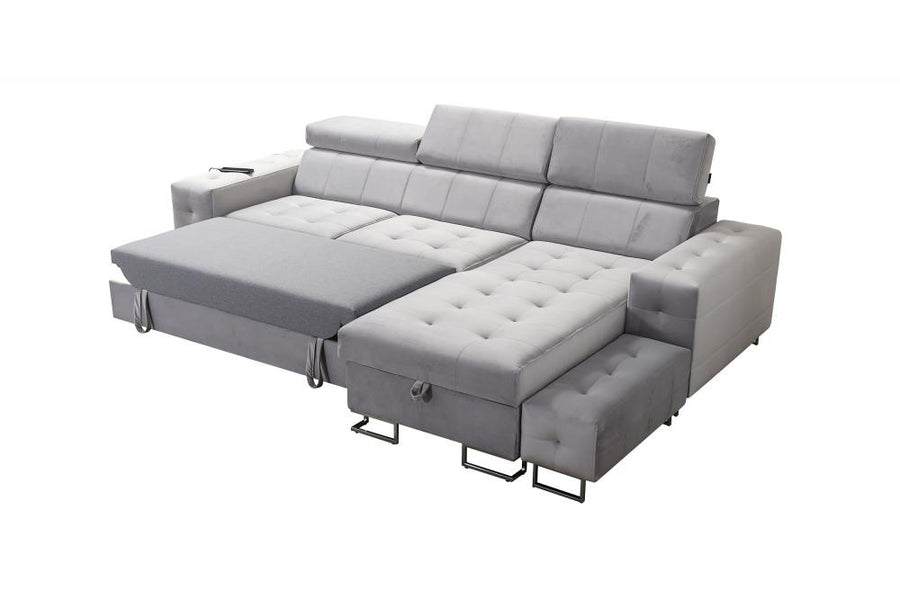
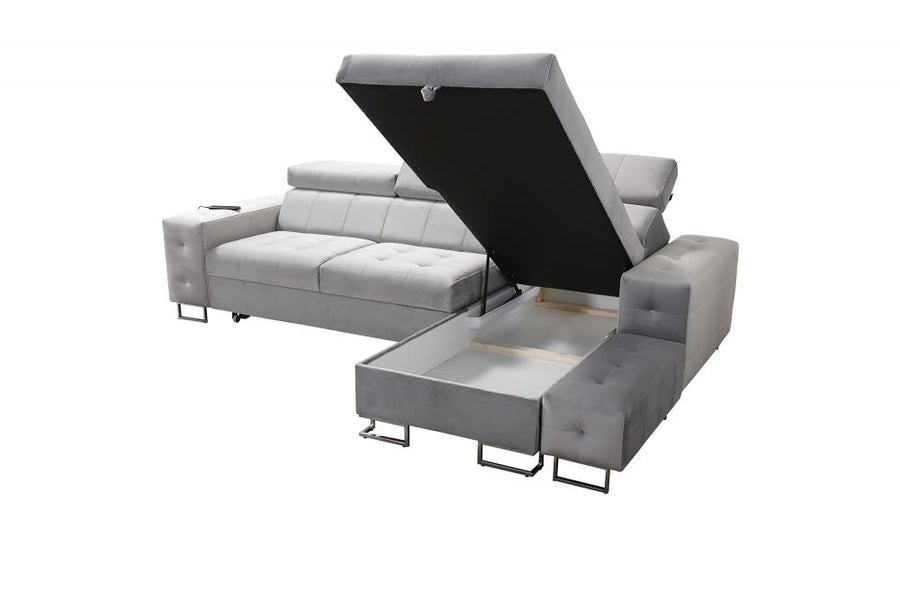
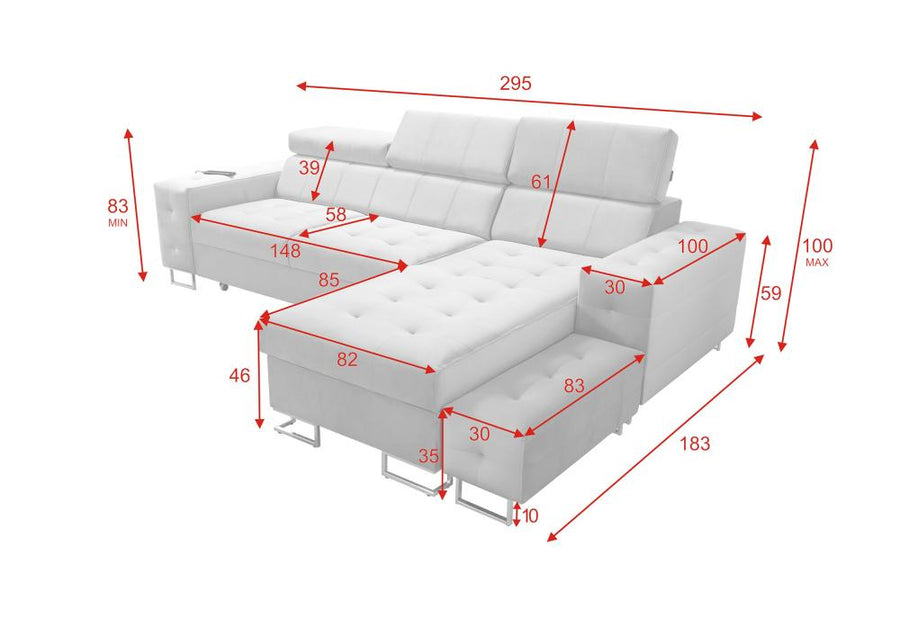
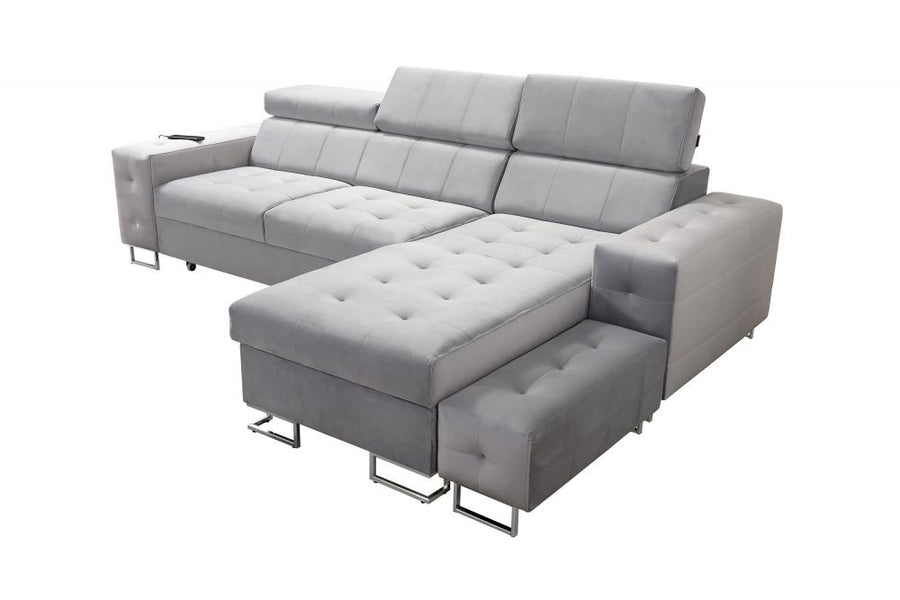
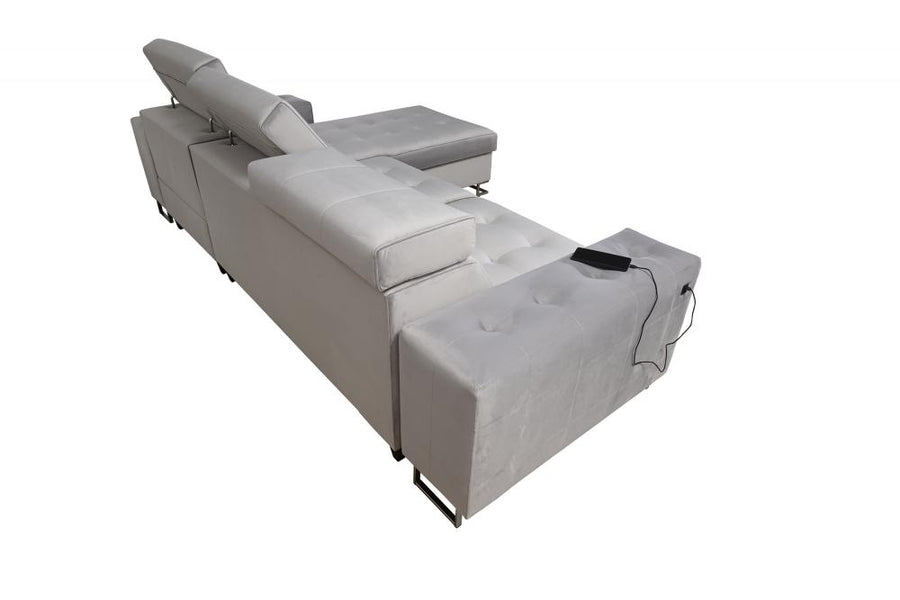

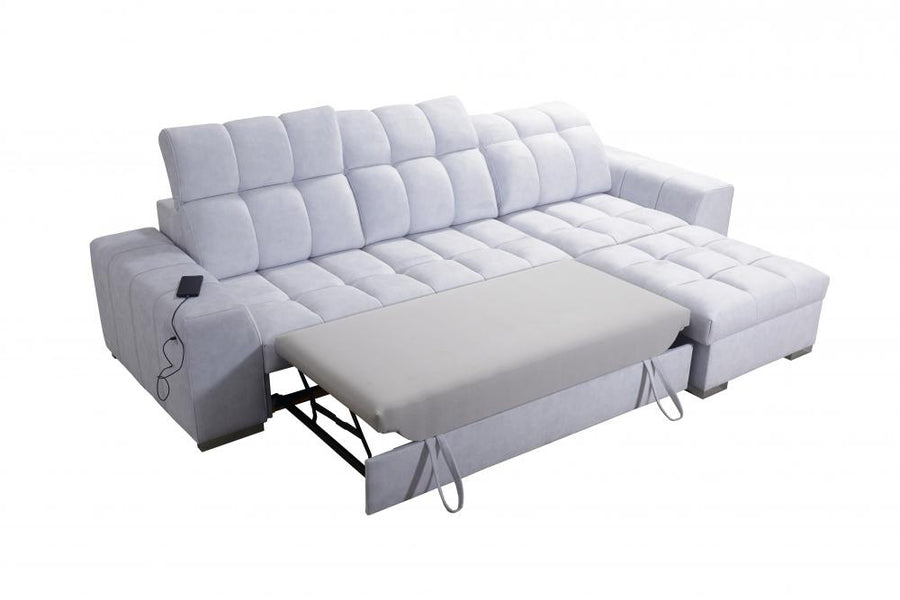
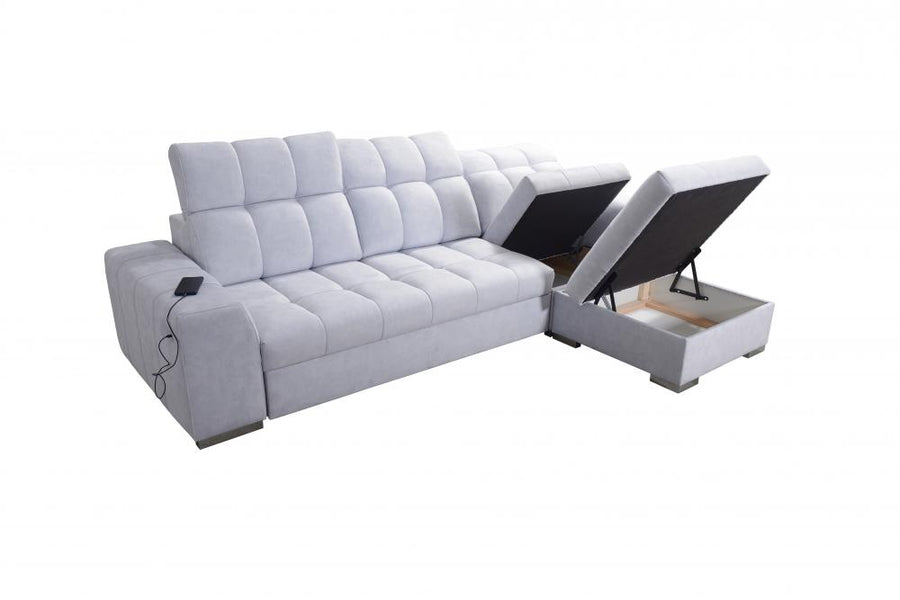
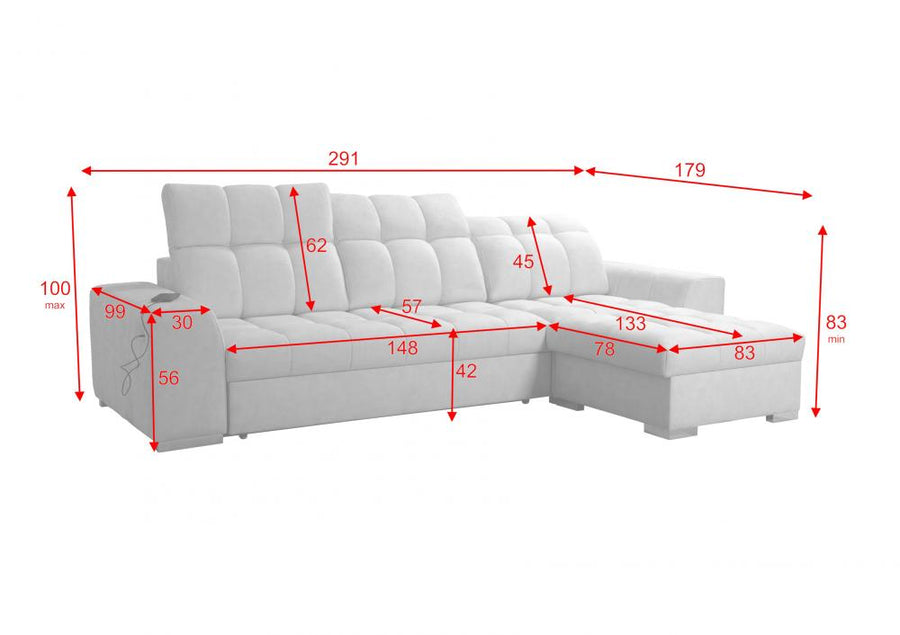
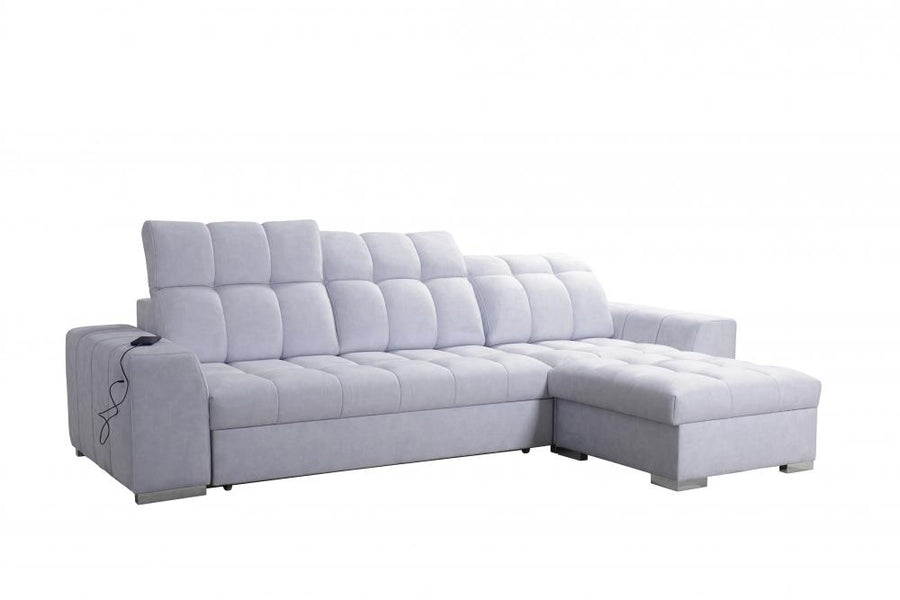
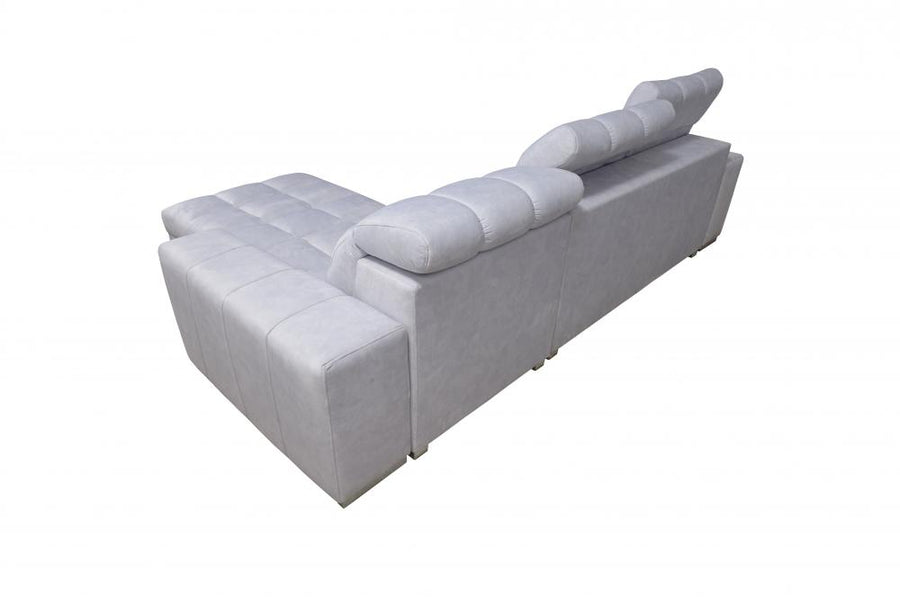
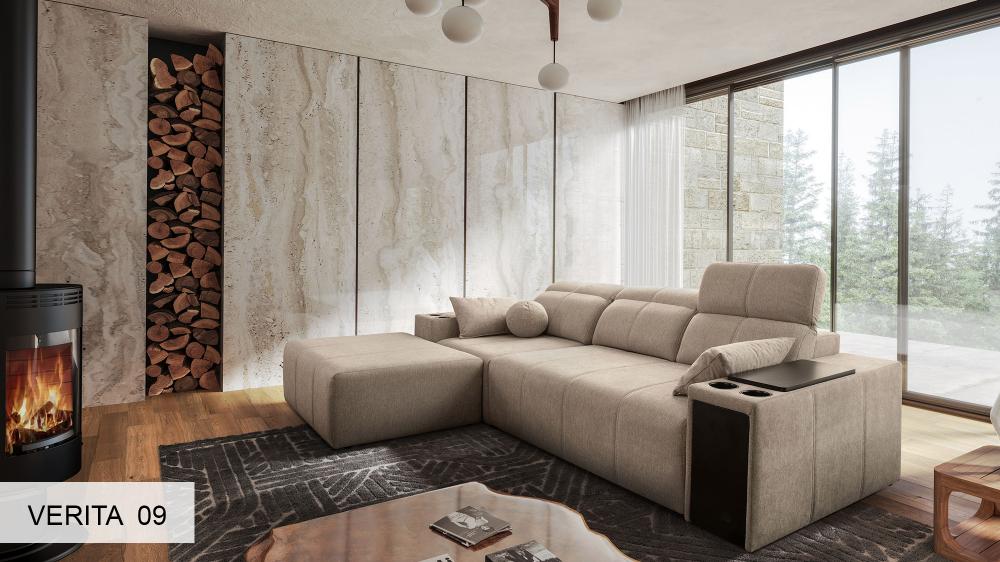


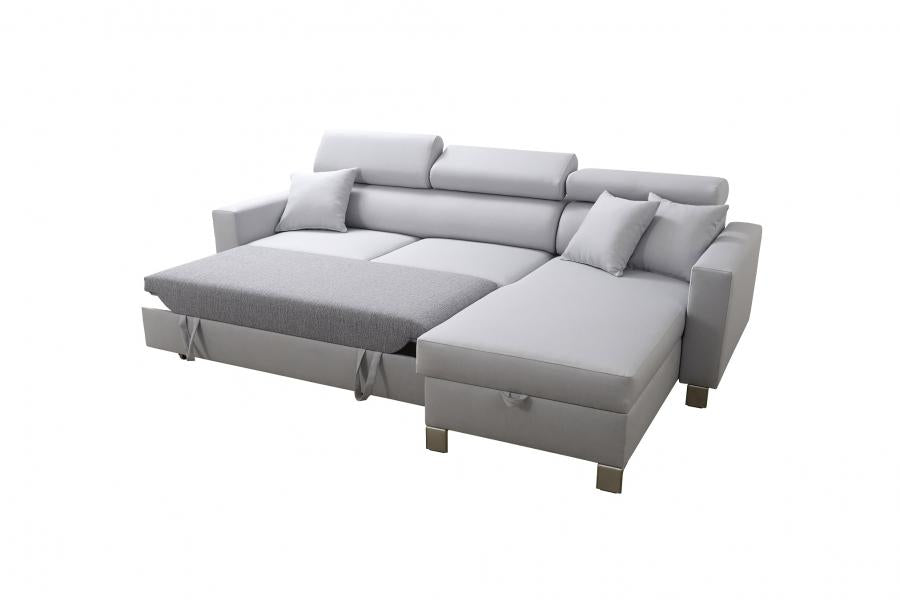
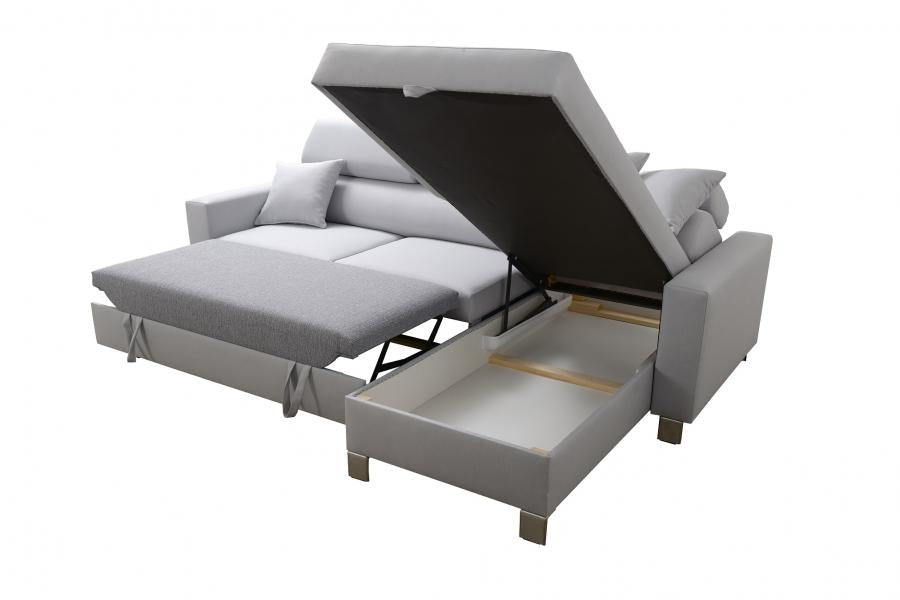
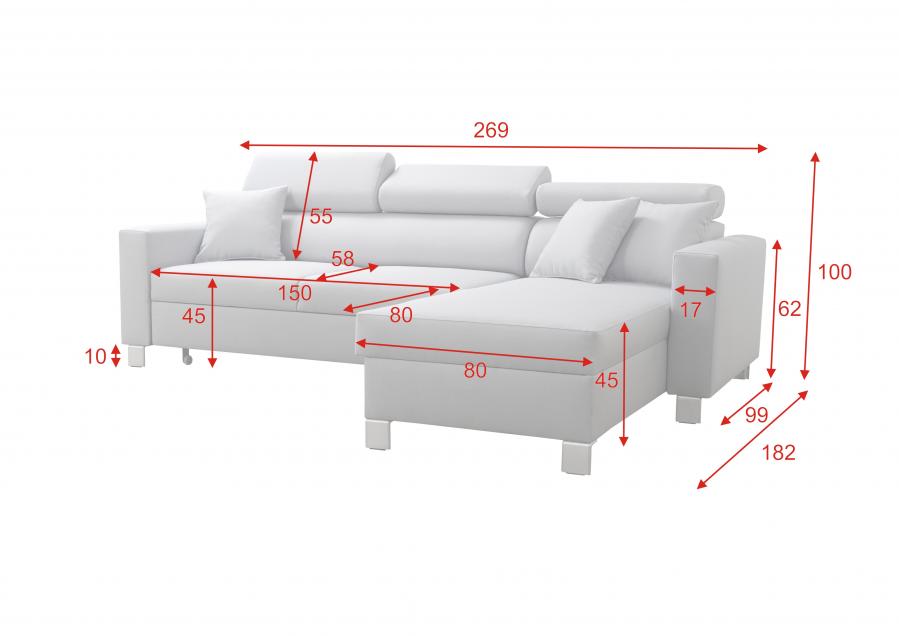
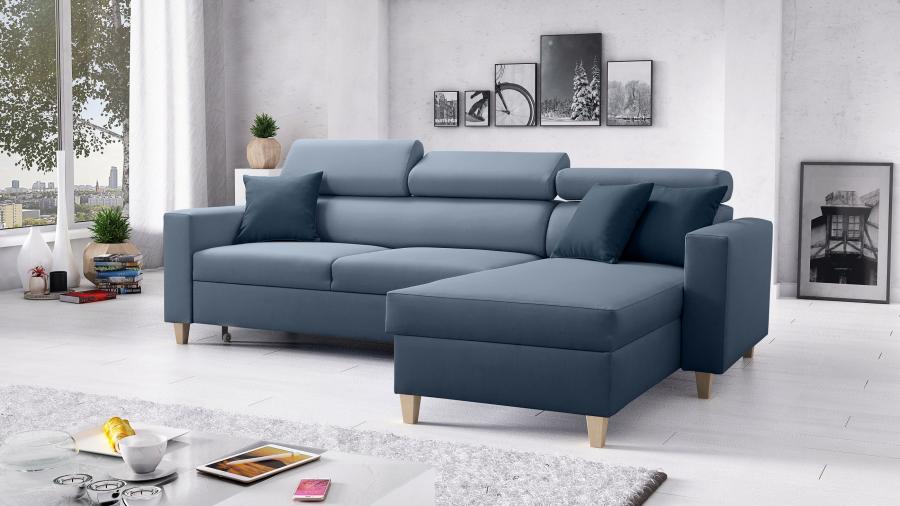
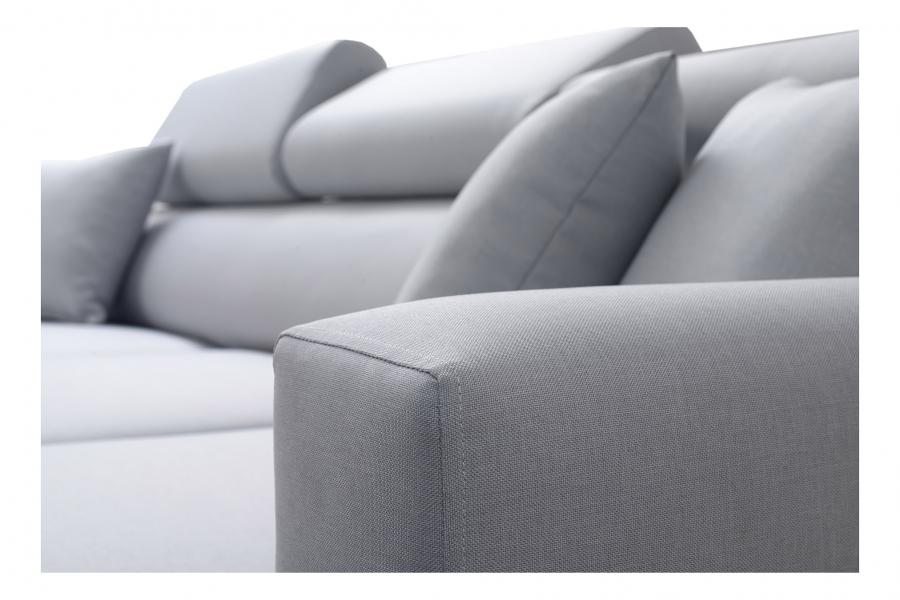


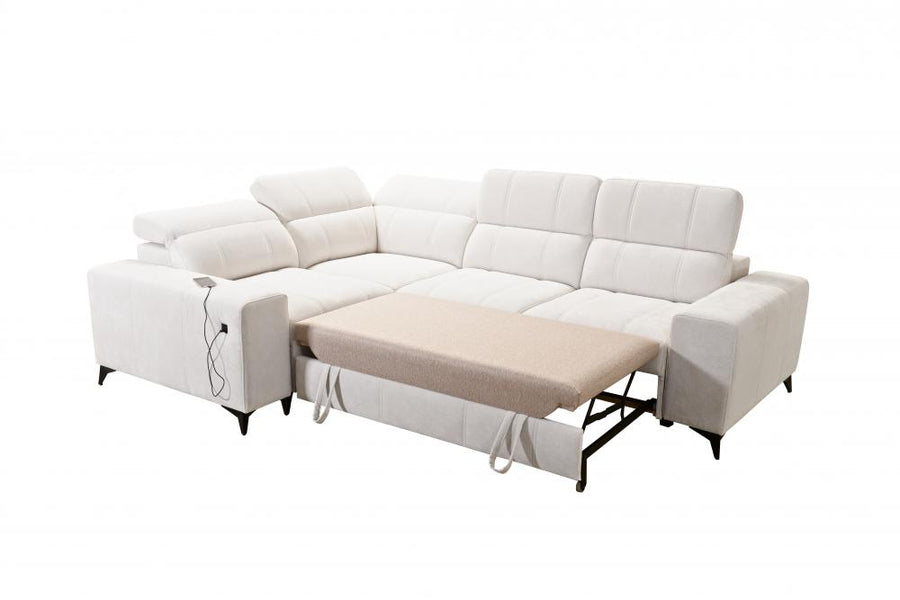
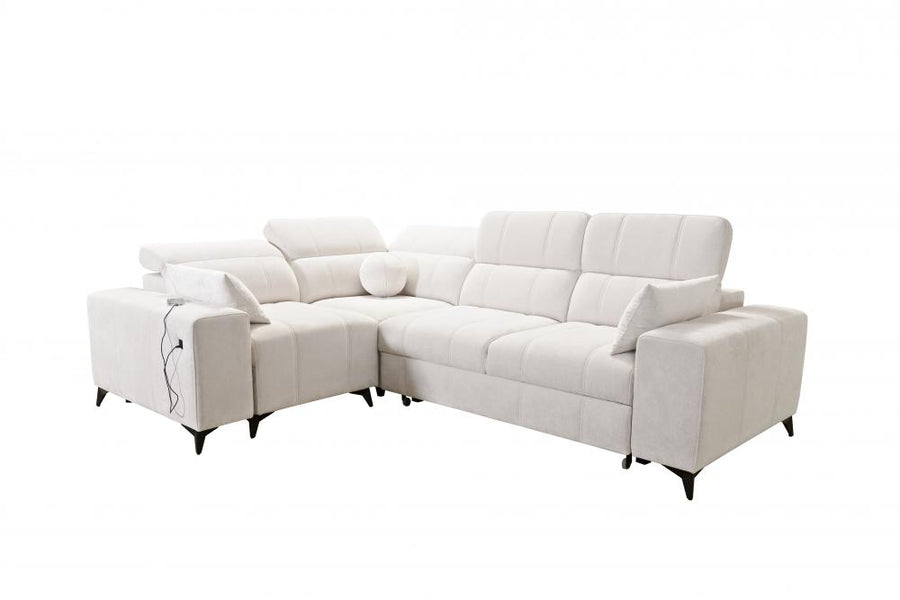
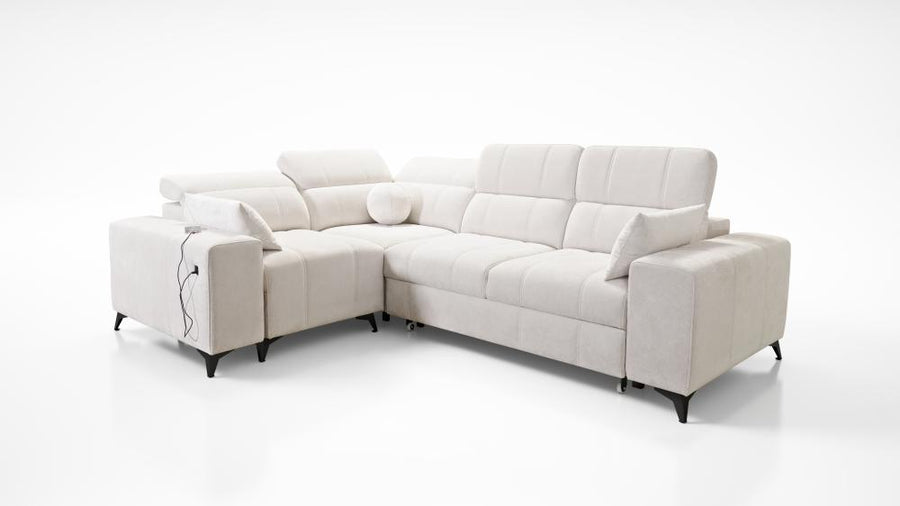
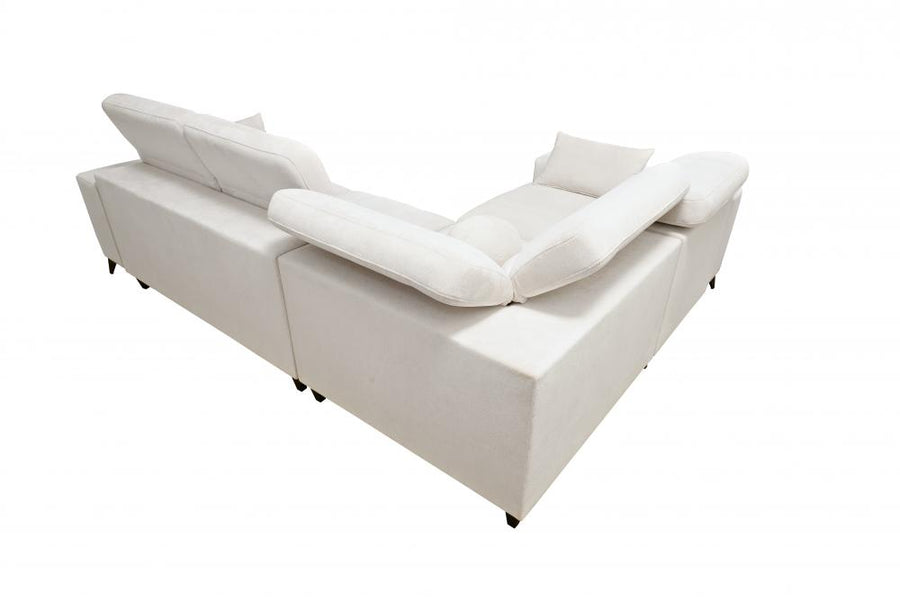
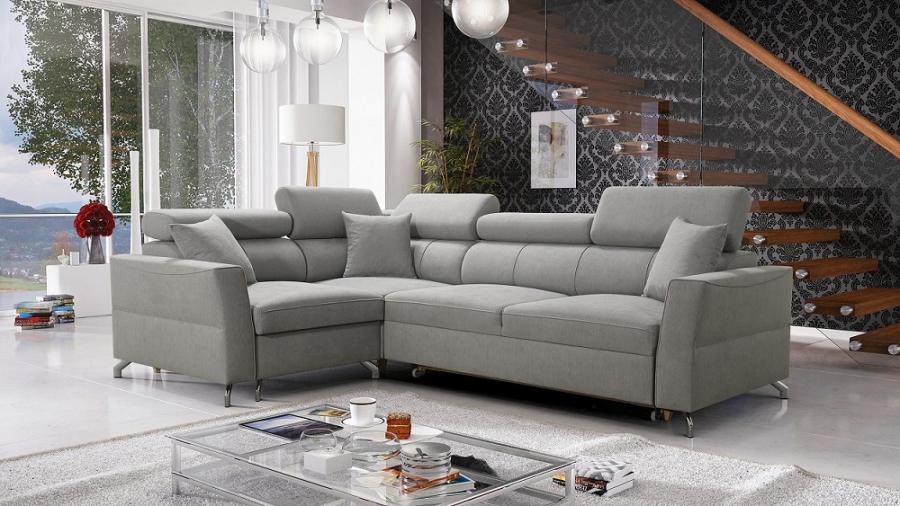


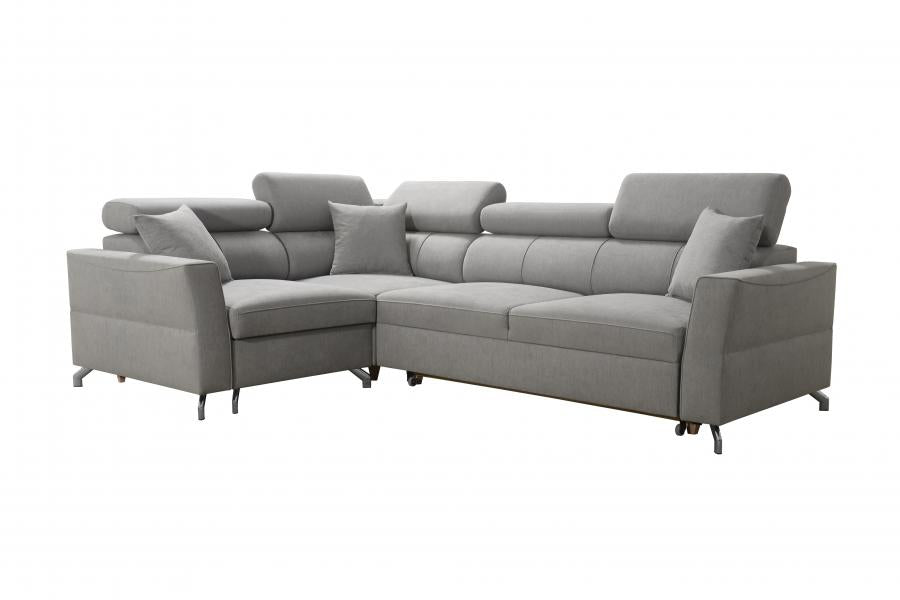

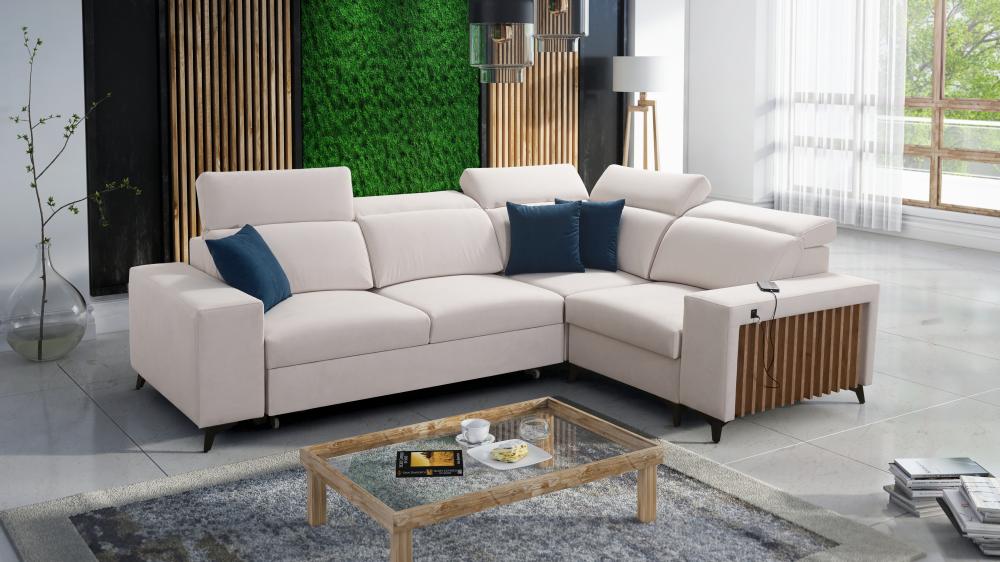
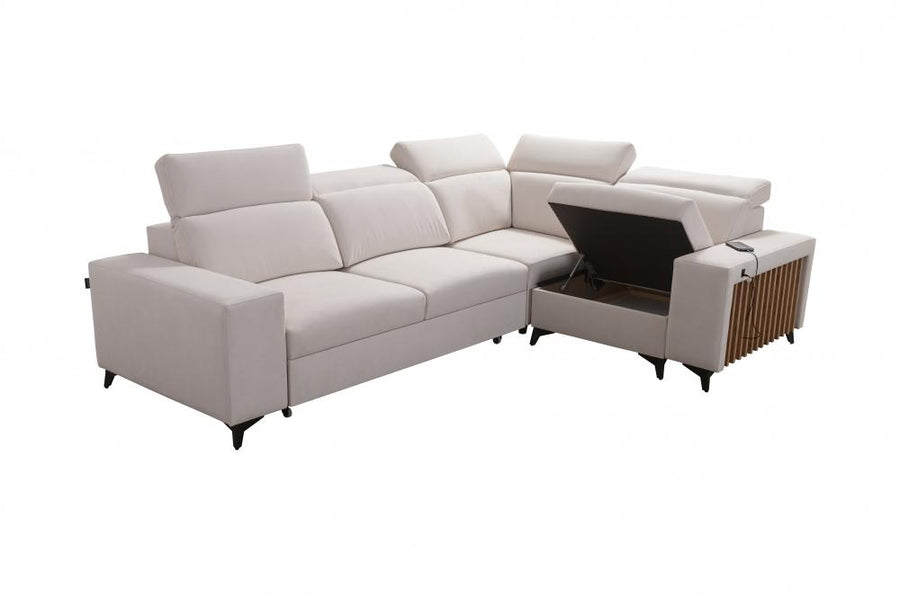
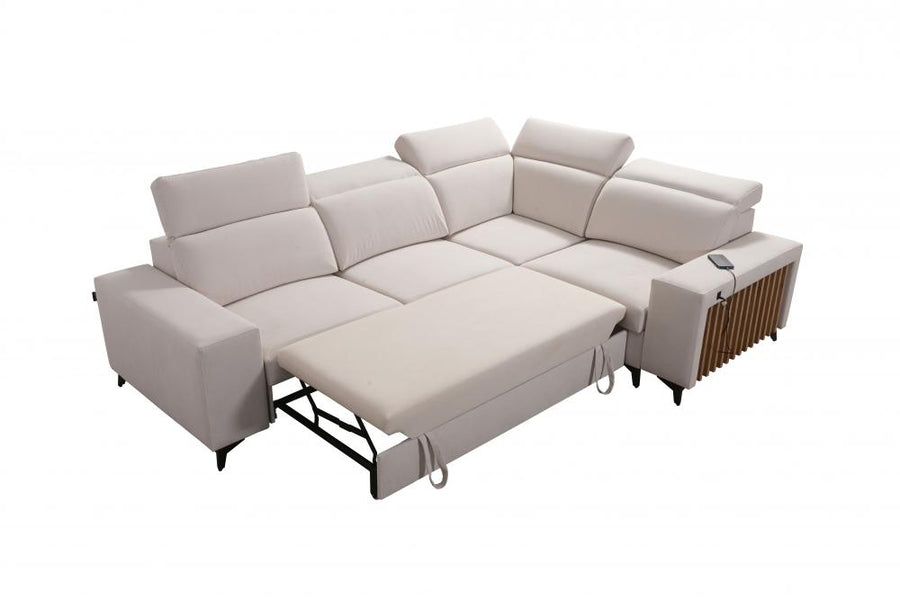
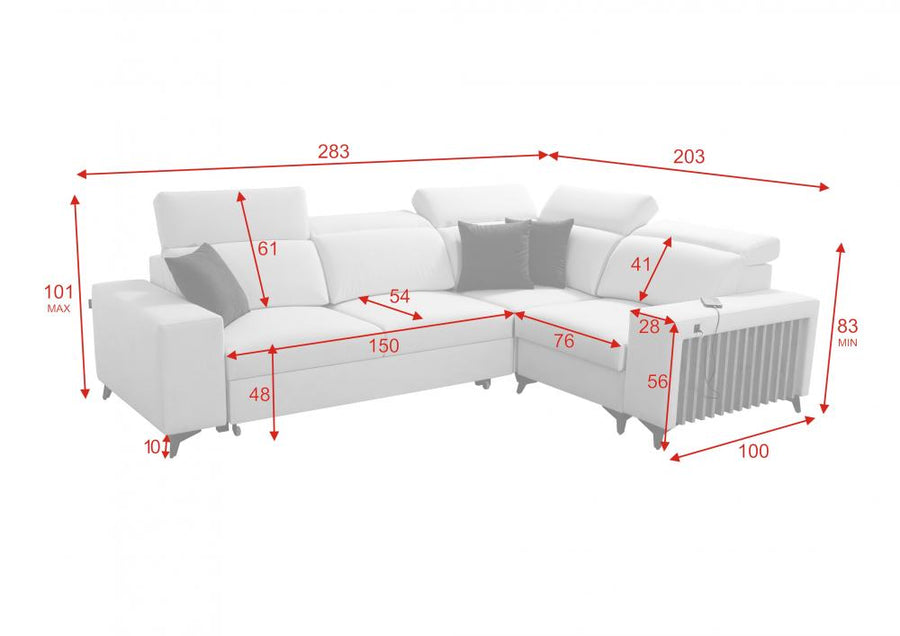
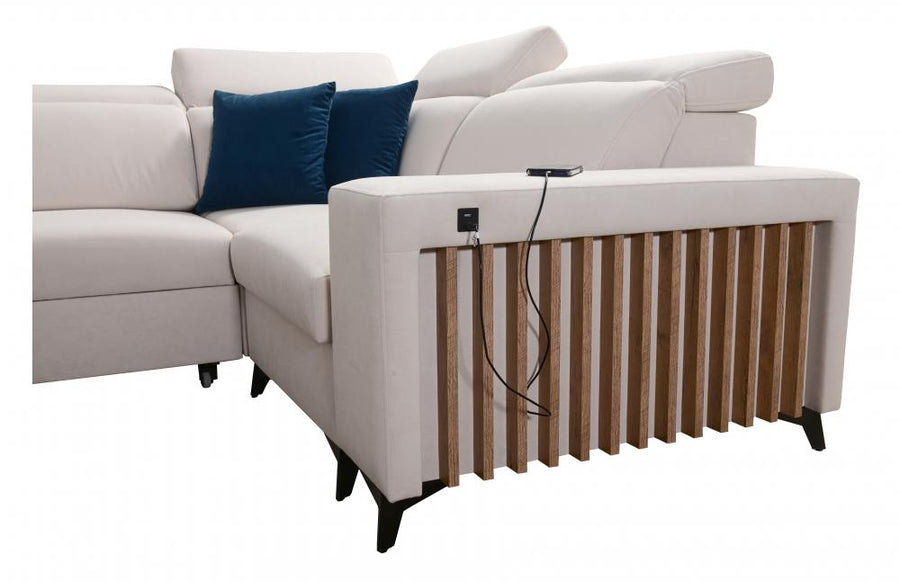
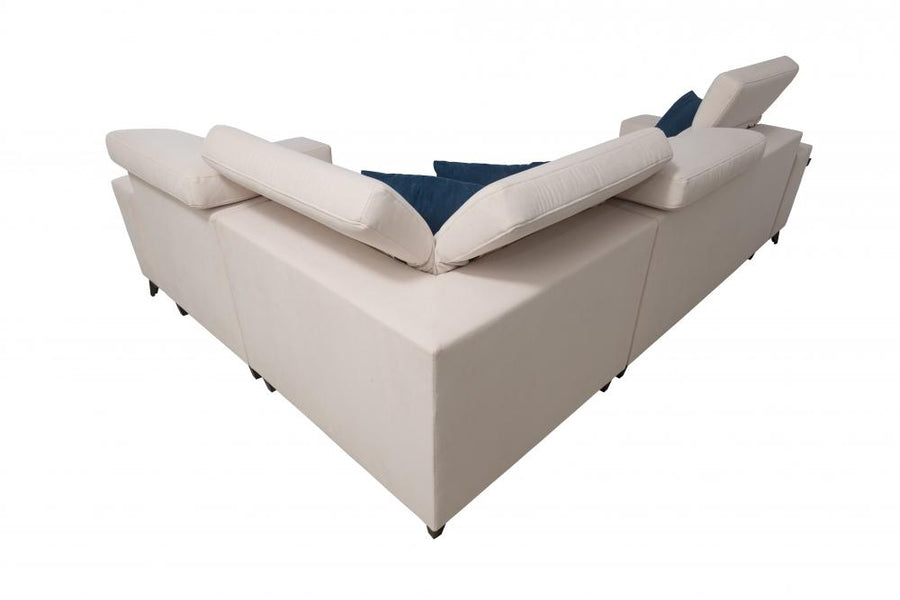
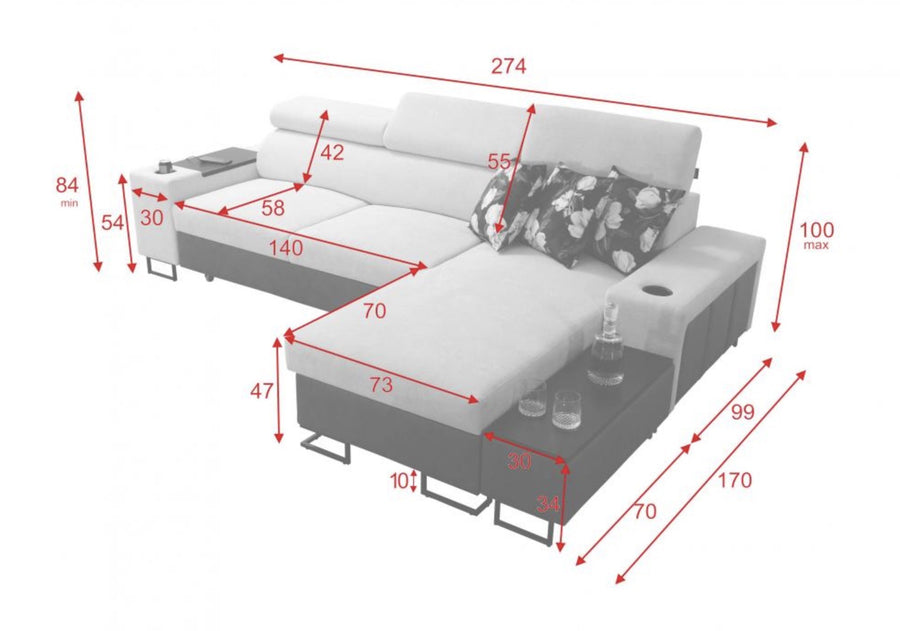
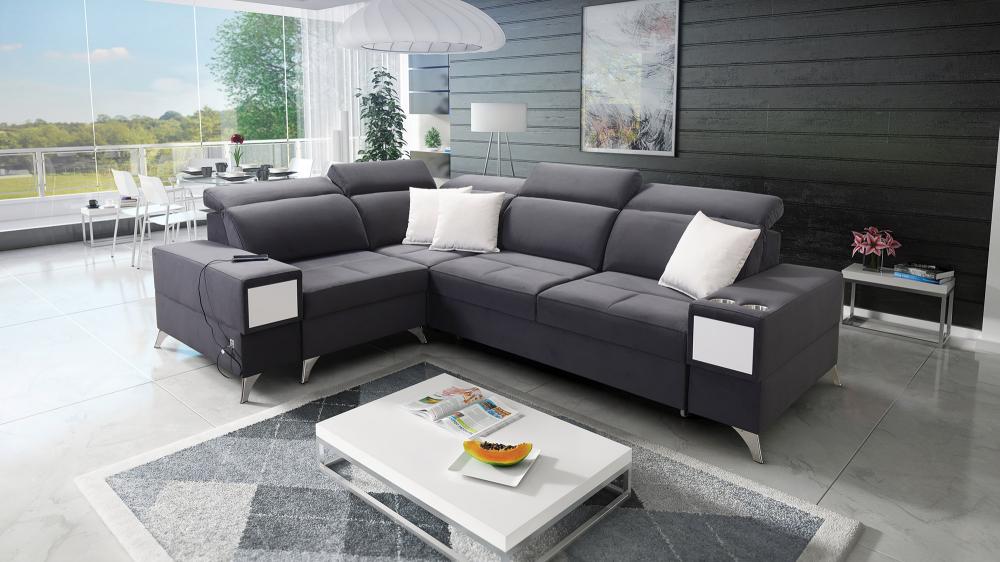
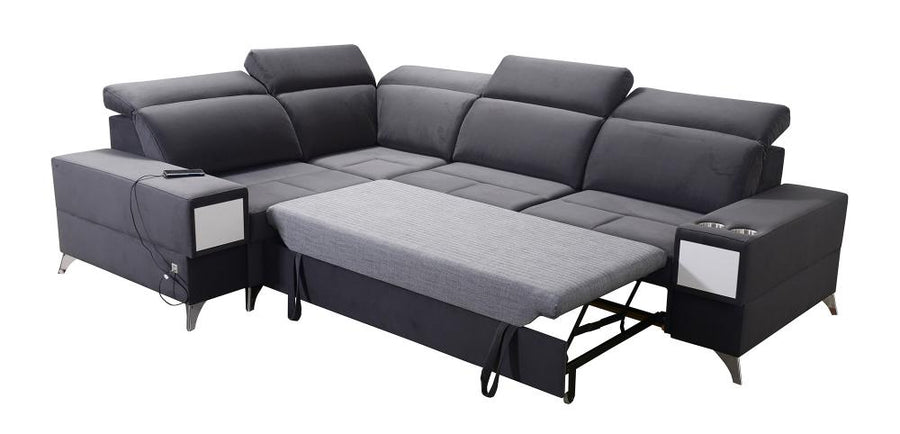
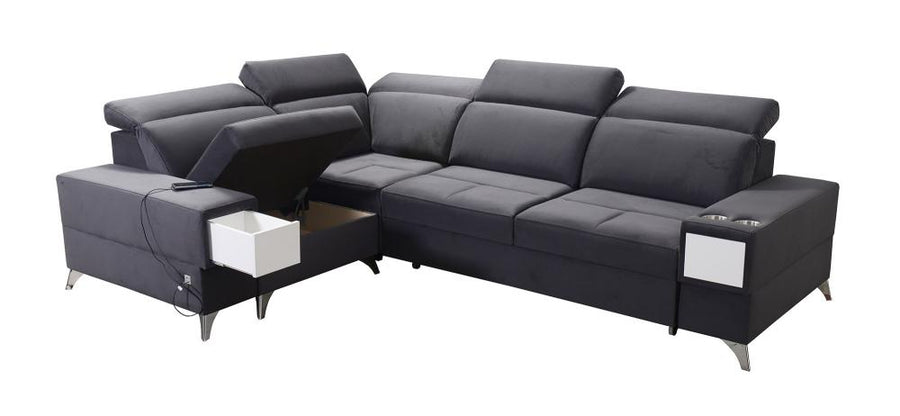
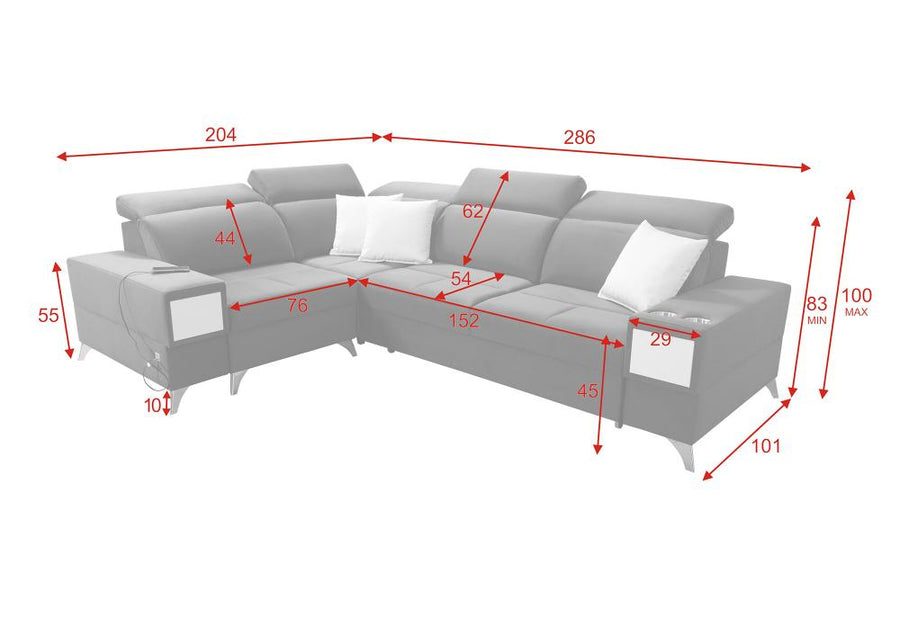
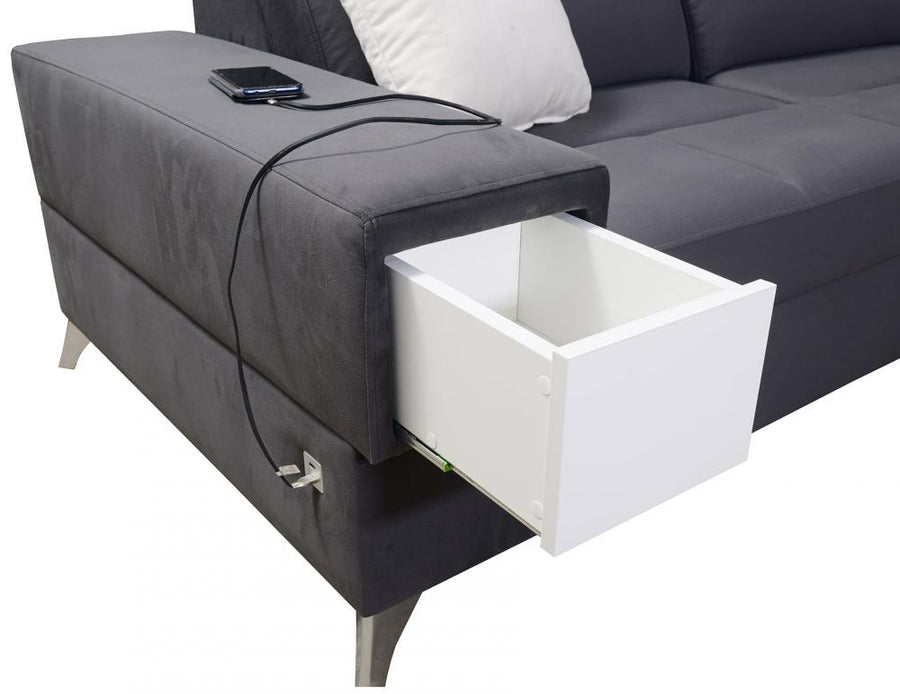
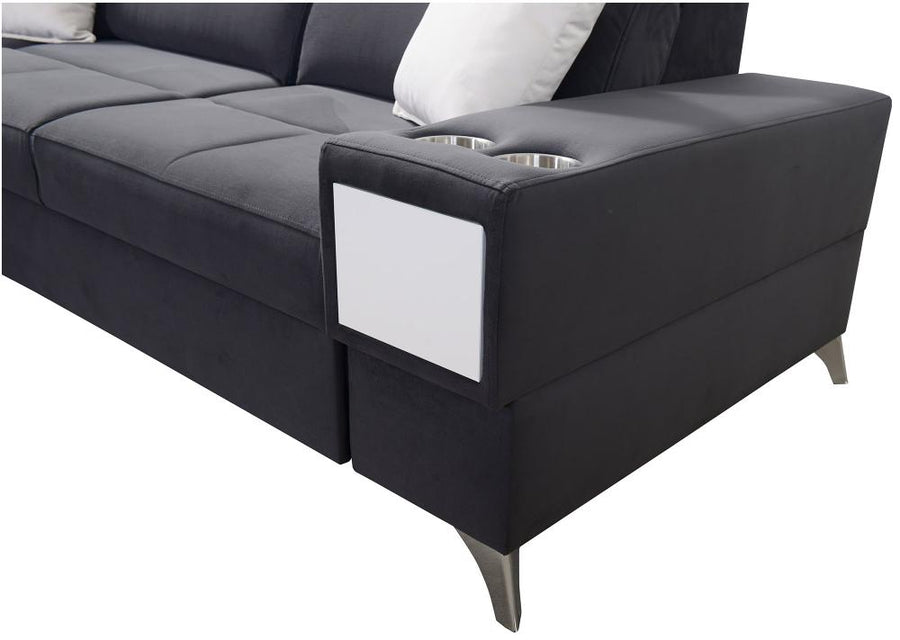


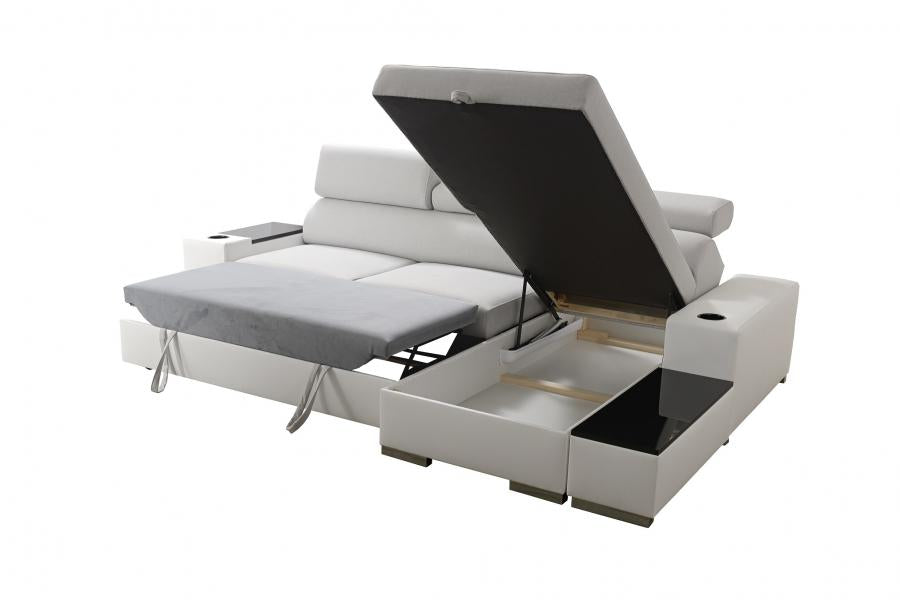
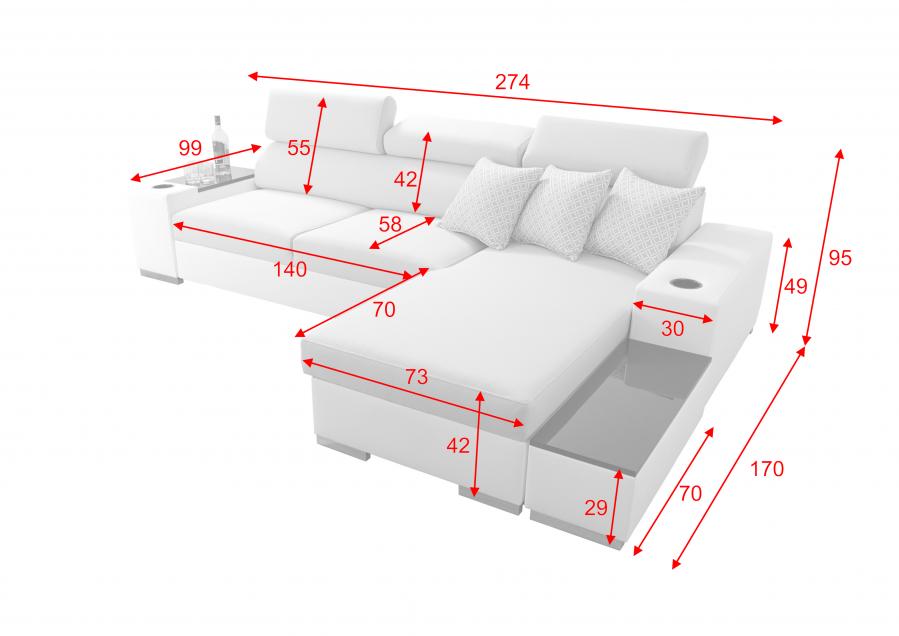


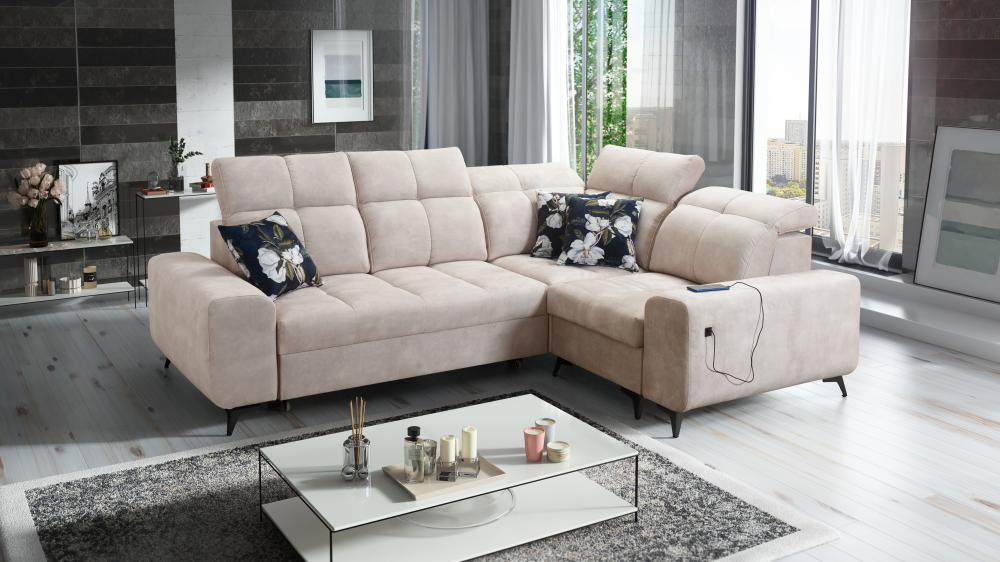
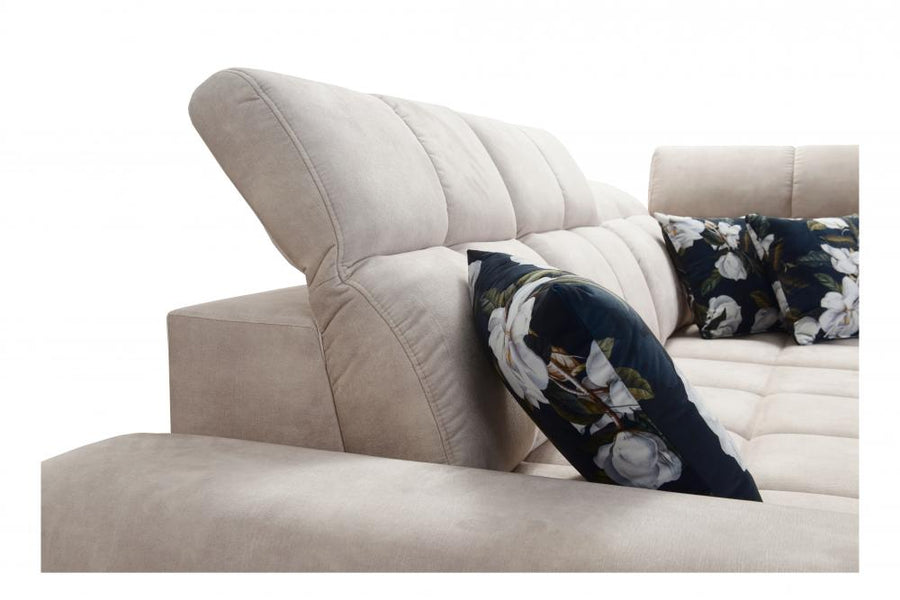
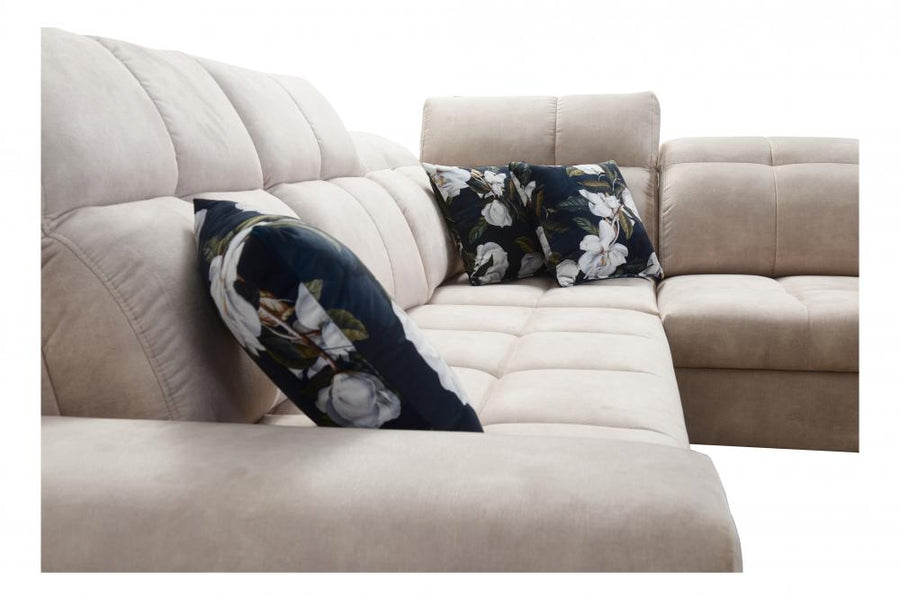

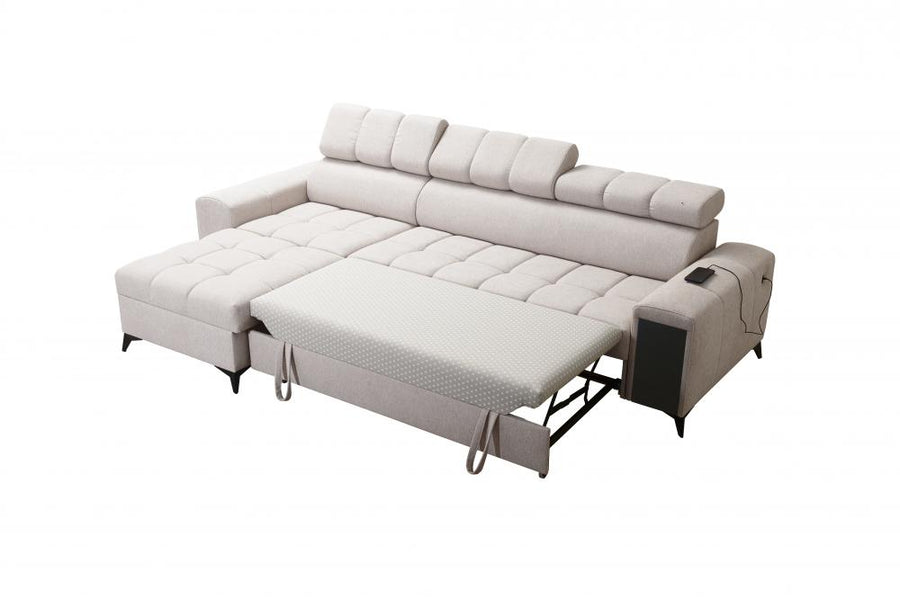
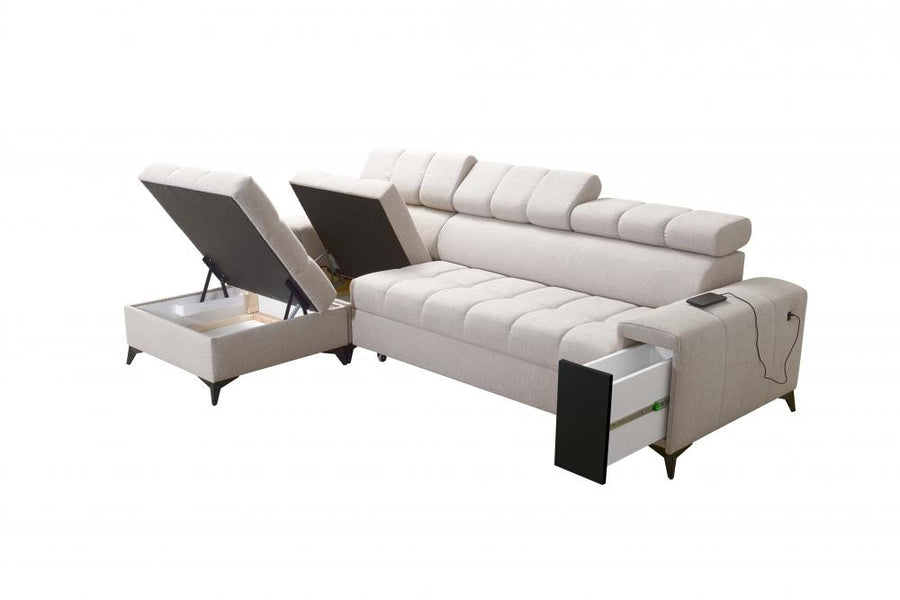
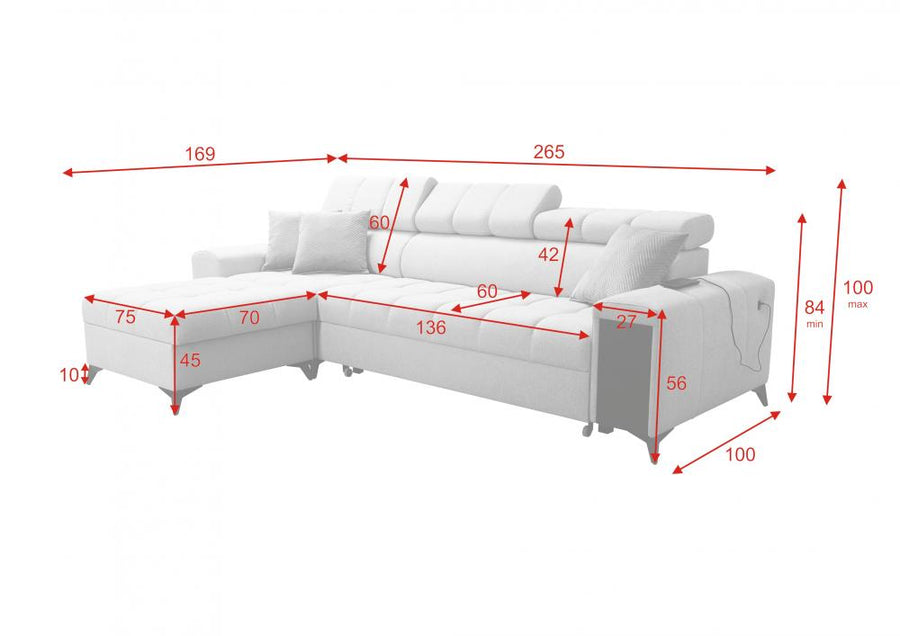
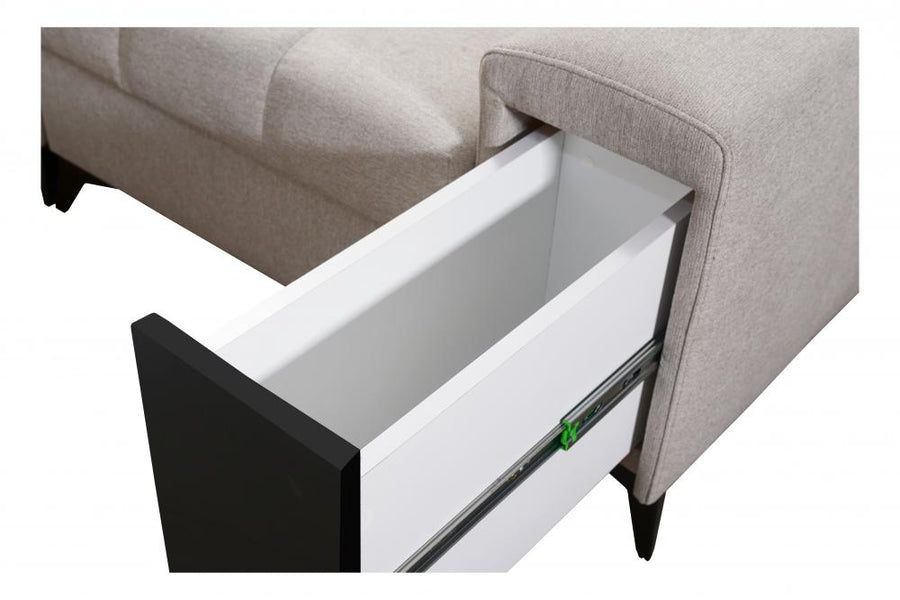
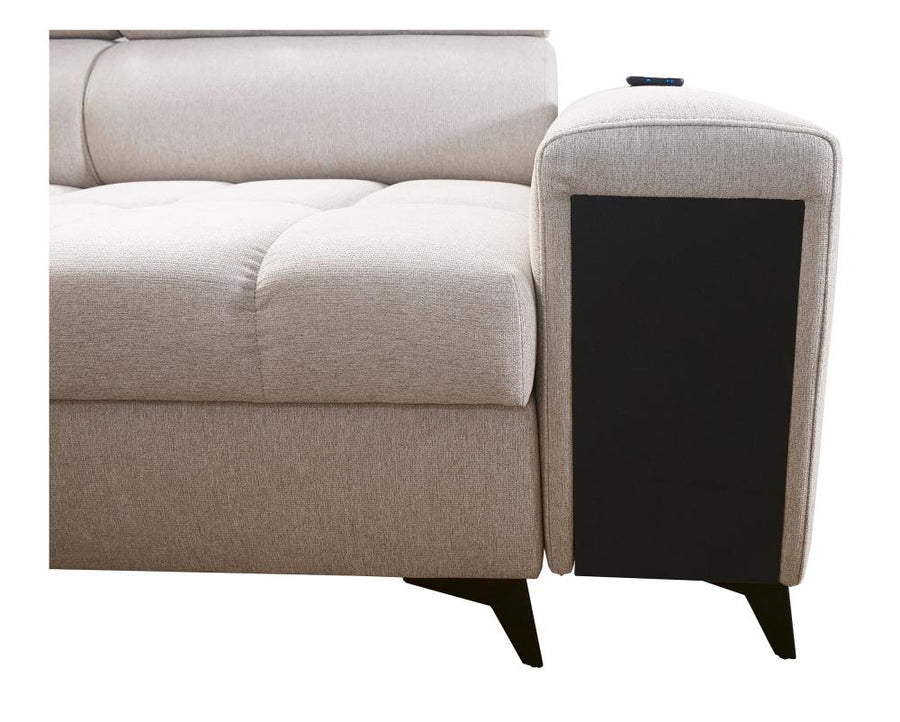

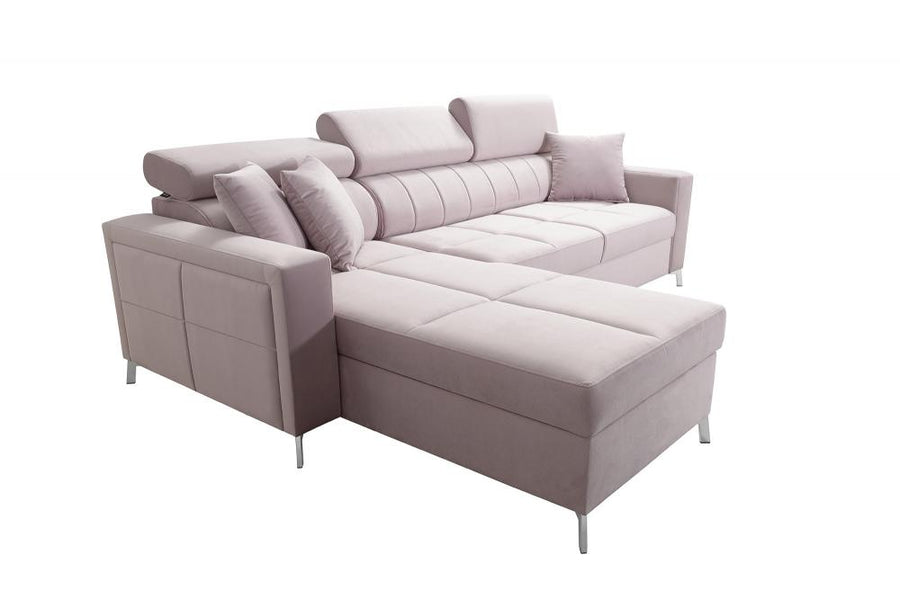
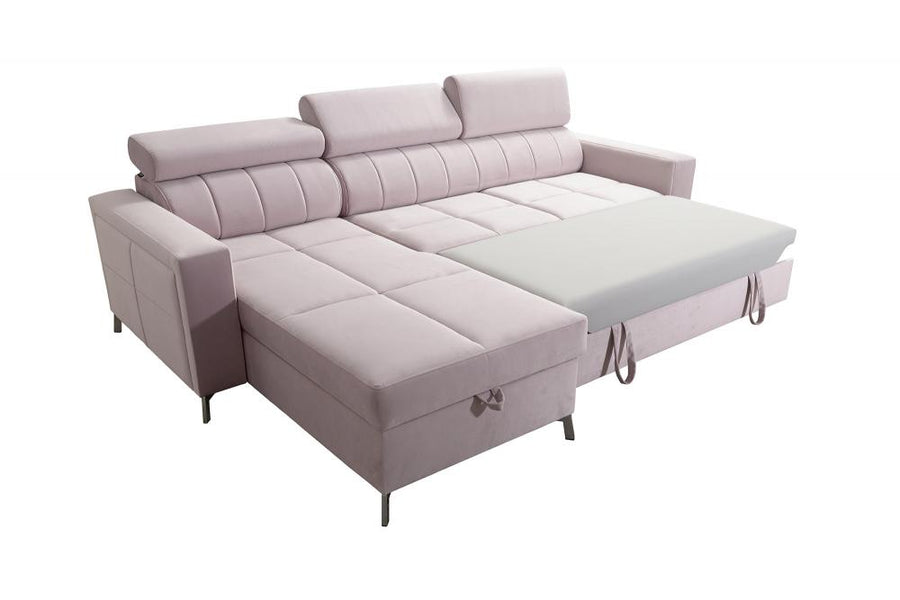
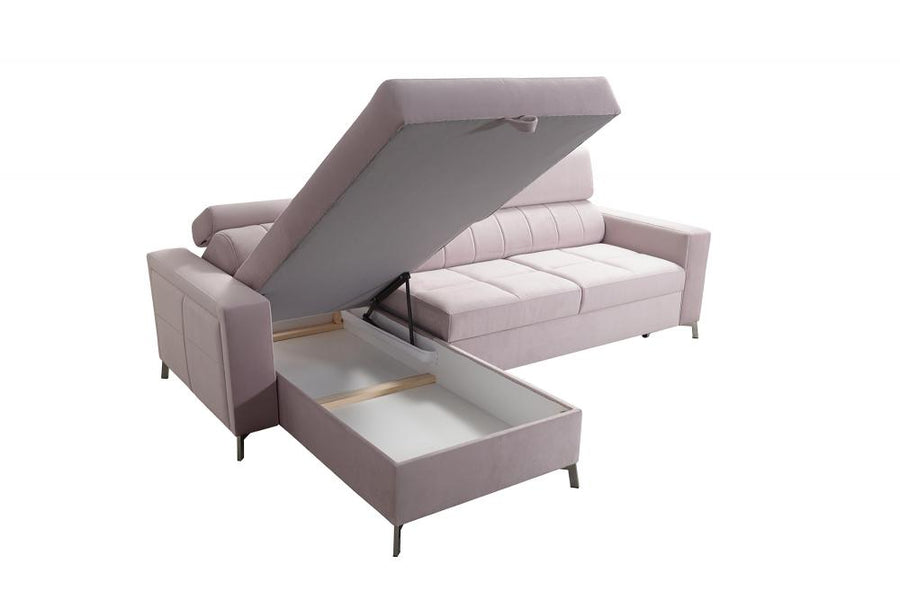
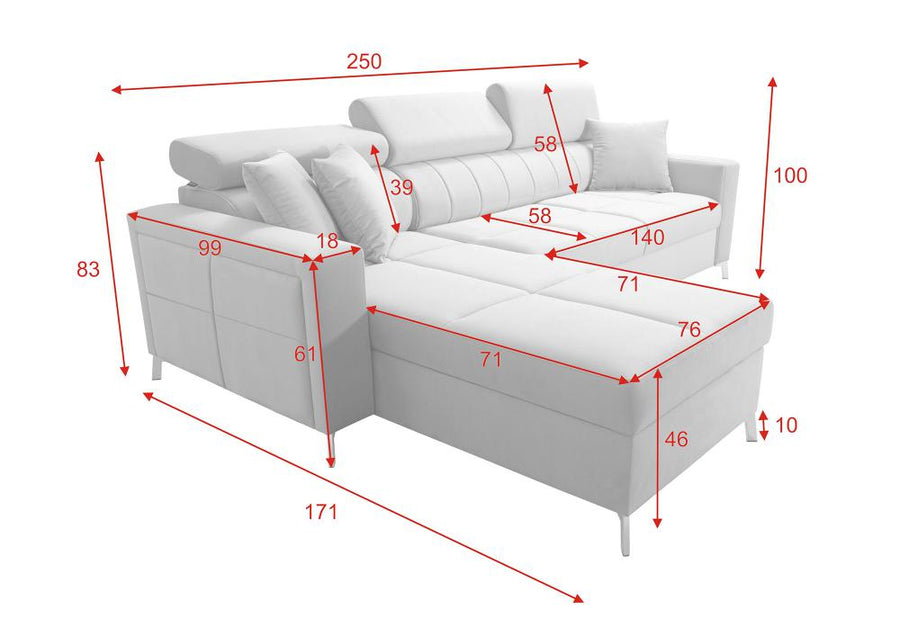
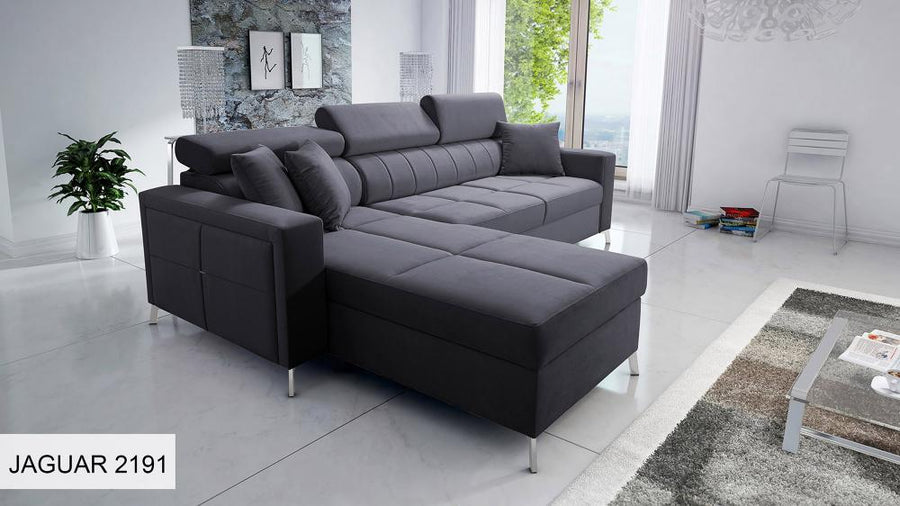

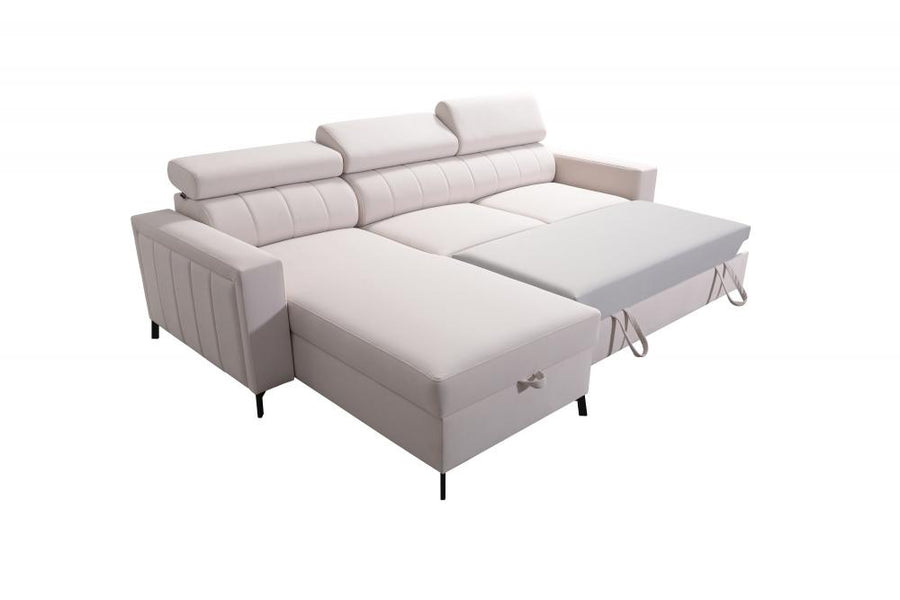
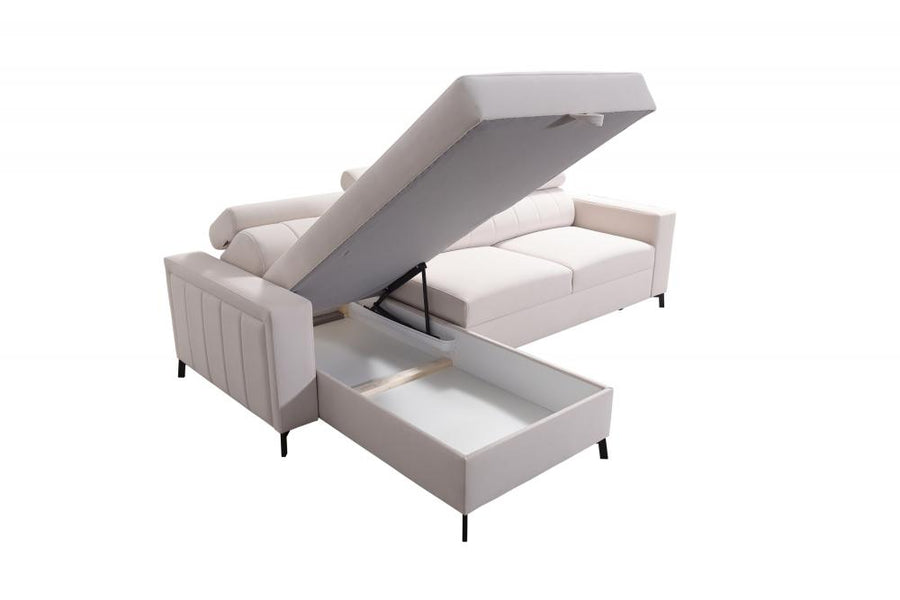
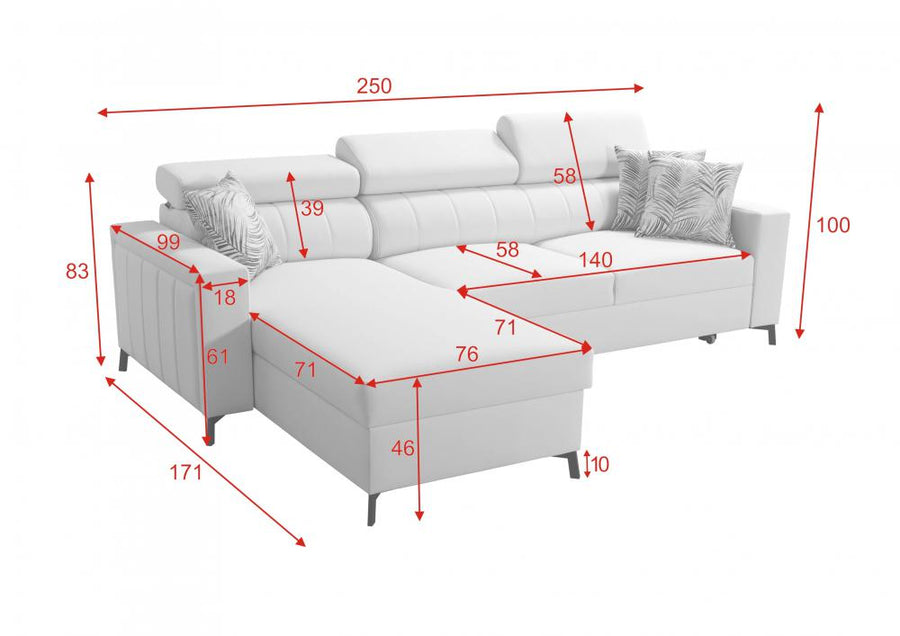
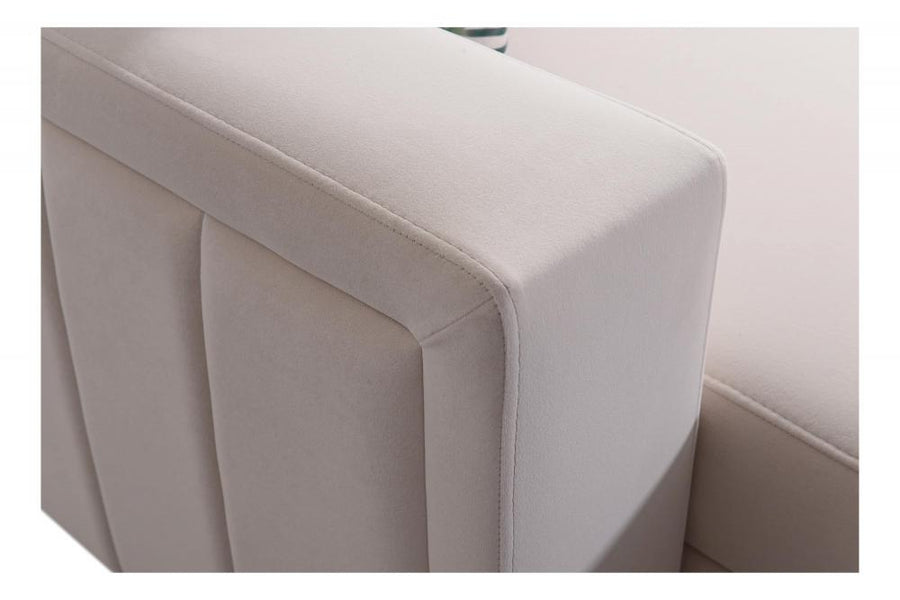
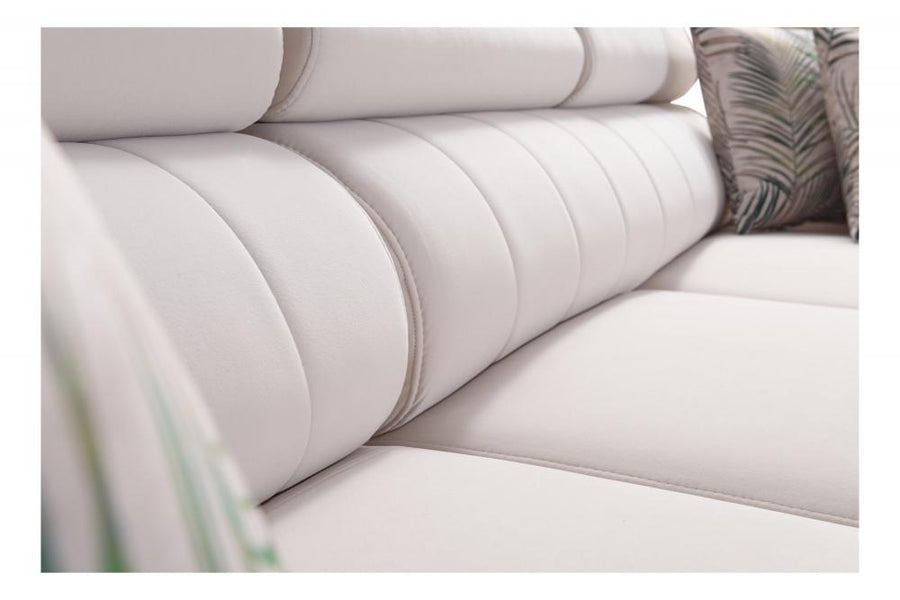
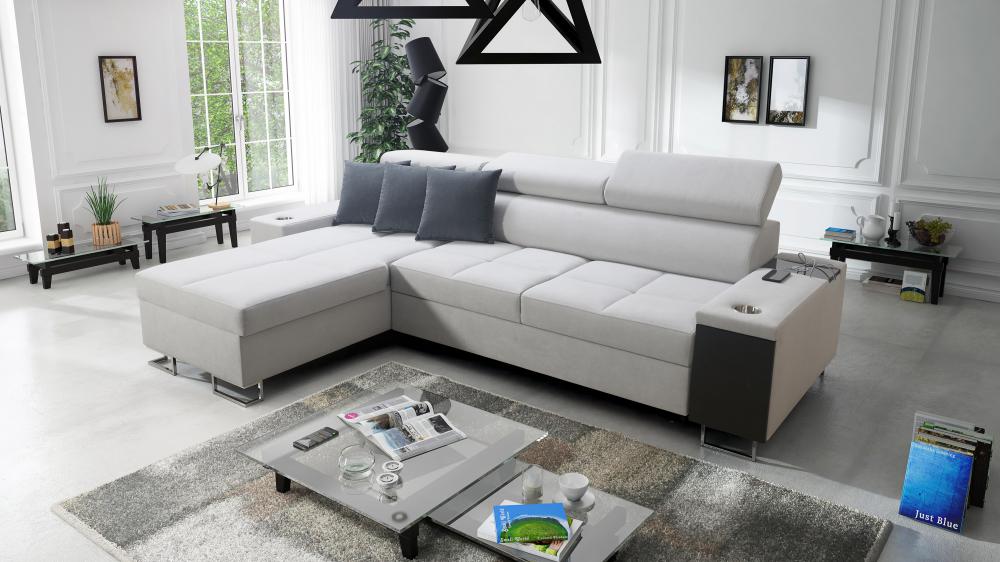
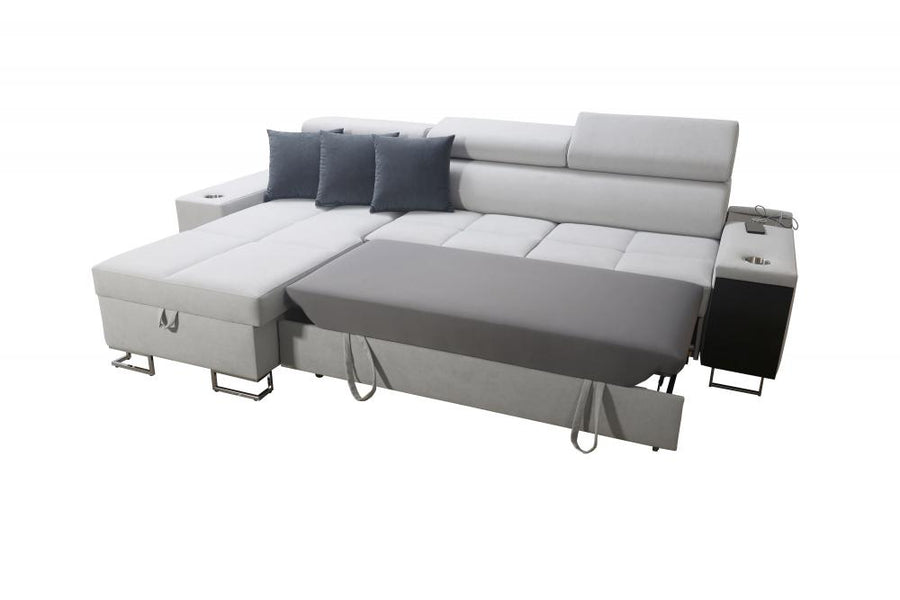
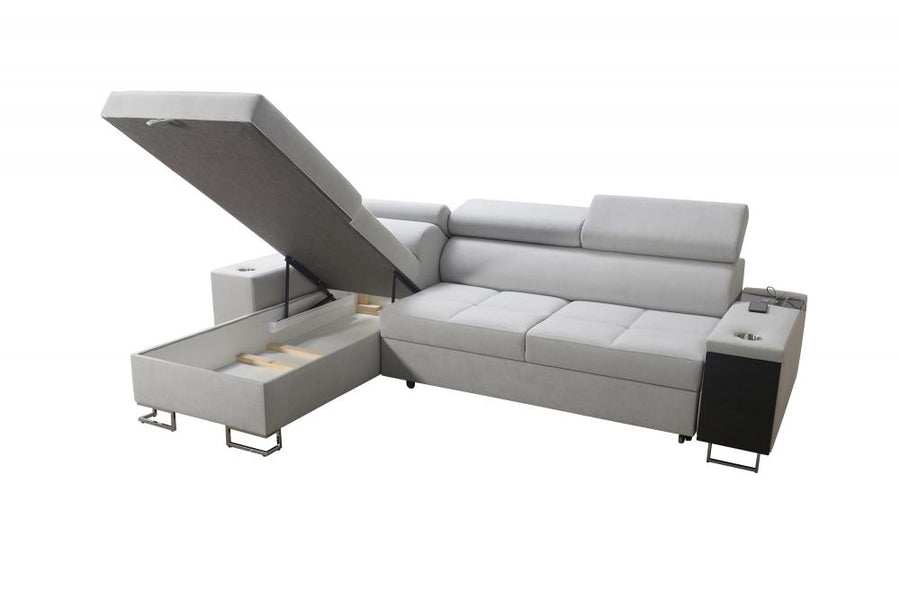
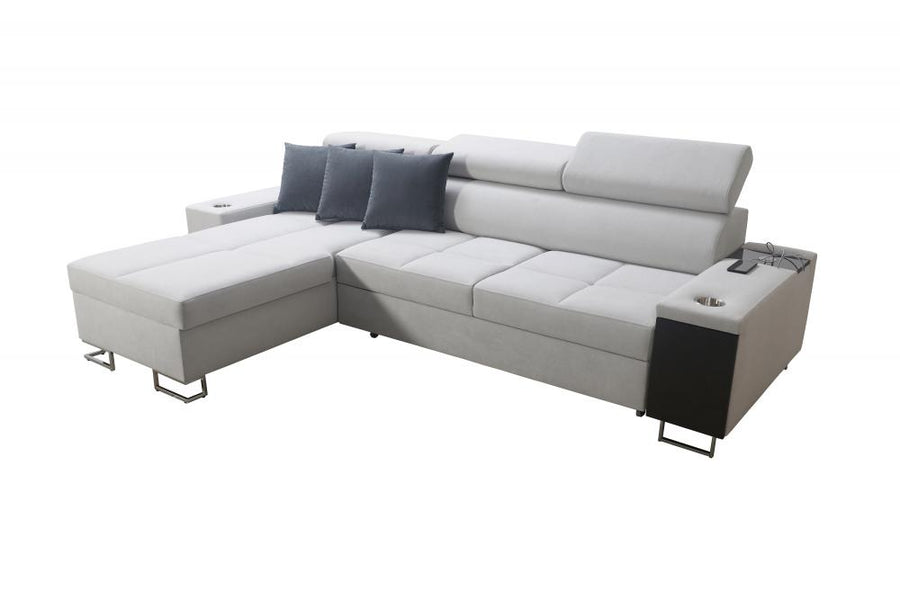


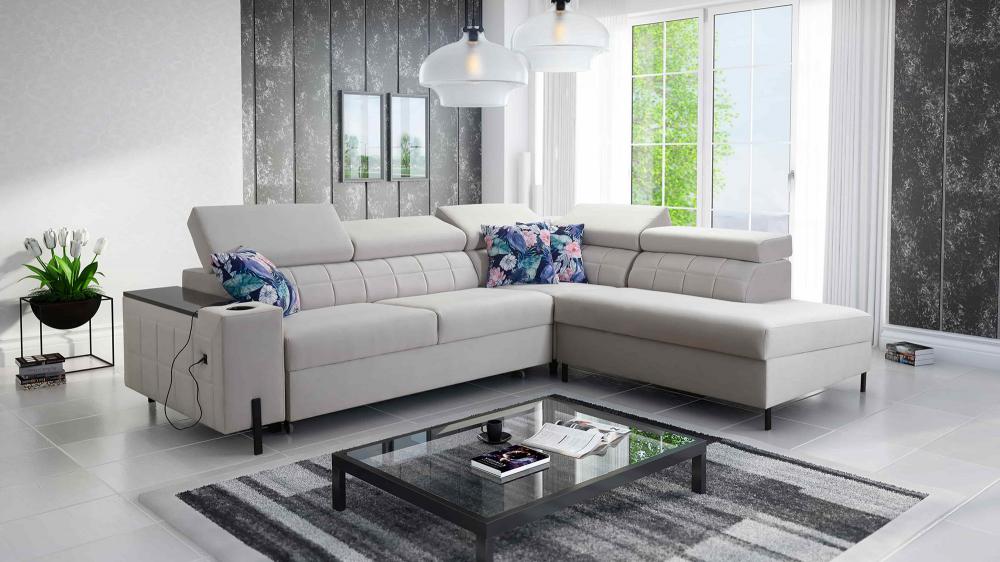
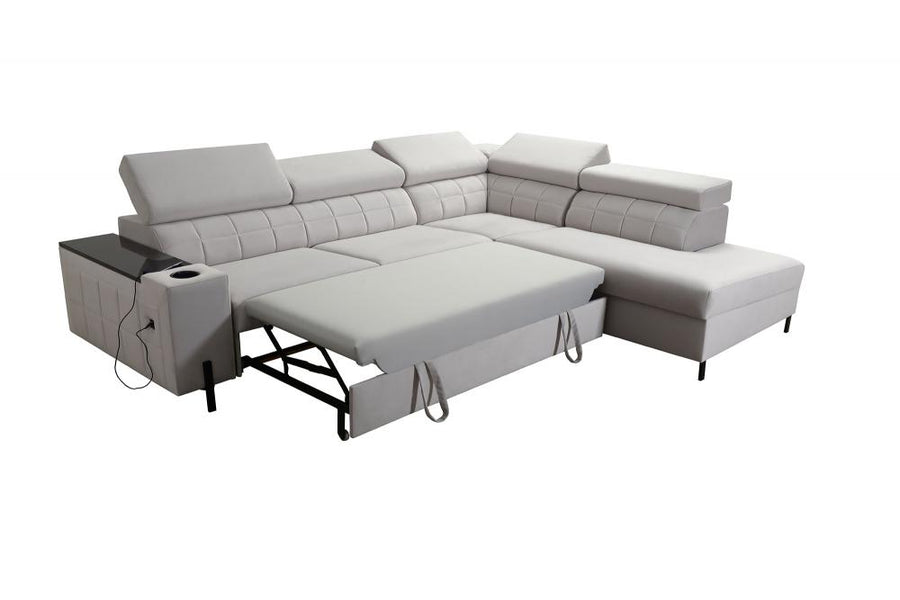
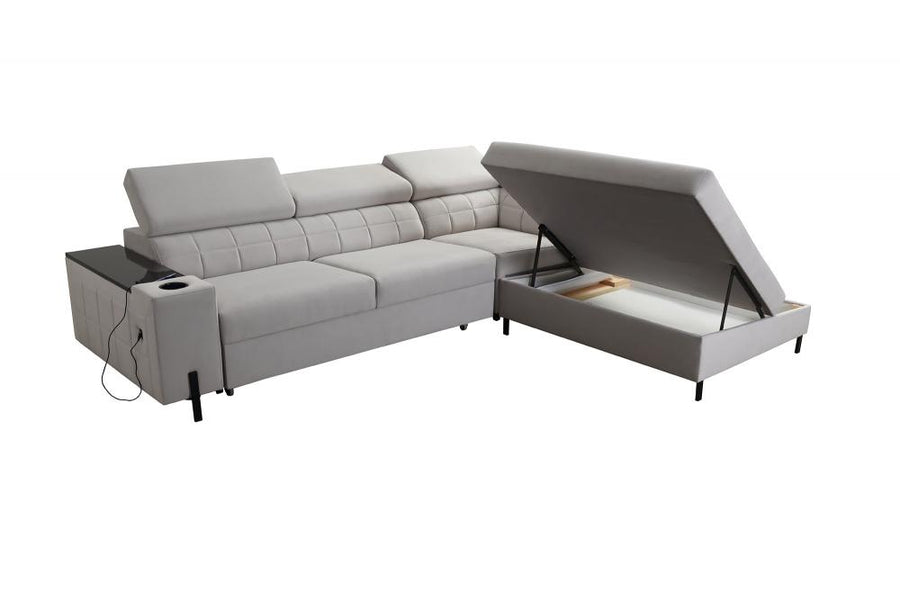
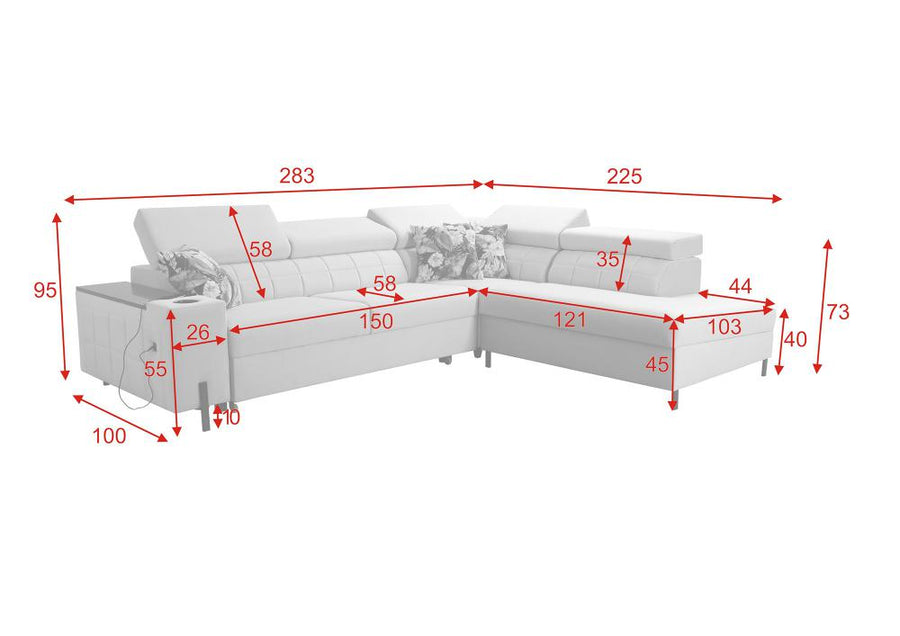
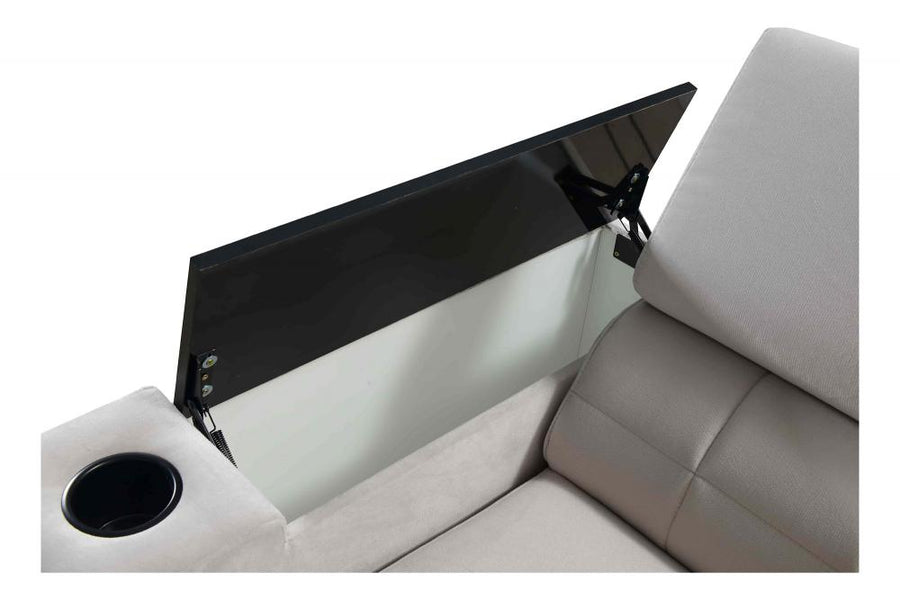
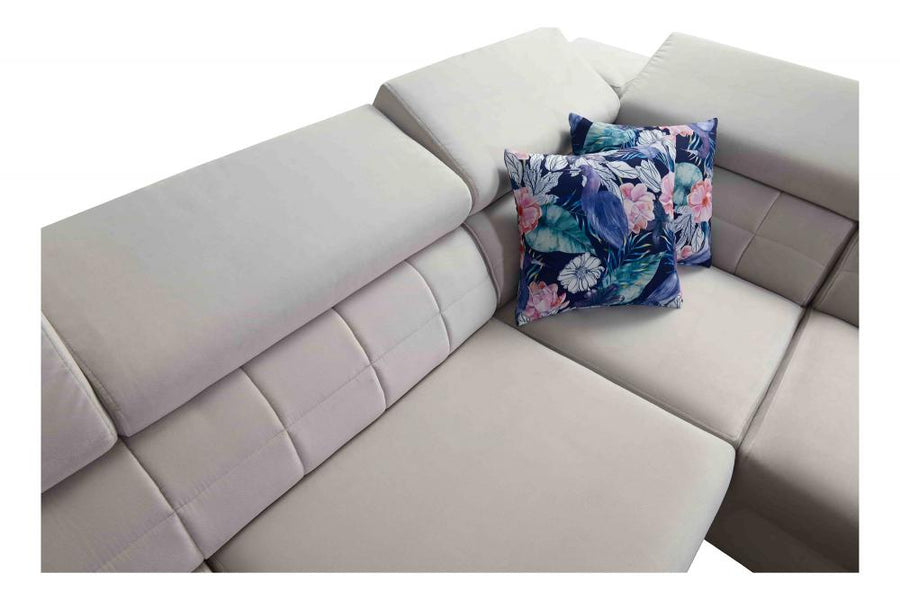

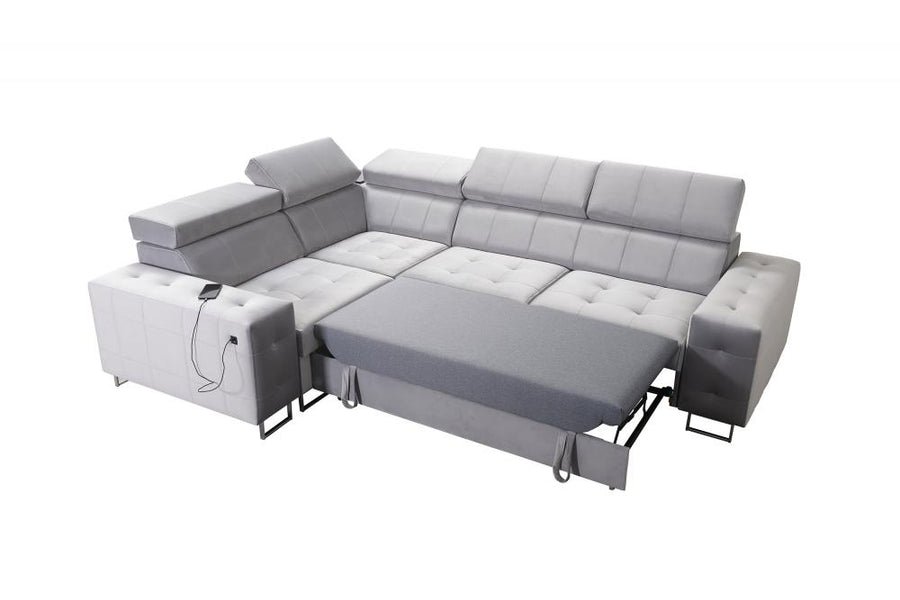
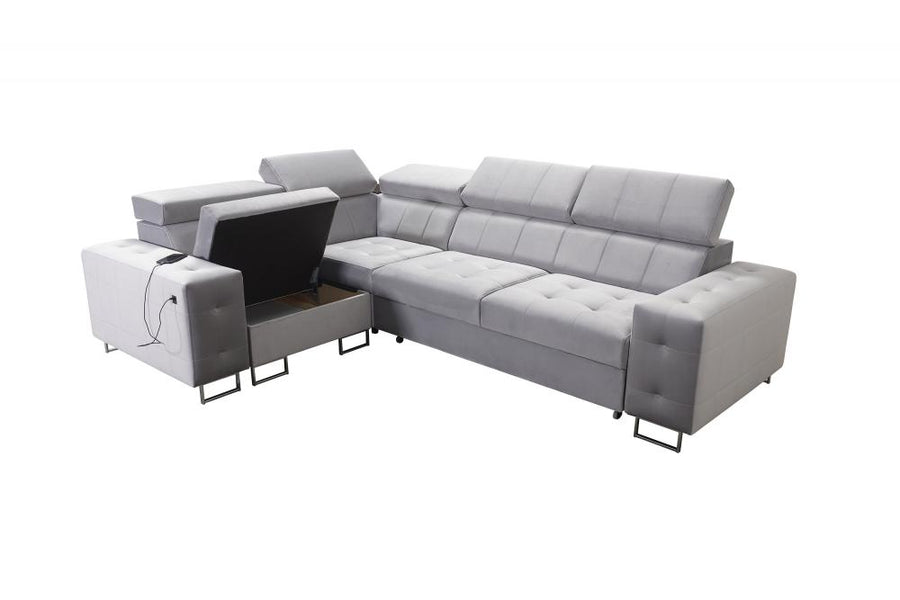
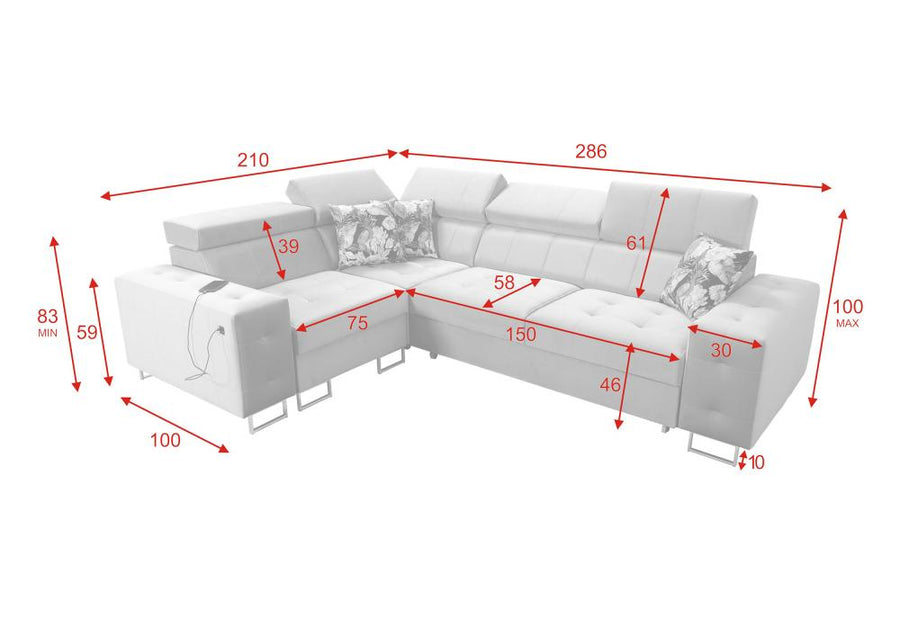
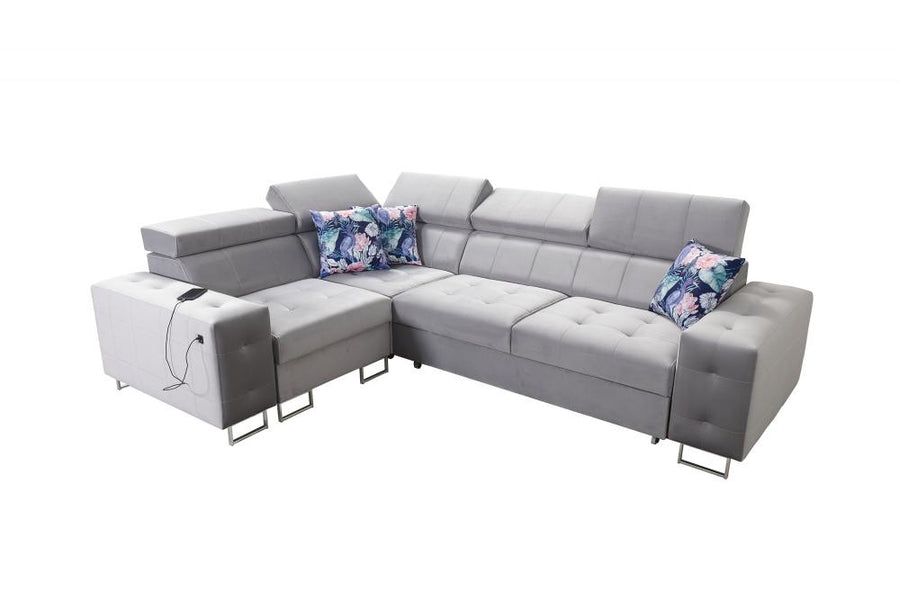
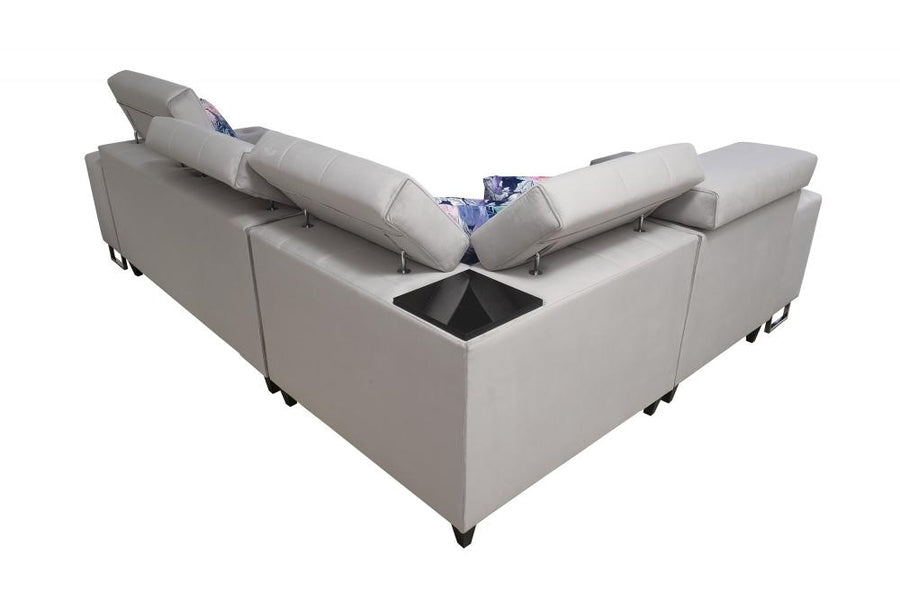

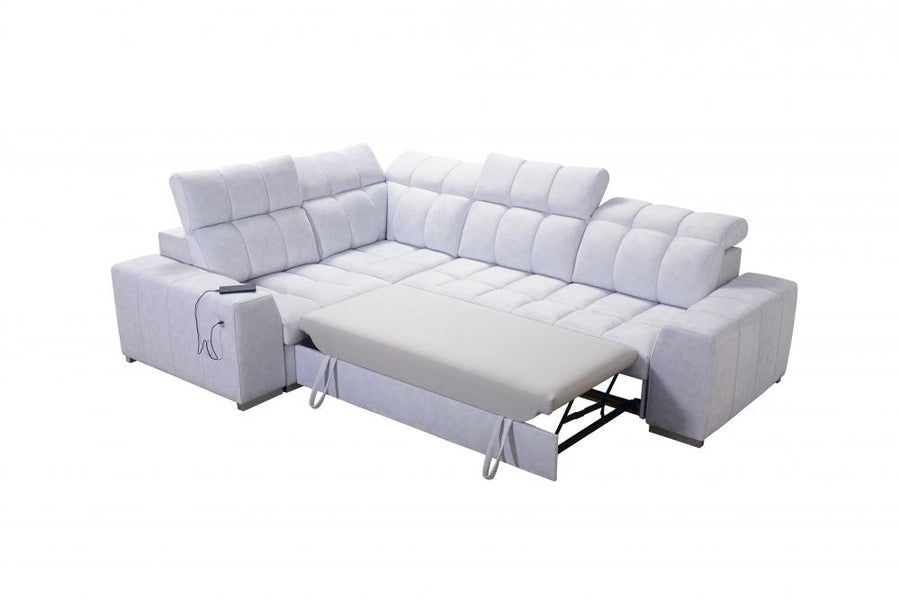
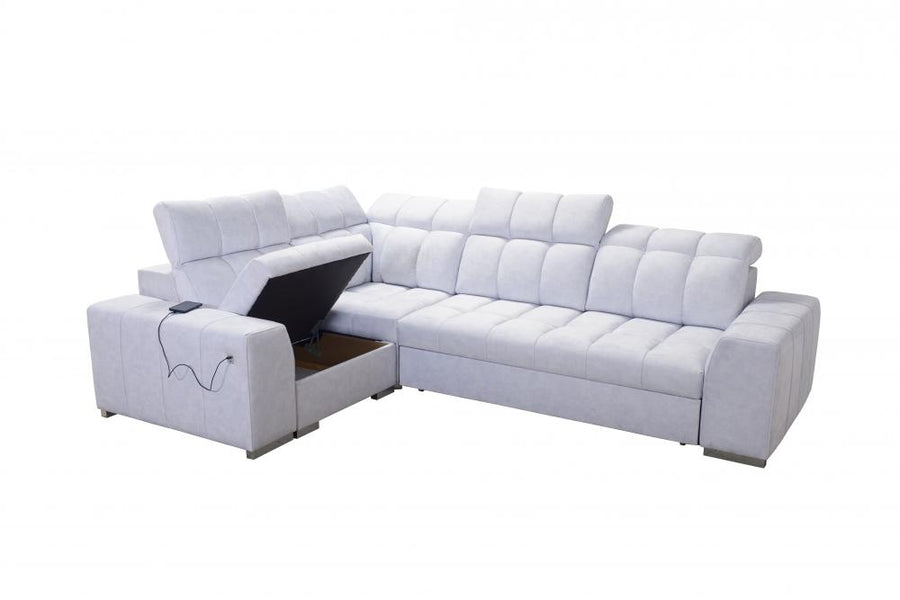
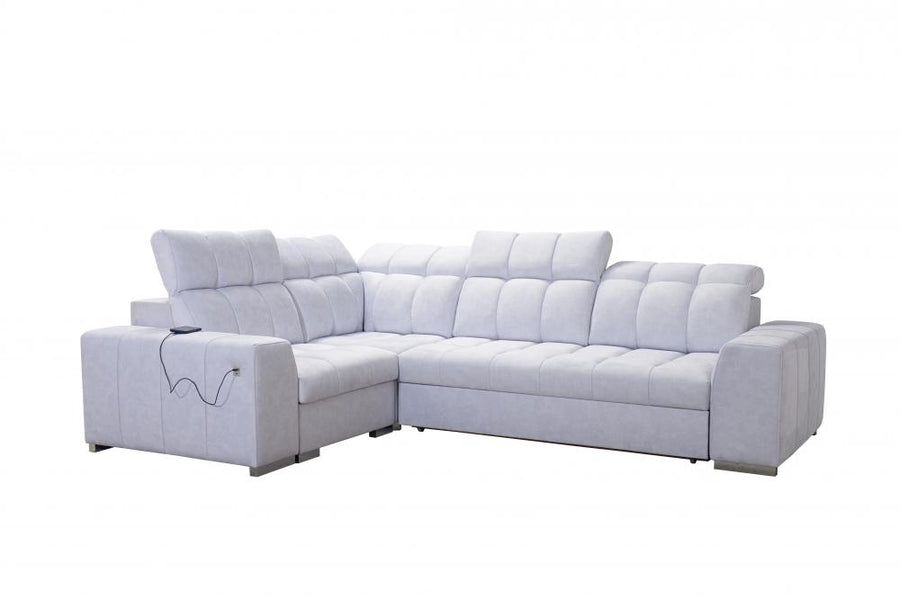
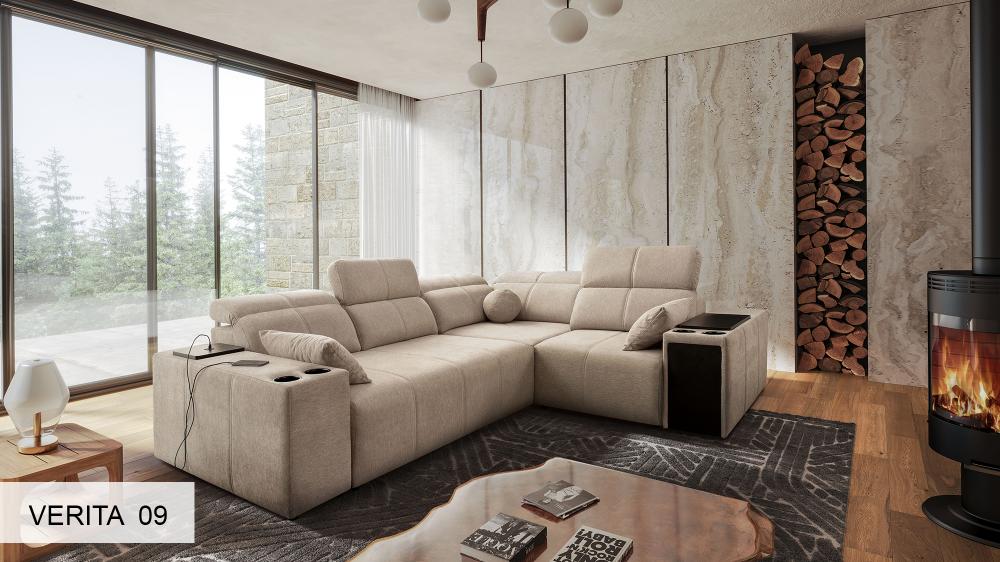




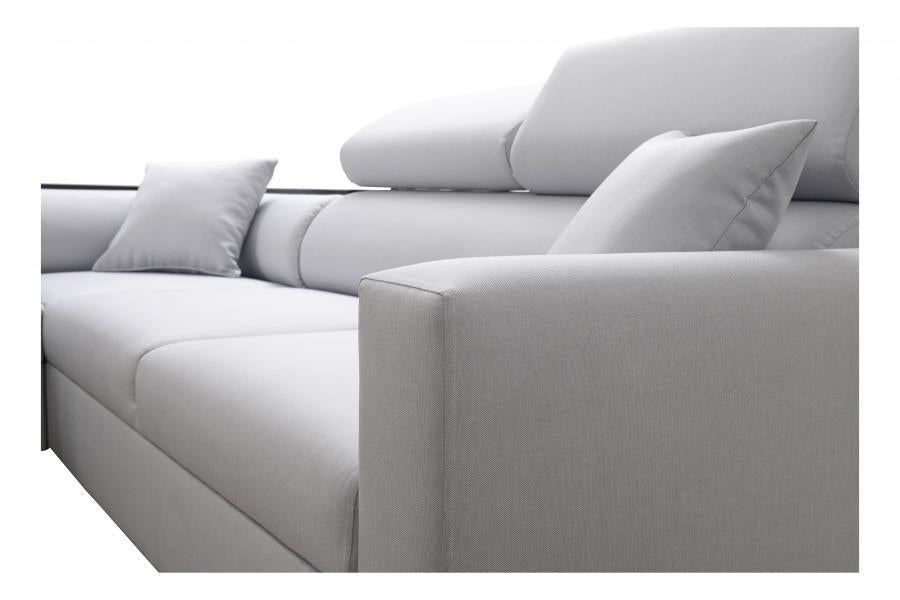
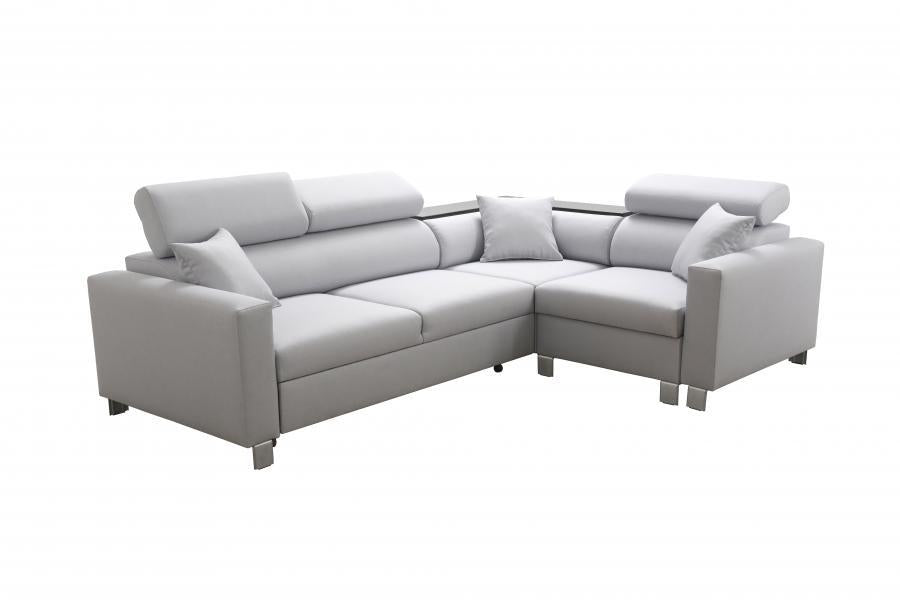


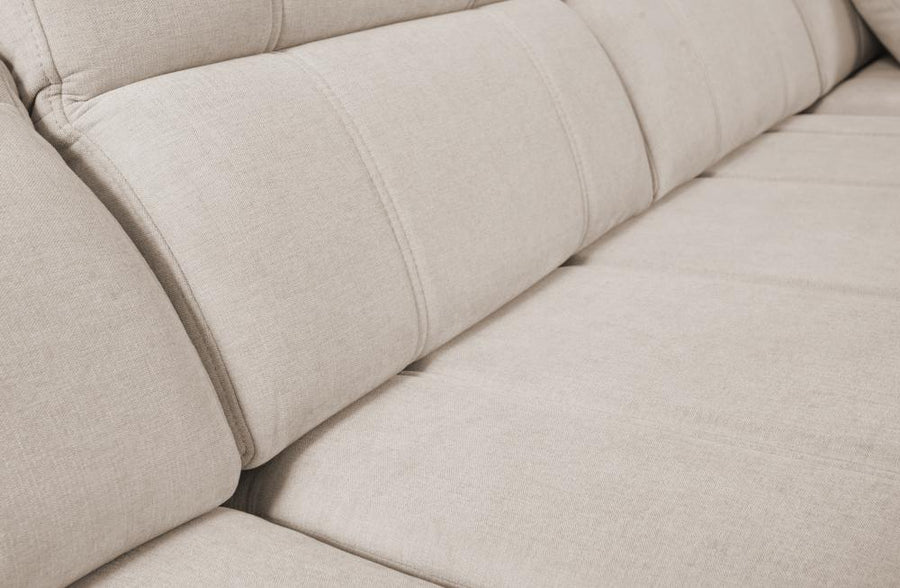


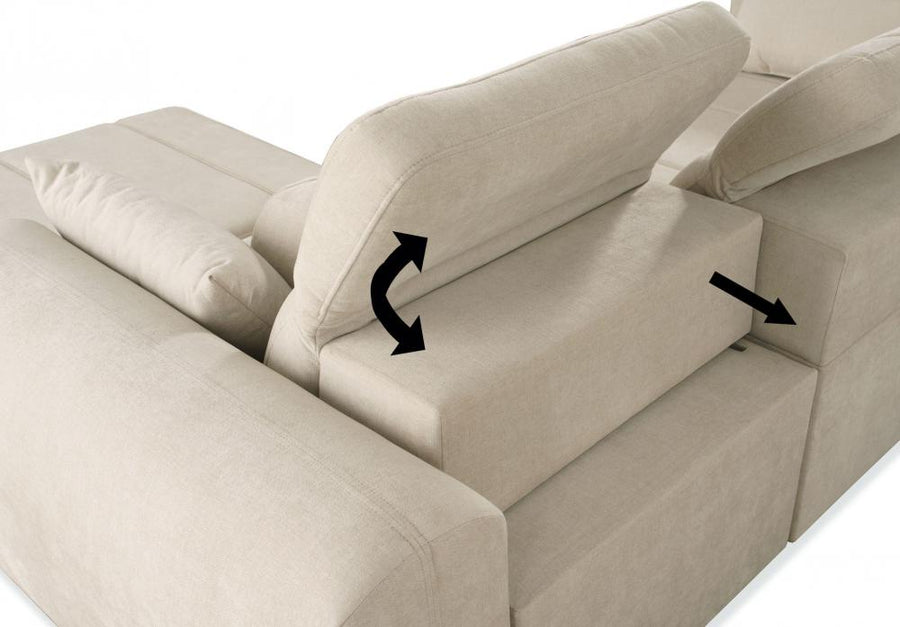

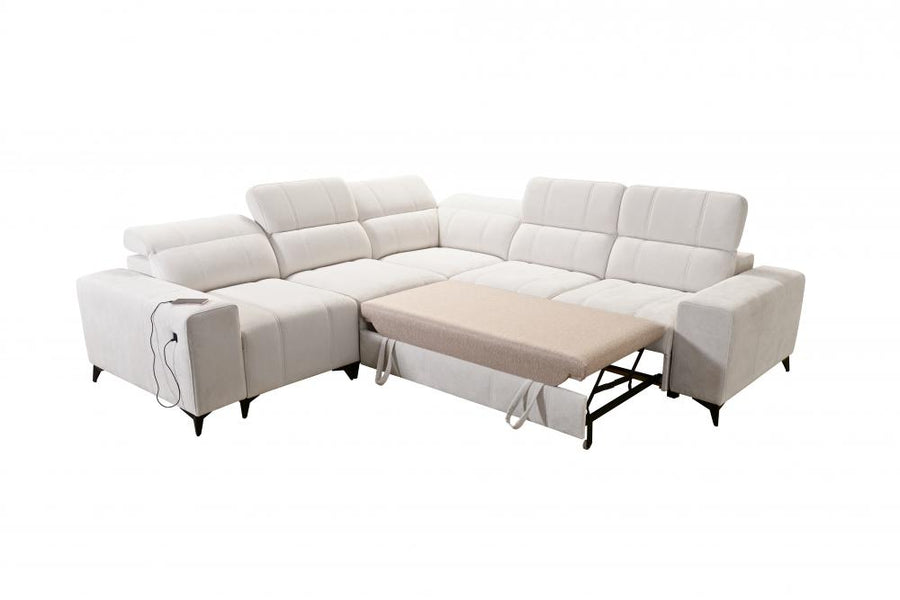
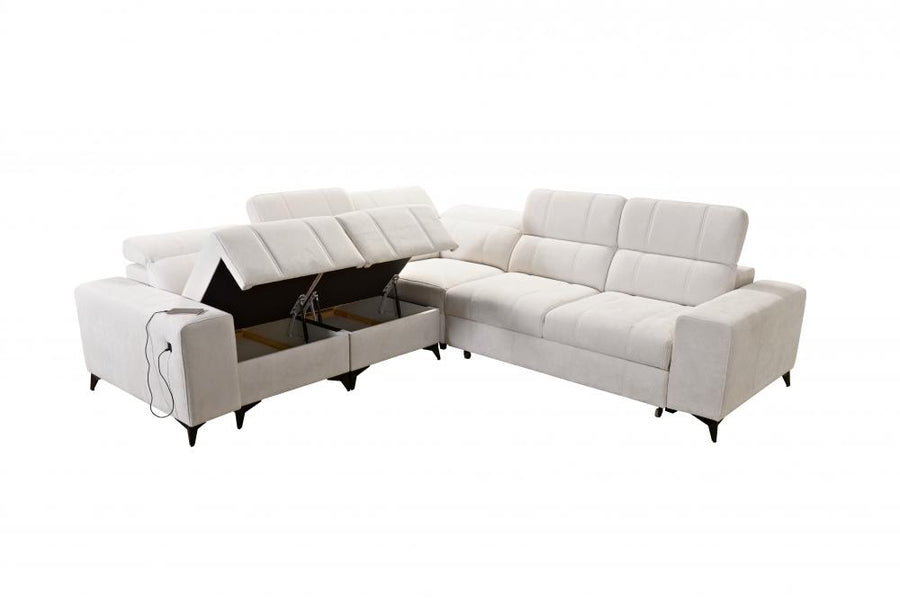
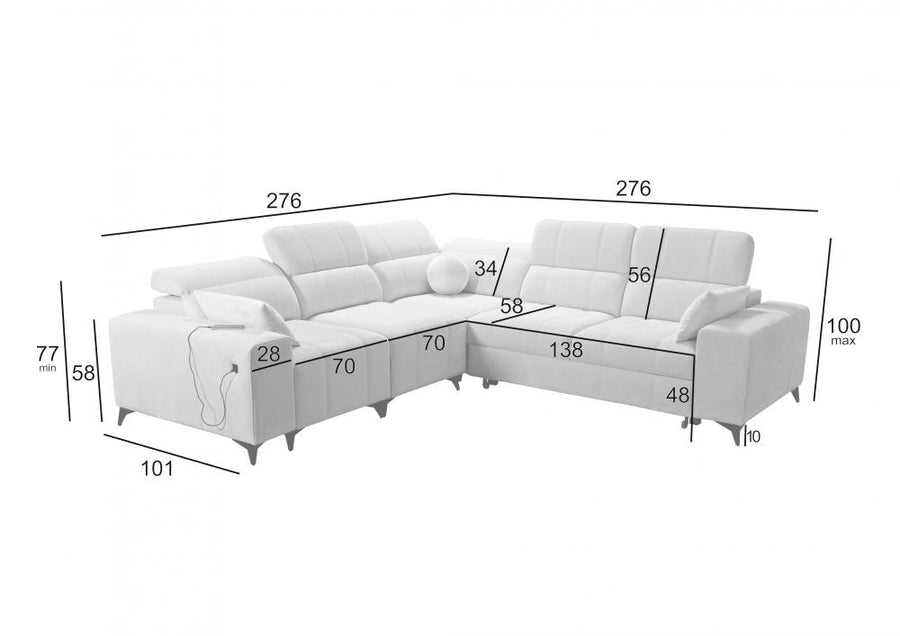
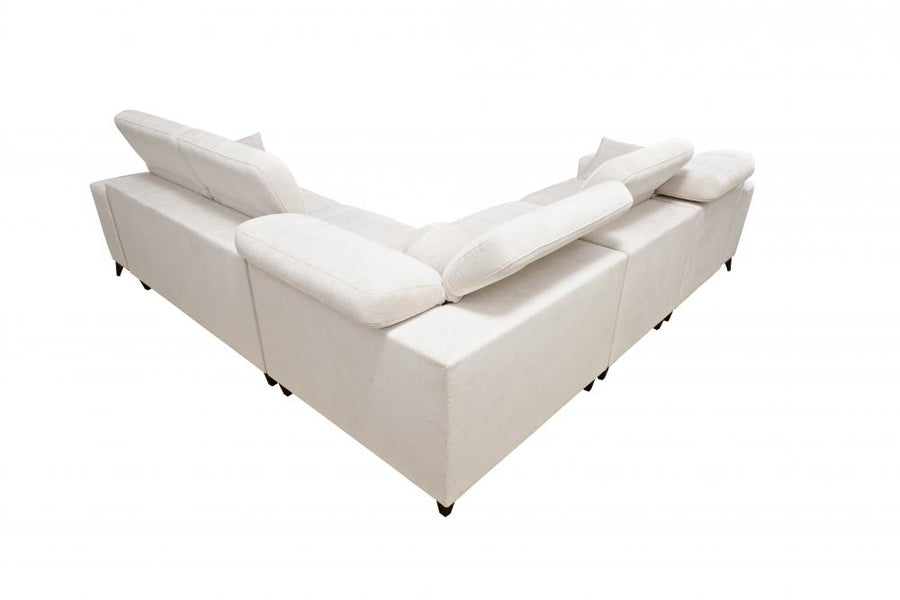
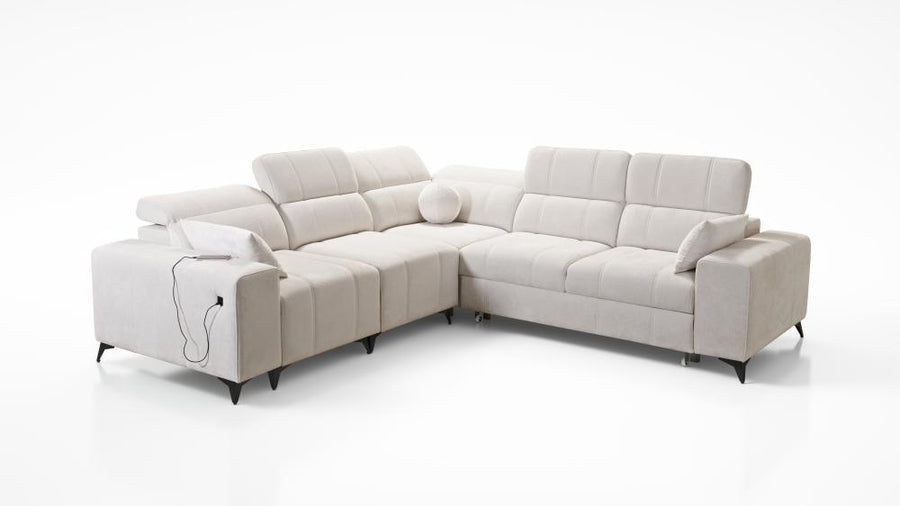

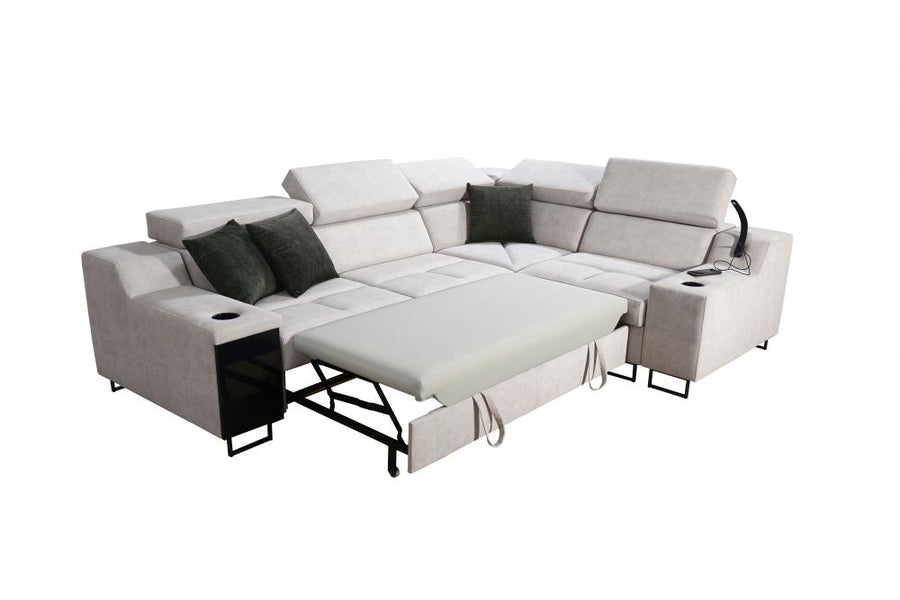
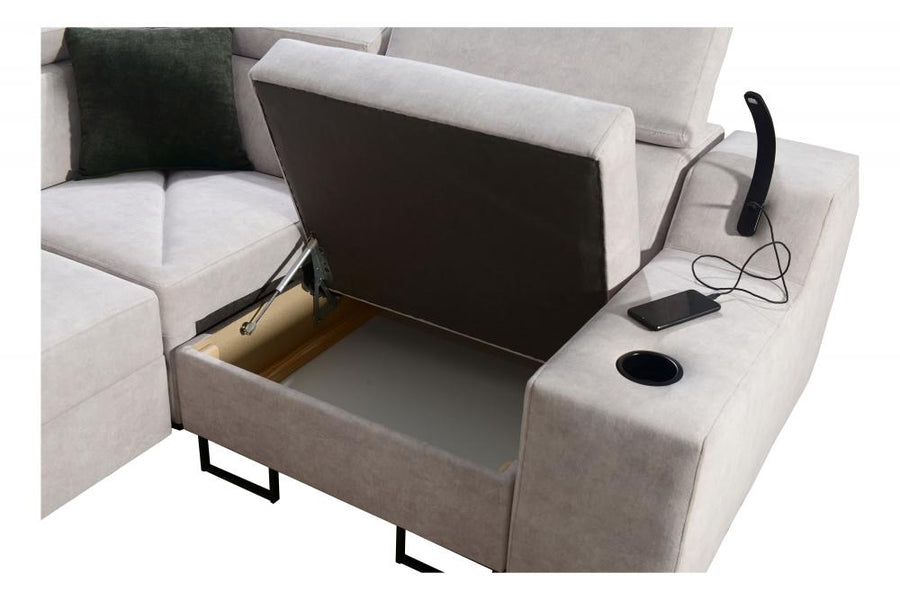



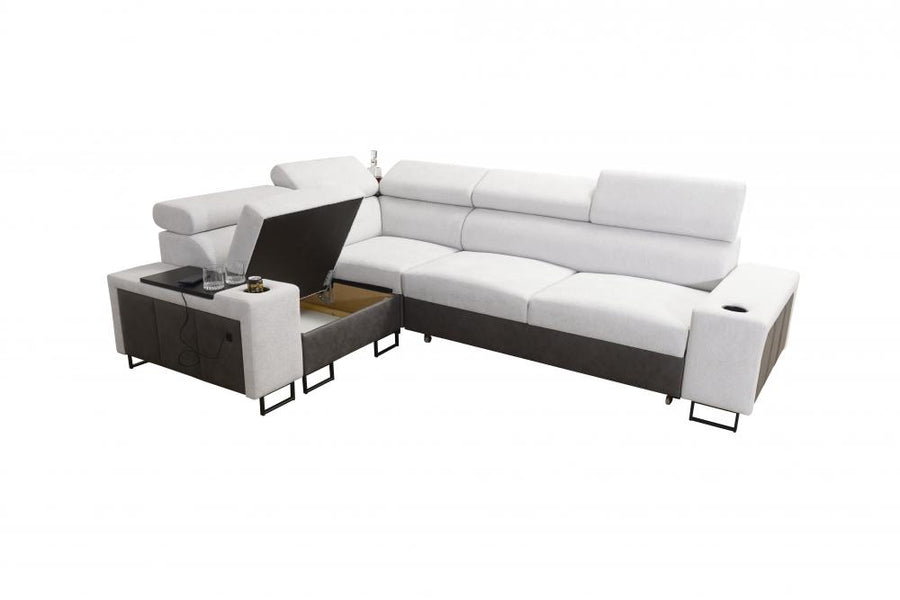
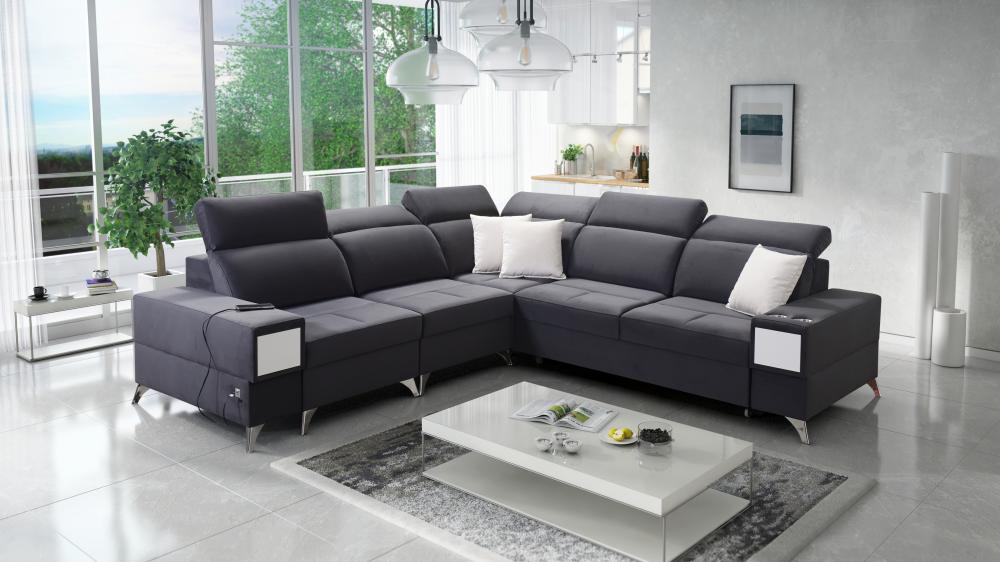


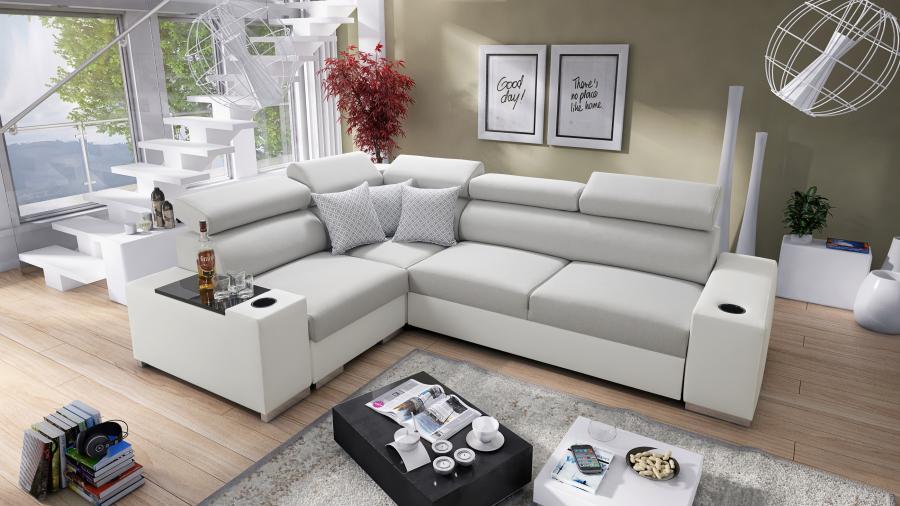


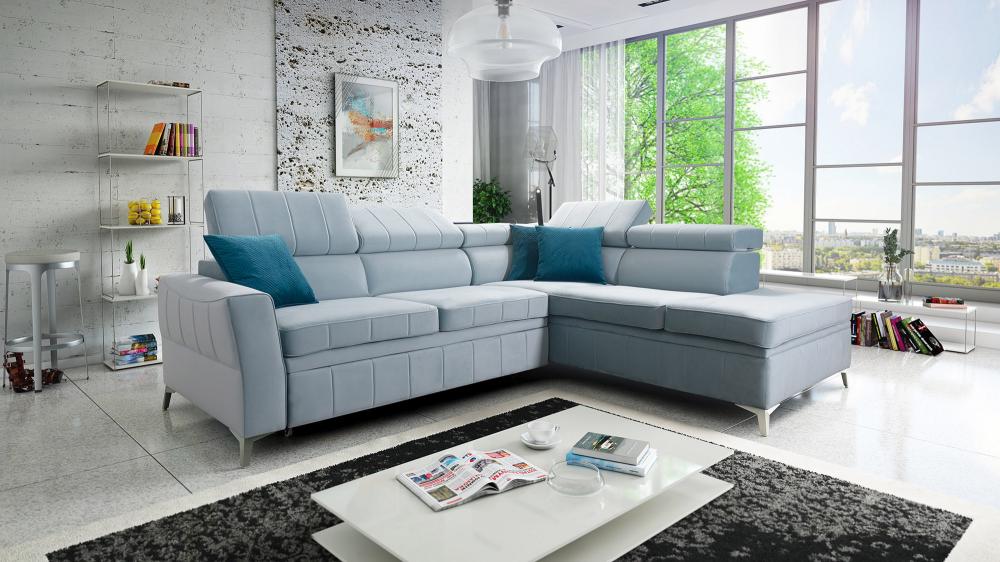




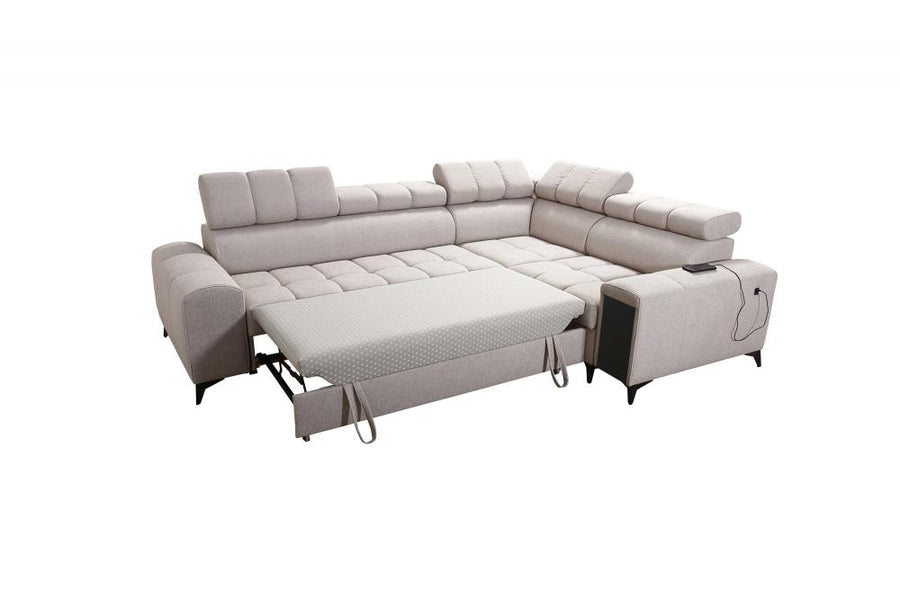
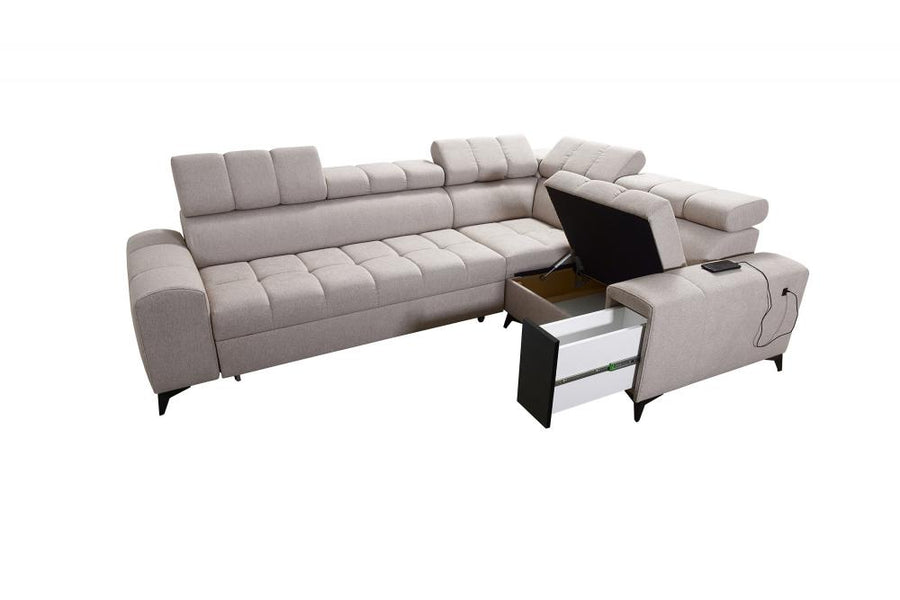
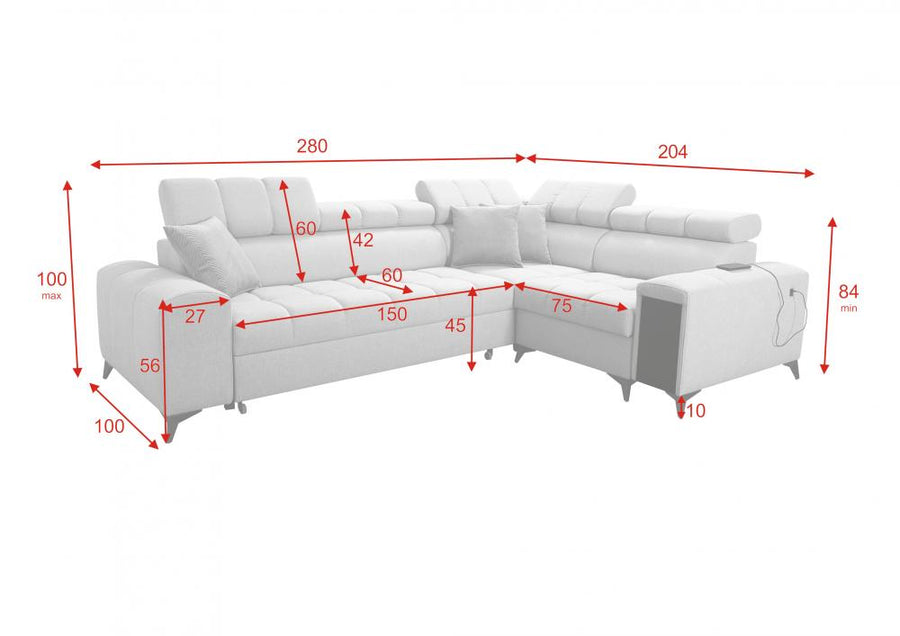
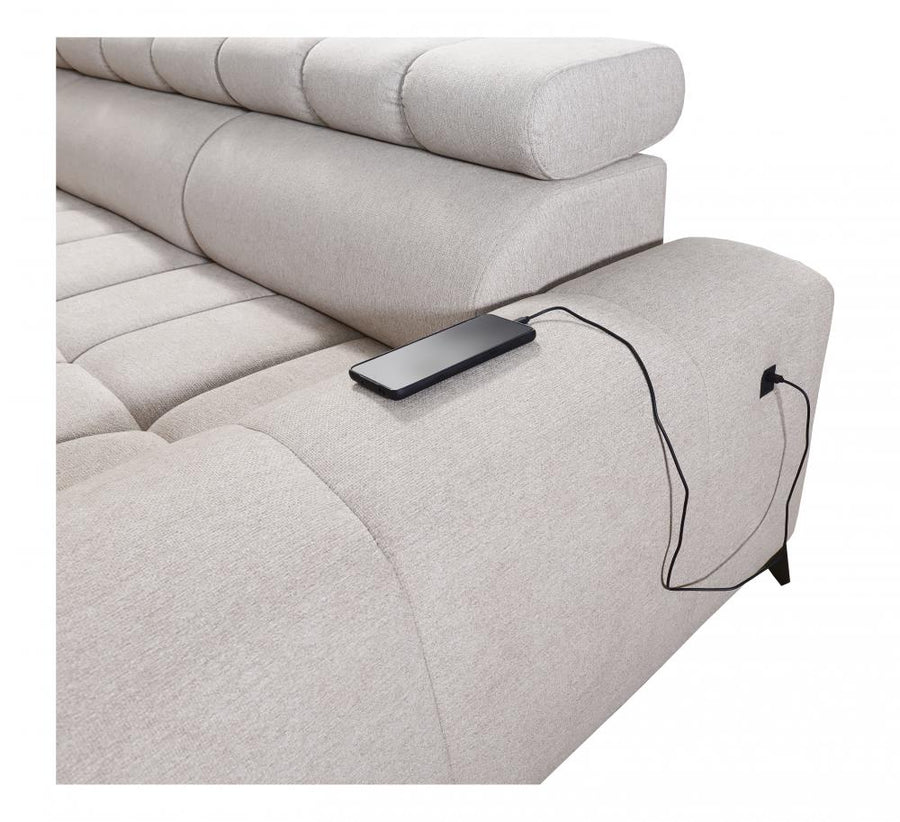
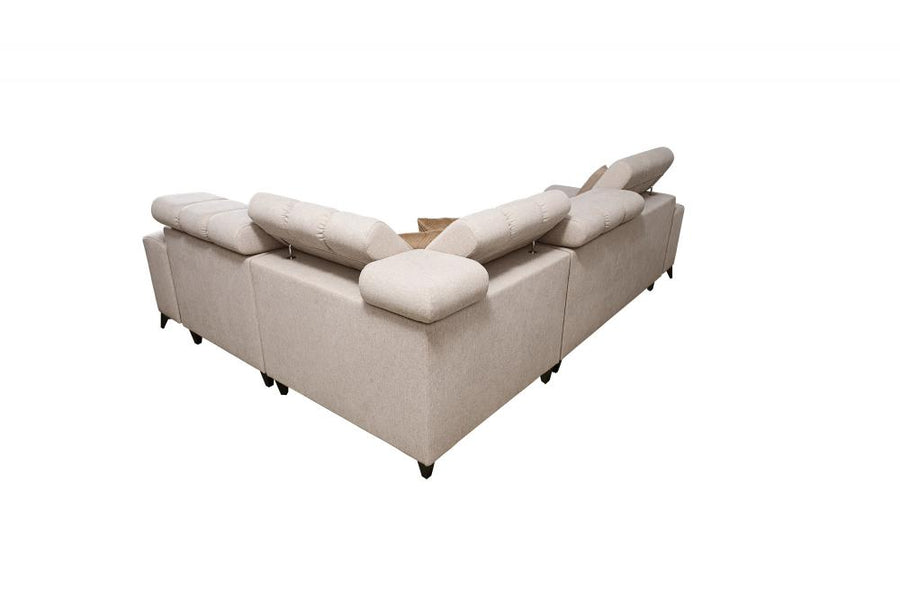

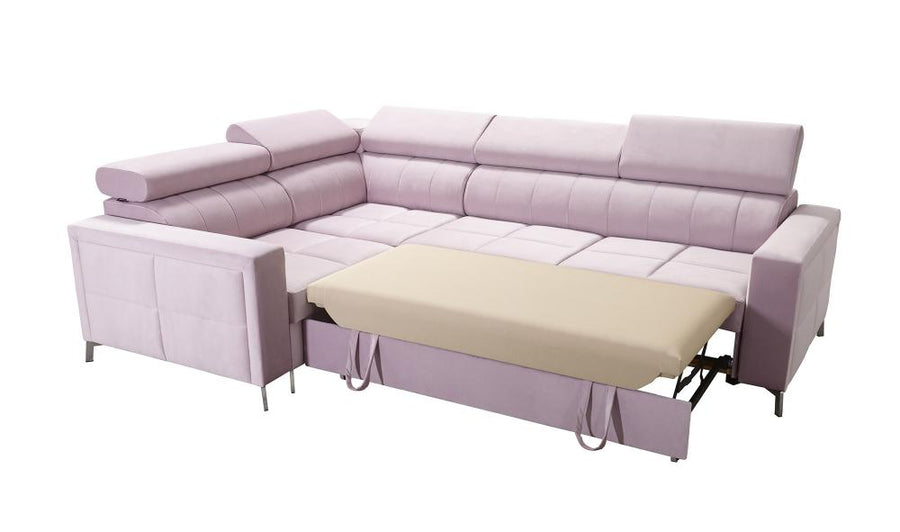
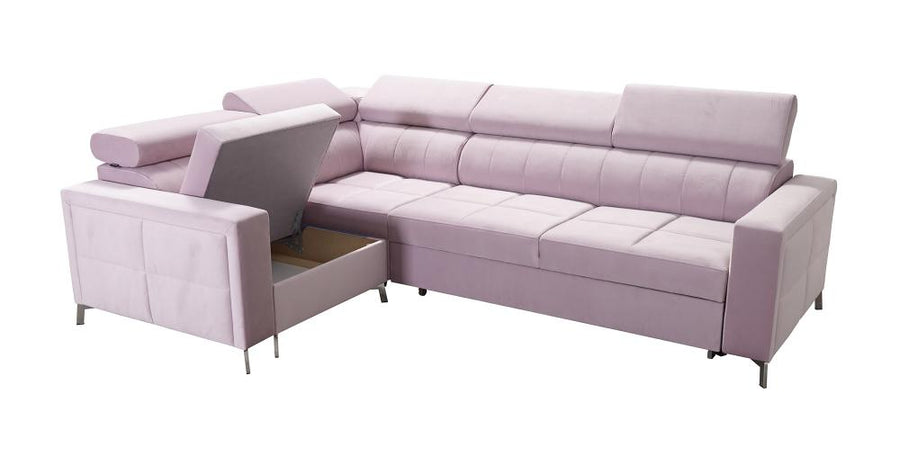
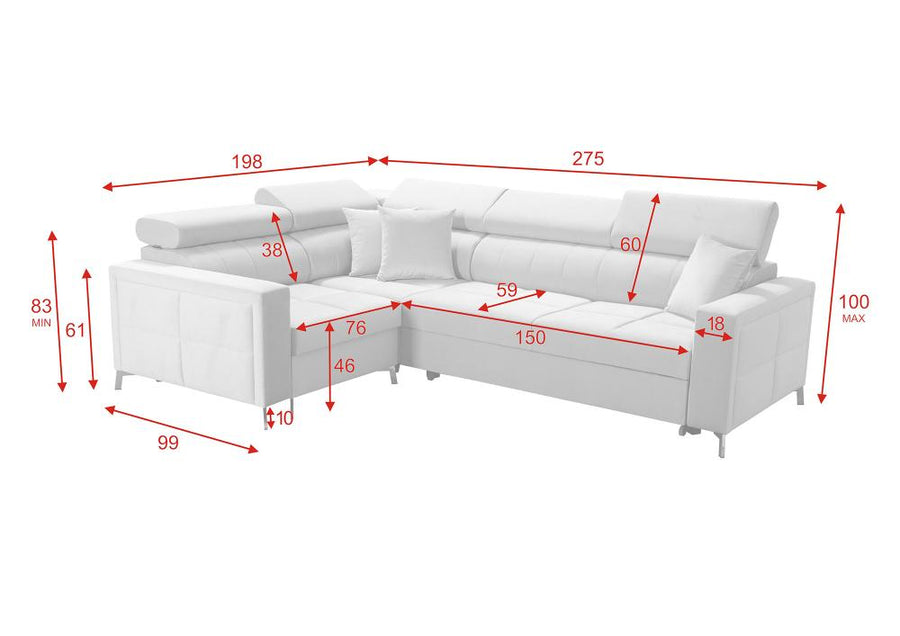
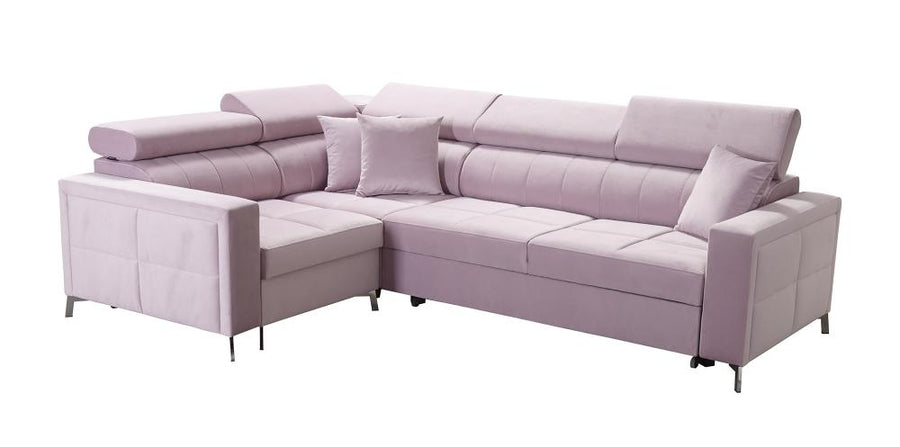
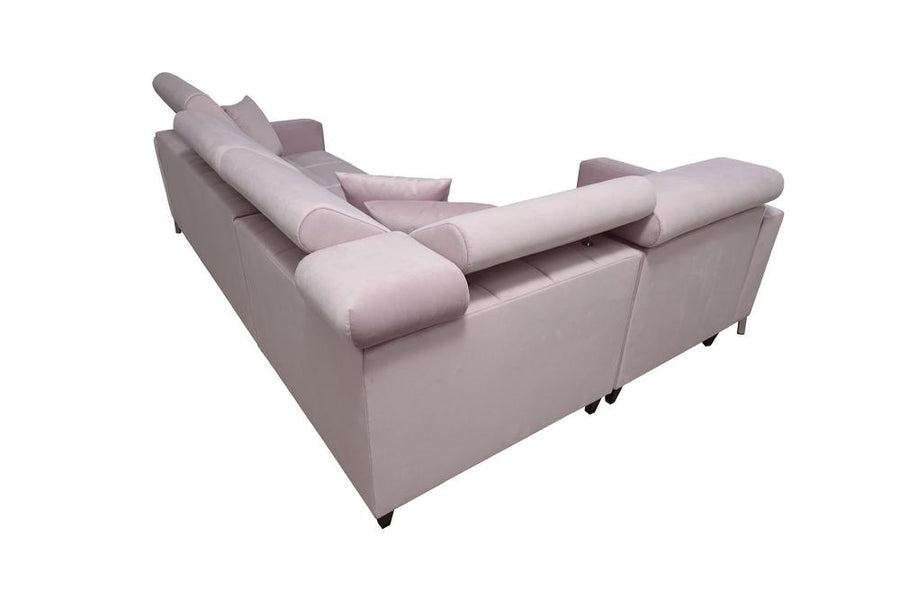

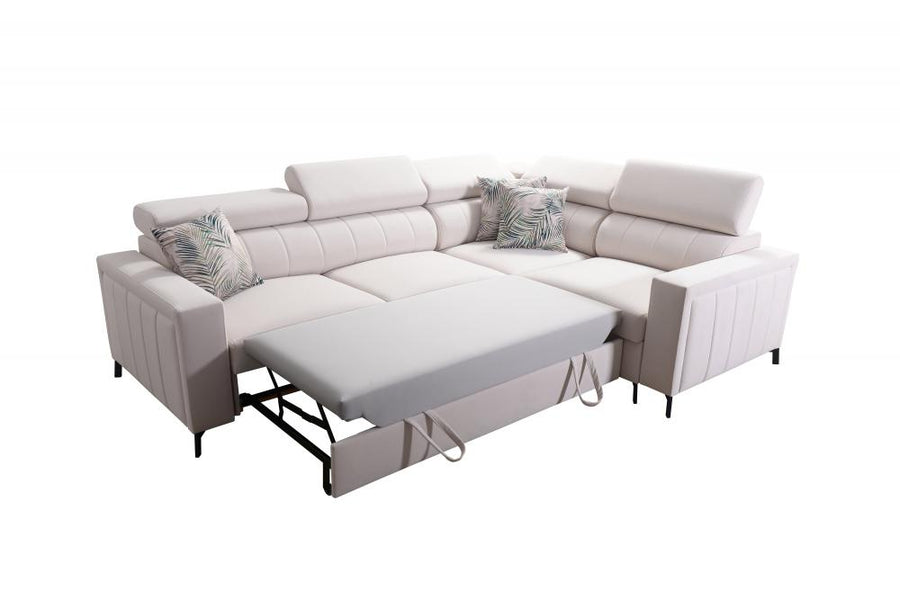
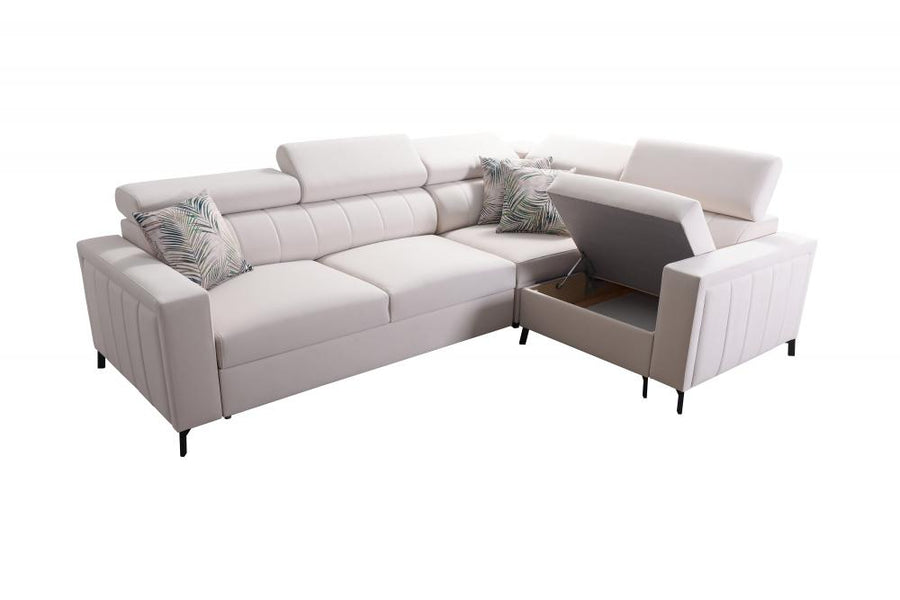
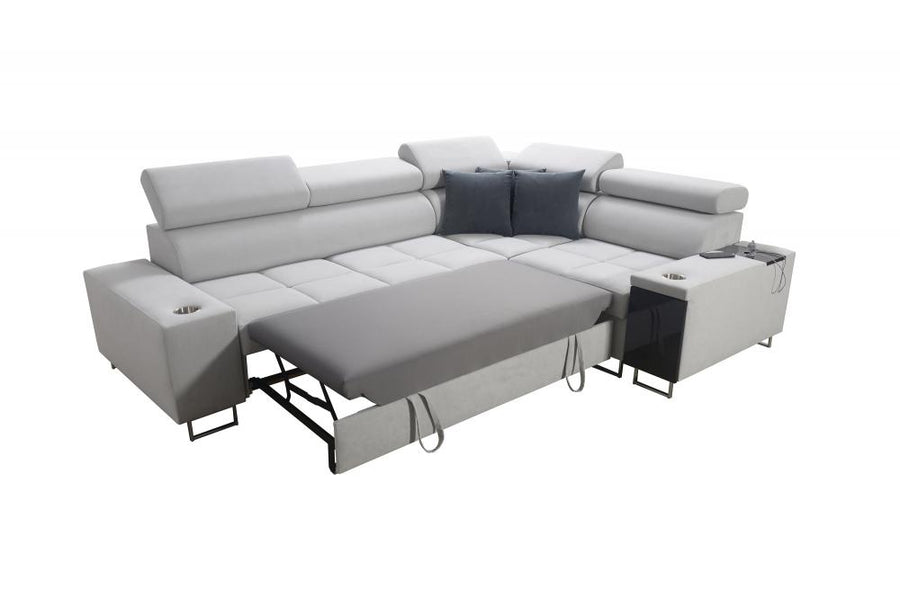
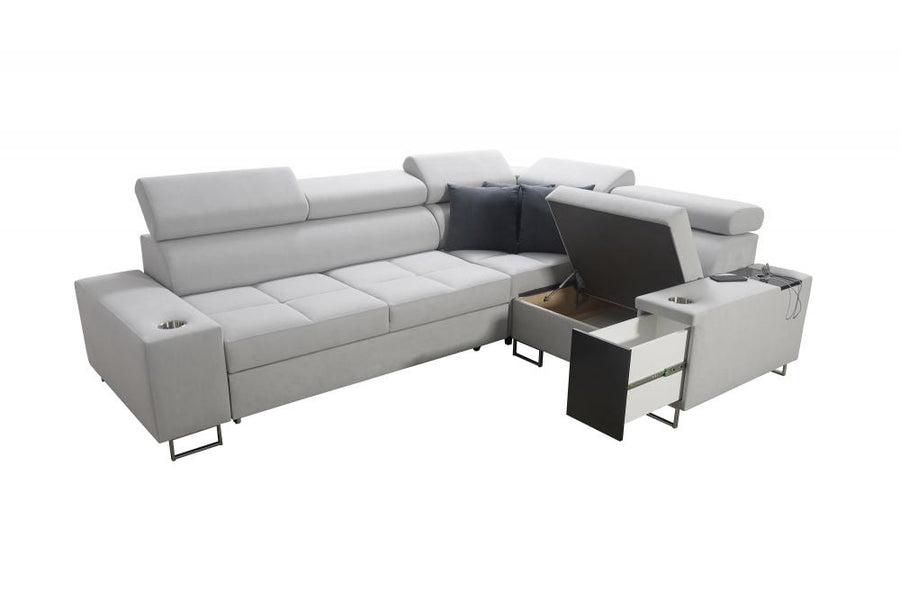
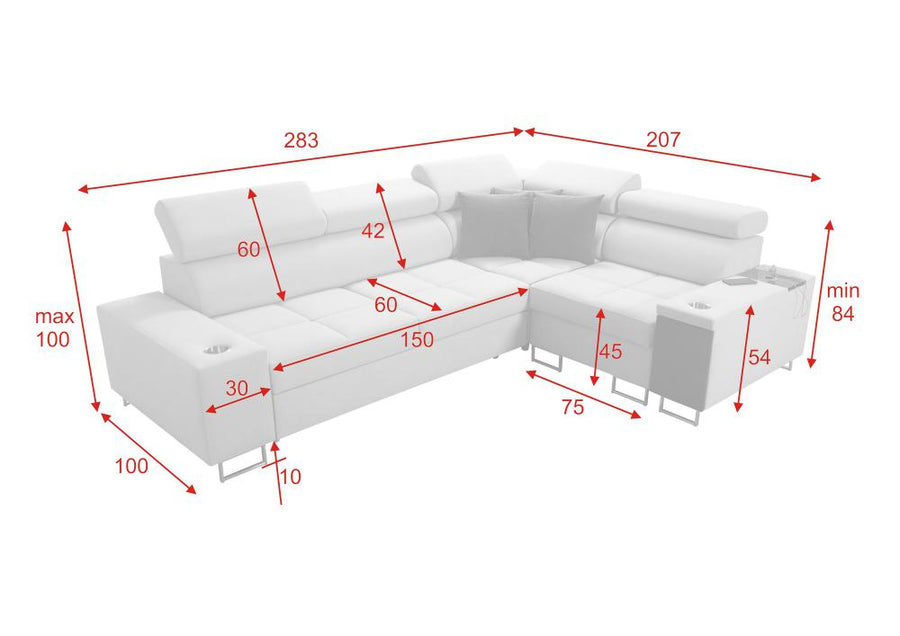
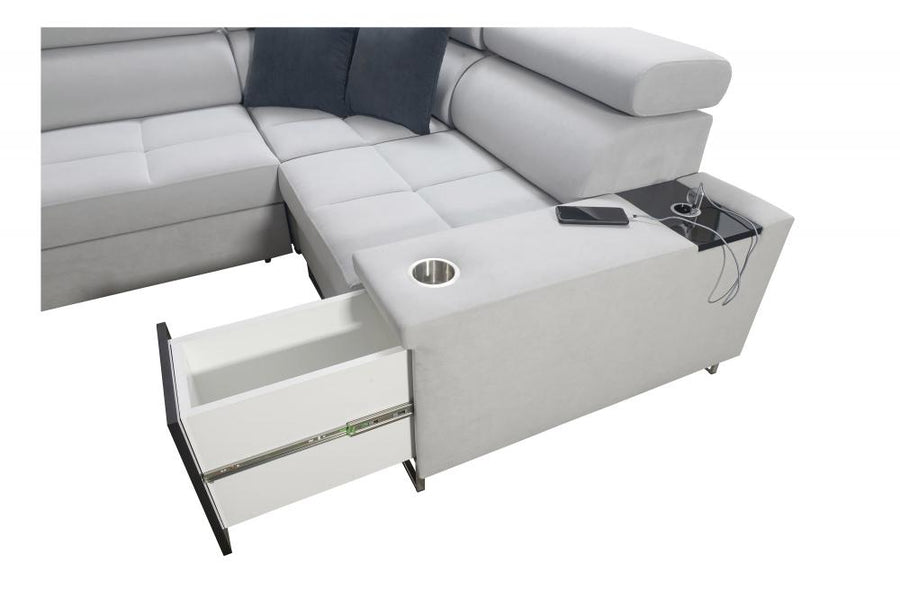








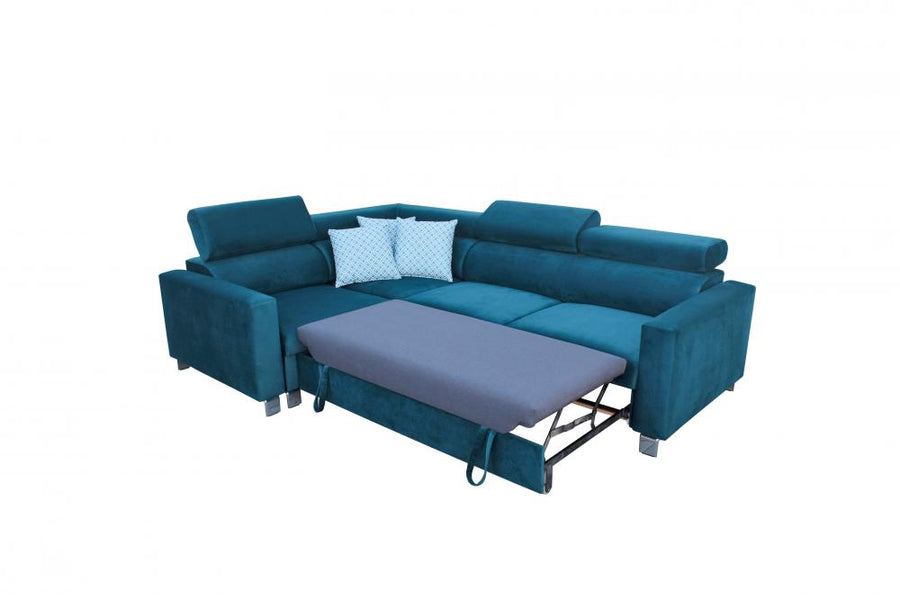
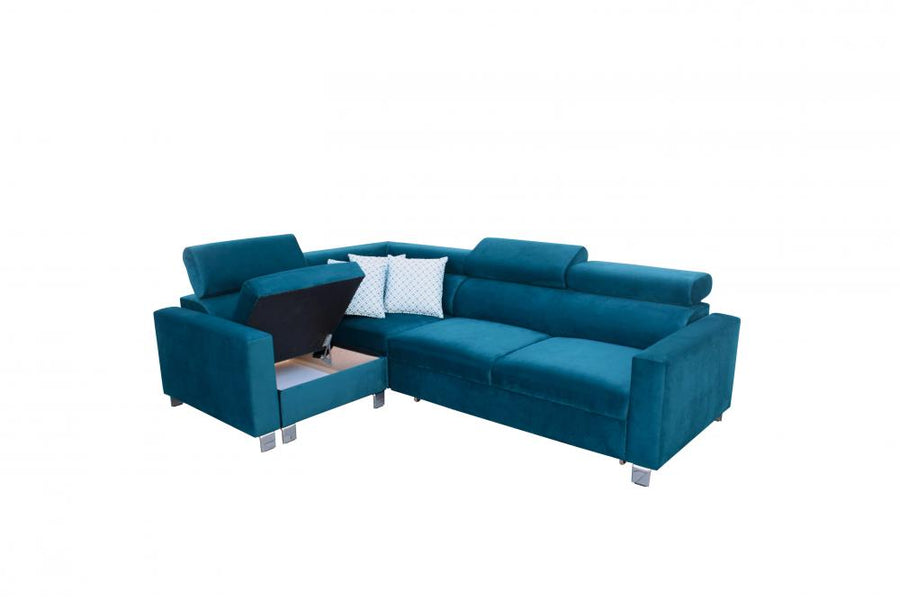
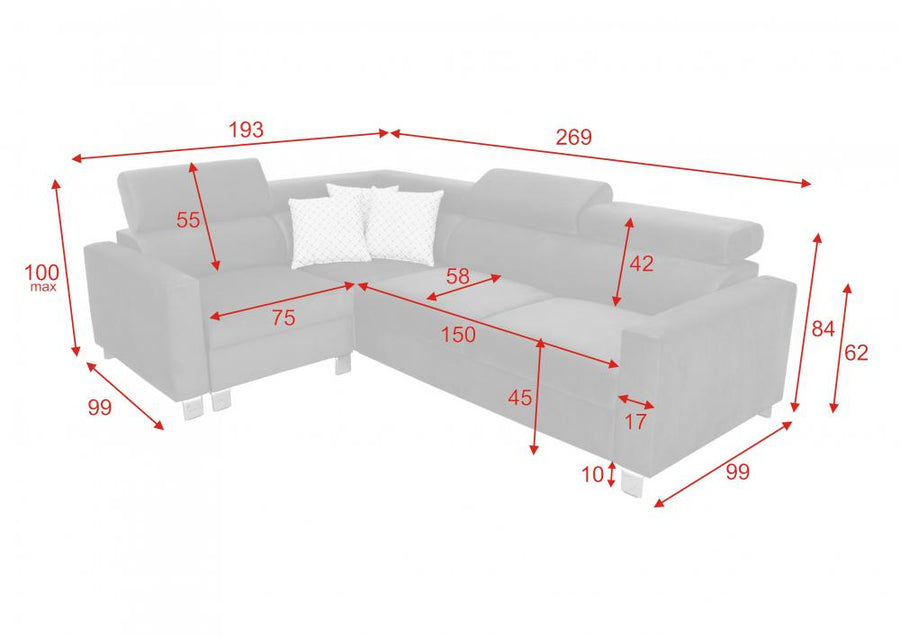
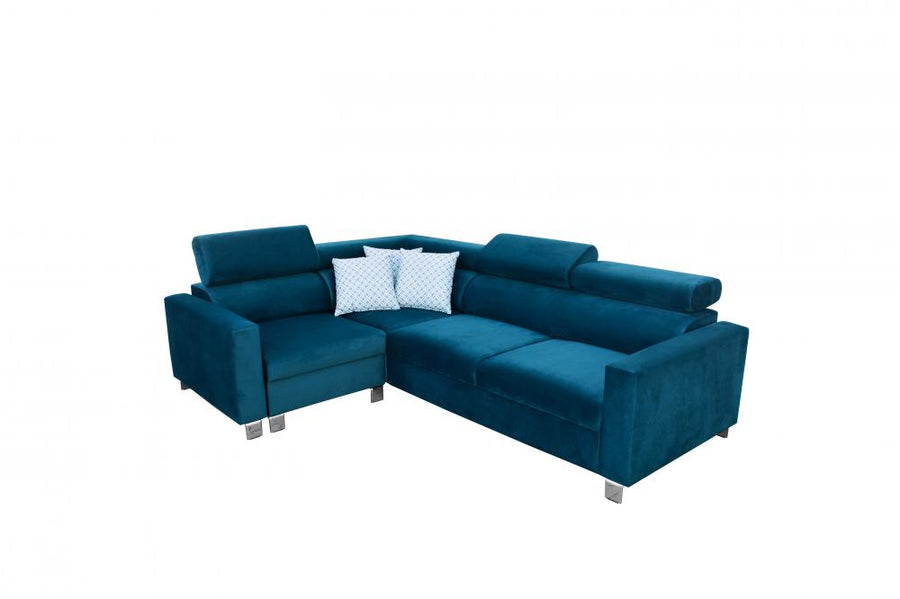
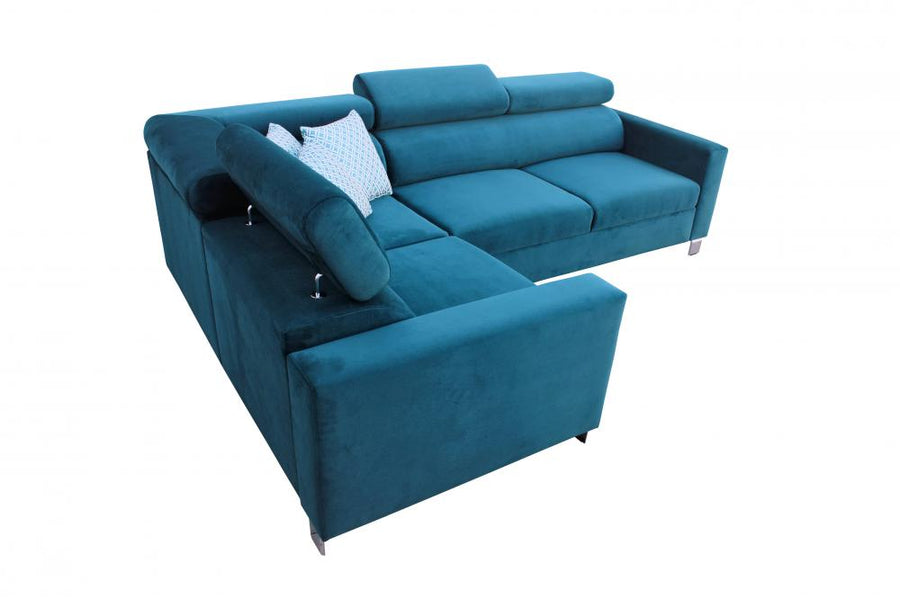

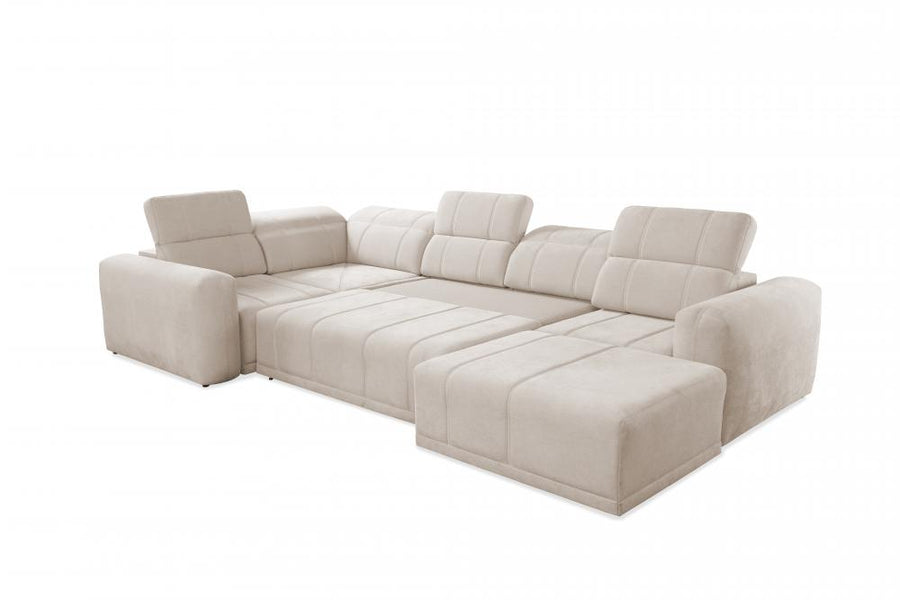




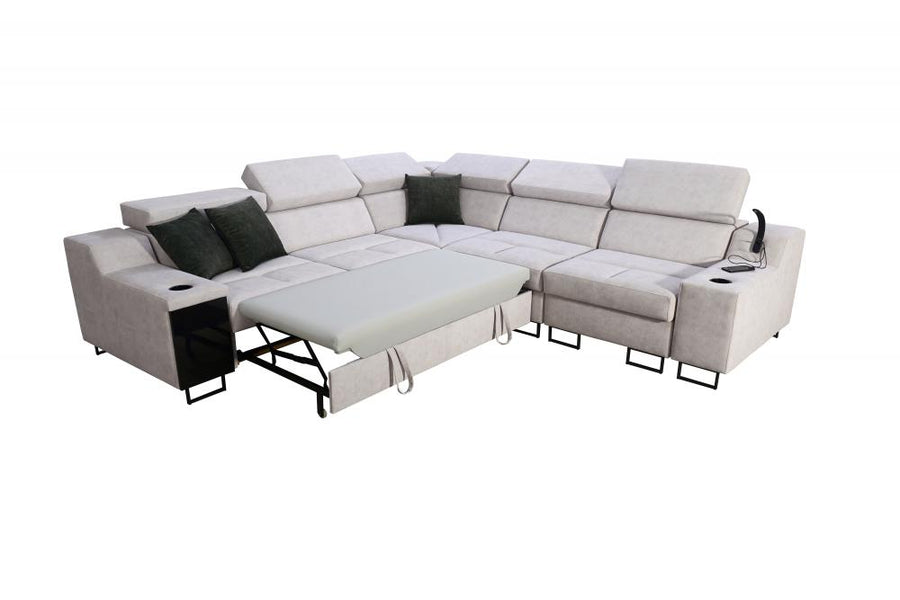
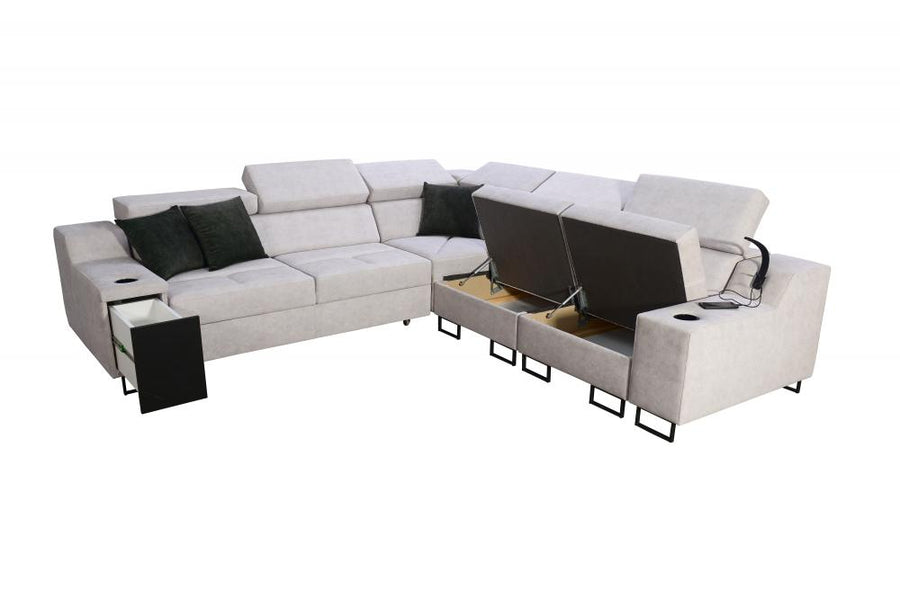
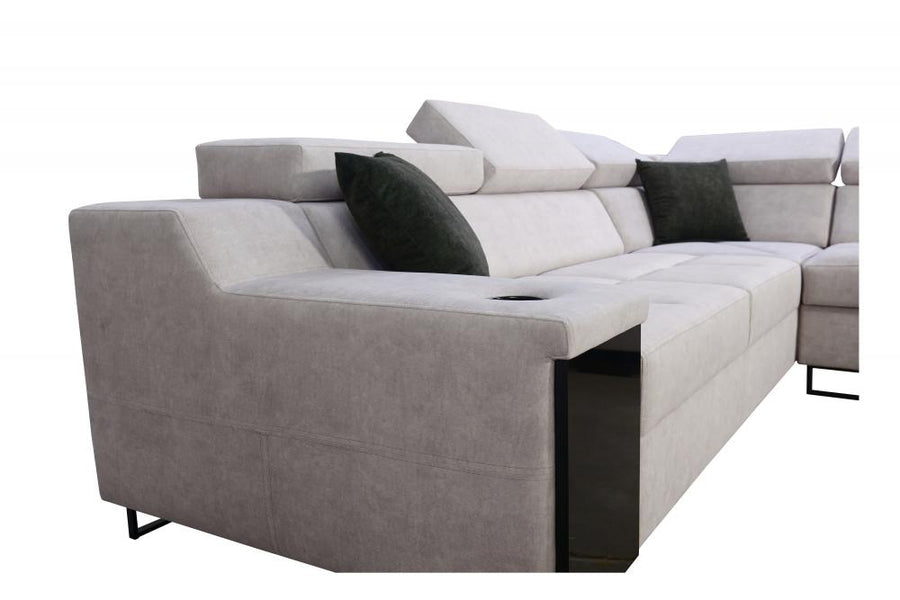
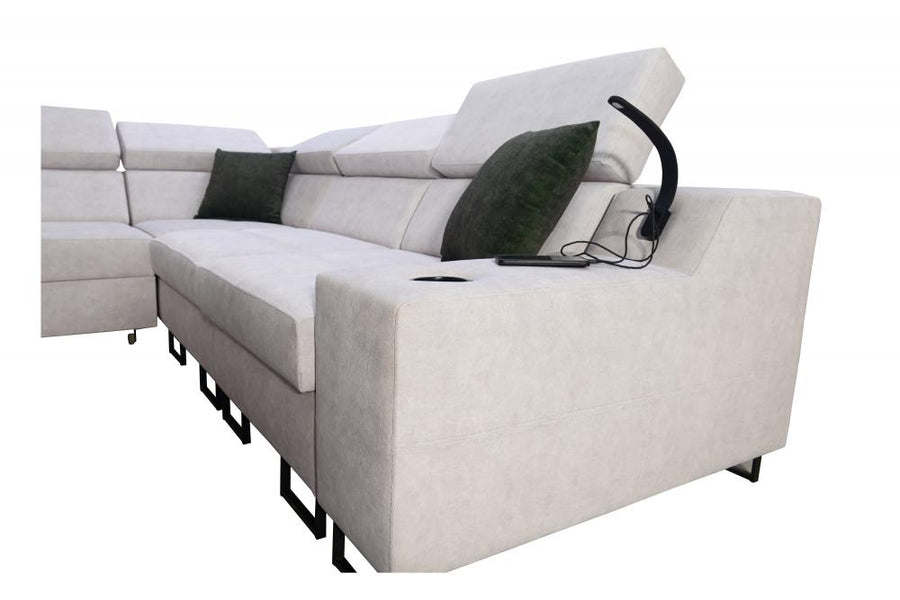

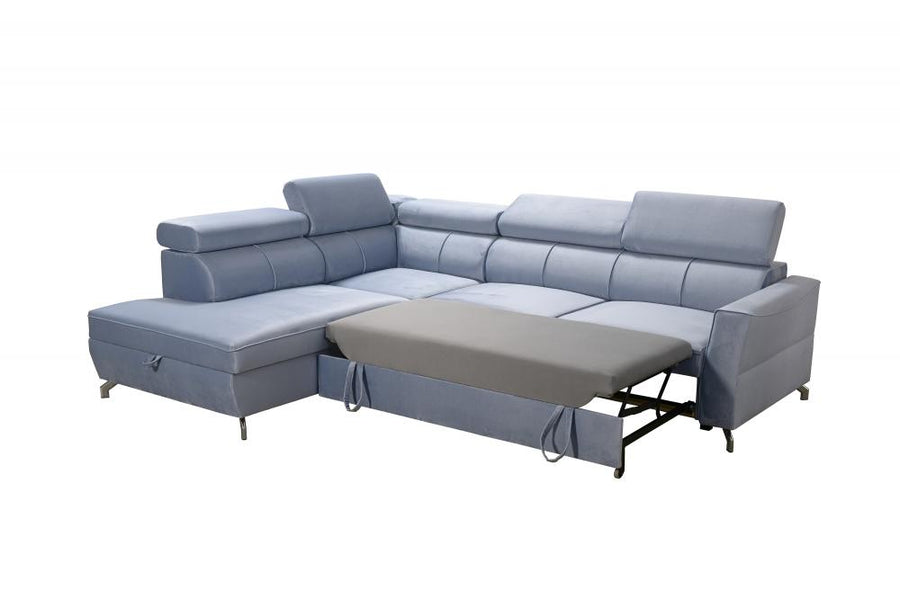
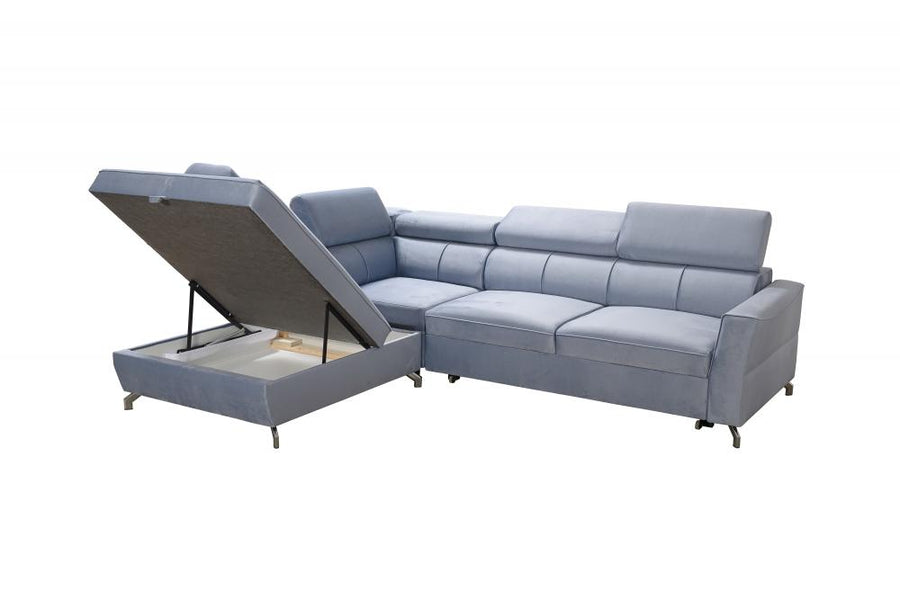
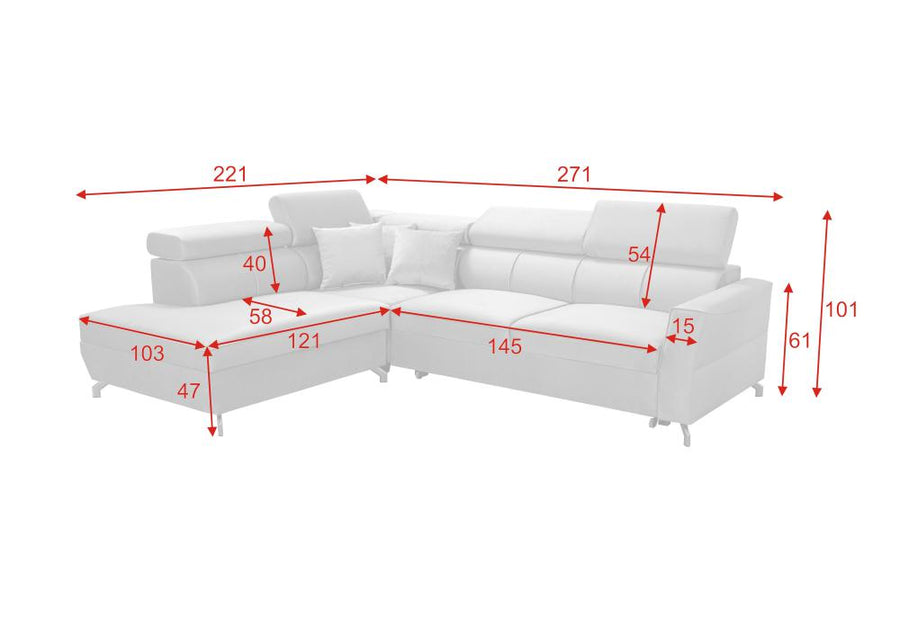
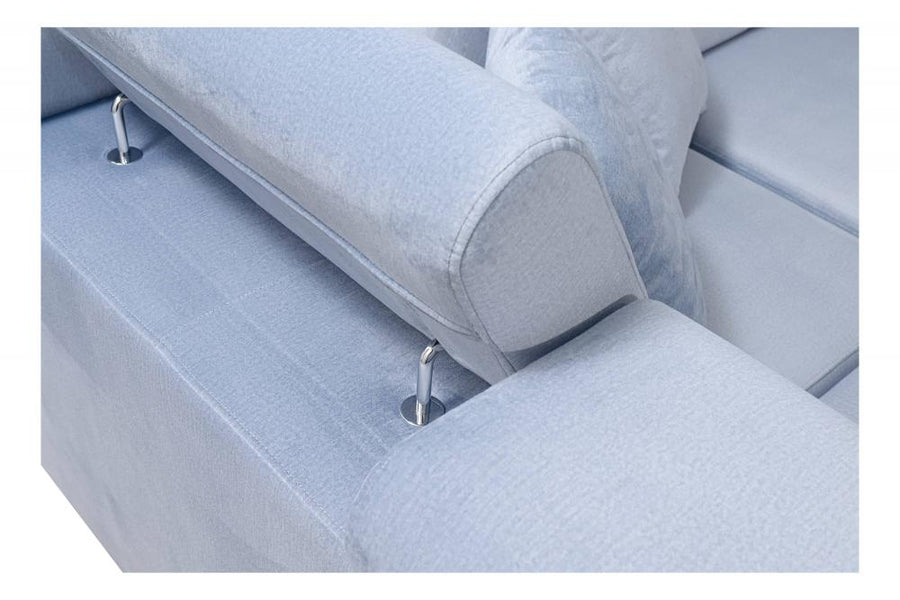
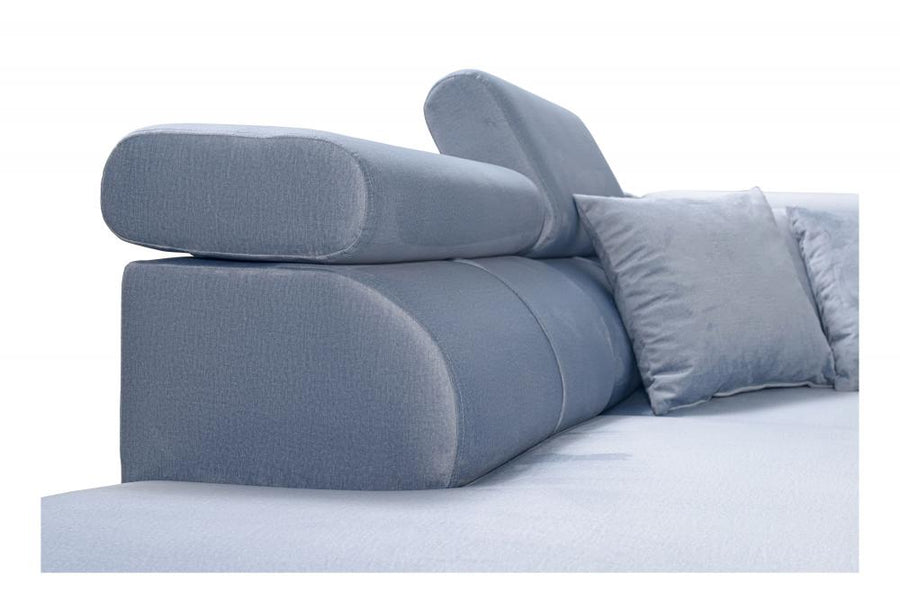
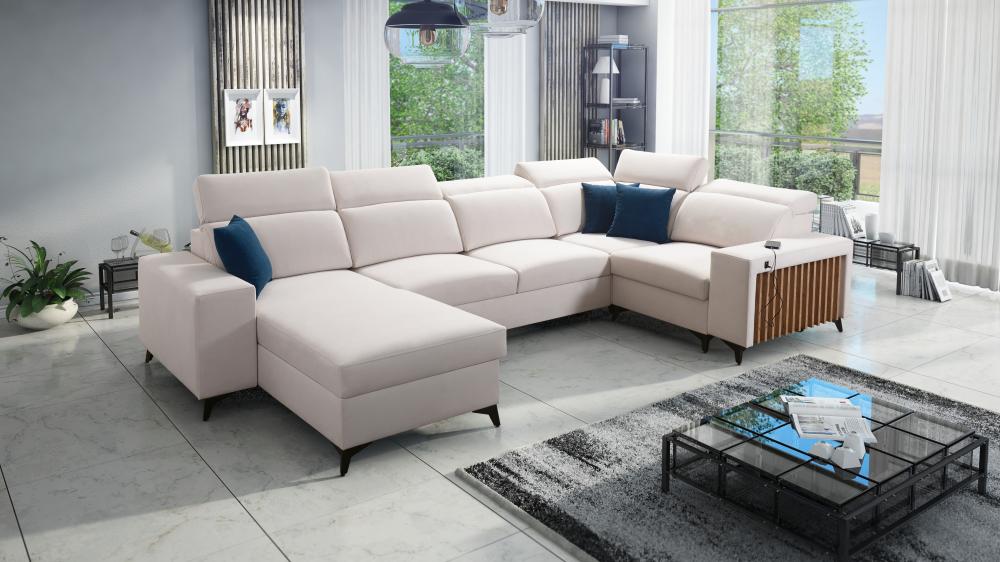

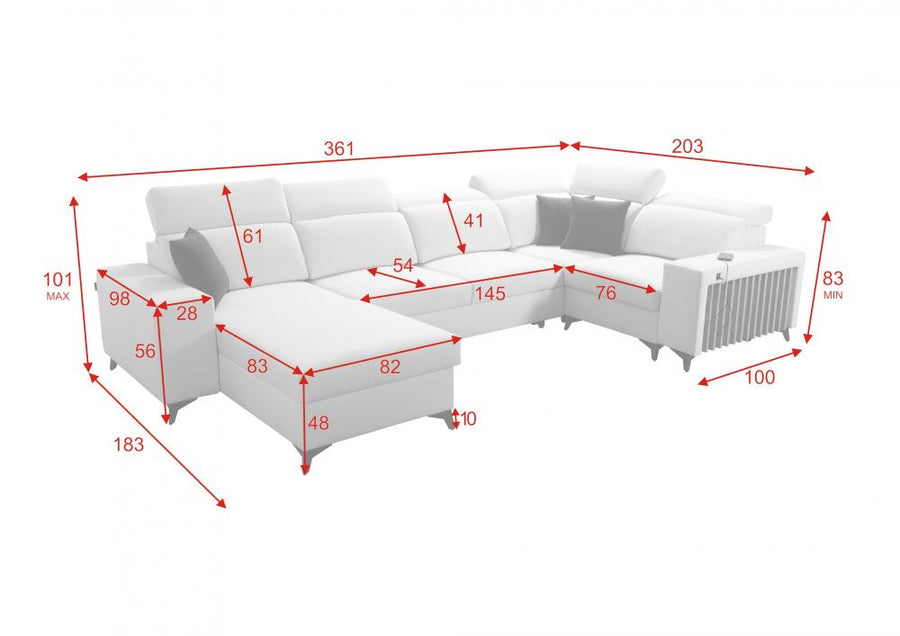

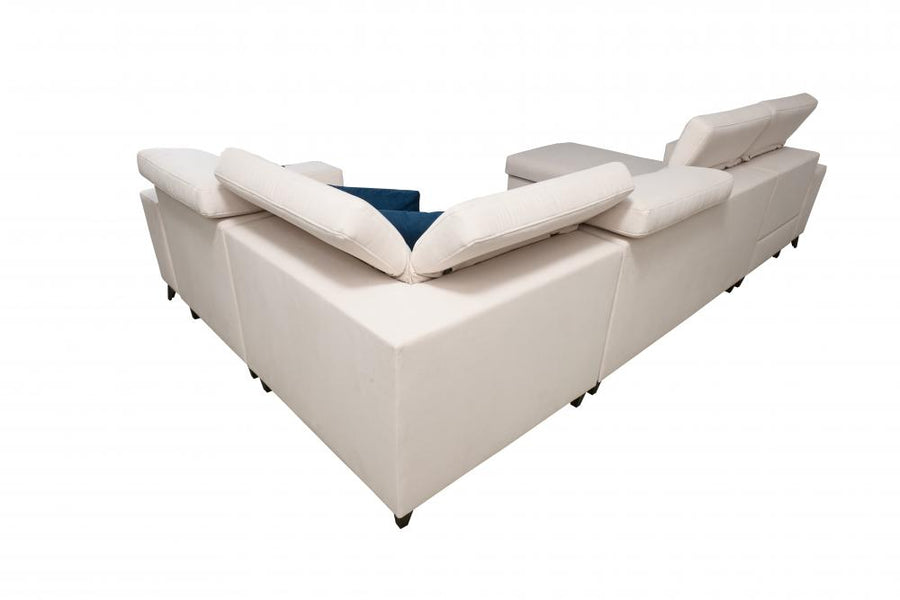






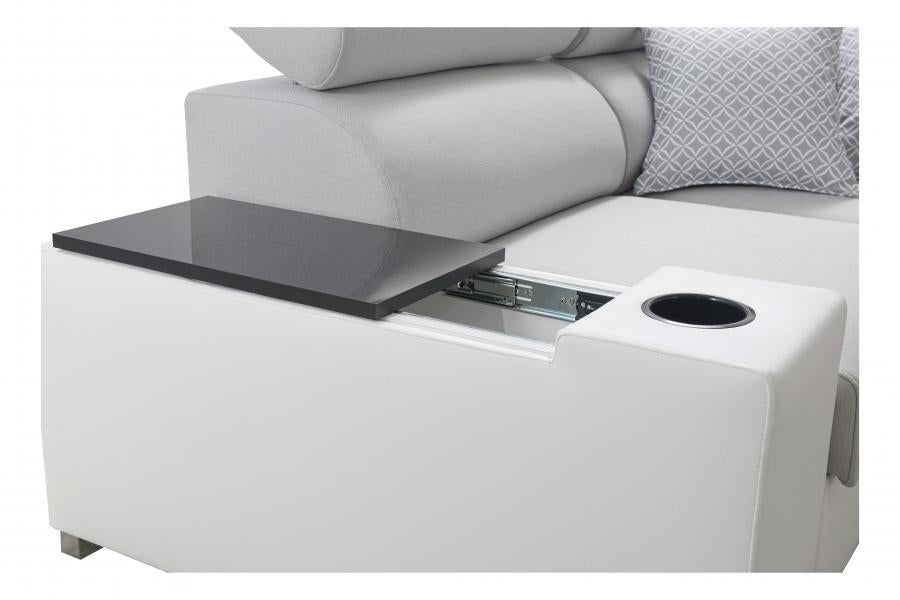


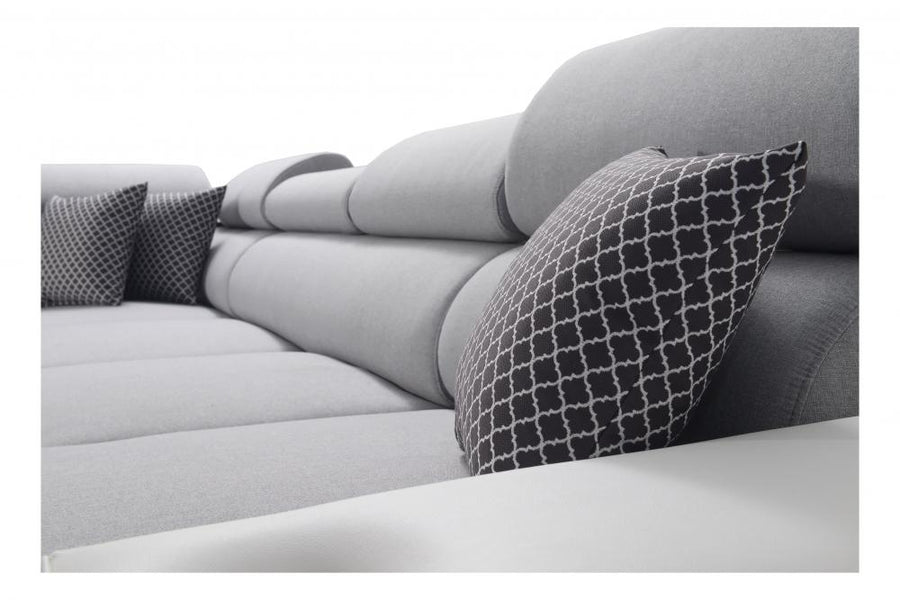


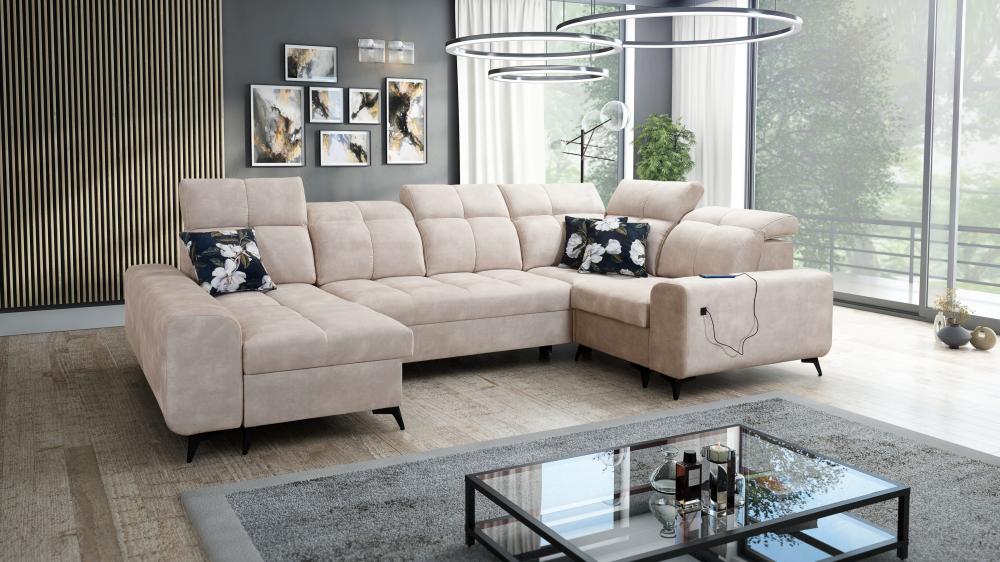


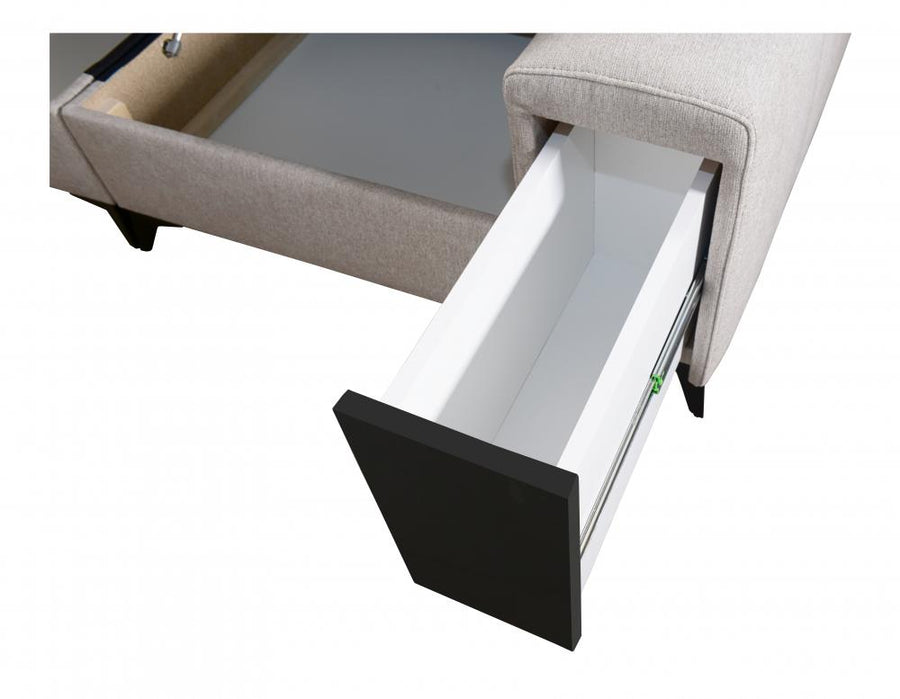


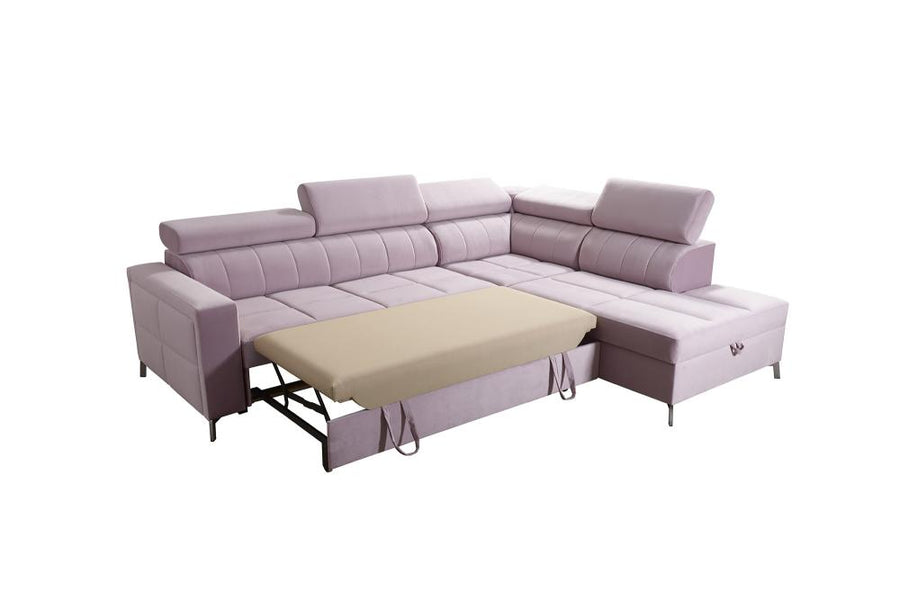
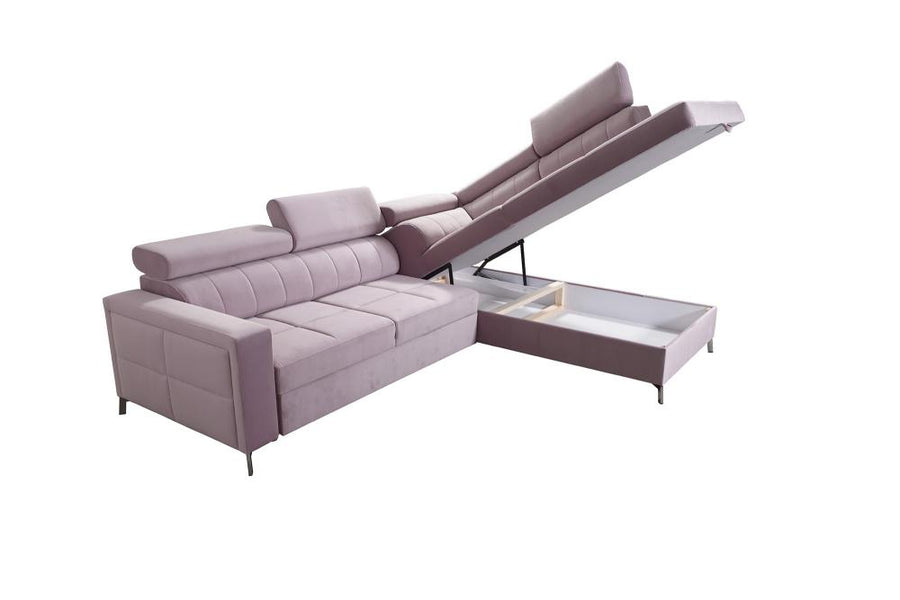
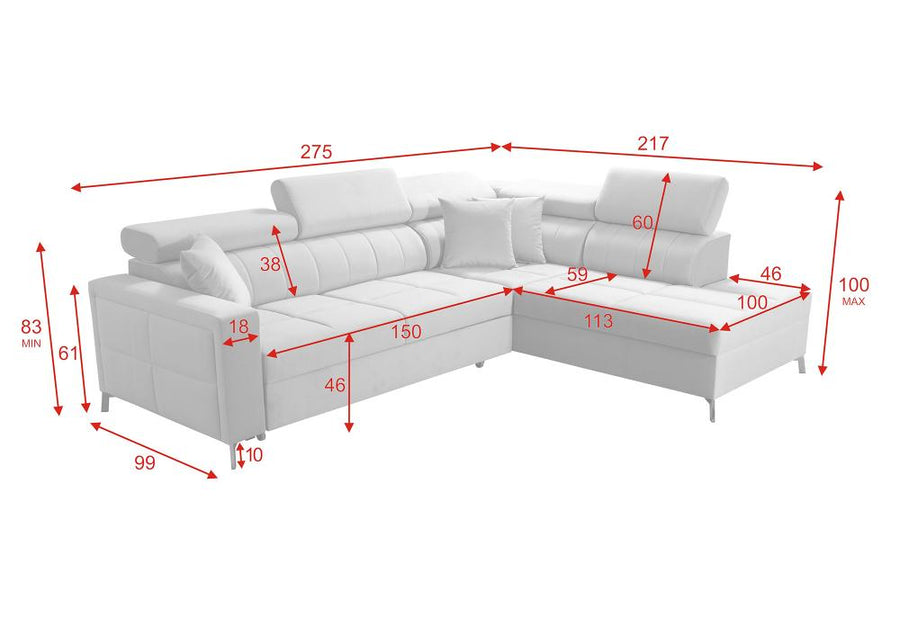
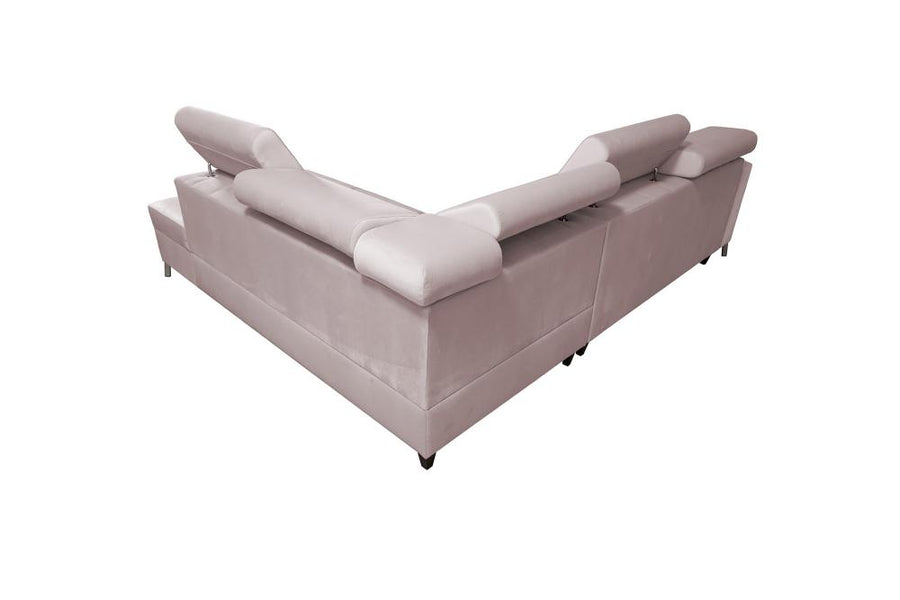
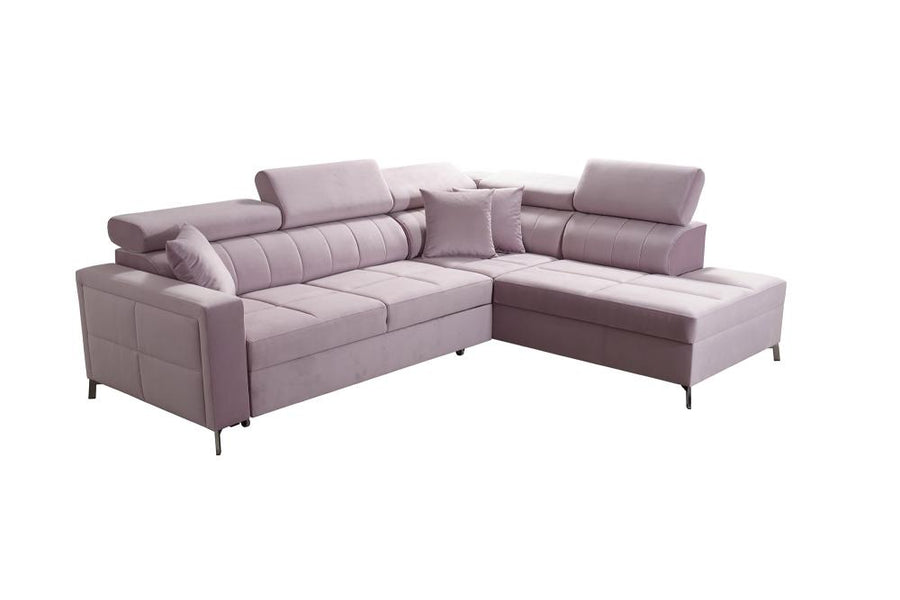

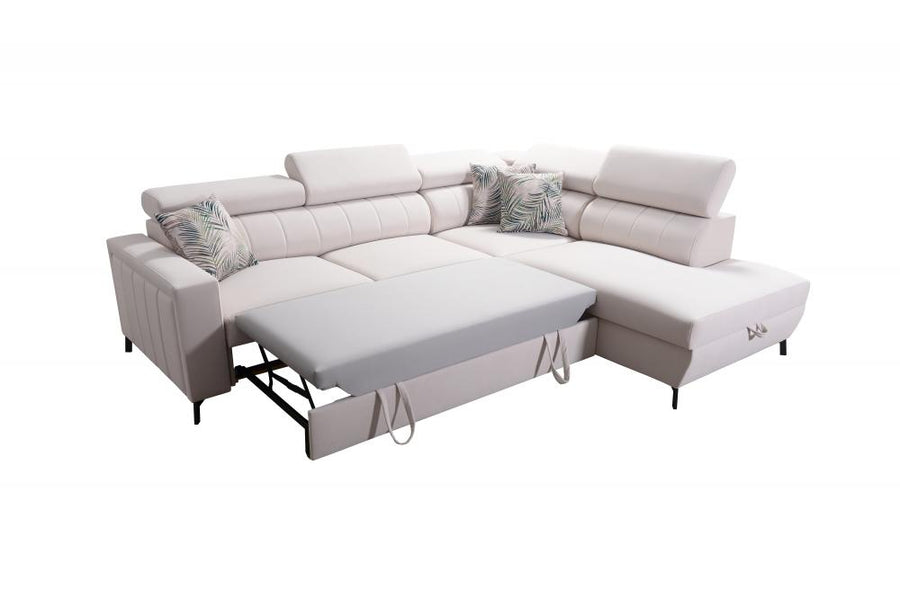
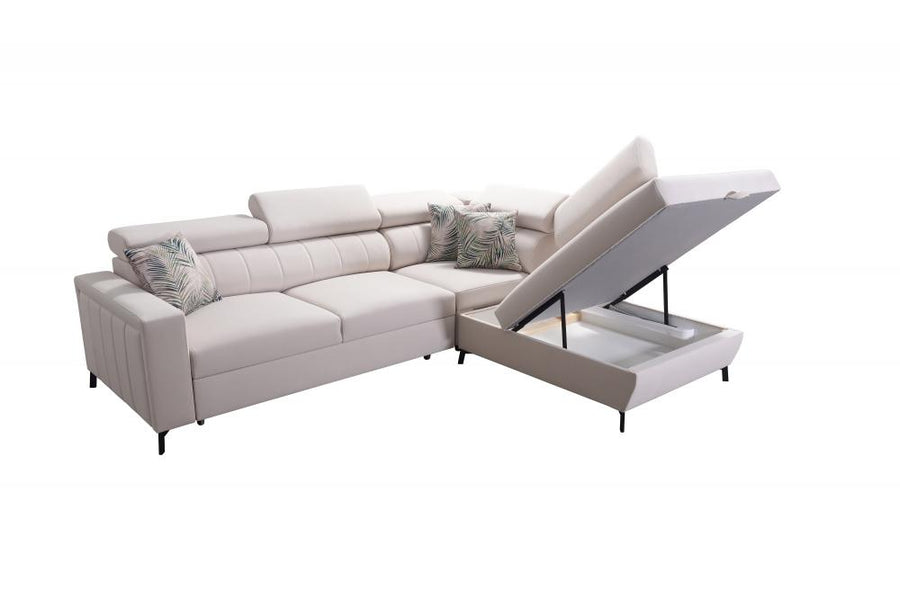
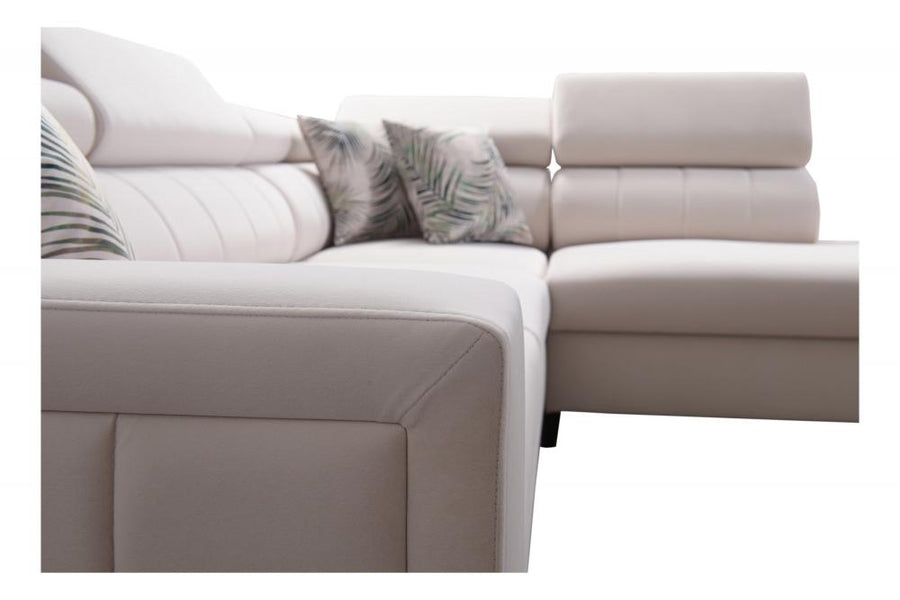
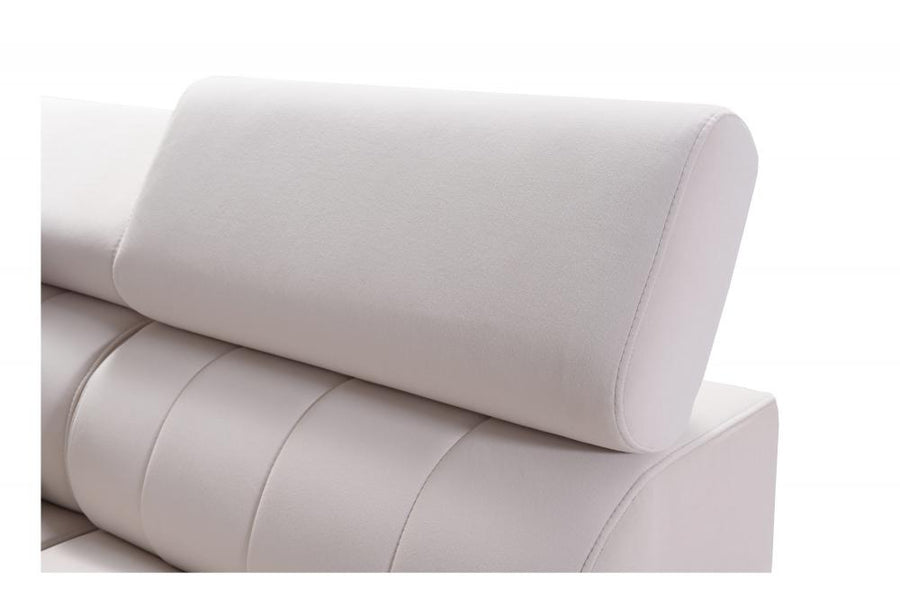


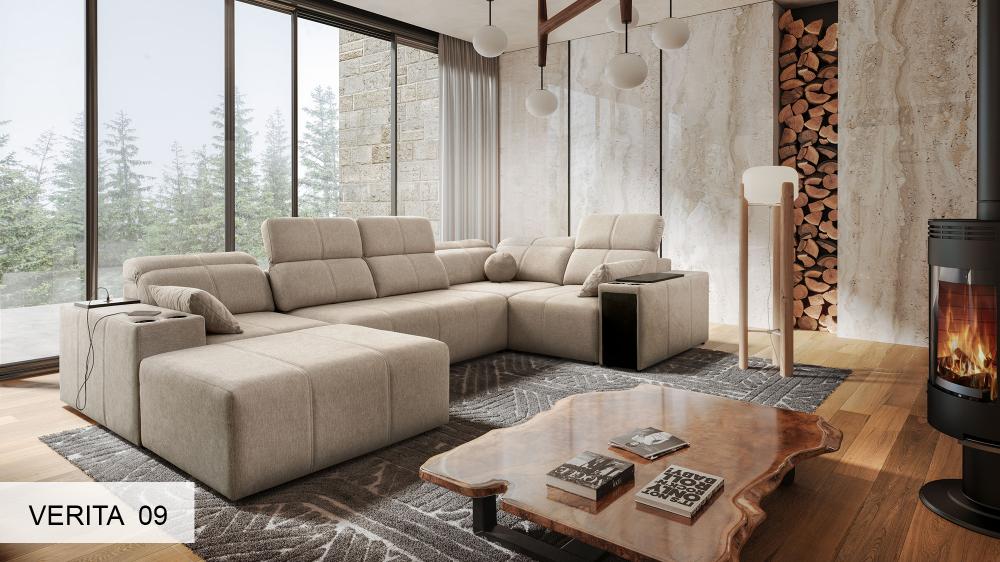


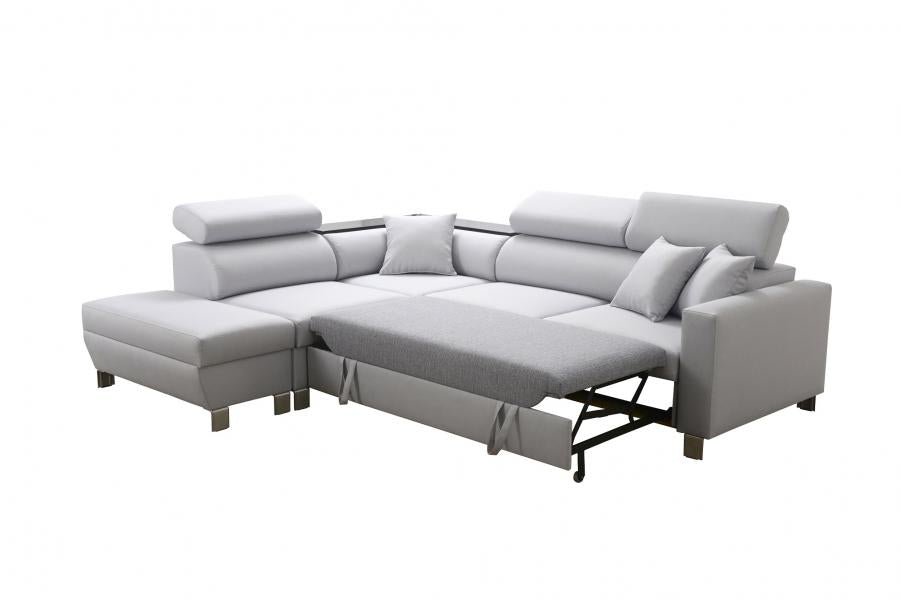

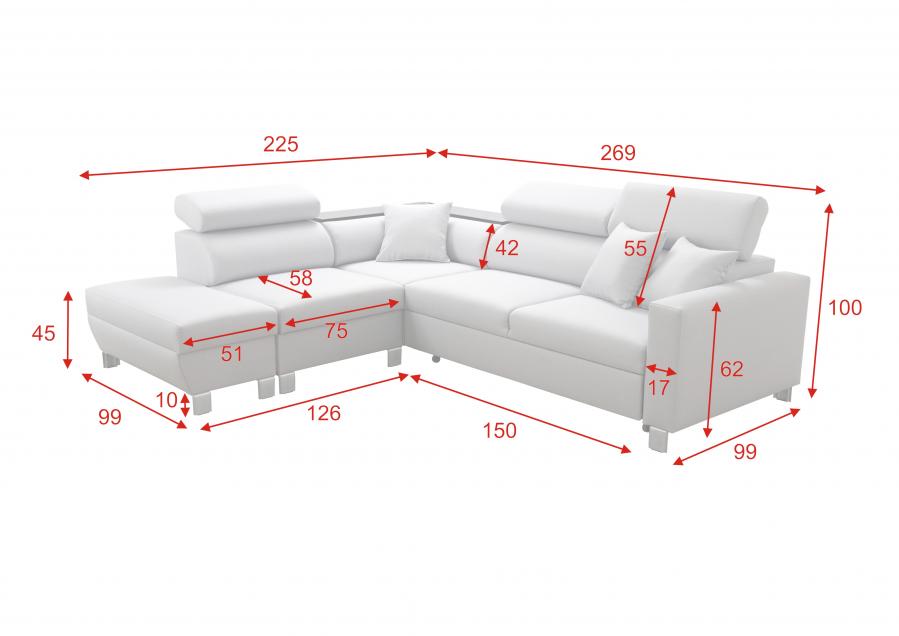
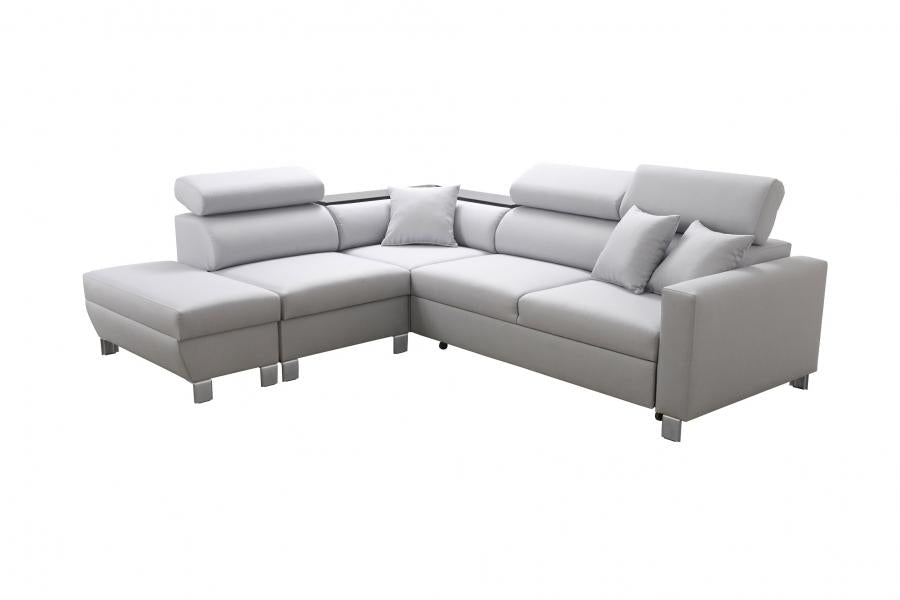
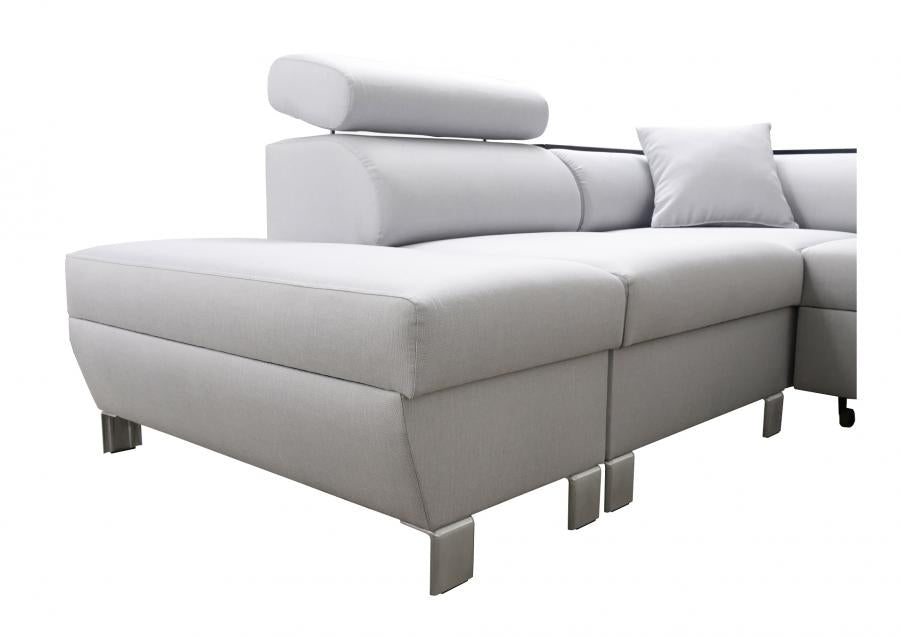

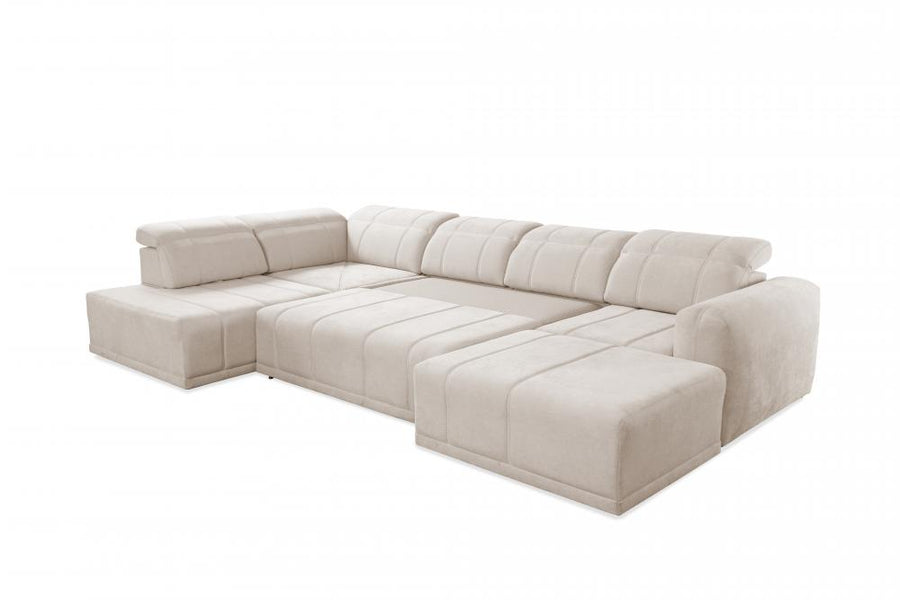
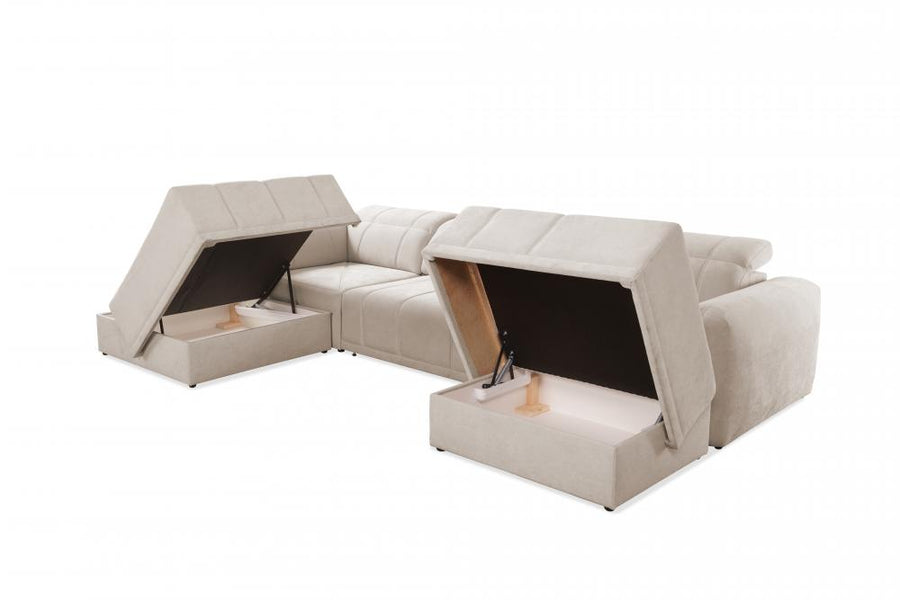
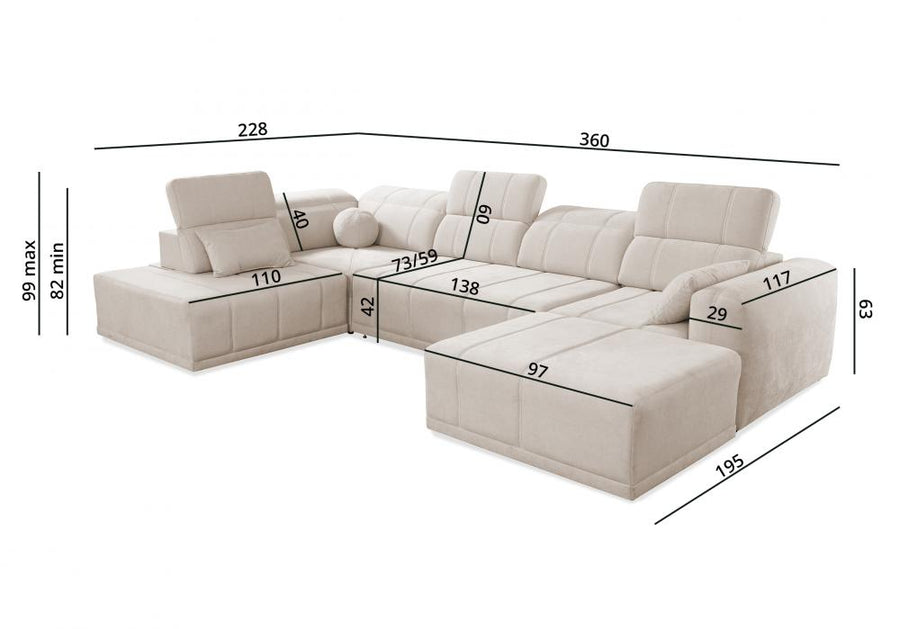
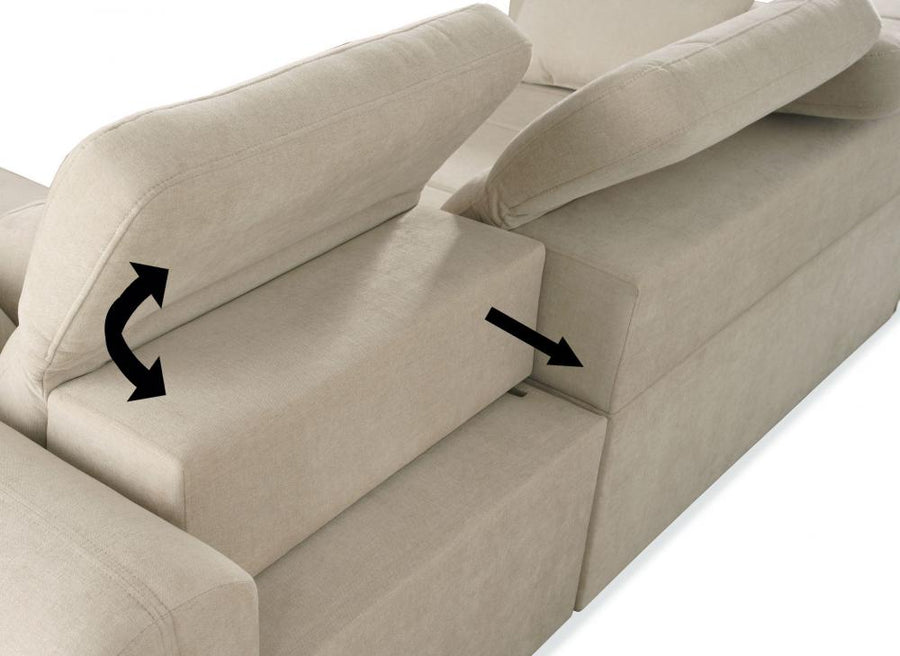

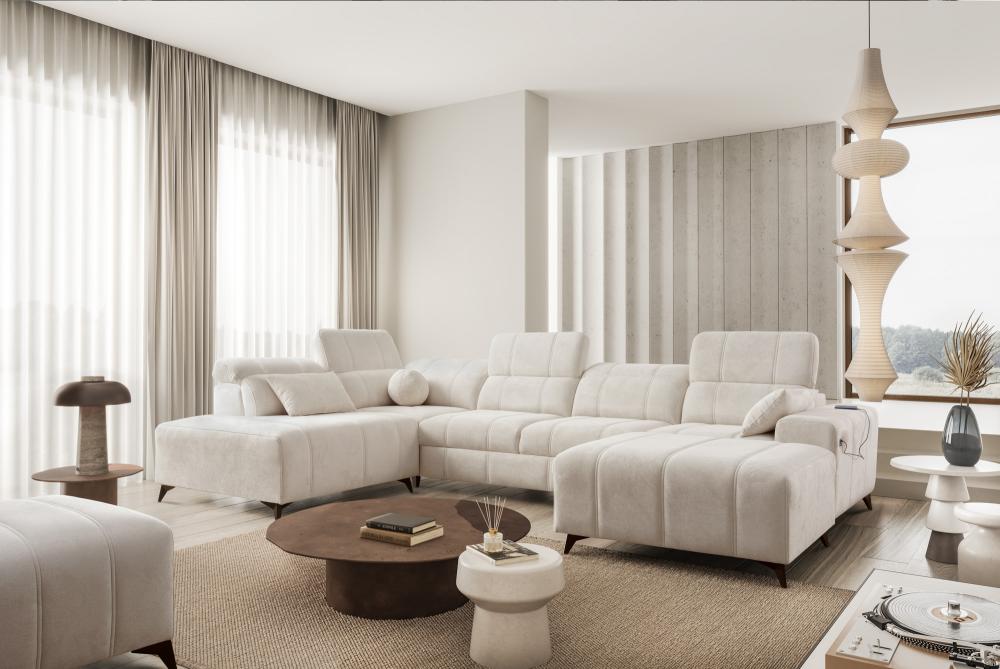




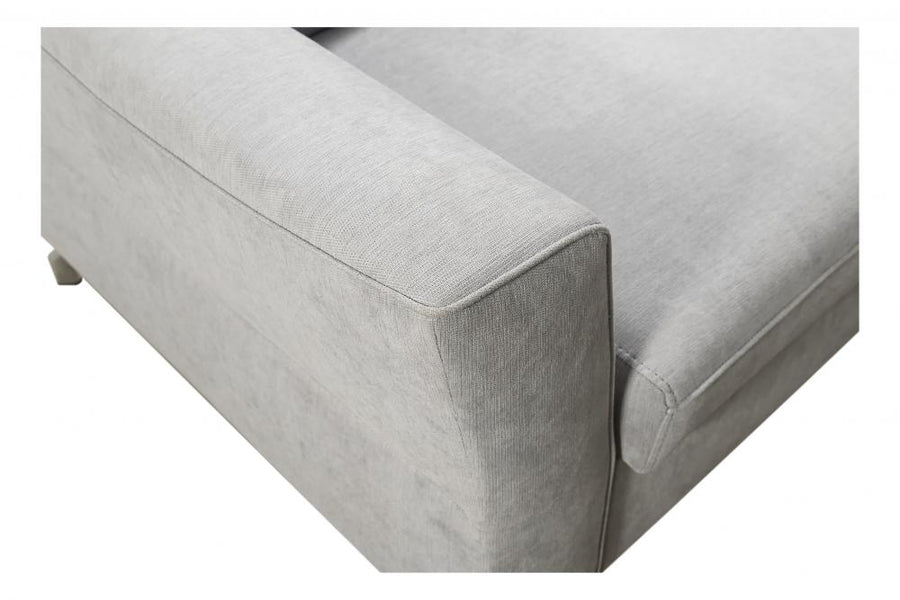
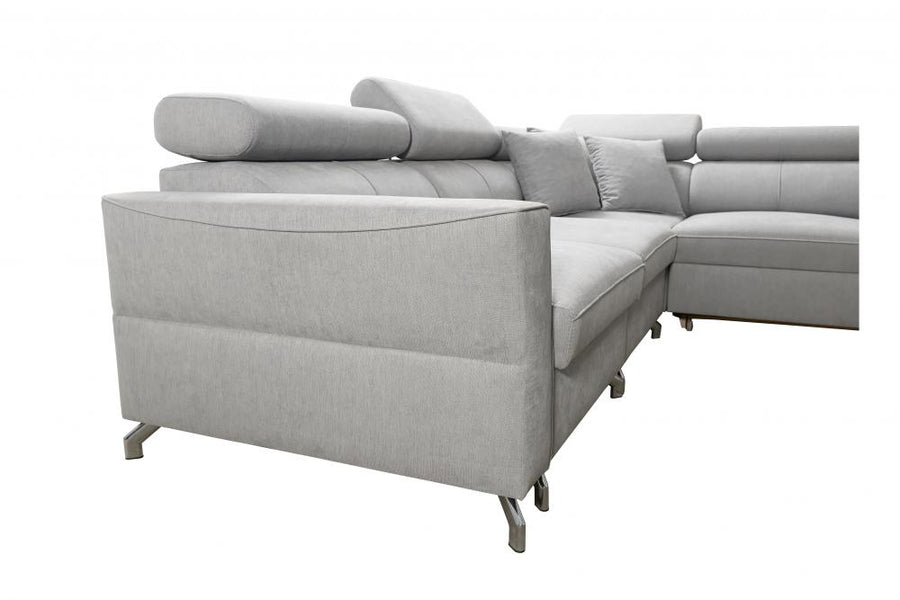


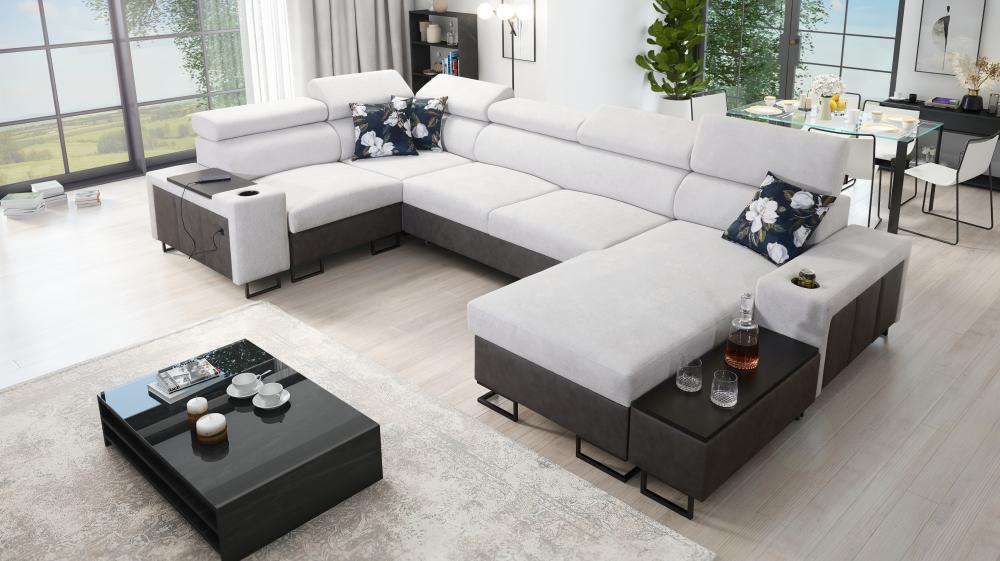


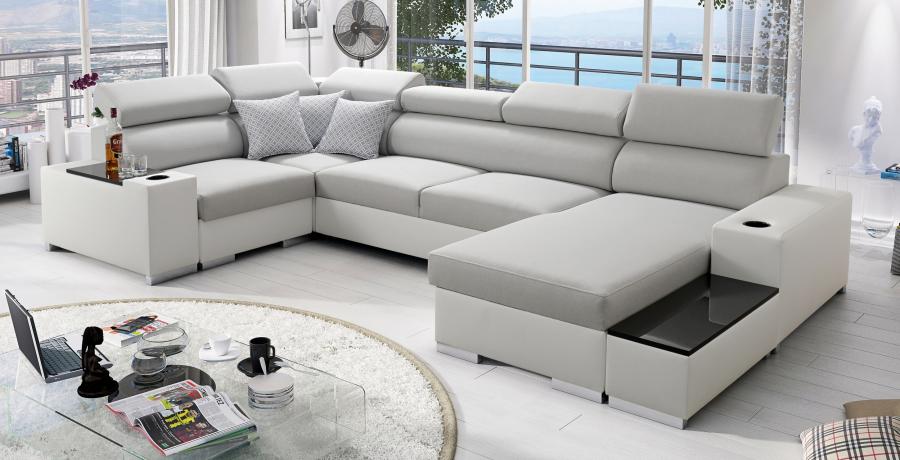


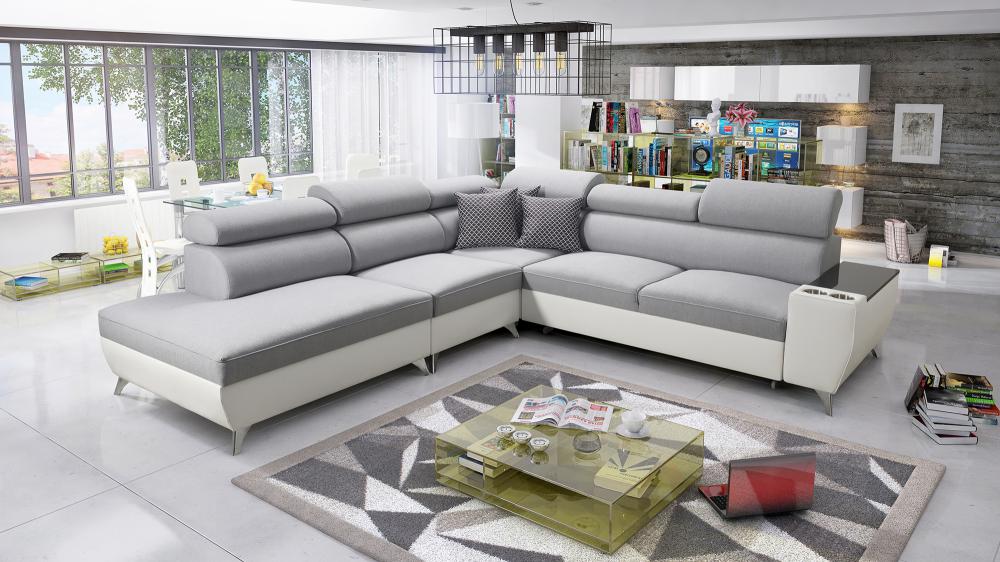


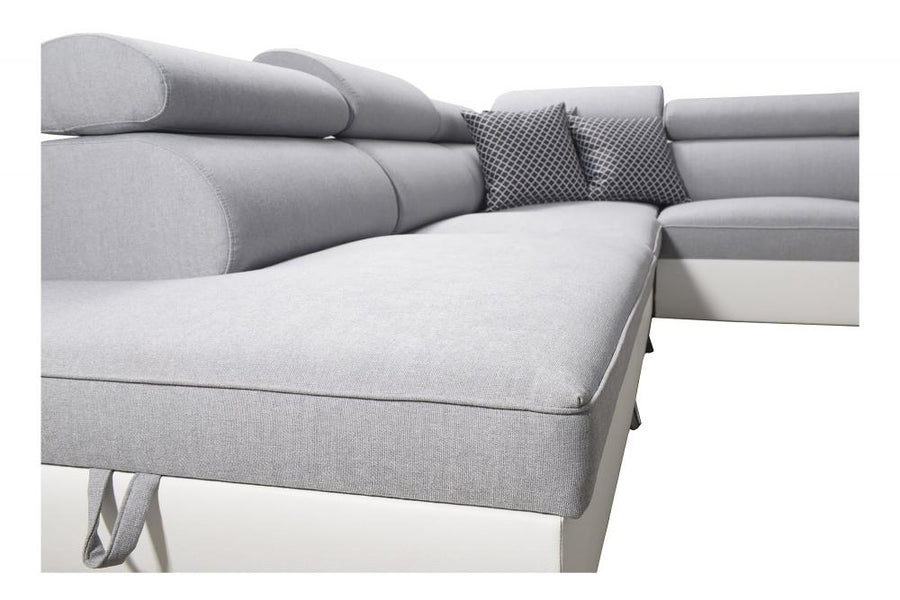


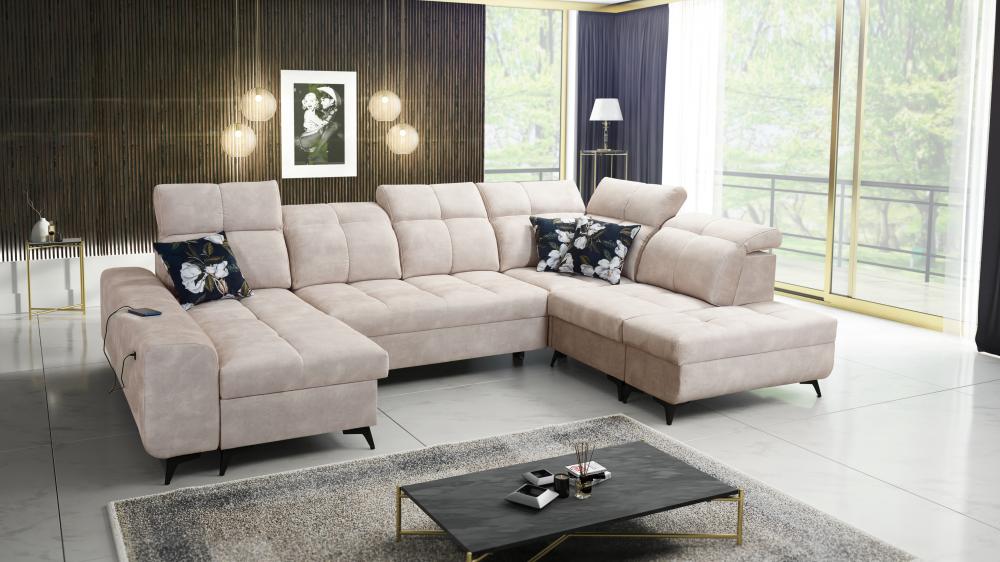


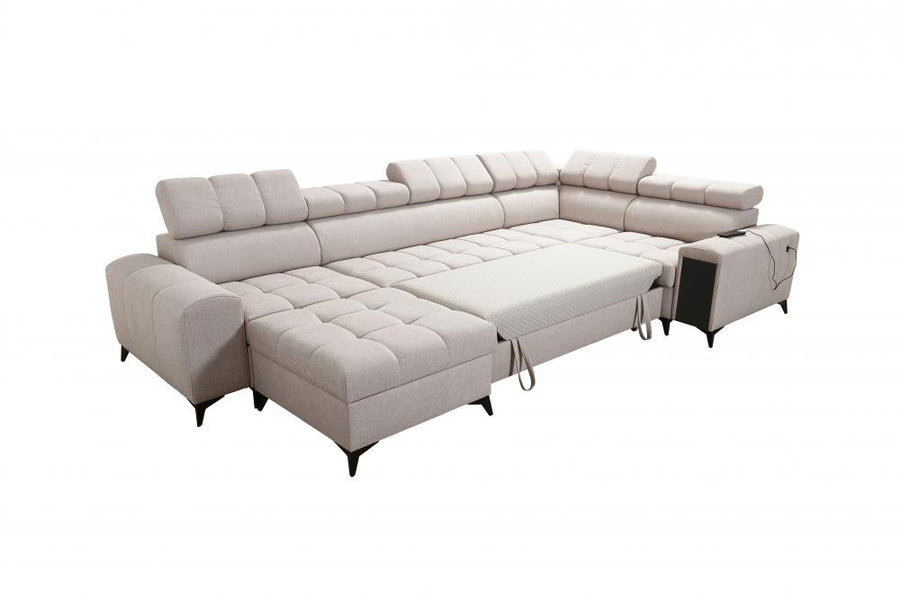


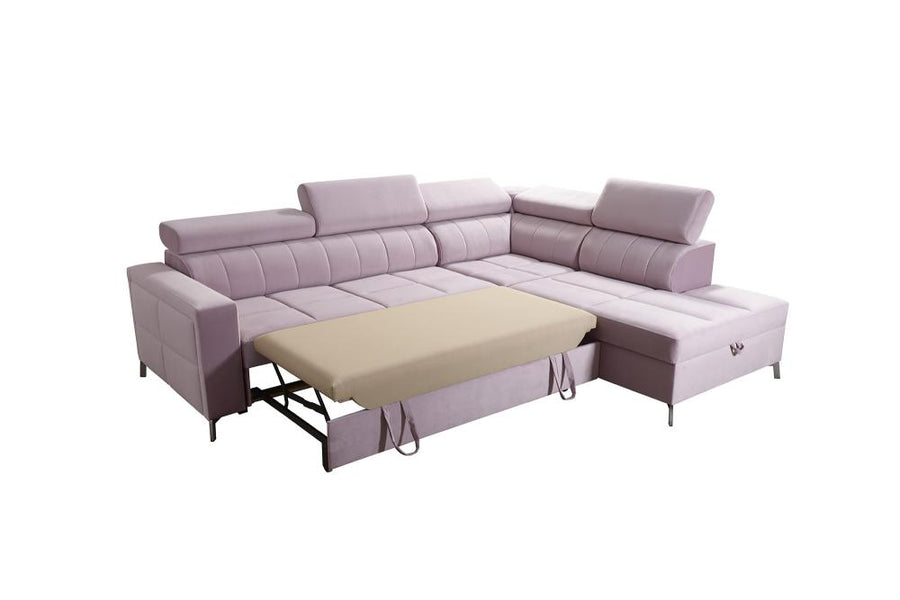
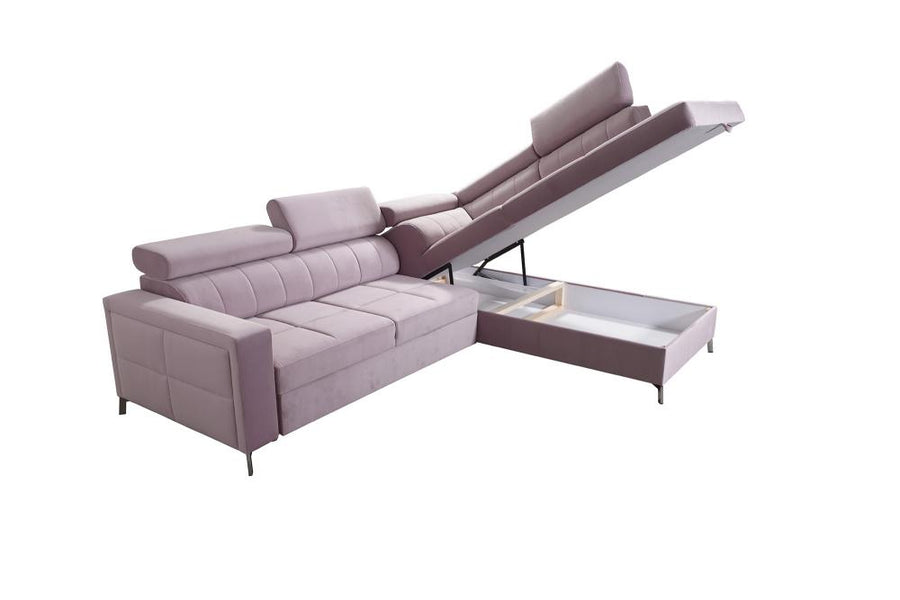
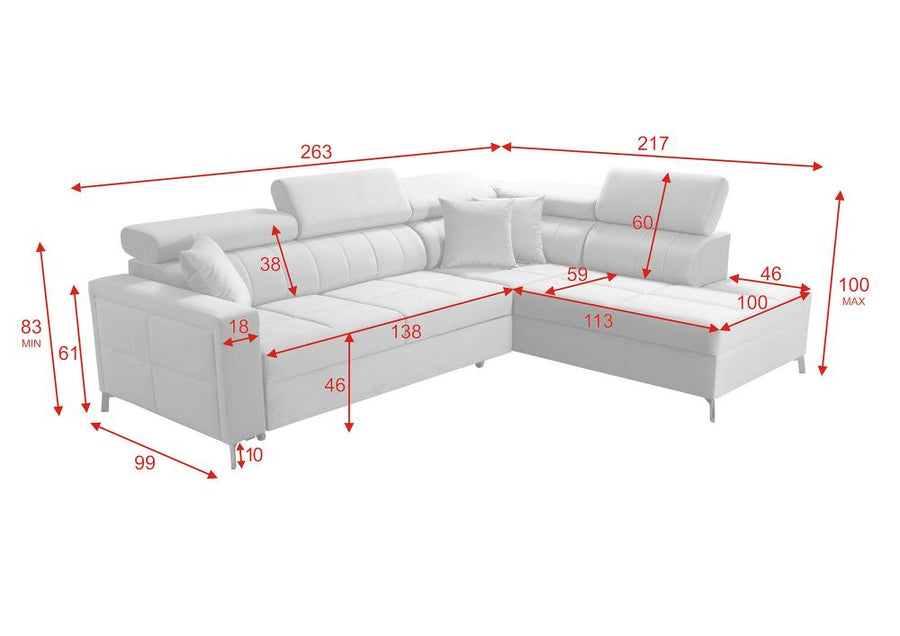
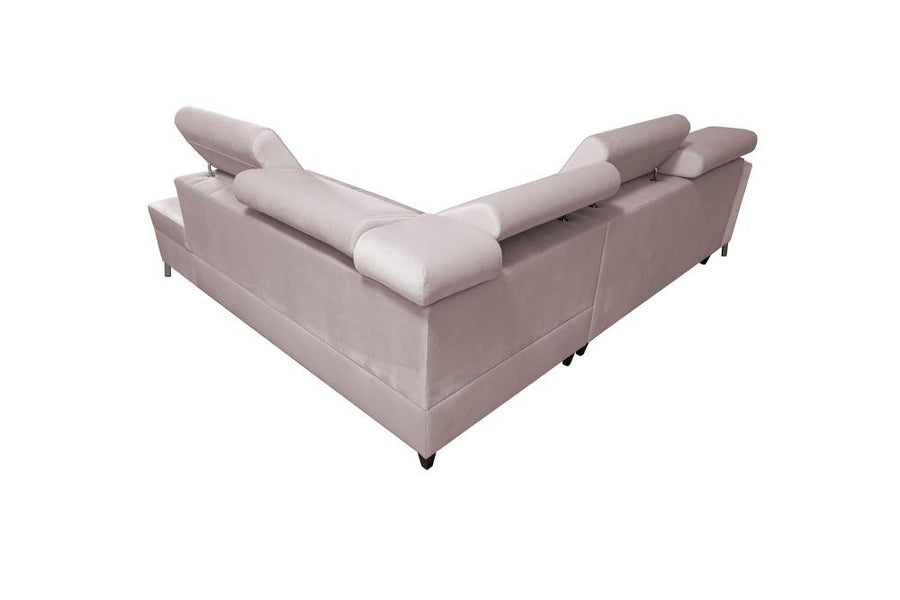
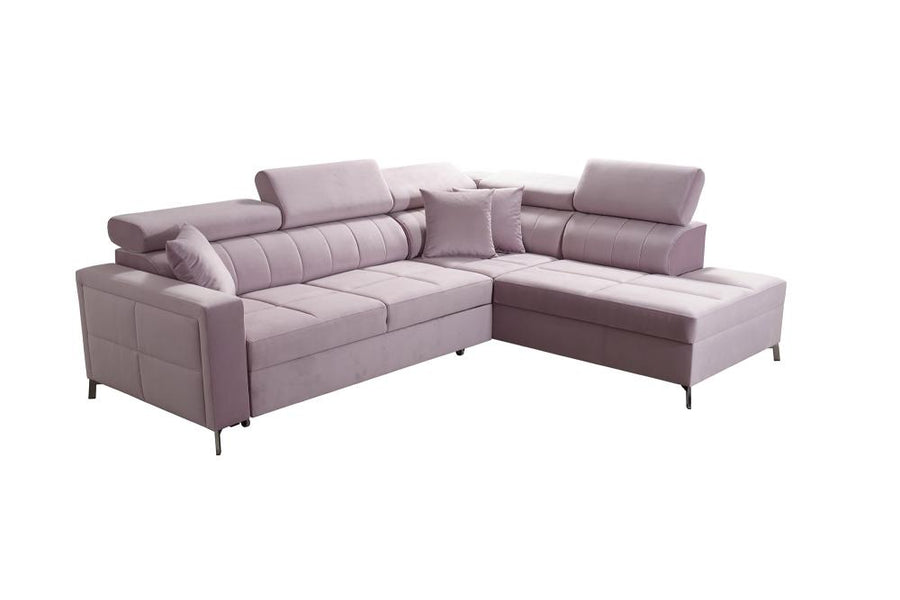

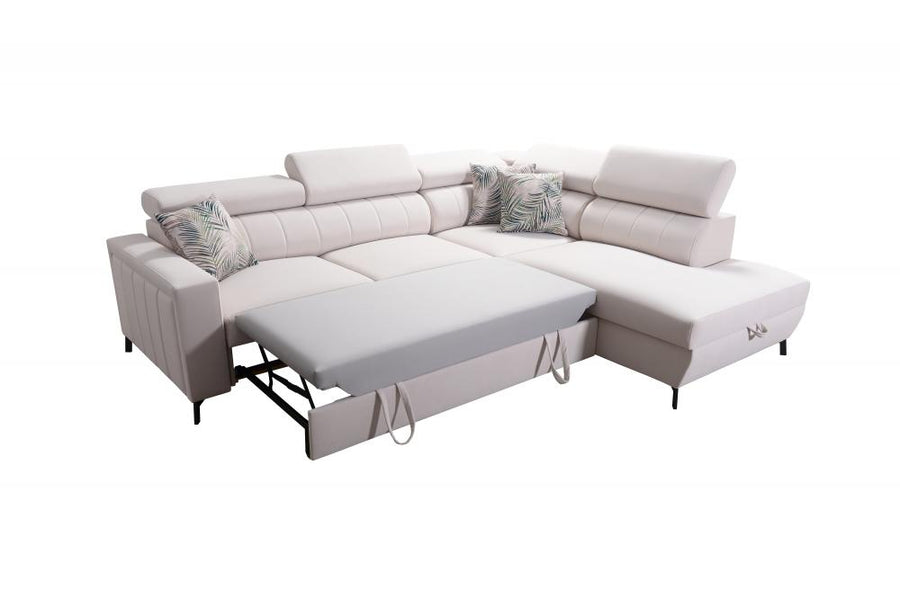
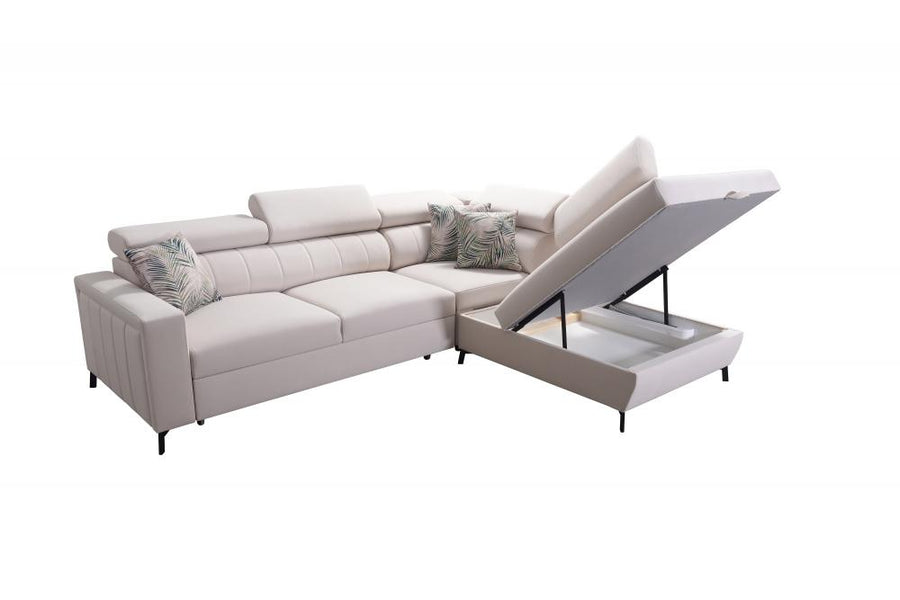
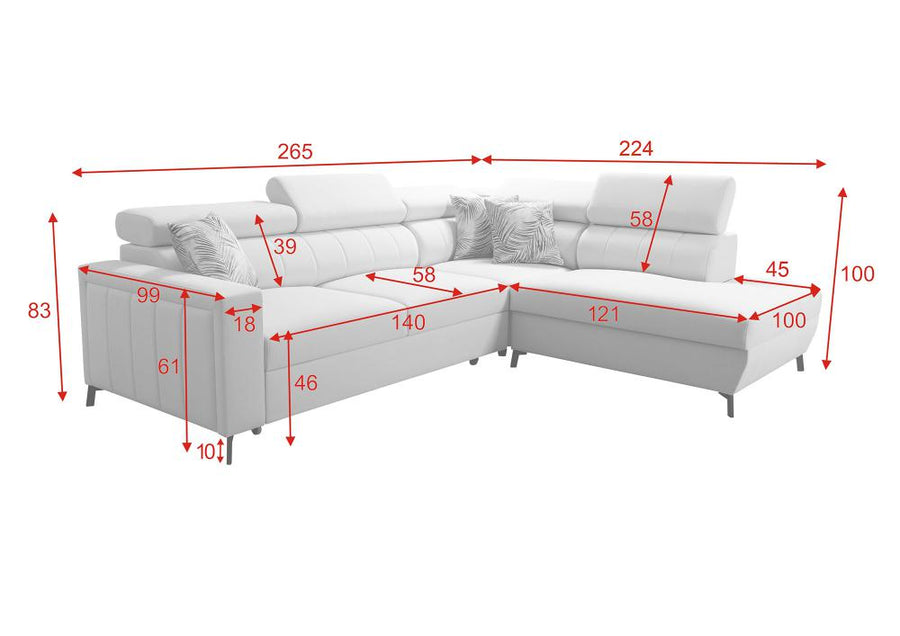
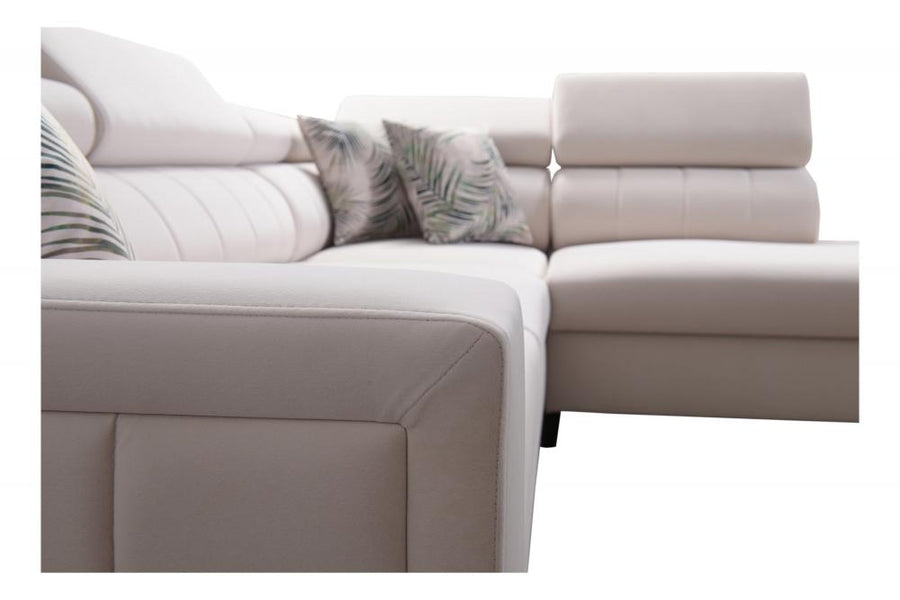
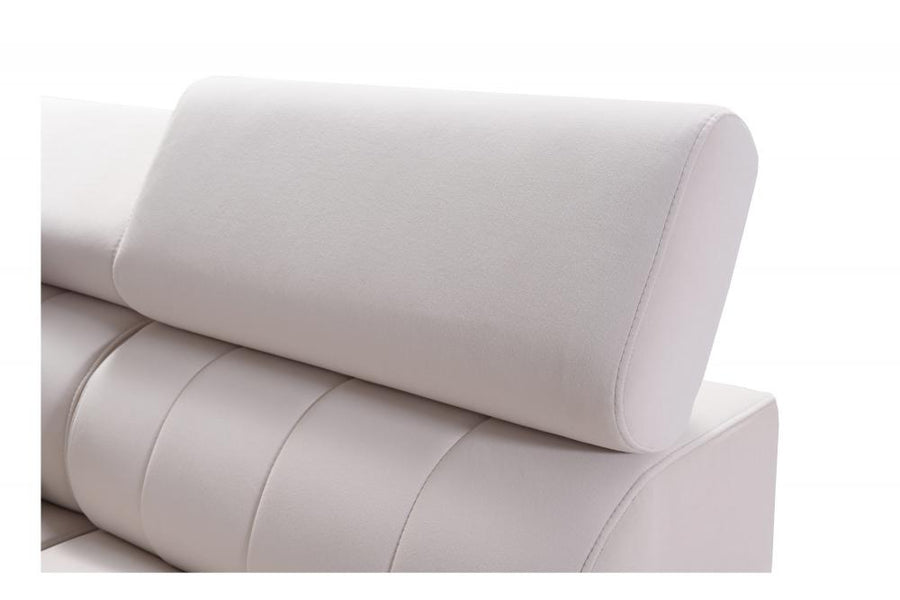


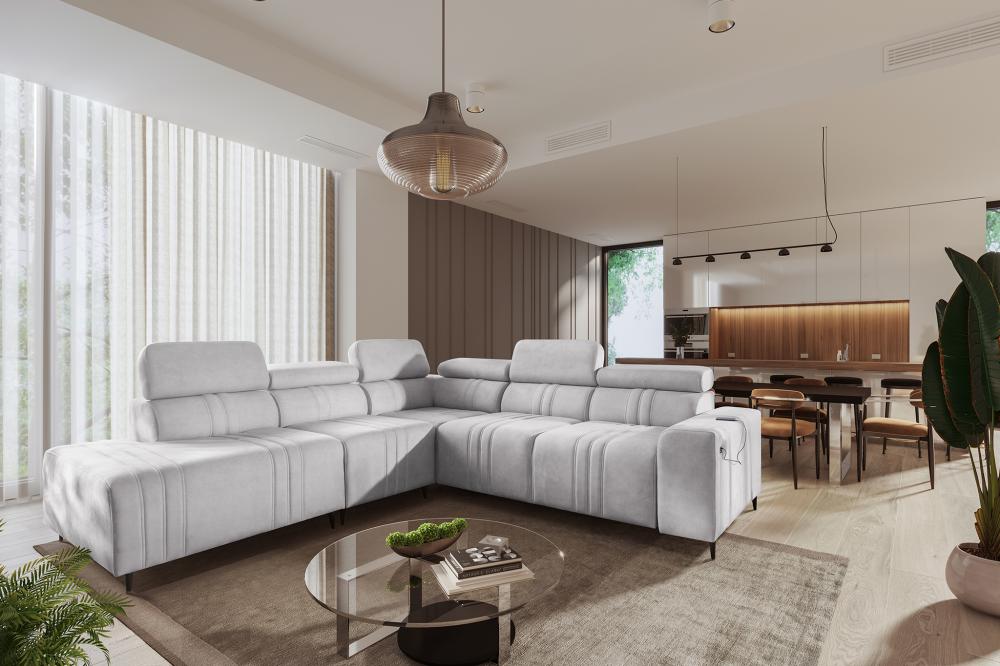


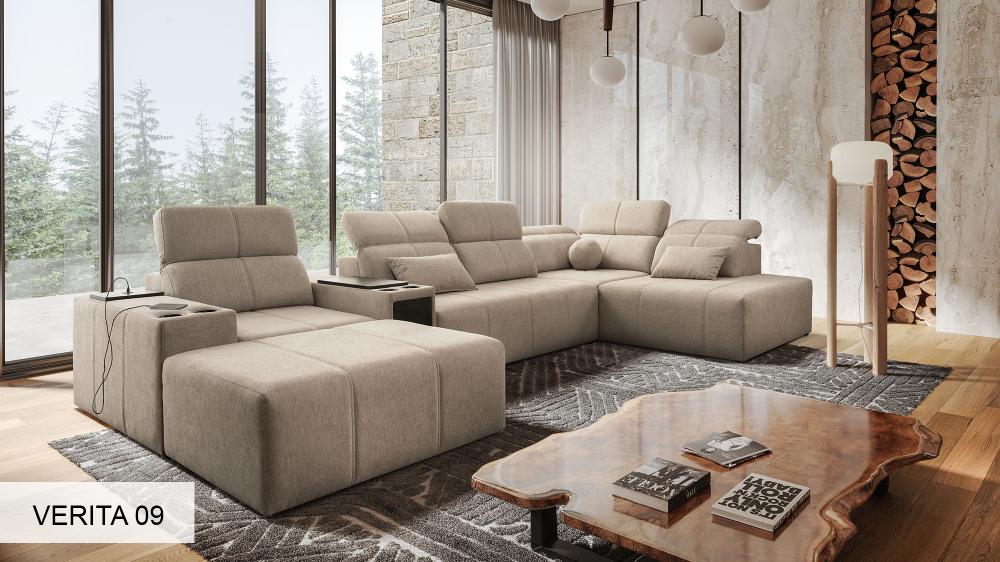


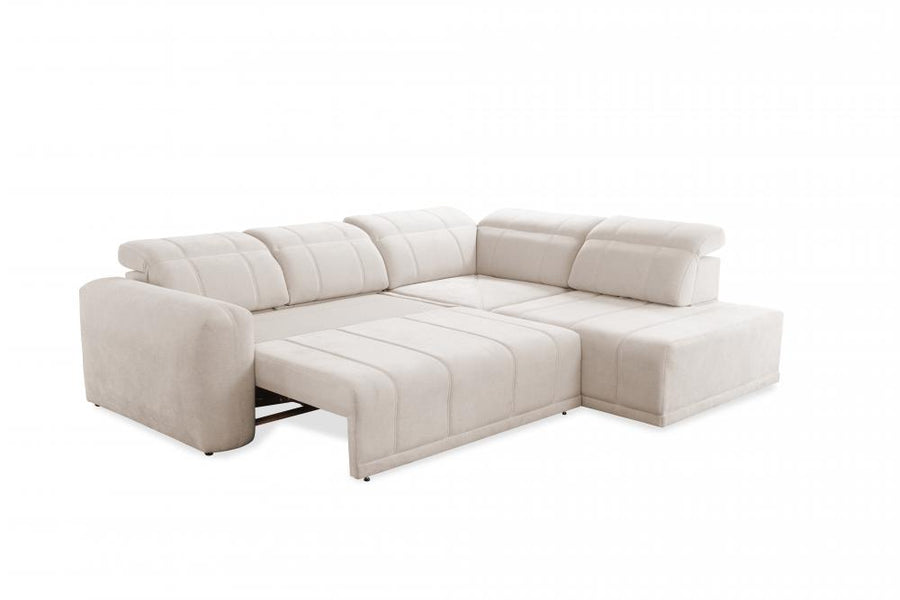
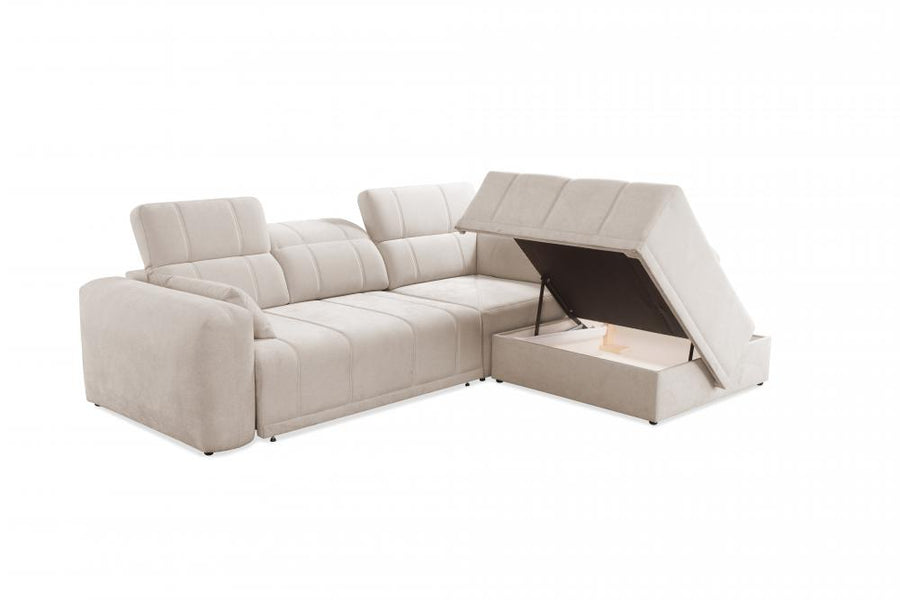


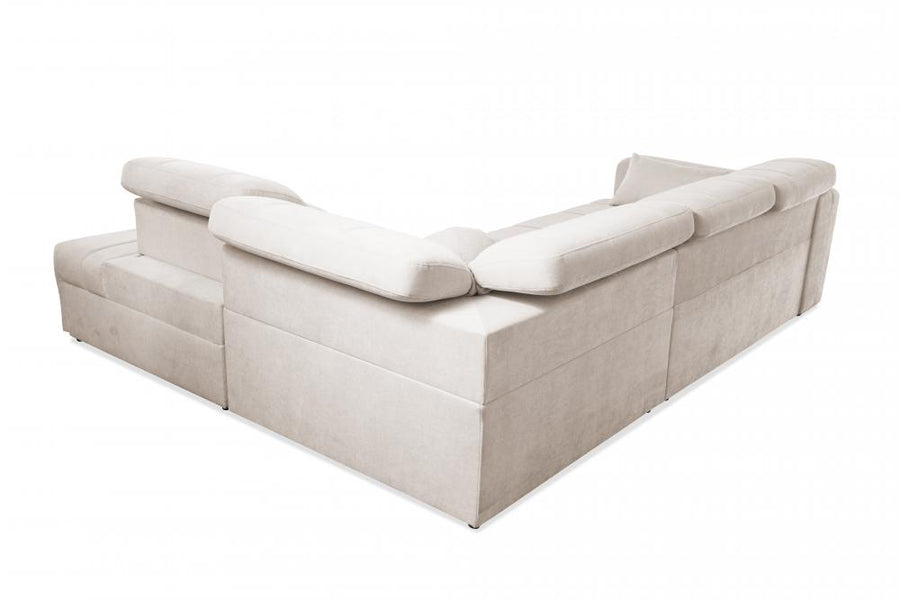
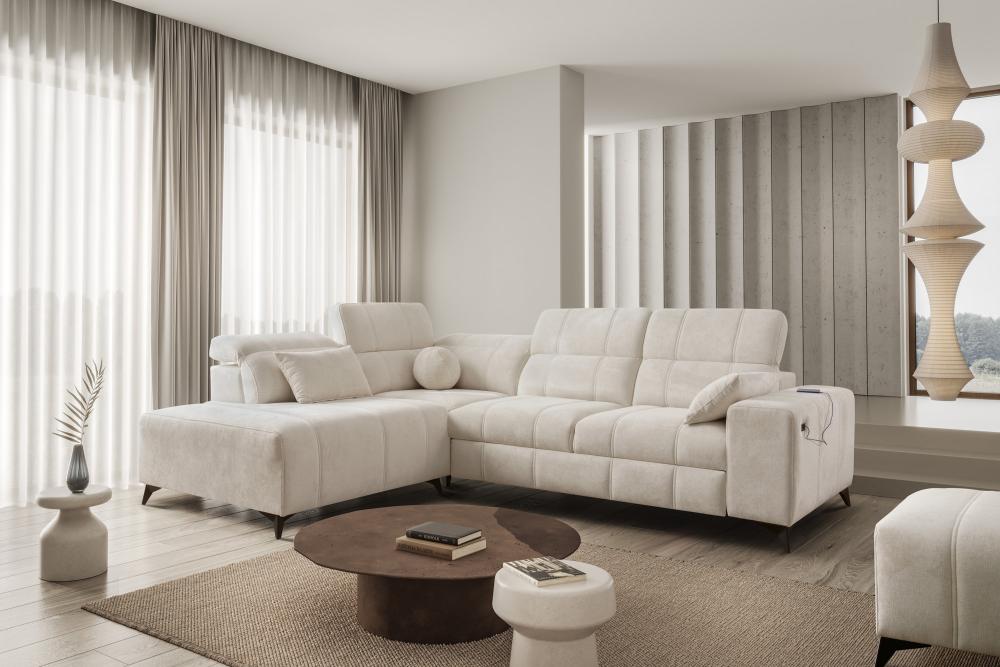




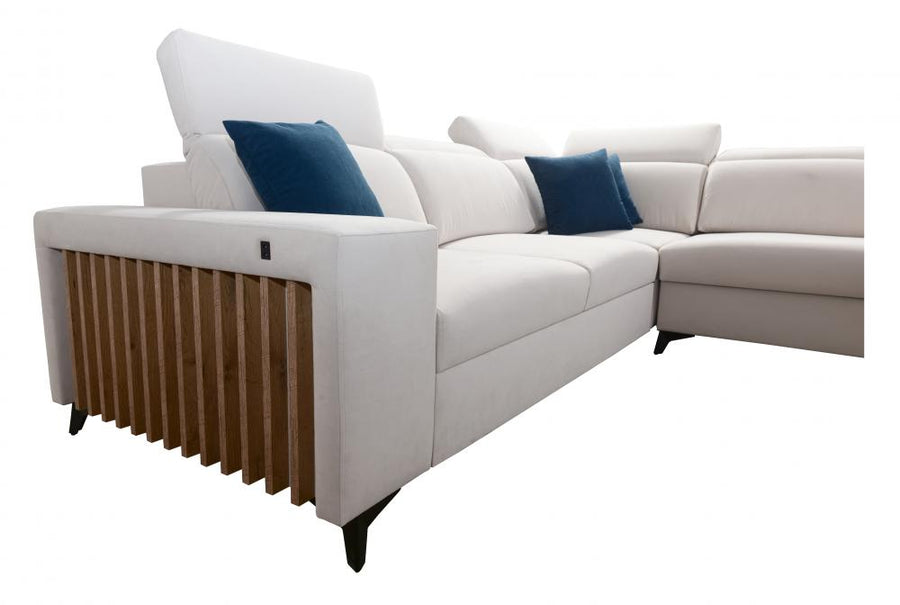
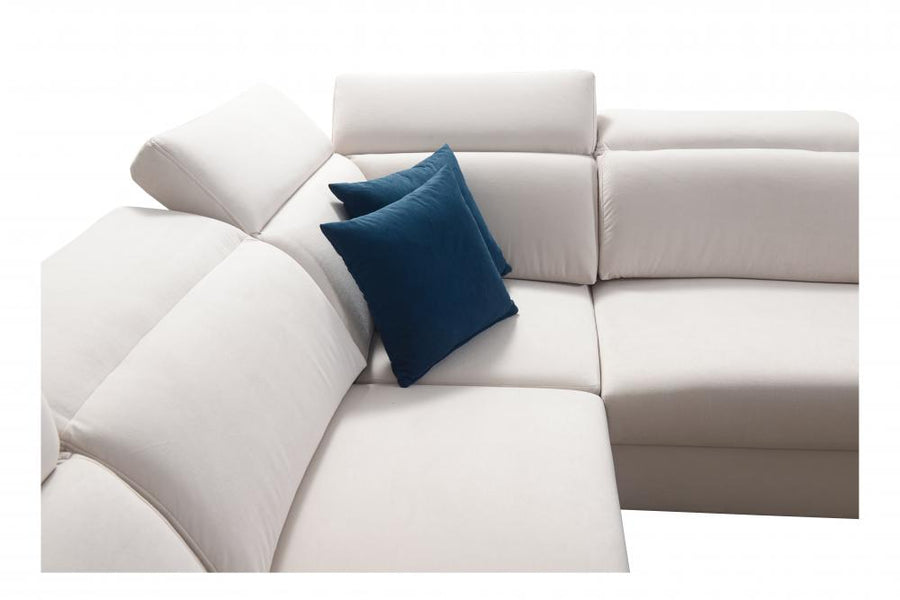

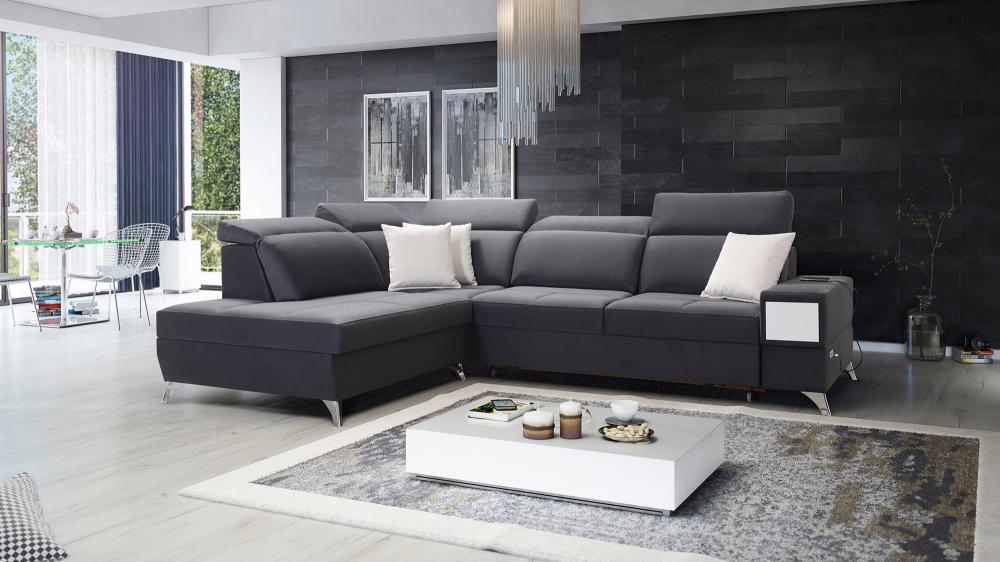
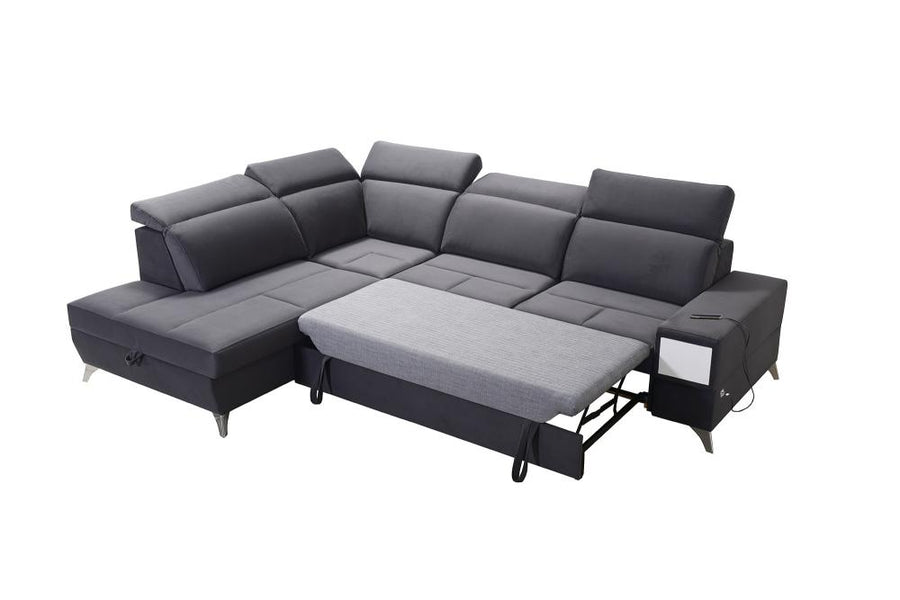
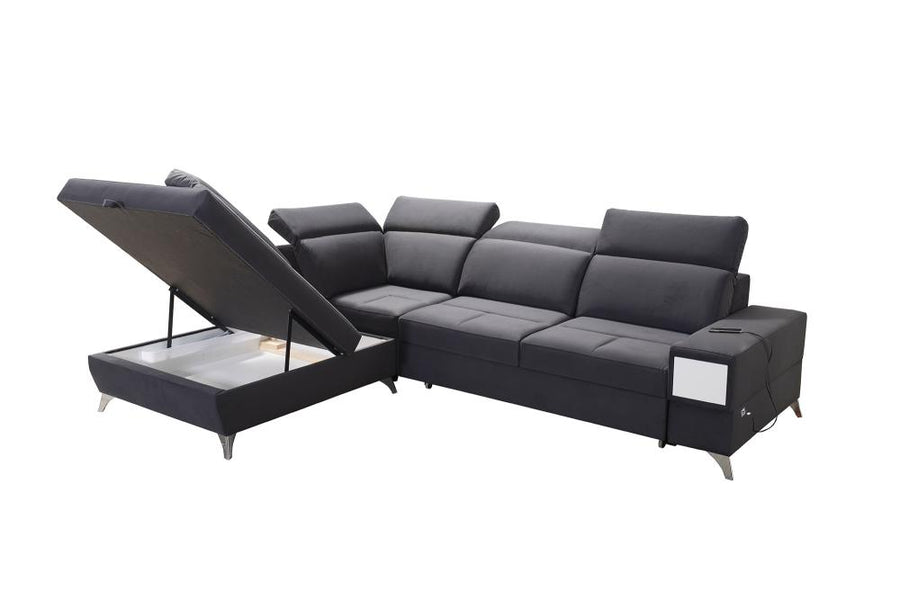
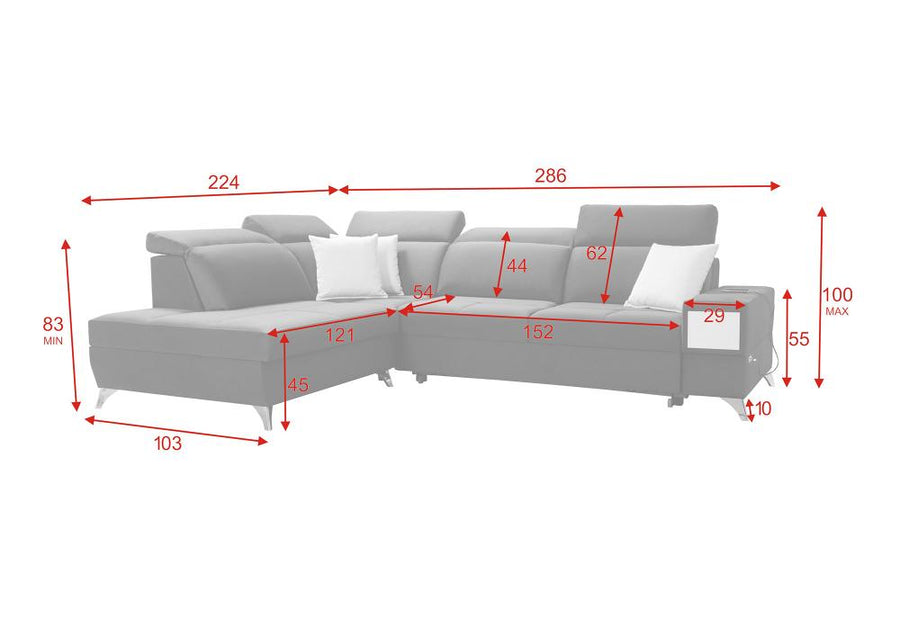
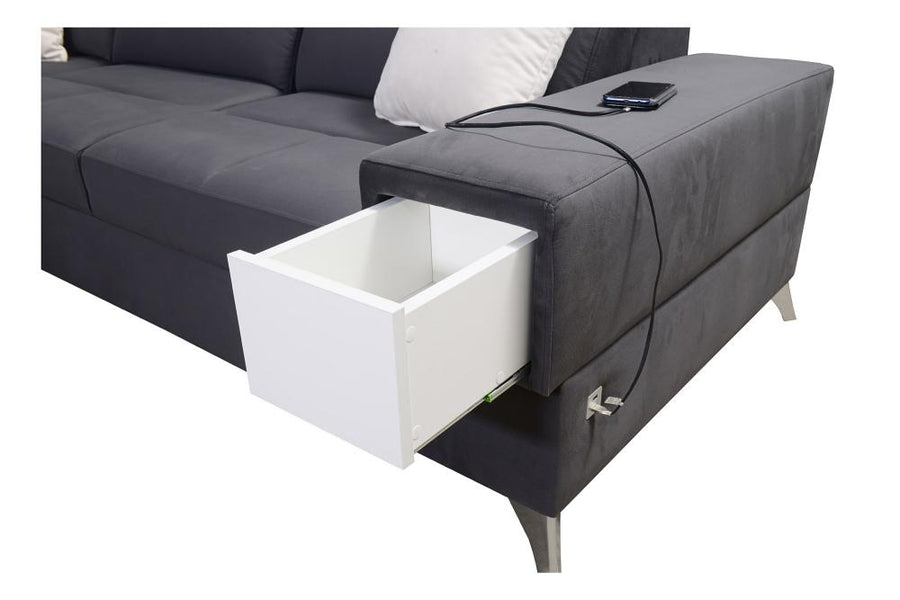
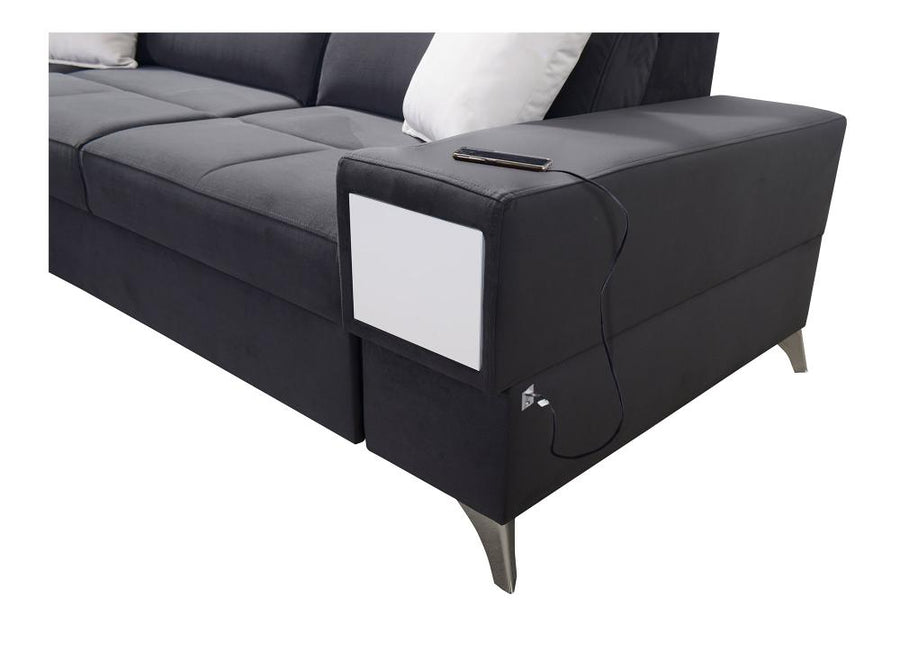







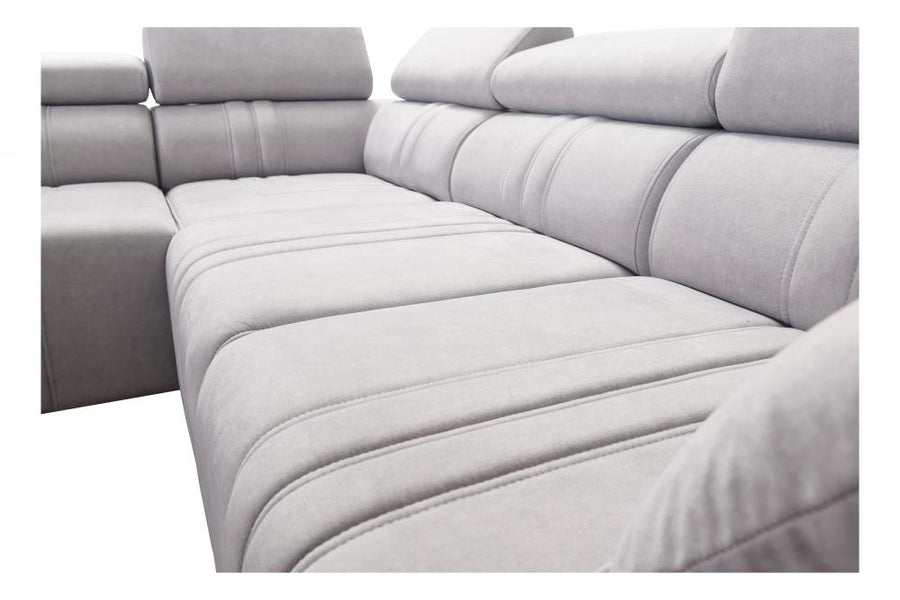


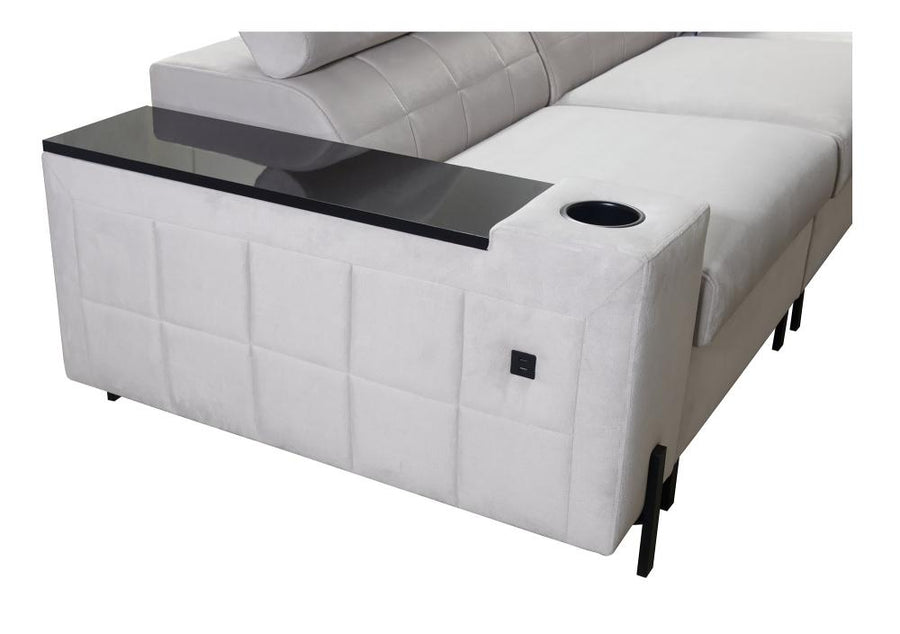
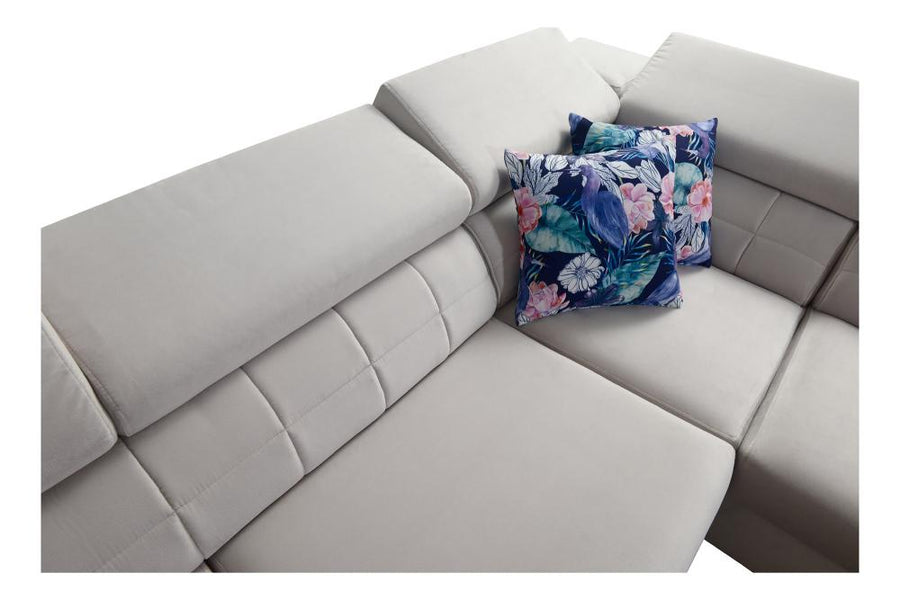


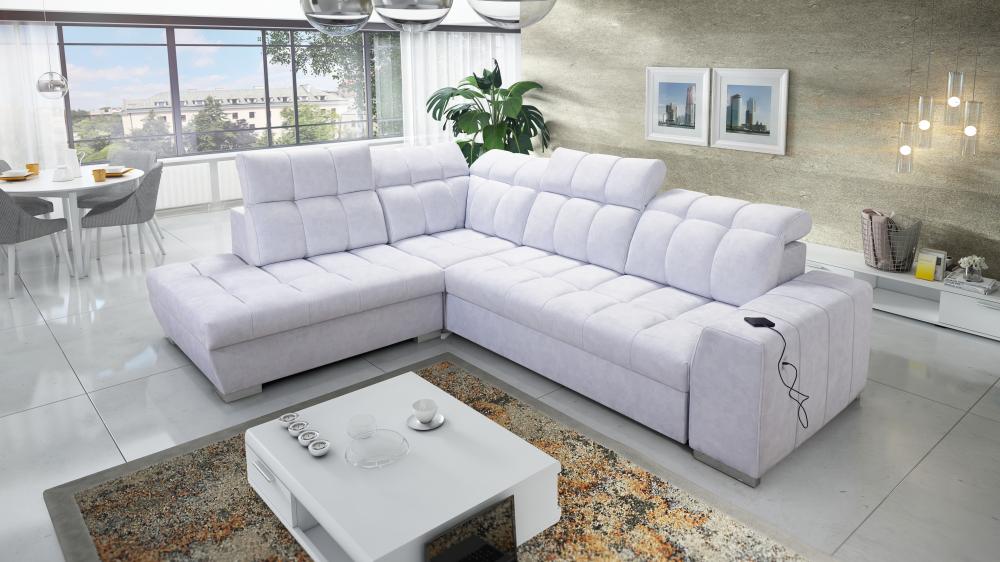
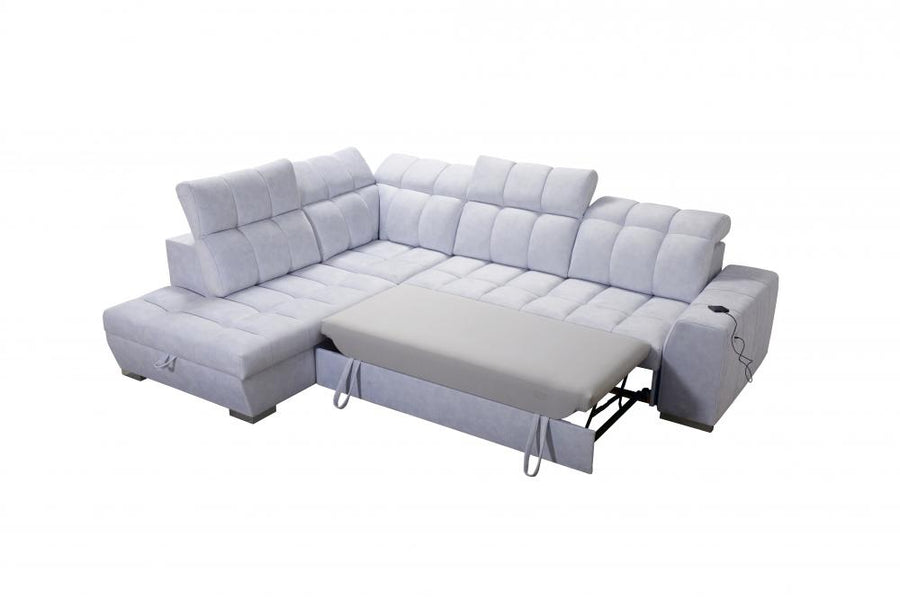
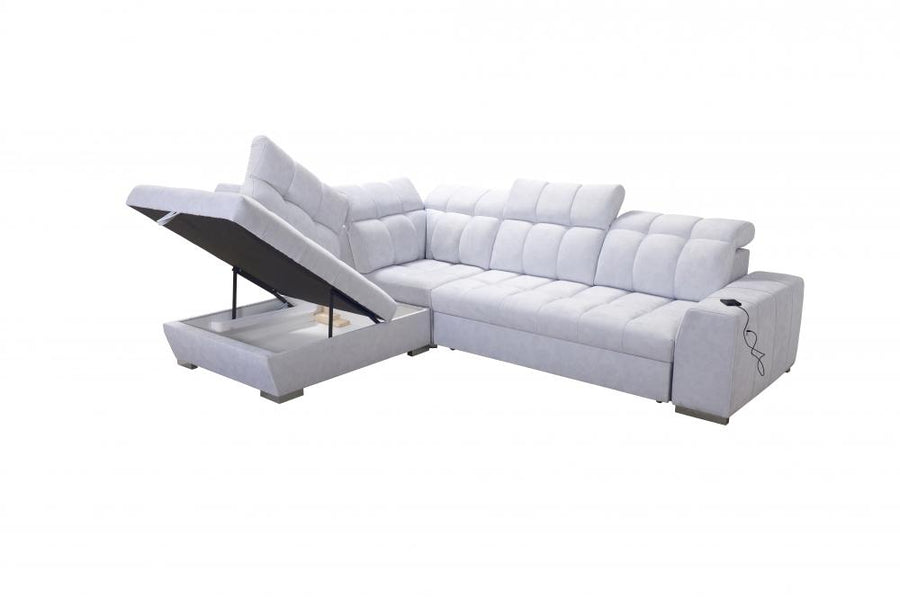
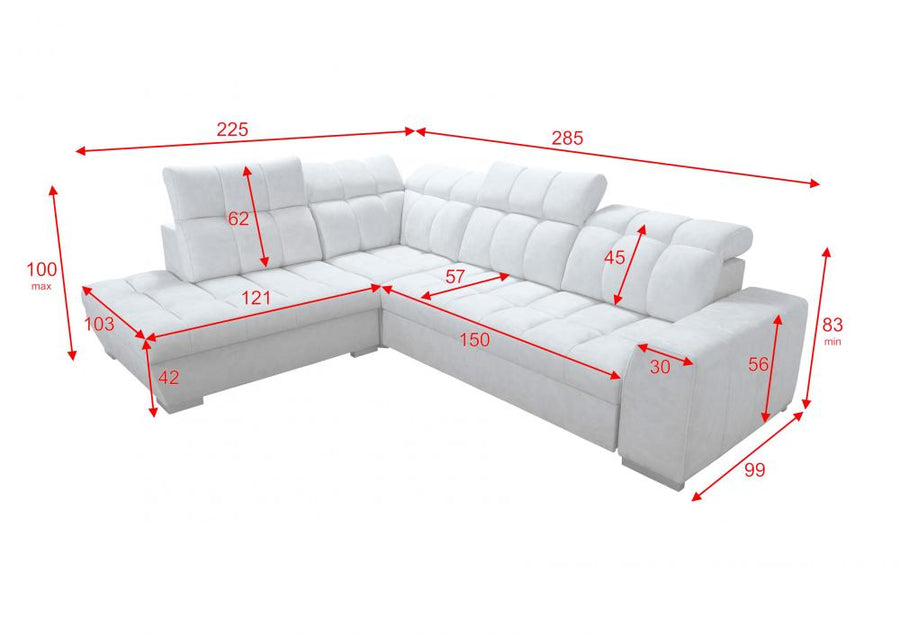
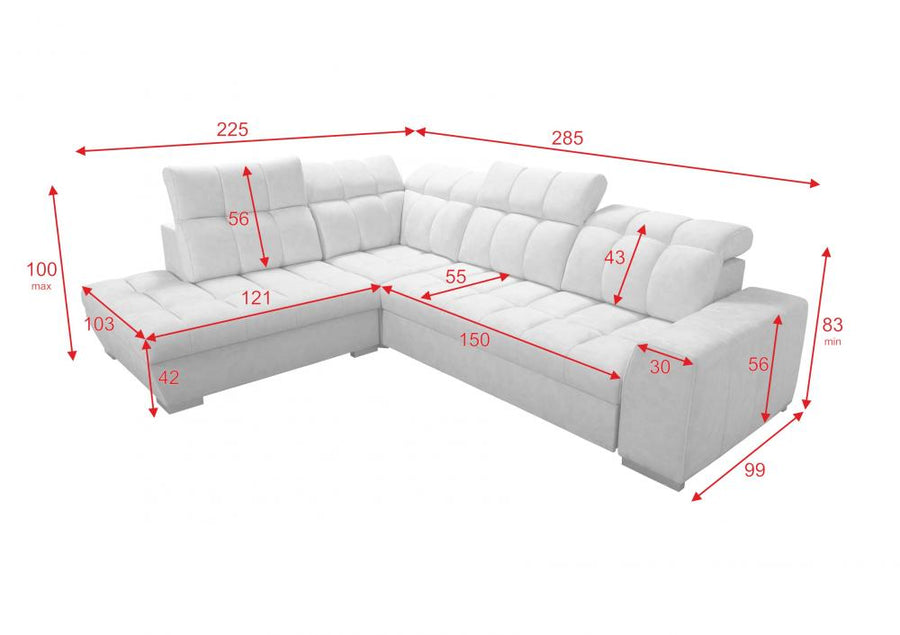
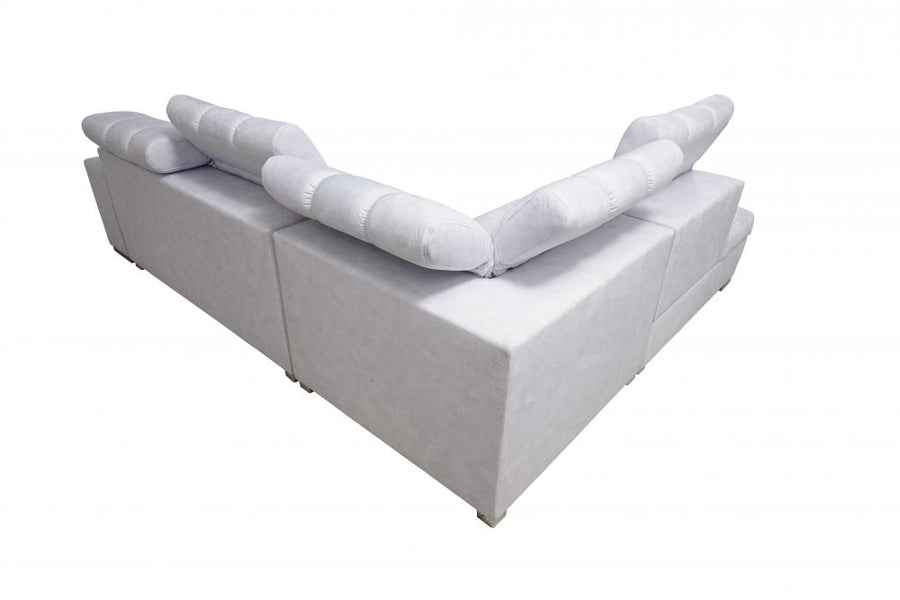
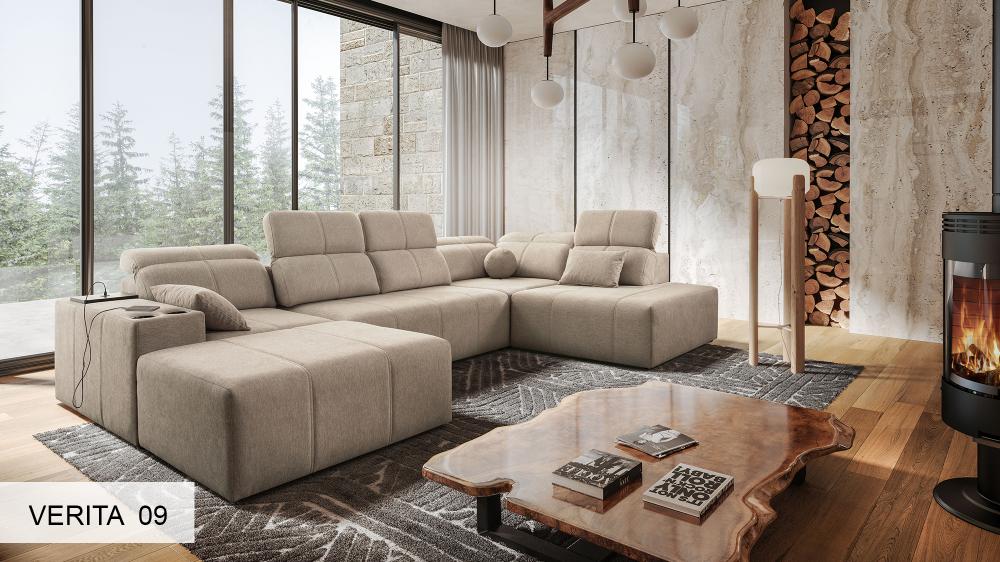


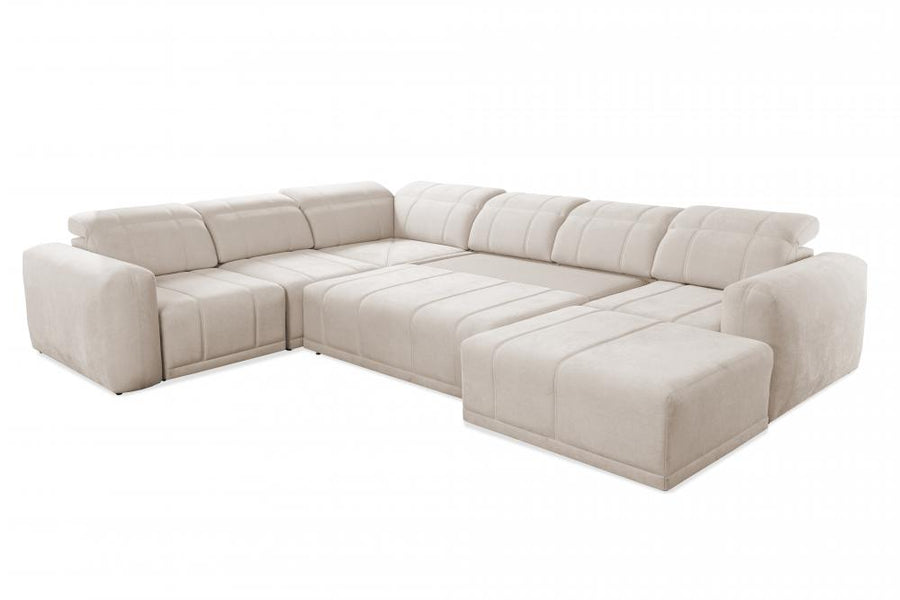


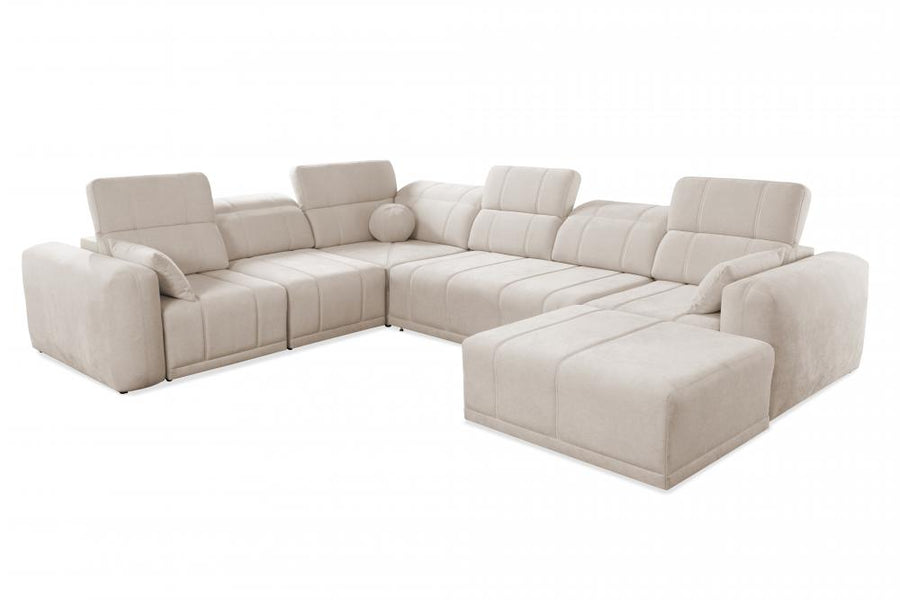












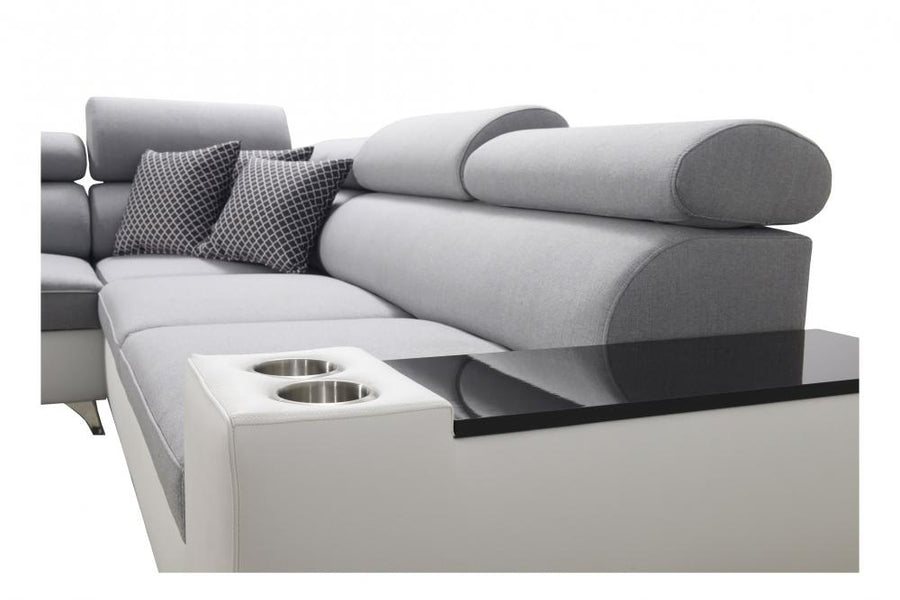
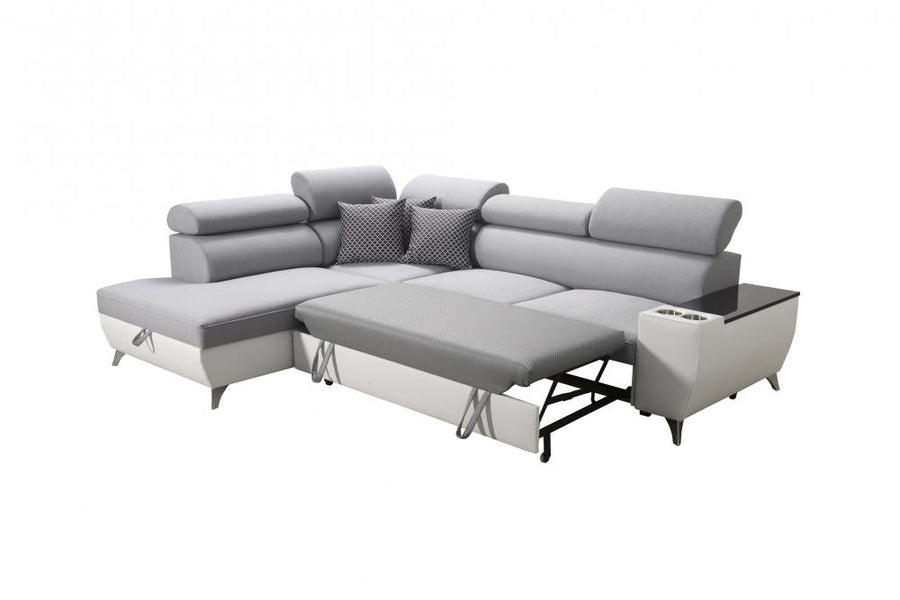
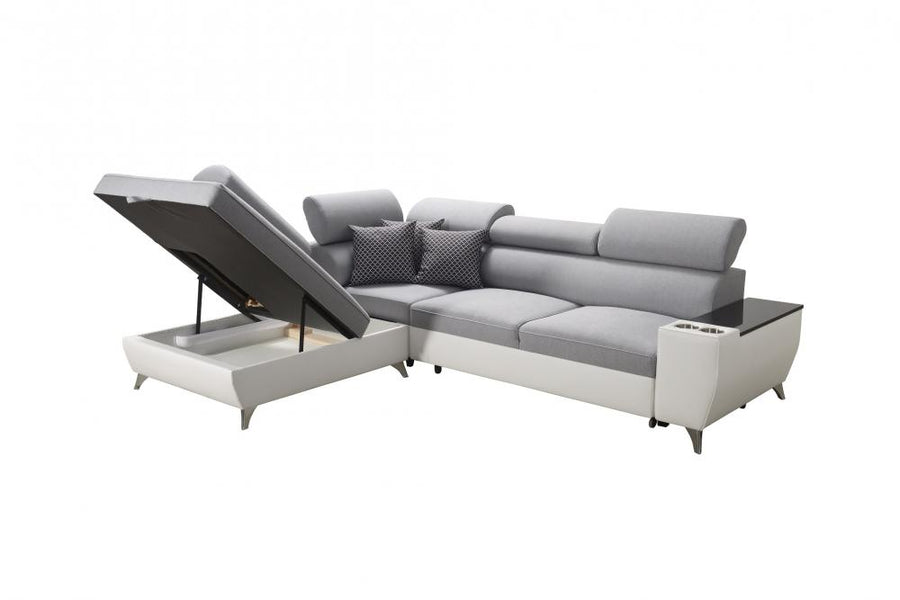
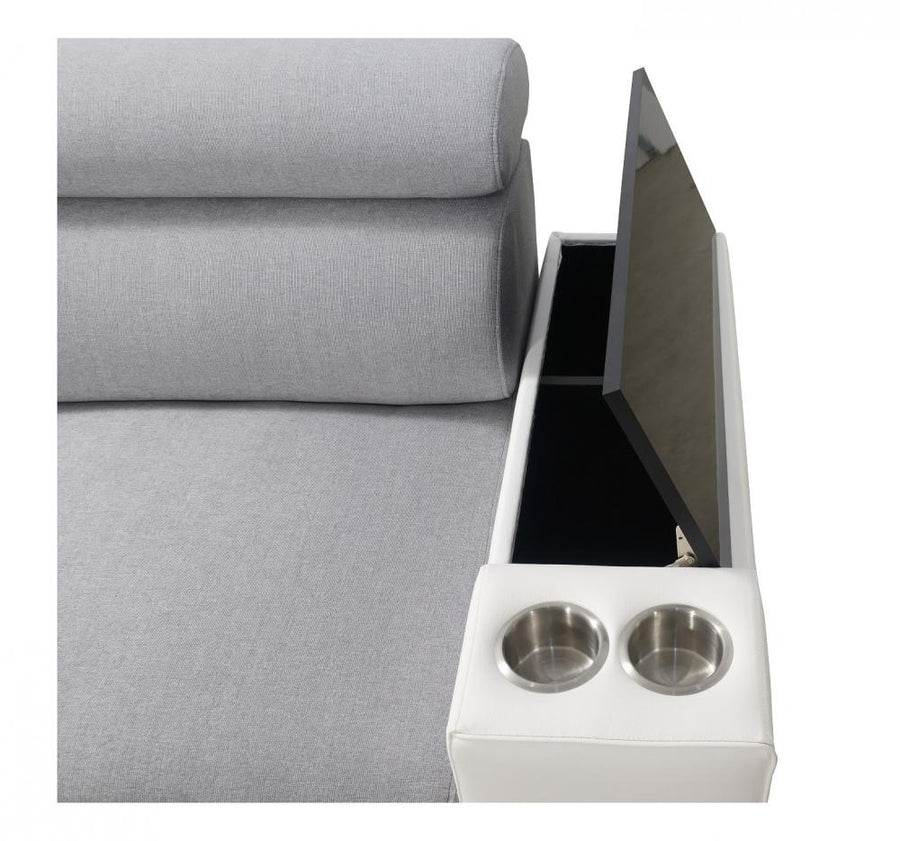
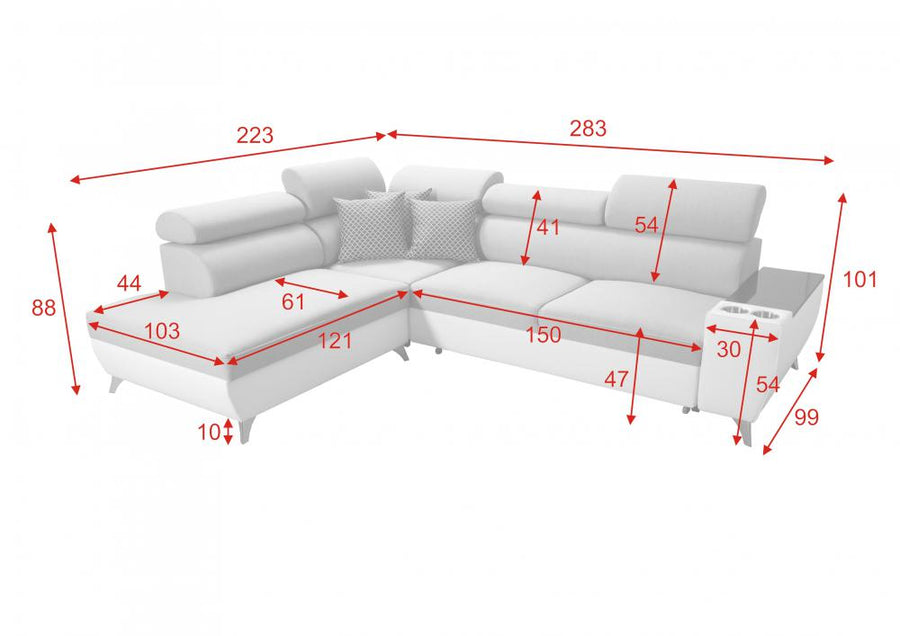


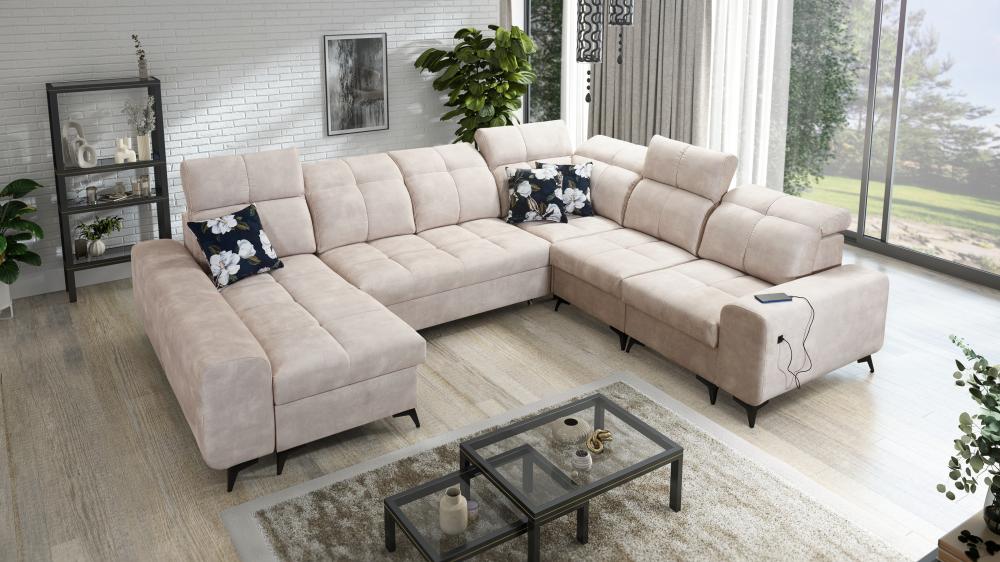


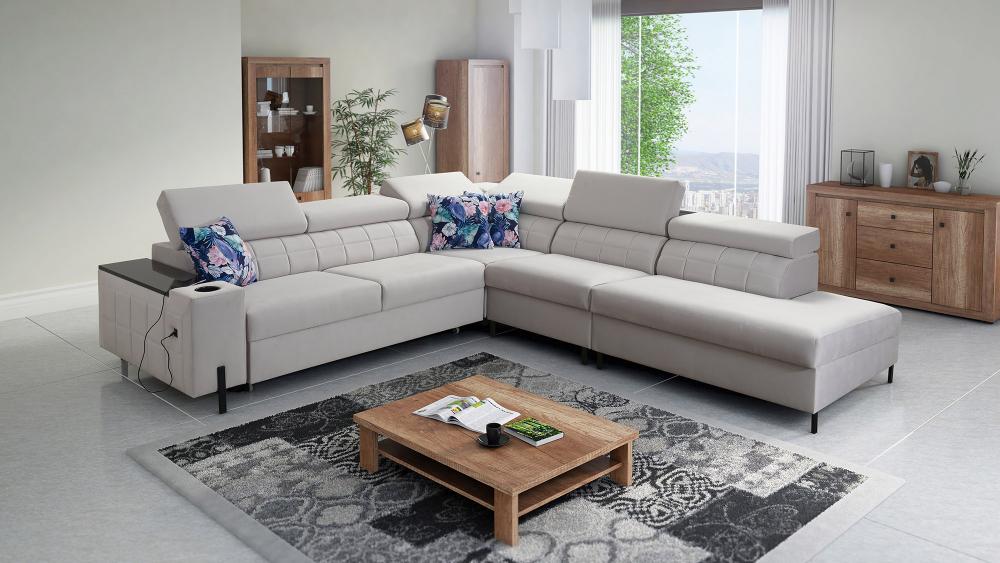


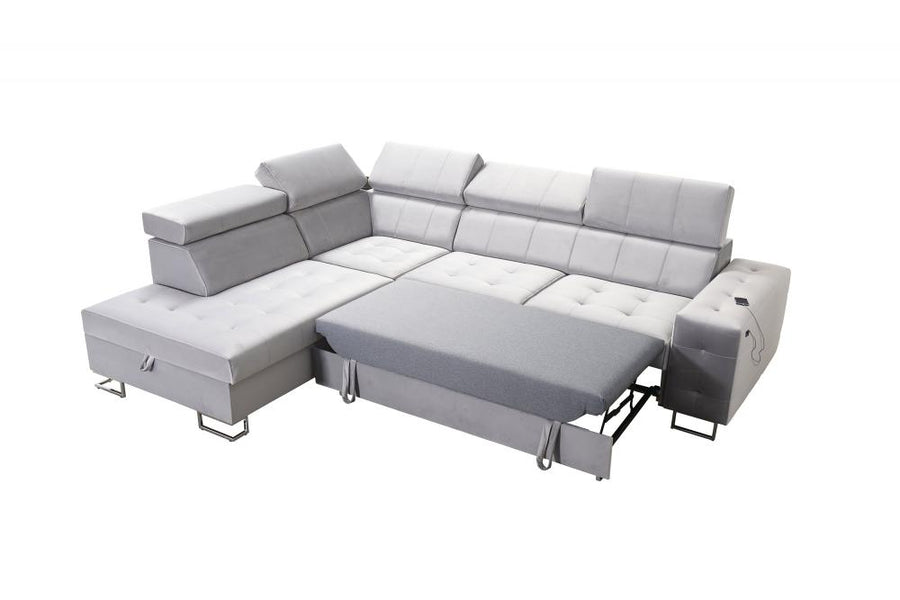
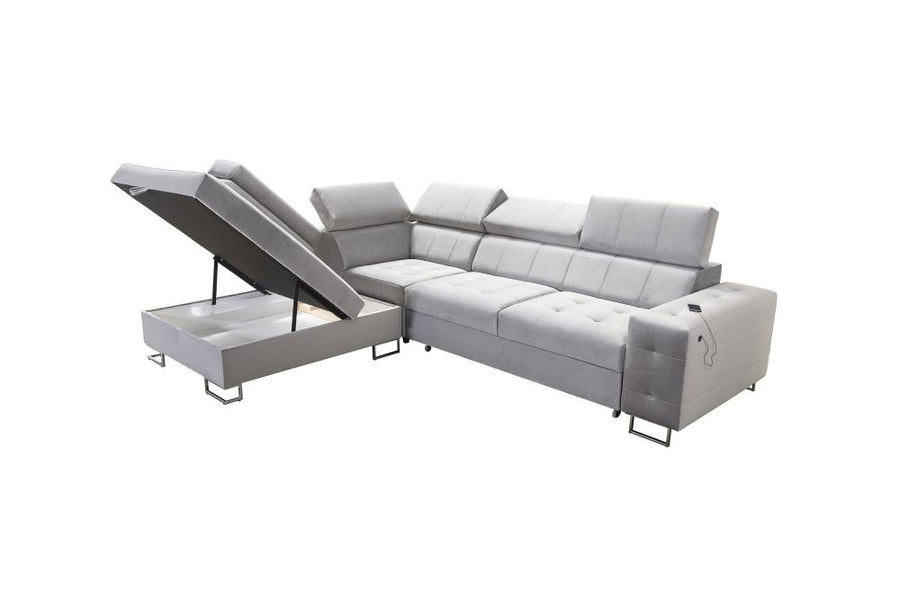
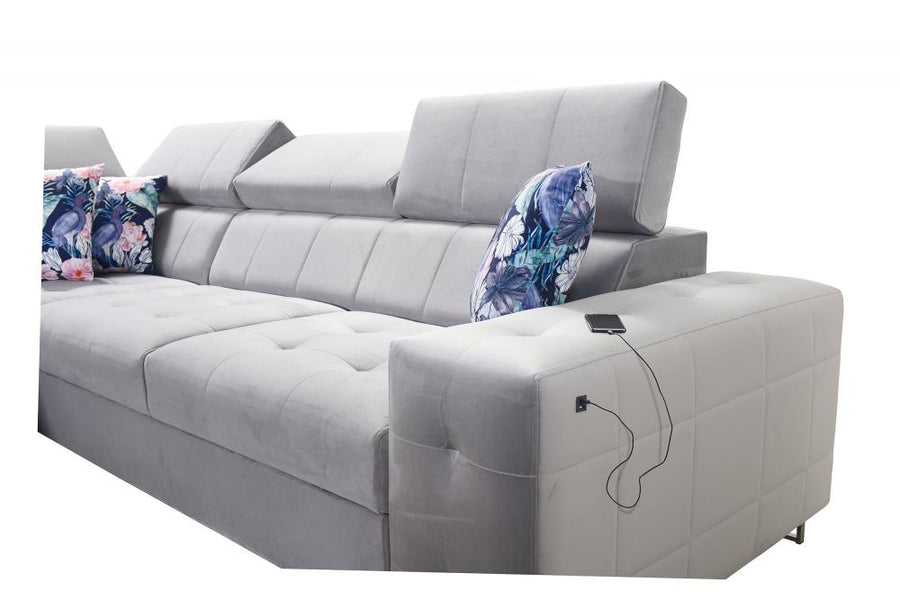
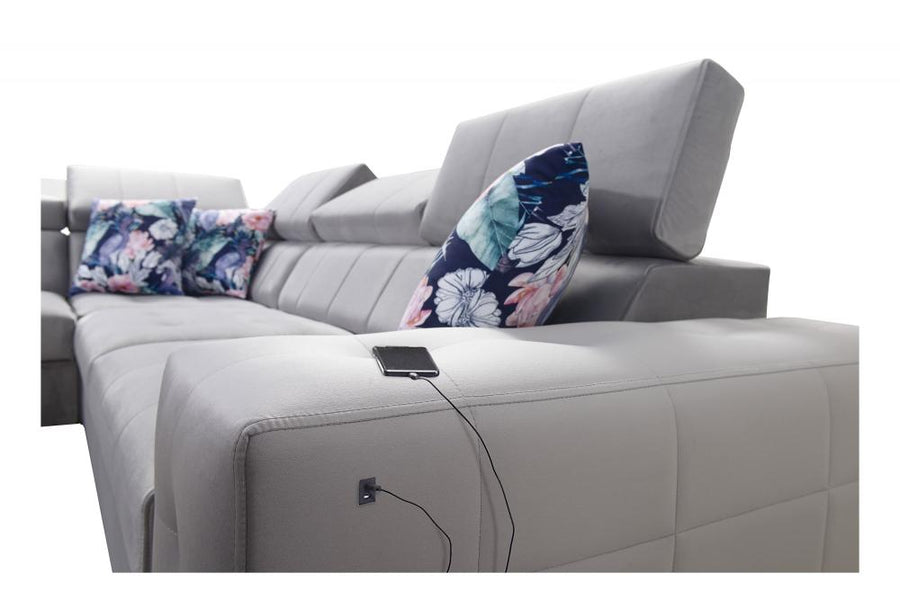


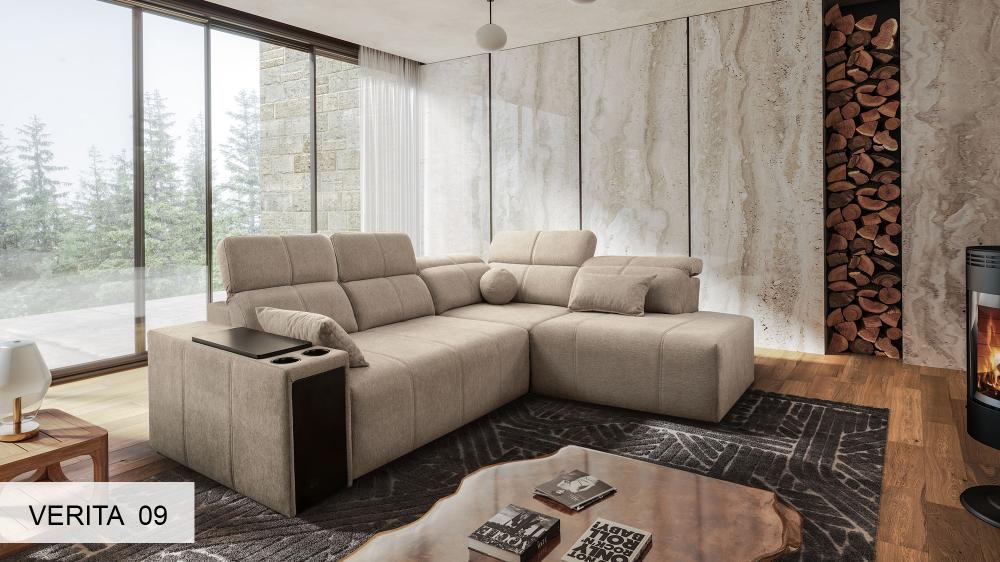






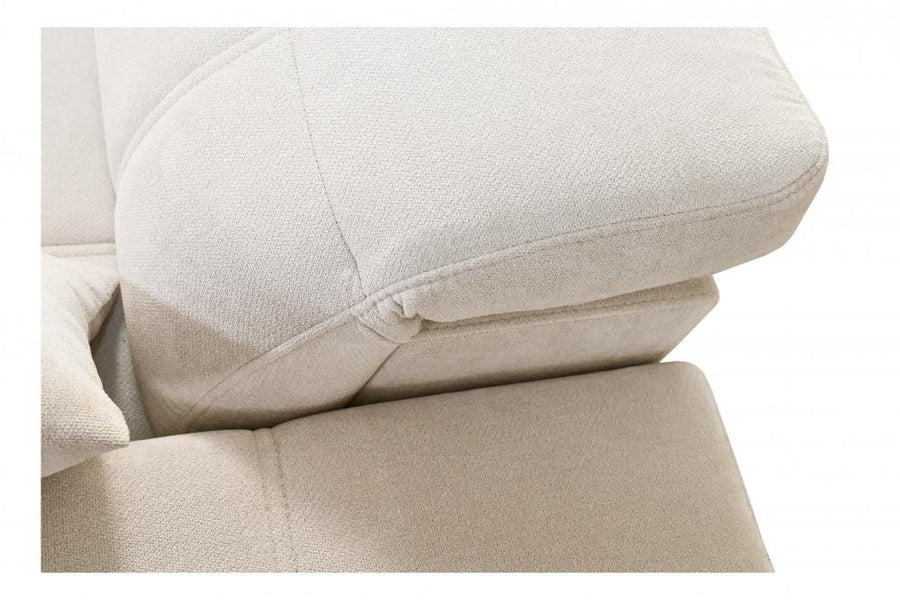

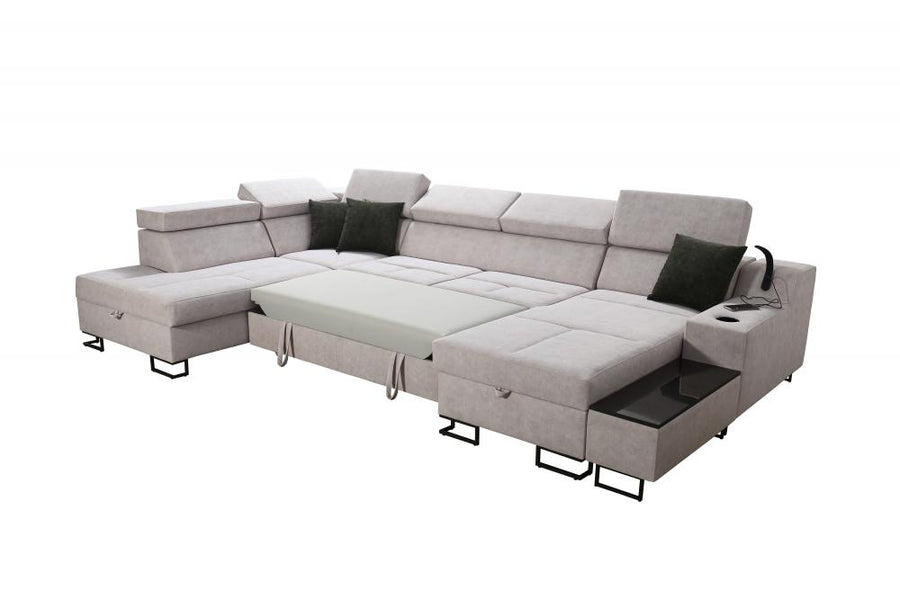
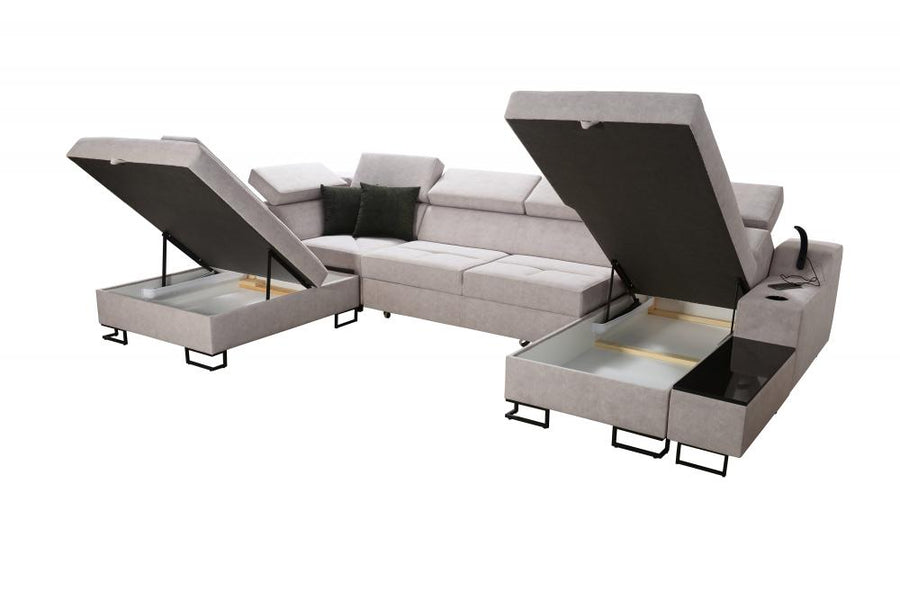

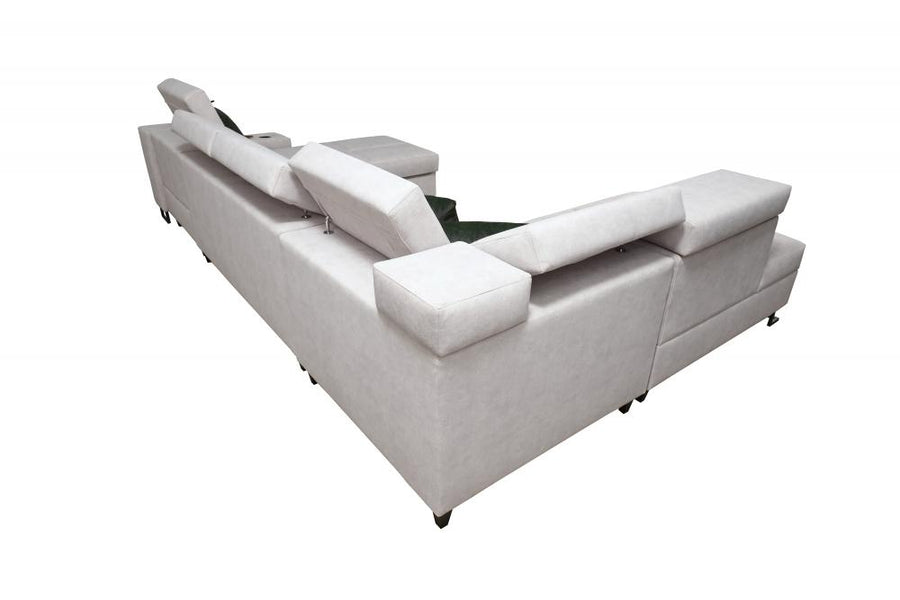













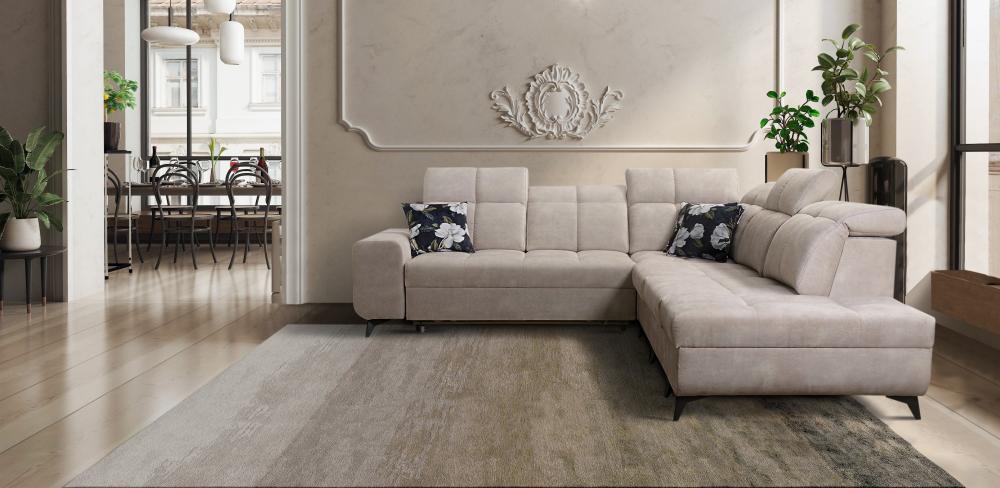


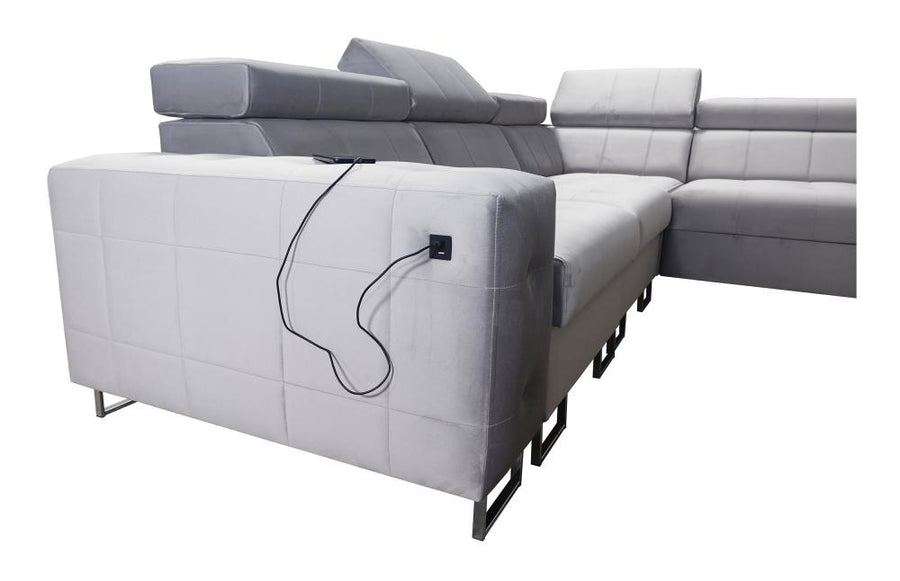


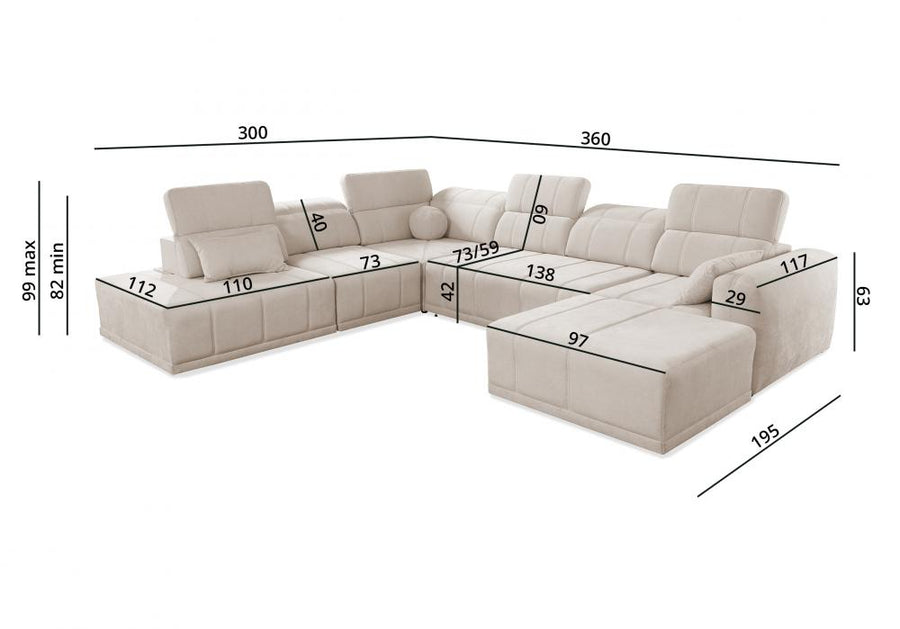

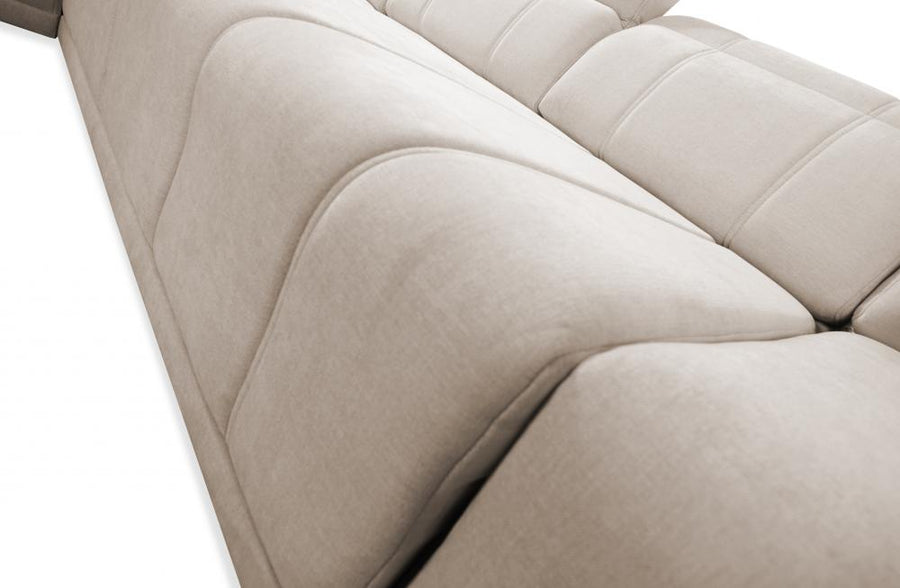


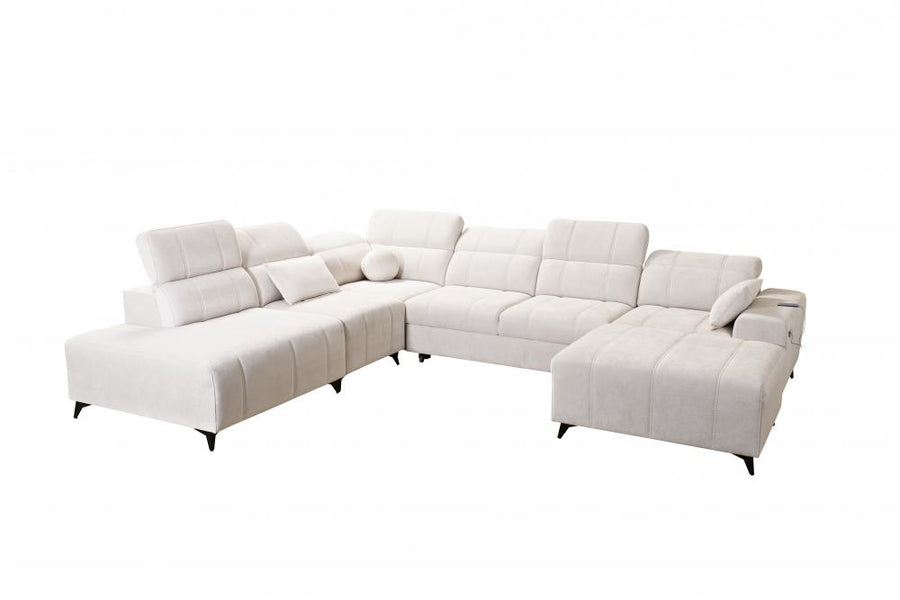


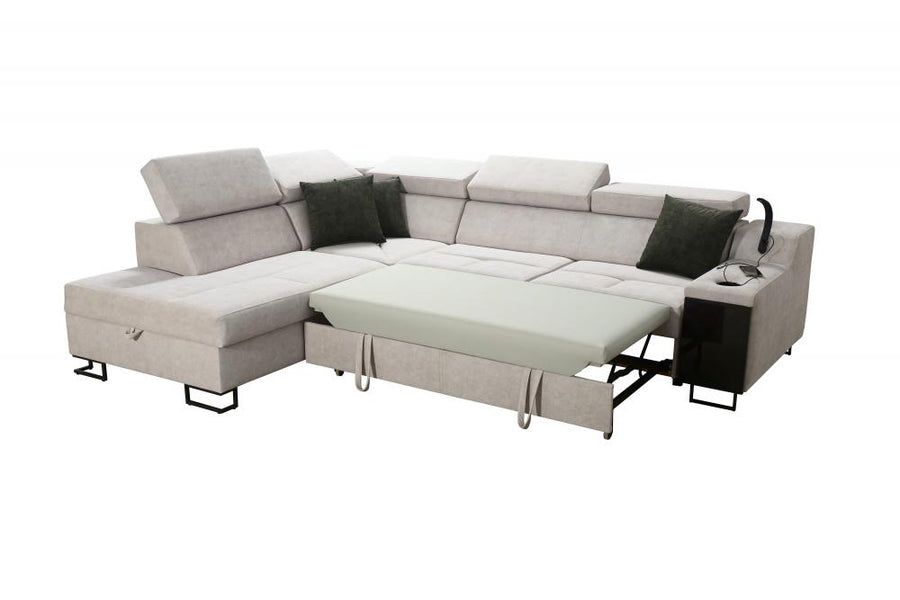
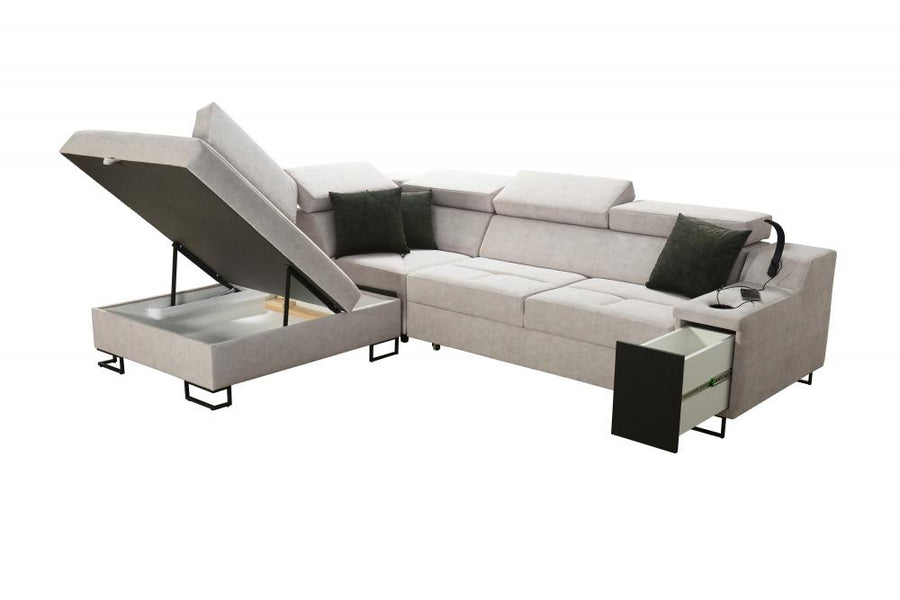
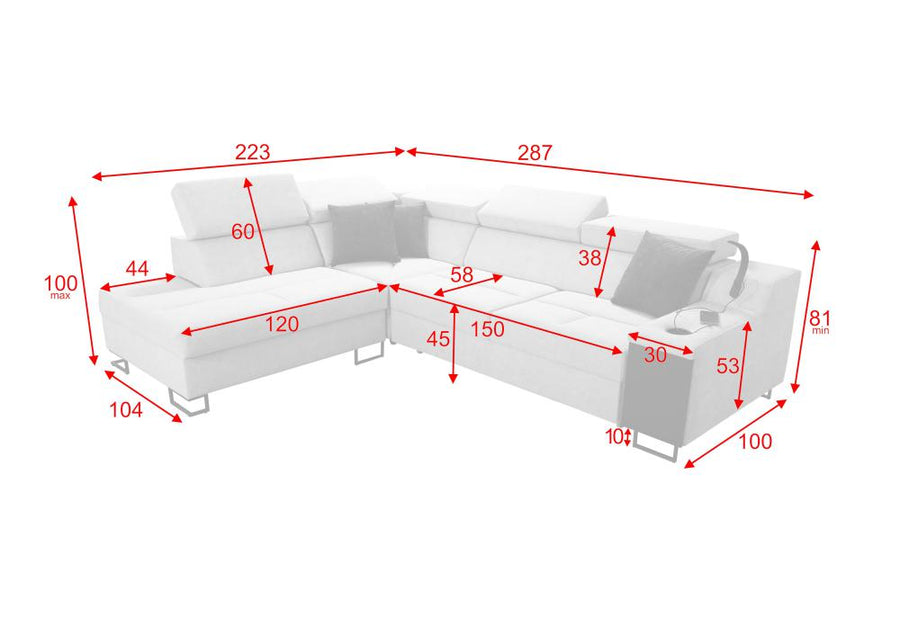
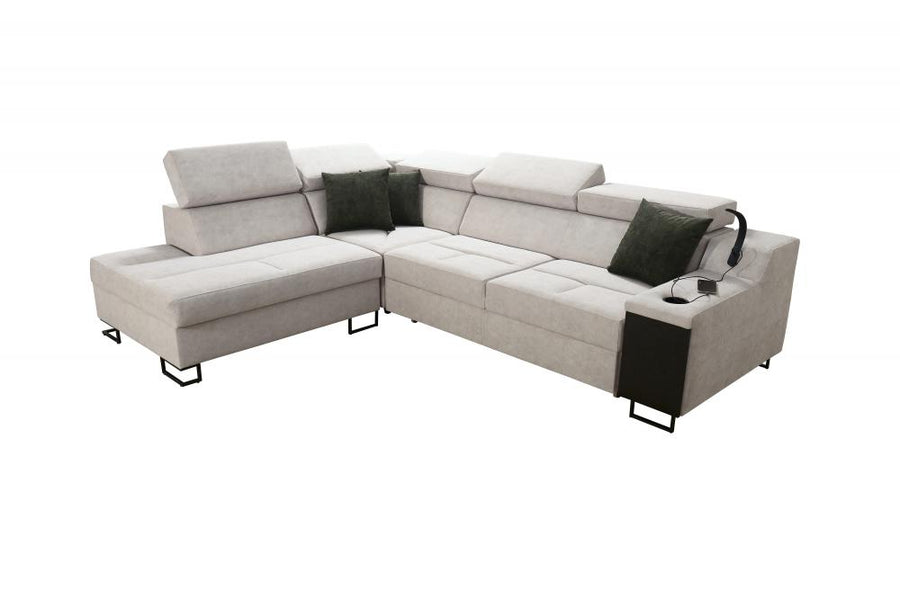
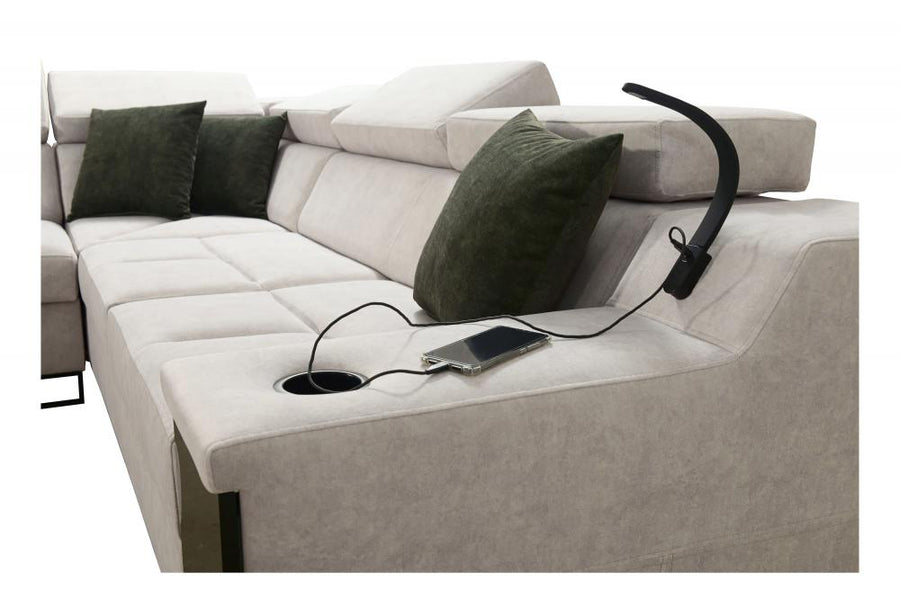


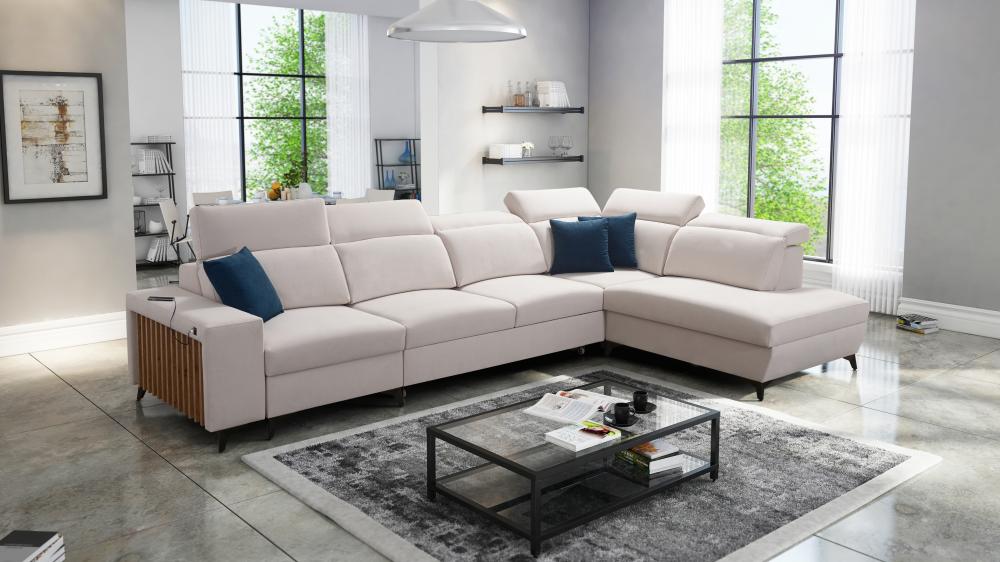


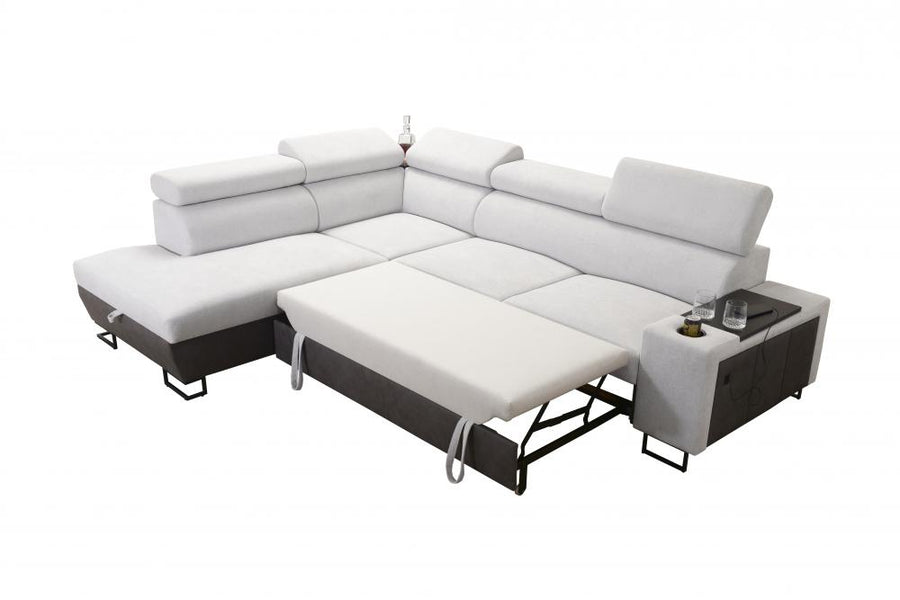
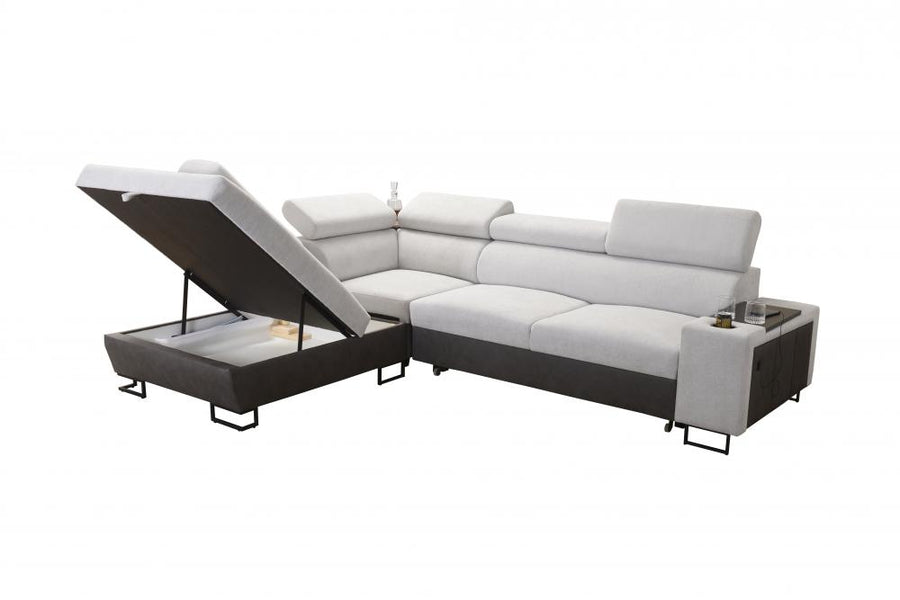
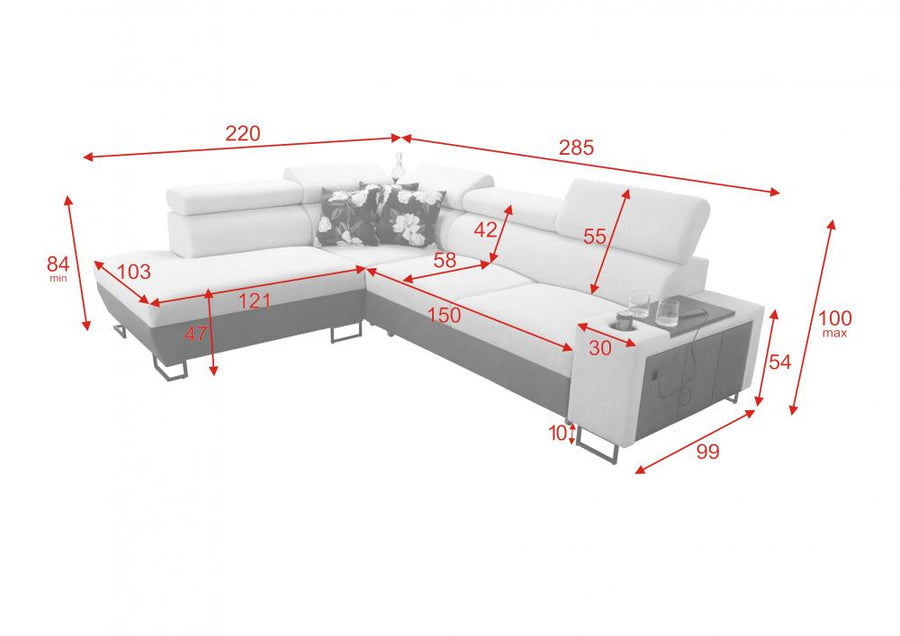
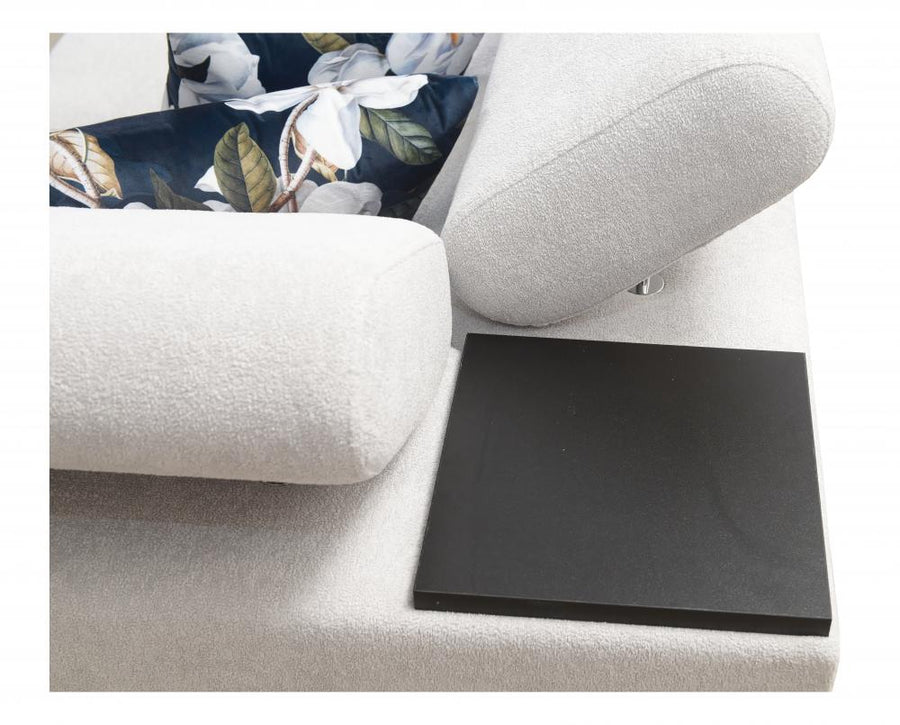
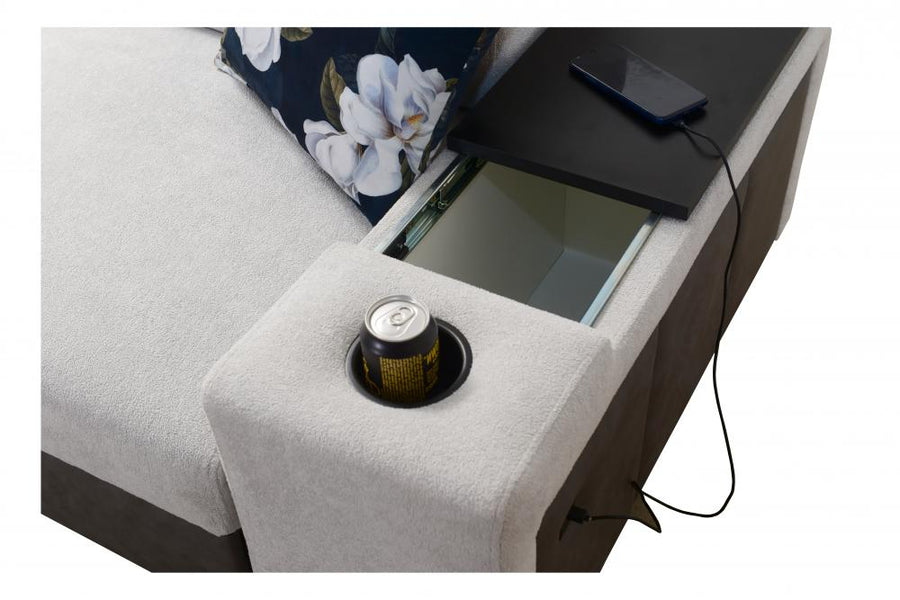


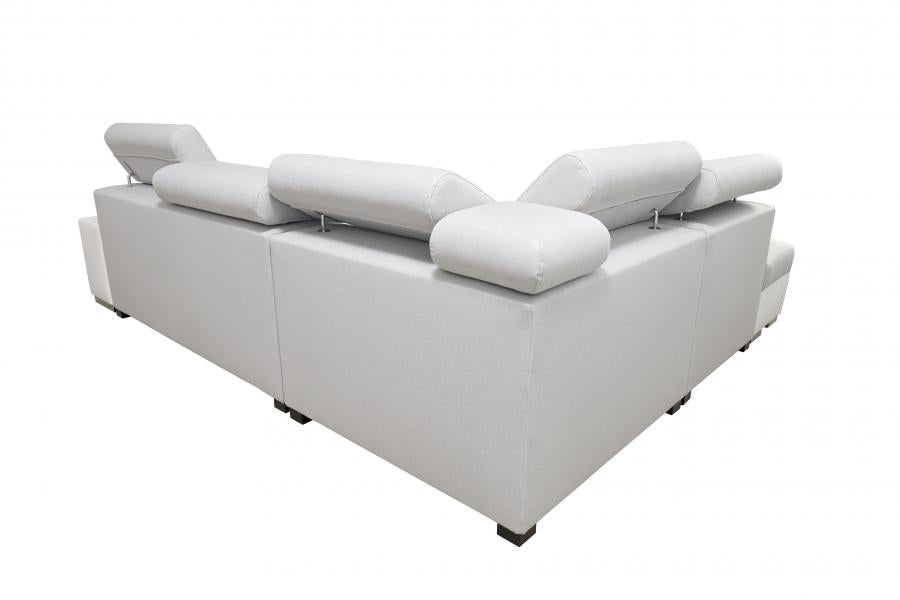
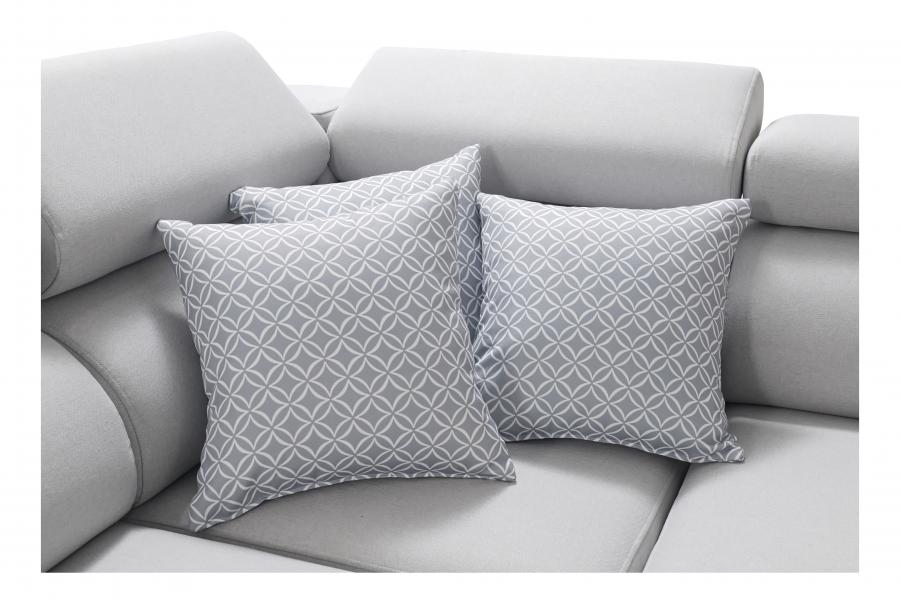


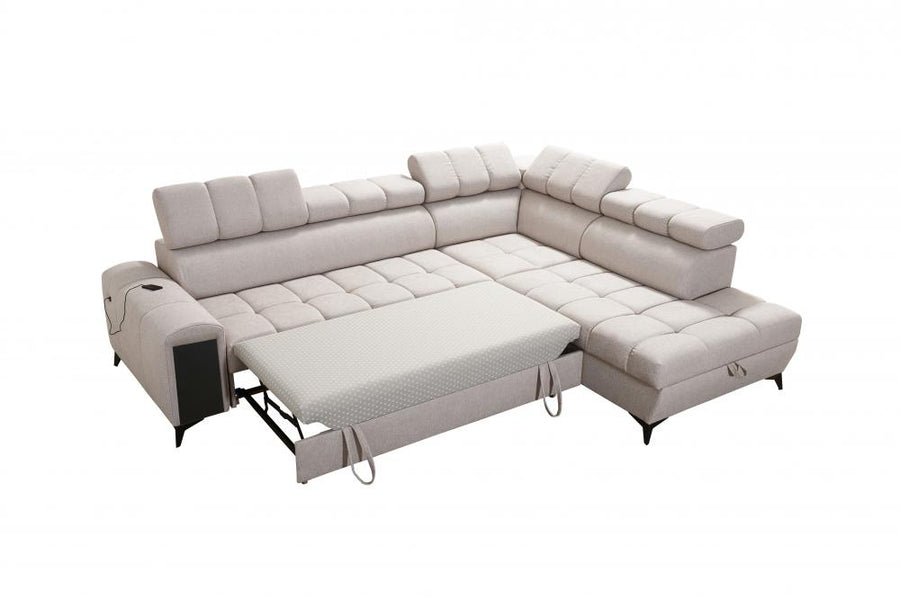
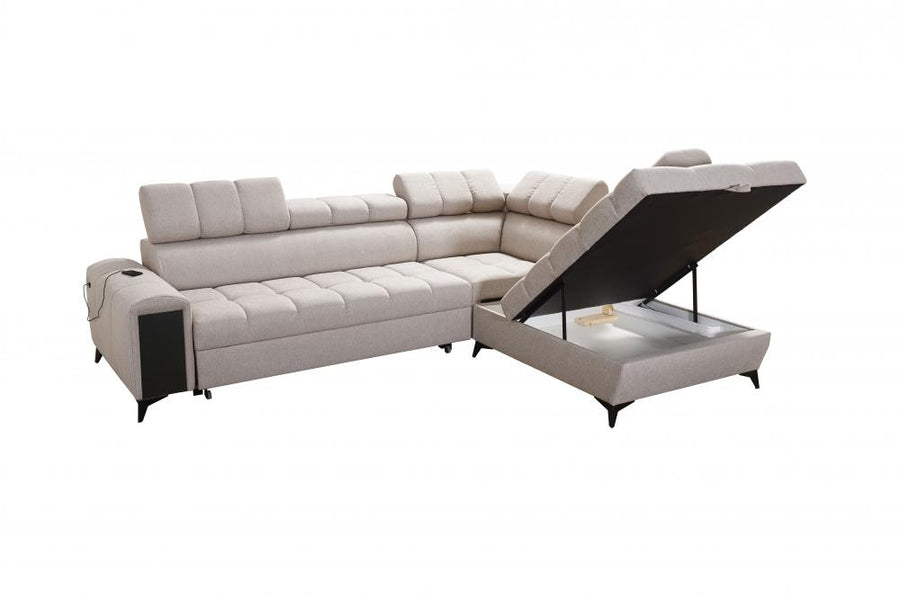











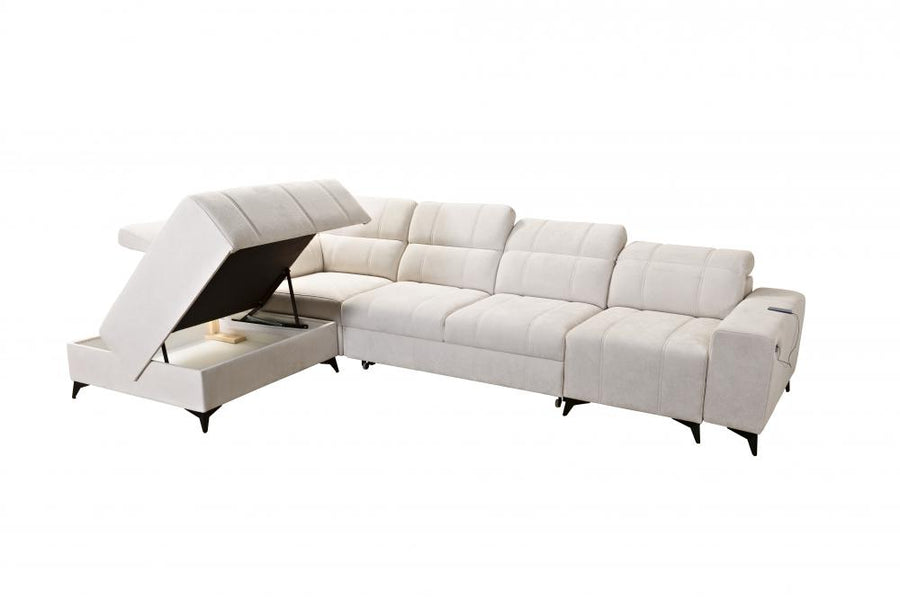
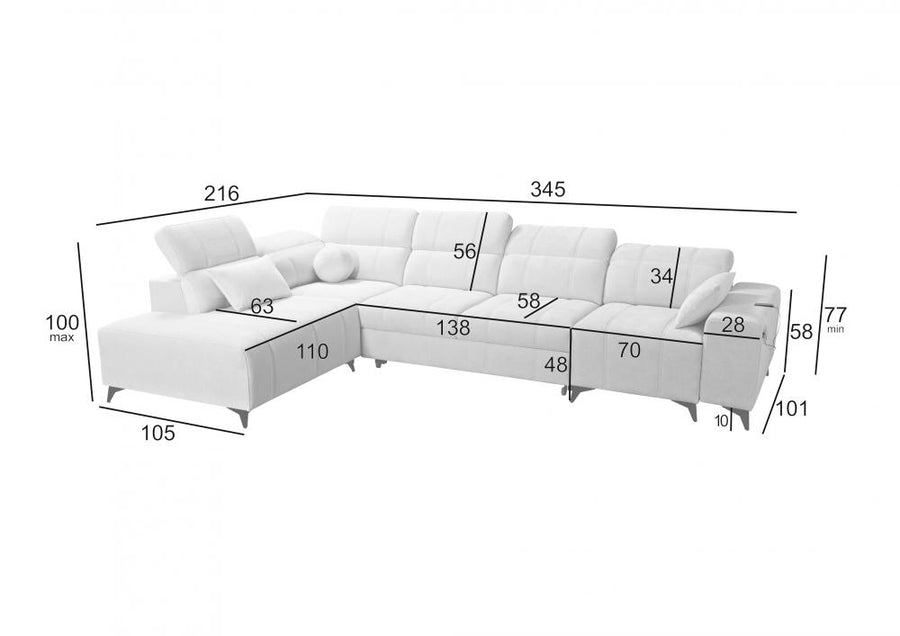


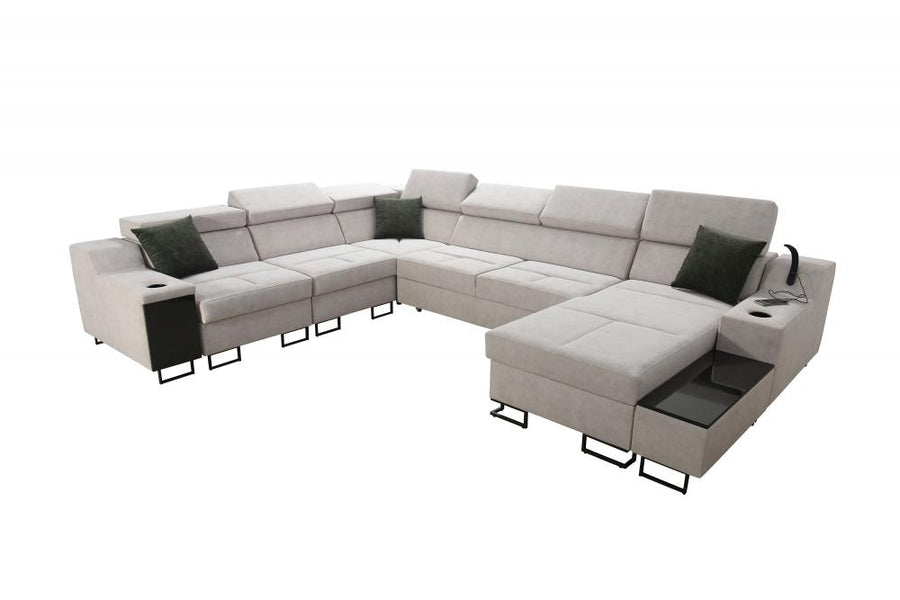
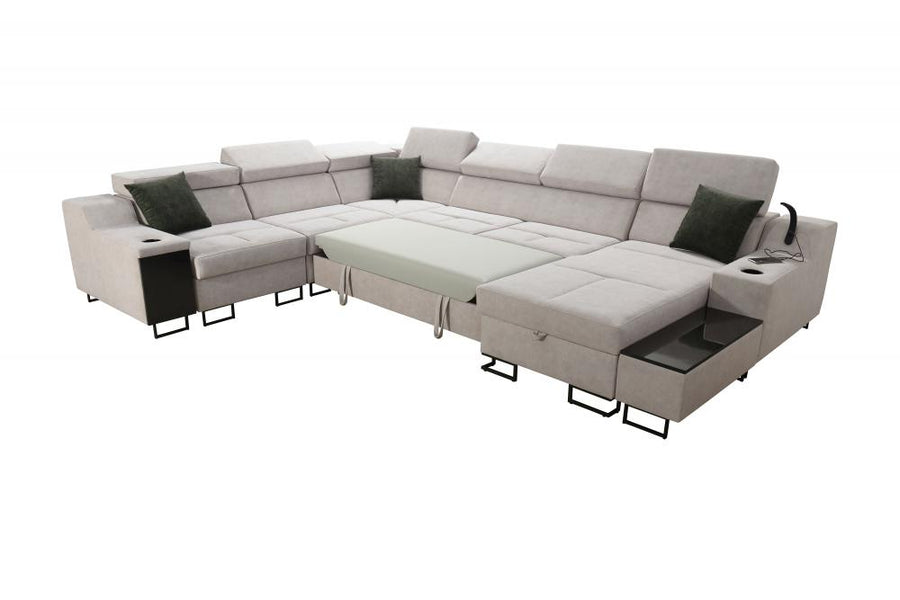

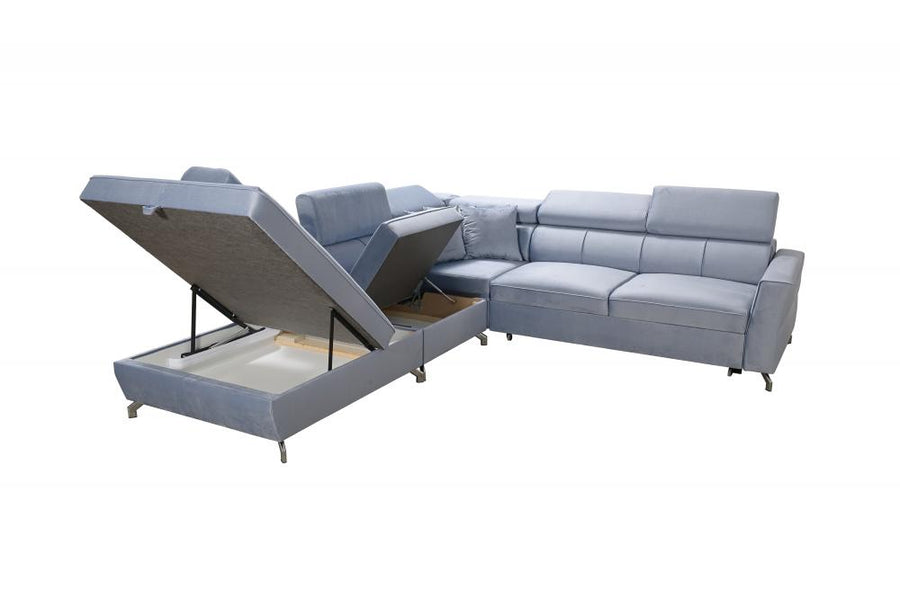

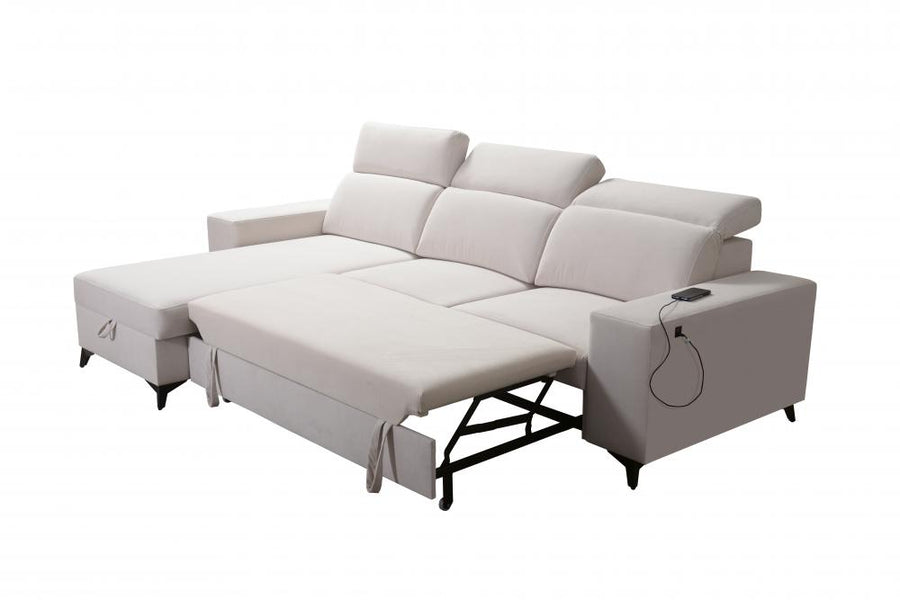
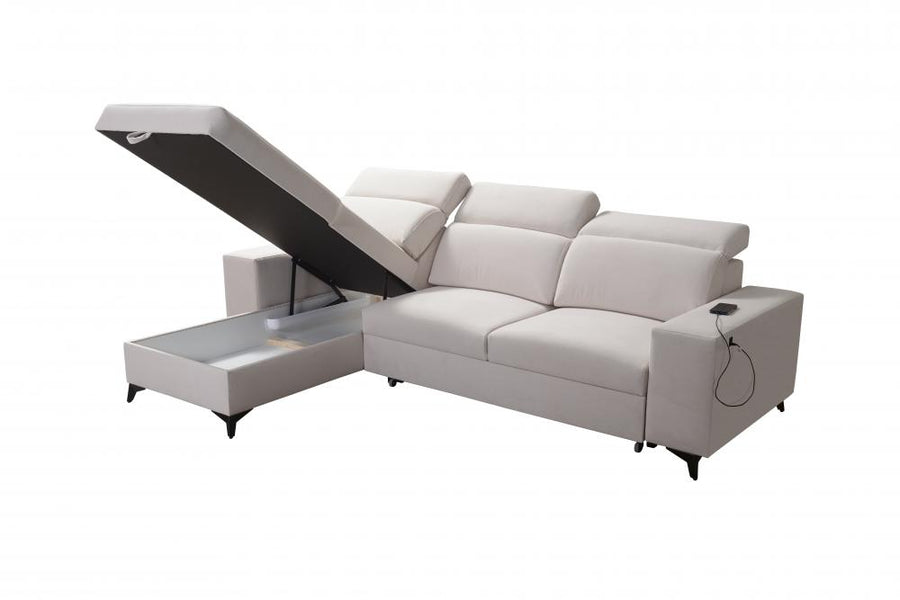
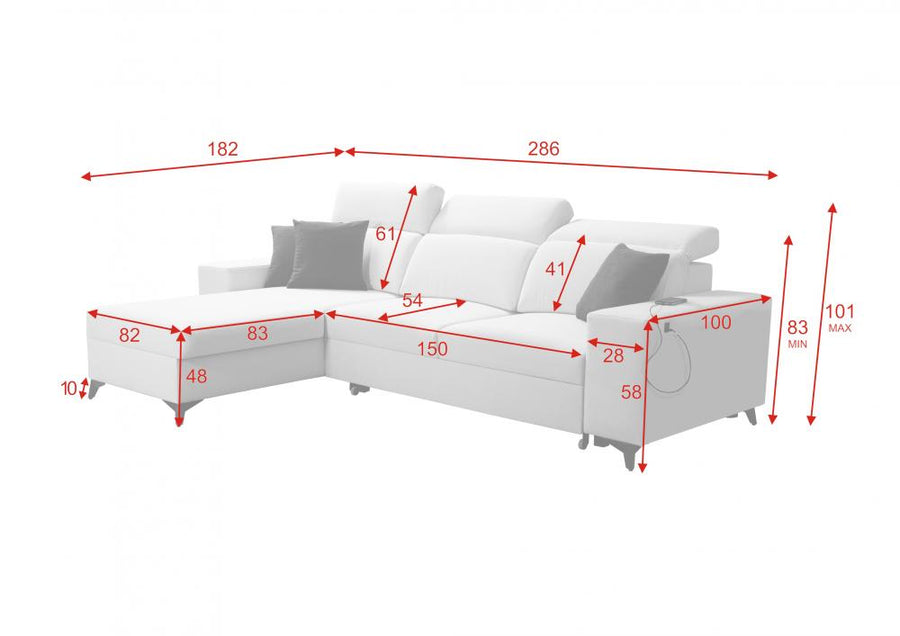
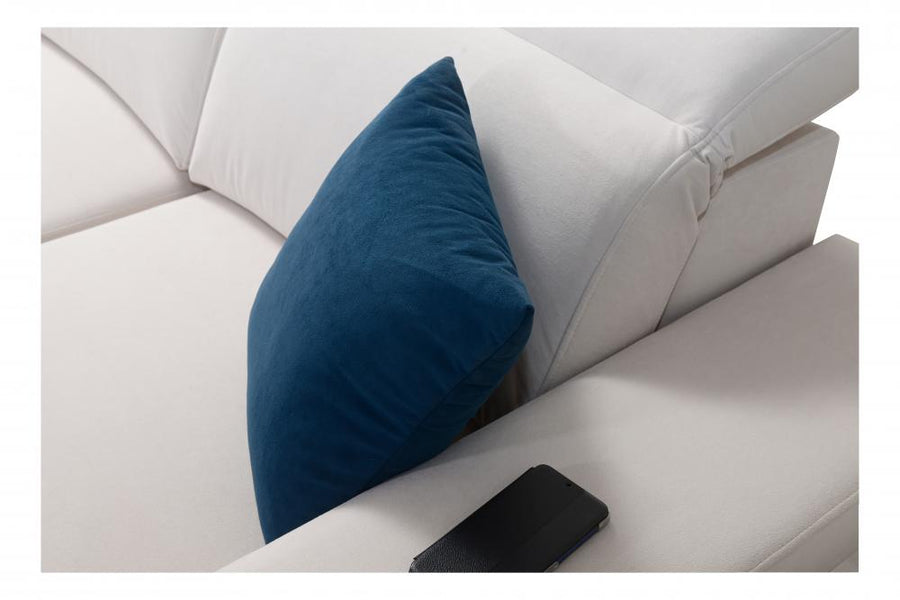
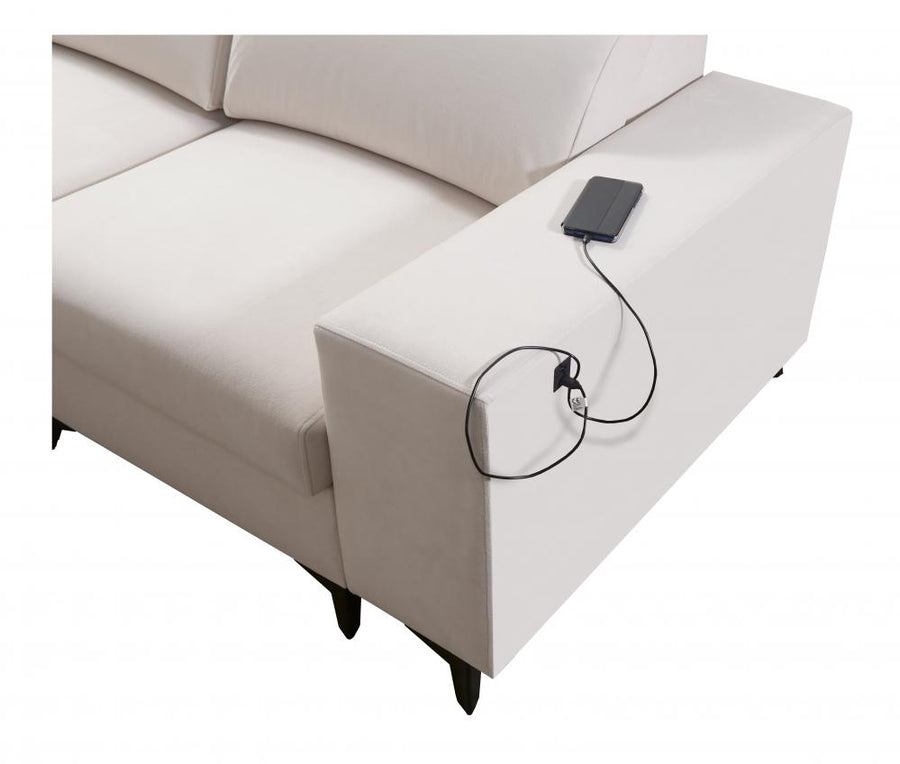


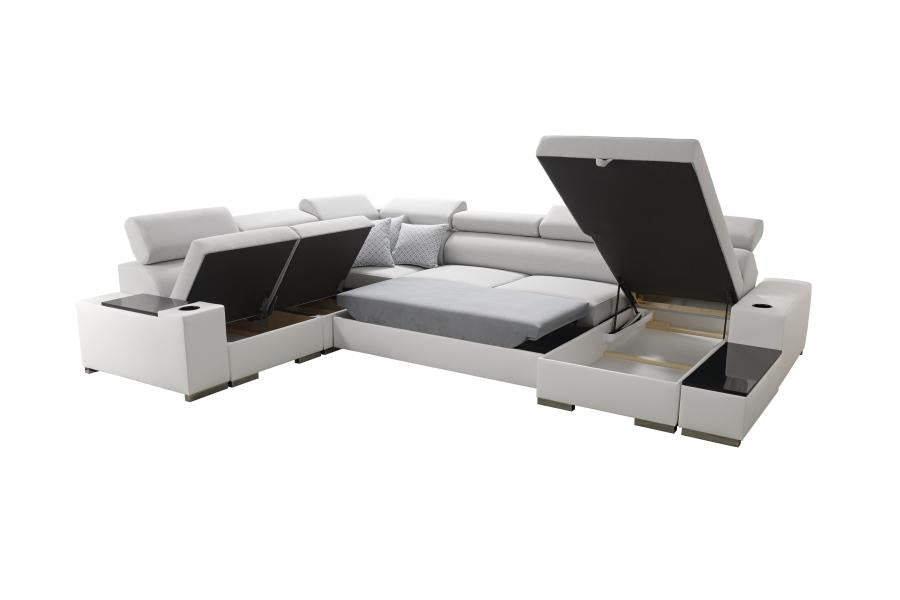

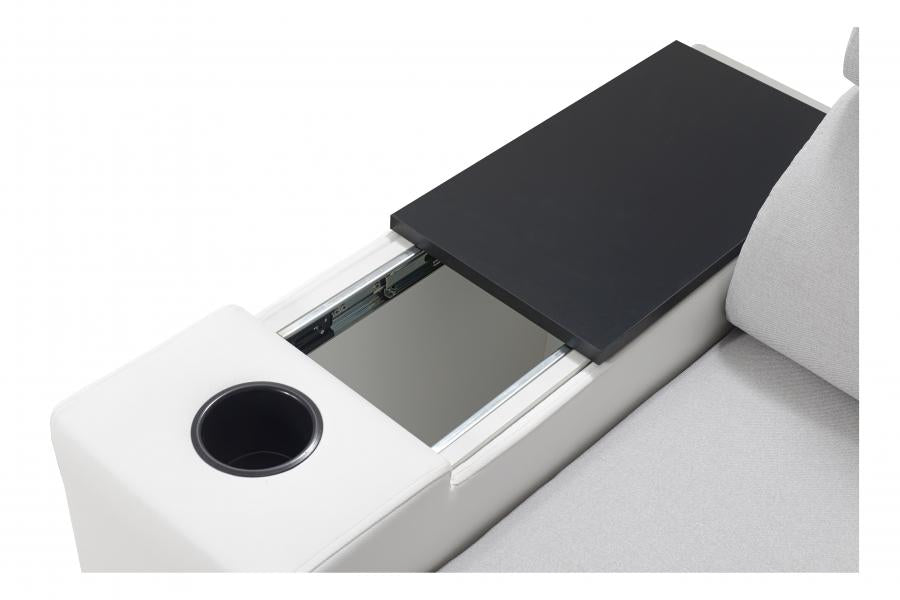
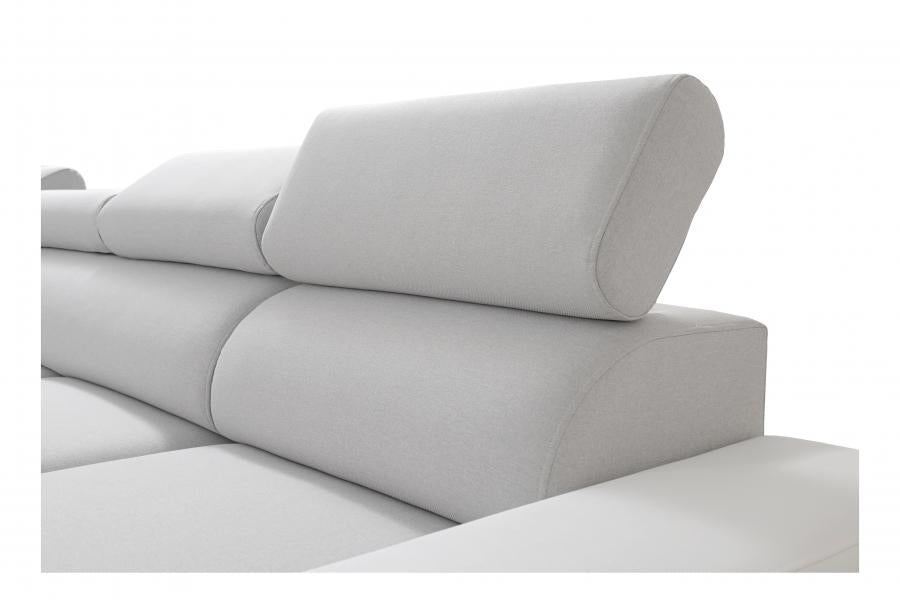


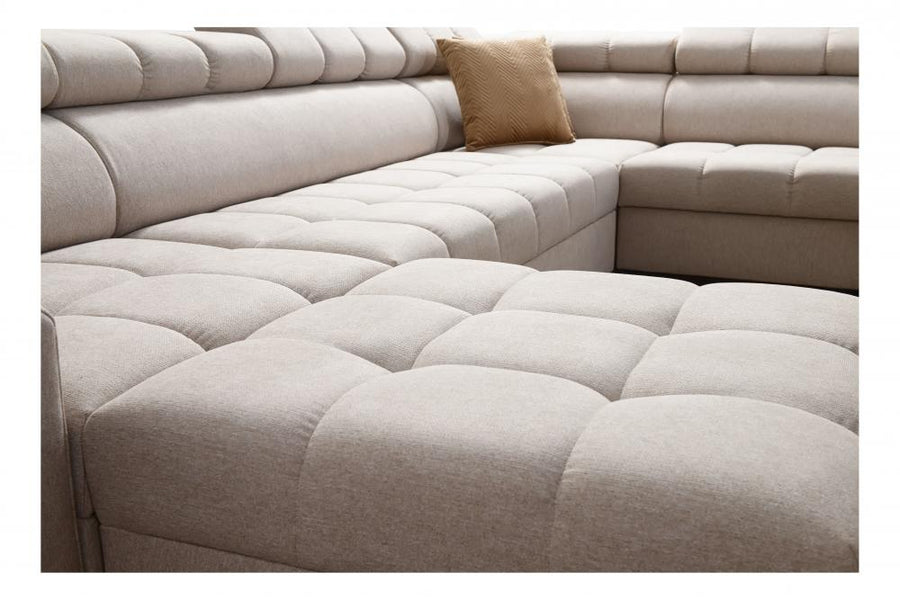


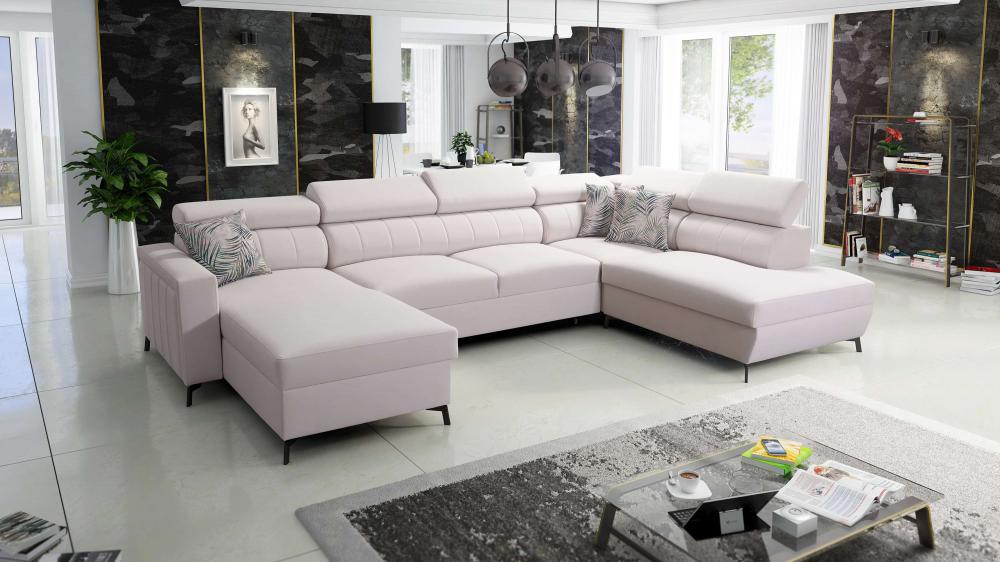


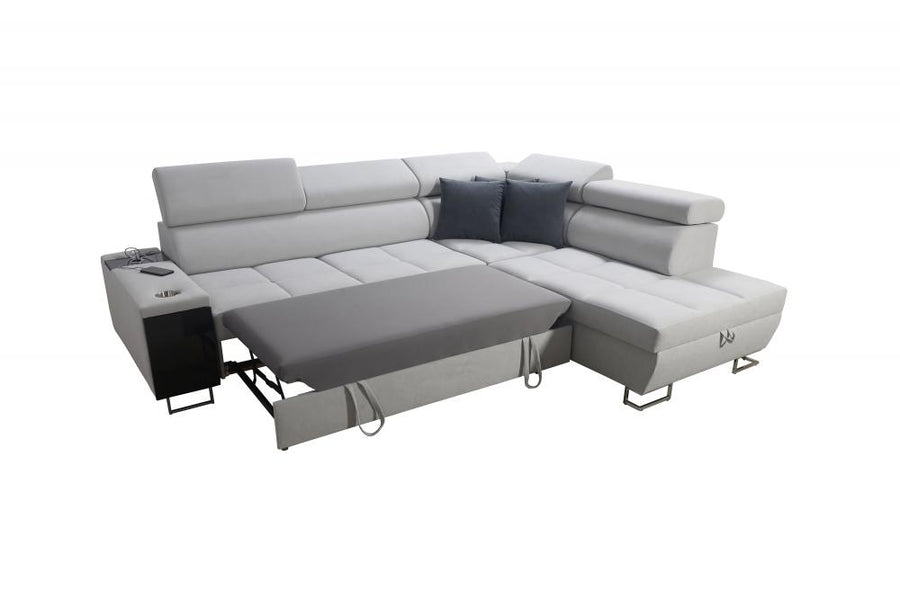
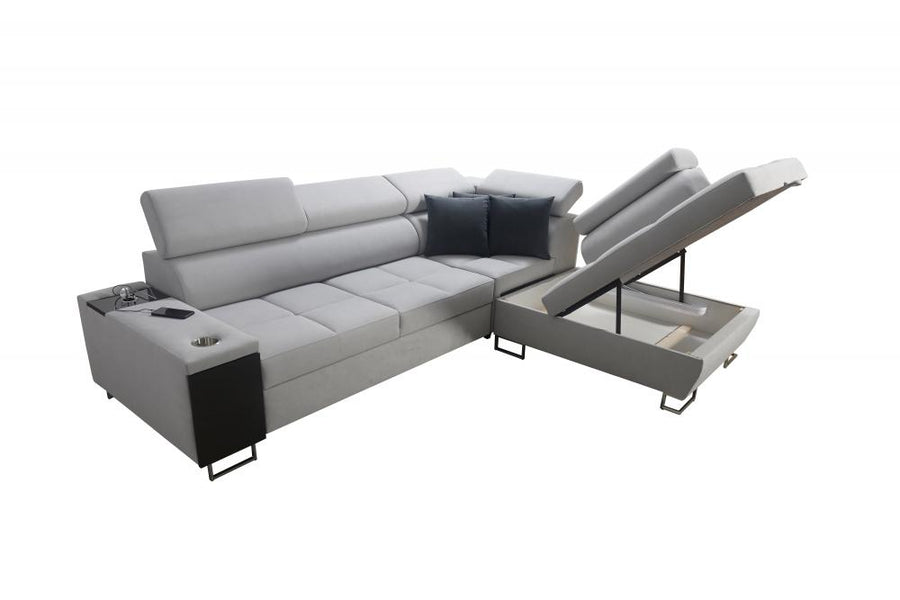
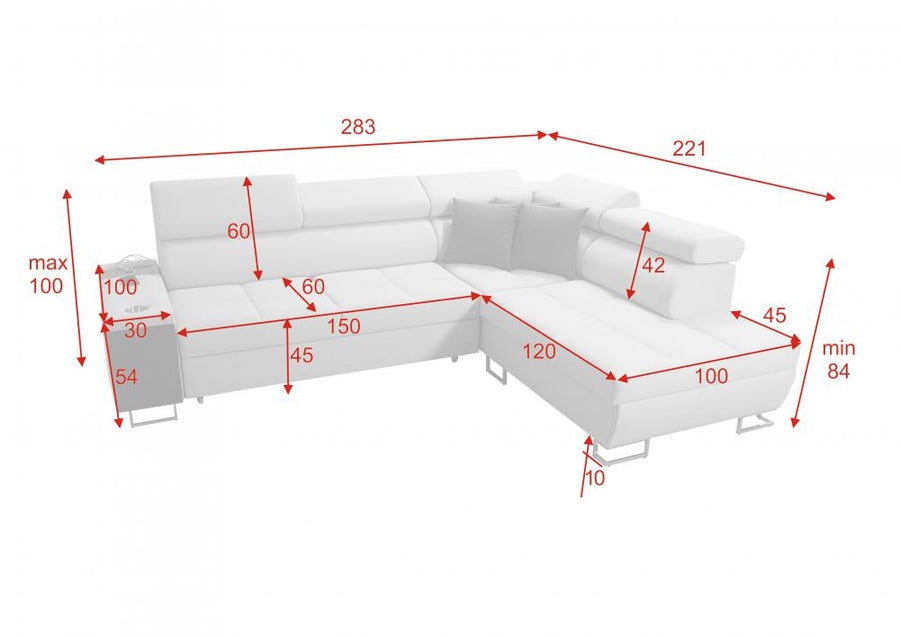
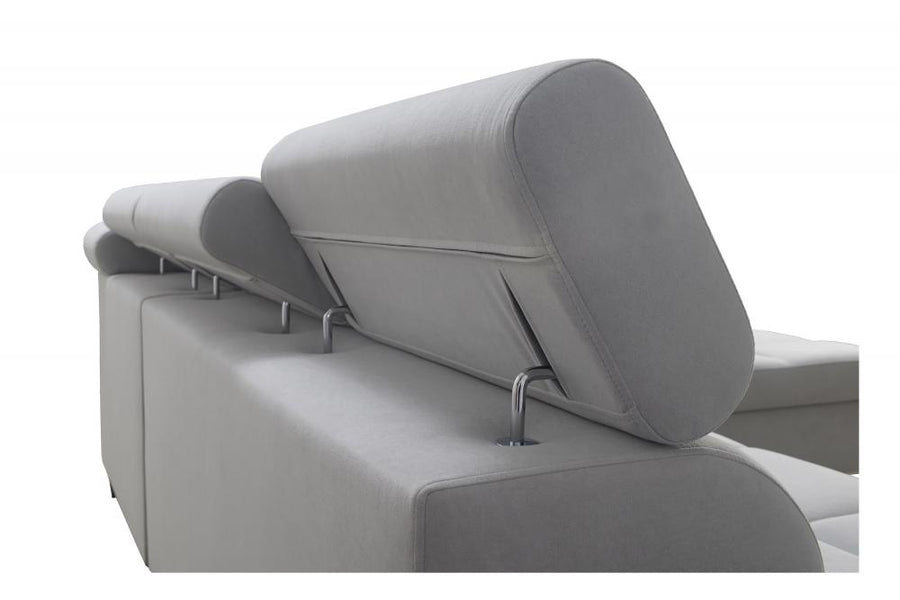
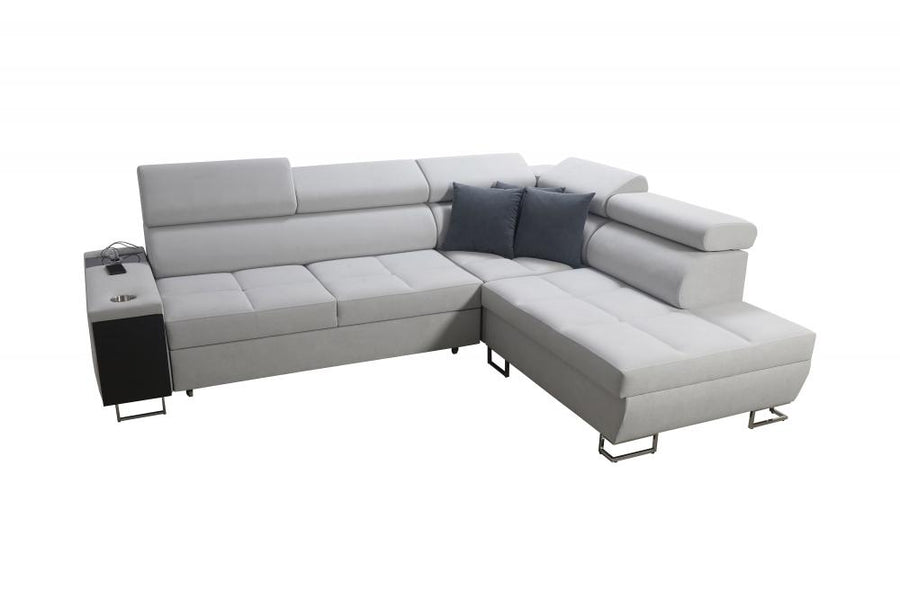


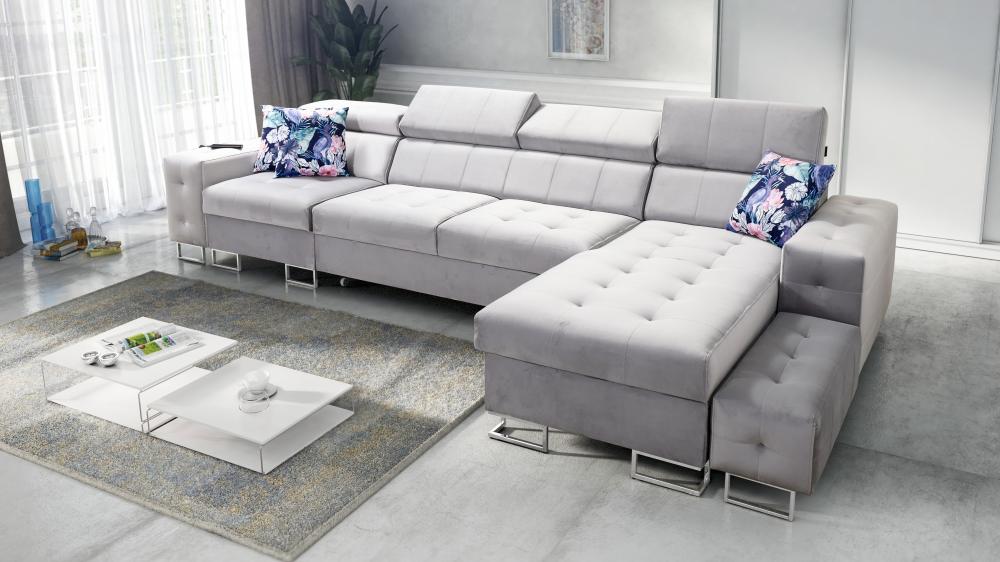
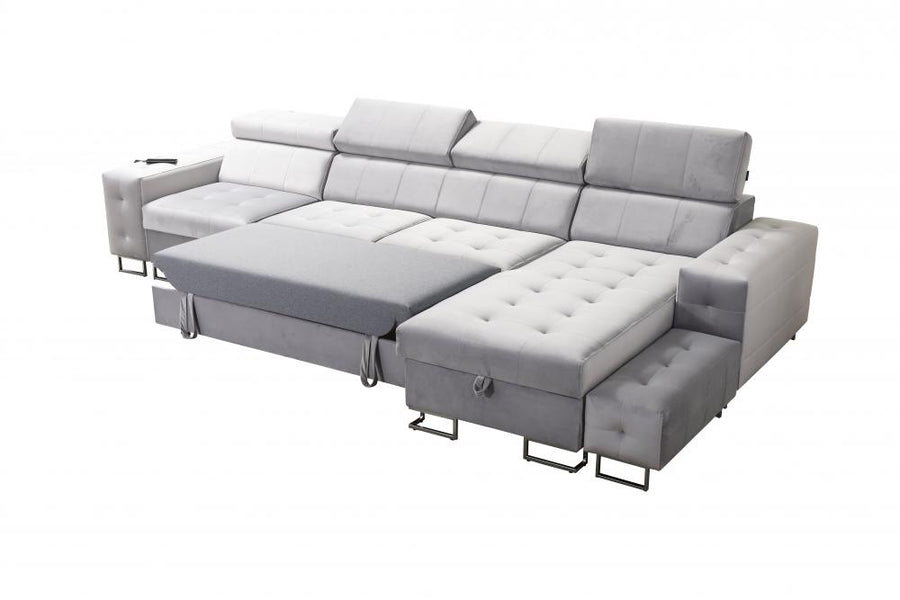
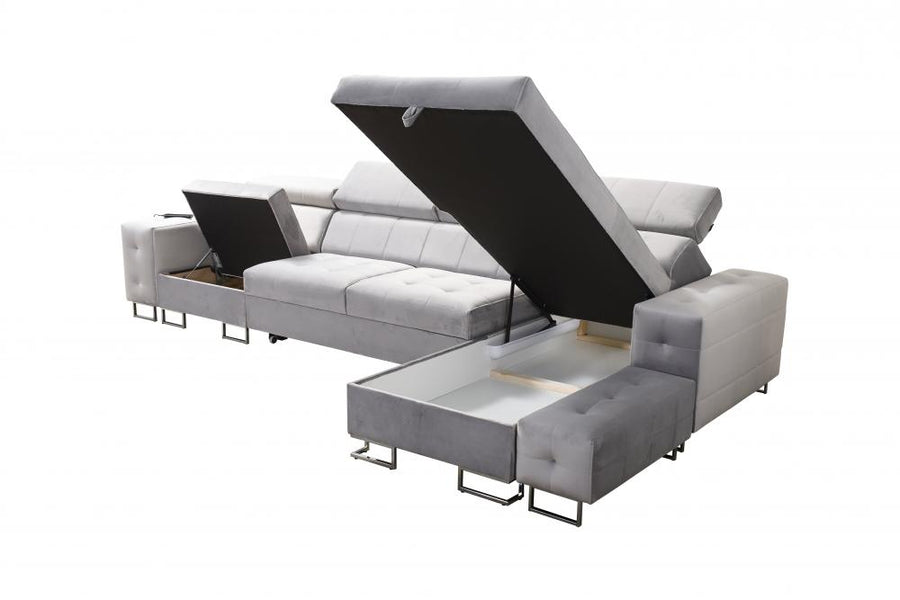
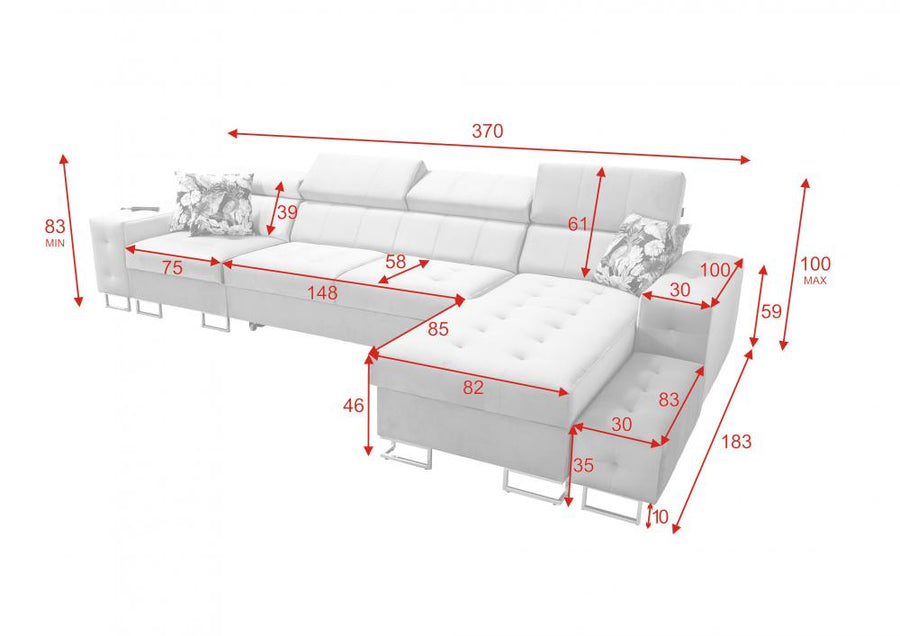
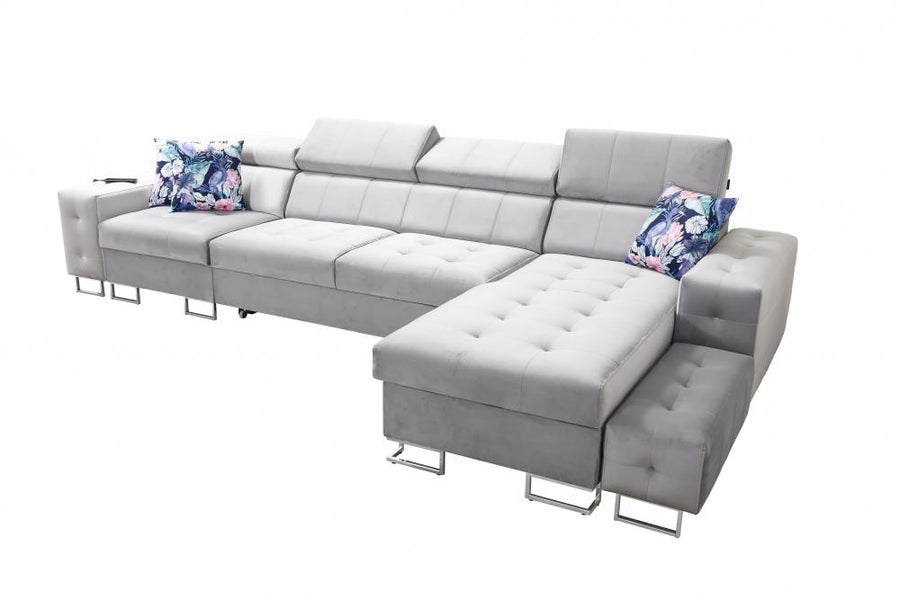
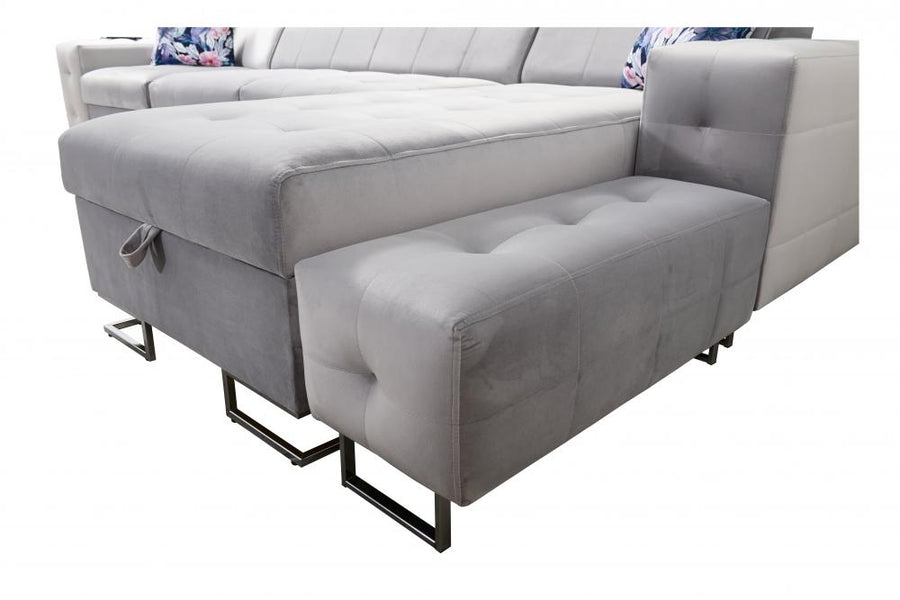
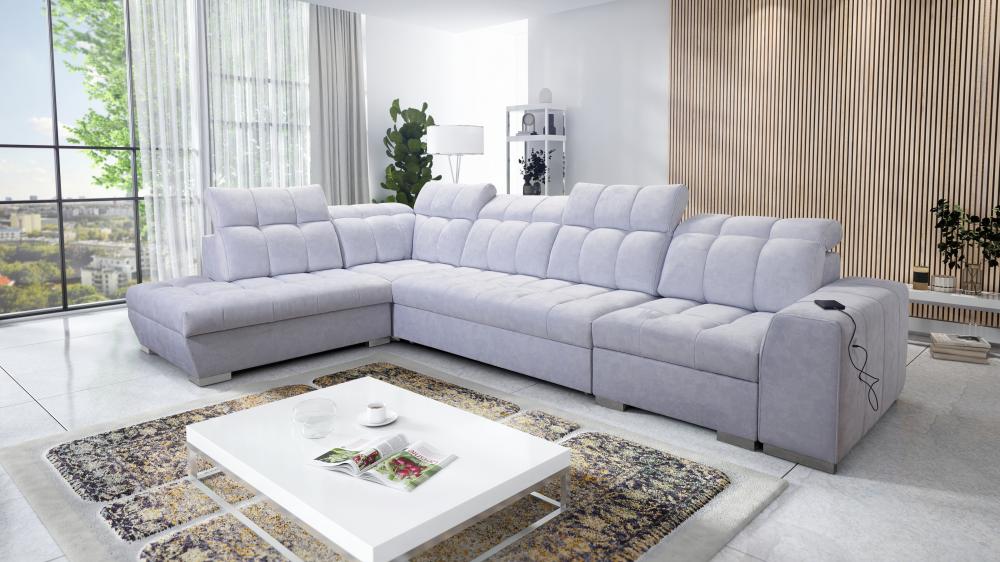


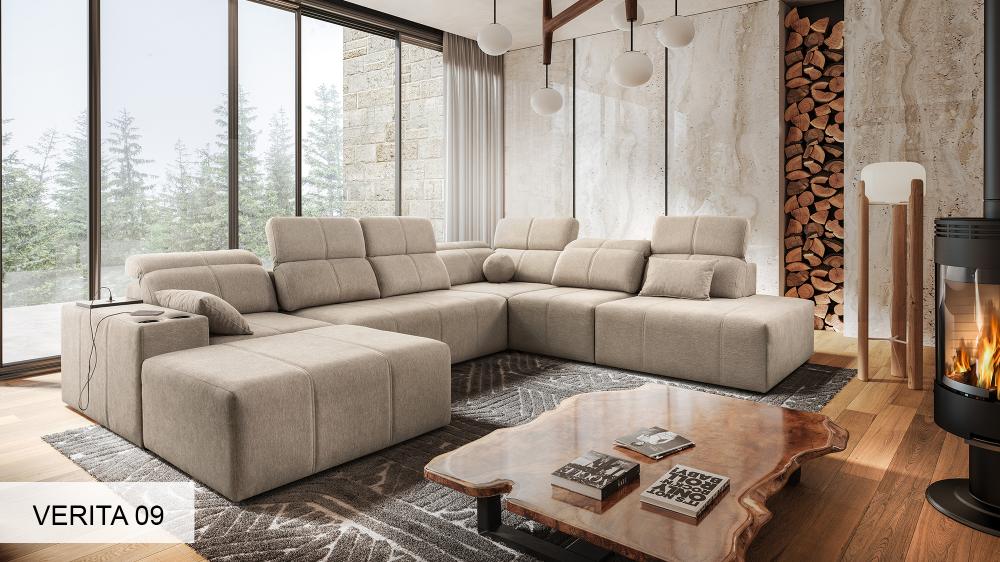


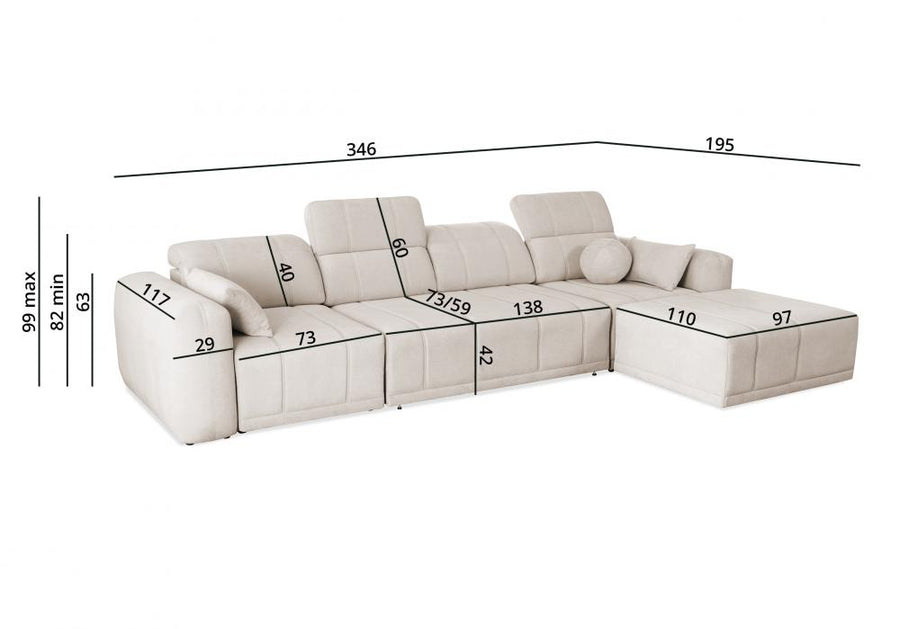
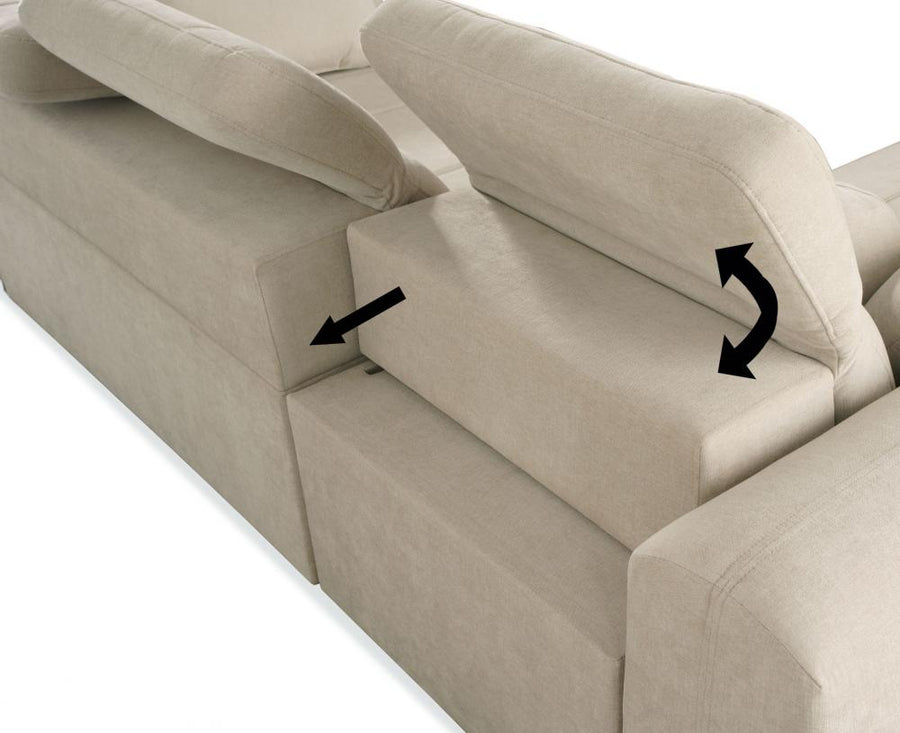


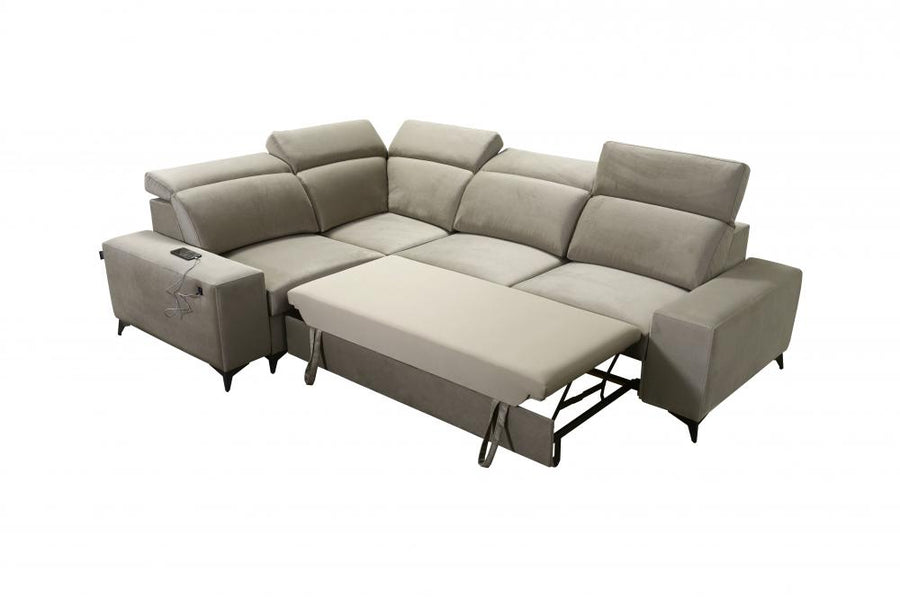
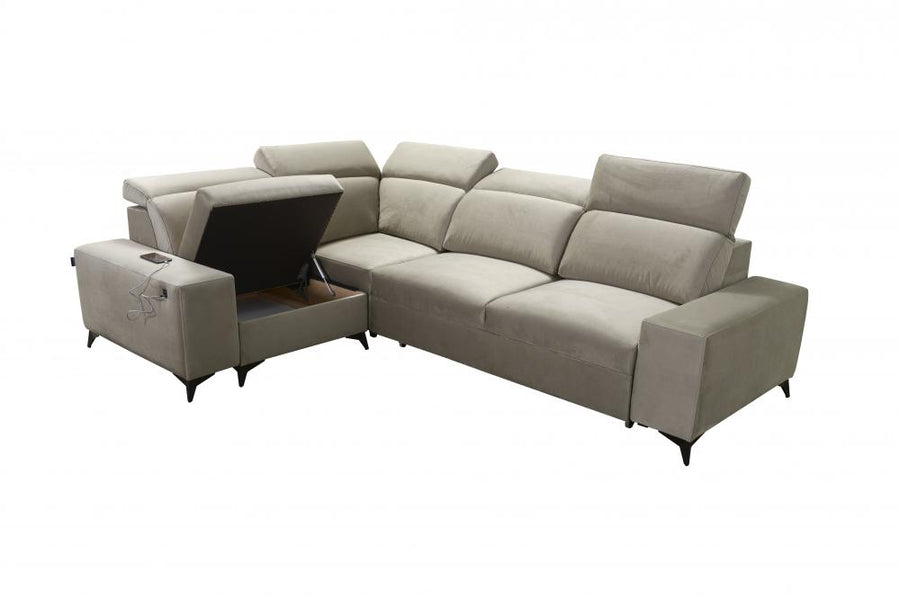
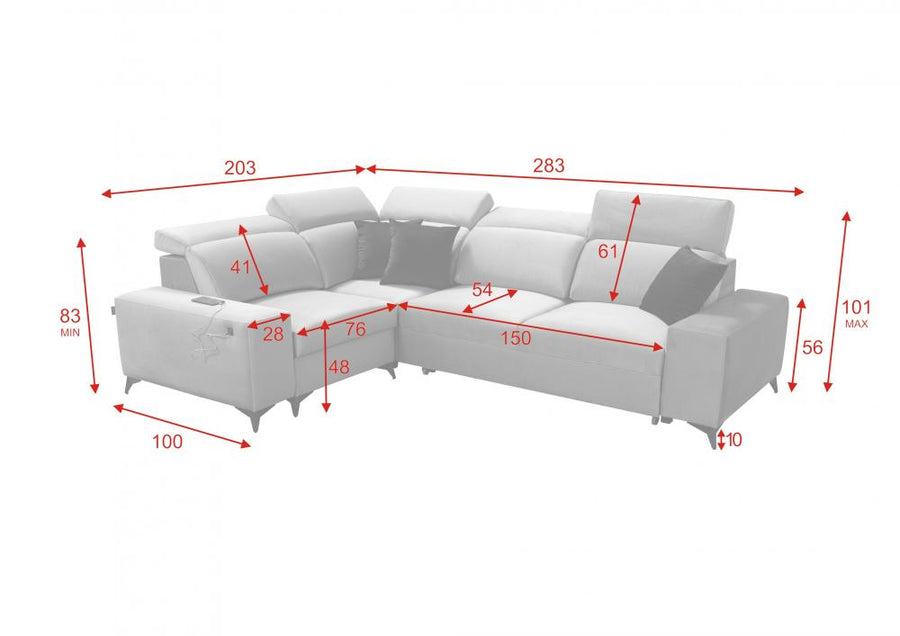
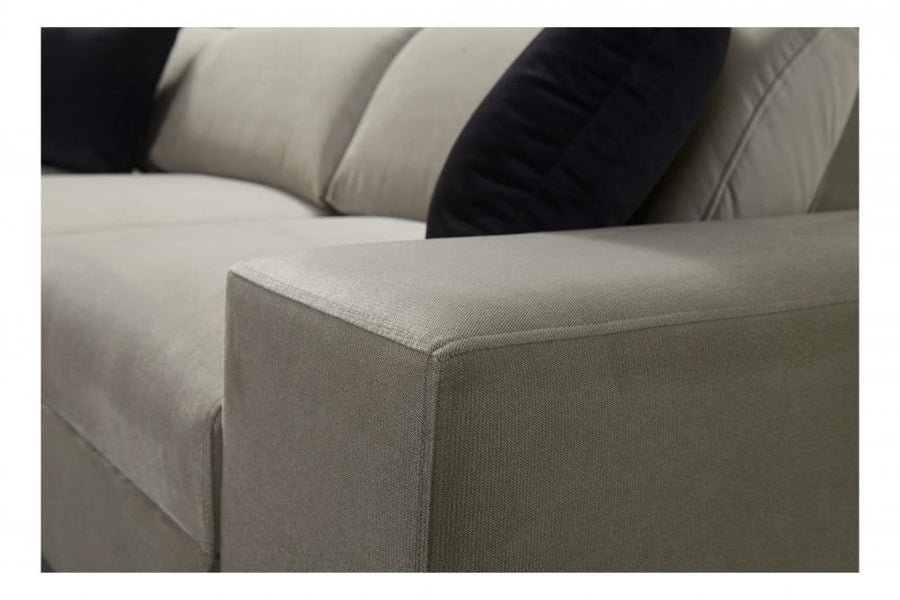
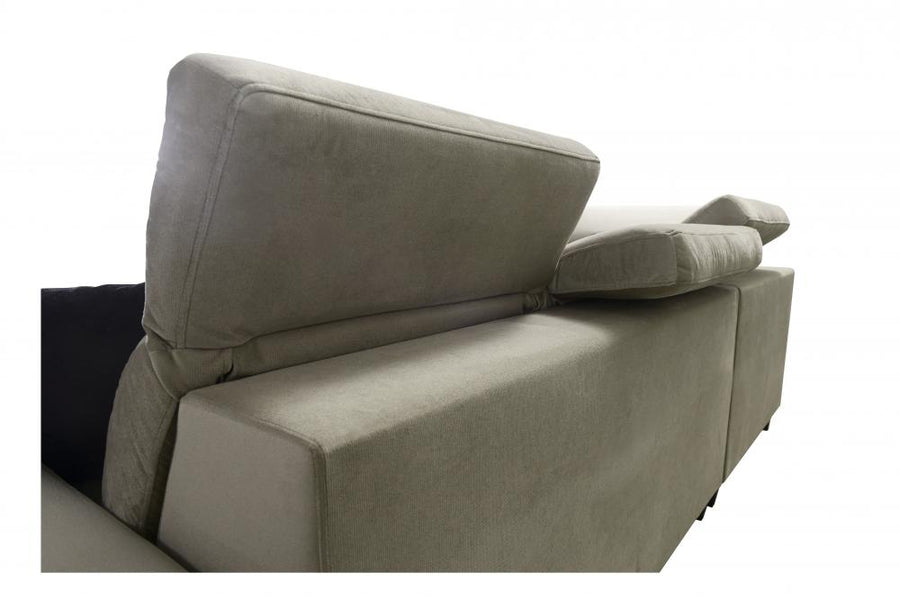


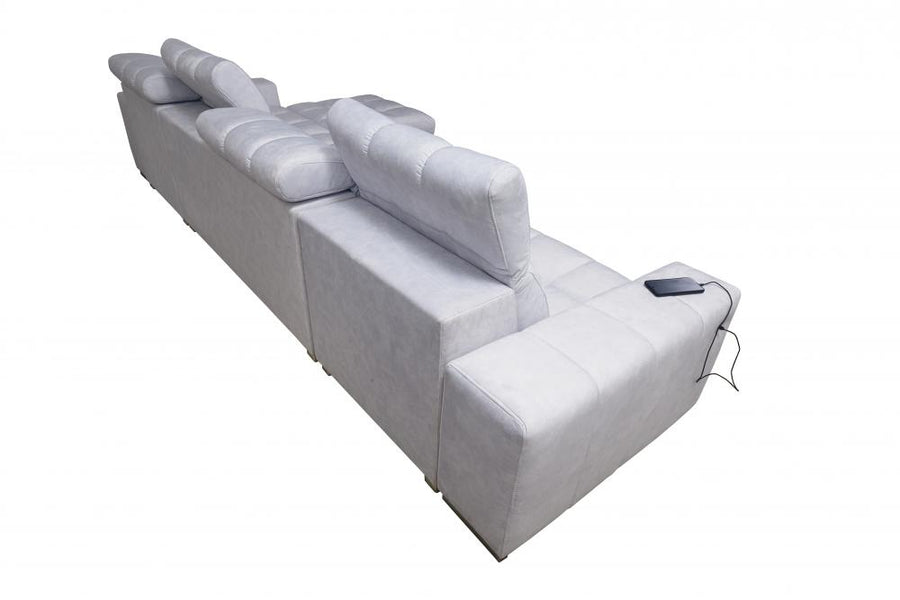


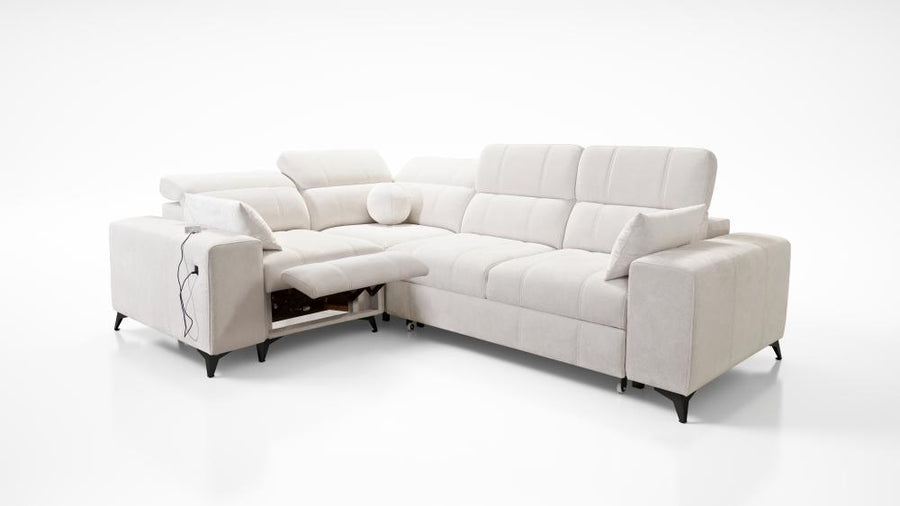
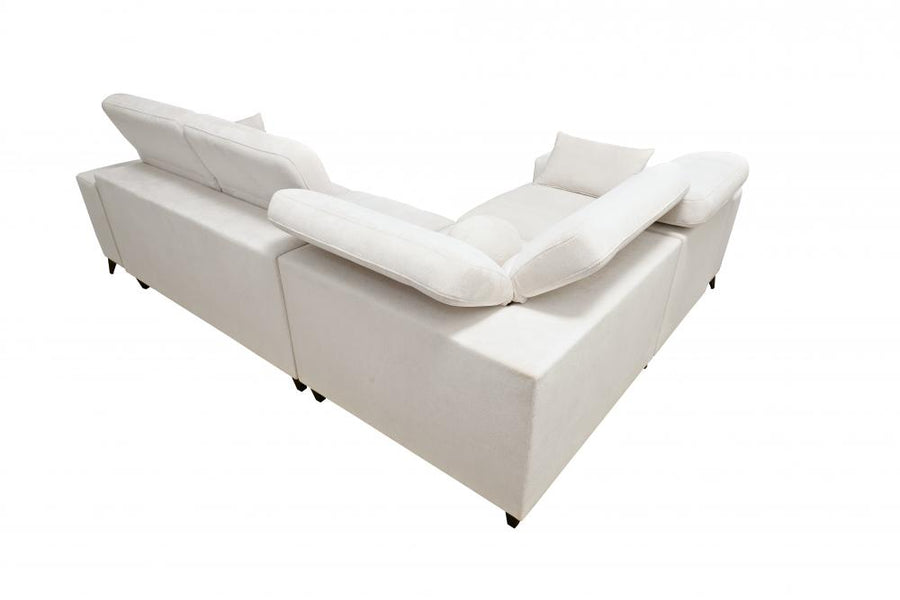


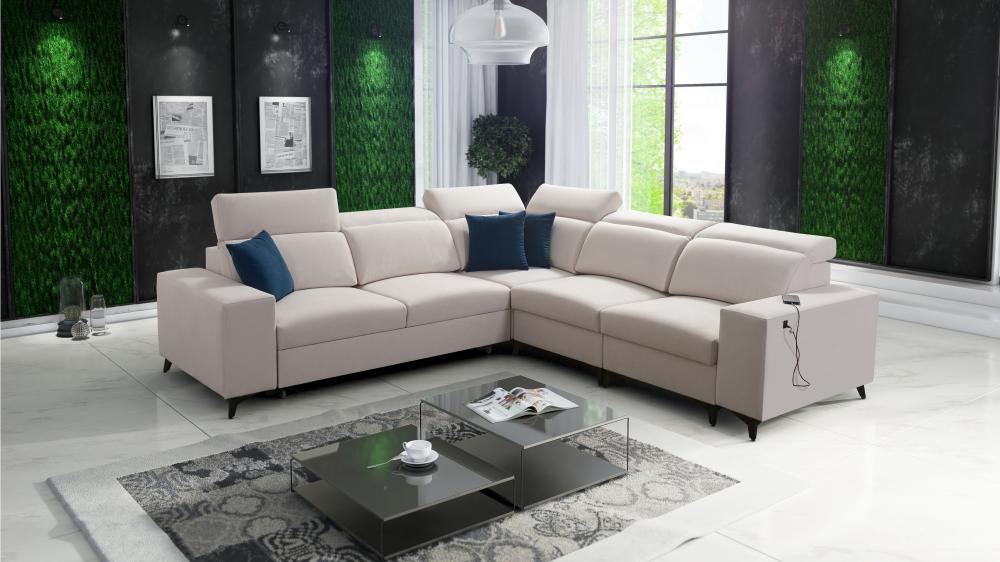


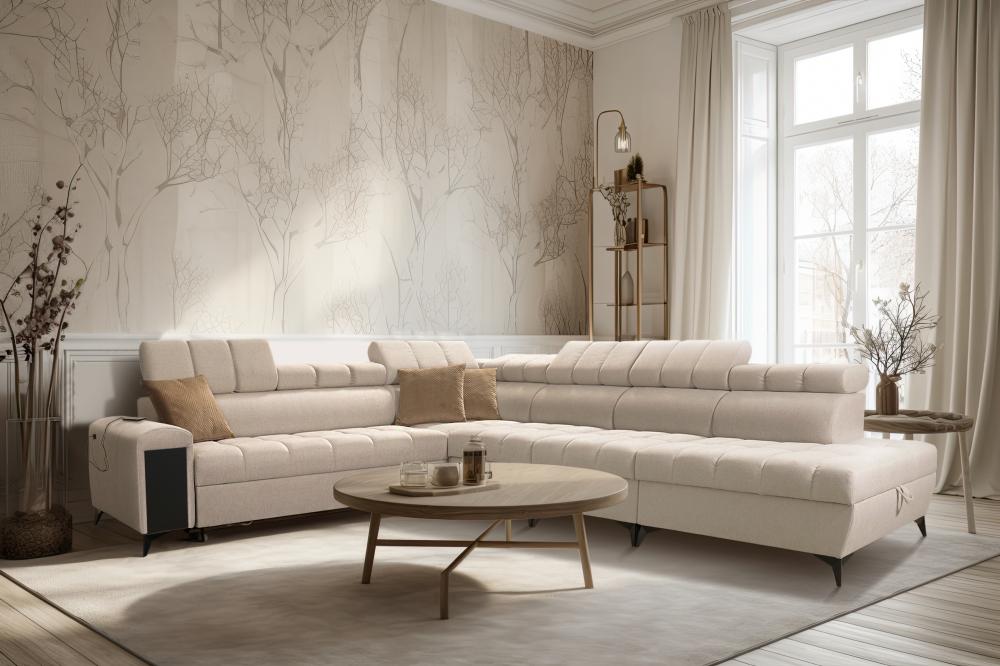


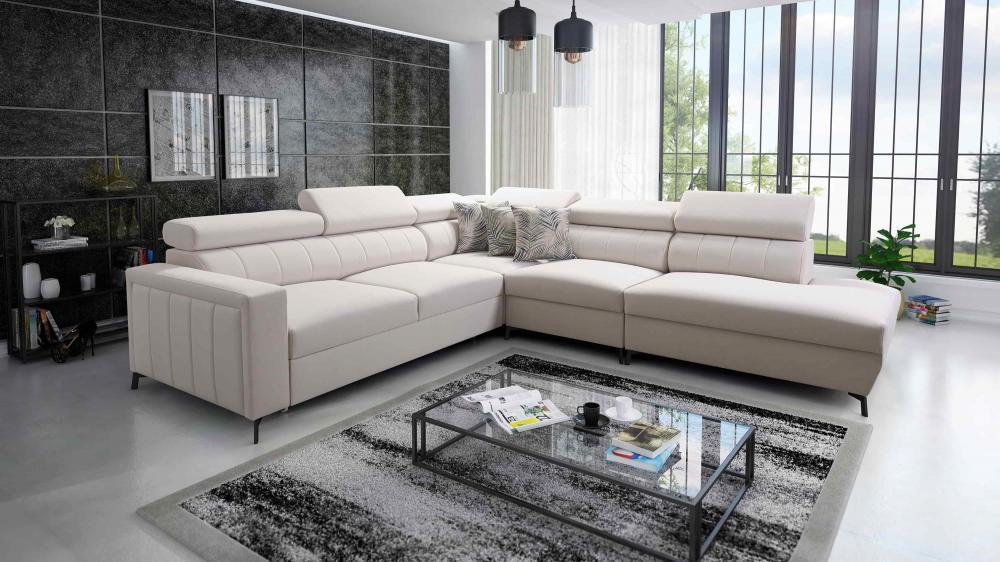


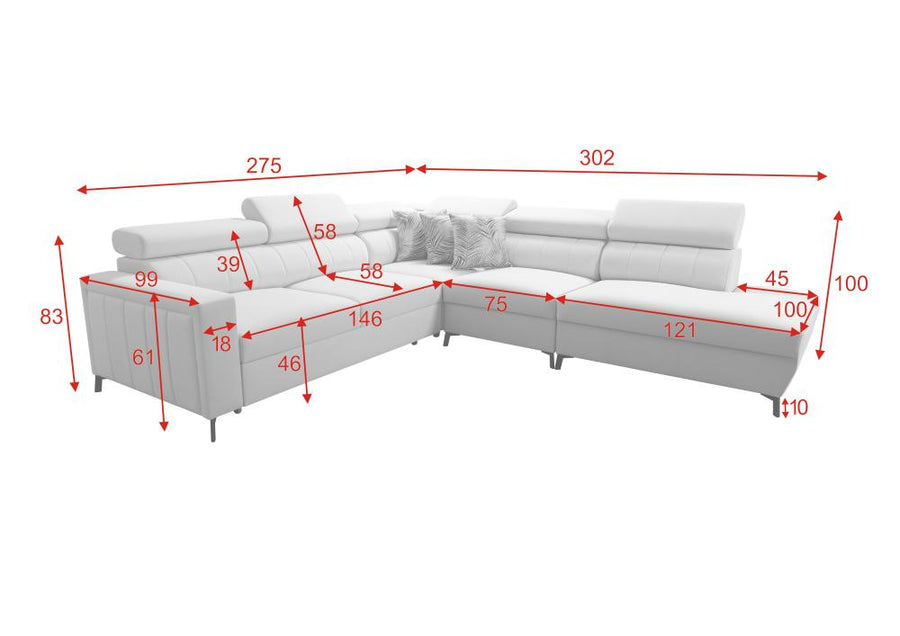


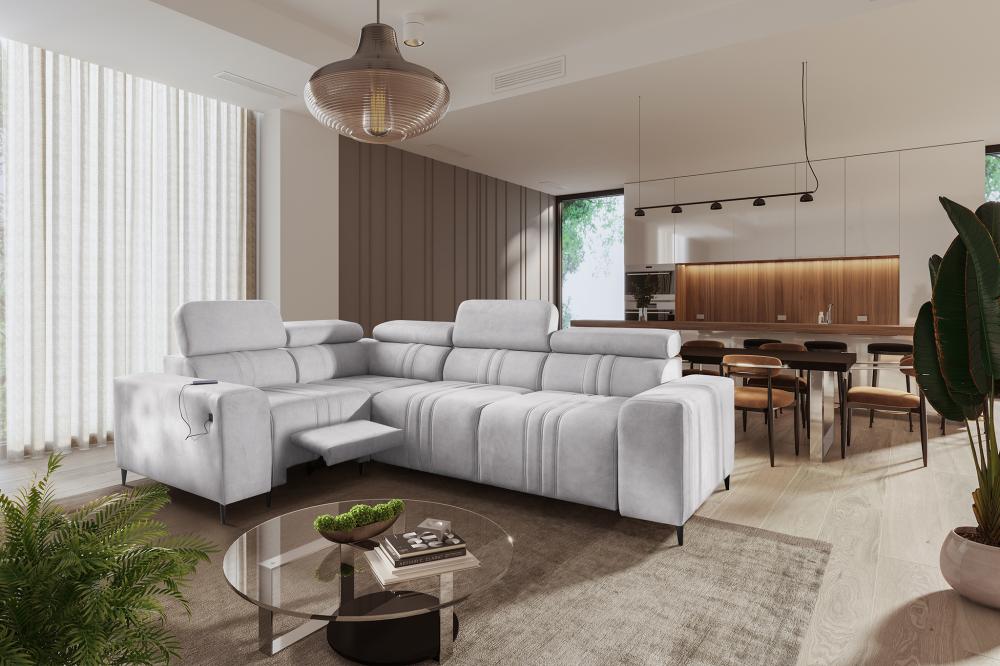


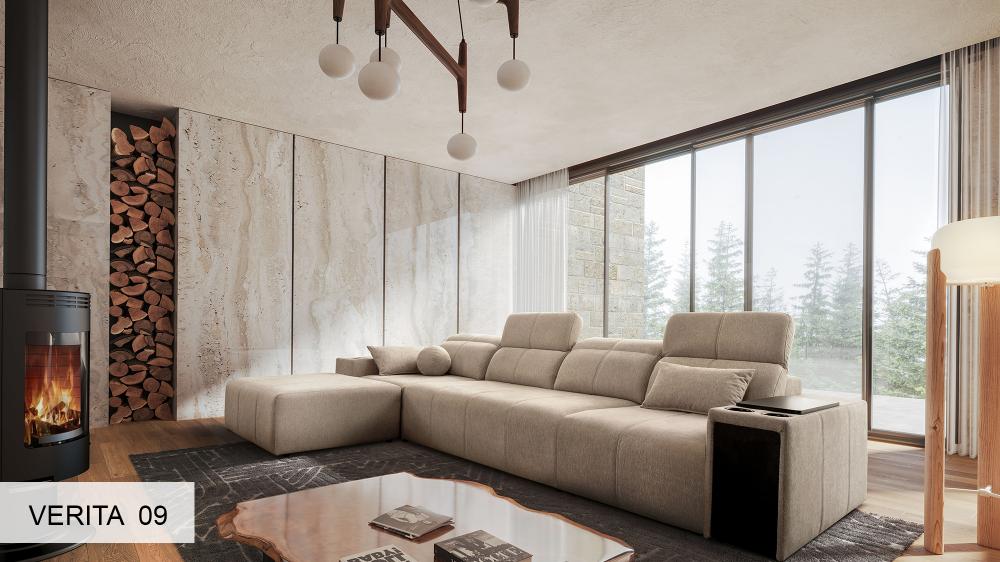


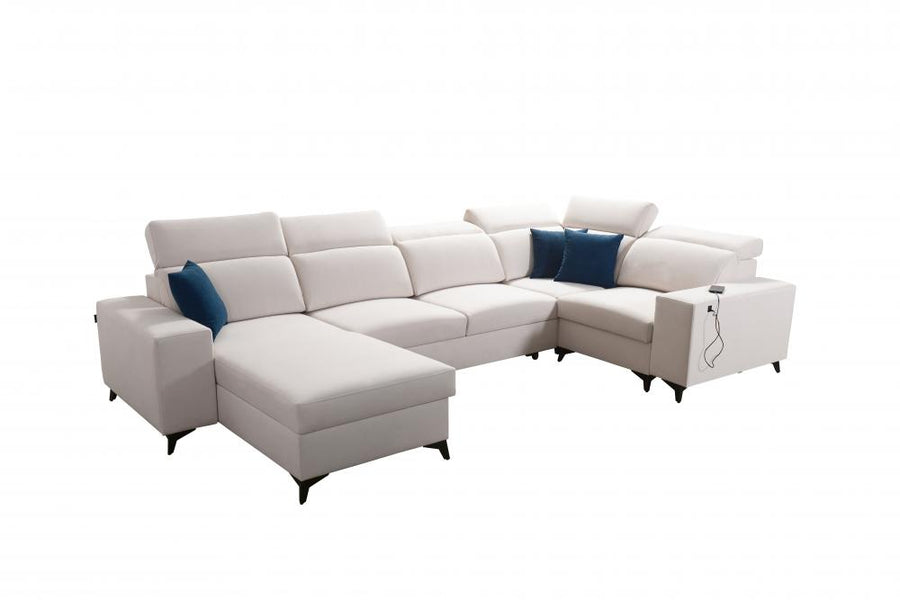


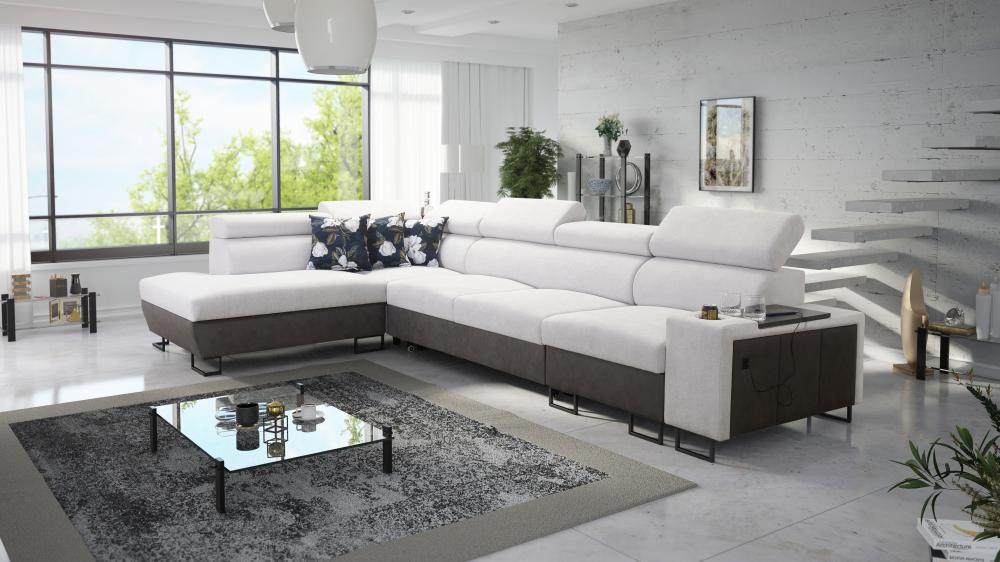


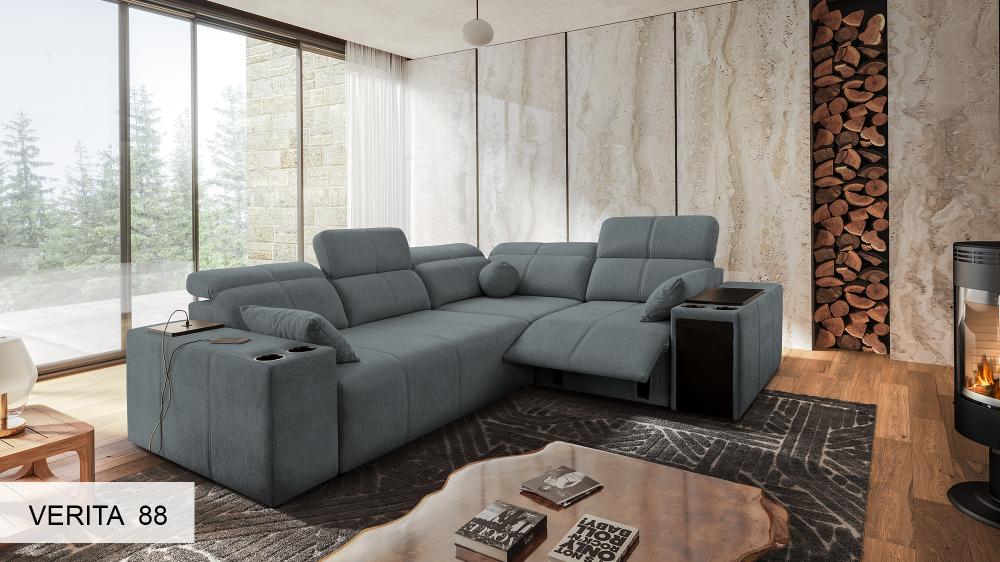


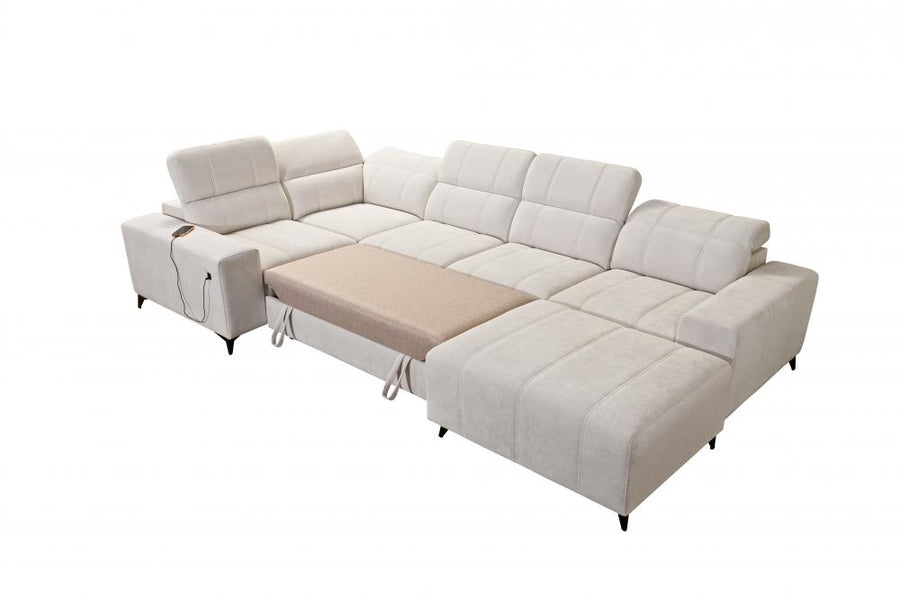
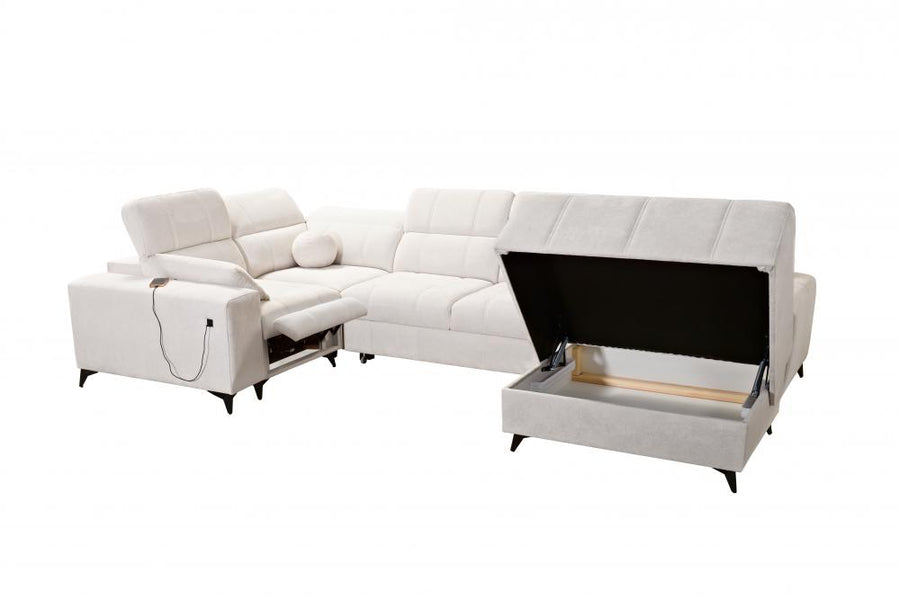


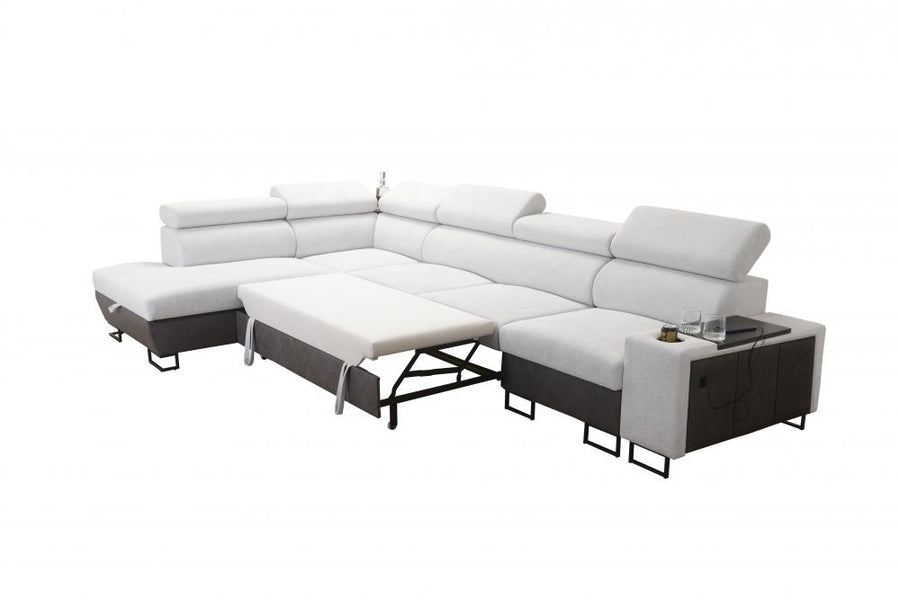


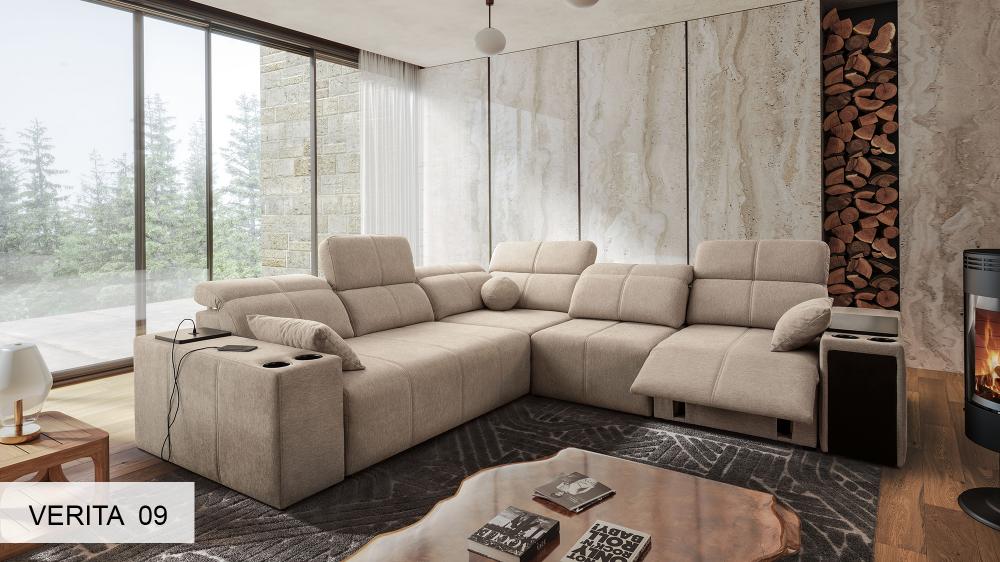


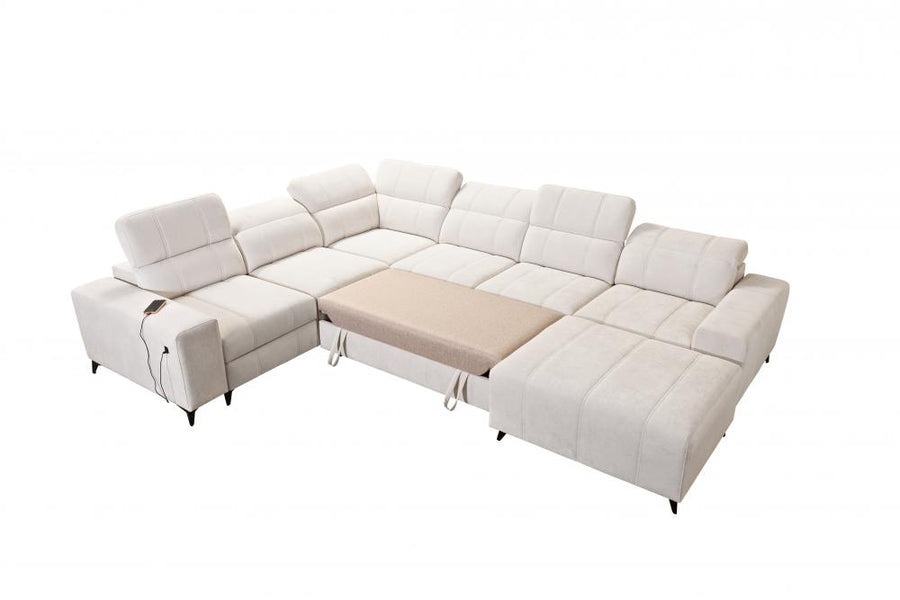
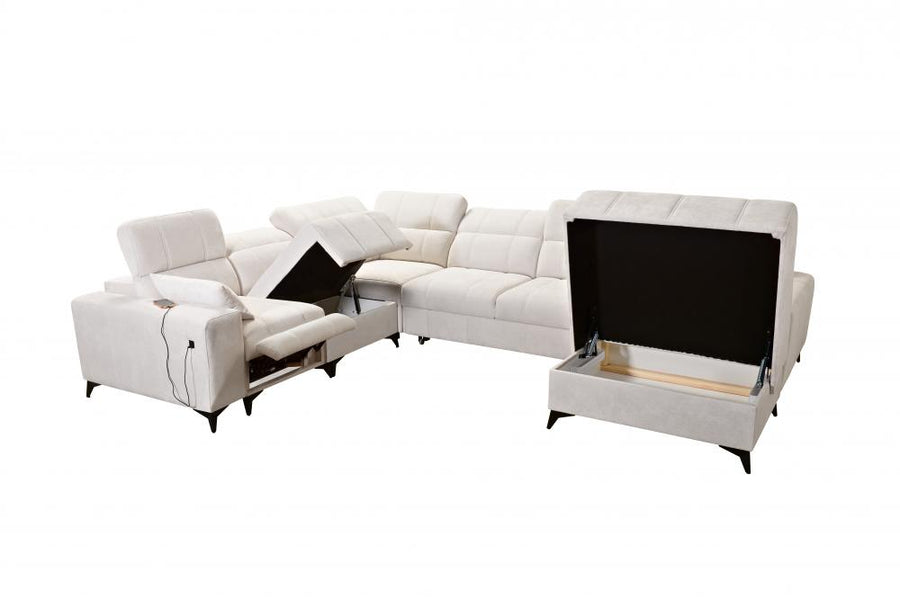
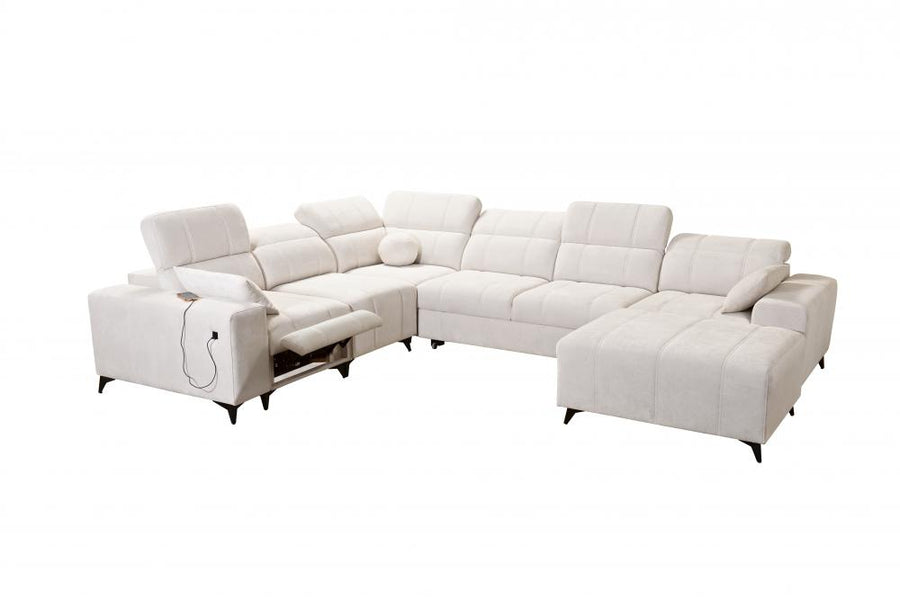


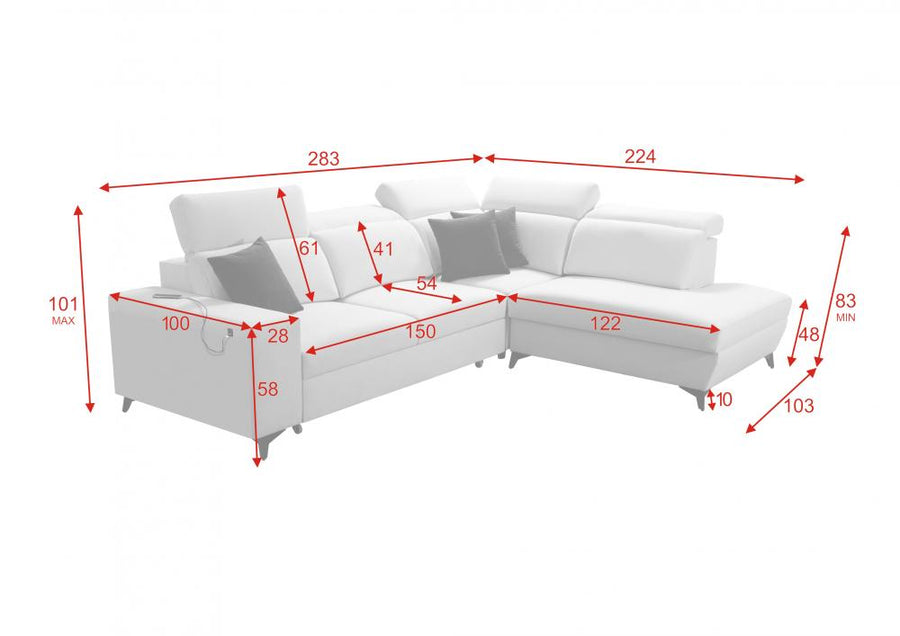
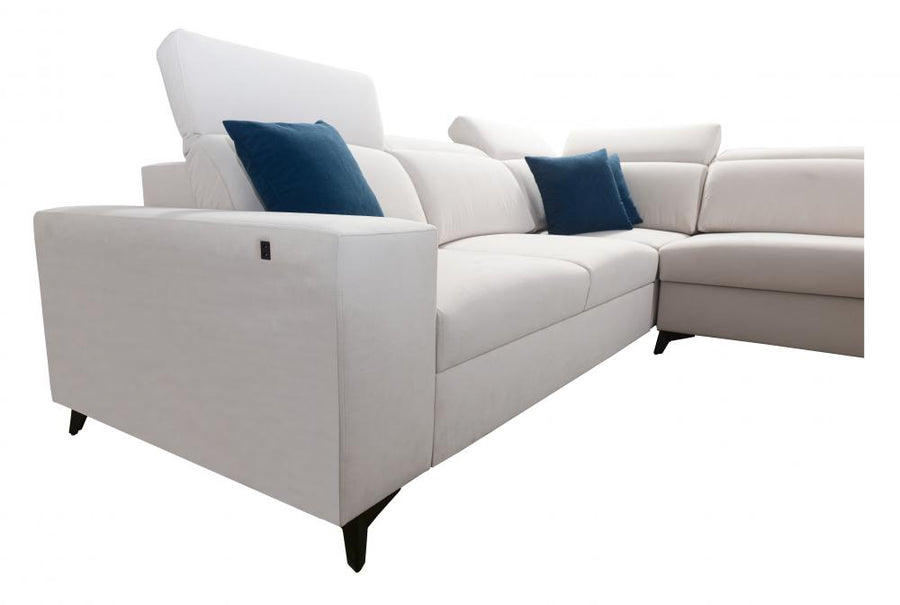
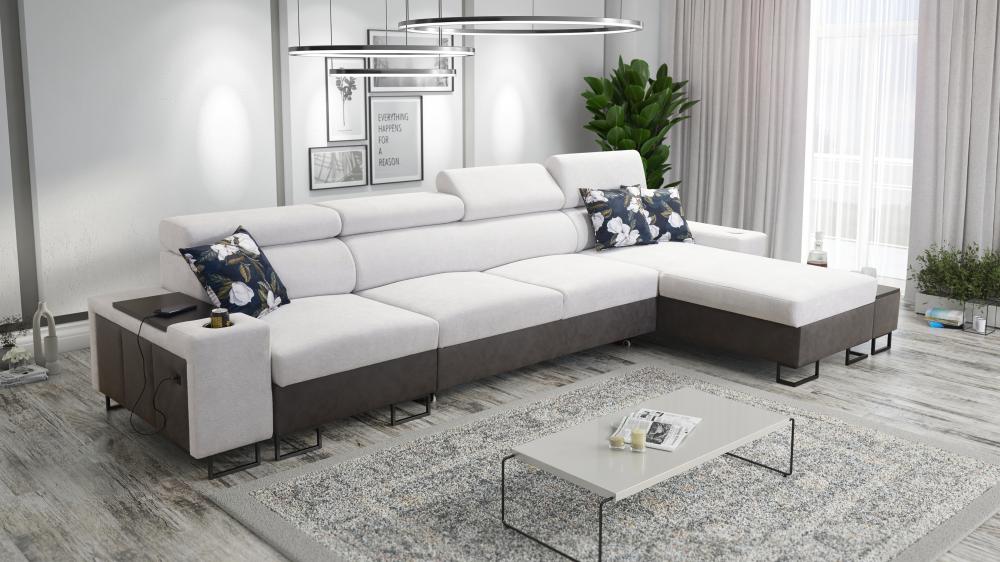
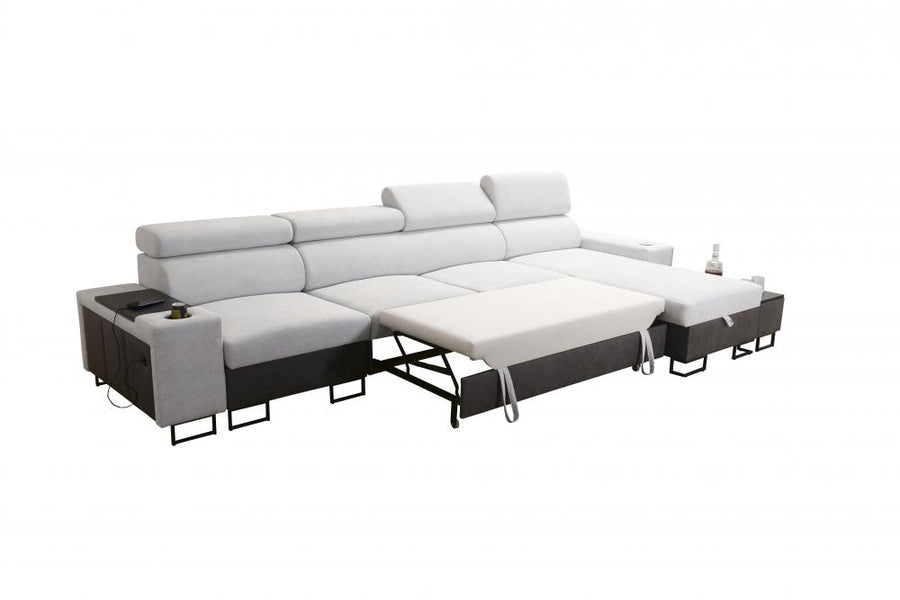
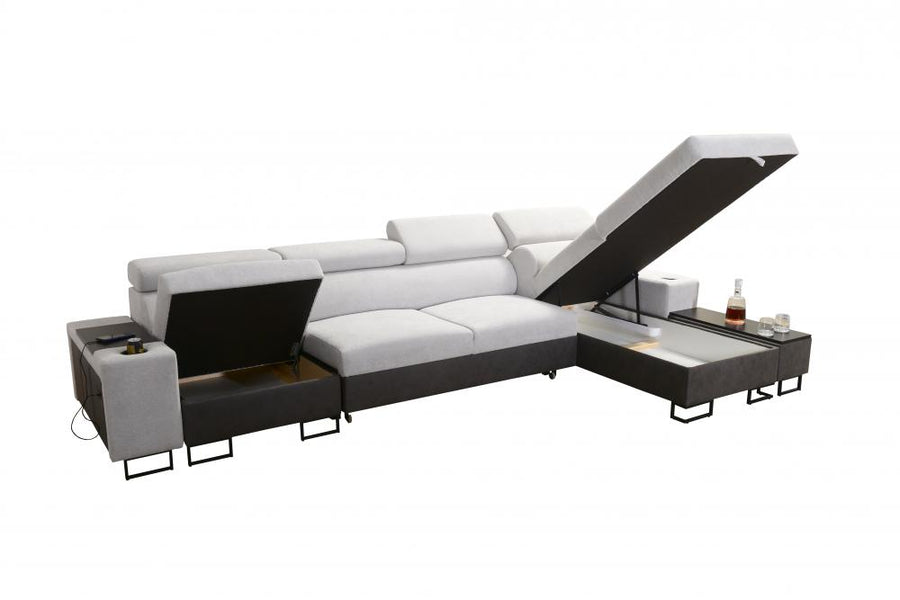
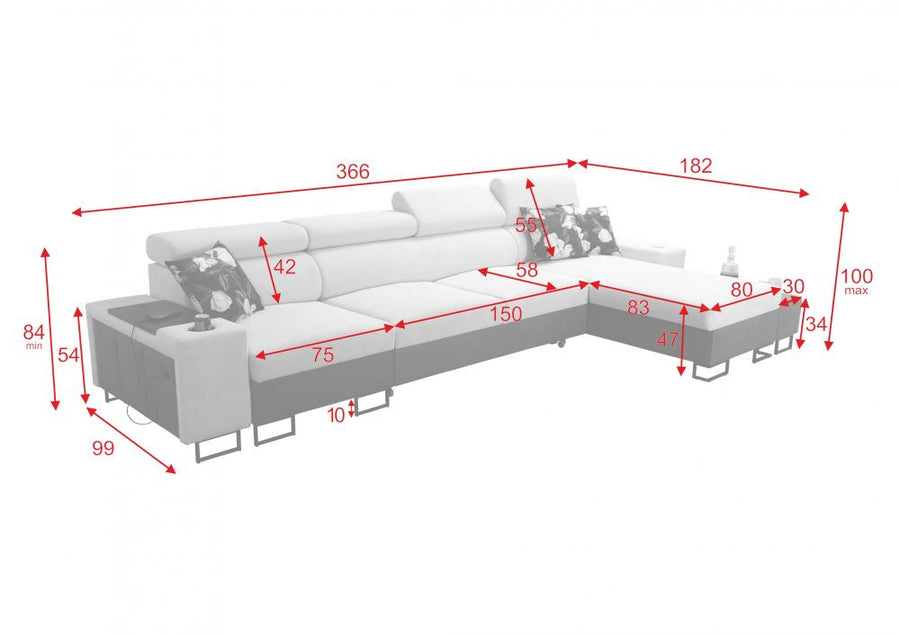
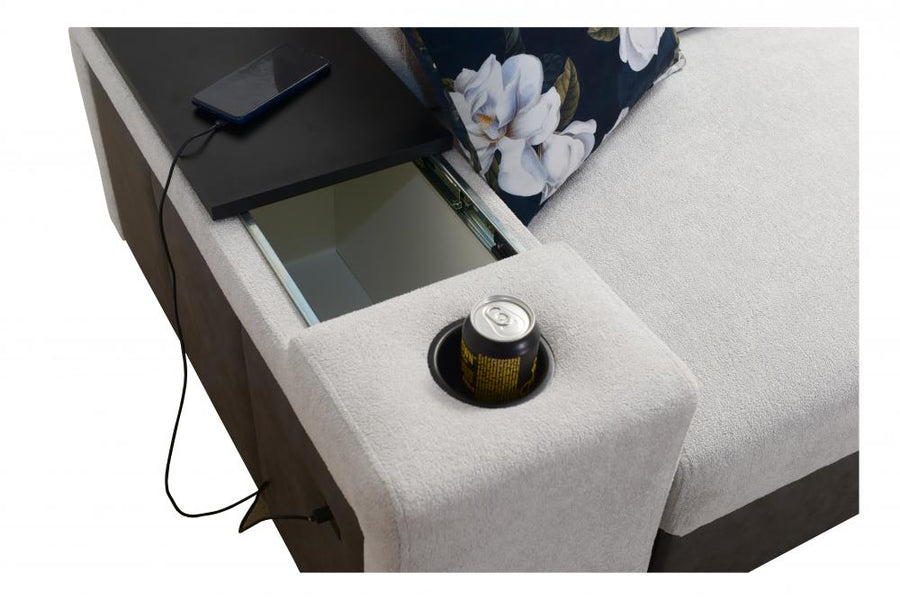
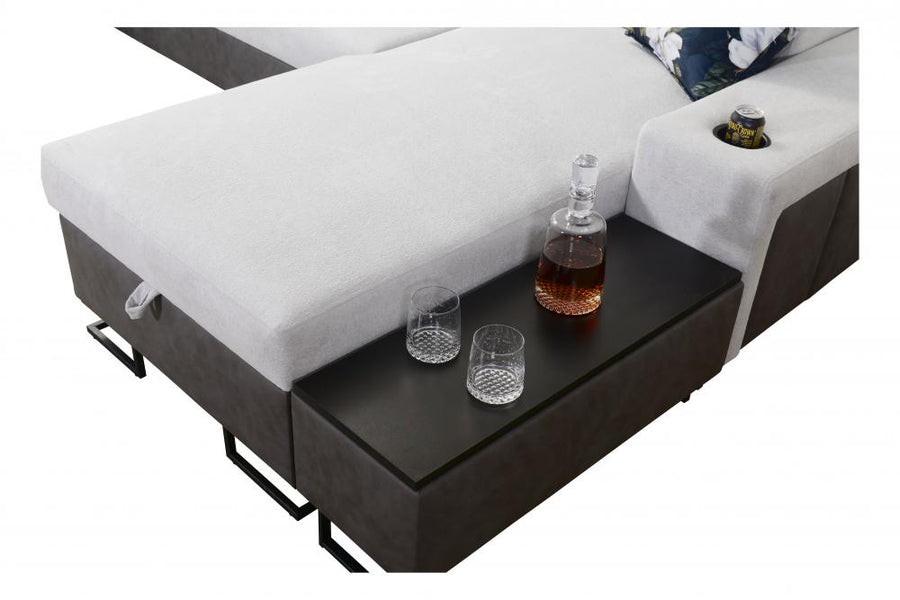


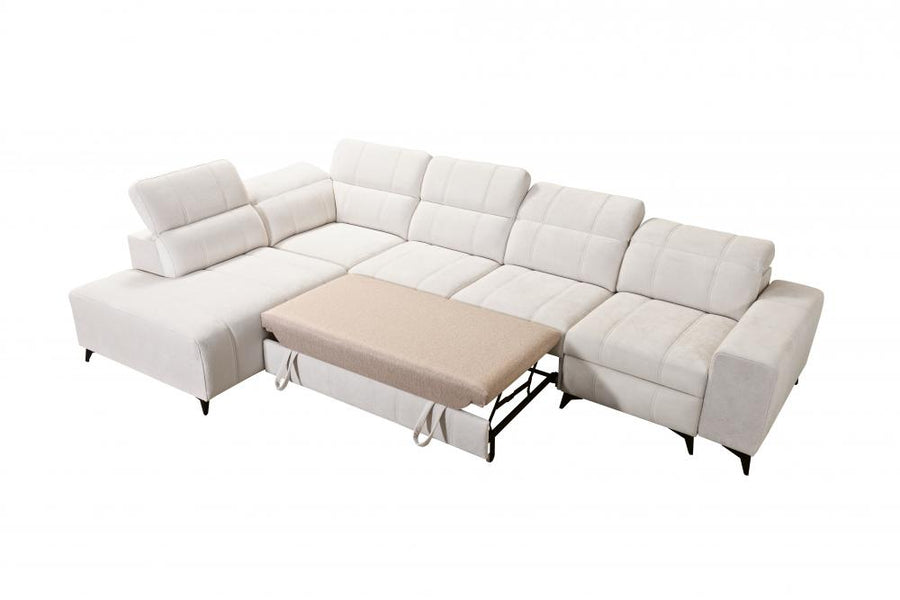
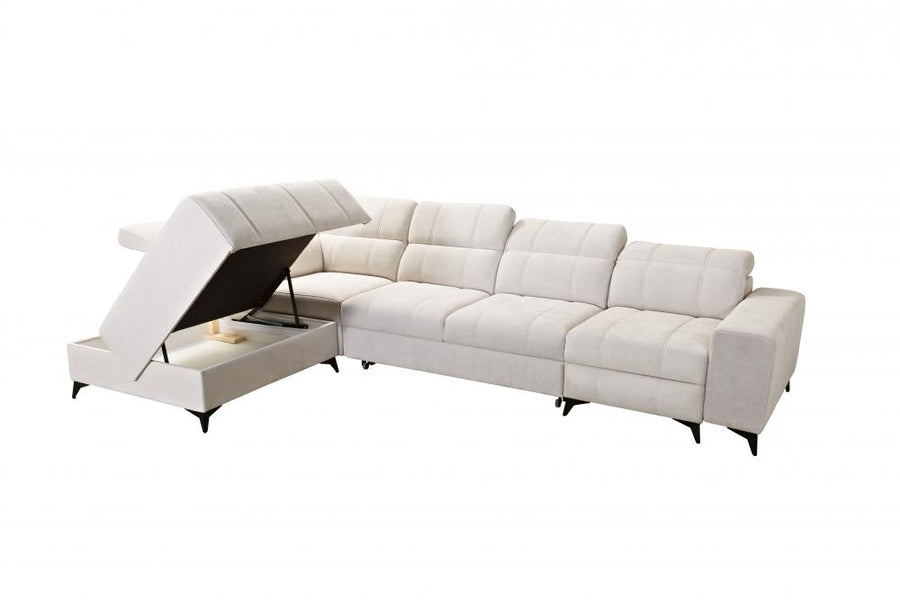


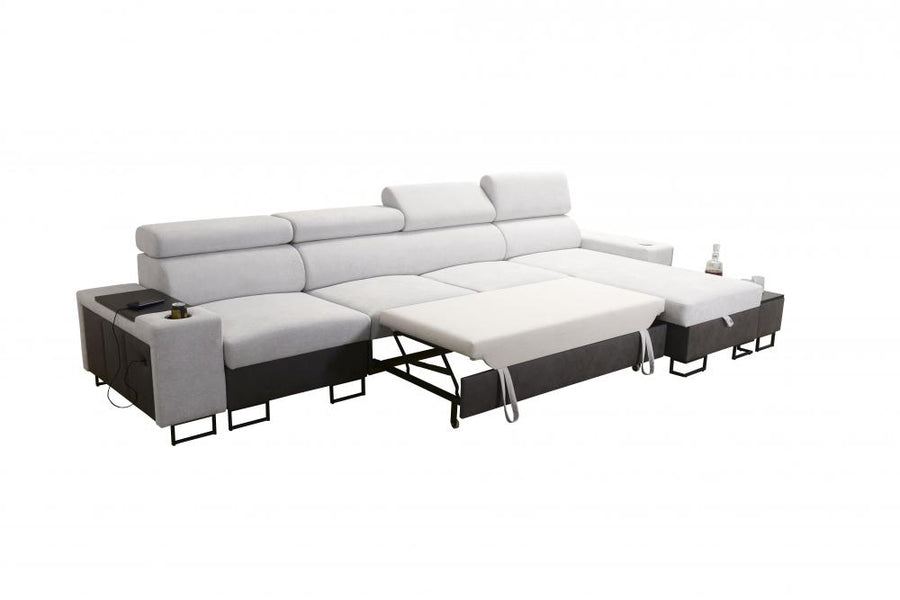
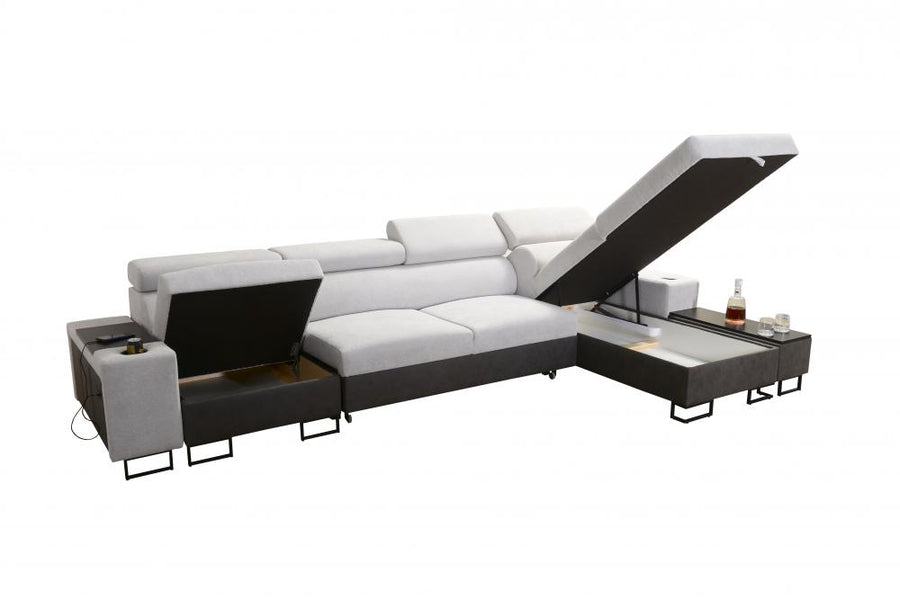
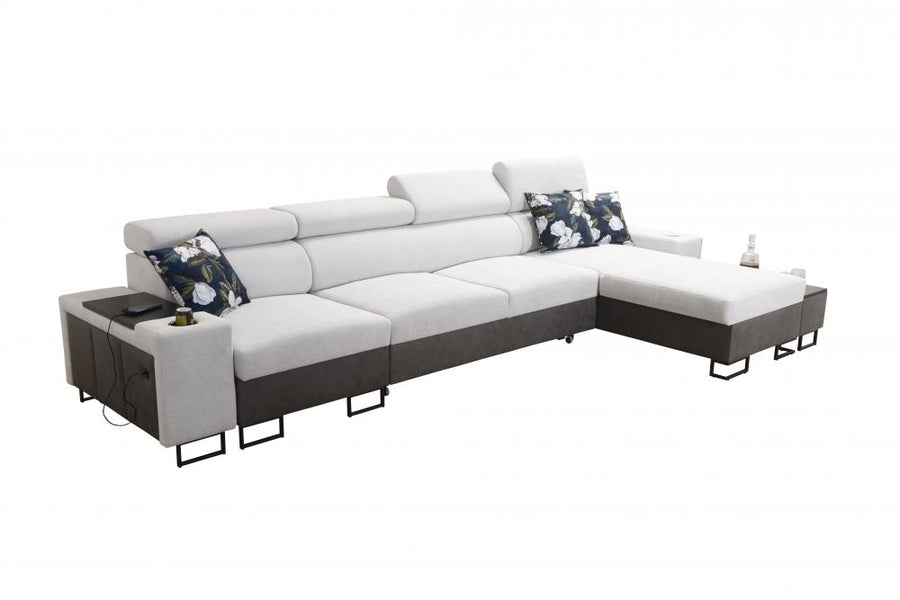
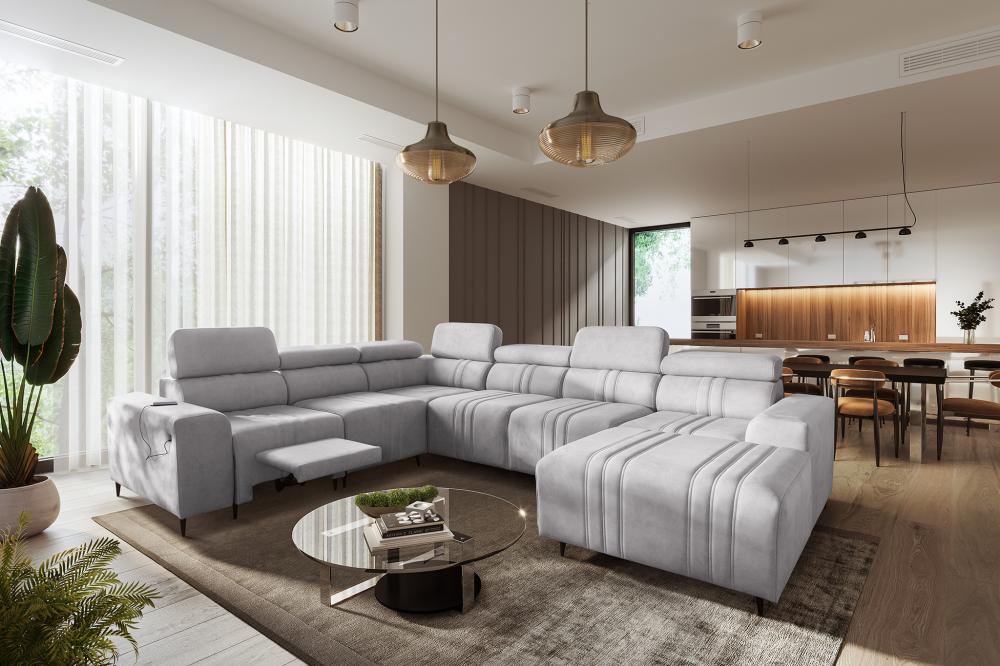


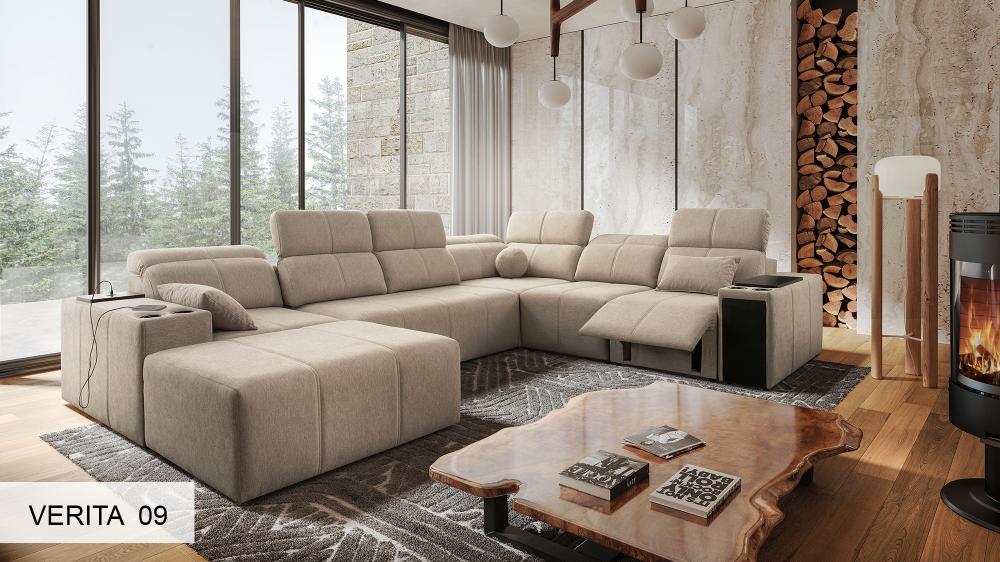


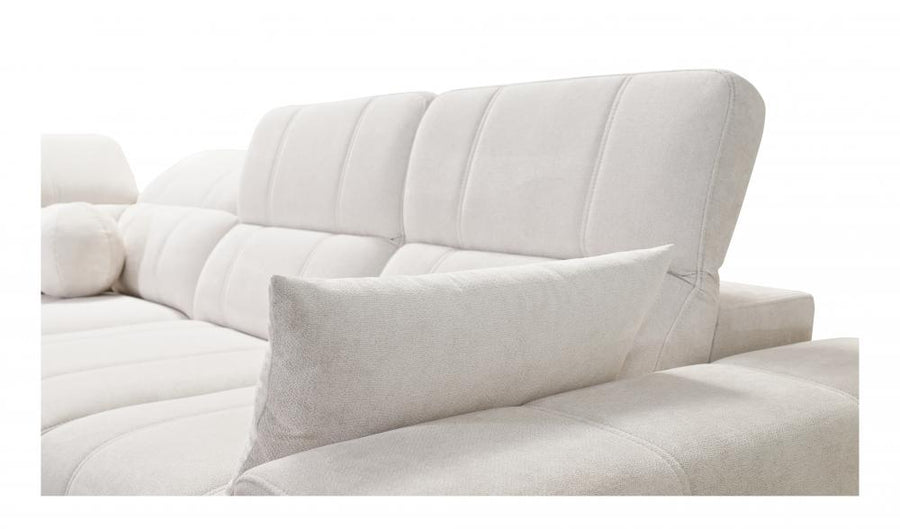


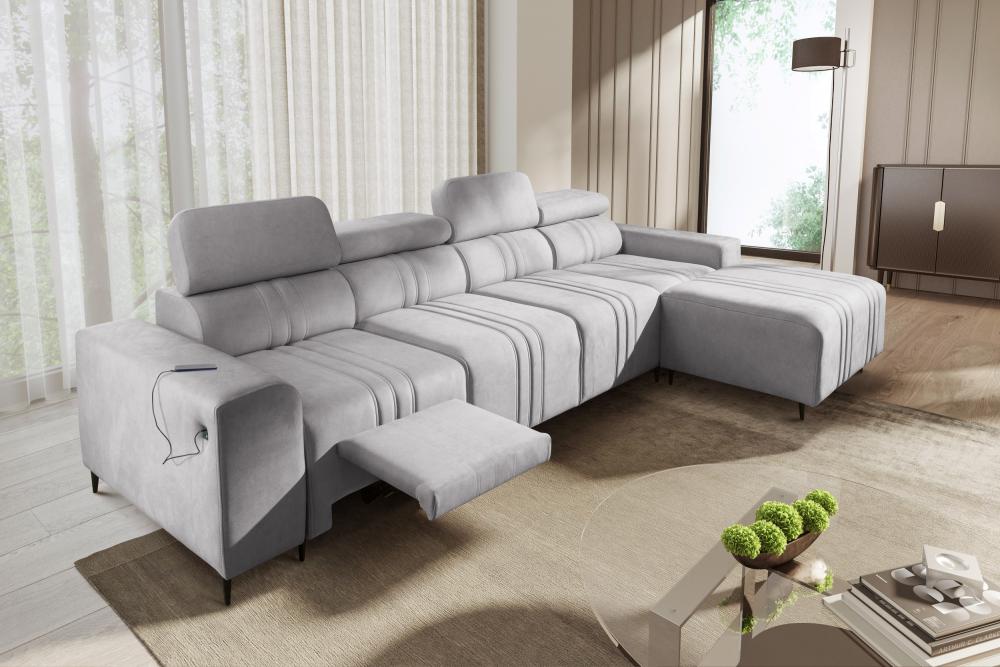









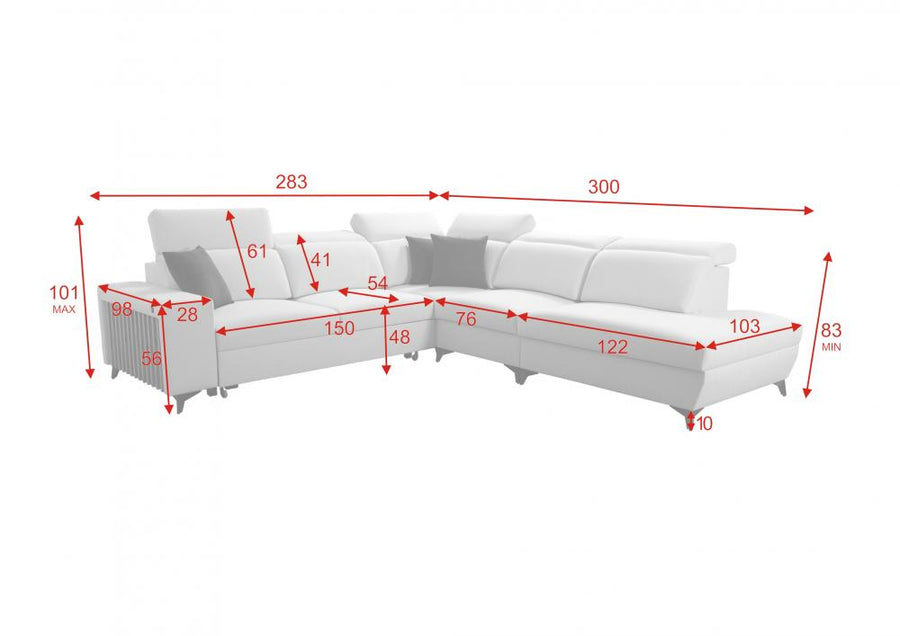


There is something in the canapé marocain that other styles cannot replicate: that thickness of velvet, that depth of colour reminiscent of the spices in a souk, and that low seat that invites you to curl up like in a riad in Marrakech. The canapé style marocain is not a piece of furniture you choose to follow a trend — it is a choice of atmosphere, an invitation to travel without moving. Kilim rugs, embroidered cushions, chiselled lanterns and warm light: the whole home arranges itself around it. At Kings Canapé, we have selected models that capture this spirit without turning it into pastiche: generous comfort, noble materials, and that extra soul that turns a living room into a place to live rather than just a room to furnish.
What is a canapé marocain — and why is it making such a strong comeback?
The canapé marocain draws its aesthetic from three complementary traditions: Berber craftsmanship, Arabo-Andalusian elegance, and the art of living of the riad. In practical terms, this translates into deep seats, low or tufted backs, velvets in warm tones (saffron red, terracotta, deep blue, yellow ochre), and a profusion of cushions that breaks with Scandinavian rigour. It is no coincidence that searches for canapé marocain have jumped by more than 80% in two years, according to Google Trends: interior design is turning away from cold minimalism to reintroduce texture, colour, and history.
A seat that tells the story of Morocco
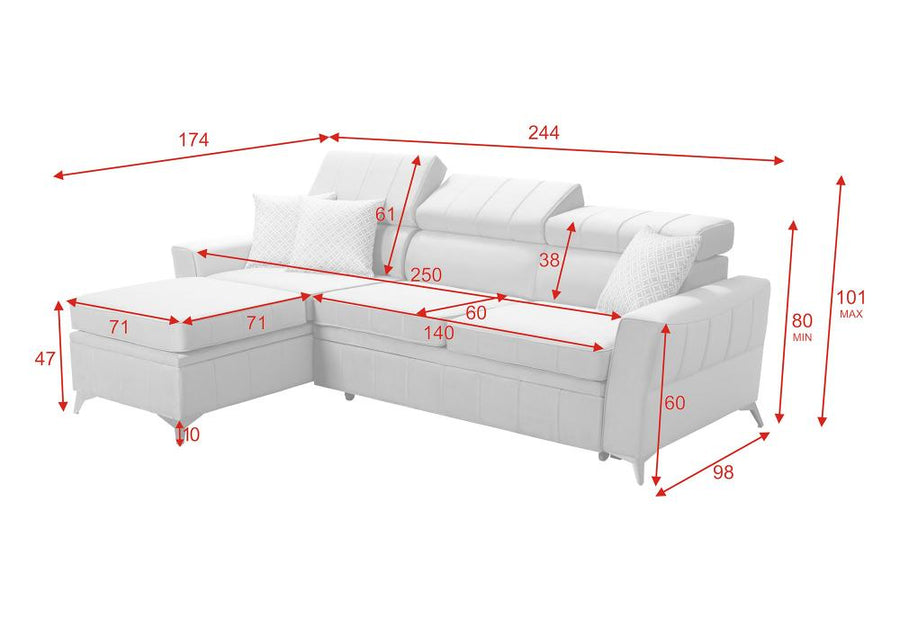
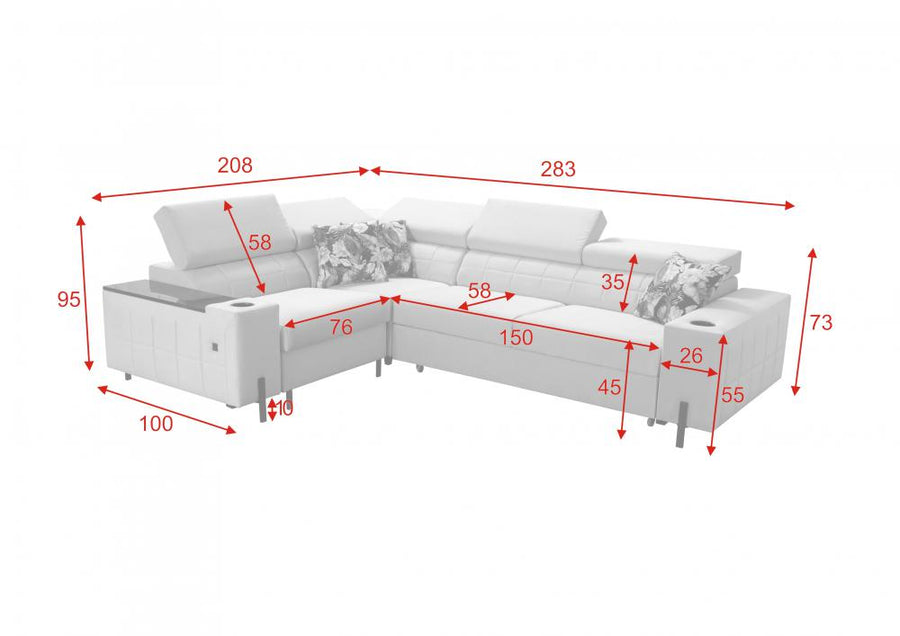
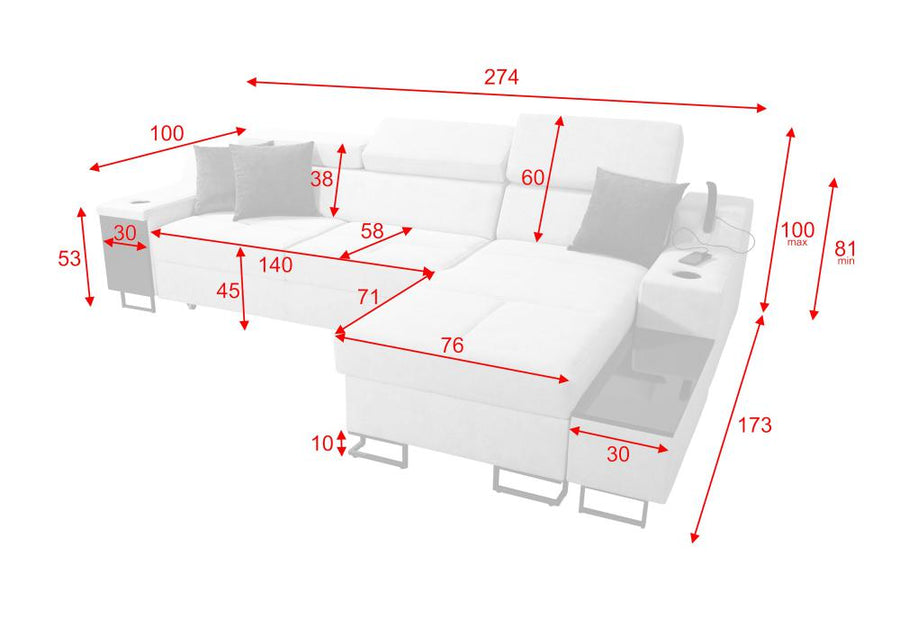
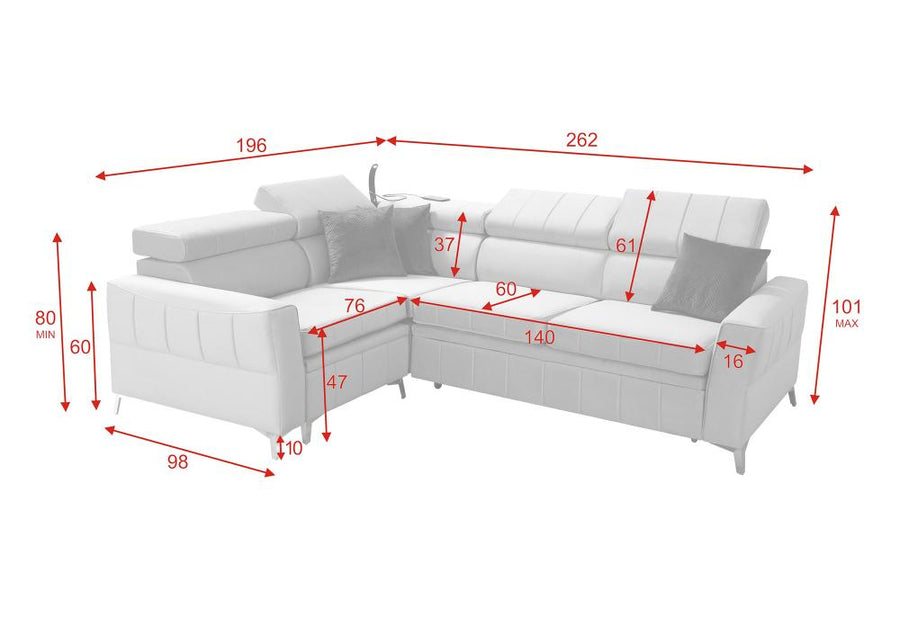
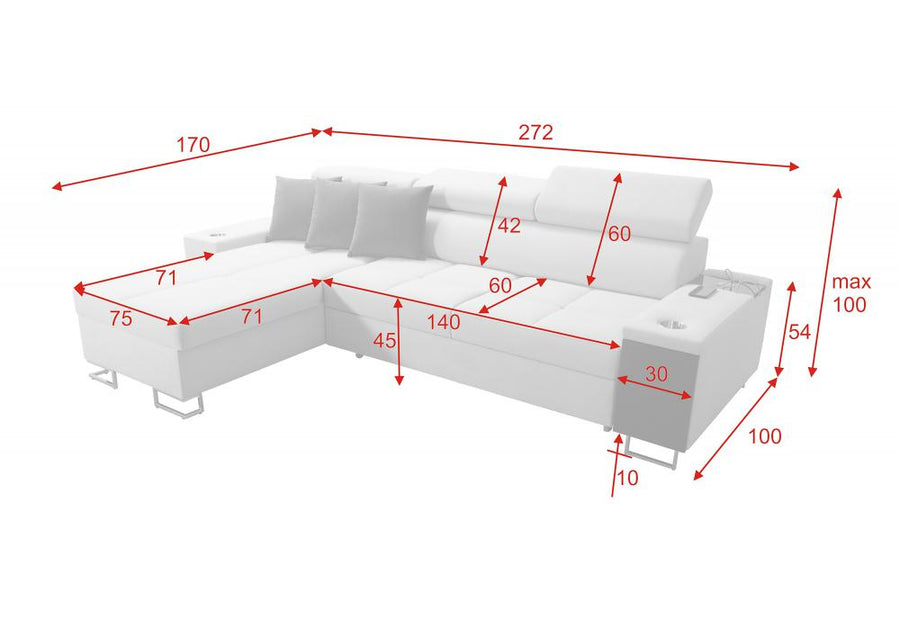
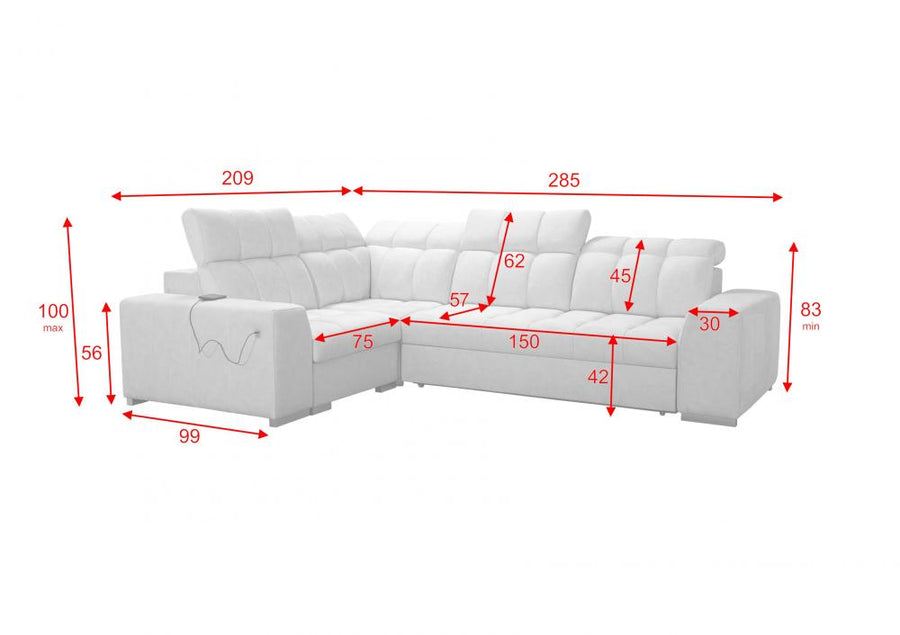
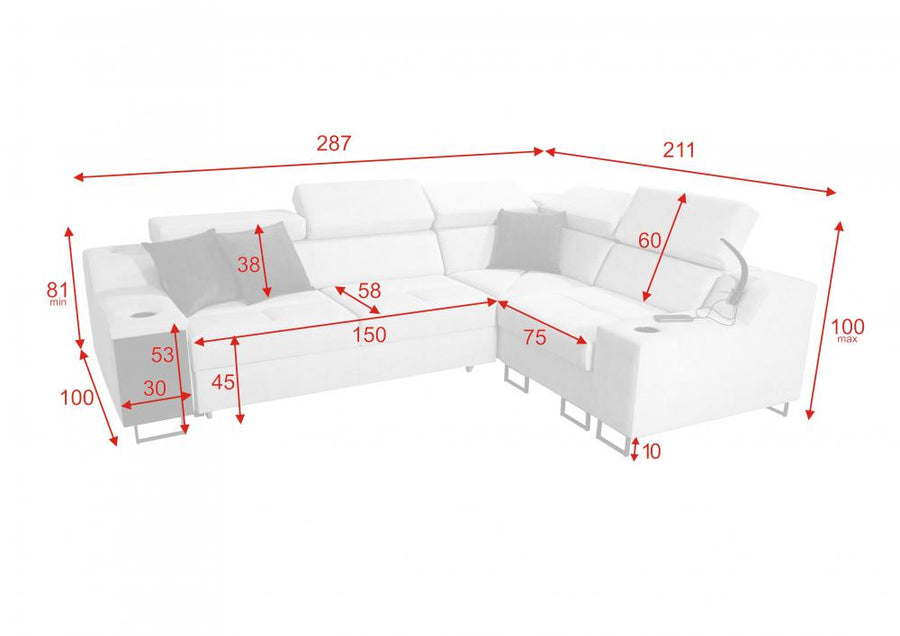
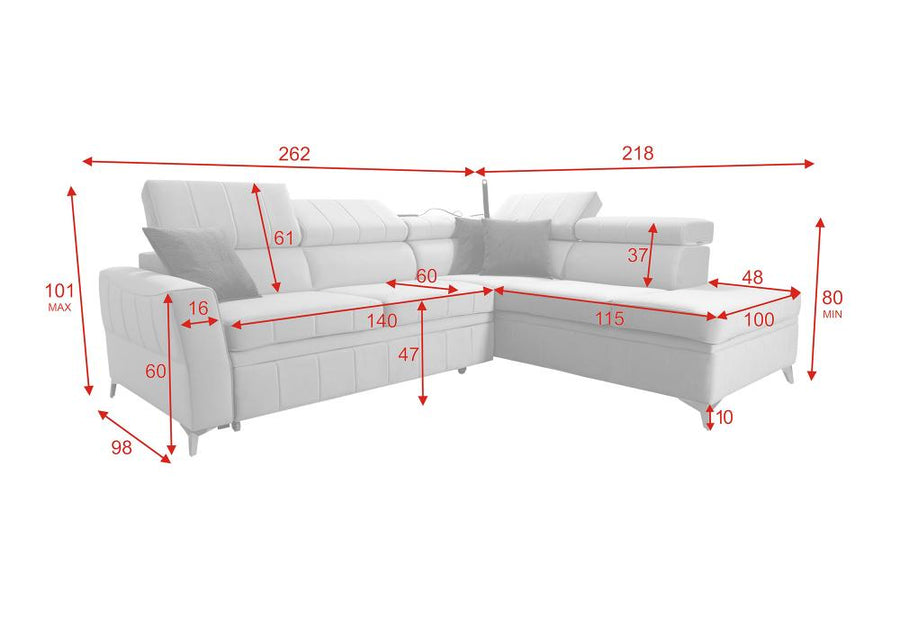
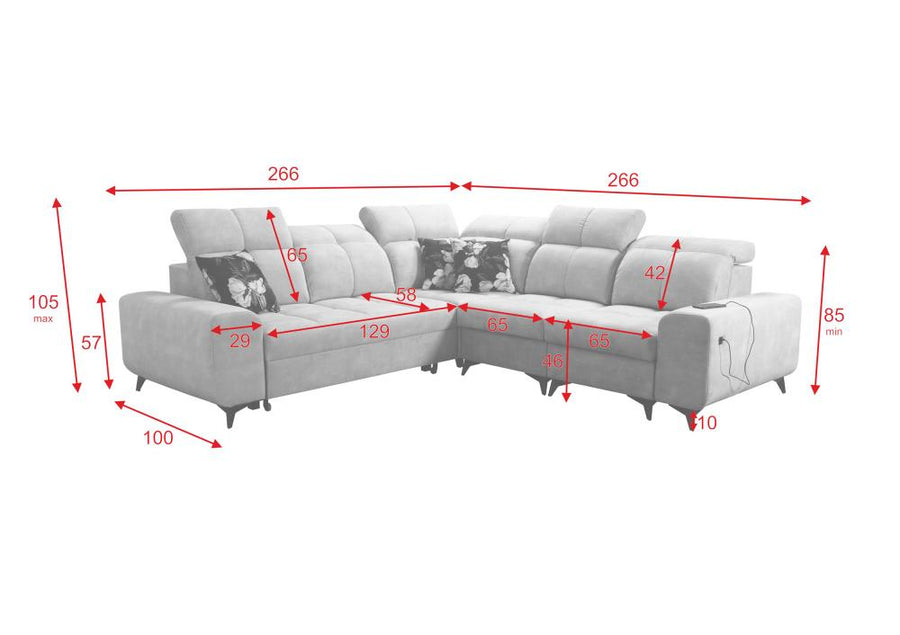
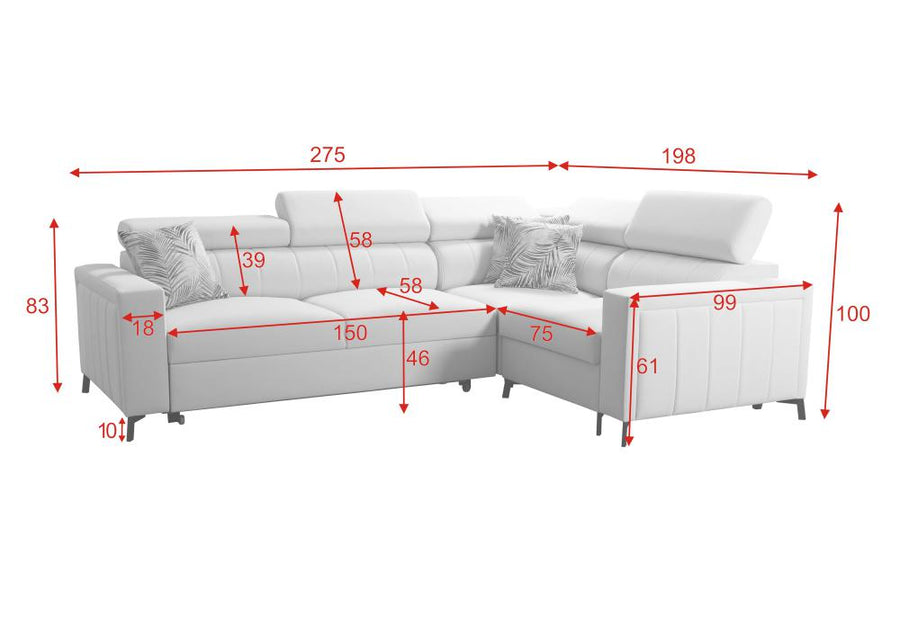
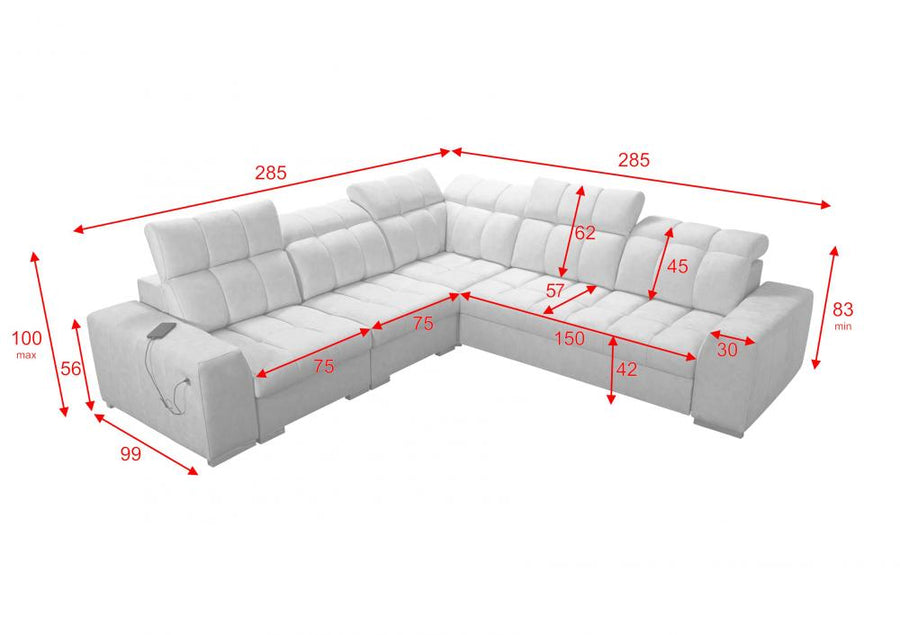
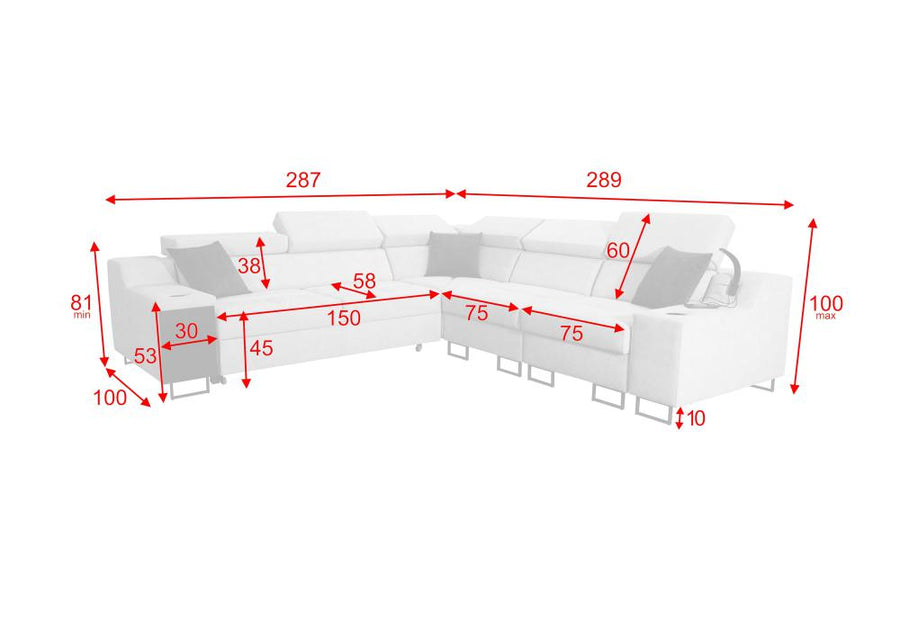
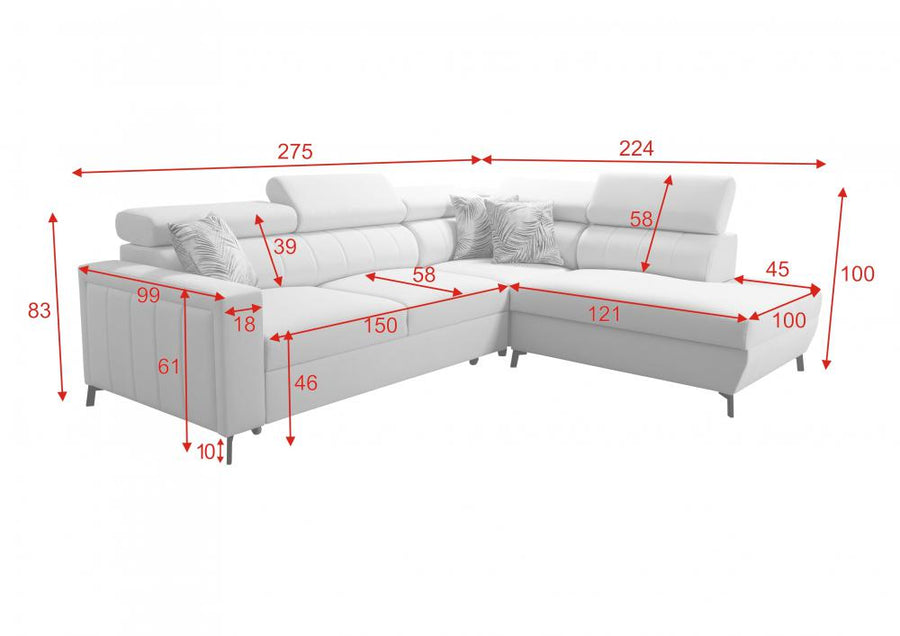
In a riad, you sit close to the ground, often directly on the rugs. The canapé d'inspiration marocaine transposes this ritual into a European setting: a seat height between 38 and 45 cm, generous depth (60 to 75 cm) to allow you to curl up, and inclined rather than vertical backs. It is the opposite of the canapé bas scandinave in posture, but shares the same rejection of rigid verticality.
The Berber cousin of the bohemian sofa
The canapé marocain and the canapé bohème are often confused. The distinction is clear, however: the bohemian is eclectic, nomadic, often mismatched; the Moroccan is dense, warm, and rich in textures. The first plays with freedom, the second plays with mastered abundance. Both share a love of velvet and cushions — hence the confusion — but their decorative grammar differs.
The materials that define the Moroccan style
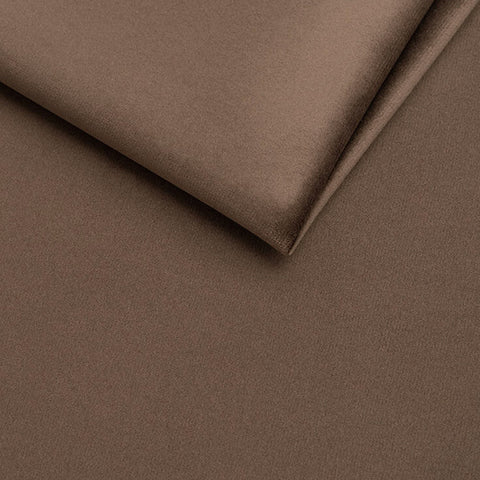
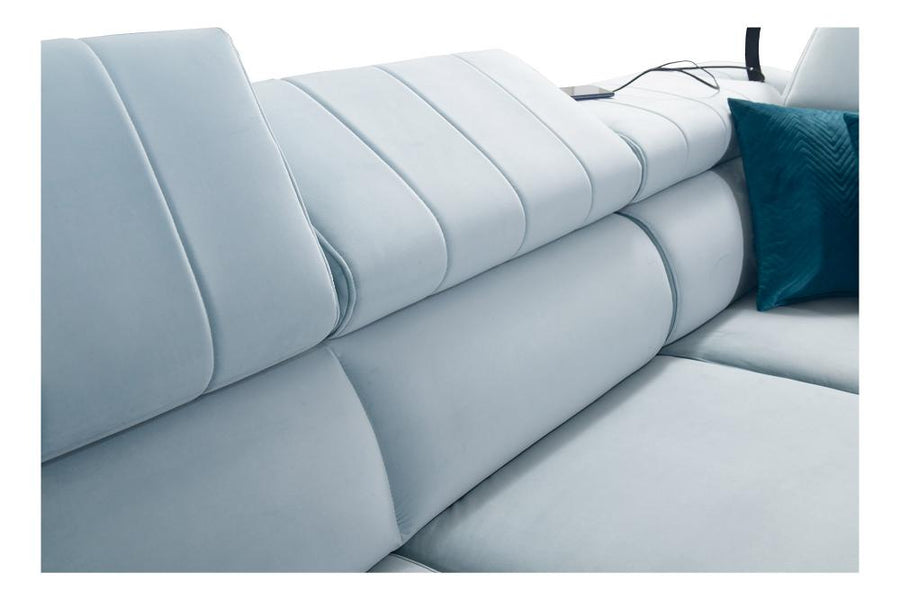
The eye immediately recognises a canapé marocain by its textures: short-pile or ribbed velvet, thick bouclé, sometimes patinated leather. The fabric does 70% of the work — it carries the colour, the light, and the authenticity.
Velvet, the undisputed king
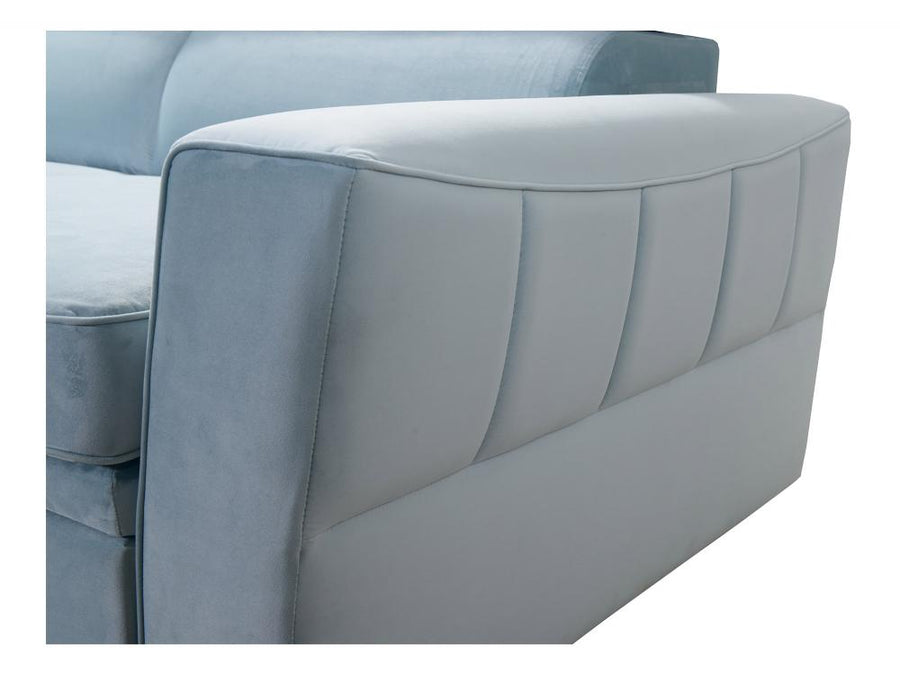
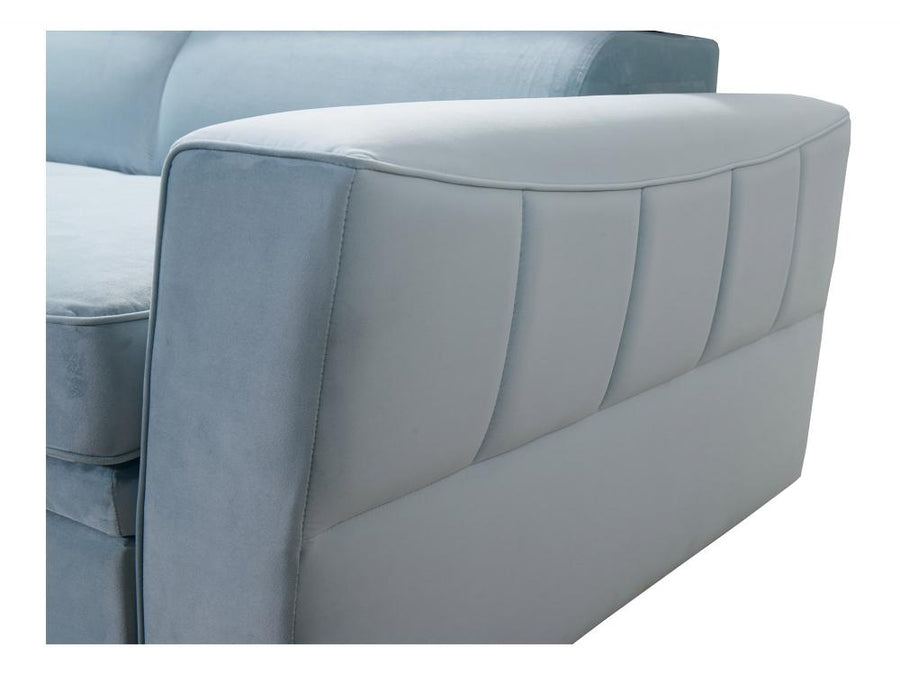
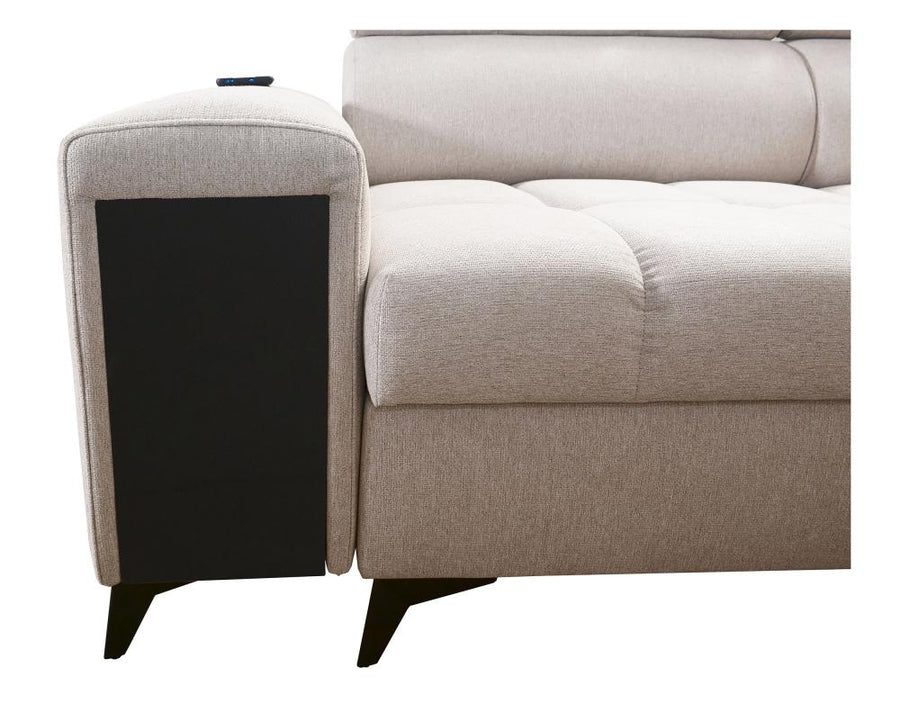
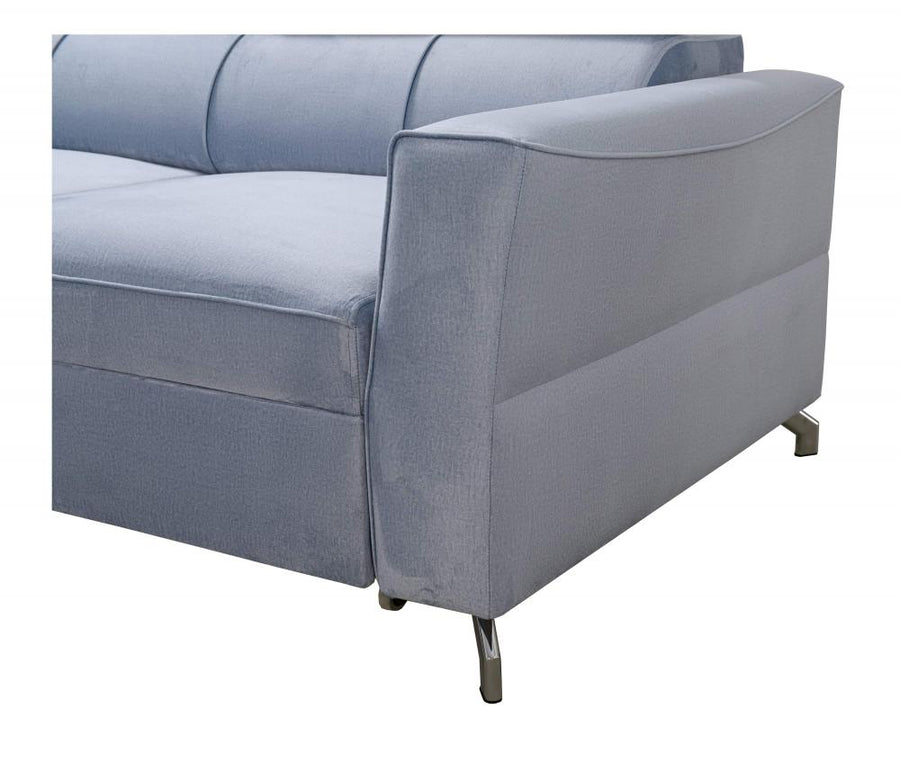
Velvet is the visual signature of the Moroccan style. It absorbs light, catches shadows, and gives the living room that depth of material that no matte fabric can achieve. On a canapé marocain, you look for a short-pile velvet (ribbed or smooth), resistant to wear, in warm tones: terracotta, saffron, midnight blue, emerald green, deep red. Modern synthetic versions offer the advantage of being water-repellent and stain-resistant, which makes them a realistic choice for a family.
Bouclé and artisanal relief
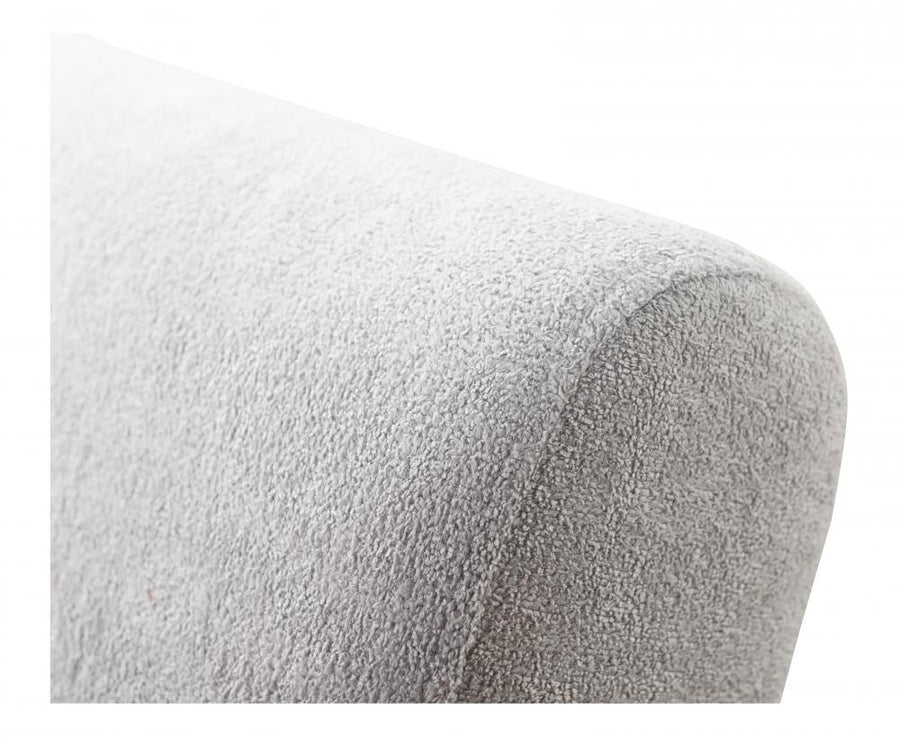
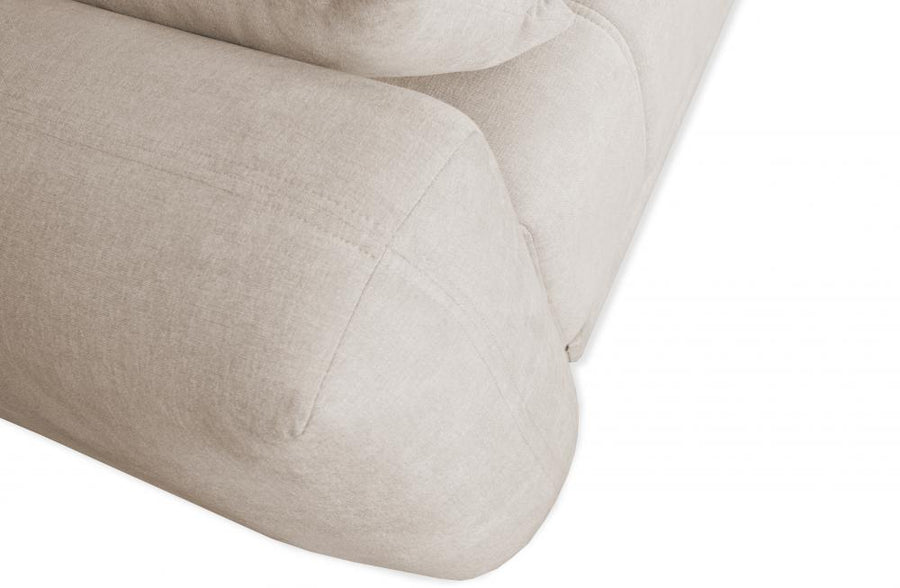
For those of you who prefer a more mineral version, the thick bouclé recalls the virgin wool rugs of the souks. Its looped texture catches the light unevenly, creating those subtle variations that are the charm of craftsmanship. On a canapé marocain, bouclé works particularly well in neutral colours (raw, beige, sand), to leave room for colourful cushions.
Matte fabric, the pared-back version
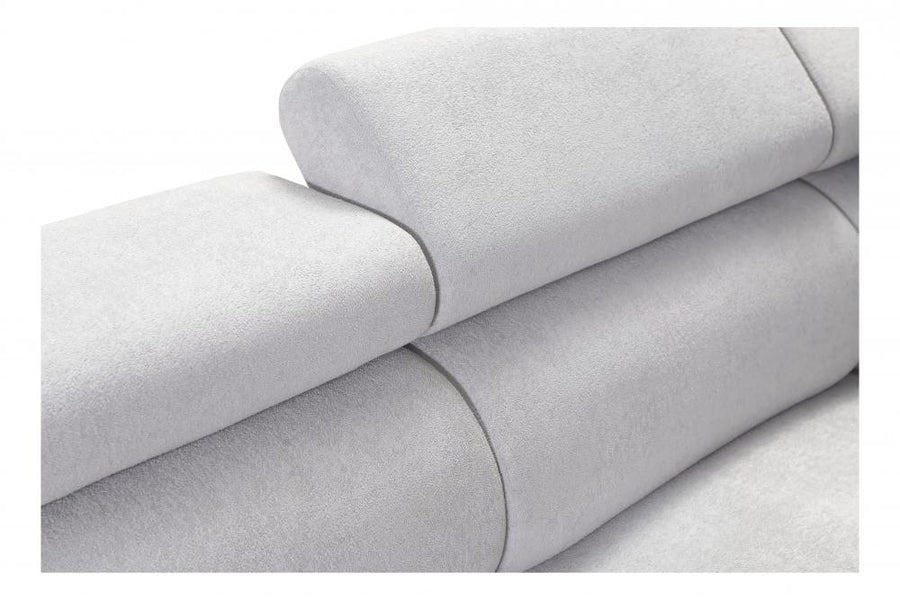
For a more contemporary look, the canapé en tissu mat is the most understated route. Picture it in thick washed linen, thick cotton, in light tones (raw, sand, off-white) that let the living room breathe. It is the choice of devotees of wabi-sabi applied to the Maghreb: less colour, more material. This approach allows you to introduce the Moroccan style in small touches rather than head-on.
Shapes that work: panoramic, corner, straight
The canapé marocain is not a shape: it is a mood. Every typology lends itself to the exercise, provided you respect the generous and deep spirit that characterises it.
The panoramic sofa — the XXL riad spirit
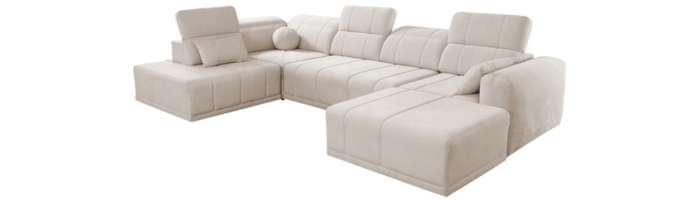
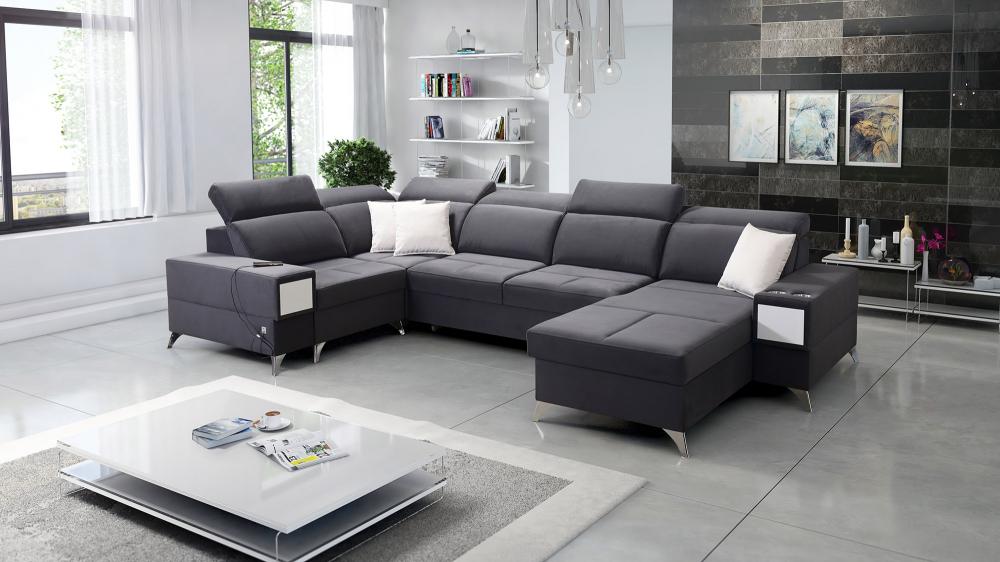
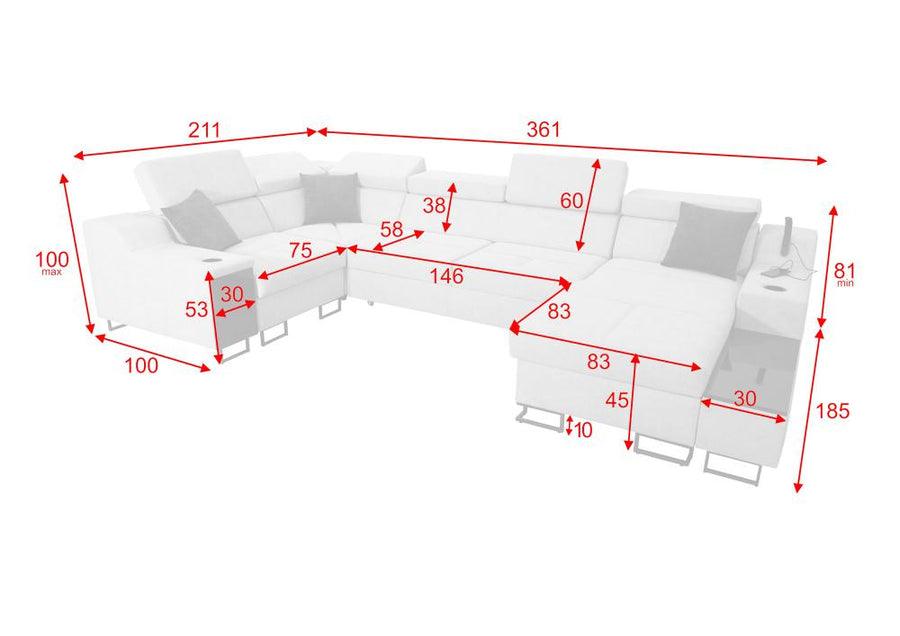
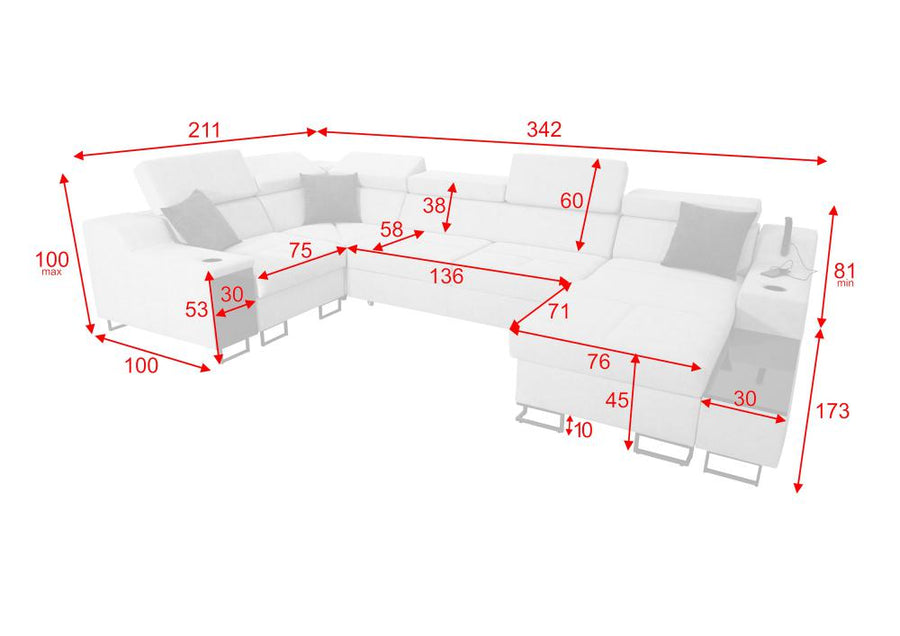
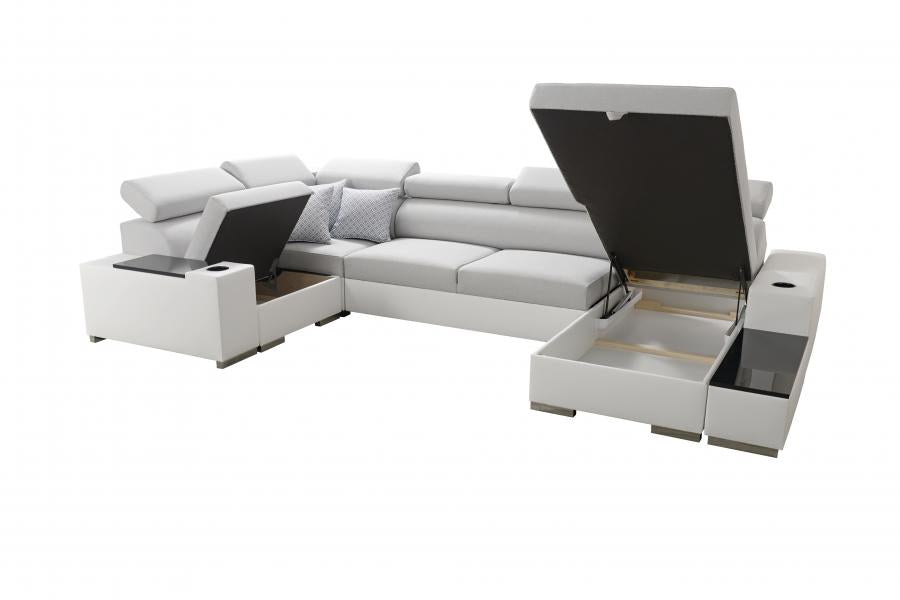
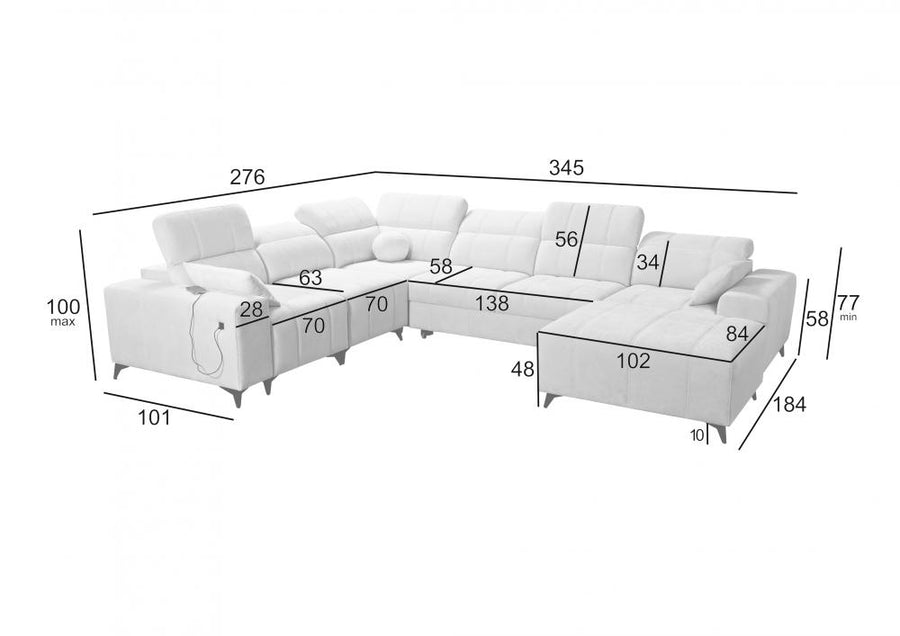
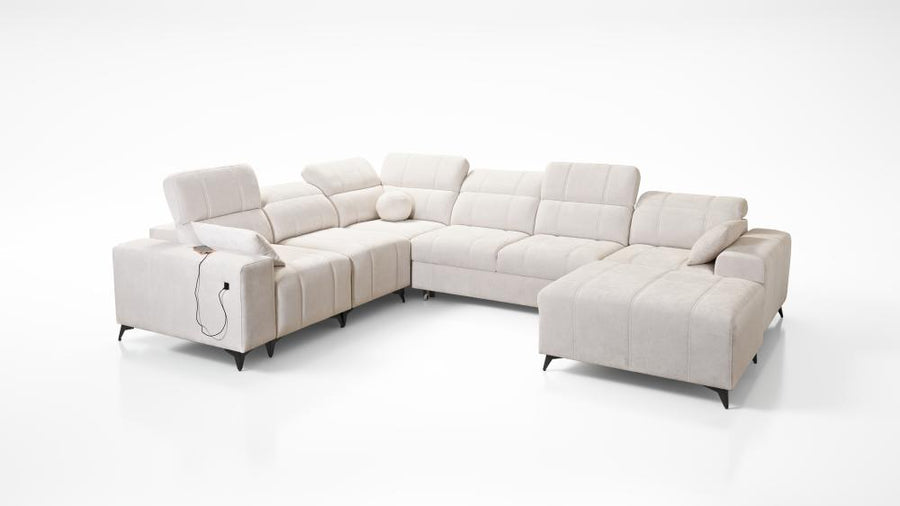
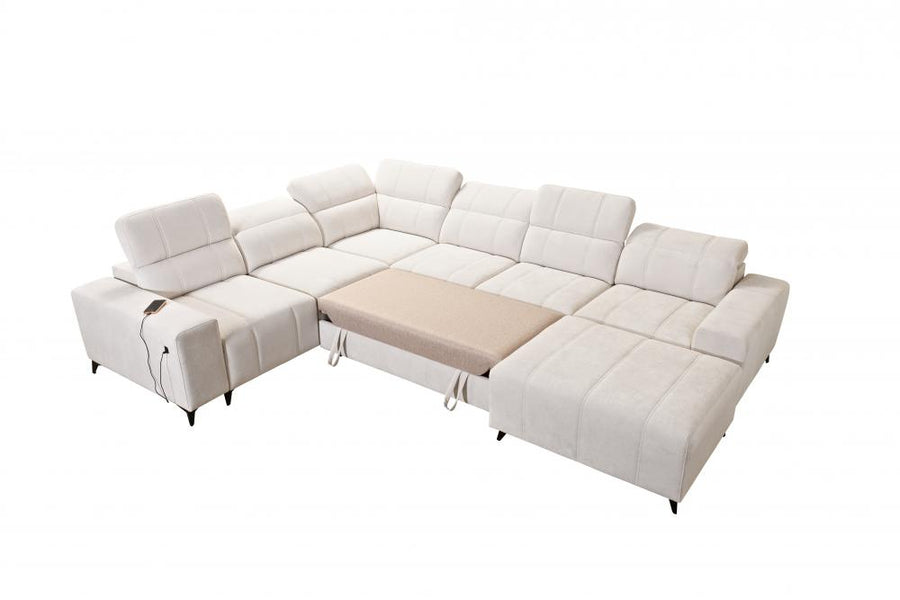
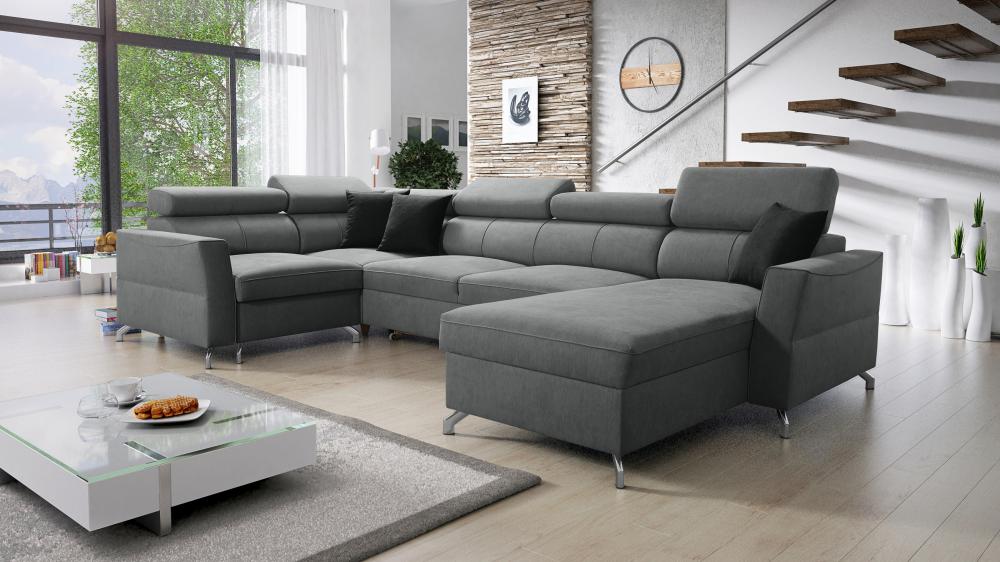
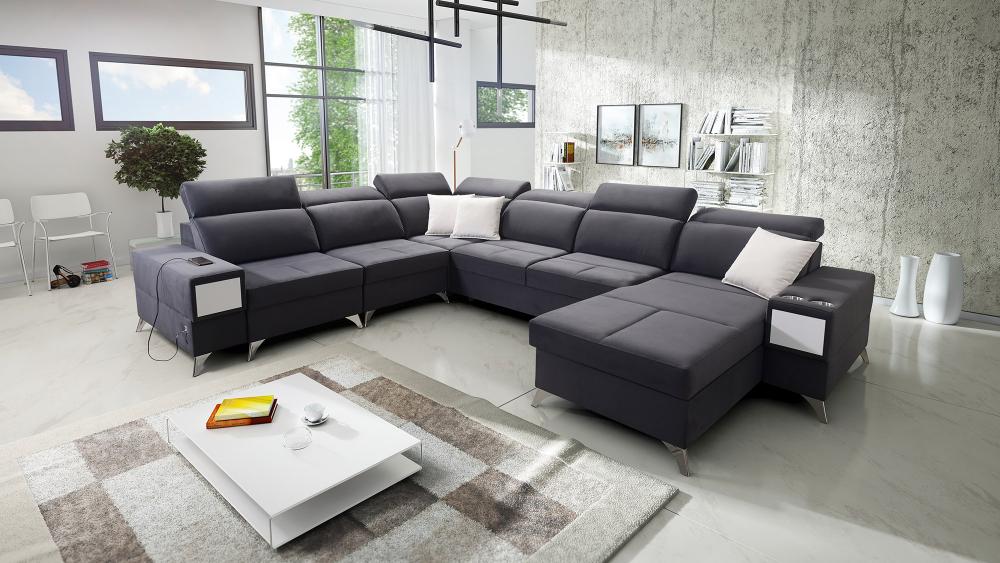
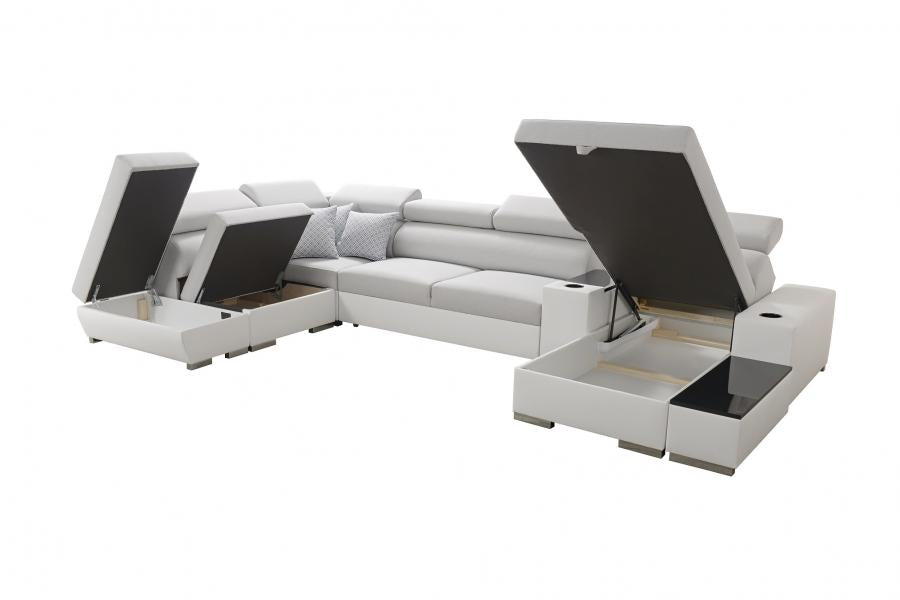
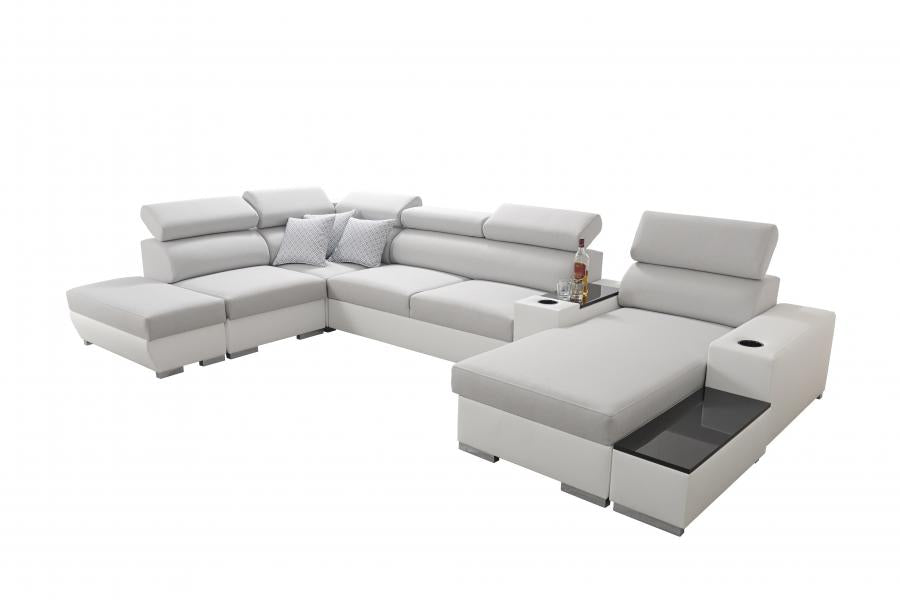
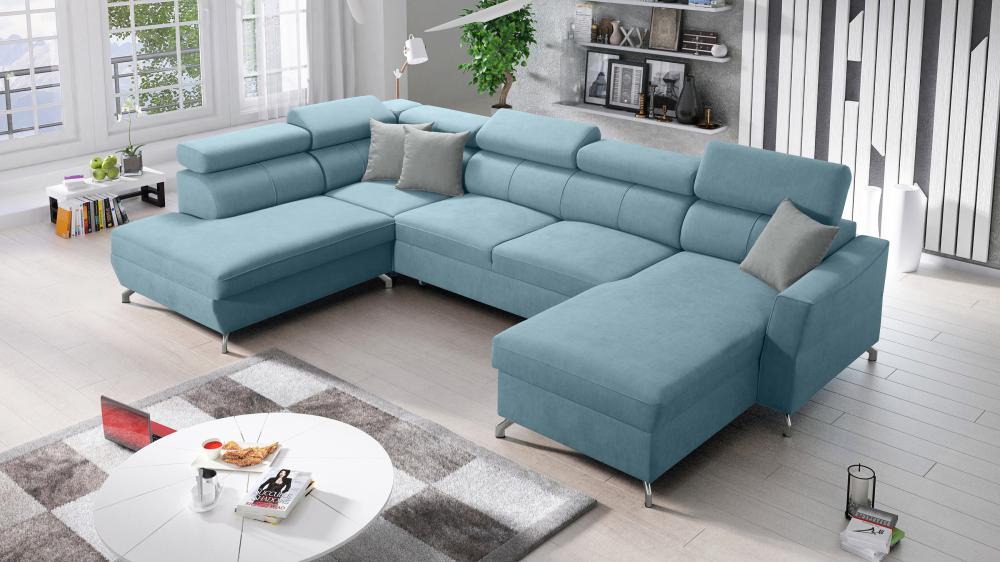
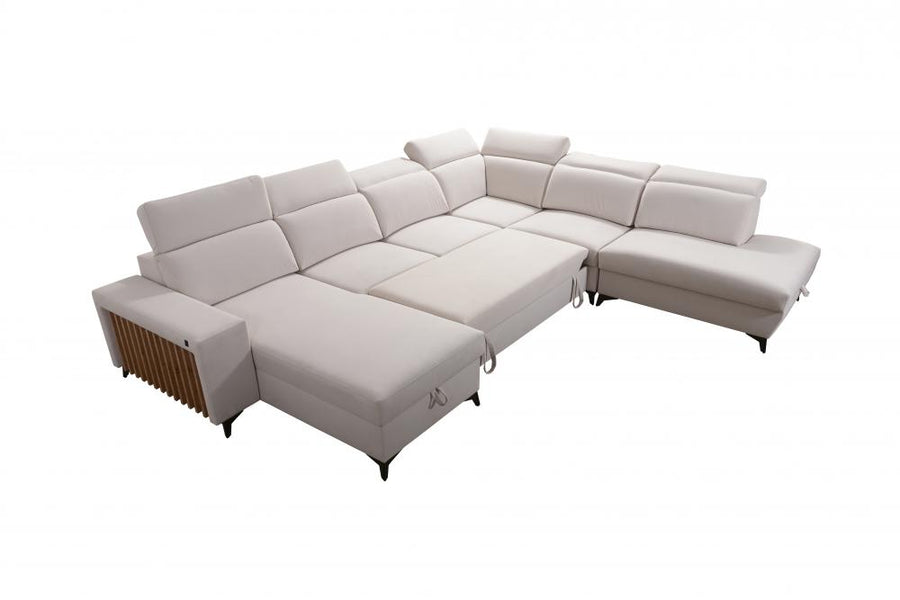
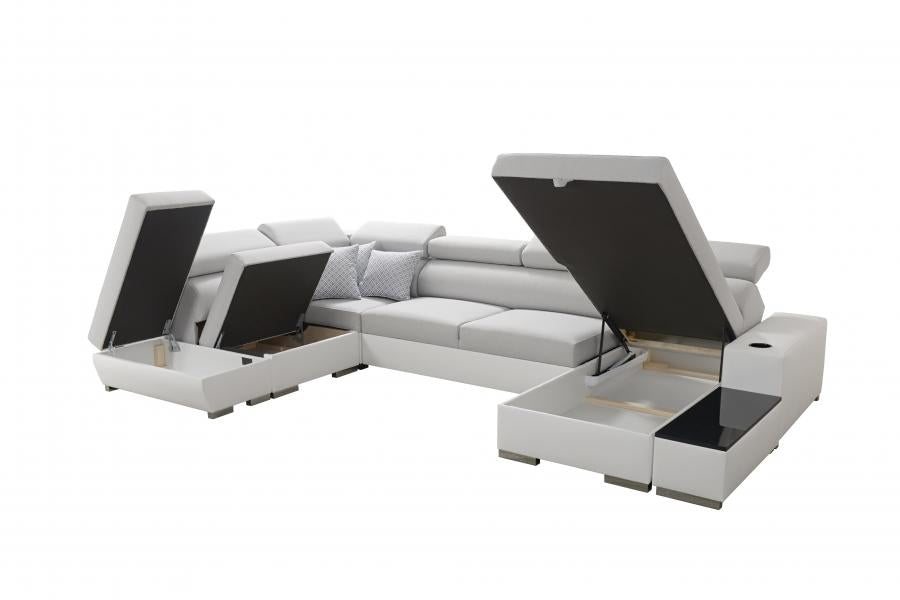
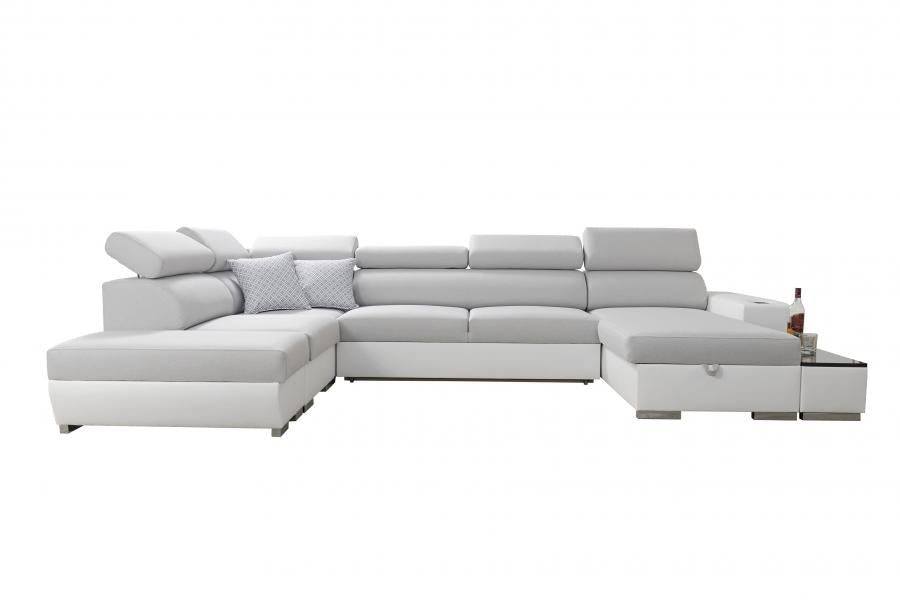
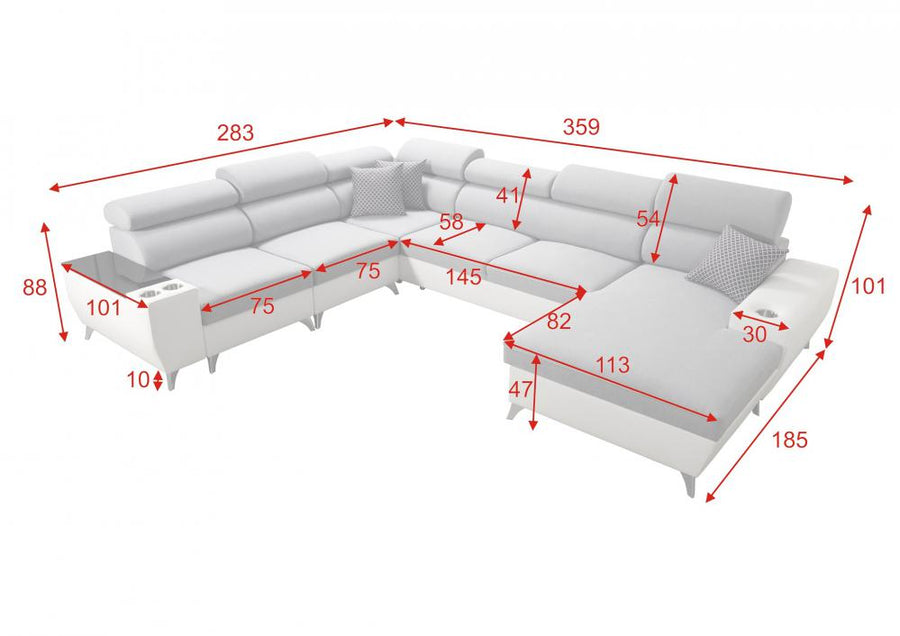
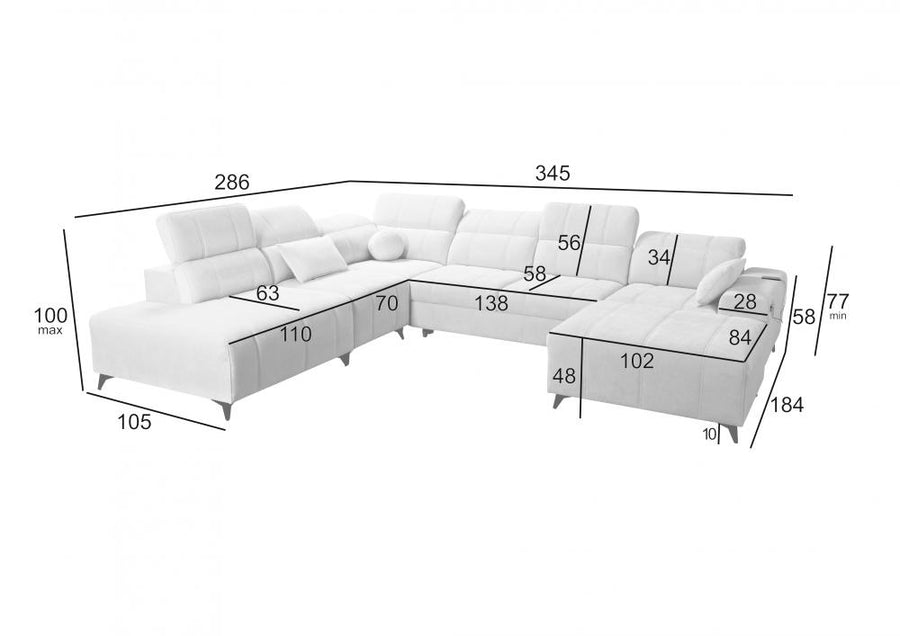
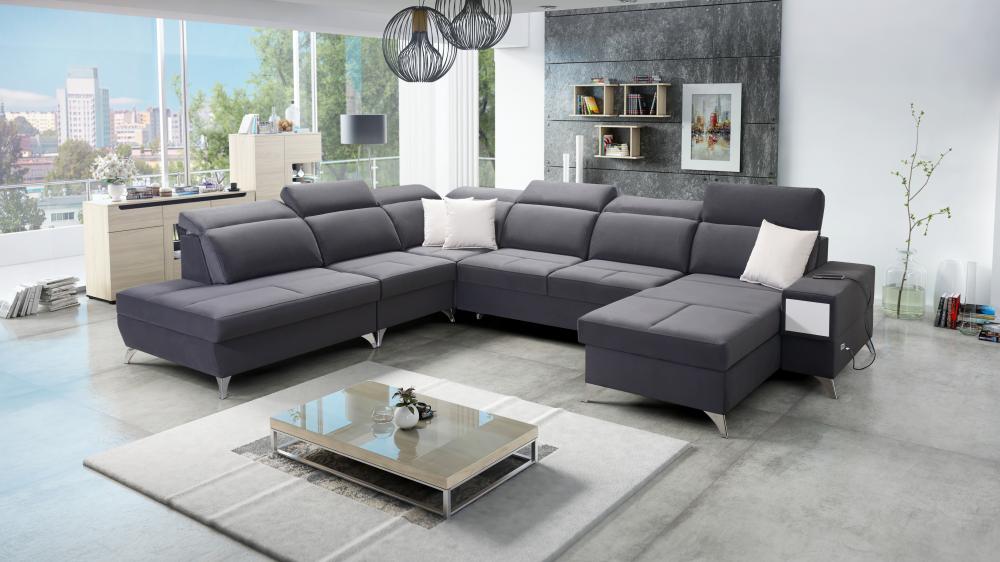
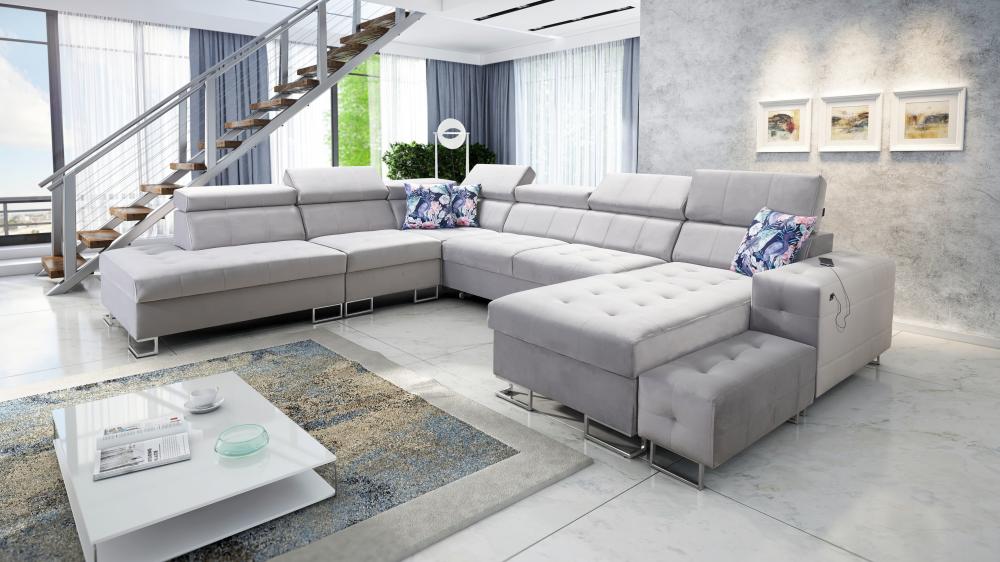
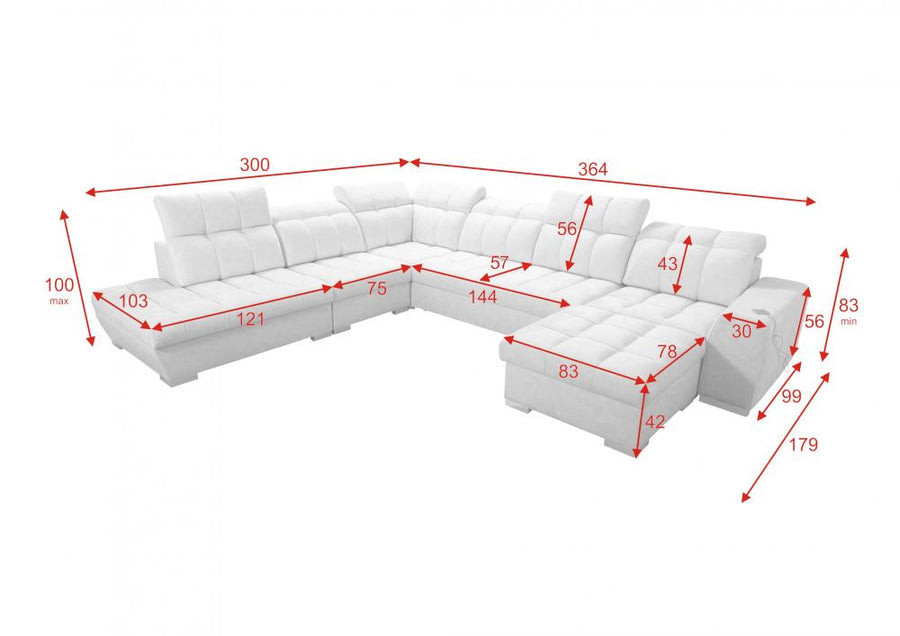
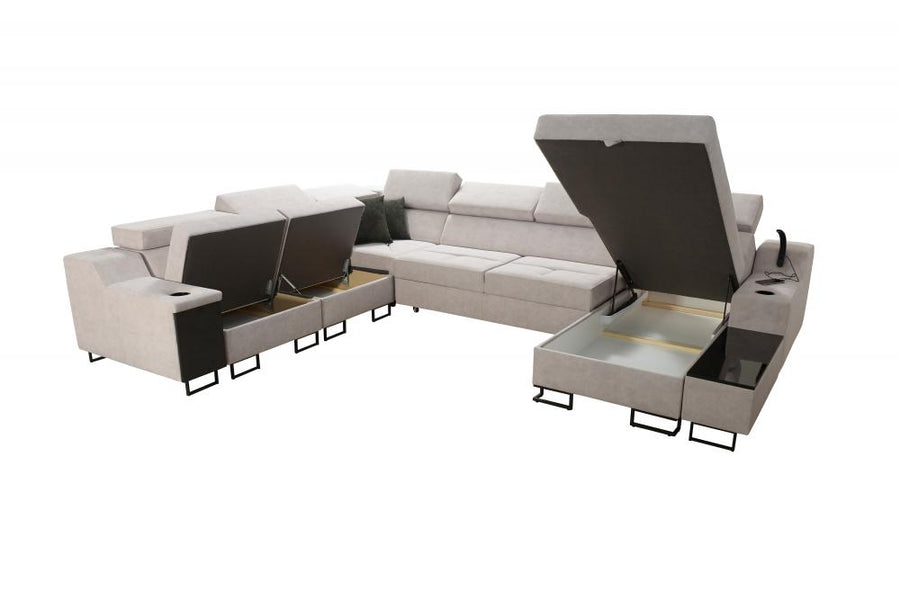
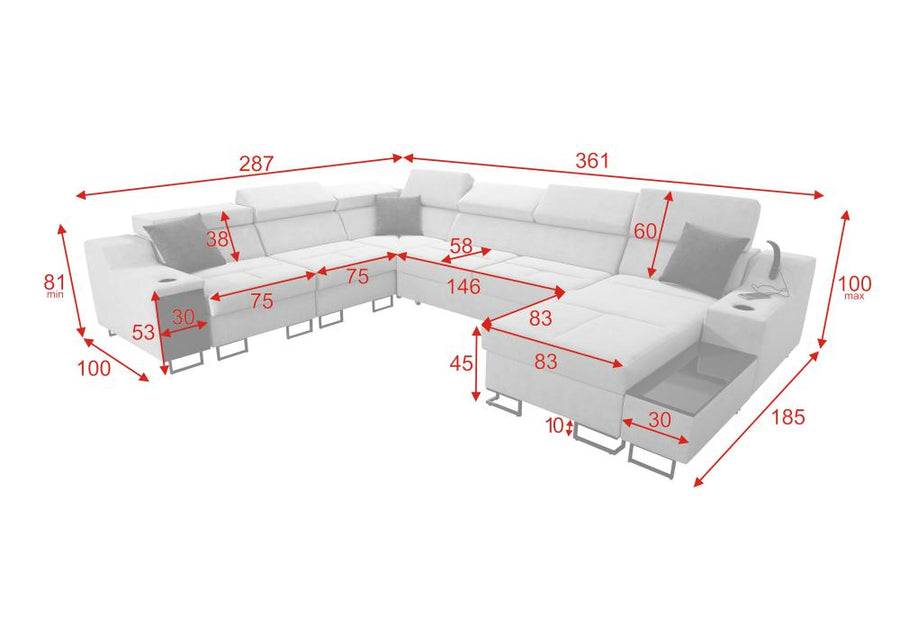
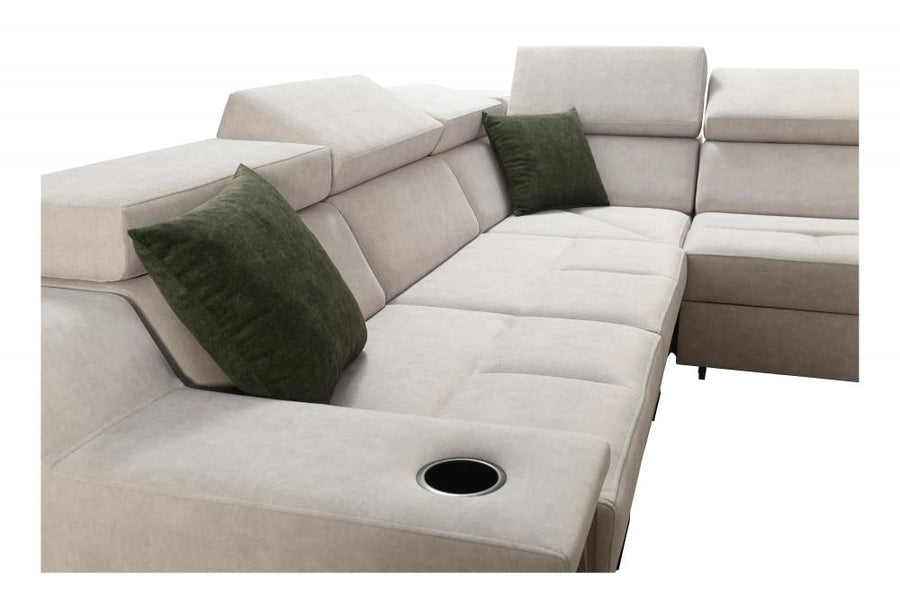
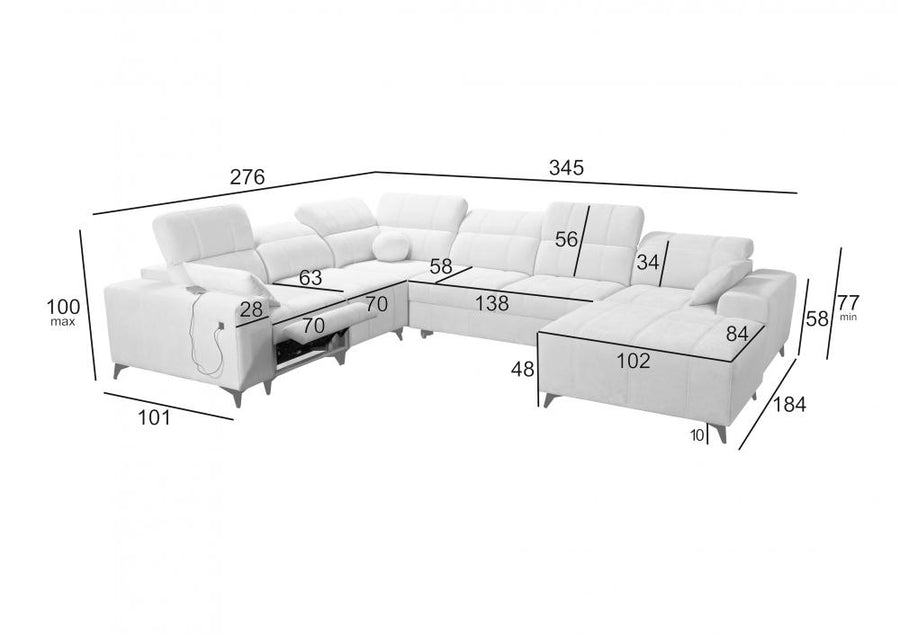
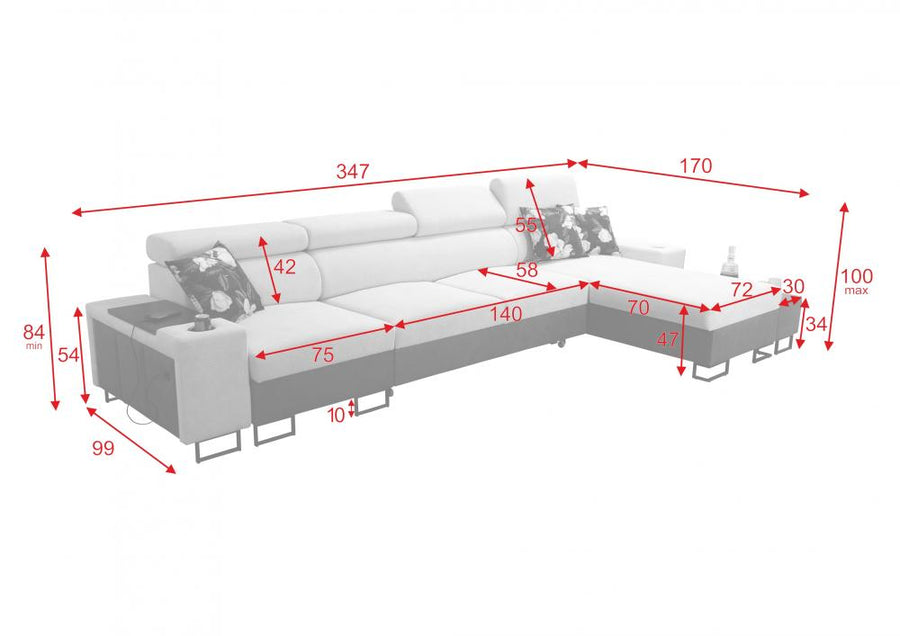
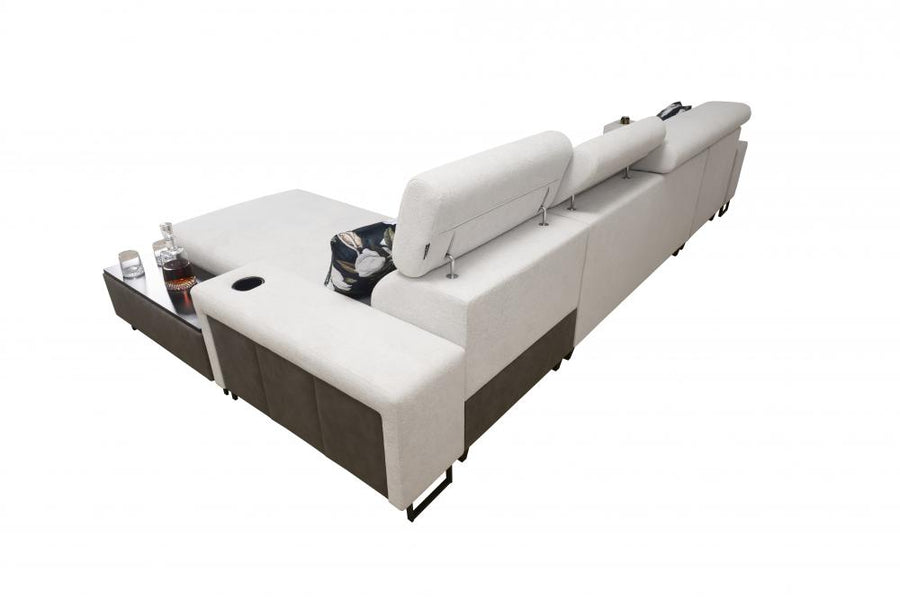
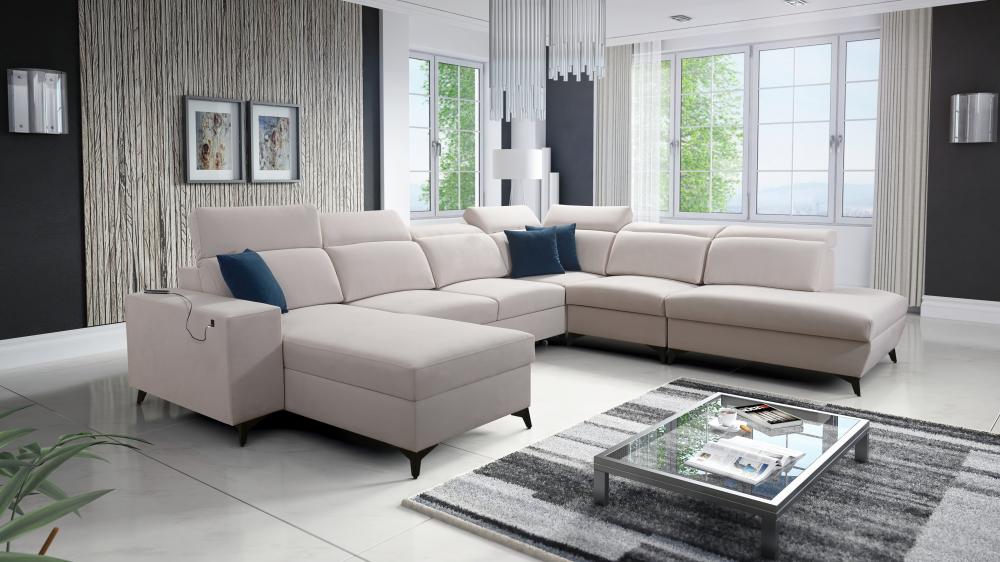
For a large living room, the canapé panoramique marocain is the centrepiece par excellence. Its U-shape or extended L-shape structures the space like the banquettes that surround an interior courtyard. It seats ten to twelve people, making it the sofa for large family gatherings and long evenings. Choose it in terracotta velvet for maximum effect, or in midnight blue for a more subdued atmosphere.
The corner sofa — compact warmth
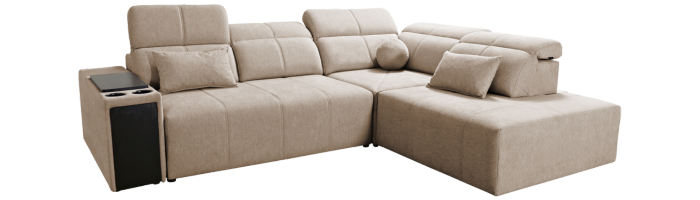
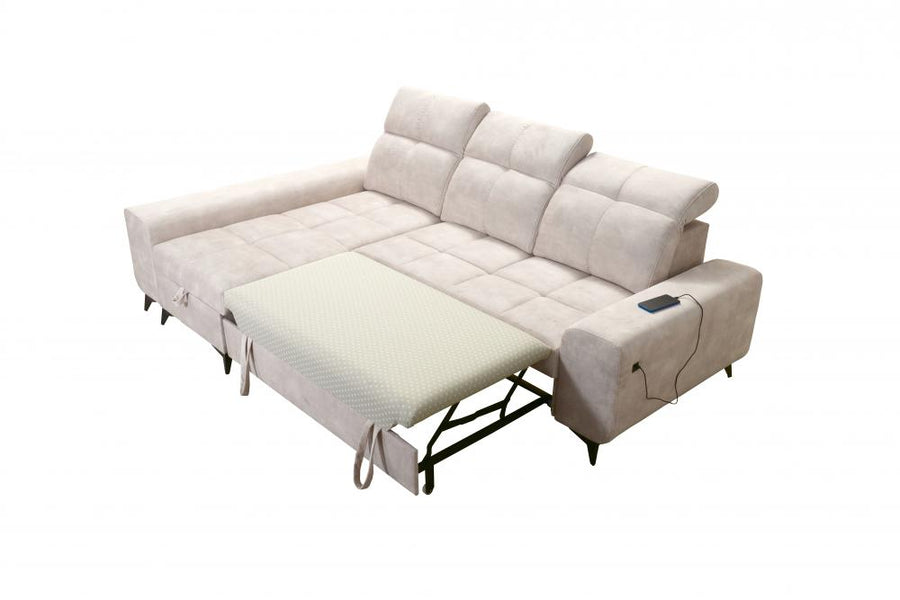
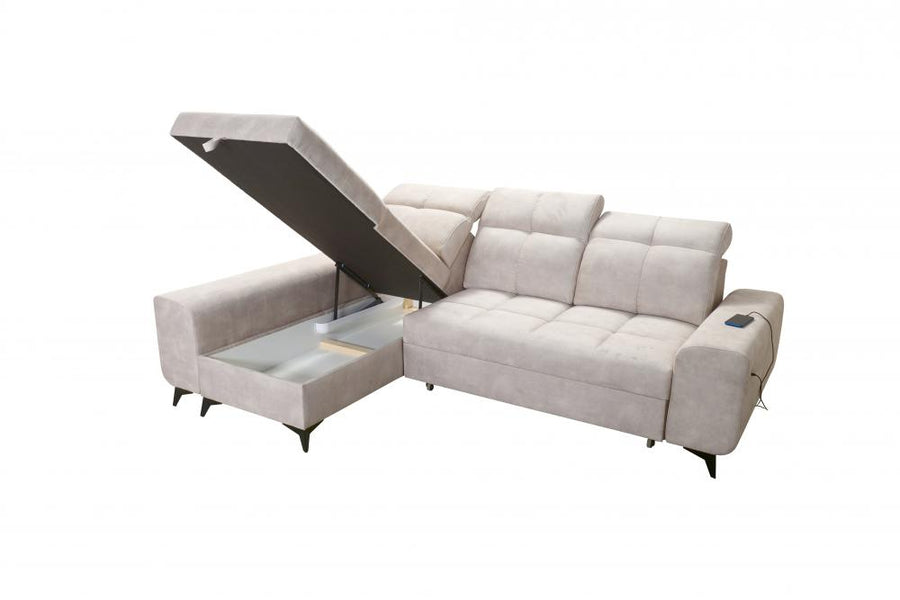
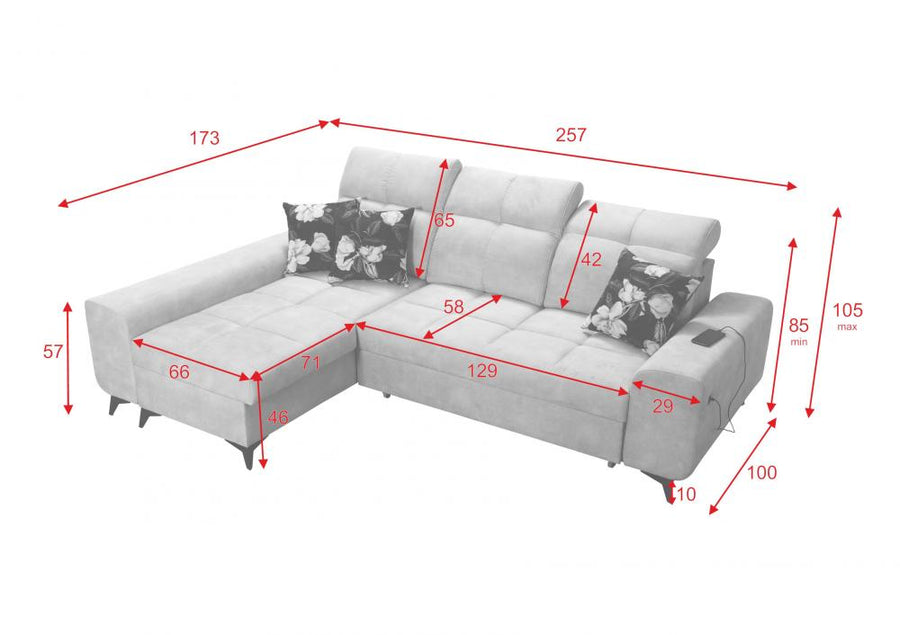
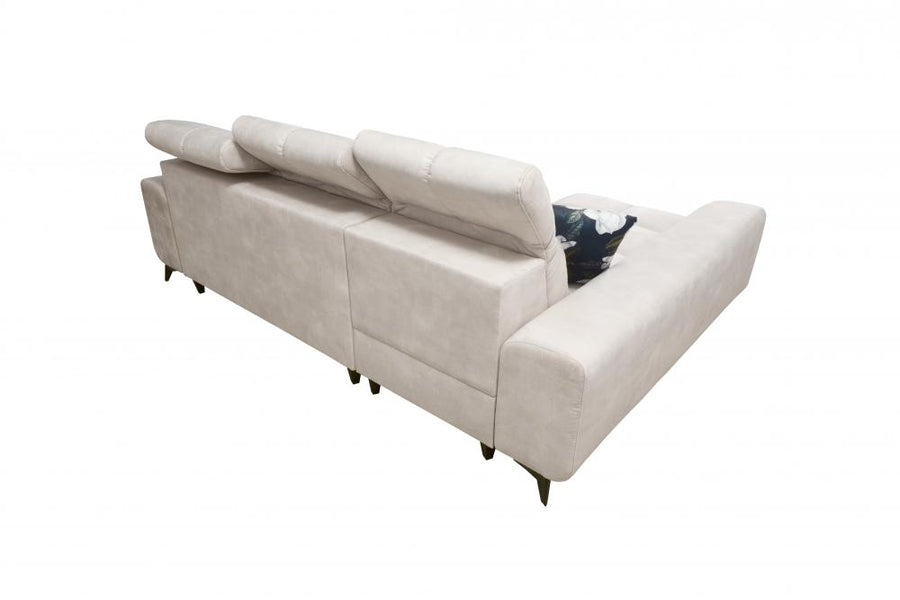
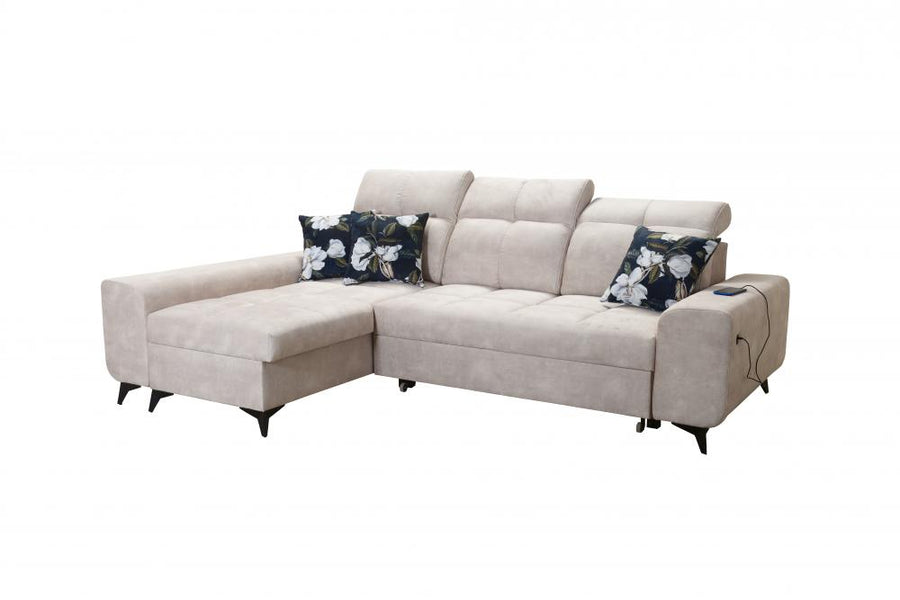
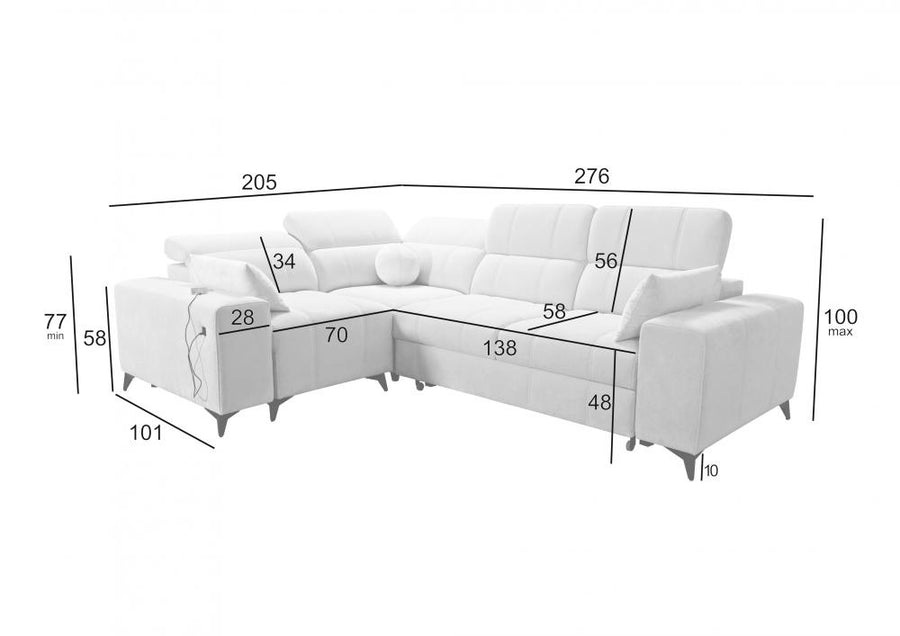
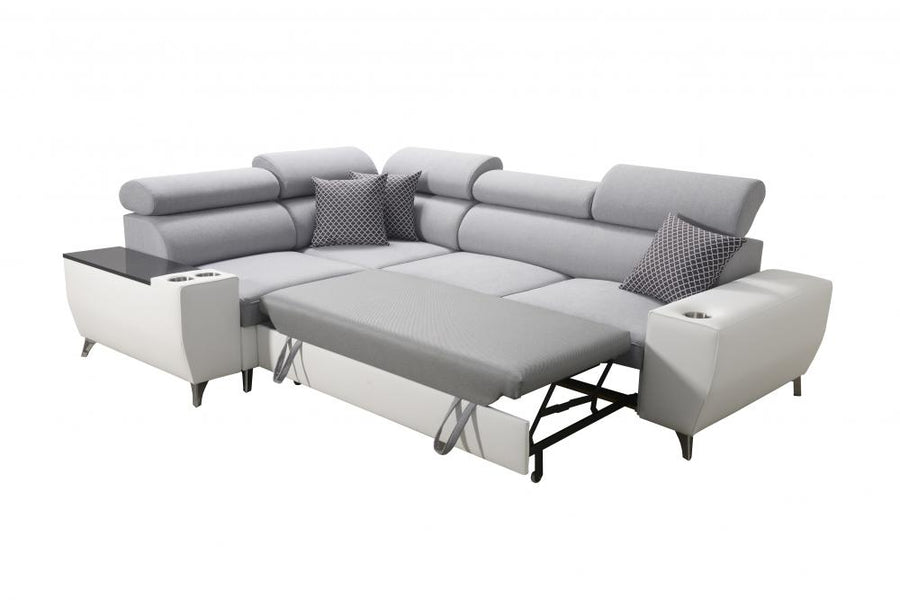
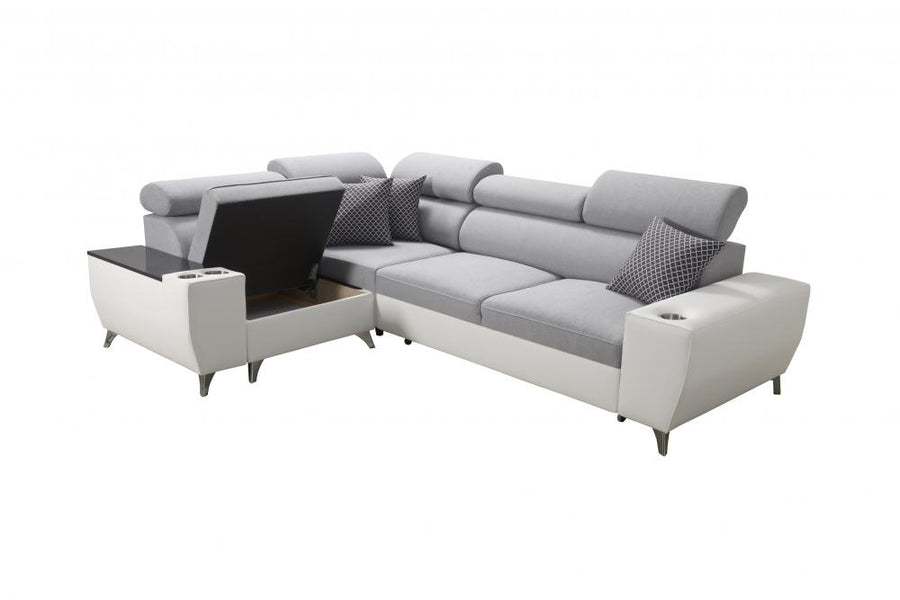
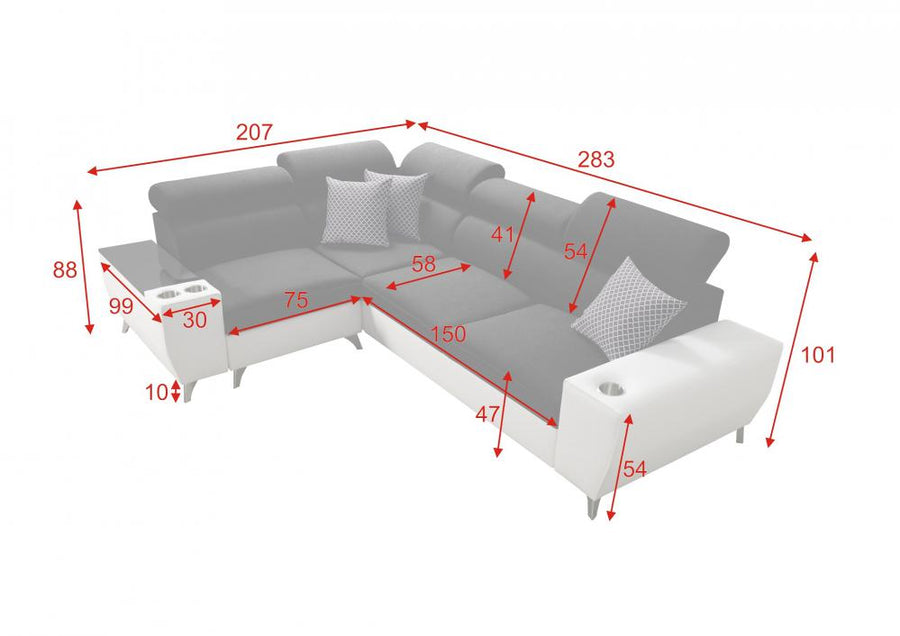
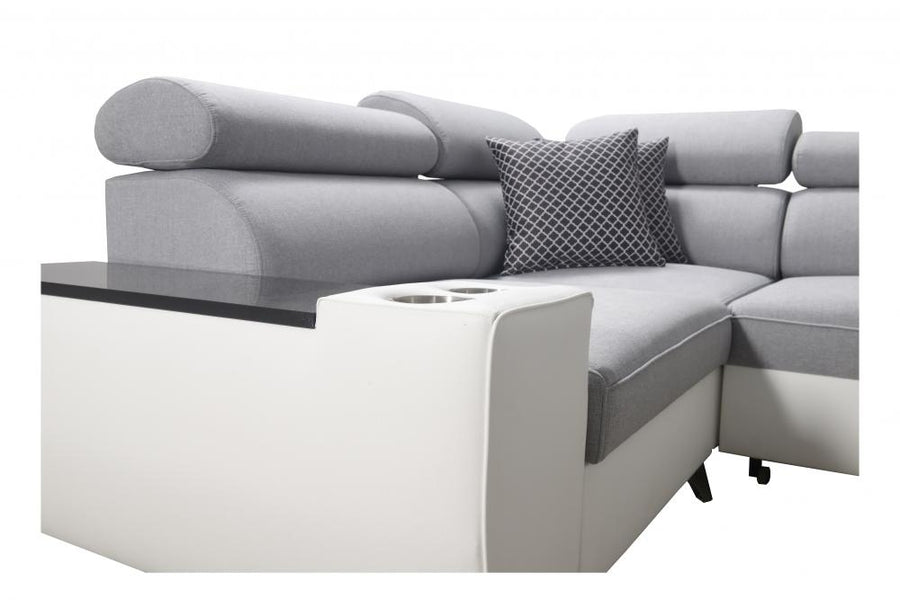
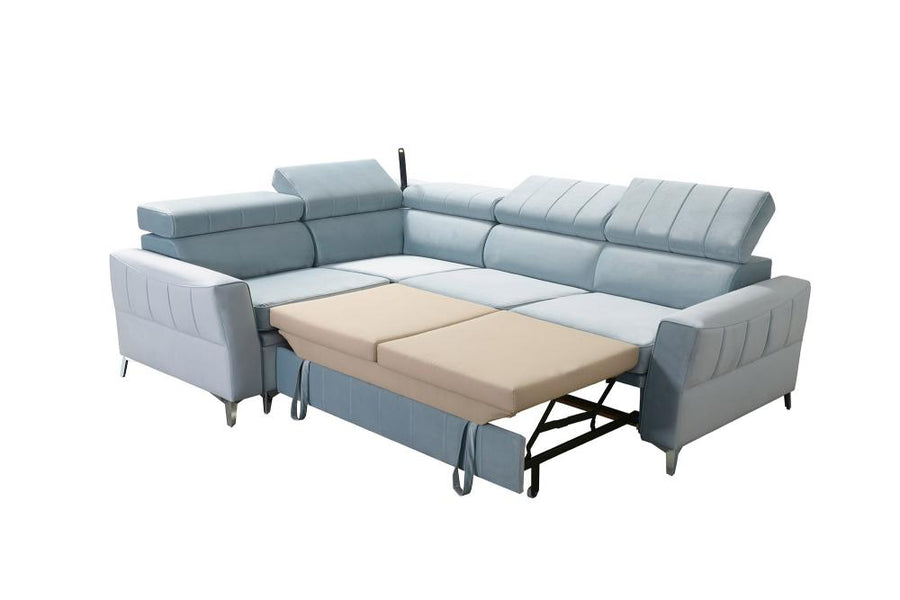
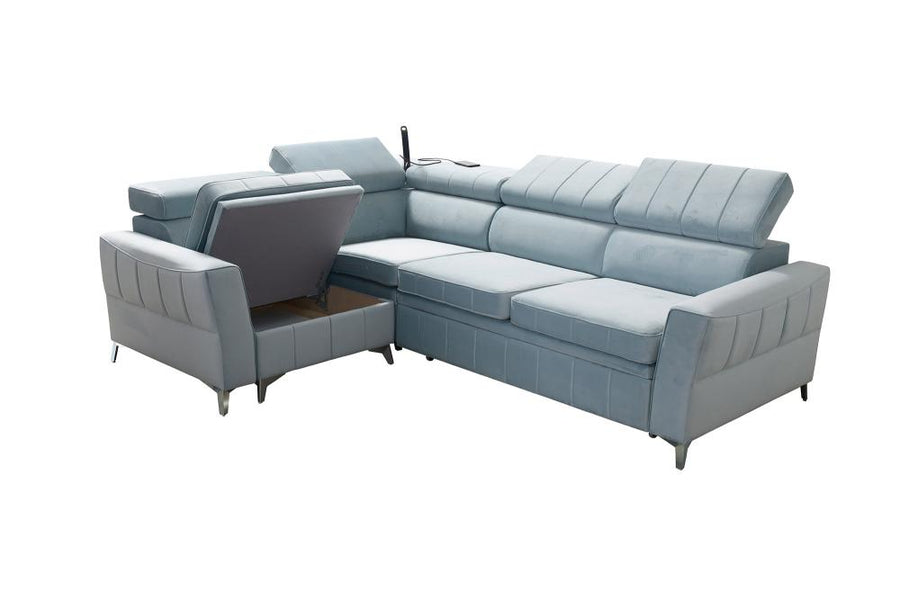
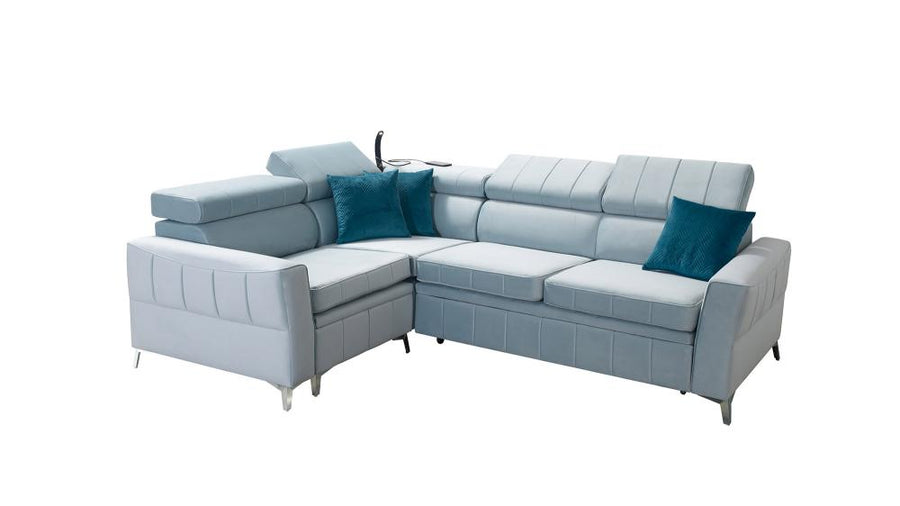
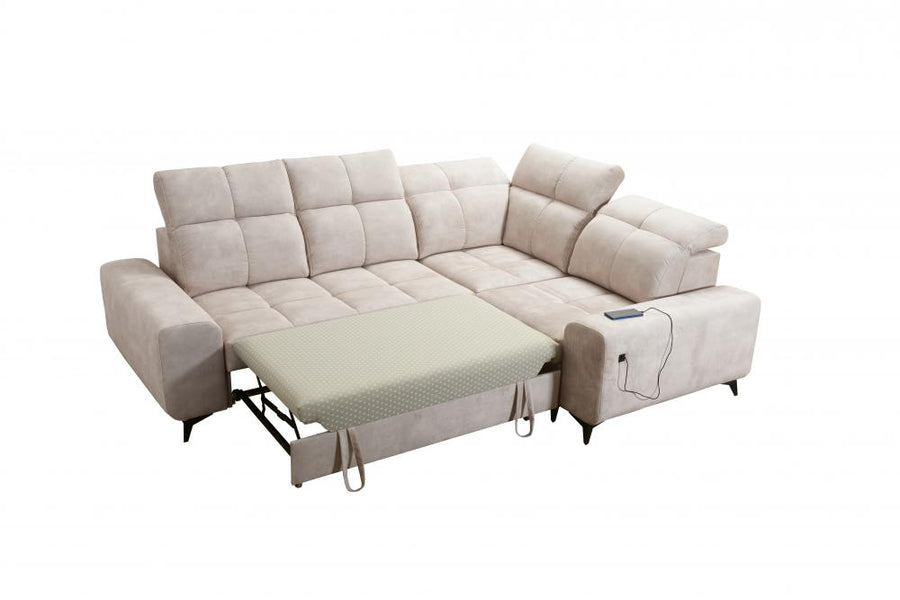
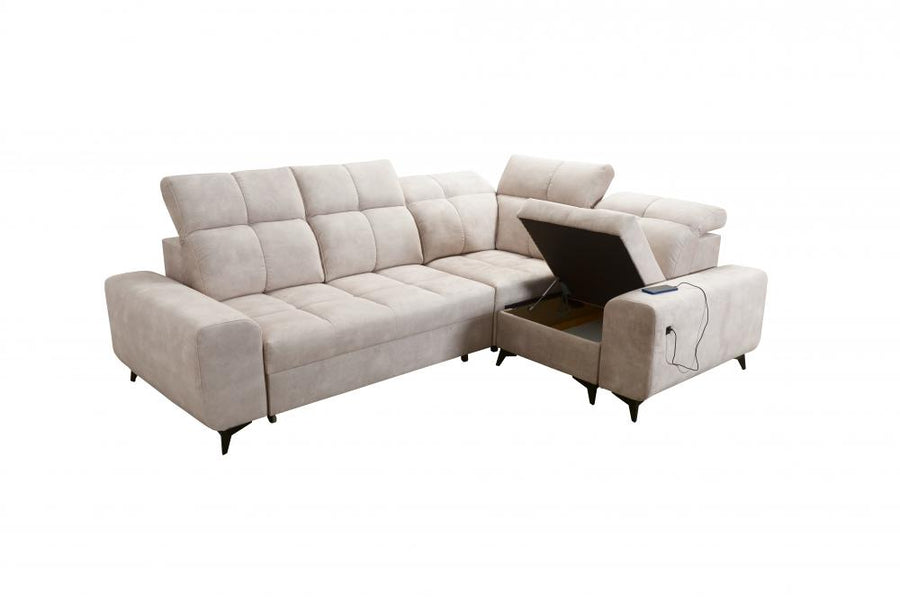
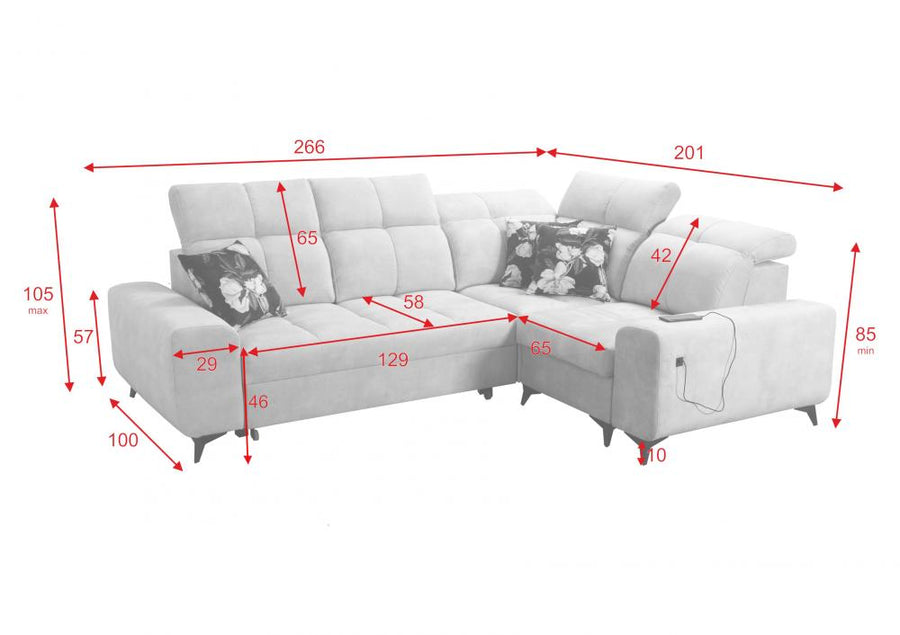
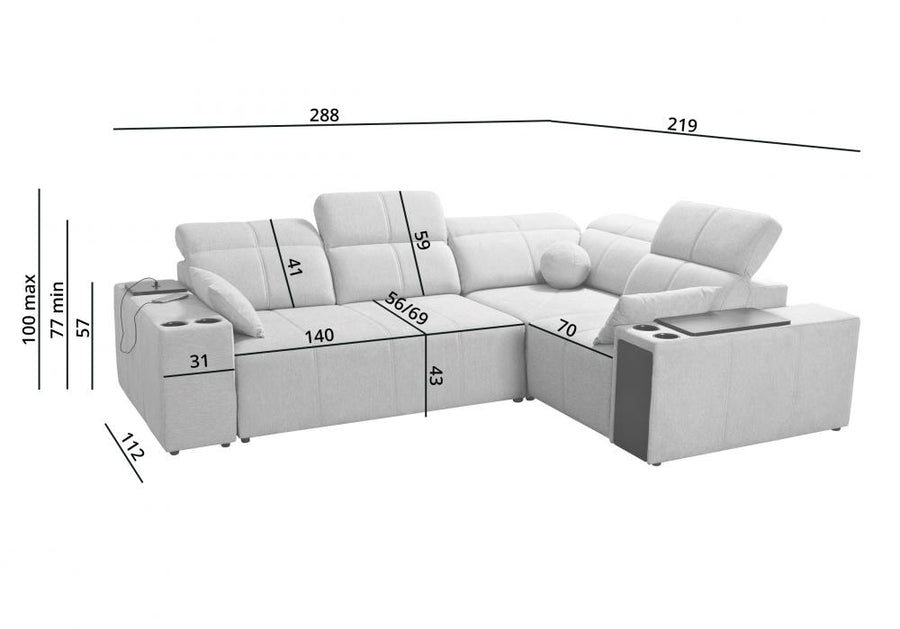
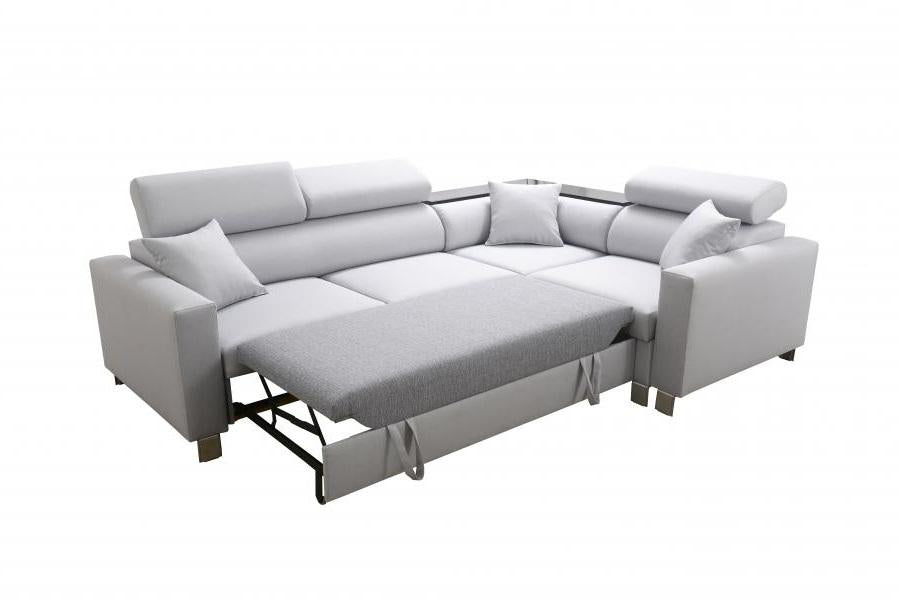
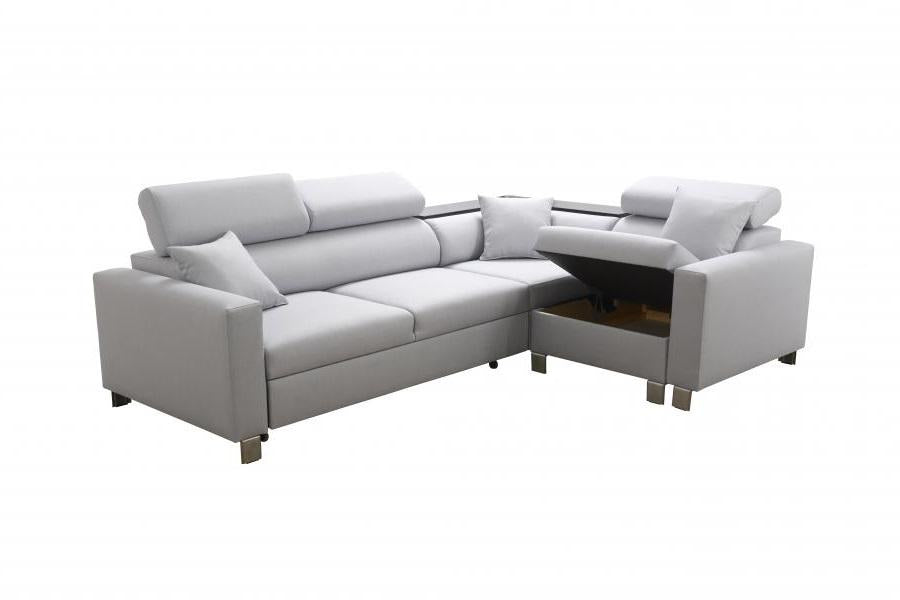
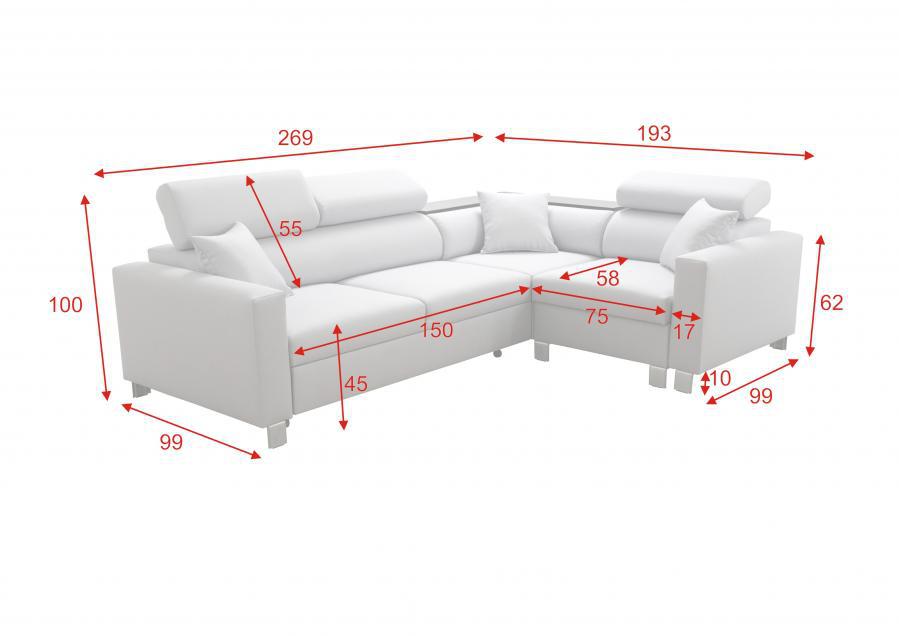
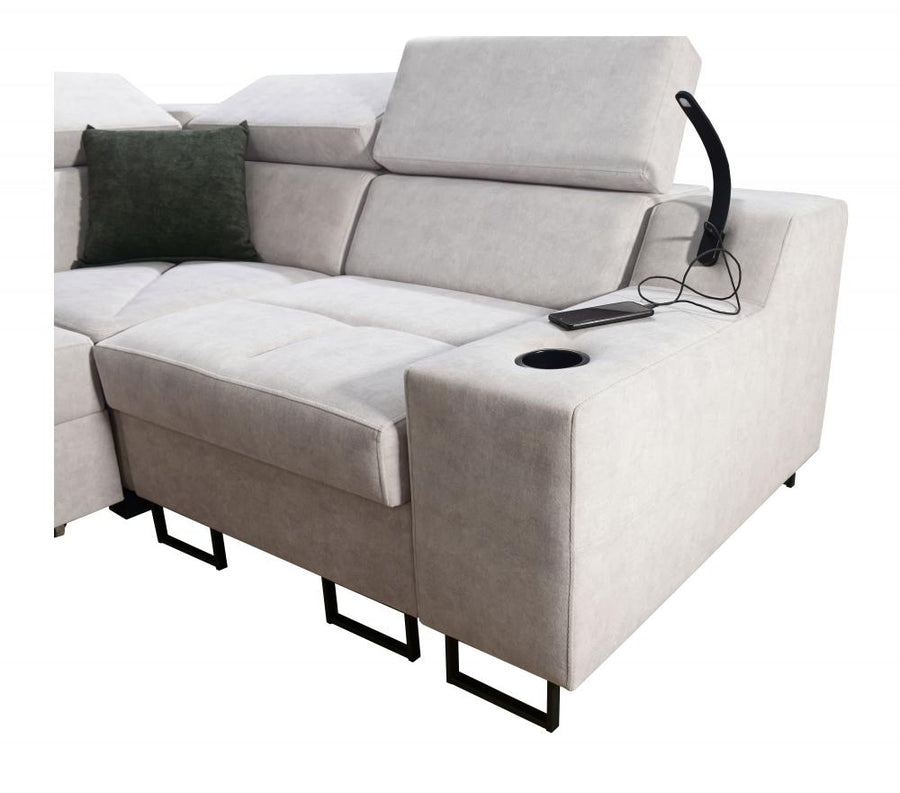
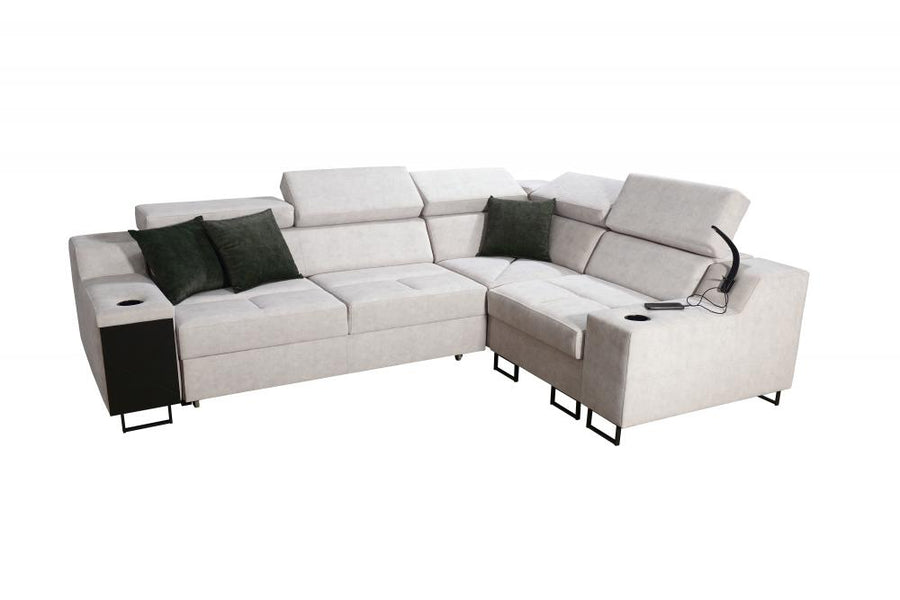
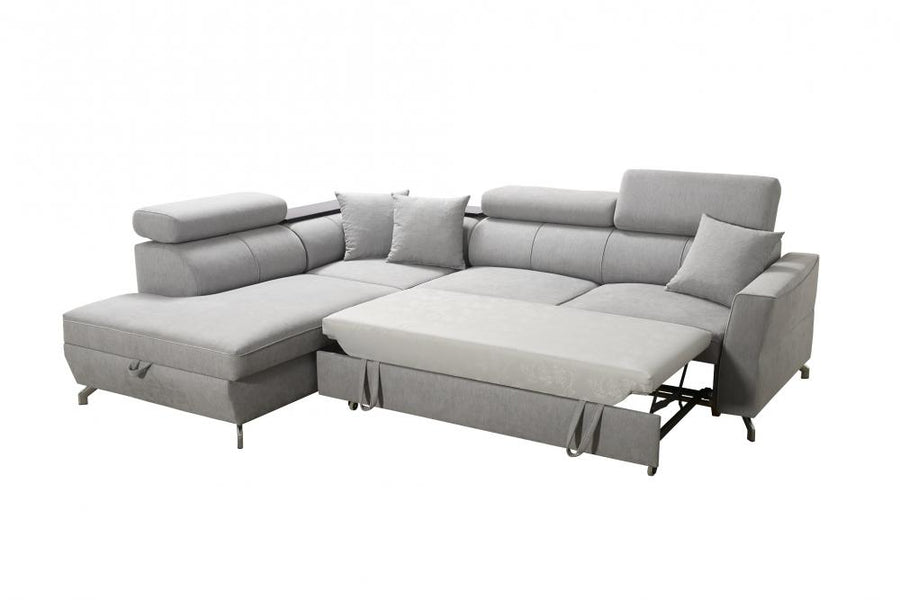
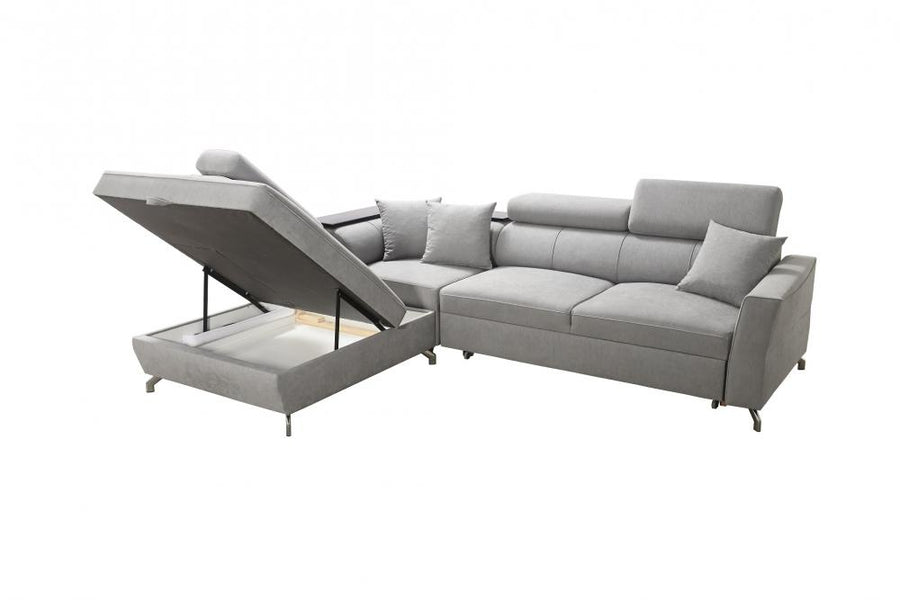
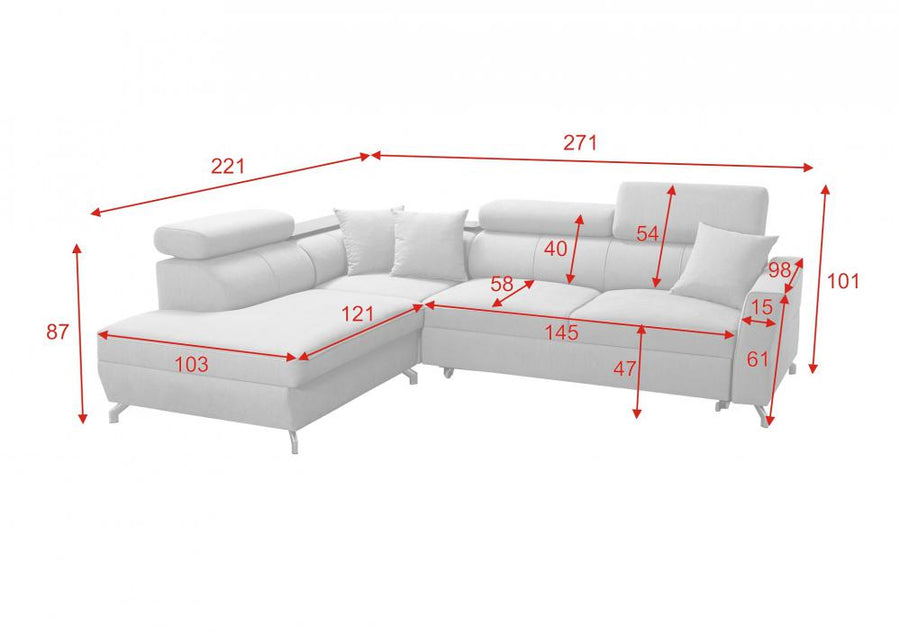
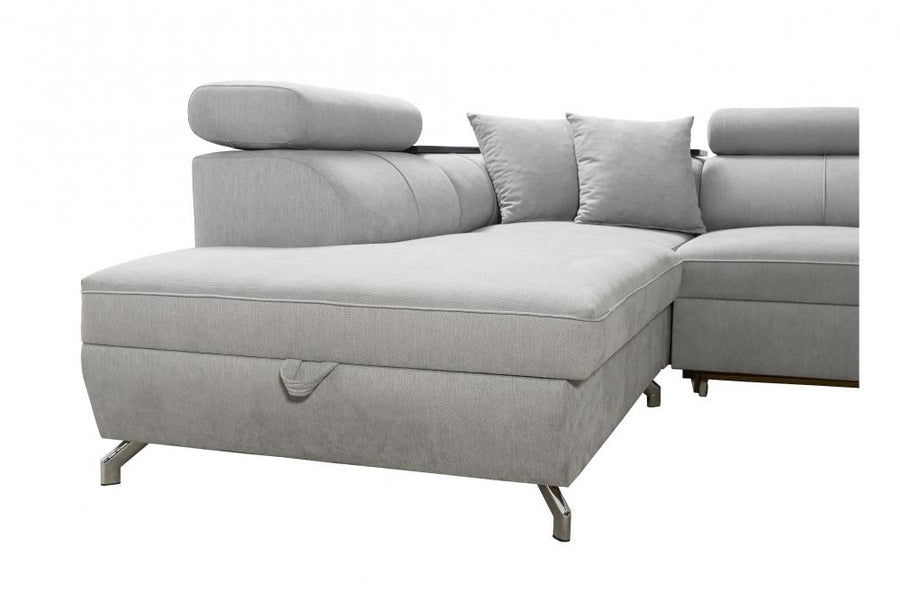
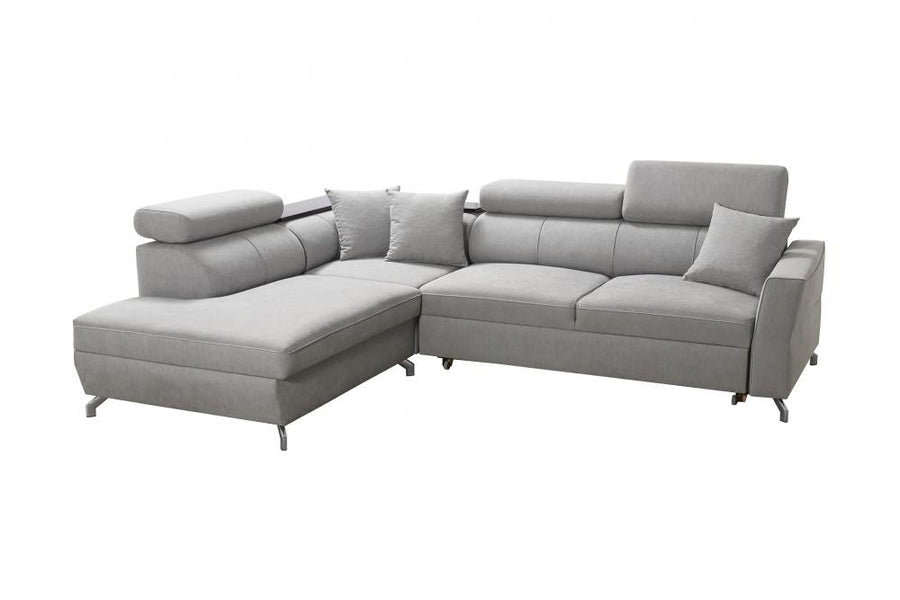
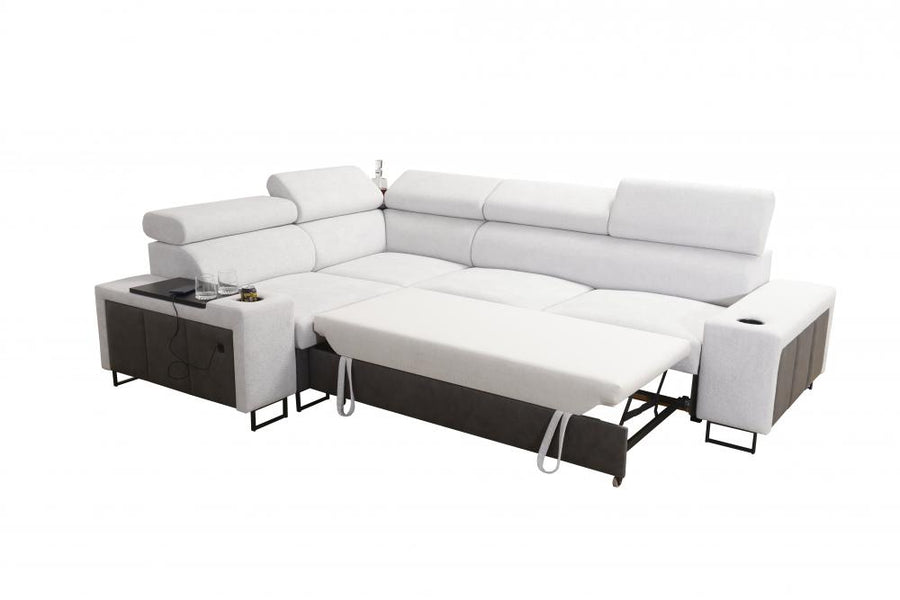
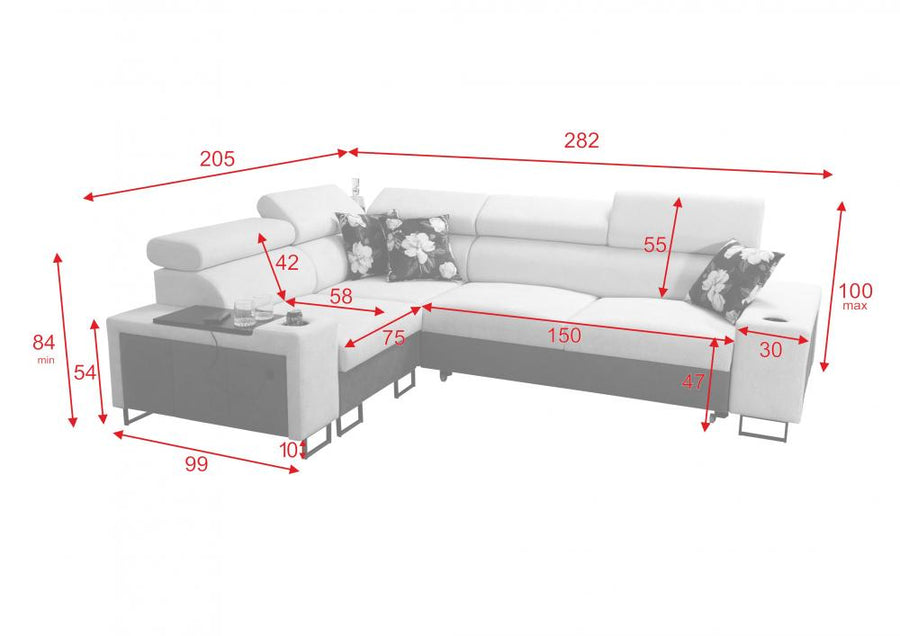
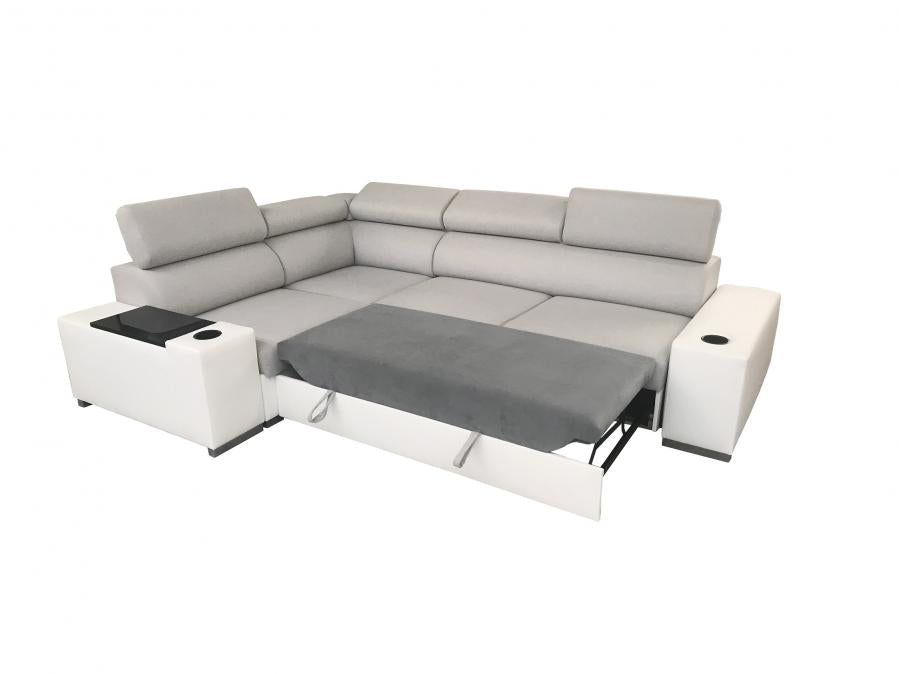
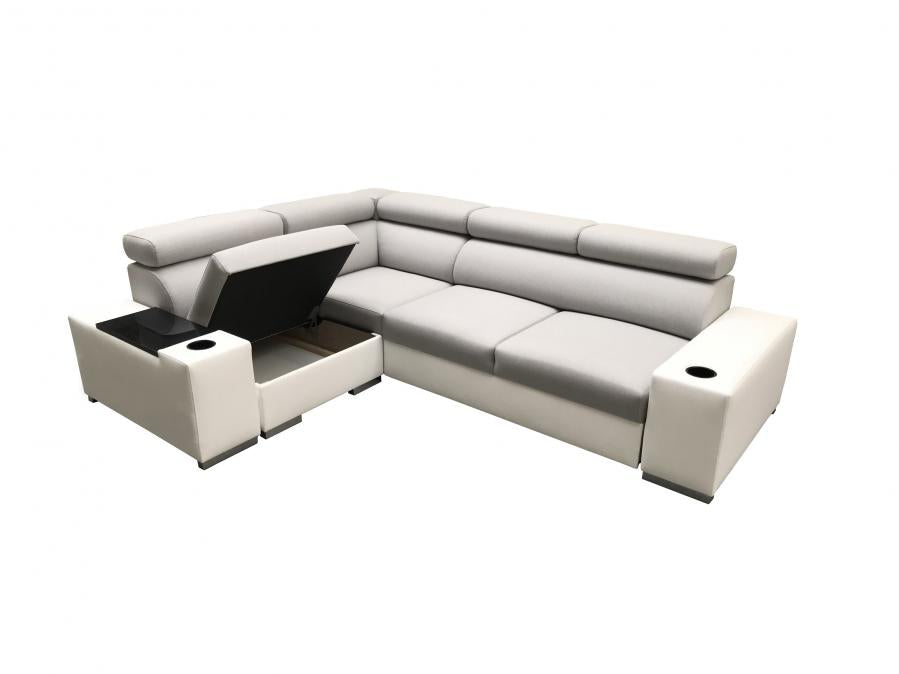
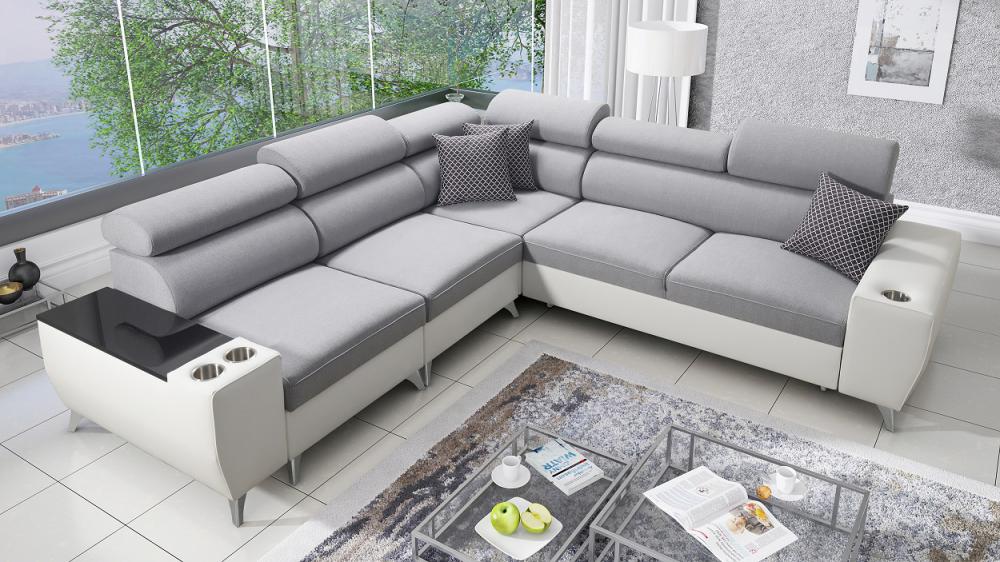
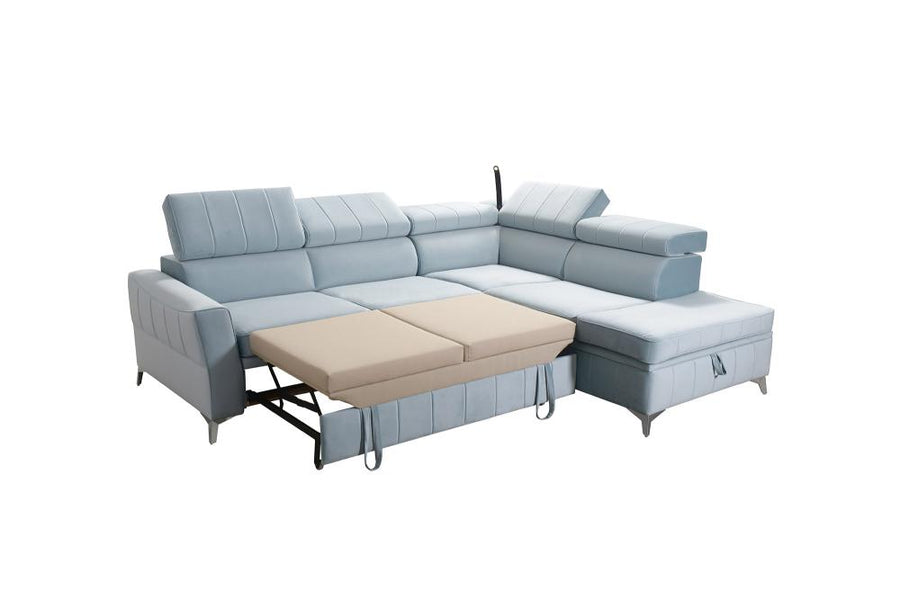
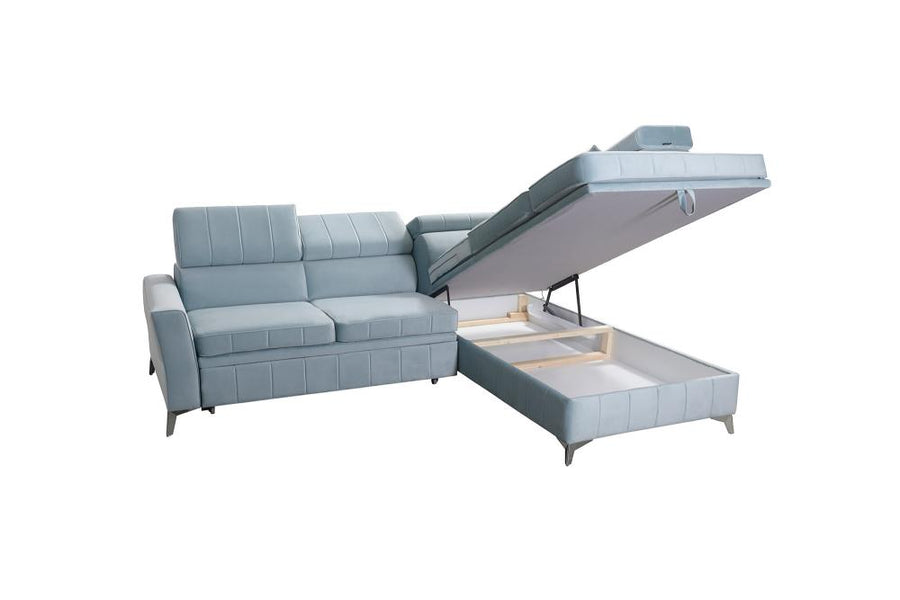
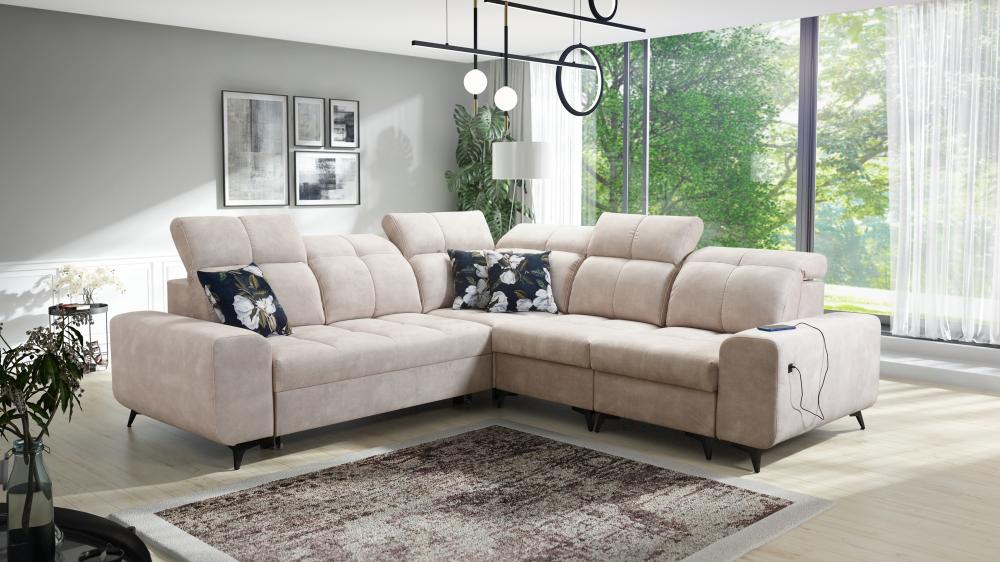
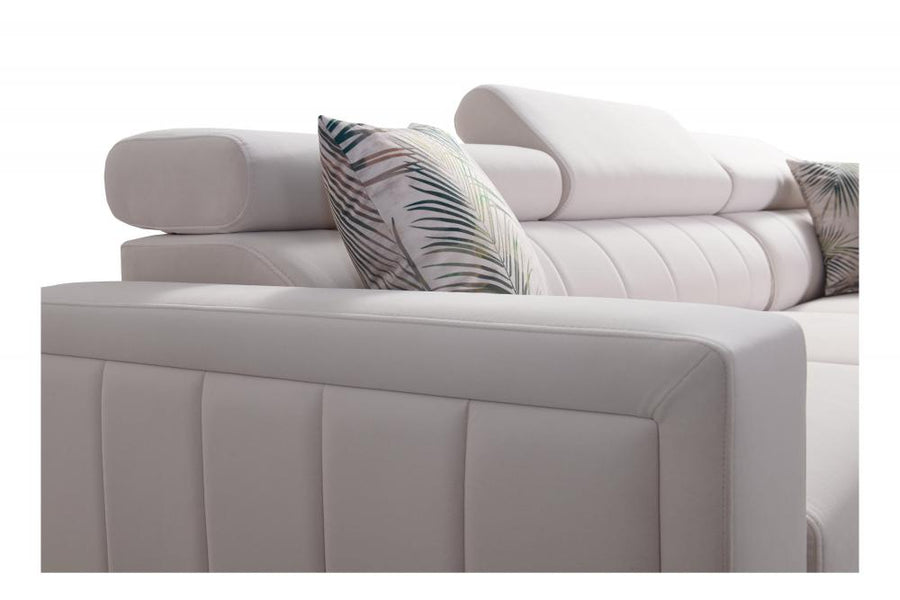
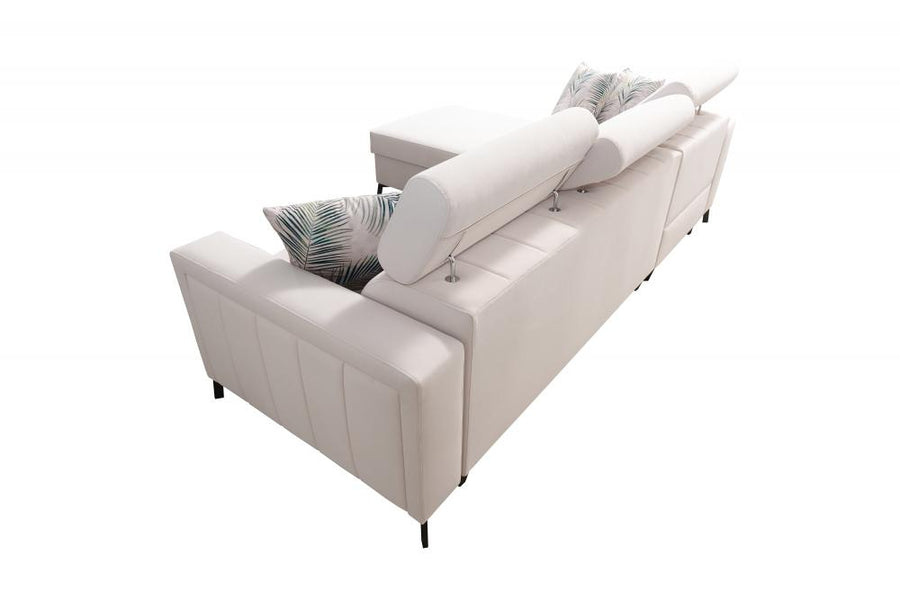
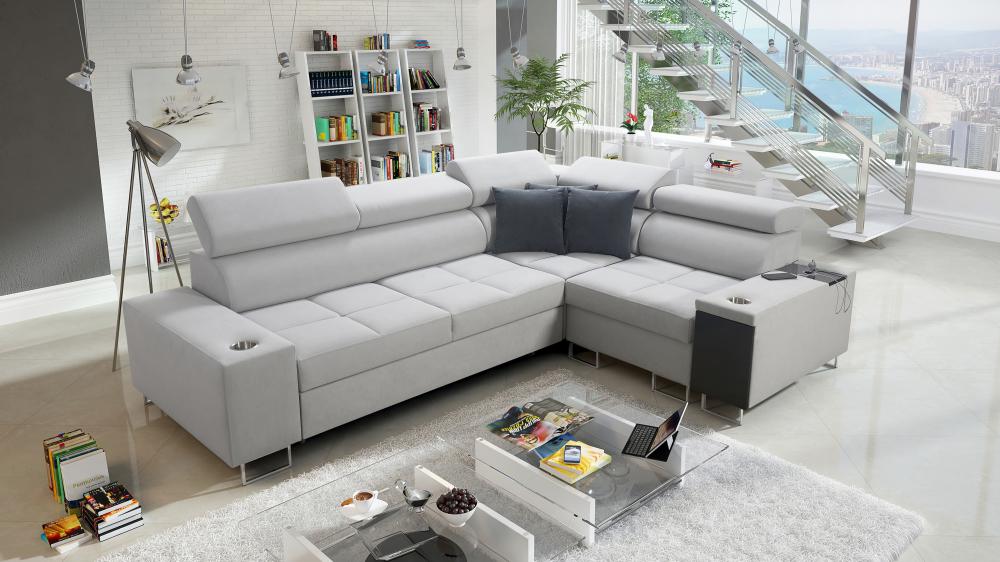
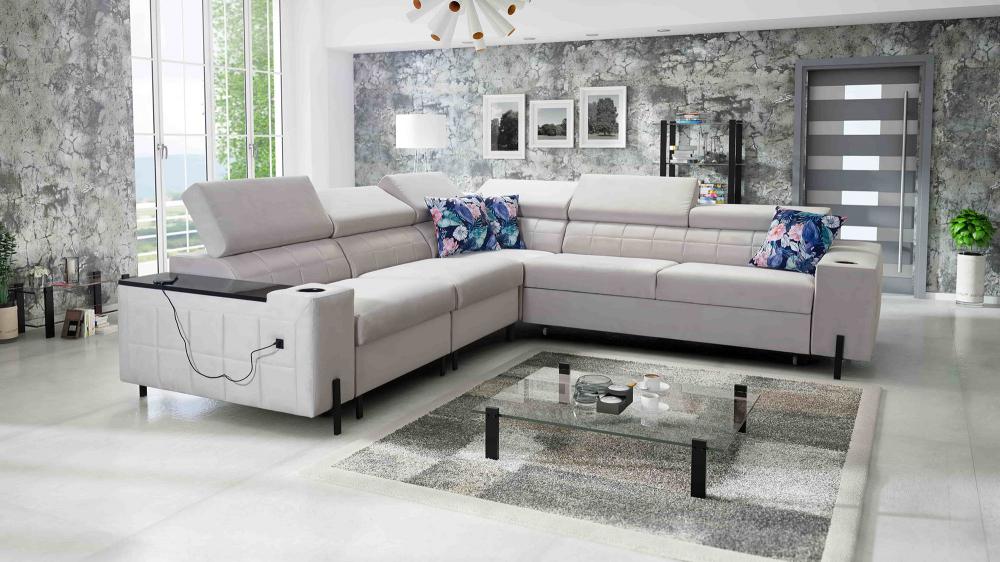
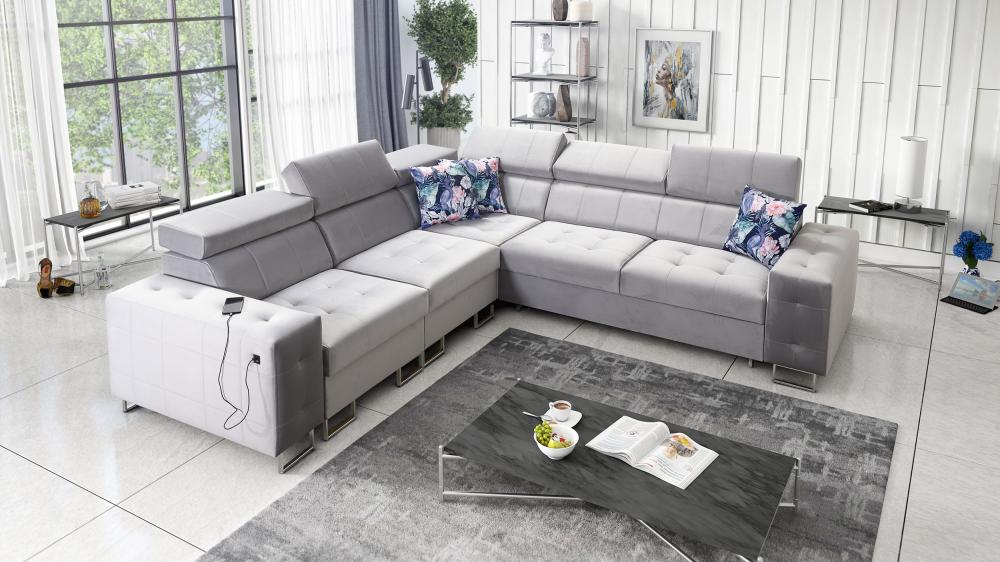
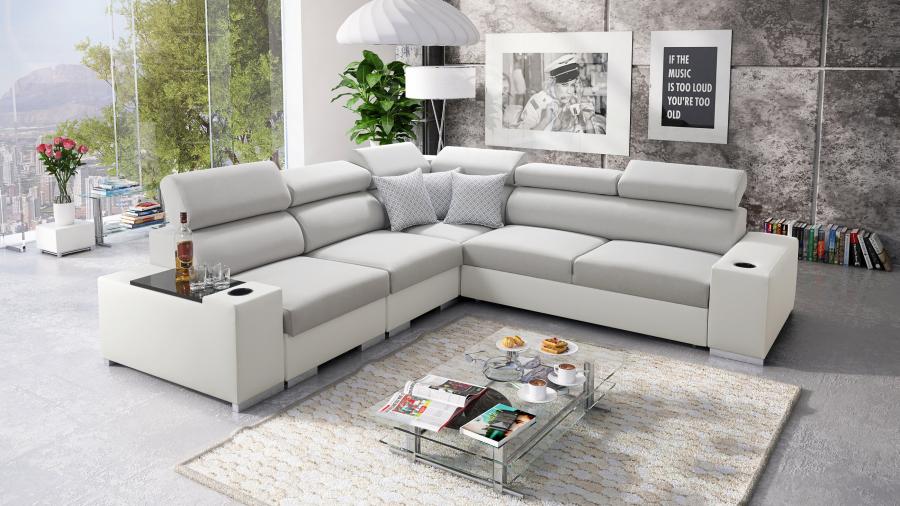
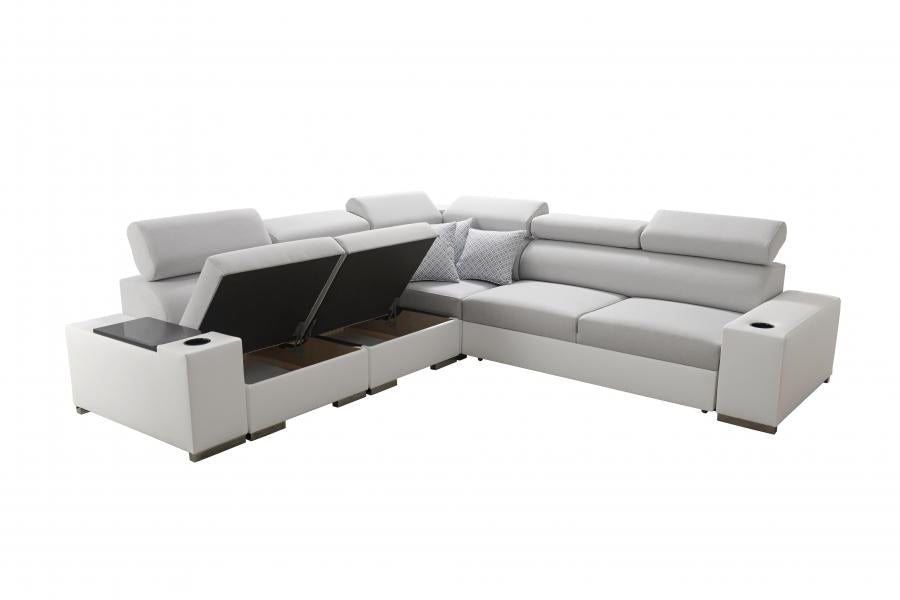
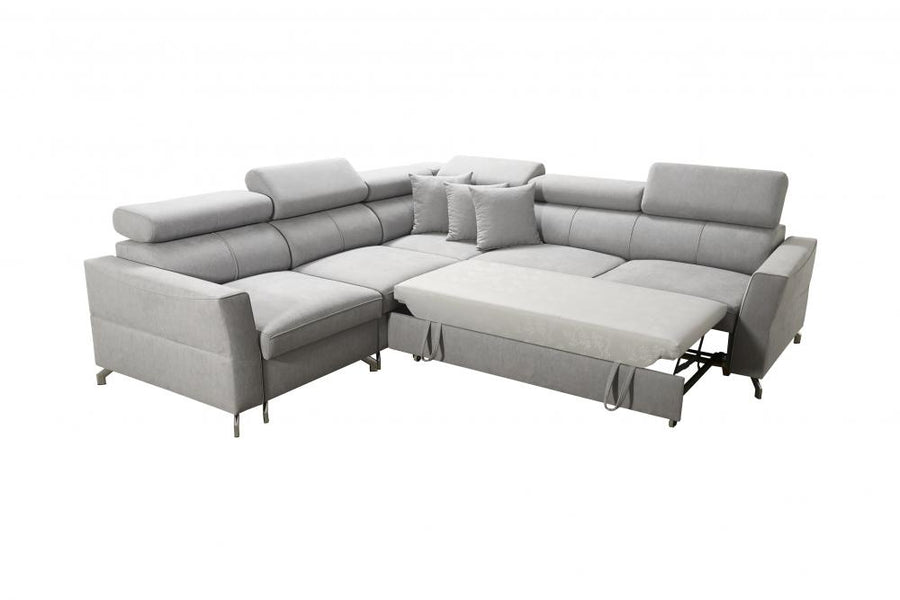
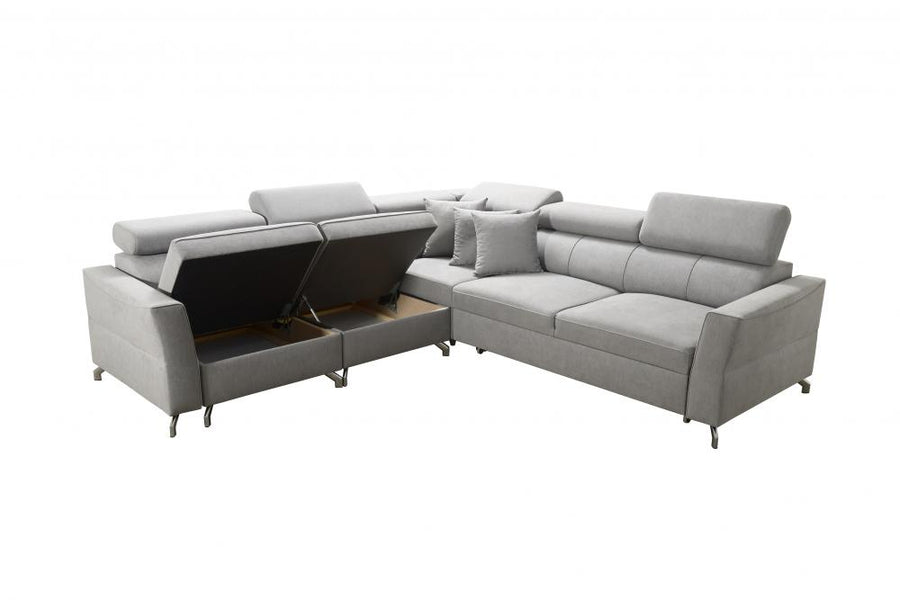
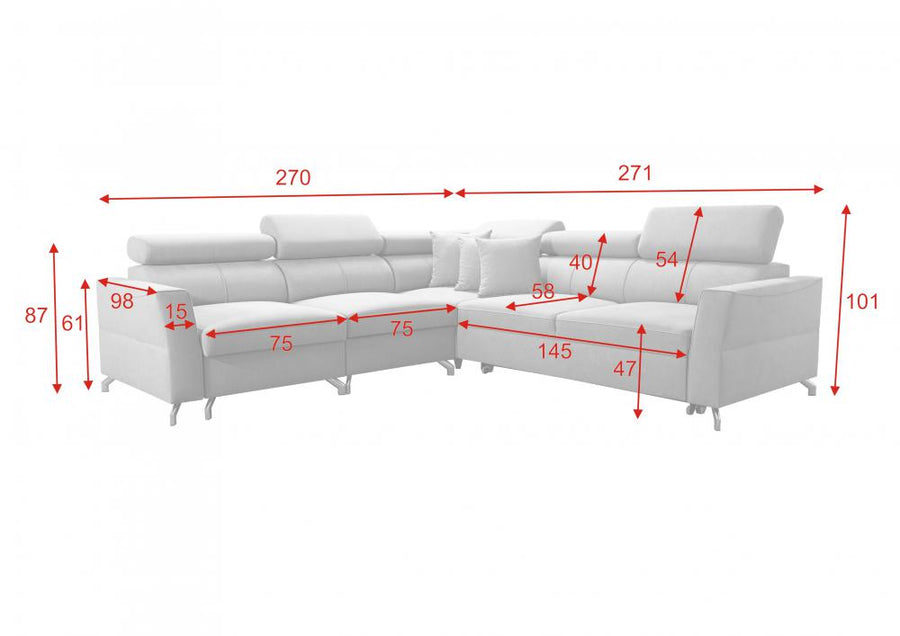
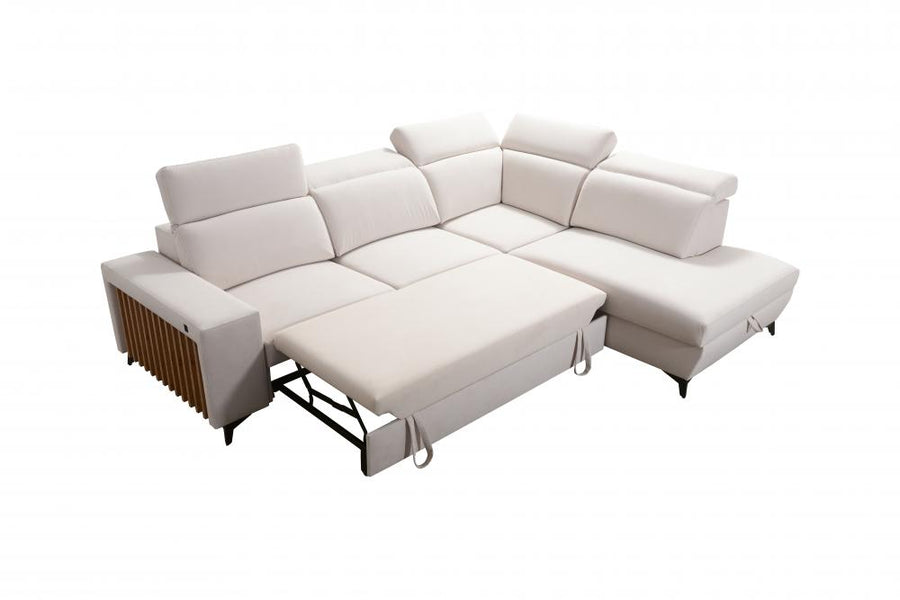
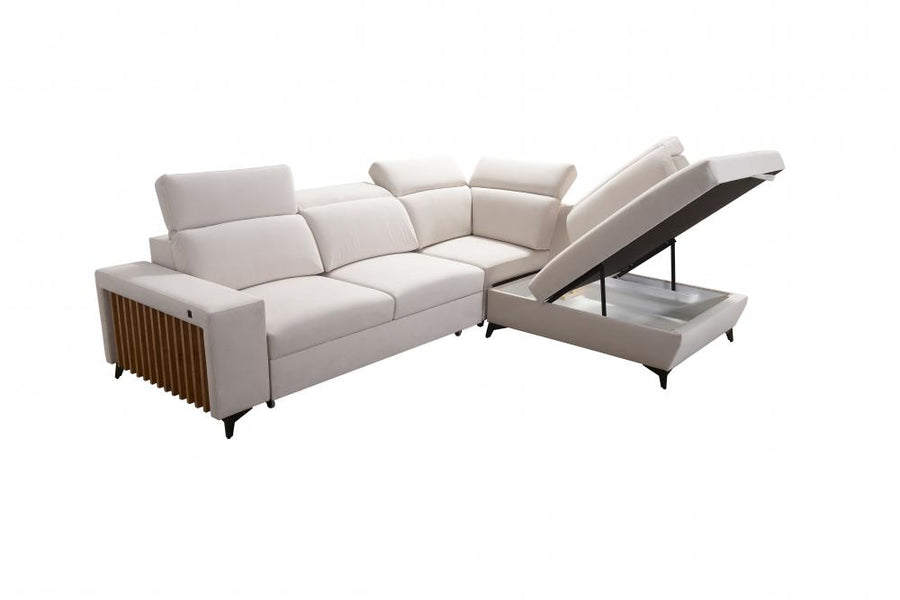
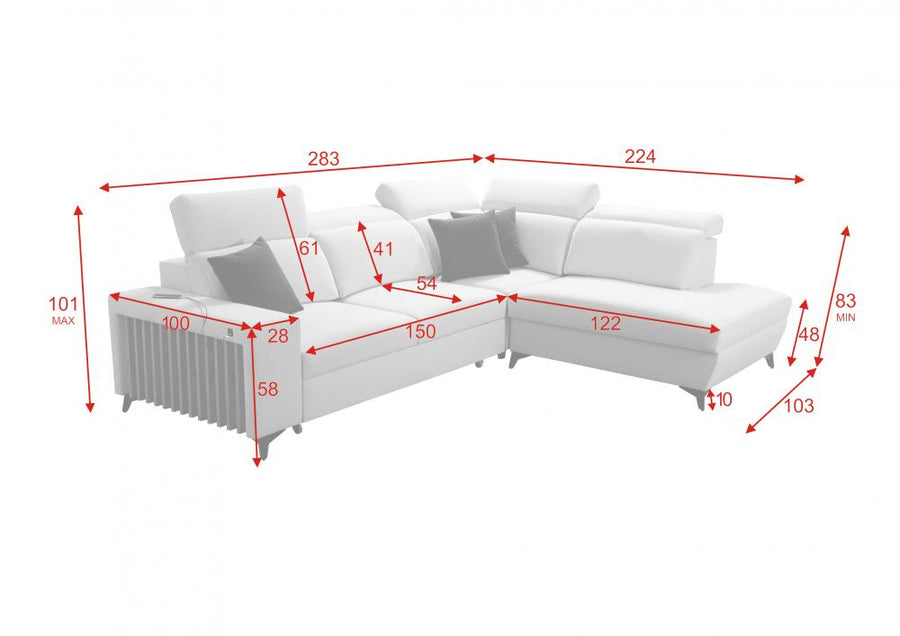
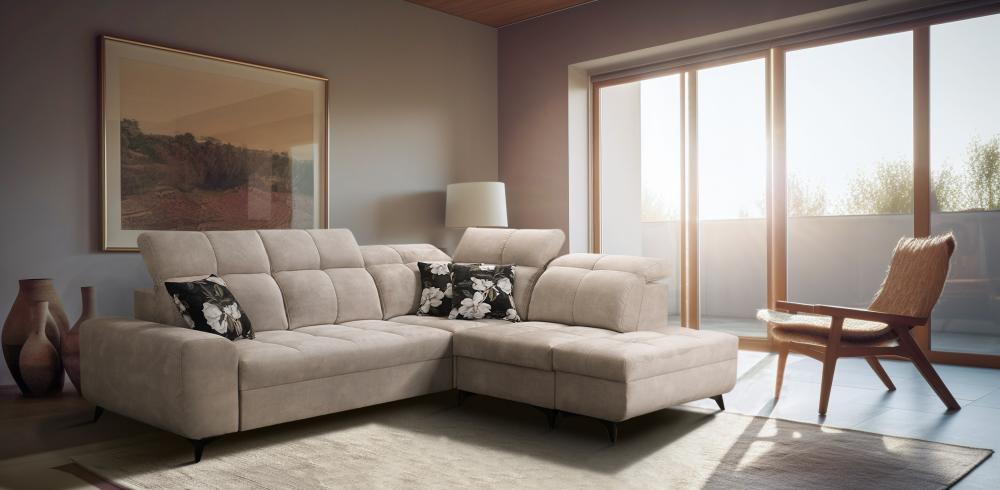
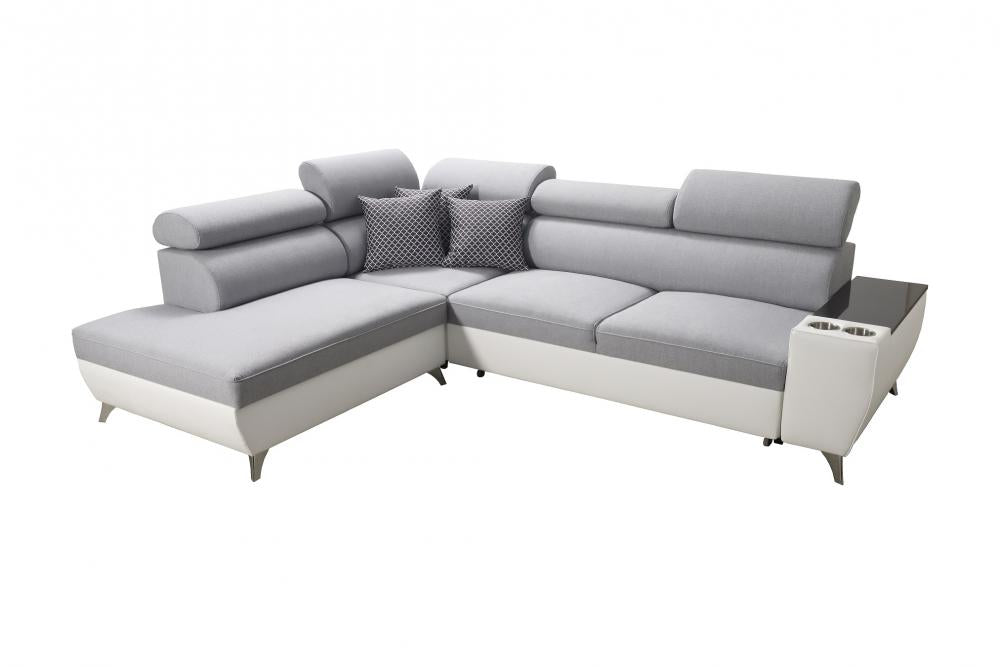
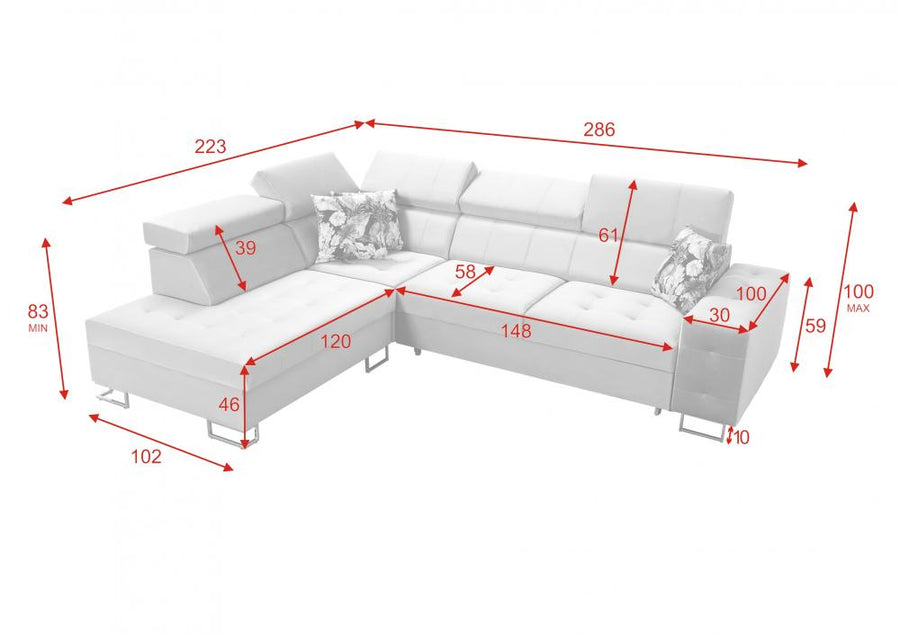
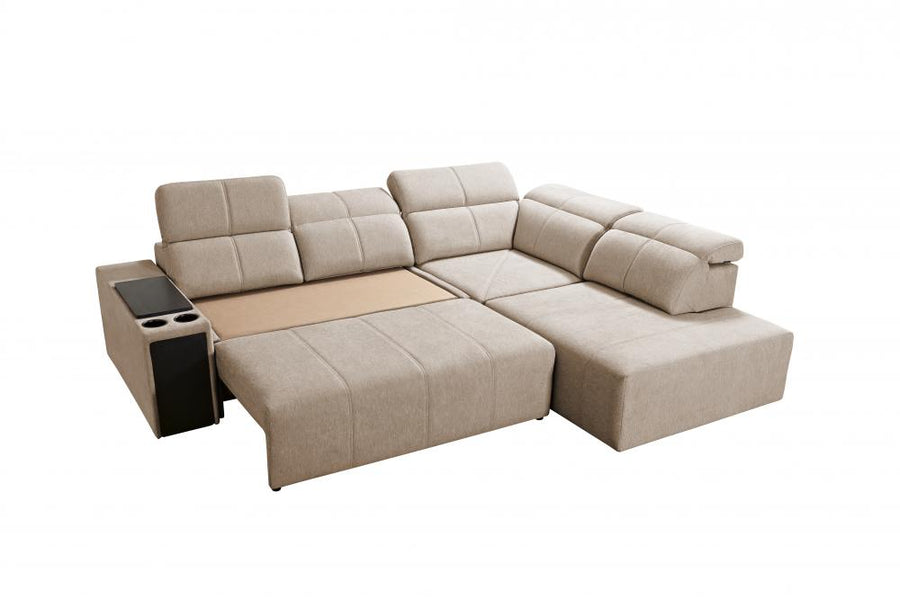
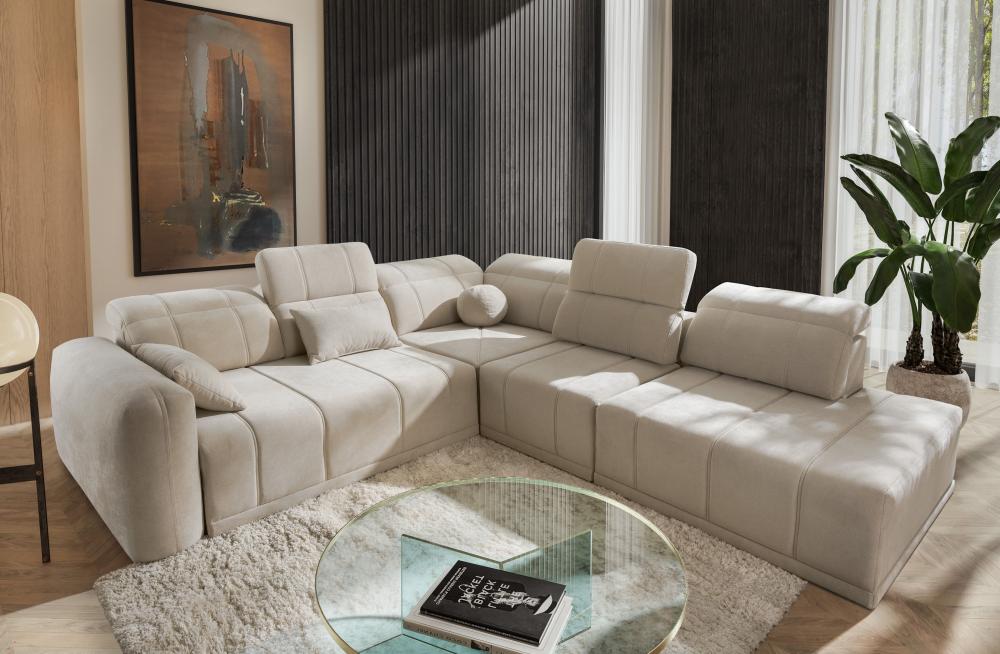
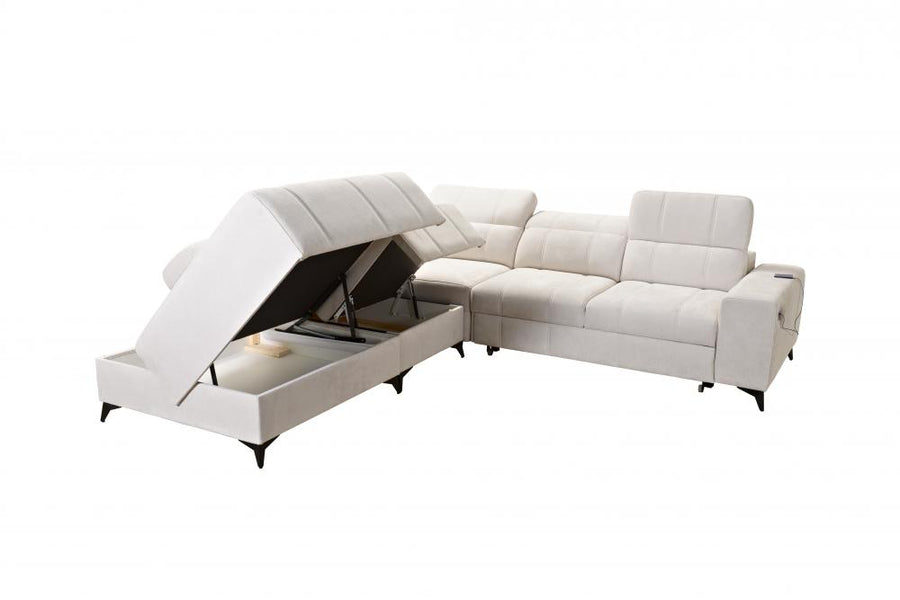
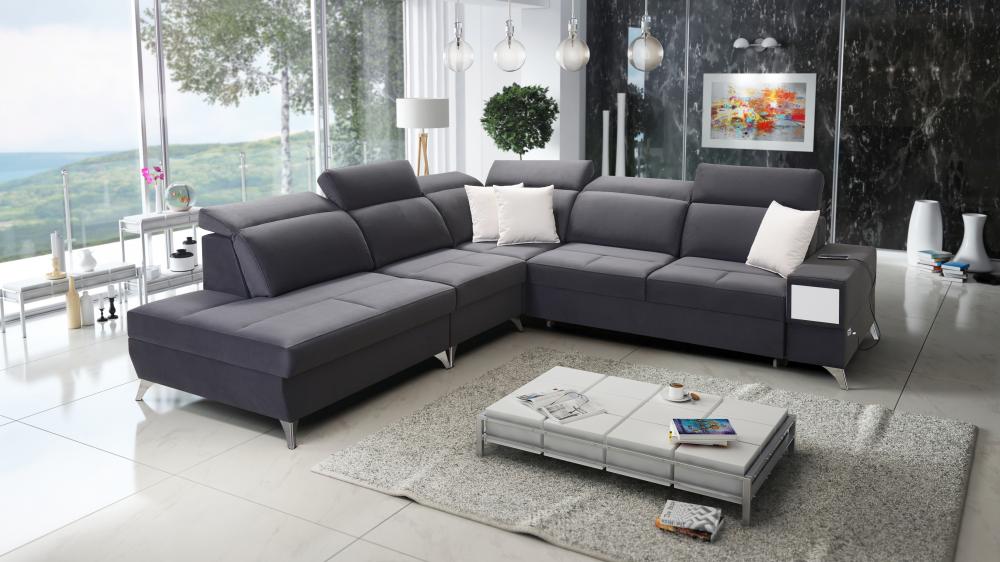
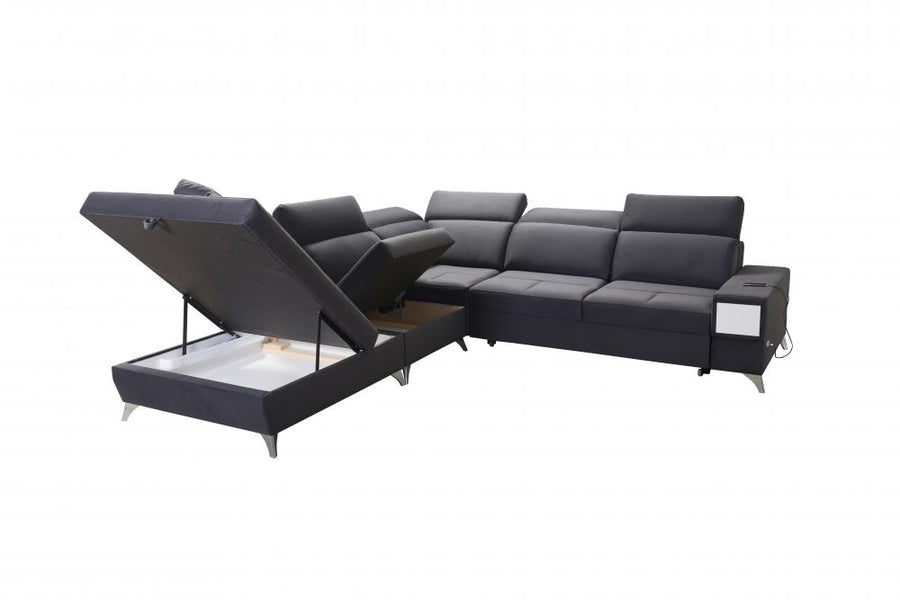
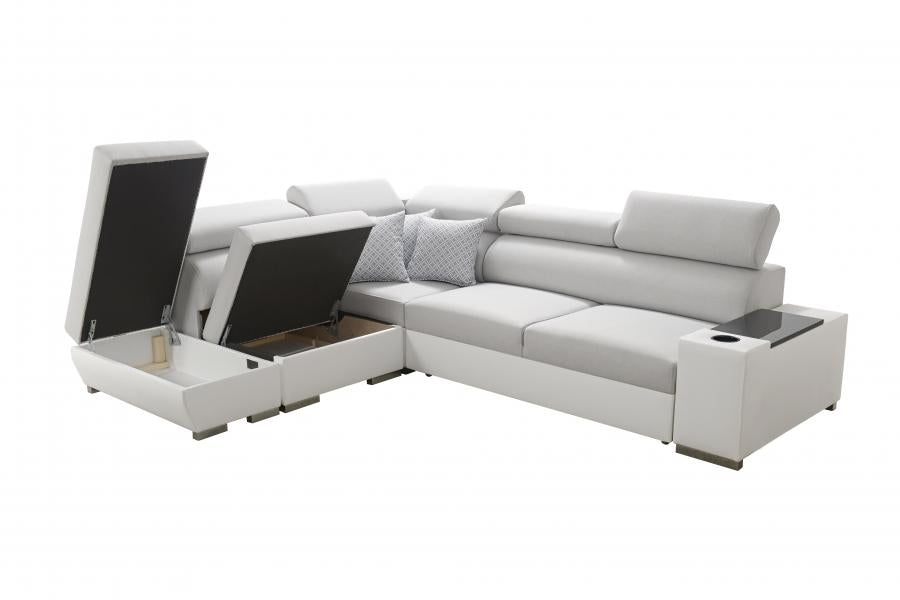
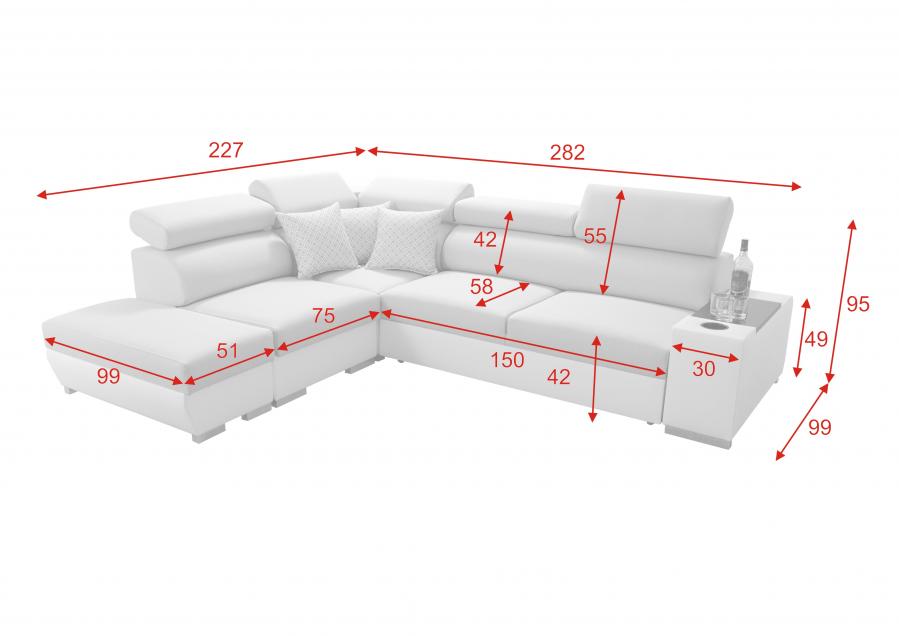
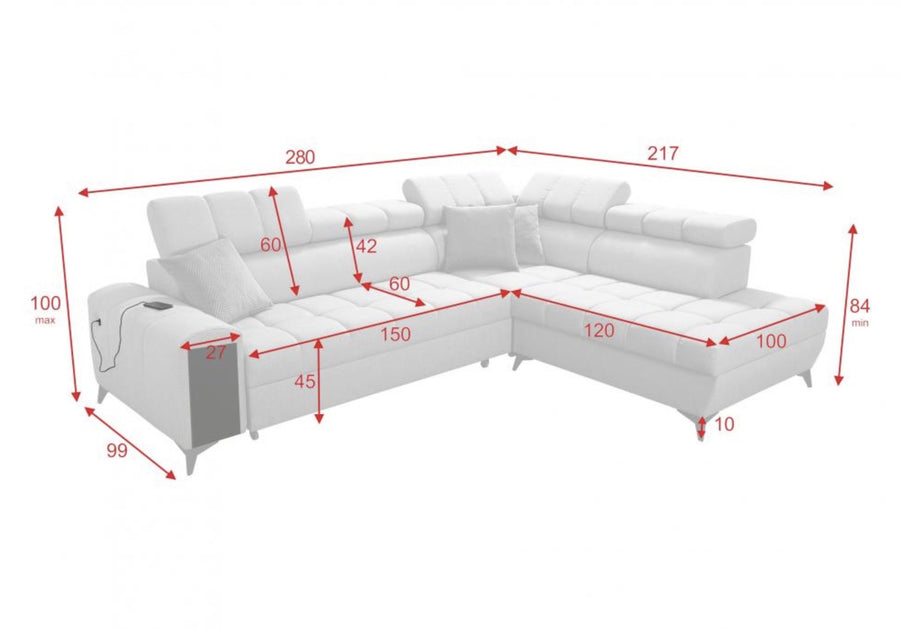
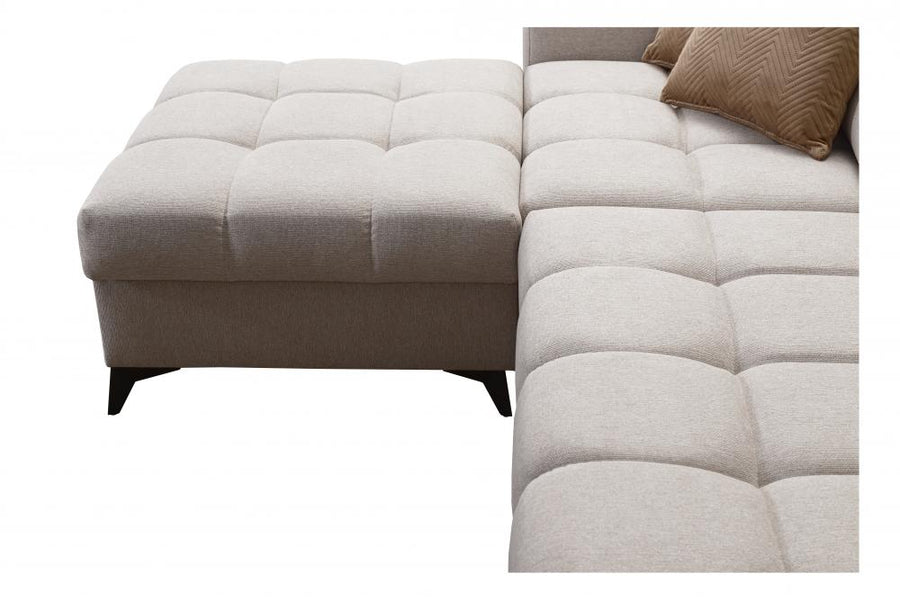
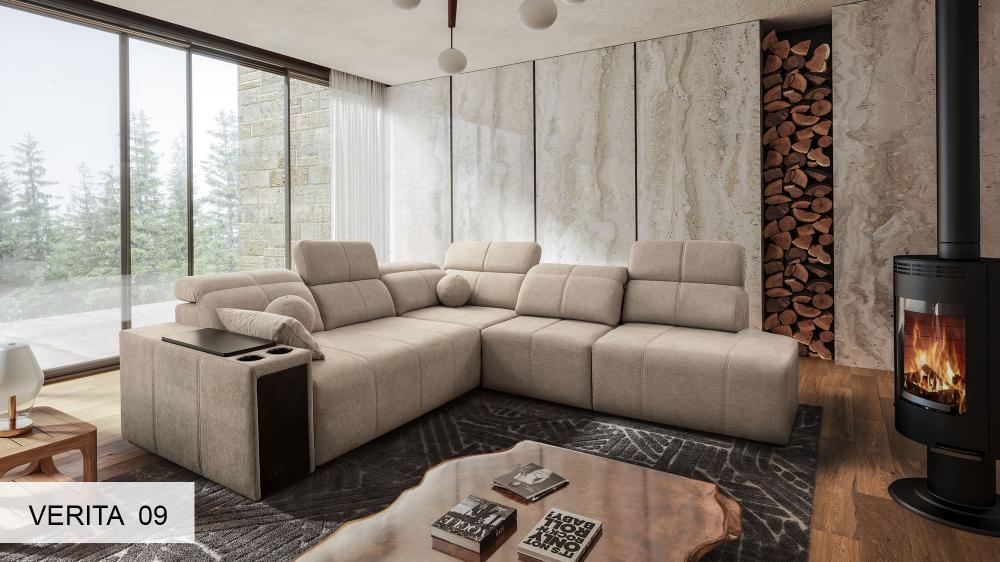
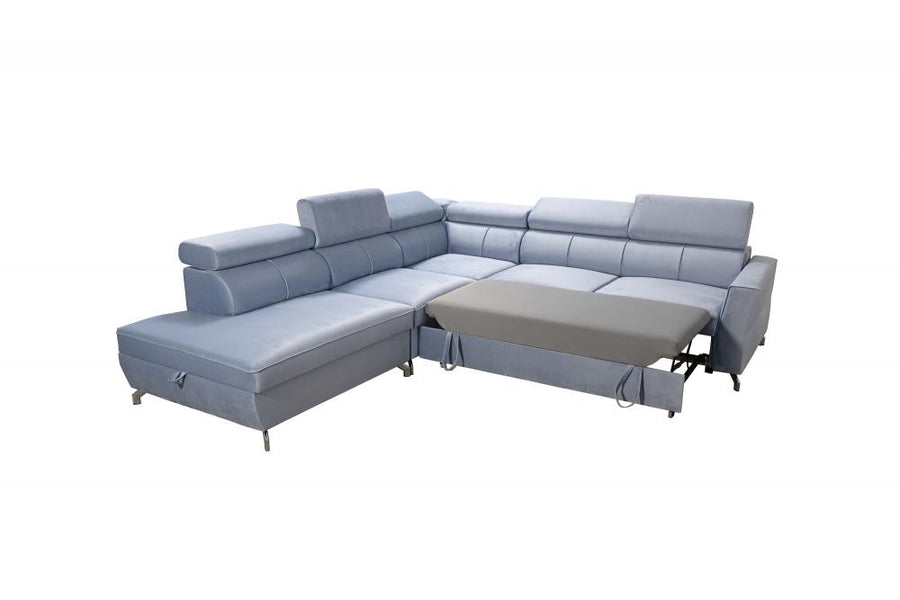
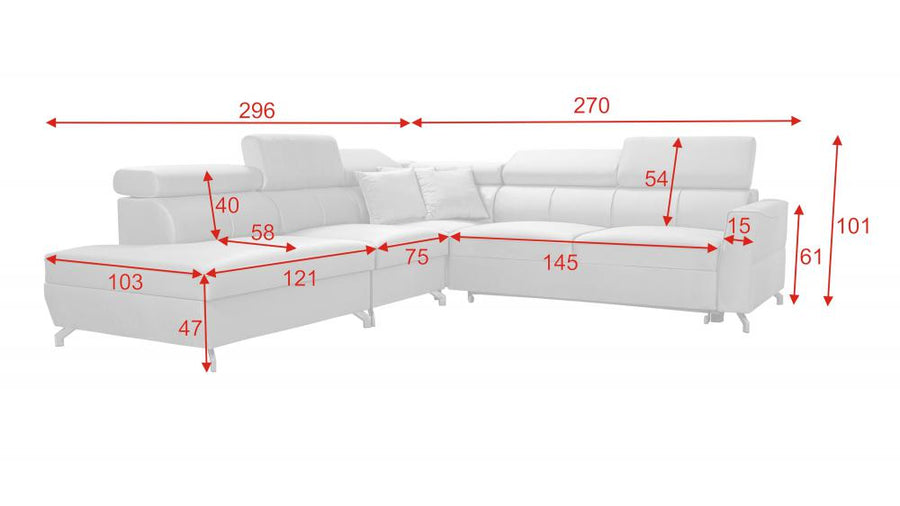
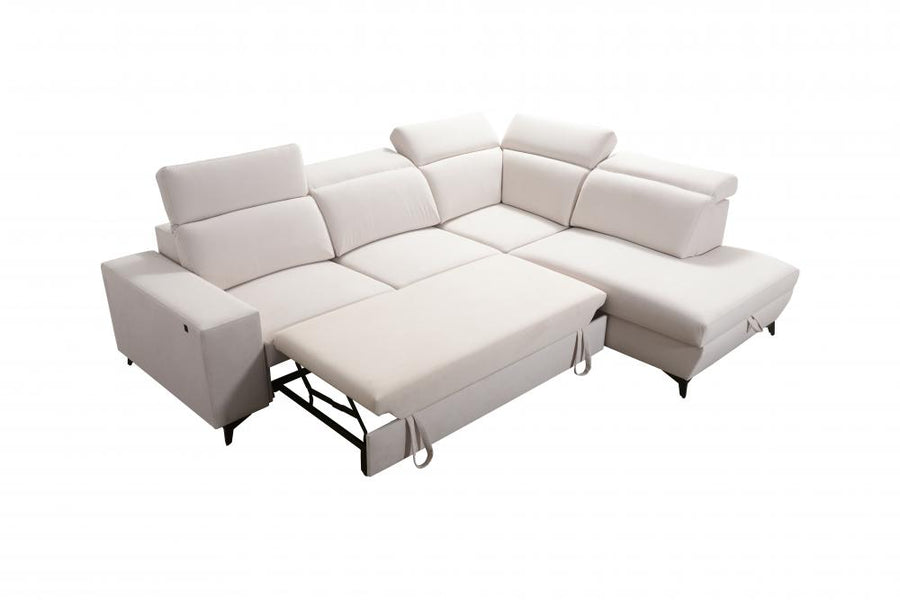
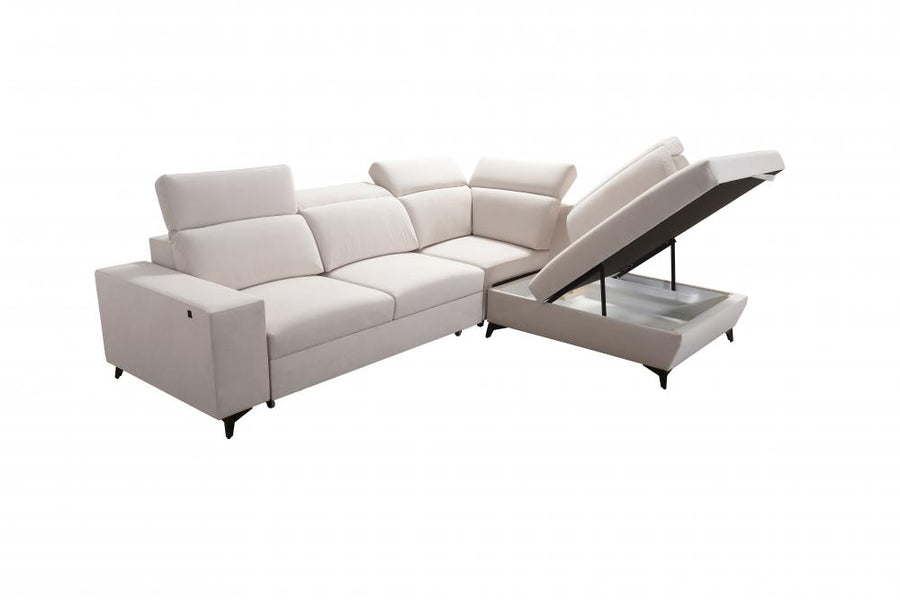
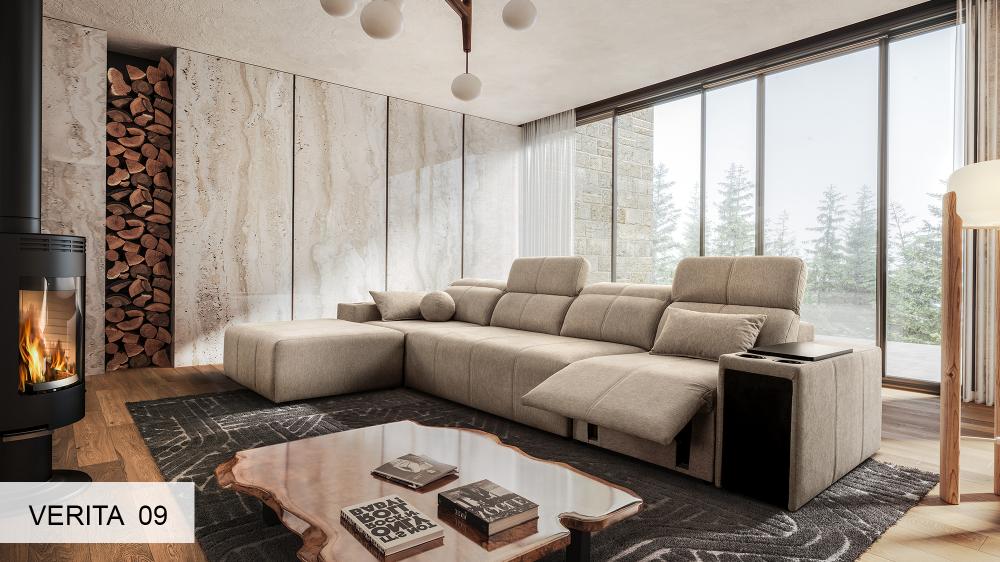
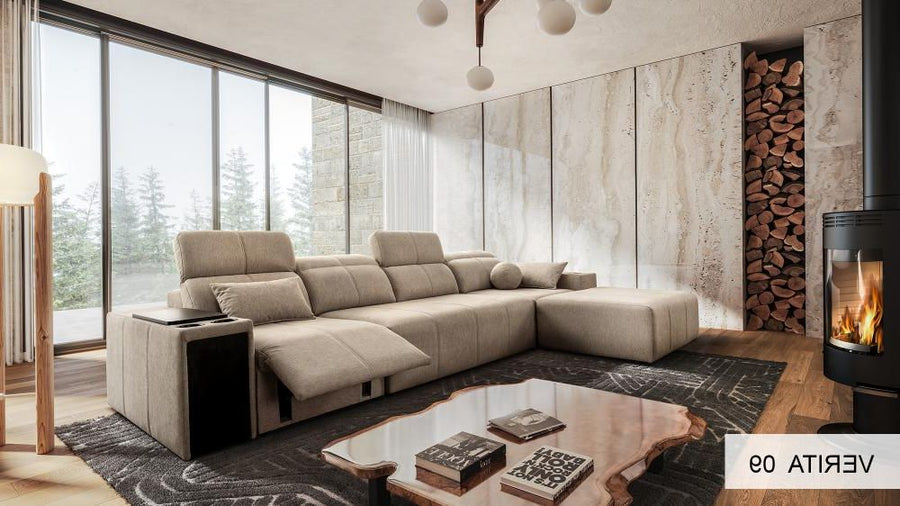
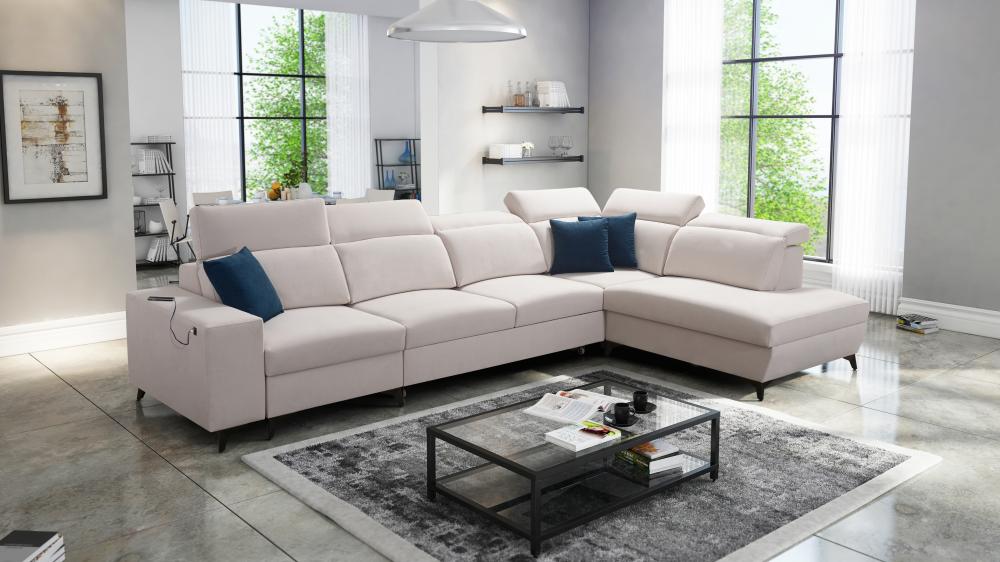
For more contained living rooms, the canapé d'angle marocain offers the best compromise. The angle naturally creates a warm corner, ideal for stacked cushions and kilim throws. It is the Moroccan version of the family sofa: where you gather to read, watch a film, chat. Reversible models let you adapt the chaise to the layout of the room.
The straight sofa — Berber refinement
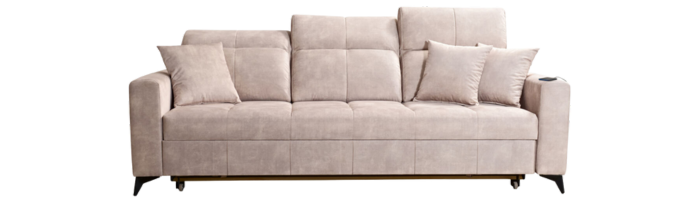
The canapé droit marocain is the rarest and most elegant piece. Without an angle or flourish, it relies entirely on material and proportions. It is the choice for narrow living rooms, corridors converted into boudoirs, or lovers of clean lines who simply want a warm seat. Pair it with two matching armchairs for a reception living room.
How to compose a coherent Moroccan-style living room
A canapé marocain isolated in a Scandinavian setting will look like a UFO. Success lies in the ecosystem you build around it.
Cushions and throws — the soul of Morocco
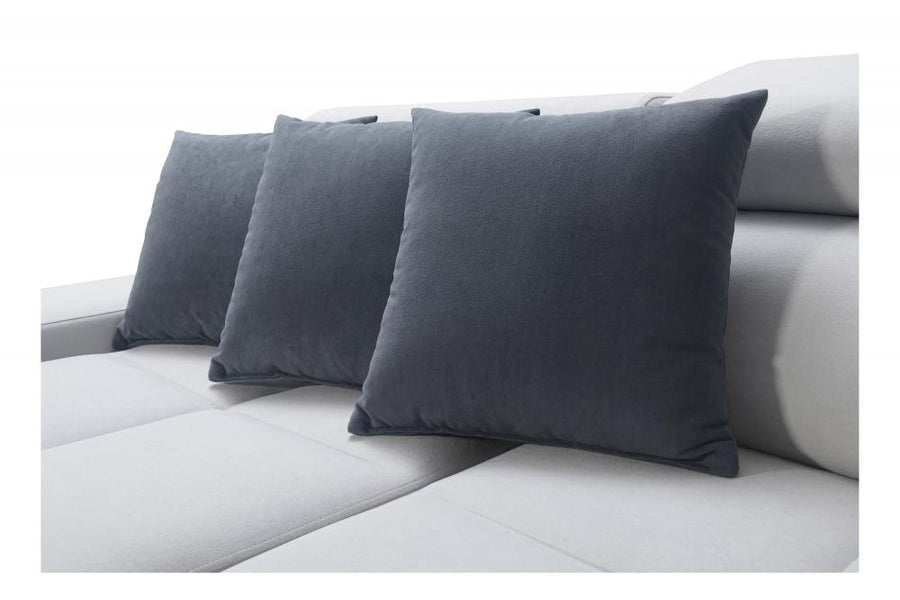
A canapé marocain without cushions is like a souk without a trader: empty. Pile them on: three or four cushions in plain velvet, two or three in kilim or Berber geometric patterns, a thick wool throw draped over the armrest. The golden rule: vary the textures rather than the colours. Stay within a tight palette (three shades maximum), but multiply the materials to create richness.
Light — the other half of the decor
The style marocain is inseparable from warm, indirect lighting. Avoid white ceiling lights: replace them with chiselled metal lanterns (placed on the floor or hung low), tea lights, or lamps with raffia shades. Golden light tips a living room from functional to spectacular, and reveals the depth of velvet better than anything else.
The rug — the anchor on the floor
A tapis berbère or a kilim under the sofa visually anchors the whole. Opt for simple geometric patterns (diamonds, chevrons) rather than overly busy compositions. And keep at least 30 cm of margin all around the rug so the room can breathe.
Cohabitation with other styles
The canapé marocain cohabits very well with a pared-back canapé design if the colour is neutral. It also dialogues with the canapé turc (a close cousin, more robust), and stands in opposition to the canapé scandinave (as many decorative philosophies as climates). The most successful mix: a Moroccan sofa on a light floor, white walls, and one or two oriental touches (lantern, kilim, cactus).
What budget for a quality canapé marocain?
The price of a canapé marocain depends less on style than on build quality, fabric, and structure. The rule of three thirds: one third for the structure (solid wood, Nosag springs), one third for the filling (high-density foam, feathers), one third for the covering (velvet, bouclé, leather).
Entry-level (€800–€1,500)
You will find models in synthetic velvet fabric, with a particleboard structure. Honest comfort, decent lifespan (5–7 years), Moroccan aesthetic guaranteed by the choice of colour. Ideal for a first living room or a rental investment.
Mid-range (€1,500–€3,000)
This is where the canapé marocain truly comes into its own: solid wood structure, high-density foam (HR 35 kg/m³ minimum), quality velvet, careful finishing. The Kings Canapé models in this range offer excellent value for money, with a lifespan of 10–15 years in normal family use.
High-end (€3,000 and above)
For purists: thick velvet from leading brands, solid beech frame, Nosag spring suspensions, feather seat. Kings Canapé canapés de luxe in this range are lasting investments, guaranteed for ten years. The €1,000–€2,000 segment remains the most consulted by buyers, and it is often where the décor-to-price ratio is most favourable.
Care tips: making Moroccan velvet last
The velours marocain does not take kindly to large amounts of water, but it accepts regular care. Here are the gestures that will preserve your sofa for ten years rather than five.
- Vacuum once a week with a soft brush attachment, with the pile and then against it.
- Treat any stain immediately with a damp cloth, without rubbing — dab to absorb.
- Turn the seat cushions every three months for even wear.
- Avoid direct sunlight behind a bay window: velvet fades within a few years. A water-repellent fabric can be a complementary option.
- Have it dry-cleaned once a year by a professional — never attempt machine washing on thick velvet.
Frequently asked questions about the canapé marocain
What is the difference between a canapé marocain and an oriental sofa?
The canapé marocain is a variation of the oriental style, more specifically rooted in Maghreb craftsmanship. Oriental style in general also encompasses Turkish, Persian, and Egyptian productions. The Moroccan style is characterised by warmer tones (terracotta, saffron, ochre), deep velvets, and riad inspiration. The canapé turc, by comparison, plays more on generous volumes and tufting.
How to recognise true quality velvet on a canapé marocain?
Quality velvet is recognised by three signs: the colour changes intensity depending on the angle of the light (moiré effect), the pile stays upright after a press of the finger and returns to position in a few seconds, and the fabric does not crease permanently at the seat folds. Beware of overly shiny velvets or those that pill when rubbed: these are often low-grade polyester velvets.
Does a canapé marocain work in a small living room?
Yes, provided you choose a straight sofa rather than a panoramic one. A canapé 3 places marocain in terracotta velvet fits very well in a 12 to 15 m² living room. The trick: limit accessories to two or three cushions and a single lantern, to avoid a cluttered effect that would make the room feel smaller.
Can a canapé marocain be combined with modern furniture?
Yes, and it is actually one of the strong trends of the moment. The principle: choose a canapé marocain in a neutral colour (midnight blue, forest green, pale yellow ochre) and let it dialogue with a light wood coffee table, a matte black metal lamp, or a contemporary artwork. It is mastered eclecticism that makes the difference: neither orientalising pastiche nor a uniform decor catalogue.
How many cushions should you put on a canapé marocain?
The rule of thumb: between 5 and 9 cushions for a standard sofa, 9 to 12 for a panoramic one. The winning composition alternates three textures (plain velvet, geometric kilim, embroidered linen) within a palette of three colours maximum. The cushions are placed in symmetrical pairs: one large (50x50) at each end, two medium (45x45) in between, and one or two small (30x30) as accents on the back.
Conclusion: a sofa that turns a room into a place
Choosing a canapé marocain means deciding that your living room will not just be a space to pass through, but a place where you stop. It is not just a question of style: it is a choice of pace of life. Velvet invites you to slow down, warm light to extend the evenings, cushions to linger. At Kings Canapé, we have selected models that capture this spirit without turning it into a museum piece: robust, comfortable sofas that withstand the daily life of a family while carrying a real decorative signature. If you are looking to transform your living room into a place of warmth and authenticity, the canapé marocain is the ideal starting point.