












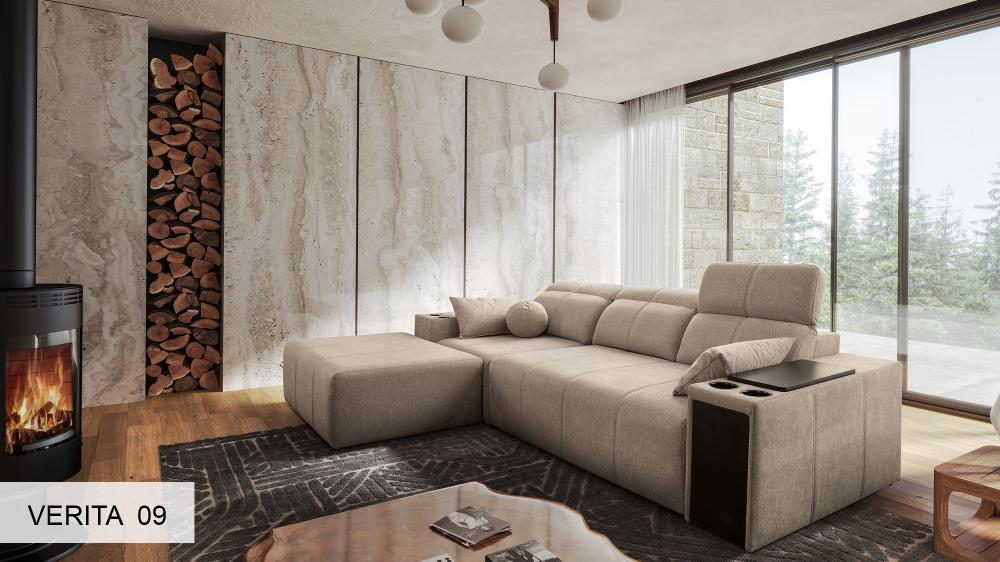


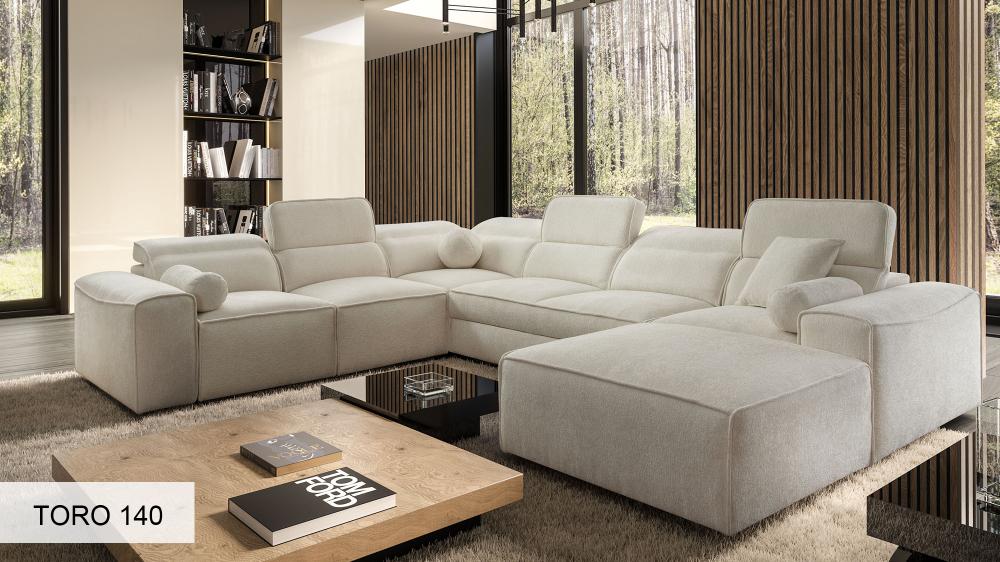


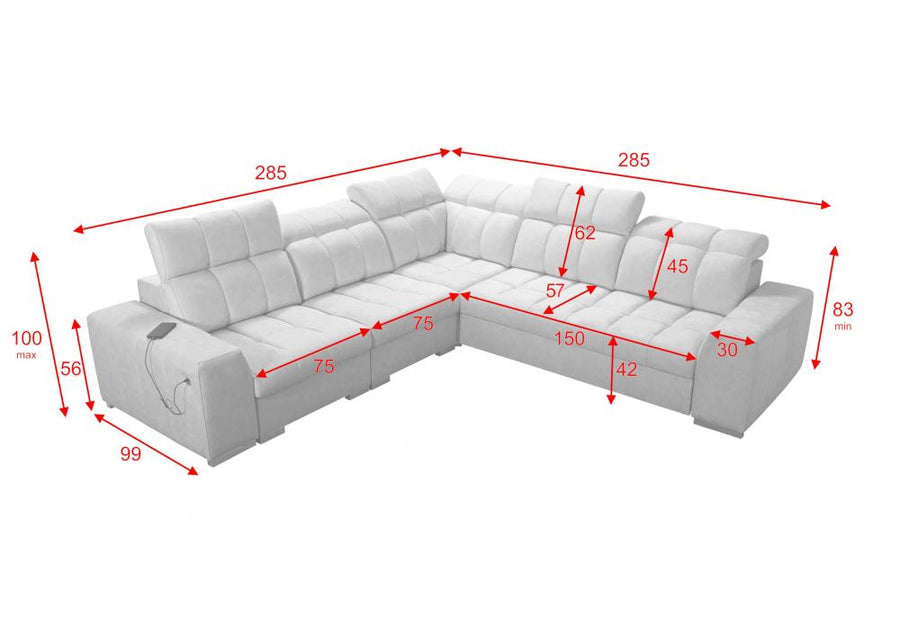


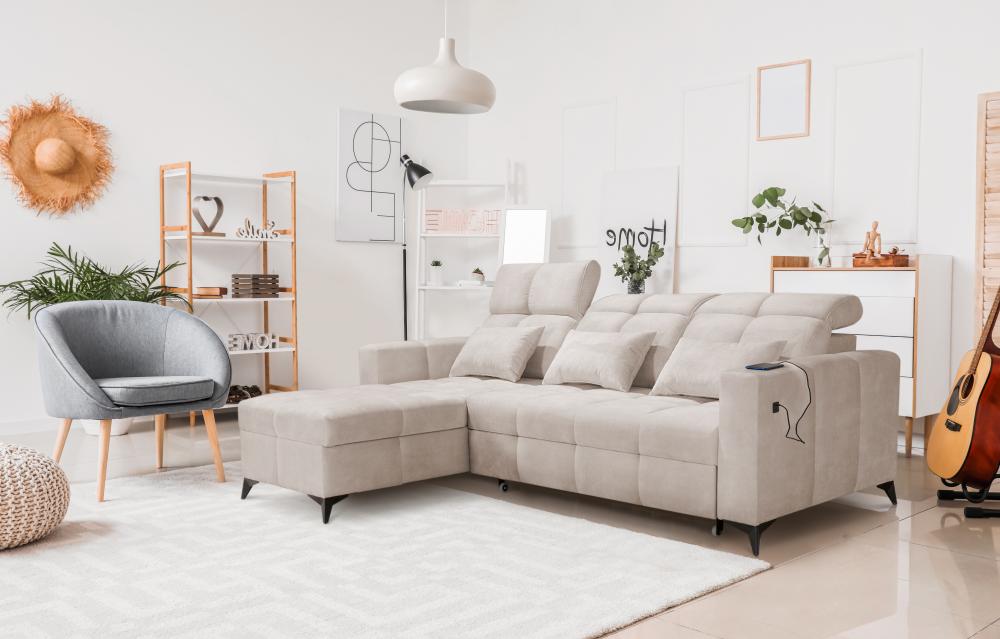

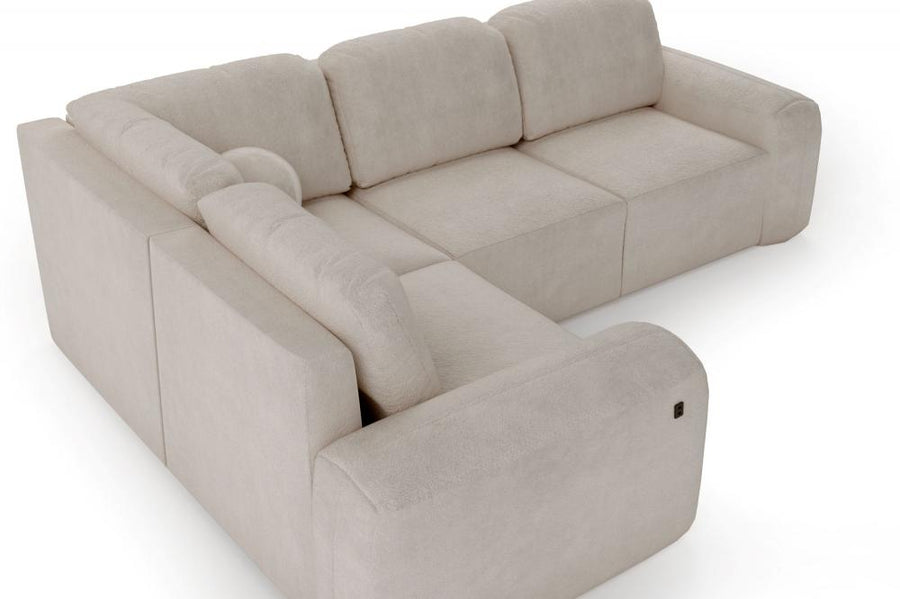
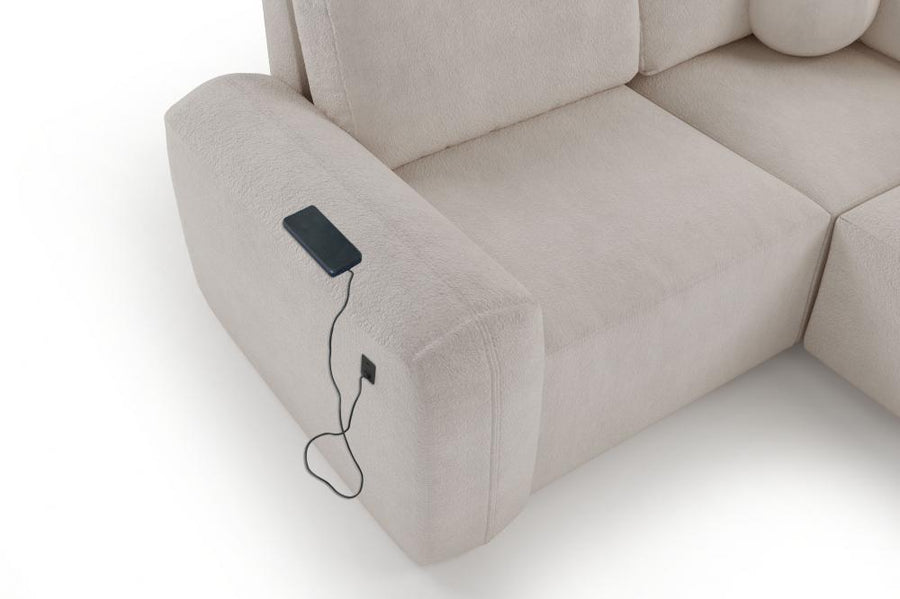
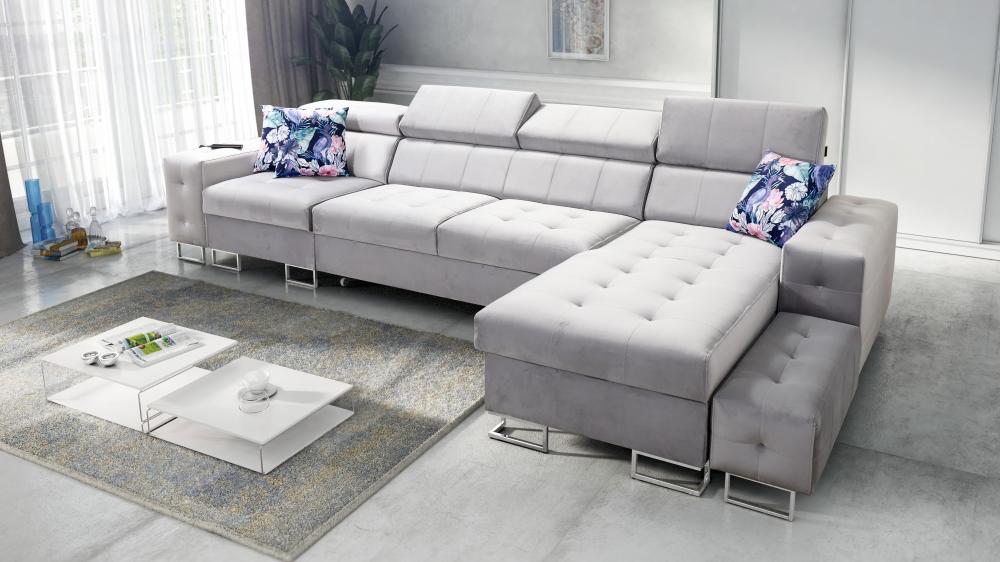
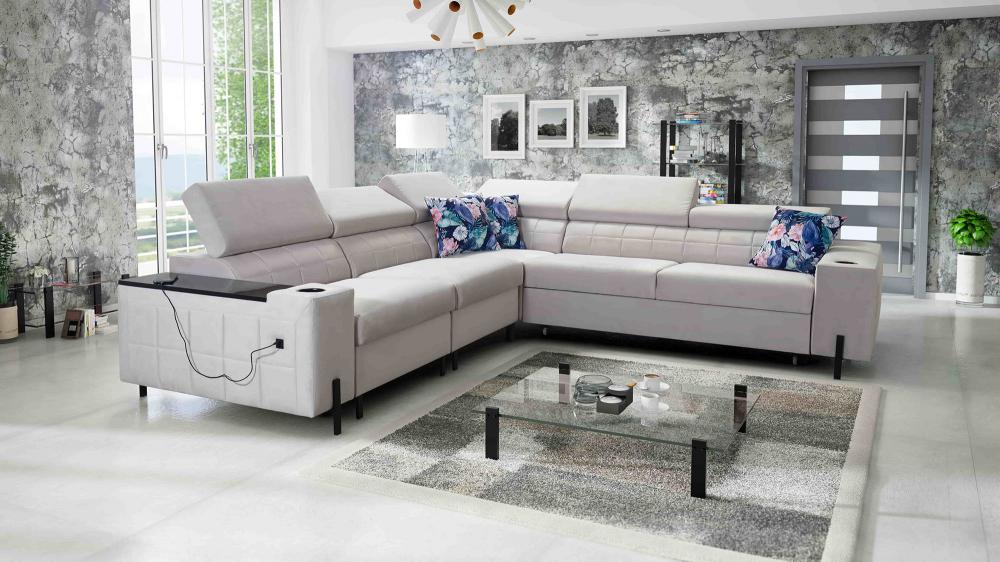


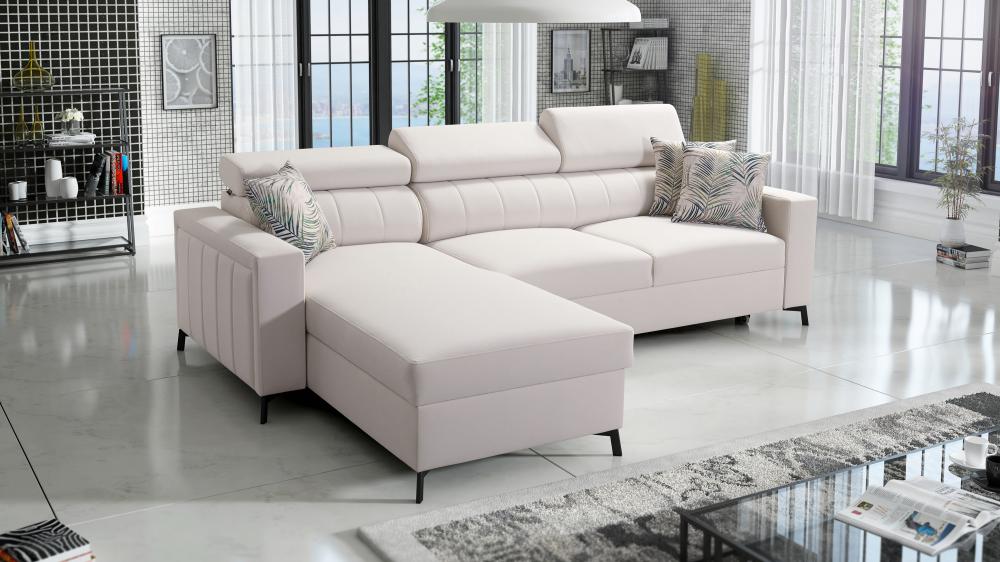
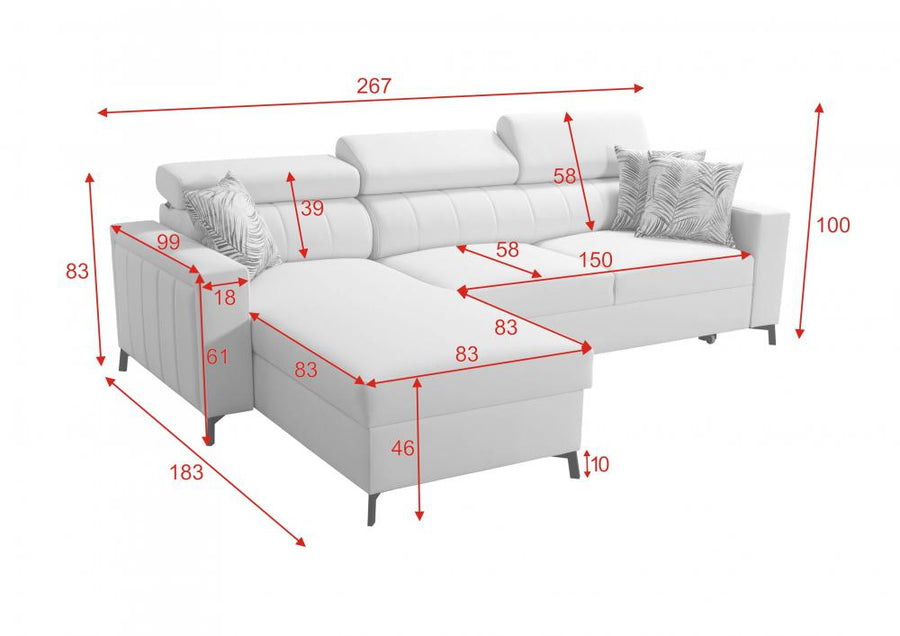
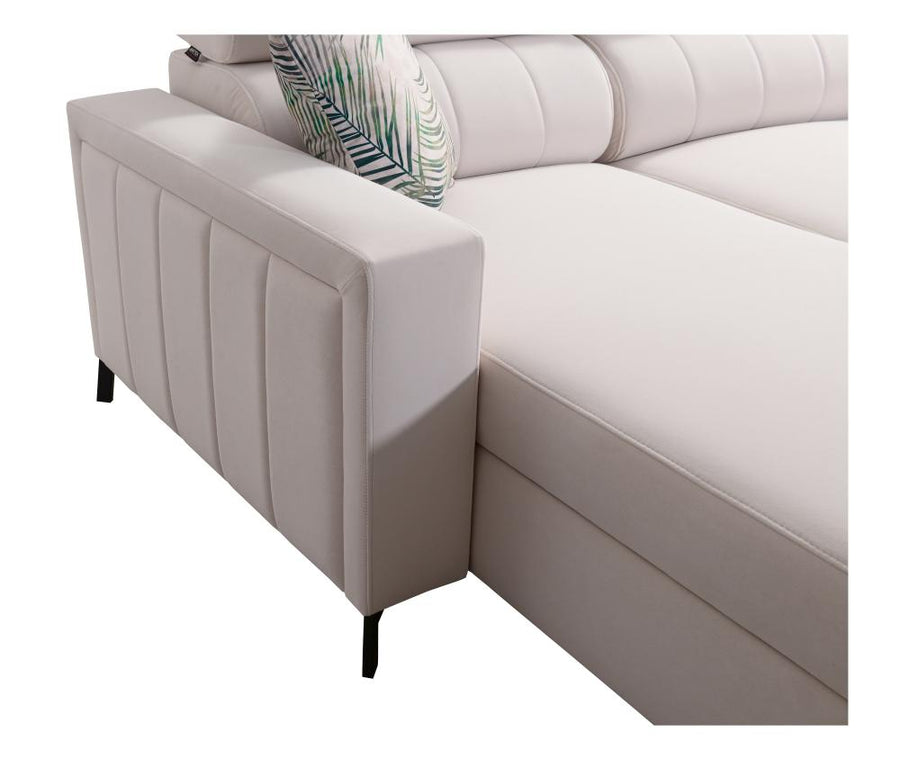
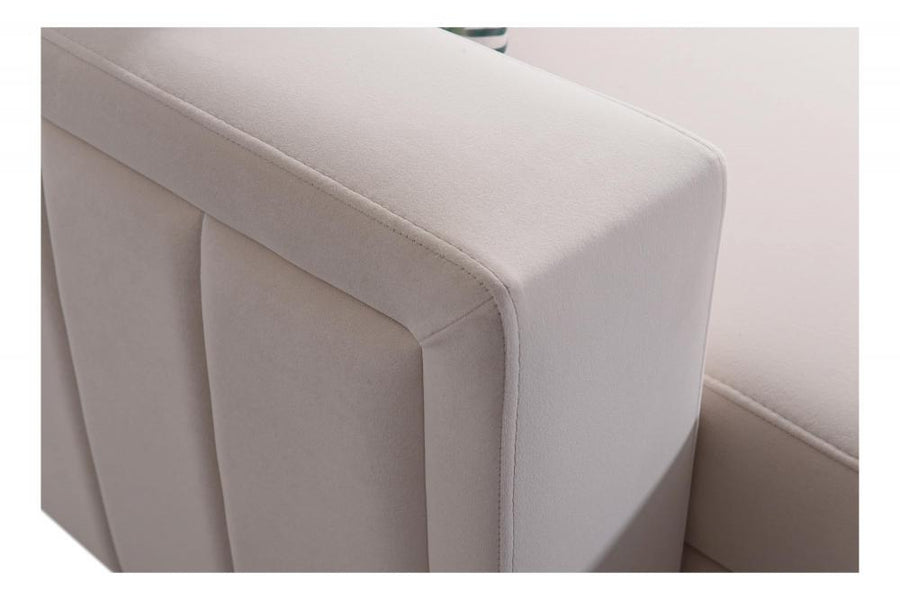

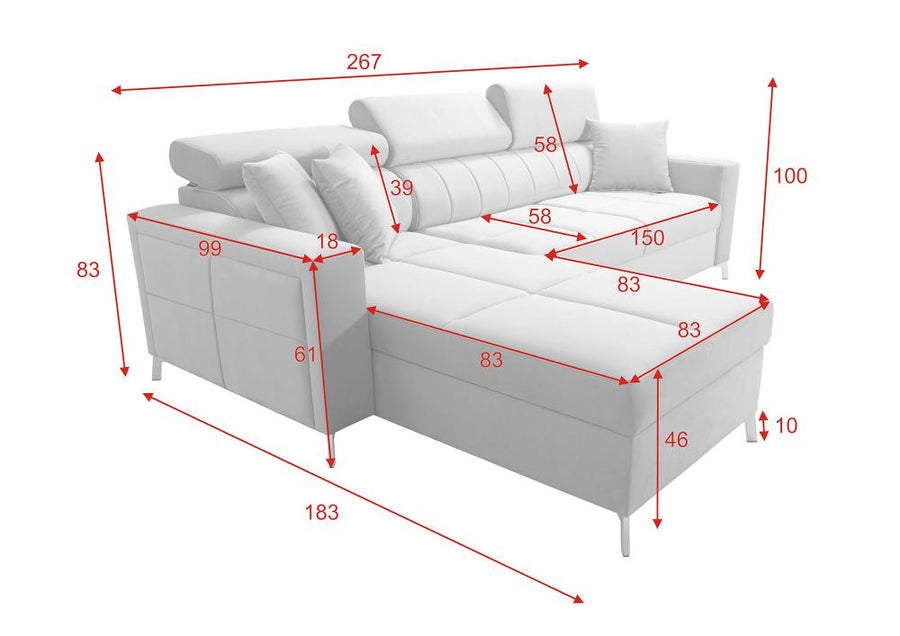












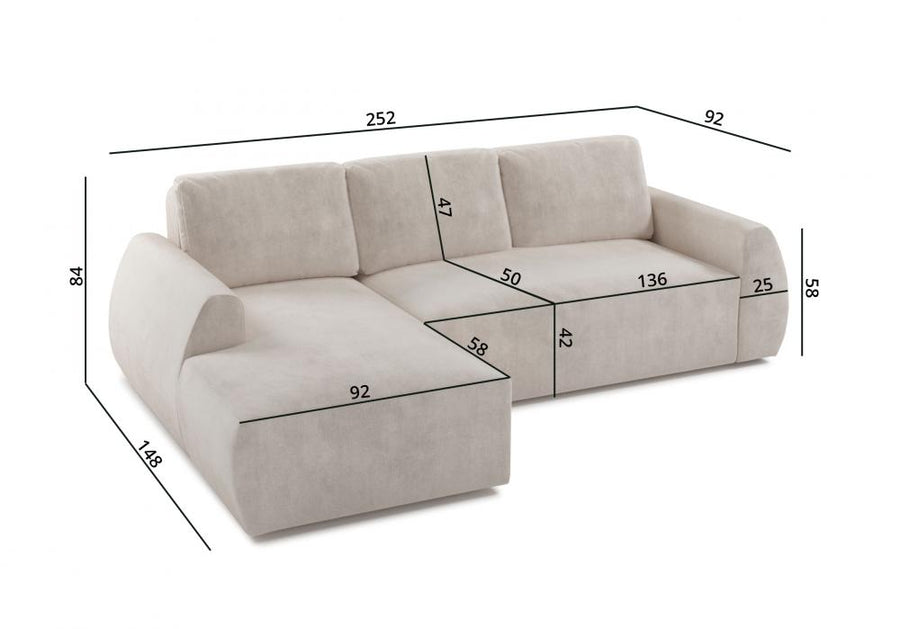
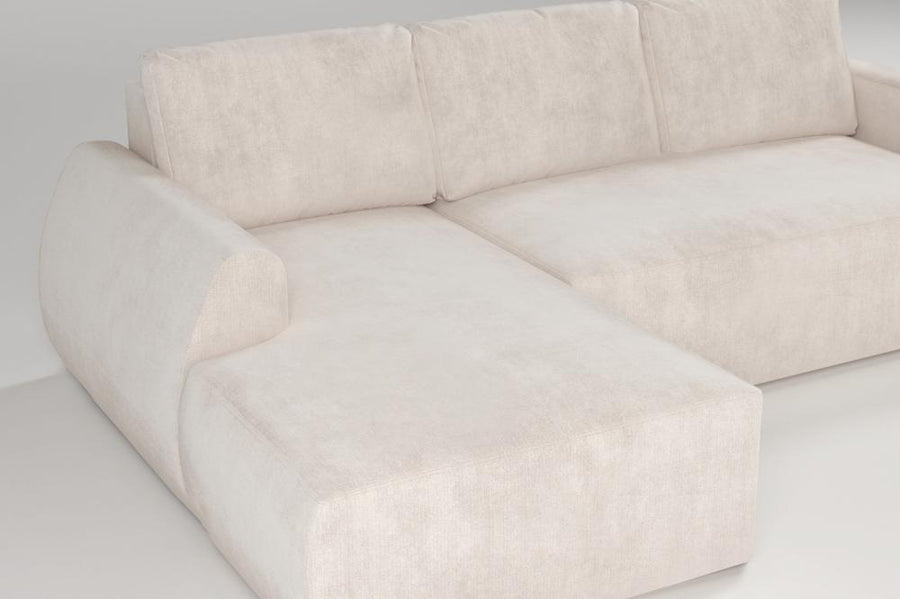







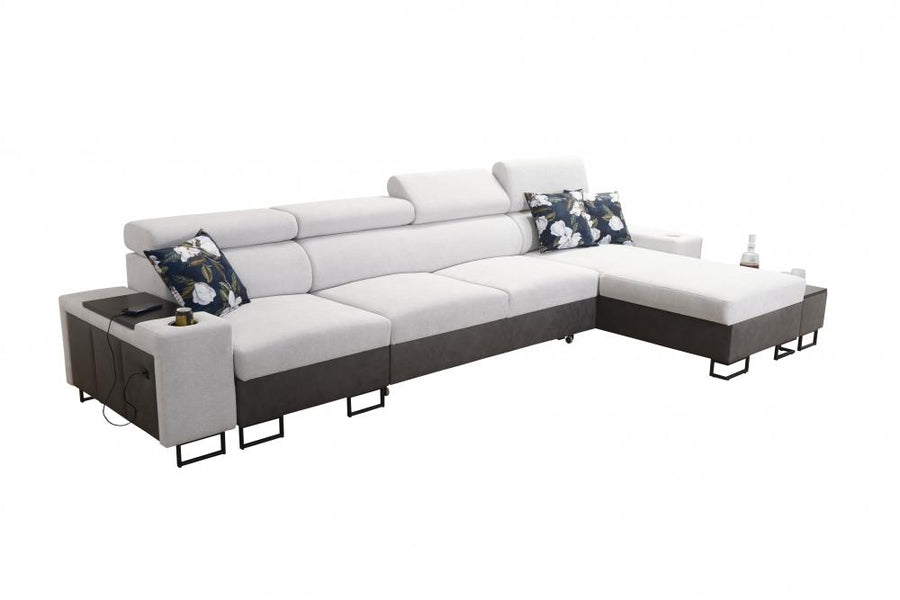
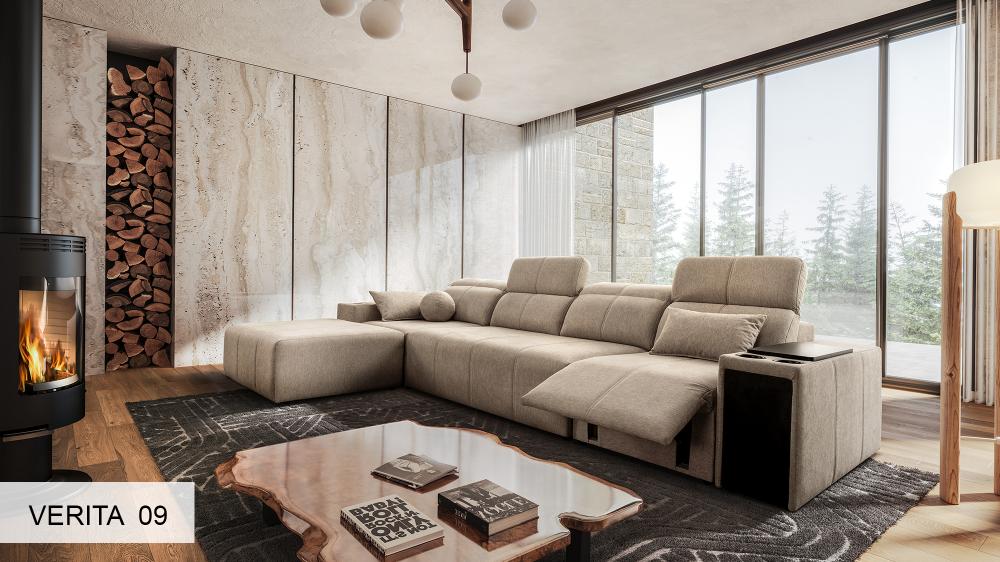


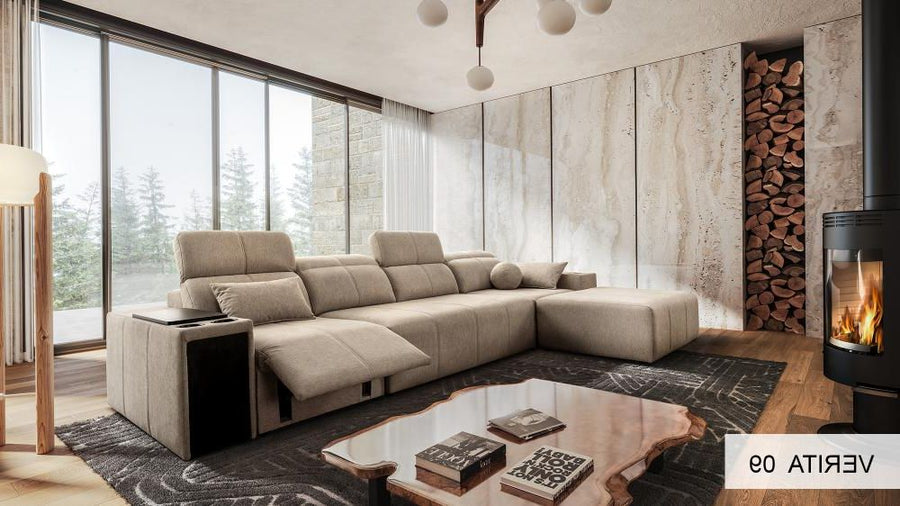


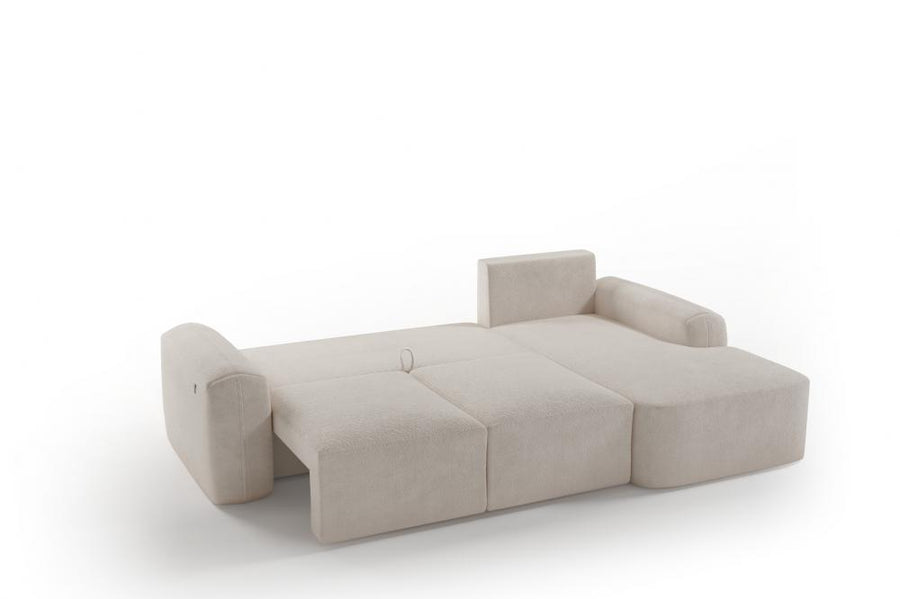
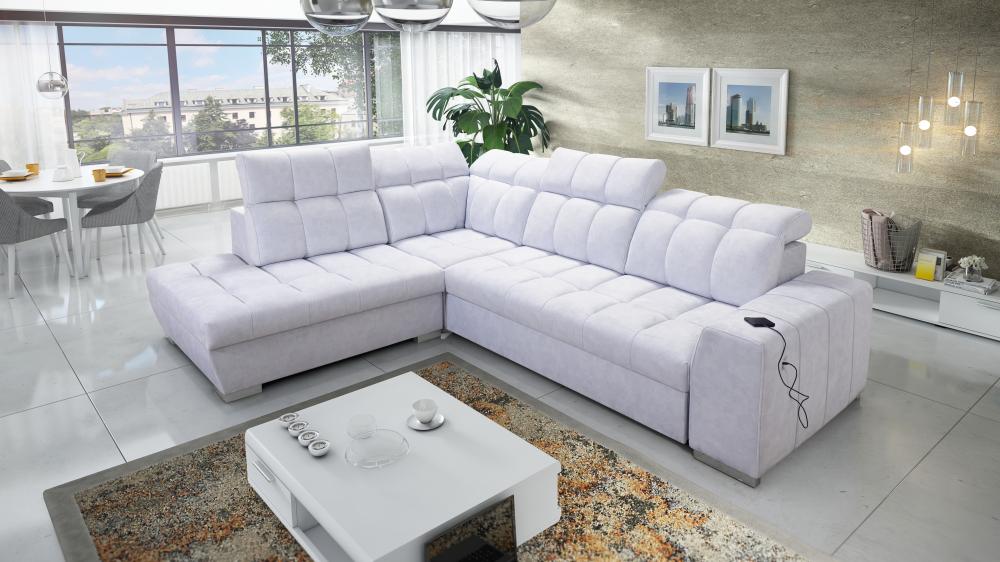
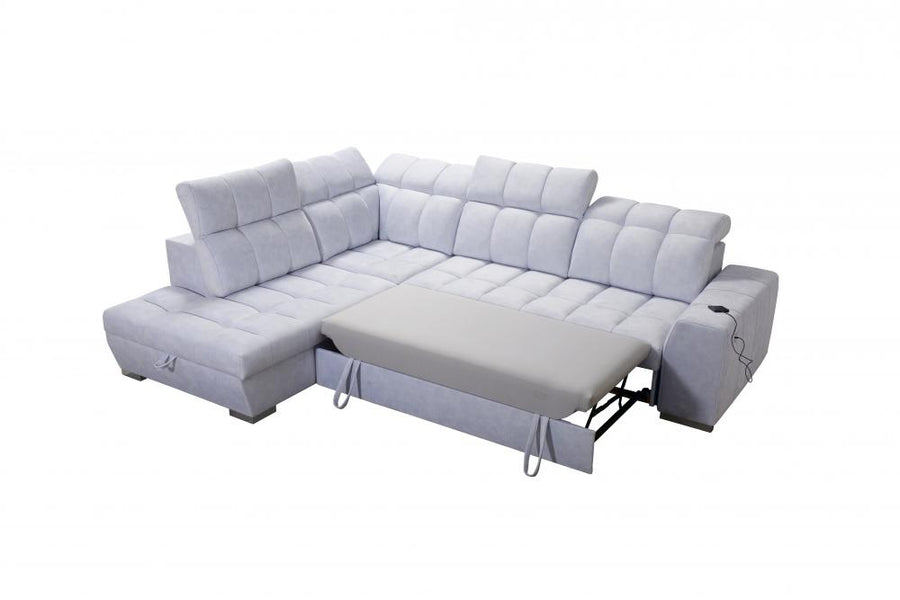
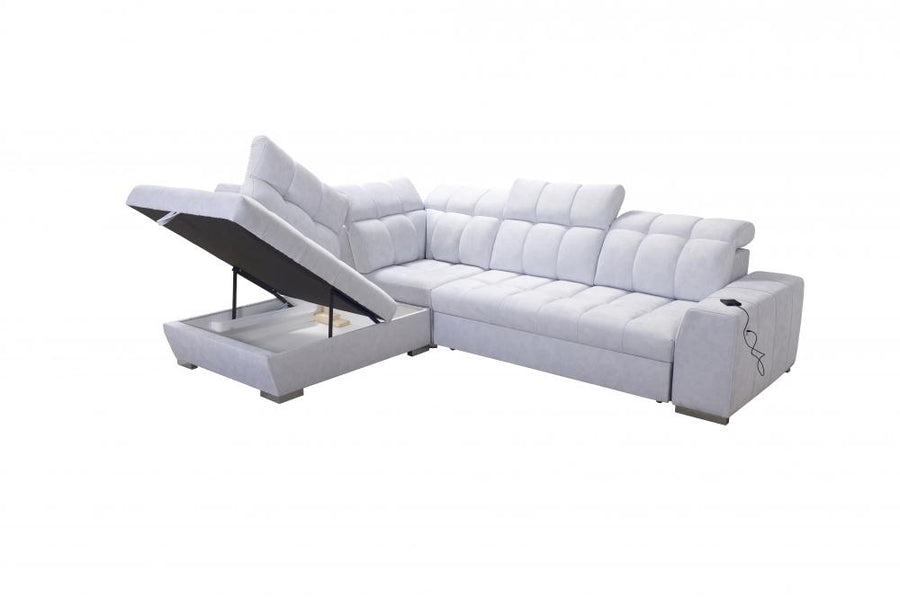
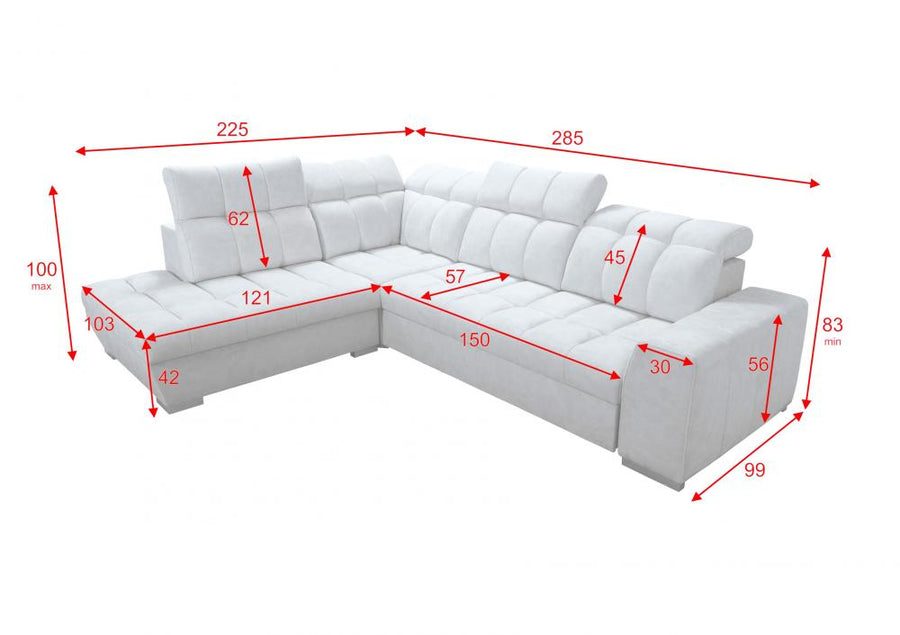














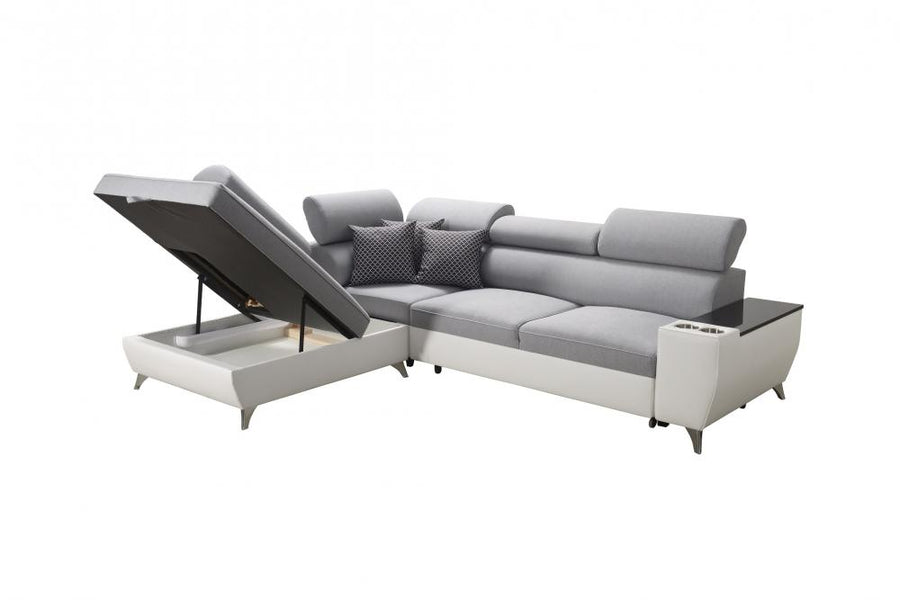
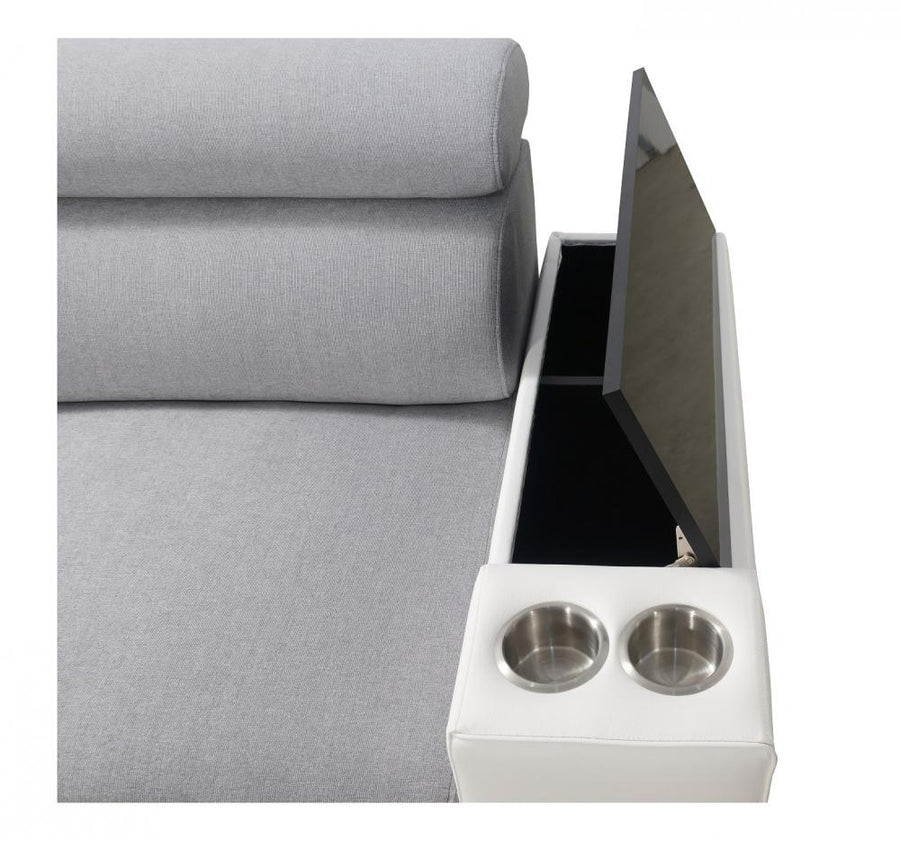
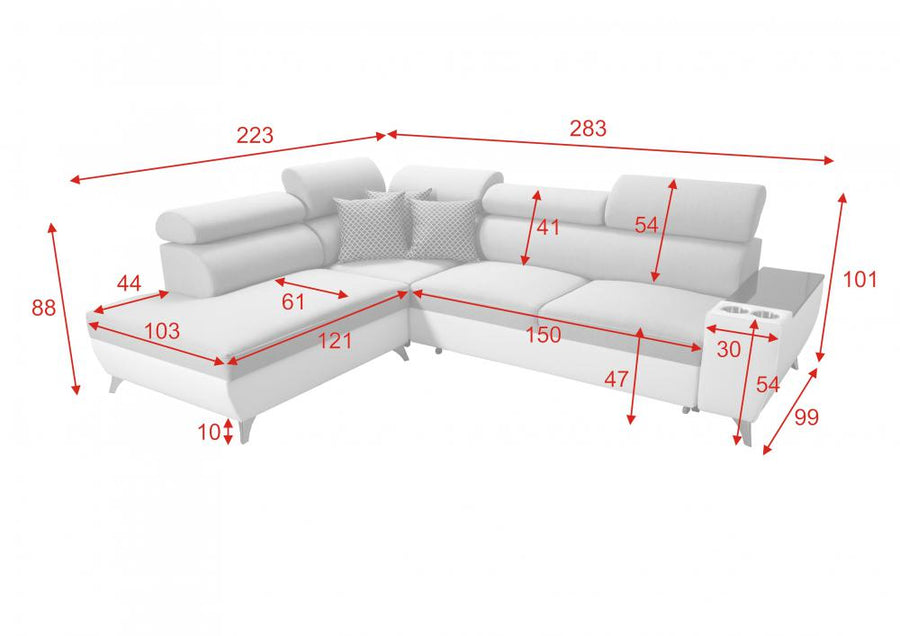


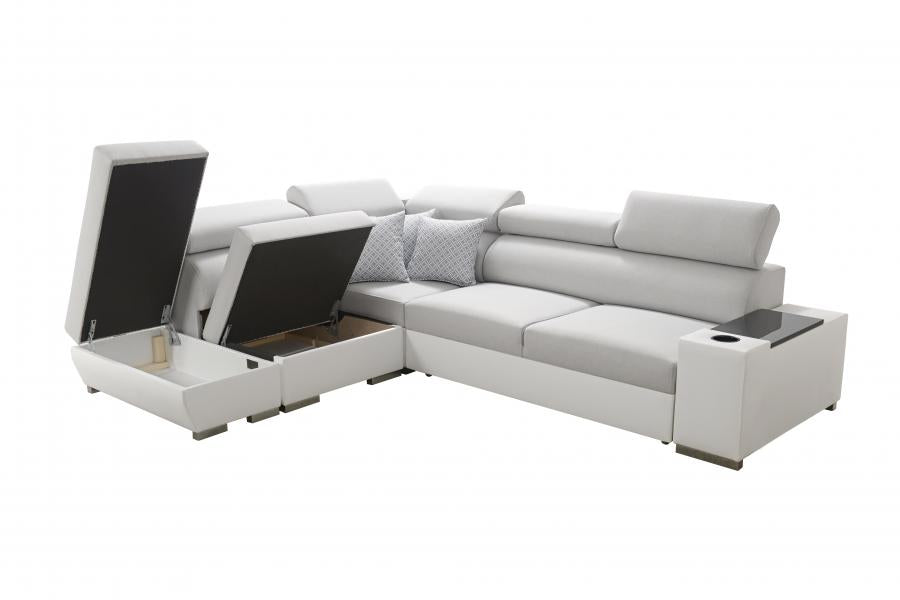


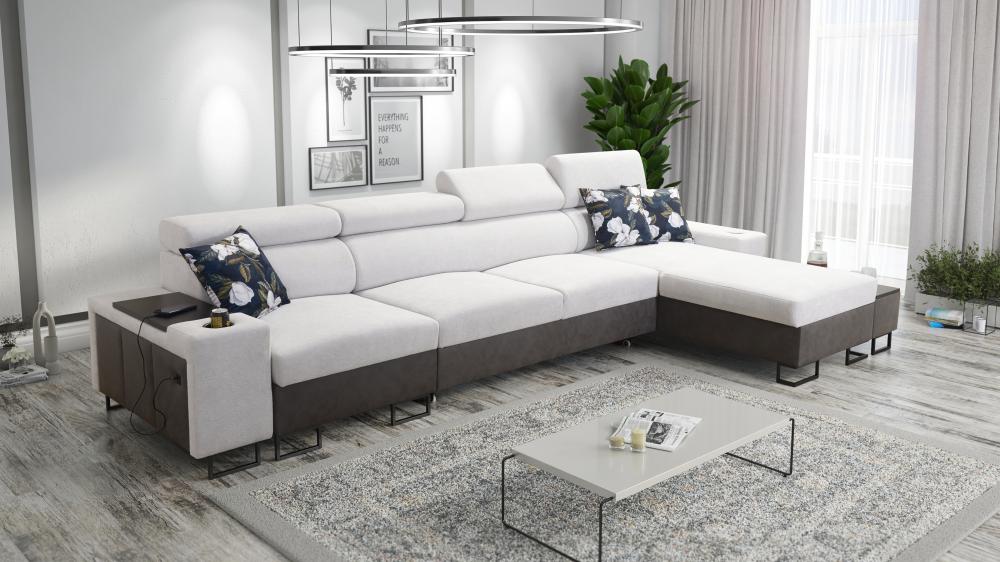






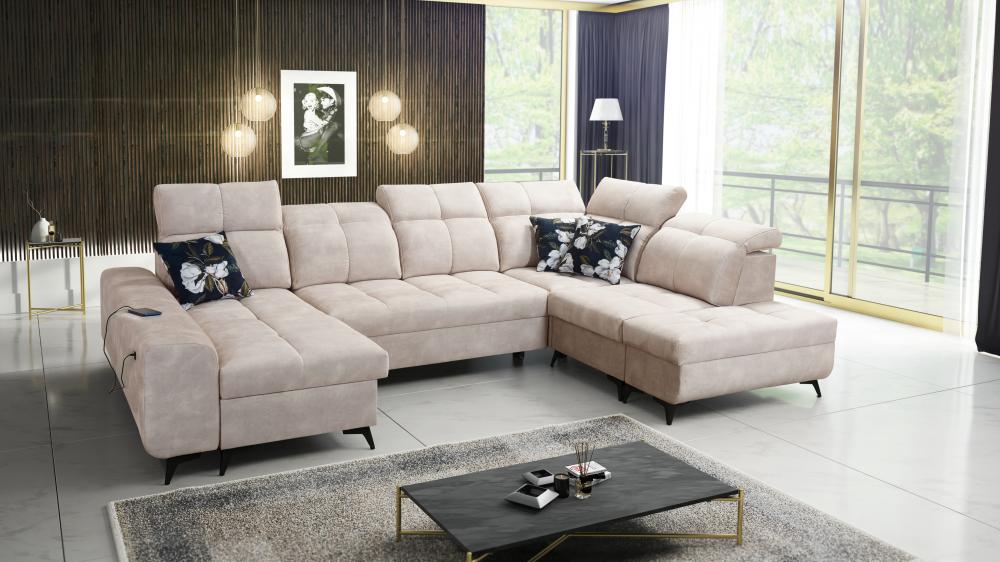


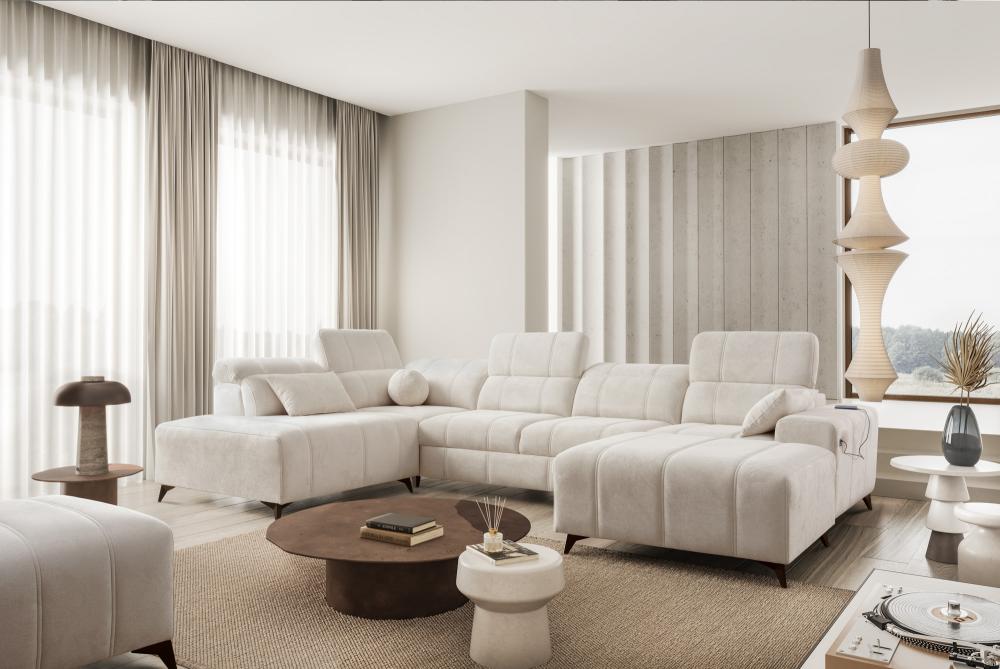



















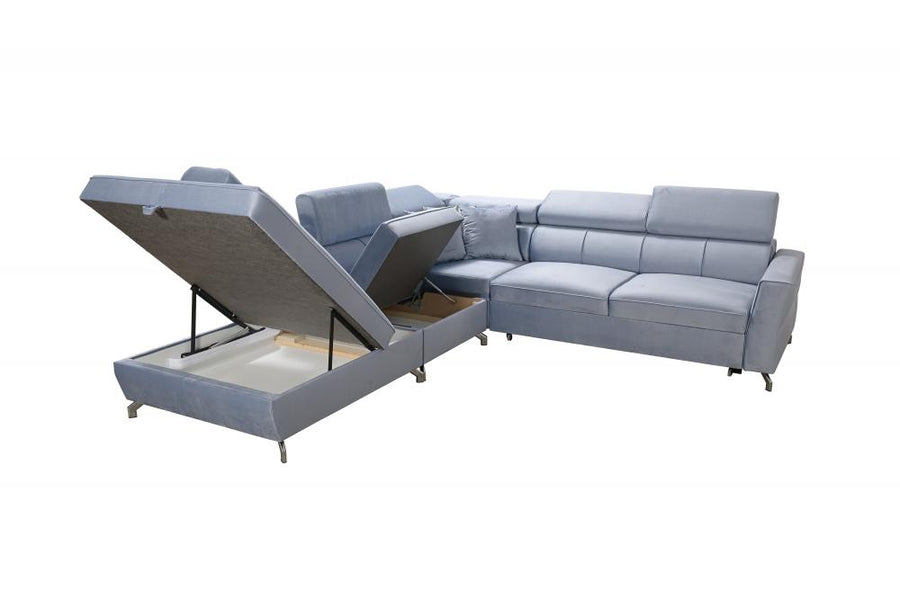
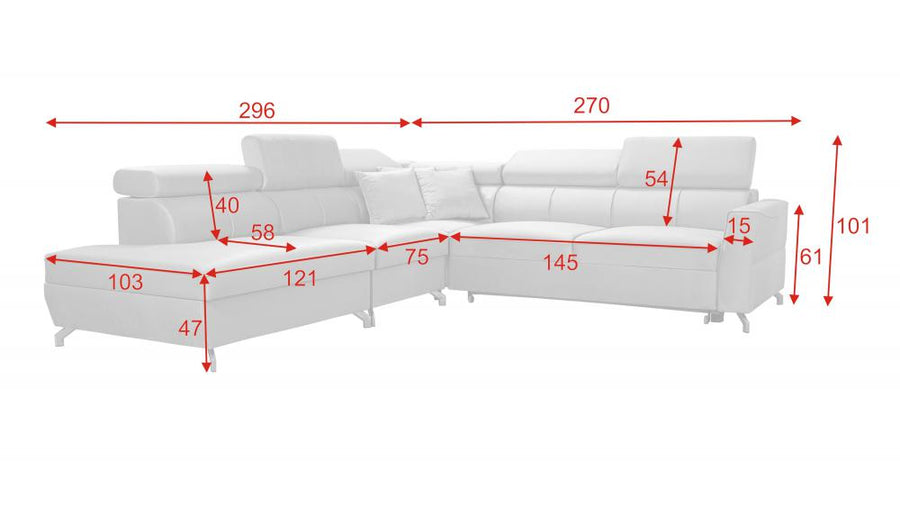
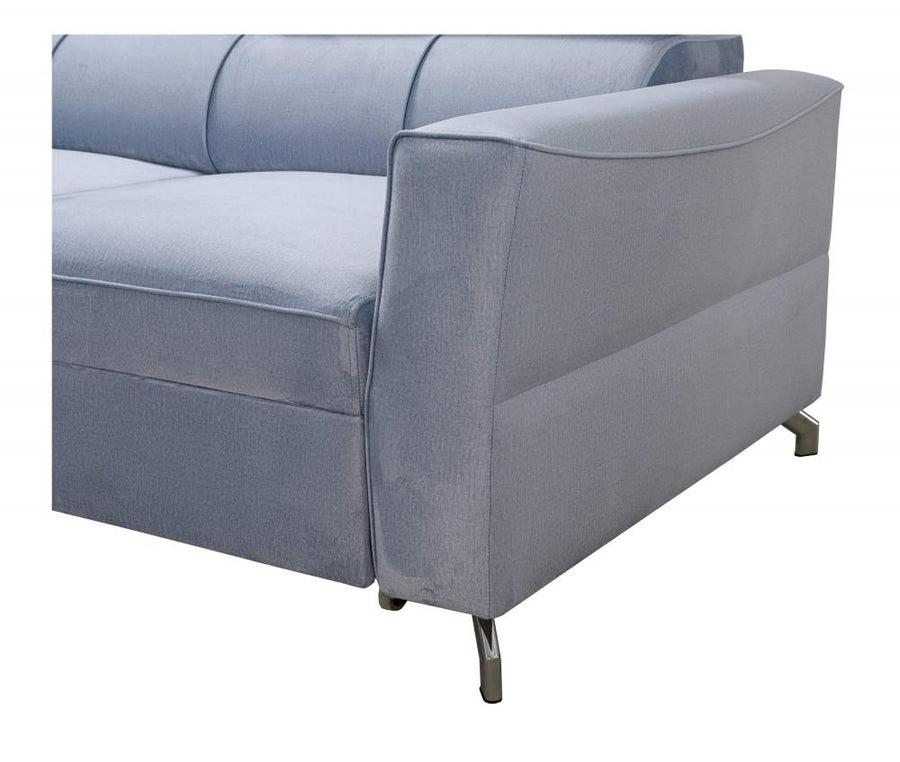
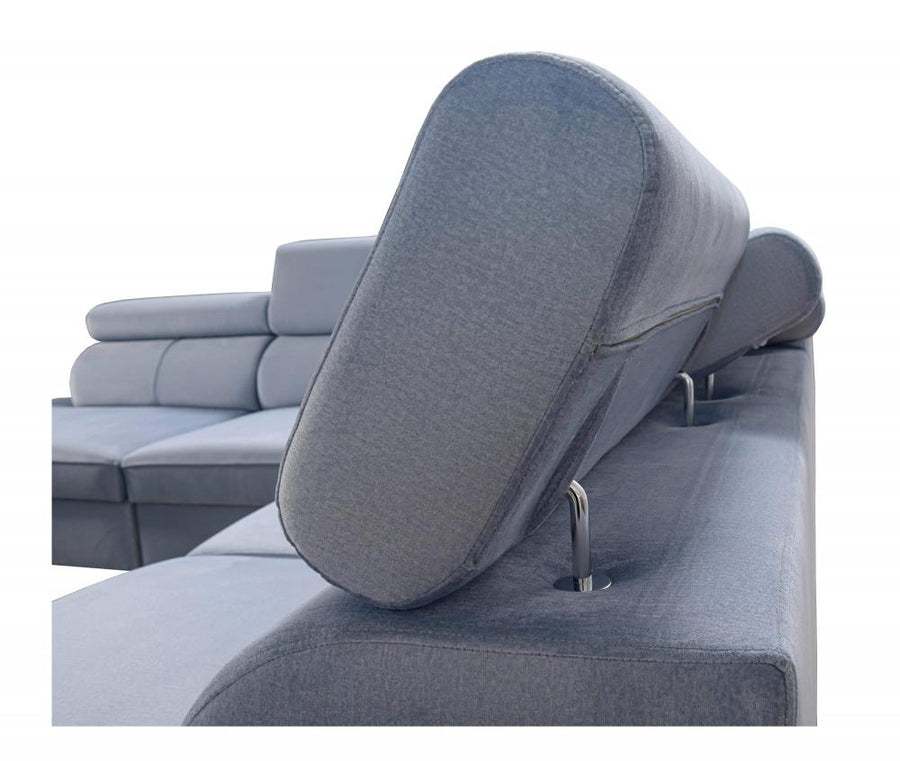
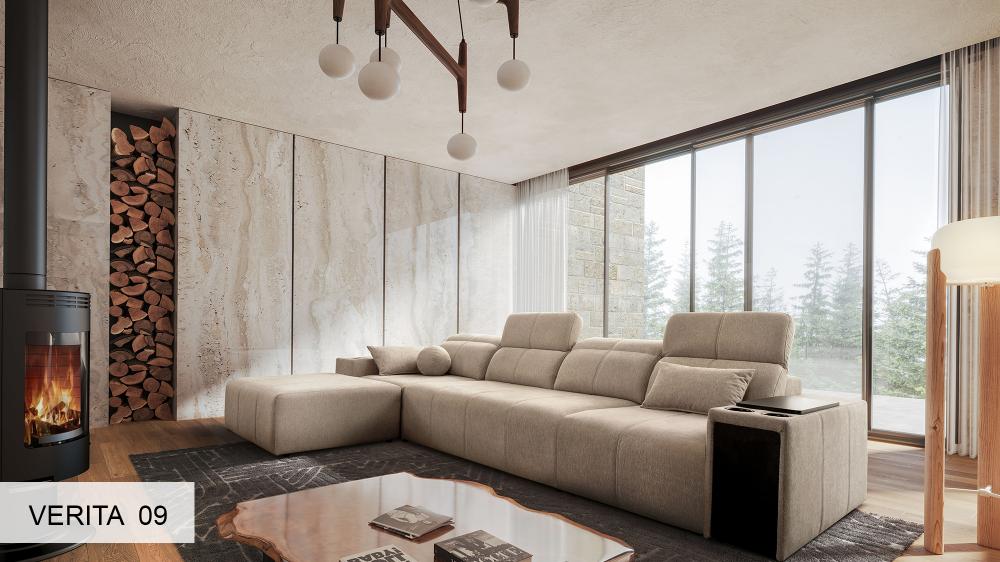


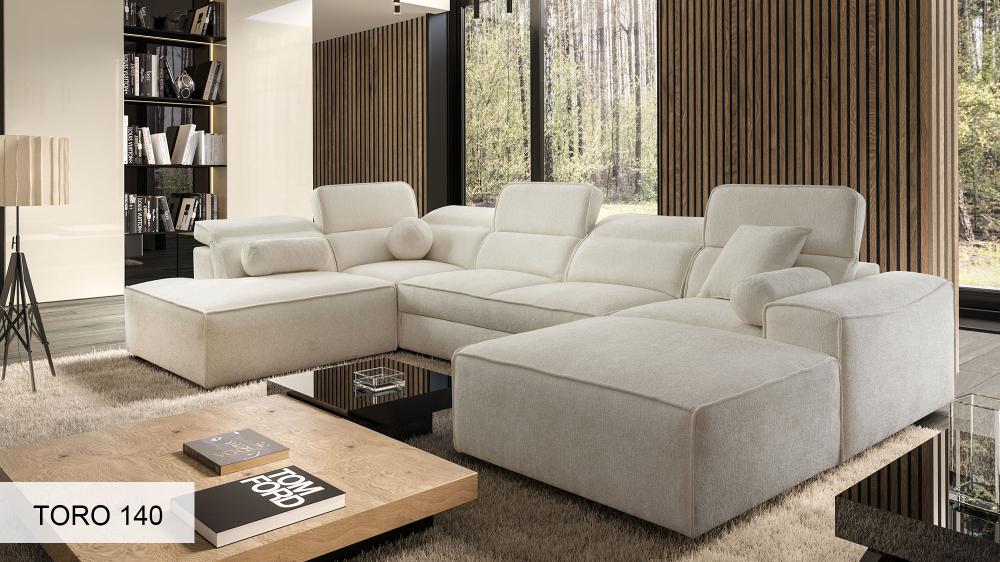


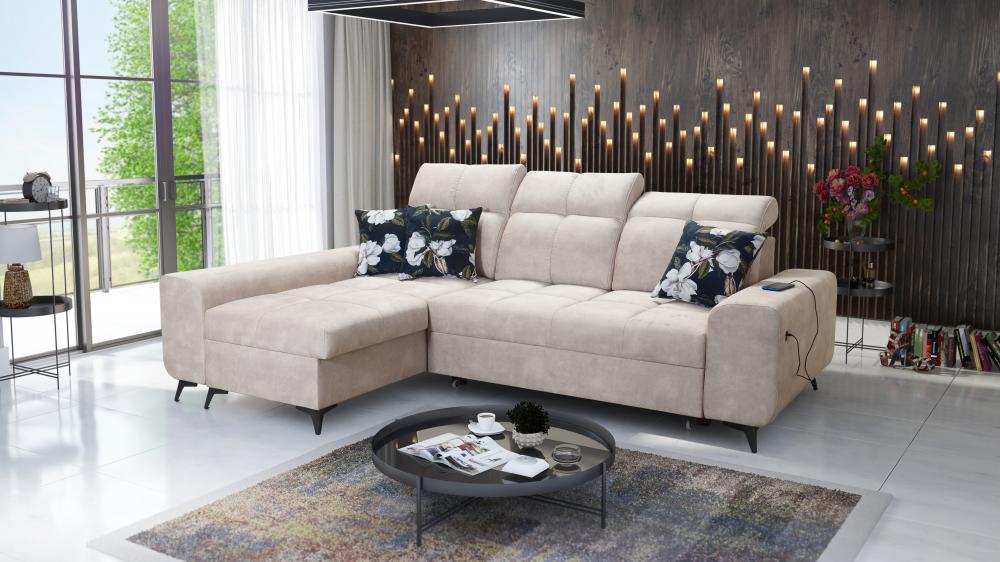
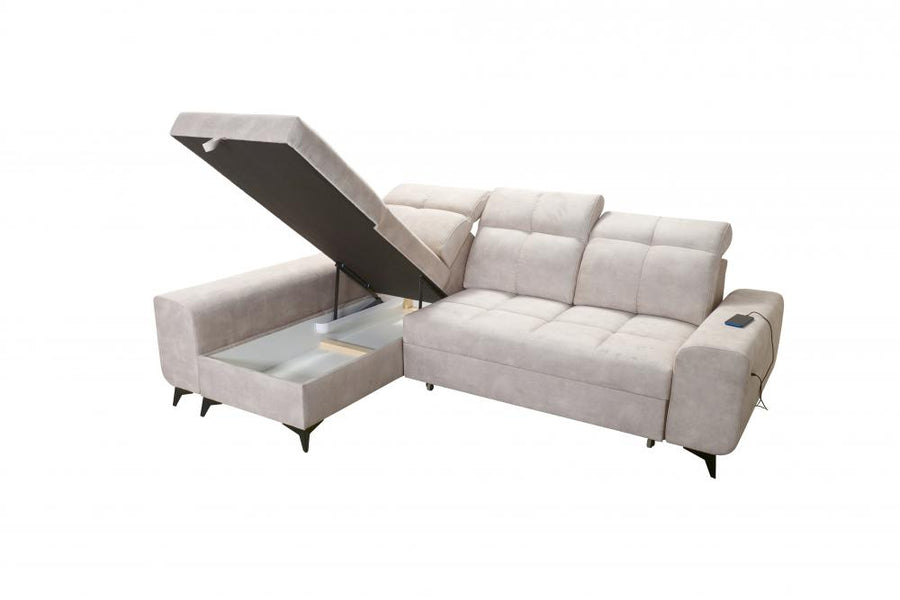
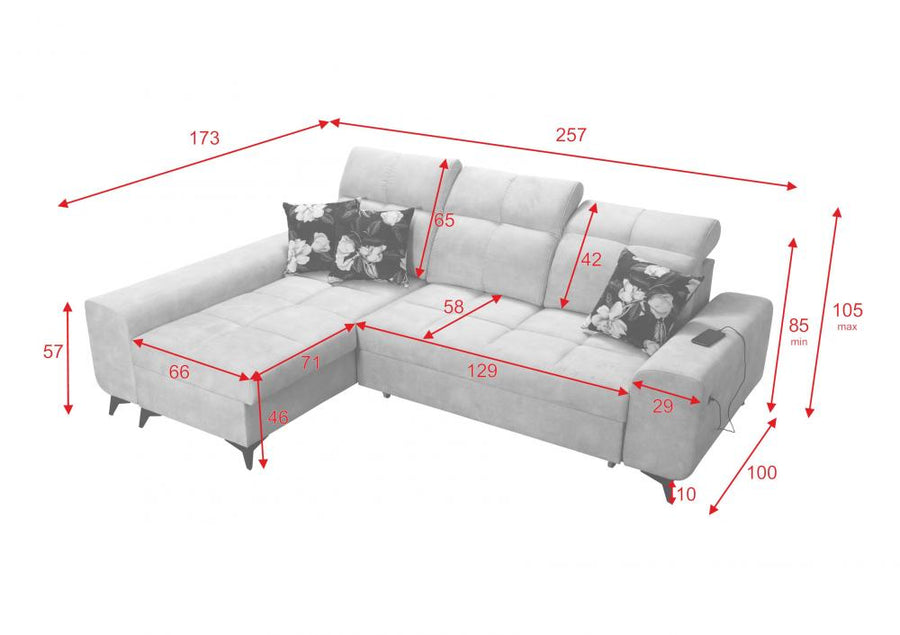
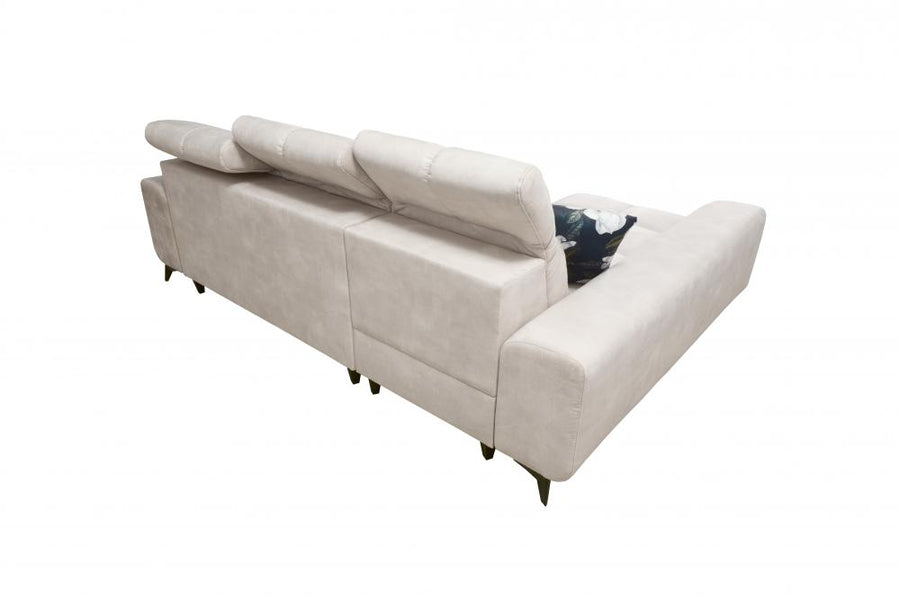
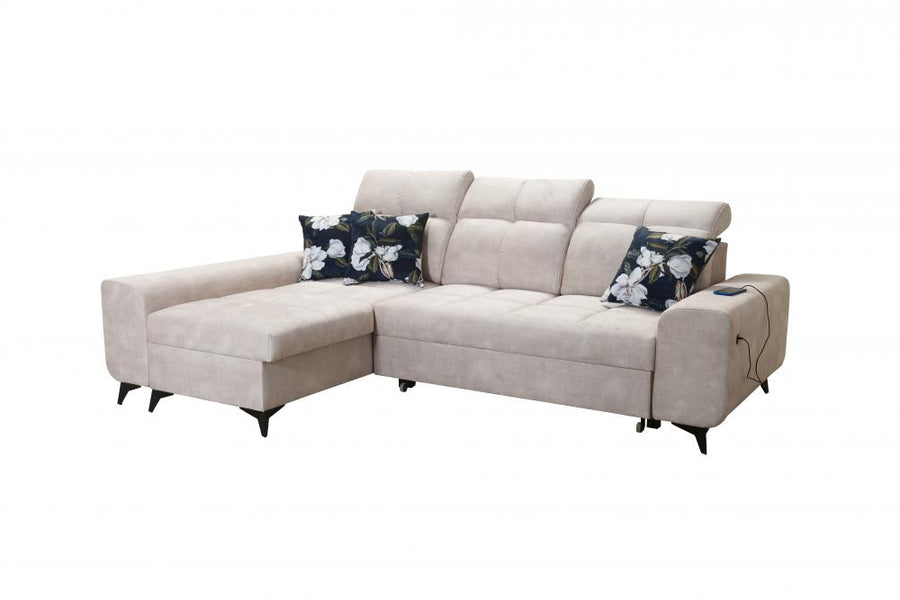
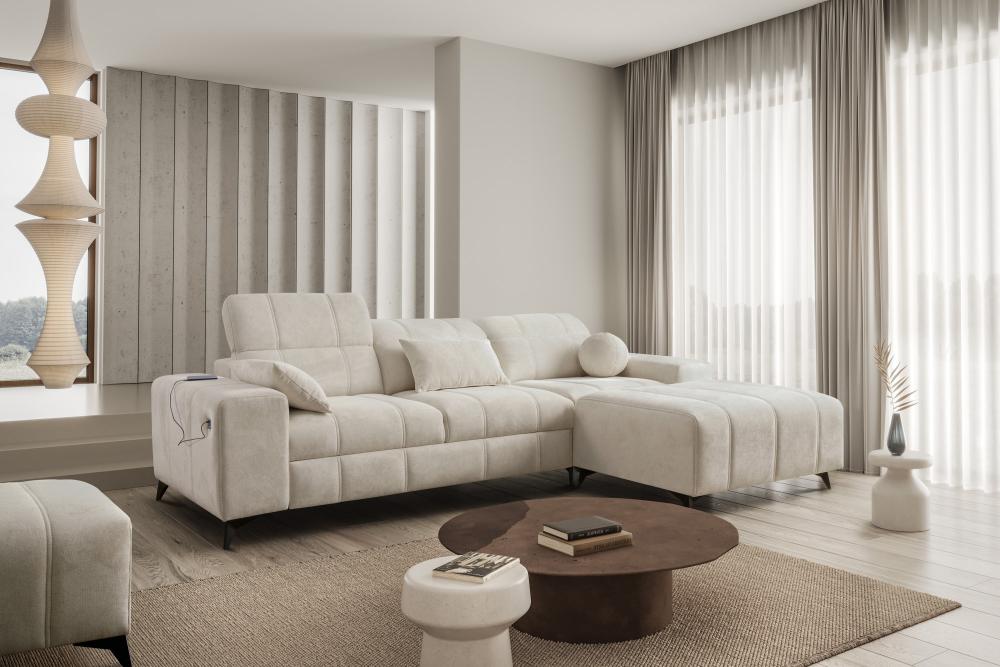
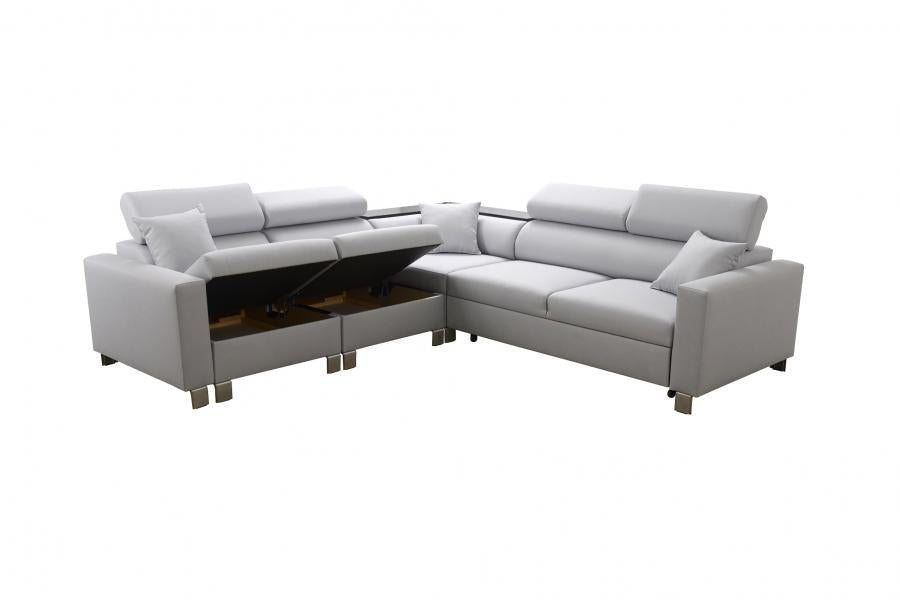
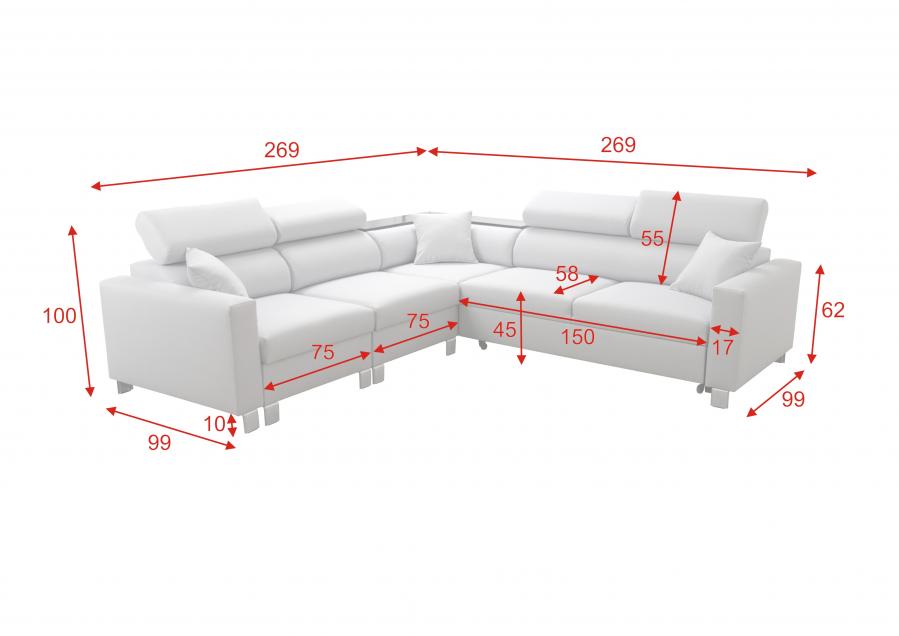
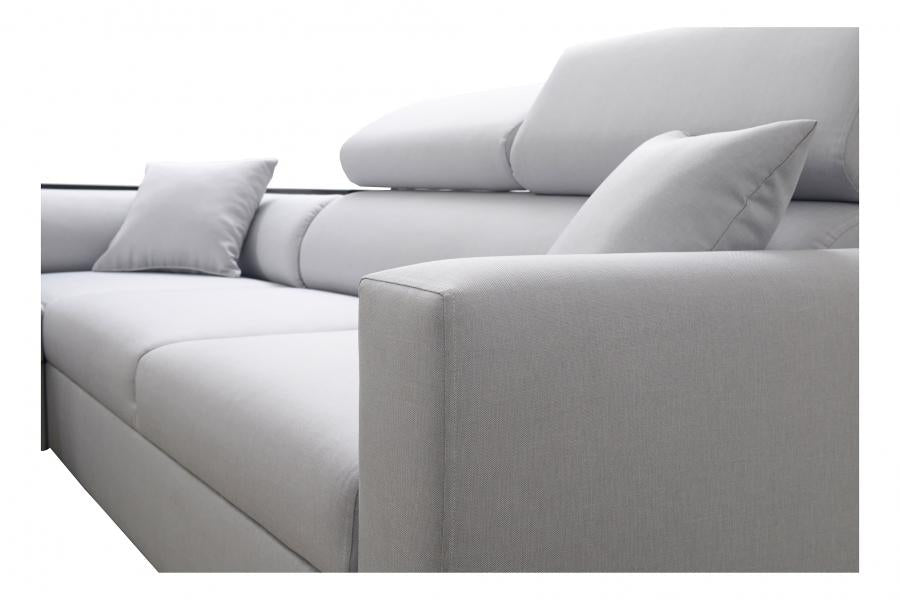
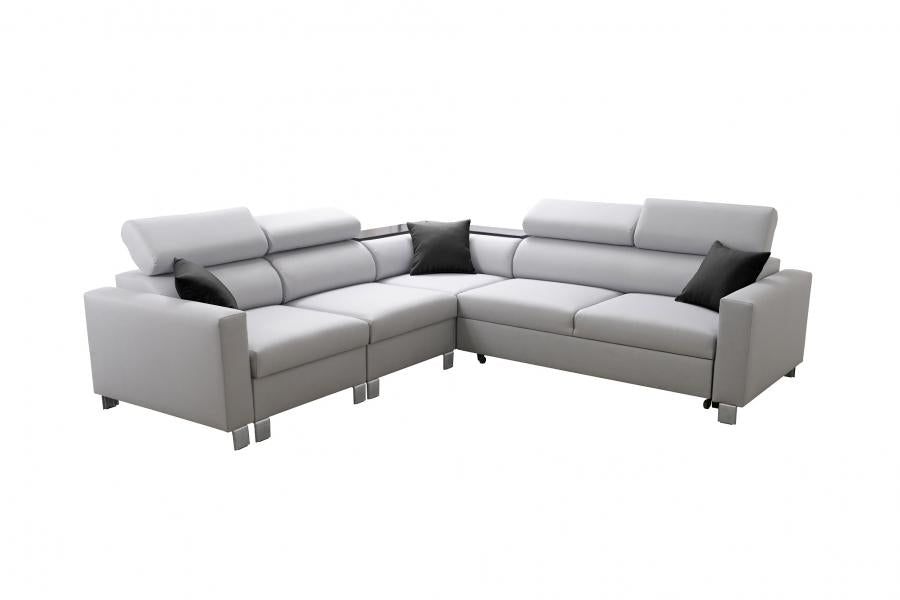




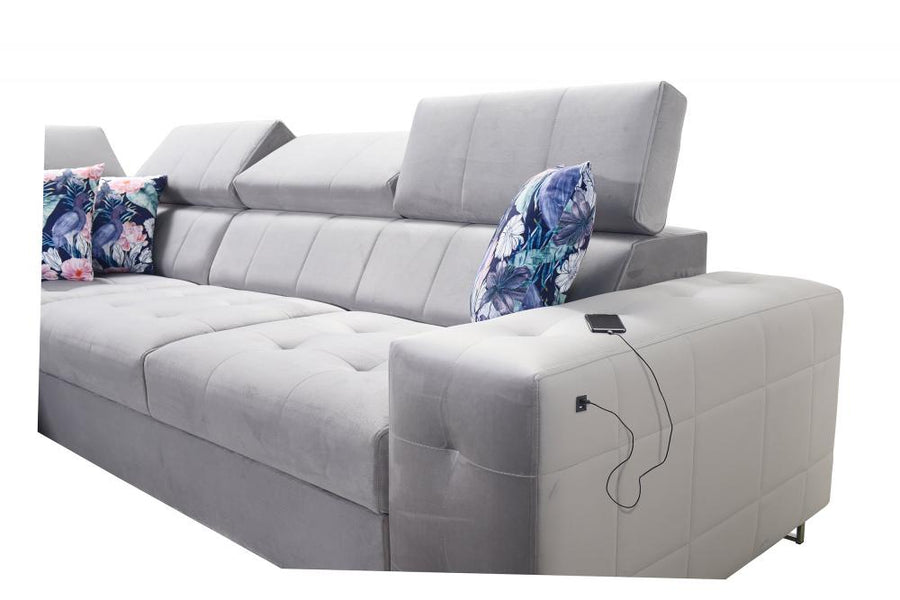
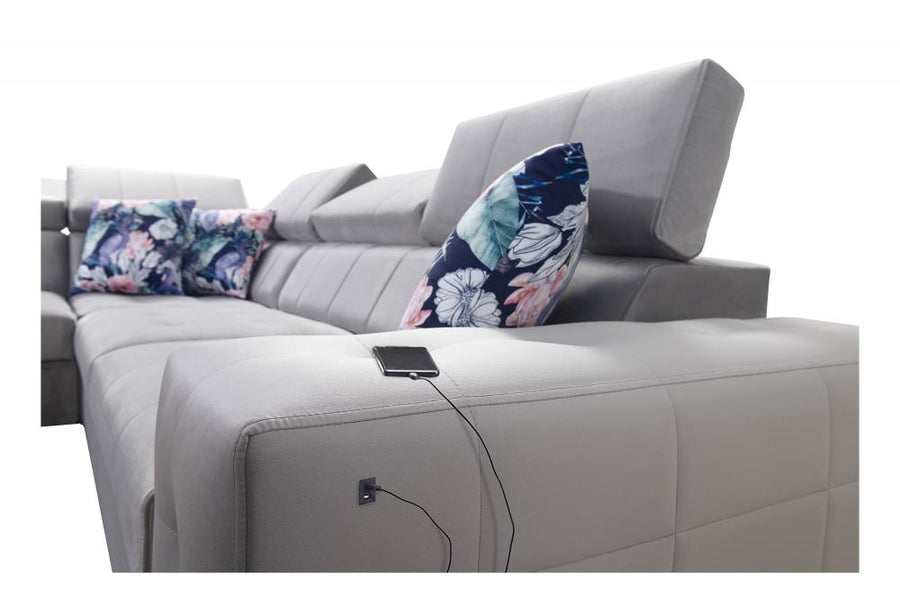


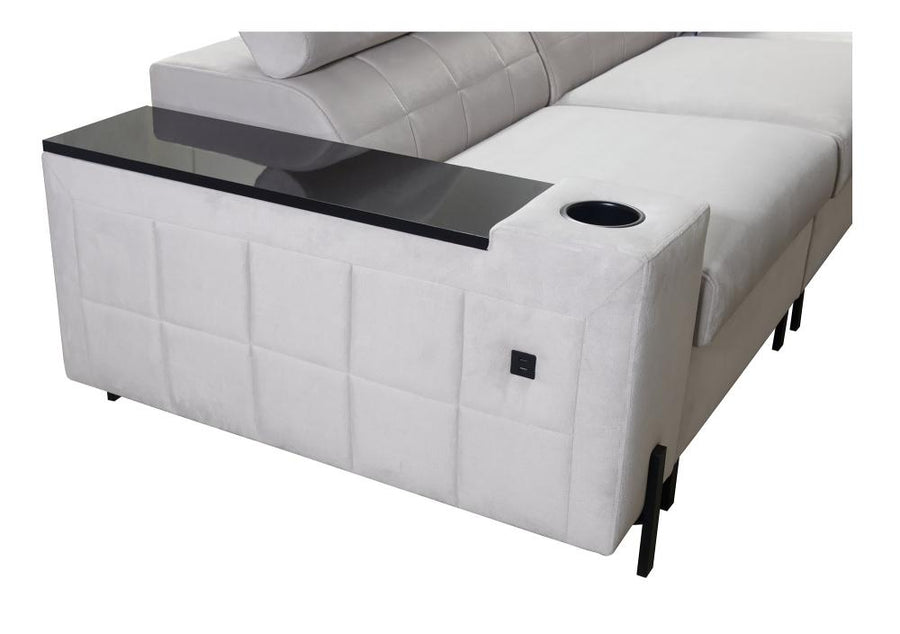
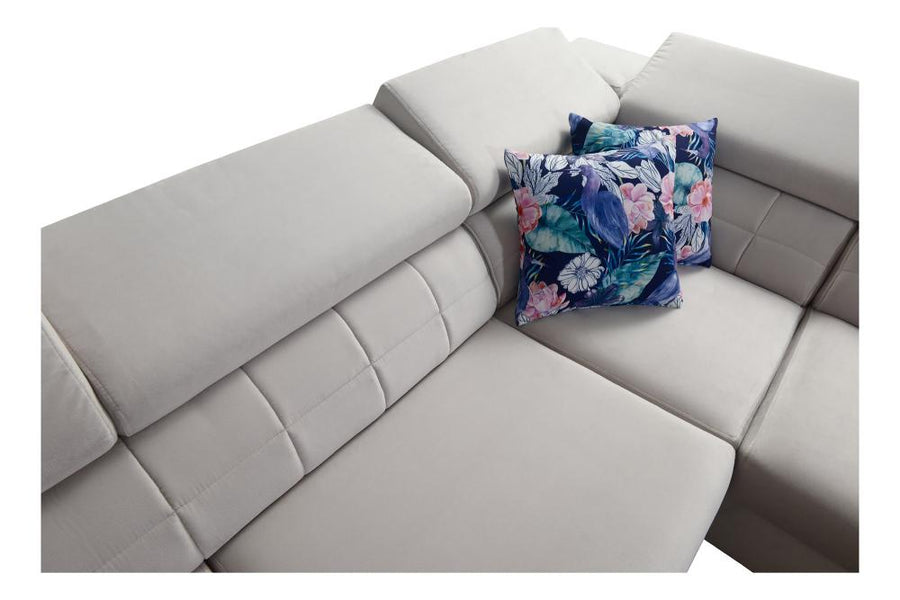
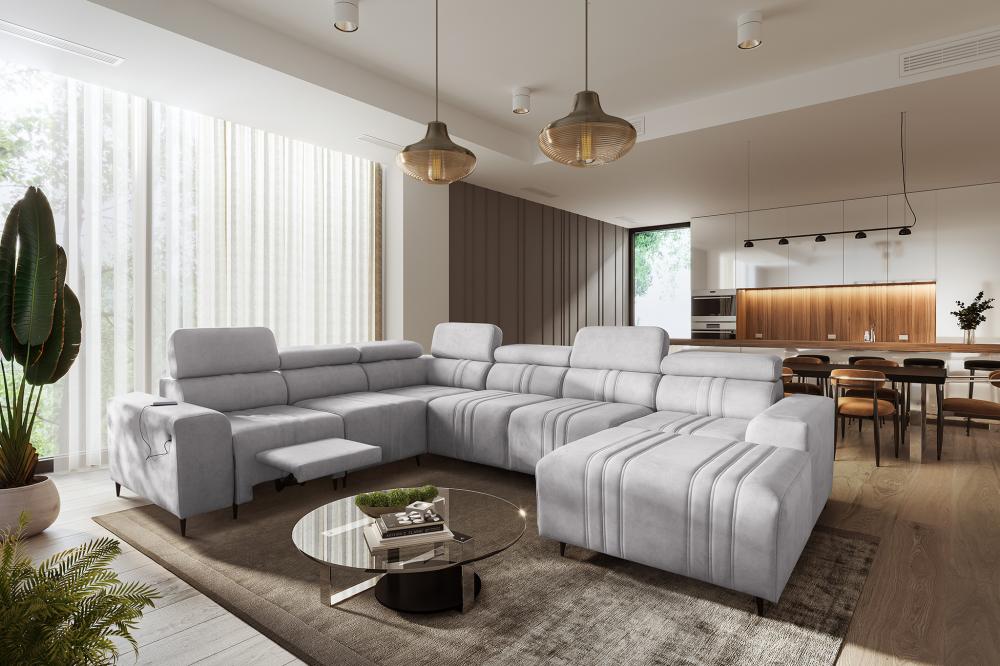


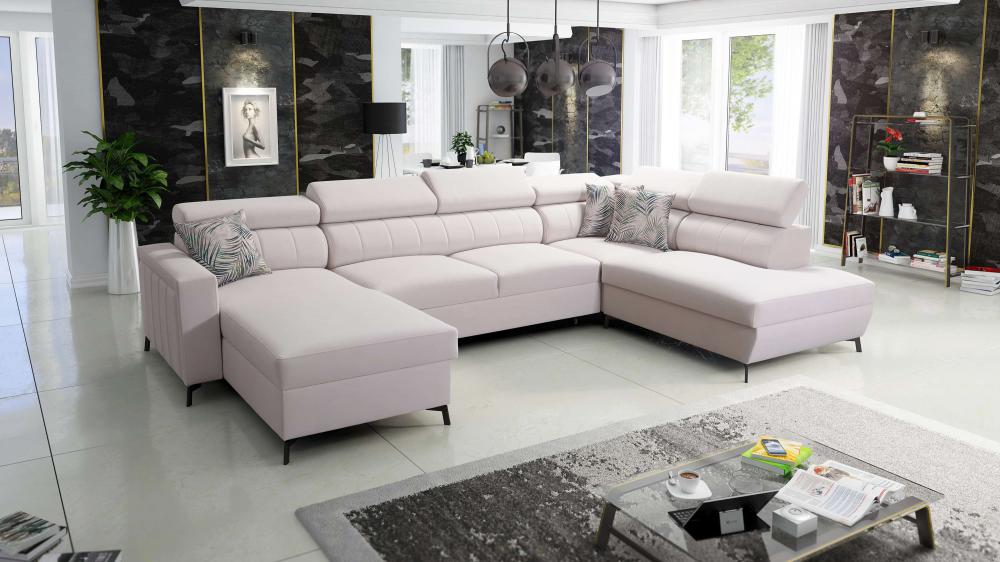


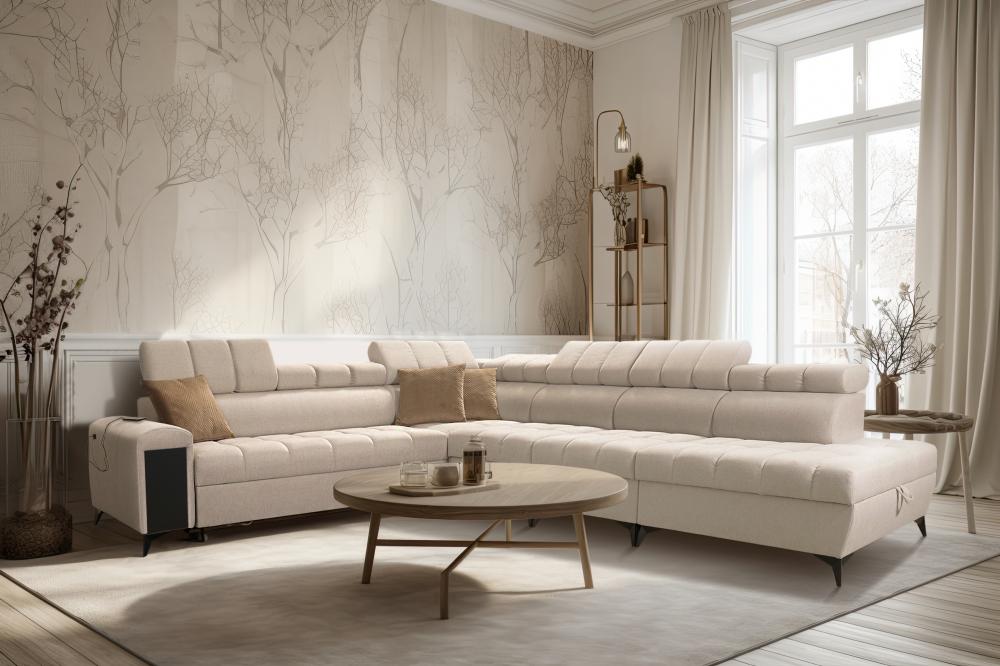


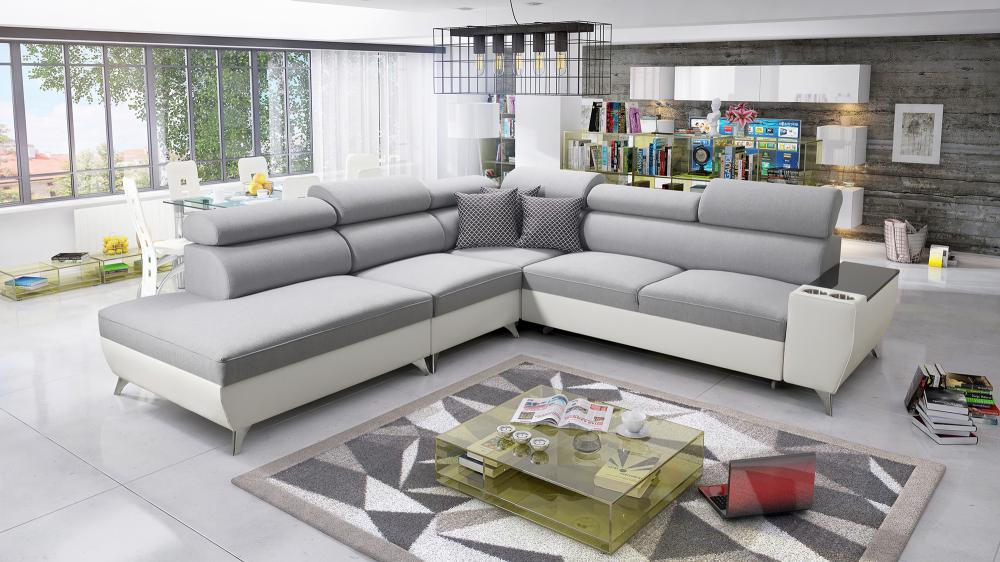








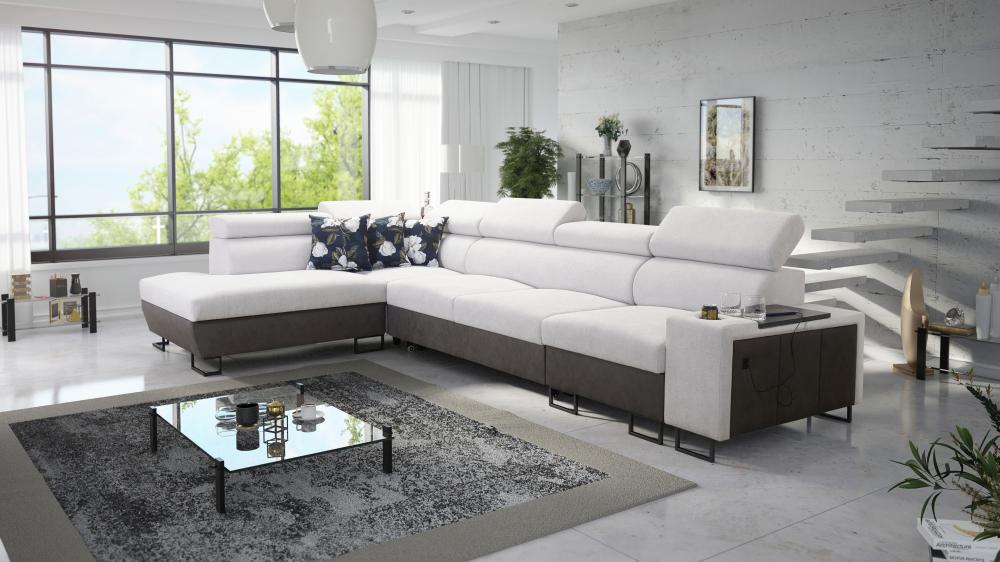


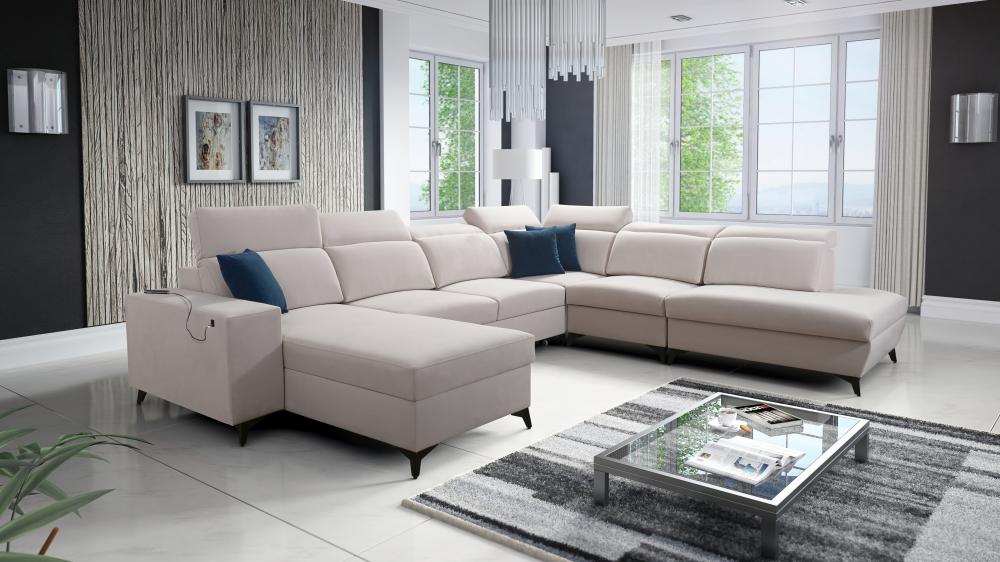


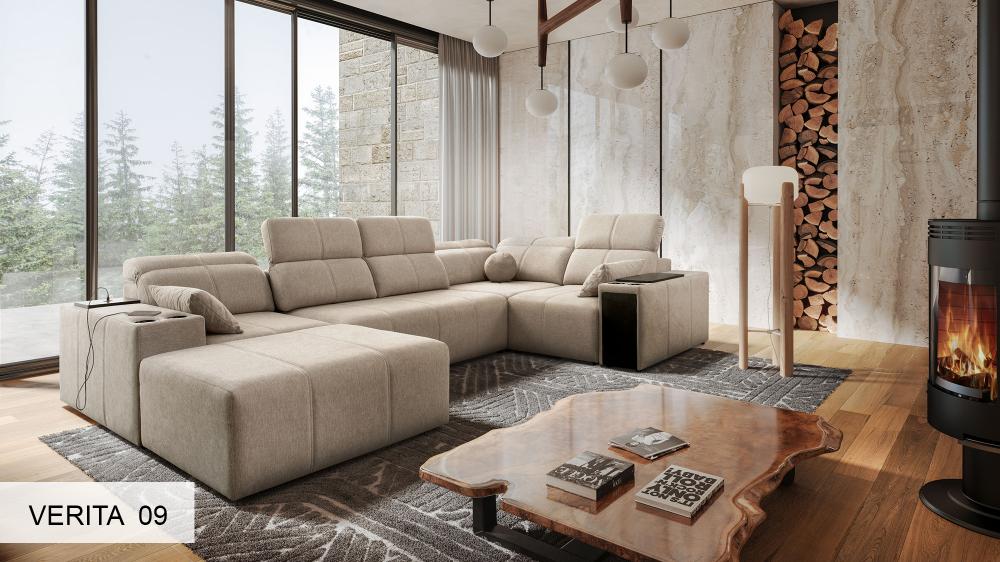


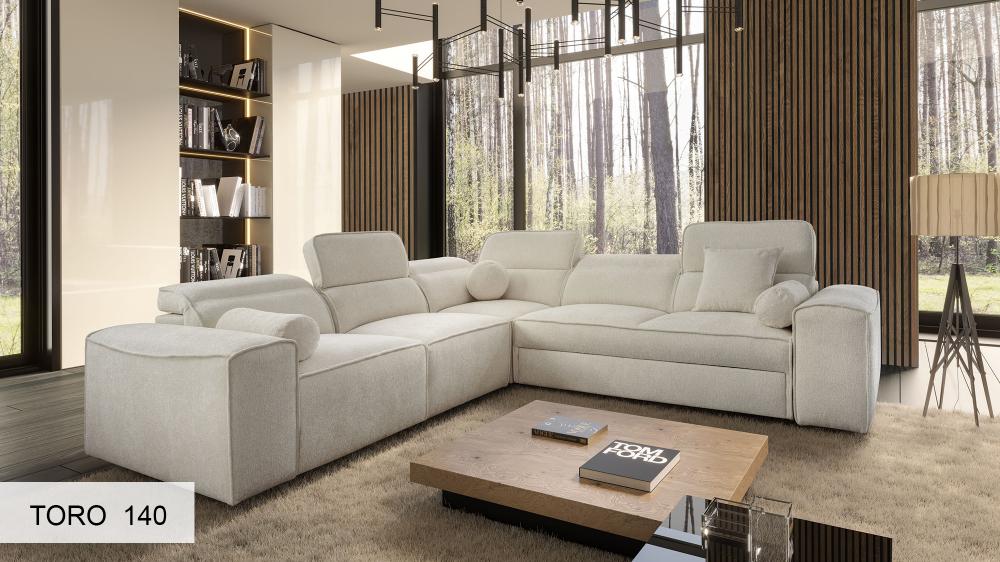


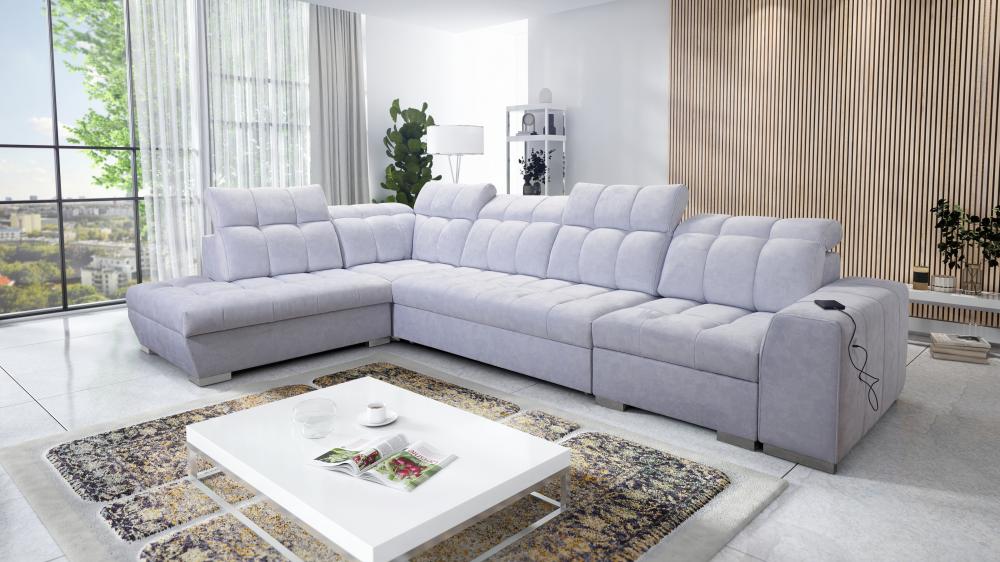


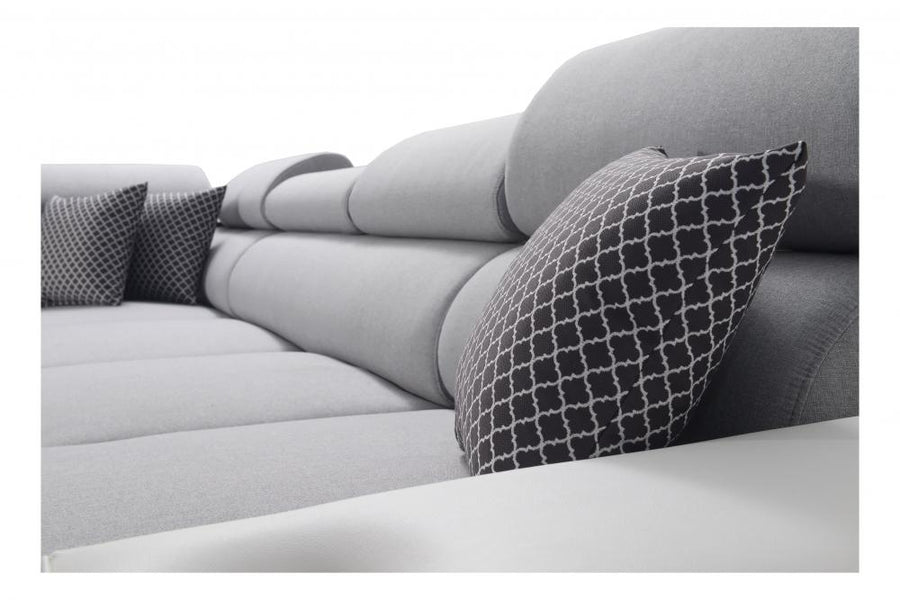



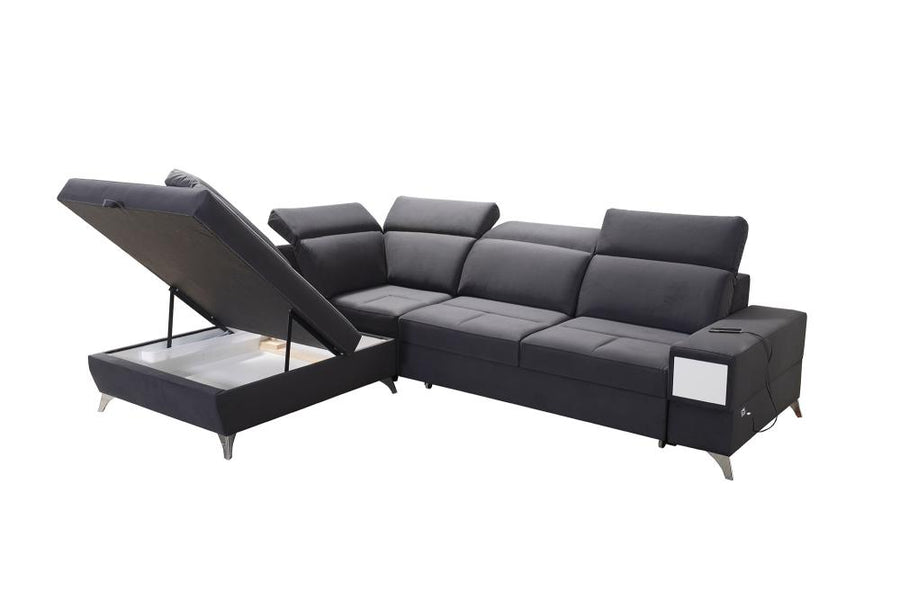
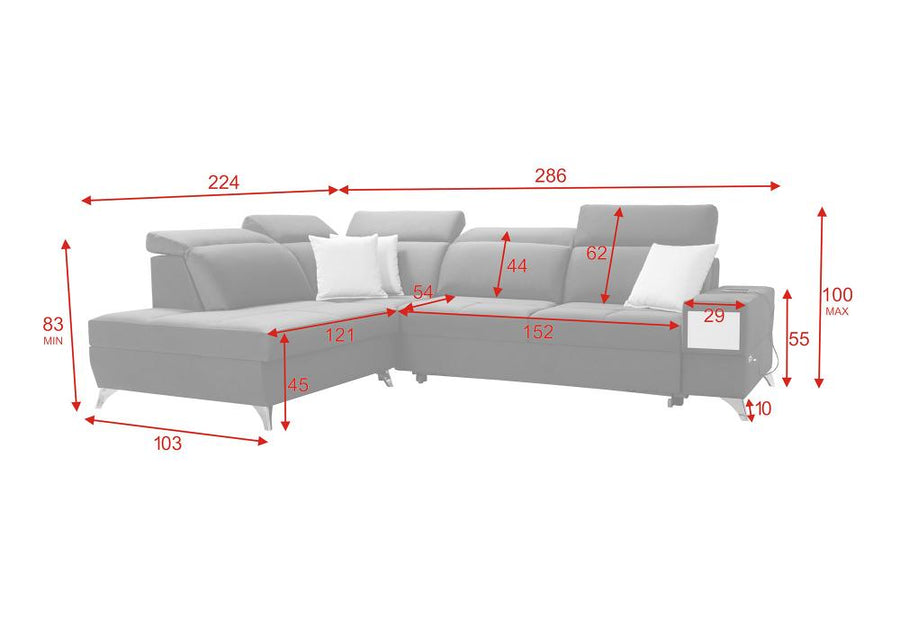
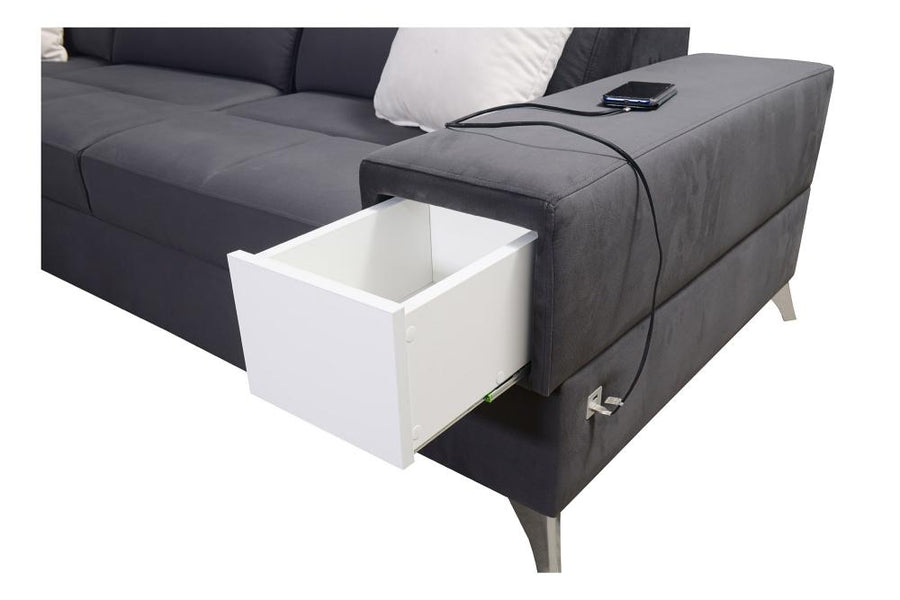
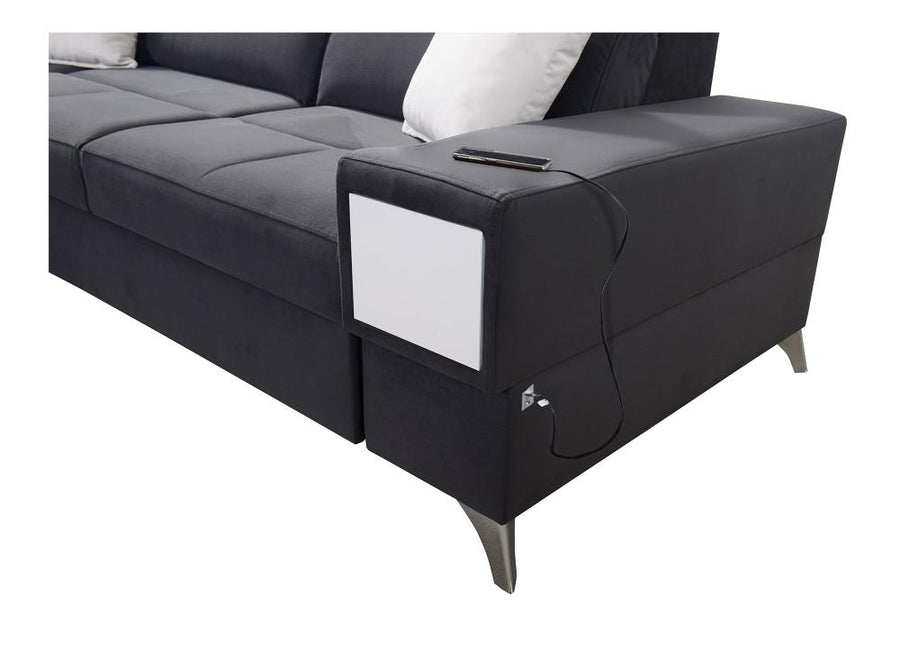




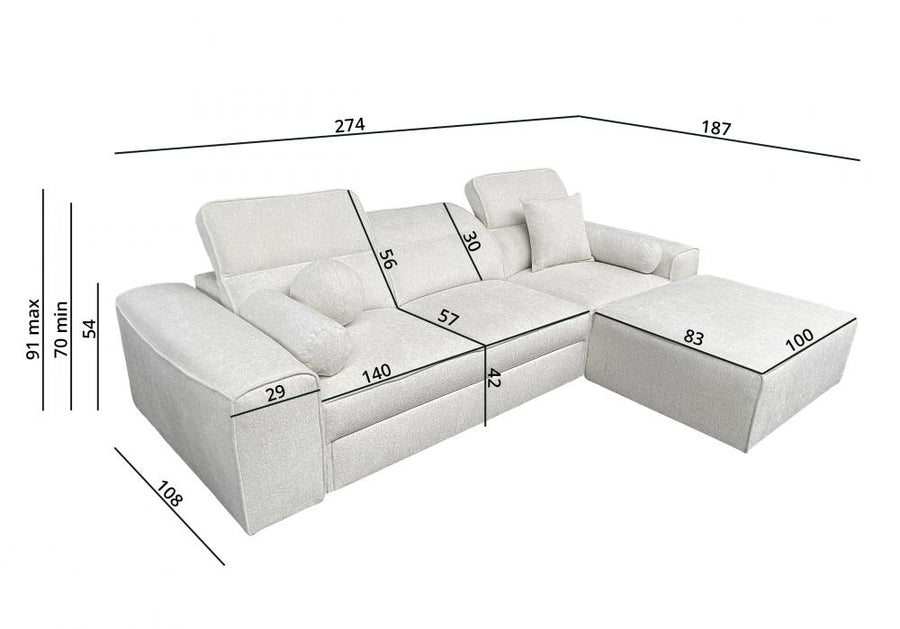
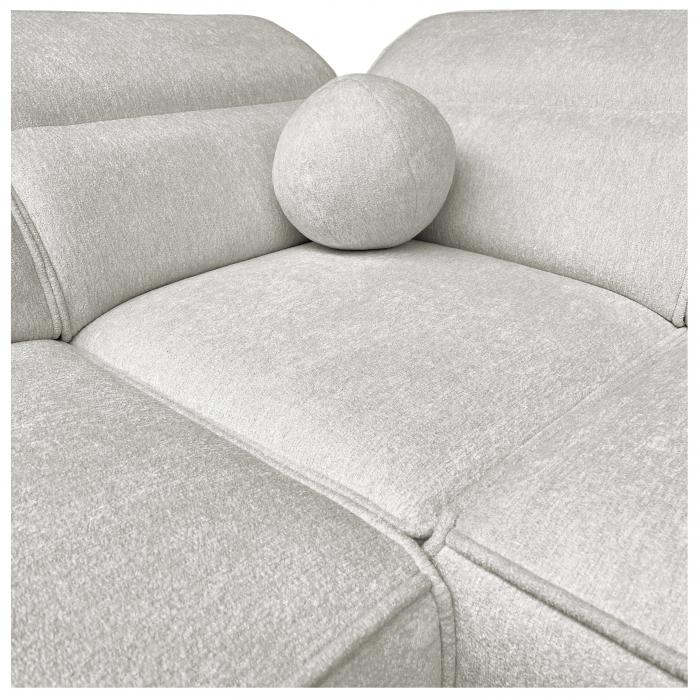
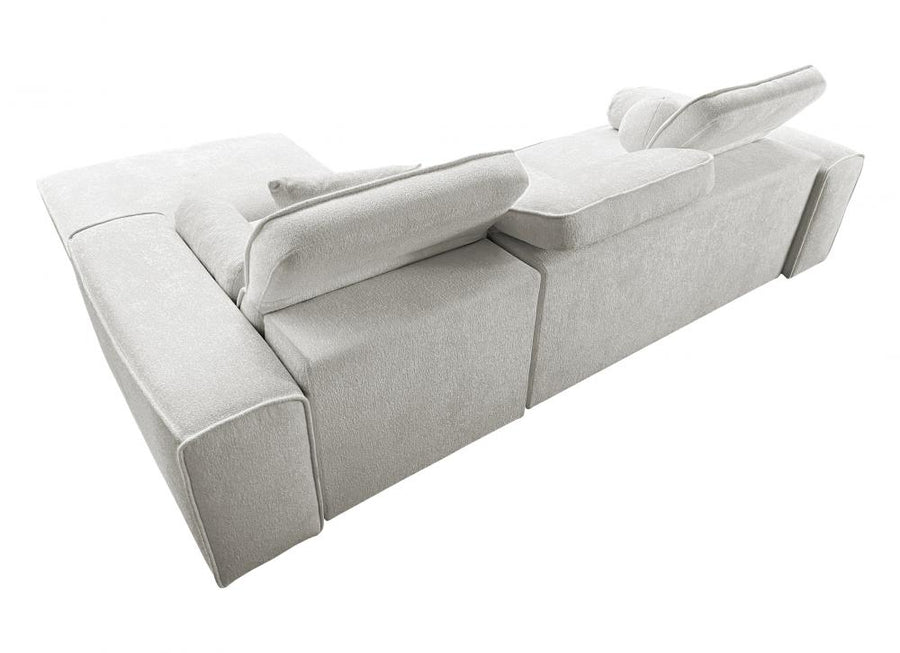











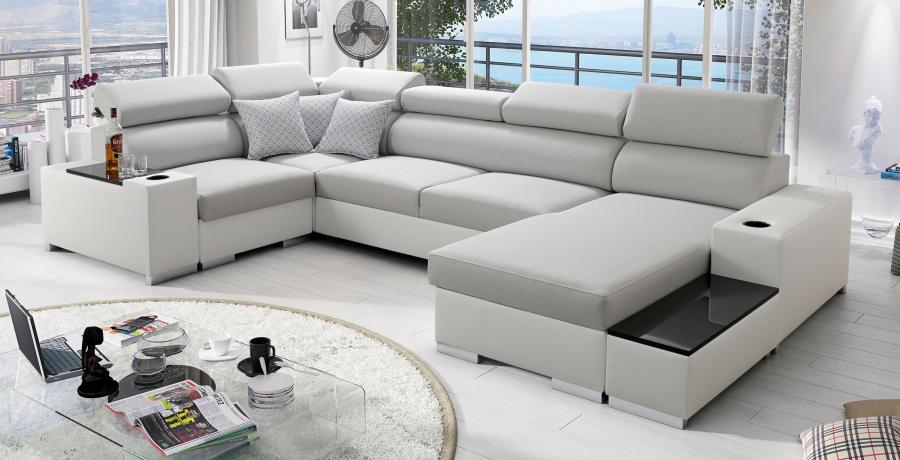


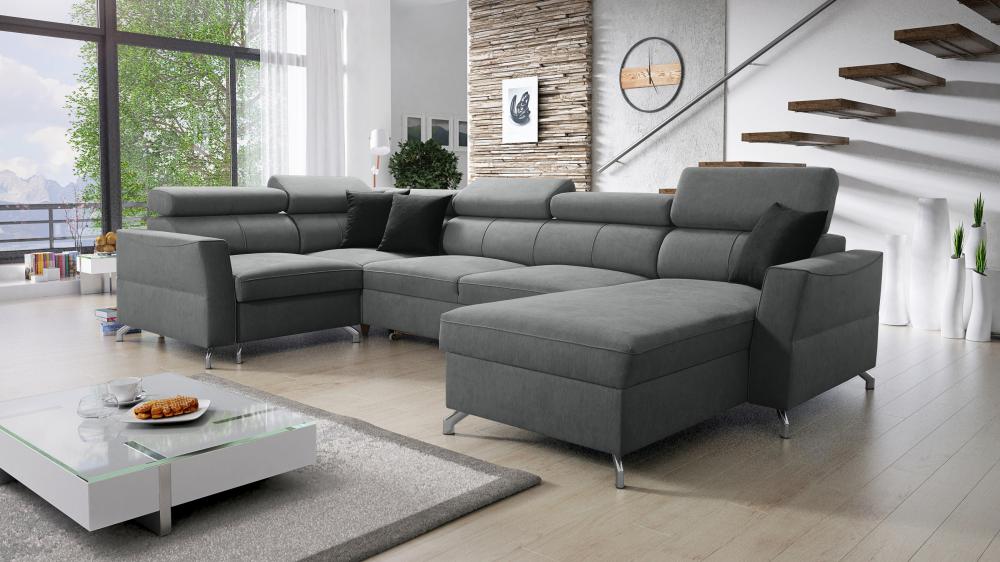


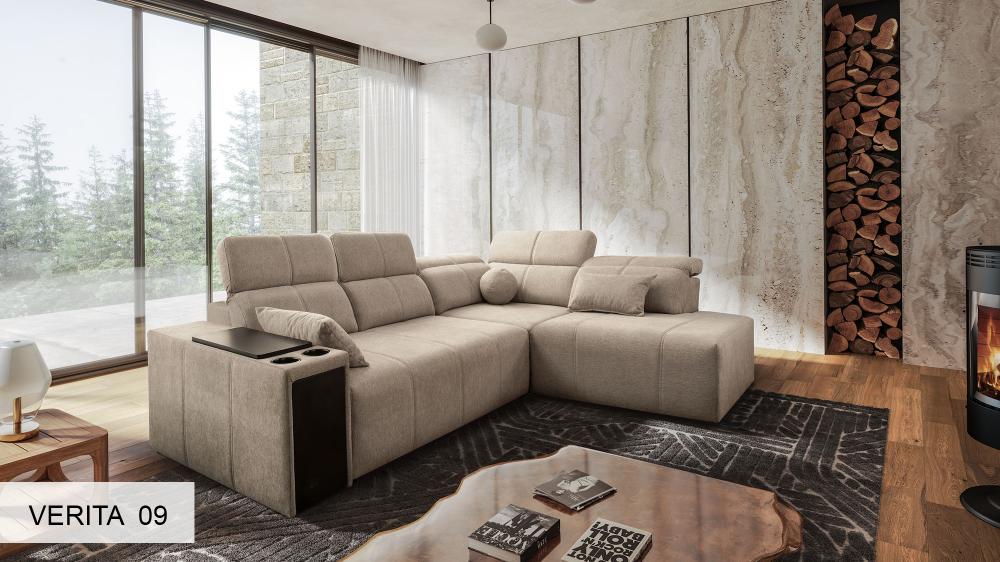


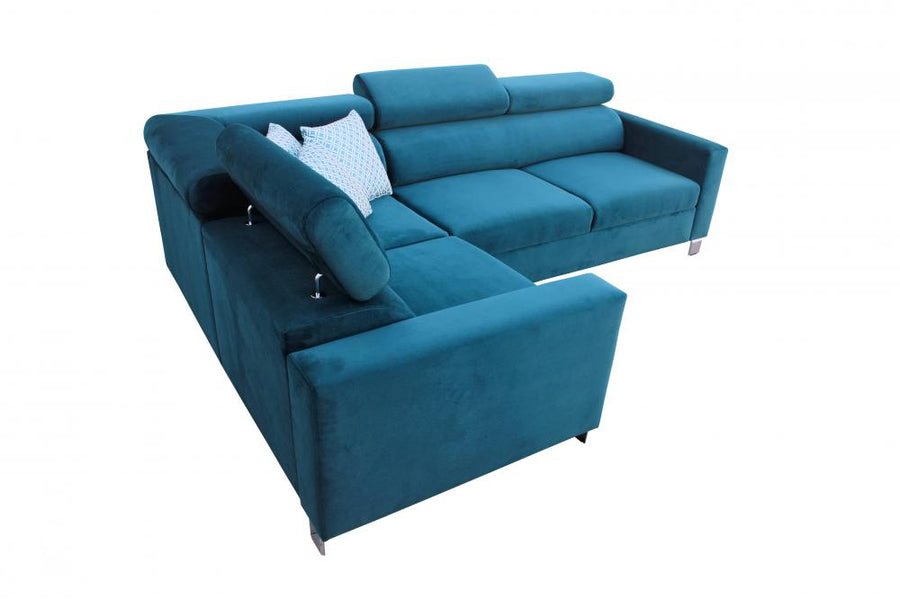


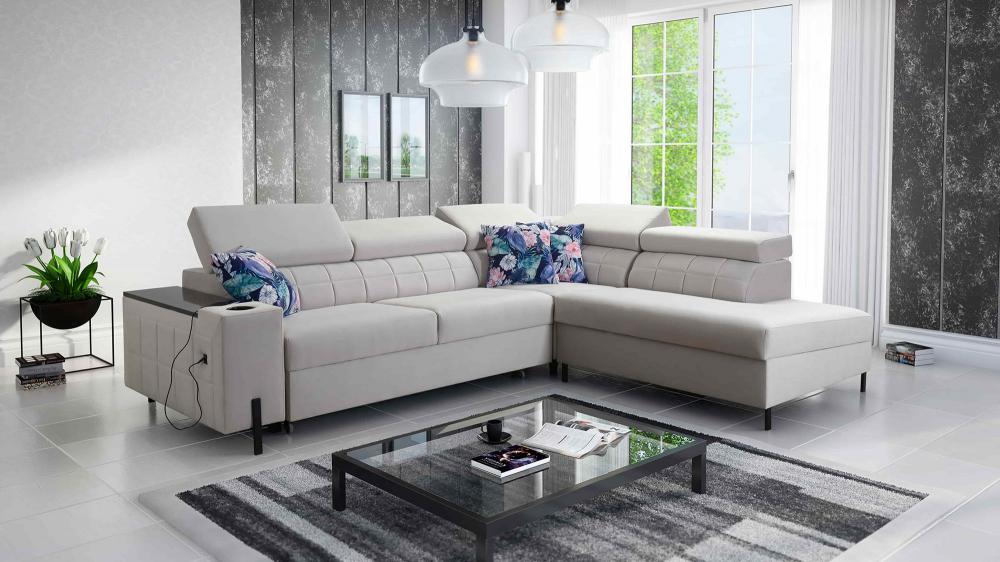




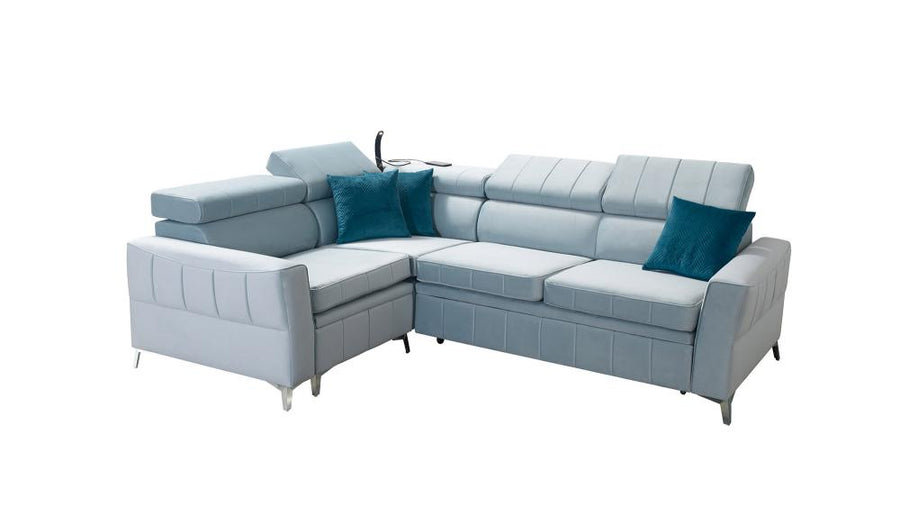

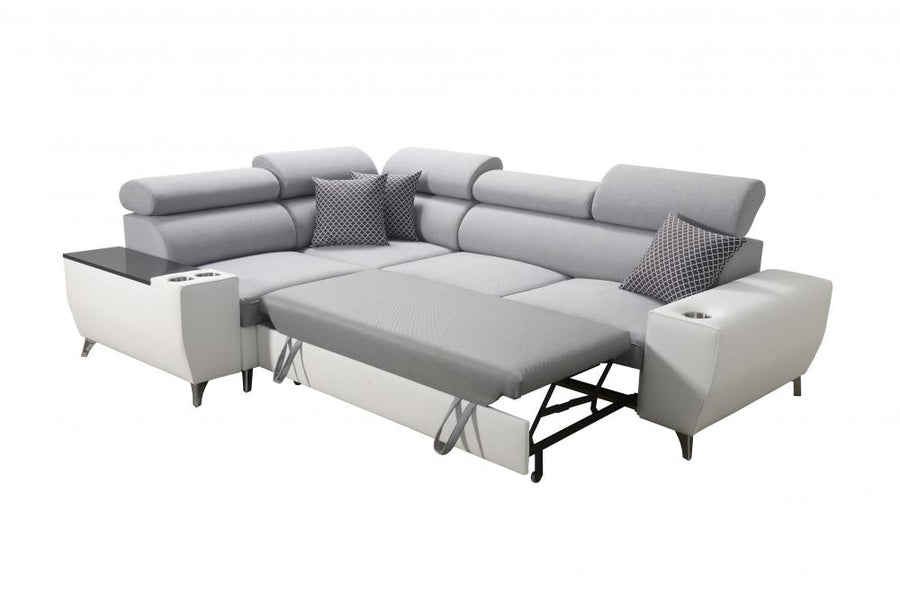
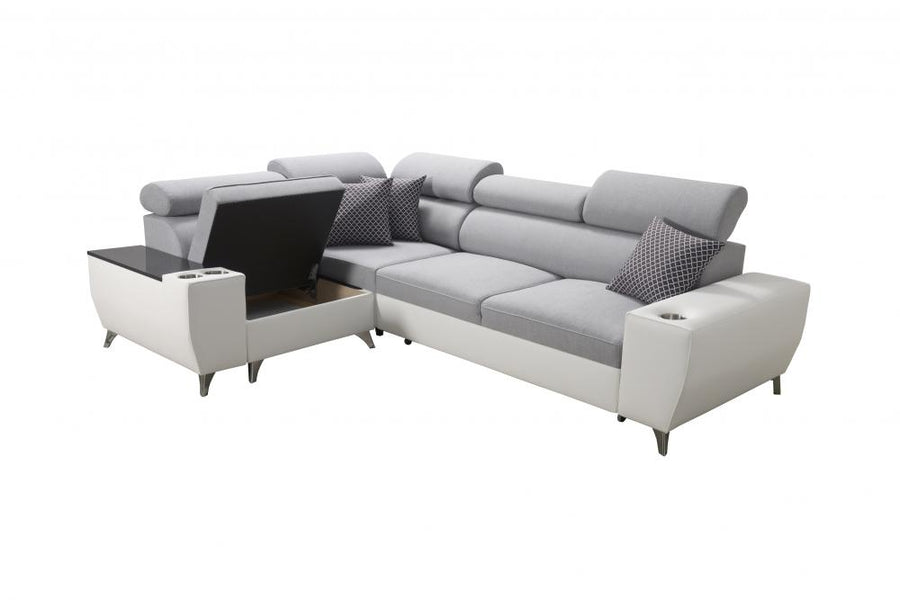
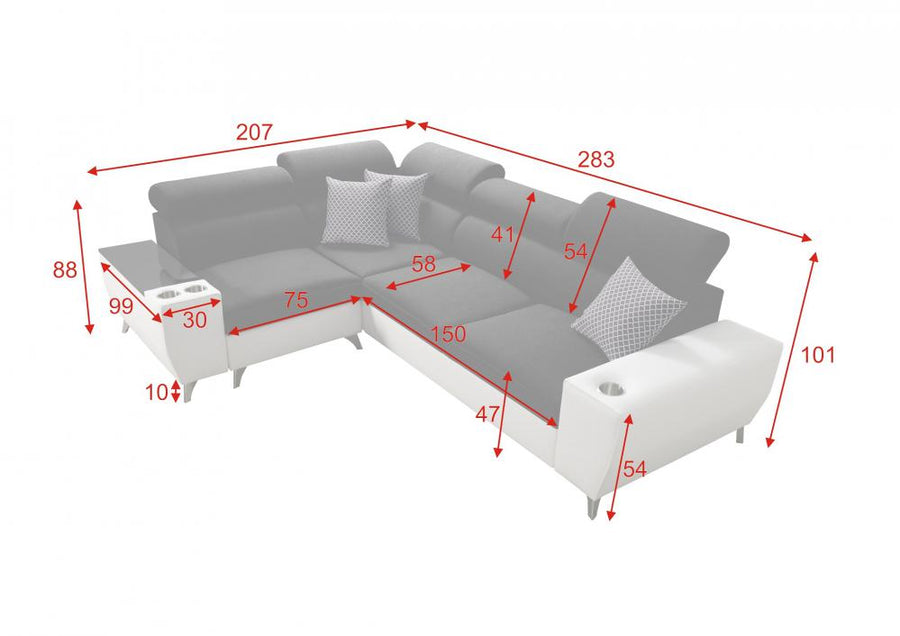










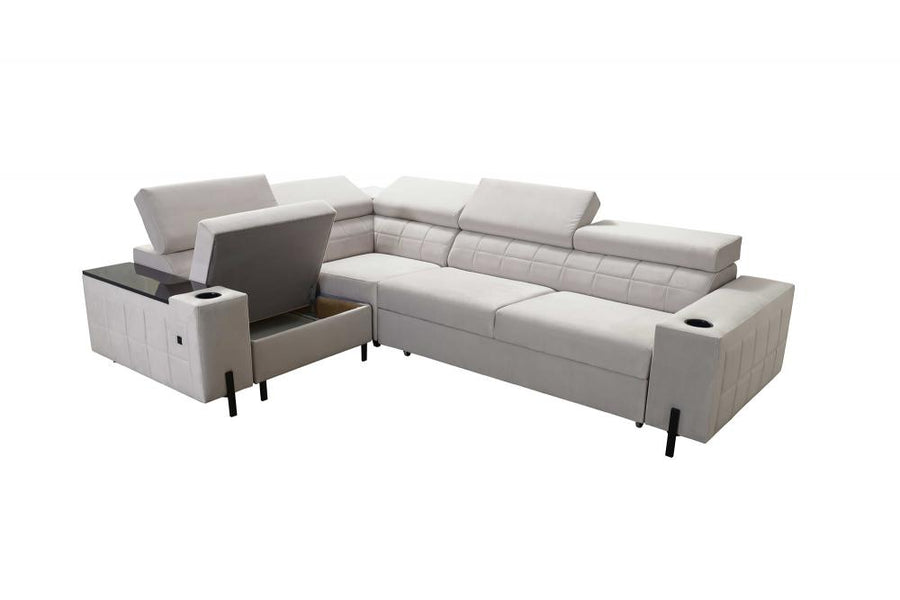
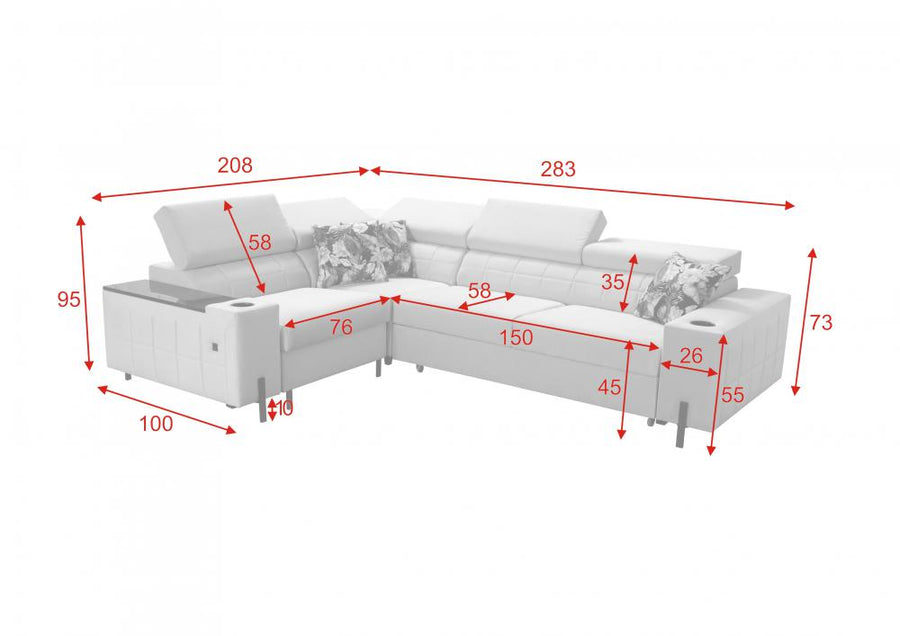
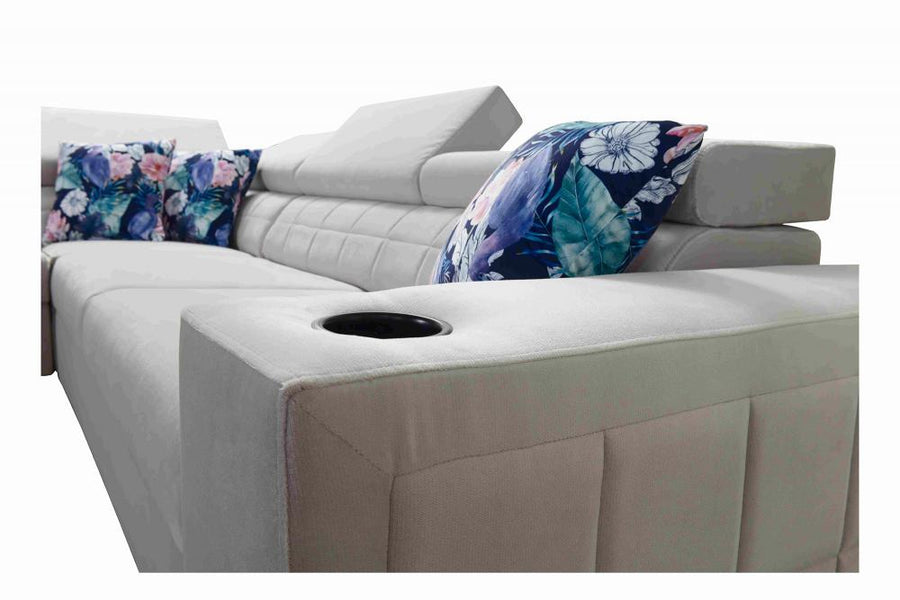
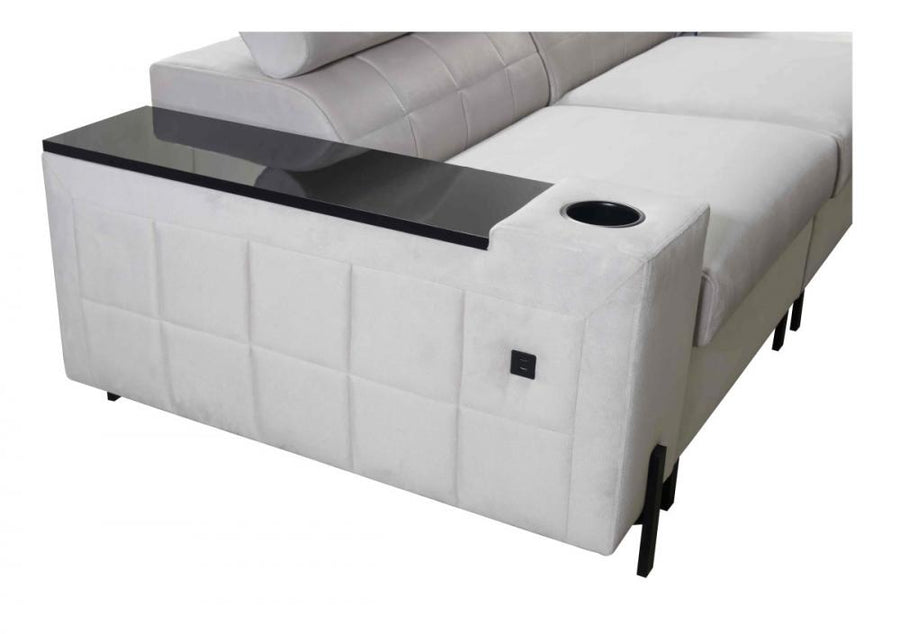
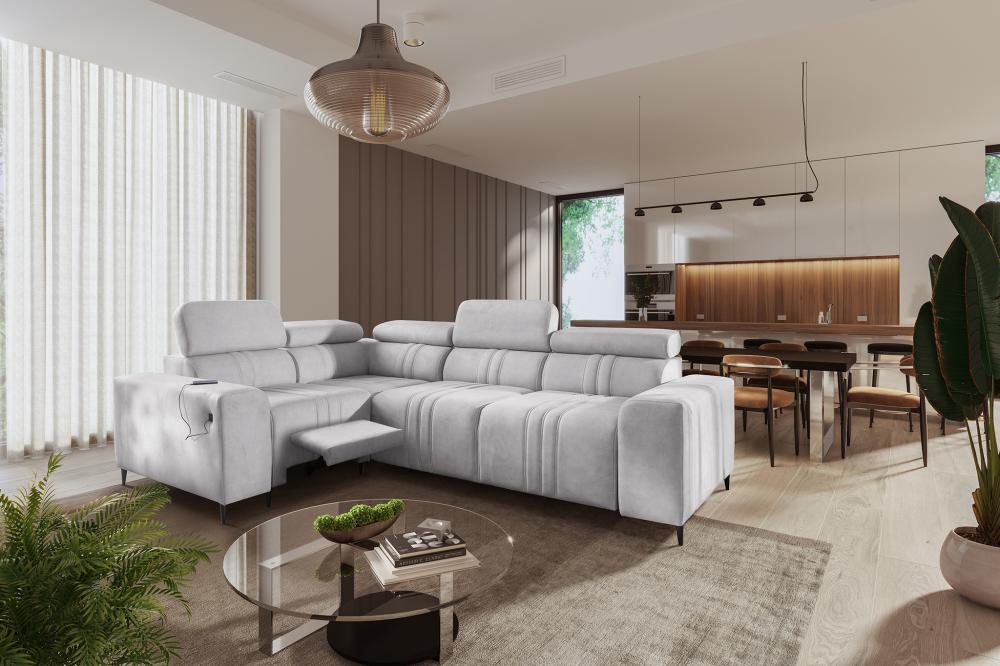


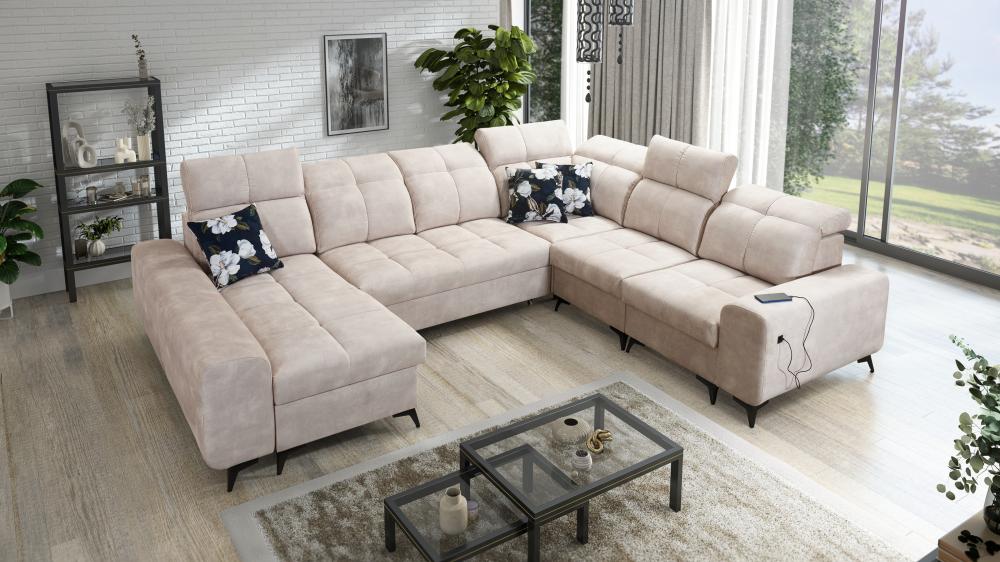


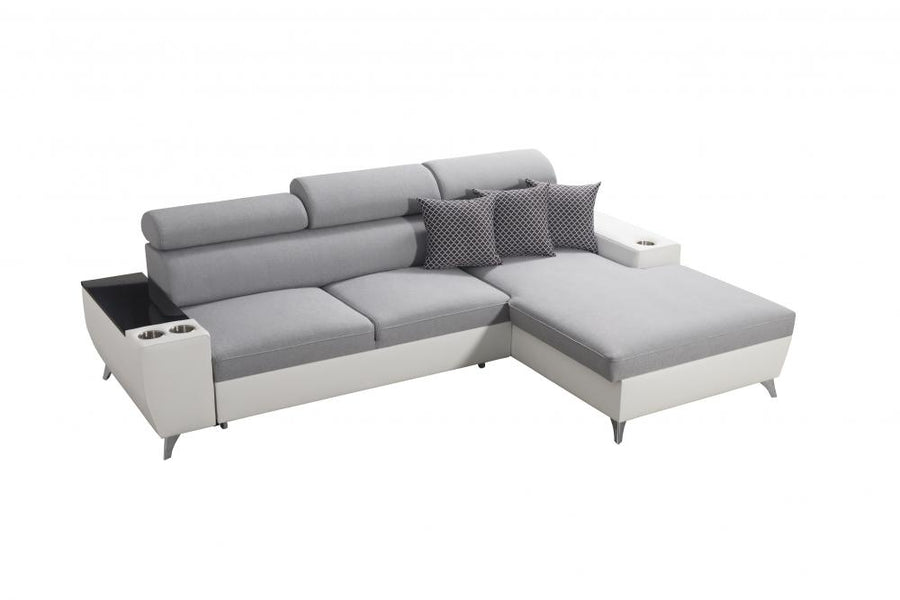
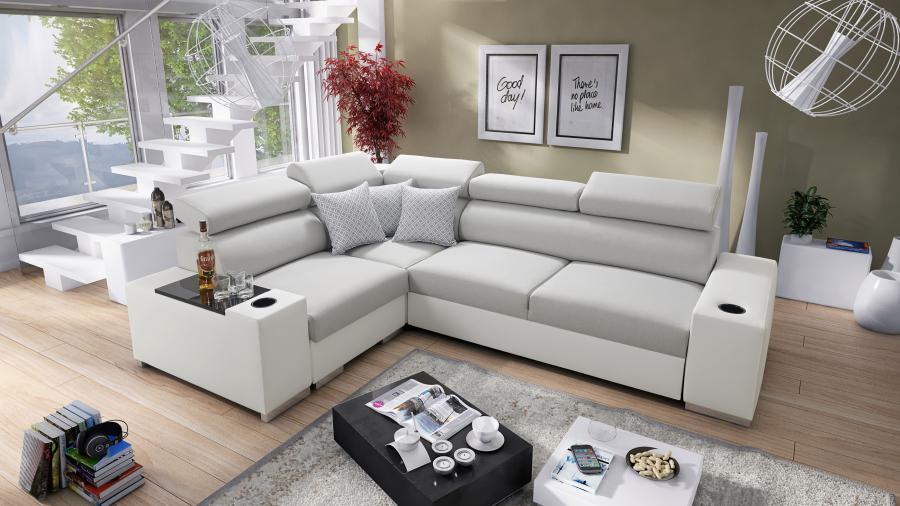
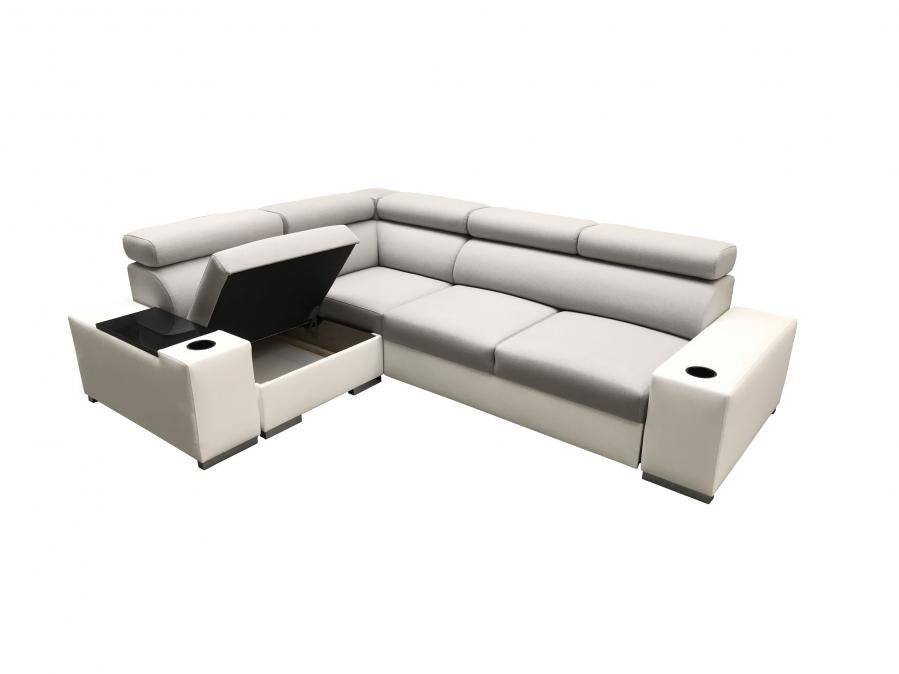








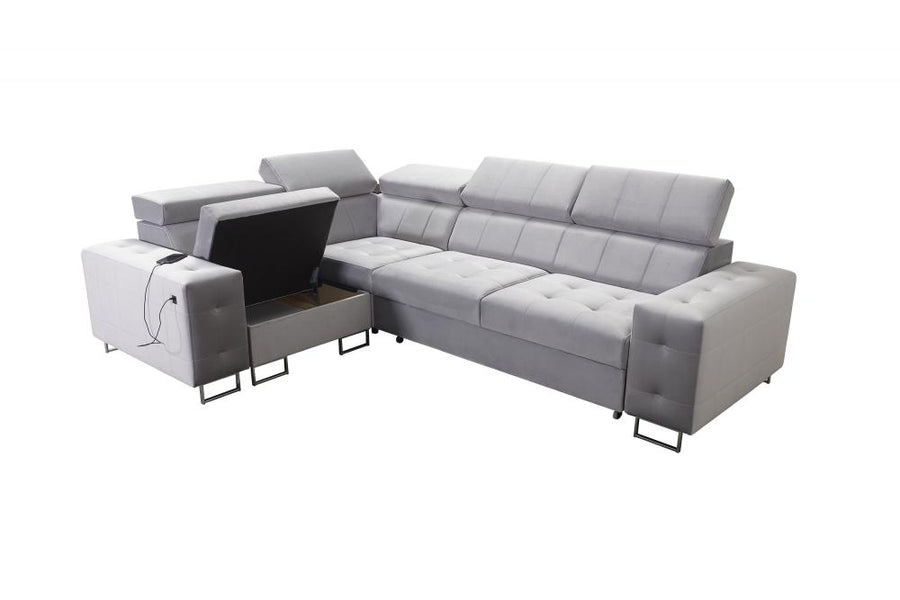
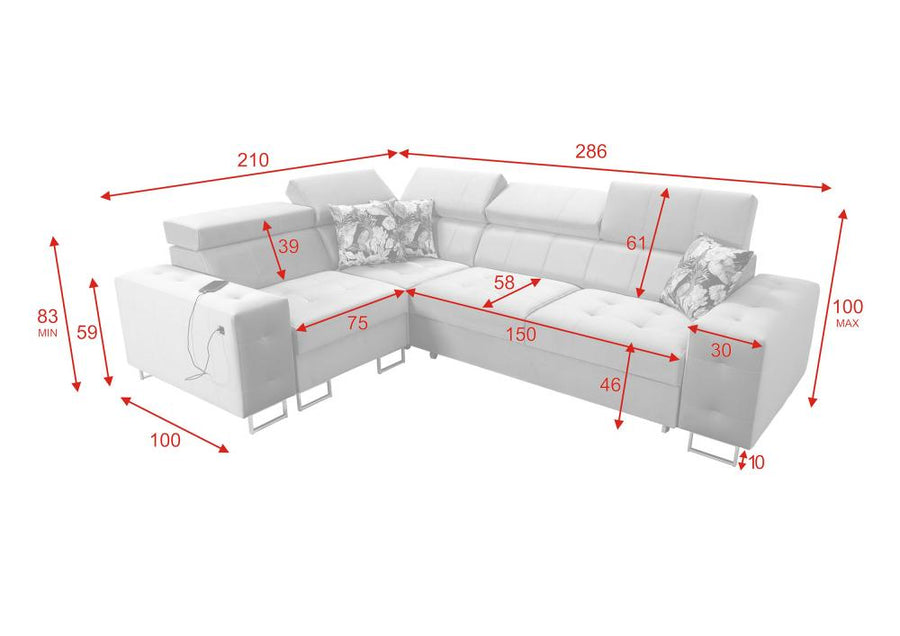
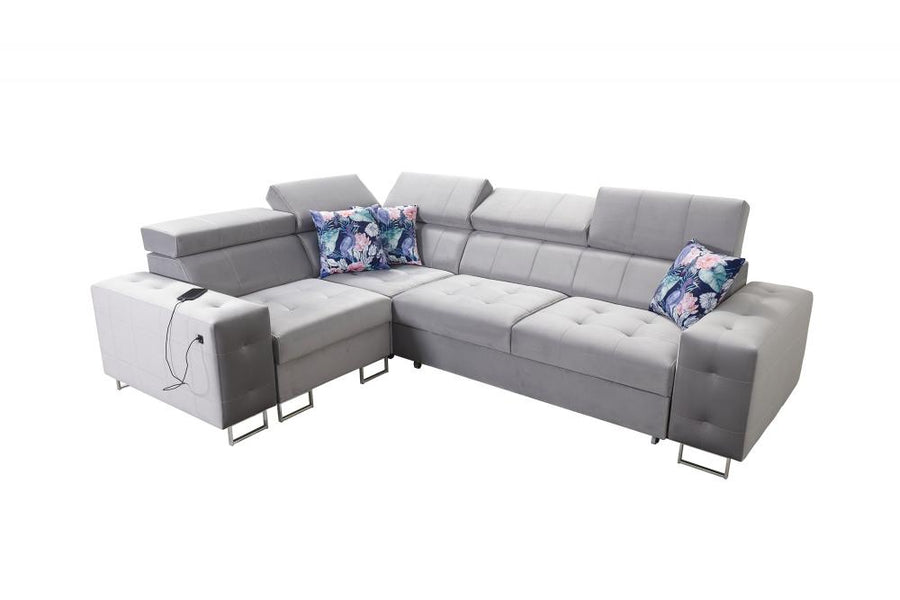
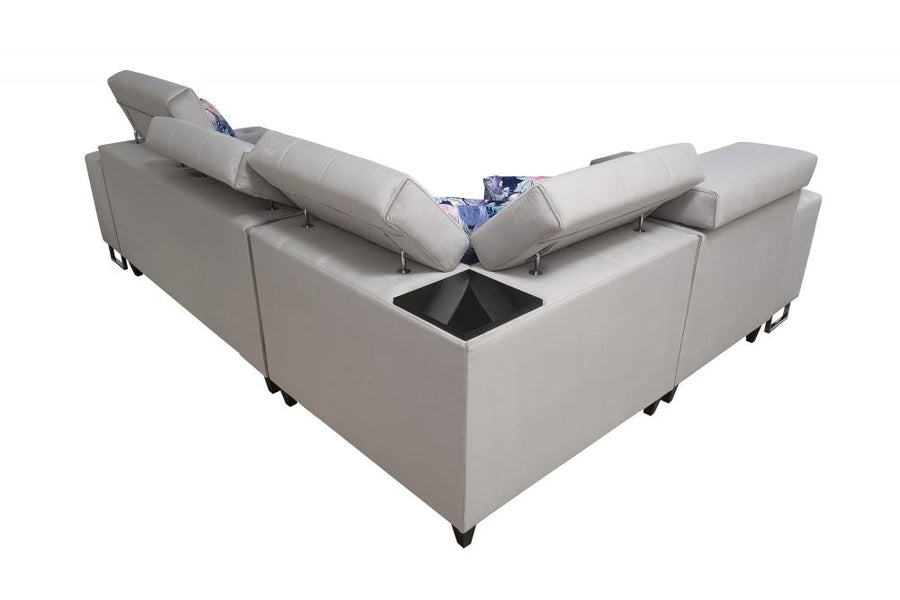



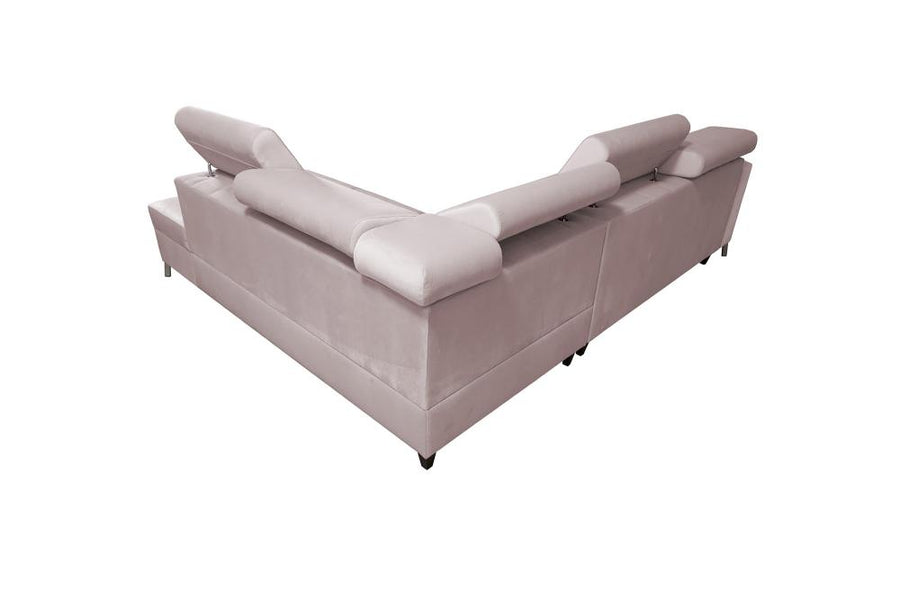
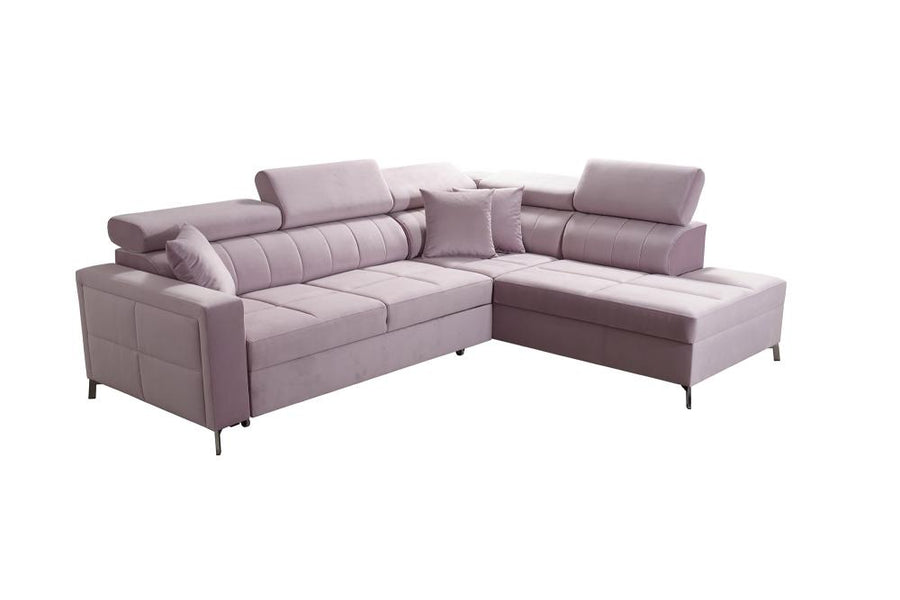


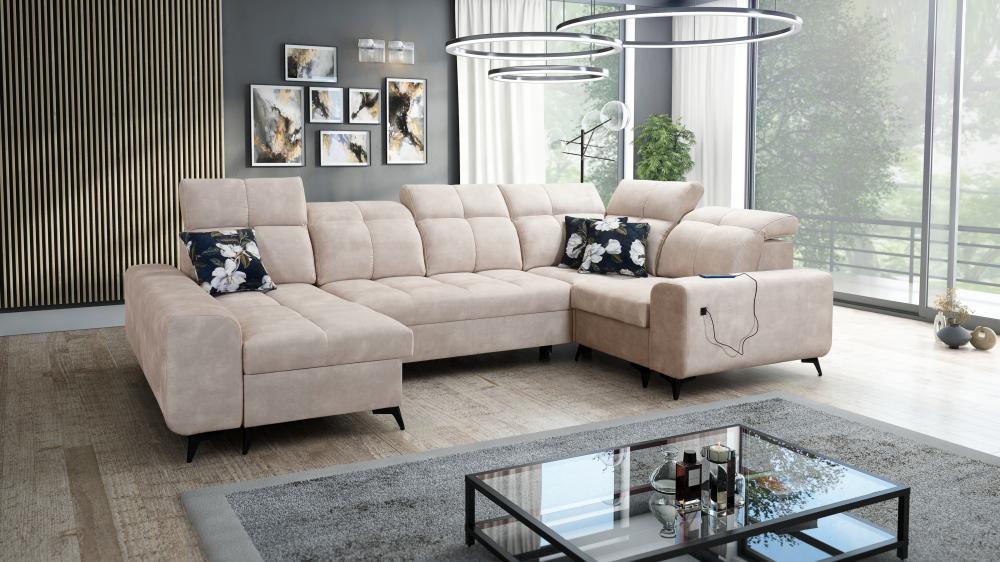













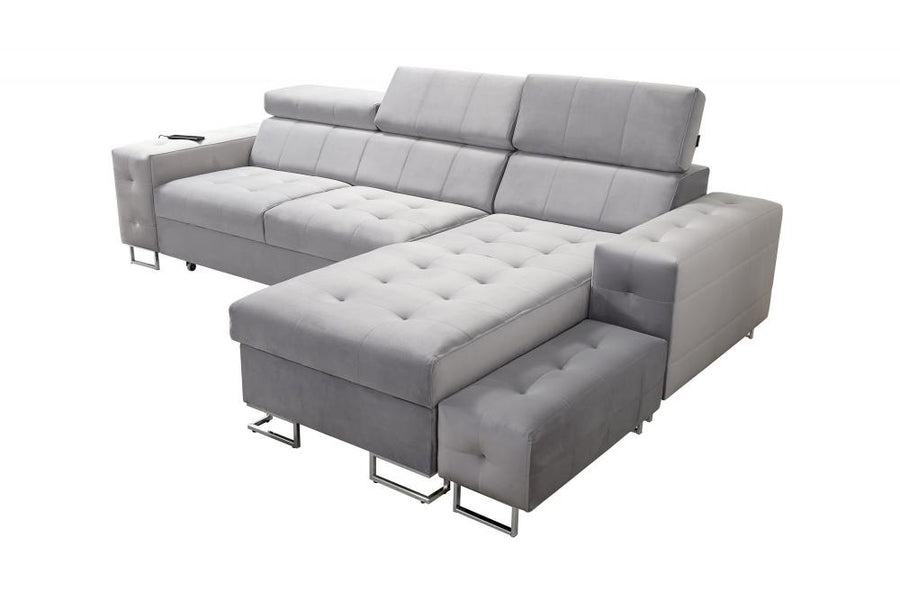
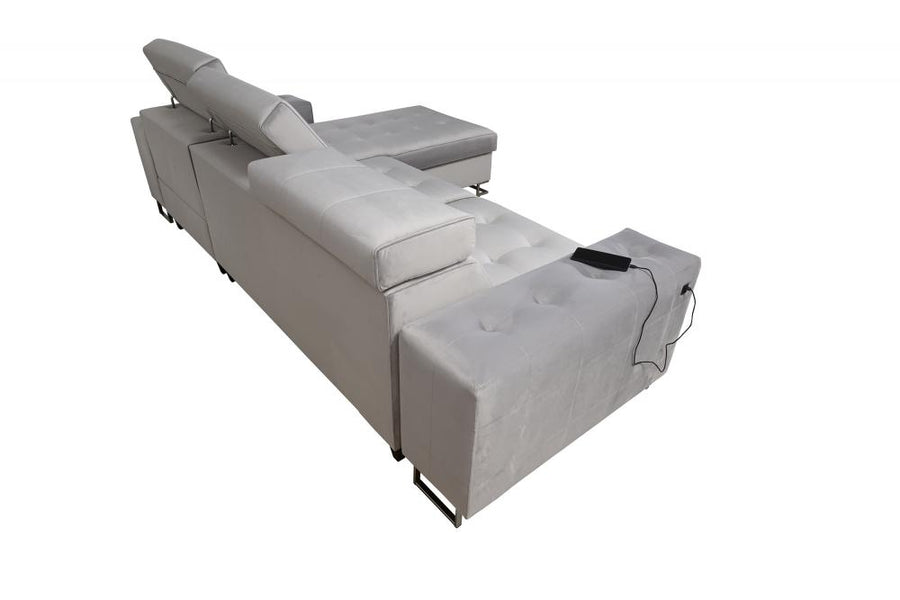


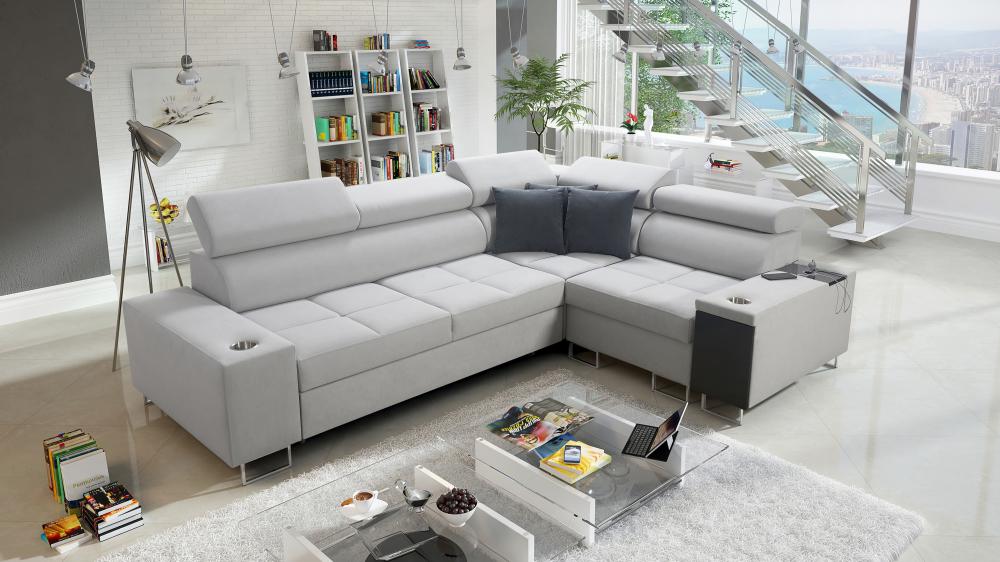
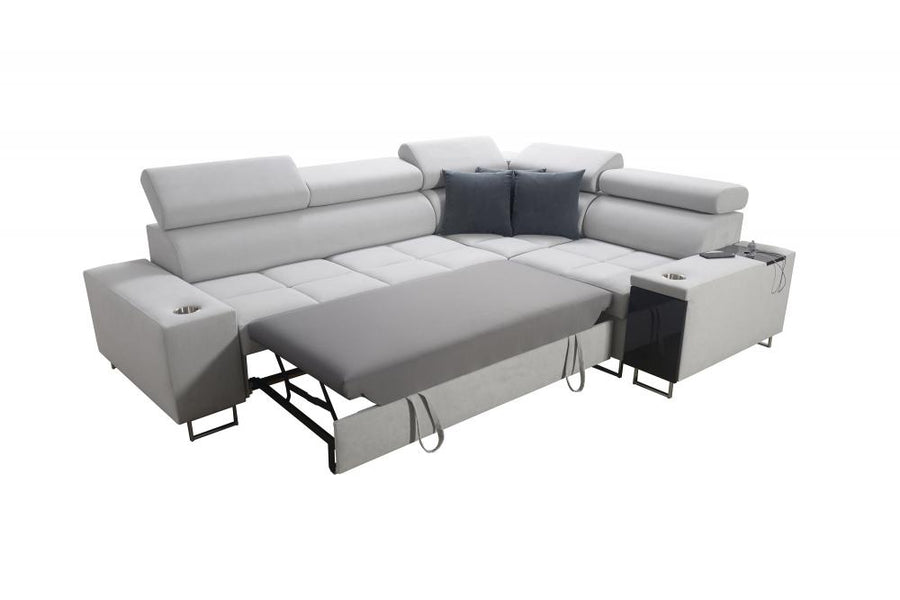


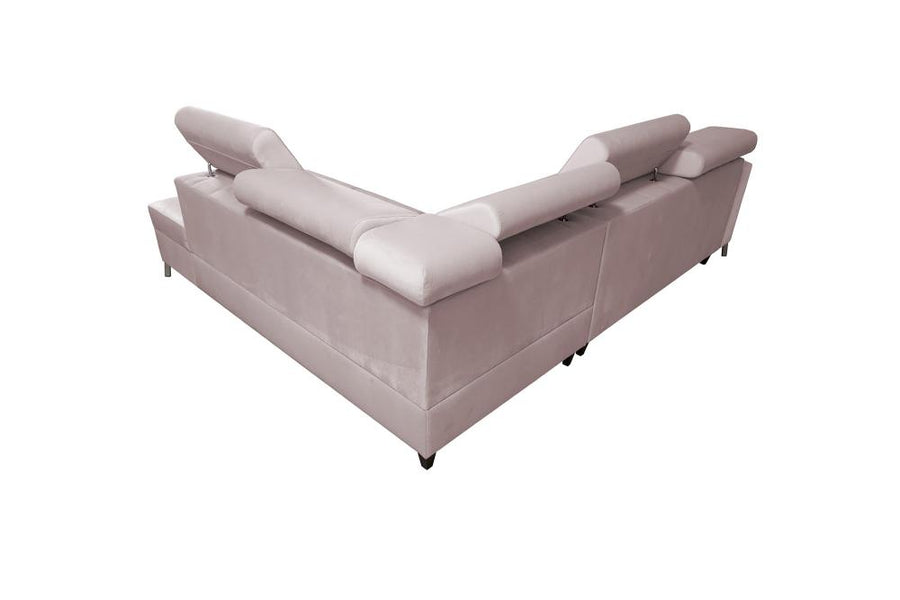
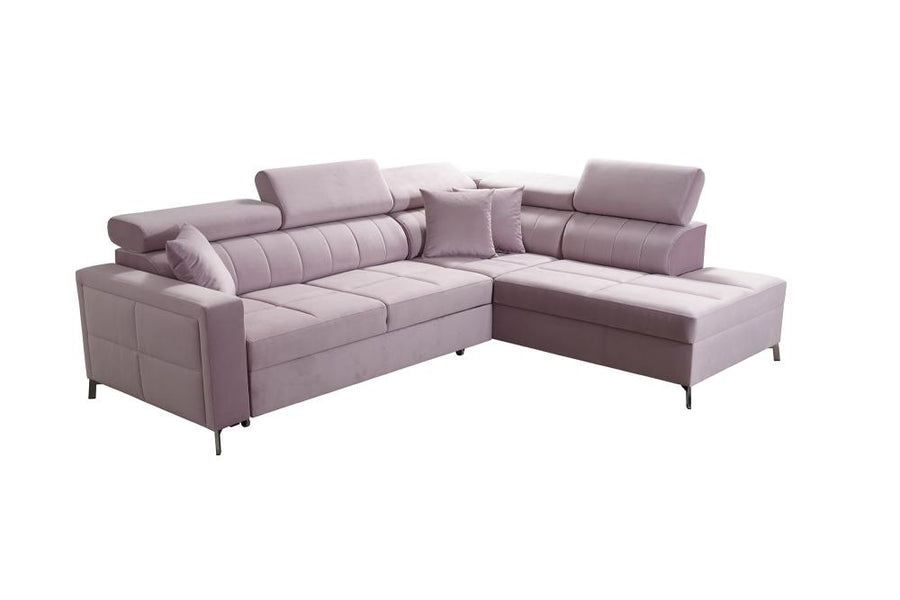

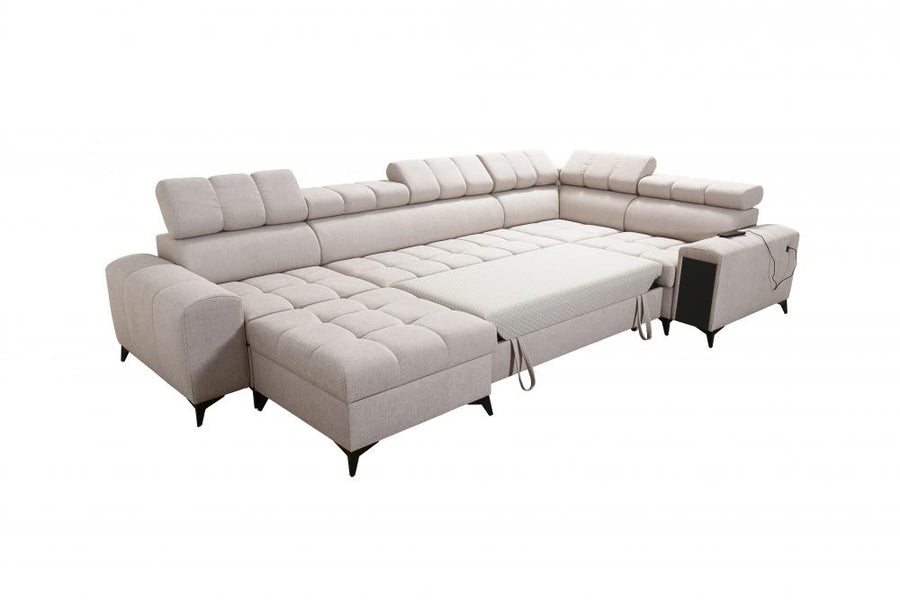


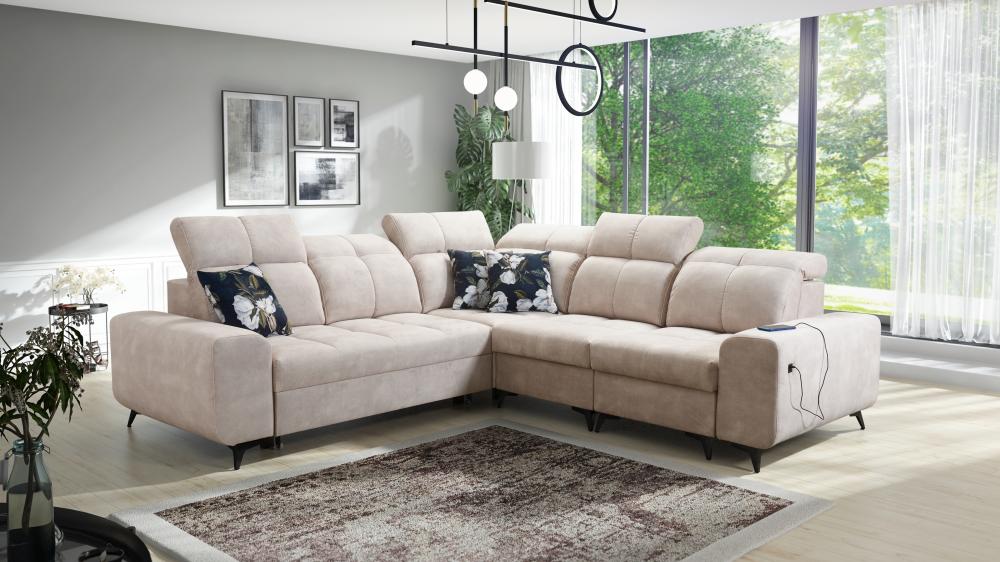











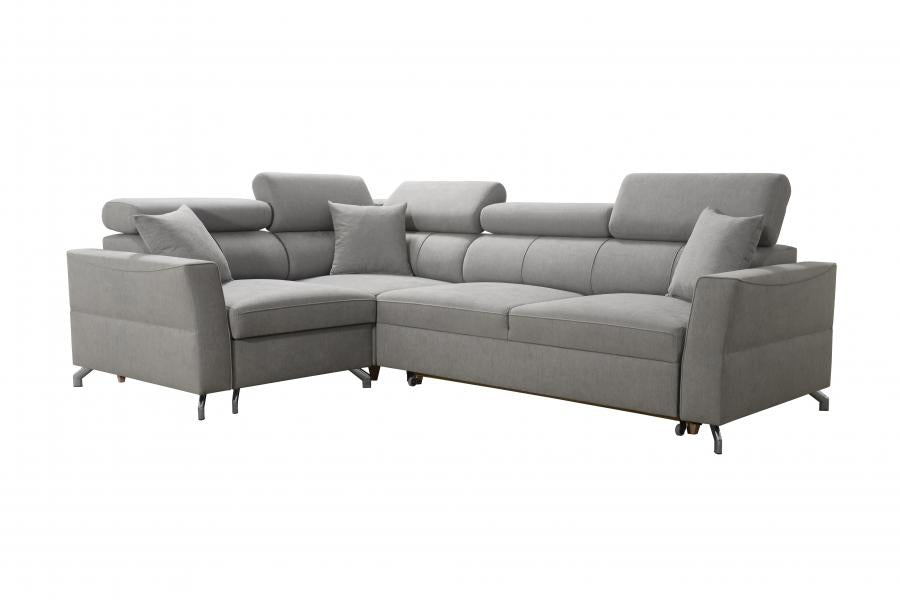


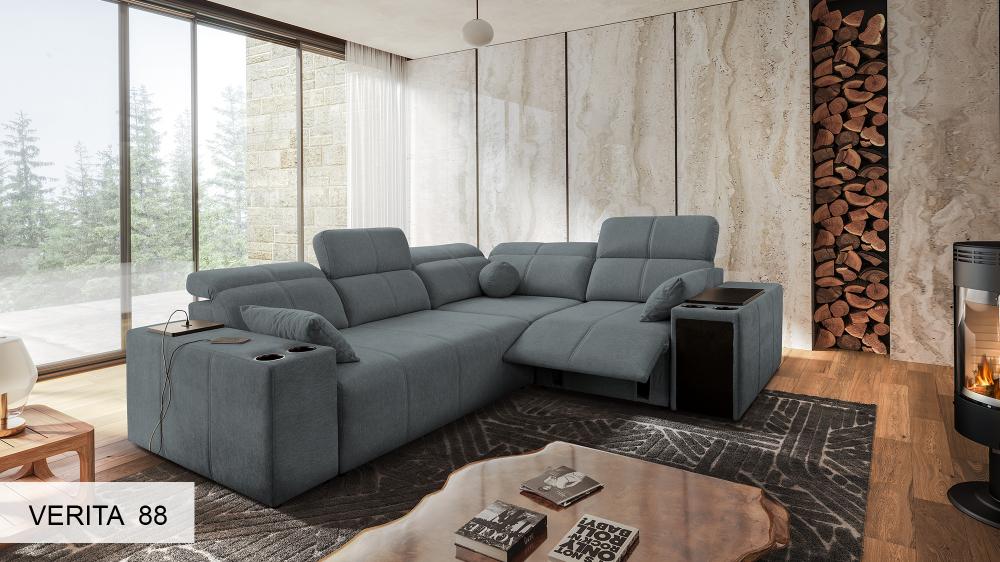


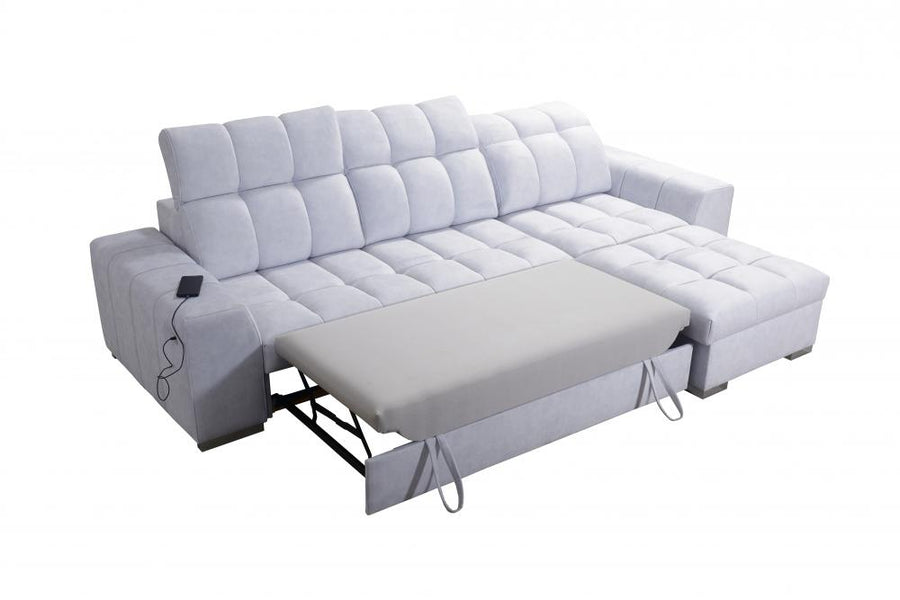
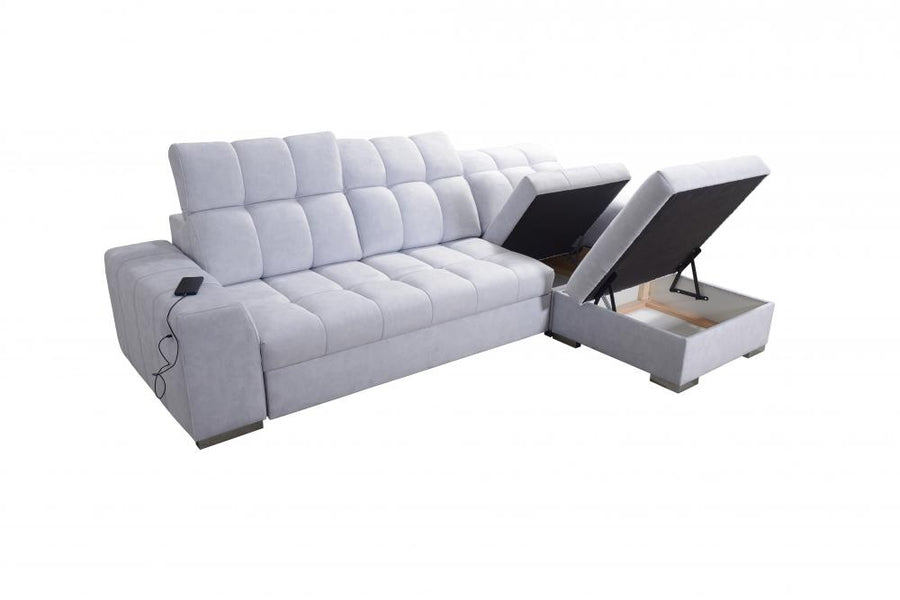







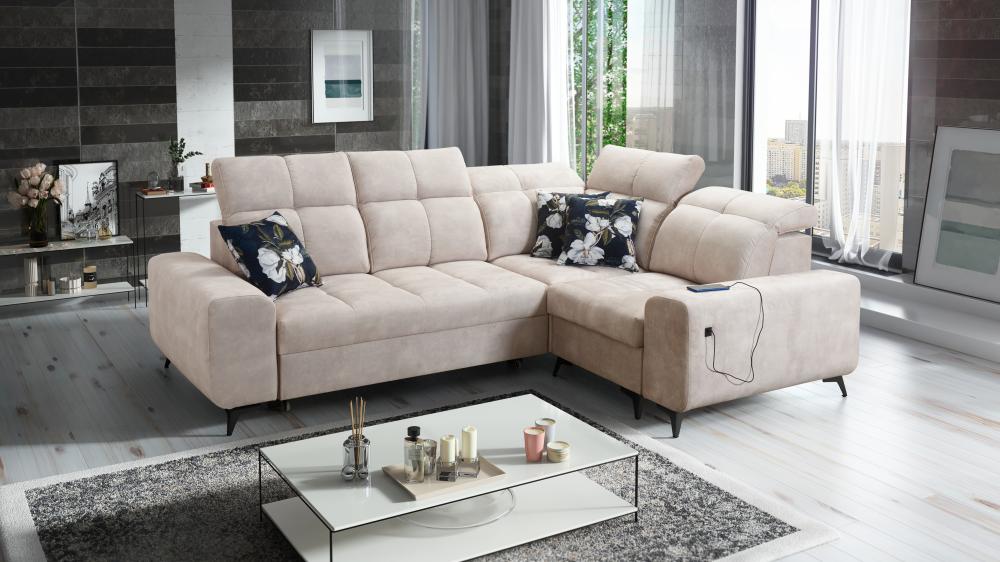
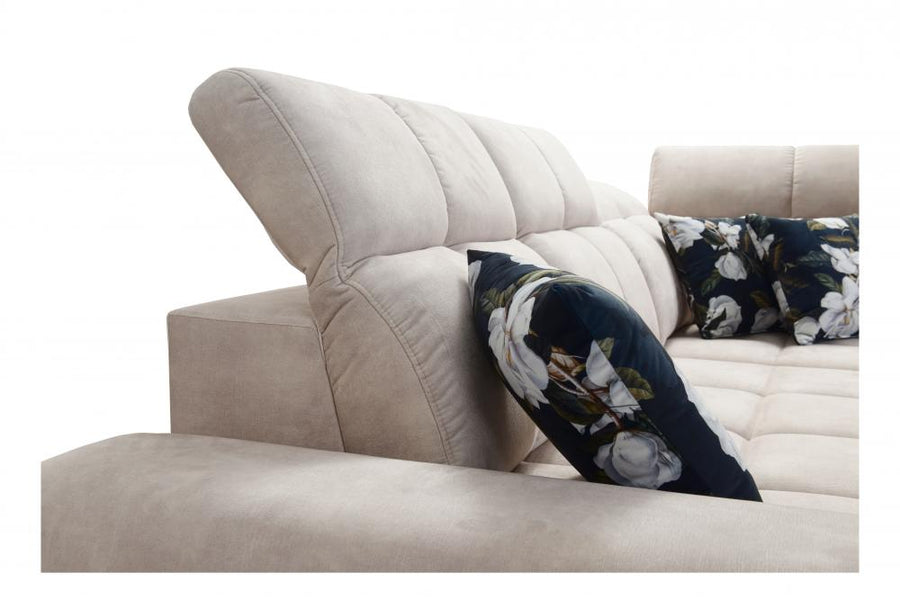
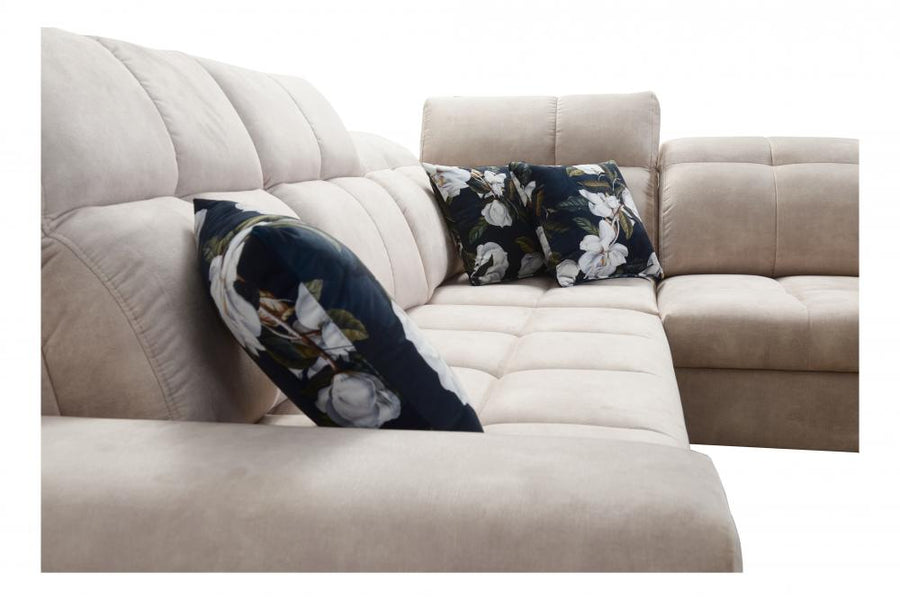
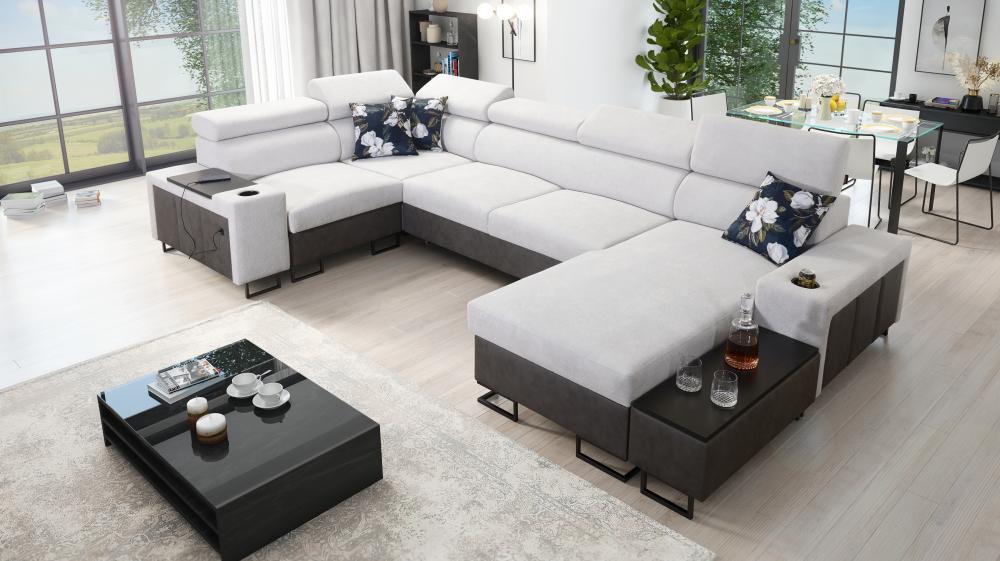


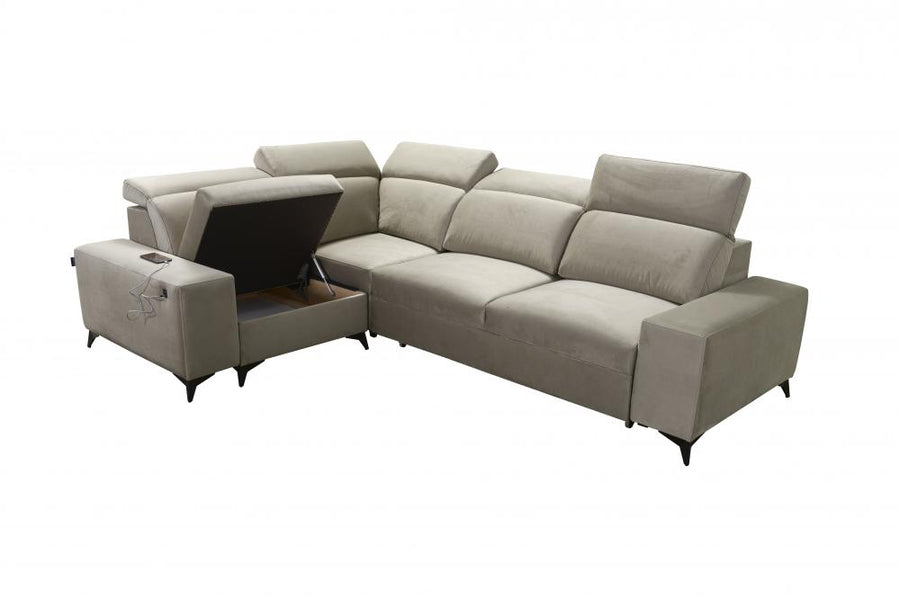
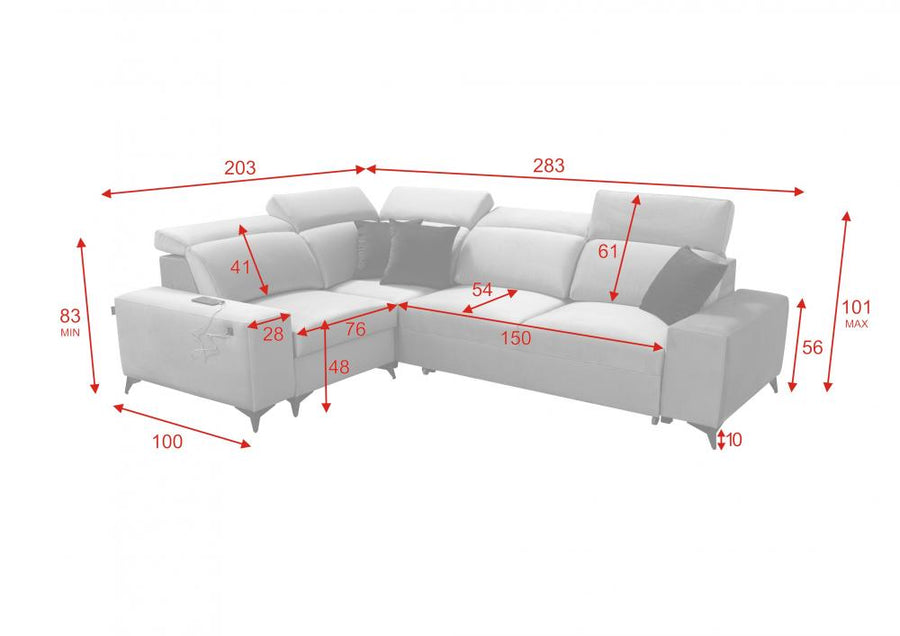
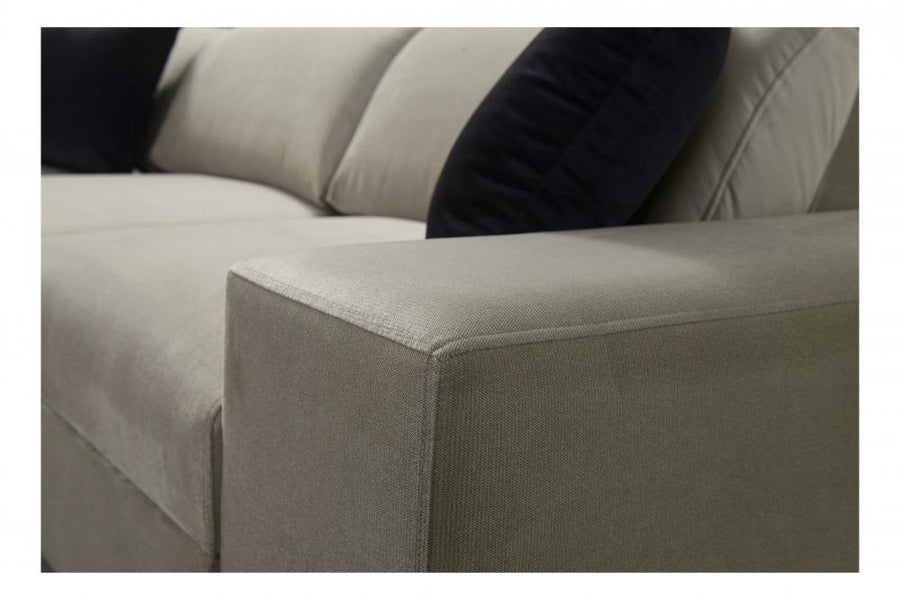
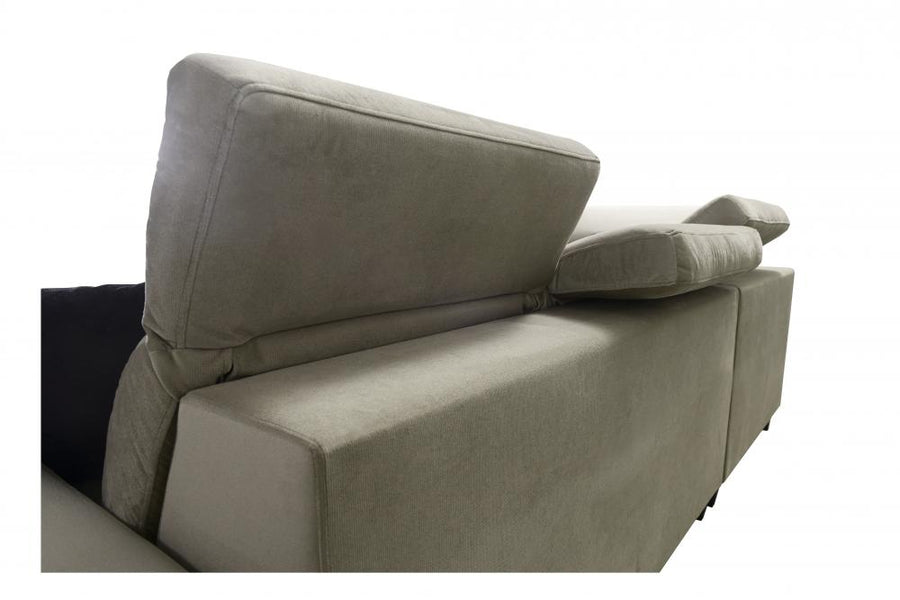






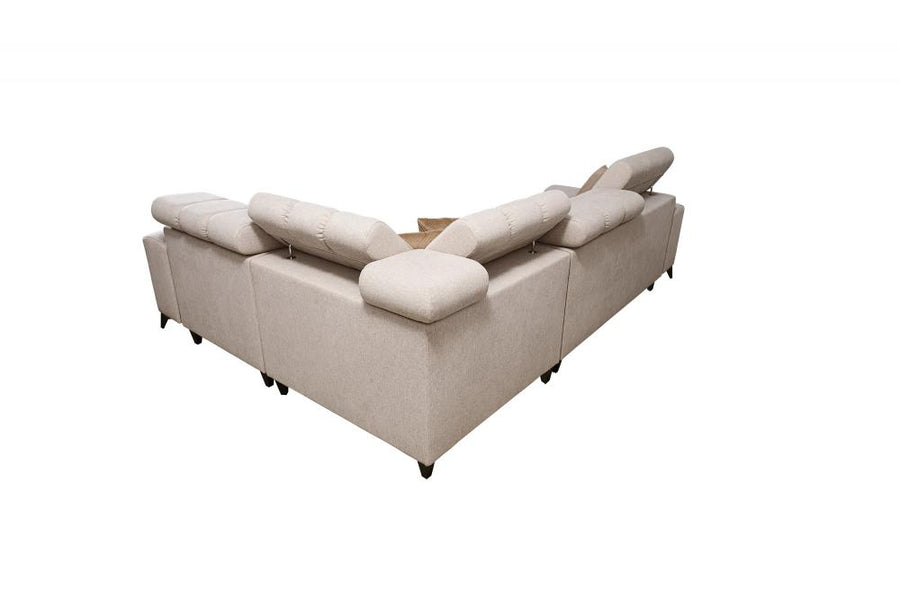


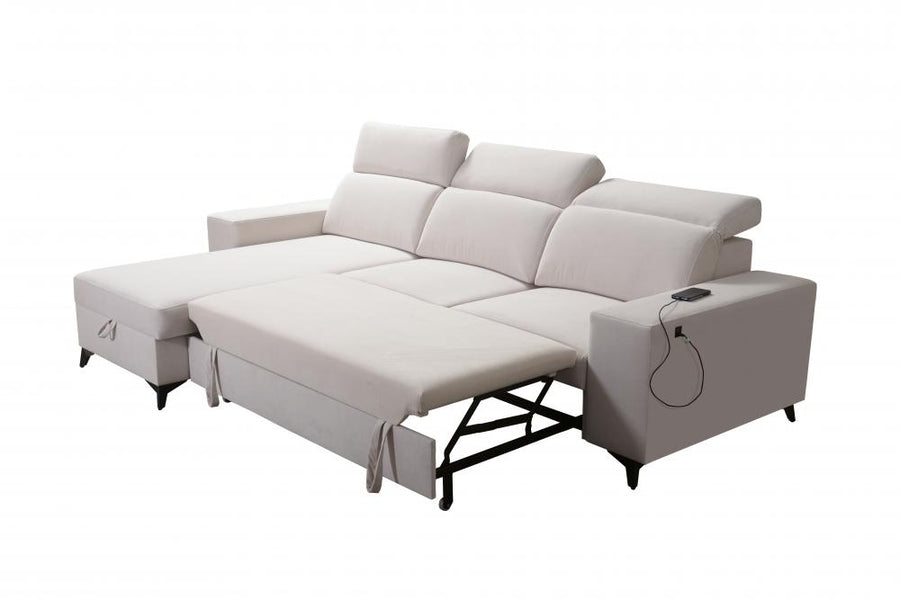
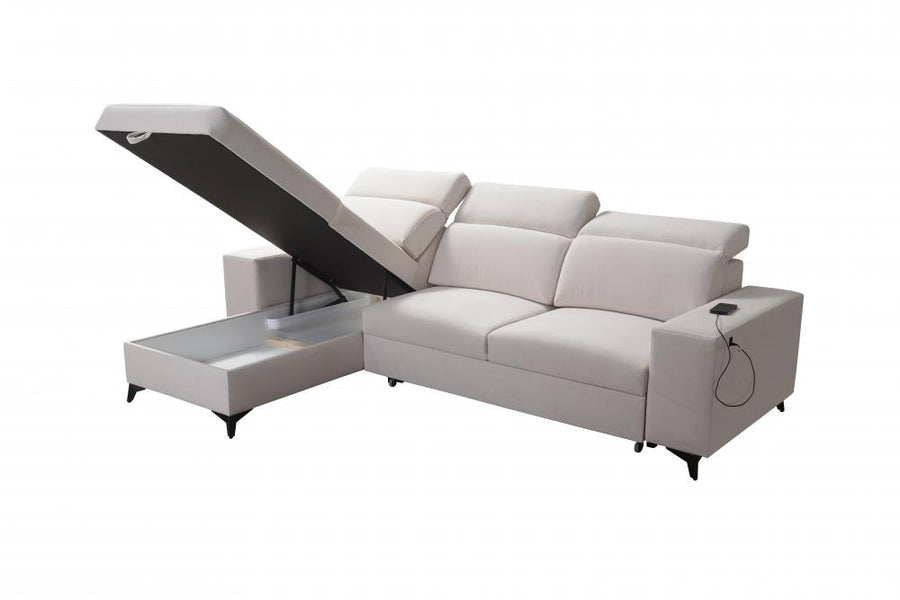
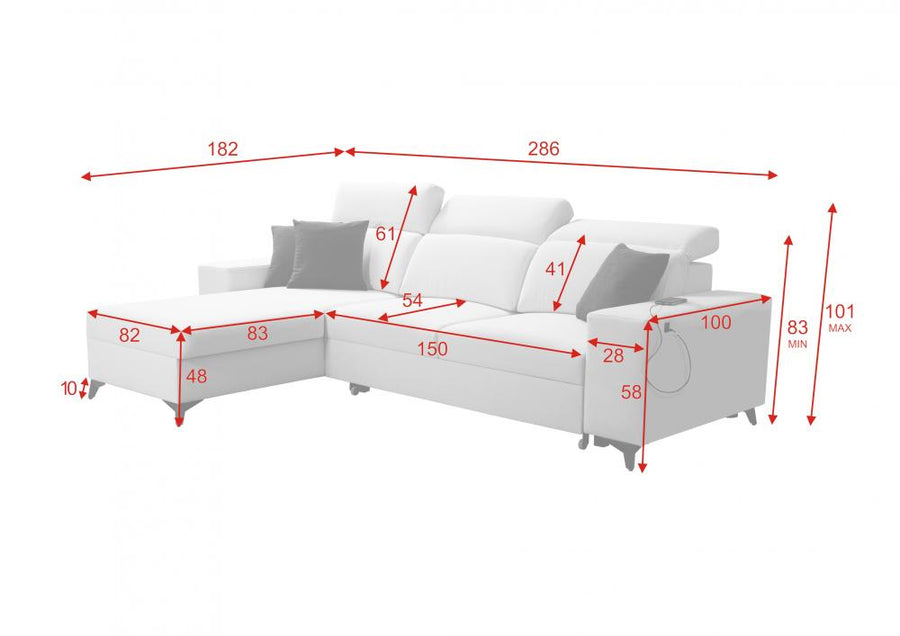
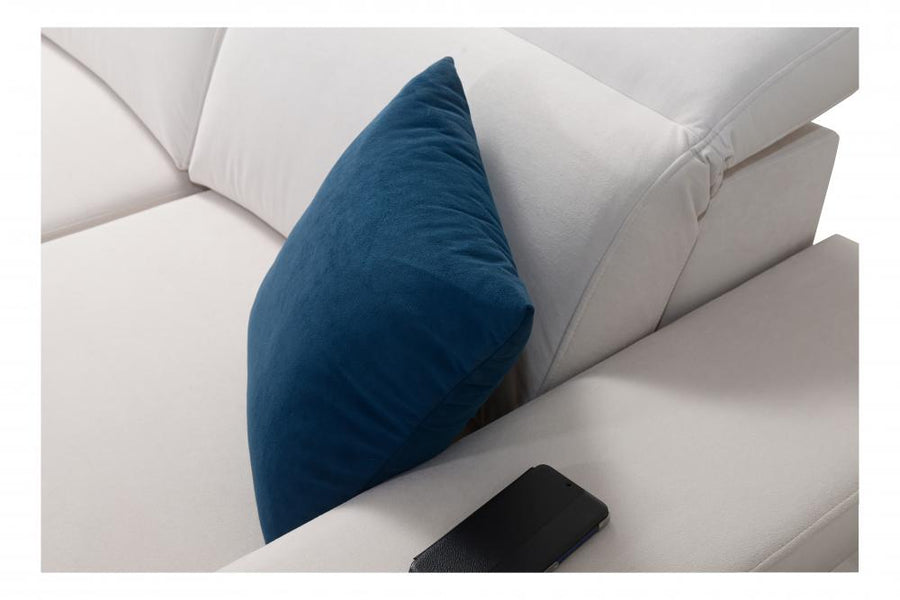
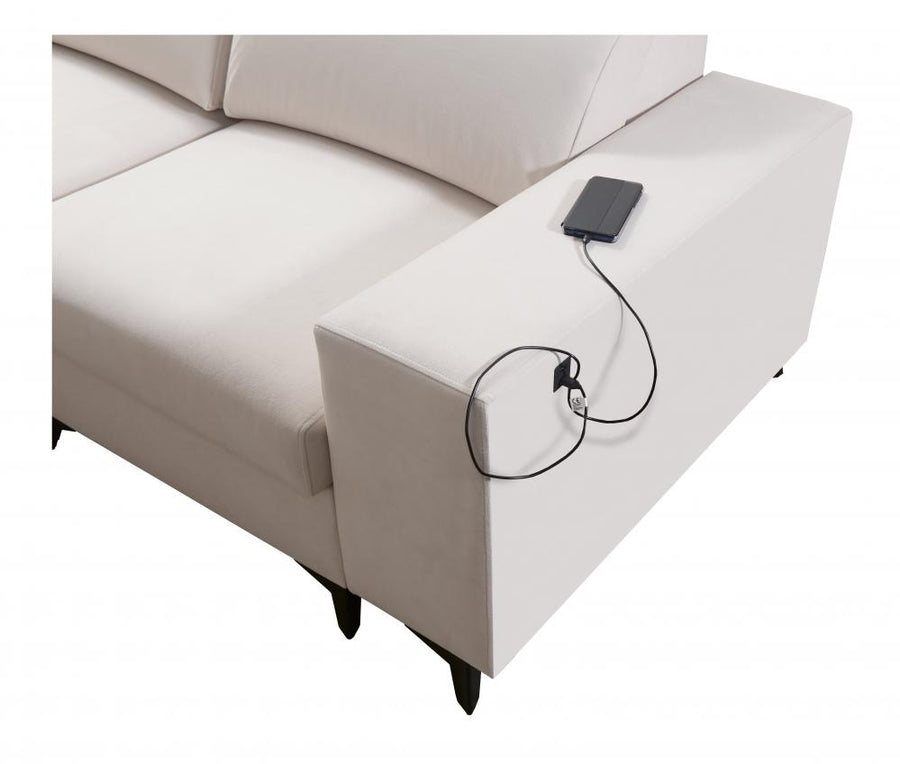
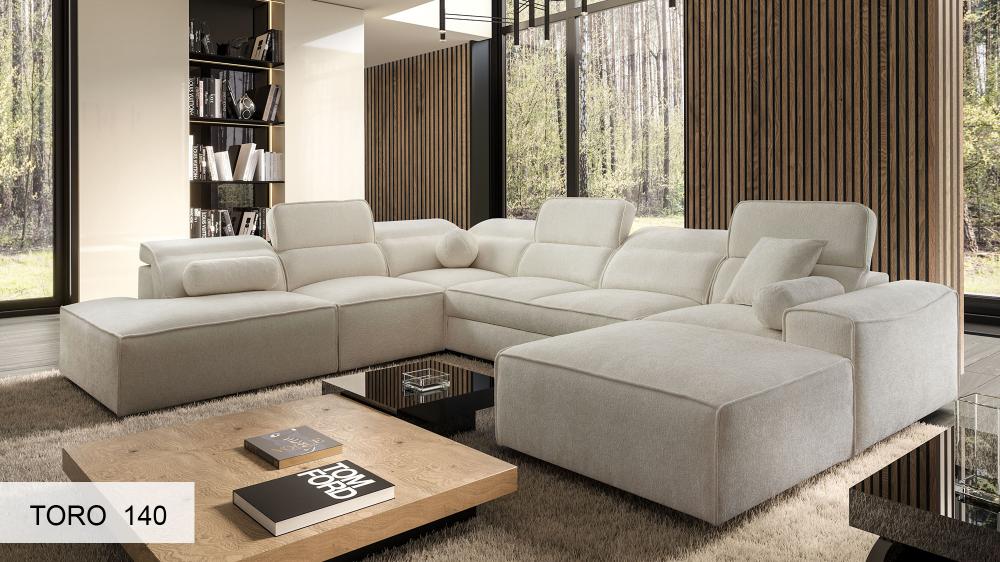


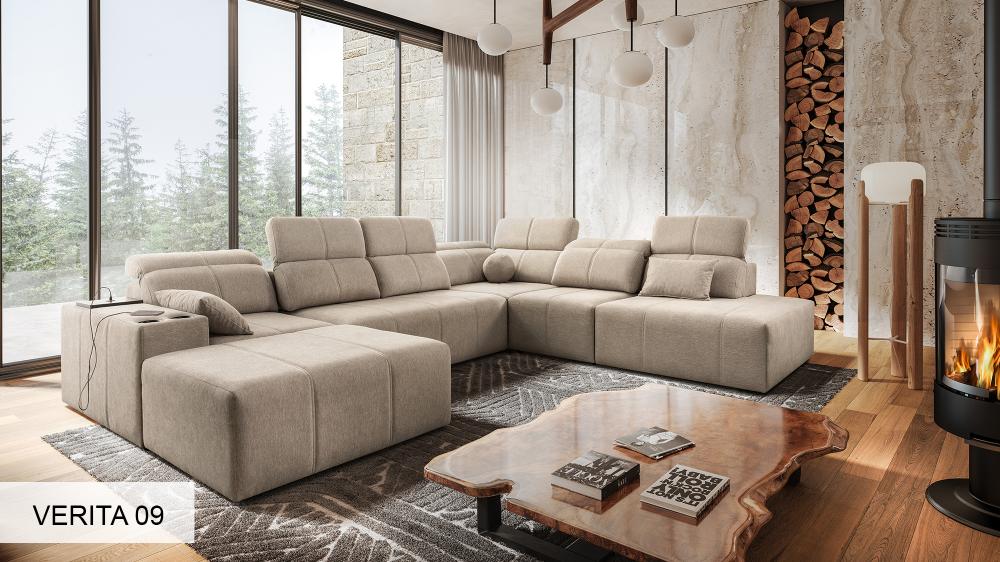




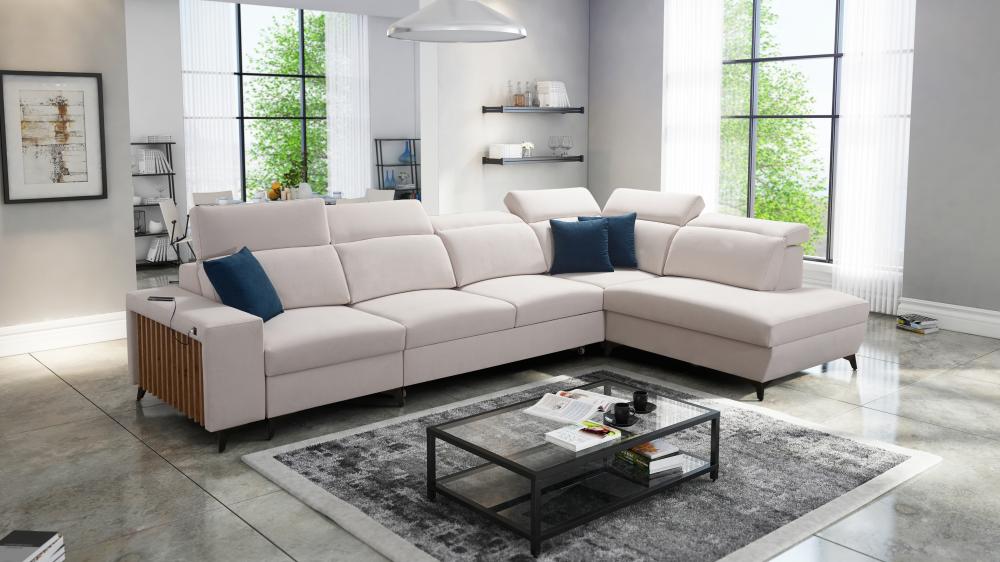


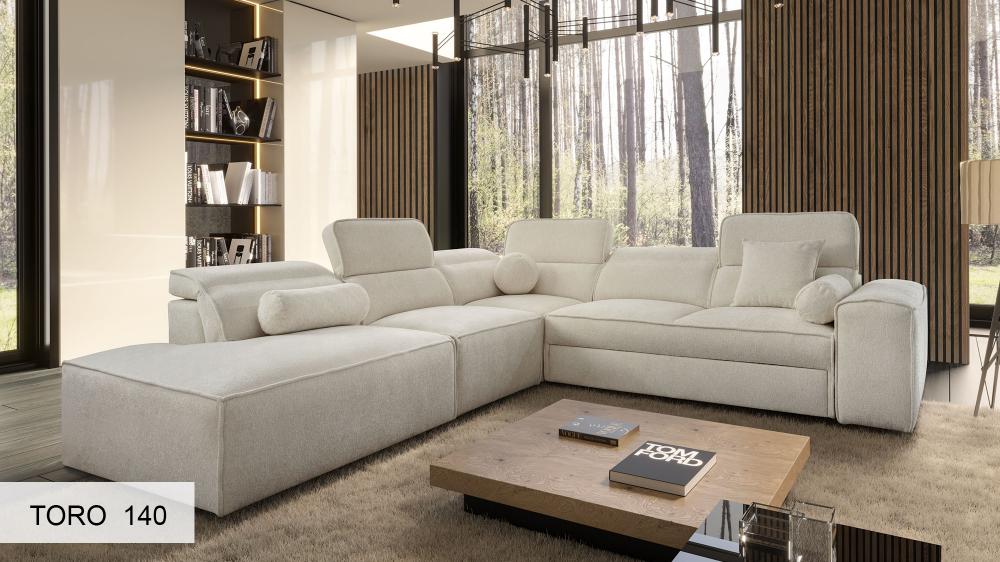


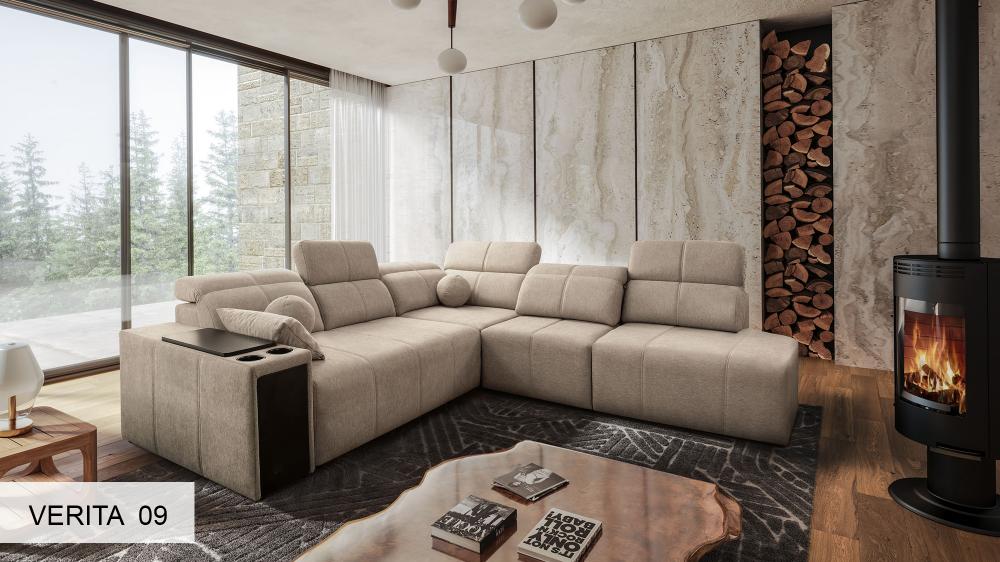


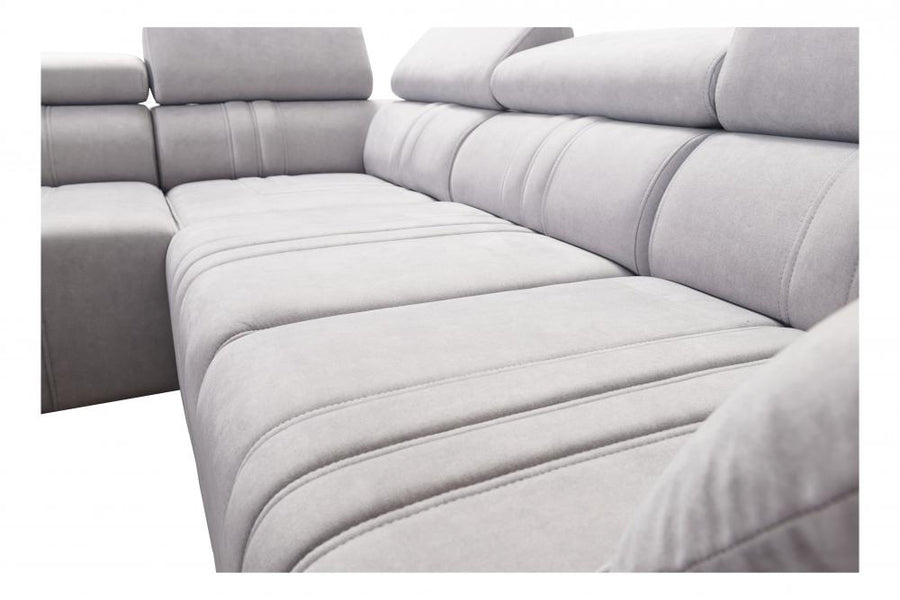


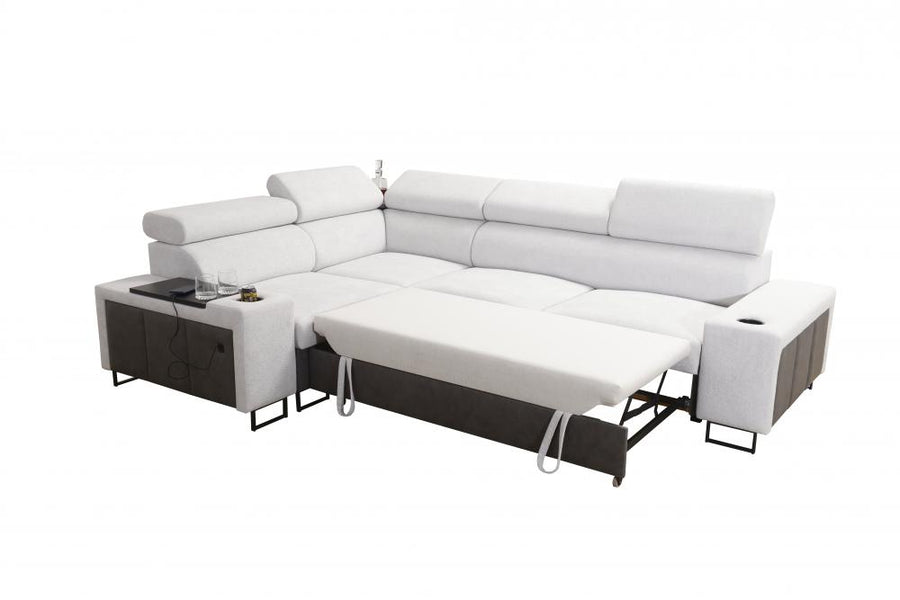
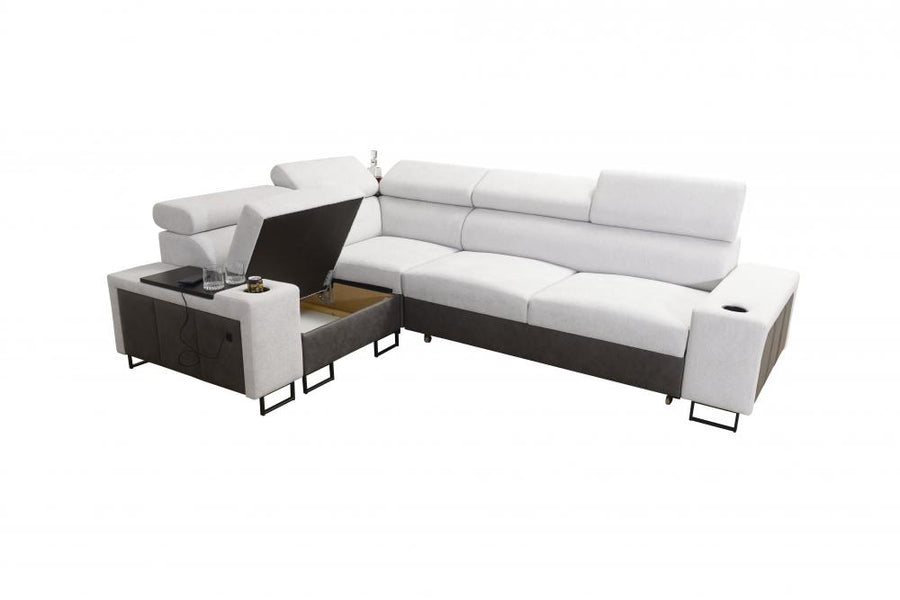
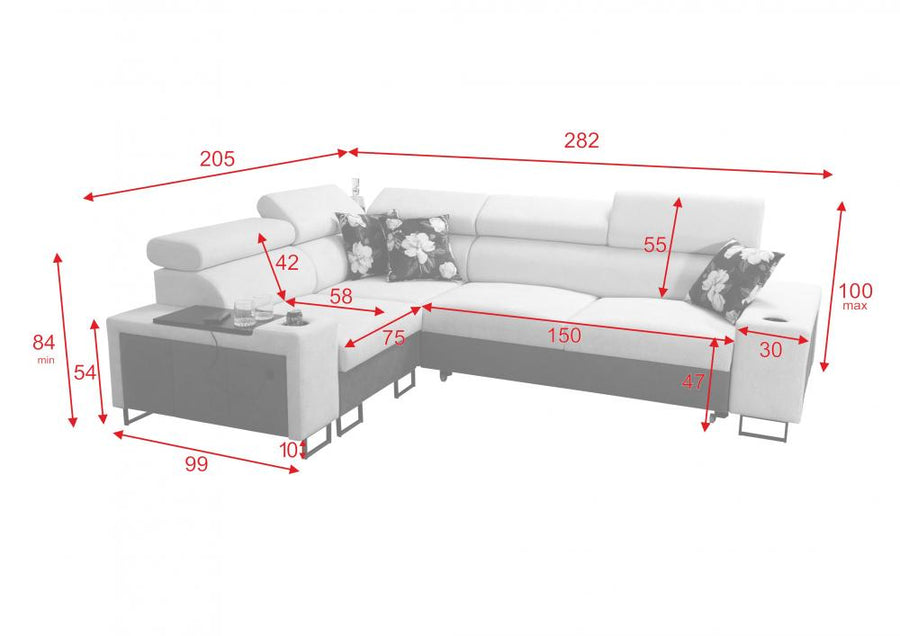















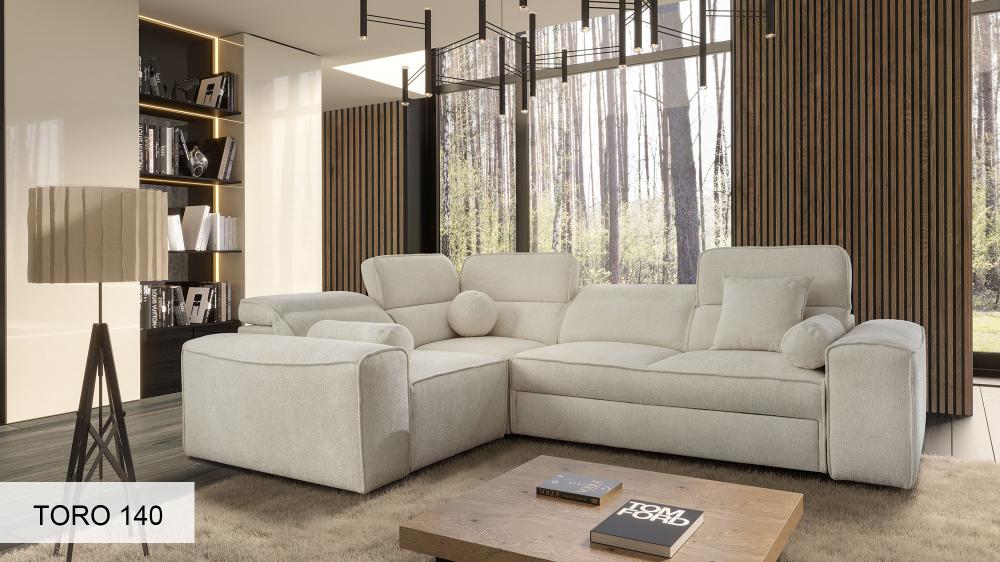
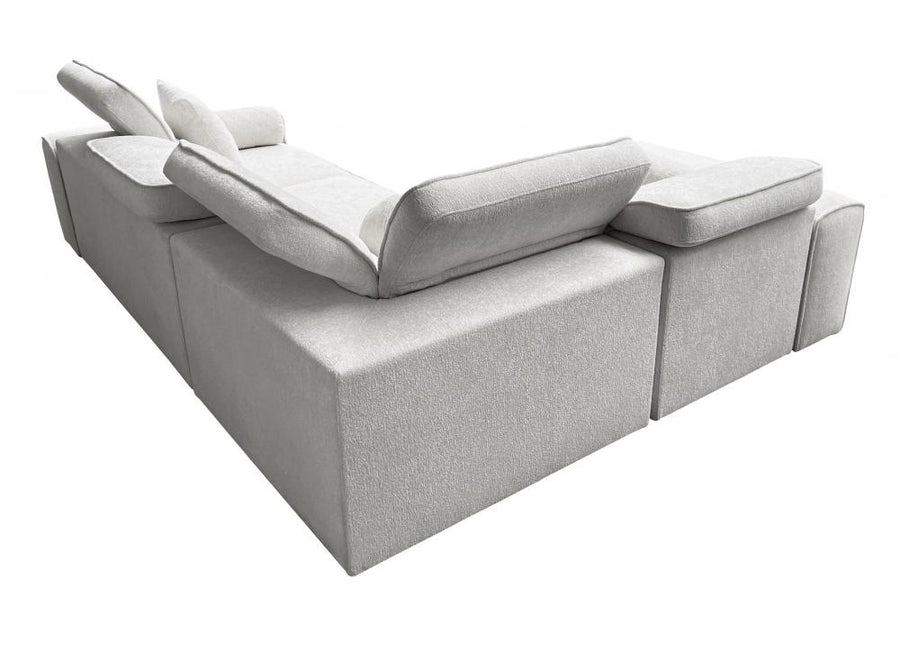
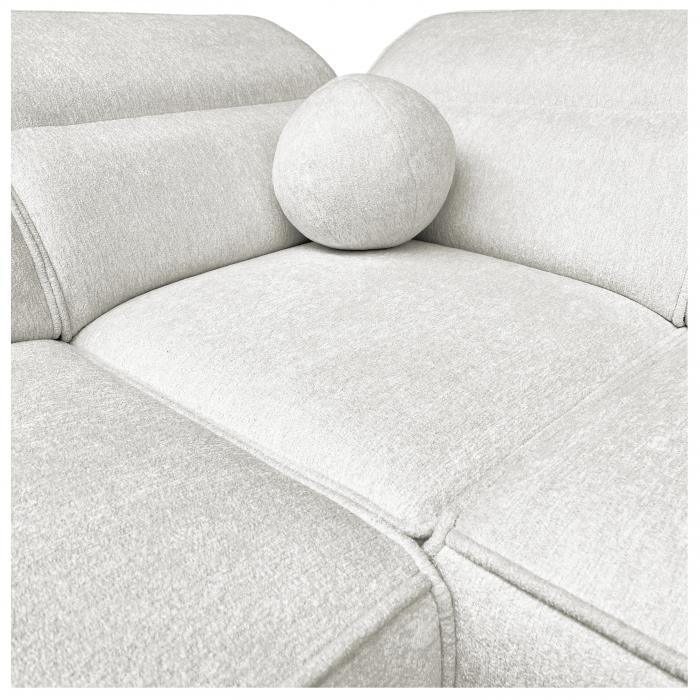


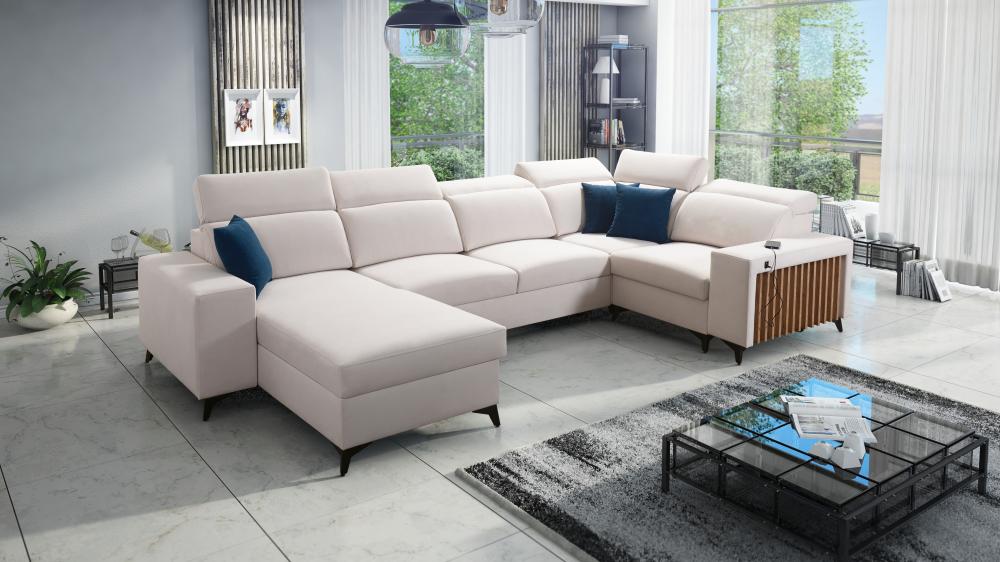

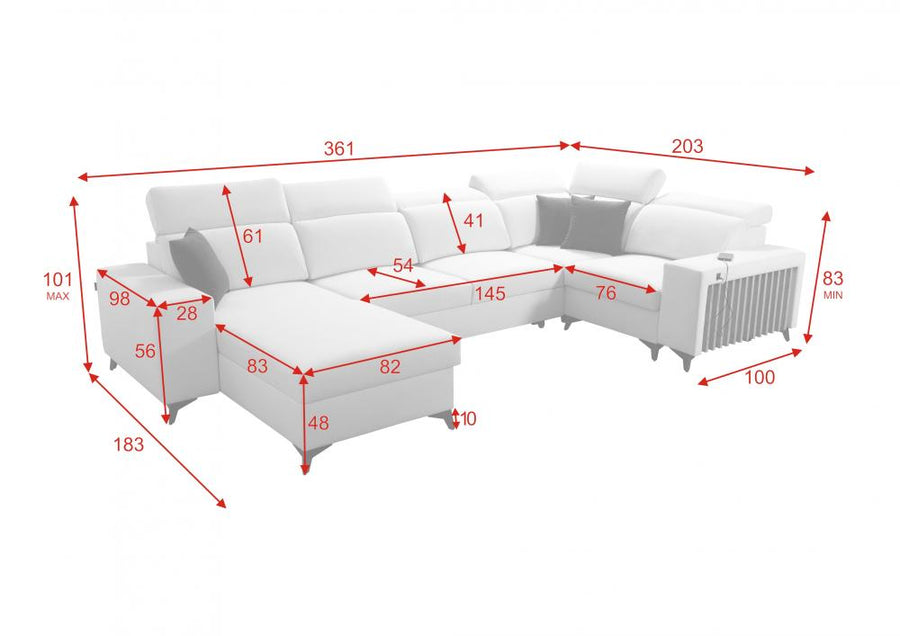






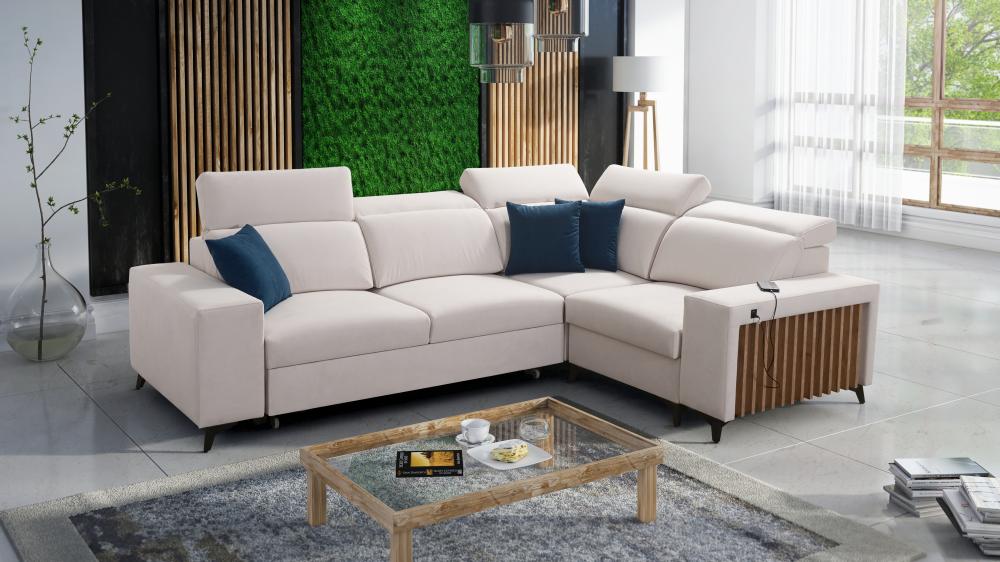
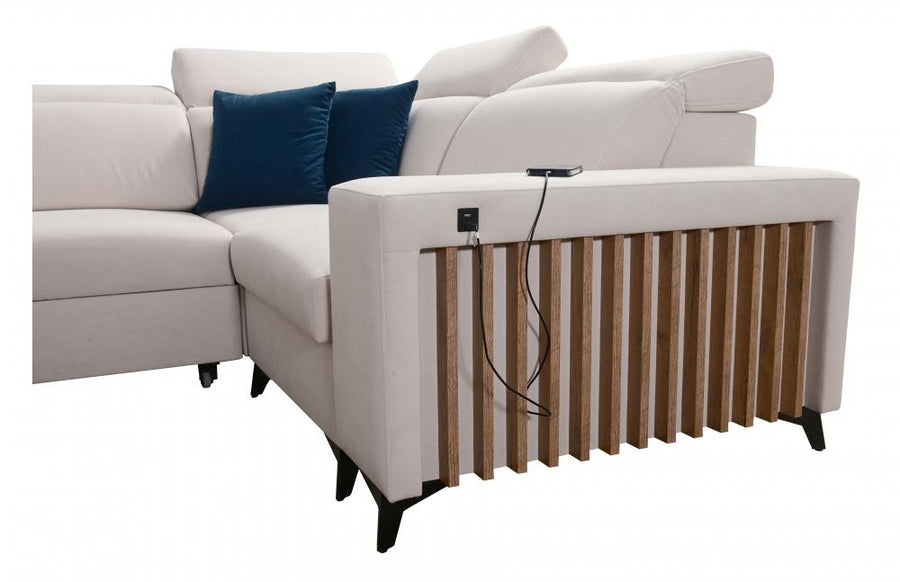
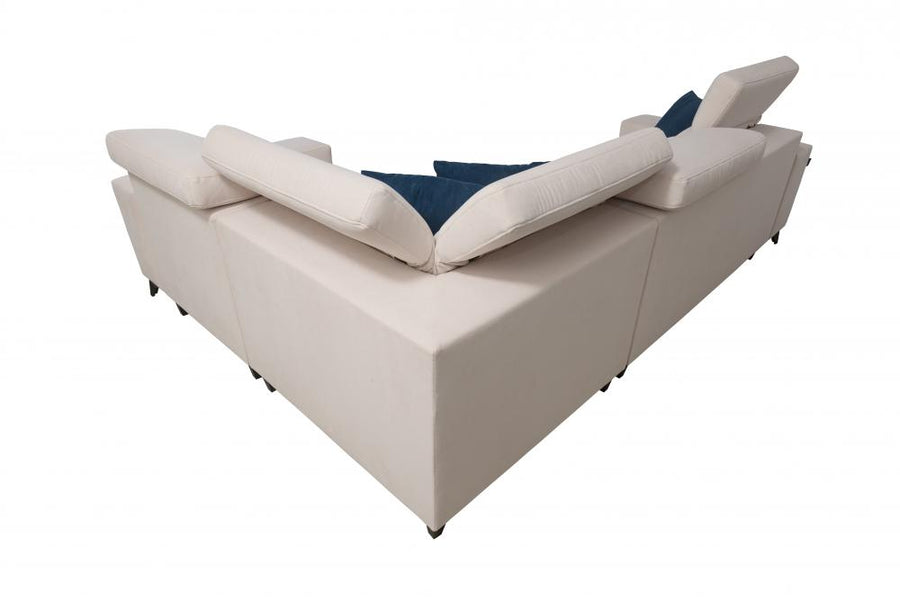

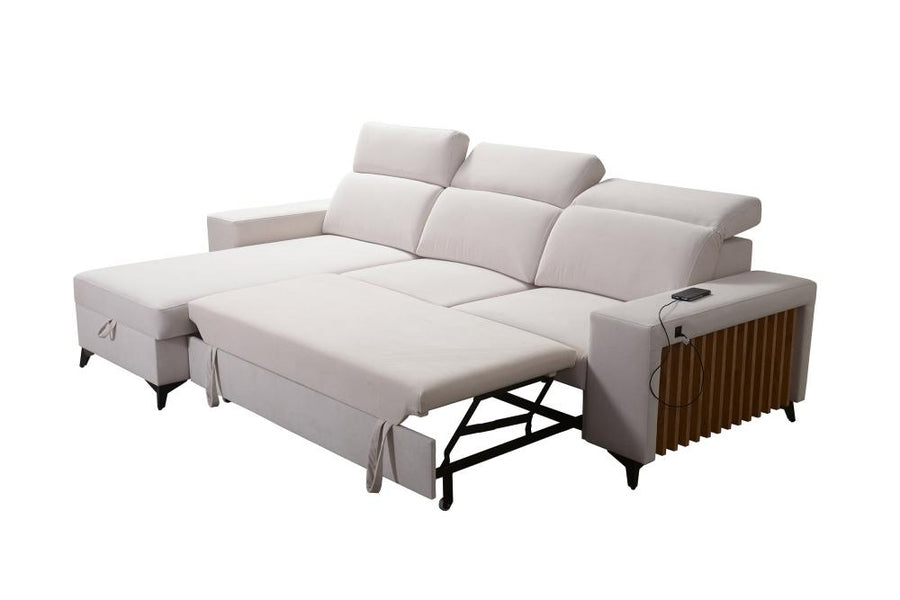
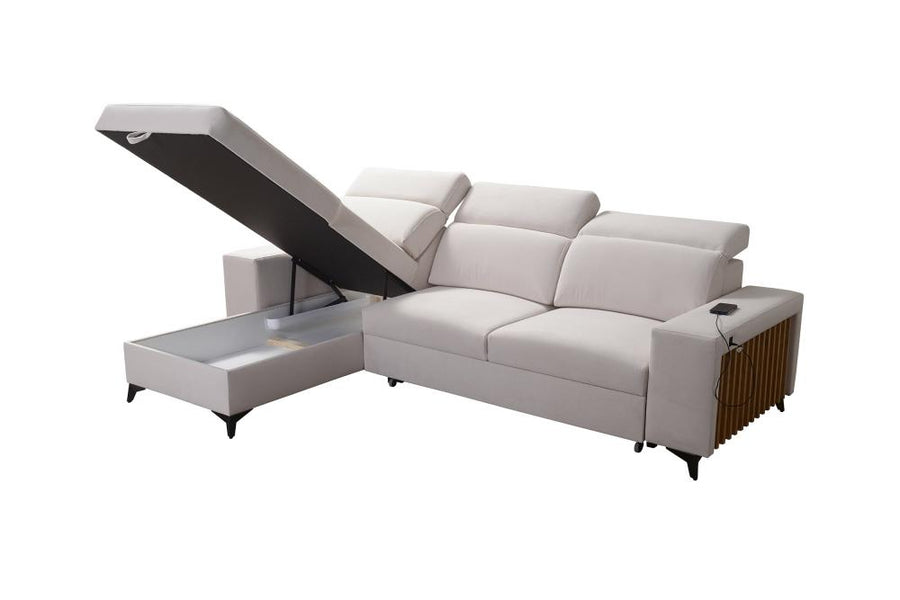
In a world where the urban bustle often invades our private spaces, the quest for serenity at home has never been more crucial. The living room, the true sanctuary of the home, must be a haven of peace. This is where the Scandinavian sofa comes in, not just as a piece of furniture, but as a philosophy of life. Inspired by the Danish concept of "Hygge," which values well-being and intimate conviviality, this style has conquered more than 45% of European interiors in the last five years. Combining minimalist aesthetics with flawless functionality, the Nordic-style sofa structures the space without weighing it down, bringing light and warmth thanks to its natural materials. Far from being a fleeting trend, it embodies the perfect balance between timeless elegance and everyday comfort. Immerse yourself in the world of design from the North to warm up your home.
The Scandinavian Sofa: The Unrivaled Icon of Nordic Design
The global success of Nordic design is no accident. It has its roots in the modernist movement of the 1950s, which aimed to democratize beauty and utility. The Scandinavian sofa perfectly embodies this approach: every curve has a function, every material its purpose. Unlike some trends that prioritize form over substance, Scandinavian style places people at the heart of design.
A Philosophy of Light and Space
In Nordic countries, where natural light is scarce in winter, interiors are designed to maximize brightness. This is why a true Scandinavian sofa is distinguished by its ability to allow the eye and light to flow freely. It doesn't block the space; it inhabits it with lightness. Its lines are straight, clean, sometimes softened by organic curves, but never cluttered.
This quest for purity sometimes brings it close to modern designer sofas , but with an added soul, an extra touch of character brought by the systematic use of wood and warm textiles. Where contemporary design can sometimes seem cold or clinical, the Nordic style remains profoundly welcoming.
The Legacy of the "Mid-Century Modern"
It's impossible to discuss this furniture without mentioning its origins. Today's Danish or Swedish sofa is the direct heir to the creations of legendary designers like Arne Jacobsen and Finn Juhl. This Mid-Century influence is evident in the balanced proportions and the absence of superfluous ornamentation. If you appreciate pieces that tell a story while remaining contemporary, this style is for you. It's a refined interpretation of retro, quite distinct from the classic vintage sofa , which tends to rely more on aged leathers or more baroque shapes.
Visual Signatures: Compass Legs and Clean Lines
How can you recognize an authentic Nordic-inspired sofa at first glance? Beyond the ambiance it creates, it adheres to specific visual codes that constitute its DNA. At Kings Canapé, we ensure that these standards are respected while incorporating modern comfort.
The Base: The "Compass Legs" Signature
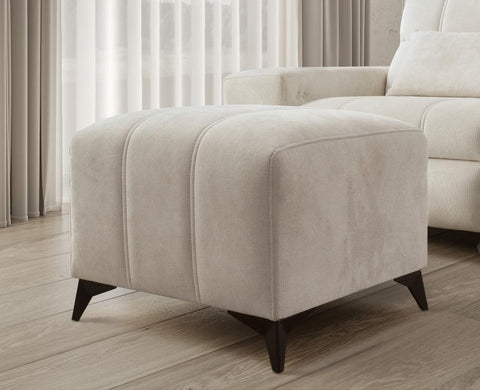
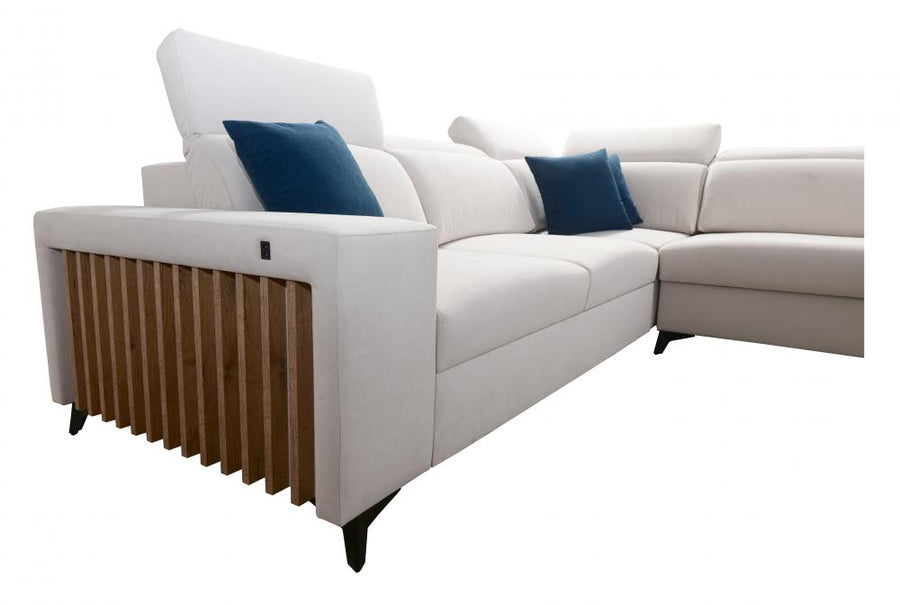
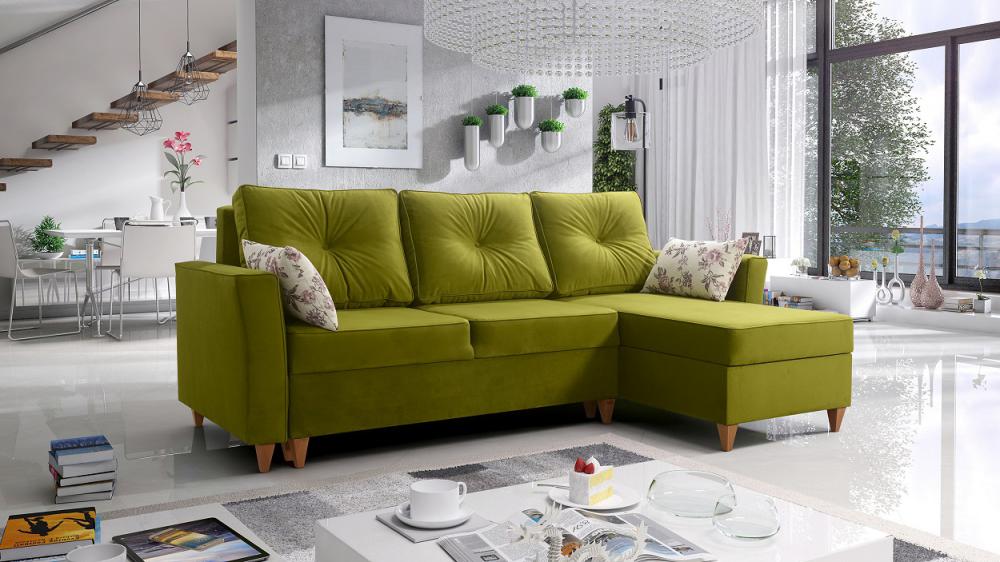
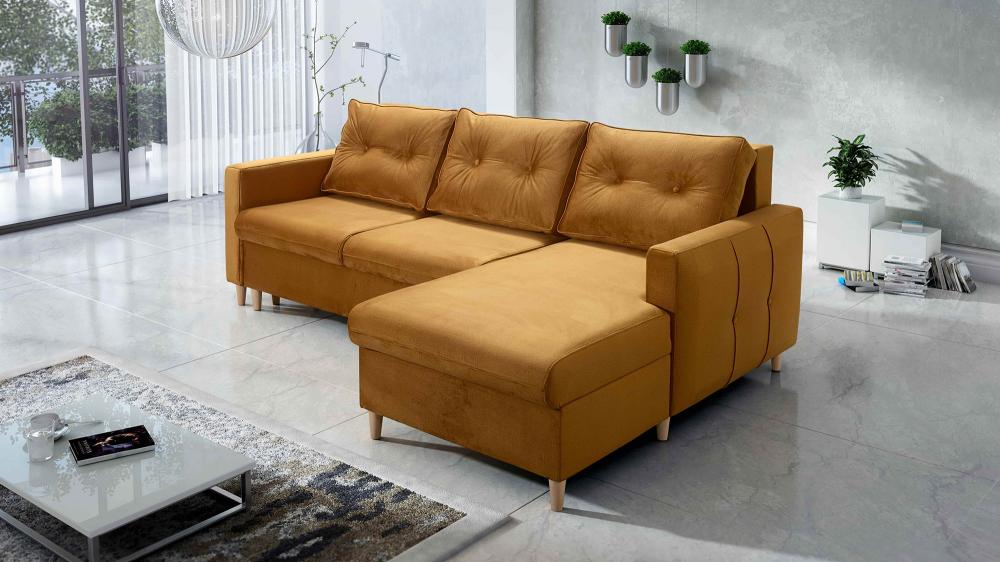
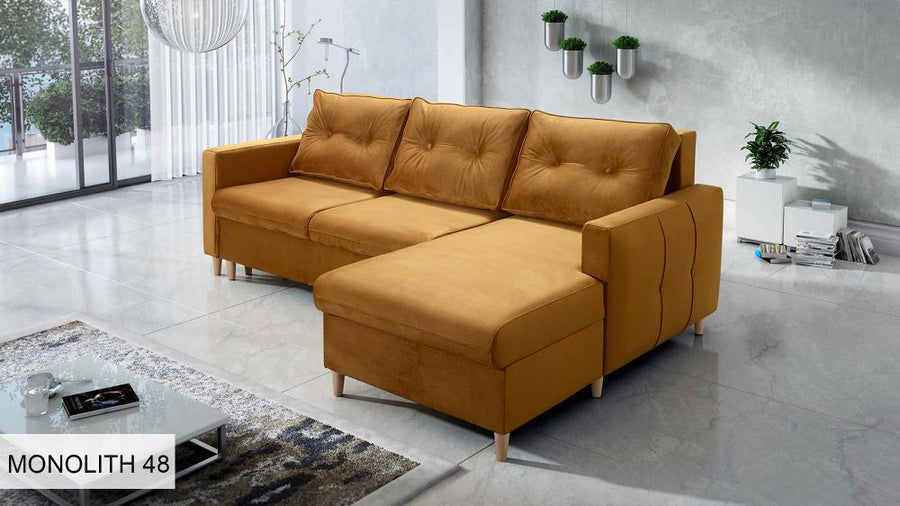
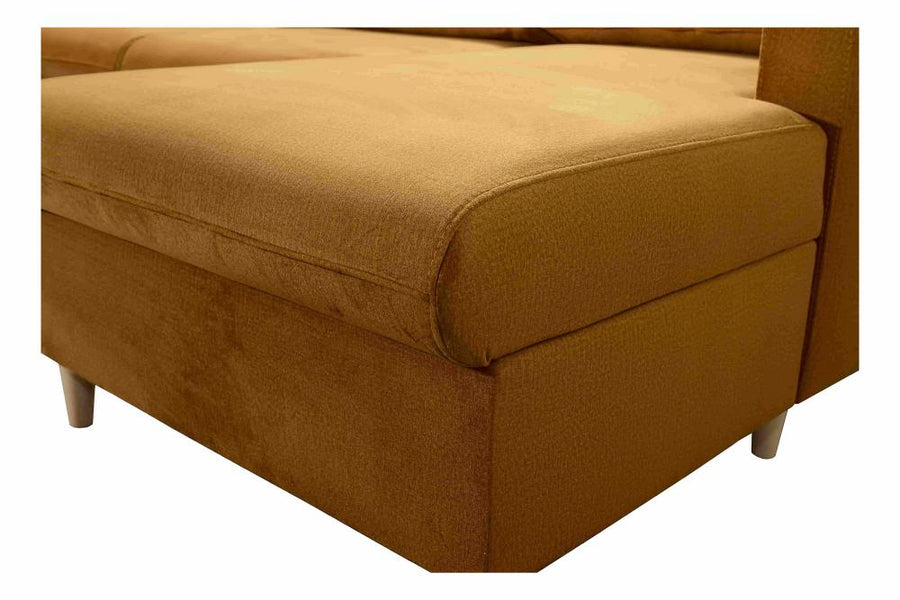
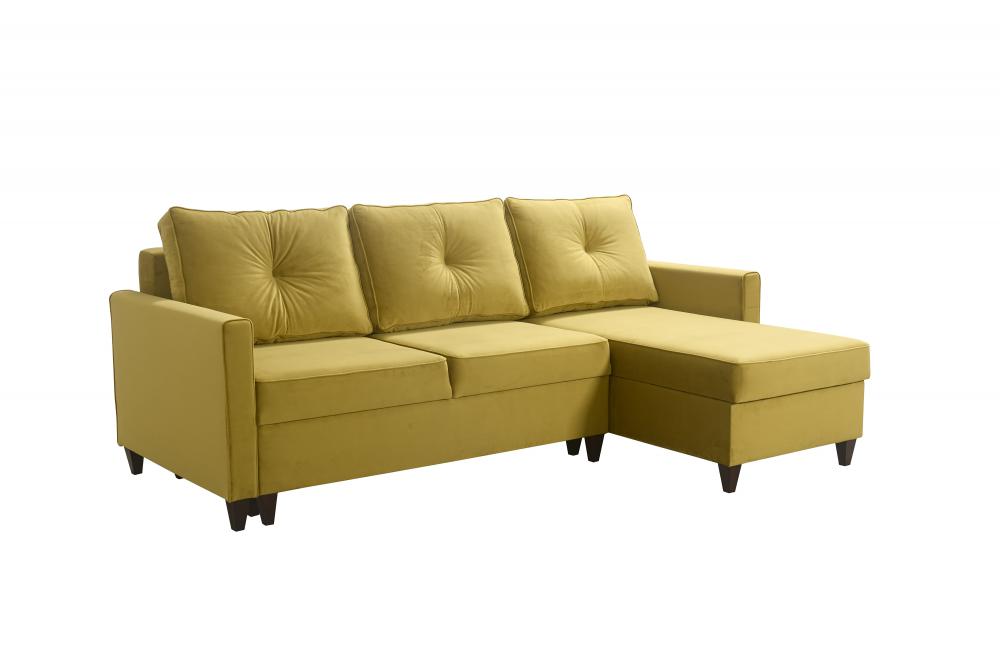
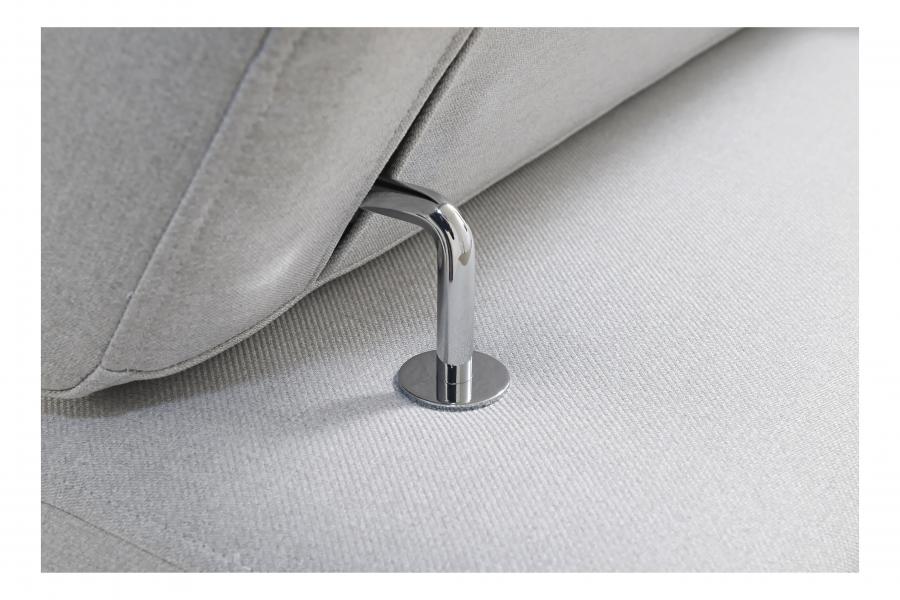
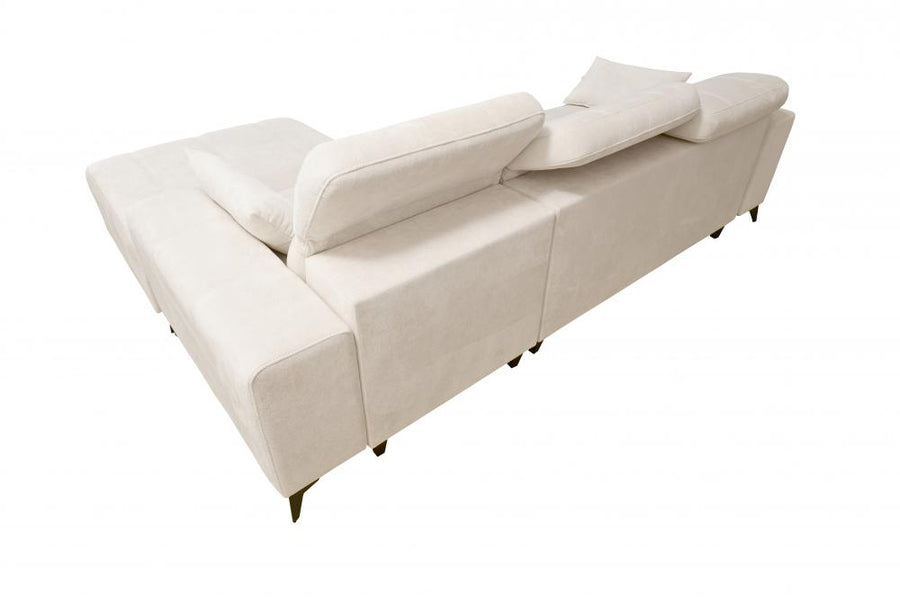
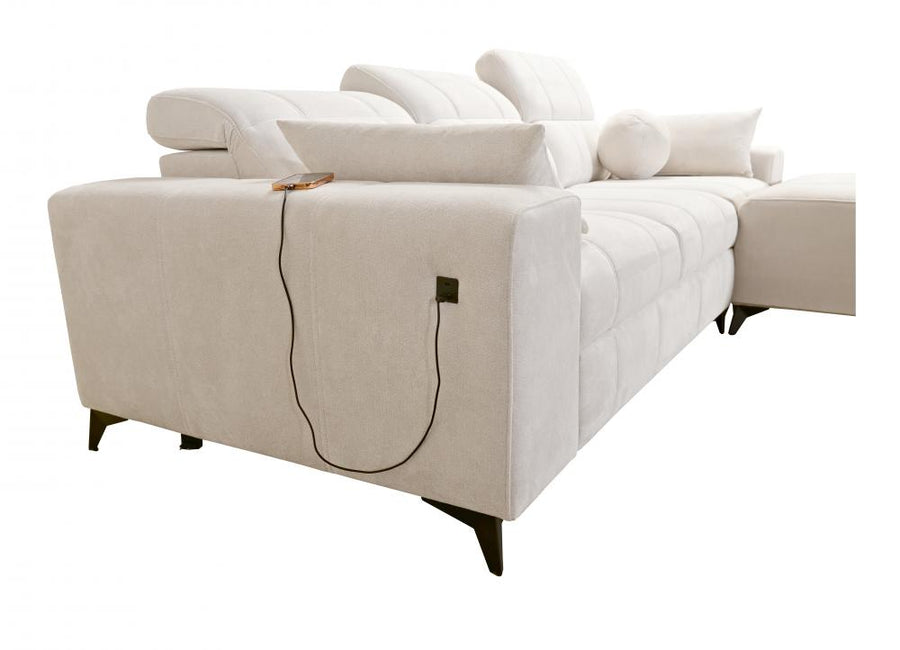
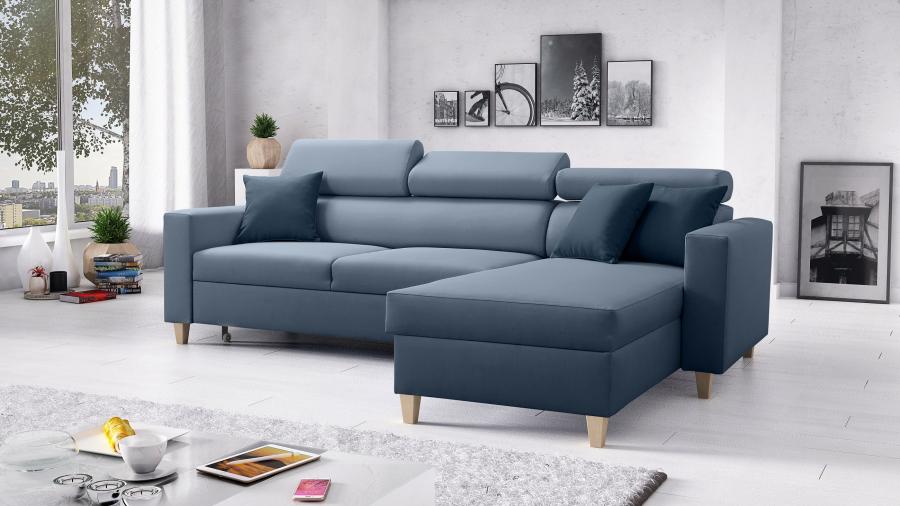
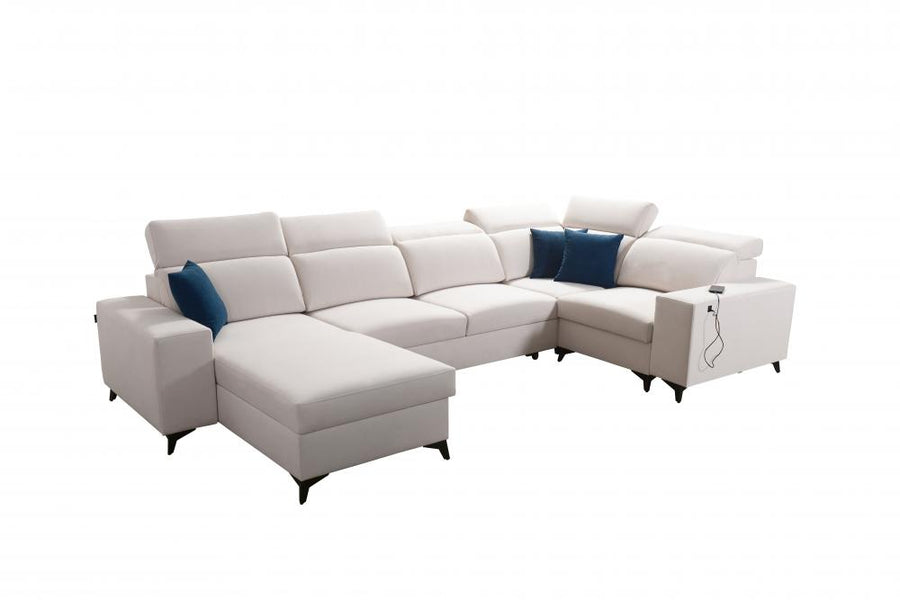
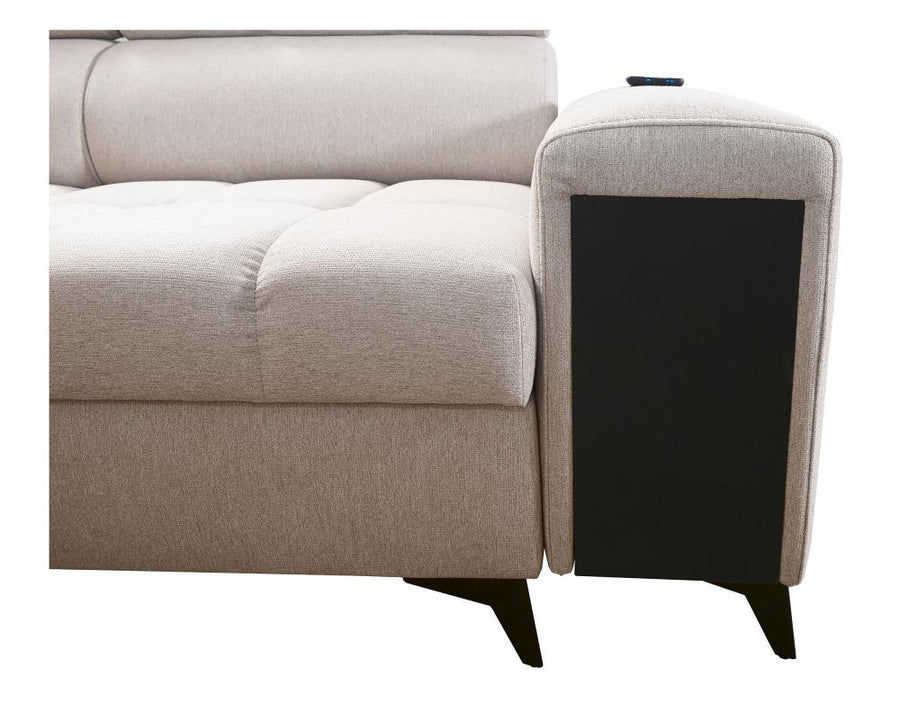
This is undoubtedly the most distinctive feature. The splayed-leg sofa rests on solid wood legs (usually oak, beech, or birch) that splay outwards slightly. This tapered shape isn't just for looks: it raises the structure off the floor, creating a feeling of weightlessness and making cleaning easier. The light wood adds that essential touch of nature to the style.
The Structure: Straight but Welcoming
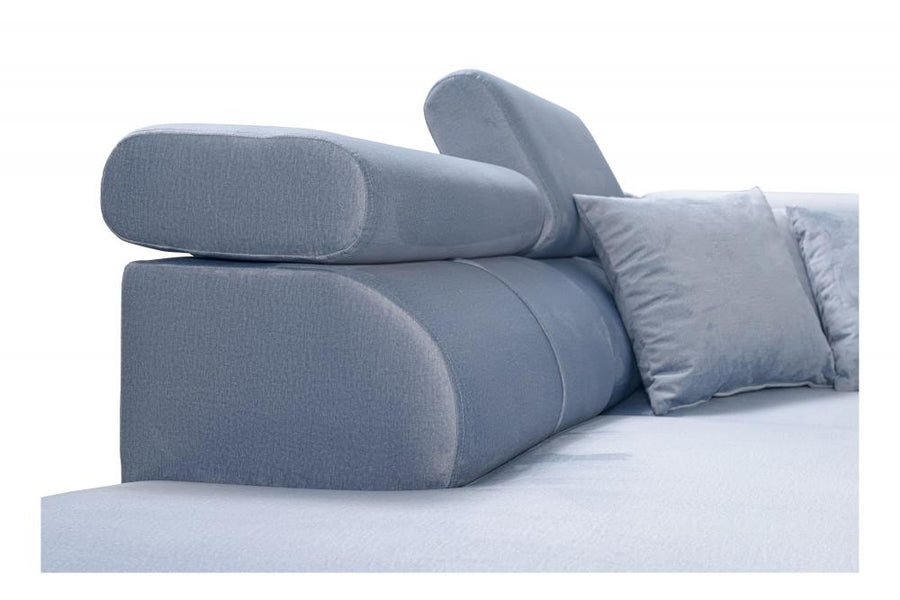
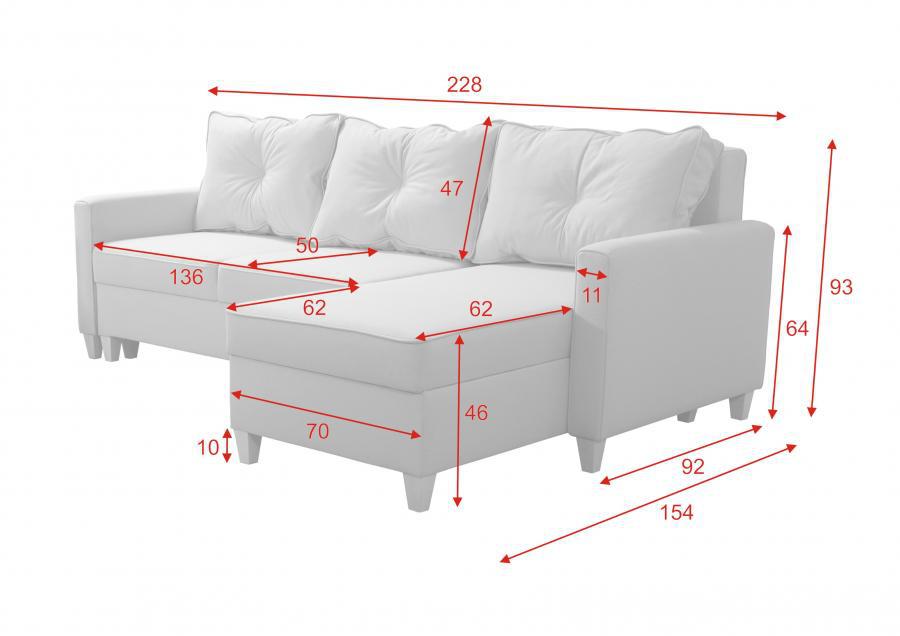
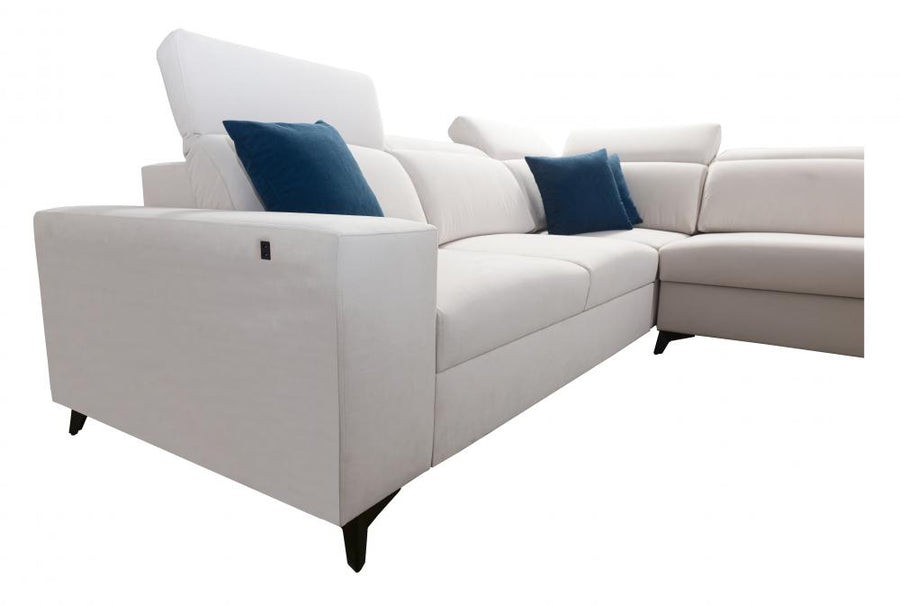
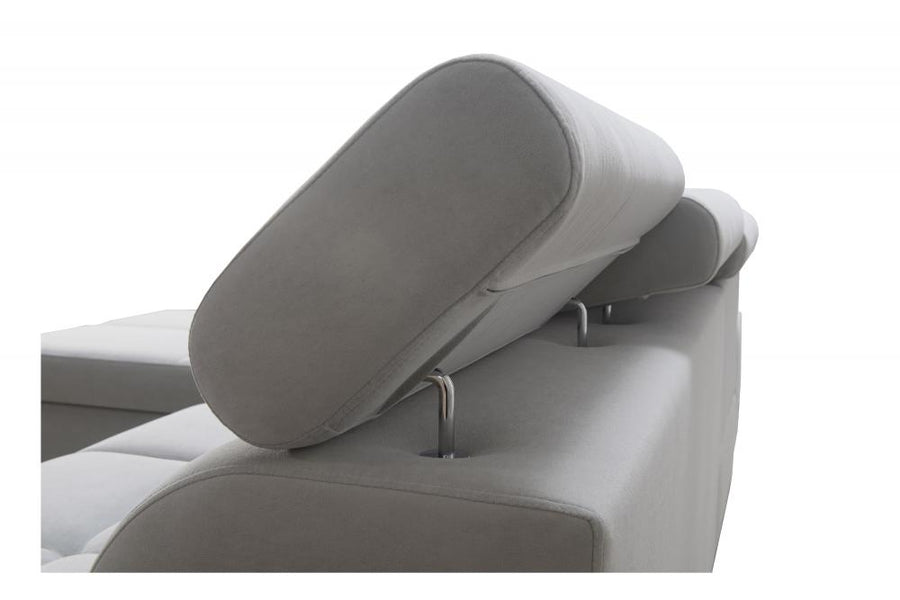
The backrest is generally straight, firm, and structured. It's a far cry from the unstructured look of a cloud-like sofa or an ultra-soft model where you sink right in. Here, support is key. The armrests are often slim to maximize the seating area, which is ideal for small urban living rooms.
Simplified Capton
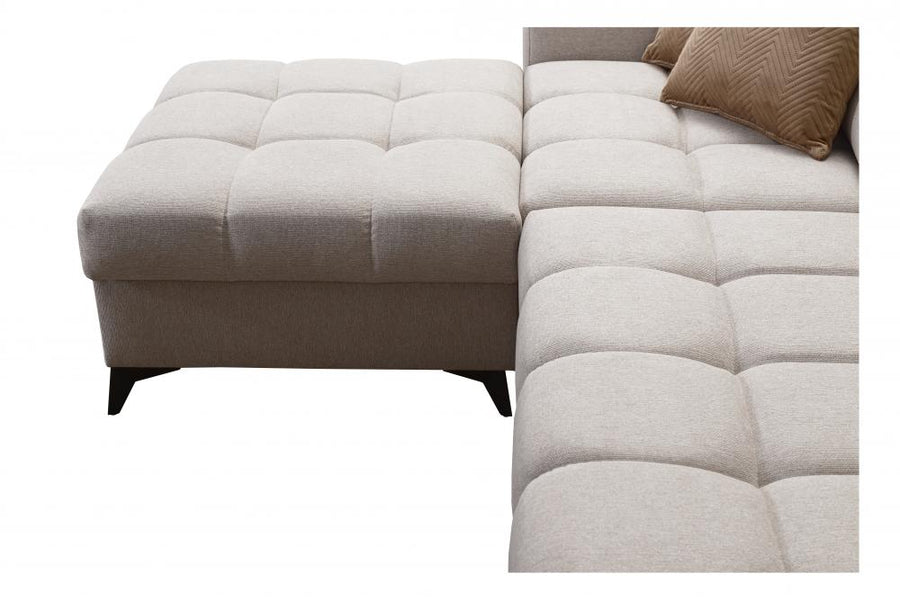
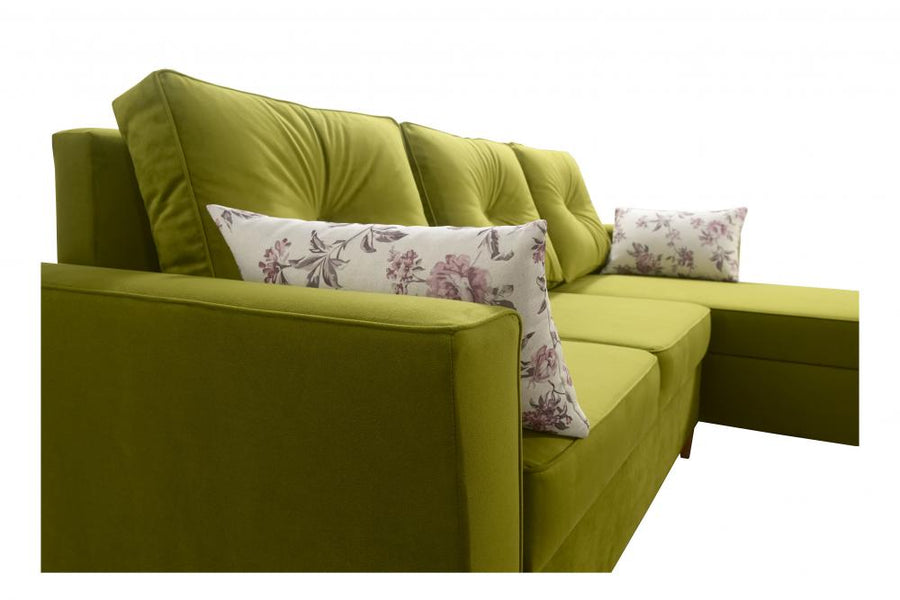
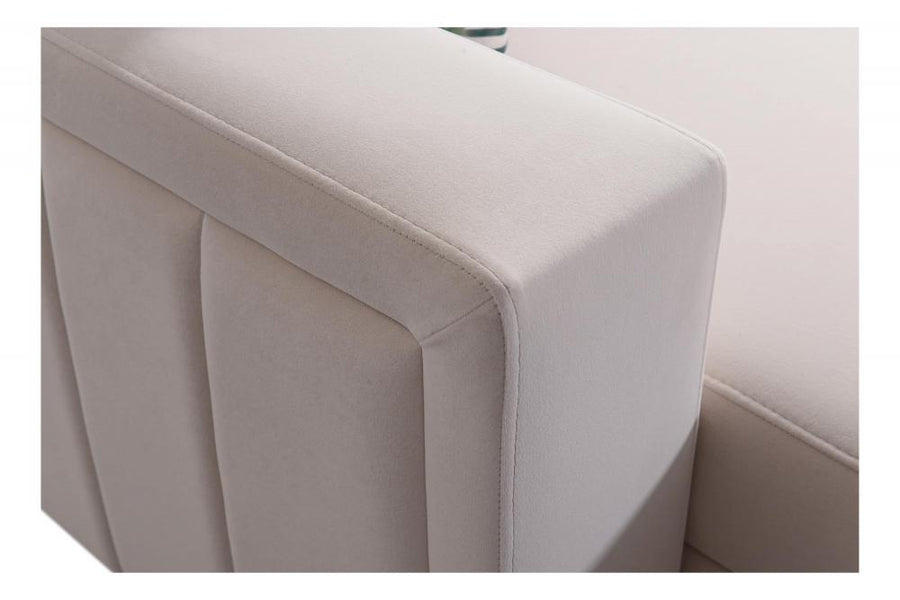
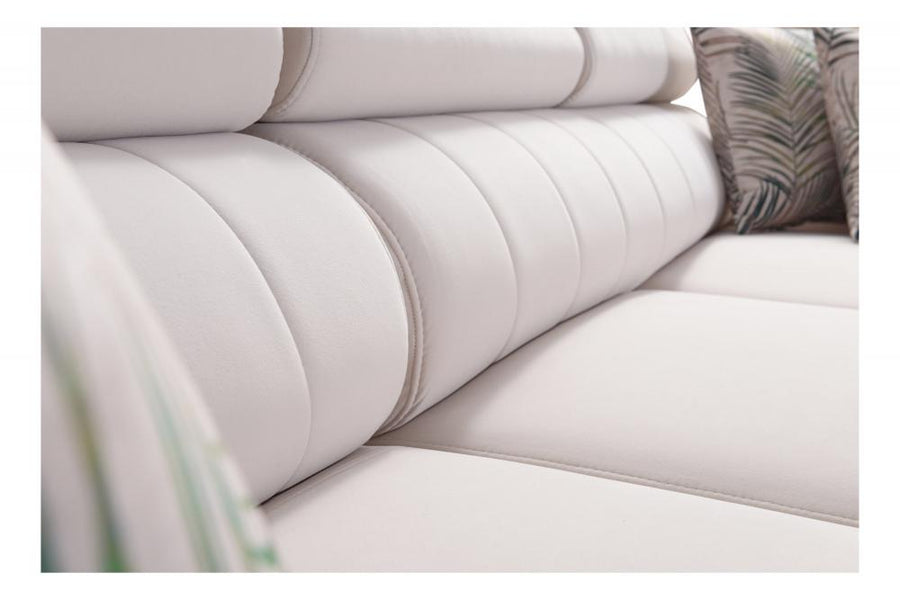
The nod to classic style is achieved through button tufting. However, on a Scandinavian bench , there are no shiny buttons or deep pleats like on a Chesterfield. Instead, the tufting is often discreet, with a few buttons on the backrest to add texture to the fabric without disrupting the clean lines.
Palette and Materials: Nature Comes to the Salon
While form defines style, material and color define emotion. Scandinavian design sofas favor textures that catch the light without shining and colors drawn from Nordic landscapes: forests, fjords, sky and earth.
The Fabric: King of the North
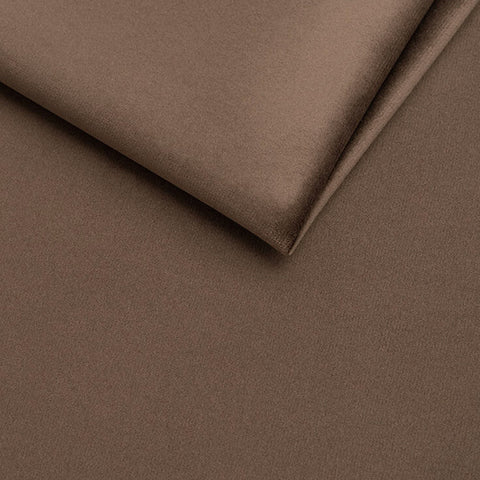
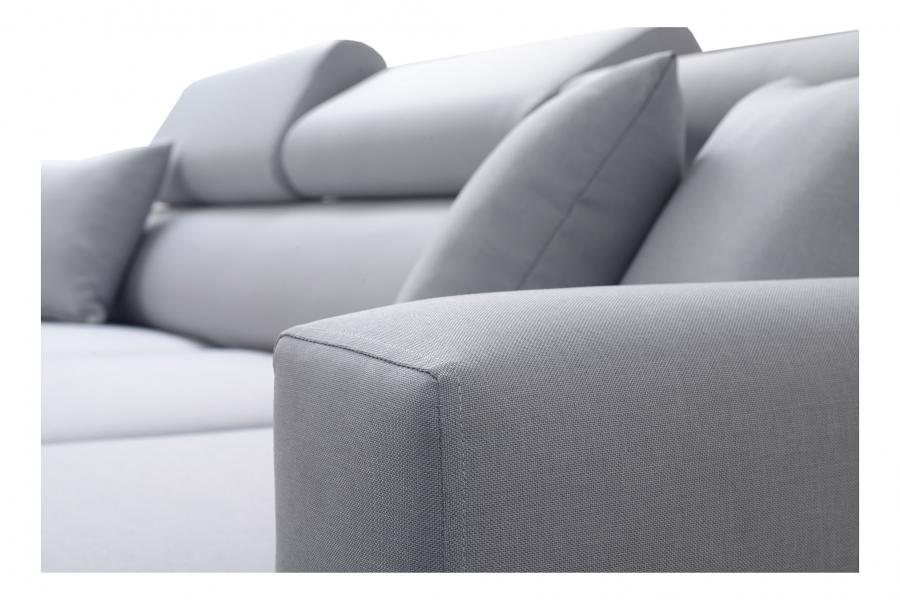
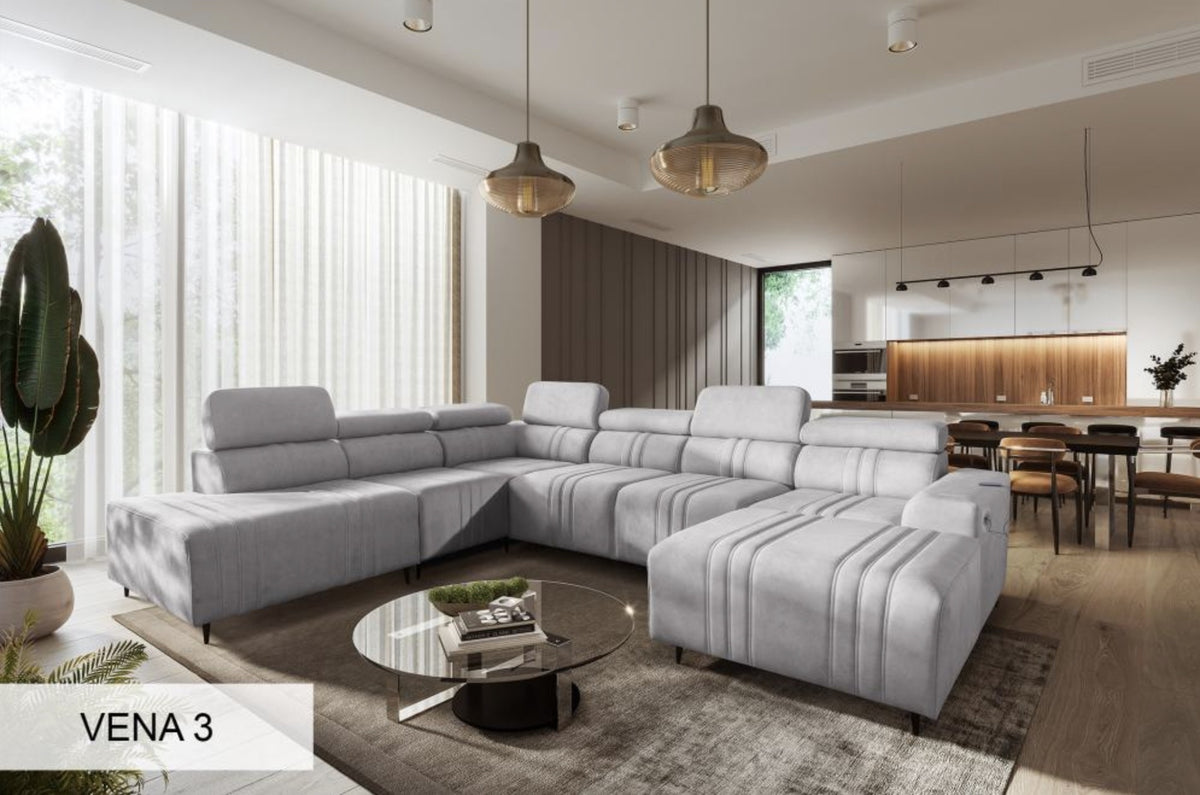
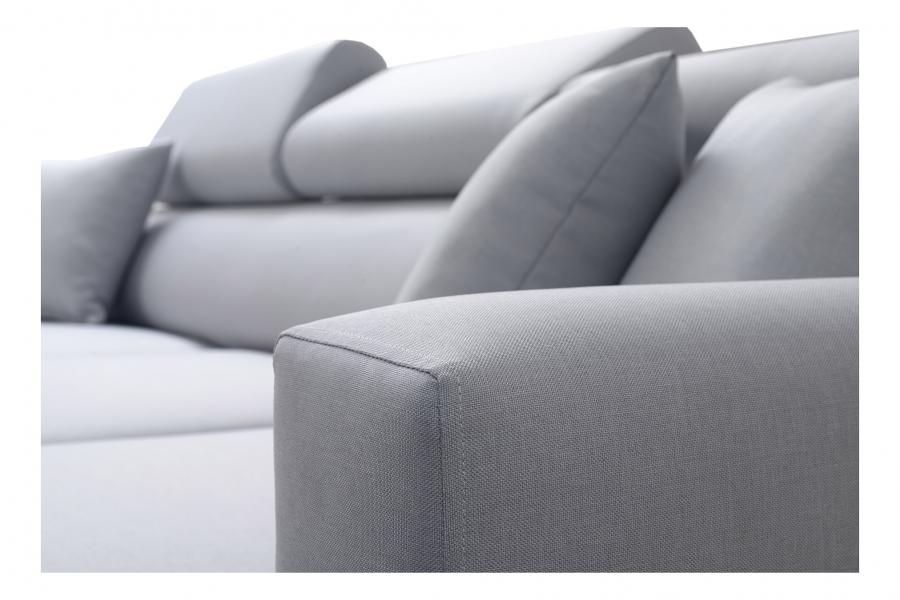
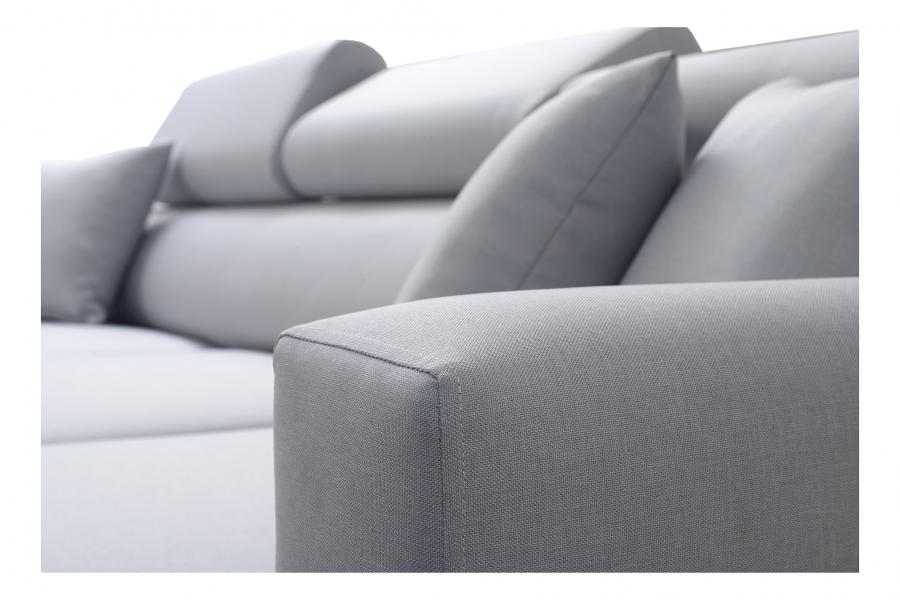
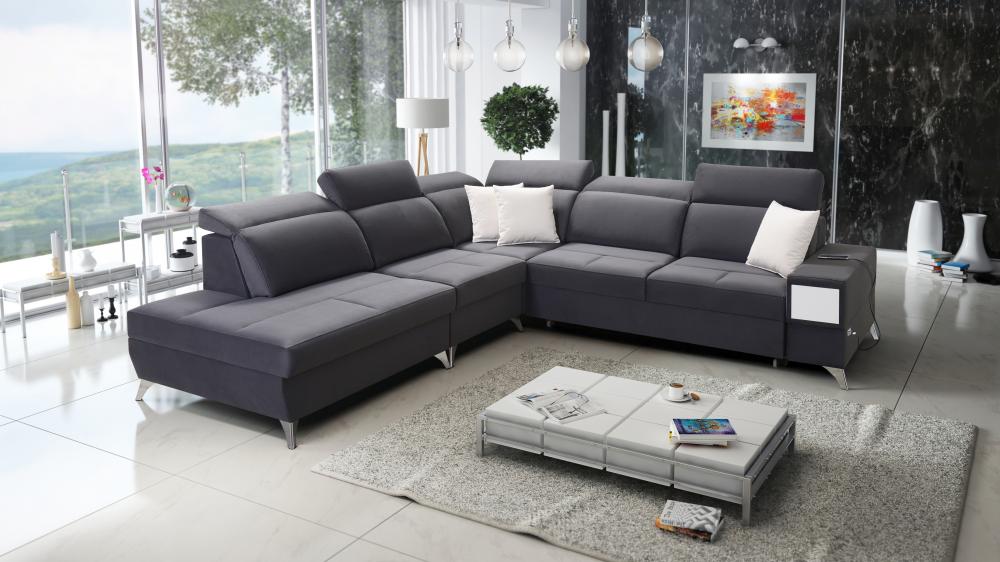
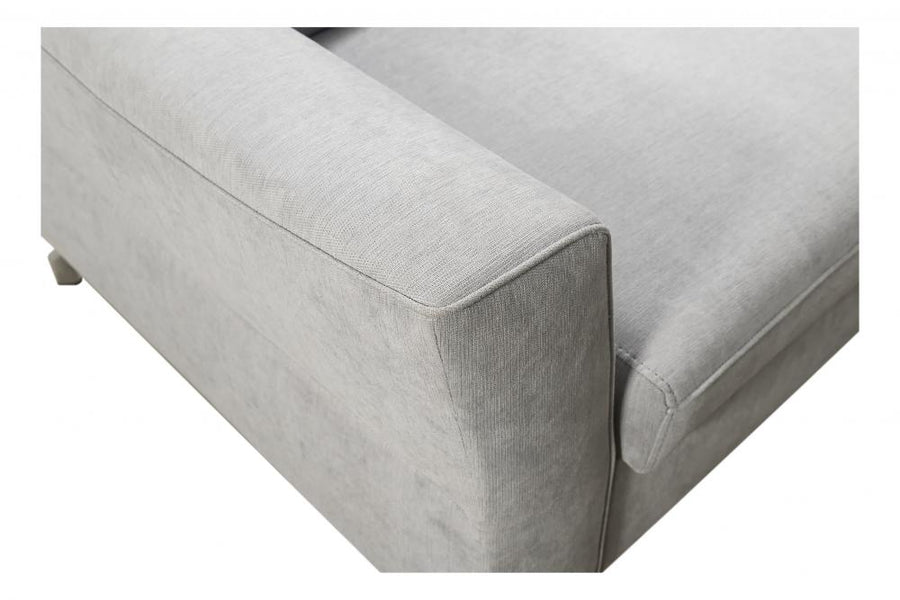
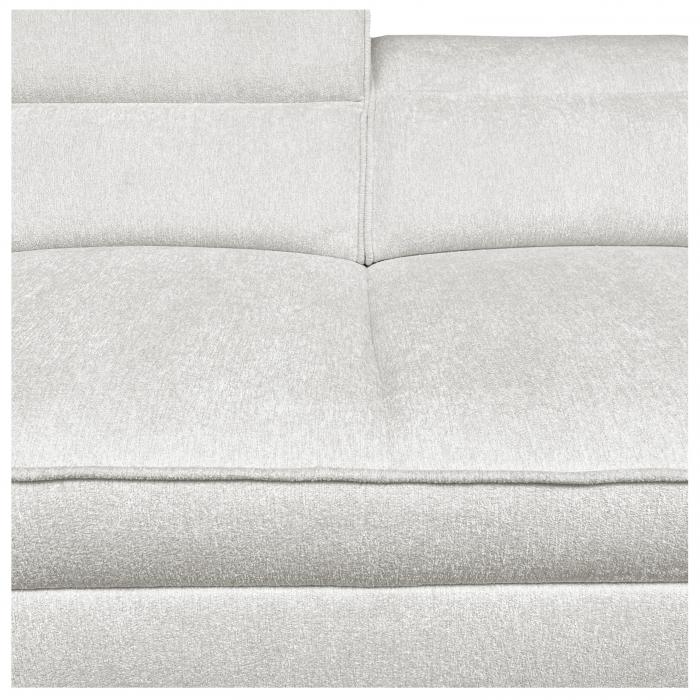
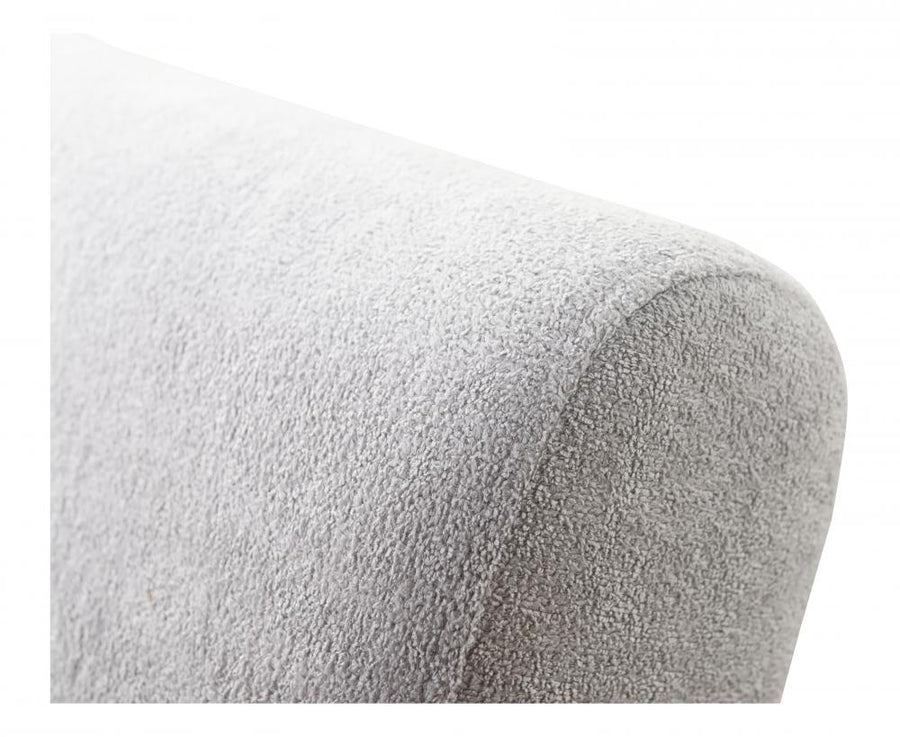
The preferred upholstery remains flat or slightly textured weaves. A beautiful sofa in light gray or anthracite heathered fabric is an absolute classic. It forgives minor everyday stains while offering a sophisticated look.
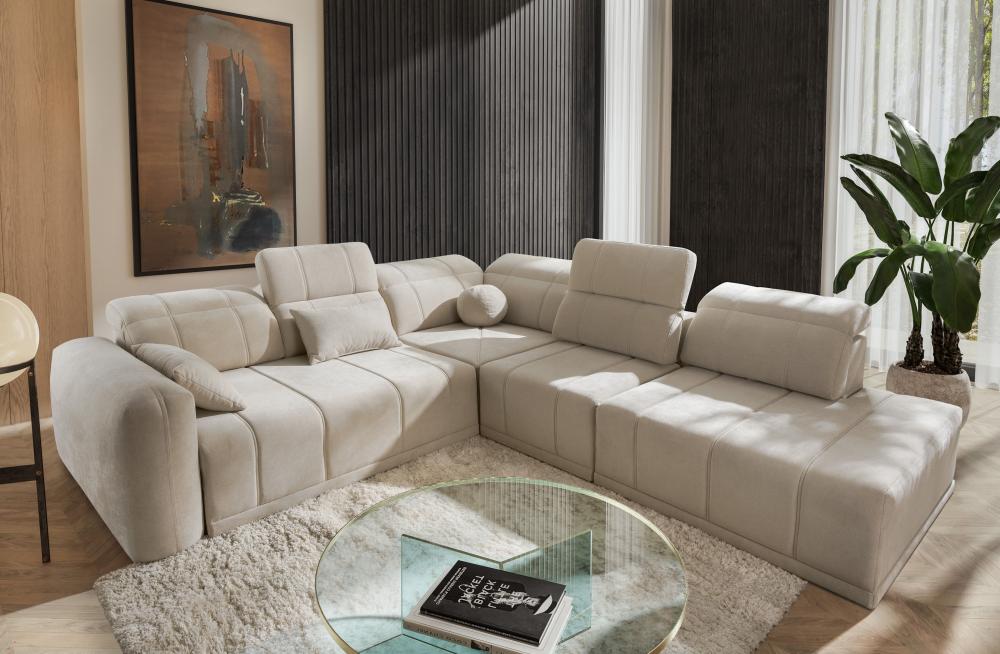
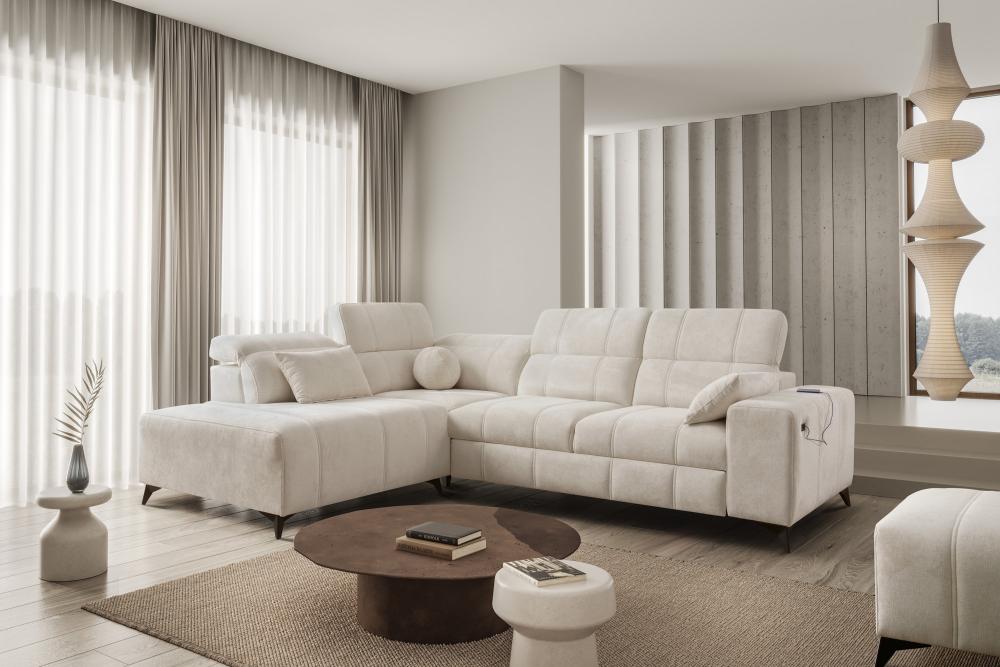
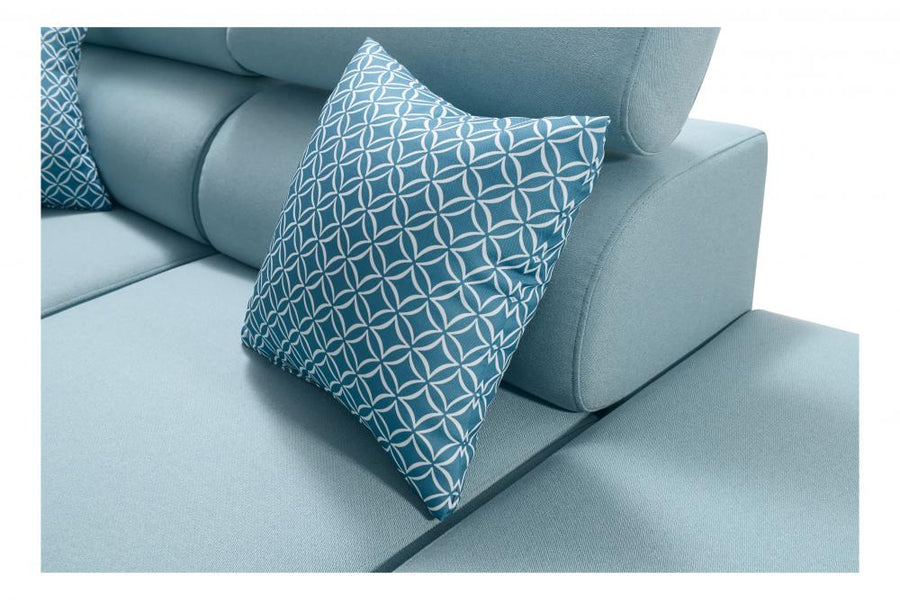
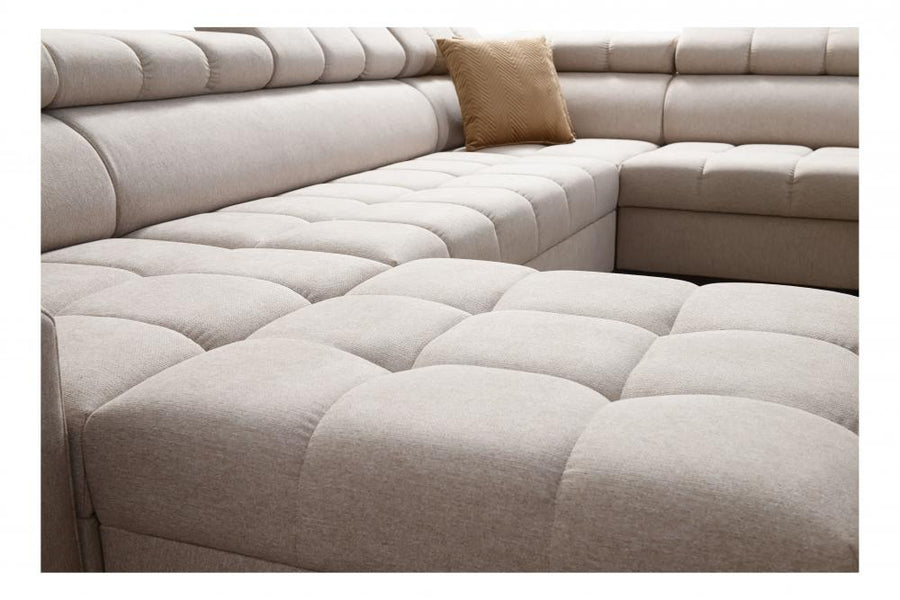
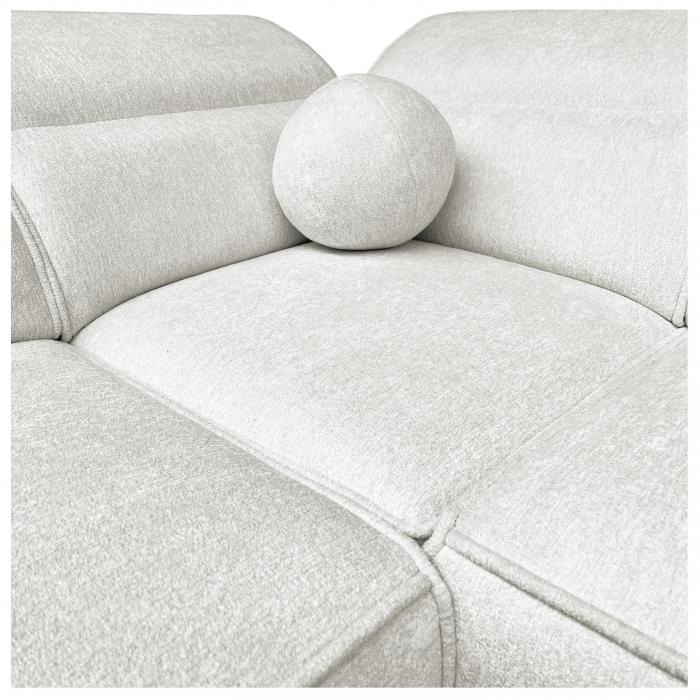
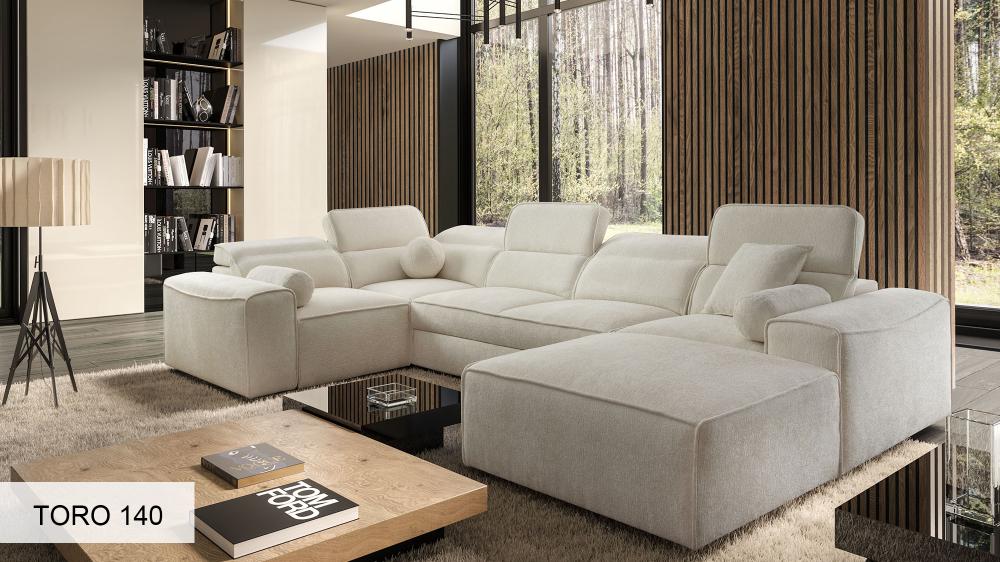
However, trends are evolving. For those seeking a softer feel, a matte (rather than glossy) velvet sofa blends perfectly into a chic Scandinavian decor, adding a touch of plushness. More recently, the big trend has been for white or ecru bouclé sofas . This sheepskin-like material is reminiscent of raw wool and perfectly embodies the Nordic "cocooning" spirit, while remaining very bright.
The Colors: Softness and Character
Choosing the right color is crucial to maintaining the style. Here's how to navigate the Scandinavian color palette:
| Color Family | Ideal Shade | The Decorating Effect |
|---|---|---|
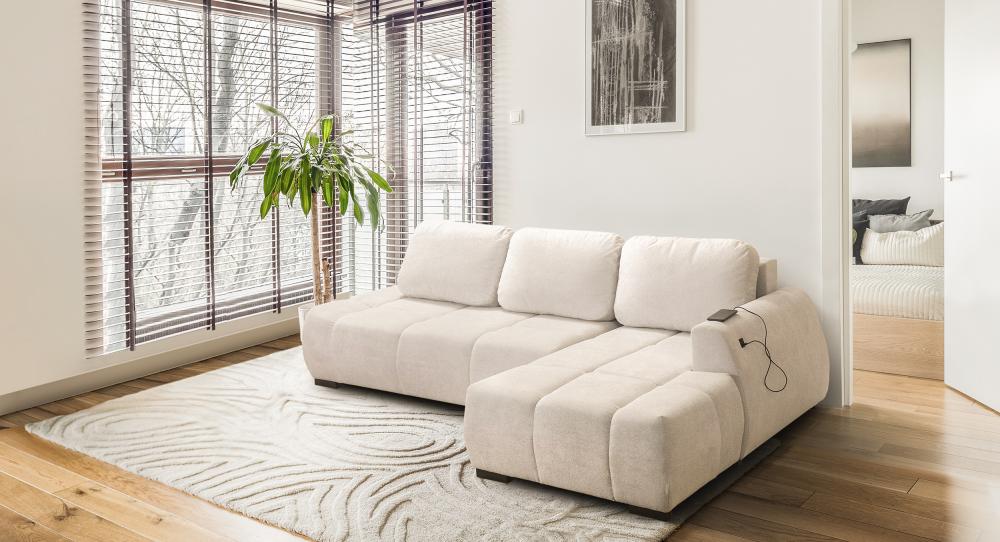
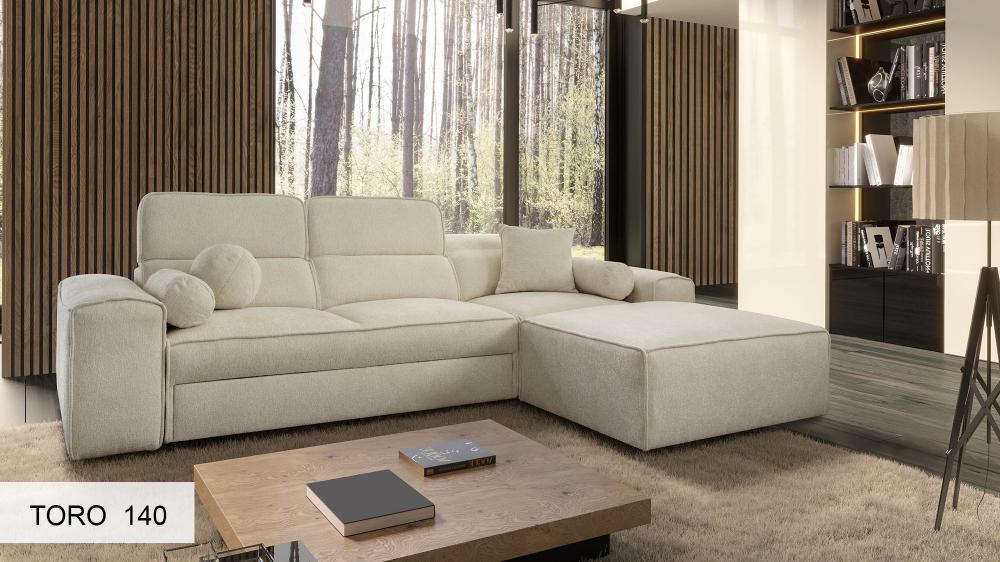
| The Neutrals | Cream white, beige, pearl grey sofa | It visually enlarges the space, bringing calm and serenity. The ideal base for accessorizing with colorful cushions. |
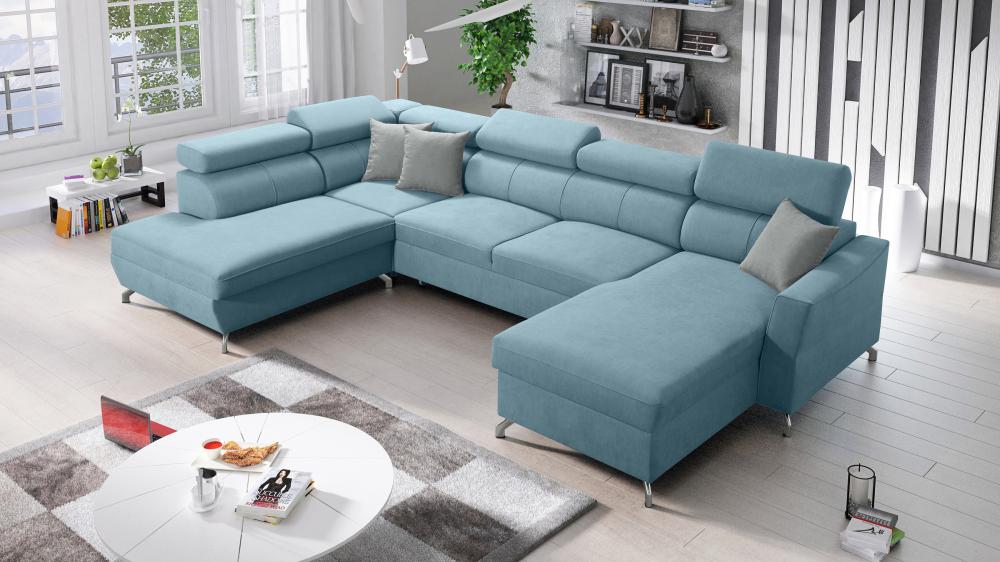
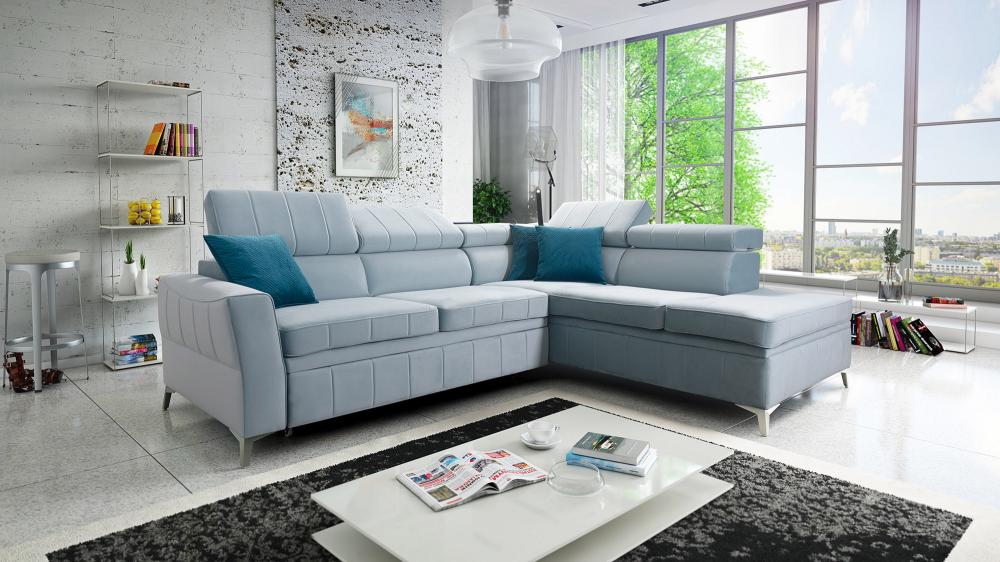
| The Blues | Duck blue sofa , petrol blue, glacier blue | It evokes the deep waters of the fjords. Duck blue is the Scandinavian "best-seller" for energizing a living room without being aggressive. |
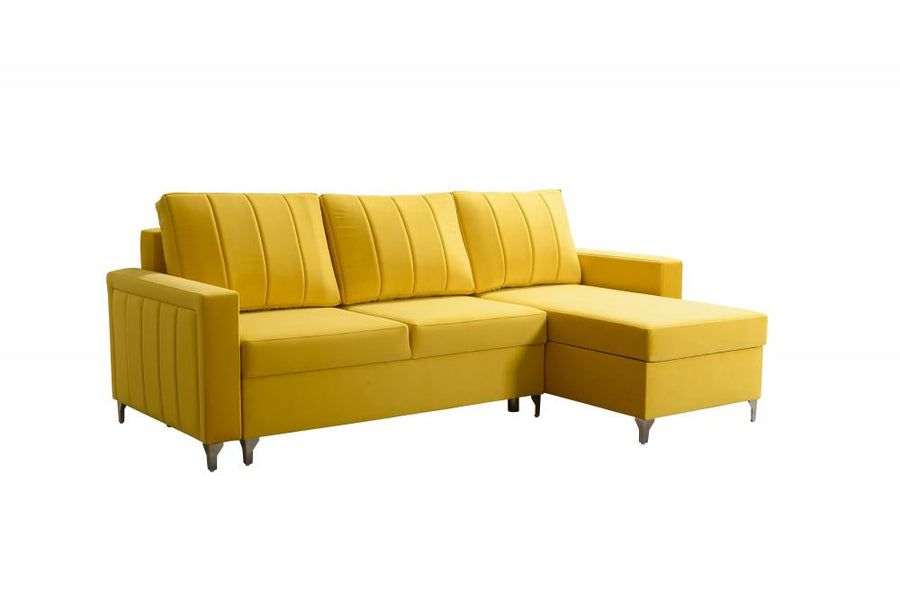
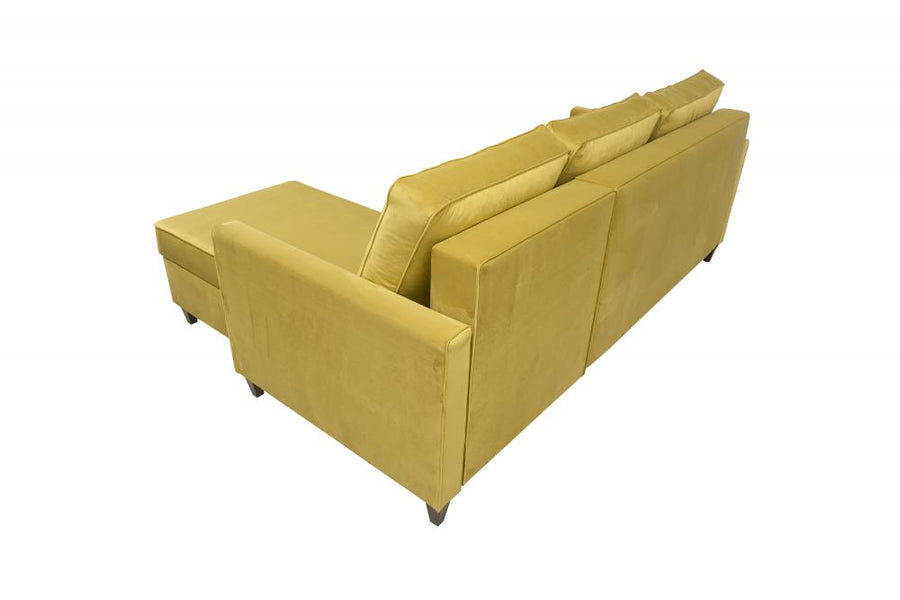
| The Yellows | Mustard yellow sofa | The retro "pop" touch. Brightens up a dark room and pairs beautifully with the light wood of the legs. |
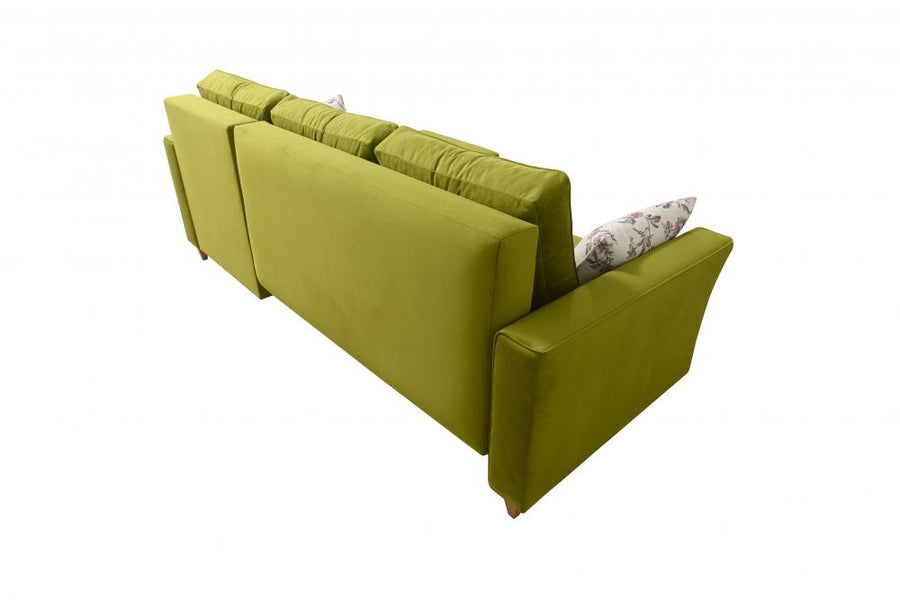
| The Greens | Olive green sofa , Aqua green | Connects the interior to nature. Sage or olive green is very calming and complements houseplants. |
| Pastels | Powder pink sofa | It brings a feminine and poetic softness, highly prized in "Soft Nordic" interiors. |
It's important to note that bright, saturated colors (fire engine red, neon orange) are rarely used as a single block on a Scandinavian sofa . Subdued or natural shades are always preferred. If you like strong contrasts, a two-tone sofa playing on different shades of gray will be more suitable than a mix of primary colors.
Decor Integration: From "Hygge" to "Japandi"
One of the great advantages of the Scandinavian-style sofa is its versatility. It doesn't confine itself to a total IKEA look; it interacts with other influences to create unique interiors.
The Bohemian and Nordic Alliance
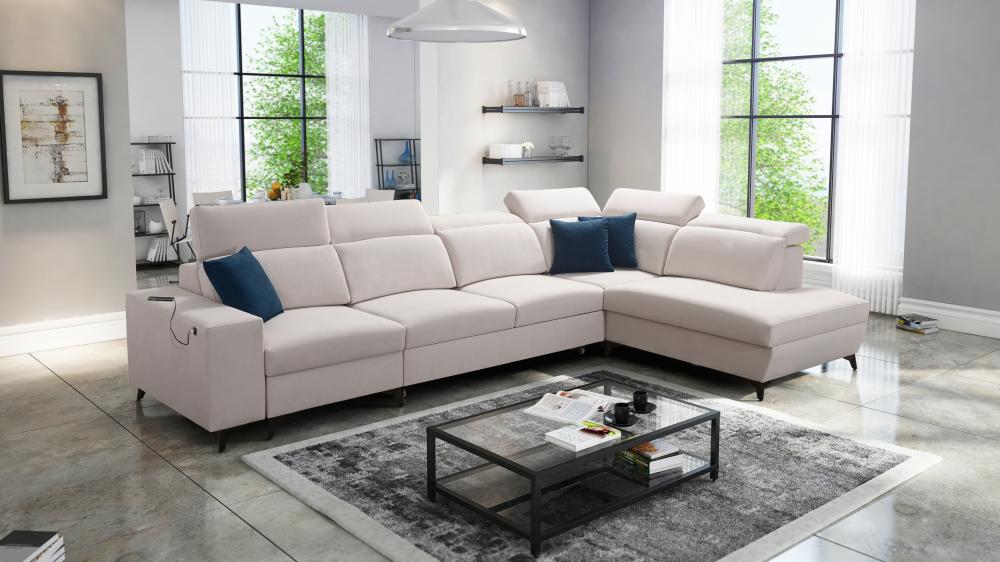
The "Scandi-Boho" style is very trendy. It involves taking the clean lines of a beige or gray Scandinavian sofa and surrounding it with more eclectic accessories: Berber rugs, macramé, and abundant plants. Here, the sofa tempers the exuberance of a diverse decor. If you like this relaxed yet organized atmosphere, this type of sofa is the perfect base, perhaps even more suitable than a purely bohemian sofa that might lack structure.
Japandi Minimalism
A fusion of Japanese and Scandinavian styles, Japandi is the epitome of warm minimalism. In this context, one would choose a model with very low lines, perhaps without tufting, in earth tones or light brown or cognac. The goal is absolute serenity. The wood of the splayed legs complements the Japanese wood panels, creating a soothing visual harmony.
Even in a more sophisticated interior, tending towards the discreet luxury of an Italian designer sofa , a high-end Scandinavian model in midnight blue velvet will find its place, bringing a touch of Nordic rigor to Latin voluptuousness.
Functionality and Modularity, Kings Style Sofa
Being beautiful isn't enough. Nordic functionalism dictates that an object must serve the user. At Kings Canapé, we've taken this logic further by integrating our technical innovations into these iconic designs.
Firm and Durable Comfort
Contrary to the common misconception of a cozy sofa where you sink right in, Scandinavian comfort is active comfort. Our seats use high-resilience foams that support your back. This is furniture designed for living, entertaining, working, or reading, not just sleeping. This is the very essence of an ultra-comfortable, ergonomic sofa : support that protects your body over the long term.
The Intelligence of Small Spaces
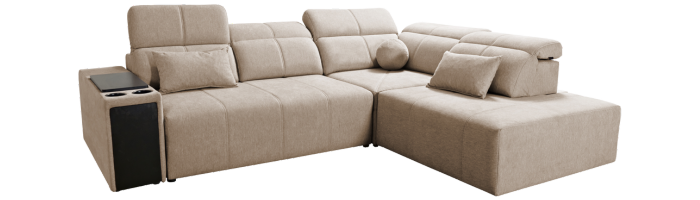
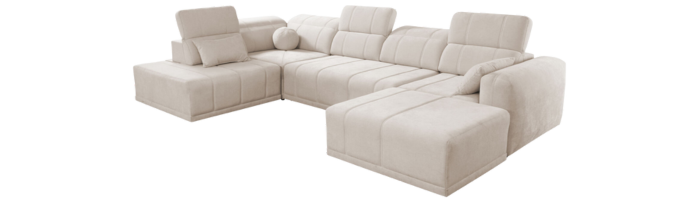
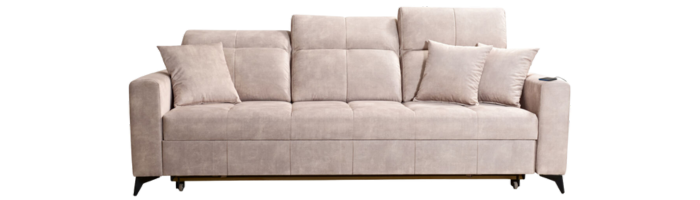
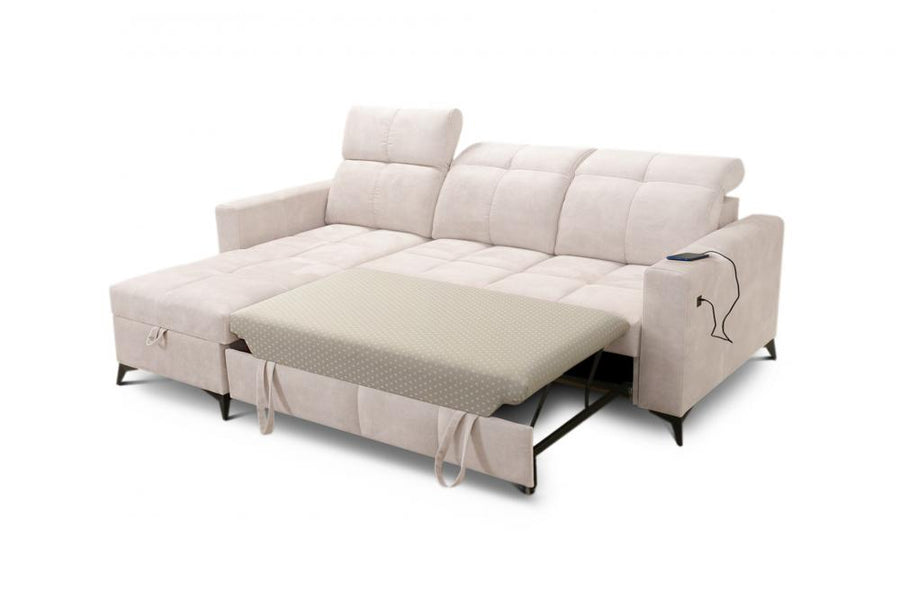
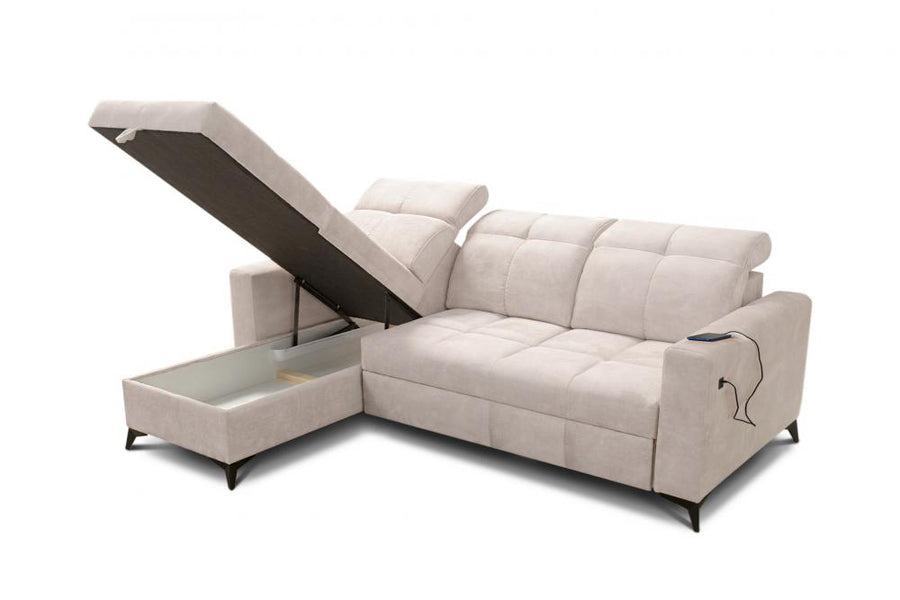
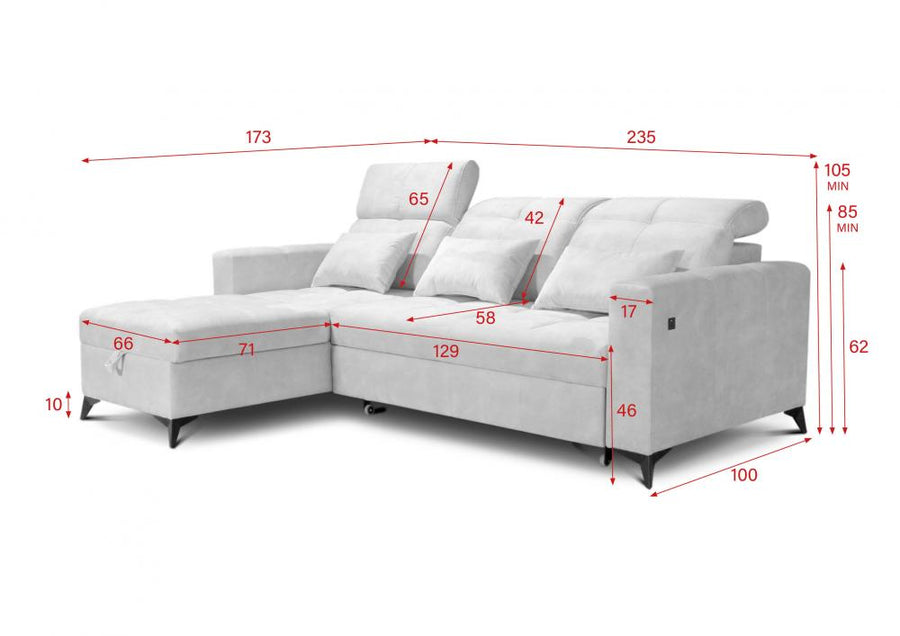
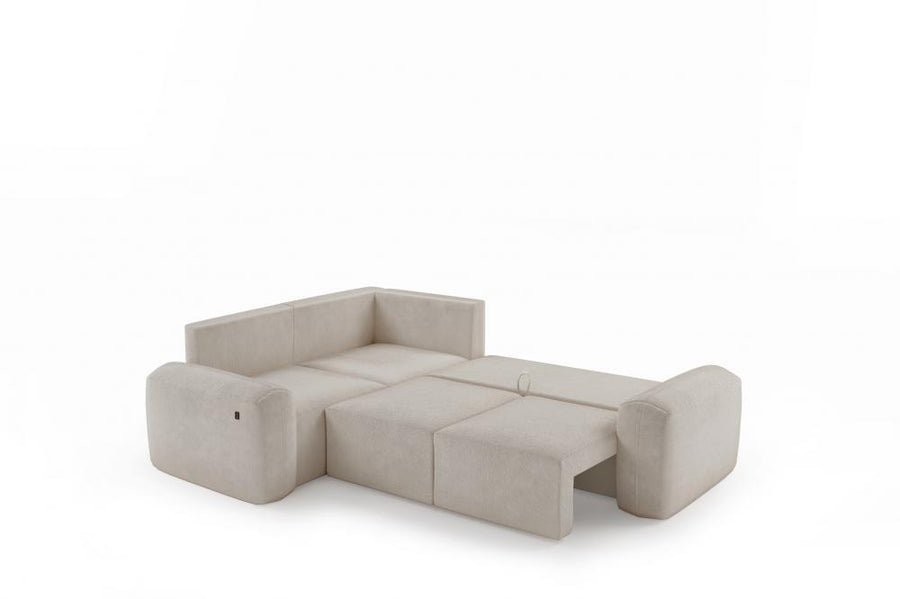
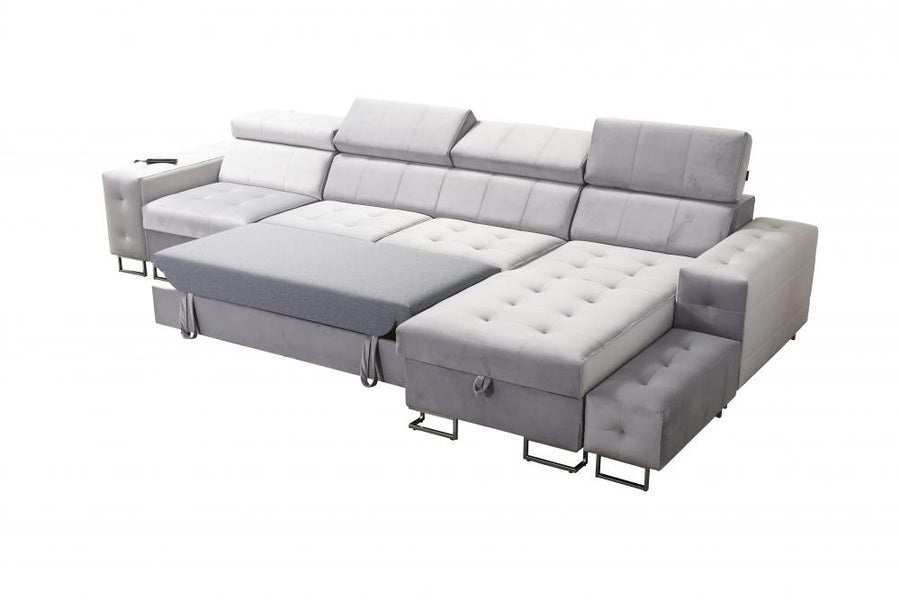
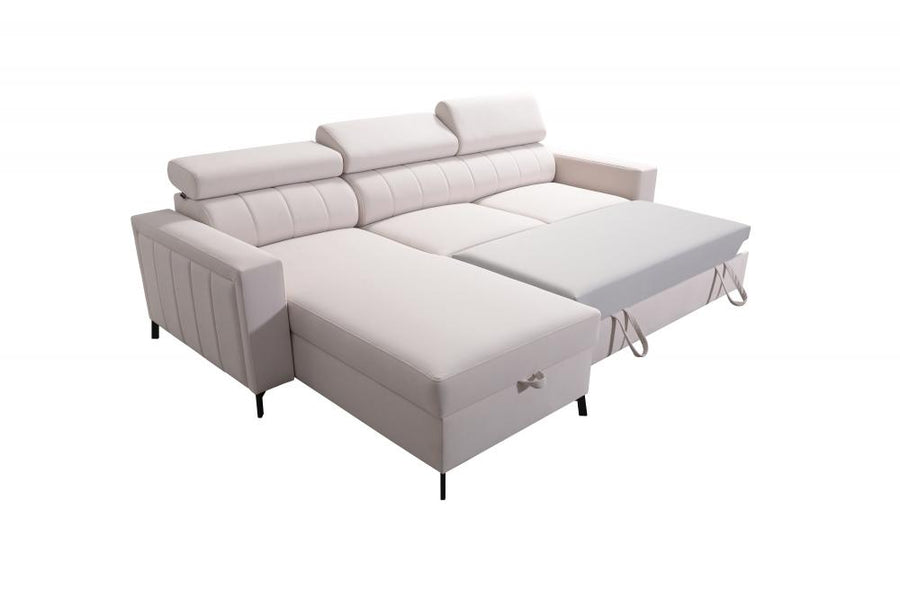
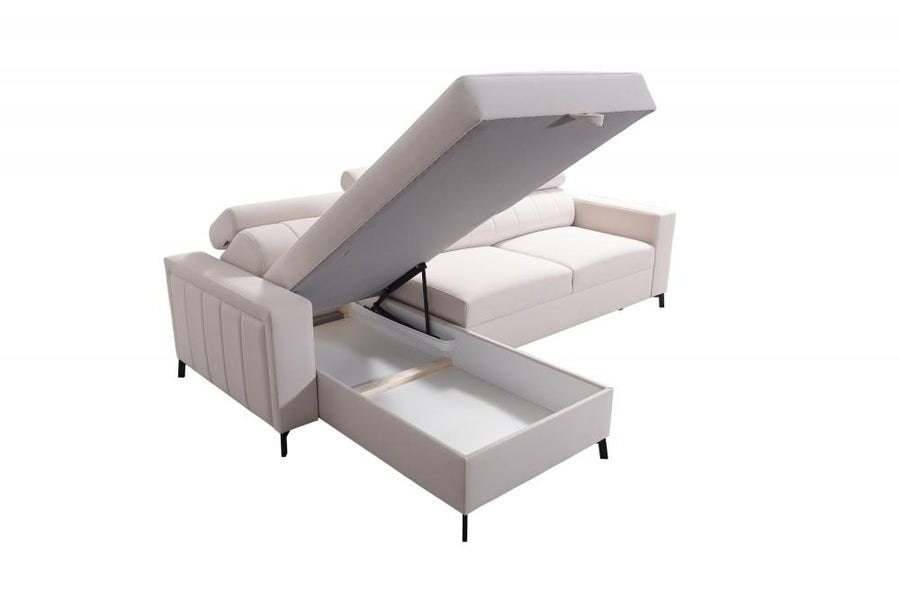
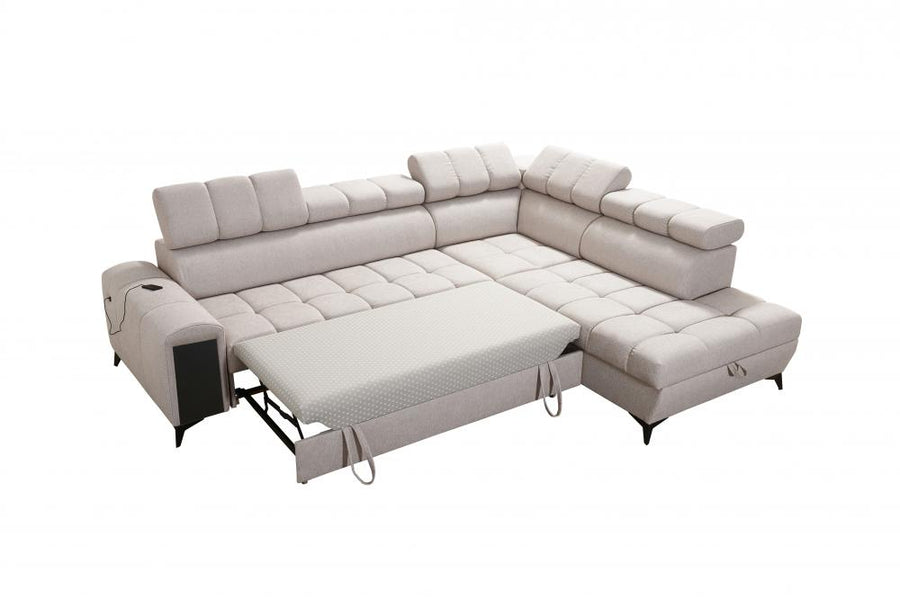
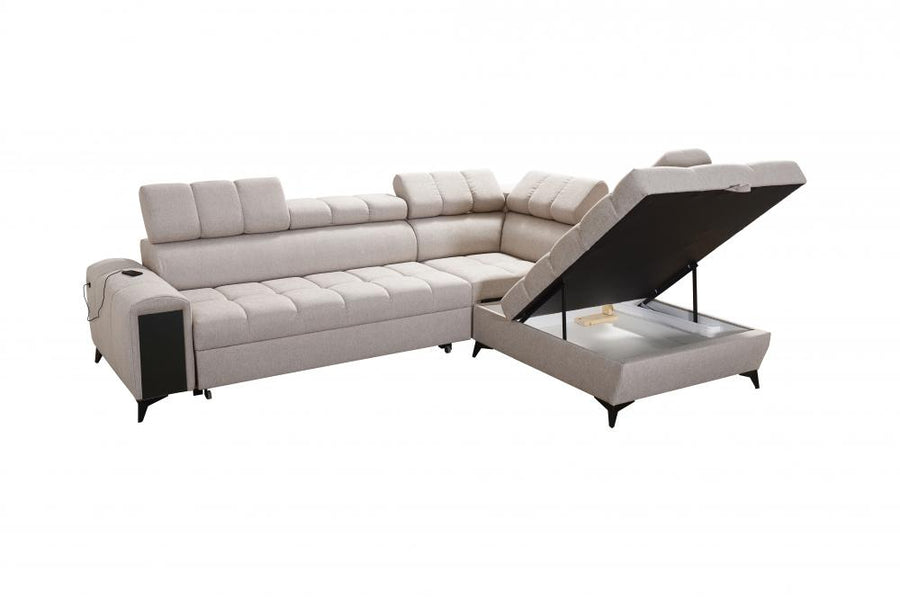
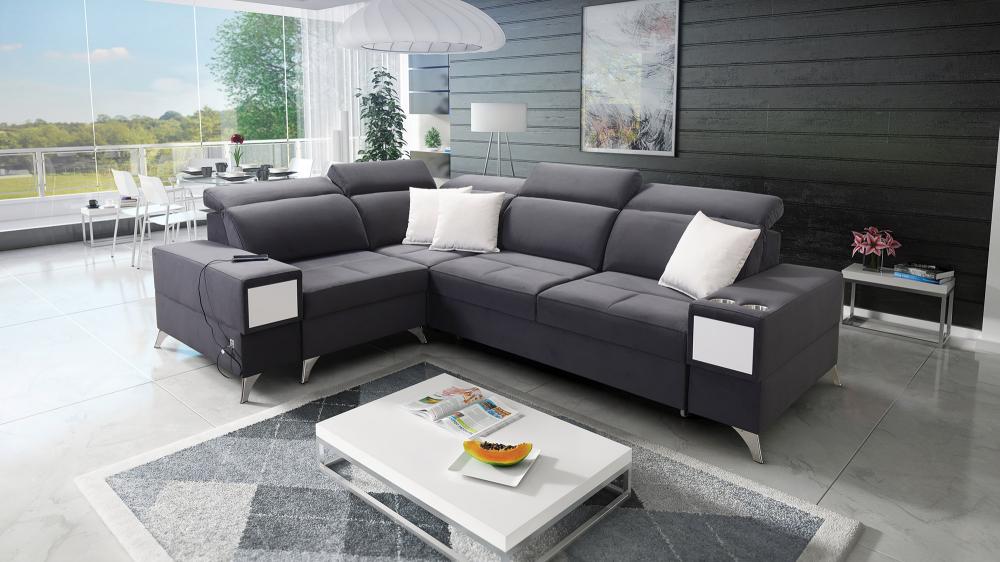
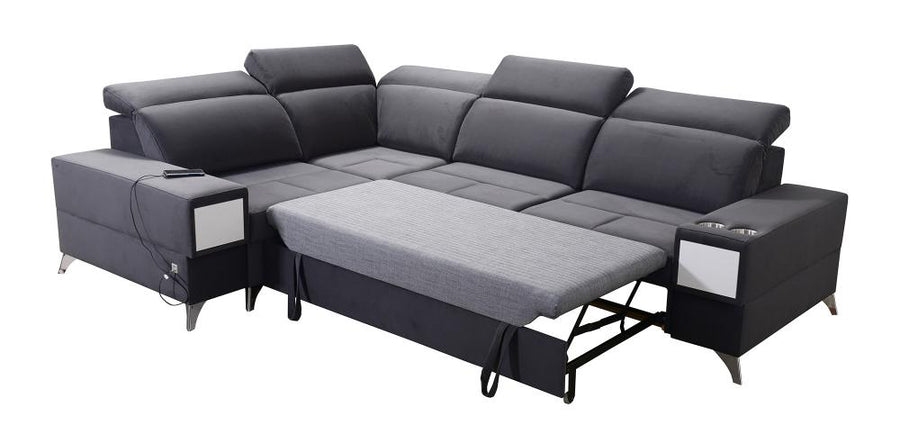
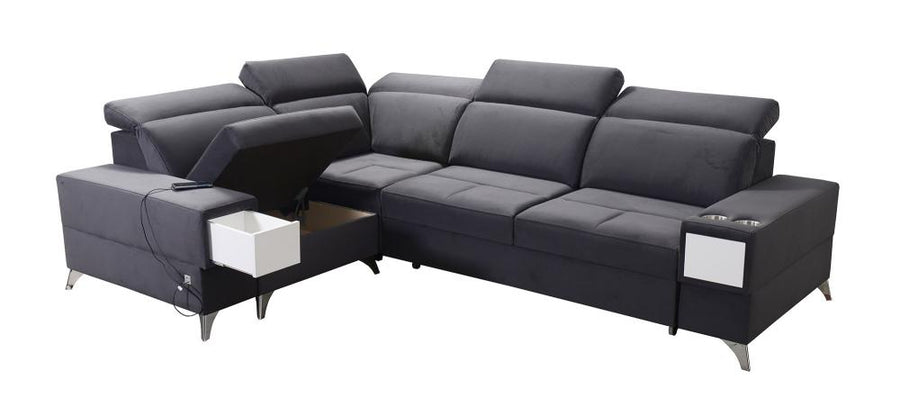
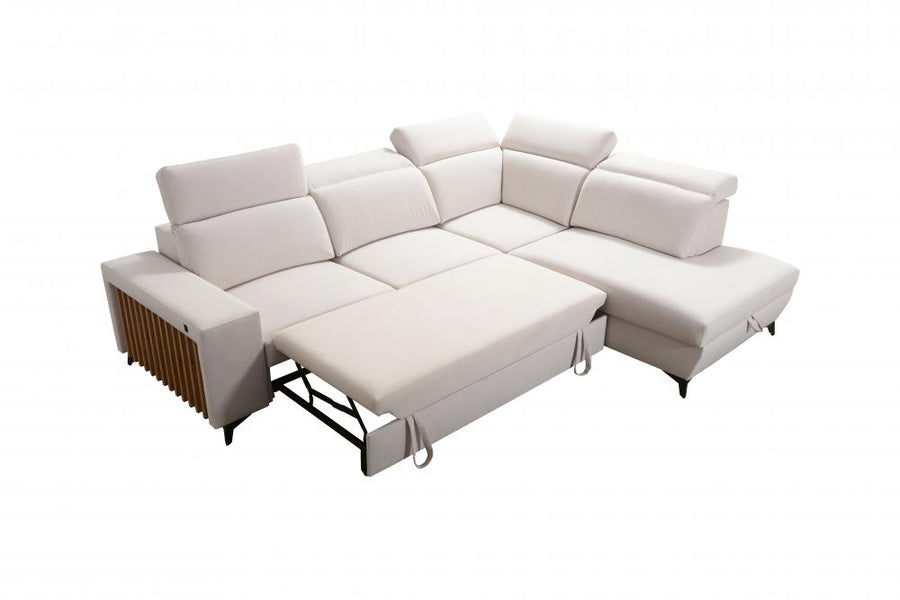
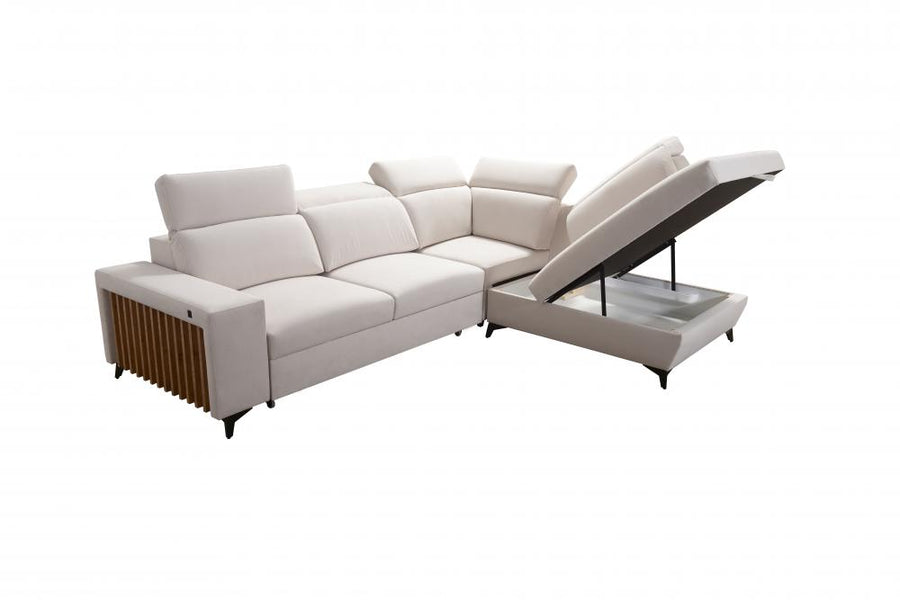
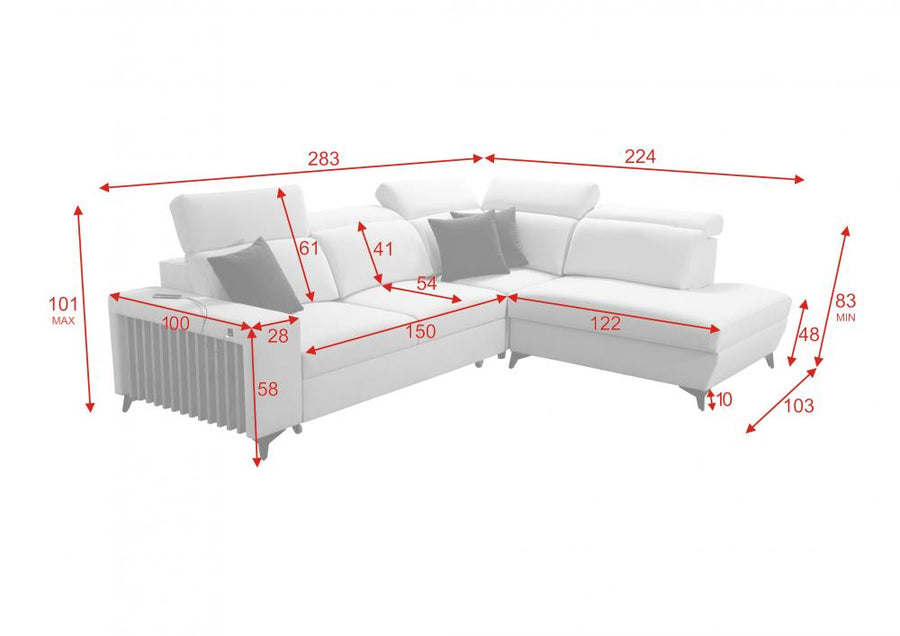
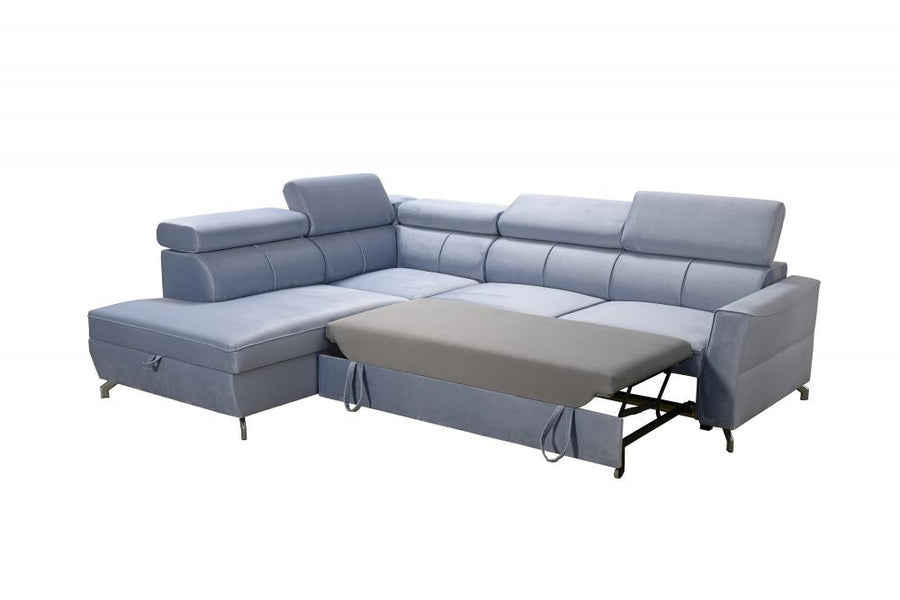
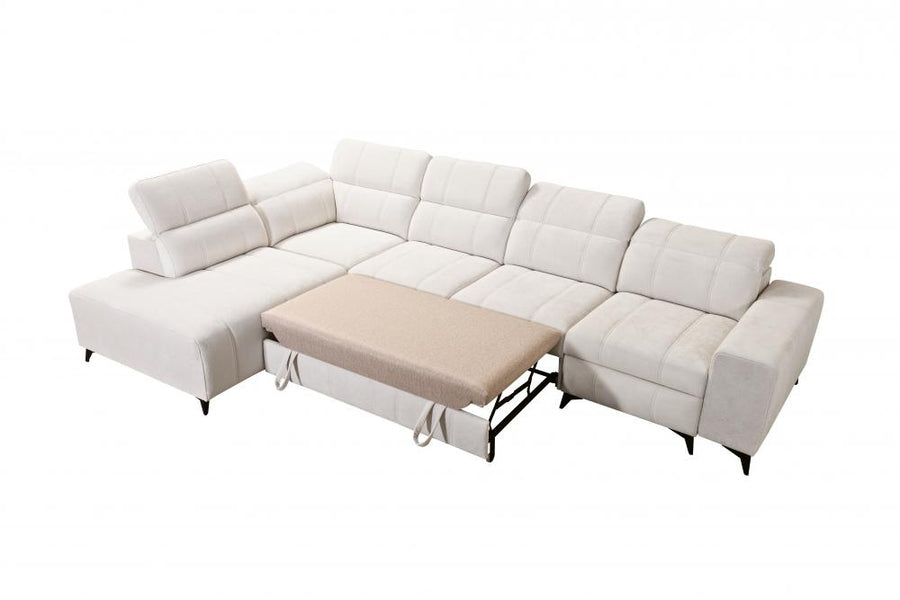
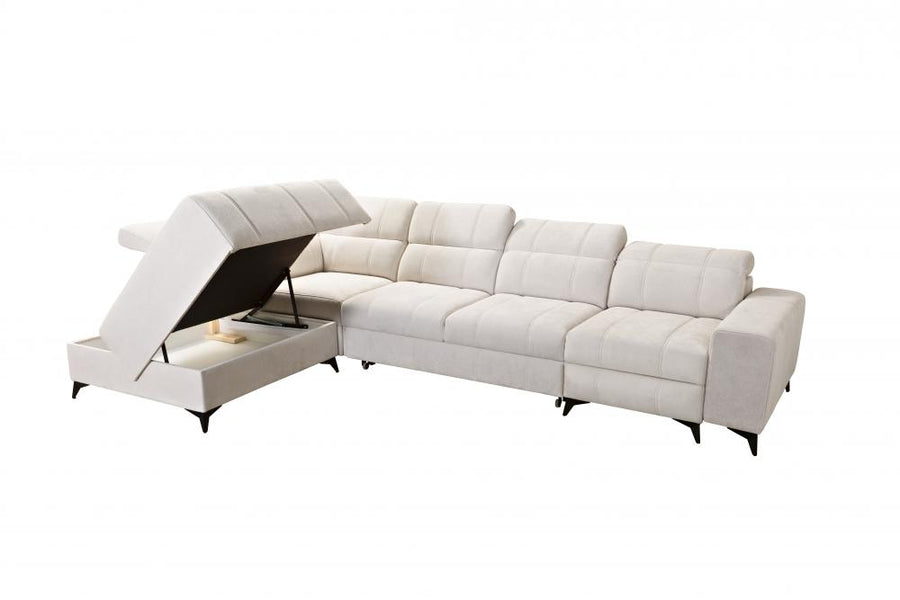
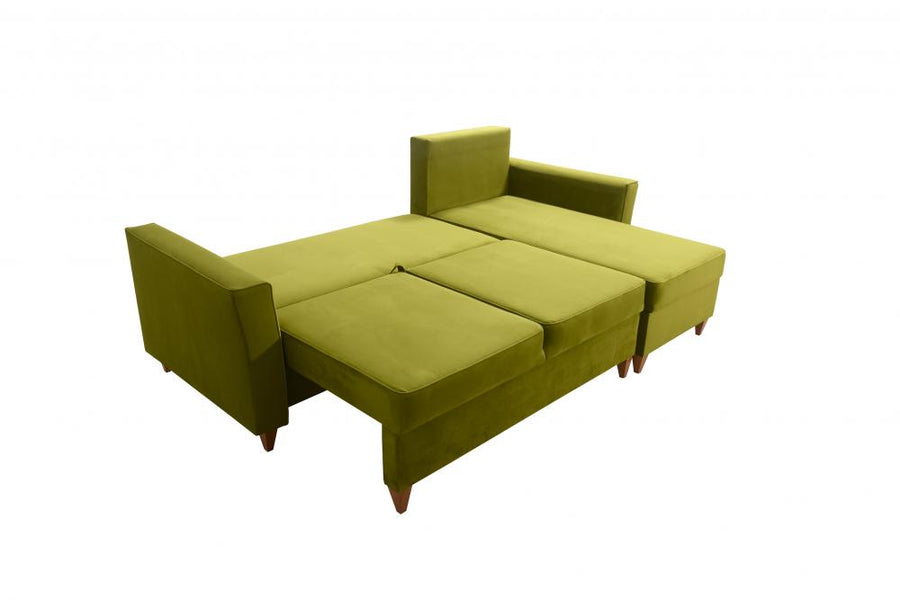
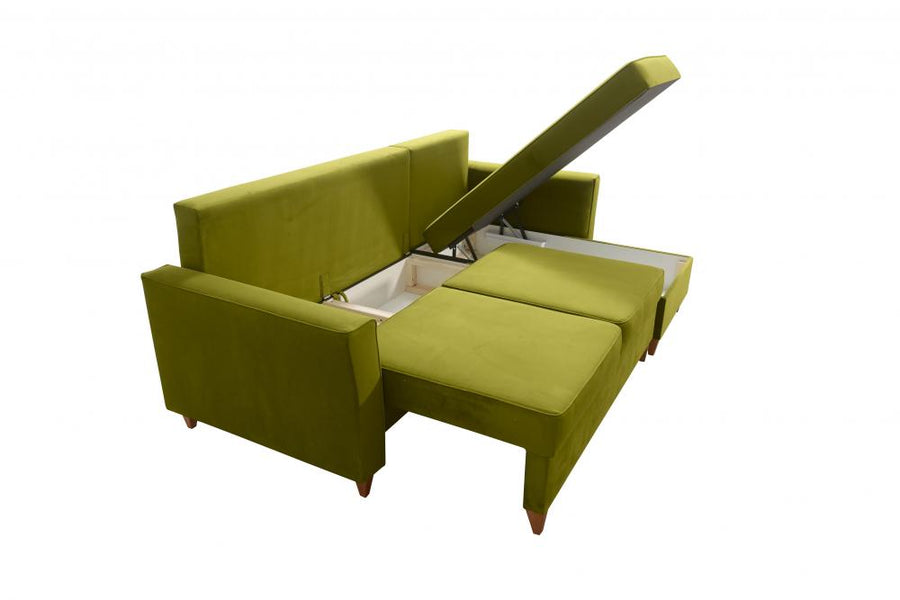
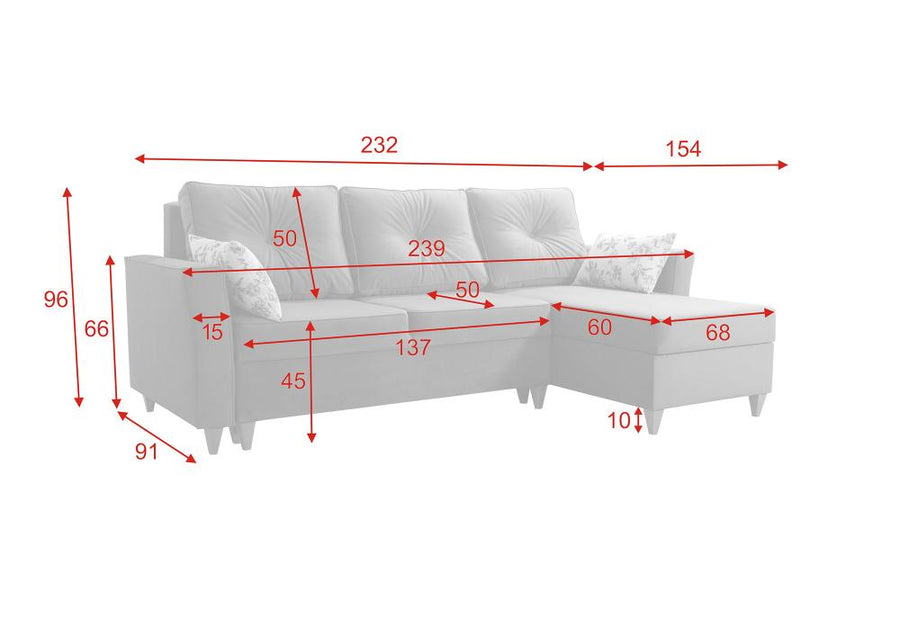
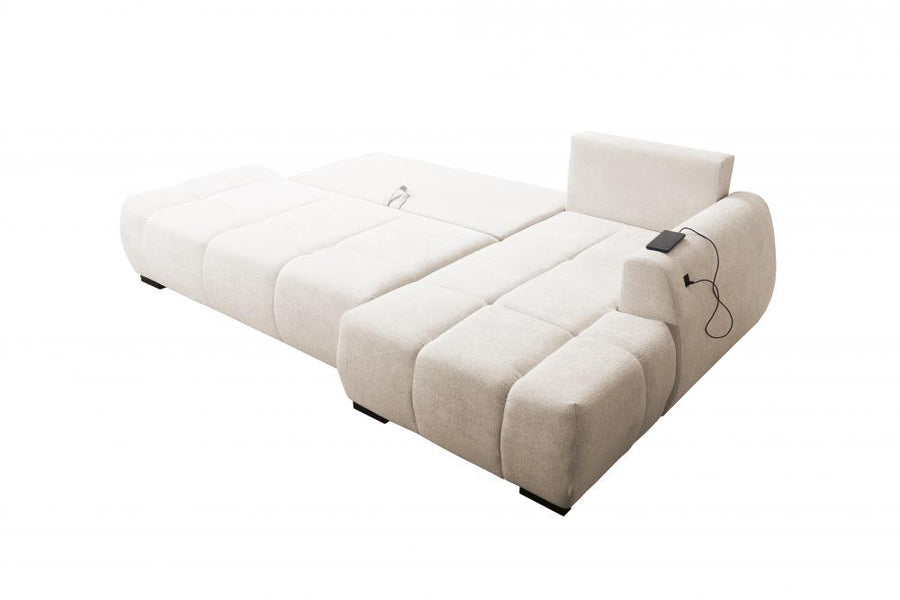
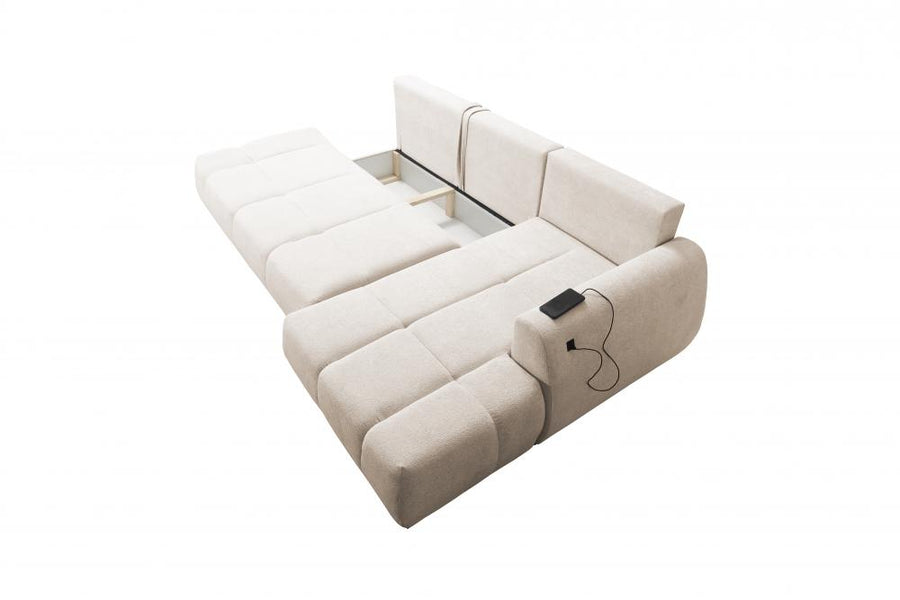
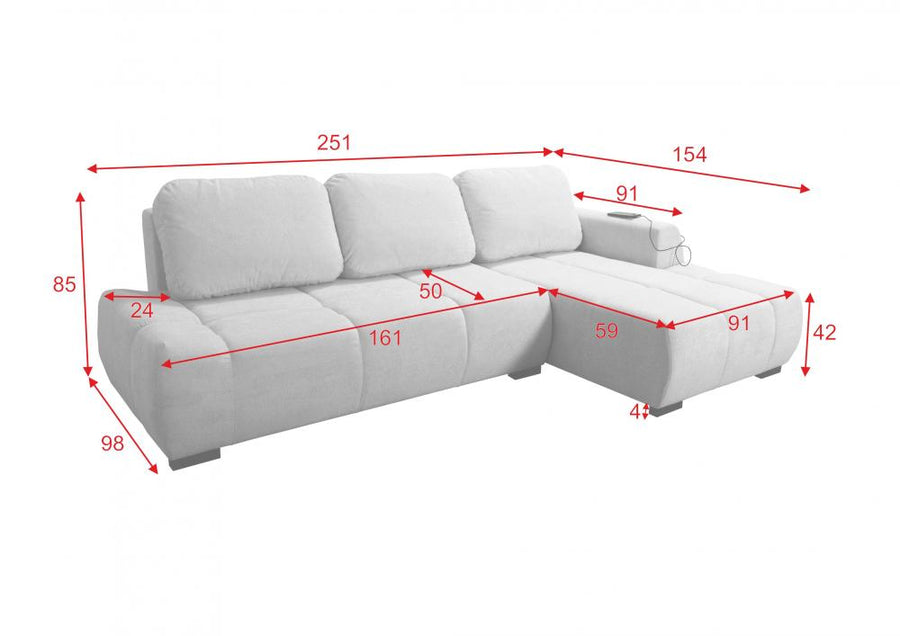
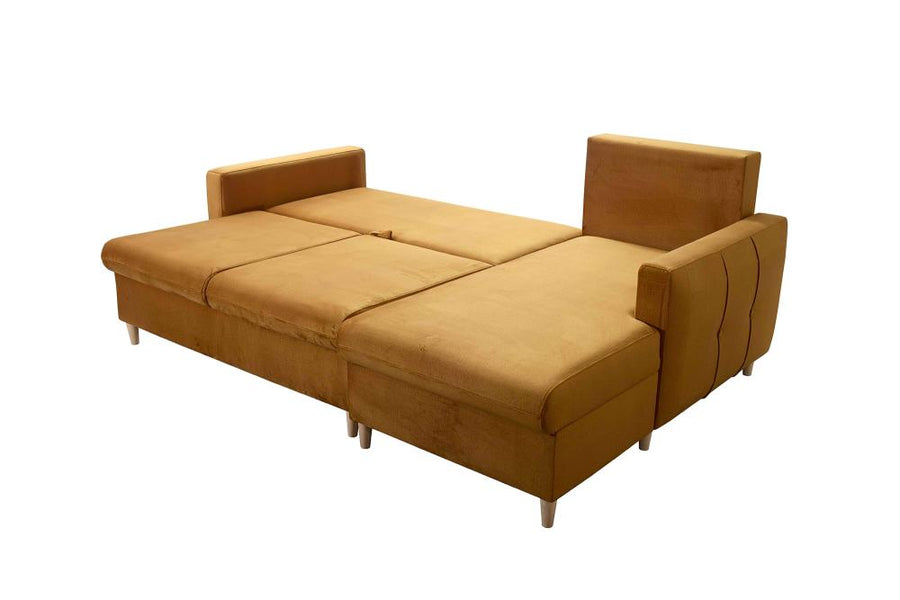
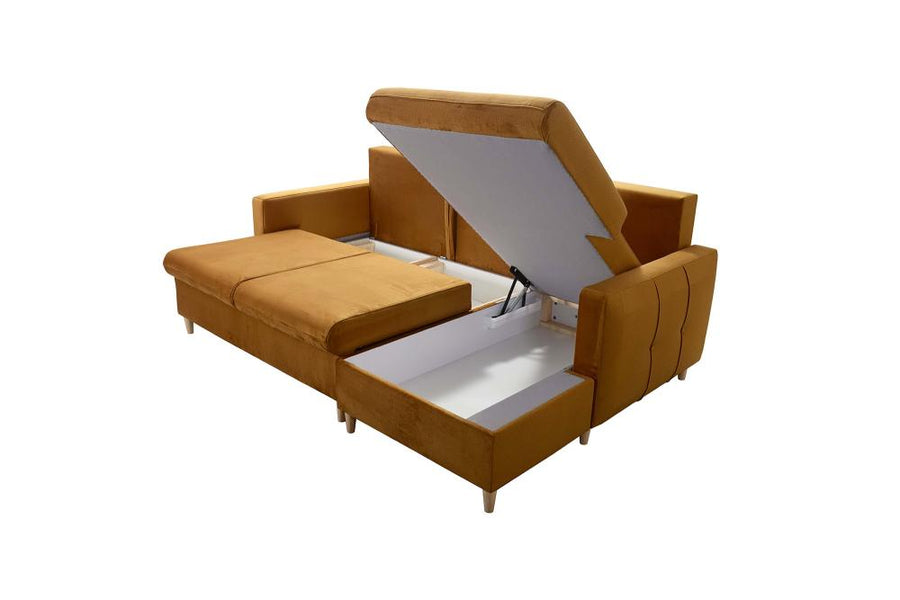
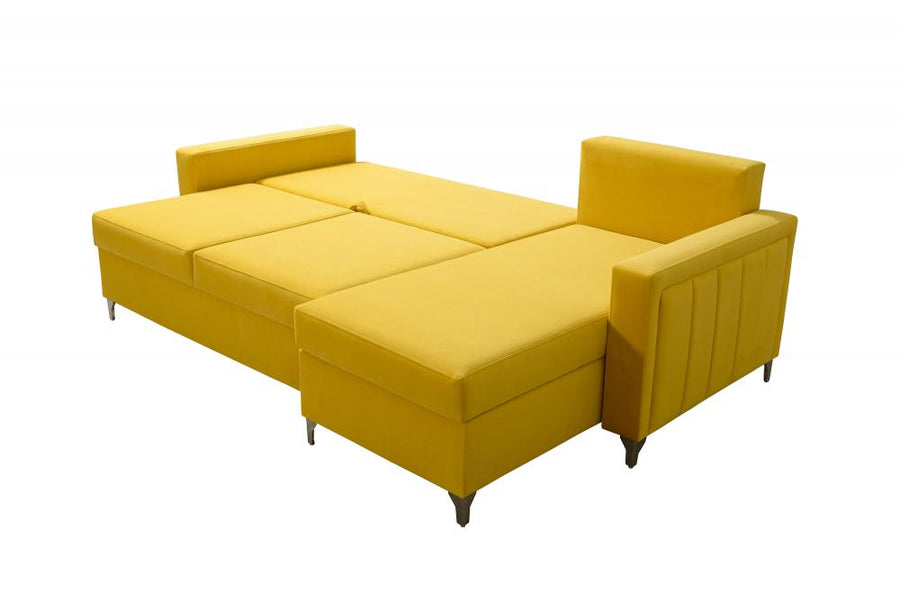
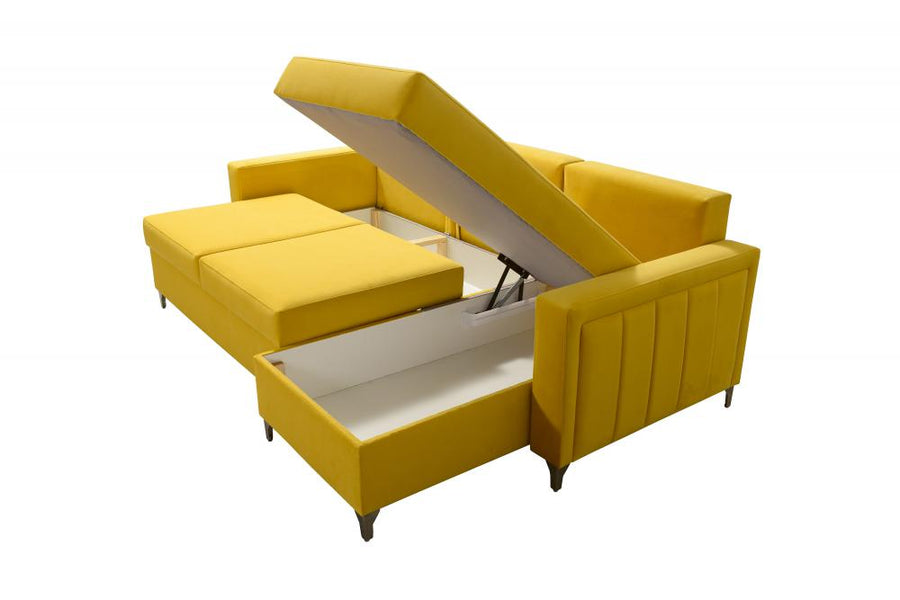
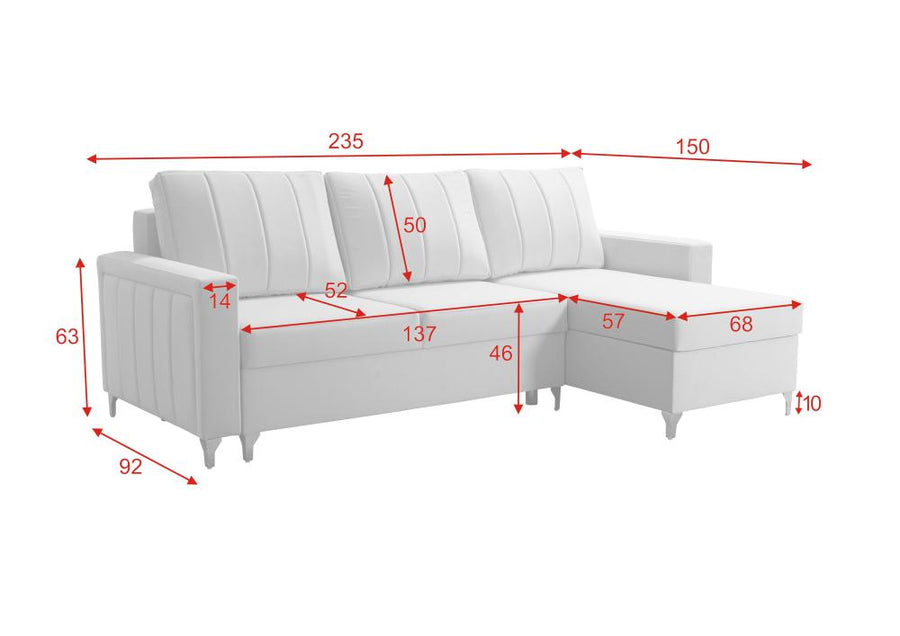
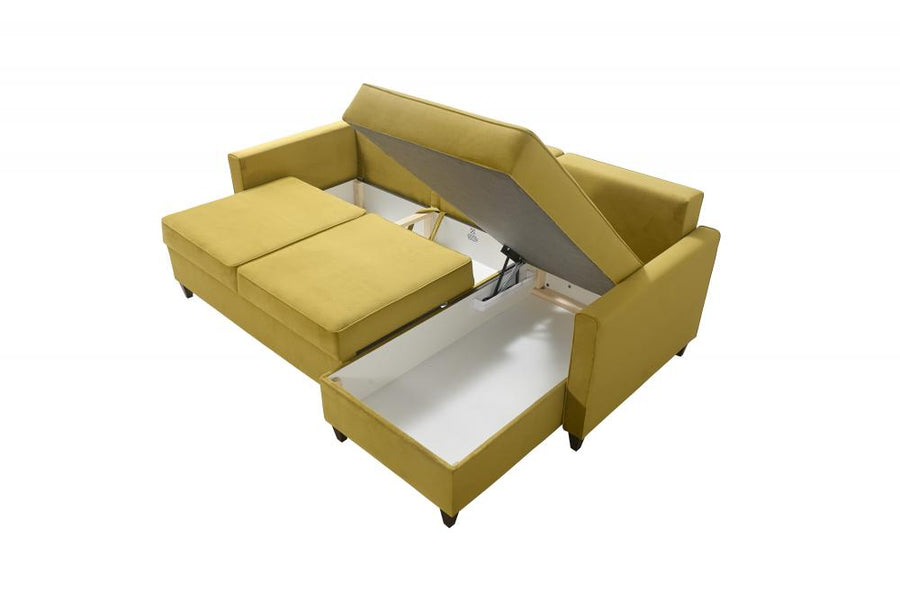
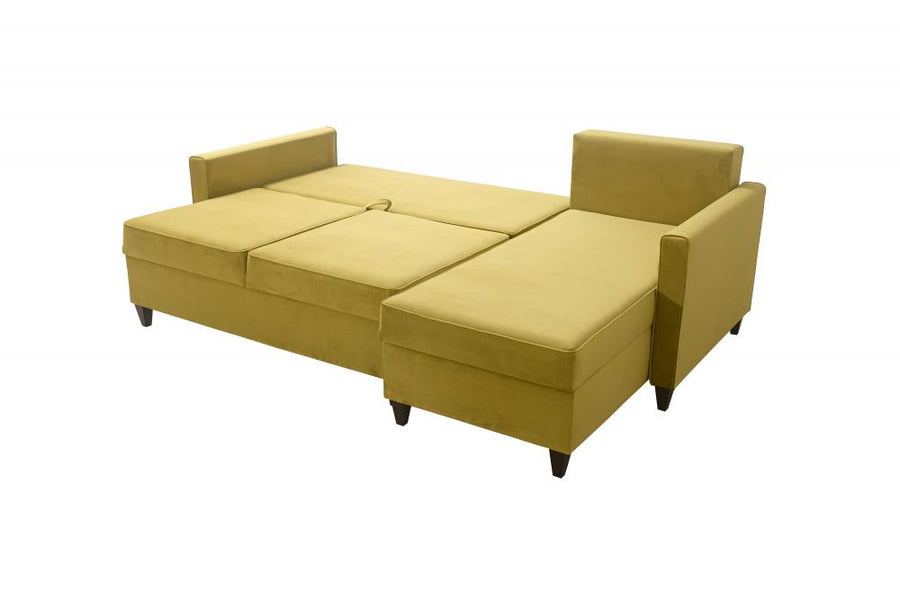
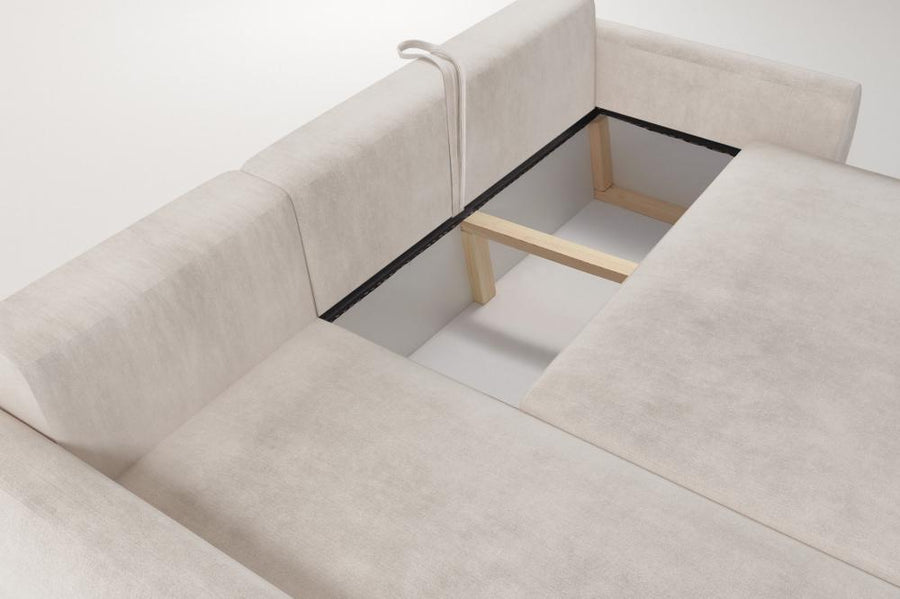
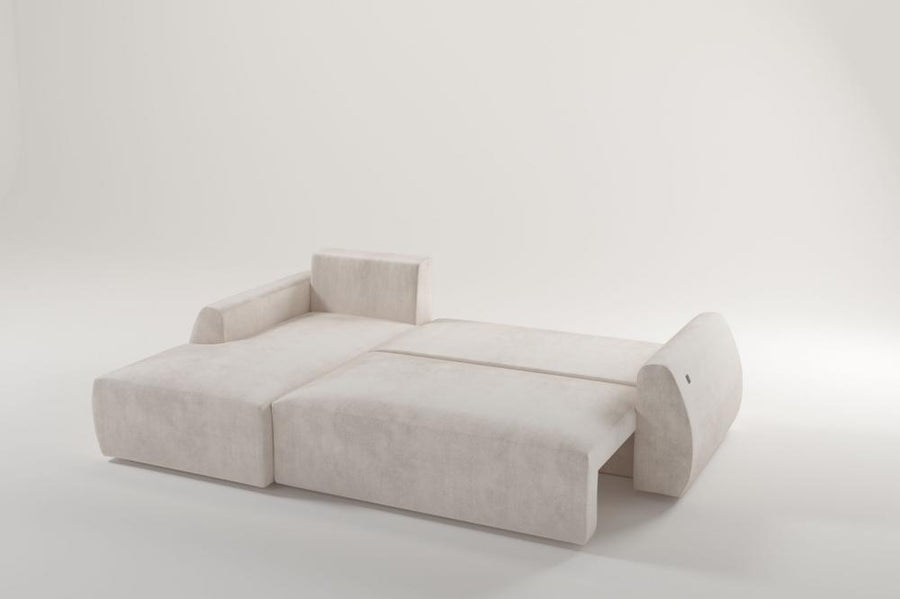
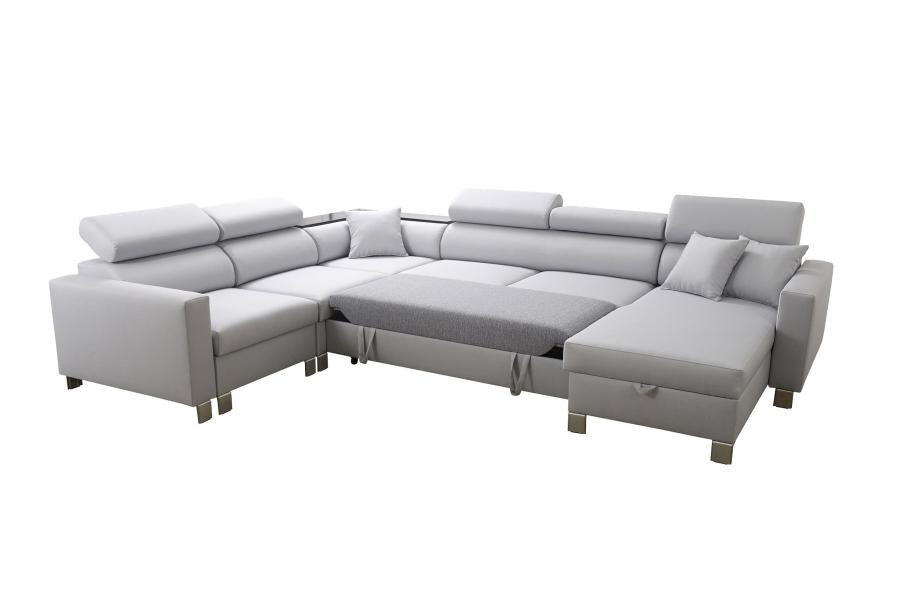
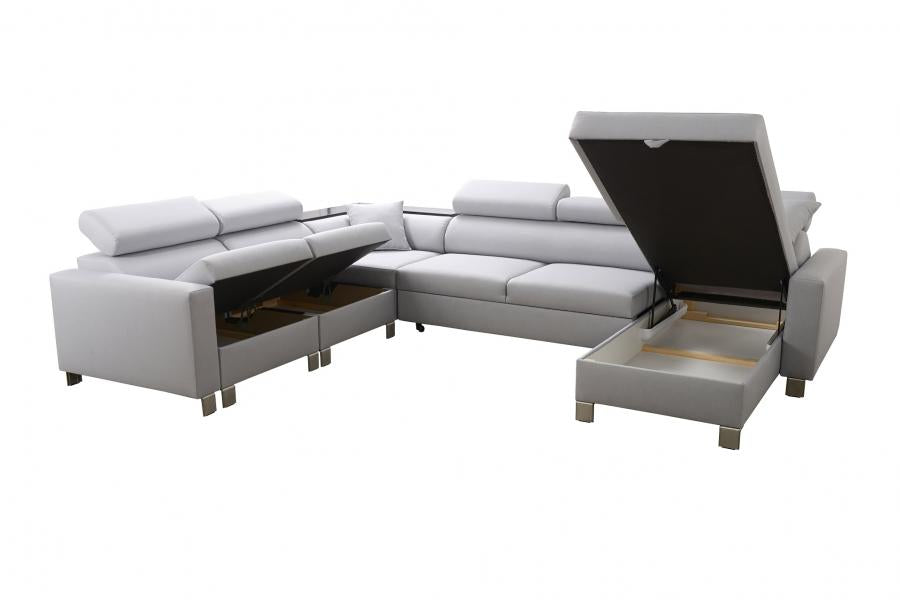
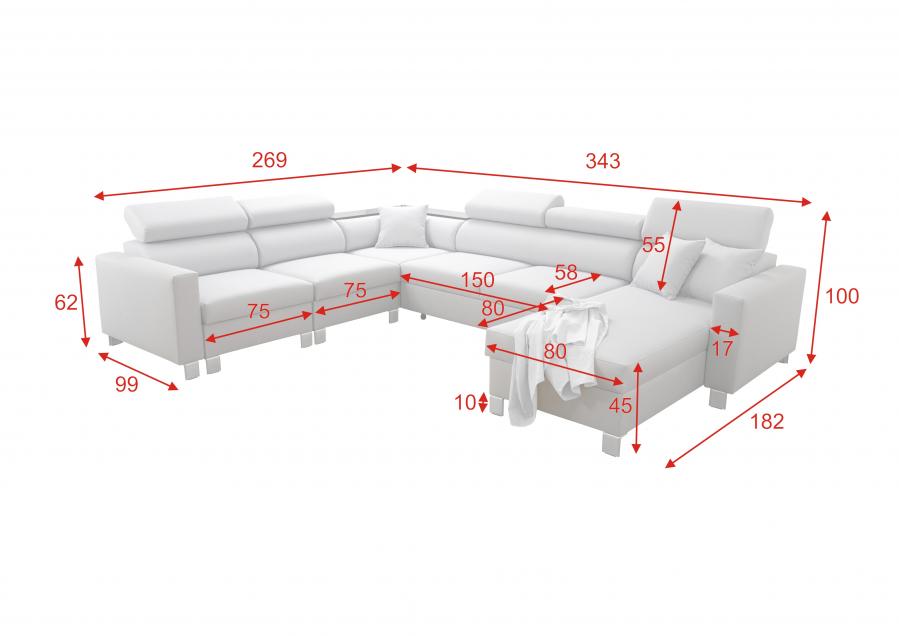
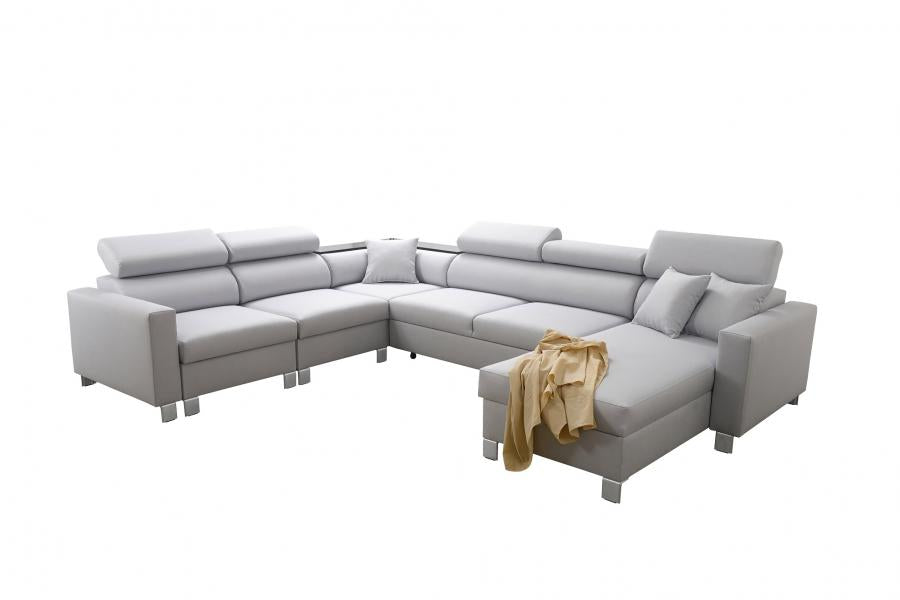
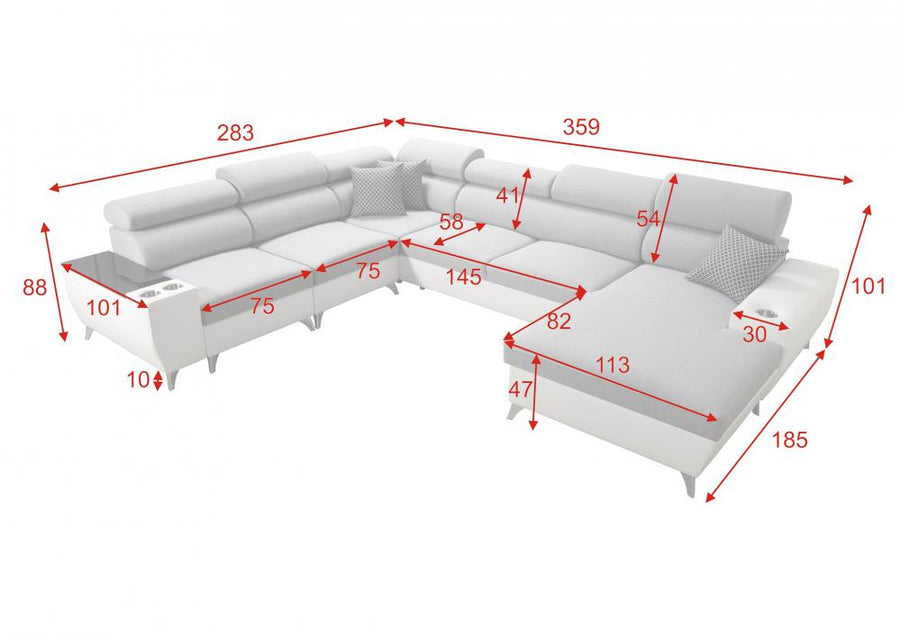
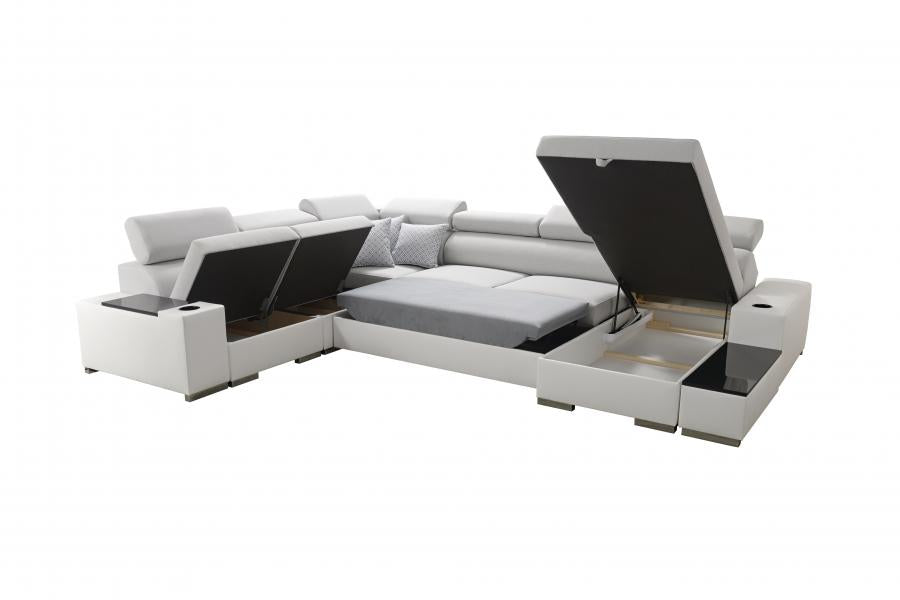
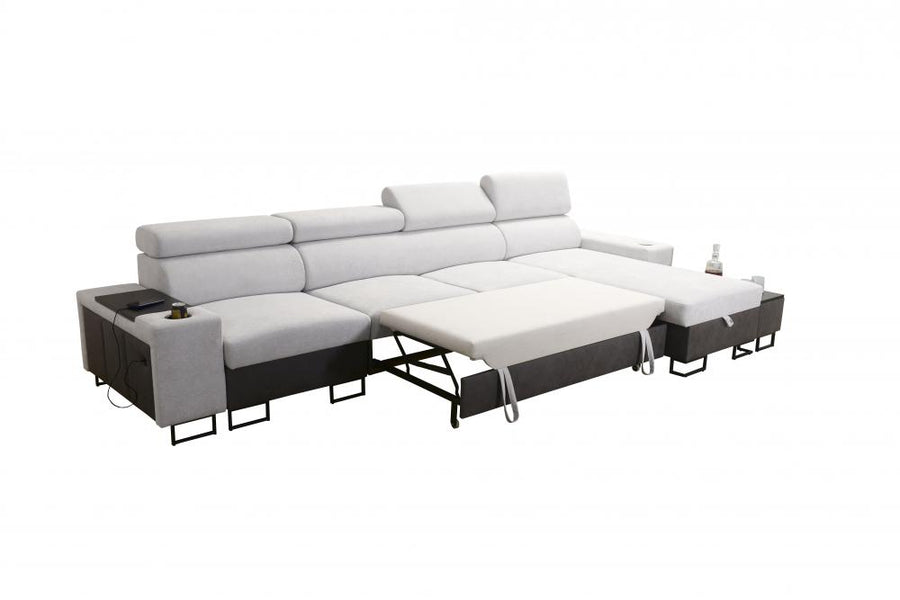
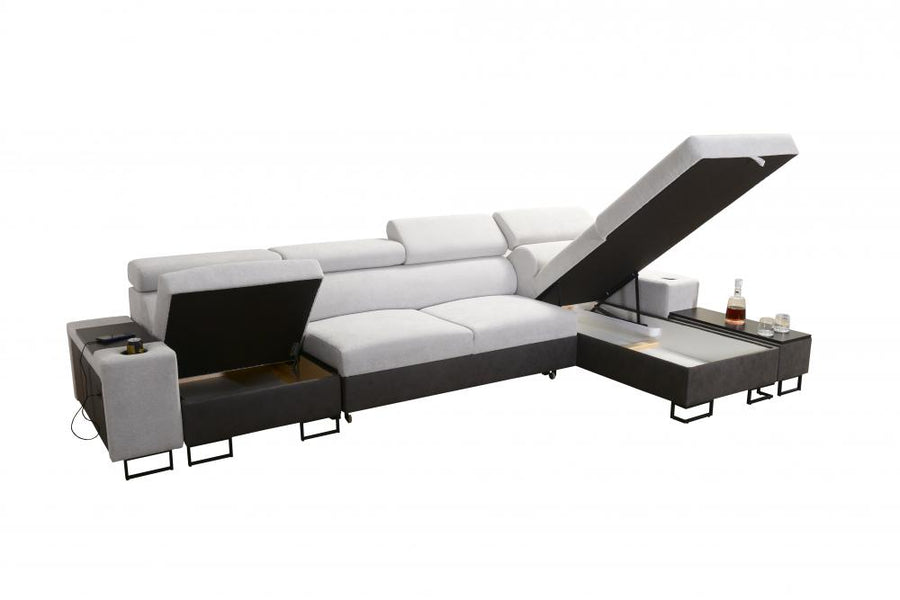
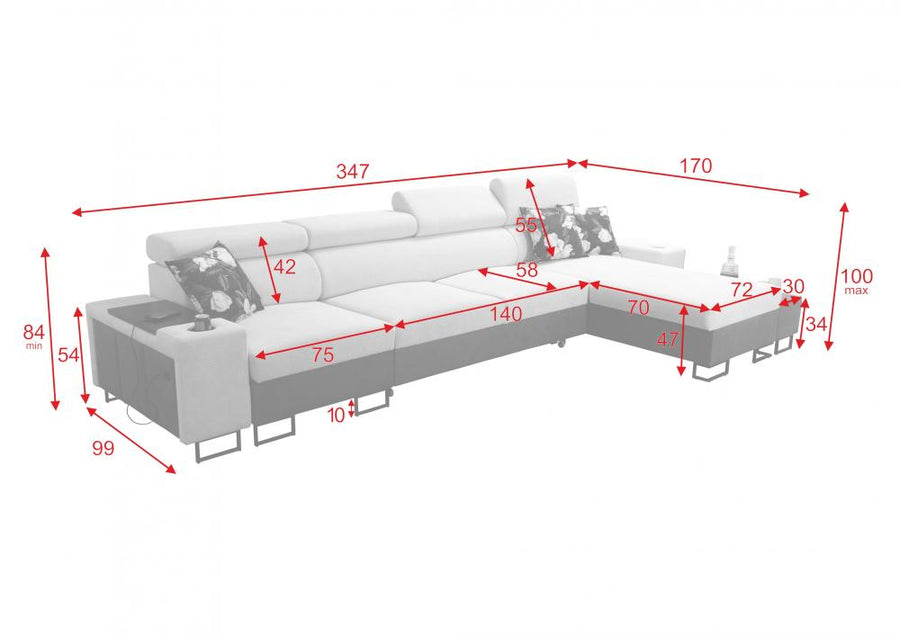
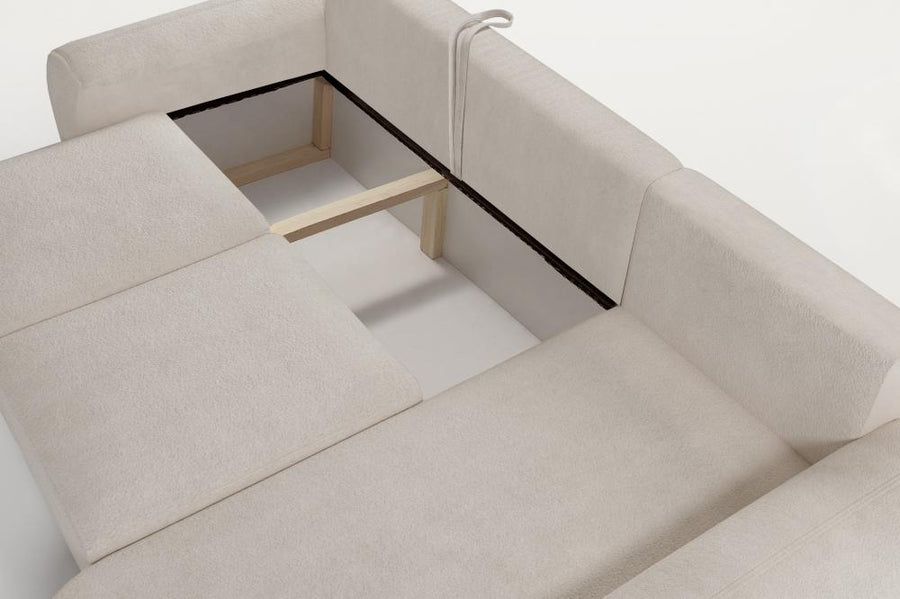
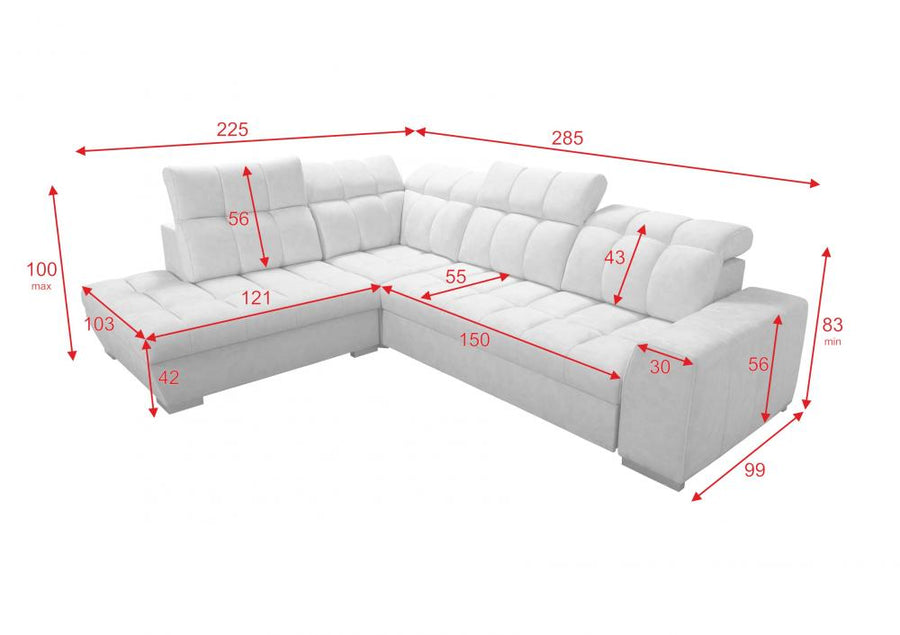
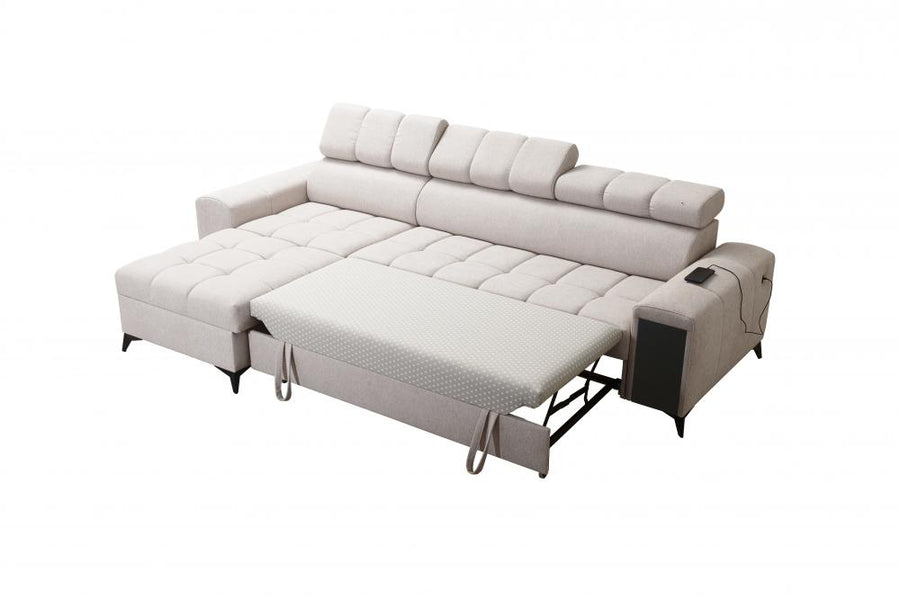
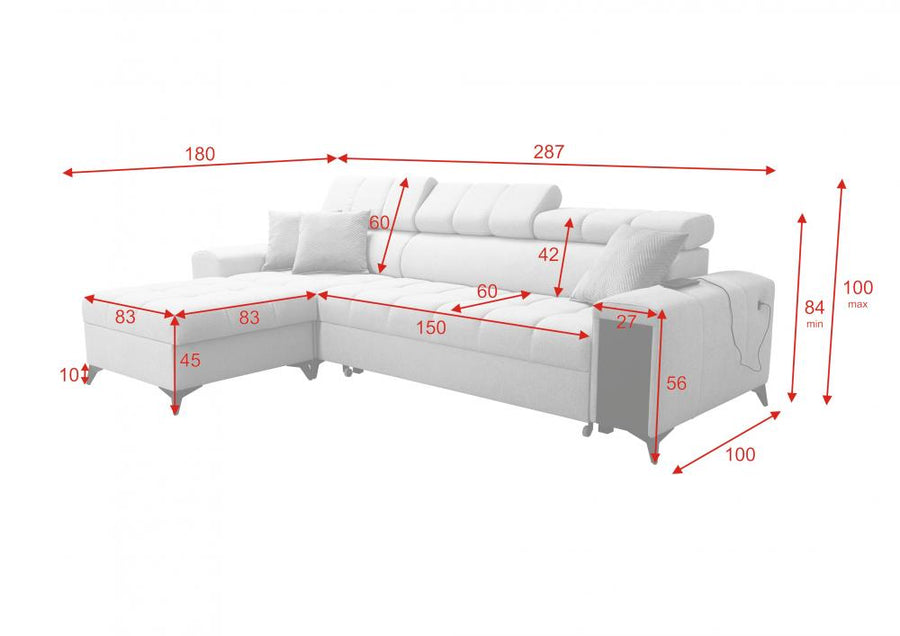
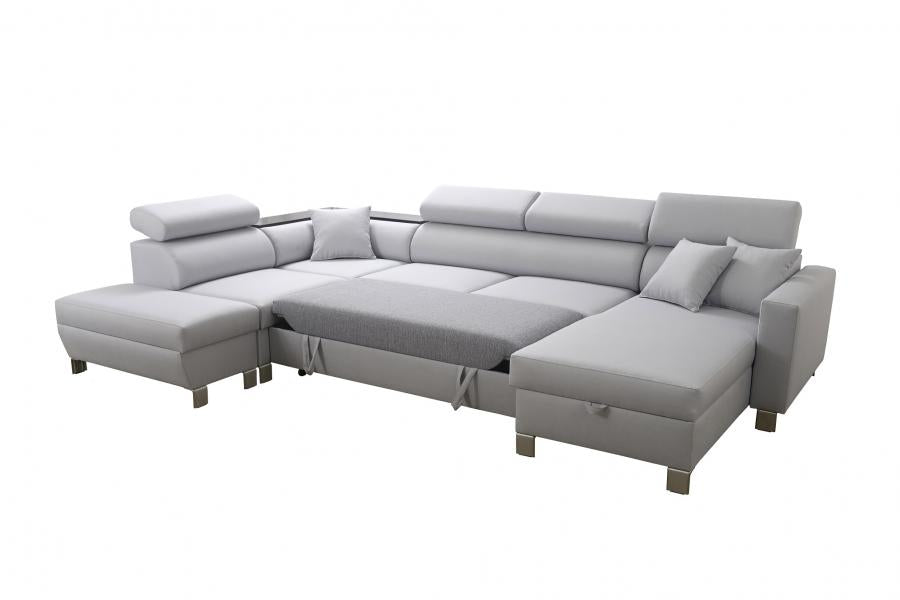
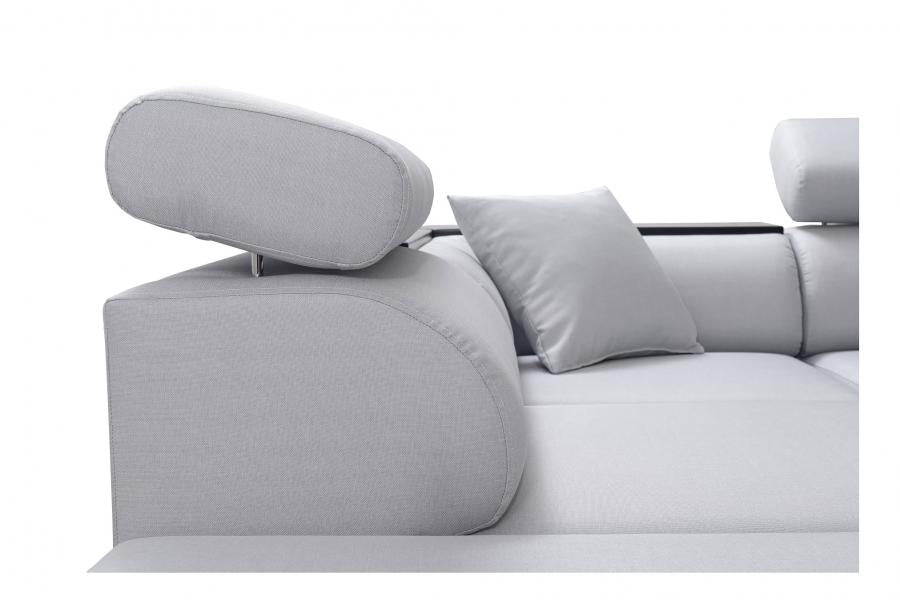
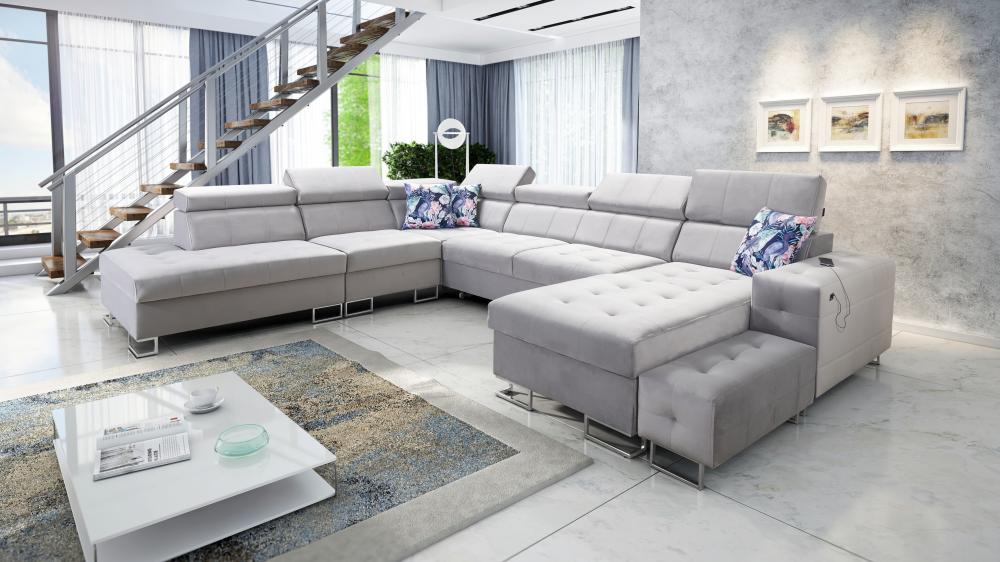
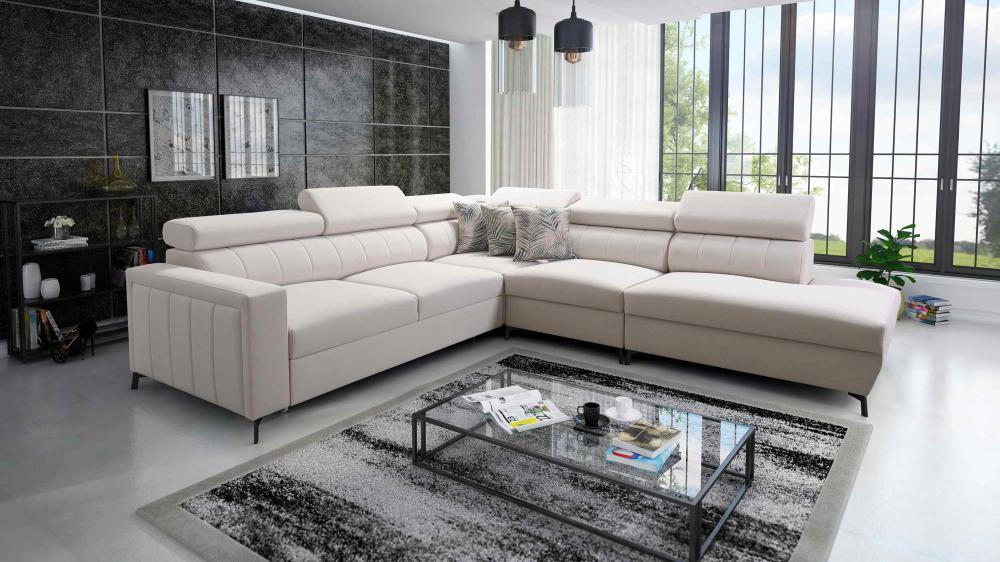
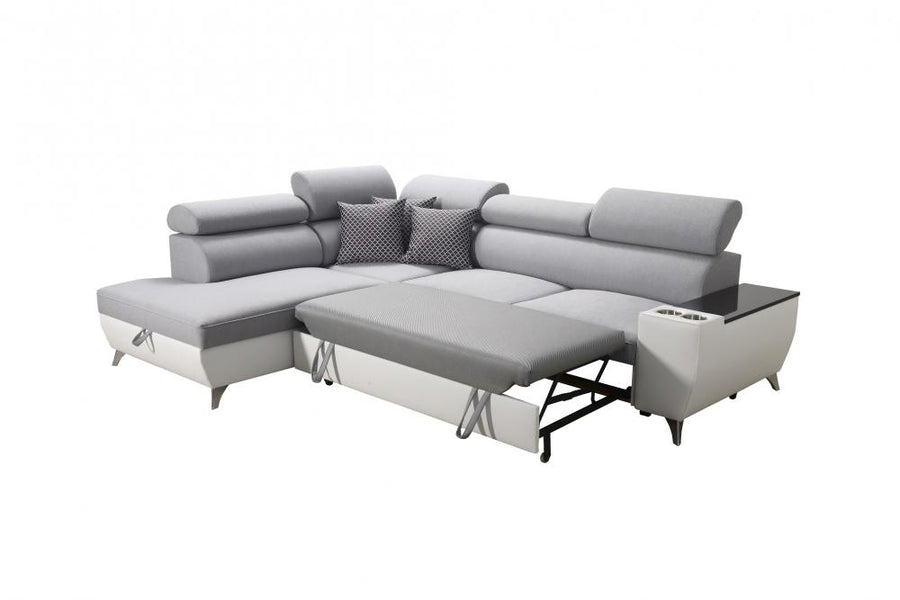
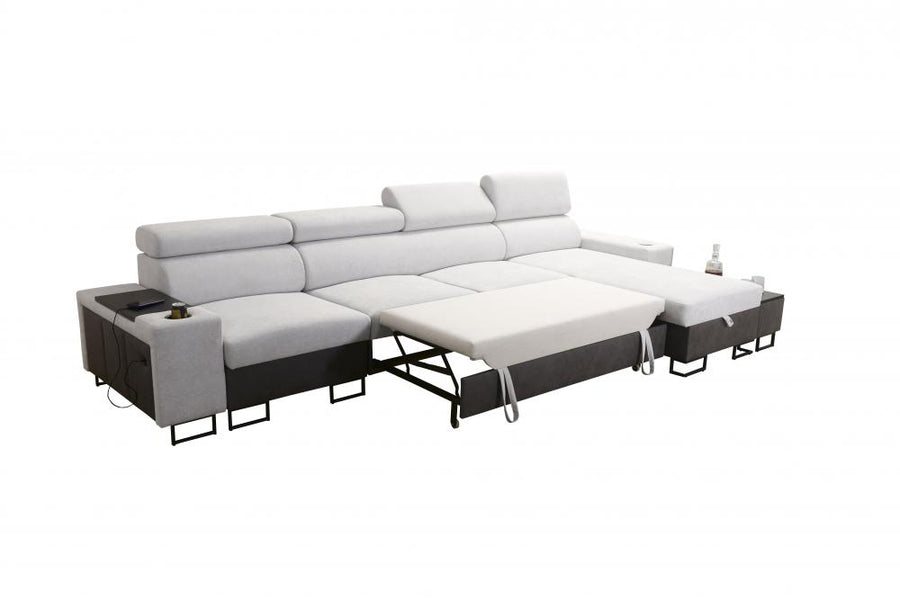
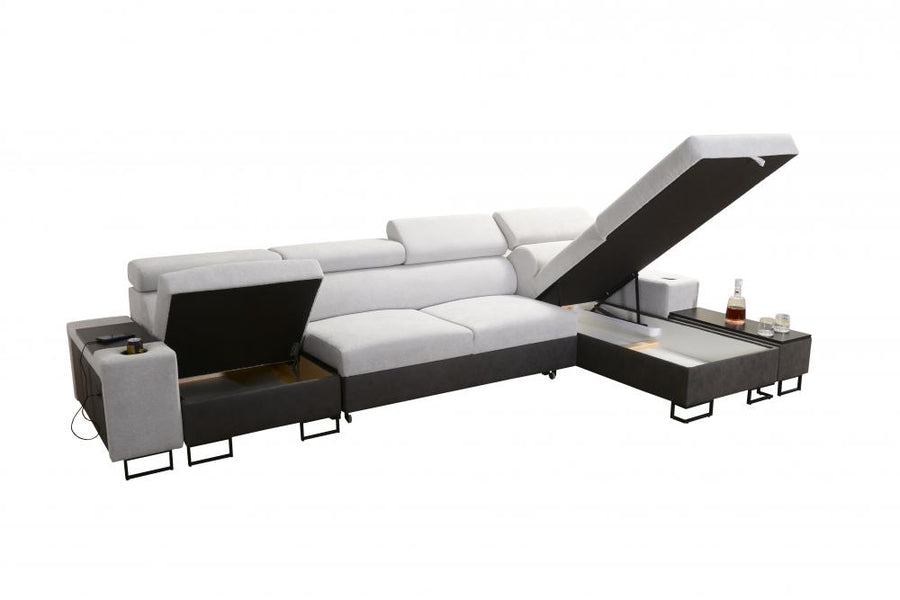
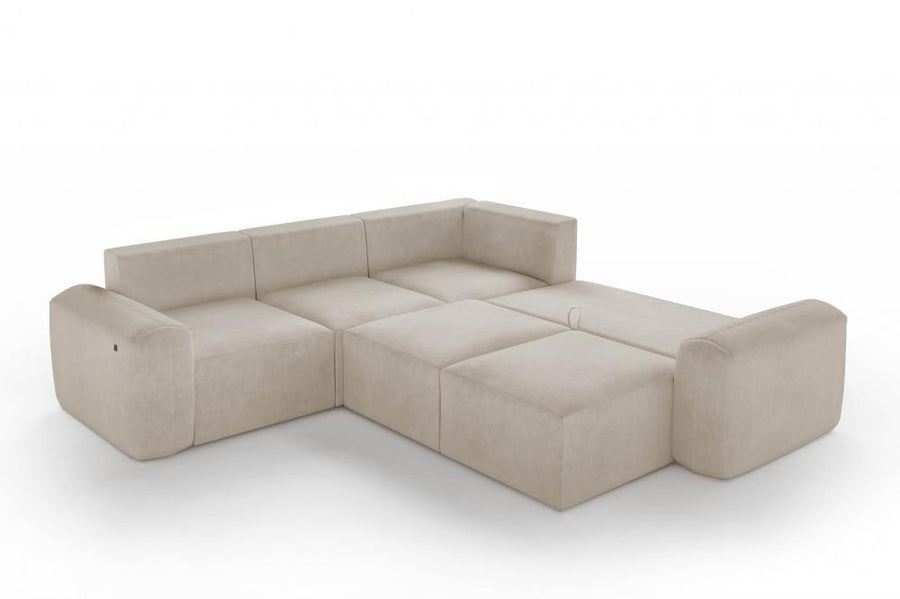
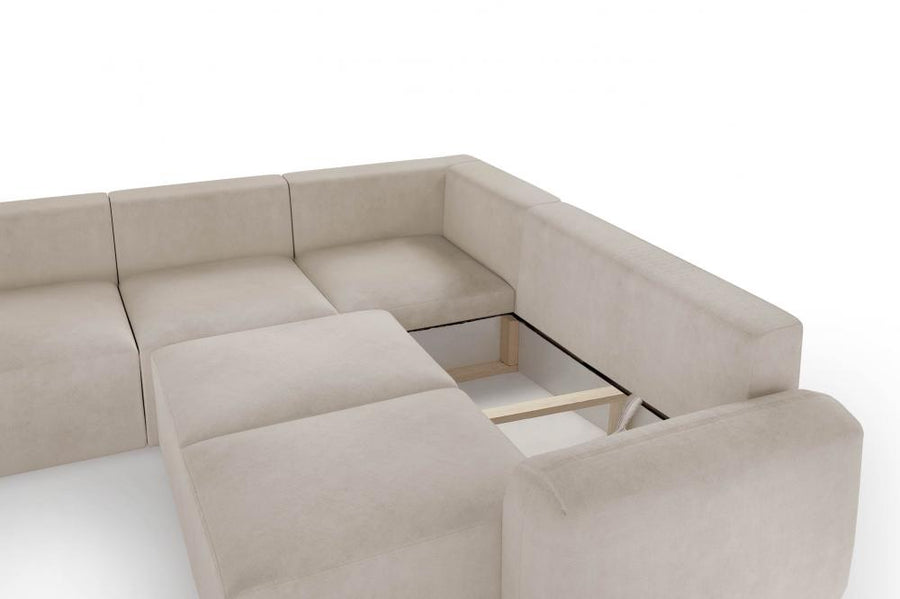
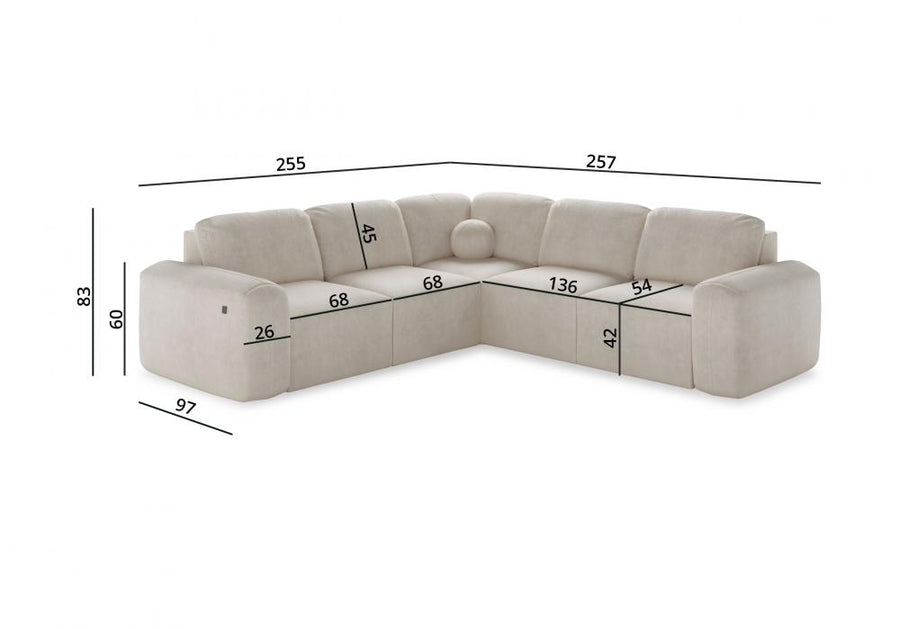
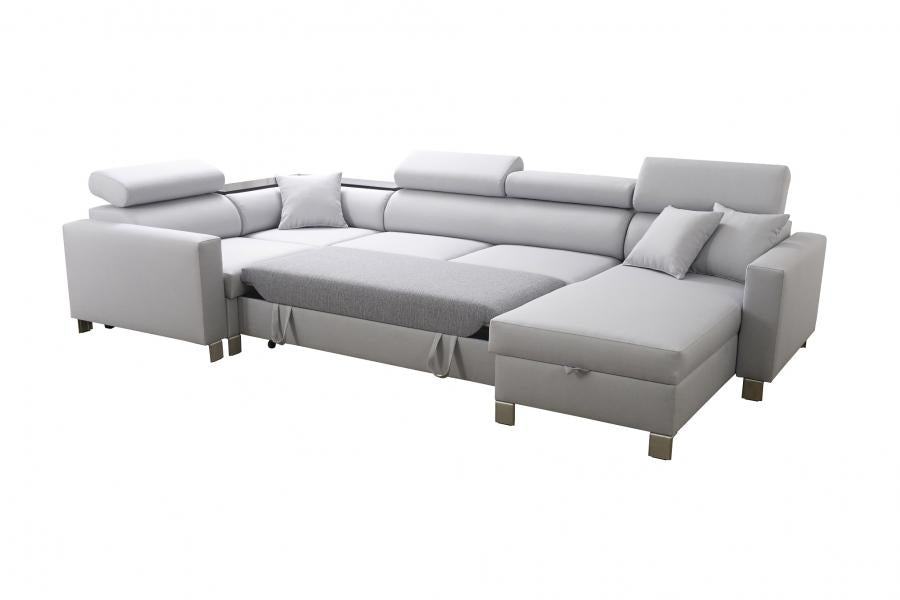
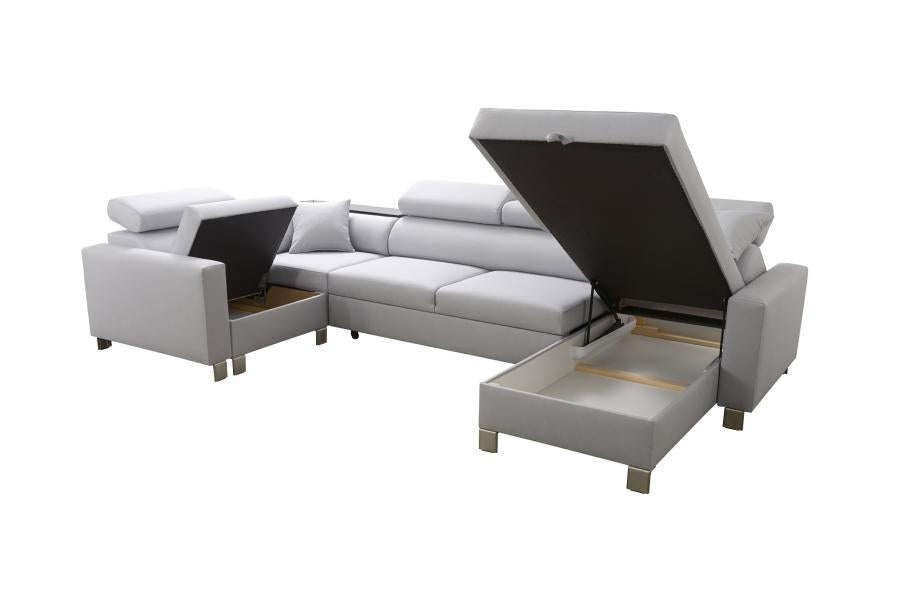
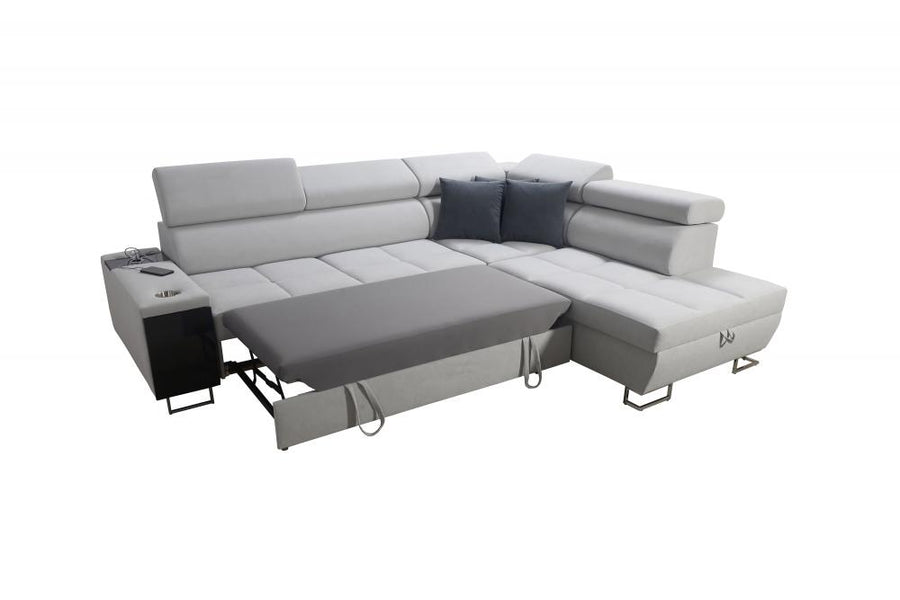
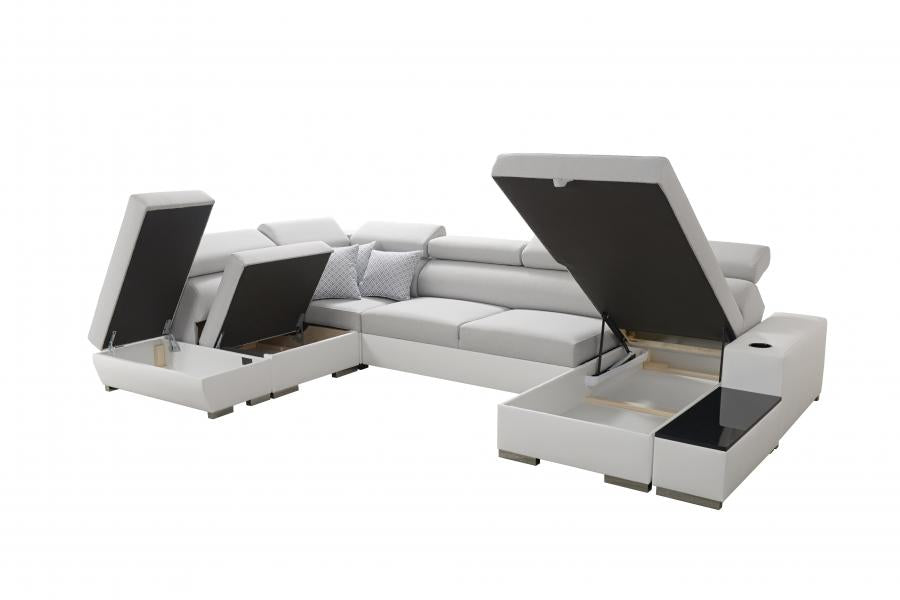
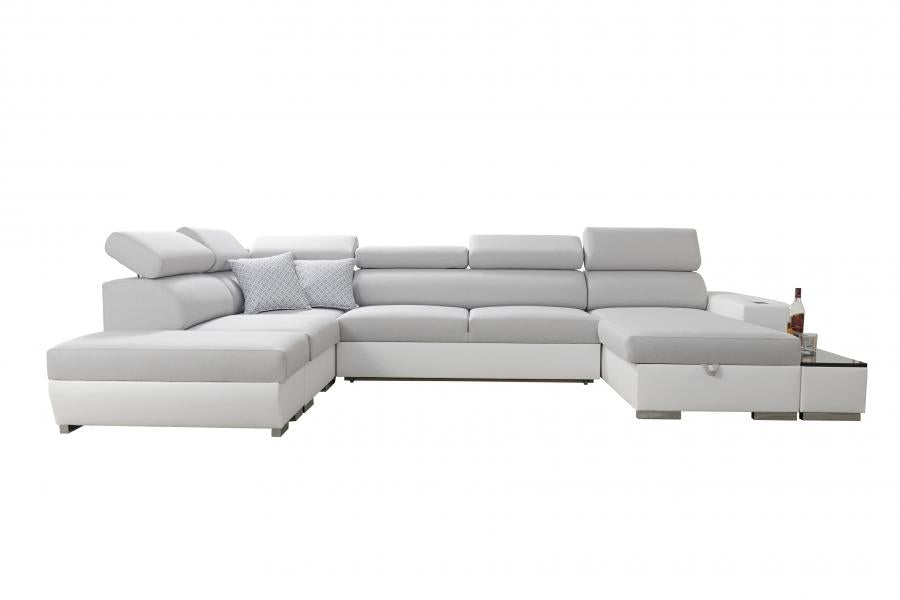
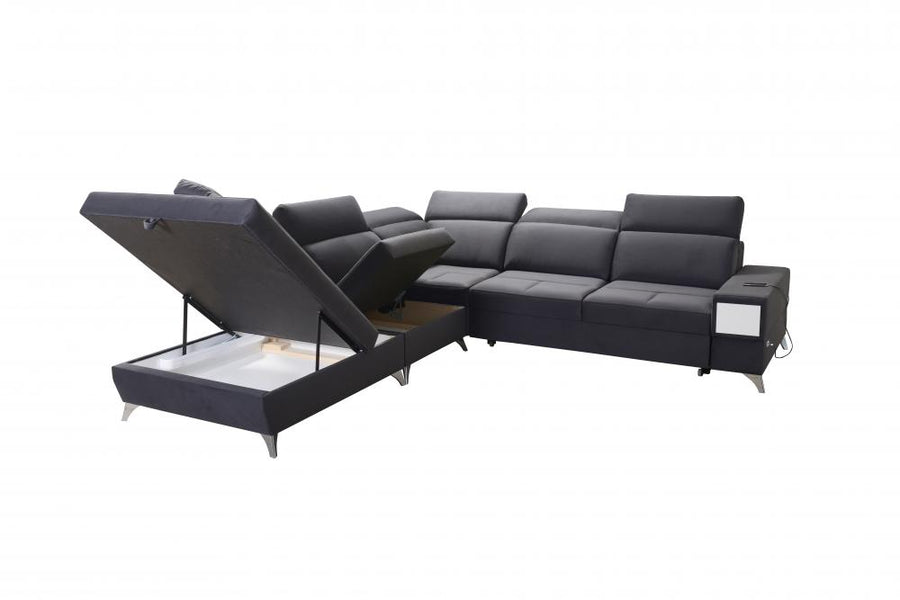
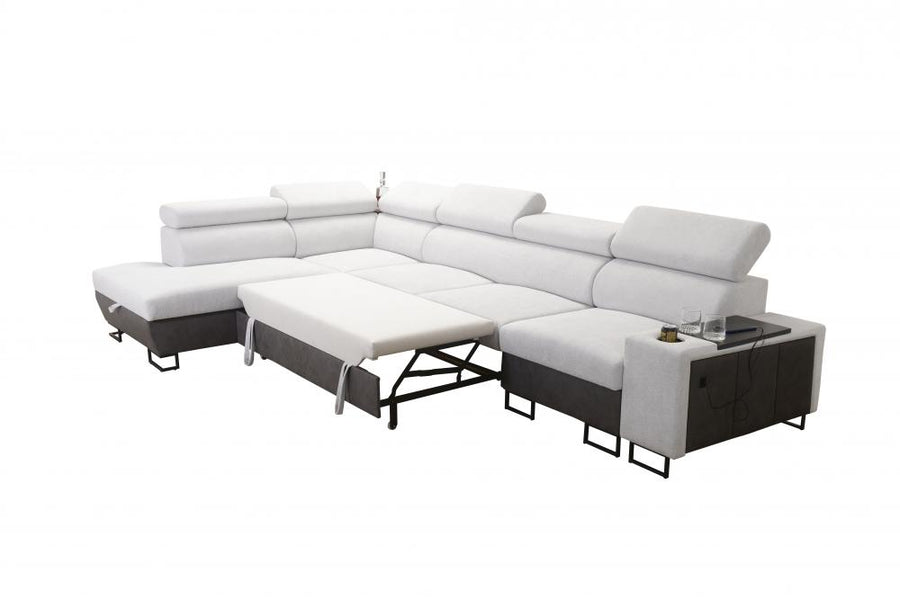
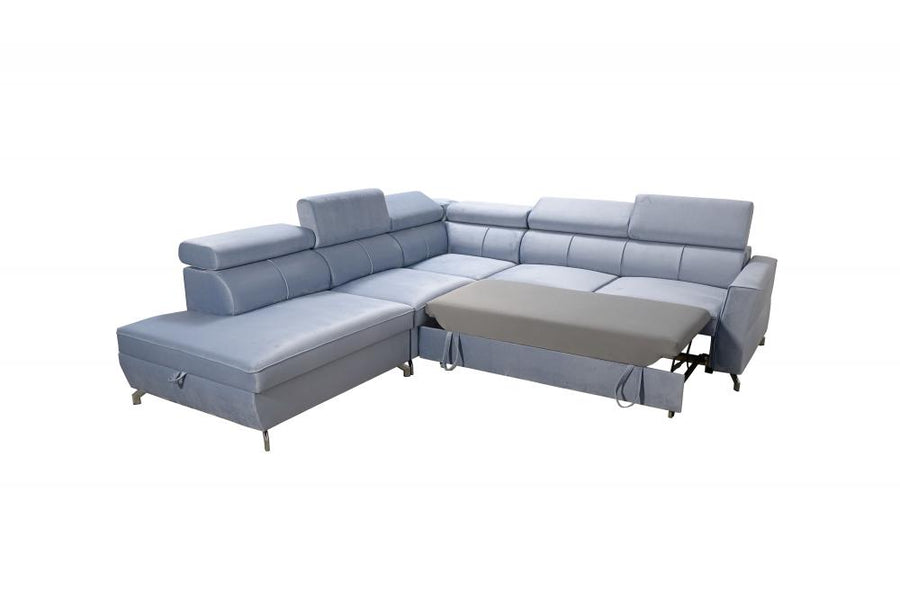
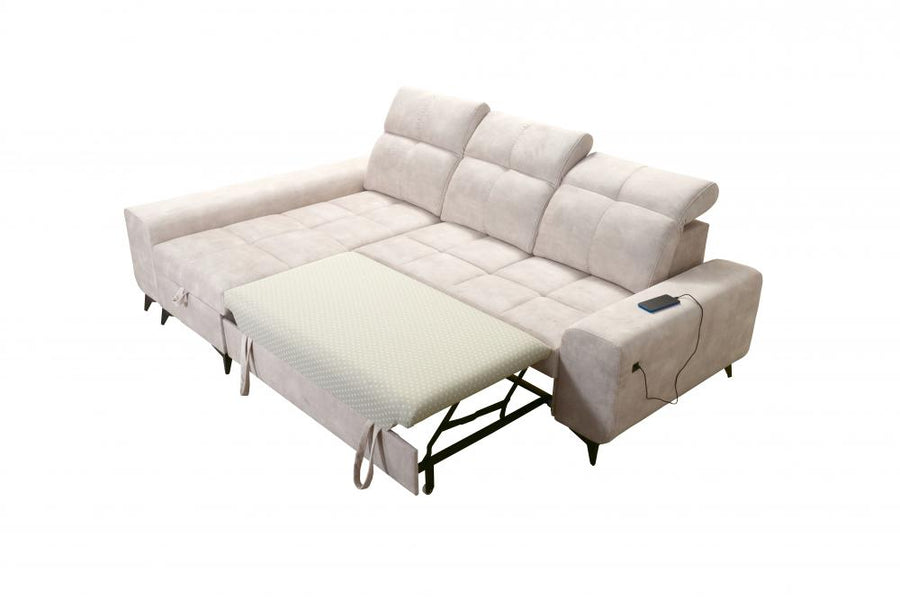
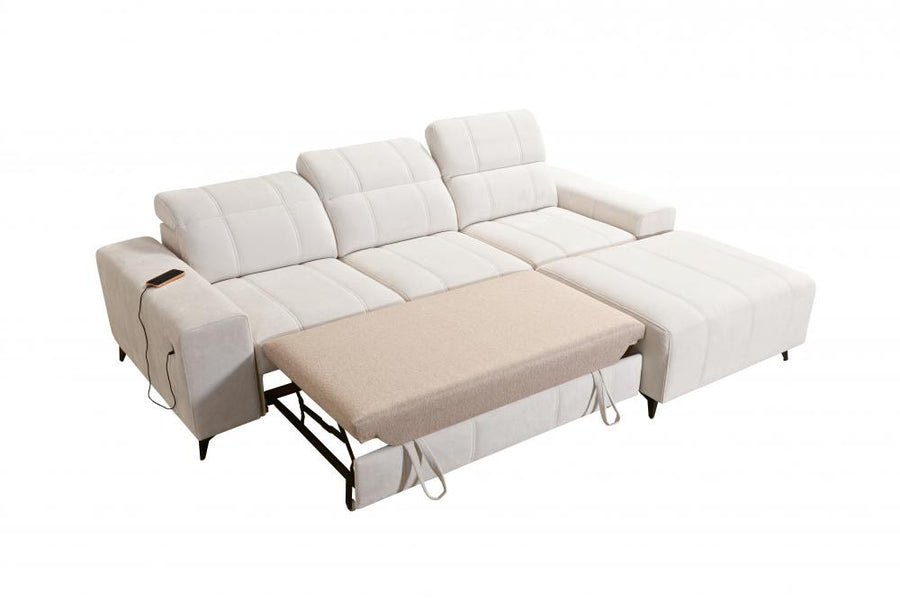
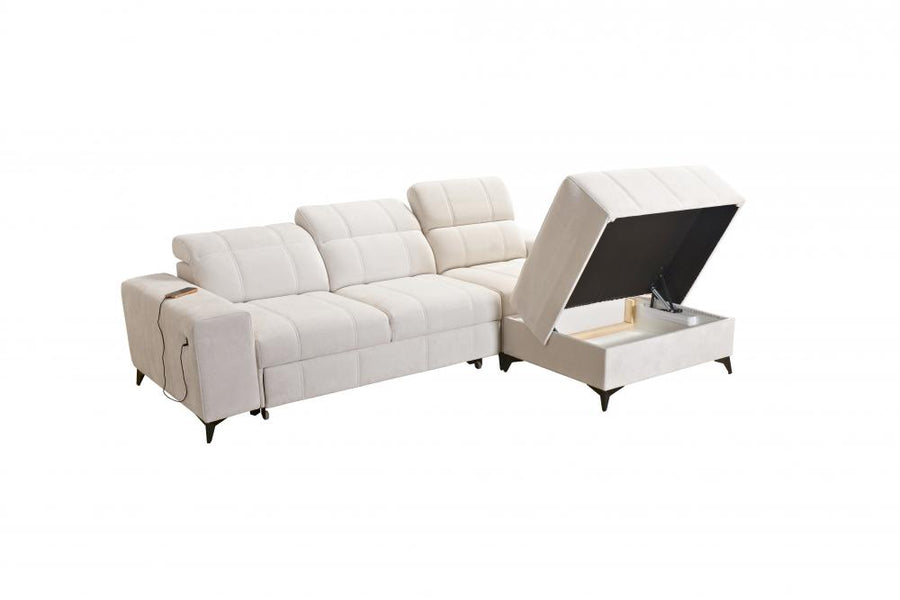
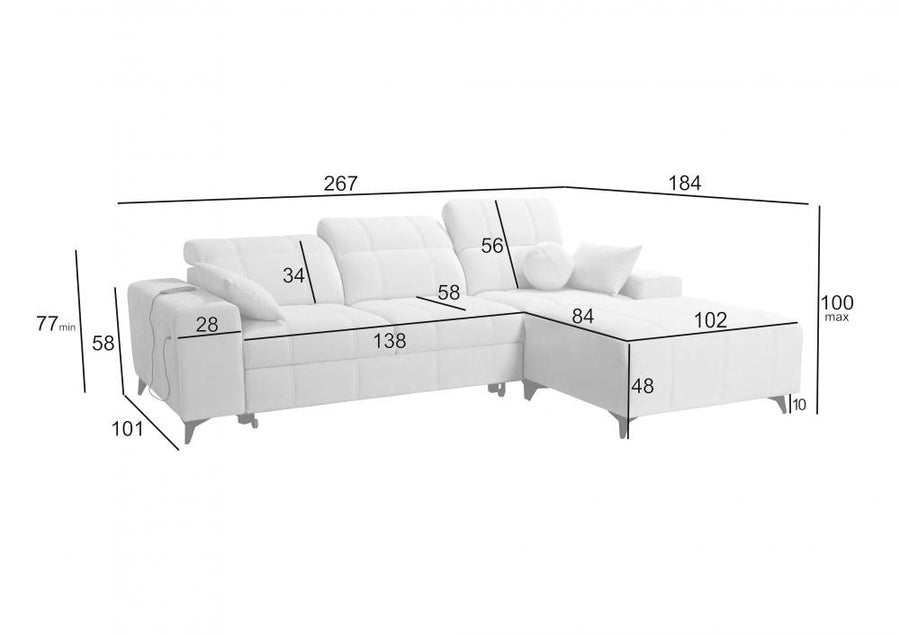
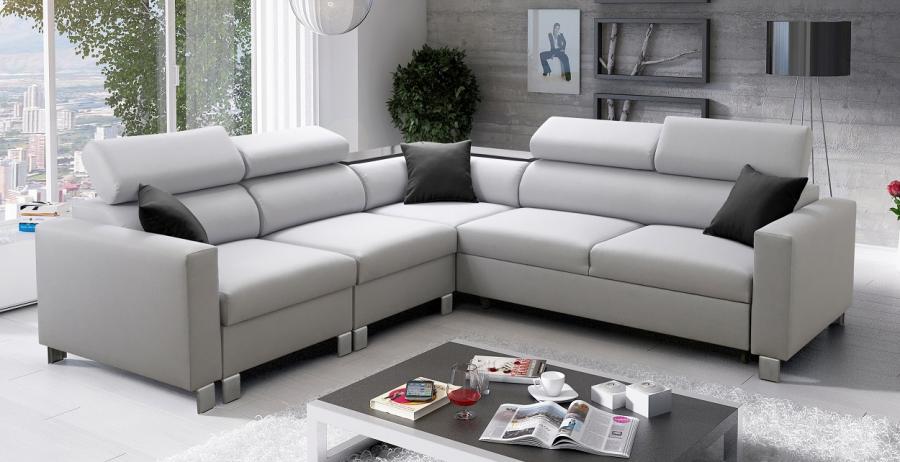
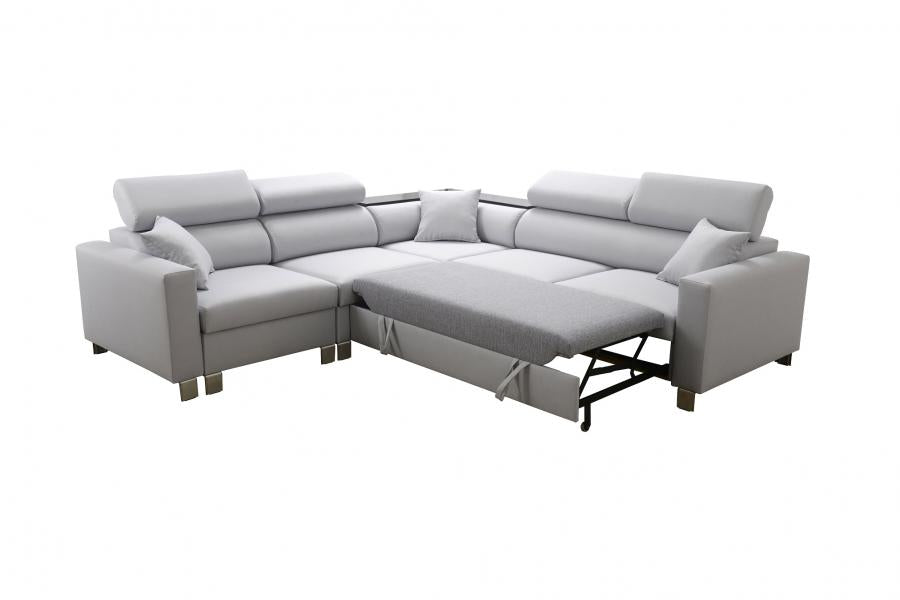
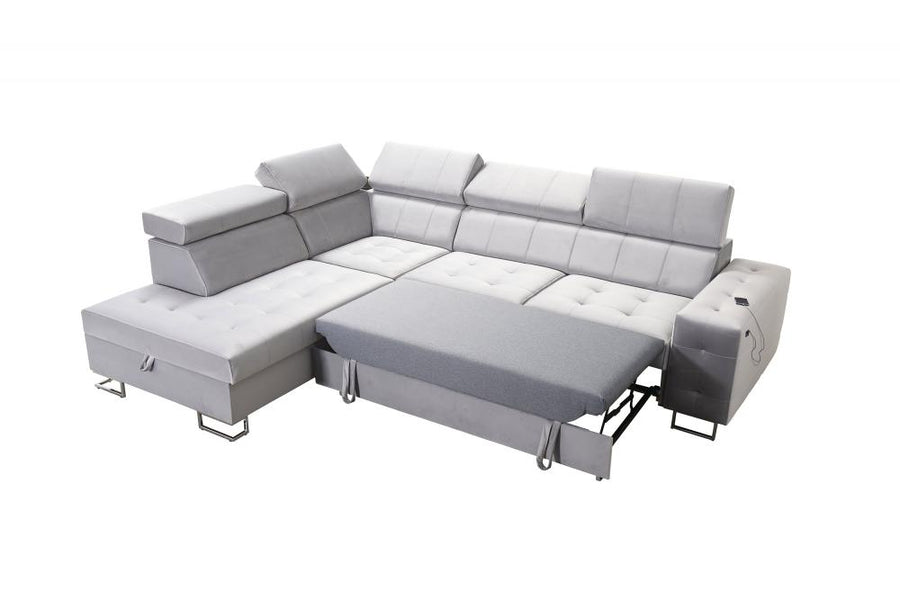
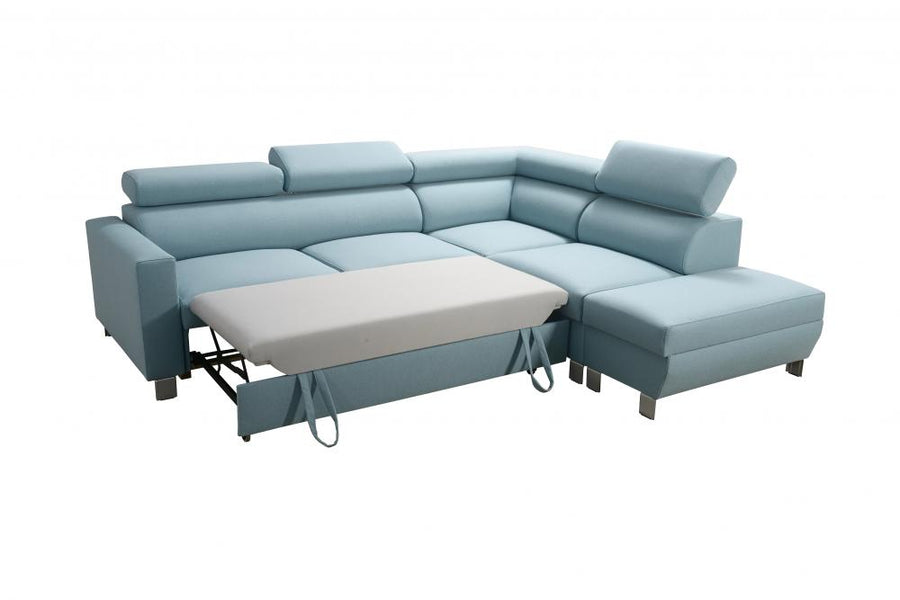
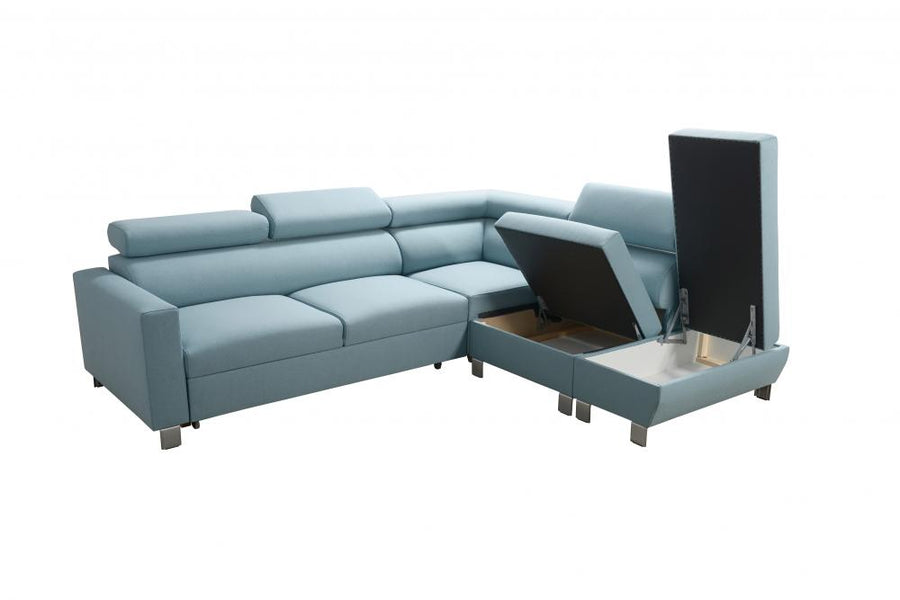
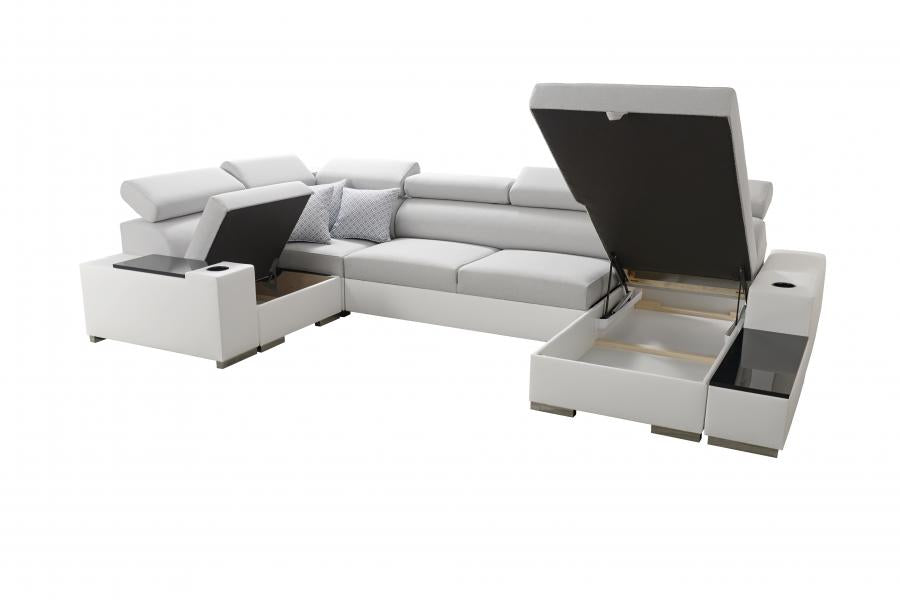
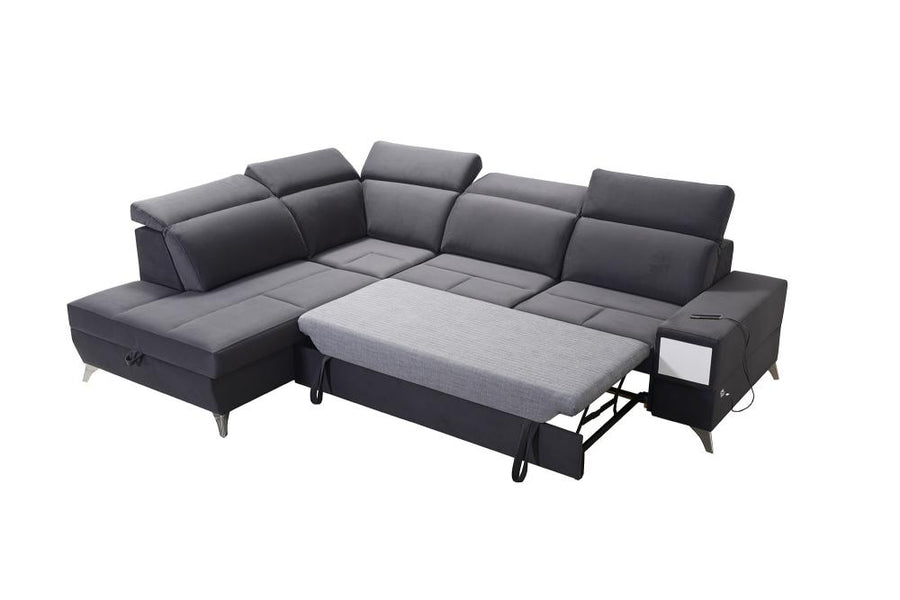
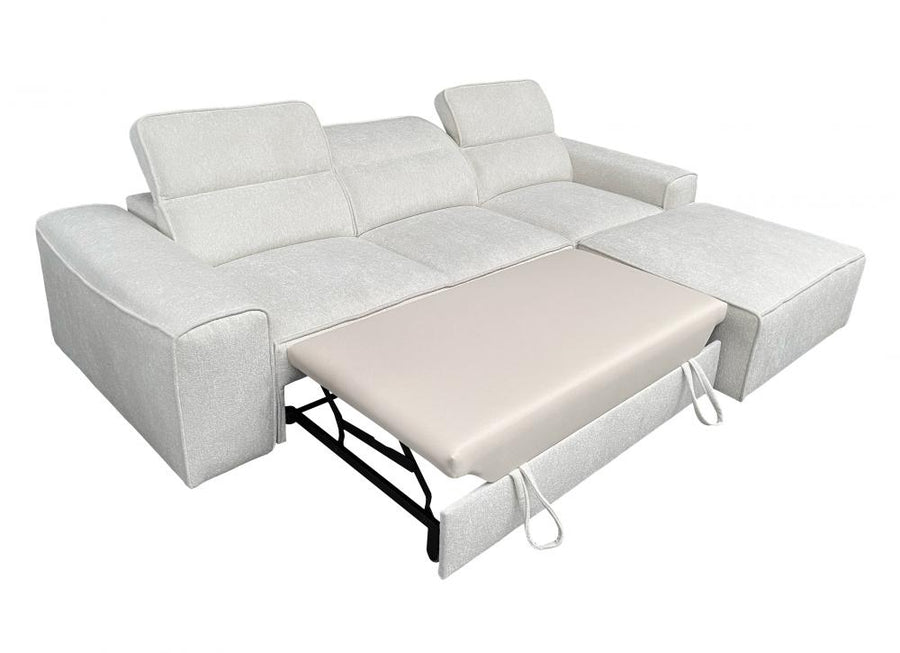
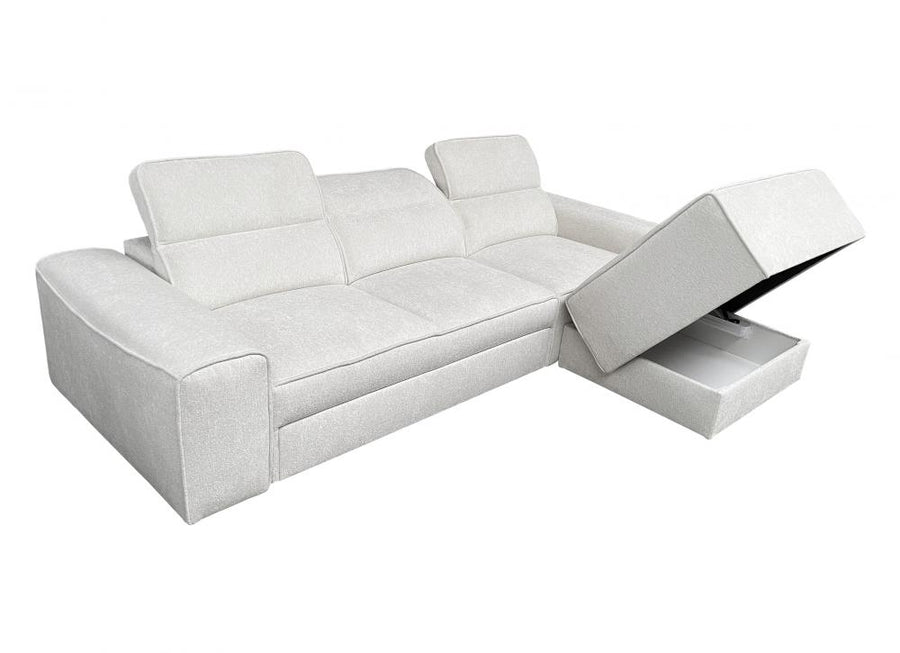
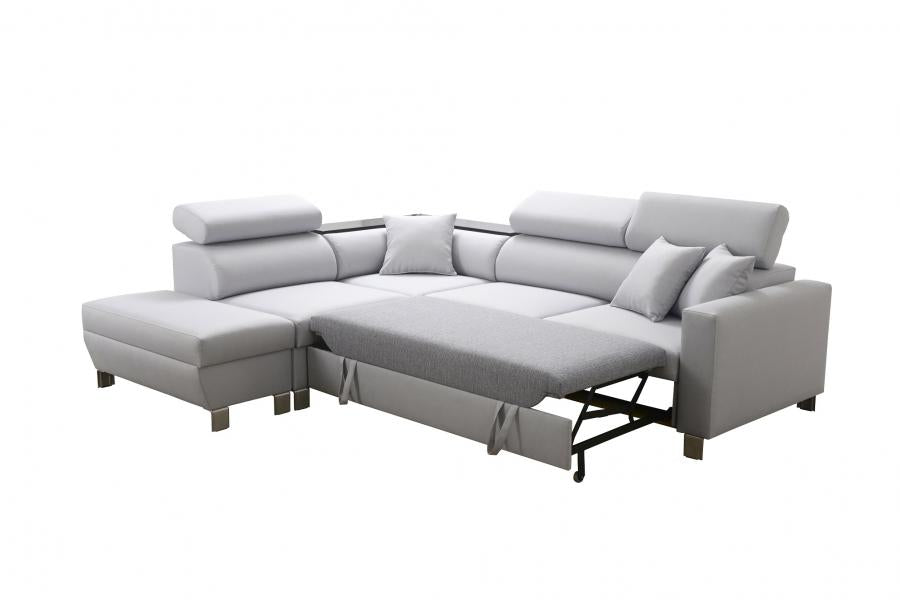
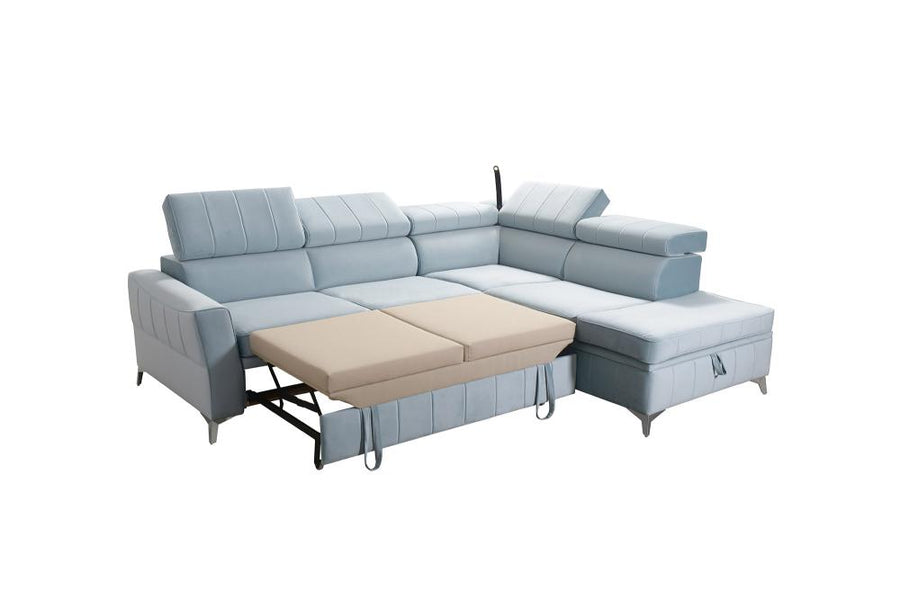
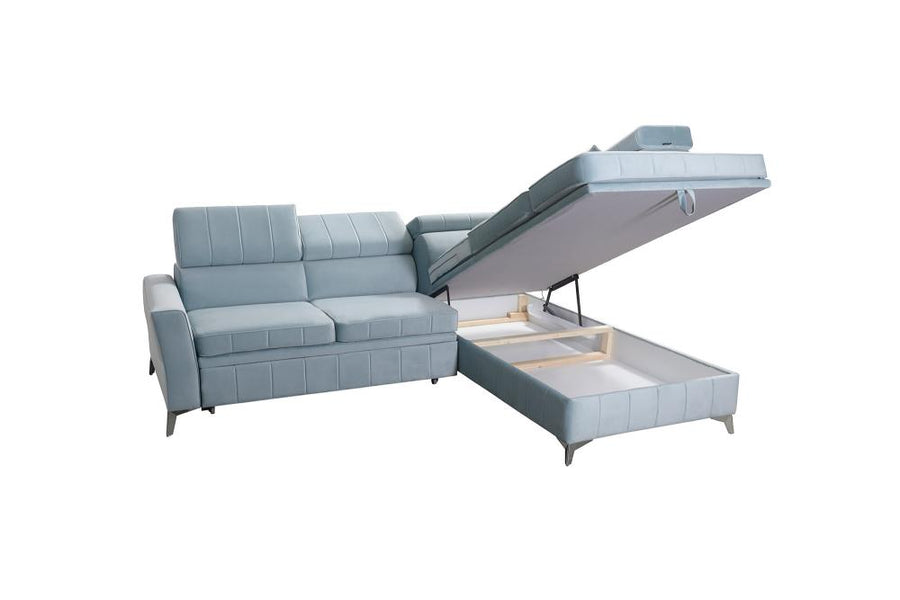
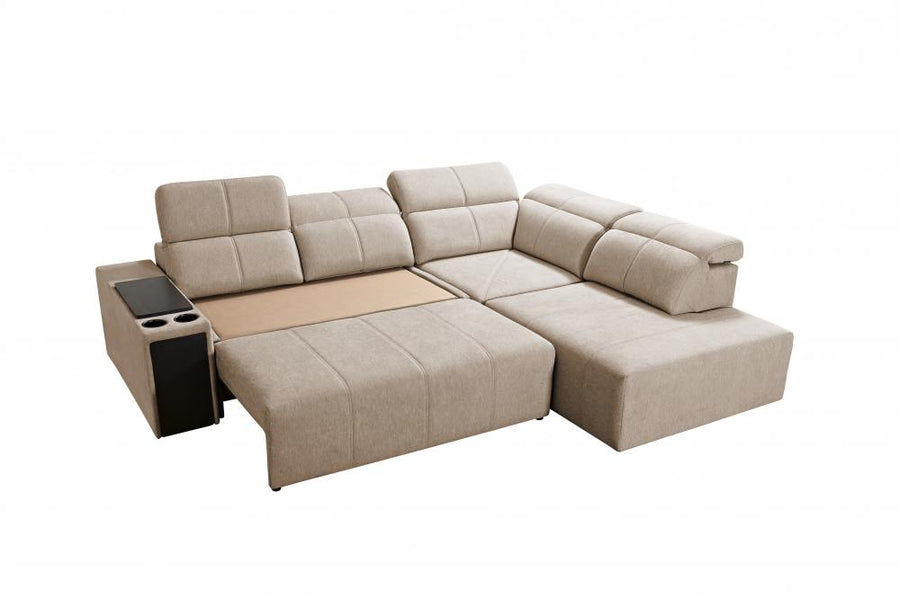
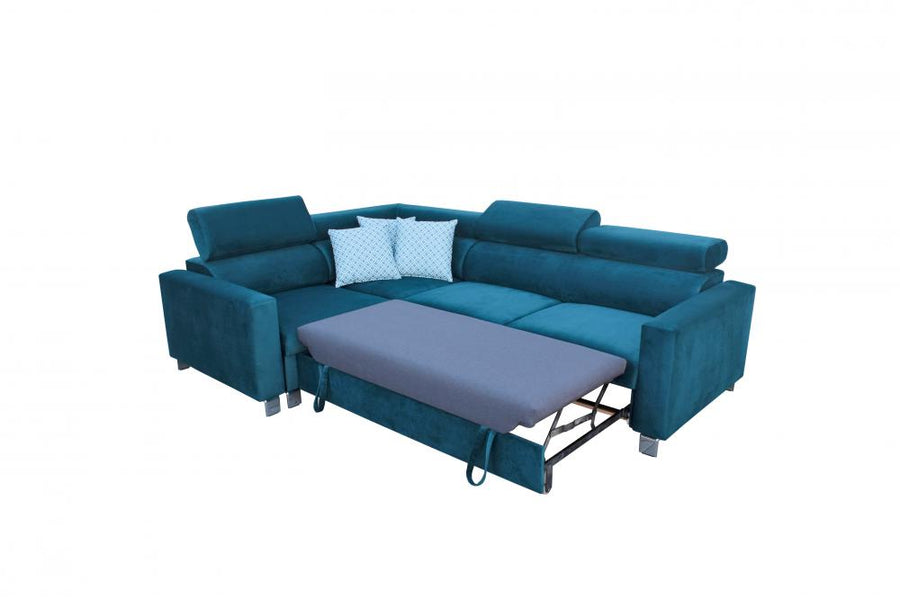
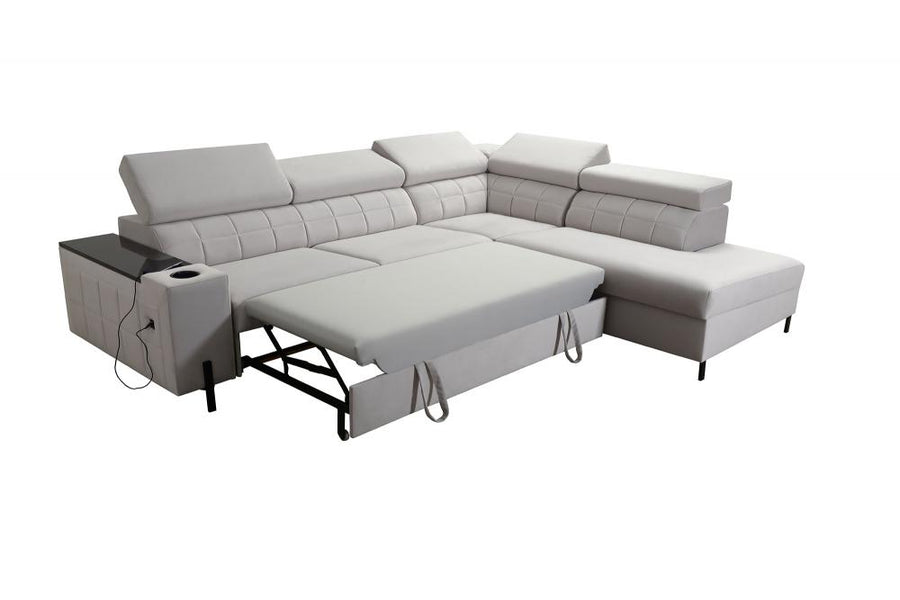
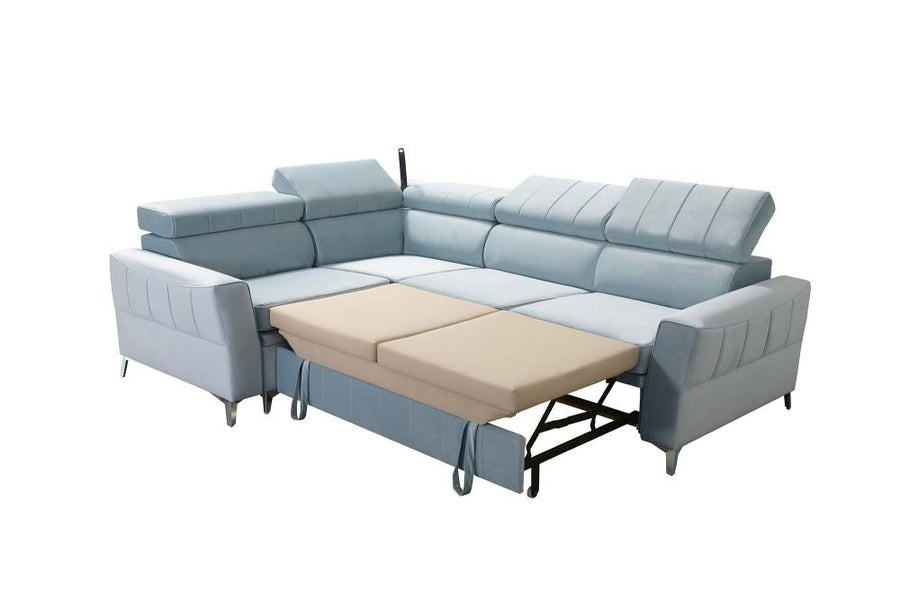
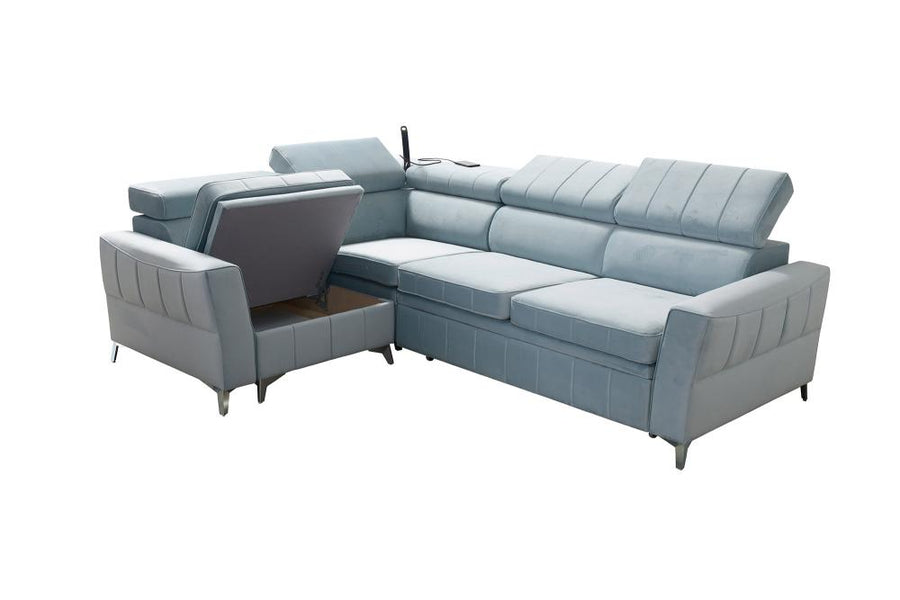
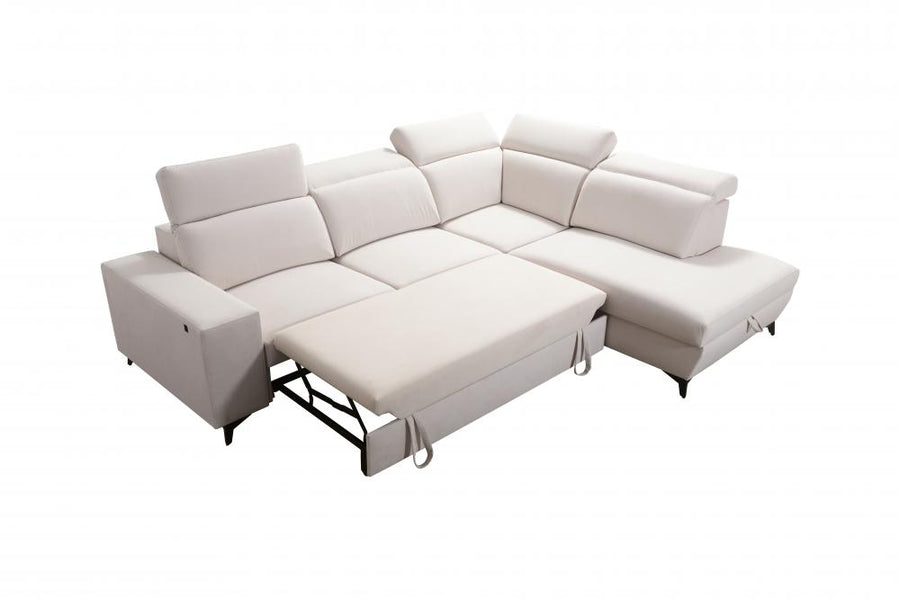
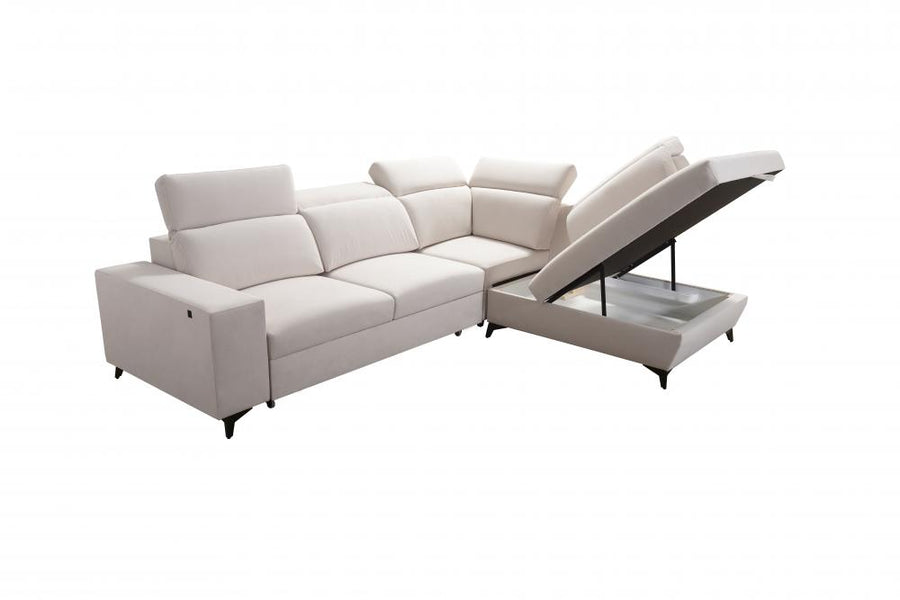
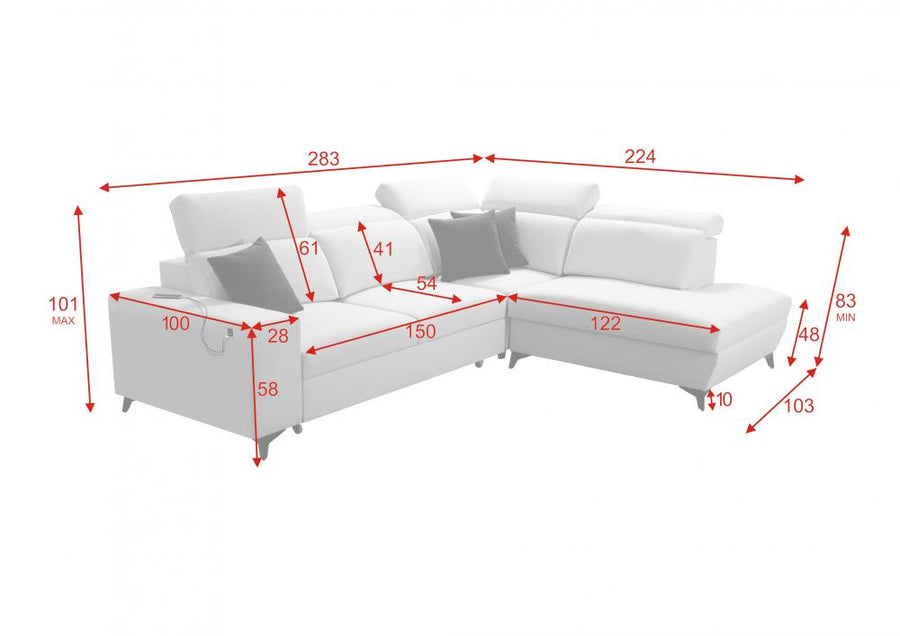
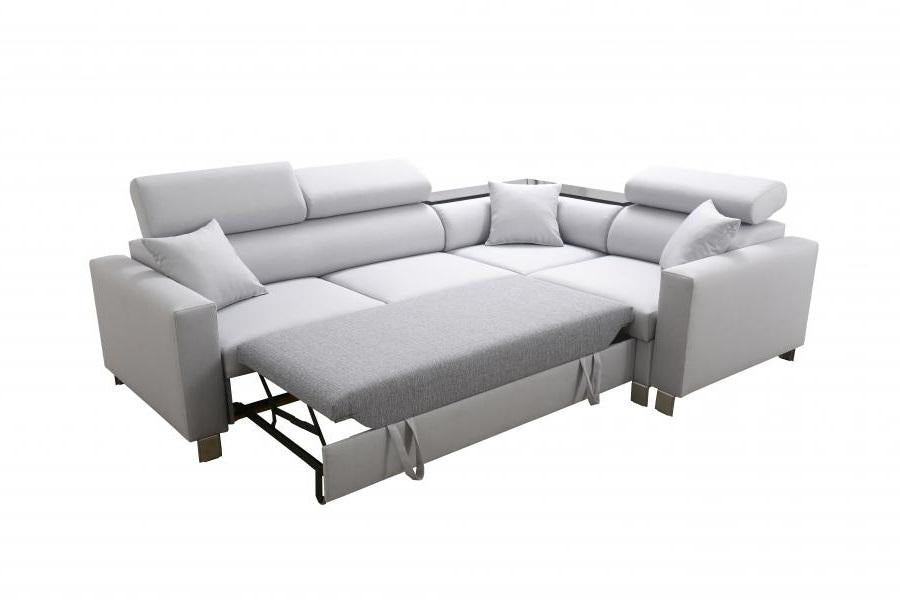
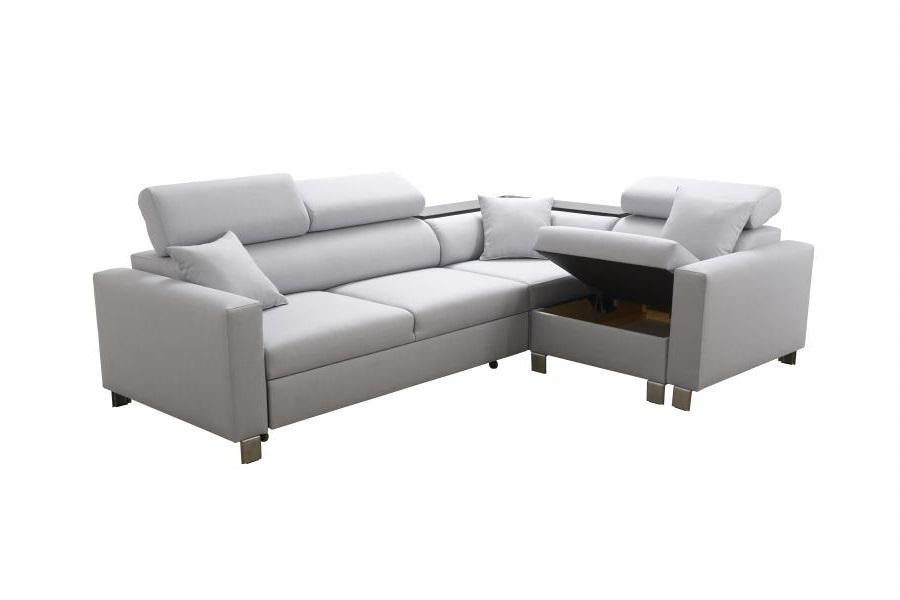
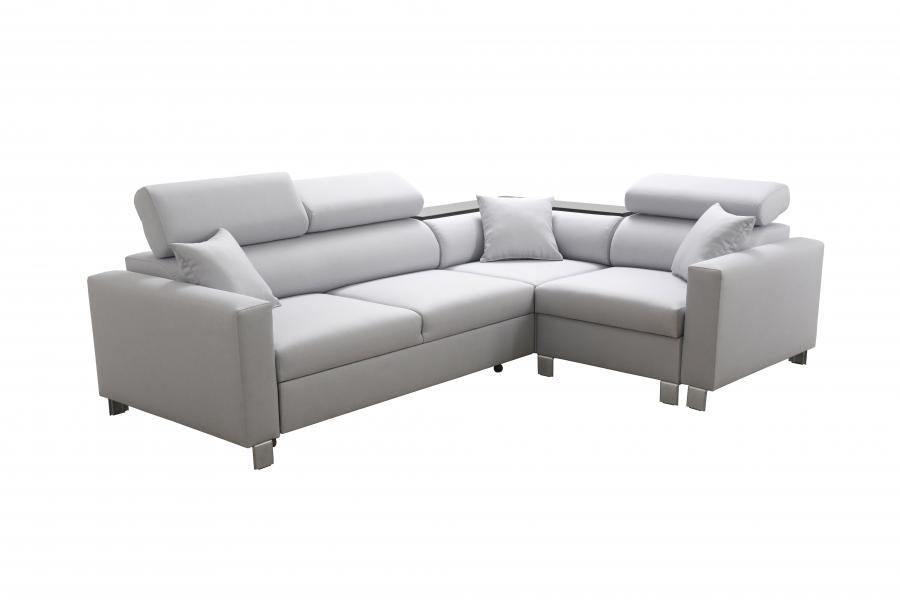
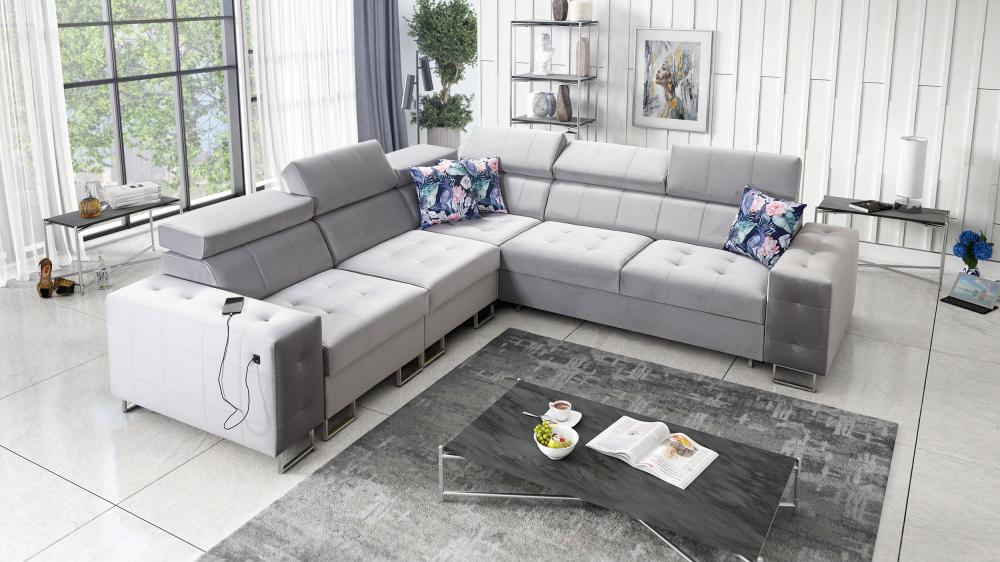
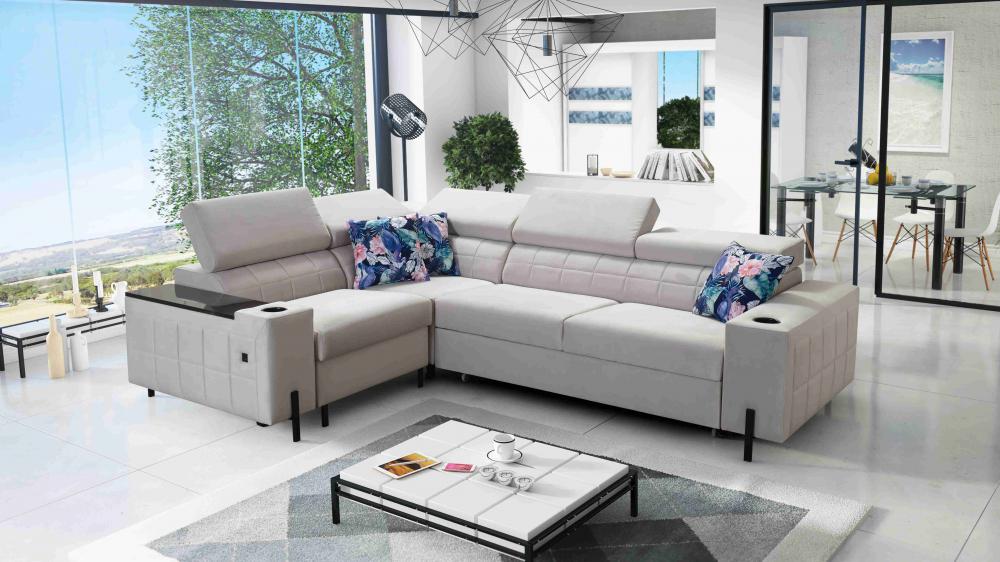
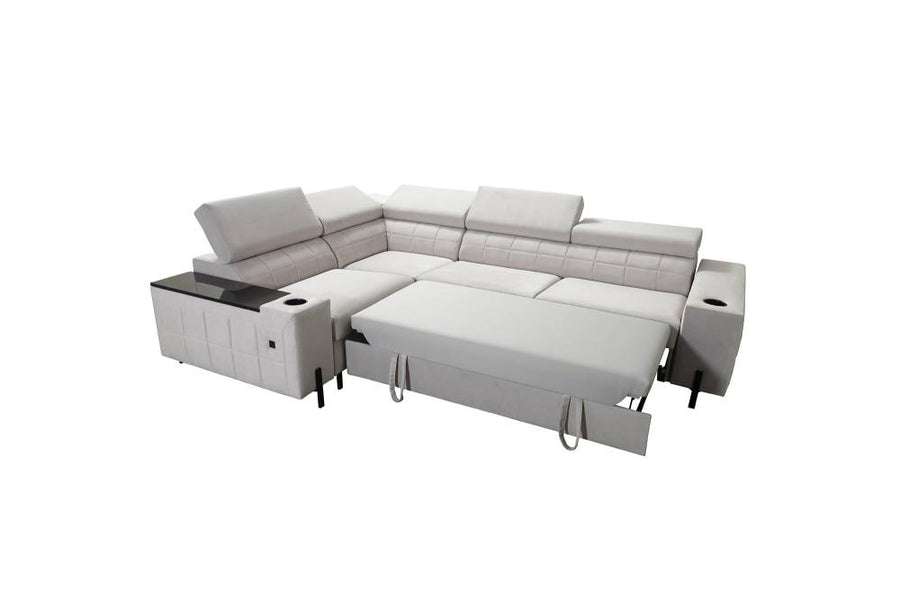
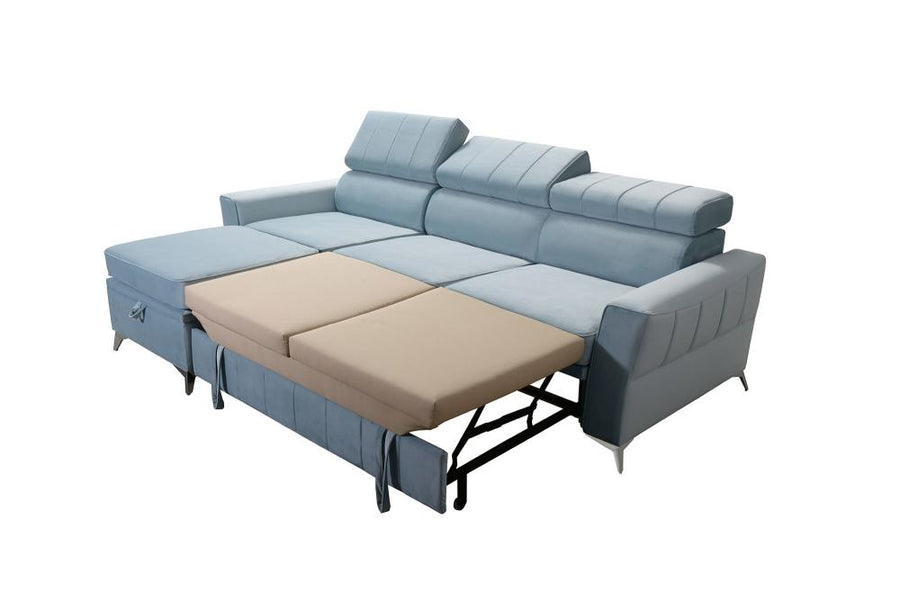
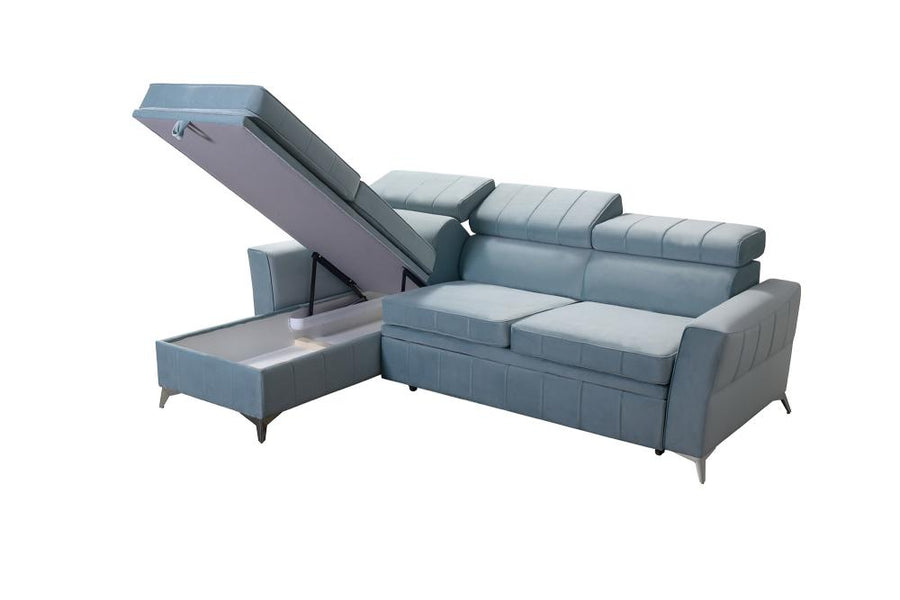
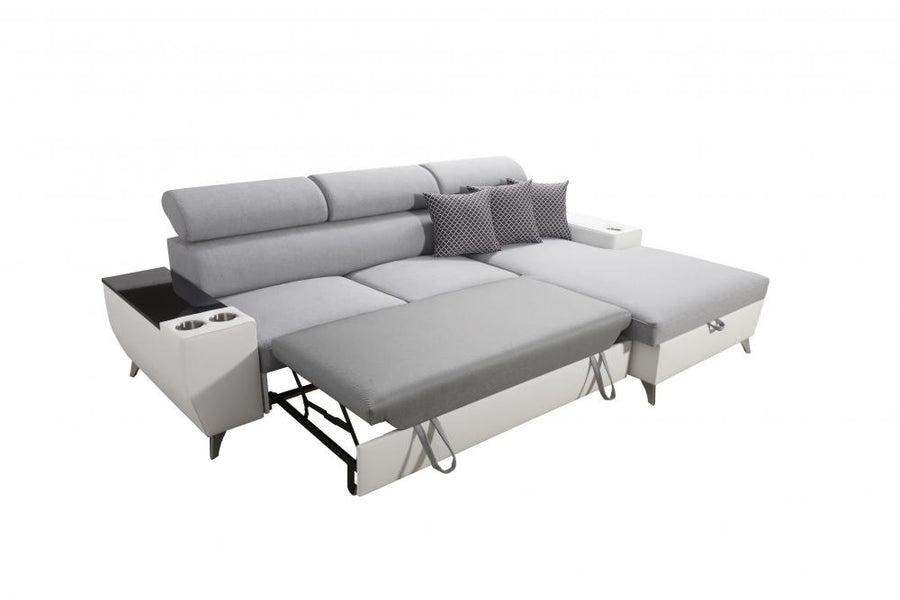
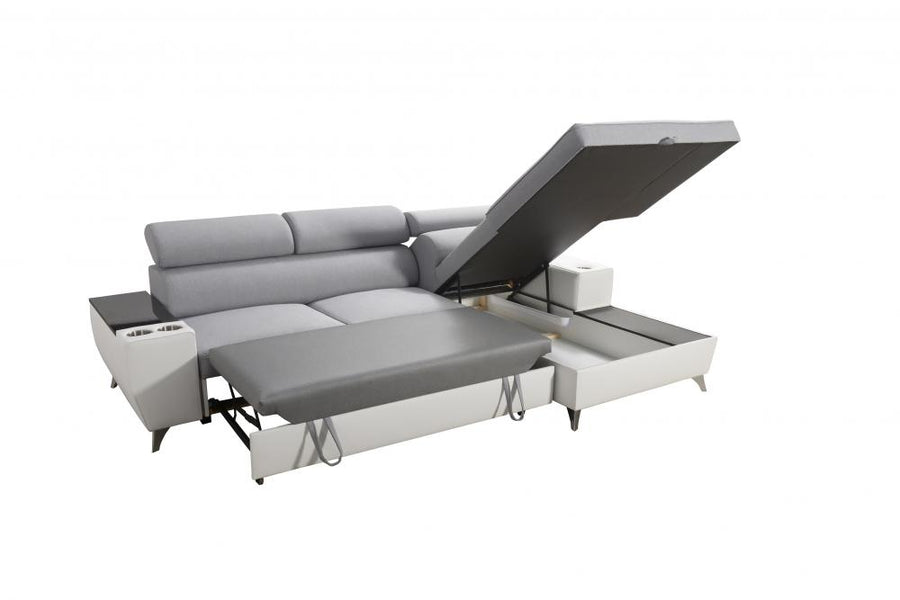
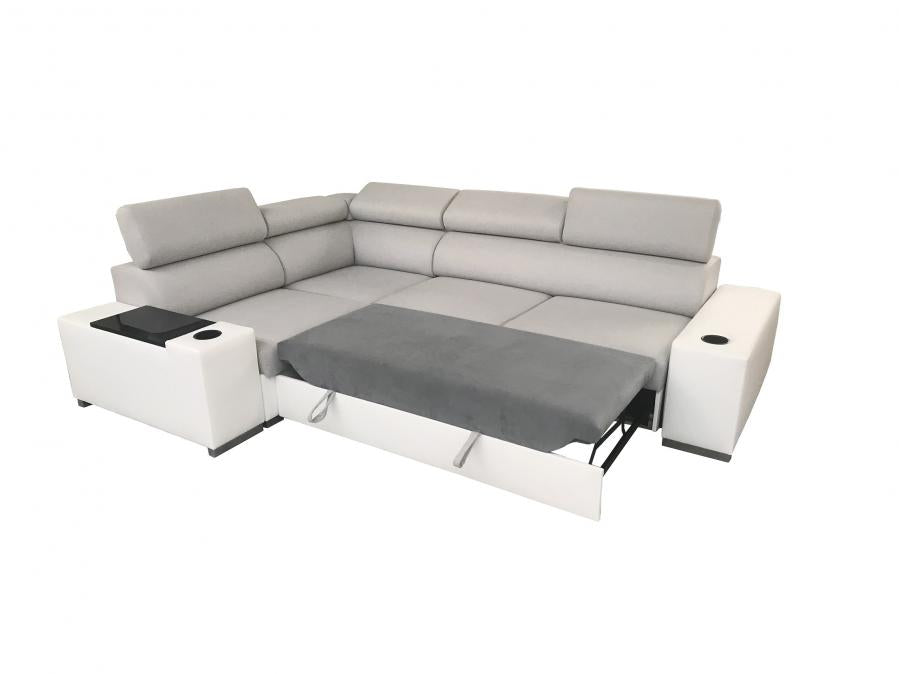
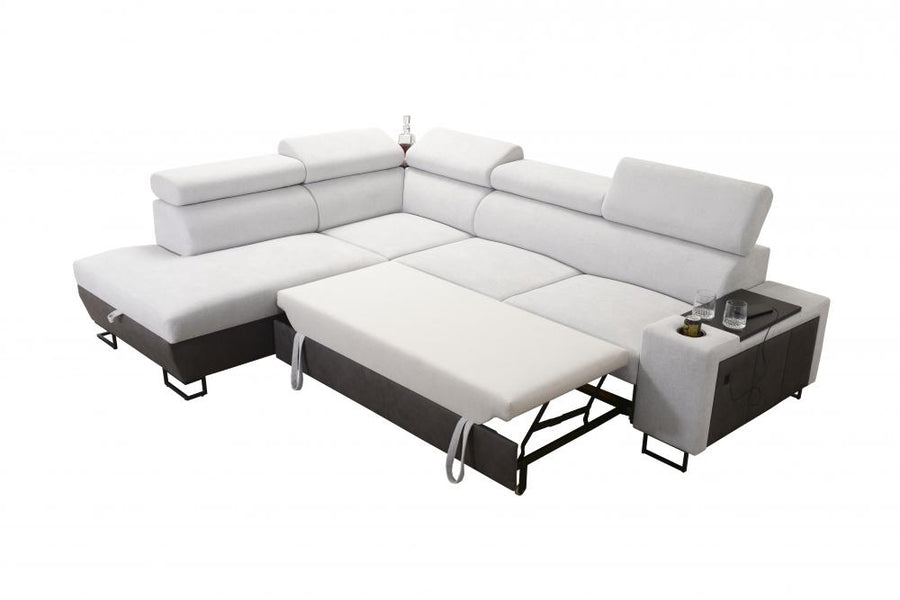
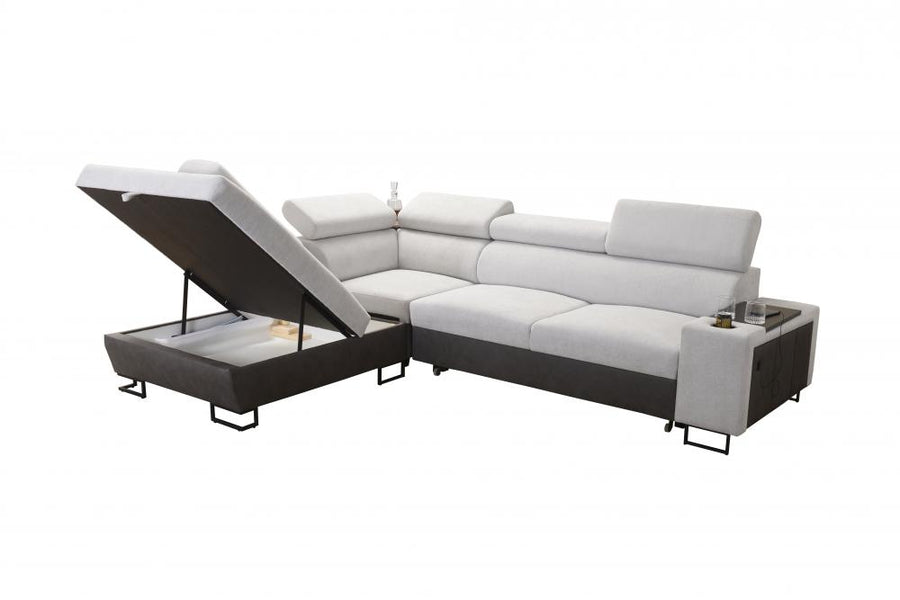
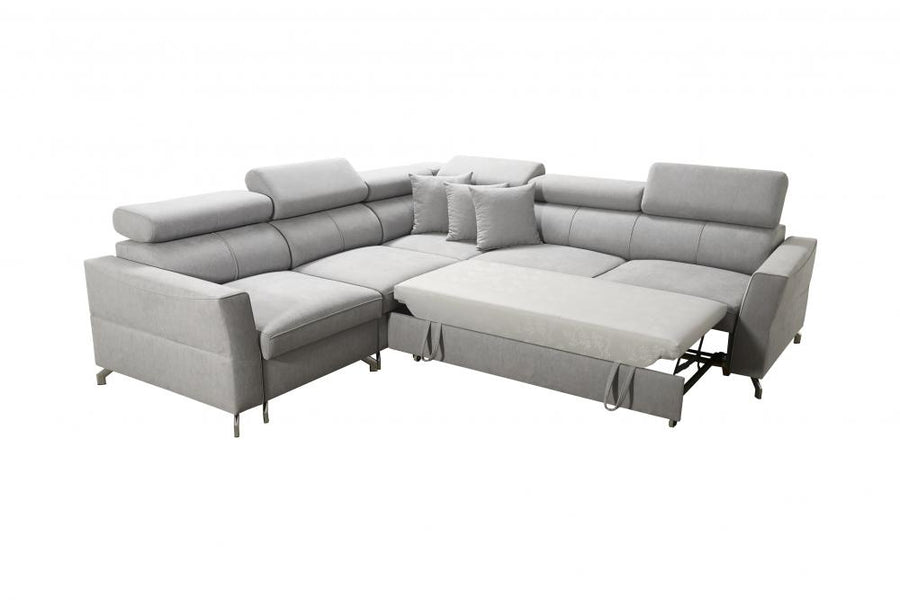
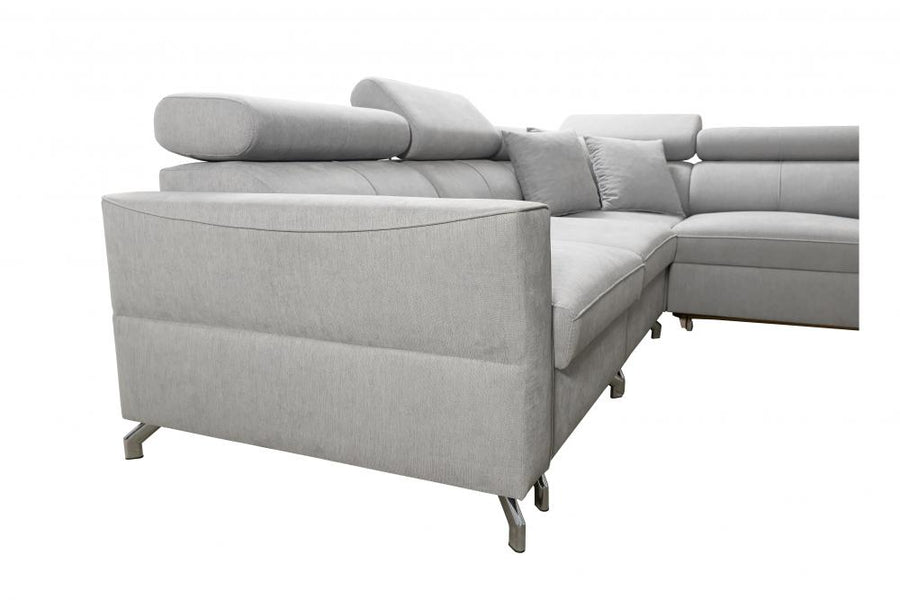
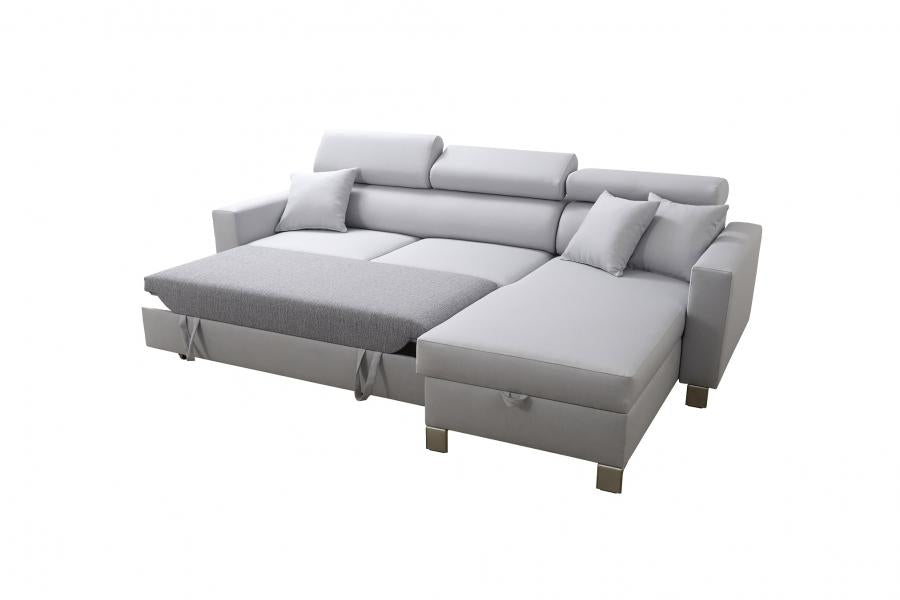
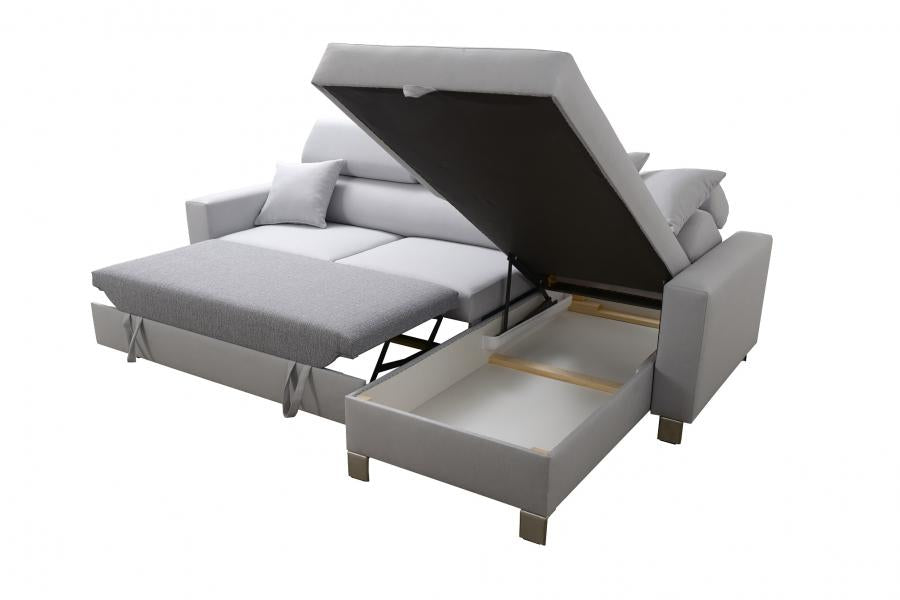
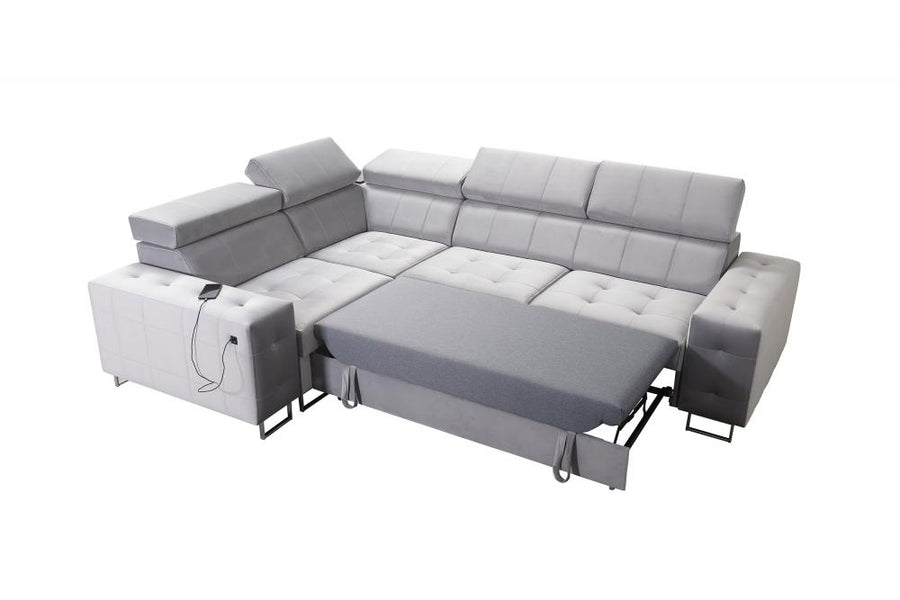
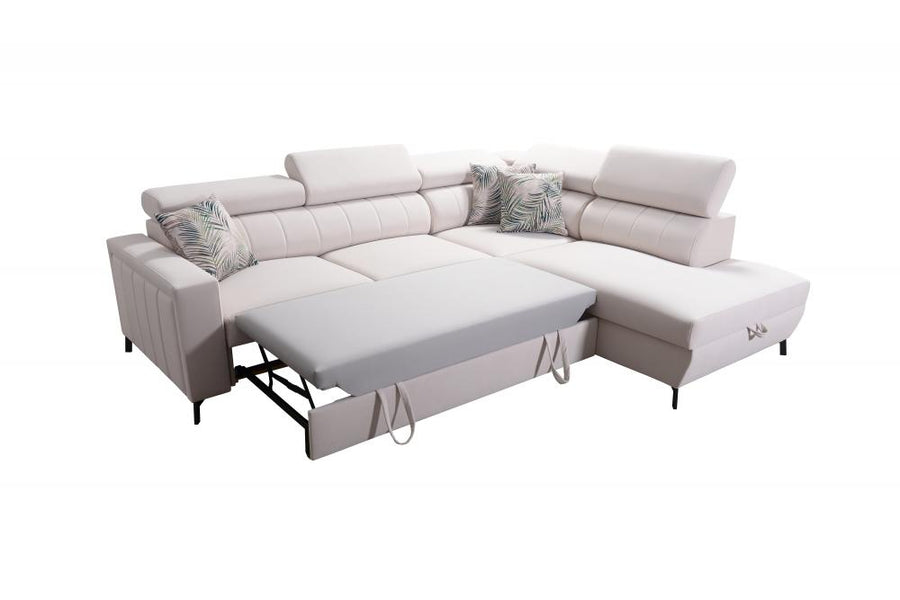
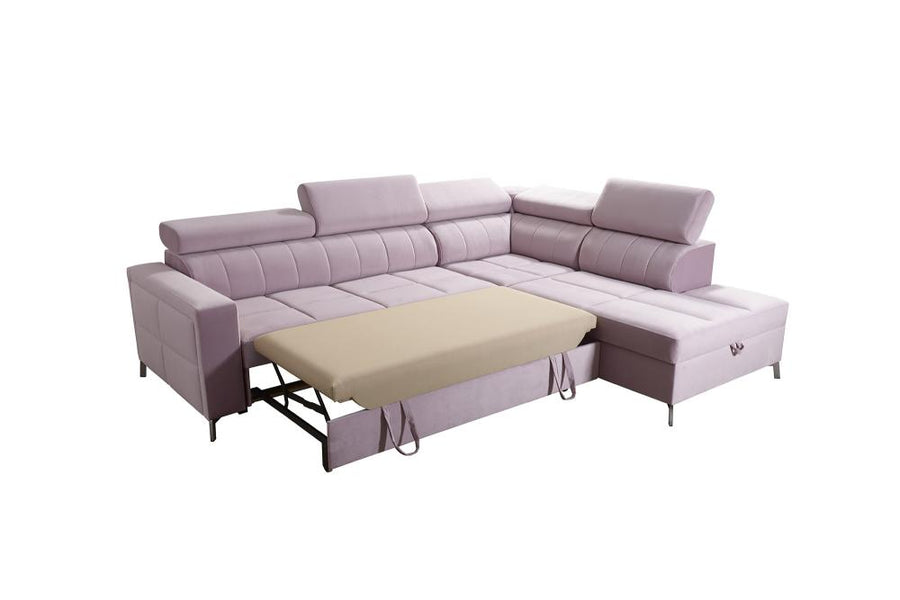
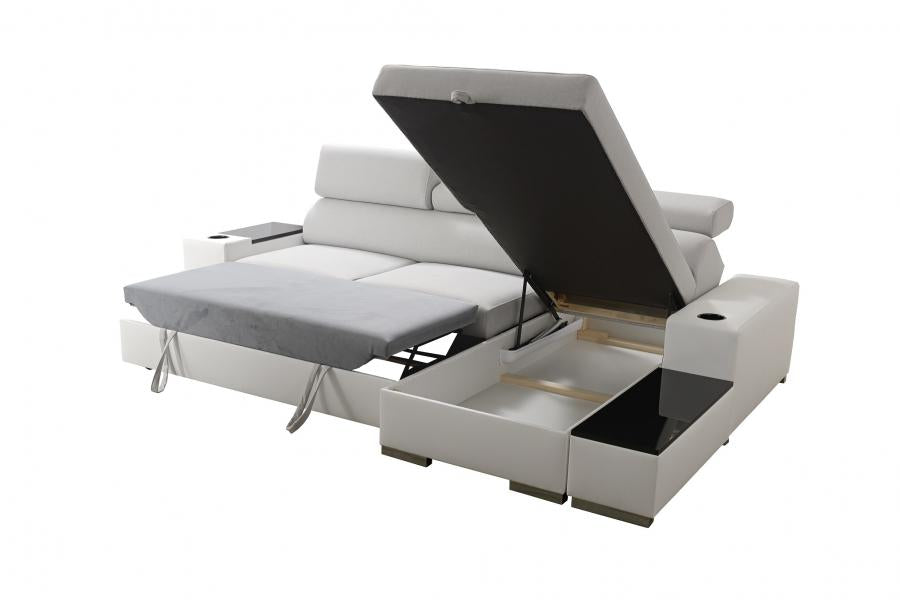
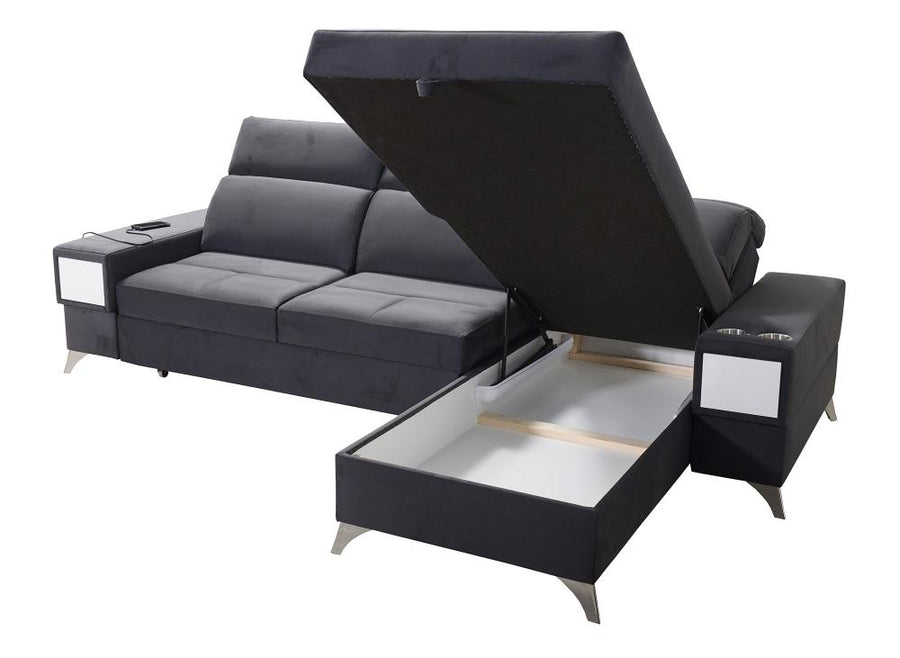
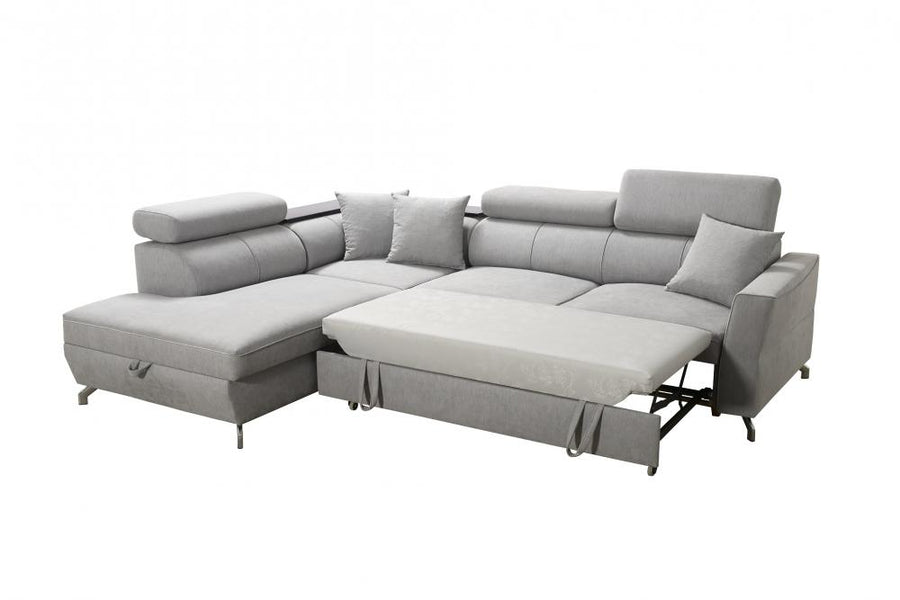
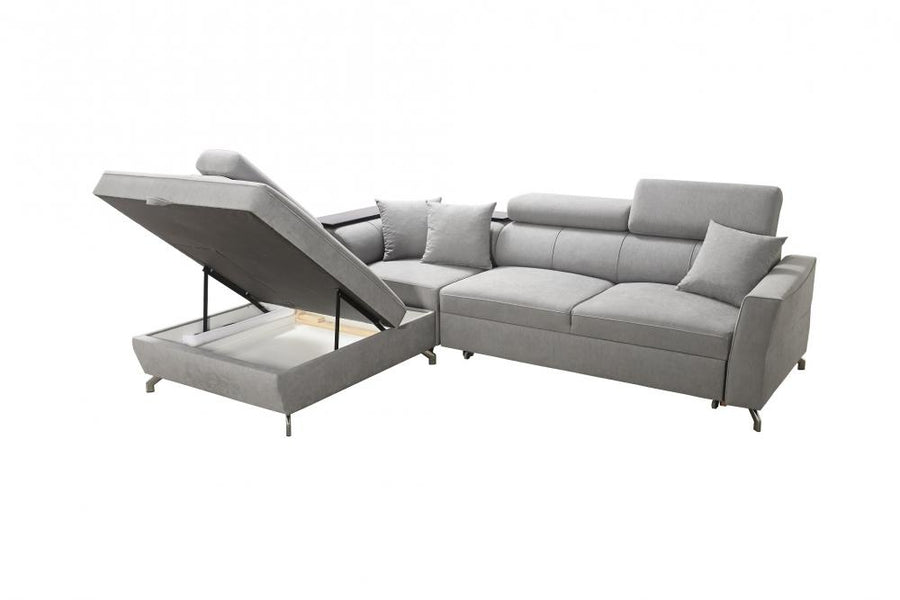
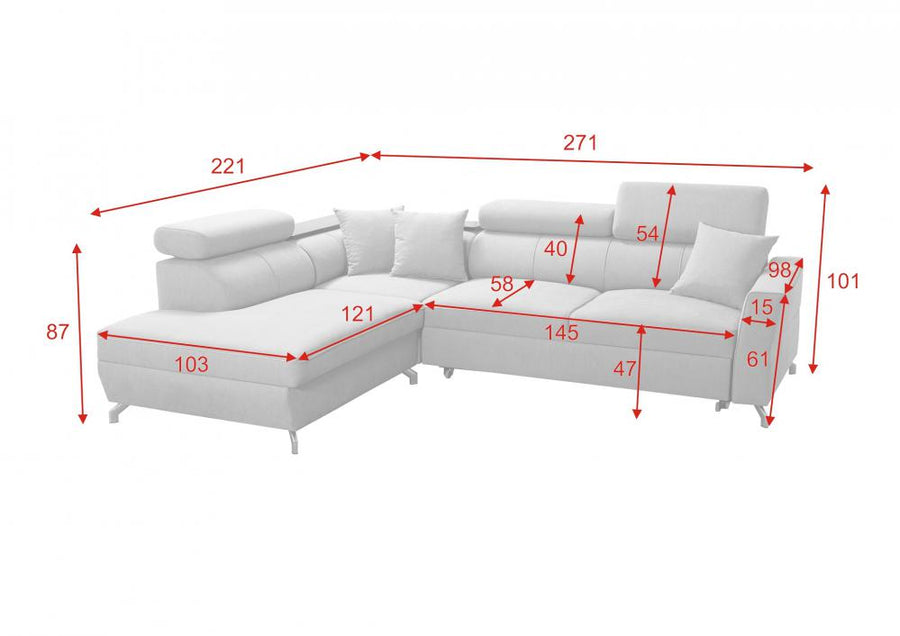
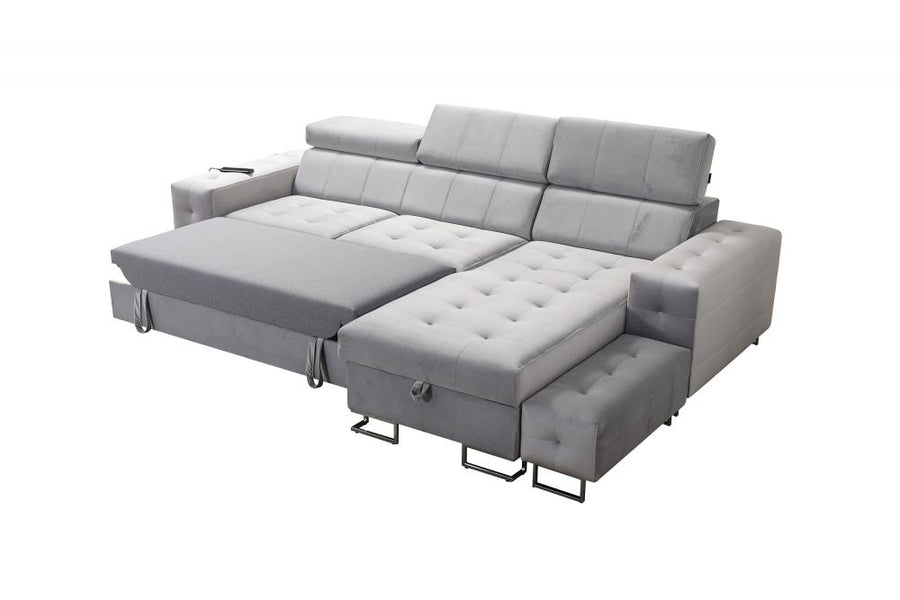
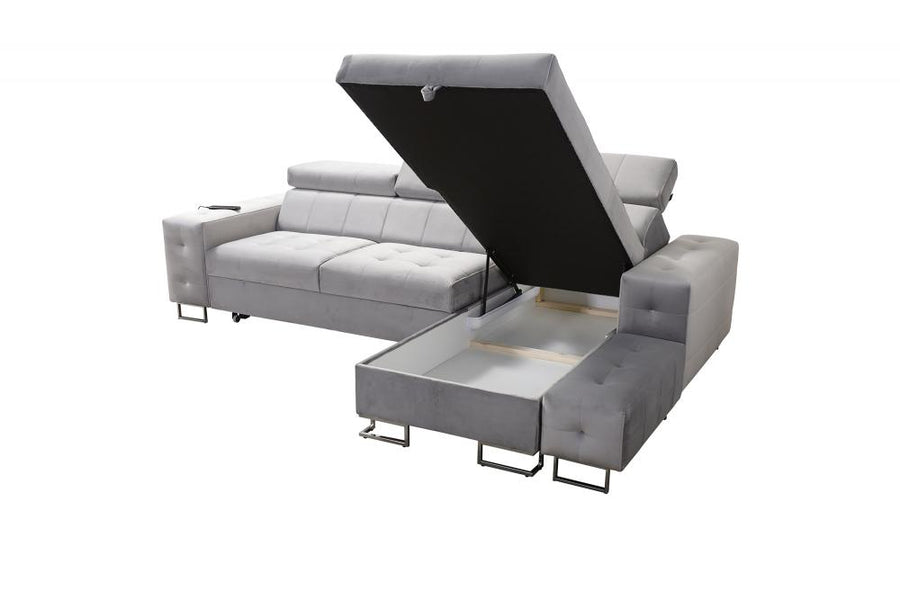
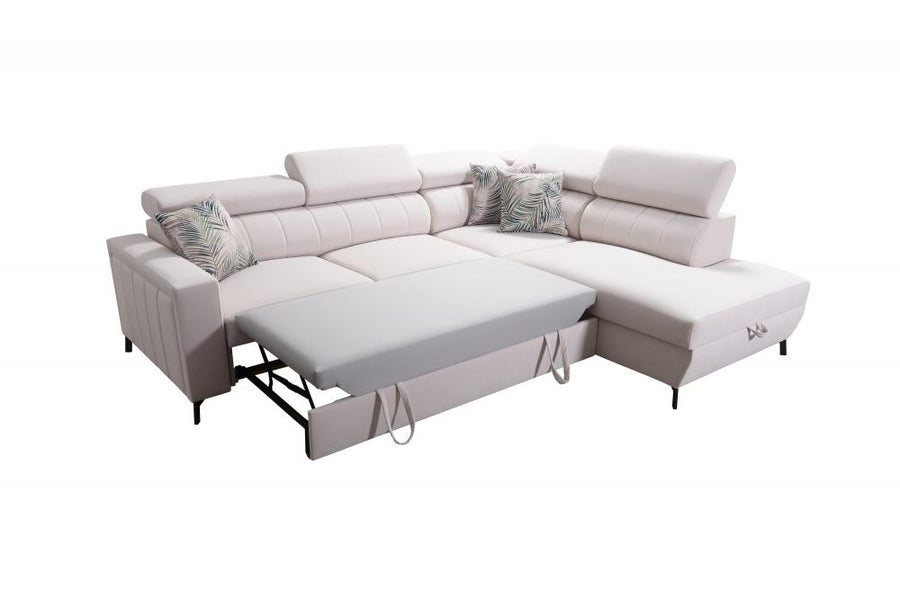
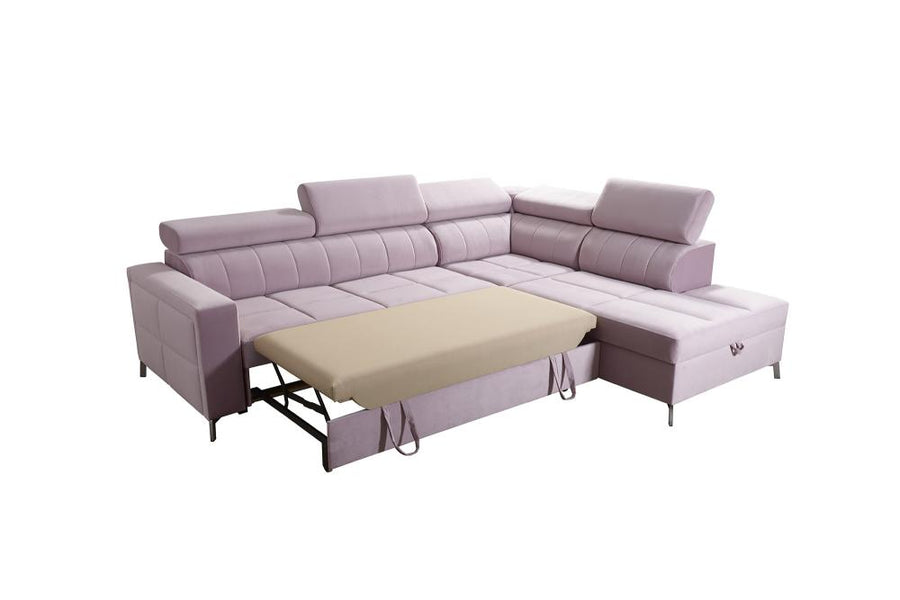
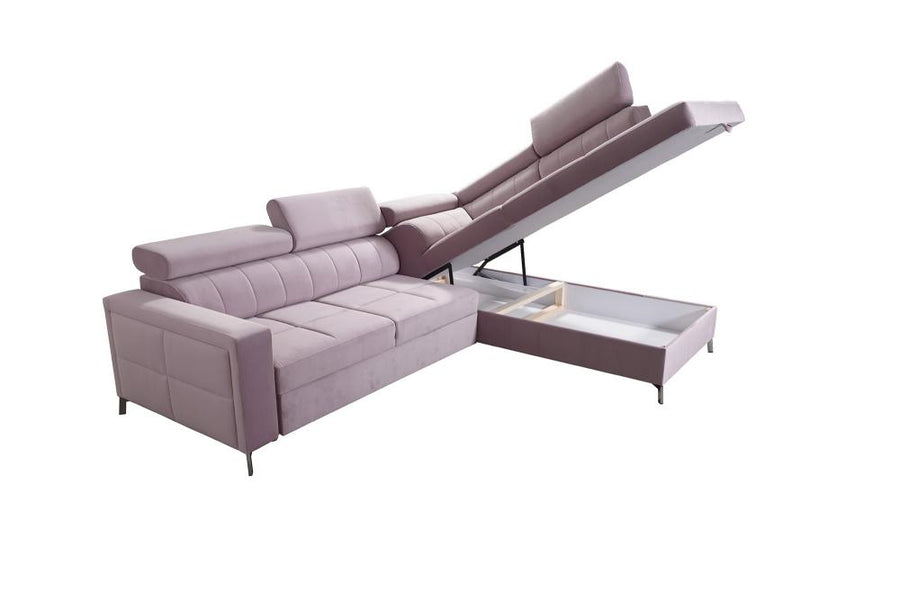
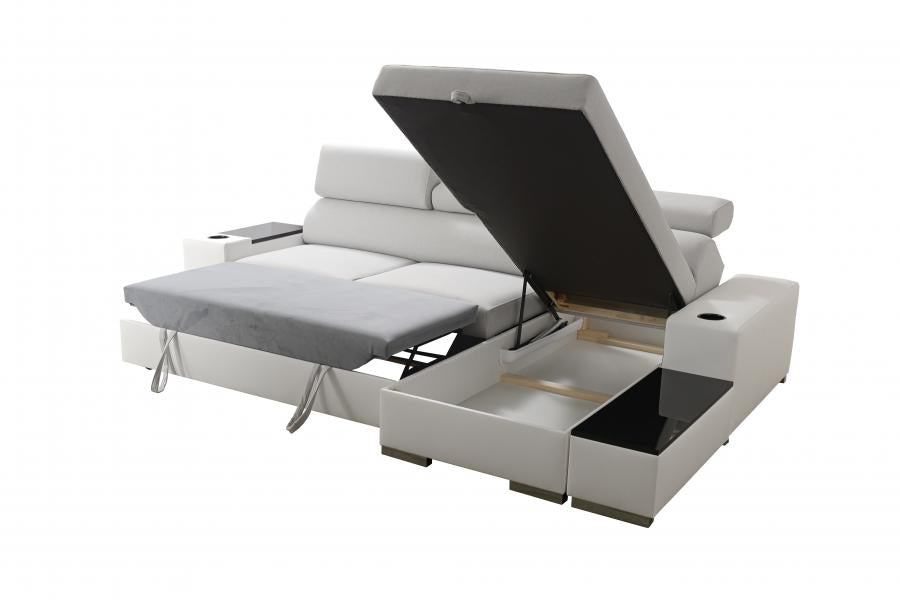
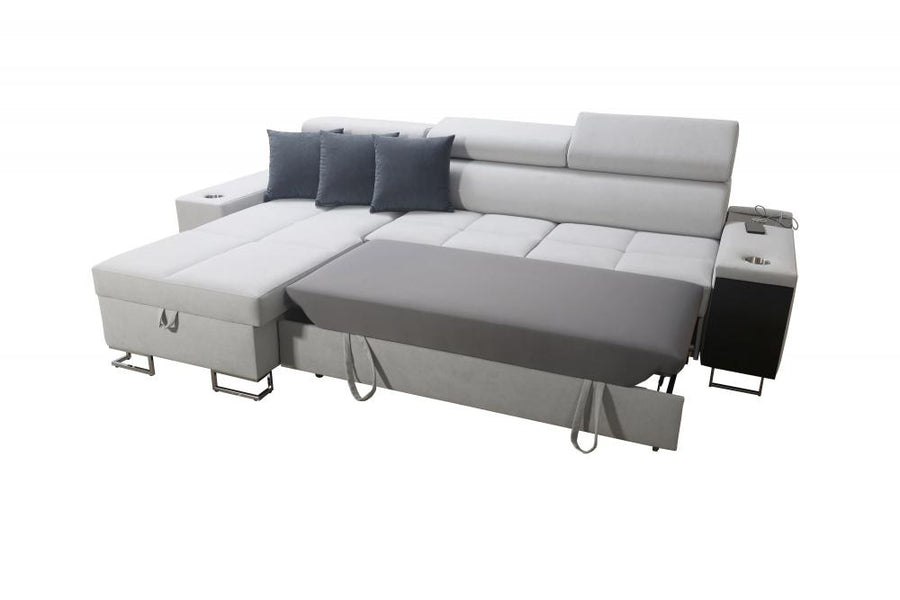
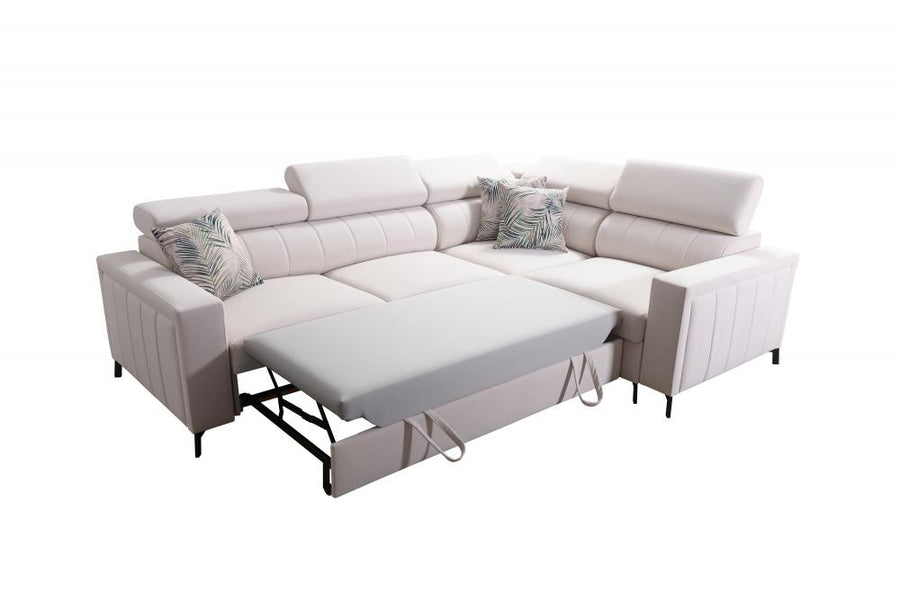
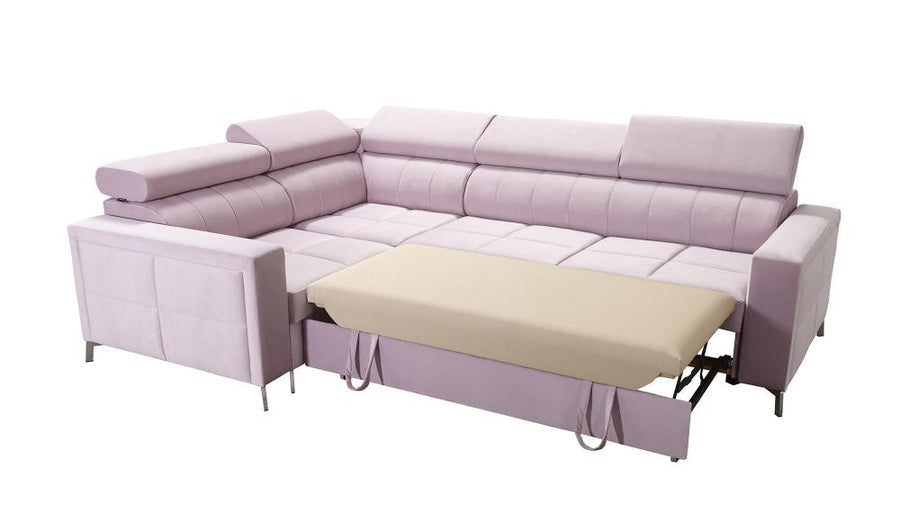
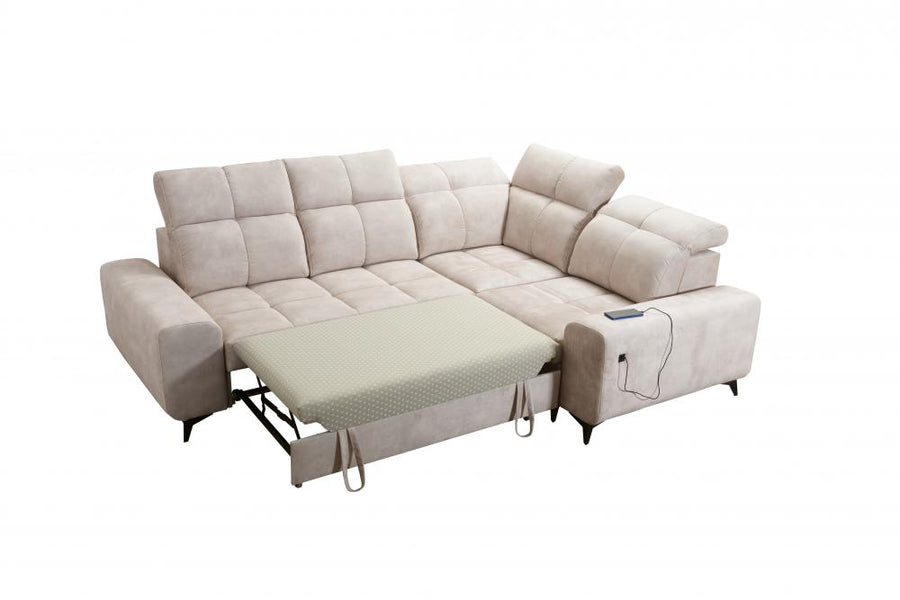
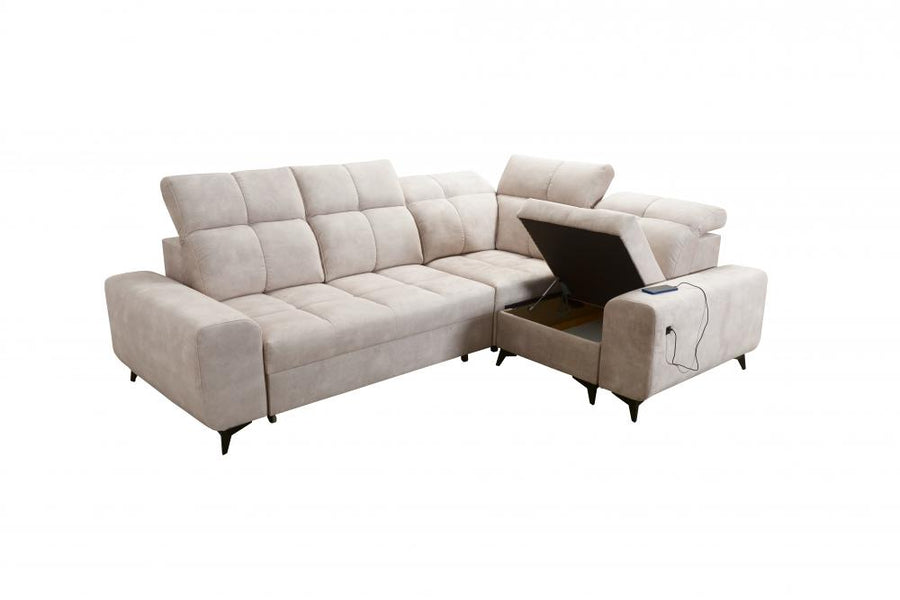
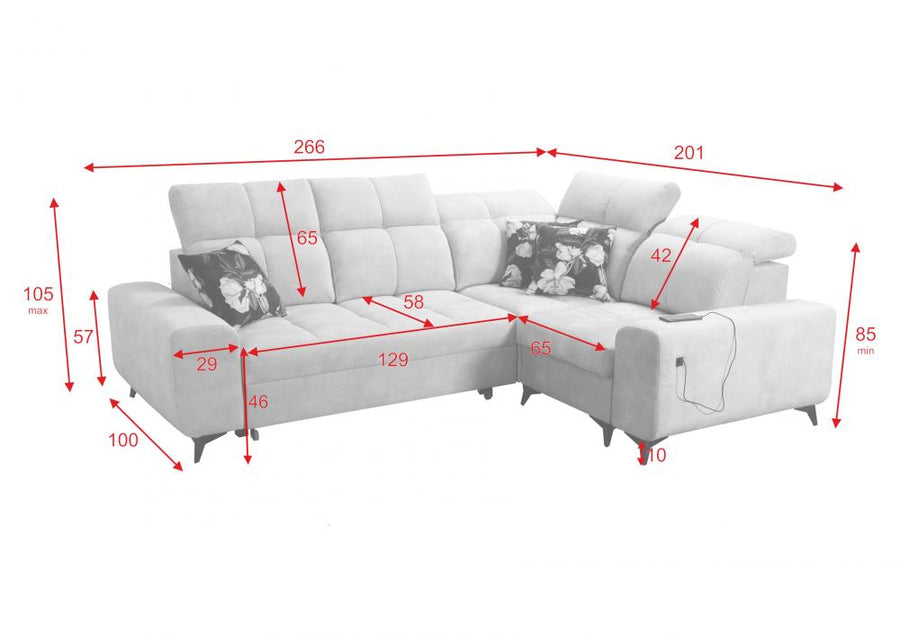
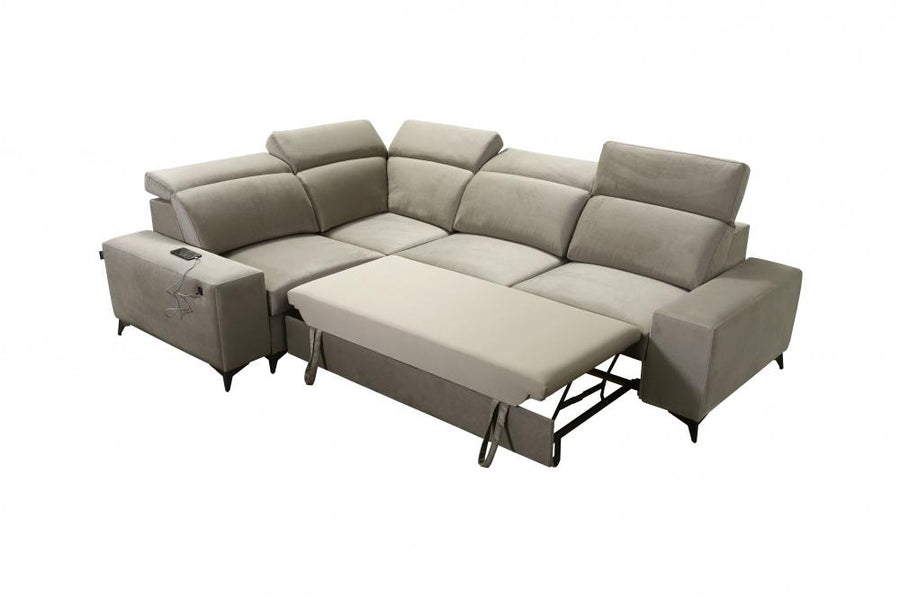
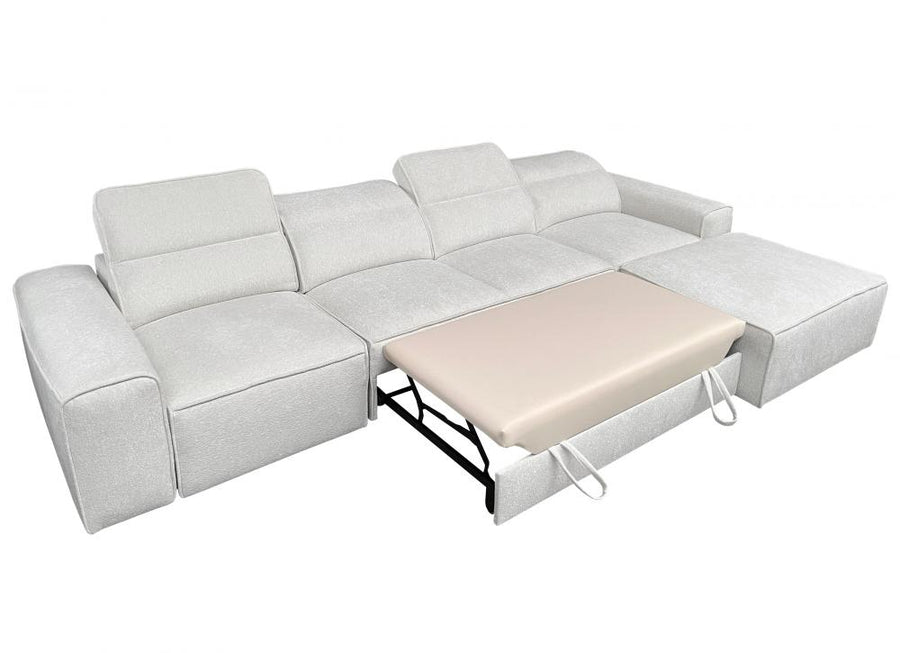
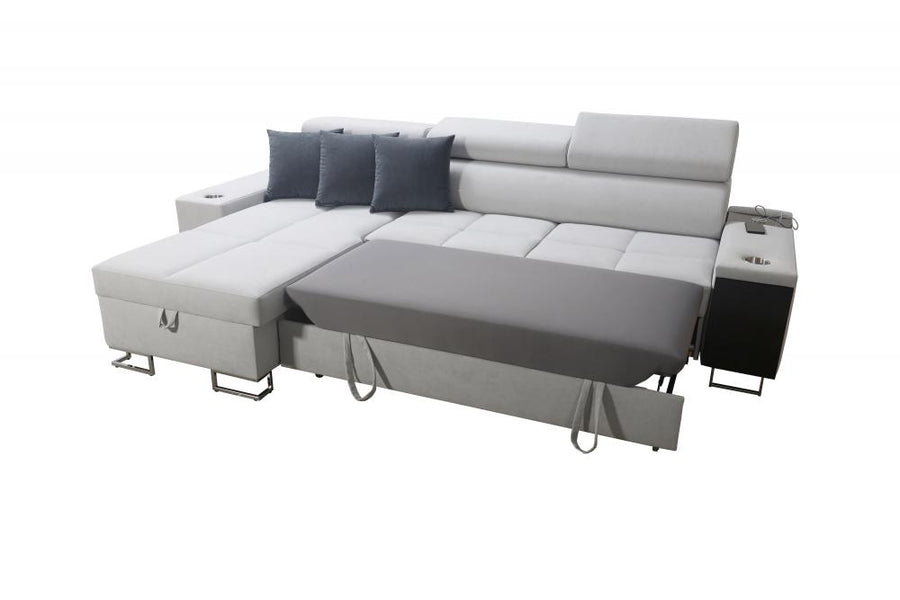
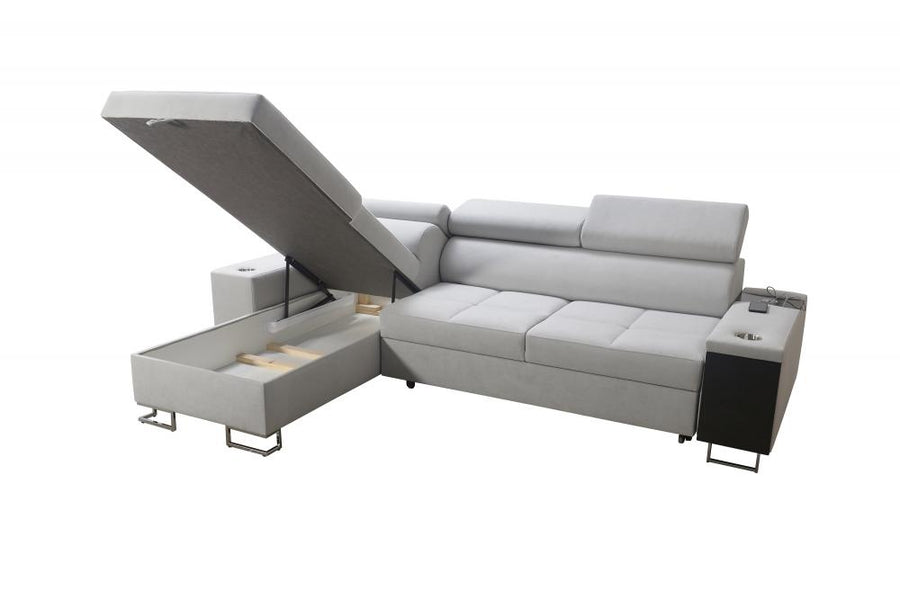
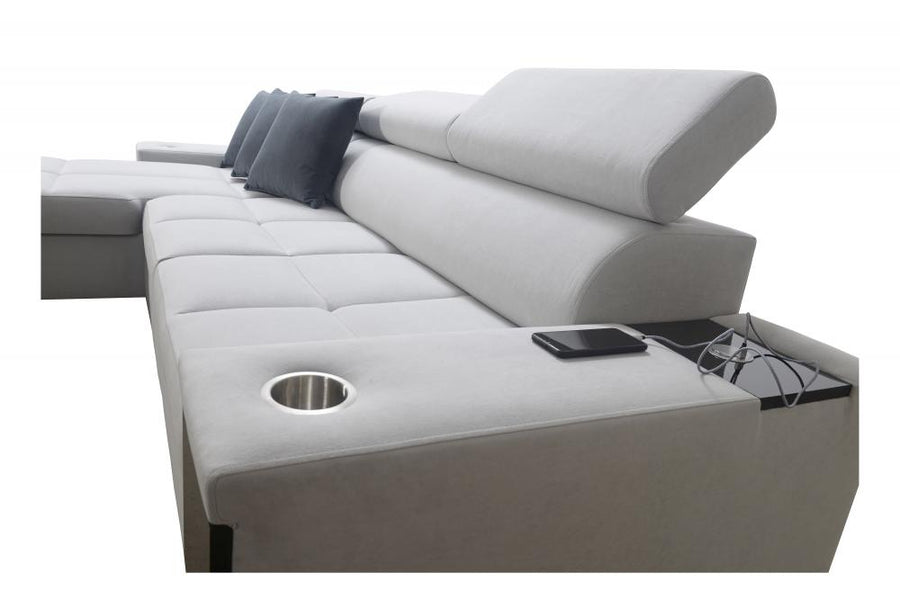
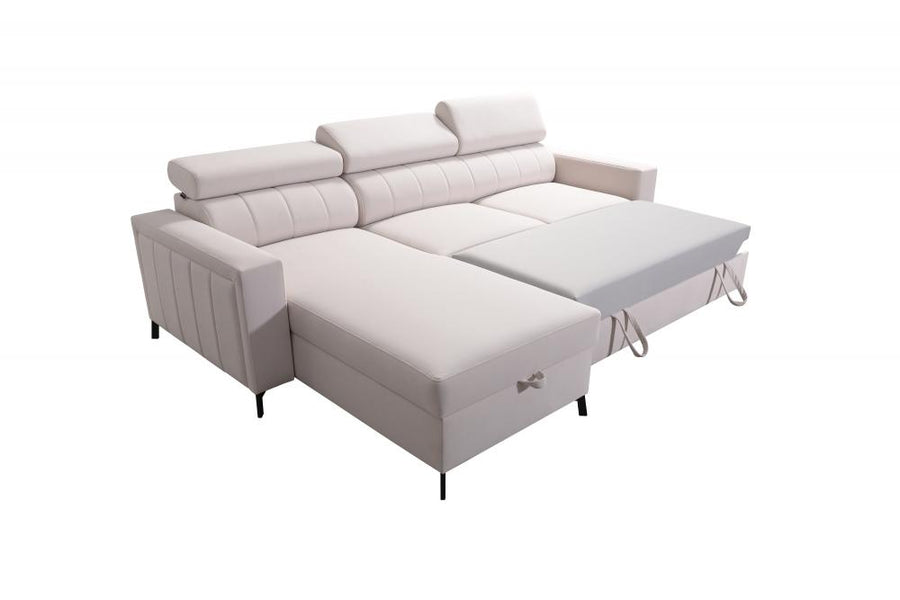
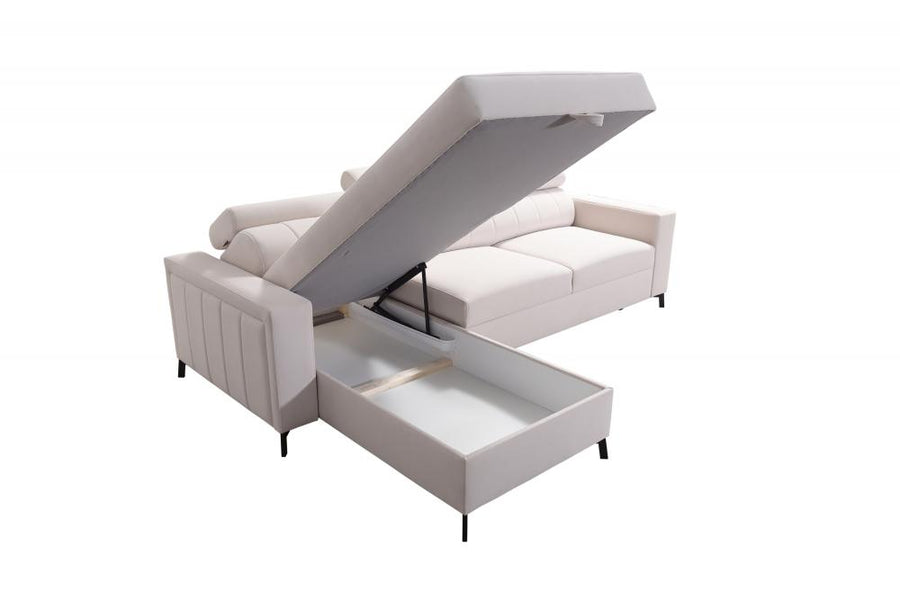
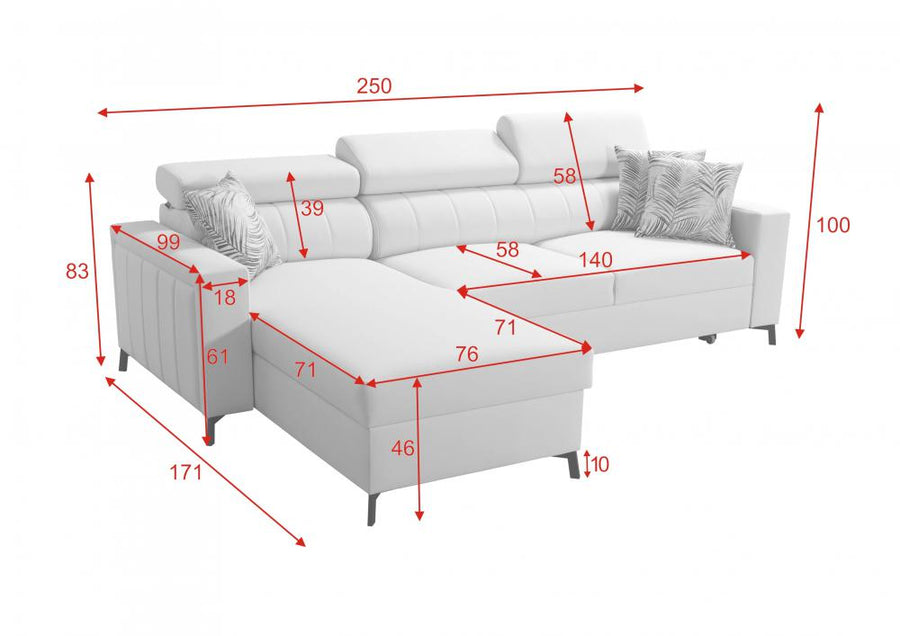
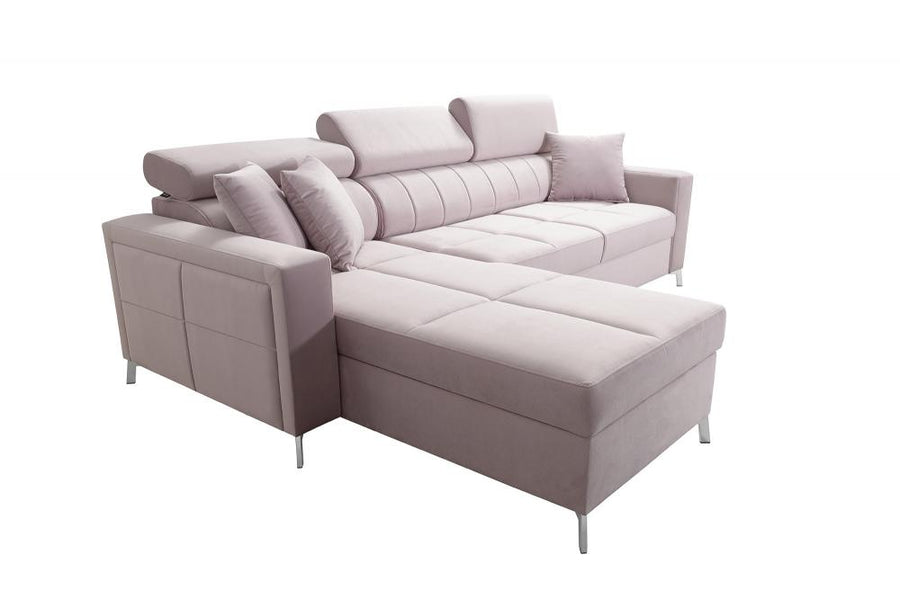
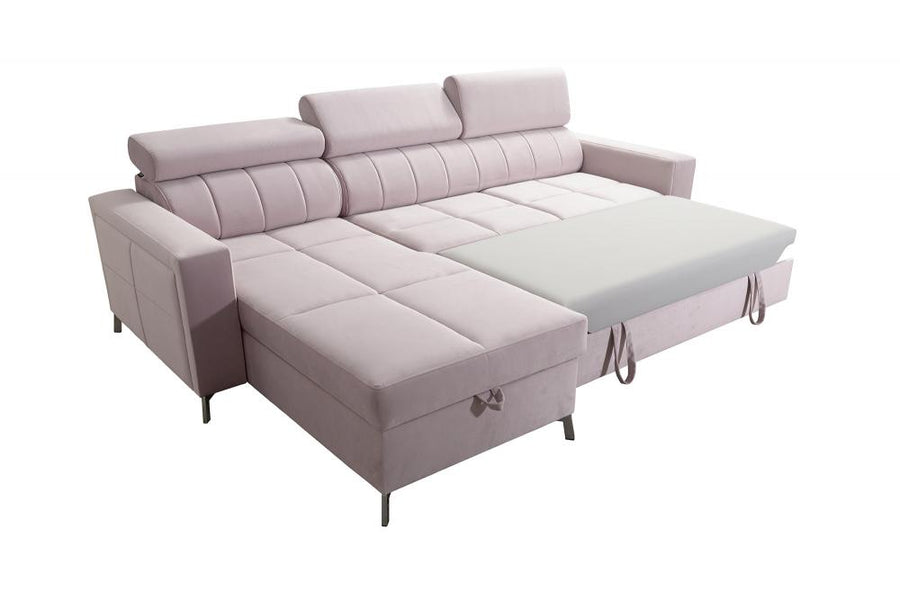
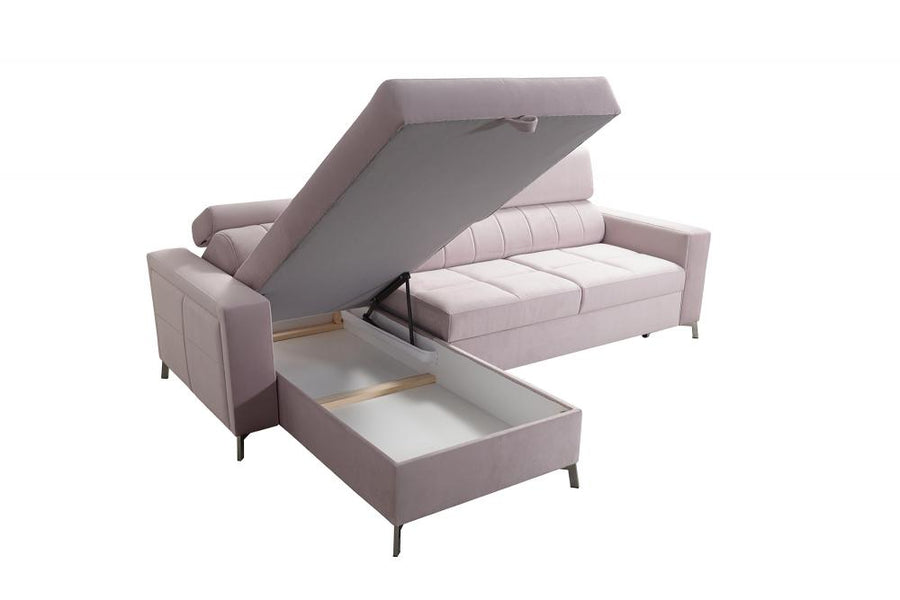
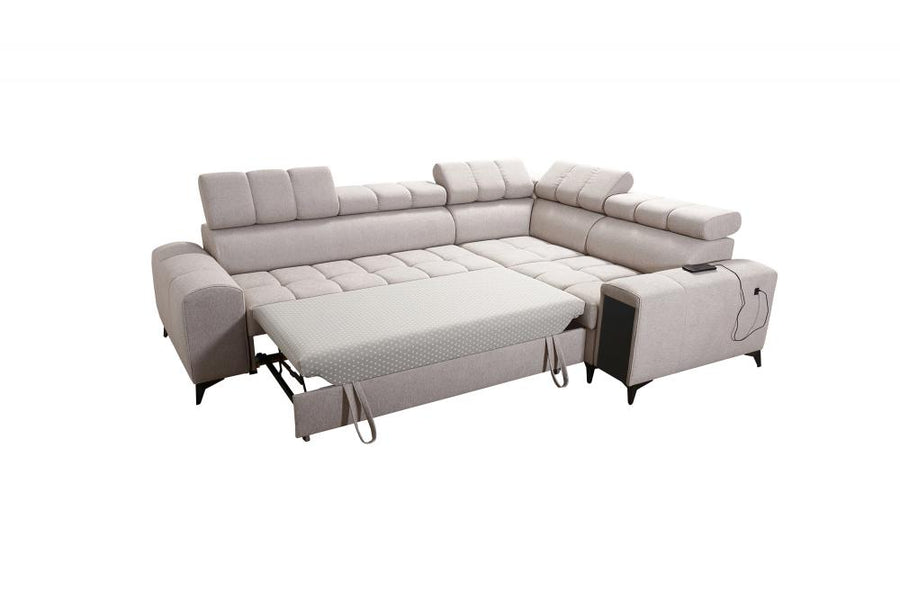
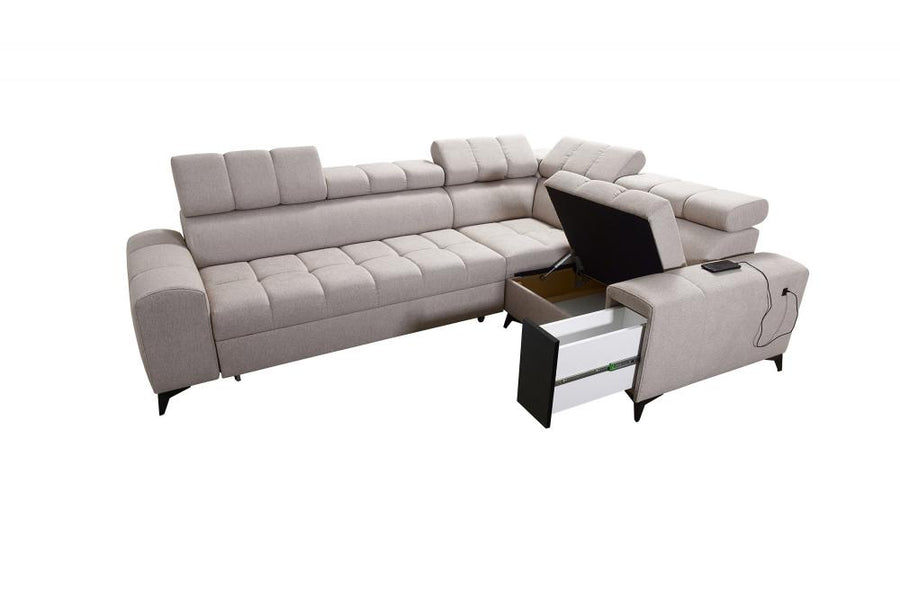
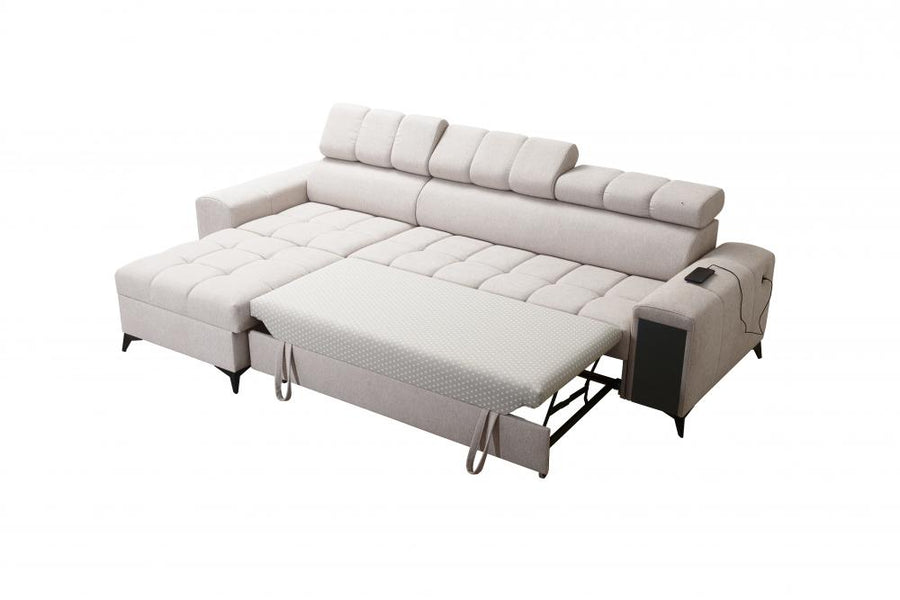
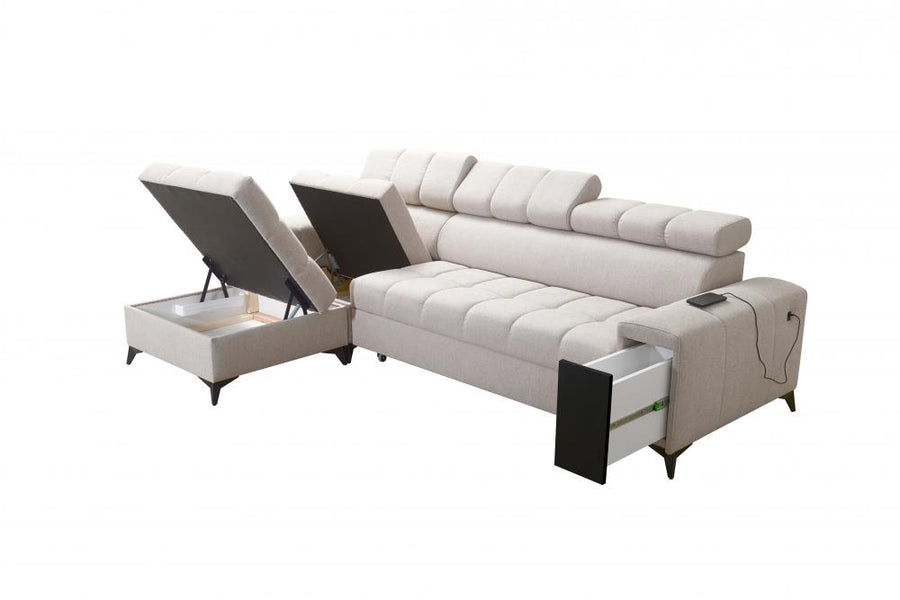
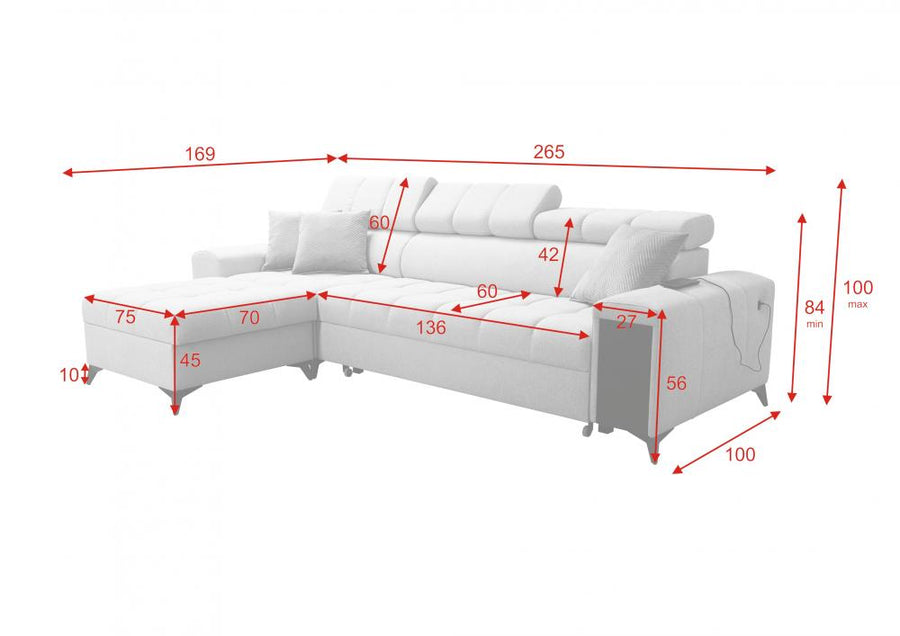
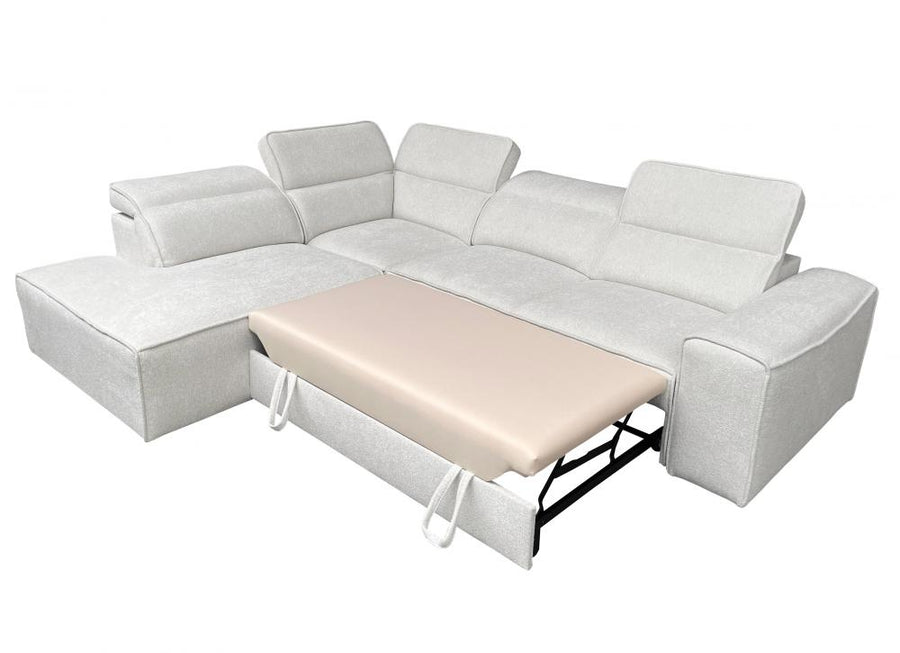
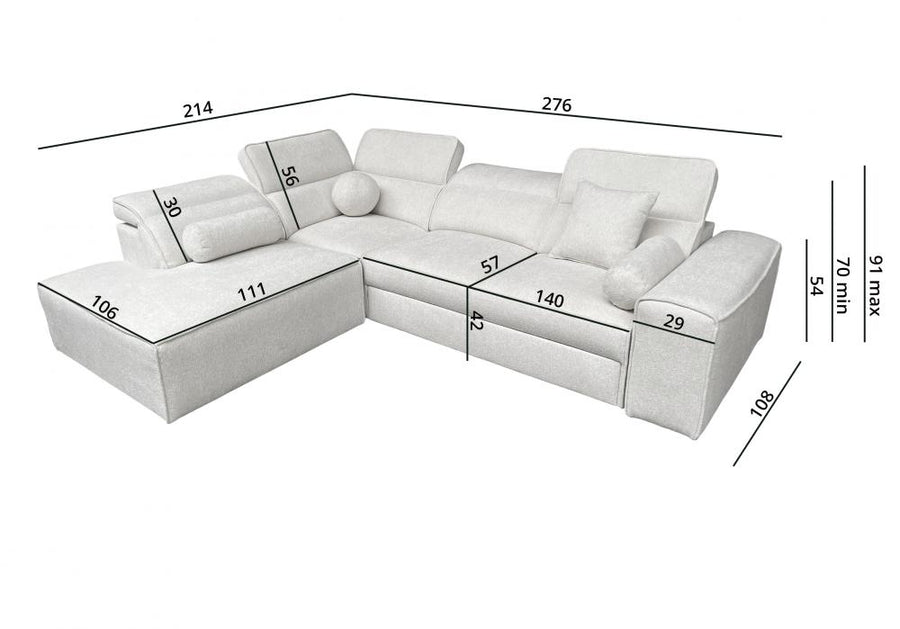
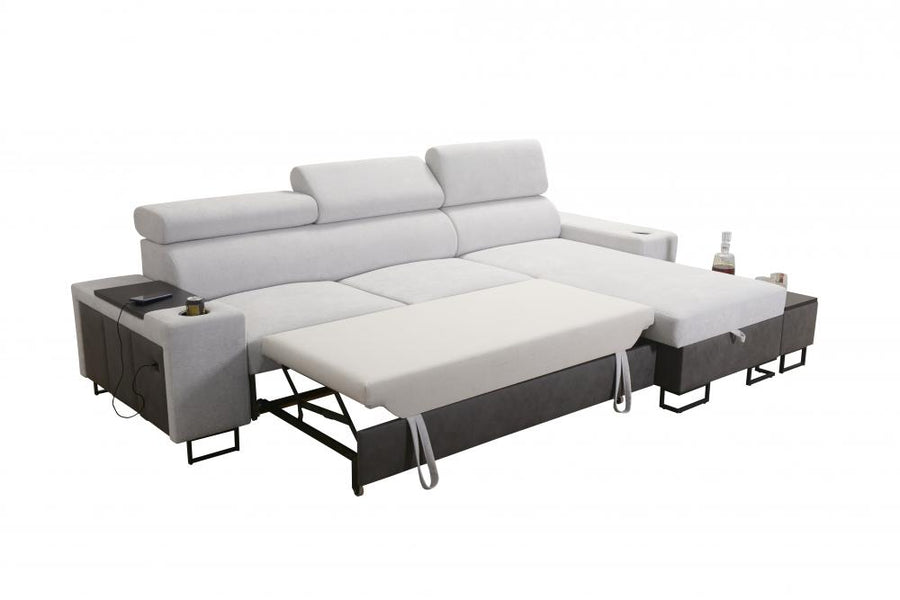
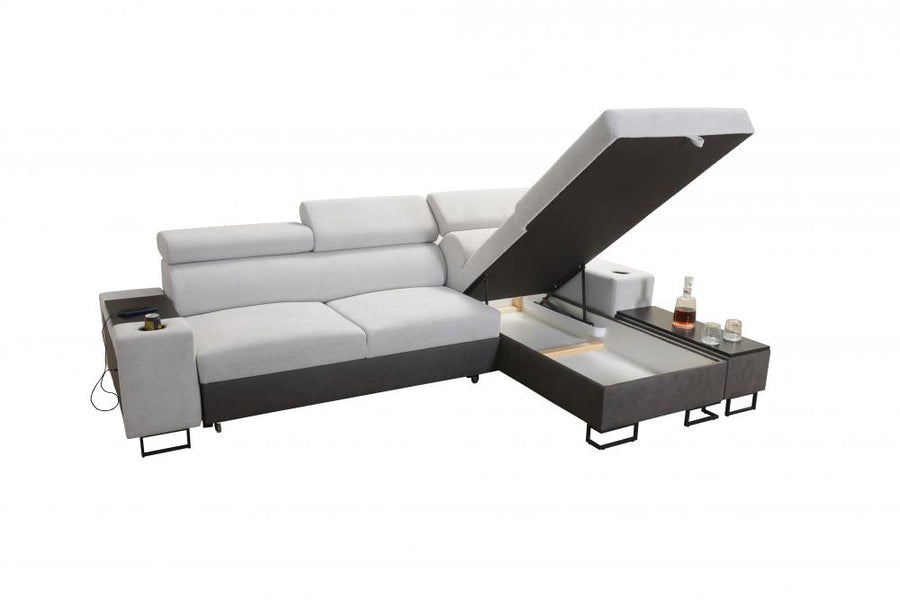
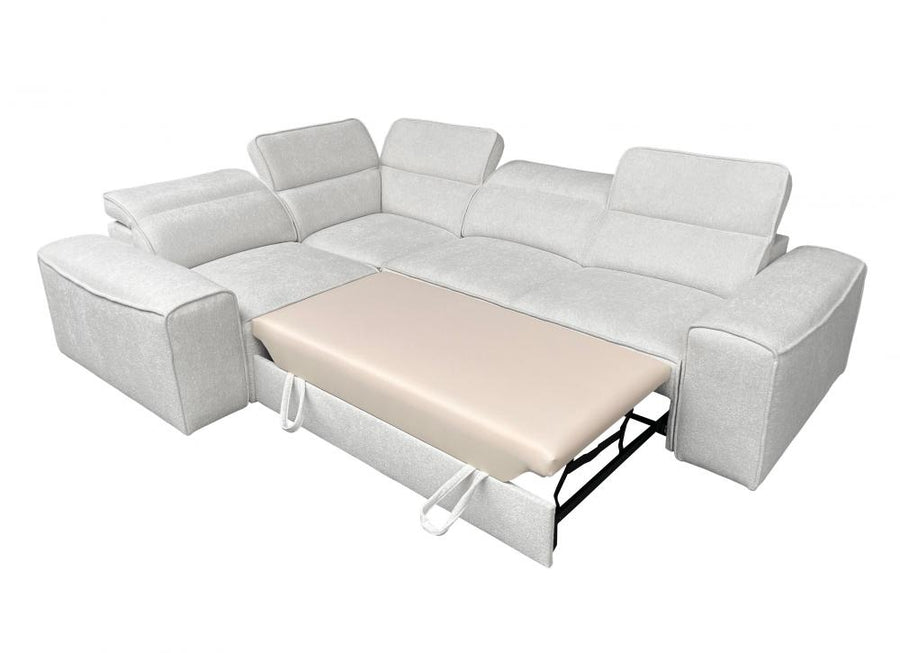
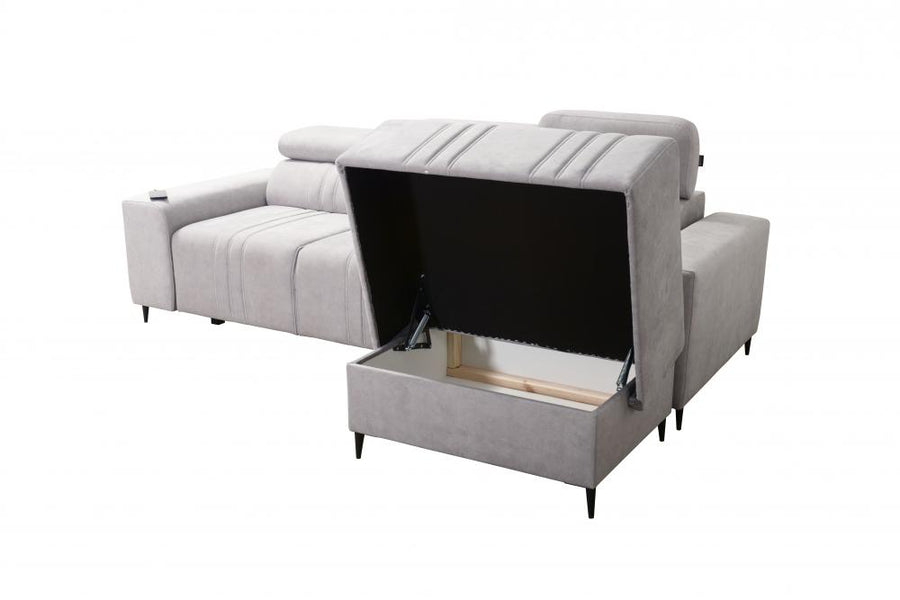
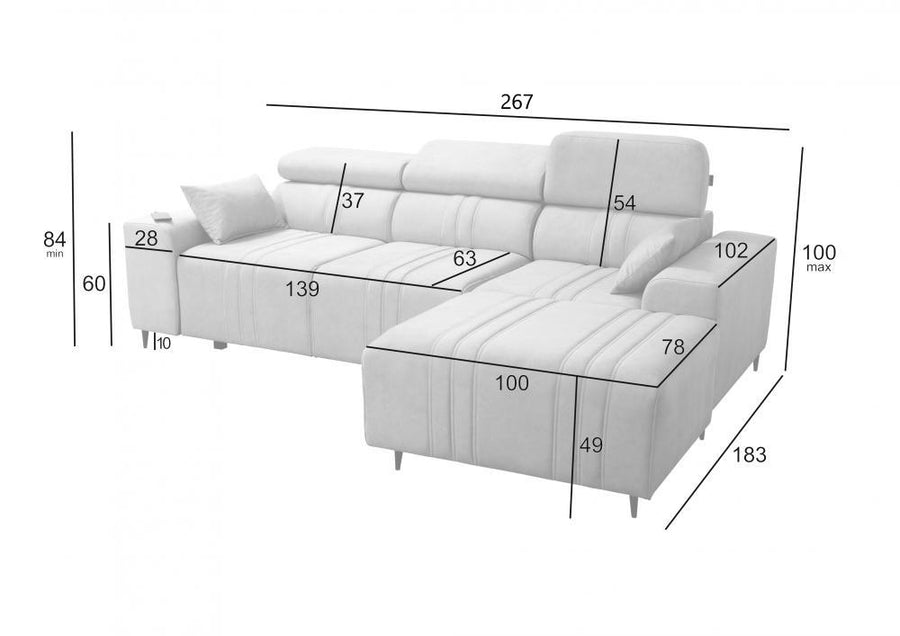
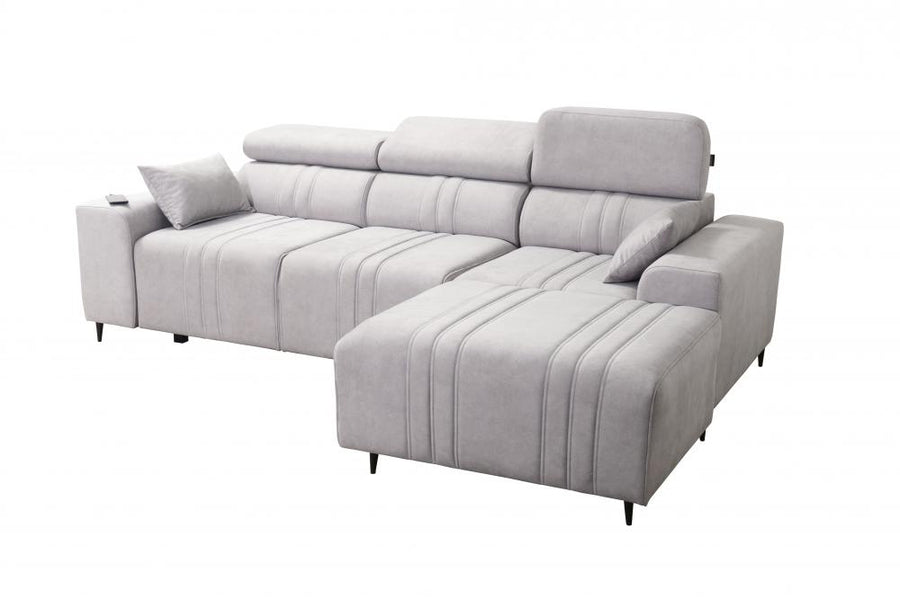
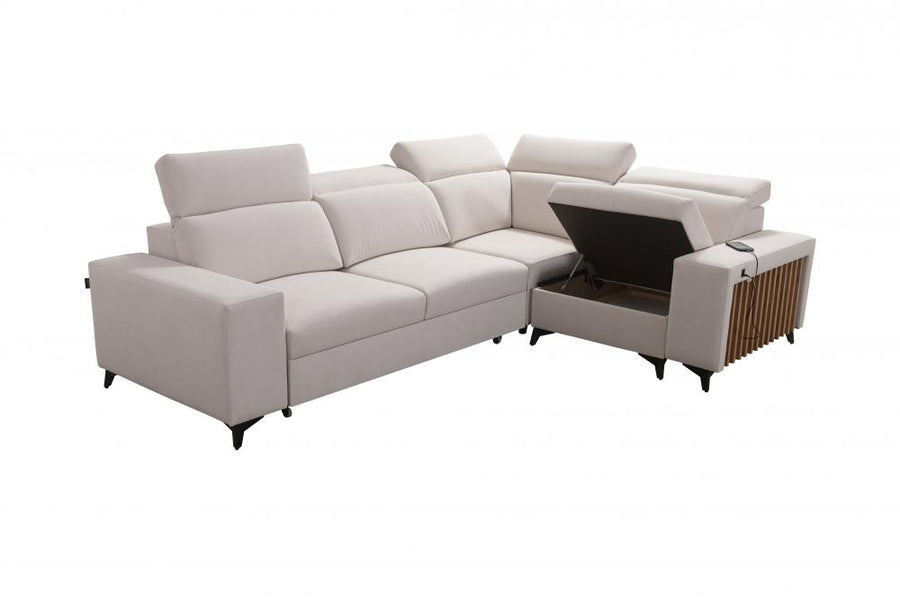
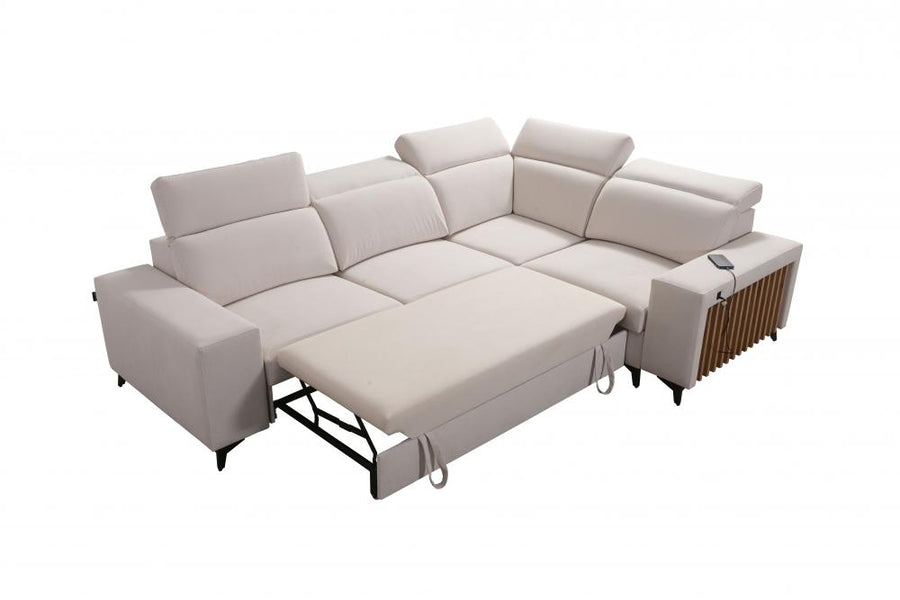
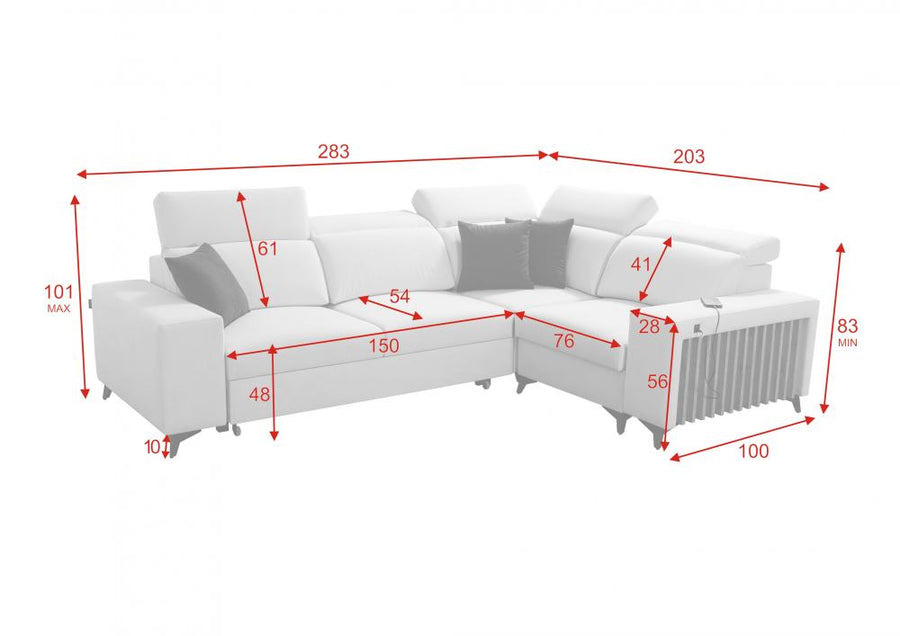
Scandinavian style excels in small spaces. Our models are often designed for urban apartments. From a simple two-seater Scandinavian sofa to a large corner unit, modularity is key. Many models incorporate sleeping functions. A Nordic-style convertible sofa often hides its true nature: closed, it has the elegance of a living room piece; open, it offers a high-quality guest bed.
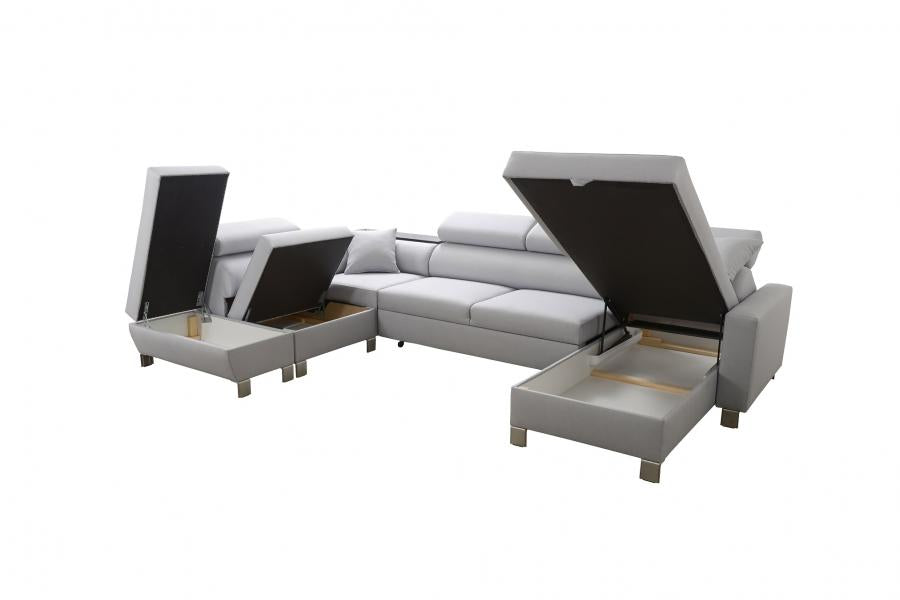
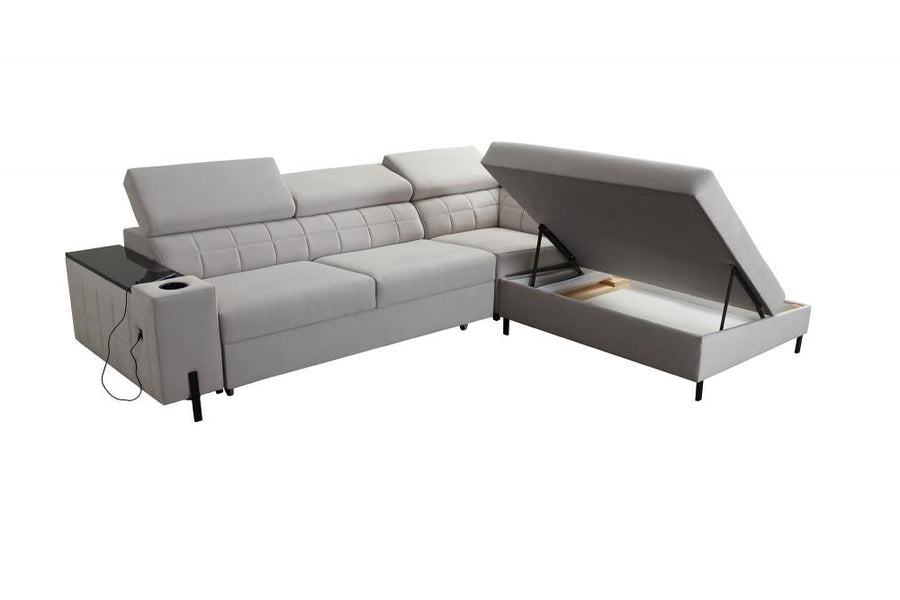
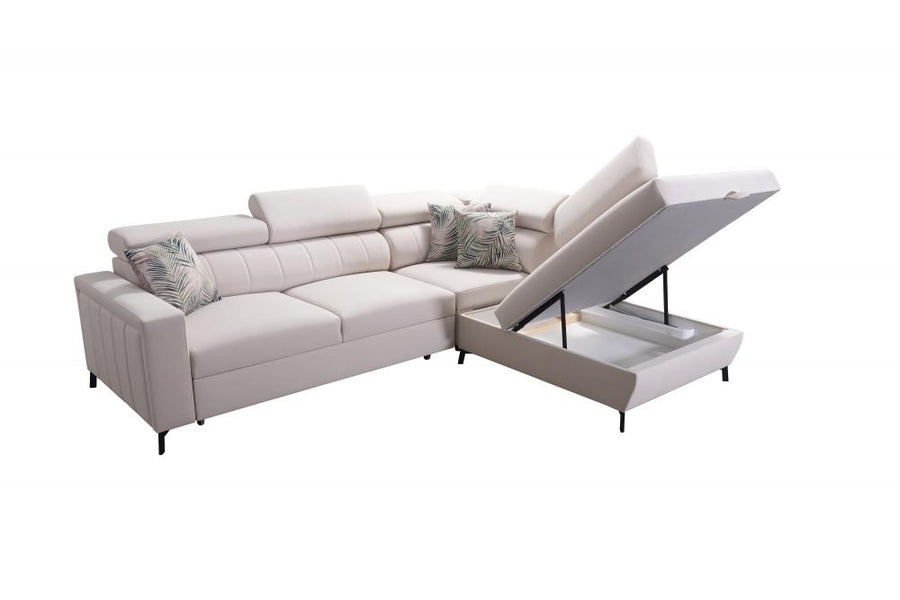
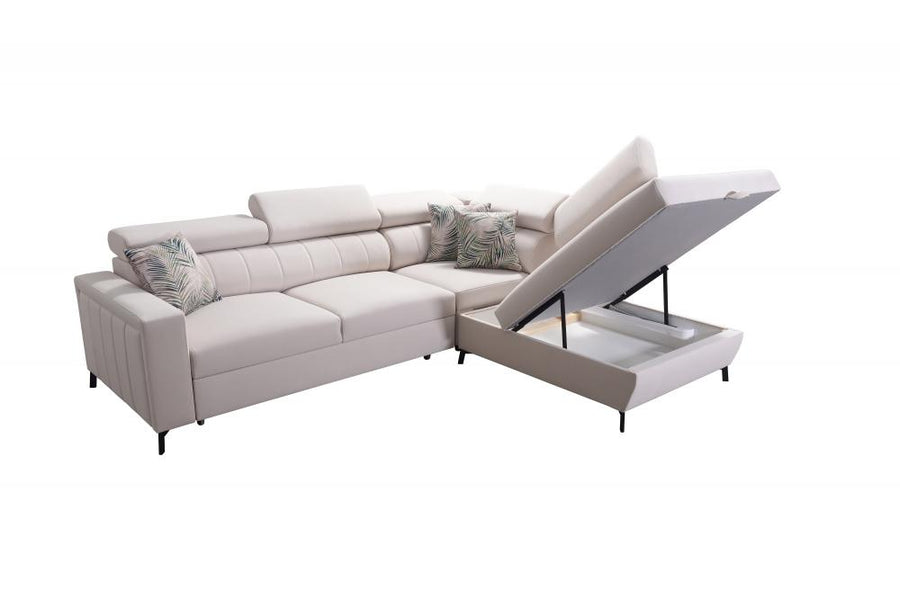
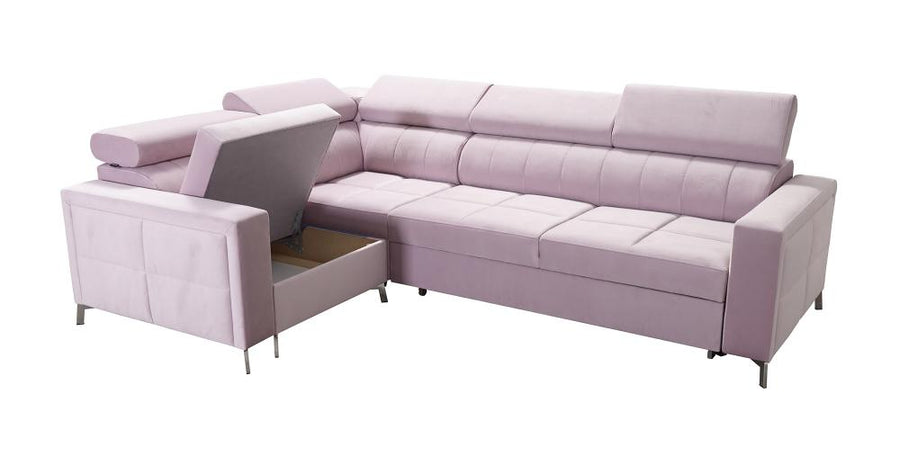
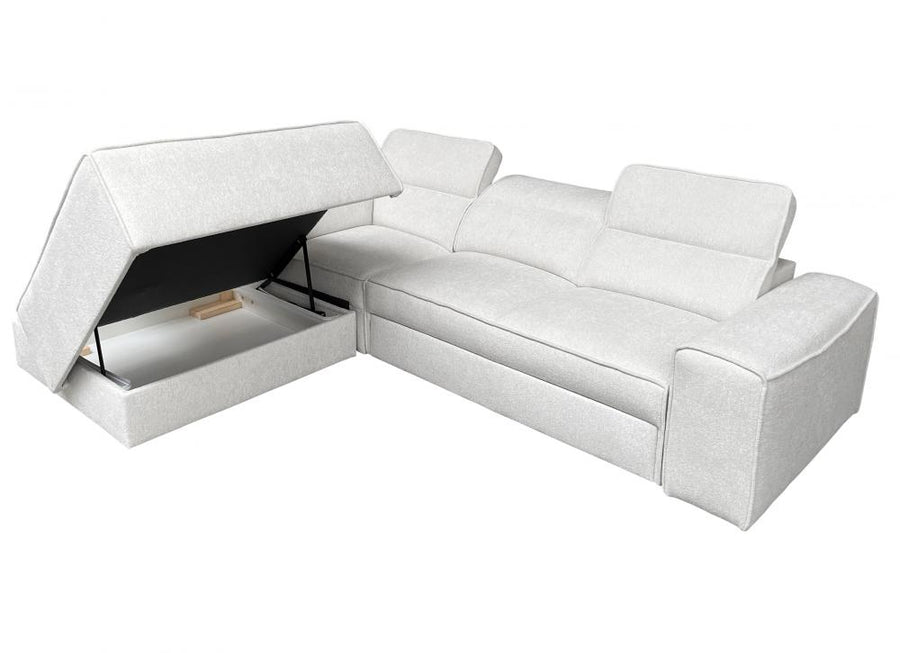
Furthermore, the space under the sofa, created by the high legs, not only allows for the placement of flat storage units if needed, but also visually expands the floor space of your room. It's the ultimate decorating trick for small living rooms: the more floor space you see, the larger the room appears.
H3 - Caring for your Scandinavian bench
Sustainability is at the heart of Nordic eco-design. To keep your Scandinavian-style sofa looking as good as new, a few simple steps are all it takes. The solid wood legs can be treated once a year with a suitable oil or beeswax to maintain their shine and prevent them from drying out.
For fabric, the enemy is dust, which dulls light colors. Weekly dusting with the brush attachment of your vacuum cleaner is recommended. If you have opted for a corduroy sofa , very trendy in today's Nordic style, always brush it in the direction of the nap to avoid creases. Most of our technical fabrics are treated to be stain-resistant, allowing for easy cleaning with soapy water or a damp cloth.
Frequently Asked Questions about the Scandinavian Sofa
What is the difference between a Scandinavian sofa and a standard modern sofa?
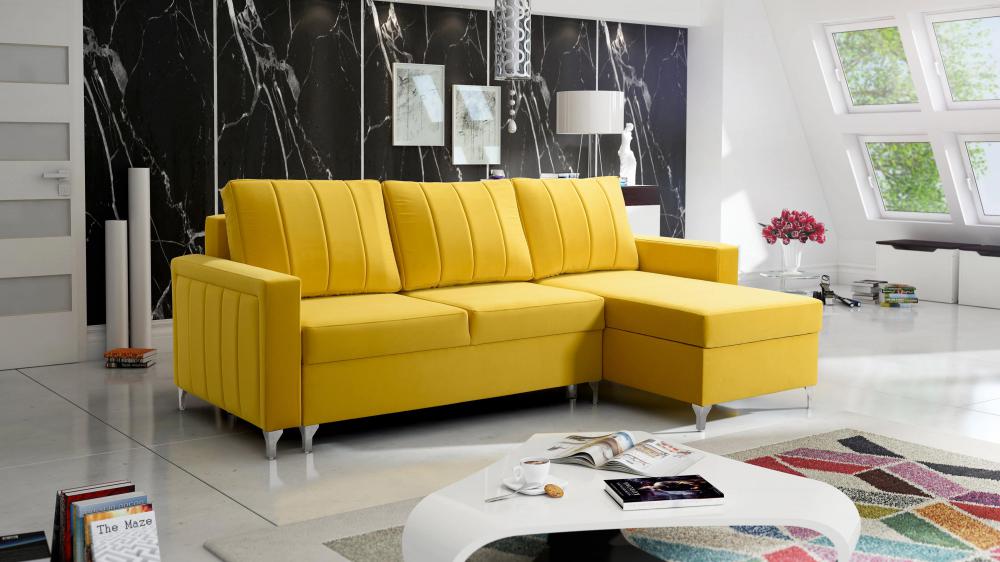
The main difference lies in the materials and the base. Modern designer sofas may use chrome-plated metal, plastic, or be placed directly on the floor. Scandinavian sofas are characterized by their wooden legs (often splayed) and the use of warm textiles, always seeking to bring a touch of nature and organic softness to the modern design.
Are Scandinavian sofas comfortable for sleeping (convertible)?
Absolutely. Nordic functionality never sacrifices practicality. At Kings Canapé, our Scandinavian convertible models incorporate real mattresses on sturdy bed bases. The sofa's straight lines often allow for the integration of easy-to-use opening mechanisms without compromising the furniture's aesthetic appeal when closed.
What color should I choose for a timeless Nordic-style living room?
The most reliable choices remain light gray, charcoal, beige, and teal. These shades transcend trends and never go out of style. If you'd like something more original while still maintaining the style, opt for natural hues like sage green, mustard yellow, or rust-colored sofas , which evoke the colors of a Scandinavian autumn.
Is the Scandinavian sofa suitable for families with children?
Yes, because it's practical furniture. The heathered fabrics hide small stains well, and the raised legs make it easy to retrieve toys tucked underneath (and to vacuum without moving the piece). Furthermore, the firm structure withstands children's rough play better than a soft sofa that quickly loses its shape.
Conclusion: Balance Restored
Choosing a Scandinavian sofa means opting for a return to the essentials without sacrificing comfort. It means favoring lines that soothe the eye, materials that warm the atmosphere, and functionality that simplifies everyday life. Whether you're drawn to the vintage look of splayed legs or the purity of a minimalist Scandinavian bench , this style has proven to be much more than a trend: it's a modern classic. At Kings Canapé, we are committed to offering you models that respect this Nordic heritage while providing the customization options and lasting quality your home deserves. Let the light of the North into your living room and rediscover the pleasure of a home where life is good.