


Table of contents
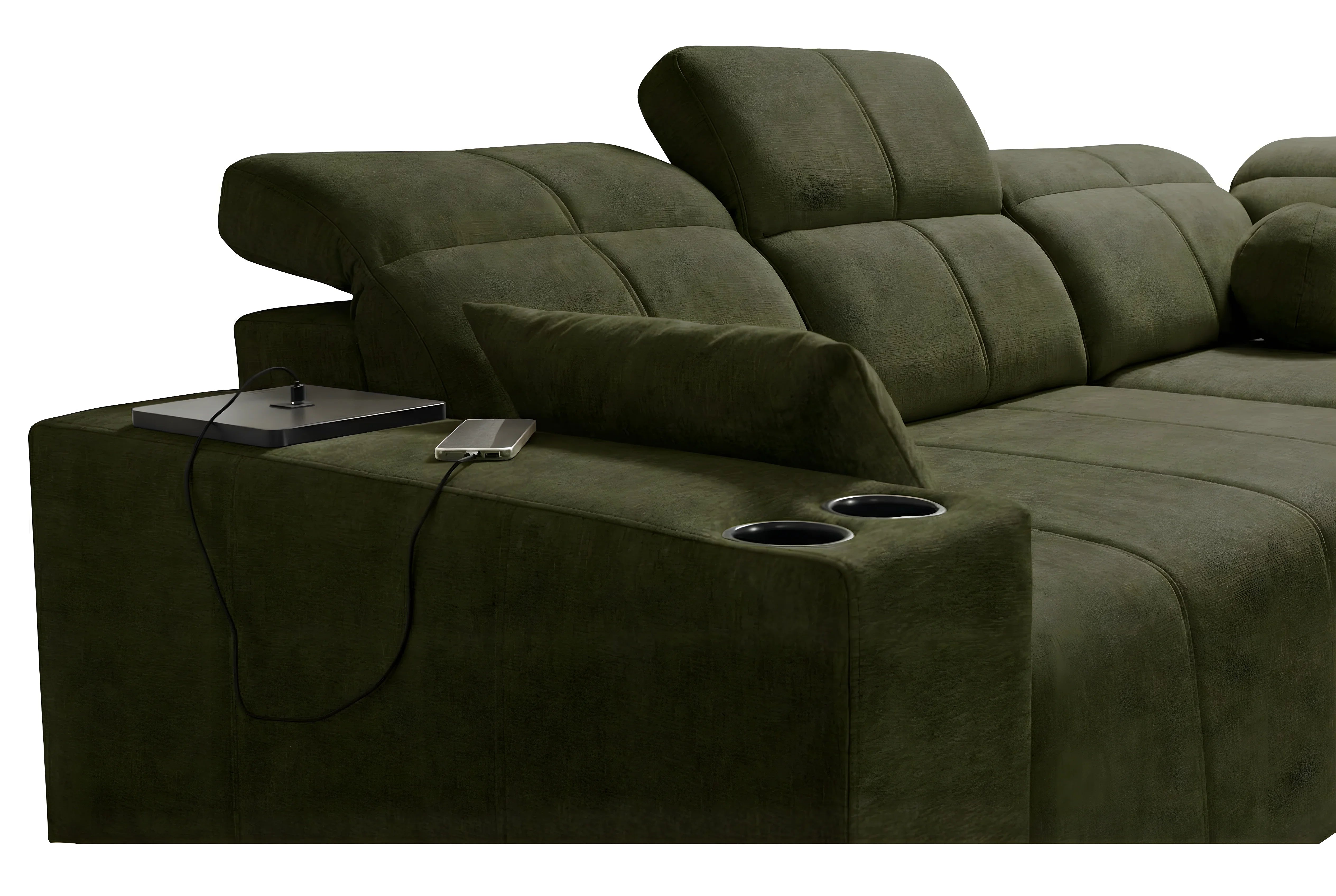
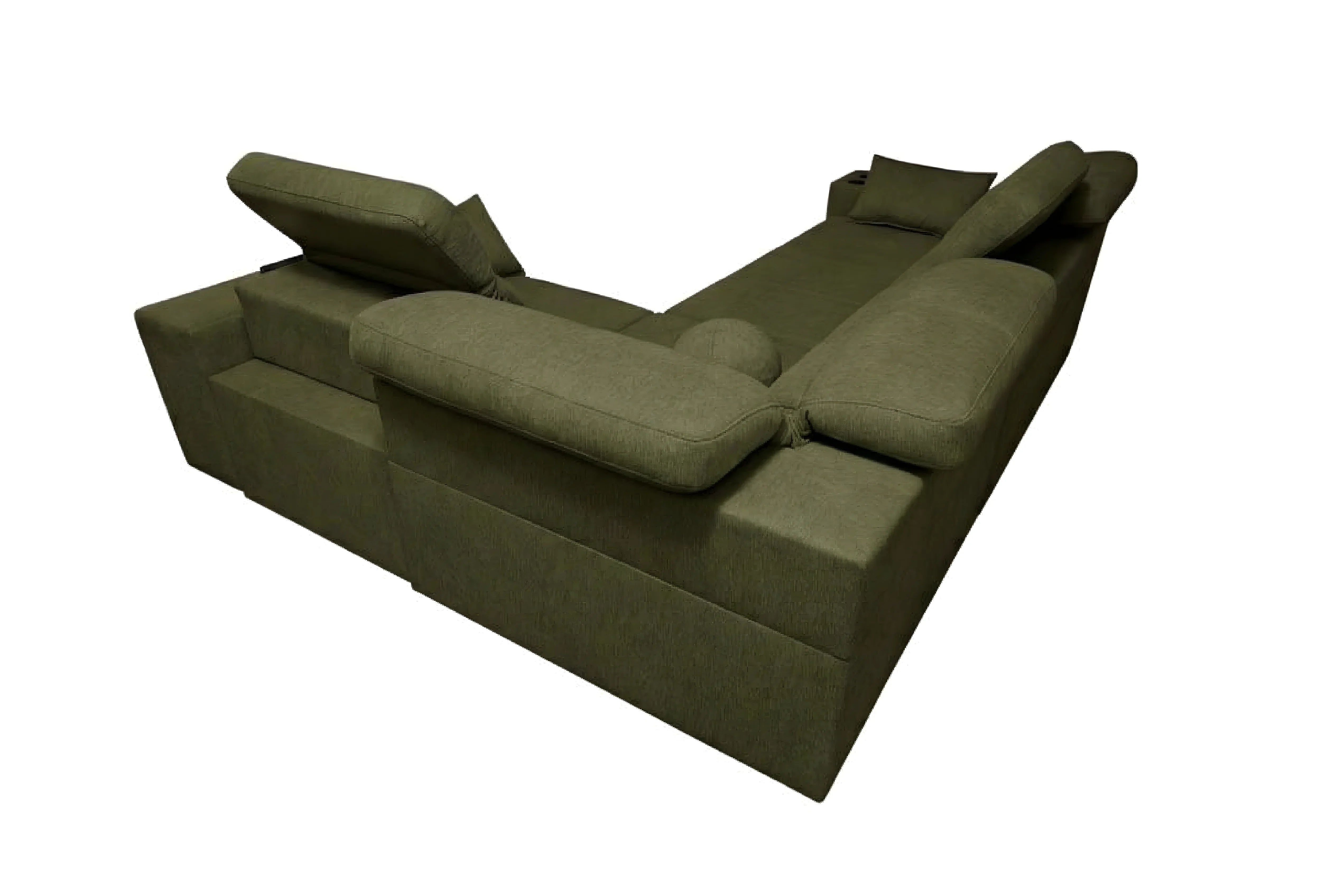
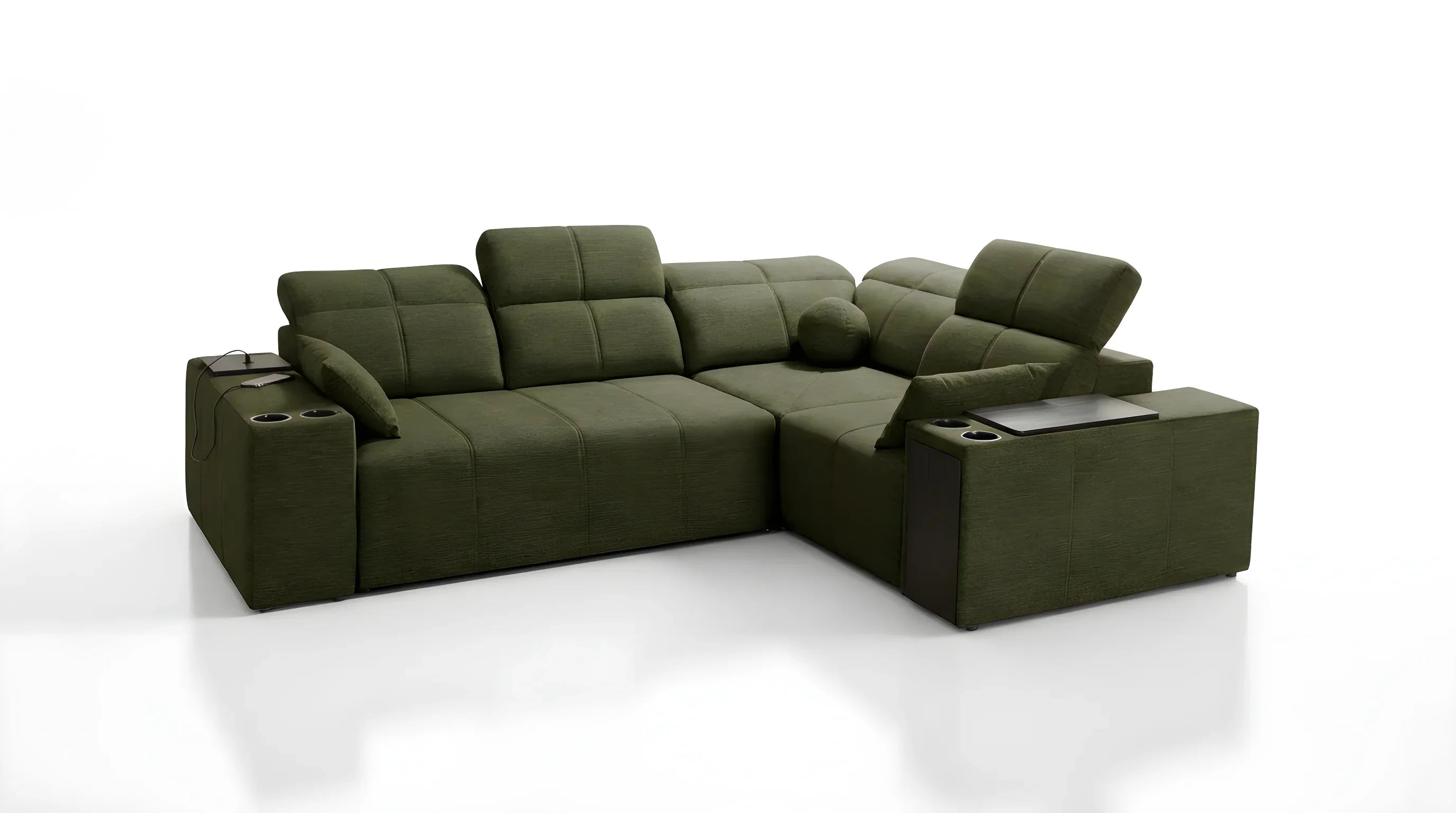
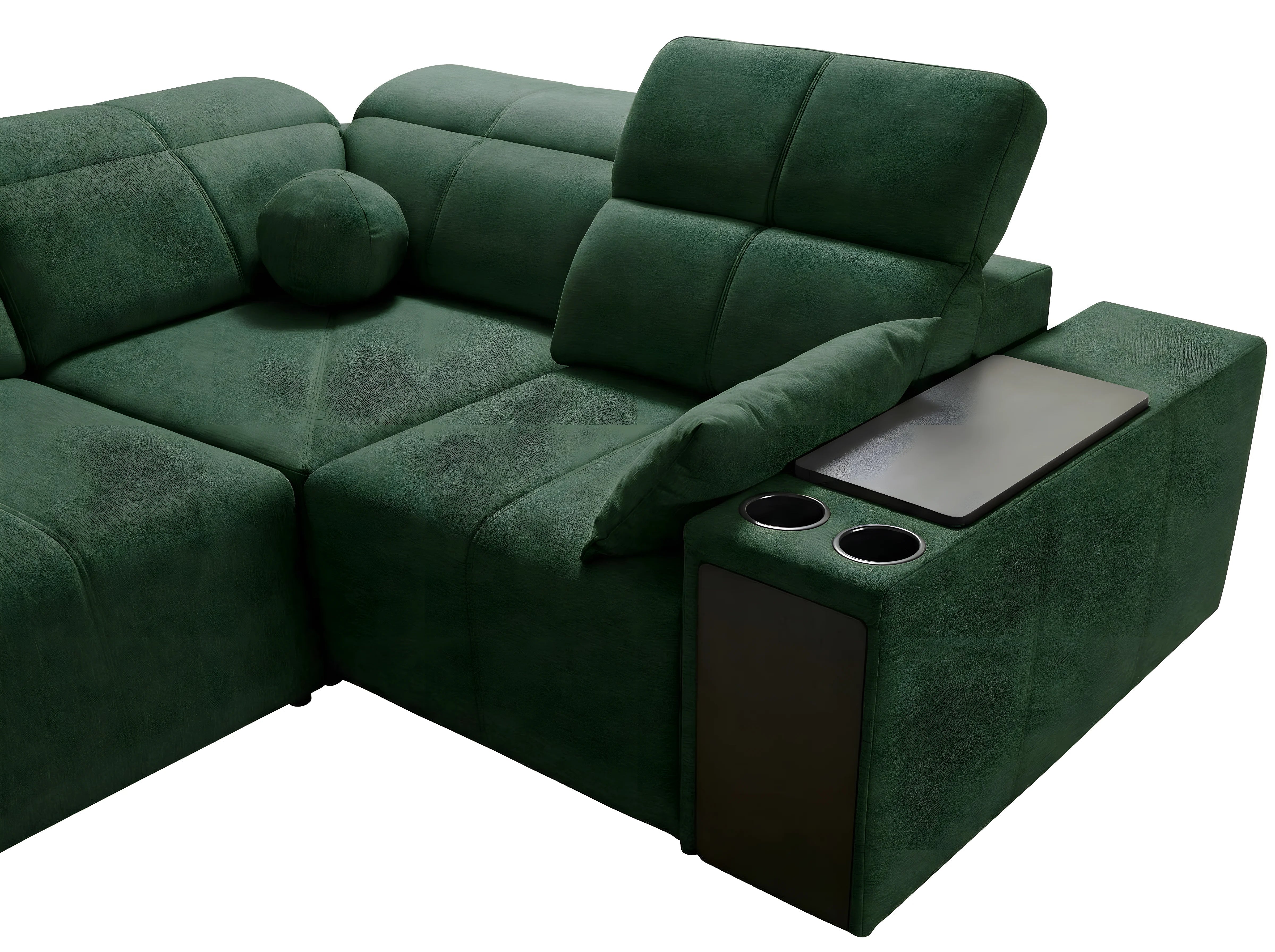
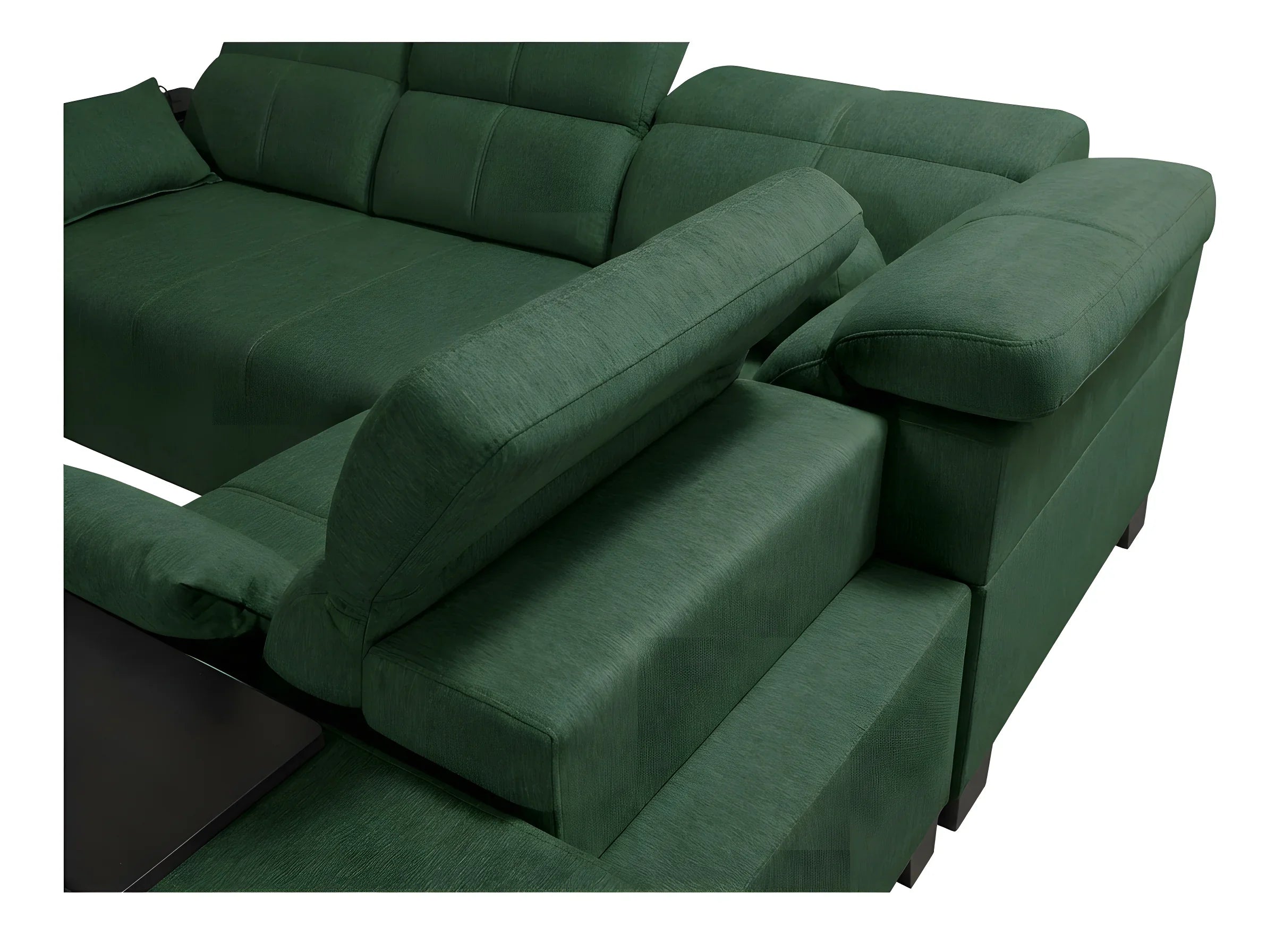
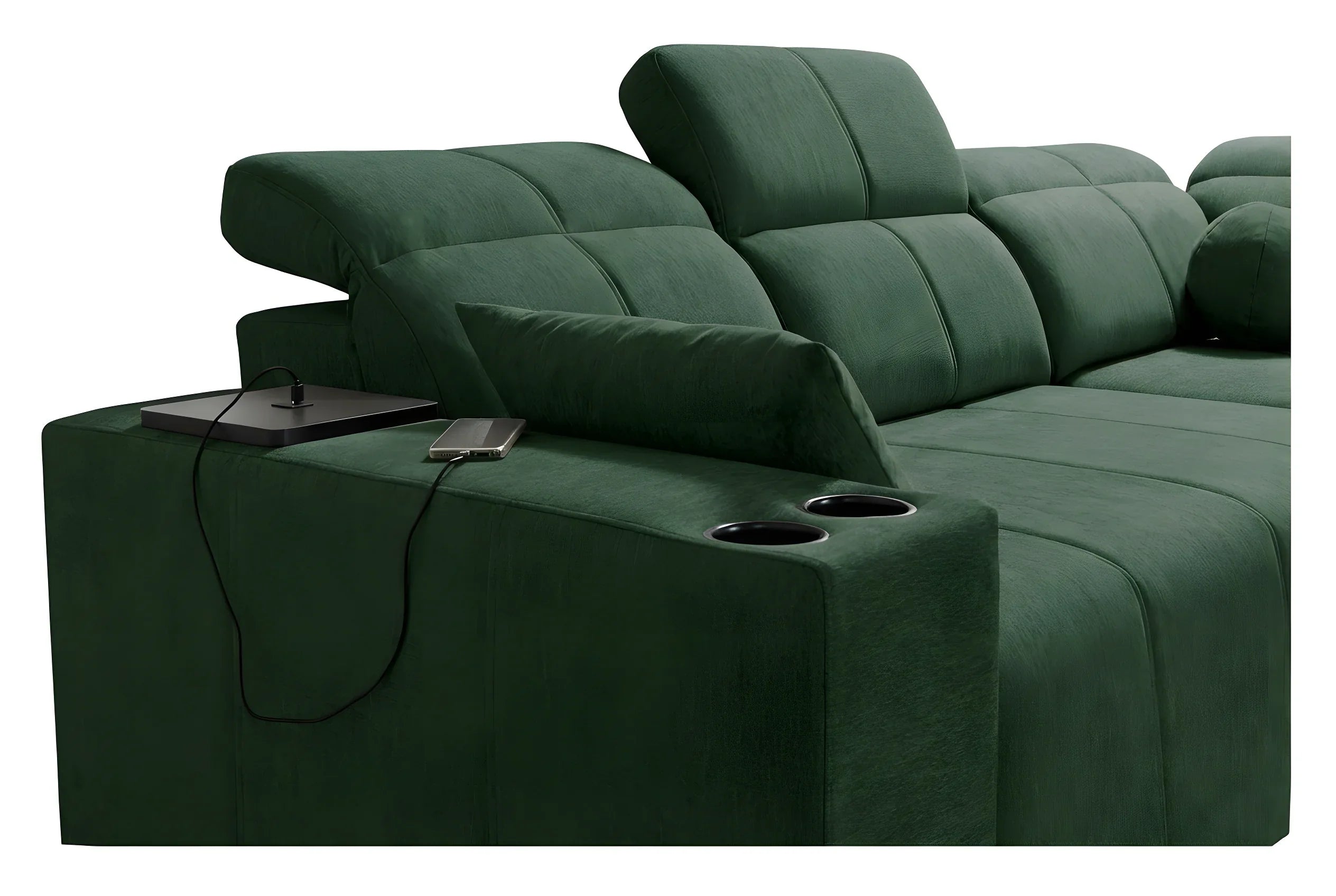
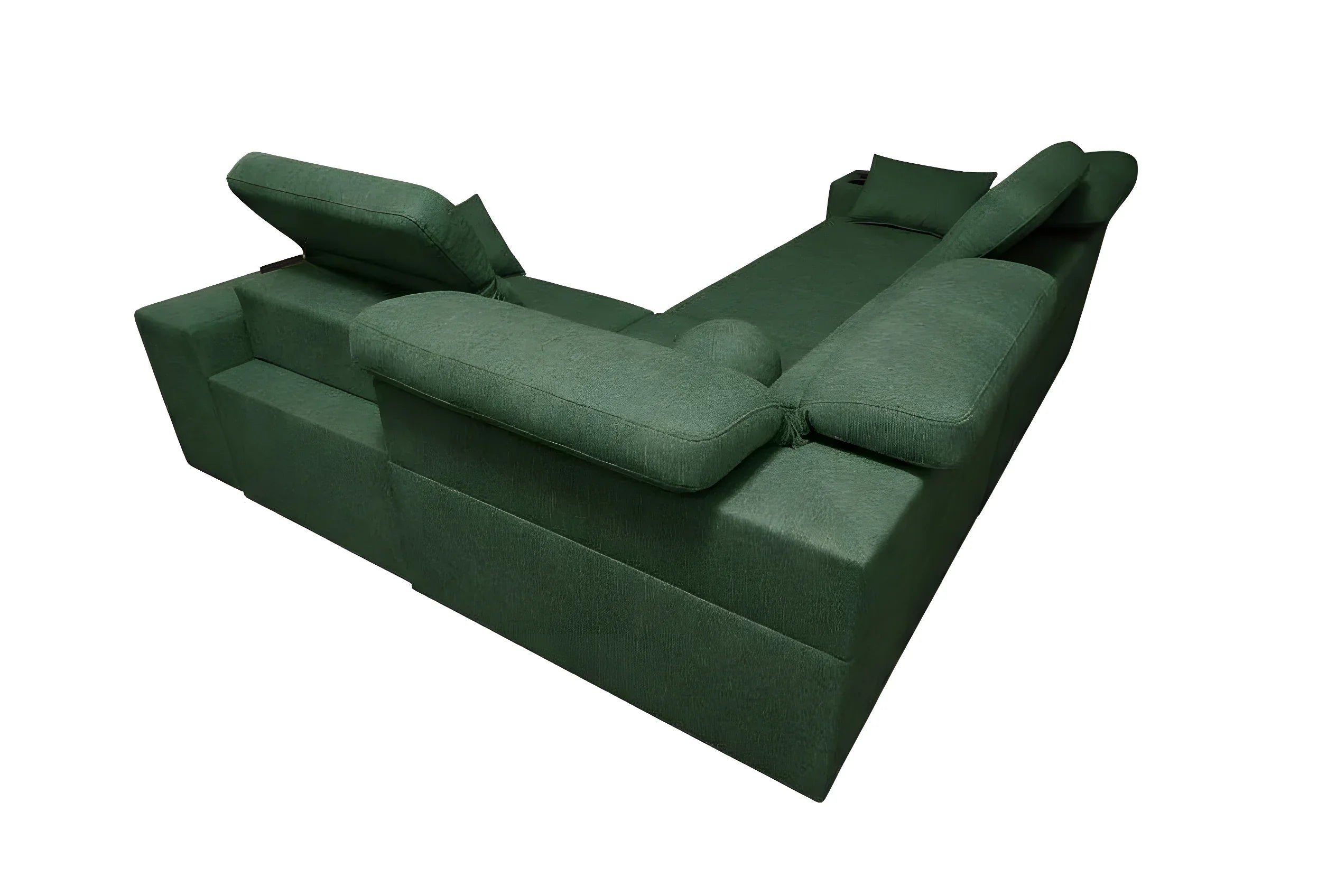
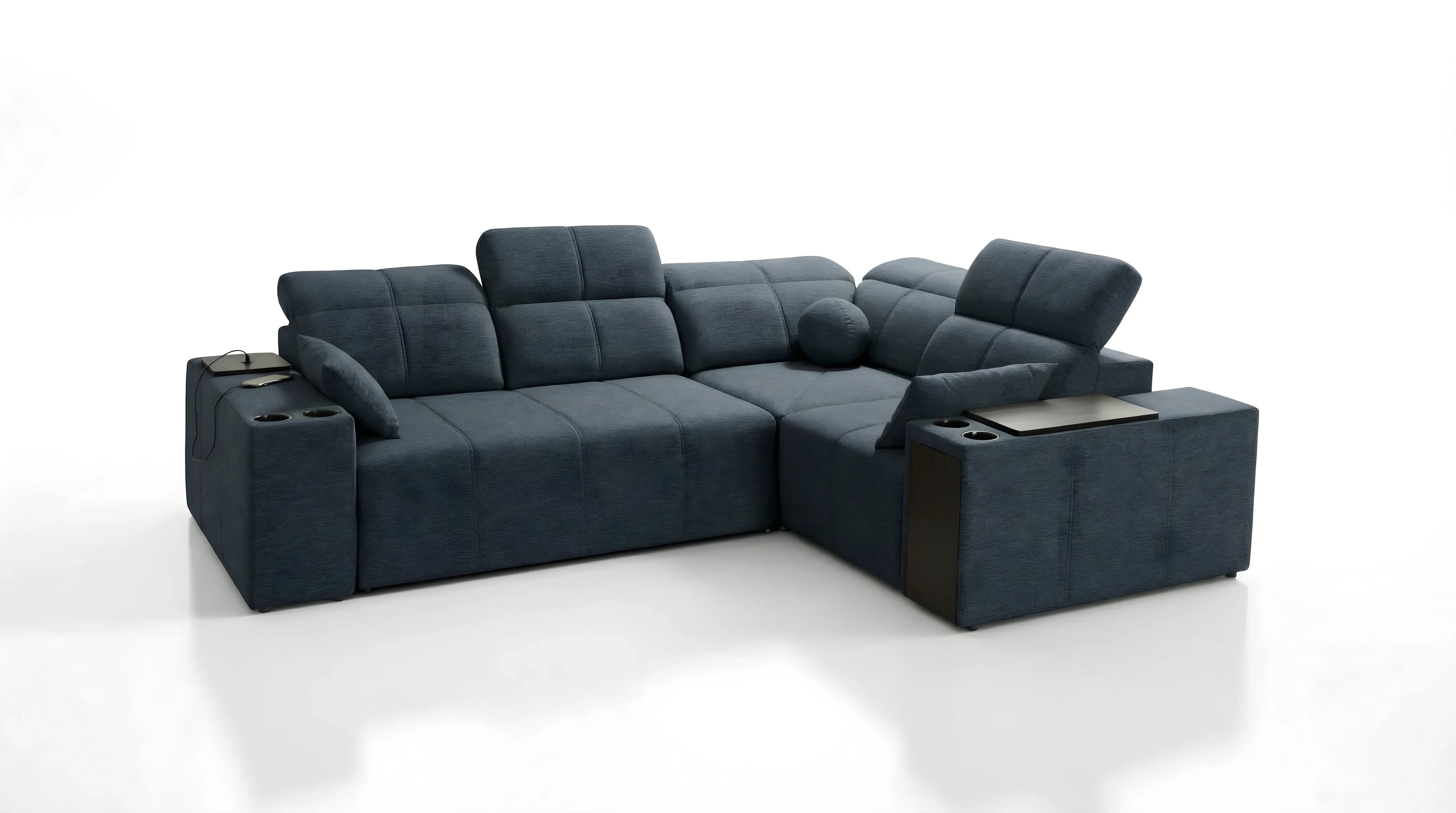
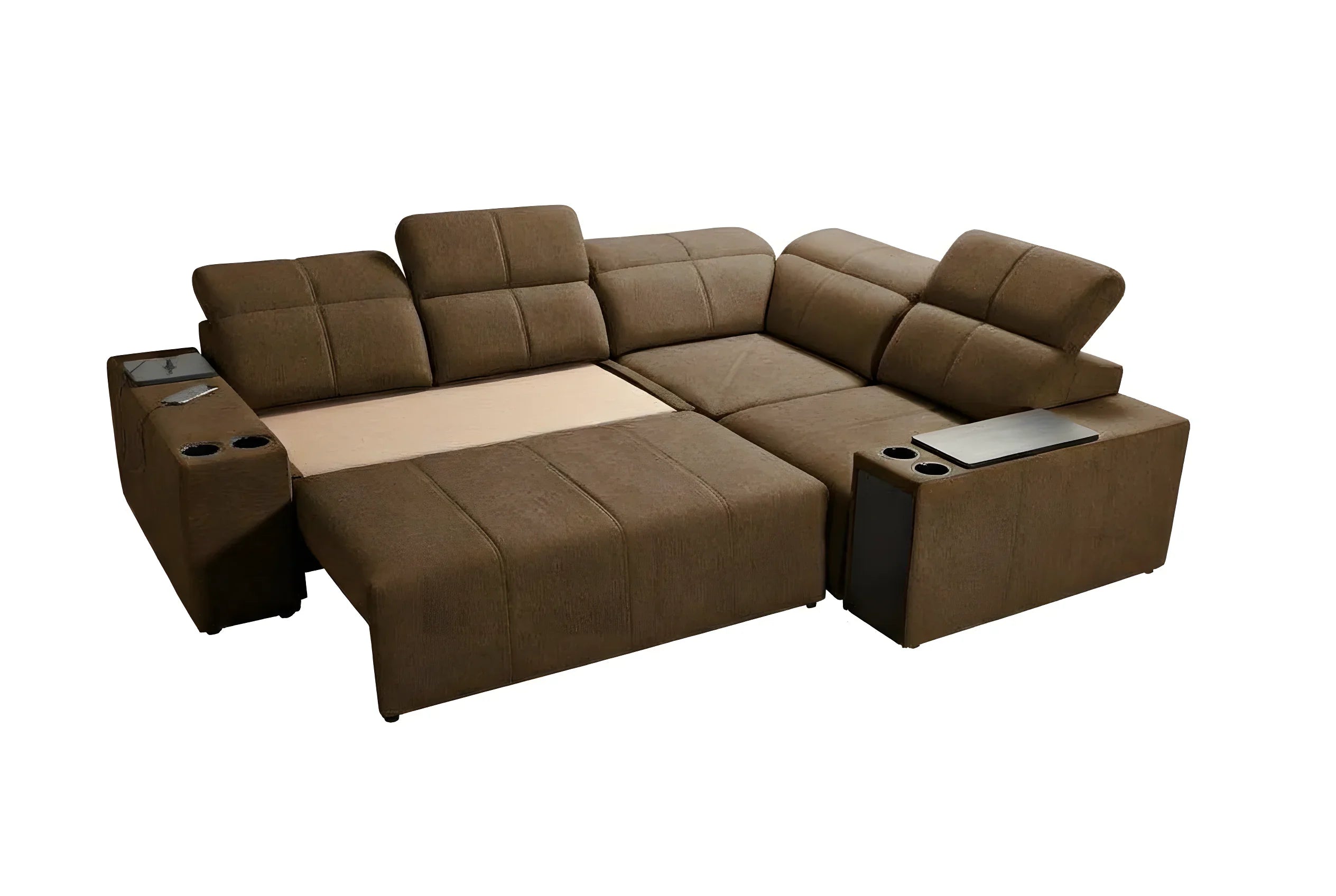
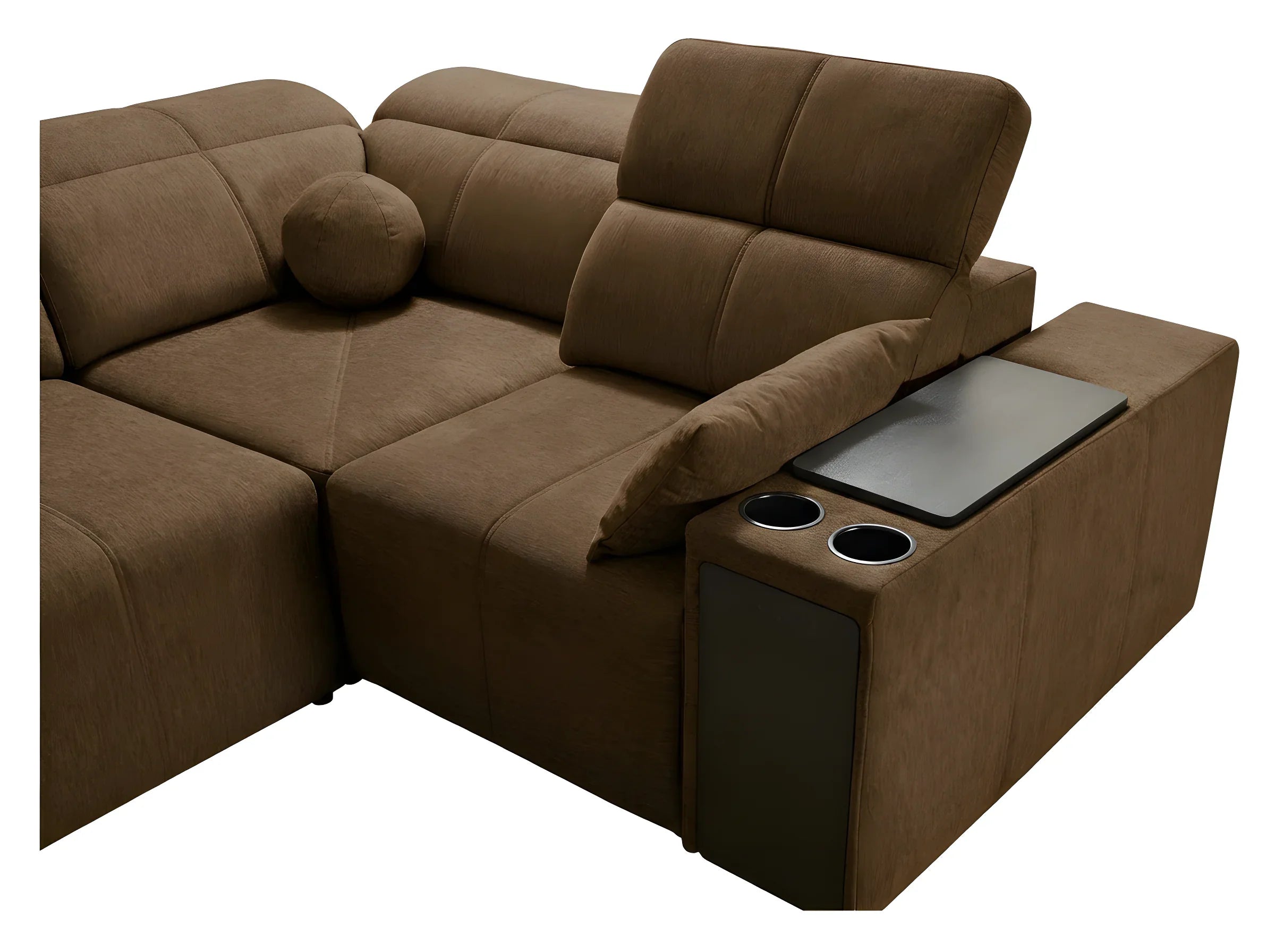
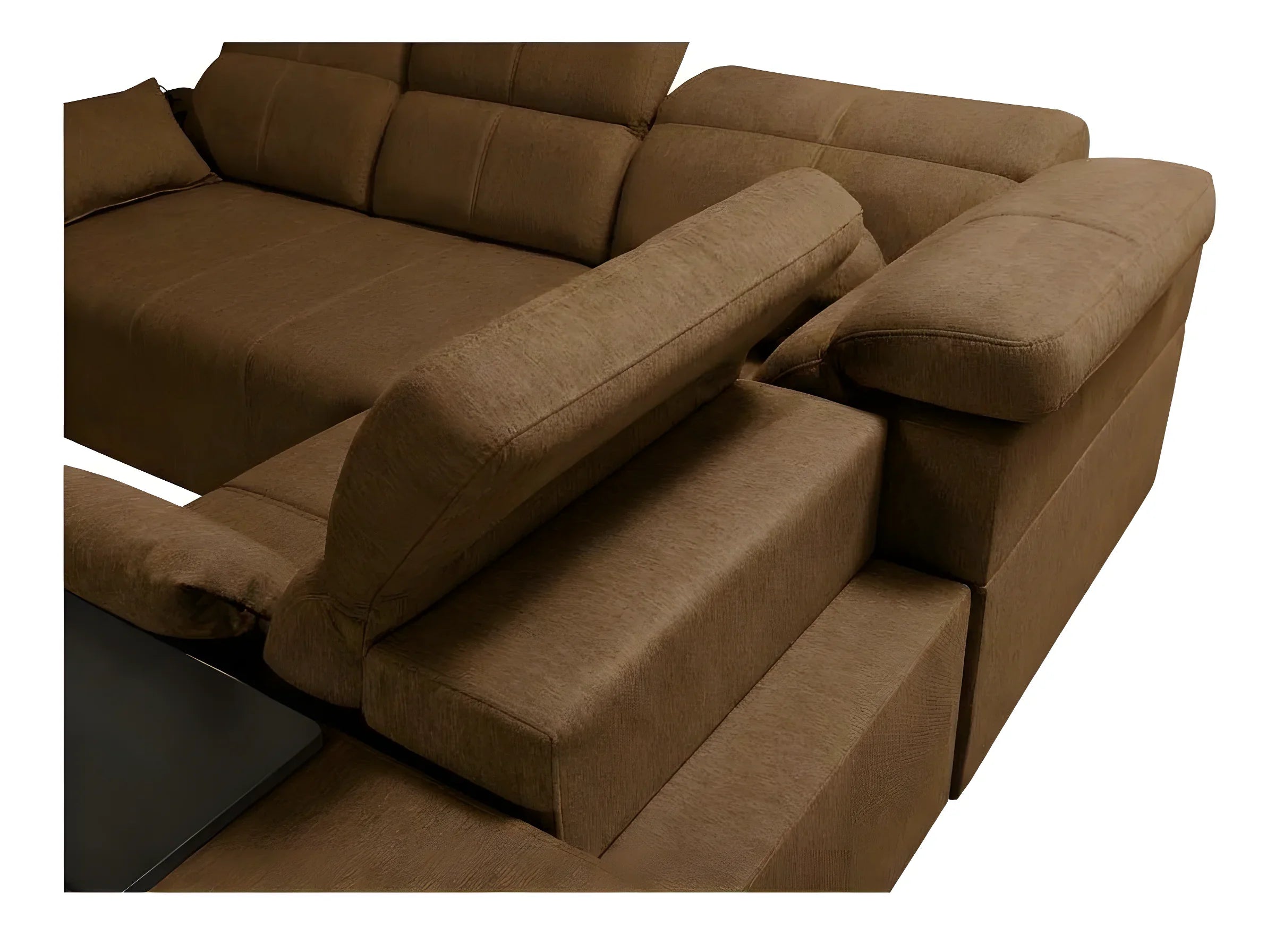
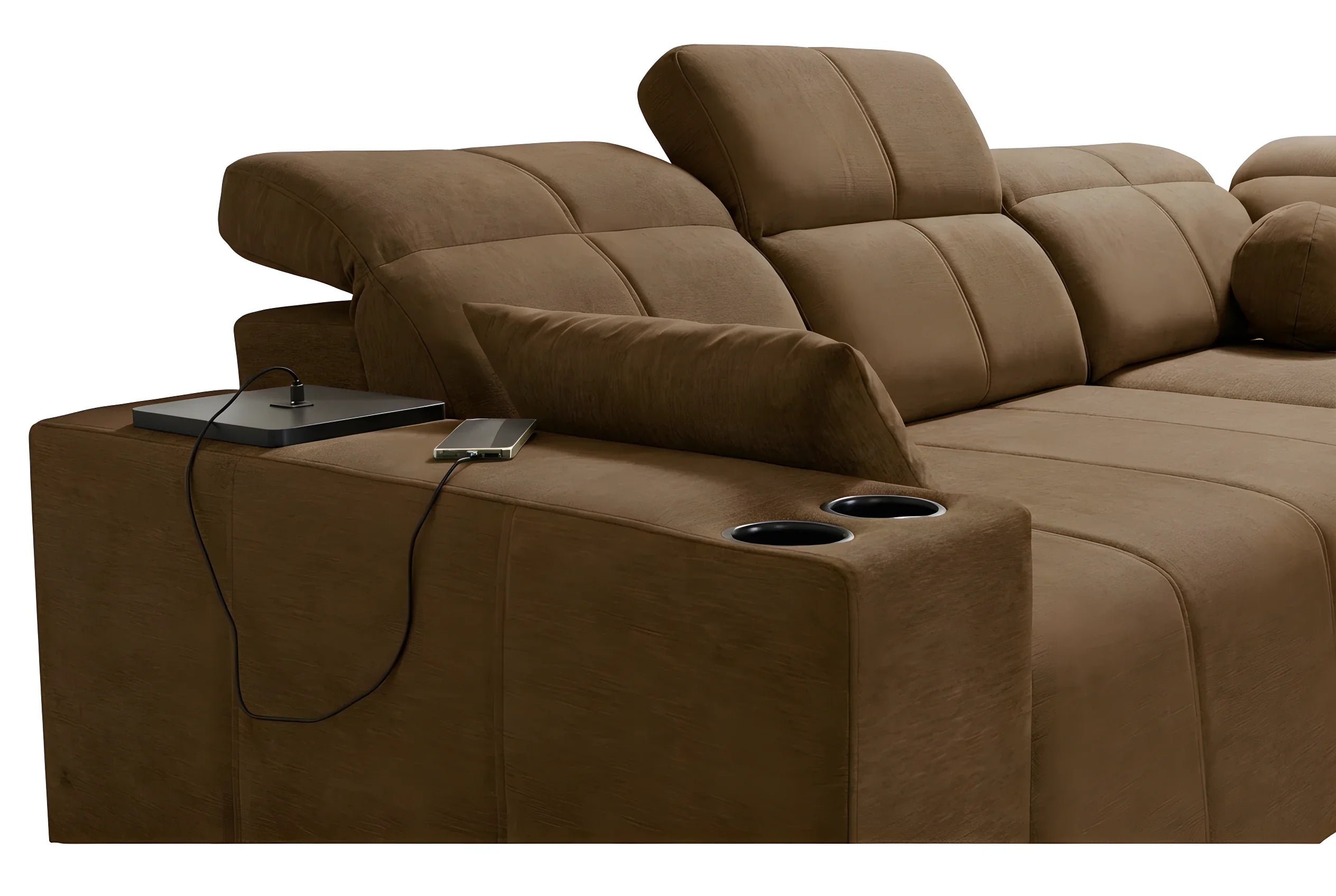
Chenille fabric, with its velvety look and shimmering highlights, brings an unmatched touch of elegance to our interiors. However, its unique texture made of cut yarns forming small loops often raises legitimate concerns: how to clean a chenille sofa without flattening its characteristic texture? Contrary to popular belief, this fabric is not impossible to maintain. With the right gestures, a gentle method, and an understanding of its structure, you can preserve the shine and softness of your furniture for many years. This expert guide reveals all the safe techniques.
Why does chenille require a specific cleaning approach?
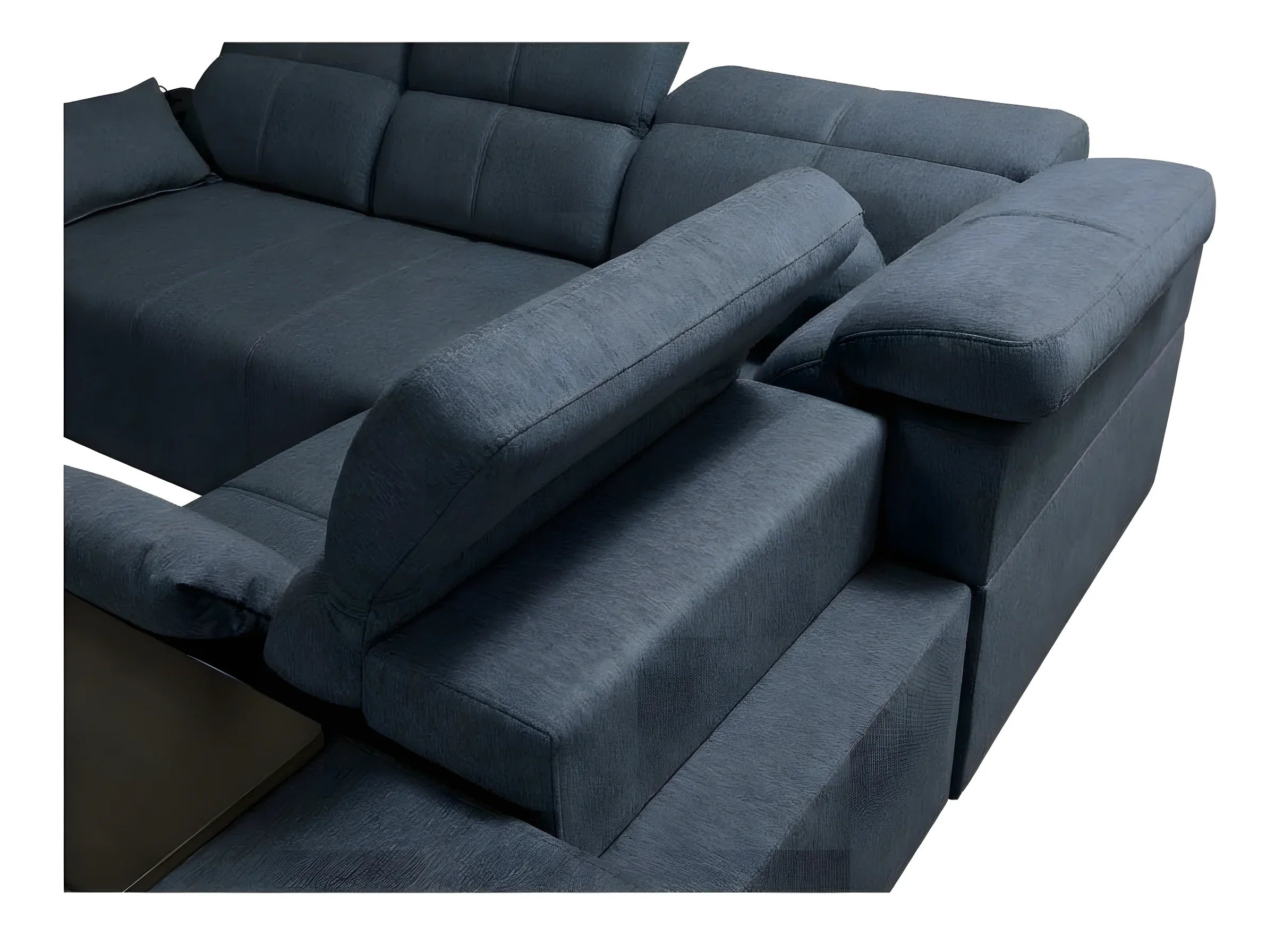
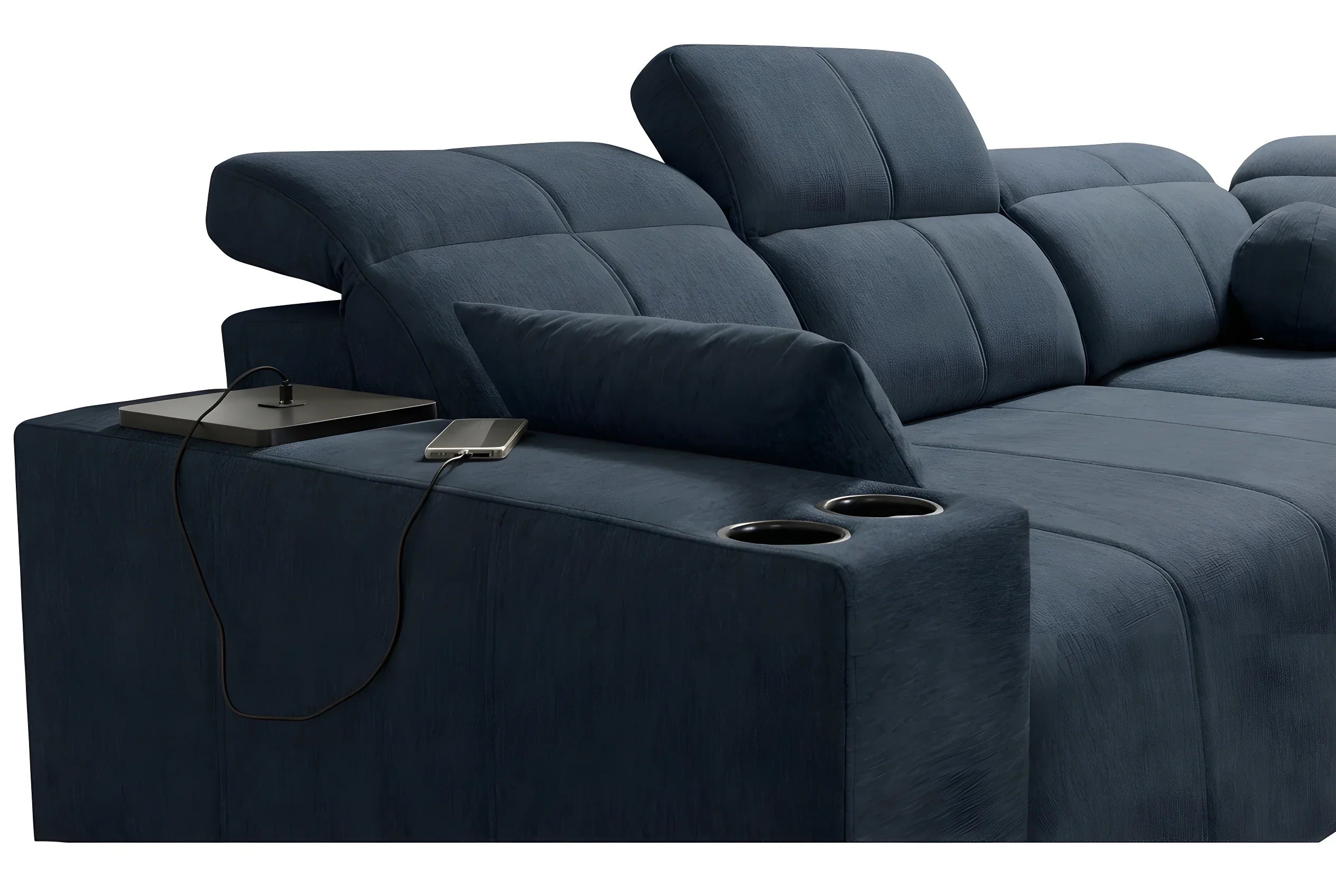
Before you reach for your sponges, it's essential to understand what you're dealing with. Chenille fabric takes its name from the French word for a caterpillar, in reference to its fuzzy appearance. This texture is created by inserting short yarn segments, called "pile," between two twisted core yarns.
It's this three-dimensional structure that gives the cosy, cocooning sofa its uniquely soft feel. However, this technical beauty involves two major vulnerabilities during cleaning:
- Dust retention: Loops and pile trap micro-particles more easily than flat weaves.
- Sensitivity to crushing: Overly vigorous rubbing or intense heat can flatten the pile, creating permanent shaded areas that make the fabric look dirty when it's simply deformed.
Unlike a standard fabric sofa with a tight weave, chenille cannot withstand abrasion. The goal of any cleaning is therefore to lift the dirt rather than rub it against the fibre.
Preparing your sofa: the crucial pre-cleaning steps
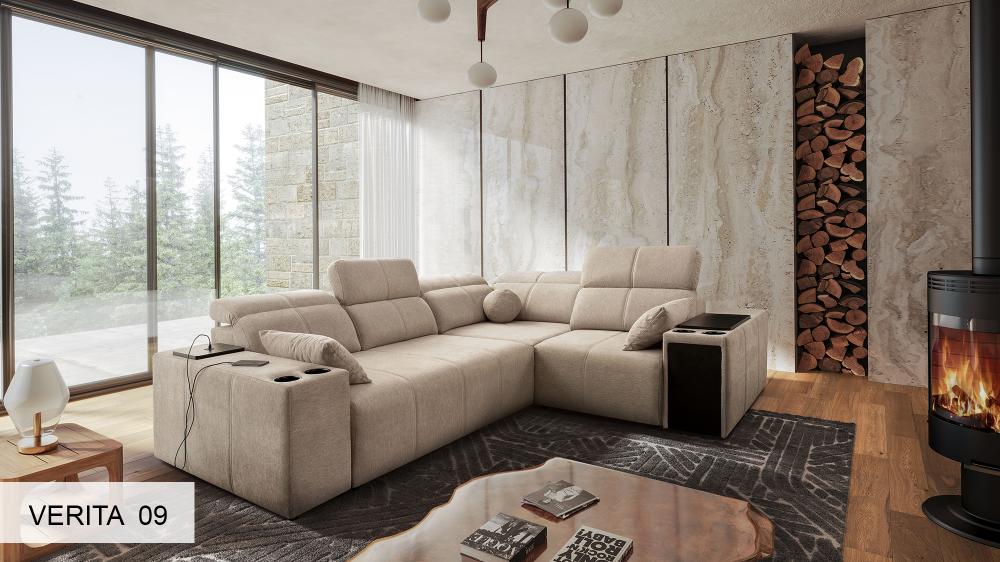
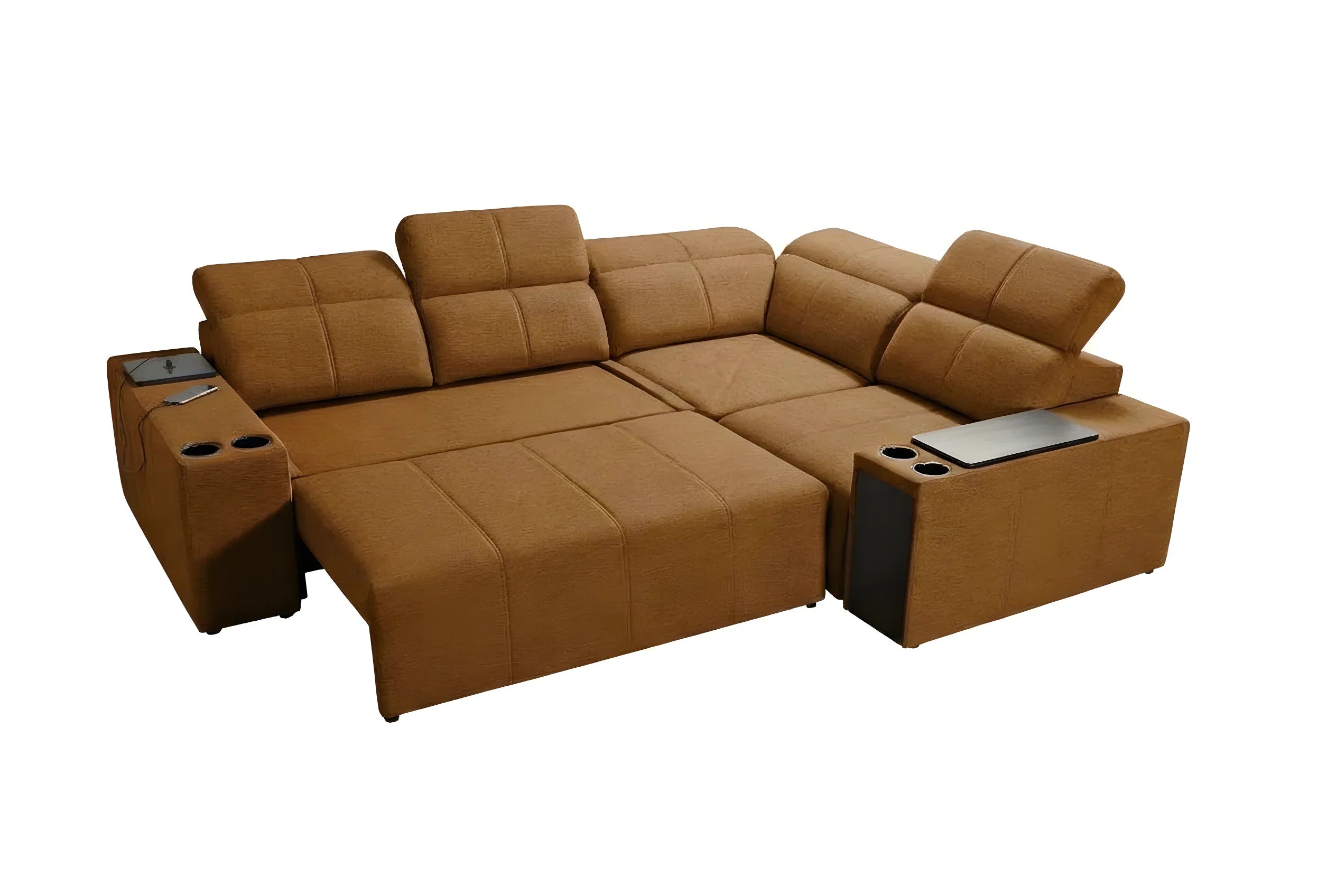
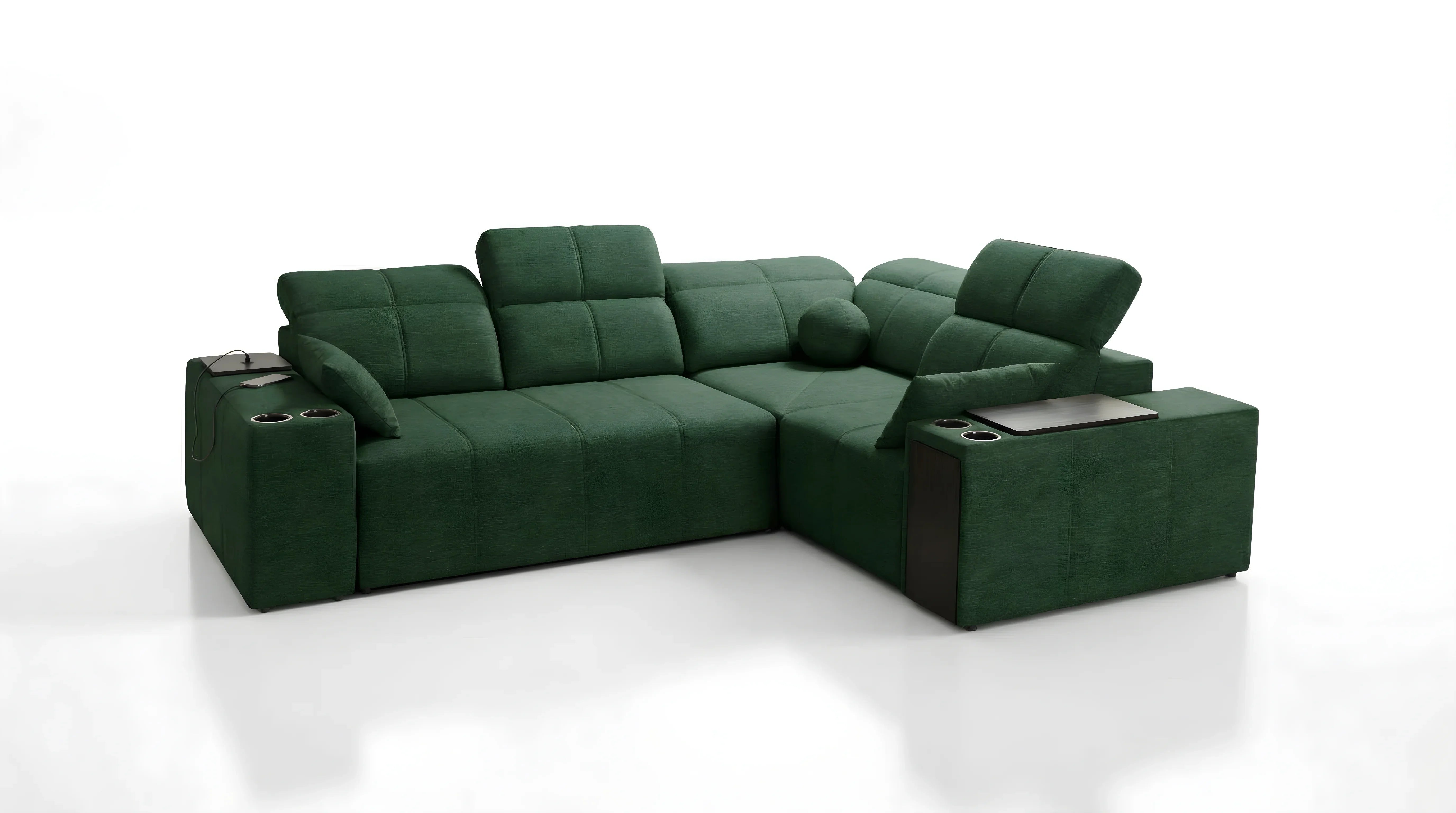
Rushing is the enemy of chenille fabric. Whether you own a large corner sofa for the family or a small straight model, preparing the surface guarantees 80% of the final result.
1. Strategic dusting
Never apply any product, even a dry one, to a dusty sofa. On contact with moisture or cleaners, dust turns into mud, embedding dirt deep into the fibres. Use a cylinder vacuum set to minimum power. The must-have attachment is a soft-bristle brush (often provided for curtains).
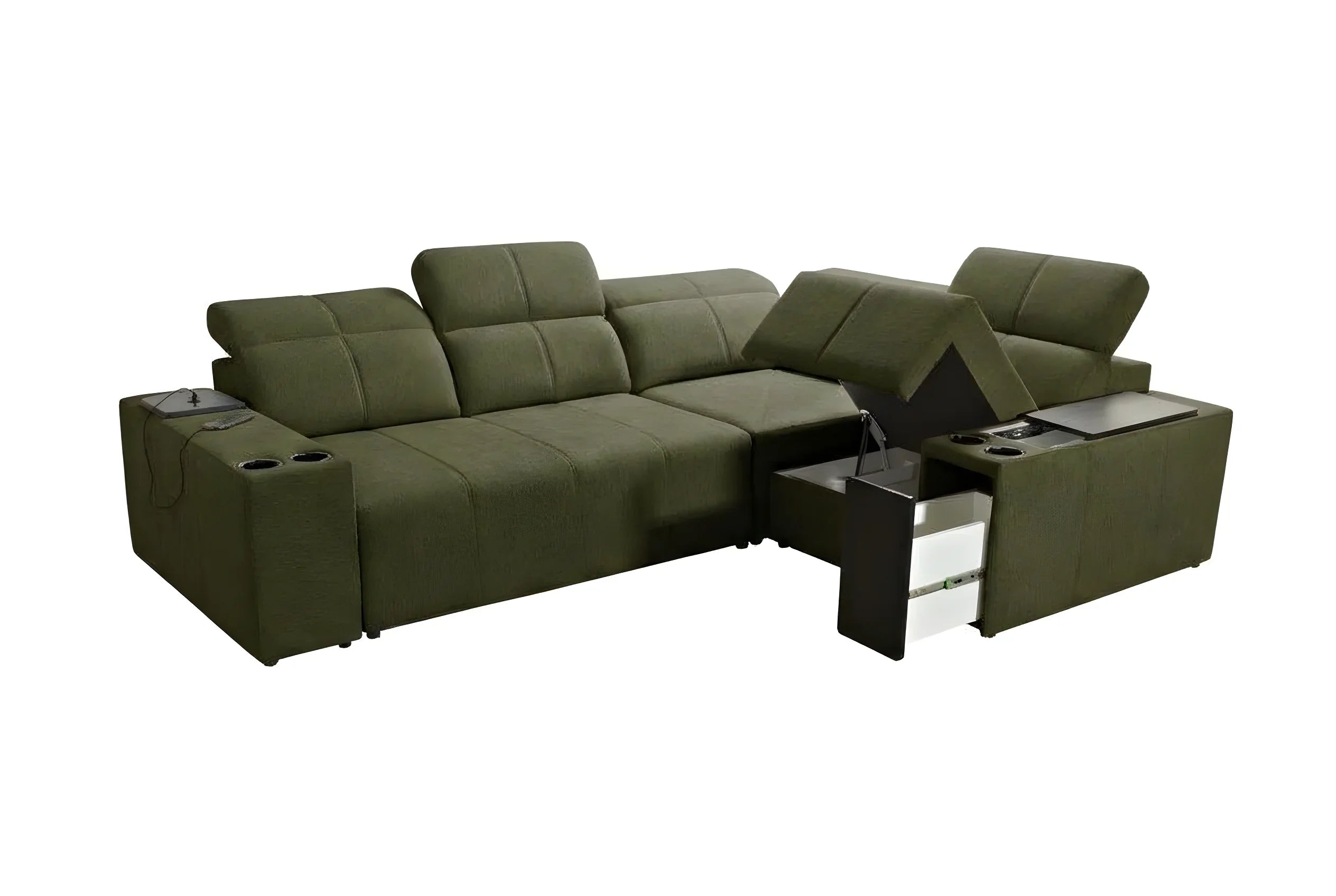
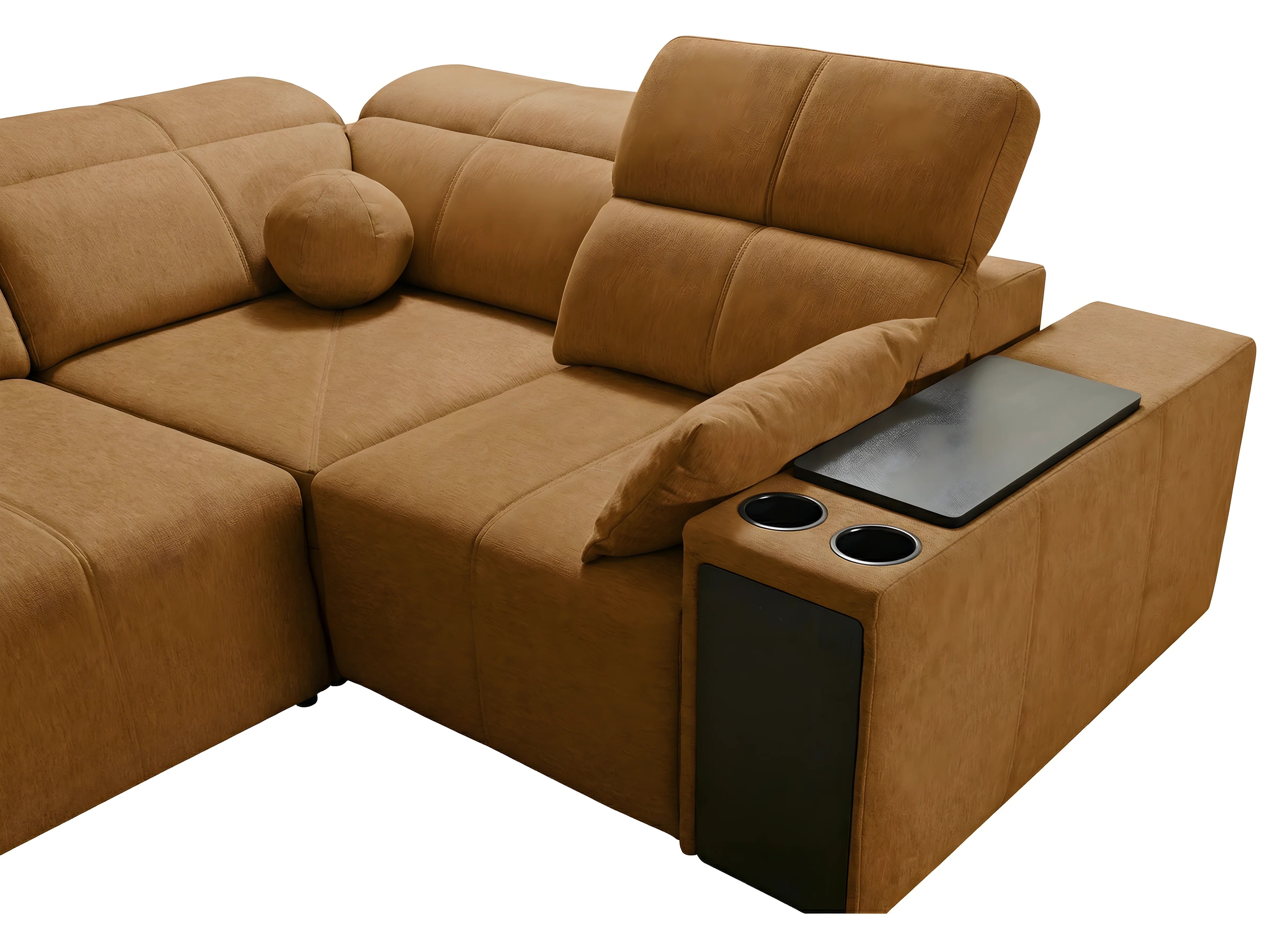
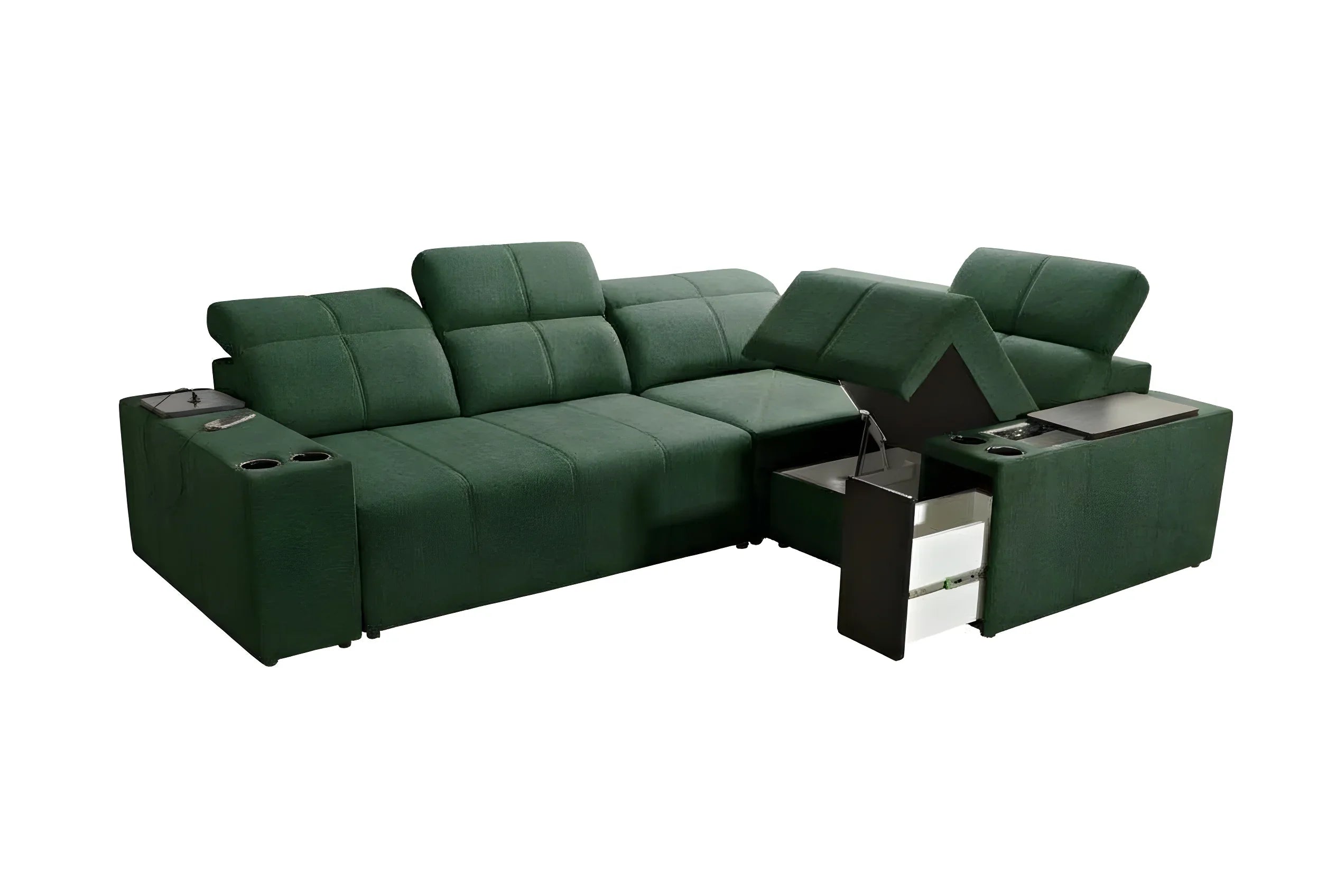
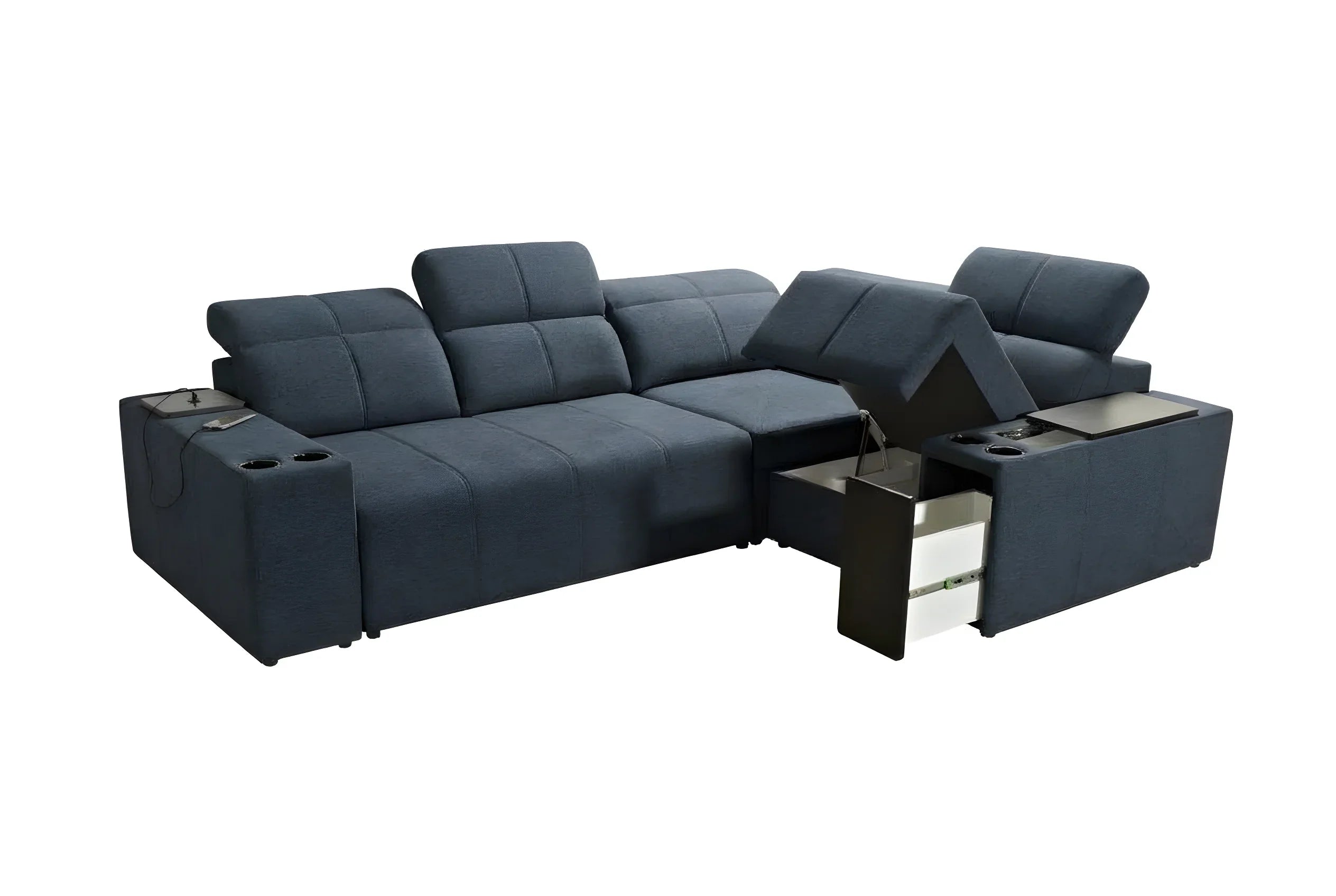
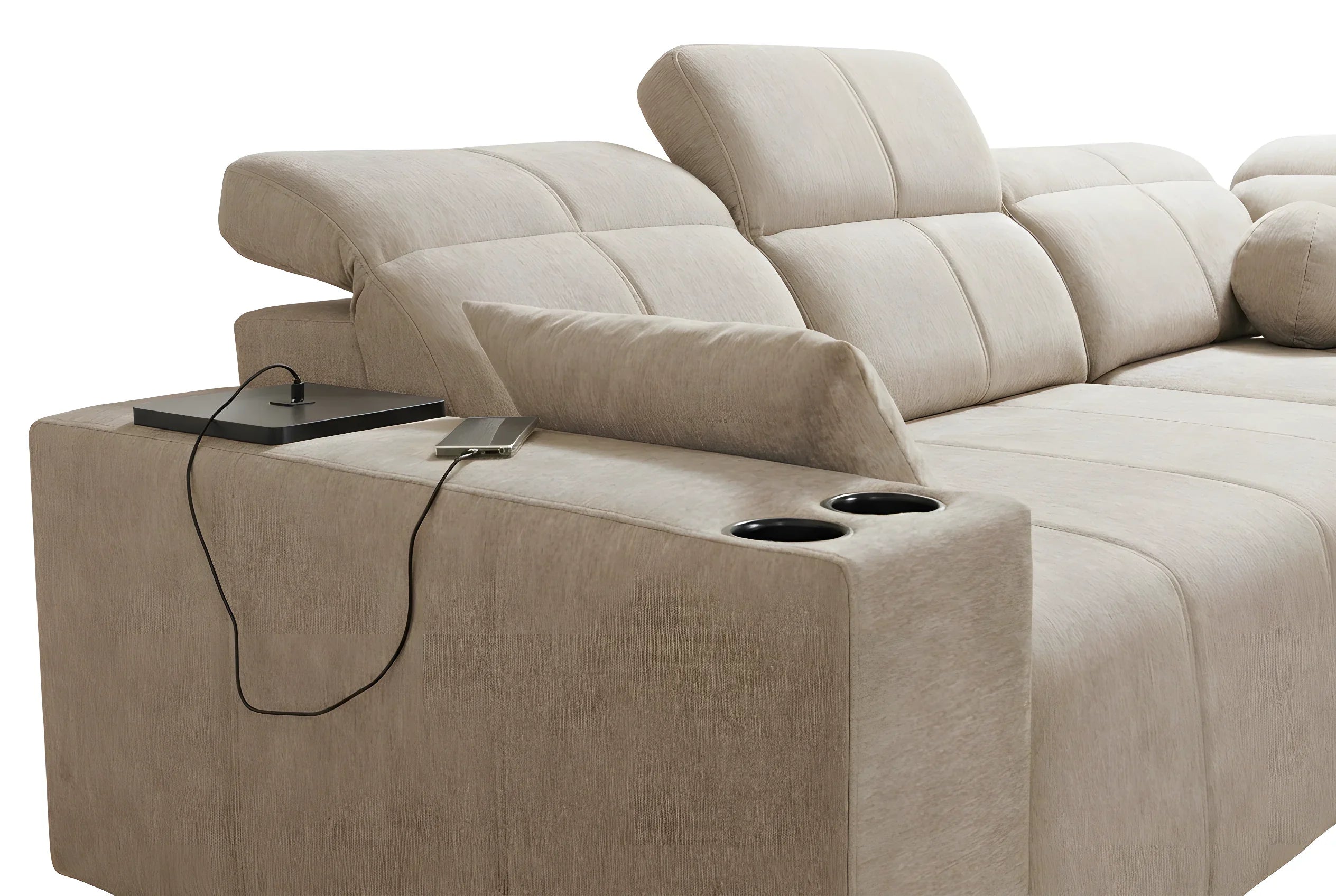
Vacuum with the grain, then against it to dislodge particles trapped in the loops. If you have a modular sofa, don't hesitate to separate the modules to vacuum the friction zones between the seats, where crumbs often hide.
2. Test the product: the safety reflex
Even products labelled "natural" can react chemically with dyes. Before treating a visible stain on your terracotta sofa or midnight-blue sofa, always do a test first.
Preferred dry-cleaning methods for chenille
Water is often a troublesome agent for chenille (risk of water rings, felting if it contains wool or viscose). That's why dry cleaning is the go-to method for routine care, similar to the precautions taken with a velvet sofa.
Baking Soda: to freshen and deodorise
Ideal for regular upkeep or to revive colours dulled by time.
- Generously sprinkle the baking soda over the entire seat and backrest.
- Work it in gently with a soft brush (without pressing hard).
- Leave it to act for at least 2 to 4 hours (overnight is ideal for stubborn odours).
- Vacuum thoroughly to remove all the powder.
This method is especially recommended if you own a wide-seat sofa where body and cooking odours can build up more easily.
Terre de Sommières: against grease
If you like having dinner on your sofa, a grease stain happens fast. Terre de Sommières is an ultra-absorbent clay, more effective than baking soda on lipids.
- Immediate action: Never rub a fresh grease stain.
- Application: Fully cover the stain with the powder.
- Patience: Let the clay "drink" the grease for several hours.
- Finishing: Vacuum. If a ring persists, repeat the operation.
Wet methods: when and how to use them safely
Sometimes dry cleaning isn't enough, especially for liquid stains (coffee, wine, juice). Although most modern models are designed as a stain-resistant fabric sofa, chenille remains porous. Here's how to handle liquids without ruining the fibre.
The soapy water technique (low foam)
The classic mistake is soaking the fabric. For a grey sofa or a light-coloured sofa, this can create brownish rings caused by internal dirt rising to the surface.
The gentle recipe:
- Mix 500ml of lukewarm water (never hot) with a teaspoon of colourless washing-up liquid or liquid black soap.
- If your local water is hard, use demineralised water to avoid harsh mineral deposits.
- Whisk the mixture to create foam: it's the foam we'll use, not the water.
The technical gesture: dab, never rub
Using a clean white microfibre cloth (to avoid any colour transfer), pick up a little foam. Apply to the stain by dabbing from the outside in to avoid spreading the soiling. Repeat until the stain disappears. Then rinse by dabbing with a damp cloth (clear water only) and dry immediately with a dry terry towel or a hairdryer on the "cool air" setting.
This careful approach is just as essential for a boucle sofa as for chenille, two textured fabrics.
Summary table: specific solutions by stain type
Every stain has its antidote. Here's a quick guide so you're never caught off guard.
| Stain Type | Recommended Product | Specific Method | Risk Level |
|---|---|---|---|
| Coloured liquids (Wine, Coffee) | Sparkling water + dry cloth | The fizz helps lift pigments. Blot up any excess immediately. | Medium |
| Grease (Oil, Butter) | Terre de Sommières | Sprinkle, leave for 12 hours, vacuum. Do not wet. | Low |
| Ink (Pen) | 70% alcohol | Dab with a cotton bud soaked in alcohol, precisely on the line. | High (Test required) |
| Blood | Cold water + Aspirin | Dissolve an aspirin in cold water. Dab. Hot water cooks the blood! | Medium |
| Household accidents (Pets) | Diluted white vinegar (50/50) | Neutralises the ammonia in urine. Useful for any sofa for dogs and cats. | Low |
Common mistakes and products to absolutely avoid
In the panic of a stain on your beautiful modern, chic sofa, it's tempting to reach for drastic methods. Here are the firm no-gos for chenille.
The Steam Cleaner: a false good idea
While steam is excellent for sanitising, it is often fatal to the look of chenille. The intense heat combined with moisture can "cook" synthetic fibres (polyester, acrylic) or shrink natural fibres (cotton). What's more, the pressure flattens the pile, removing all the plumpness that gives a cosy sofa its charm.
Excess water and drying in the sun
A chenille sofa that is too wet will take a very long time to dry thoroughly, encouraging internal mould growth. Likewise, never expose a beige sofa or bright-coloured sofa directly to sunlight to dry: UV rays fade chenille faster than other fabrics and can make it feel rough.
For owners of a corduroy velvet sofa or a chenille sofa, ammonia and bleach are also off-limits, as they literally burn the surface fibre.
The advantage of removable-cover sofas
If you're in the buying phase and cleanliness is your obsession, go for a removable-cover model. It often allows machine washing (if the label allows it, generally on a "Wool" or "Delicates" cold cycle). It's an option we often suggest when you choose to personalise your sofa with Kings Canapé.
Remember: never put chenille covers in the tumble dryer. Put them back on the frame slightly damp so they regain their shape as they dry without creasing.
Frequently Asked Questions (FAQ)
What to do about pilling on chenille after cleaning?
Pilling is natural with friction. If pills appear after cleaning, use an electric fabric shaver (lint shaver). Glide it gently over the surface without pressing. This will restore a like-new look to your sofa. Absolutely avoid pulling on protruding threads.
Can I clean my chenille sofa bed the same way?
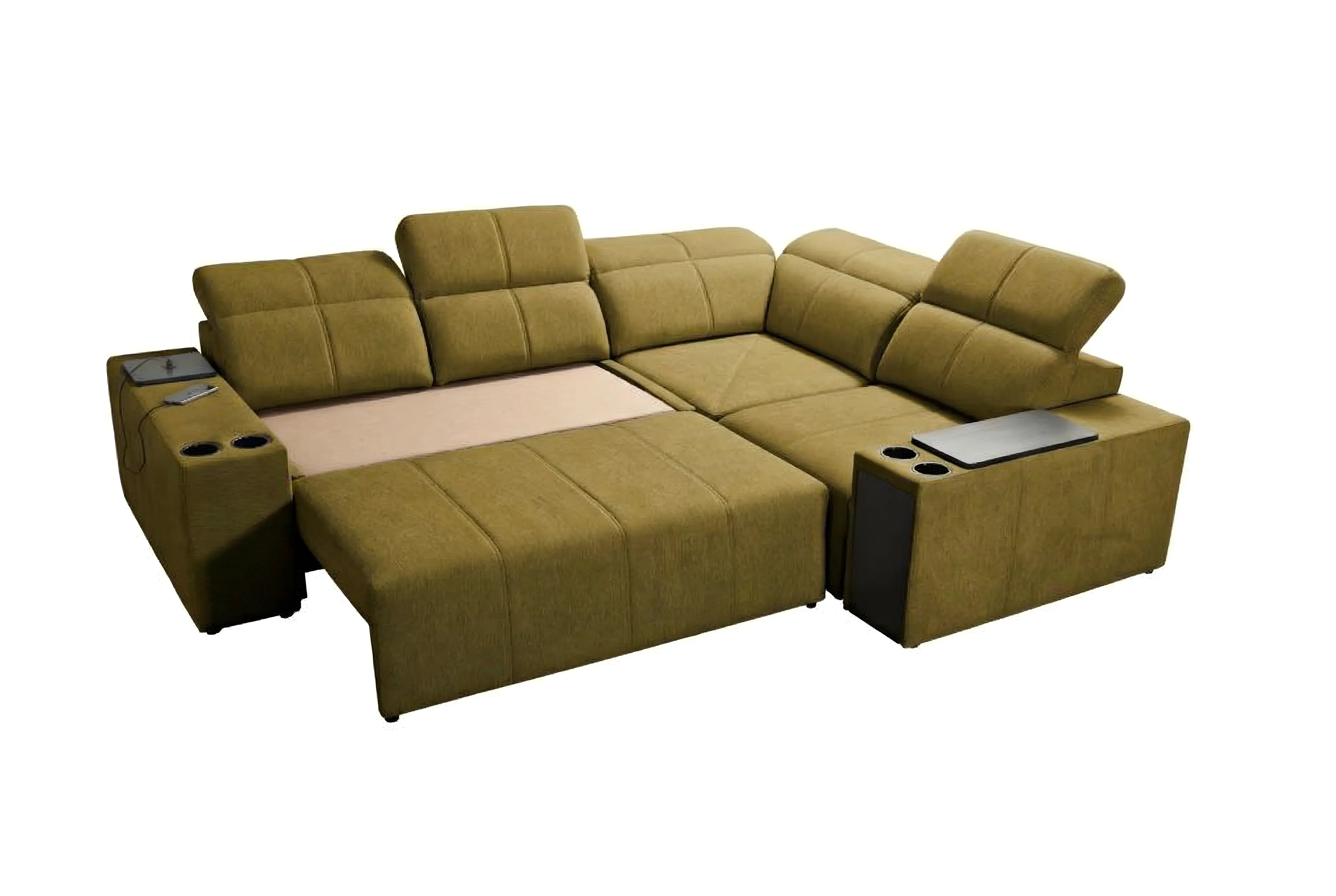
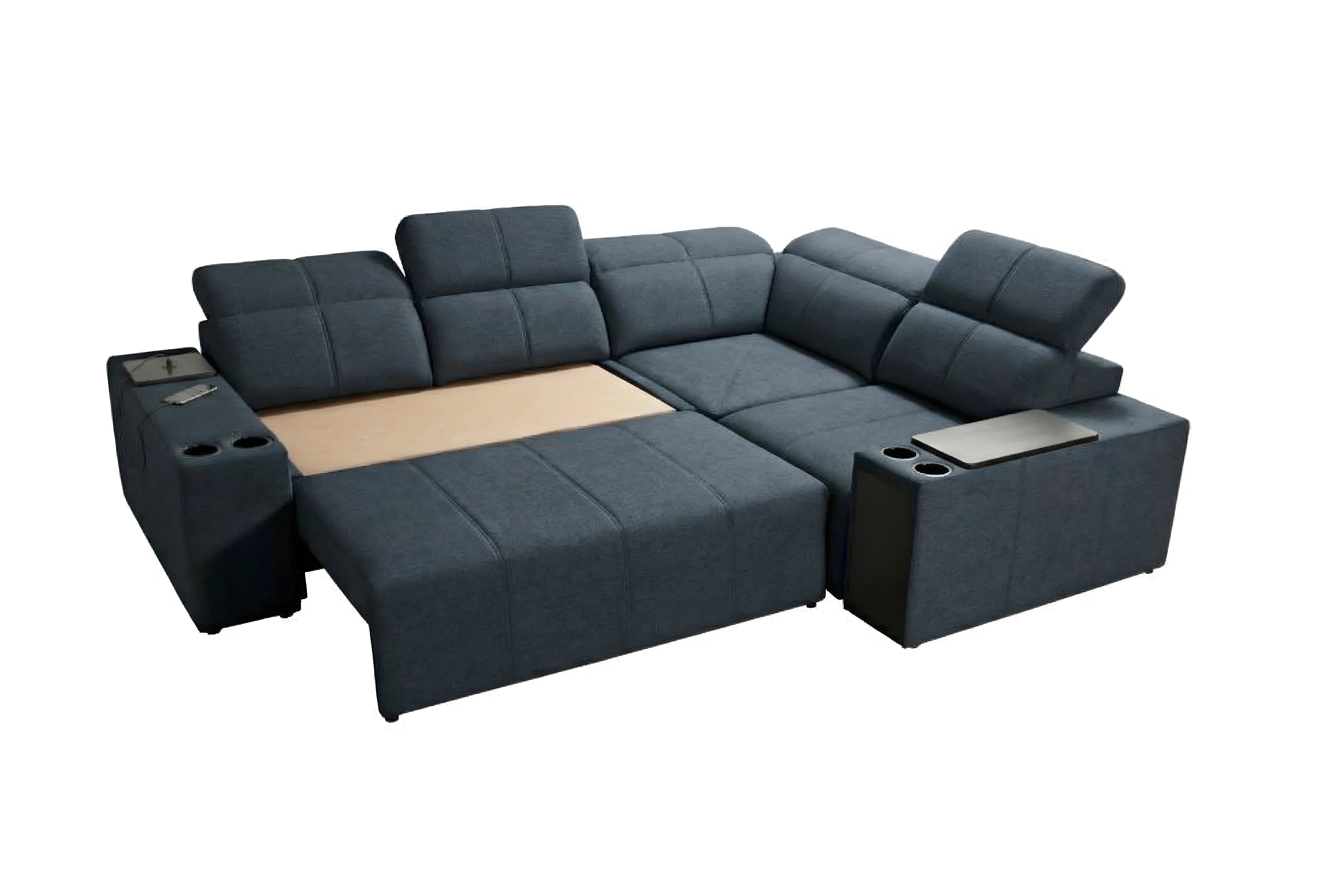
Yes, the methods are identical for the fabric. However, for a straight sofa bed, take care not to let moisture seep down to the folded mattress underneath. Unfold the sofa if you need to do a wet cleaning, and leave it open until completely dry to prevent rust on the mechanism or mould on the mattress.
How long should you wait before sitting down again?
After a light wet cleaning, allow about 4 to 6 hours in a well-ventilated room. For a dry cleaning with baking soda, the sofa is usable as soon as vacuuming is finished. Make sure the fabric is perfectly dry to the touch, including between the cushions.
How to restore plumpness to flattened chenille pile?
If an area looks "flat" after cleaning, use a very soft-bristle brush (or a baby brush). Gently brush the area in several directions to lift the fibres. You can do this regularly to maintain the velvety look, just as you would for a velvet sofa.
Conclusion: softness and longevity go hand in hand
Cleaning a chenille sofa isn't an impossible mission; it's a question of gentleness. By favouring regular vacuuming, dry cleaning with Terre de Sommières, and banning aggressive rubbing, you'll preserve the luxurious look and unique feel of your furniture. At Kings Canapé, we select our chenille fabrics for their durability and lasting aesthetics, so your investment remains the centrepiece of your living room, as comfortable to the touch as it is pleasing to the eye, year after year.



Leave a comment
This site is protected by hCaptcha and the hCaptcha Privacy Policy and Terms of Service apply.