


The arrival of a new centerpiece in the living room is always an event. Yet, a 2023 furniture industry statistic reveals that 40% of irreversible damage to upholstery occurs within the first six months of use. Faced with this reality, a crucial question arises: Should you waterproof a new sofa immediately upon delivery? While the idea of protecting your investment seems logical, the fear of damaging the fabric or using the wrong product paralyzes many buyers. This article aims to settle the debate, guide you toward the right decision regarding protecting your new sofa, and provide you with expert methodology to secure your seating before the first stain threatens its luster.
Why does the question of waterproofing arise as soon as the property is received?
The most common mistake is waiting for the first signs of wear and tear before taking action. However, waterproofing a sofa isn't about repairing, it's about prevention. The moment of delivery is, technically, the only time the fibers of your fabric sofa are completely free of embedded dust, sebum, or household residue.
Understanding the risks: the porosity of new fibers
Whether it's linen, cotton, or synthetic blends, textile fibers are naturally porous. Without a stain-resistant treatment for sofas , liquids (wine, coffee, water) penetrate instantly to the heart of the fiber, making deep cleaning difficult, if not impossible, without leaving rings.
This is especially critical if you've chosen light colors. A white or beige sofa, symbols of elegance, doesn't forgive any mishaps. Applying a protective coating on the day of installation creates an invisible barrier that keeps liquids on the surface (beading effect), giving you precious time to blot before they're absorbed.
The difference between a new sofa and a used sofa
When should you waterproof a sofa ? The best time is before its first use. On a sofa that's already been used, even lightly, micro-particles of grease and dust become trapped between the fibers. If you apply a sofa waterproofing product to a non-sterile surface, you risk trapping this dirt under the protective layer, which can dull the color and reduce the product's adhesion. That's why treating a luxury sofa should always be part of the setup process.
Is my new sofa already treated at the factory?
Before you reach for your spray, a check is essential. Some manufacturers integrate protective technologies directly into the weaving process. It would be unnecessary, even counterproductive, to layer chemical treatments without prior verification.
How to verify the existence of initial protection
Consult your product's technical specifications. Look for terms like "water-repellent fabric," "Teflon treatment," "Scotchgard," or "Easy Clean." At Kings Canapé, for example, we offer specific ranges of stain-resistant fabric sofas that already have advanced hydrophobic properties.
If you opted for a custom-made sofa , this option may have been selected during the configuration process. In that case, immediate re- waterproofing is not necessary and could even saturate the fabric, creating an unpleasant stiff, cardboard-like effect.
The importance of the type of fabric
The need to protect your sofa from stains varies depending on the material:
- Natural fabrics (cotton, linen): They are very absorbent. Waterproofing upon receipt is highly recommended .
- Synthetic fabrics (Polyester): They are naturally more resistant, but a spray can facilitate future maintenance.
- Microfiber: A microfiber sofa has a very tight weave that naturally slows down the penetration of liquids. However, for a family sofa subjected to heavy use, an additional layer provides significant protection.
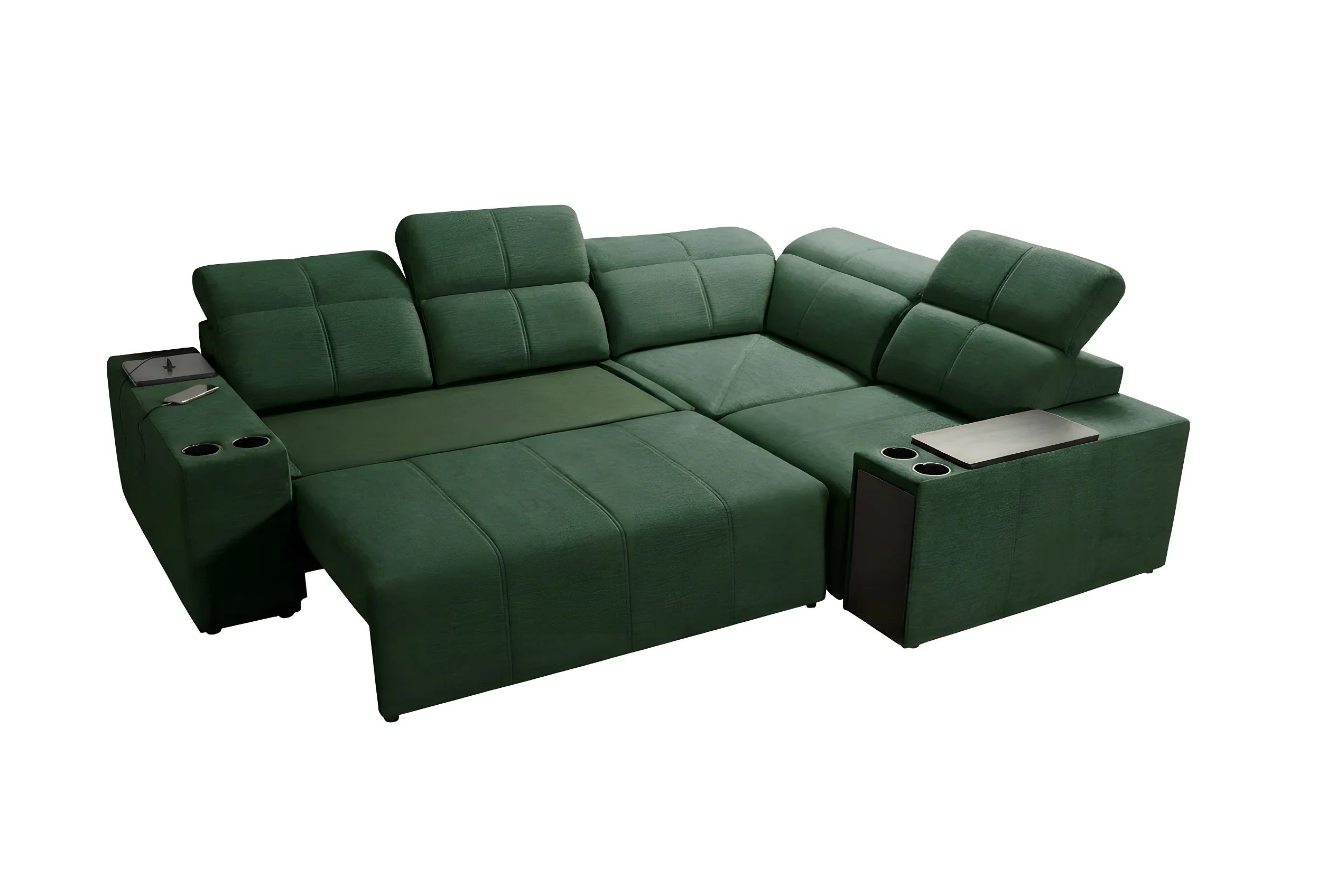
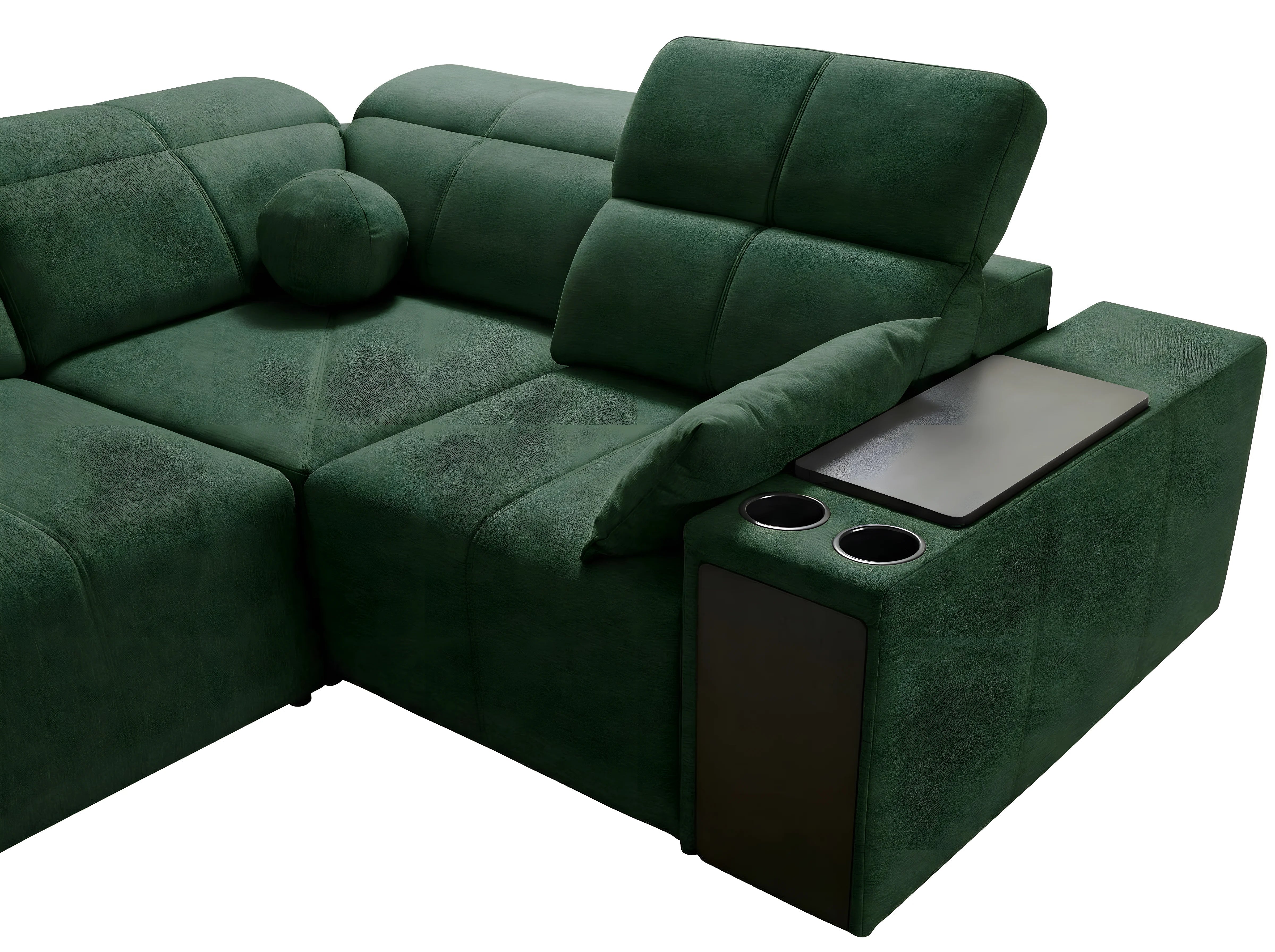
- Velvet: Applying the product to a velvet sofa requires special care to avoid sticking it to the pile. Very fine mist sprays should be used.
Selection guide: Which waterproofing product should you choose?
The market is full of solutions, but not all sofa waterproofing products are created equal. To guarantee the longevity of your furniture, choosing the right product is just as critical as applying it correctly.
| Product Type | Benefits | Disadvantages | Ideal for |
|---|---|---|---|
| Aerosol (Gas Spray) | Thin and even application, quick drying. | Strong odor, requires very good ventilation, less environmentally friendly. | Velvet sofa (prevents the fibers from getting wet). |
| Sprayer (Manual pump) | Often water-based, less toxic, odorless. | Larger droplets, longer drying time. | Sofa upholstered in looped fabric and thick materials. |
| Fluoropolymer-based waterproofing agent | Extreme protection (water and oil), very durable. | Heavier chemical composition. | Light grey sofa or light colours in very high light exposure. |
Focus on composition and health
The trend now is towards eco-friendly, PFOA-free (perfluorooctanoic acid) and water-based products. If you live with young children or pets, as is often the case for those with a cat or dog sofa , opt for these gentler formulas. They are just as effective at protecting your sofa from stains but require slightly longer drying time.
The 5 steps to successful waterproofing from day one
You have the right product and your sofa is like new. Here's the exact procedure for waterproofing a sofa without risking watermarks or altering the fabric's appearance.
1. Preparing the area
Even if the product is odorless, open the windows. Place the sofa in the center of the room if possible to move around it easily.
2. Precautionary dusting
Even if it's brand new, give it a quick vacuum with the soft brush attachment. This lifts the fibers (especially for velvet) and ensures optimal penetration of the spray.
3. The safety test
Always test the product on a hidden area (back of the sofa or inside of a hem). Wait until it is completely dry to check for any discoloration or change in texture.
4. Cross-application
Hold the spray can about 20-30 cm from the fabric. Spray using regular horizontal strokes, then vertical strokes (cross-hatching method). This ensures that no area is missed.
5. Complete drying
This is the hardest part: the waiting. Let it dry for at least 6 hours, ideally 24 hours, before sitting down. Incomplete drying can reduce the effectiveness of the sofa stain treatment .
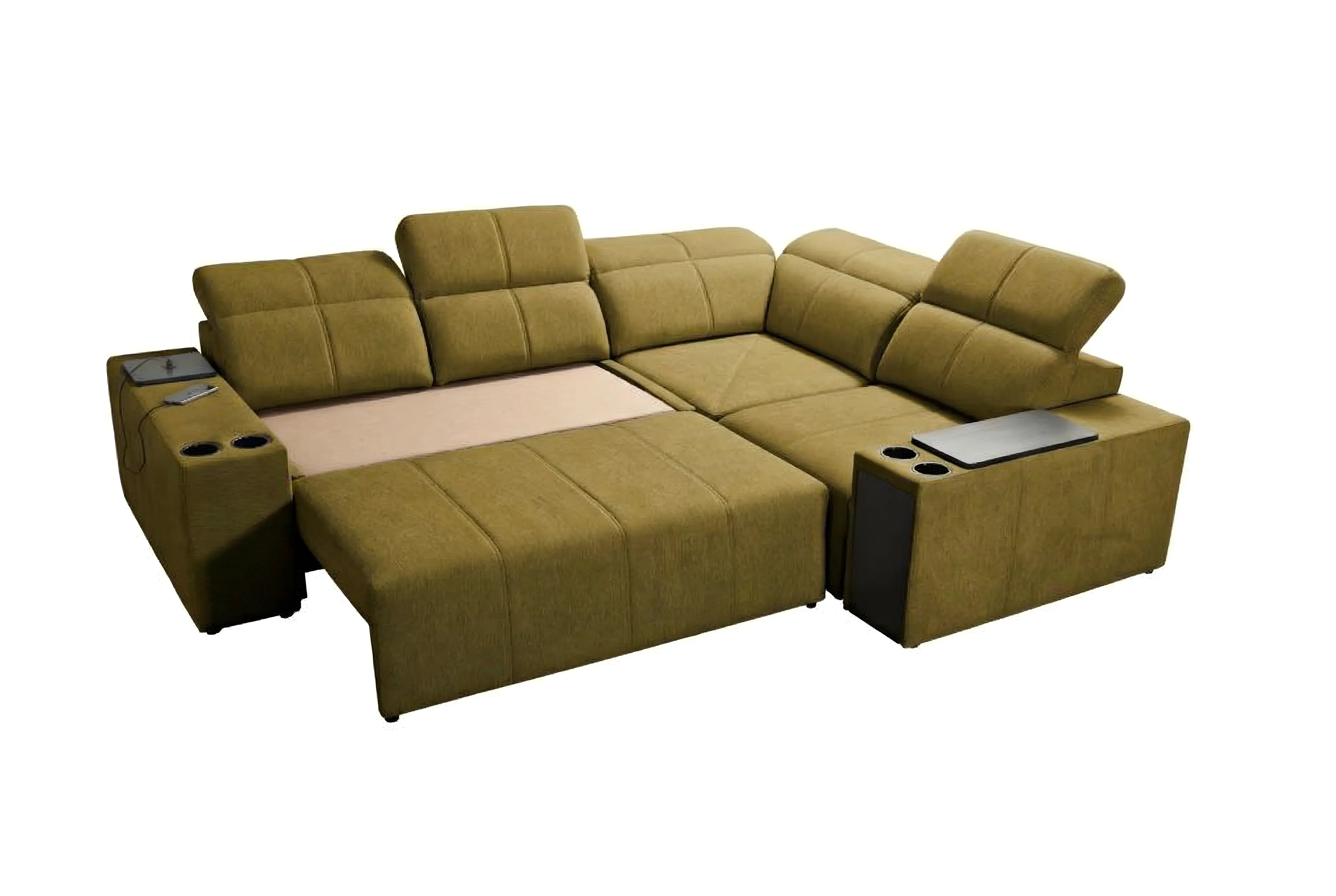
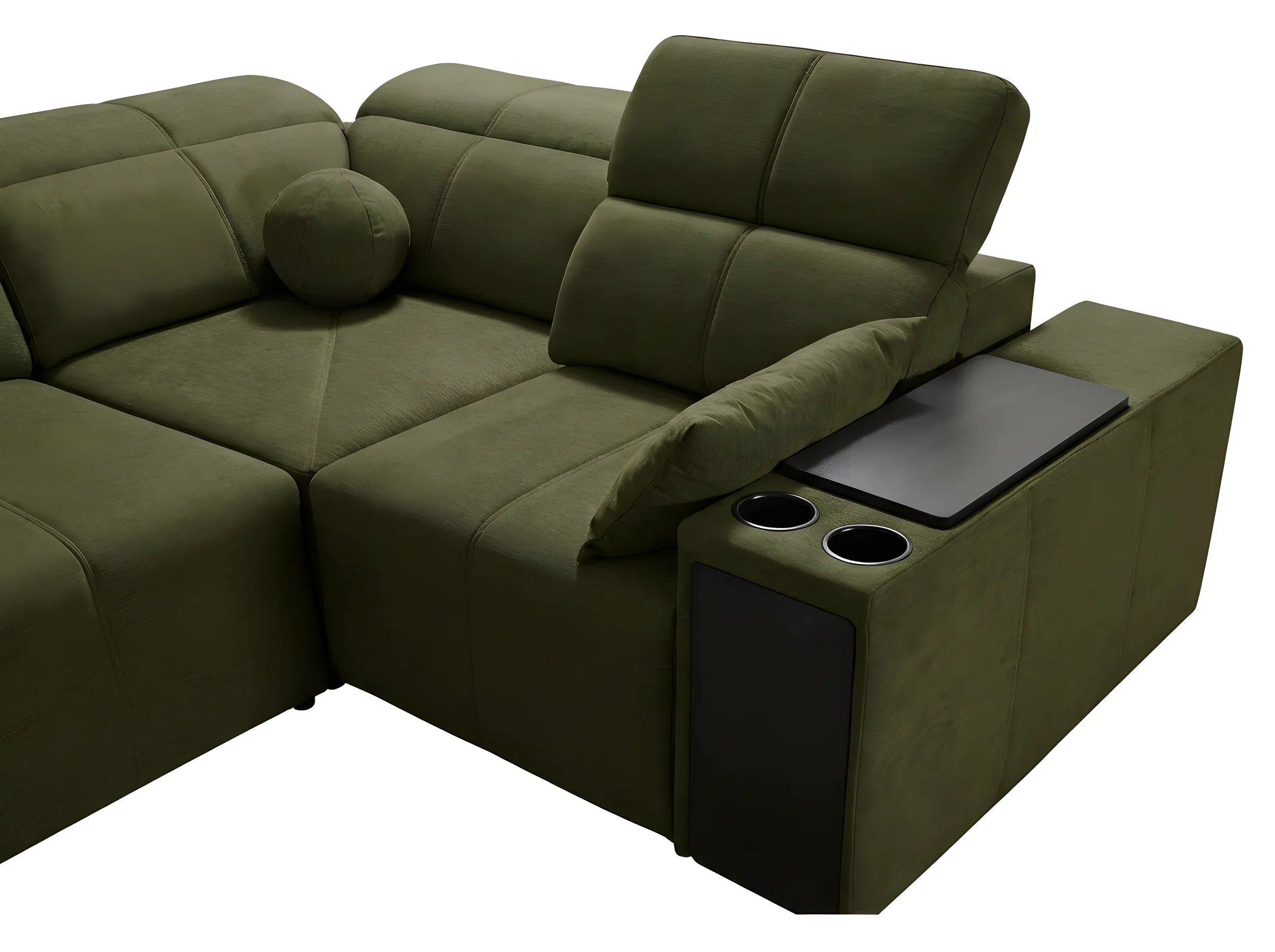
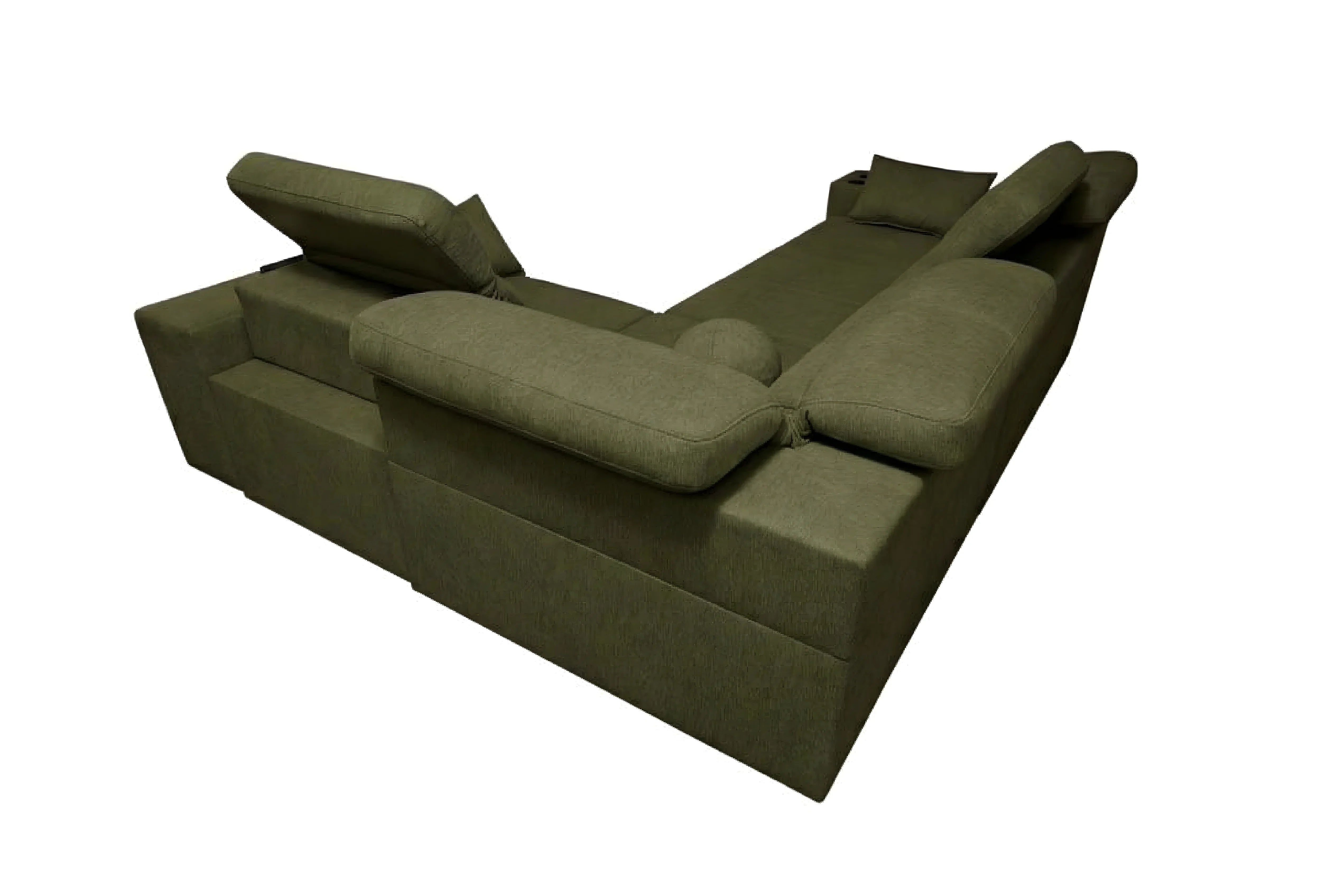
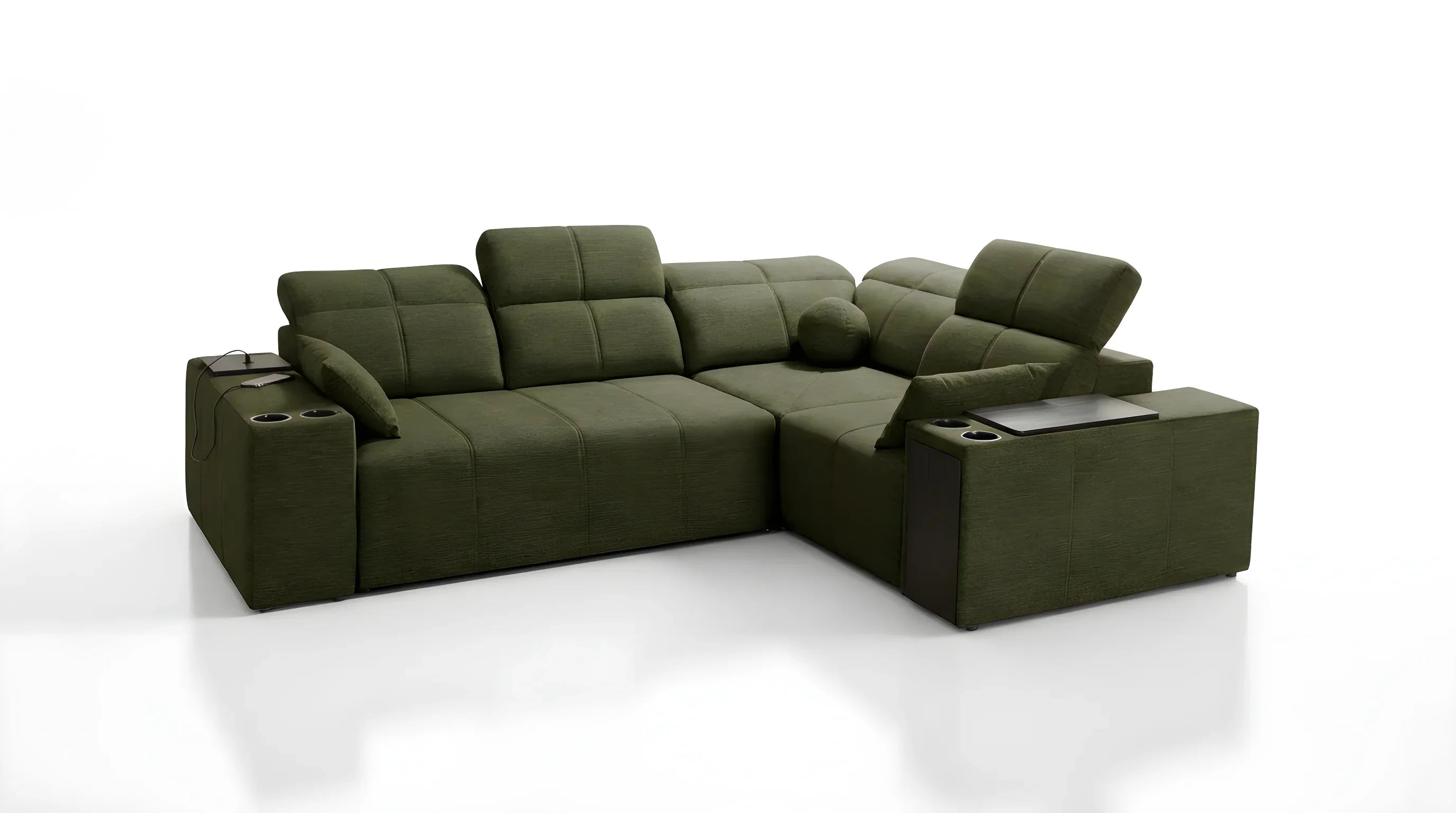
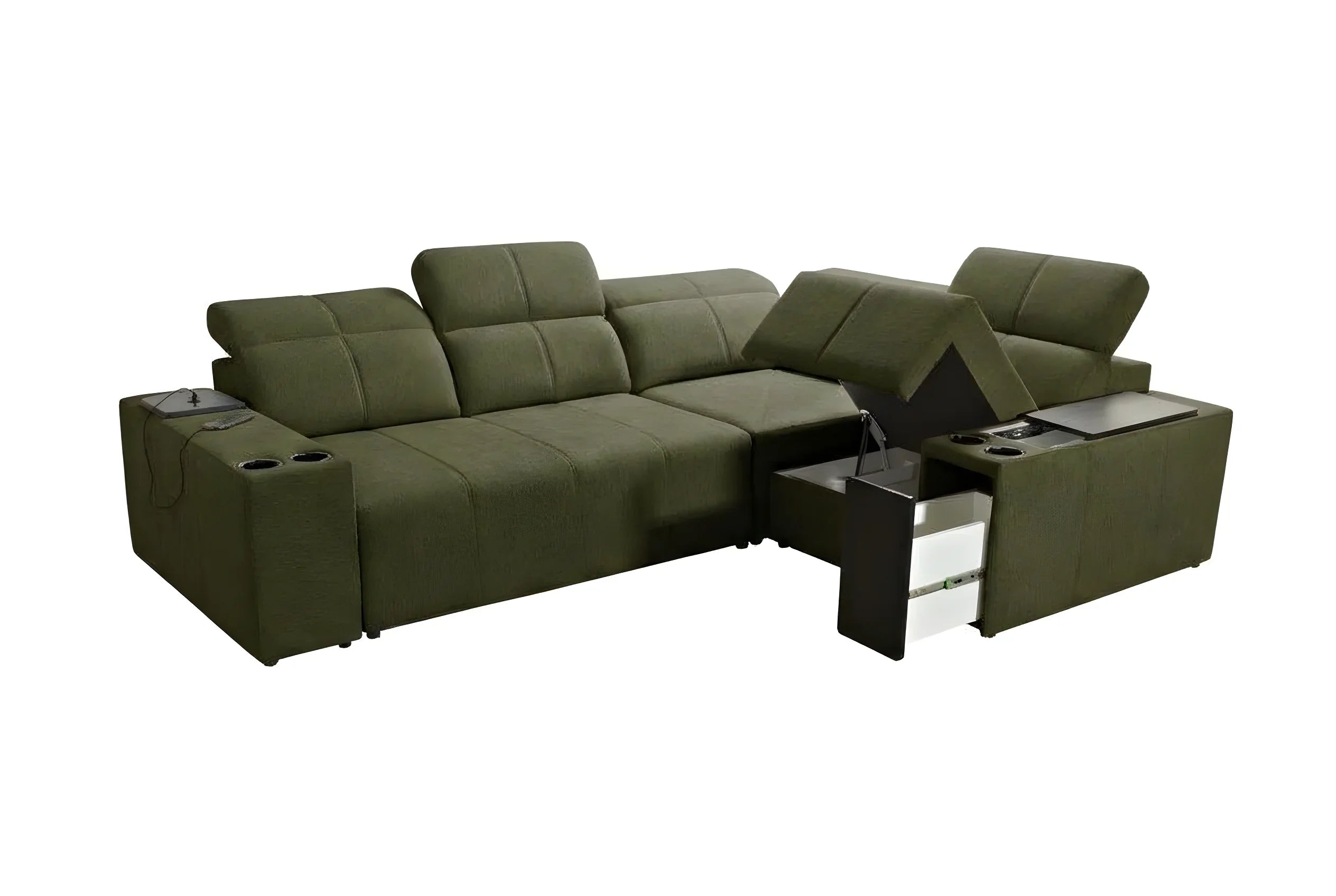
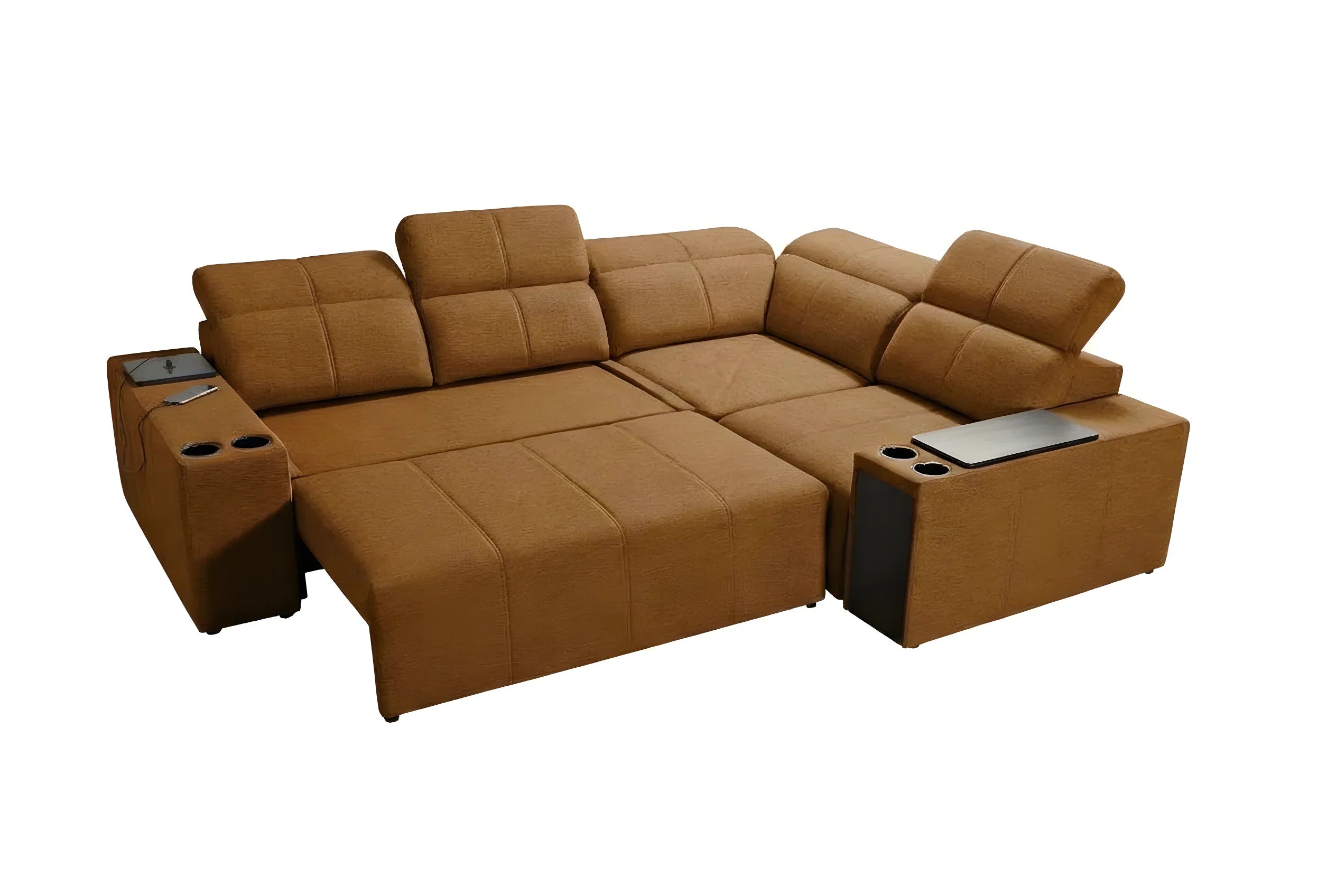
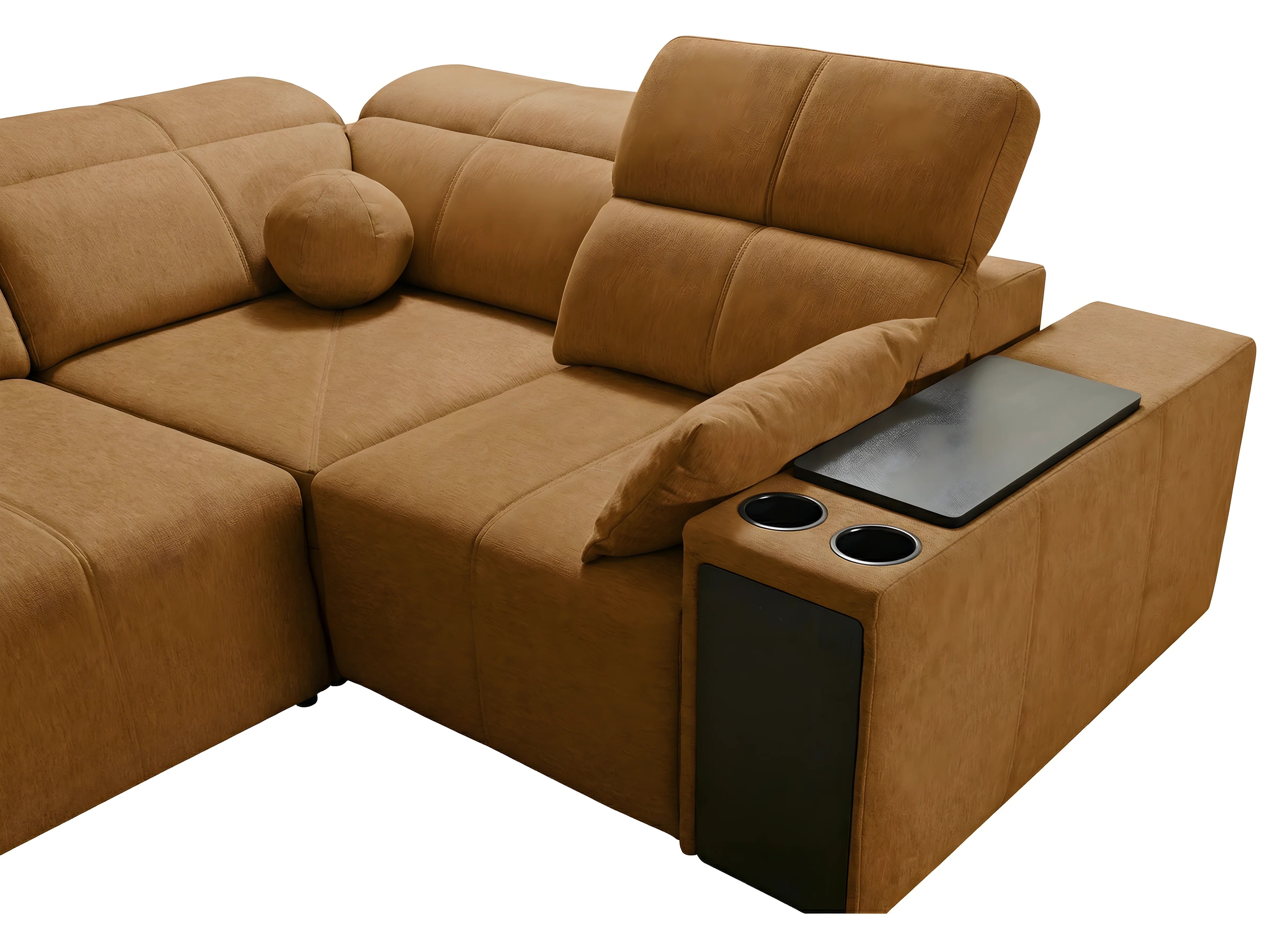
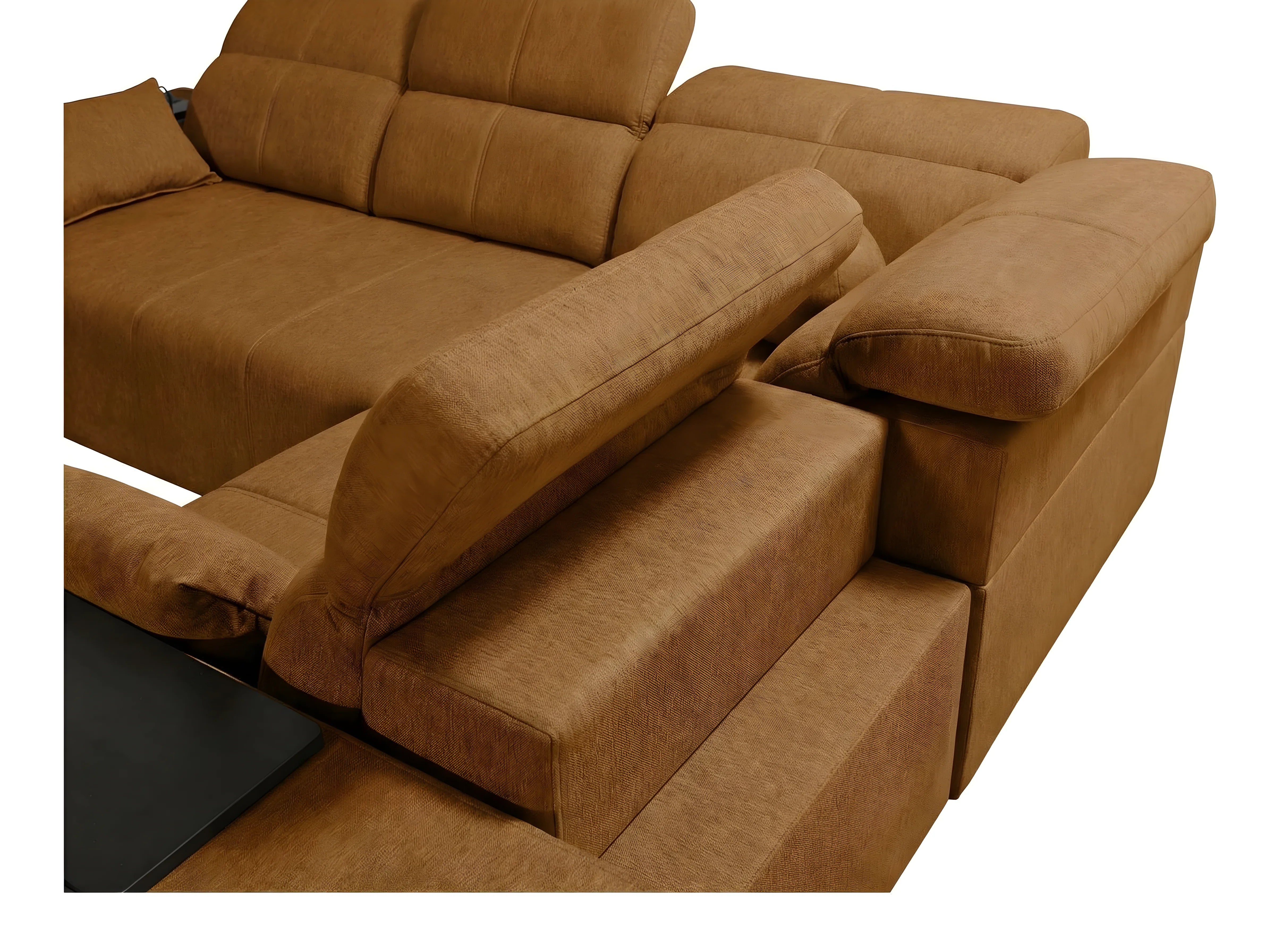
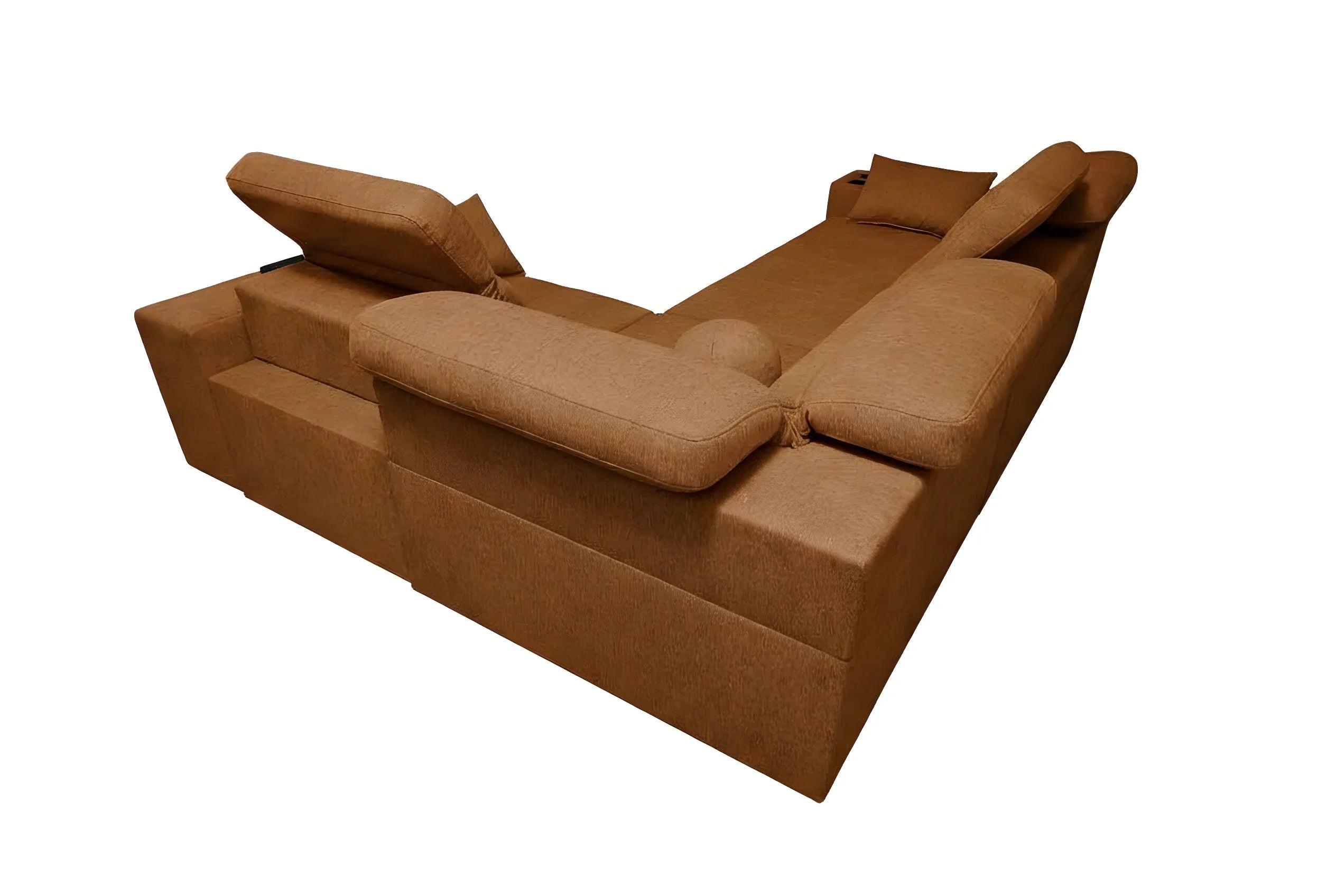
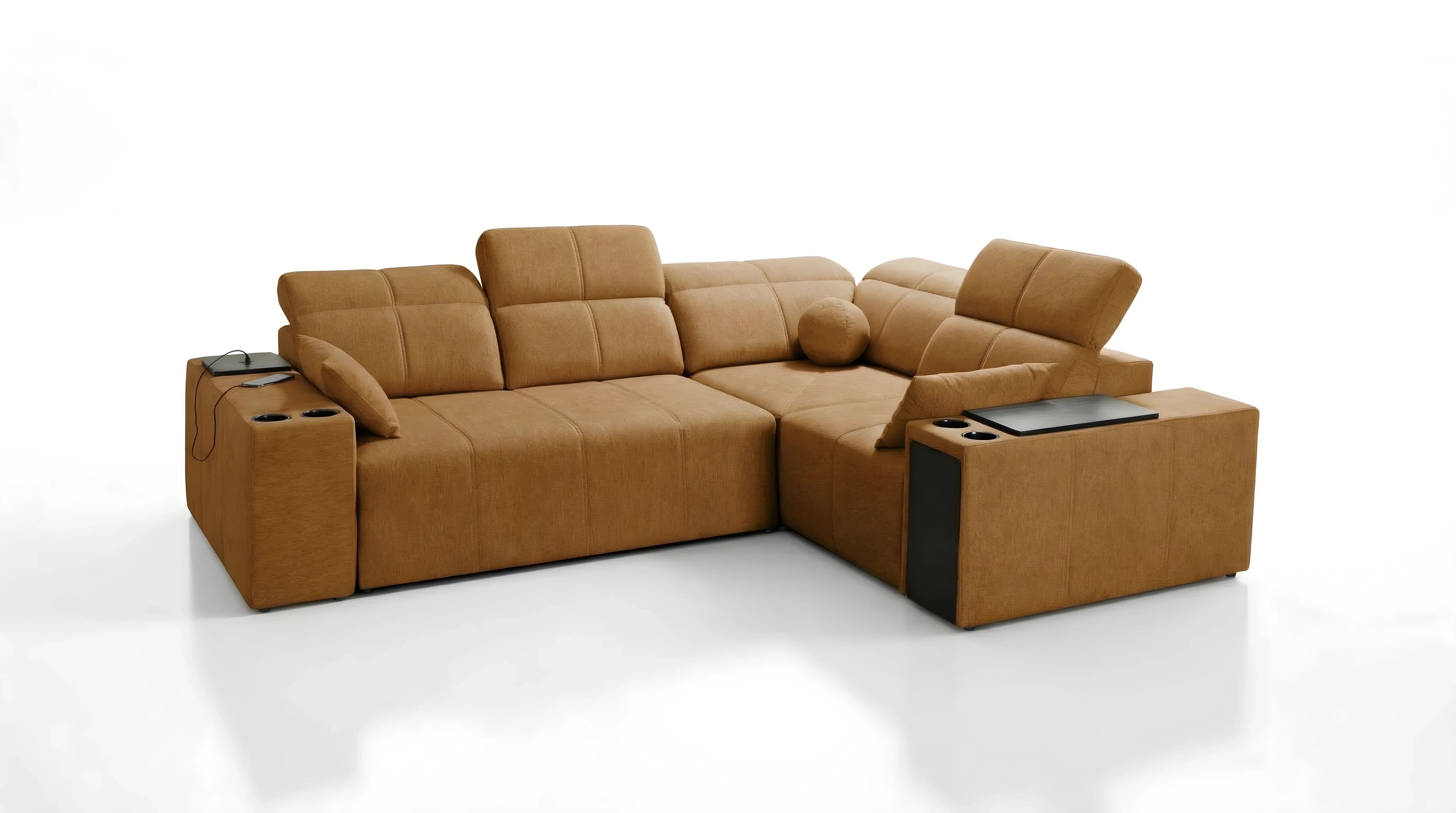
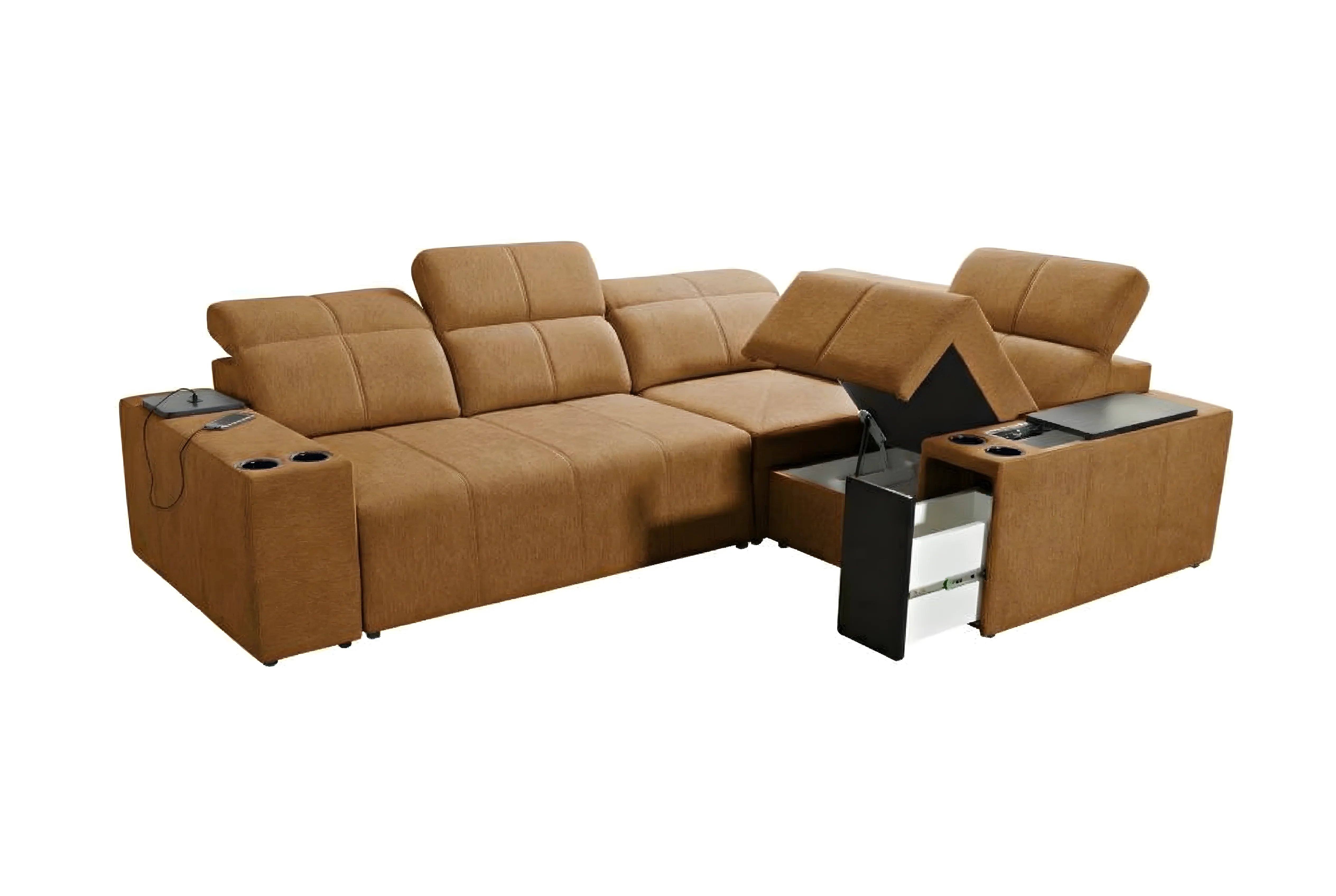
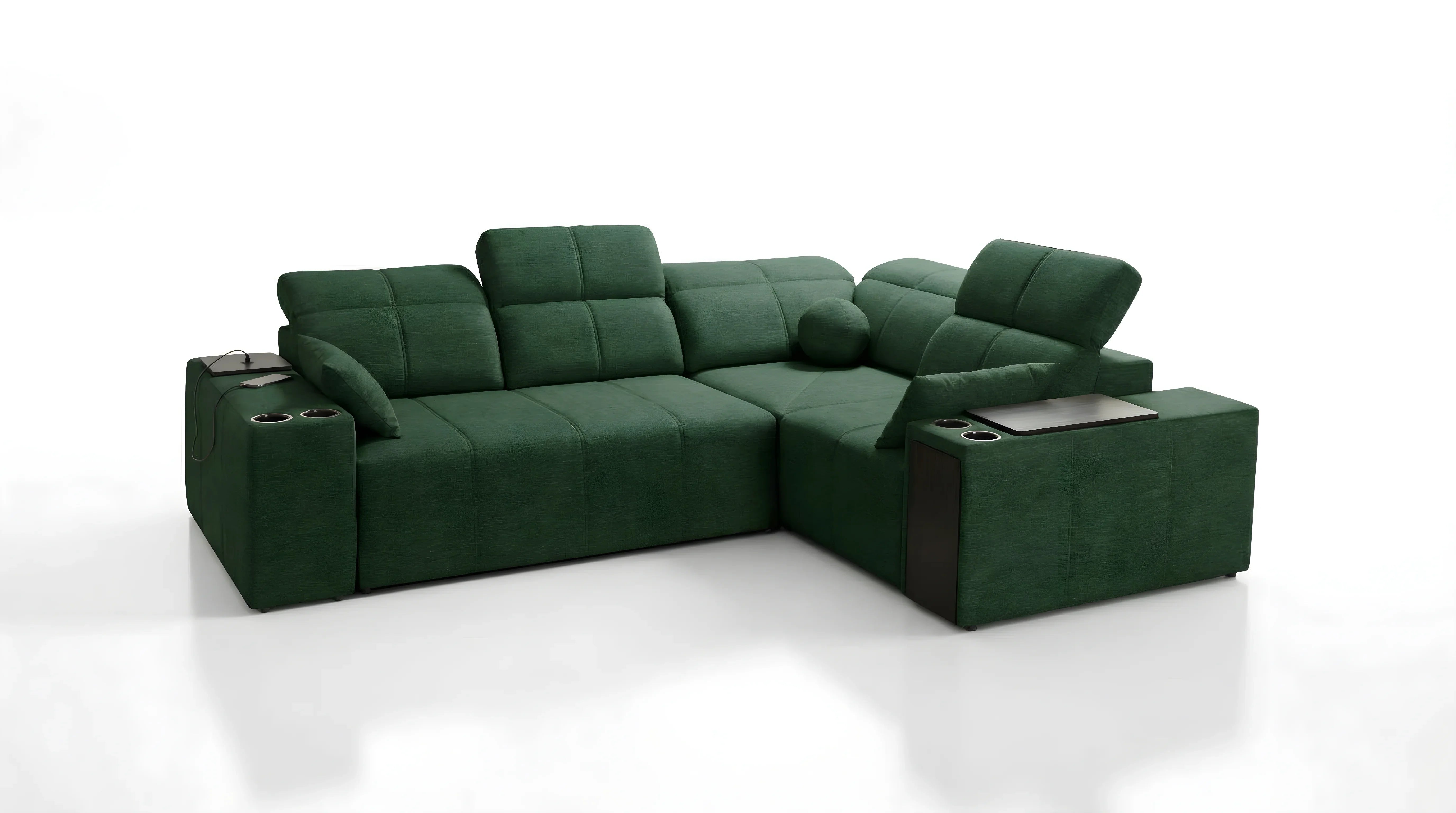
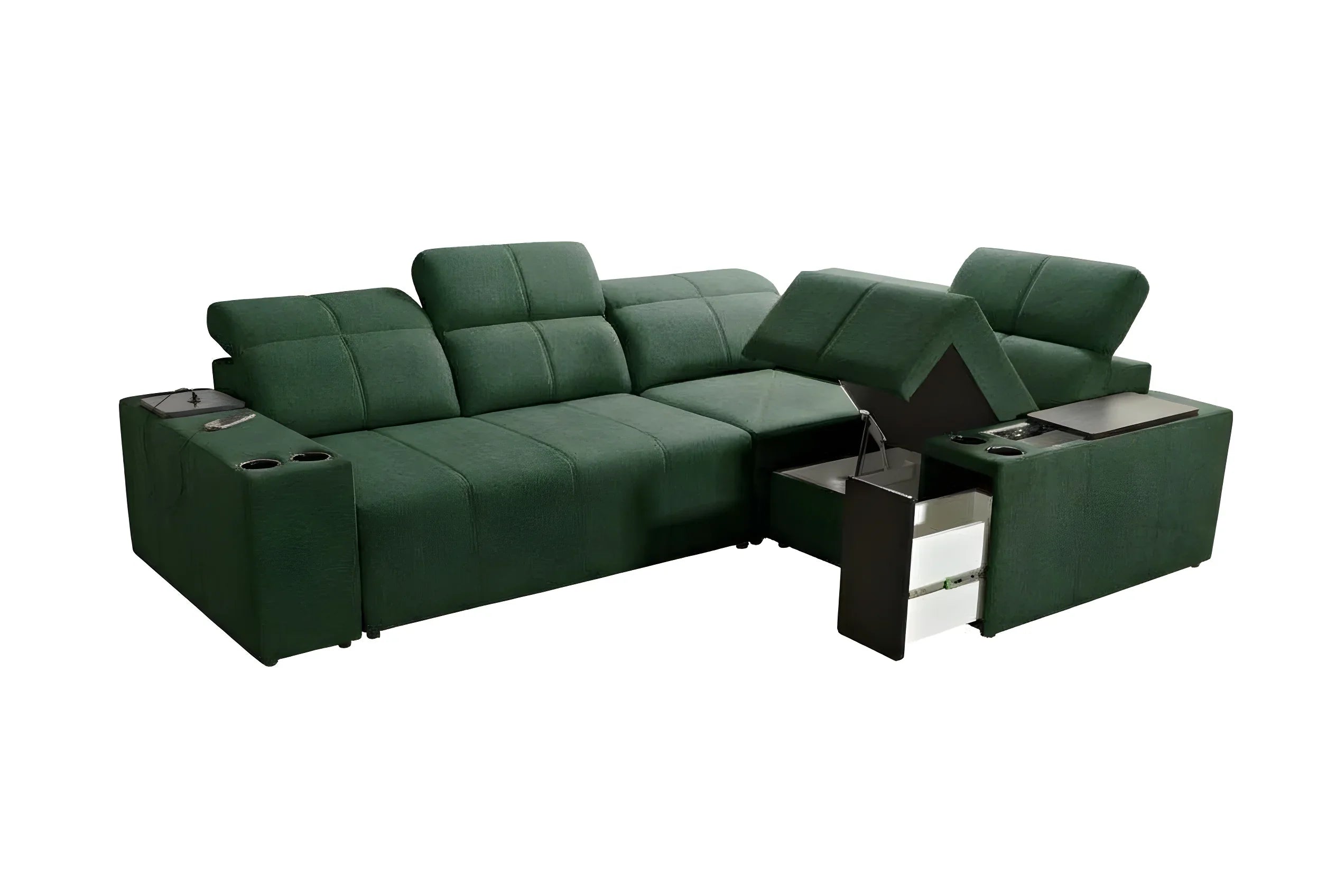
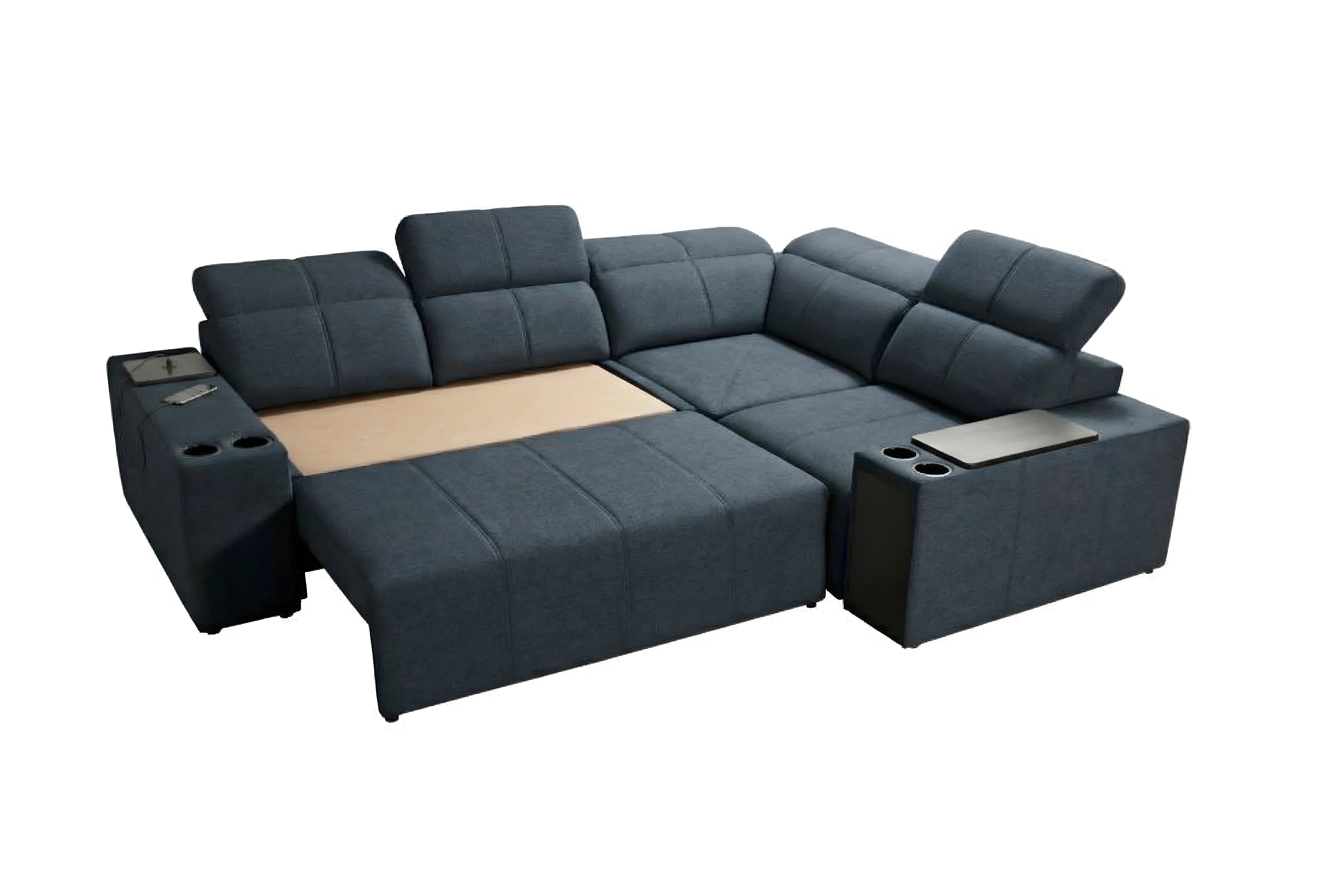
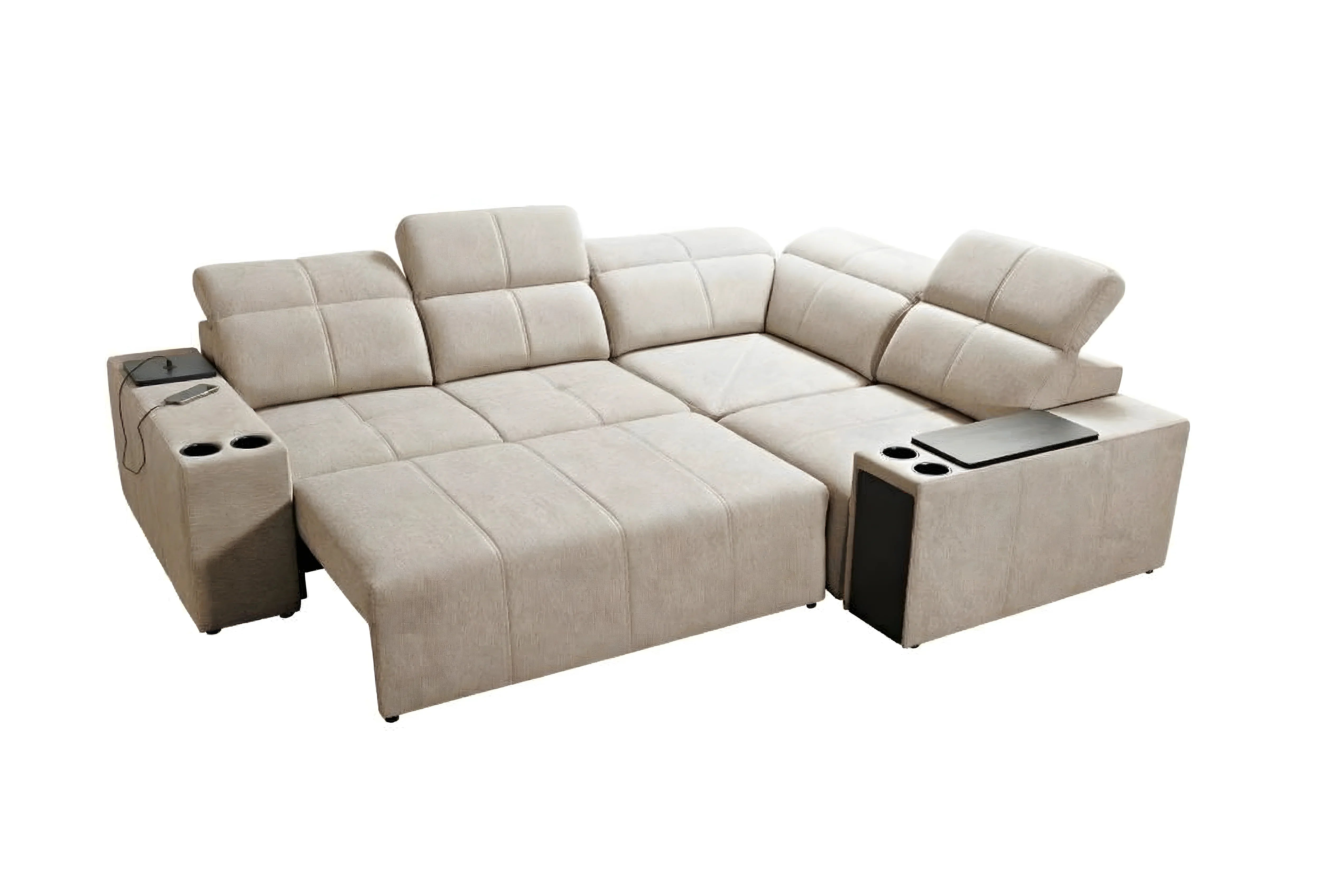
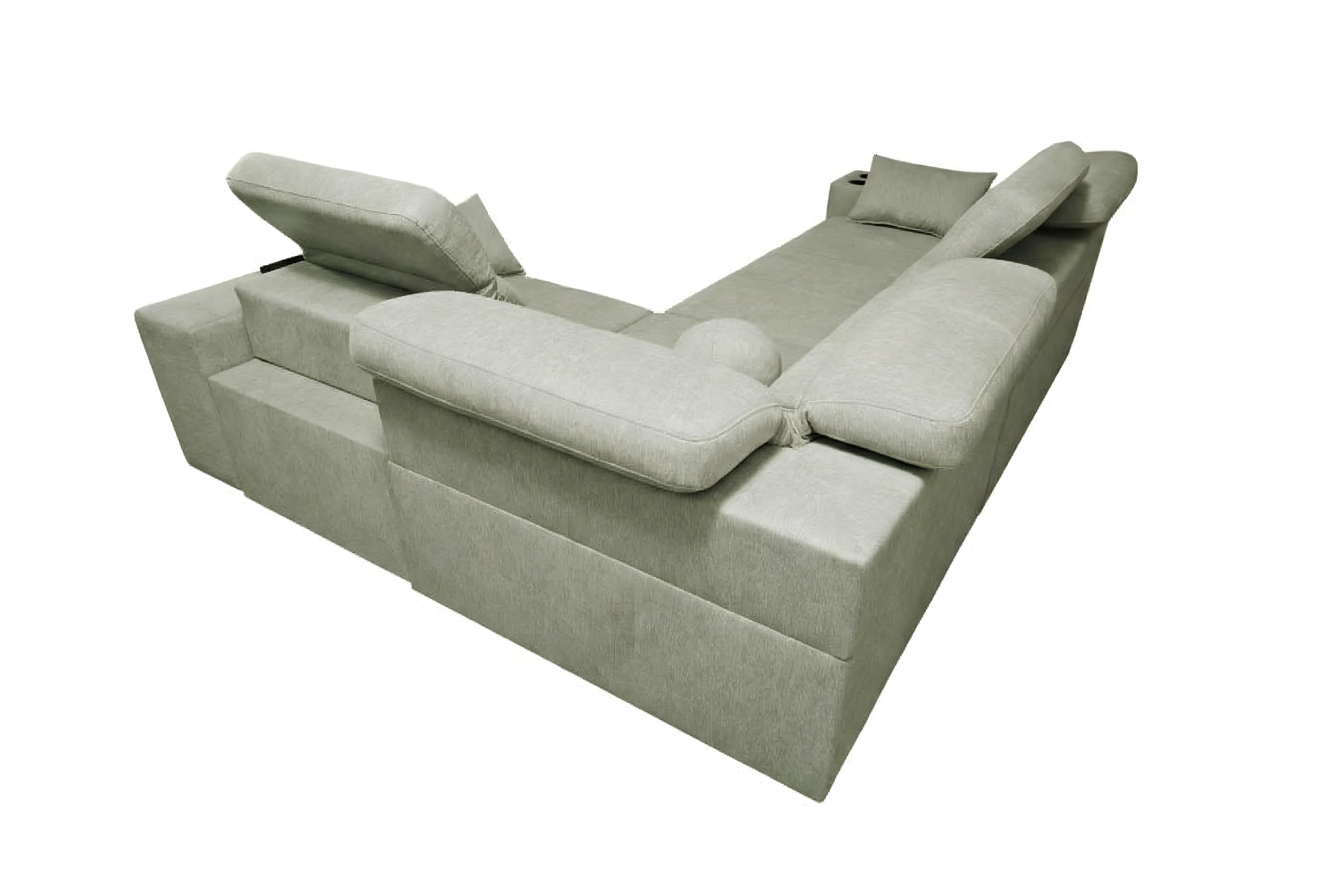
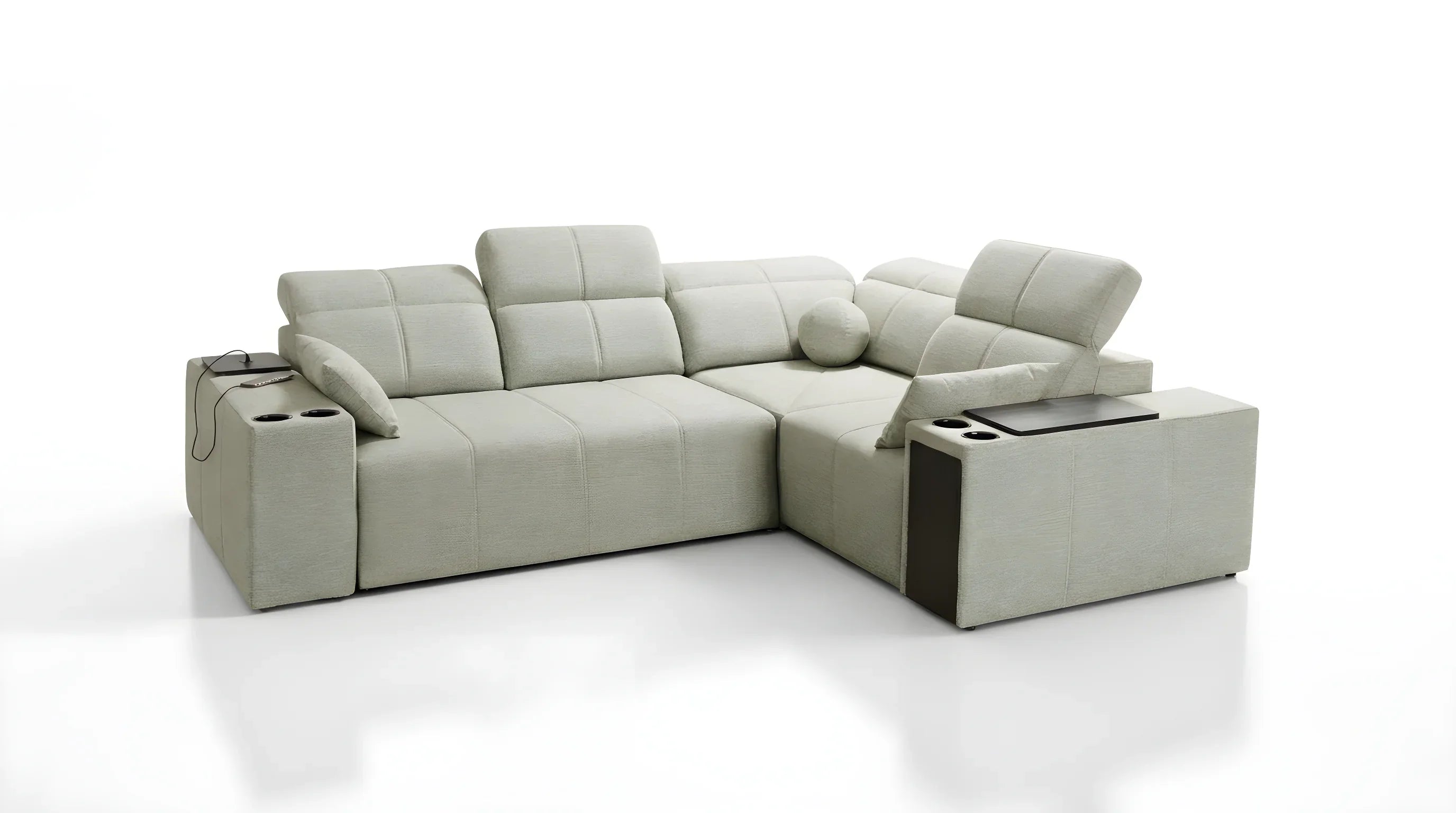
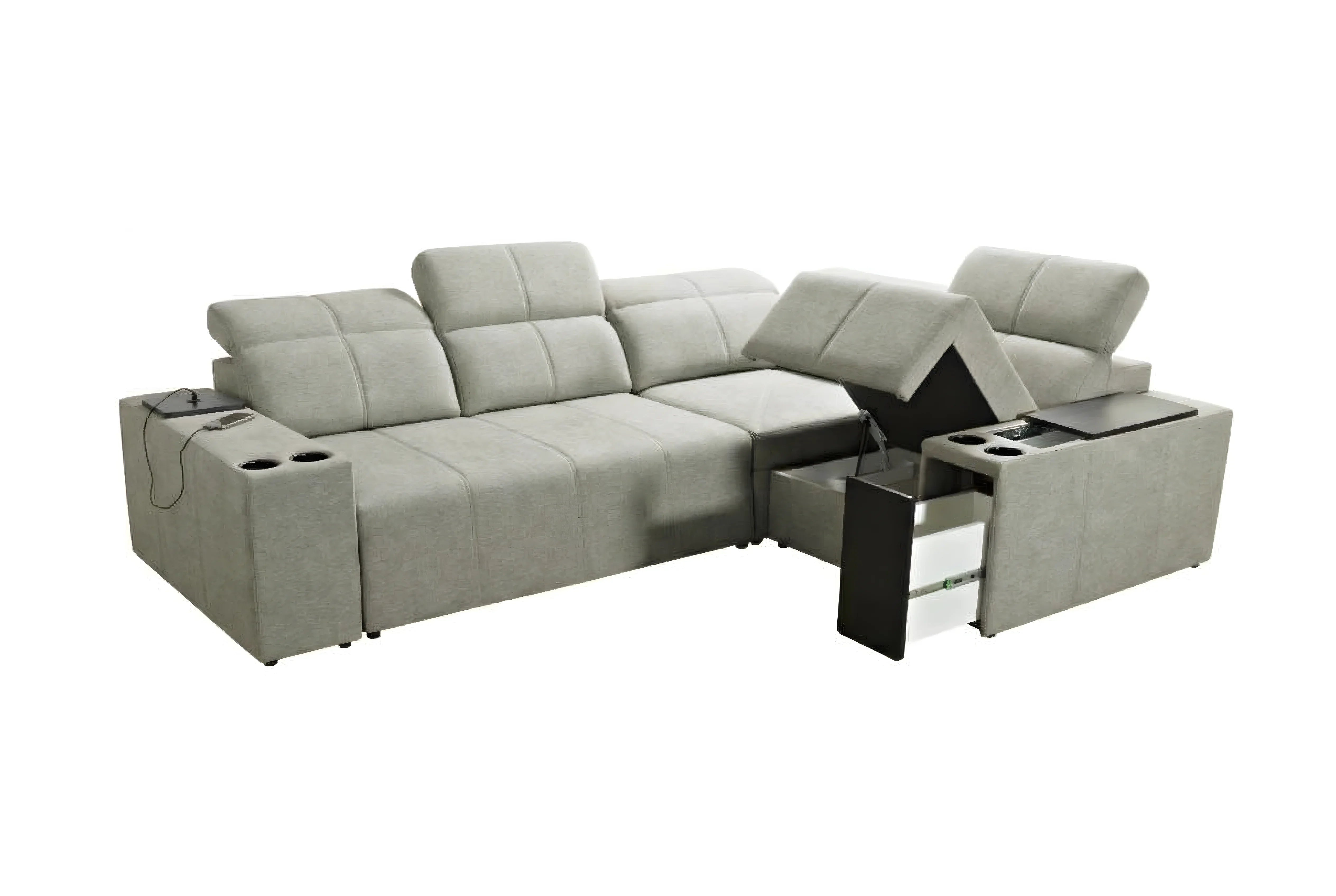
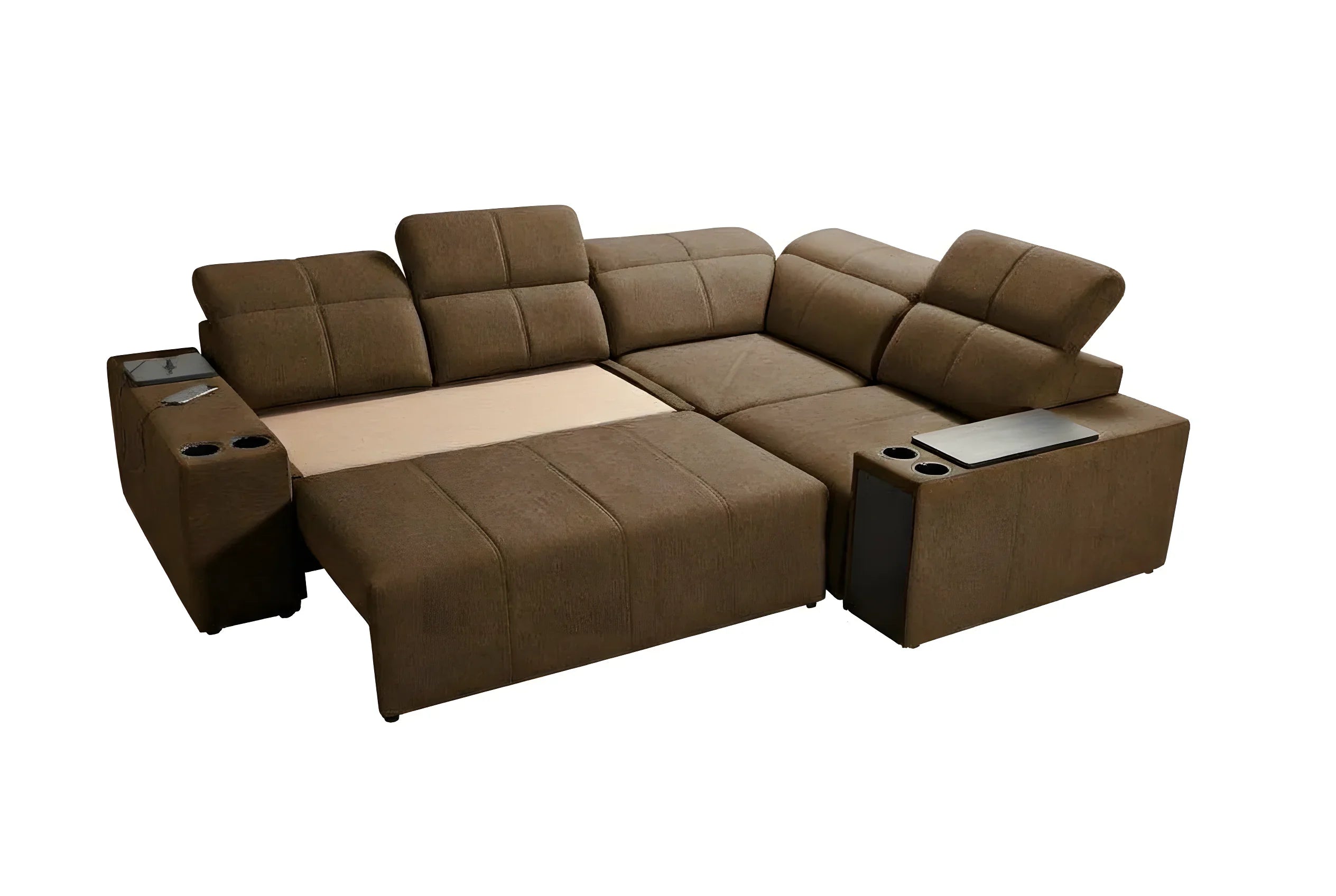
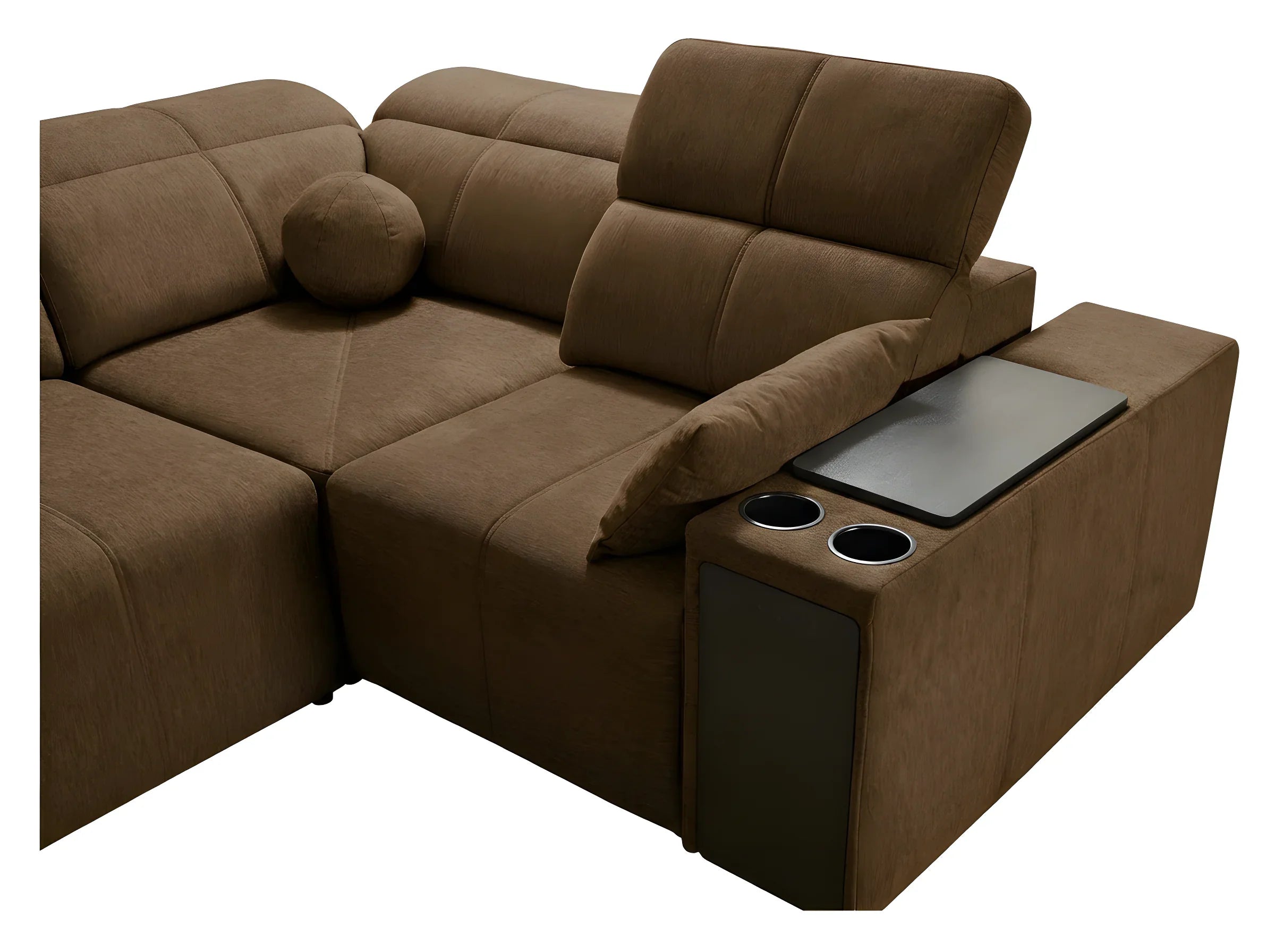
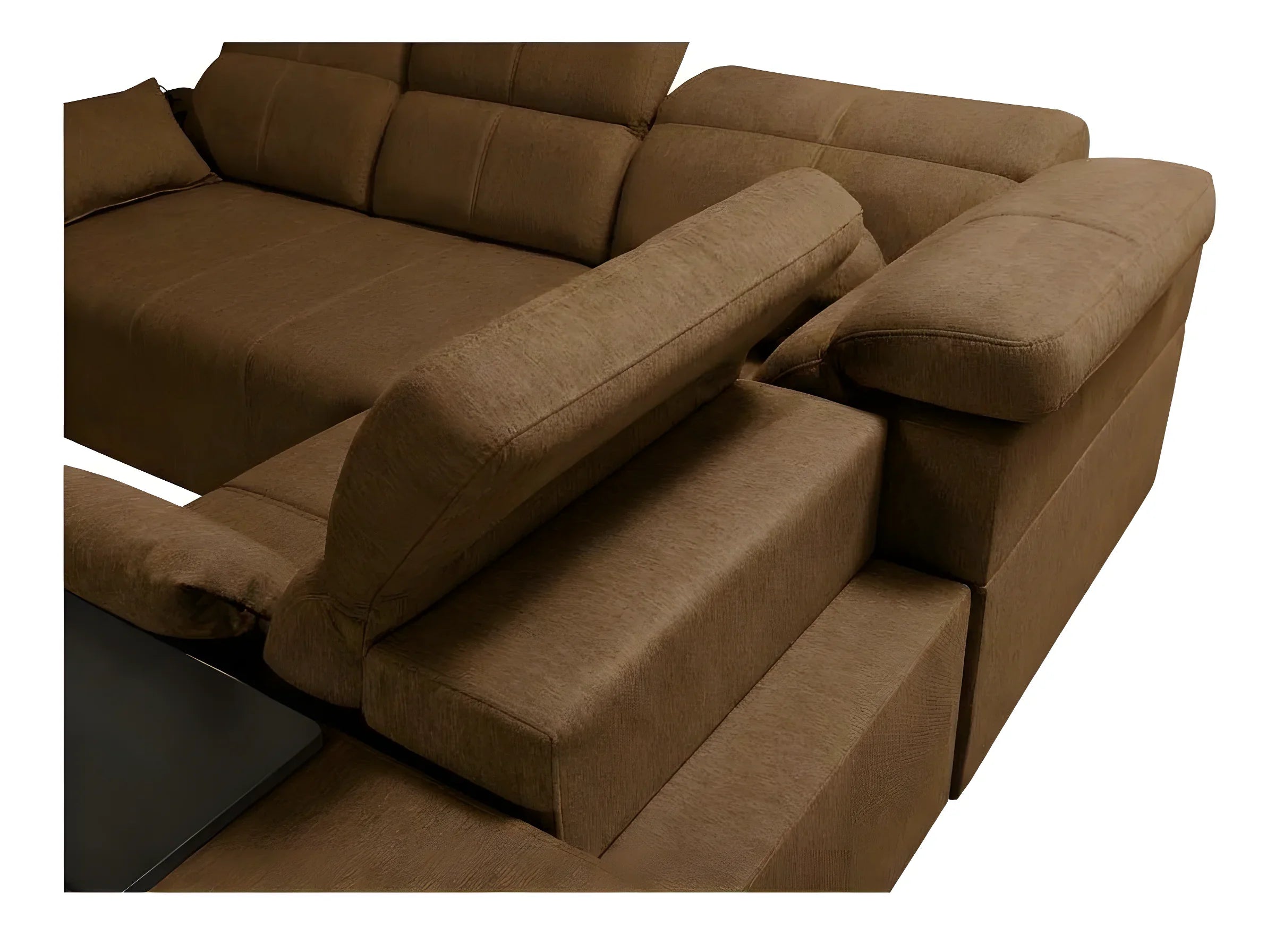
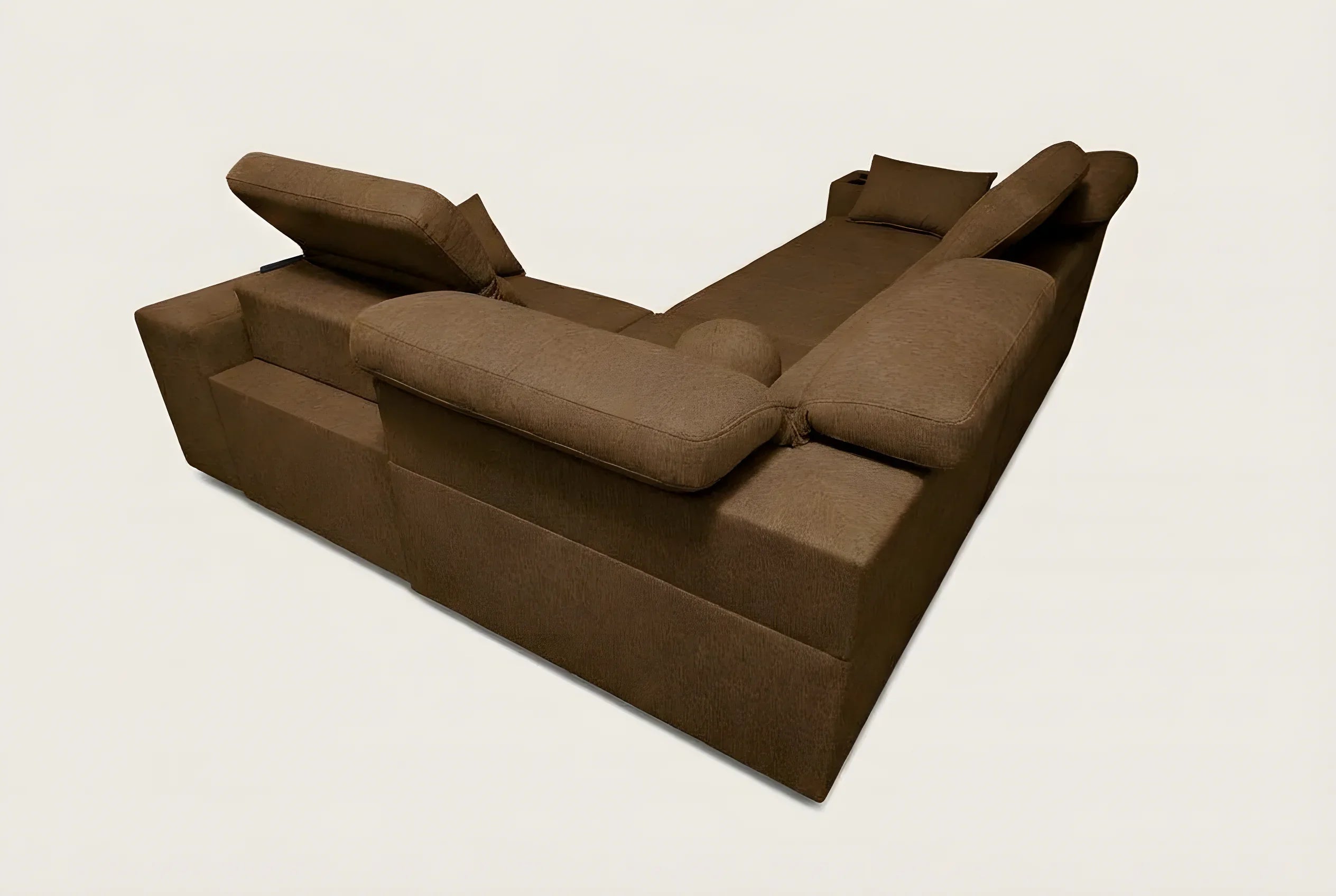
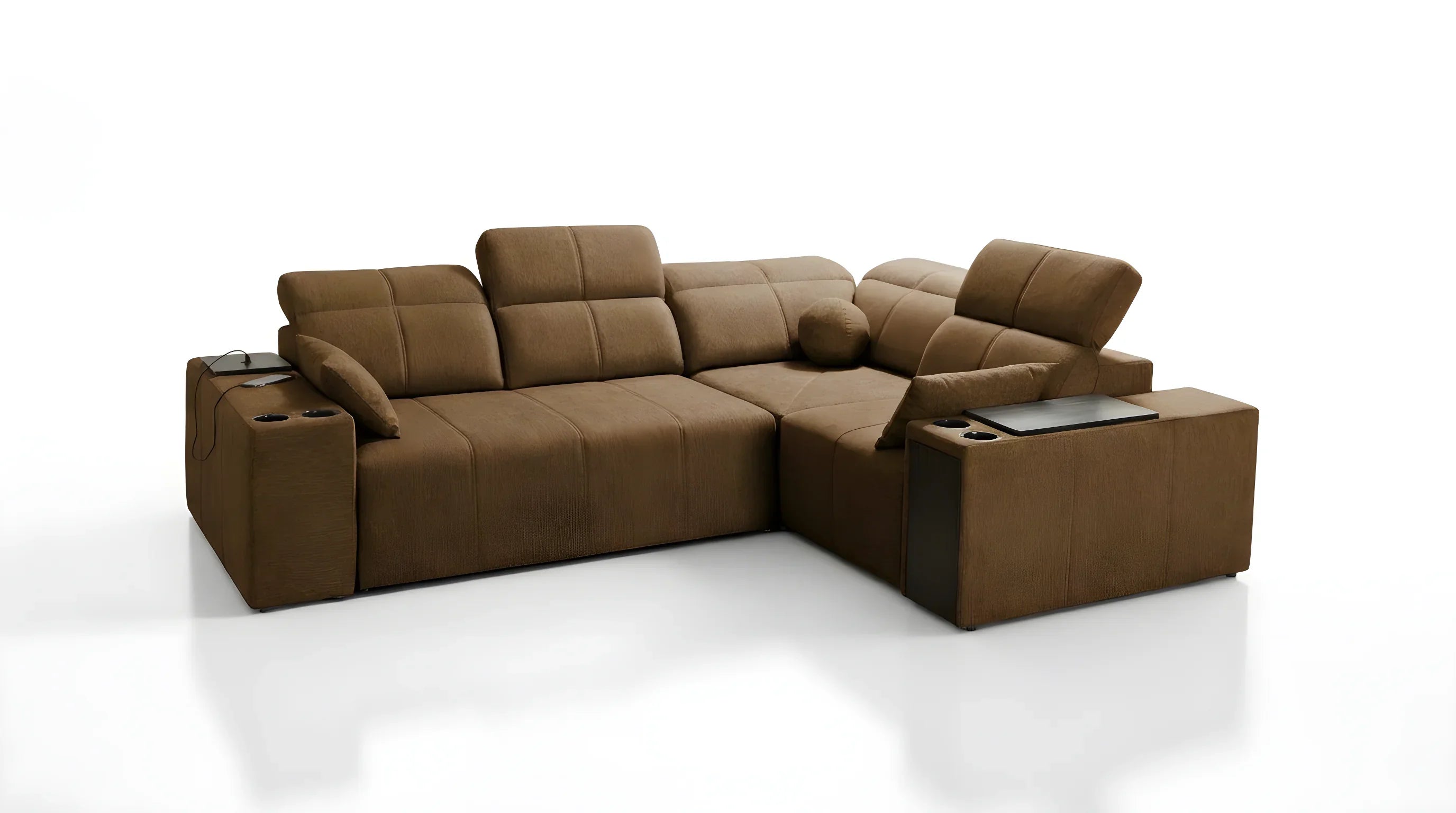
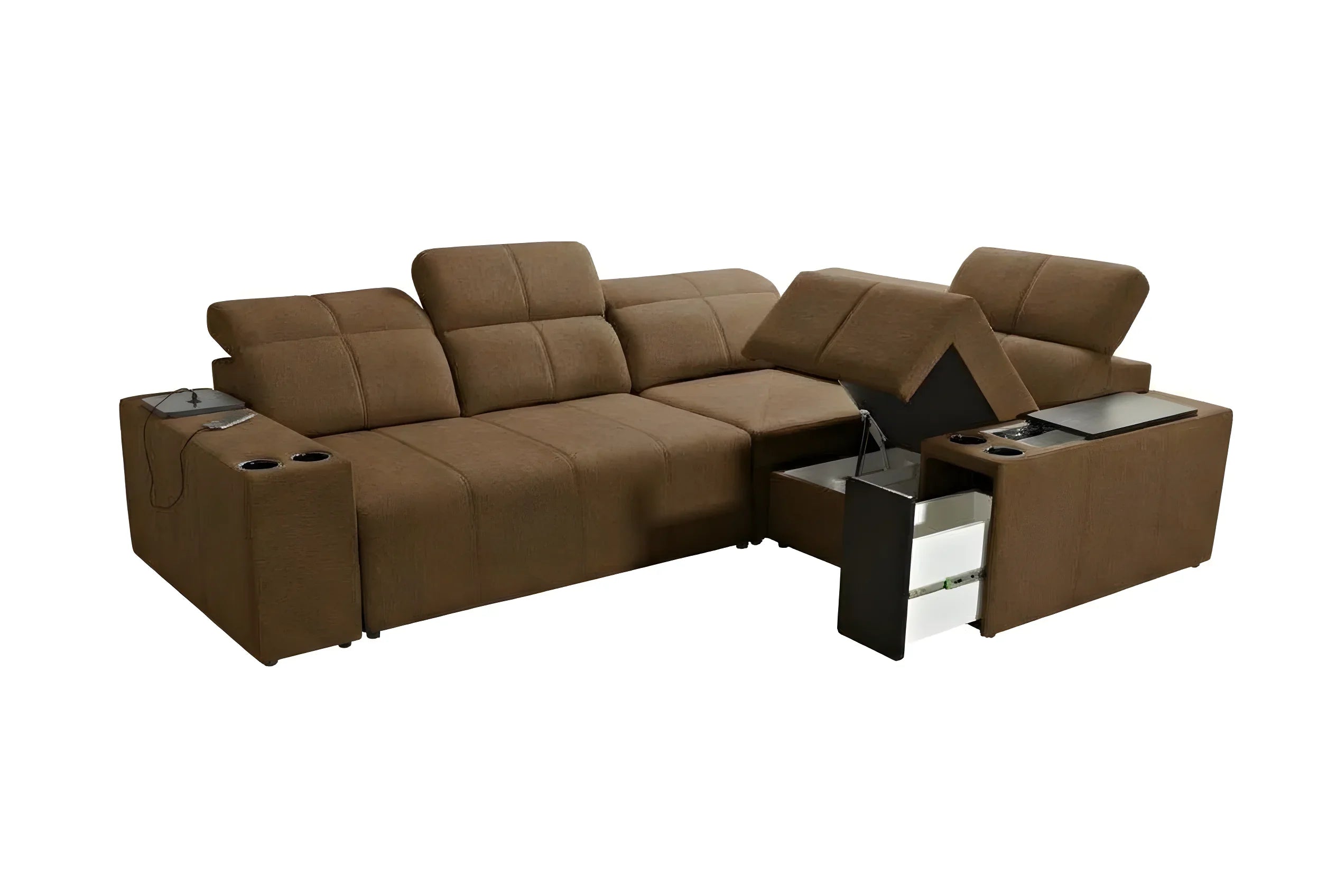
This method is applicable regardless of your furniture configuration, whether you have a large corner sofa or a more compact straight model. The important thing is the consistency of the movement.
Investment and Sustainability: Why not wait?
Beyond its aesthetic appeal, waterproofing also protects what lies beneath the fabric. By preventing liquids from penetrating, you protect the padding. A sofa with good quality foam will retain its comfort and hygiene properties longer if it doesn't absorb accidental moisture.
It's a simple calculation: a bottle of sofa waterproofing spray costs a fraction of the price of professional cleaning or replacing a cover. For a good quality sofa , this step of protecting a new sofa guarantees its longevity.
Frequently asked questions about waterproofing sofas
How long does the effect of a stain-removing treatment last on a sofa?
The duration of effectiveness varies depending on sofa usage (frequent rubbing) and the quality of the product. On average, it is recommended to reapply every 12 to 18 months to effectively waterproof a sofa . On high-traffic seating areas, annual reapplication may be necessary.
Does waterproofing change the appearance or feel of the fabric?
A quality sofa waterproofing product should not alter the color, texture, or breathability of the fabric once dry. This is why a preliminary test on a hidden area is essential. Aerosols generally offer a more invisible finish than liquid sprays on delicate fabrics such as silk or fine velvet.
Is it necessary to waterproof a microfiber sofa?
Although microfiber is naturally dense and water-repellent, it's not infallible, especially against grease. For a comfortable sofa used daily, adding a protective layer enhances its durability and makes cleaning accidental stains much easier.
Is it possible to waterproof only certain parts of the sofa?
Yes, it's possible, but not recommended. If you only treat the seat and armrests, you risk creating a difference in aging (patina) between the treated areas and the rest of the sofa. For a uniform result, it's best to treat the entire piece of furniture.
Conclusion: Prevention is the key to longevity
The answer is therefore unequivocal: yes, should you waterproof a new sofa as soon as you receive it? Absolutely. It's a simple, inexpensive, and quick step that significantly extends the lifespan and beauty of your furniture. By choosing the right product suited to your fabric and respecting the drying times, you give your home an invisible shield against everyday wear and tear. At Kings Canapé, we design our models to last, using robust materials and high-density foams. By combining the quality of our frames with proactive protection for your new sofa , you can be sure of enjoying a pristine living room for many years to come.





Leave a comment
This site is protected by hCaptcha and the hCaptcha Privacy Policy and Terms of Service apply.