


Table of contents

In the world of furniture, one question often predominates at the time of purchase: what is the average lifespan of a good sofa? Beyond aesthetic appeal, buying a sofa represents a significant financial investment that you want to last. While the market average generally ranges between 7 and 15 years, this considerable gap depends on precise technical factors, often invisible to the naked eye. Understanding the mechanisms of wear and tear and the criteria for robustness is essential to distinguish an ephemeral piece of furniture from a durable life companion. A deep dive into the longevity of your living room.
Key figures: How long is a sofa supposed to last?
It is difficult to give a single figure as manufacturing disparities are so great on the market. However, to answer the question what is the average lifespan of a good sofa?, it is necessary to segment the offer. The average lifespan of a sofa is intrinsically linked to its price range and the quality of the materials selected during its design.
The longevity scale according to ranges
Statistically, there are three main categories of life cycle for living room furniture:
- Entry-level (2 to 5 years): These models, often very attractive due to their price, suffer from rapid technical obsolescence. The foams sag and the particle board frames quickly wear out.
- Mid-range (7 to 10 years): This is the standard average. The sofa longevity here is correct, offering a good balance. The aesthetic may begin to fail before the frame.
- High-end (12 to 20 years and more): Here, we are talking about a durable investment. Noble materials (solid wood, high-resilience foams) allow for an extended period of use, often making the annual cost of use more attractive than that of a budget model renewed three times.
Technical vs. aesthetic obsolescence
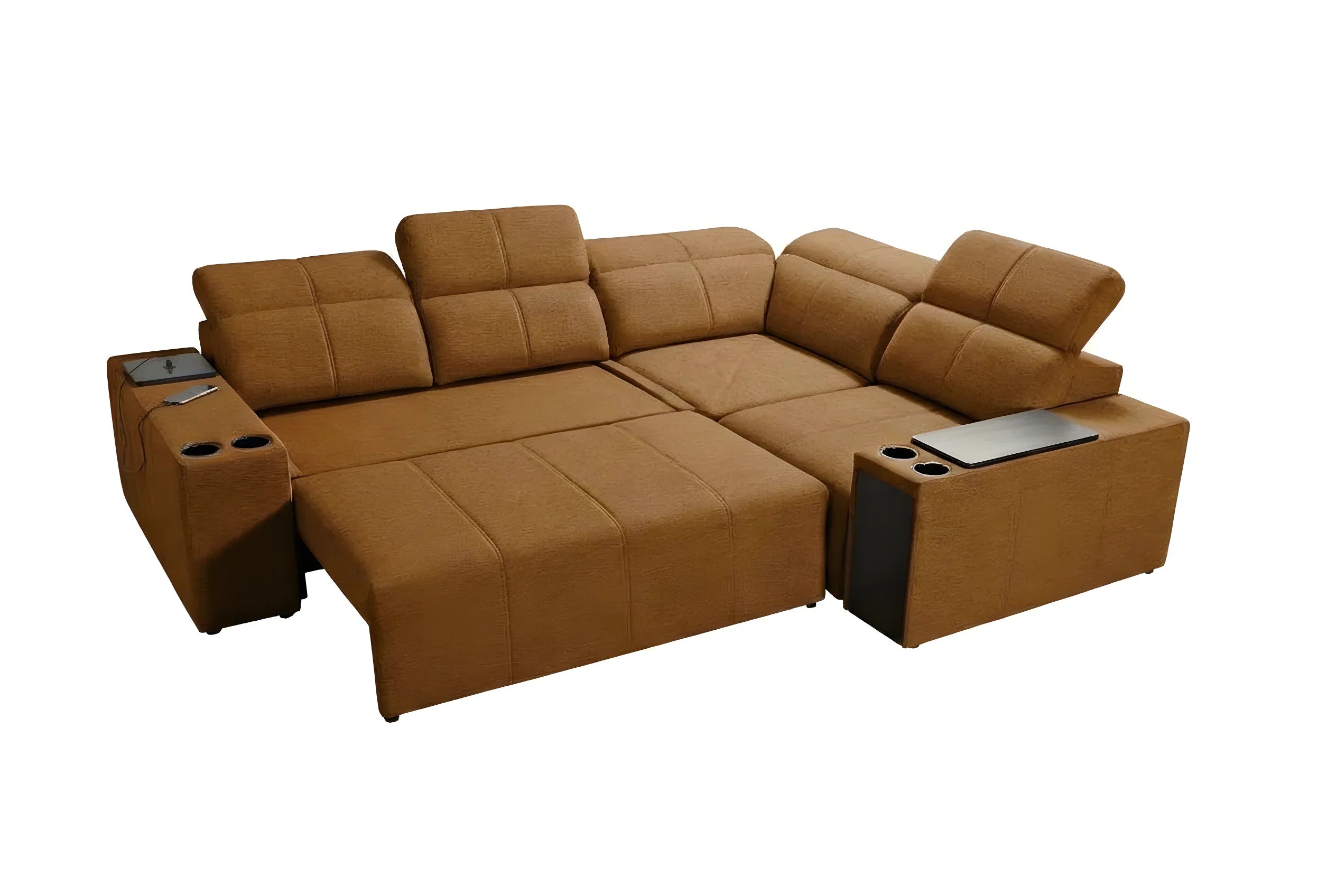
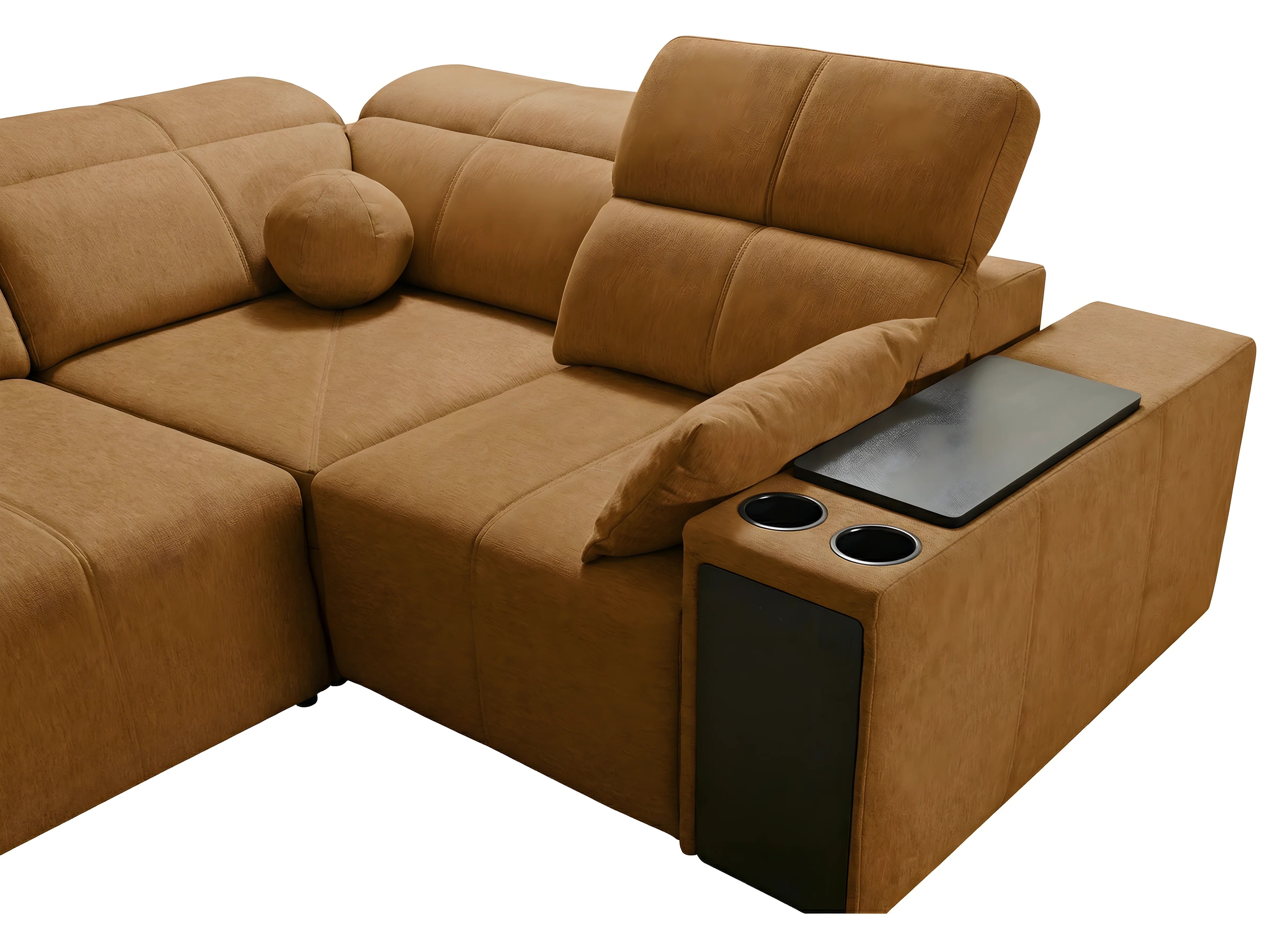
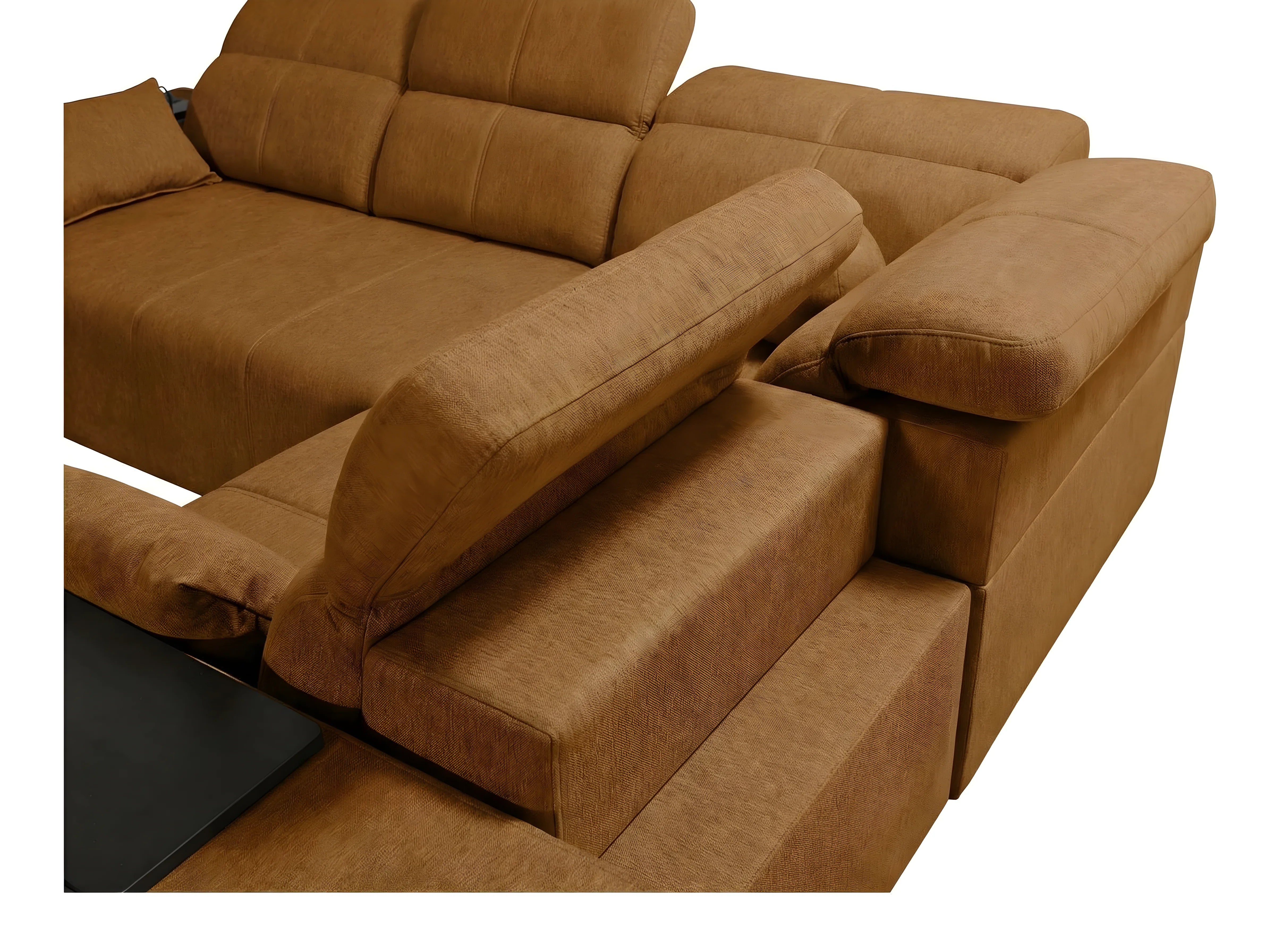
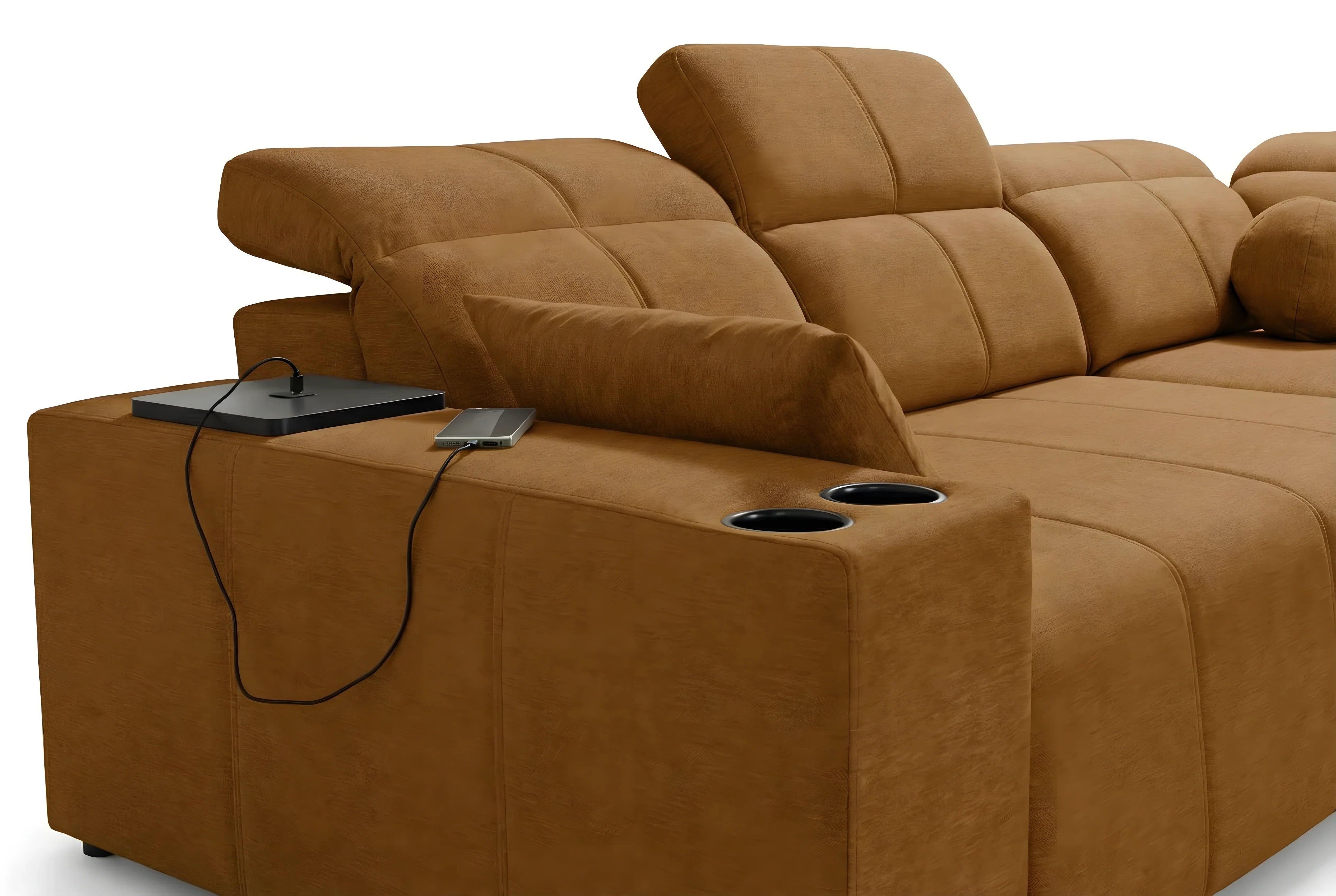
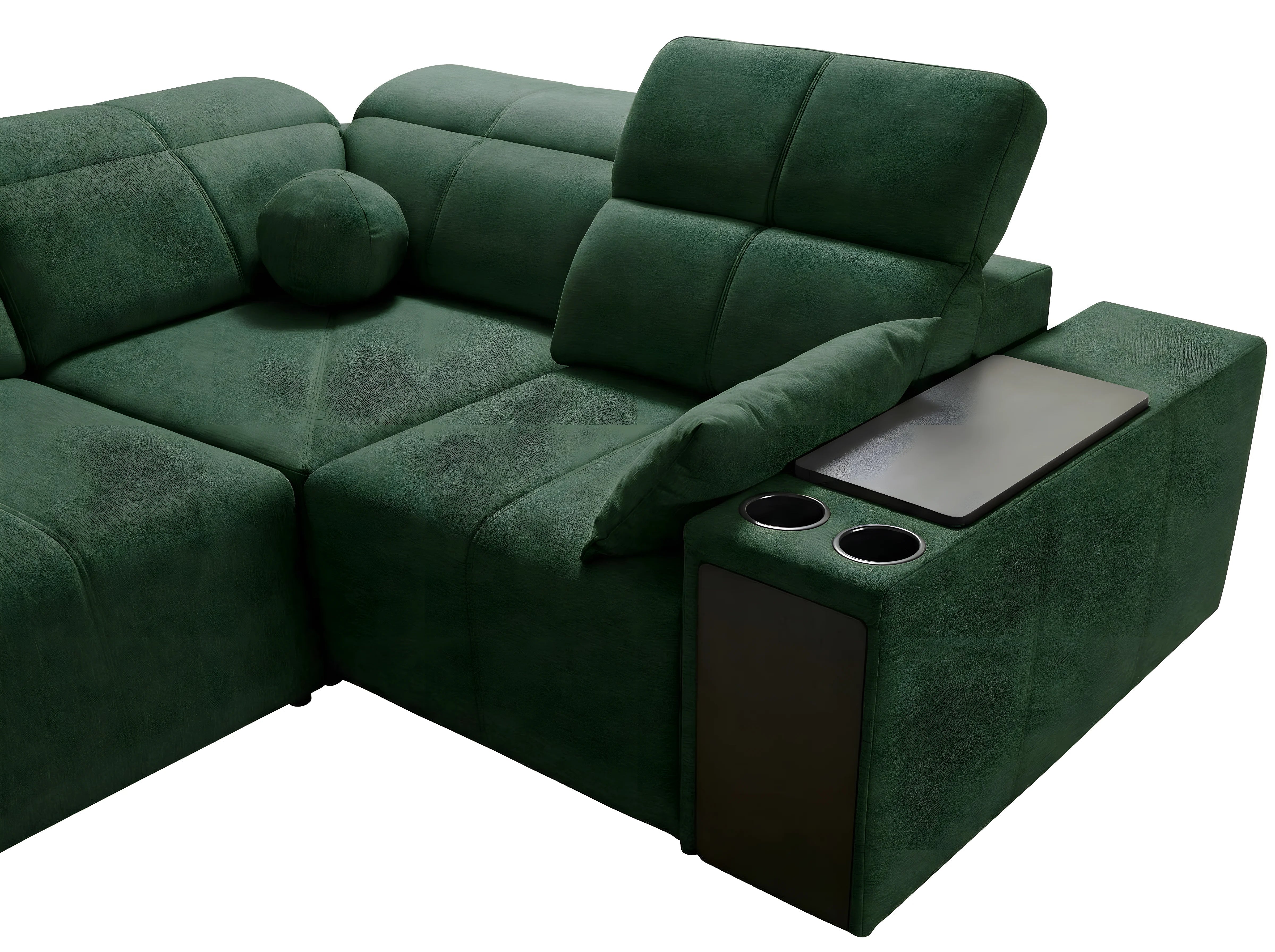
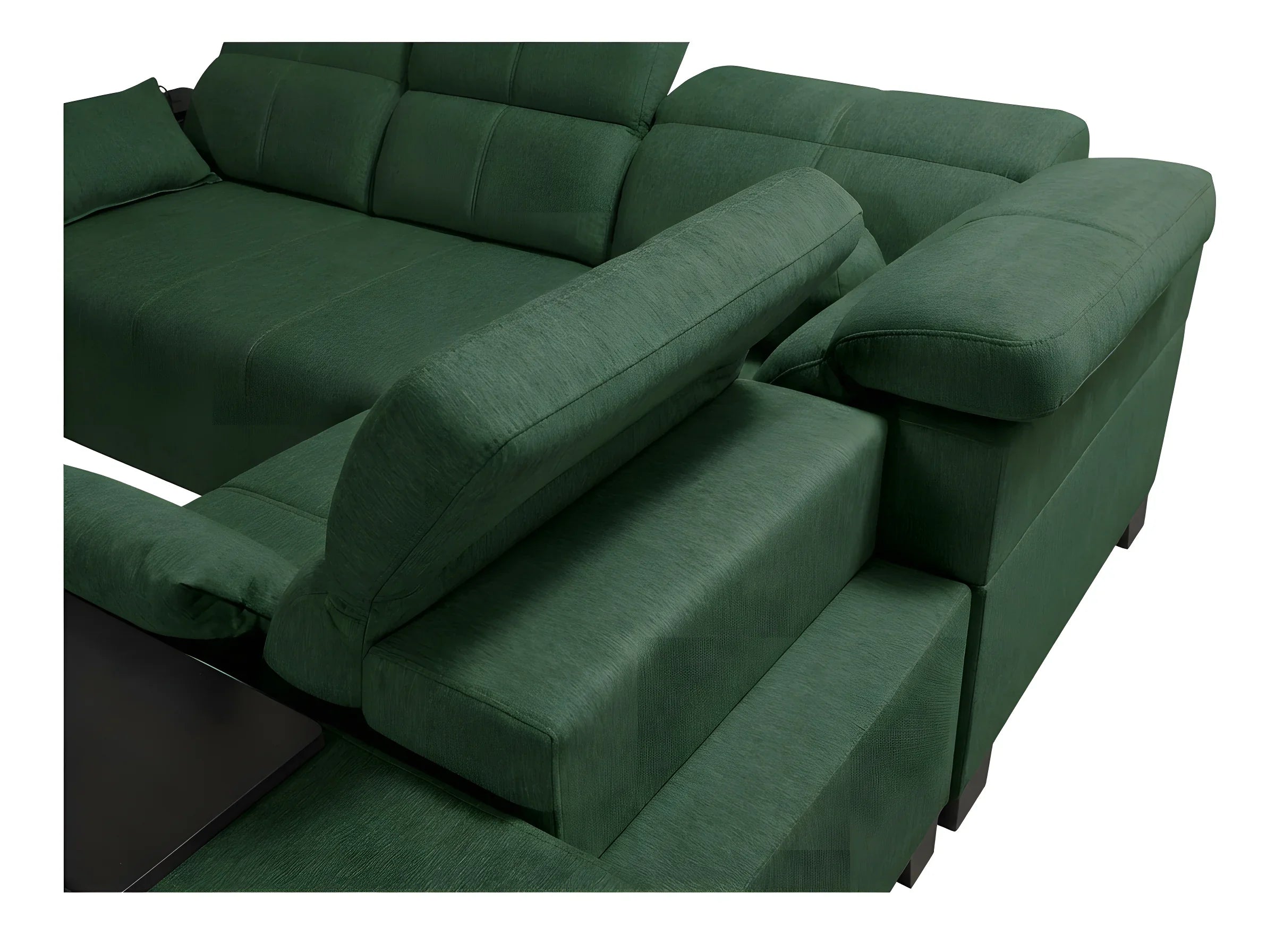
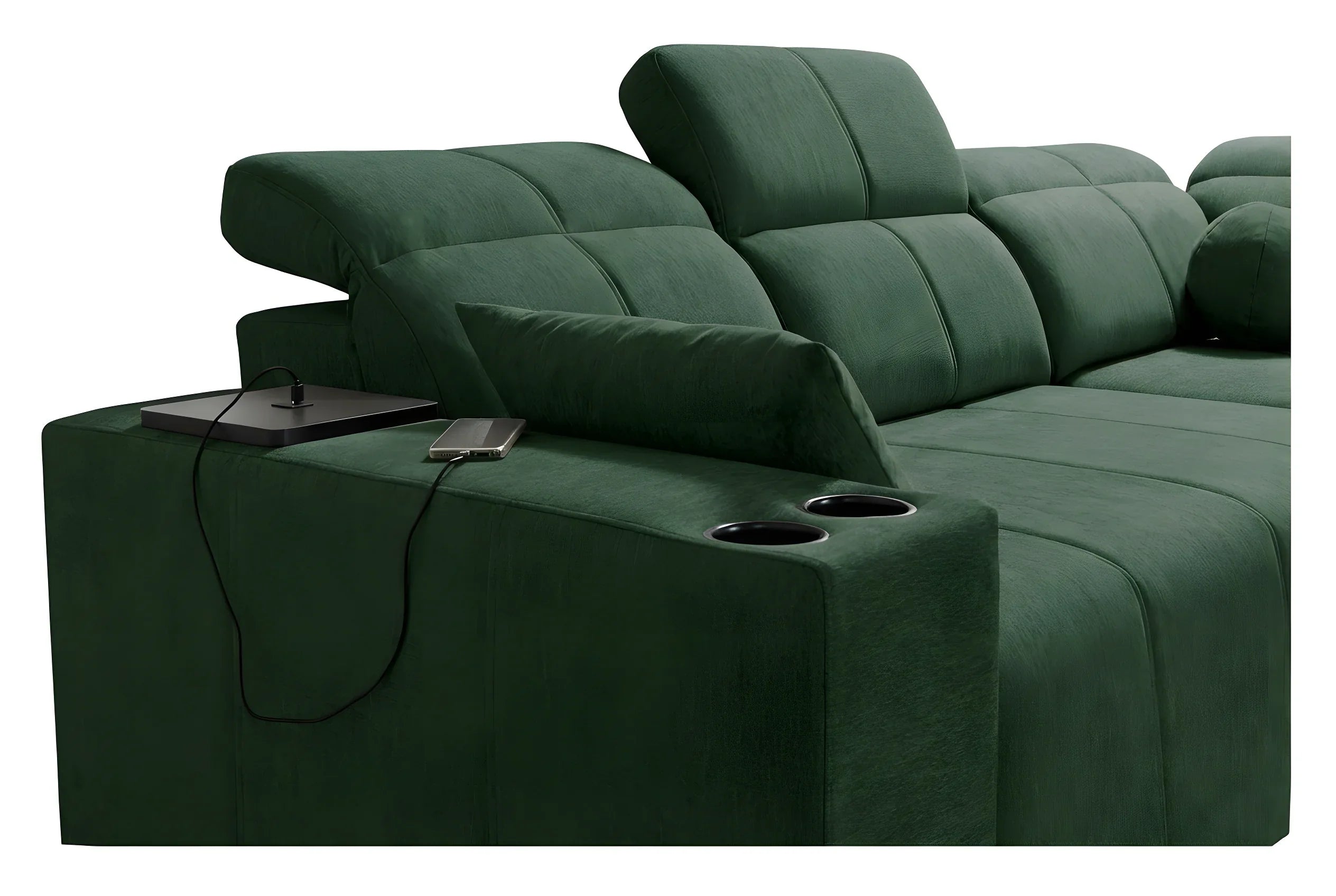
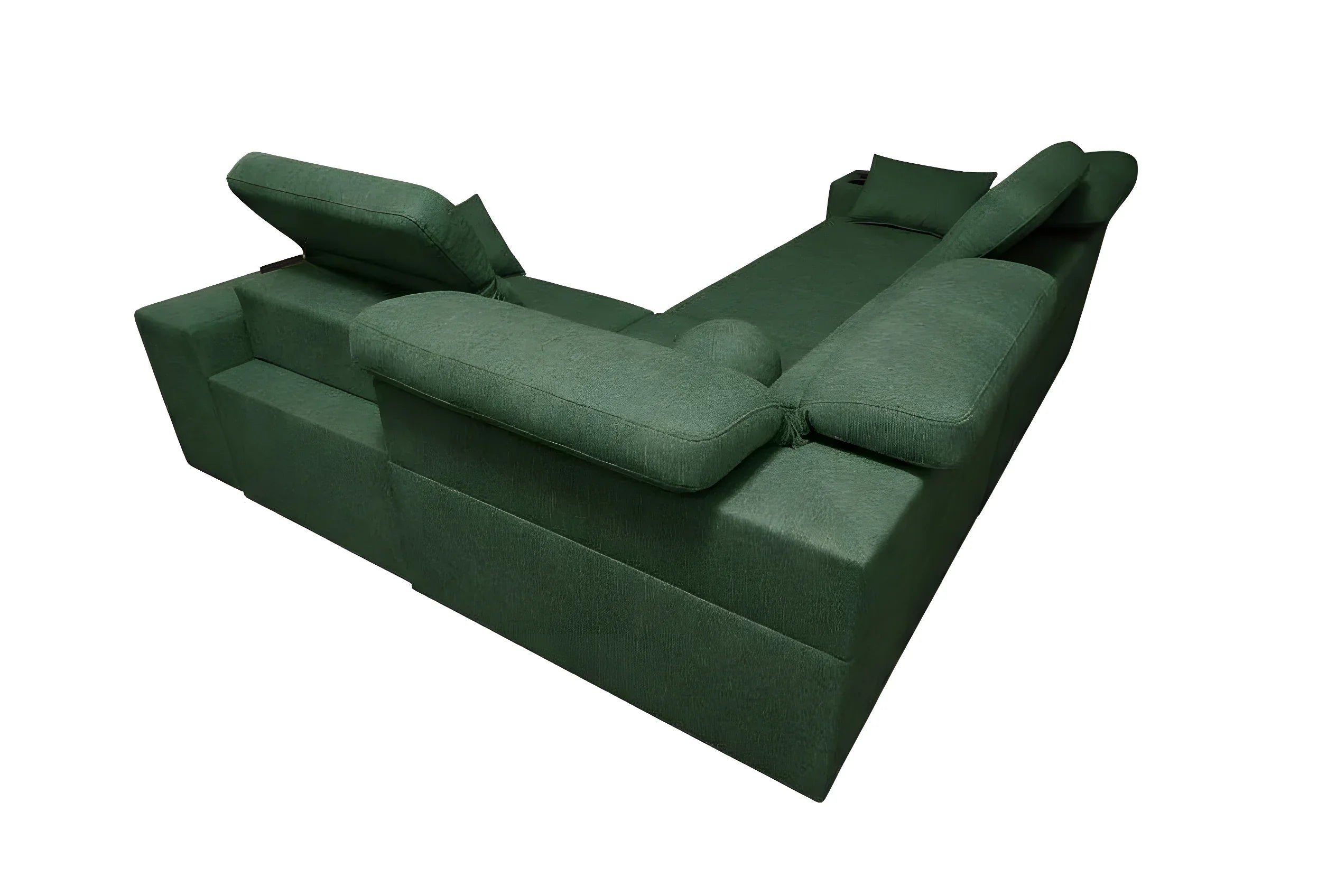
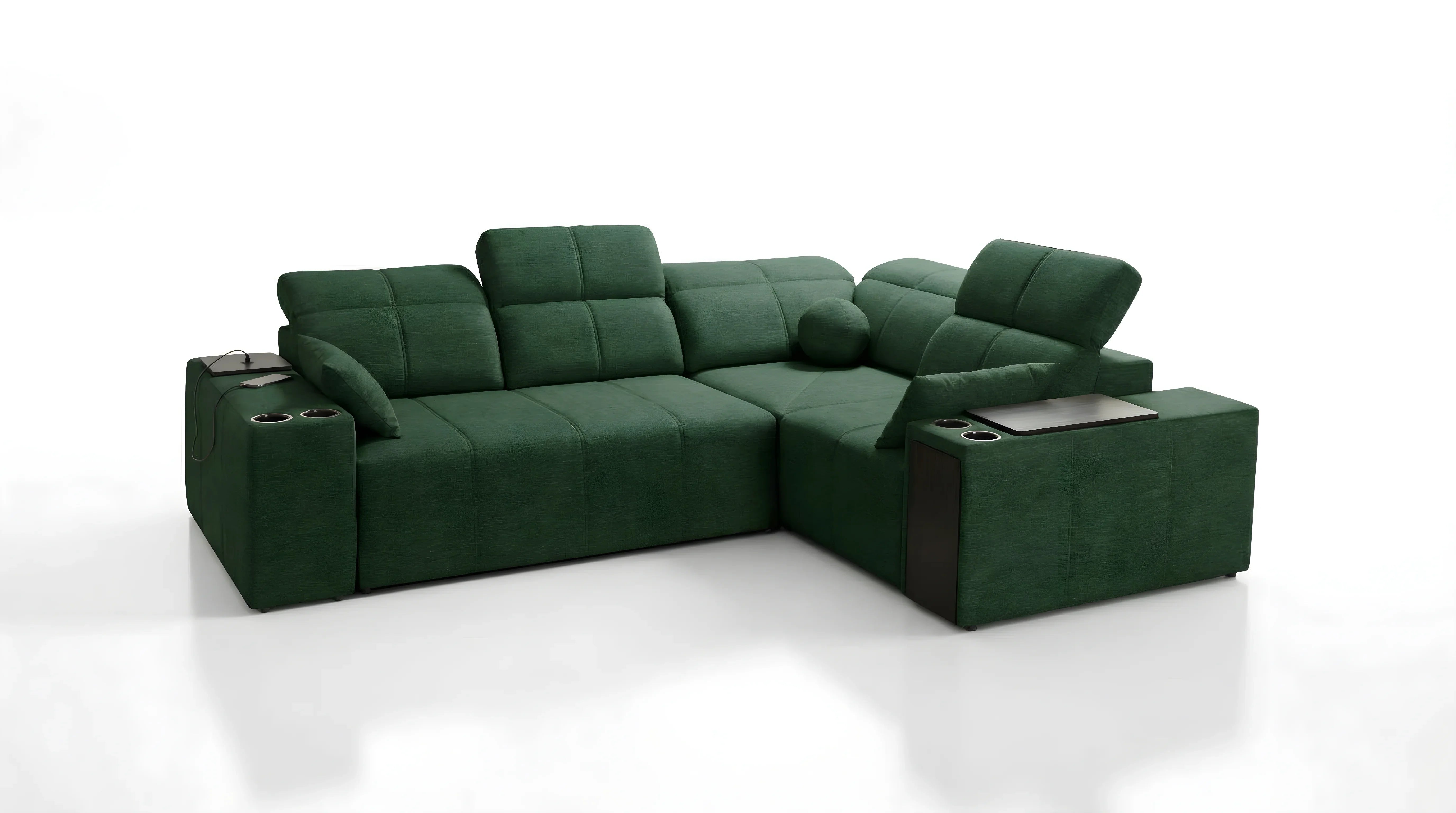
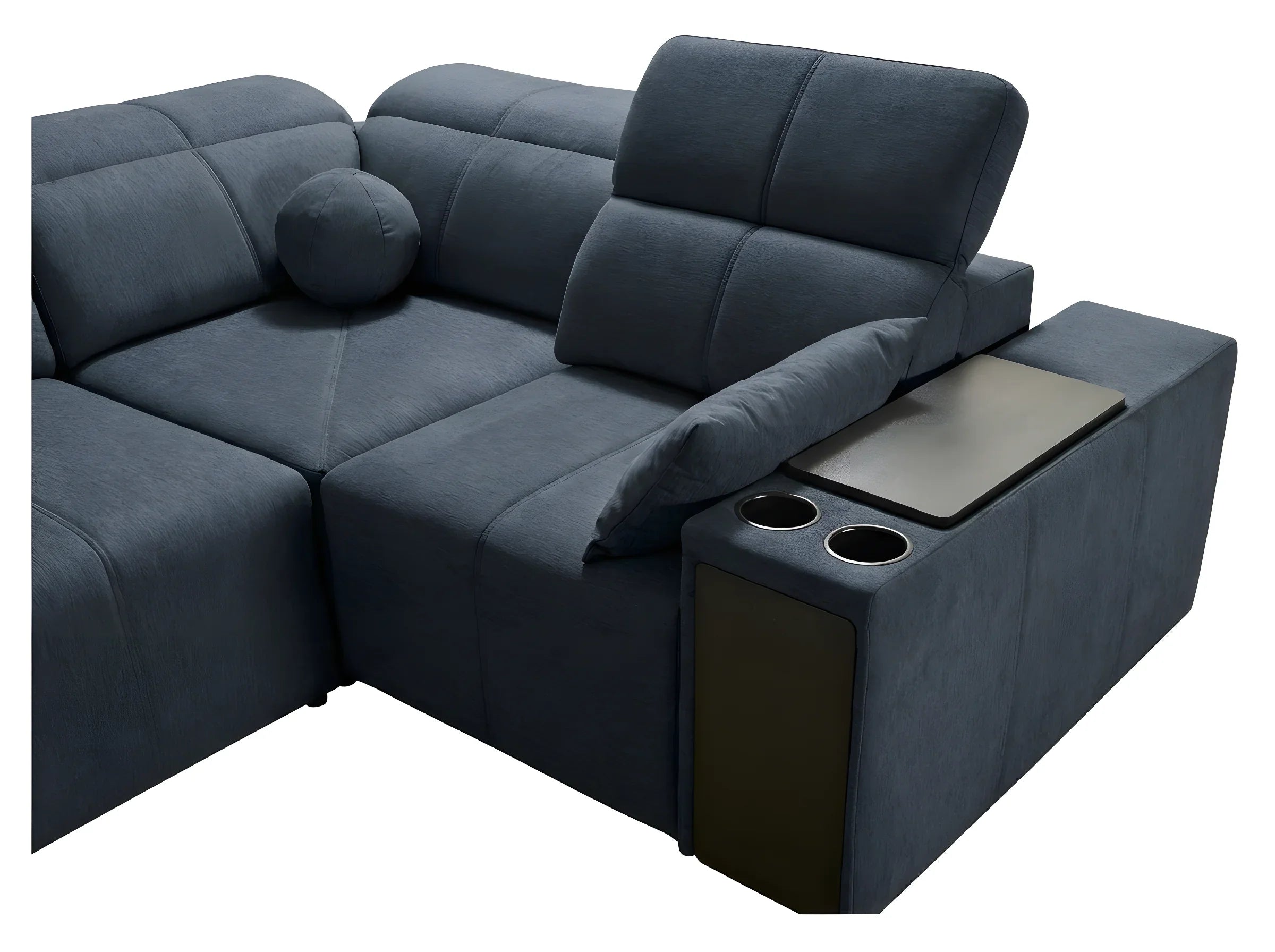
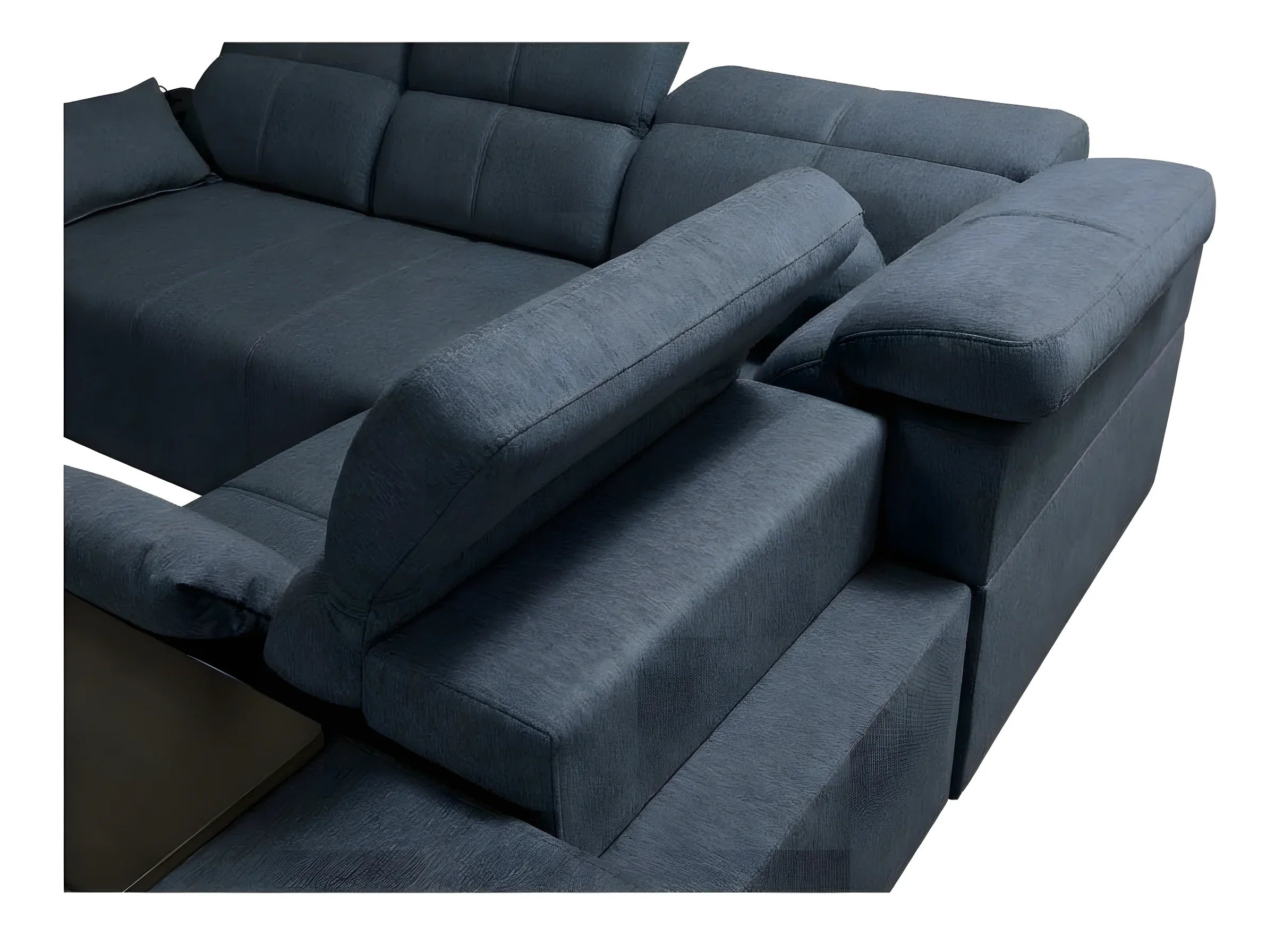
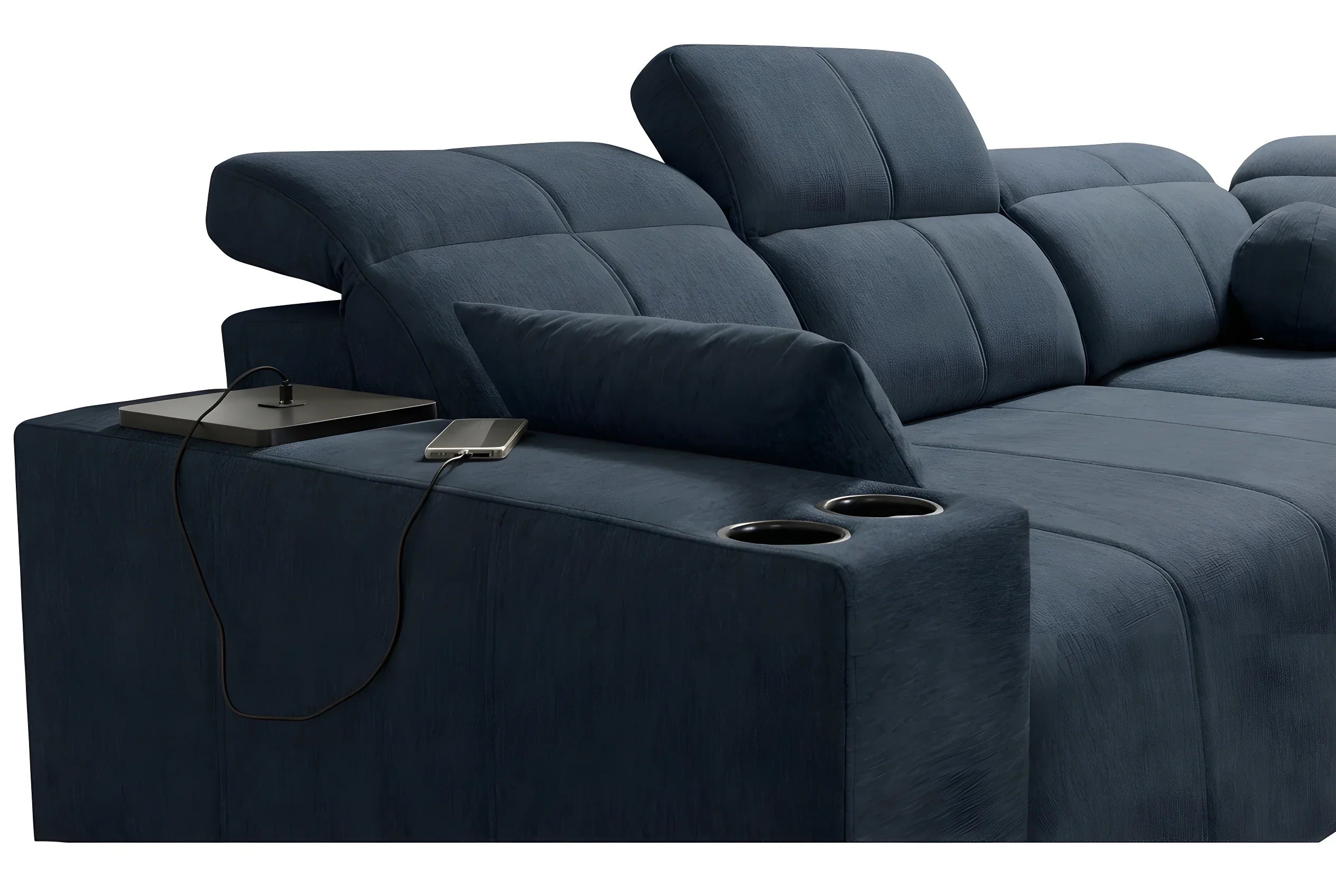
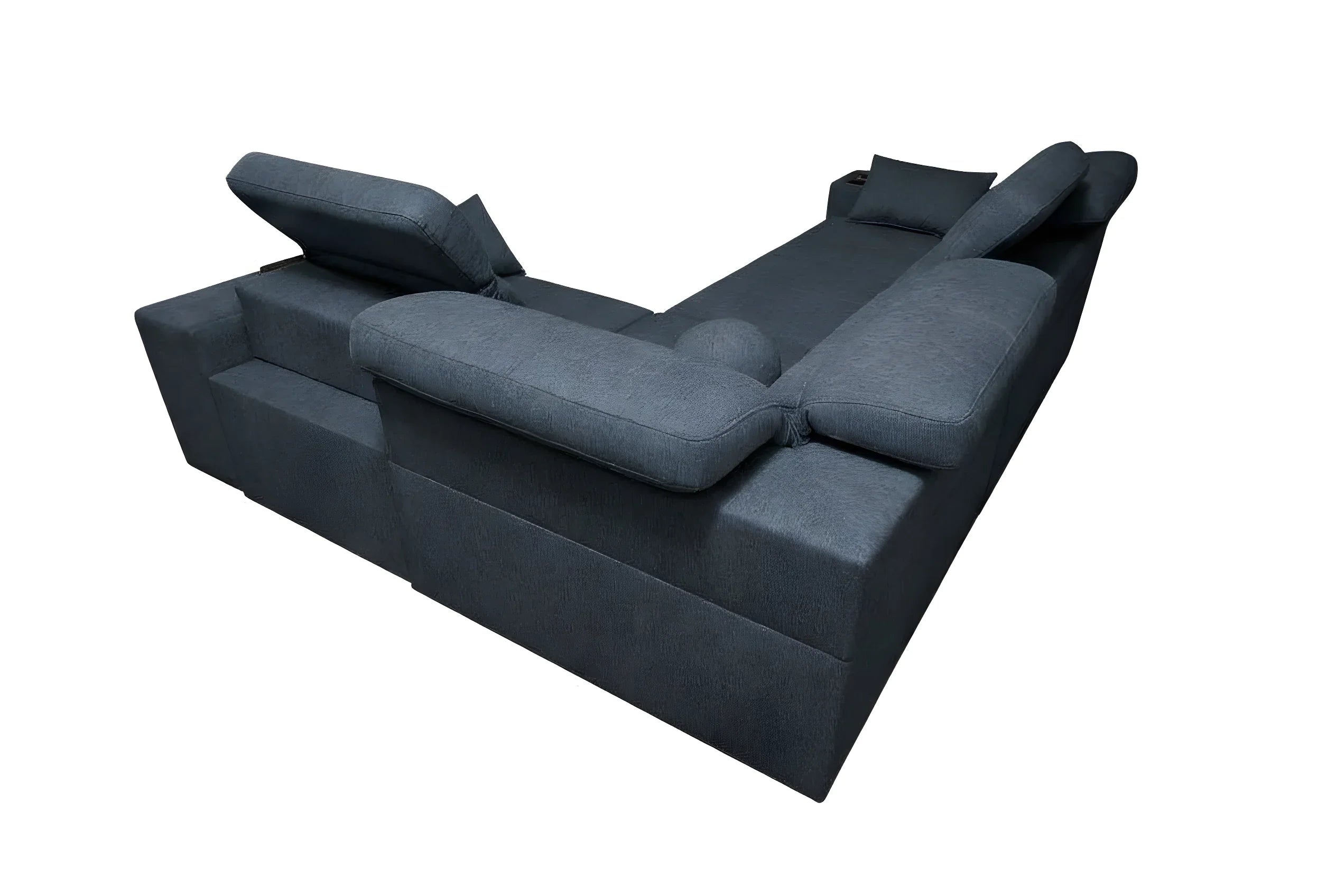
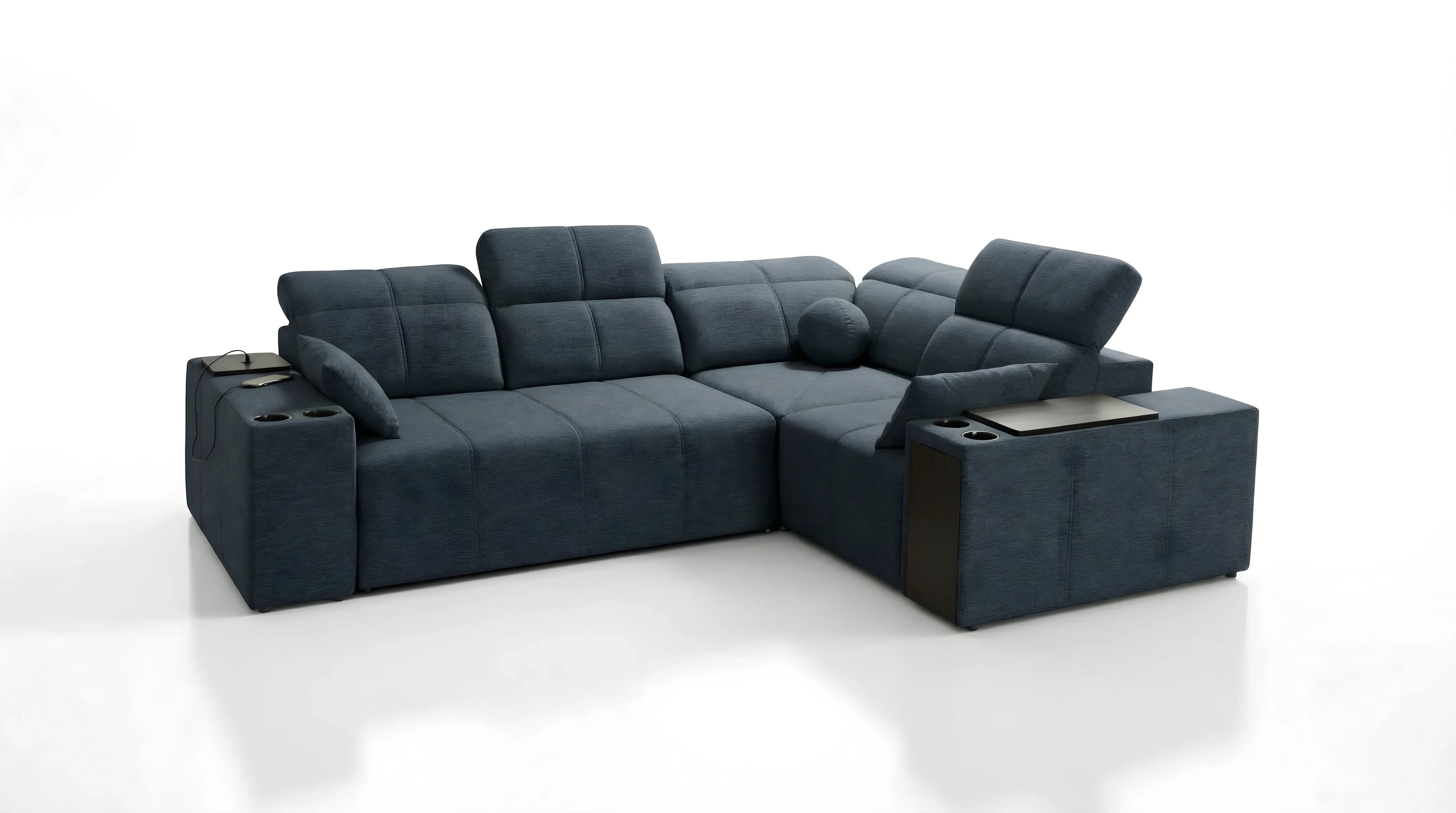
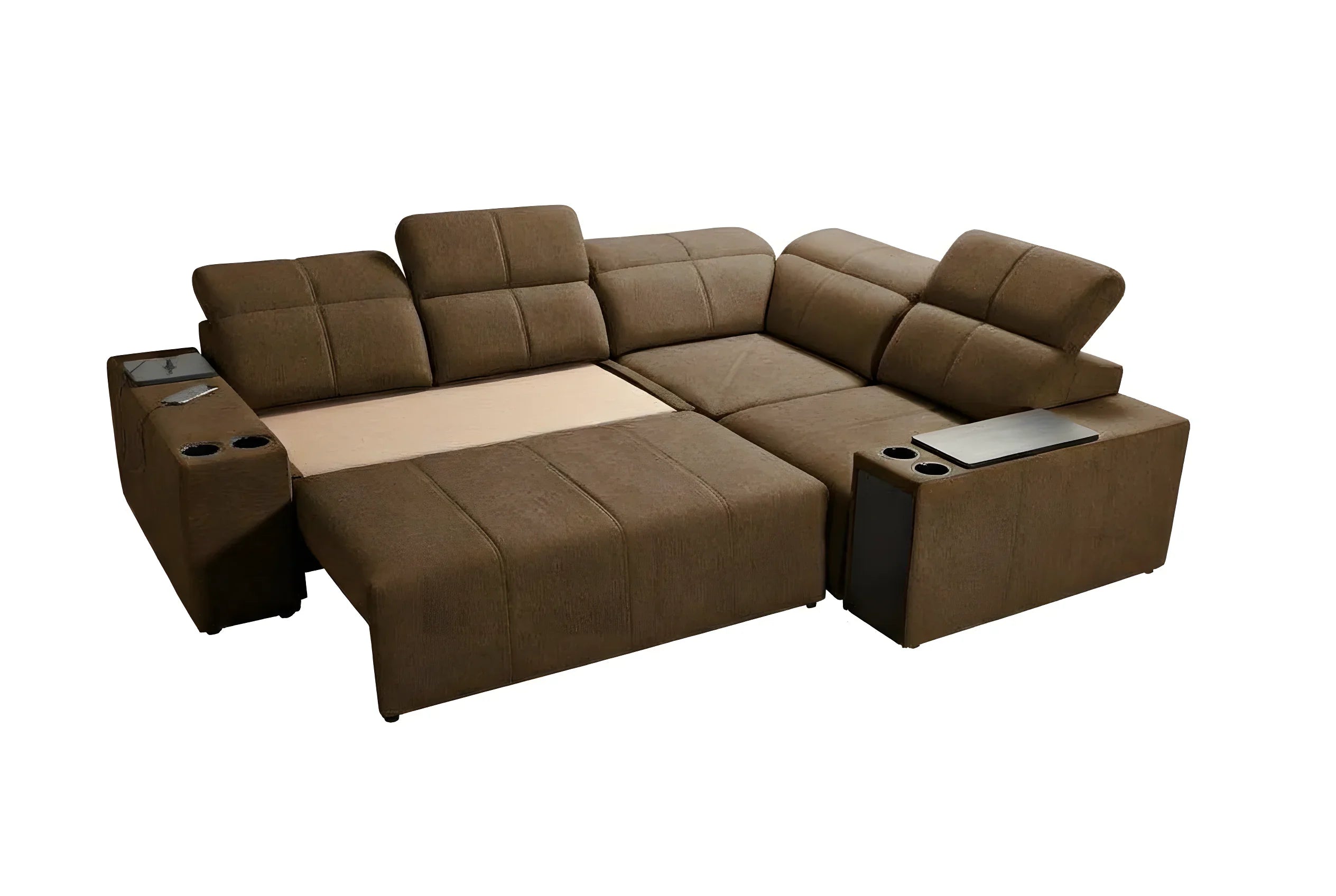
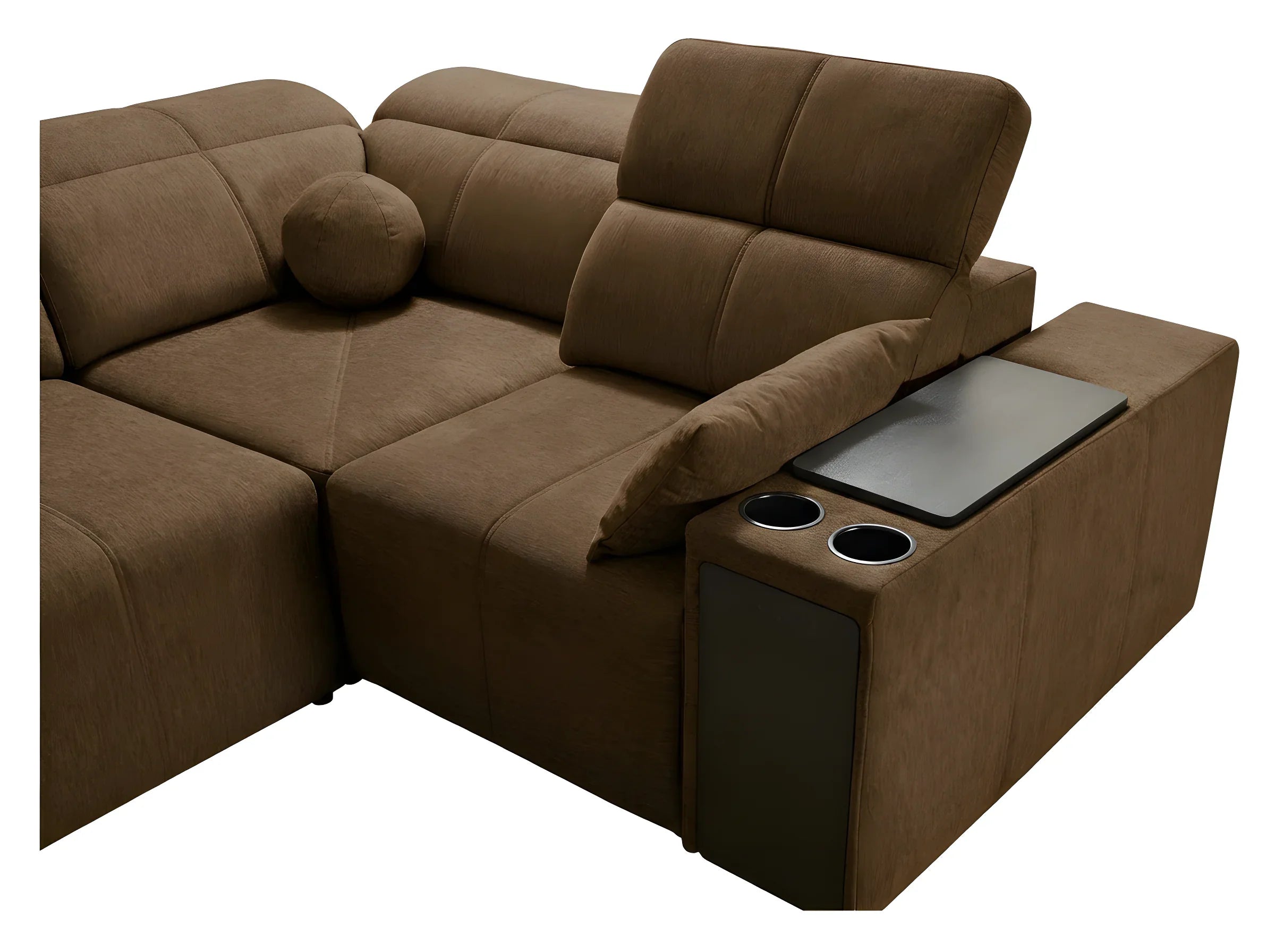
It is crucial to distinguish between two types of end of life. Aesthetic wear concerns the upholstery (fabric pilling, fading colors), while structural wear makes the sofa uncomfortable, or even unusable. A durable sofa is a model whose frame and comfort outlast trends. At Kings Canapé, we favor timeless designs and modular corner sofas so that visual fatigue does not lead to the replacement of a technically sound piece of furniture.
The internal frame: The secret to guaranteed longevity
If the adage says that beauty is within, this has never been truer for a sofa. About 80% of a seat's durability depends on what you don't see. It is the assembly of the frame and the technicality of the suspensions that determine whether your sofa will last a decade.
The frame: The backbone
Resistance to shocks, successive moves, and user weight relies entirely on the frame. The longevity factors here are radical: solid wood.
A sofa whose frame is mainly composed of particle board or thin plywood will eventually creak and deform. Conversely, the use of solid wood (beech, pine, fir), reinforced by high-density panels in non-stress areas, ensures uncompromising rigidity. Bolted or screwed-and-glued assemblies are also indicators of higher quality than simple staples.
The suspension: The engine of comfort
Under the cushions, the suspension works every time you sit down. To maximize the sofa lifespan, the type of suspension is crucial.
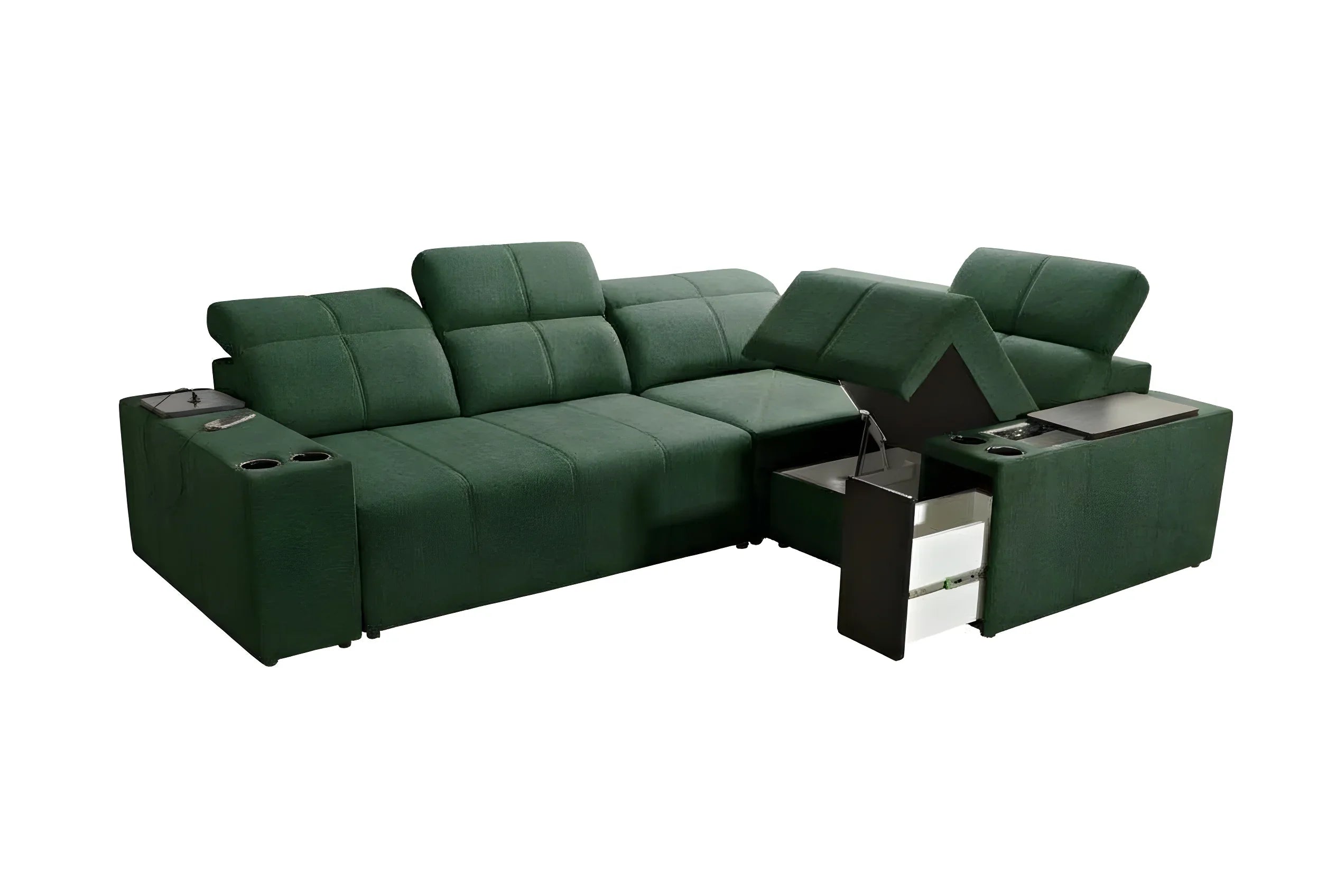
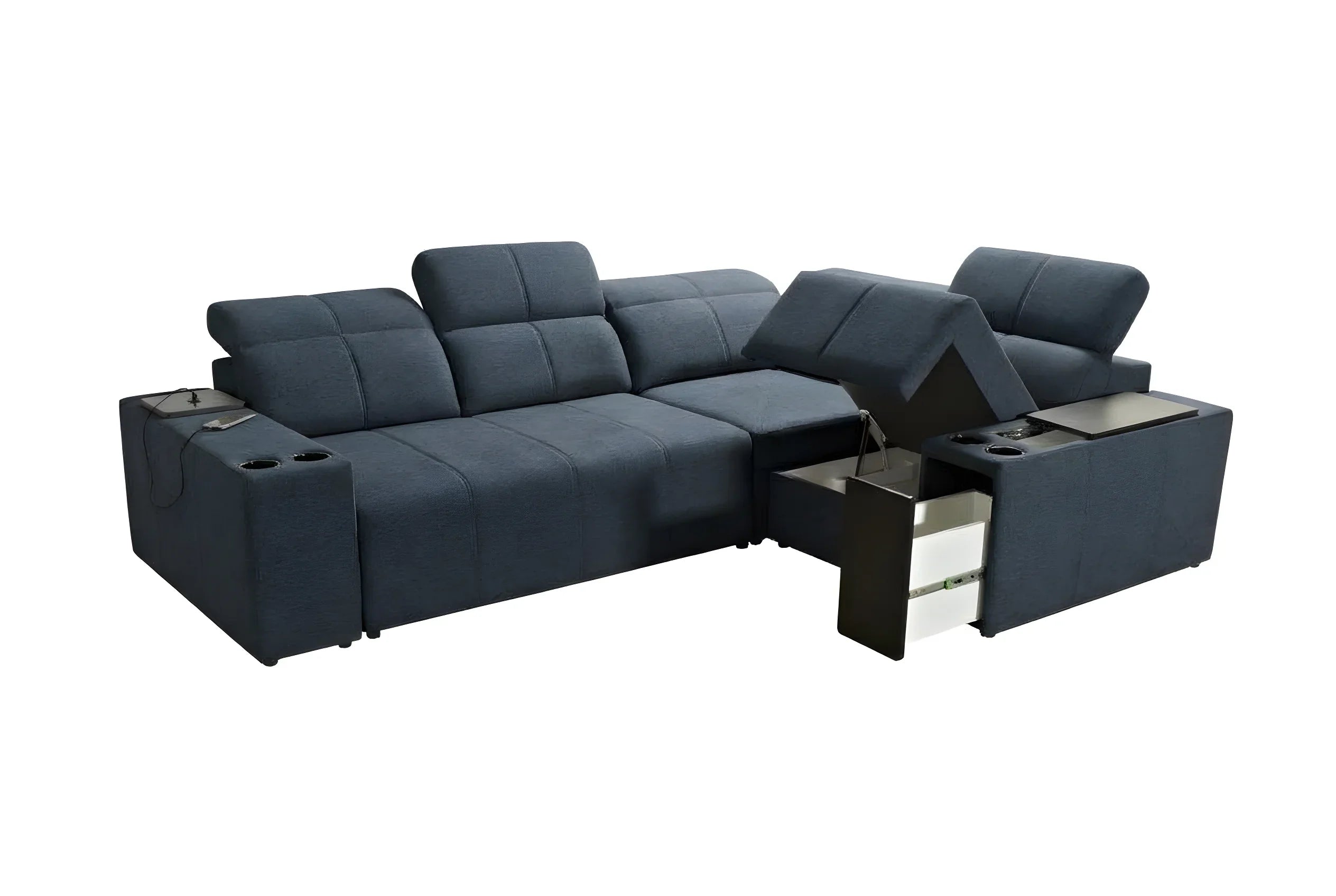
Nosag springs (or zigzag springs) made of tempered steel are the benchmark for a firm seat that does not hollow out over time. Interwoven elastic webbing offers softer comfort, but the average lifespan of a sofa equipped only with low-end webbing may be shorter. The ideal is often a technical combination or the exclusive use of springs in high-stress areas, as is the case on our recliner sofas.
Foam density: The critical parameter for durability
Sagging is the primary cause of sofa replacement. To avoid the "hollow" effect after just a few months, you need to understand foam density. This is not a question of firmness, but of material weight per cubic meter. The higher the density, the more material the foam contains and the less air it contains, thus ensuring its return to its original shape year after year.
| Foam Type | Density (kg/m3) | Quality Level | Estimated Lifespan (Seat) |
|---|---|---|---|
| Polyether Foam | 16 - 25 kg/m3 | Entry-level | ✖ 1 to 3 years |
| Polyurethane Foam | 25 - 30 kg/m3 | Standard | ✔ 4 to 6 years |
| High Resilience (HR) | 30 - 40 kg/m3 | Recommended (Durable) | ✔ 7 to 12 years |
| High Density (HD) | > 40 kg/m3 | Premium / Luxury | ✔ 12 years and + |
Indicators of wear: how to know if your sofa is nearing the end of its life?
Even the best furniture is not eternal. However, knowing how to identify warning signs allows you to anticipate renewal or repair. The sofa lifespan is coming to an end when postural comfort is no longer assured, risking back pain.
Signs of irreversible sagging
The visual test is the first indicator. If, when you get up, your body's imprint remains marked in the seat for several minutes, the foam's resilience is compromised. Similarly, if the fabric wrinkles excessively on the seat, it is often a sign that the filling underneath has lost volume. A durable sofa should maintain a taut line.
Suspicious noises and frame fatigue
A silent sofa is a healthy sofa. The appearance of creaking or cracking when sitting or standing often indicates play in the wood frame's joints or fatigue in the metal springs. If you feel the wooden crossbar under your thighs or in your back, it is a critical sign: the suspension or filling is no longer acting as a buffer. For technical models like modular panoramic sofas, also check the solidity of the connectors between the modules.
Extending your sofa's lifespan: 5 essential habits
Beyond the intrinsic manufacturing quality, the period of use of your sofa largely depends on how it is used daily. A few simple gestures can add years to your furniture's life.
- Rotating the seats: We all have our "favorite spot." Unfortunately, this concentrates wear on a single area. If your cushions are removable, rotate them regularly to homogenize foam compression.
- Protection against elements: Direct and prolonged exposure to the sun's UV rays burns fabric fibers and weakens leather, accelerating aesthetic aging long before technical wear. Also keep your sofa away from intense heat sources (radiators, fireplaces) that dry out materials.
- Preventive tightening: For sofas with screwed feet or connected modules, an annual turn of the key helps maintain the rigidity of the assembly and prevents play from developing in the frame, which is often the beginning of the end for the frame.
- Appropriate use: This seems obvious, but armrests are not seats. Regularly sitting on the armrests or backrest exerts pressure for which the frame was not designed, risking breakage.
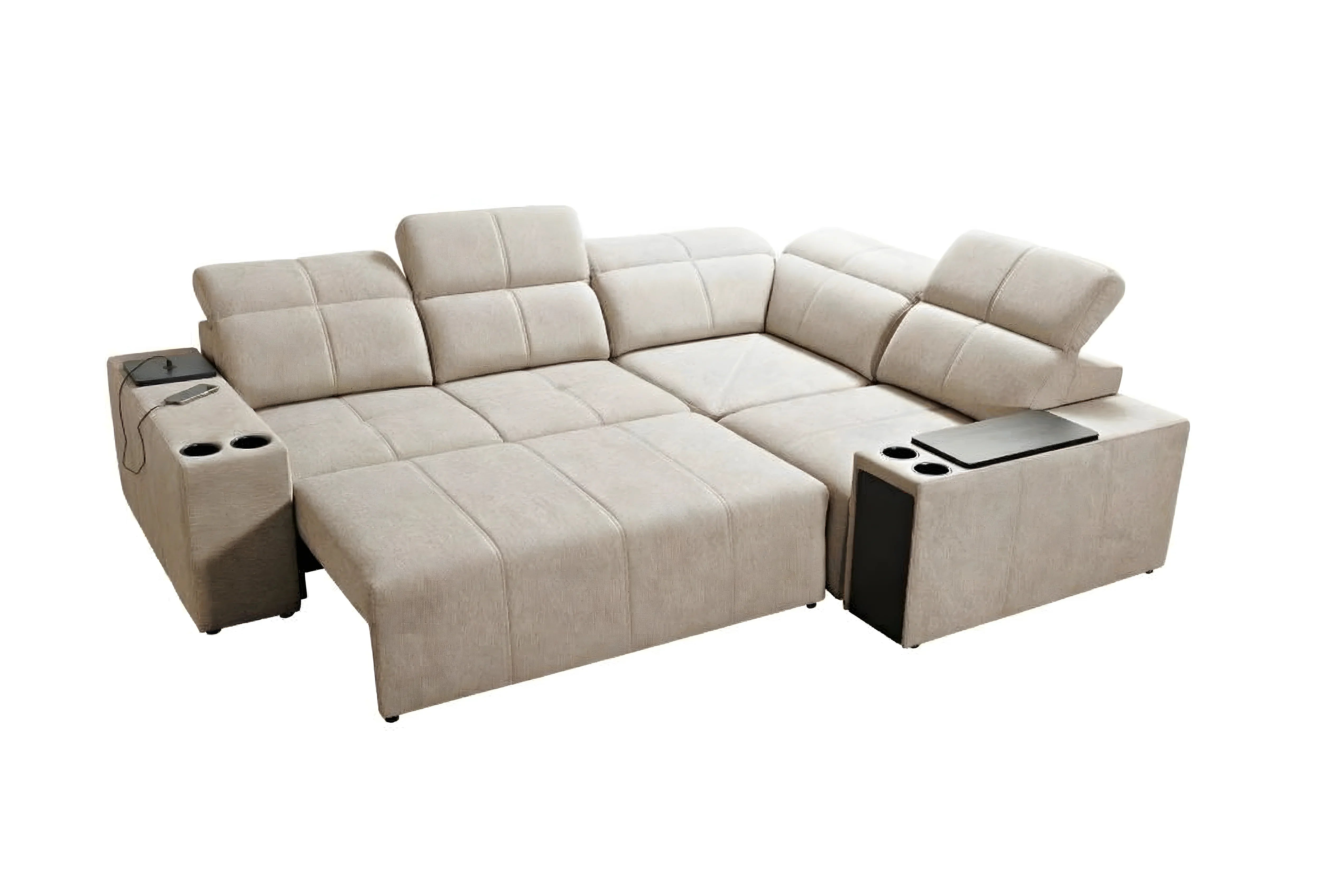
- Modularity management: For a modular sofa, changing the configuration from time to time helps distribute traffic and wear areas, thus extending the fresh feel of the entire living room.
FAQ: Everything you need to know about your sofa's longevity
Does a 10-year warranty on the frame mean the sofa will last 10 years?
Not entirely, but it's an excellent indicator. The structural warranty covers wood or metal breakage. This shows that the manufacturer has confidence in the frame. However, it usually does not cover normal foam sagging or fabric wear. A sofa with such a warranty will often far exceed the average lifespan of a sofa standard, because the base is solid.
Do sofa beds have a shorter lifespan?
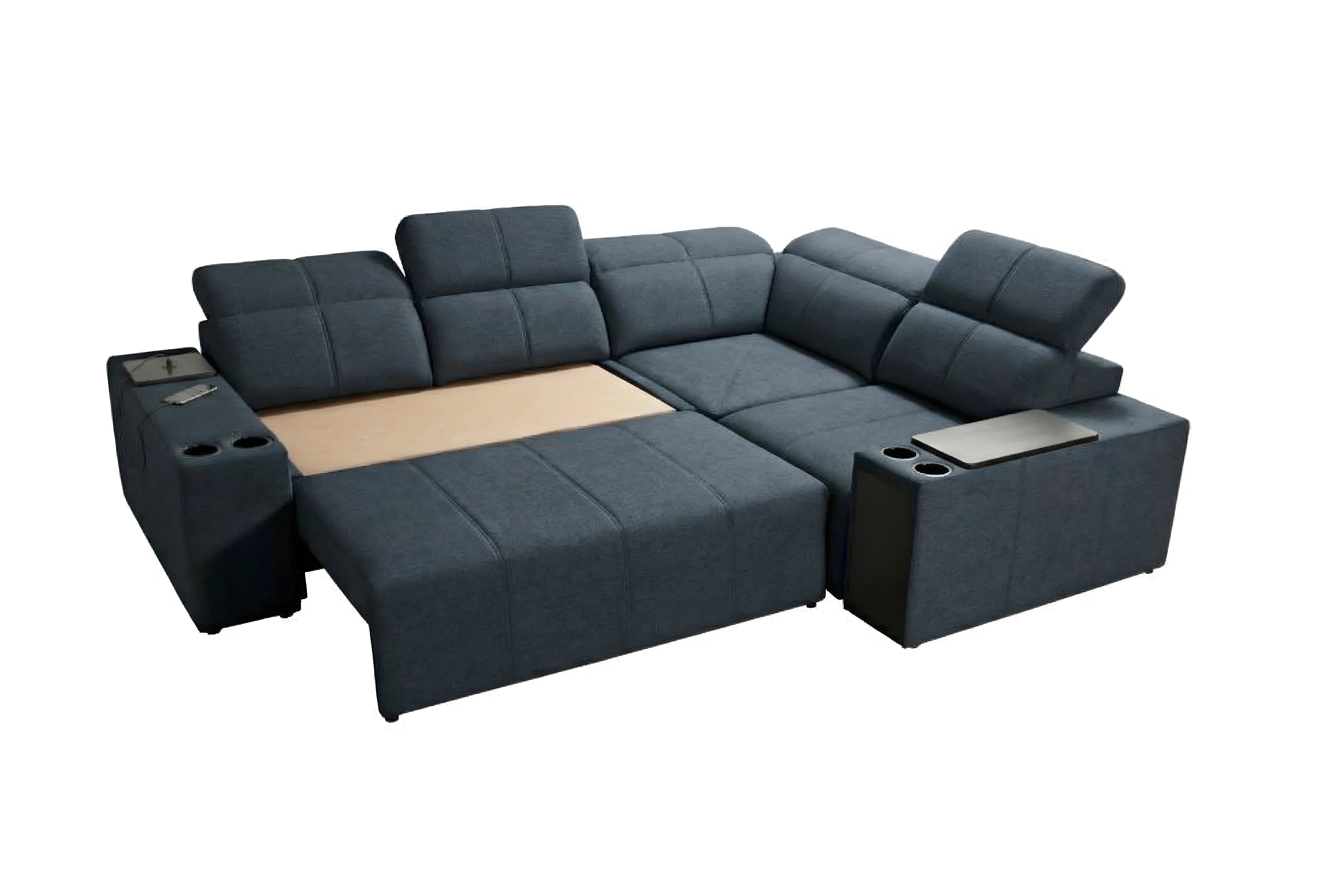
This is a misconception that depends on the range. An entry-level sofa bed will indeed wear out faster because the mechanism is often fragile. However, a quality sofa bed designed for daily sleeping (rapido system, metal grid base) is manufactured with higher robustness standards than classic fixed sofas to withstand handling. Durability will depend here on the quality of the chosen mechanism.
How does foam density influence longevity?
Density is the number one factor in resilience. A 35 kg/m3 foam contains more material than a 20 kg/m3 foam. Under body weight, the foam cells compress. With low density, the cell walls break quickly, and the foam no longer springs back. With high density (HR), the cellular structure is more robust and elastic, ensuring a much greater sofa longevity.
Does user body weight affect durability?
Yes, it is an undeniable physical factor. A heavier load puts more strain on the suspensions and compresses the foam more strongly. For larger body types, it is even more crucial to opt for high longevity/quality factors: HR foams of at least 35-40 kg/m3 and spring suspensions rather than webbing, to counteract premature wear.
Conclusion: Durability is a profitable choice
Ultimately, to the question what is the average lifespan of a good sofa?, the answer lies as much in the product's design as in your initial choice. While the average is around 10 years for a quality product, opting for excellent materials can push this limit much further. A durable sofa is a sofa whose cost is amortized over time, offering constant comfort without unpleasant surprises.
At Kings Canapé, we have chosen transparency and robustness. Our modular frames, designed like solid Lego pieces, our high-resilience foams, and our meticulous finishes are designed to withstand real life. By choosing lasting quality rather than disposability, you are not just furnishing your living room, you are investing in thousands of hours of serene comfort.




1 comment
Merci pour vos explications cela va me permettre De choisir un produit de qualité.
Loubet
Leave a comment
This site is protected by hCaptcha and the hCaptcha Privacy Policy and Terms of Service apply.