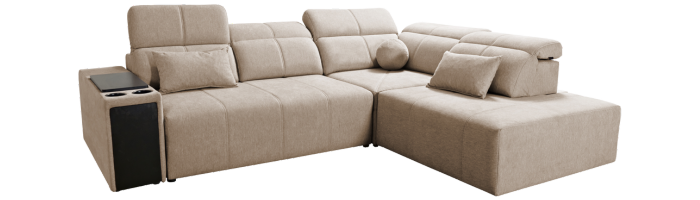
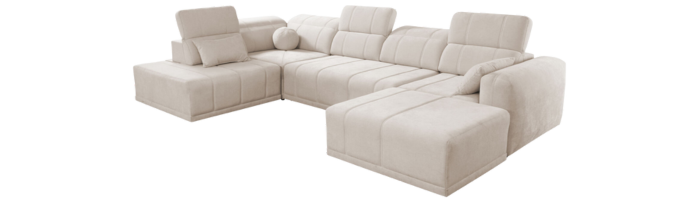
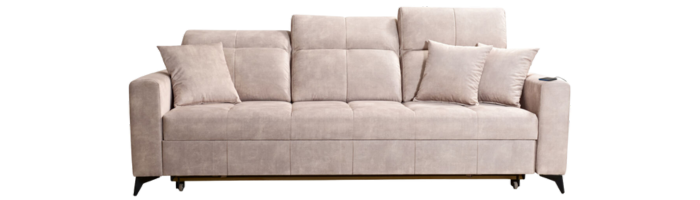



In a world where technology and minimalism often dominate our interiors, a fundamental trend is bucking the trend: a return to authenticity. According to the latest analyses of the interior design market in 2024, the search for furniture with "soul" jumped by 35% compared to the previous year. The living room, the heart of conviviality, is not immune to this wave of stylized nostalgia. At the center of this quest for character lies the vintage sofa . Far from being a mere passing fad, choosing an antique-style sofa reflects a desire for durability, history, and warmth. But how can you adopt this retro look without sacrificing modern comfort? Kings Canapé guides you in bringing the spirit of past decades into your contemporary home.
The Return of the Vintage Sofa: More than a Trend, a Way of Life
Why are we so drawn to the past? The vintage sofa acts as an emotional anchor in our living rooms. It evokes a time when furniture was designed to last, when materials developed a patina over time rather than wearing out. Choosing this style means rejecting the anonymity of standardized furniture in favor of a piece that tells a story, even if that story is reinvented.
Authenticity Regained Without the Discomfort of Yesteryear
There's a persistent misconception: antique furniture is beautiful but uncomfortable. This may have been true of our grandmothers' old benches , often rigid and equipped with noisy springs. Today, the design revolution allows us to combine the best of both worlds. We're talking about "retro-modern."
At Kings Canapé, we understand that while our customers desire the look of a vintage leather Club-style corner sofa , they demand the ergonomics of 2025. This is the art of re-edition: capturing the visual aesthetic of a period sofa while incorporating high-resilience foams and robust modular structures.
A Response to Standardization
A vintage sofa allows you to structure a space with a strong visual signature. Unlike a purely minimalist style, which can sometimes feel cold, an antique style immediately adds texture and depth. It's a bold choice that positions your sofa not as a mere utilitarian object, but as the beating heart of your decor.
How to Choose Your Antique Style Sofa? The Aesthetic Codes
The term "vintage" is broad, encompassing several decades of design. To avoid a design faux pas, it's crucial to identify the era that resonates with your interior. Each decade has its own codes, shapes, and materials.
The Mid-Century Era (1950s)
The 1950s sofa is characterized by clean lines, splayed wooden legs (often walnut or oak), and light, tufted backs. It's the ideal style for small spaces because it allows light to circulate under the seat. To recreate this "Mad Men" atmosphere, a three-seater sofa in textured fabric is a wise choice, bringing elegance and a sense of lightness.
The Opulence of the 1970s
A change of scenery with a 70s-style sofa . Here, the focus is on organic, low, and enveloping shapes. Corduroy and warm hues reign supreme (burnt orange, moss green, mustard). A velvet sofa in this style transforms the living room into an ultra-welcoming lounge space, perfect for uninhibited relaxation.
Industrial and Club Style
The industrial-style sofa , often inspired by New York lofts or English clubs, relies heavily on leather (or its perfect imitation). The look should be lived-in, almost raw. A retro Chesterfield-style sofa , reimagined for its massive and reassuring presence, often paired with black metal.
Materials and Patinas: The Soul of Retro
If form defines the era, then material defines the emotion. To successfully integrate an antique-style sofa , the choice of upholstery is paramount. It's not just about color, but also texture and the feel to the touch.
Aged Leather: The Industrial Heritage
Nothing screams "vintage" more than leather that looks like it's stood the test of time. For large, loft-style spaces, a panoramic leather sofa with an aged finish becomes an architectural statement piece. It anchors the living room in a masculine and timeless atmosphere. However, genuine leather requires maintenance. New upholstery technologies now make it possible to achieve this "patina" look on a convertible sofa in high-quality synthetic leather , offering the look without the fragility.
Velvet and Tweed Fabric: The Softness of the Past
Fabric plays a major role in the revival of the retro sofa . Thick weaves, like tweed or bouclé, evoke the quality craftsmanship of yesteryear. A corduroy corner sofa is undoubtedly the trendiest piece right now for adding that seventies touch. Its texture catches the light and adds depth to the decor, while offering an incomparable tactile softness characteristic of a cozy sofa .
For those who prefer simplicity, a heather grey fabric sofa can evoke the elegance of men's suits from the 60s, fitting perfectly into a more classic decor.
Hidden Modernity: When Vintage Becomes Functional
The major advantage of choosing a vintage sofa from a modern designer like Kings Canapé lies in its hidden features. We are no longer bound by the technical limitations of the past.
| Characteristic | Genuine Antique Sofa (Flea Market) | Antique Style Sofa (Modern) |
|---|---|---|
| Comfort | Springs often worn out, seat sagging | High-density foam, ergonomic support |
| Modularity | Fixed structure, heavy and difficult to move | Modular and demountable sofa |
| Sleeping | Rarely convertible or complex mechanical | High-performance sofa bed for everyday sleeping |
| Interview | Fragile materials, non-removable fabrics | Technical fabrics, stain-resistant, easy to clean |
The Modular Revolution at the Service of Style
Imagine a huge, industrial-style sofa arriving at your door in easy-to-carry packages. That's the promise of our range. Whether you opt for a panoramic sofa or a more modest set, the modular design allows you to assemble your centerpiece effortlessly, even in a 5th-floor apartment with no elevator.
Moreover, this modularity offers a flexibility that older models lacked. You can start with a corner sofa and add modules if the family grows, or transform your living room into a guest room with a velvet convertible sofa that cleverly conceals its mechanism beneath an impeccable retro aesthetic.
Integrating an Antique Sofa into a Modern Living Room: The "Mix & Match"
The most common mistake is trying to create a "total look." A living room that resembles a movie set or a museum lacks life. The key is contrast. The vintage sofa should be the star, interacting with contemporary elements.
Games of Colors and Associations
If you opt for a statement piece like a vintage cognac leather sofa , tone it down with light-colored walls and a modern Berber rug. Conversely, a beige fabric sofa with retro lines (splayed legs) can support cushions with bolder geometric patterns or a brightly colored wall.
For small living rooms, the trick is to use a straight sofa in a 1950s style. Its visual lightness makes the space feel larger. You can pair it with a glass coffee table (very modern) to create that interesting contrast in time periods.
The Strategic Location
The layout is just as important as the style. An antique-style sofa is often designed to be viewed from all angles (especially models with ornate backs). If you have the space, avoid placing it against a wall. A left-hand corner sofa with a retro look can perfectly serve as a room divider to separate the living area from the dining area, highlighting its sculptural design.
Don't forget the accessories: a black fabric Chesterfield style sofa will take on a very rock and modern dimension if it is combined with industrial metal lighting and abundant green plants to break up the strict side.
FAQ: Everything you need to know about Antique Style Sofas
Is an antique-style sofa comfortable for everyday use?
Absolutely. Unlike antiques, which can have sagging springs, our "vintage style" models benefit from modern technologies. We use high-resilience foams and ergonomic designs. For example, a retro-style fabric corner sofa will offer the same level of support and comfort as a high-end contemporary sofa.
How to combine a vintage sofa with modern decor?
The golden rule is contrast, or "mix and match." Don't clutter the room with antiques. If you have a large retro sofa , opt for a minimalist coffee table and neutral-colored walls (as a white fabric sofa would brighten the space). Let the sofa be the focal point.
Are "aged" imitation fabrics durable?
Yes, and often more so than the originals. Microfibers with an "aged leather" effect or modern velvets are treated to resist stains and wear. This is particularly relevant for a fabric sofa bed that will be handled frequently: you retain the charm of the patina without the fragility of old fabric.
What shape should I choose for a 1950s style?
To maintain the aesthetic of the 1950s, opt for a light and airy feel. A sofa with raised legs (splayed wooden legs) is ideal. If you need ample seating, a right-hand corner sofa with a slim frame and low back will perfectly complement the airy lines typical of Mid-Century design.
Conclusion: Give Your Living Room a Soul
Choosing a vintage or antique-style sofa means opting for an interior with character, depth, and a touch of emotion that standard furniture simply can't match. Whether you're drawn to the clean lines of an industrial design or the enveloping comfort of a 70s-inspired piece, retro has a unique ability to instantly create a warm and inviting space. At Kings Canapé, we've taken on the challenge of merging this timeless aesthetic with the demands of modern comfort and the practicality of modularity. You no longer have to choose between style and well-being. Rediscover the charm of the past, without compromise, and transform your living room into a unique space that transcends eras with elegance.