



















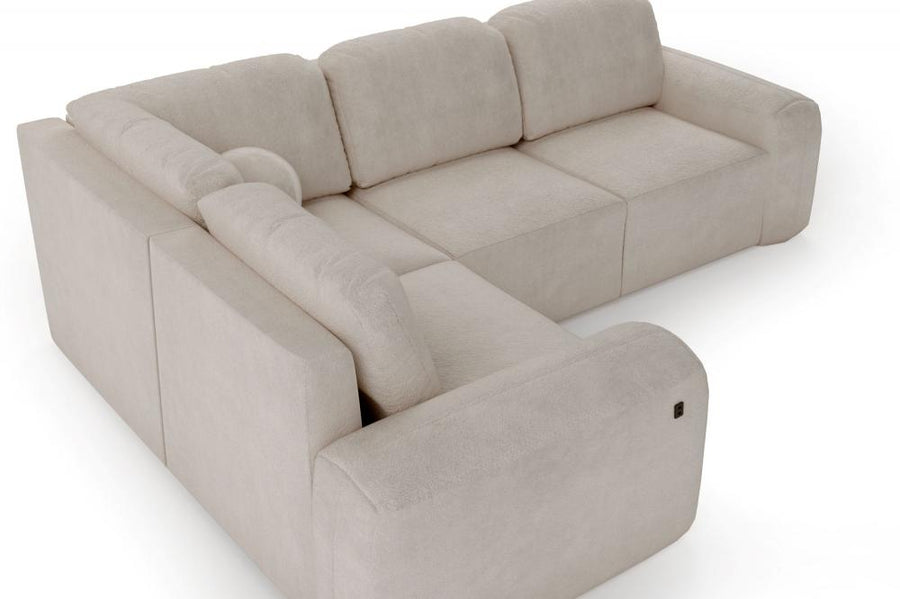
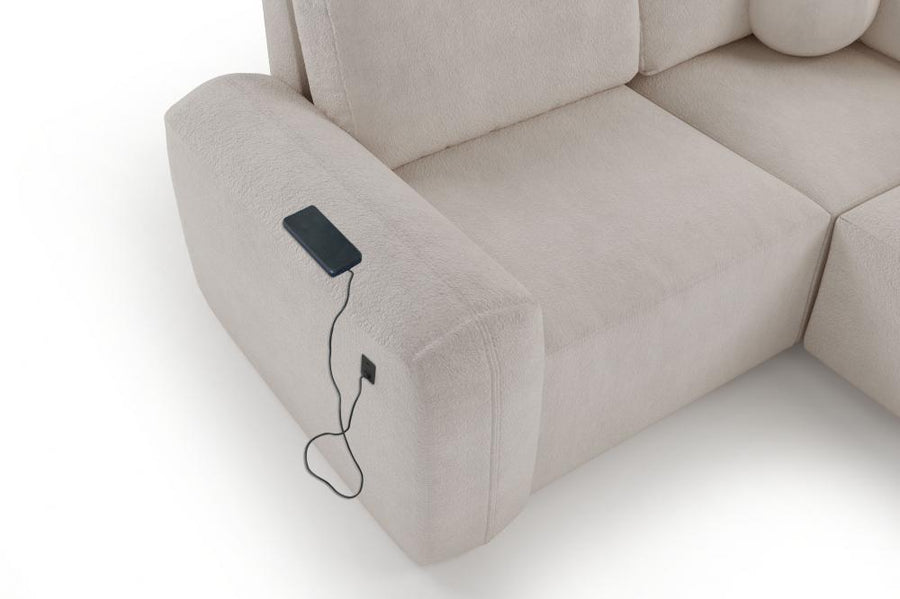
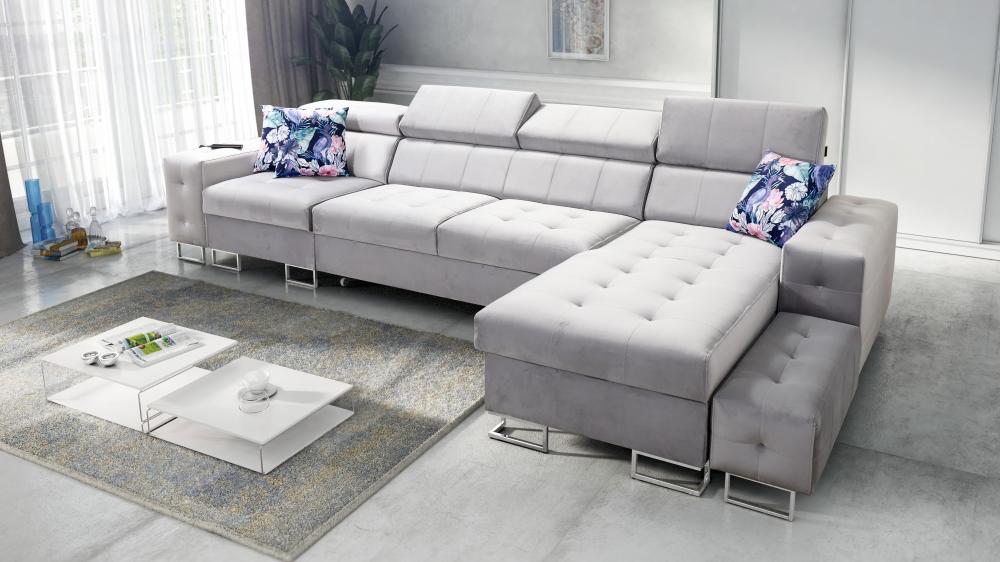
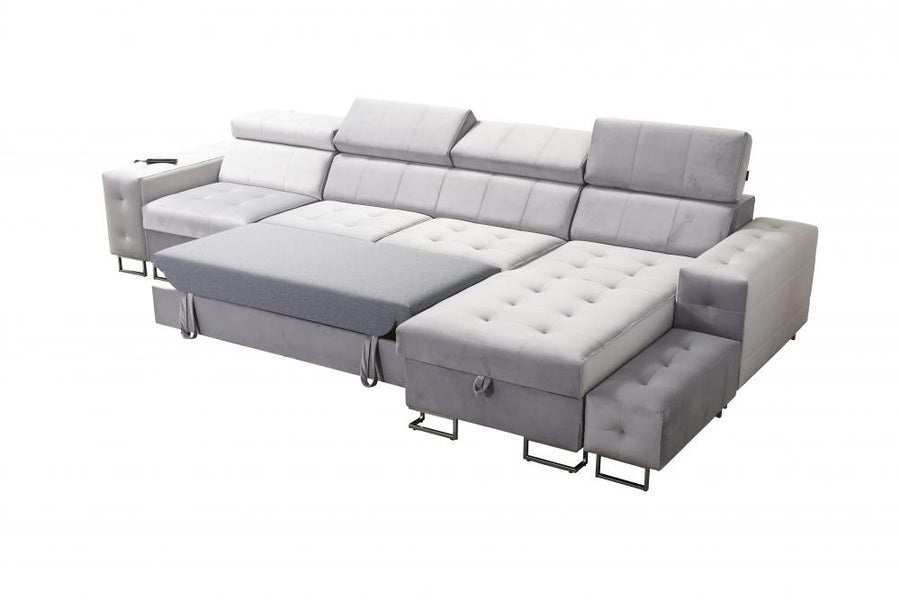
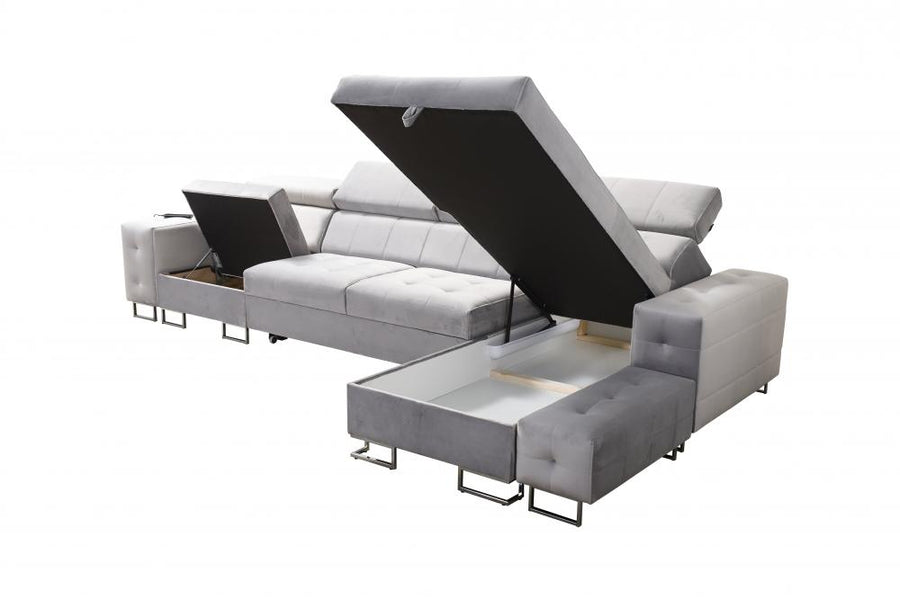
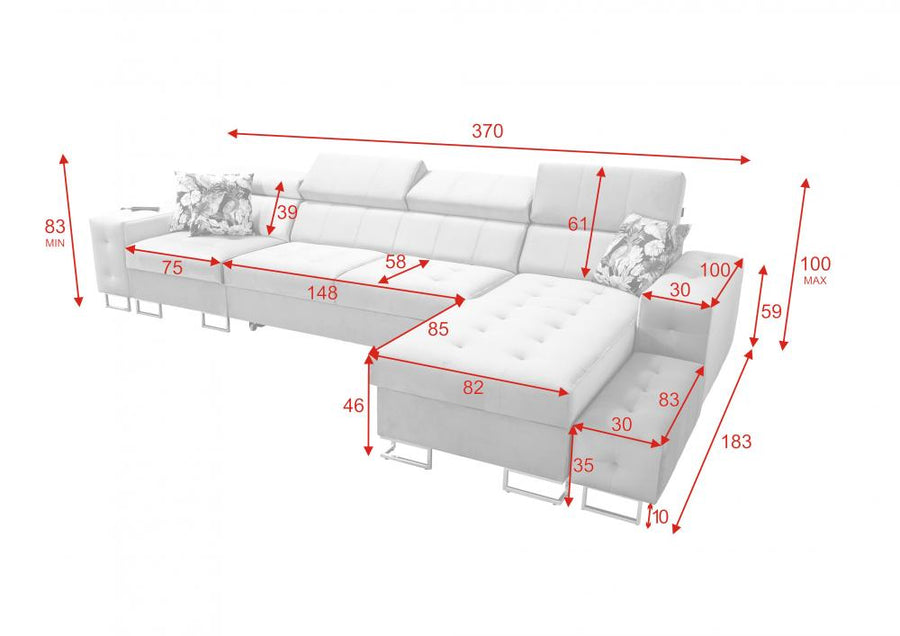
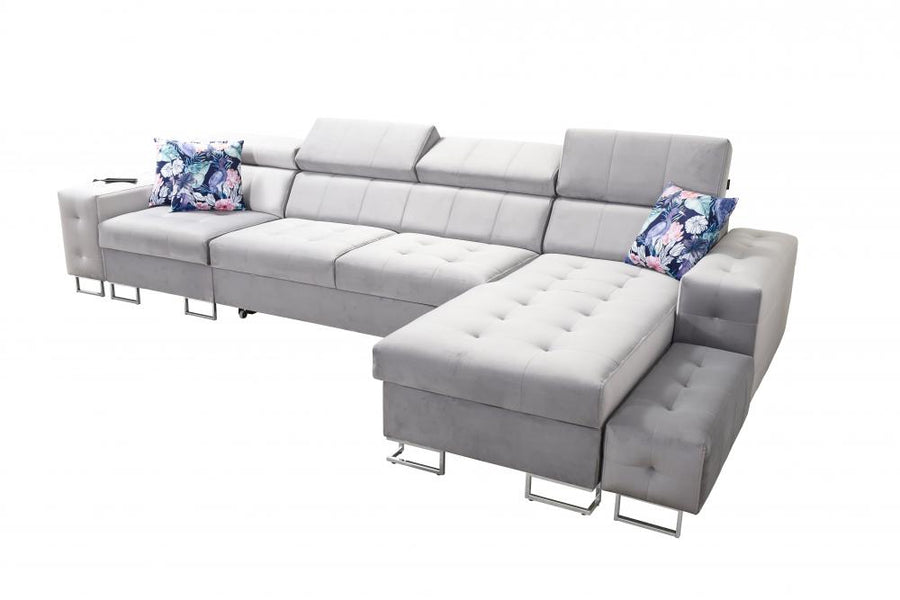
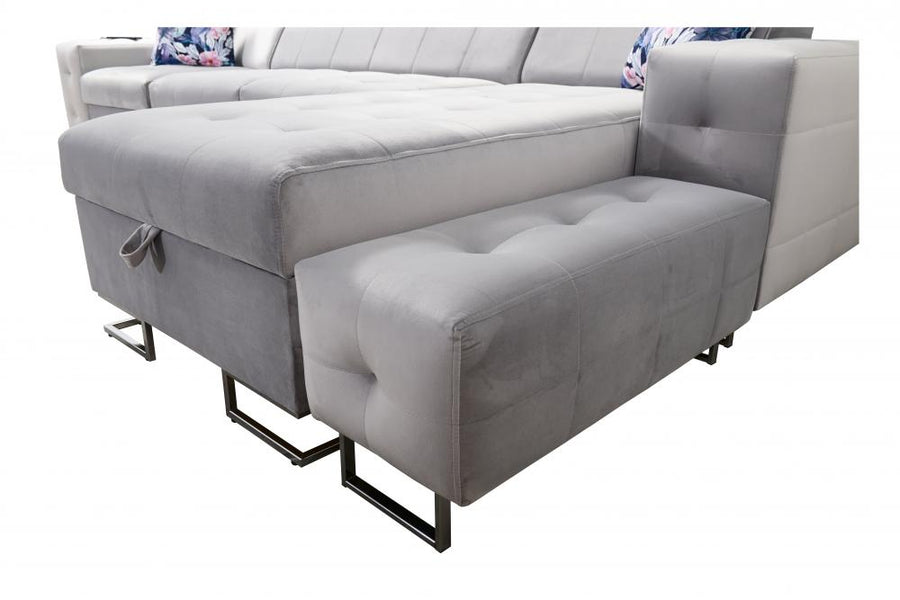







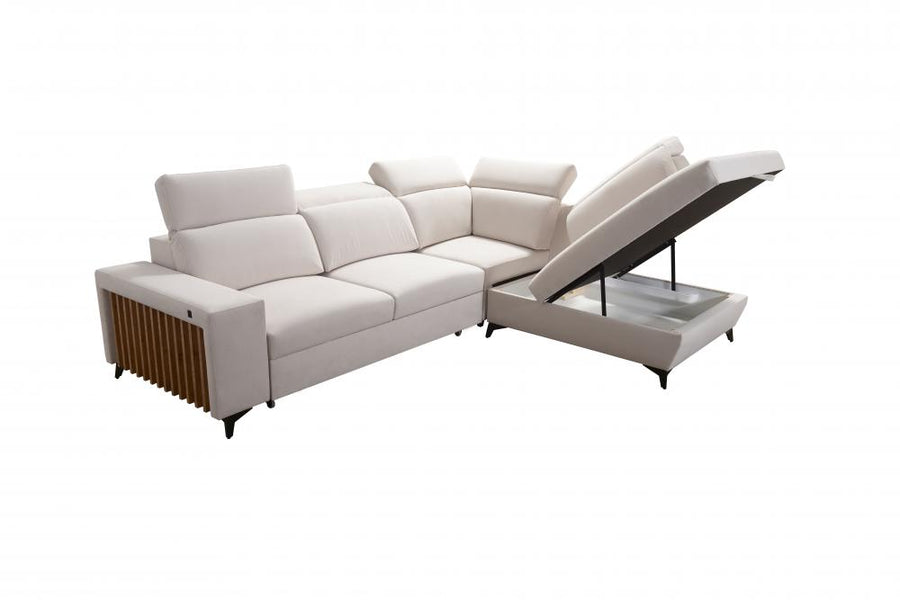
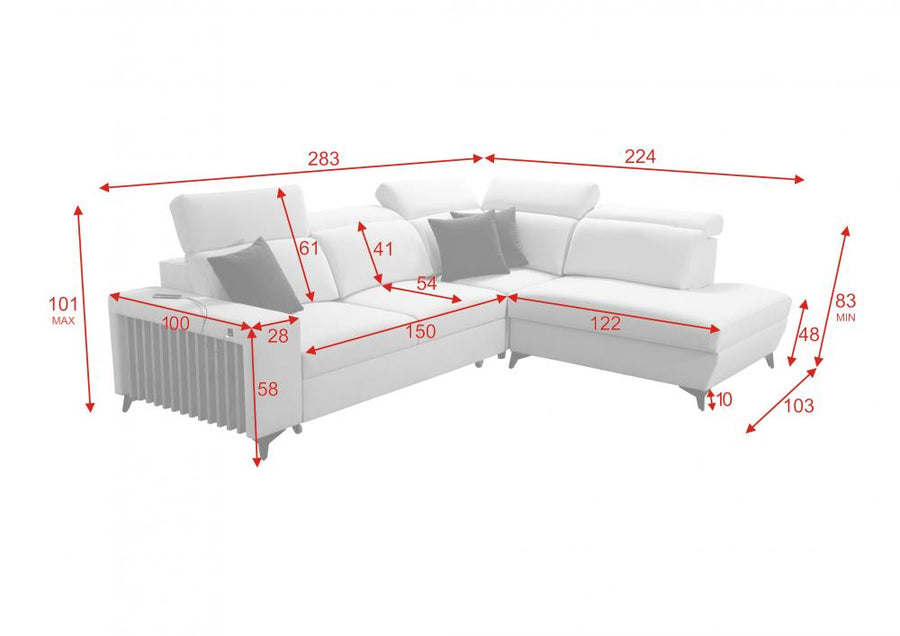
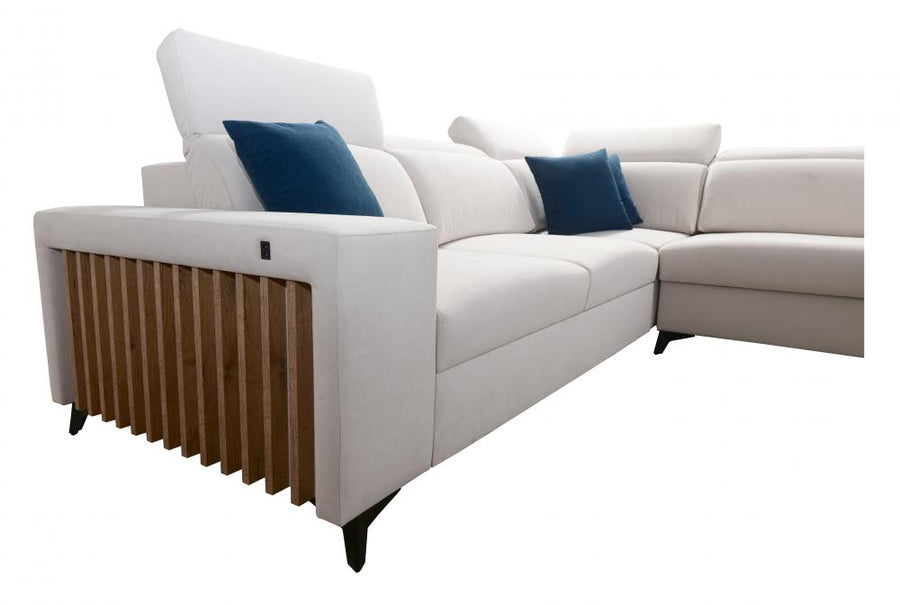
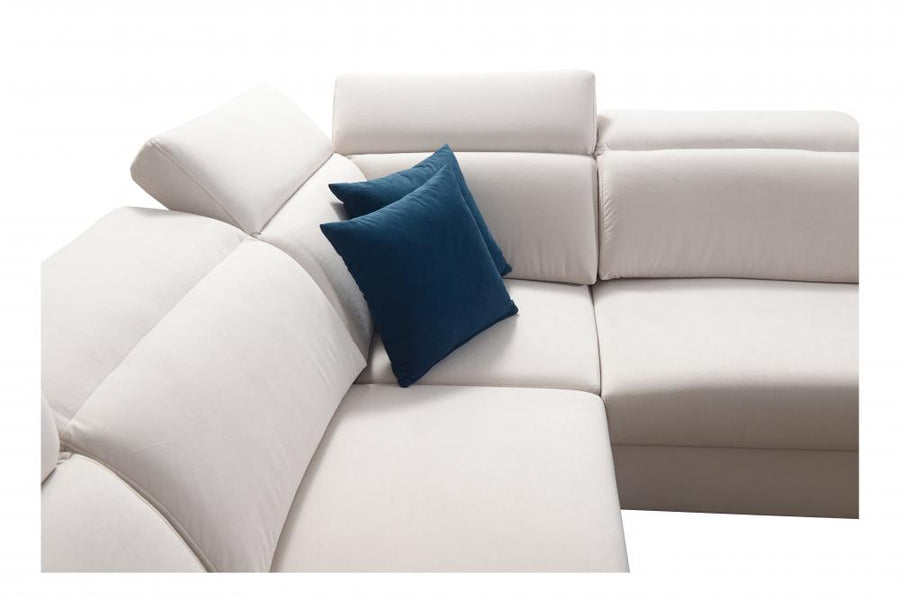







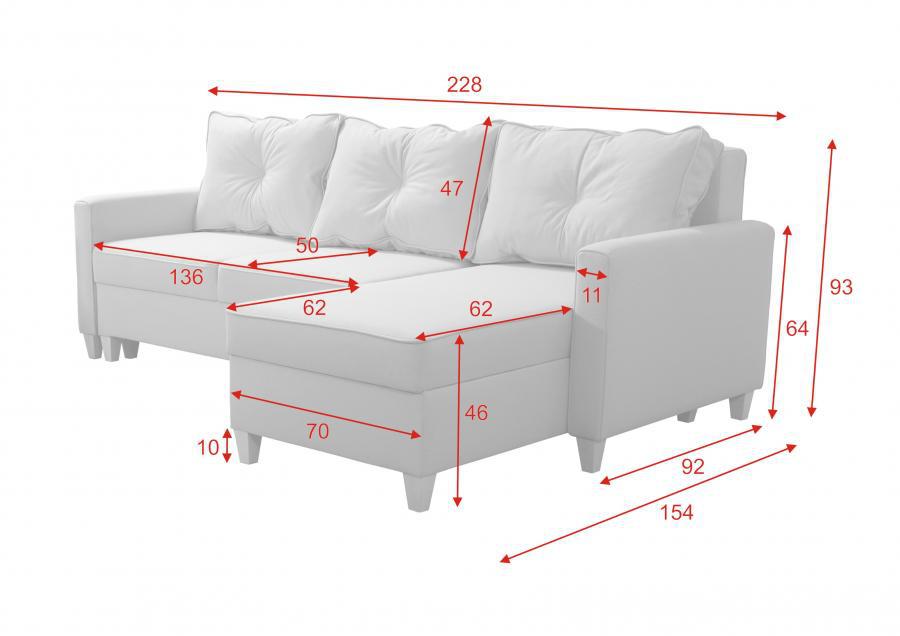
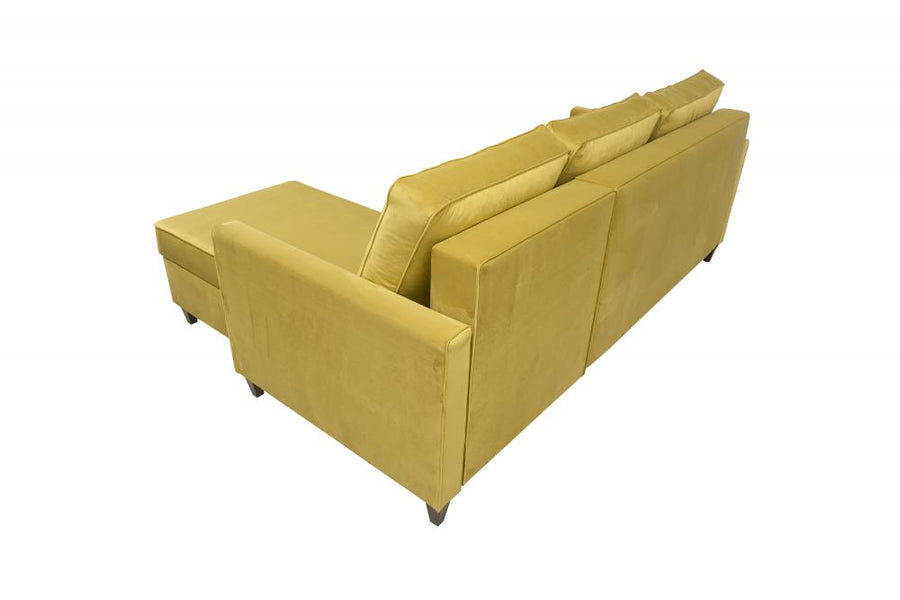

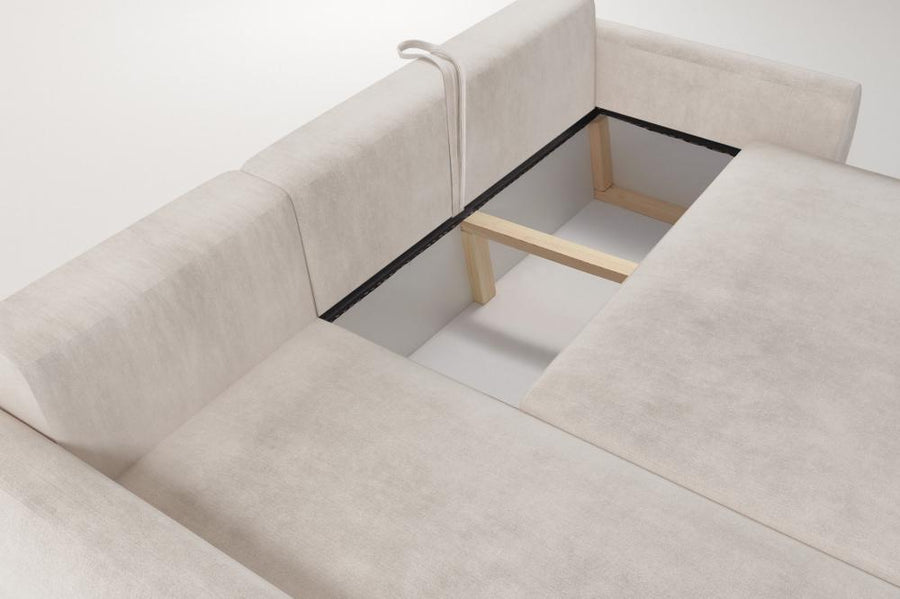
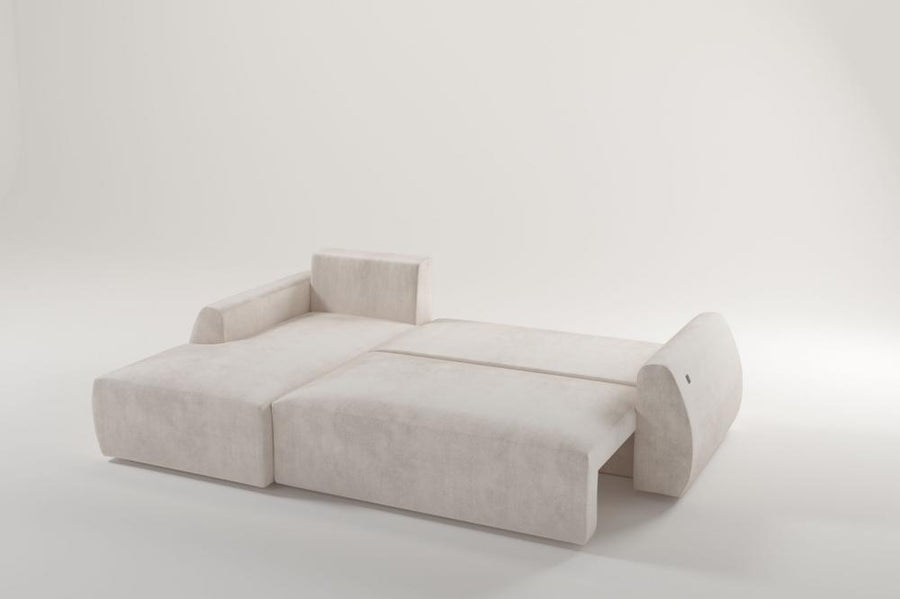

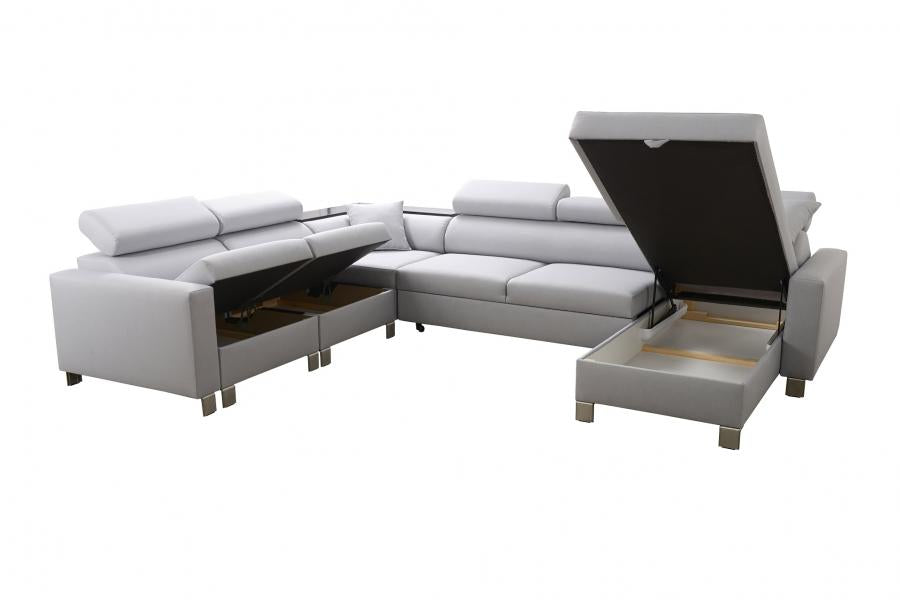
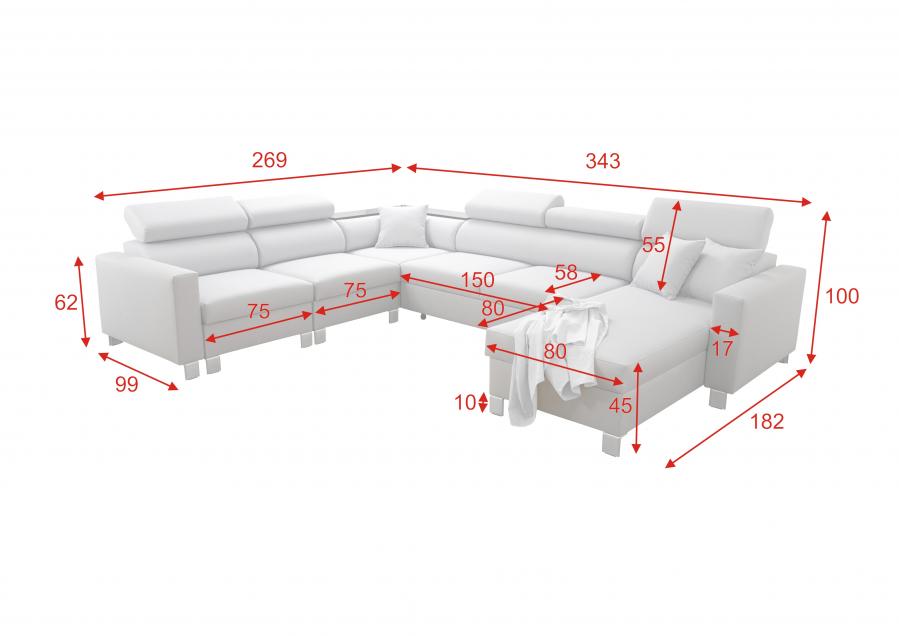
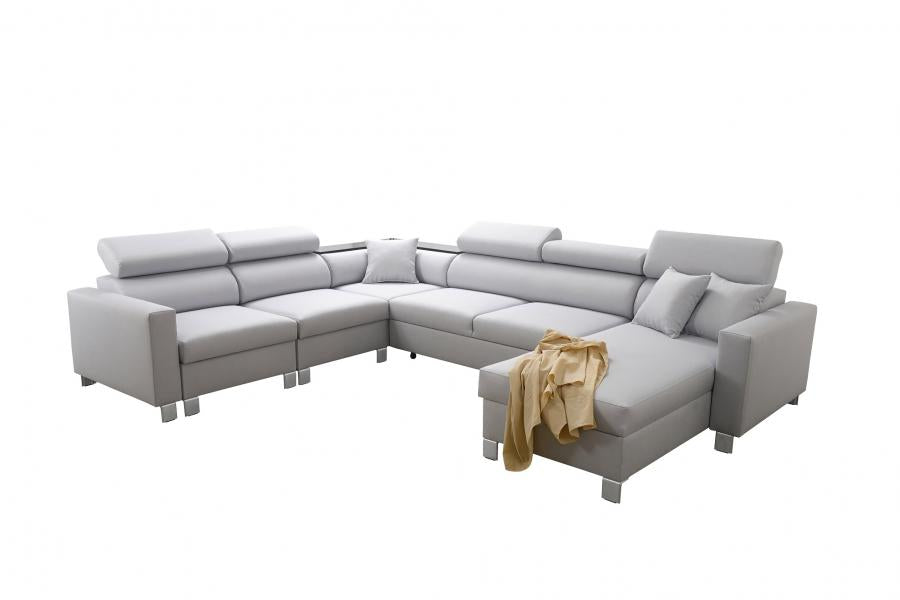






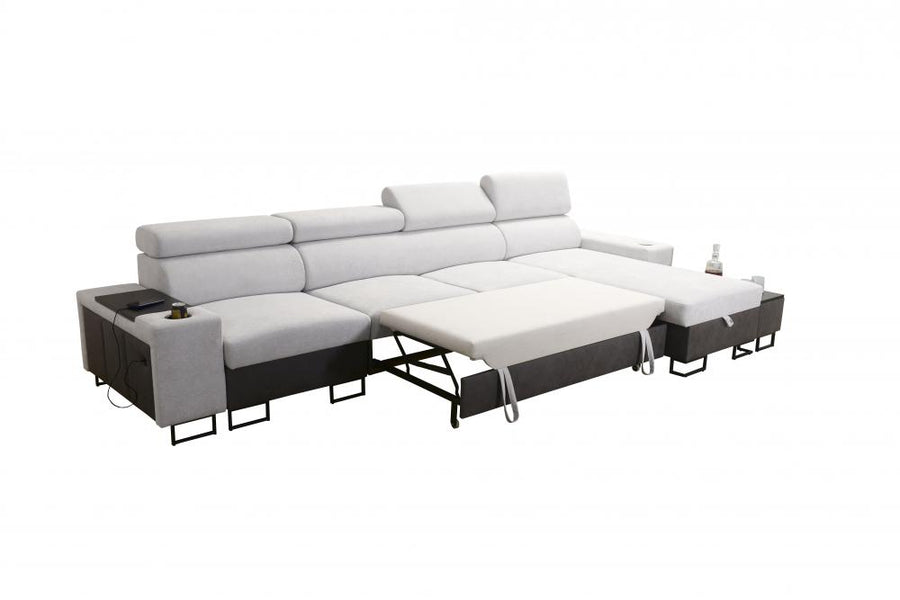
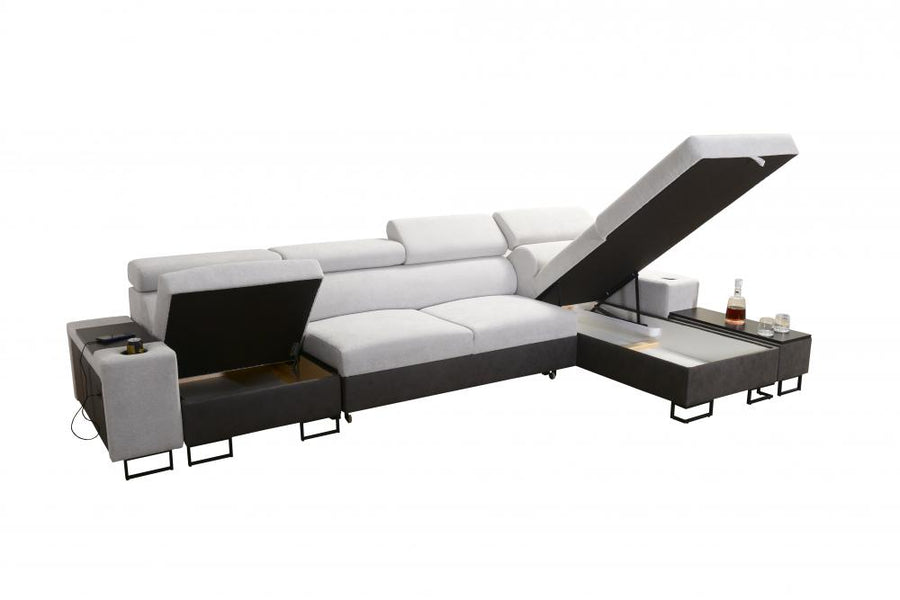
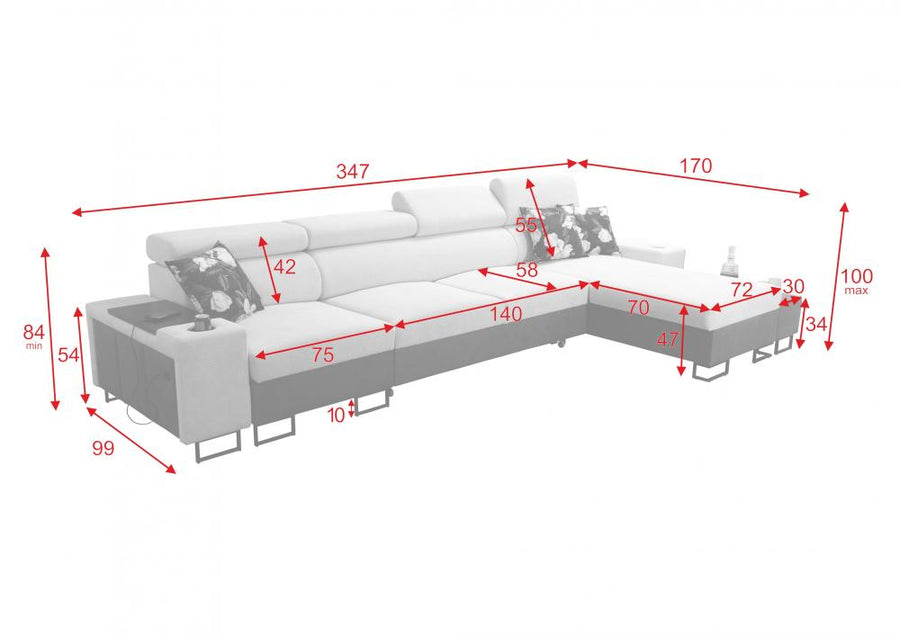
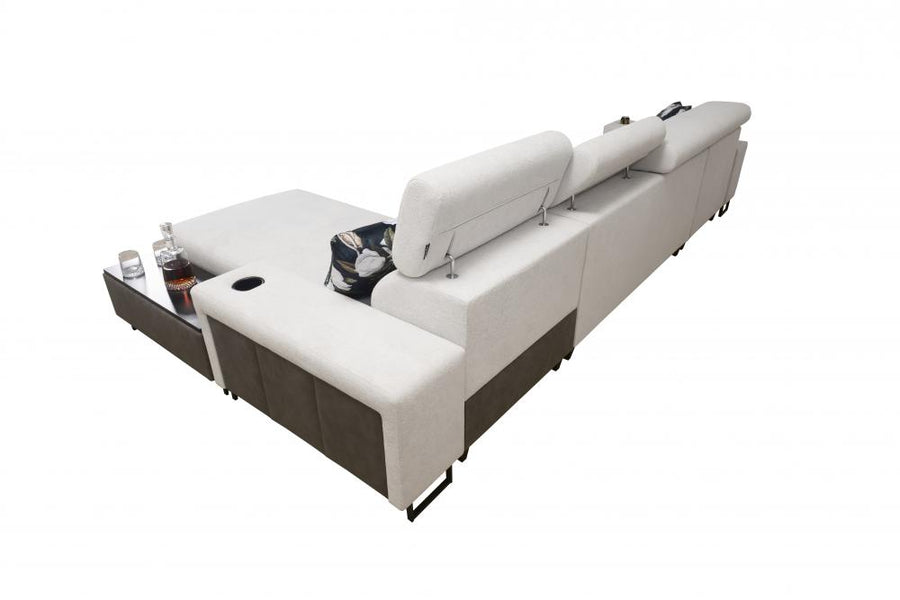




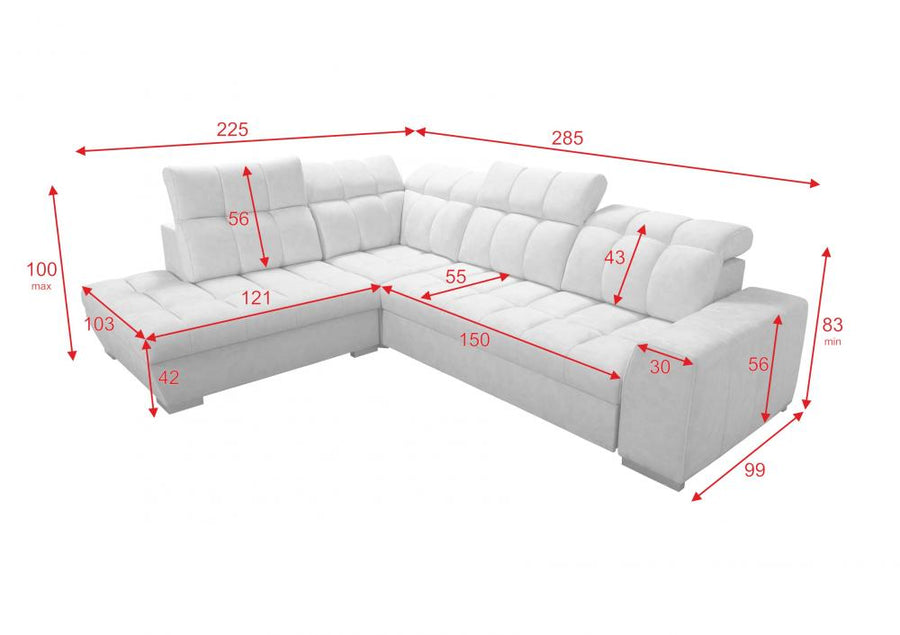
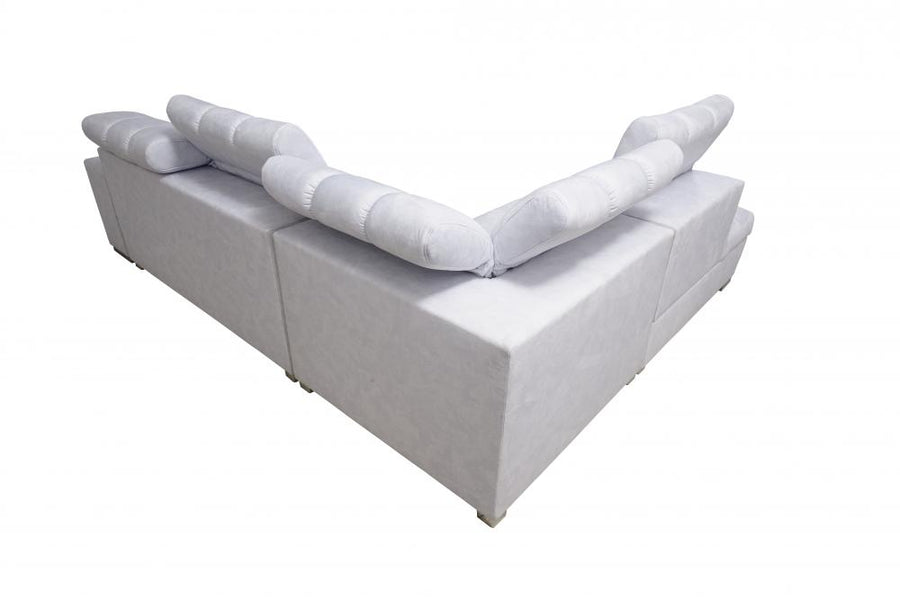

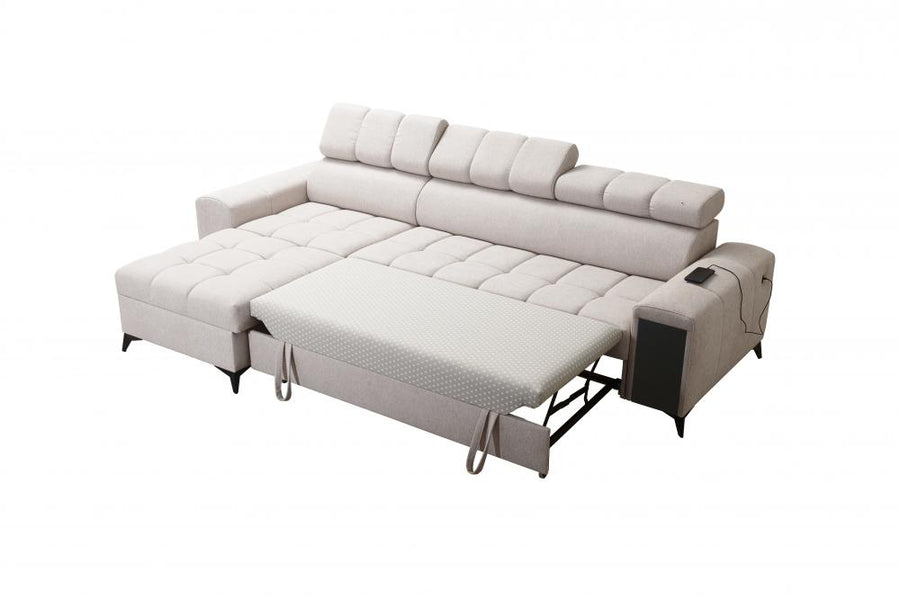
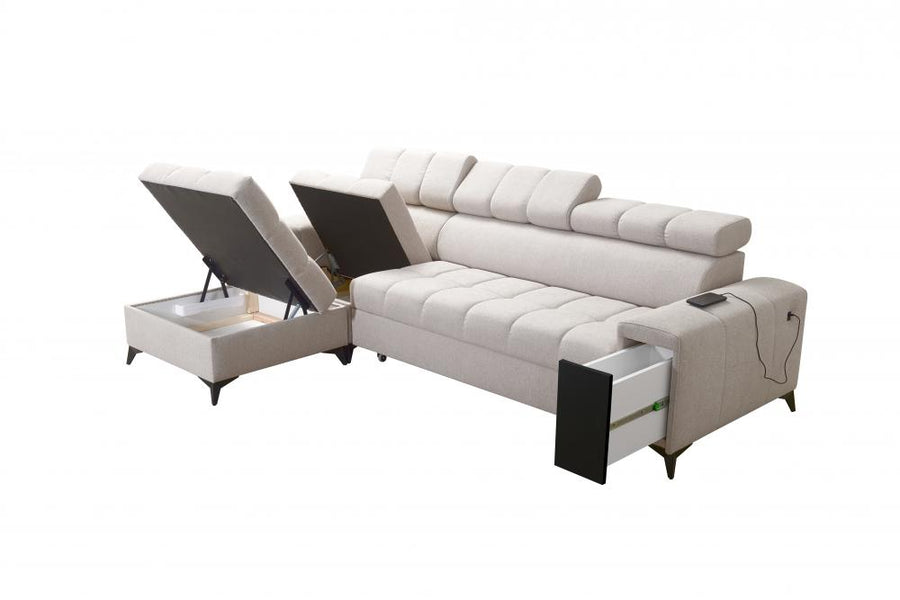
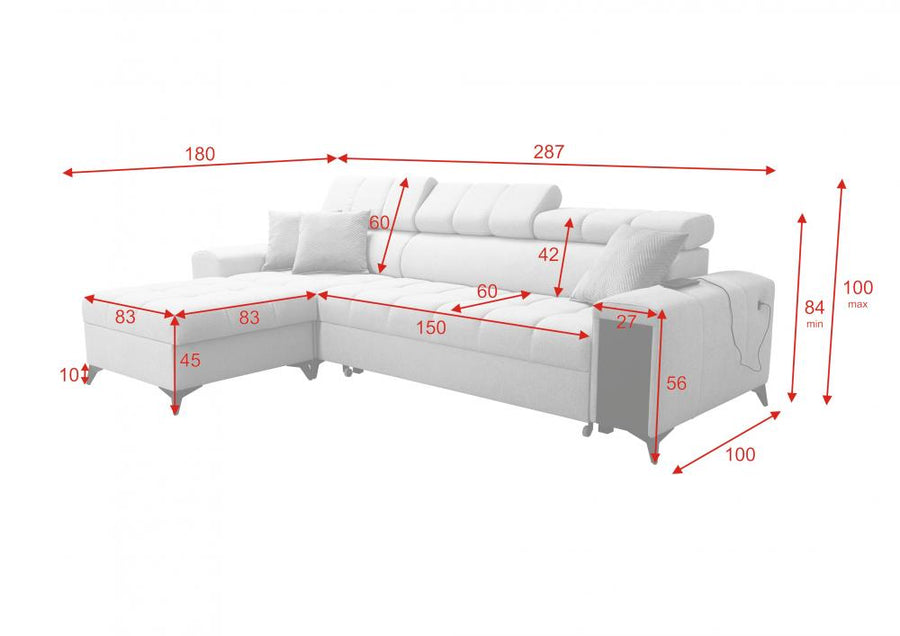
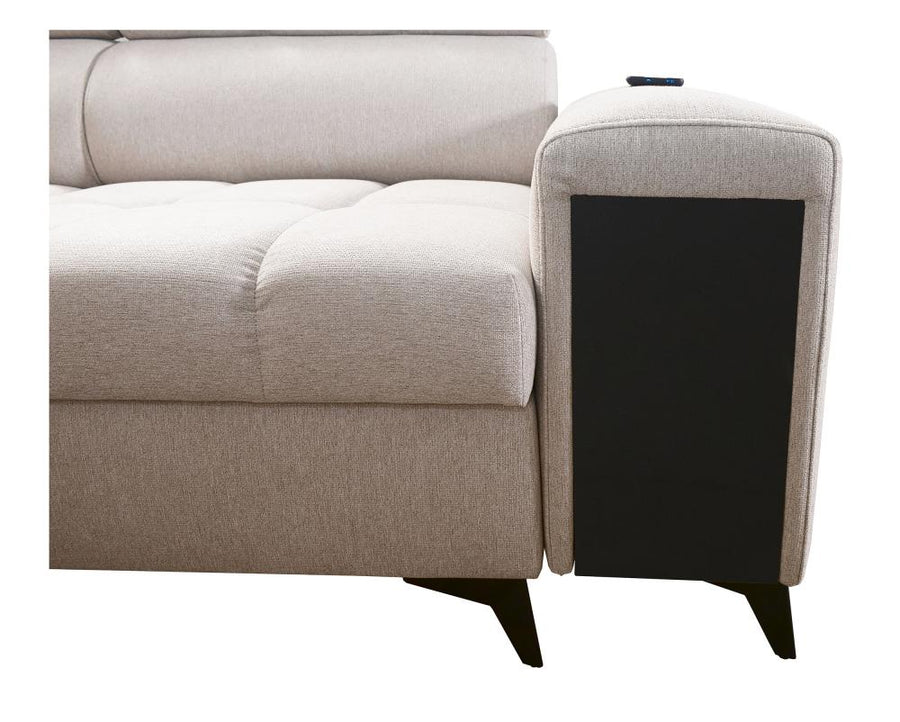
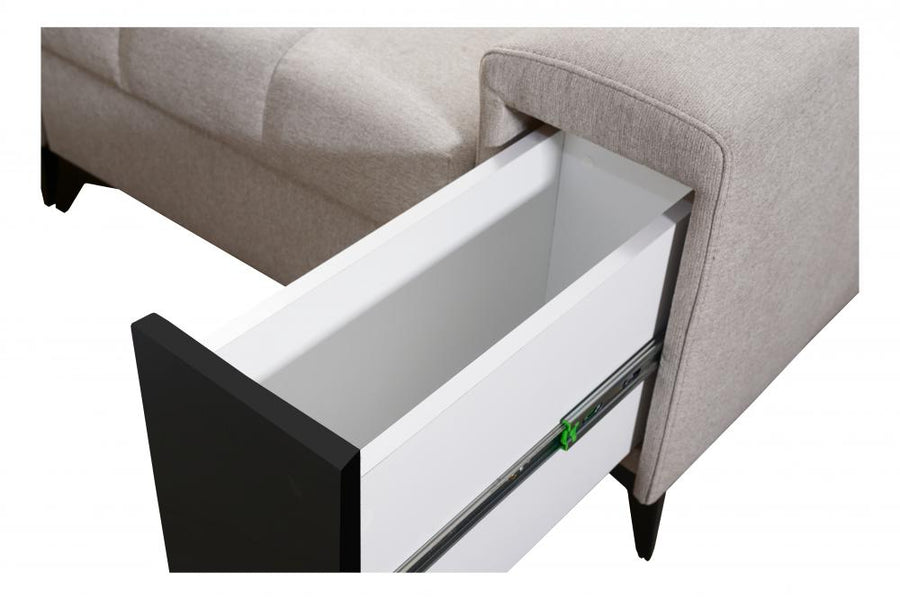
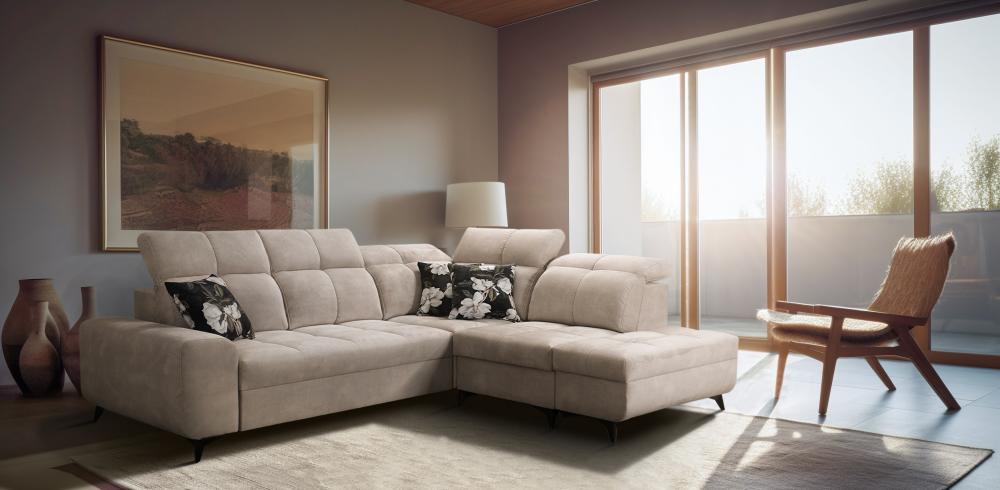











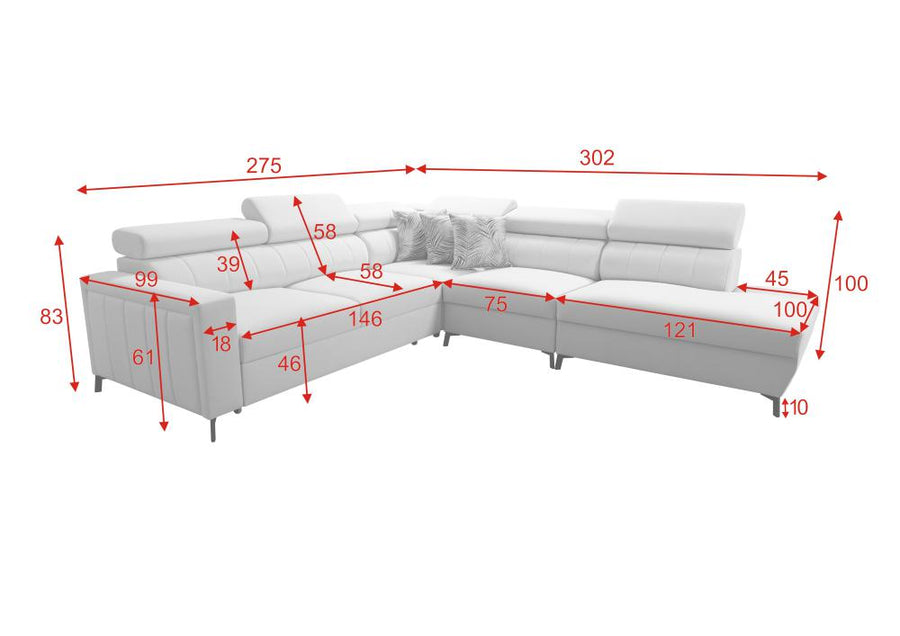


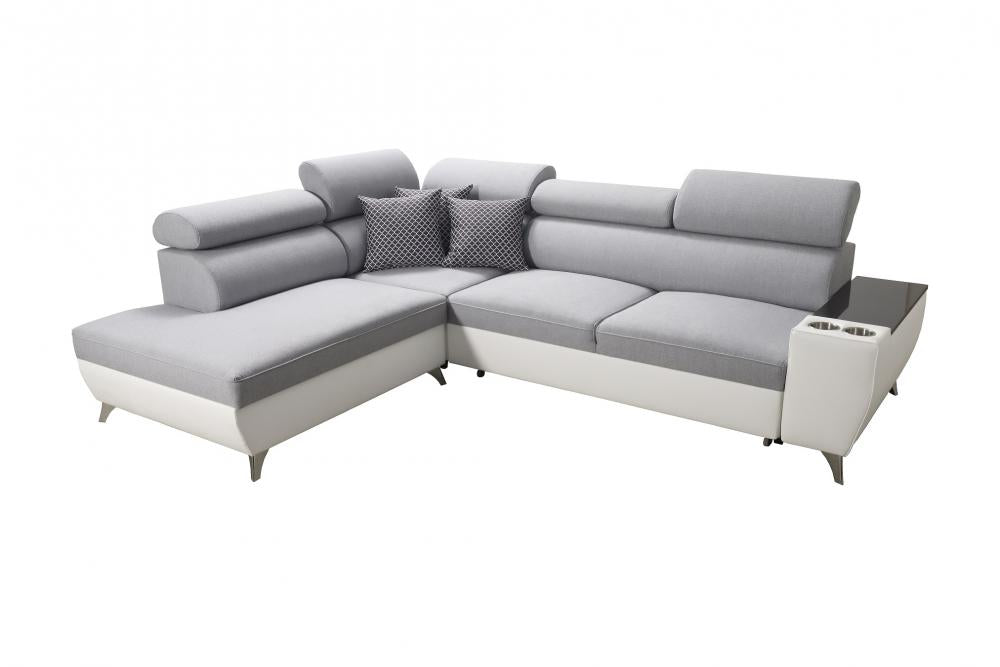
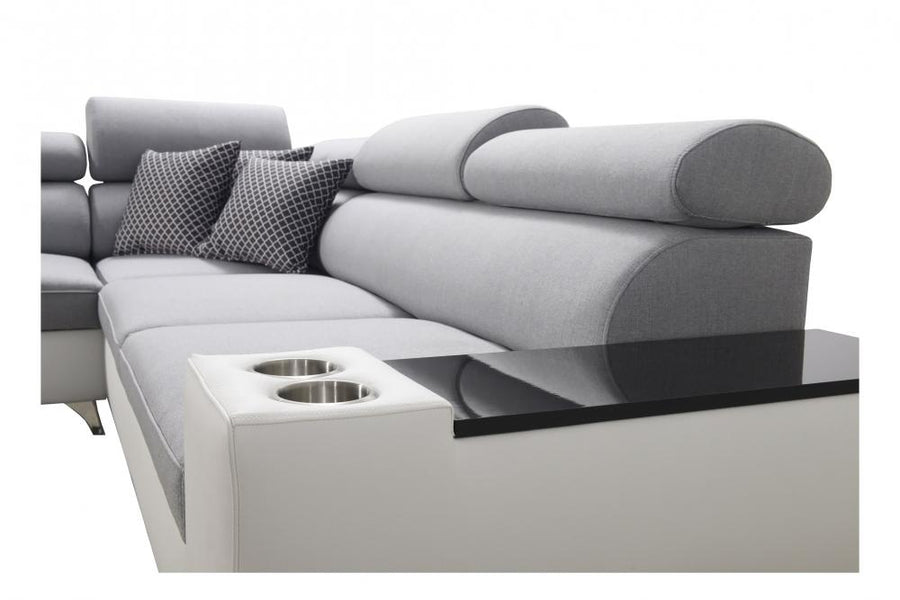
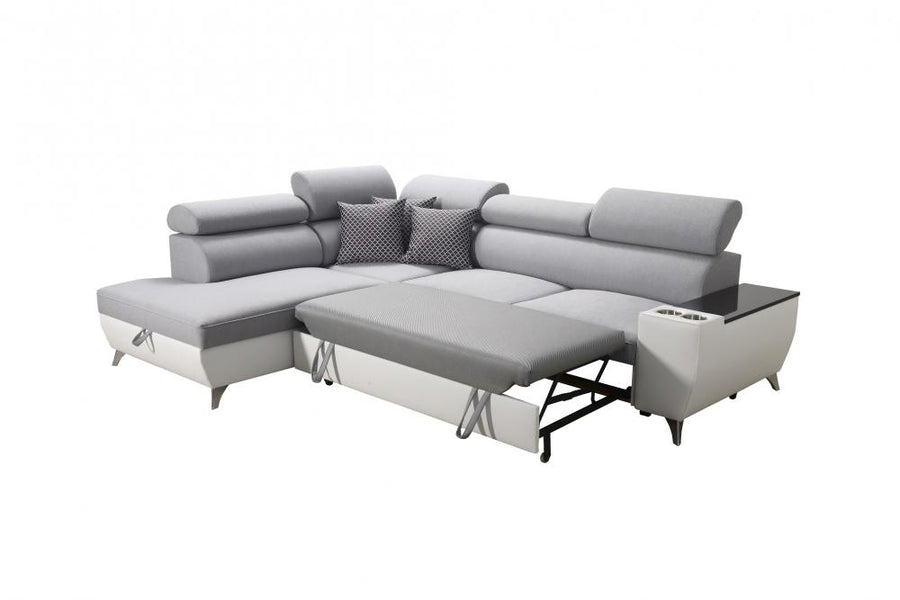




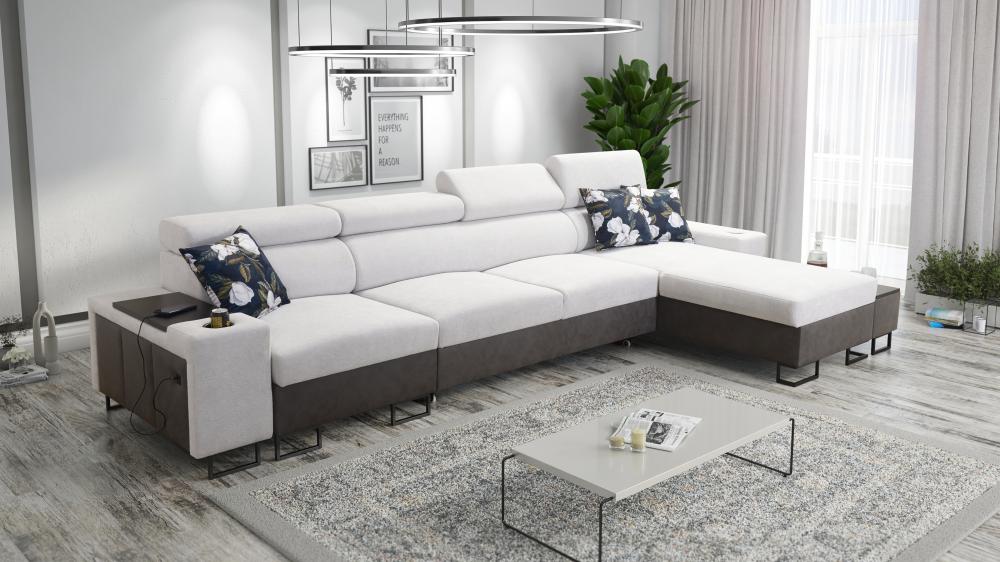

















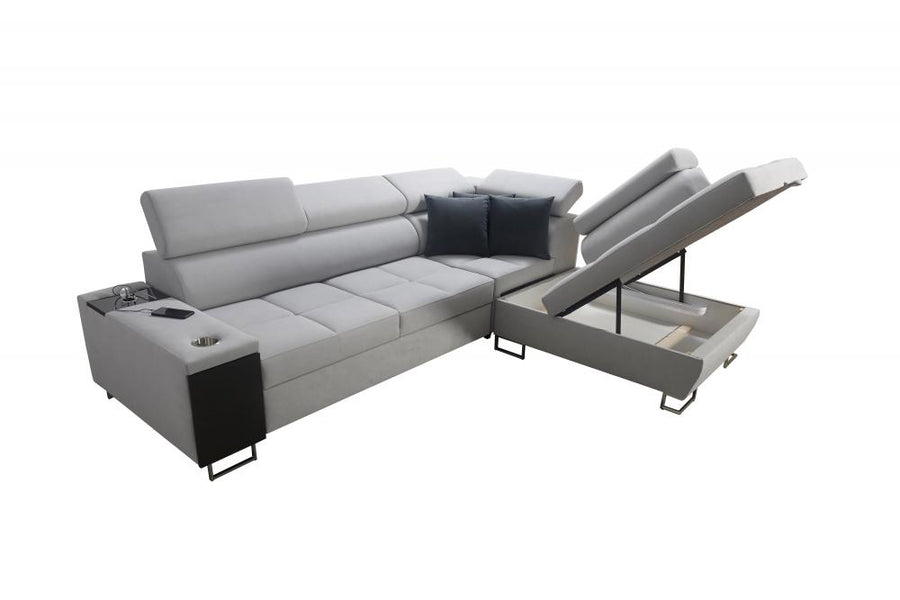
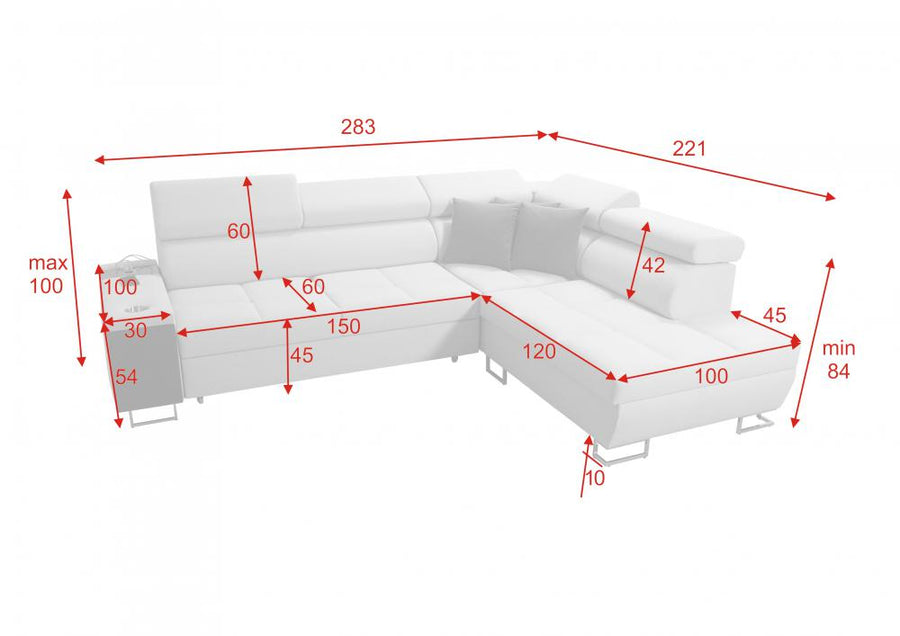
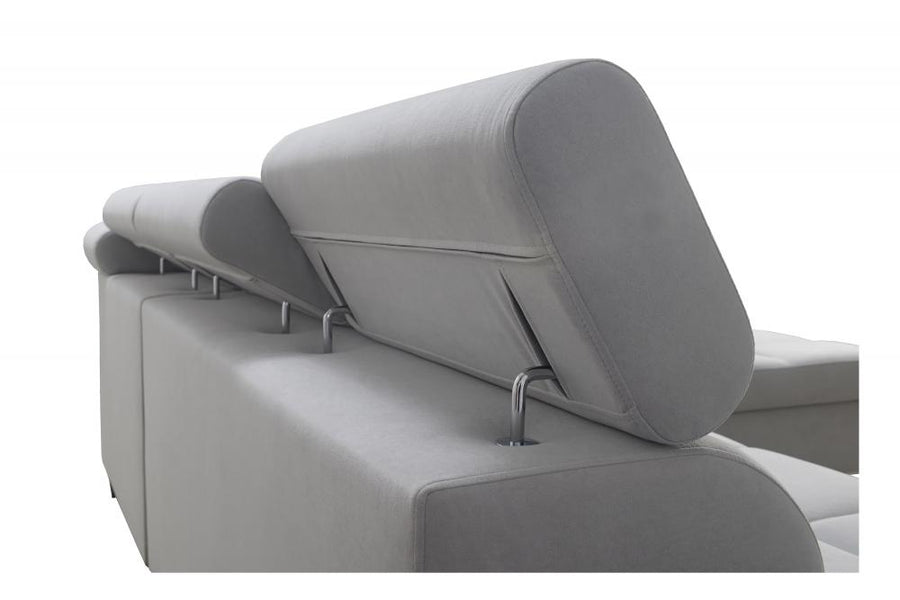
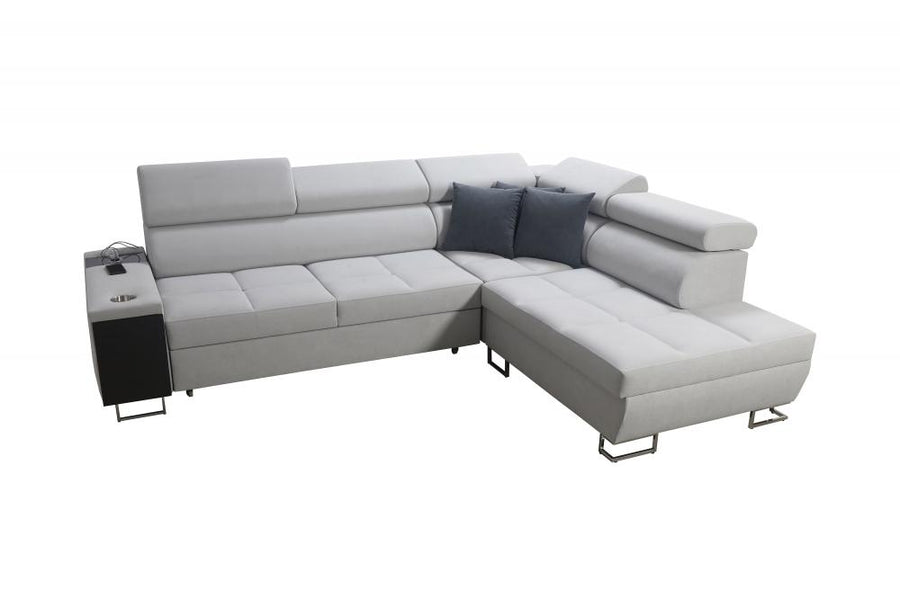














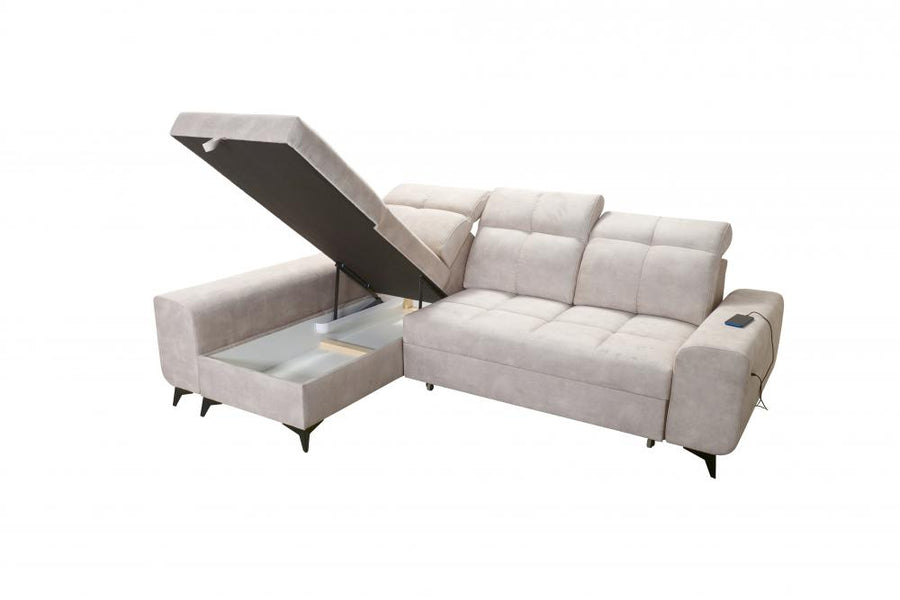
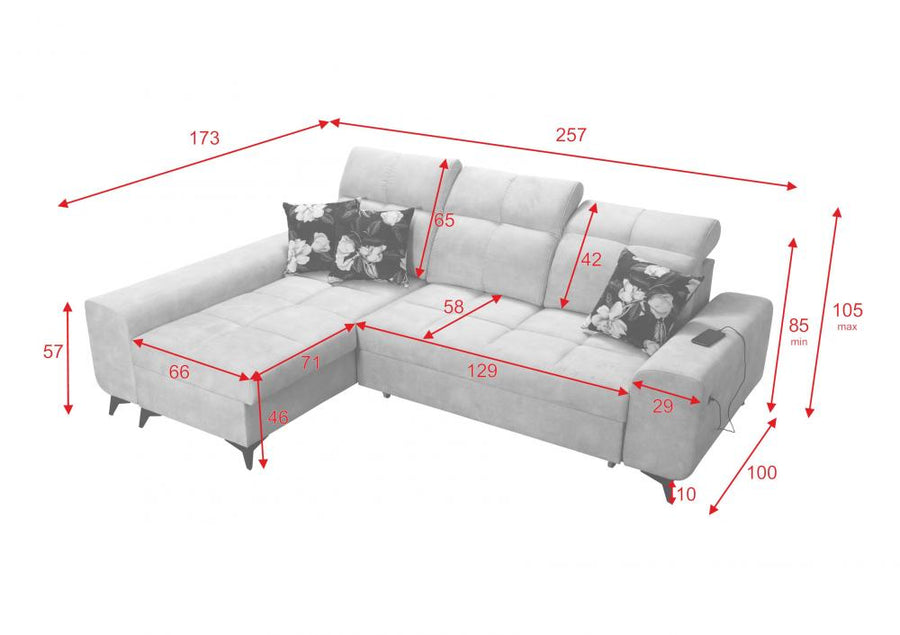
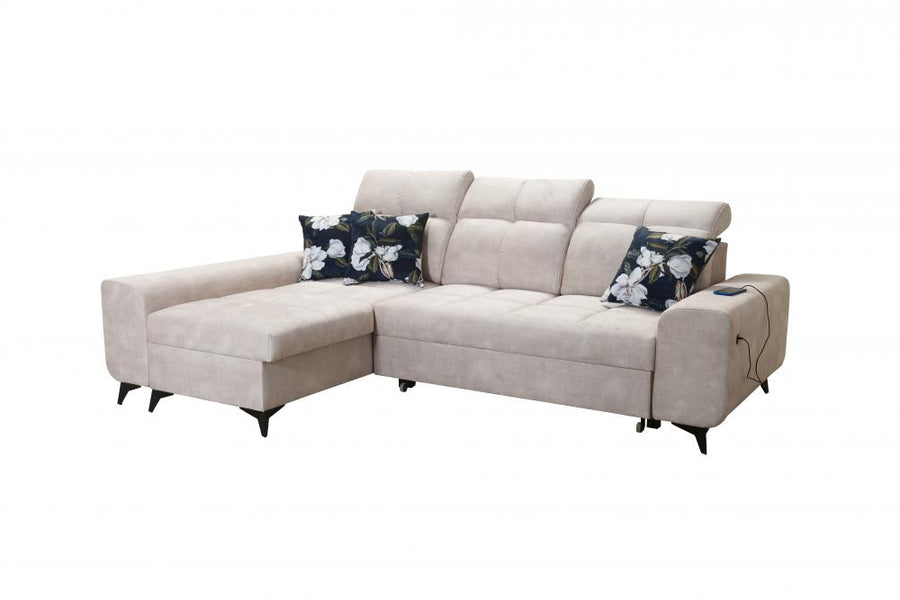
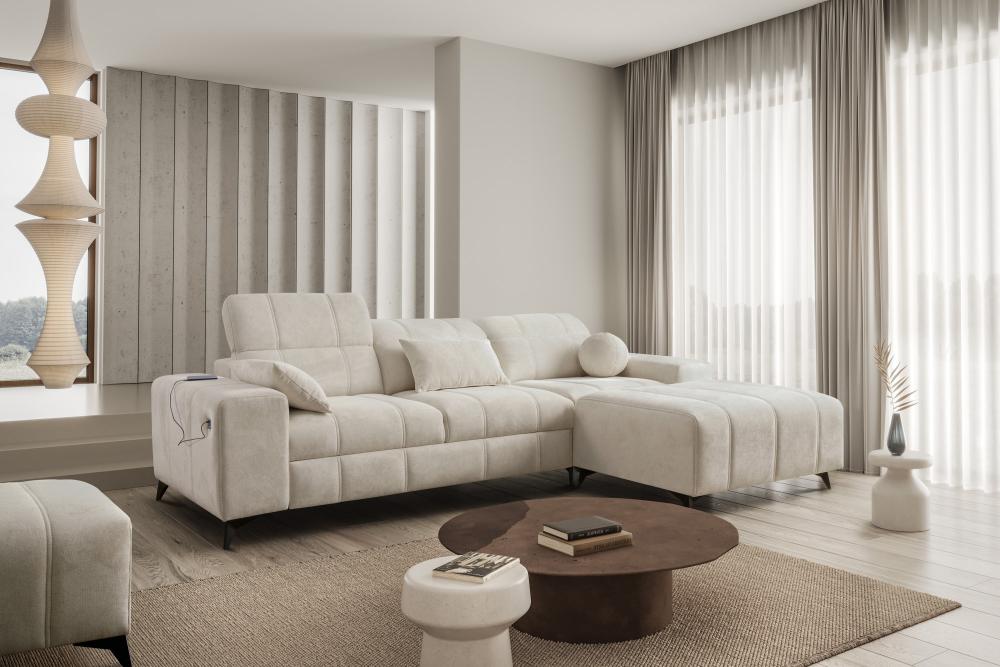
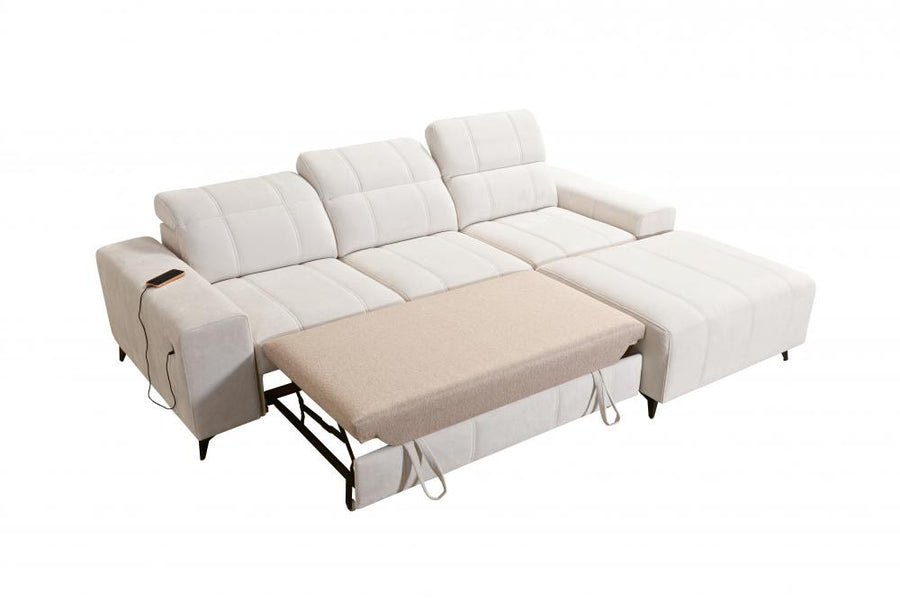
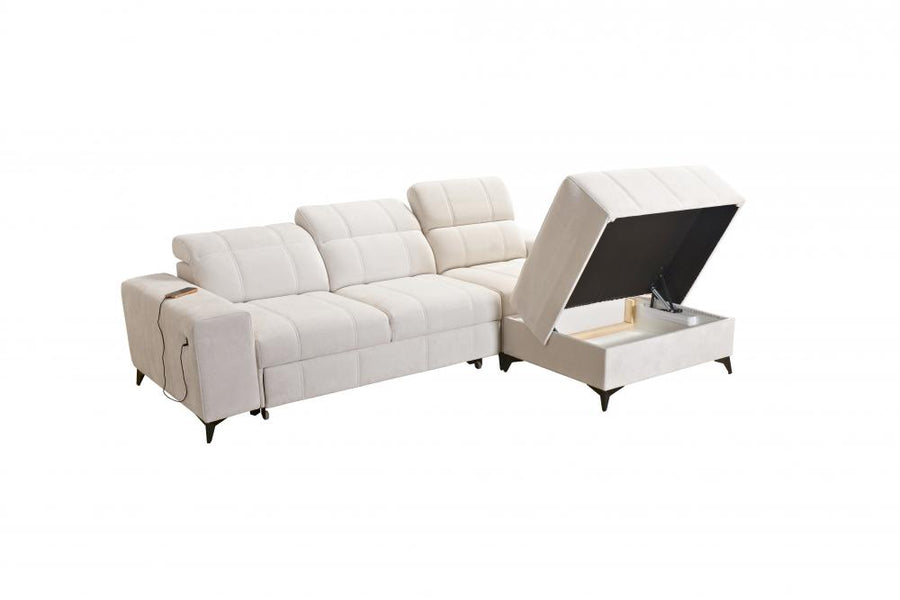
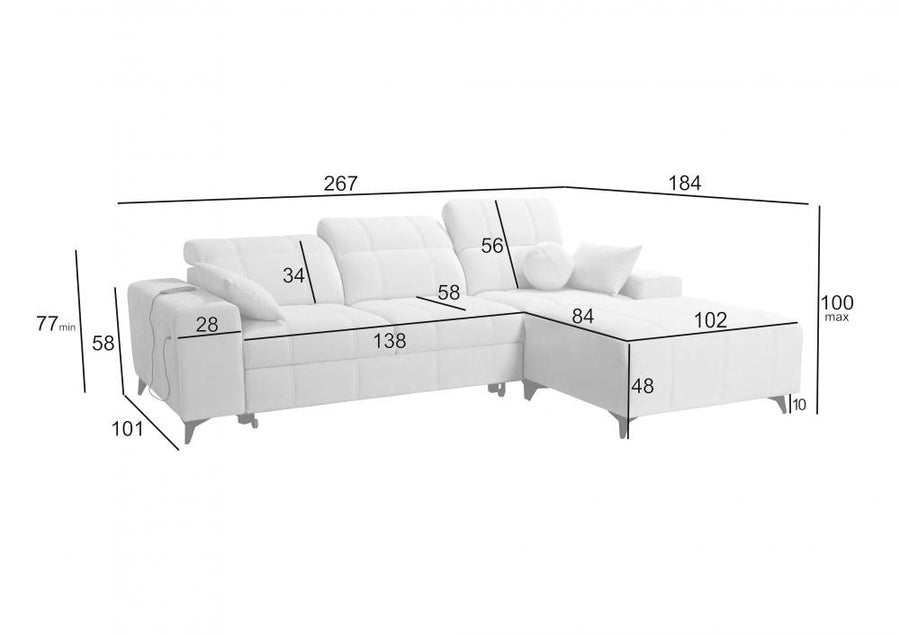




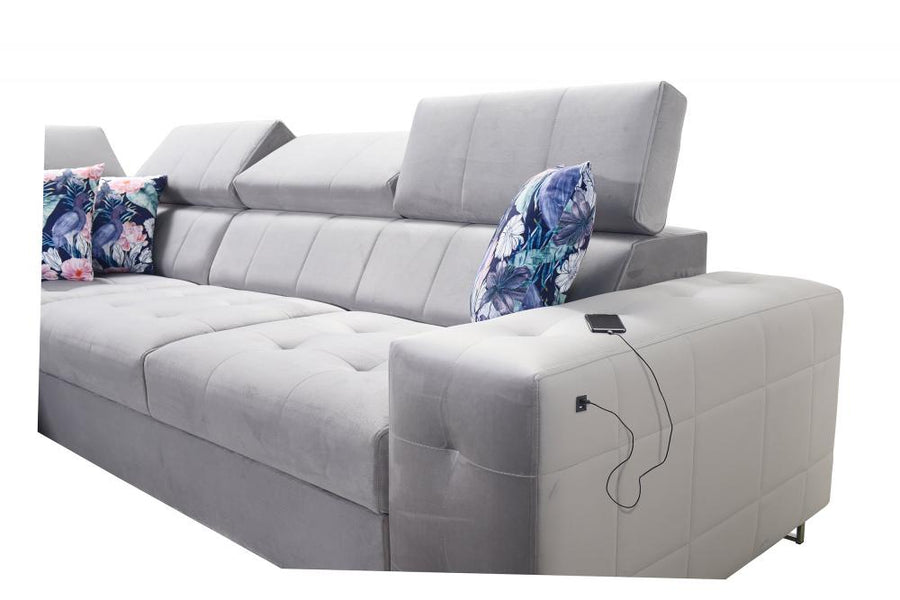
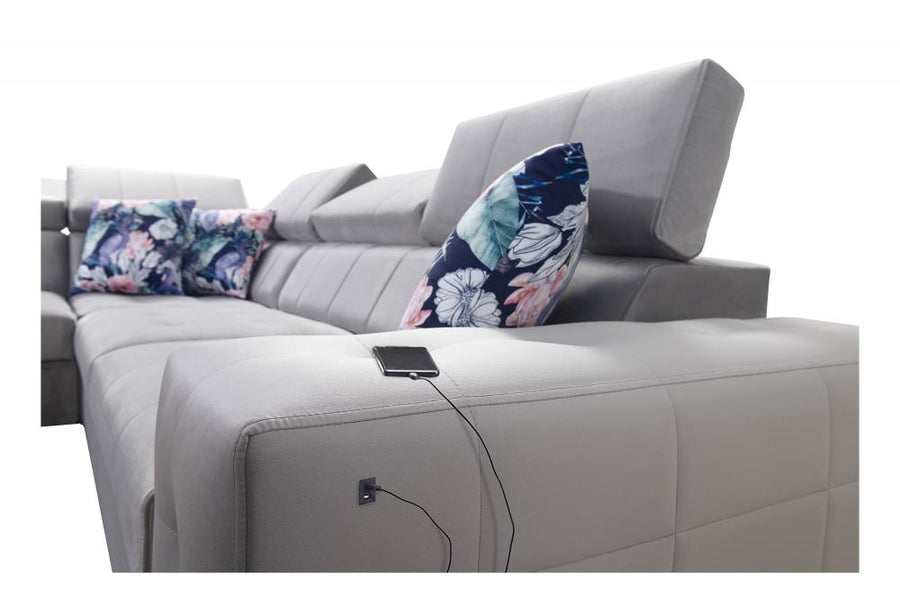


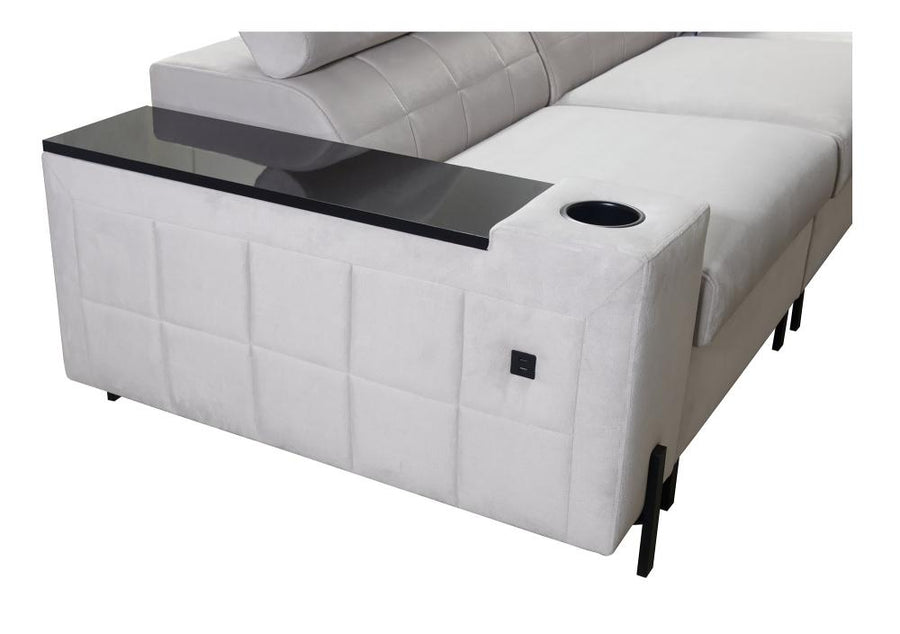
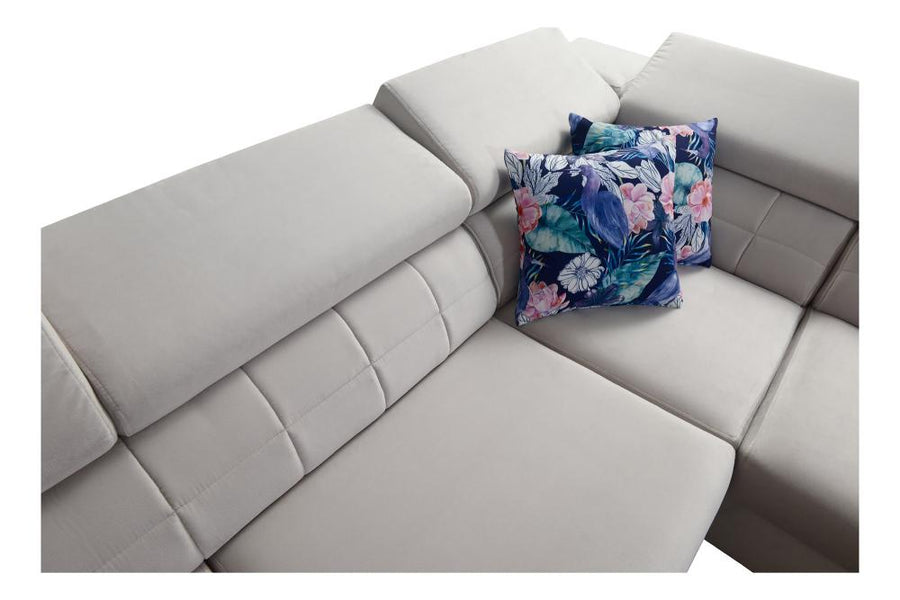
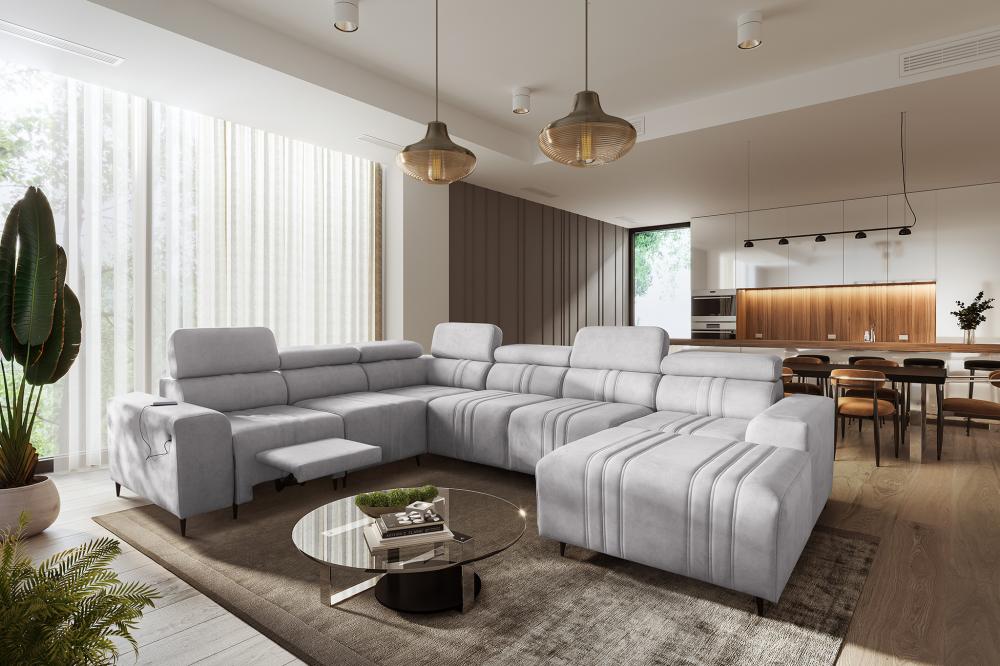


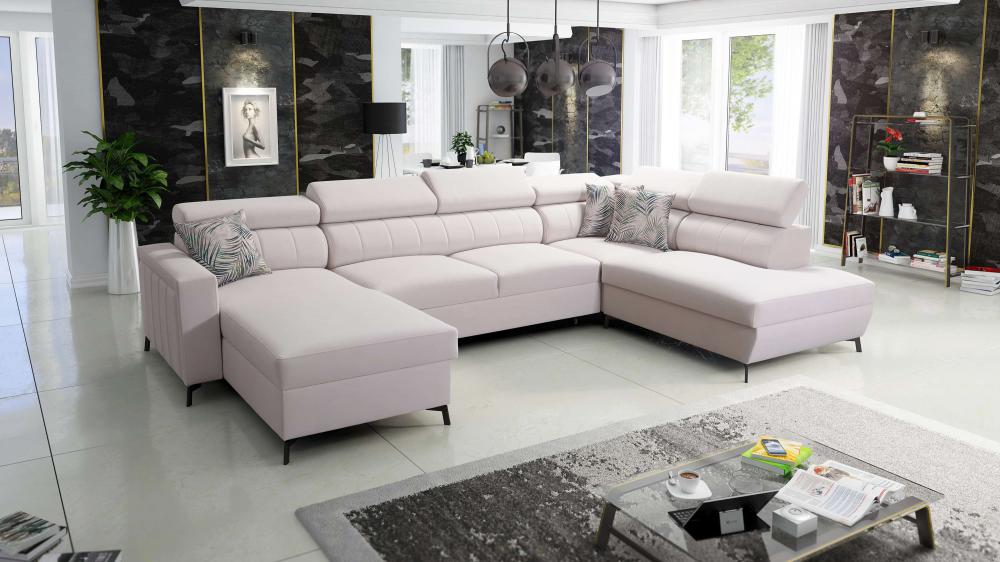


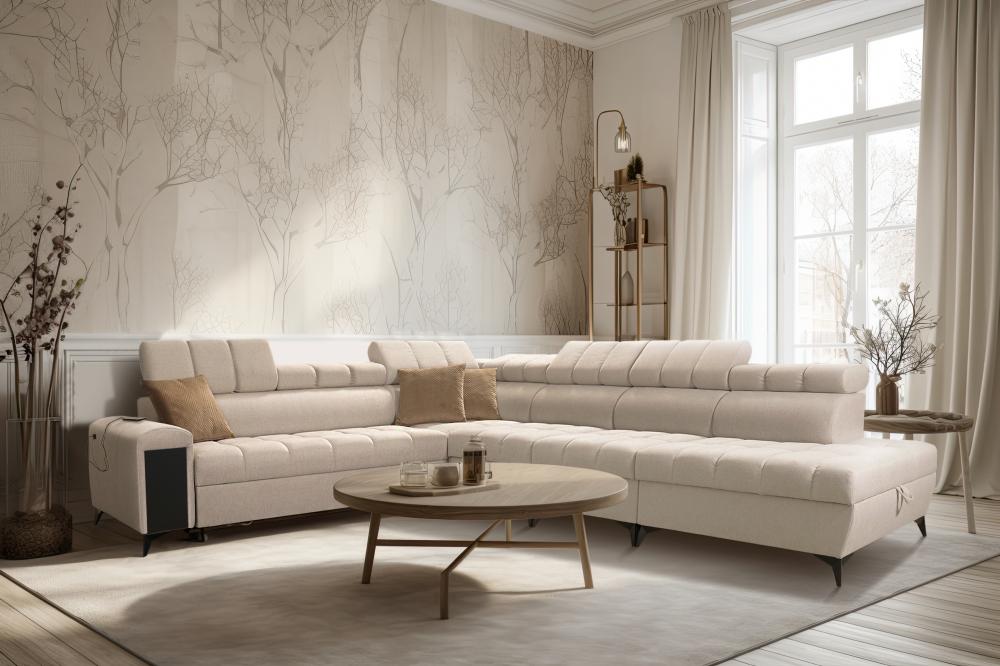


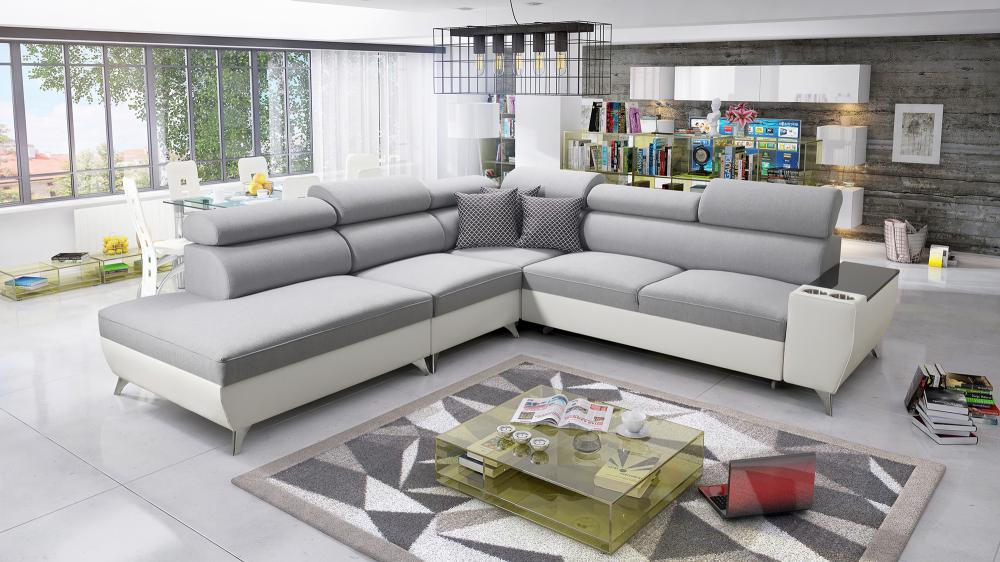




























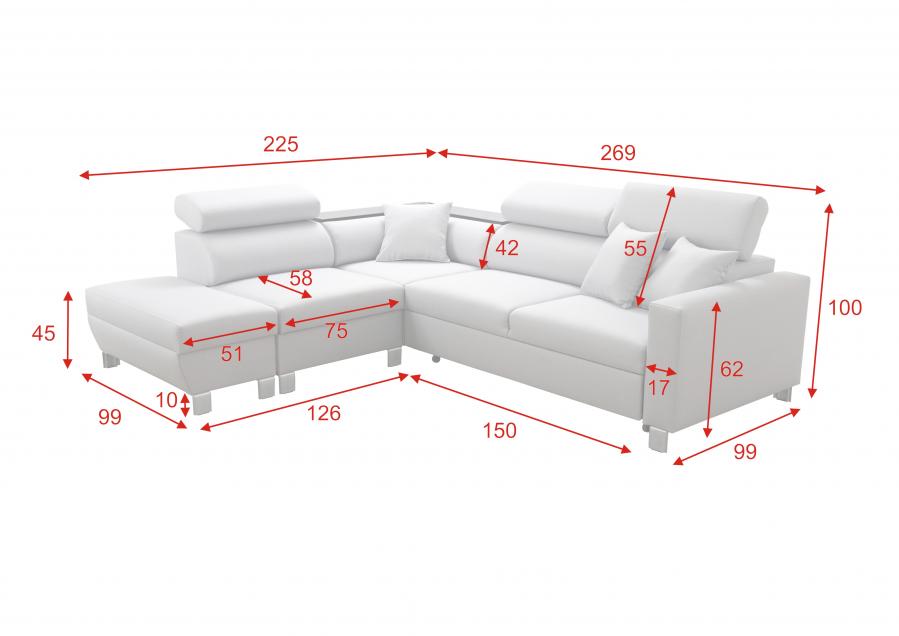
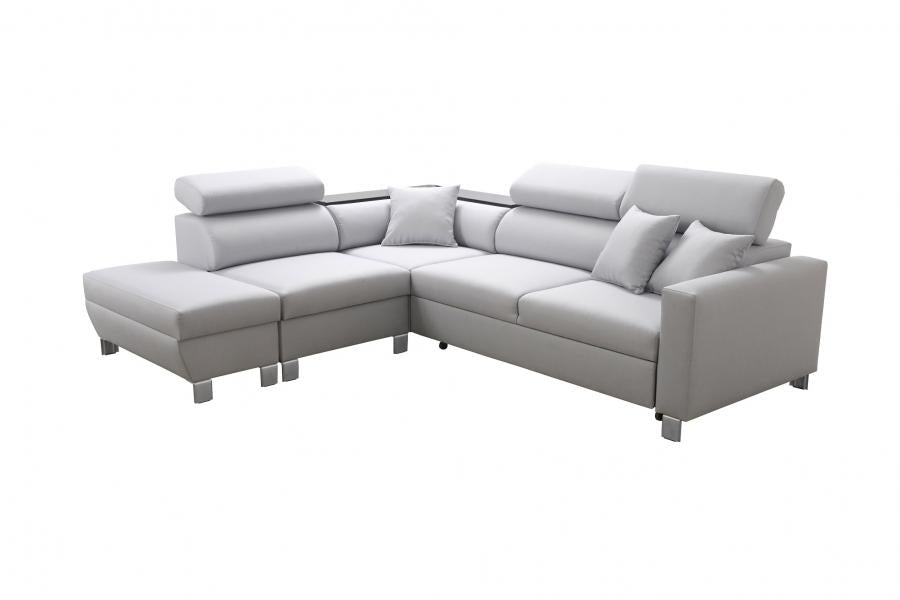
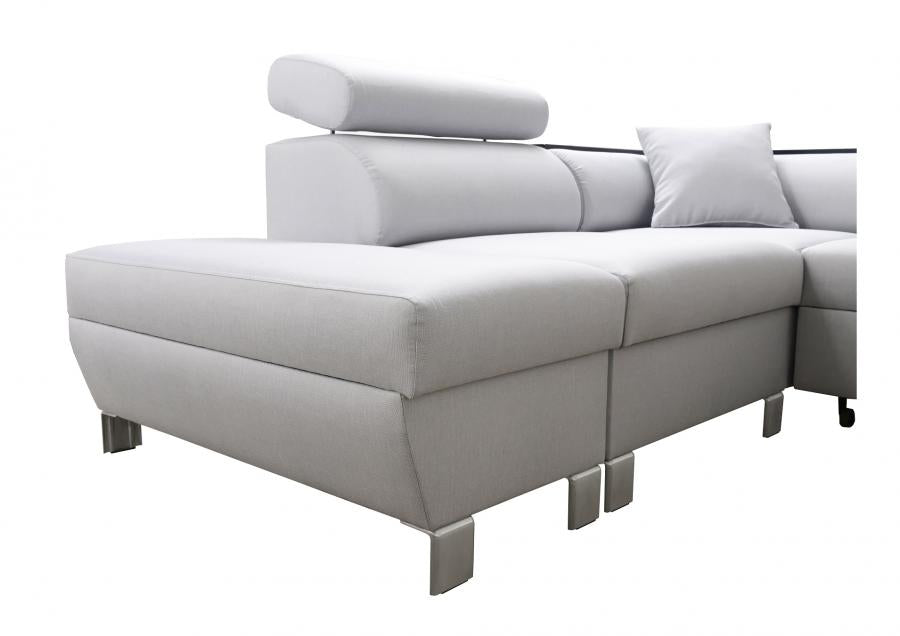


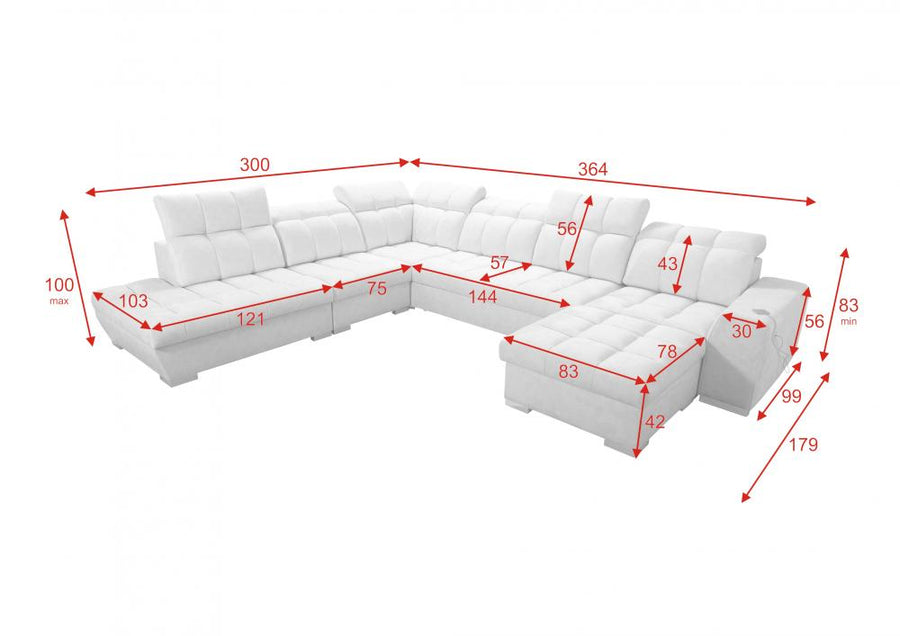

































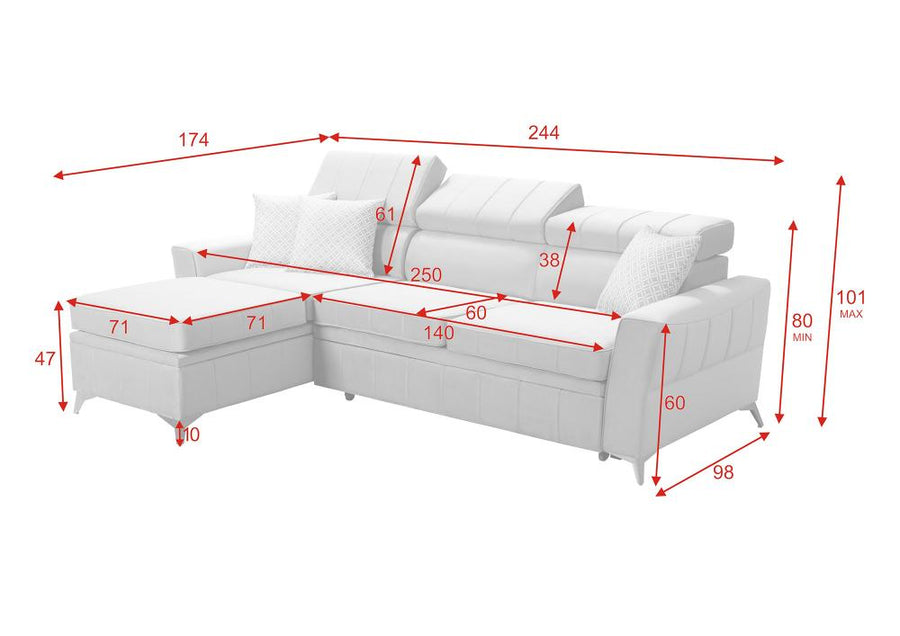
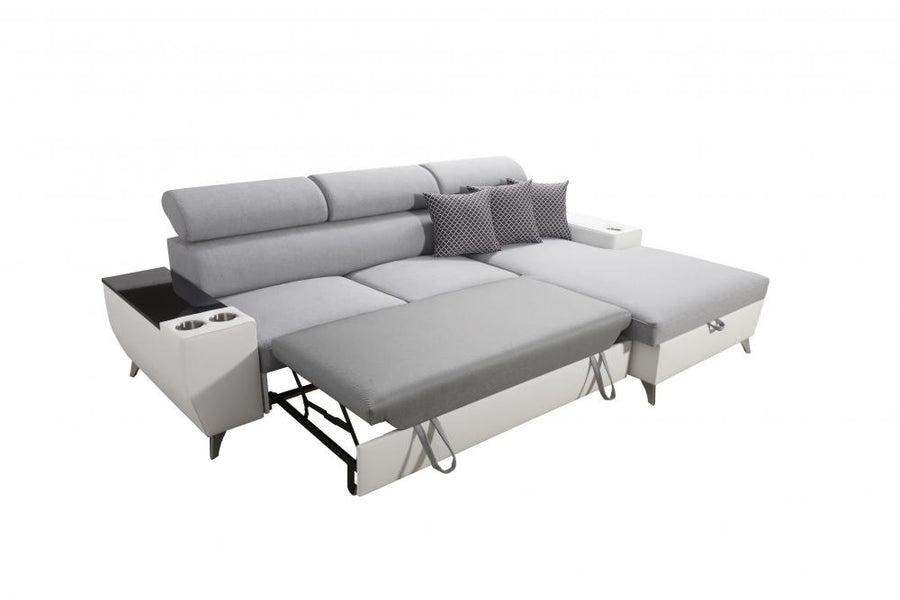
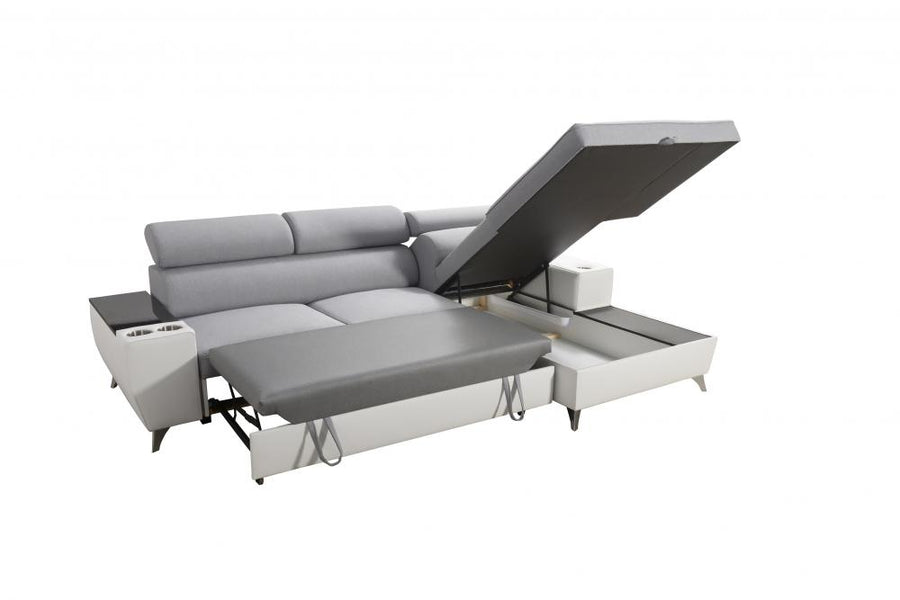
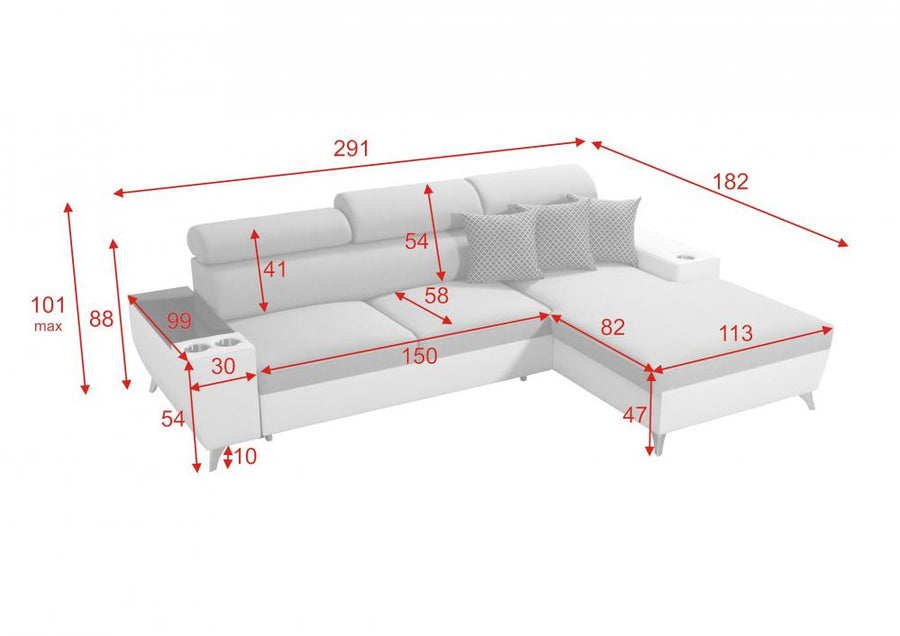
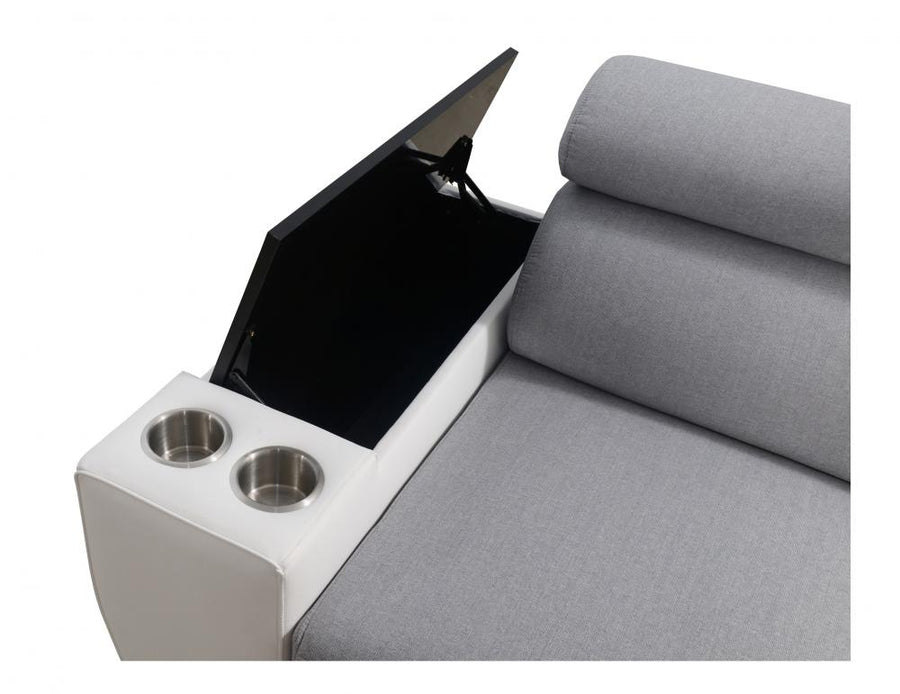










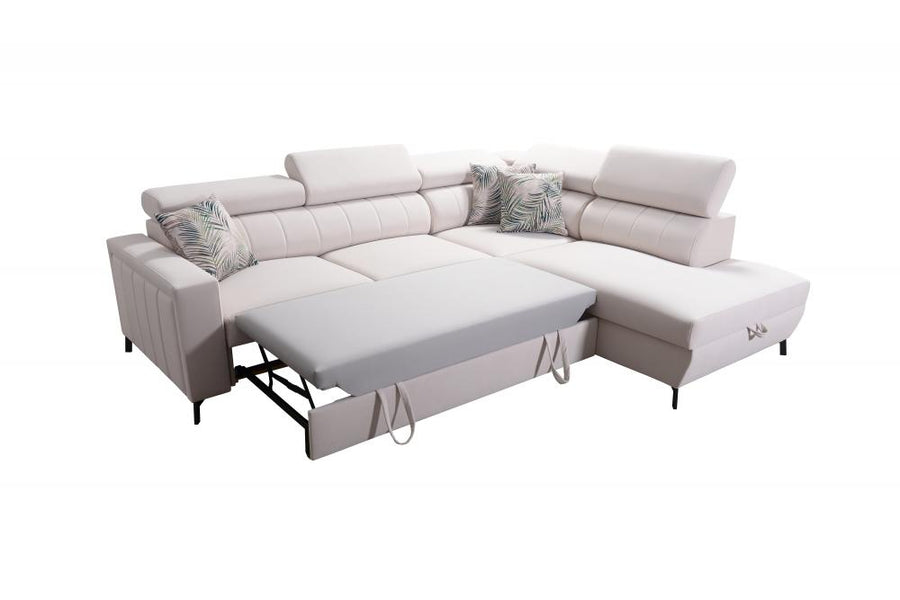
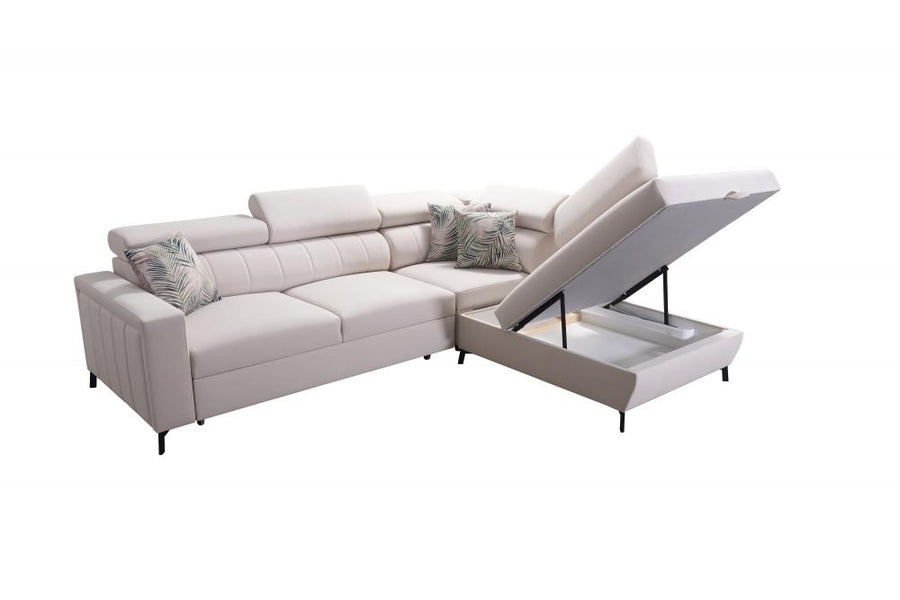
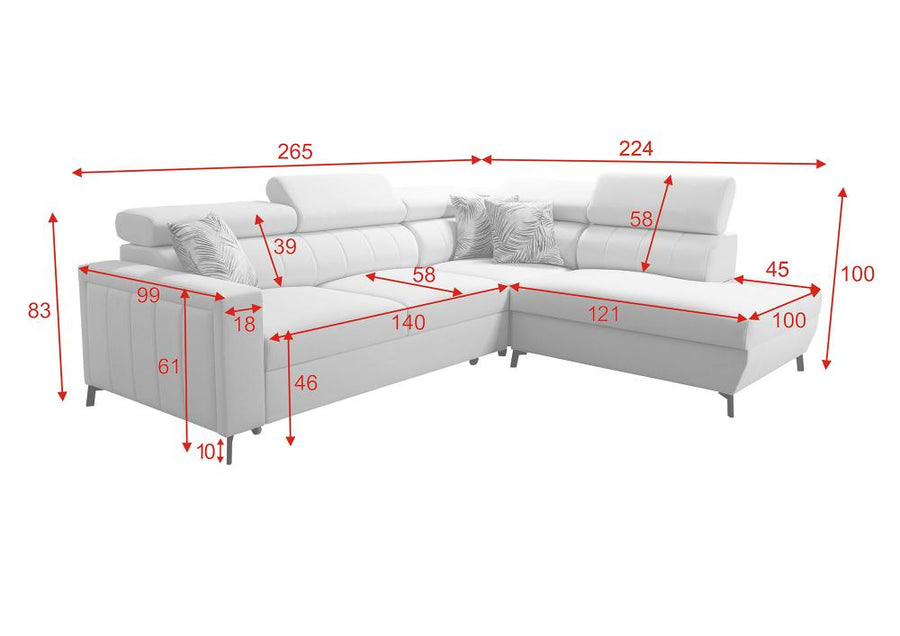
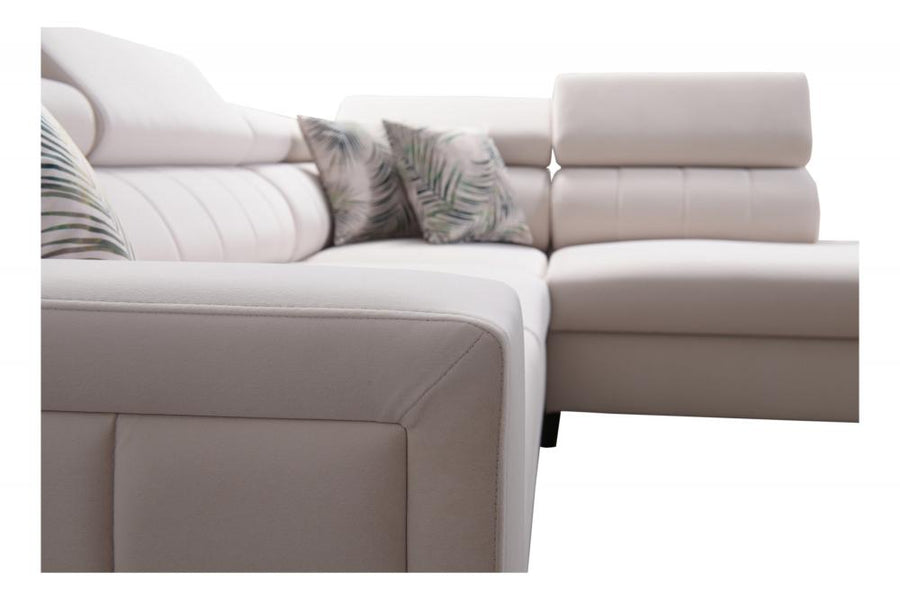





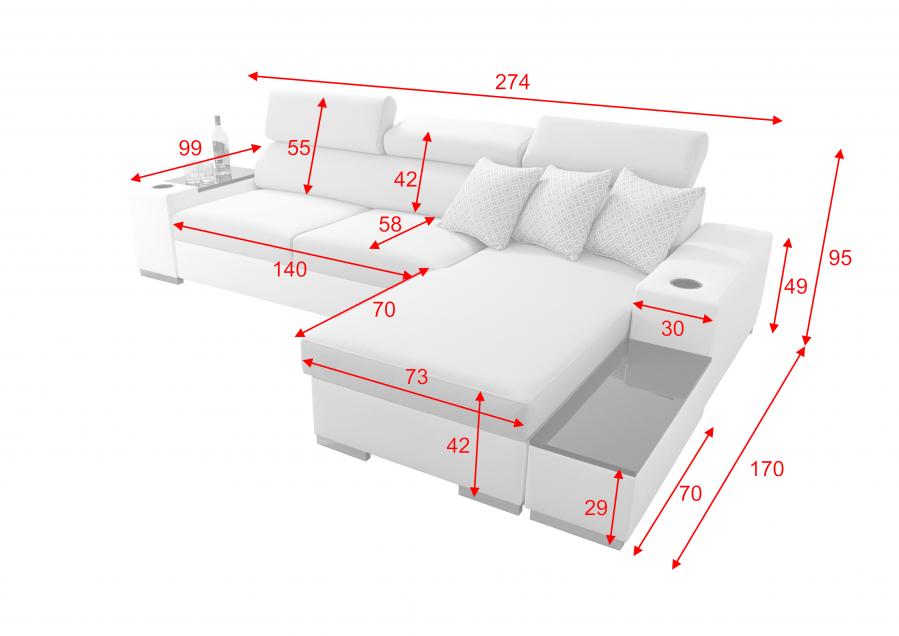










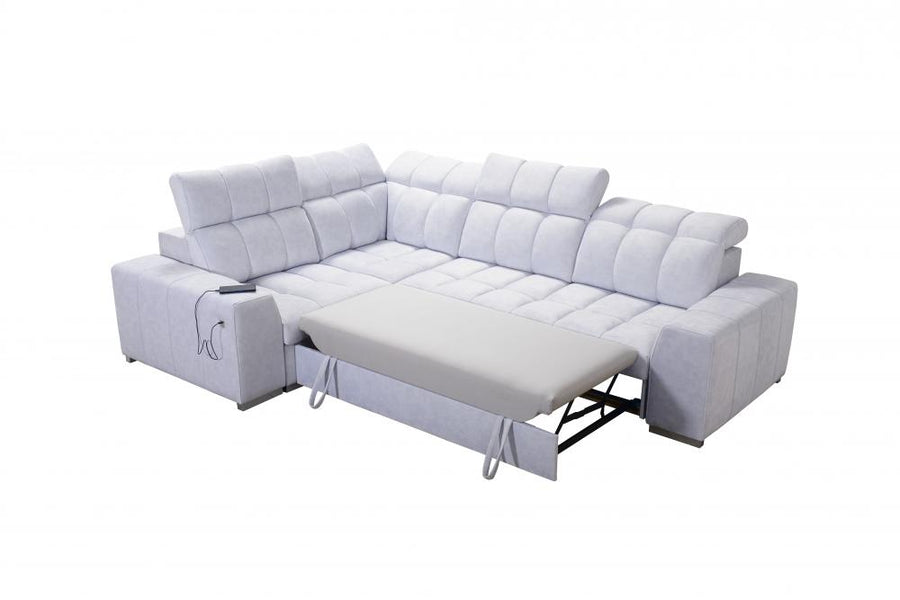
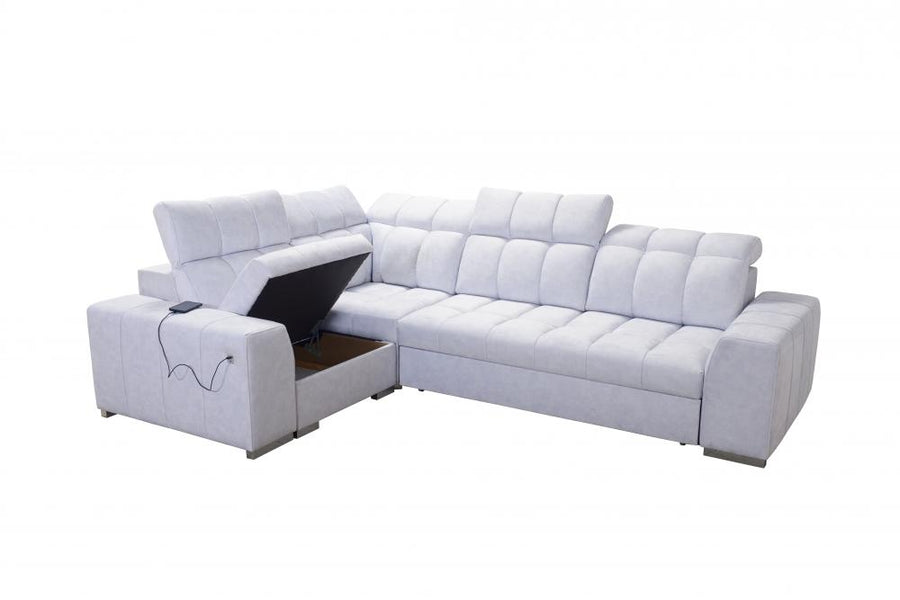
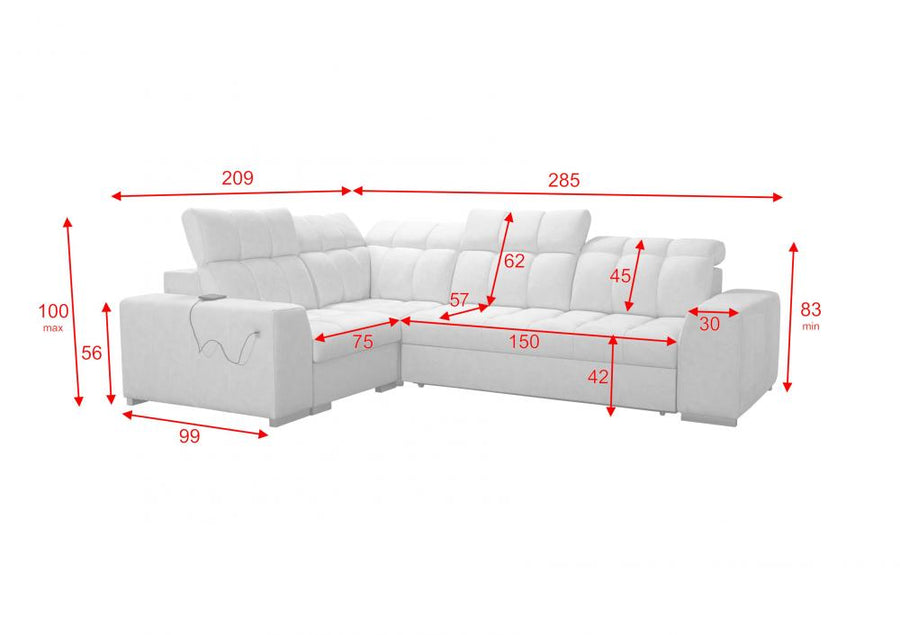
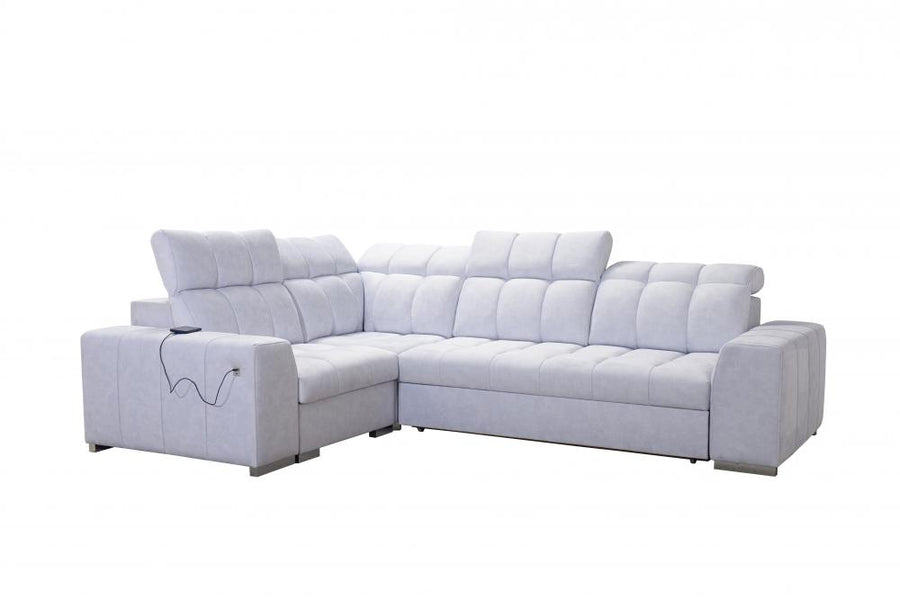



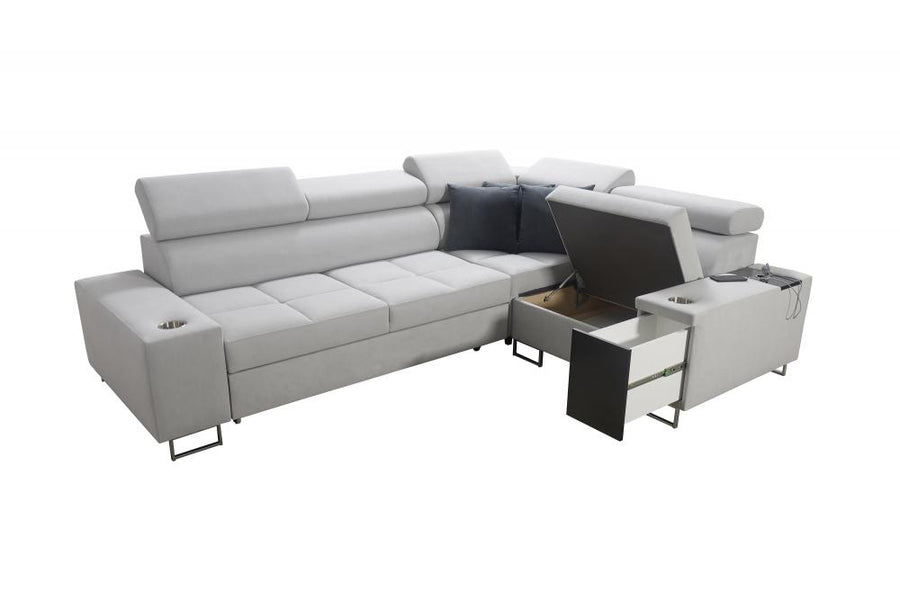
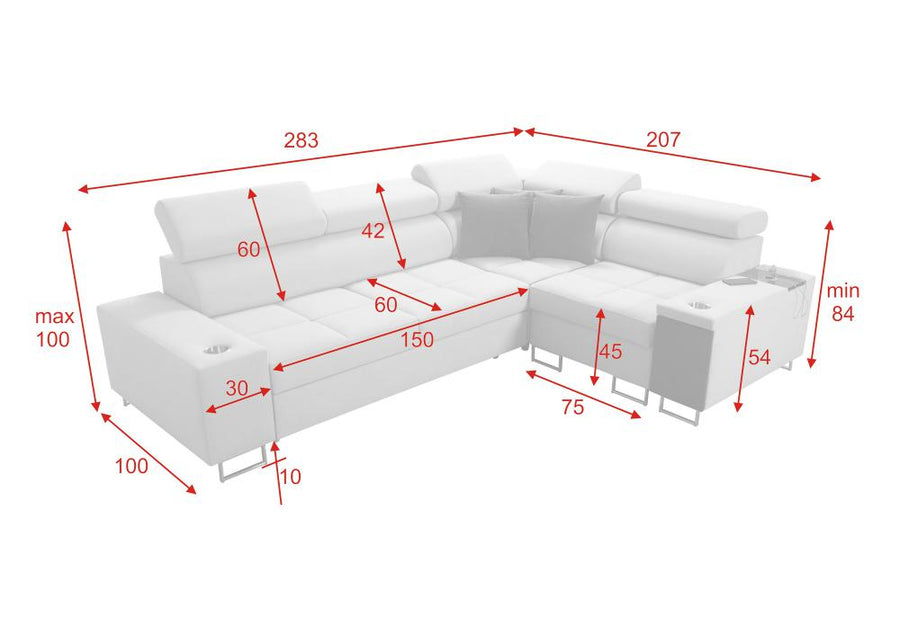
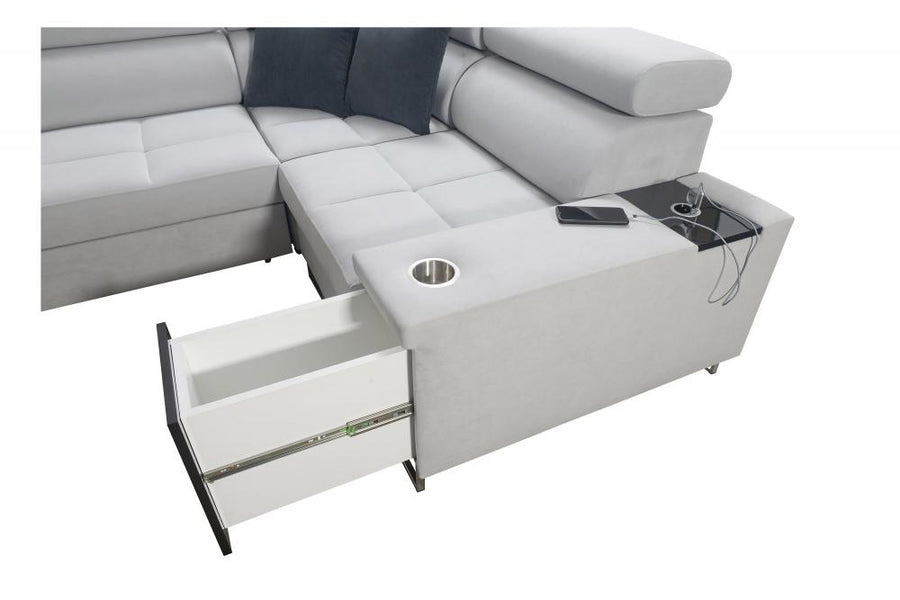
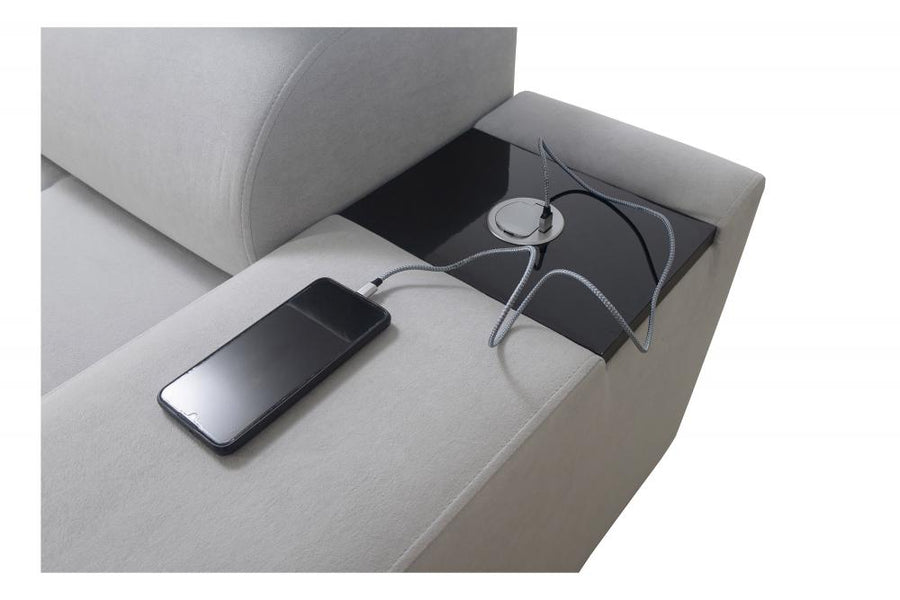


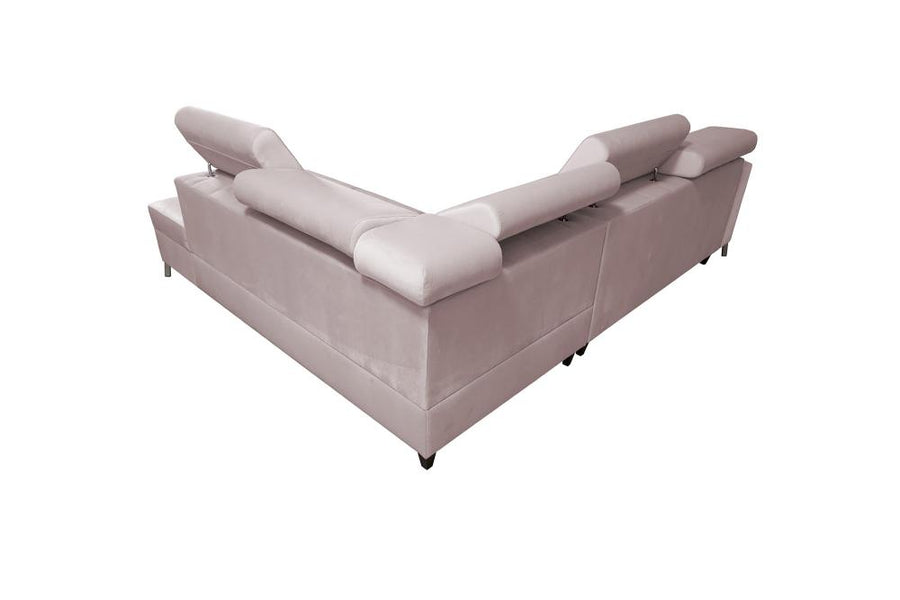
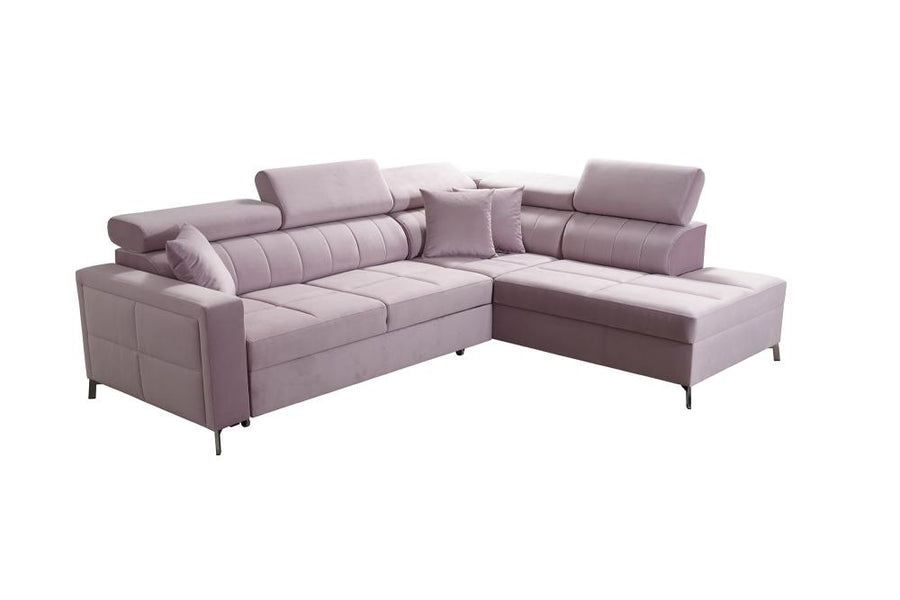

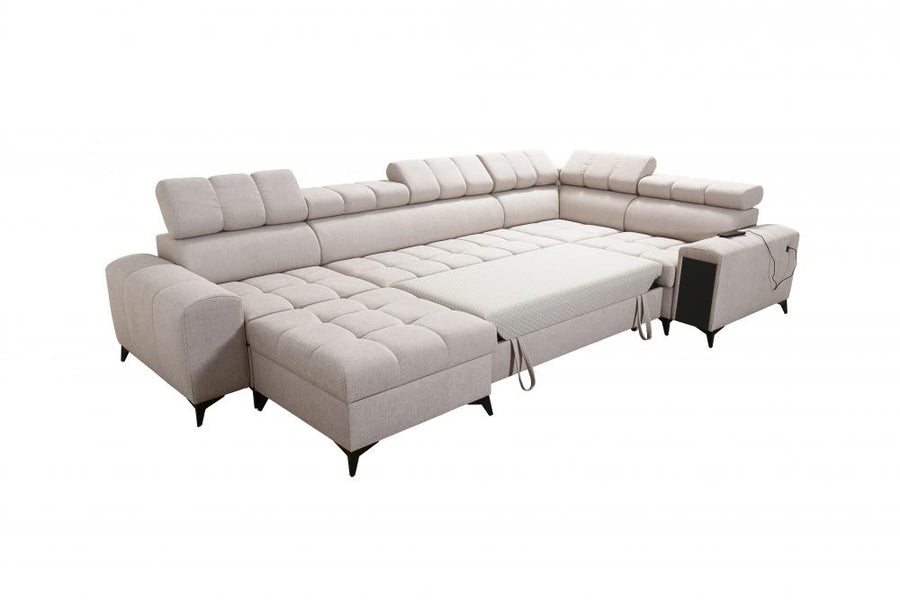


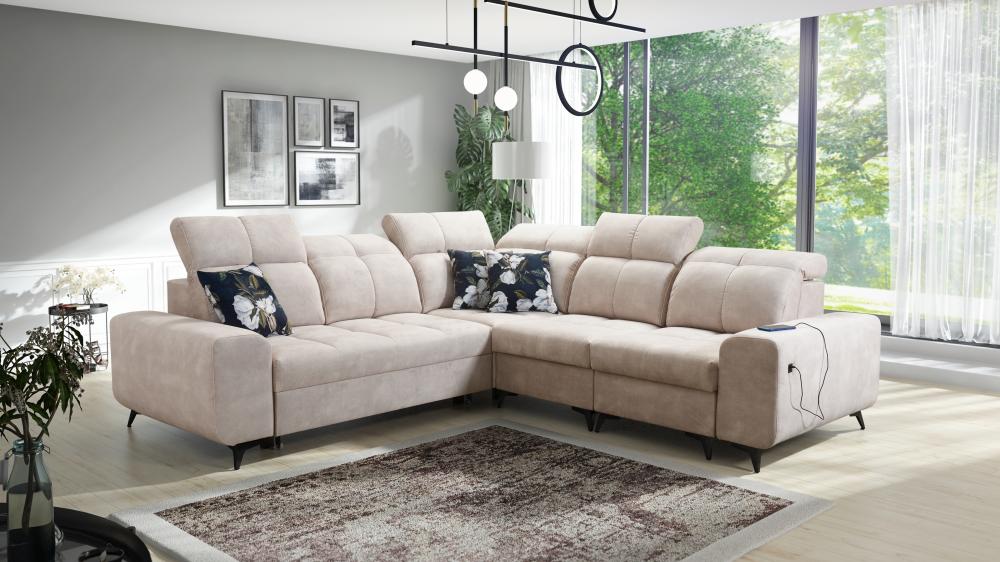
























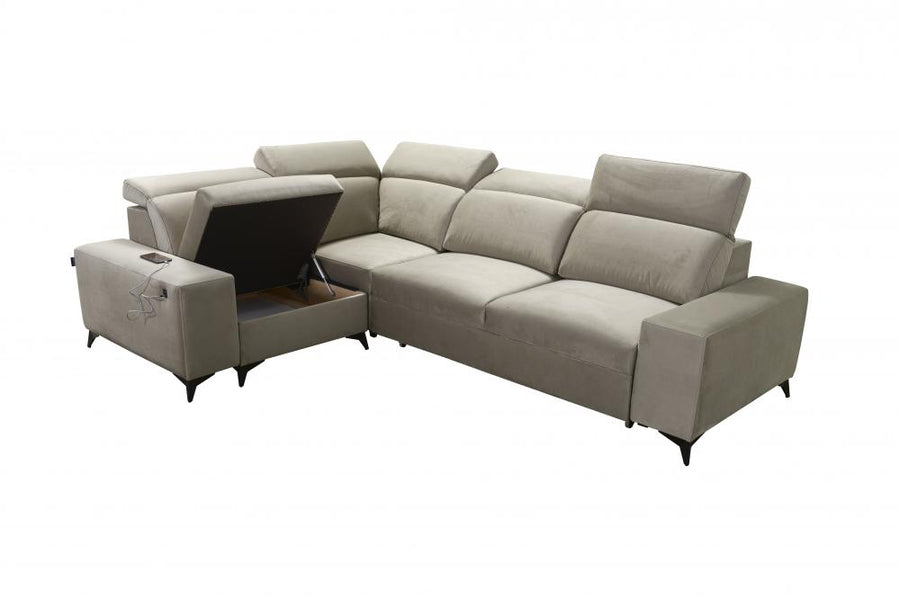
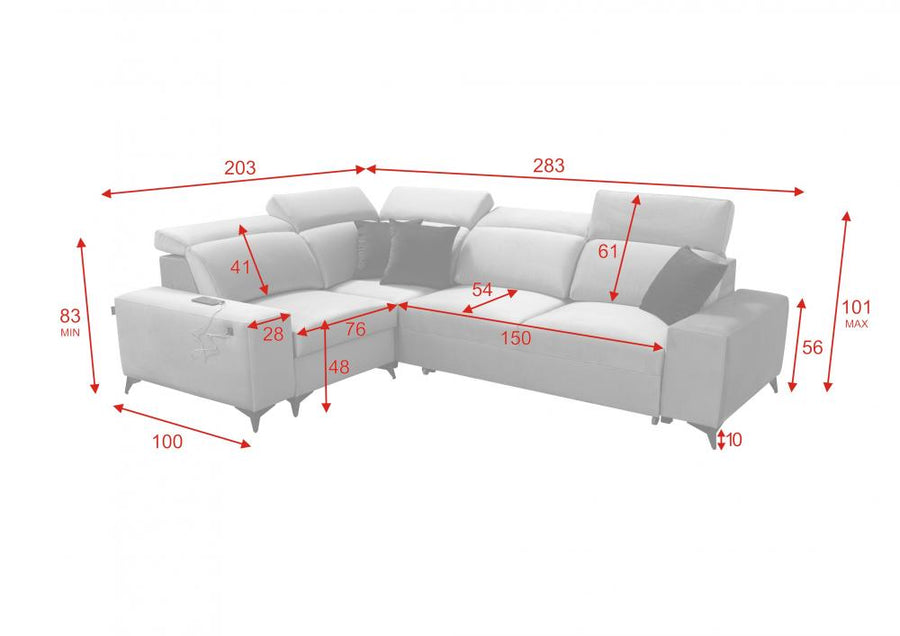
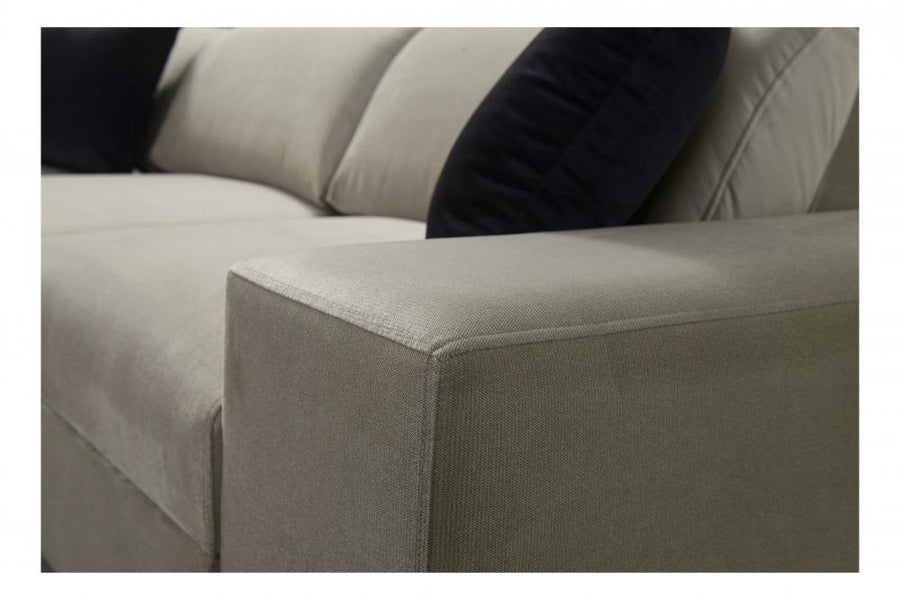
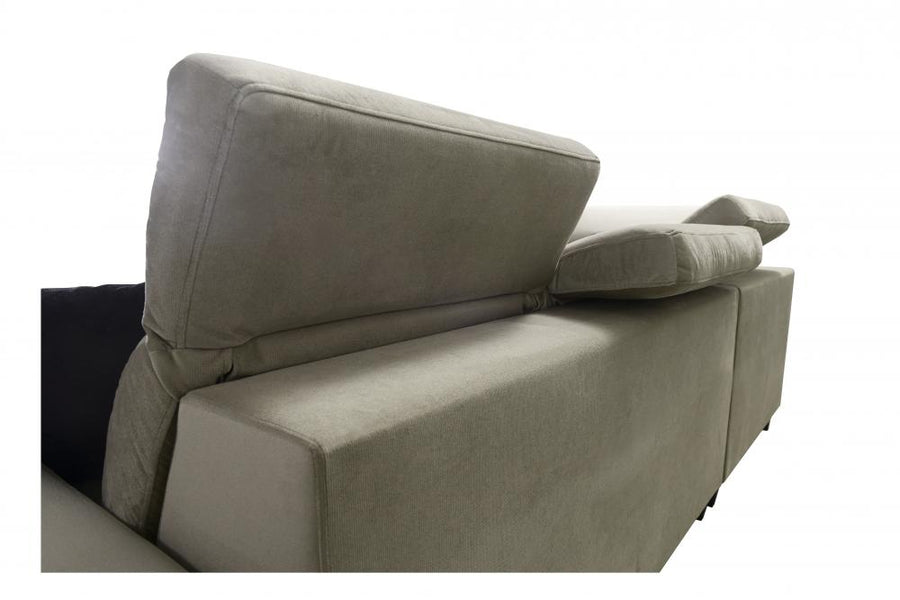




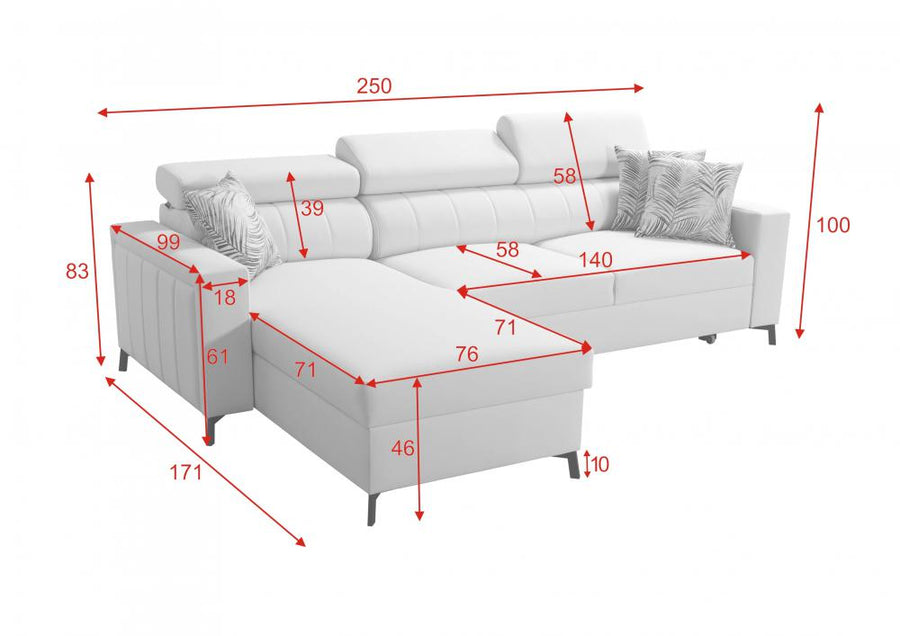
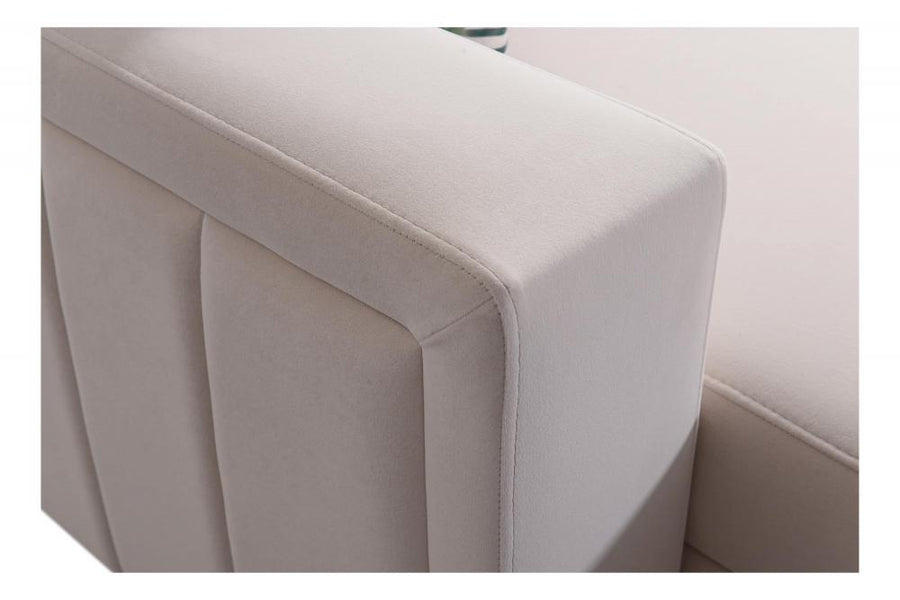
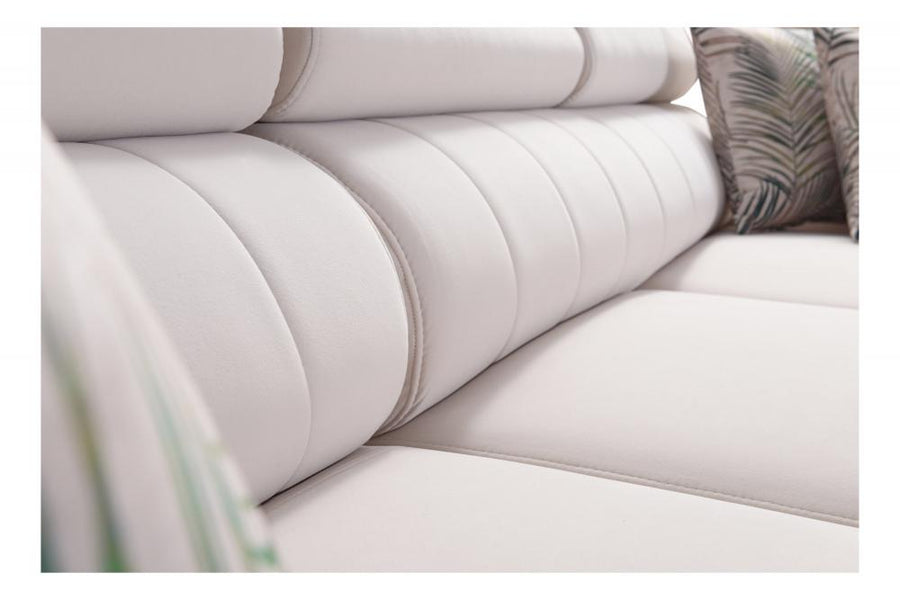

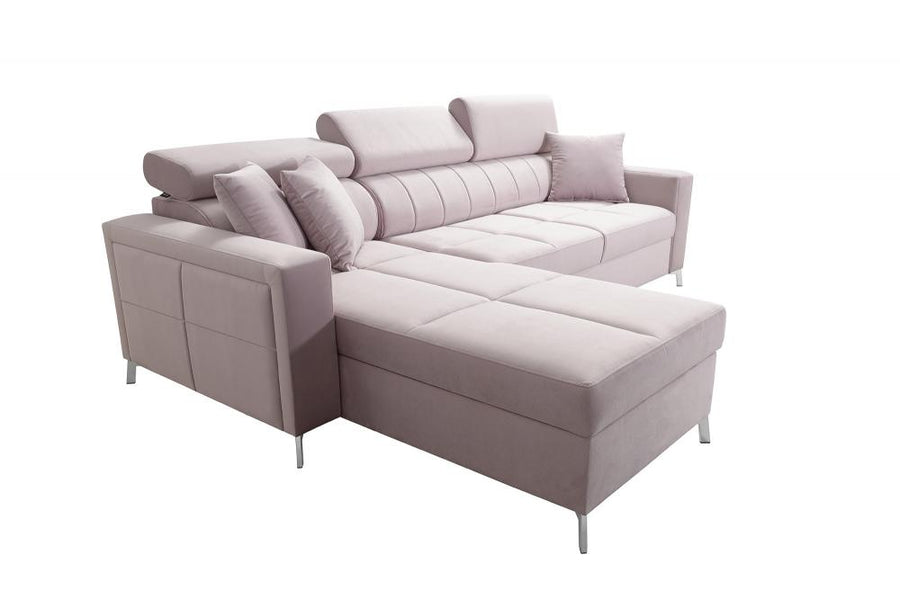
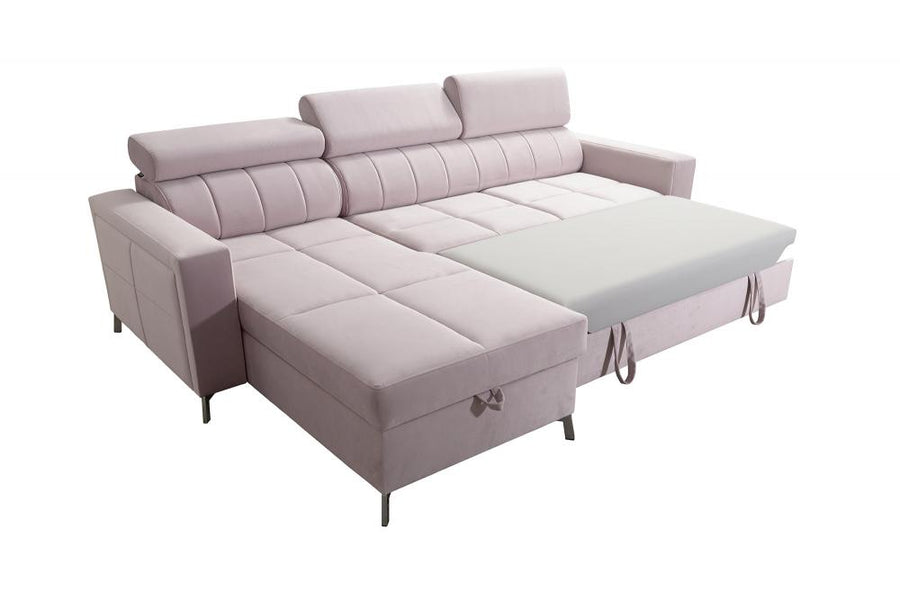
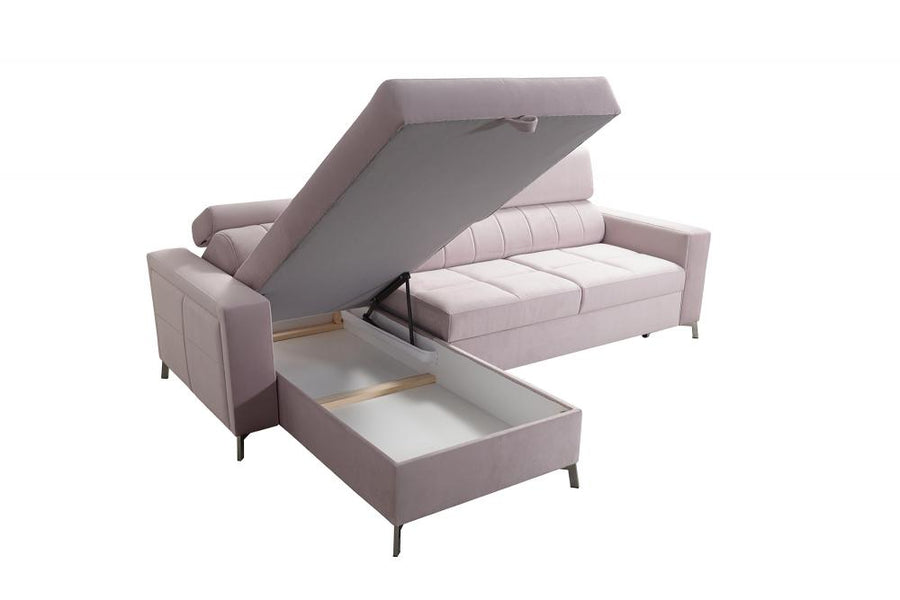
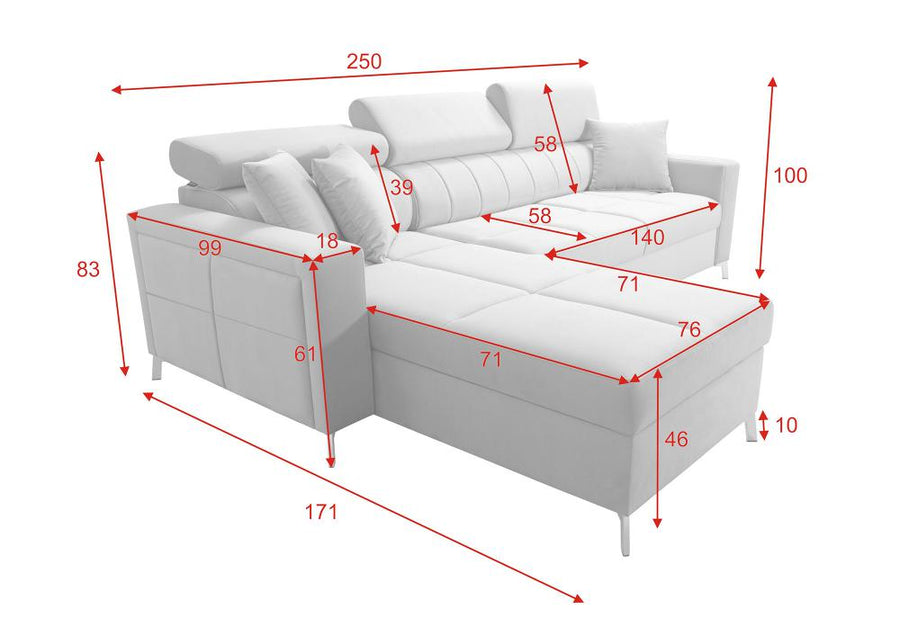
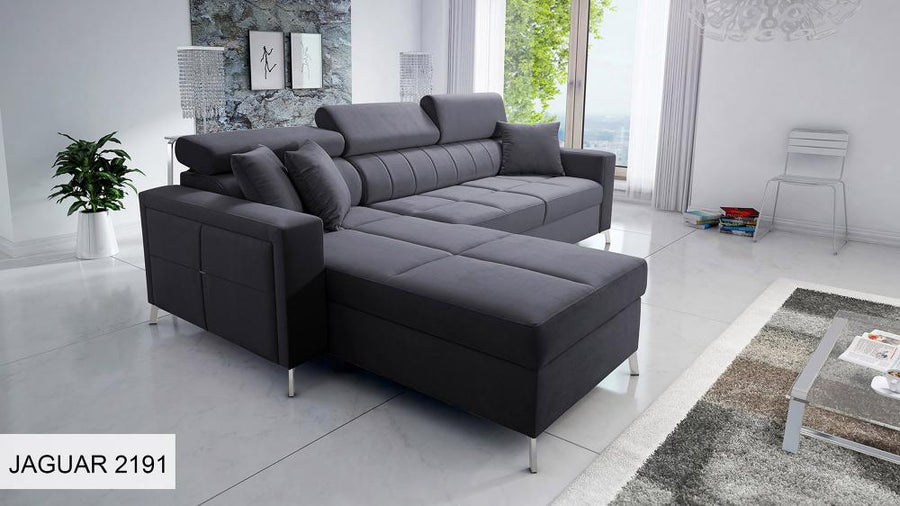
























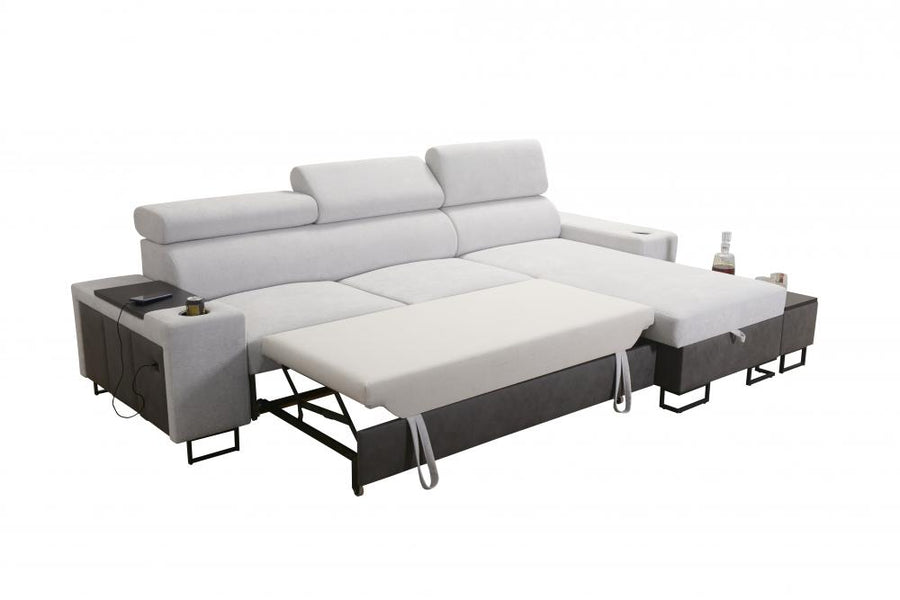
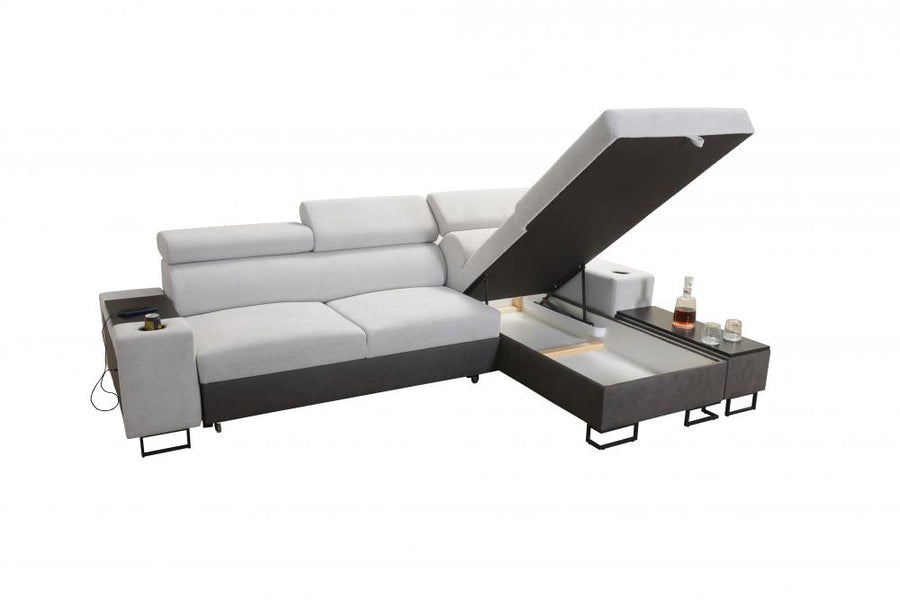
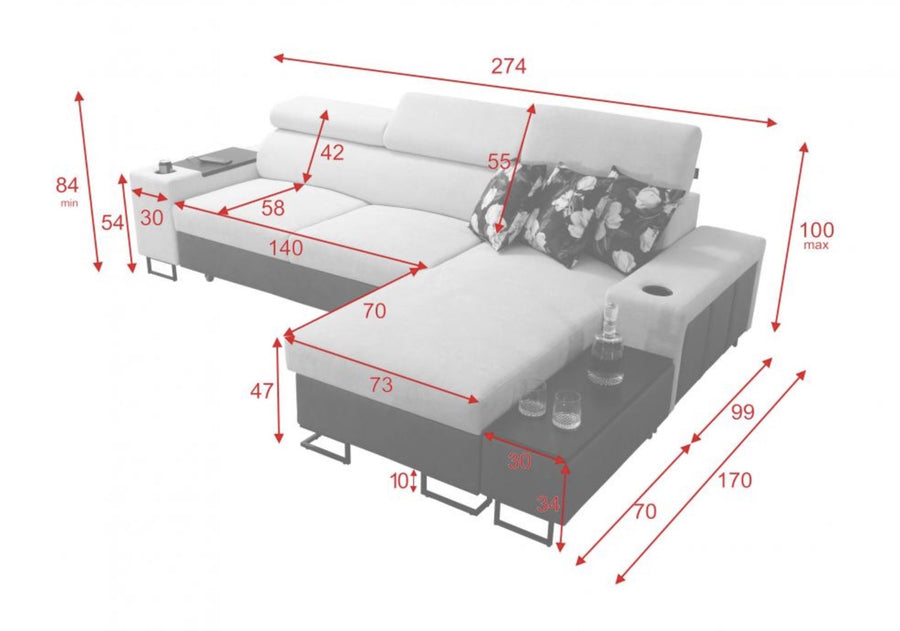
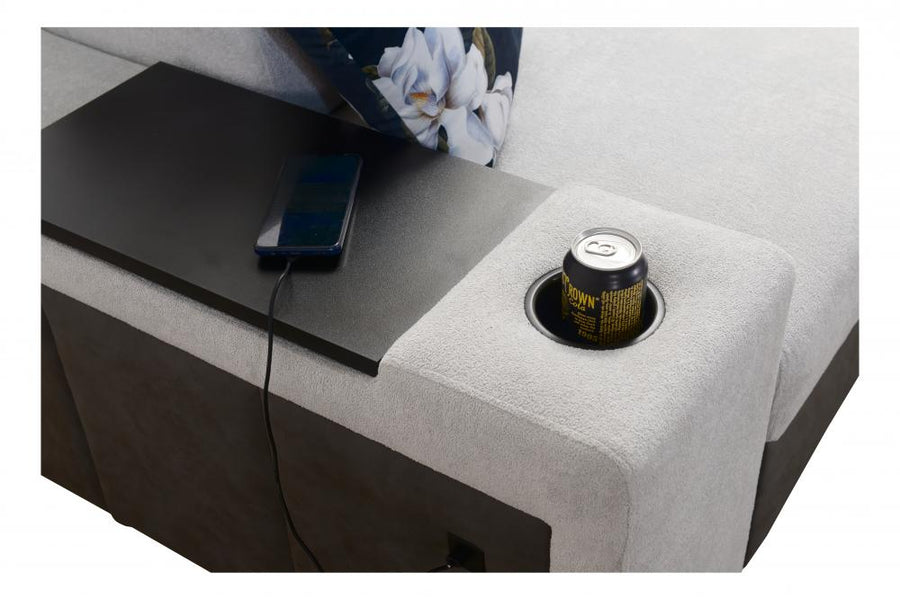








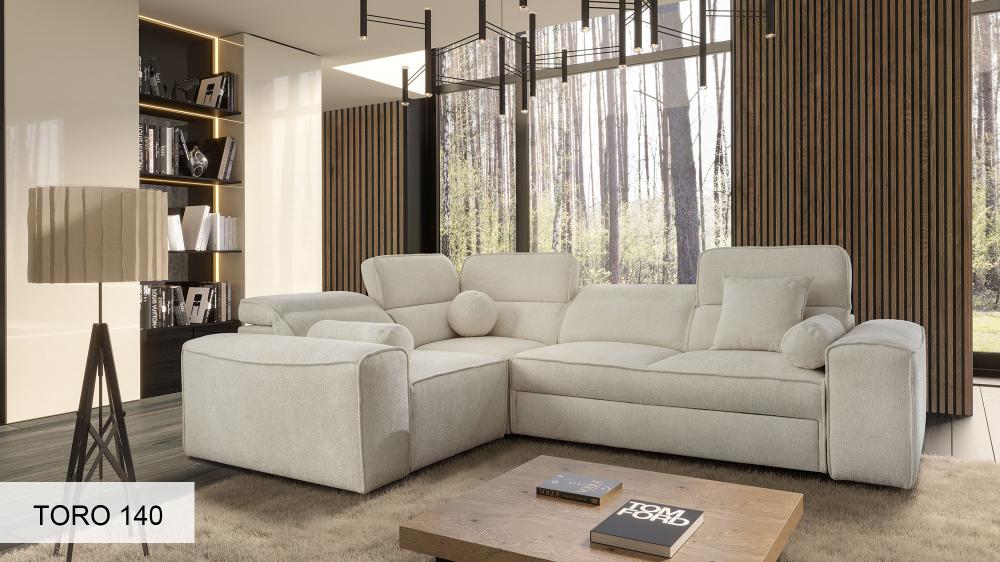
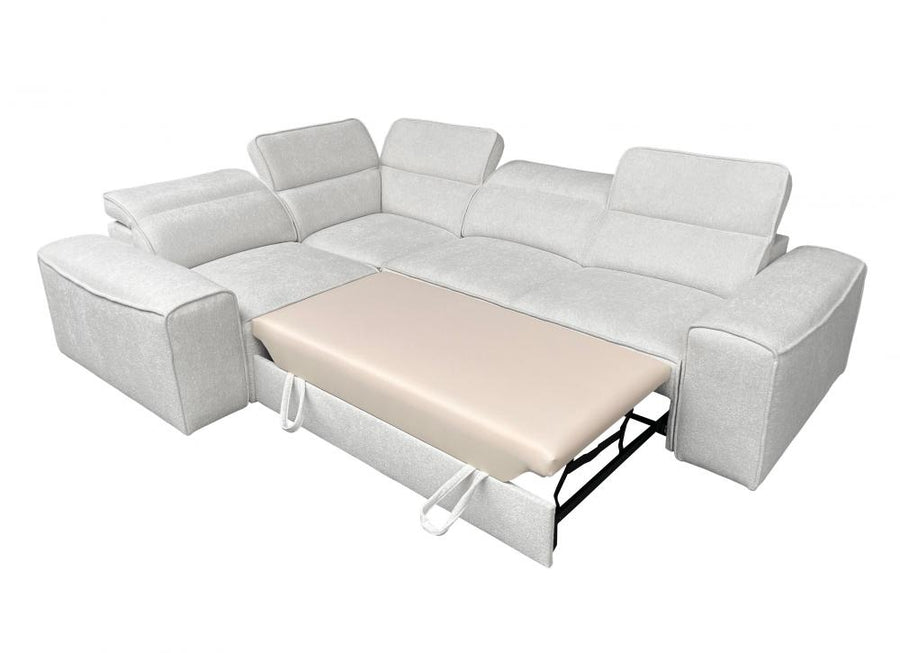
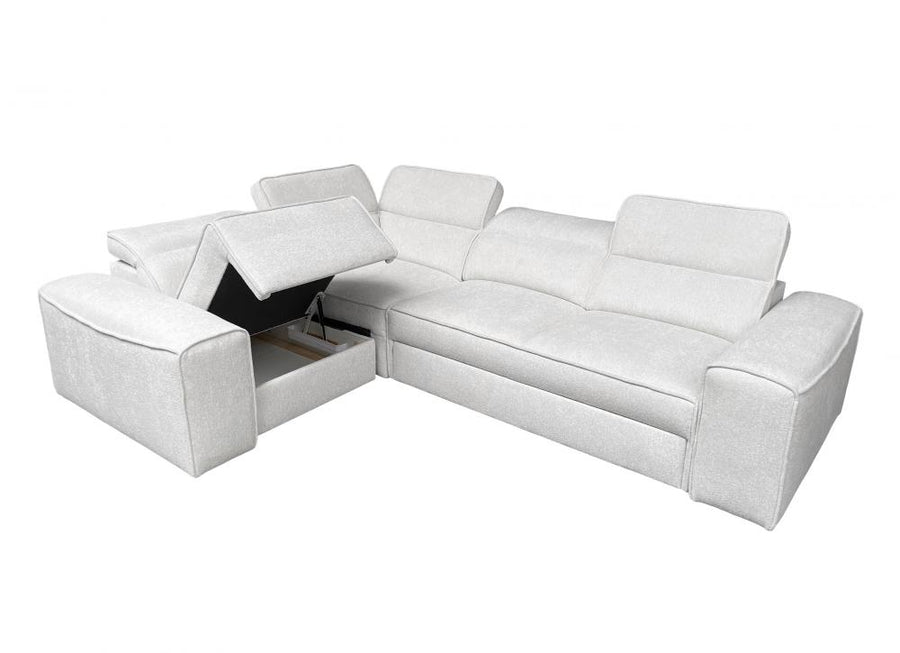
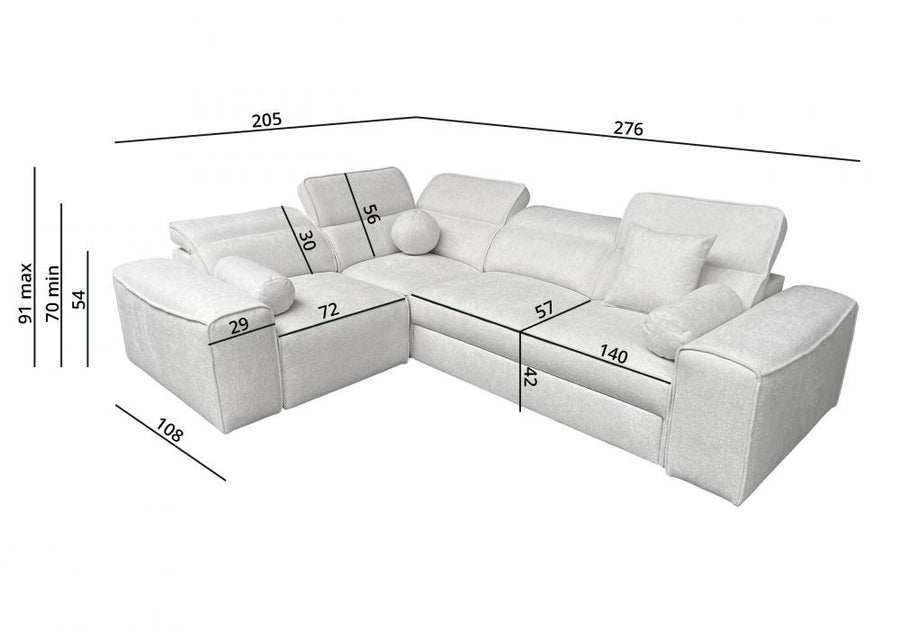









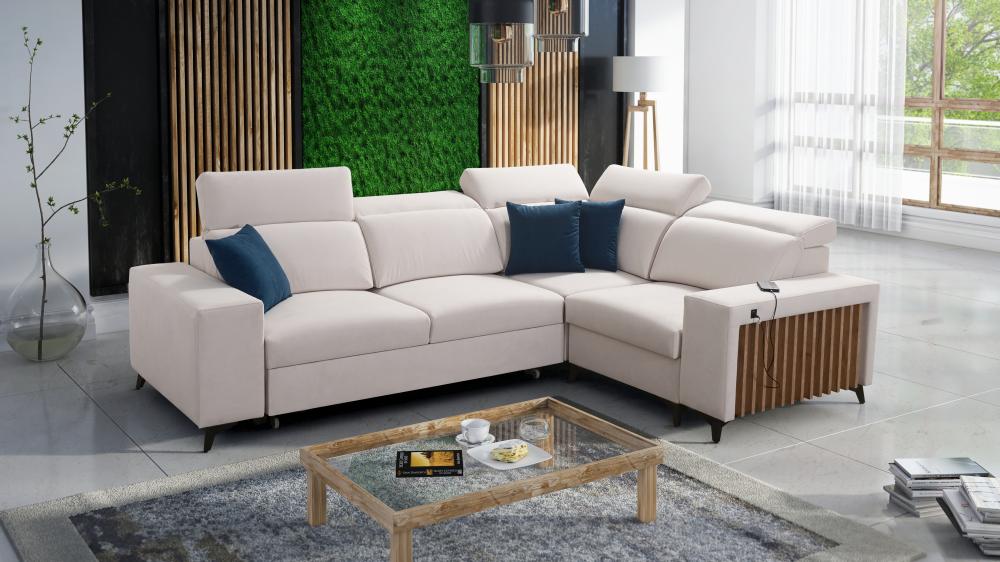
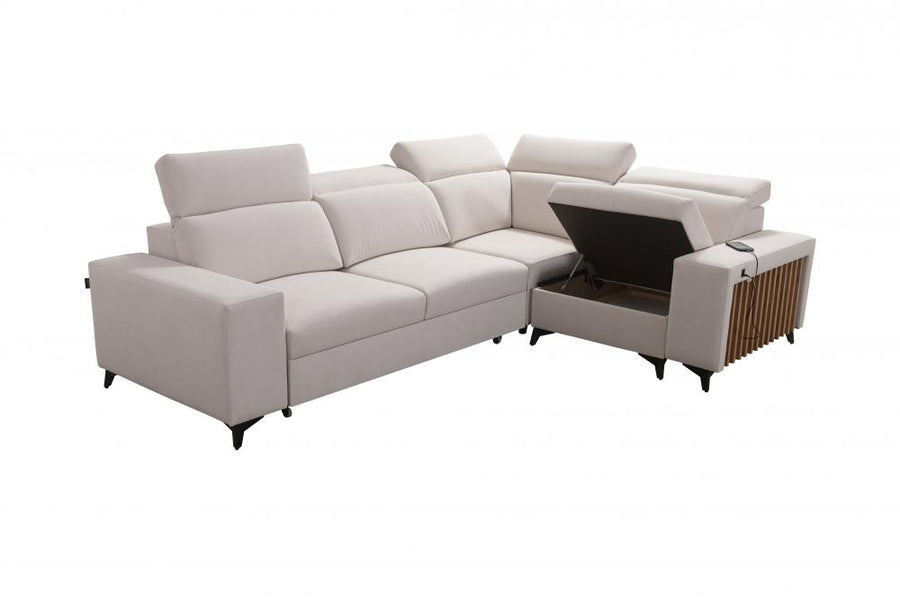
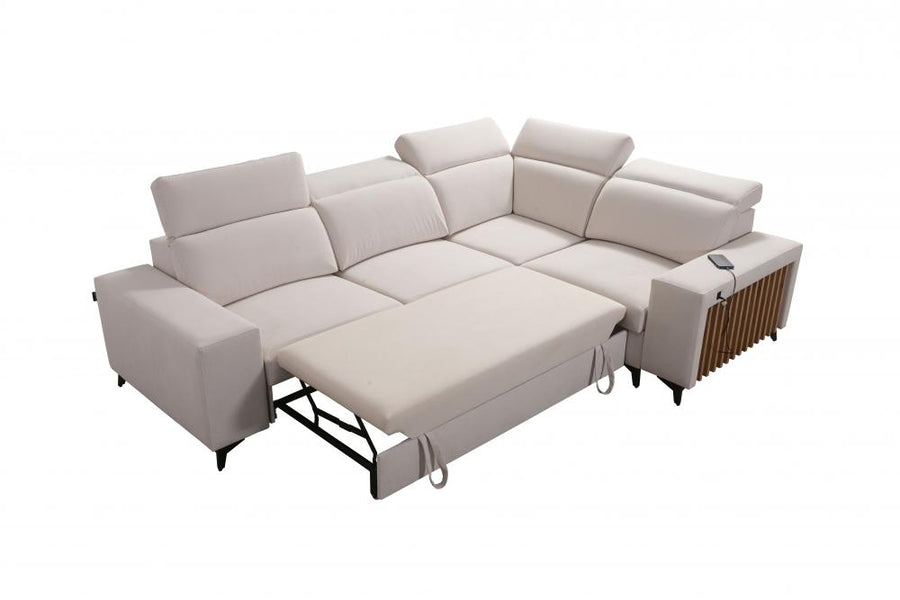
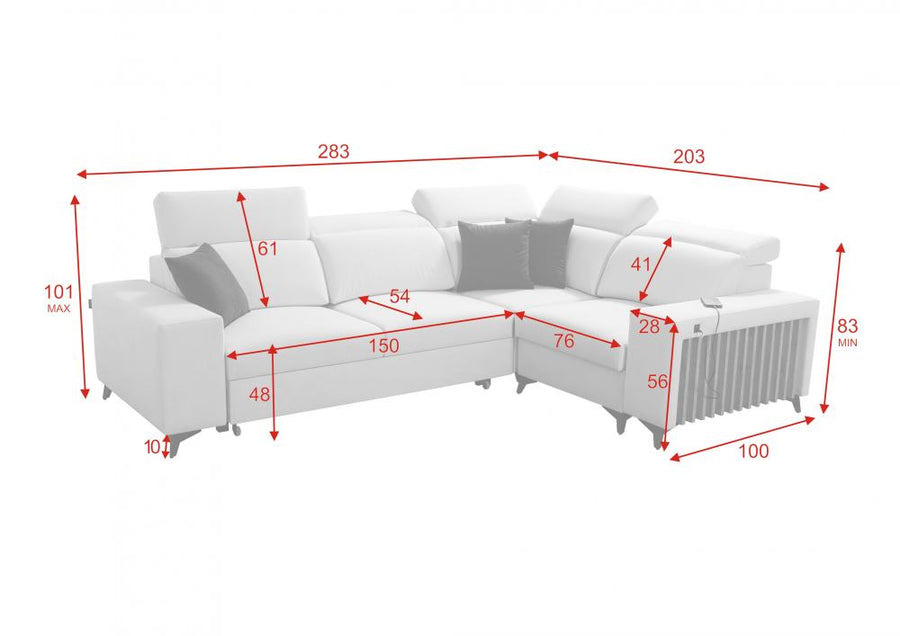
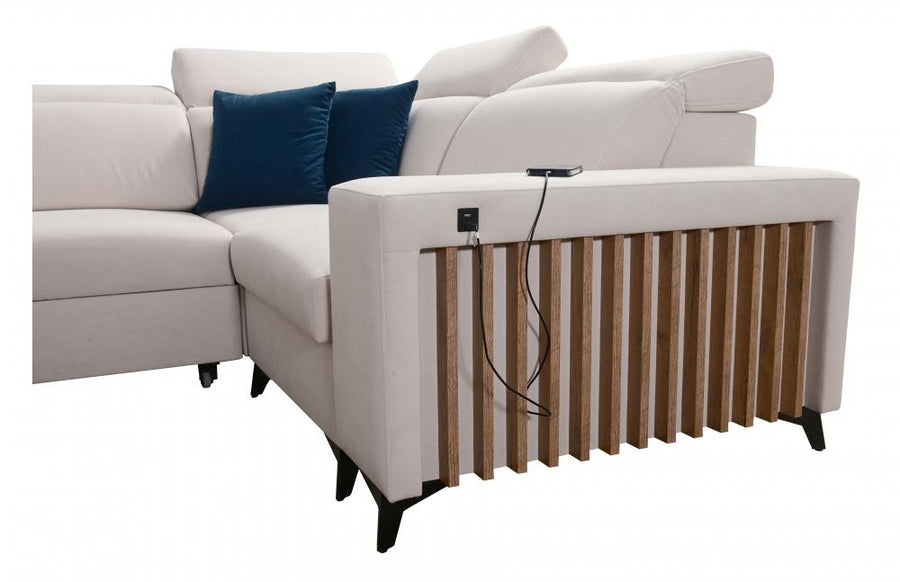
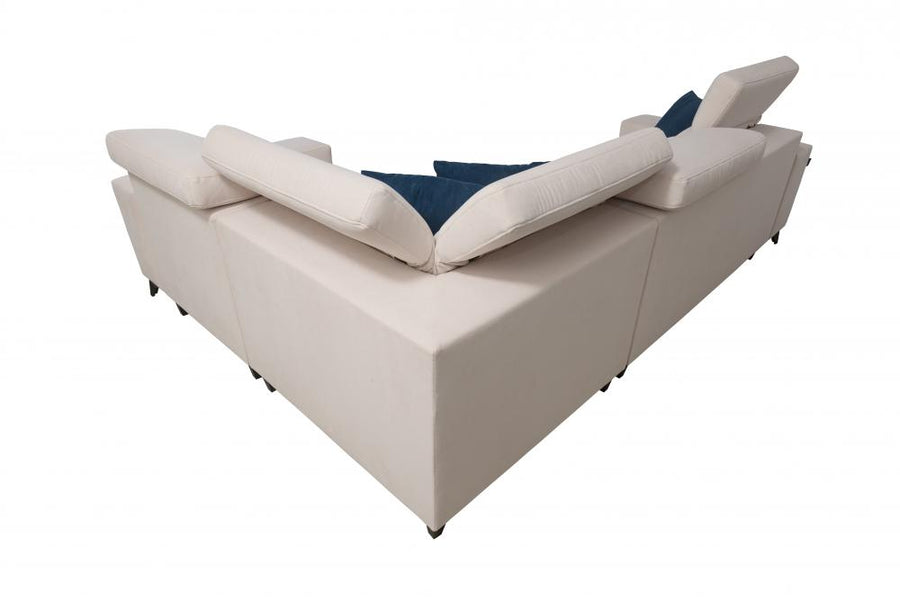

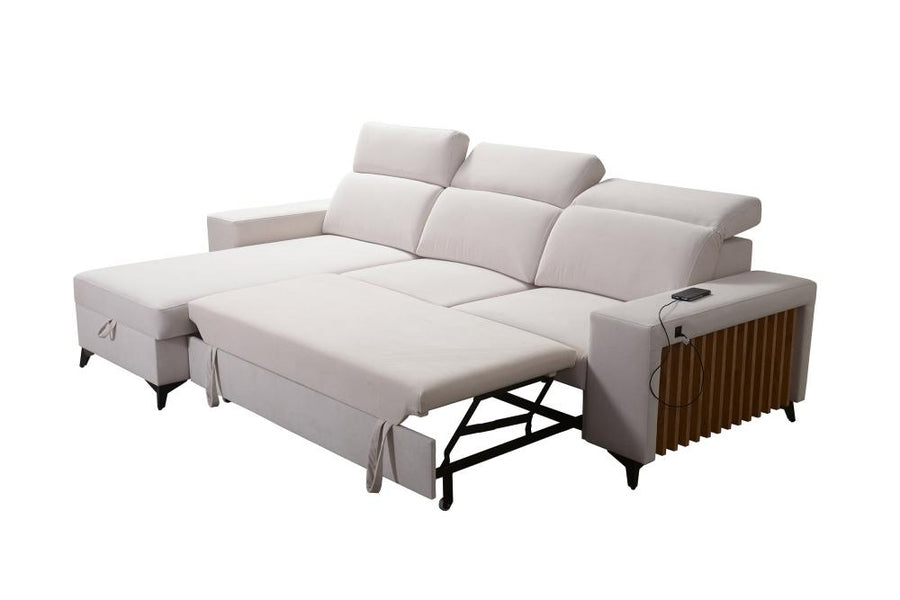
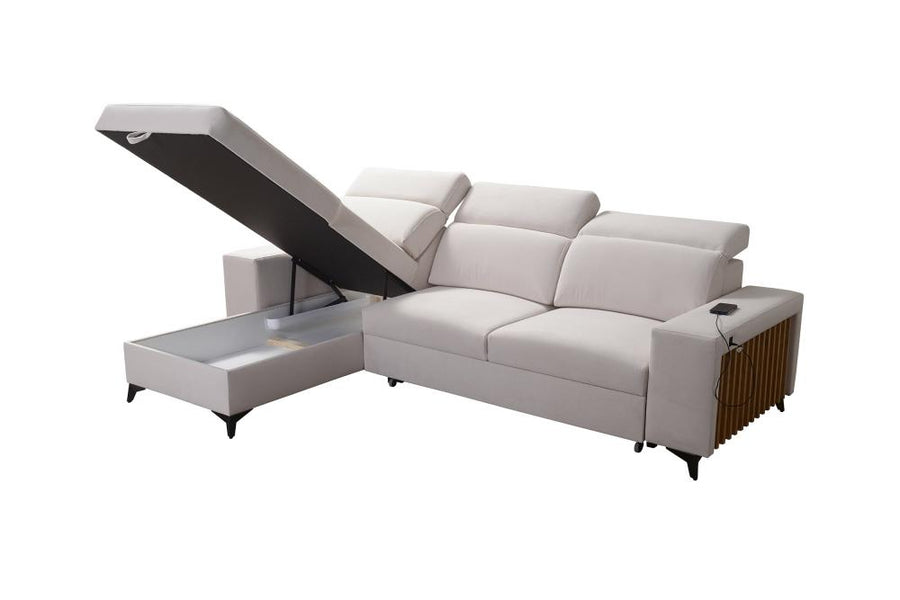
Did you know that nearly 40% of returns of bulky furniture are due to measurement errors? Beyond style or color, sofa dimensions are the absolute technical criterion that will determine whether your living room will be a haven of peace or an obstacle course. Choosing the right size isn't just a matter of aesthetics; it's a precise ergonomic science. Whether you have a vast loft or a cozy living room, understanding the geometry of your space and market standards is essential. This technical guide has been designed to help you, measuring tape in hand, make the perfect, rational choice for your home.
Deciphering the Technical Specifications: Understanding Sofa Dimensions
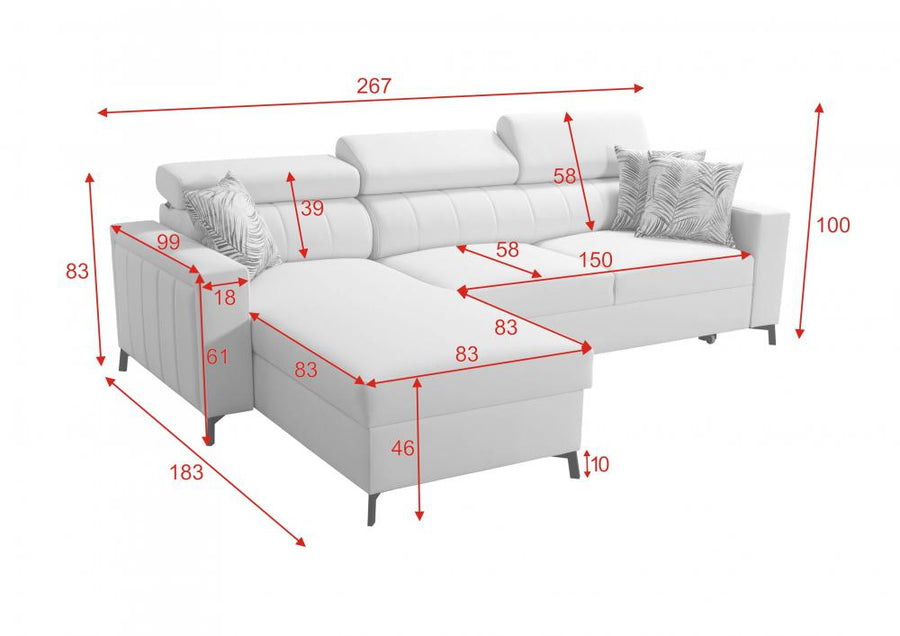
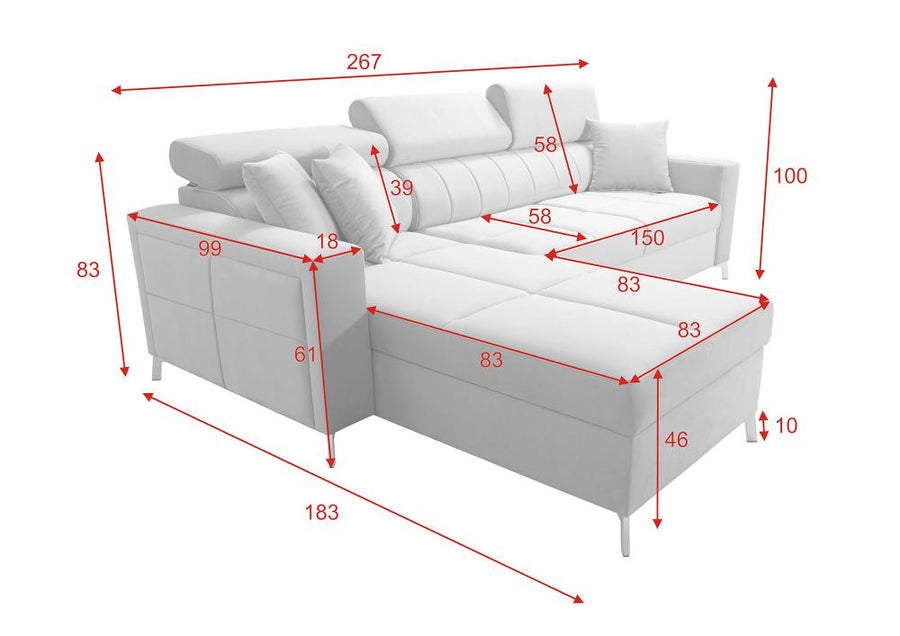
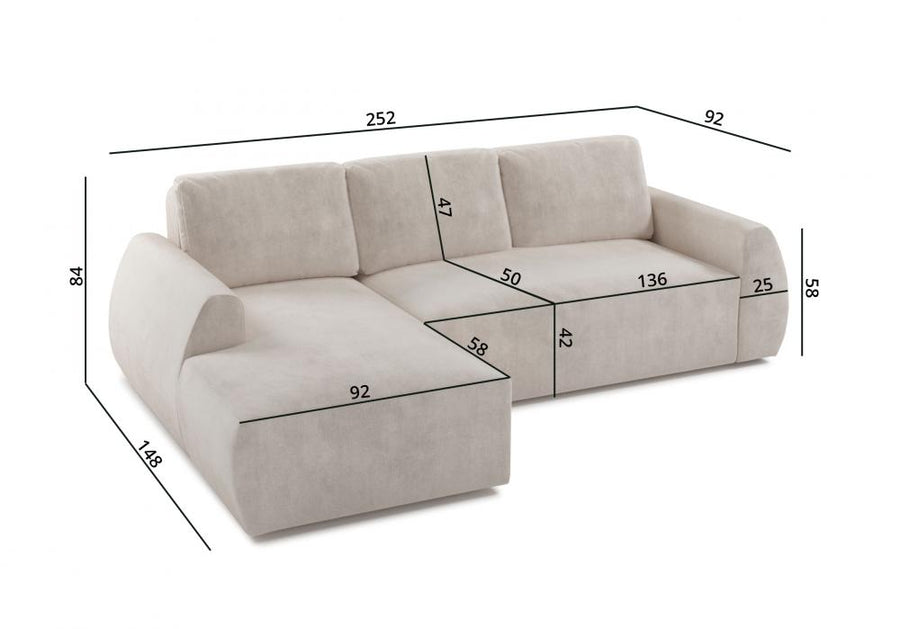
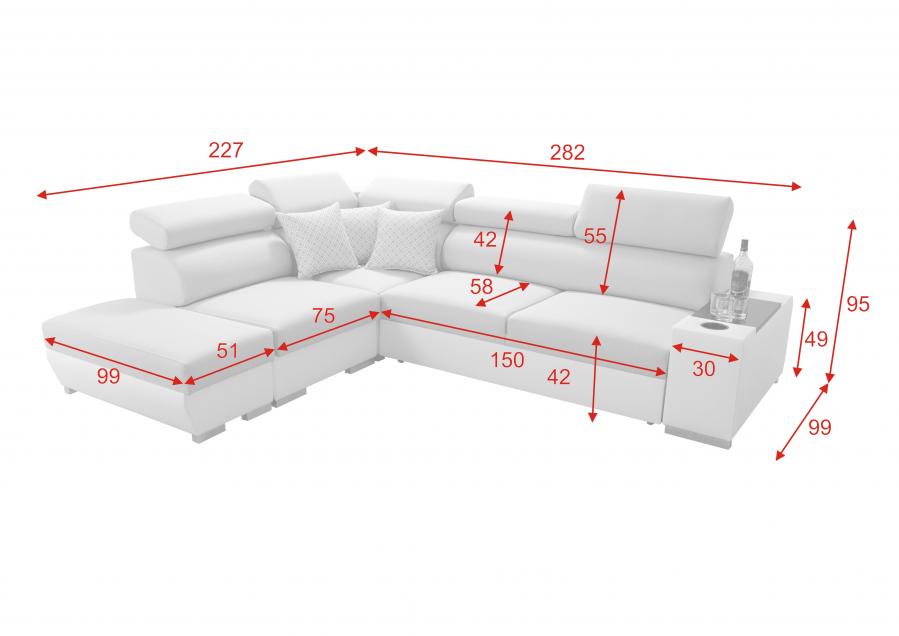
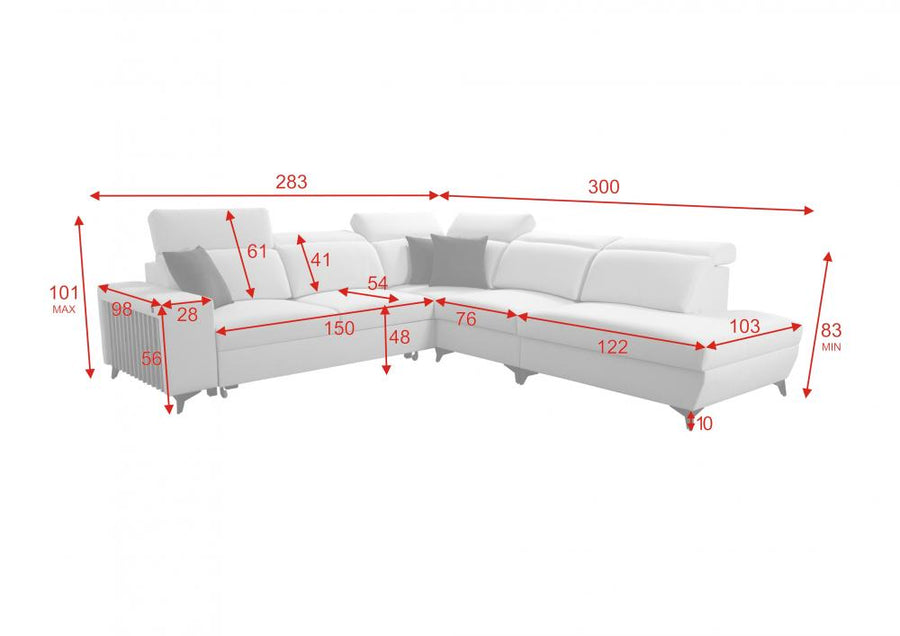
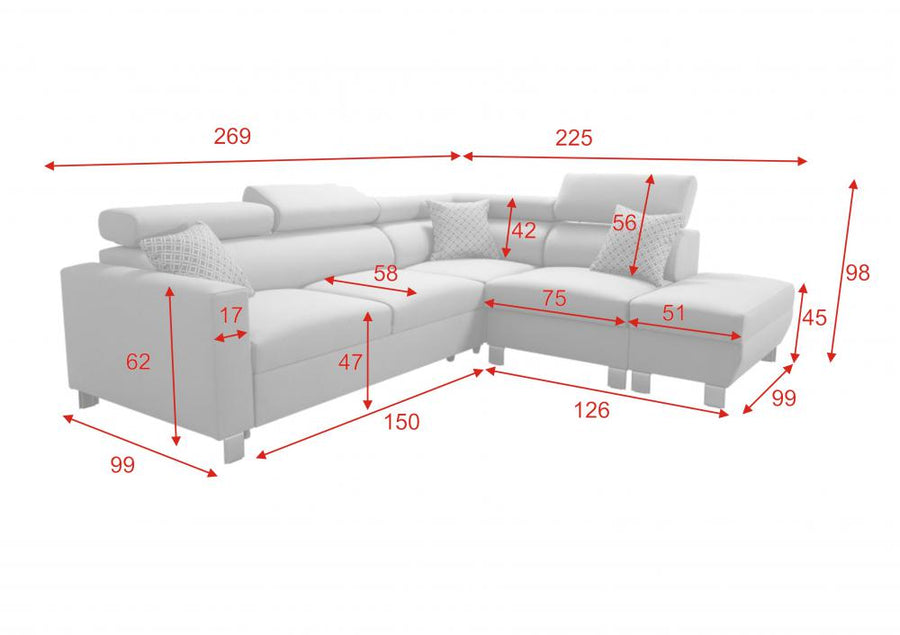
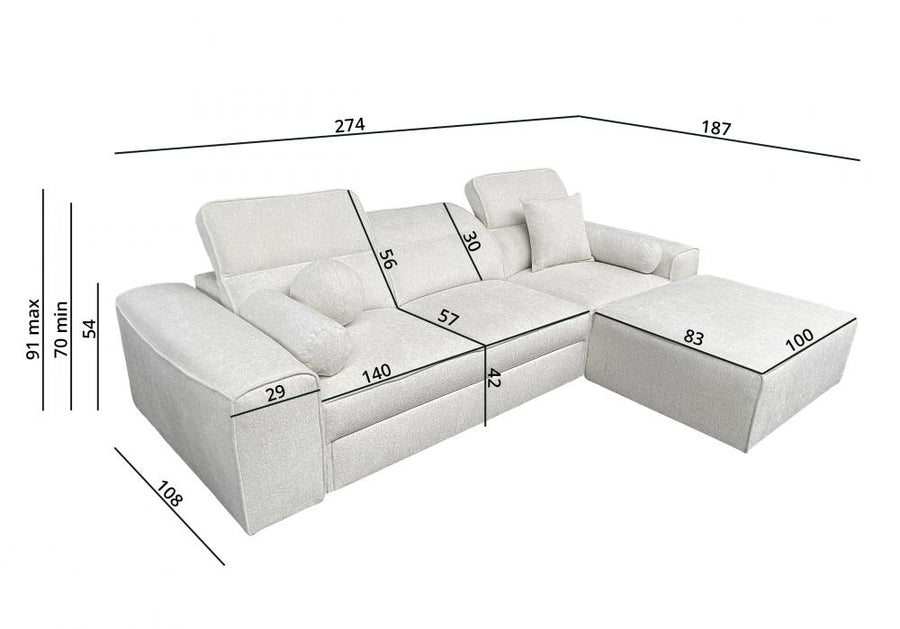
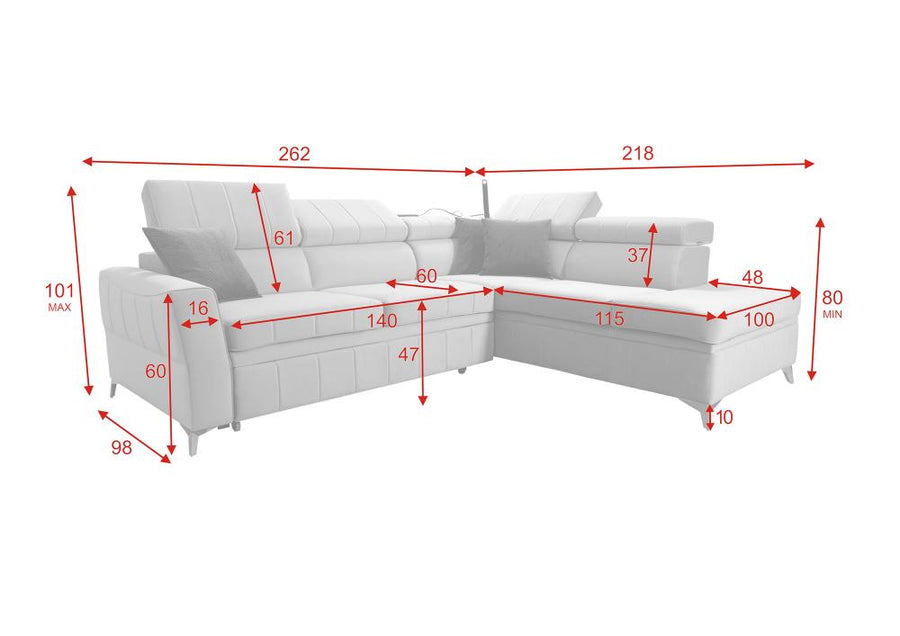
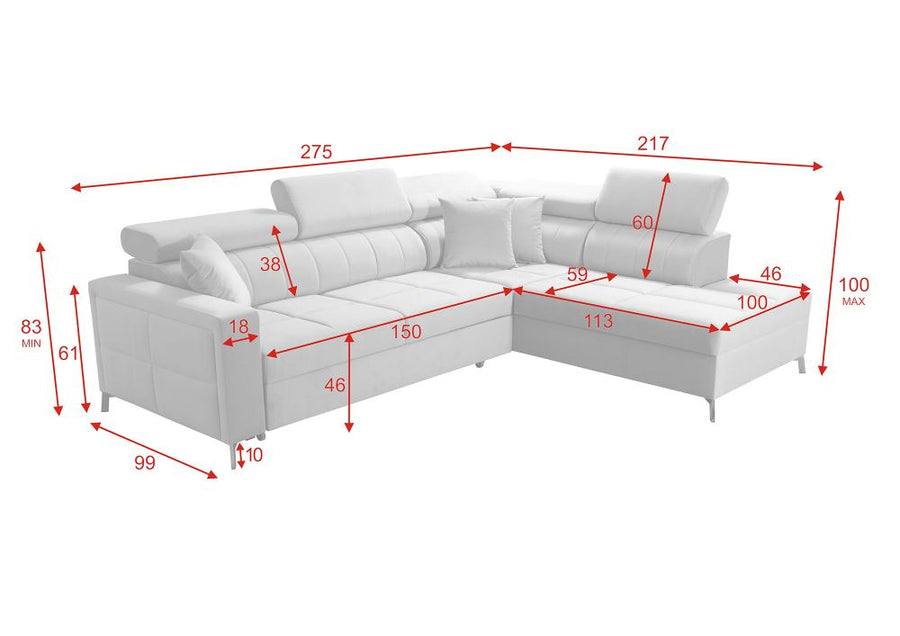
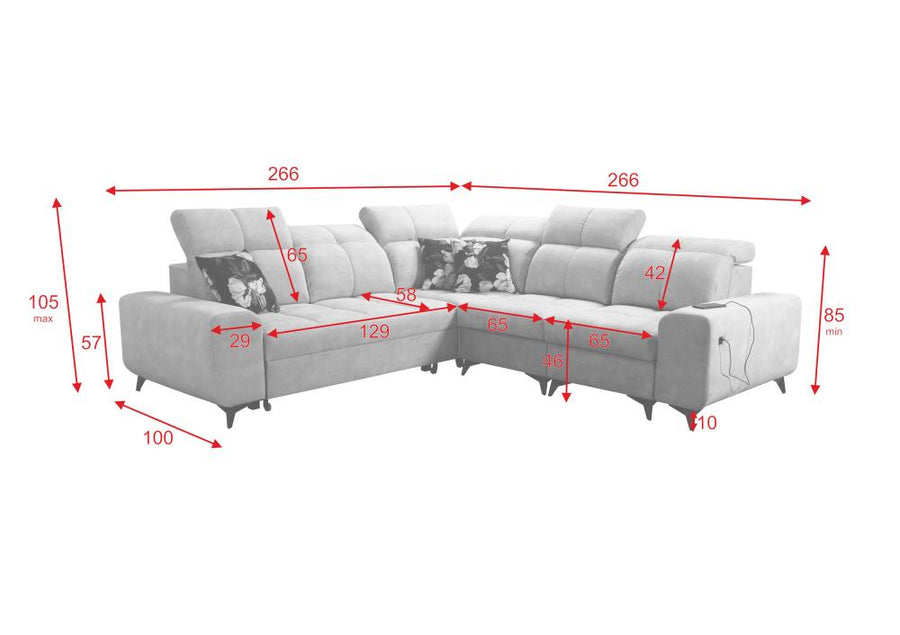
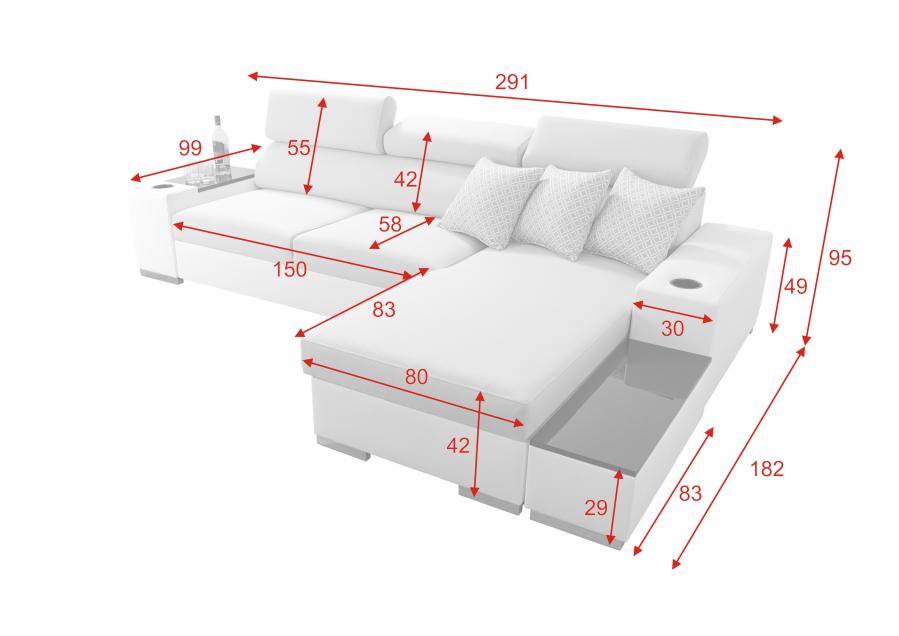
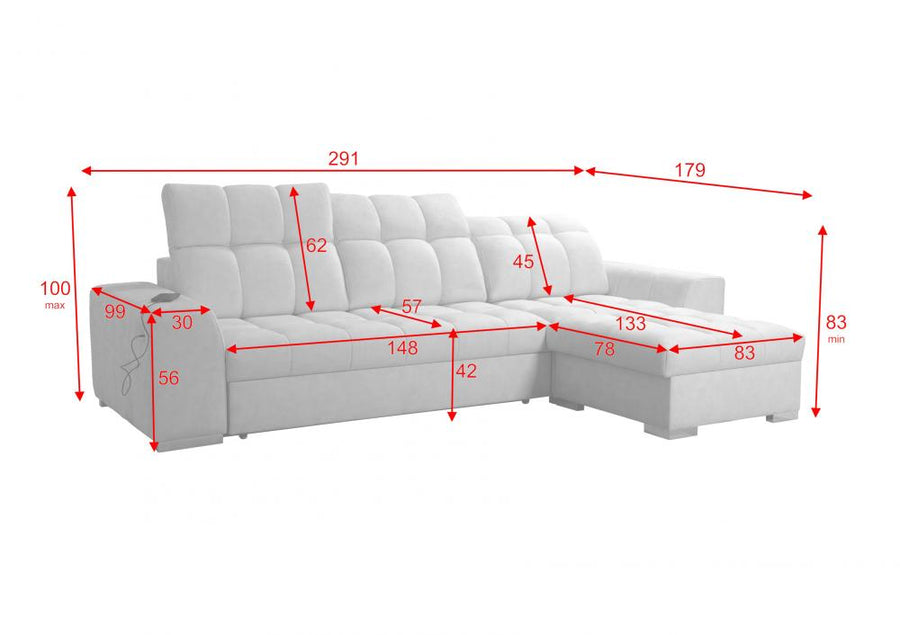
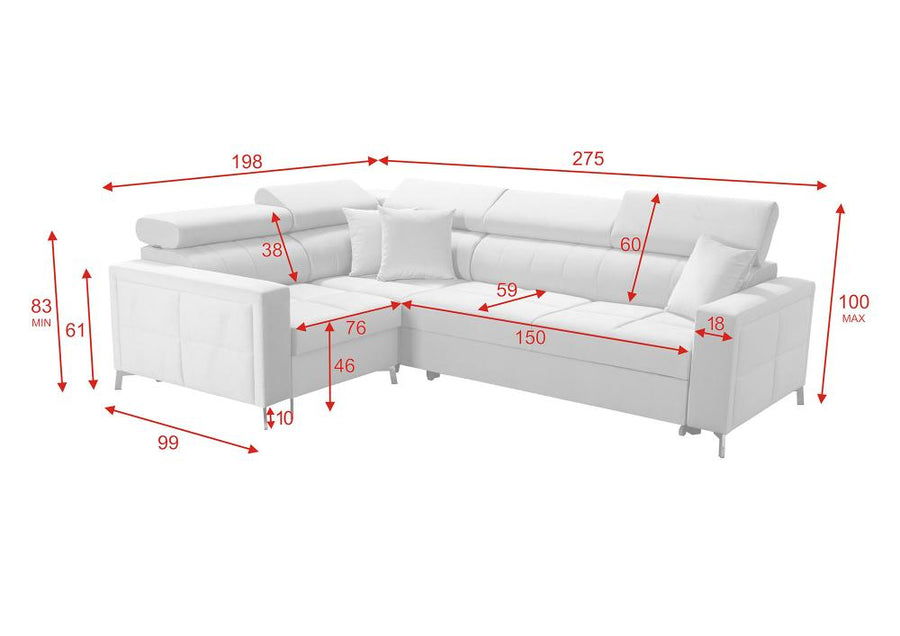
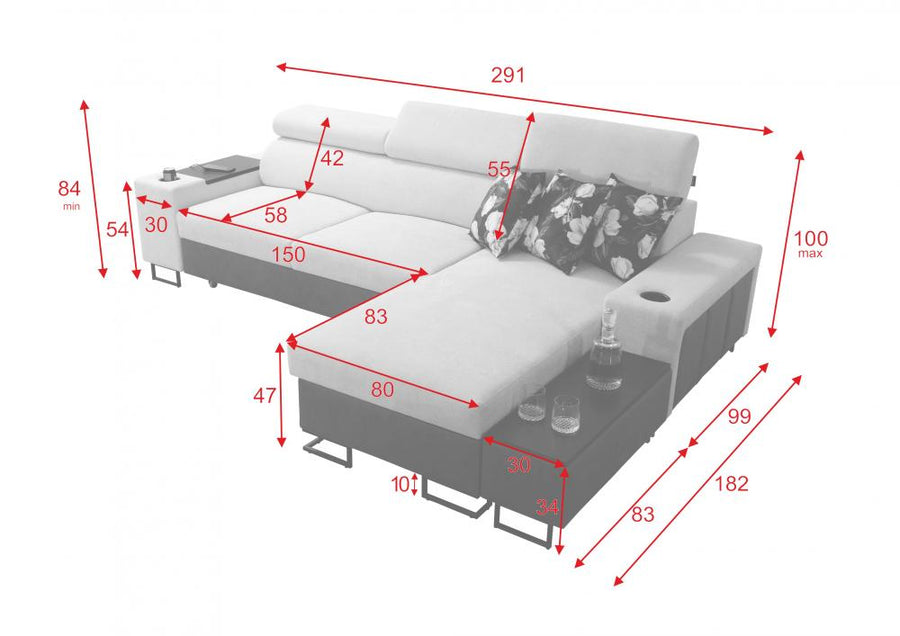
Before falling in love with a particular model, it's essential to know how to read its specifications. The concept of sofa dimensions encompasses several distinct measurements that should not be confused. A common mistake is to focus solely on the total length, neglecting the depth or height, which are crucial for comfort and visual integration.
Overall Dimensions vs. Seat Dimensions: The Crucial Distinction
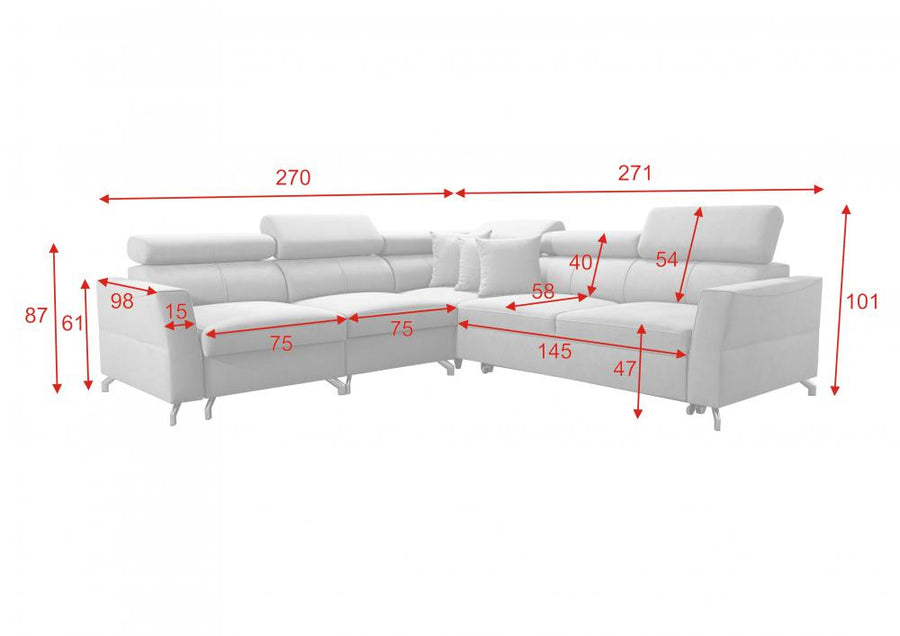
When you consult the specifications of a product, two types of sofa measurements are contrasted:
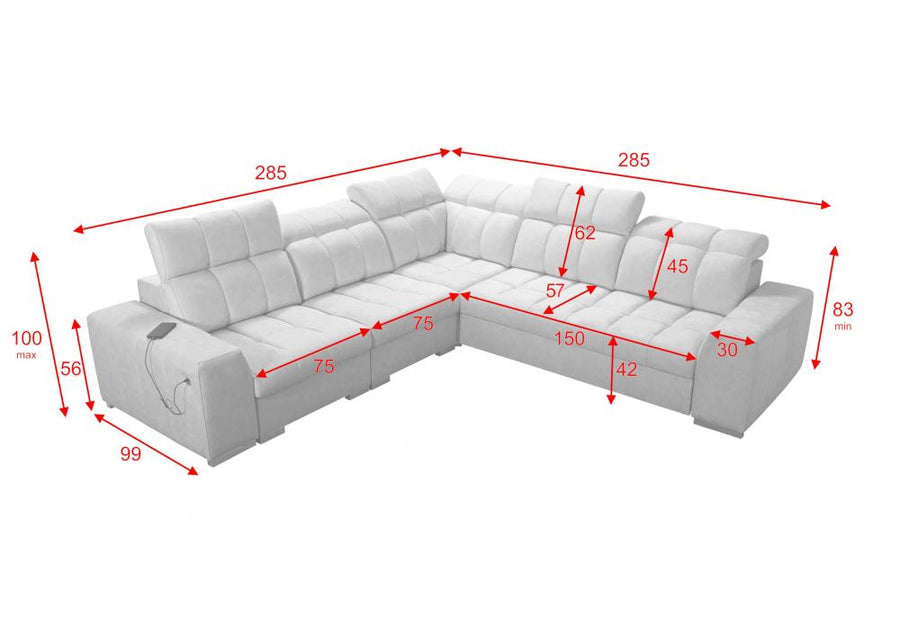
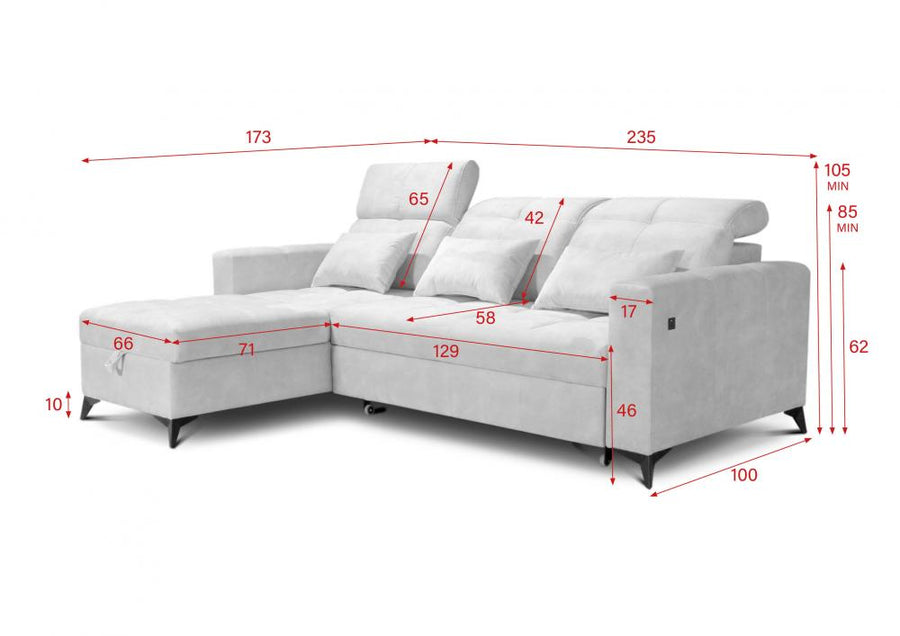
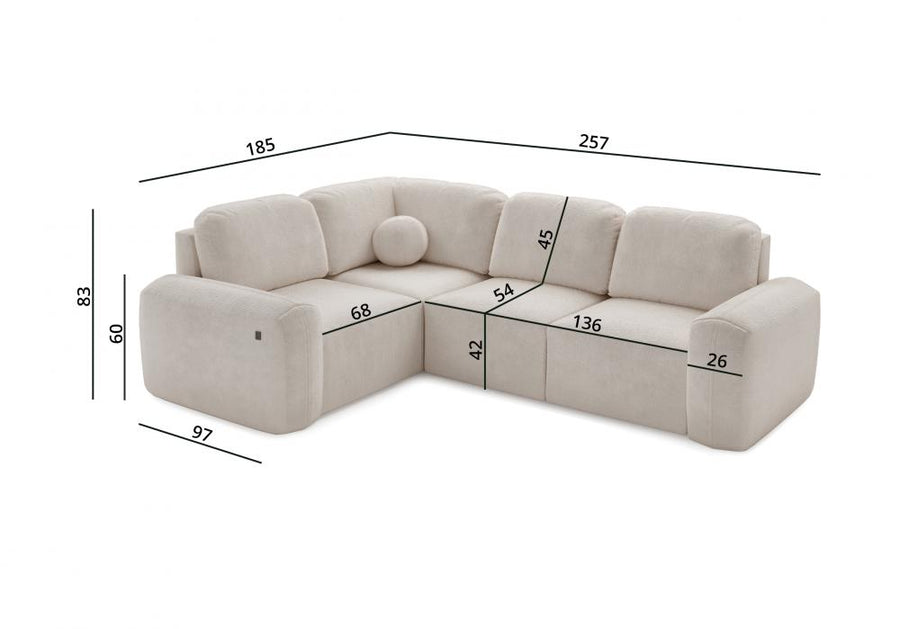
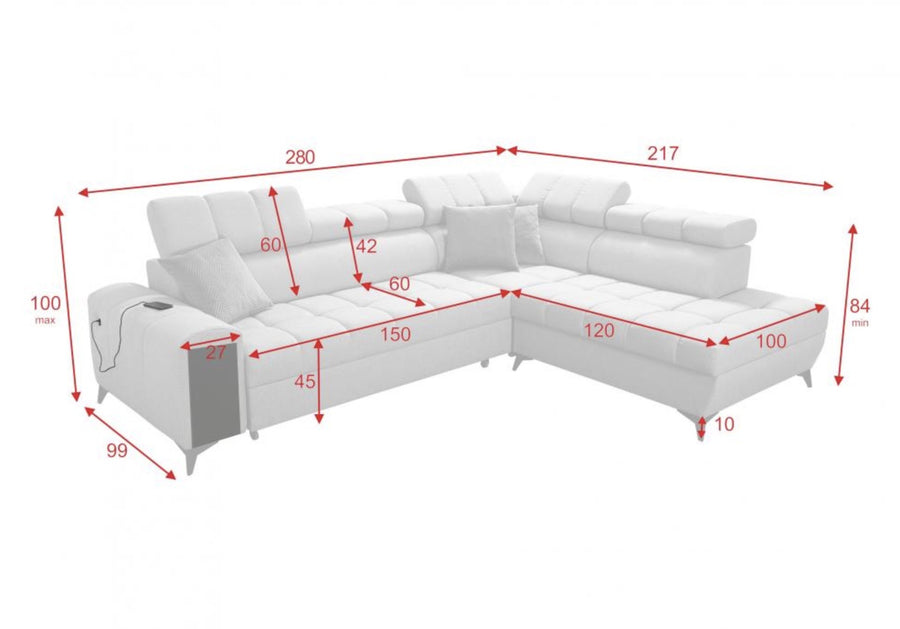
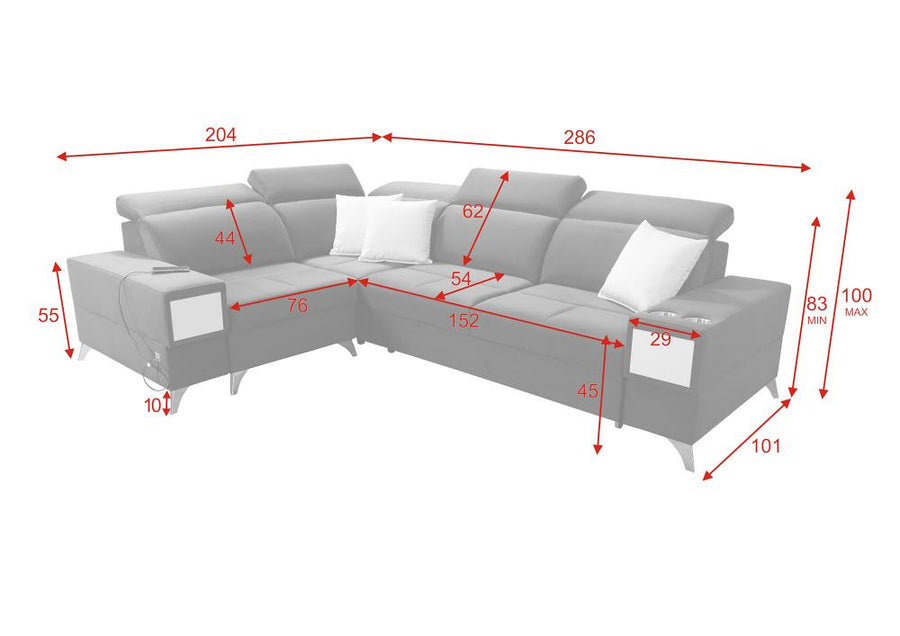
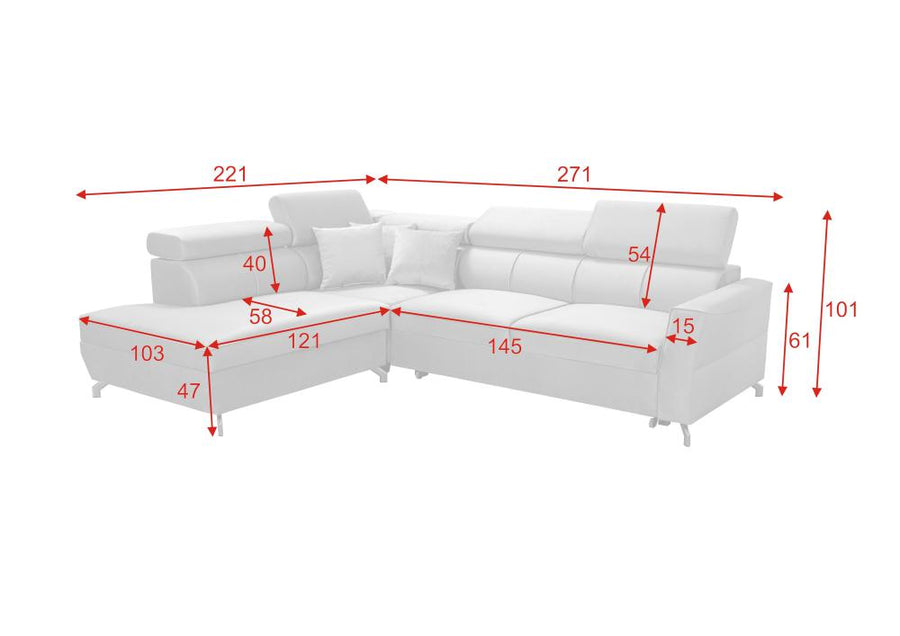
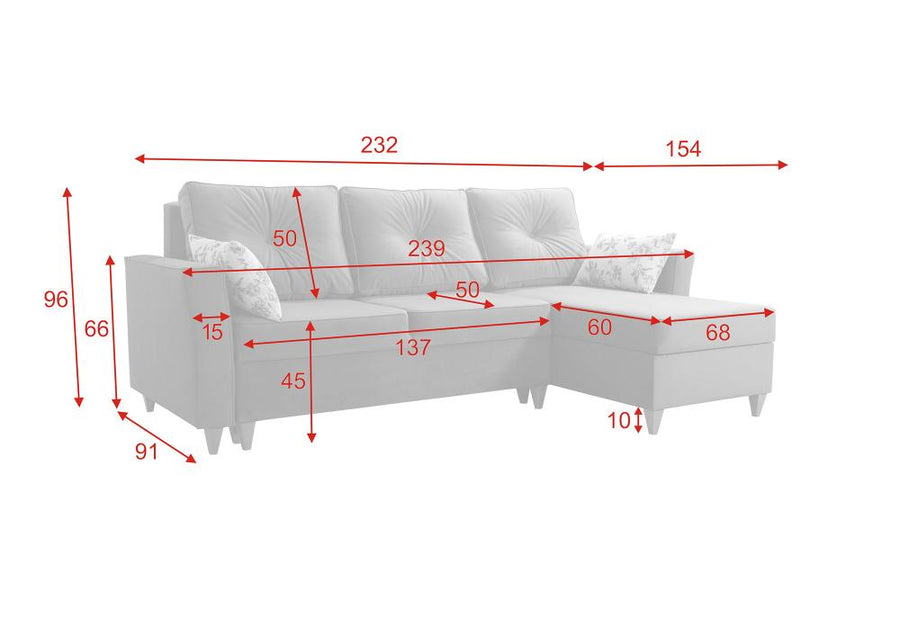
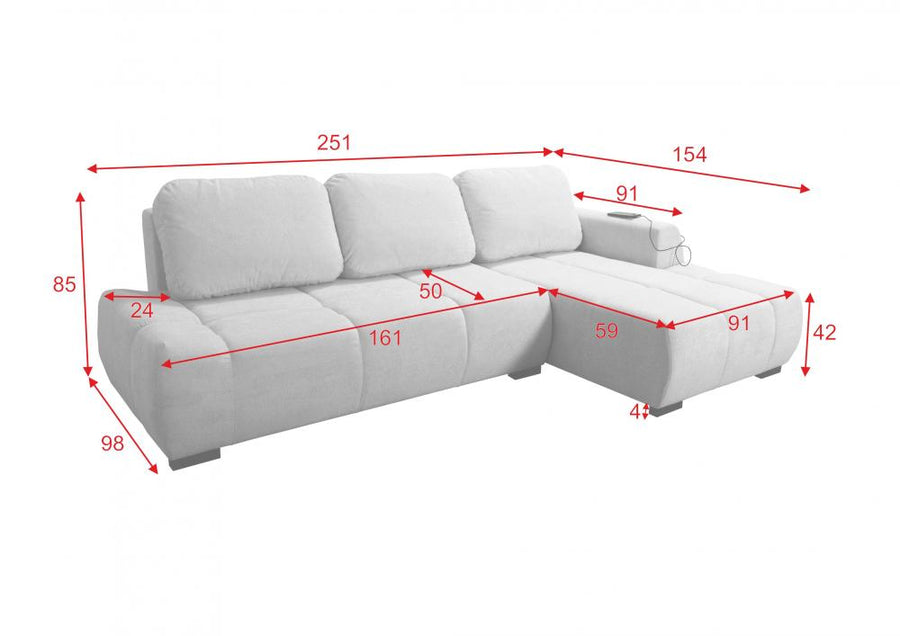
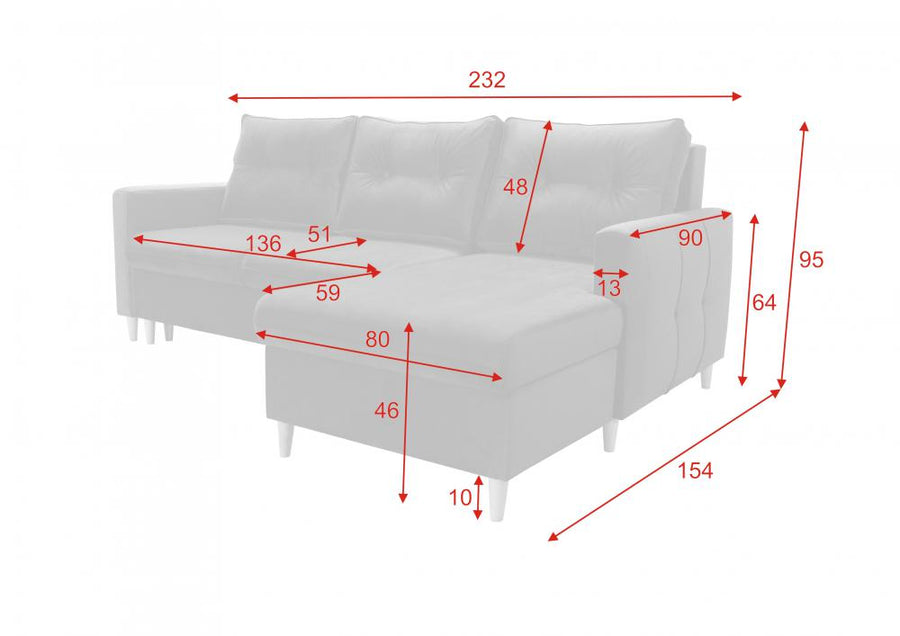
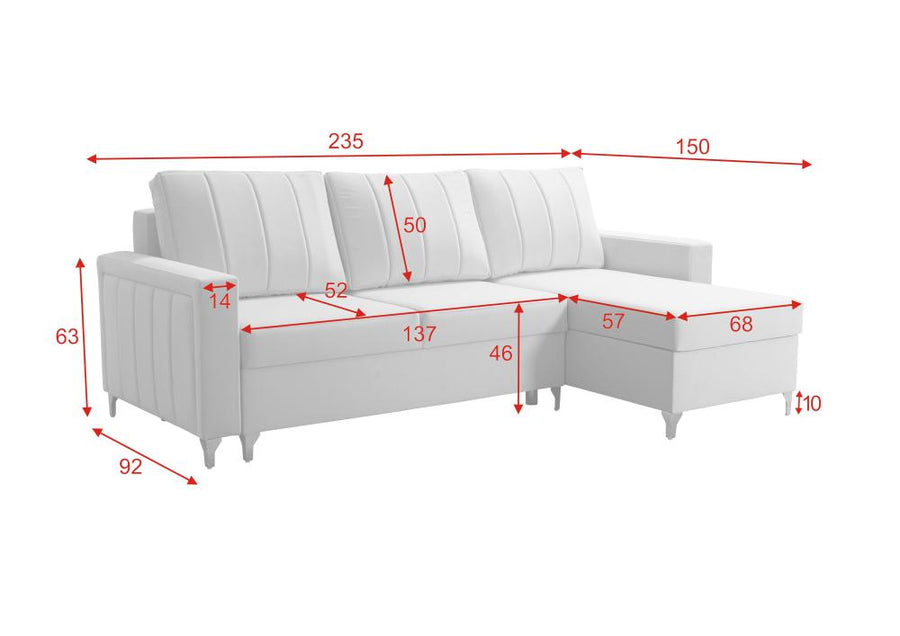
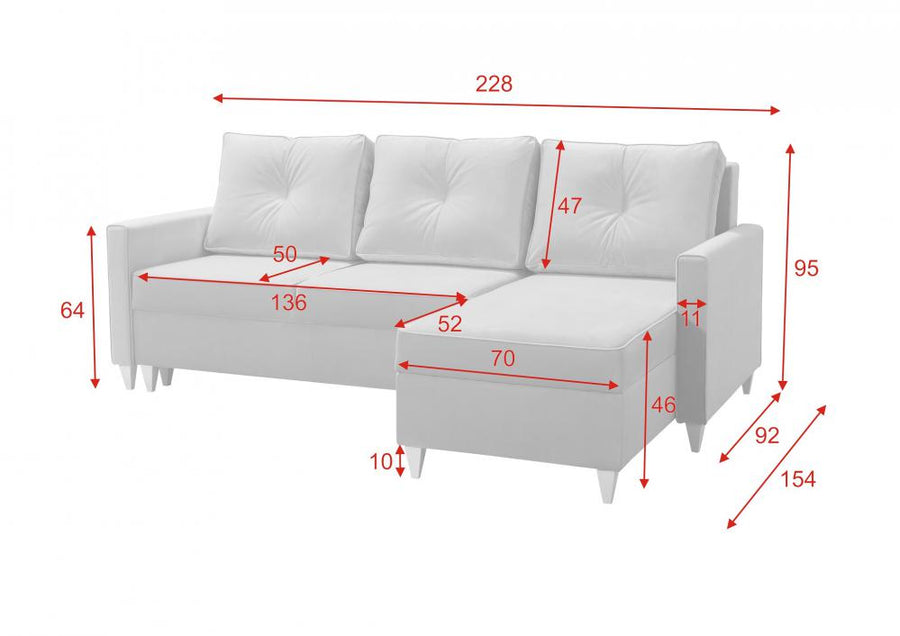
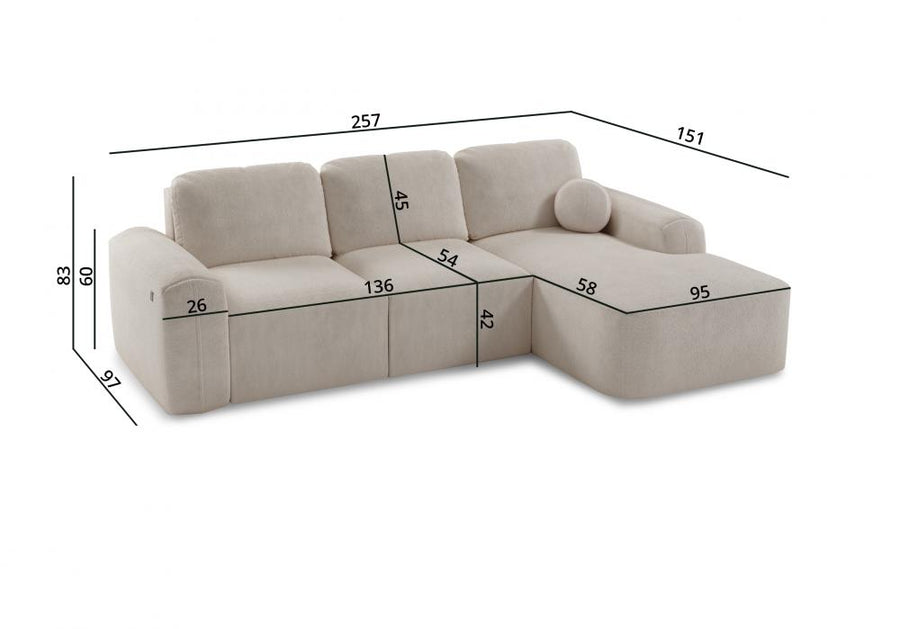
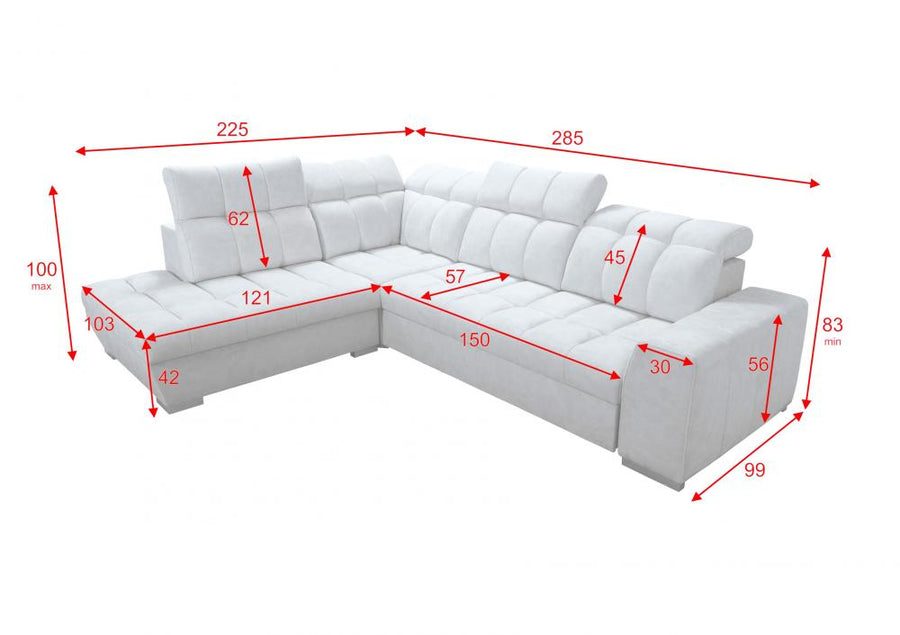
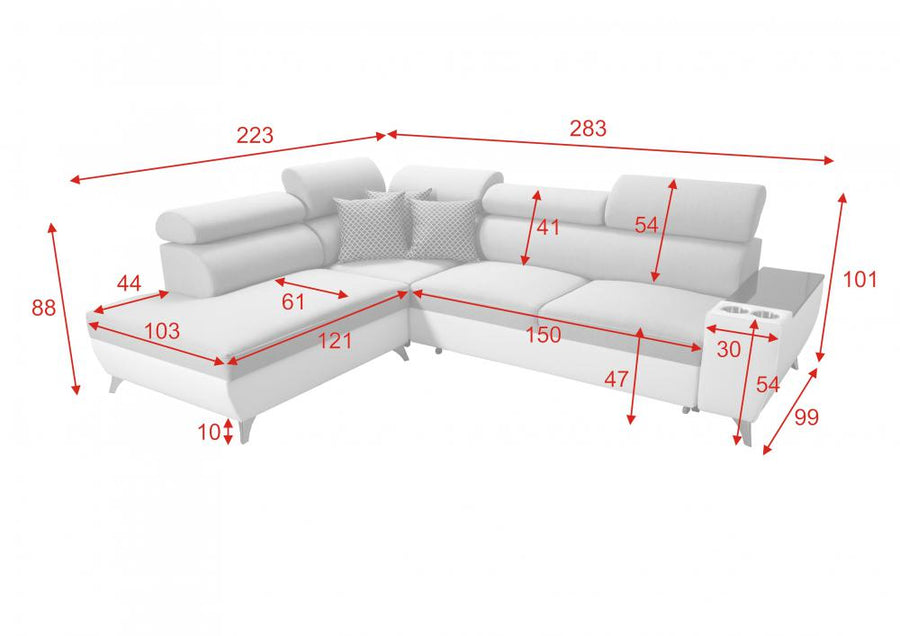
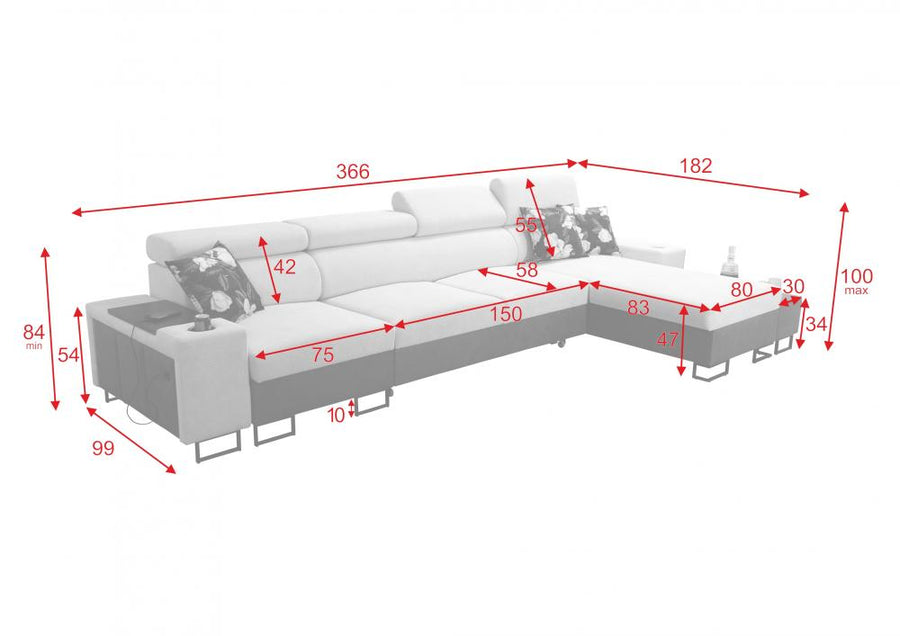
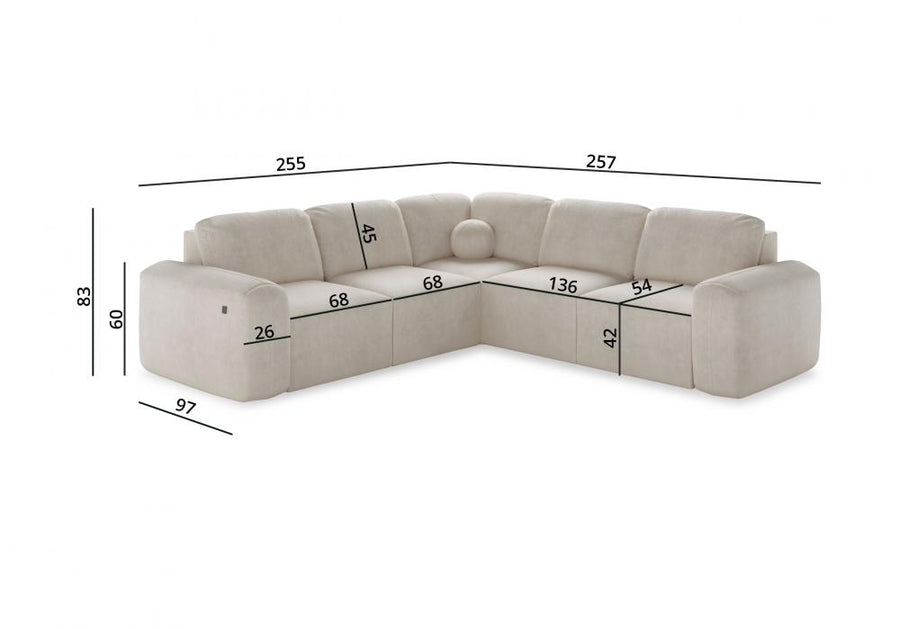
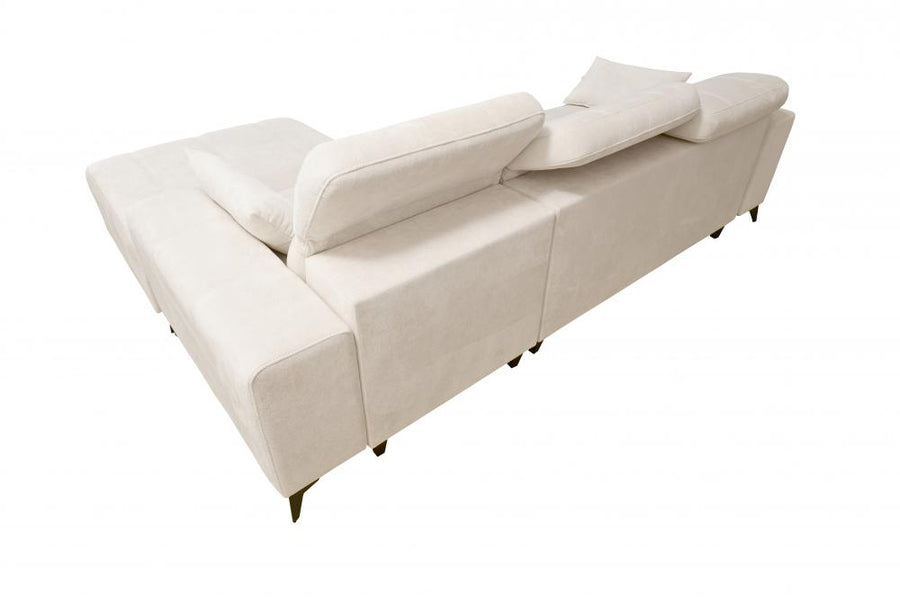
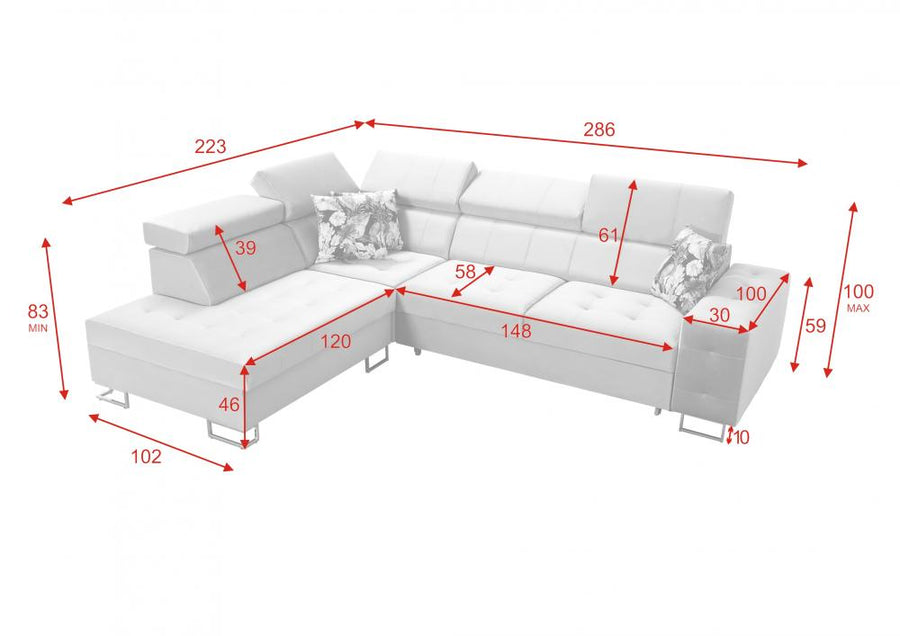
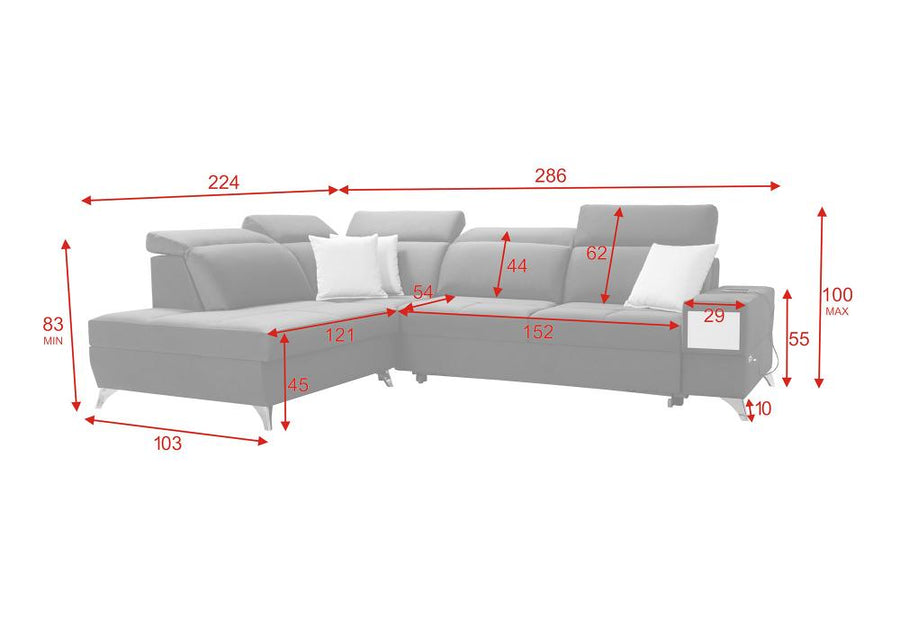
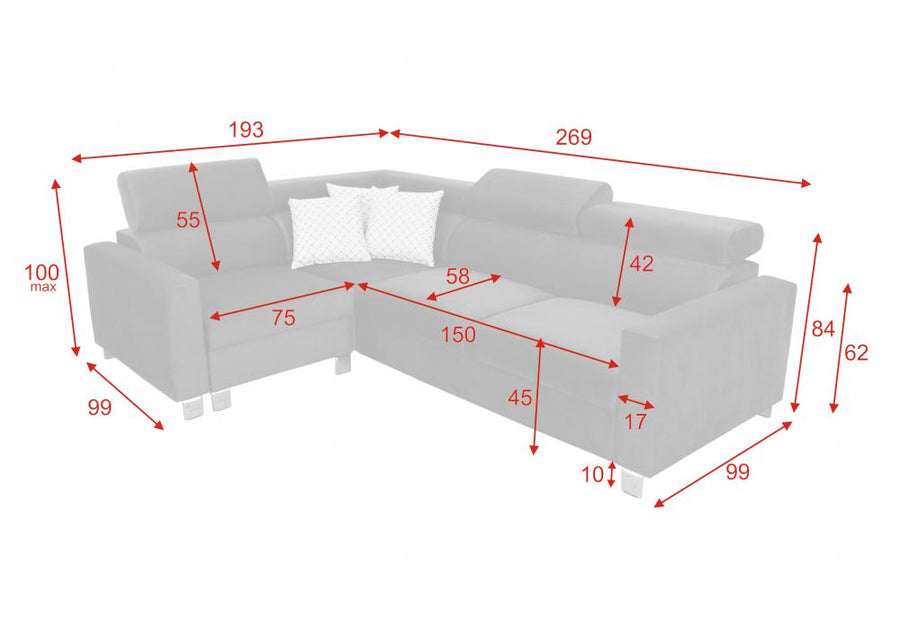
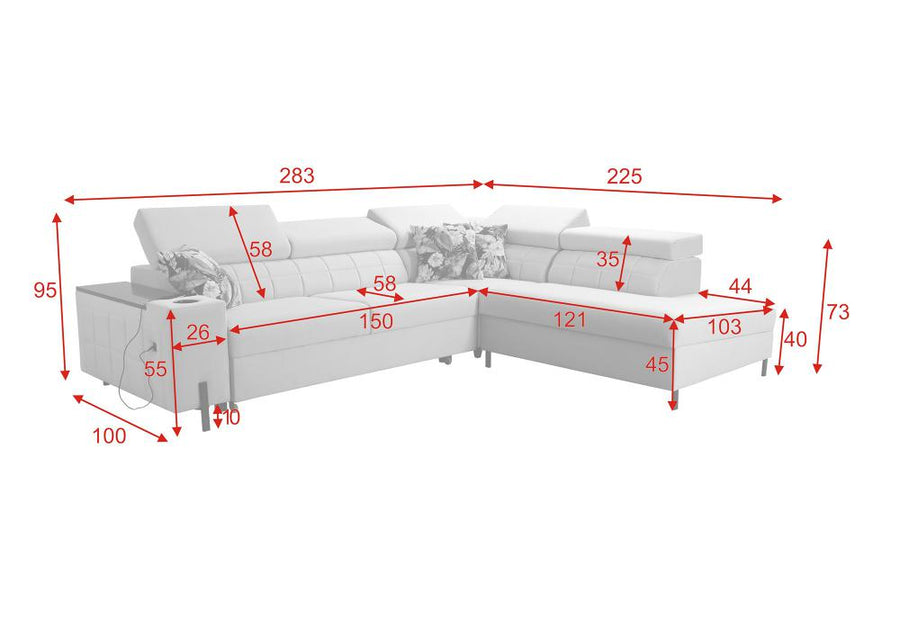
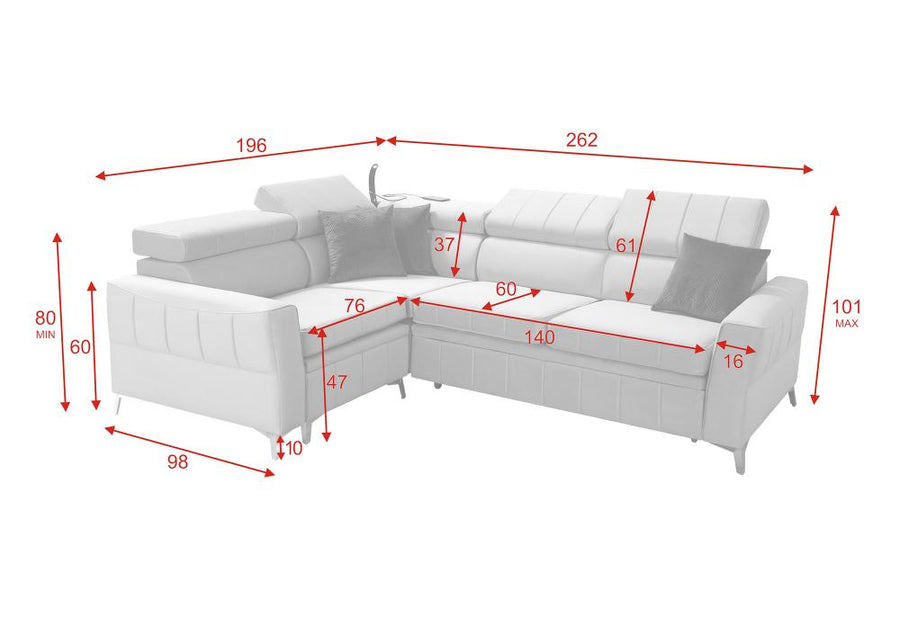
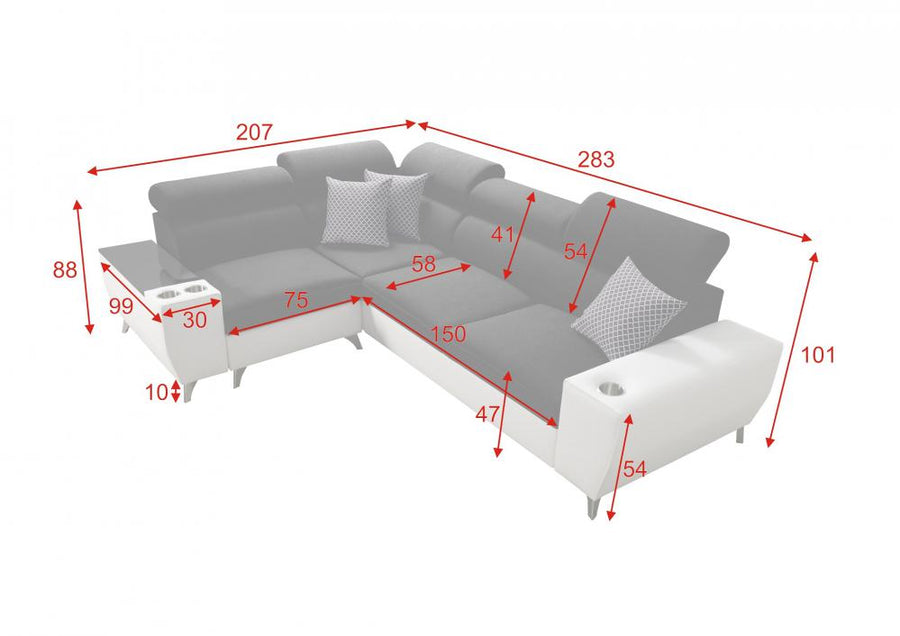
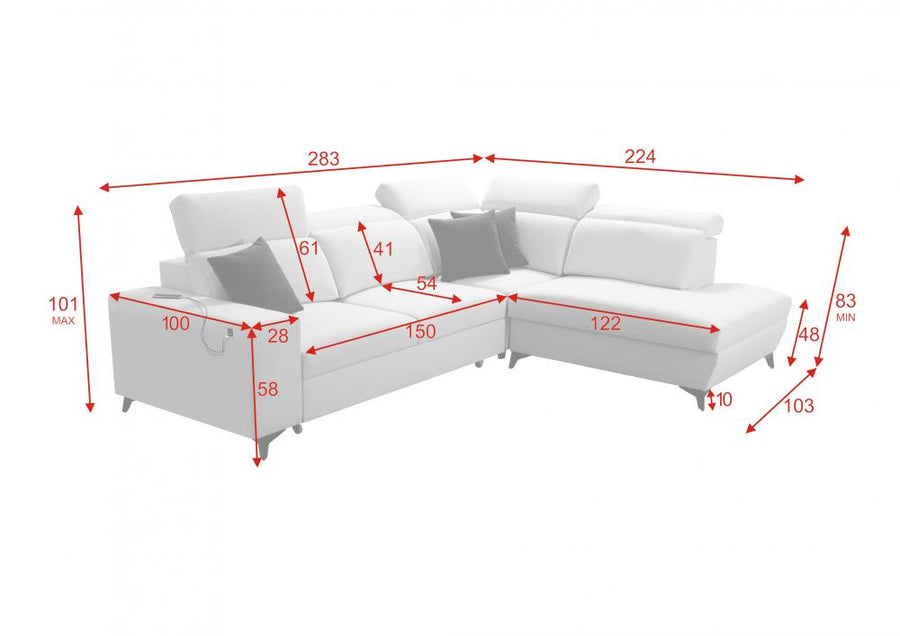
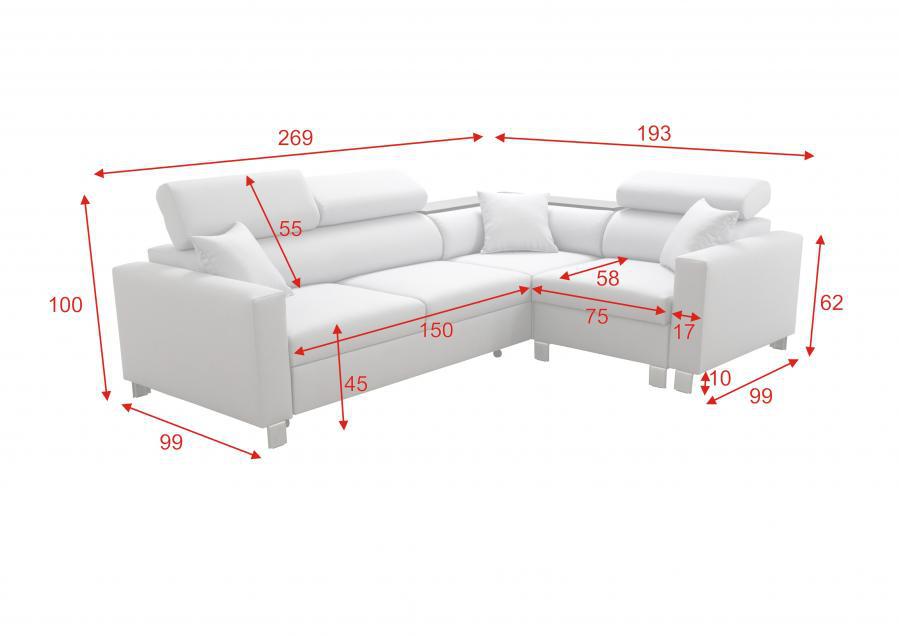
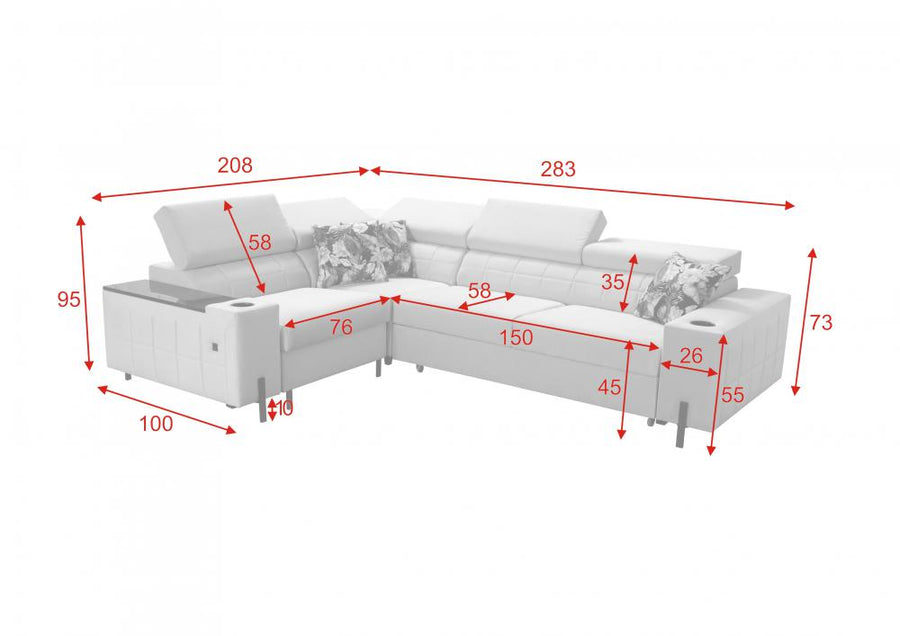
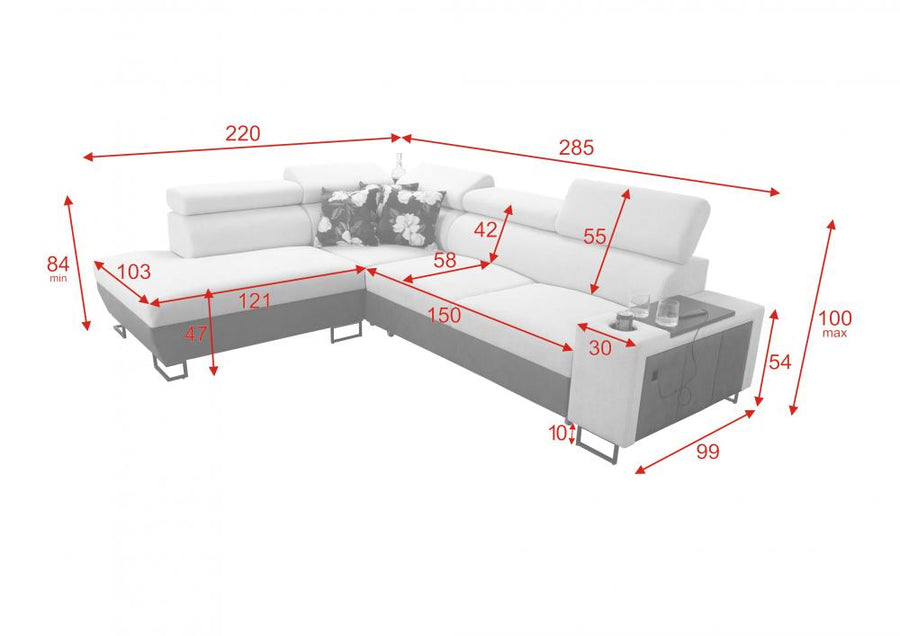
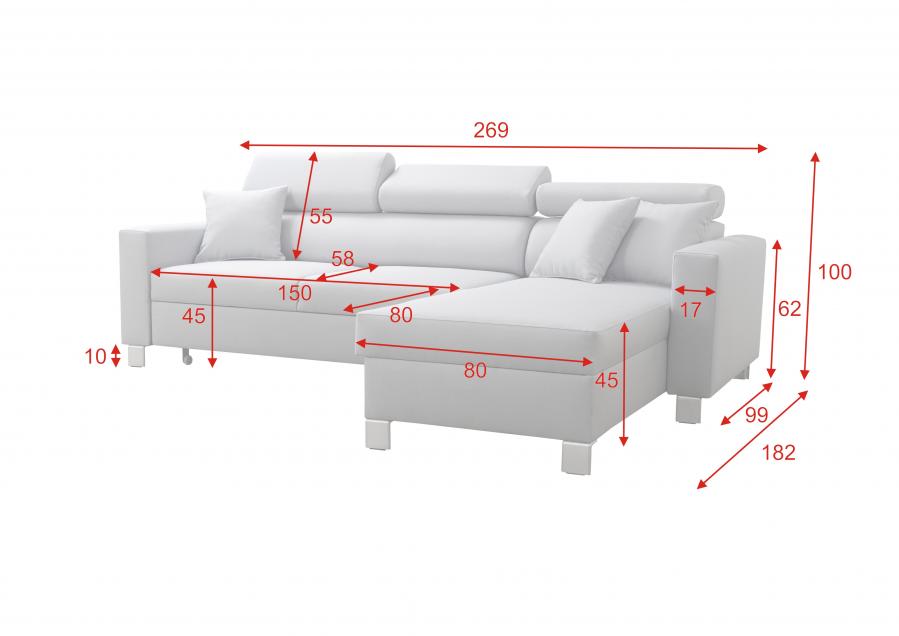
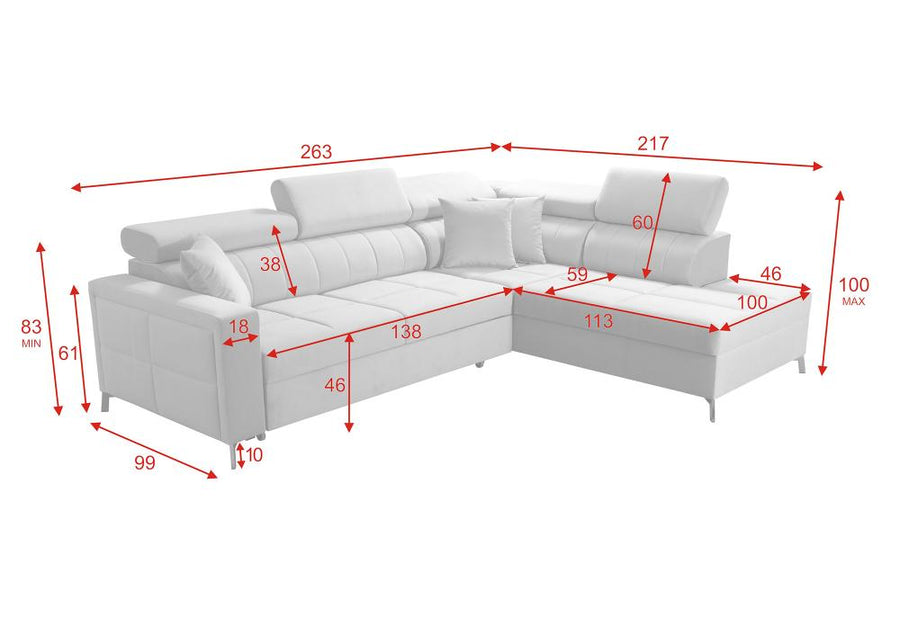
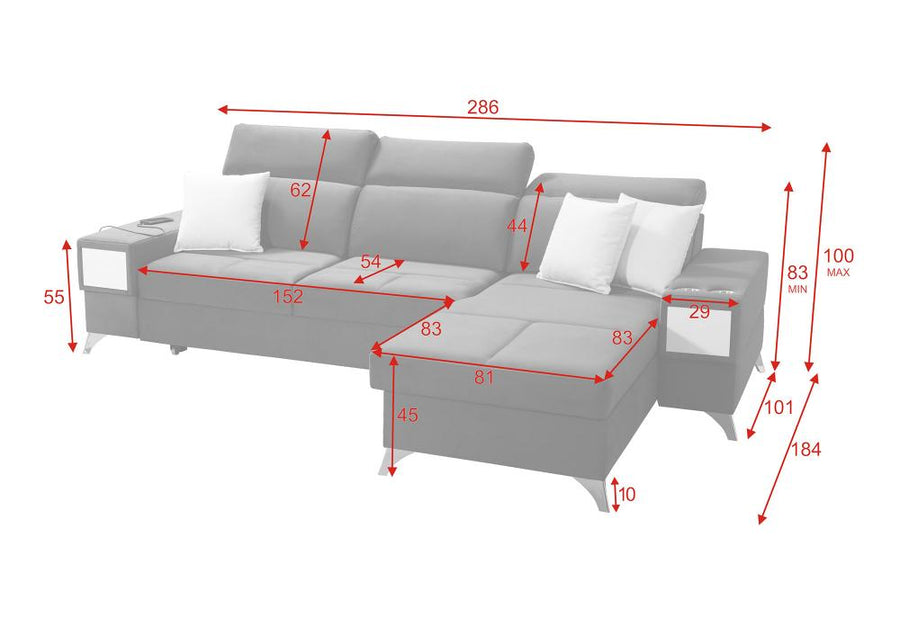
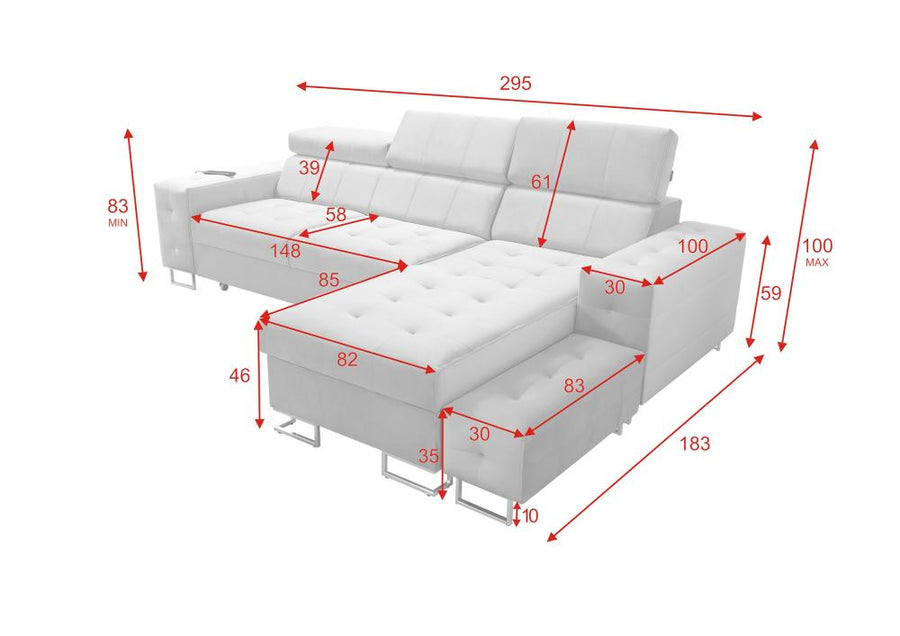
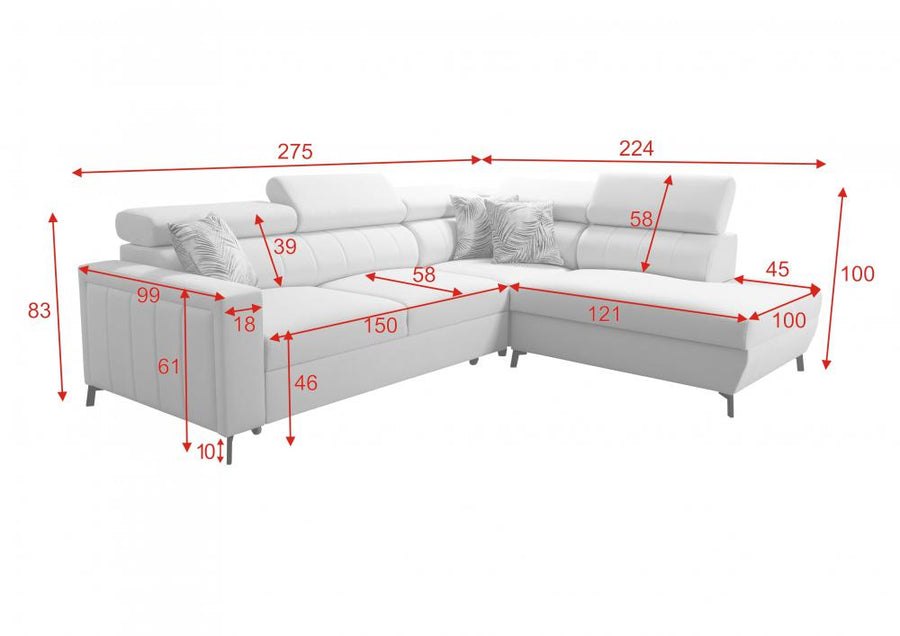
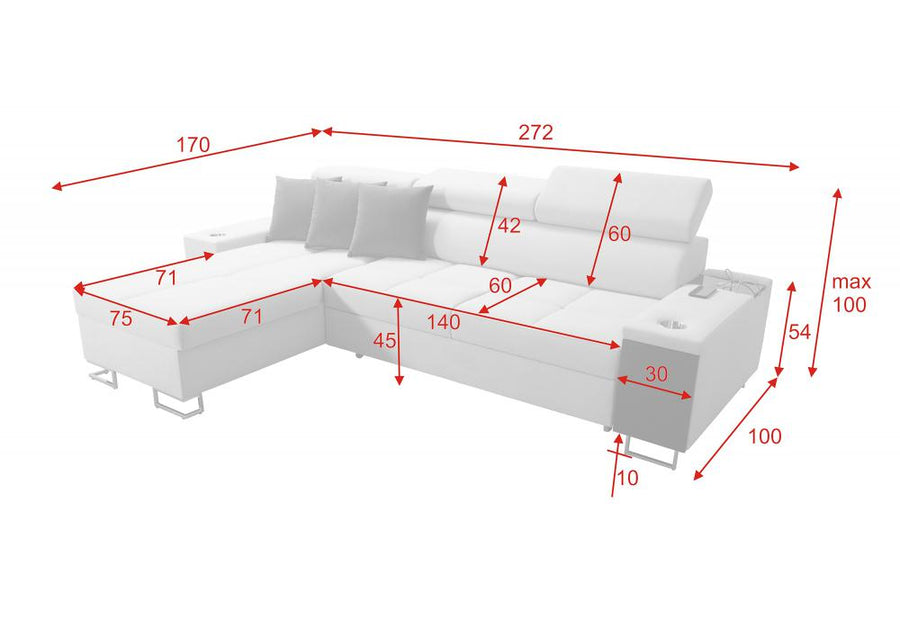
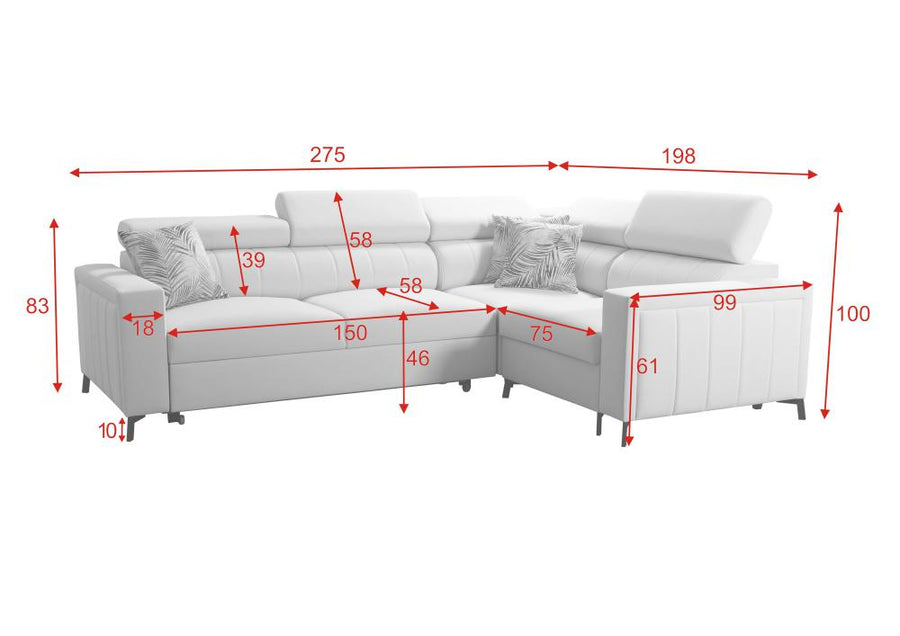
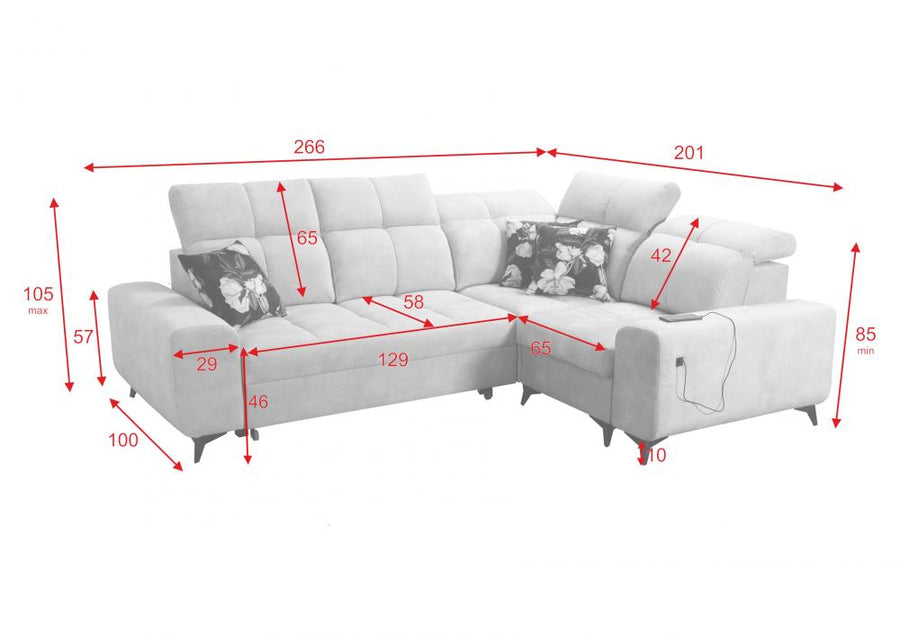
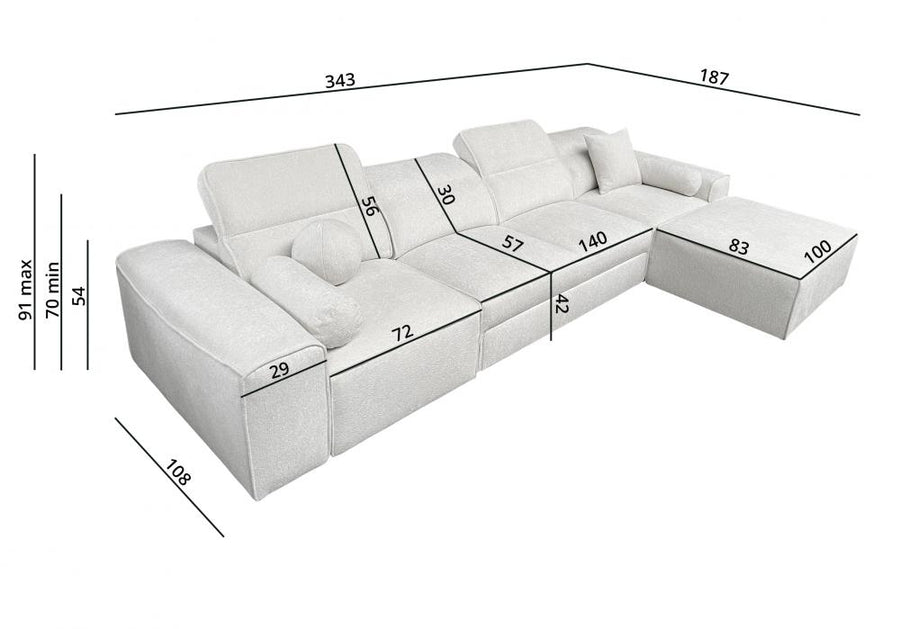
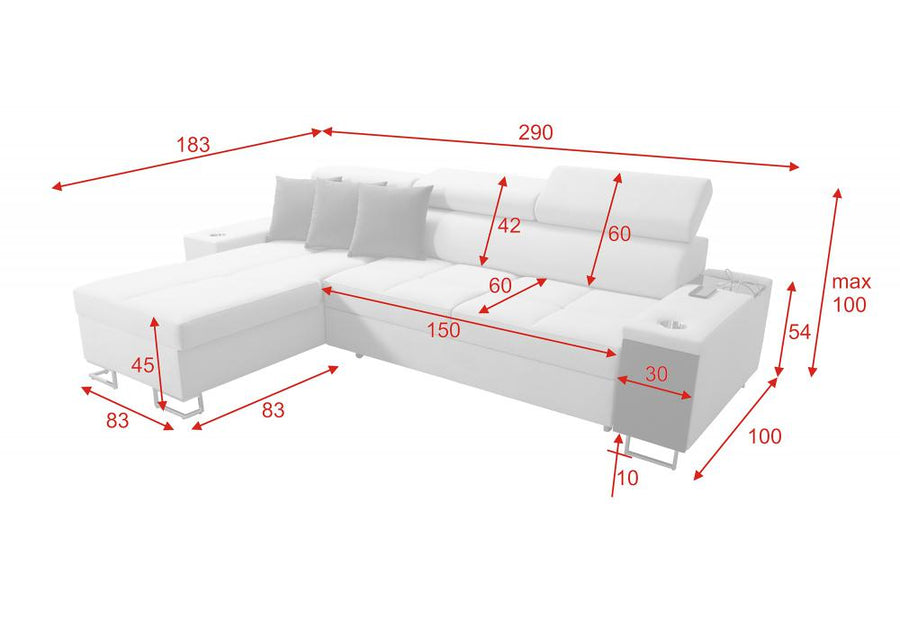
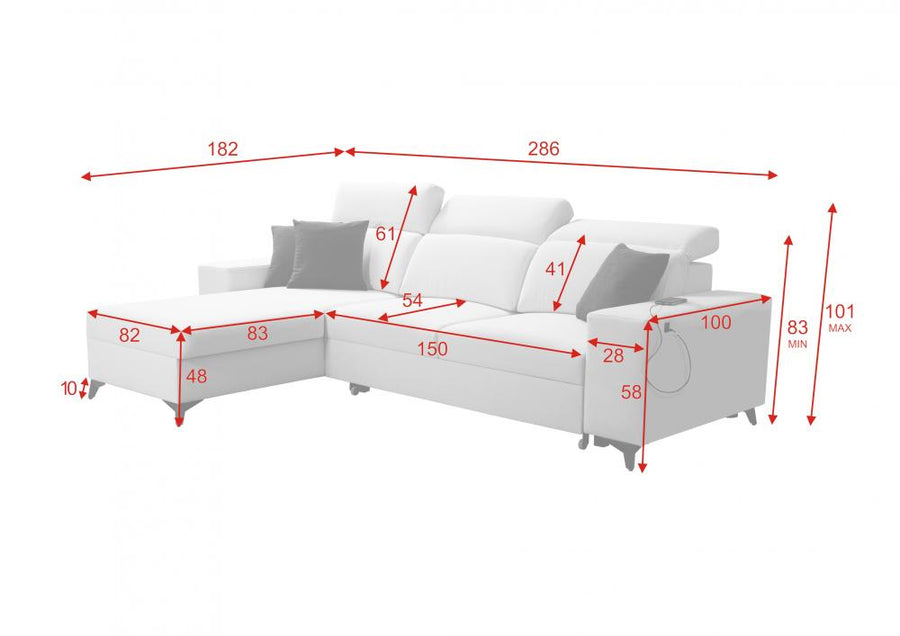
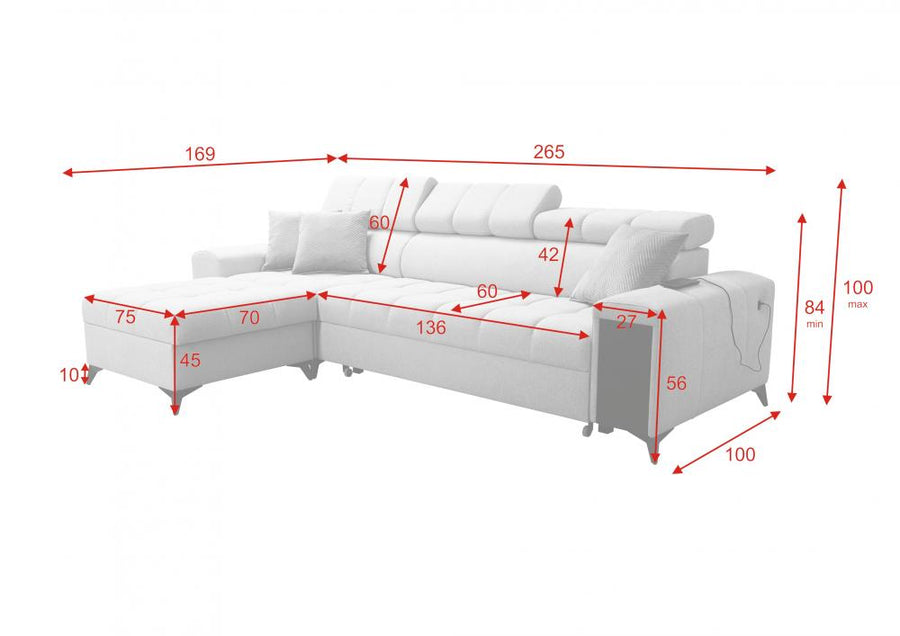
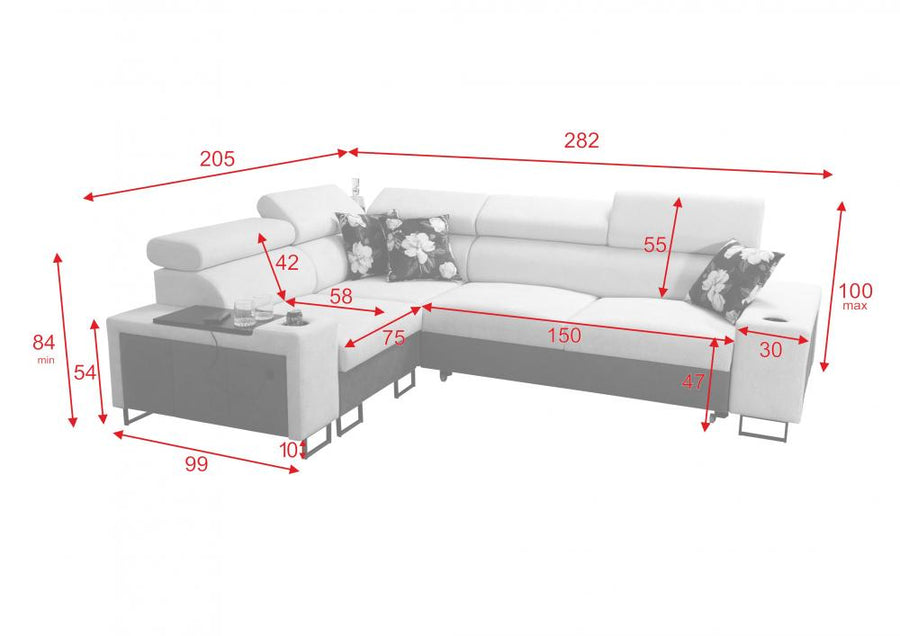
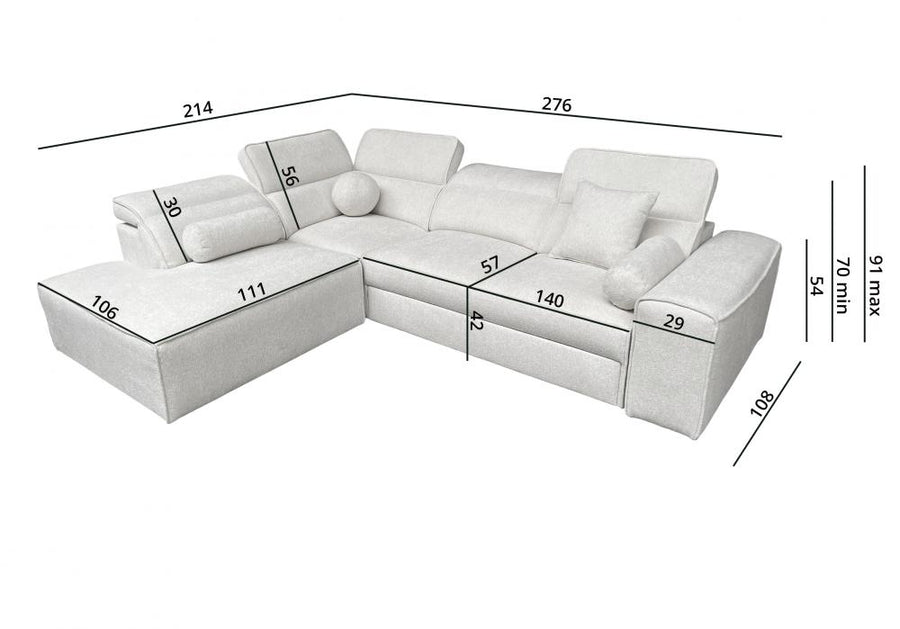
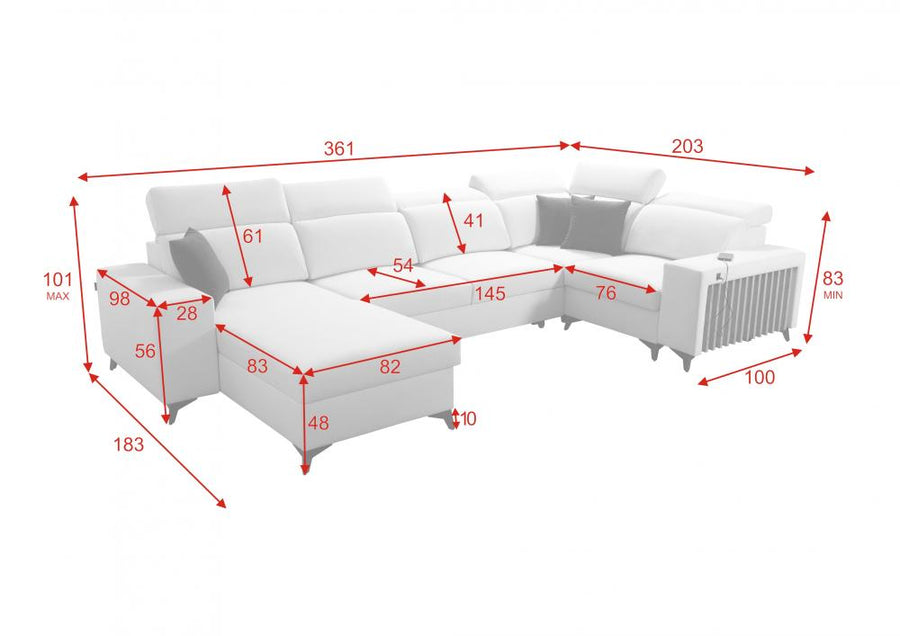
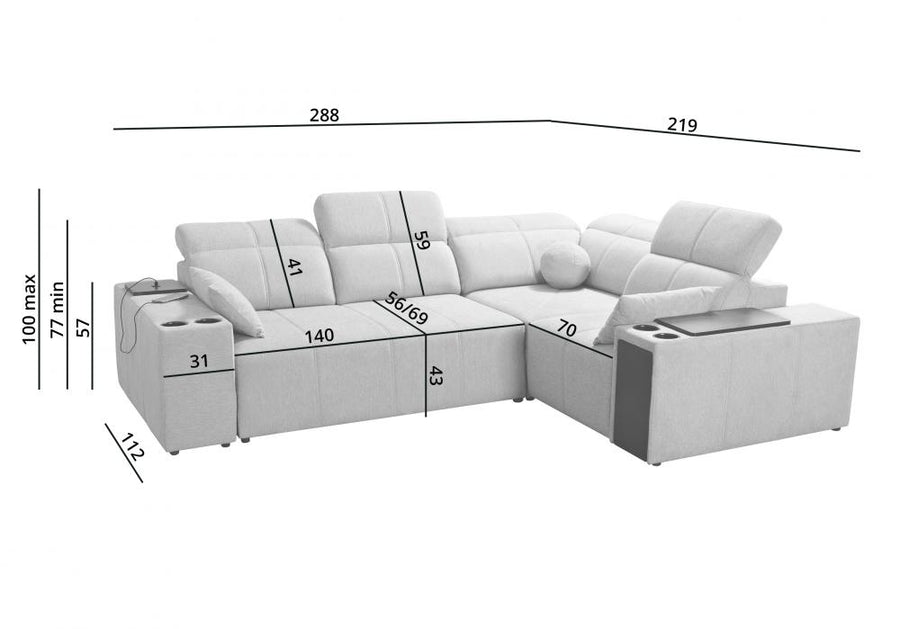
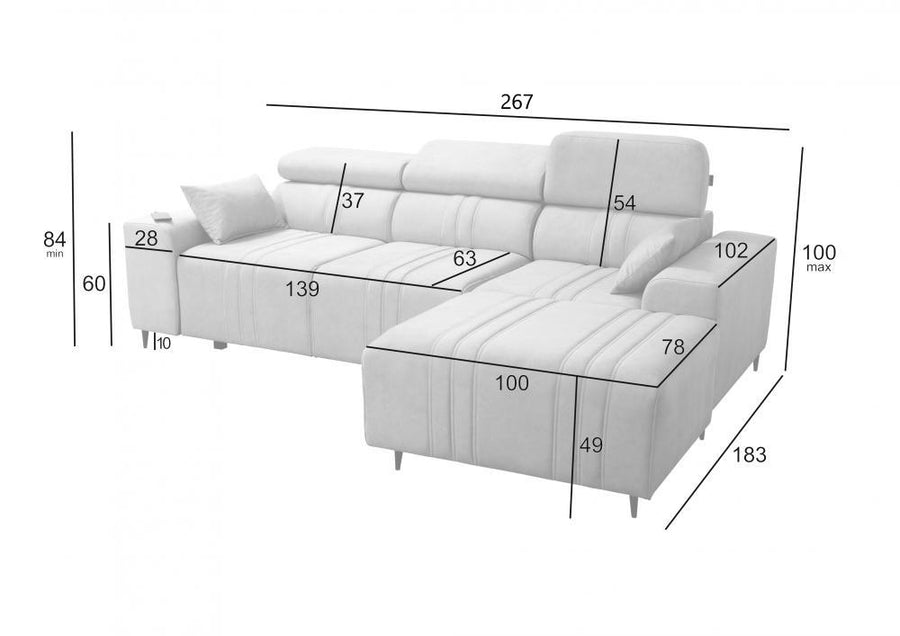
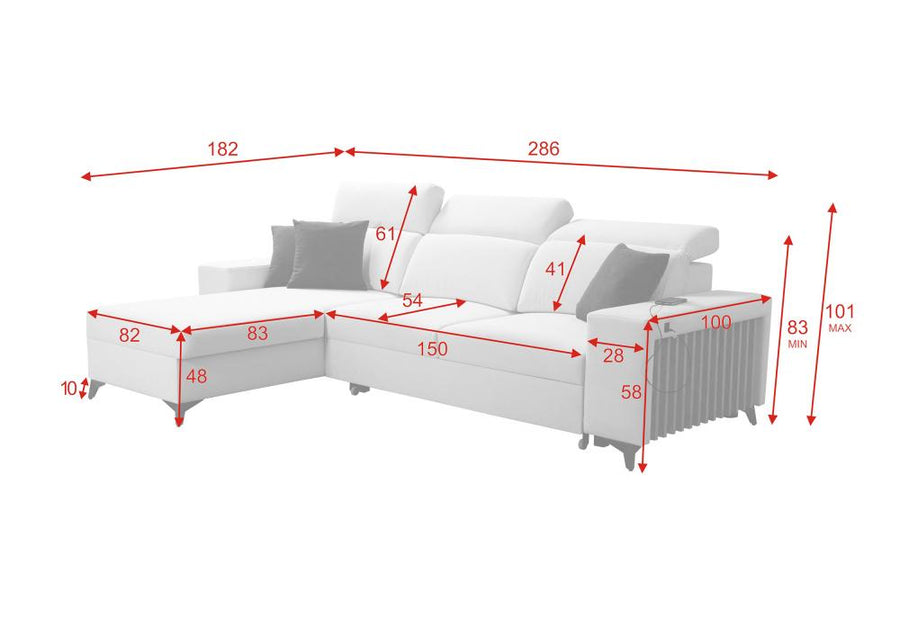
- Overall dimensions: This is the total footprint of the sofa . It includes the armrests, the backrest when reclined, and any overhangs. This is the volume the piece of furniture will physically occupy in the room.
- Seat dimensions: This is the actual usable seating space. The seat width (excluding armrests) determines the number of people it can accommodate, while the seat depth defines postural comfort.
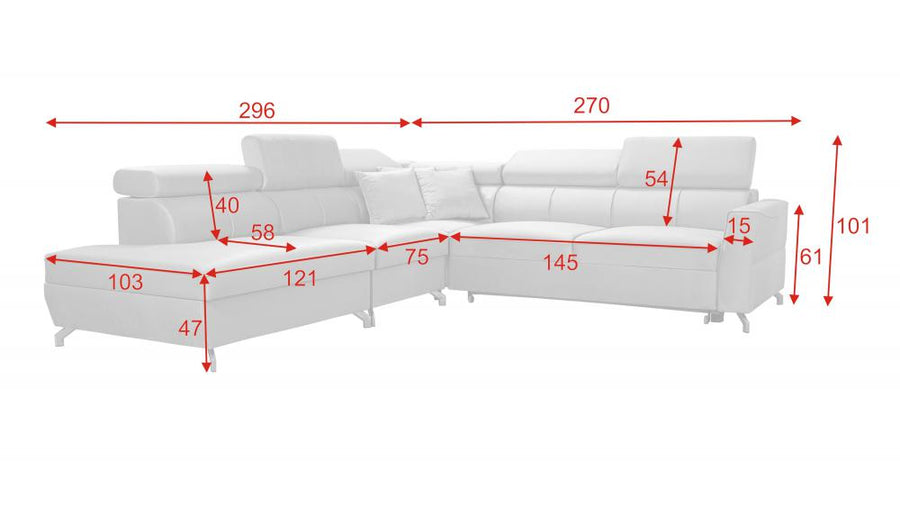
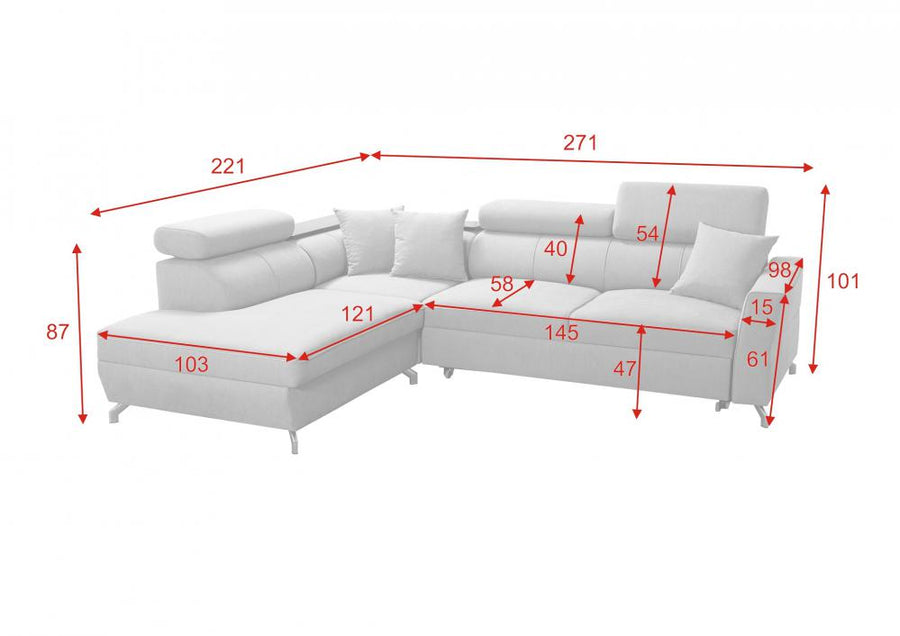
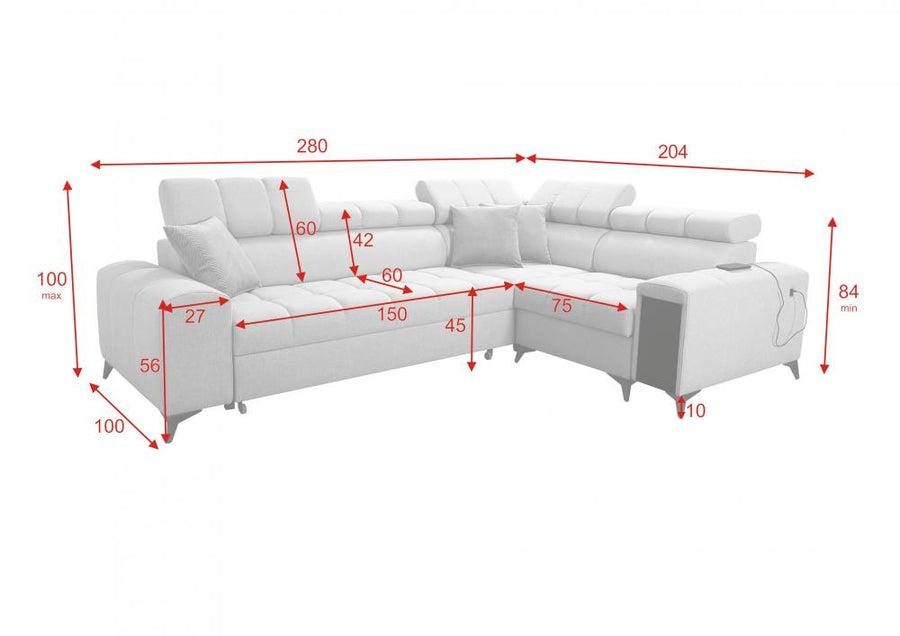
Reading the triptych L x H x D
In the industry, the standard format is always Length x Height x Depth.
- Sofa width/length: This is the front of the piece of furniture.
- Depth: This is the distance from the front edge to the back wall.
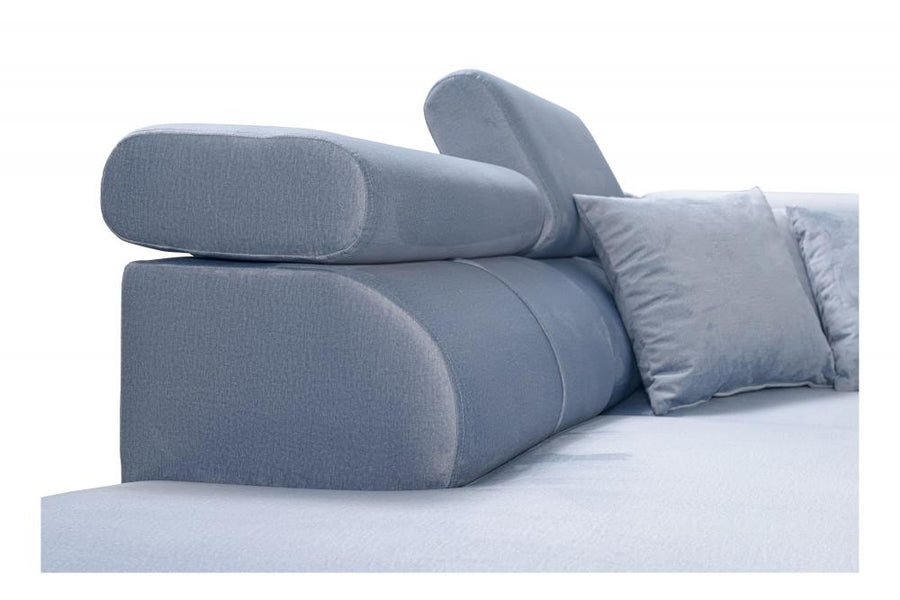
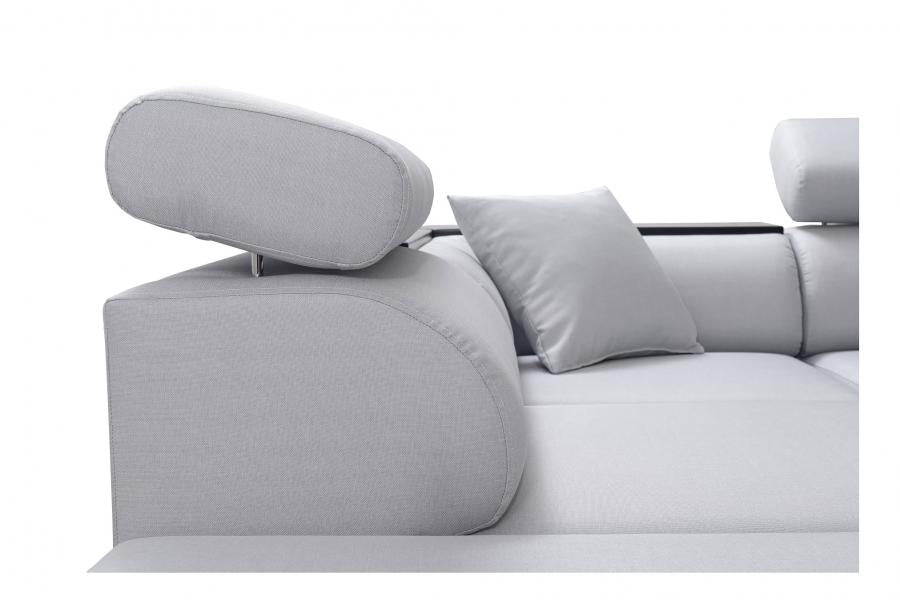
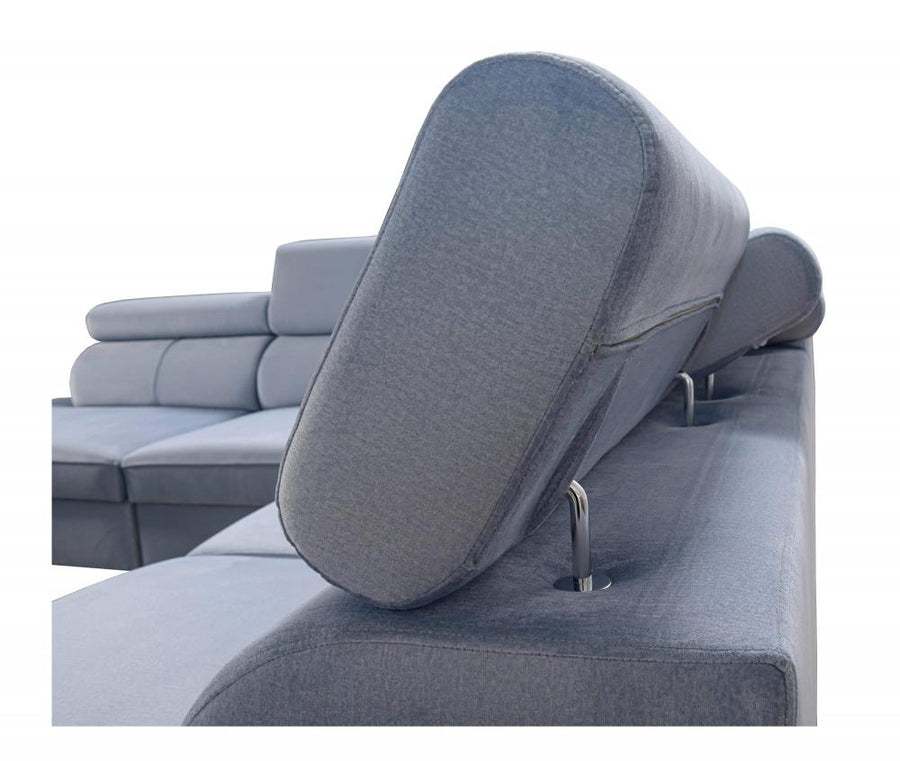
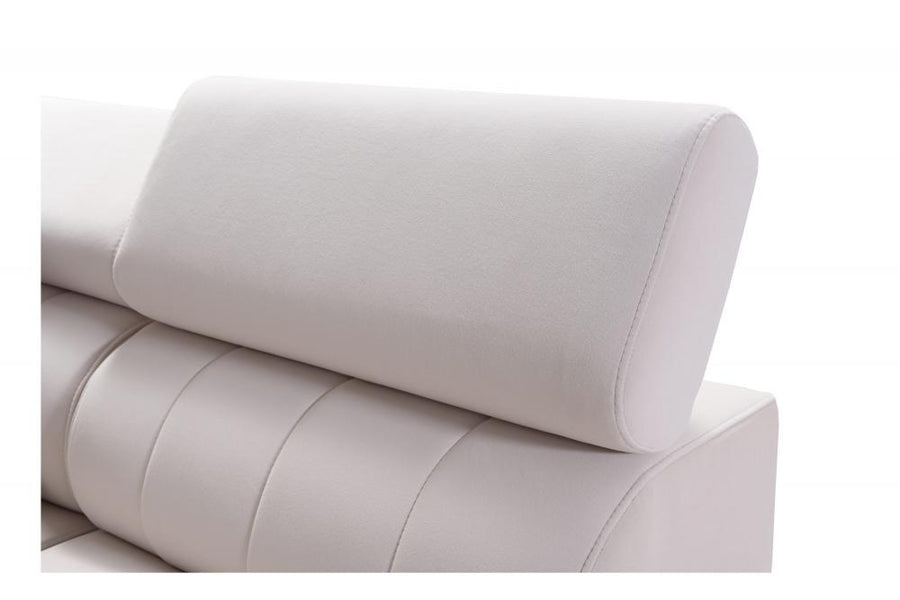
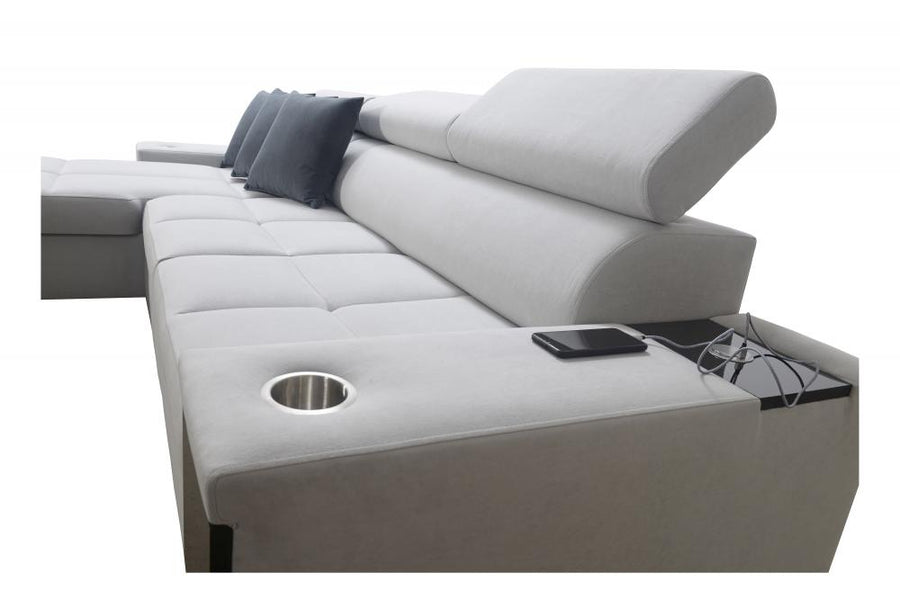
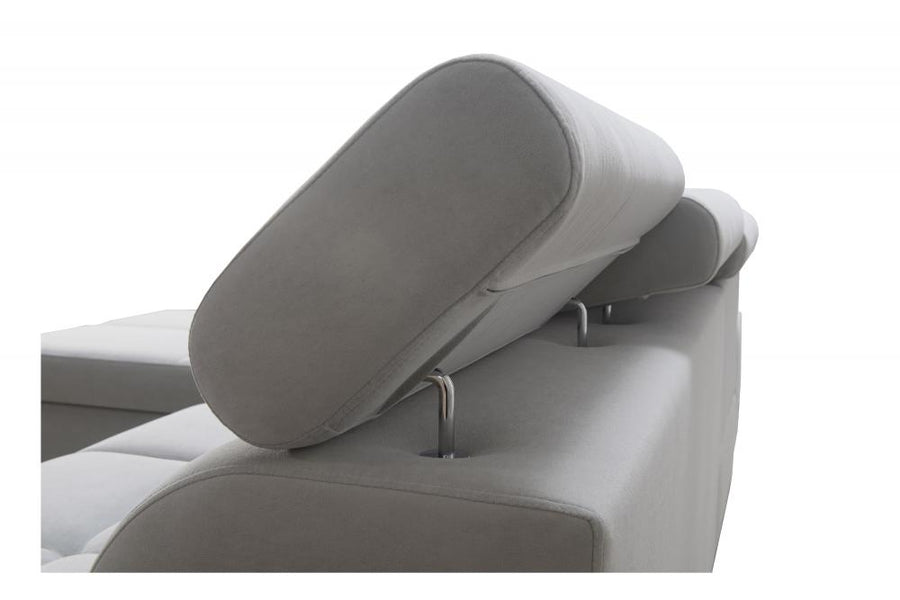
- Height: From the ground to the highest point of the structure (beware of headrests).
Market Standards: What Sofa Size Does Each Designation Correspond To?
The terms "2-seater" or "wide angle" can sometimes be unclear. To help you confirm your choice of sofa dimensions , here is a reference guide to current technical standards. These averages allow you to quickly categorize products.
| Model Type | Average Length (Overall) | Recommended Use |
|---|---|---|
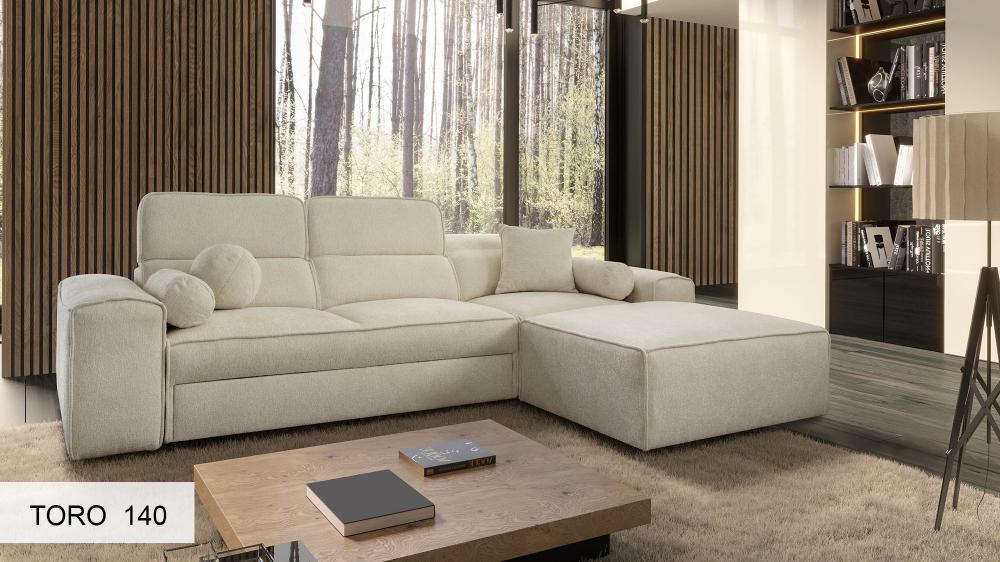
| Mini / 2 Seats | 140 cm to 170 cm | Ideal as a sofa for small spaces or studios. |
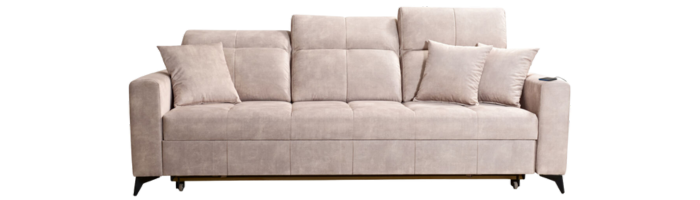
| Standard 3-Seater | 190 cm to 220 cm | The market standard. See our 2 and 3 seater sofas . |
| Large 4-seater | 230 cm to 260 cm | Requires a clear wall. See the 4-seater sofa section. |
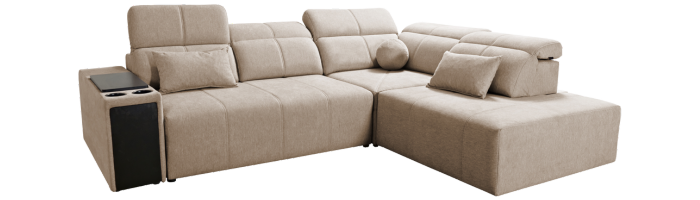
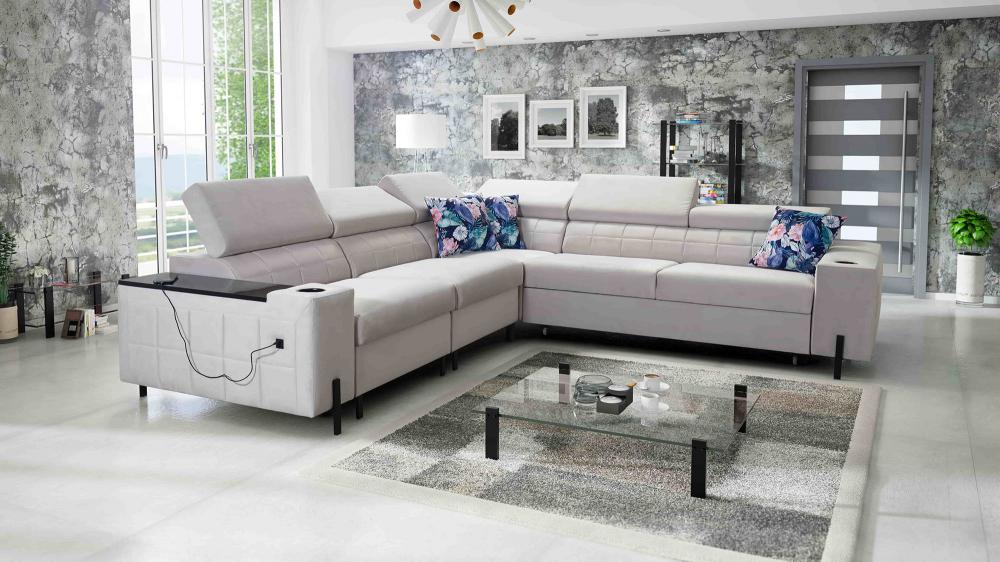
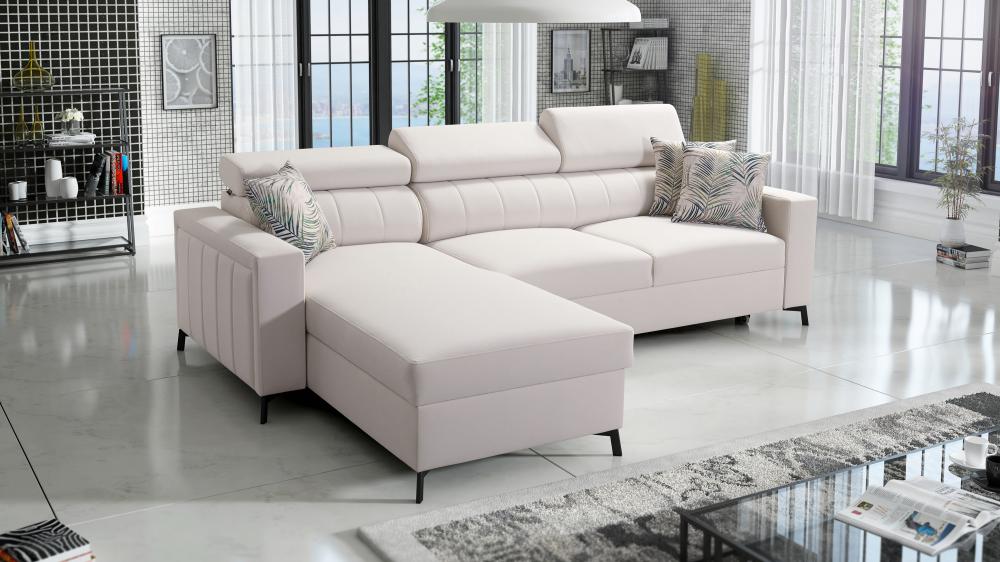
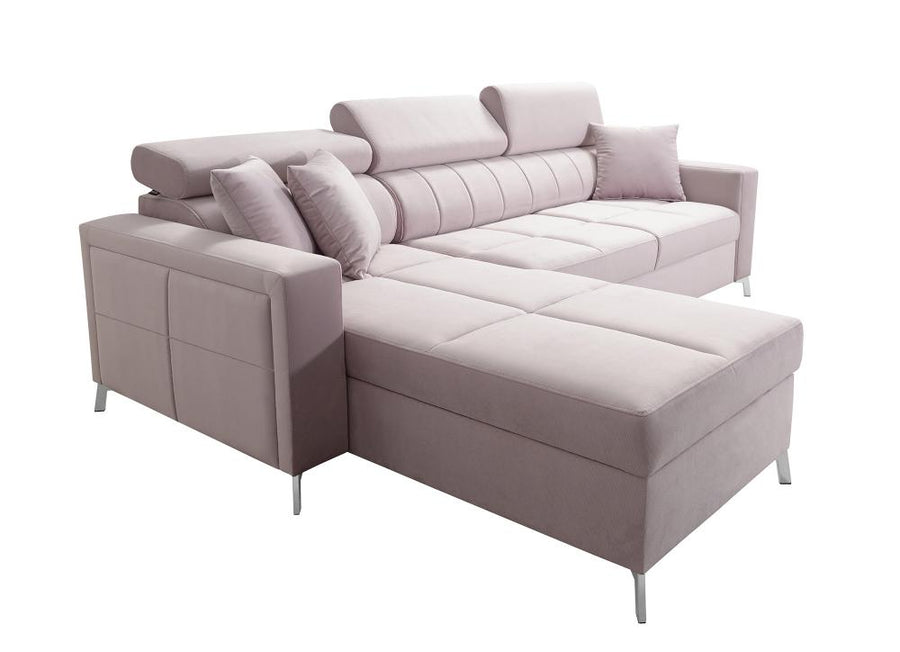
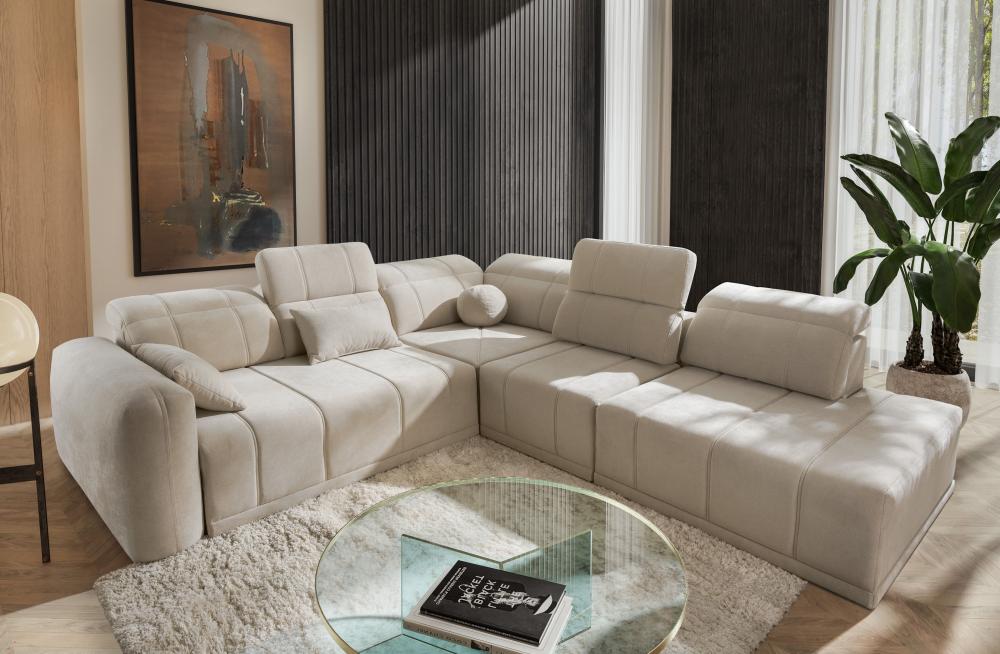
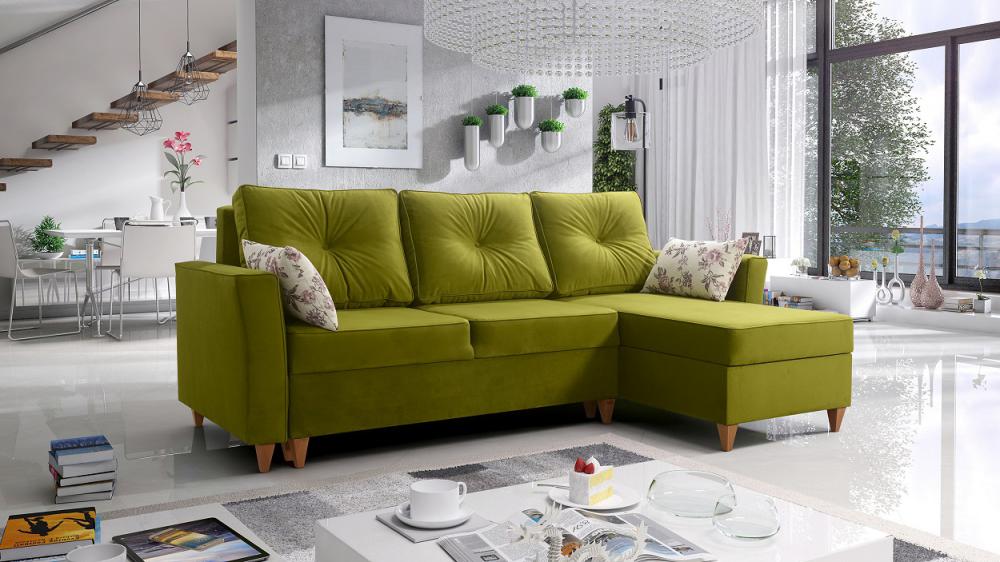
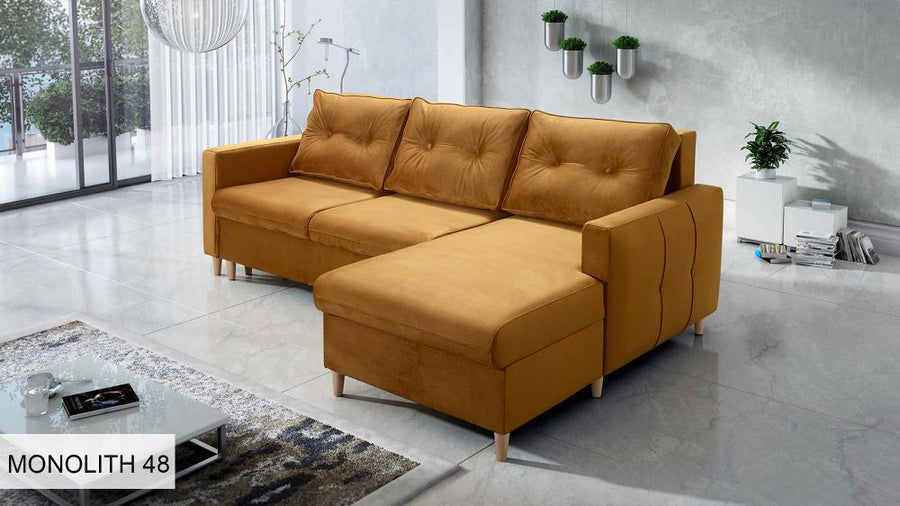
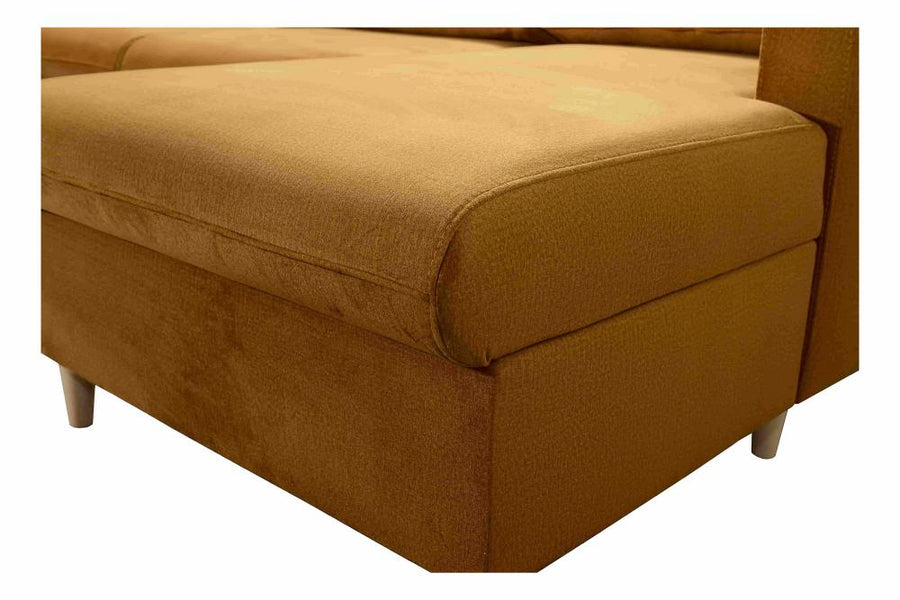
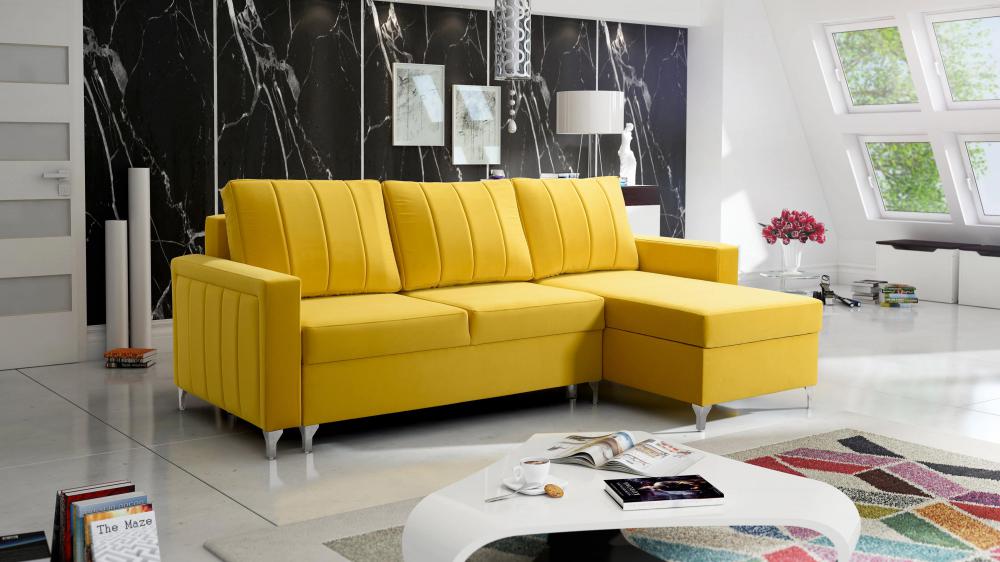
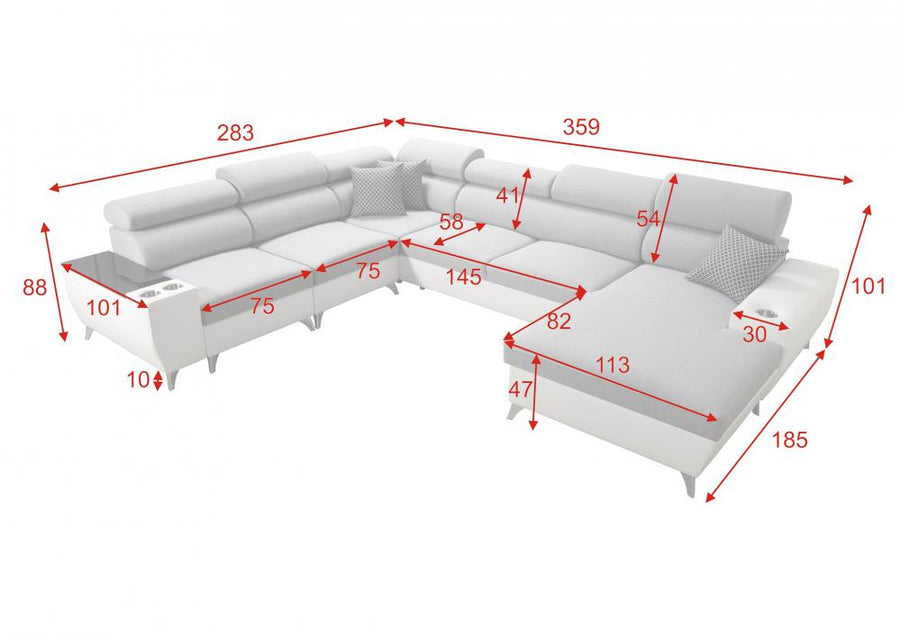
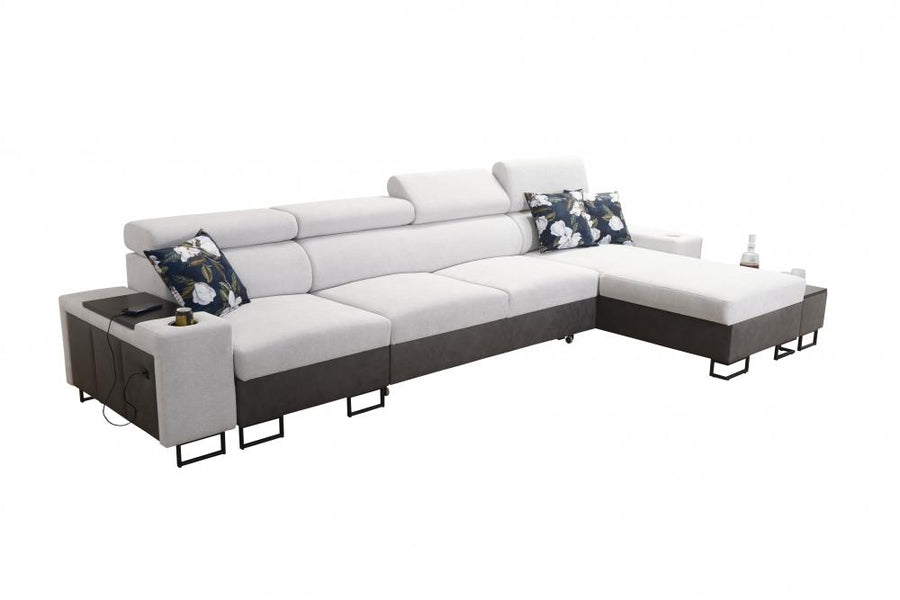
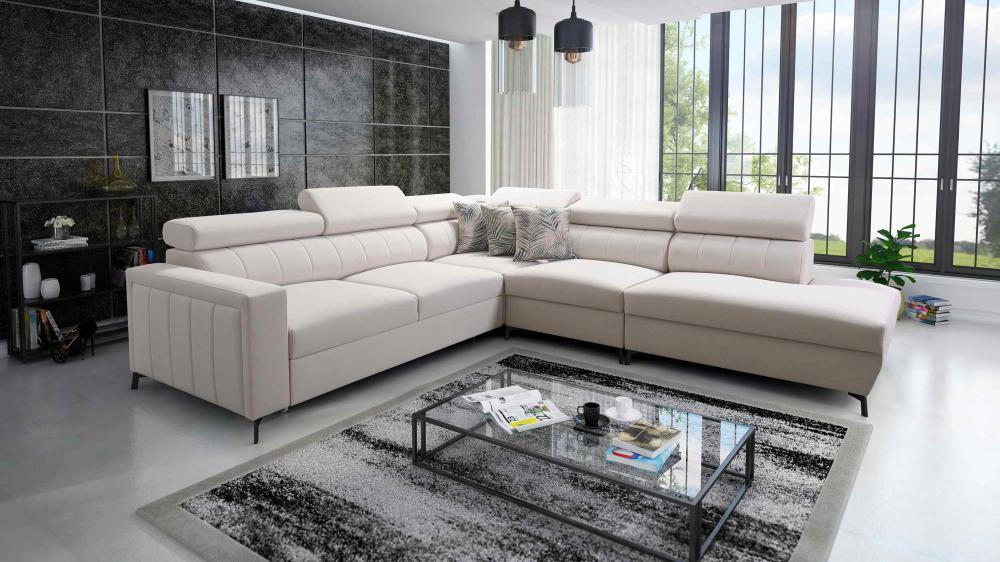
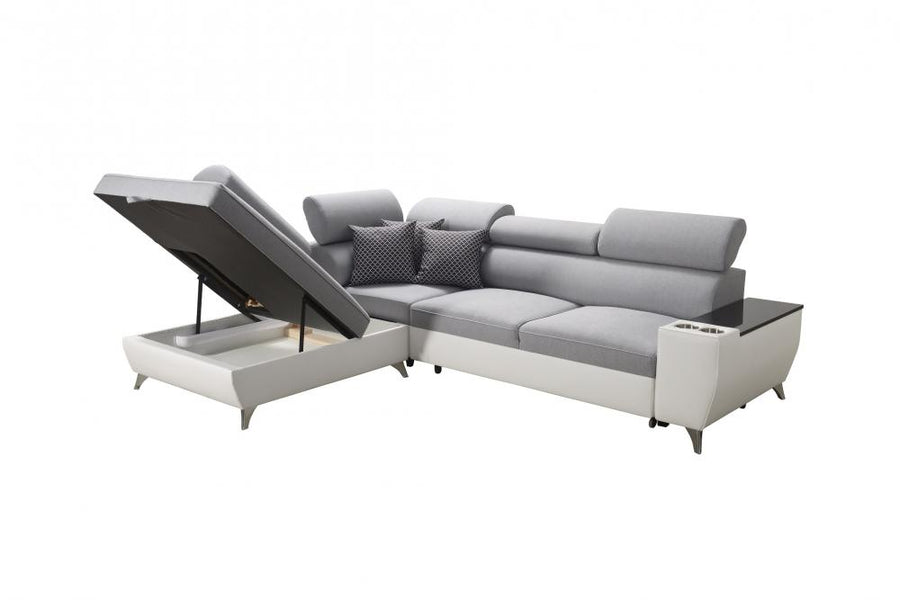
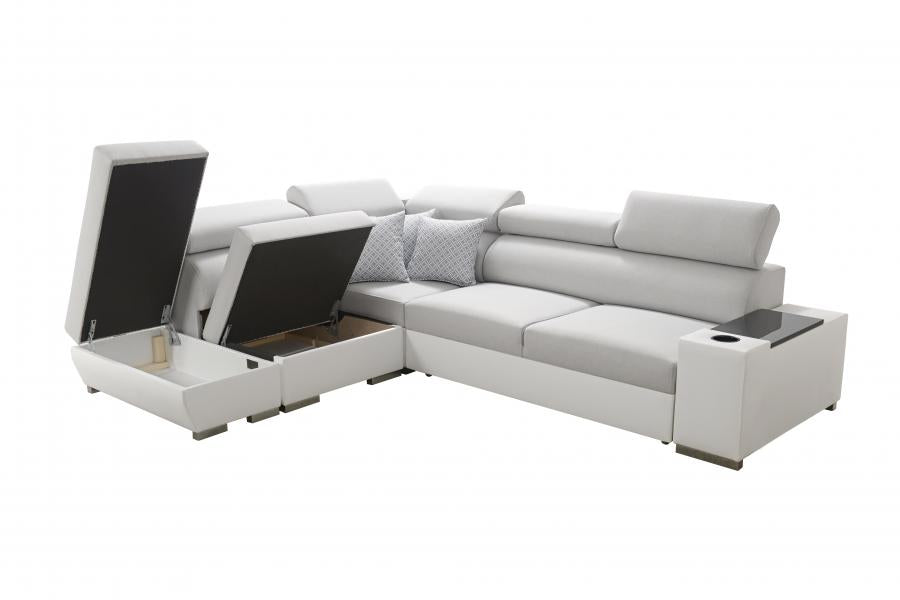
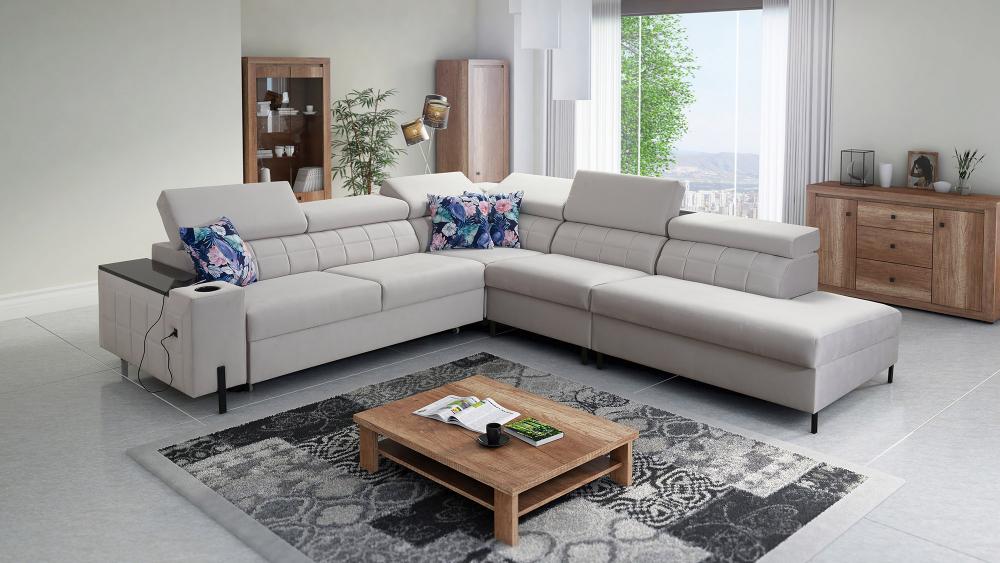
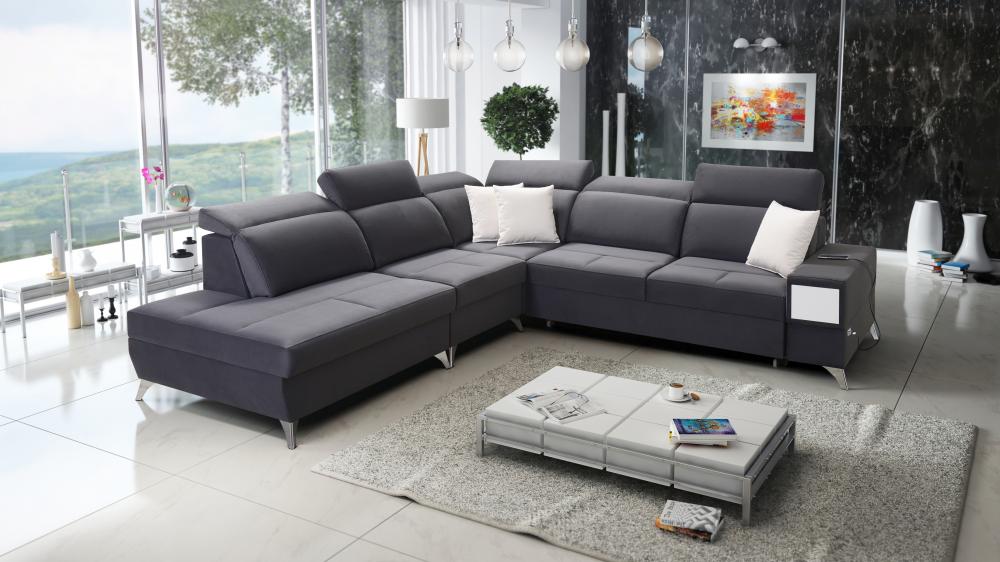
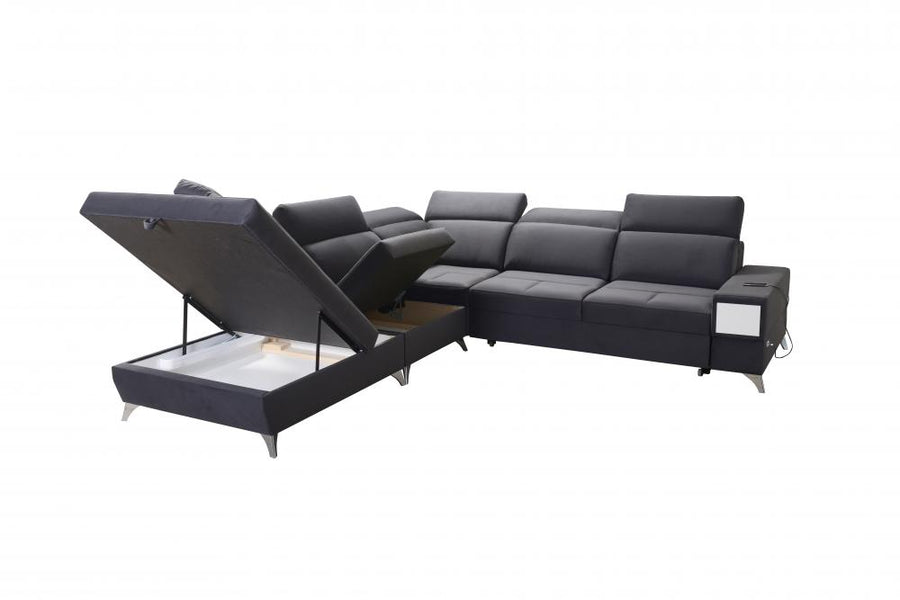
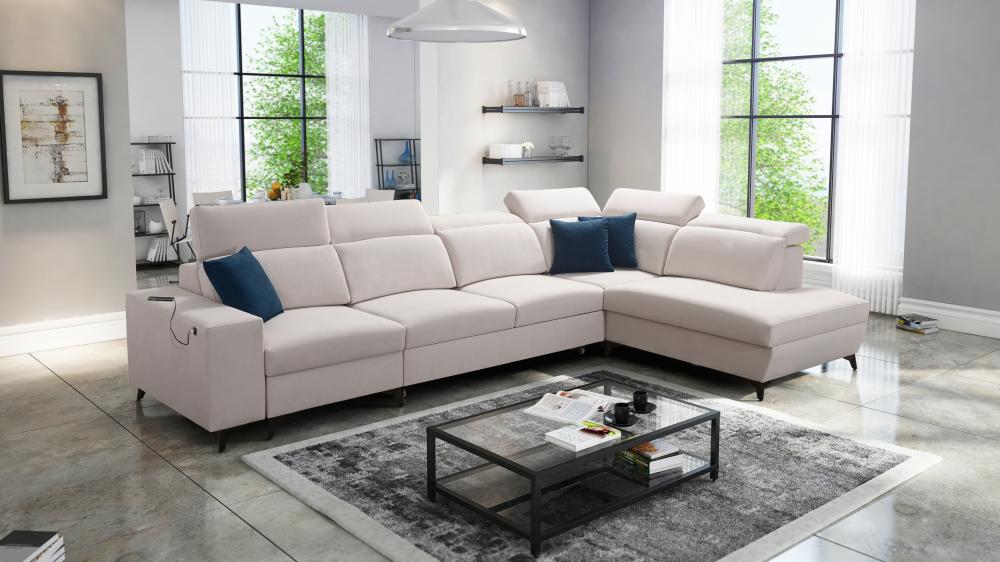
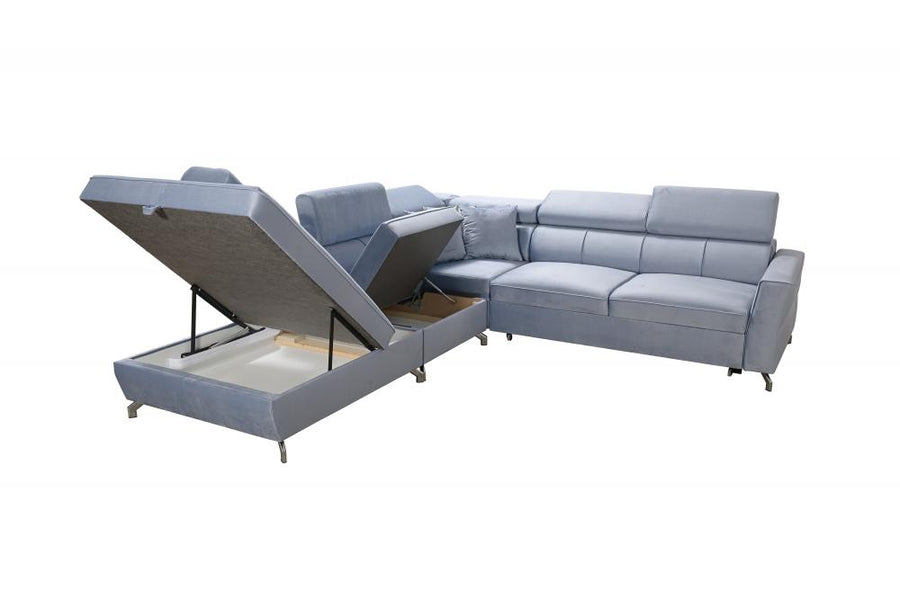
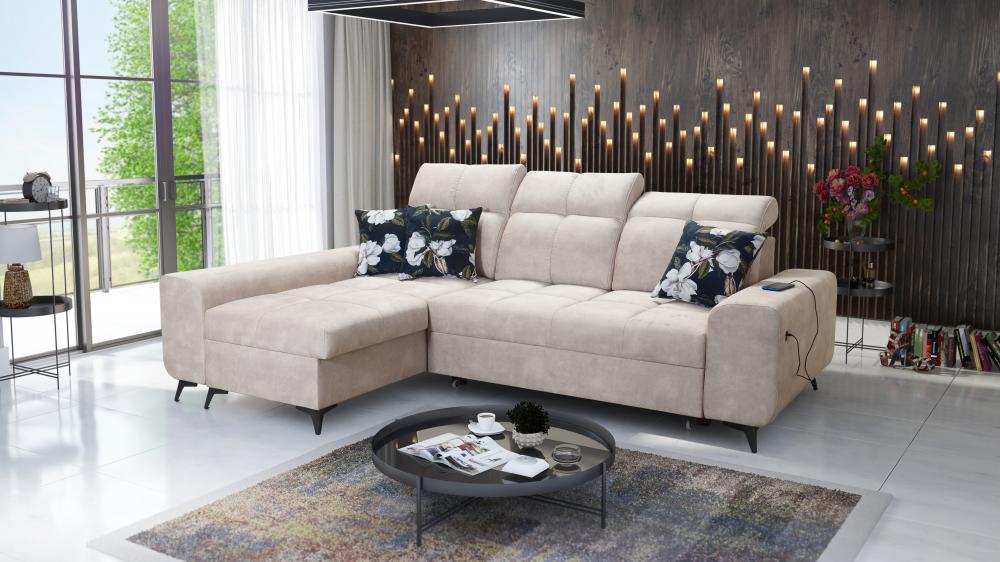
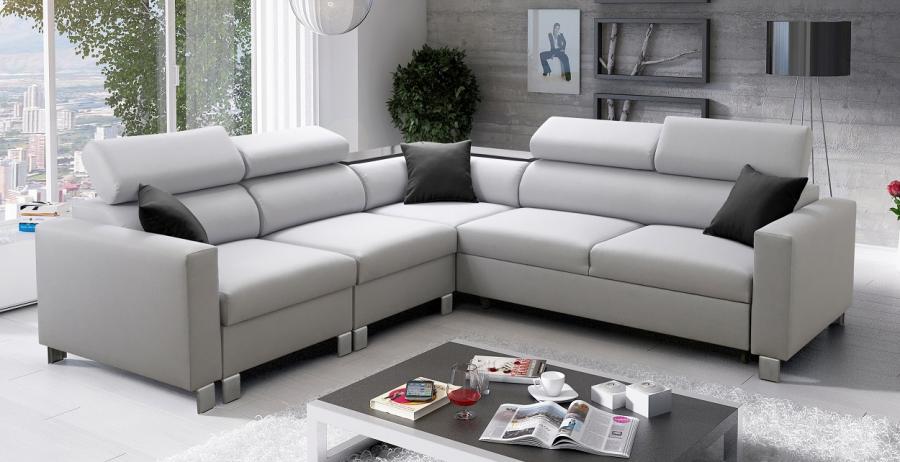
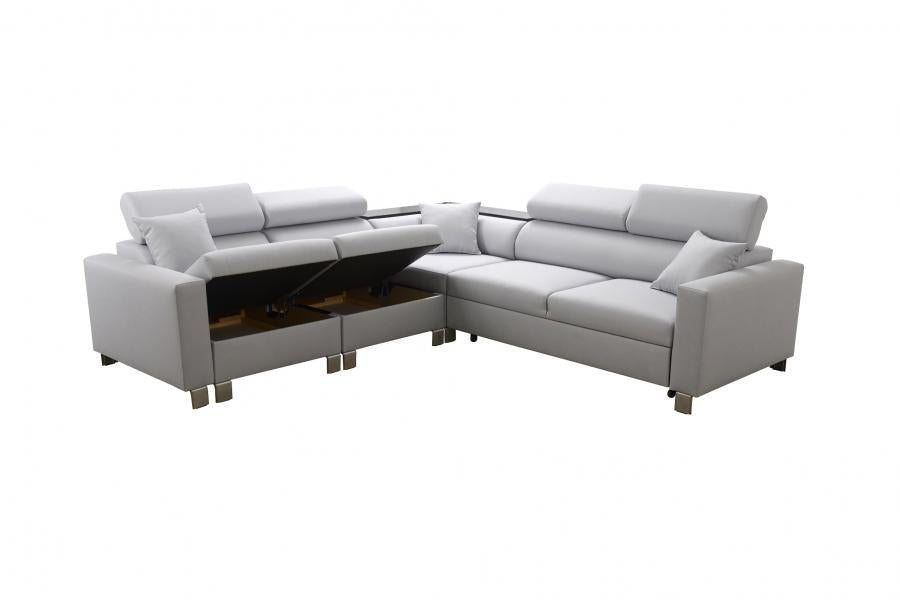
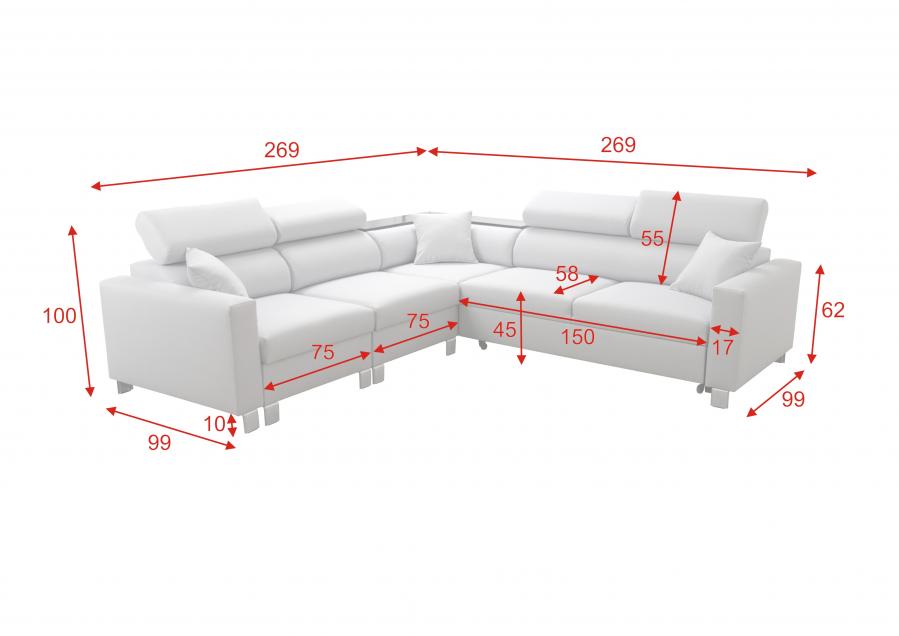
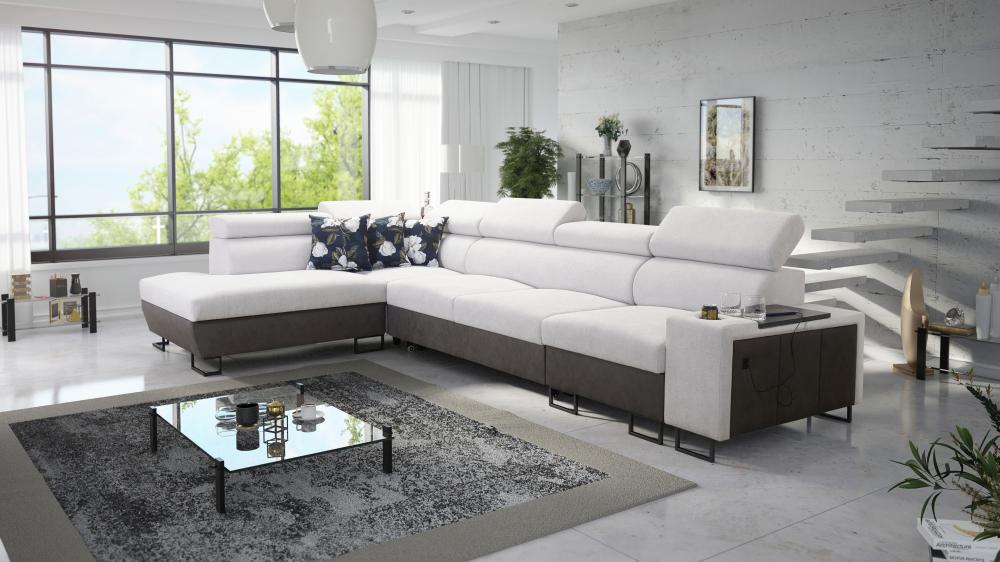
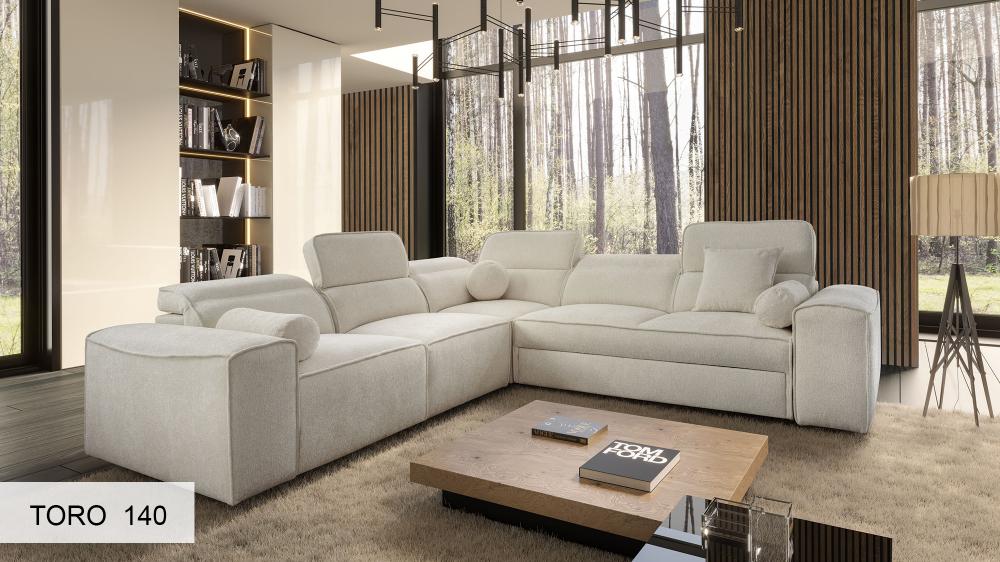
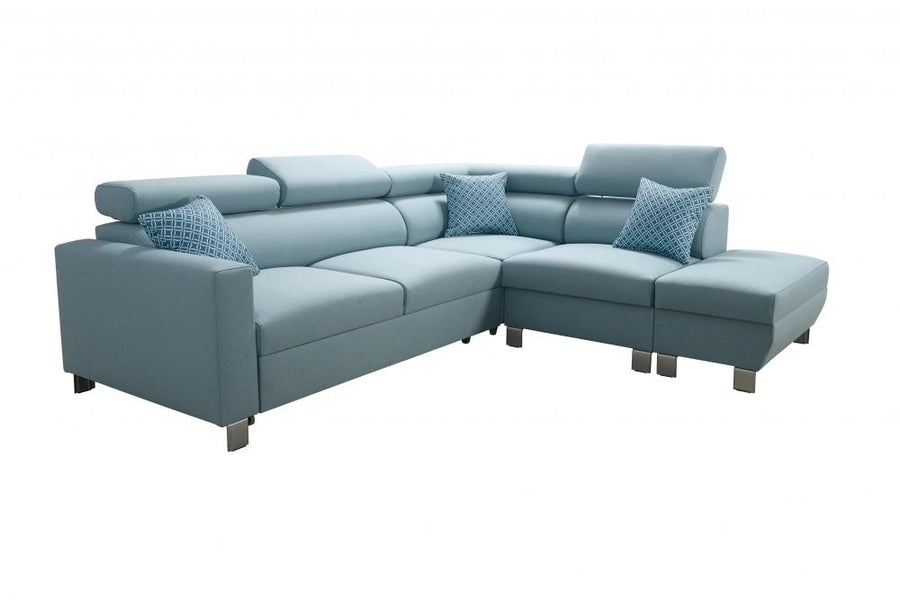
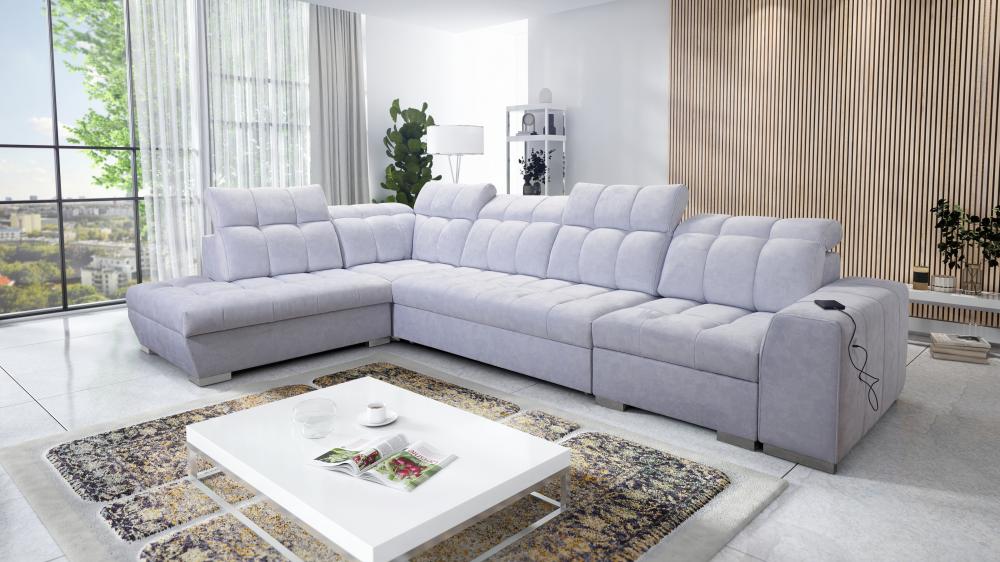
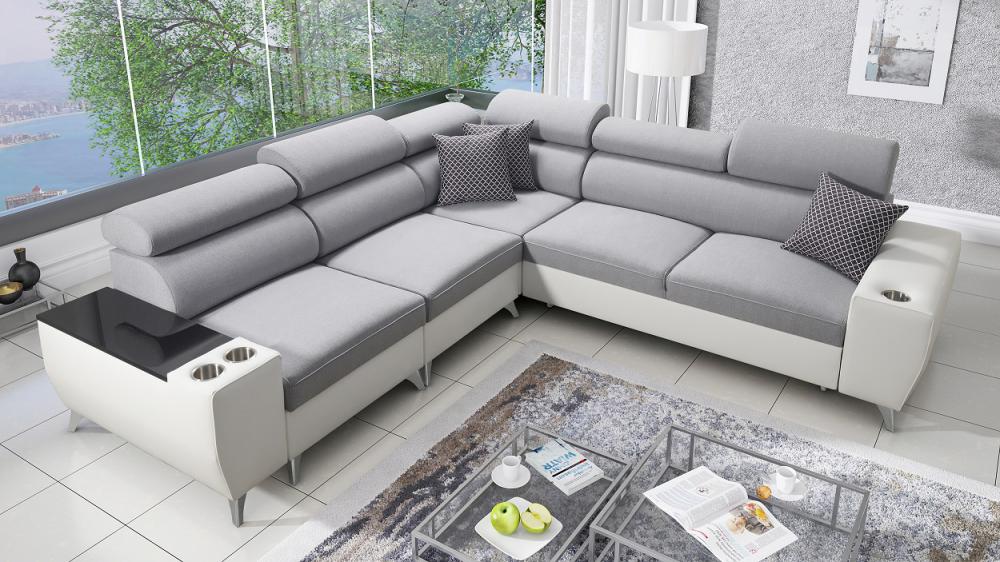
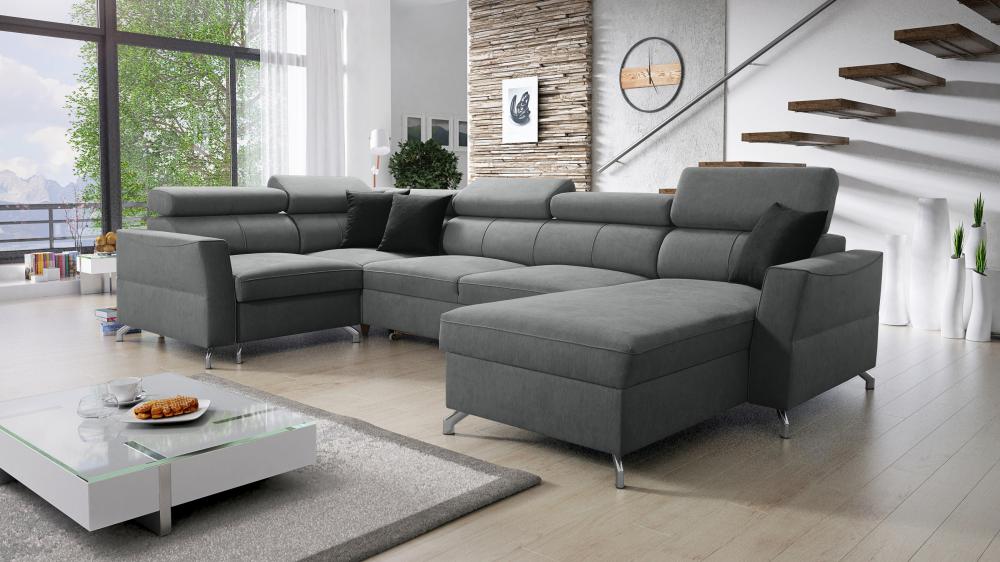
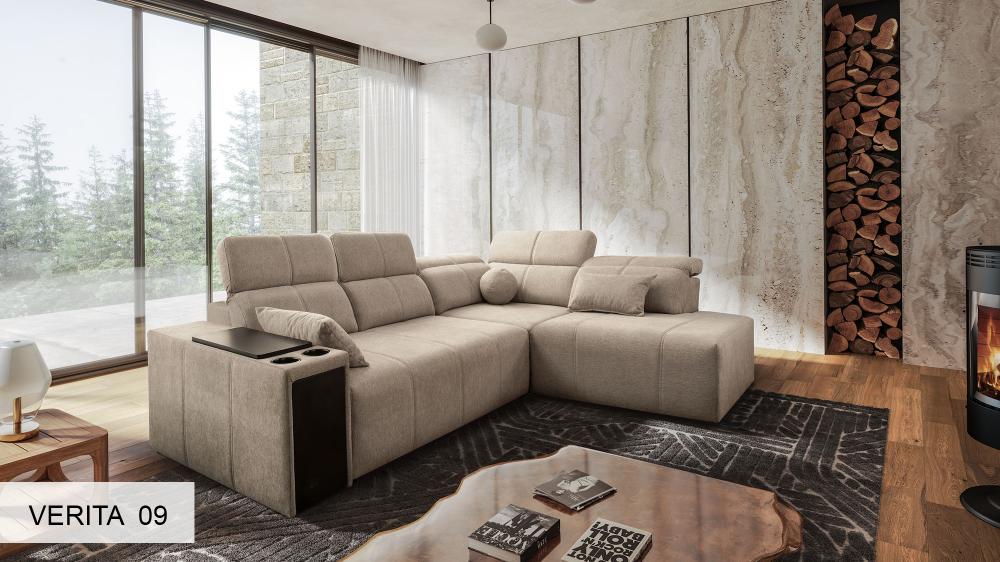
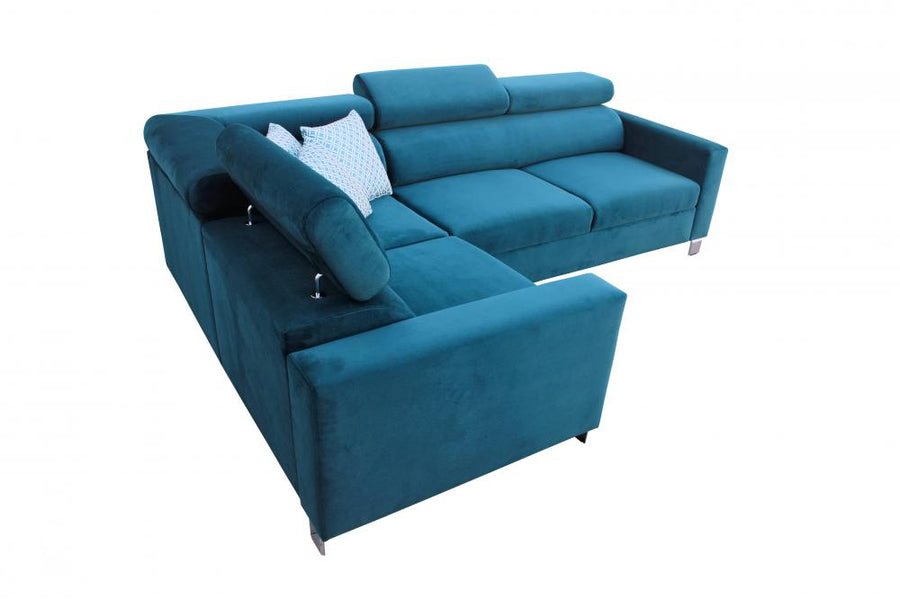
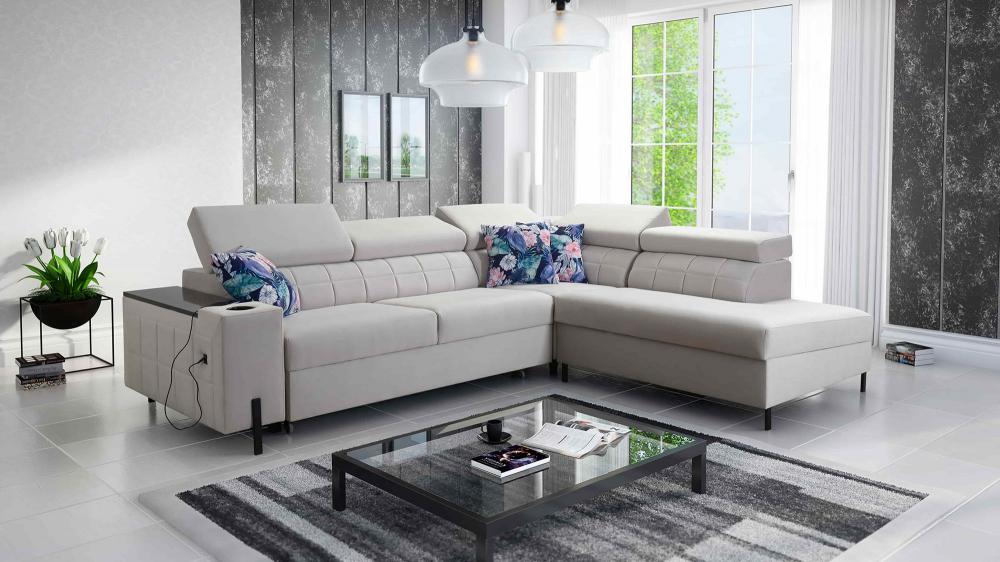
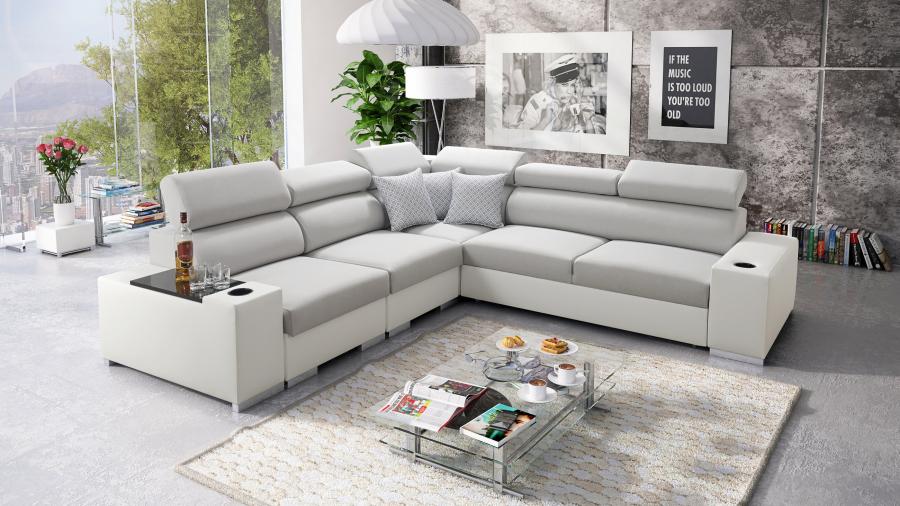
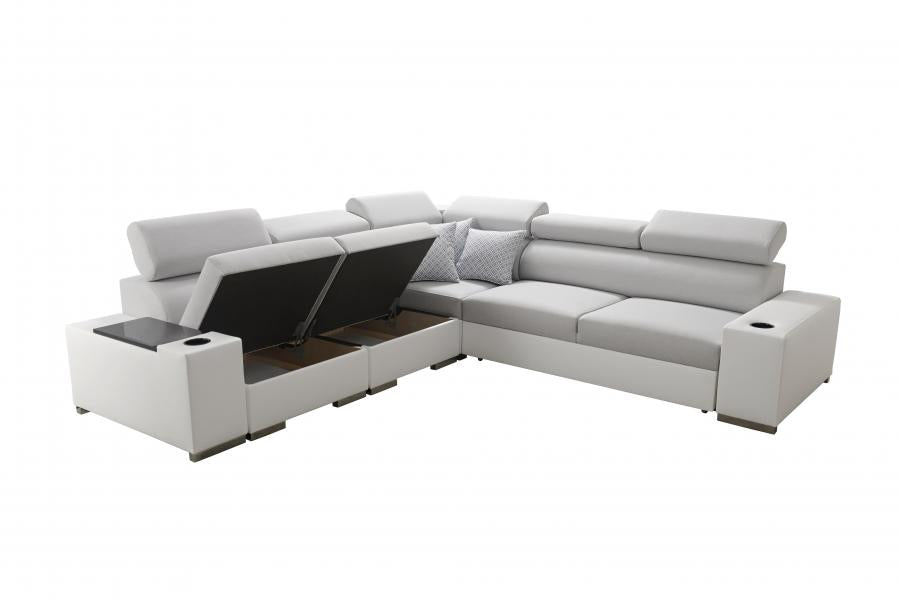
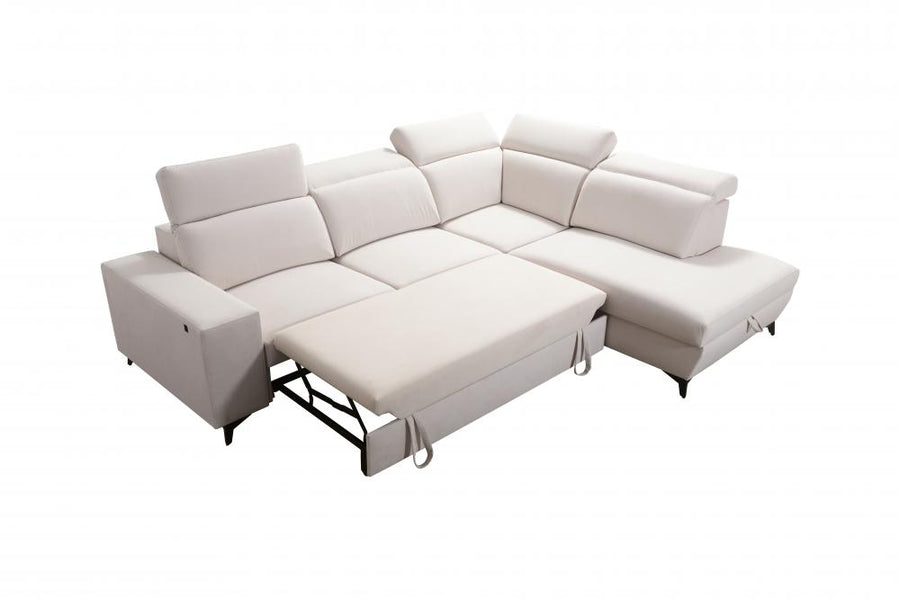
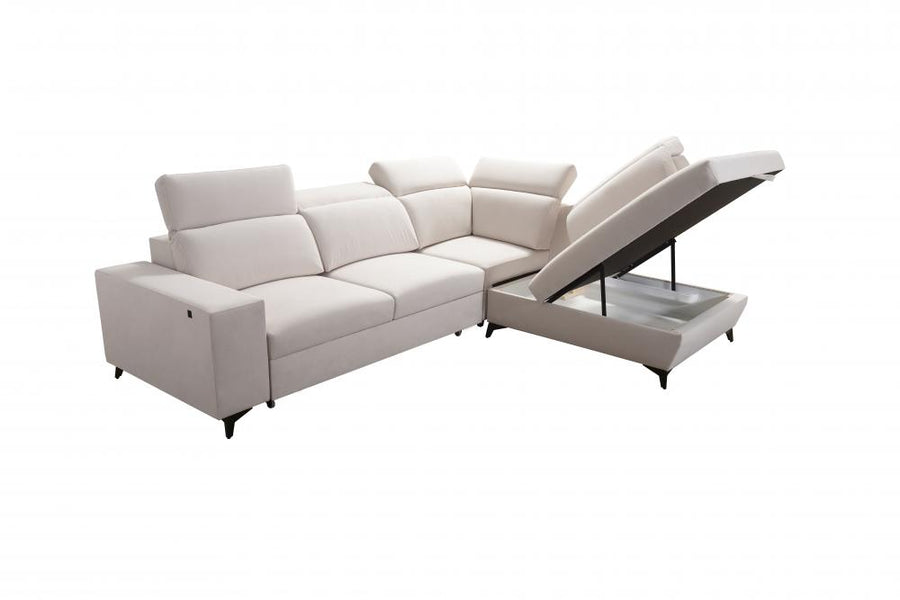
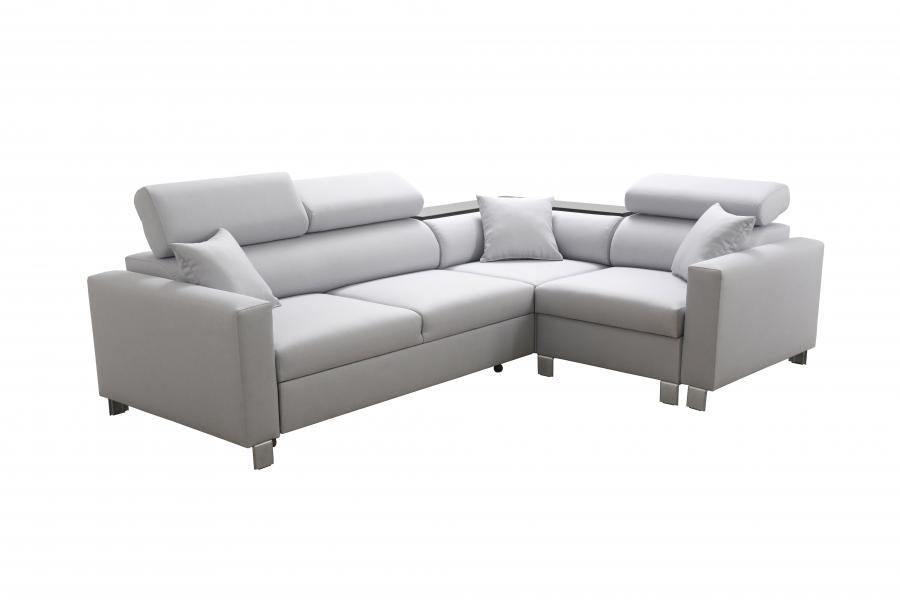
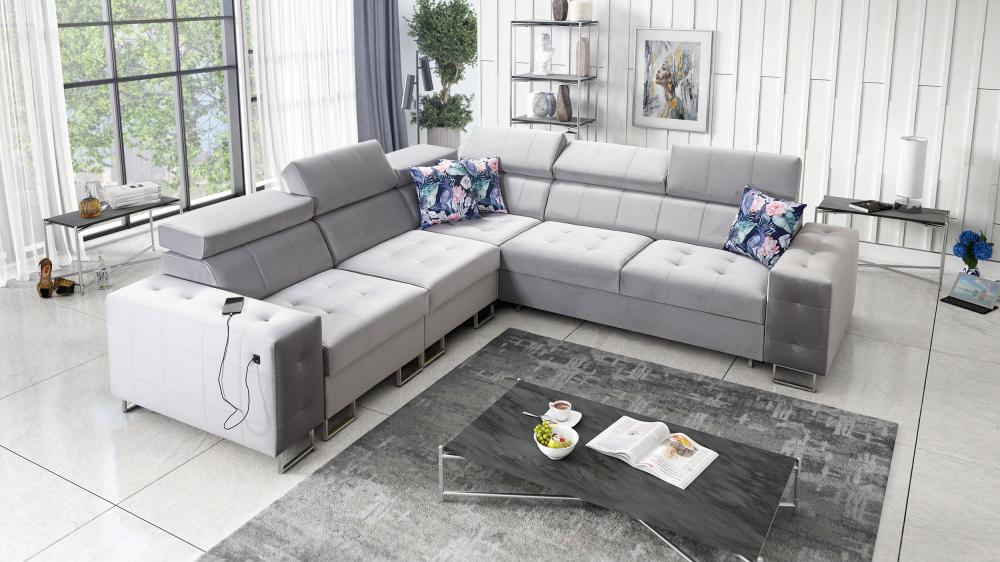
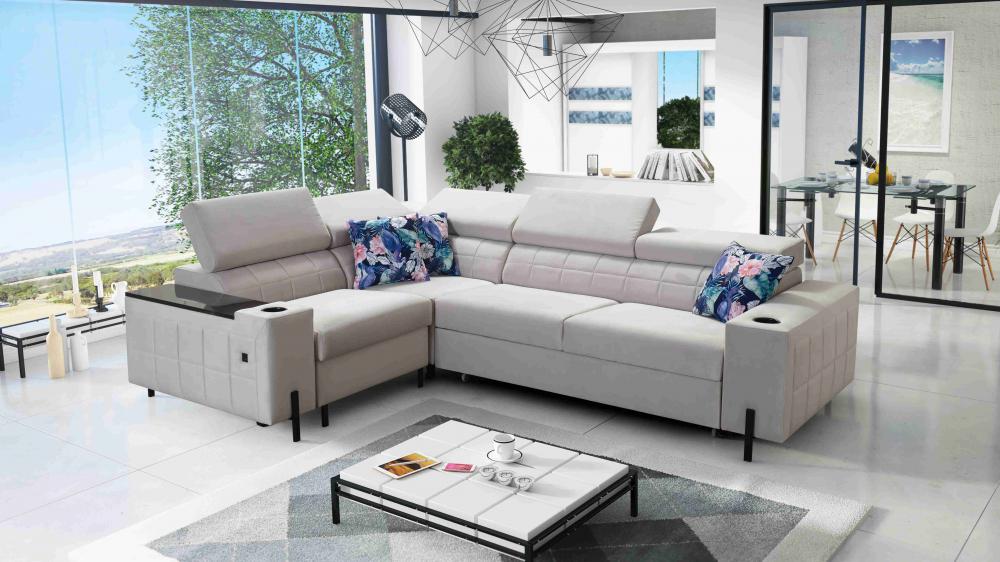
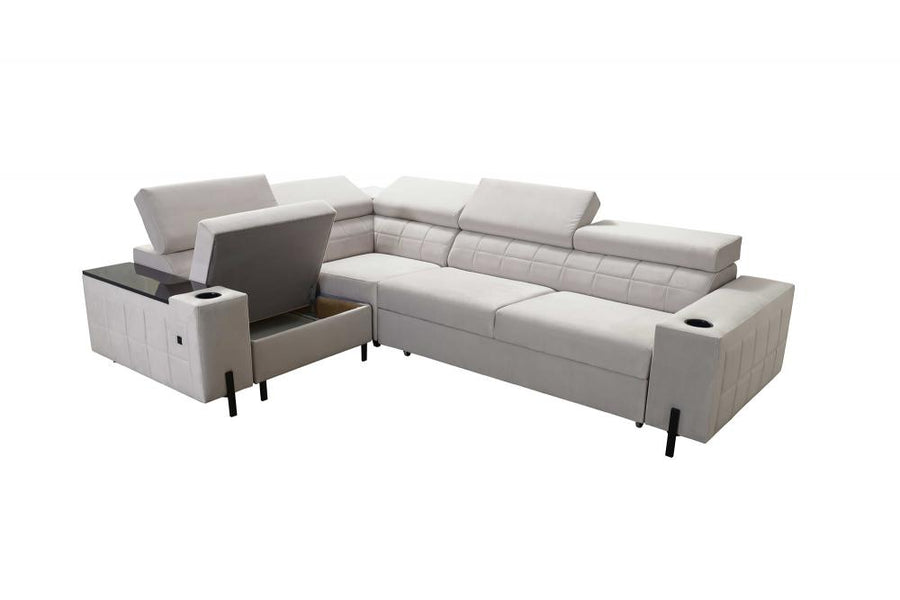
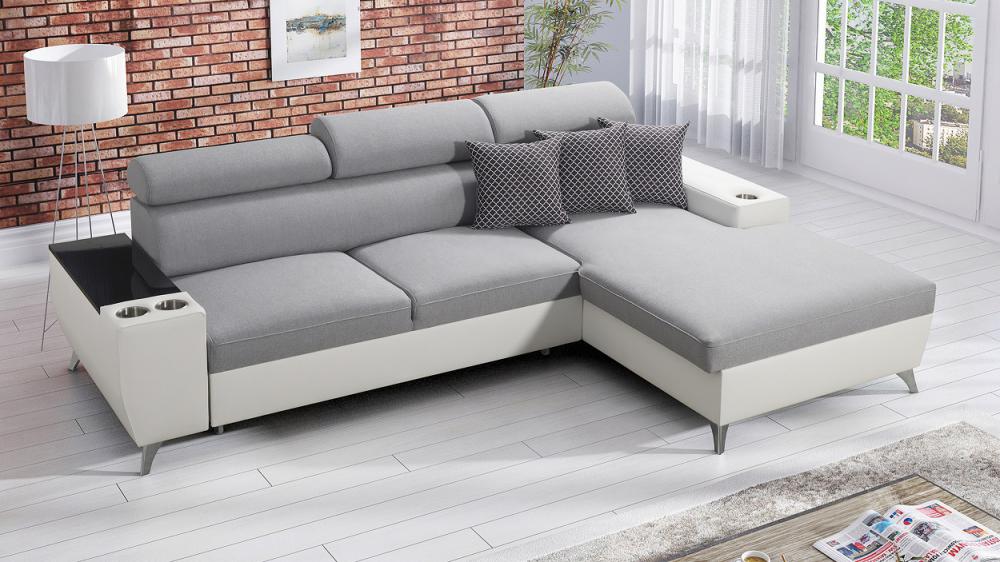
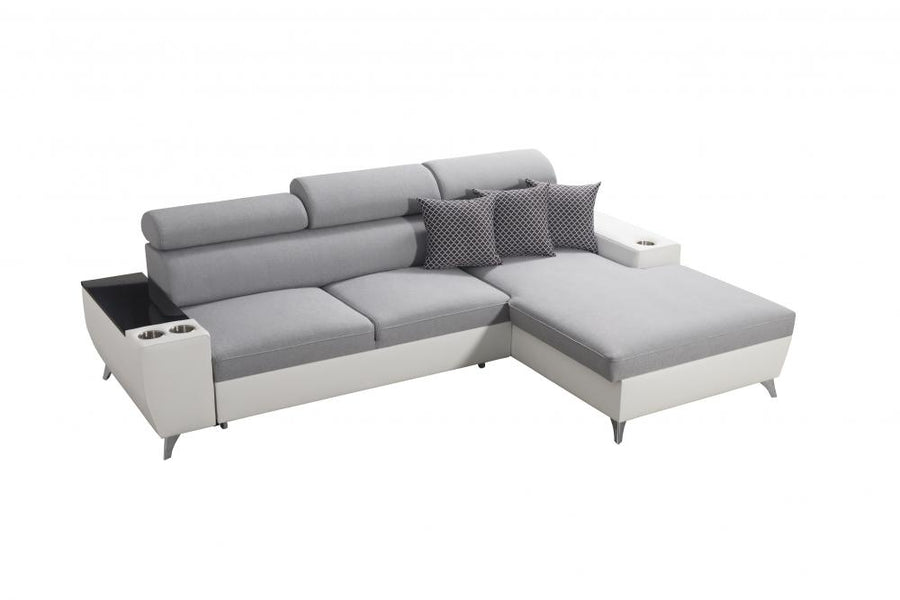
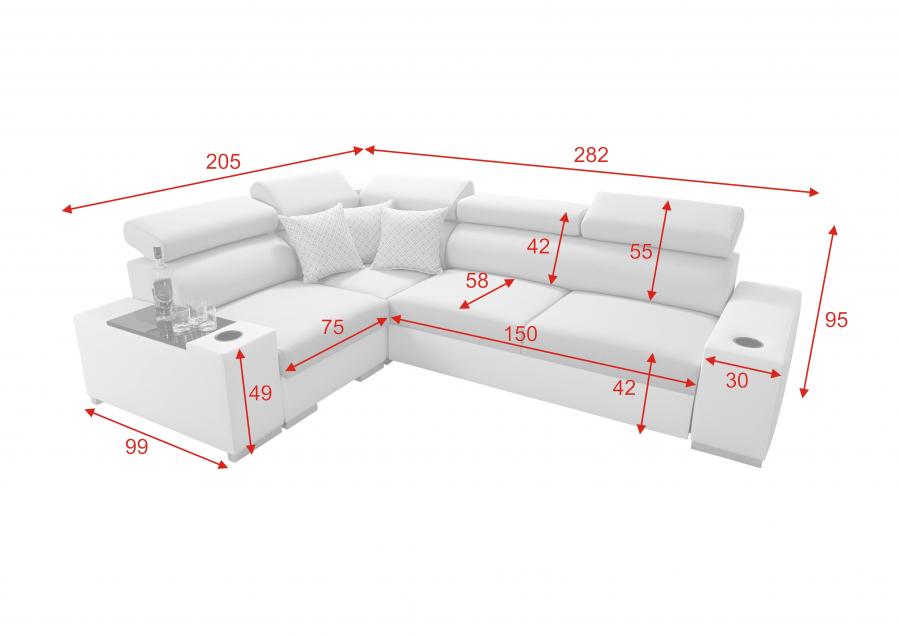
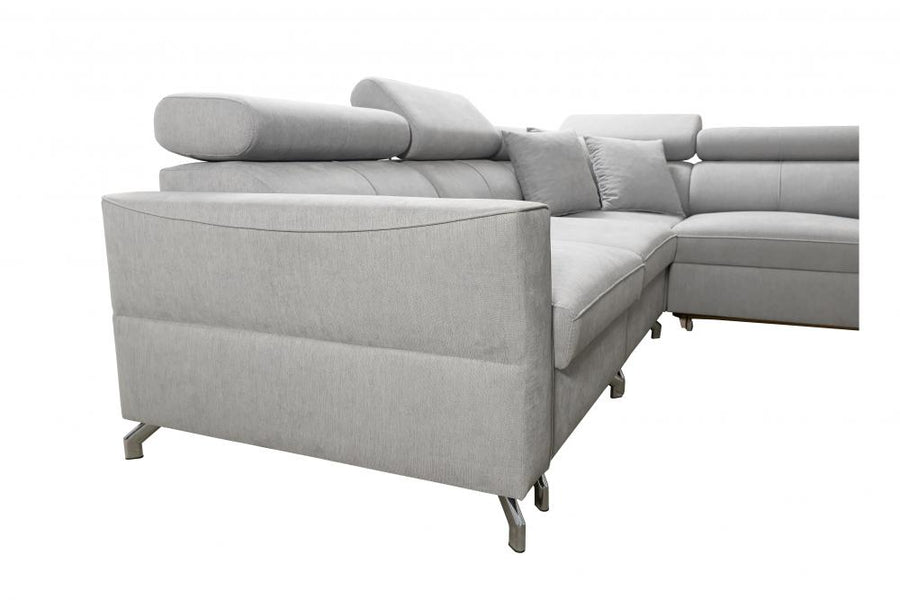
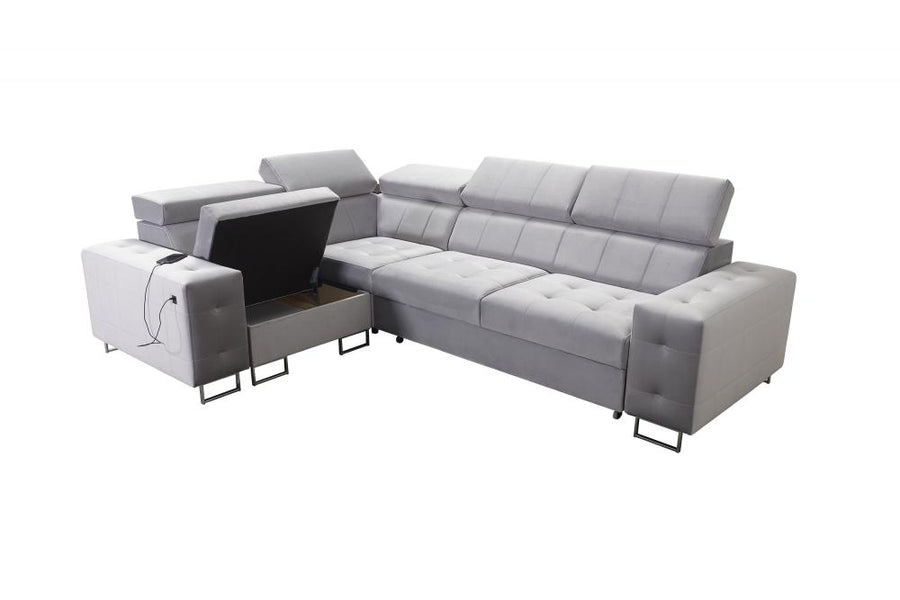
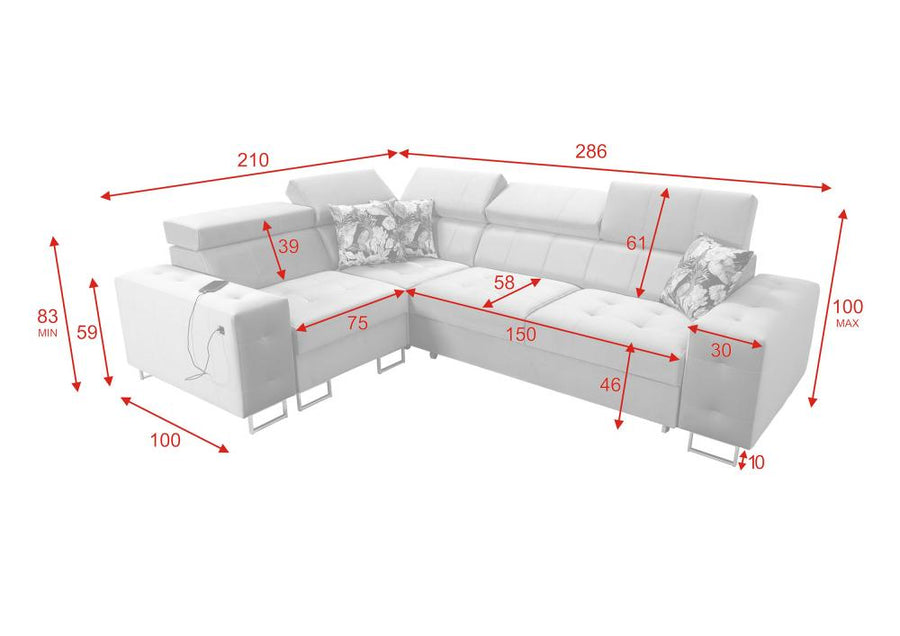
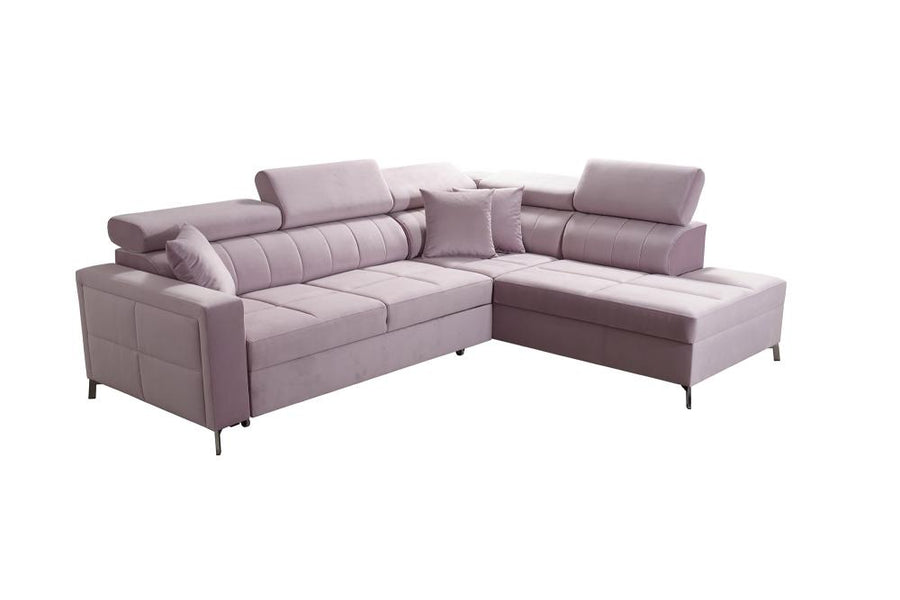
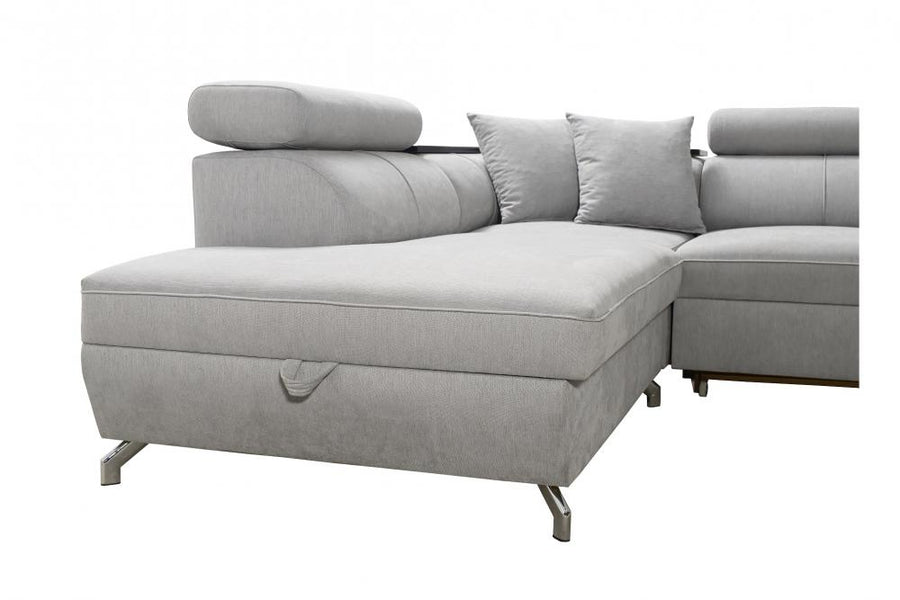
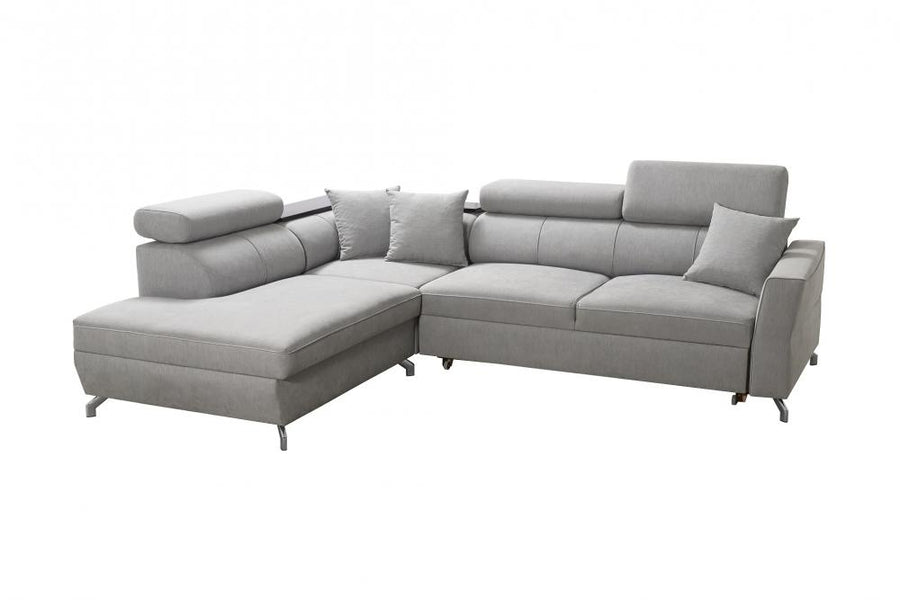
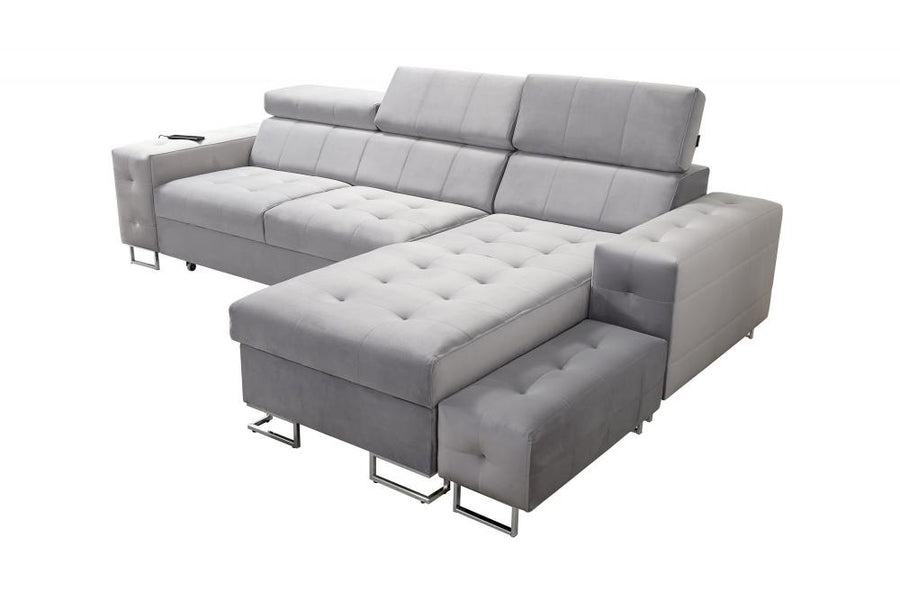
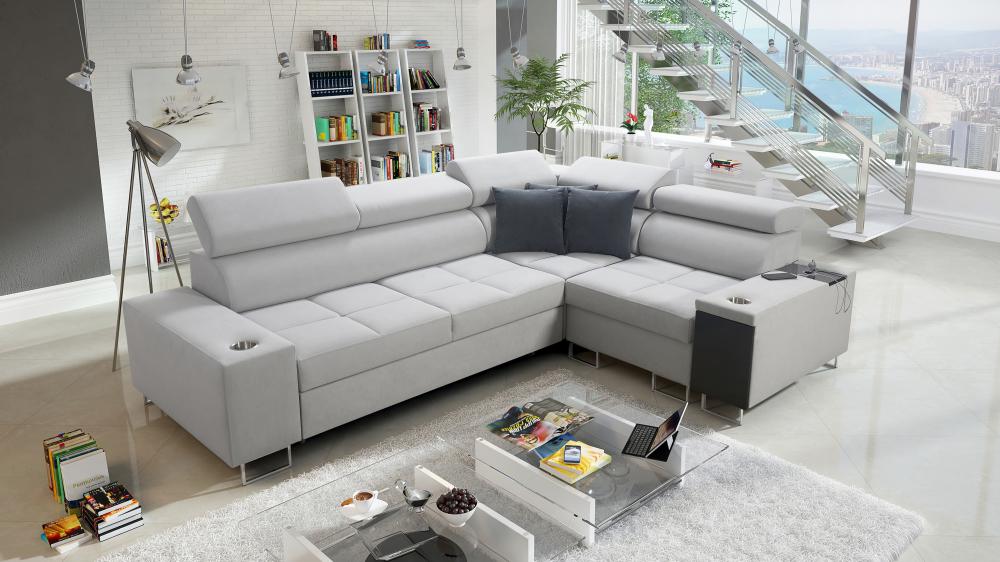
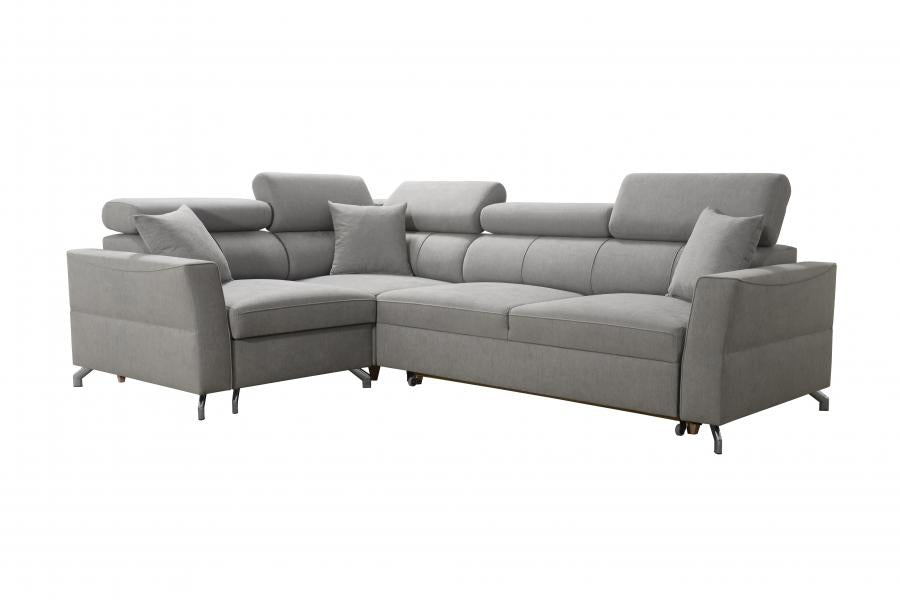
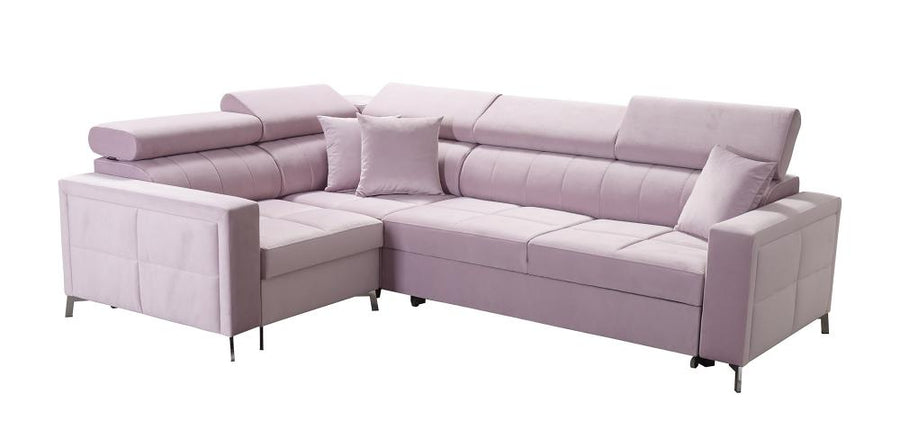
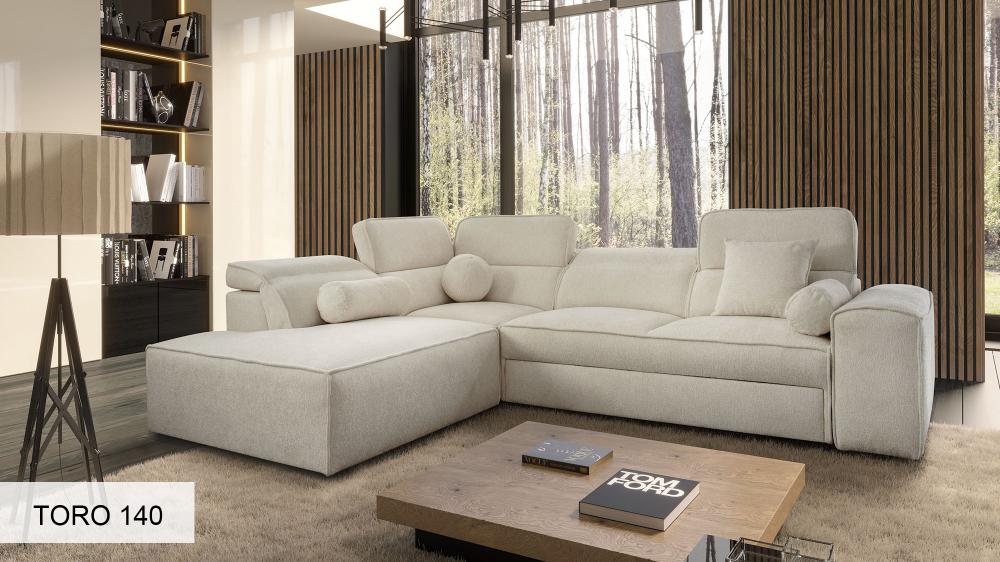
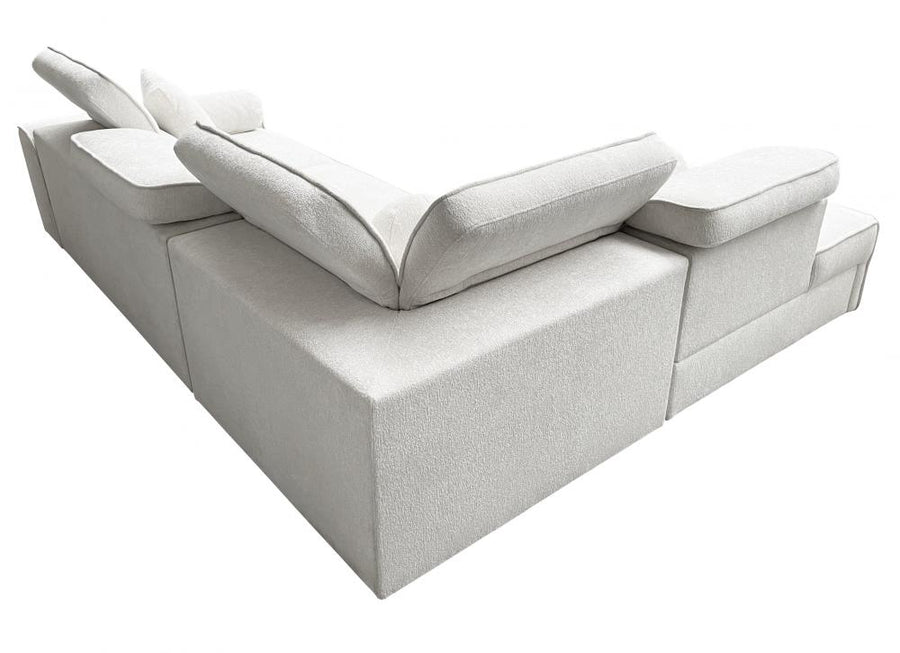
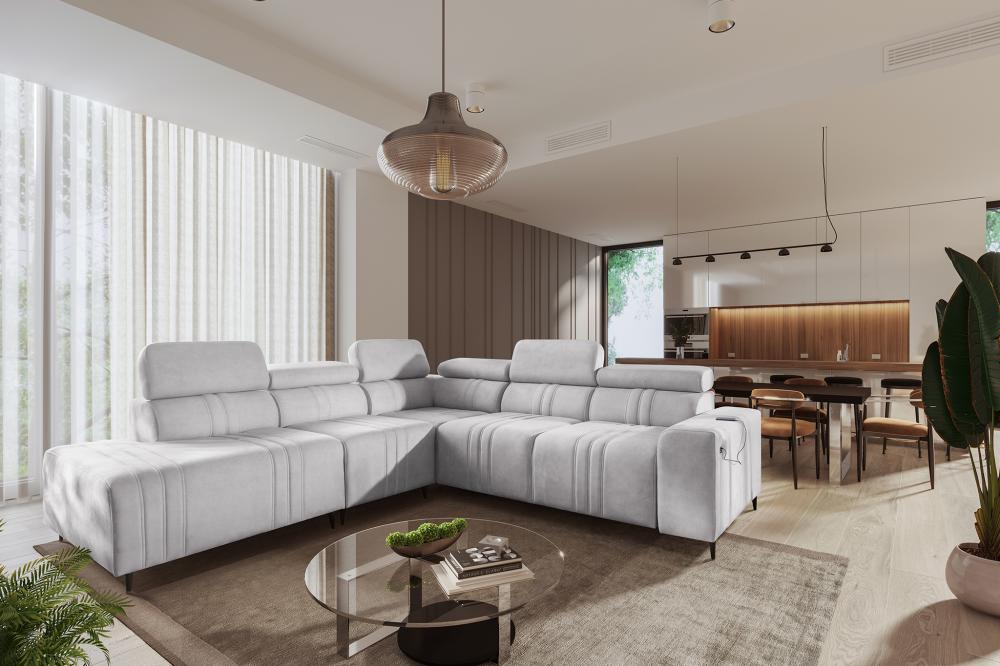
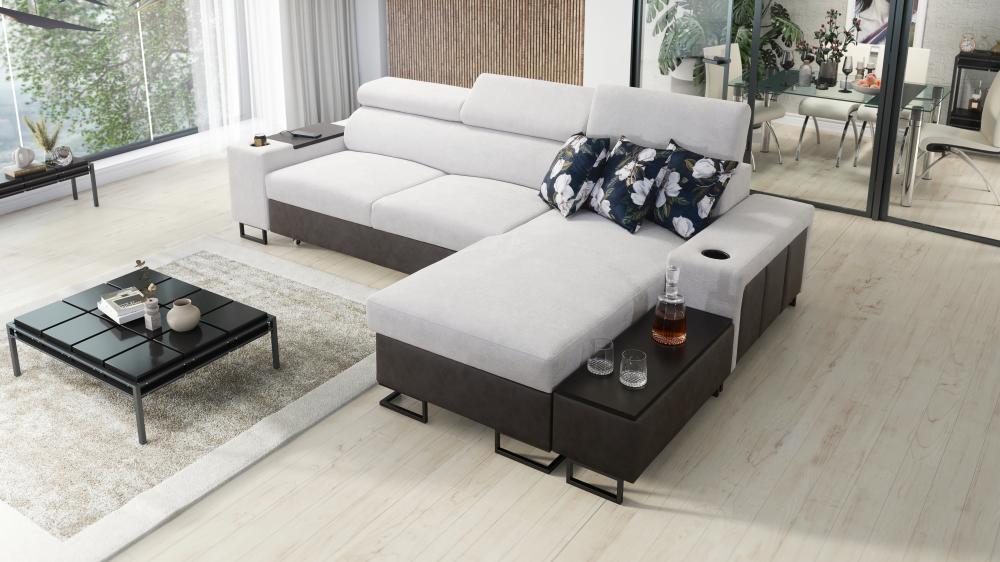
| Angle (L-shaped) | 240 cm to 300 cm (Width) | Structures the space. The chaise longue is often 150-200 cm long. See corner sofa . |
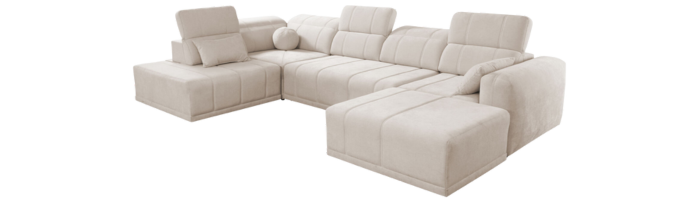
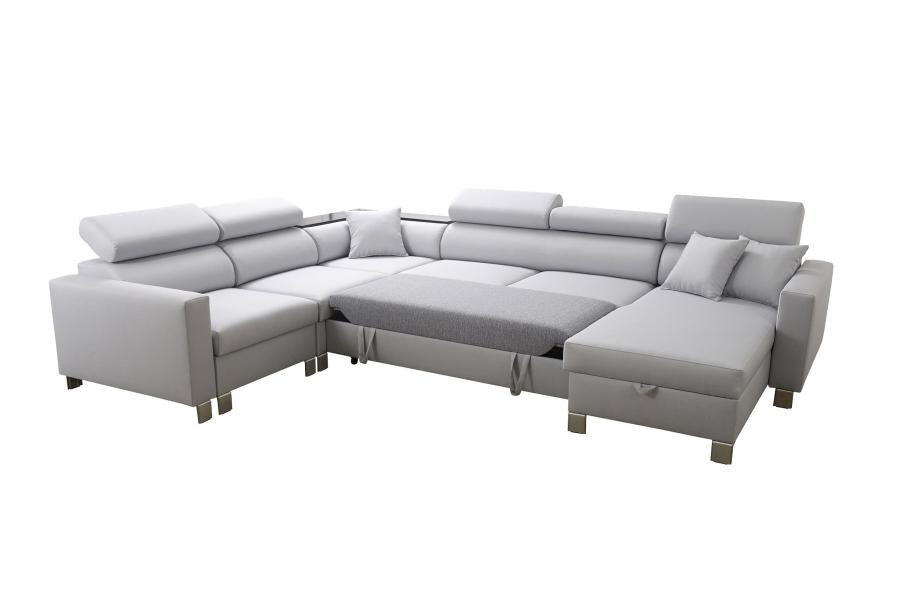
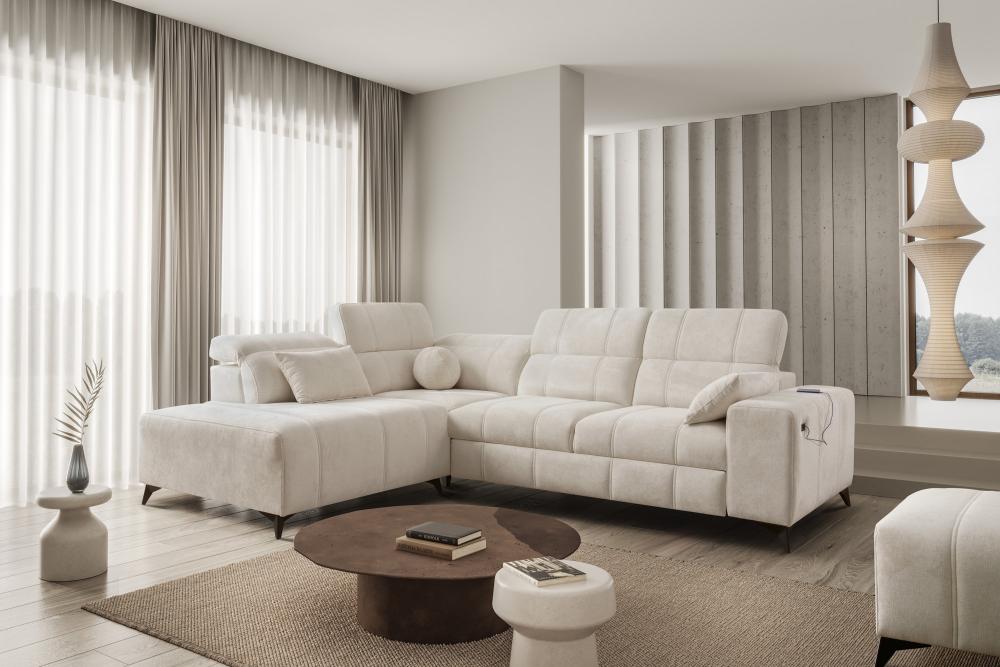
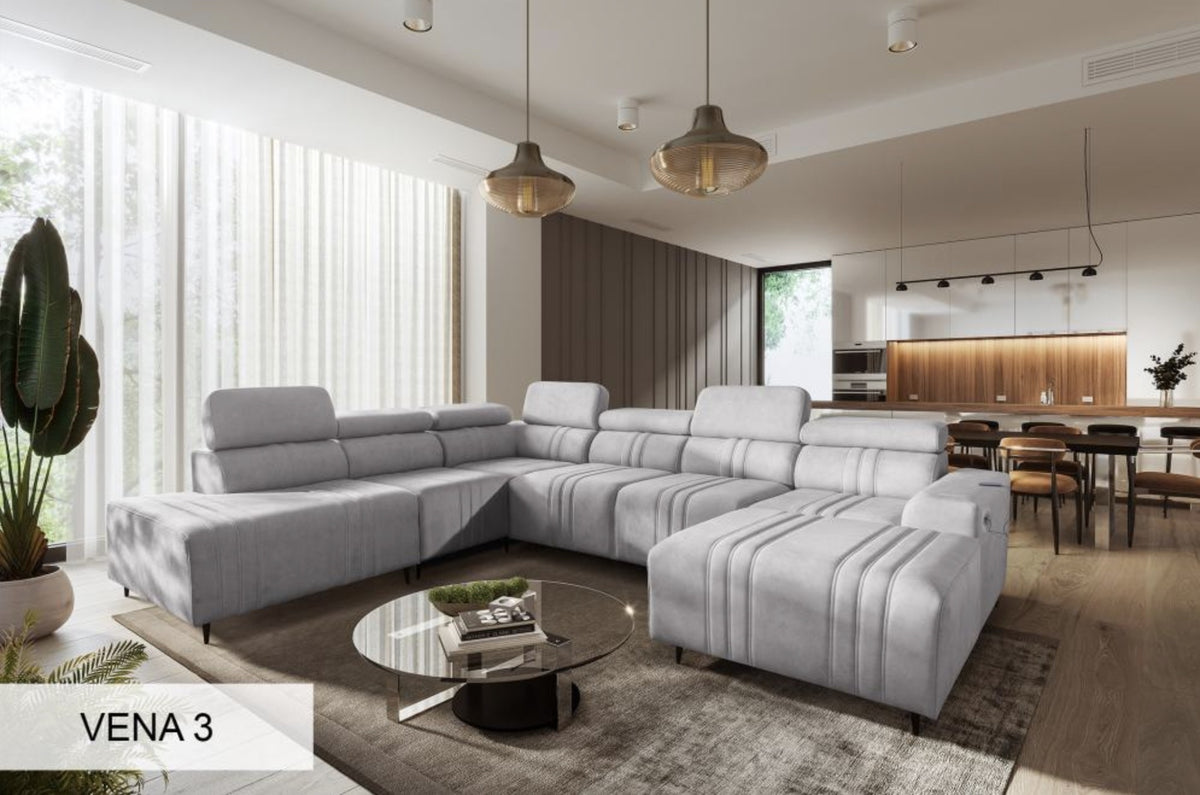
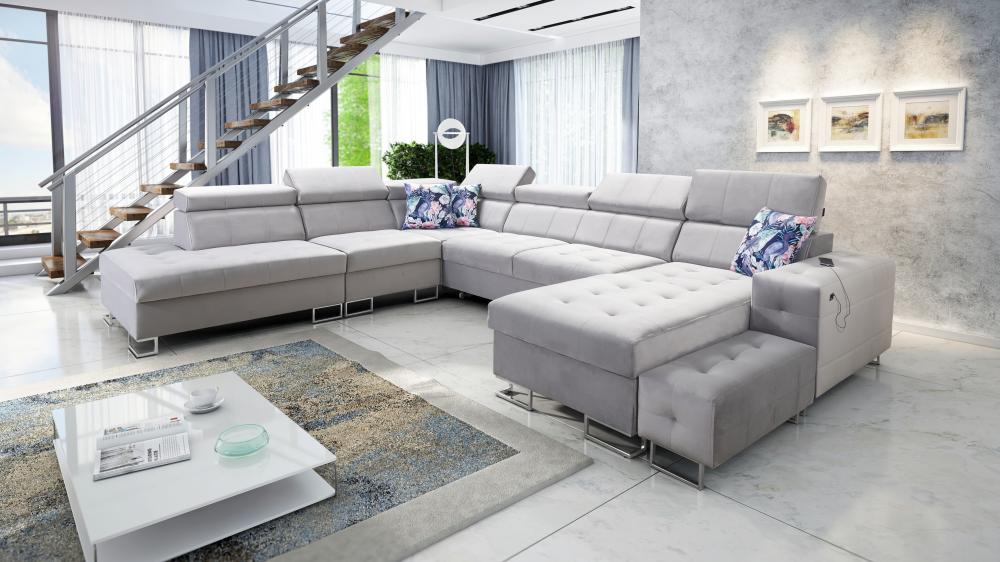
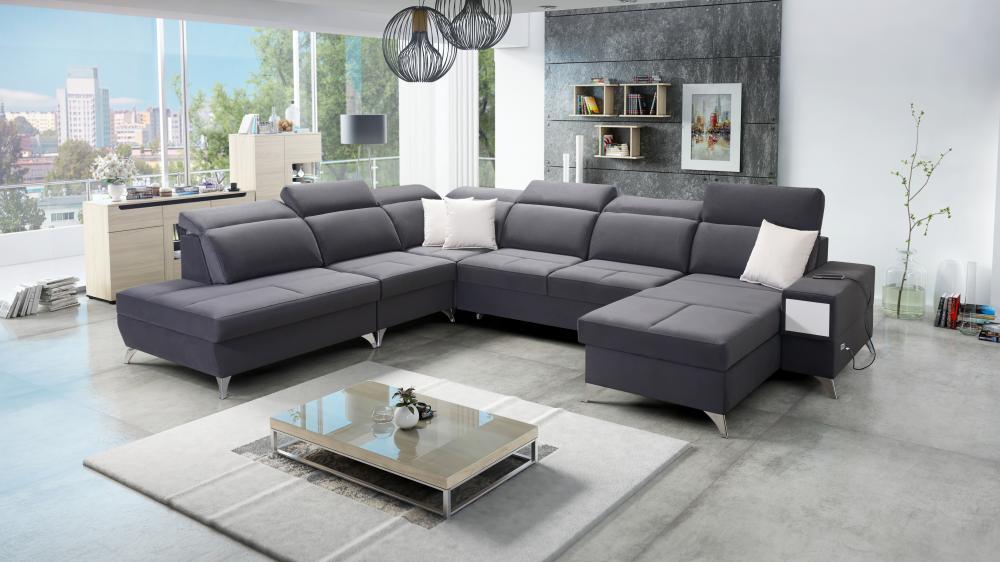
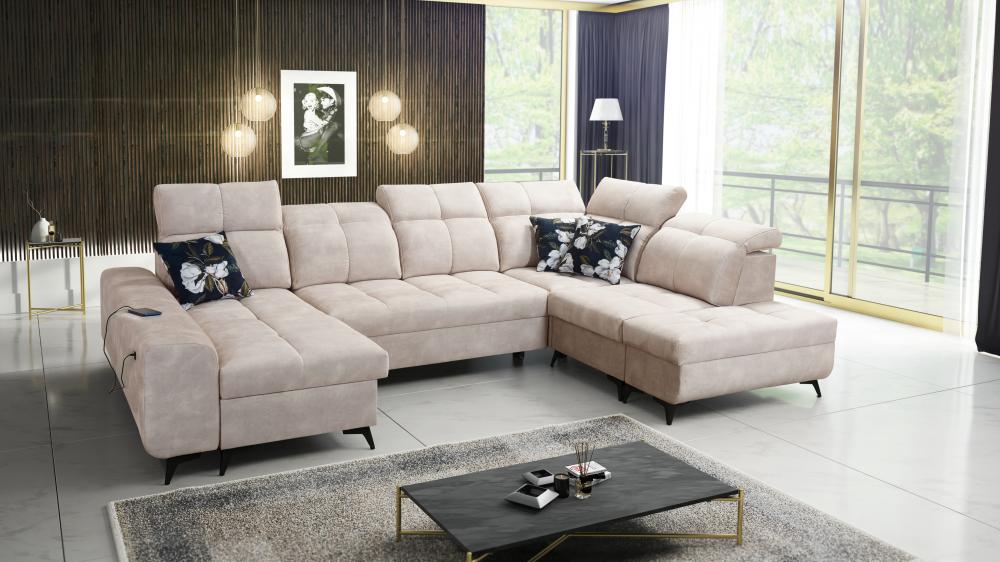
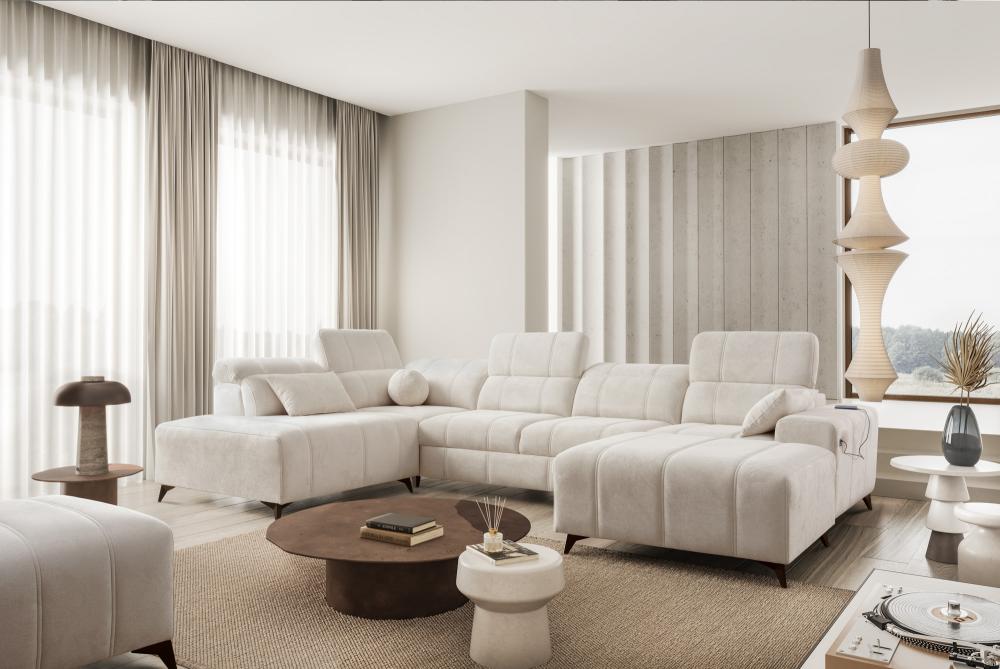
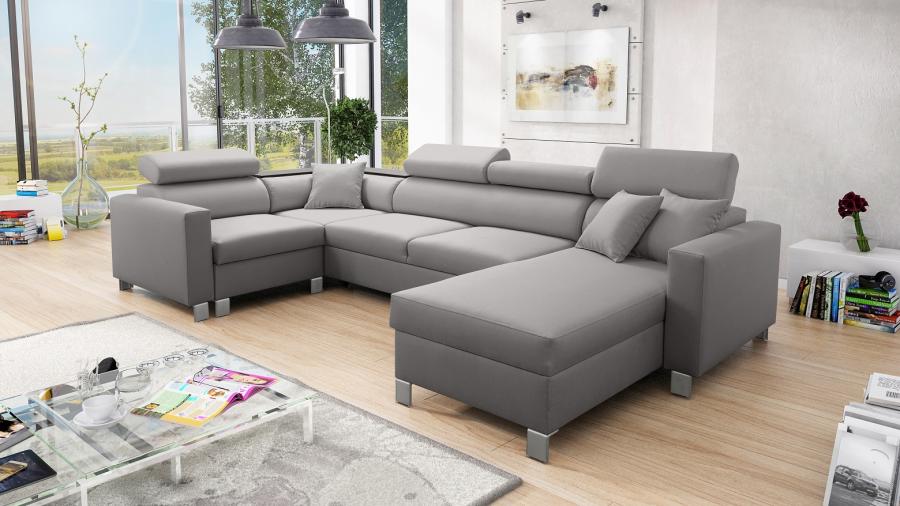
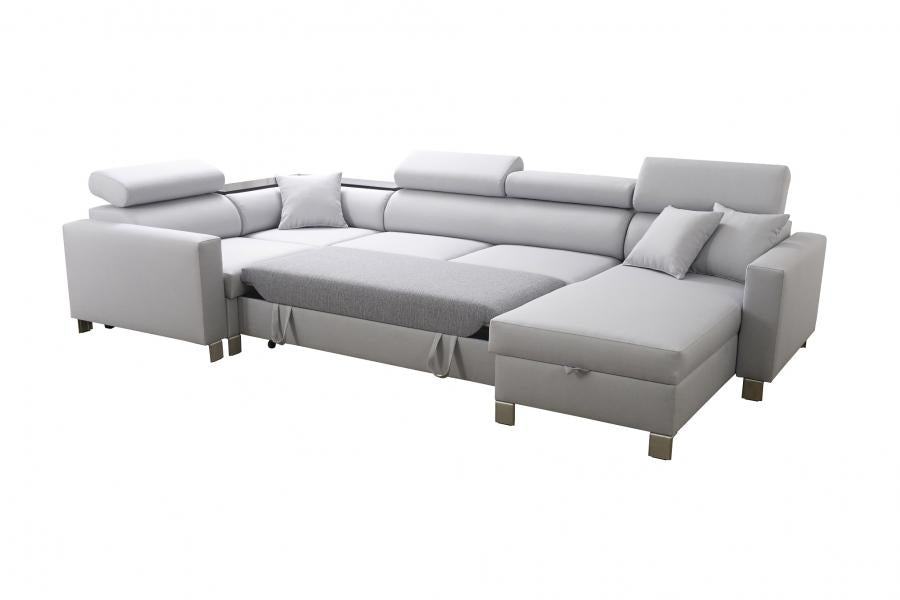
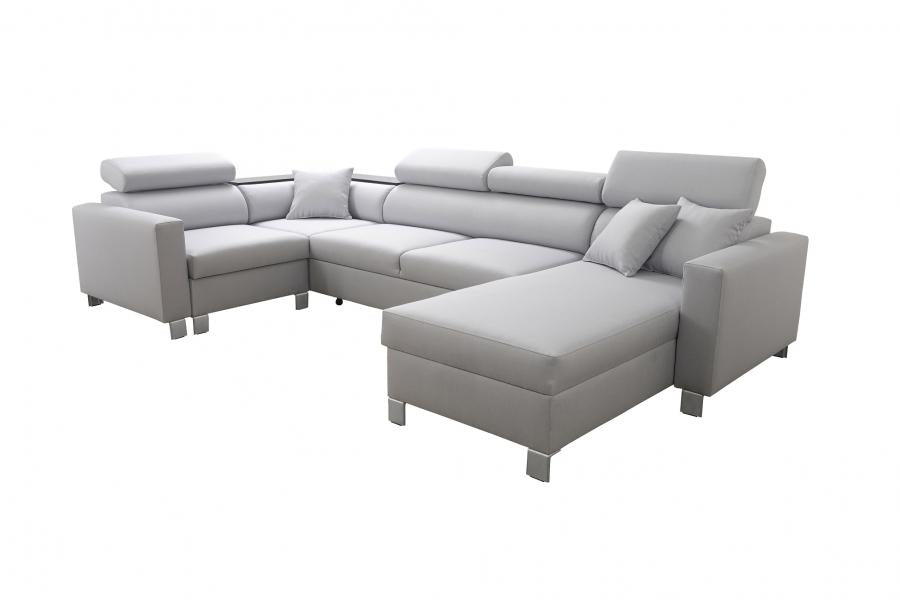
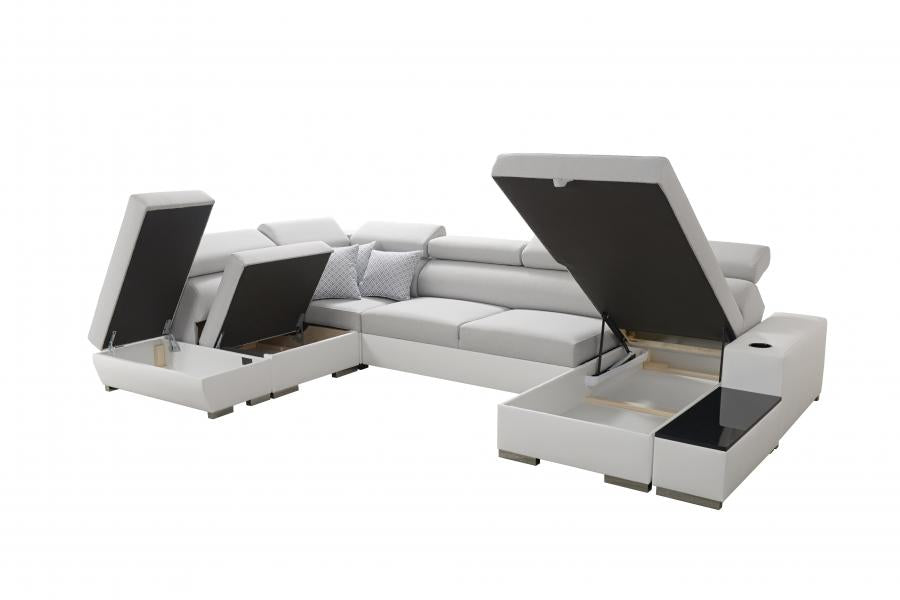
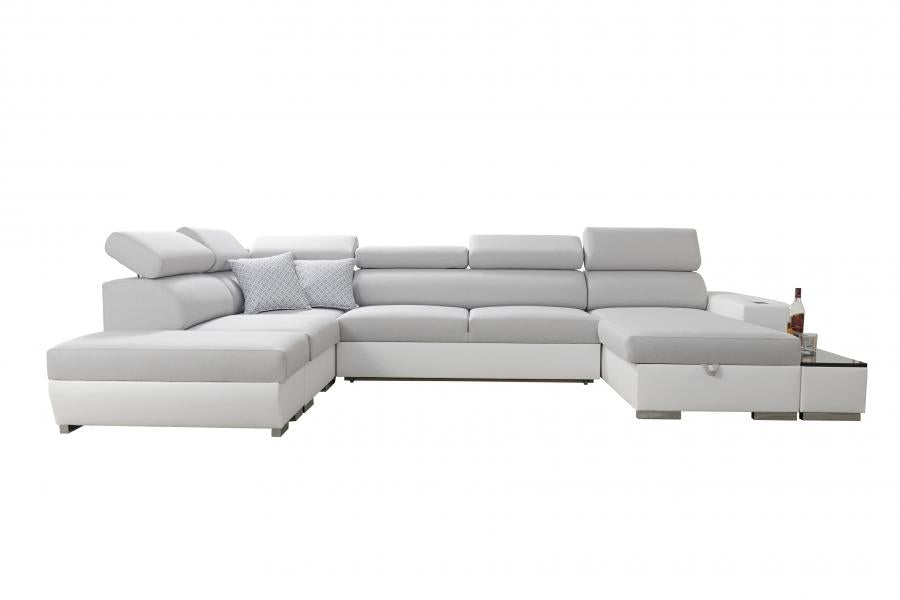
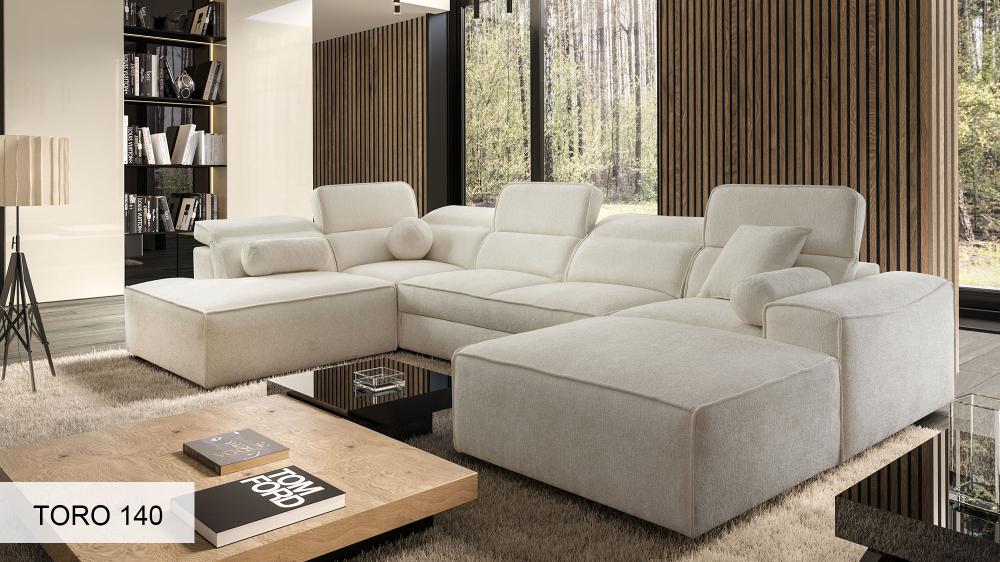
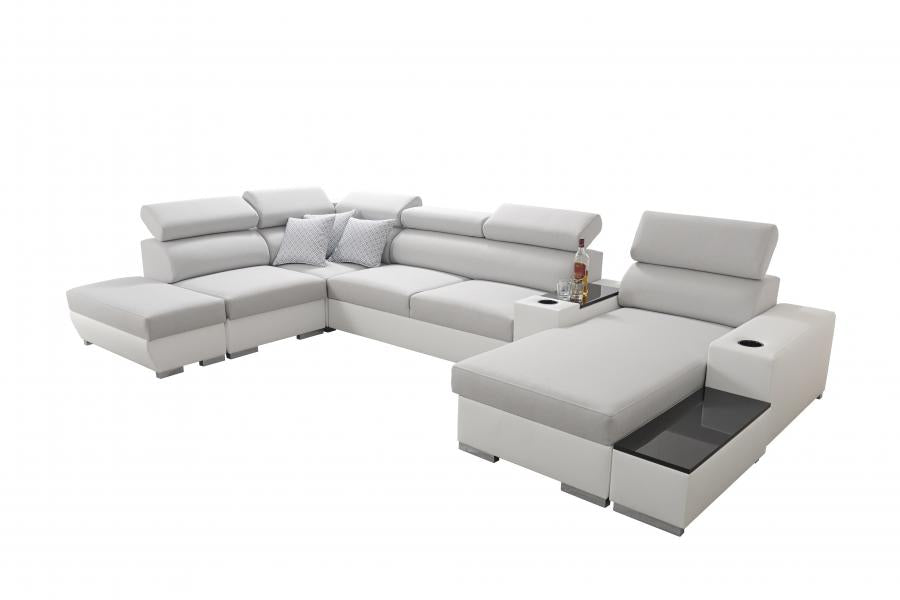
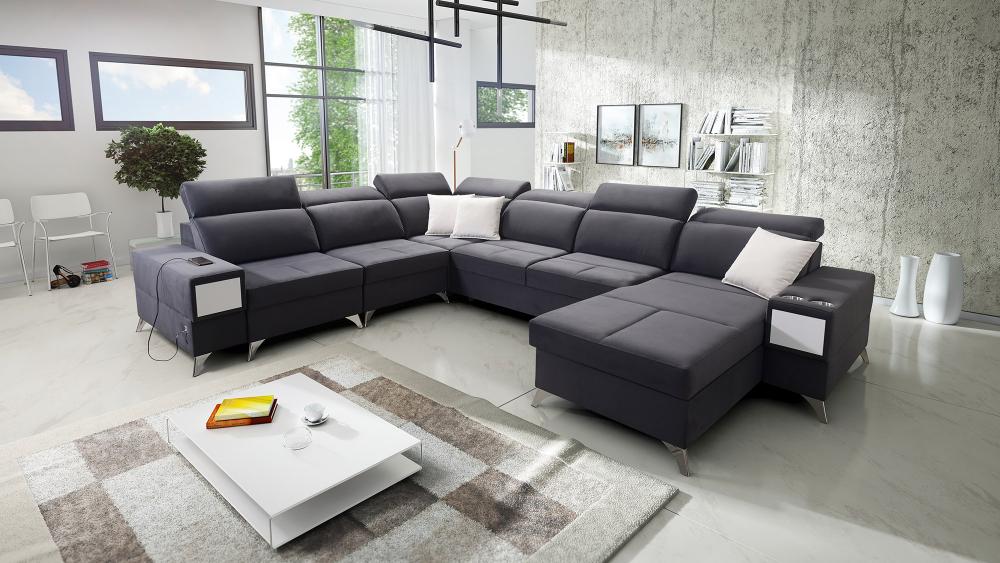
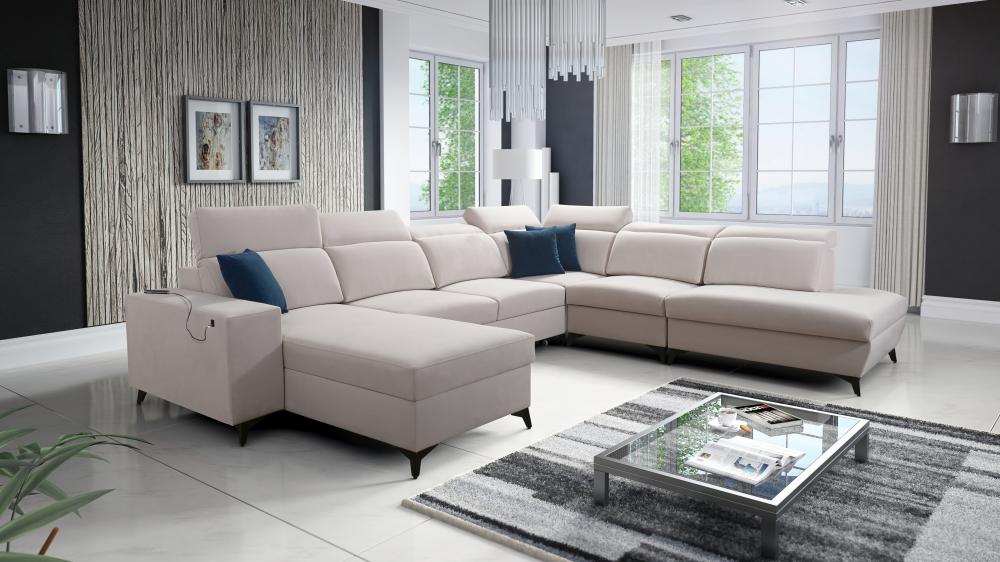
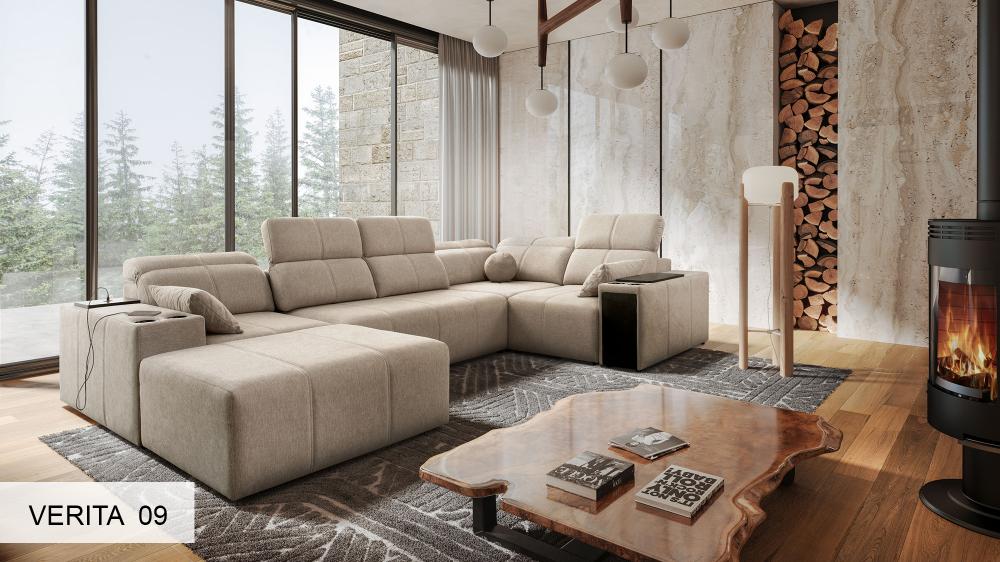
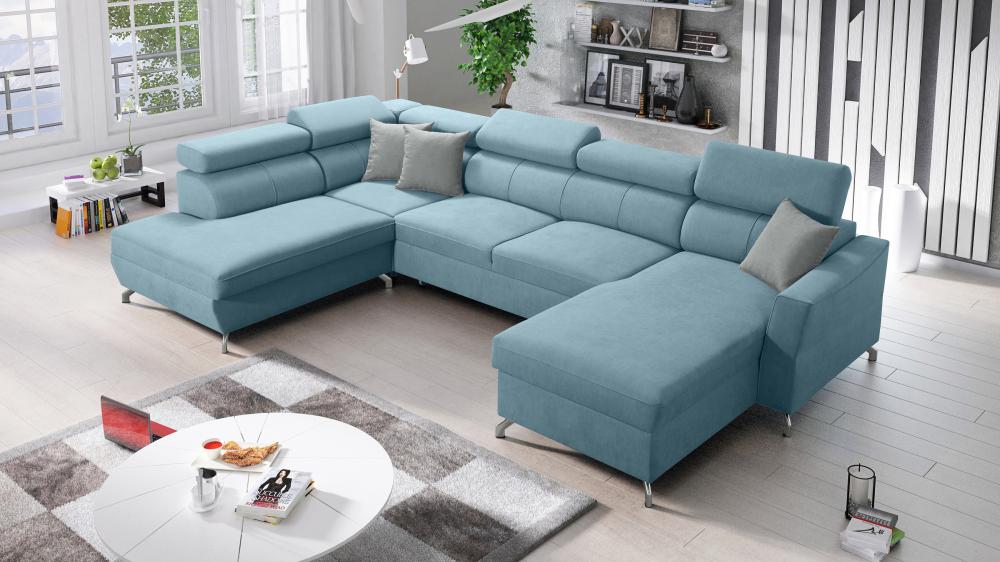
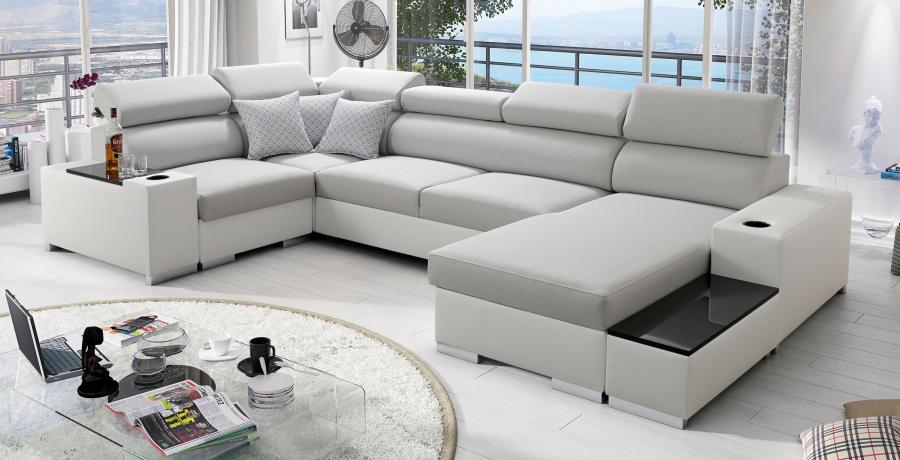
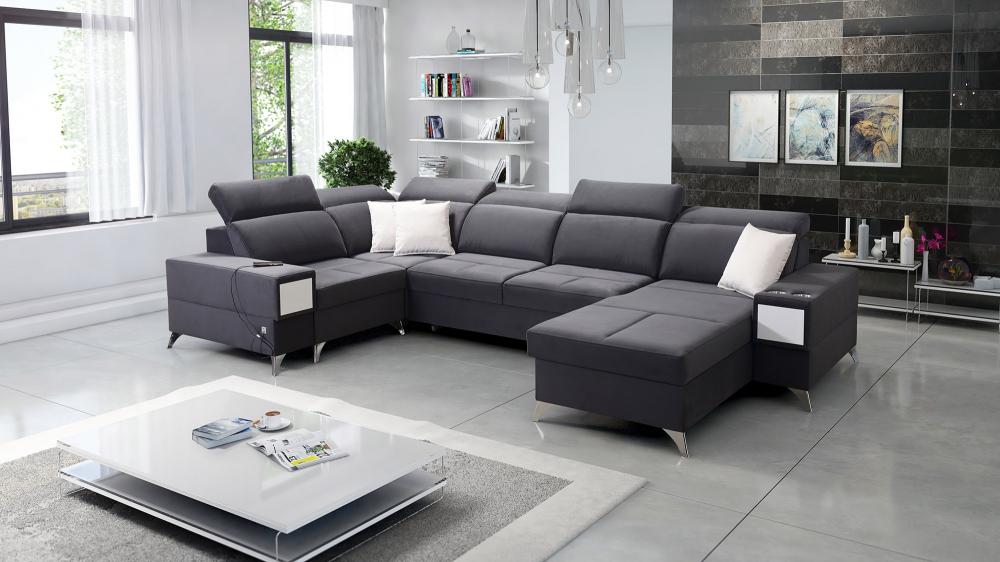
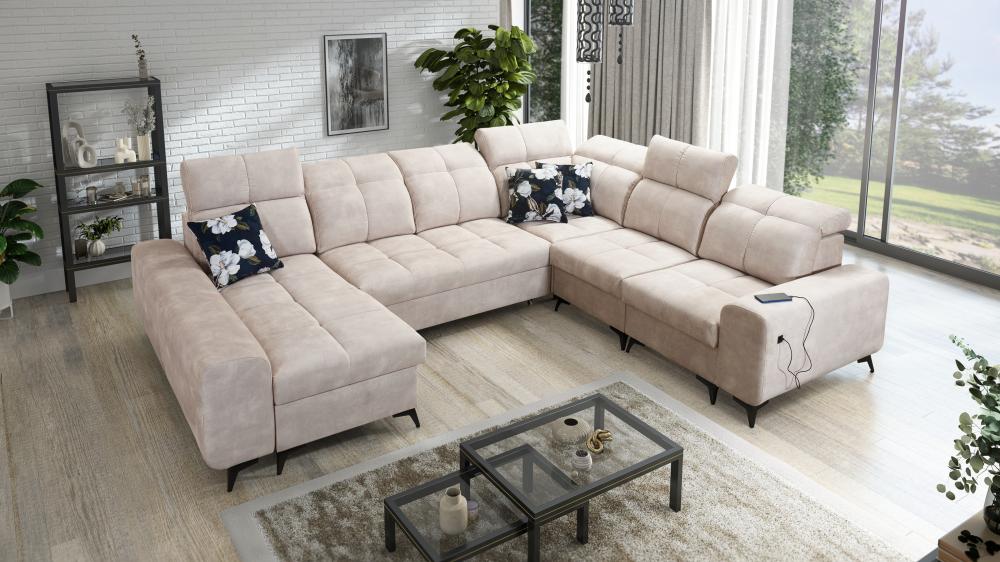
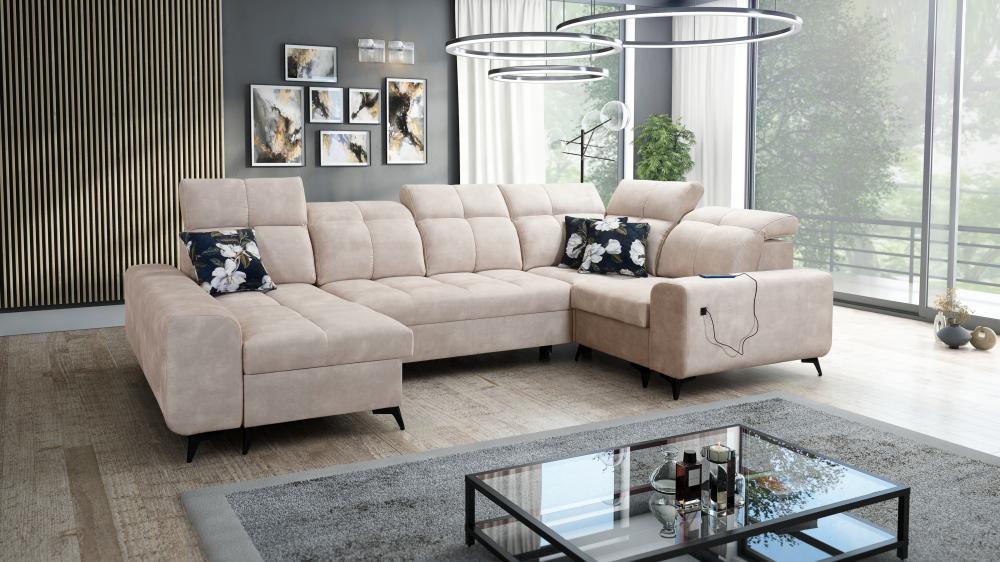
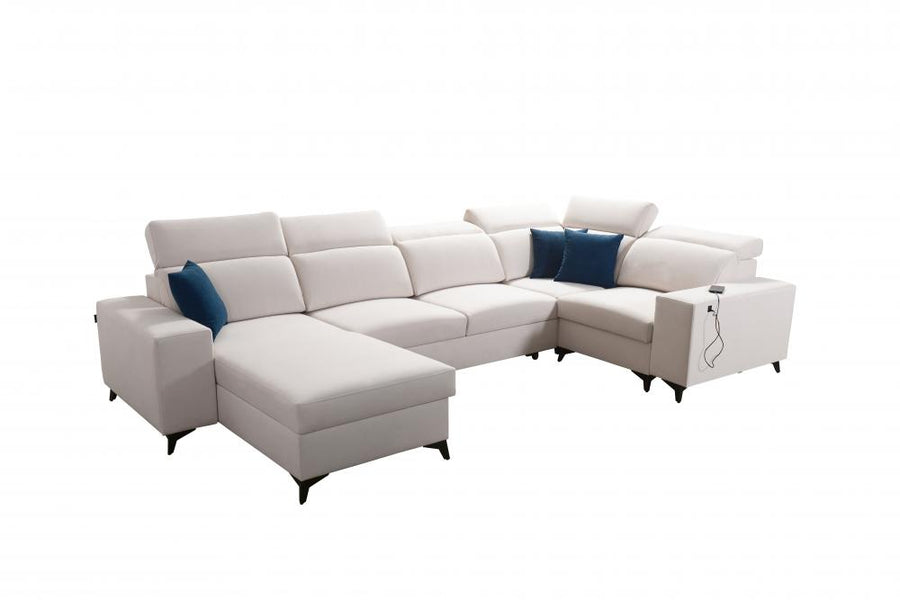
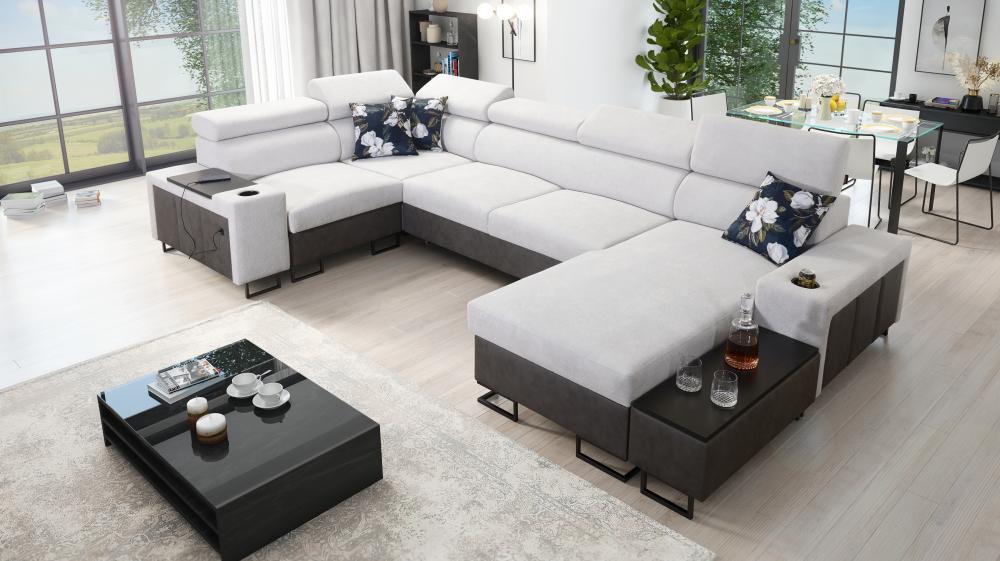
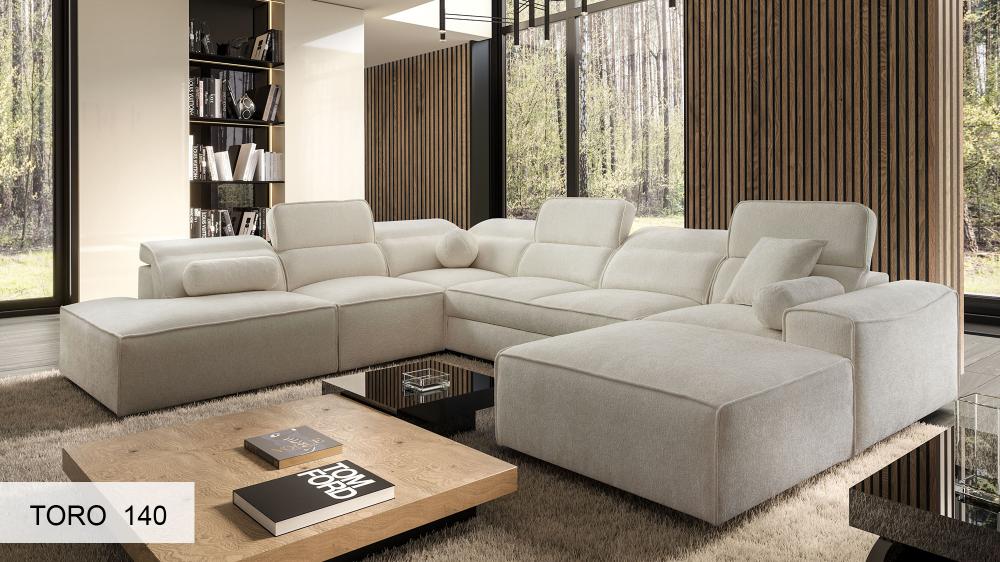
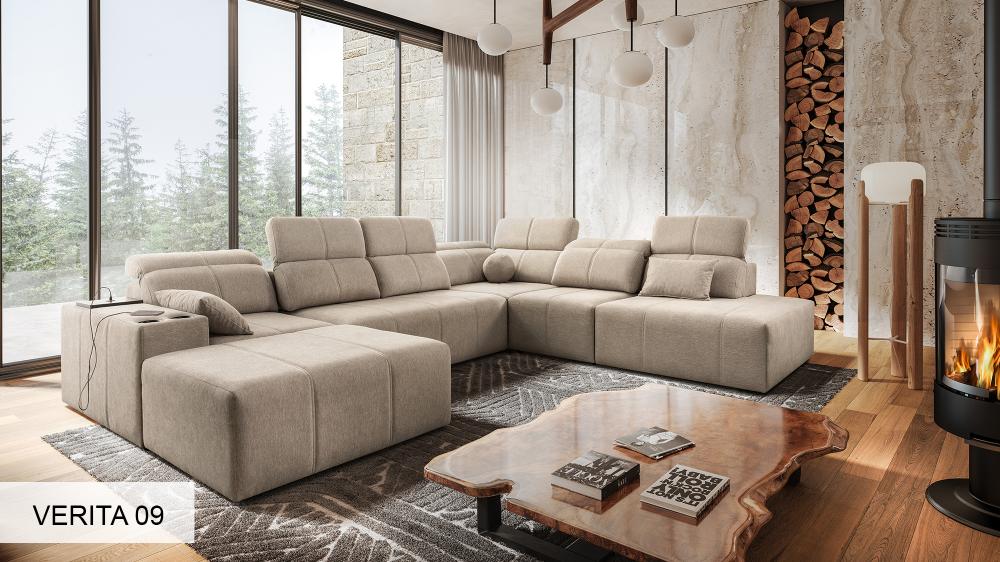
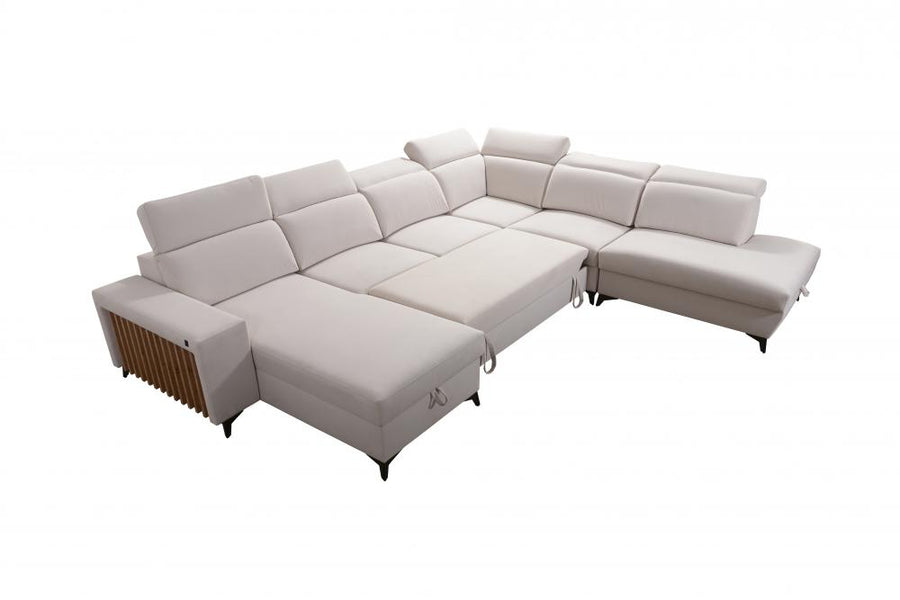
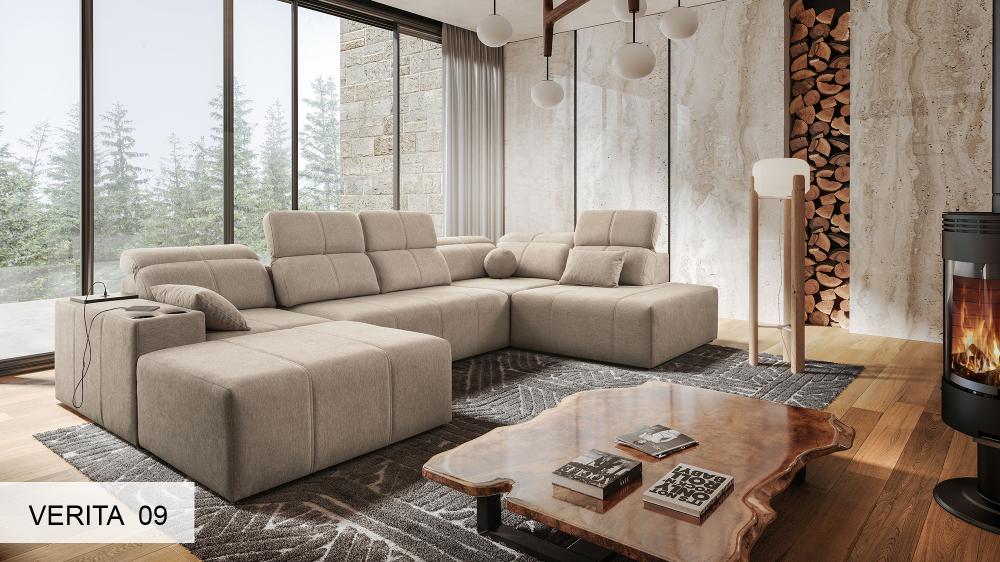
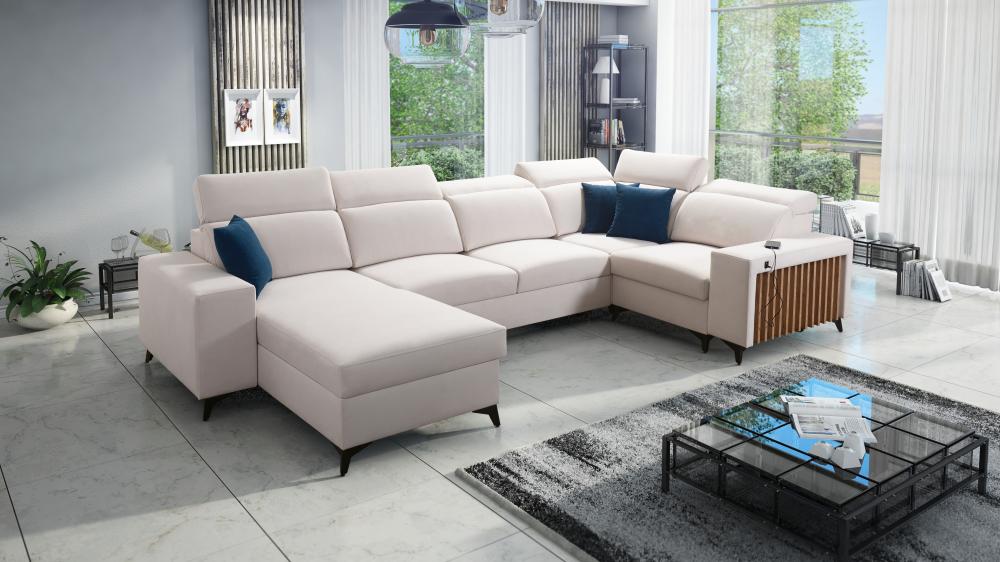
| Panoramic (U-shaped) | 300 cm to 400 cm+ | For large living rooms. The panoramic sofa is the king of the living room. |
It's important to note that for large families, a 5-seater sofa or a sofa designed for a large space often exceeds 3 meters in width. Make sure you have enough space to avoid making the room feel cramped.
Ergonomics: The Relationship Between Sofa Size and Comfort
A good- sized sofa isn't just one that fits in the living room; it's one that adapts to your body shape. Ergonomics essentially rests on two pillars: the height of the backrest and the depth of the seat.
Seat Depth: The Forgotten Criterion
The standard seat depth is generally between 55 and 60 cm. This is an ideal compromise, allowing you to have your feet on the ground while still having back support. However, current trends towards "lounging" are pushing for deeper models.
For Absolute Relaxation
A sofa with a wide seat (depth > 65 cm) makes it easier to sit cross-legged or lie down. It's the ultimate choice for cozy comfort.
Flexibility
If your household includes people of very different heights, a sofa with a sliding mechanism is the ultimate technical solution. It allows you to adjust the seat depth as needed, accommodating everyone's needs.
Height and Support
The height of the backrest influences the perception of space in a room. A low backrest (less than 80 cm) visually lightens the space and gives the living room a feeling of spaciousness, typical of contemporary design. Conversely, a high-backed sofa (more than 90 cm) offers complete neck support, often sought after by tall people or those with back problems. Remember that quality seating also depends on what's inside: a sofa with good seat cushion foam ensures that its dimensions won't sag over time.
Sofa clutter and movement: Golden rules
Integrating a large sofa into a living room requires adhering to strict circulation rules. The most common mistake is trying to "fill" the space at the expense of movement.
Distances to be respected
To determine the correct sofa size , subtract the circulation areas from the available surface area:
- Around the sofa: Allow a passage of at least 60 to 80 cm for easy movement.
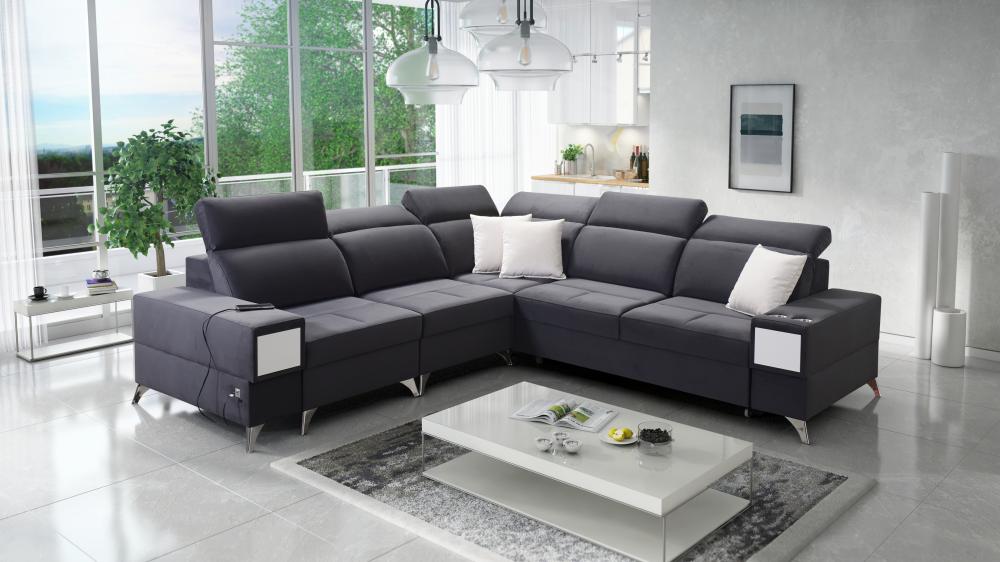
- In front of the coffee table: Leave 40 to 50 cm between the edge of the seat and the table. This is enough to reach a glass but wide enough to stretch your legs.
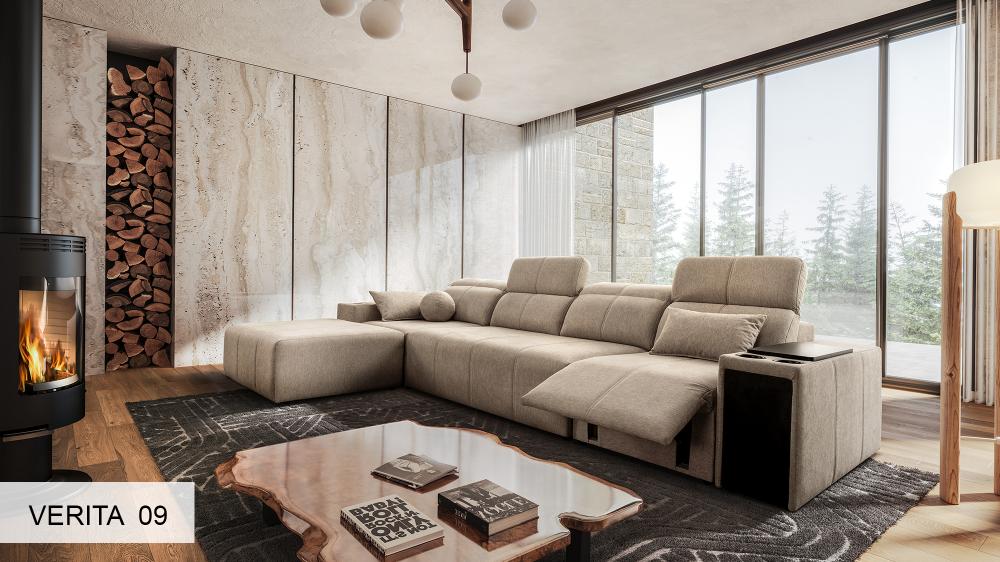
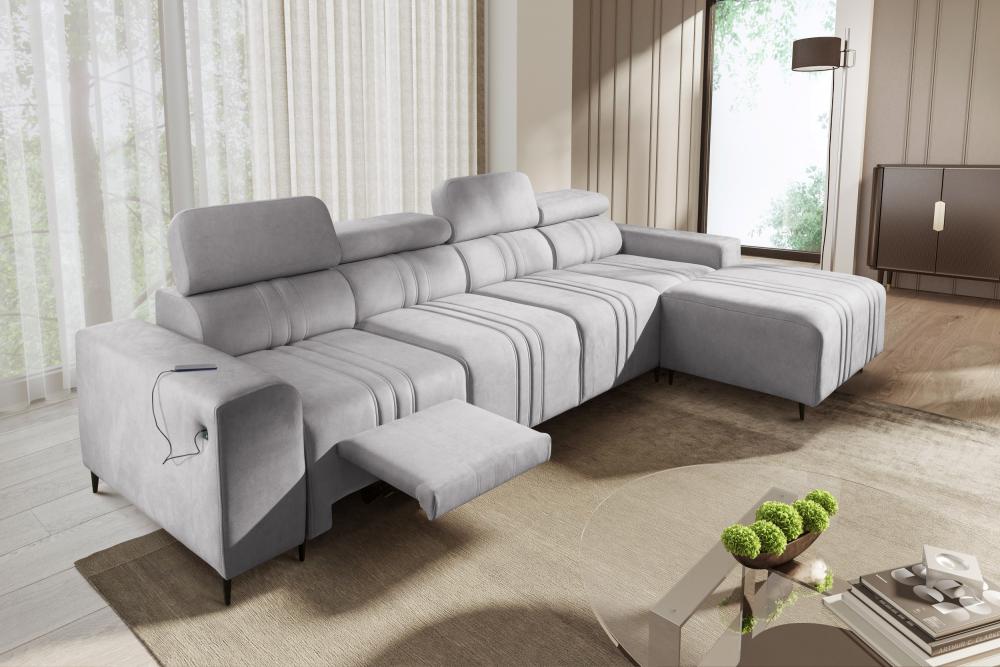
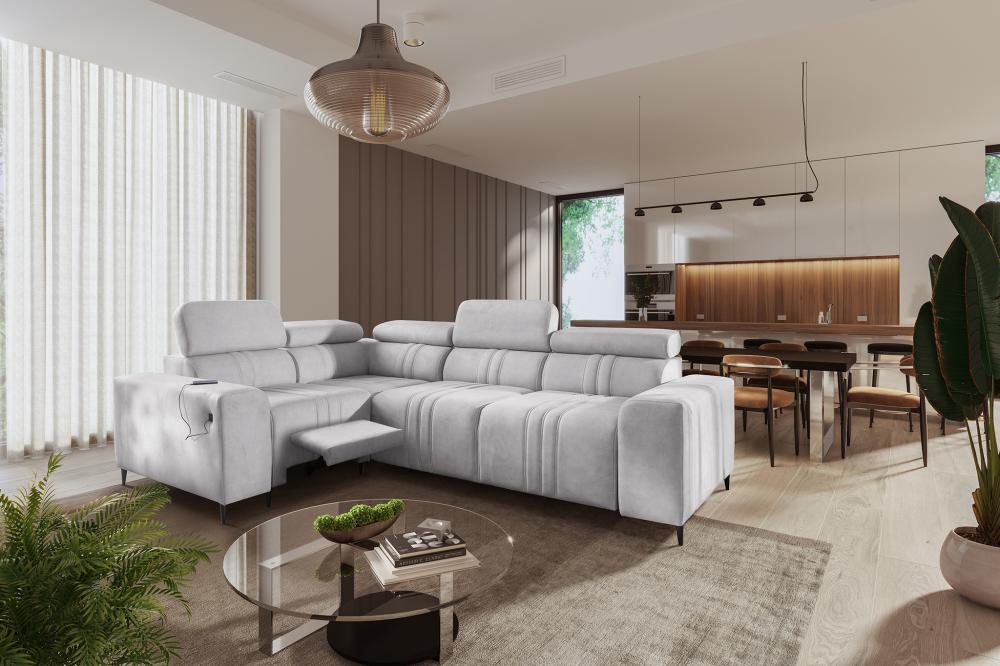
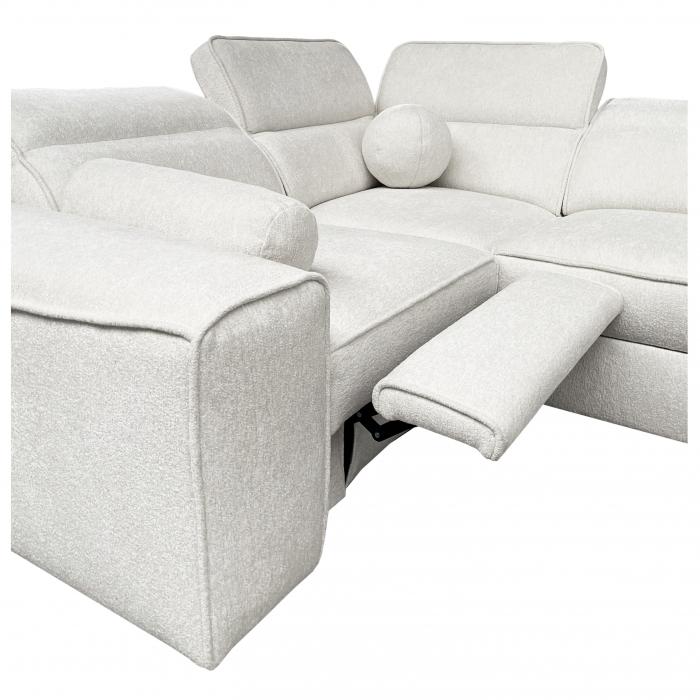
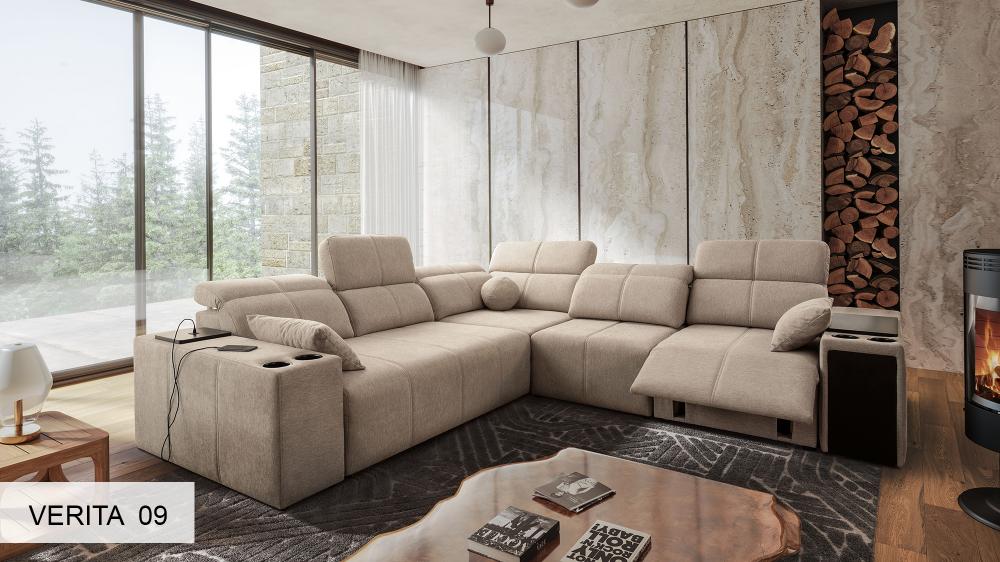
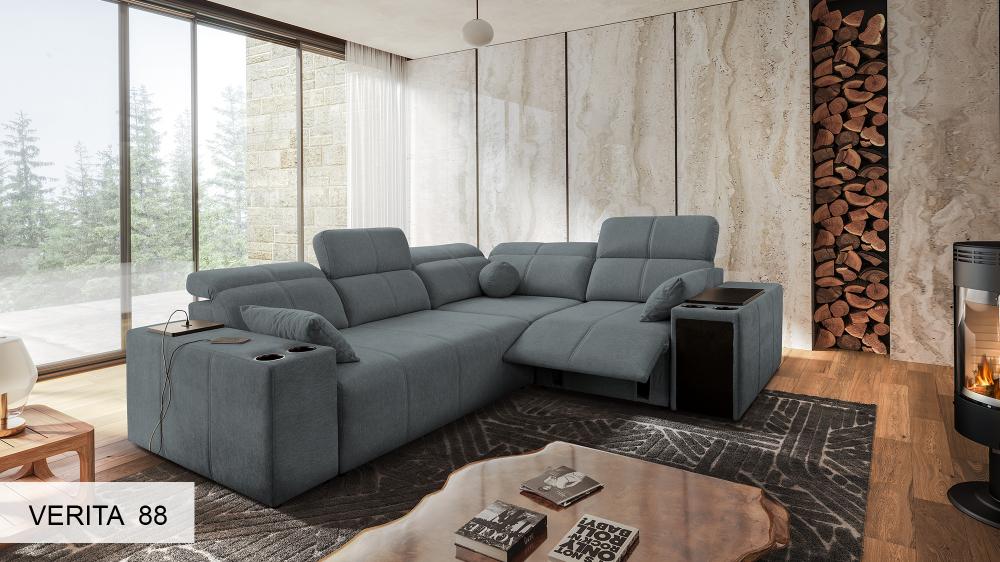
- For reclining models: If you opt for a reclining or electric sofa , don't forget to add the footprint of the footrest when it is deployed (often +40/50 cm forward).
The orientation and the angle
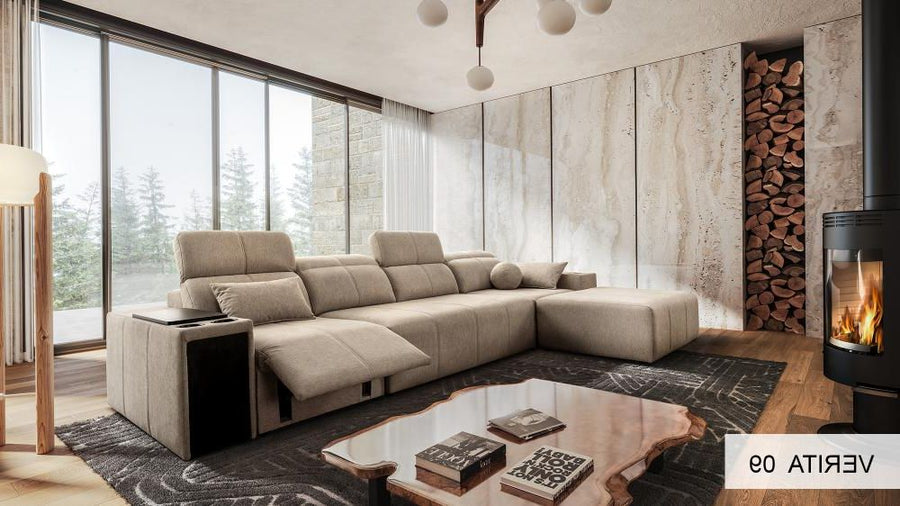
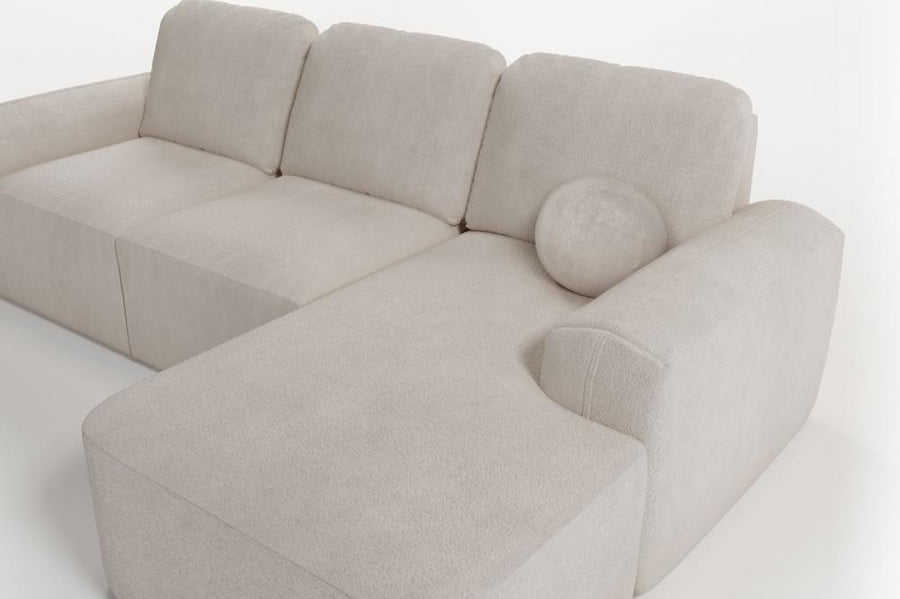
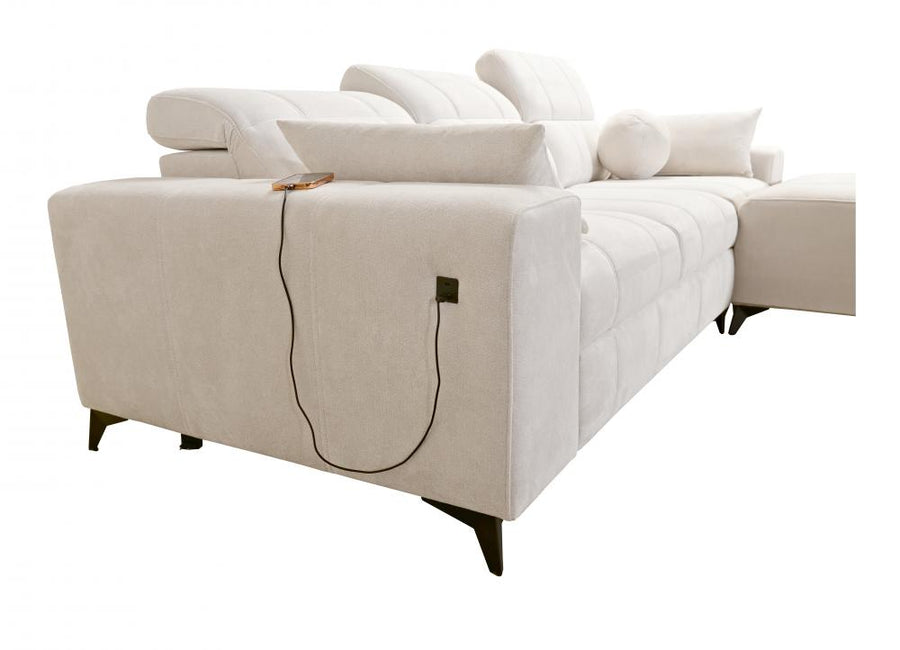
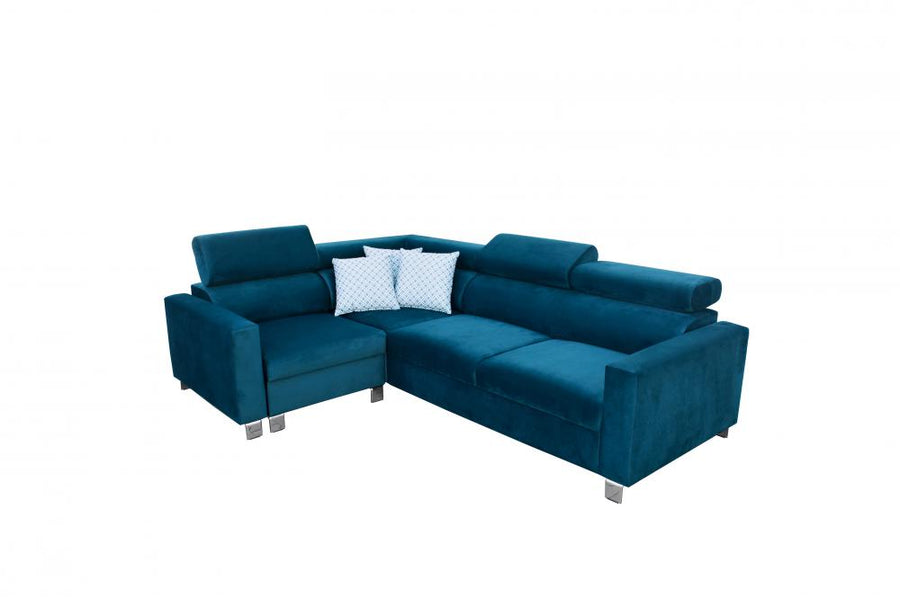
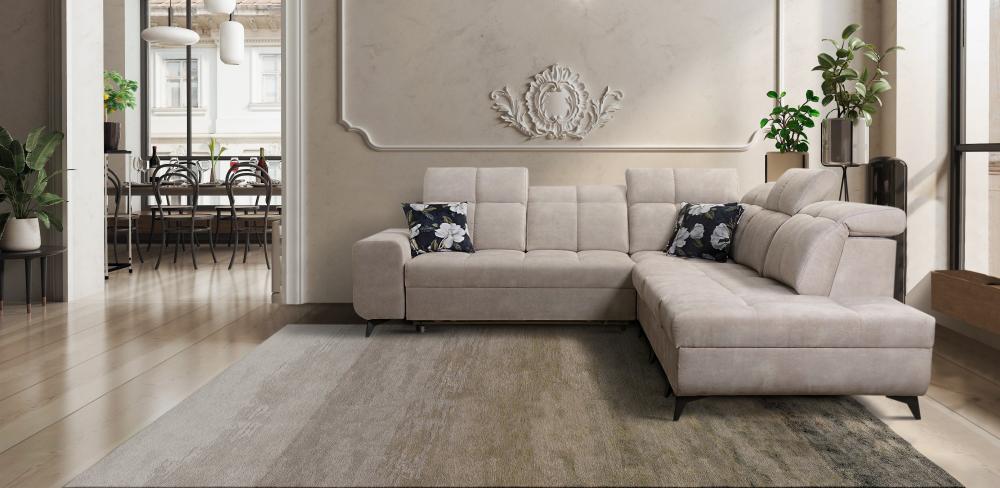
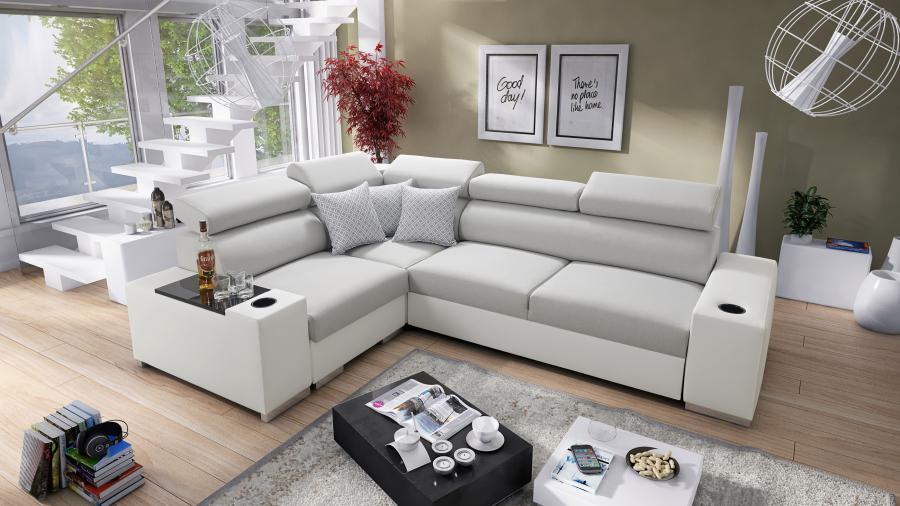
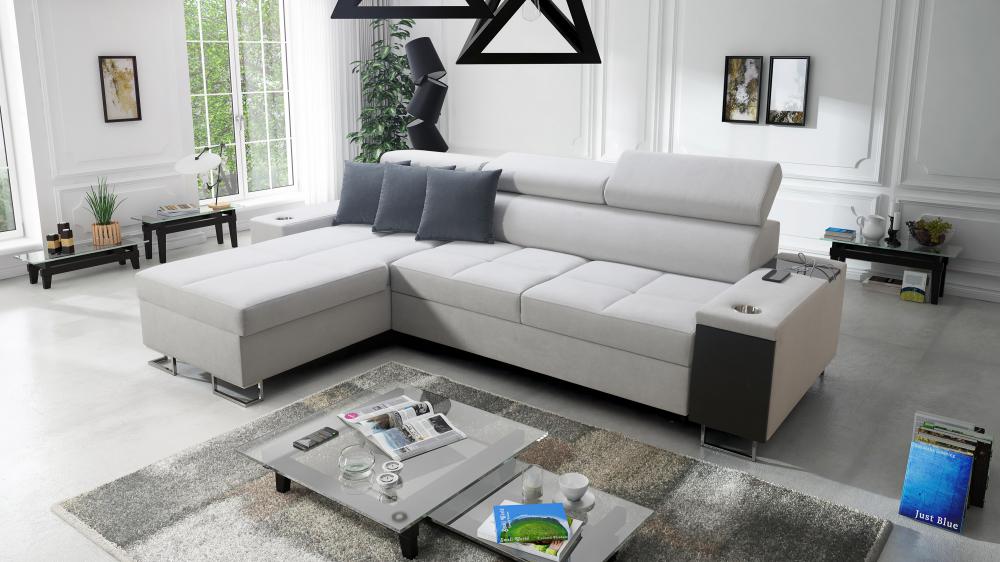
Geometry also plays a key role. For a straight sofa , the question is simple. But for a corner sofa, the direction of the return is crucial. You will have to choose between a left-hand corner sofa or a right-hand corner sofa . This decision must be made based on the flow of light and the French doors, so as not to block access to the outside.
Logistics Dimensions: The Delivery Challenge
Have you found the perfect size sofa for your living room? Great. But will it fit in your home? This is the step many people neglect until the day of delivery.
Doorway and Stairwell
It is crucial to check the width/length of the sofa in relation to your access points.
Take the measurements of the sofa package (often indicated on our product pages). The diagonal of the package must be less than the height of your door. If you live on an upper floor without a wide elevator, extra care is needed.
The Kings Modular Sofa Solution
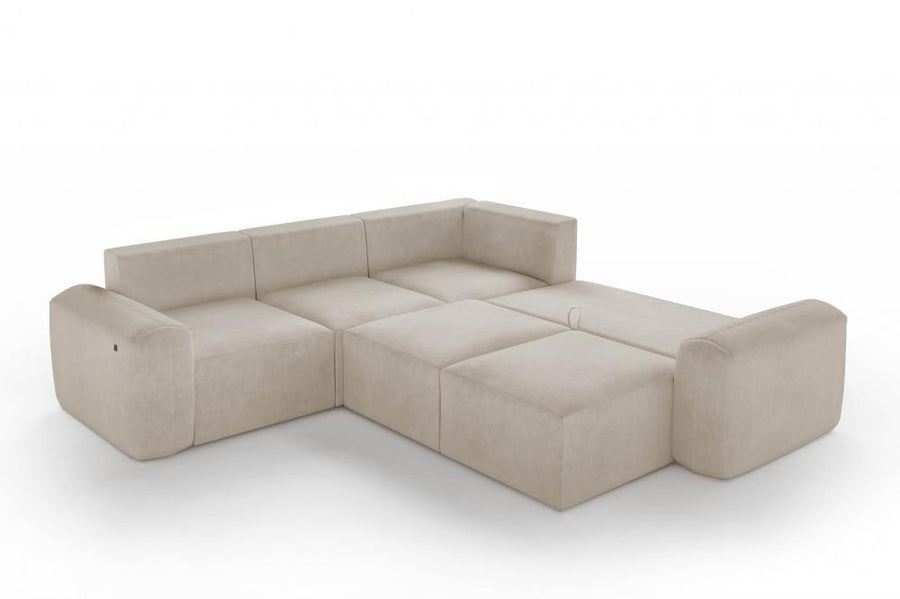
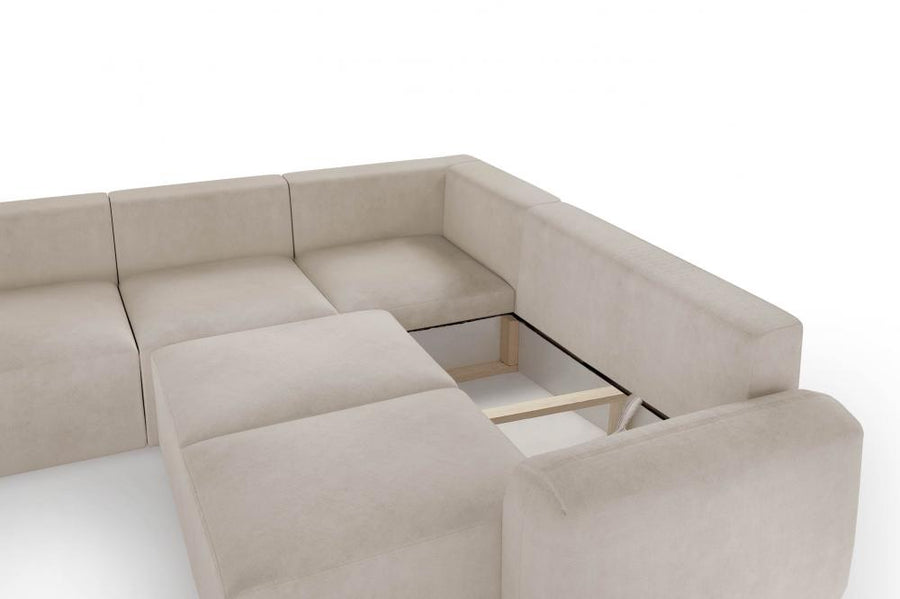
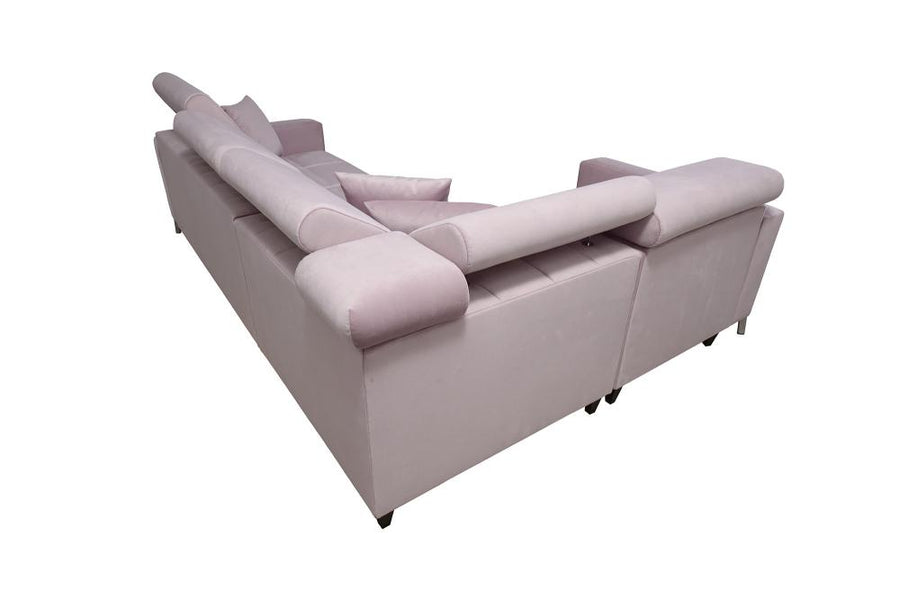
Faced with these dimensional constraints, we developed an approach that solves 99% of logistical problems: the Modular Sofa . Rather than trying to move a single 3-meter piece of furniture, we divide the sofa into several individually transportable modules. This makes it possible to install a very large sofa even in an apartment accessible by a spiral staircase.
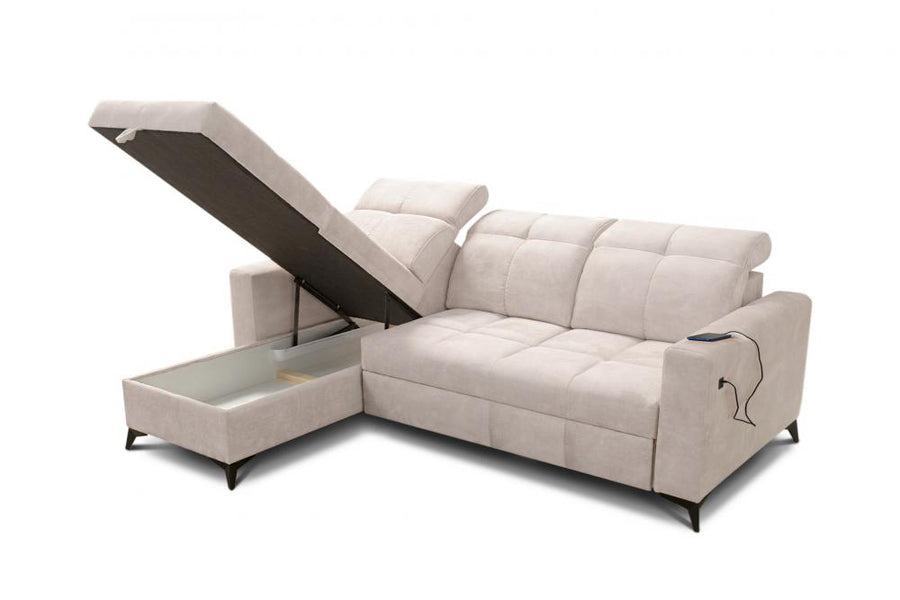
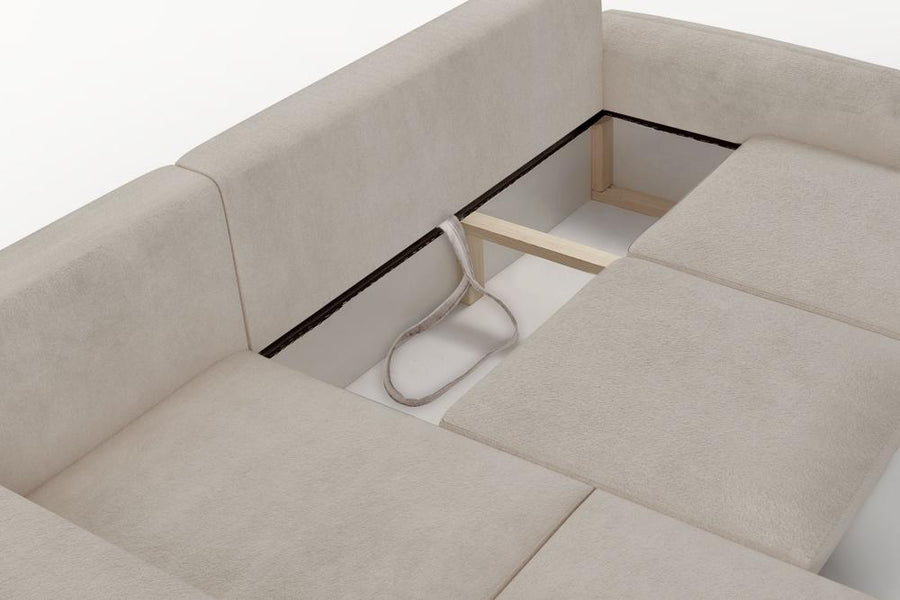
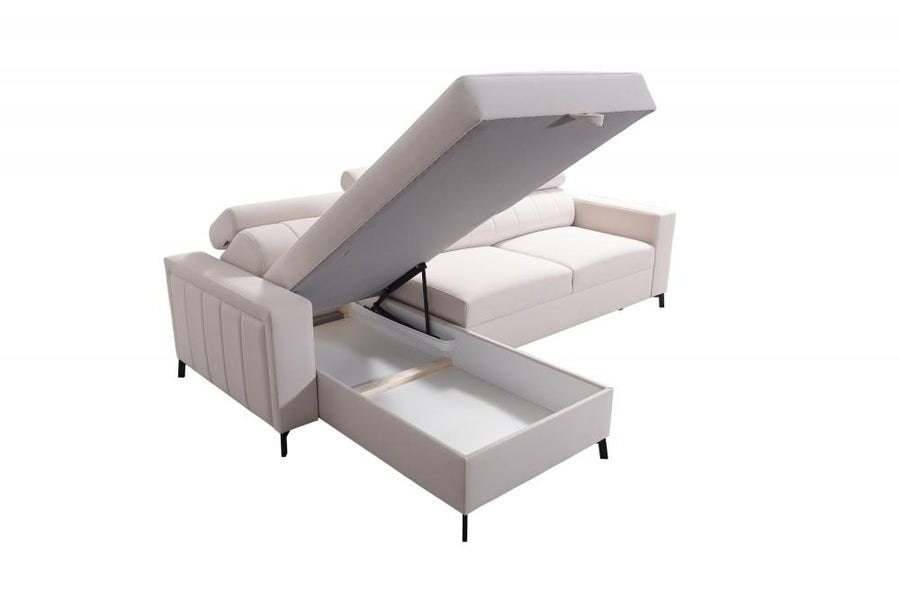
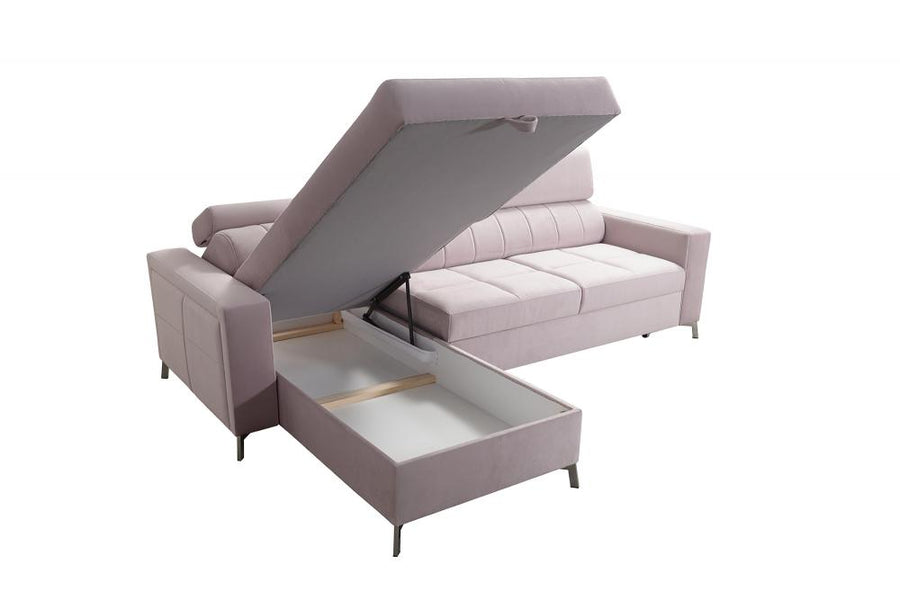
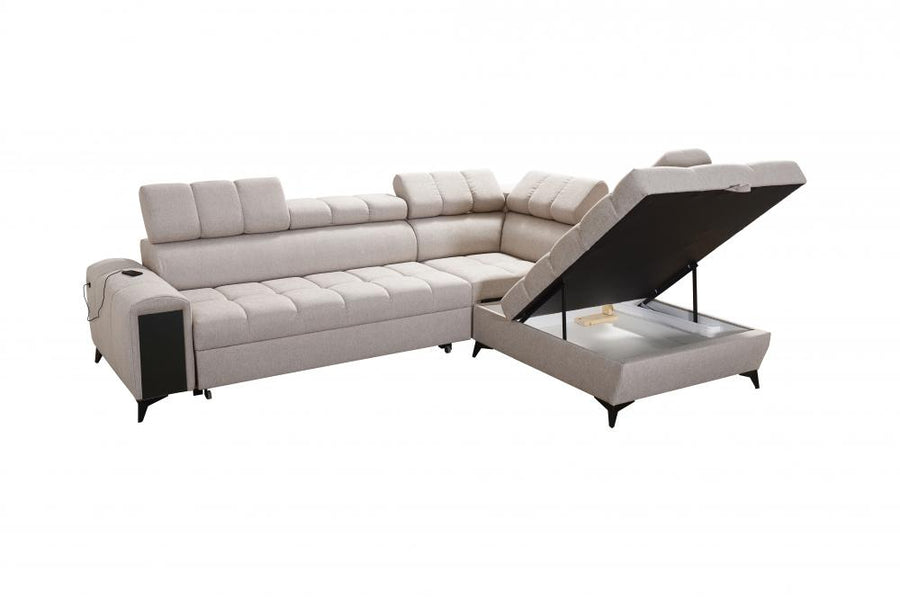
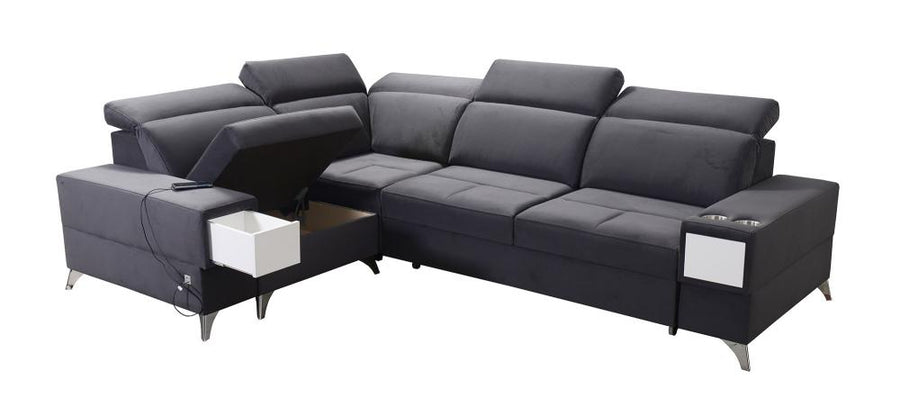
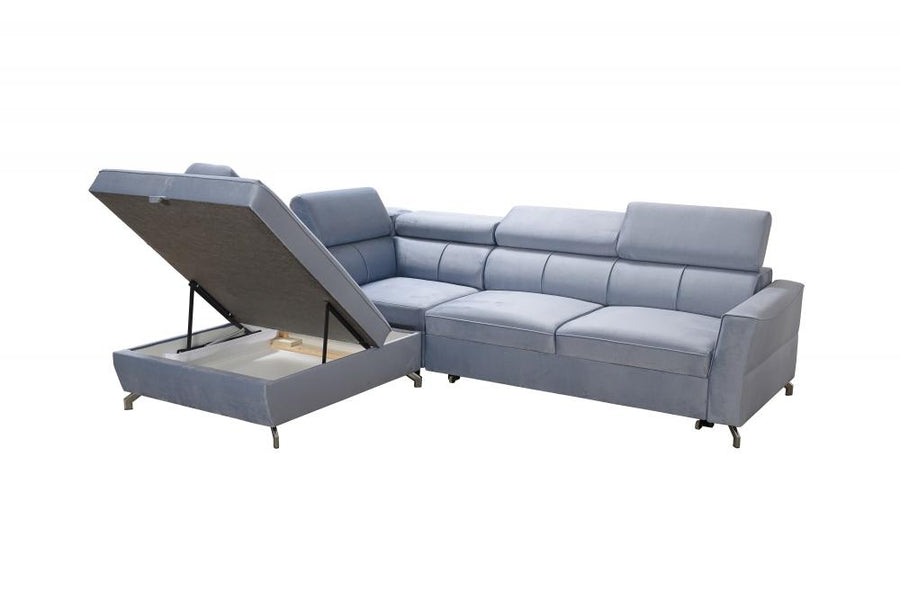
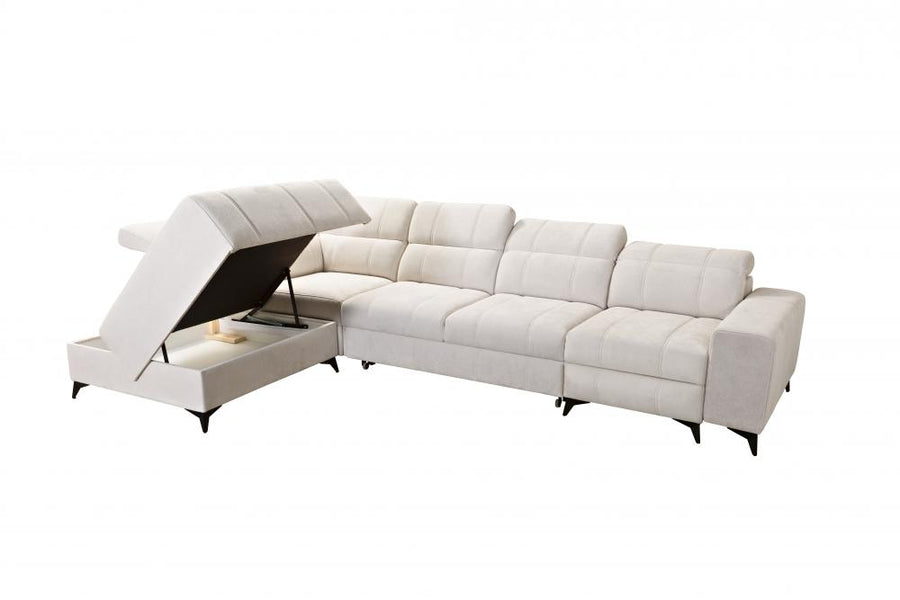
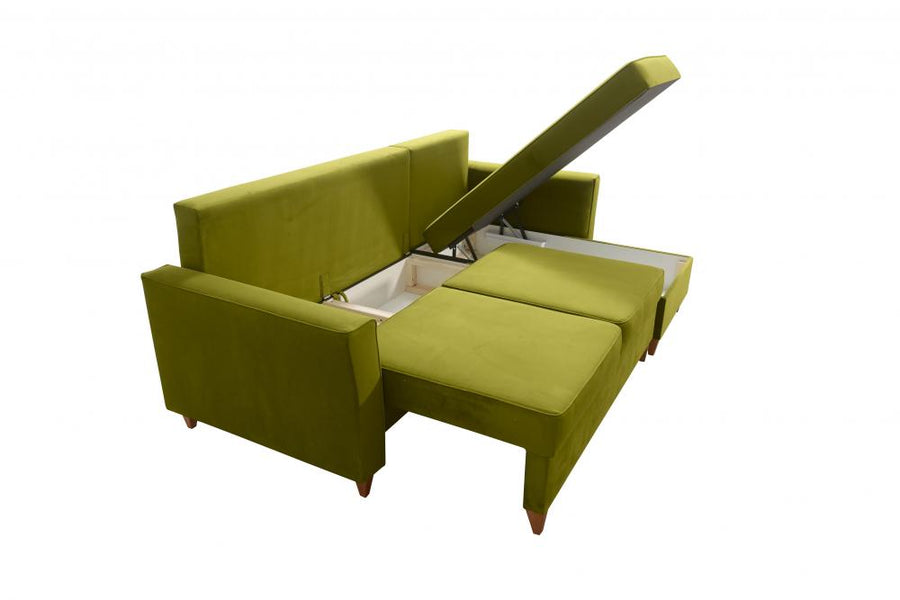
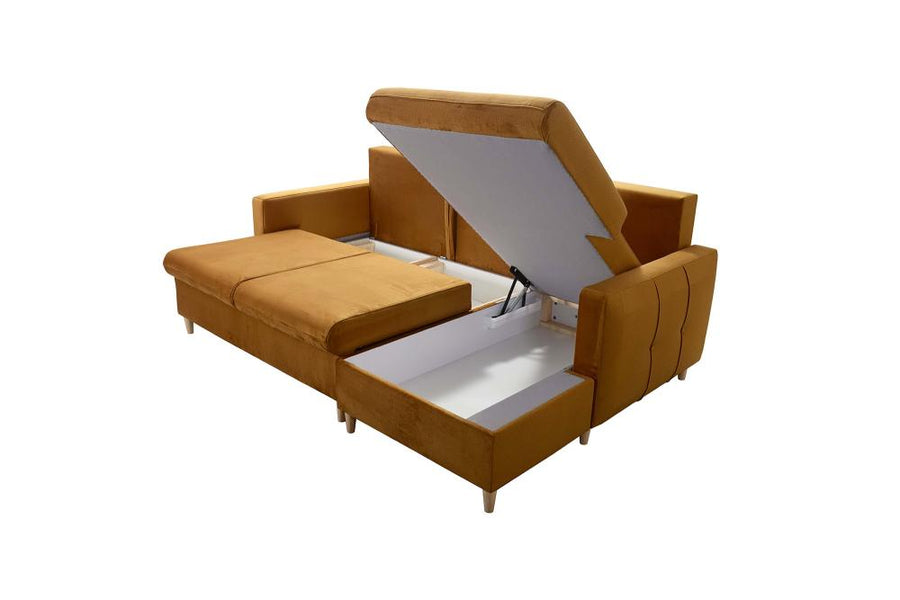
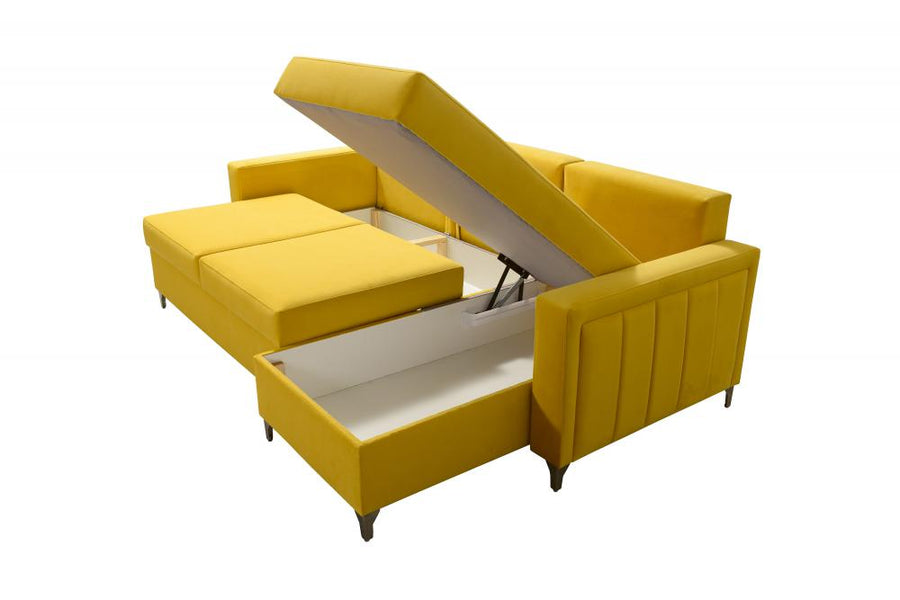
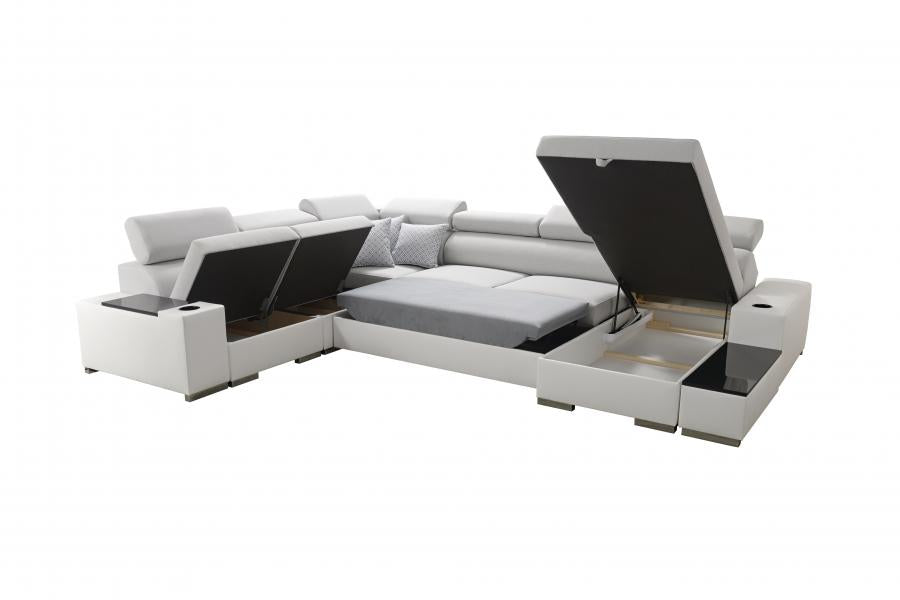
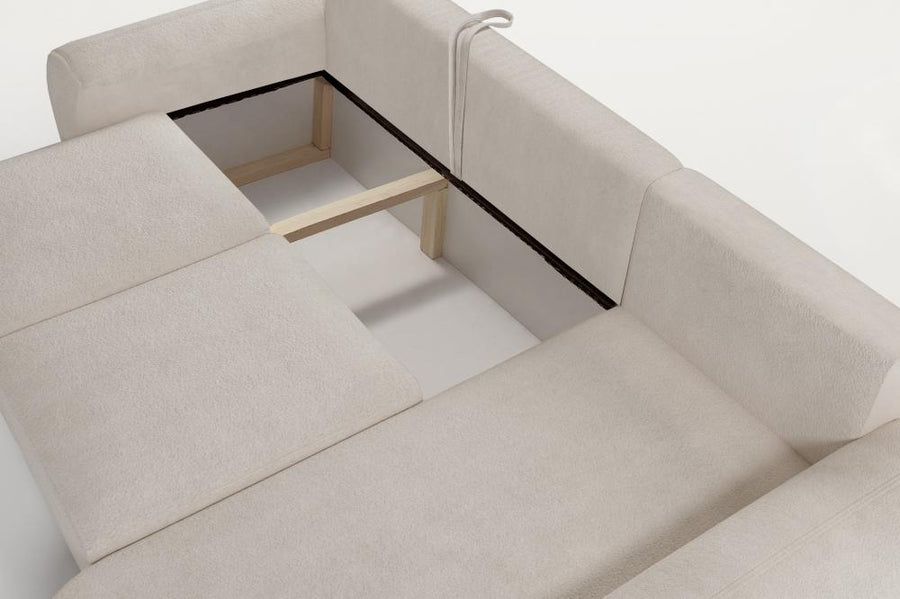
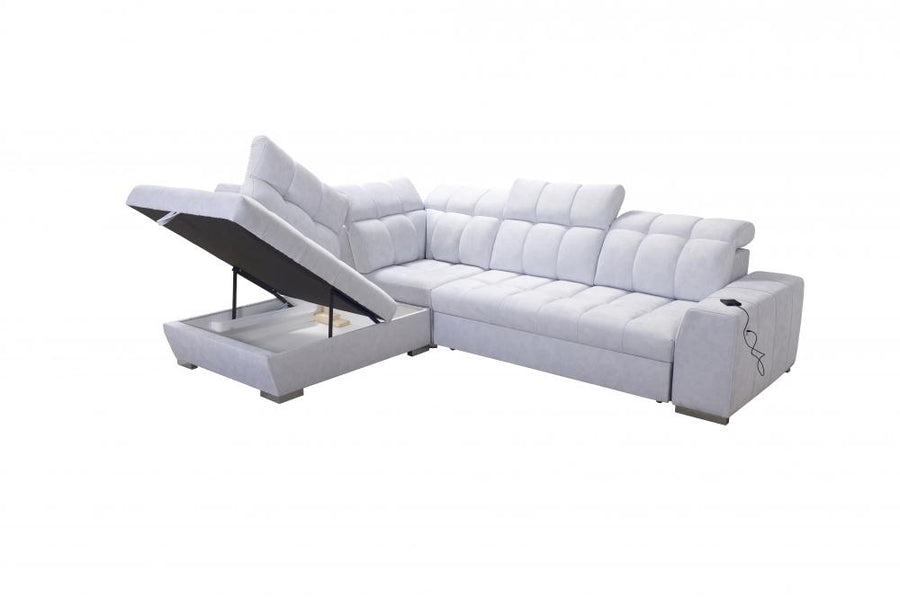
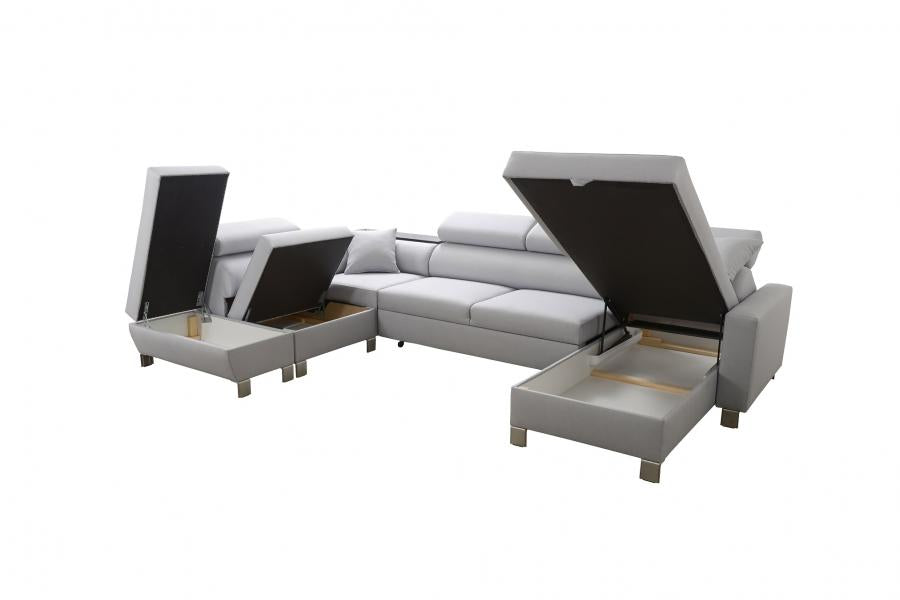
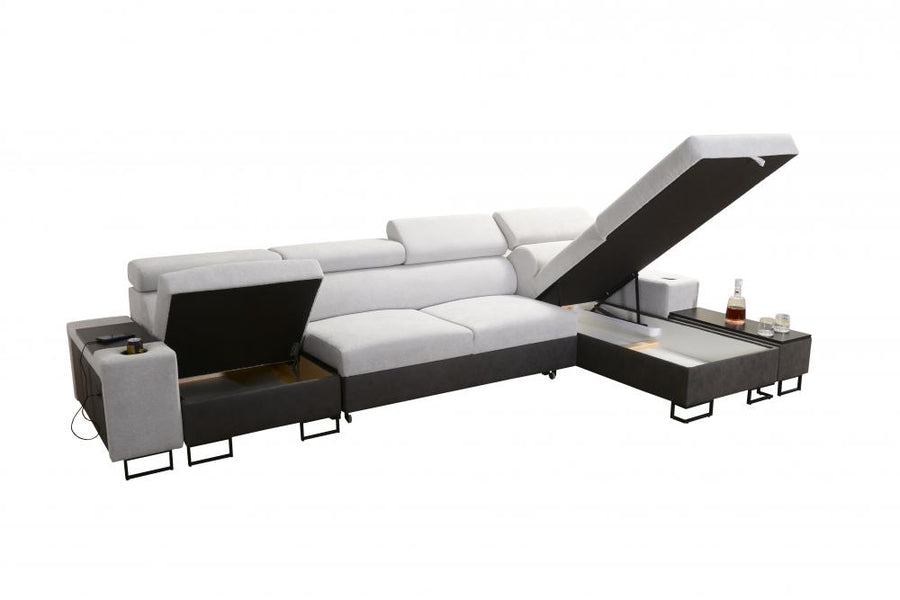
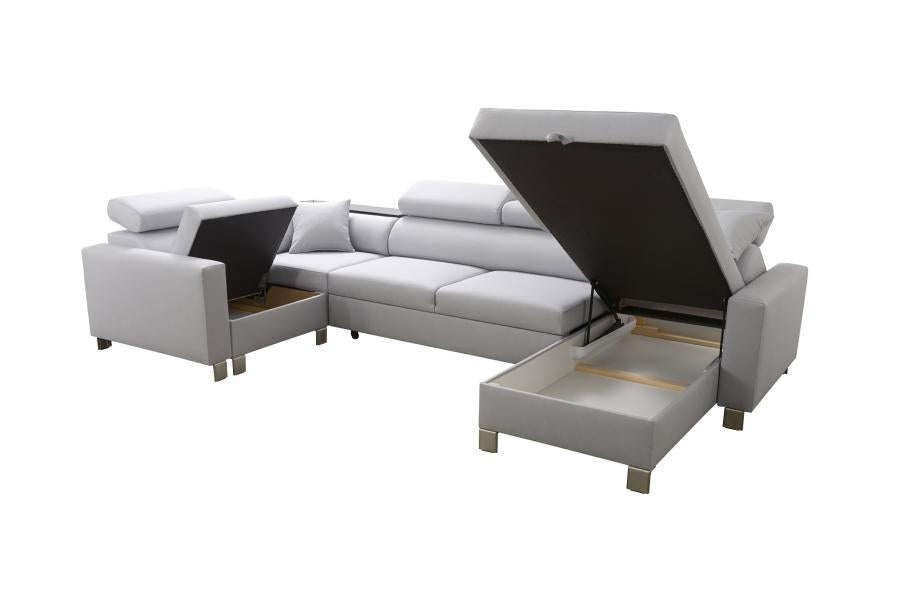
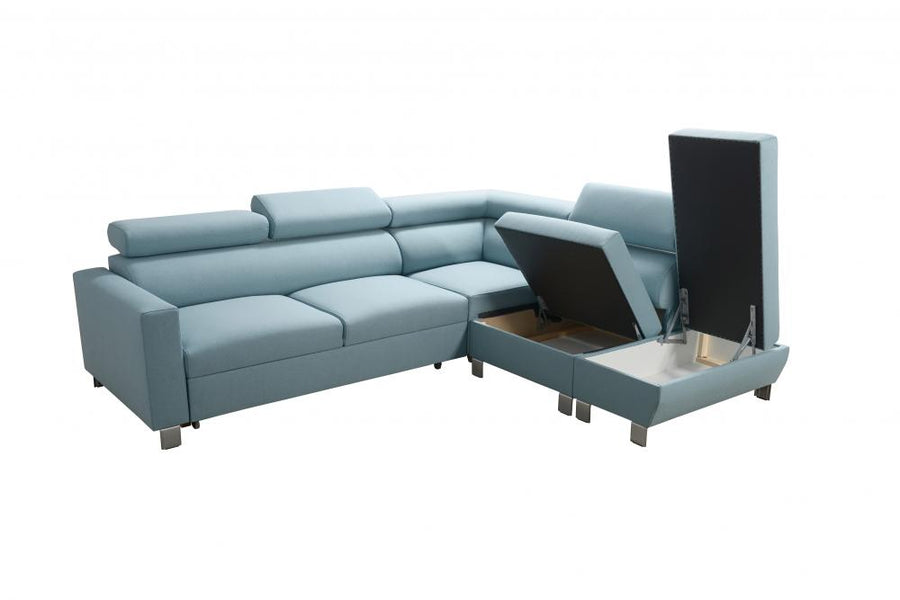
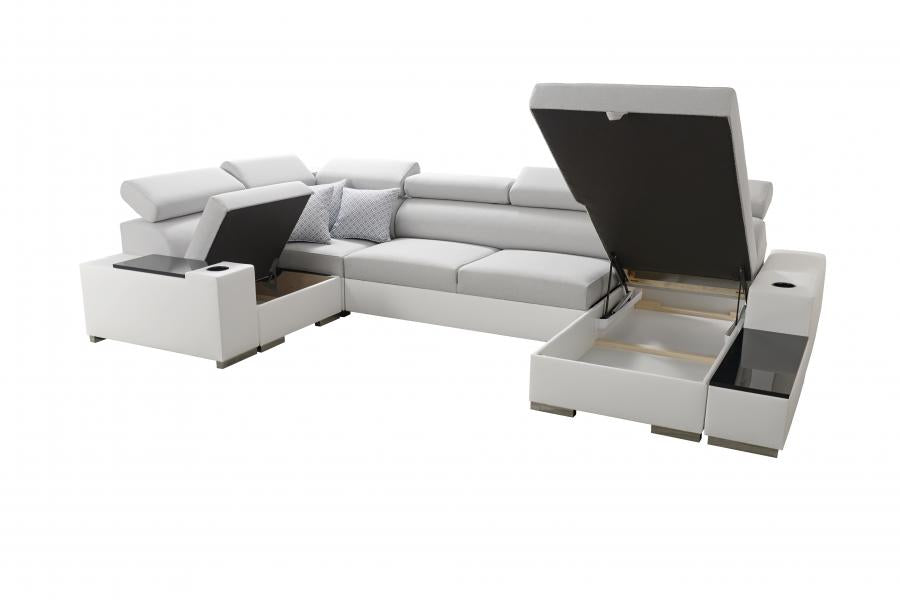
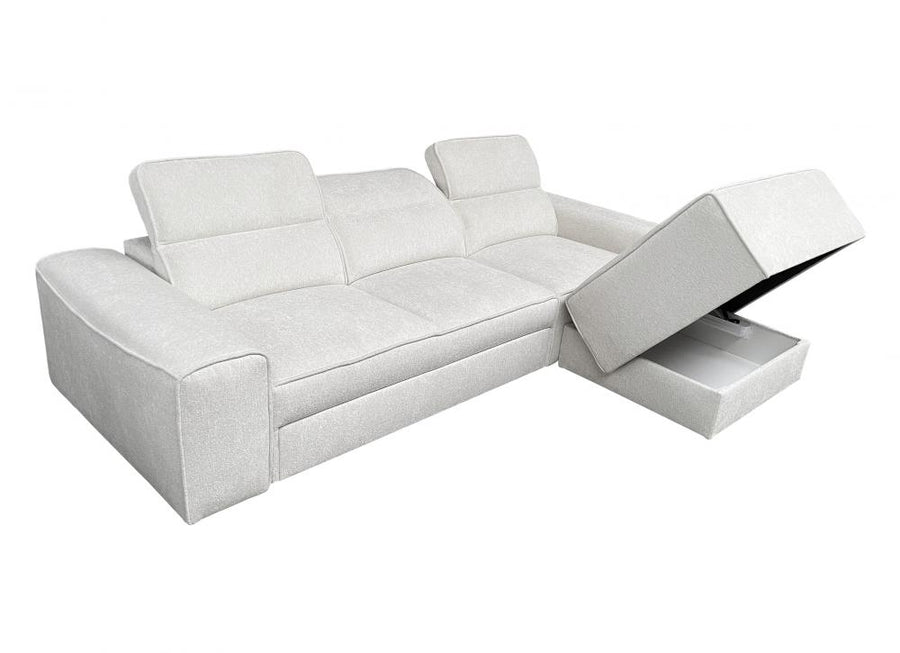
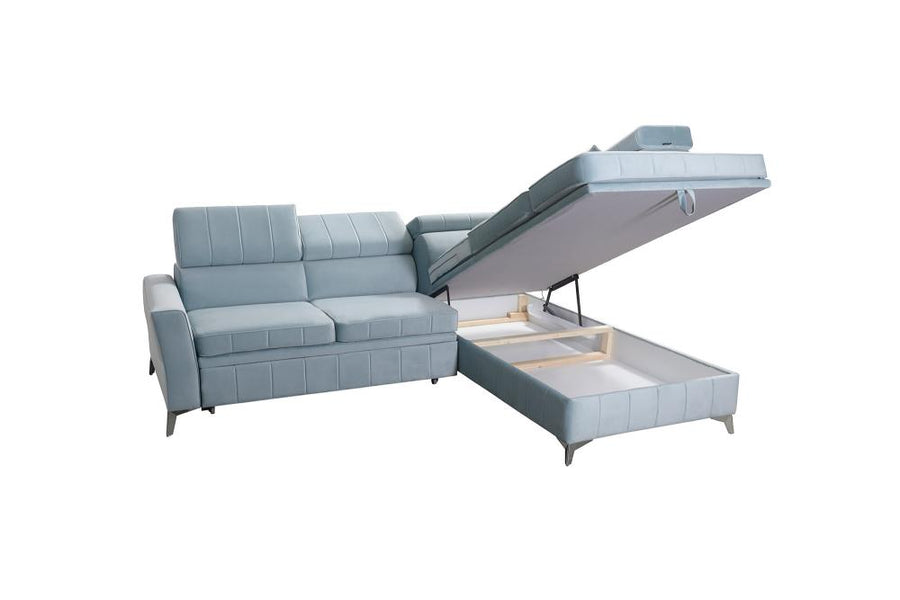
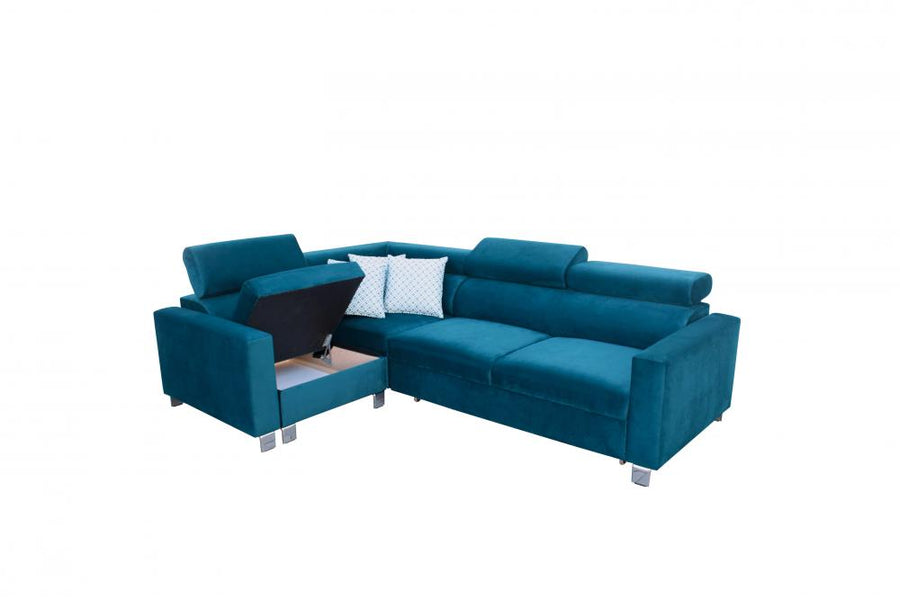
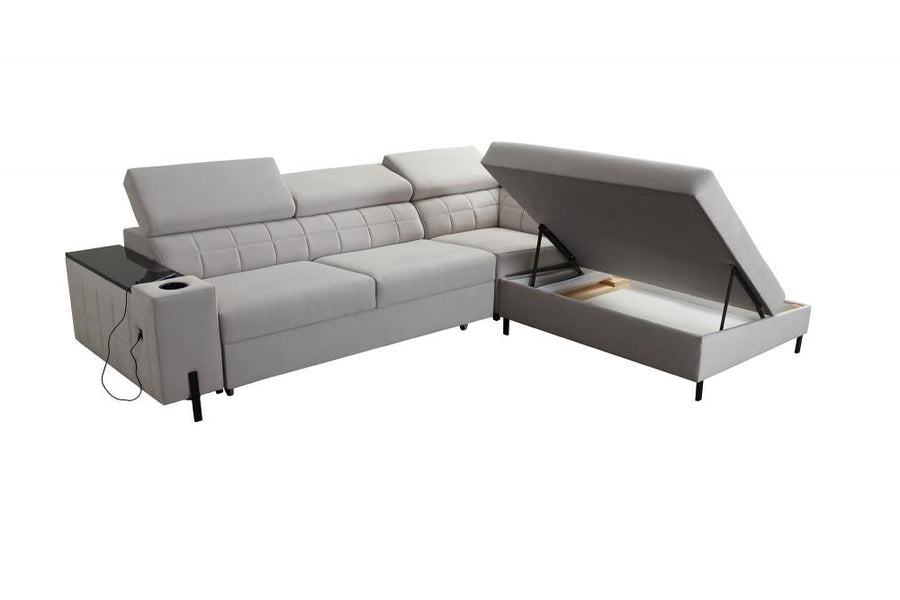
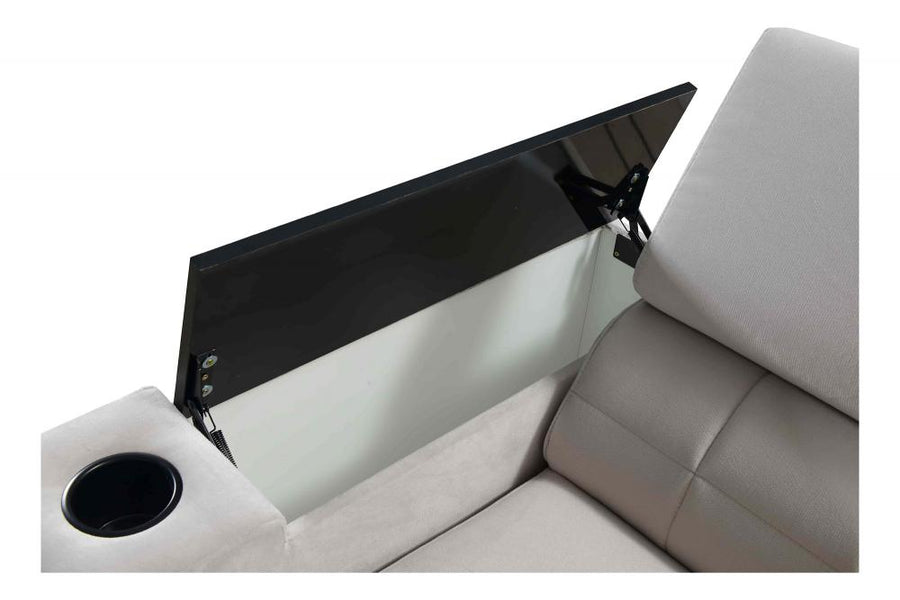
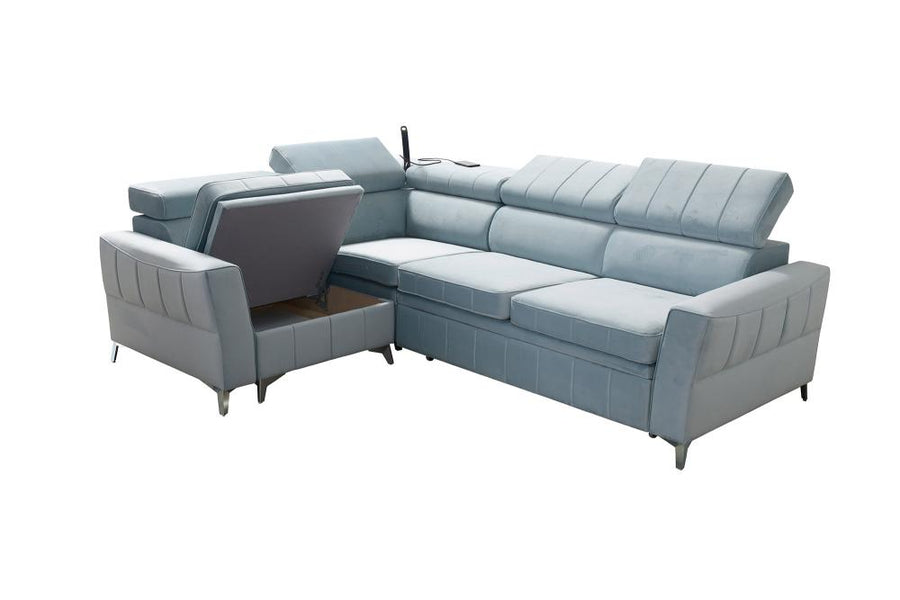
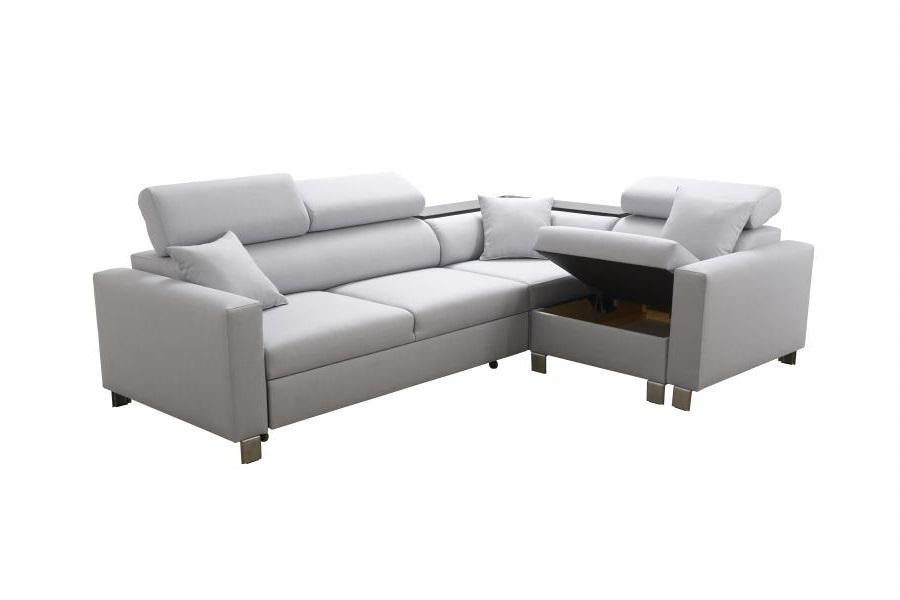
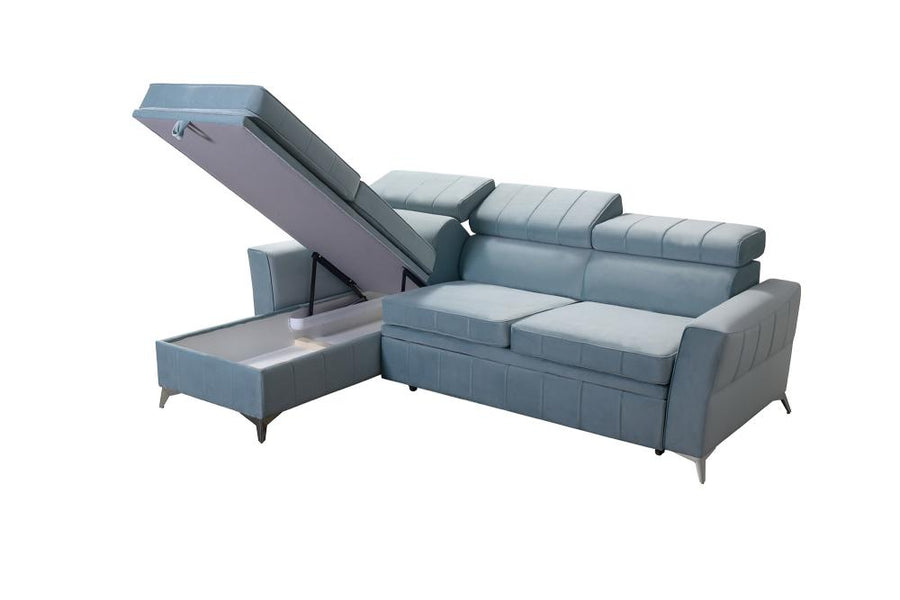
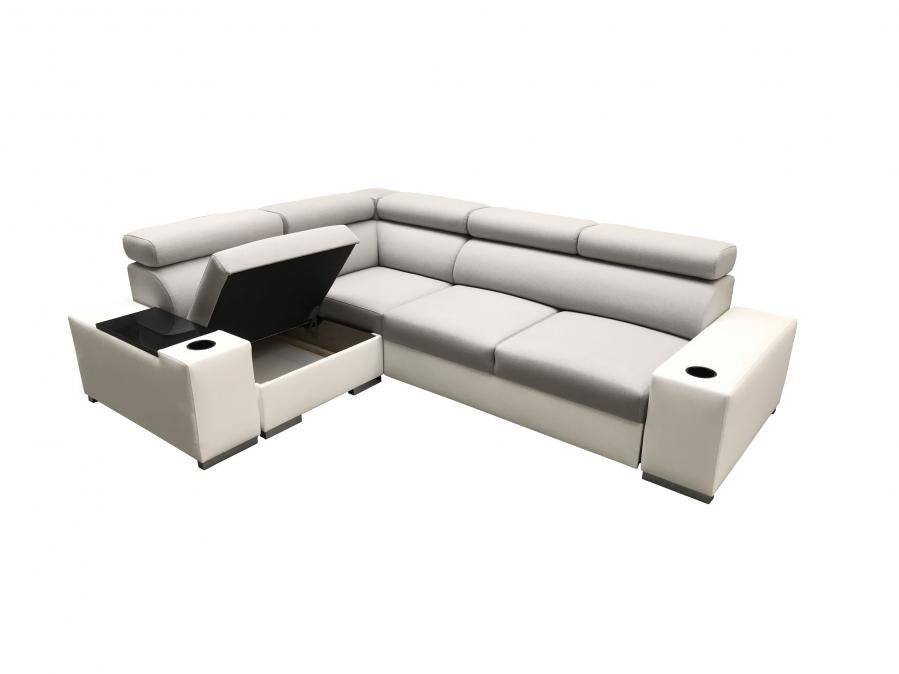
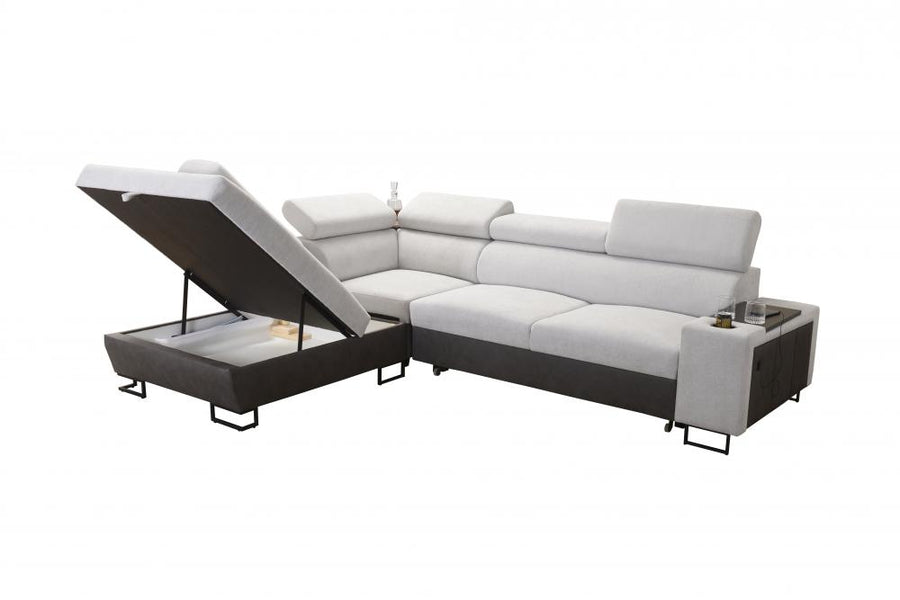
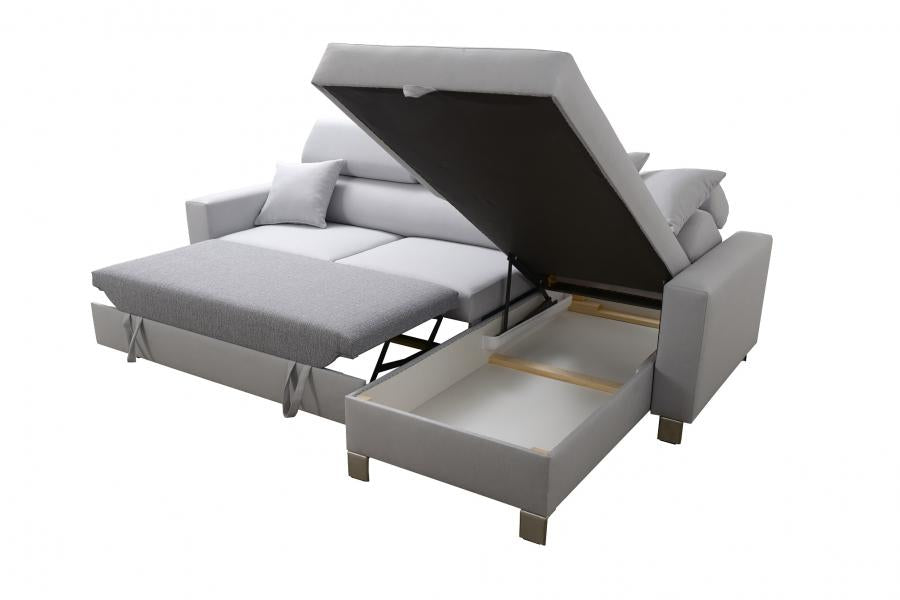
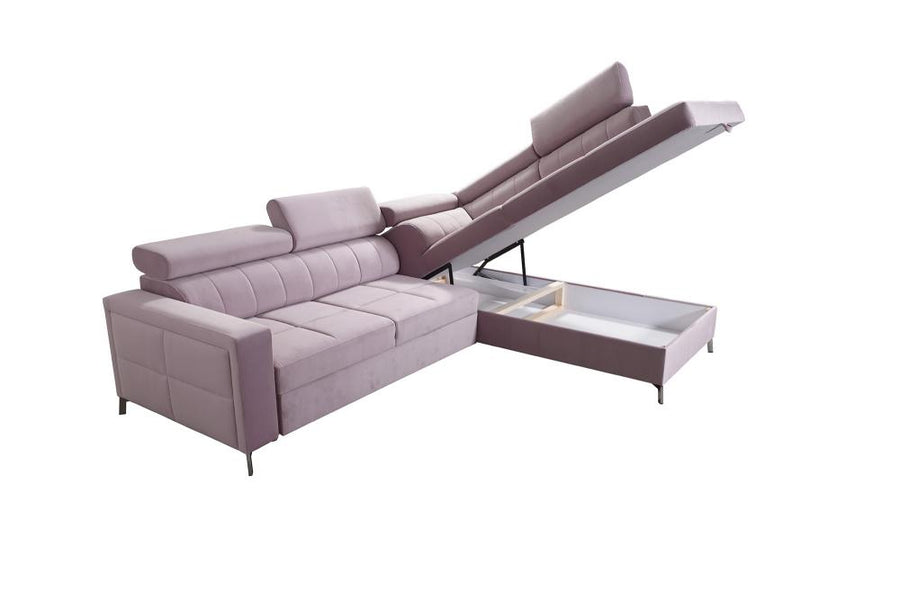
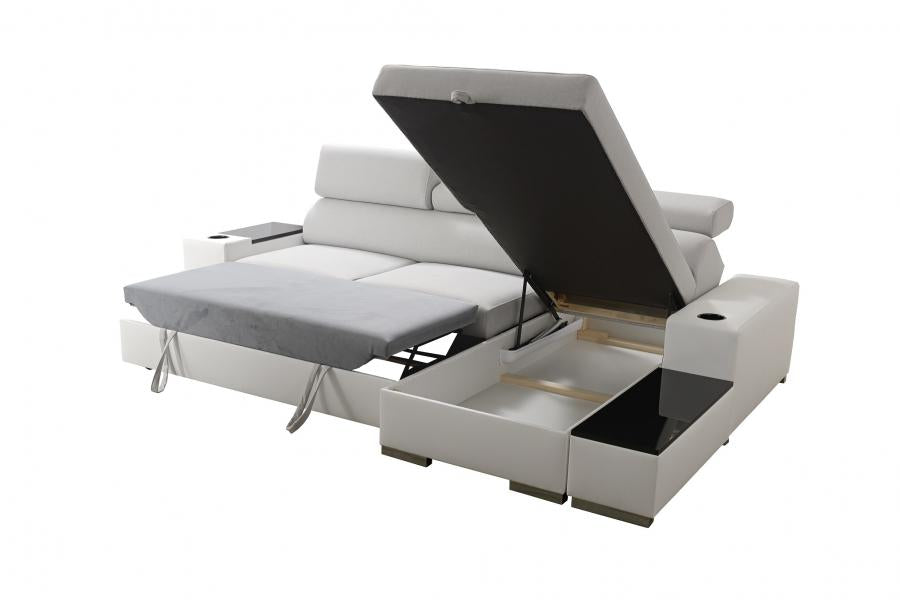
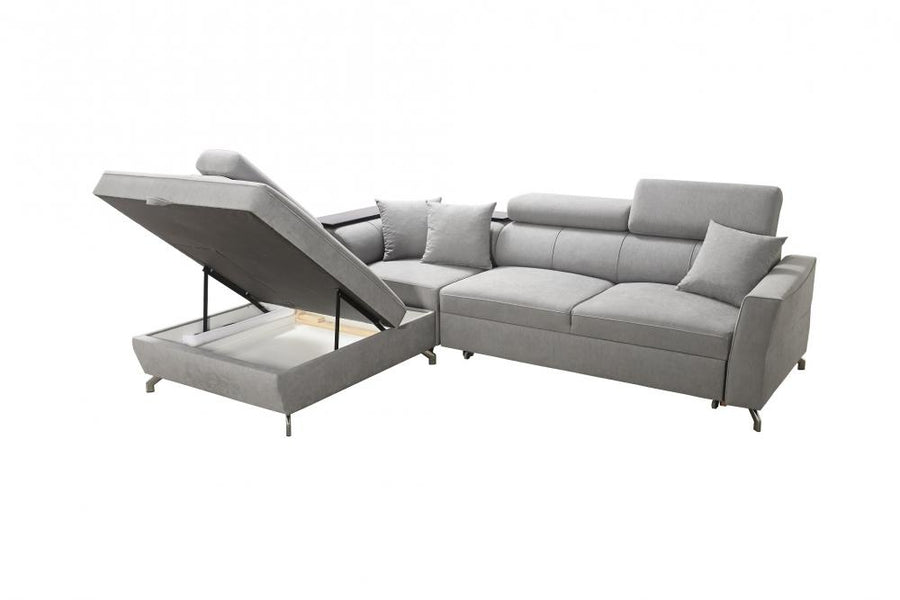
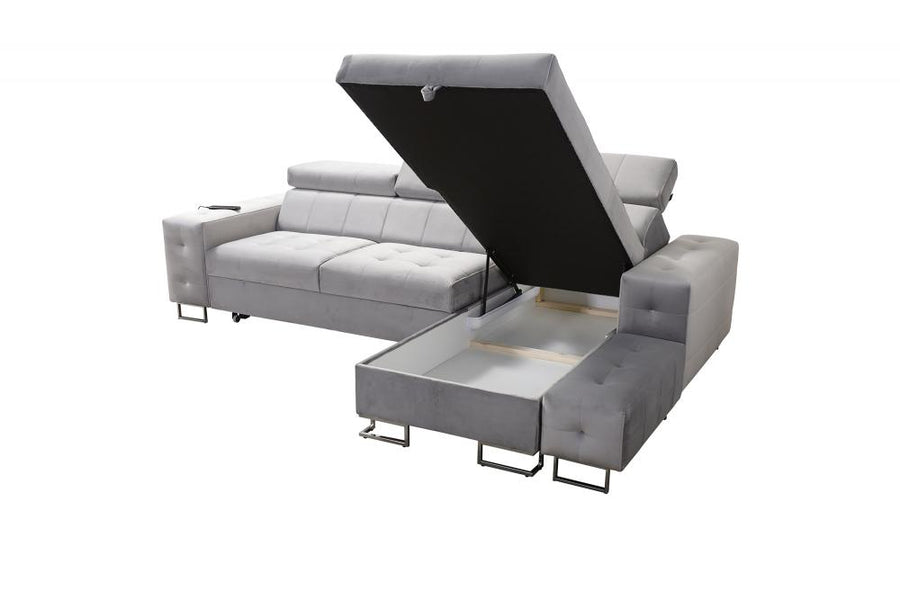
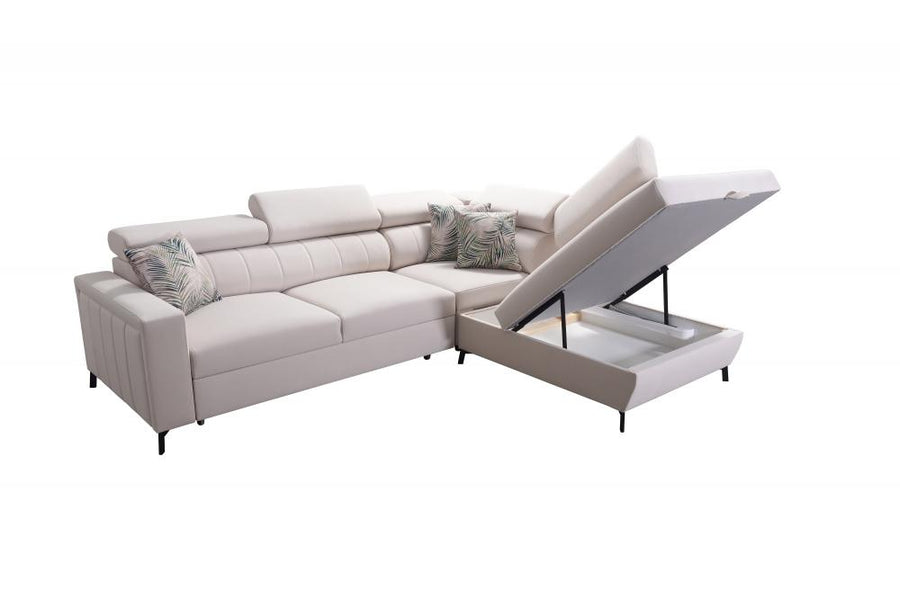
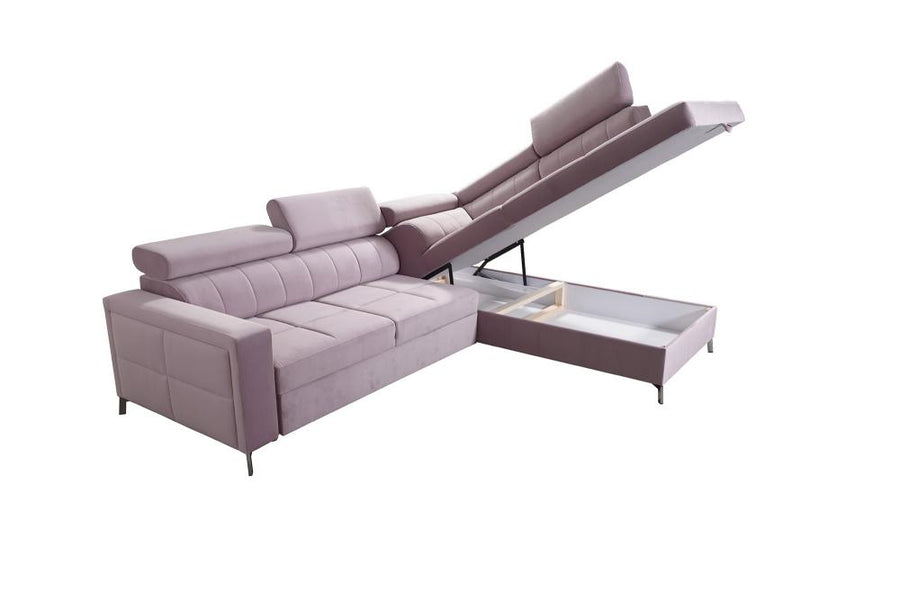
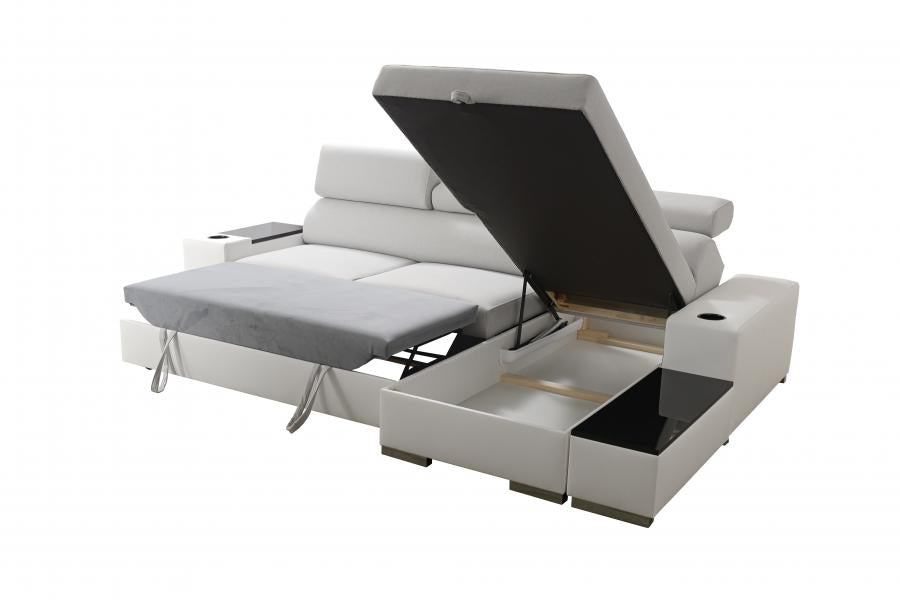
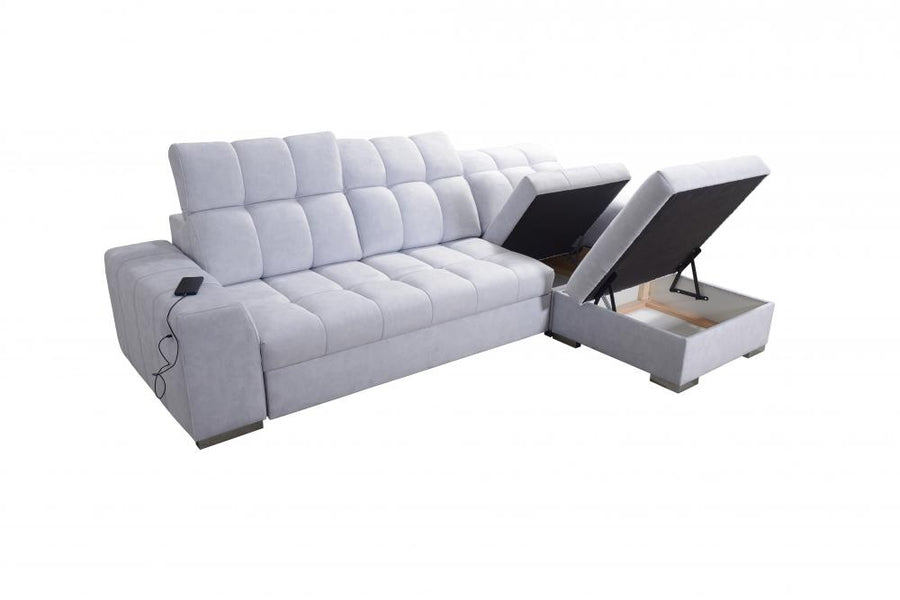
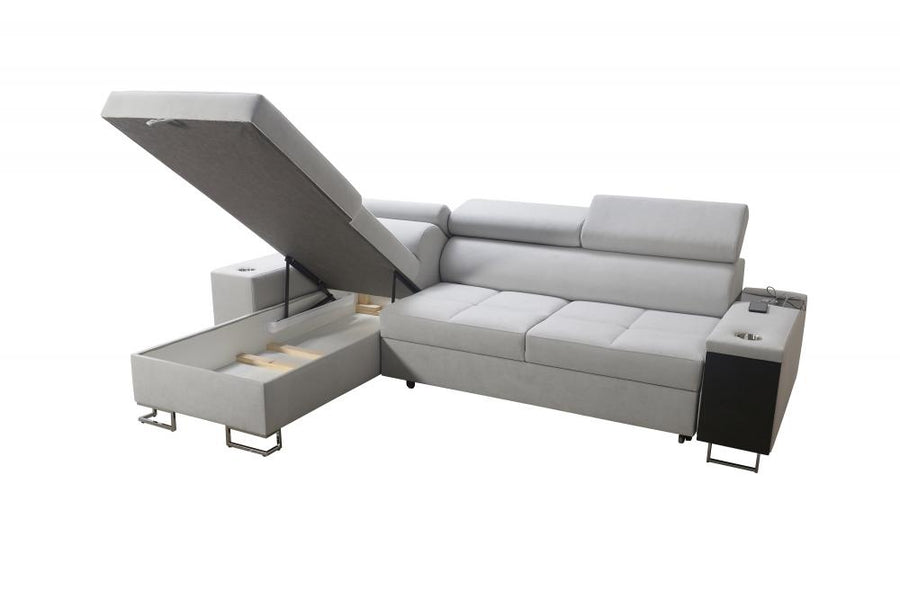
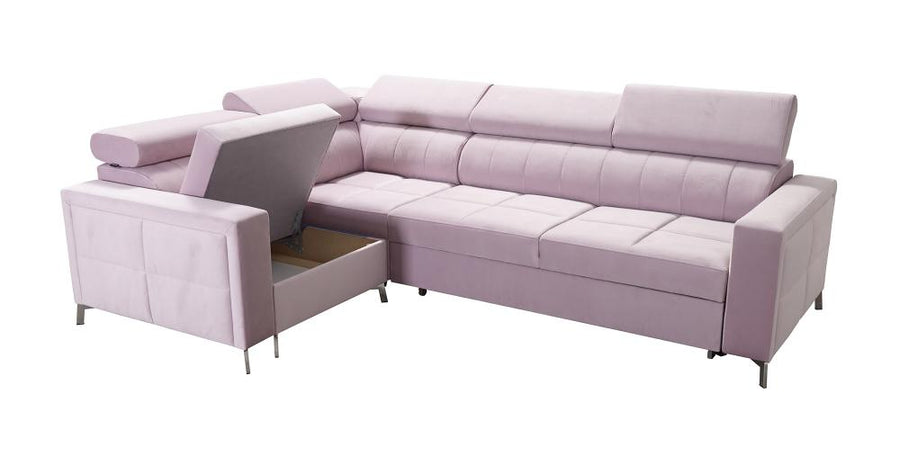
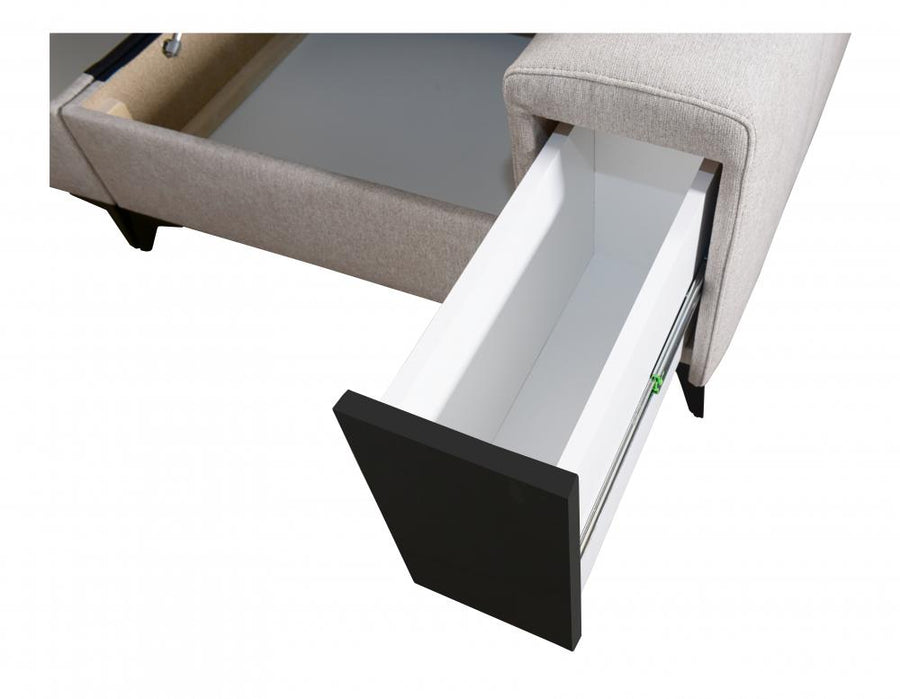
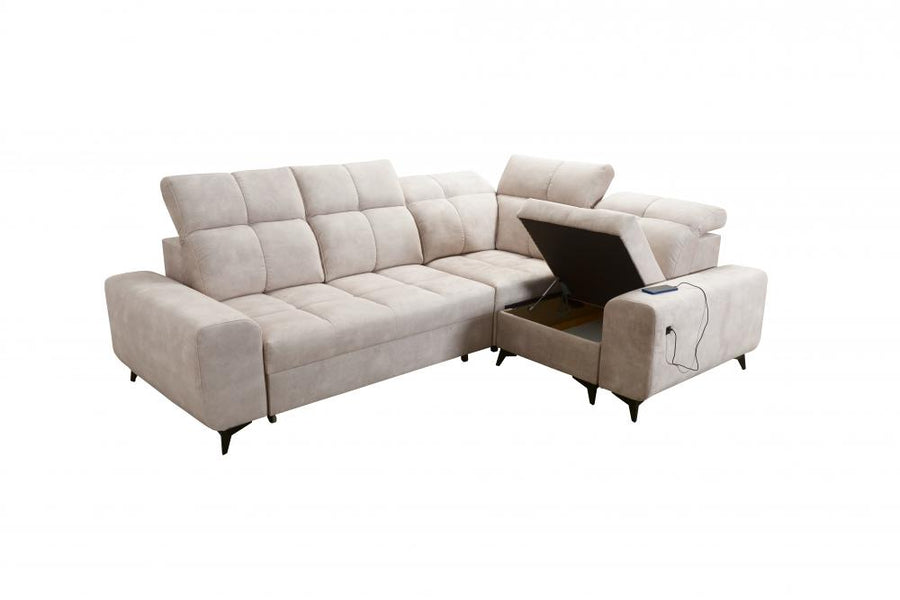
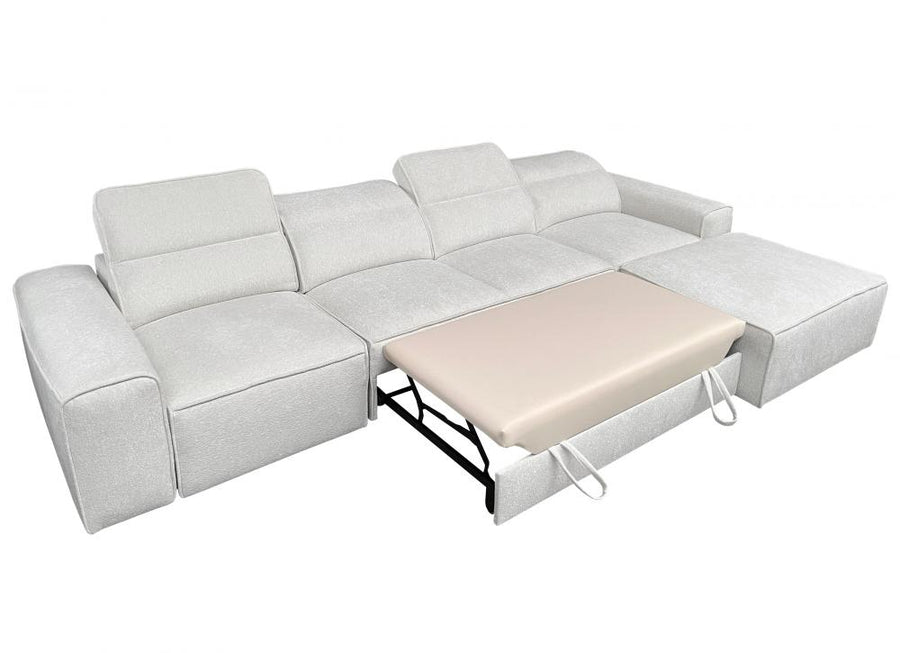
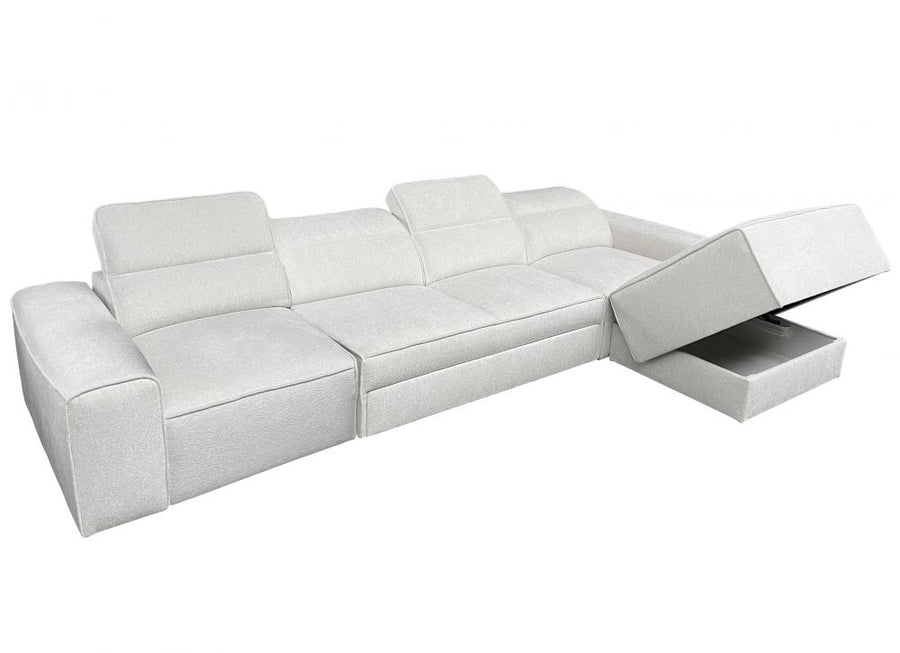
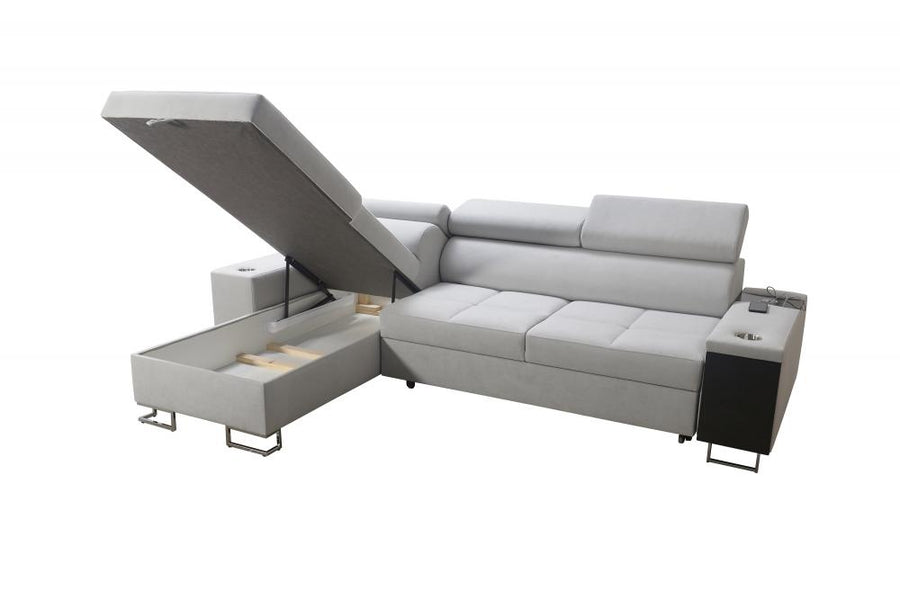
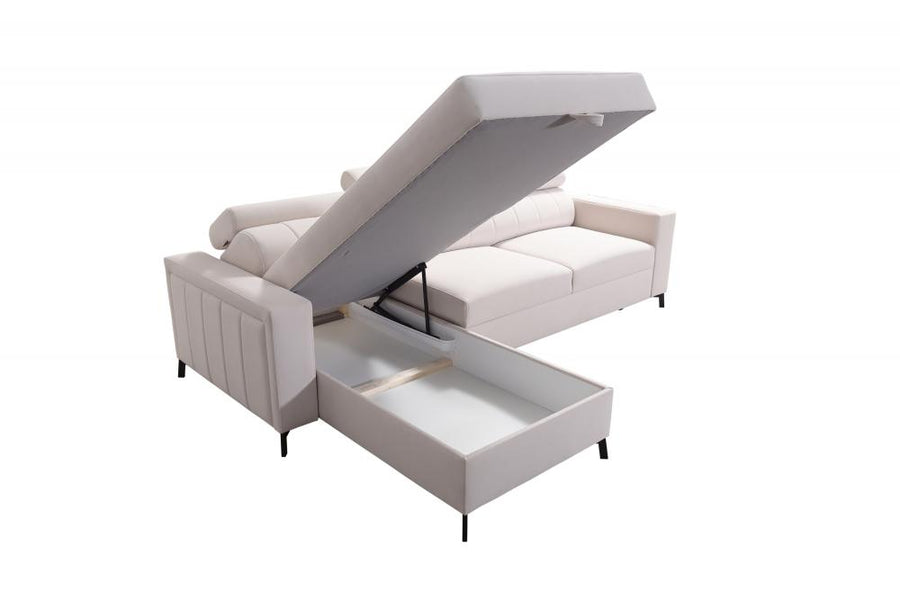
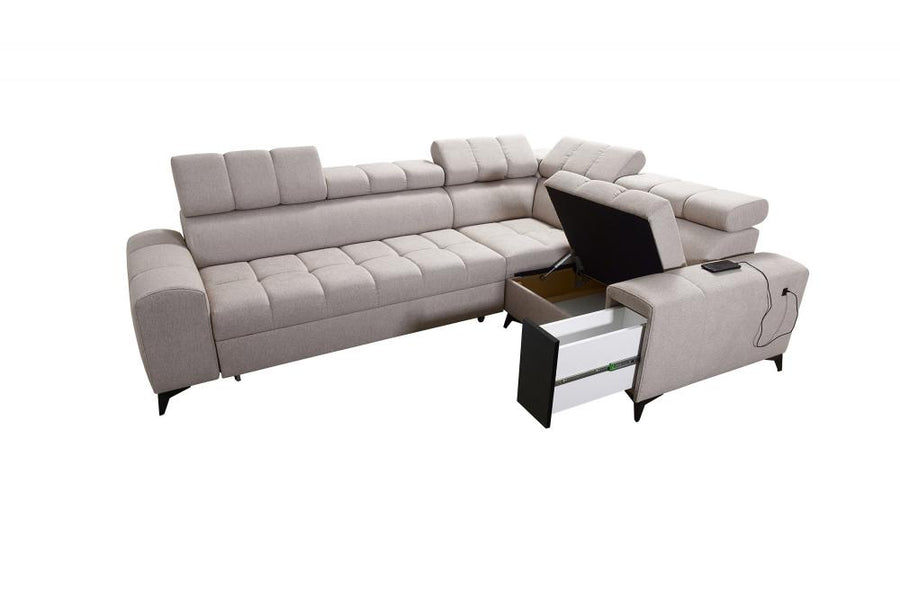
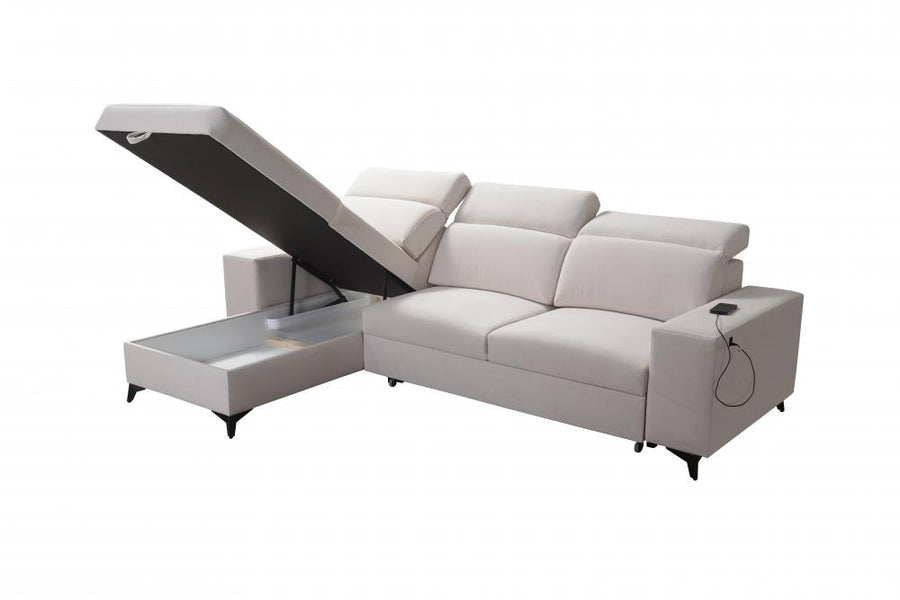
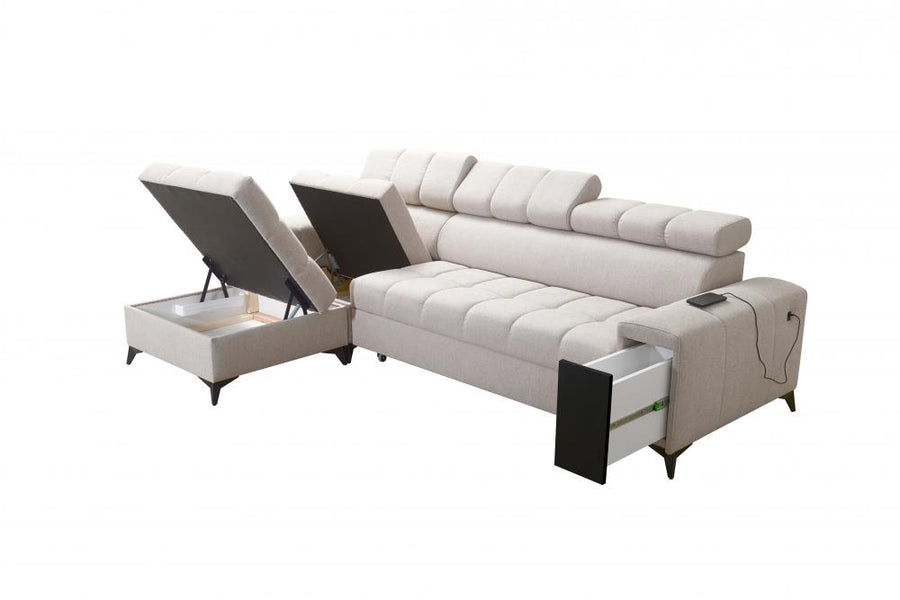
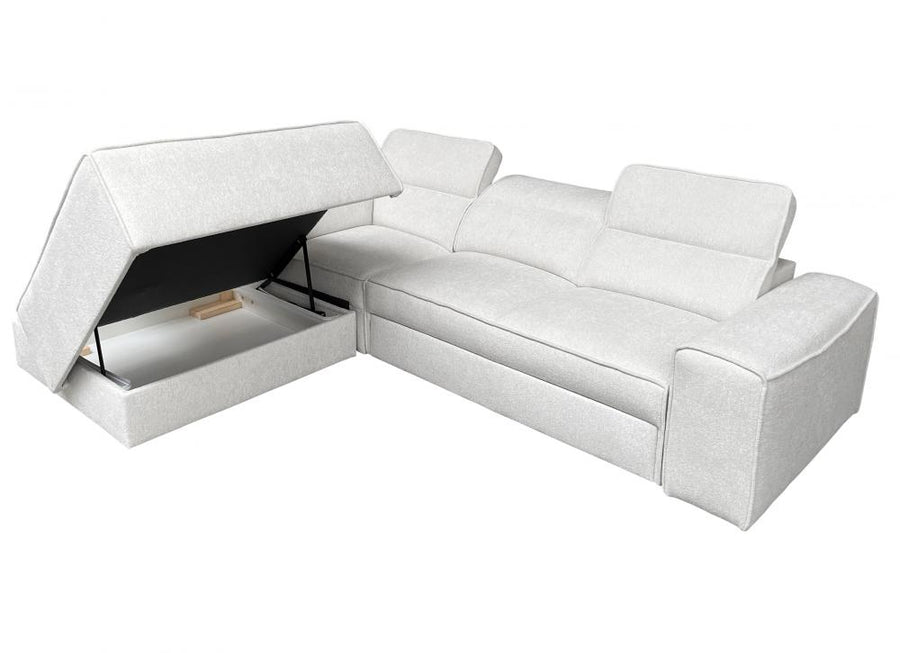
Moreover, this design allows for the integration of features without excessively weighing down each piece, such as a sofa with storage compartment or a modular convertible sofa mechanism.
The Special Case of Sleeping
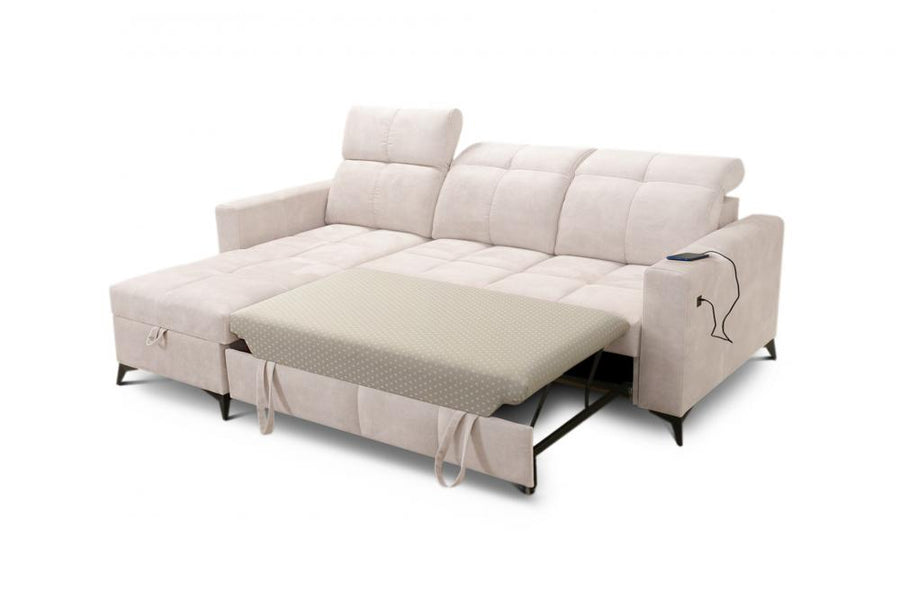
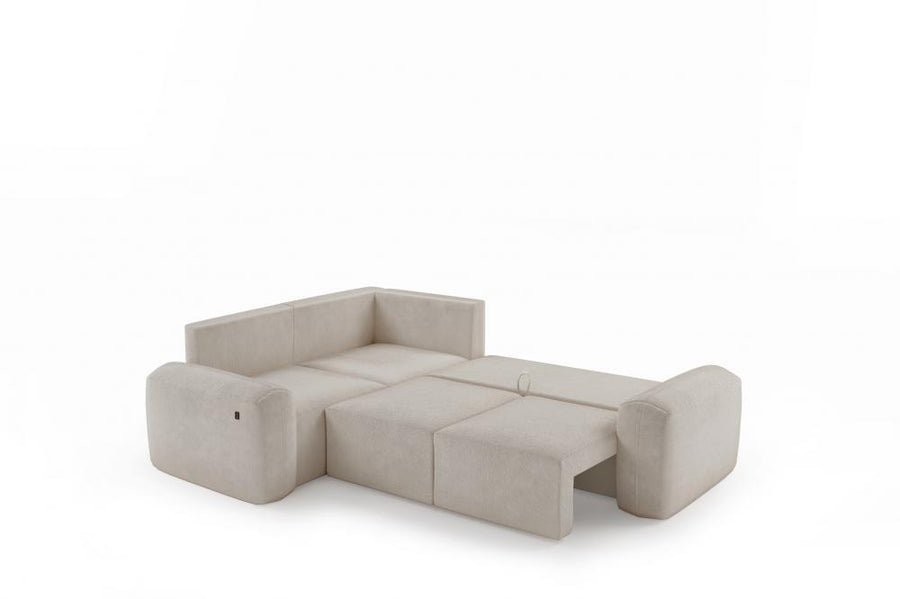
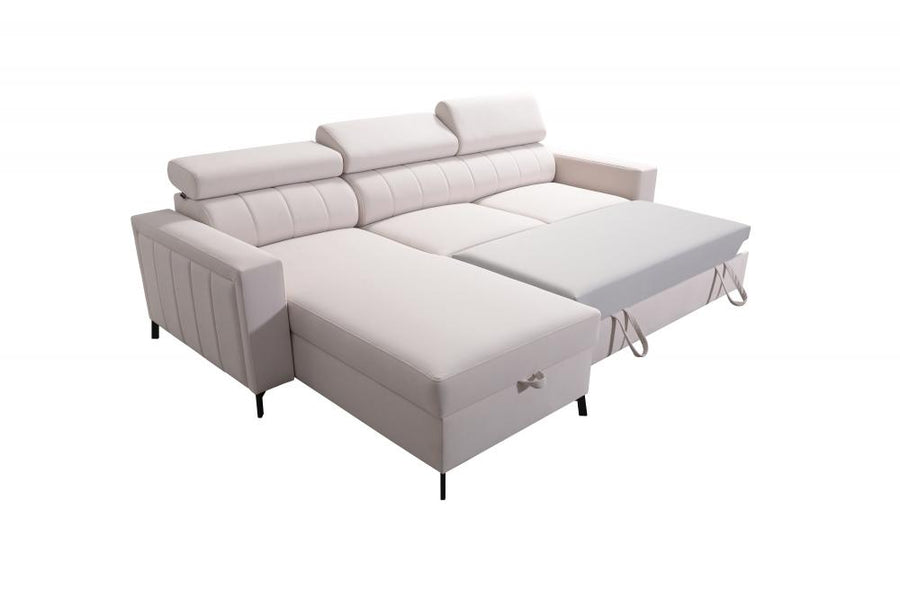
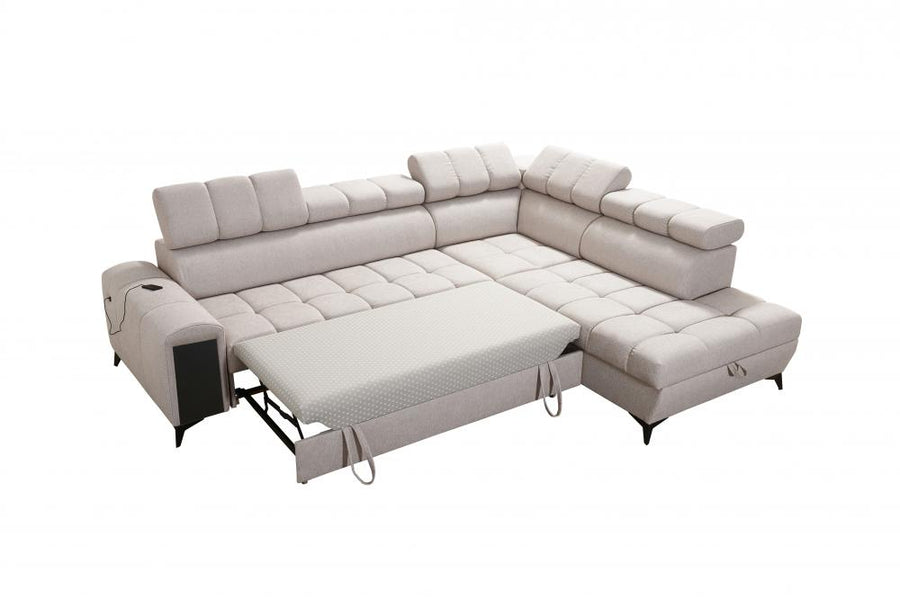
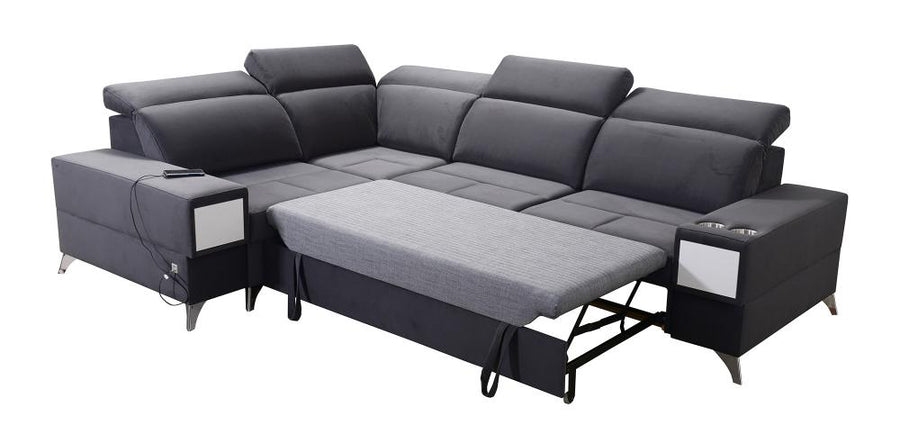
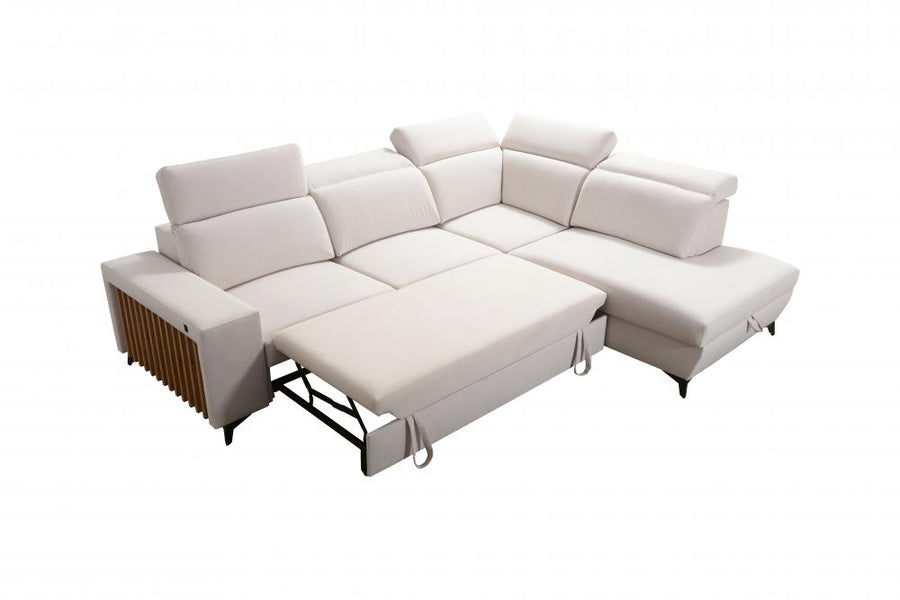
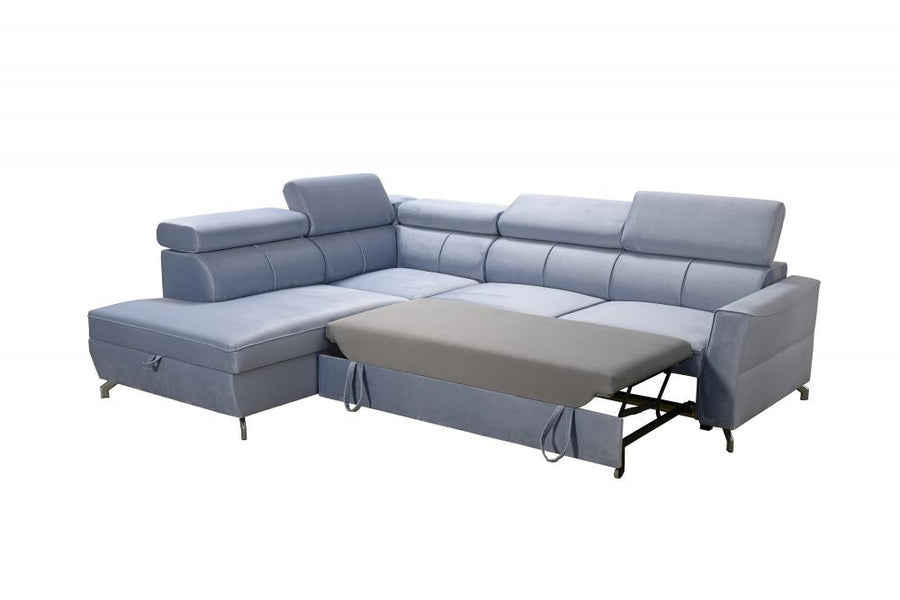
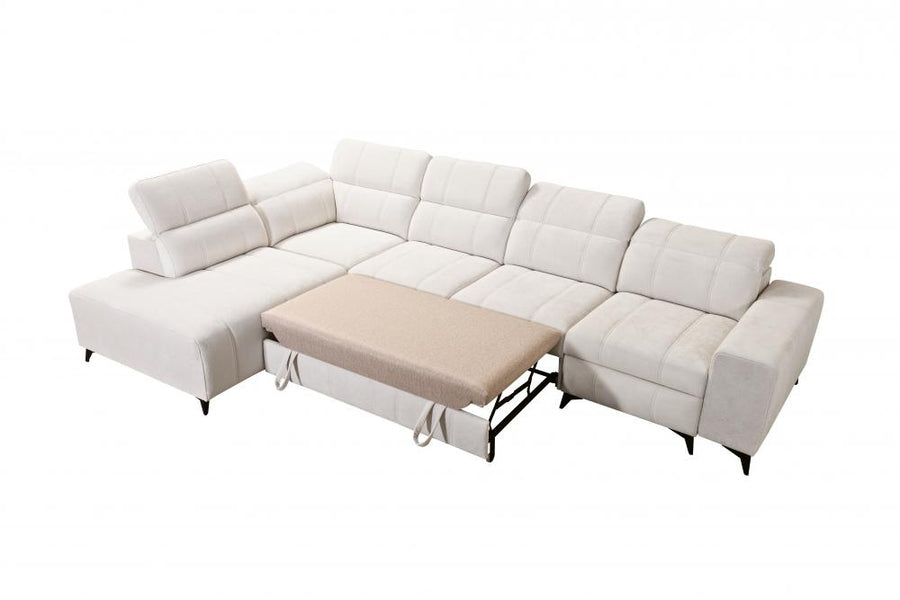
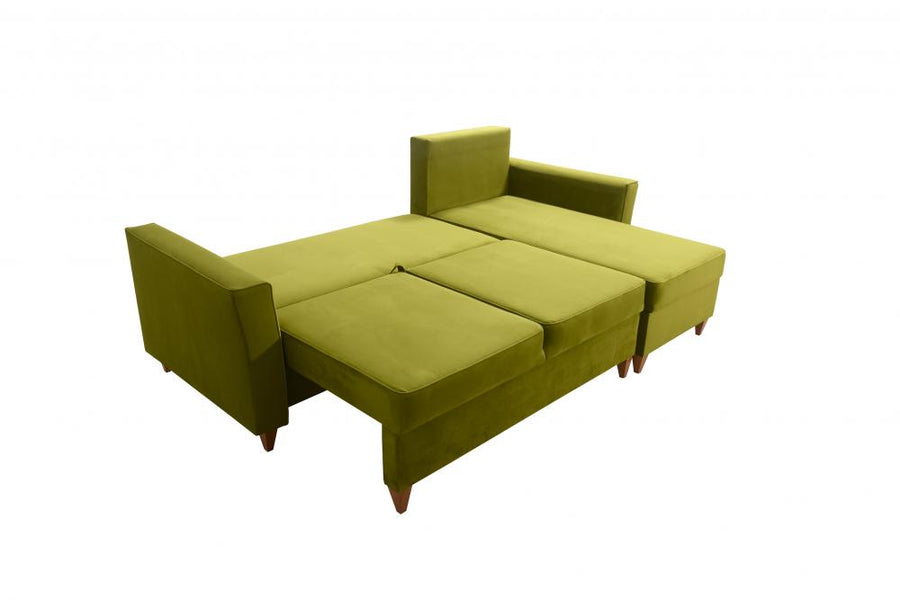
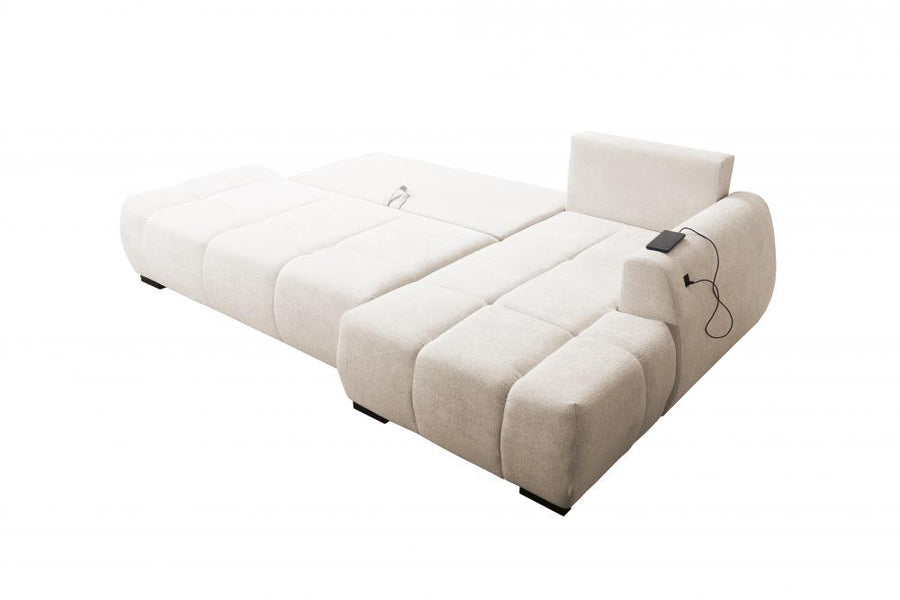
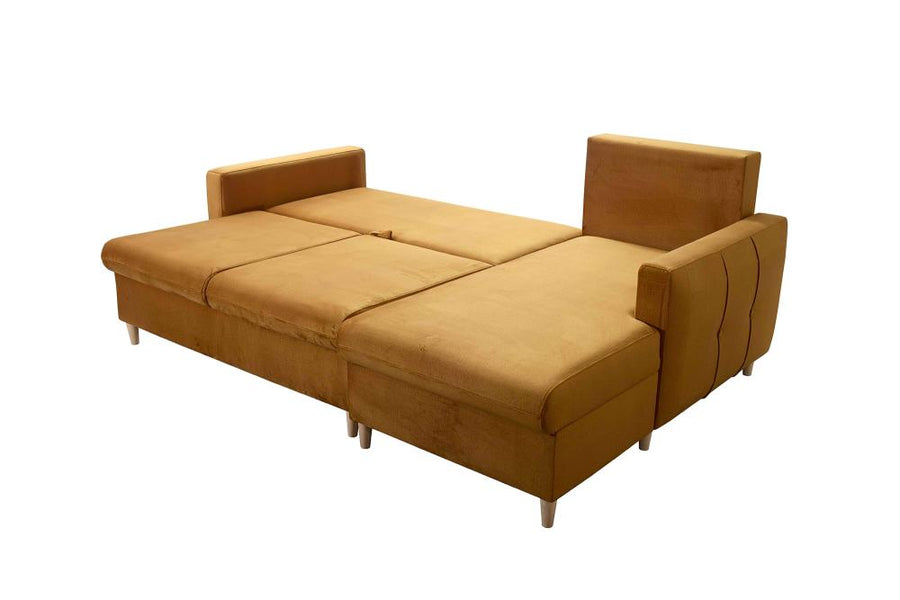
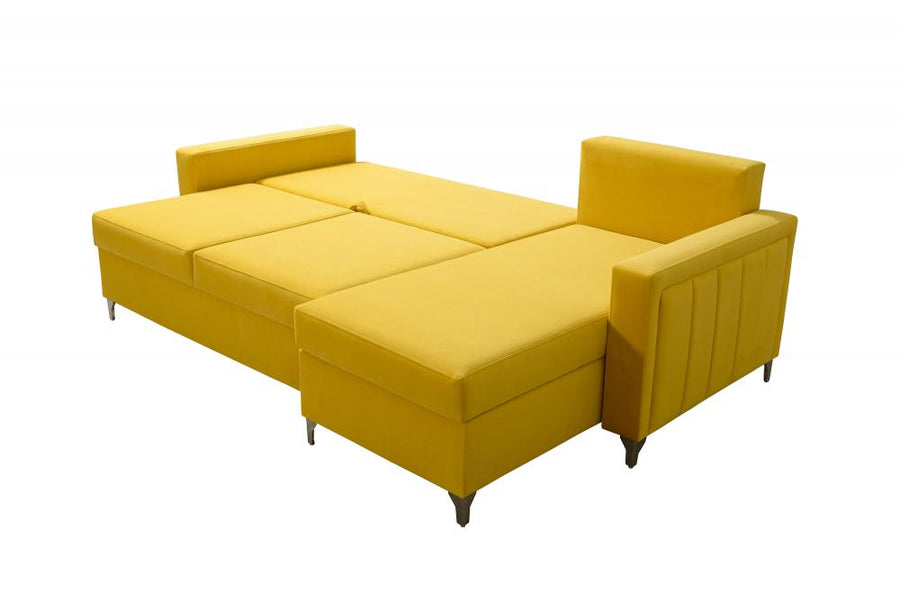
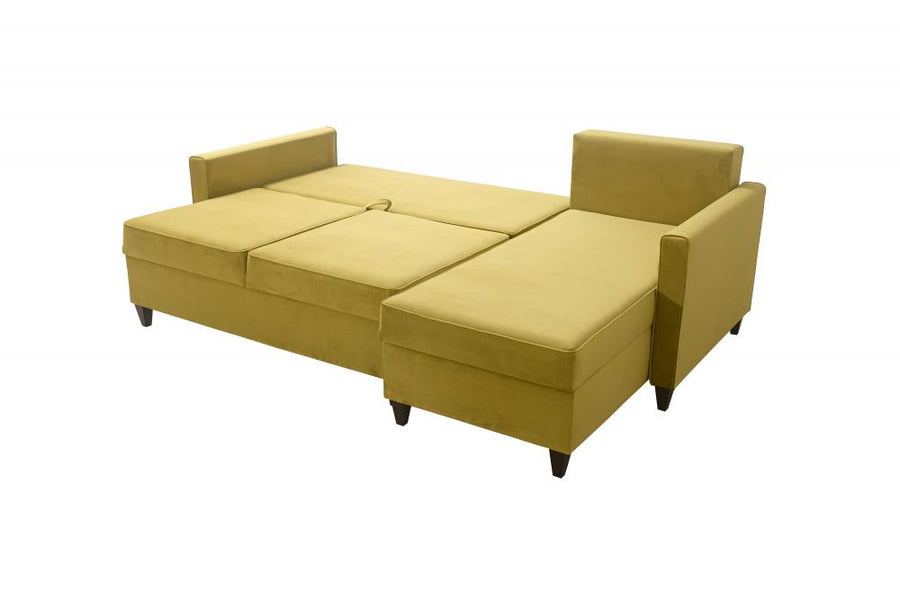
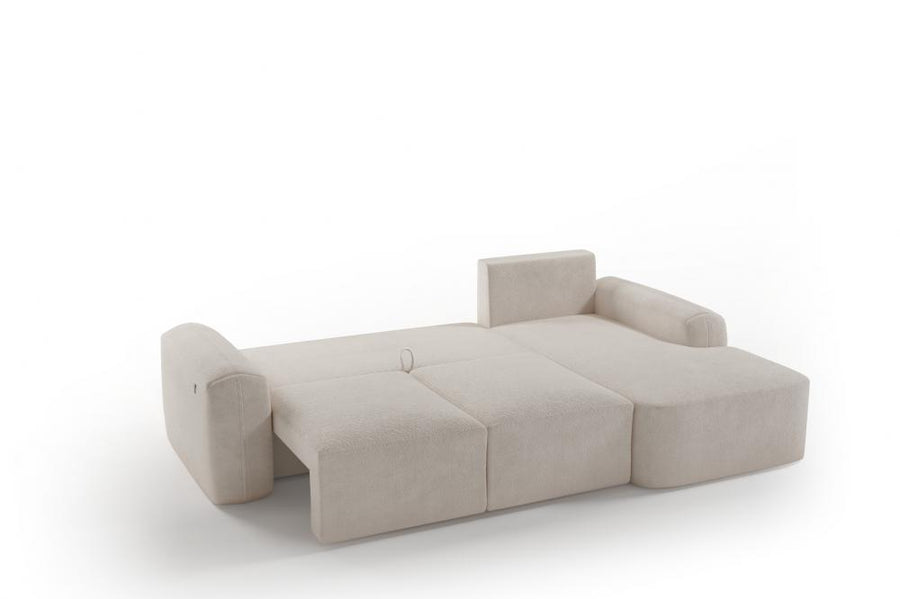
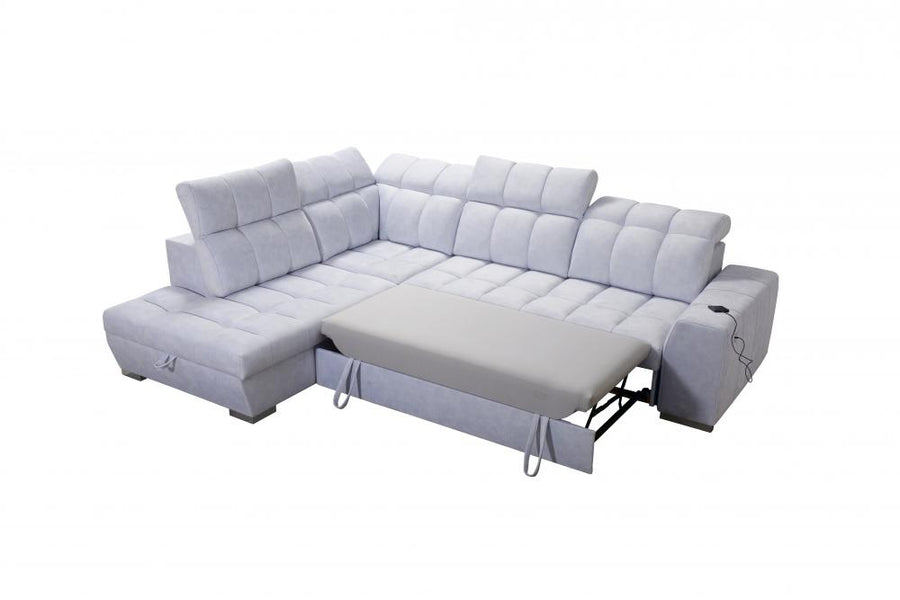
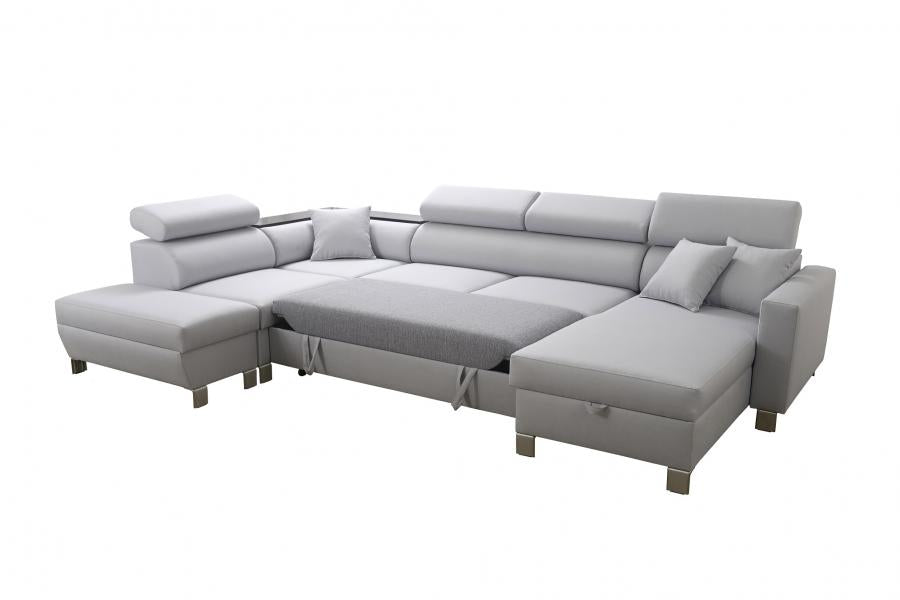
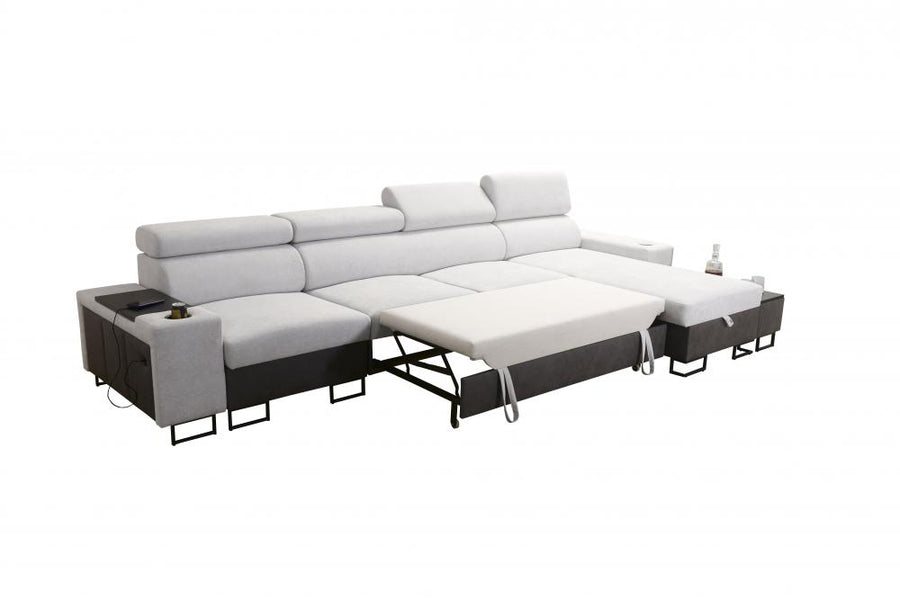
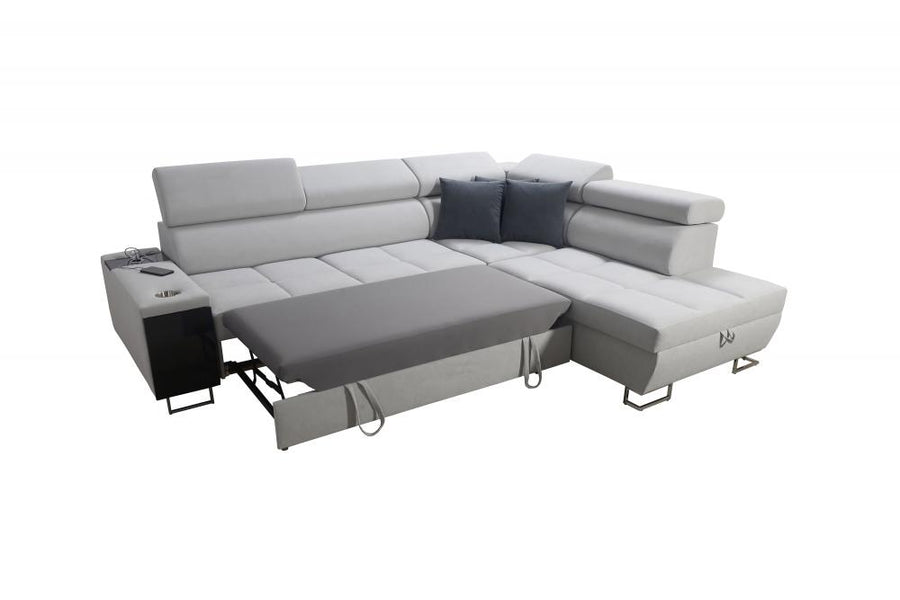
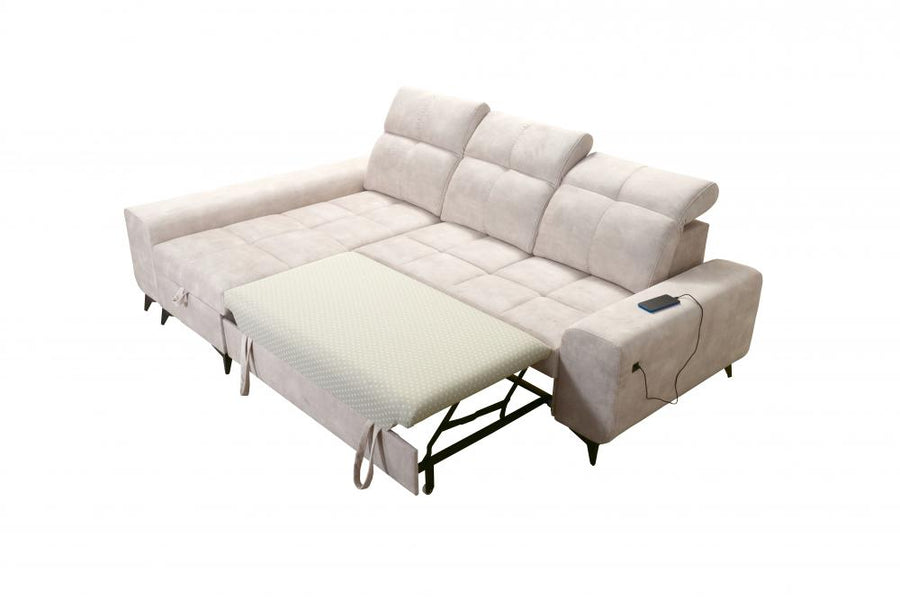
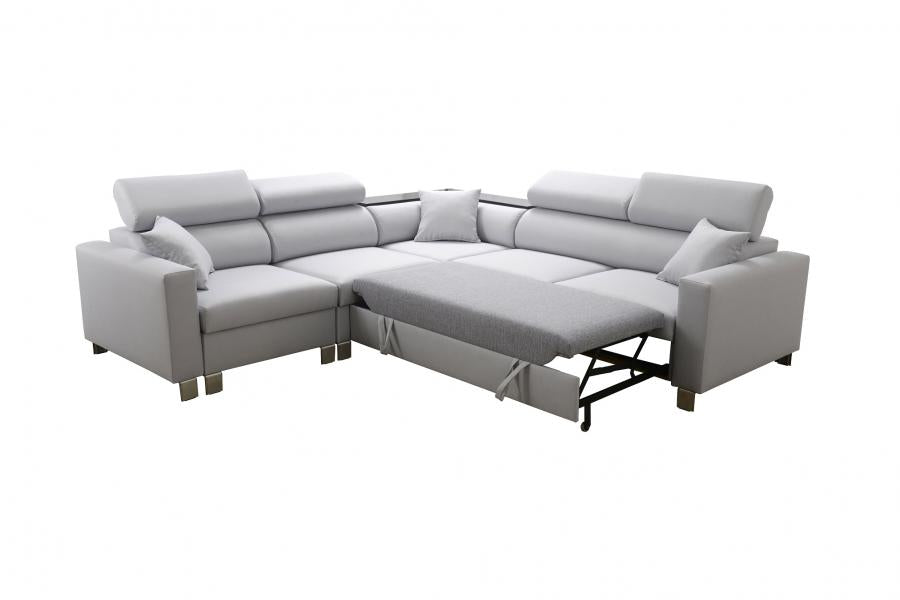
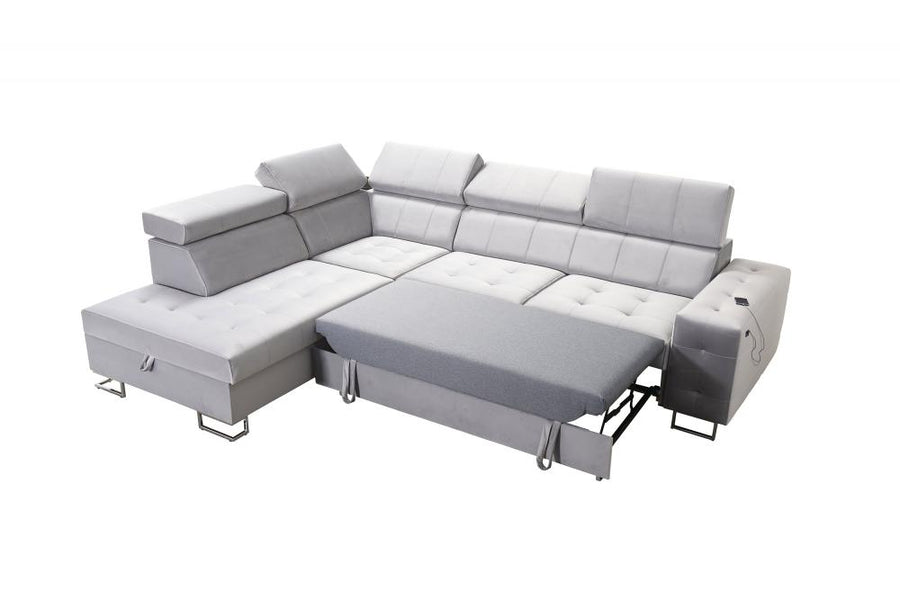
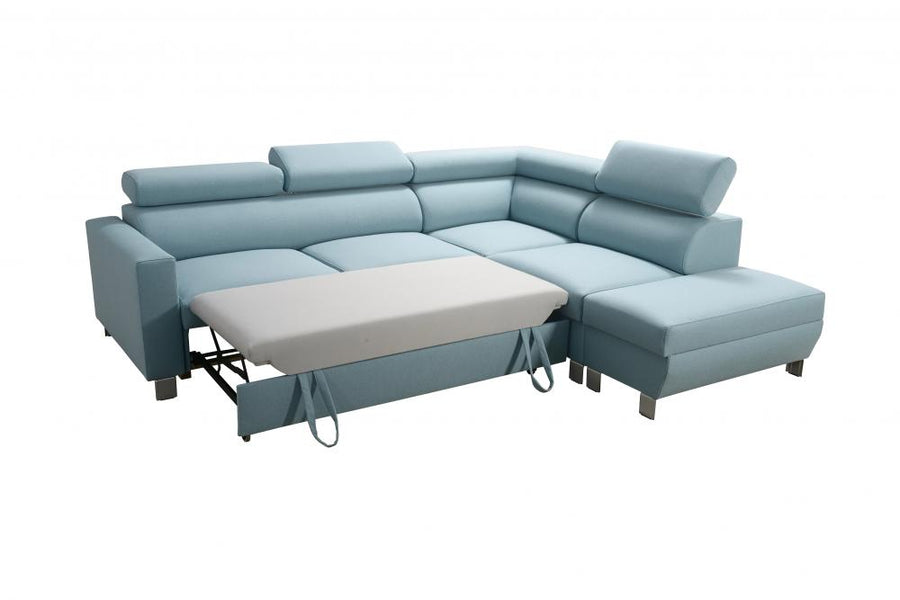
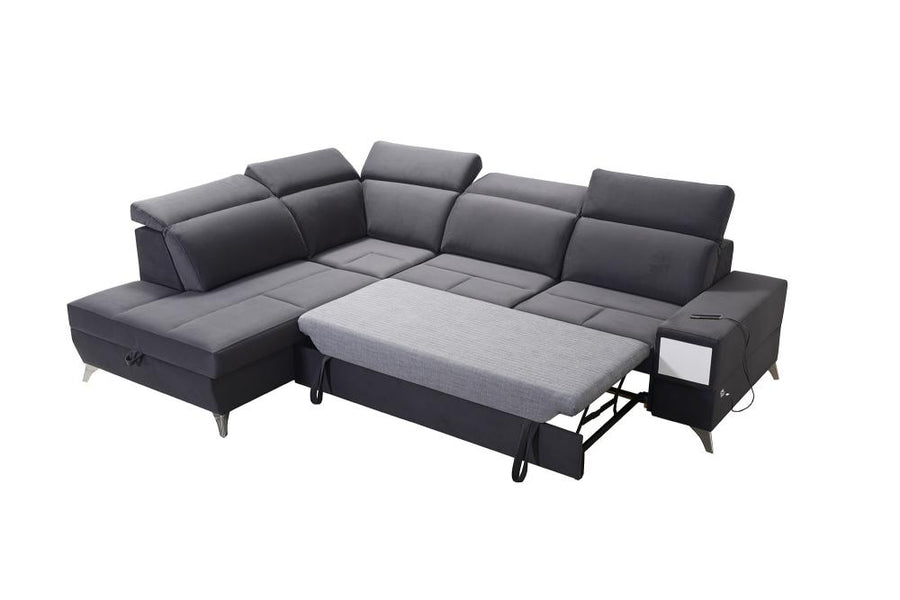
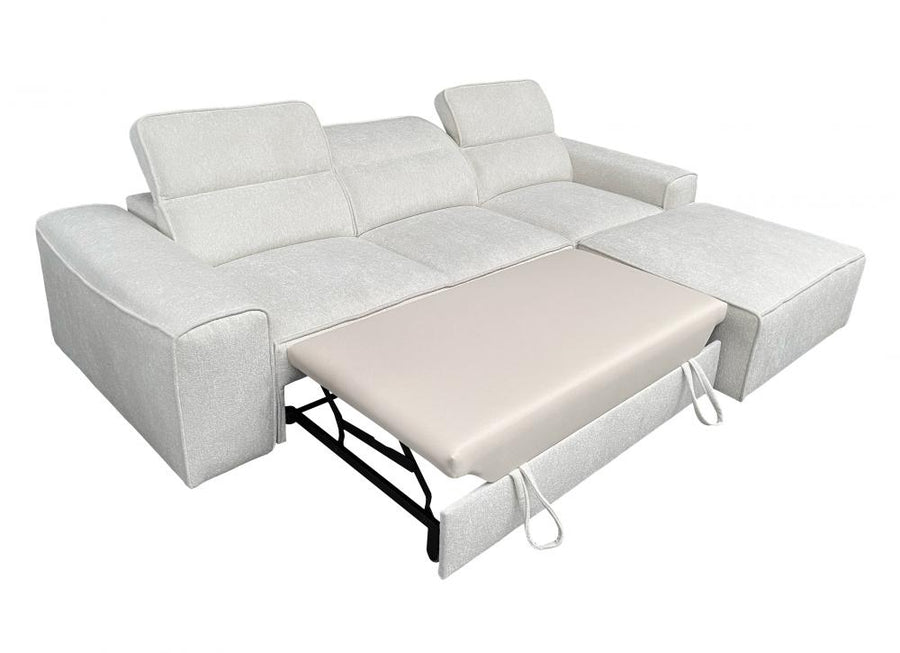
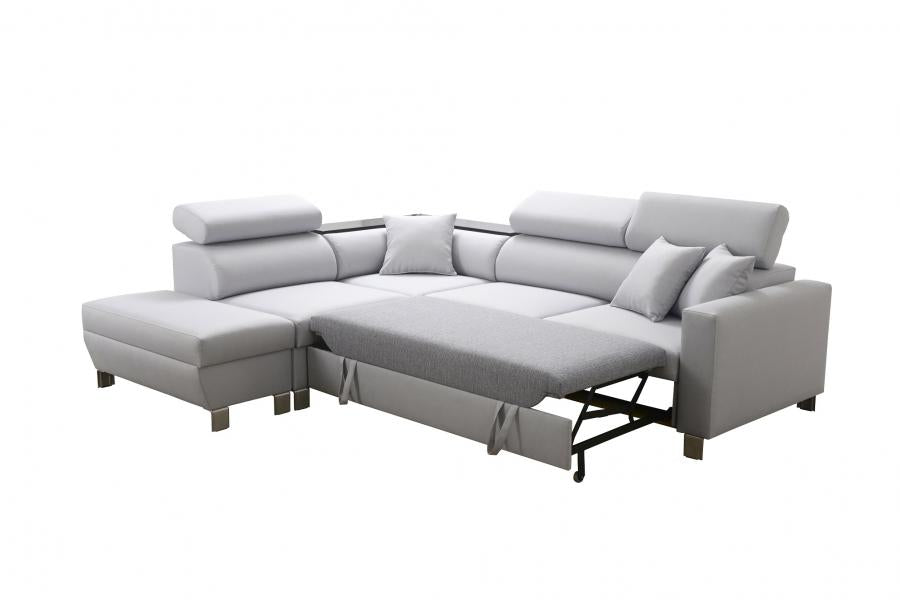
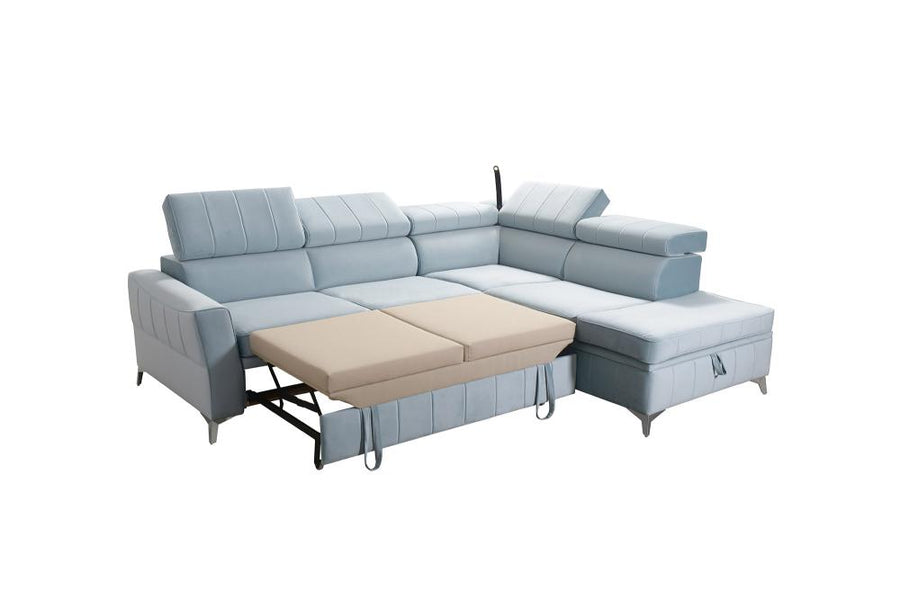
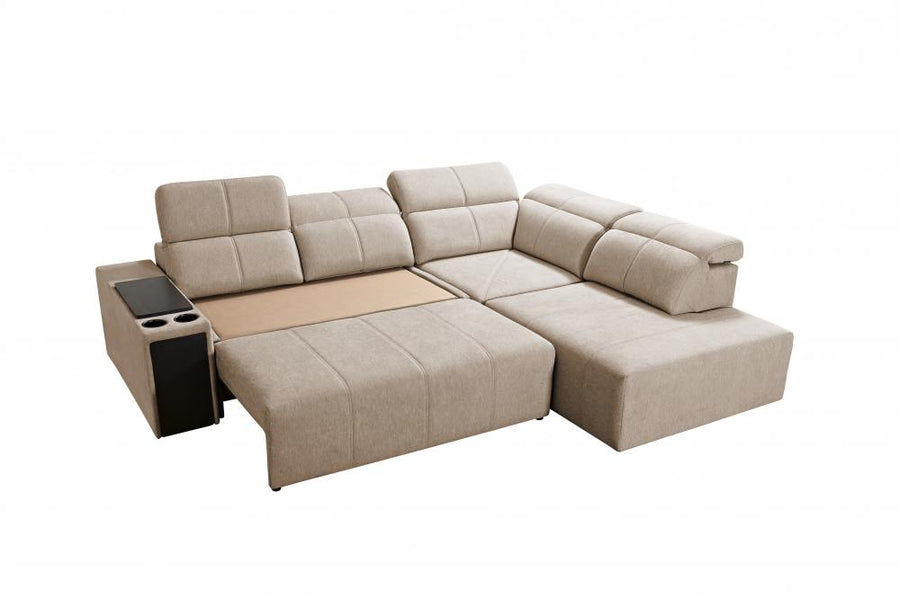
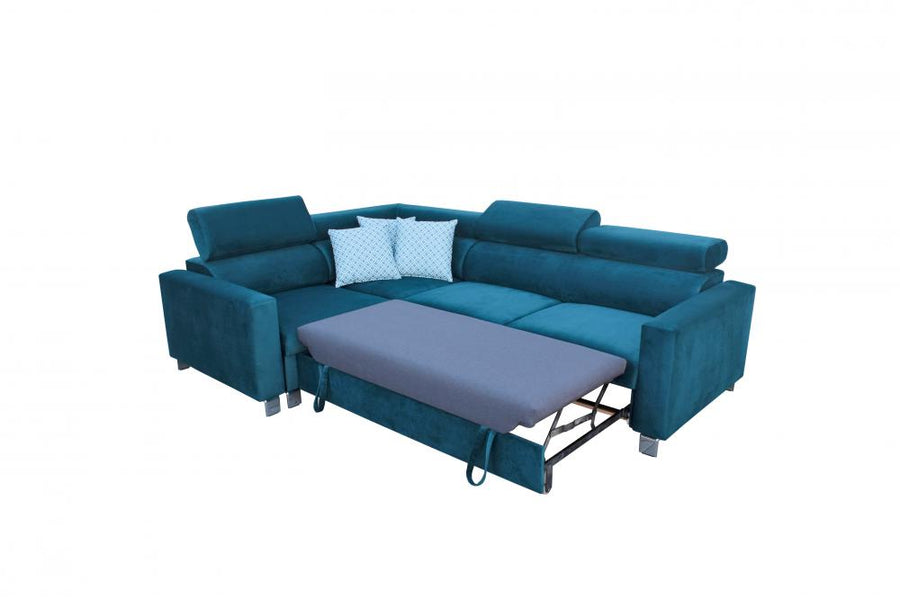
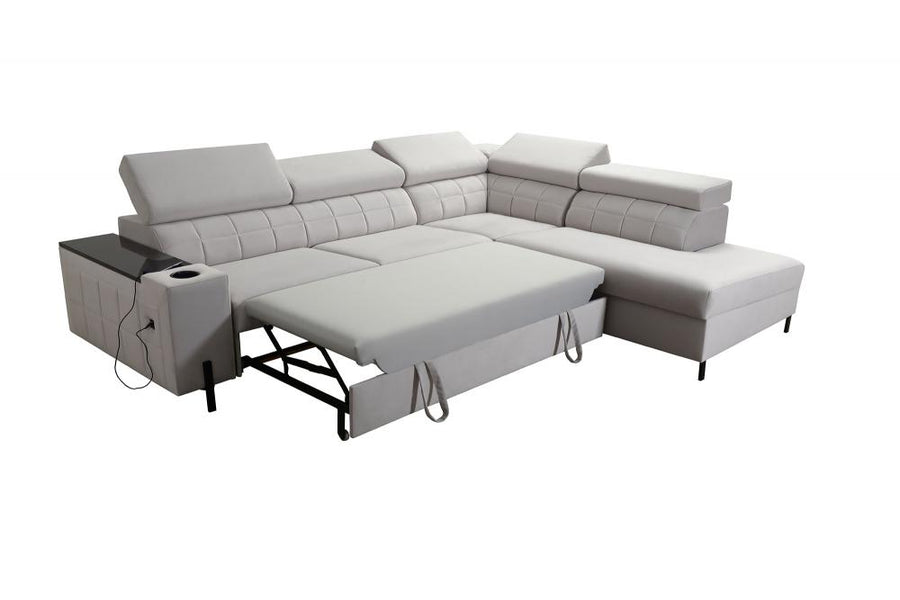
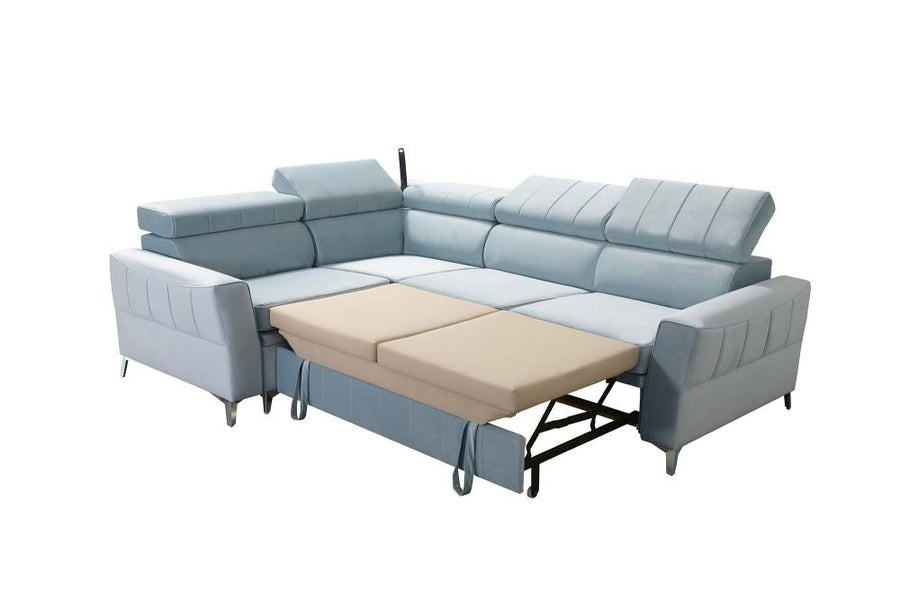
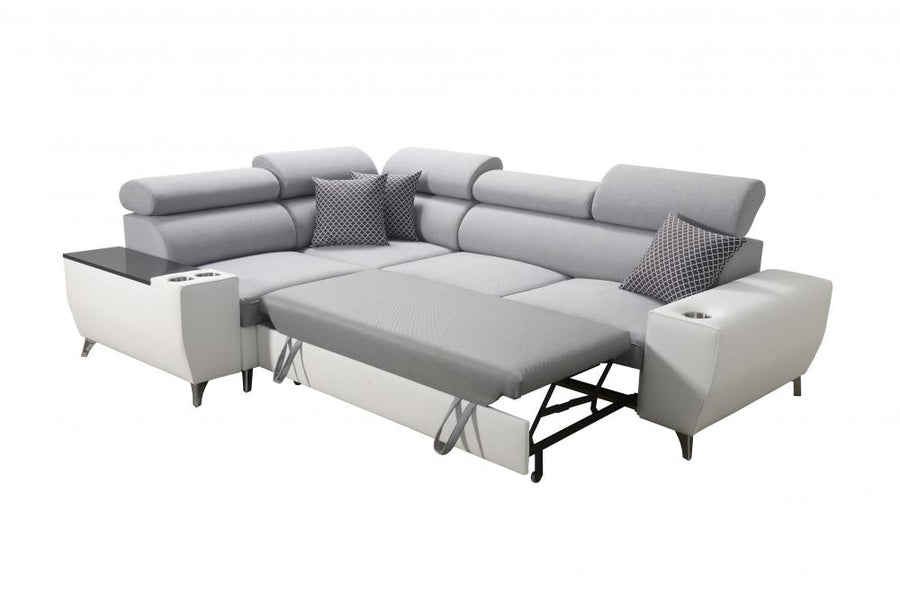
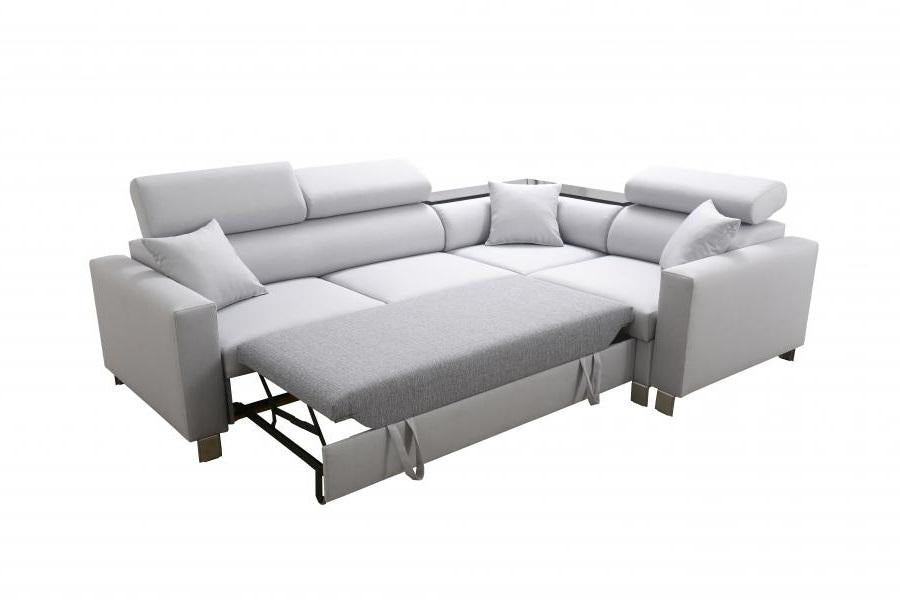
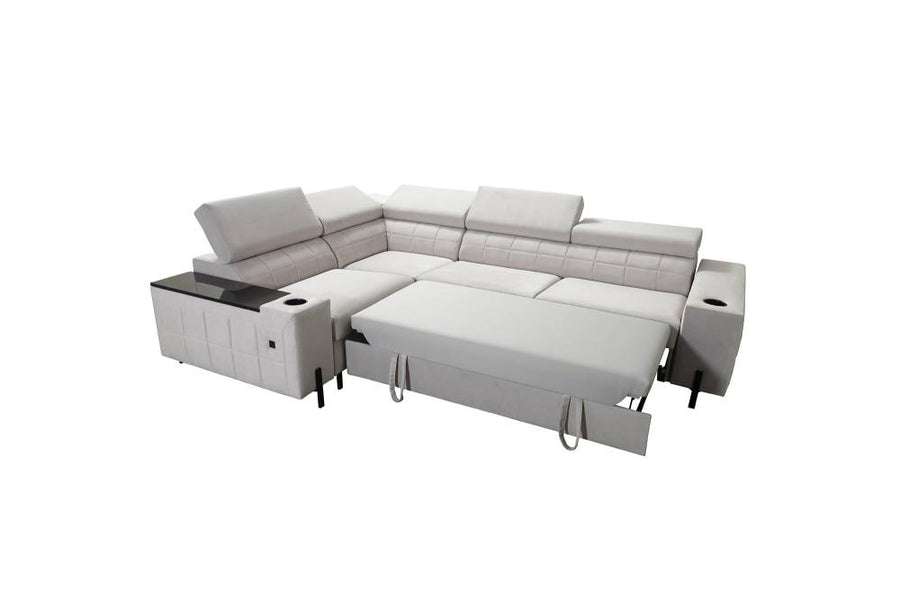
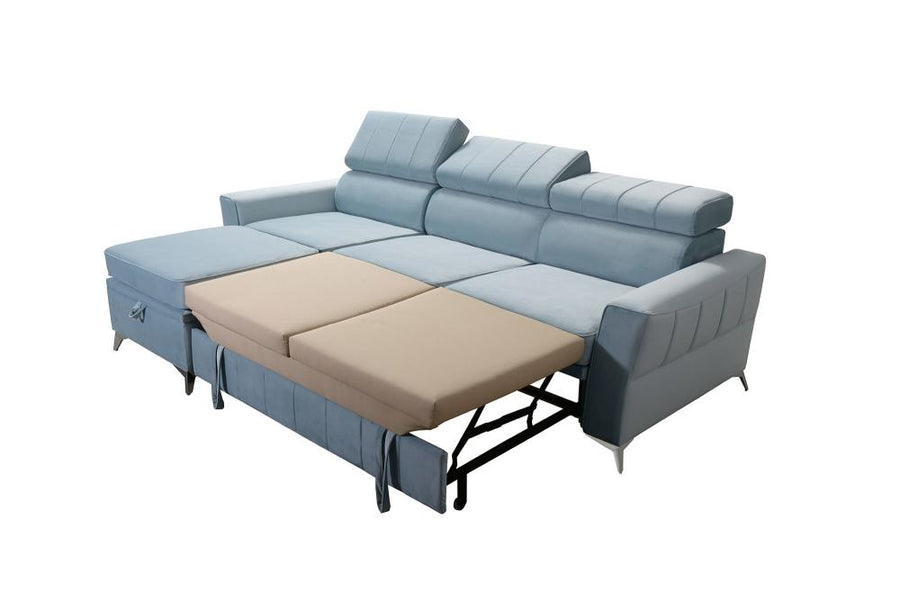
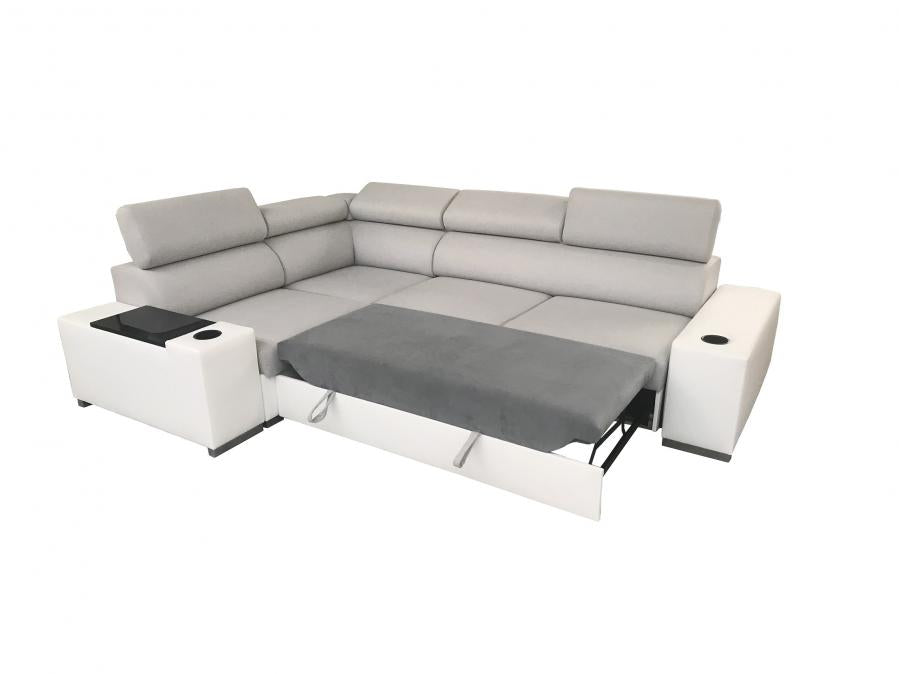
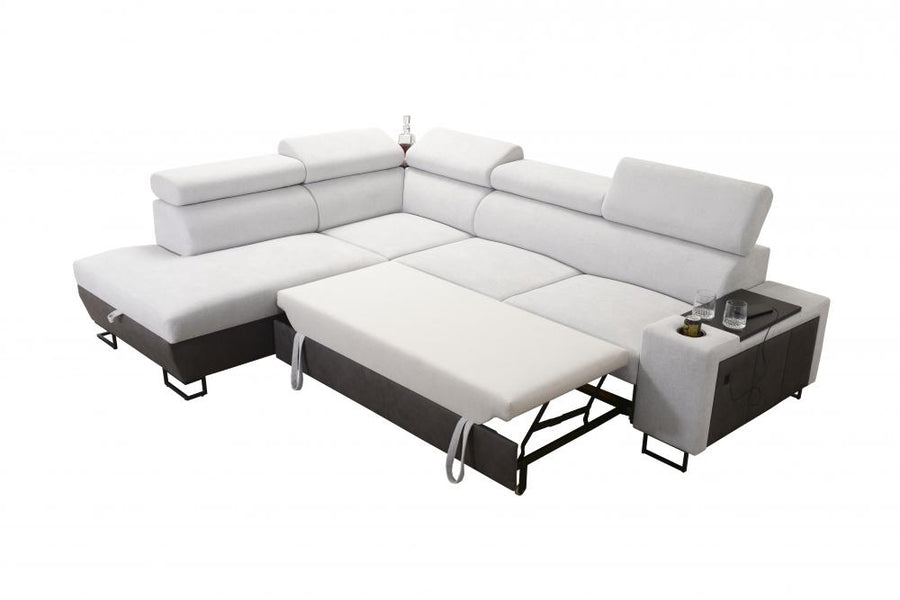
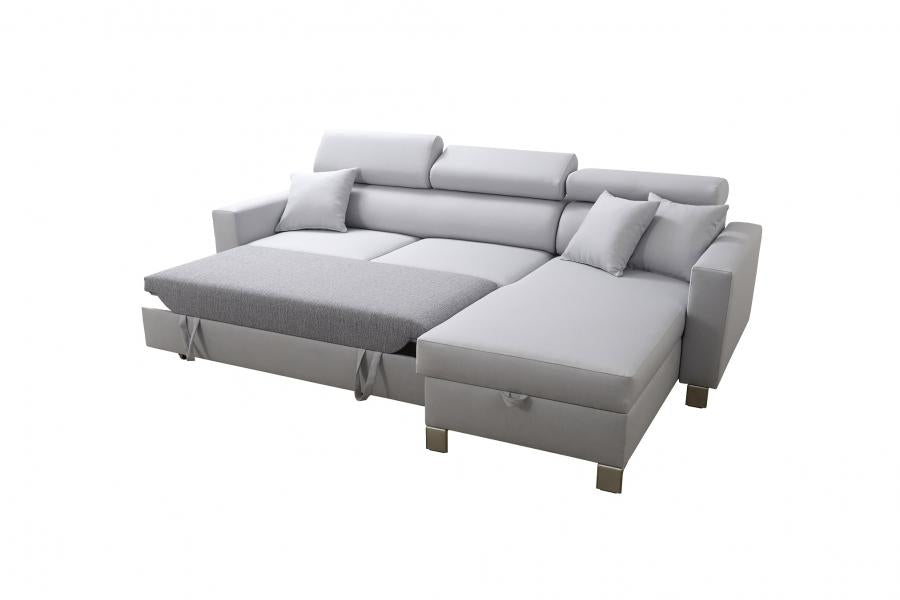
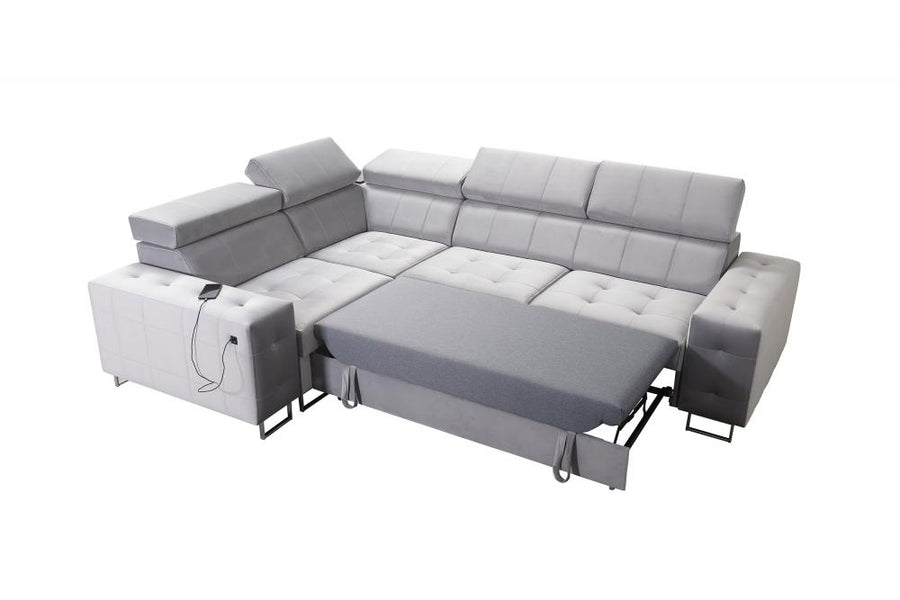
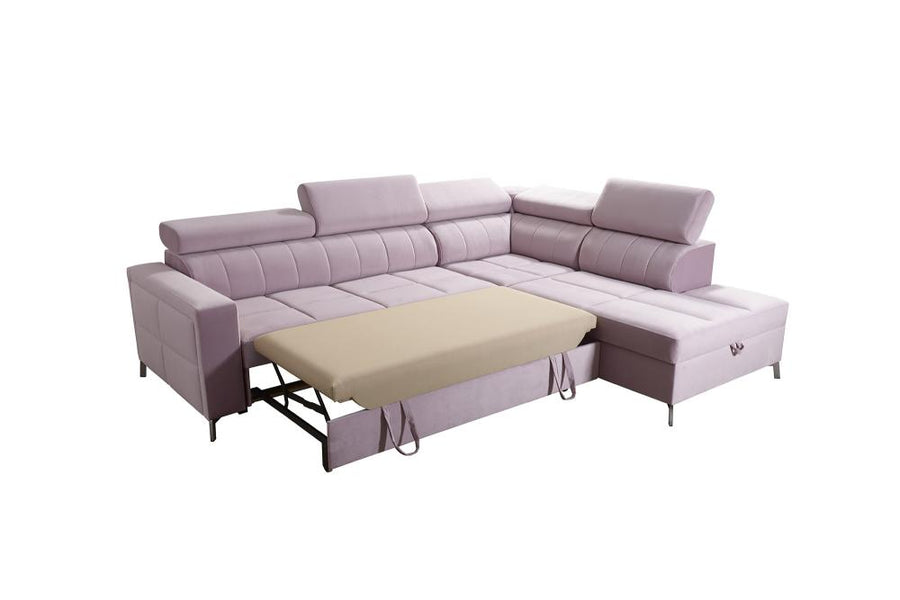
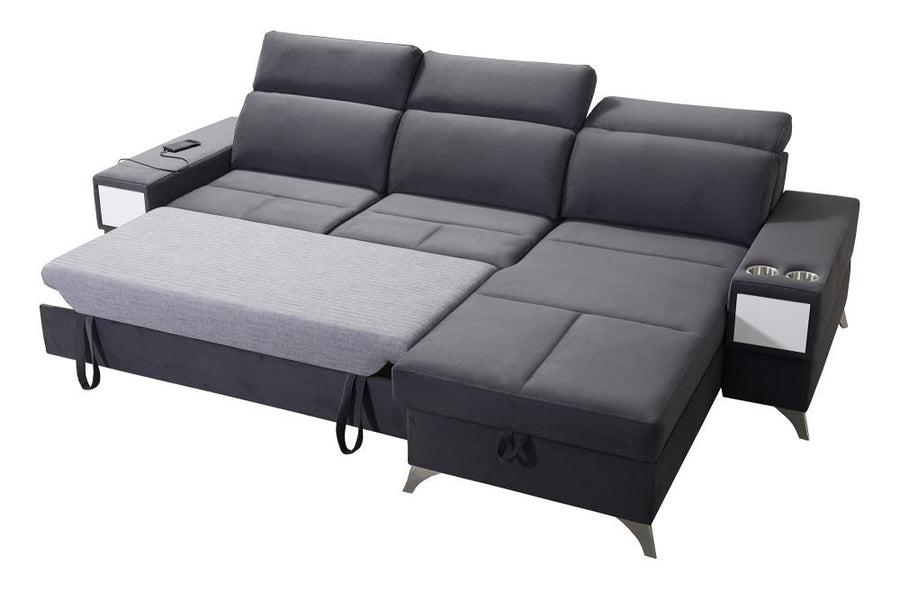
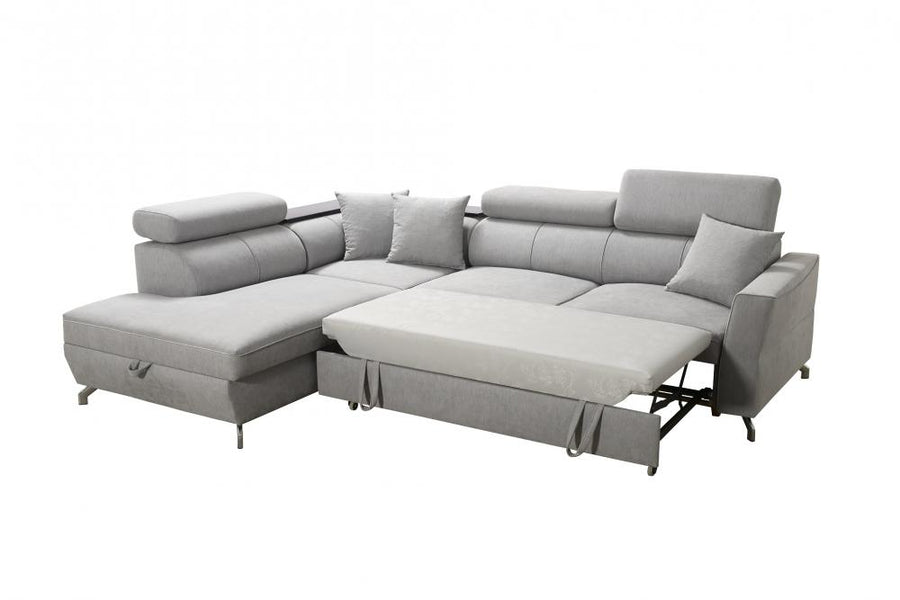
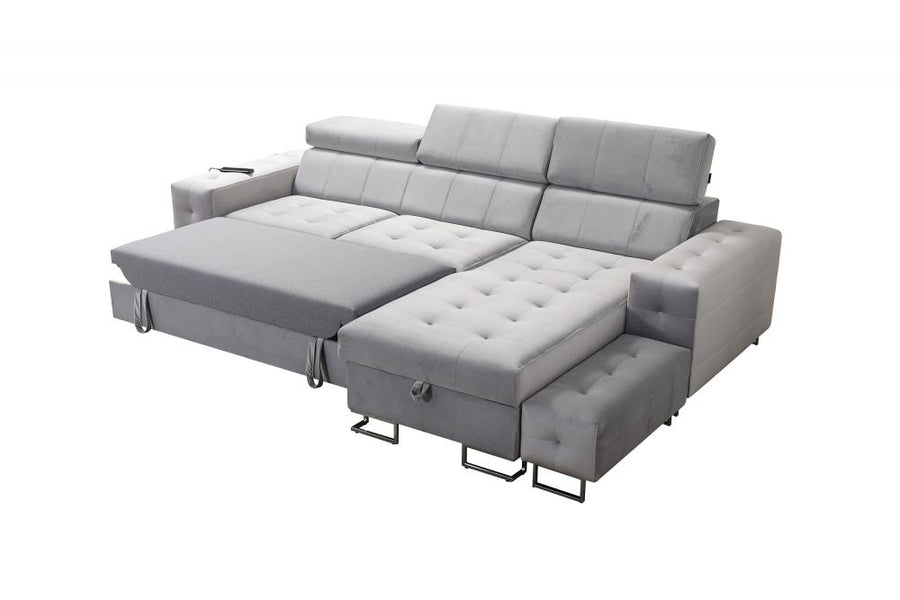
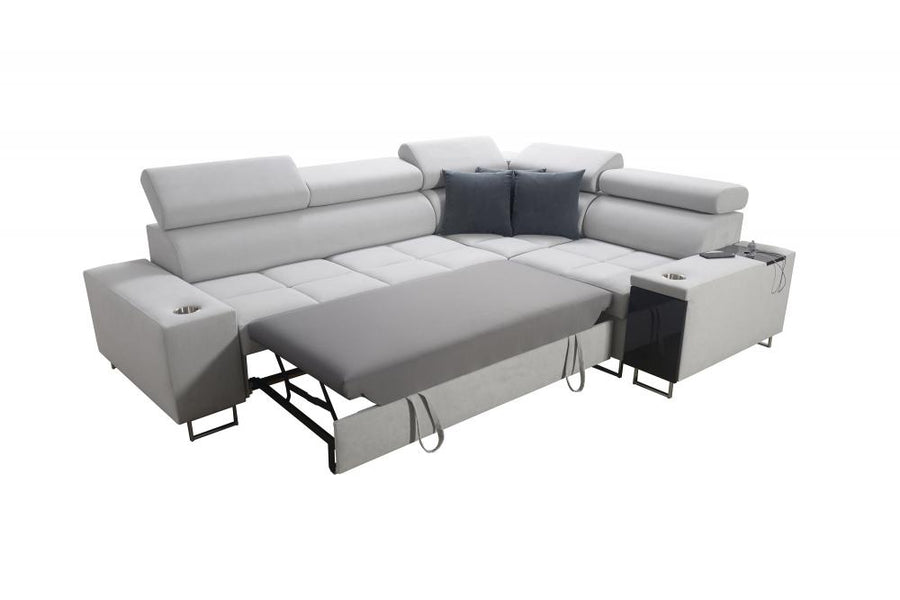
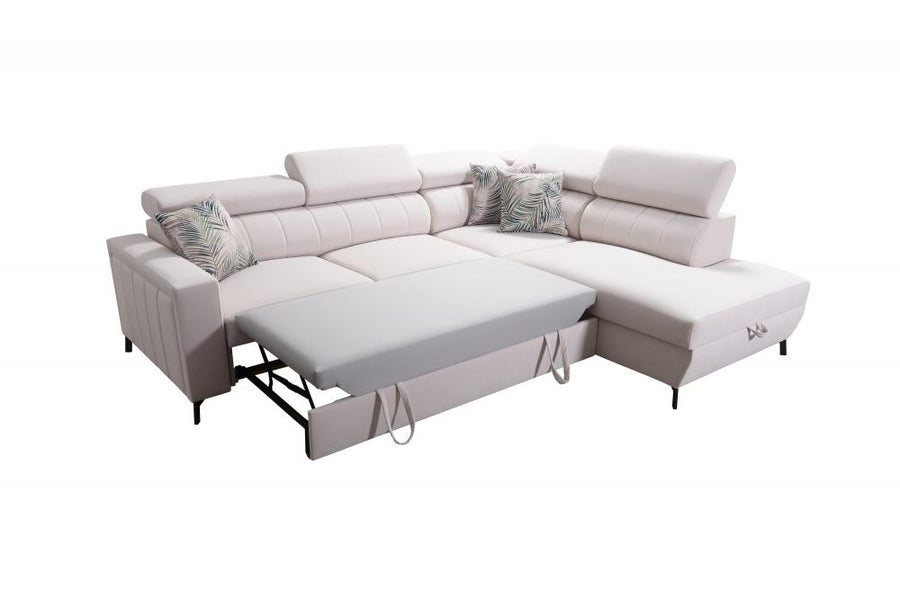
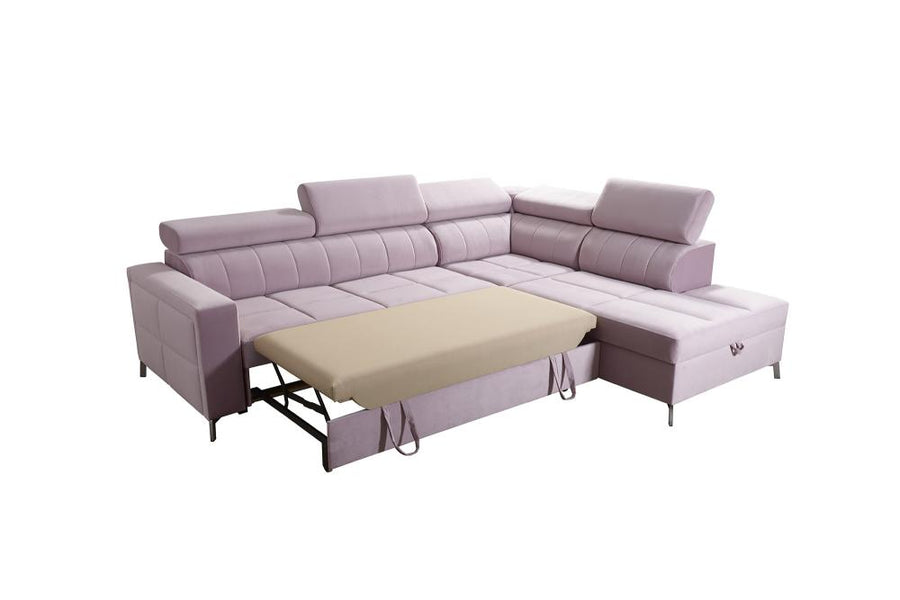
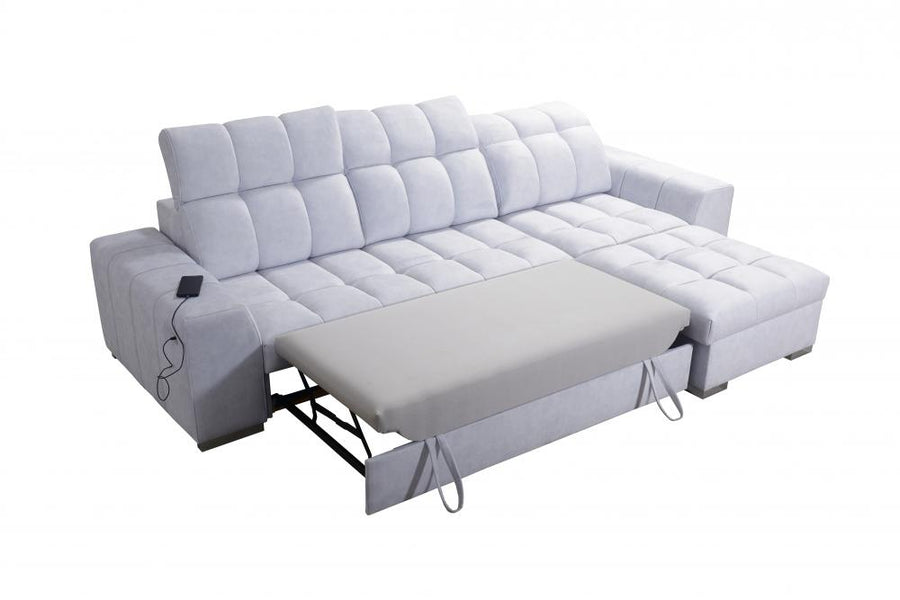
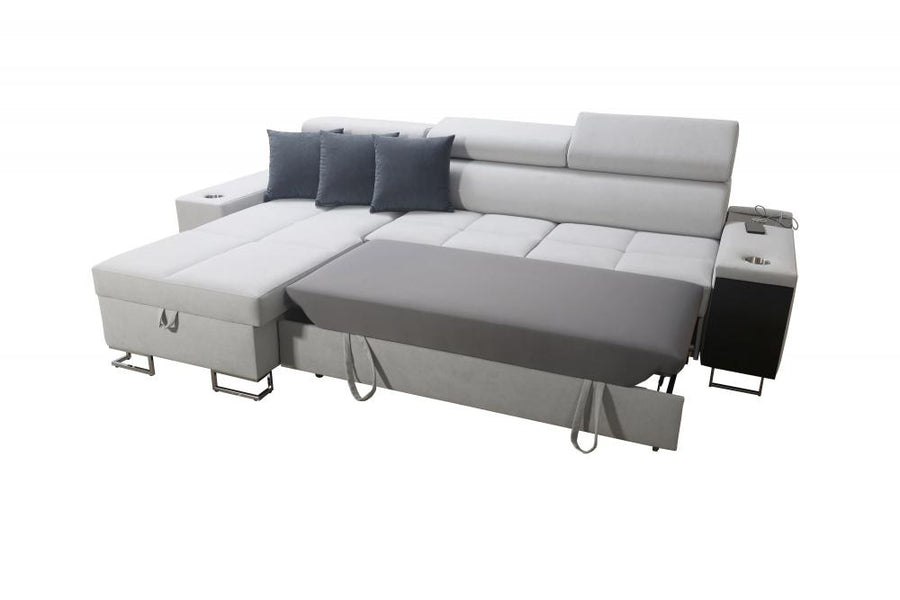
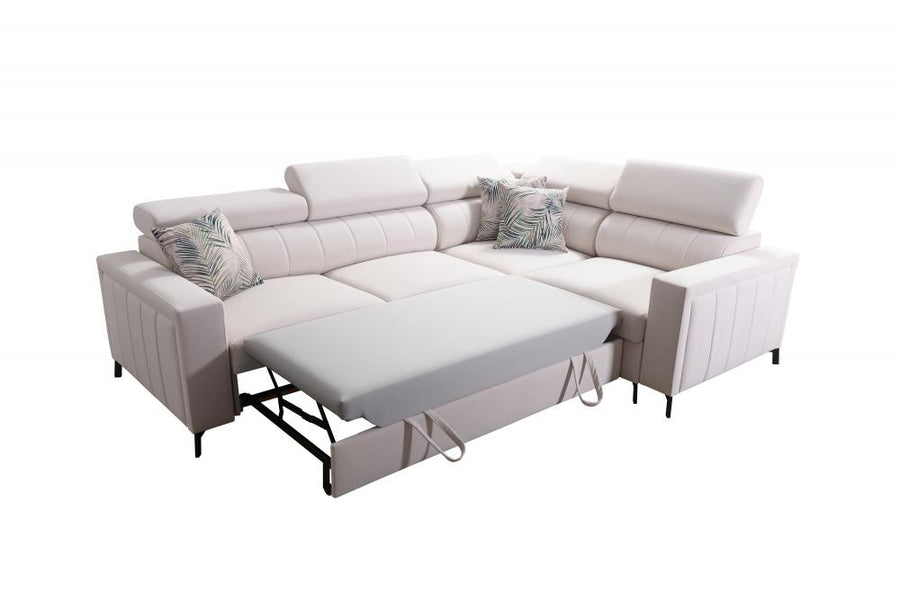
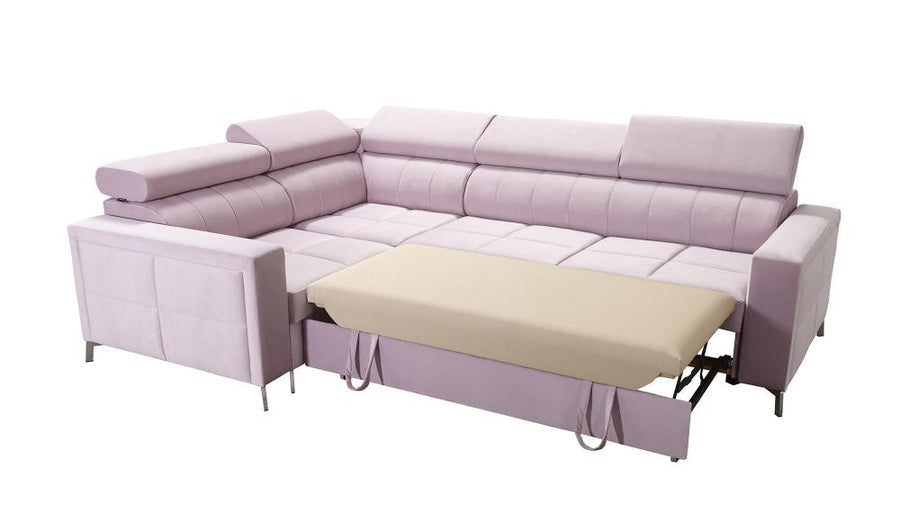
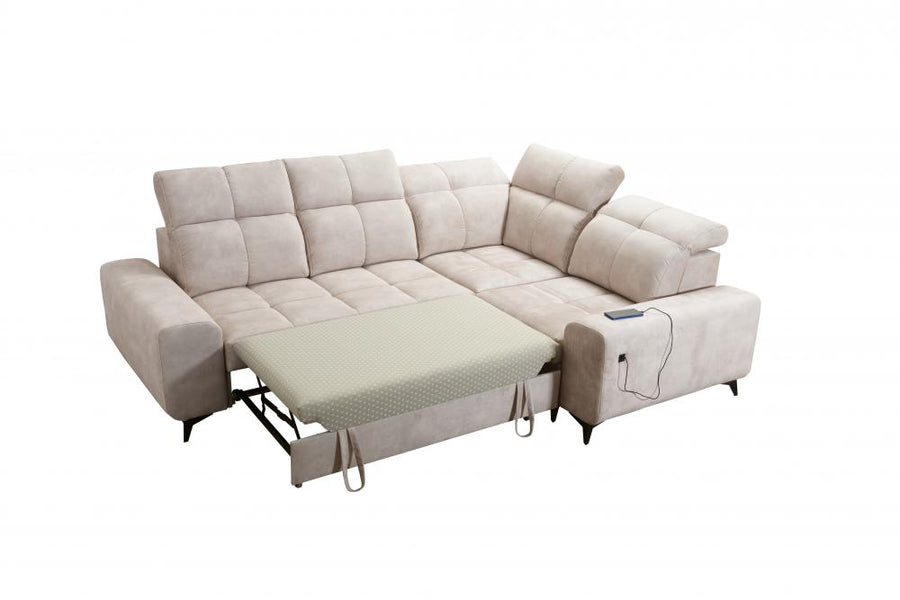
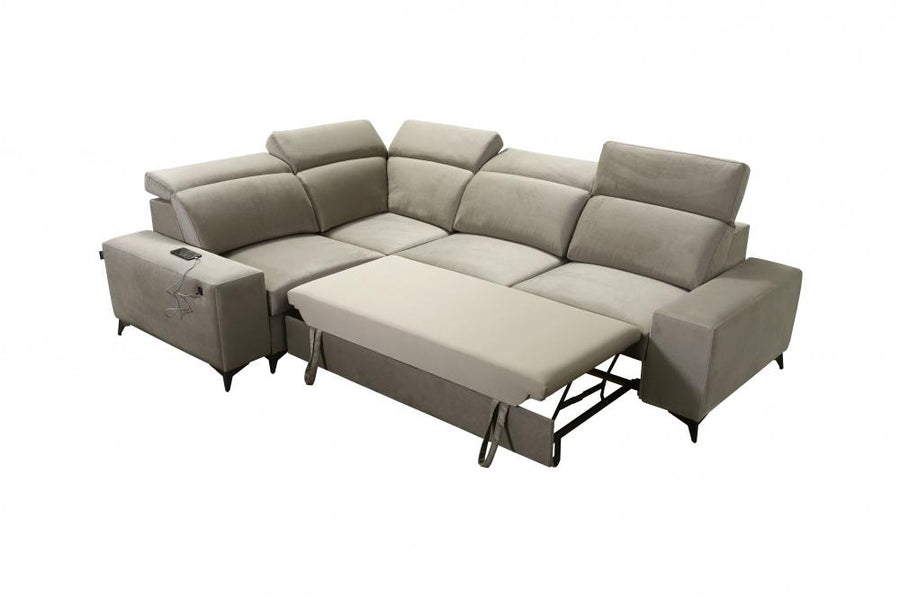
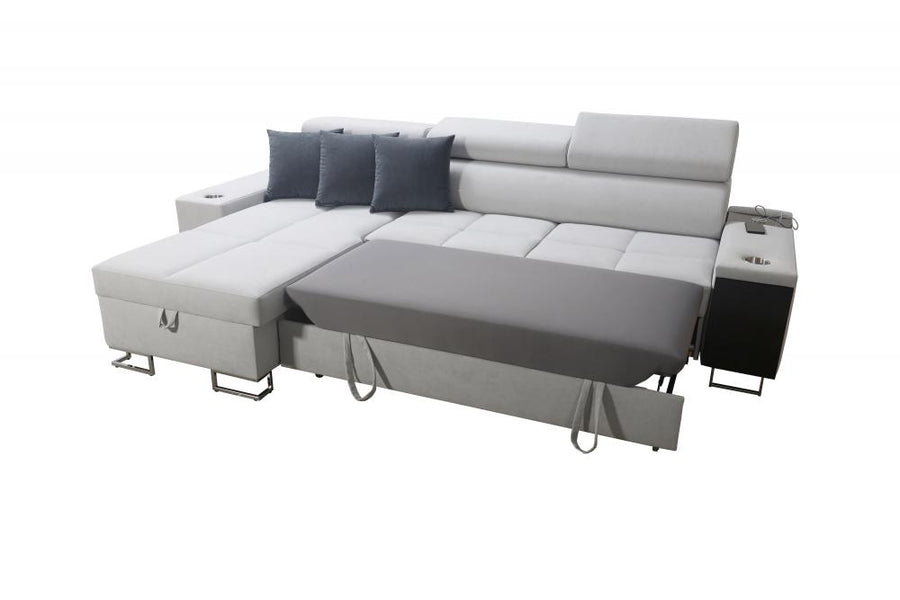
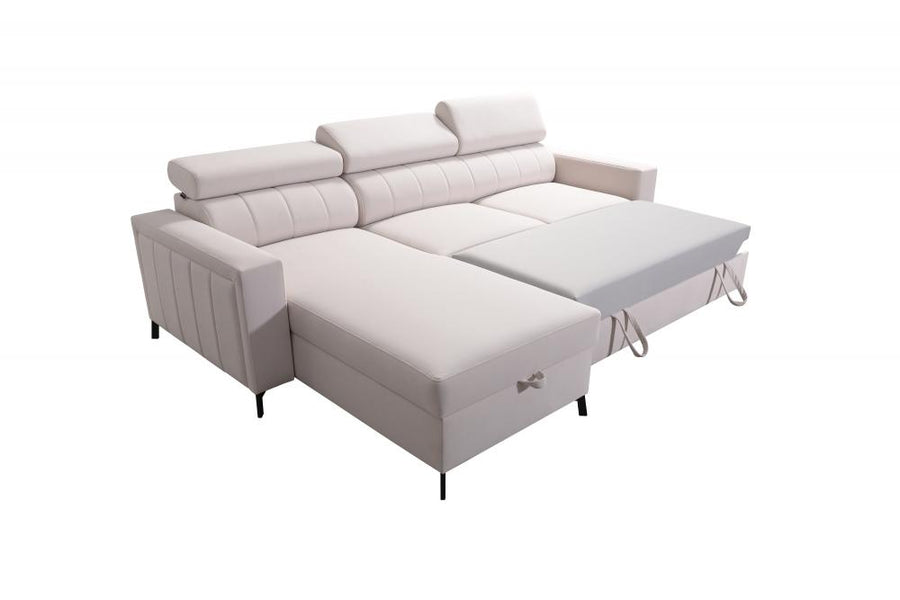
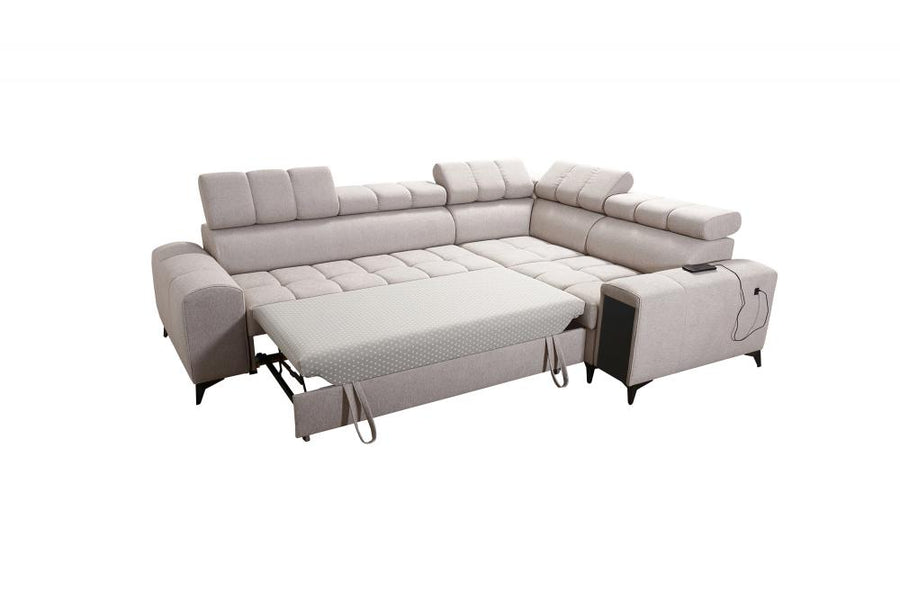
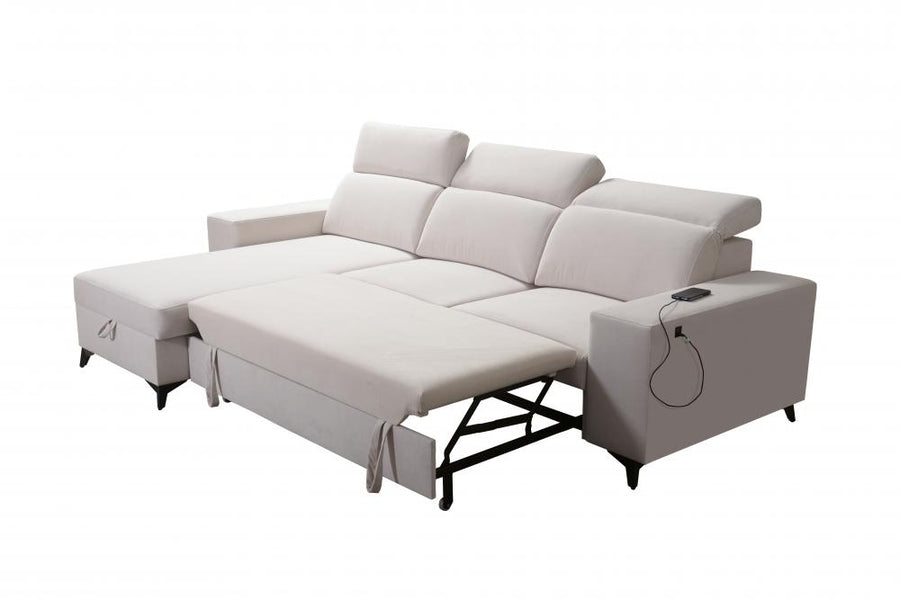
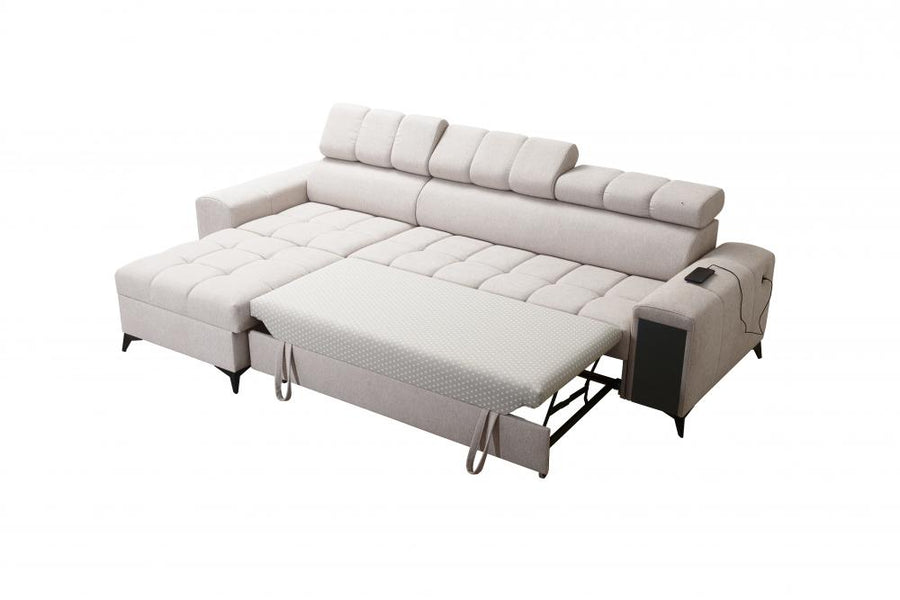
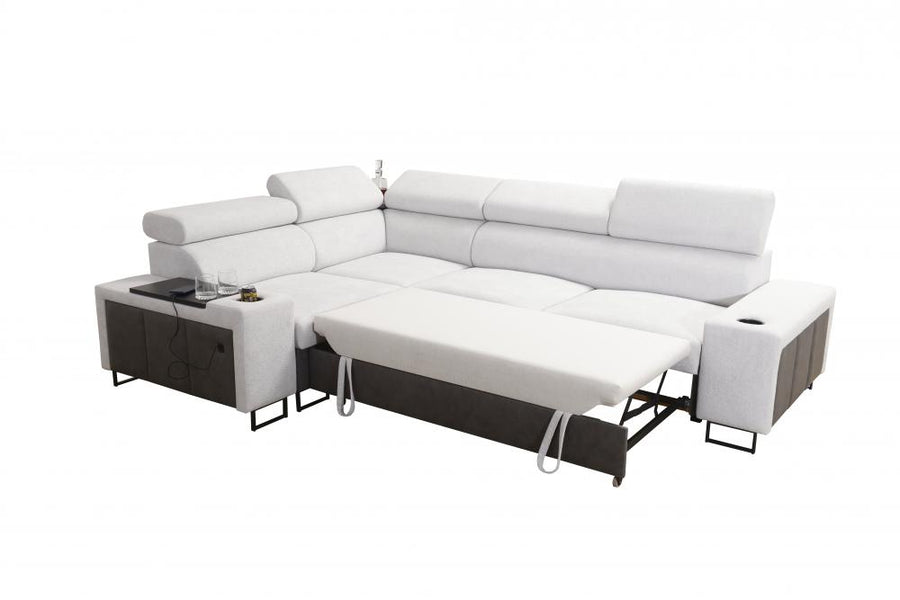
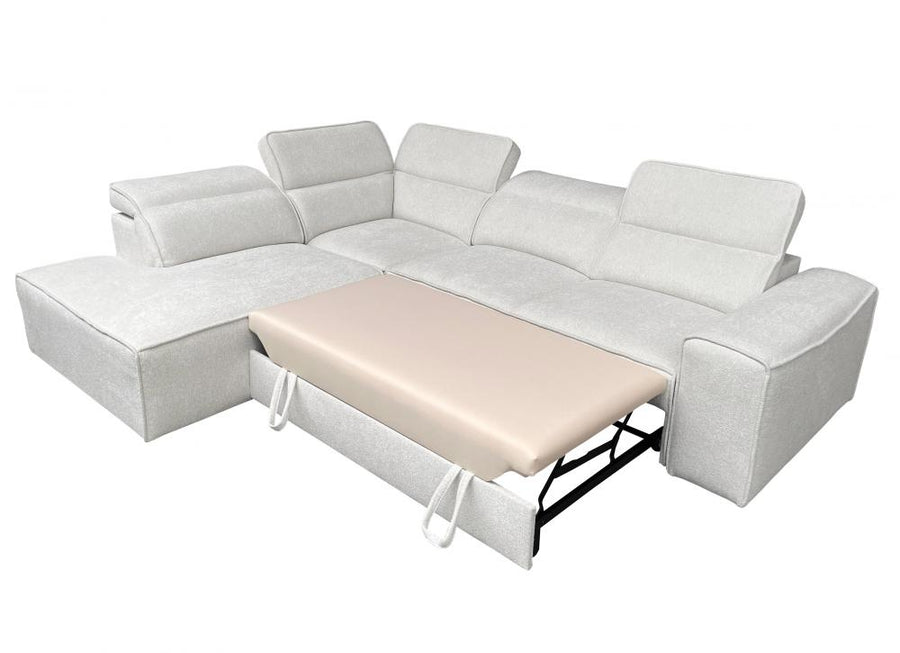
If your search for a sofa bed includes a sleeping function, new measurements come into play. For a sofa bed , you must consider the dimensions when unfolded.
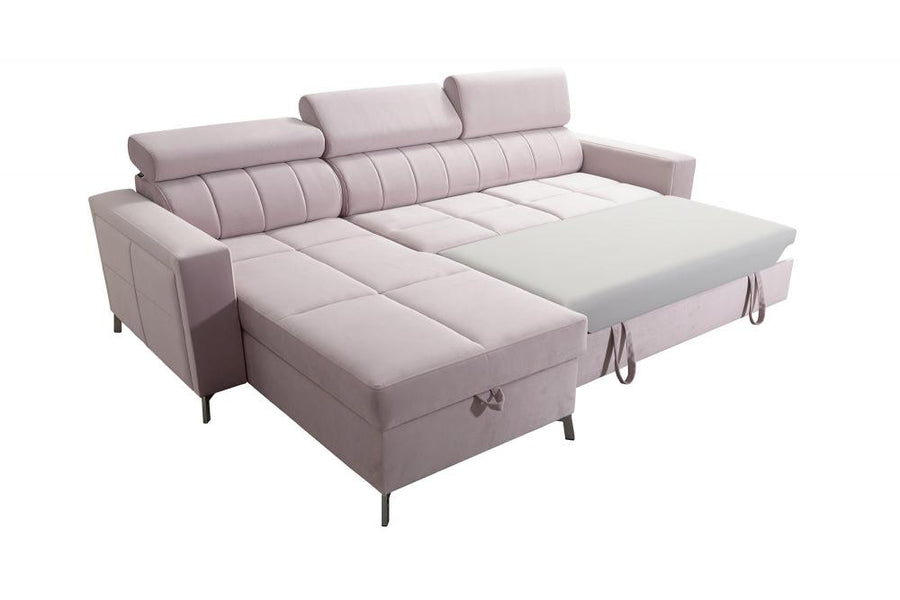
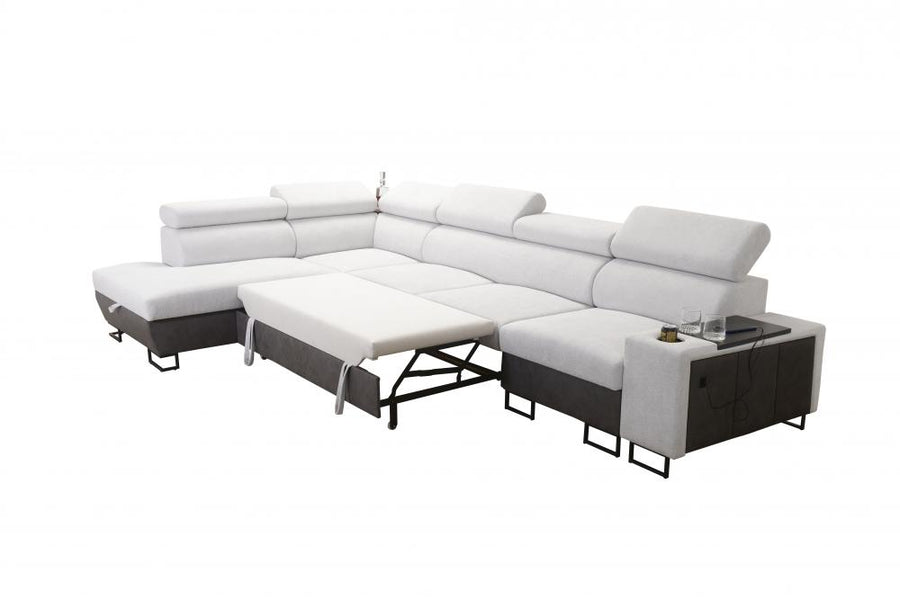
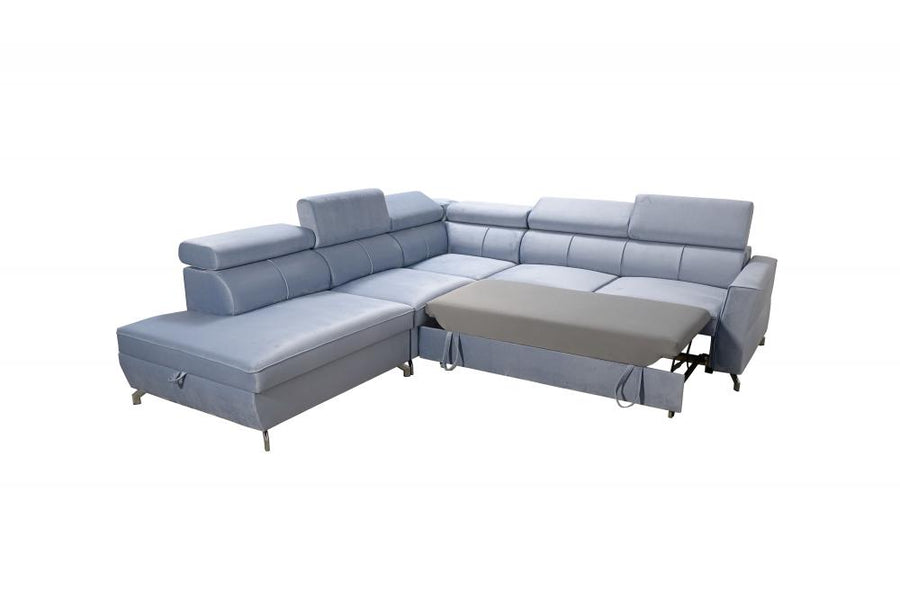
A standard bed is often 140x190 cm. To achieve this, the sofa typically needs to be around 170 to 190 cm wide overall (depending on the armrests). For greater comfort, such as a 160x200 cm (Queen Size) bed, you'll need to look at wider models or convertible corner sofas that utilize the chaise longue to maximize space.
For small spaces, a straight convertible sofa remains the champion of space-saving and practical. Always check the total length when the bed is open to avoid bumping into the TV unit or fireplace.
FAQ: Your questions about sofa dimensions
What exactly is the difference between the width and the length of a sofa?
In everyday language and on most technical websites, the "width" of a sofa actually refers to its longest dimension, that is, its length along the wall (from the left armrest to the right armrest). The "depth" refers to the distance between the front and back of the sofa. Therefore, it should be read as: Width (front) x Height x Depth.
How do you measure the angle of a sofa to make sure it fits?
To determine the correct dimensions for a corner sofa , visualize two rectangles. Measure the total length of the main wall, then measure the available space for the chaise longue (the return) by moving towards the center of the room. Ensure the chaise longue doesn't obstruct the passage (leave at least 60cm). For sturdiness, choose a sofa with a solid wood frame , whose dimensions will remain stable.
What are the minimum dimensions for a comfortable sofa?
For comfort, allow approximately 70 to 80 cm of seat width per person. A comfortable two-seater sofa should therefore measure at least 160 cm overall. If you like to stretch out, aim for a seat length (between the armrests) of at least 175 cm, which often corresponds to a standard three-seater sofa.
Do the dimensions include the sofa legs?
Yes, the total height always includes the legs. However, if you have height constraints (under a window, for example), check the height of the frame (without cushions). Many of our models are modular or demountable, making them easier to move. A demountable sofa often allows you to reduce the shipping height by removing the legs and backrests.
Conclusion: Measuring Excellence
Finding the perfect sofa size is the foundational step in your furnishing project. It requires precision, foresight, and a thorough understanding of your actual daily living needs. Whether it's accommodating traffic flow, optimizing seat depth for movie nights, or ensuring smooth delivery, every centimeter counts. At Kings Canapé, we understand that the ideal size isn't a one-size-fits-all solution, but a personalized one. Thanks to our innovative modular design and wide range of configurations, from a simple chaise lounge to a spacious panoramic sofa, we offer you the freedom to create a piece of furniture precisely tailored to your vision, without ever sacrificing style or comfort.