



















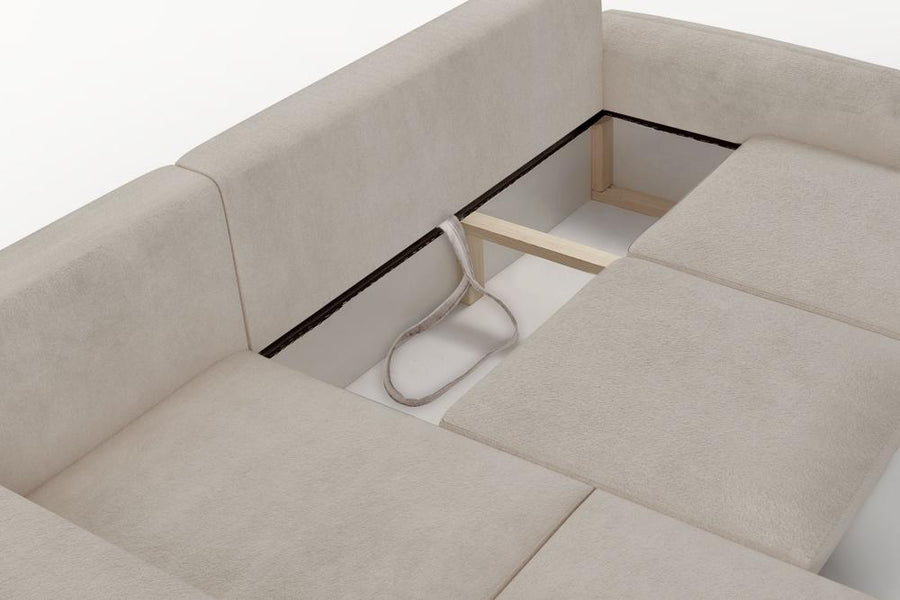
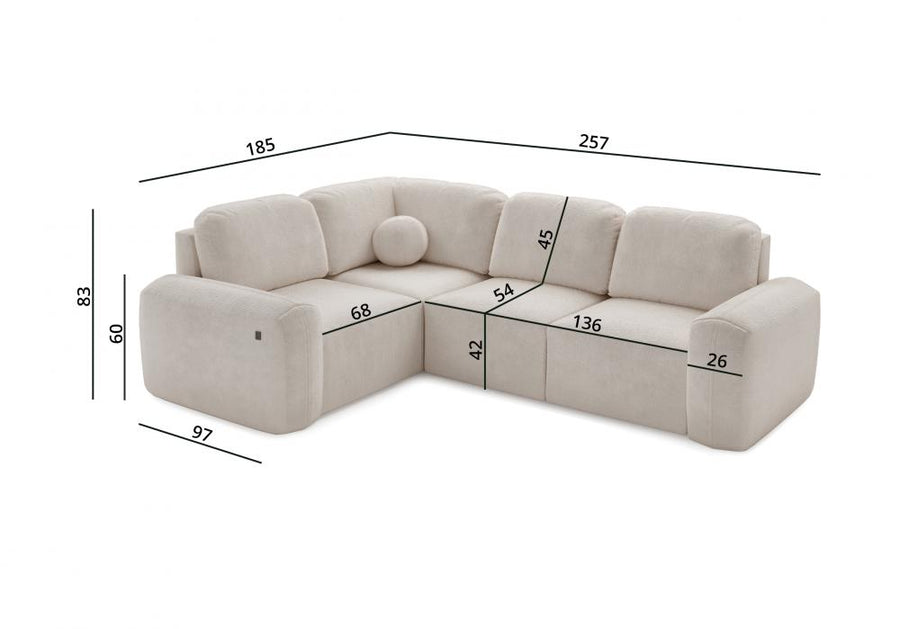
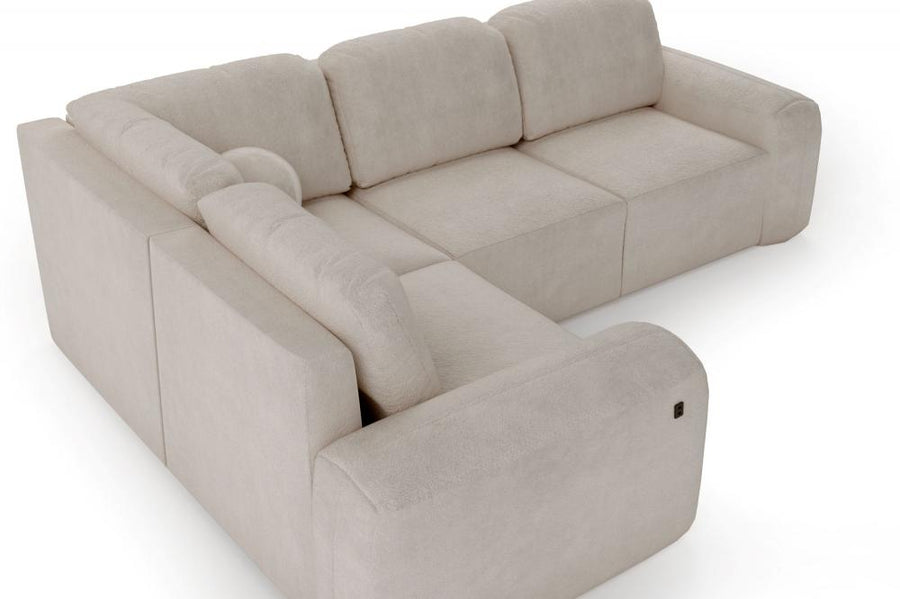
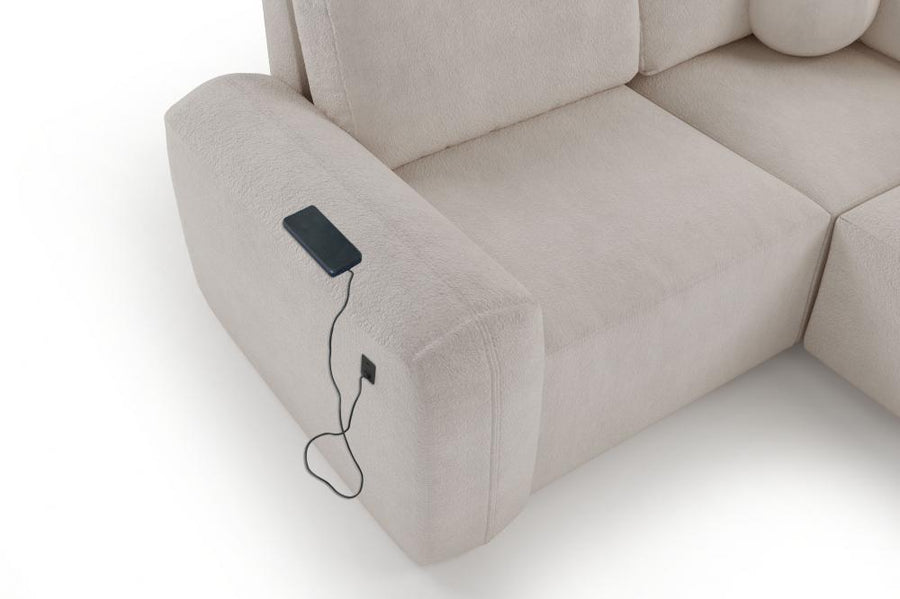
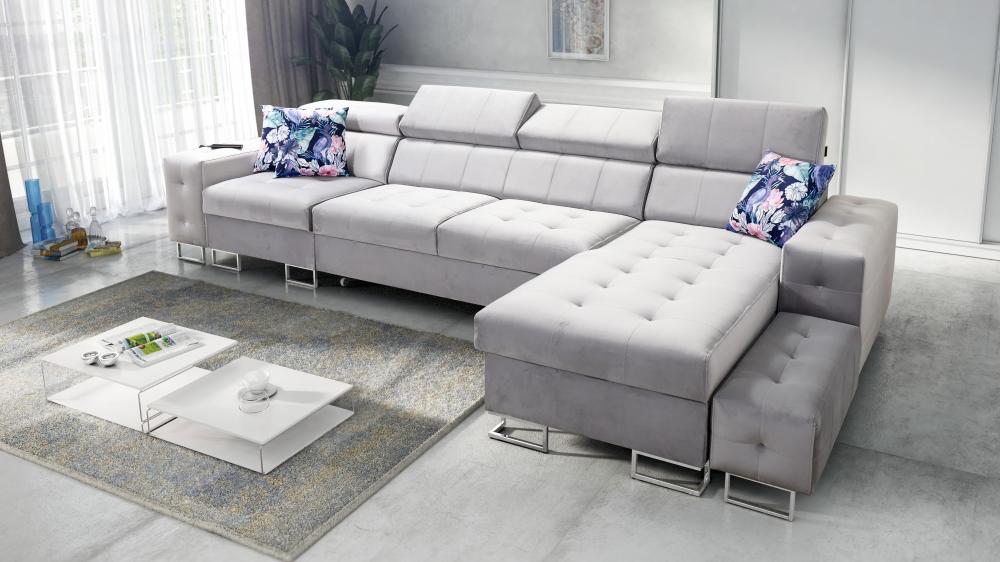
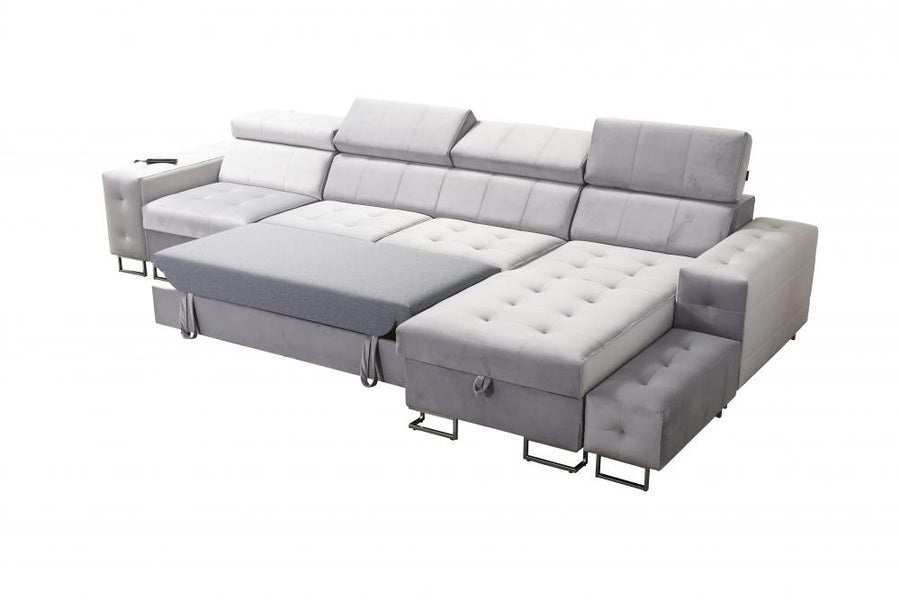
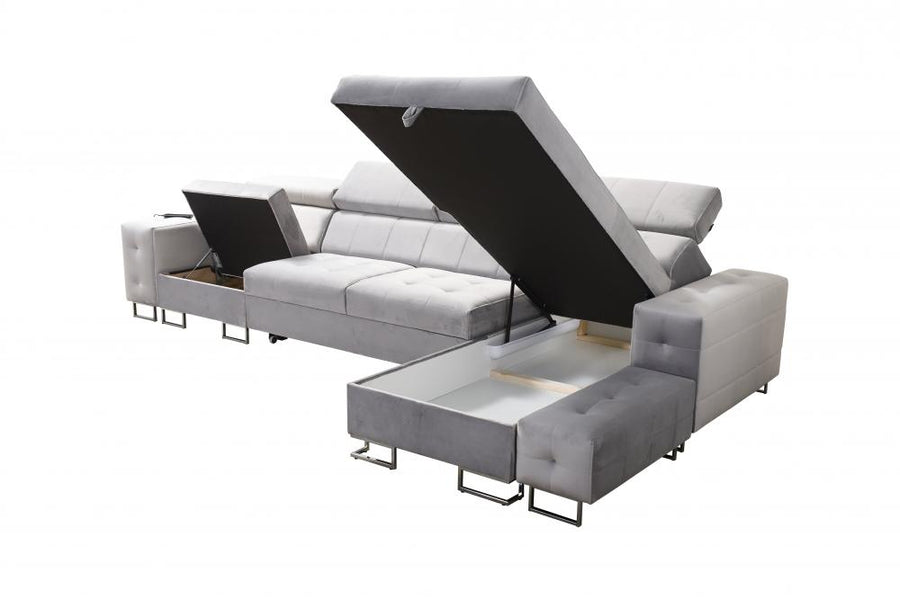
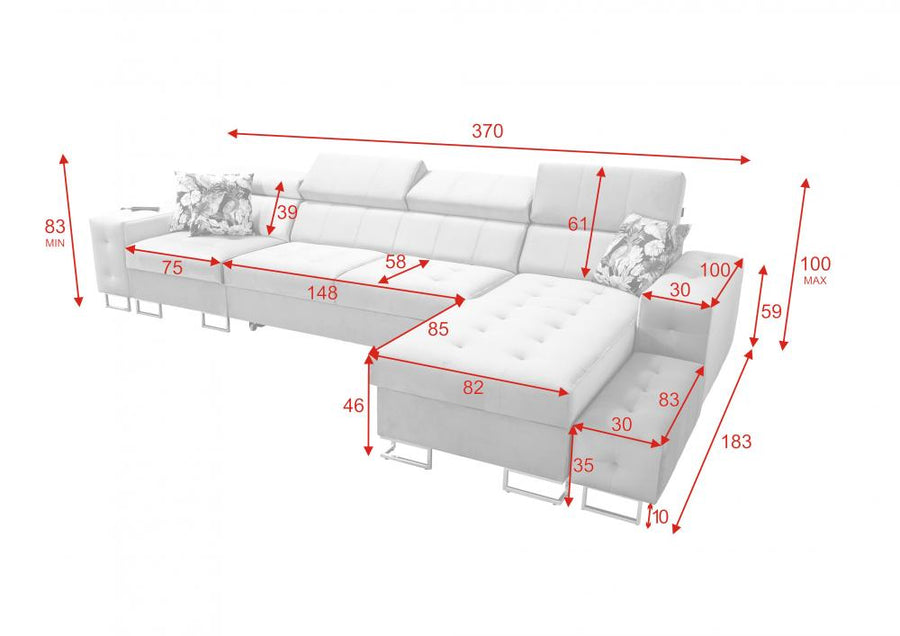


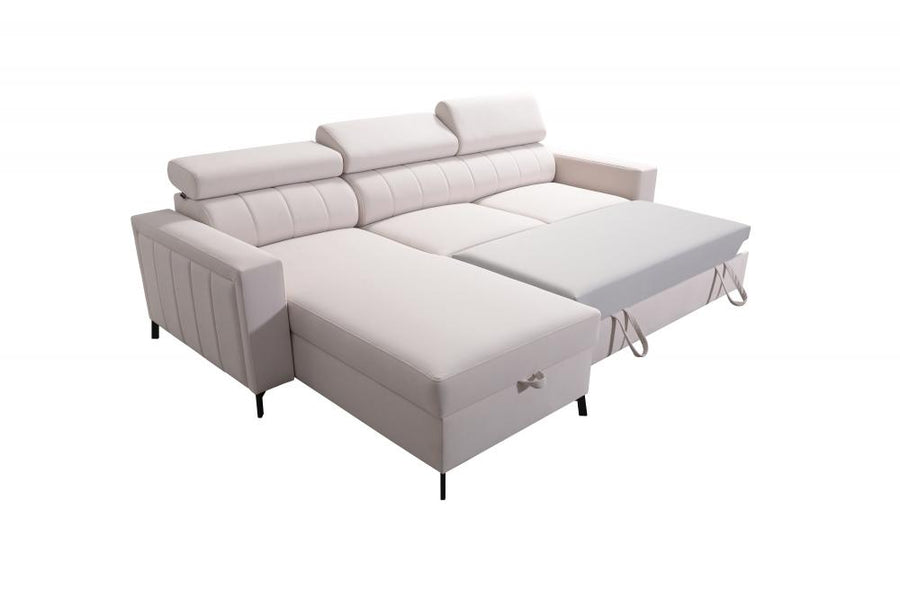
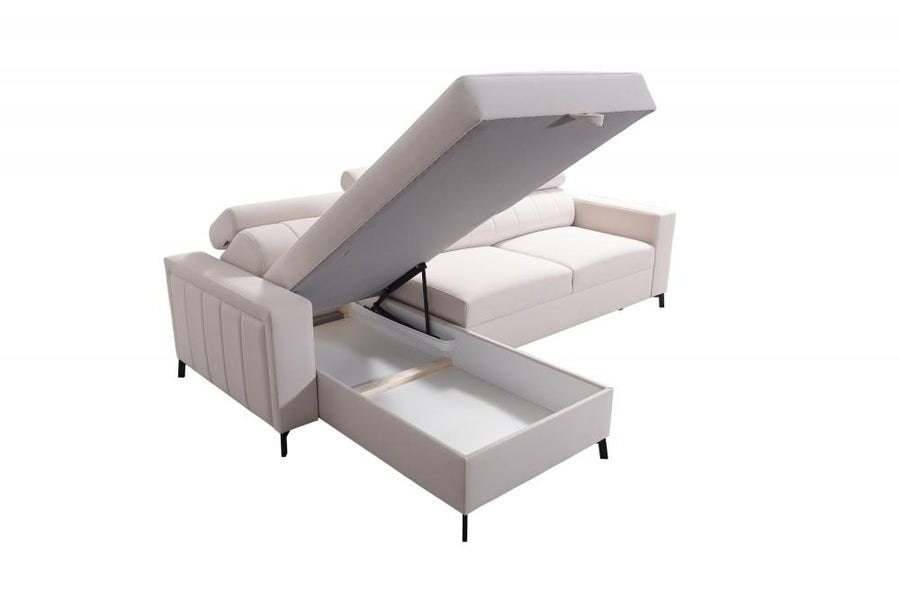
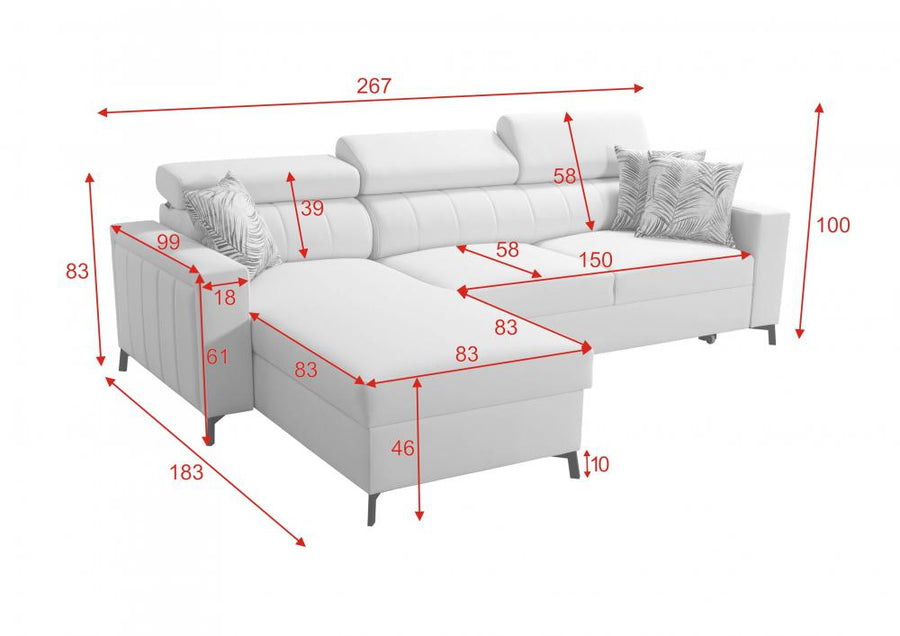
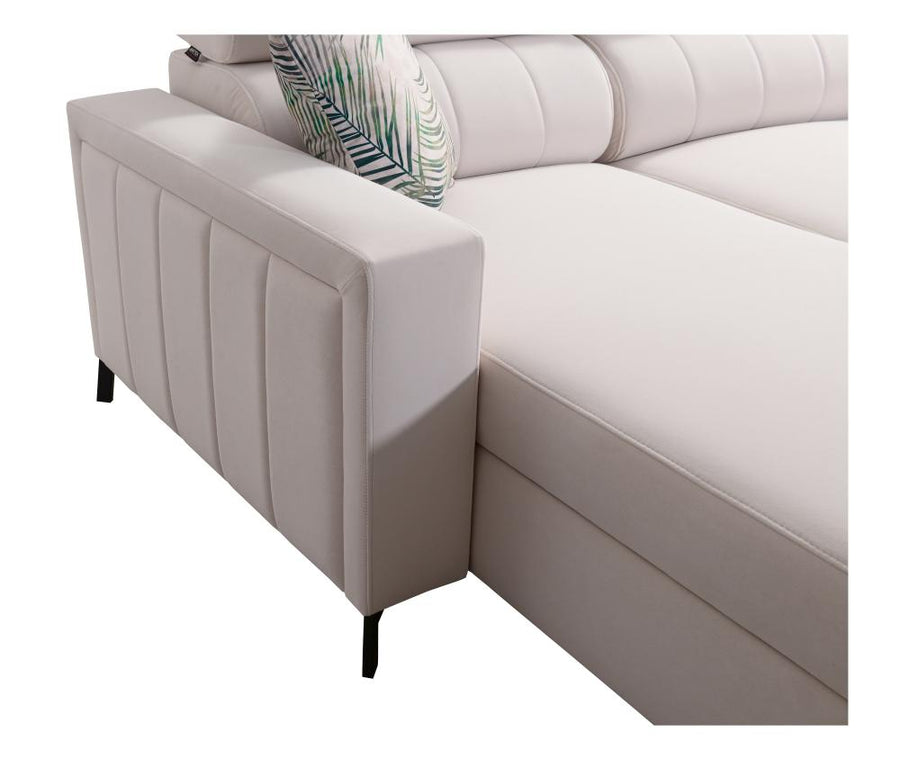












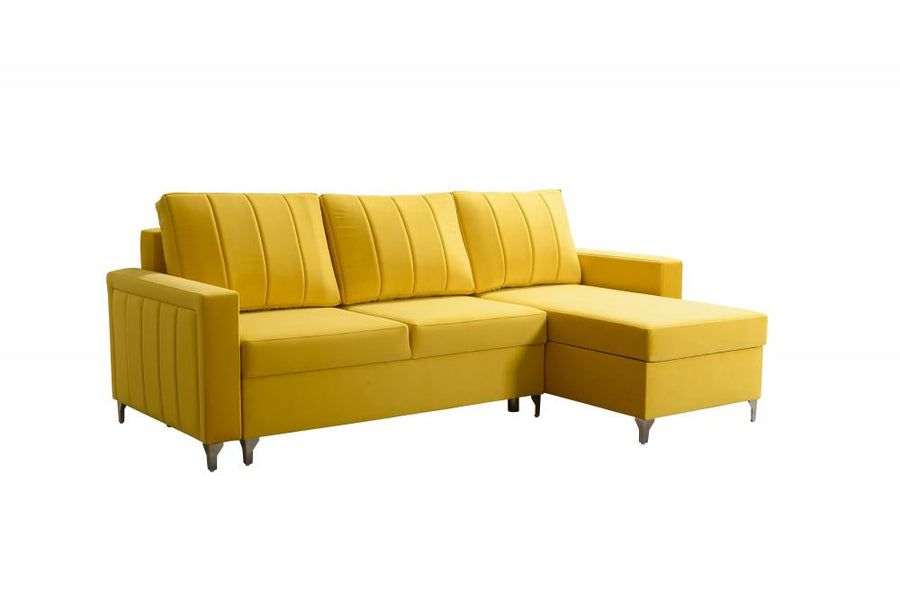
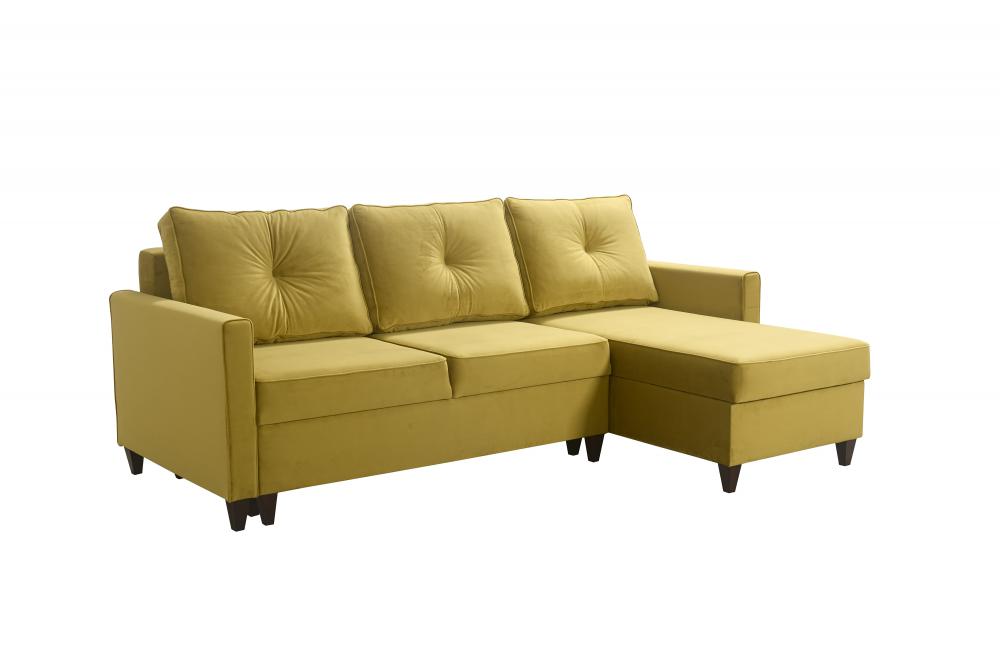
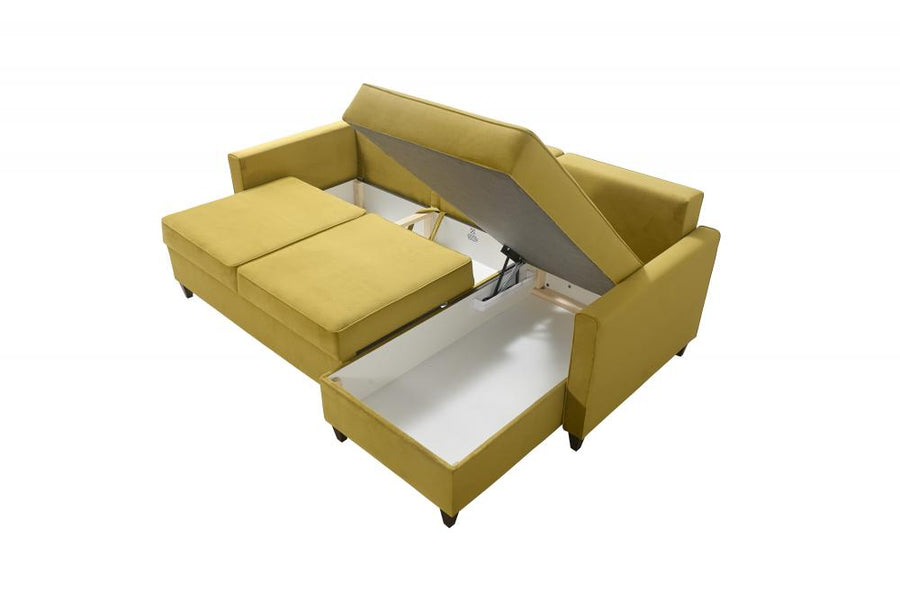

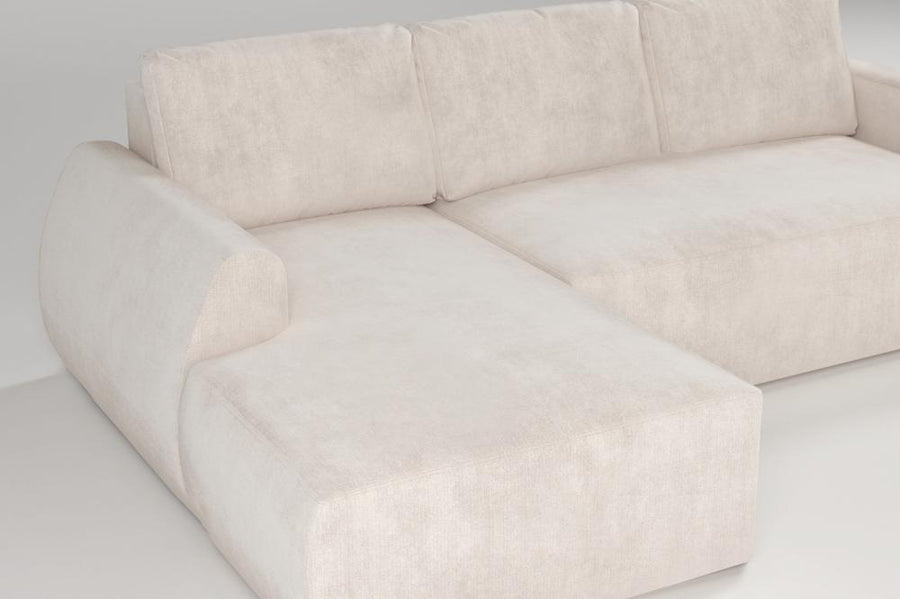

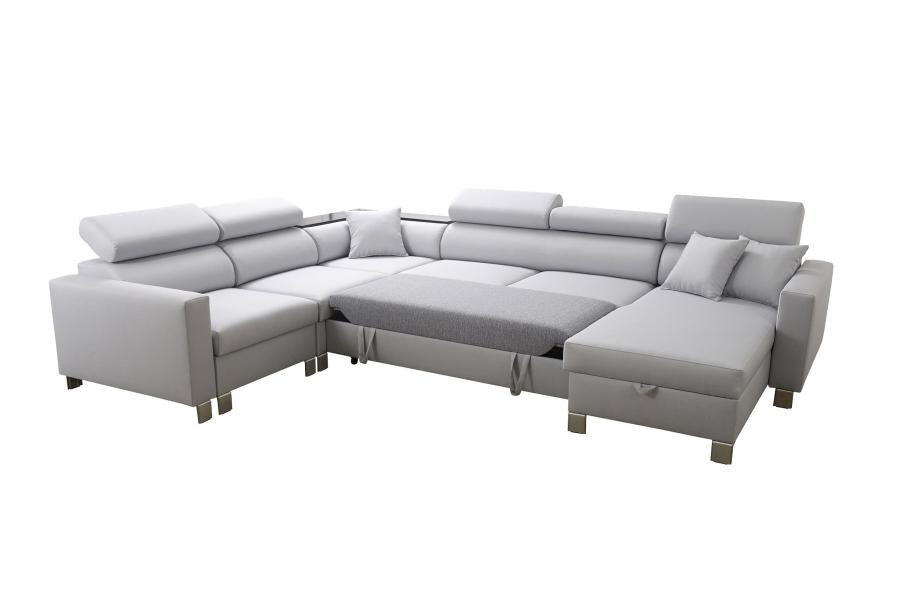
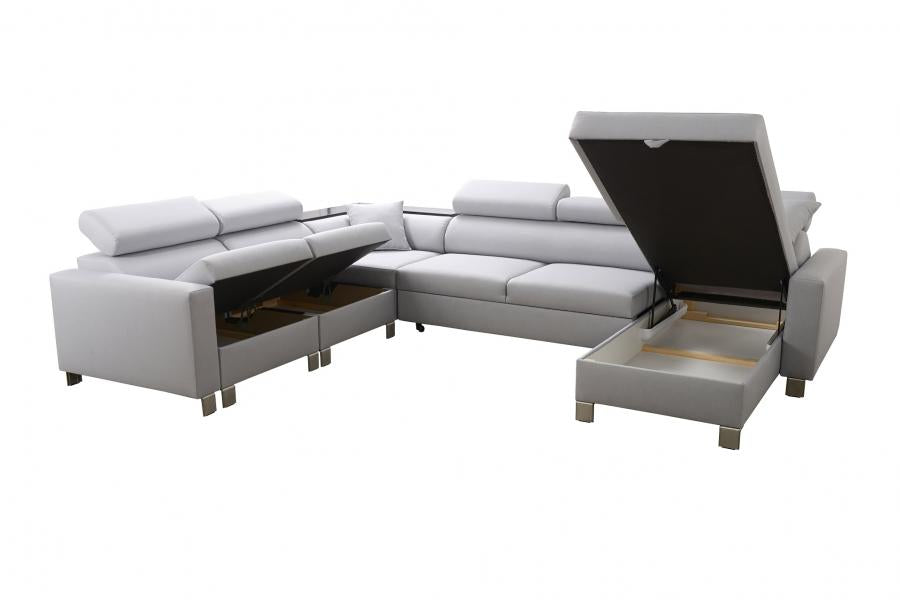
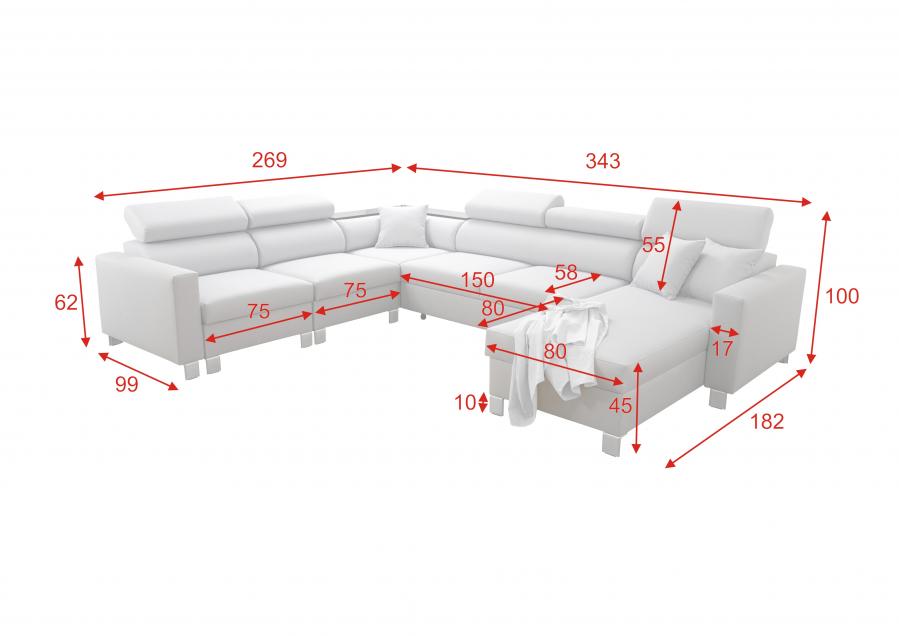











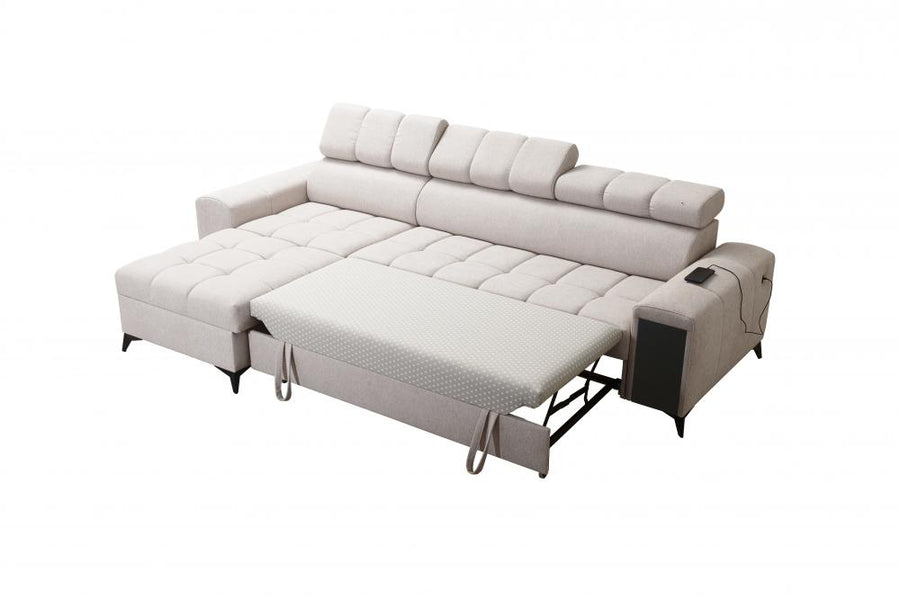
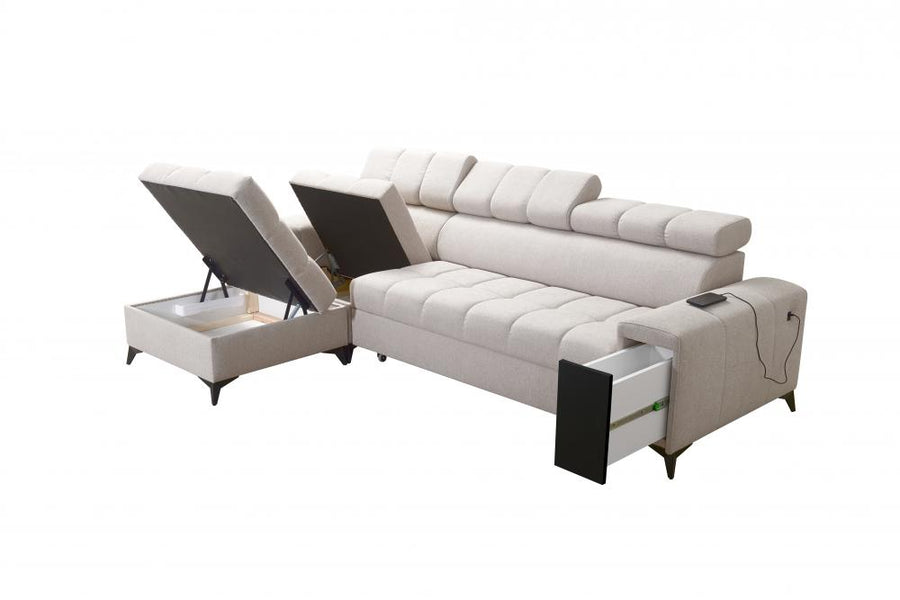
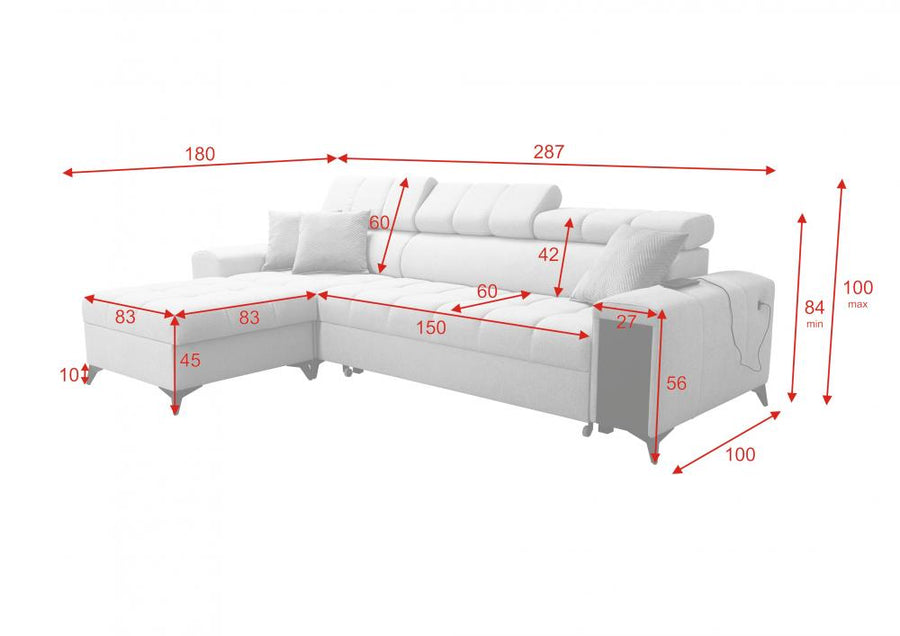
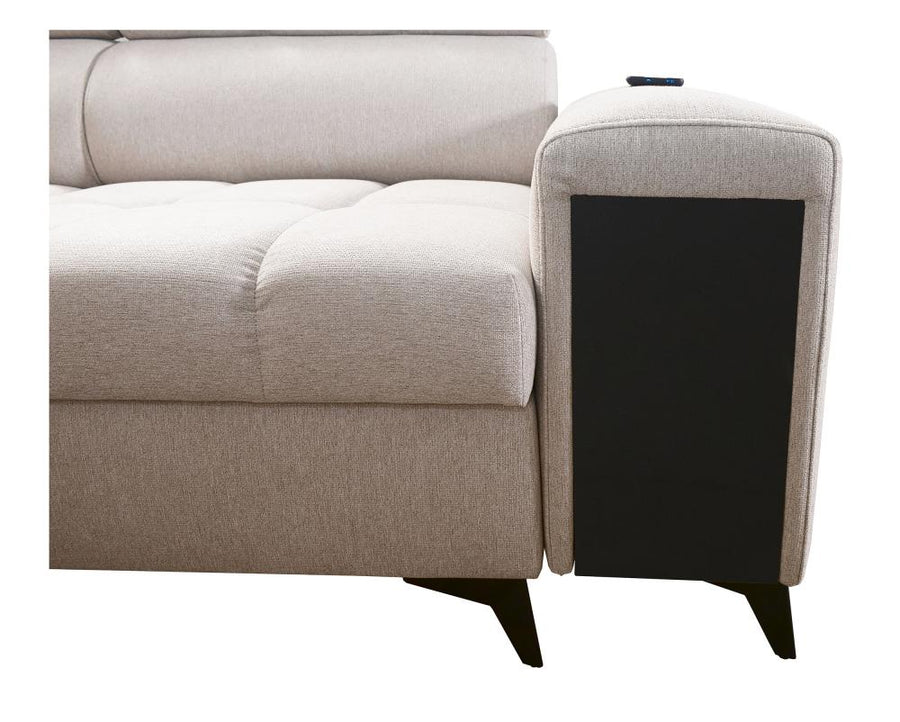






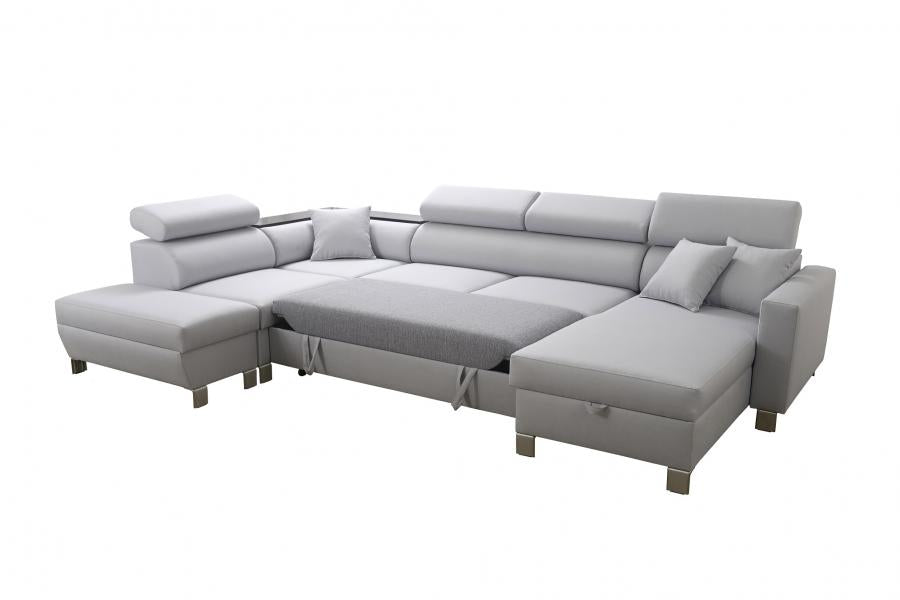
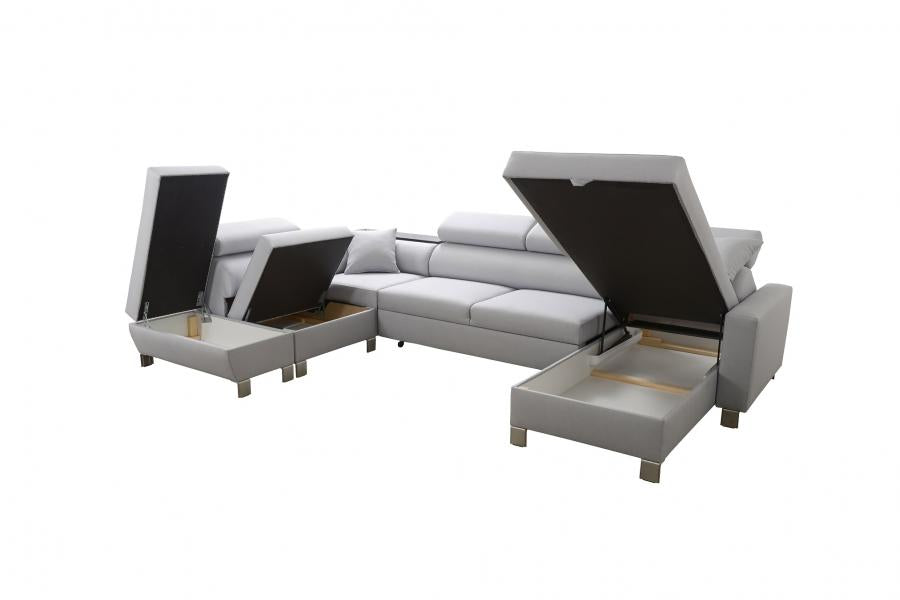

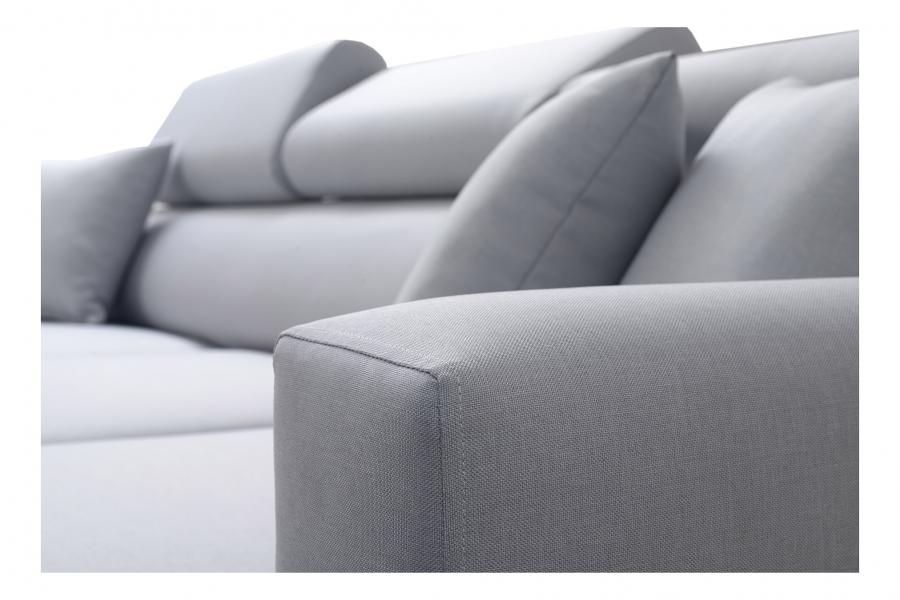
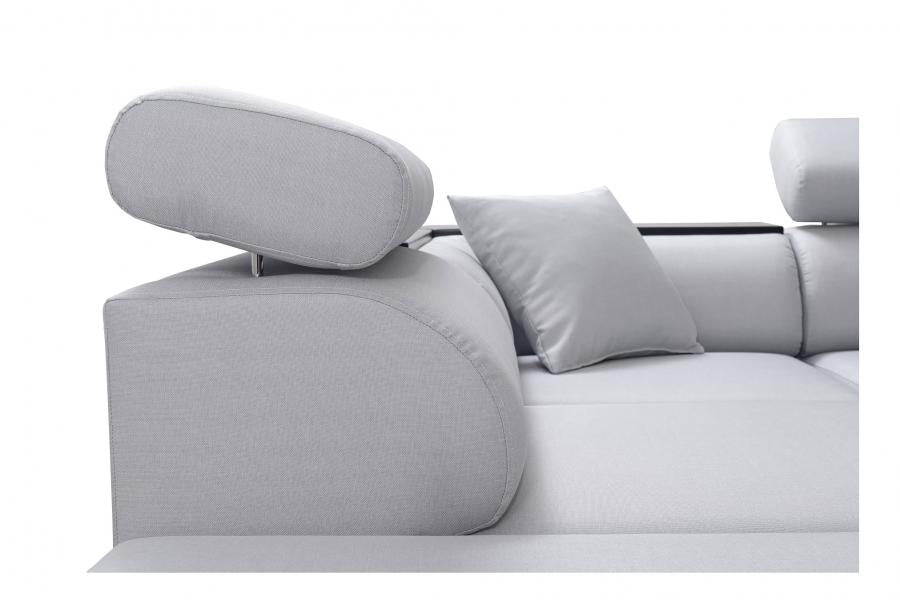
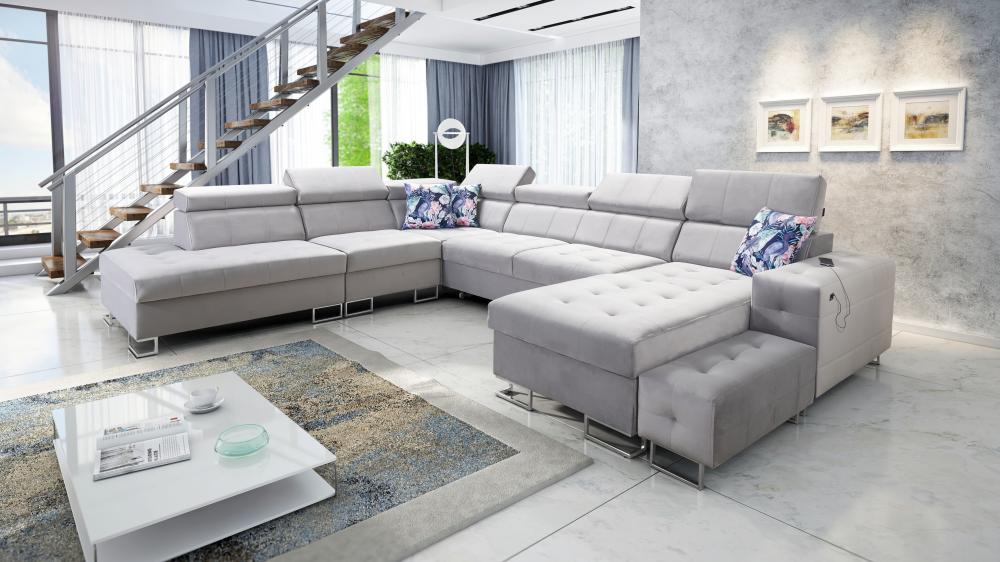


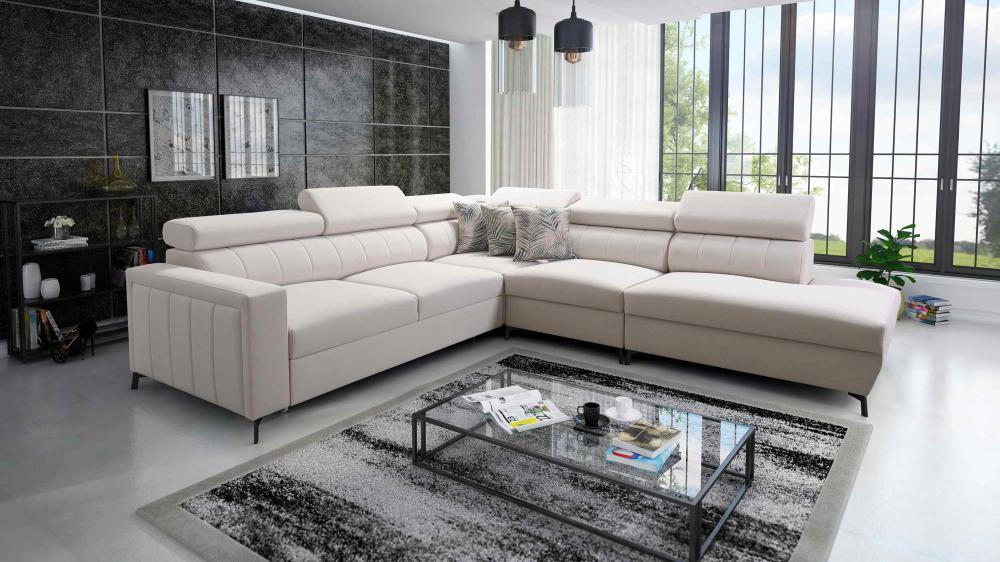


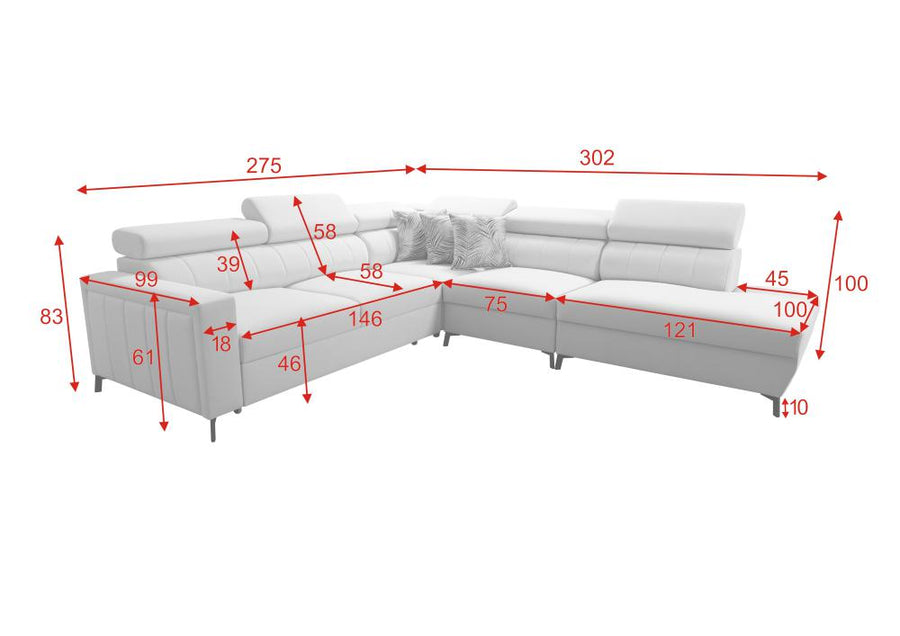


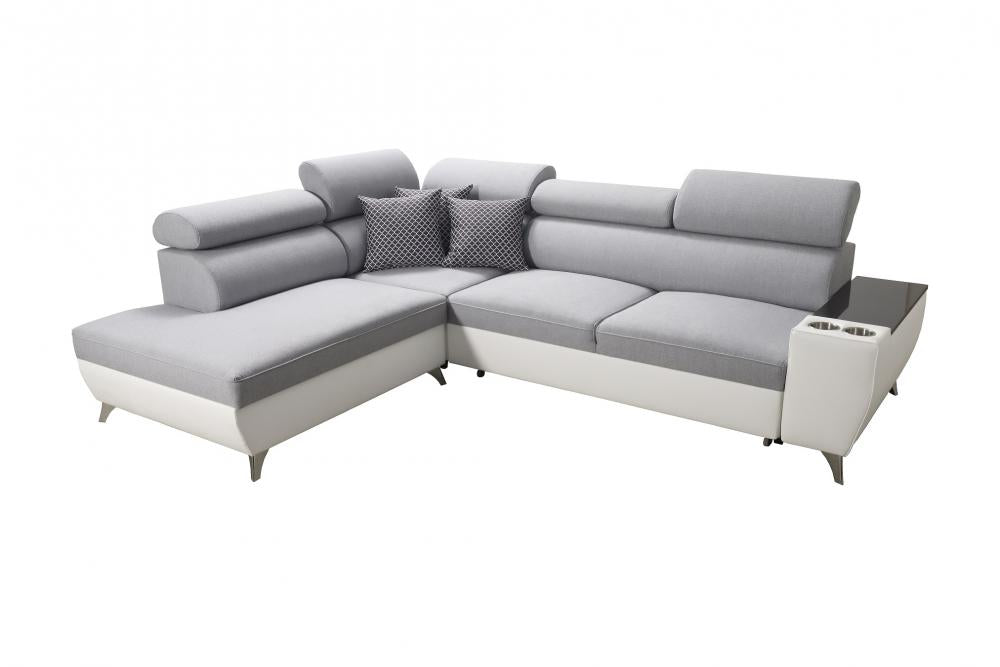




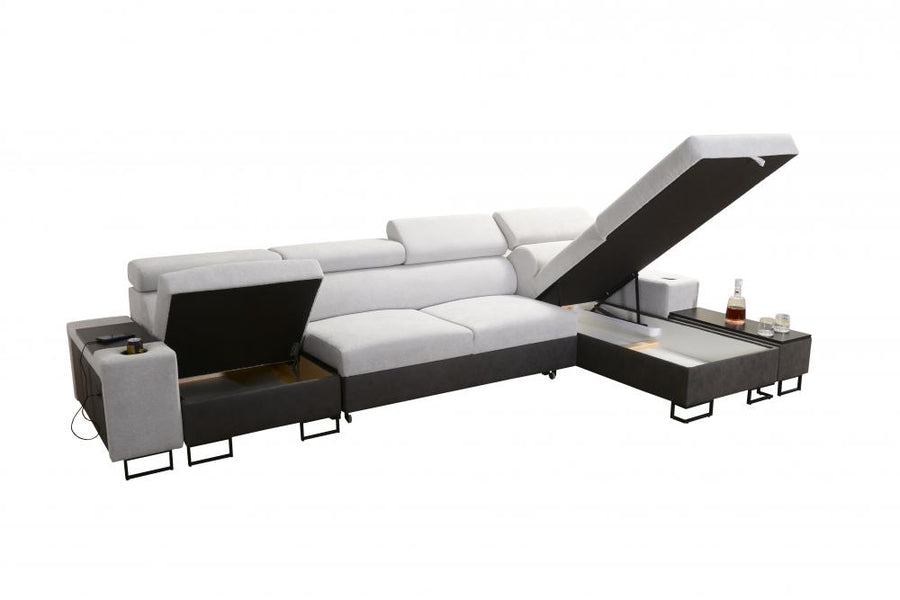
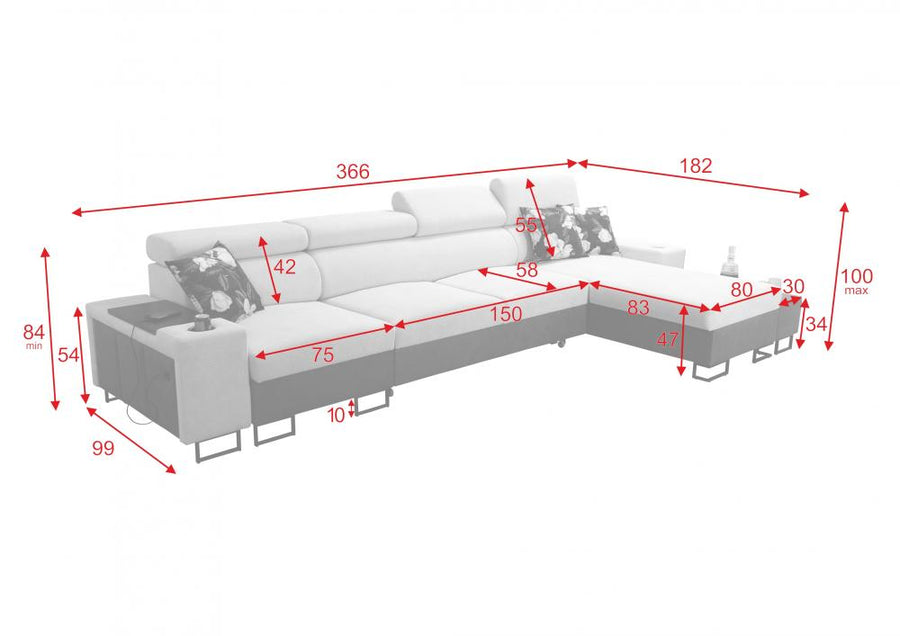
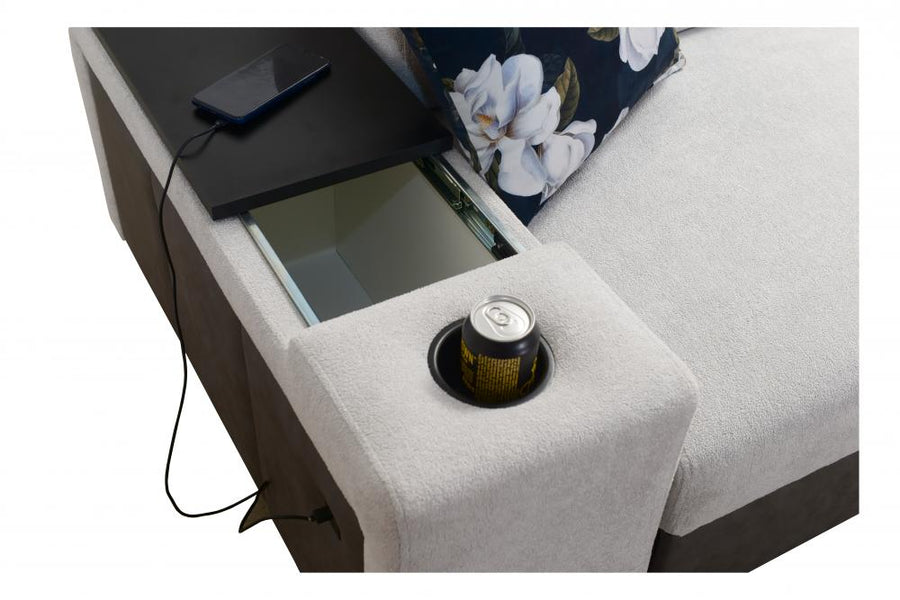
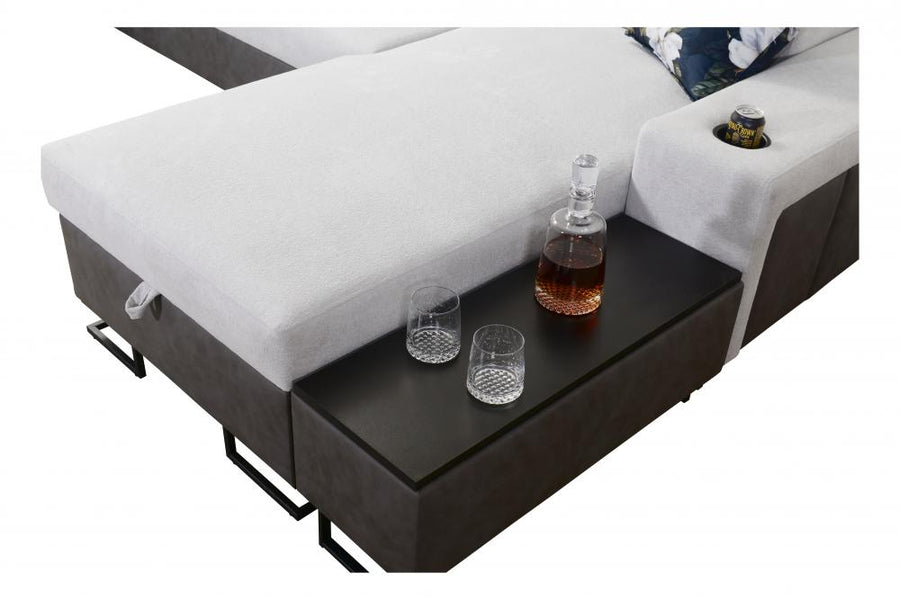


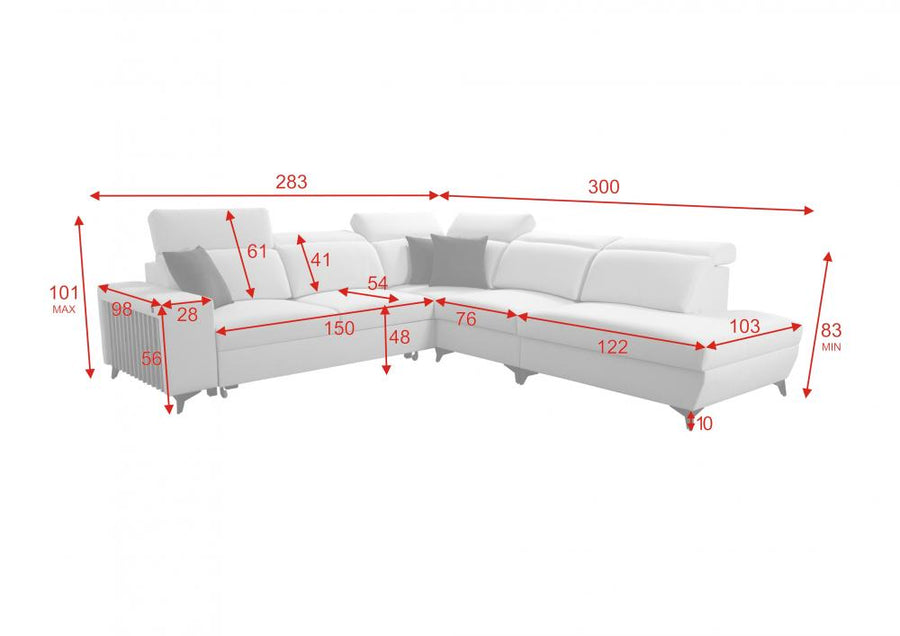


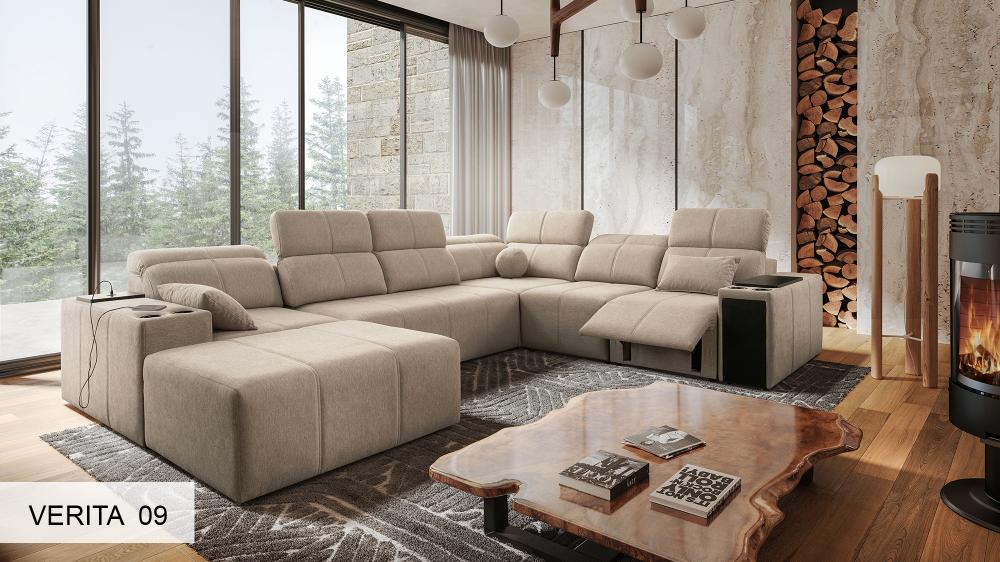


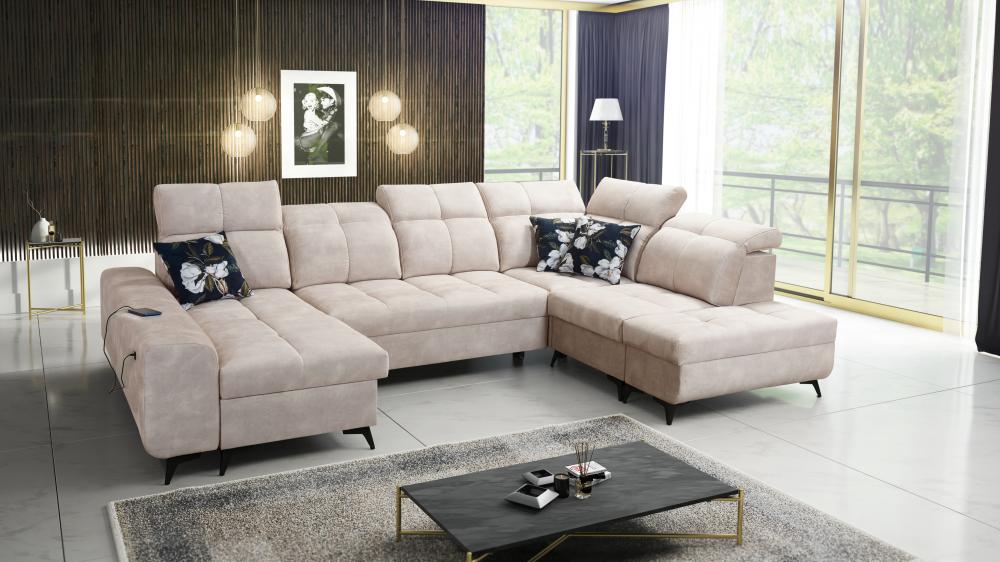


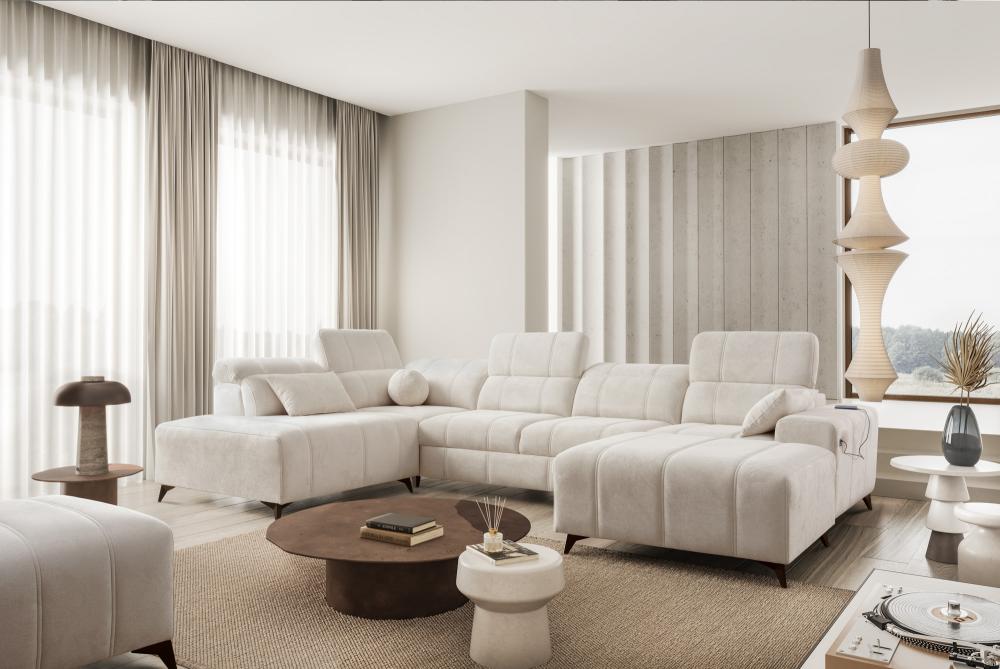


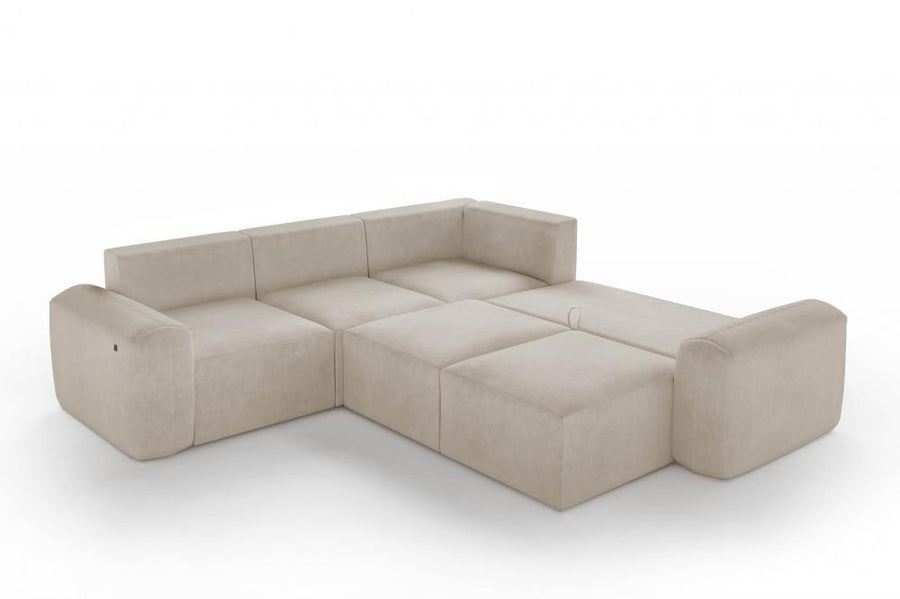
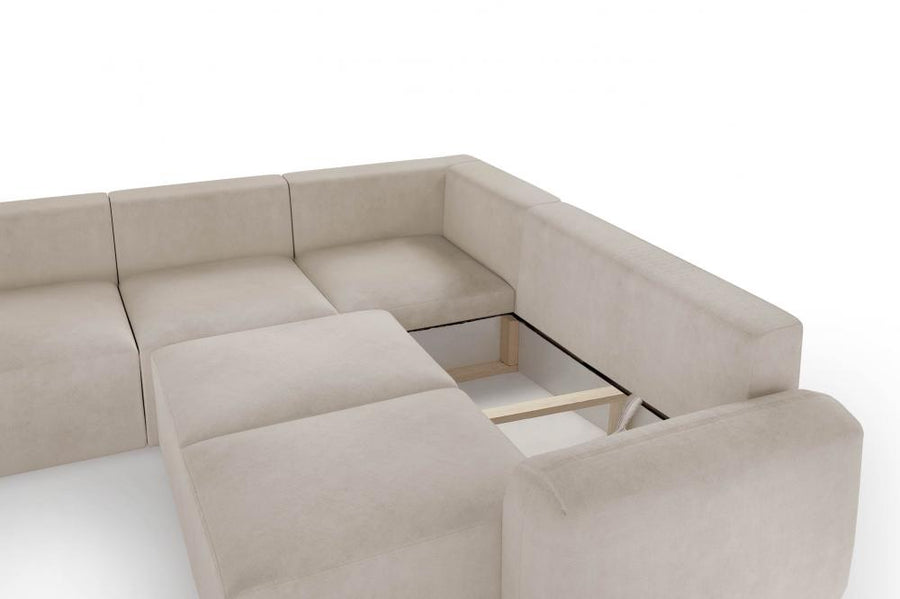
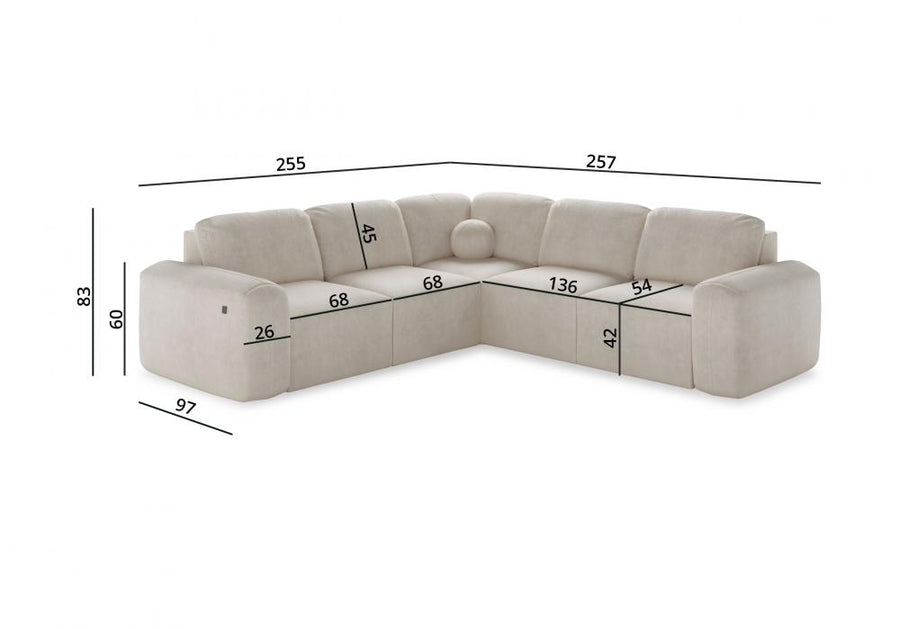
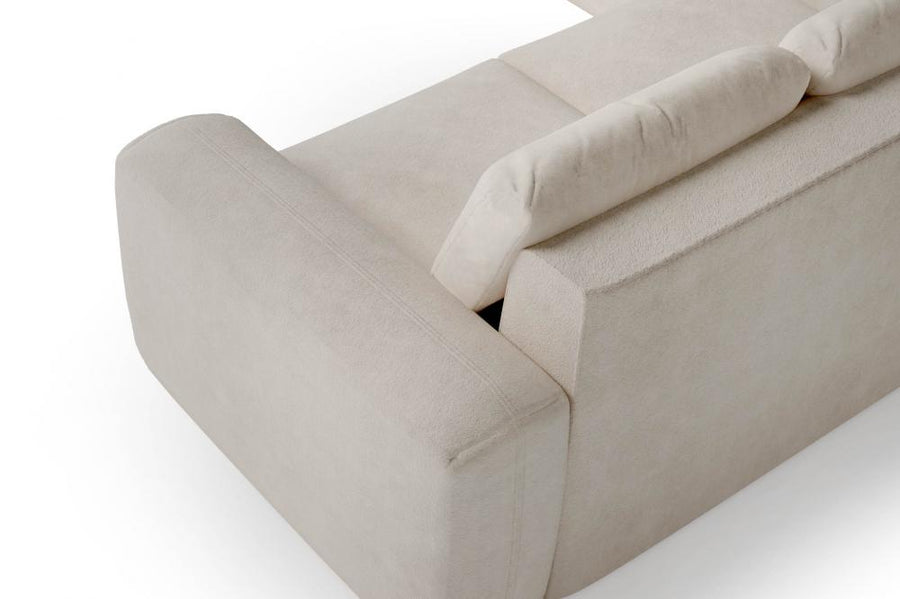
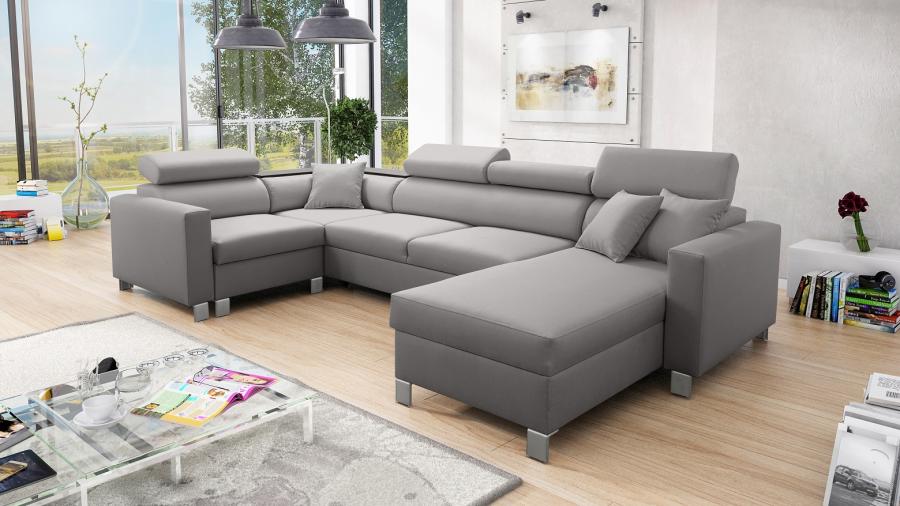
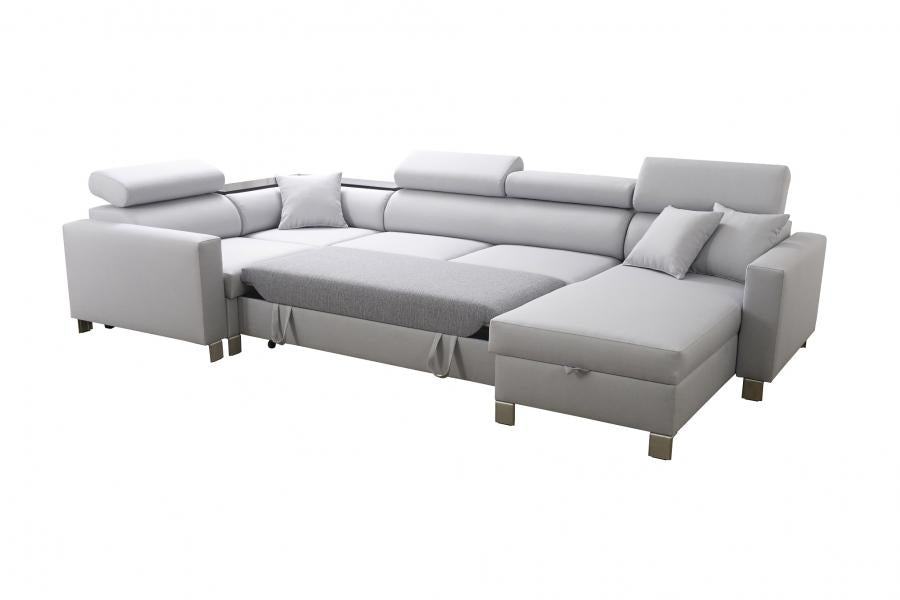
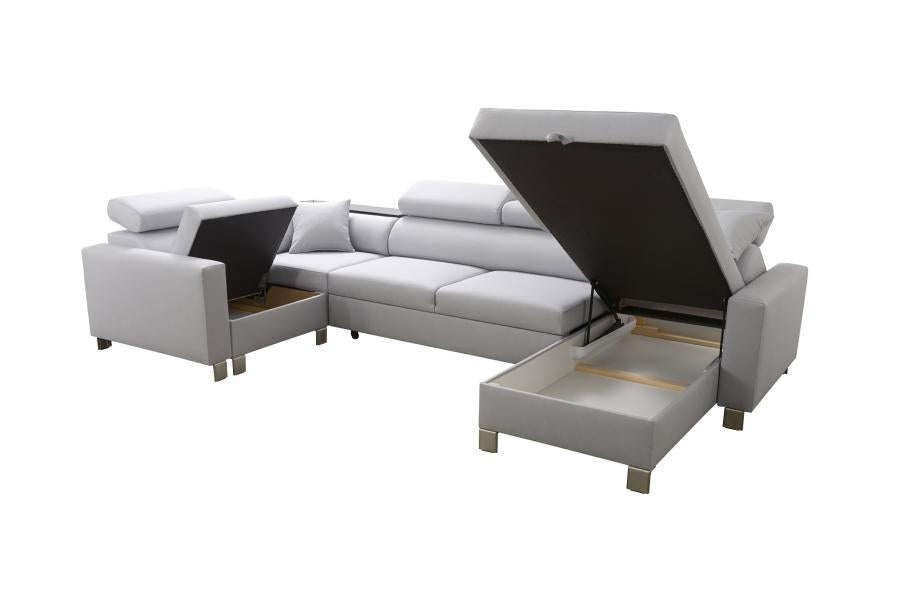










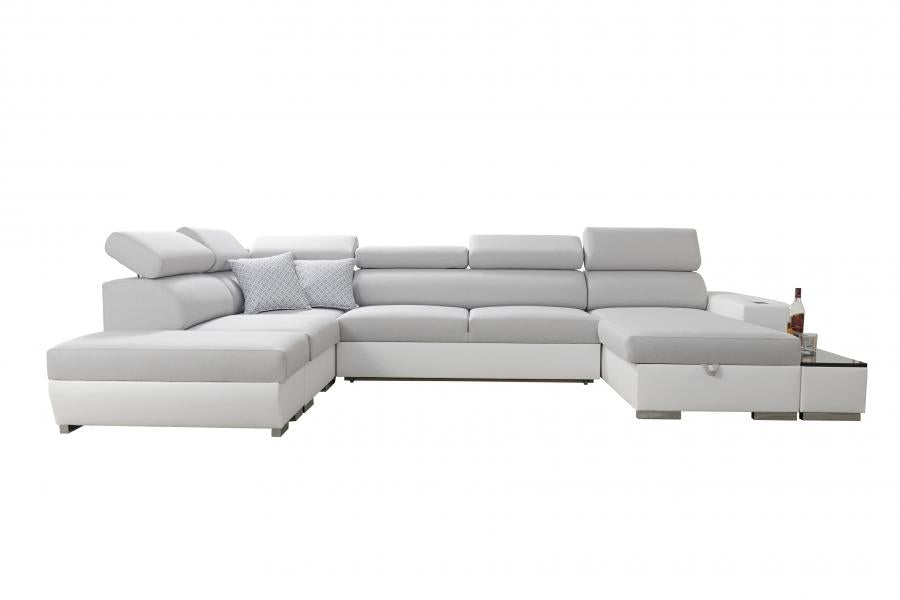
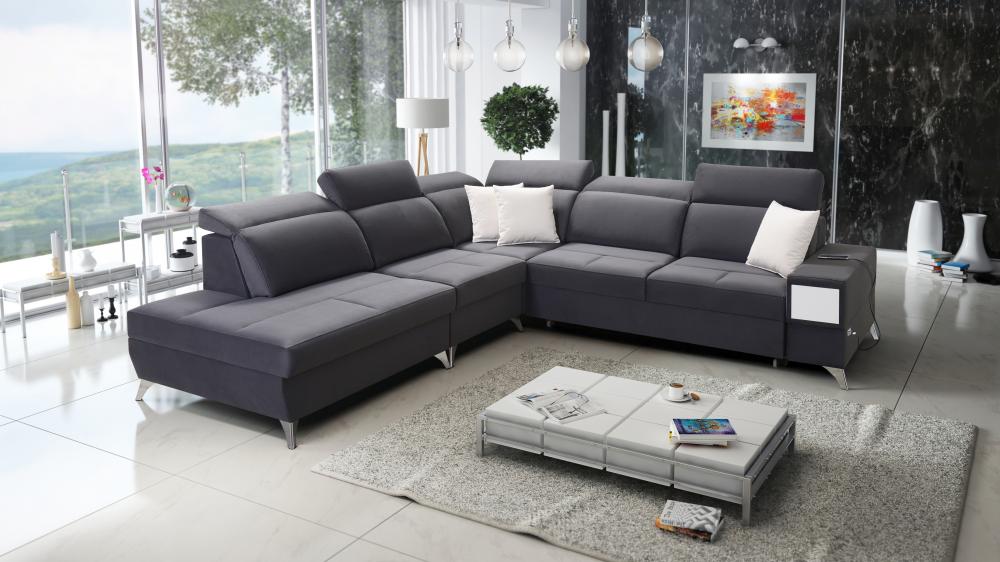

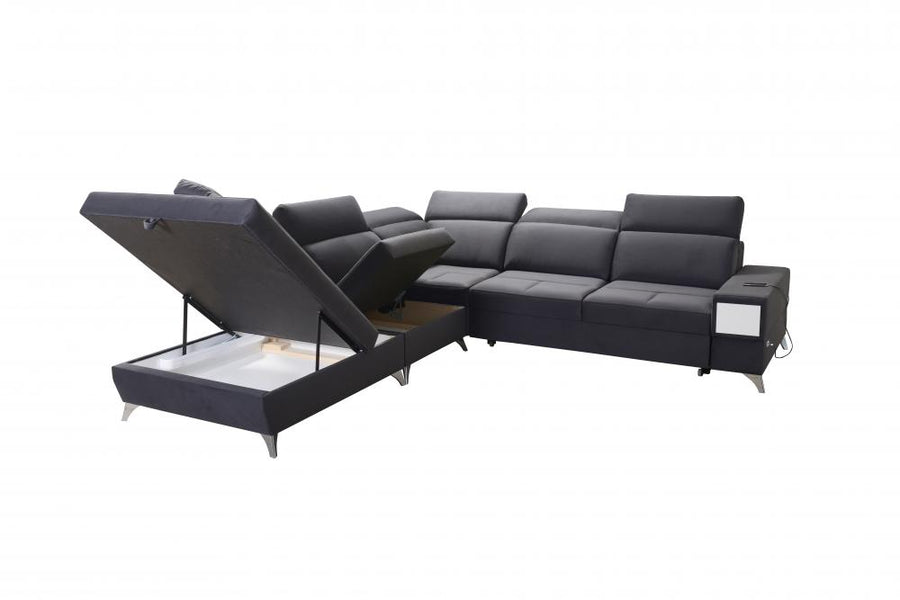


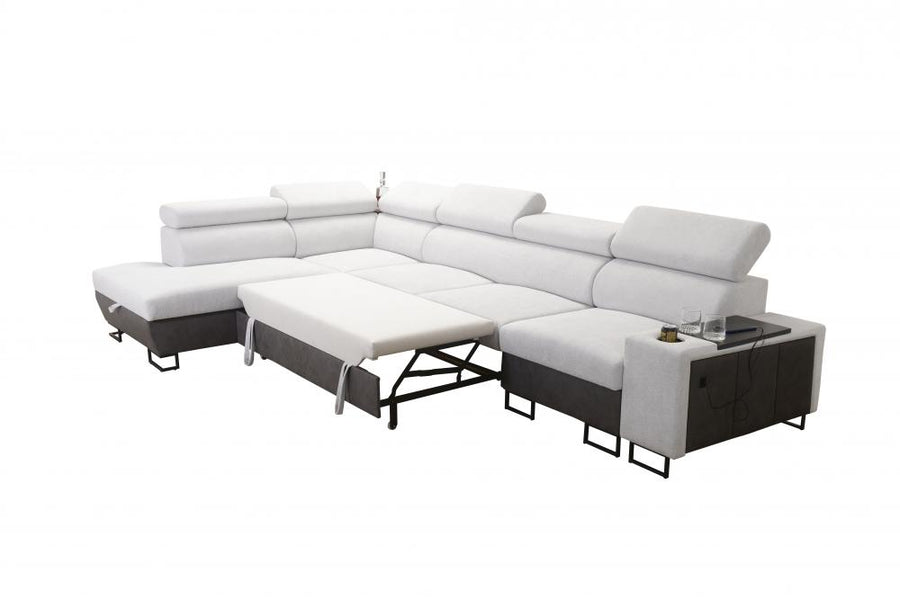


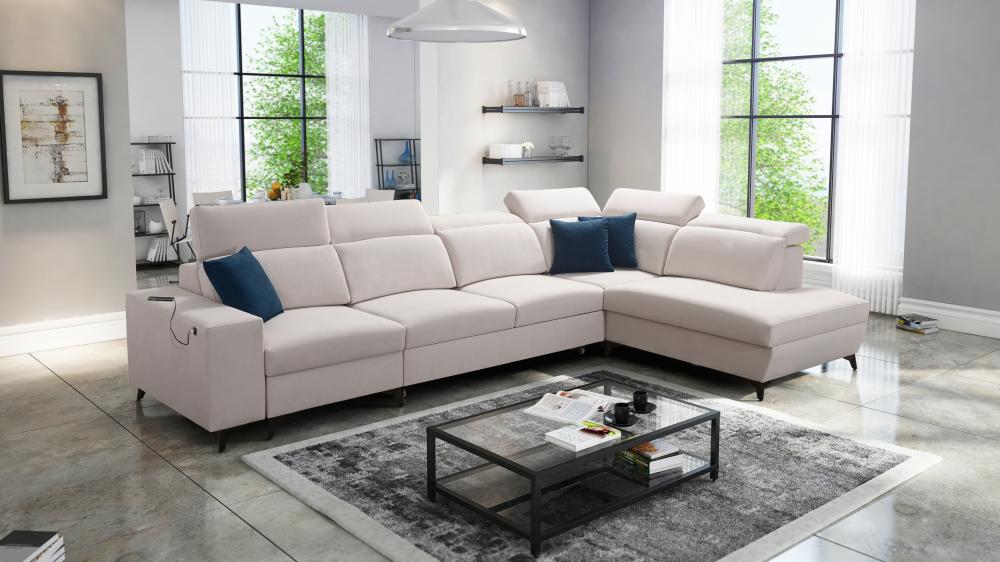


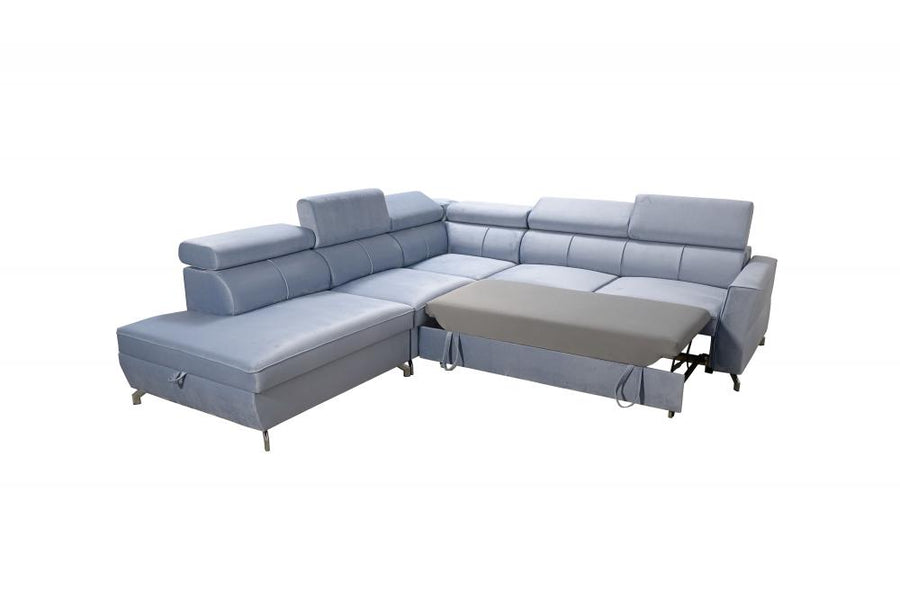
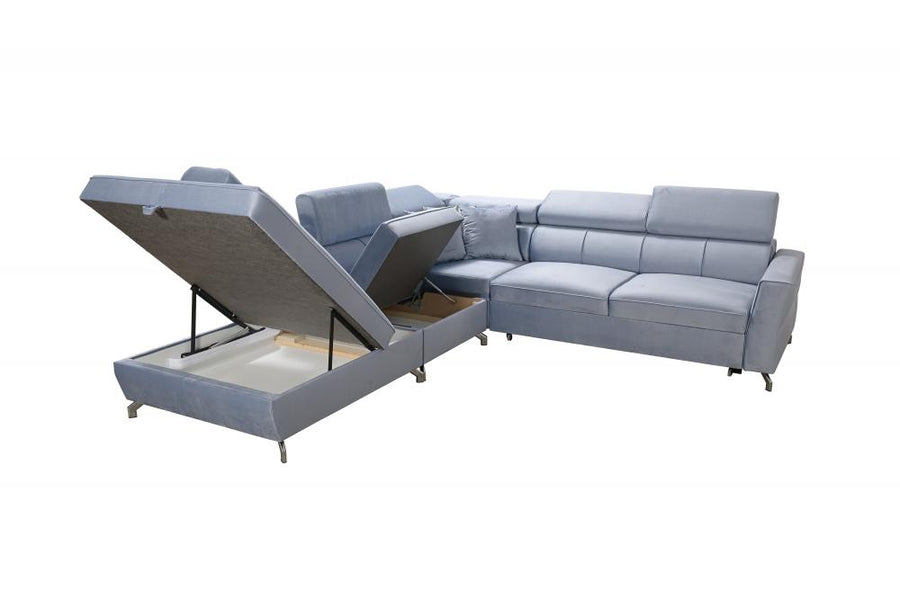
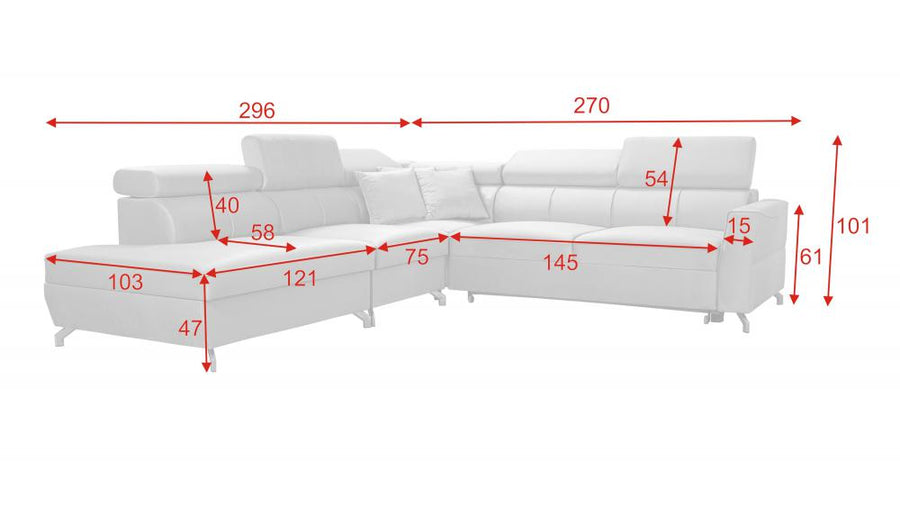
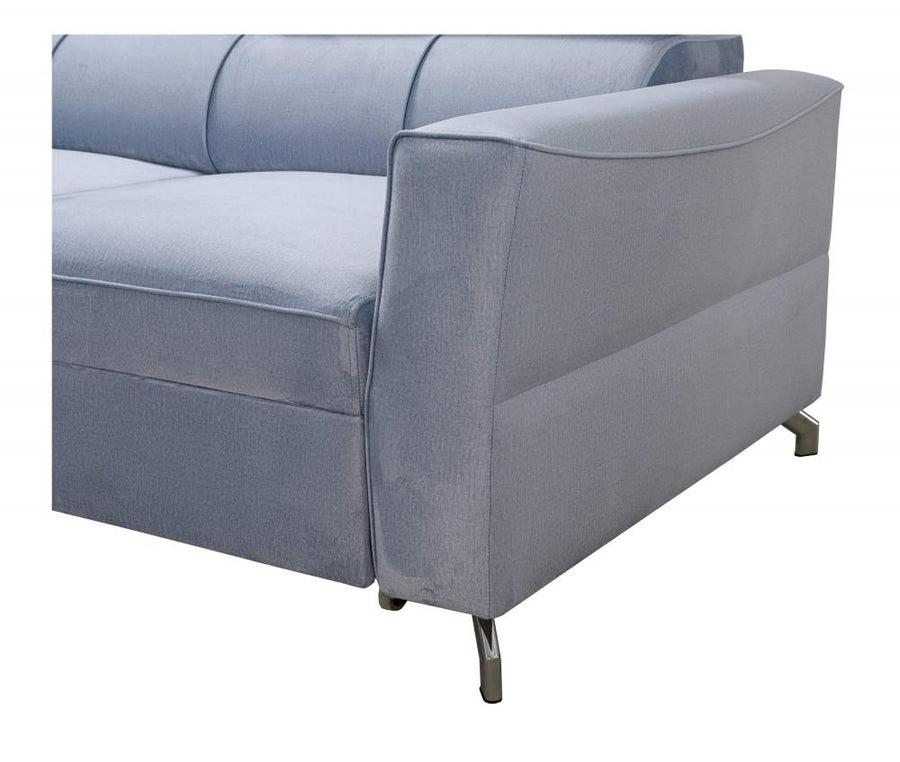
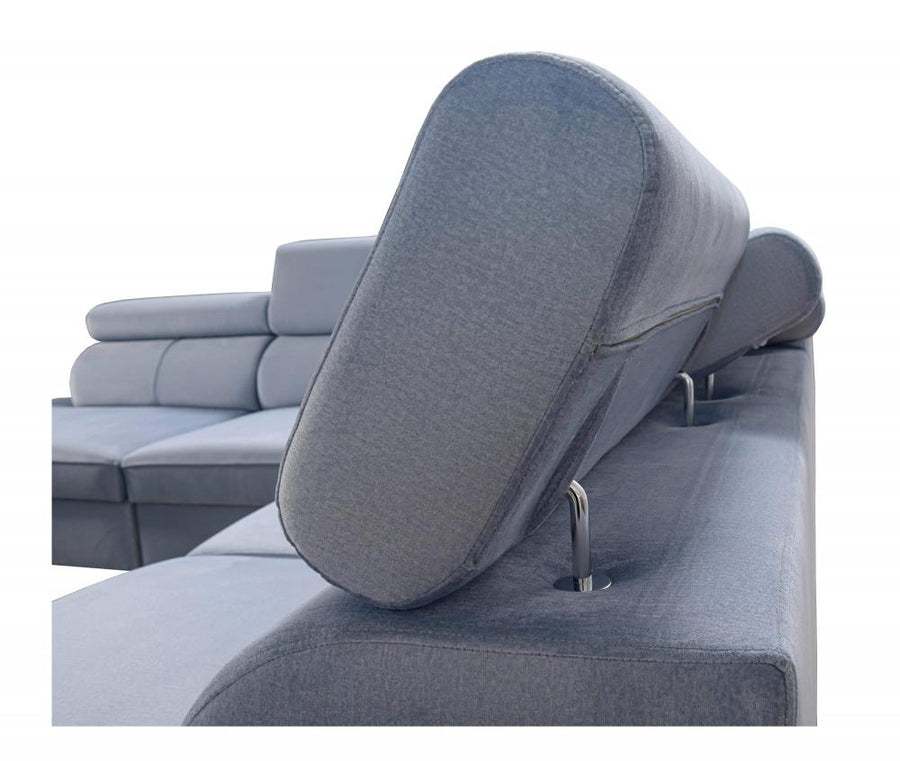
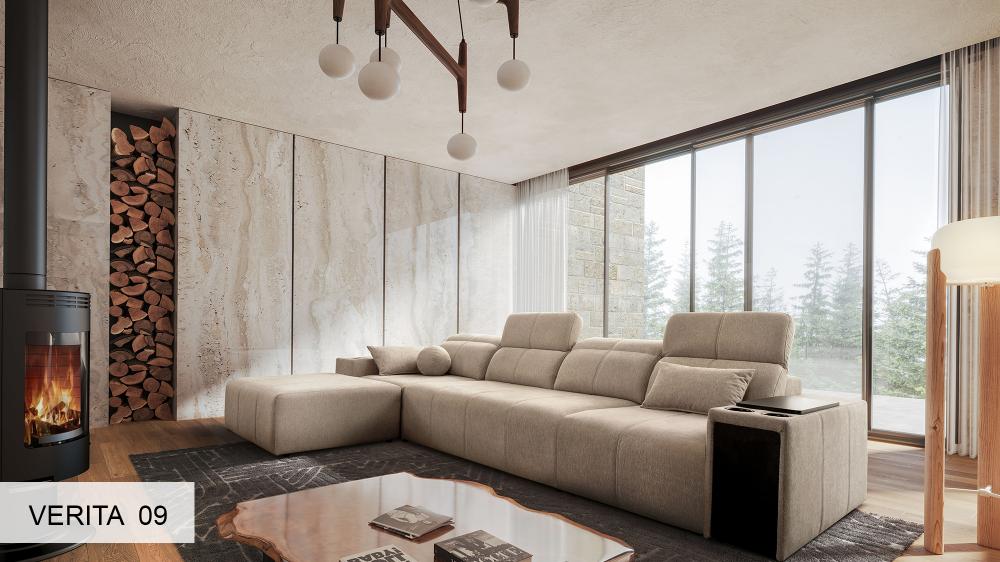


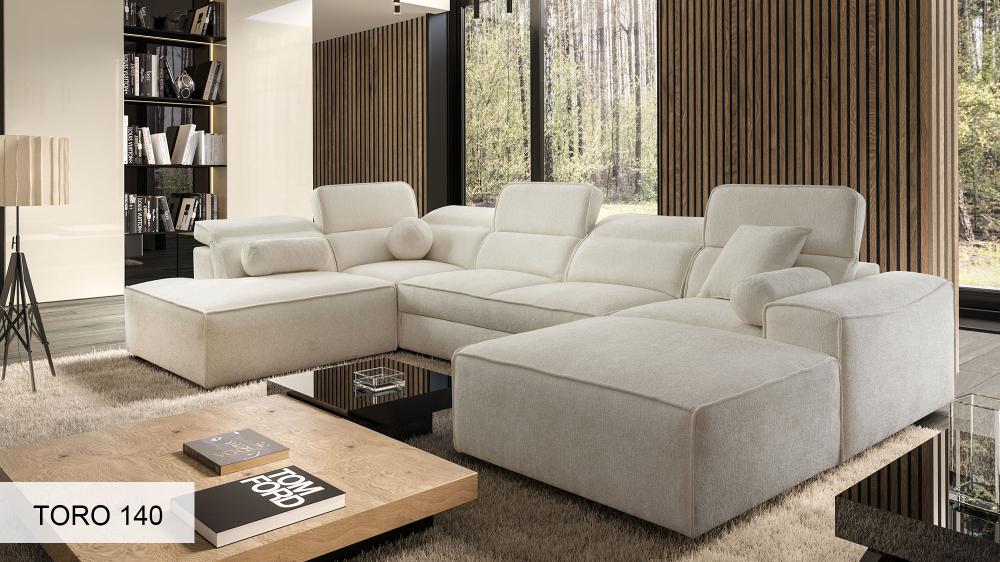


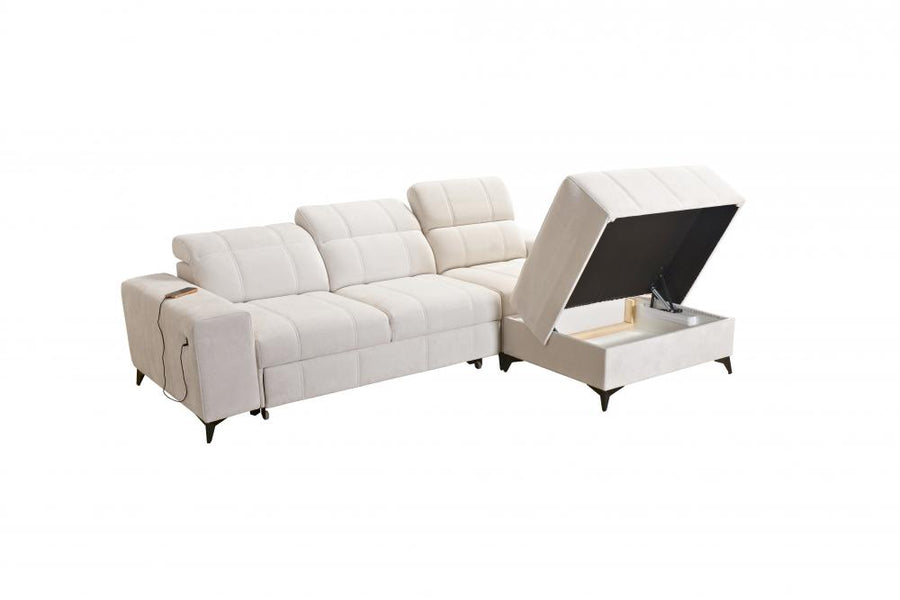
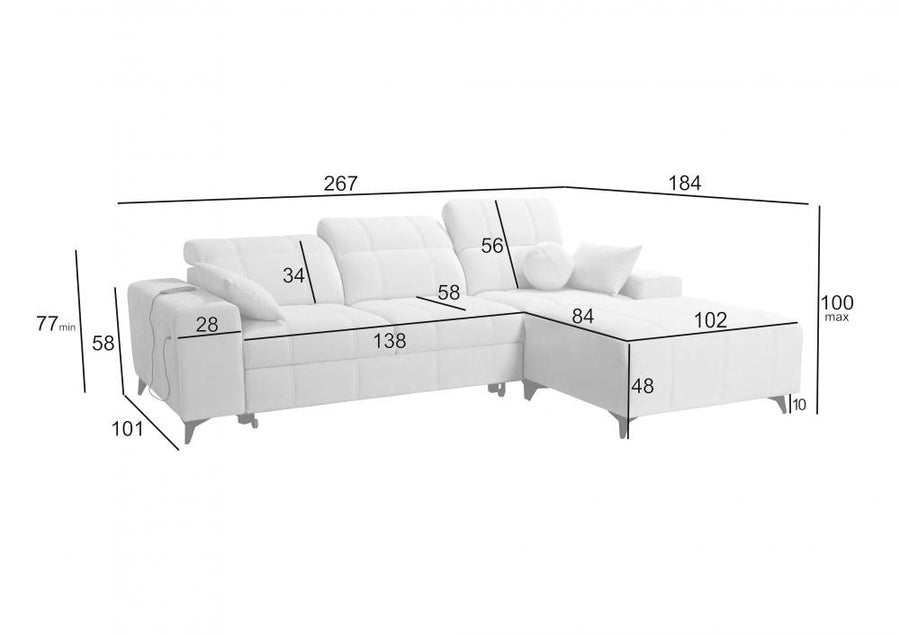
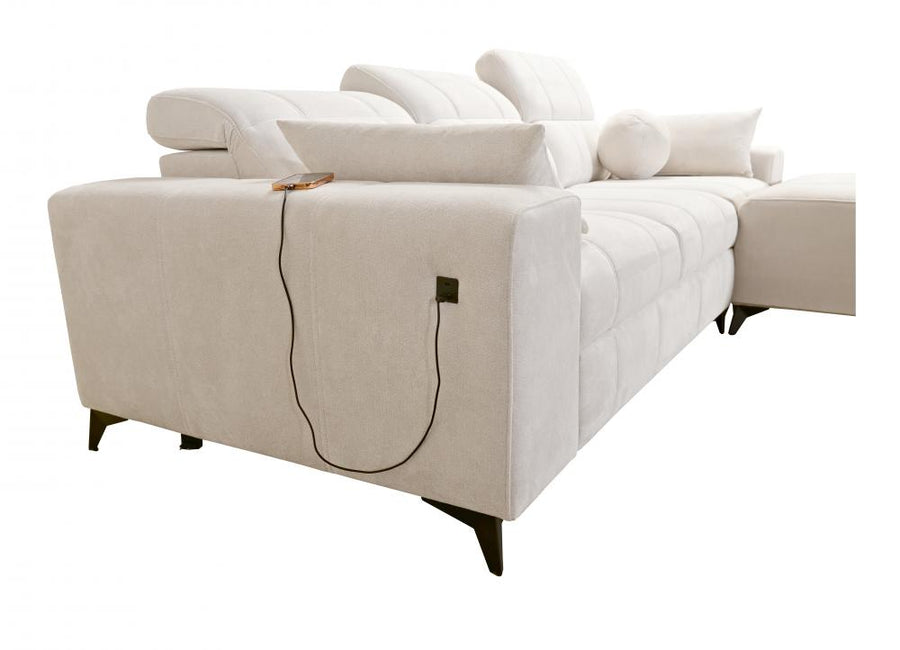
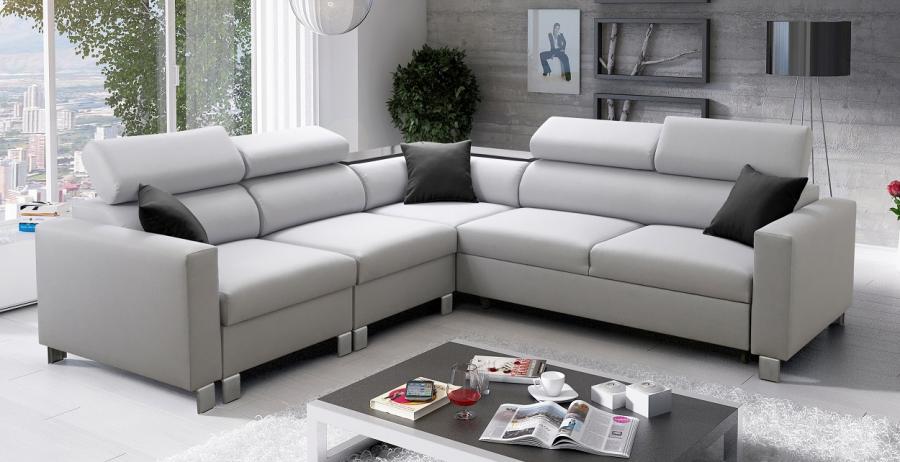
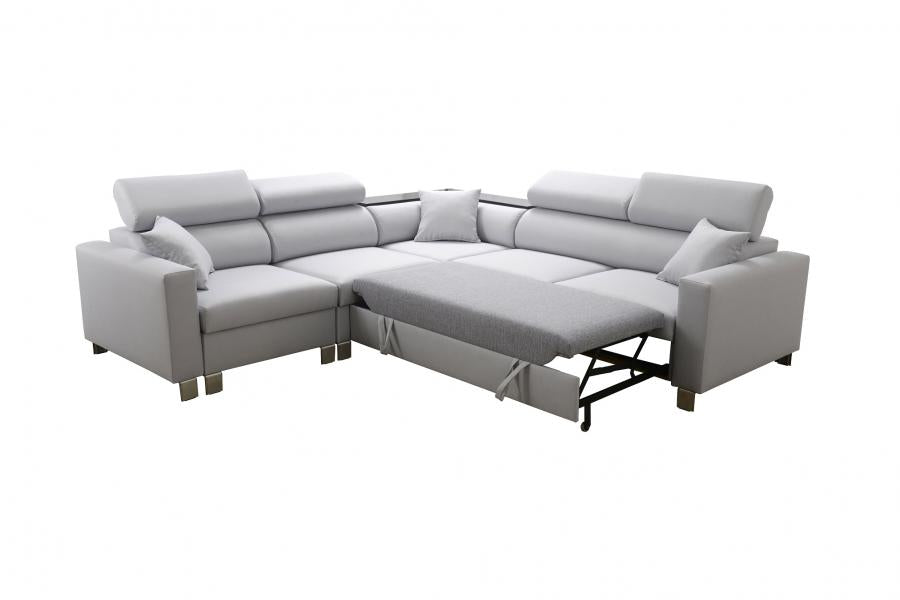
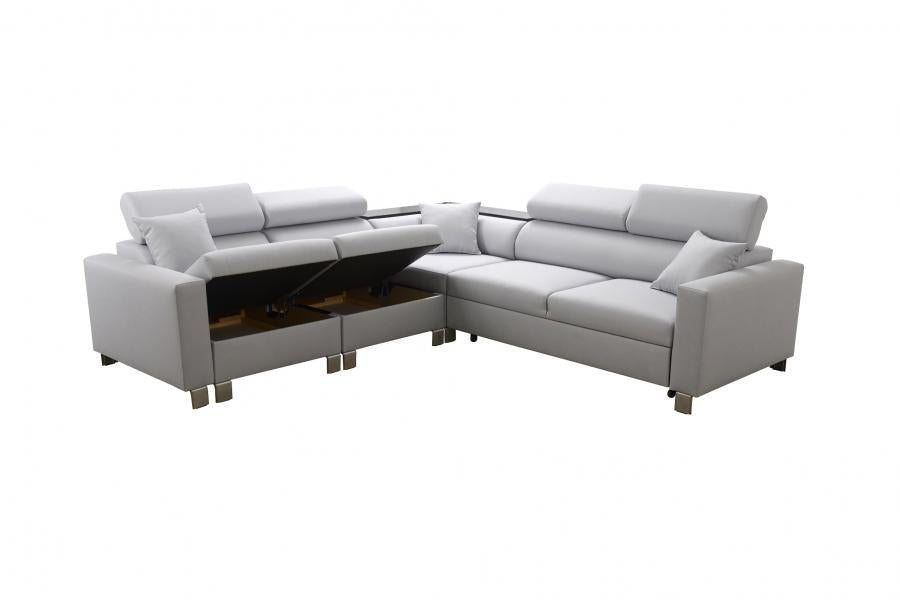
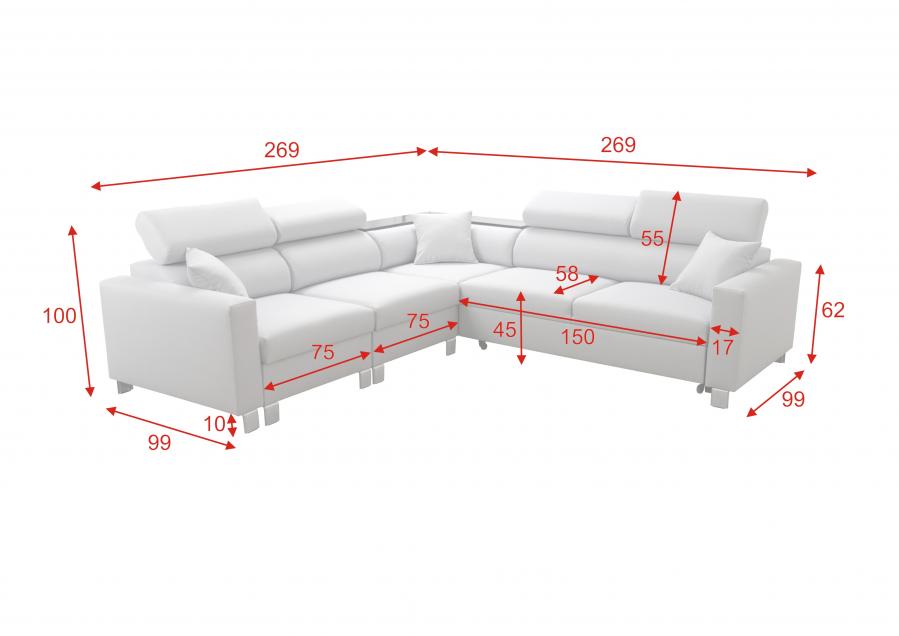
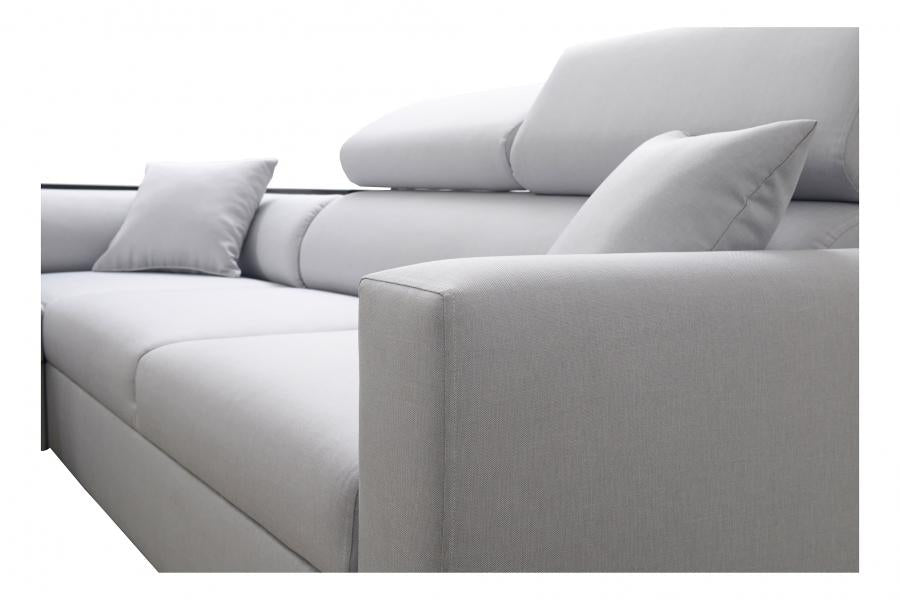
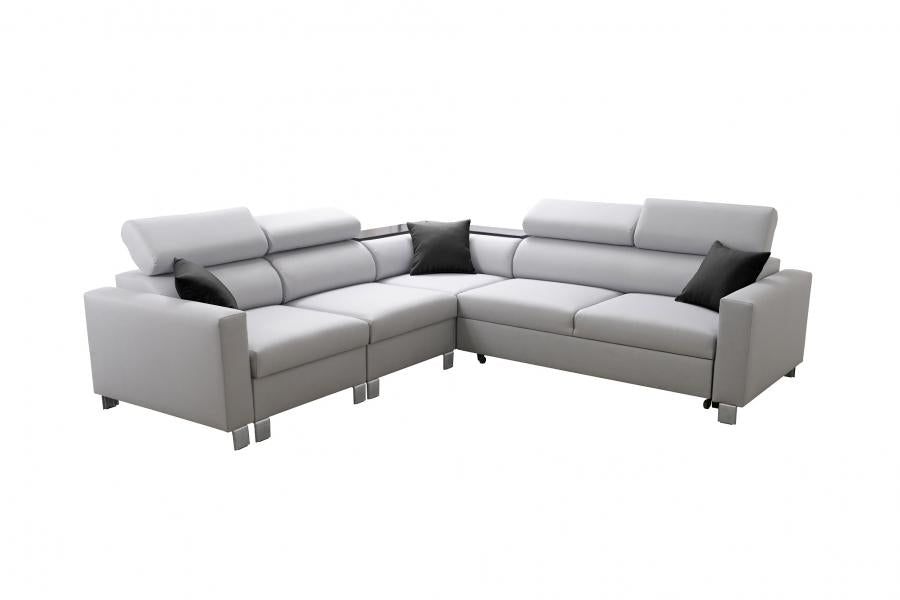


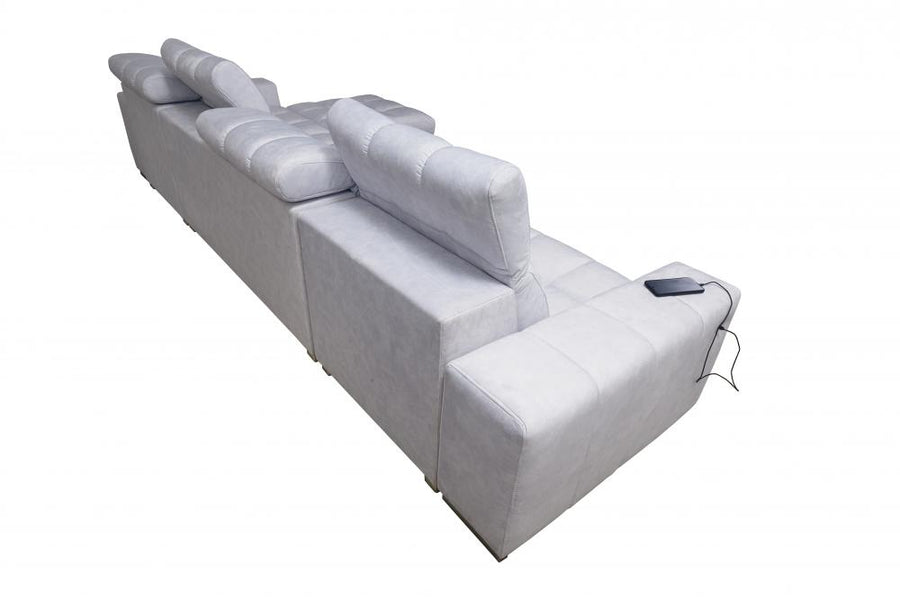


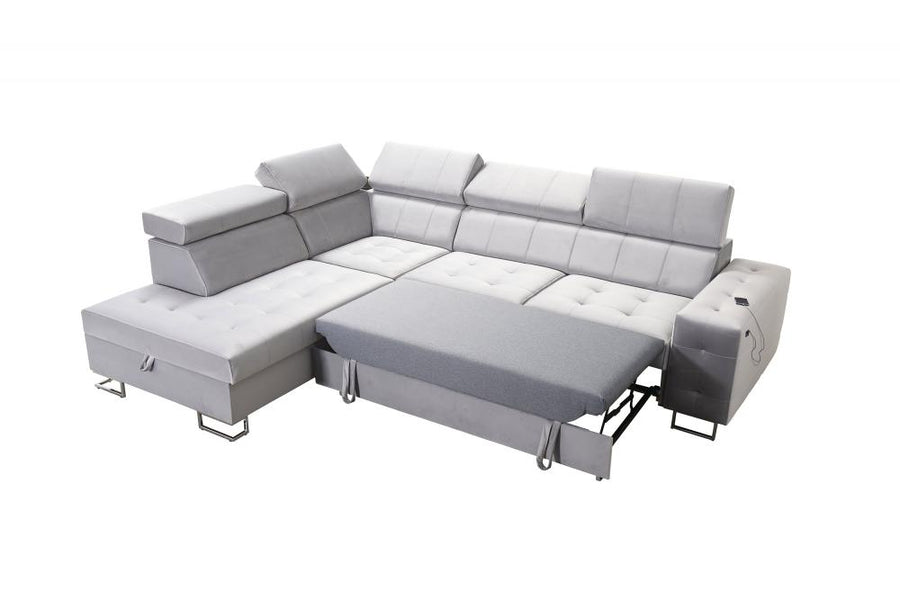
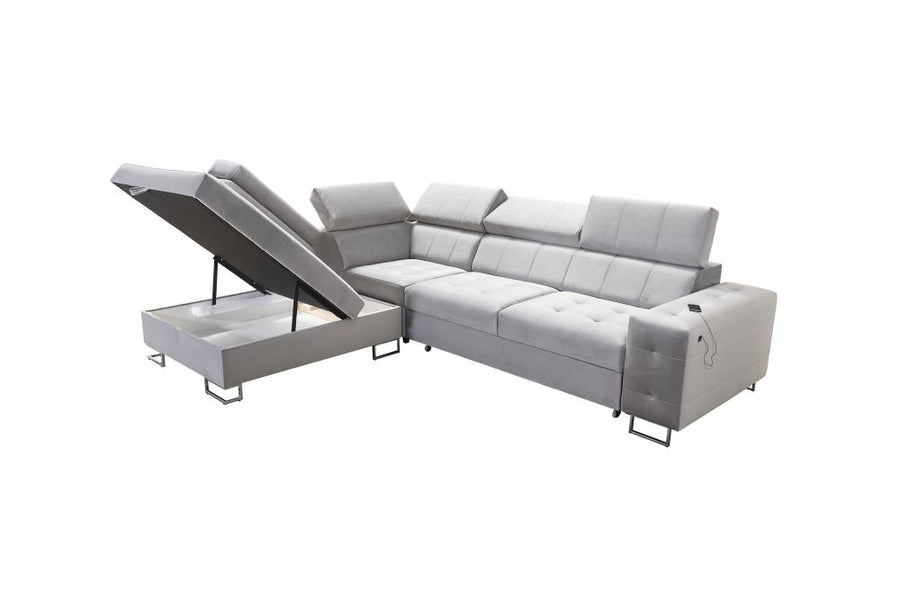
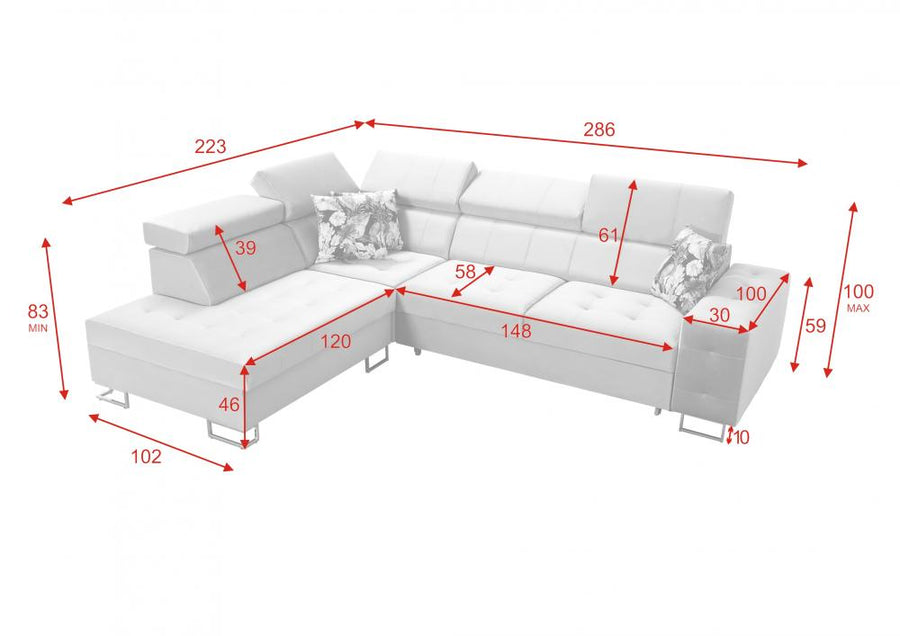













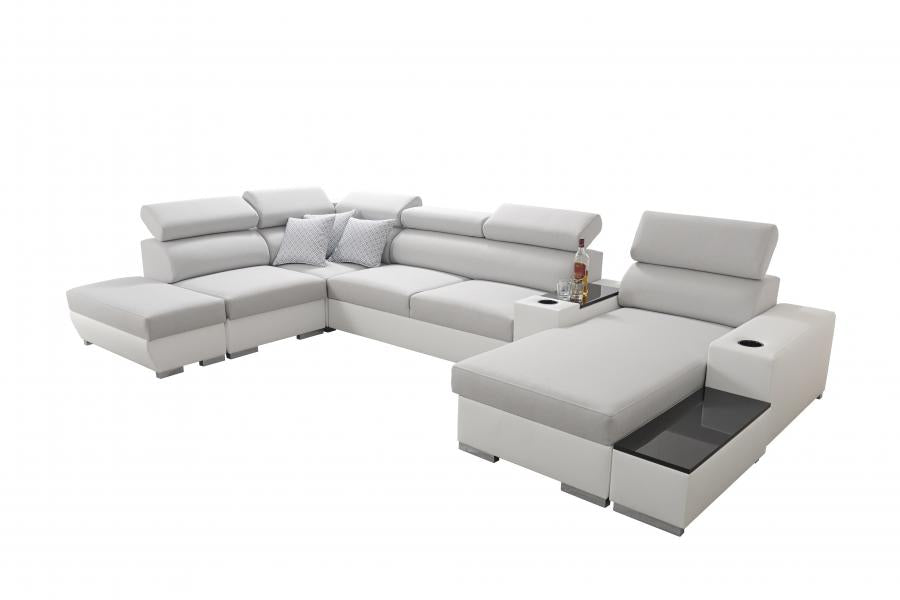

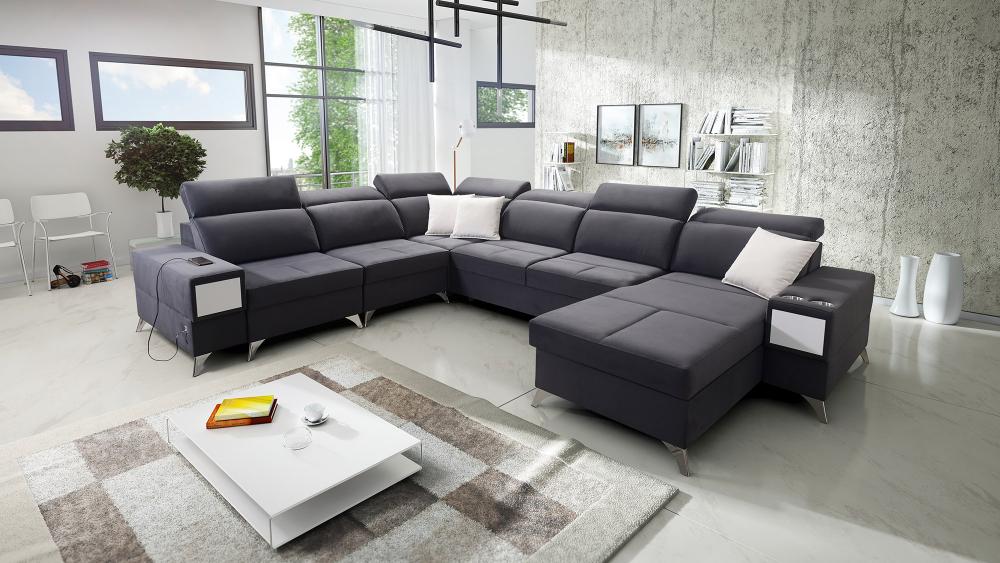


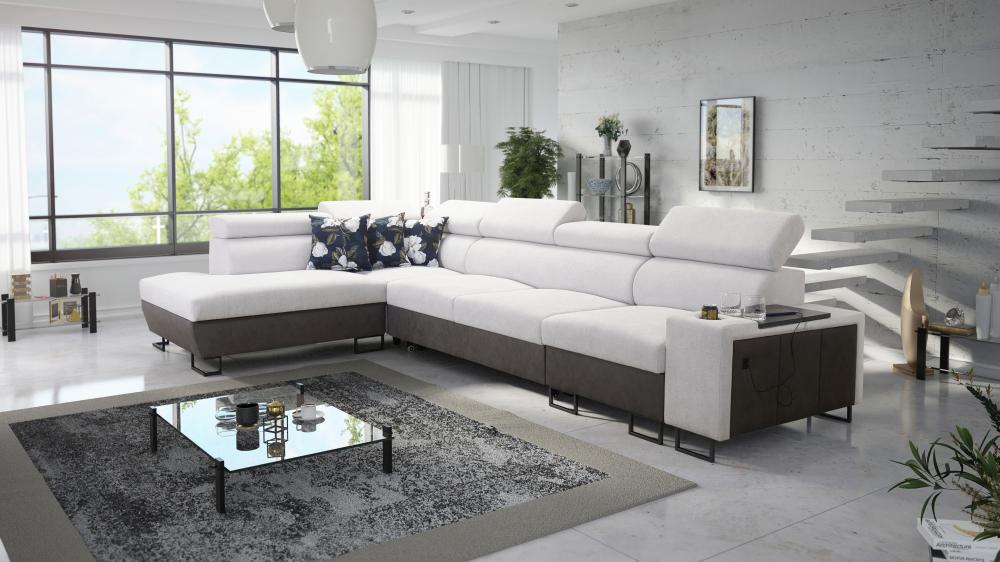


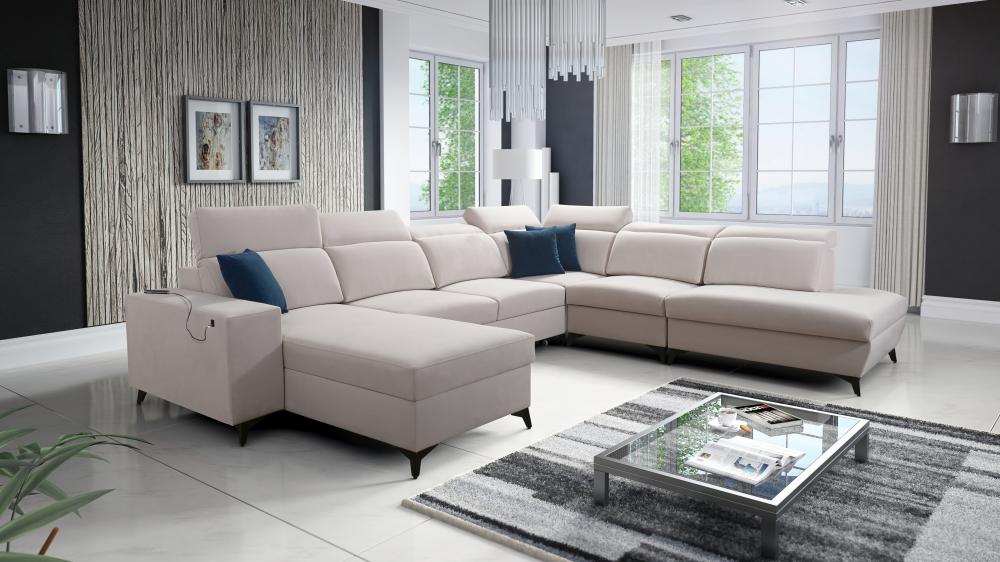


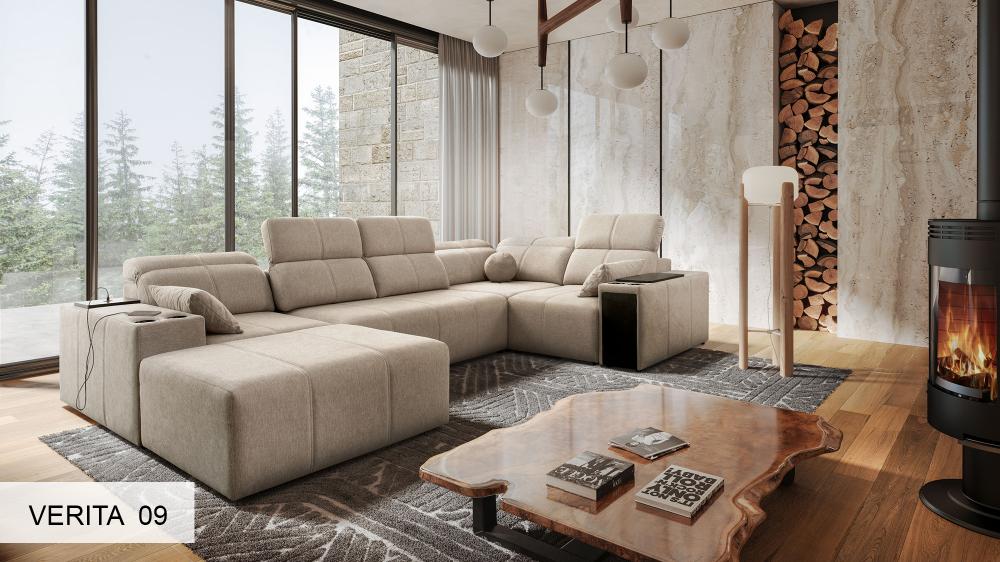


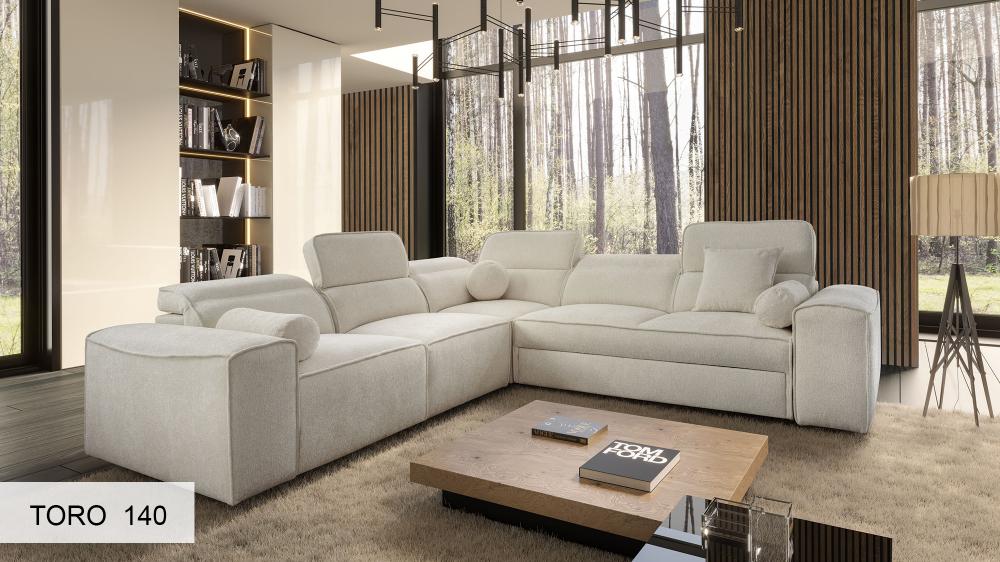


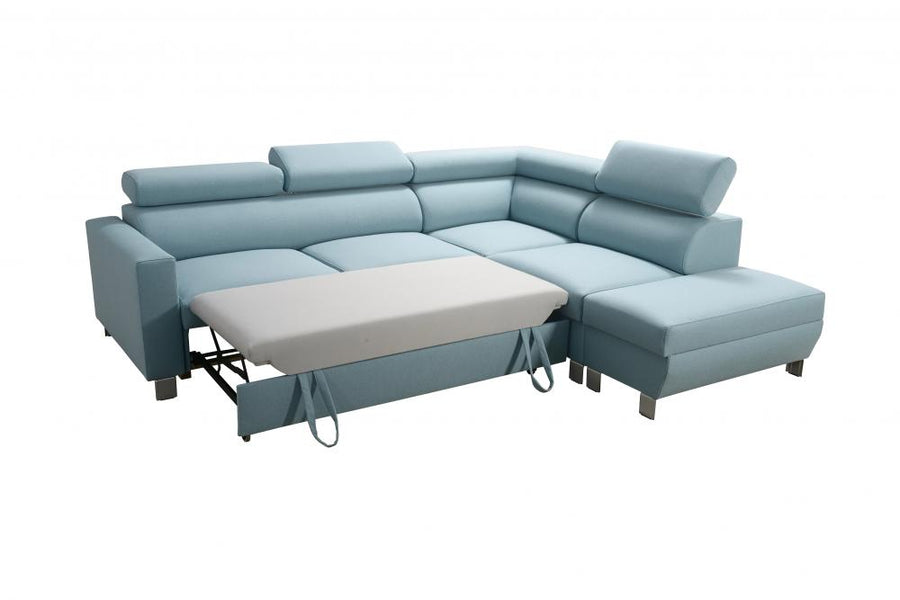
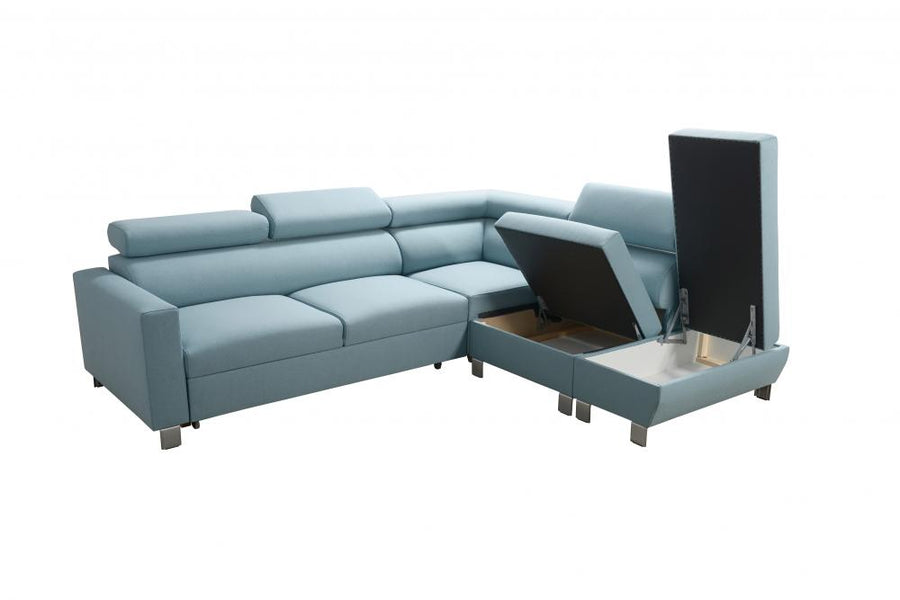

































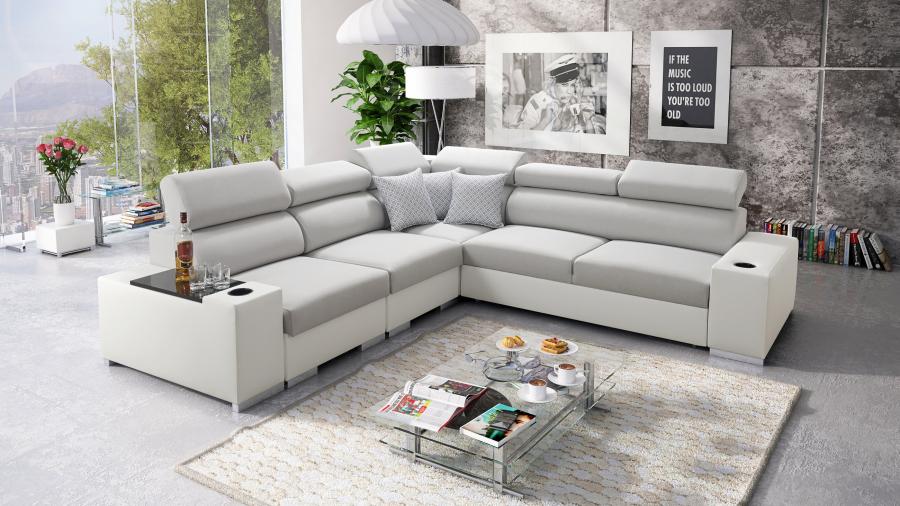

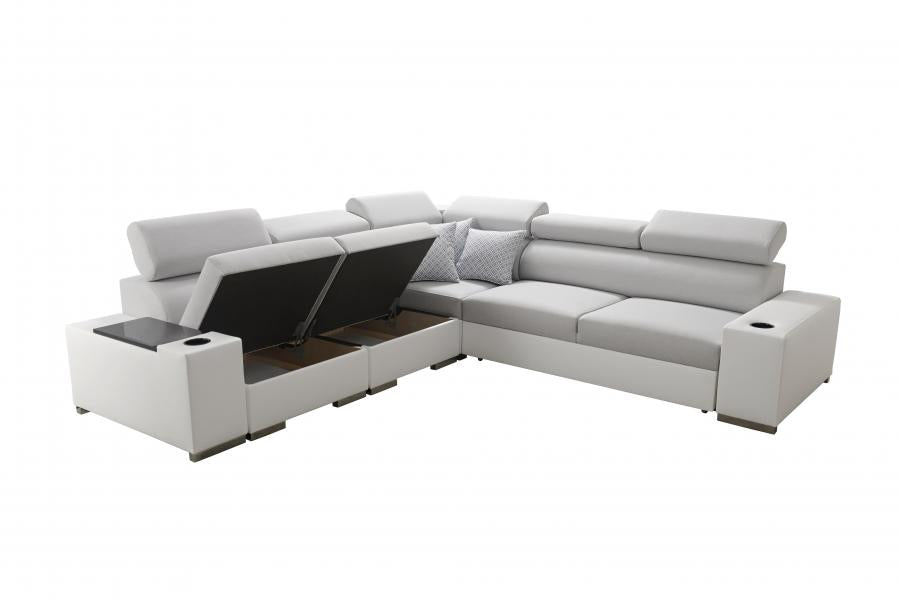













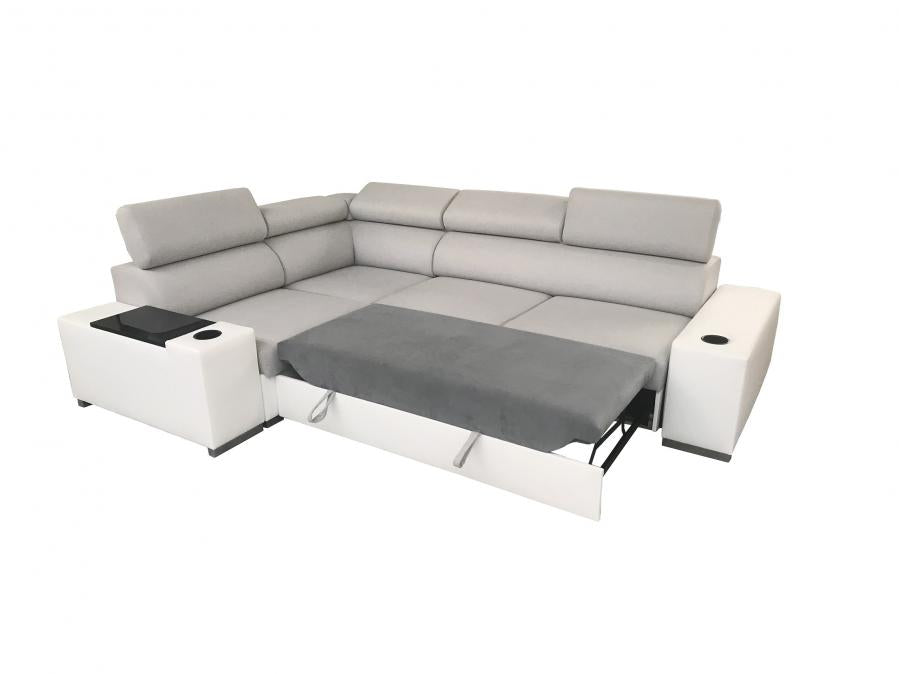
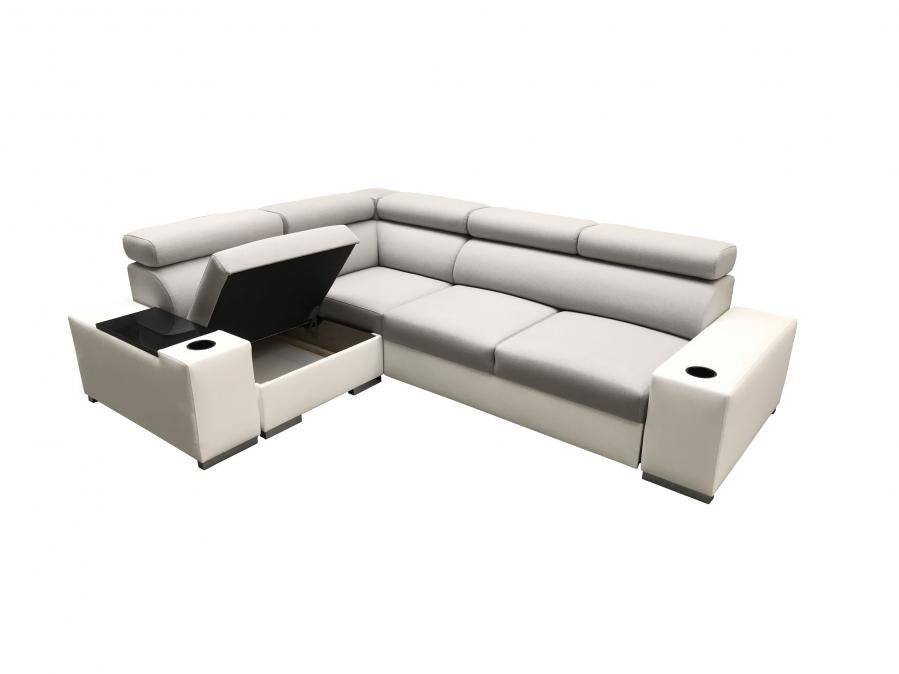
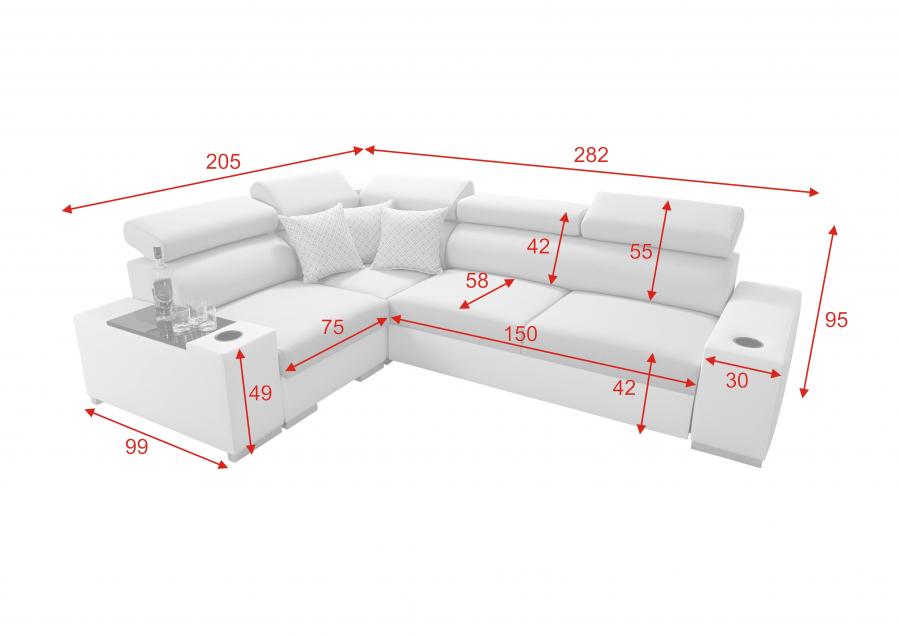
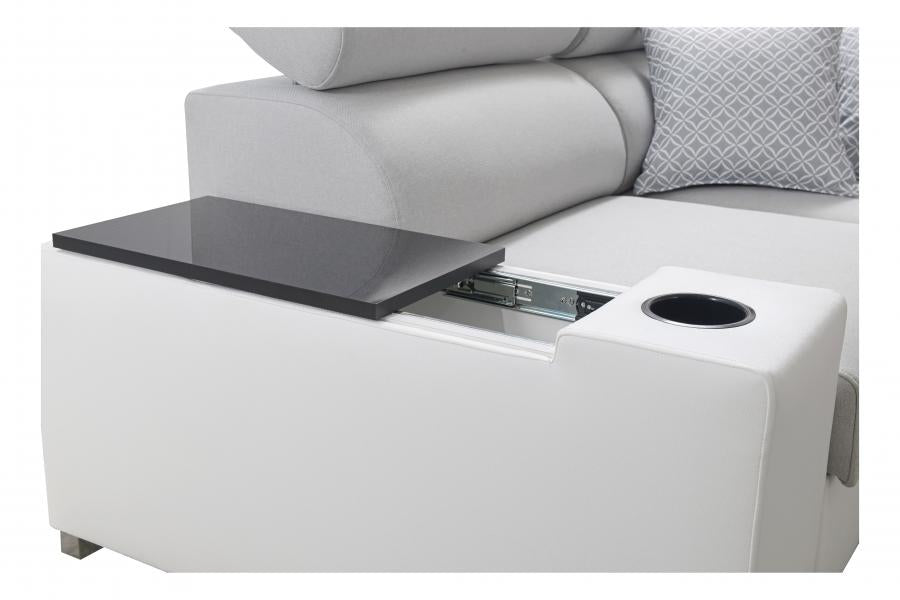




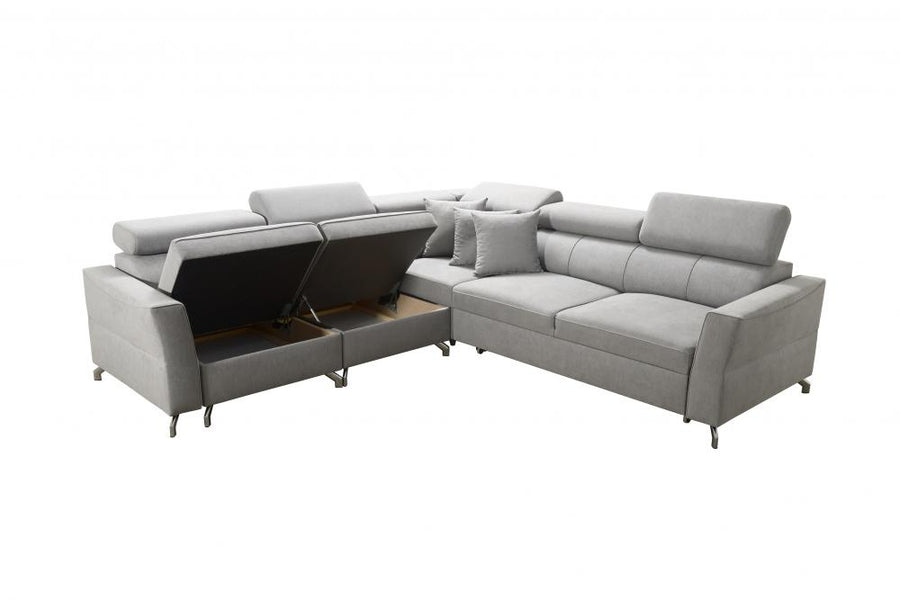
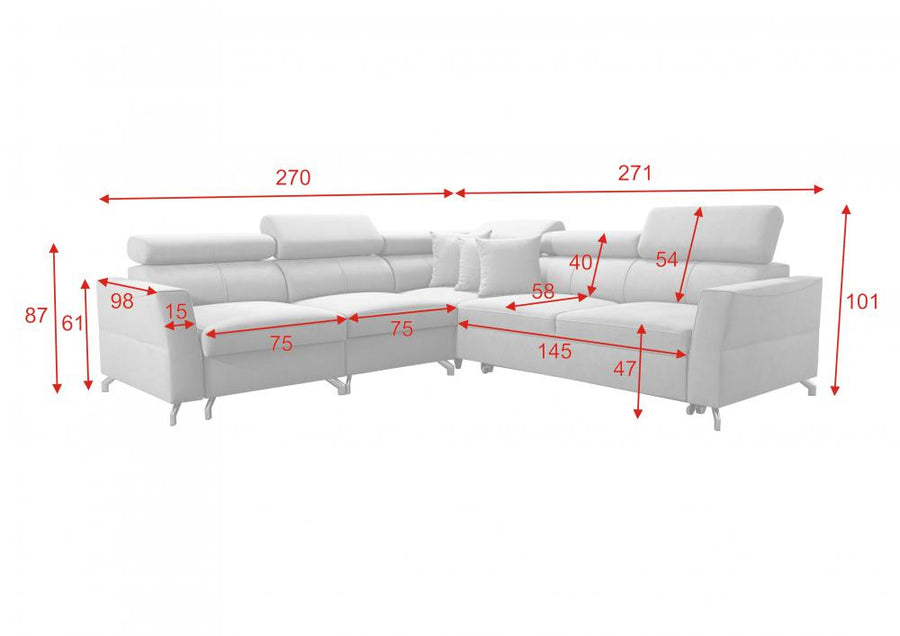
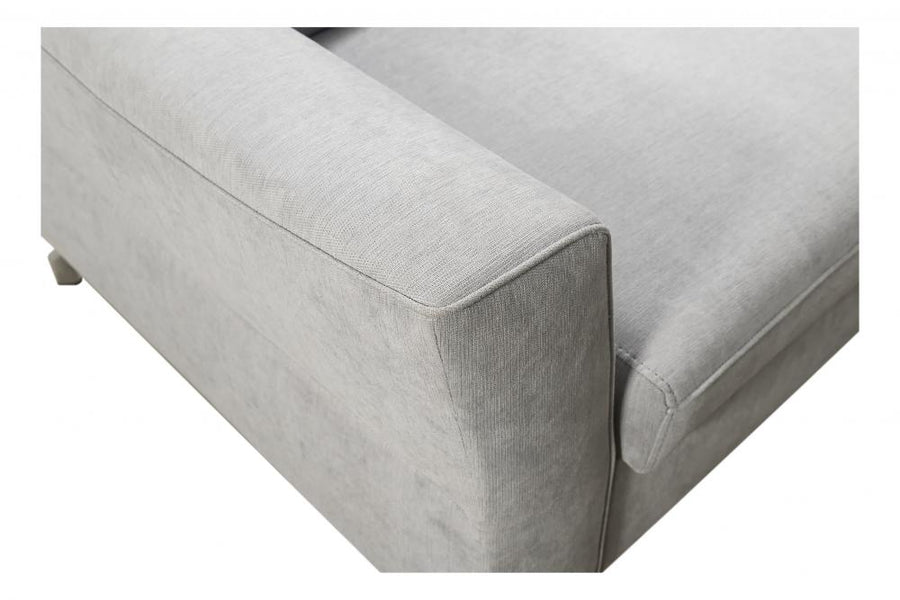
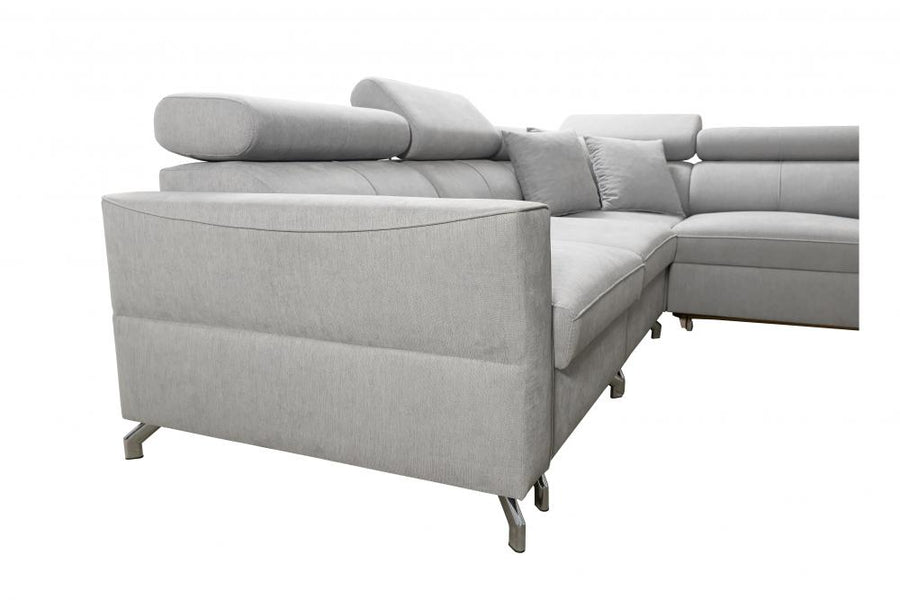







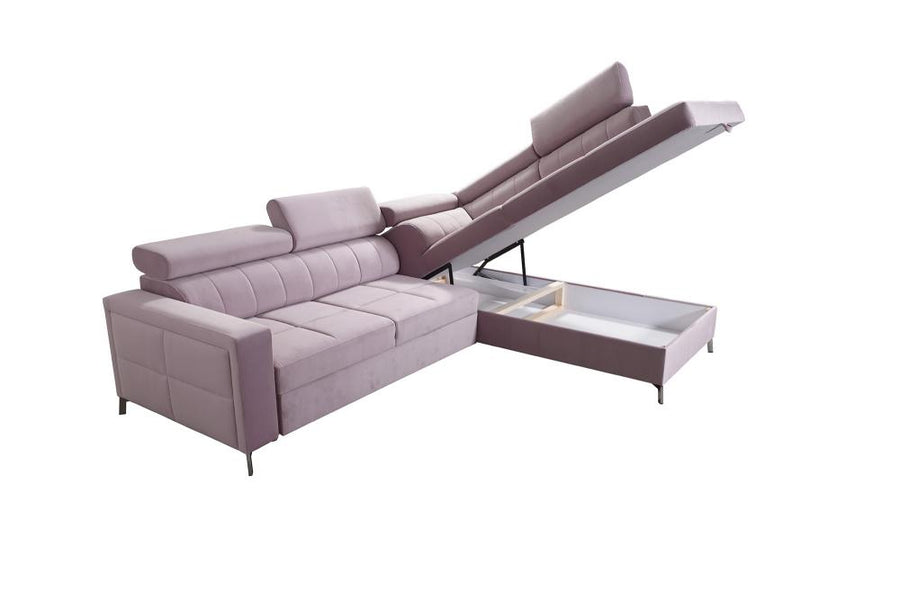
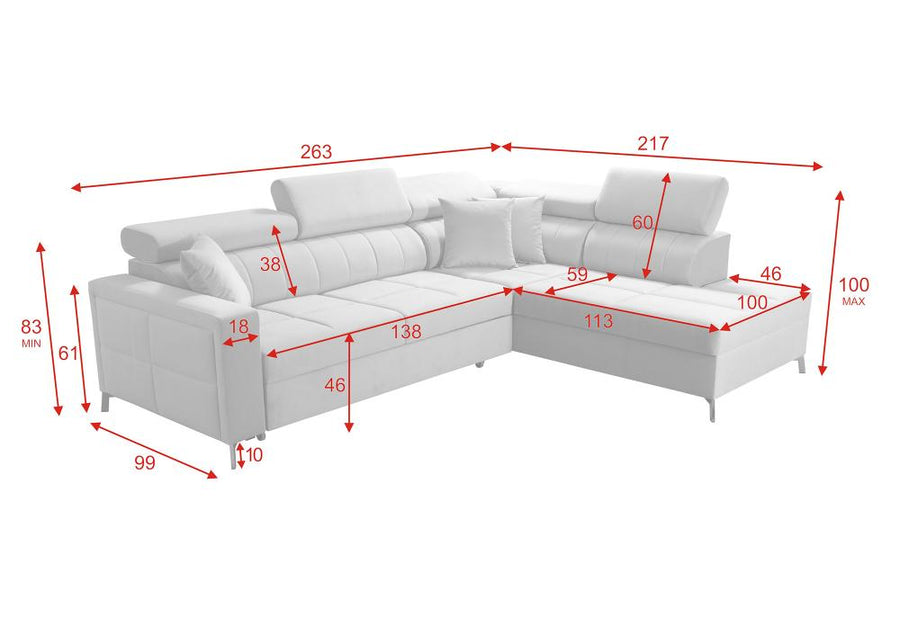
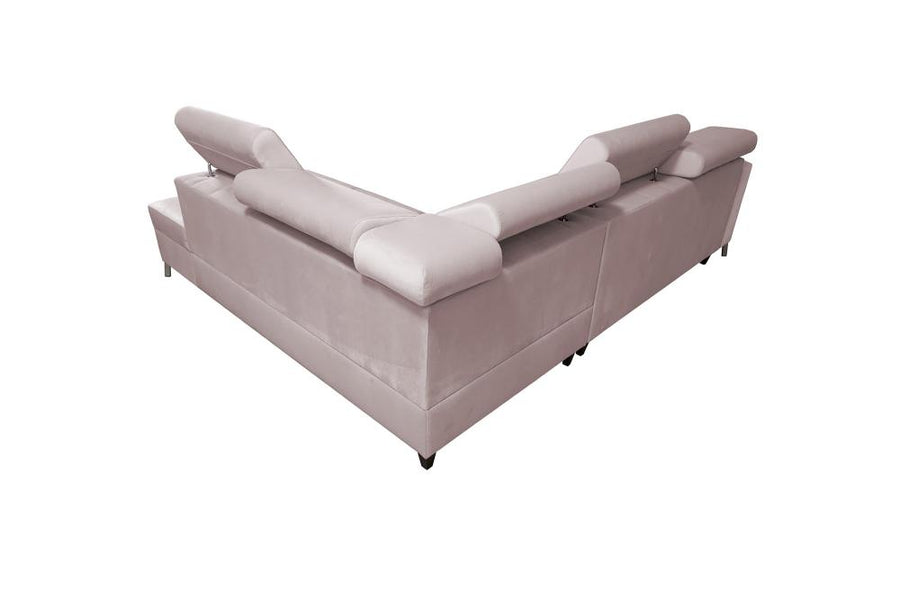
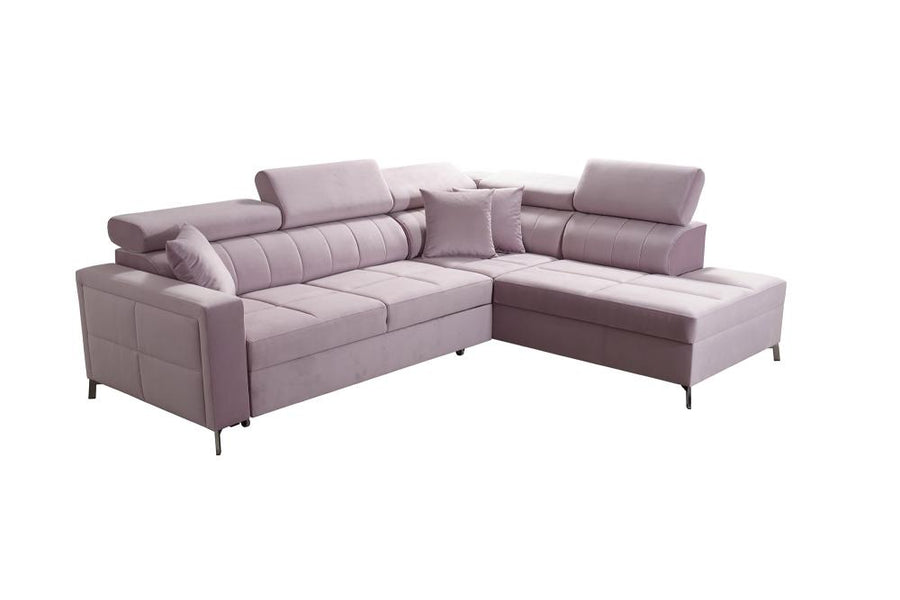









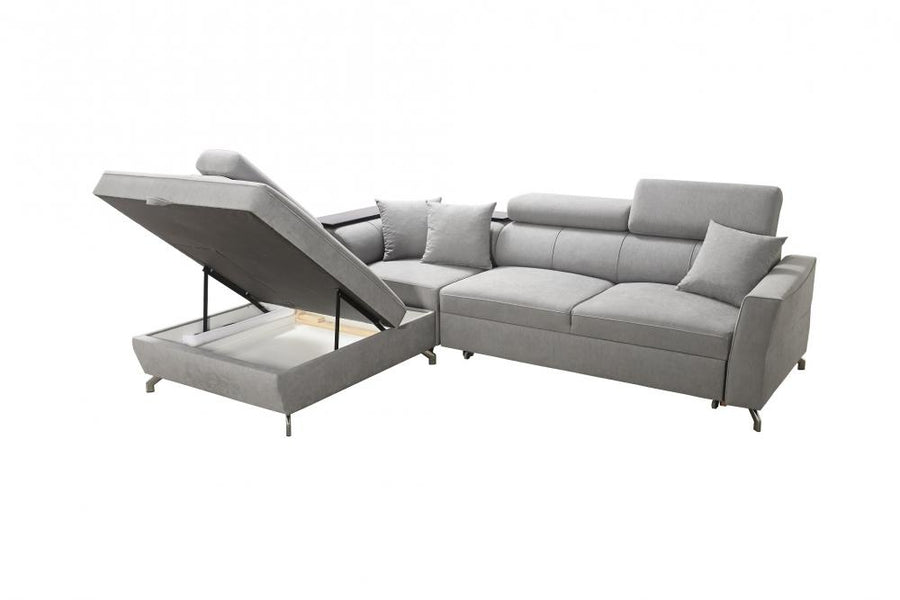
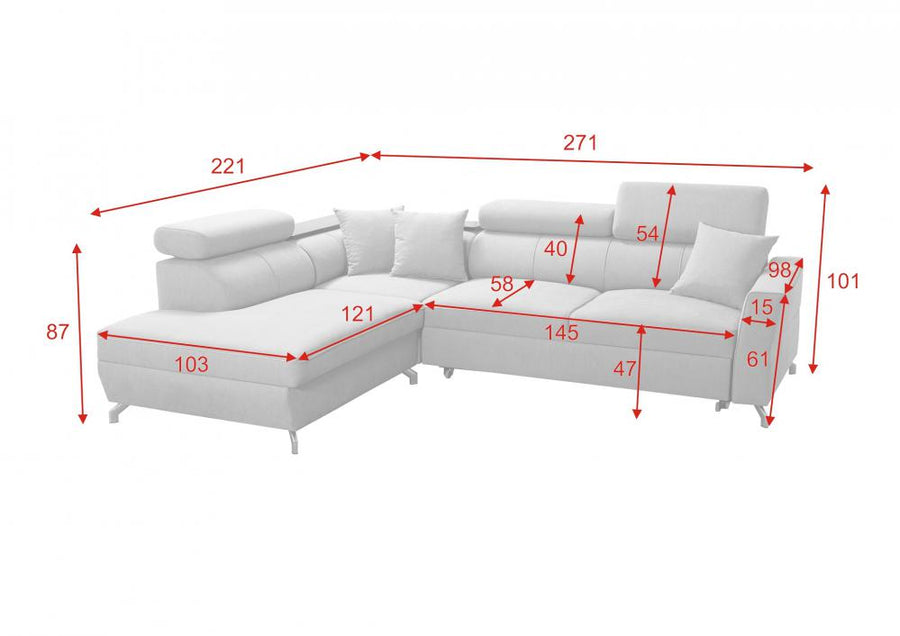
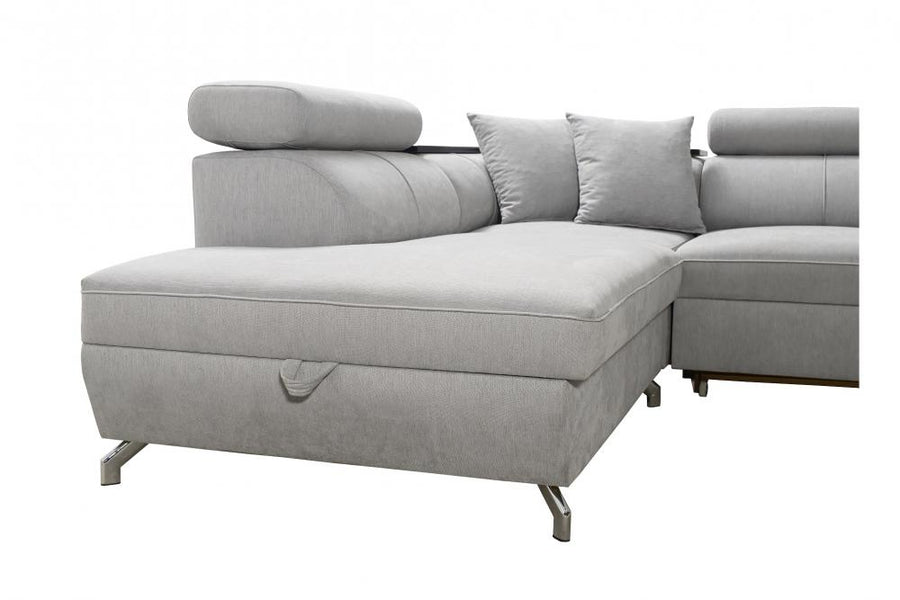
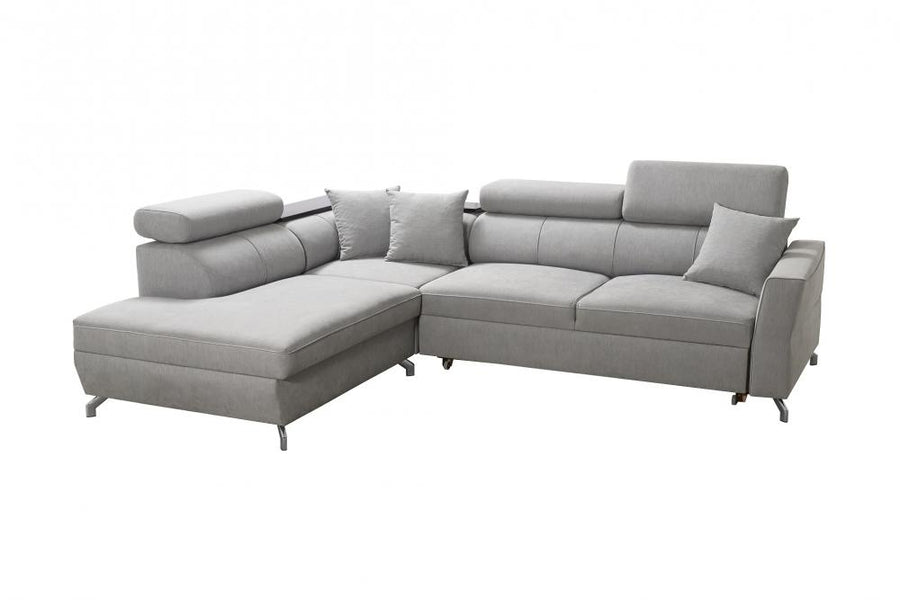






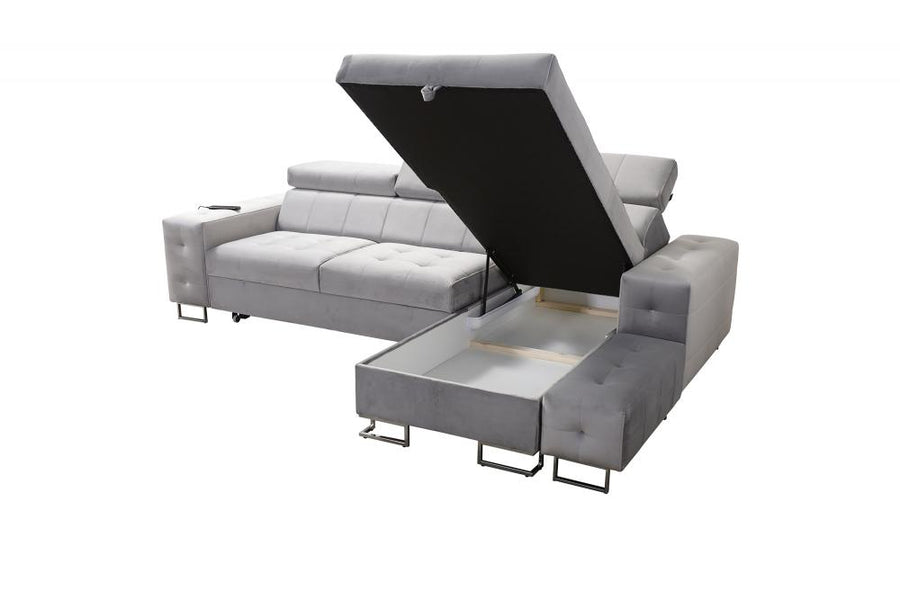
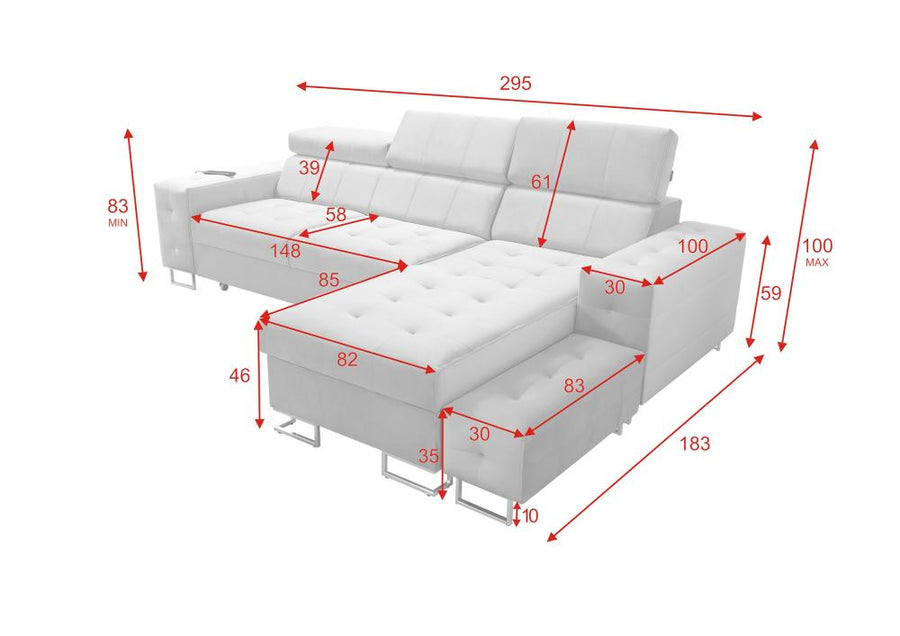
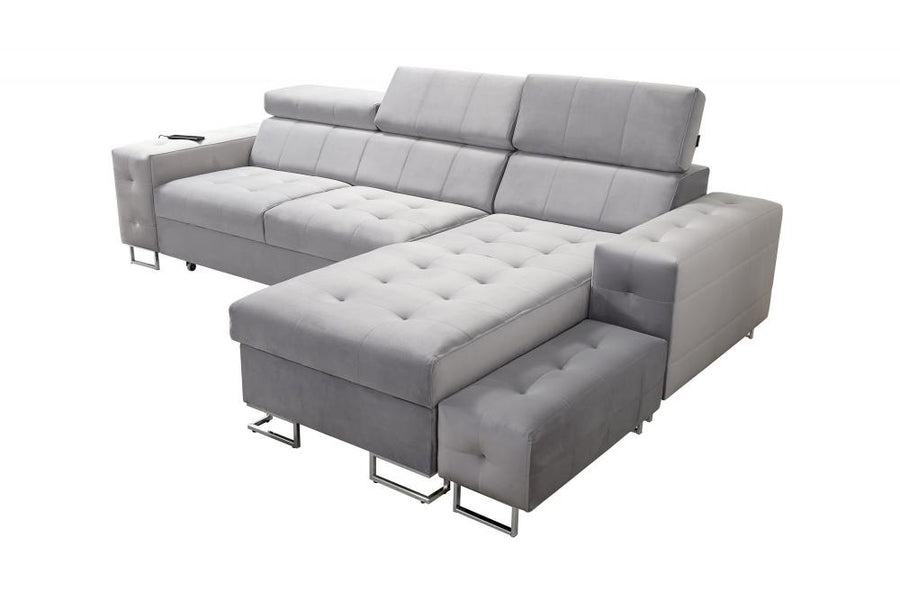
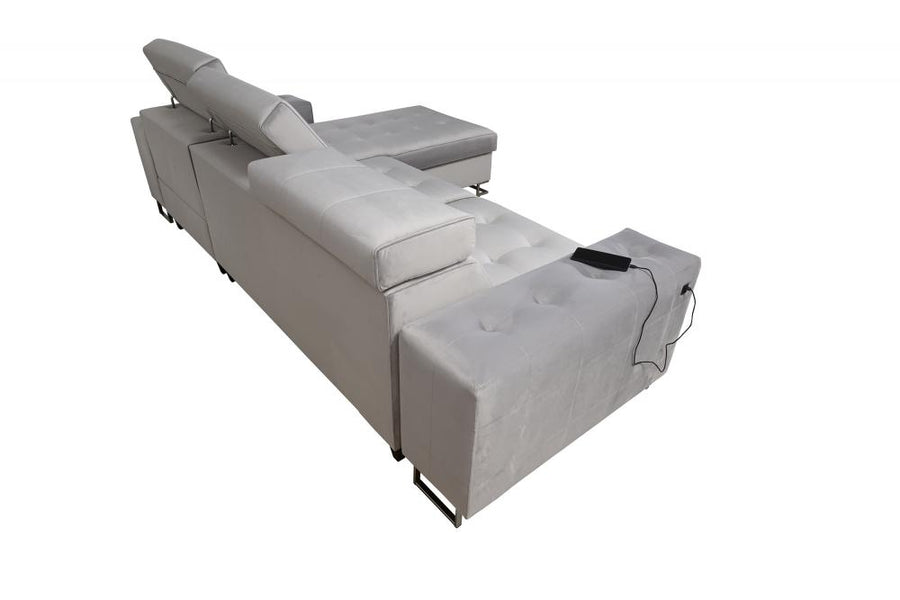
















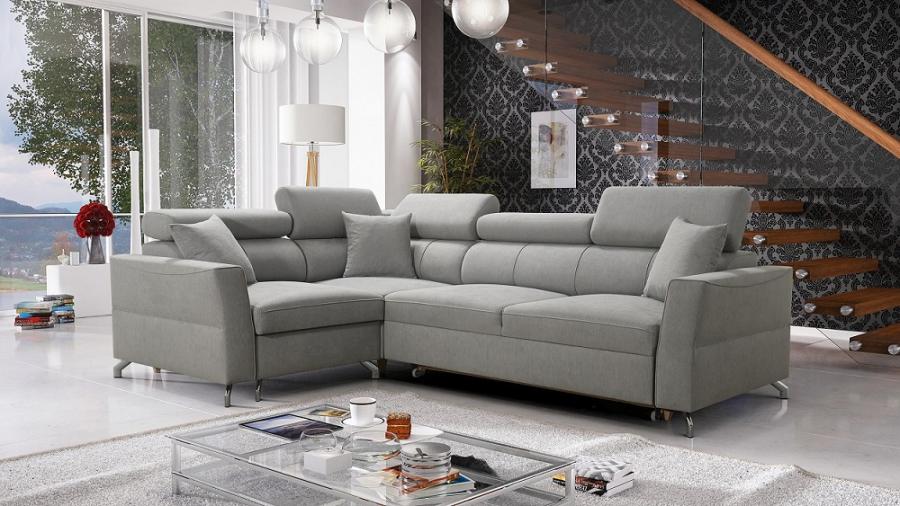


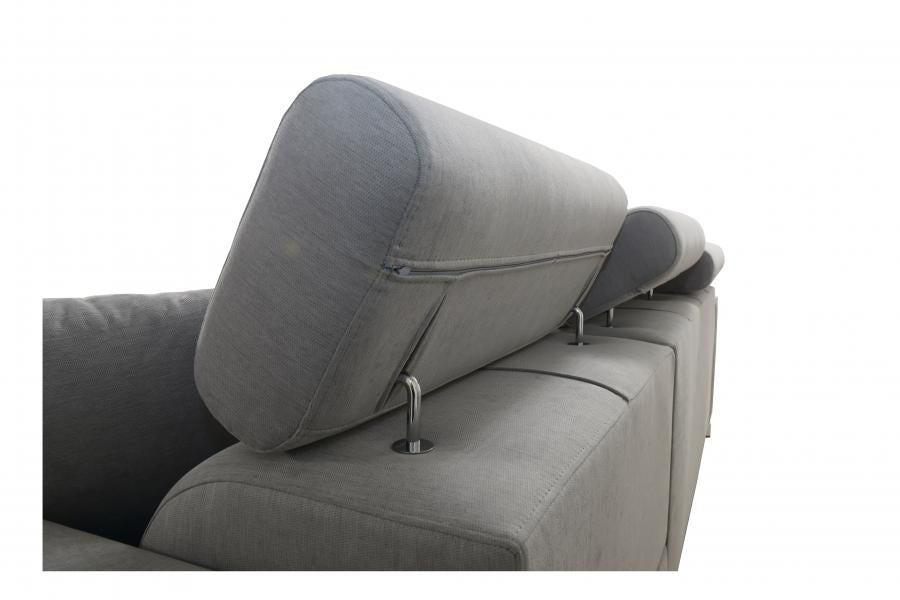
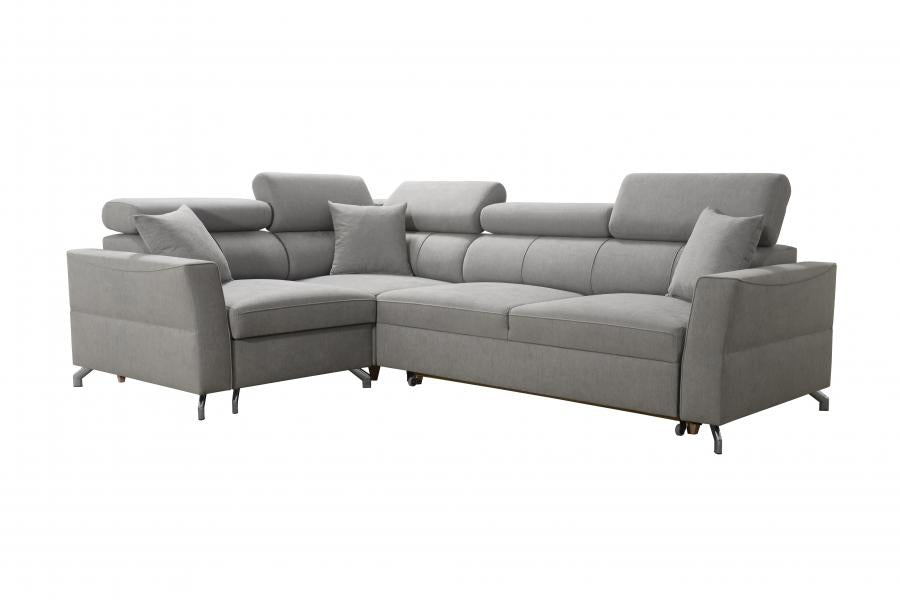


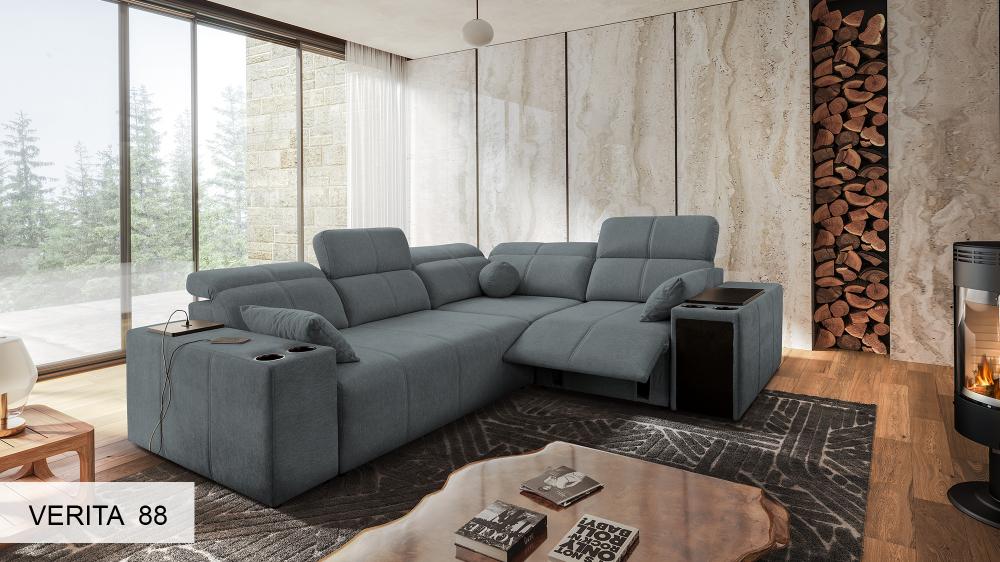


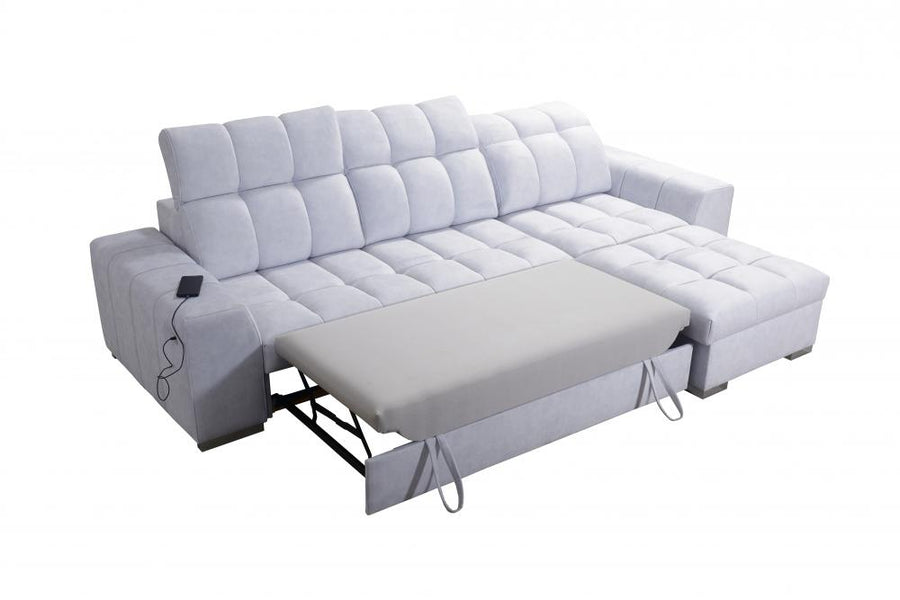
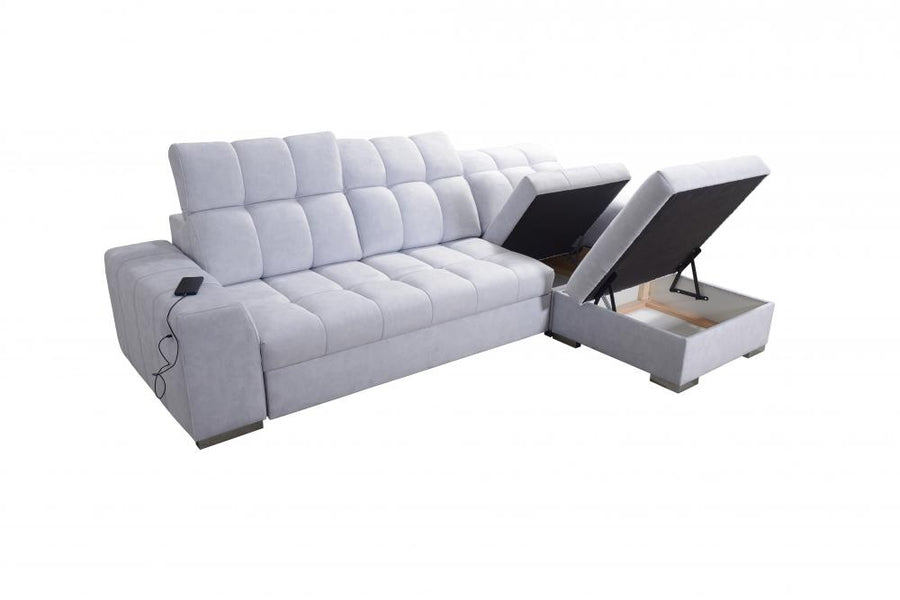
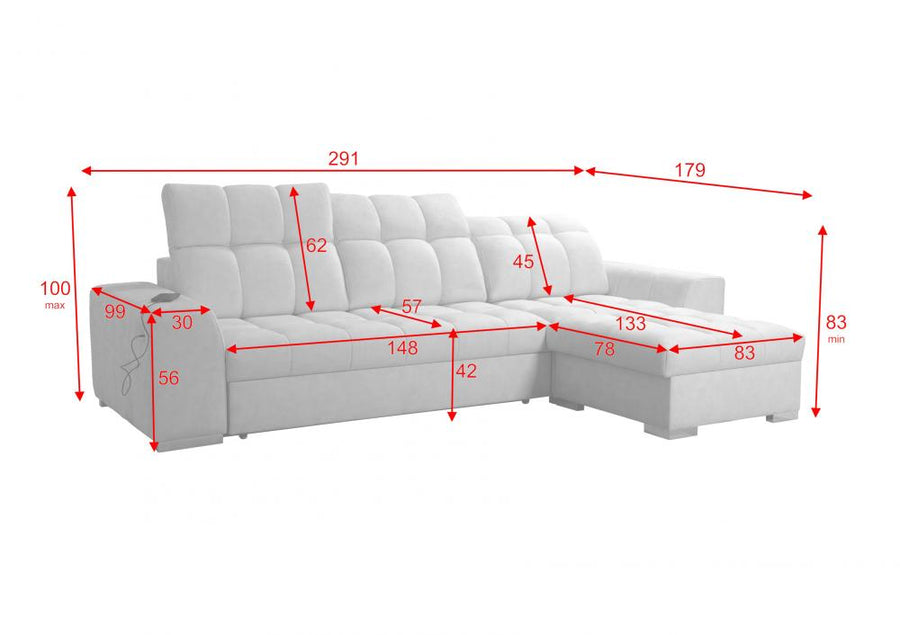
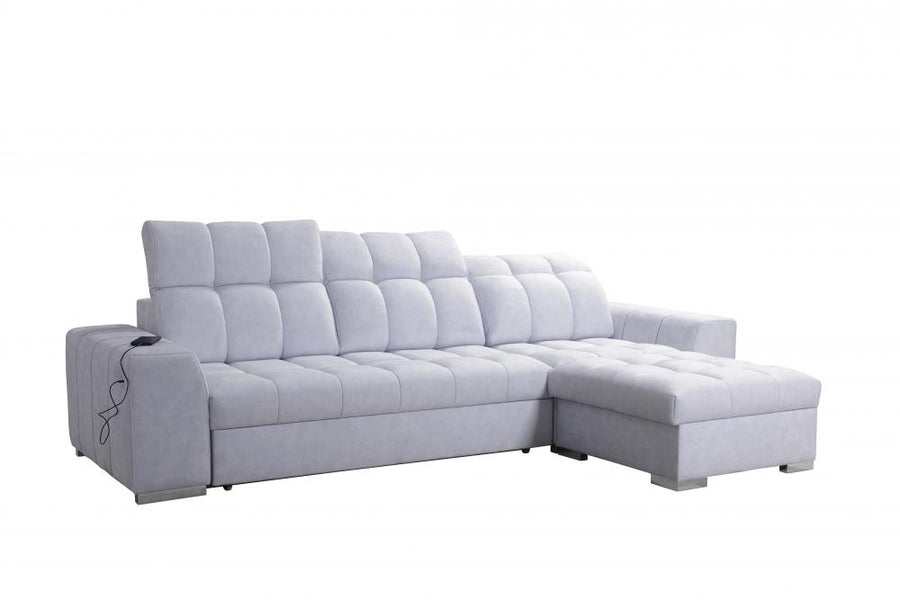









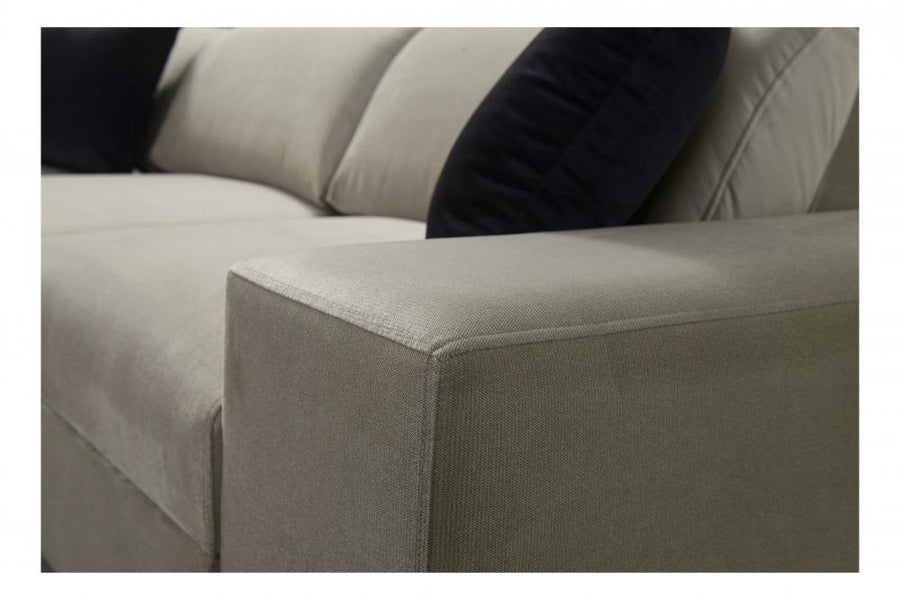
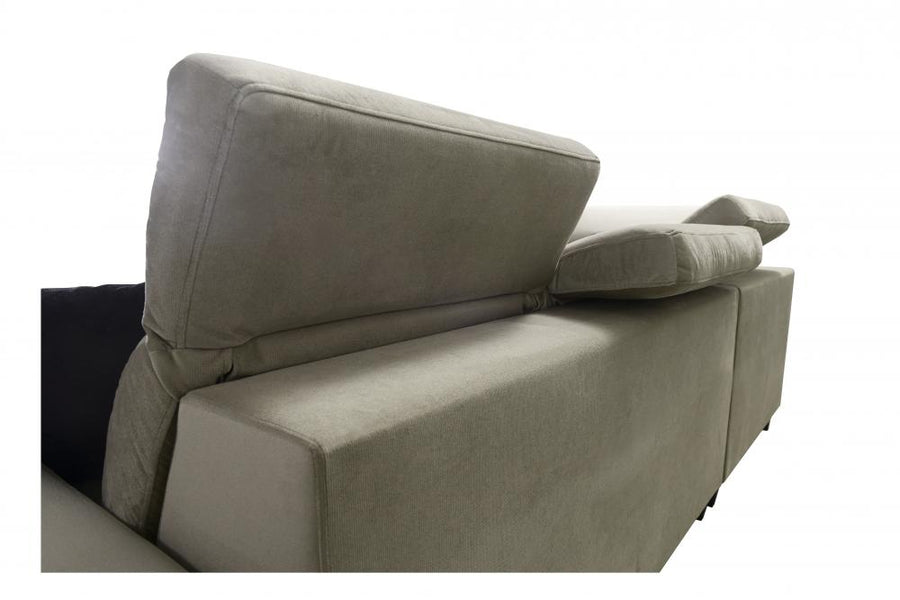

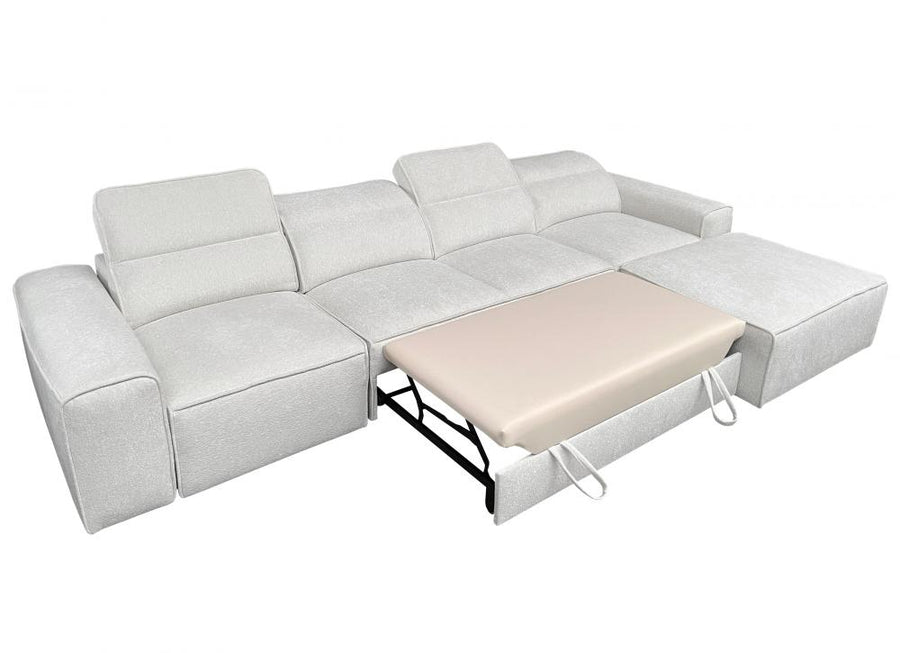
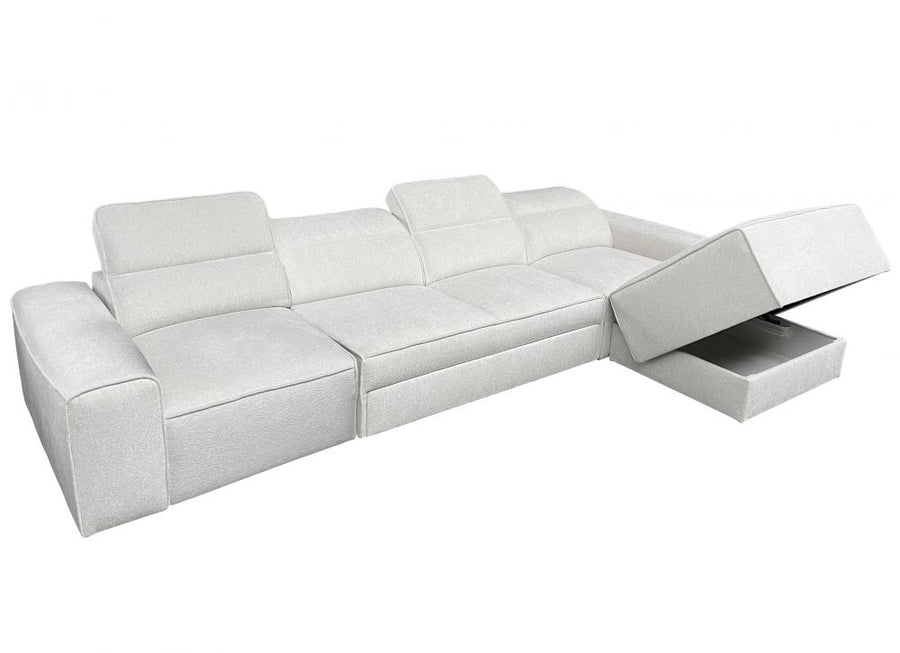


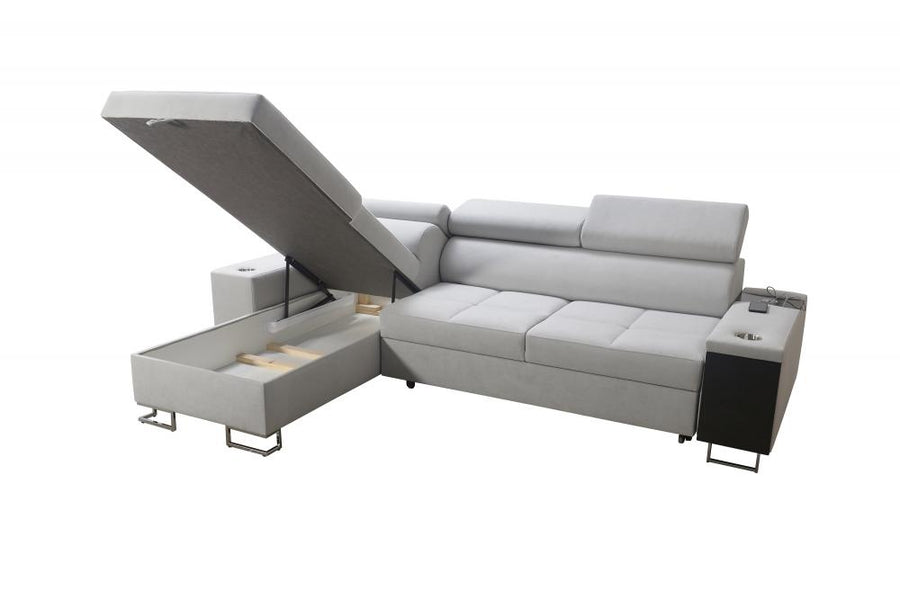
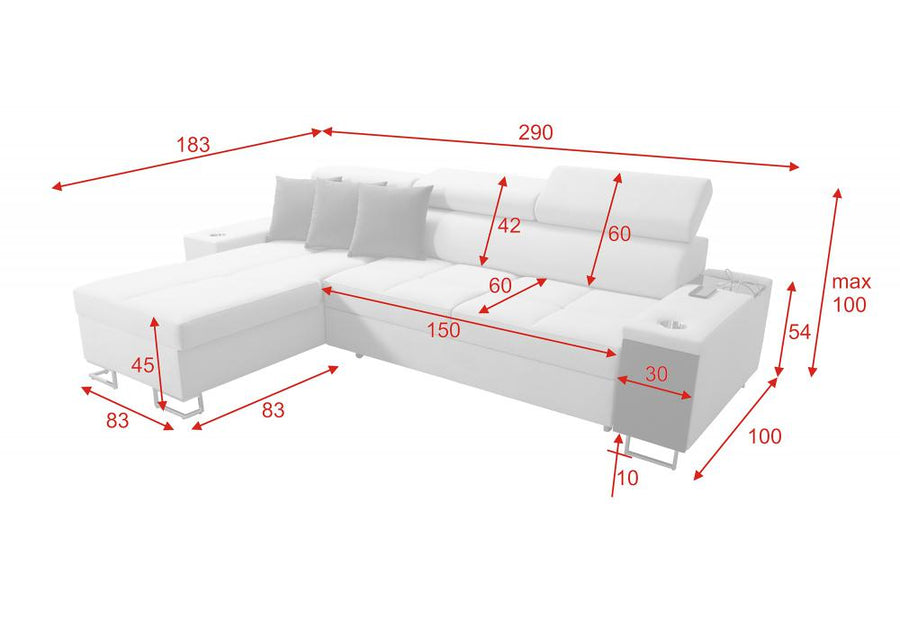
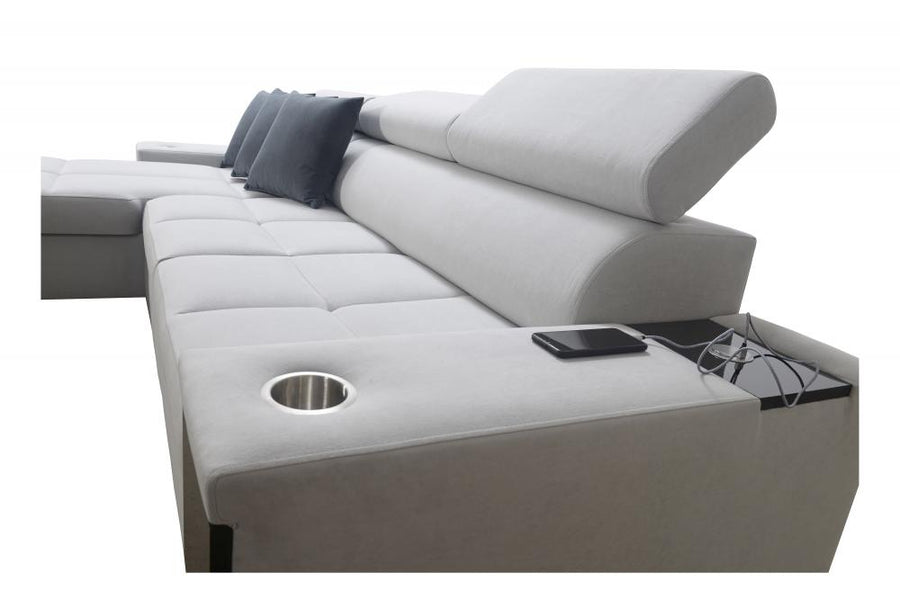
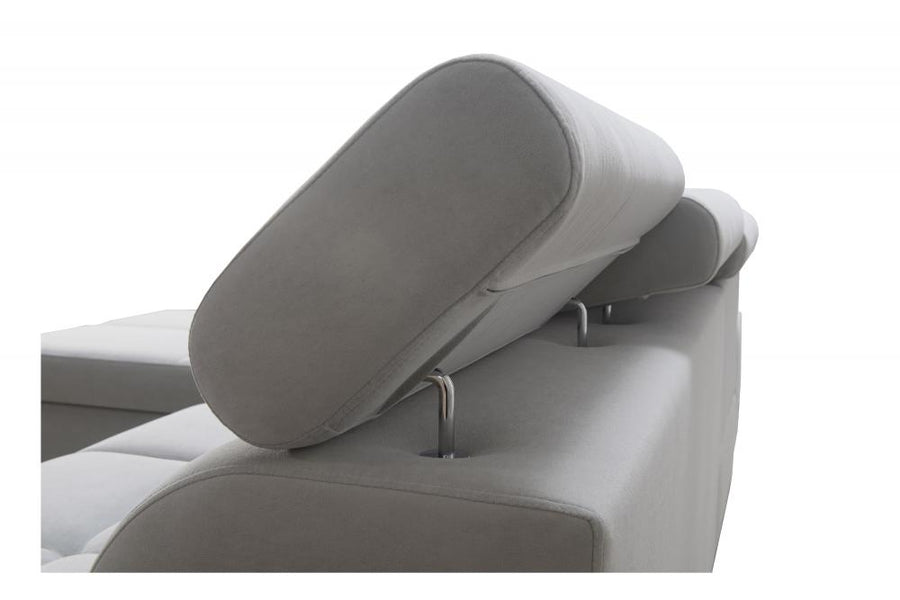

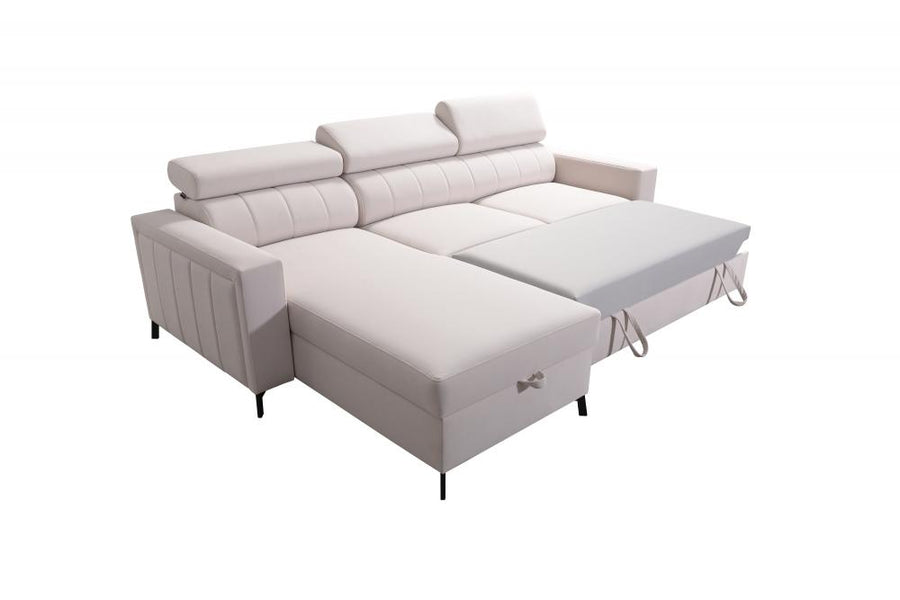
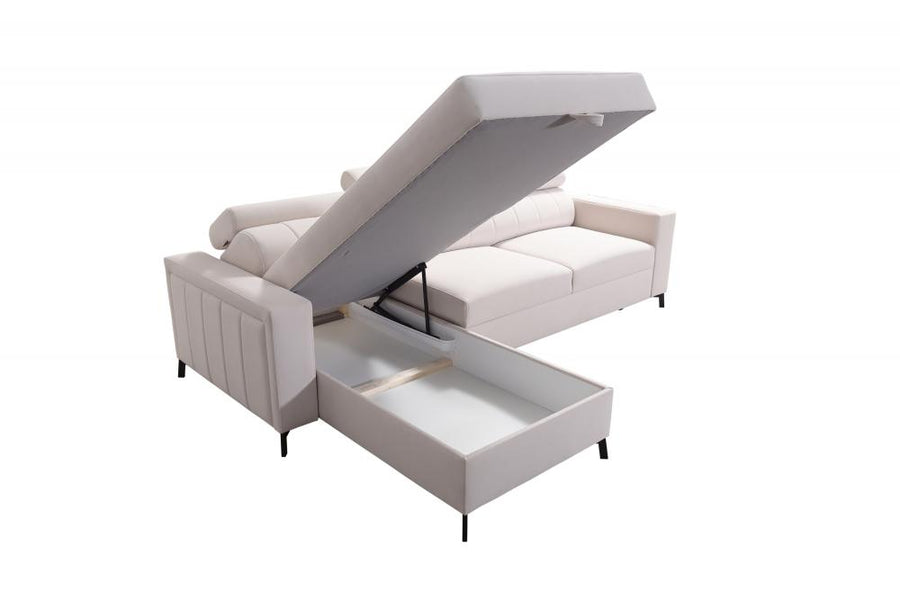
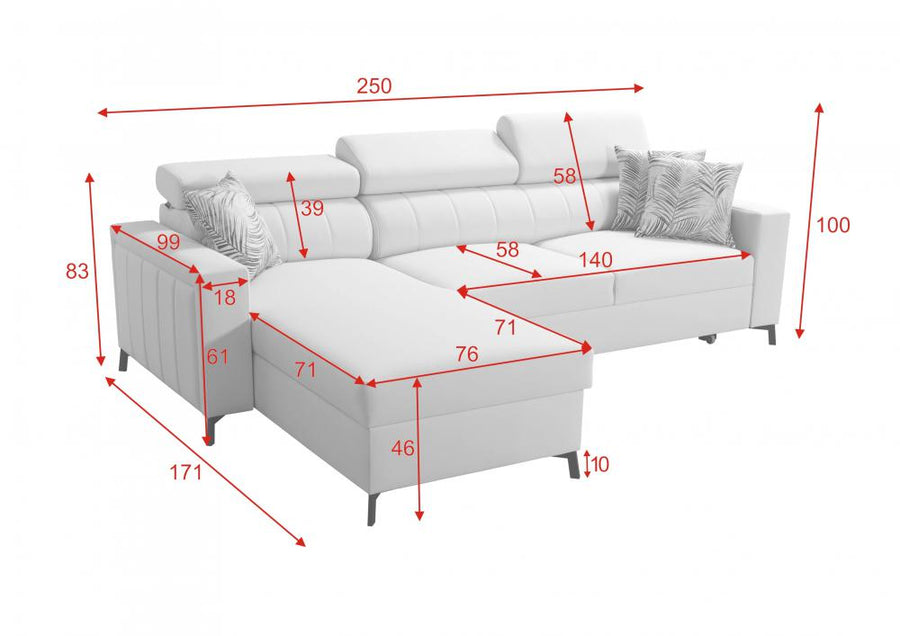
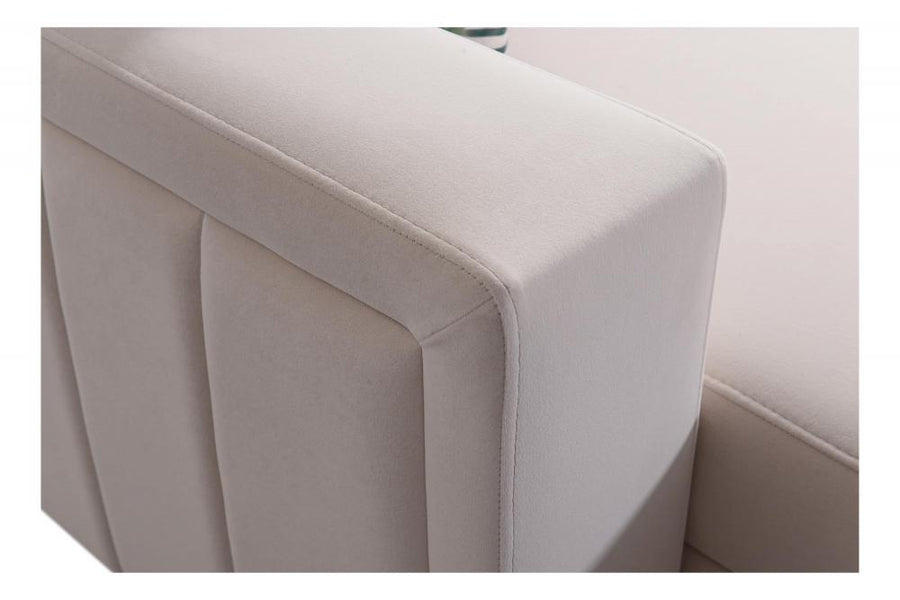




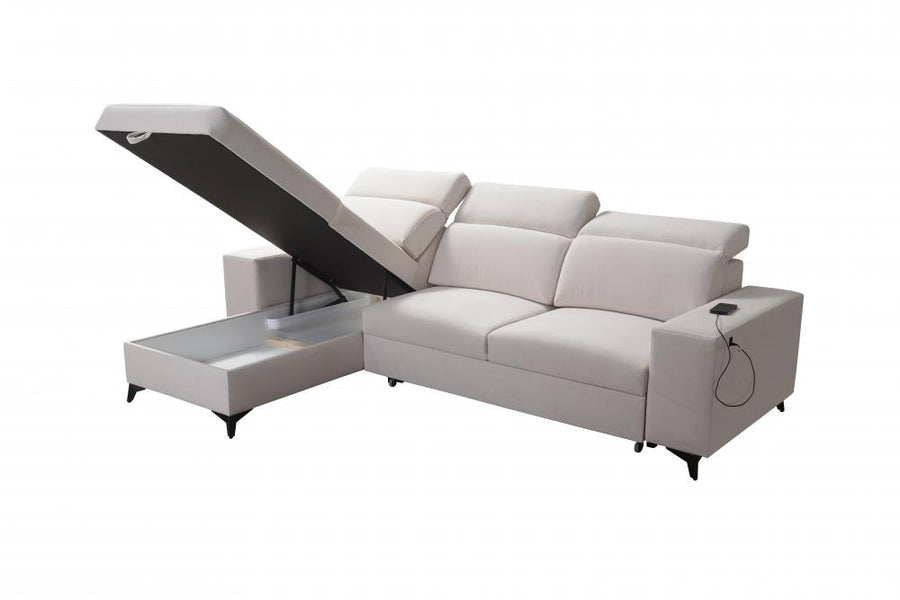
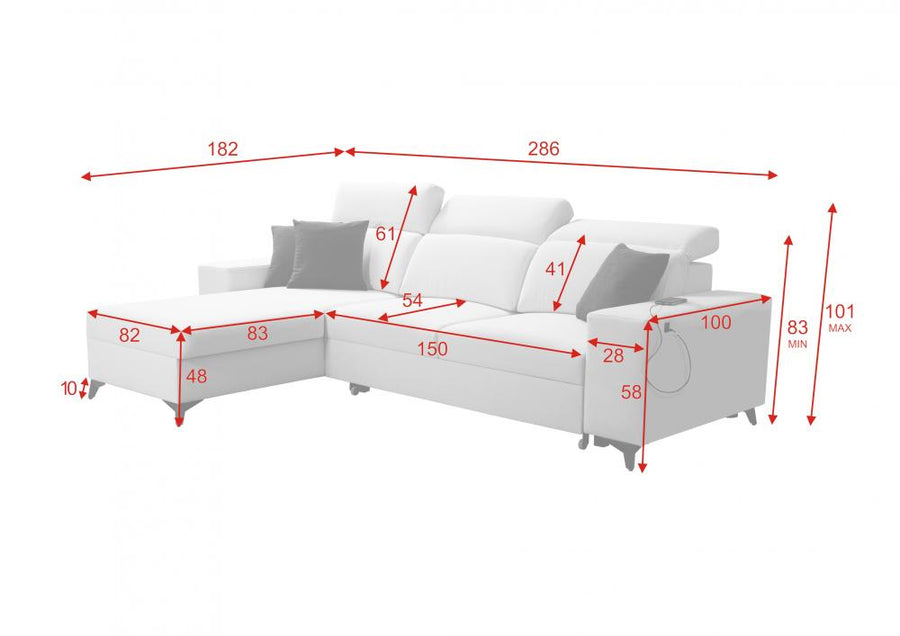
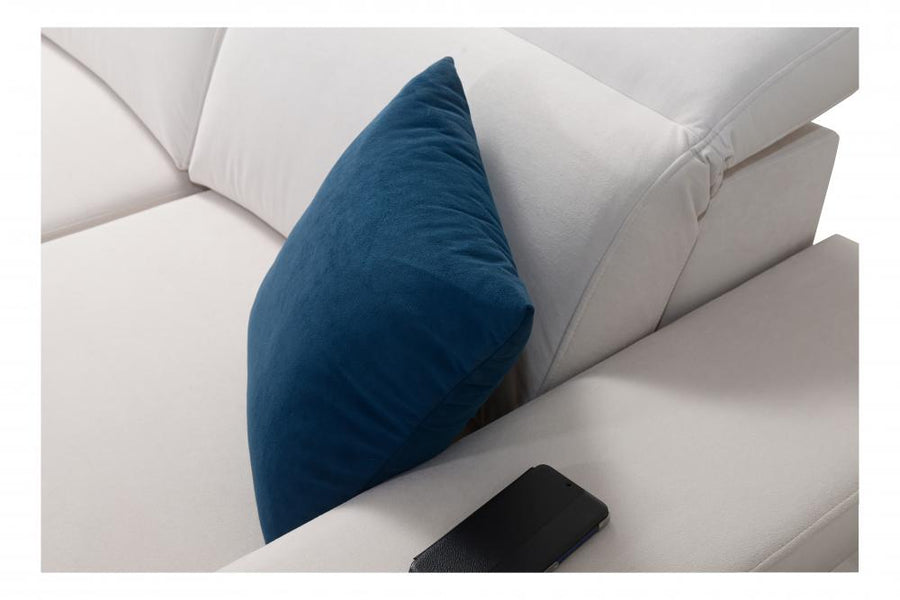
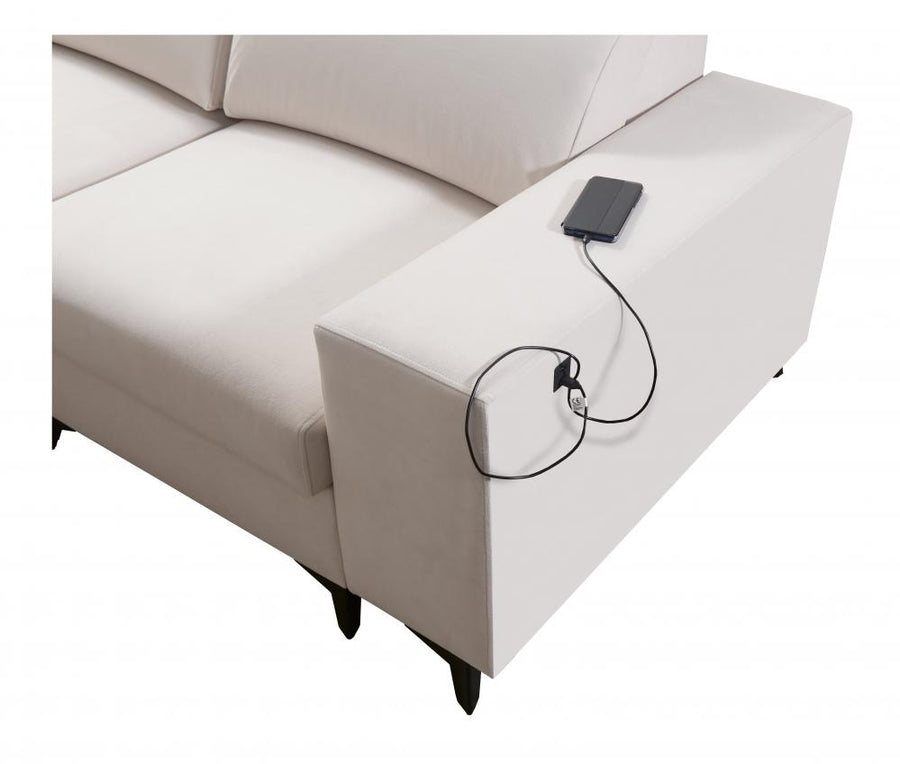
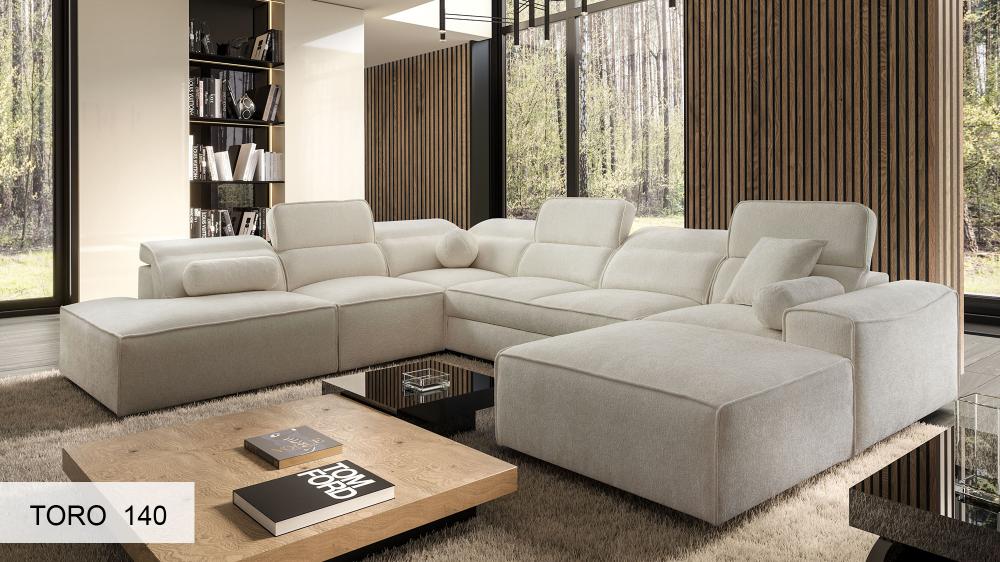


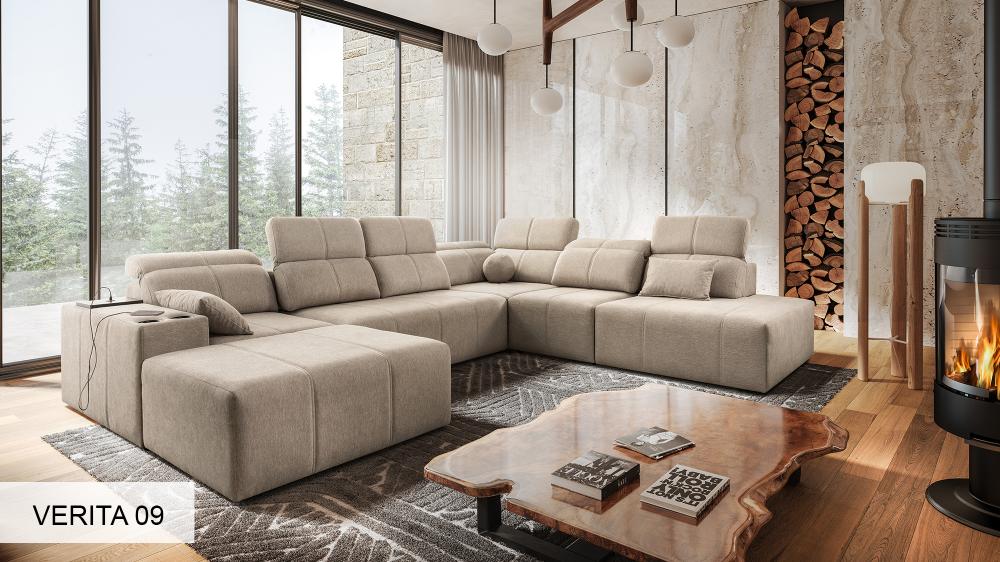


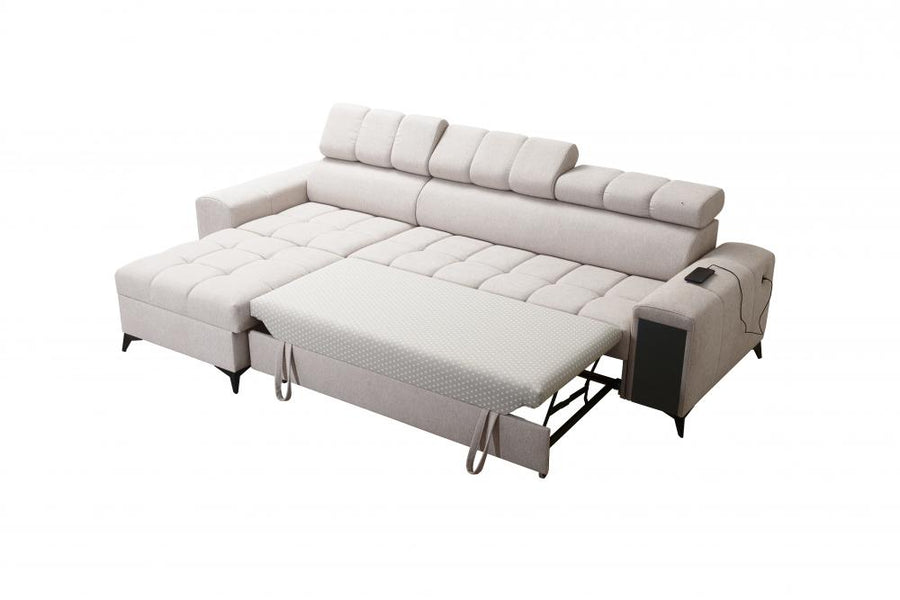
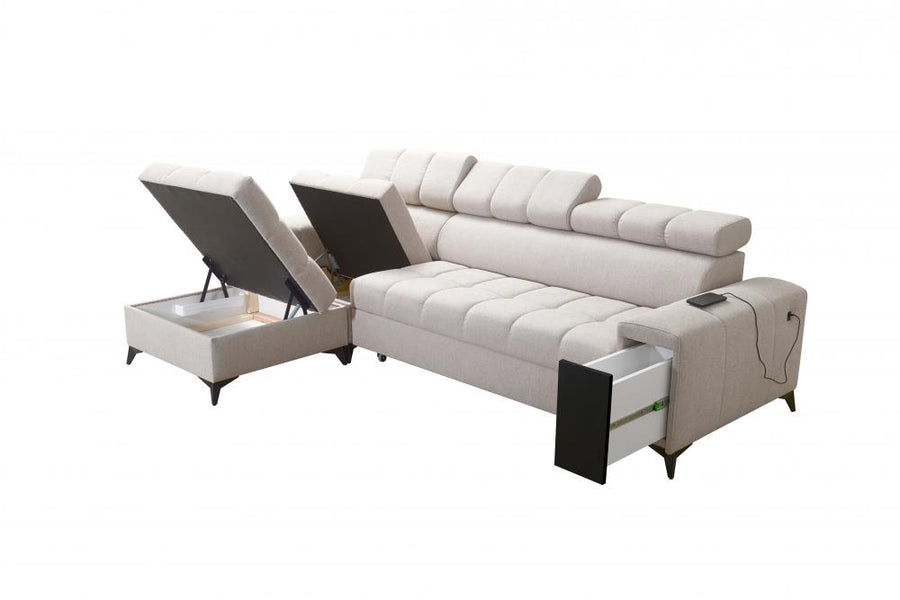




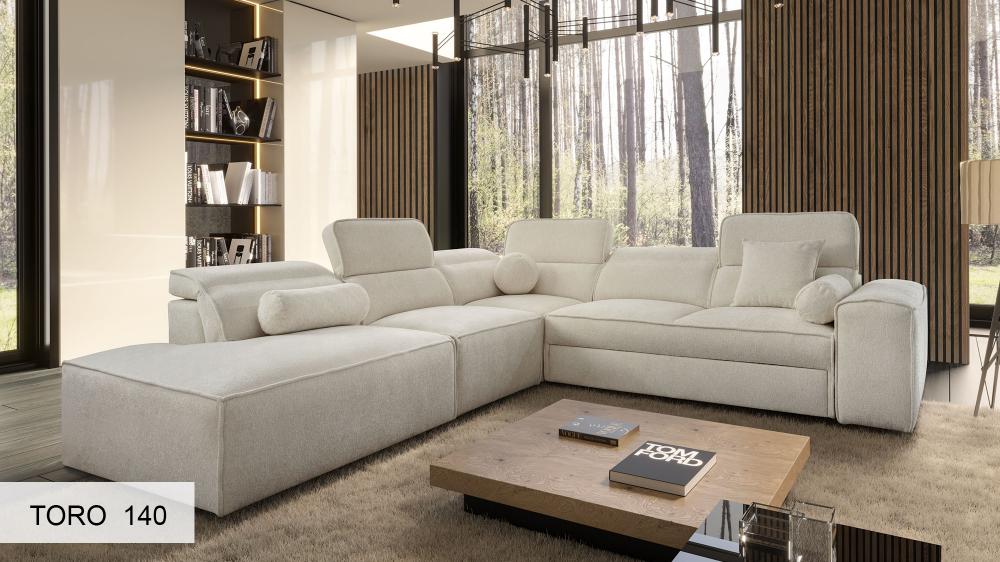


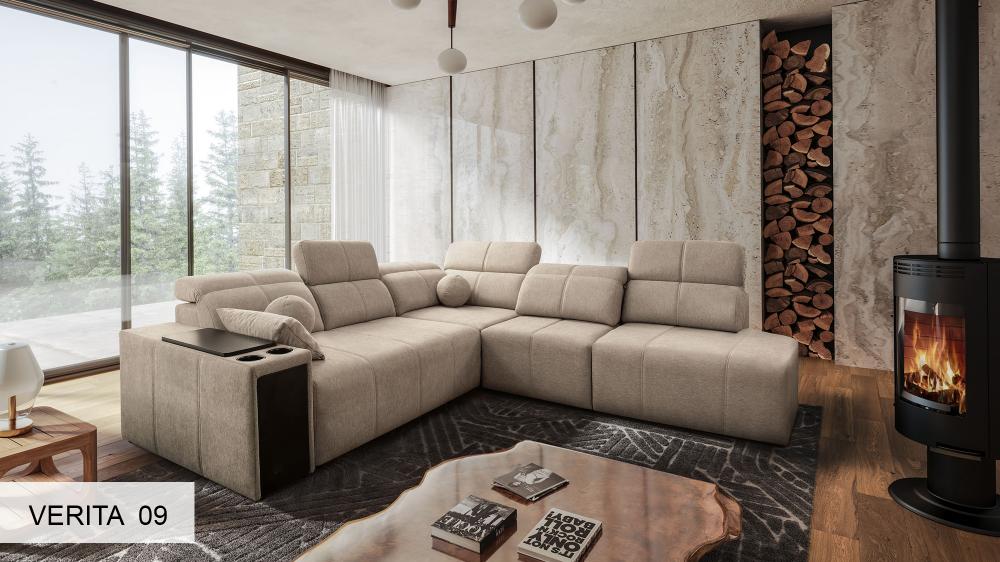


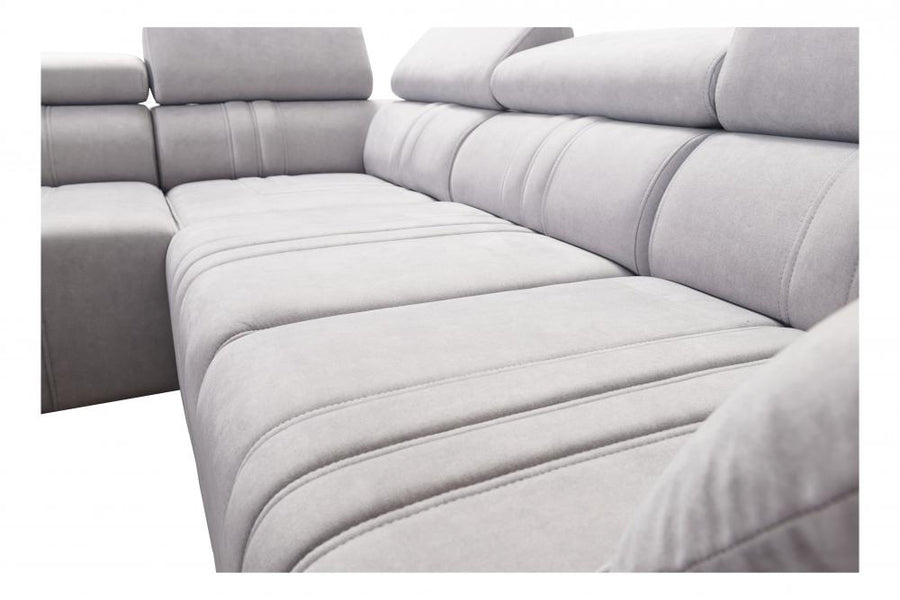


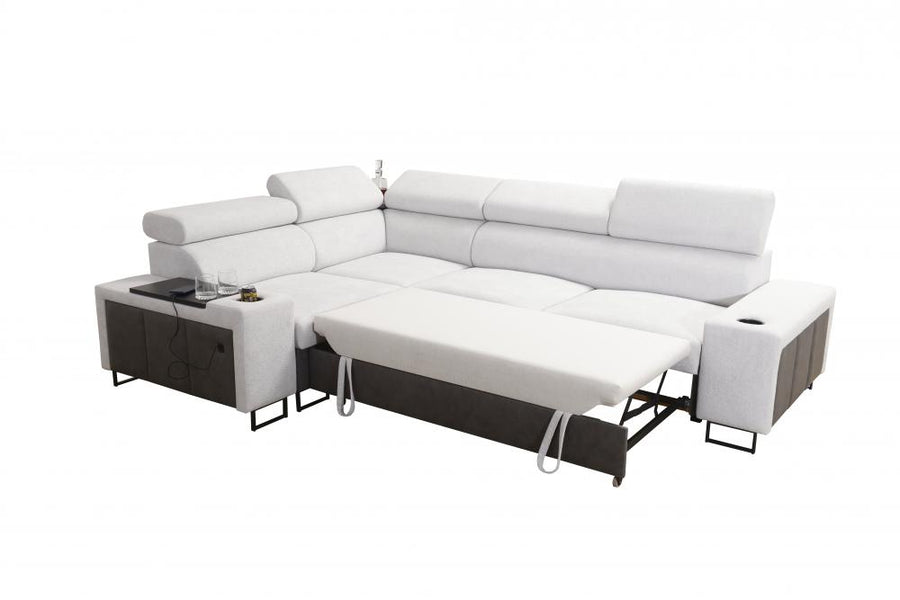
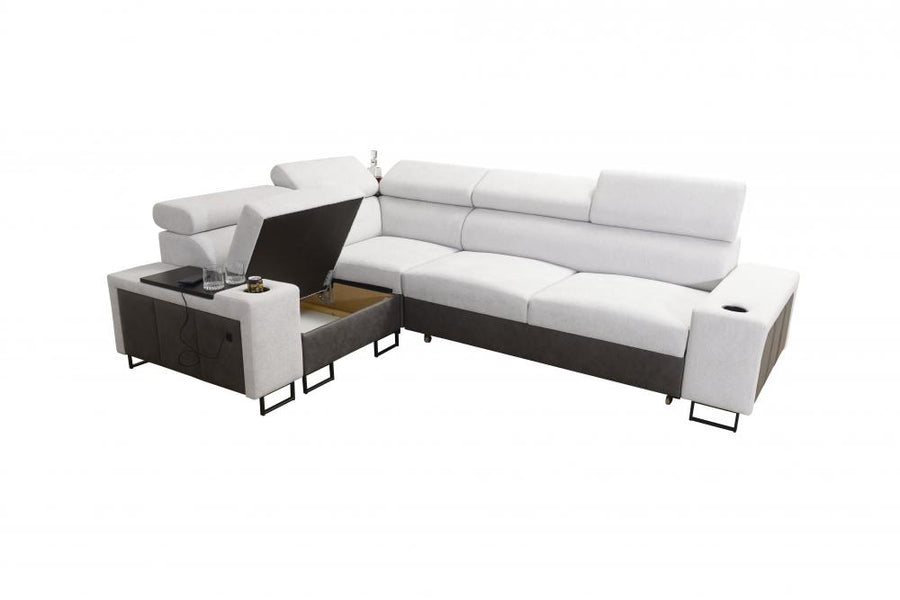
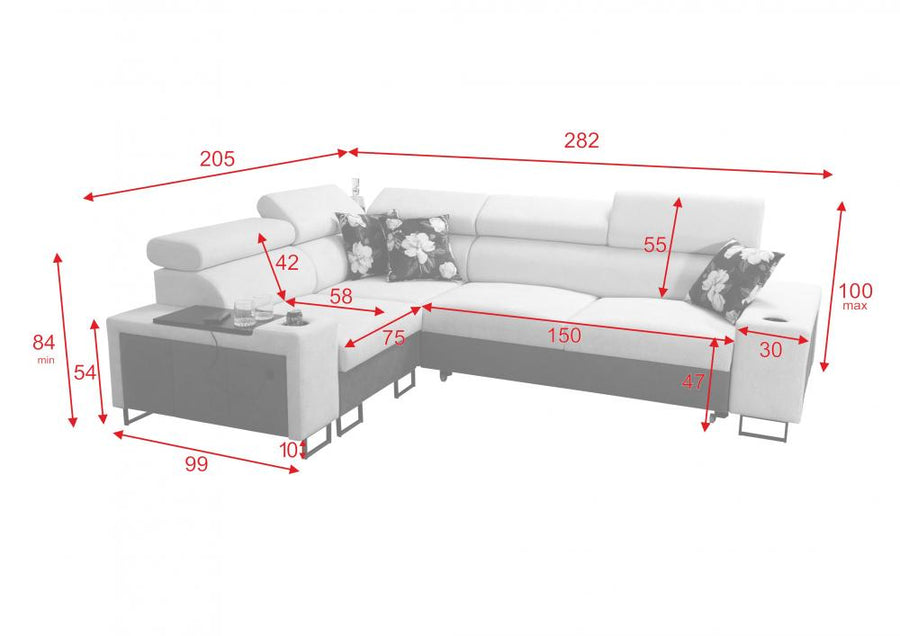
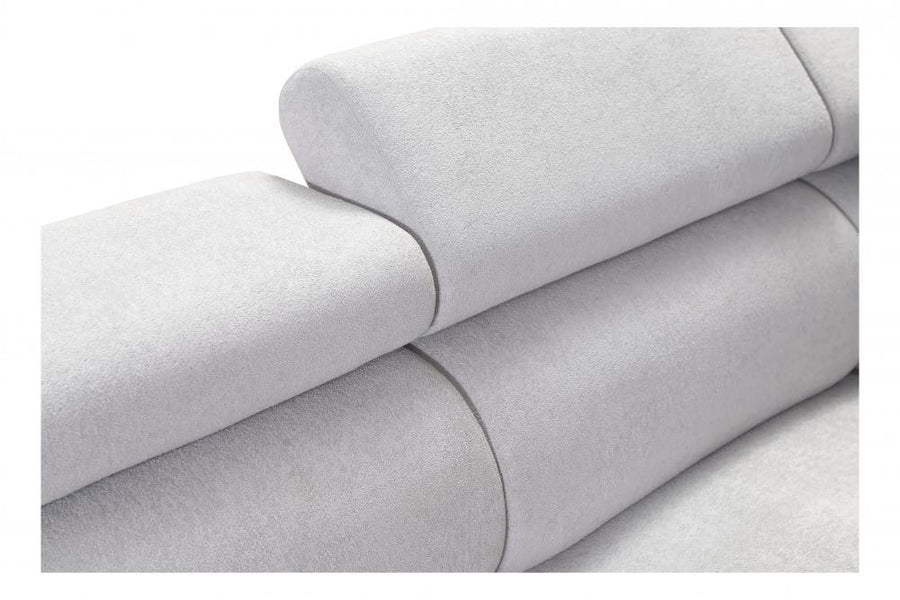
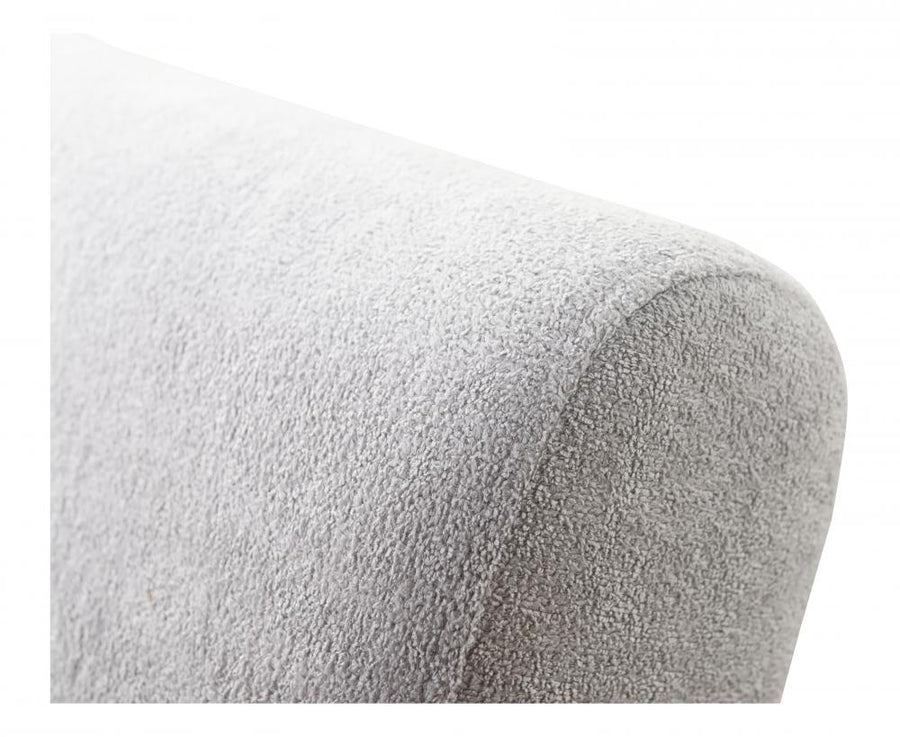















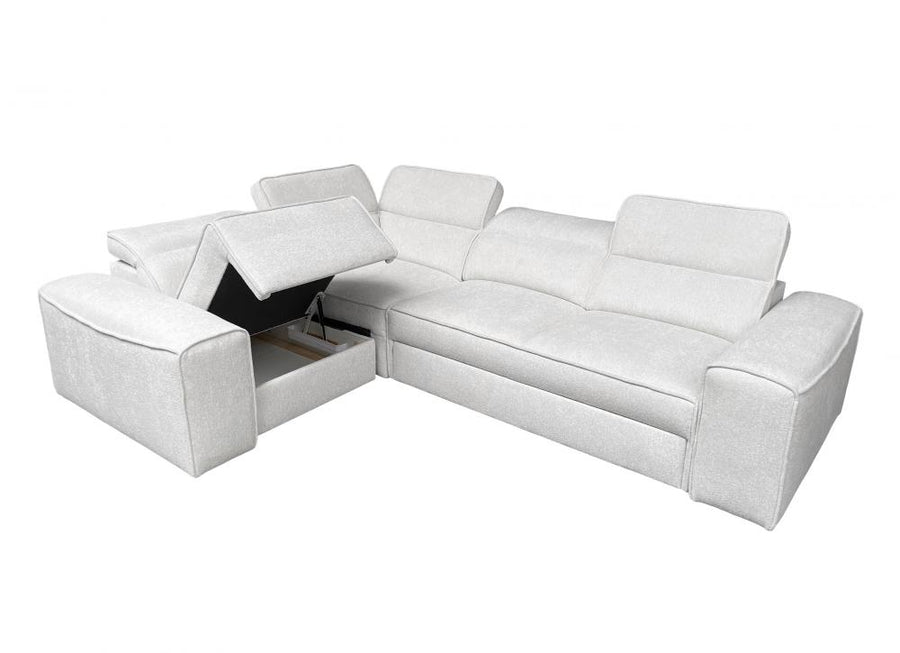
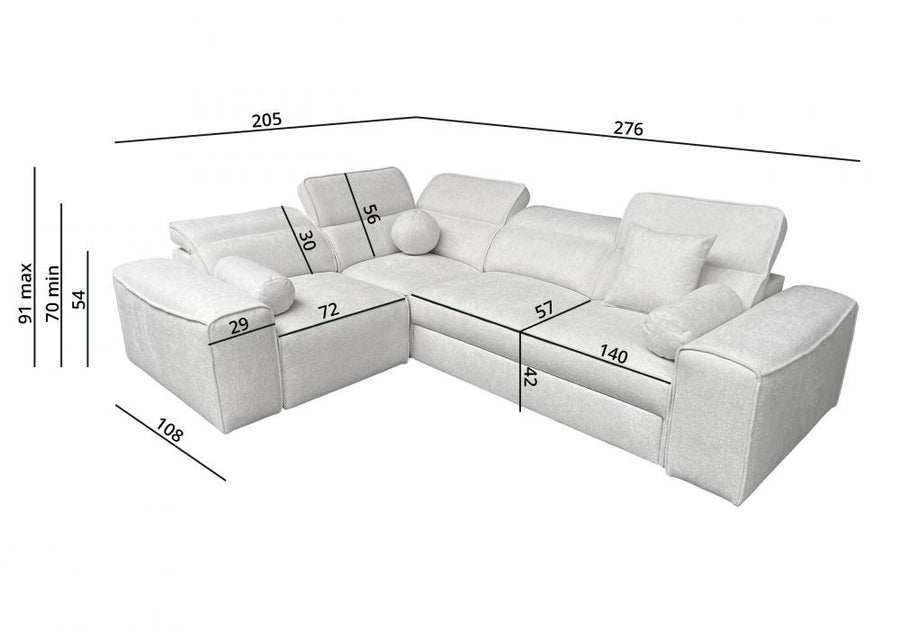
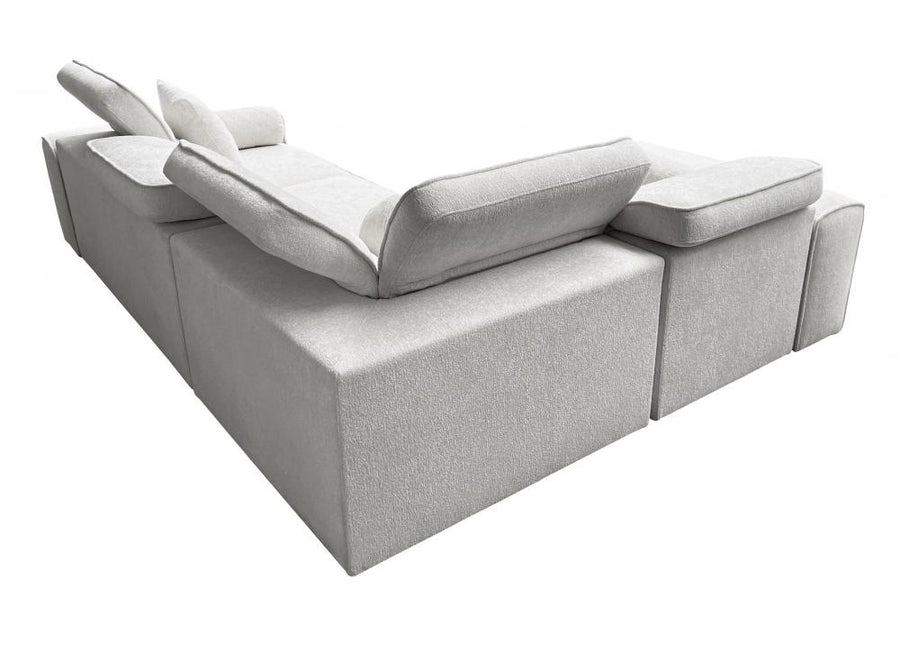
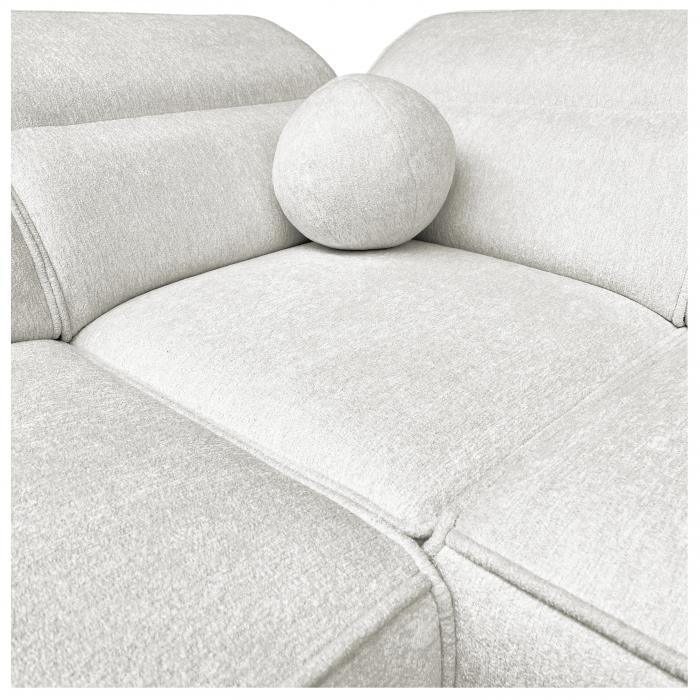


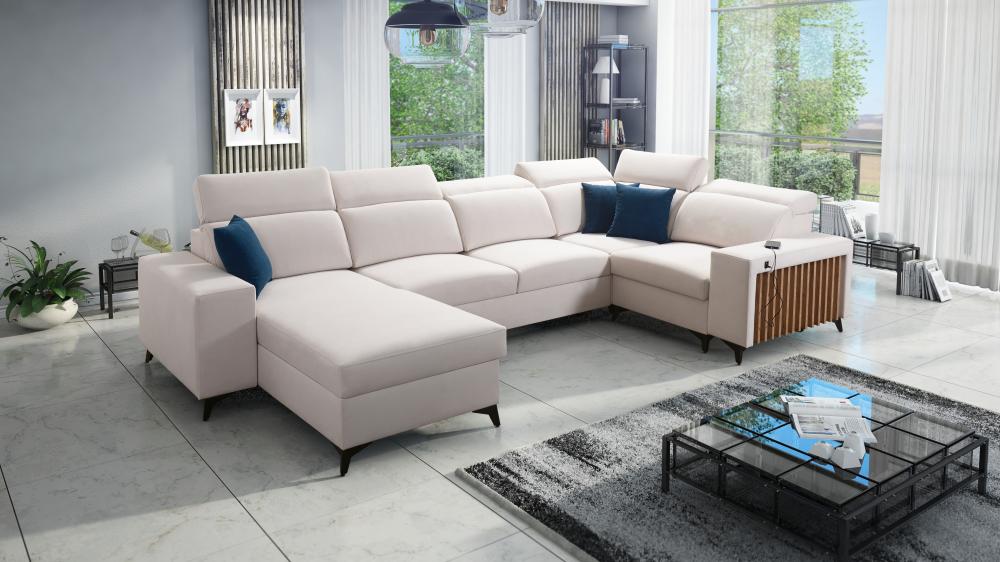

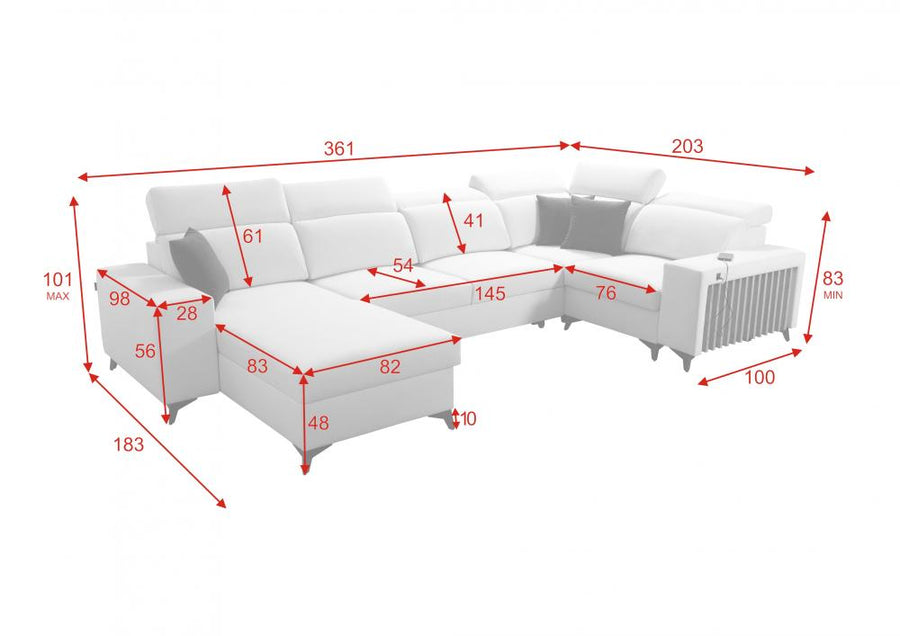


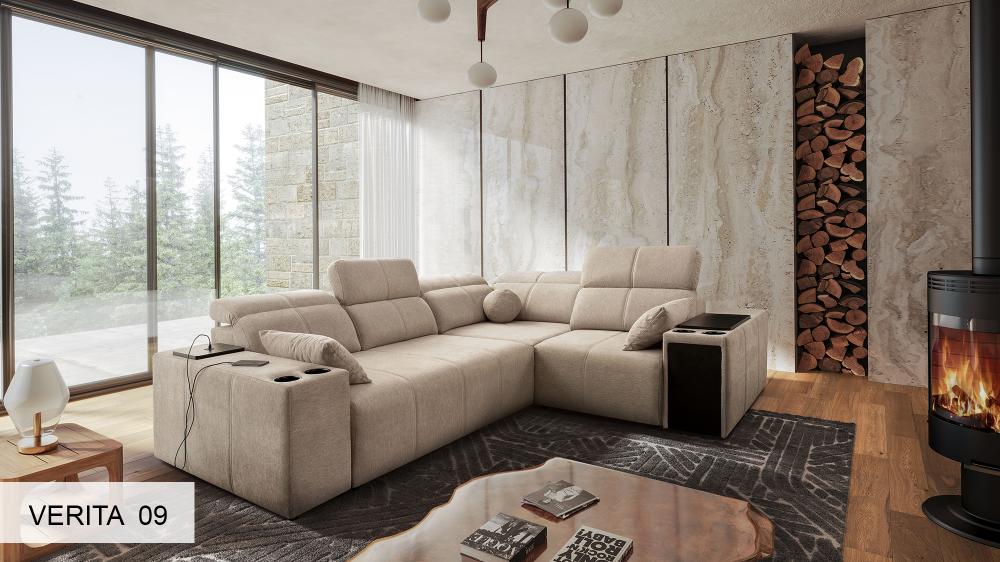




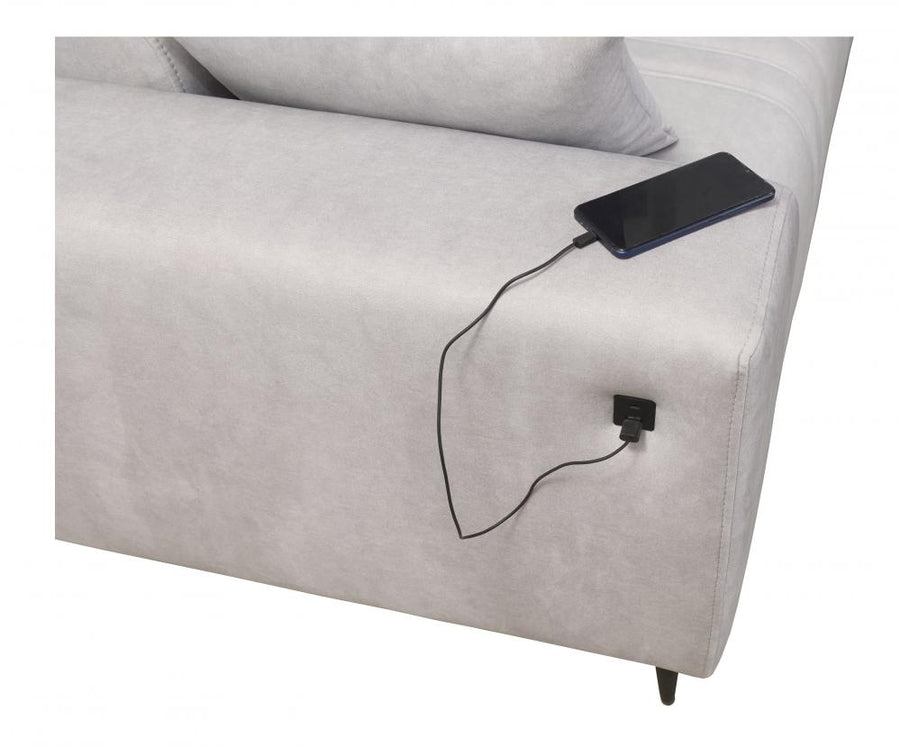
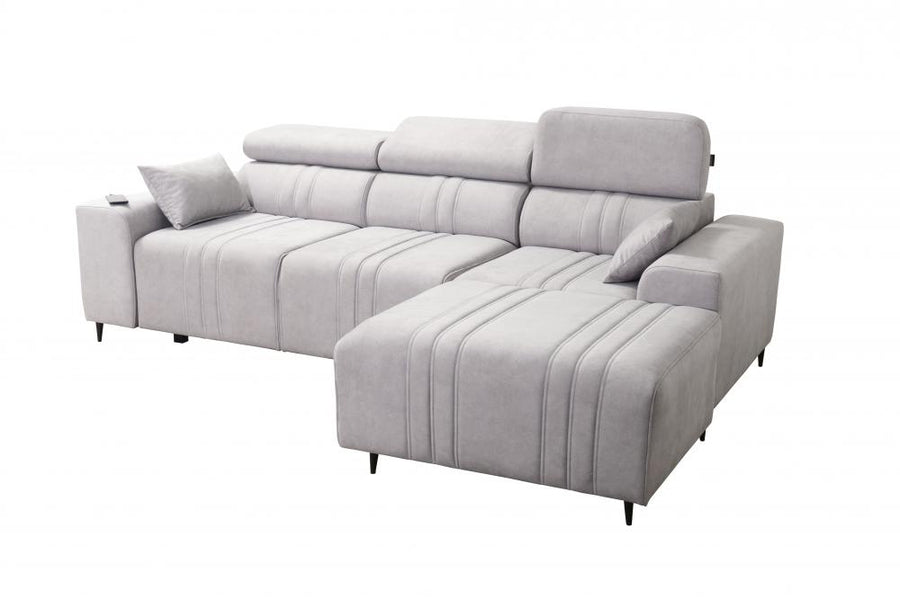
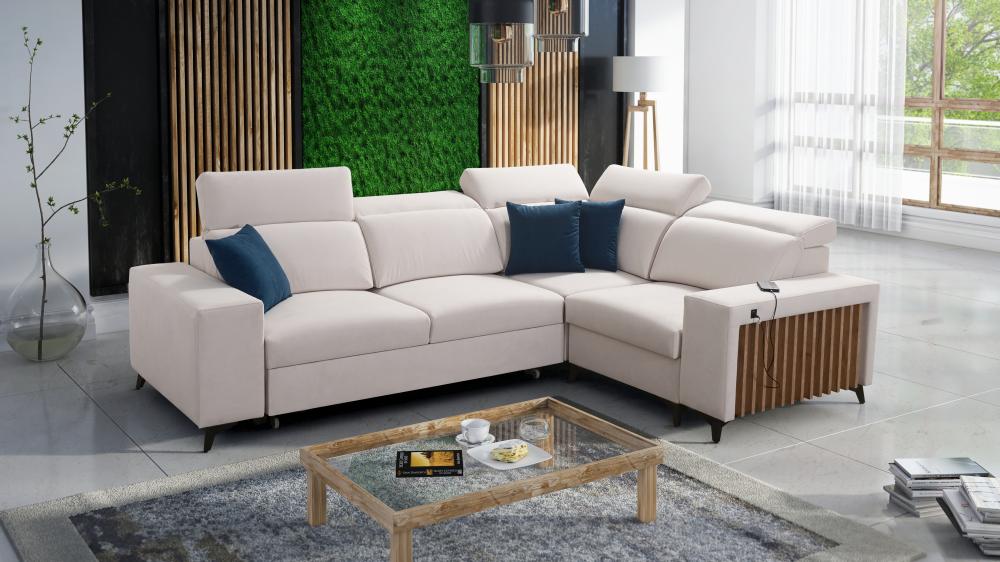
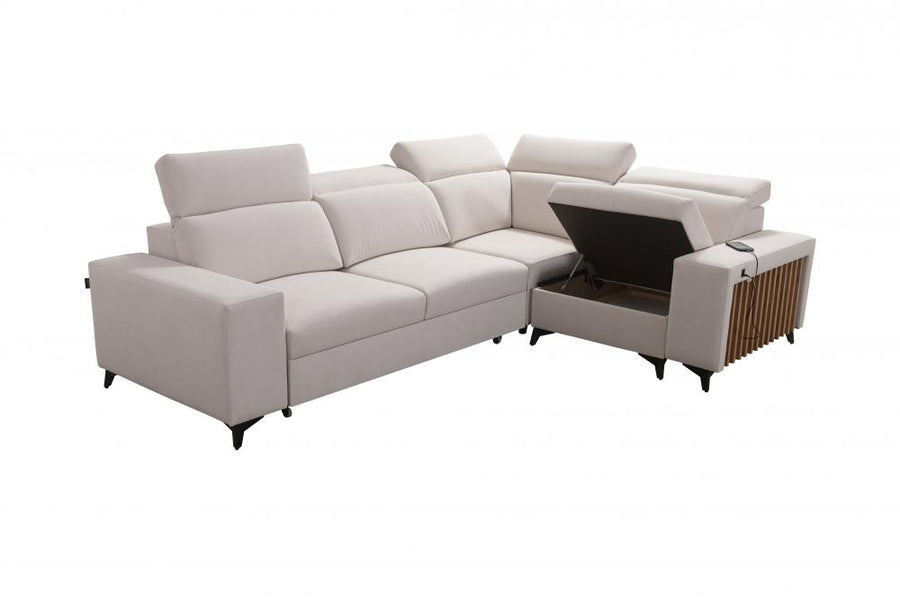

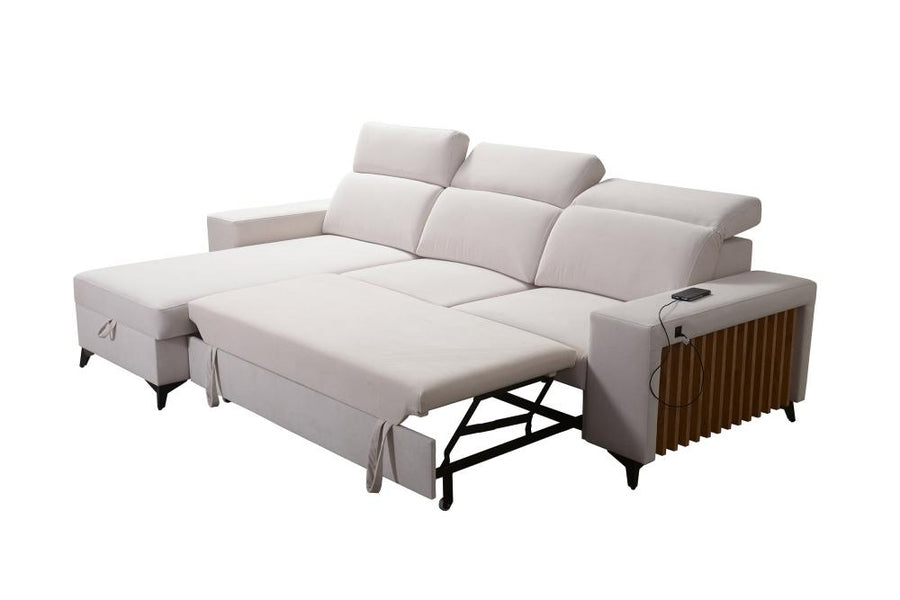
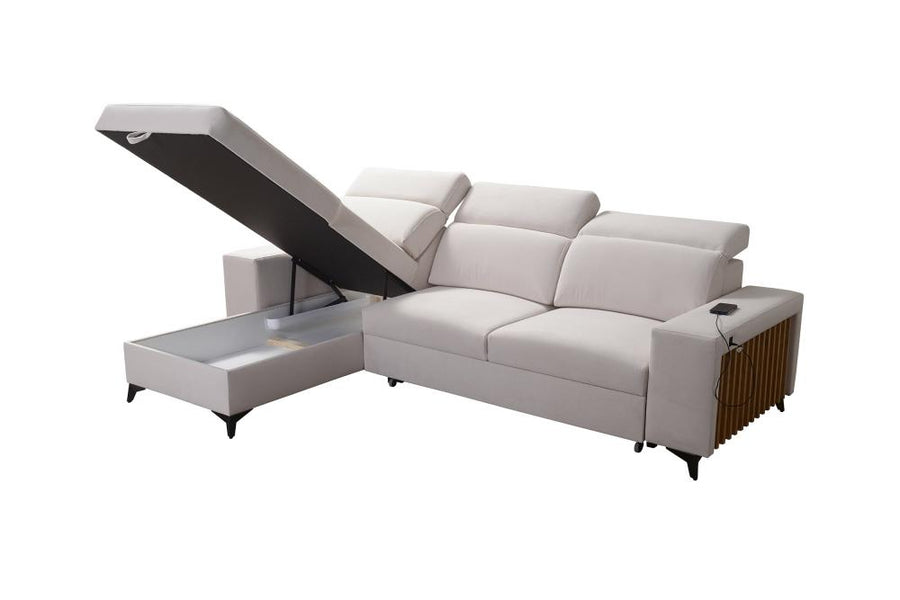
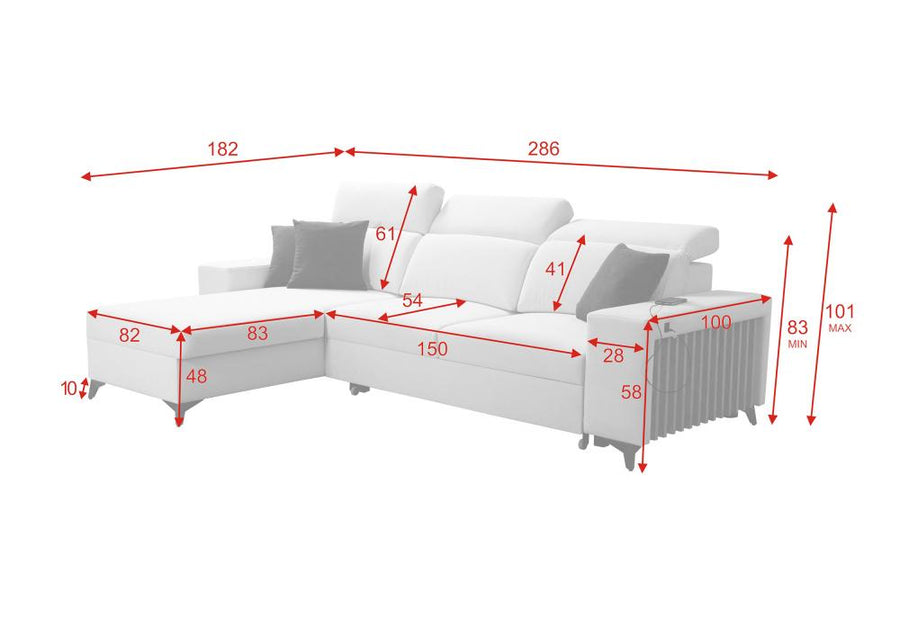
It's a frustration too many households know: that magnificent sofa in the store that, after only 18 months of use, becomes a sagging, uncomfortable seat. According to the latest consumer studies in the furniture sector, premature seat deformation is the leading cause of living room furniture replacement. Far from being inevitable, the longevity of your sofa depends on a precise science: the density and quality of the padding. Choosing a sofa with good foam isn't just about immediate comfort; it's an investment against planned obsolescence. In this technical guide, we'll decipher what lies beneath the fabric to help you identify a durable and resilient seat , capable of lasting for years to come.
The Common Misconception: Density is not Firmness
Before delving into the technical details, it's essential to dispel a persistent myth. Many customers believe that a firm seat is a sign of quality, or confuse a firm feel with the material's durability. However, a sofa with a firm seat can quickly sag if it's made of low-density foam, while a soft seat can last for a decade if it's supported by high-quality technical foam.
Density is expressed in kilograms per cubic meter (kg/m³). It represents the weight of the material per unit volume. The higher this number, the more material there is and the less air there is. It is this density that ensures your sofa, with its good seat foam, will return to its original shape after each use—a property known as resilience.
Decoding Materials: Which Foam to Choose?
Not all upholstery is created equal. To obtain a sofa that doesn't deform , or at least one that withstands the test of time, certain materials (like simple 20kg/m3 polyether) must be avoided, and advanced technologies should be favored.
High Resilience (HR) Polyurethane Foam
This is the absolute benchmark, the "heart of the engine" of a quality sofa. High Resilience ( HR) foam is a polyurethane foam specifically treated to obtain a heterogeneous honeycomb structure, similar to a natural honeycomb. This structure allows the foam to compress intelligently under the weight of the body and, above all, to instantly return to its original shape as soon as you get up.
Unlike traditional foams that eventually "break down" (the micro-air bubbles burst and don't reform), high-density (HR) foam offers lasting elasticity. This is the material we prefer at Kings Canapé for our furniture, whether it's a large family corner sofa or a compact armchair.
| Foam Type | Average Density | Estimated lifespan | Recommended use |
|---|---|---|---|
| Polyether | 16 - 25 kg/m3 | 1 to 2 years | Backrests only or entry-level sofas |
| Classic Polyurethane | 25 - 30 kg/m3 | 3 to 5 years | Standard sofas, occasional sleeping |
| HR (High Resilience) Foam | 35 - 45 kg/m3 | Ages 10 and up | Intensive daily seating, high-end sofas |
The Golden Ratio: The Ideal Density for a Durable Seat
If you're looking for the best padding , the numbers don't lie. For everyday use in the main living room, there are density thresholds below which it's risky to go.
The Minimum Vitality: 30kg/m3
A density of 30kg/m³ is considered the entry point for adequate seating. It's well-suited for a sofa in a small space or a model used by people of lighter build. However, for intensive use, it may show its limitations after a few years.
The Quality Standard: 35kg/m3 and above
To ensure the seat doesn't sag over time, we strongly recommend aiming for a density of 35kg/m³ or 40kg/m³ . At this level, the foam offers firm and consistent support. This is particularly crucial for models subject to mechanical stress, such as an electric reclining sofa , where the body moves and pressure points vary.
A foam of this density is also capable of supporting greater loads without deforming, which is ideal for a family sofa where children and parents meet daily.
Case file vs. Assizes
Note that the density must vary depending on the area. If the seat requires 35kg/m³, the backrest should be softer (around 20-25kg/m³) to support the back. This balance is what creates a comfortable and ergonomic sofa .
The Importance of the "Sandwich"
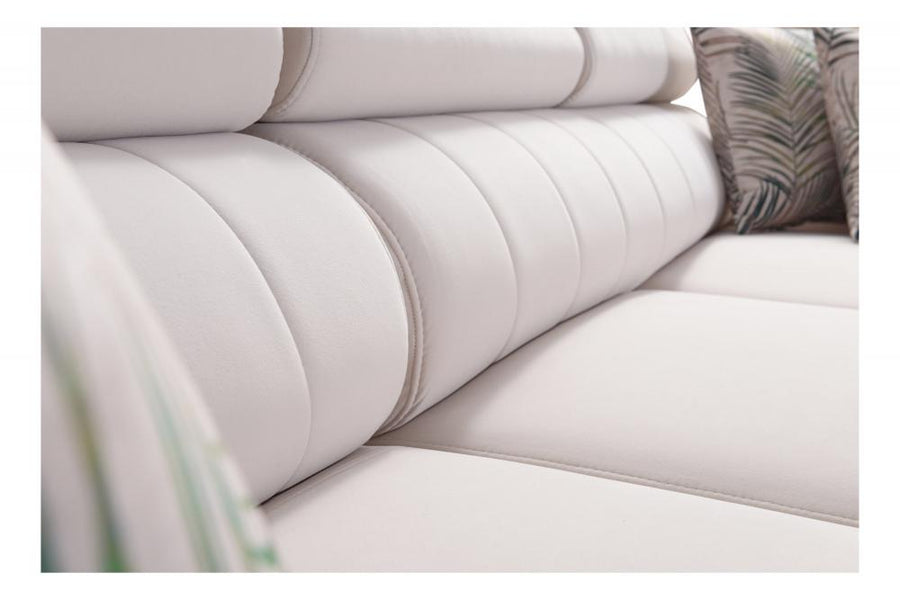
Often, the cushion consists of a dense HR foam core, covered with a layer of wadding or feathers for comfort. This allows for a soft, comfortable feel on the first touch, without sacrificing structural support.
Internal Architecture: Beyond the Foam
Having good sofa cushioning is essential, but it's only part of the equation. For your seat to remain resilient , it must rest on a solid foundation.
Suspension and Structure
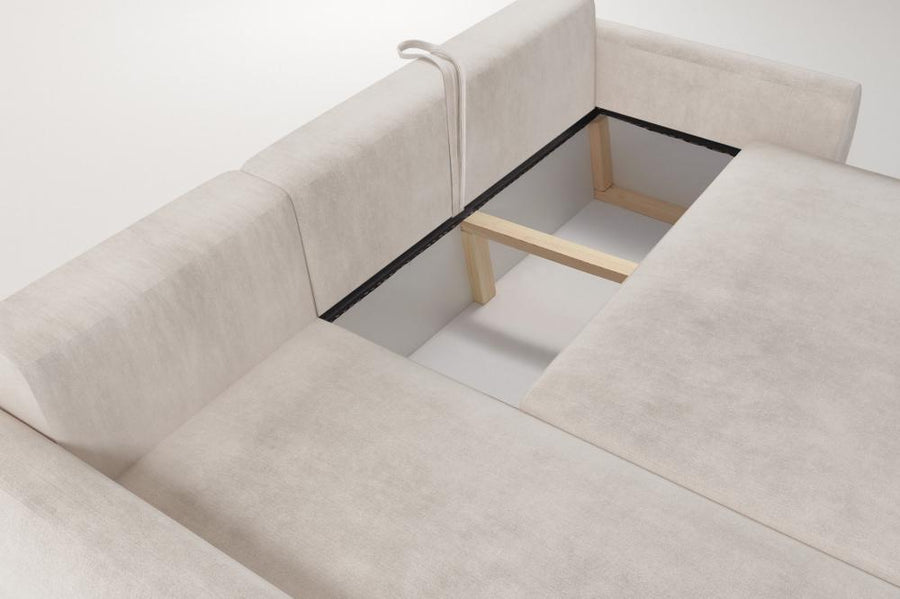
Imagine placing a luxury mattress directly on the floor: it will be less effective than on a slatted base. The same logic applies to your sofa. High-density foam will perform at its best when supported by quality suspension, typically Nosag (zigzag) springs or high-resistance interwoven elastic webbing. This combination ensures that your wide-seated sofa maintains its flatness, even in the center.
The Coating as Protection
The fabric also plays a supporting role for the padding. A taut, thick cover helps the foam maintain its shape. A genuine leather sofa or a high-quality faux leather sofa will act like a firm "skin." Conversely, softer fabrics, such as those used in a looped sofa, will require even higher-performance internal foam to compensate for the fabric's elasticity.
If you have pets, the choice of upholstery also impacts the overall lifespan. A scratch-resistant fabric will protect the foam from tears that could compromise its structural integrity.
Solutions for Maximum Longevity
At Kings Canapé, we have integrated this requirement for durability into the very design of our products. We know that finding a well-maintained sofa is paramount for our customers.
Modularity in the Service of Lifespan
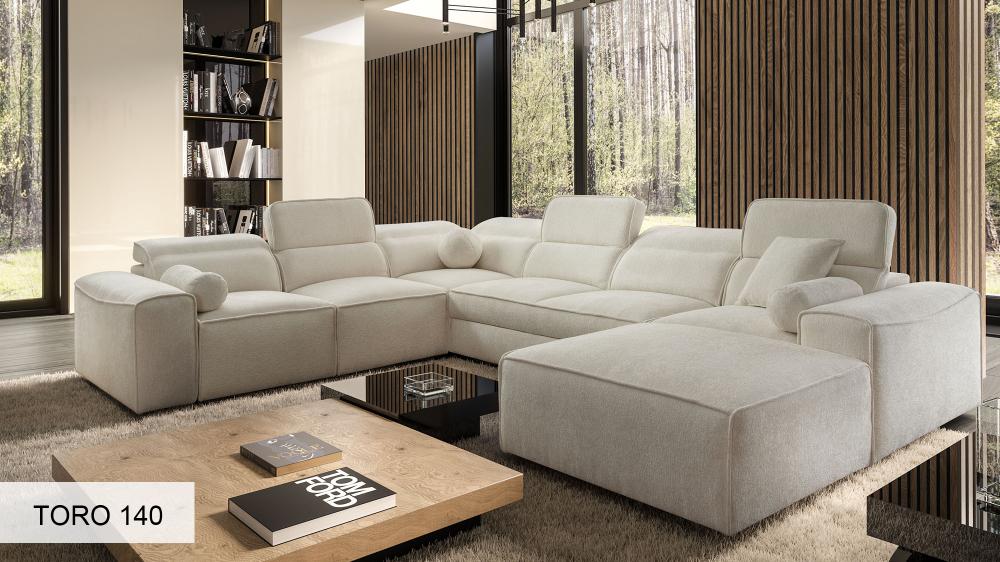
The advantage of a modular sofa lies in the ability to manage wear and tear differently. If one seat is used more than the others (often the one facing the TV), you can swap the modules to distribute the use of the foam. Furthermore, our systems often allow you to replace just one element without having to replace the entire sofa.
Adapting Comfort to Use
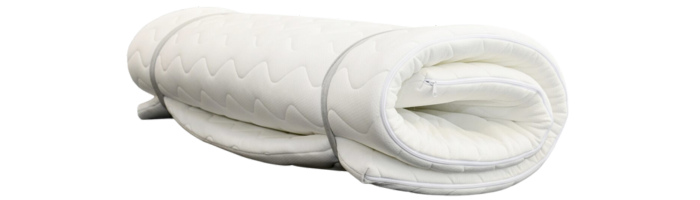
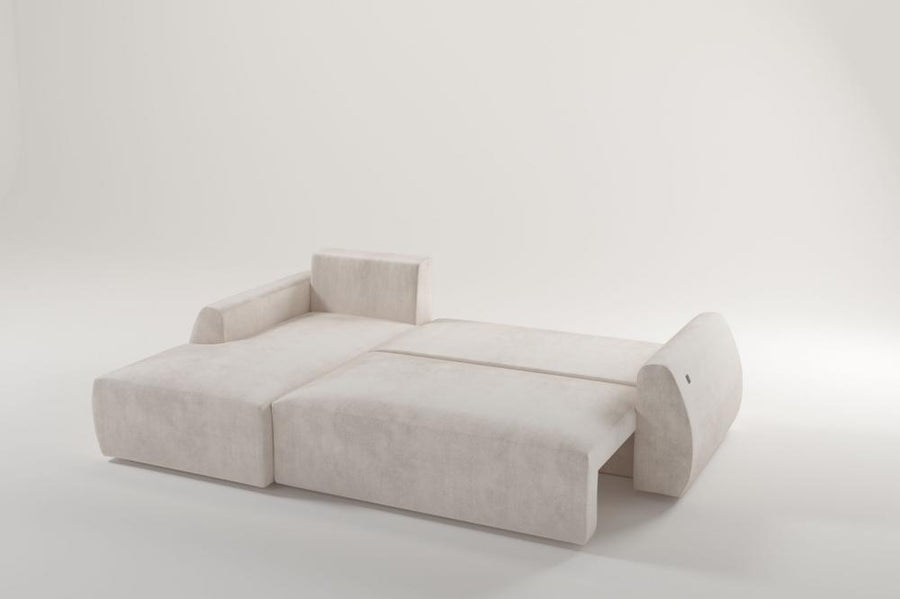
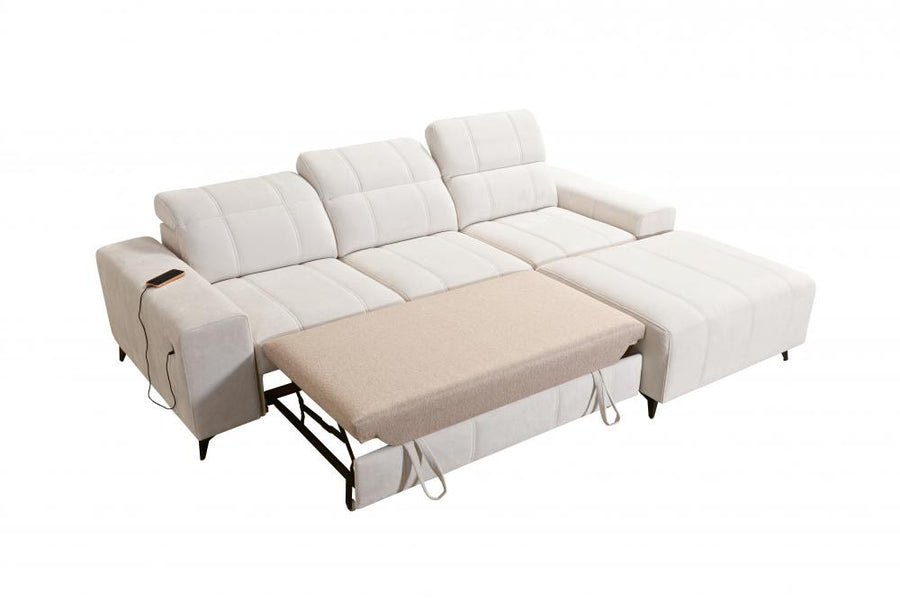
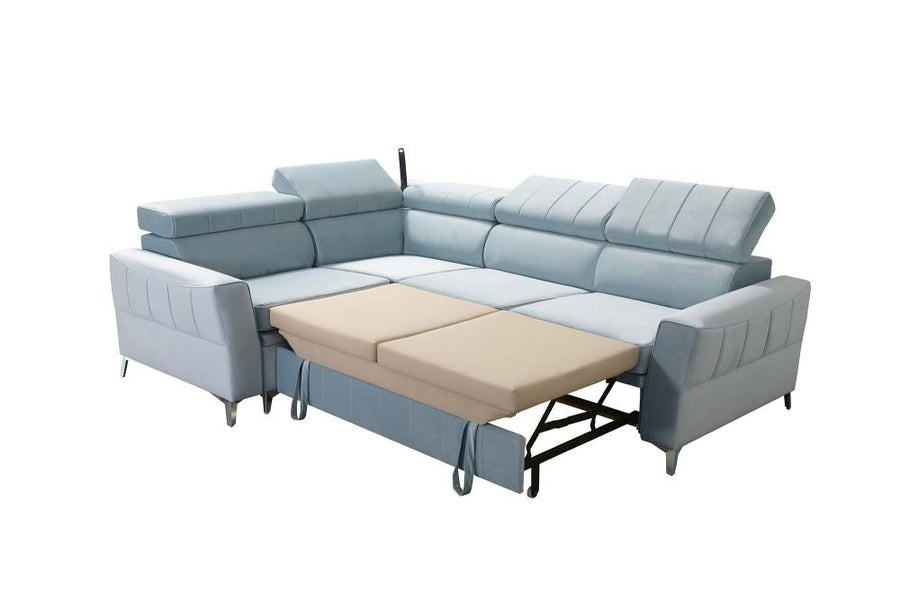
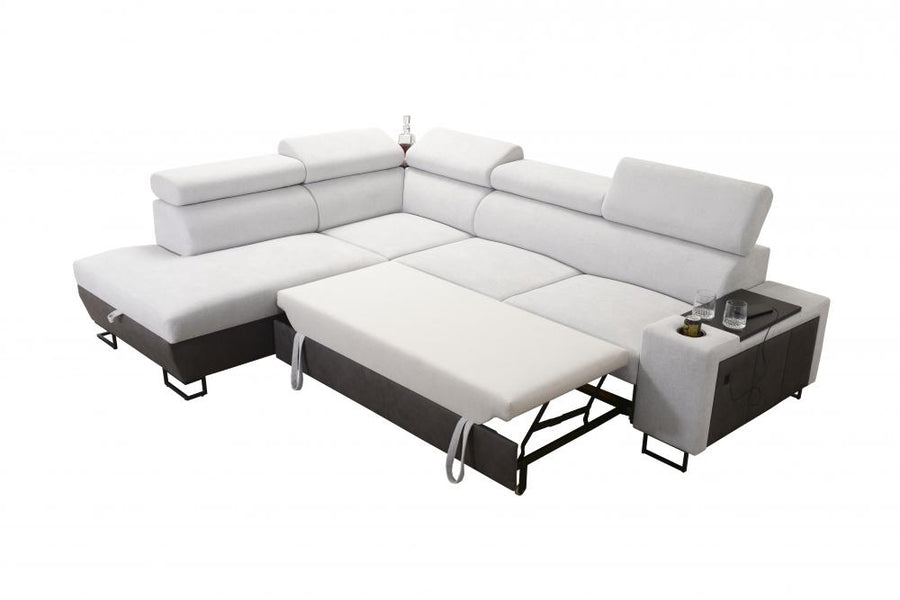
For those seeking a specific experience, such as a deep sofa for lounging, the quality of the foam is critical because the body weight is distributed over a larger surface area. Similarly, for sleeping, our sofa models with mattress toppers offer an additional layer that protects the main seat foam when used as a bed.
Finally, whether you opt for a classic straight sofa or an intimate 2-seater sofa , the rule remains the same: demand HR certification.
Aesthetics and Density: The Winning Duo
Choosing resilient seating doesn't mean sacrificing style. Modern foams can be sculpted to suit any design.
- The Cosy Style: A corduroy sofa often hides very dense foam under its soft appearance to avoid the "bag" effect.
- Modern Chic: For a modern, comfortable sofa with clean, taut lines, high-density foam is essential to maintain those sharp edges.
- The Luxurious Aspect: A smooth velvet sofa benefits greatly from a firm seat which highlights the reflections of the fabric without creating unsightly creases.
Don't forget the practical aspects: a stain-resistant fabric sofa with high-quality foam is the perfect combination for peace of mind: clean on the outside, solid on the inside.
Frequently Asked Questions about Foam and Padding
Does a density of 40kg/m3 mean that the sofa will be very hard?
No, not necessarily. Density (the weight of the material) ensures durability and support, while firmness (resilience) is another property. It's possible to manufacture a 40kg/m³ HR foam with a soft feel. However, a high density always offers superior support, preventing the sensation of sinking into the structure.
What is the lifespan of a sofa with 35kg/m3 HR foam?
With normal care, a sofa with 35kg/m³ high-resilience foam retains its mechanical properties and shape for approximately 10 years. This is significantly longer than standard polyether foams, which can deform as early as the second year.
Does the padding soften over time?
Yes, this is a normal phenomenon called the "break-in" of the foam. During the first few months of use, the foam will soften slightly (about 10 to 15%) to reach its optimal comfort level. Good quality, high-density sofa foam will then stabilize, while low-quality foam will continue to soften until it sags.
How can you tell if the foam is of good quality on a sofa with a reclining function?
For technical models like sofas with a reclining mechanism , the quality of the foam is crucial because it undergoes greater stress. Look for the mention "HR Foam" or "High Resilience Foam" in the technical specifications. This is the only material capable of withstanding the repeated movements of the mechanisms without tearing or compressing.
Conclusion: Investing in Sustainability
Choosing a sofa with good quality foam is a thoughtful purchase that prioritizes structural integrity over fleeting aesthetics. By selecting an appropriate density (ideally above 35kg/m³) and high-resilience technology, you not only ensure consistent comfort day after day, but you also significantly extend the life of your furniture. At Kings Canapé, we are committed to using only premium upholstery materials for our collections, whether it's a timeless fabric sofa or a practical microfiber sofa . Don't let sagging ruin your relaxation time: choose resilience and lasting quality .