


Table of contents

Owning a piece of suede leather furniture is a real aesthetic statement that brings warmth and elegance to a living room. However, one statistic keeps coming up: nearly 60% of owners hesitate to choose these materials out of pure fear of an indelible stain. Yet, knowing how to clean a suede or nubuck sofa does not require a chemistry degree, only the right techniques and the right tools. Contrary to popular belief, these materials are tough as long as you respect their velvety nature. This expert guide reveals the professional methods to care for, remove stains from and revive your centrepiece safely.
Understanding Suede and Nubuck: "Velvet" Leathers That Need Specific Care
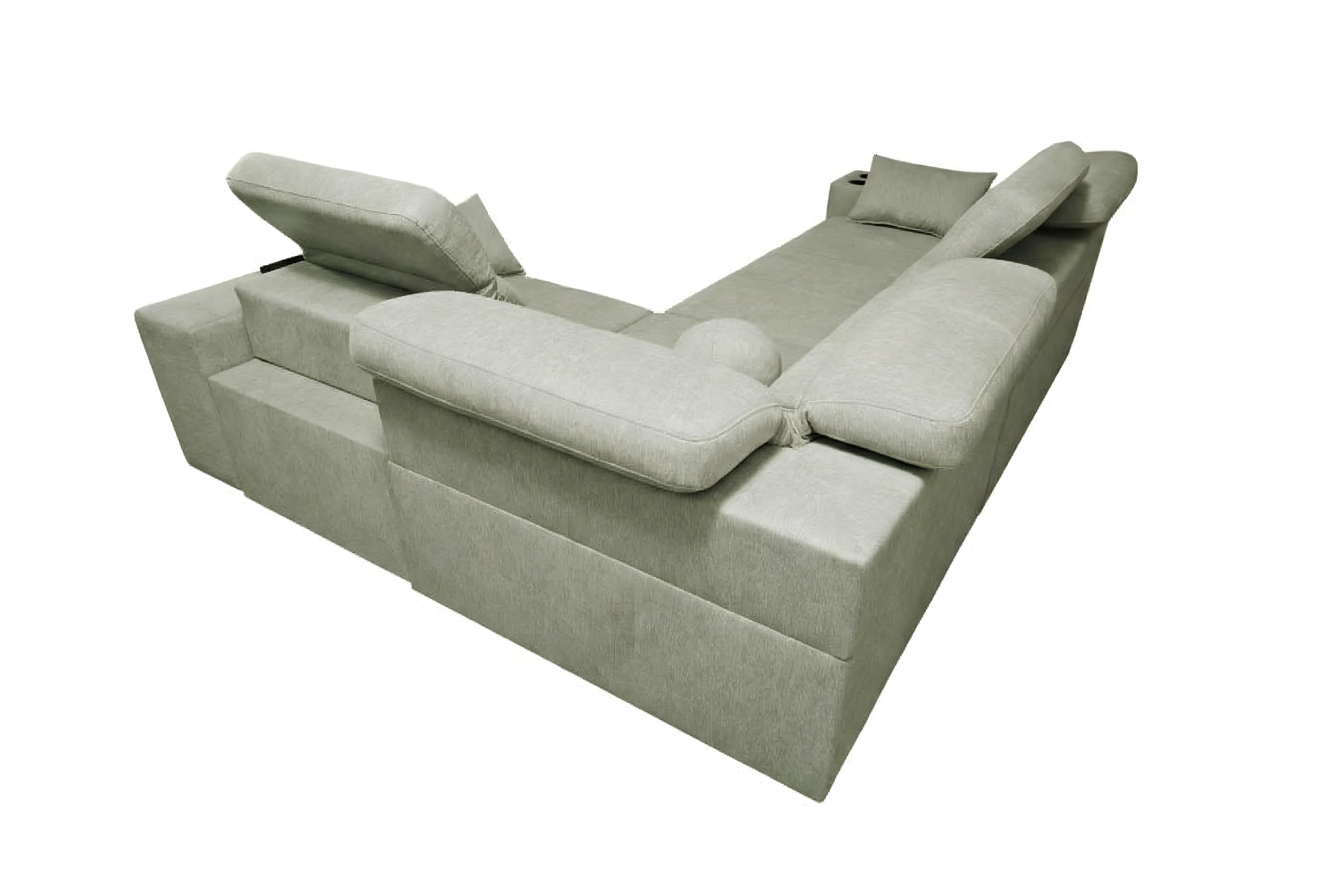
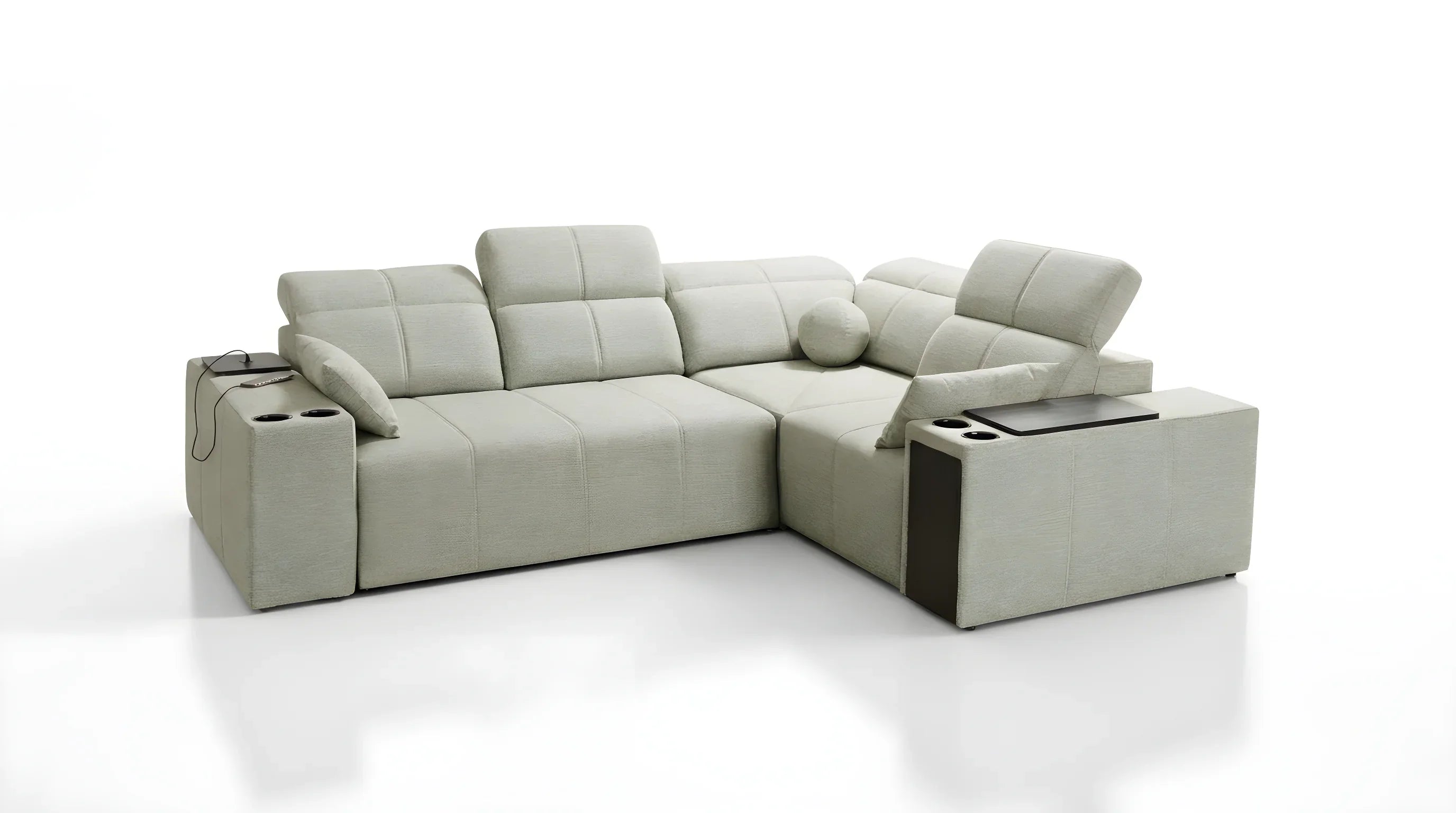
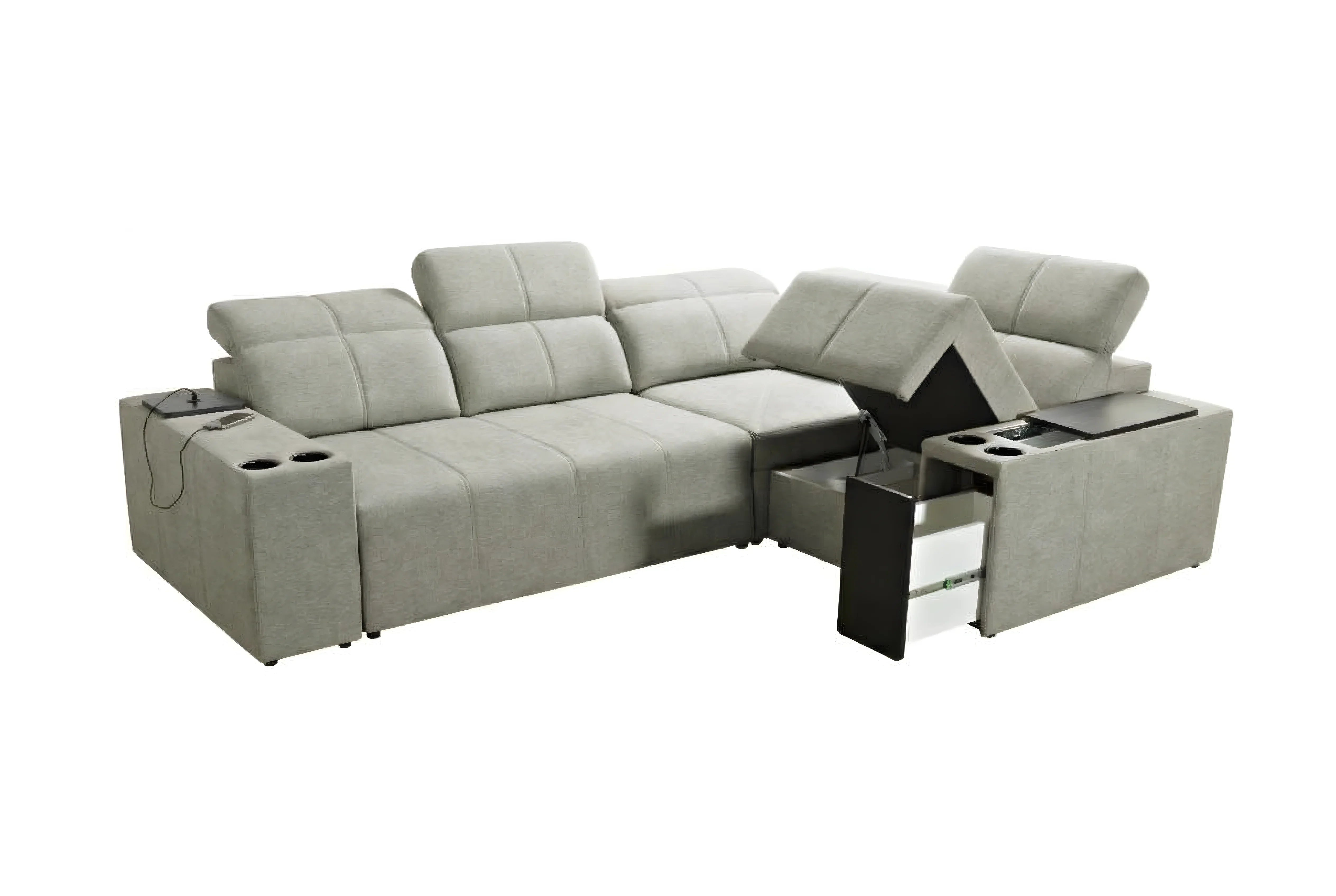
Before you pull out your brushes, it is essential to understand the material you are handling. Although the terms are often used interchangeably in everyday language to describe a velvety look, the canape-daim and the canape-nubuck technically differ, which slightly affects how they react to stains.
The technical difference: Inside and outside
Suede (often simply called suede) is made from the inner side of the animal hide, which is sanded to obtain that soft, fibrous look. It is a supple material, often used on a vintage sofa to give it that unmistakable retro charm.
Nubuck, on the other hand, comes from the outer side of the leather (the grain), which is also sanded. Nubuck is generally tougher and thicker than suede, but its finer texture makes it just as sensitive to greasy substances. Whether you have chosen a contemporary model or a sofa in a more classic style, the golden rule remains the same: these leathers are porous and hate excess water.
Why maintenance feels scary (wrongly so)?
The reputation of the canape-nubuck for being fragile comes from its absorbency. Unlike a microfibre sofa, liquid penetrates the natural fibre. However, this porosity also lets you treat the stain deep down, where other materials would lock it in on the surface. With the right method for nettoyer-daim, you can keep your furniture looking flawless for over fifteen years.
The Must-Have Kit for a Gentle Clean
To succeed with entretien-nubuck without drama, forget the sponge soaked in washing-up liquid. The gear you need is specific, inexpensive and should already be in your cupboards before any accident happens. It is the key to acting quickly and well.
| Tool / Product | Main Function | Targeted Stain Type |
|---|---|---|
| Crepe brush | Remove dust and lift the fibres | Daily care, dust |
| Suede eraser | Rub away dry stains through friction | Scuff marks, dry dirt |
| Terre de Sommières (fuller's earth) | Absorb grease (clay powder) | Oil, butter, sebum, make-up |
| White vinegar | Loosen stains and deodorise | Liquid stains, water marks |
| Ammonia (diluted) | Last-resort cleaning | Very old or stubborn stains |
Having this kit within reach is essential, especially if you have invested in a quality sofa. Using unsuitable tools, such as a hard-bristle brush (the type used for scouring), could pull out the fibres and create irreversible fuzzy patches on your canape-daim.
Dry Cleaning Method: Daily Care
The best way to nettoyer-daim is not to get it wet. Regular dry care removes 90% of visual issues and keeps that silky look, whether you have a camel-brown sofa or a lighter shade that shows wear easily.
1. Smart Dusting
Dust is enemy number one: it dulls the colour and mixes with ambient humidity to form a greyish film. Vacuum regularly, but be careful: only use the soft-bristle brush attachment on medium power. Too much suction could stretch the cover, especially on large surfaces like the seat of a corner sofa.
2. The "Cardio" Brushing
entretien-nubuck involves energetic brushing. Use a crepe brush (or a soft brass brush on rustic suede) and brush in every direction to lift dirt, then always finish along the grain for a uniform look. This step also raviver-nubuck by adding volume back to fibres flattened by sitting.
The eraser trick for surface marks
Black marks often show up on armrests or high-contact areas. This is where the suede eraser comes in. Gently rub the dry area just as you would on a sheet of paper. The eraser crumbles away and lifts the dirt with it. It is particularly effective on a rust-coloured sofa or coloured sofa where dark marks show up quickly.
Handling Specific Stains and Accidents (Grease, Ink, Liquid)
It is every owner's nightmare: a stain that happens mid-party. Don't panic. Unlike a water-repellent fabric sofa where liquid beads on top, here you need to act differently. Here is how to handle the most common taches-daim.
The Terre de Sommières miracle for grease
If a greasy chip or a buttered slice of bread falls onto your precious canape-daim, water is off-limits.
The method: Generously sprinkle the greasy stain with Terre de Sommières (100% natural clay). Leave it on overnight. The powder will "drink" the grease through capillary action. The next day, vacuum it up. If the stain remains, repeat the process. This technique is safe, even on a high-end sofa.
Liquids: The art of dabbing
Coffee, wine or soda? The first reflex is to blot with absorbent paper or a clean white cloth. Whatever you do, do not rub! Rubbing pushes the pigments deeper into the leather. Once you have absorbed as much liquid as possible, dab with a damp cloth soaked in a mixture of warm water and white vinegar. This step is often essential if you have a dog-friendly sofa and a "wet" accident happens.
70° alcohol for ink
A pen has slipped on your canape-nubuck? Dab the area with a cotton bud soaked in 70° alcohol. Switch cotton buds as soon as one becomes coloured so you do not spread the ink. Repeat until the stain is gone, then brush to lift the fibres.
Wet Cleaning: How to Remove Water Marks on Suede
Sometimes, spot cleaning creates a secondary problem: a water mark. It looks like a clean patch surrounded by dirt, or a dried limescale ring. To faire-partir-auréoles-daim, you often have to resign yourself to cleaning the whole seat or cushion.
The whole-surface cleaning recipe
Prepare a bowl with lukewarm water, a splash of washing-up liquid (gentle degreaser) and a cup of white vinegar.
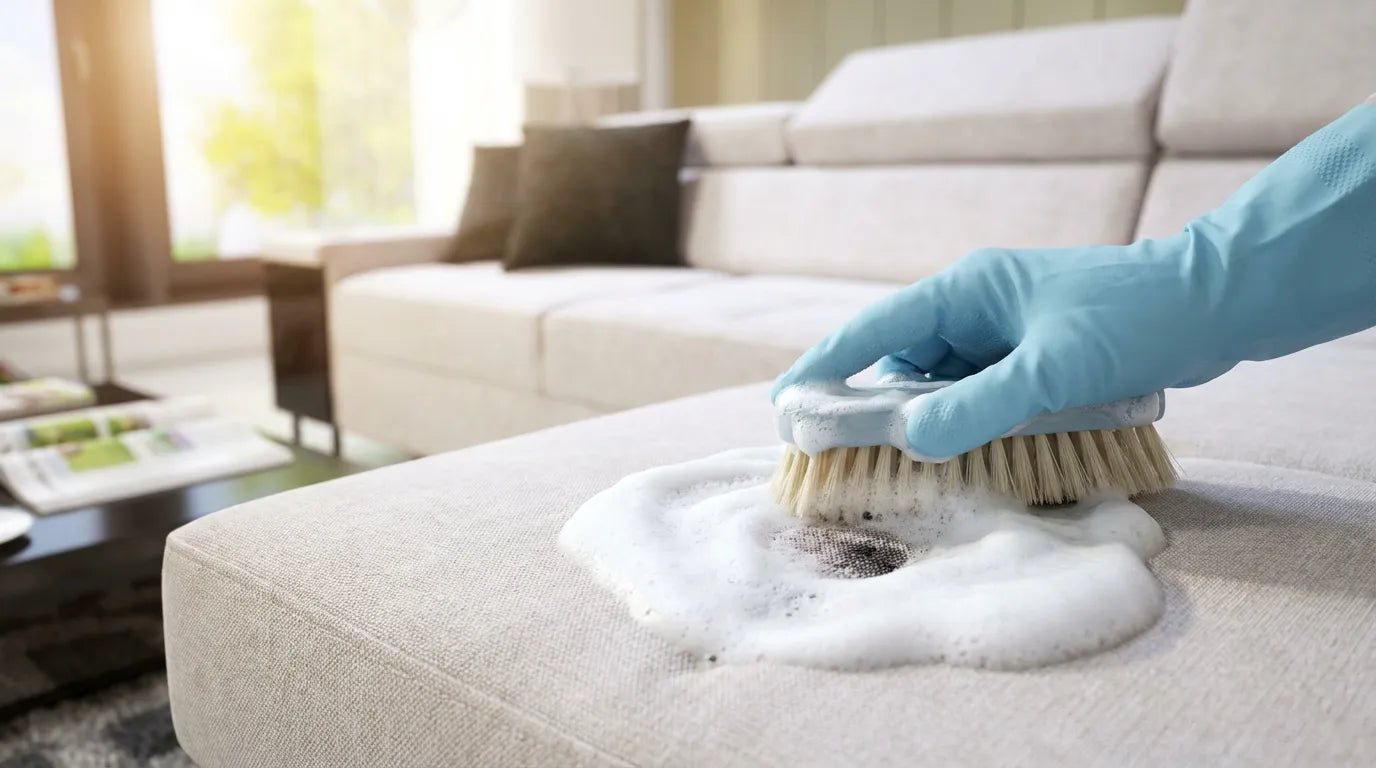
Use a soft brush or a clean sponge (soft side). Wring it out as much as possible: the sponge should be damp, not dripping. Clean the whole surface of the canape-daim, focusing on the stained areas but extending well beyond them so you do not leave a visible line.
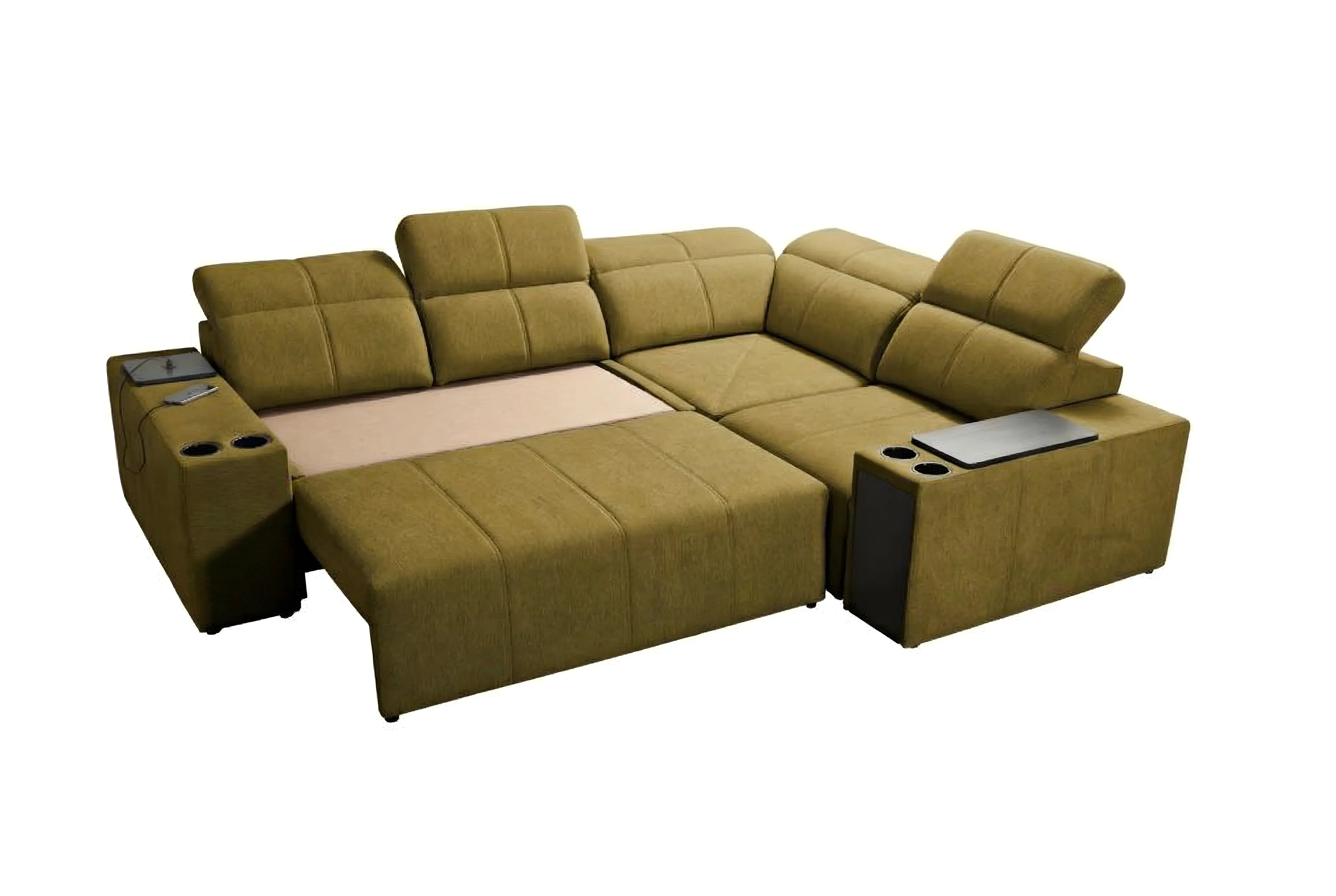
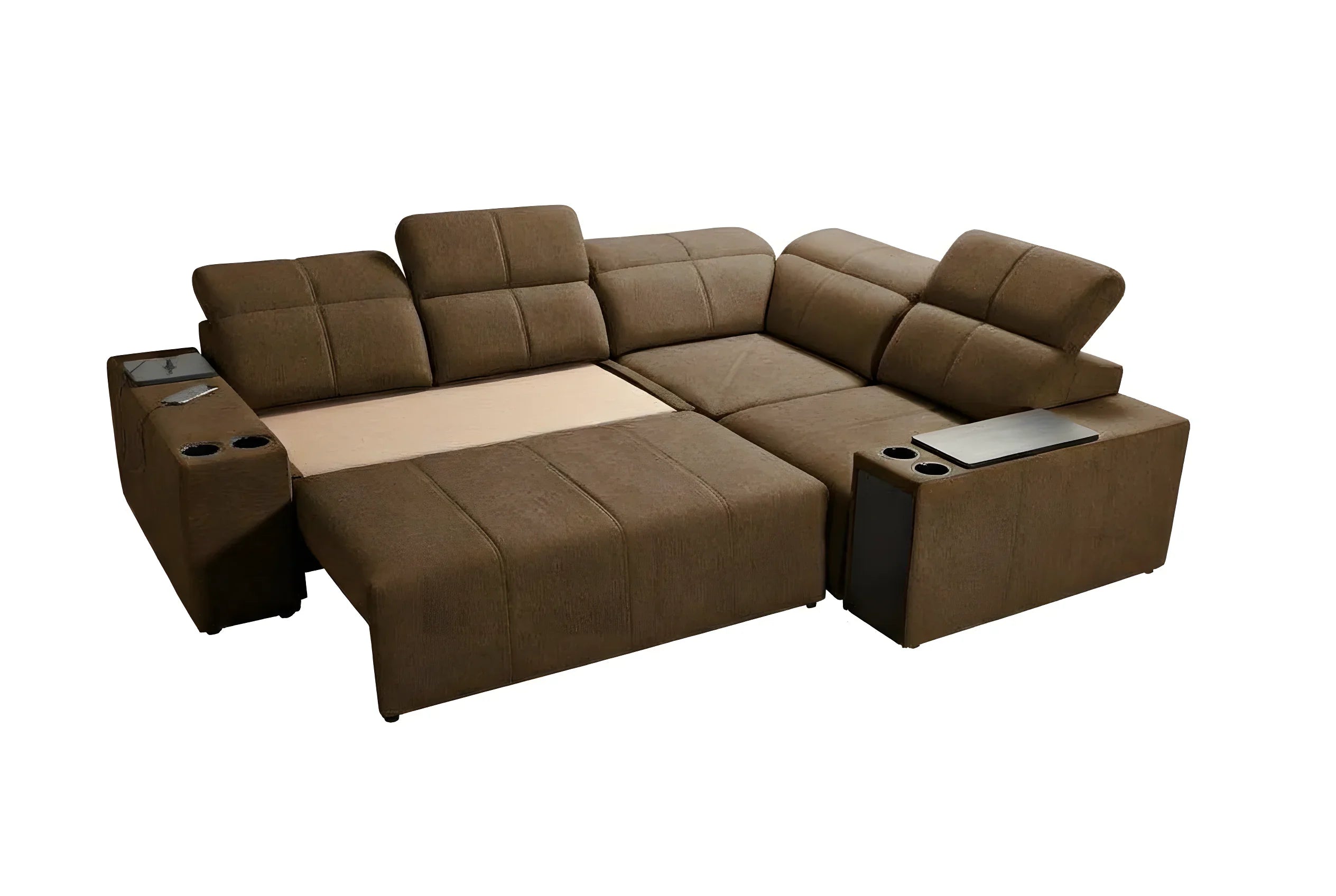
If your model is a sofa bed, take care not to soak the fabric so the mattress underneath does not get wet. Moderation with water is the key.
Drying: A critical step to revive nubuck
Once cleaned, wipe a clean, dry washcloth over the surface to soak up any excess moisture. Let it air-dry, away from any direct heat source (radiator, direct sunlight, hair dryer). Heat stiffens the leather and makes it feel "cardboard-like".
Once dry, the leather will look flat. This is normal. Use your crepe brush and brush vigorously: this is the step that will raviver-nubuck and bring back its original velvet touch. This final step is often what disappointed users miss.
If you own a velvet sofa in fabric velvet, the methods are different and they handle water better, but for suede leather, patience is your best ally.
Alternative: When Colour Comes First
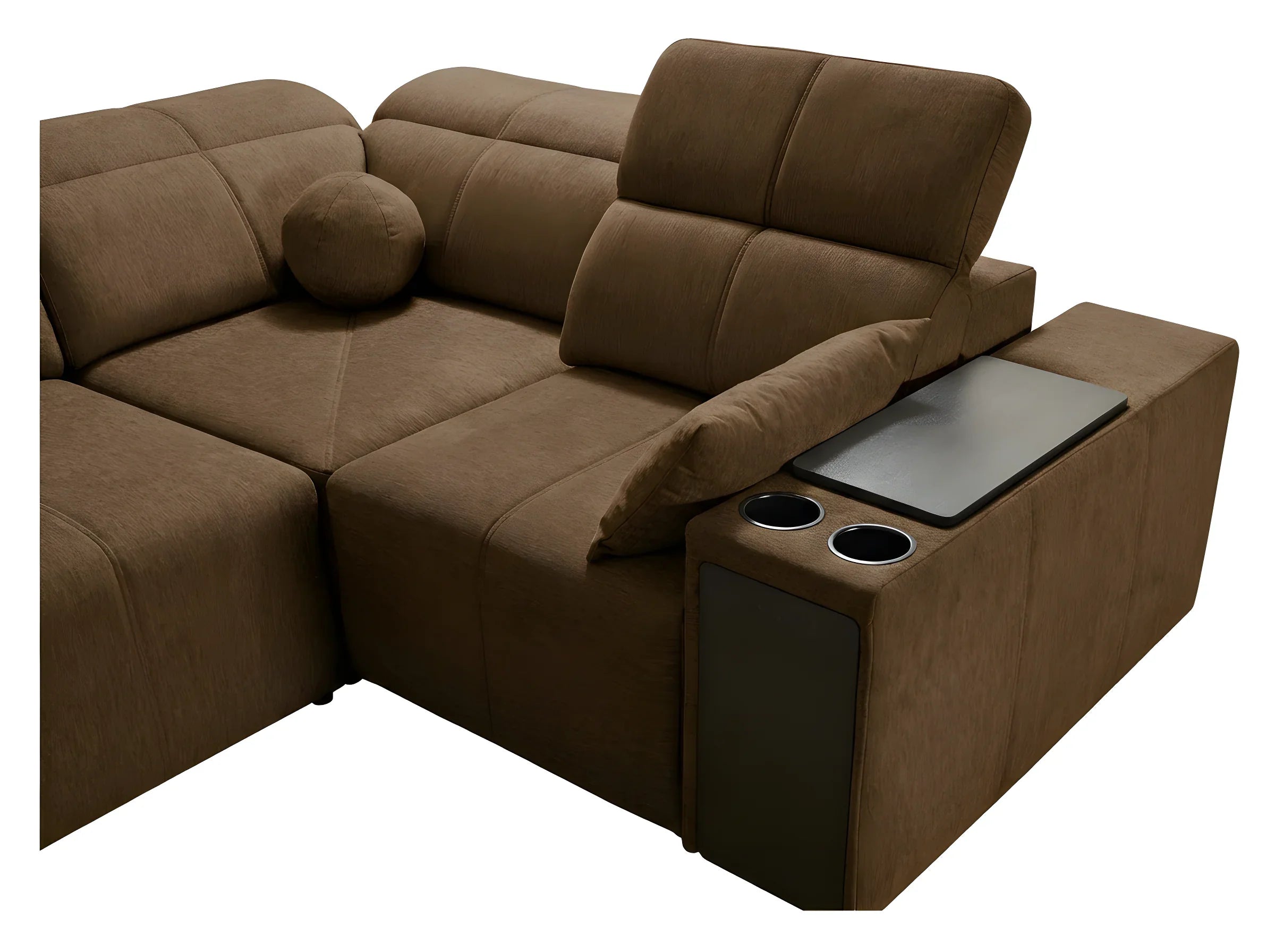
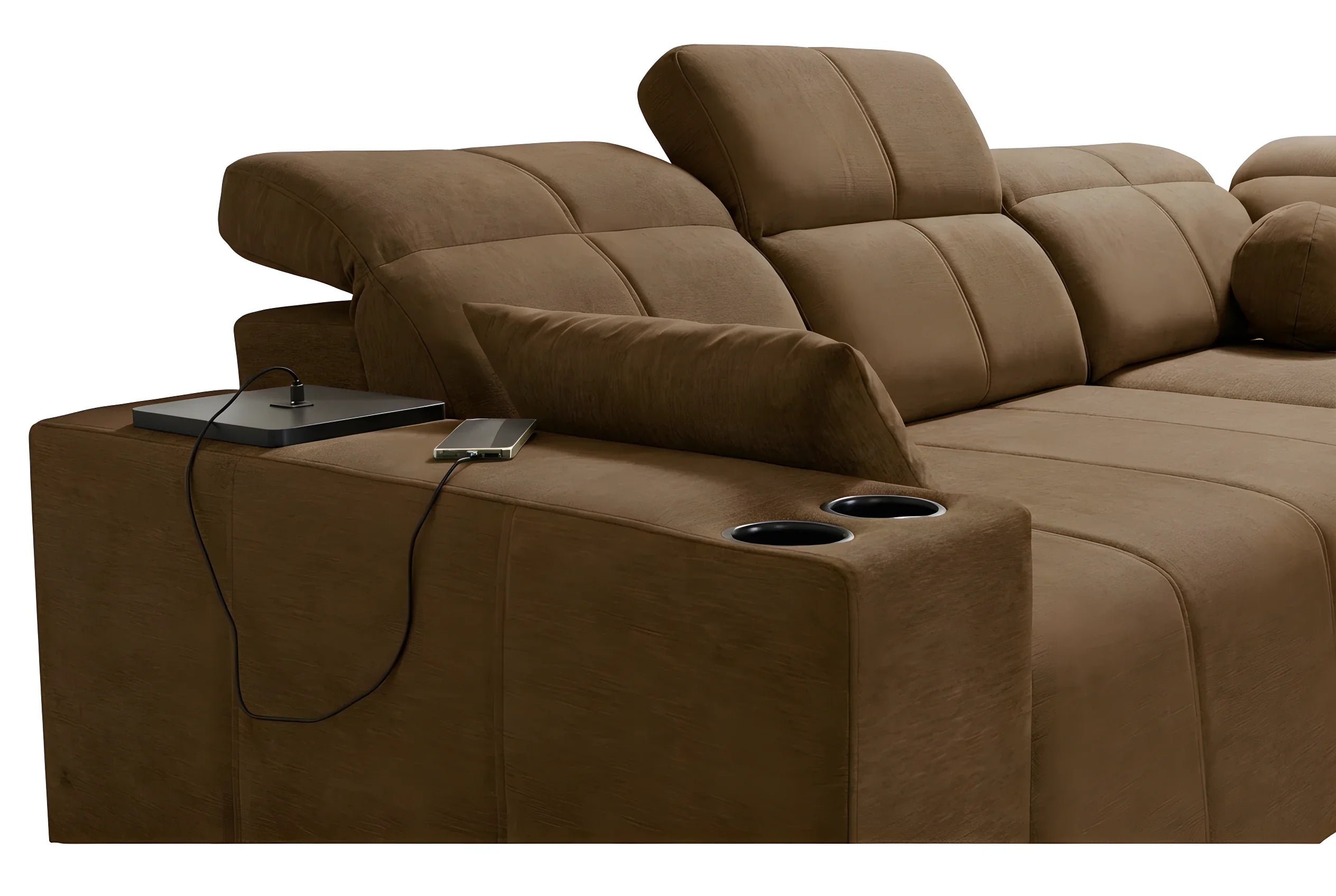
Suede and nubuck are materials that enhance natural colours. A taupe-coloured sofa in nubuck will have gorgeous shifting highlights that you do not get with synthetic fabrics. If, despite all your efforts, nettoyer-daim turns out to be impossible on an old stain, keep in mind that these leathers live and develop a patina. However, for very bright or high-stain interiors, alternatives like a fabric sofa in textured fabric can offer an appealing visual compromise with simpler care.
FAQ: Frequently Asked Questions About Caring for Suede/Nubuck
Can I use a steam cleaner on a suede sofa?
It is strongly discouraged. Steam is both hot and wet. The heat can "cook" the leather and harden it, while the excess moisture can saturate the hide and cause mould to form inside. Always favour manual cleaning at room temperature to preserve the suppleness of your canape-daim.
How do I waterproof my nubuck sofa?
Waterproofing is essential. Use a waterproofing spray specifically made for "Suede/Nubuck" (never a spray for smooth leather or fabric). Apply it in crossed layers from 30 cm away, on a clean and dry sofa. Repeat every 6 to 12 months depending on use, especially if you have a comfortable sofa used daily by the whole family.
Is ammonia dangerous for suede?
Ammonia is very effective at nettoyer-daim on heavily soiled suede, but it is powerful. It must always be diluted (1/3 ammonia, 2/3 water) and tested on a hidden part of the sofa. Wear gloves and ventilate the room, as the fumes are irritating. It is a last-resort solution before calling in a professional.
How do I remove a stubborn smell from suede?
Sprinkle baking soda generously over the whole dry sofa. Leave it on for at least 4 to 5 hours, or even overnight. Vacuum thoroughly afterwards. Baking soda neutralises odours without wetting or damaging suede leather, a perfect tip to freshen up a piece of furniture with no risk of water marks.
Conclusion: The Elegance of Suede Deserves Your Attention
You now know how to clean a suede or nubuck sofa without fearing the worst. The key lies in prevention, in using the right tools like a crepe brush and Terre de Sommières, and above all in avoiding excess water. By caring for these noble materials, you extend the life of your furniture while keeping that incomparable warm look. At Kings Canapé, we understand that design must go hand in hand with durability. Whether you choose the authenticity of nubuck or the practicality of our technical fabrics, we are here to help you keep your living room an exceptional place to live, year after year.





Leave a comment
This site is protected by hCaptcha and the hCaptcha Privacy Policy and Terms of Service apply.