


Choosing a sofa is a major decision. A study by the French Furniture Institute (2024) reveals that Nearly 65% of post-purchase dissatisfaction stems from a sizing error. Far from being just a number, the dimensions of a straight sofa dictate the harmony, flow, and functionality of your living space. Even before considering comfort or style, mastering the art of measurement is an essential step for a successful investment. This expert guide provides you with the standards, foolproof measuring techniques, and secrets to choosing a sofa that integrates perfectly, both physically and visually, into your interior.
Understanding Standard Dimensions for a Straight Sofa: Market Standards
The furniture market offers relatively standardized dimensions for straight sofas, designed to fit most interior layouts. Understanding these standards is the starting point for assessing the space required and refining your search. However, it's crucial to note that these figures are averages; variations of 5 to 10 cm are common between manufacturers.
The 2-seater sofa: The compact and versatile solution
Ideal for studios, small living rooms or as an addition to a larger sofa, the 2-seater model is the champion of space optimization.
- Width: Generally between 150 cm and 180 cm.
- Depth: Varies between 85 cm and 100 cm.
- Height: Varies from 80 cm to 95 cm, including backrest.
The 3-seater sofa: The perfect balance, a star in living rooms
This is the best-selling size in France, representing nearly 45% of sales in 2024. The 3-seater sofa offers an excellent compromise between welcoming comfort and controlled space requirements, making it the centerpiece of most family living spaces.
- Width: Ranges from 190 cm to 230 cm on average.
- Depth: Similar to the 2-seater, between 90 cm and 105 cm.
- Height: Maintains a range of 80 cm to 100 cm.
The 4-seater sofa and more: The generous welcome
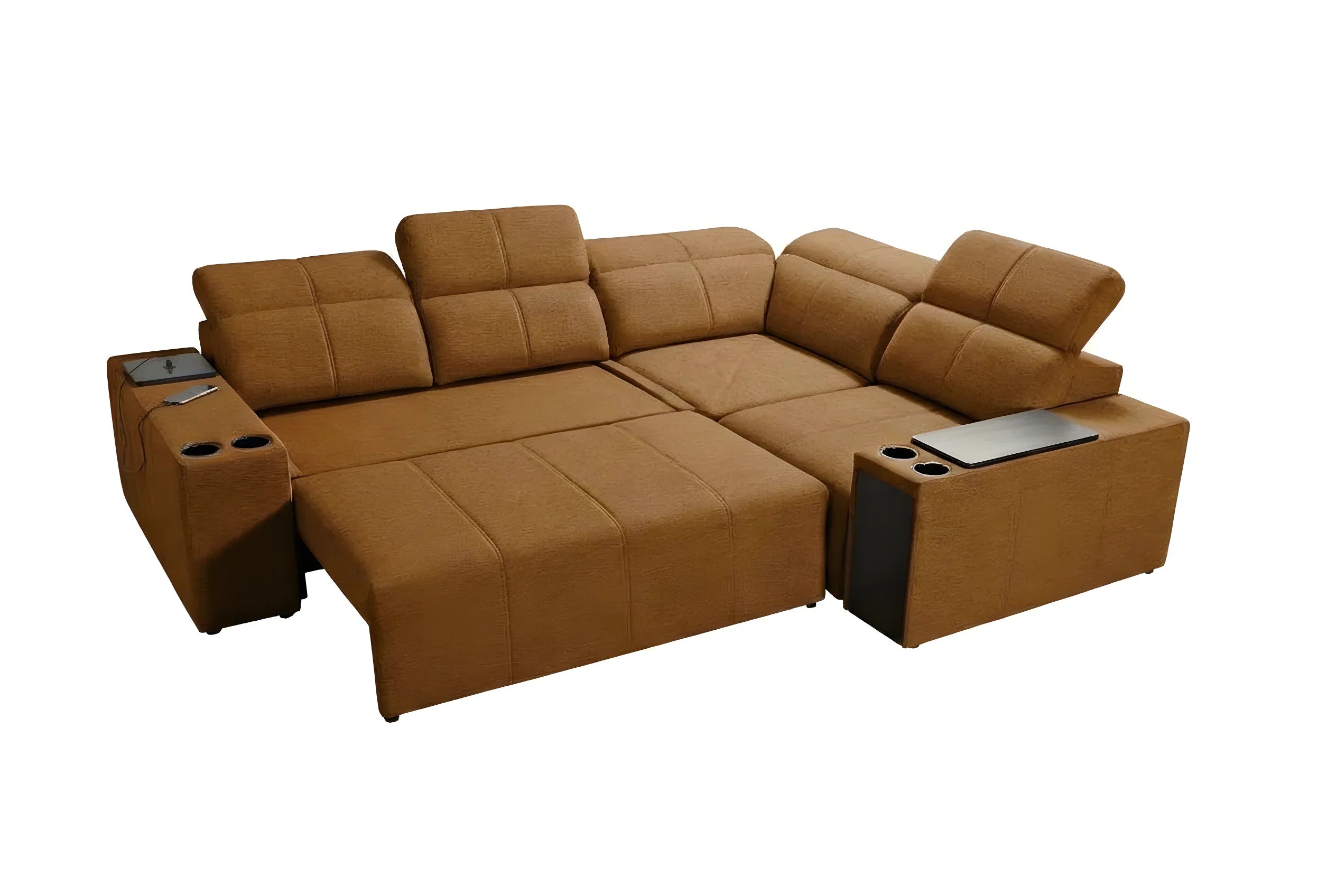
Designed for large spaces and large families, the 4-seater (or larger) sofa is a centerpiece that makes a statement. It requires a room with sufficient space to avoid overwhelming the area.
- Width: Starts at 240 cm and can exceed 300 cm.
- Depth: Often more generous, from 95 cm to 110 cm, for superior seating comfort.
- Height: Can be slightly lower for a lounge effect, or higher depending on the design.
The Art of Measurement: The Infallible 3-Step Protocol
Leave nothing to chance. Precise measurement guarantees a perfect fit. Arm yourself with a rigid measuring tape and follow this protocol to avoid common mistakes.
Step 1: Measure the final location of the sofa
Define the exact location where your future sofa will be placed. Mark the floor with masking tape to visualize its footprint.
- Measure the available width: Take the measurement on the ground between the two outermost points of your marking. Make sure to leave a passageway of at least 40-50 cm on each side to avoid a feeling of congestion.
- Measure the depth: Measure the distance between the wall and the front of your marking. Consider the space needed in front of the sofa, especially for a coffee table (leave at least 45 cm).
- Check the ceiling height and any obstacles: Take into account radiators, window sills or wall shelves.
Step 2: Anticipate the delivery route
This is the most often overlooked yet most critical step. A sofa that doesn't fit in your home is a costly problem. Measure carefully:
- The width and height of all doors.
- The width of corridors and stairwells, taking into account angles and ramps.
- The dimensions of the elevator, diagonally if necessary.
Step 3: Deciphering the dimensions on a product sheet
Product sheets usually display three key measurements: L x W x H.
- L (Width/Length): This is the larger dimension, from one armrest to the other. This is the main measurement for your wall.
- P (Depth): From the back of the backrest to the front of the seat. Crucial for space requirements in the room and for passing through doorways.
- H (Height): From the floor to the highest point of the backrest. Essential for passages under windows and for deliveries.
Beyond Centimeters: When Quality Redefines Dimension
Focusing solely on raw dimensions is a mistake. A sofa's appearance in a space and its durability depend heavily on its structural design. An entry-level sofa with the same dimensions as a premium model will not offer the same comfort, longevity, or visual impact.
"The true measure of a piece of furniture is not its size, but the service it provides over time." - Cabinetmaker's proverb
Structure and density: the invisible skeleton of performance
Exterior dimensions can be misleading. A trendy but budget-friendly sofa will often use particleboard, which is susceptible to moisture and not very durable. Conversely, a wise investment will be in solid wood frames (beech, solid pine) , guaranteeing stability and resistance for decades. Similarly, the density of the seat foam is a key indicator:
- Standard (25-30 kg/m³): Initial comfort is adequate, but it compresses quickly. The sofa loses its shape and support.
- High Resilience (35-45 kg/m³): Offers durable support, improved air circulation, and increased longevity. This is the minimum standard for intensive daily use.
| Characteristic | Standard Sofa (Bobochic Type) | High-End Sofa (Kings Style Sofa) |
|---|---|---|
| Structure | Particleboard, "mixed" wood | Solid wood (beech, oak), plywood panels |
| Seat density | 25-30 kg/m³ (polyether foam) | 35-45 kg/m³ (High Resilience polyurethane foam) |
| Suspension | Basic Nosag Springs | High-strength interwoven elastic straps |
| Customization | Limited (color, angle) | Total (dimensions to the nearest cm, coating, firmness) |
| Structure Guarantee | 2 to 5 years | 10 years and older |
The impact of design on the perception of space
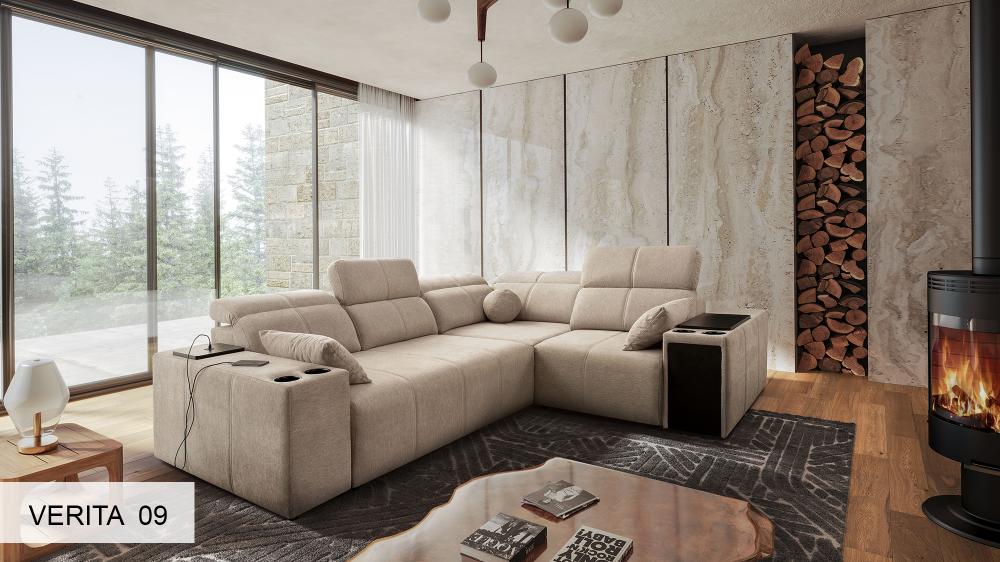
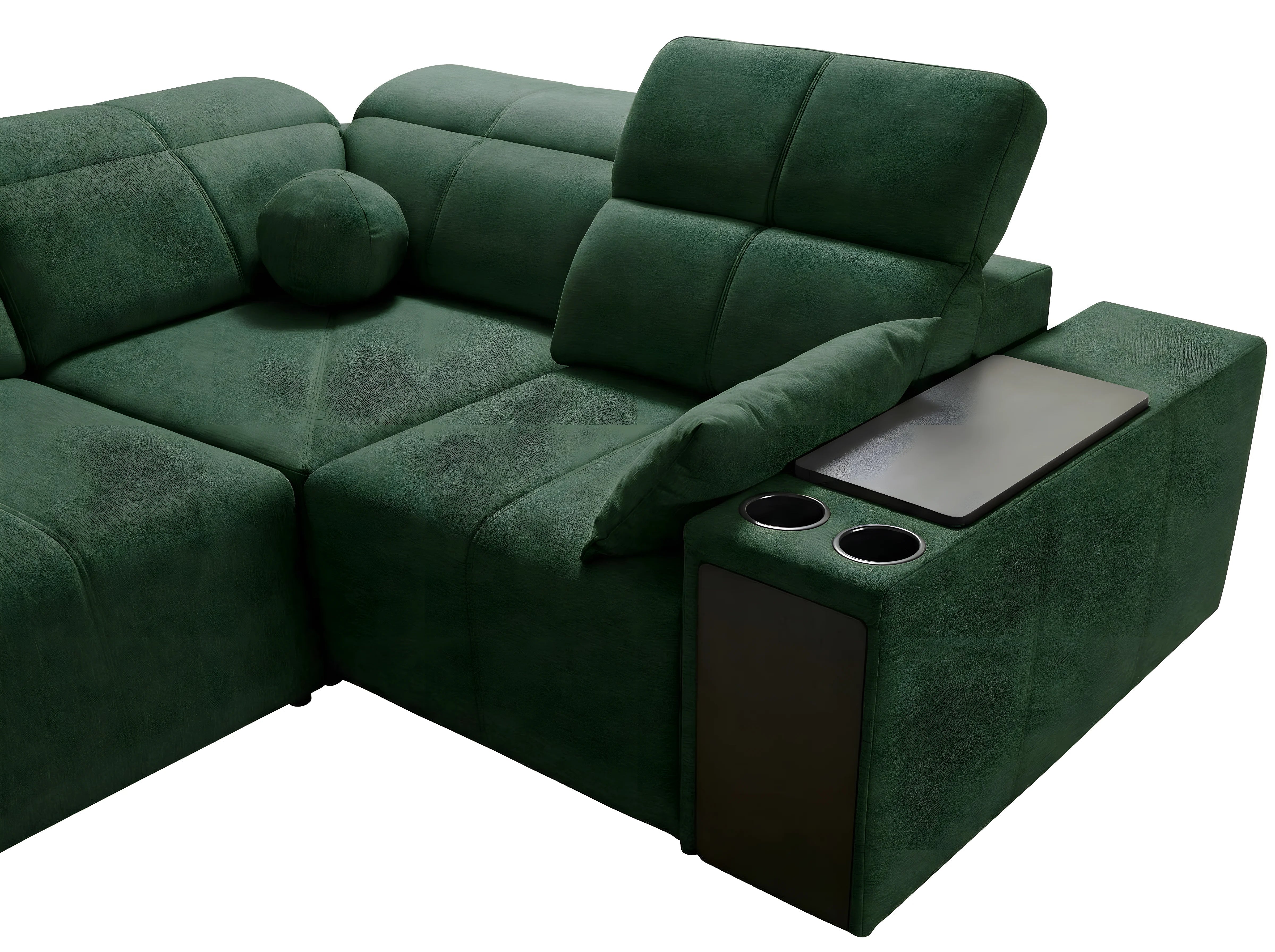
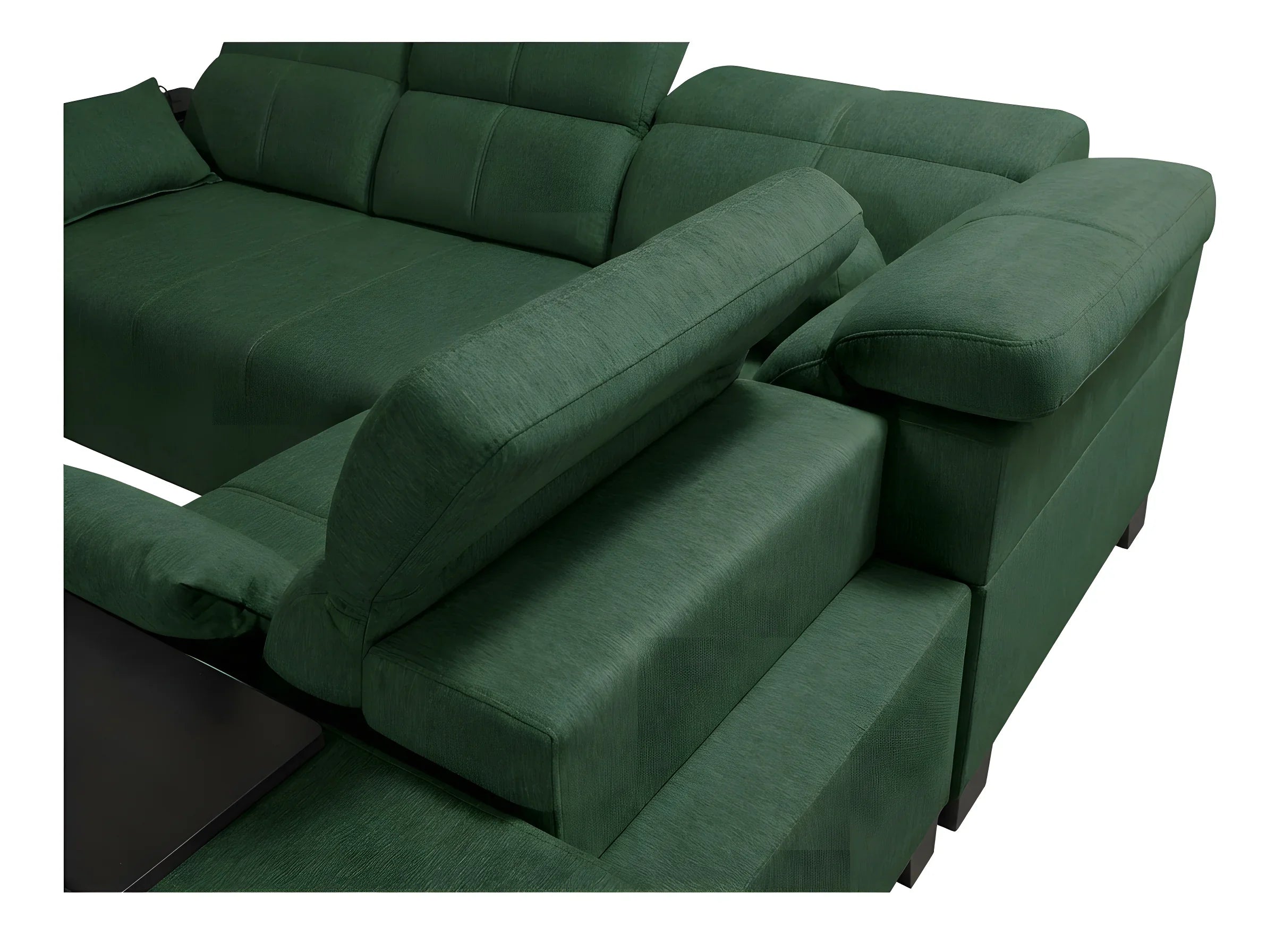
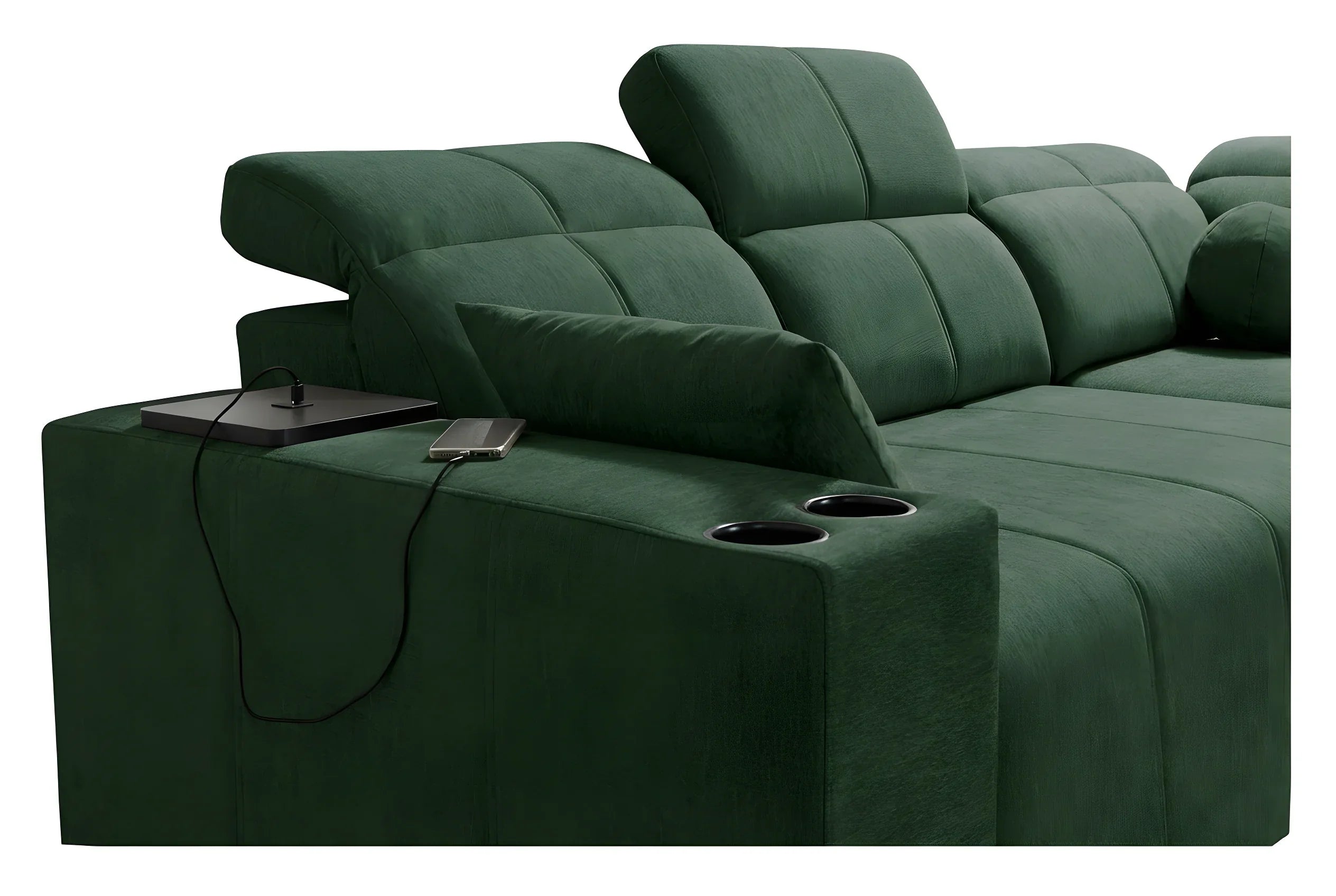
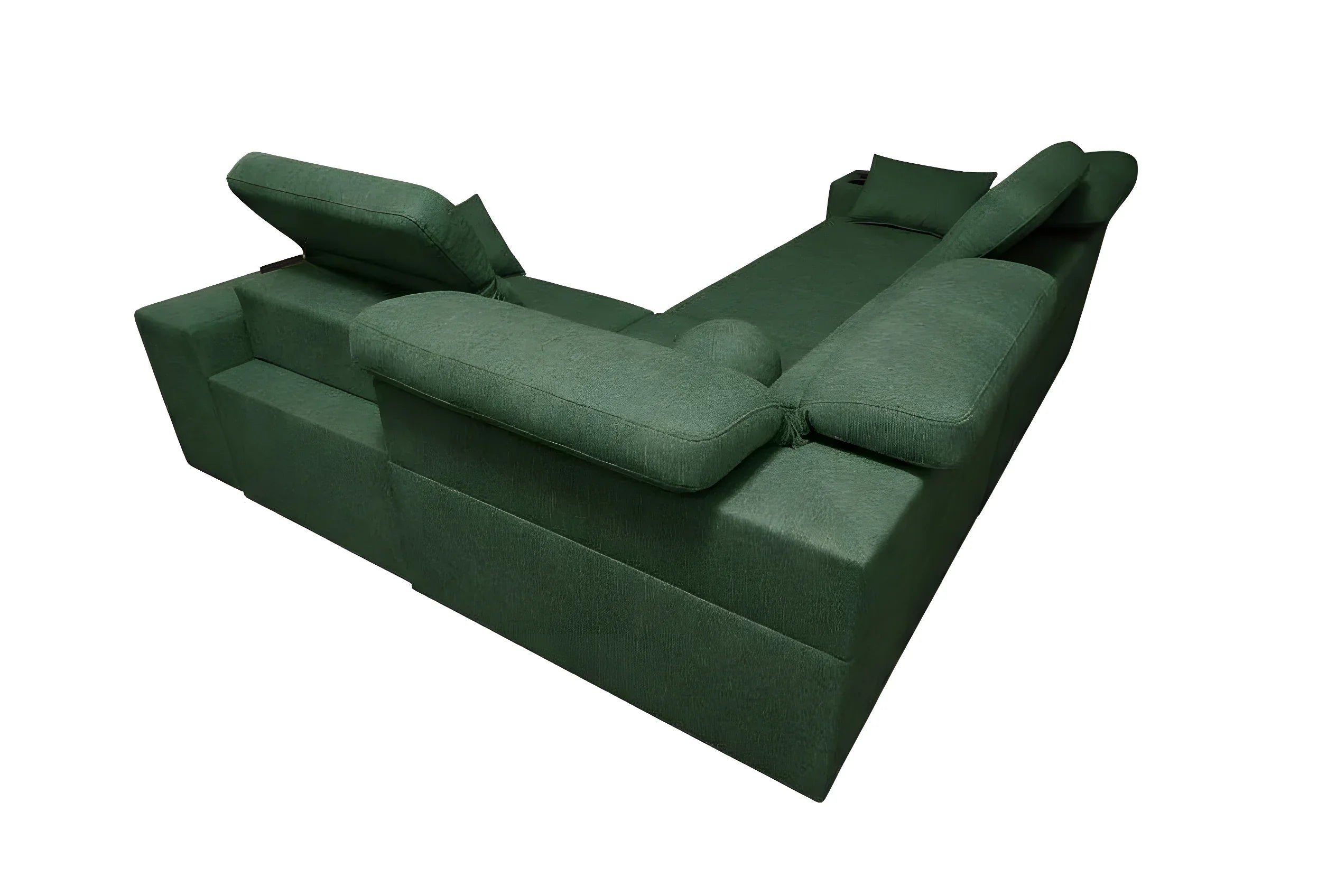
A 220 cm sofa can appear light or bulky depending on its design. Slim, tall legs create an impression of space by freeing up floor space. Thin armrests free up seating space for the same overall width. A light color or a low back can significantly reduce the visual impact of a large sofa. That's why Personalization is so powerful It allows you to adjust not only the raw dimensions, but also the design elements that influence the perception of space. An expert can guide you in creating a room that is both perfectly sized and visually harmonious.
Your Questions About the Dimensions of Straight Sofas
What is the ideal seat depth for a straight sofa?
The standard seat depth is between 55 cm and 60 cm. This is suitable for most body types and allows for an upright posture. For a more "lounge-like" comfort that allows you to bend your legs, a depth of 65 cm or more is recommended. This is a very personal comfort criterion, so try it out if possible.
How much space should you leave around a sofa?
Allow at least 45 cm between the sofa and a coffee table for easy movement. On the sides, leave at least 20-30 cm if possible to avoid the room looking cramped. Behind the sofa, if it's not against a wall, 80 cm is a good distance to create a smooth passageway.
How can I tell if the dimensions of a sofa are suitable for my body type?
Check two things: the seat height (your feet should be flat on the floor when you're sitting all the way back) and the seat depth (your knees should reach the edge of the seat without it cutting off your circulation). Ideally, the backrest height should support your shoulder blades.
Can a large, straight sofa work in a small living room?
Yes, paradoxically. Sometimes, a single, well-chosen large sofa structures the space better and offers more comfort than several small seats that fragment the room. Opt for a model with clean lines, high legs, and a light color to minimize its visual impact.
Conclusion: Dimension, the First Step Towards Sustainable Investment
The dimensions of a straight sofa are much more than a technical constraint; they are the foundation of successful design and lasting comfort. While market standards offer a useful guideline, the reality of our homes and lifestyles often demands a more nuanced approach. Accurately measuring your space and access points is the first, non-negotiable step. The second, equally crucial, is understanding that behind the numbers lies quality design. A sofa is not a disposable item, but a long-term investment. Choosing a manufacturer that prioritizes premium materials and offers customization options ensures that the perfect dimensions will contribute to a level of comfort that will stand the test of time.




Leave a comment
This site is protected by hCaptcha and the hCaptcha Privacy Policy and Terms of Service apply.