


⚠️ This page is published by Kings Canapé. It has an informative and commercial purpose and notably mentions IKEA and other brands to help the reader compare several useful criteria before purchase. Factual information was gathered from publicly accessible sources in 2026 and may evolve.
Table of contents
IKEA Modular Sofas: What to check before buying?
The Swedish giant offers entry-level sofas known for their accessibility and functional design. While this standardized approach perfectly meets the needs of a first apartment or an occasional piece of furniture, it is advisable to check the seat density of the foam and the thickness of the frame for intensive daily use. For those seeking increased longevity, specialized custom-made alternatives can be a long-term investment.
📊 Method: Analysis based on the comparison of technical specifications (materials, density) and aggregation of user feedback from general consumer review platforms regarding product aging.
- ✓ Very attractive starting prices for furnishing a first home
- ✓ Neutral and easy-to-match Scandinavian design
- ✓ Clever modularity with reversible chaises longues
- ✓ Smooth opening mechanisms for convertible parts
- ✓ Availability of replacement covers for some large models
- ⚠️ The seat density of the foams (often 20-25 kg/m³) which can change with intensive daily use
- ⚠️ The level of customization strictly limited to catalog proposals
- ⚠️ The nature of the structural materials (particle board) to be considered in relation to exposure to future moves
- ⚠️ The comfort of the pull-out sofa beds, designed for occasional use
In search of flexibility to furnish your interior, you have most certainly considered purchasing an IKEA modular sofa. A major reference in furniture, the brand has largely popularized the concept of the evolving living room. Its promises, confirmed in 2026, are pragmatic: versatile design, accessible prices, and discreet storage to optimize space. However, what do long-term reviews reveal about the evolution of comfort? Given the characteristics inherent in standardized production, it is legitimate to wonder if this choice corresponds to an occasional piece of furniture or if it can last over time compared to specialized alternatives like Kings Canapé.
Why is the IKEA modular sofa so popular?
The popularity of IKEA sofas is based on an excellent understanding of the space constraints of contemporary urban living. The need for furniture that can easily adapt to often limited spaces is at the heart of their design strategy. The IKEA modular sofa offer addresses this issue by proposing evolving configurations in a simplified manner.
The practical success of models like Friheten
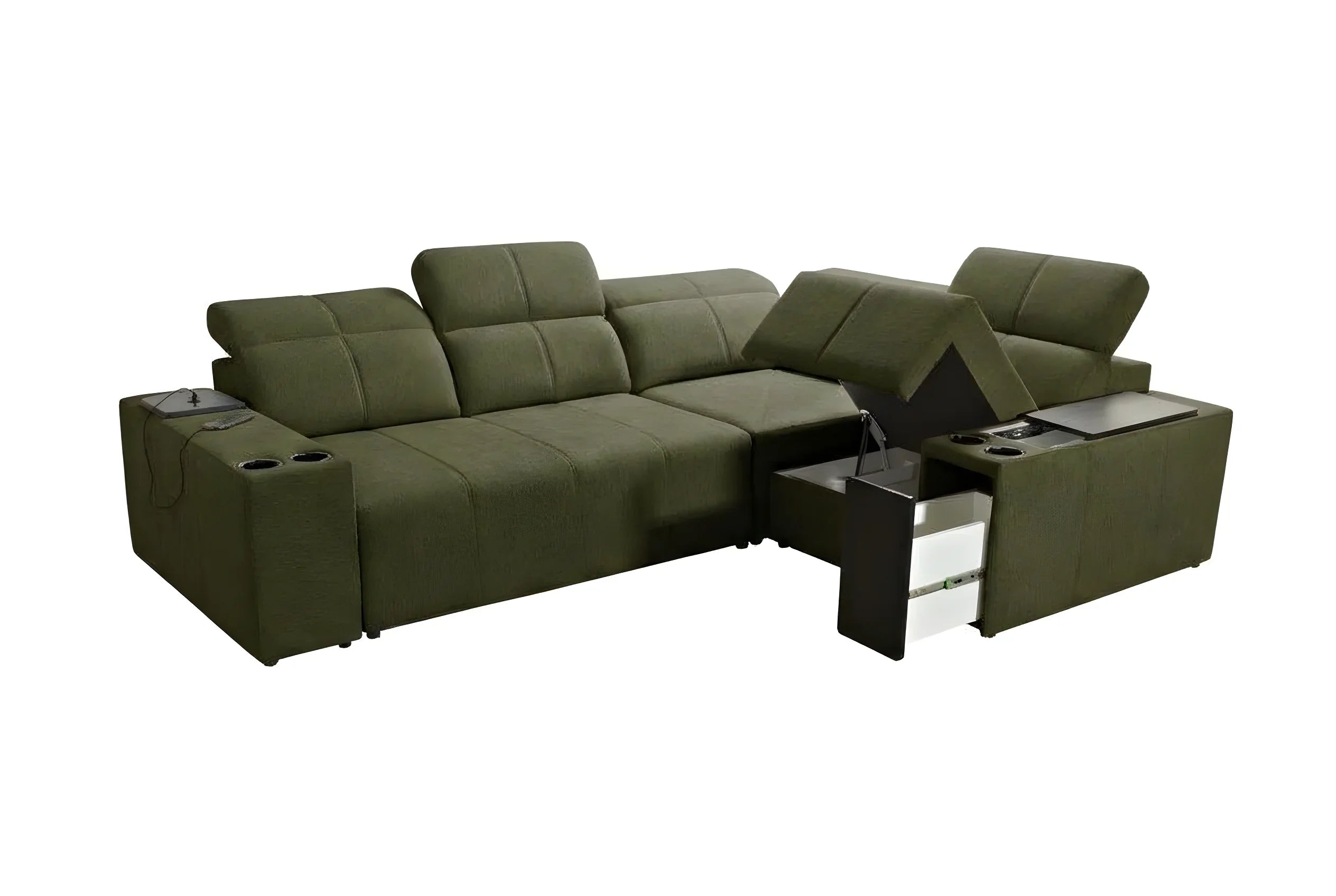
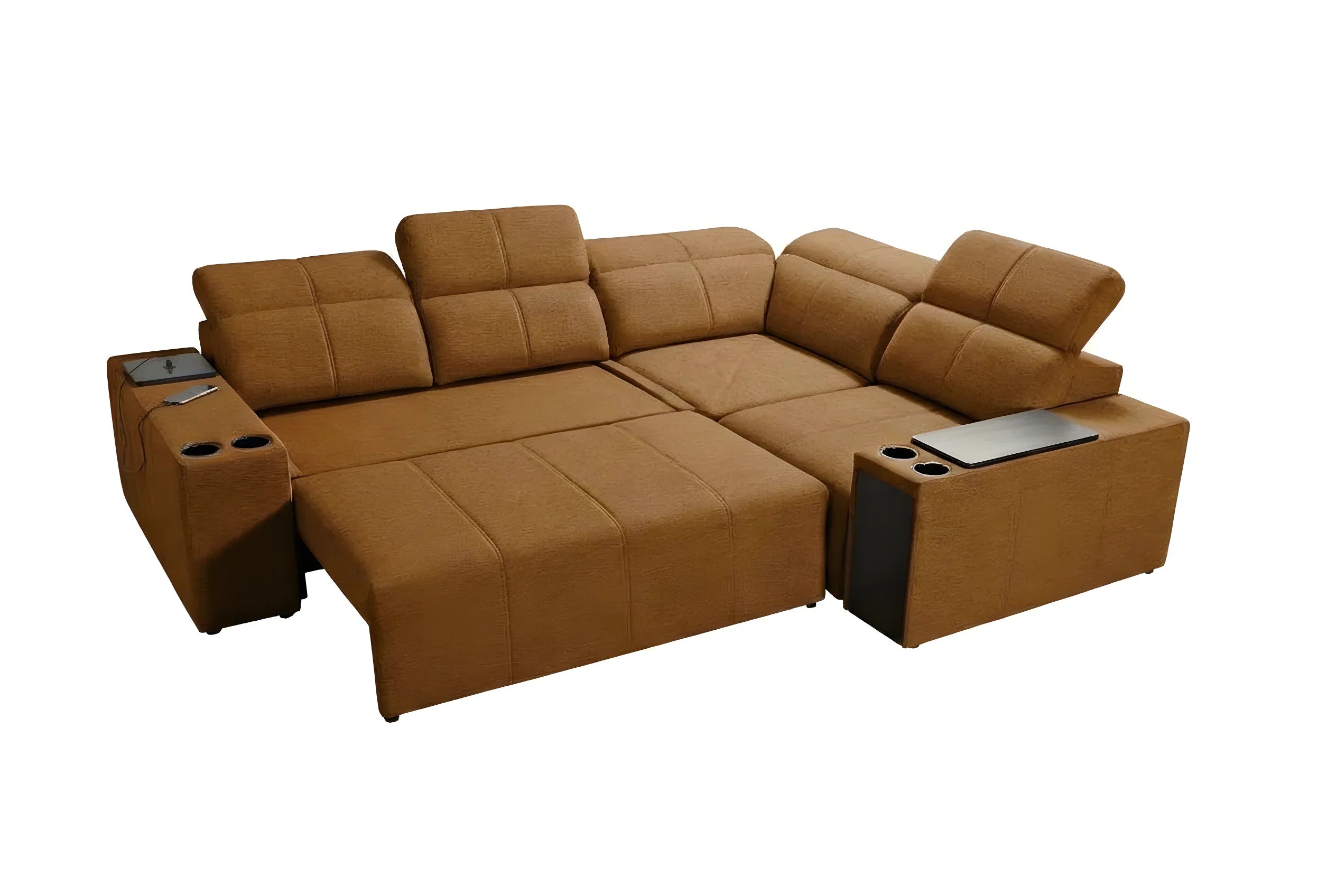
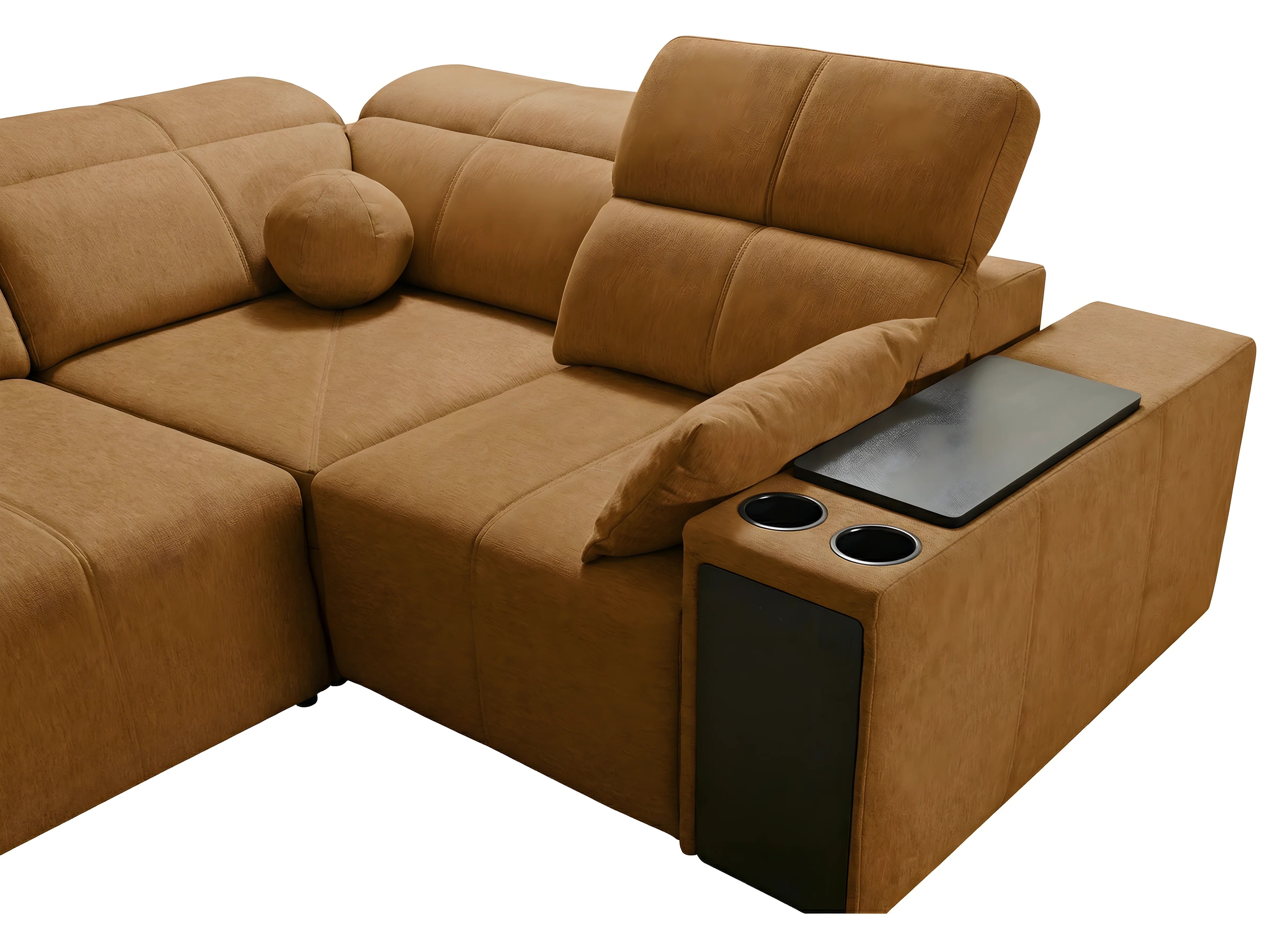
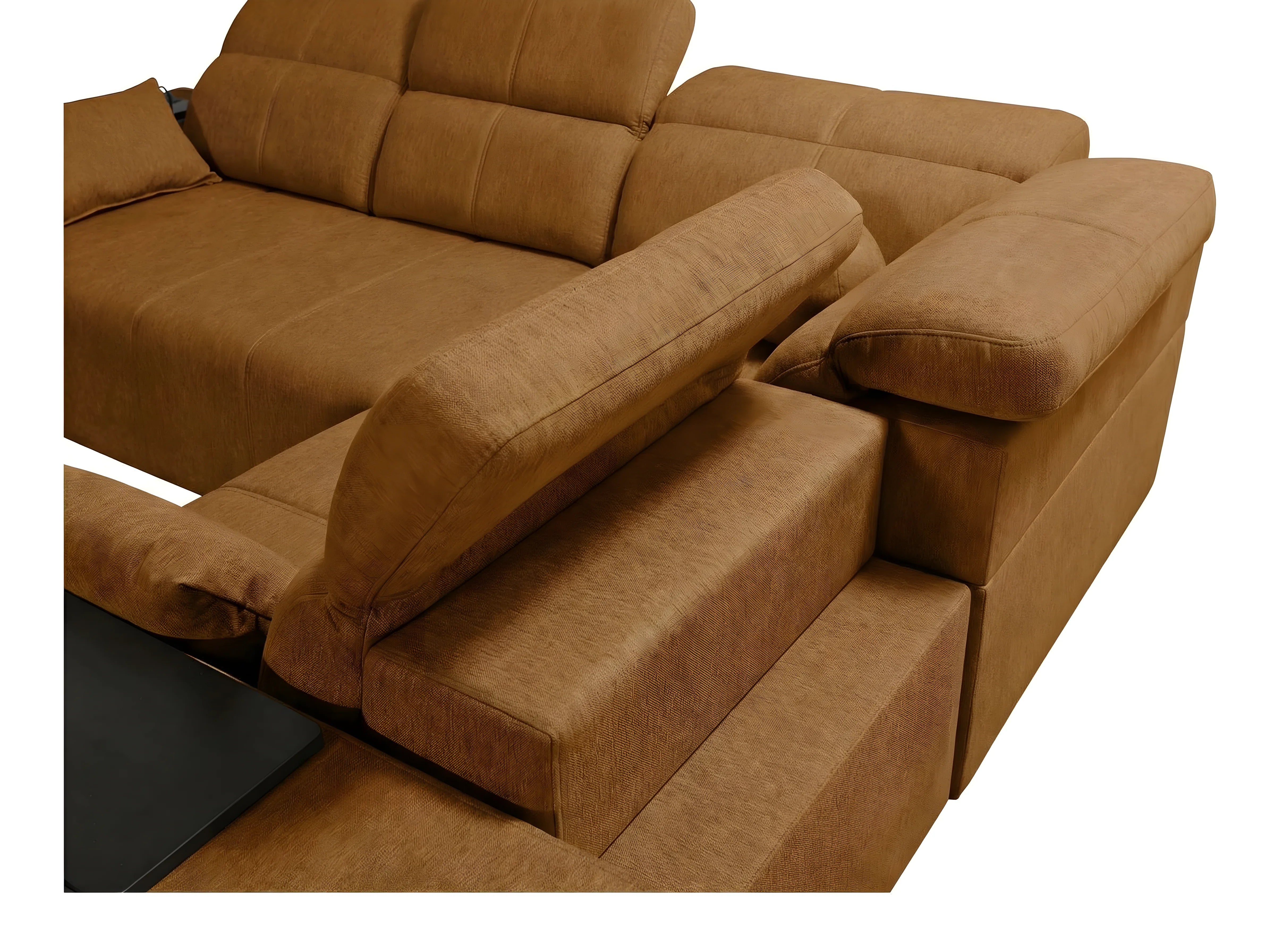
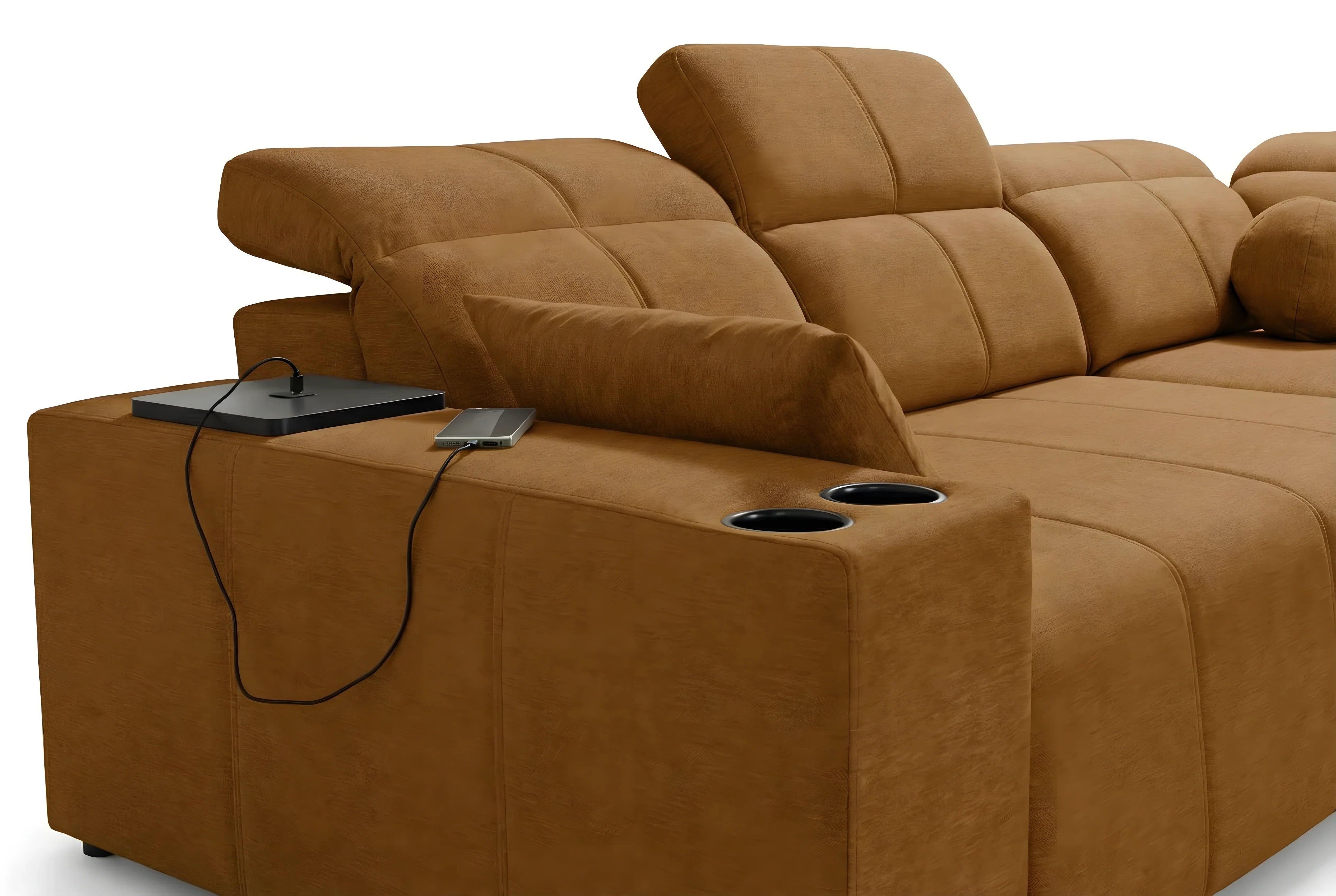
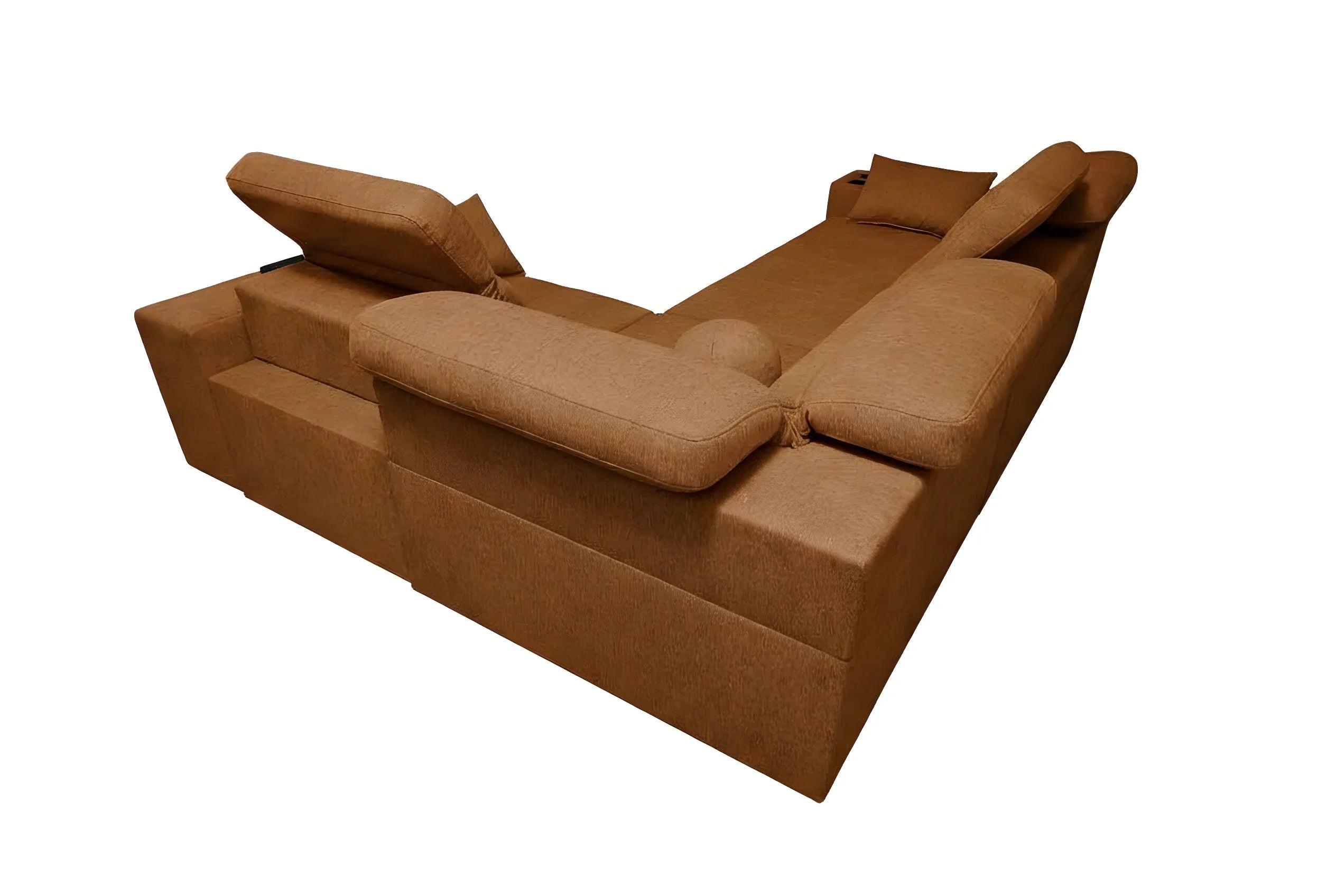
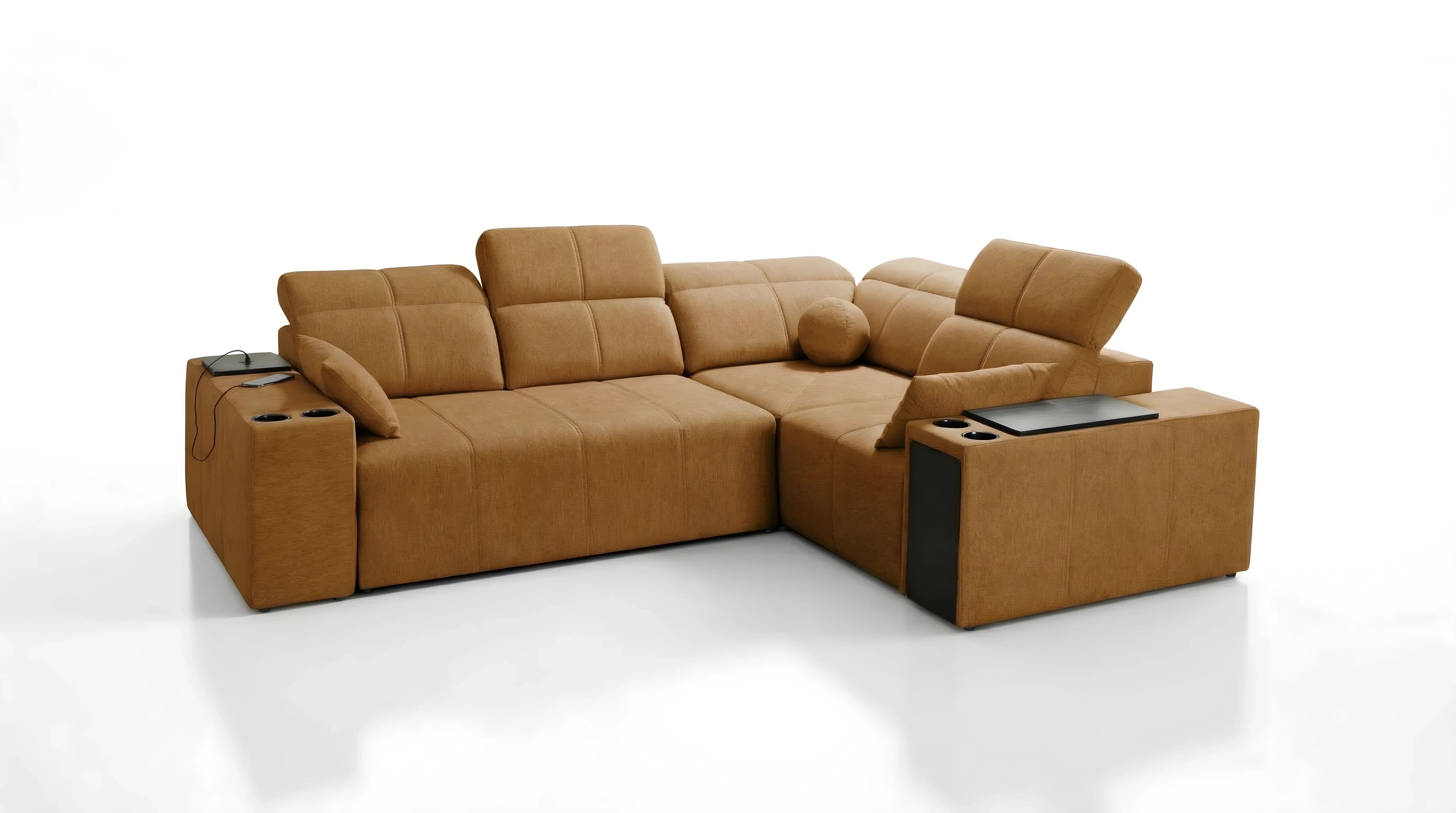
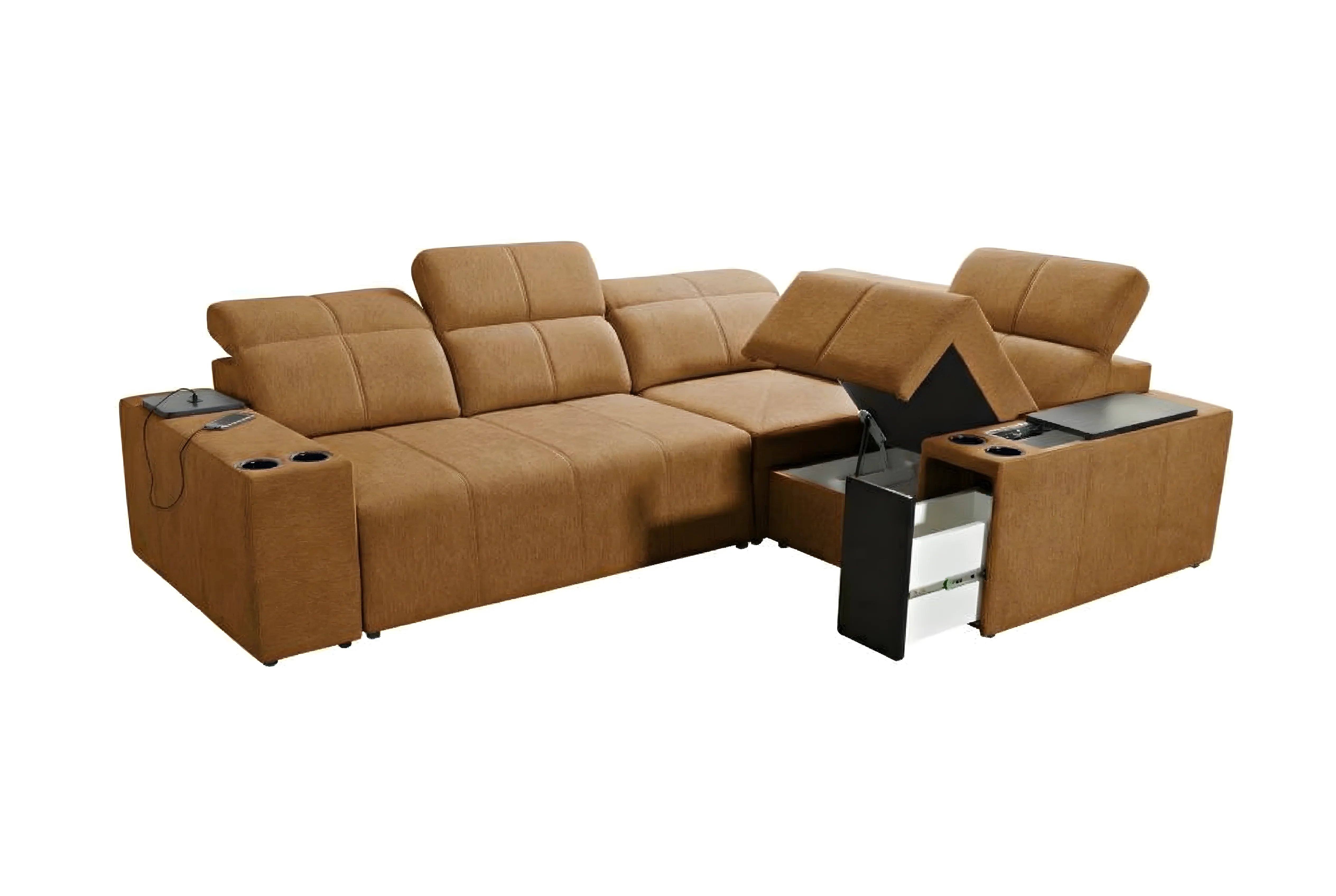
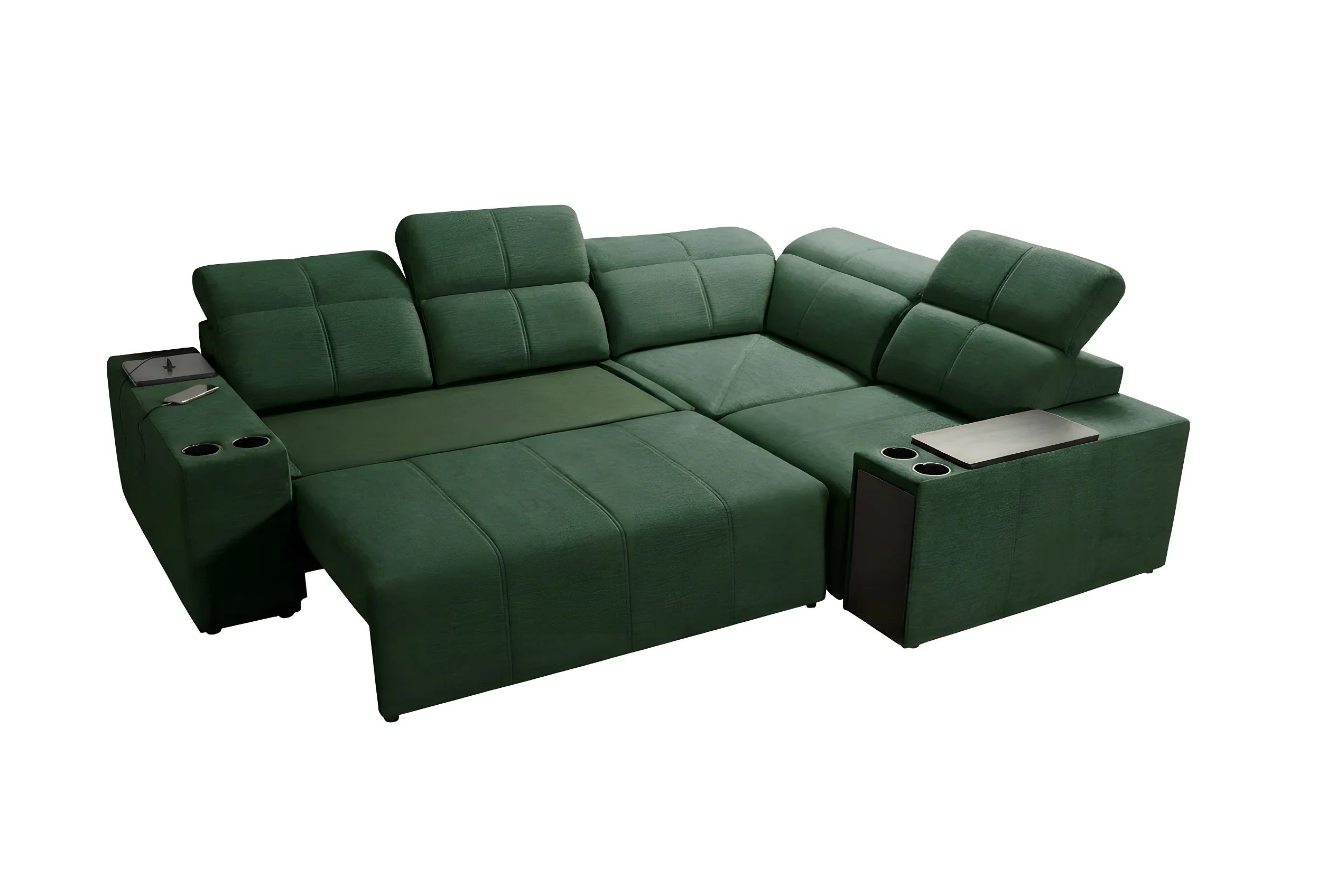
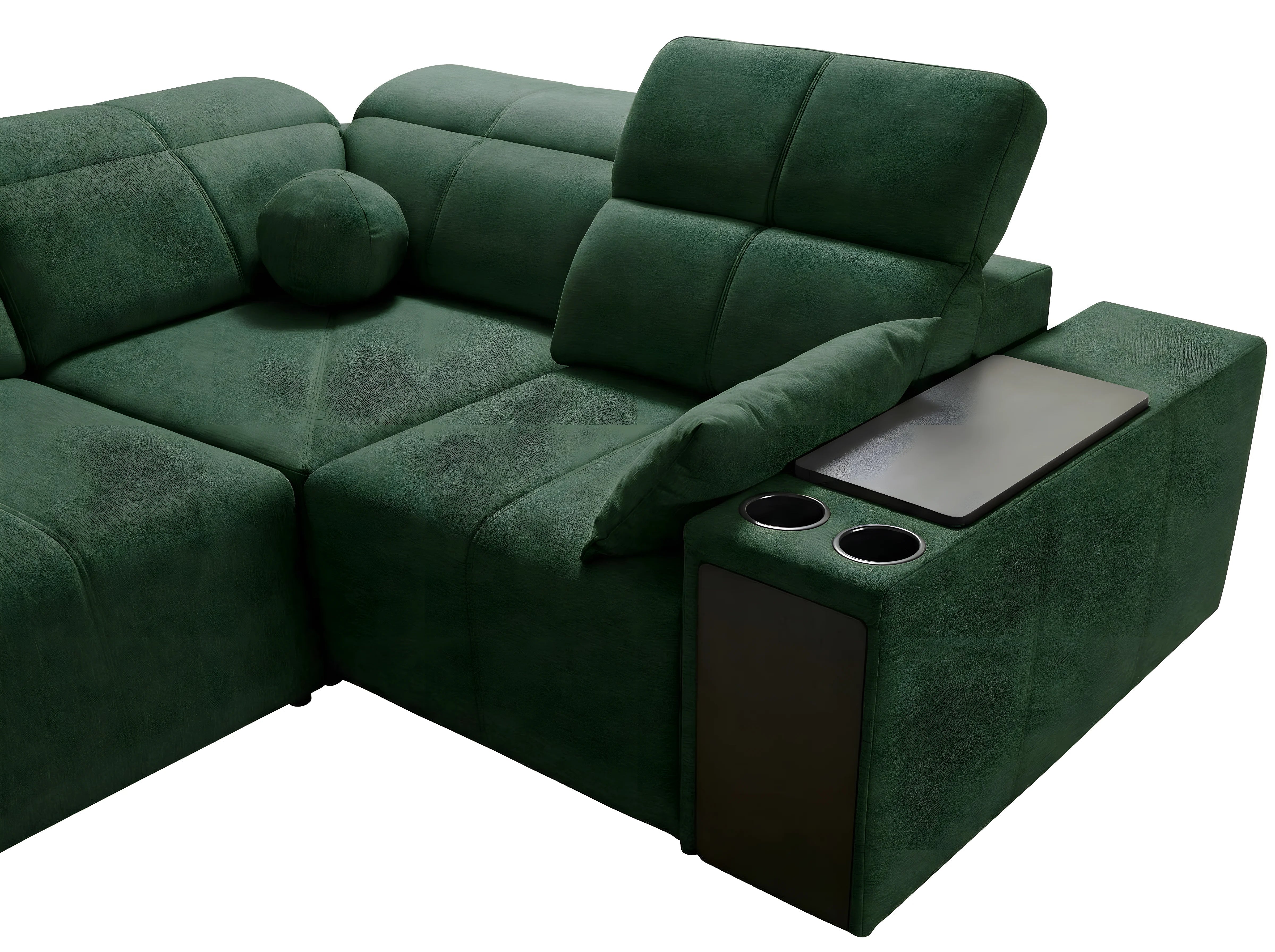
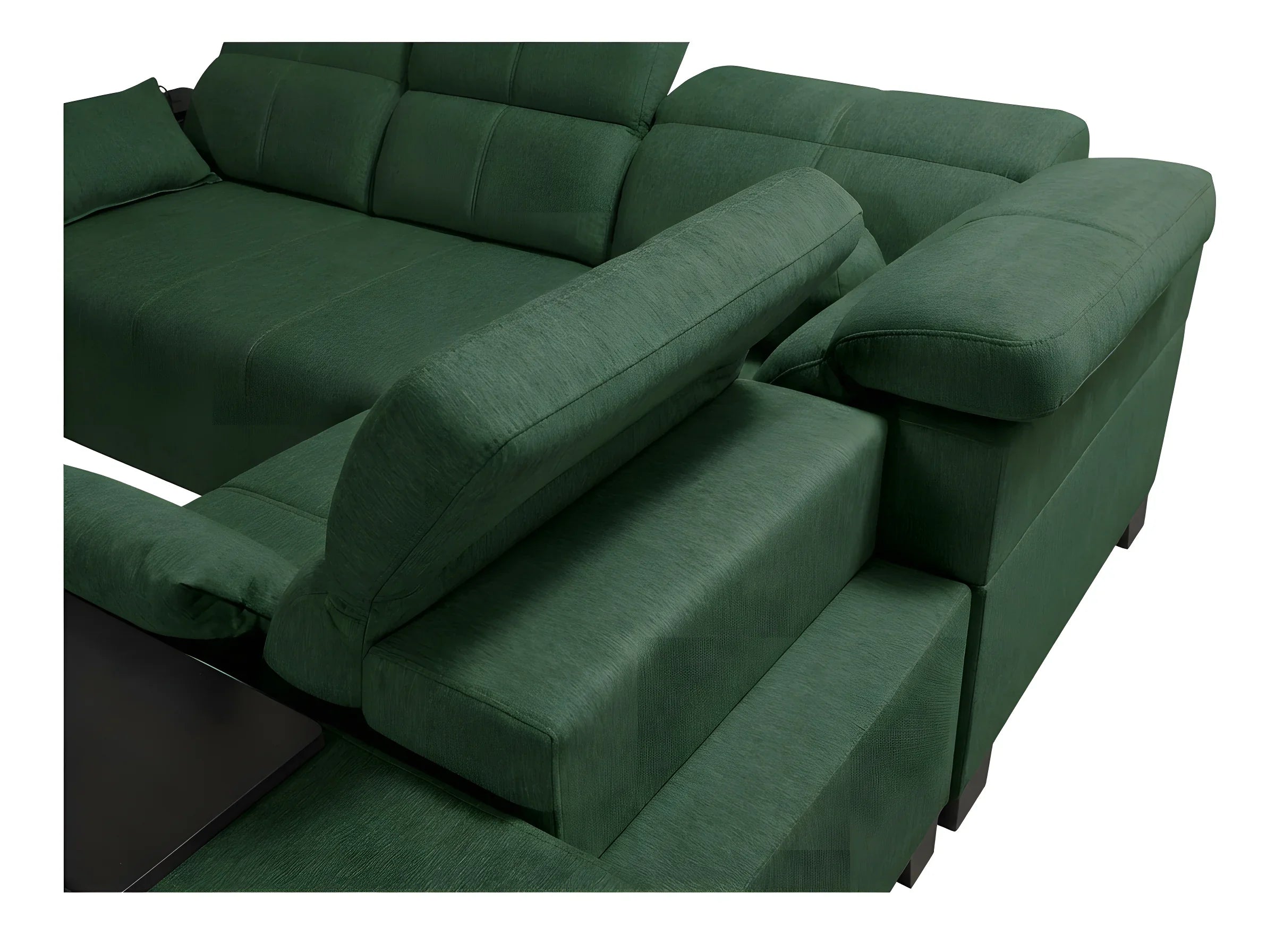
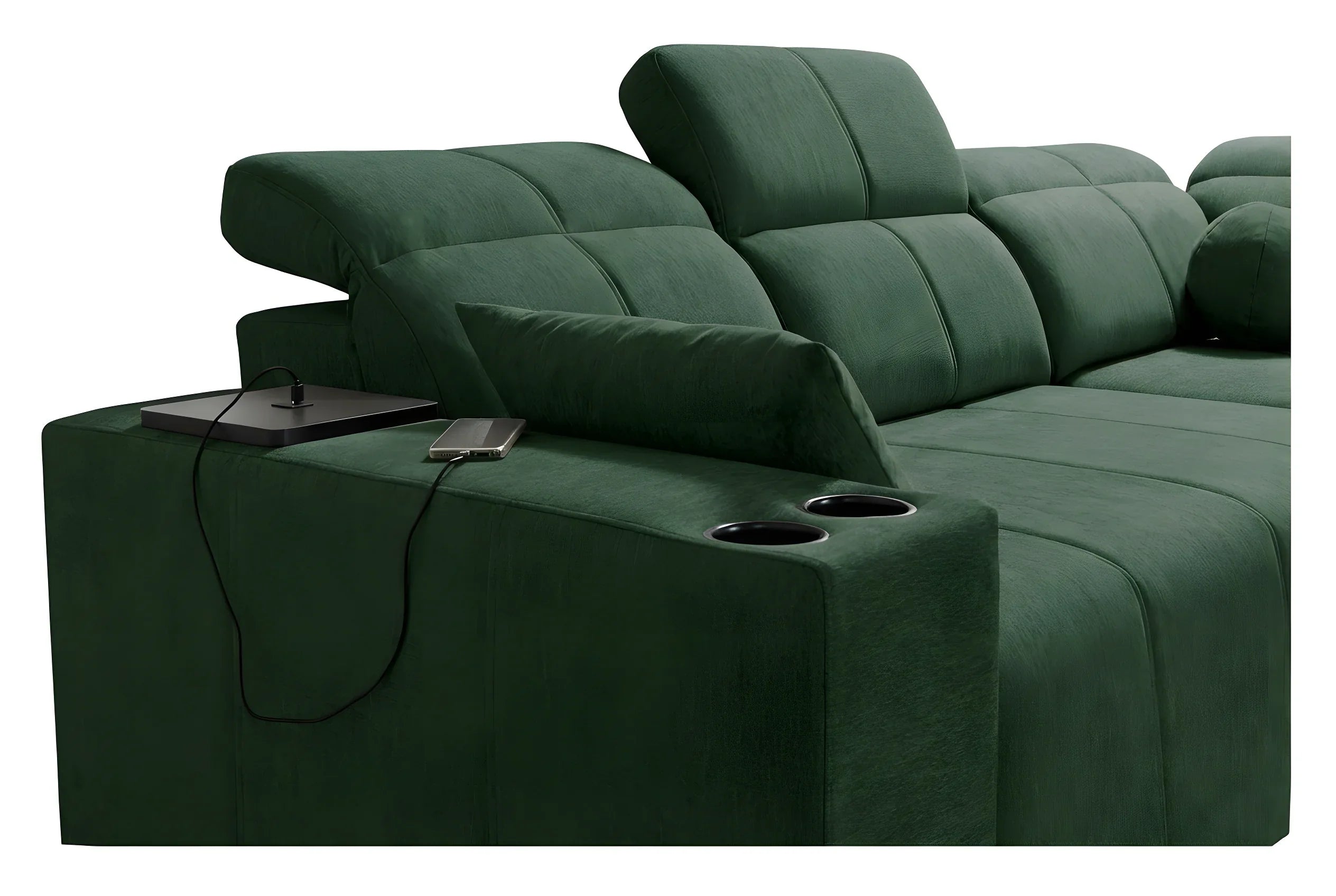
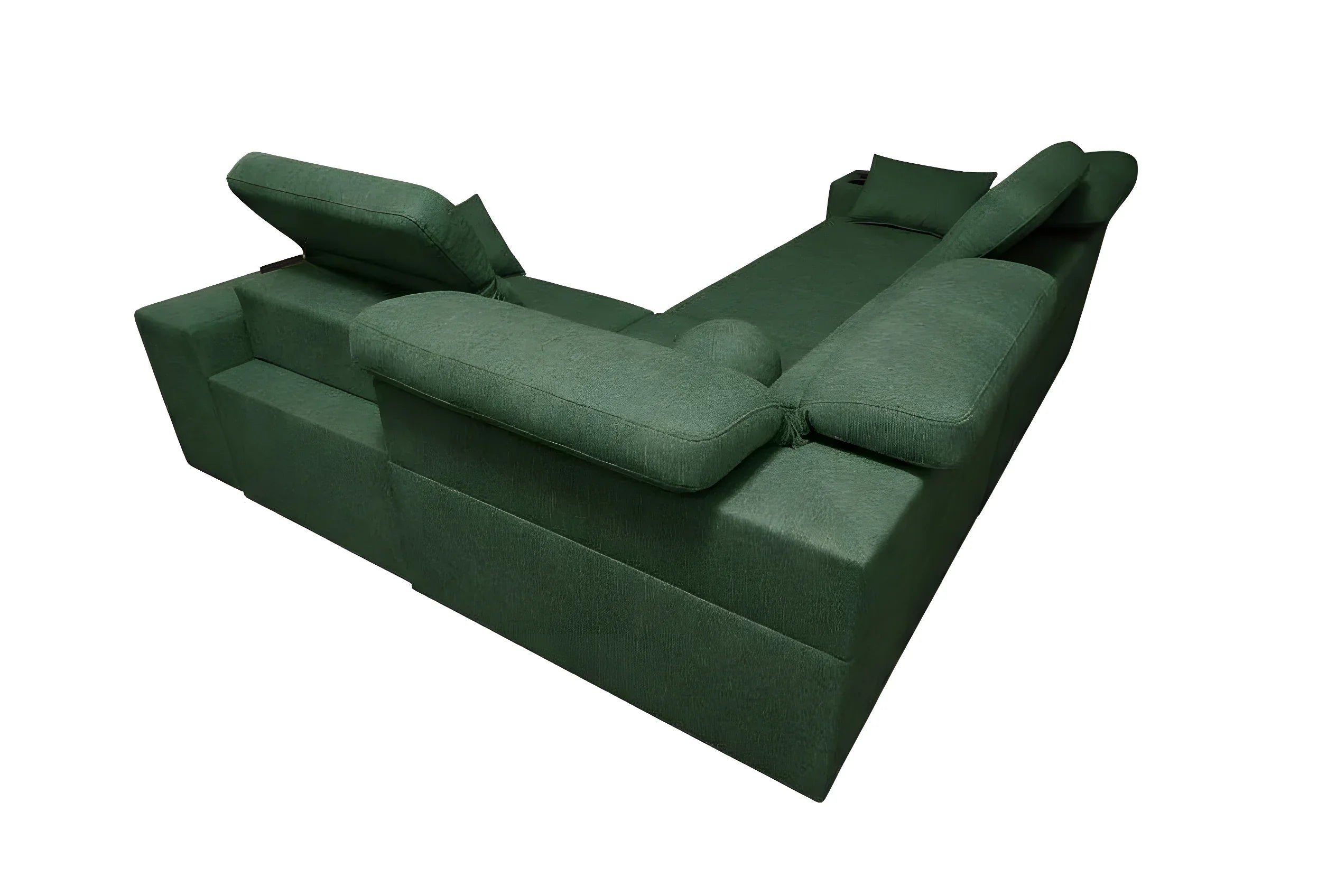
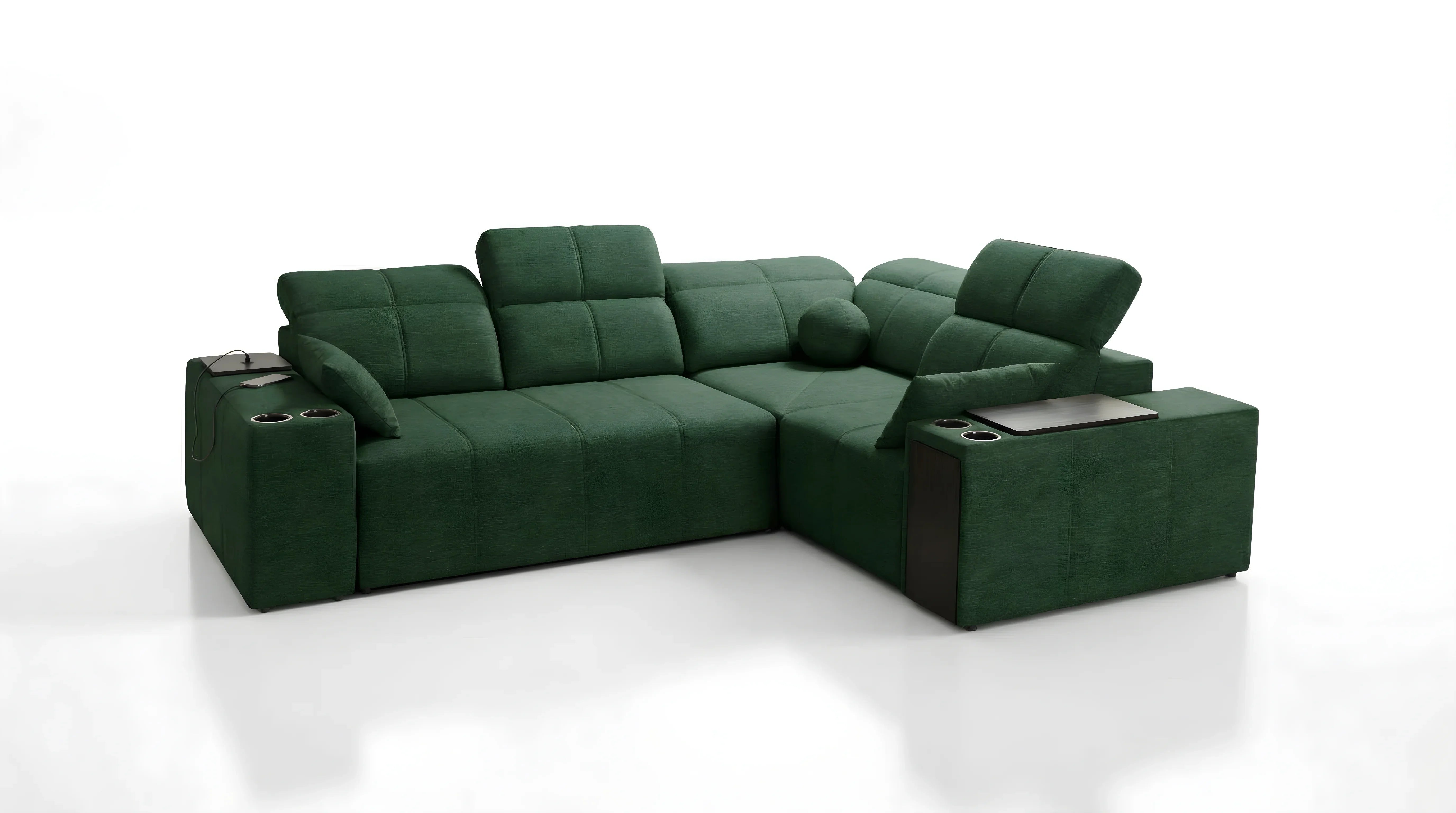
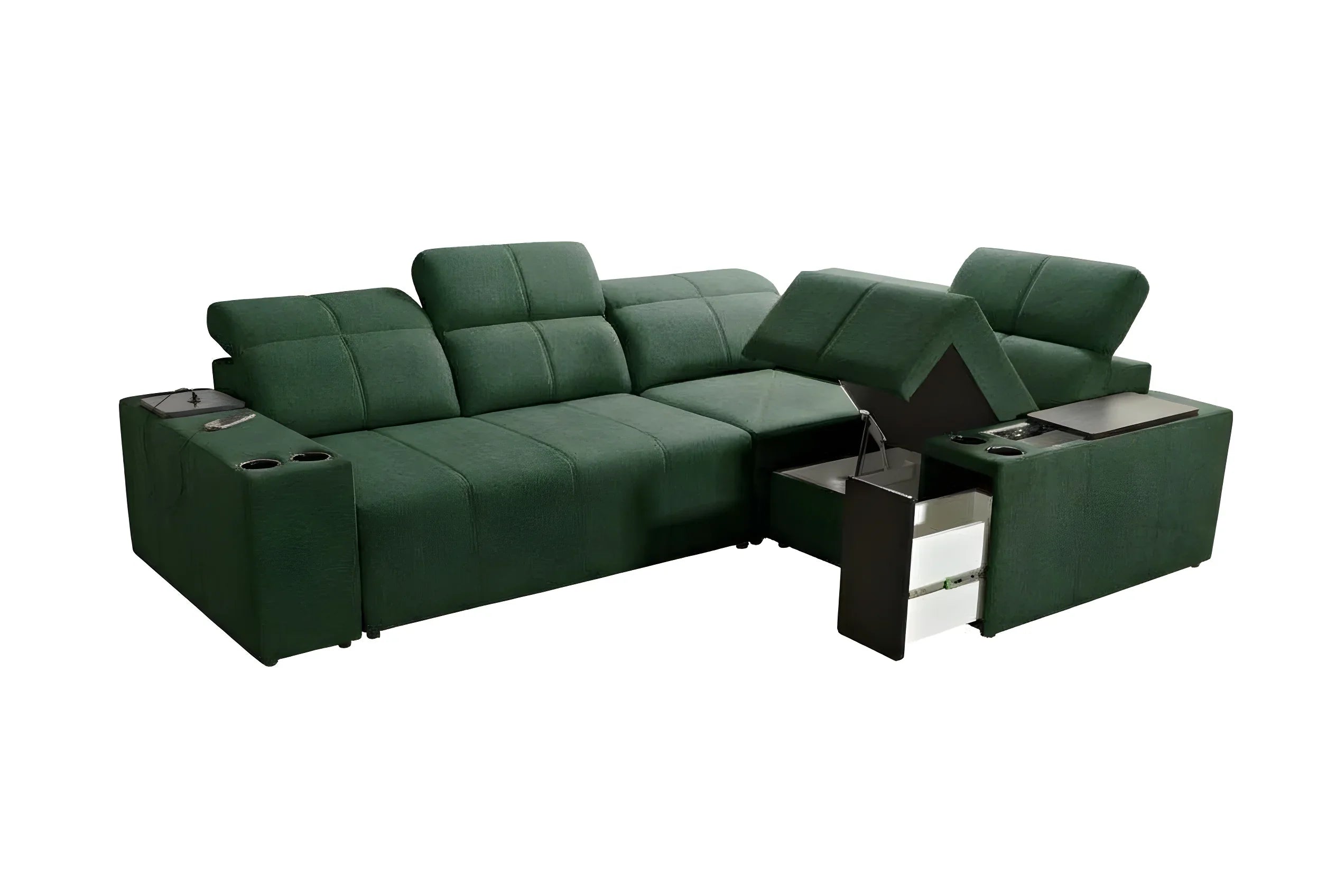
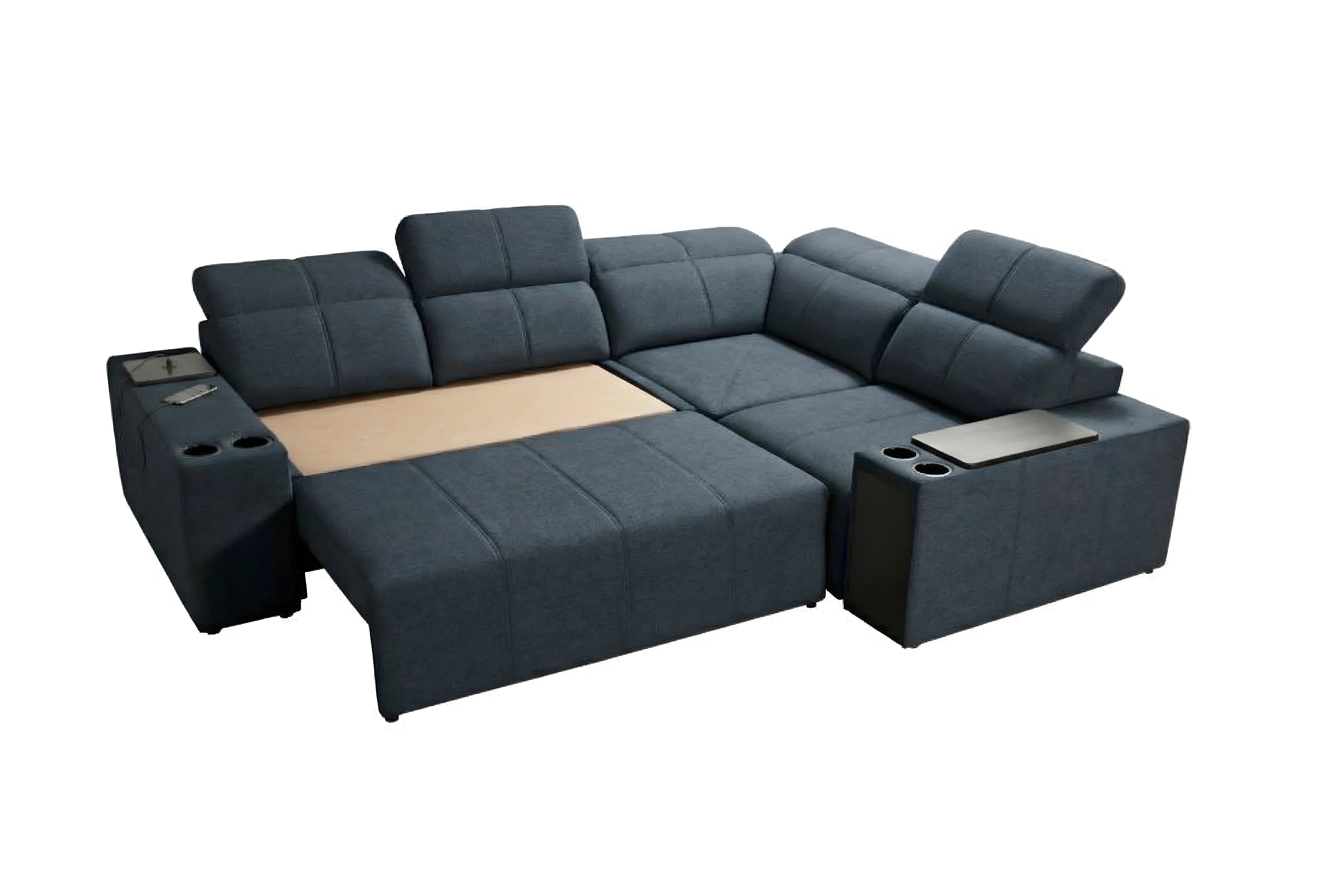
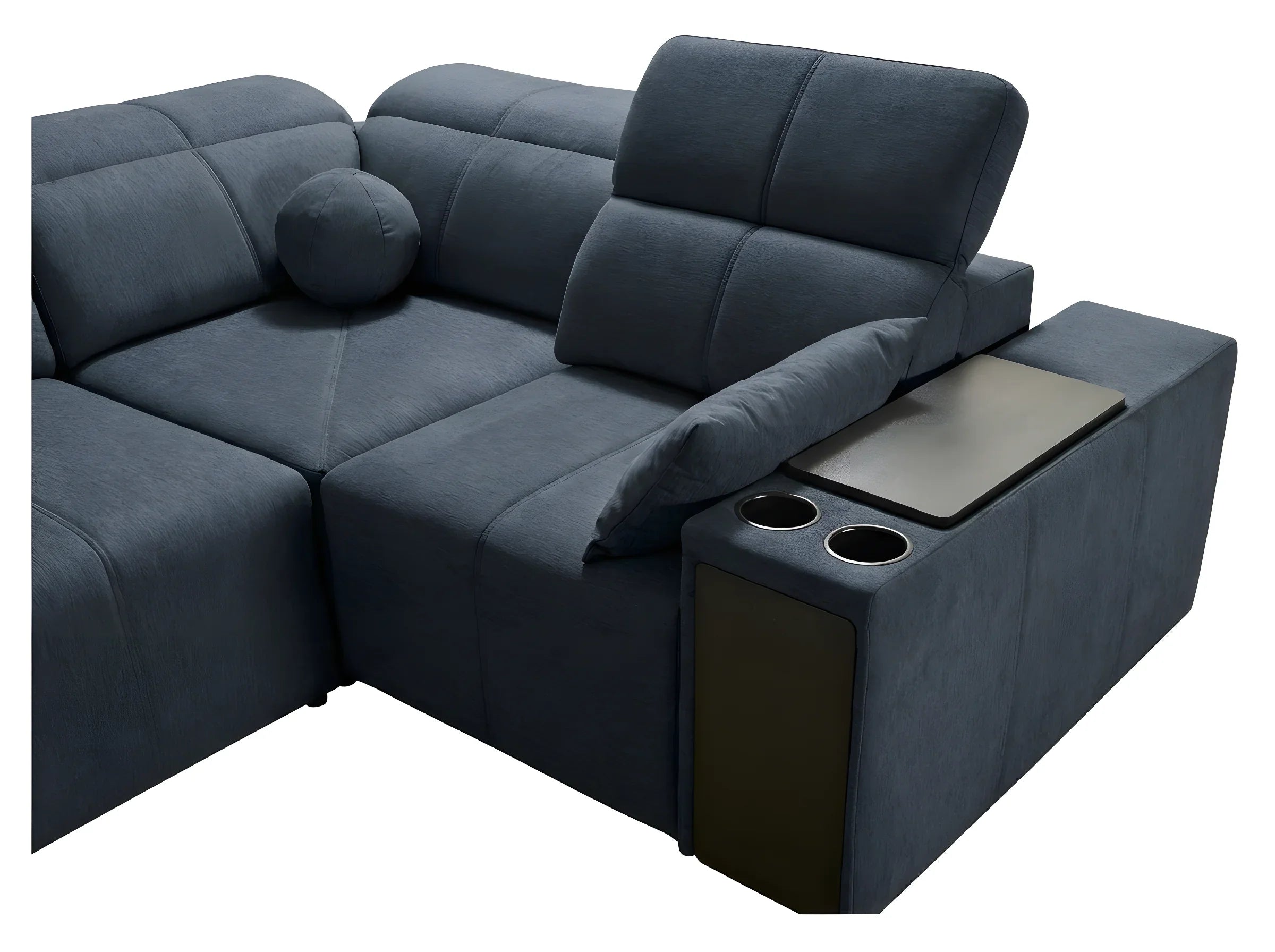
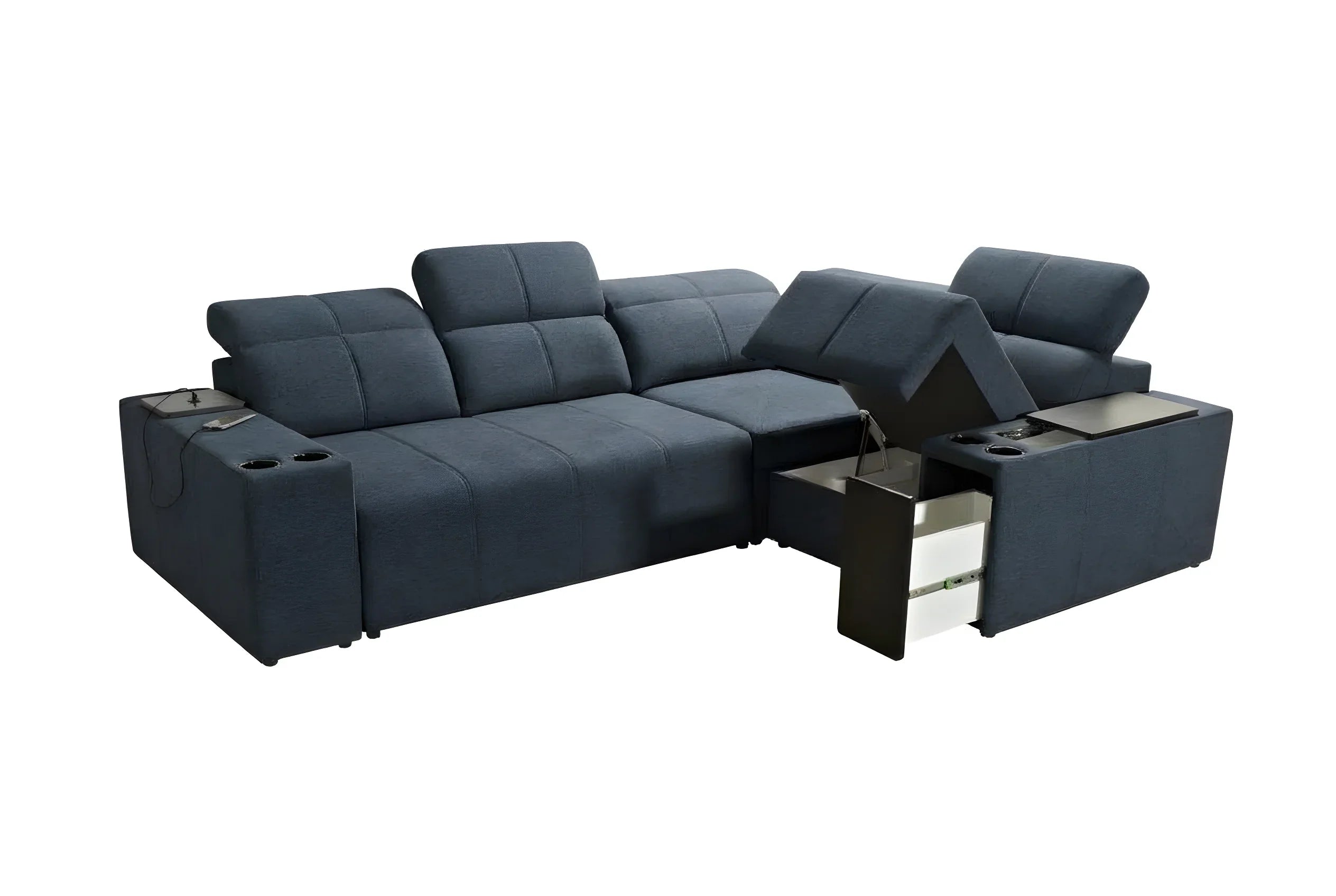
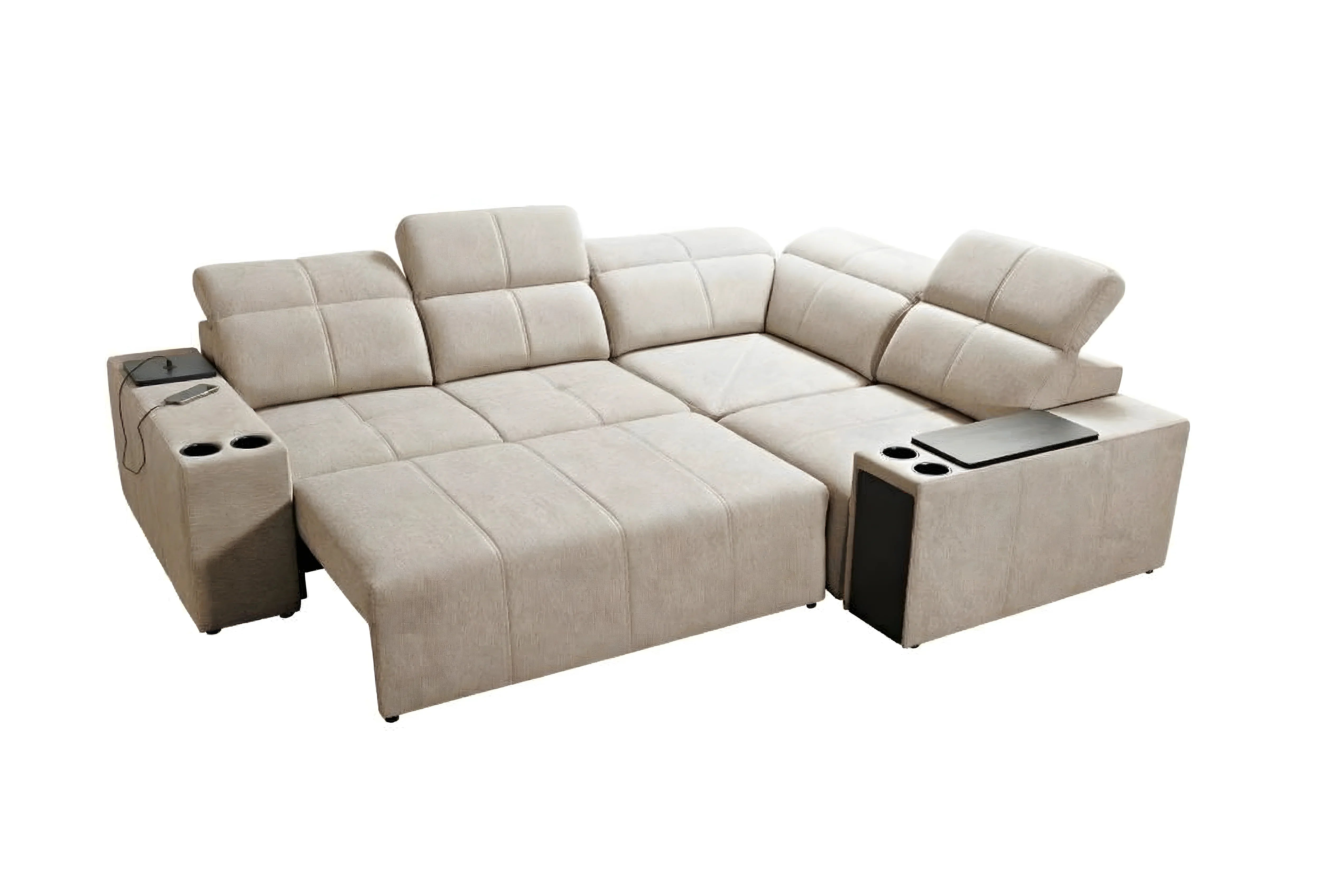
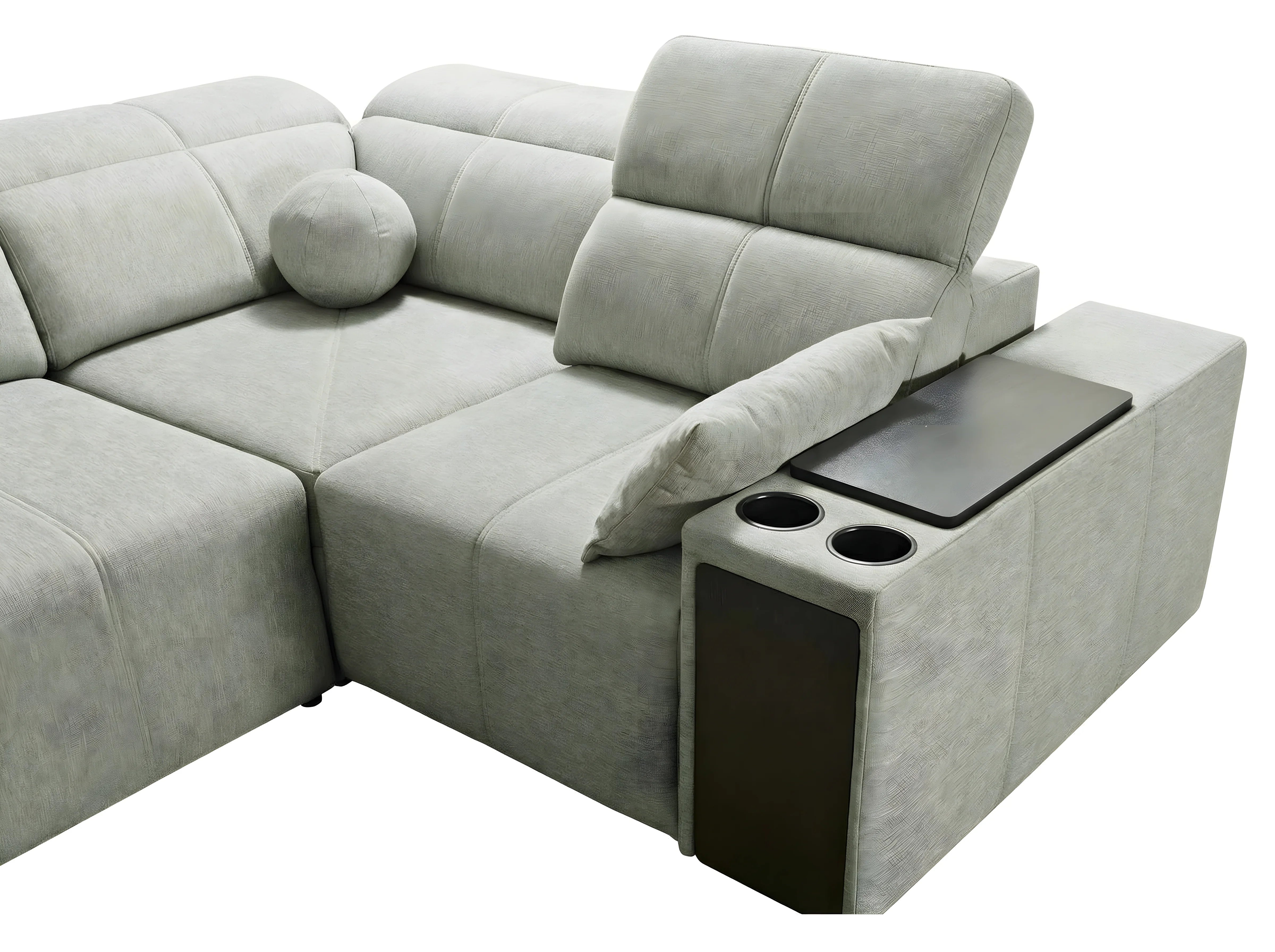
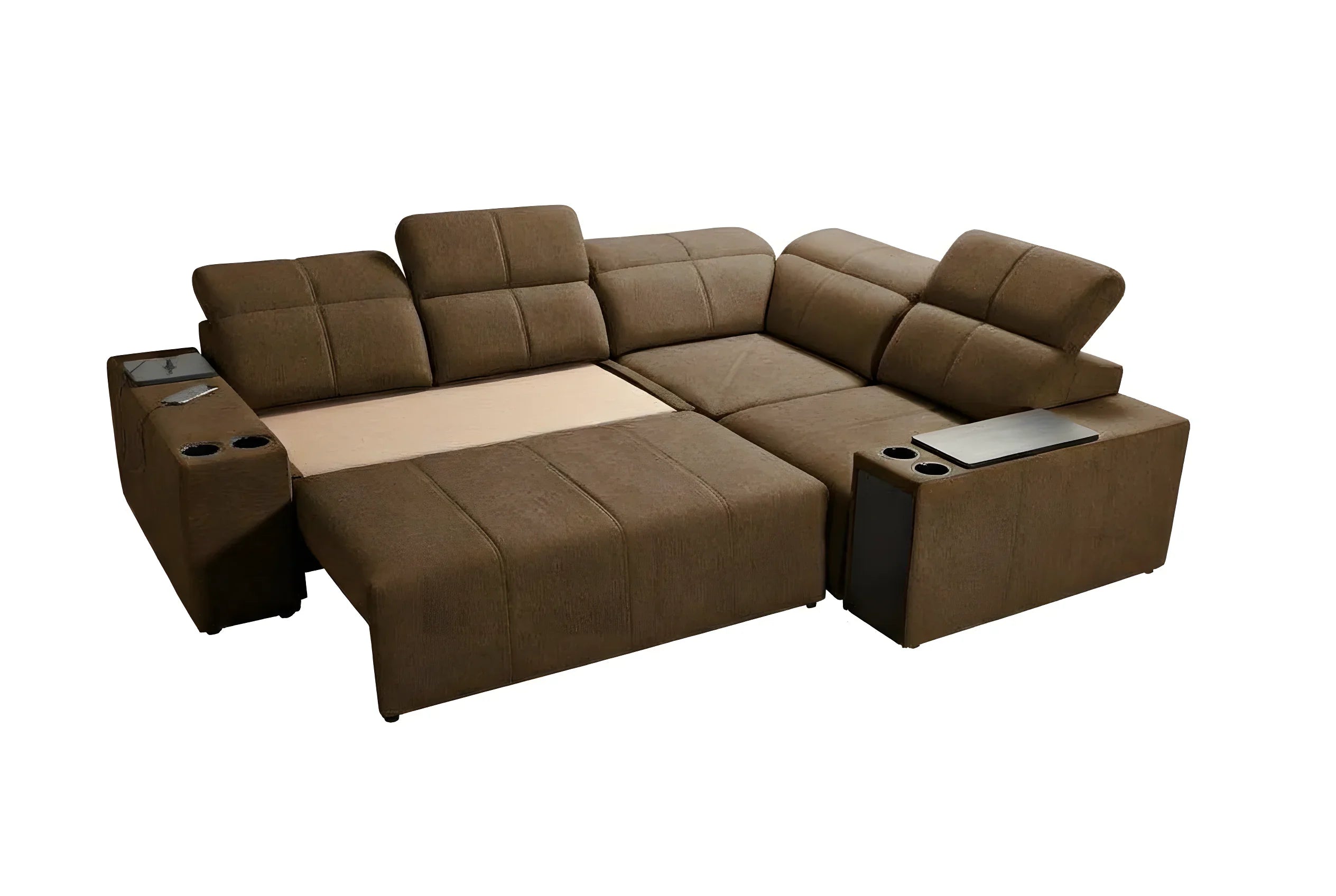
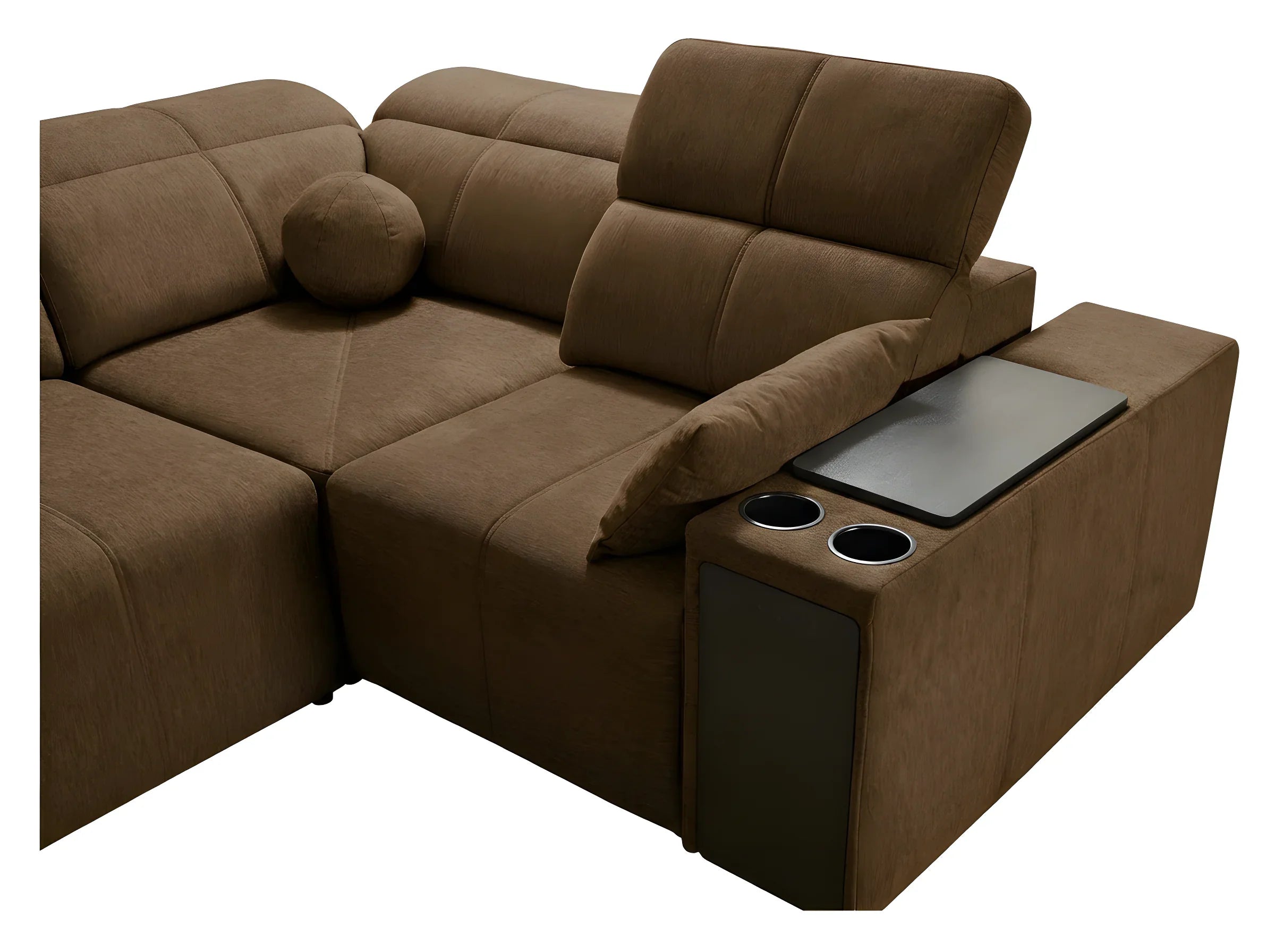
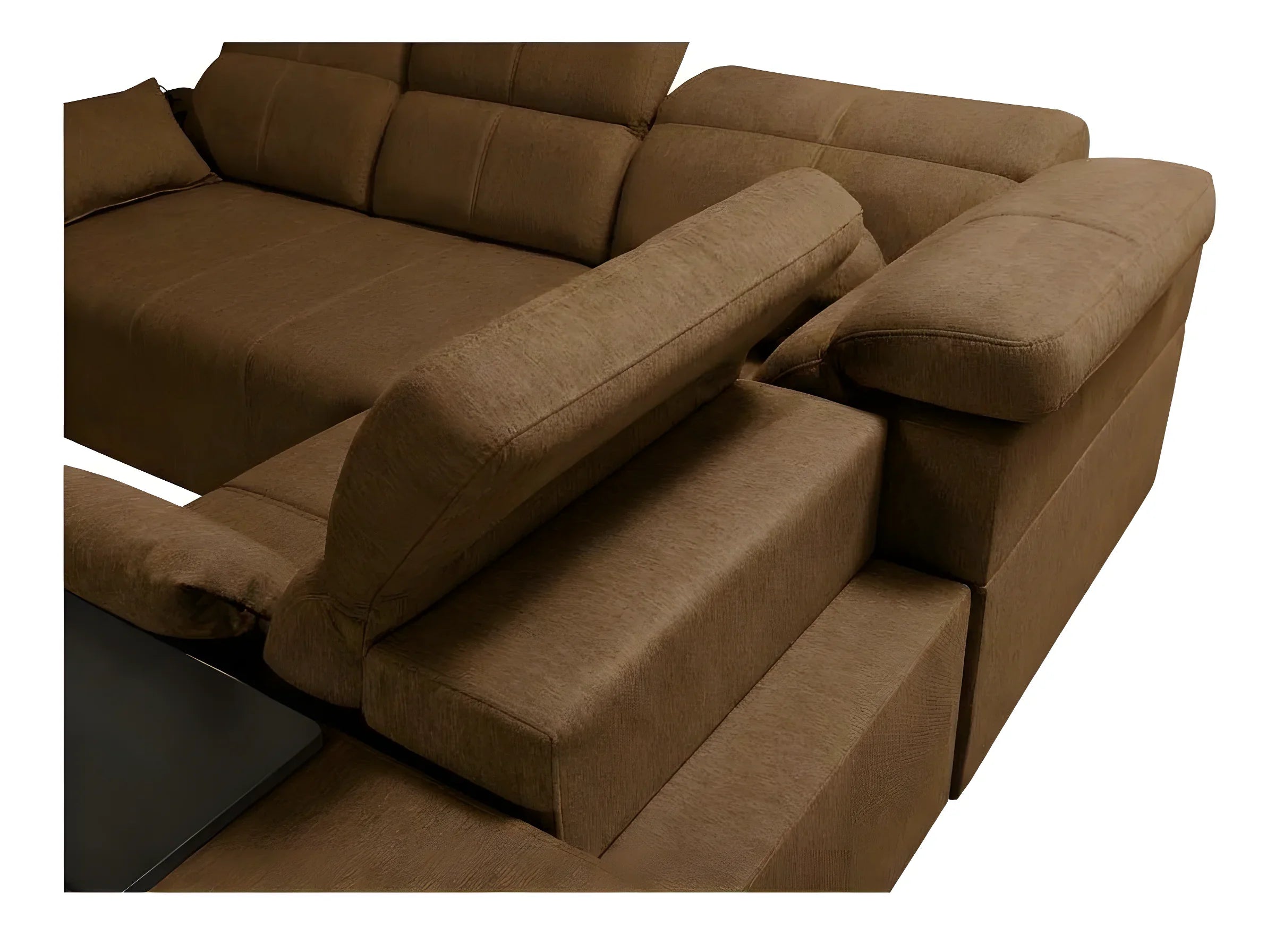
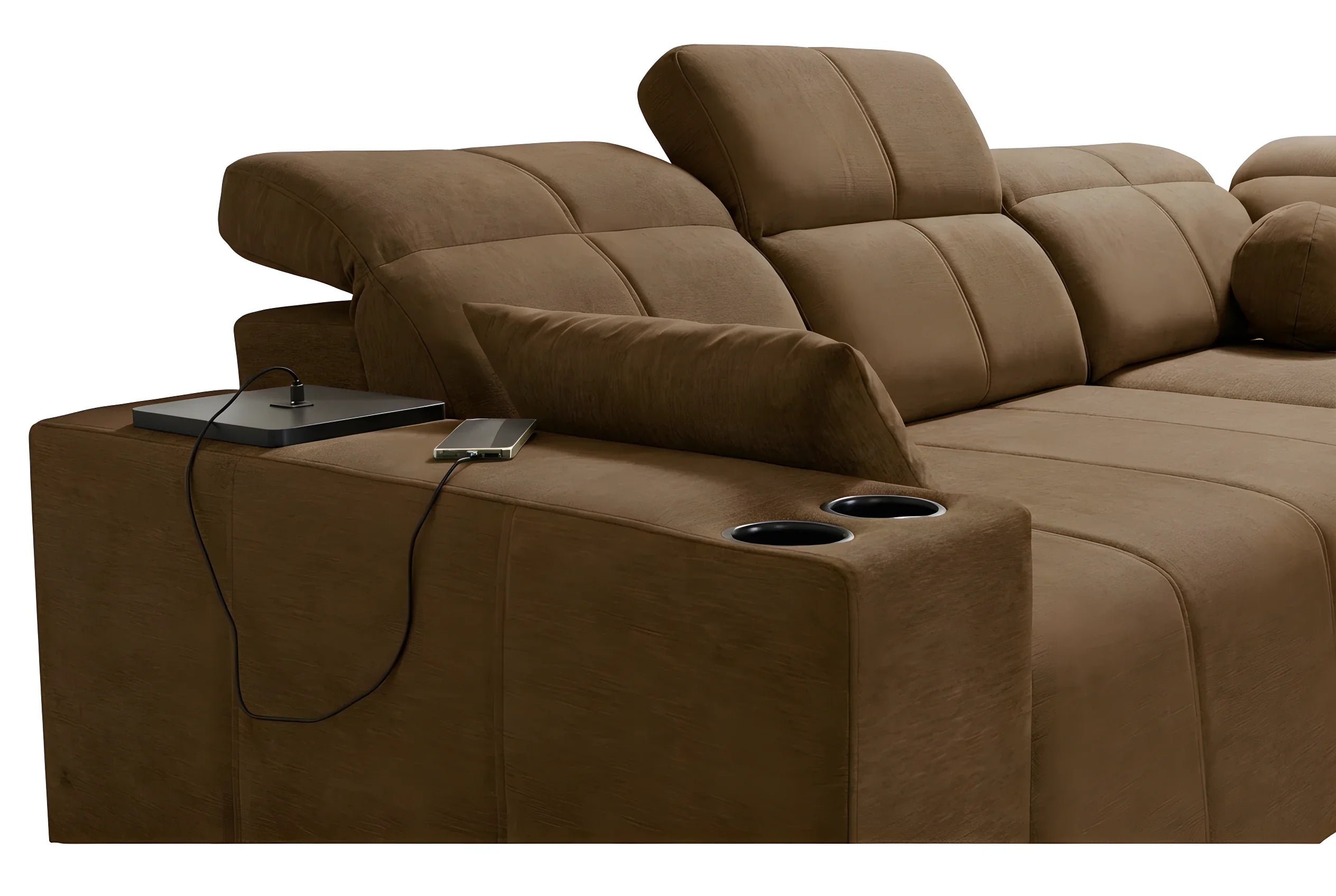
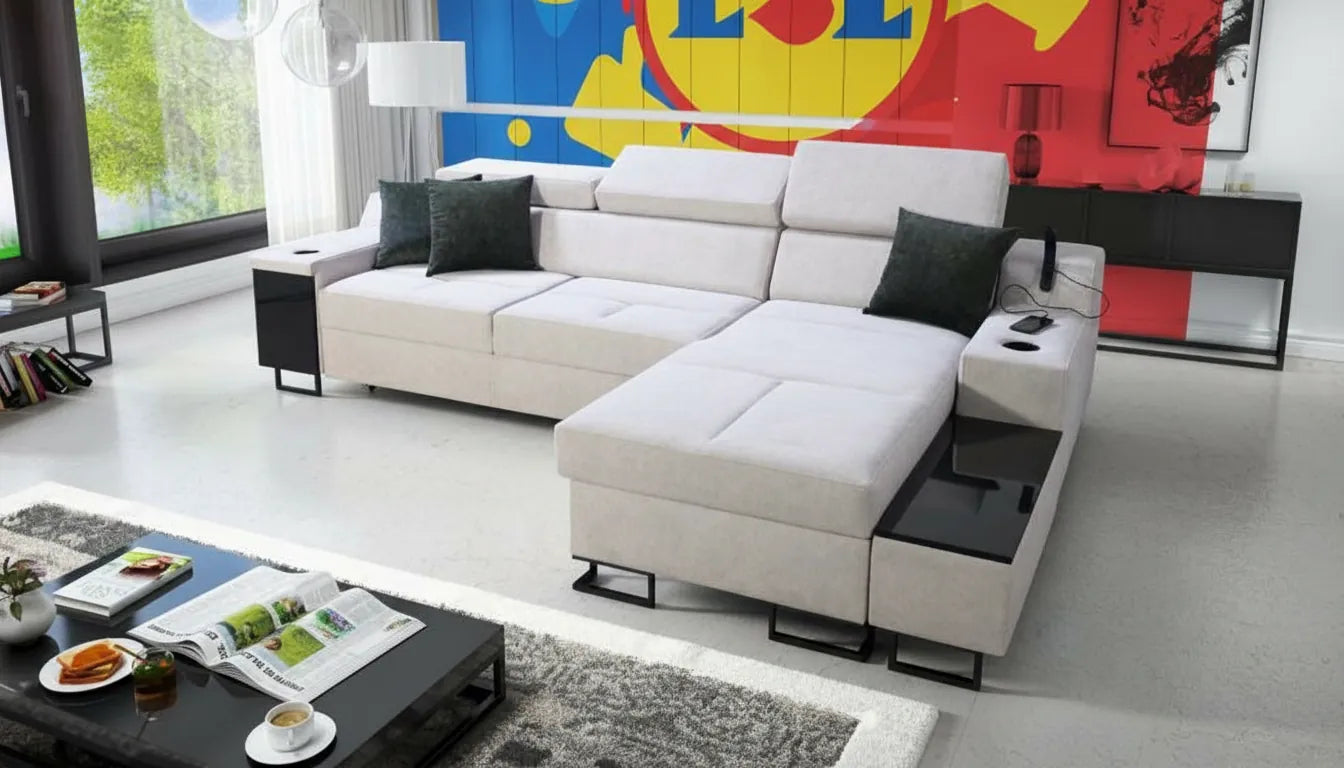
Convertible models, such as the famous IKEA Friheten sofa, illustrate this desire for optimization. Marketed at a particularly competitive price, they combine three highly sought-after features: a convivial corner seat, useful storage hidden under the chaise longue, and an extension system allowing for an extra sofa bed in seconds. Their deliberately clean lines also blend seamlessly into many decoration styles.
However, this functional ingenuity comes with technical choices geared towards cost control. Ergonomics and customization remain constrained by the ready-to-assemble dictates of mass retail. This is the opposite of the approach adopted by seating specialists like Kings Canapé, who articulate their concept around custom-made solutions to precisely adjust to the body shapes and specificities of each household, without imposing a single format.
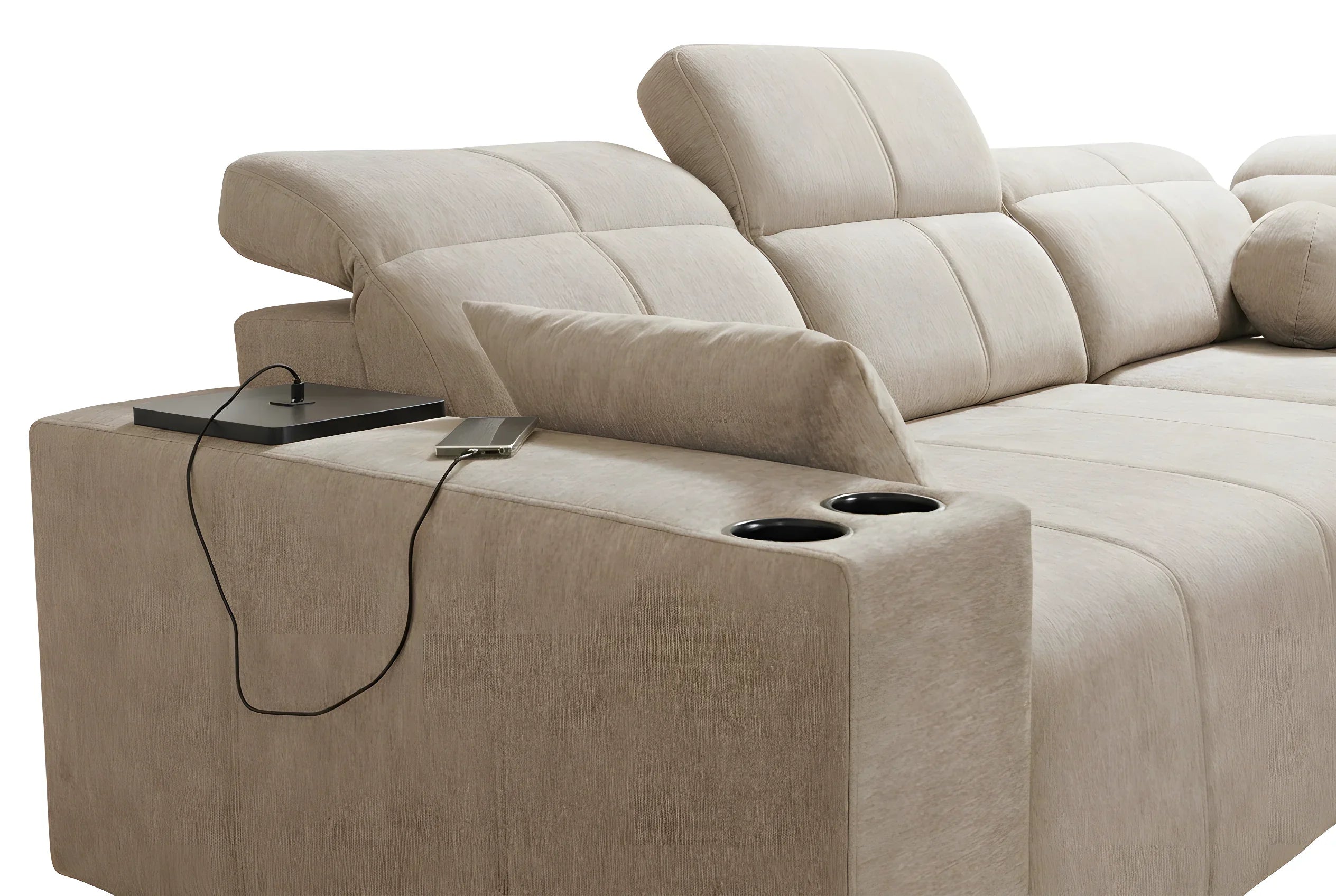
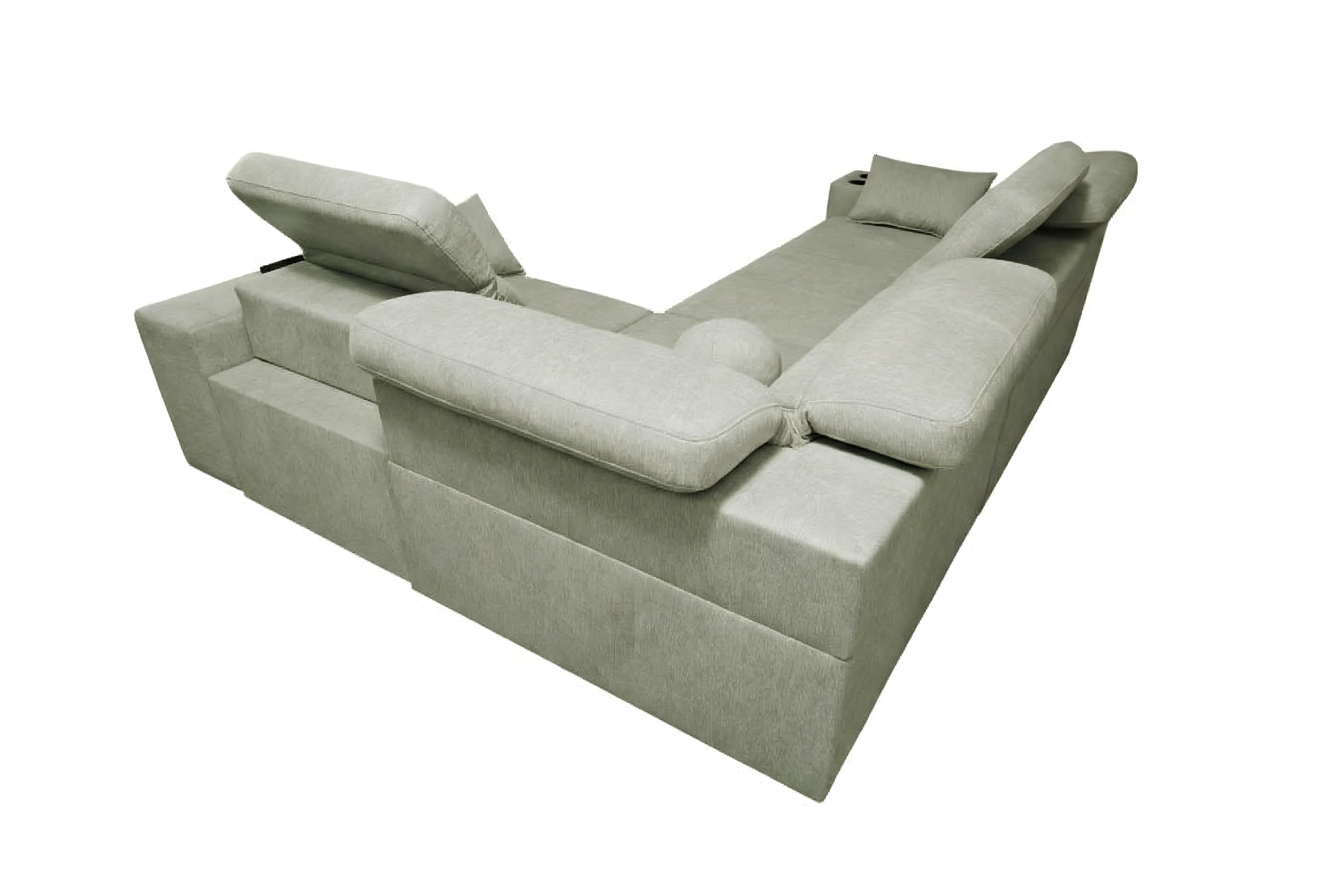
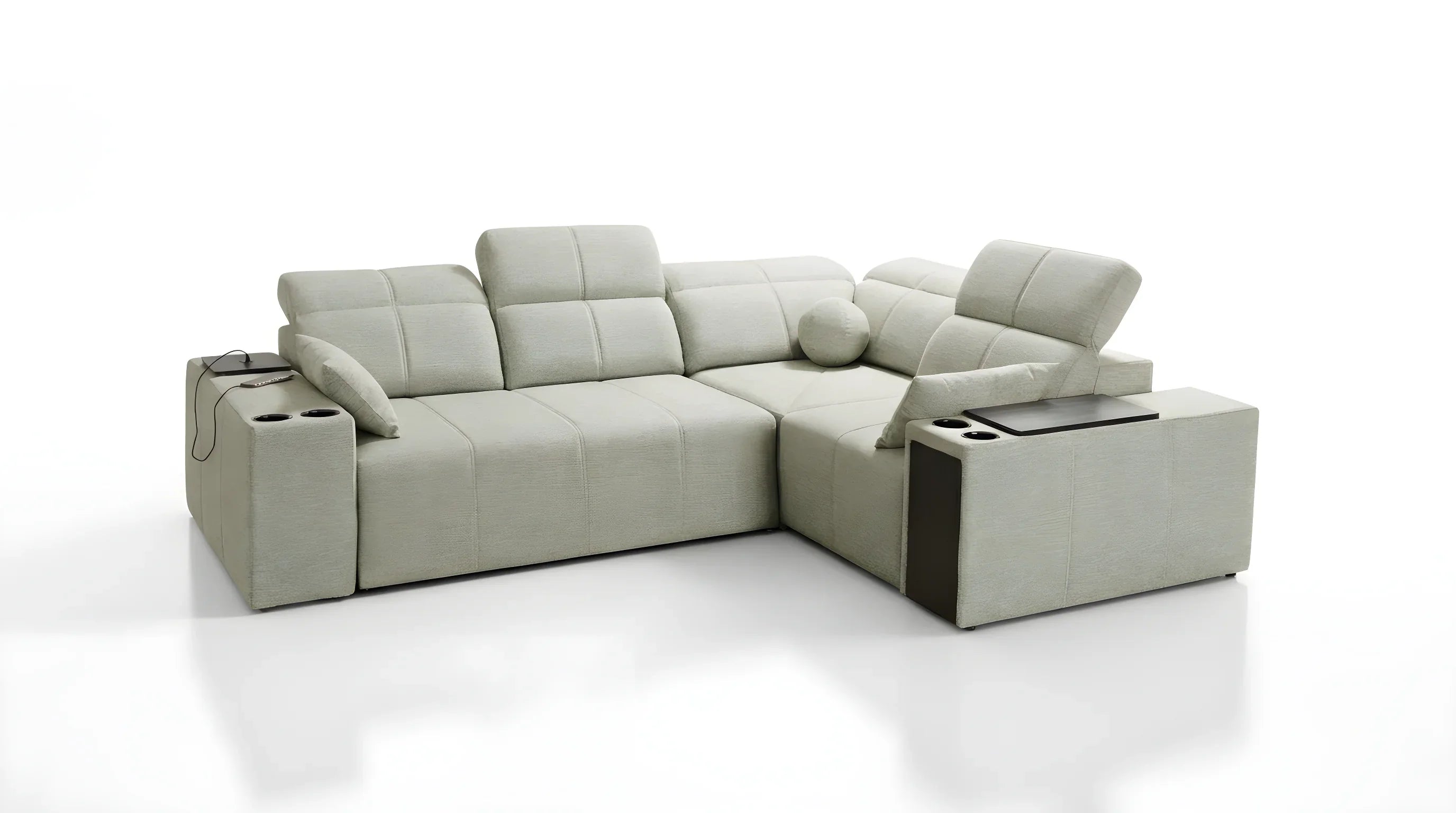
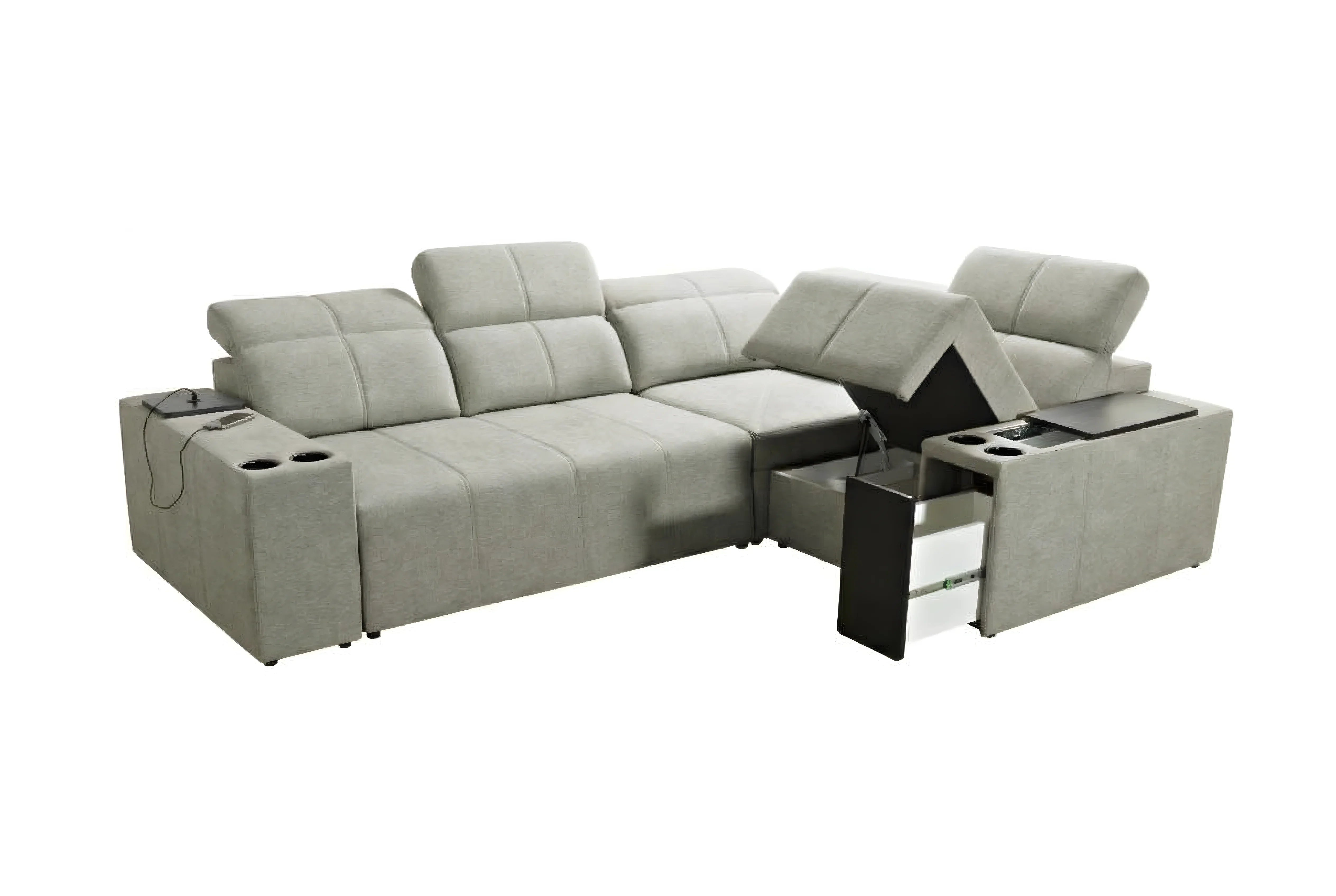
Do you want a living room built to last? Discover modular sofas designed with solid wood frames, filled with high resilience (HR) molded foams for prolonged comfort. Build your model with countless configurations at no extra cost.
Comfort and maintenance: Points of vigilance for daily use
Beyond unpacking and initial assembly, the choice of a sofa is judged by the test of time. Consulting numerous user experiences provides an objective assessment of the strengths and limitations of the foams used in standardized ranges.
1. The evolution of polyurethane foams
Upon installation, the comfort of an entry-level model is often described as pleasant. However, examining the technical sheets reveals the recurrent use of foams whose seat density generally varies between 20 and 25 kg/m³. In the furniture sector, this specification is more recommended for occasional use or furniture that is not systematically used. Subject to regular weight constraints, this foam proportionally tends to soften over time, altering the original firmness of the seat.
2. Structural differences with High Resilience
To meet the needs of families and the intensive use of a main living room, more elaborate manufacturing is required. Kings Canapé, for example, has turned to High Resilience (HR) foams with a seat density of 35 kg/m³ and beyond. This elastic consistency has the ability to return to its original shape immediately after use, durably pushing back the natural phenomenon of sagging.
3. The importance of the internal frame
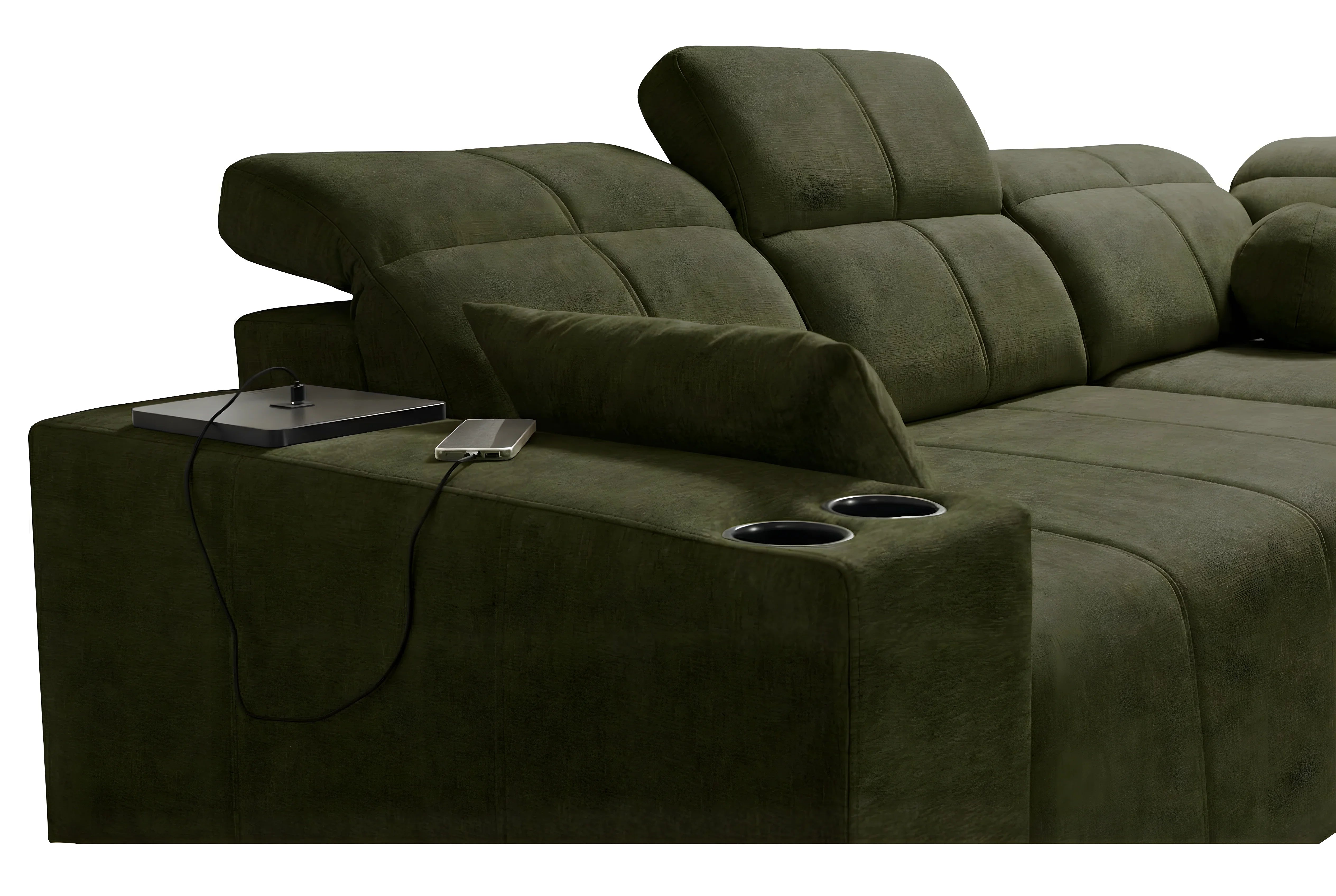
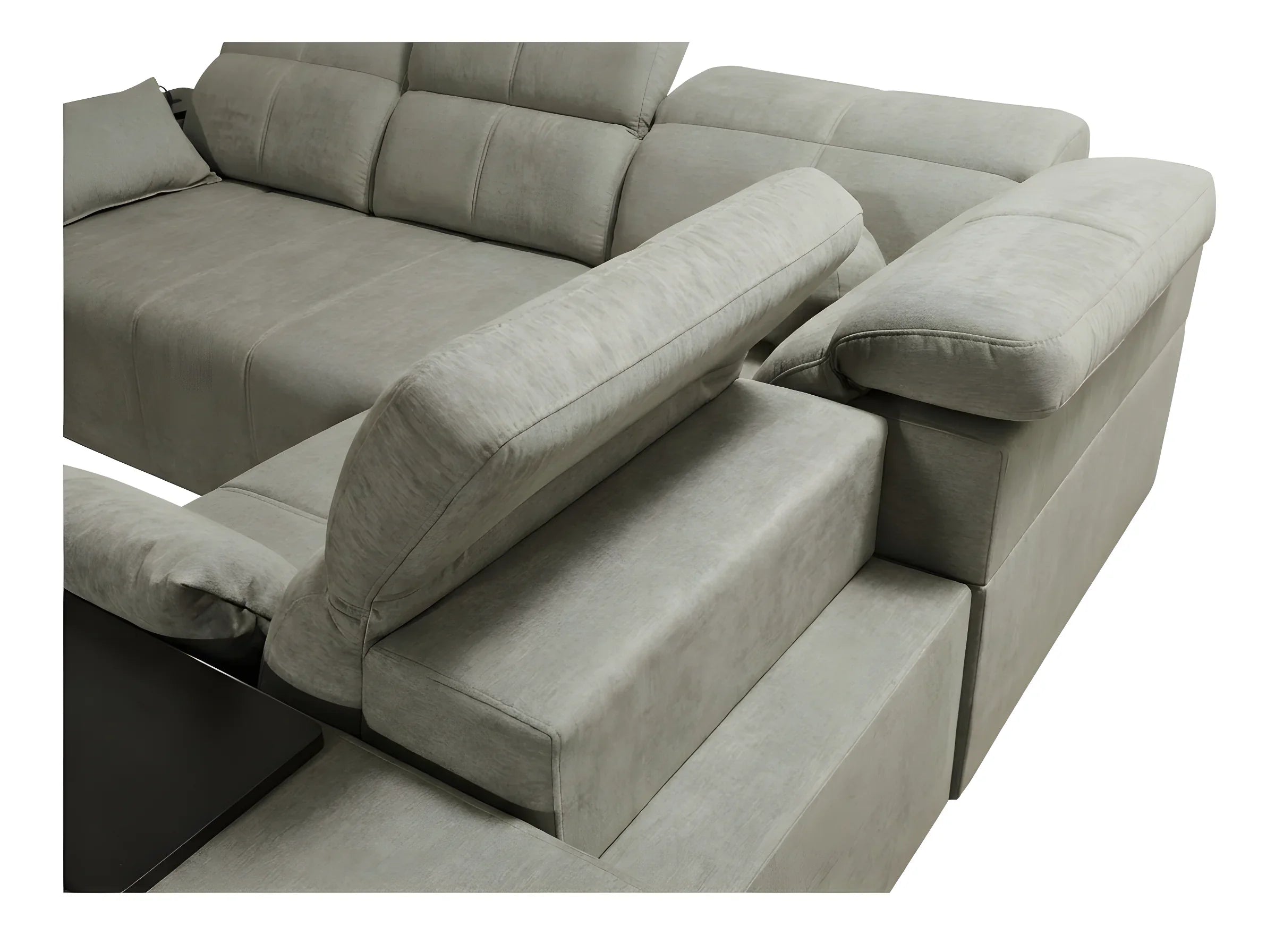
In addition to the seat, the internal structure plays a pivotal role. Accessible ranges often combine chipboard panels and lightweight metal profiles. While these are consistent for this budget, the mechanical robustness of frames using solid wood — as with many seating specialists — ensures a silent seat and preserved rigidity, particularly during the assembly and disassembly of modules during a possible move.
🔄 Indicative overview: Kings Canapé, IKEA and other brands
The table below presents general descriptive elements, noted from the technical sheets of the brands at the time of our consultation. It is neither a ranking nor a rating, but a factual comparison to guide your choice according to the intensity of your future uses.
| Technical criteria | 🏷️ IKEA Modulars | 👑 Kings Canapé | Maisons du Monde | La Redoute Intérieurs |
|---|---|---|---|---|
| Dominant positioning | Convenience and entry-level | Custom-made modular specialist | Trendy and decorative collections | Mid-range interior furnishings |
| Structural materials | Predominantly particle board | Mostly solid wood | Mixed (wood and panels) | Mixed, often with plywood |
| Observed median density | Around 20 to 25 kg/m³ | HR foam of 35 kg/m³ minimum | Around 25 to 30 kg/m³ | Around 28 to 30 kg/m³ |
| Adjustments and customization | Dimensions and fabrics dictated by the catalog | Flexibility by module, over 170 fabrics | Styles fixed by collection | Predefined references according to stock |
Standardization versus the need for a unique living room
Very large-scale production implies reducing the diversity of offers to optimize logistics. This standardization methodology inevitably involves abandoning overly specific demands.
The ceiling on customization
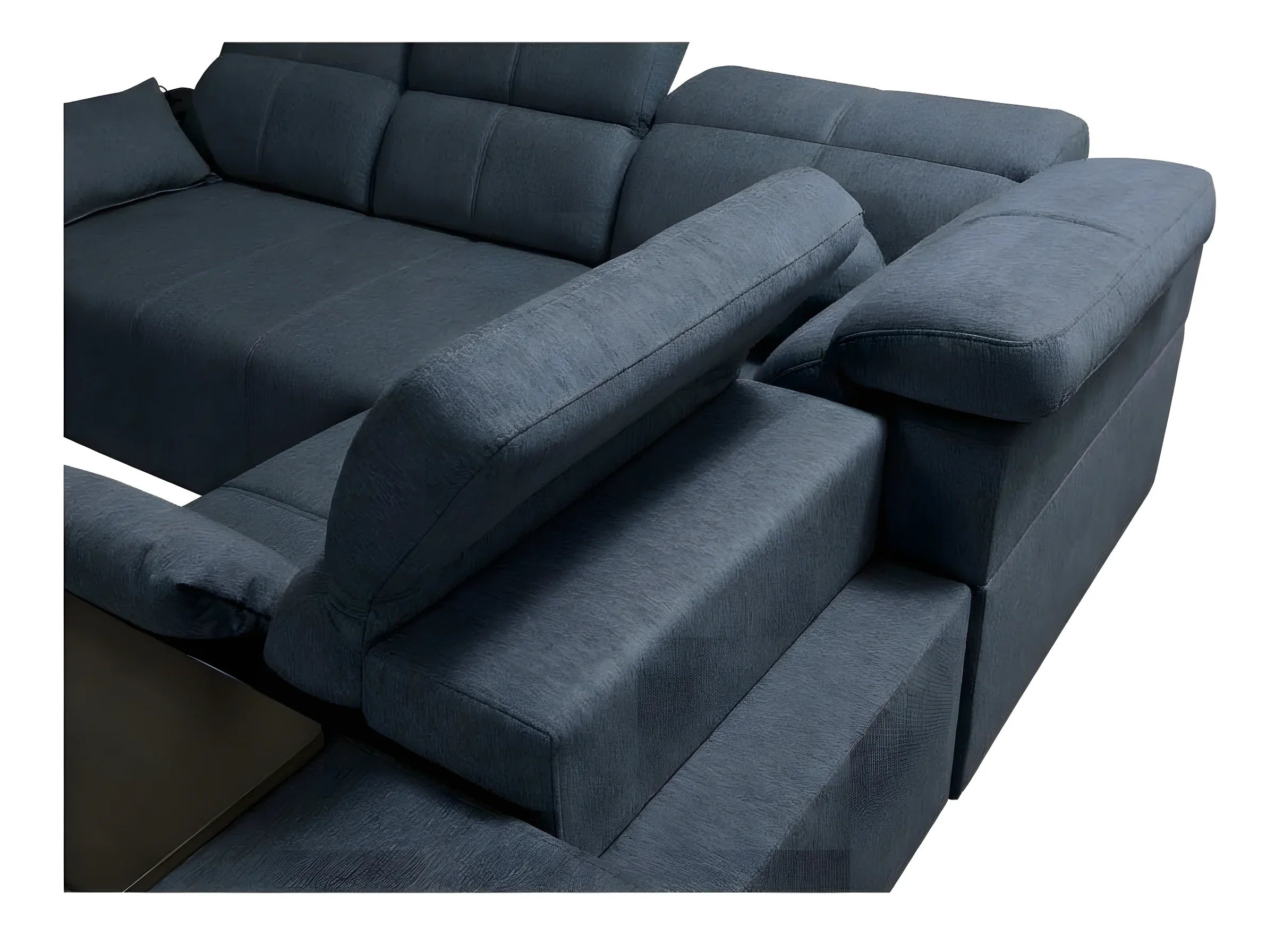
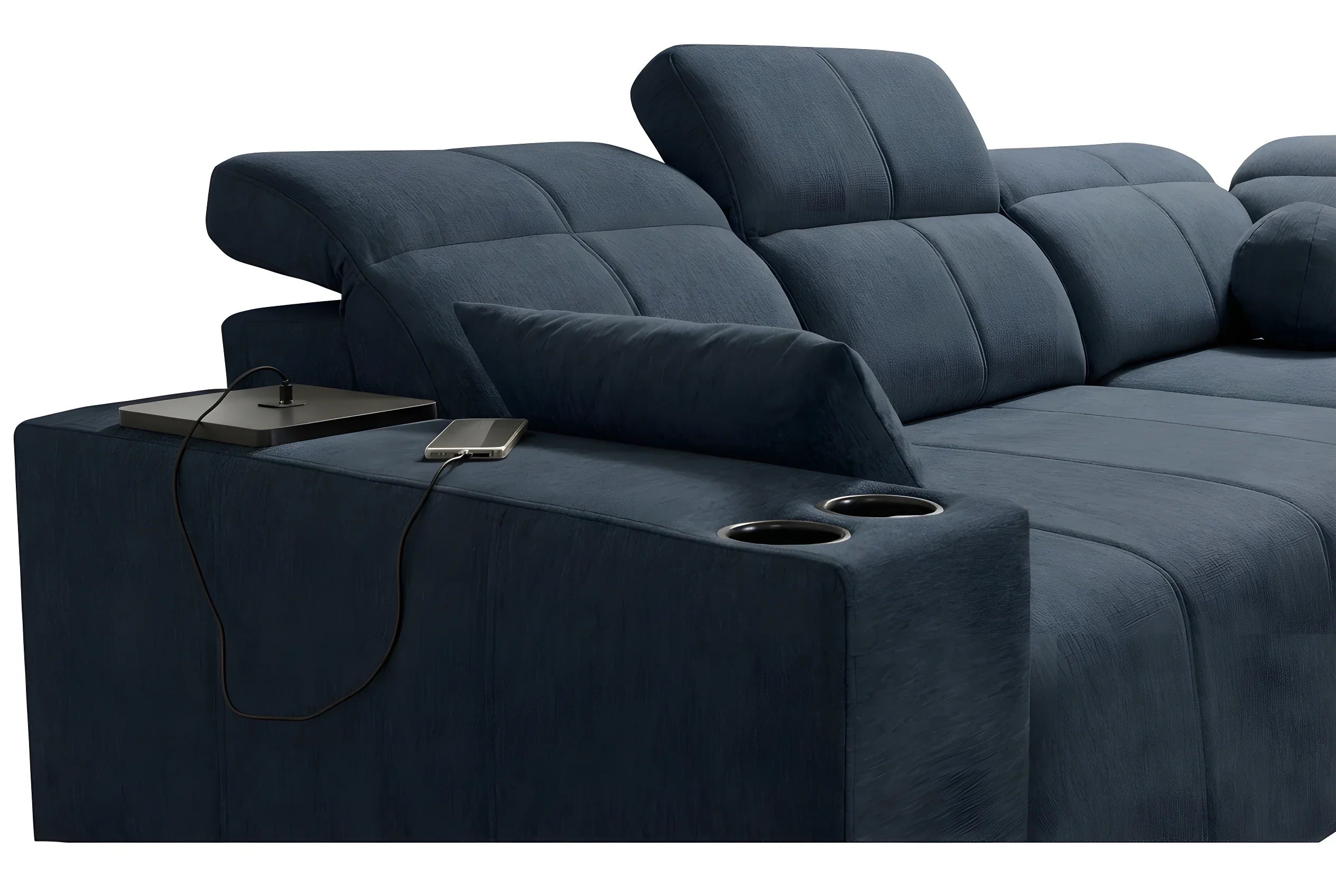
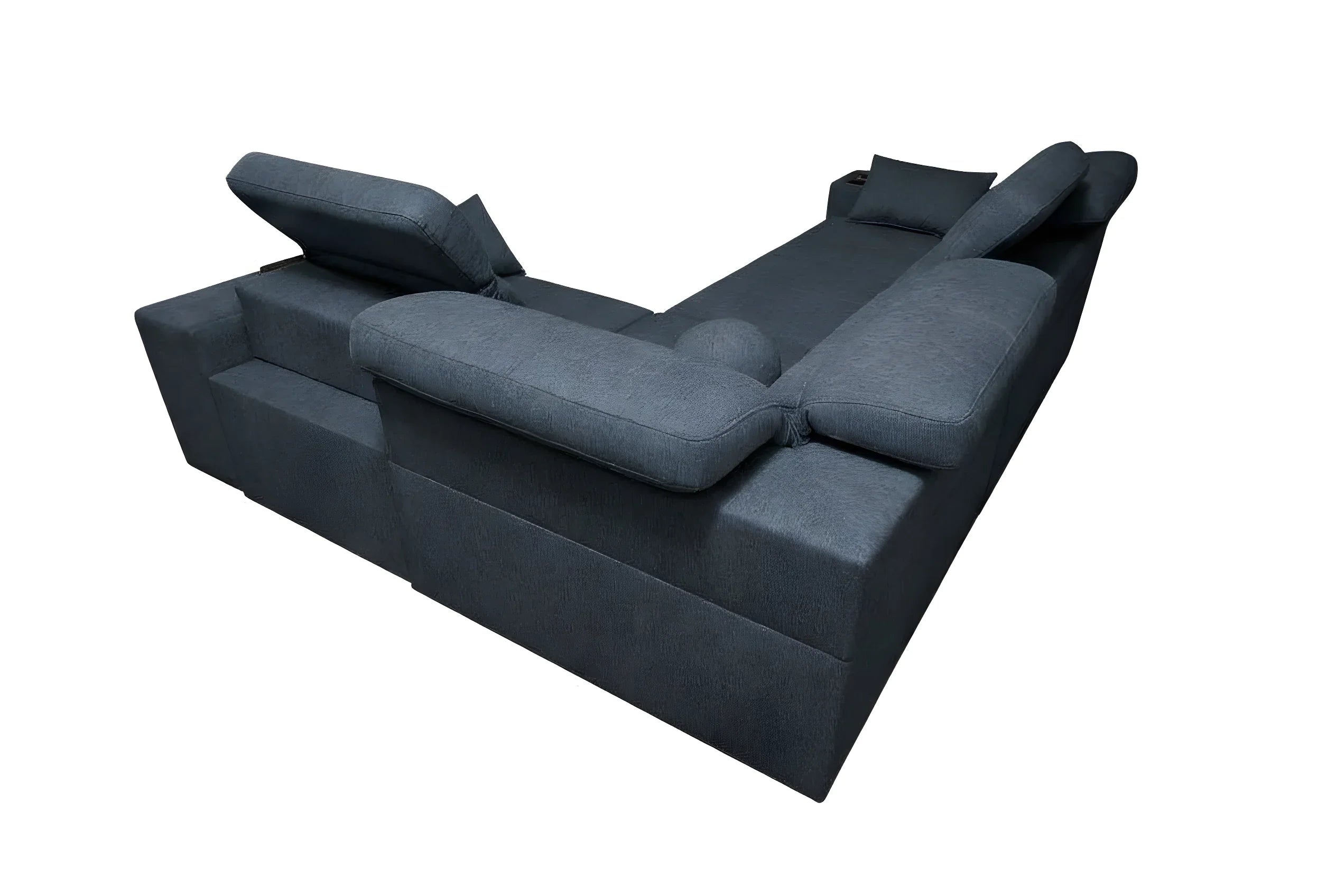
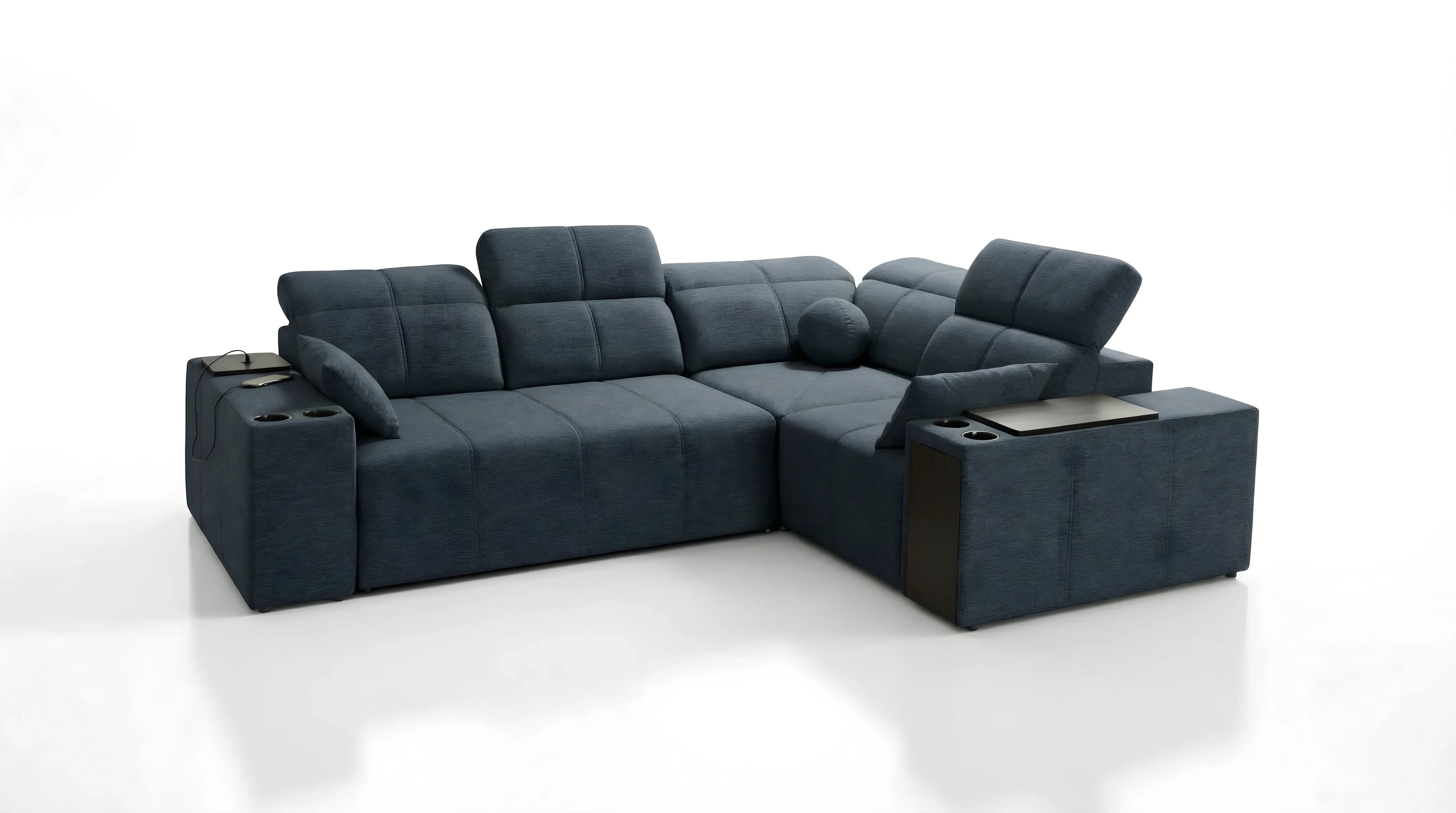
Configuring a model in generalist brands often amounts to assembling predefined blocks of a single color. The range of coverings remains confined to basic synthetic textures or a few cotton fabrics. Flexibility is real in terms of corner orientation, but non-existent when it comes to integrating a higher backrest, selecting a technical covering (stain-resistant, water-repellent velvet), or adding a motorized reclining seat.
The differentiating contribution of specialized designers
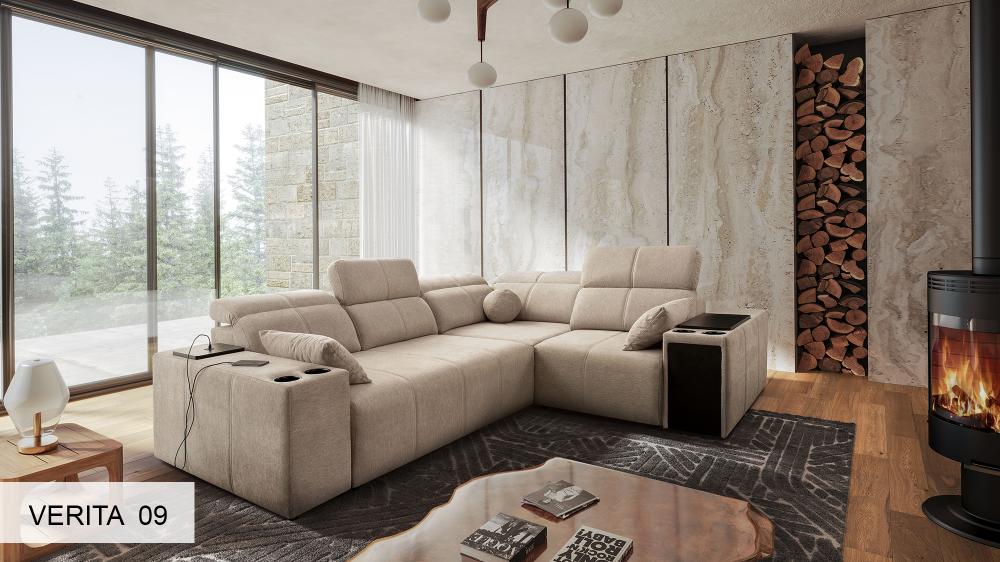
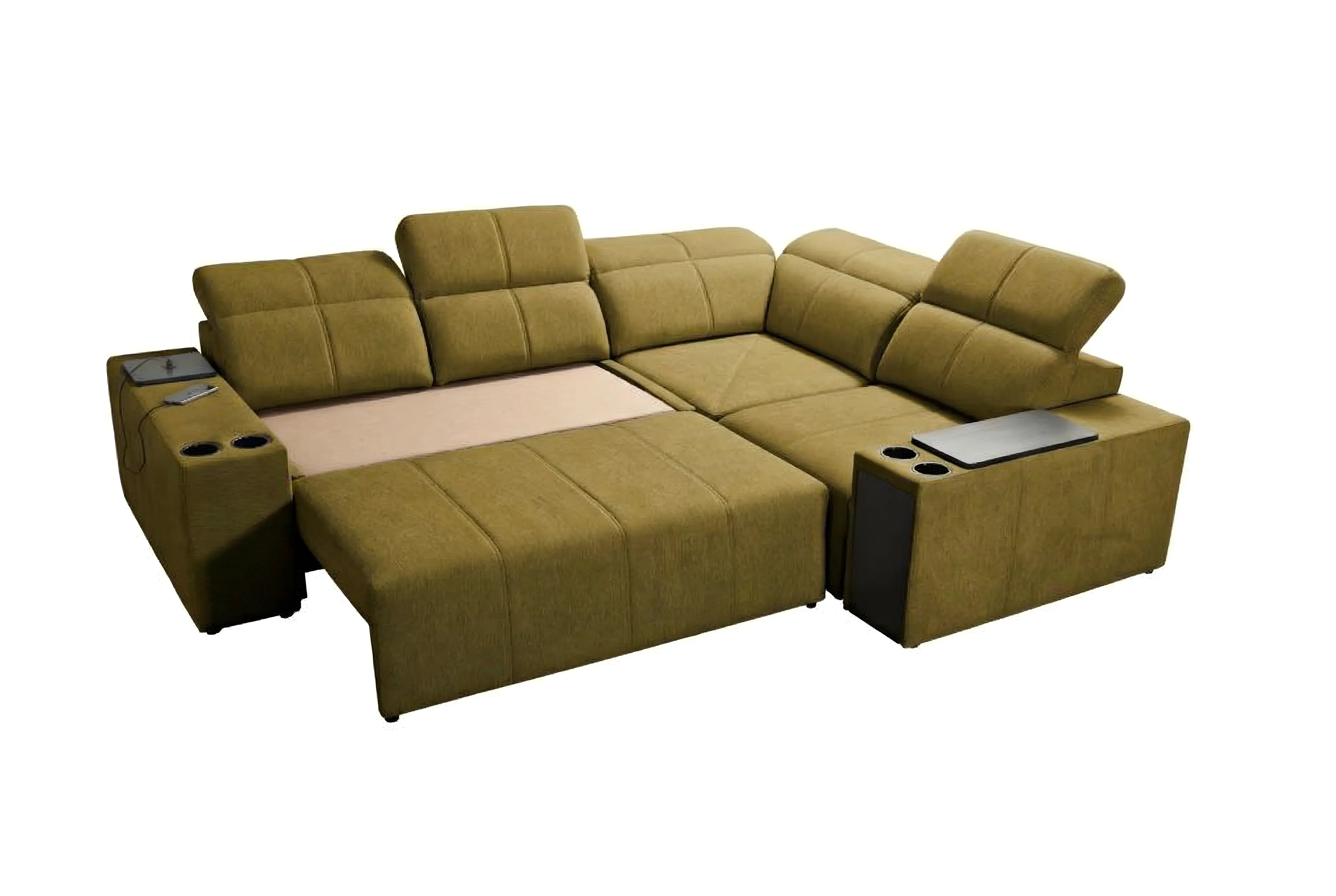
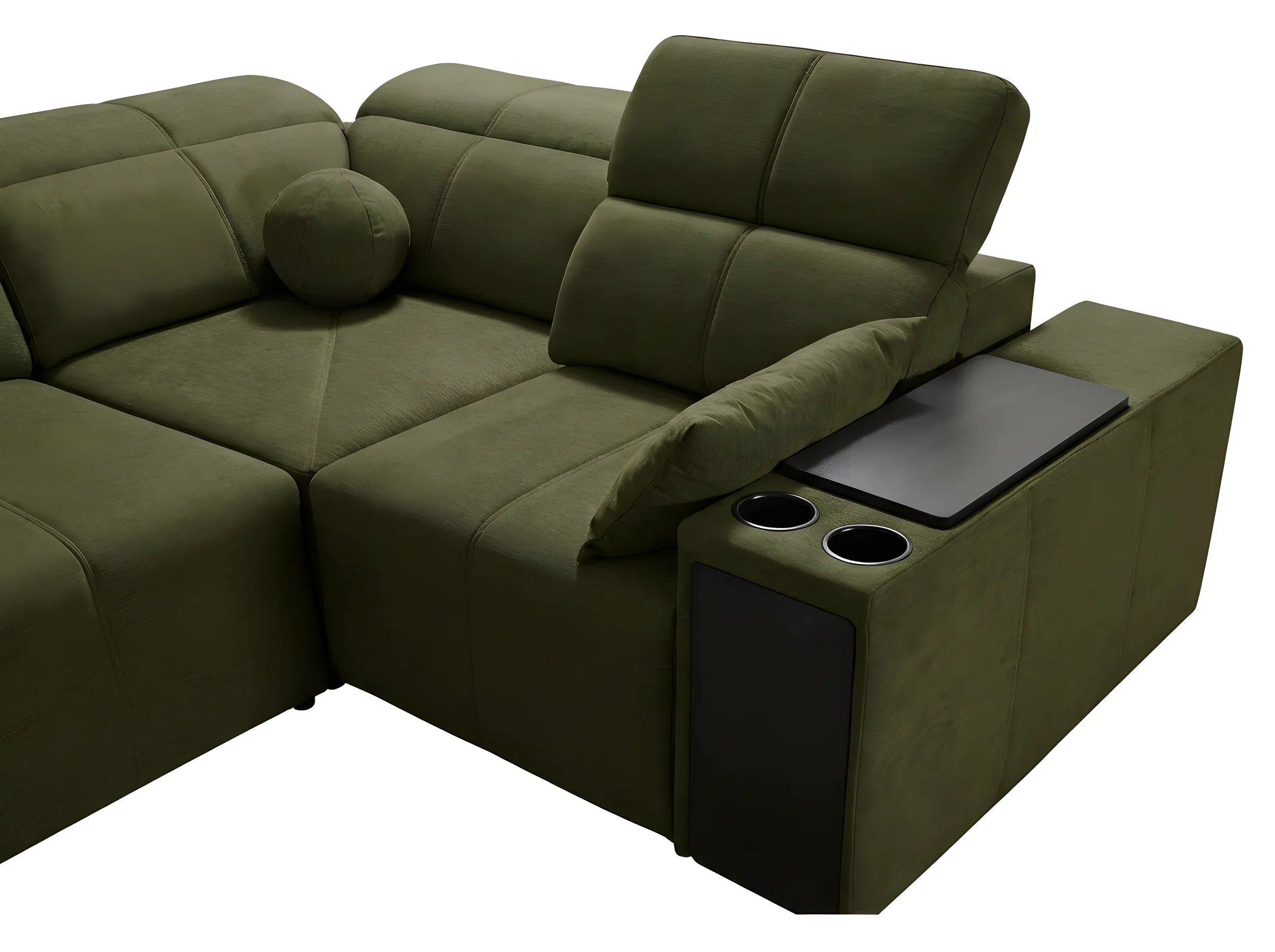
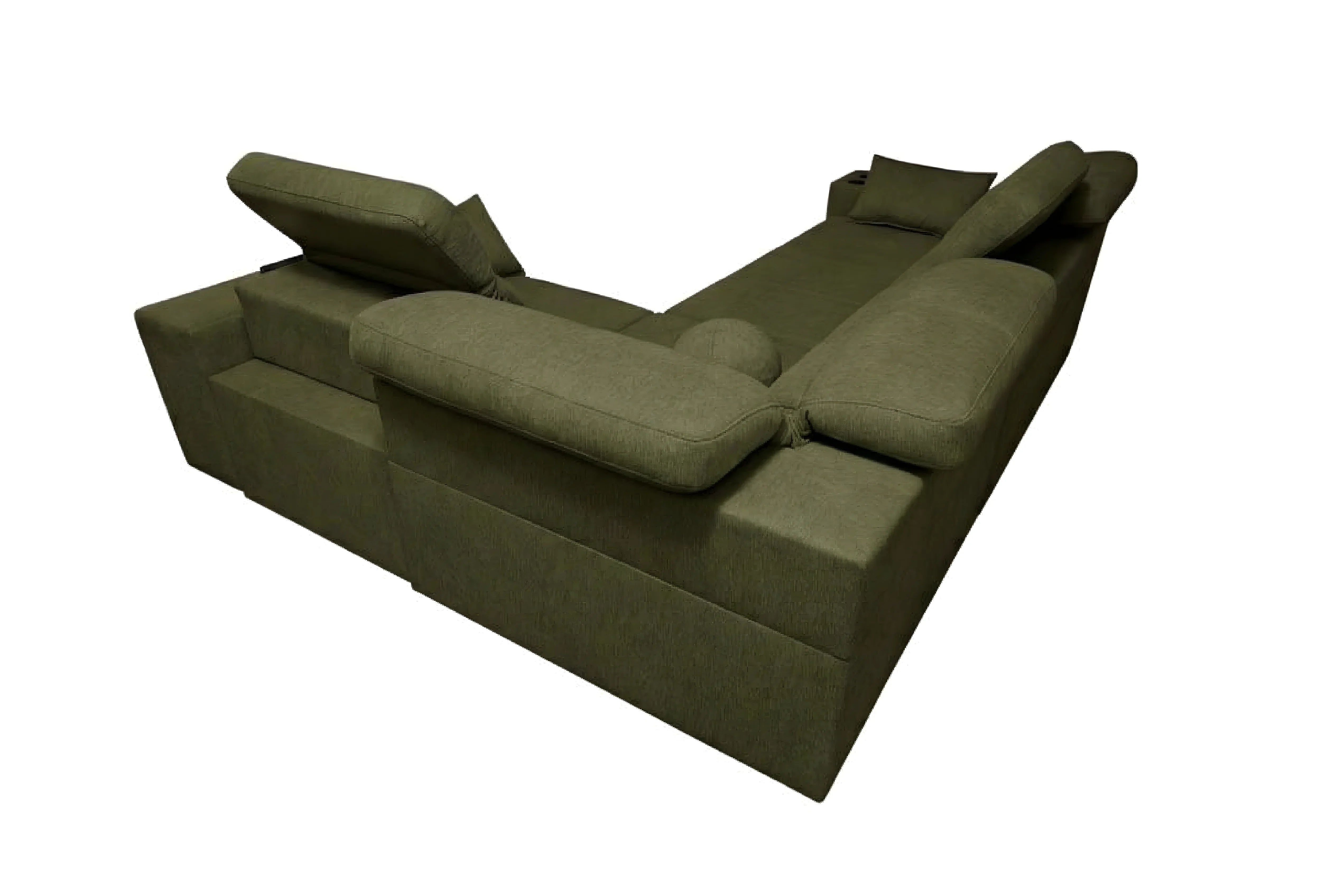
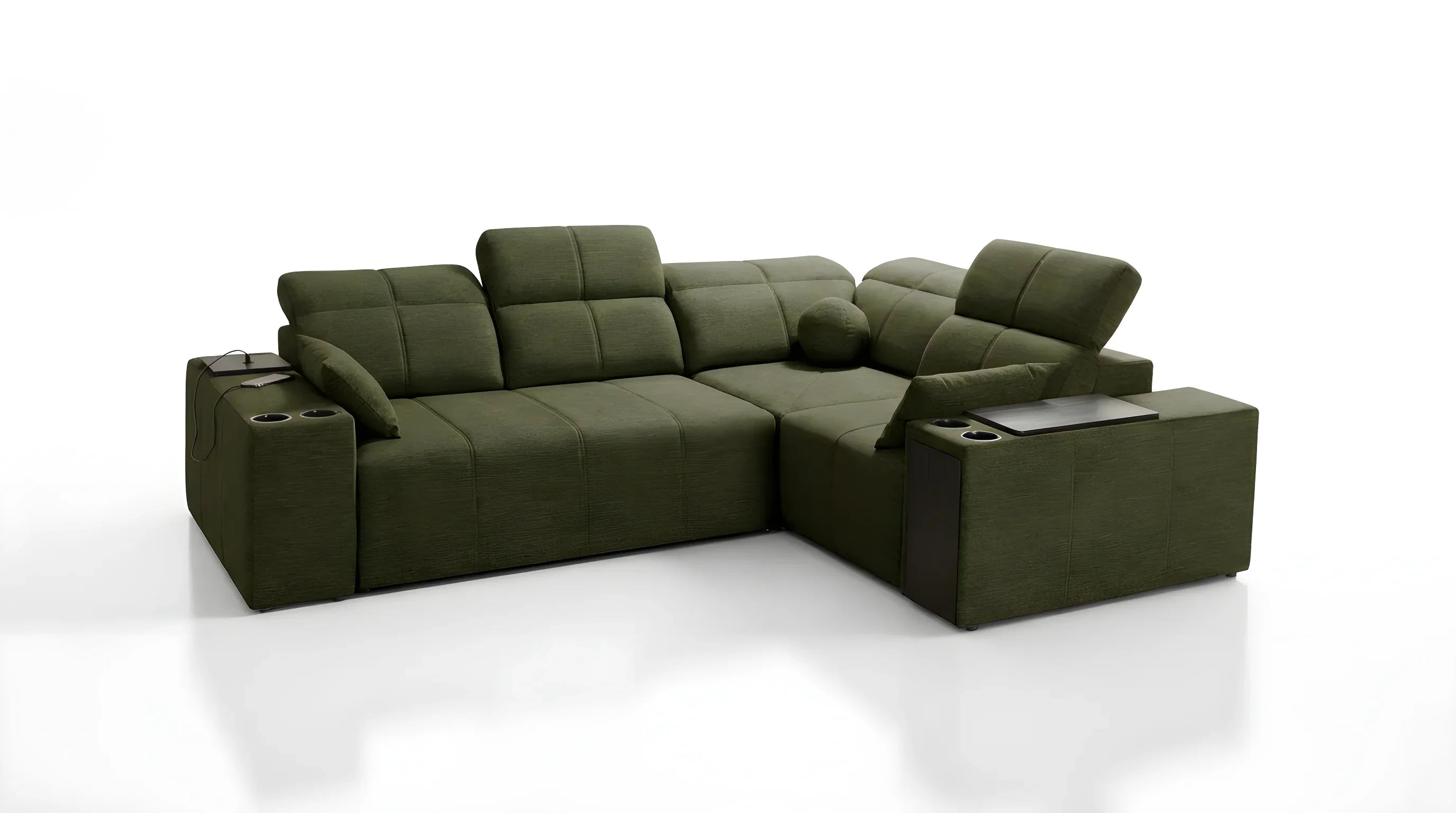
If we consider the sofa to be the epicenter of a living room, it may be wise to explore the horizon of custom-made. Brands committed to this field, like Kings Canapé, view their catalog as a true creative palette. By allowing independent modules to be covered in dozens of different colors and materials (meaning several hundred possible overall combinations), the user composes their furniture down to the centimeter and according to their architectural constraints. This degree of individualization marks the technical boundary between standardized furniture and personalized furnishings.
You are furnishing a temporary home: To meet the initial needs of a student or young tenant on a tight budget for one to three years, this solution is economically functional.
You are looking for a seat for an ancillary room: If it's to occasionally furnish an office or offer a quick bed to occasional guests, without intensive foam constraints.
It is to be the nerve center of the household: If family relaxation evenings or the presence of children require constant comfort over the years, choosing a High Resilience foam of at least 35 kg/m³ is highly recommended.
Your needs require non-standard formats: For a room with unusual dimensions requiring the addition of specific modules, or for the integration of optional electric comforts impossible to find on a mass-produced item.
The comfort of your interior decoration should not compromise aesthetic or practical aspects. Create a living room arrangement tailored to your daily uses, test our fabrics, and design the exclusive piece of furniture with the colors and options that suit you best.
Frequently asked questions
What foam density characterizes a primary seat IKEA modular sofa?
By analyzing the technical sheets of the brand's entry-level models, the seat density of polyurethane foams is frequently between 20 and 25 kg/m³. This range is generally recommended to ensure adequate support during moderate use.
Can you easily renew the look of your sofa?
Yes, one of the strong arguments of many IKEA catalogs is the offer of additional covers. This way, users can wash or replace worn covers or simply change the color ambiance, within the panel defined by the brand.
Does the integrated sofa bed of standardized ranges offer the attributes of a real bed?
Professional test benches and manufacturer specifications classify these models as "occasional sleeping." The superficial layer and underlying frame tend to be felt; therefore, they should not be substituted for actual bedding for daily rest.
Which specialists should be considered to increase the durability of a modular sofa?
To ensure long-term use and prevent material fatigue, opting for demanding manufacturing that incorporates solid wood and High Resilience foams exceeding 35 kg/m³ remains the appropriate mechanical logic. This is the essence of the Kings Canapé catalog, which aims to optimize the amortization of the household budget over many years.
In conclusion
Opting for an IKEA modular sofa is a relevant decision if it's for furnishing a guest room, supporting parents' budget for their students, or setting up a living space intermittently. The brand's promise is kept regarding the equation between current style and the economy of the new price. However, to ensure the seat remains central to the home without causing premature sagging, the physical limitation of standard foams severely constrains the furniture's lifespan.
Building a sustainable approach requires demanding materials whose performance durably meets daily needs. In this perspective, analyzing the technicality developed by specialists like Kings Canapé provides access to a superior level of comfort. Favoring the alliance of custom-made and high-firmness foam often guarantees peace of mind and structural savings in the long term.
📋 Reminder: comparative page published by Kings Canapé; please check up-to-date information on the official websites of the mentioned brands before purchase.



Leave a comment
This site is protected by hCaptcha and the hCaptcha Privacy Policy and Terms of Service apply.